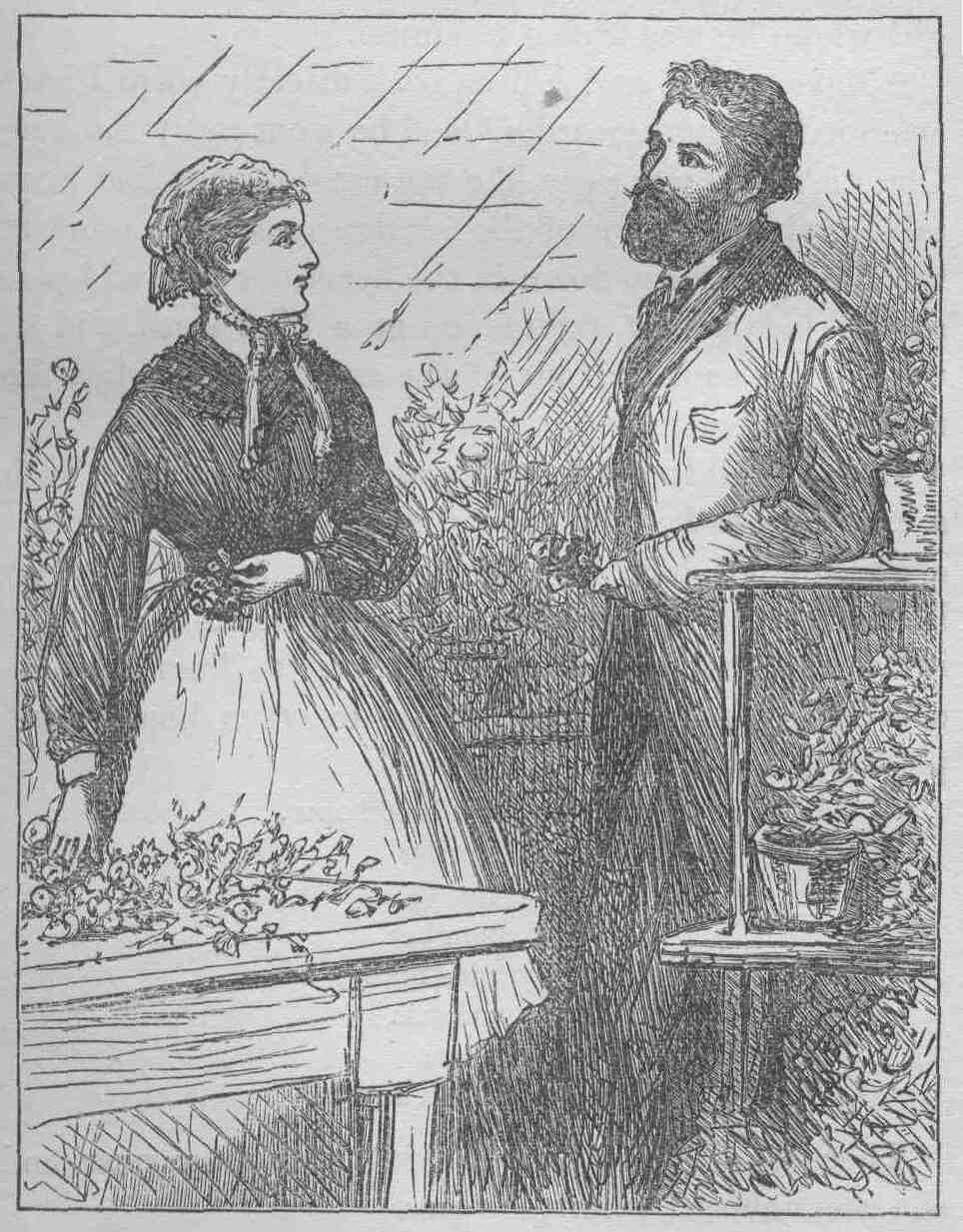
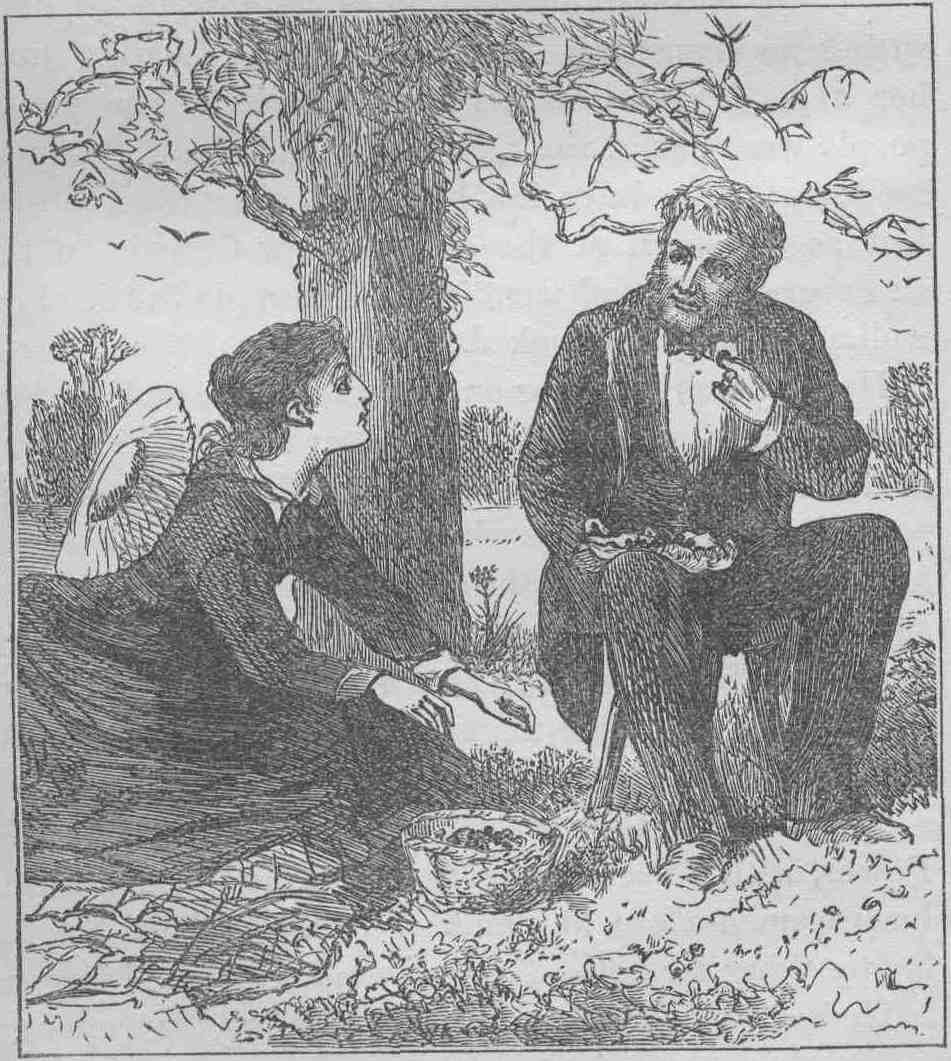
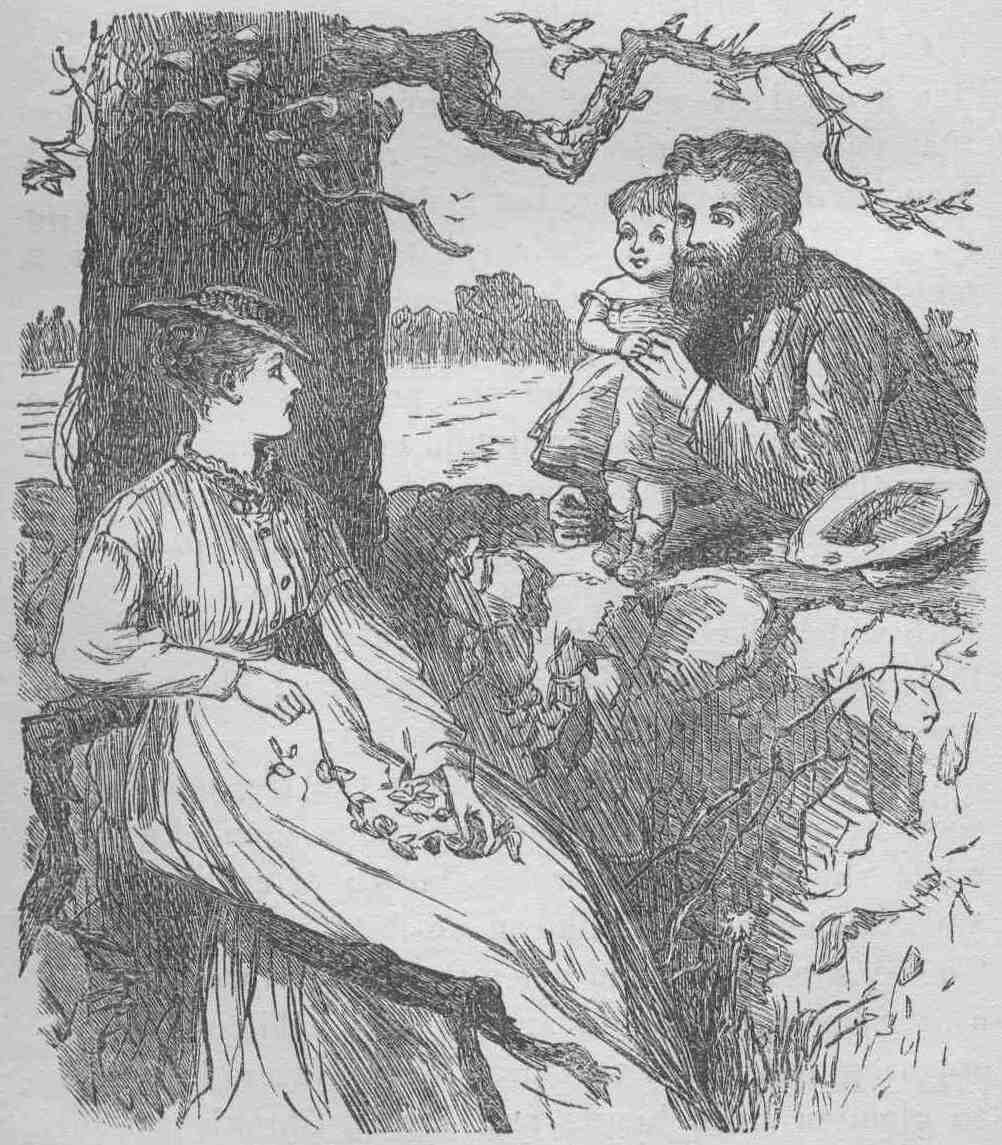
Before she had time to find a new situation, Christie received a note from Miss
Tudor, saying that hearing she had left Mrs. Saltonstall she wanted to offer
her the place of companion to an invalid girl, where the duties were light and
the compensation large.
“How kind of her to think of me,” said Christie, gratefully.
“I’ll go at once and do my best to secure it, for it must be a good
thing or she wouldn’t recommend it.”
Away went Christie to the address sent by Miss Tudor, and as she waited at the
door she thought:
“What a happy family the Carrols must be!” for the house was one of
an imposing block in a West End square, which had its own little park where a
fountain sparkled in the autumn sunshine, and pretty children played among the
fallen leaves.
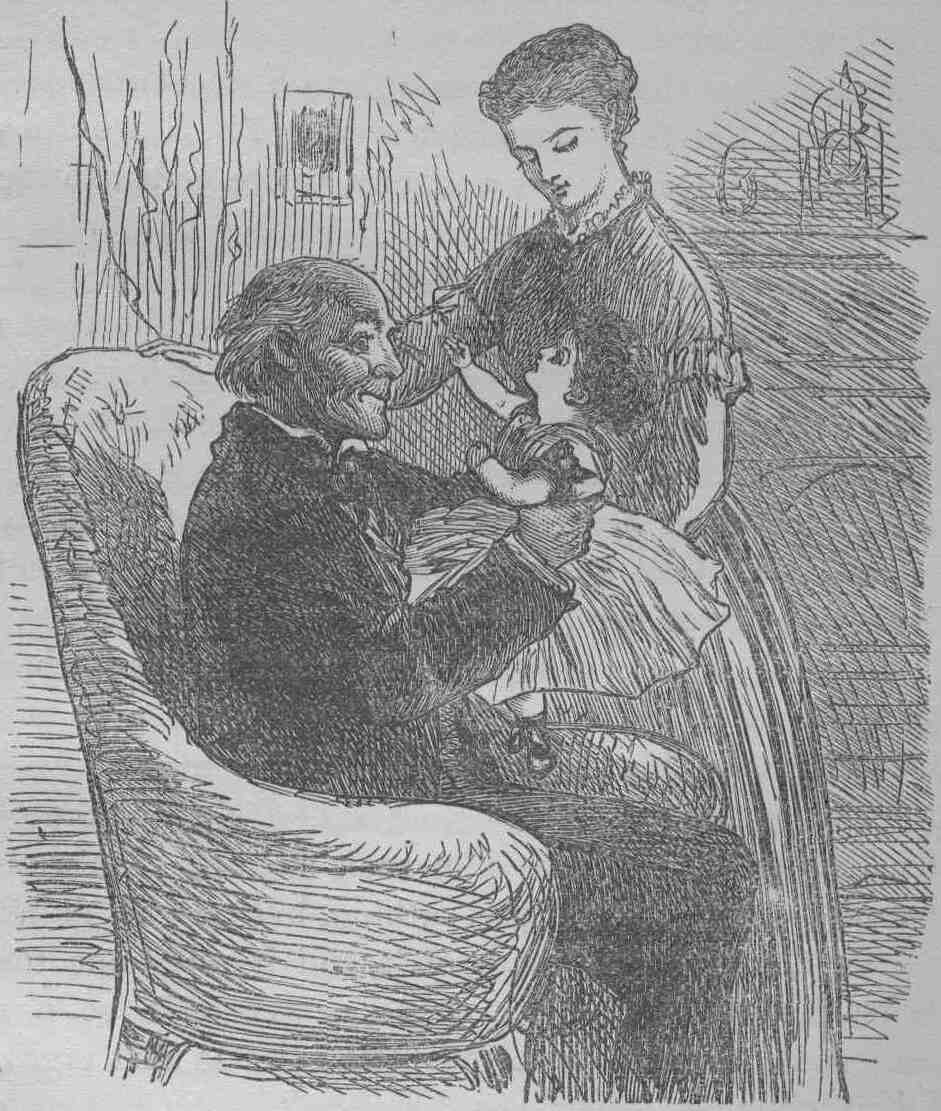
Mrs. Carrol was a stately woman, still beautiful in spite of her fifty years.
But though there were few lines on her forehead, few silver threads in the dark
hair that lay smoothly over it, and a gracious smile showed the fine teeth, an
indescribable expression of unsubmissive sorrow touched the whole face,
betraying that life had brought some heavy cross, from which her wealth could
purchase no release, for which her pride could find no effectual screen.
She looked at Christie with a searching eye, listened attentively when she
spoke, and seemed testing her with covert care as if the place she was to fill
demanded some unusual gift or skill.
“Miss Tudor tells me that you read aloud well, sing sweetly, possess a
cheerful temper, and the quiet, patient ways which are peculiarly grateful to
an invalid,” began Mrs. Carrol, with that keen yet wistful gaze, and an
anxious accent in her voice that went to Christie’s heart.
“Miss Tudor is very kind to think so well of me and my few
accomplishments. I have never been with an invalid, but I think I can promise
to be patient, willing, and cheerful. My own experience of illness has taught
me how to sympathize with others and love to lighten pain. I shall be very glad
to try if you think I have any fitness for the place.”
“I do,” and Mrs. Carrol’s face softened as she spoke, for
something in Christie’s words or manner seemed to please her. Then
slowly, as if the task was a hard one, she added:
“My daughter has been very ill and is still weak and nervous. I must hint
to you that the loss of one very dear to her was the cause of the illness and
the melancholy which now oppresses her. Therefore we must avoid any thing that
can suggest or recall this trouble. She cares for nothing as yet, will see no
one, and prefers to live alone. She is still so feeble this is but natural; yet
solitude is bad for her, and her physician thinks that a new face might rouse
her, and the society of one in no way connected with the painful past might
interest and do her good. You see it is a little difficult to find just what we
want, for a young companion is best, yet must be discreet and firm, as few
young people are.”
Fancying from Mrs. Carrol’s manner that Miss Tudor had said more in her
favor than had been repeated to her, Christie in a few plain-words told her
little story, resolving to have no concealments here, and feeling that perhaps
her experiences might have given her more firmness and discretion than many
women of her age possessed. Mrs. Carrol seemed to find it so; the anxious look
lifted a little as she listened, and when Christie ended she said, with a sigh
of relief:
“Yes, I think Miss Tudor is right, and you are the one we want. Come and
try it for a week and then we can decide. Can you begin to-day?” she
added, as Christie rose. “Every hour is precious, for my poor
girl’s sad solitude weighs on my heart, and this is my one hope.”
“I will stay with pleasure,” answered Christie, thinking Mrs.
Carrol’s anxiety excessive, yet pitying the mother’s pain, for
something in her face suggested the idea that she reproached herself in some
way for her daughter’s state.
With secret gratitude that she had dressed with care, Christie took off her
things and followed Mrs. Carrol upstairs. Entering a room in what seemed to be
a wing of the great house, they found an old woman sewing.
“How is Helen to-day, Nurse?” asked Mrs. Carrol, pausing.
“Poorly, ma’am. I’ve been in every hour, but she only says:
‘Let me be quiet,’ and lies looking up at the picture till
it’s fit to break your heart to see her,” answered the woman, with
a shake of the head.
“I have brought Miss Devon to sit with her a little while. Doctor advises
it, and I fancy the experiment may succeed if we can only amuse the dear child,
and make her forget herself and her troubles.”
“As you please, ma’am,” said the old woman, looking with
little favor at the new-comer, for the good soul was jealous of any
interference between herself and the child she had tended for years.
“I won’t disturb her, but you shall take Miss Devon in and tell
Helen mamma sends her love, and hopes she will make an effort for all our
sakes.”
“Yes, ma’am.”
“Go, my dear, and do your best.” With these words Mrs. Carrol
hastily left the room, and Christie followed Nurse.
A quick glance showed her that she was in the daintily furnished boudoir of a
rich man’s daughter, but before she could take a second look her eyes
were arrested by the occupant of this pretty place, and she forgot all else. On
a low luxurious couch lay a girl, so beautiful and pale and still, that for an
instant Christie thought her dead or sleeping. She was neither, for at the
sound of a voice the great eyes opened wide, darkening and dilating with a
strange expression as they fell on the unfamiliar face.
“Nurse, who is that? I told you I would see no one. I’m too ill to
be so worried,” she said, in an imperious tone.
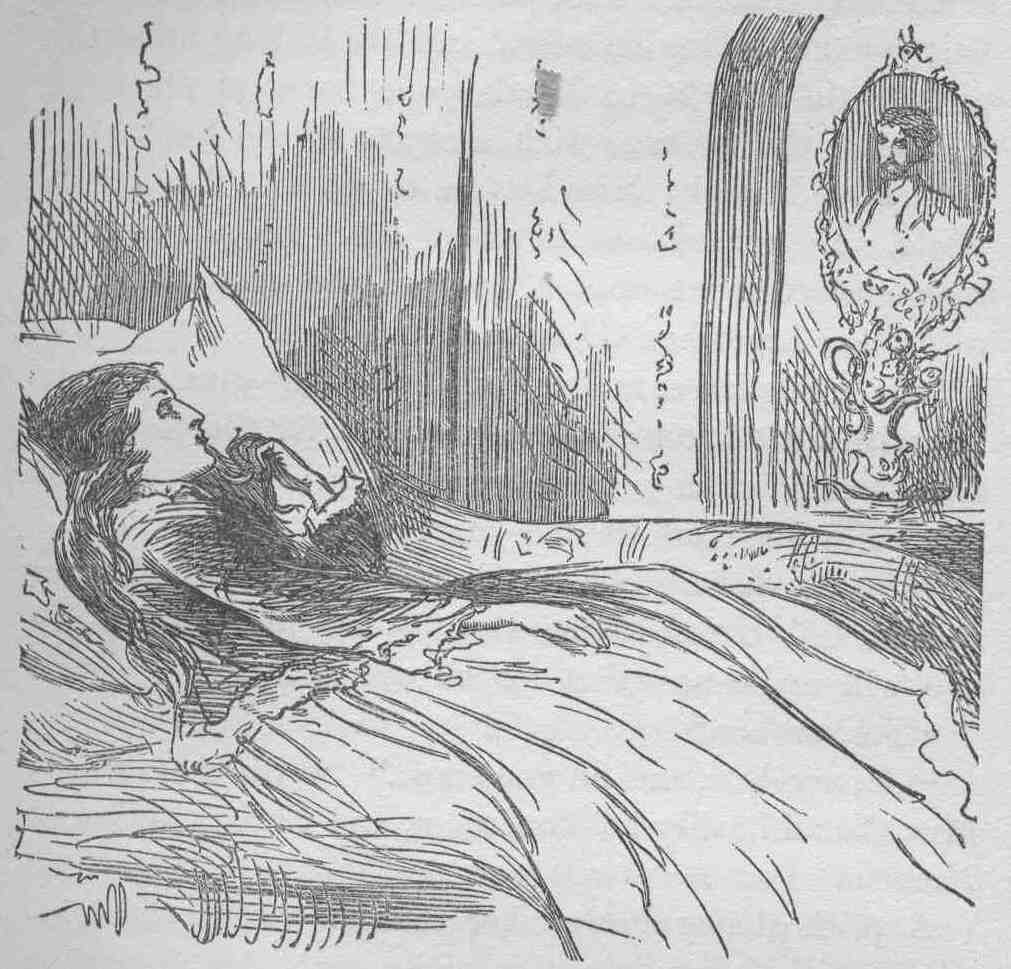
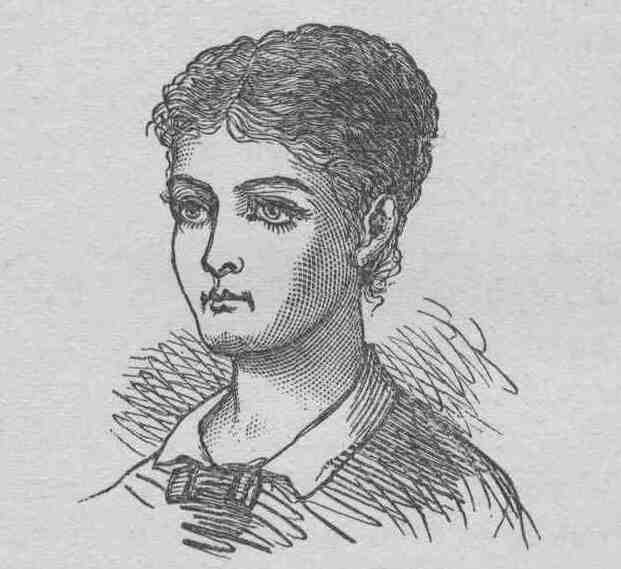
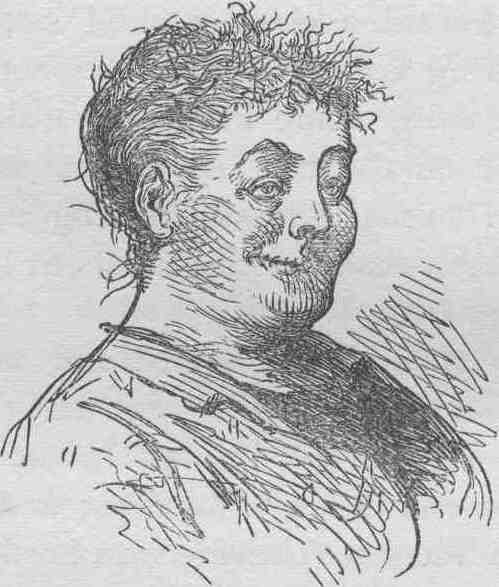
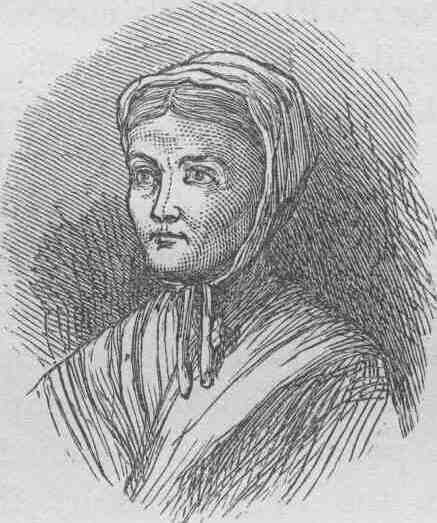
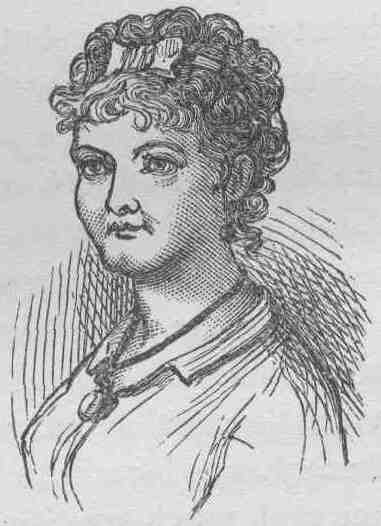
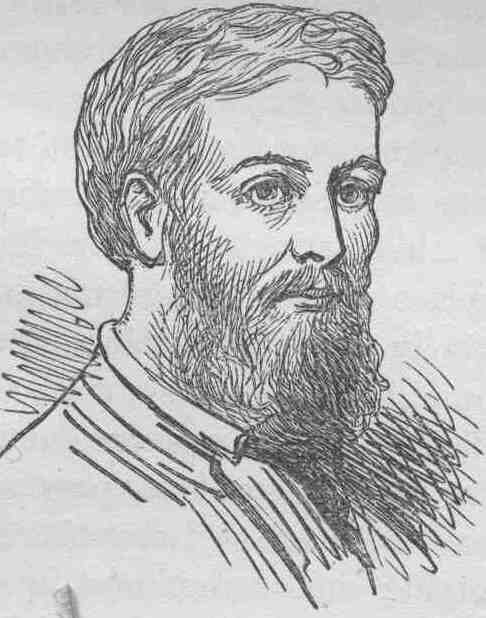
HELEN CARROL
“Yes, dear, I know, but your mamma wished you to make an effort. Miss
Devon is to sit with you and try to cheer you up a bit,” said the old
woman in a dissatisfied tone, that contrasted strangely with the tender way in
which she stroked the beautiful disordered hair that hung about the
girl’s shoulders.
Helen knit her brows and looked most ungracious, but evidently tried to be
civil, for with a courteous wave of her hand toward an easy chair in the sunny
window she said, quietly:
“Please sit down, Miss Devon, and excuse me for a little while.
I’ve had a bad night, and am too tired to talk just yet. There are books
of all sorts, or the conservatory if you like it better.”
“Thank you. I’ll read quietly till you want me. Then I shall be
very glad to do any thing I can for you.”
With that Christie retired to the big chair, and fell to reading the first book
she took up, a good deal embarrassed by her reception, and very curious to know
what would come next.
The old woman went away after folding the down coverlet carefully over her
darling’s feet, and Helen seemed to go to sleep.
For a time the room was very still; the fire burned softly on the marble
hearth, the sun shone warmly on velvet carpet and rich hangings, the delicate
breath of flowers blew in through the half-open door that led to a gay little
conservatory, and nothing but the roll of a distant carriage broke the silence
now and then.
Christie’s eyes soon wandered from her book to the lovely face and
motionless figure on the couch. Just opposite, in a recess, hung the portrait
of a young and handsome man, and below it stood a vase of flowers, a graceful
Roman lamp, and several little relics, as if it were the shrine where some dead
love was mourned and worshipped still.
As she looked from the living face, so pale and so pathetic in its quietude, to
the painted one so full of color, strength, and happiness, her heart ached for
poor Helen, and her eyes were wet with tears of pity. A sudden movement on the
couch gave her no time to hide them, and as she hastily looked down upon her
book a treacherous drop fell glittering on the page.
“What have you there so interesting?” asked Helen, in that softly
imperious tone of hers.
“Don Quixote,” answered Christie, too much abashed to have her wits
about her.
Helen smiled a melancholy smile as she rose, saying wearily:
“They gave me that to make me laugh, but I did not find it funny; neither
was it sad enough to make me cry as you do.”
“I was not reading, I was”—there Christie broke down, and
could have cried with vexation at the bad beginning she had made. But that
involuntary tear was better balm to Helen than the most perfect tact, the most
brilliant conversation. It touched and won her without words, for sympathy
works miracles. Her whole face changed, and her mournful eyes grew soft as with
the gentle freedom of a child she lifted Christie’s downcast face and
said, with a falter in her voice:
“I know you were pitying me. Well, I need pity, and from you I’ll
take it, because you don’t force it on me. Have you been ill and wretched
too? I think so, else you would never care to come and shut yourself up here
with me!”
“I have been ill, and I know how hard it is to get one’s spirits
back again. I’ve had my troubles, too, but not heavier than I could bear,
thank God.”
“What made you ill? Would you mind telling me about it? I seem to fancy
hearing other people’s woes, though it can’t make mine seem
lighter.”
“A piece of the Castle of the Sun fell on my head and nearly killed
me,” and Christie laughed in spite of herself at the astonishment in
Helen’s face. “I was an actress once; your mother knows and
didn’t mind,” she added, quickly.
“I’m glad of that. I used to wish I could be one, I was so fond of
the theatre. They should have consented, it would have given me something to
do, and, however hard it is, it couldn’t be worse than this.” Helen
spoke vehemently and an excited flush rose to her white cheeks; then she
checked herself and dropped into a chair, saying, hurriedly:
“Tell about it: don’t let me think; it’s bad for me.”
Glad to be set to work, and bent on retrieving her first mistake, Christie
plunged into her theatrical experiences and talked away in her most lively
style. People usually get eloquent when telling their own stories, and true
tales are always the most interesting. Helen listened at first with a
half-absent air, but presently grew more attentive, and when the catastrophe
came sat erect, quite absorbed in the interest of this glimpse behind the
curtain.
Charmed with her success, Christie branched off right and left, stimulated by
questions, led on by suggestive incidents, and generously supplied by memory.
Before she knew it, she was telling her whole history in the most expansive
manner, for women soon get sociable together, and Helen’s interest
flattered her immensely. Once she made her laugh at some droll trifle, and as
if the unaccustomed sound had startled her, old nurse popped in her head; but
seeing nothing amiss retired, wondering what on earth that girl could be doing
to cheer up Miss Helen so.
“Tell about your lovers: you must have had some; actresses always do.
Happy women, they can love as they like!” said Helen, with the
inquisitive frankness of an invalid for whom etiquette has ceased to exist.
Remembering in time that this was a forbidden subject, Christie smiled and
shook her head.
“I had a few, but one does not tell those secrets, you know.”
Evidently disappointed, and a little displeased at being reminded of her want
of good-breeding, Helen got up and began to wander restlessly about the room.
Presently, as if wishing to atone for her impatience, she bade Christie come
and see her flowers. Following her, the new companion found herself in a little
world where perpetual summer reigned. Vines curtained the roof, slender shrubs
and trees made leafy walls on either side, flowers bloomed above and below,
birds carolled in half-hidden prisons, aquariums and ferneries stood all about,
and the soft plash of a little fountain made pleasant music as it rose and
fell.
Helen threw herself wearily down on a pile of cushions that lay beside the
basin, and beckoning Christie to sit near, said, as she pressed her hands to
her hot forehead and looked up with a distressful brightness in the haggard
eyes that seemed to have no rest in them:
“Please sing to me; any humdrum air will do. I am so tired, and yet I
cannot sleep. If my head would only stop this dreadful thinking and let me
forget one hour it would do me so much good.”
“I know the feeling, and I’ll try what Lucy used to do to quiet me.
Put your poor head in my lap, dear, and lie quite still while I cool and
comfort it.”
Obeying like a worn-out child, Helen lay motionless while Christie, dipping her
fingers in the basin, passed the wet tips softly to and fro across the hot
forehead, and the thin temples where the pulses throbbed so fast. And while she
soothed she sang the “Land o’ the Leal,” and sang it well;
for the tender words, the plaintive air were dear to her, because her mother
loved and sang it to her years ago. Slowly the heavy eyelids drooped, slowly
the lines of pain were smoothed away from the broad brow, slowly the restless
hands grew still, and Helen lay asleep.
So intent upon her task was Christie, that she forgot herself till the
discomfort of her position reminded her that she had a body. Fearing to wake
the poor girl in her arms, she tried to lean against the basin, but could not
reach a cushion to lay upon the cold stone ledge. An unseen hand supplied the
want, and, looking round, she saw two young men standing behind her.
Helen’s brothers, without doubt; for, though utterly unlike in
expression, some of the family traits were strongly marked in both. The elder
wore the dress of a priest, had a pale, ascetic face, with melancholy eyes,
stern mouth, and the absent air of one who leads an inward life. The younger
had a more attractive face, for, though bearing marks of dissipation, it
betrayed a generous, ardent nature, proud and wilful, yet lovable in spite of
all defects. He was very boyish still, and plainly showed how much he felt, as,
with a hasty nod to Christie, he knelt down beside his sister, saying, in a
whisper:
“Look at her, Augustine! so beautiful, so quiet! What a comfort it is to
see her like herself again.”
“Ah, yes; and but for the sin of it, I could find it in my heart to wish
she might never wake!” returned the other, gloomily.
“Don’t say that! How could we live without her?” Then,
turning to Christie, the younger said, in a friendly tone:
“You must be very tired; let us lay her on the sofa. It is very damp
here, and if she sleeps long you will faint from weariness.”
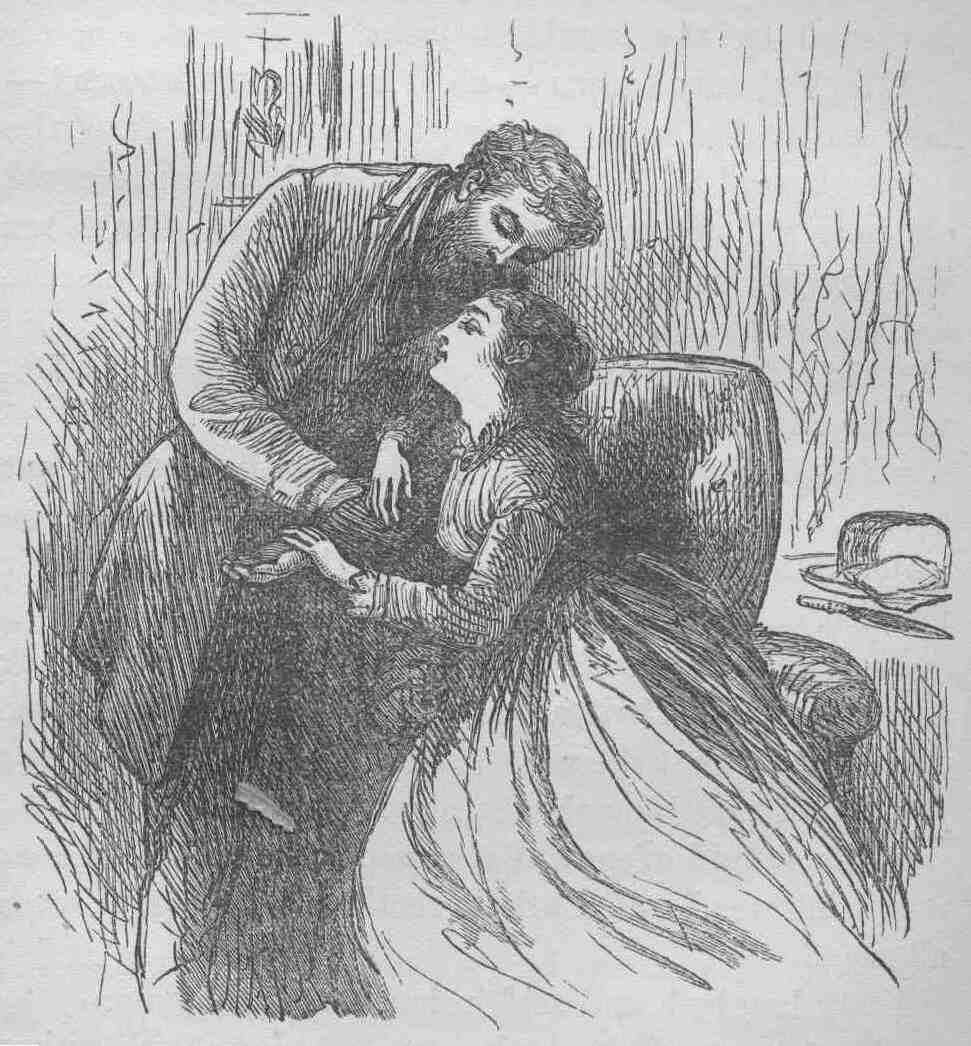
Carefully lifting her, the brothers carried the sleeping girl into her room,
and laid her down. She sighed as her head touched the pillow, and her arm clung
to Harry’s neck, as if she felt his nearness even in sleep. He put his
cheek to hers, and lingered over her with an affectionate solicitude beautiful
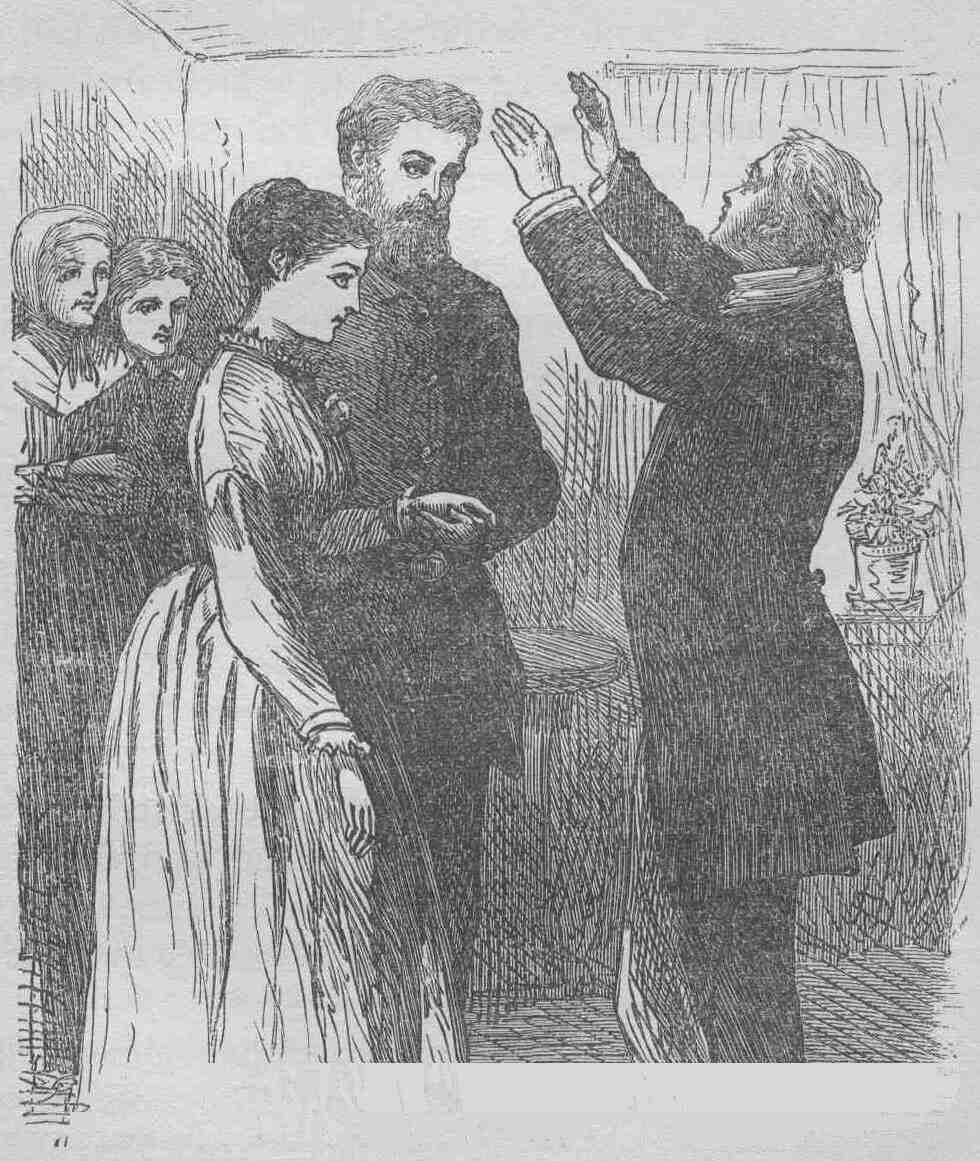
to see. Augustine stood silent, grave and cold as if he had done with human
ties, yet found it hard to sever this one, for he stretched his hand above his
sister as if he blessed her, then, with another grave bow to Christie, went
away as noiselessly as he had come. But Harry kissed the sleeper tenderly,
whispered, “Be kind to her,” with an imploring voice, and hurried
from the room as if to hide the feeling that he must not show.
A few minutes later the nurse brought in a note from Mrs. Carrol.
“My son tells me that Helen is asleep, and you look very tired. Leave her
to Hester, now; you have done enough to-day, so let me thank you heartily, and
send you home for a quiet night before you continue your good work
to-morrow.”
Christie went, found a carriage waiting for her, and drove home very happy at
the success of her first attempt at companionship.
The next day she entered upon the new duties with interest and good-will, for
this was work in which heart took part, as well as head and hand. Many things
surprised, and some things perplexed her, as she came to know the family
better. But she discreetly held her tongue, used her eyes, and did her best to
please.
Mrs. Carrol seemed satisfied, often thanked her for her faithfulness to Helen,
but seldom visited her daughter, never seemed surprised or grieved that the
girl expressed no wish to see her; and, though her handsome face always wore
its gracious smile, Christie soon felt very sure that it was a mask put on to
hide some heavy sorrow from a curious world.
Augustine never came except when Helen was asleep: then, like a shadow, he
passed in and out, always silent, cold, and grave, but in his eyes the gloom of
some remorseful pain that prayers and penances seemed powerless to heal.
Harry came every day, and no matter how melancholy, listless, or irritable his
sister might be, for him she always had a smile, an affectionate greeting, a
word of praise, or a tender warning against the reckless spirit that seemed to
possess him. The love between them was very strong, and Christie found a
never-failing pleasure in watching them together, for then Helen showed what
she once had been, and Harry was his best self. A boy still, in spite of his
one-and-twenty years, he seemed to feel that Helen’s room was a safe
refuge from the temptations that beset one of his thoughtless and impetuous
nature. Here he came to confess his faults and follies with the frankness which
is half sad, half comical, and wholly charming in a good-hearted young
scatter-brain. Here he brought gay gossip, lively descriptions, and masculine
criticisms of the world he moved in. All his hopes and plans, joys and sorrows,
successes and defeats, he told to Helen. And she, poor soul, in this one happy
love of her sad life, forgot a little the burden of despair that darkened all
the world to her. For his sake she smiled, to him she talked when others got no
word from her, and Harry’s salvation was the only duty that she owned or
tried to fulfil.
A younger sister was away at school, but the others seldom spoke of her, and
Christie tired herself with wondering why Bella never wrote to Helen, and why
Harry seemed to have nothing but a gloomy sort of pity to bestow upon the
blooming girl whose picture hung in the great drawing-room below.
It was a very quiet winter, yet a very pleasant one to Christie, for she felt
herself loved and trusted, saw that she suited, and believed that she was doing
good, as women best love to do it, by bestowing sympathy and care with generous
devotion.
Helen and Harry loved her like an elder sister; Augustine showed that he was
grateful, and Mrs. Carrol sometimes forgot to put on her mask before one who
seemed fast becoming confidante as well as companion.
In the spring the family went to the fine old country-house just out of town,
and here Christie and her charge led a freer, happier life. Walking and
driving, boating and gardening, with pleasant days on the wide terrace, where
Helen swung idly in her hammock, while Christie read or talked to her; and
summer twilights beguiled with music, or the silent reveries more eloquent than
speech, which real friends may enjoy together, and find the sweeter for the
mute companionship.
Harry was with them, and devoted to his sister, who seemed slowly to be coming
out of her sad gloom, won by patient tenderness and the cheerful influences all
about her.
Christie’s heart was full of pride and satisfaction, as she saw the
altered face, heard the tone of interest in that once hopeless voice, and felt
each day more sure that Helen had outlived the loss that seemed to have broken
her heart.
Alas, for Christie’s pride, for Harry’s hope, and for poor
Helen’s bitter fate! When all was brightest, the black shadow came; when
all looked safest, danger was at hand; and when the past seemed buried, the
ghost which haunted it returned, for the punishment of a broken law is as
inevitable as death.
When settled in town again Bella came home, a gay, young girl, who should have
brought sunshine and happiness into her home. But from the hour she returned a
strange anxiety seemed to possess the others. Mrs. Carrol watched over her with
sleepless care, was evidently full of maternal pride in the lovely creature,
and began to dream dreams about her future. She seemed to wish to keep the
sisters apart, and said to Christie, as if to explain this wish:
“Bella was away when Helen’s trouble and illness came, she knows
very little of it, and I do not want her to be saddened by the knowledge. Helen
cares only for Hal, and Bella is too young to be of any use to my poor girl;
therefore the less they see of each other the better for both. I am sure you
agree with me?” she added, with that covert scrutiny which Christie had
often felt before.
She could but acquiesce in the mother’s decision, and devote herself more
faithfully than ever to Helen, who soon needed all her care and patience, for a
terrible unrest grew upon her, bringing sleepless nights again, moody days, and
all the old afflictions with redoubled force.
Bella “came out” and began her career as a beauty and a belle most
brilliantly. Harry was proud of her, but seemed jealous of other men’s
admiration for his charming sister, and would excite both Helen and himself
over the flirtations into which “that child” as they called her,
plunged with all the zest of a light-hearted girl whose head was a little
turned with sudden and excessive adoration.
In vain Christie begged Harry not to report these things, in vain she hinted
that Bella had better not come to show herself to Helen night after night in
all the dainty splendor of her youth and beauty; in vain she asked Mrs. Carrol
to let her go away to some quieter place with Helen, since she never could be
persuaded to join in any gayety at home or abroad. All seemed wilful, blind, or
governed by the fear of the gossiping world. So the days rolled on till an
event occurred which enlightened Christie, with startling abruptness, and
showed her the skeleton that haunted this unhappy family.
Going in one morning to Helen she found her walking to and fro as she often
walked of late, with hurried steps and excited face as if driven by some power
beyond her control.
“Good morning, dear. I’m so sorry you had a restless night, and
wish you had sent for me. Will you come out now for an early drive? It’s
a lovely day, and your mother thinks it would do you good,” began
Christie, troubled by the state in which she found the girl.
But as she spoke Helen turned on her, crying passionately:
“My mother! don’t speak of her to me, I hate her!”
“Oh, Helen, don’t say that. Forgive and forget if she has
displeased you, and don’t exhaust yourself by brooding over it. Come,
dear, and let us soothe ourselves with a little music. I want to hear that new
song again, though I can never hope to sing it as you do.”
“Sing!” echoed Helen, with a shrill laugh, “you don’t
know what you ask. Could you sing when your heart was heavy with the knowledge
of a sin about to be committed by those nearest to you? Don’t try to
quiet me, I must talk whether you listen or not; I shall go frantic if I
don’t tell some one; all the world will know it soon. Sit down,
I’ll not hurt you, but don’t thwart me or you’ll be sorry for
it.”
Speaking with a vehemence that left her breathless, Helen thrust Christie down
upon a seat, and went on with an expression in her face that bereft the
listener of power to move or speak.
“Harry has just told me of it; he was very angry, and I saw it, and made
him tell me. Poor boy, he can keep nothing from me. I’ve been dreading
it, and now it’s coming. You don’t know it, then? Young Butler is
in love with Bella, and no one has prevented it. Think how wicked when such a
curse is on us all.”
The question, “What curse?” rose involuntarily to Christie’s
lips, but did not pass them, for, as if she read the thought, Helen answered it
in a whisper that made the blood tingle in the other’s veins, so full of
ominous suggestion was it.
“The curse of insanity I mean. We are all mad, or shall be; we come of a
mad race, and for years we have gone recklessly on bequeathing this awful
inheritance to our descendants. It should end with us, we are the last; none of
us should marry; none dare think of it but Bella, and she knows nothing. She
must be told, she must be kept from the sin of deceiving her lover, the agony
of seeing her children become what I am, and what we all may be.”
Here Helen wrung her hands and paced the room in such a paroxysm of impotent
despair that Christie sat bewildered and aghast, wondering if this were true,
or but the fancy of a troubled brain. Mrs. Carrol’s face and manner
returned to her with sudden vividness, so did Augustine’s gloomy
expression, and the strange wish uttered over his sleeping sister long ago.
Harry’s reckless, aimless life might be explained in this way; and all
that had perplexed her through that year. Every thing confirmed the belief that
this tragical assertion was true, and Christie covered up her face, murmuring,
with an involuntary shiver:
“My God, how terrible!”
Helen came and stood before her with such grief and penitence in her
countenance that for a moment it conquered the despair that had broken bounds.
“We should have told you this at first; I longed to do it, but I was
afraid you’d go and leave me. I was so lonely, so miserable, Christie. I
could not give you up when I had learned to love you; and I did learn very
soon, for no wretched creature ever needed help and comfort more than I. For
your sake I tried to be quiet, to control my shattered nerves, and hide my
desperate thoughts. You helped me very much, and your unconsciousness made me
doubly watchful. Forgive me; don’t desert me now, for the old horror may
be coming back, and I want you more than ever.”
Too much moved to speak, Christie held out her hands, with a face full of pity,
love, and grief. Poor Helen clung to them as if her only help lay there, and
for a moment was quite still. But not long; the old anguish was too sharp to be
borne in silence; the relief of confidence once tasted was too great to be
denied; and, breaking loose, she went to and fro again, pouring out the bitter
secret which had been weighing upon heart and conscience for a year.
“You wonder that I hate my mother; let me tell you why. When she was
beautiful and young she married, knowing the sad history of my father’s
family. He was rich, she poor and proud; ambition made her wicked, and she did
it after being warned that, though he might escape, his children were sure to
inherit the curse, for when one generation goes free it falls more heavily upon
the rest. She knew it all, and yet she married him. I have her to thank for all
I suffer, and I cannot love her though she is my mother. It may be wrong to say
these things, but they are true; they burn in my heart, and I must speak out;
for I tell you there comes a time when children judge their parents as men and
women, in spite of filial duty, and woe to those whose actions change affection
and respect to hatred or contempt.”
The bitter grief, the solemn fervor of her words, both touched and awed
Christie too much for speech. Helen had passed beyond the bounds of ceremony,
fear, or shame: her hard lot, her dark experience, set her apart, and gave her
the right to utter the bare truth. To her heart’s core Christie felt that
warning; and for the first time saw what many never see or wilfully
deny,—the awful responsibility that lies on every man and woman’s
soul forbidding them to entail upon the innocent the burden of their own
infirmities, the curse that surely follows their own sins.
Sad and stern, as an accusing angel, that most unhappy daughter spoke:
“If ever a woman had cause to repent, it is my mother; but she will not,
and till she does, God has forsaken us. Nothing can subdue her pride, not even
an affliction like mine. She hides the truth; she hides me, and lets the world
believe I am dying of consumption; not a word about insanity, and no one knows
the secret beyond ourselves, but doctor, nurse, and you. This is why I was not
sent away, but for a year was shut up in that room yonder where the door is
always locked. If you look in, you’ll see barred windows, guarded fire,
muffled walls, and other sights to chill your blood, when you remember all
those dreadful things were meant for me.”
“Don’t speak, don’t think of them! Don’t talk any more;
let me do something to comfort you, for my heart is broken with all
this,” cried Christie, panic-stricken at the picture Helen’s words
had conjured up.
“I must go on! There is no rest for me till I have tried to lighten this
burden by sharing it with you. Let me talk, let me wear myself out, then you
shall help and comfort me, if there is any help and comfort for such as I. Now
I can tell you all about my Edward, and you’ll listen, though mamma
forbade it. Three years ago my father died, and we came here. I was well then,
and oh, how happy!”
Clasping her hands above her head, she stood like a beautiful, pale image of
despair; tearless and mute, but with such a world of anguish in the eyes lifted
to the smiling picture opposite that it needed no words to tell the story of a
broken heart.
“How I loved him!” she said, softly, while her whole face glowed
for an instant with the light and warmth of a deathless passion. “How I
loved him, and how he loved me! Too well to let me darken both our lives with a
remorse which would come too late for a just atonement. I thought him cruel
then,—I bless him for it now. I had far rather be the innocent sufferer I
am, than a wretched woman like my mother. I shall never see him any more, but I
know he thinks of me far away in India, and when I die one faithful heart will
remember me.”
There her voice faltered and failed, and for a moment the fire of her eyes was
quenched in tears. Christie thought the reaction had come, and rose to go and
comfort her. But instantly Helen’s hand was on her shoulder, and pressing
her back into her seat, she said, almost fiercely:
“I’m not done yet; yon must hear the whole, and help me to save
Bella. We knew nothing of the blight that hung over us till father told
Augustine upon his death-bed. August, urged by mother, kept it to himself, and
went away to bear it as he could. He should have spoken out and saved me in
time. But not till he came home and found me engaged did he have courage to
warn me of the fate in store for us. So Edward tore himself away, although it
broke his heart, and I—do you see that?”
With a quick gesture she rent open her dress, and on her bosom Christie saw a
scar that made her turn yet paler than before.
“Yes, I tried to kill myself; but they would not let me die, so the old
tragedy of our house begins again. August became a priest, hoping to hide his
calamity and expiate his father’s sin by endless penances and prayers.
Harry turned reckless; for what had he to look forward to? A short life, and a
gay one, he says, and when his turn comes he will spare himself long suffering,
as I tried to do it. Bella was never told; she was so young they kept her
ignorant of all they could, even the knowledge of my state. She was long away
at school, but now she has come home, now she has learned to love, and is going
blindly as I went, because no one tells her what she must know soon or late.
Mamma will not. August hesitates, remembering me. Harry swears he will speak
out, but I implore him not to do it, for he will be too violent; and I am
powerless. I never knew about this man till Hal told me to-day. Bella only
comes in for a moment, and I have no chance to tell her she must not love
him.”
Pressing her hands to her temples, Helen resumed her restless march again, but
suddenly broke out more violently than before:
“Now do you wonder why I am half frantic? Now will you ask me to sing and
smile, and sit calmly by while this wrong goes on? You have done much for me,
and God will bless you for it, but you cannot keep me sane. Death is the only
cure for a mad Carrol, and I’m so young, so strong, it will be long in
coming unless I hurry it.”
She clenched her hands, set her teeth, and looked about her as if ready for any
desperate act that should set her free from the dark and dreadful future that
lay before her.
For a moment Christie feared and trembled; then pity conquered fear. She forgot
herself, and only remembered this poor girl, so hopeless, helpless, and
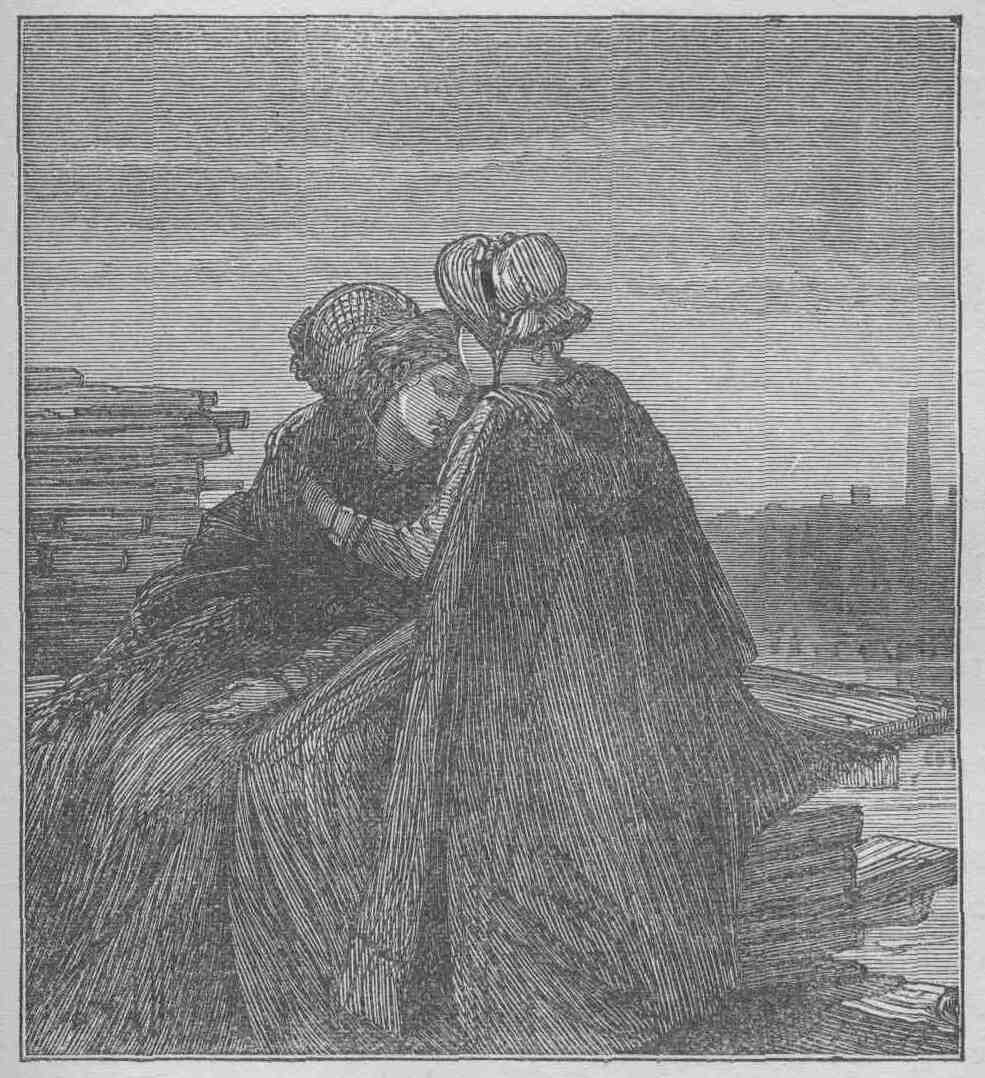
afflicted. Led by a sudden impulse, she put both arms about her, and held her
close with a strong but silent tenderness better than any bonds. At first,
Helen seemed unconscious of it, as she stood rigid and motionless, with her
wild eyes dumbly imploring help of earth and heaven. Suddenly both strength and
excitement seemed to leave her, and she would have fallen but for the living,
loving prop that sustained her.
Still silent, Christie laid her down, kissed her white lips, and busied herself
about her till she looked up quite herself again, but so wan and weak, it was
pitiful to see her.
“It’s over now,” she whispered, with a desolate sigh.
“Sing to me, and keep the evil spirit quiet for a little while.
To-morrow, if I’m strong enough, we’ll talk about poor little
Bella.”
And Christie sang, with tears dropping fast upon the keys, that made a soft
accompaniment to the sweet old hymns which soothed this troubled soul as
David’s music brought repose to Saul.
When Helen slept at last from sheer exhaustion, Christie executed the
resolution she had made as soon as the excitement of that stormy scene was
over. She went straight to Mrs. Carrol’s room, and, undeterred by the
presence of her sons, told all that had passed. They were evidently not
unprepared for it, thanks to old Hester, who had overheard enough of
Helen’s wild words to know that something was amiss, and had reported
accordingly; but none of them had ventured to interrupt the interview, lest
Helen should be driven to desperation as before.
“Mother, Helen is right; we should speak out, and not hide this bitter
fact any longer. The world will pity us, and we must bear the pity, but it
would condemn us for deceit, and we should deserve the condemnation if we let
this misery go on. Living a lie will ruin us all. Bella will be destroyed as
Helen was; I am only the shadow of a man now, and Hal is killing himself as
fast as he can, to avoid the fate we all dread.”
Augustine spoke first, for Mrs. Carrol sat speechless with her trouble as
Christie paused.
“Keep to your prayers, and let me go my own way, it’s the
shortest,” muttered Harry, with his face hidden, and his head down on his
folded arms.
“Boys, boys, you’ll kill me if you say such things! I have more now
than I can bear. Don’t drive me wild with your reproaches to each
other!” cried their mother, her heart rent with the remorse that came too
late.
“No fear of that; you are not a Carrol,” answered Harry, with the
pitiless bluntness of a resentful and rebellious boy.
Augustine turned on him with a wrathful flash of the eye, and a warning ring in
his stern voice, as he pointed to the door.
“You shall not insult your mother! Ask her pardon, or go!”
“She should ask mine! I’ll go. When you want me, you’ll know
where to find me.” And, with a reckless laugh, Harry stormed out of the
room.
Augustine’s indignant face grew full of a new trouble as the door banged
below, and he pressed his thin hands tightly together, saying, as if to
himself:
“Heaven help me! Yes, I do know; for, night after night, I find and bring
the poor lad home from gambling-tables and the hells where souls like his are
lost.”
Here Christie thought to slip away, feeling that it was no place for her now
that her errand was done. But Mrs. Carrol called her back.
“Miss Devon—Christie—forgive me that I did not trust you
sooner. It was so hard to tell; I hoped so much from time; I never could
believe that my poor children would be made the victims of my mistake. Do not
forsake us: Helen loves you so. Stay with her, I implore you, and let a most
unhappy mother plead for a most unhappy child.” Then Christie went to the
poor woman, and earnestly assured her of her love and loyalty; for now she felt
doubly bound to them because they trusted her.
“What shall we do?” they said to her, with pathetic submission,
turning like sick people to a healthful soul for help and comfort.
“Tell Bella all the truth, and help her to refuse her lover. Do this just
thing, and God will strengthen you to bear the consequences,” was her
answer, though she trembled at the responsibility they put upon her.
“Not yet,” cried Mrs. Carrol. “Let the poor child enjoy the
holidays with a light heart,—then we will tell her; and then Heaven help
us all!”
So it was decided; for only a week or two of the old year remained, and no one
had the heart to rob poor Bella of the little span of blissful ignorance that
now remained to her.
A terrible time was that to Christie; for, while one sister, blessed with
beauty, youth, love, and pleasure, tasted life at its sweetest, the other sat
in the black shadow of a growing dread, and wearied Heaven with piteous prayers
for her relief.
“The old horror is coming back; I feel it creeping over me. Don’t
let it come, Christie! Stay by me! Help me! Keep me sane! And if you cannot,
ask God to take me quickly!”
With words like these, poor Helen clung to Christie; and, soul and body,
Christie devoted herself to the afflicted girl. She would not see her mother;
and the unhappy woman haunted that closed door, hungering for the look, the
word, that never came to her. Augustine was her consolation, and, during those
troublous days, the priest was forgotten in the son. But Harry was all in all
to Helen then; and it was touching to see how these unfortunate young creatures
clung to one another, she tenderly trying to keep him from the wild life that
was surely hastening the fate he might otherwise escape for years, and he
patiently bearing all her moods, eager to cheer and soothe the sad captivity
from which he could not save her.
These tender ministrations seemed to be blessed at last; and Christie began to
hope the haunting terror would pass by, as quiet gloom succeeded to wild
excitement. The cheerful spirit of the season seemed to reach even that sad
room; and, in preparing gifts for others, Helen seemed to find a little of that
best of all gifts,—peace for herself.
On New Year’s morning, Christie found her garlanding her lover’s
picture with white roses and the myrtle sprays brides wear.
“These were his favorite flowers, and I meant to make my wedding wreath
of this sweet-scented myrtle, because he gave it to me,” she said, with a
look that made Christie’s eyes grow dim. “Don’t grieve for
me, dear; we shall surely meet hereafter, though so far asunder here. Nothing
can part us there, I devoutly believe; for we leave our burdens all behind us
when we go.” Then, in a lighter tone, she said, with her arm on
Christie’s neck:
“This day is to be a happy one, no matter what comes after it. I’m
going to be my old self for a little while, and forget there’s such a
word as sorrow. Help me to dress, so that when the boys come up they may find
the sister Nell they have not seen for two long years.”
“Will you wear this, my darling? Your mother sends it, and she tried to
have it dainty and beautiful enough to please you. See, your own colors, though
the bows are only laid on that they may be changed for others if you
like.”
As she spoke Christie lifted the cover of the box old Hester had just brought
in, and displayed a cashmere wrapper, creamy-white, silk-lined, down-trimmed,
and delicately relieved by rosy knots, like holly berries lying upon snow.
Helen looked at it without a word for several minutes, then gathering up the
ribbons, with a strange smile, she said:
“I like it better so; but I’ll not wear it yet.”
“Bless and save us, deary; it must have a bit of color somewhere, else it
looks just like a shroud,” cried Hester, and then wrung her hands in
dismay as Helen answered, quietly:
“Ah, well, keep it for me, then. I shall be happier when I wear it so
than in the gayest gown I own, for when you put it on, this poor head and heart
of mine will be quiet at last.”
Motioning Hester to remove the box, Christie tried to banish the cloud her
unlucky words had brought to Helen’s face, by chatting cheerfully as she
helped her make herself “pretty for the boys.”
All that day she was unusually calm and sweet, and seemed to yield herself
wholly to the happy influences of the hour, gave and received her gifts so
cheerfully that her brothers watched her with delight; and unconscious Bella
said, as she hung about her sister, with loving admiration in her eyes:
“I always thought you would get well, and now I’m sure of it, for
you look as you used before I went away to school, and seem just like our own
dear Nell.”
“I’m glad of that; I wanted you to feel so, my Bella. I’ll
accept your happy prophecy, and hope I may get well soon, very soon.”
So cheerfully she spoke, so tranquilly she smiled, that all rejoiced over her
believing, with love’s blindness, that she might yet conquer her malady
in spite of their forebodings.
It was a very happy day to Christie, not only that she was generously
remembered and made one of them by all the family, but because this change for
the better in Helen made her heart sing for joy. She had given time, health,
and much love to the task, and ventured now to hope they had not been given in
vain. One thing only marred her happiness, the sad estrangement of the daughter
from her mother, and that evening she resolved to take advantage of
Helen’s tender mood, and plead for the poor soul who dared not plead for
herself.
As the brothers and sisters said good-night, Helen clung to them as if loth to
part, saying, with each embrace:
“Keep hoping for me, Bella; kiss me, Harry; bless me, Augustine, and all
wish for me a happier New Year than the last.”
When they were gone she wandered slowly round the room, stood long before the
picture with its fading garland, sung a little softly to herself, and came at
last to Christie, saying, like a tired child:
“I have been good all day; now let me rest.”
“One thing has been forgotten, dear,” began Christie, fearing to
disturb the quietude that seemed to have been so dearly bought.
Helen understood her, and looked up with a sane sweet face, out of which all
resentful bitterness had passed.
“No, Christie, not forgotten, only kept until the last. To-day is a good
day to forgive, as we would be forgiven, and I mean to do it before I
sleep,” Then holding Christie close, she added, with a quiver of emotion
in her voice: “I have no words warm enough to thank you, my good angel,
for all you have been to me, but I know it will give you a great pleasure to do
one thing more. Give dear mamma my love, and tell her that when I am quiet for
the night I want her to come and get me to sleep with the old lullaby she used
to sing when I was a little child.”
No gift bestowed that day was so precious to Christie as the joy of carrying
this loving message from daughter to mother. How Mrs. Carrol received it need
not be told. She would have gone at once, but Christie begged her to wait till
rest and quiet, after the efforts of the day, had prepared Helen for an
interview which might undo all that had been done if too hastily attempted.
Hester always waited upon her child at night; so, feeling that she might be
wanted later, Christie went to her own room to rest. Quite sure that Mrs.
Carrol would come to tell her what had passed, she waited for an hour or two,
then went to ask of Hester how the visit had sped.
“Her mamma came up long ago, but the dear thing was fast asleep, so I
wouldn’t let her be disturbed, and Mrs. Carrol went away again,”
said the old woman, rousing from a nap.
Grieved at the mother’s disappointment, Christie stole in, hoping that
Helen might rouse. She did not, and Christie was about to leave her, when, as
she bent to smooth the tumbled coverlet, something dropped at her feet. Only a
little pearl-handled penknife of Harry’s; but her heart stood still with
fear, for it was open, and, as she took it up, a red stain came off upon her
hand.
Helen’s face was turned away, and, bending nearer, Christie saw how
deathly pale it looked in the shadow of the darkened room. She listened at her
lips; only a faint flutter of breath parted them; she lifted up the averted
head, and on the white throat saw a little wound, from which the blood still
flowed. Then, like a flash of light, the meaning of the sudden change which
came over her grew clear,—her brave efforts to make the last day happy,
her tender good-night partings, her wish to be at peace with every one, the
tragic death she had chosen rather than live out the tragic life that lay
before her.
Christie’s nerves had been tried to the uttermost; the shock of this
discovery was too much for her, and, in the act of calling for help, she
fainted, for the first time in her life.
When she was herself again, the room was full of people; terror-stricken faces
passed before her; broken voices whispered, “It is too late,” and,
as she saw the group about the bed, she wished for unconsciousness again.
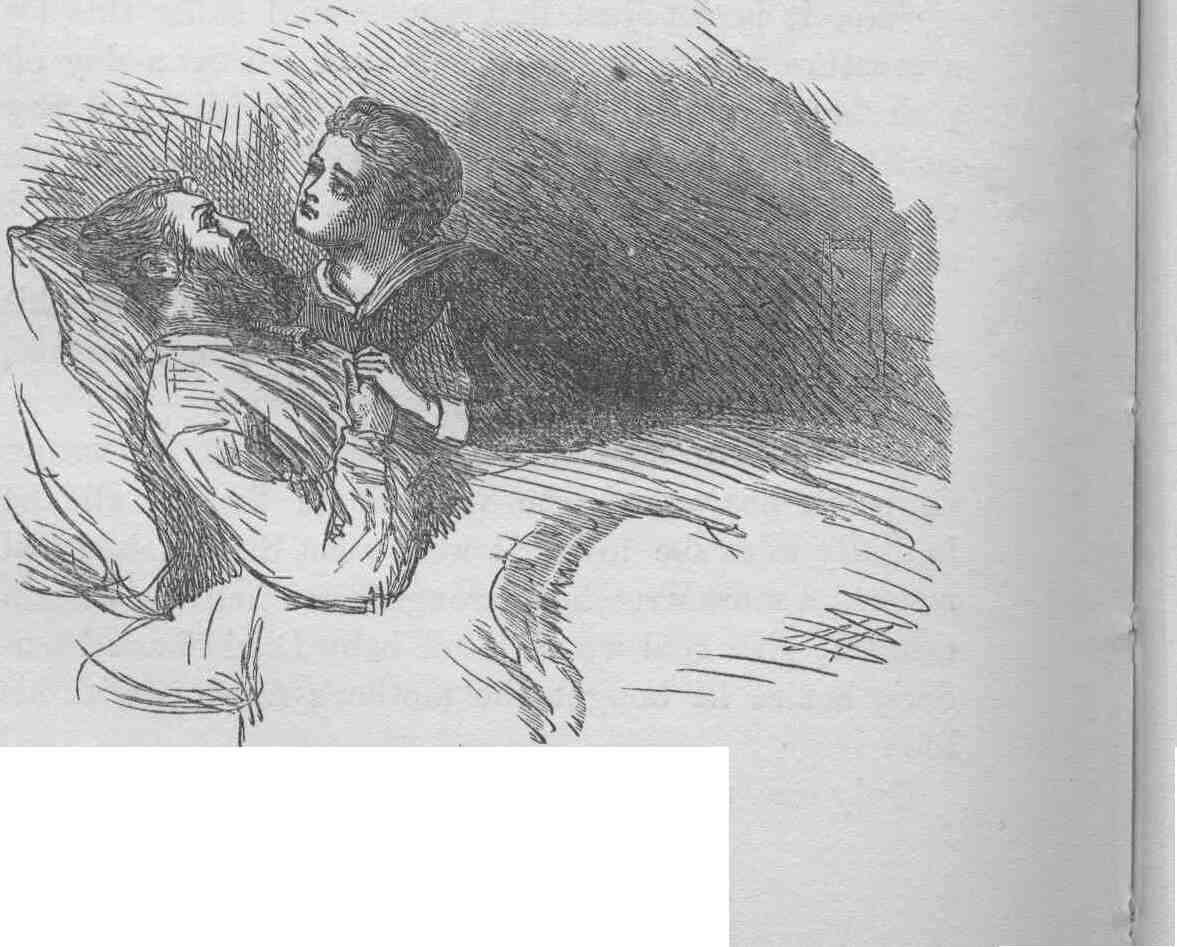
Helen lay in her mother’s arms at last, quietly breathing her life away,
for though every thing that love and skill could devise had been tried to save
her, the little knife in that desperate hand had done its work, and this world
held no more suffering for her. Harry was down upon his knees beside her,
trying to stifle his passionate grief. Augustine prayed audibly above her, and
the fervor of his broken words comforted all hearts but one. Bella was
clinging, panic-stricken, to the kind old doctor, who was sobbing like a boy,
for he had loved and served poor Helen as faithfully as if she had been his
own.
“Can nothing save her?” Christie whispered, as the prayer ended,
and a sound of bitter weeping filled the room.
“Nothing; she is sane and safe at last, thank God!”
Christie could not but echo his thanksgiving, for the blessed tranquillity of
the girl’s countenance was such as none but death, the great healer, can
bring; and, as they looked, her eyes opened, beautifully clear and calm before
they closed for ever. From face to face they passed, as if they looked for some
one, and her lips moved in vain efforts to speak.
Christie went to her, but still the wide, wistful eyes searched the room as if
unsatisfied; and, with a longing that conquered the mortal weakness of the
body, the heart sent forth one tender cry:
“My mother—I want my mother!”
There was no need to repeat the piteous call, for, as it left her lips, she saw
her mother’s face bending over her, and felt her mother’s arms
gathering her in an embrace which held her close even after death had set its
seal upon the voiceless prayers for pardon which passed between those reunited
hearts.
When she was asleep at last, Christie and her mother made her ready for her
grave; weeping tender tears as they folded her in the soft, white garment she
had put by for that sad hour; and on her breast they laid the flowers she had
hung about her lover as a farewell gift. So beautiful she looked when all was
done, that in the early dawn they called her brothers, that they might not lose
the memory of the blessed peace that shone upon her face, a mute assurance that
for her the new year had happily begun.
“Now my work here is done, and I must go,” thought Christie, when
the waves of life closed over the spot where another tired swimmer had gone
down. But she found that one more task remained for her before she left the
family which, on her coming, she had thought so happy.
Mrs. Carrol, worn out with the long effort to conceal her secret cross, broke
down entirely under this last blow, and besought Christie to tell Bella all
that she must know. It was a hard task, but Christie accepted it, and, when the
time came, found that there was very little to be told, for at the death-bed of
the elder sister, the younger had learned much of the sad truth. Thus prepared,
she listened to all that was most carefully and tenderly confided to her, and,
when the heavy tale was done, she surprised Christie by the unsuspected
strength she showed. No tears, no lamentations, for she was her mother’s
daughter, and inherited the pride that can bear heavy burdens, if they are
borne unseen.
“Tell me what I must do, and I will do it,” she said, with the
quiet despair of one who submits to the inevitable, but will not complain.
When Christie with difficulty told her that she should give up her lover, Bella
bowed her head, and for a moment could not speak, then lifted it as if defying
her own weakness, and spoke out bravely:
“It shall be done, for it is right. It is very hard for me, because I
love him; he will not suffer much, for he can love again. I should be glad of
that, and I’ll try to wish it for his sake. He is young, and if, as Harry
says, he cares more for my fortune than myself, so much the better. What next,
Christie?”
Amazed and touched at the courage of the creature she had fancied a sort of
lovely butterfly to be crushed by a single blow, Christie took heart, and,
instead of soothing sympathy, gave her the solace best fitted for strong
natures, something to do for others. What inspired her, Christie never knew;
perhaps it was the year of self-denying service she had rendered for
pity’s sake; such devotion is its own reward, and now, in herself, she
discovered unsuspected powers.
“Live for your mother and your brothers, Bella; they need you sorely, and
in time I know you will find true consolation in it, although you must
relinquish much. Sustain your mother, cheer Augustine, watch over Harry, and be
to them what Helen longed to be.”
“And fail to do it, as she failed!” cried Bella, with a shudder.
“Listen, and let me give you this hope, for I sincerely do believe it.
Since I came here, I have read many books, thought much, and talked often with
Dr. Shirley about this sad affliction. He thinks you and Harry may escape it,
if you will. You are like your mother in temperament and temper; you have
self-control, strong wills, good nerves, and cheerful spirits. Poor Harry is
willfully spoiling all his chances now; but you may save him, and, in the
endeavor, save yourself.”
“Oh, Christie, may I hope it? Give me one chance of escape, and I will
suffer any hardship to keep it. Let me see any thing before me but a life and
death like Helen’s, and I’ll bless you for ever!” cried
Bella, welcoming this ray of light as a prisoner welcomes sunshine in his cell.
Christie trembled at the power of her words, yet, honestly believing them, she
let them uplift this disconsolate soul, trusting that they might be in time
fulfilled through God’s mercy and the saving grace of sincere endeavor.
Holding fast to this frail spar, Bella bravely took up arms against her sea of
troubles, and rode out the storm. When her lover came to know his fate, she hid
her heart, and answered “no,” finding a bitter satisfaction in the
end, for Harry was right, and, when the fortune was denied him, young Butler
did not mourn the woman long. Pride helped Bella to bear it; but it needed all
her courage to look down the coming years so bare of all that makes life sweet
to youthful souls, so desolate and dark, with duty alone to cheer the thorny
way, and the haunting shadow of her race lurking in the background.
Submission and self-sacrifice are stern, sad angels, but in time one learns to
know and love them, for when they have chastened, they uplift and bless. Dimly
discerning this, poor Bella put her hands in theirs, saying, “Lead me,
teach me; I will follow and obey you.”
All soon felt that they could not stay in a house so full of heavy memories,
and decided to return to their old home. They begged Christie to go with them,
using every argument and entreaty their affection could suggest. But Christie
needed rest, longed for freedom, and felt that in spite of their regard it
would be very hard for her to live among them any longer. Her healthy nature
needed brighter influences, stronger comrades, and the memory of Helen weighed
so heavily upon her heart that she was eager to forget it for a time in other
scenes and other work.
So they parted, very sadly, very tenderly, and laden with good gifts Christie
went on her way weary, but well satisfied, for she had earned her rest.