1. Barnard, J.H. Cutaneous responses to insects. JAMA
196:3 (1966).
2. Borror, D.J., and D.M. DeLong. An introduction to the
study of insects, 2d ed. New York: Holt, Rinehart and
Winston, 1964.
3. Dodge, N.N. Poisonous dwellers of the desert. Popular
Series No. 3, Southwestern Monuments Assoc., Box
1562, Globe, Ariz., 1955.
4. Frazier, C.A. Diagnosis and treatment of insect bites.
Clin Symp 20:75-100 (1968).
5. Frazier, C.A. Insect allergy: Allergic reactions to bites
of insects and other arthropods. St. Louis: Warren H.
Green, Inc., 1969.
6. Frazier, C.A. Treatment guide: Common biting and
stinging insects and other arthropods. West Point, Pa.:
Merck Sharp & Dohme, 1972.
7. Frazier, C.A. Cutaneous manifestations of insect
allergy. Cutis 13:1038-1047 (1974).
8. Horen, W.P. Insect and scorpion sting. JAMA 221:894-898
(1972)
9. Infections and bites: Parasites, arthropods and animals,
Section 18. In D.J. Demis et al. (eds.). Clinical
dermatology, vol. 4. Hagerstown, Md.: Harper & Row,
1974.
10. James, M.T., and R.F. Harwood. Herm’s medical
entomology, 6th ed. London: Collier-MacMillan, 1970.
11. Lyon, J.B. Insect bites and stings. Practitioner 200:
670-677 (1968).
12. Micks, D.W. Insects and other arthropods of medical
importance in Texas. Tex Rep Biol Med 18:624-635
(1960)
13. Millikan, L.E., and R.S. Berger. Clinical and laboratory
diagnosis of arthropod bites. CRC Crit Rev Clin Lab
Sci 5:201-225 (1974).
35
14. Parrish, H.M. Deaths from bites and stings of venomous
animals and insects in the United States. Arch
Intern Med 104:198-207 (1959).
15. Parrish, H.M. Analysis of 460 fatalities from venomous
animals in the United States. Am J Med Sci 245:129-141
(1963).
16. Perlman, F. Insects as allergen injectants: Severe reactions
to bites and stings of arthropods. Calif Med 96:1-10
(1962).
17. Riley, W.A., and O.A. Johannsen. Medical entomology,
2d ed. New York: McGraw-Hill, 1938.
18. Russell, F.E. Injuries by venomous animals. Am J Nurs
66:1322-1326 (1966).
19. Scott, H.G. Envenomization. DHEW CDC Publ No.
(HSM) 72-8121, 1972.
20. Lehmann, C.F., et al. Blister beetle dermatosis. Arch
Dermatol 71:36-38 (1955).
21. Rosin, R.D. Cantharides intoxication. Br Med J 4:33
(1967)
22. Cloudsley-Thompson, J.L. Spiders, scorpions, centipedes
and mites. New York: Pergamon, 1958.
23. Pineda, E.V. A fatal case of centipede bite. J Philipp
Med Assoc 3:59-61 (1923).
24. Remington, C.L. The bite and habits of a giant centipede
(Scolopendra subspinipes) in the Philippine Islands.
Am J Trop Med 30:453-455 (1950).
25. Hall, M.C. Lesions due to the bite of the wheel-bug,
Arilus cristatus (Hemiptera, Reduviidae). Arch Intern
Med 33:513-515 (1924).
26. Marks, M.B. Stinging insects: Allergy implications.
Pediatr Clin North Am 16:177-191 (1969).
36
27. Nichols, N., and T.W. Green. Allergic reactions to
“kissing bug” bites. Calif Med 98:267-268 (1963).
28. Parsons, D.J. Bedbug bite anaphylaxis misinterpreted
as coronary occlusion. Ohio Med J 51:669 (1955).
29. Readio, P.A. Studies on the biology of the Reduviidae
of America north of Mexico. Univ Kans Sci Bull 17:5
(1927).
30. Shields, T.L., and E.N. Walsh. “Kissing bug” bite.
Arch Dermatol 74:14-21 (1956).
31. Smith, F.D., et al. Insect bite by Arilus cristatus,
a North American Reduviid. Arch Dermatol 77:324-330
(1958).
32. Wray, D.L. Two cases of Hemiptera biting humans
(Hemiptera, Reduviidae). Entomol News 82:228 (1971).
33. Barnard, J.H. Studies of 400 hymenoptera sting
deaths in the United States. J Allergy Clin Dermatol
52:259-264 (1973).
34. Barr, S.E. Allergy to hymenoptera stings. JAMA
228:718-720 (1974).
35. Busse, W., et al. Protection following honeybee
venom immunotherapy in a case of beesting anaphylaxis.
(Abstract) J Allergy Clin Immunol 53:104 (1974).
36. Busse, W.S., et al. Immunotherapy in bee-sting anaphylaxis:
Use of honeybee venom. JAMA 231:1154-1156
(1975).
37. Charavejasarn, C.C., et al. Stinging insect hypersensitivity.
II. Studies of bee venom antigenicity. (Abstract)
J Allergy Clin Immunol 53:104 (1974).
38. Controlling wasps. U.S. Department of Agriculture,
Home and Garden Bull No. 122, 1972.
39. Favorite, F.G. The imported fire ant. Public Health
Rep 73:445-448 (1958).
40. Insect-sting allergy: Questionnaire study of 2,606
cases. JAMA 193:109-114 (1965).
37
41. Lichtenstein, L.M., et al. Treatment of honeybee
anaphylactic sensitivity with honeybee venom: A case
report. (Abstract) J Allergy Clin Immunol 53:104-105
(1974).
42. Majeski, J.A., et al. Acute systemic anaphylaxis associated
with an ant sting. South Med J 67:365-366
(1974).
43. McCormick, W.F. Fatal anaphylactic reactions to
wasp stings. Am J Clin Pathol 39:485-491 (1963).
44. McLean, J.A. Management of insect sting reactions.
Mod Treat 5:814-824 (1968).
45. Morse, R.A., et al. Protective measures against stinging
insects. NY State J Med 59:1546-1548 (1959).
46. Reisman, R.E. Stinging insect allergy—treatment failures.
J Allergy Clin Immunol 52:257-258 (1973).
47. Spencer, J.T. Treatment of yellow jacket stings.
JAMA 206:649 (1968).
48. Torsney, P.J. Treatment failure: Insect desensitization.
J Allergy Clin Dermatol 52:303-306 (1973).
49. Valentine, M.D., et al. Blocking antibody to bee
venom: Induction by venom and not by whole body extracts.
(Abstract) J Allergy Clin Immunol 53:105 (1974).
50. Masco, H.L. Scorpion bite treatment with chlorpromazine.
JAMA 212:2122 (1970).
51. Stahnke, H.L. Scorpions. Tempe, Ariz.: Arizona State
College Bookstore, 1949.
52. Vachon, M. The biology of scorpions. Endeavor
April:80-89 (1953).
53. Anderson, P.C. What’s new in loxoscelism? Mo Med
70:711, 712, 718 (1973).
54. Atkins, J.A., et al. Probable cause of necrotic spider
bite in the Midwest. Science 126:73 (1957).
55. Auer, A.I., and F.B. Hershey. Surgery for necrotic
bites of the brown spider. Arch Surg 108:612-618 (1974).
38
56. Cheng, A.K. USAF School of Aerospace Medicine,
San Antonio, Tex. Personal communication, 1974.
57. Gladney, W.J. Controlling the brown recluse spider.
U.S. Department of Agriculture Leaflet No. 556, 1972.
58. Hammon, P.J., and W.H. Newton. The brown recluse
and the black widow spiders. Texas A&M Univ,
Fact Sheet L-623 (1970).
59. Hershey, R.B., and C.E. Aulenbacher. Surgical treatment
of brown spider bites. Ann Surg 170:300-308
(1969)
60. Horen, W.P. Arachnidism. Clin Med (Aug):41-43
(1966)
61. Russell, F. E., et al. Bites of spiders and other arthropods,
Section 16, pp. 865-867. In H.F. Conn (ed.). Current
therapy. Philadelphia: W.B. Saunders, 1974.
62. Taylor, E.H., and W.F. Denney. Hemolysis, renal failure
and sudden death, presumed secondary to bite of
brown recluse spider. South Med J 59:1209-1211 (1966).
63. The brown recluse. Public Health Service Publ No.
2062, 1970.
64. Daly, J.A., and B.L. Derrick. Puss caterpillar sting in
Arkansas. South Med J 68:893-894 (1975).
65. Kendall, R.O. San Antonio, Tex. Personal communication,
1975.
66. McGovern, J.P., et al. Megalopyge opercularis:
Observations of its life history, natural history of its
sting in man, and report of an epidemic. JAMA 175:
121-124 (1961).
67. Micks, D.S. Clinical effects of the sting of the “puss
caterpillar” (Megalopyge opercularis S. & A.) on man.
Tex Rep Biol Med 10:399-405 (1952).
68. Mitchell, R.T., and H.S. Zim. Butterflies and moths.
New York: Golden Press, 1964.
39
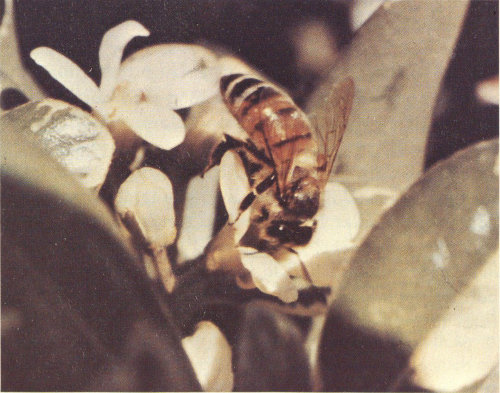
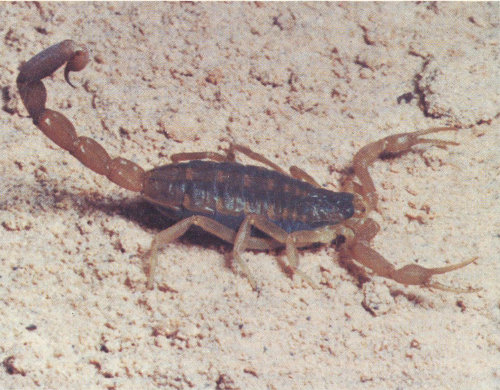
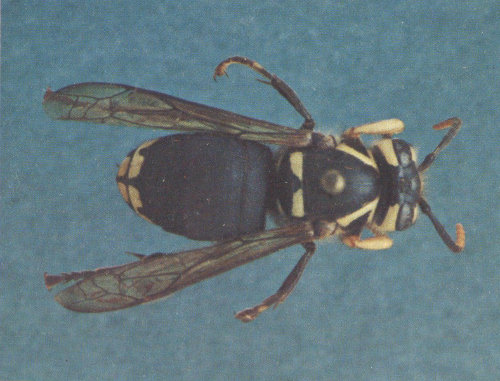
APPENDIX: ARTHROPOD ENVENOMIZATION REACTIONS AND TREATMENT — BLACK WIDOW SPIDER — REACTIONS — TREATMENT — BROWN RECLUSE SPIDER — REACTIONS — TREATMENT — CENTIPEDES — REACTIONS — TREATMENT — TRUE BUGS (KISSING BUGS) — REACTIONS — TREATMENT — ANTS — REACTIONS — TREATMENT — BEES AND WASPS — REACTIONS — TREATMENT — SCORPIONS — REACTIONS — TREATMENT — URTICATING CATERPILLARS — REACTIONS — TREATMENT — CHART 1 ANTIHISTAMINES — Chart 2 Treatment of Anaphylaxis—Shock
The material presented in this appendix was prepared by Lt Col John C. Moseley, USAF,
MC, Dermatologist, Wilford Hall USAF Medical Center, Lackland AFB, Texas.
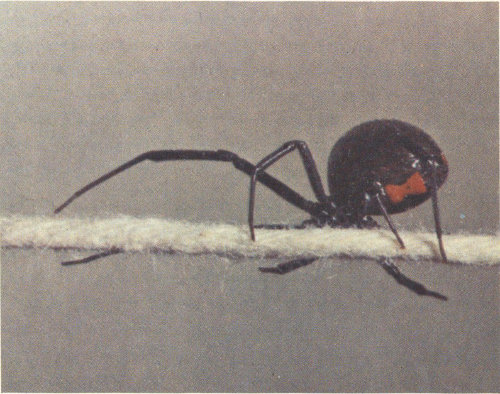
IMMEDIATE: Pinprick sensation from the bite
LOCAL: Dull numbing pain; two red puncture marks at
bite site. Pain peaks at 1-3 hours and persists 12-48 hours
REGIONAL:
- 1. Severe muscular pain and spasm
- 2. Rigid boardlike abdomen
- 3. Tightness in chest and pain on inspiration
GENERAL:
- 1. Rigidity and spasm of all large muscle groups; excruciating abdominal pain
- 2. Convulsions, paralysis
- 3. Shock
DEATHS: 4-5% of untreated cases due to neurotoxic
effect of the venom
LOCAL FIRST AID: Ineffective and unnecessary
SYSTEMIC:
- 1. Antivenin—1 vial IM (carefully follow package insert instructions) after testing for horse-serum sensitivity
- 2. Calcium gluconate—10 ml of 10% solution given IV immediately and prn to control muscle pain
- 3. Muscle relaxants—Give continuously over 8-16-hr period to relieve intensity of muscle spasm and pain
- 4. Treat for shock as necessary (Chart 2)
40
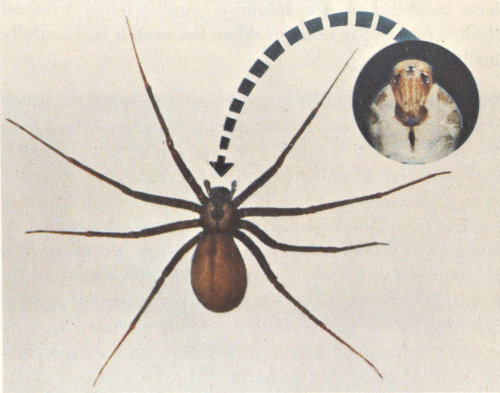
IMMEDIATE: Very little pain, if any
LOCAL:
- 1. 2-8 Hours—Mild to severe pain with redness and vesiculation at bite site, followed by ischemia
- 2. 3-4 Days—Star-shaped firm area of deep-purple color with necrosis
- 3. 7-14 Days—Central area of depression and ulceration
- 4. 21 Days—Healing and scar formation. May not heal sufficiently and may require skin grafting
SYSTEMIC:
- 1. Fever, chills, nausea, vomiting, weakness, joint pain
- 2. Morbilliform or petechial generalized eruption
- 3. Occasionally serious hematological disturbances—hemolytic anemia, thrombocytopenia
DEATHS: Reported; usually in children, due to renal failure
and hematological abnormalities.
LOCAL FIRST AID: None effective or necessary
LOCAL: Within 4 hours of the bite, locally excise bite site
SYSTEMIC:
- 1. Systemic corticosteroids is the treatment of choice and must be administered immediately—methylprednisolone (Depo-Medrol) 80 mg IM, followed by prednisone 60 mg a day for 3 days and gradually tapered over a 10-14-day course of therapy
- 2. Heparin therapy may reduce the disseminated intravascular coagulation phenomenon
- 3. Analgesics for pain
41
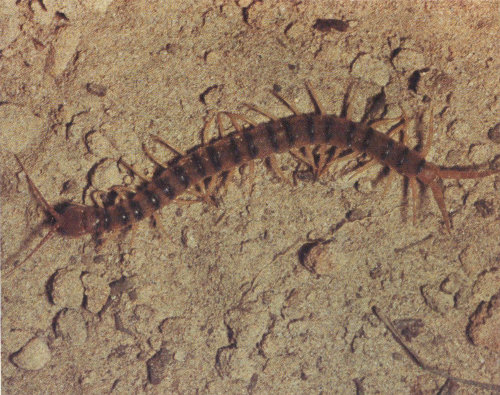
IMMEDIATE: Pain, often intense
LOCAL: 1-4 hours—A two-puncture wound at the site
with redness, swelling, and a burning aching pain that
subsides in 4-5 hours
REGIONAL: Rare—Purpura of an entire limb
ANAPHYLAXIS AND DEATH: None reported in the United
States
LOCAL FIRST AID:
- 1. Wash with soap and water
- 2. Apply ammonia in 10% solution
- 3. Apply cool wet dressings of a saturated magnesium sulfate solution
SYSTEMIC: Analgesics for pain
42
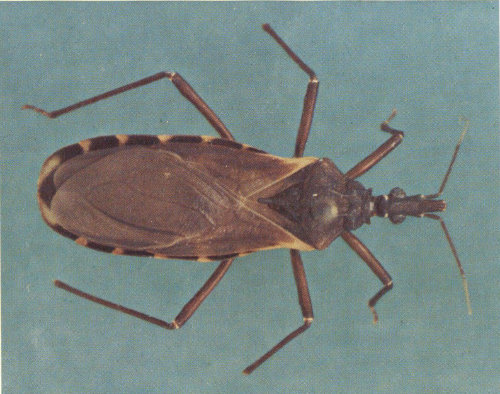
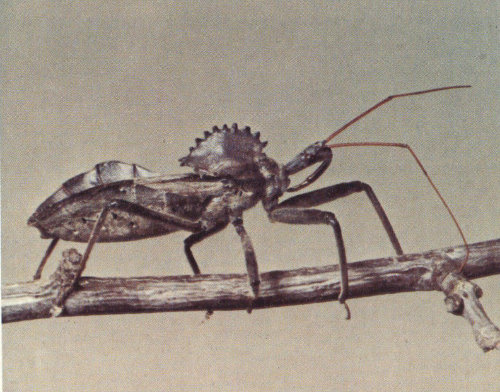
IMMEDIATE: Usually no sensation, occasionally mild pain
LOCAL: (Four distinct reactions depending on degree of
sensitivity):
- 1. Papule with a central punctum
- 2. Small vesicles grouped around bite site with swelling and little redness
- 3. Giant urticarial lesion with central punctum and surrounding brawny edema
- 4. Hemorrhagic nodular-to-bullous lesions on hands and feet—the characteristic “kissing bug bites”
ANAPHYLACTIC SHOCK: Rare, but reported
DEATHS: None reported
LOCAL FIRST AID: Wash with soap and water
SYSTEMIC: Oral antihistamines (Chart 1)
43
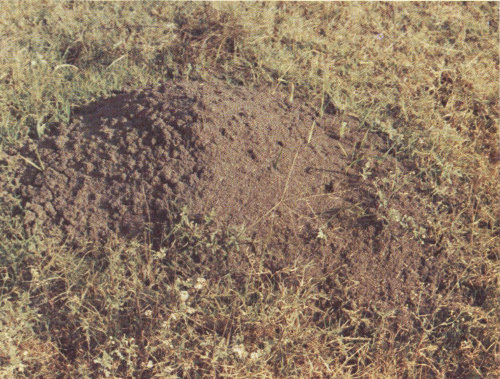
IMMEDIATE: Fierce burning pain lasting minutes
LOCAL: (Fire Ants)
- Minutes—Wheal formation
- 2-4 Hours—Clear fluid-filled vesicles
- 8-10 Hours—Cloudy fluid-filled vesicles
- 12-24 Hours—Umbilicated pustules on a red base, with pain and tenderness
- 3-8 Days—Lesions resolve; may leave scars
SYSTEMIC: Due to allergic sensitization; severity and
speed of onset related to degree of sensitivity. May see
wheezing, urticaria, abdominal cramps, generalized
edema, nausea, vomiting, dizziness, confusion, shock
ANAPHYLAXIS AND DEATH: Rare, but reported
LOCAL FIRST AID:
- 1. Wash sites with soap and water
- 2. Apply ice packs or cold compresses
- 3. Apply baking soda and water paste
SYSTEMIC:
- 1. Epinephrine (1:1,000) subcutaneous injection (0.2-0.5 ml in adults and 0.1-0.3 in children). Repeat in 5-10 min if necessary
- 2. Antihistamine (Benadryl, 50 mg IM)—Adult
- 3. Oral antihistamines (Chart 1)
- 4. Treat for shock as necessary (Chart 2)
44
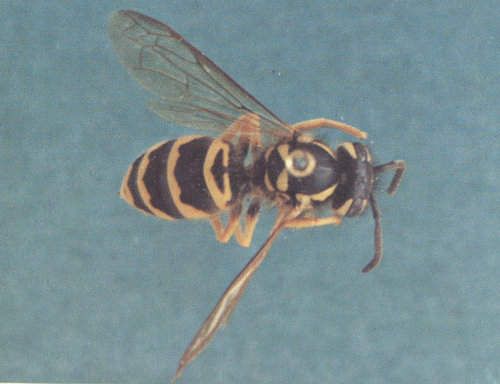
IMMEDIATE: Pain
LOCAL: Within 1-4 hours—Appearance and subsidence
of wheal and red flare; may see intense local swelling in
region of sting
SYSTEMIC:
- 1. Mild reaction—Generalized urticaria, itching, malaise, anxiety
- 2. Moderate reaction—Any of the above plus generalized edema, tightness in the chest, wheezing, abdominal pain, nausea, vomiting, dizziness
- 3. Severe reaction—Any of the above plus labored breathing, difficulty in swallowing, hoarseness or thickened speech, marked weakness, confusion, feeling of impending disaster
- 4. Shock—Cyanosis, fall in BP, collapse, incontinence, unconsciousness
- 5. Delayed serum-sickness-like reaction (10-14 days after sting)—Fever, lymphadenopathy, malaise, headache, urticaria, polyarthritis
ANAPHYLAXIS AND SUDDEN DEATH: Many cases reported,
usually in adults
LOCAL FIRST AID:
- 1. Remove bee stinger from sting site by gently scraping with fingernail or blade to prevent further venom injection from attached venom sac
- 2. Wash site with soap and water
- 3. Apply ice packs or ammonia in 10% solution
- 4. Apply baking soda and water paste
- 5. Elevate and rest involved limb
45
SYSTEMIC:
- 1. Epinephrine (1:1,000) subcutaneous injection (0.2-0.5 ml in adults and 0.1-0.3 ml in children). Repeat in 5-10 min if necessary
- 2. Analgesics (ASA, Tylenol) for pain
- 3. Antihistamines (Chart 1)—Useful only for urticarial and pruritic reactions
- 4. Treat for shock as necessary (Chart 2)
LONG-TERM MANAGEMENT: (for hypersensitive patients)
- 1. Medic-alert tag or bracelet
- 2. Emergency treatment kit and instructions for use
- 3. Program for desensitization
46
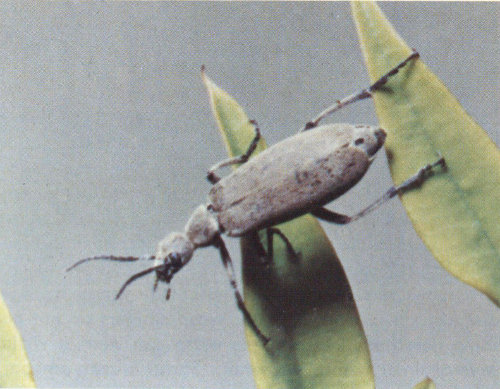
IMMEDIATE: Severe sharp pain
LOCAL:
- 1. Dangerous neurotoxic species—Pins-and-needles sensation with no local swelling or discoloration (found in Arizona only)
- 2. Comparatively harmless species (not neurotoxic)—Local swelling and discoloration at sting site
SYSTEMIC (neurotoxic species only—within 1-3 hours):
- 1. Hypoesthesia and numbness or drowsiness
- 2. Itching of nose and throat
- 3. Impaired speech and tightness of jaw muscles
- 4. Restlessness and muscle twitching
- 5. Muscle spasms with pain, nausea, vomiting, incontinence, convulsions
- 6. Respiratory and/or circulatory distress
ANAPHYLAXIS: Rare, but reported with non-neurotoxic
species
DEATHS: Occasional; due to neurotoxic species
LOCAL FIRST AID:
- 1. Apply ice packs
- 2. Apply tourniquet if possible and as near sting site as possible. Loosen briefly every 10-15 minutes
- WARNING: Do not use morphine or opiates since they increase toxic effects
SYSTEMIC:
- 1. Specific antivenin available for many dangerous species; administered early, may be lifesaving
- 2. Calcium gluconate—10 ml of 10% solution IV immediately and prn to control muscle pain
- 3. Phenobarbital—30-60 mg orally for sedation and control of convulsions
- 4. Treat for shock as necessary (Chart 1)
47
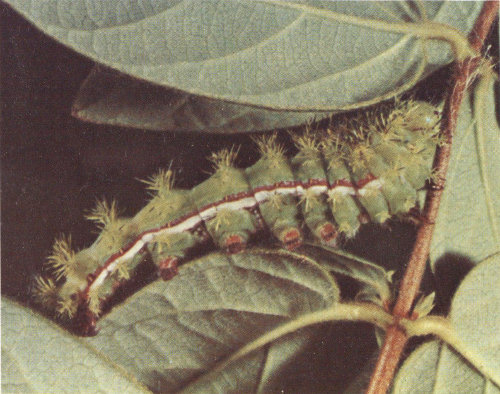
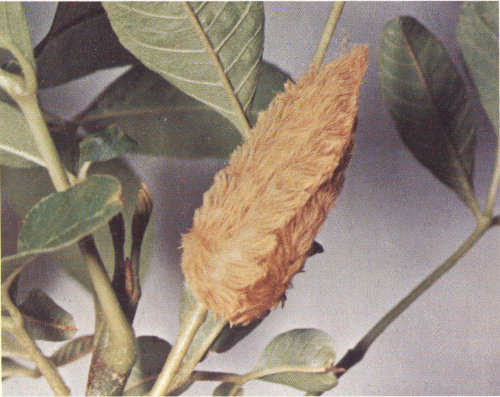
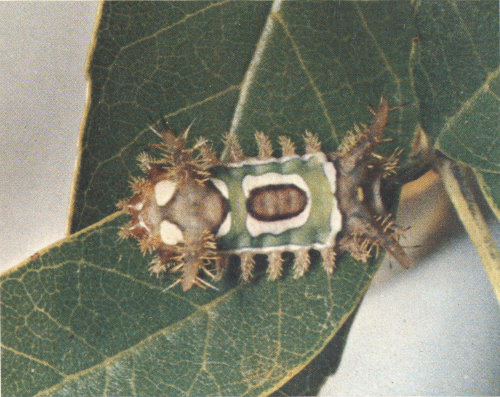
IMMEDIATE: Severe burning pain
LOCAL:
- 1. Numbness and swelling of area inflicted with severe radiating pain
- 2. Possible double row of parallel red punctuate marks forming a gridlike tract along the path of the caterpillar
- 3. Swelling of regional lymph nodes
- 4. Late foreign-body reaction to unremoved spines
SYSTEMIC:
- 1. Nausea, vomiting, fever
- 2. Headaches
- 3. Shock and convulsions (rare)
DEATHS: None reported
LOCAL FIRST AID:
- 1. Repeated stripping using adhesive or cellophane tape to remove spines
- 2. Apply ice packs
- 3. Apply baking soda and water paste
SYSTEMIC:
- 1. For severe pain give meperidine hydrochloride (Demerol, 50-100 mg PO or IM), morphine sulfate (0.25 subcutaneous), codeine phosphate (0.5 g PO)
- NOTE: Aspirin is generally not effective
- 2. Shock (Chart 2)
48
| GROUP | TRADE NAME | AVERAGE ORAL BASE | SEDATION |
|---|
| | GENERIC NAMES | | ADULT | CHILD |
|---|
| Ethanolamines |
| | diphenhydramine•HCl | Benadryl | 50 mg q 4-6h | 25 mg q 4-6h | ++++ |
| | diphenhydramine theophyllinate | Dramamine | 50 mg q 4h | 25 mg q 4h | ++++ |
| Ethylenediamine |
| | tripelennamine | Pyribenzamine | 50 mg q 4-6h | 25 mg q 4-6h | +++ |
| Alkylamines |
| | chlorpheniramine maleate | Chlor-Trimeton | 4 mg q 6h | 2 mg q 6h | ++ |
| | brompheniramine maleate | Dimetane | 8 mg q 6h | 4 mg q 6h | + |
| | triprolidine•HCl | Actidil | 2.5 mg q 8h | 1.25 mg q 8h | ++ |
| Cyclizines |
| | hydroxyzine•HCl | Atarax | 25-100 mg q 6h | 10-25 mg q 6h | + |
| Miscellaneous |
| | cyproheptadine•HCl | Periactin | 4 mg q 6h | 2 mg q 6h | +++ |
| | promethazine | Phenergan | 25-50 mg q 6-8h | 12.5-25 mg q 6-8h | ++++ |
49
| IMMEDIATE TREATMENT | MILD REACTION TREATMENT | SEVERE REACTION TREATMENT |
|---|
| REACTION: Conjunctivitis, Rhinitis, Urticaria, Pruritus, Erythema |
|---|
Epinephrine•HCl 0.3 ml (1:1,000) IM
Diphenhydramine•HCl 50 mg PO | Diphenhydramine•HCl 50 mg PO q 6h |
| REACTION: Laryngeal edema |
|---|
Epinephrine•HCl 0.3 ml (1:1,000) IM
Diphenhydramine•HCl 50 mg IV | Diphenhydramine•HCl 50 mg q 6h IM or PO
Ephedrine sulfate 25 mg q 6h | Oxygen
Diphenhydramine•HCl 50 mg q 6h
Ephedrine sulfate 25 mg q 6h
Monitor blood gases
Hydrocortisone
Tracheostomy |
| REACTION: Bronchospasm |
|---|
Epinephrine•HCl 0.3 ml (1:1,000) IM
Diphenhydramine•HCl 50 mg IV | Epinephrine•HCl 0.3 ml (1:1,000) IM
Aminophylline 250 mg IV over 10-min period of time | Oxygen
Aminophylline 500 mg IV q 6h
Hydrocortisone
IV fluids
Monitor blood gases
Observe for respiratory failure |
| REACTION: Hypotension |
|---|
Epinephrine•HCl 0.3 ml (1:1,000) IM
Diphenhydramine•HCl 50 mg IV | Metaraminol bitartrate, 100 mg in 1,000 ml 5% dextrose in water | Oxygen
Metaraminol bitartrate IV
IV fluids |