Shut in between the barren range of the Sierra Molina on the north, and
the arid plains of Murcia to the south, the ancient Kingdom of Valencia
is one of the regions of Spain least visited by the tourist. And yet, a
flowering and fruitful Eden, it lies beneath a burning sun, its waters
trained in obedience to the hand of man. It puts forth a vegetation of
tropical luxuriance. Demeter has blessed the land. Under the soft
caressing winds that sweep up from the Mediterranean the soil yields
four or five crops in the year to the industry of the peasant. And if at
times the dreaded sirocco, charged with poisonous vapours from the
Albufera, lays the country prostrate—well, for every Paradise was
devised a snake!
The people of the province, with the exception of those of Orihuela,
speak that variety of the Romance which I may call Catalan, and which,
with local modification, is common all along the eastern coast of Spain
from the mouth of the Segura to the frontier of Rousillon. Limousin, as
it is sometimes called, is not a mere dialect, but a quite distinct
language, a survival of the old Langue d’oc. Probably it was spoken by
those Romanised Spaniards who were driven north of the Pyrenees by the
Arabic invasion. It would be restored by them when they reconquered this
portion of their old territory. The Christian population, before
Valencia was recovered by Jaime el Conqueridor of Aragon, spoke
Castilian or a tongue akin to it. But the Catalan of the new rulers was
stronger, and soon swept aside the common speech of the people.
Curiously enough, this same Catalan was not the language used in Aragon
itself, a fact which no doubt had a strong determining influence in the
choice of Castilian at the time of the unification of the two kingdoms.
Why Orihuela alone clung to its old Castilian tongue in despite of the
Conqueror is not clear, unless it was owing merely to the proximity of
Murcia.
In character the Valencians are superstitious, revengeful, relentless in
hate. “Ni olvido ni perdono” is their motto. They love the colour and
joy of life. Dancing and love-making are their chief delights. And yet
they are a laborious race. But their white, rather flabby appearance
proclaims them lacking in backbone and initiative. “Flesh is grass, and
grass is water. The men are women, the women—nothing!” says their own
proverb.
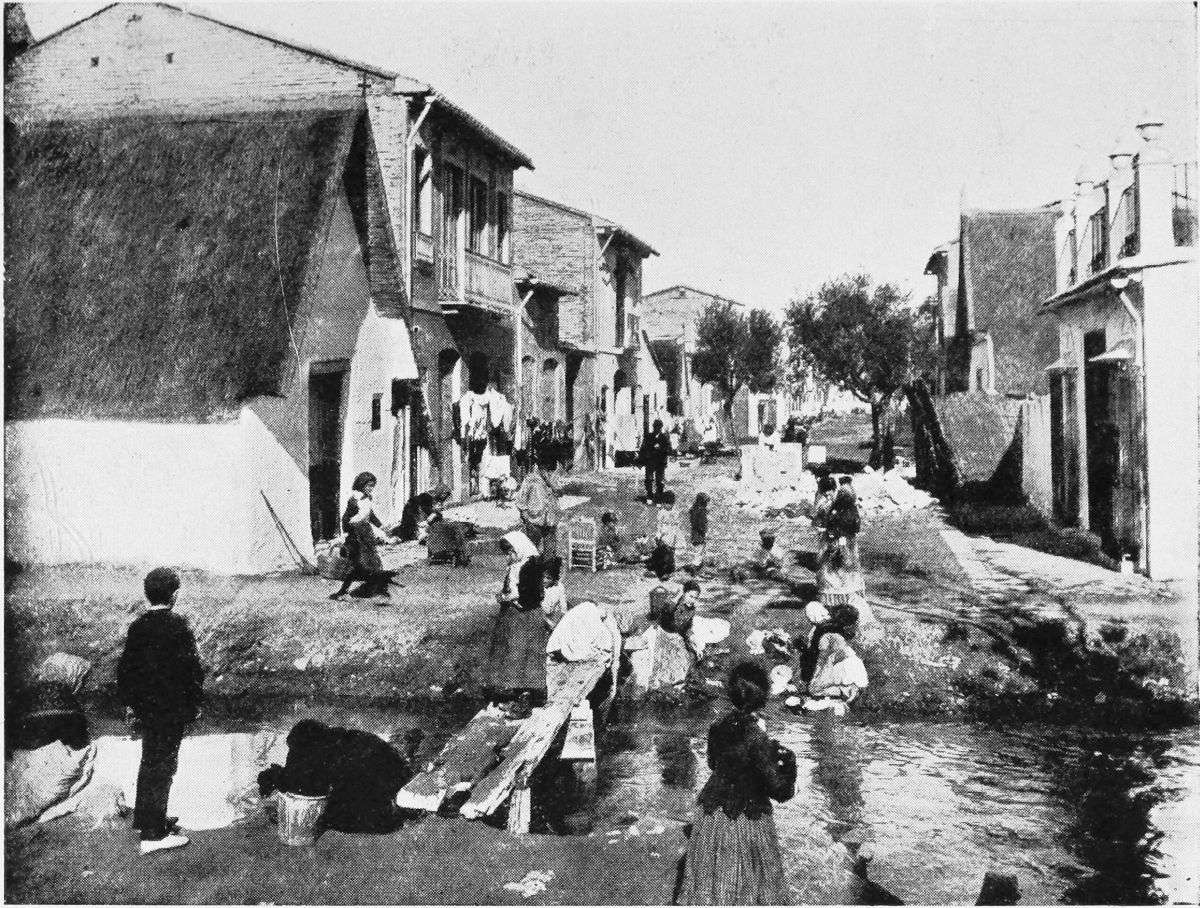
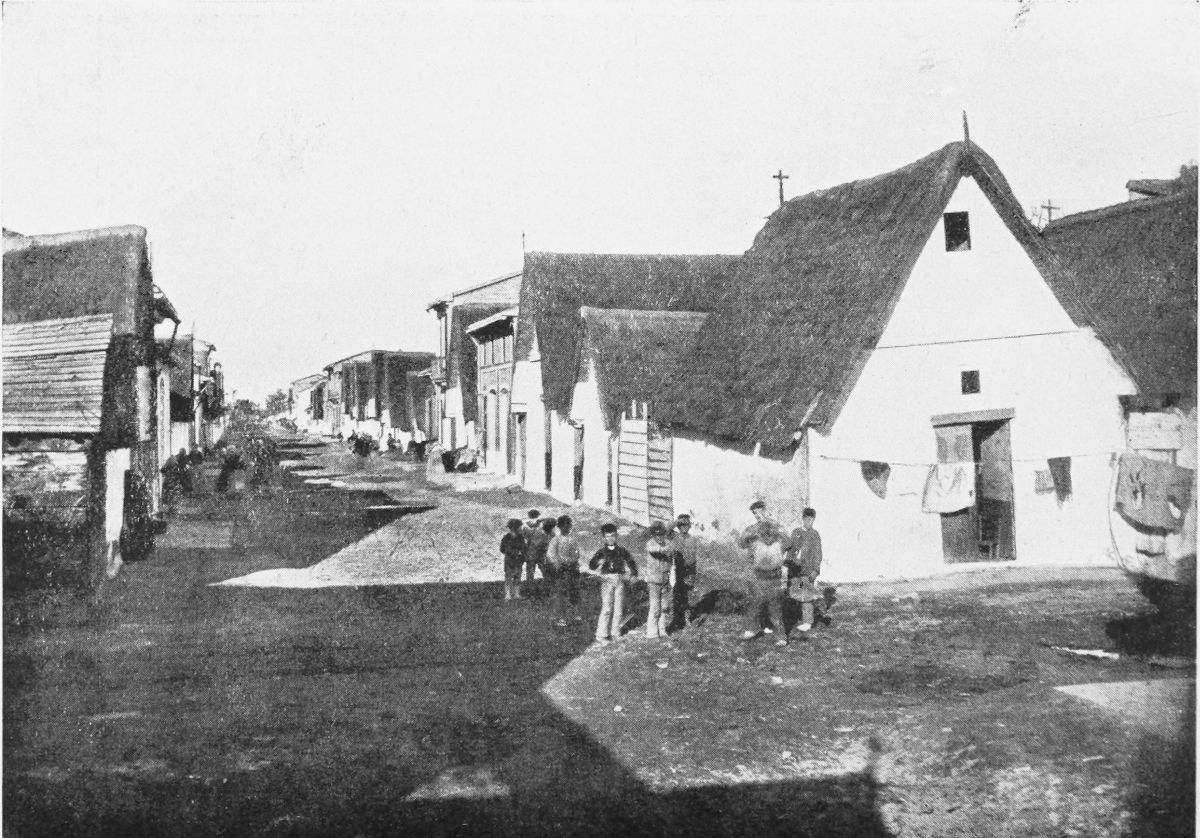
The fertile huerta has found its novelist in Blasco Ibañez, a native of
Valencia, who has beautifully described the languid life of the
province. A translation must necessarily lack the force and elegance of
the master’s style, but the following passages will at least enable the
reader to picture a summer in the south:
“When the vast plain awakes in the bluish light of dawn, the last of the
nightingales that have sung through the night breaks off abruptly in his
final trill, as though he had been stricken by the steely shaft of day.
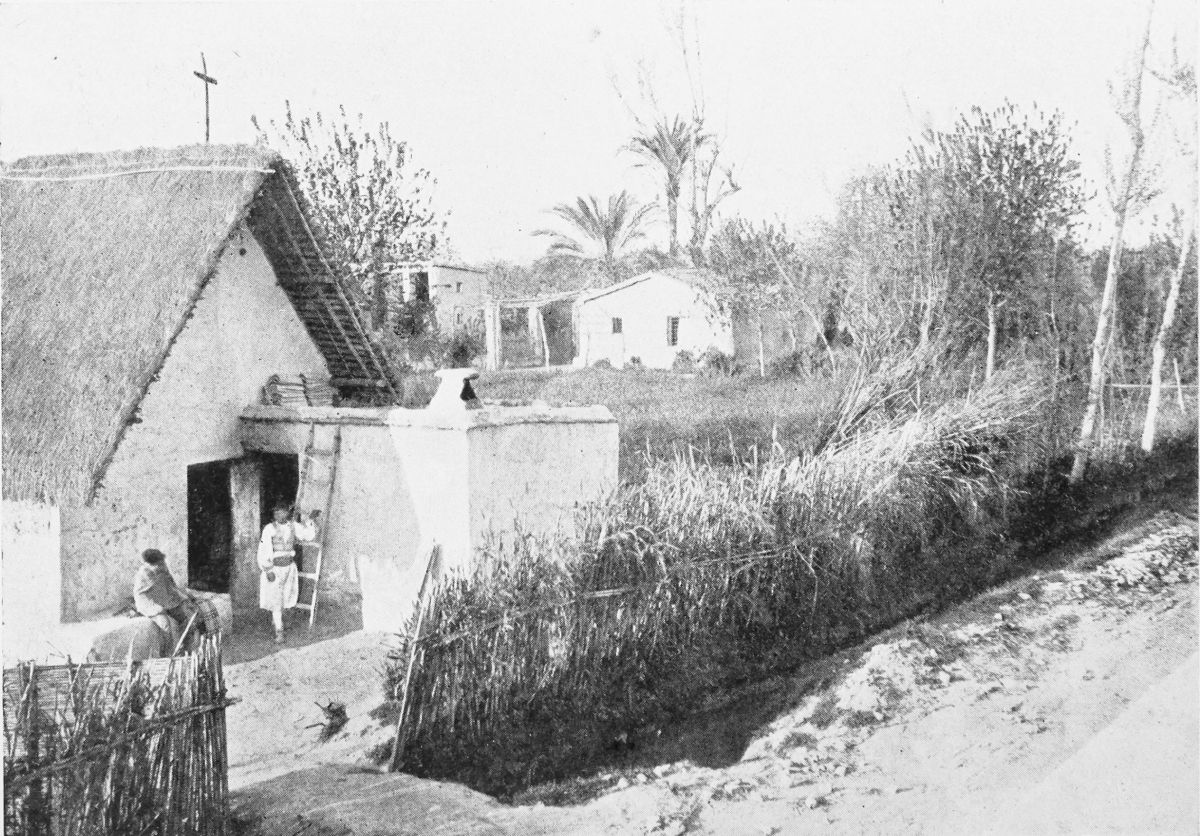
Sparrows in whole coveys burst forth from the thatched roofs, and
beneath this aerial rabble preening their wings the trees shake and nod.
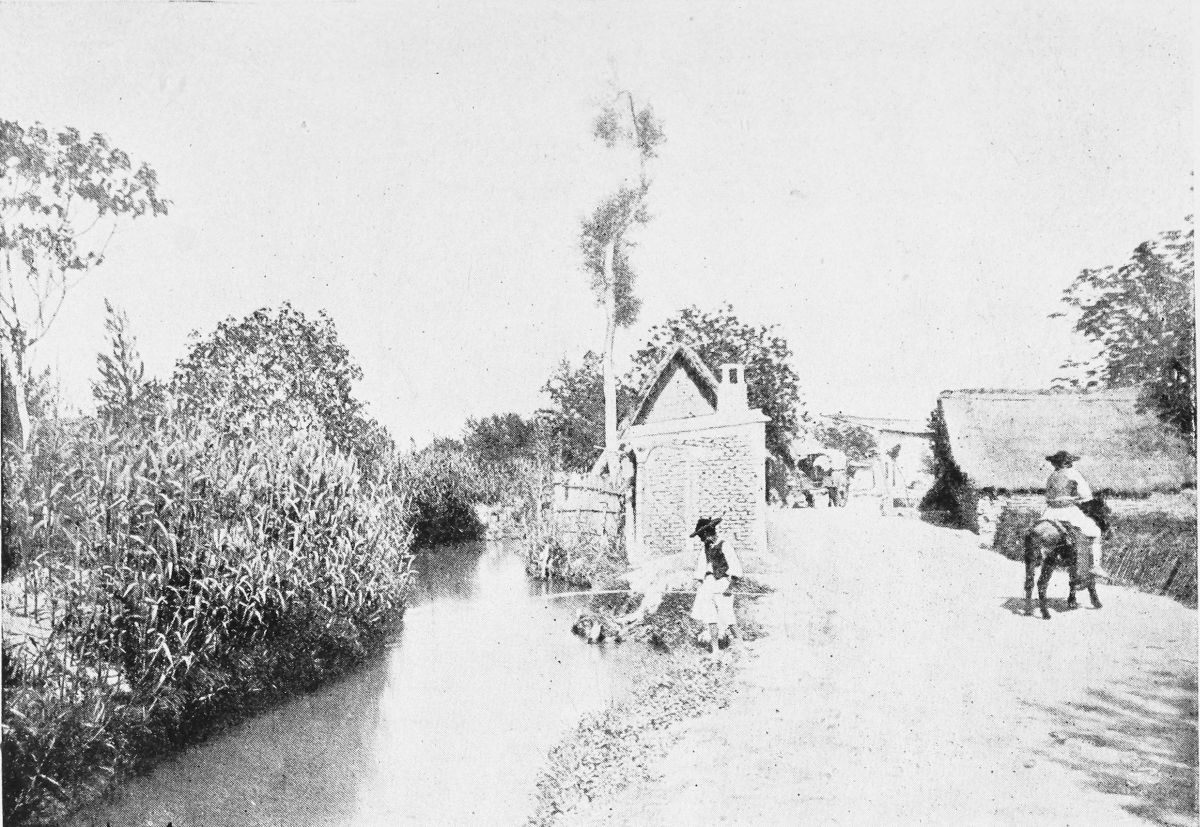
“One by one the murmurs of the night subside; the trickling of the
water-courses, the sighing of the reeds, the barking of the watchful
dogs, other sounds belonging to the day, grow louder and fill the
huerta, the crow of the cock is heard from every farm, and the village
bells proclaim the call to prayer borne across from the towers of
Valencia, which are yet misty in the distance. From the farmyards arises
a discordant animal concert—the neighing of horses, the bellowing of
oxen, the clucking of hens, the bleating of lambs, the grunting of
swine—the sounds produced by beasts that scent the keen odour of
vegetation in the morning breeze and are hungry for the fields.
“The sky is suffused with light, and with light life inundates the plain
and penetrates to the interior of human and animal abodes. Doors open
creaking. In the porches white figures appear, their hands clasped
behind their necks, scanning the horizon. From the stables issue towards
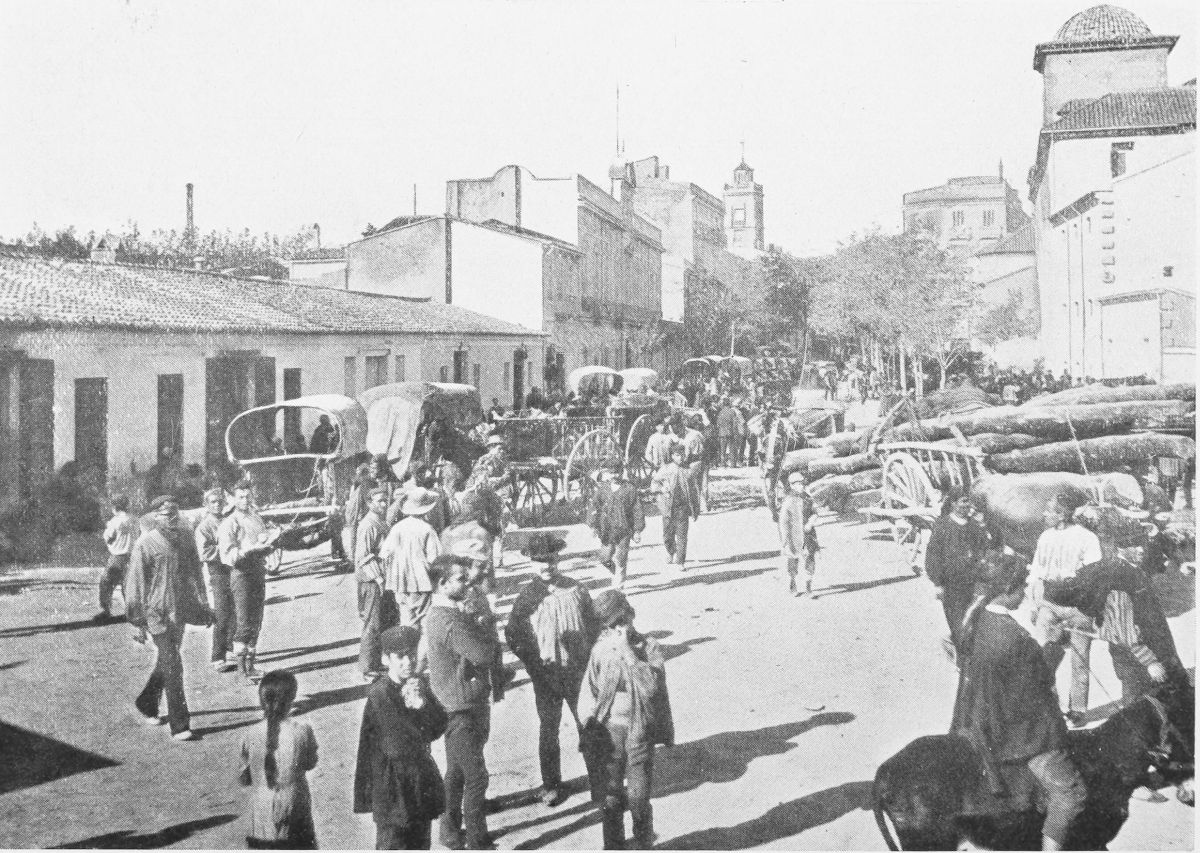
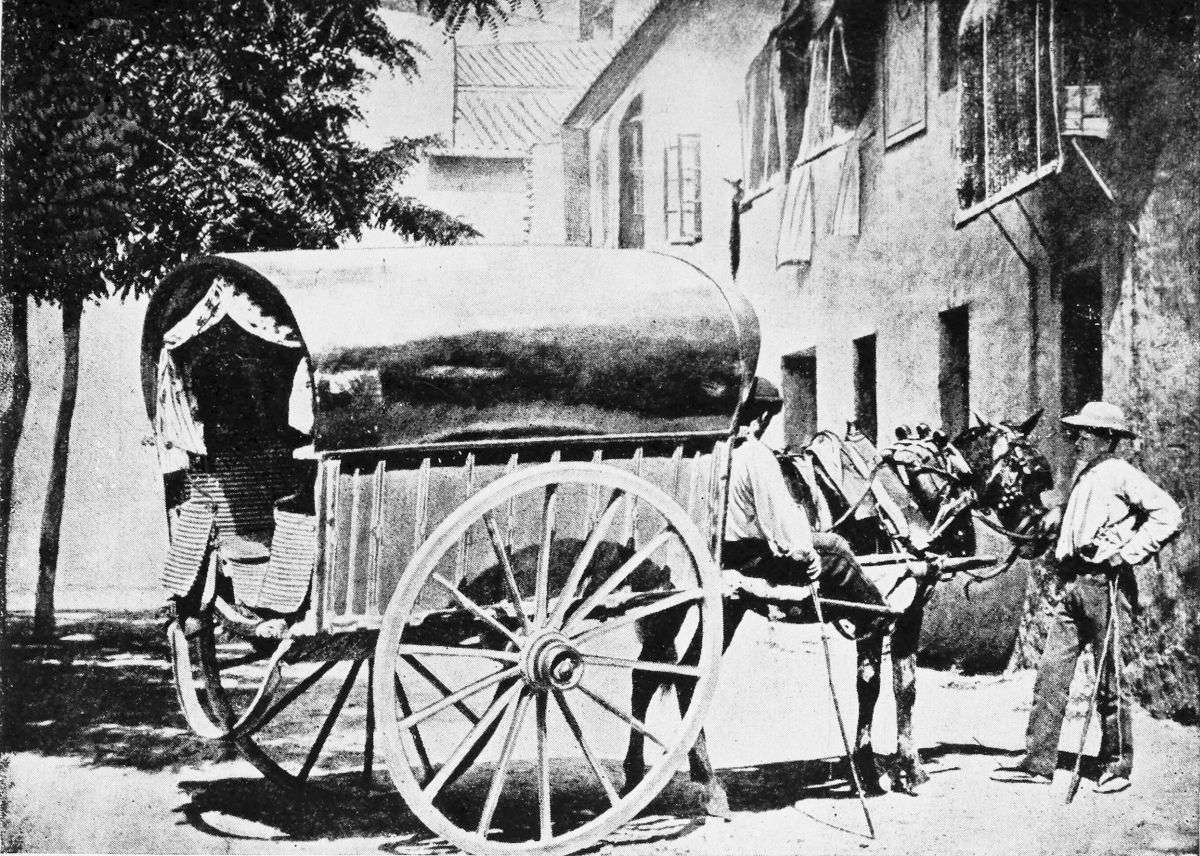
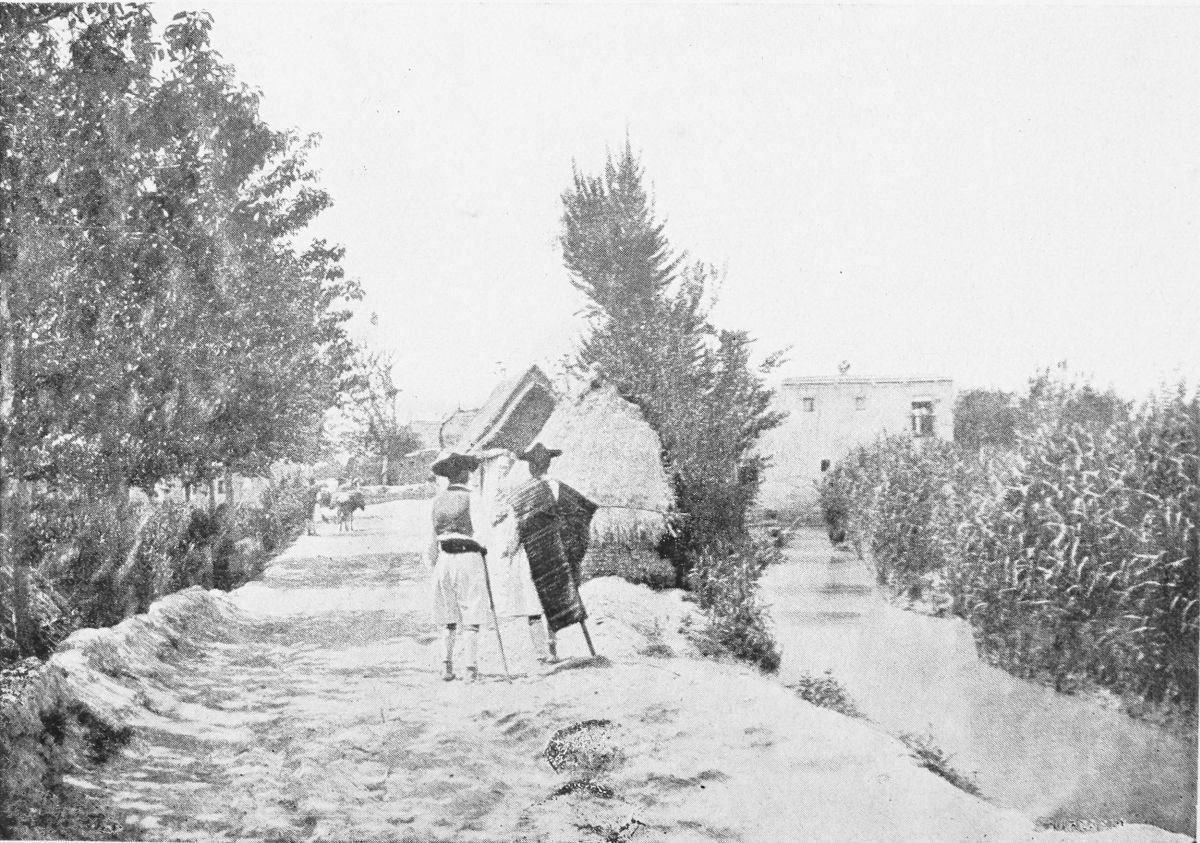
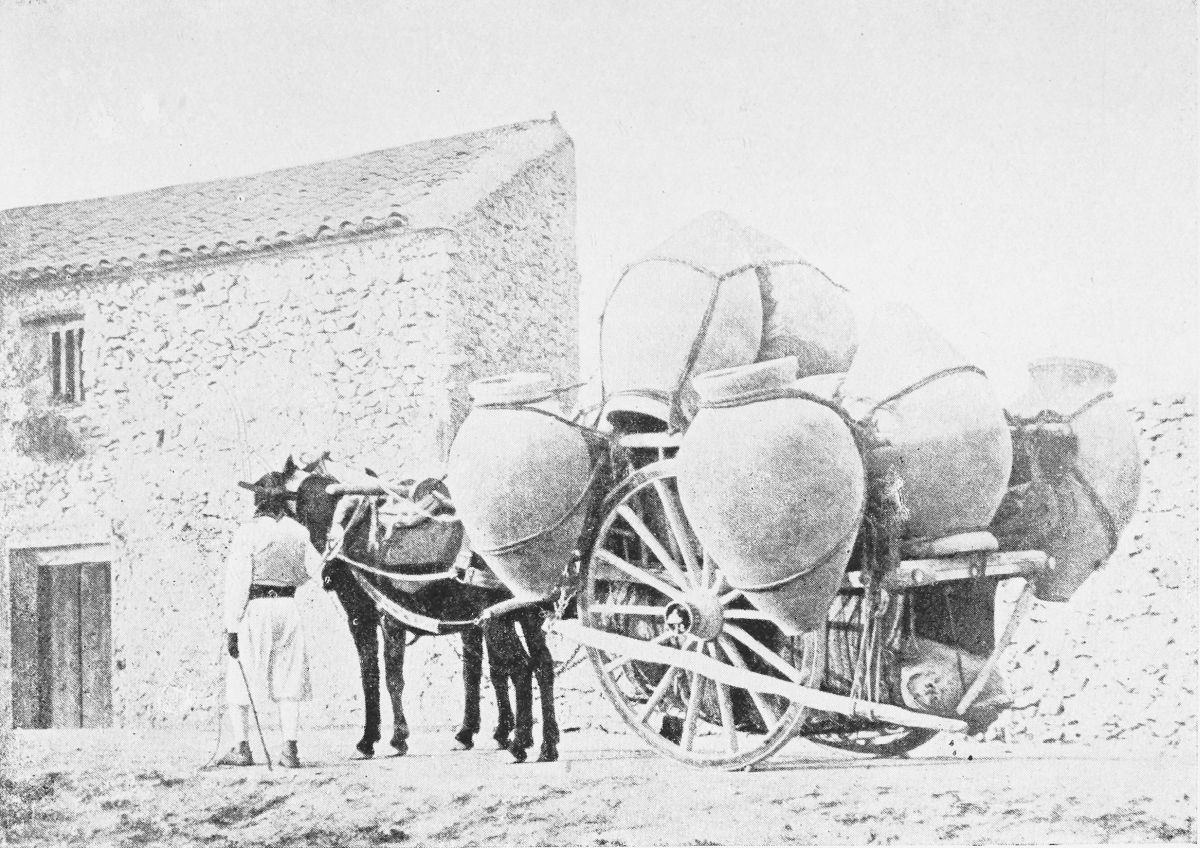
the city milch cows, herds of goats, manure-carts. Bells tinkle between
the dwarf trees bordering the high road, and every now and again is
heard the sharp “Arre, Aca” of the drivers.
“On the thresholds of the cottages those bound for the town exchange
greetings with those who stay in the fields. ‘Bon dia nos done Deu!’
[May God give us a good day!] ‘Bon Dia.’
“Immense is the energy, the explosion of life at midsummer, the best
season of the year, the time of harvest and abundance. Space throbs with
light and heat. The African sun rains torrents of fire on the land
already crackled and wrinkled by its burning caresses, and its golden
beams pierce the dense foliage, beneath which are hidden the canals and
trenches to save them from the all-powerful vivifying heat.
“The branches of the trees are heavy with fruit. They bend beneath the
weight of yellow grapes covered with glazed leaves. Like the pink
cheeks of a child grow the apricots amid the verdure. Children greedily
eye the luxurious burden of the fig-trees. From the gardens is wafted
the scent of jasmin, and the magnolias dispense their incense in the
burning air, laden with the perfume of cereals.
“The gleaming scythe has already sheared the land, levelling the golden
fields of wheat and the tall corn-stalks which bowed beneath their heavy
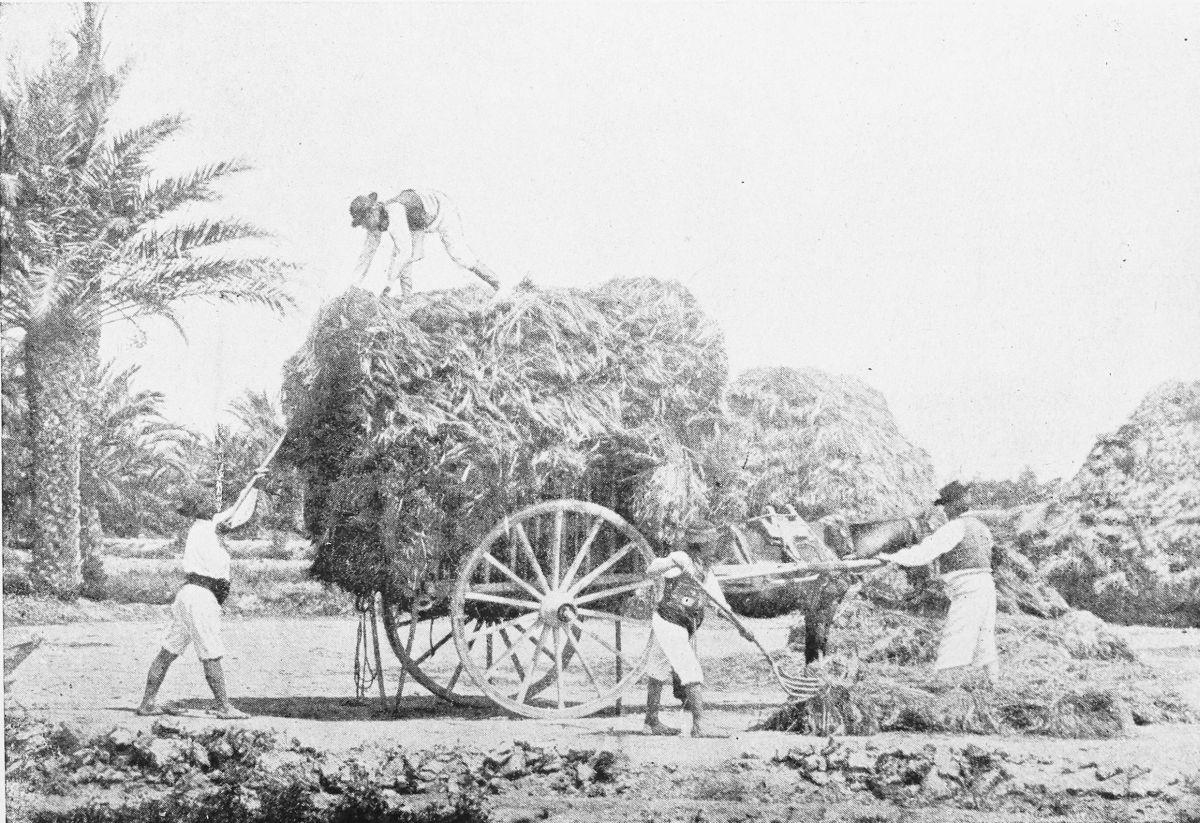
load of life. The hay forms yellow hills which reflect the colour of the
sun. The wheat is winnowed in a whirlwind of dust; in the naked fields
among the stubble sparrows hop from spot to spot in search of stray
gleanings. Everywhere are happiness and joyous labour. Waggons go
groaning down the road; children frolic in the fields and among the
sheaves, thinking of the wheaten cakes in prospect, and of the lazy
pleasant life which begins for the farmer when his barn is filled. Even
the old horses stride along more gaily, cheered by the smell of the
golden grain which will flow steadily into their mangers as the year
rolls on.
“When the harvest has levelled the panorama and cleared the great
stretches of wheat sprinkled with poppies, the plain seems vast, almost
illimitable. Farther than the eye can reach stretch its great squares of
red soil, marked off by paths and trenches. The Sunday’s rest is
rigorously observed over the whole countryside. Not a man is seen
toiling in the fields, not a beast at work on the road. Down the paths
pass old women with their mantillas drawn over their eyes, and their
little chairs hanging to their arms. In the distance resound, like the
tearing of linen, the shots fired at the swallows, which fly hither and
thither in circles. A noise seems to be produced by their wings ruffling
the crystal firmament. From the canals rises the murmur of clouds of
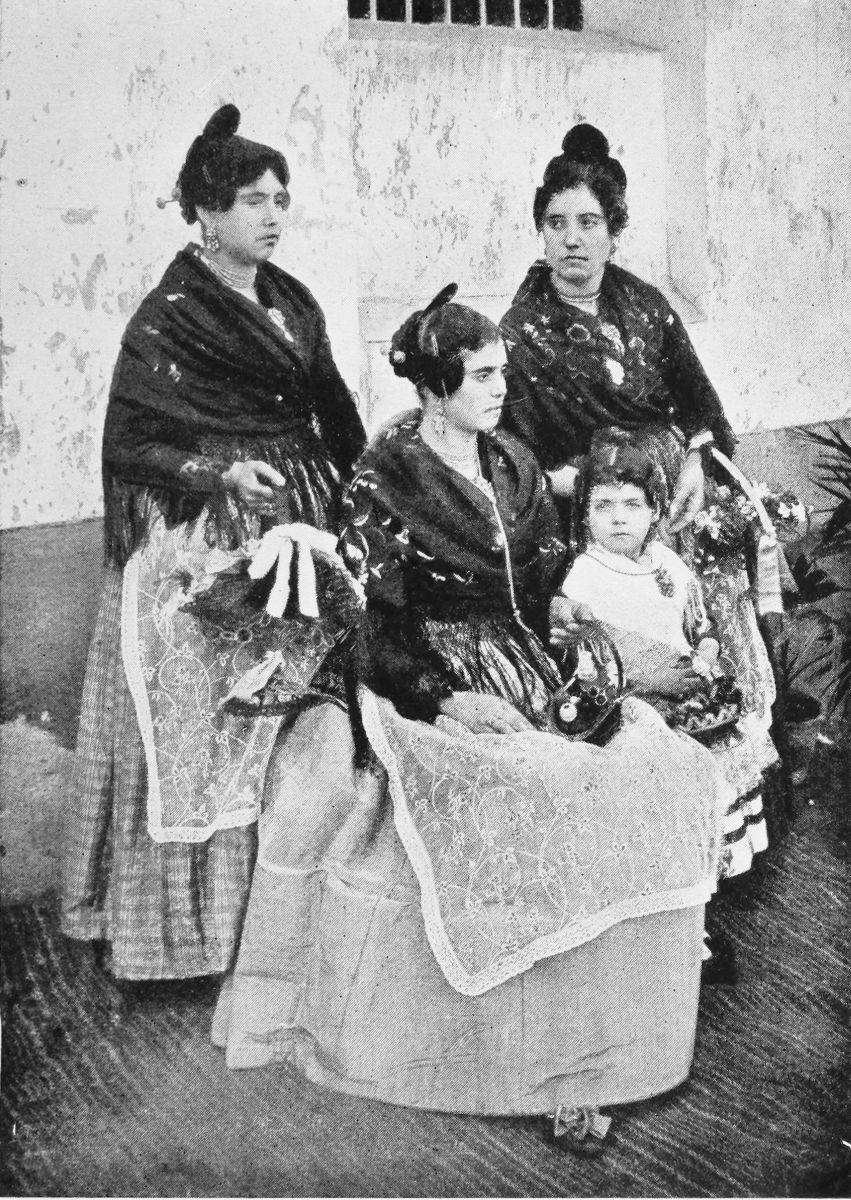
almost invisible flies. In a farm all painted blue, under an ancient
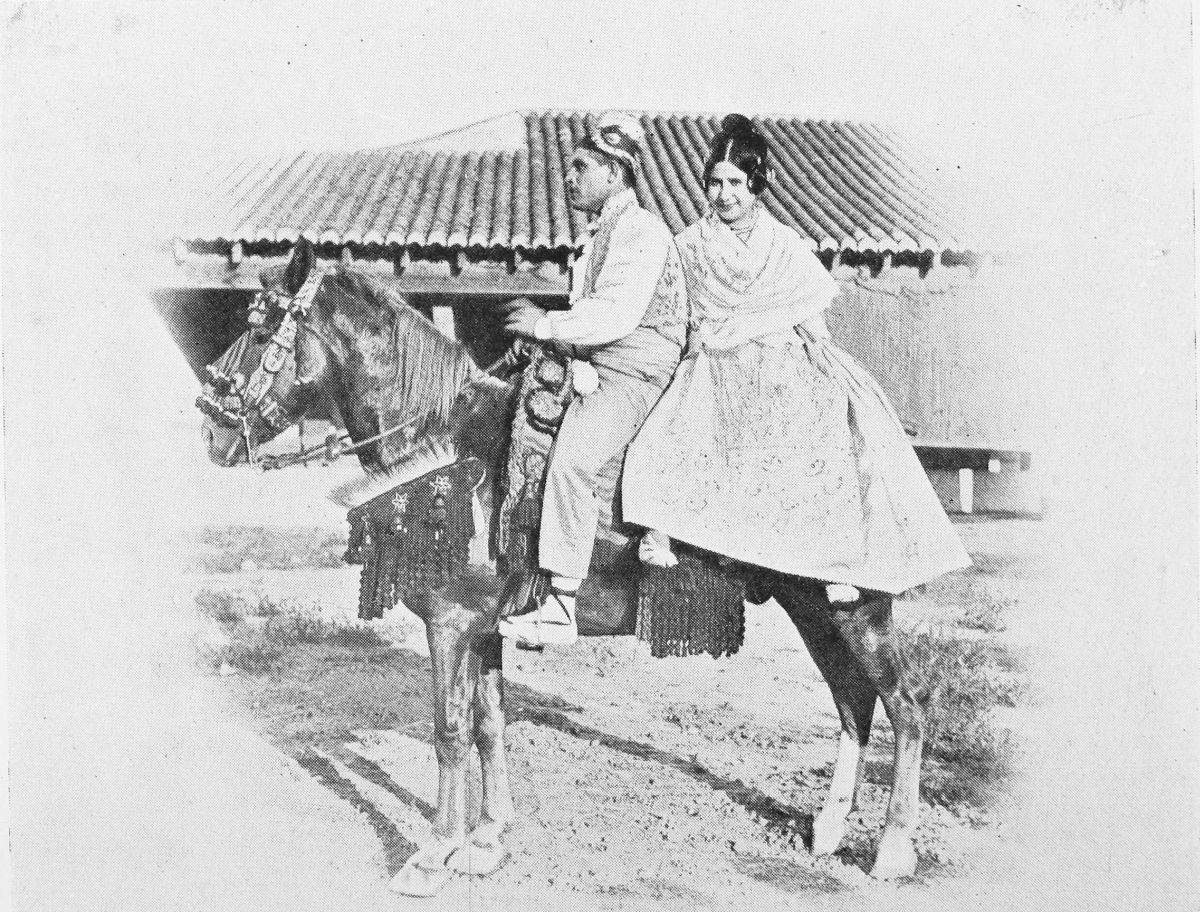
arbour, there is a whirlwind of gaily-coloured shawls and petticoats,
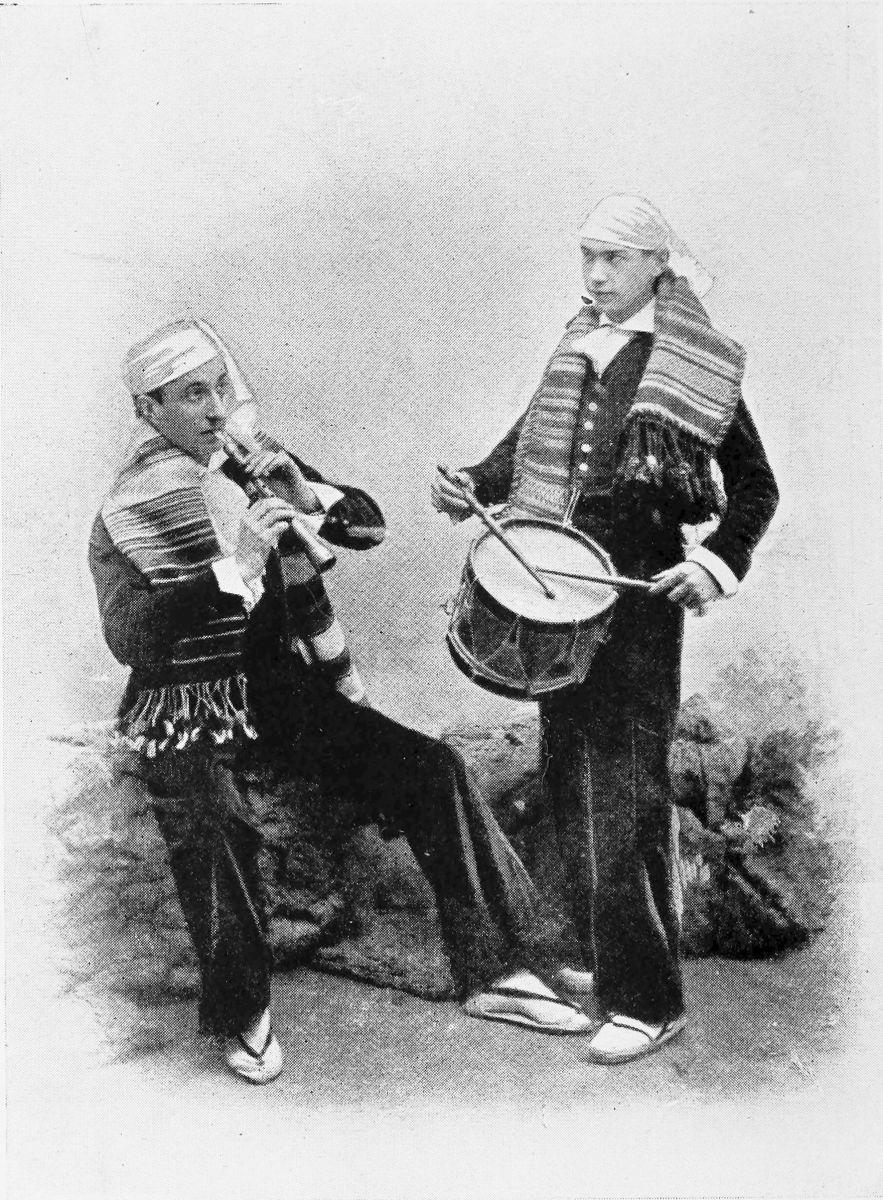
while the guitars with their drowsy rhythm and the strident cornets
accompany the measures of the Valencian ‘Jota.’
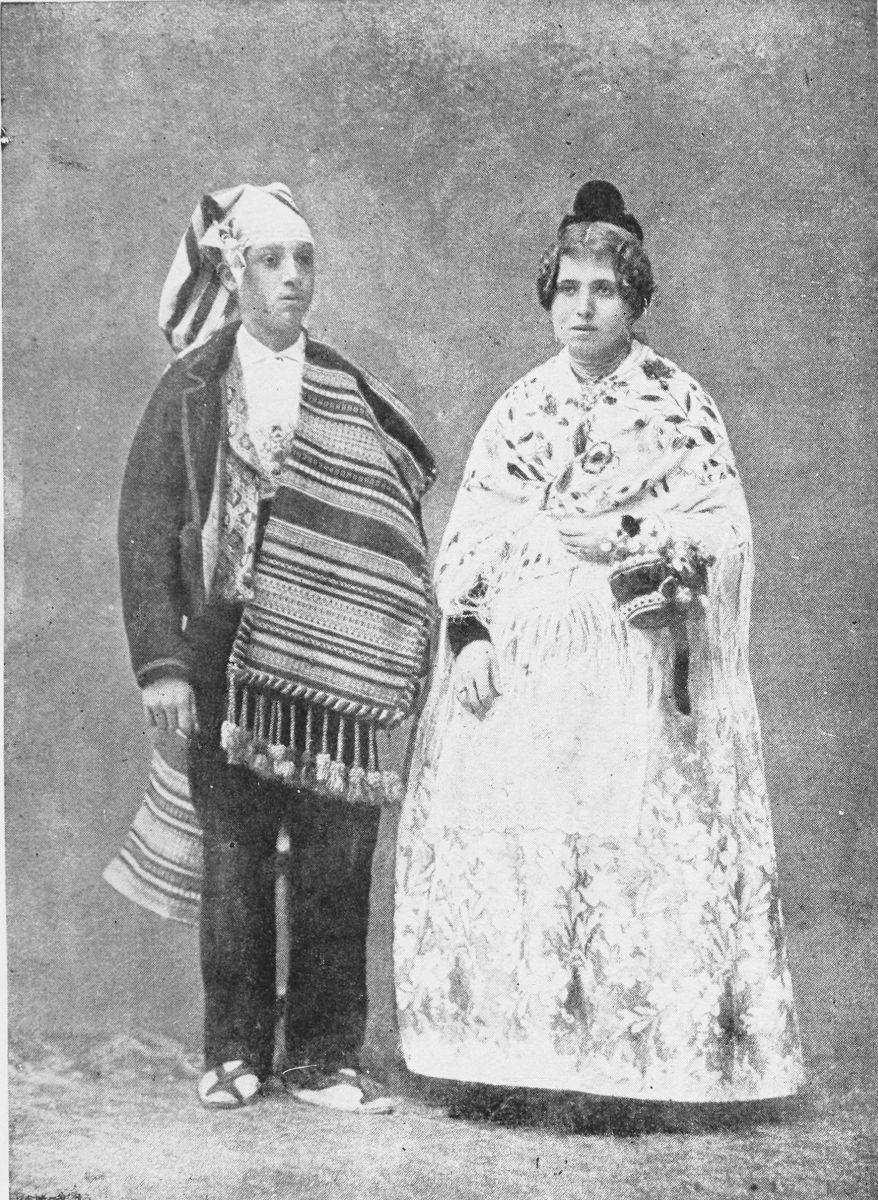
“In the village the little plaza is thronged with the field-folk. The
men are in their shirt-sleeves with black sashes and gorgeous
handkerchiefs arranged mitre-like on their heads. The old men lean on
their big Liria sticks. The young men, with sleeves turned up, display
their red nervous arms and carry mere sprigs of ash between their huge
knotted fingers.
“In the afternoon, towards the fountain along the road, bordered with
poplars which shake their silvered foliage, go groups of girls with
their pitchers on their heads. Their rhythmical movements and their
grace recall the Athenian Canephori. This procession to the well lends
to the huerta something of a Biblical character. The Fontana de la Reina
is the pride of the huerta, condemned to drink the water of wells, and
the red and dirty liquid of the canals. It is esteemed as an ancient and
valuable work. It has a square basin with walls of reddish stone. The
water is below the soil. You reach the bottom by means of six green and
slippery steps. Opposite the steps is a defaced bas-relief, probably a
Virgin attended by angels—no doubt an ex-voto of the time of the
Conquest. Laughter and chatter are not wanting round the well. The girls
cluster round, eager to fill their pitchers but in no hurry to depart.
They jostle each other on the steps, with their petticoats gathered in
between their legs, the better to lean forward and to plunge their
vessels into the basin. The surface of the water is unceasingly troubled
by the bubbles rising from the sandy bed, which is covered with weeds
waving in the current.”
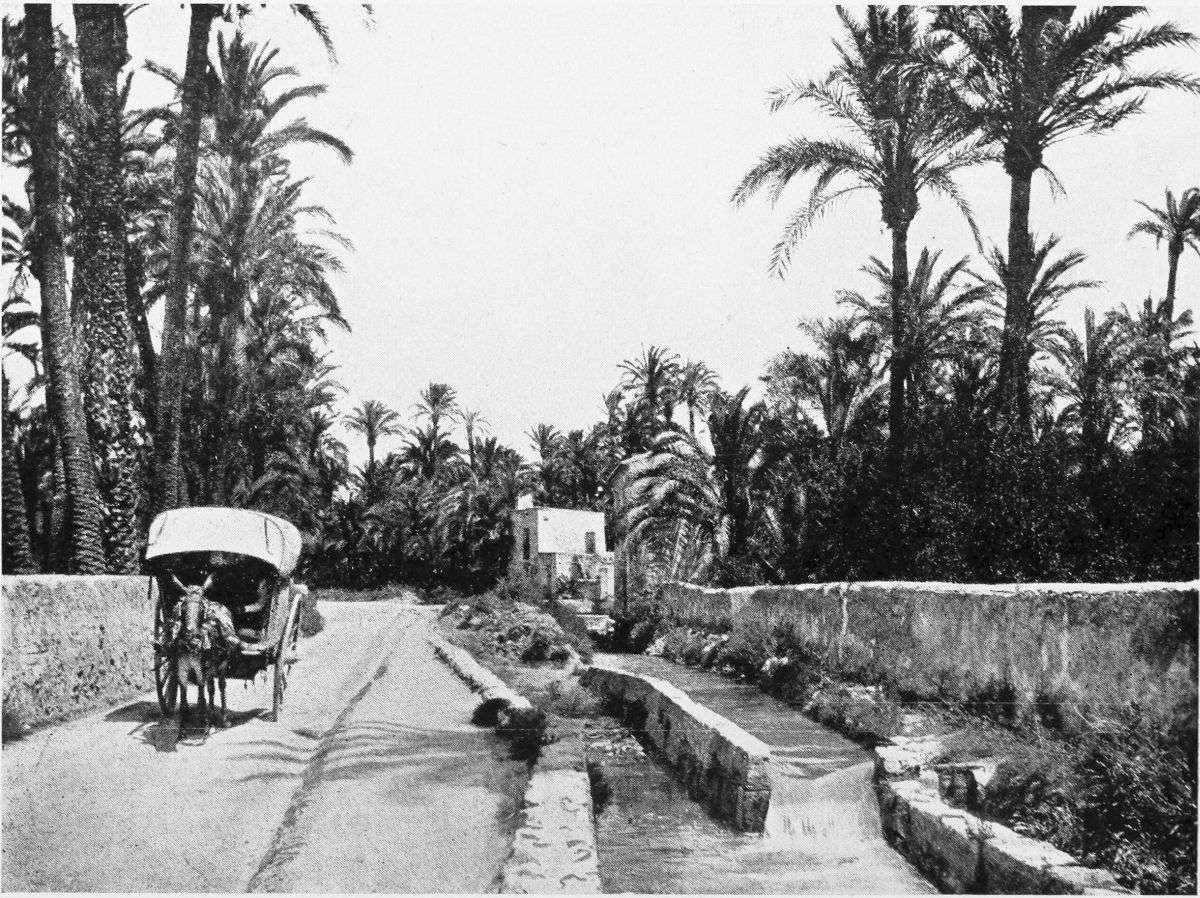
The exuberant natural life pictured in these passages is not altogether
due to the bounty of nature. The scorching sun would have brought death
instead of life to Valencia without the co-operation of man. The whole
province is a triumph of irrigation. The Moors were masters of hydraulic
science. They tapped the Jucar and the Guadalaviar and drew their
waters through the Moncada and seven smaller but magnificent canals into
every corner of the land. This was the legacy they left behind when they
were so suicidally expelled. Their successors, as Mr. Richard Ford so
eloquently puts it, exercise “a magic control over water, wielding it at
their bidding”—presumably as Gilbert’s hero Ferdinando brandished the
turtle soup!
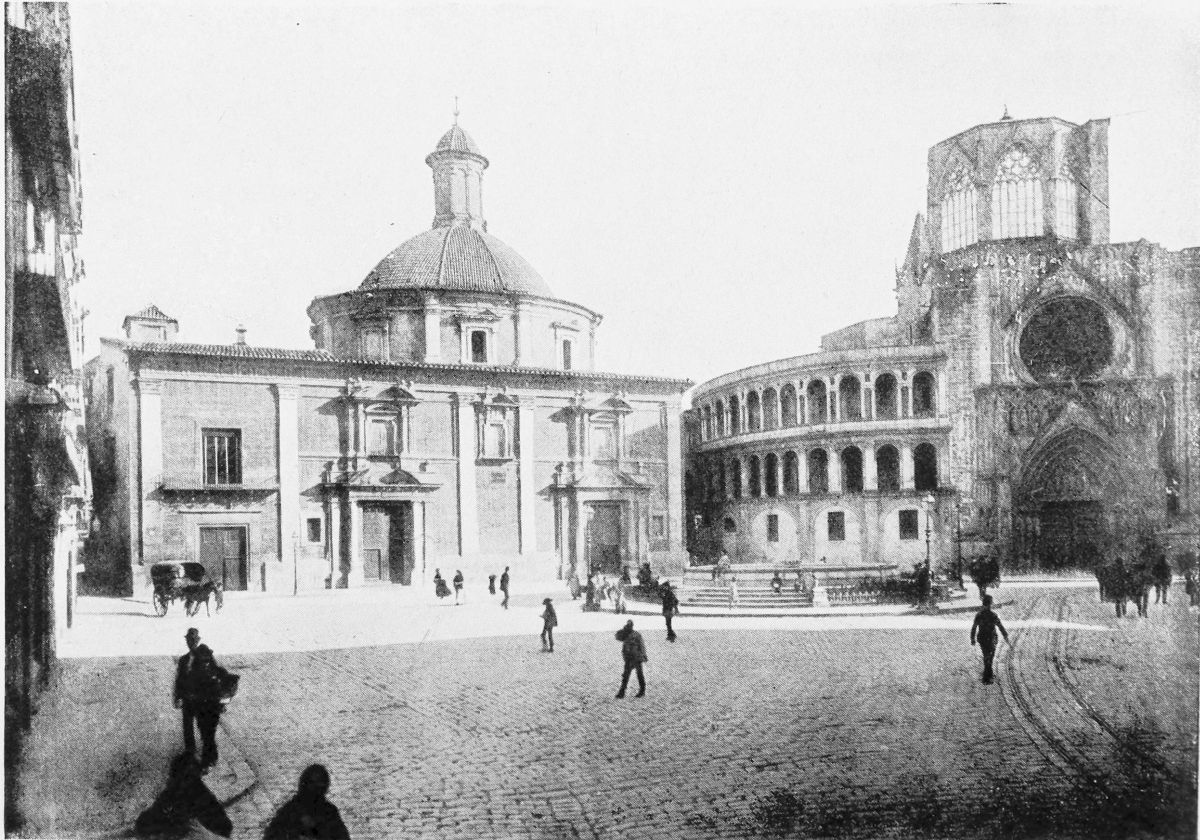
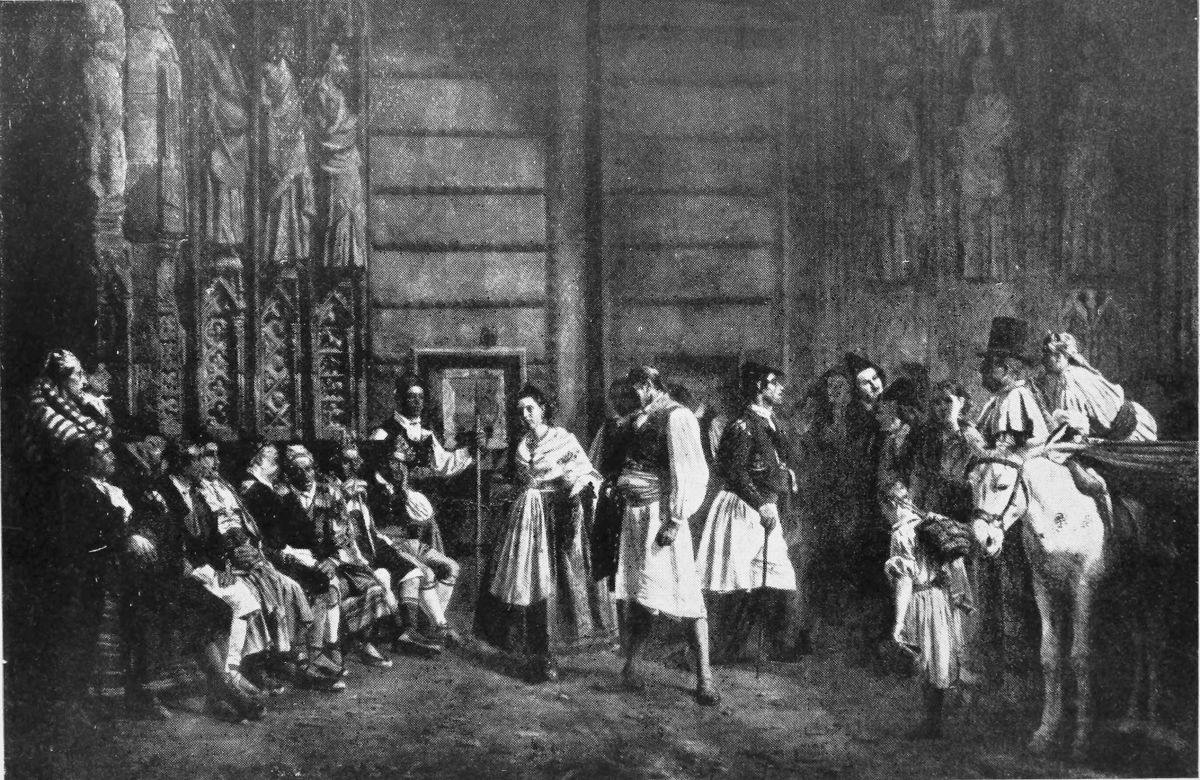
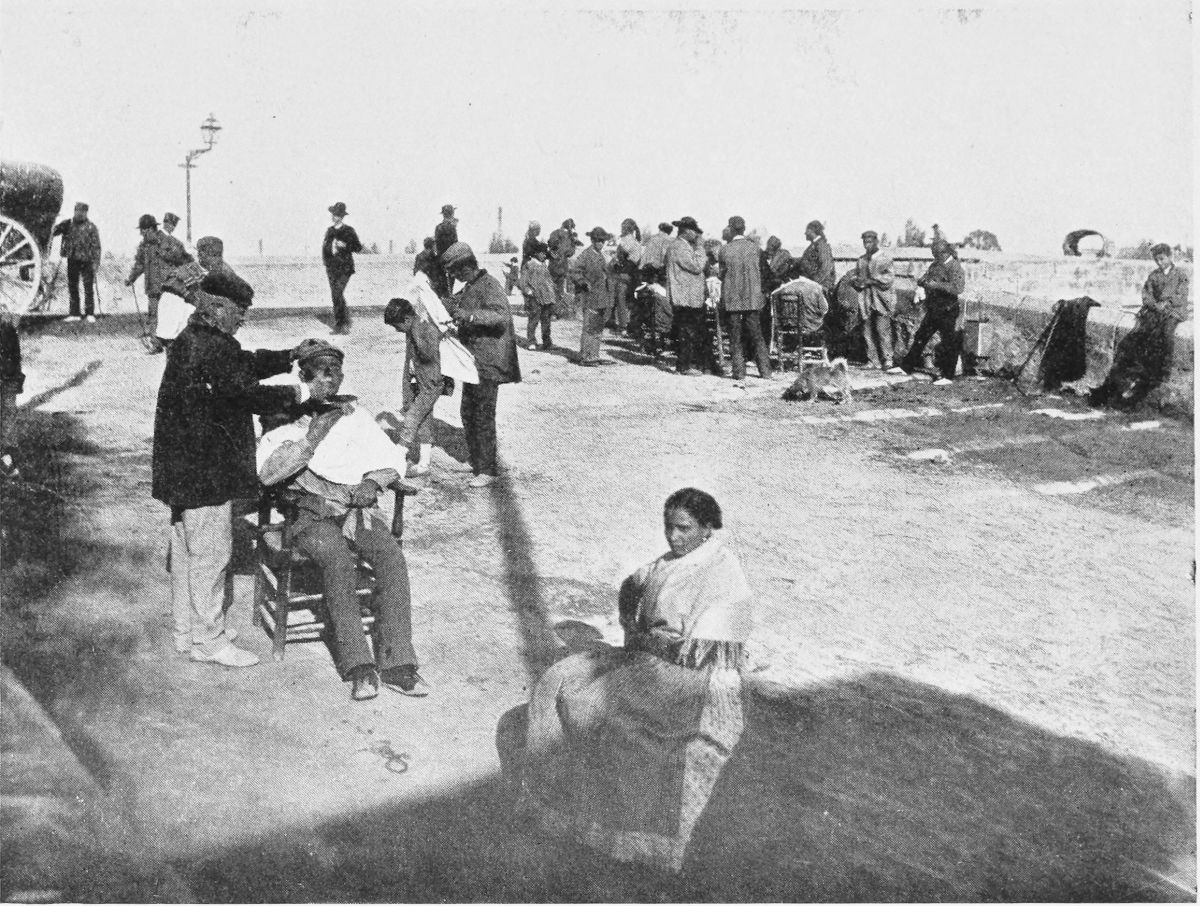
Bequeathed also directly by the Moors, the Tribunal of the Waters is the
most interesting sight of Valencia. It is independent of all law; no
Government has ever touched it; it has no written records. The court
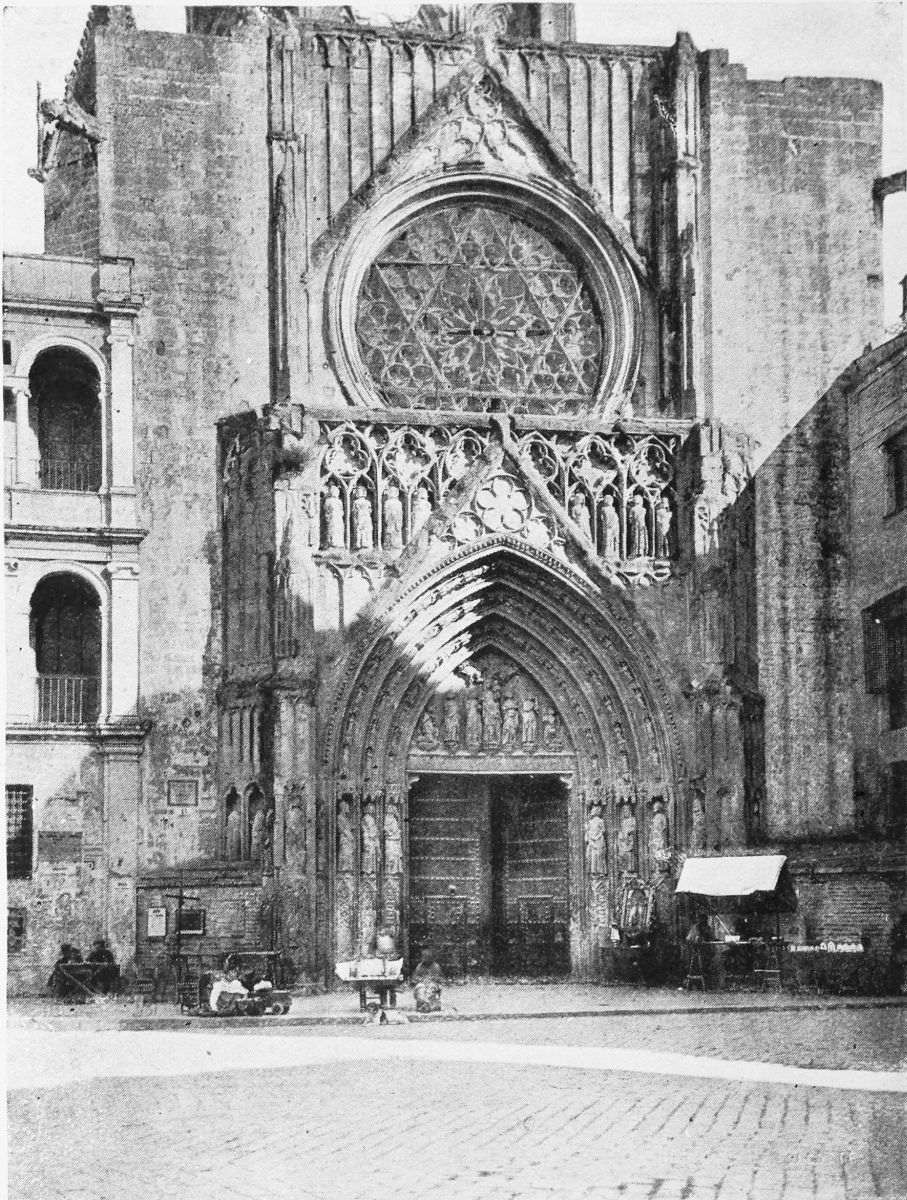
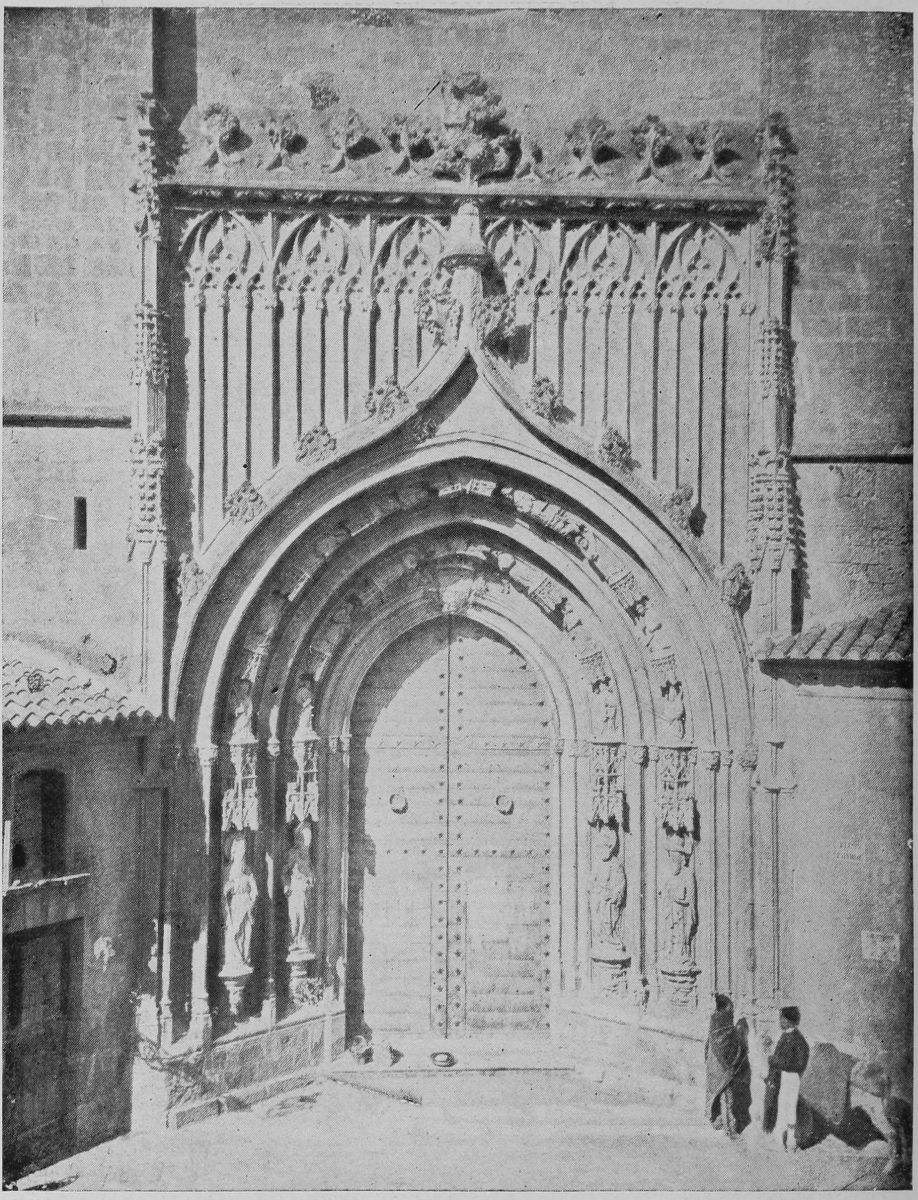
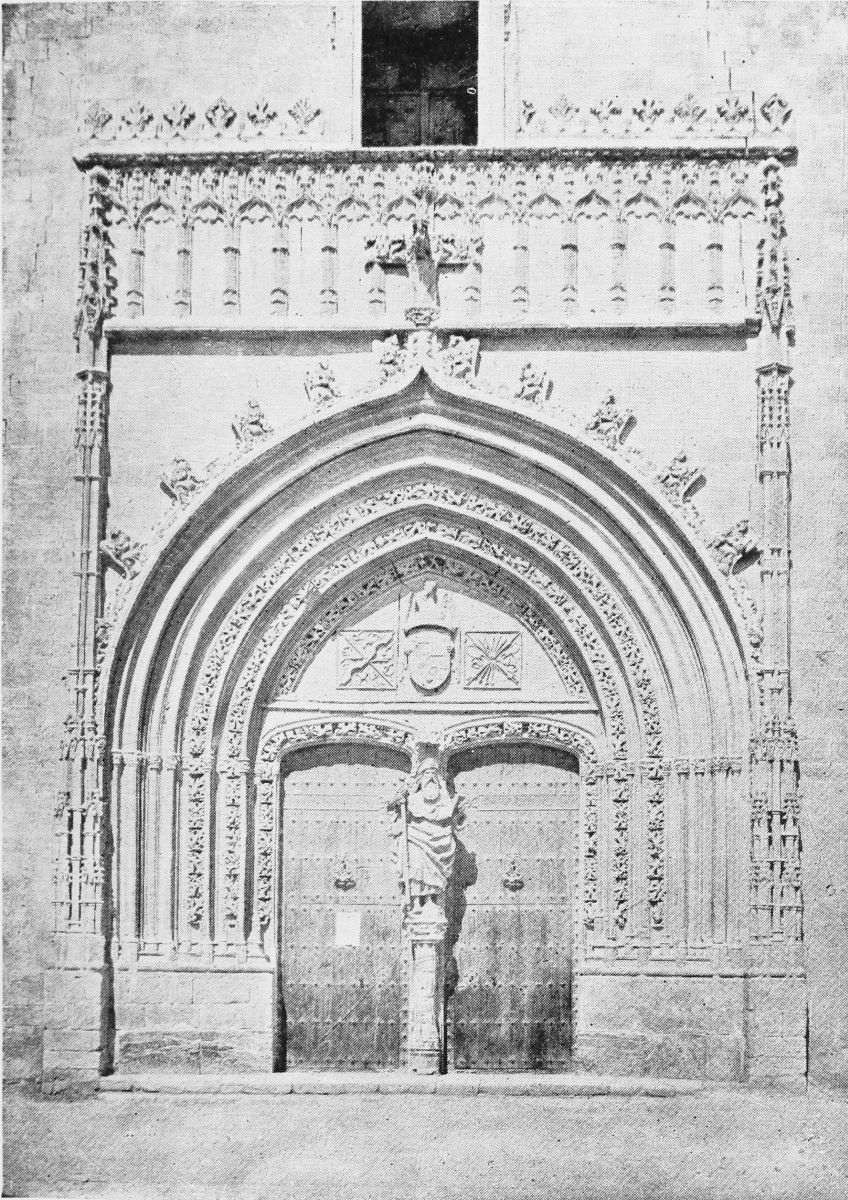
meets every Thursday morning at eleven o’clock at the Apostles’ Gate of
the Cathedral in the capital, to try all cases and disputes in regard to
the precious water that is the life-blood of the province. There are
seven judges, one for each canal, elected by the peasantry of the
districts, and each is known by the name of his canal—Mislata, Cuarte,
and so forth. They are grave, stoutly-built men, with tanned faces and
close-cropped hair. They wear black, the colour beloved by the
comfortably situated working man all the world over; but they have not
degenerated quite so far as to discard the native handkerchief round
their polished brows, or the espadrilla, the Valencian shoe.
Except that the turban has given place to the sombrero and the divan to
an ancient sofa, the proceedings of the tribunal are as patriarchal as
of old. In the plaza a crowd of litigants are collected, chattering,
gesticulating, arguing their wrongs according to the manner of their
kind all the world over. With an air of importance befitting the
occasion the Alguazil of the tribunal places the magisterial bench in
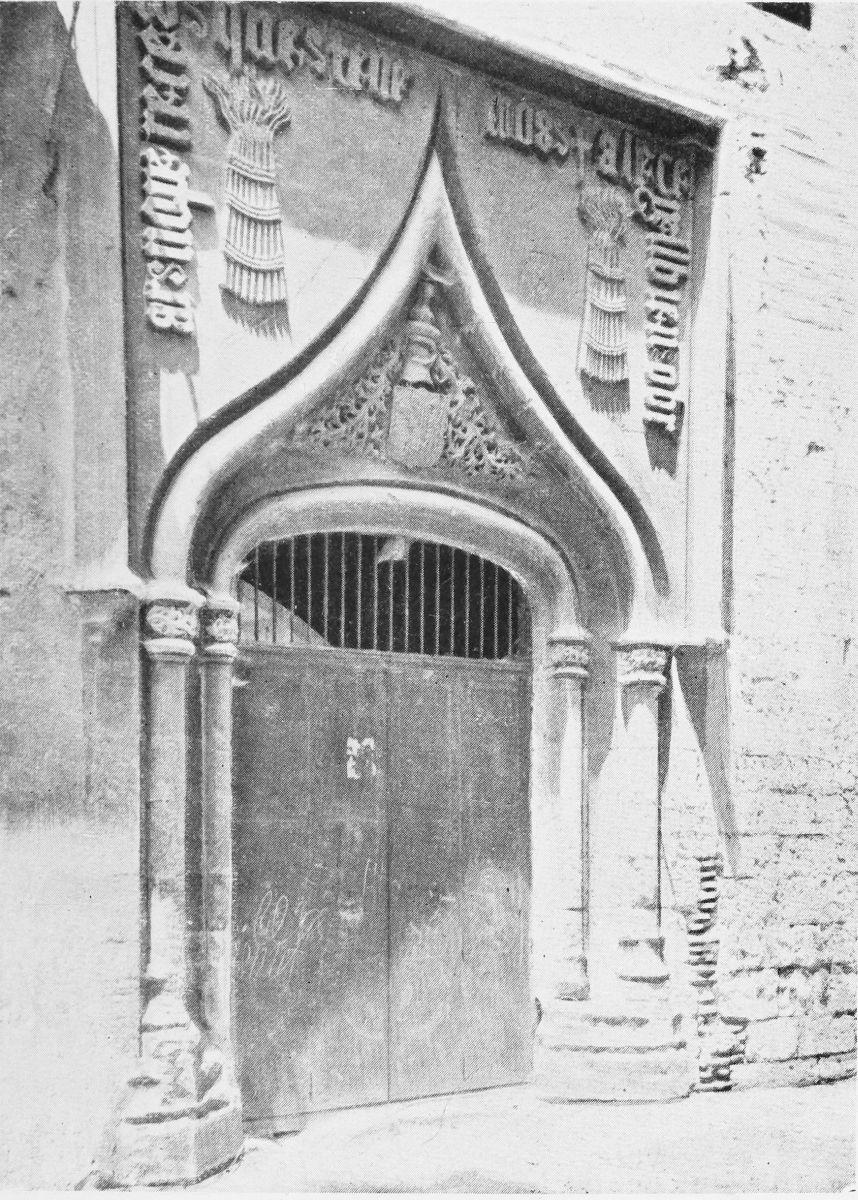
the shadow of the great Gothic portal. A light rail will keep the vulgar
at a distance. Then the peasant magistrates take their seats, and the
oldest pronounces the words, “Se abri el tribunal” (The tribunal is
open). A portentous silence falls, for any one who speaks before his
turn must pay a fine. One by one the litigants are introduced within the
railing and plead their cause bareheaded before the court. Woe to the
insolent wight that dare stand covered in its presence. The Alguazil
will tear the handkerchief from off his head, and he will also be
mulcted in a fine. Each must await the tapping of the presidential foot
before he ventures into the presence. But the severity of the discipline
does not suffice to make the fiery Valencians restrain their feelings.
At every moment there is an explosion of wrath or indignation, a heated
expostulation from one or other of the parties. The fines collected must
be a considerable sum. Out of their own wisdom the judges give their
decisions, which are almost invariably received without discontent. The
Valencians are anxious to preserve their unique tribunal from criticism
and interference, for they know that in Spain, as in other countries,
royal justice is a costly matter.
The history of Valencia for all practical purposes is that of its
capital and namesake. “Its name,” says Mr. Ford, “is fondly derived
from, or considered equivalent to, Roman, because Ρὡμη in Greek
signifies power, as Valencia does in Latin.” The principle is doubtless
excellent, but seems to be that of lucus a non lucendo.
When the warriors of Viriathus surrendered to Rome on the death of their
chief, Valencia was granted to them by the Consul D. Junius Brutus.
Destroyed by Pompey, it became a colonia when rebuilt and the capital
of the Edetani. But the history of few Roman colonies, as it has reached
us, is of interest. The province had the usual martyrs under the
persecution of Diocletian and Decius, and was the place of banishment of
the zealot Ermengild. Proud of its haughty name, Valencia has yet
allowed itself to be taken and retaken oftener than any other city in
the world. In 413 it yielded to the Goths, and three hundred years later
with great nonchalance transferred its allegiance to the Moor. It formed
at one time part of the Khalifate; and again, one or more petty kingdoms
in itself.
Don Feodoro Lleorente speaks of “the slave kings” of Valencia. It is
certain that many of its rulers were slave adventurers from the palace
of the Khalifa, who, like the janizaries of Turkey had literally carved
their fortunes with their swords. One of these princes added the
Balearic Isles to his realms and unsuccessfully attempted the conquest
of Sardinia.
The kingdom thus founded by military adventurers was overthrown by the
most famous of that warlike brood.
The Moors had made the desert blossom like the rose. Wealth and
prosperity had been secured to the province. The Moslem paradise was
located here. Medinat-u-Tarab was its capital—the City of Mirth. The
greedy eyes of Christian neighbours were inevitably drawn to such a
region, and the break-up of the Ummeyah dynasty offered an excellent
opportunity for interference.
Valencia was split up into factions, and the King or Amir Kadir was
merely the puppet of the two opposing parties, who alternately supported
him on his tottering throne. But the Moors were a proud race and felt
themselves dishonoured in yielding homage to so weak a ruler. Headed by
Ibn Jahhaf, the people rose in revolt. Kadir fled, but was detected
under his woman’s disguise, was taken and beheaded. That strange
anomaly a Mohammedan republic was formed. A council of the leaders was
constituted with Ibn Jahhaf as President.
A people which arrogates the right to choose its ruler has ever been
considered a sort of pirate among the nations, and fair game for more
powerful States. Kadir, at the time of his deposition, had been under
the hardly disinterested protection of the Cid, who, under pretence of
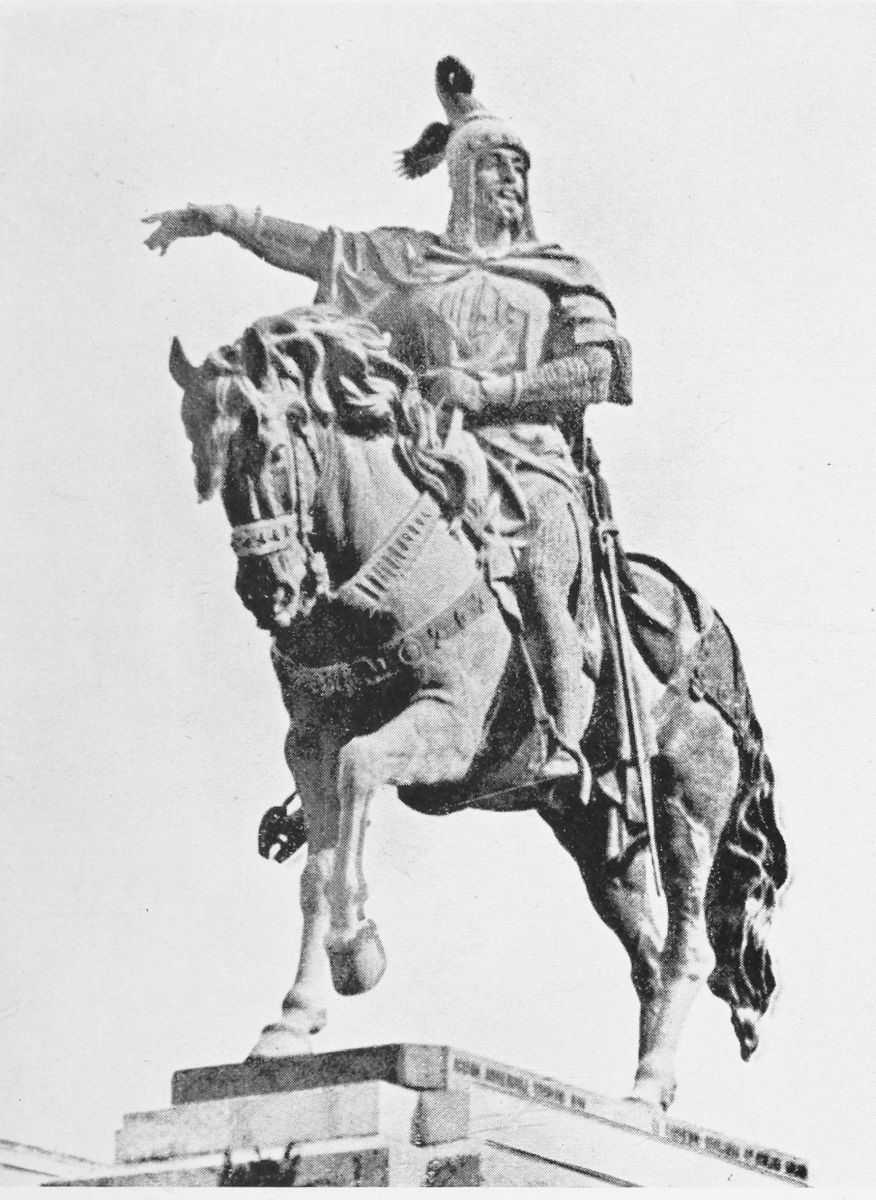
avenging his protégé’s death, immediately advanced on Valencia. For
some time Ibn Jahhaf, who seems to have had some of the qualities of a
great general, amused the Campeador with negotiations, while he pushed
hastily forward preparations for defence. Discovering that he was being
played with, the Cid swept through the country and threw his army round
Valencia, which for twenty months made a stubborn resistance. The city
falling at length, Jahhaf, who had become a special object of hatred to
the Conqueror, was burnt alive in the plaza. Until his death in 1097,
the Cid ruled the kingdom as absolute lord and despot. The legend runs
that Ximena, his wife, defended the city for two years after her
husband’s death. And so great was the reputation and the terror of the
Campeador that she finally won a victory over the Mussulmans and carried
him to his last resting-place at Cardeña by the stratagem of placing his
corpse fully armed upon his war-horse with his celebrated sword in his
hand.
But for two centuries longer Valencia followed the law of the Prophet.
It was finally wrested from the yoke of Islam on the memorable 28th of
September 1238, when the standard of the victorious Jaime I. of Aragon
was hoisted over the tower of Ali Bufat, and the Crescent bowed before
the Cross. The conquest in the history of Aragon ranks with the taking
of Seville in the history of Castile. Granada was the joint conquest of
both kingdoms. The way in which the Moors in these old days surrendered
their whole kingdom to the Christians, sometimes after only one battle
had been fought, stands out in dark contrast with the tenacious
resistance offered by their descendants in Algeria in modern times.
Enervated by the climate of Spain the Mussulmans of that country were
absolutely incapable of maintaining a prolonged guerilla warfare. If a
fortified capital was taken they at once handed over the whole kingdom
to the conqueror. They were not of course peculiar in this respect. The
sentiments of nationality and physical courage are characteristic far
more of the modern than of the ancient world. We have only to compare
the resistance of the Anglo-Saxons to the Normans with that of the Boers
to the British, of the French in the Hundred Years War with that of
their descendants in 1871, to realise how much more of manliness and
endurance we possess than did our ancestors. We must go back to the days
of Leonidas and Regulus to find parallels for the exploits of our own
Indian Army; to Numantia and Seguntum for parallels to Saragossa and
Gerona. National and individual self-respect withered under feudalism,
and revived only on the introduction of free institutions.
The commerce and wealth of the country now fell into the hands of the
Jews, who came over in great numbers from Aragon. For a long time the
industrious people lived, hated it is true, but unmolested, in their own
quarter of the city. But one ill-fated day a band of children, urged on
probably by some fanatic, marched against the Jewry crying that they had
come to baptize the unbelieving dogs, and that the Archdeacon of Seville
was close upon their heels. In terror the wretched people retreated to
their homes, firmly barricading themselves. Some of the Christian
children got shut up in the quarter. Like wildfire the rumour spread
through the streets that the Jews were submitting them to untold
tortures behind their barred doors. The whole populace went mad with the
rage for blood, attacked the wholly unprepared Jews, and the most
horrible scenes of massacre ensued. This was in 1391. The prosperity of
Valencia suffered its first severe blow with the barbarous expulsion of
the Moors at the command of Philip III. Another fell some time later
when, on account of its strenuous opposition to the French claim to the
Crown, Philip V. confiscated the liberties of the province and imposed
an enormous fine.
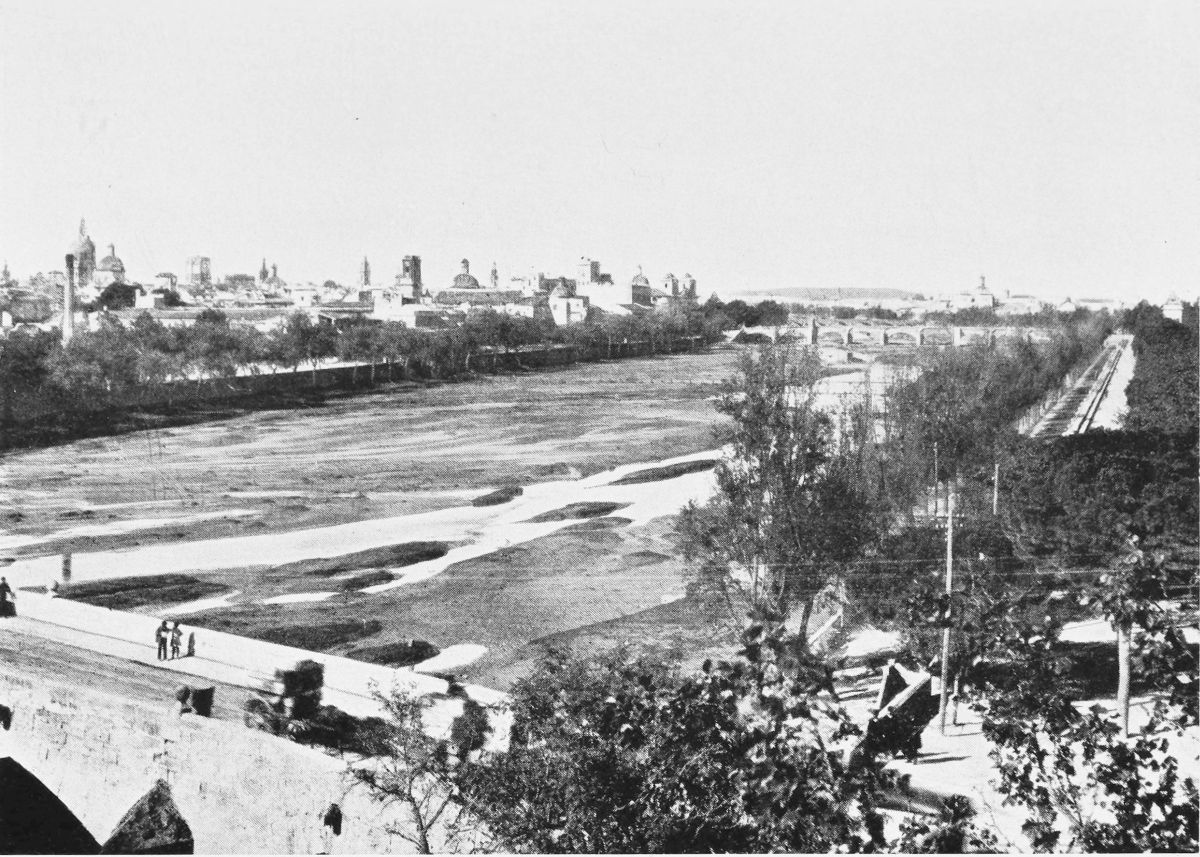
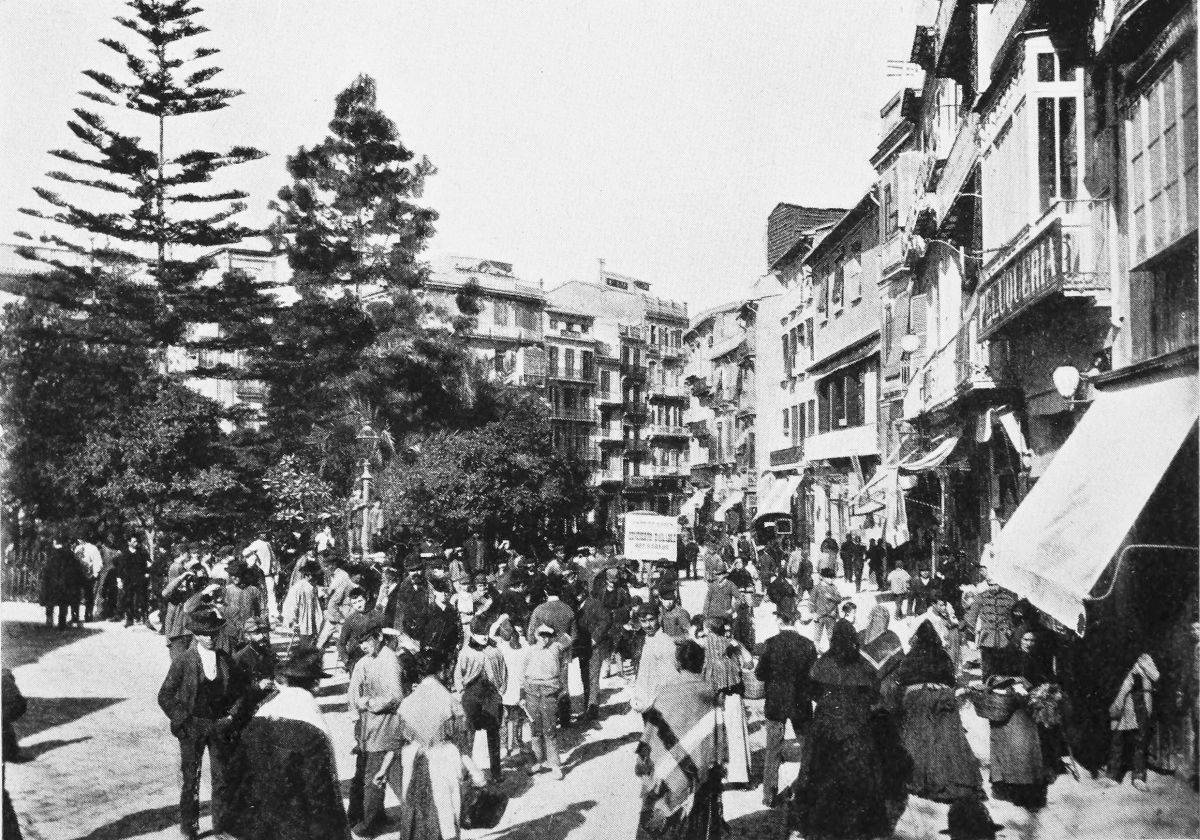
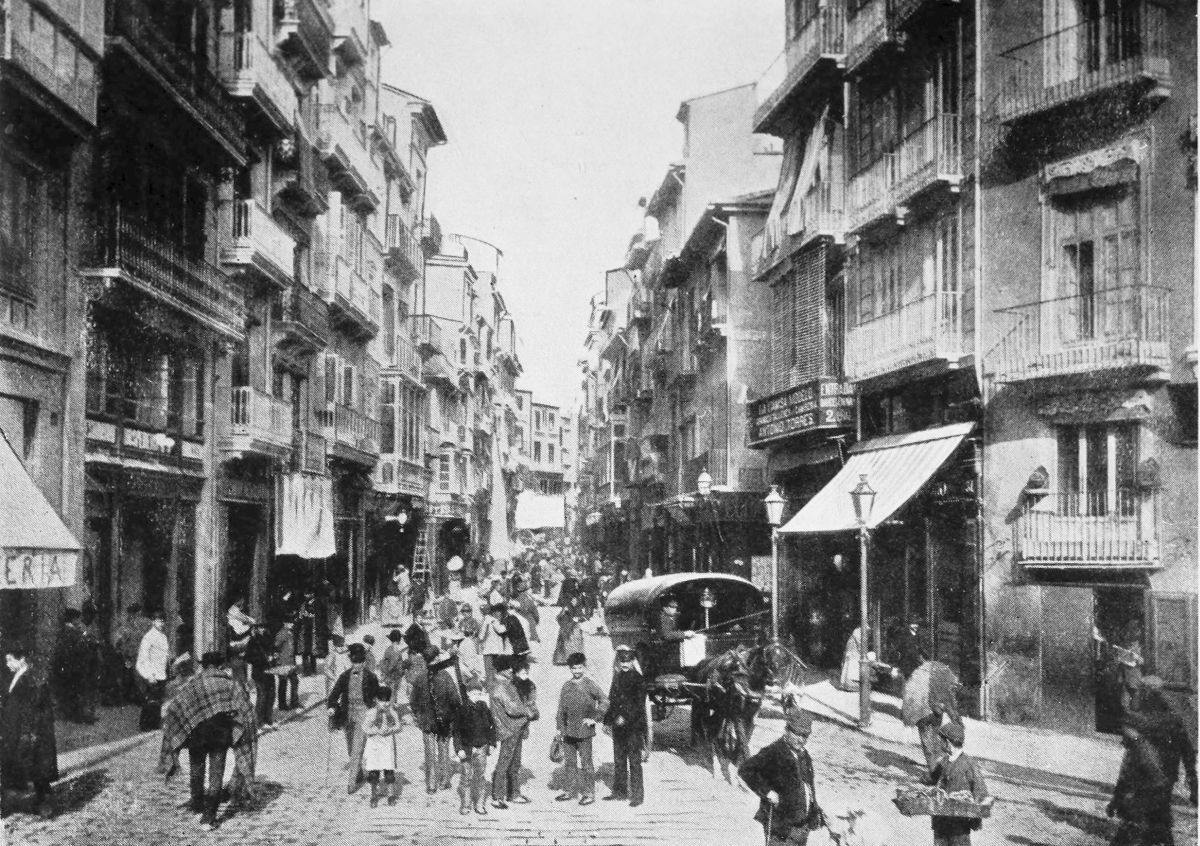
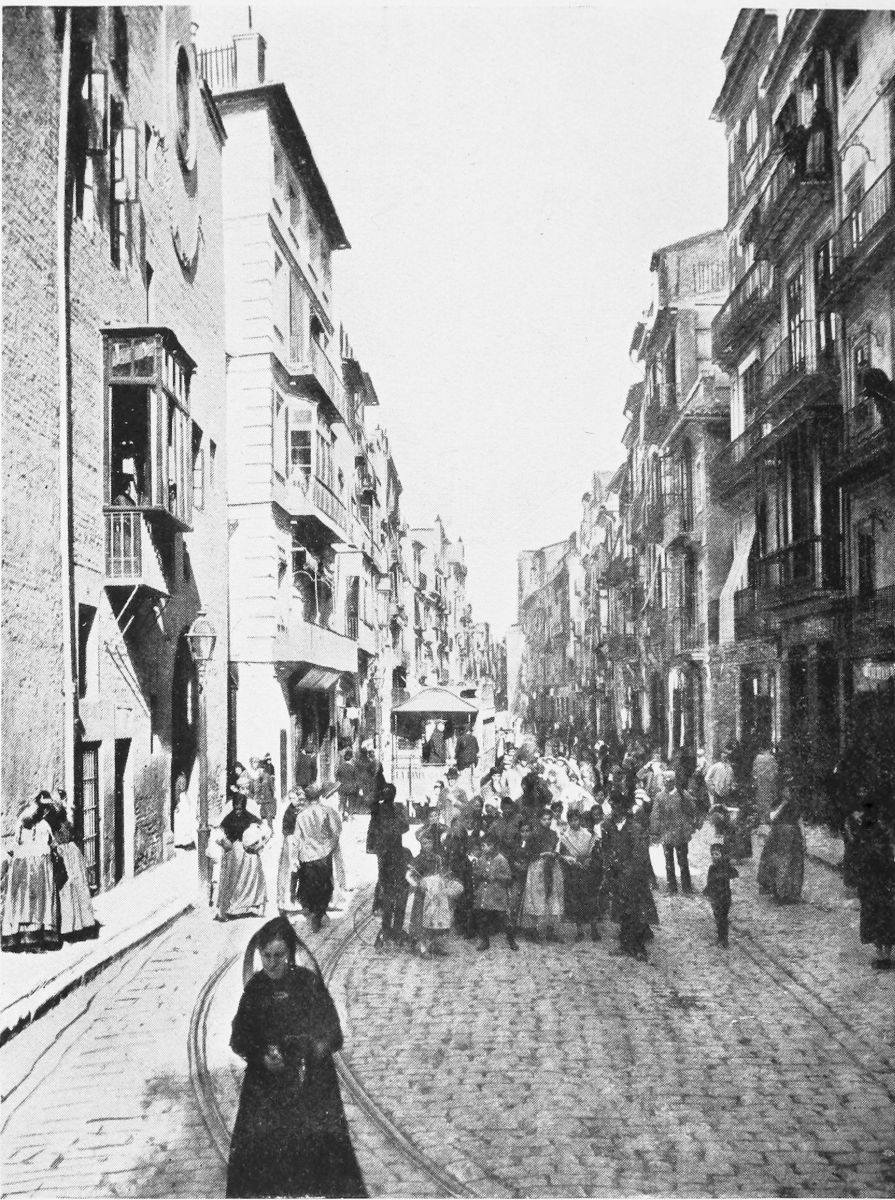
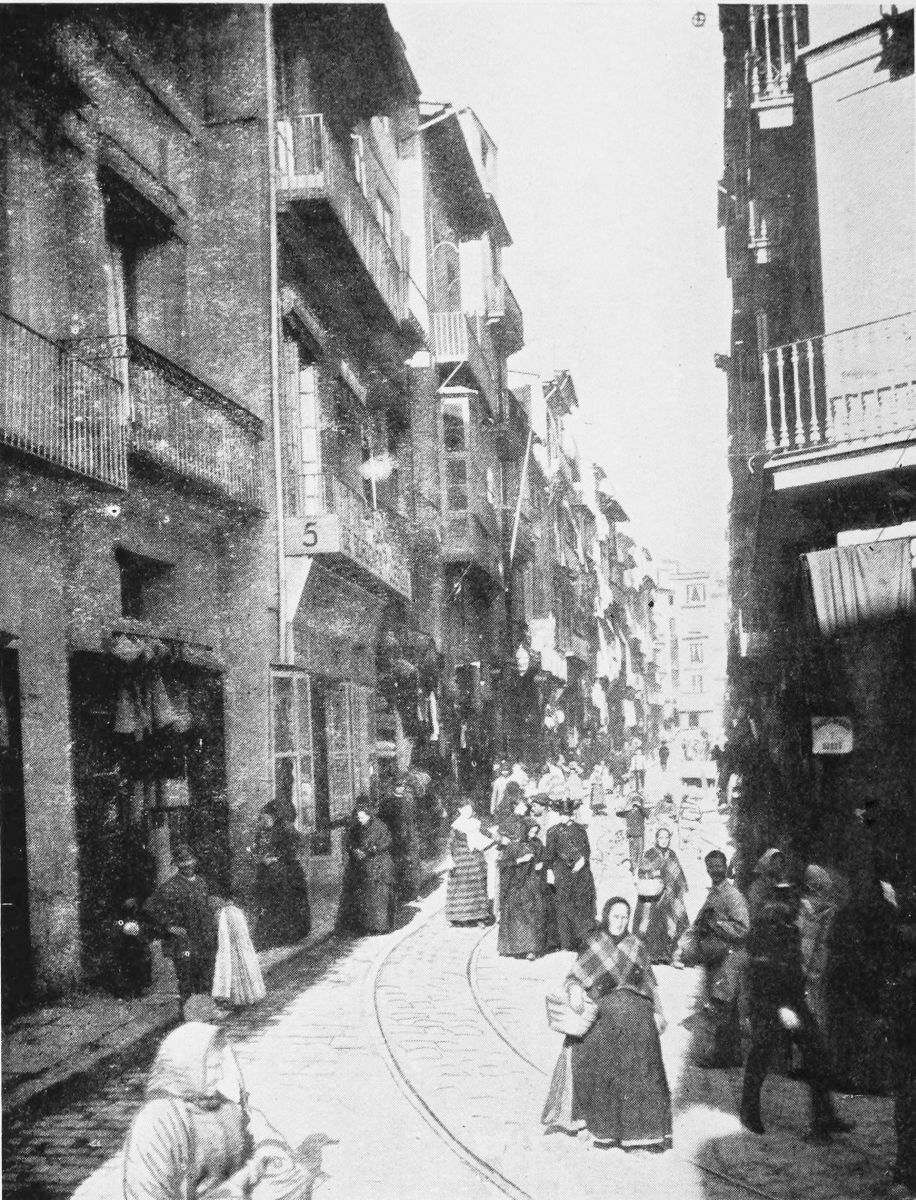
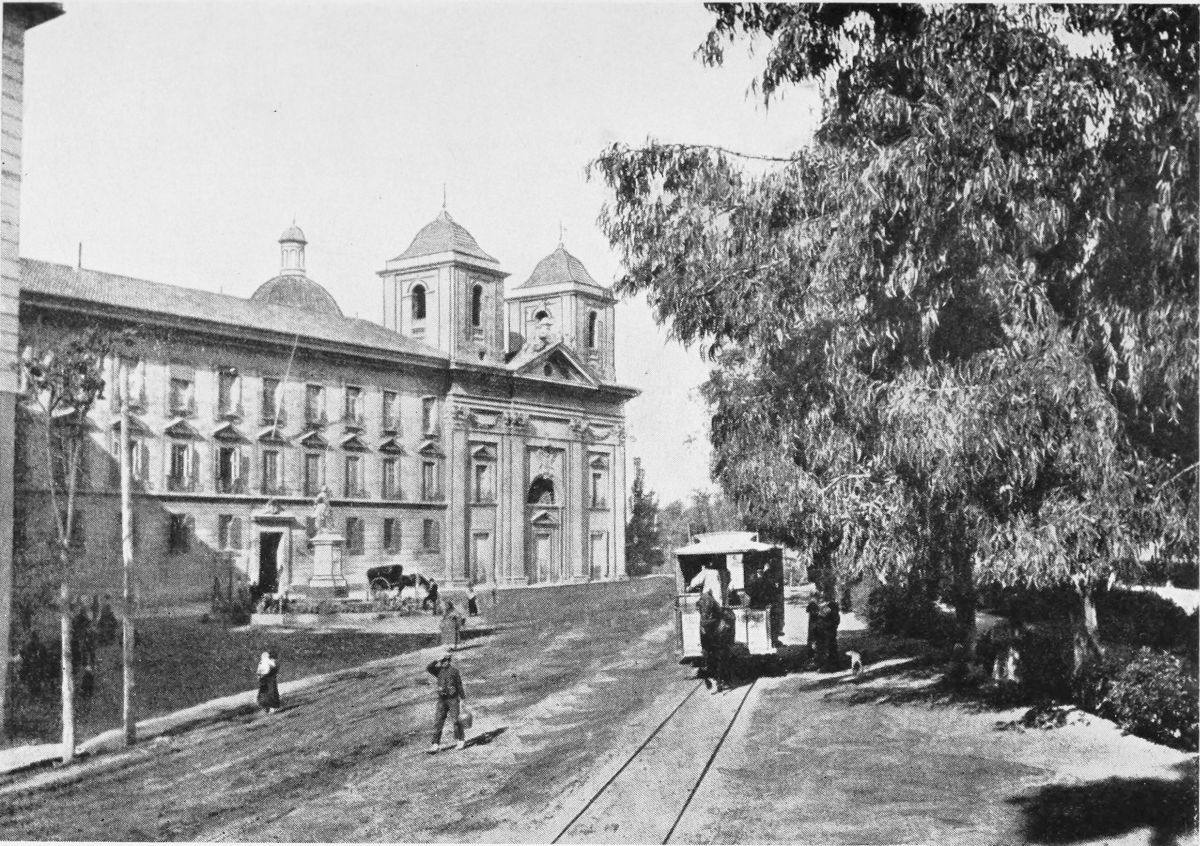
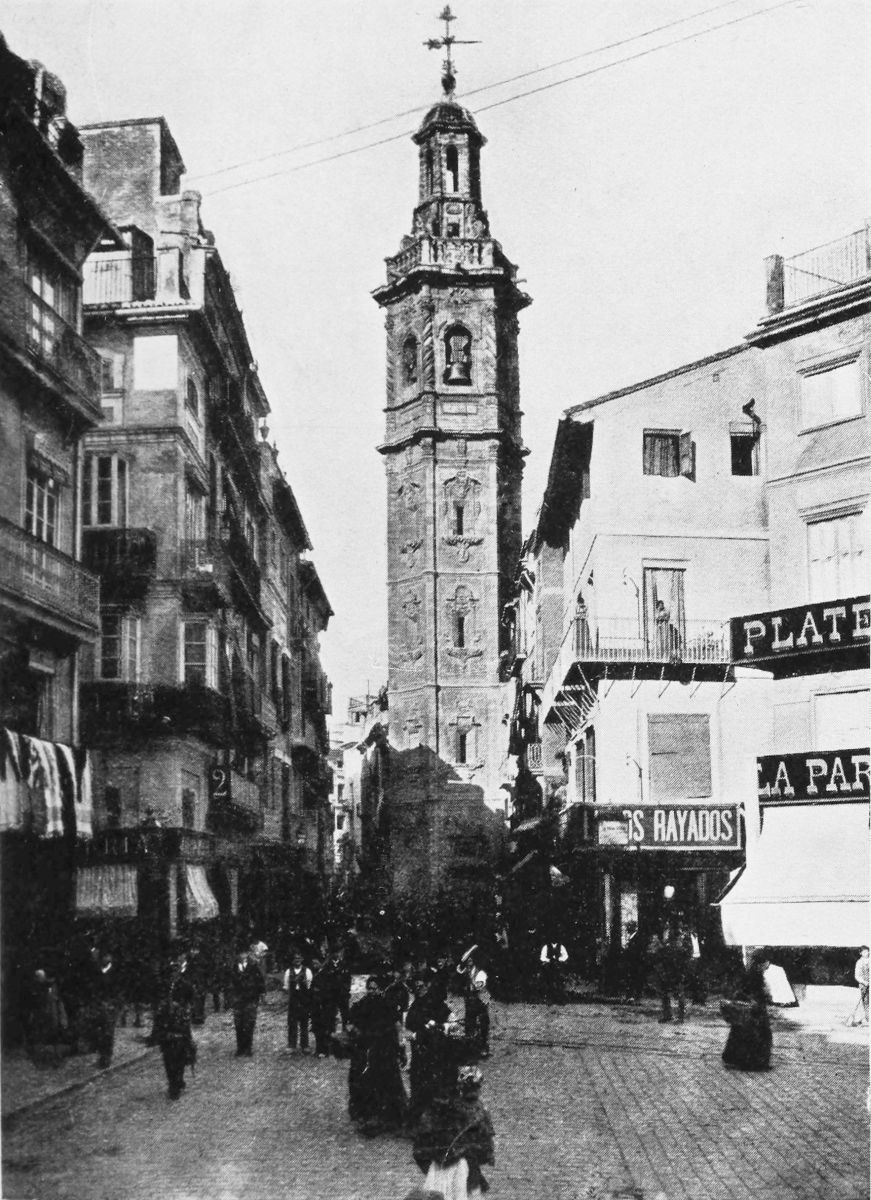
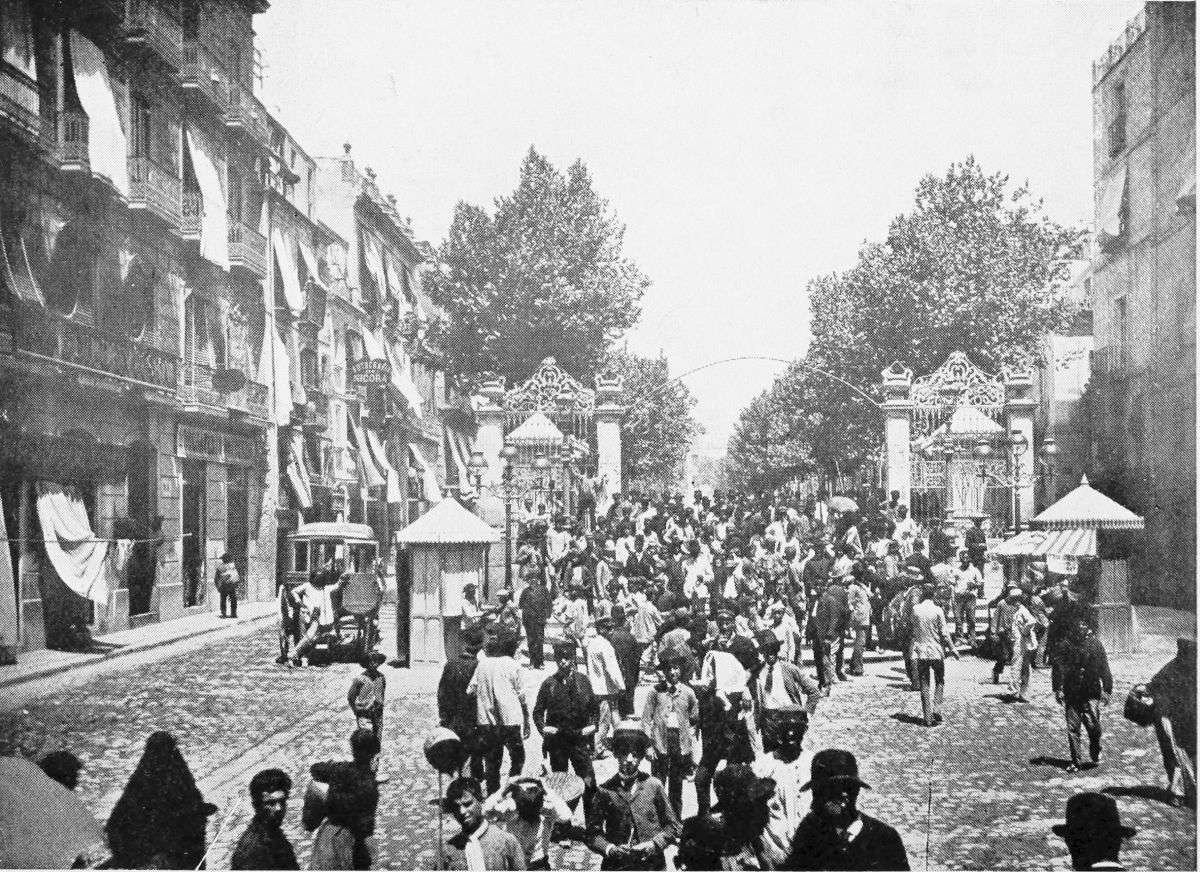
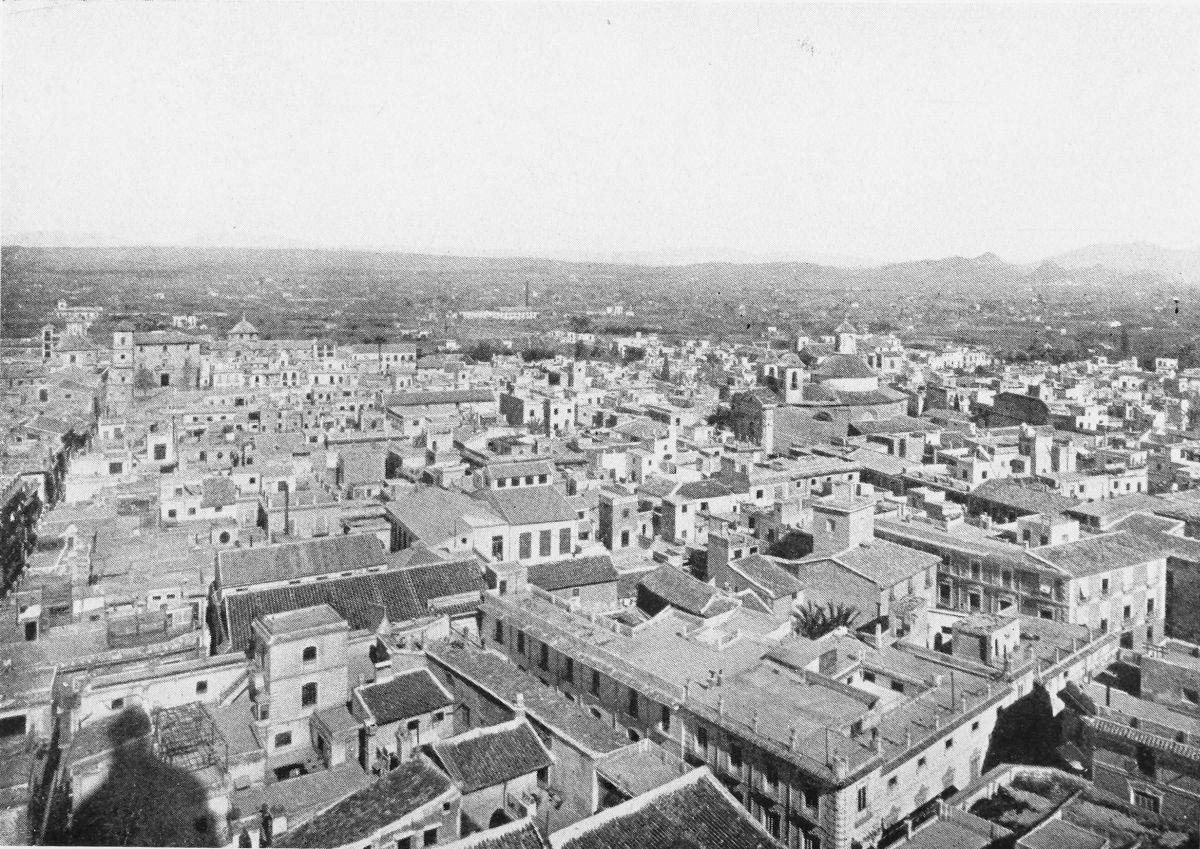
But Valencia, though fallen from its old estate, is nevertheless to-day
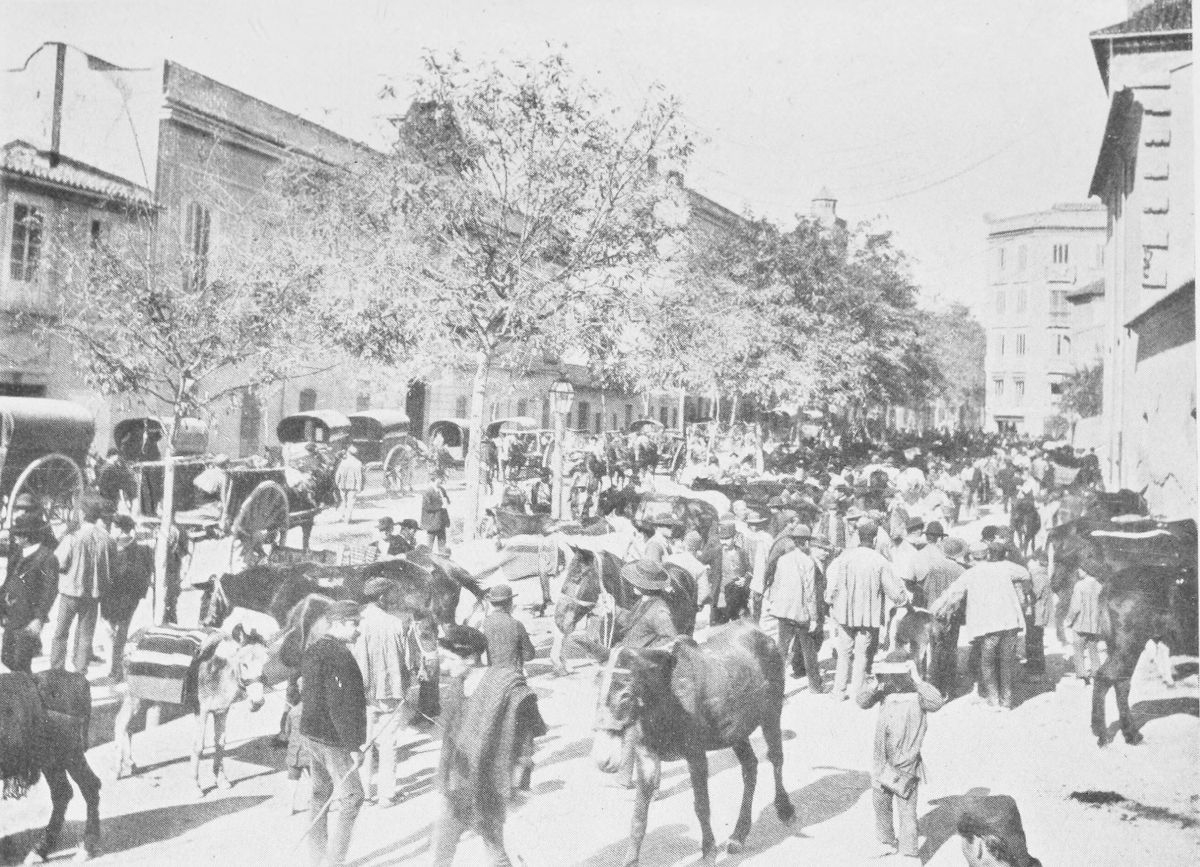
a thriving prosperous province; its capital is handsome and progressive.
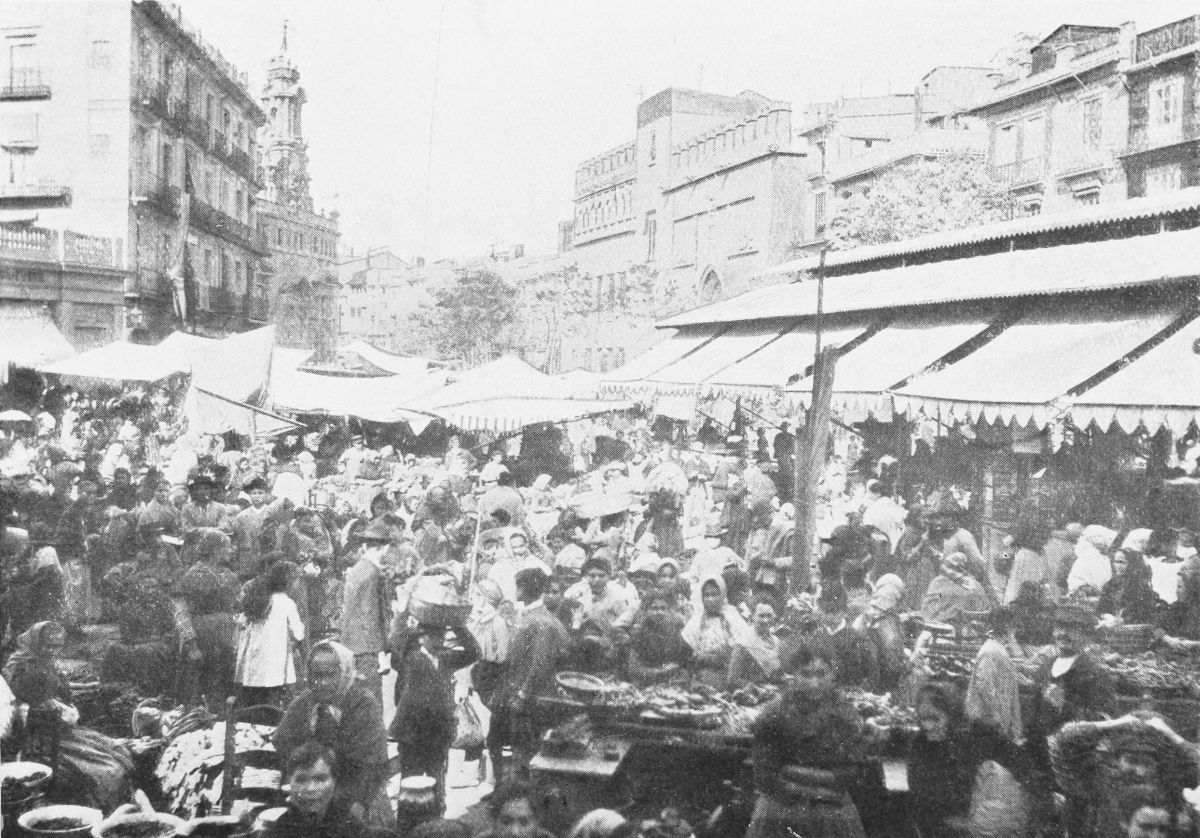
Busy life pulsates through the streets; the cafés are alive with the
hum of voices. There is little to recall the days of its allegiance to
the Prophet, and it has not retained more monuments of the past than
most other cities. From the sightseer’s point of view it is not
intensely interesting; from the stranger’s, even less convenient, since
indications of the names of the streets are few and far between. New and
splendid avenues are arising, which, in pleasant contrast to the dull
uniformity of most Continental town perspectives, contain houses
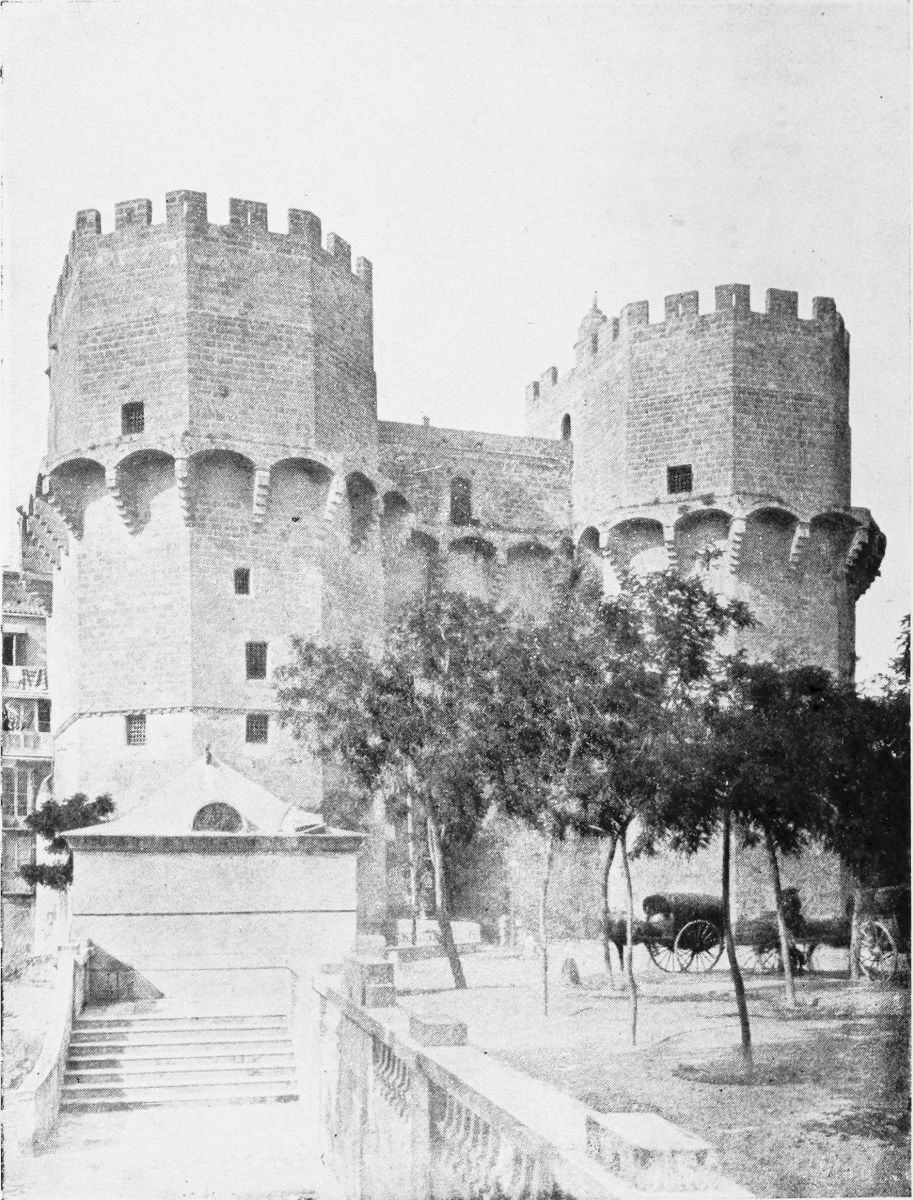
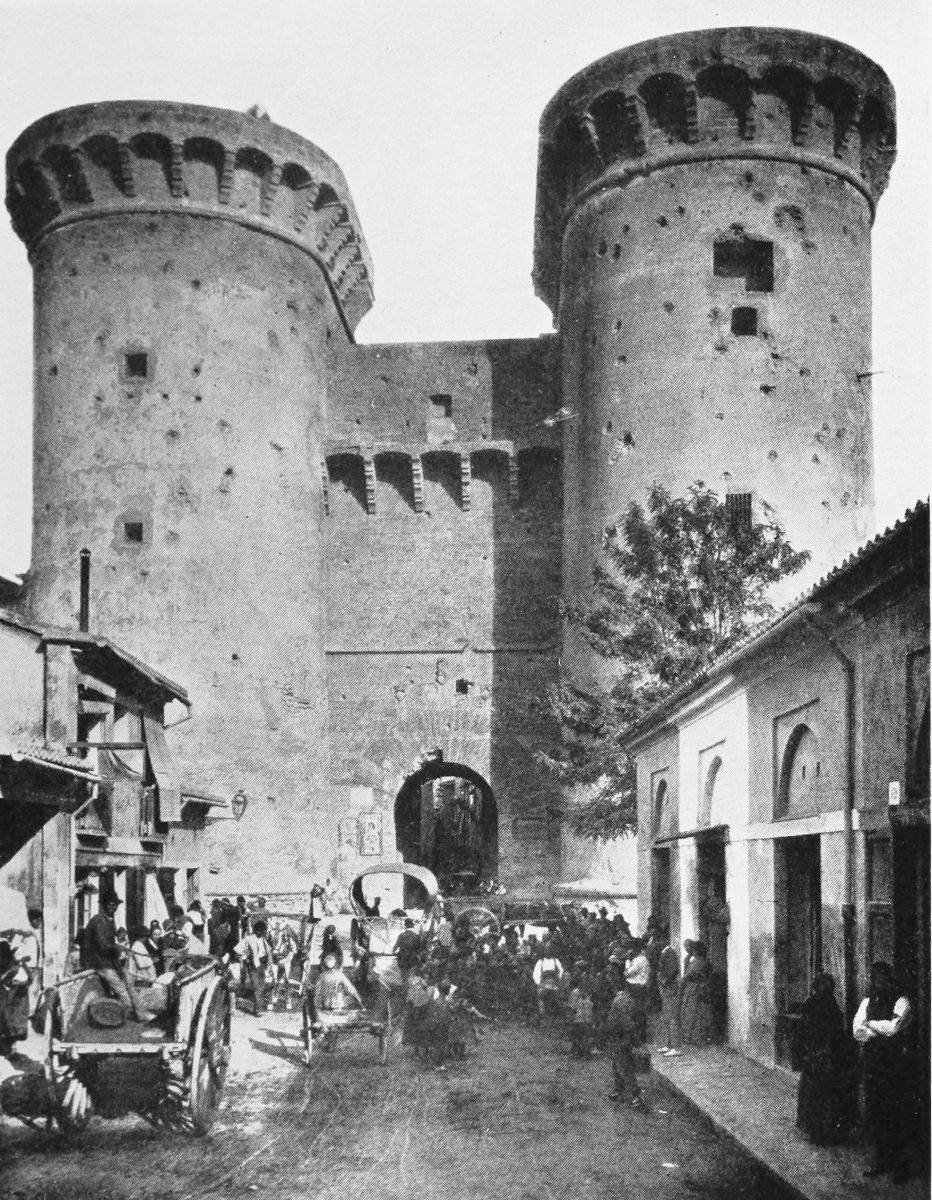
original and individual in style. You enter the town by one of two
massive castellated gates, which give a note of the mediæval picturesque
to their respective quarters. The fourteenth century Torres de Serranos
form a narrow archway flanked by two fine octagonal towers. Above, are
windows with elaborate panelling, and heavy machicolations crown the
whole building. The Torres de Cuartes, of a century later, are very
similar, but the parapet is itself borne on corbels and machicolated.
Unfortunately the walls of the city have perished.
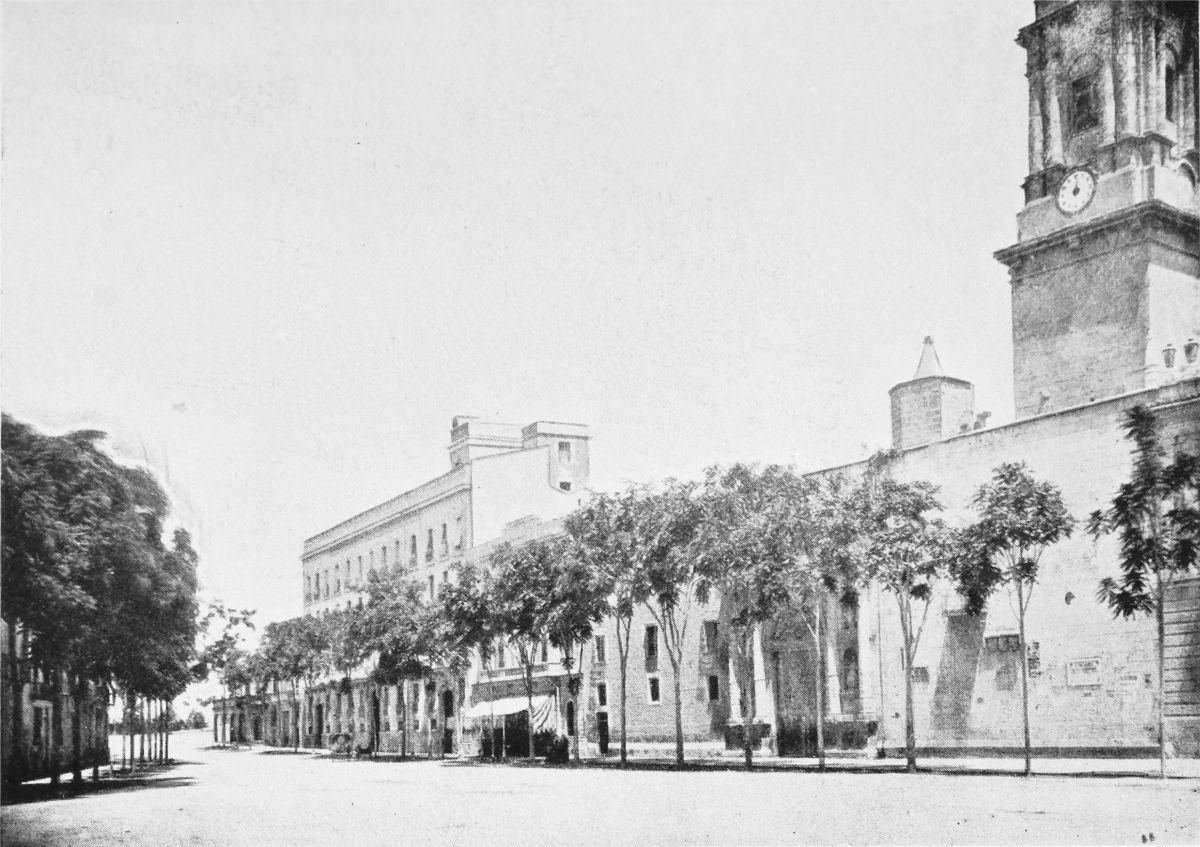
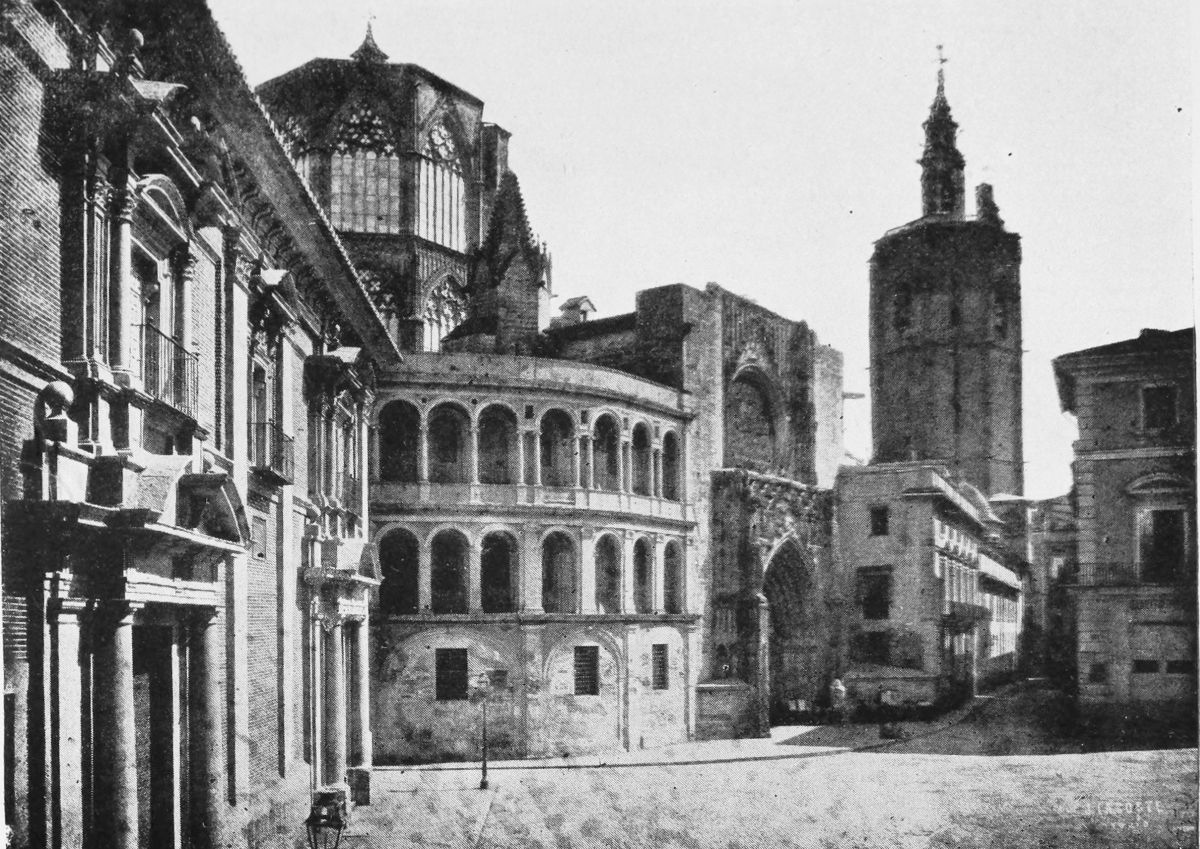
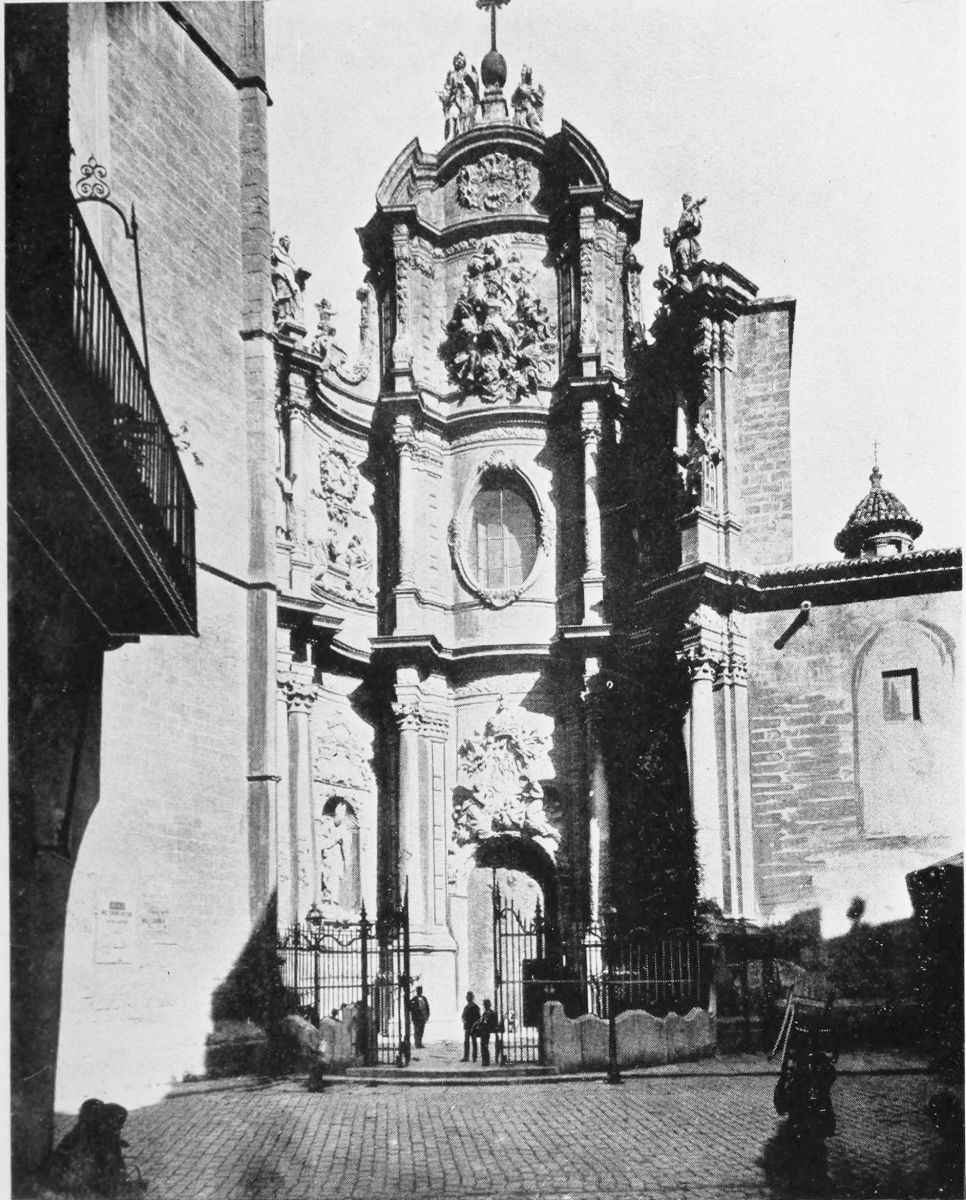
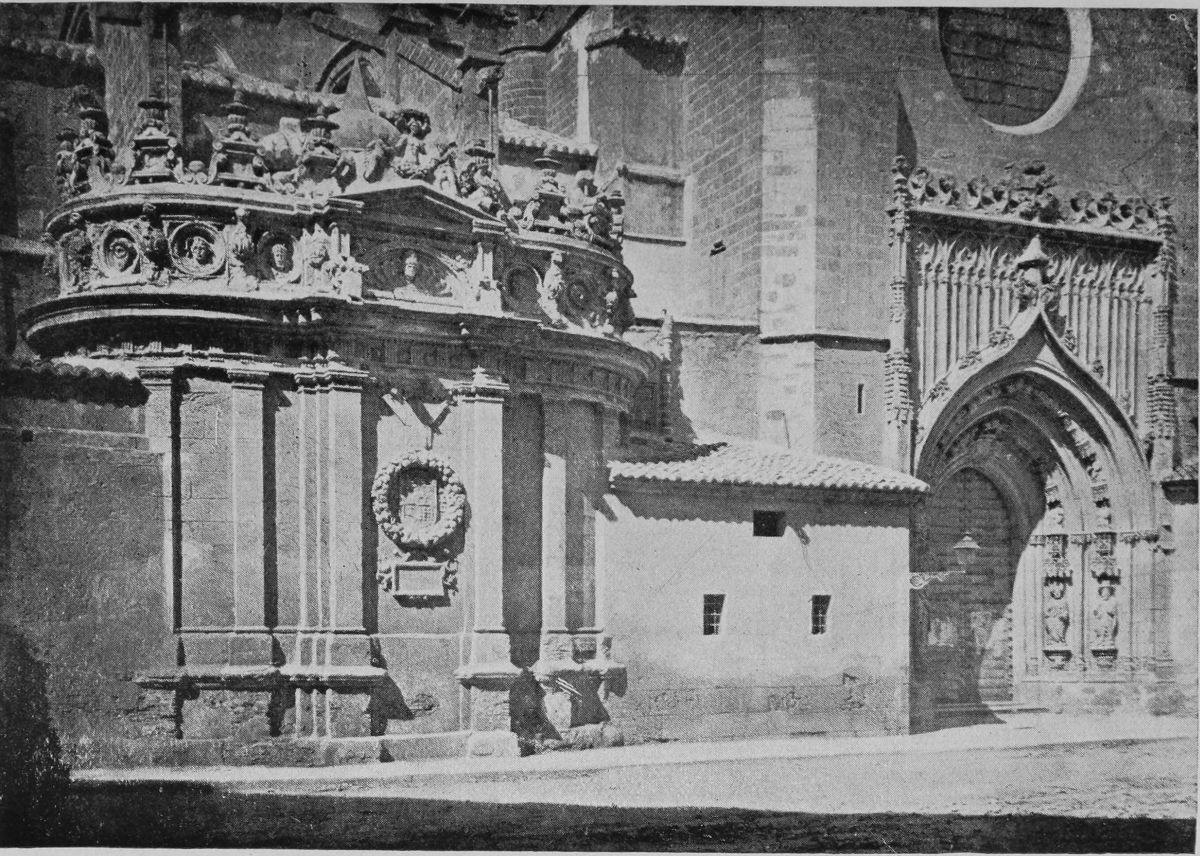
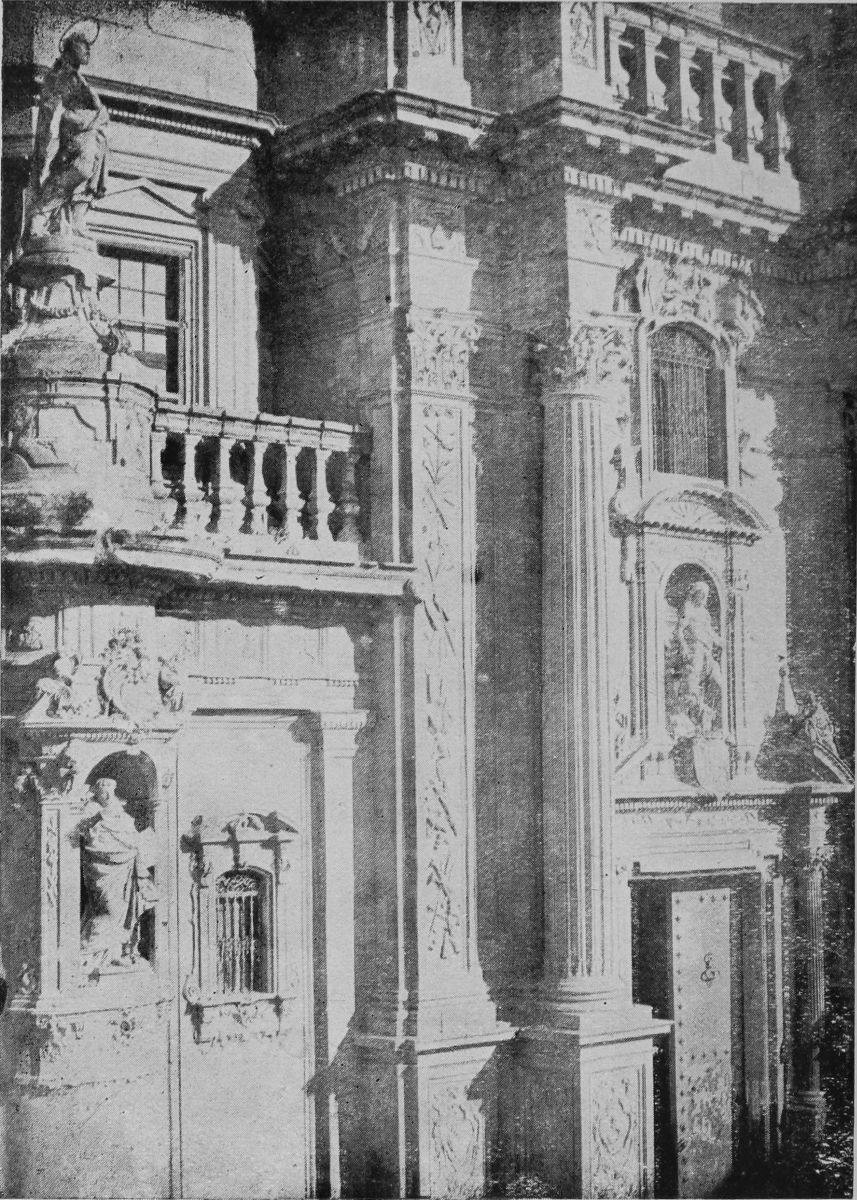
The Cathedral, the Lonja, and the Picture Gallery exhaust the sights of
Valencia. The Cathedral was founded in 1262 on the ruins of the Great
Mosque, which in its turn had replaced the Temple of Diana. It is far
inferior to most of the great Spanish churches in beauty and interest.
Originally Gothic, it was considerably enlarged in the fifteenth
century, the height, however, being left unaltered. The principal
entrance, in the receding circular form, is an outrage, but the north
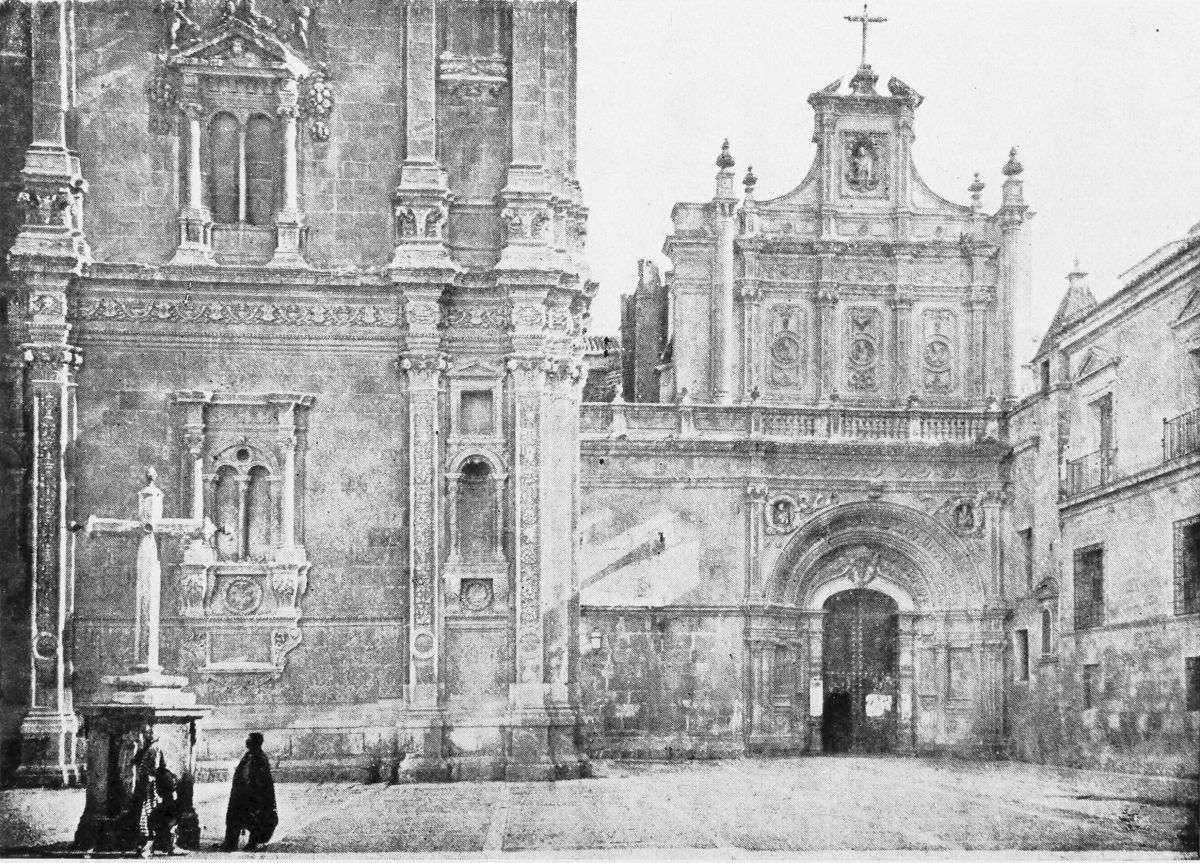
door, called the Puerta de los Apostoles, richly sculptured and
delicately moulded, exhibits the skill and industry of the fourteenth
century at its best.
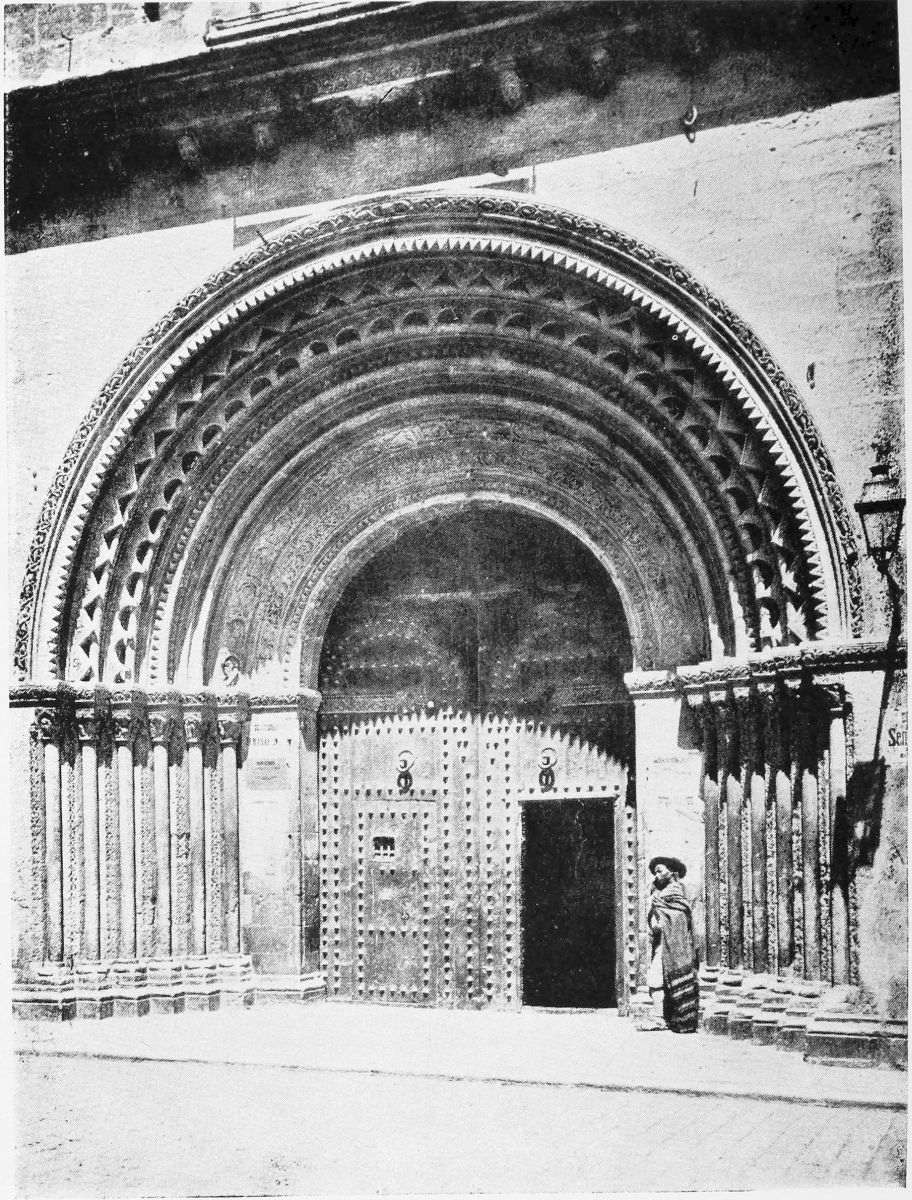
Above the semicircular Puerta de Palau is an interesting series of
medallions. These represent the heads of fourteen men and women. These
are the seven knights of the Conquest and the seven fair ladies they
sought in the surrounding provinces, from whom the whole Valencian
nobility is said to be sprung. This doorway is evidently by the same
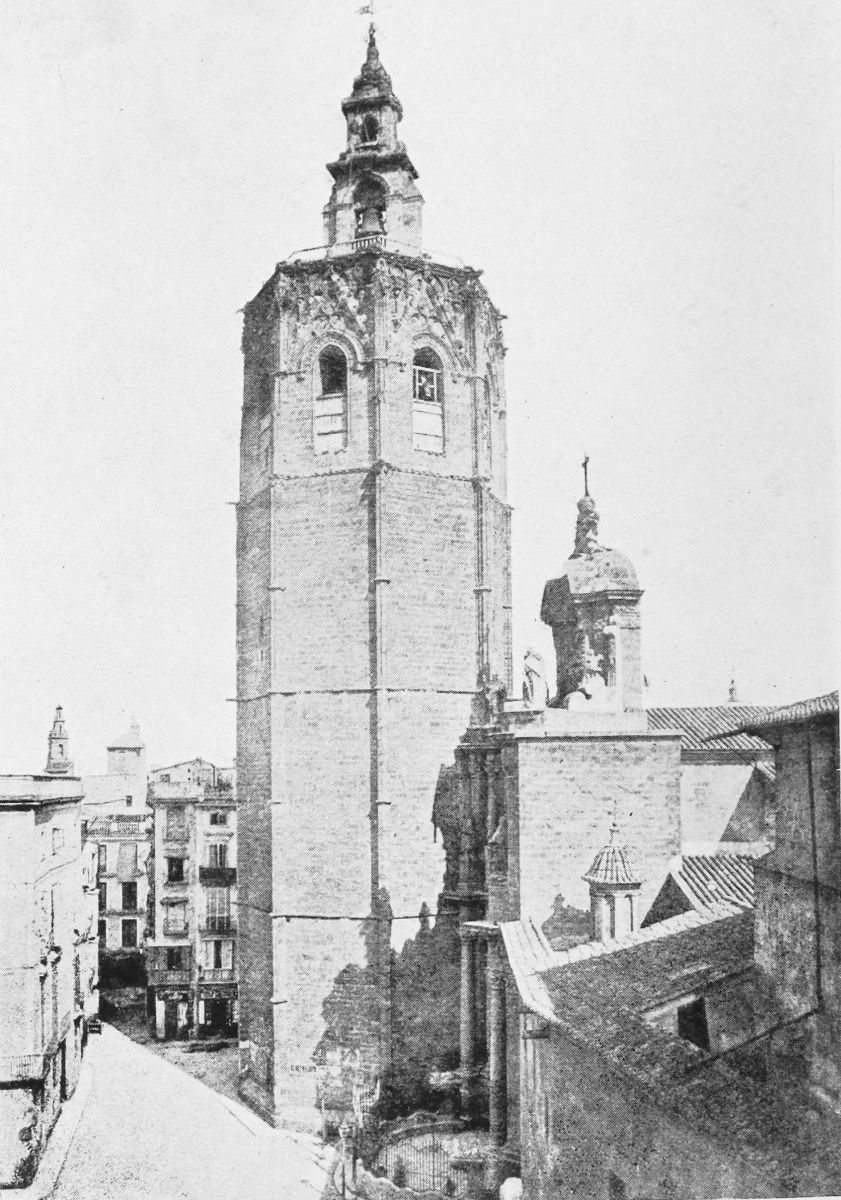
hand as the Puerta de los Infantes at Lerida. But the most striking part
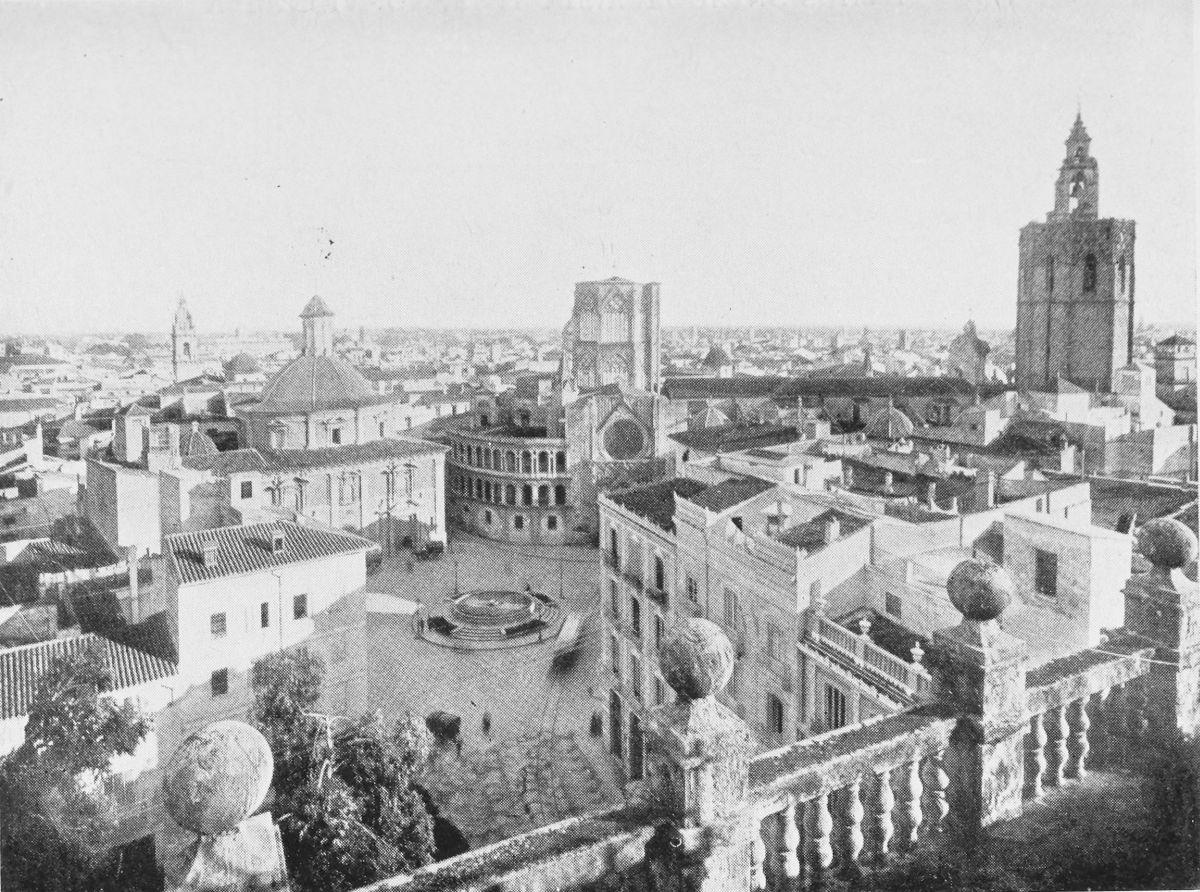
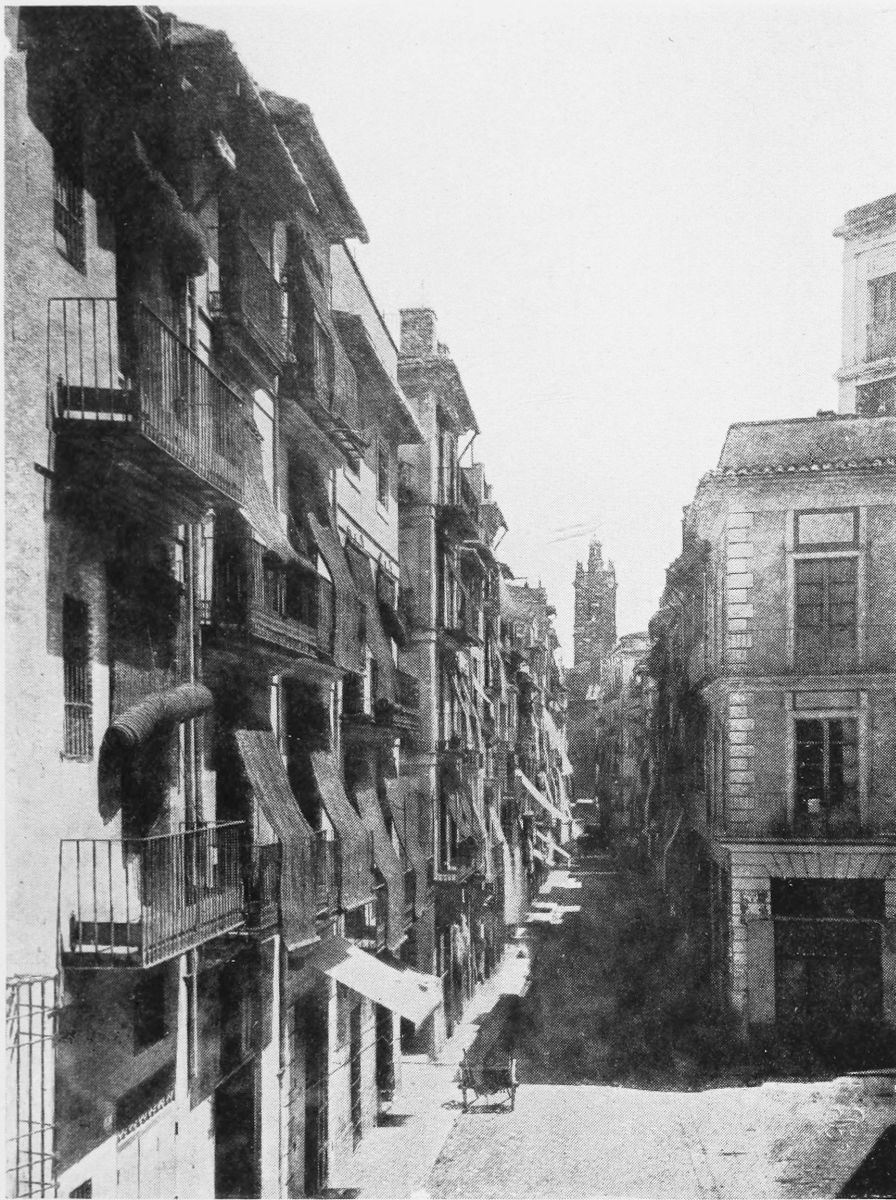
of the Cathedral is the imposing Miguelete Tower. Its sculpture is
indifferent, but seen from a distance the effect is fine. It is the
great landmark of the district, and the Valencians speak of exile as
“losing sight of the Miguelete.”
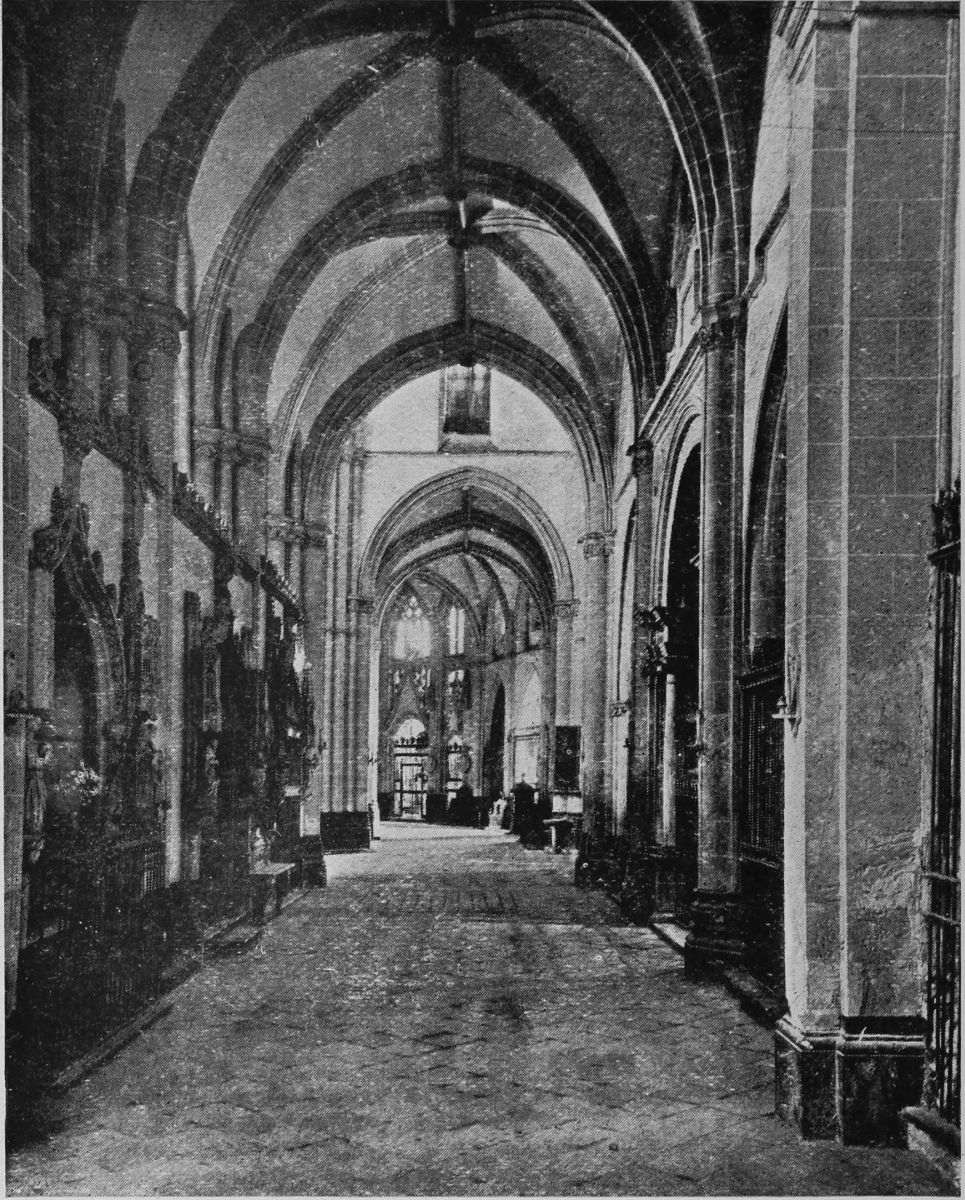
The plan of the Cathedral, like most Spanish churches, is cruciform. In
1760 the interior was modernised in a manner that makes the
beauty-loving traveller long to tear his hair—or that of the
perpetrator of the “restoration.” Over-decoration is its chief defect.
The walls have been encrusted with marbles, the Gothic columns almost
concealed by Corinthian pilasters, the pointed arches rounded off. The
church may merit its surname of “La Rica,” but it has lost that
atmosphere of remote beauty that calls forth the instincts of religion
in the worshipper. During the French occupation of 1809 the magnificent
silver altar was melted down, but fortunately its protecting door panels
were uninjured. These are painted with six pictures by Francisco Pagano
and Pablo de San Leocadio, disciples of Leonardo da Vinci, and ascribed
by some to the master himself. The spurs and bridle of Jaime el
Conqueridor, presented by him on the day he took the city to his Master
of the Horse, are preserved on one of the pillars on the Gospel side.
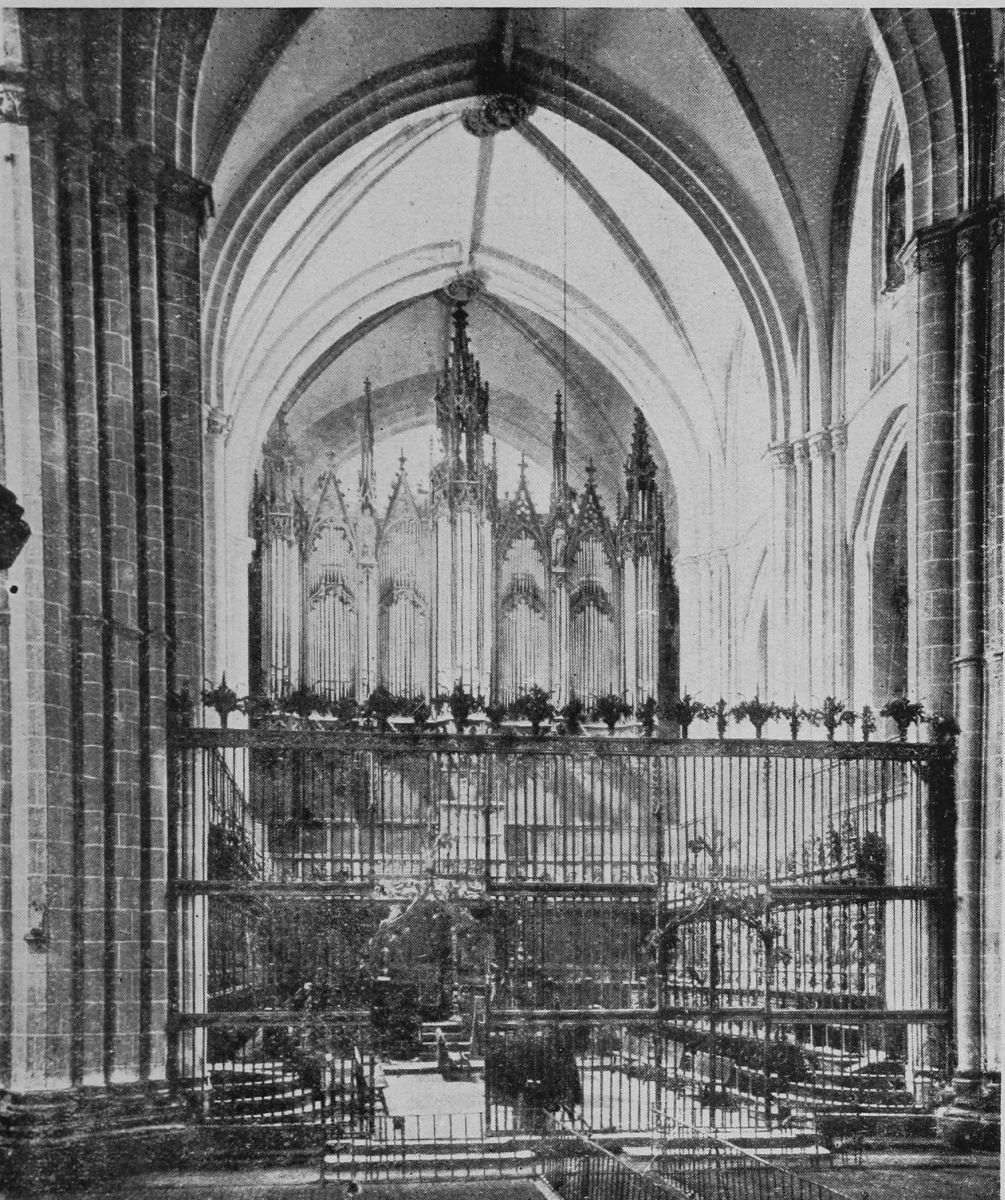
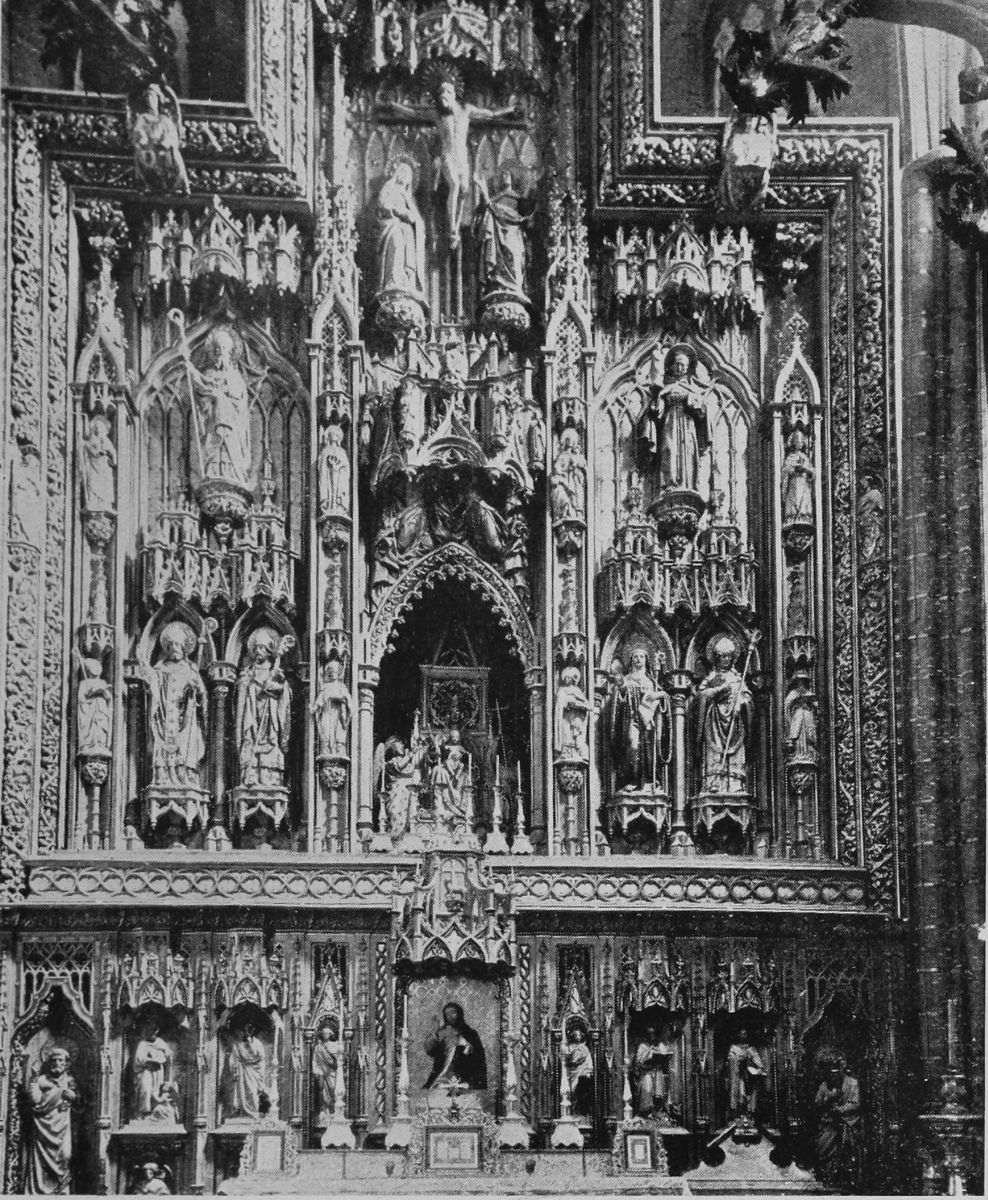
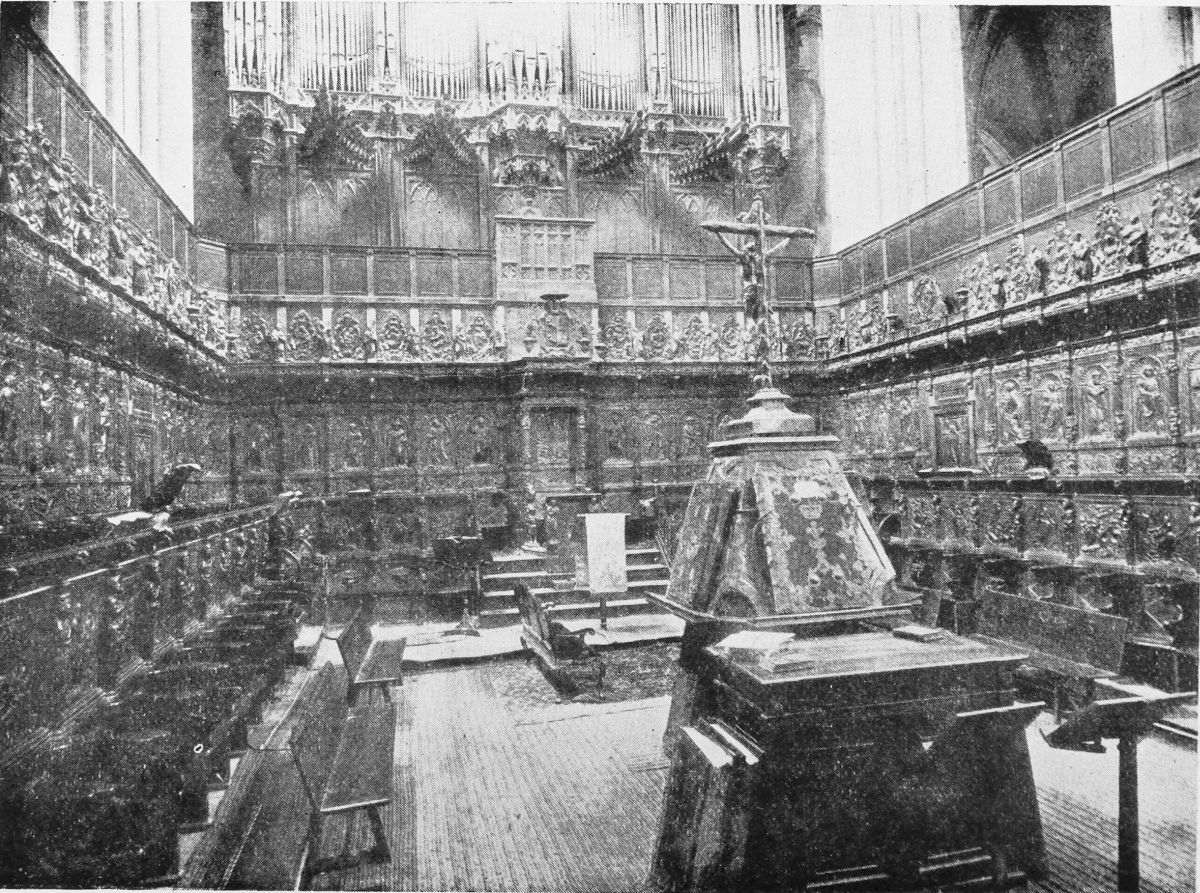
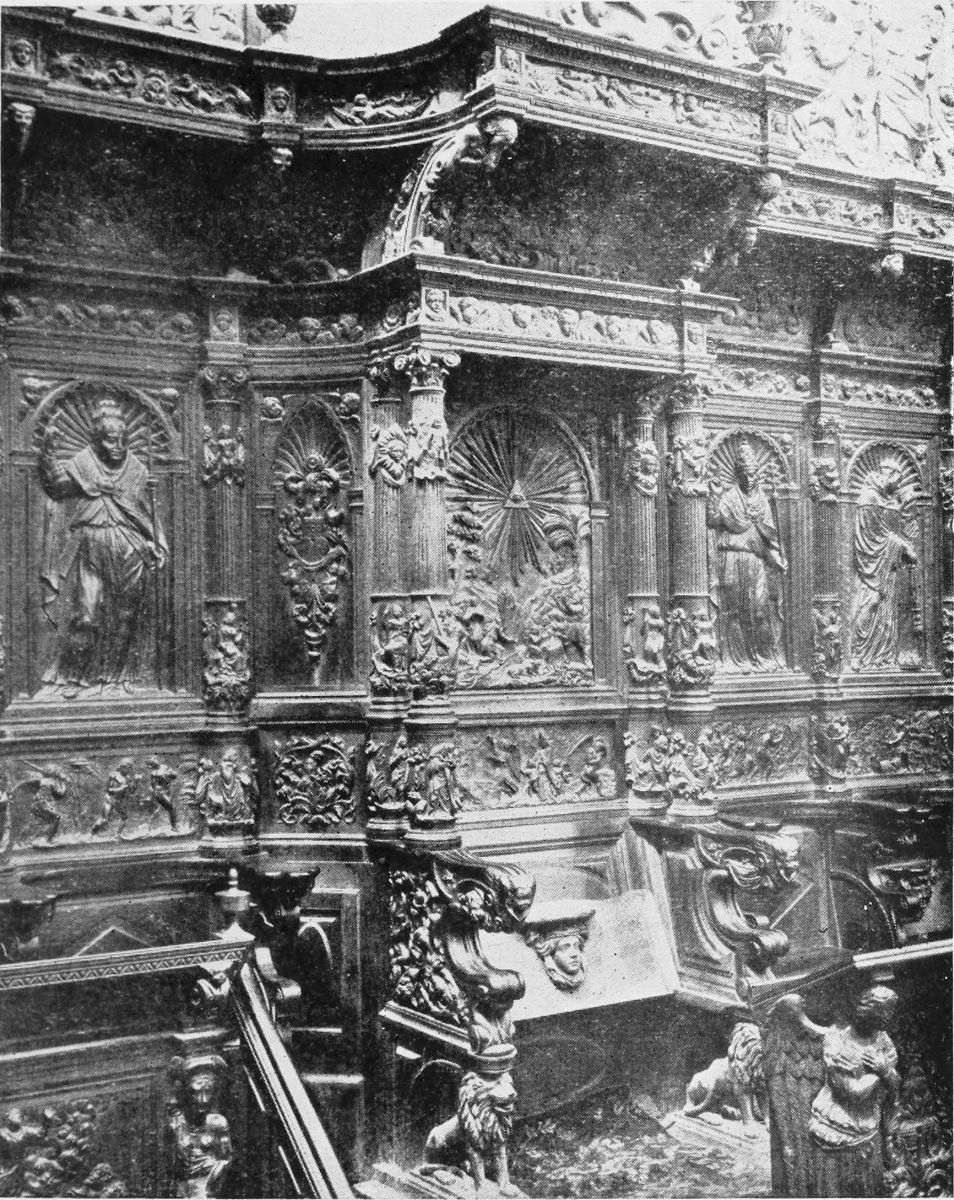
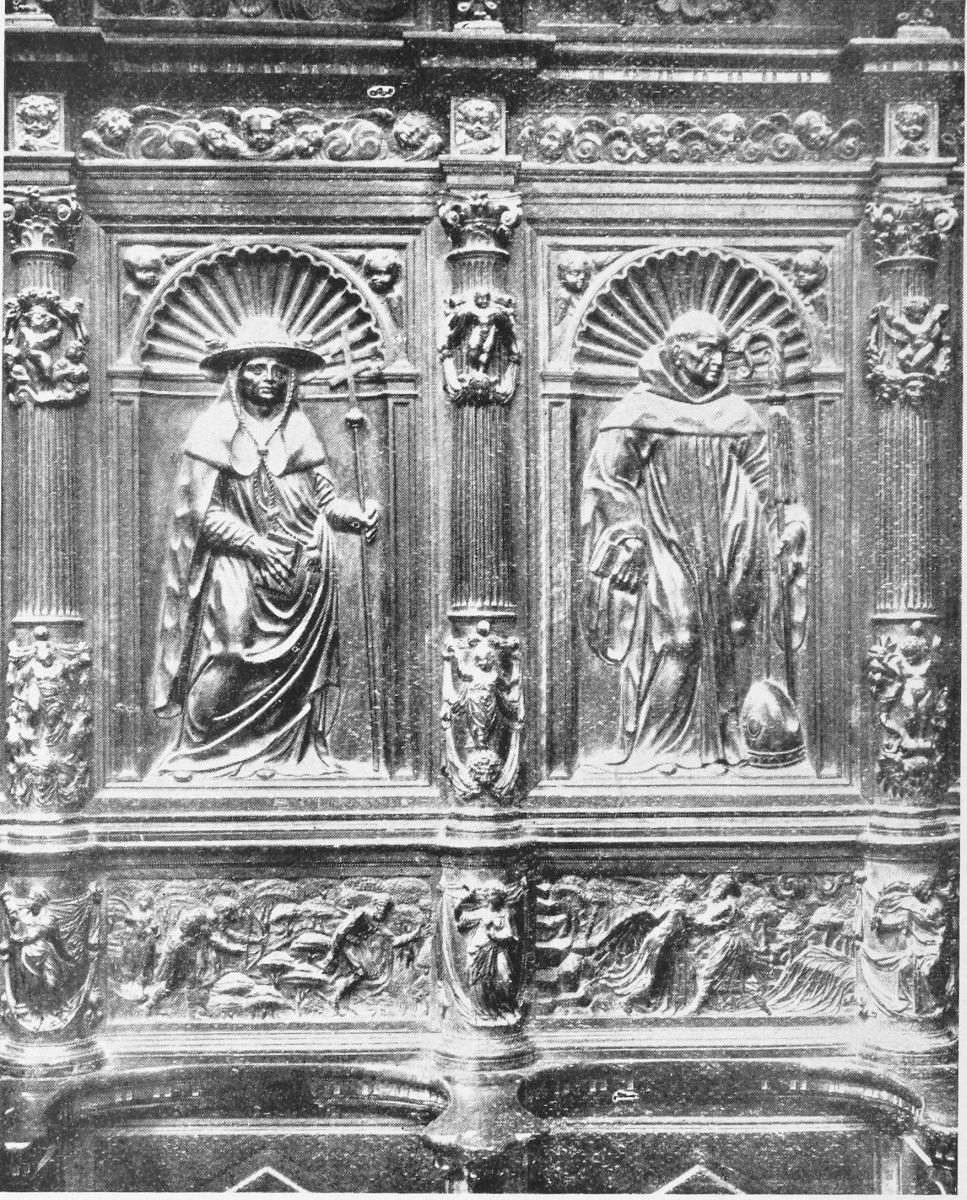
The choir is for the most part modern, with plain and classical walnut
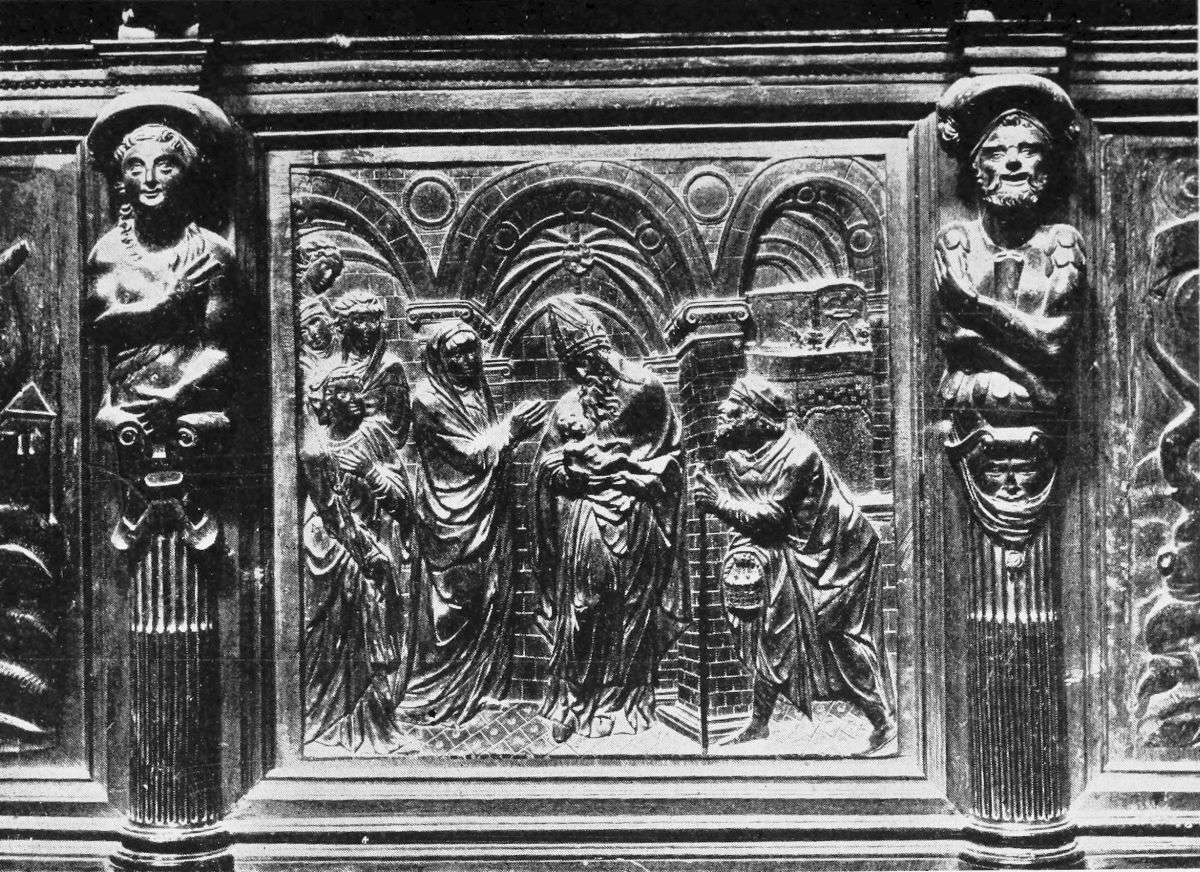
stalls. The rear portion, or trascoro, dates from the fifteenth
century, and is decorated with a fine series of Biblical scenes in
alabaster. The chapels have little of interest, except the tomb of Tomás
de Villanueva, the holy Archbishop of Valencia, in the one dedicated to
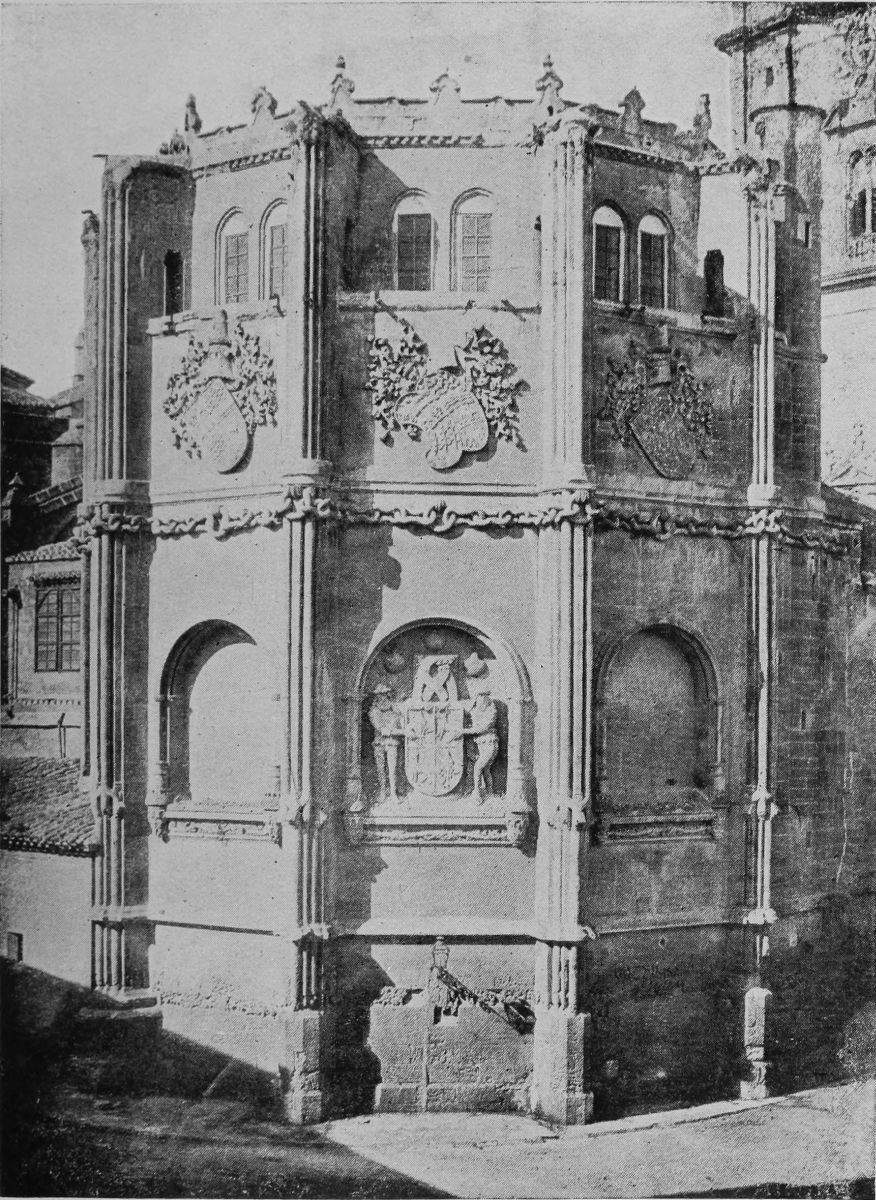
him. Over the crossing rises the fine octagonal lantern, which was built
in 1404 and restored in 1731. It was once adorned by many trophies,
among them the flags taken from the Genoese by Ramon Corveran, a famous
sea-dog of Valencia. These, however, have long since vanished.
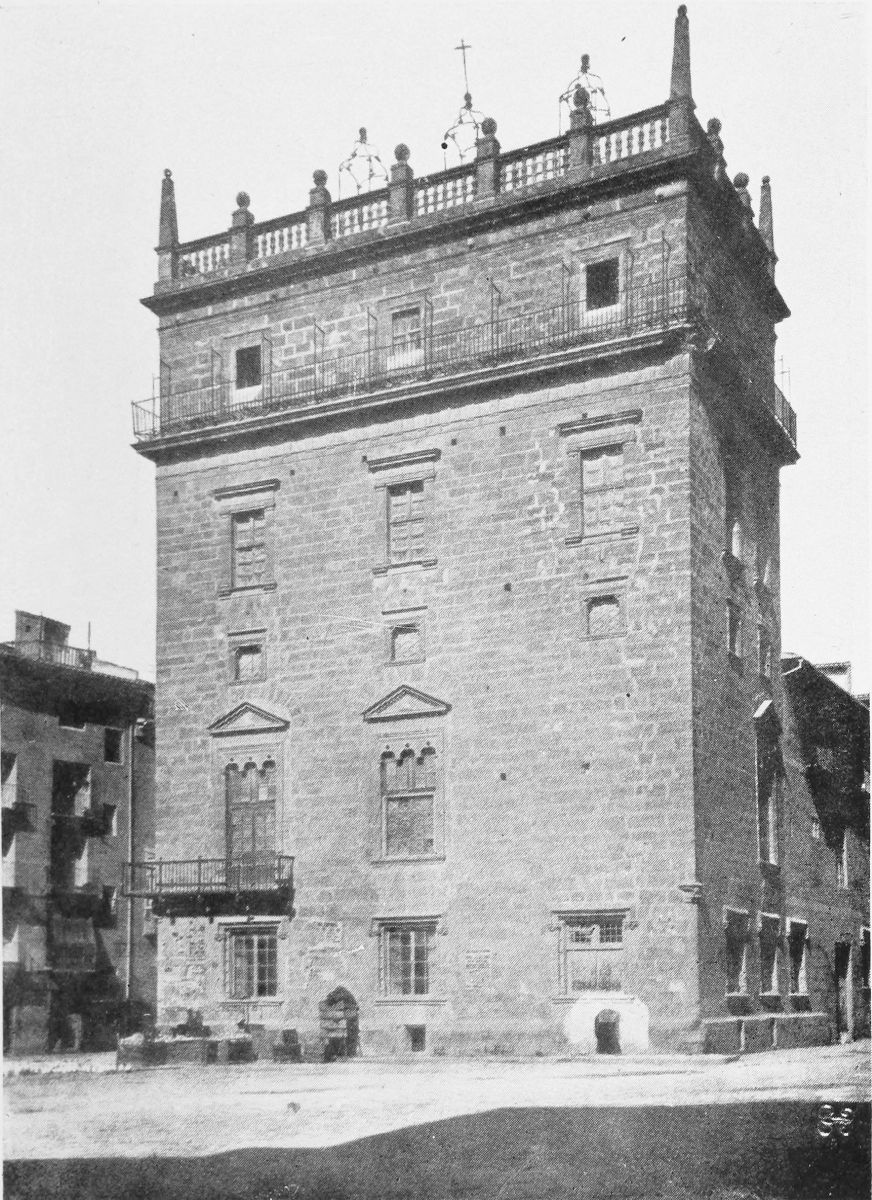
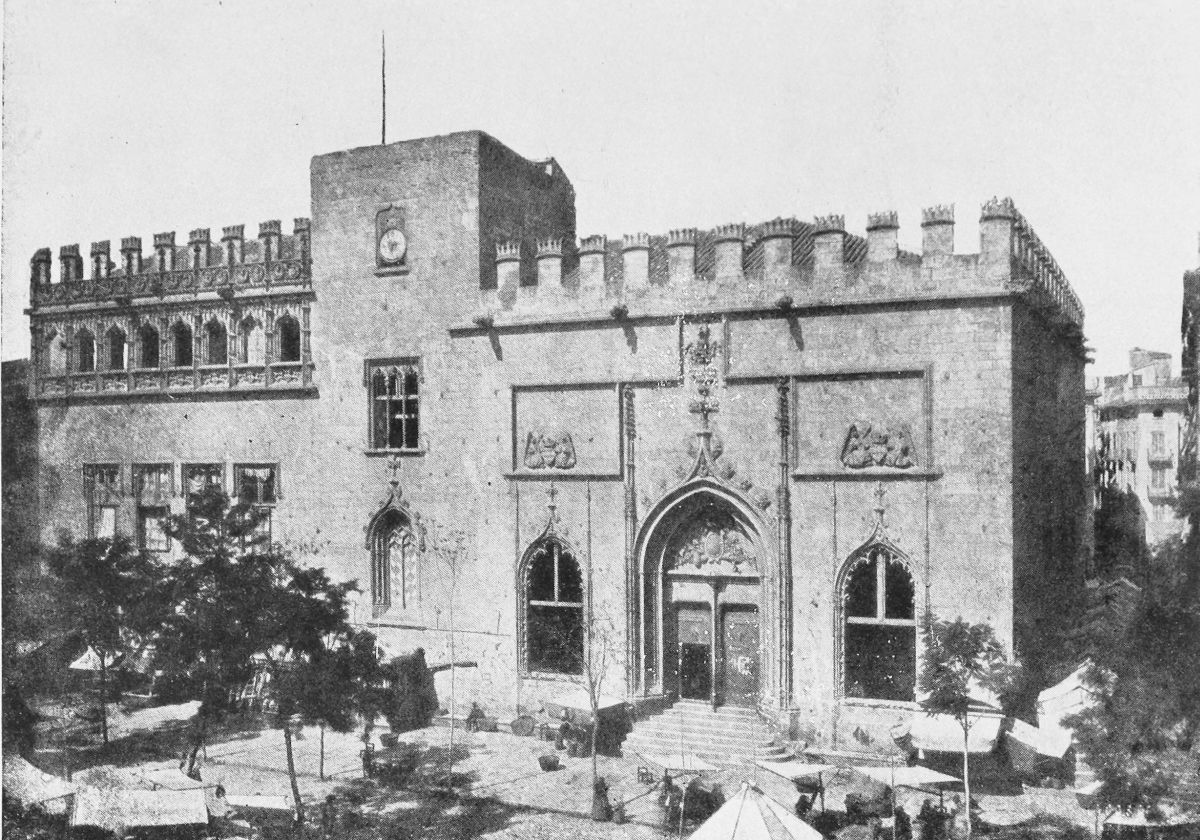
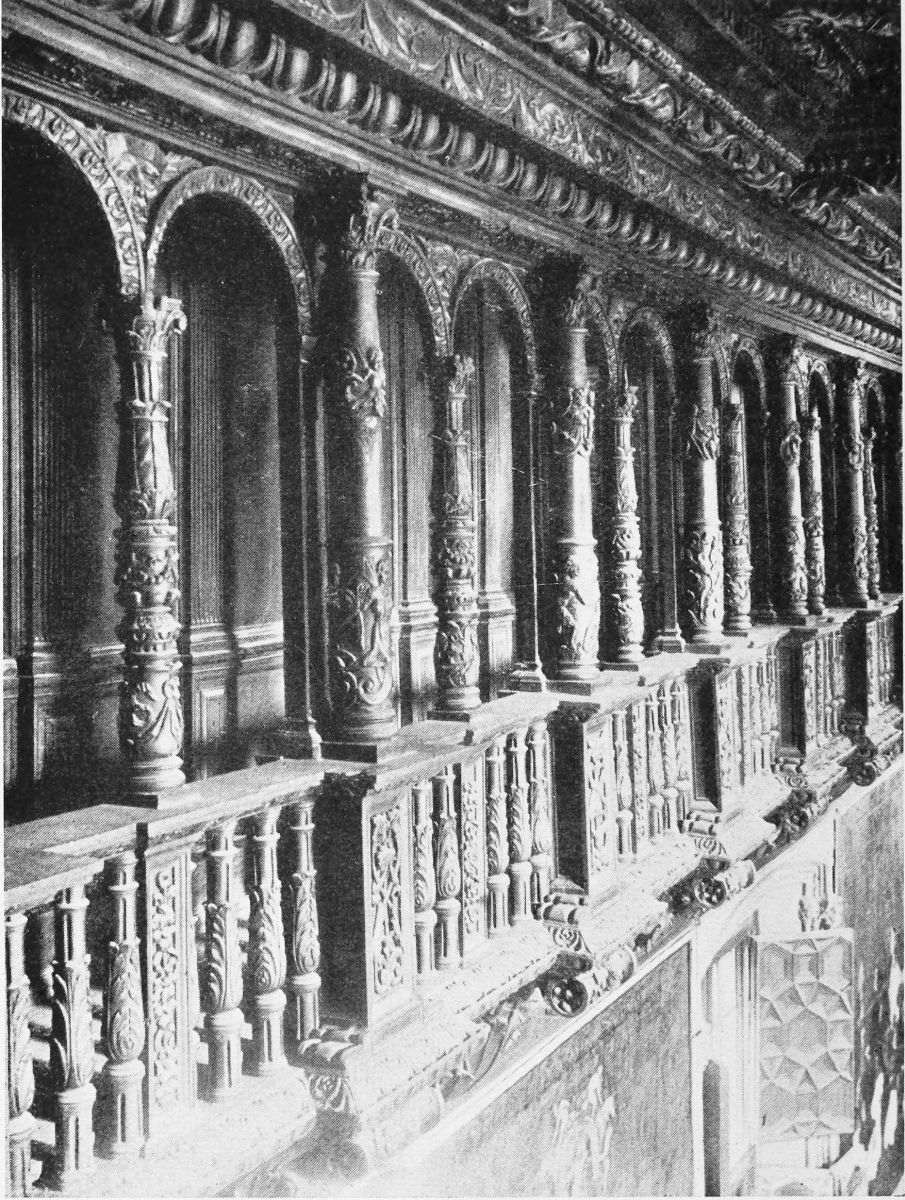
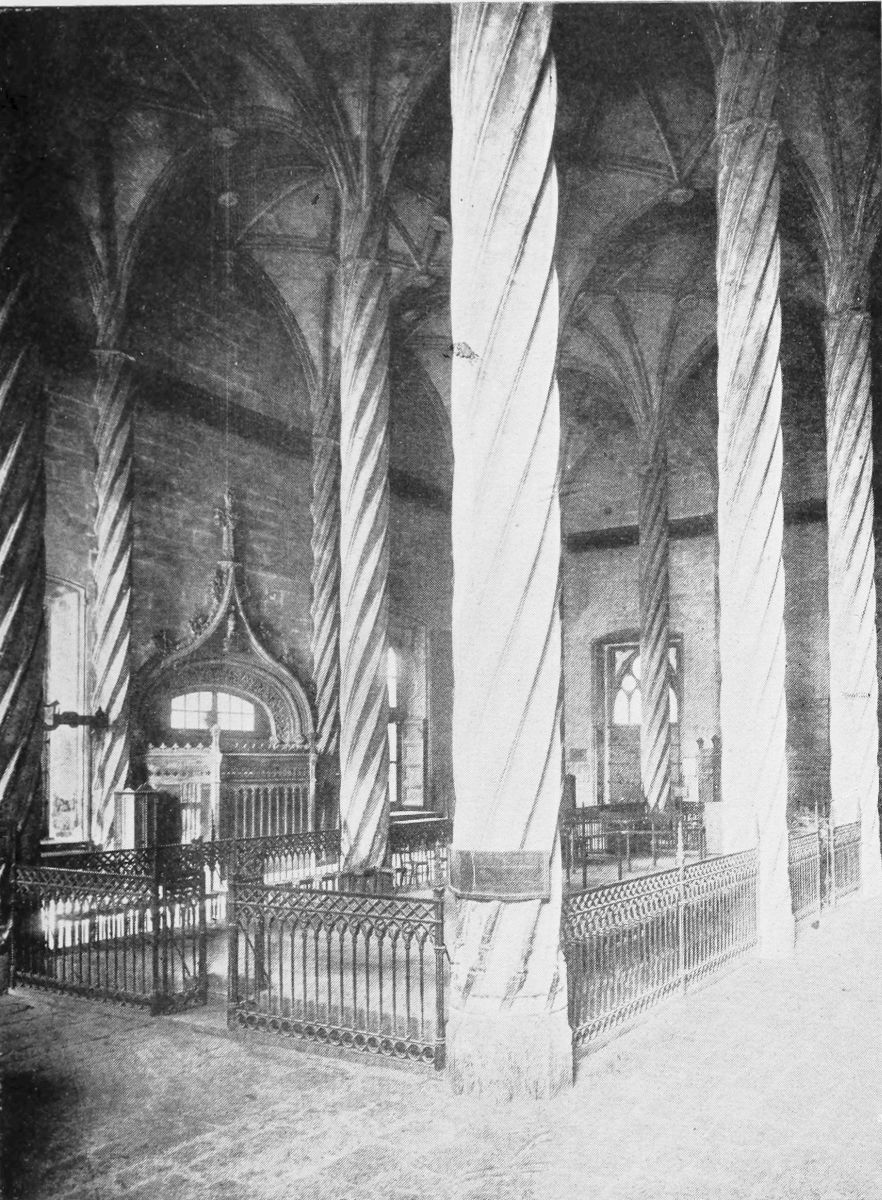
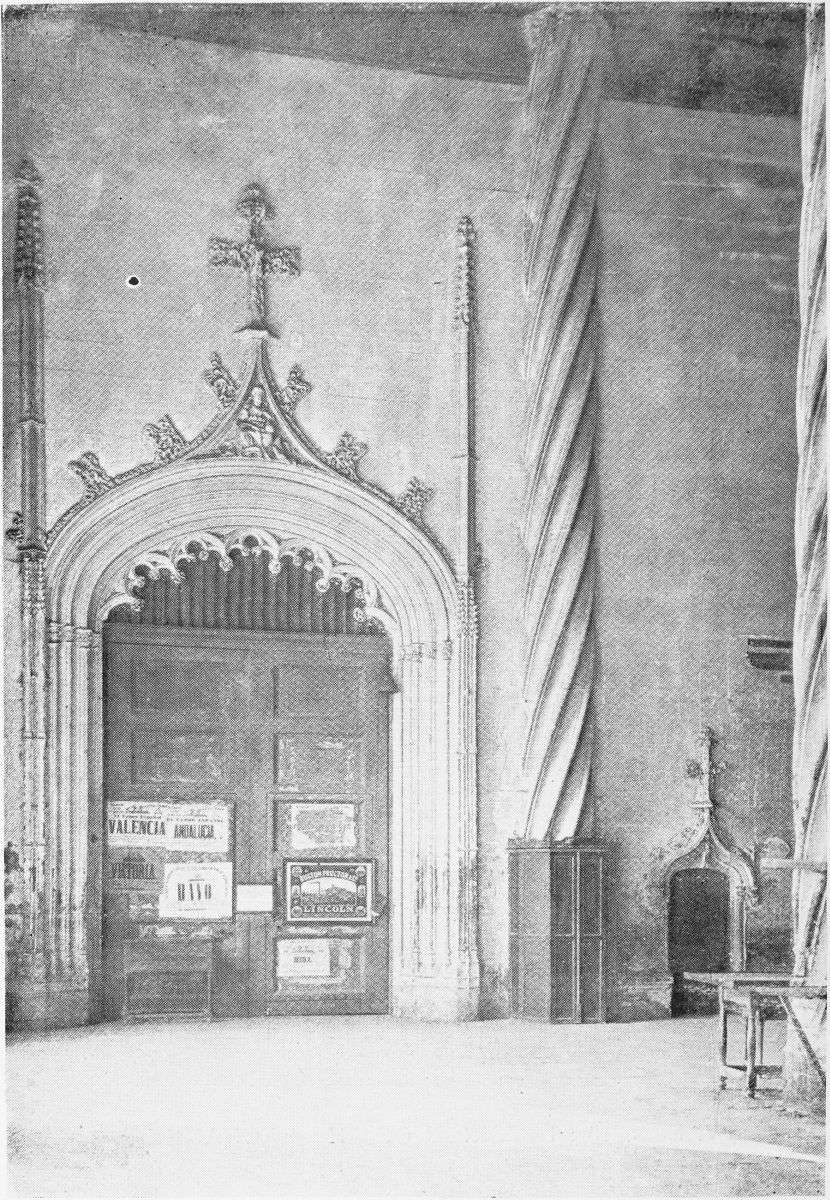
After the Cathedral the Lonja de la Seda, or Silk Exchange, is the most
interesting sight of Valencia. Built in the Gothic style (though not of
the purest) it is one of the best specimens of civil architecture of the
Middle Ages that we have remaining. Its square tower, crenellated
chimneys, open galleries and high windows give an extremely fine effect.
The hall has spirally fluted pillars that branch out into graceful
clusters of palm-leaves. The ceiling is painted with stars and round the
walls runs the legend, “He only that shall not have deceived nor done
usury shall be worthy of eternal life,” which (let us hope) has guided
generations of merchants into the paths of commercial integrity. The
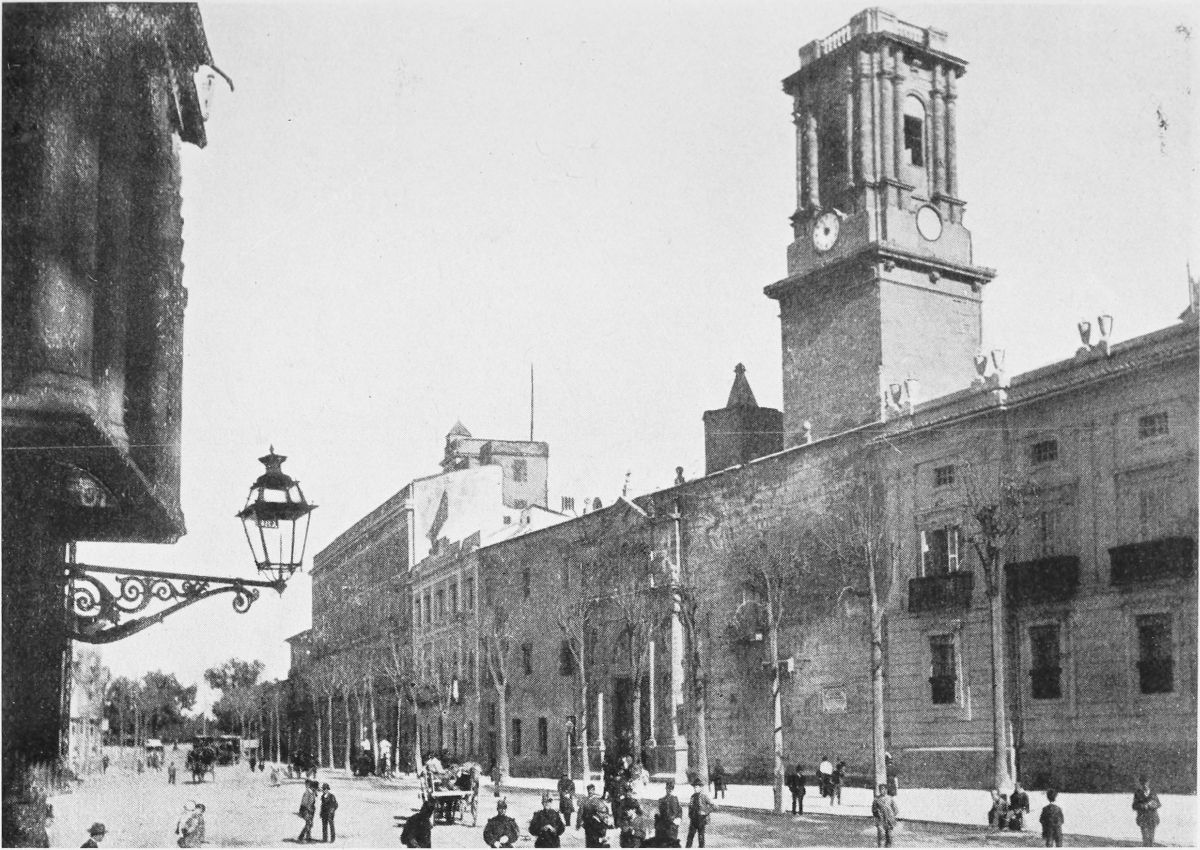
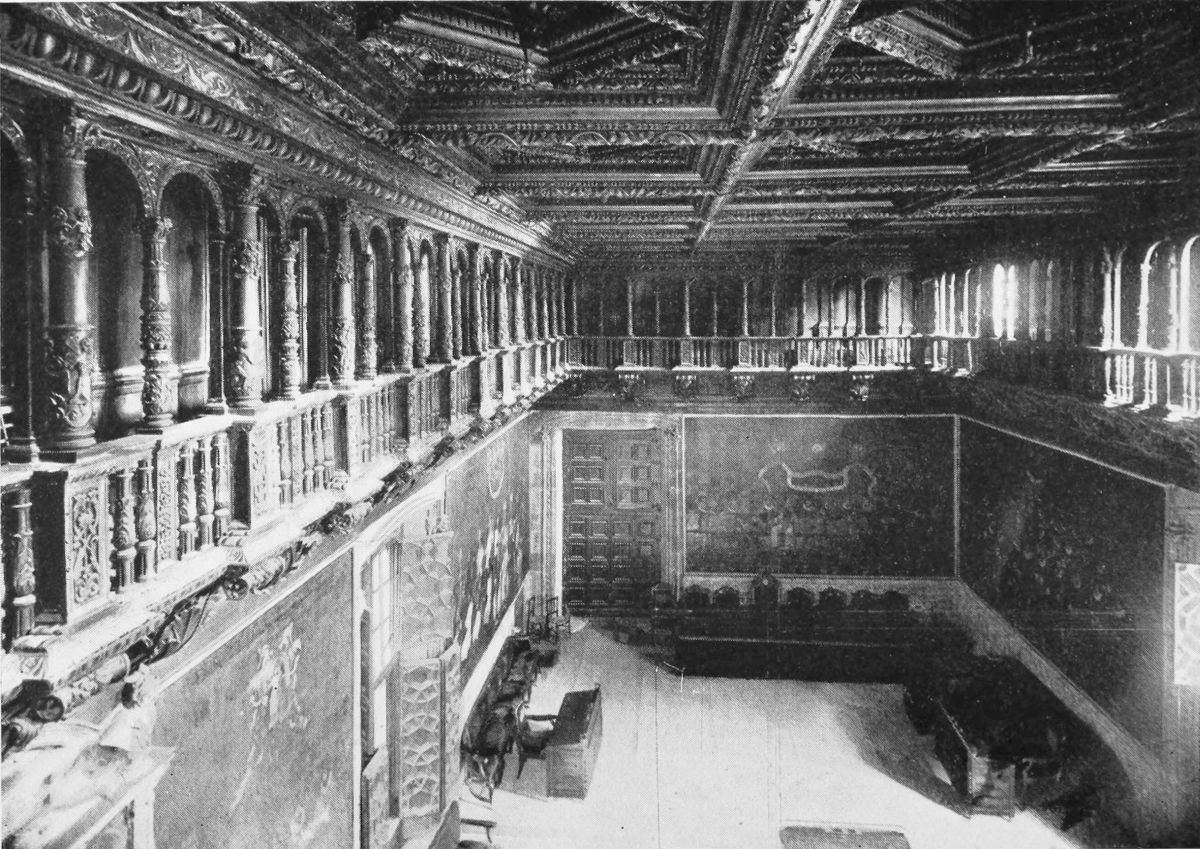
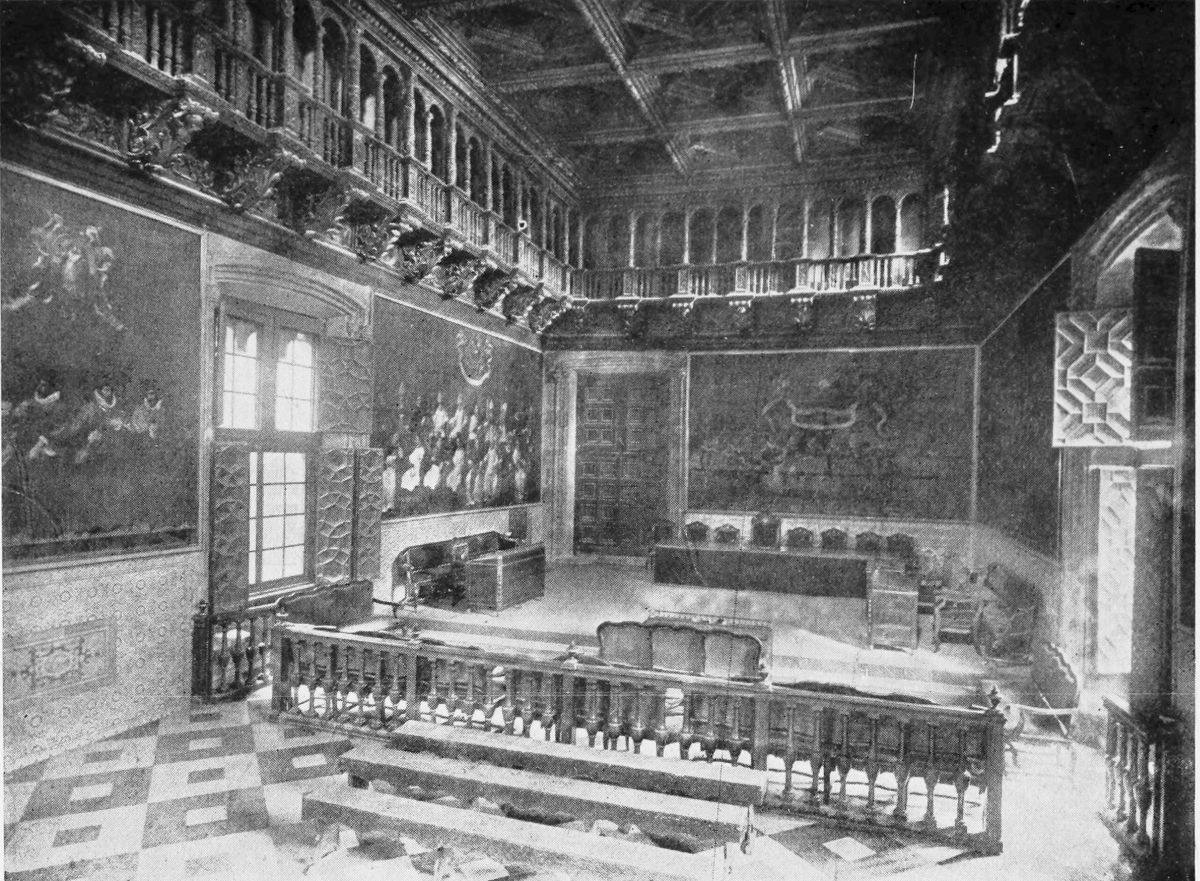
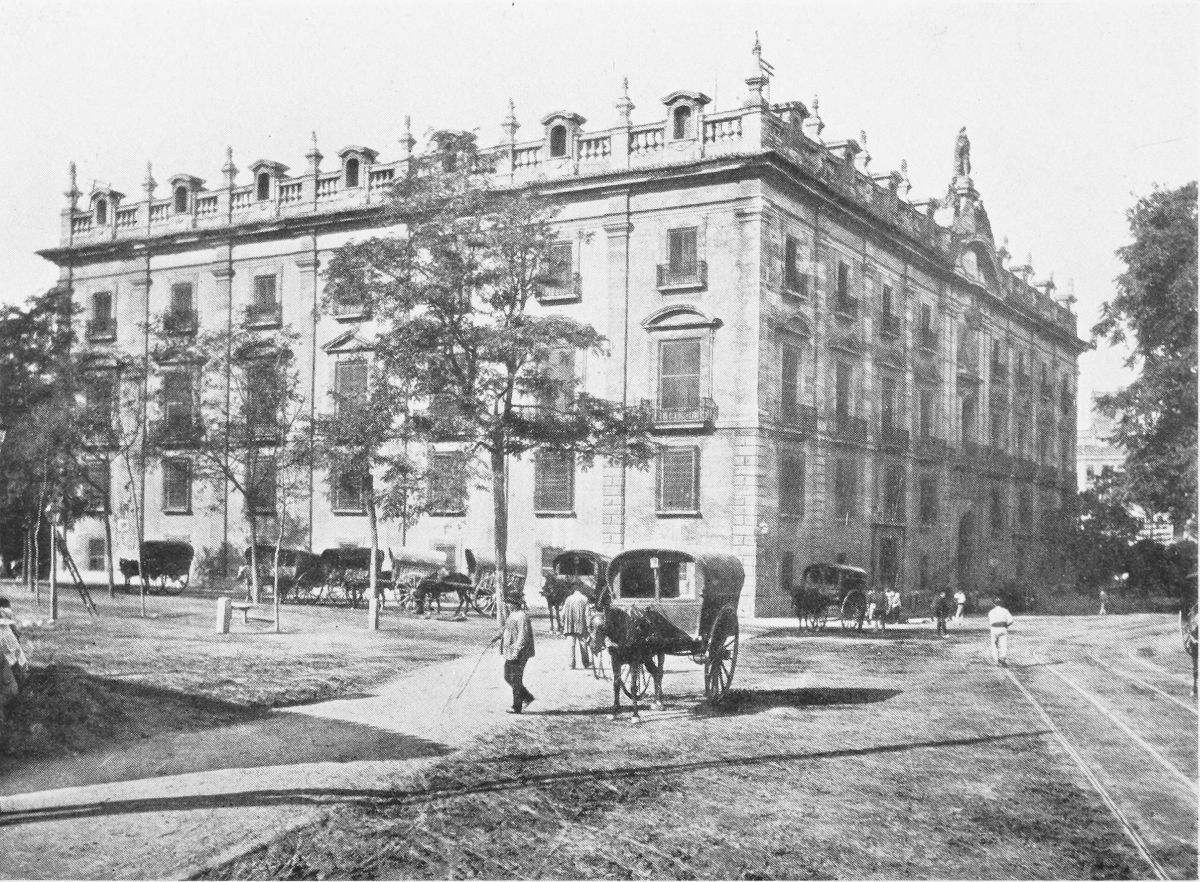
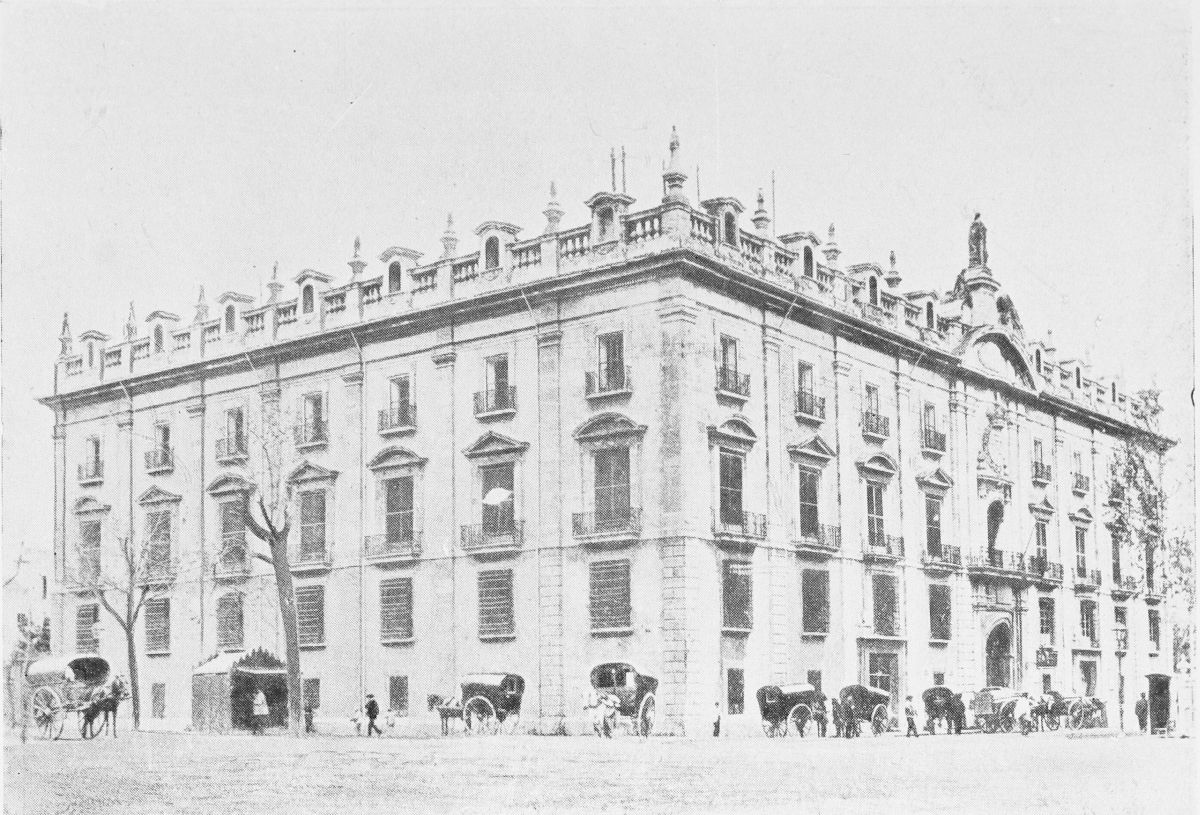
Audiencia, in good Renaissance style, is well worth a visit, where in
the Salon de Cortes the old provincial States assembled till the middle
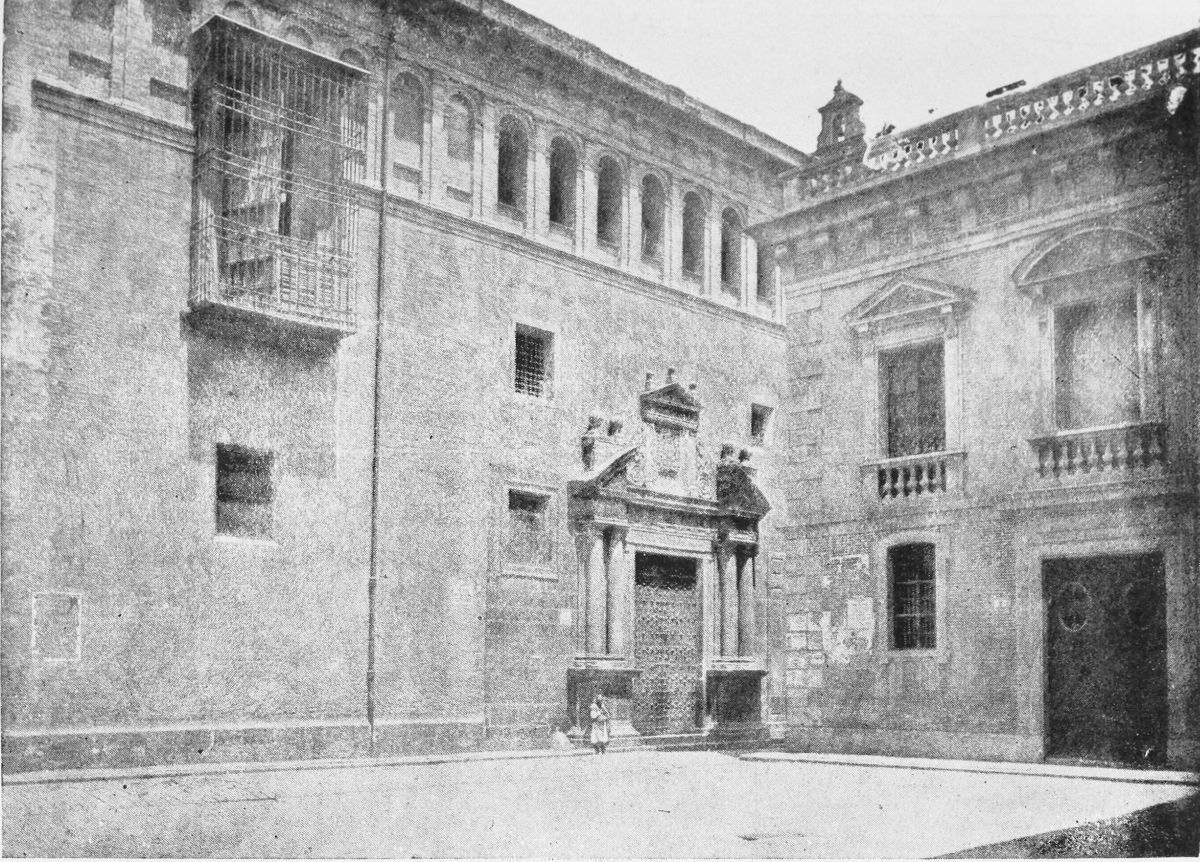
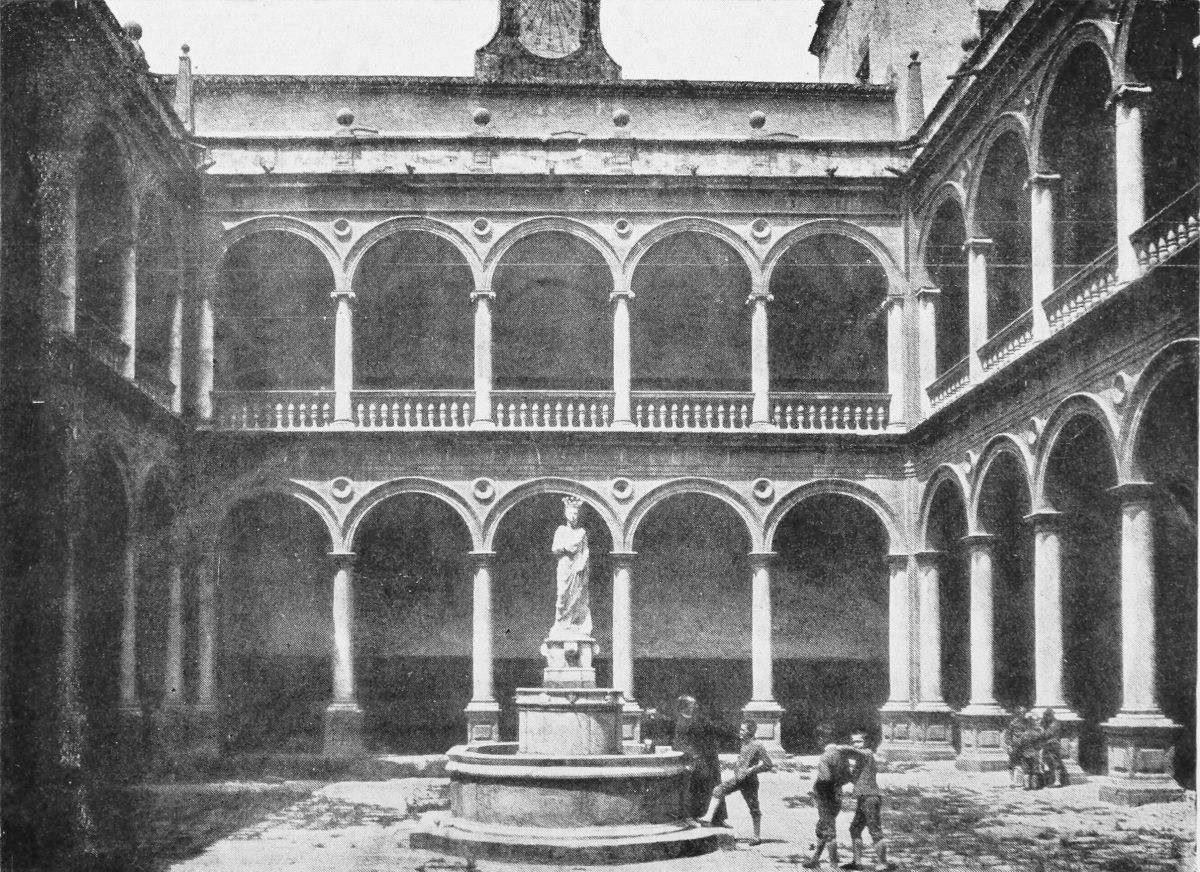
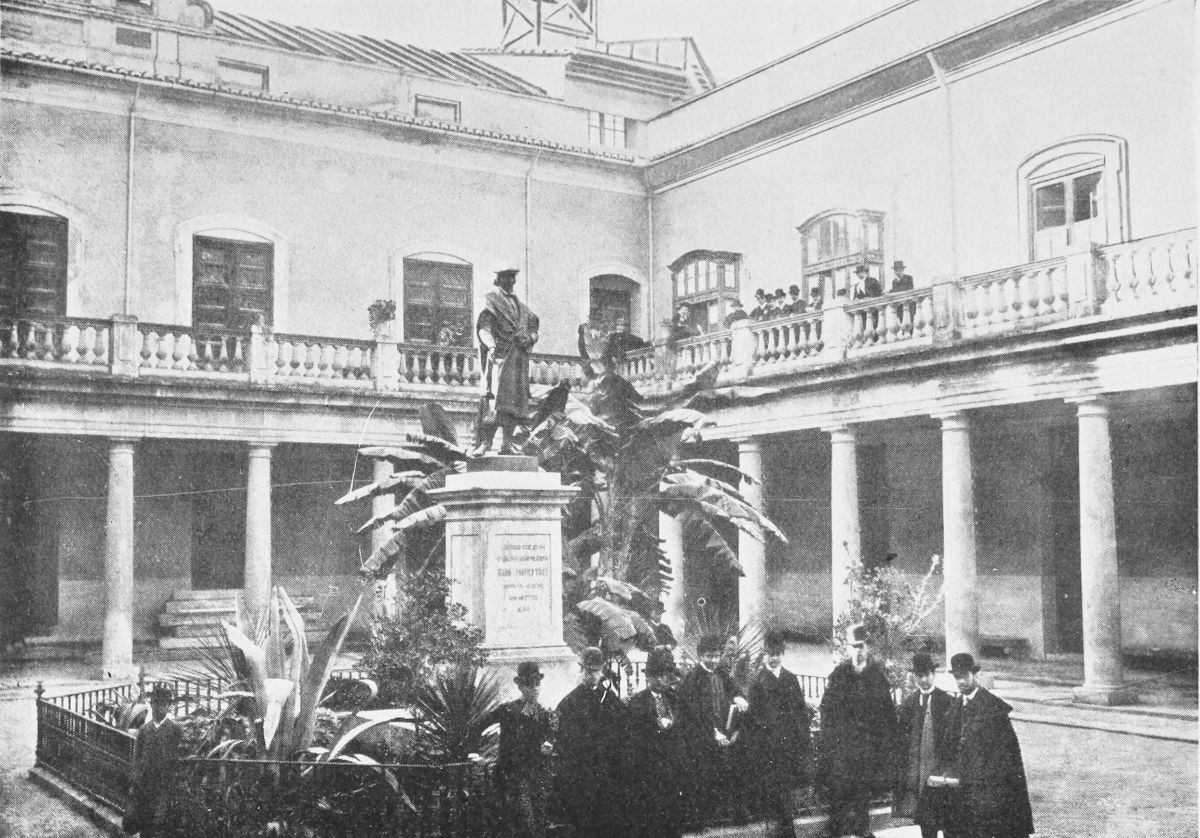
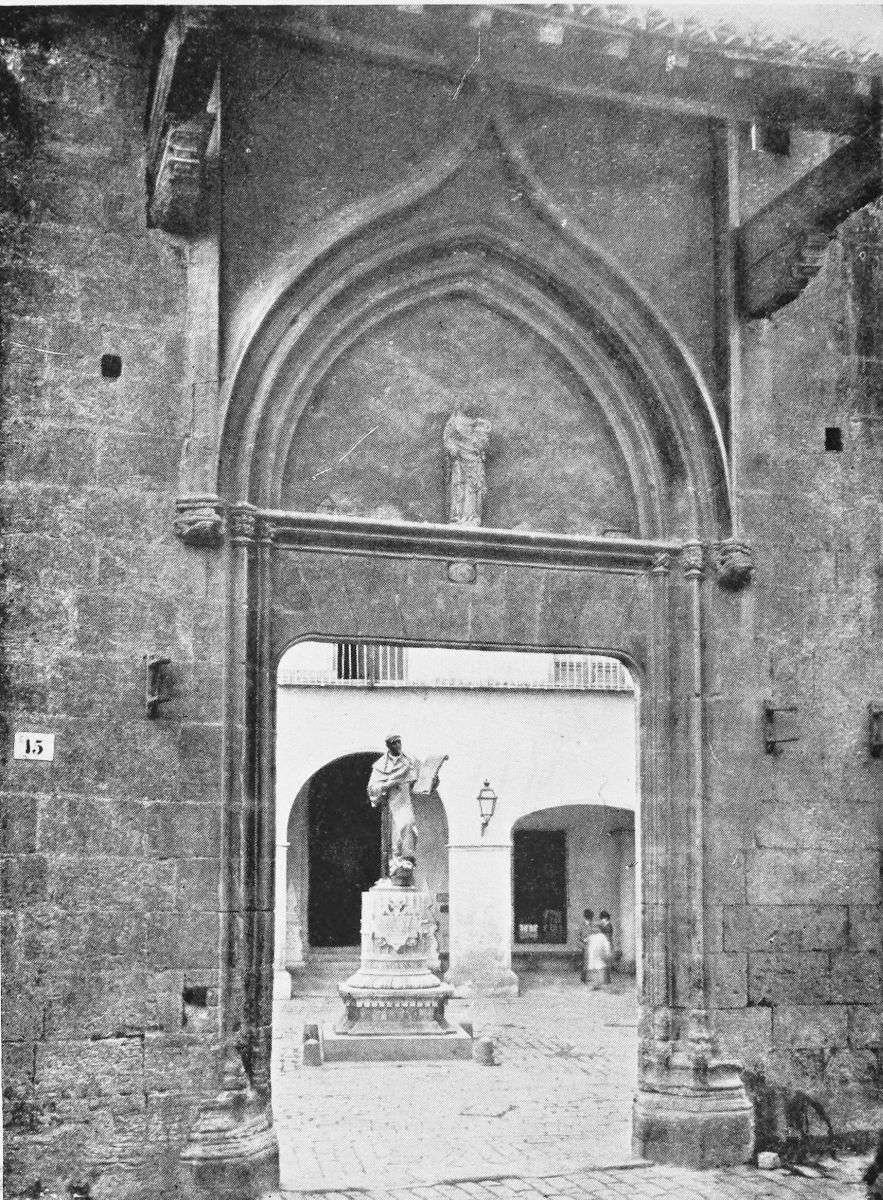
of the eighteenth century. As a building the University is beautiful,
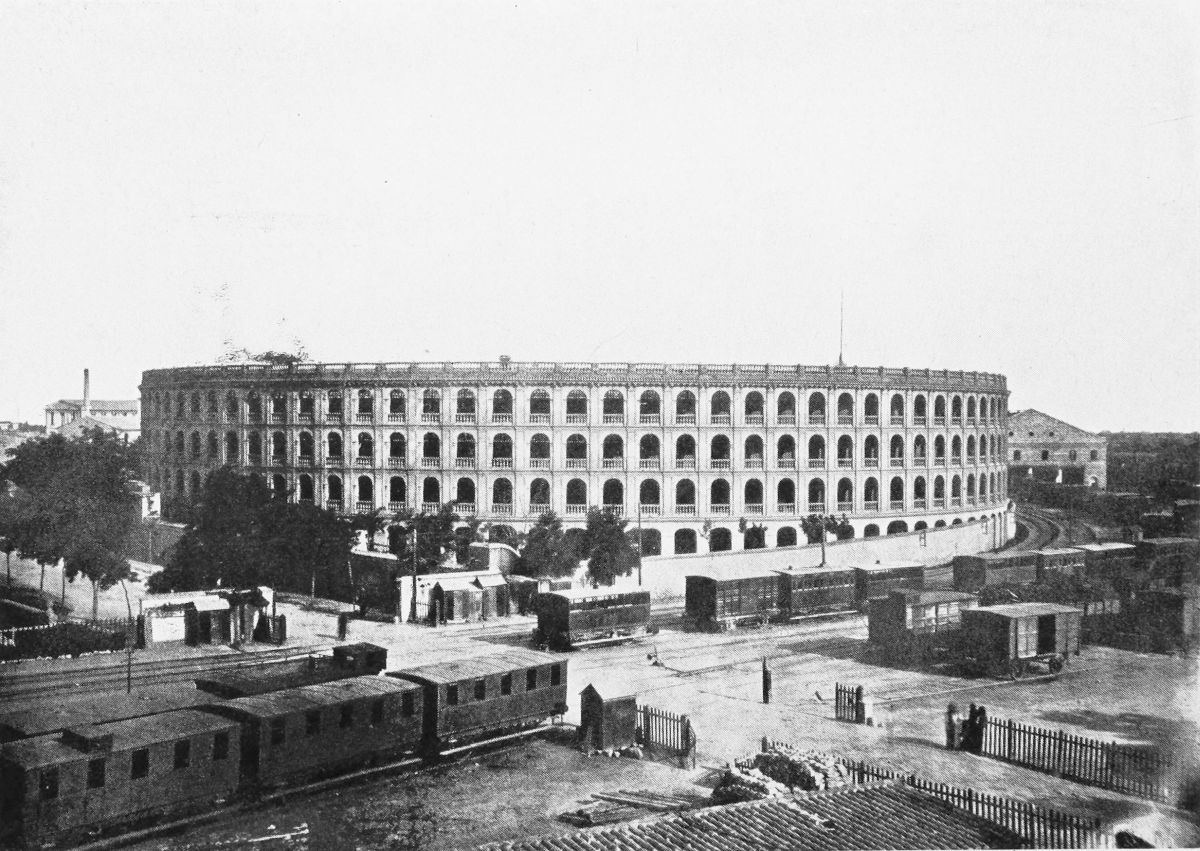
if it is a little backward in thought. Here Fernando VII. raised the
noble sport of Tauromachy, or Bull-fighting, to the dignity of a
Faculty!
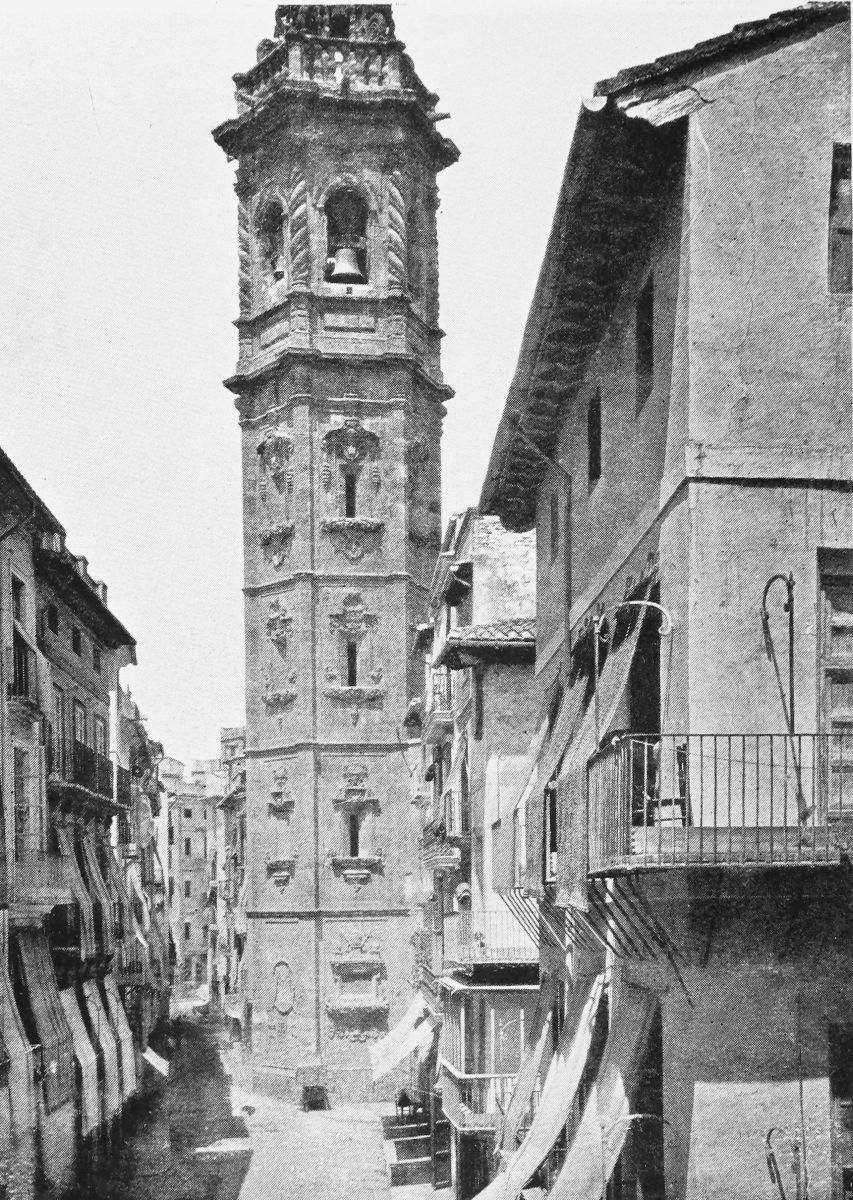
The smaller churches are interesting enough, but not striking, and the
visitor will do well to prefer the almost deserted Picture Gallery.
Until the name of Velasquez dwarfed that of every other Spanish artist,
Valencia boasted a school of painting second to none in the country.
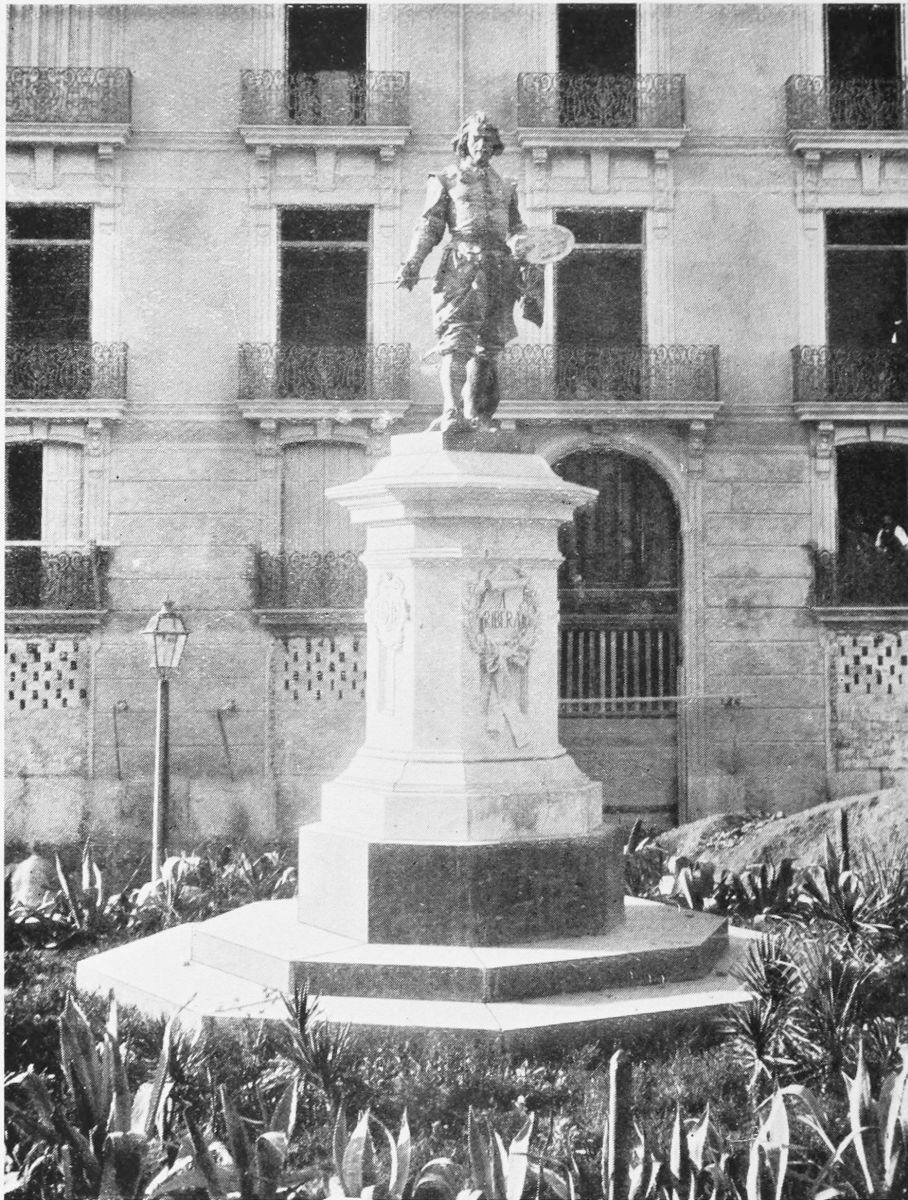
Ribalta, Juanes, Ribera, Espinosa, and Orrente all lived and loved and
painted in the old kingdom. The story of Ribalta is romantic. The son of
a ploughman, he deemed himself on the high road to fortune when he
entered a Valencian studio as a pupil. But alas! the black eyes and
pretty figure of his master’s daughter proved more alluring than canvas
virgins. Ribalta was dismissed the studio in disgrace. He wandered
towards Italy, the land of promise, and studied under the brothers
Carracci. Some years later he returned. His mistress was in possession
of the studio, her father having gone out. A wooden and lifeless Madonna
stood on an easel. Ribalta seized a brush and painted furiously until
sunset, and when the artist returned a masterpiece was awaiting him.
Astonishment, admiration, tears, and gratitude—no artist could forbid
his daughter’s fiançailles with a man of genius. Ribalta afterwards
devoted his whole life to the adornment of the churches of his native
kingdom.
But Valencia is hardly less distinguished for its theatre than for its
painting. Here at the end of the sixteenth century was founded the
celebrated society of “Nocturnes” which welcomed the youth of Lope de
Vega. Guillen de Castro was its head, a man of wit and honourable
family, whose adventurous life ended in the gutter. He is best known as
the author of Las Mocedades del Cid, a tedious drama with a fine
heroic touch, whence Corneille drew his inspiration.
Leaving Valencia we run southward as far as Alcira without a stop. Here
we cross the Jucar, which strikes terror into the hearts of the
townsfolk. Rising in the rainy season with terrible rapidity, with
constant shiftings of its channel, it sweeps over the countryside,
swallowing up whole villages in its destructive, impetuous course. When
the sky grows black and the river starts to rise, the panic-stricken
inhabitants run to the churches and seize the images. Then with frenzied
prayers to the Pare San Bernard, they dip the holy forehead in the
water, hoping to stay the onrush of the torrent. But the inundated
country to-day will in a few years bear heavy rice crops and luxuriant
orchards. The swampy unhealthy lagoon, the Albufera (which gave its
name to one of Napoleon’s marshals) is becoming filled up with the
débris brought down from the mountains. Soon it, too, will be a
fertile huerta. Meanwhile, trees are being planted on the rugged
hill-side, a wise measure which it is hoped will check the violence of
the floods and the denudation of the arid soil.
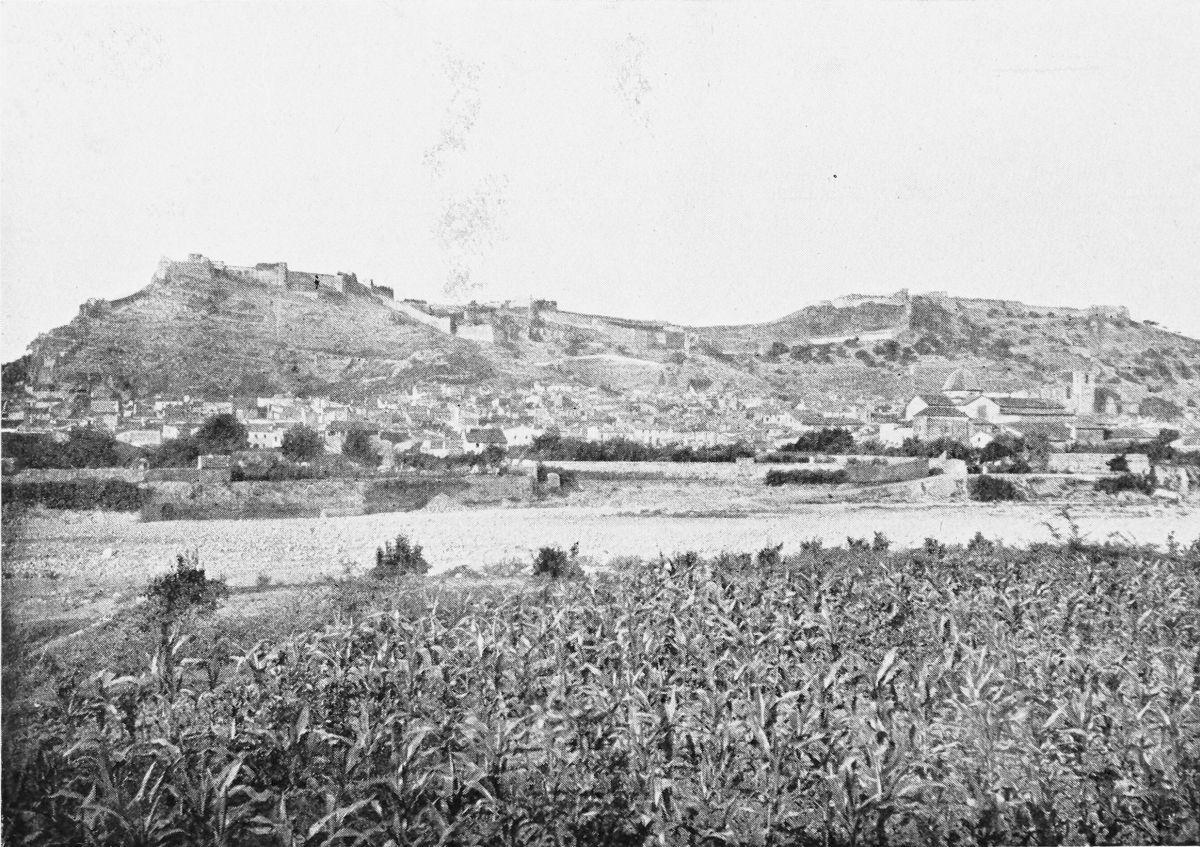
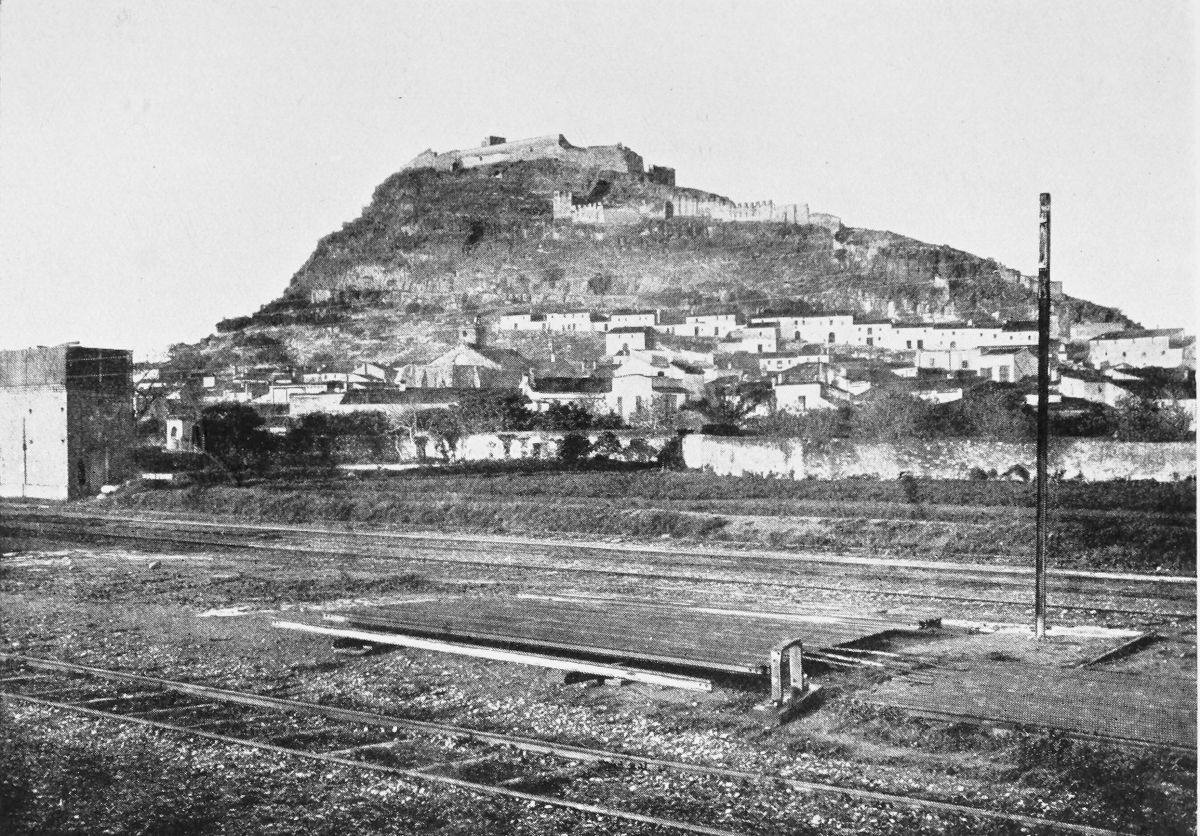
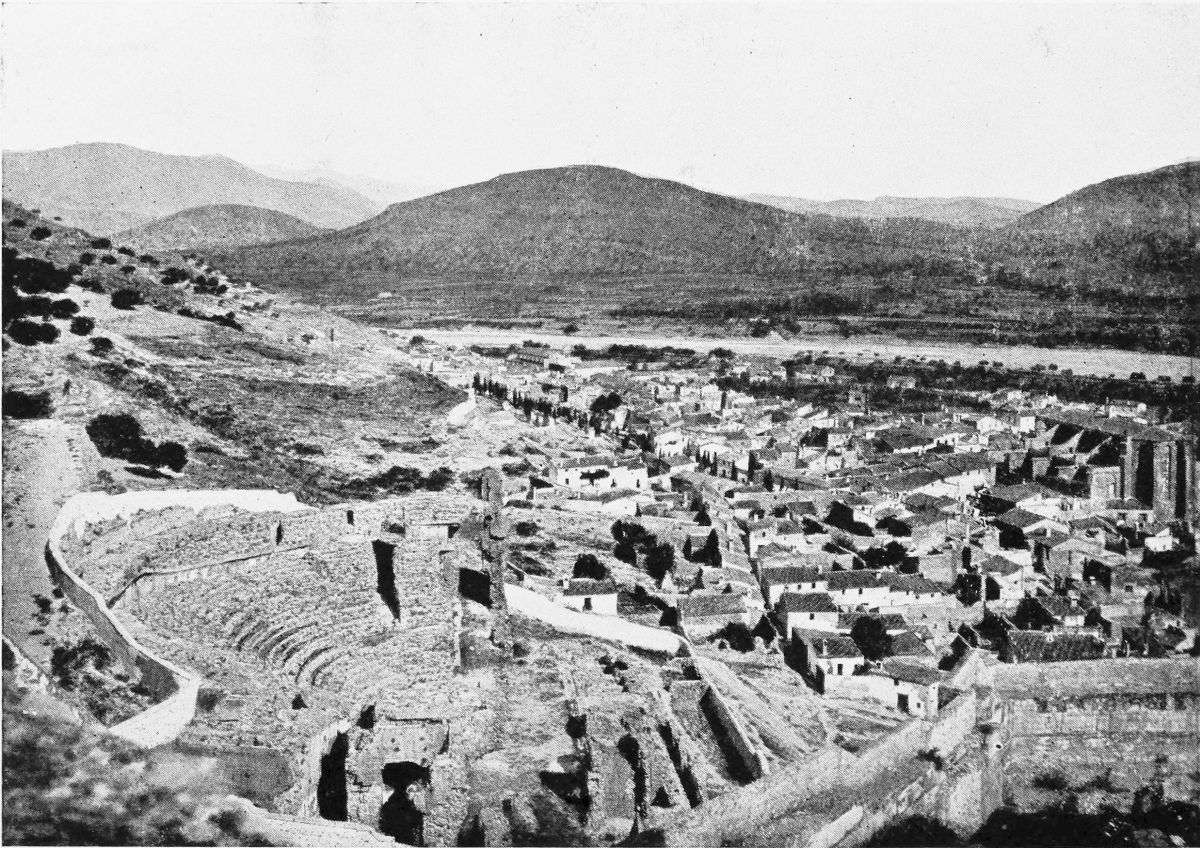
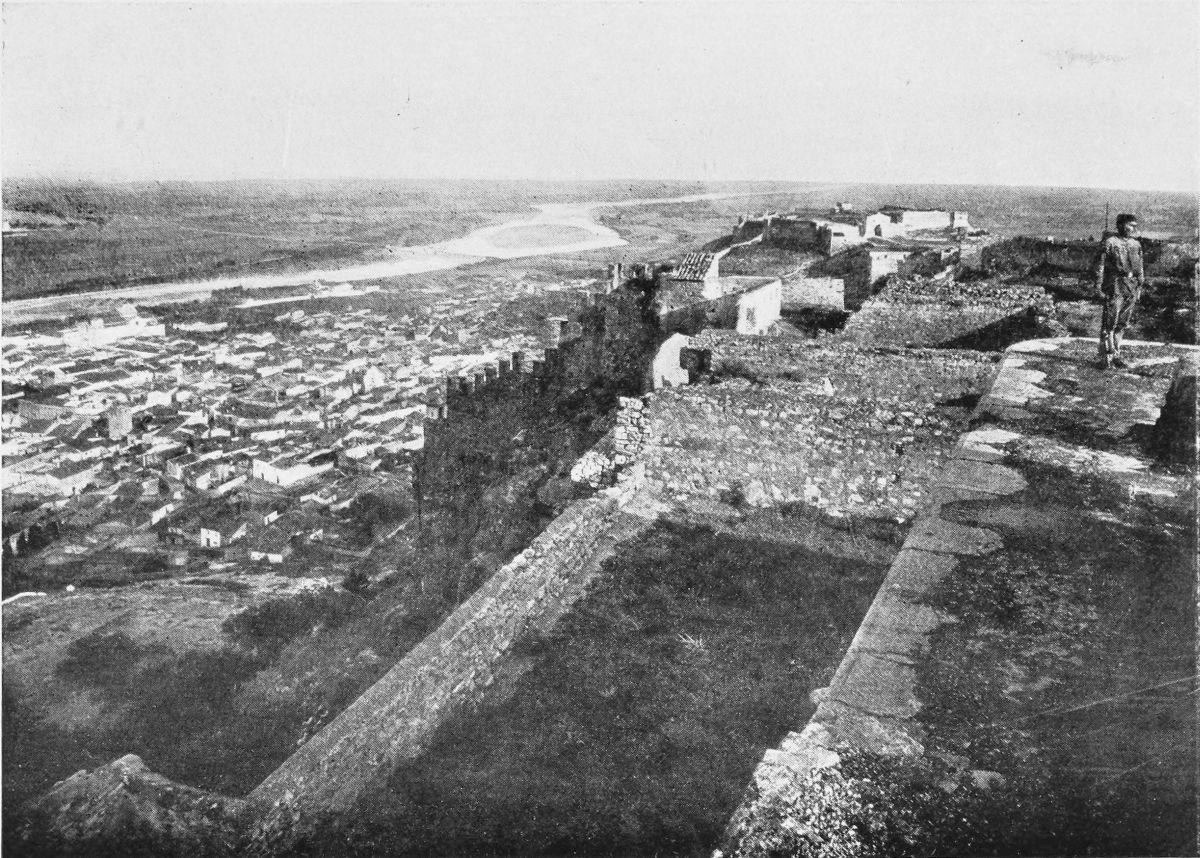
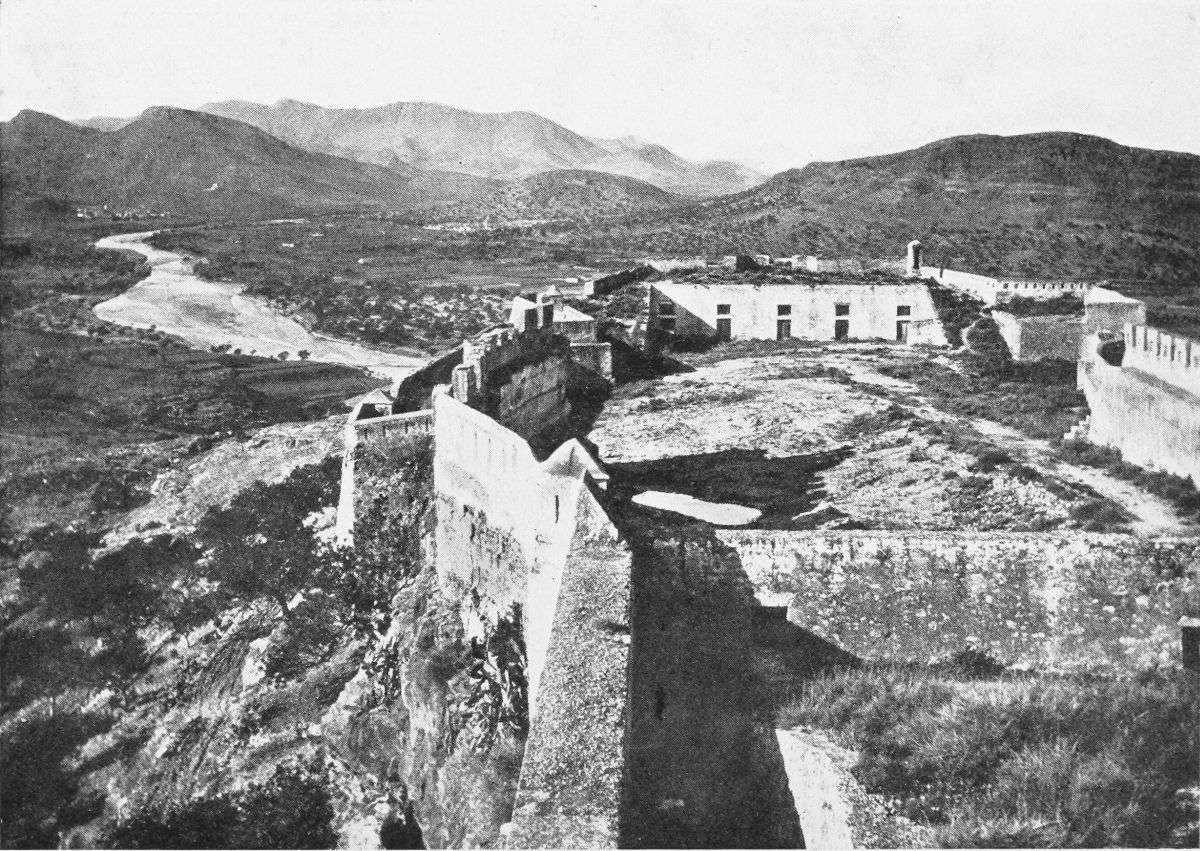
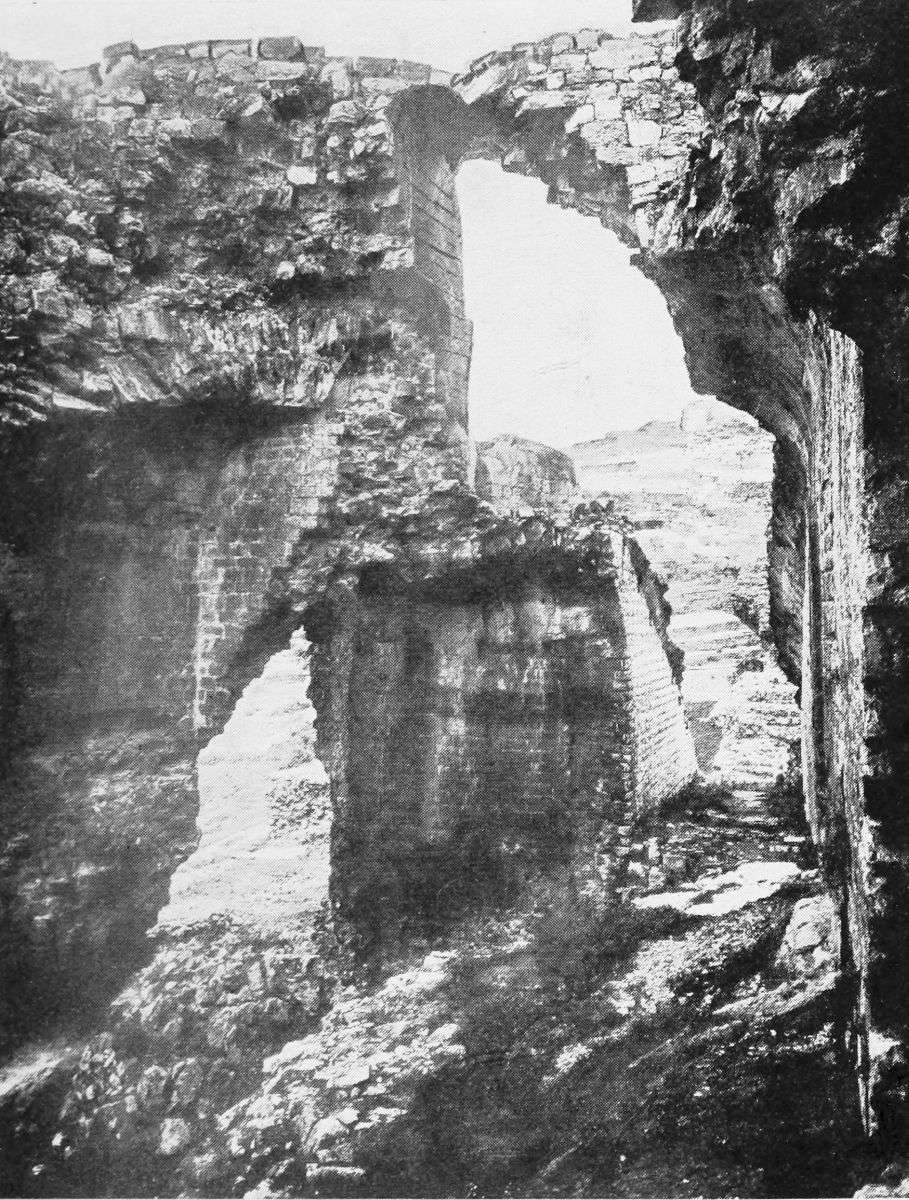
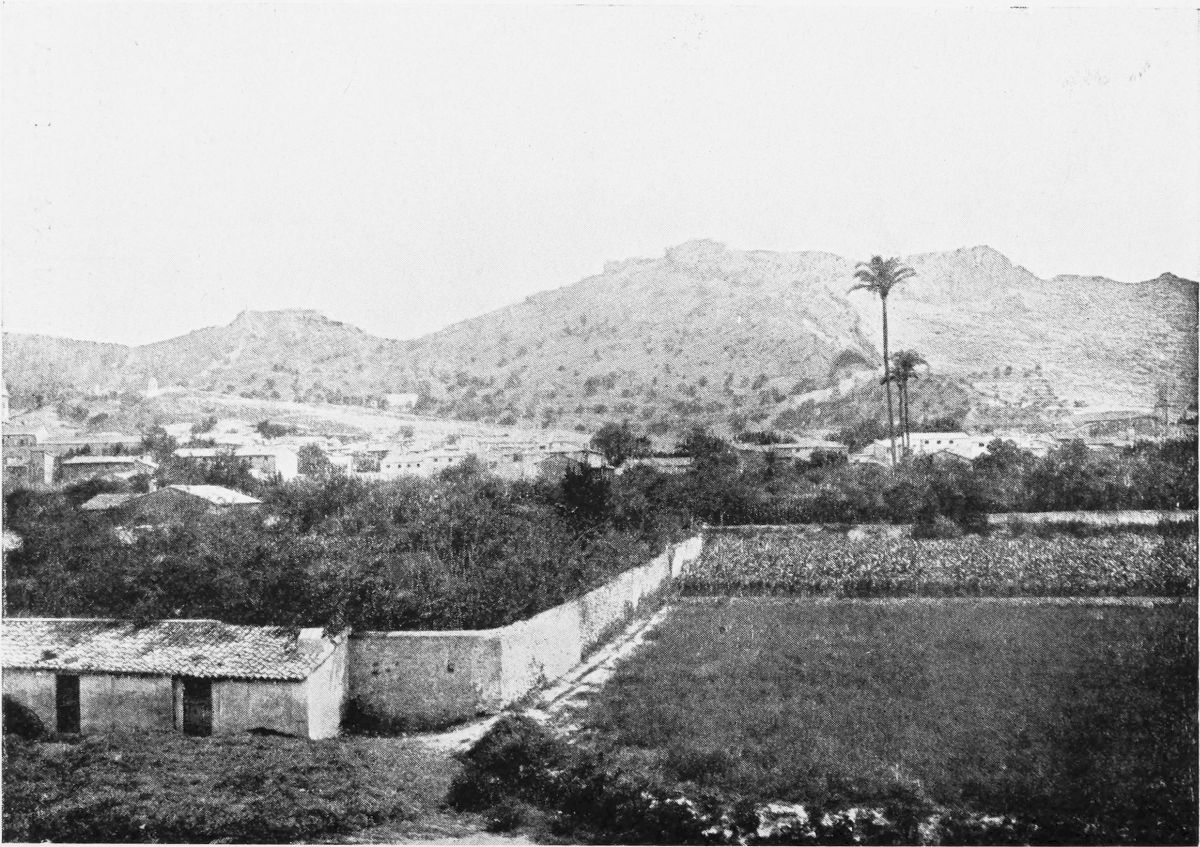
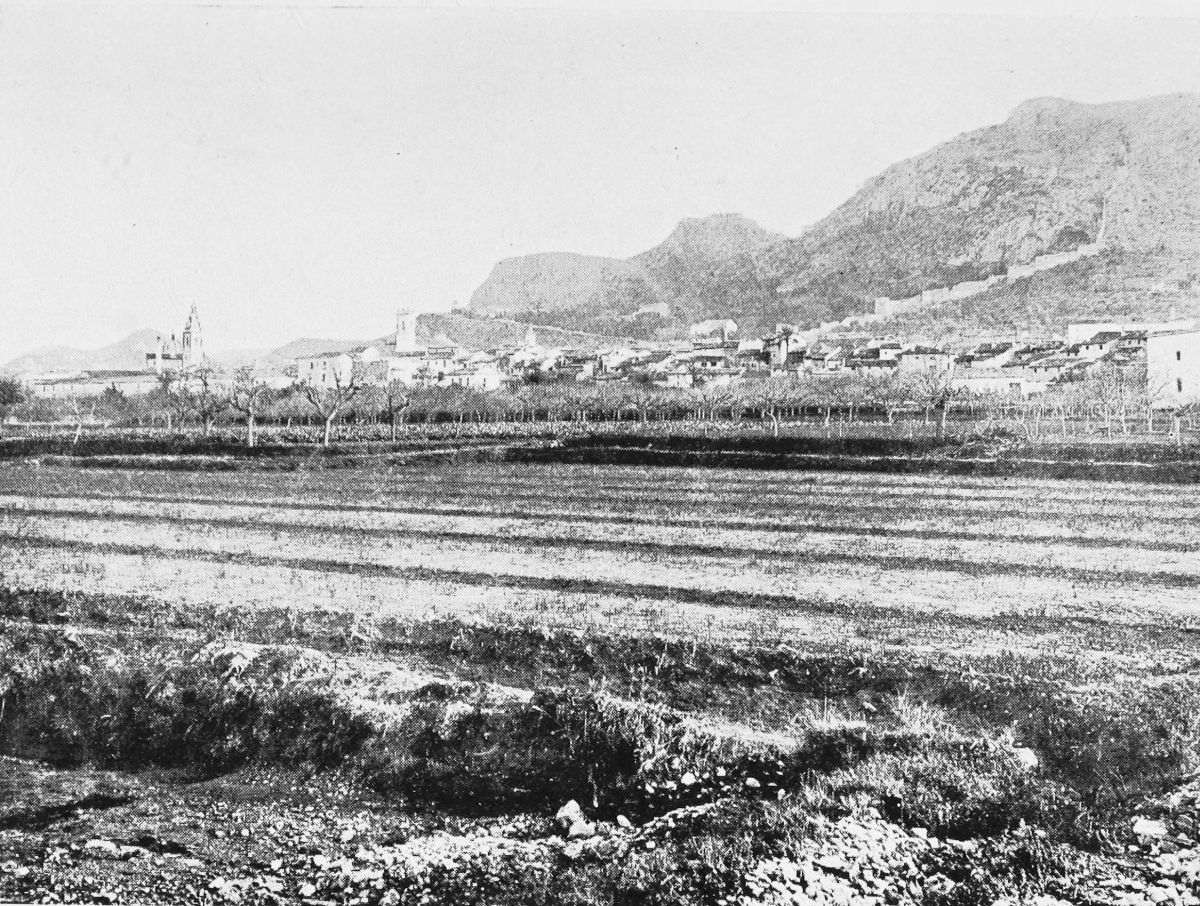
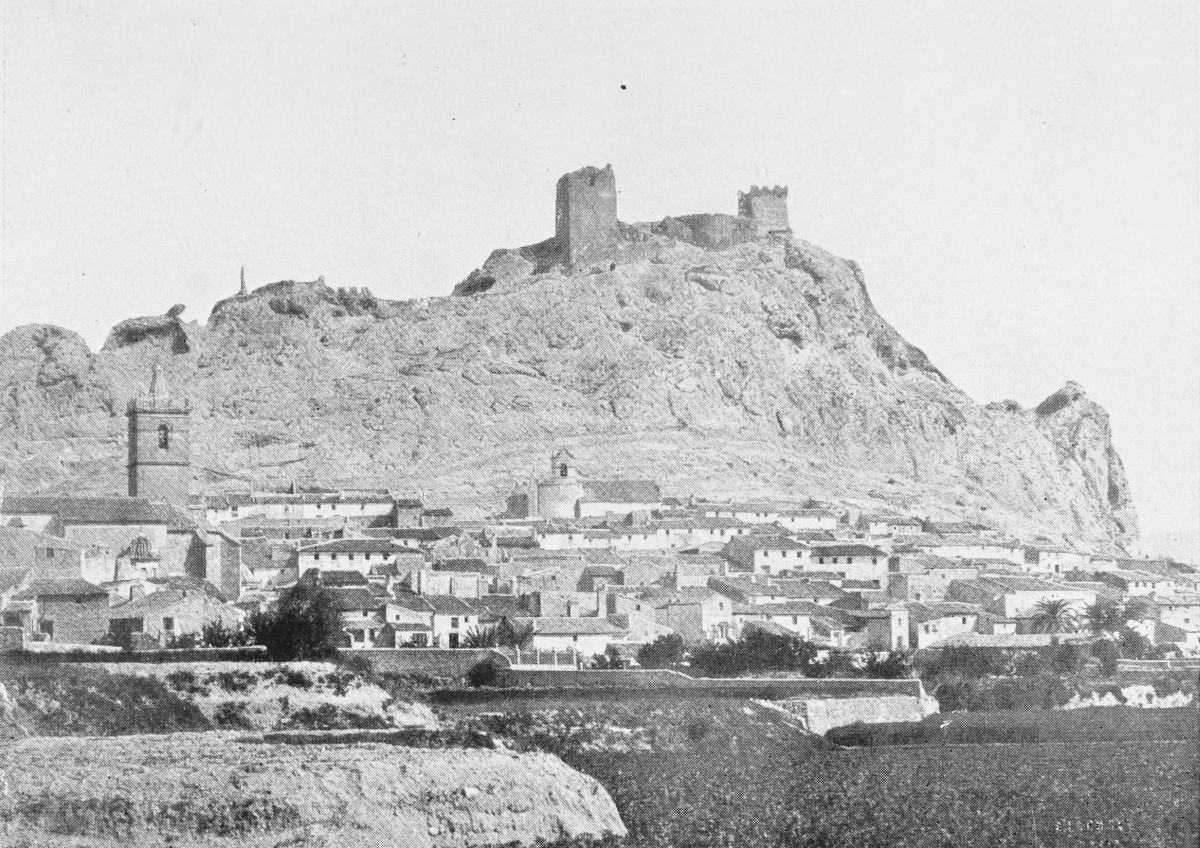
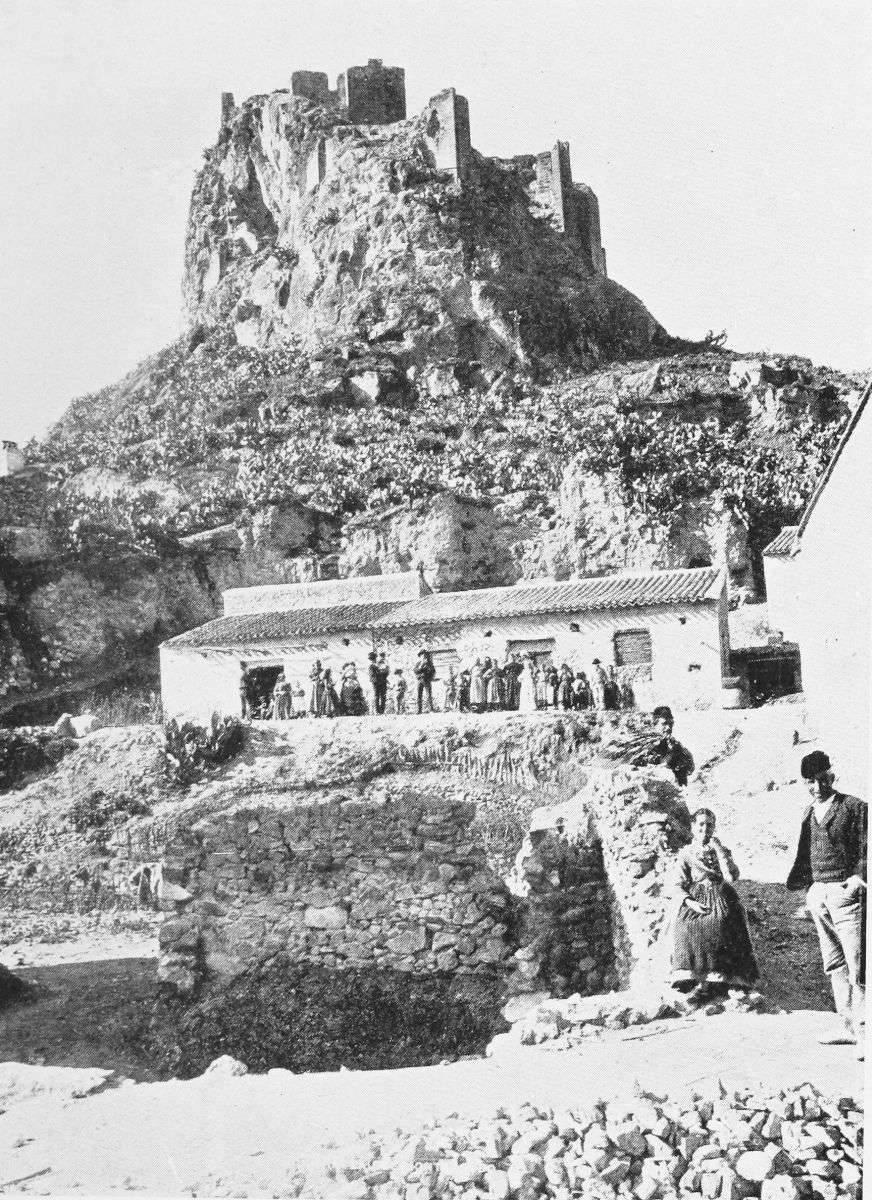
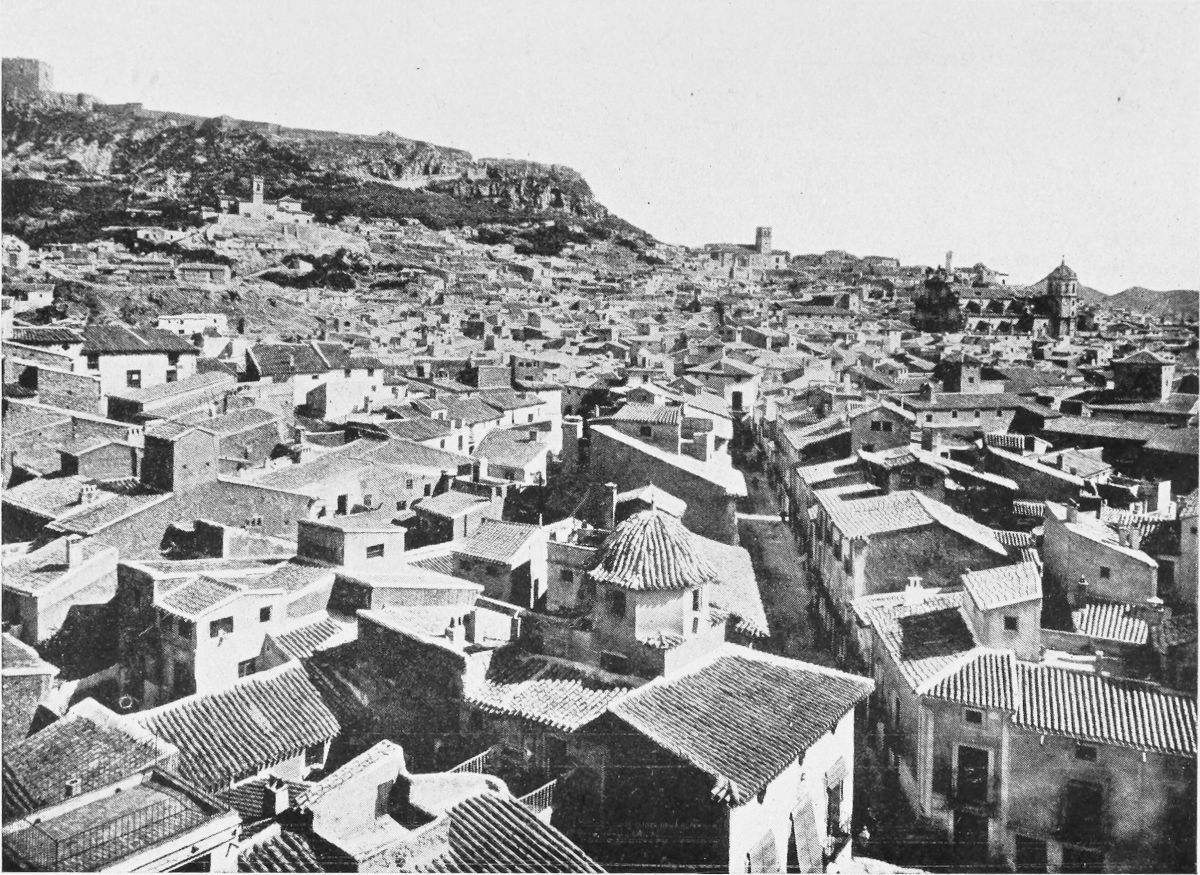
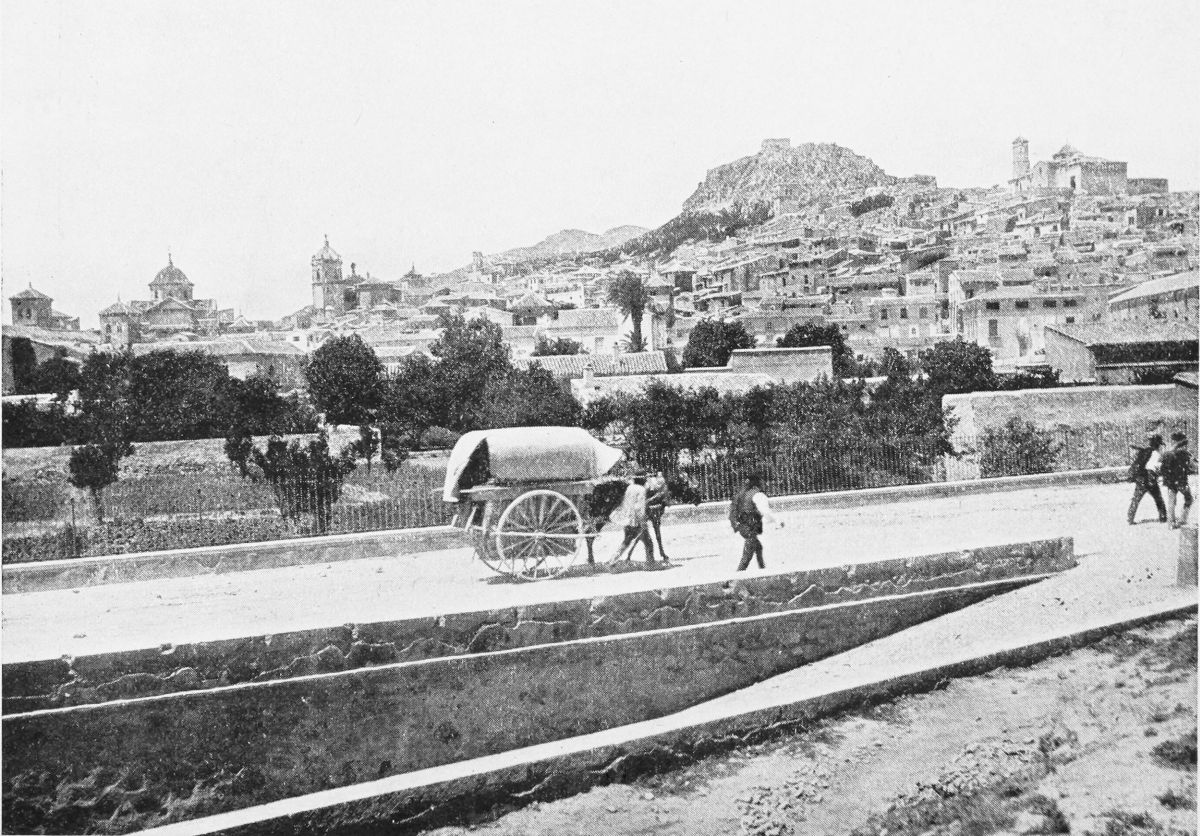
Jativa will be our next stopping-place. Like most of the towns in this
country it is rich in historic interest. Past cottages, embosomed in
palm-and orange-trees, you climb up to the hill where the old and new
castles stand side by side. Here in 1284 the Infantes de la Cerda,
rightful heirs to the throne, were confined by their Uncle Sancho el
Bravo. Here too the Duke of Calabria, heir of Naples, languished for ten
years after having trusted himself to the honour of Gonzalo de Cordoba,
who betrayed him. This was one of the three deeds of which Gonzalo is
said to have repented at the last. Indeed the castle of Jativa seems to
have greatly troubled his death-bed, for we learn that the second of
these three misdeeds was the imprisonment in the same place of the
infamous Cæsar Borgia. The Borgias—those super-men of the
Renaissance—had their origin in the neighbourhood of Jativa, which also
boasts itself the birthplace of the artist Ribera.
The smaller coast towns of Alicante attract the weary traveller by their
beautifully sounding names: Benidorm, Villajoyosa—what pleasant chords
they strike in the imagination! But time is short. You think of them
regretfully and hurry towards the capital. But first, if the month is
April, you must turn aside for a flying visit to Alcoy, where every year
a mediæval joust takes place to the glory of Saint George (the city’s
patron saint) and the discomfiture of the Moors. This is to celebrate
the taking of the town from the Moors by Jaime el Conqueridor in 1253.
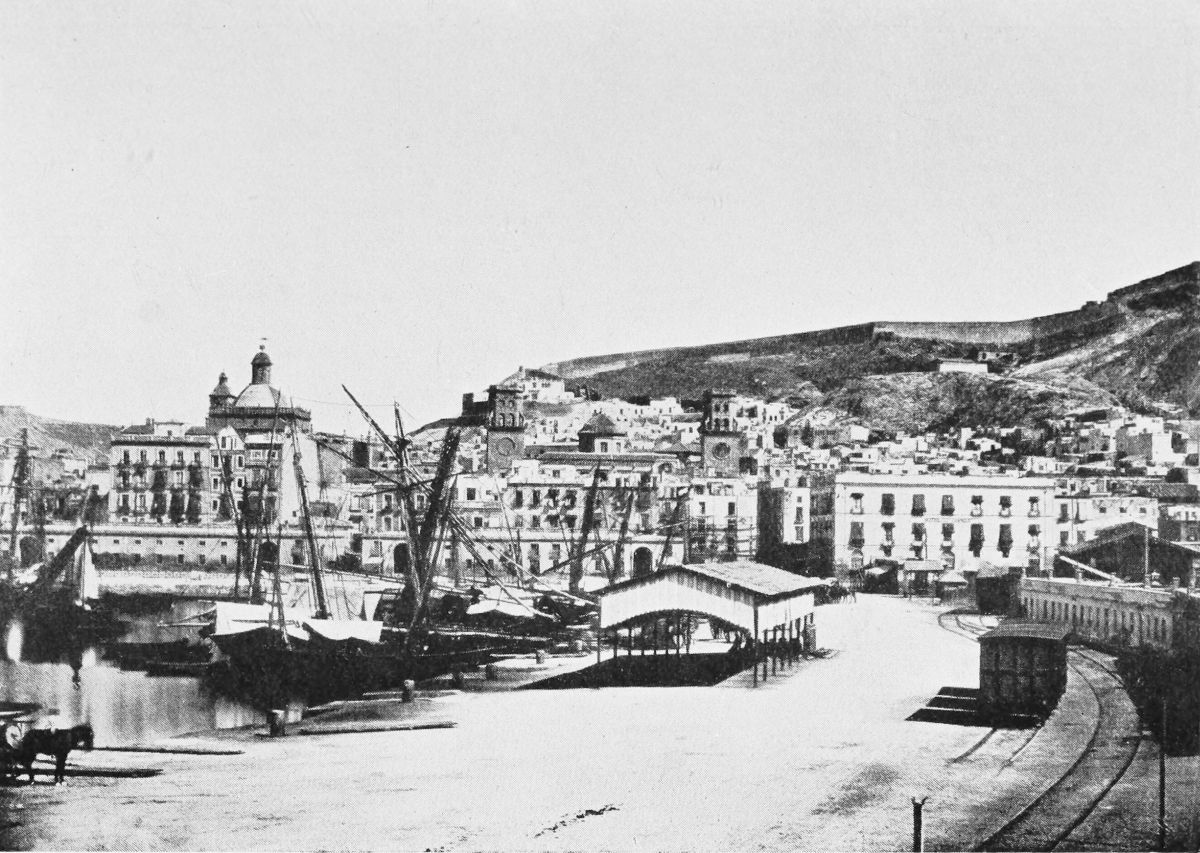
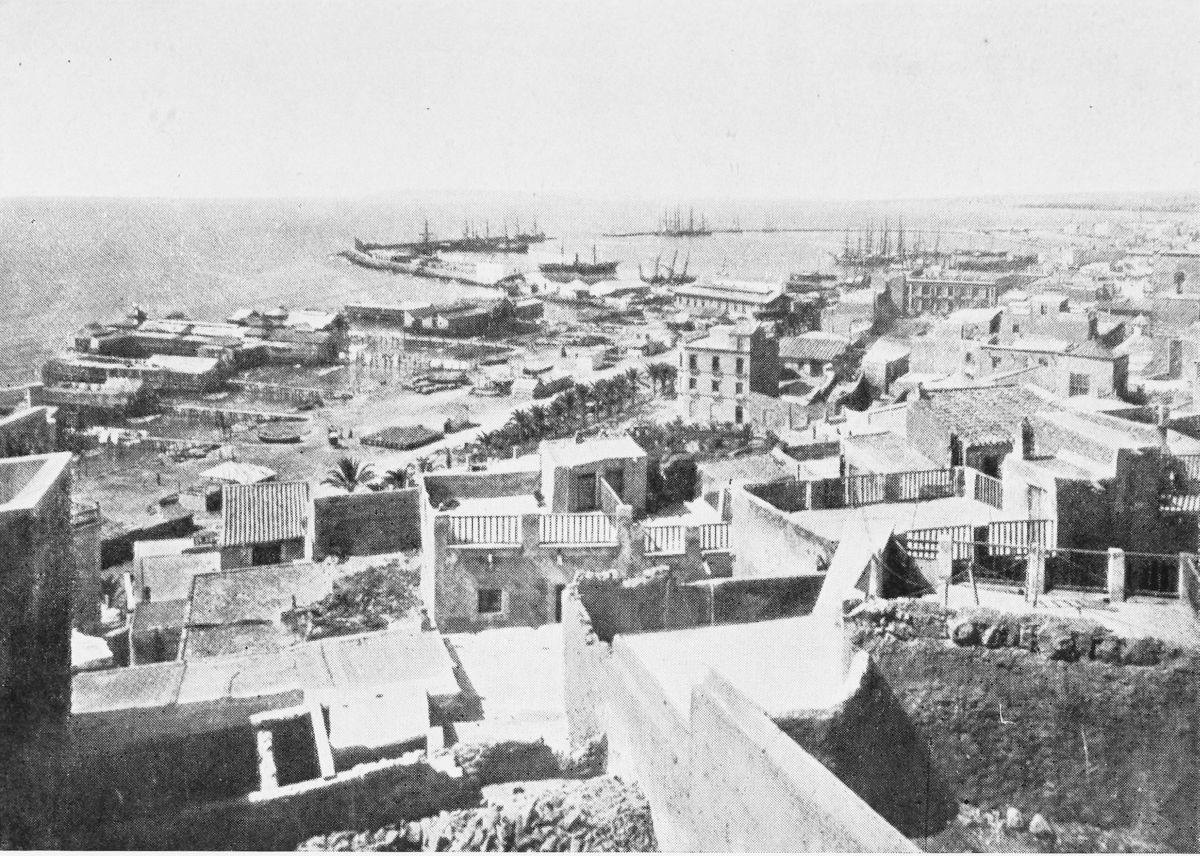
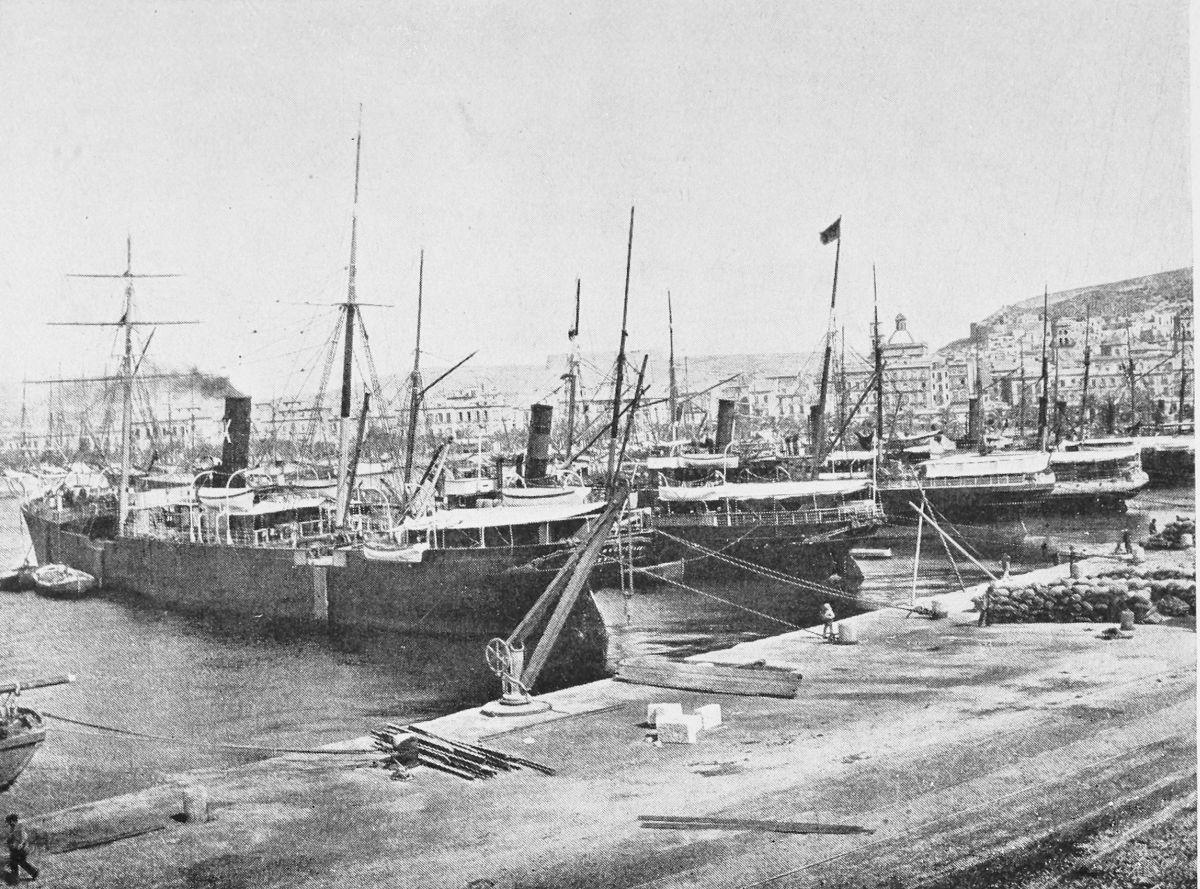
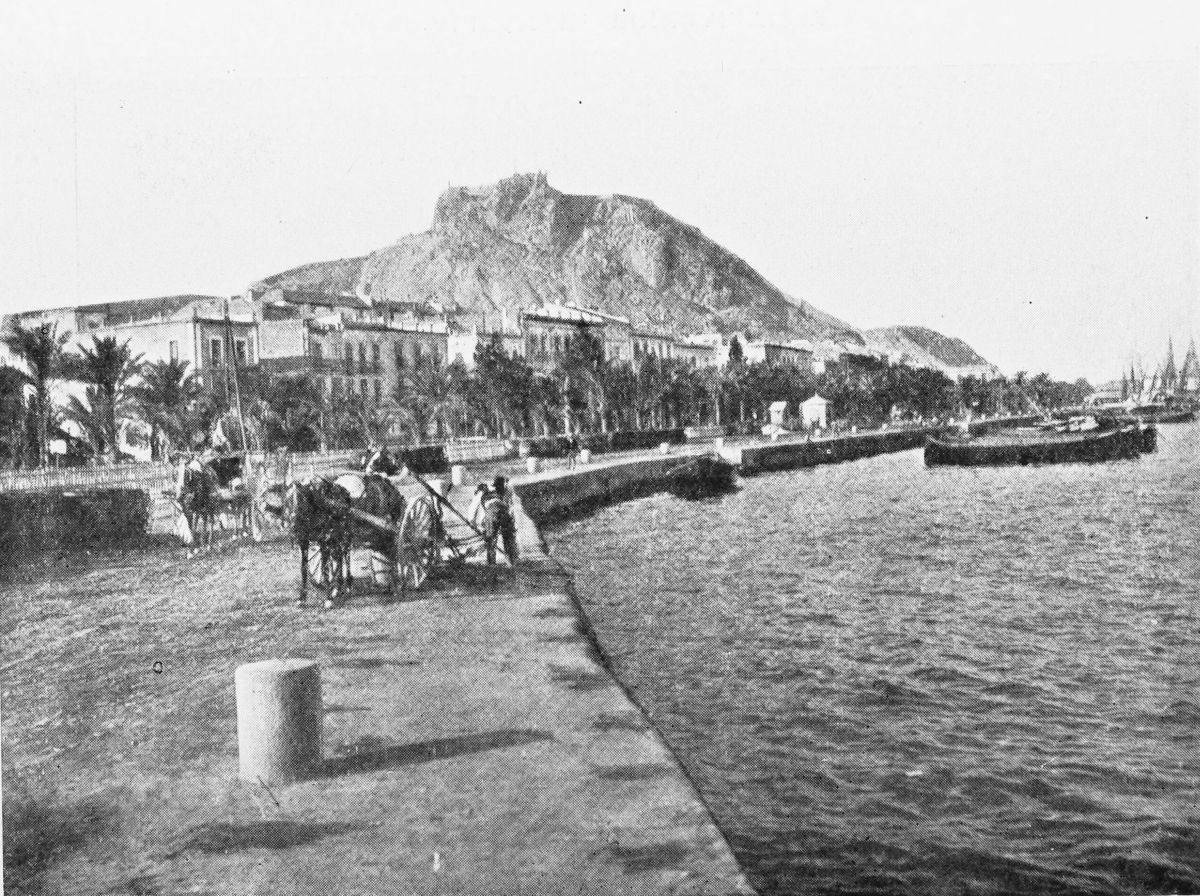
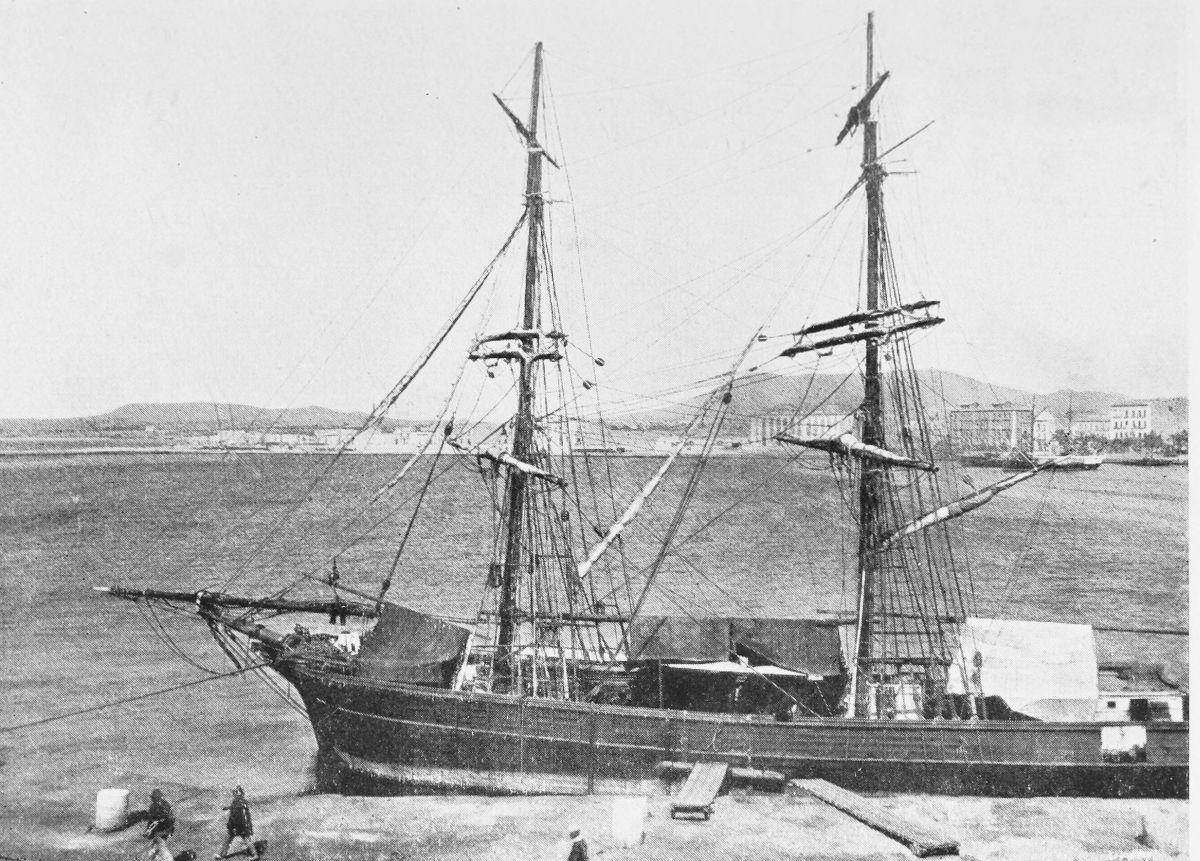
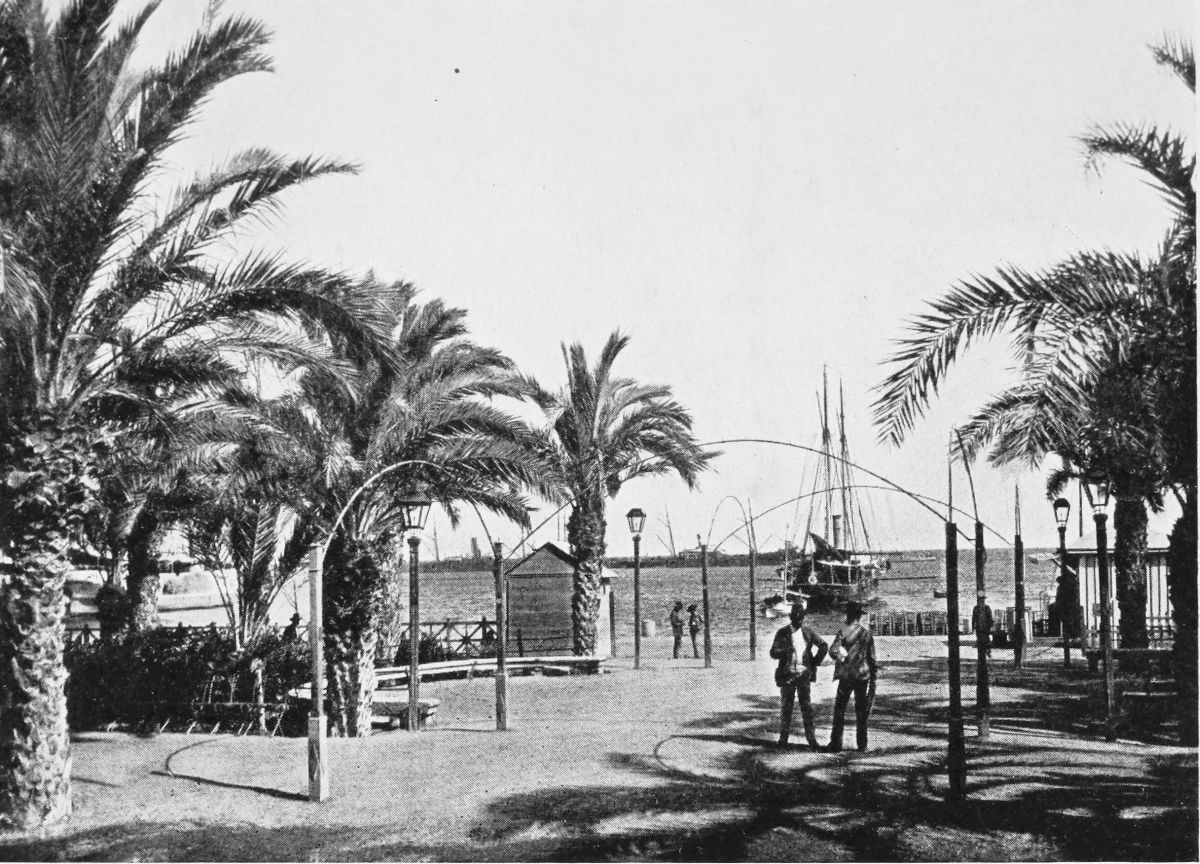
Alicante, the largest town in the province of that name, and the second
in the Kingdom of Valencia, is as dull as most thriving commercial
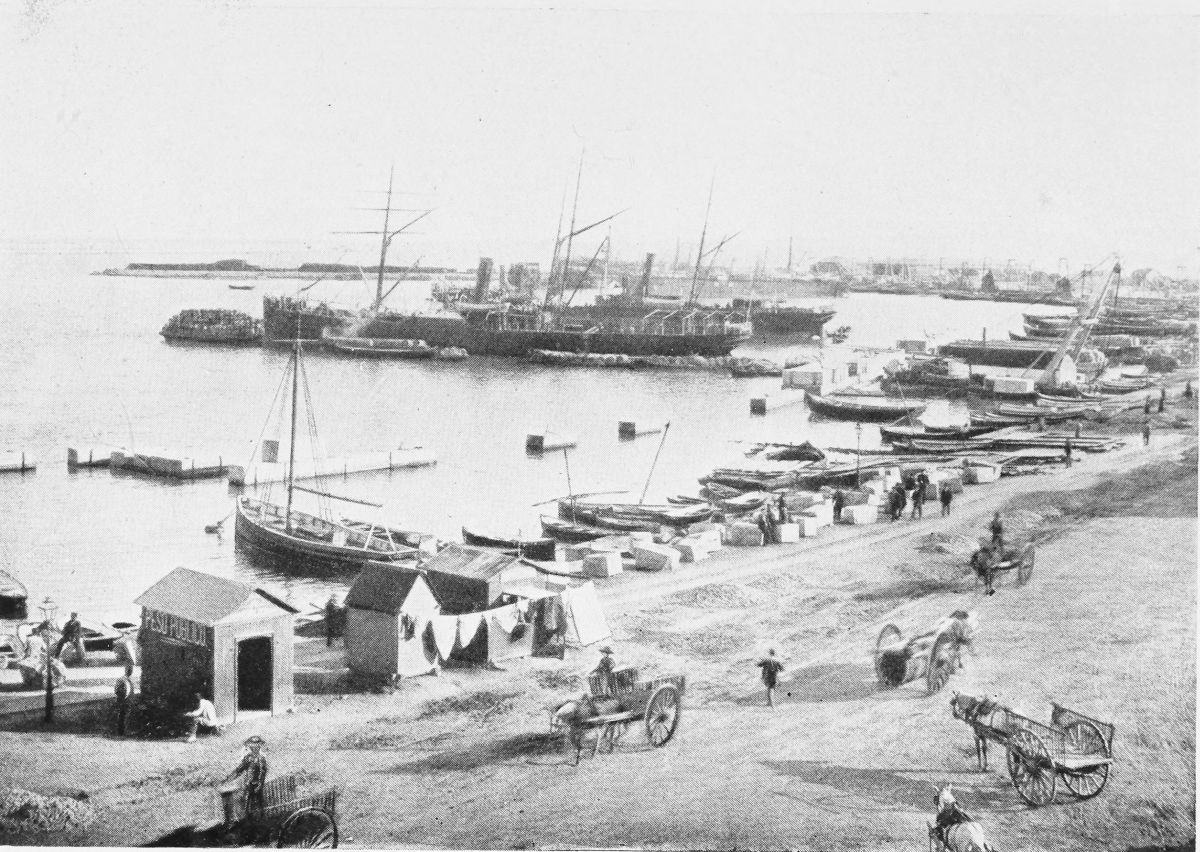
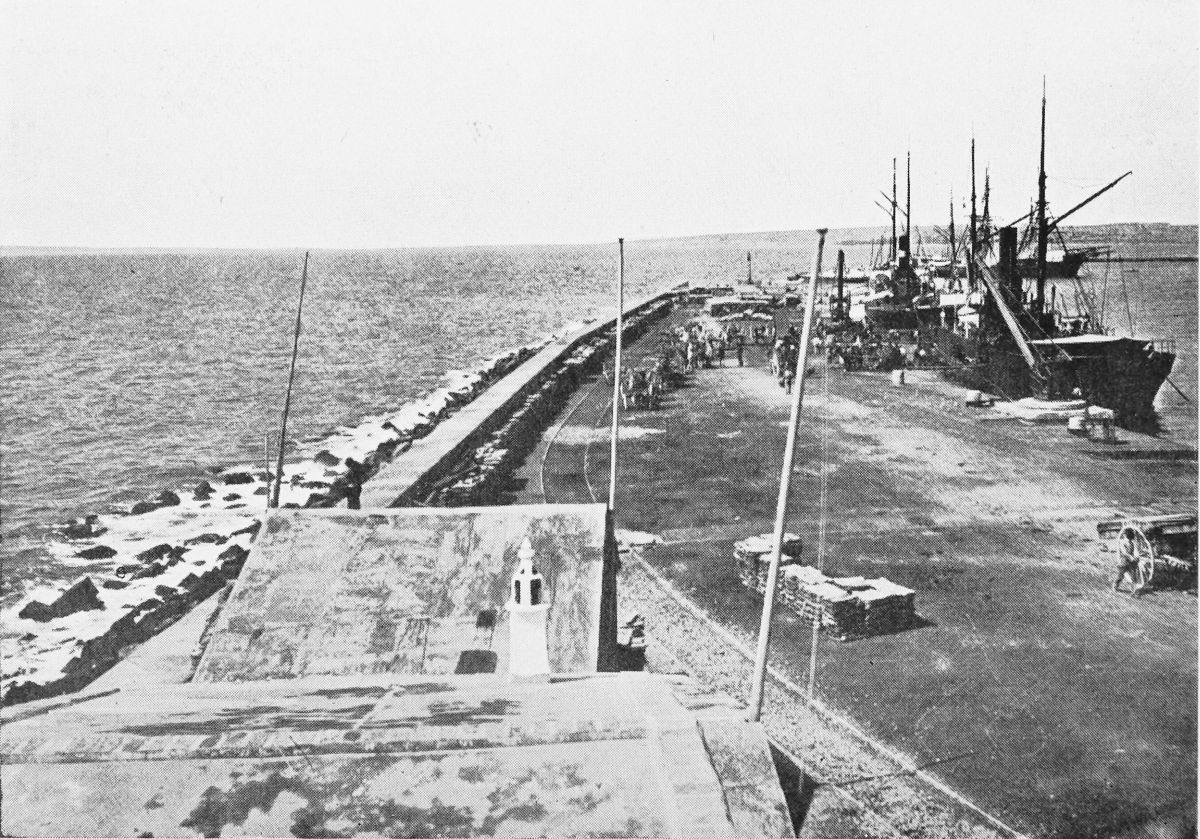
centres. Its broad white quays are thronged with a busy bustling
humanity. Touches of vivid colour in the dress of the women, who are
labouring like navvies, a burning sun overhead, and the blue of the
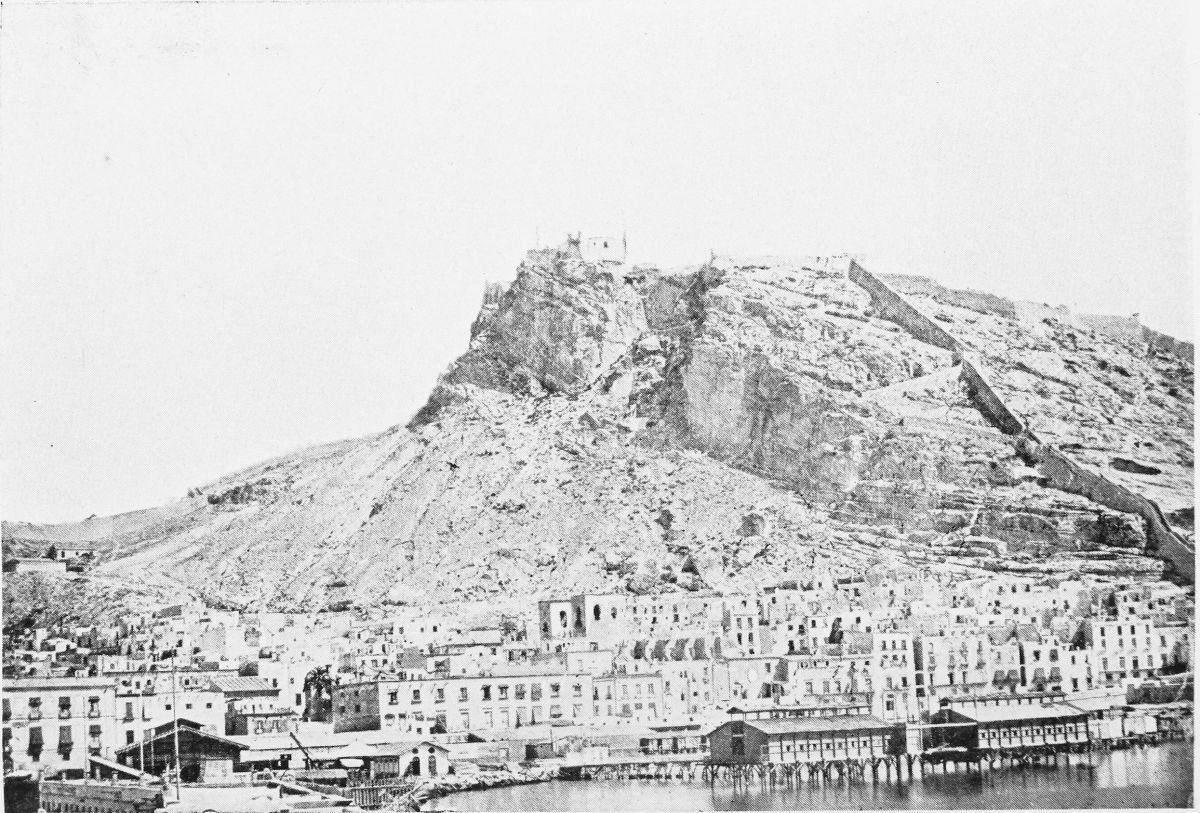
Mediterranean, make a not unpleasing picture. Behind the town towers an
enormous rock—a second Gibraltar—crowned by the old castle of Santa
Barbara. A deep fissure in the rock recalls the stubborn siege of 1707,
when the English General and all his garrison were blown to pieces by a
mine.
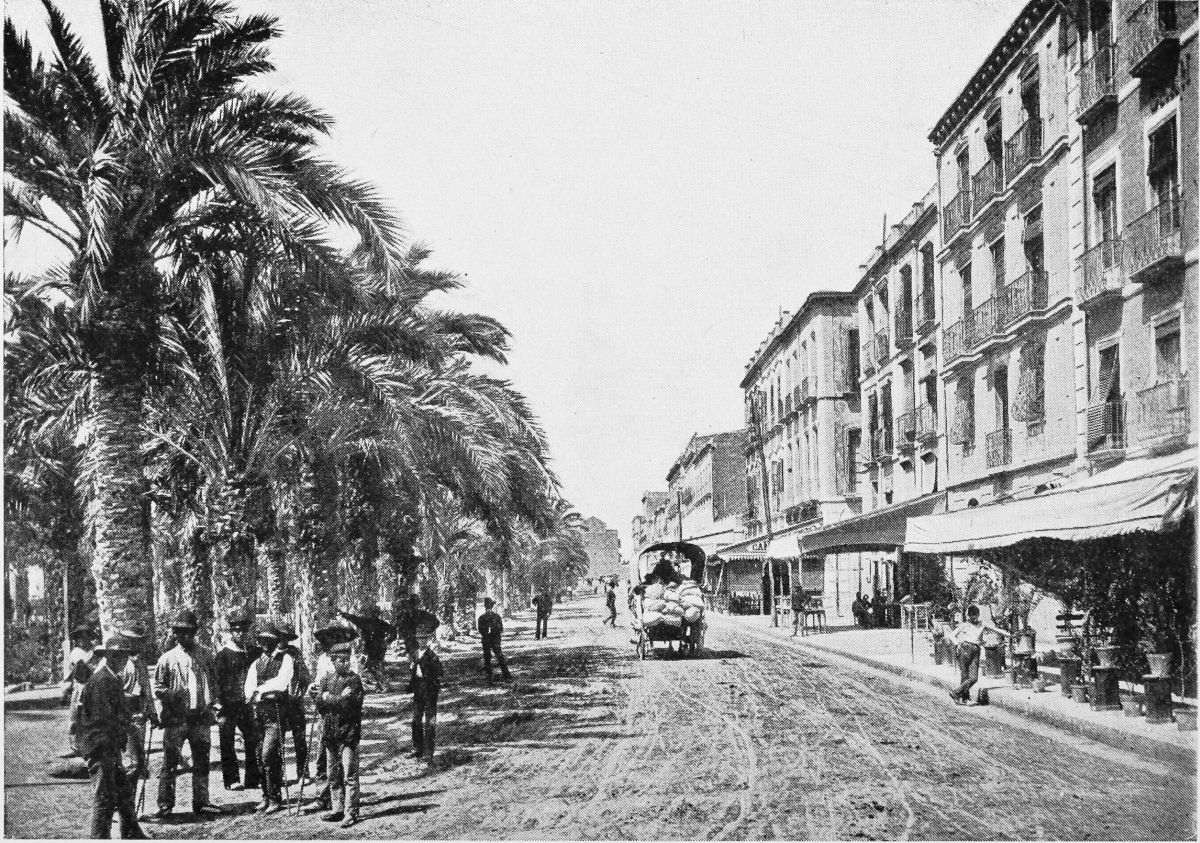
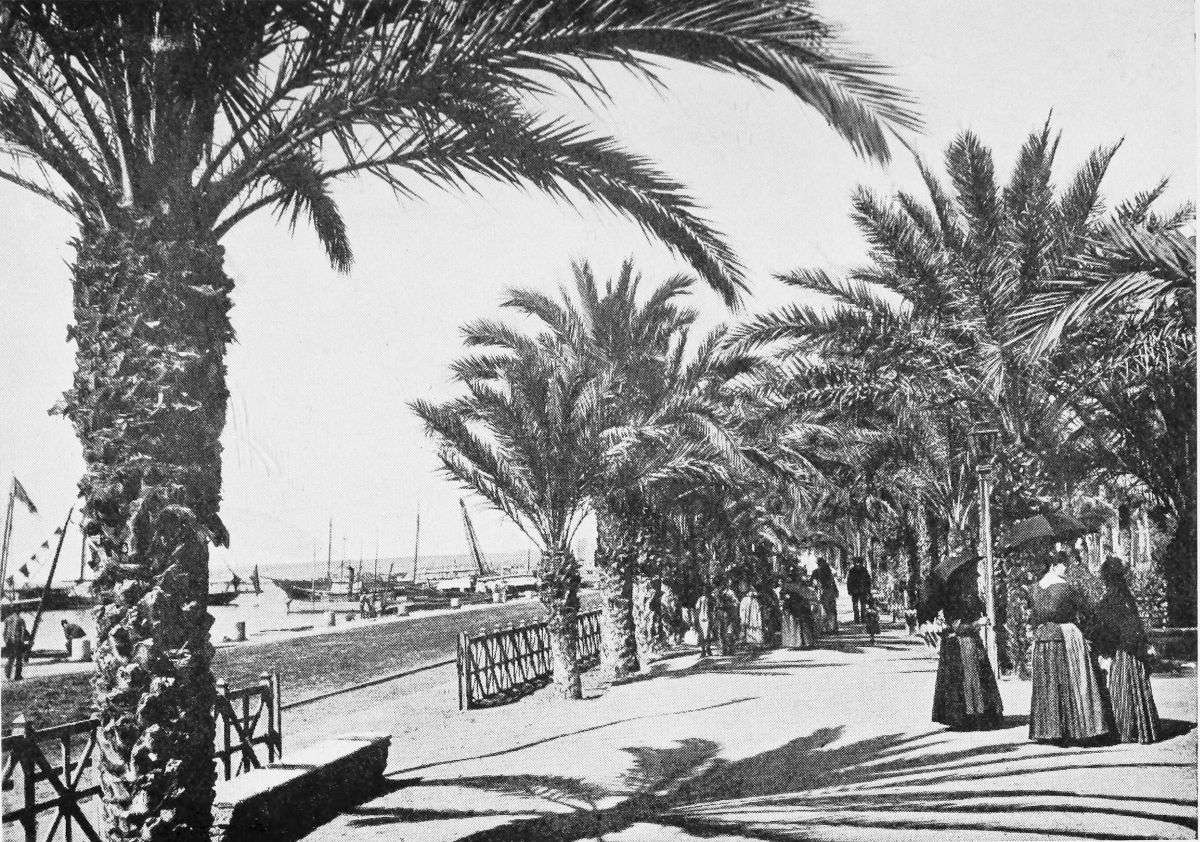
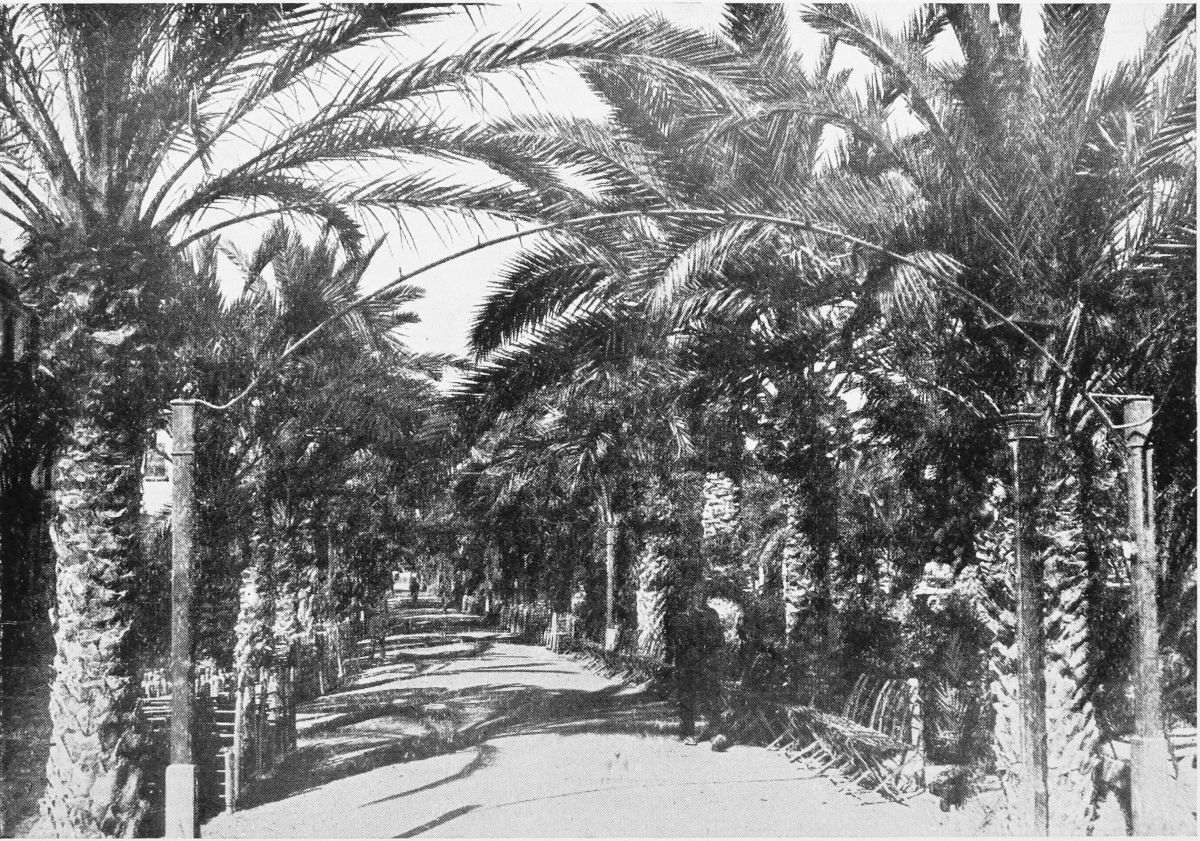
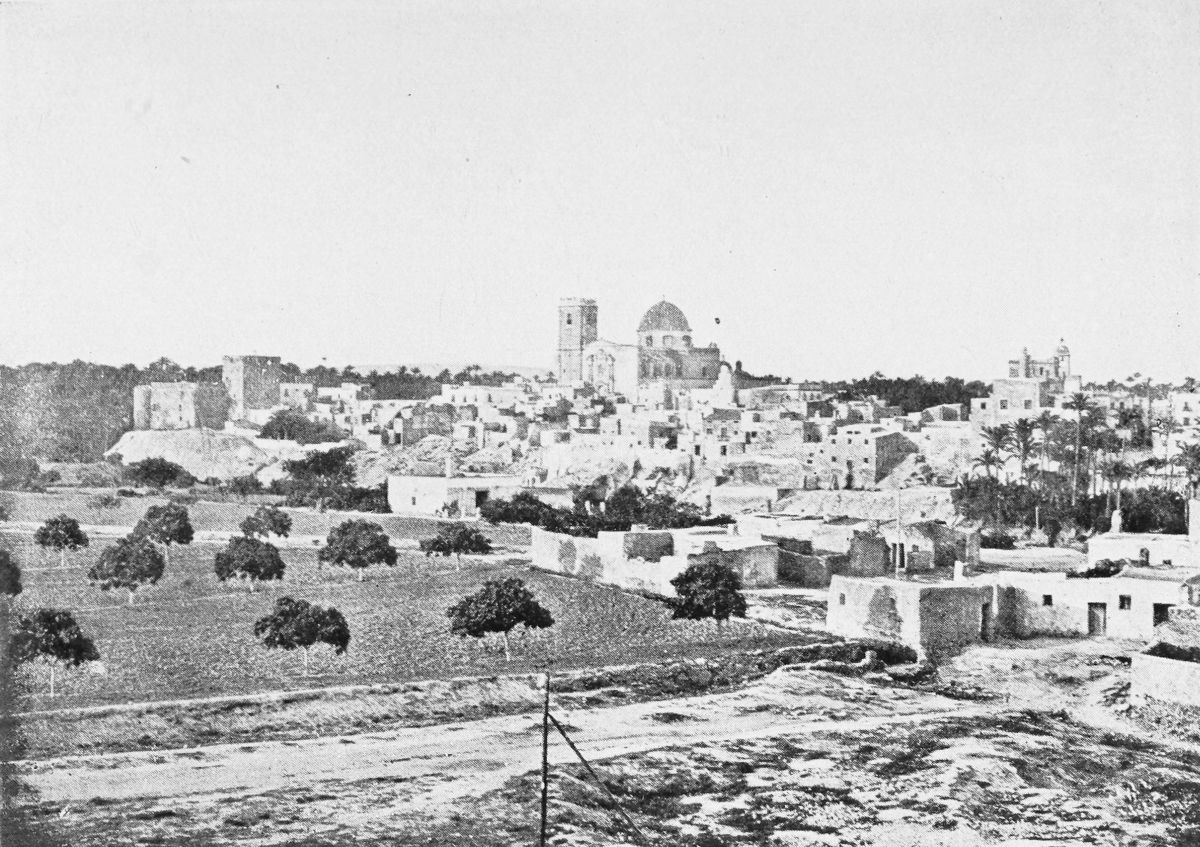
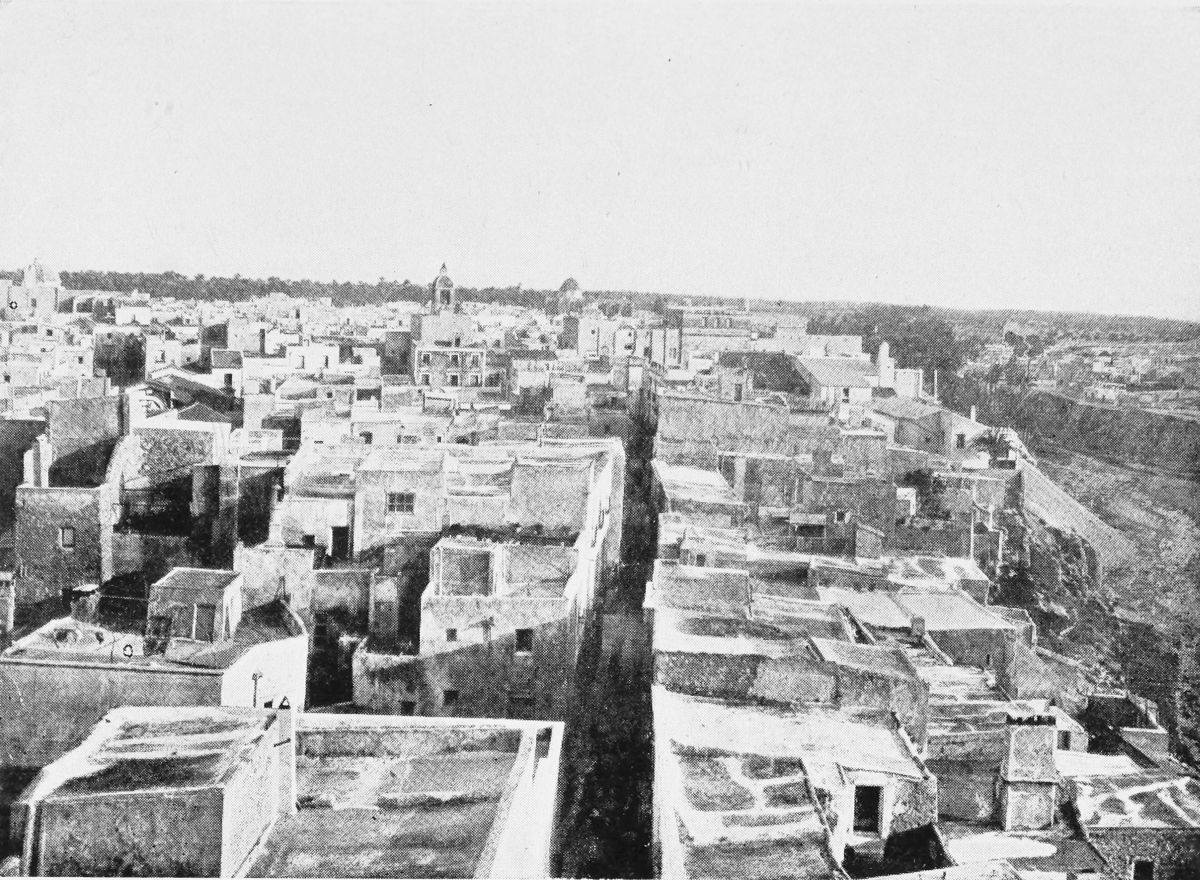
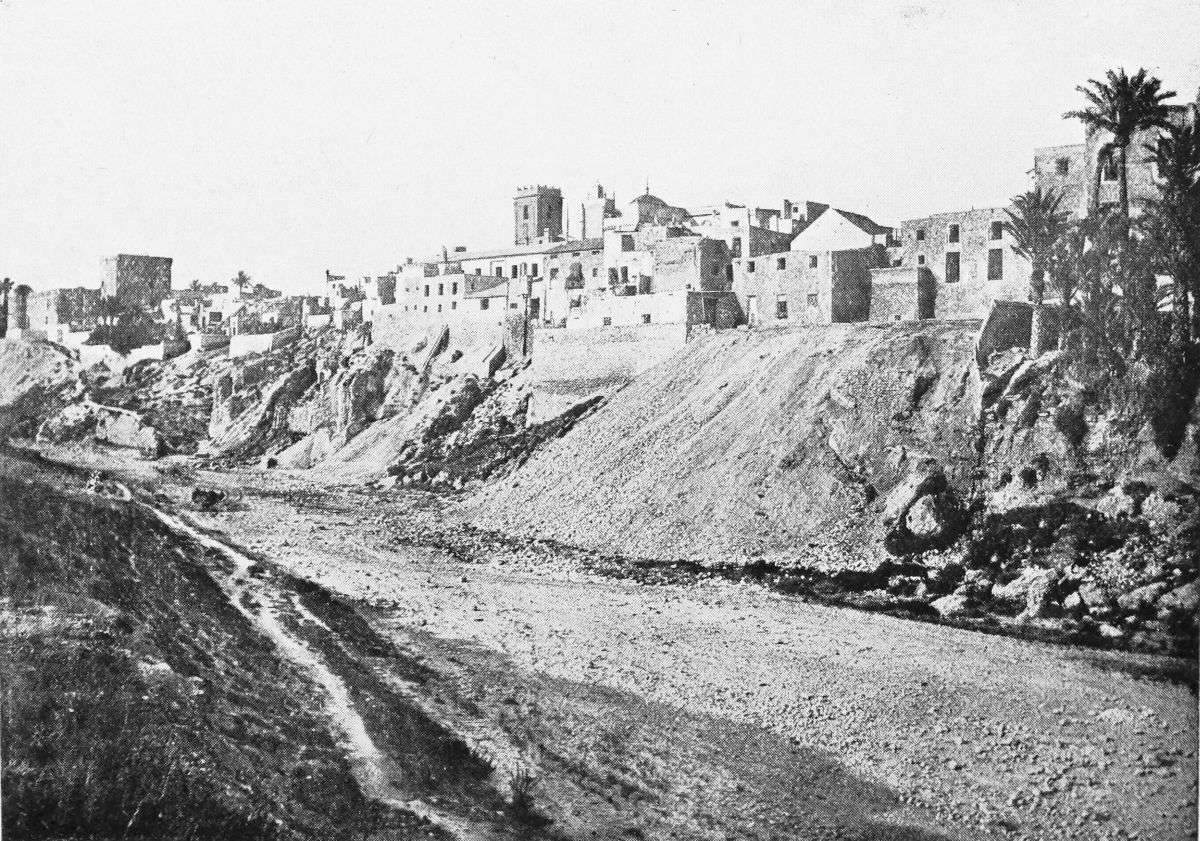
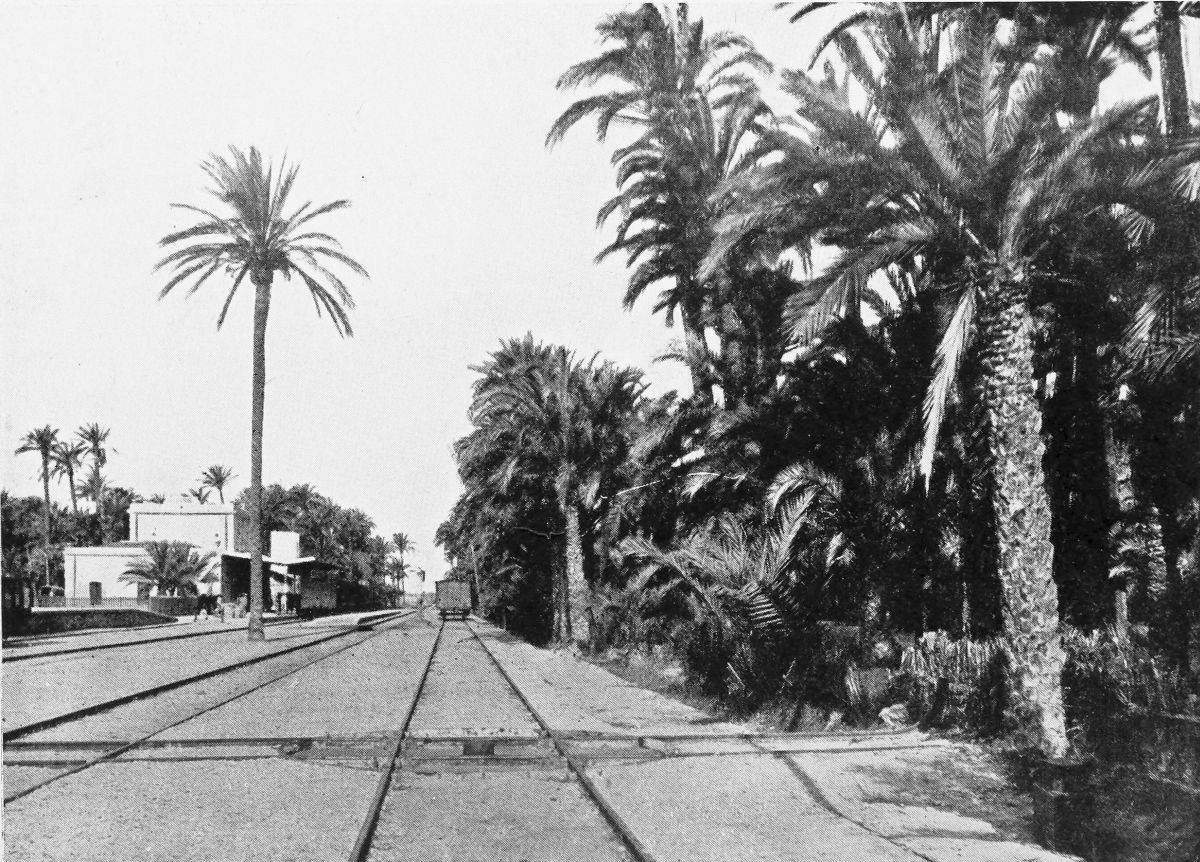
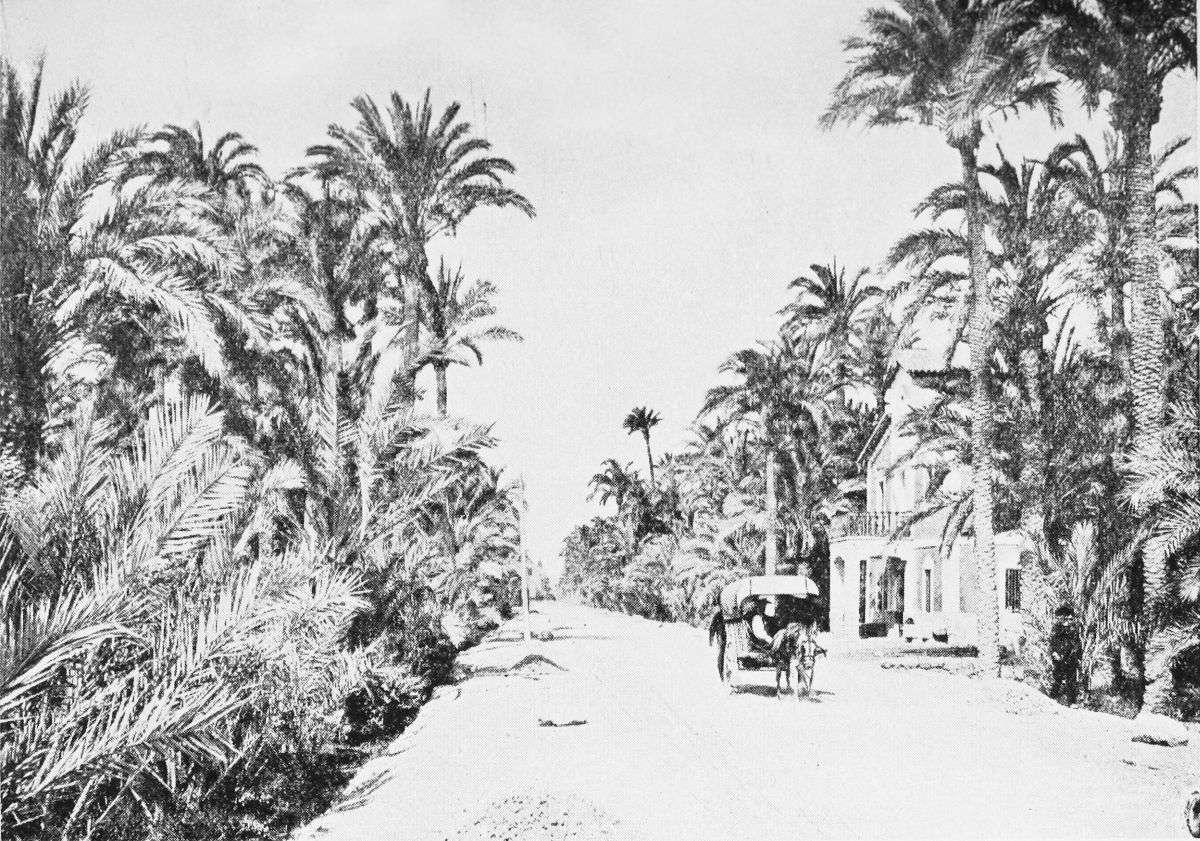
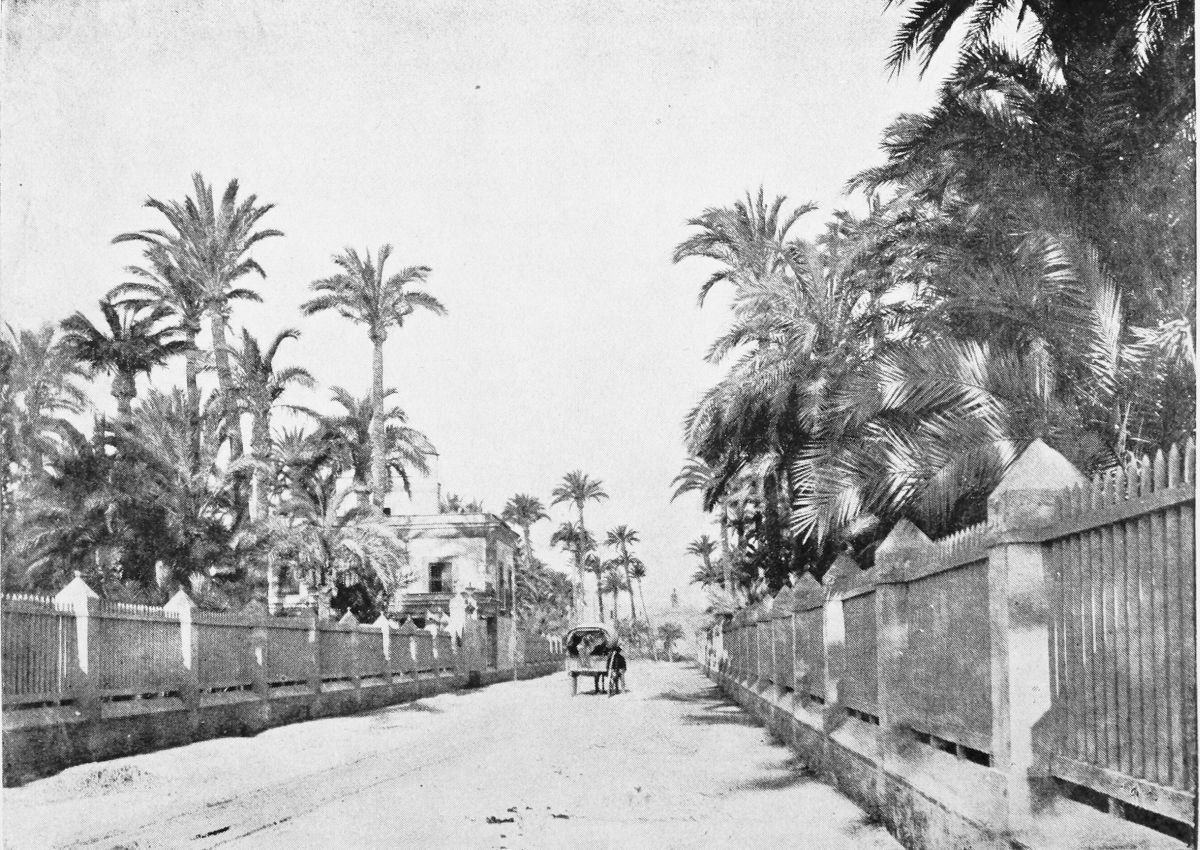
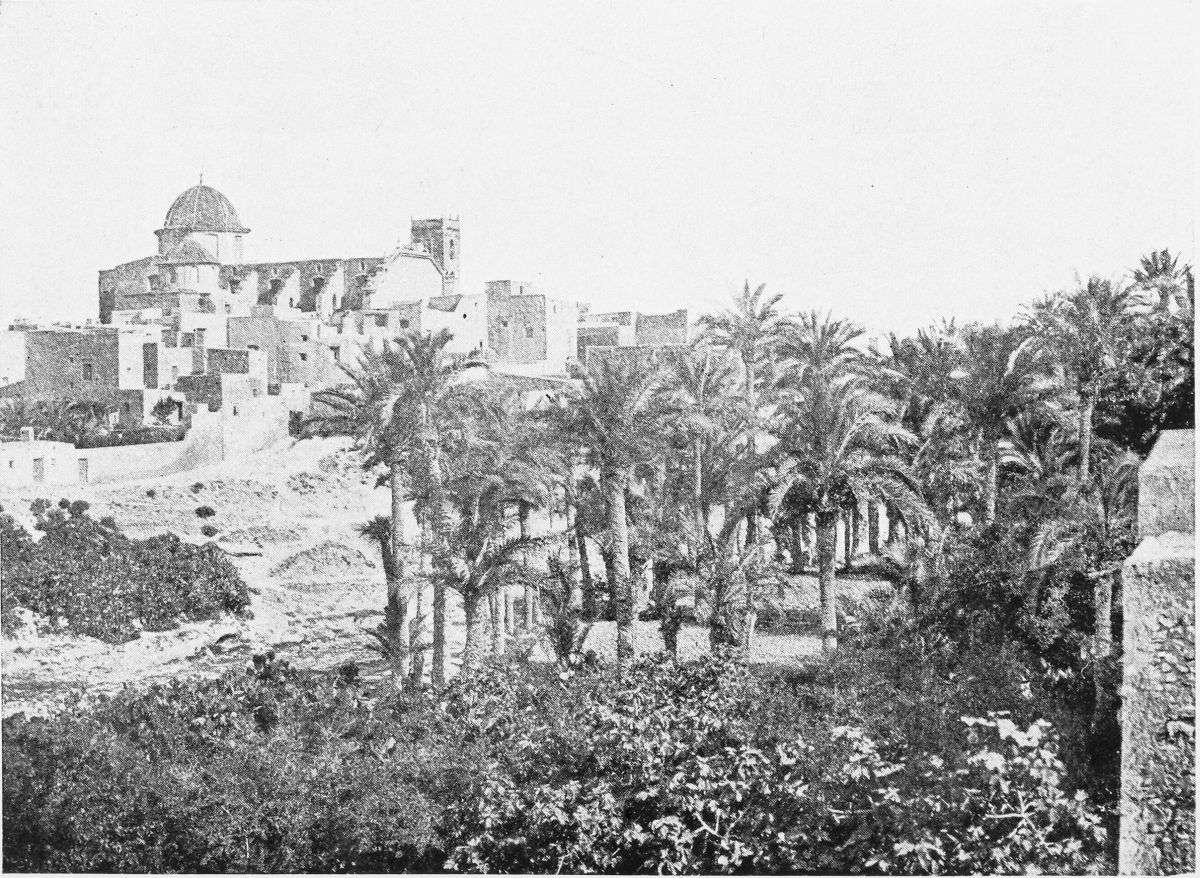
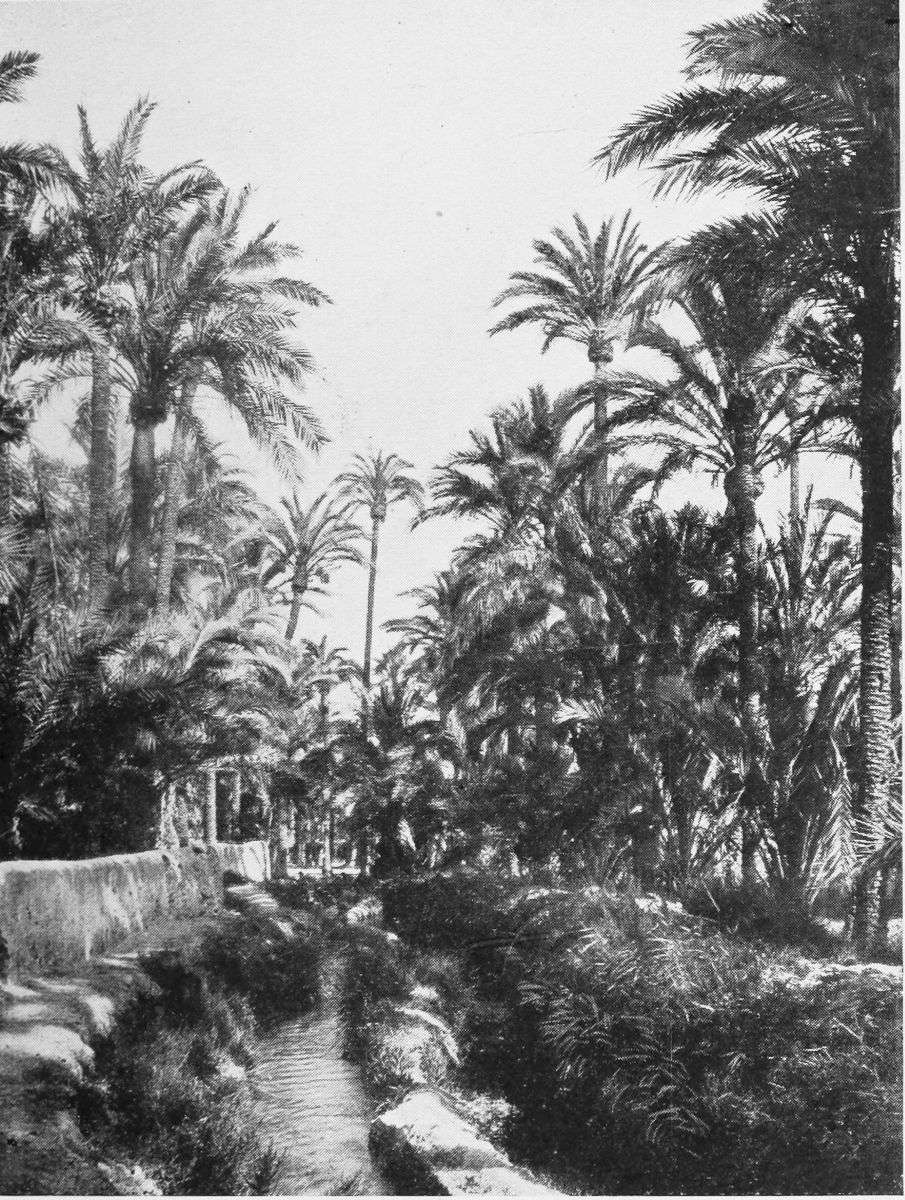
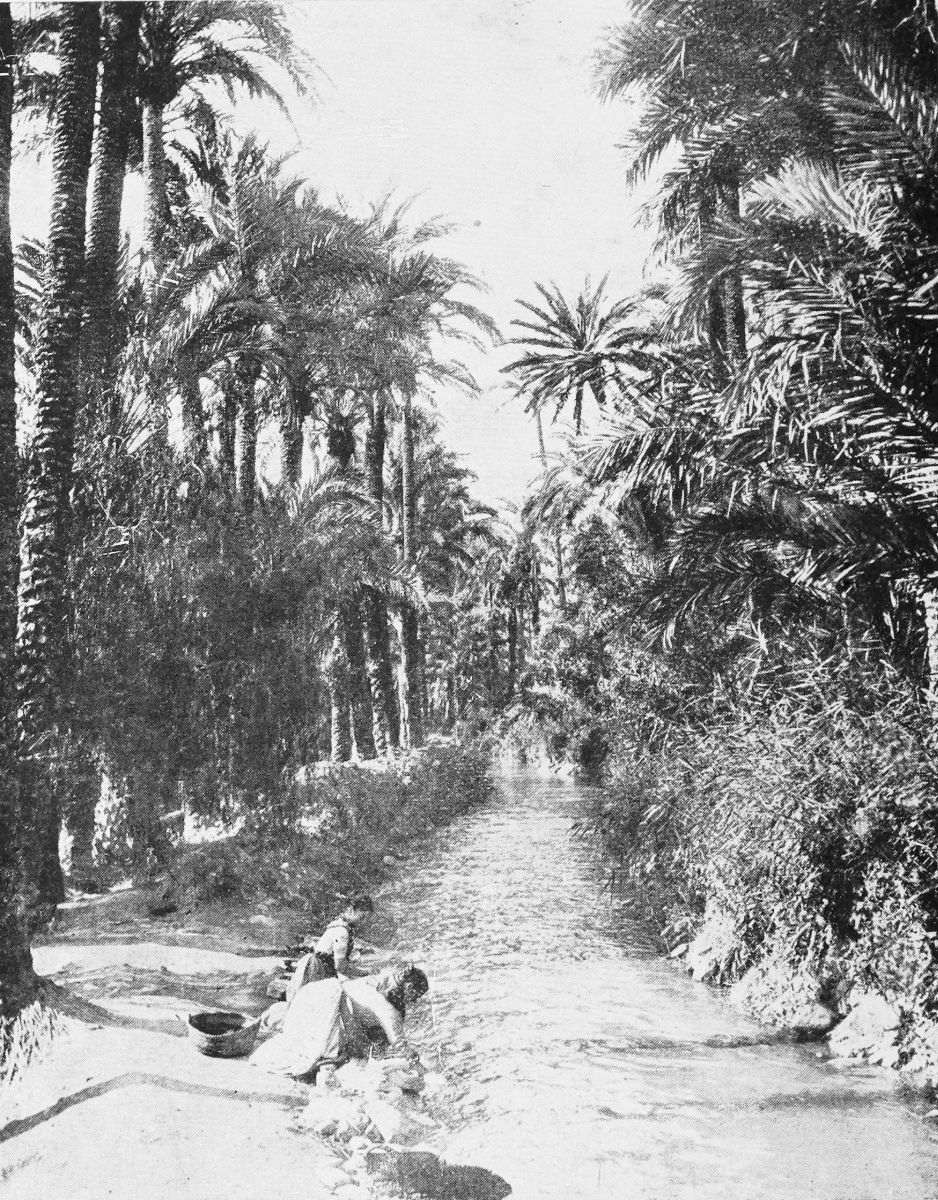
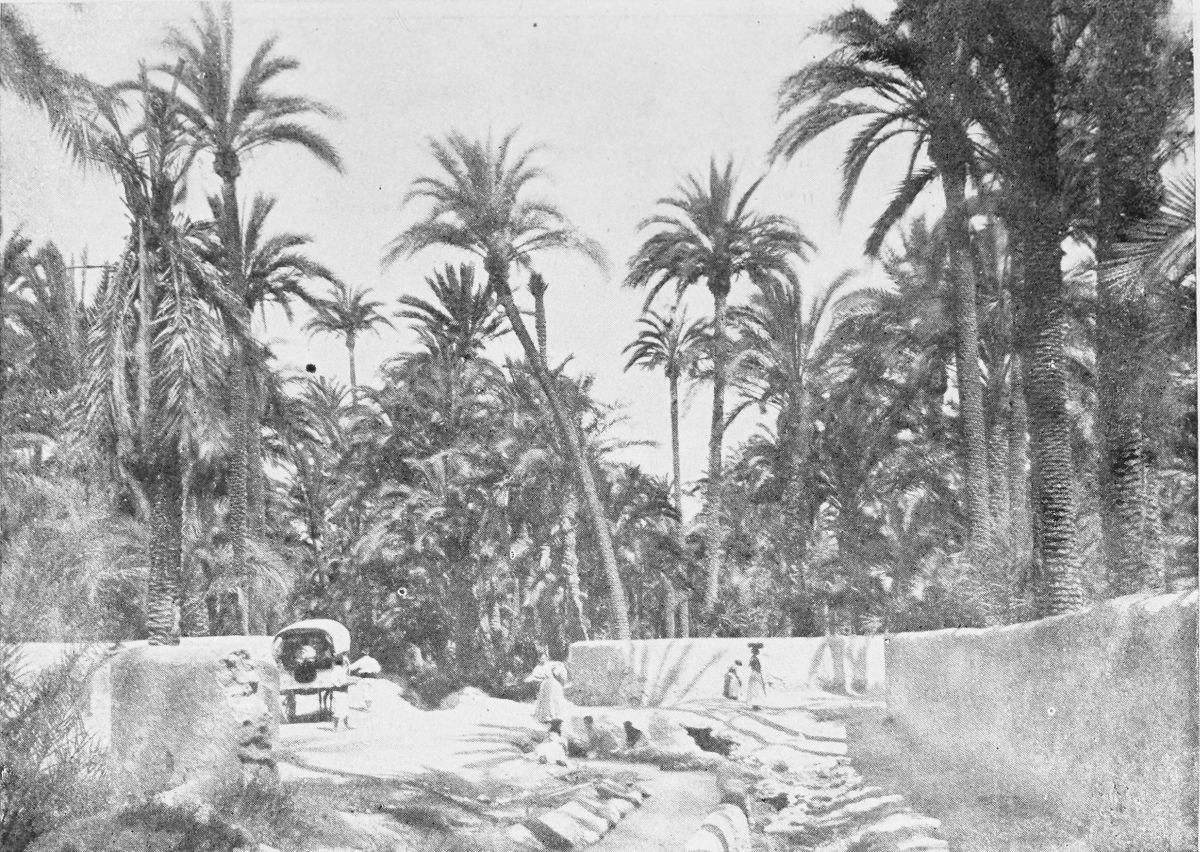
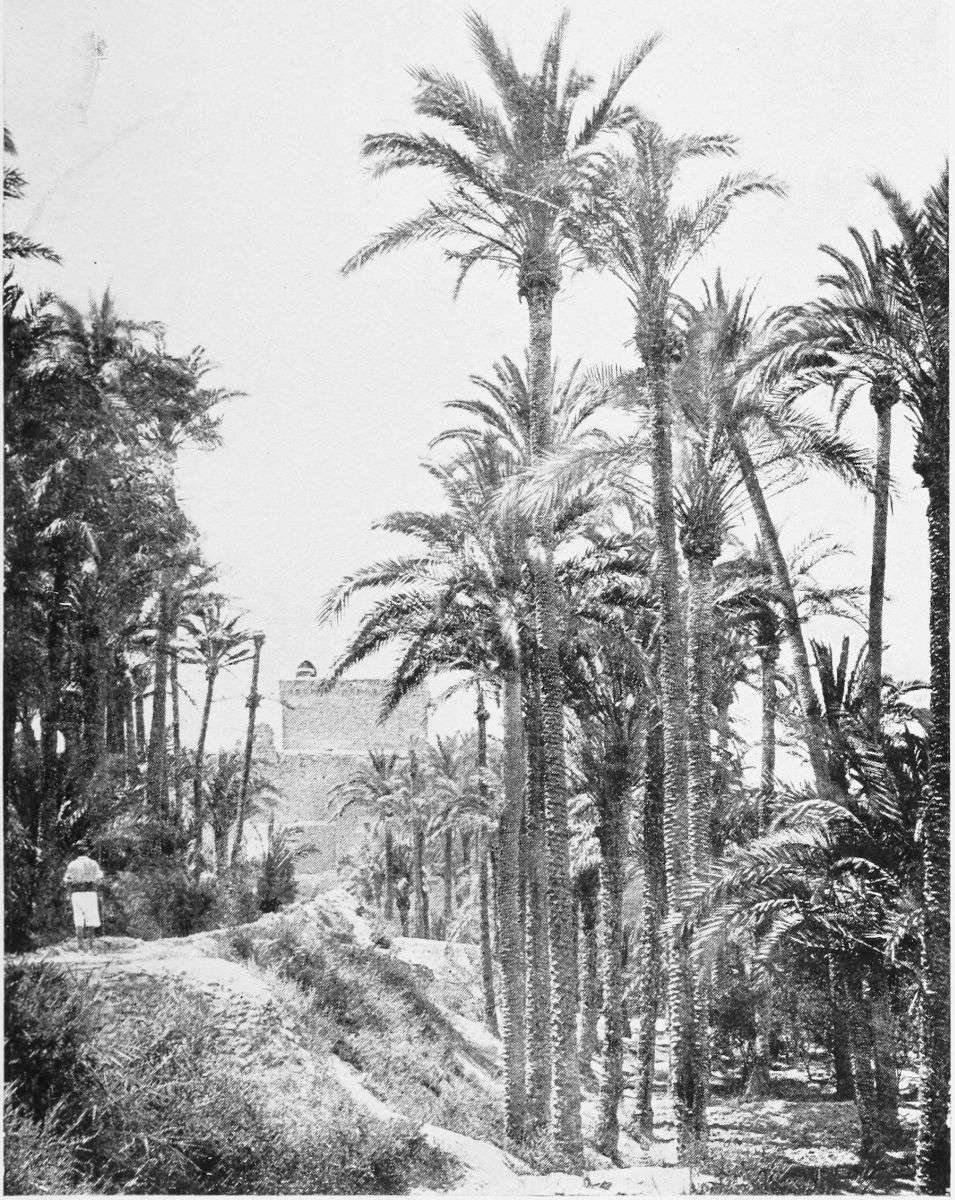
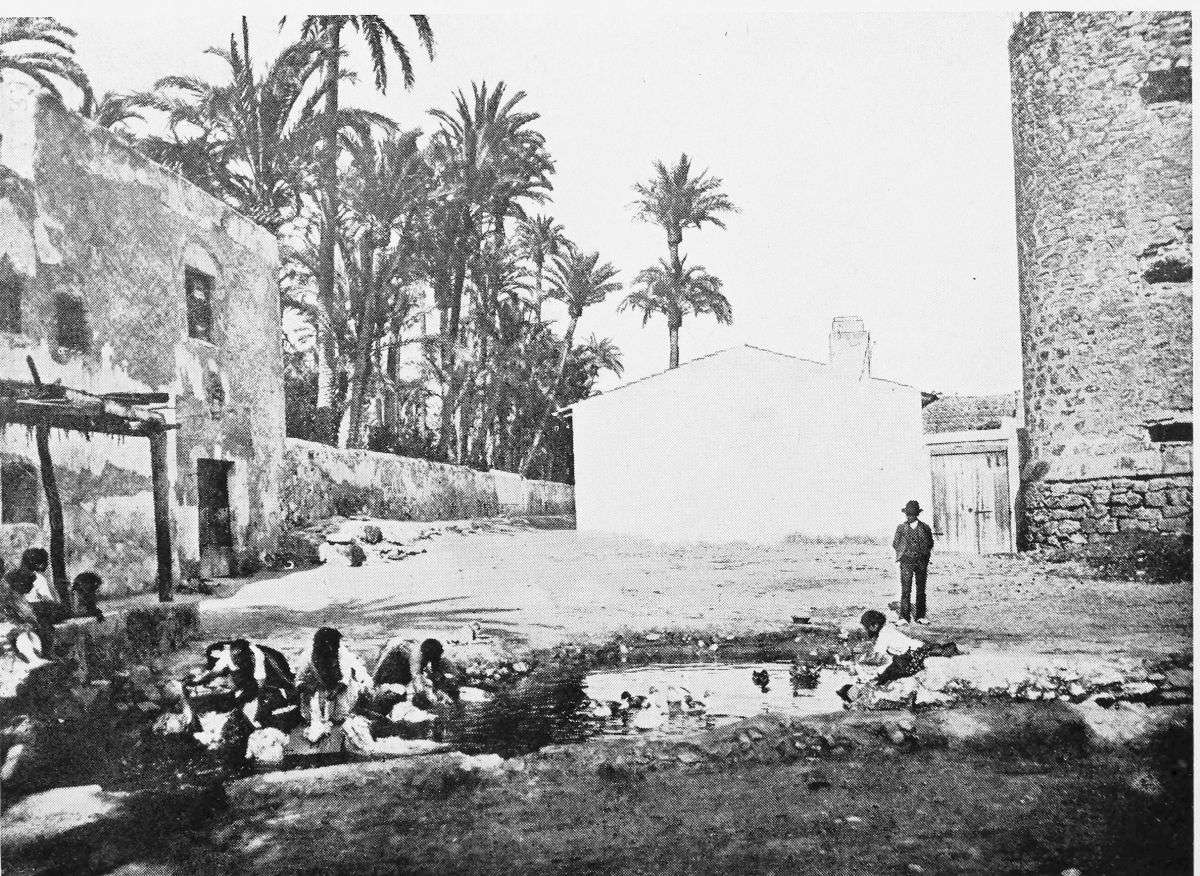
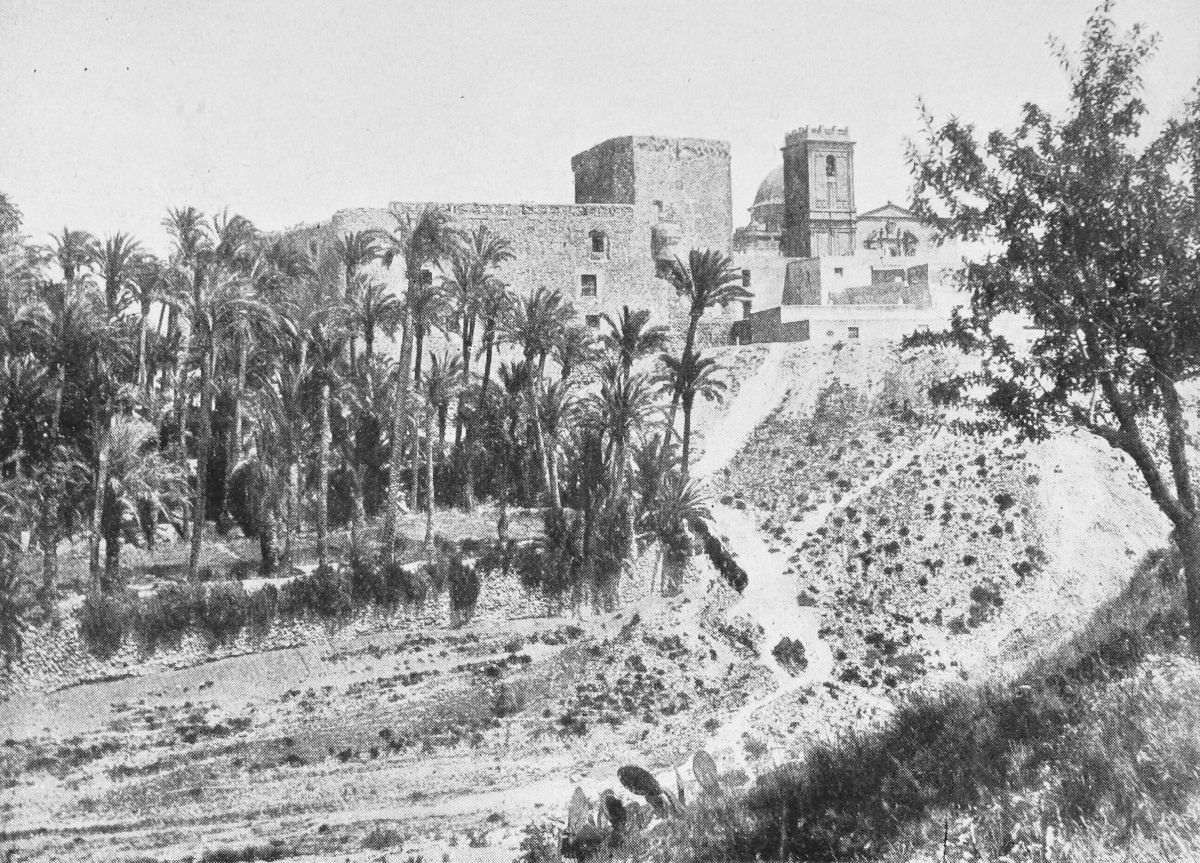
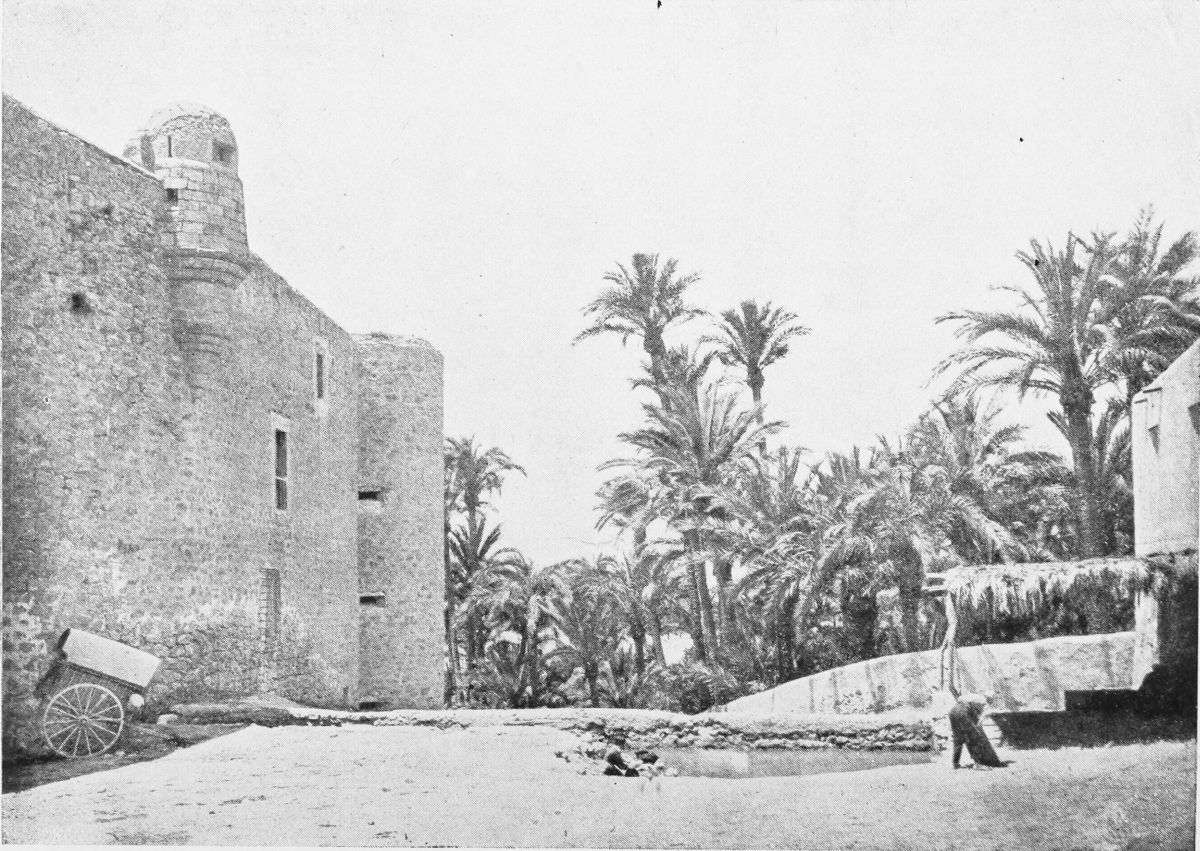
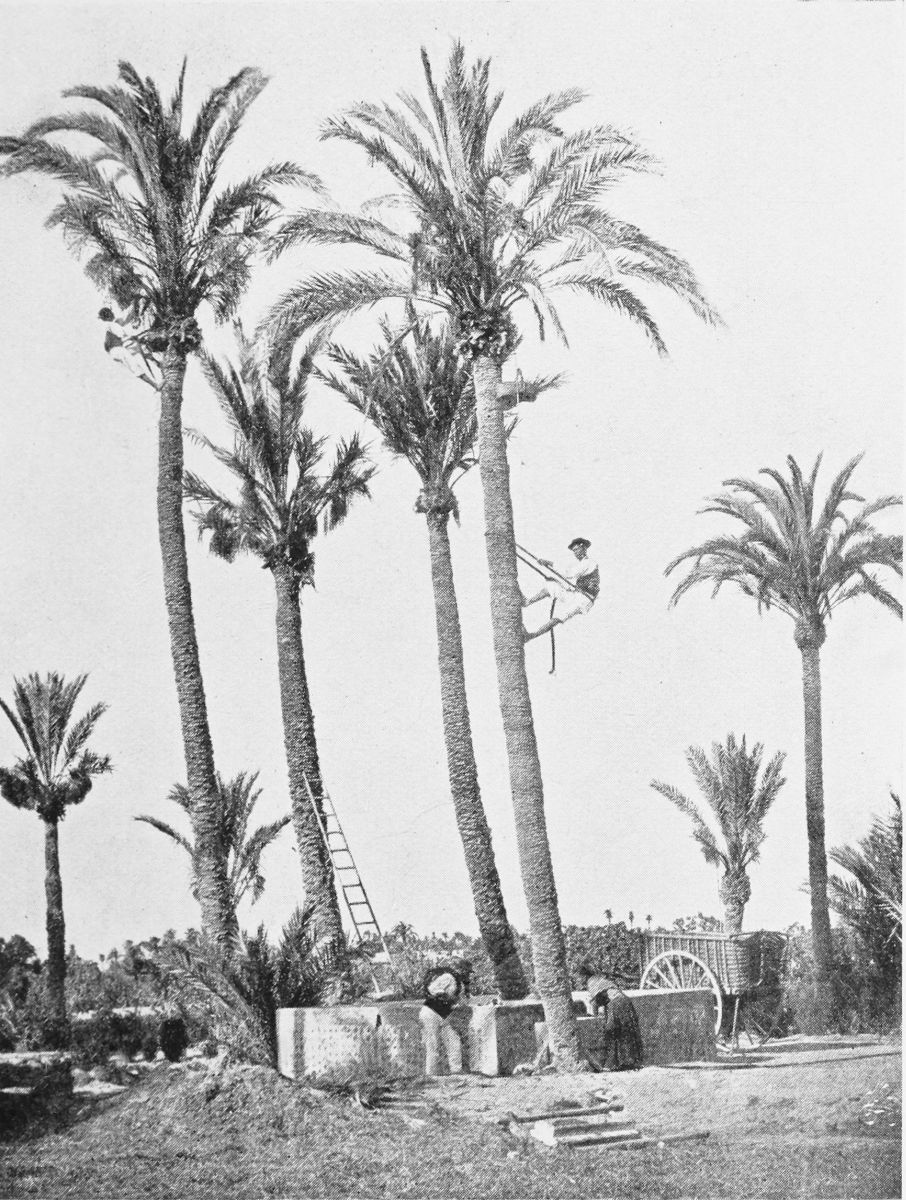
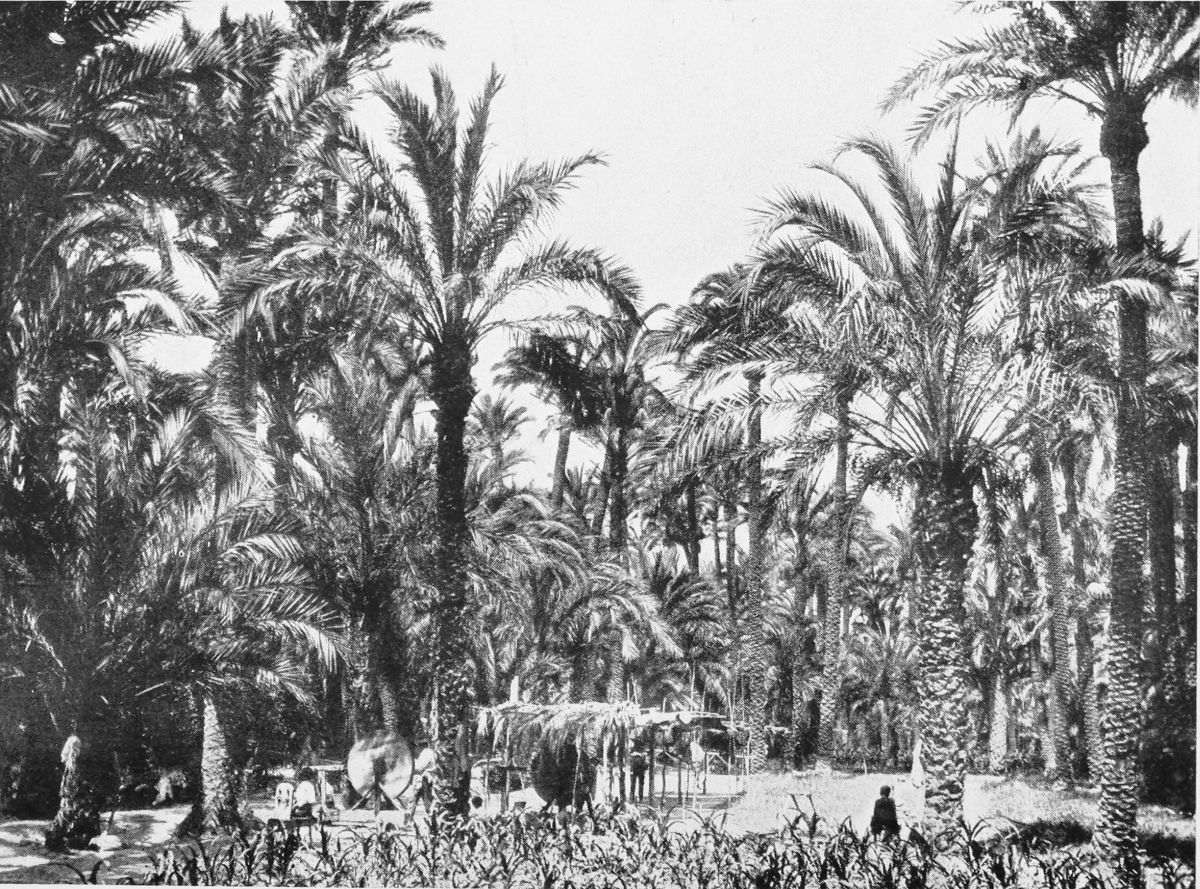
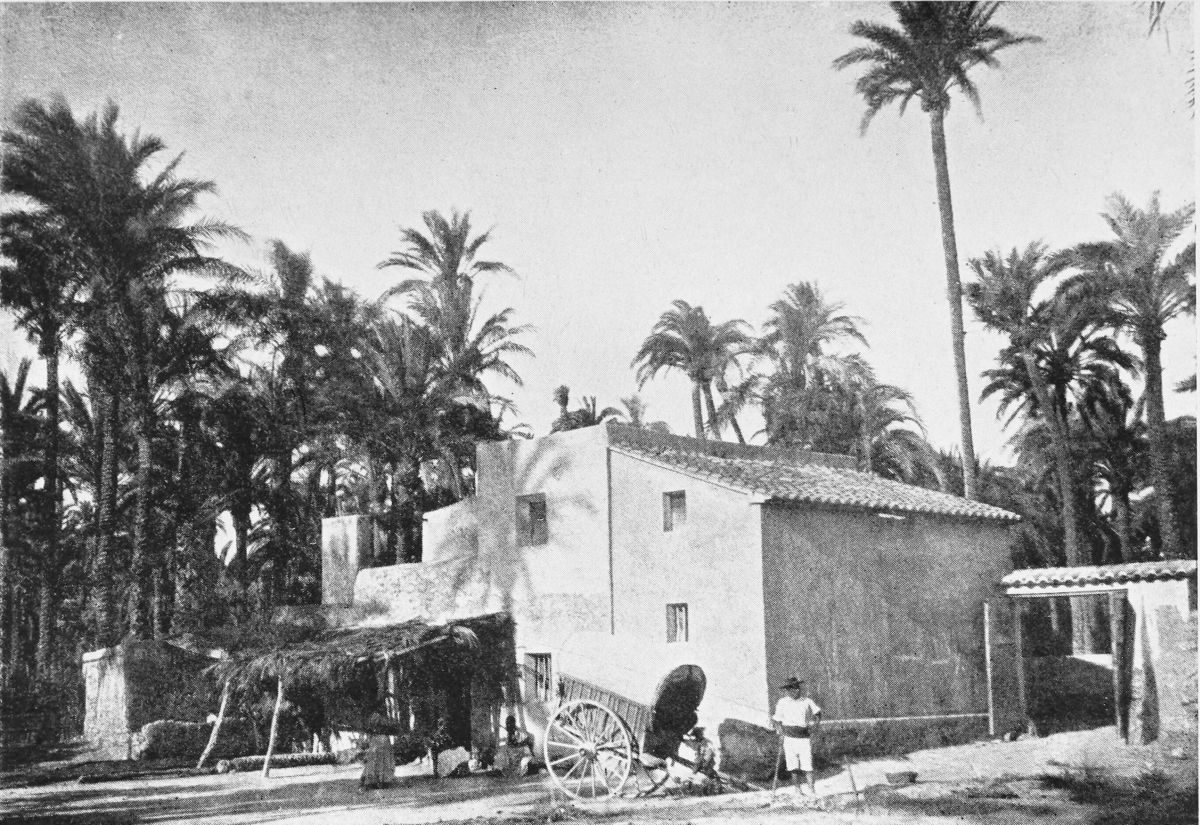
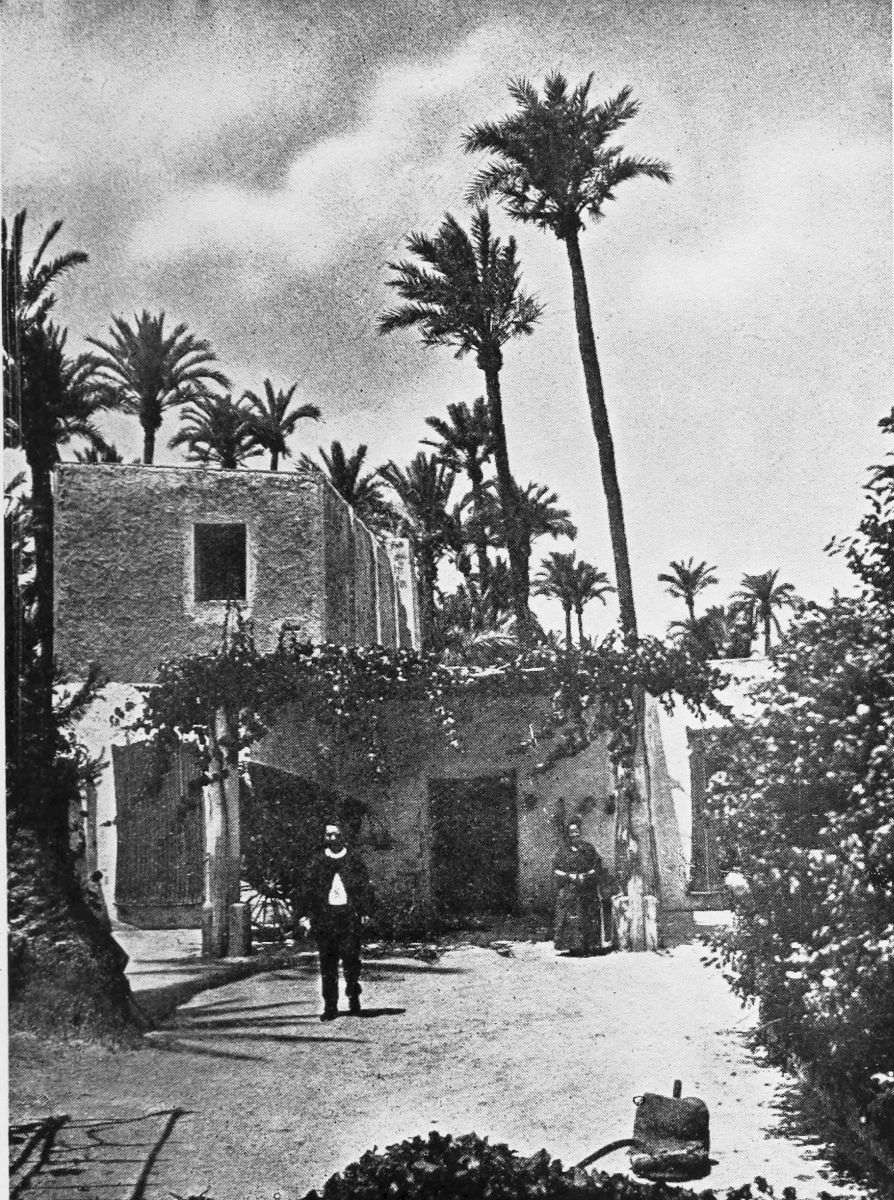
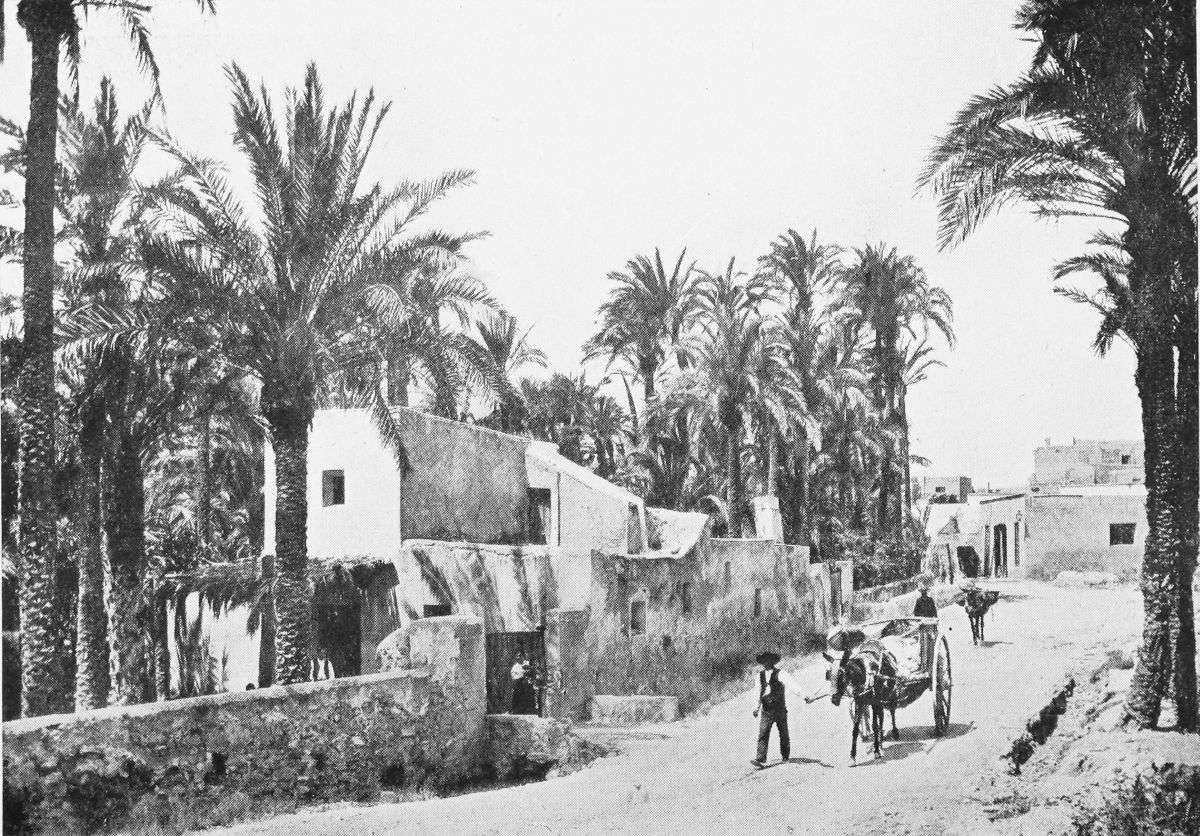
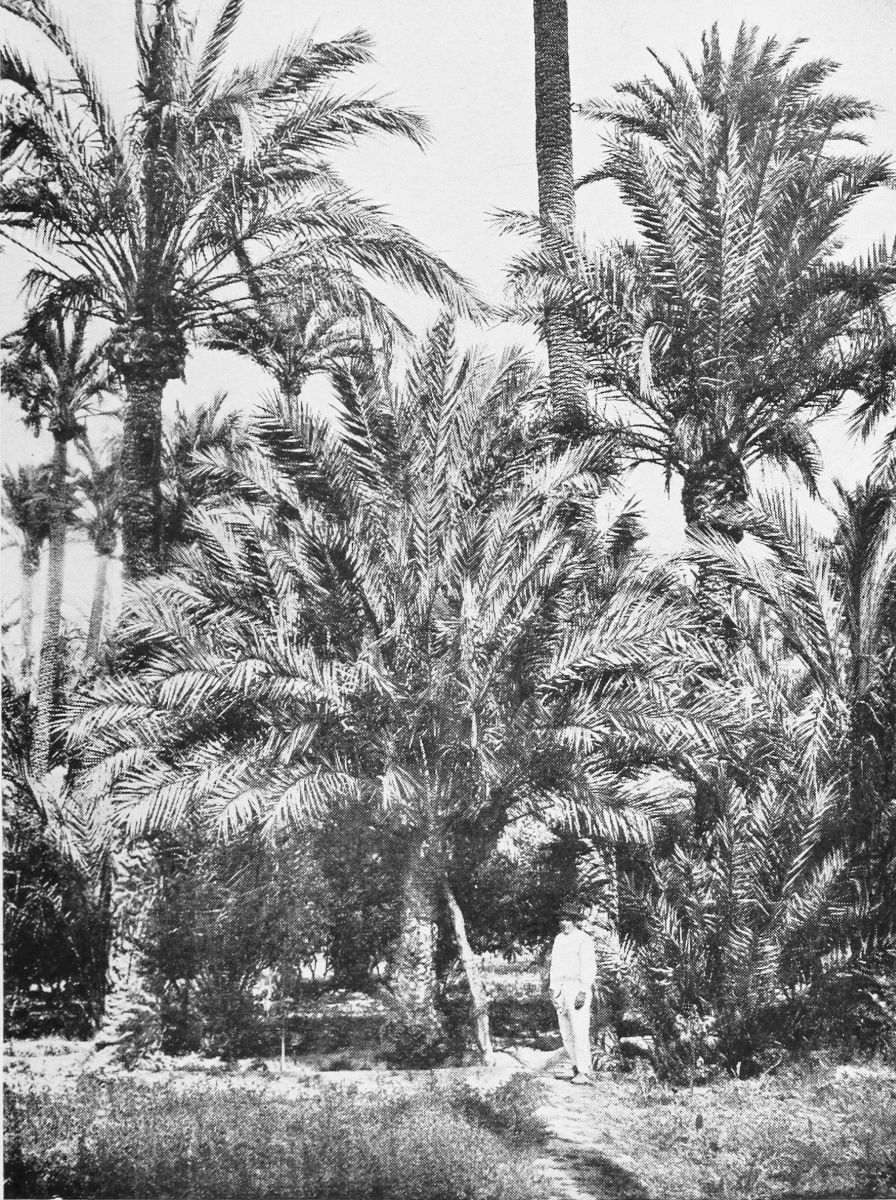
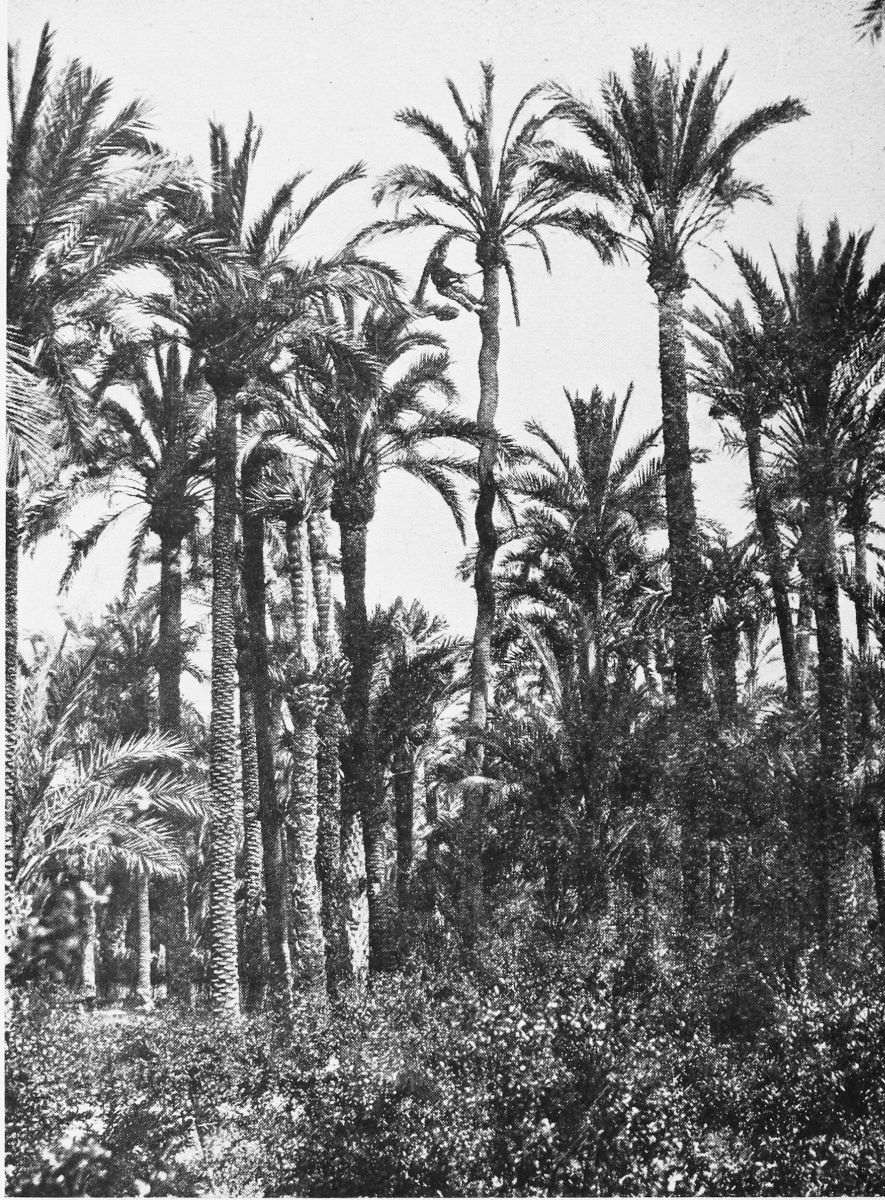
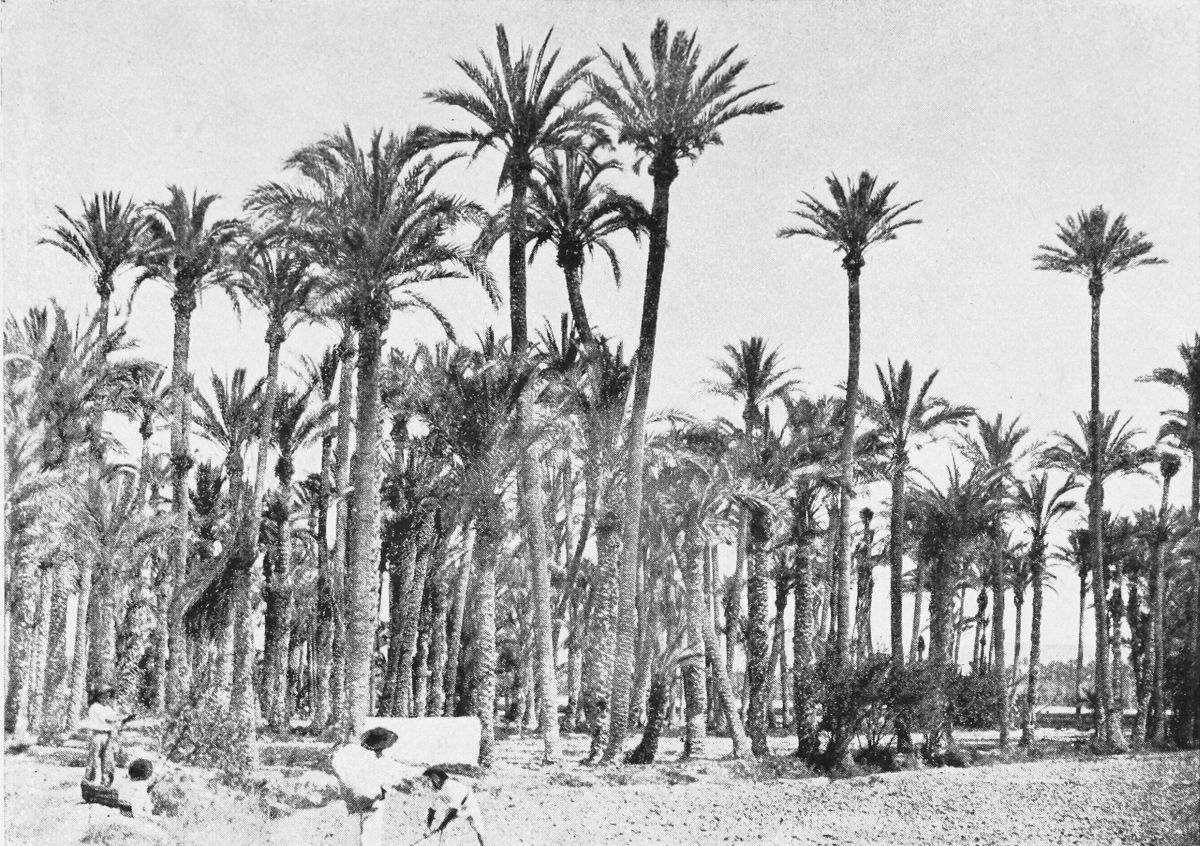
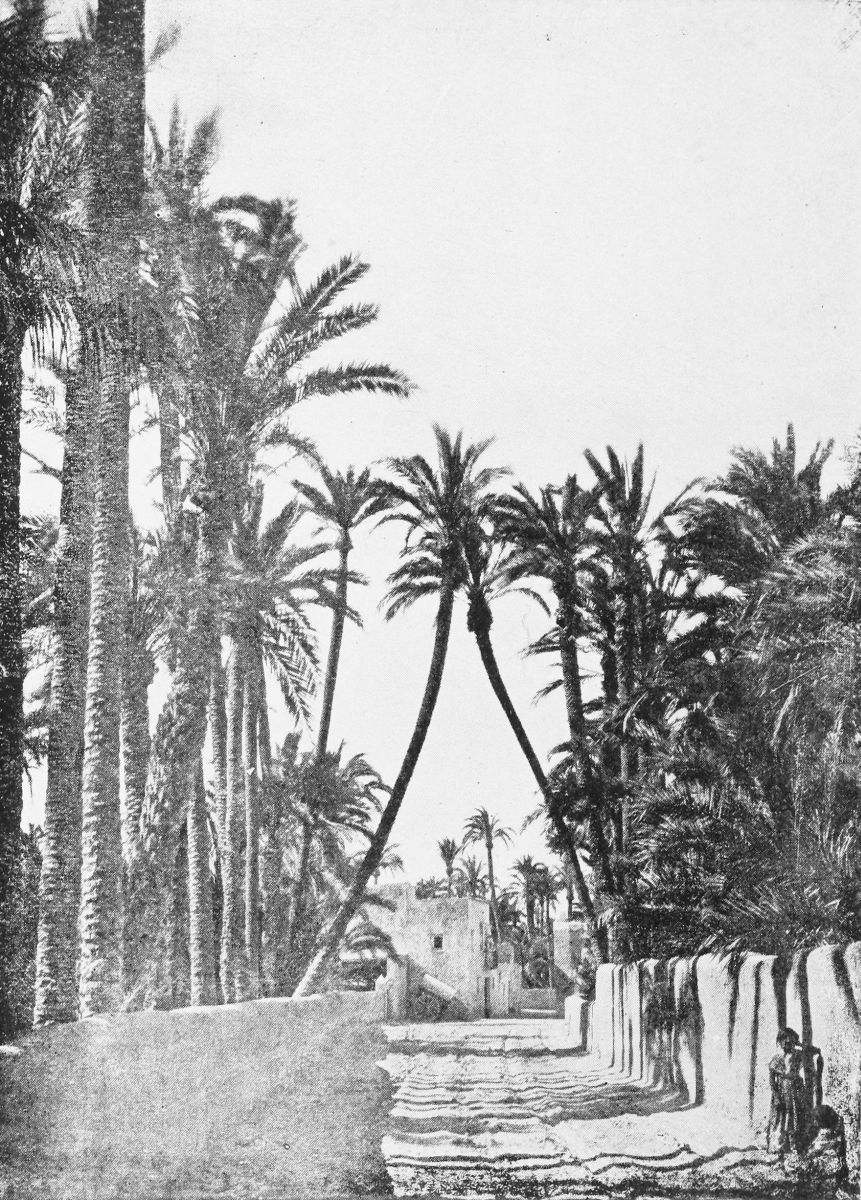
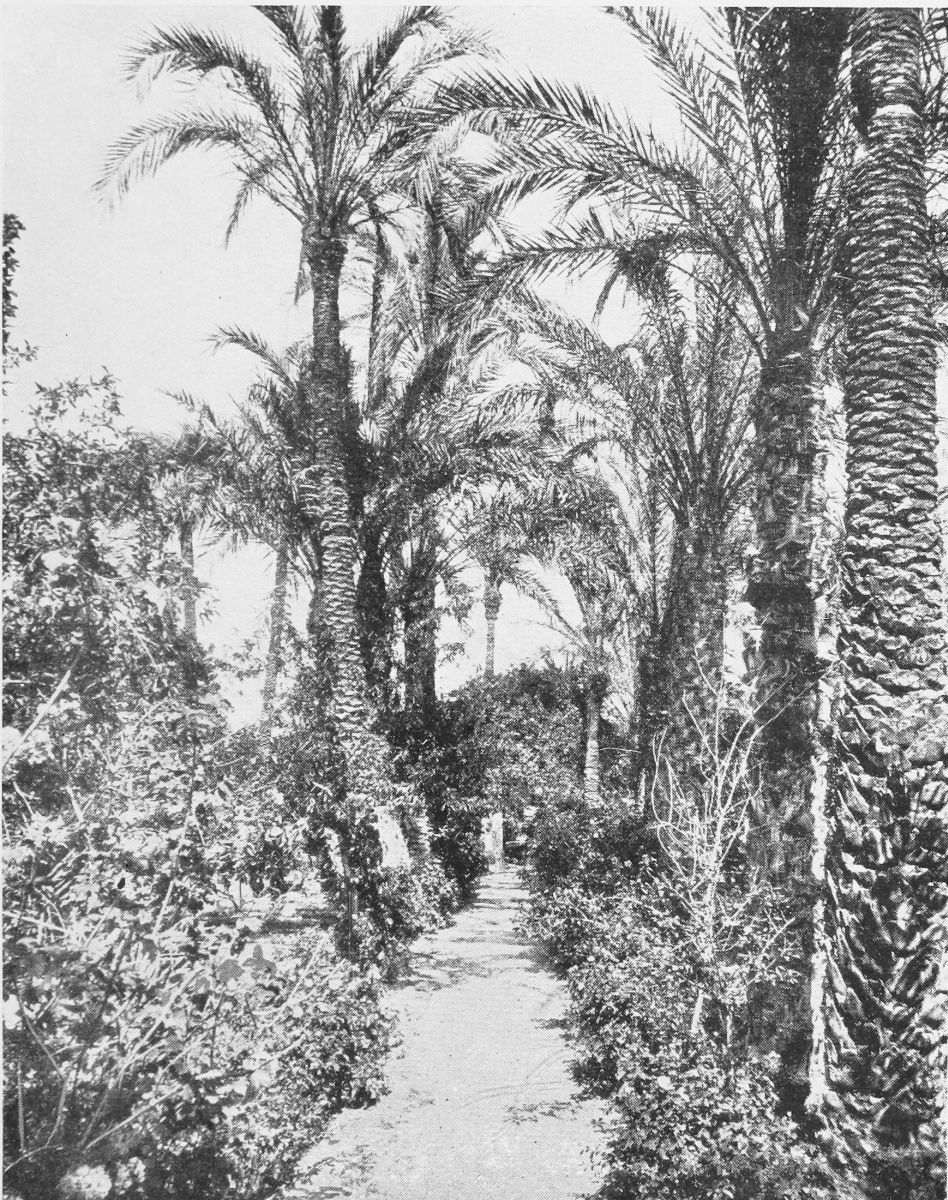
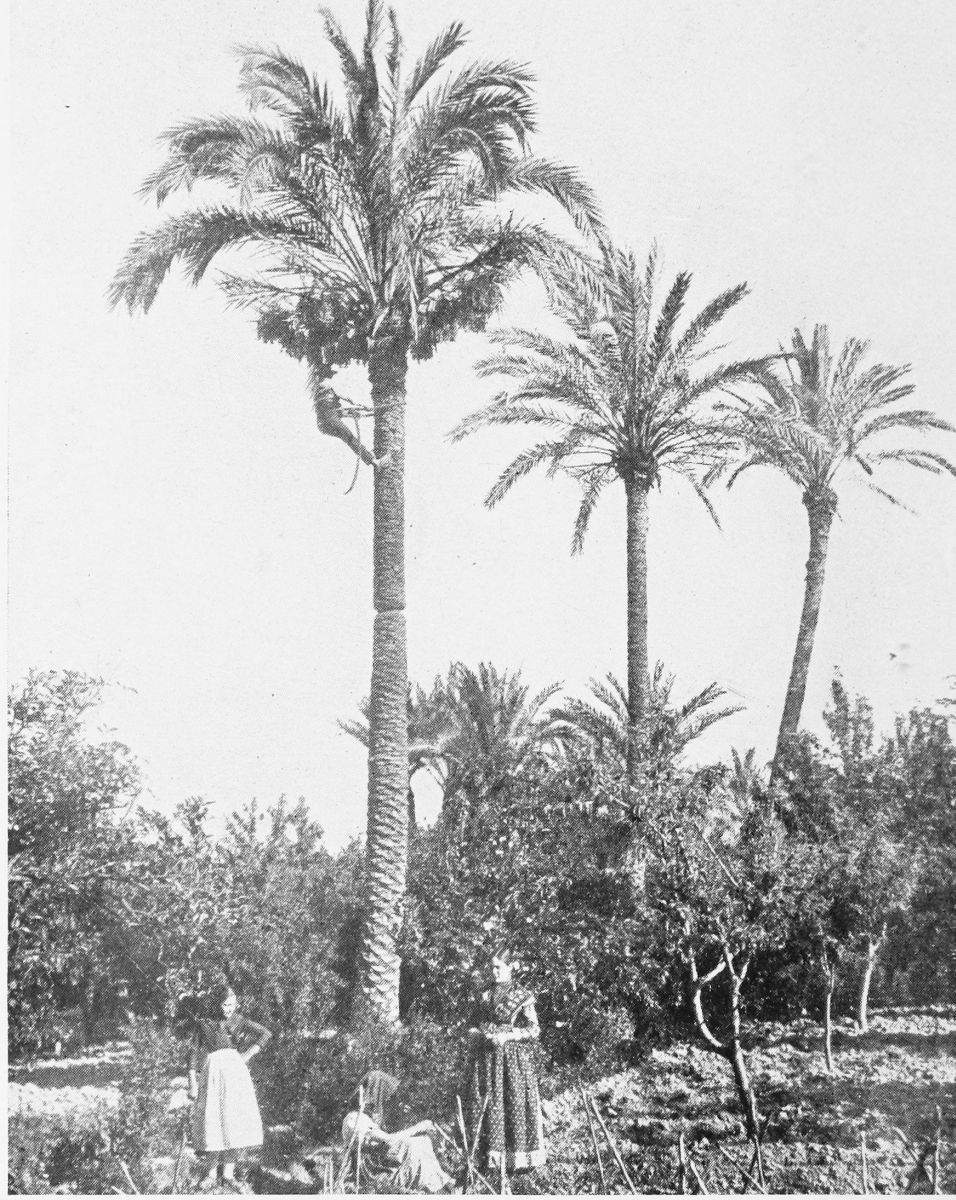
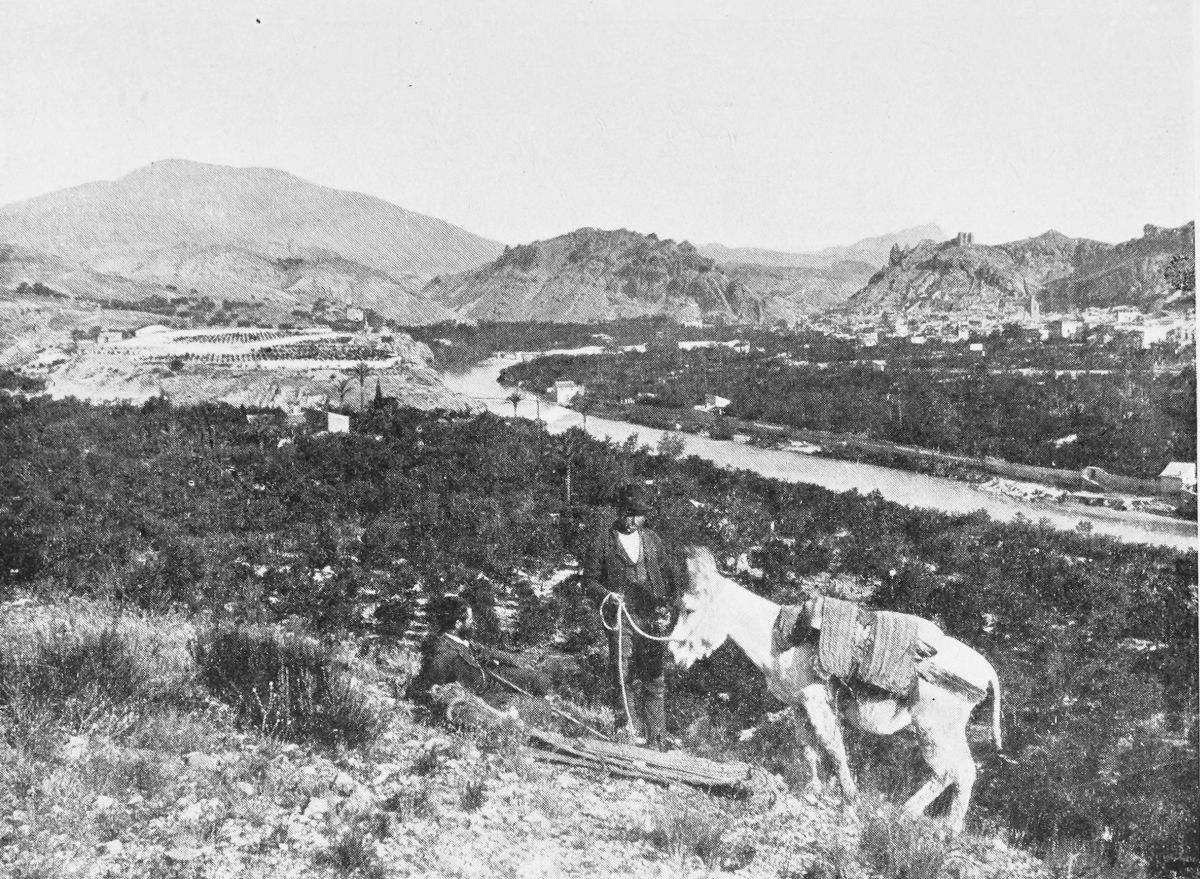
Southwards still, to Elche, the City of Palms, or, less poetically, “The
Frying-pan!” A mist of heat seems to hang over the little
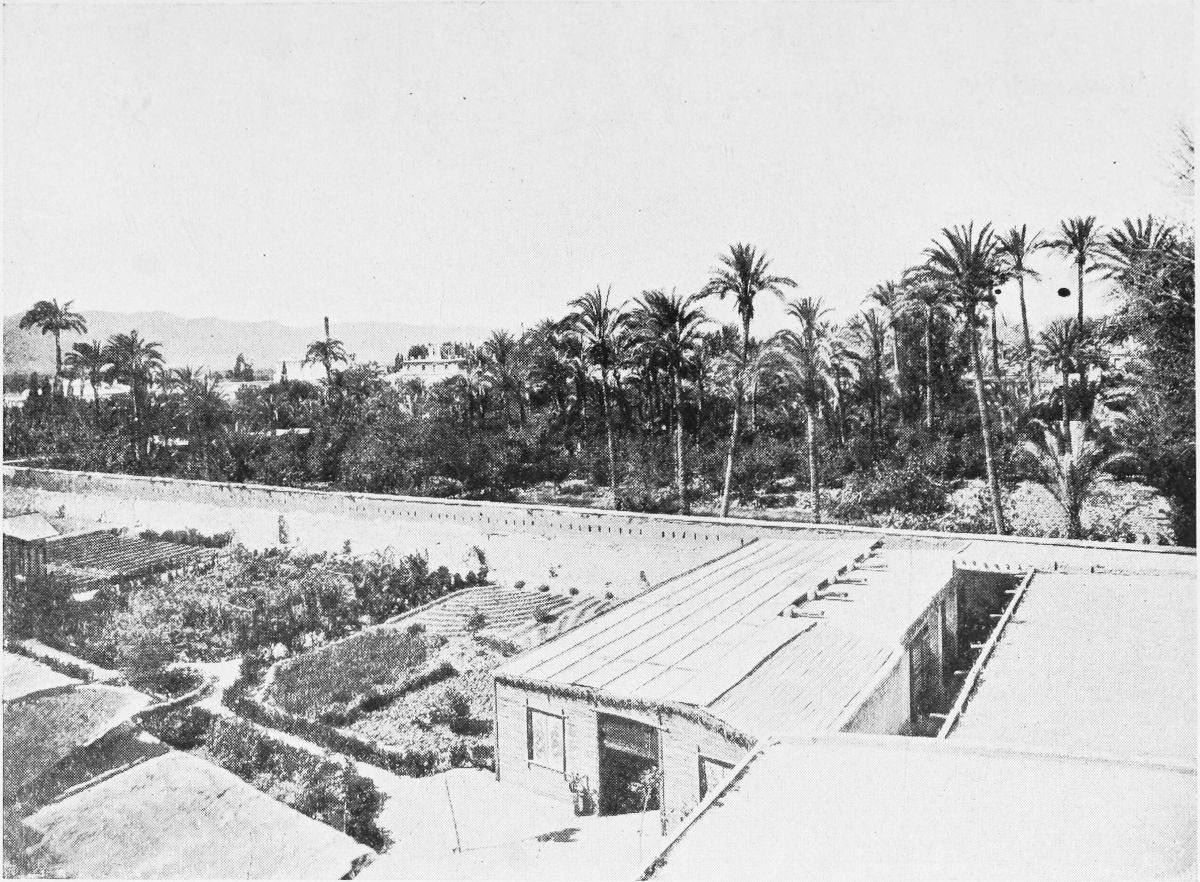
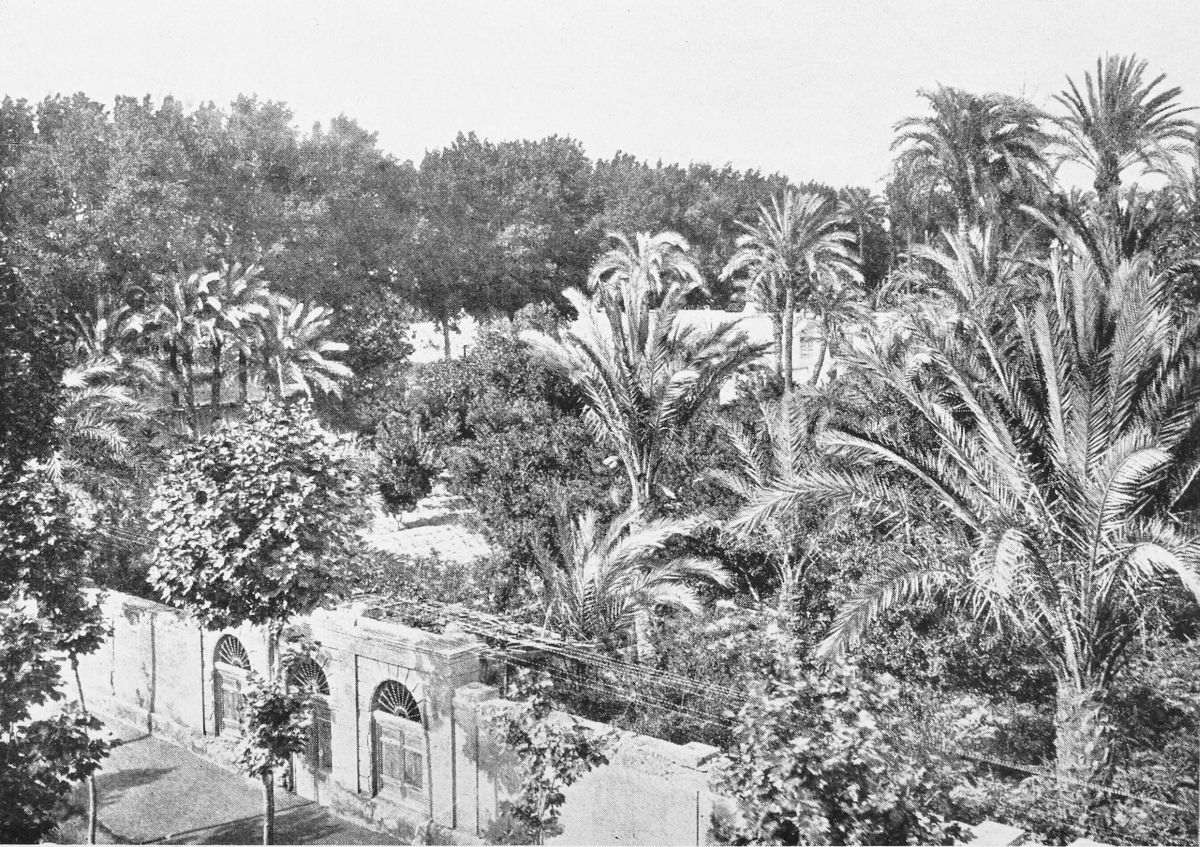
Oriental-looking town. Not even in the palm groves that shut out the
desert can you avoid it. These magnificent trees (it has been estimated
that there are 80,000 in the belt that encircles the town) provide
practically all the palms used by the Christian churches in Passion
Week. In the shade of their avenues flourish the laurel, the rose, and
the geranium; beyond, extend crops of lucerne and wheat, watered by the
carefully regulated Vinalapo.
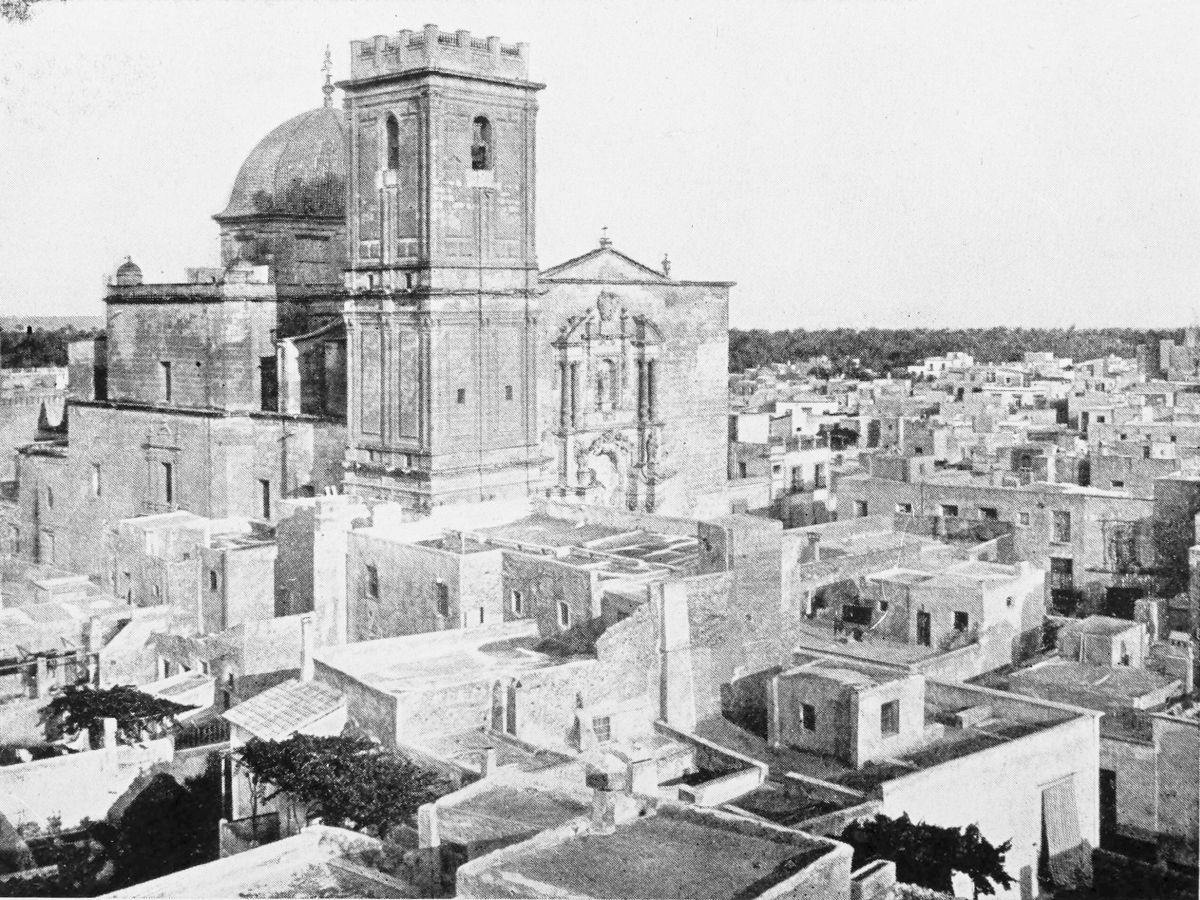
But though Elche makes an agreeable impression on travellers, in Spain
it is chiefly celebrated for its Passion or Mystery Play, the only one
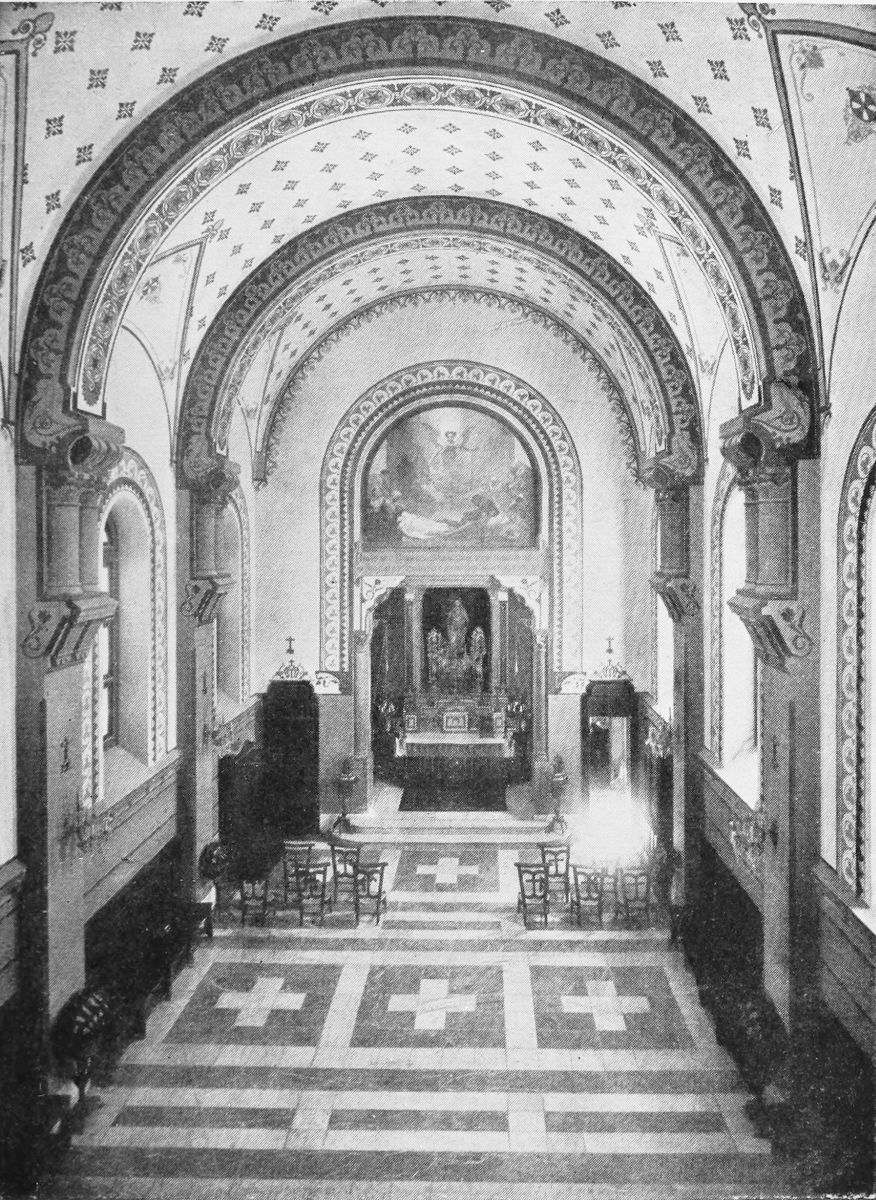
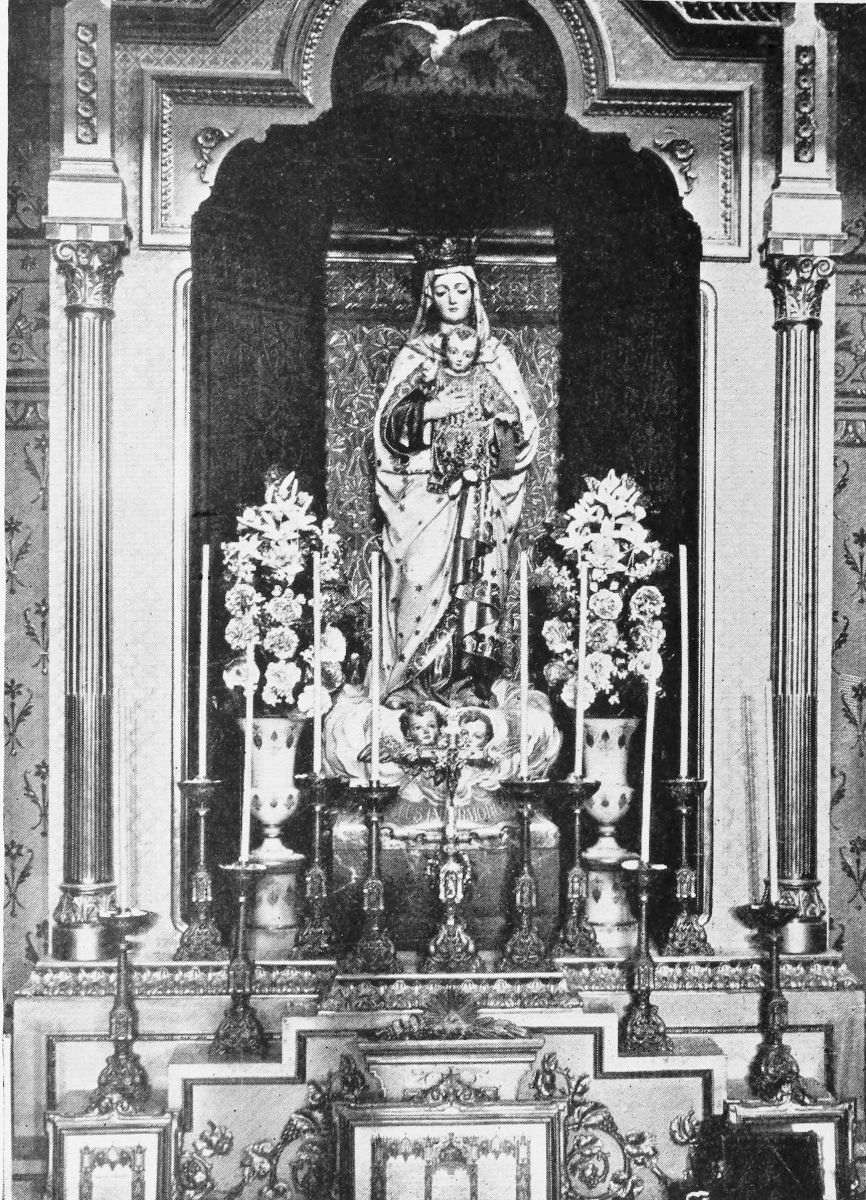
of its kind in the kingdom. Elche is under the special protection of Our
Lady of the Assumption, who sent her miraculous image over the seas
along with the words and music of the opera inscribed Soy para Elche
(I am for Elche). To this image, supposed to have been found in 1370 by
a coastguard named Canto, many houses and palm plantations round the
city belong. They are all marked with a crown and the initials M.V. The
image is said to have been carved by St. Luke, but hardly reflects
credit on his skill. However, the miracles it performs seem highly
satisfactory, judging by the magnificent jewels and garments that have
been presented by the faithful.
The opera is presented on August 13 and 14, the eve and the feast of the
Assumption. In a country where the sister of Cervantes was allowed to
install a theatre in her convent and herself play the leading rôles,
you are not surprised to find that the representation takes place in the
church, which is, however, for the occasion, carefully stripped of
sacred images.
The scenery, as in mediæval days, is simple. There is a little cave for
the Garden of Gethsemane, a plain coffin for the Holy Sepulchre. Angels
playing harps on a blue cloth stretched across the roof betoken the
celestial regions. Hence, by an ingenious arrangement of ropes and
pulleys, angels will presently come down to take the Virgin up to
heaven. Apostles and saints, their names legibly inscribed on cardboard
haloes, the holy angels and the Trinity itself have all their appointed
parts. The Virgin is a small boy of eleven. Unfortunately that touch of
vulgarity which seems inseparable from modern Continental Catholicism
liberally decorates the angels with well-greased hair, vivid sashes, and
paper flowers of startling hues. However, the crowded audience is not
critical and very real emotion at times interrupts the continuous
chatter and shaking of fans. There seems something singularly human in a
religion so all-embracing.
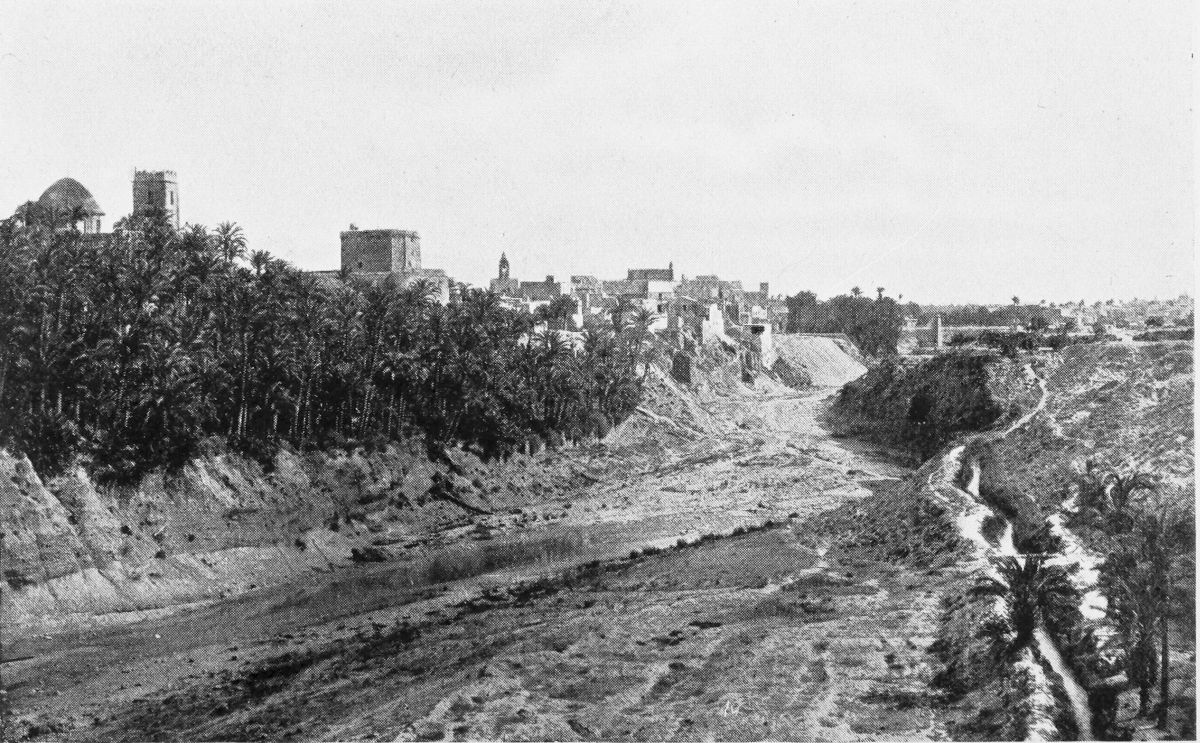
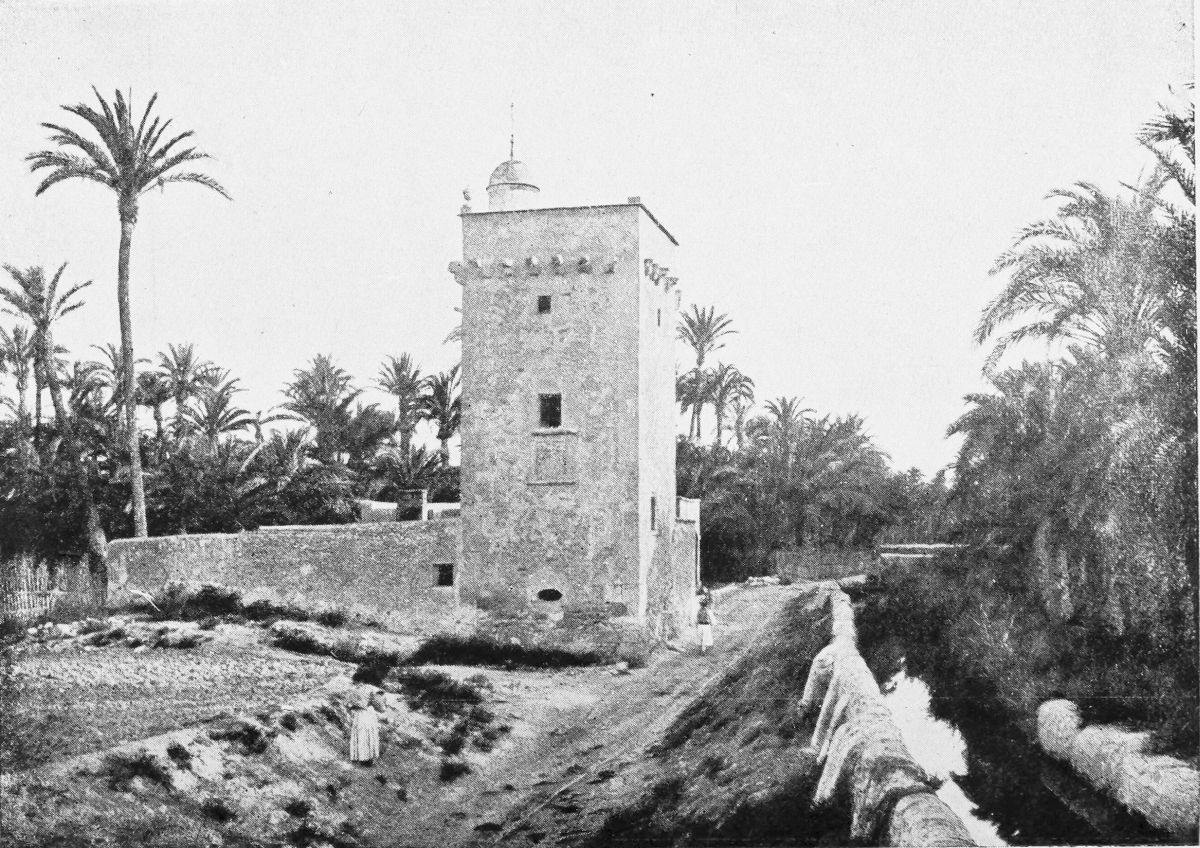
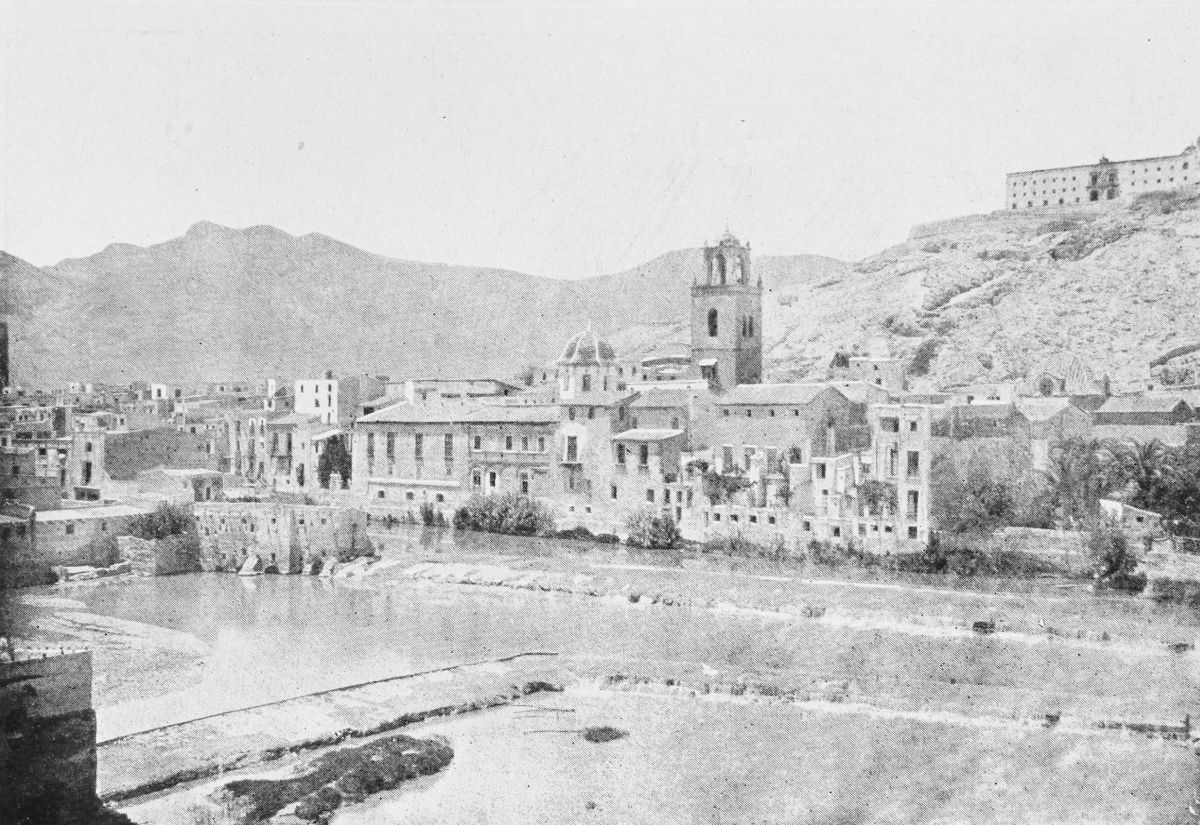
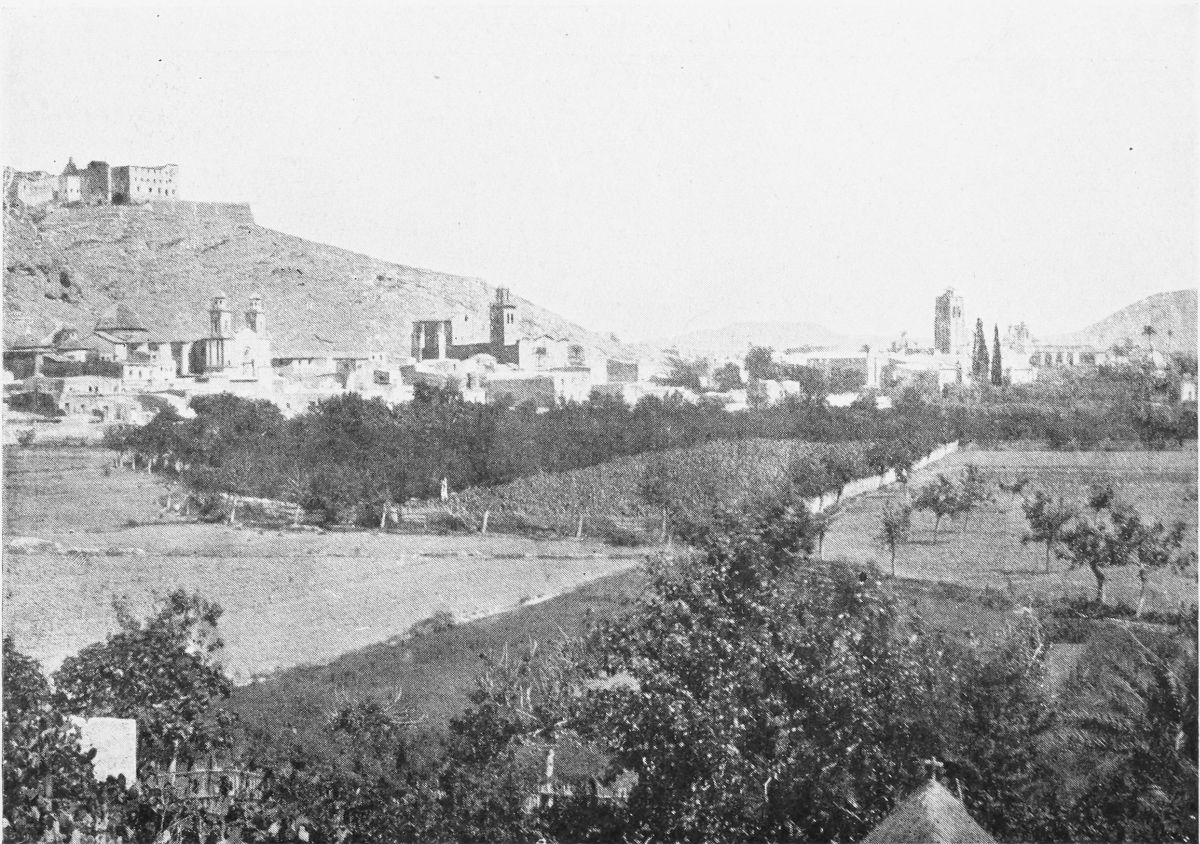
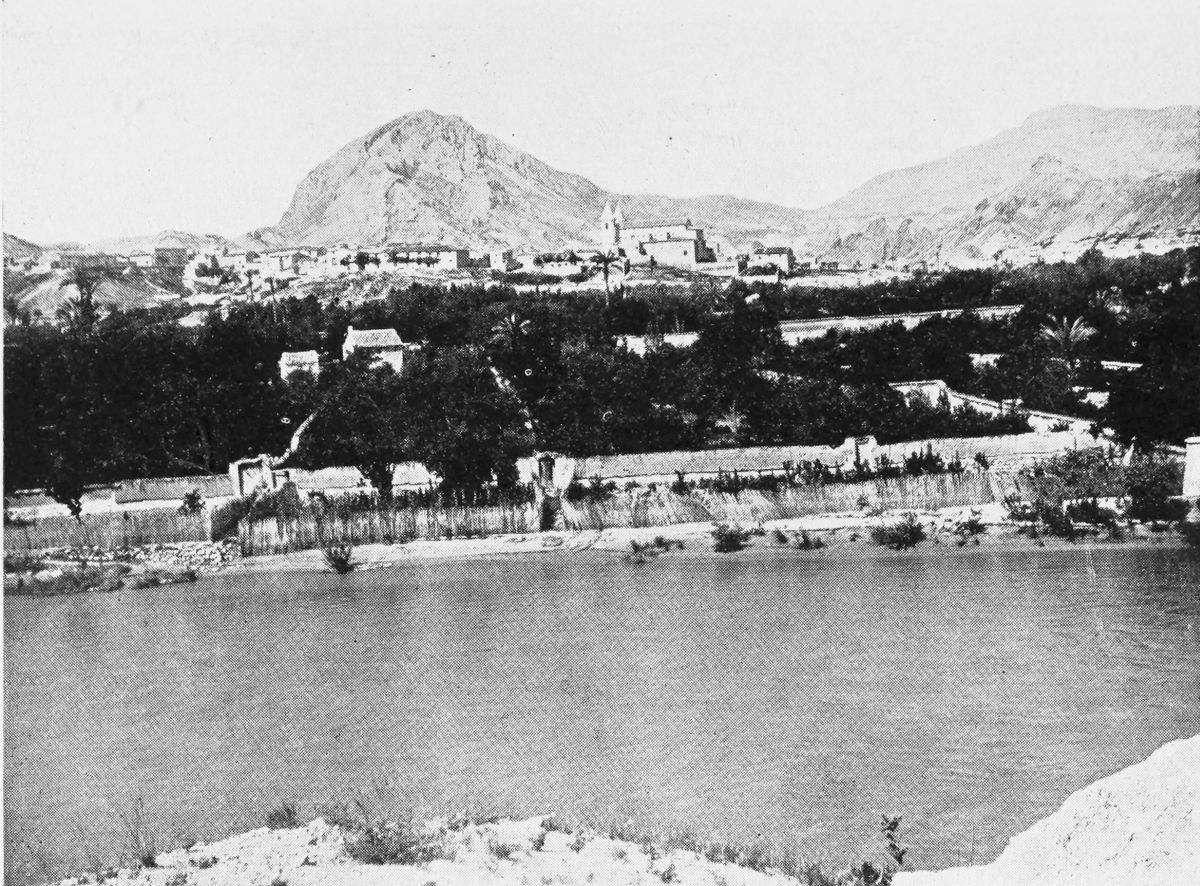
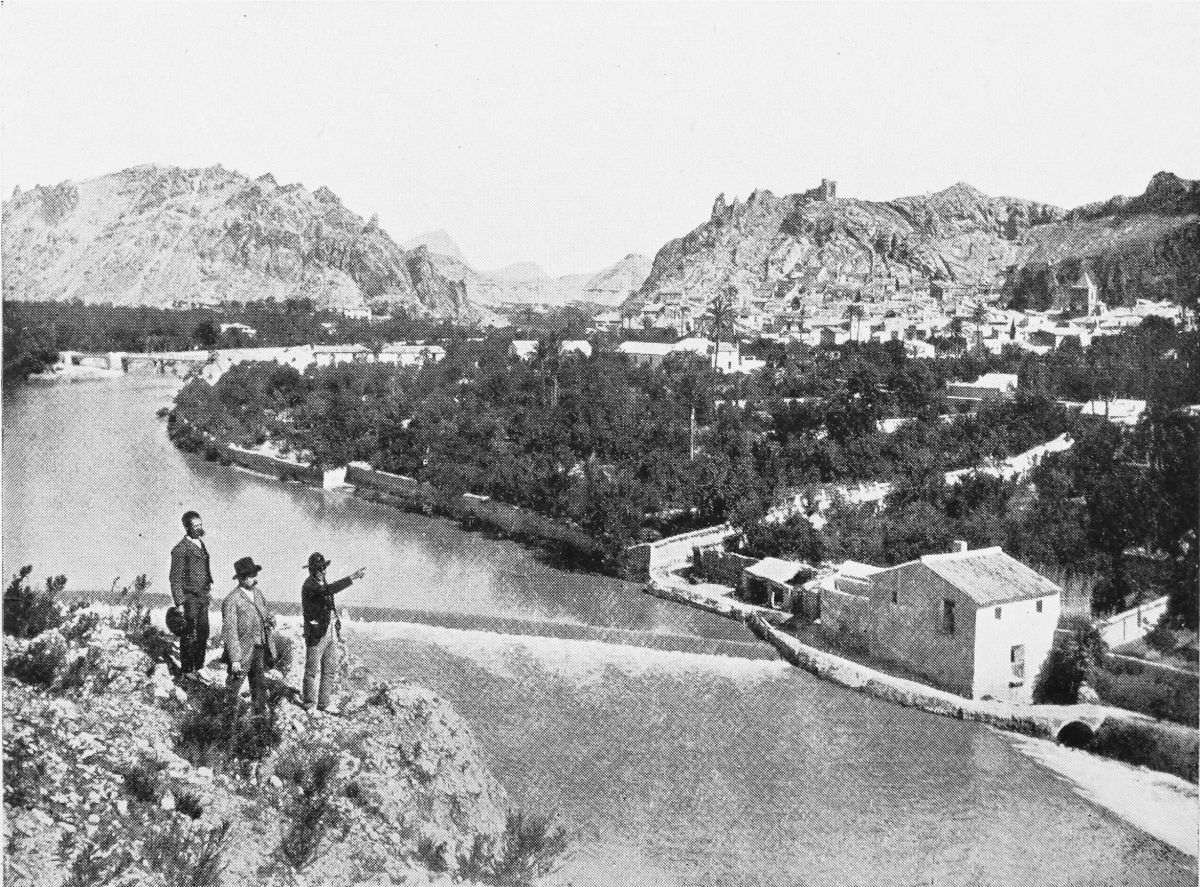
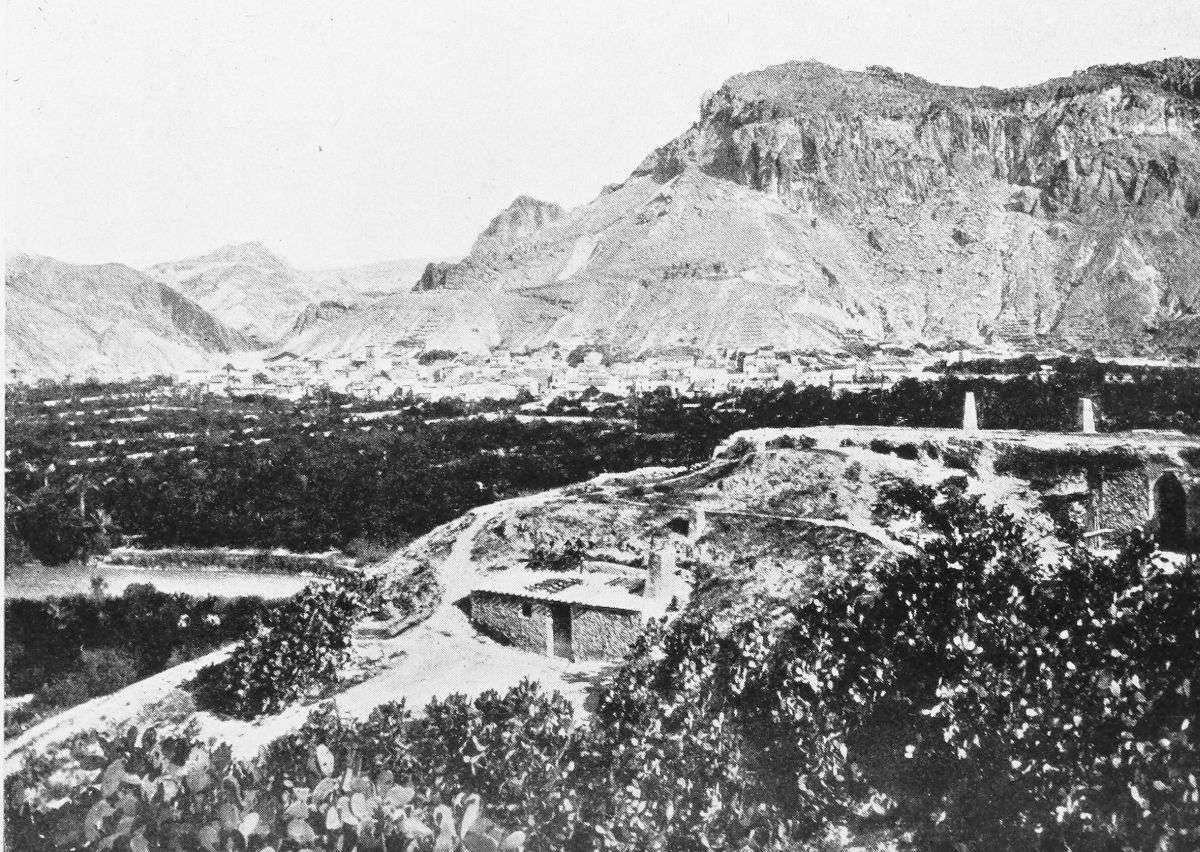
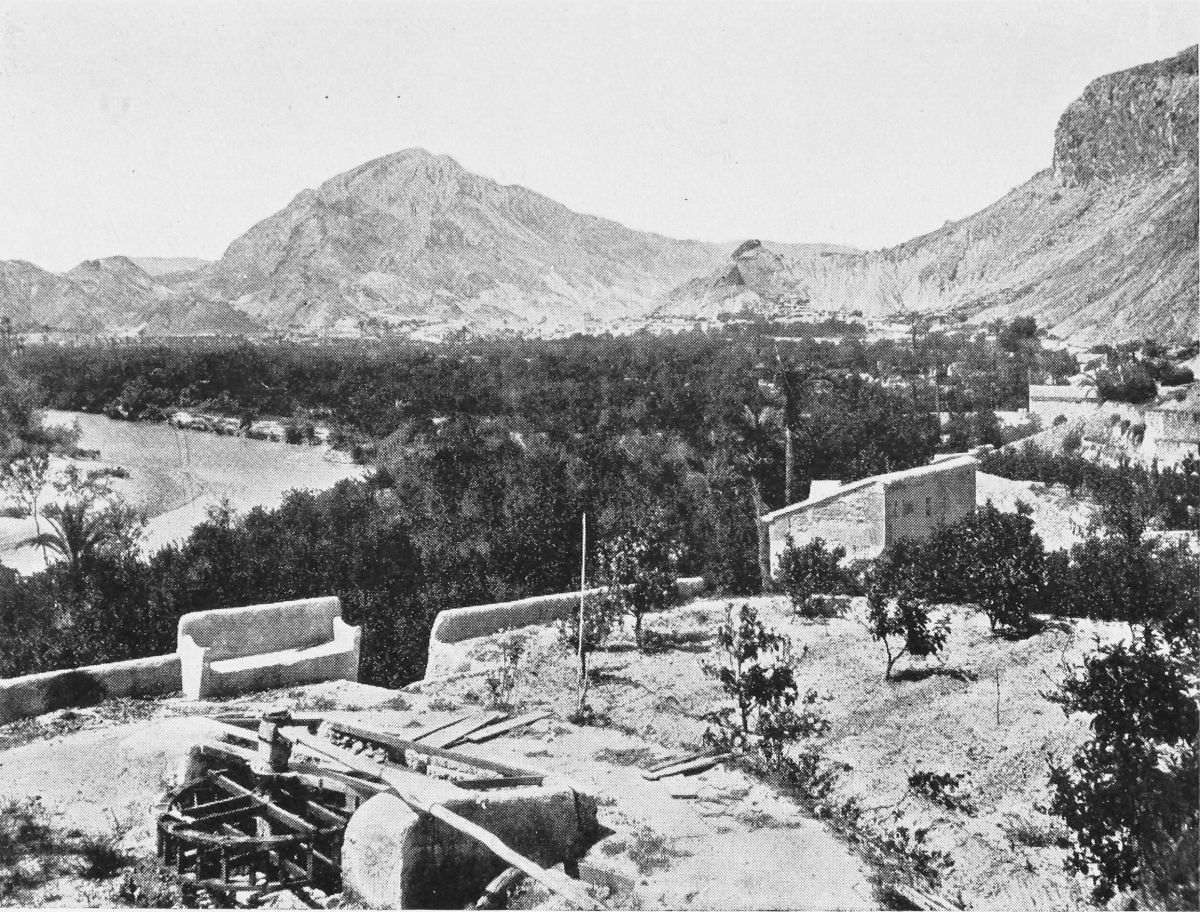
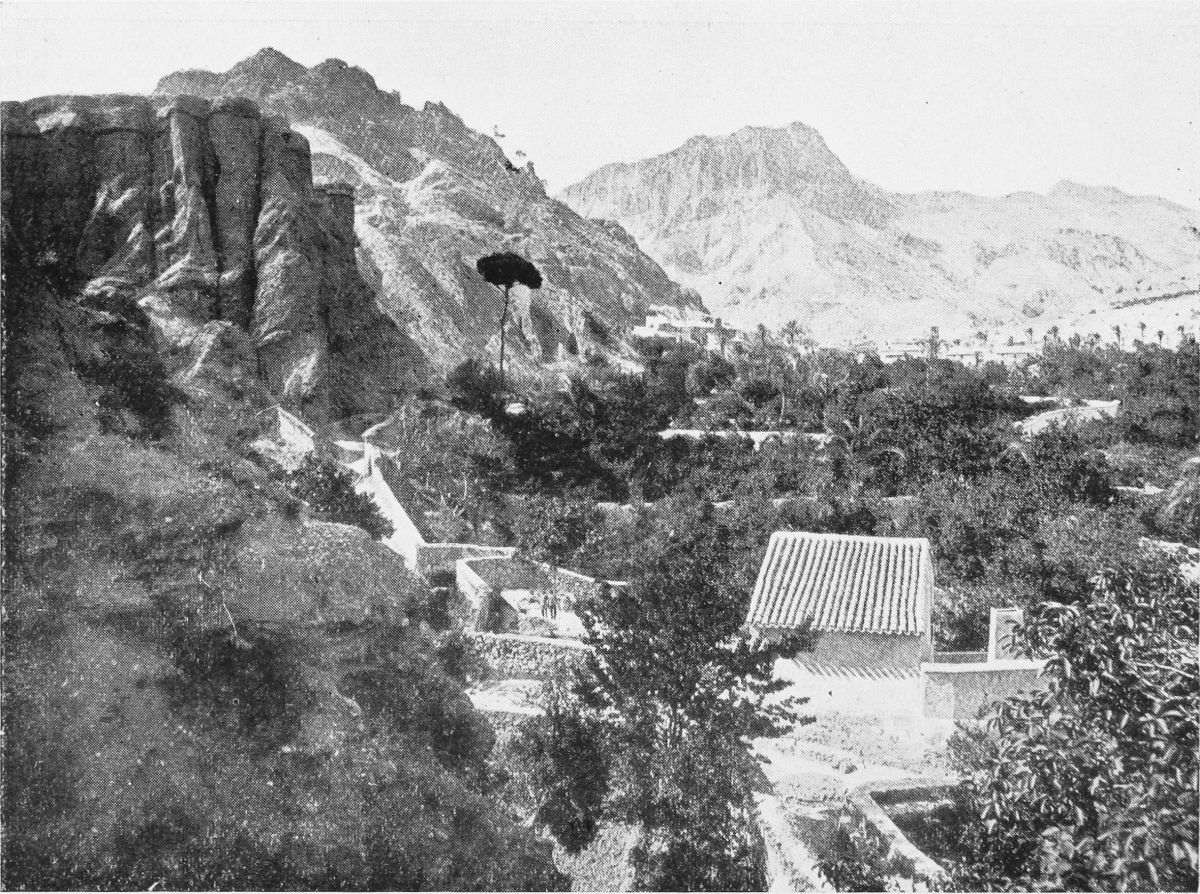
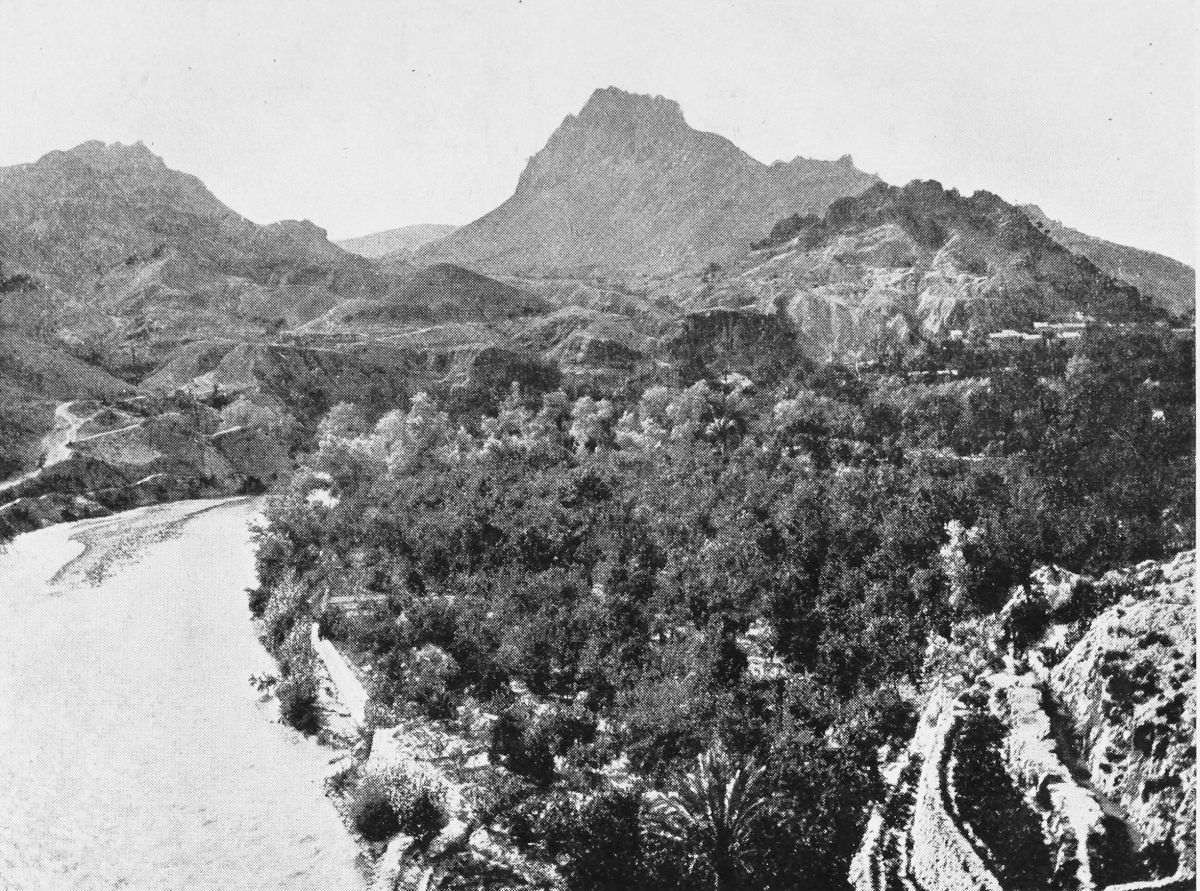
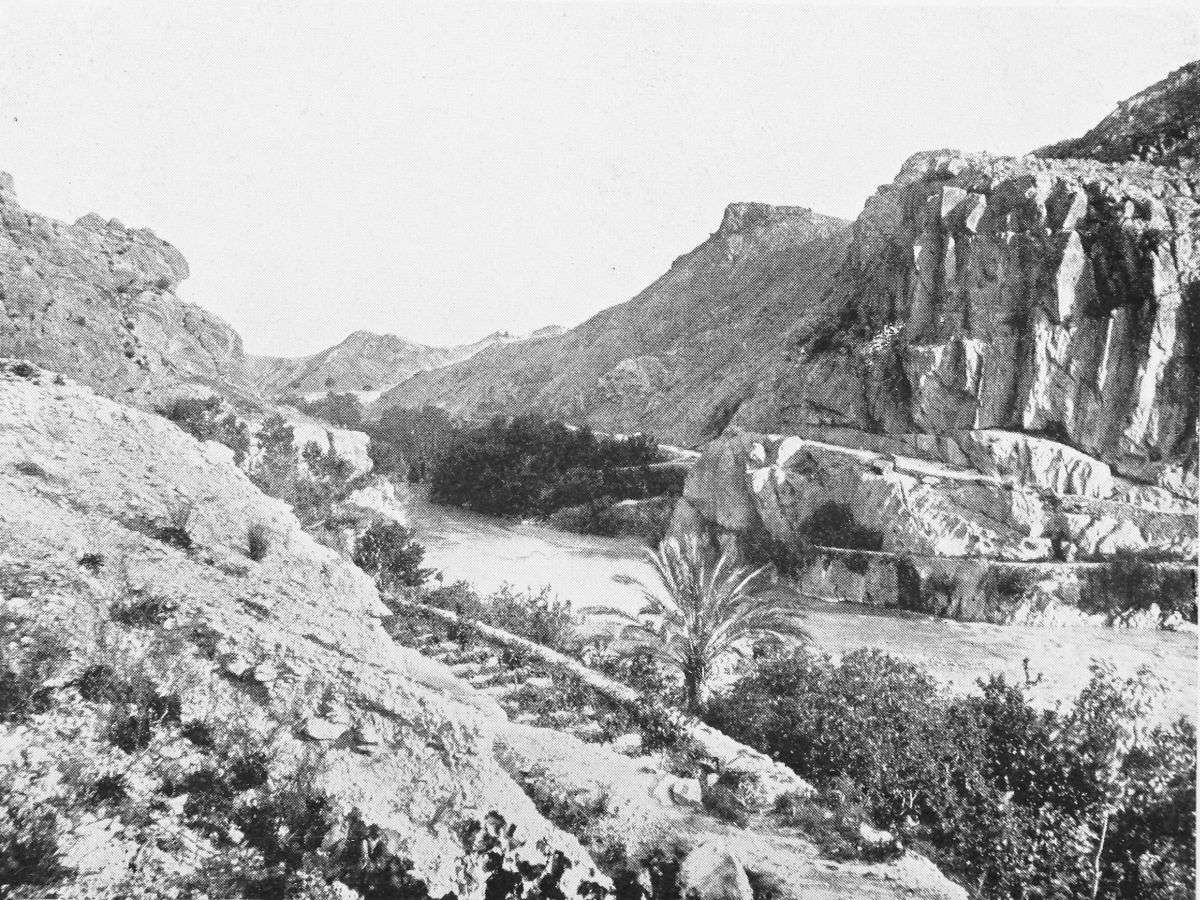
Orihuela, in its fertile plain, rendered independent of rain by the
waters of the Segura, will be our last stopping-place in the southern
portion of the kingdom. Here the Goths made a last resistance under
Theodomir. Orihuela is the only city in the district where Castilian is
spoken. Its square towers and domes shaded with palms are decidedly
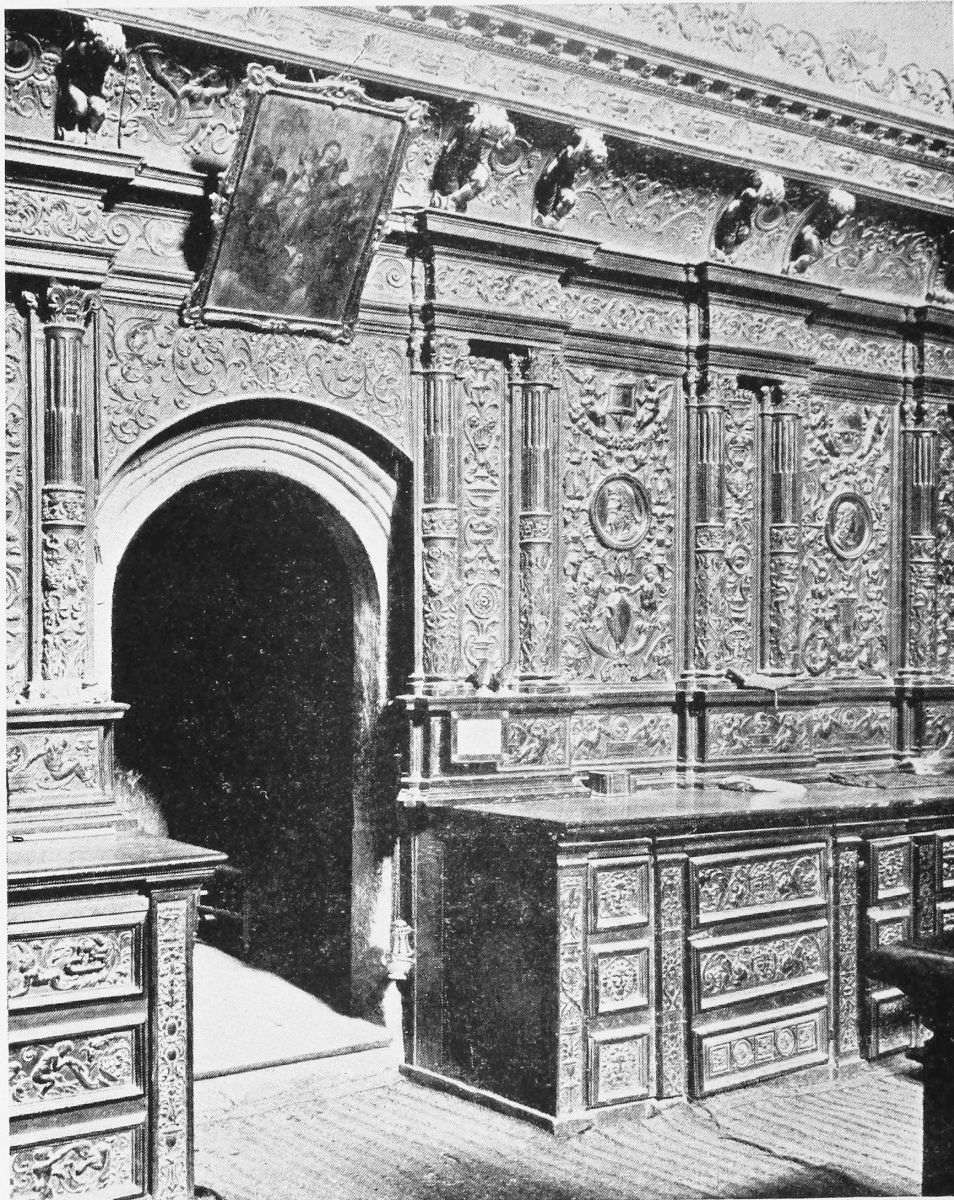
Oriental in appearance. A visit to the Cathedral shows some beautiful
choir-stalls of carved mahogany, but the interior of the building has
been hopelessly barbarised. There is little else to detain us here, so
we take train again for Valencia and the north.
![[Image of the book's cover unavailable.]](https://openoldbooks.sgp1.digitaloceanspaces.com/books/valencia-and-murcia/images/cover.jpg)