Fulford was originally two towns, Camp Nolan and Polar City.
They date from the spring of 1887 when prospecting began up East
Brush Creek from Eagle. In June of that year William Nolan accidentally
shot himself, but his friends continued to call the camp after
him because he had been the original leader. It was located on a small
slope beside White Quail Creek before it joins Nolan Creek. As rich
mines were opened up on New York Mountain, some bearing free gold,
Camp Nolan grew until there was no more room.
Newcomers settled farther down in a meadow through which Nolan
Creek runs and called the new settlement, Polar City. This name commemorated
one of the richest mines on New York Mountain, the Polar
Star. Other good producers were the Iron Age, Richmond, and Cave.
Both towns grew side by side until New Year’s Eve of 1891. At
that time it was the custom of all miners “to take to the hills” on the
last day of the year, and 1891 was no exception. Any tenderfoot would
immediately ask, “Why?”
The answer lay in the mining laws which stated that any claim, not
proved up on by midnight of the fiscal year, was open for relocation.
Anyone intrepid enough to get there and drive new stakes could own
the property. Miners would eye a good claim enviously and keep tabs
to see if the owner was doing the required amount of work. If he was
not, woe to him! A new claimant would be driving stakes on his mine
while he toasted in the New Year at some saloon.
In 1891 Arthur H. Fulford was a popular resident of Eagle, well-known
there and in Denver. He had mining interests throughout the
county and knew of a good property across New York Mountain and
down Bowman Gulch that would be open for re-staking. Accordingly
he made an engagement to meet a friend in Camp Nolan the last day
of the year so that they could make the difficult hike together.
35
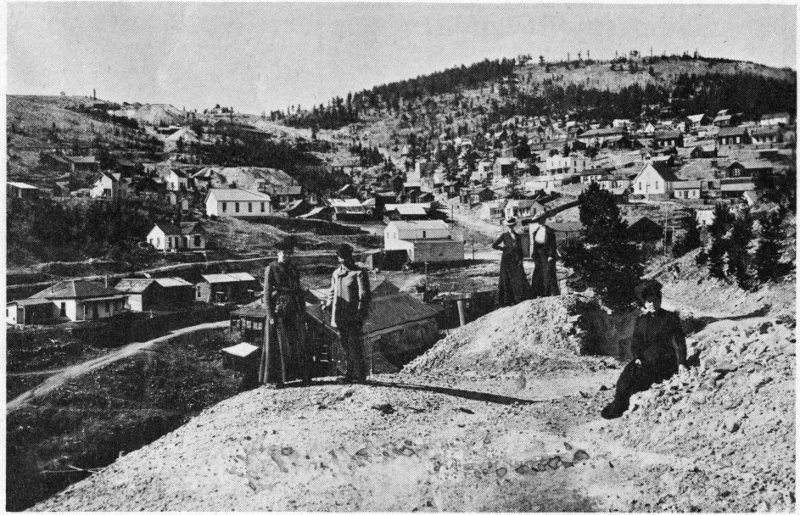
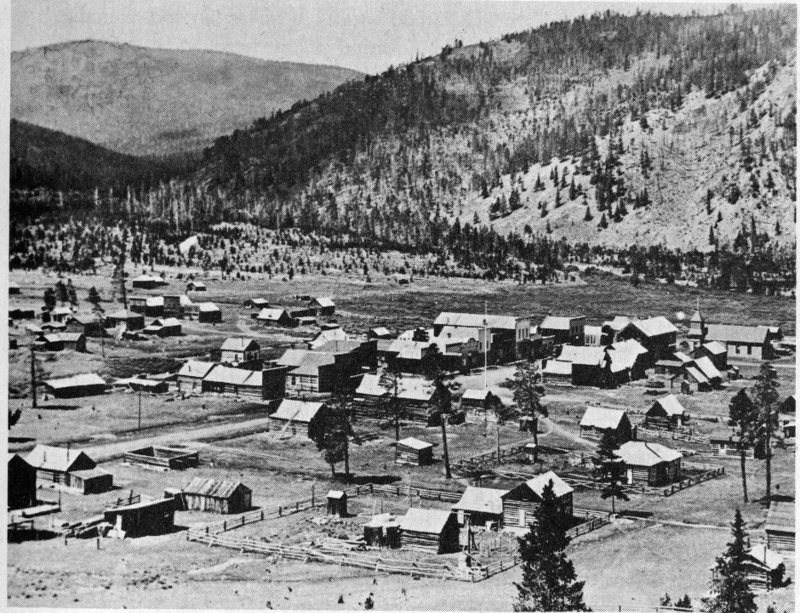
W. Mackey, 1902; Harriette Daggett Collection
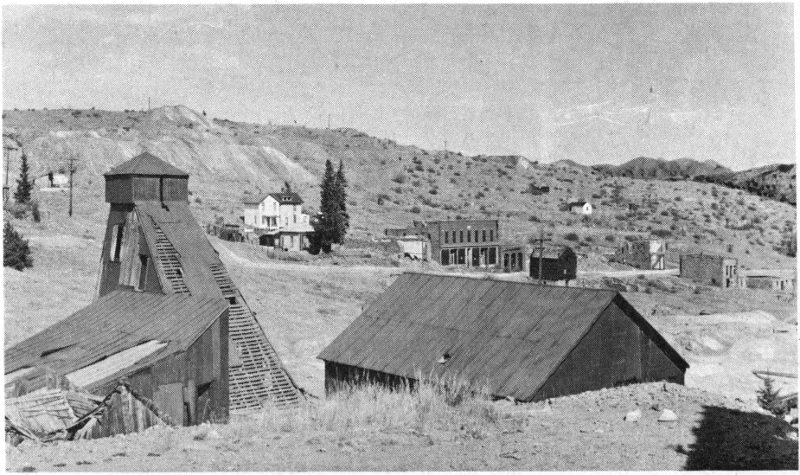
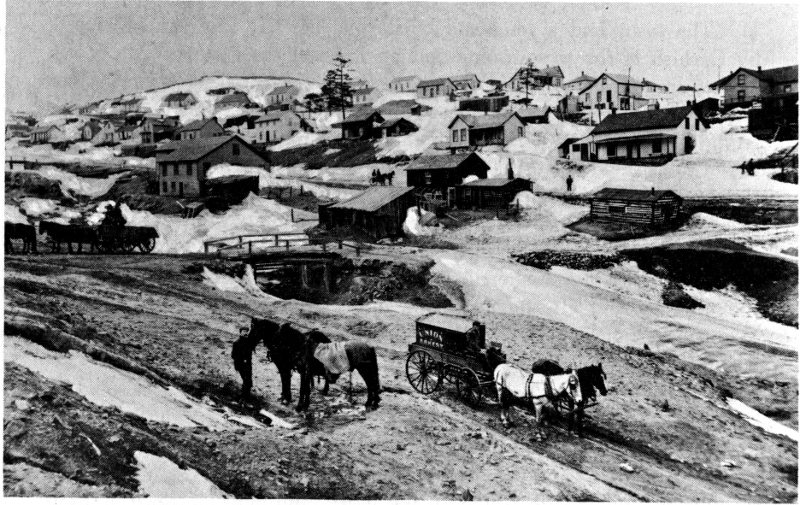
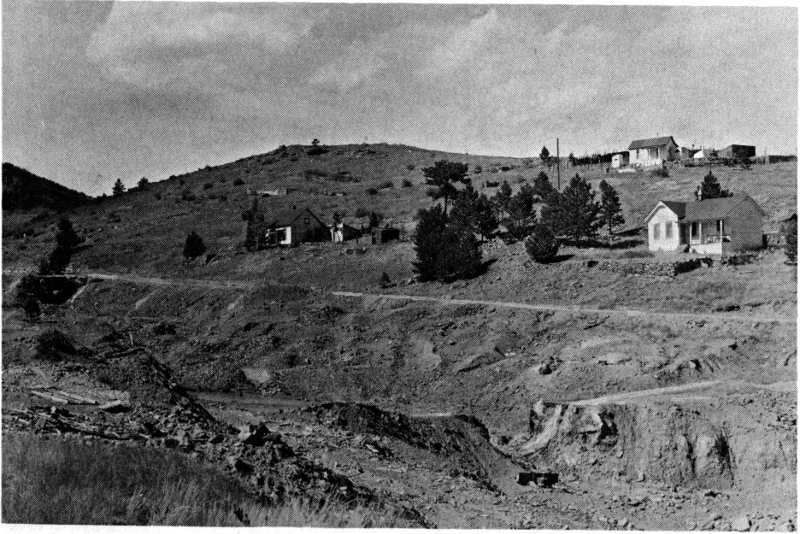
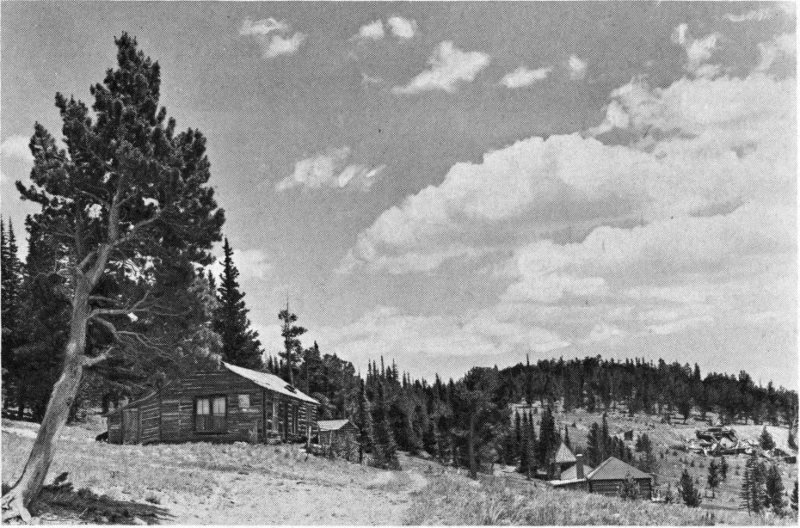
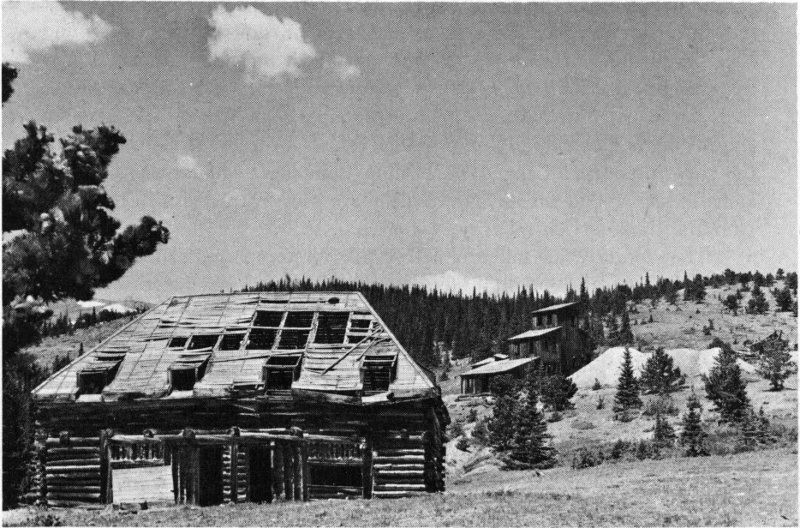
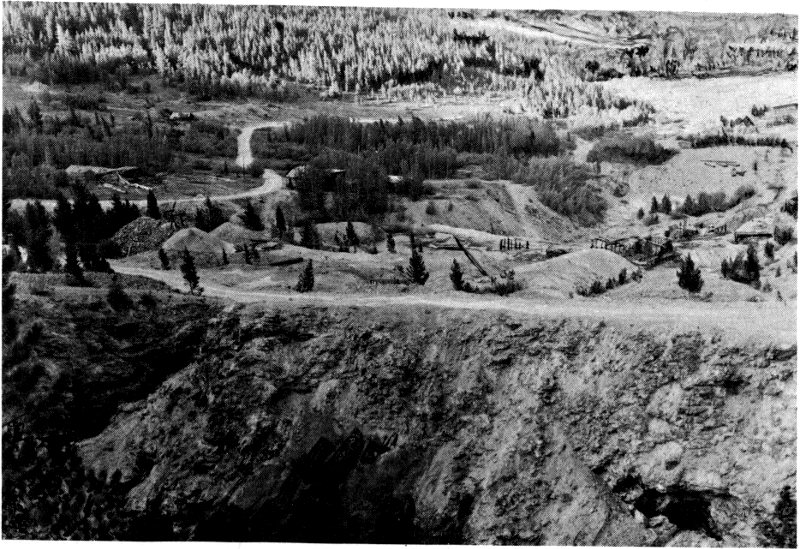
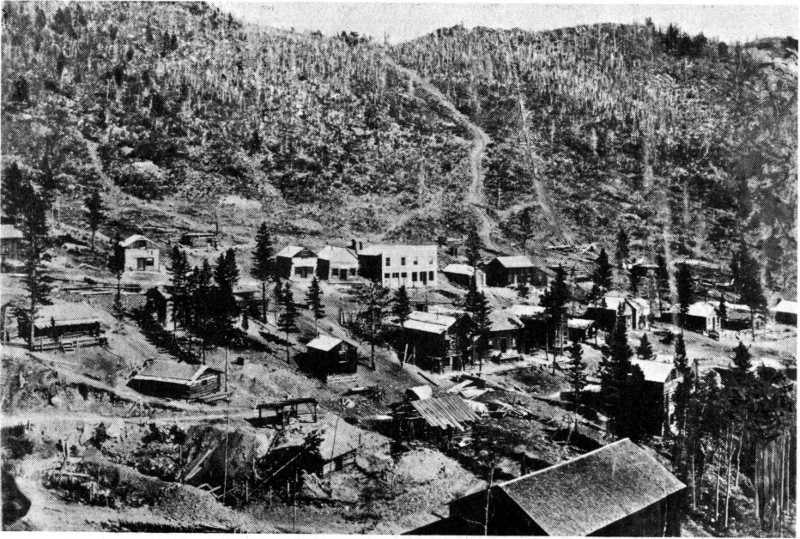
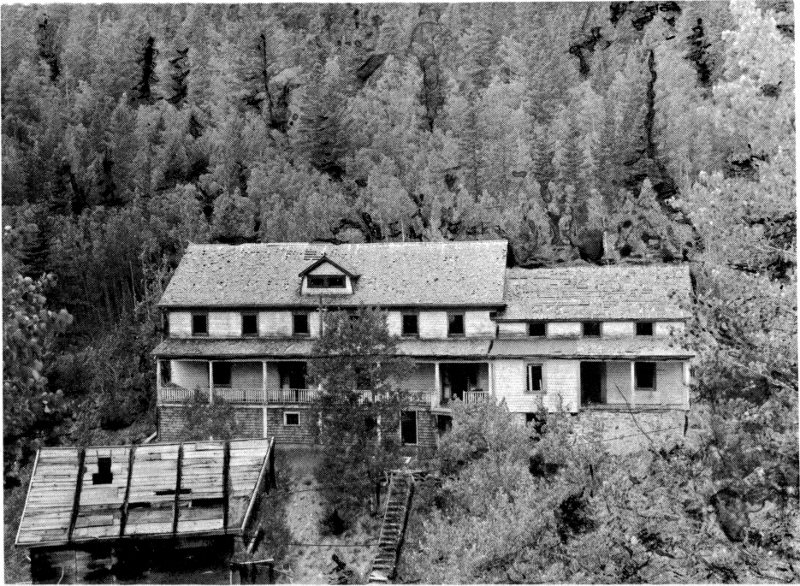
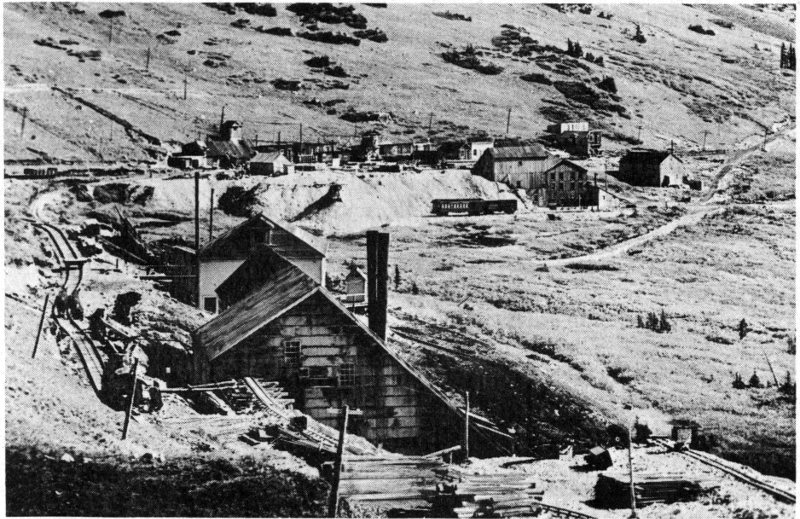
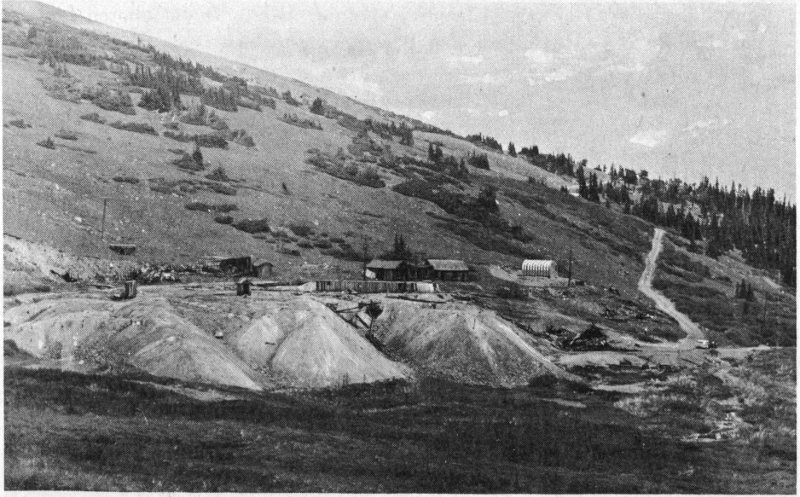
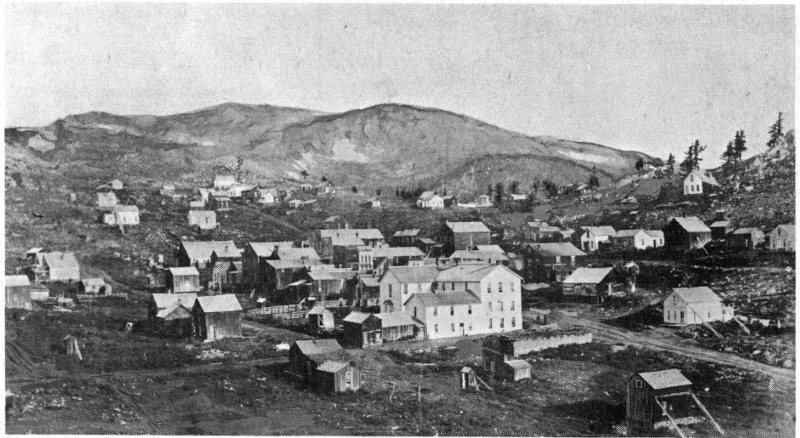
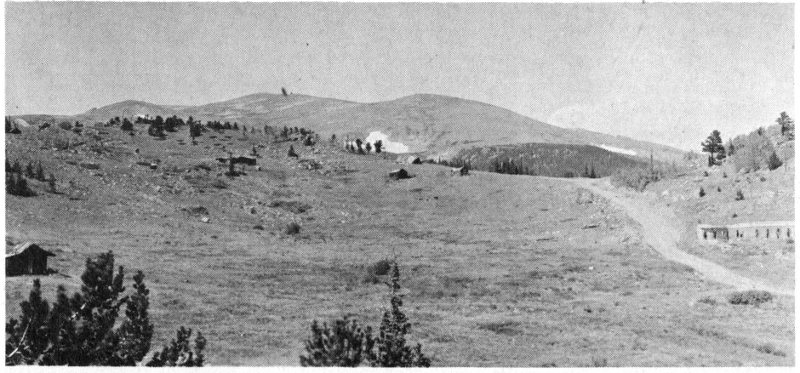
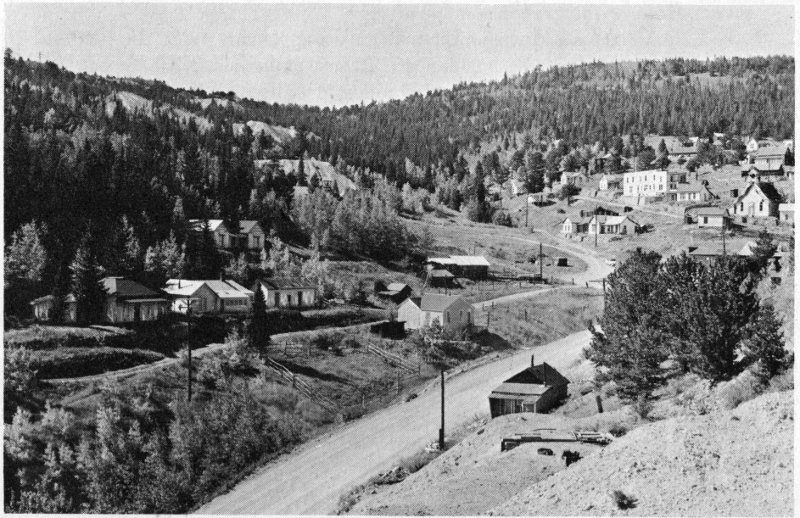
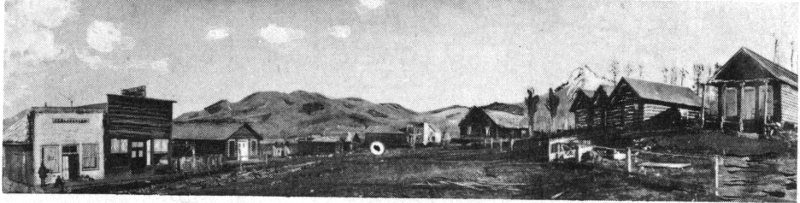
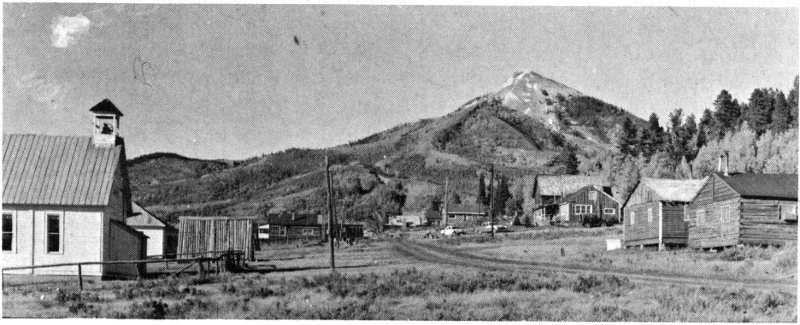
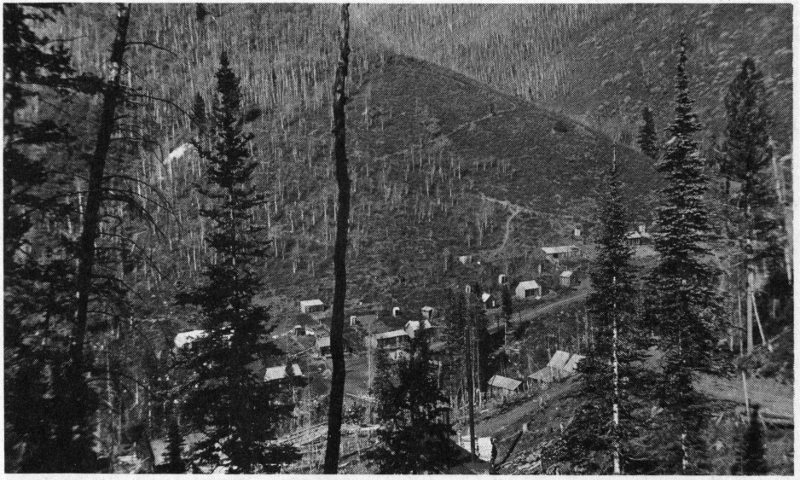
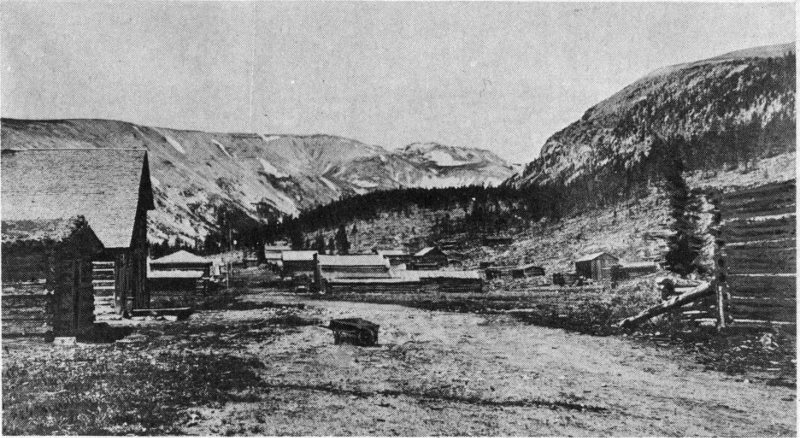
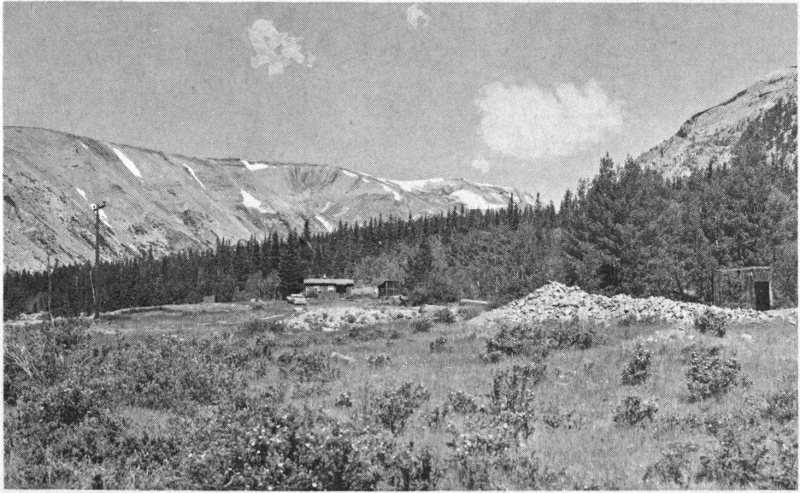
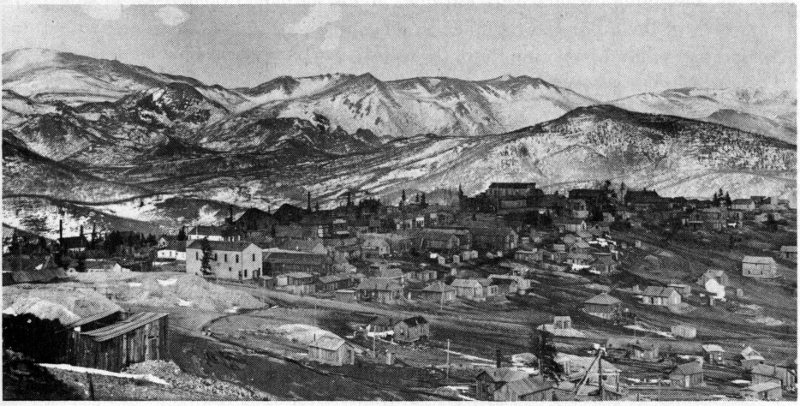
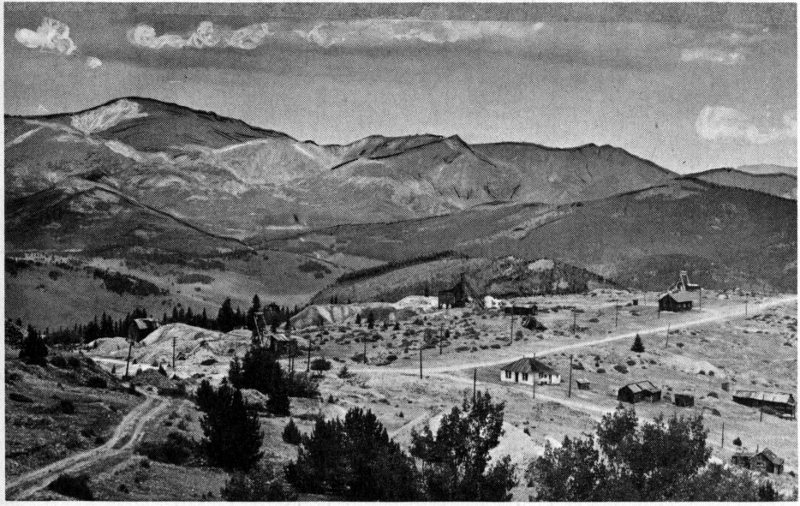
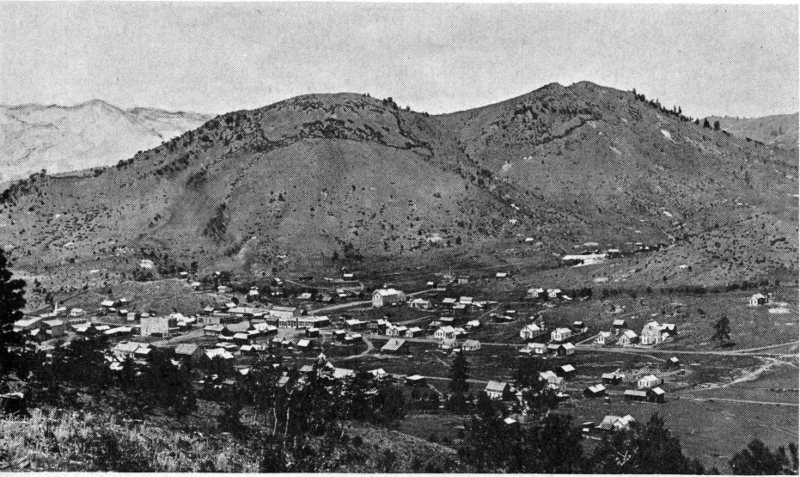
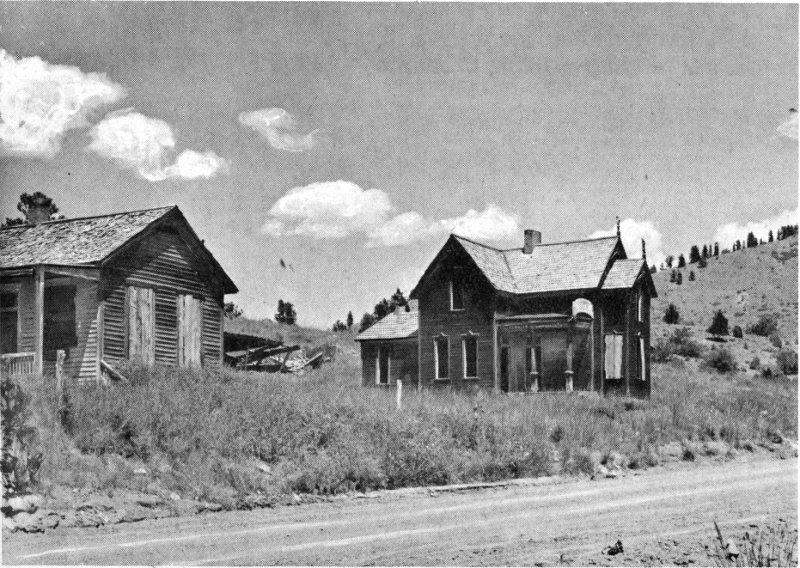
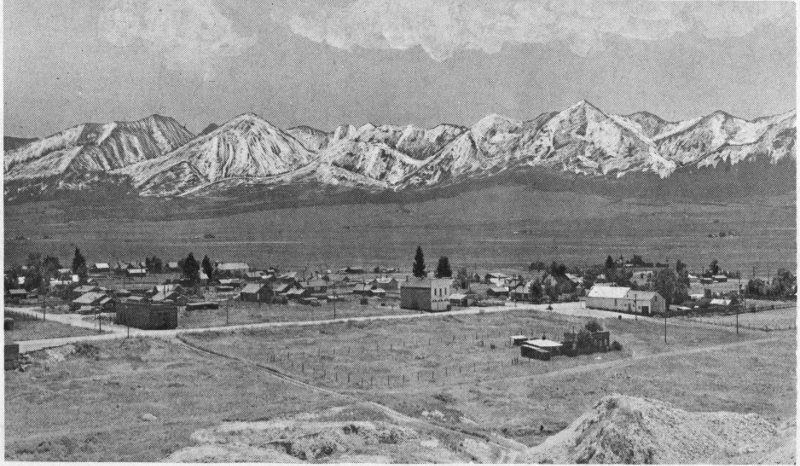
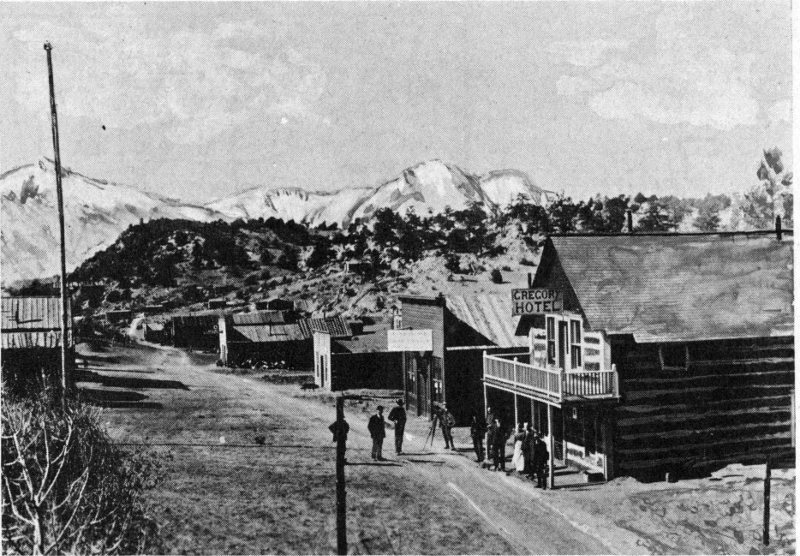
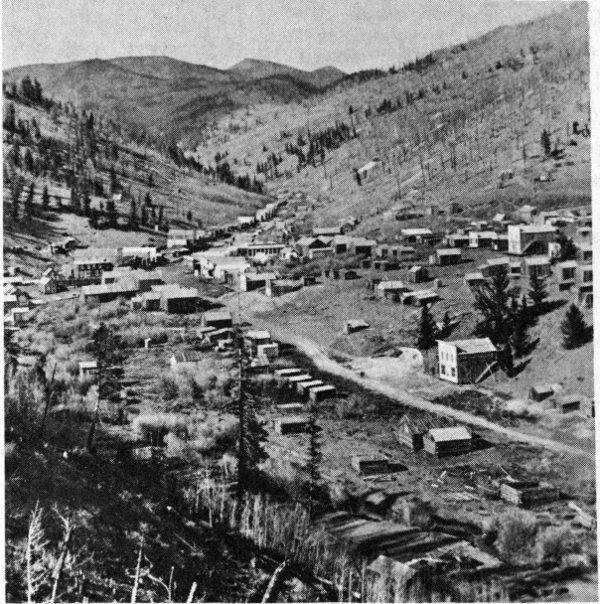
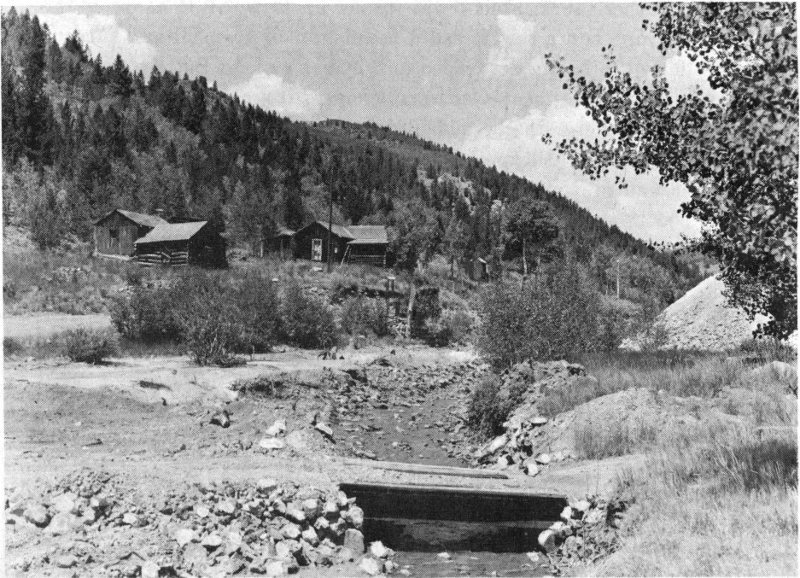
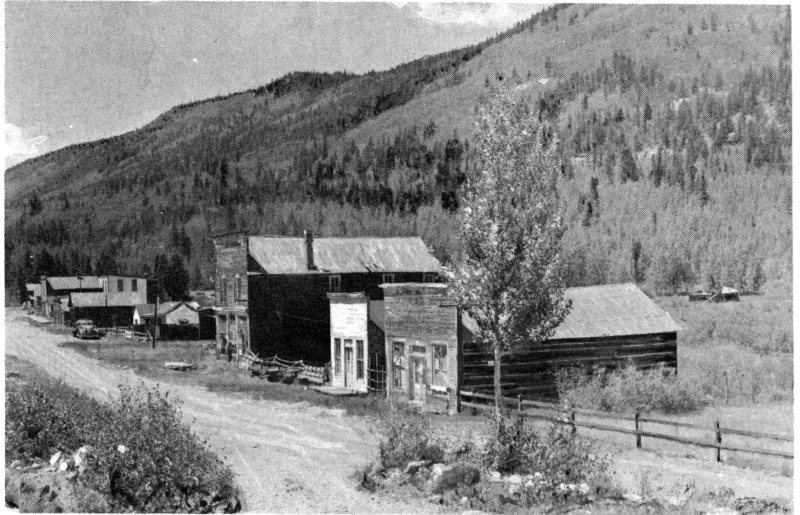
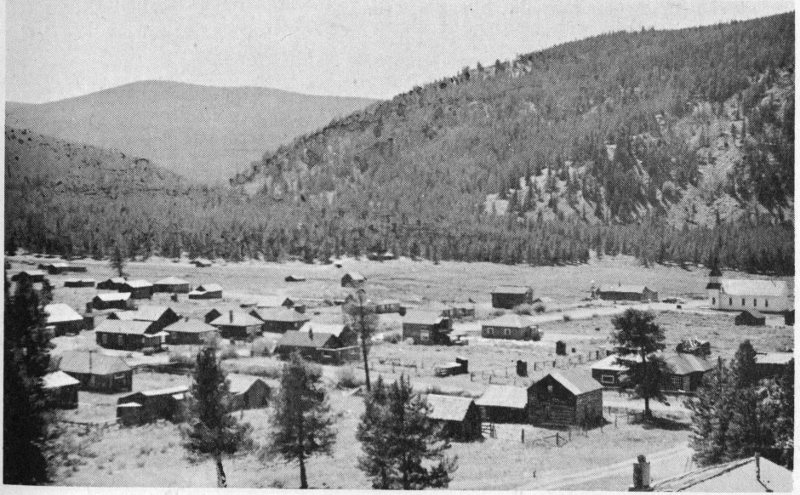
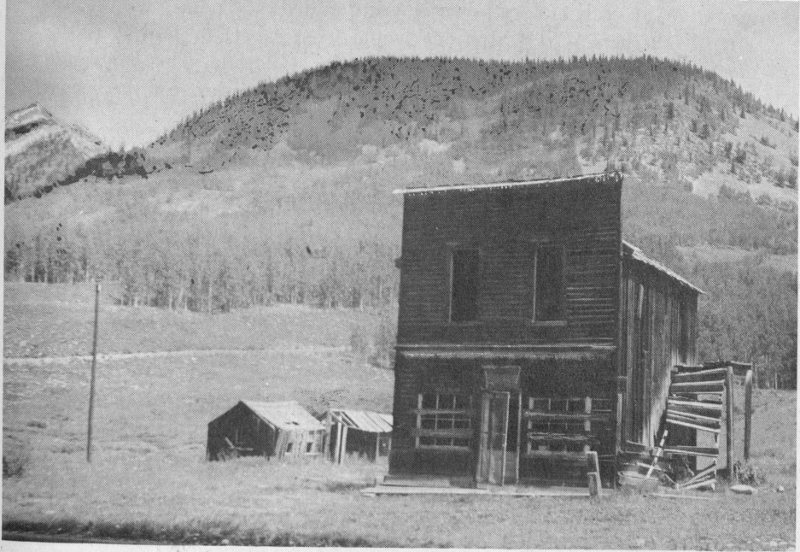
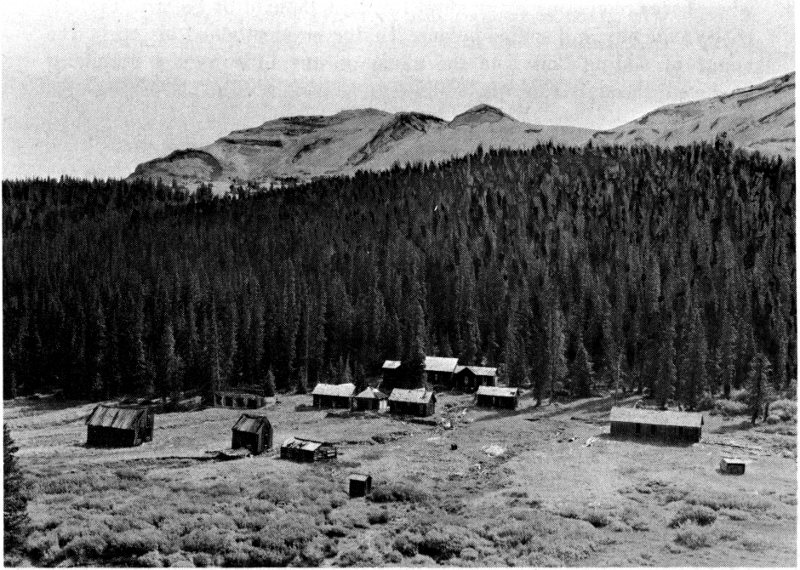
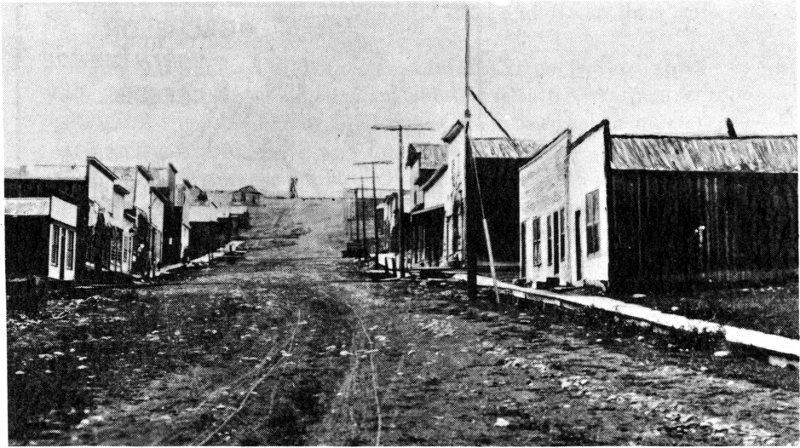
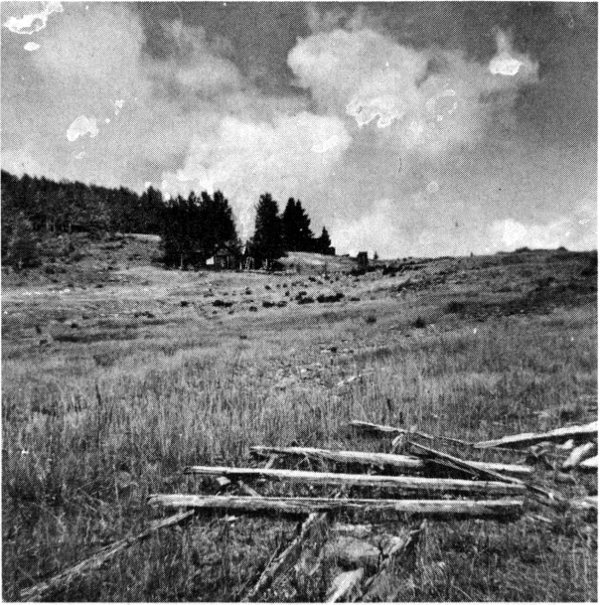
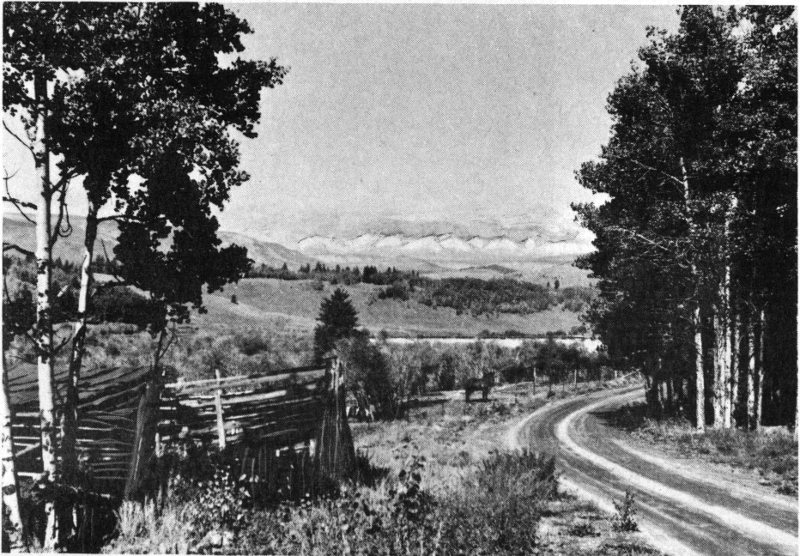
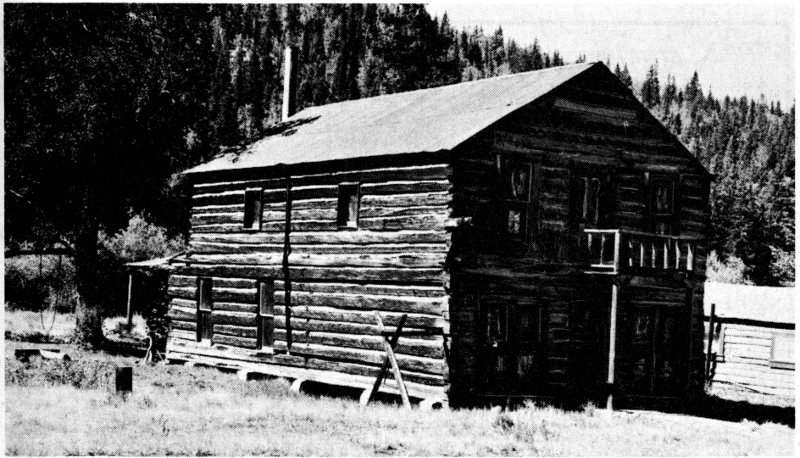
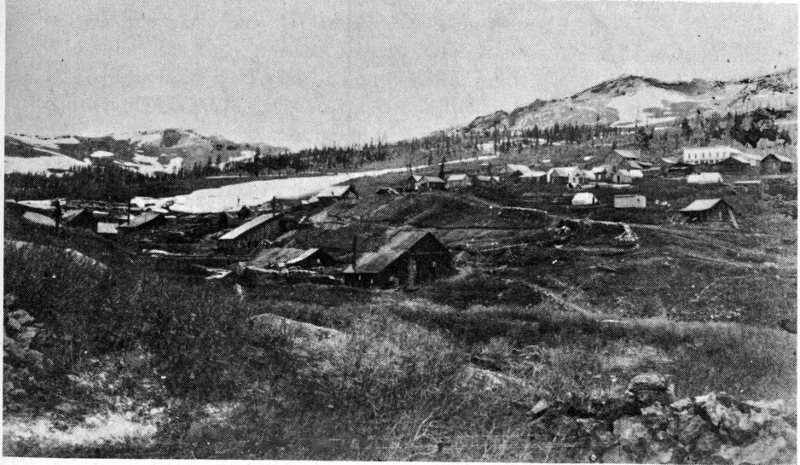
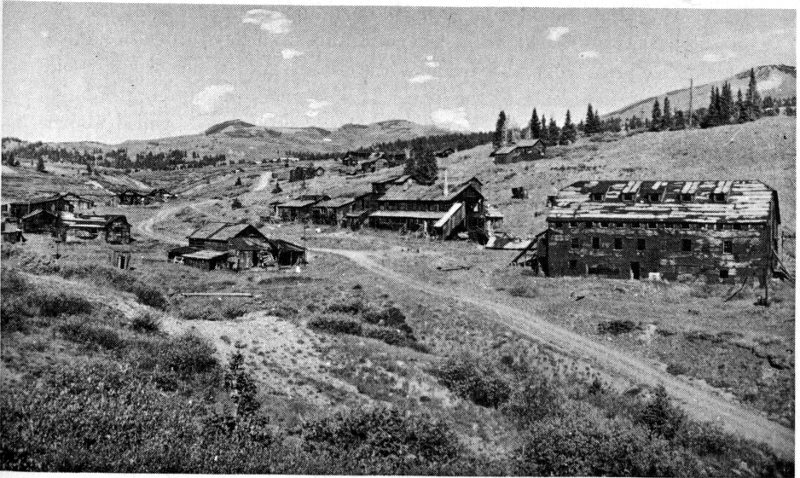
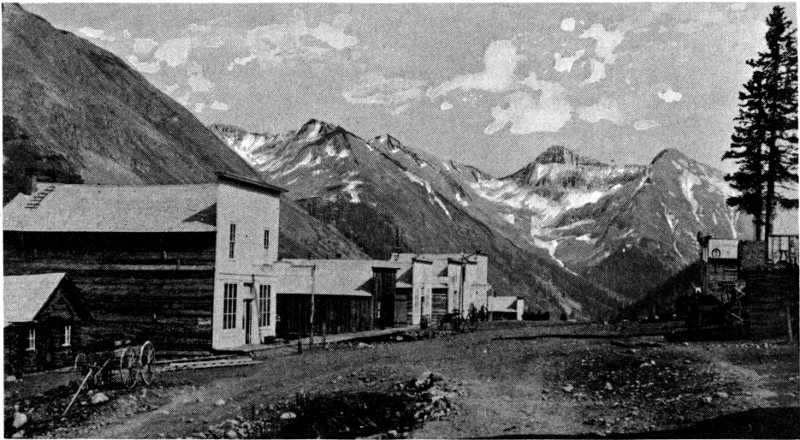
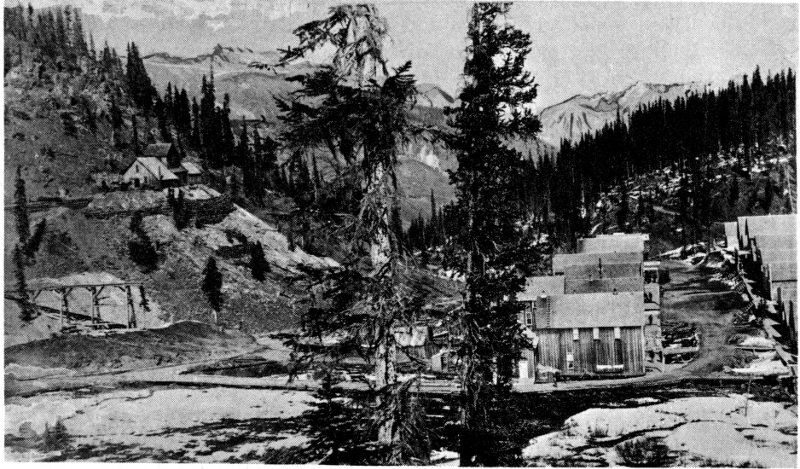
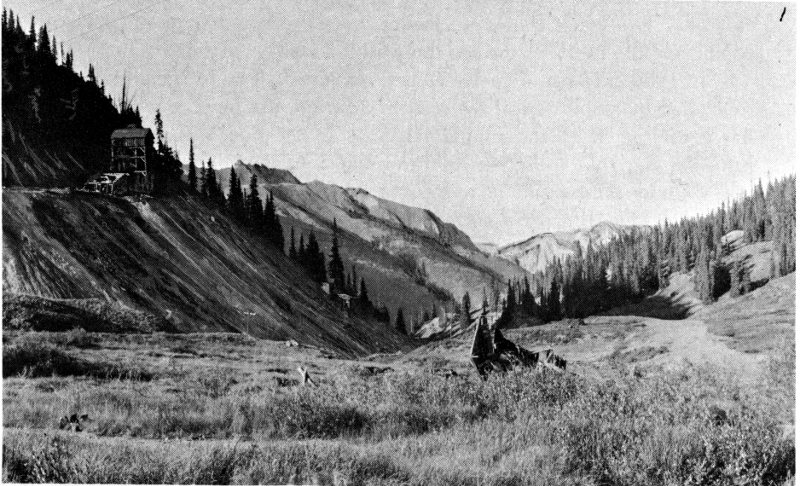
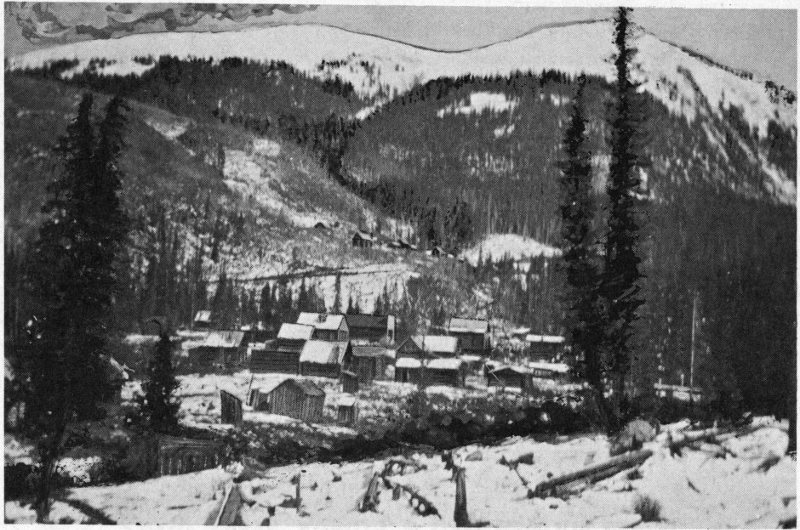
The Lanning Hotel and the Daggett Store may easily be located in both
the “then” and “now” shots. In the upper photo New York Mountain
(with two elevations) is in the background. White Quail Creek may be
seen running down its sides to join Nolan Creek whose banks show in
the foreground, this side of Lower Fulford. The road which connected
the two towns crosses the hill behind the prominent hotel and store.
36
The two friends greeted each other enthusiastically at the Lanning
Hotel (which at that time was in the upper town) and had a sumptuous
noon meal. They toasted the New Year and promised themselves great
riches from the location they were about to make on the sly. But one
hitch developed.
The friend had ordered new skis to be made by hotel-keeper Henry
Lanning who was the master craftsman of the camp. As they dined,
Lanning informed them that the skis would not be ready until the next
day. The friend said he would follow in the morning, bringing supplies
for a leisurely return trip, and the two men selected a place to rendezvous.
Fulford set out alone.
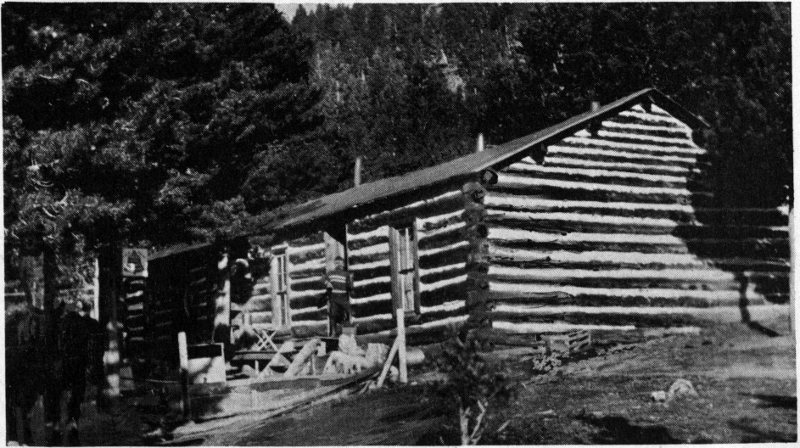
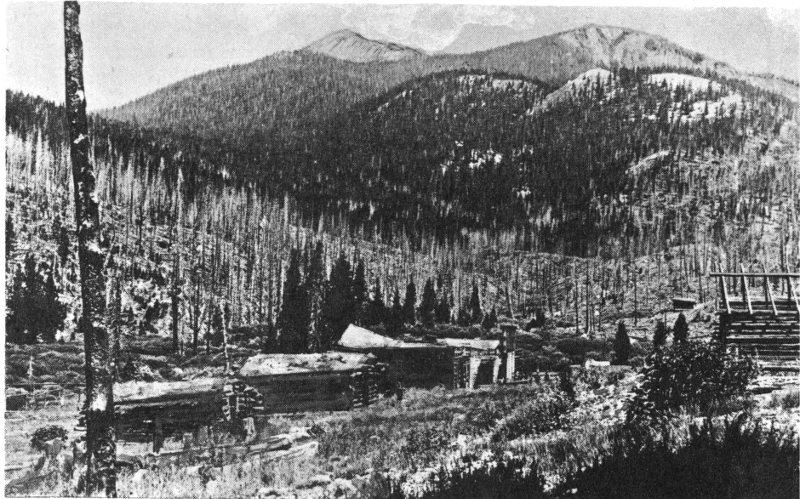
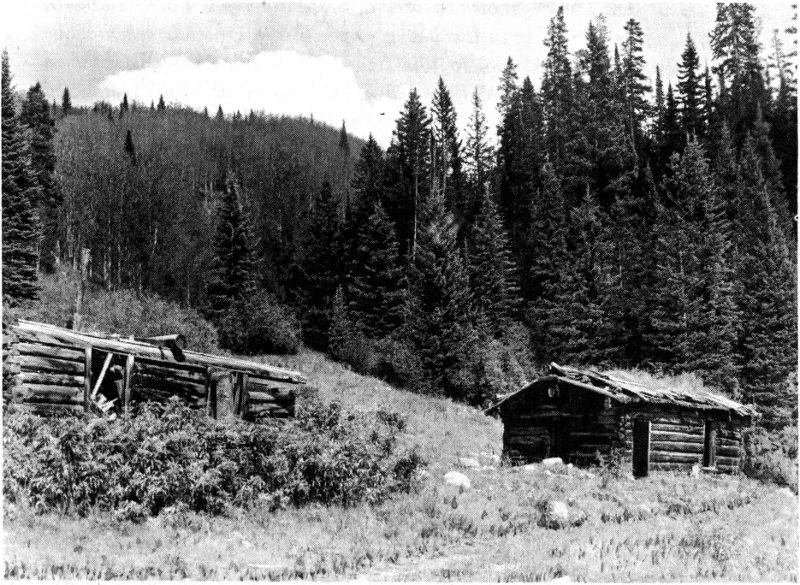
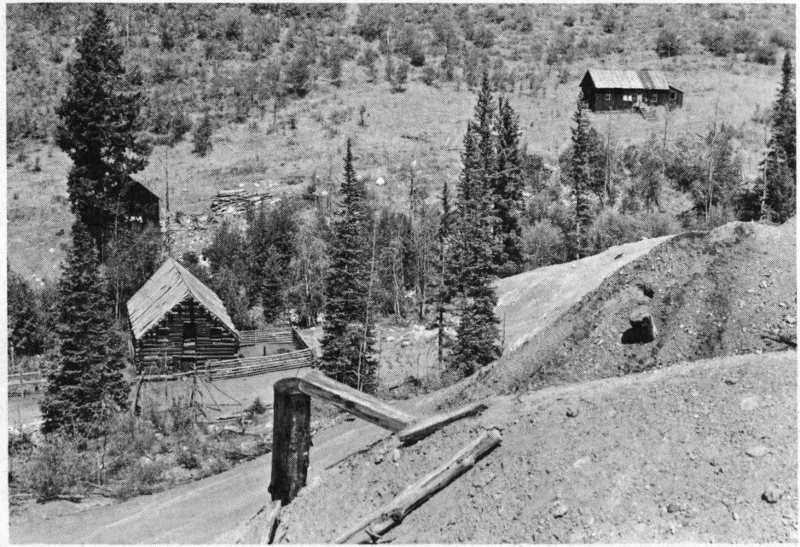
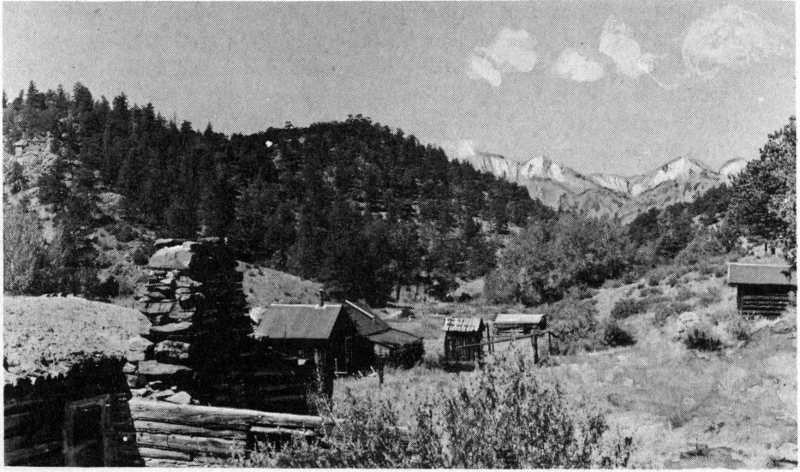
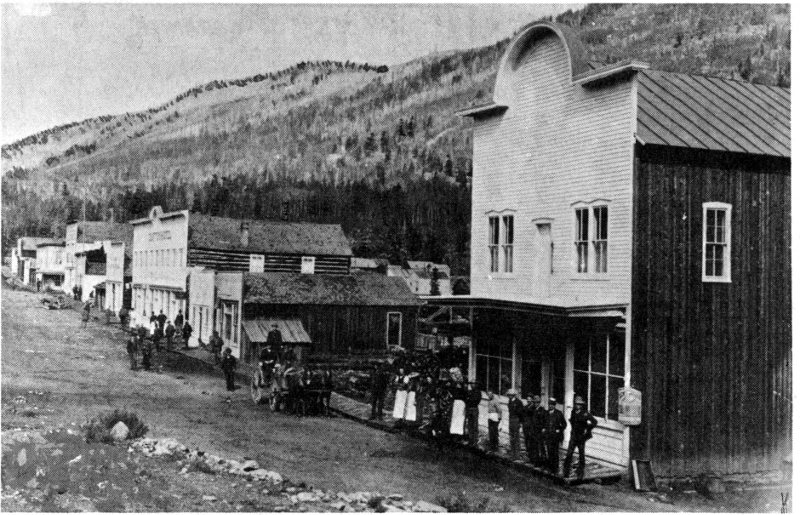
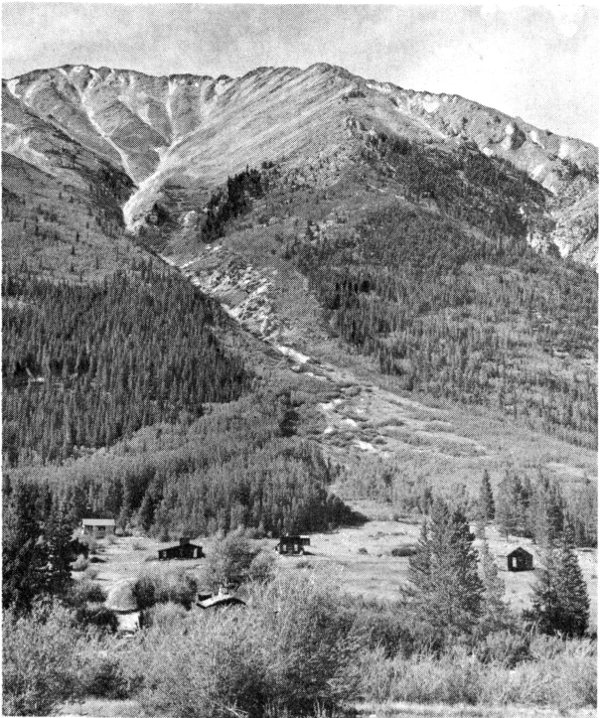
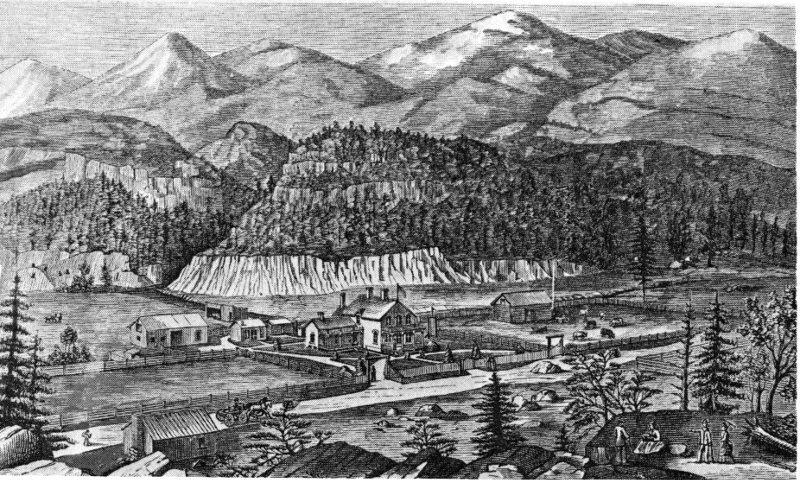
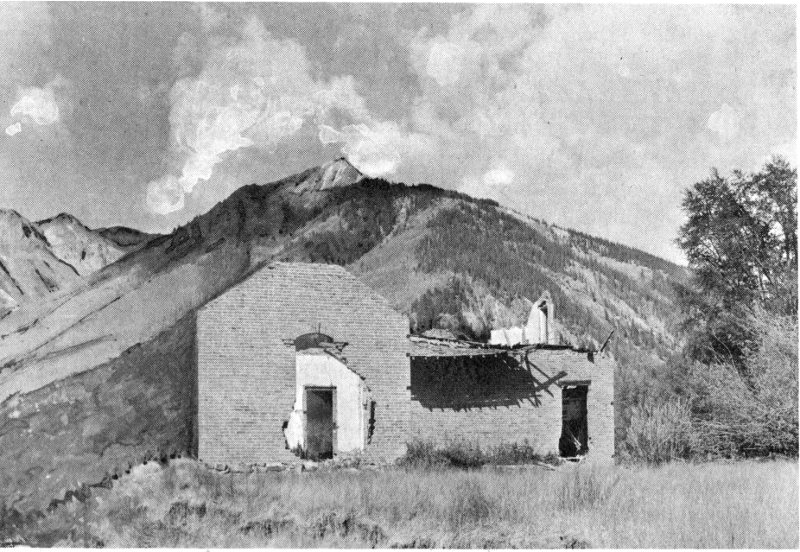
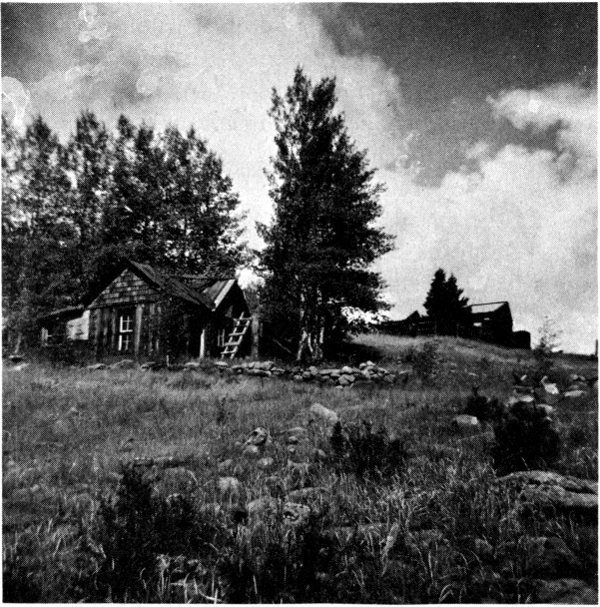
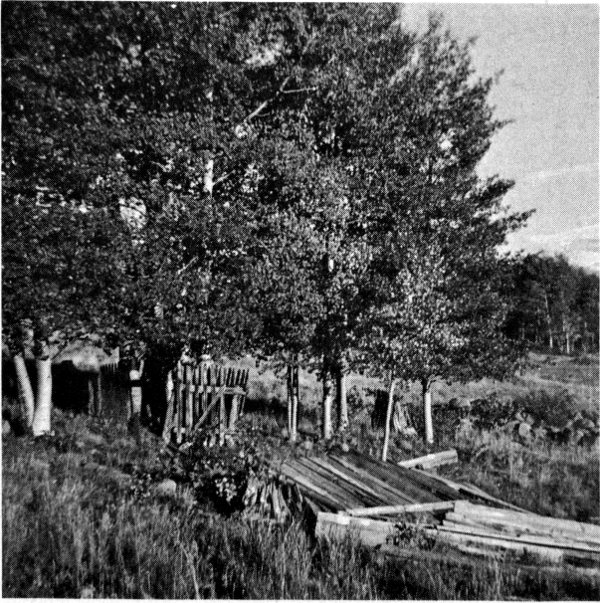
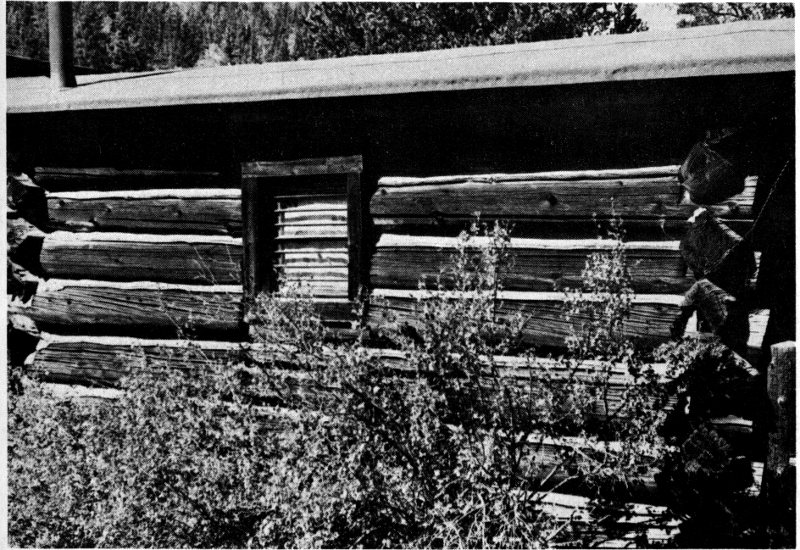
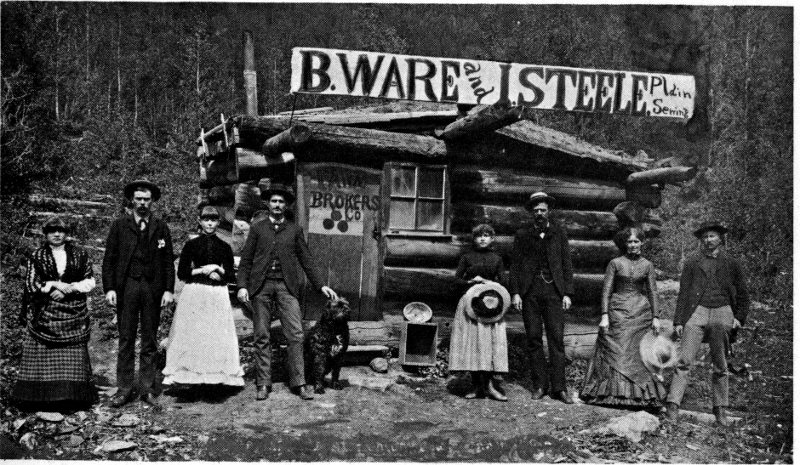
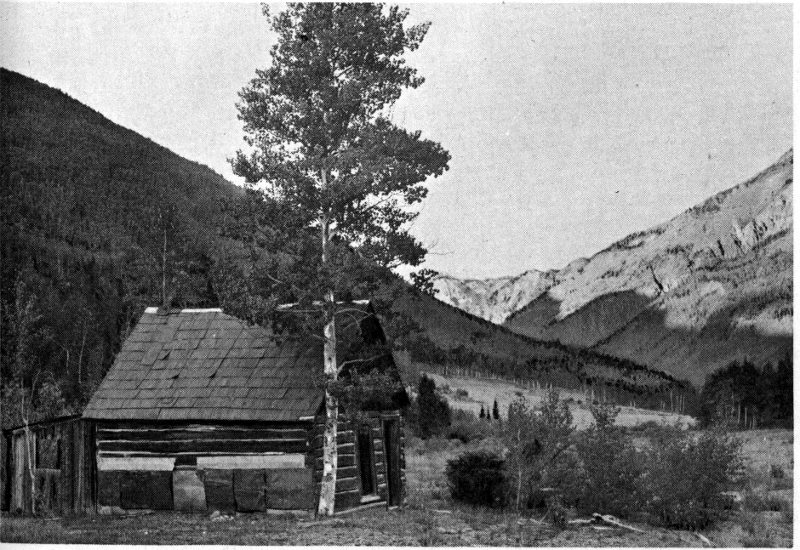
The original assay office (right), just a few steps from White Quail
Creek, supported an enormous ridge pole which in turn held a sod roof.
37
He was never seen alive again. The next day, when the skis were in
good order, the friend followed Fulford’s tracks with no difficulty until
beyond Bowman Gulch. Then evidence of an enormous snowslide came
into view, and the footsteps went no farther. The friend retraced his
path and enlisted the help of one hundred men to plumb the depths of
the slide. Two days later Fulford’s body was found in a sitting position,
his eyes still wide open with surprise.
Shaken by the loss, the rescue party determined to rename their
towns. From that time on the camps were known as Upper and Lower
Fulford. They were incorporated in January, 1896, with a townsite comprising
fifty-nine acres. Lower Fulford grew in popularity, and gradually
the post office and many businesses moved down to the more roomy
location.
Fulford’s mines were profitable until about 1903 when the camp
died away. The town had another big boom ten years later when one of
the prospectors who had stayed on made a new lucky strike. The place
was crowded, every empty cabin was appropriated, and the hotel bulged.
One mine was named the 1913 Tunnel in honor of its $200-a-ton ore—and
then in a few weeks everything fizzled out again.
In 1960 most of its log cabins had been moved down to ranches on
Brush Creek. A few old buildings in Lower Fulford had been adapted
for hunting and fishing cabins, and the rest were deserted. Upper Fulford
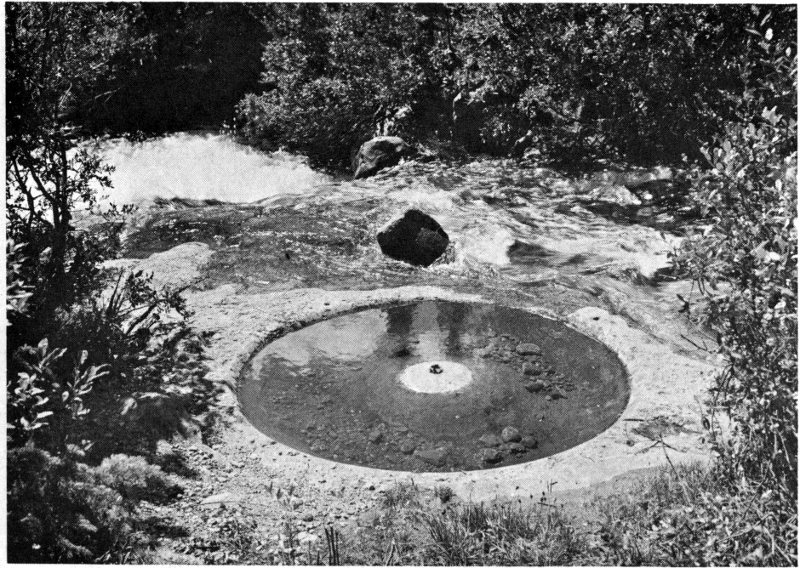
was completely ghost. The 1906 wooden bucket for spring water,
halfway between the two camps, was still in place, and its water still
refreshing.
But the story of Fulford was almost lost. People were more interested
in the nearby cave than in the history of the town. Nonetheless
the camp seemed unusual in that the names of Fulford and Nolan preserved
the memories of two accidents, so typical and so hazardous in
the lives of Colorado mining towns—a unique duo....
Crystal City, the other ghost town to be reached from Glenwood
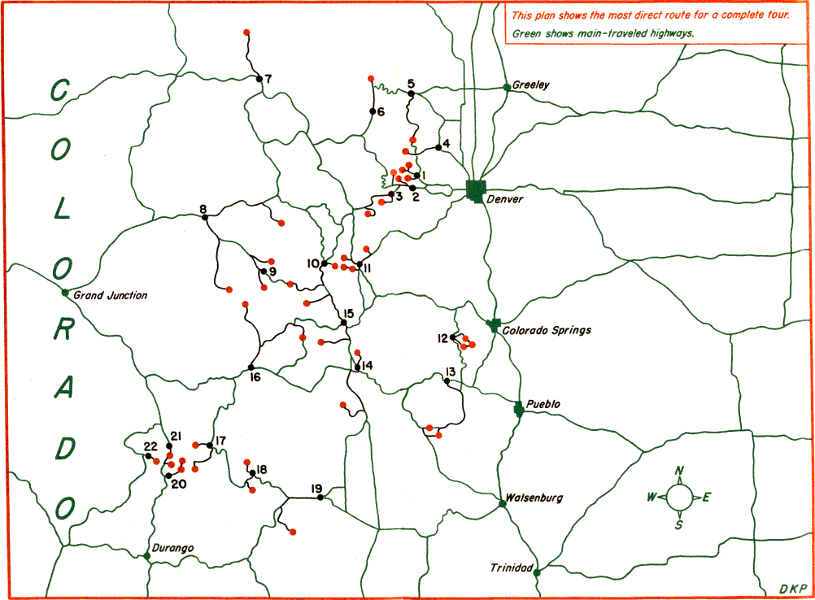
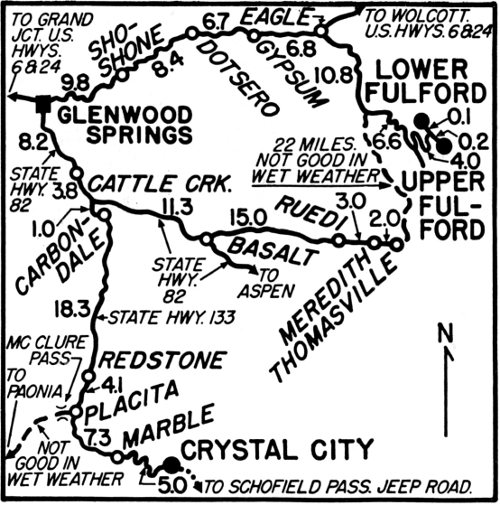
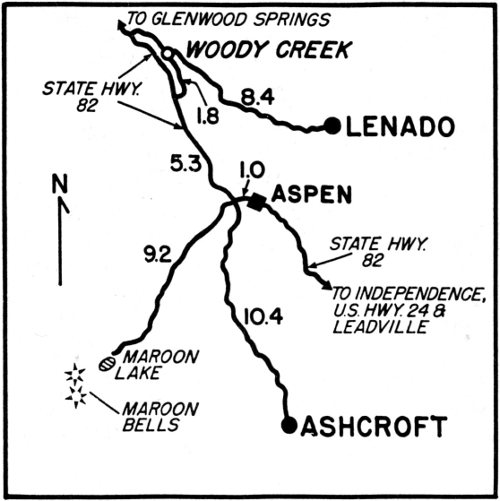
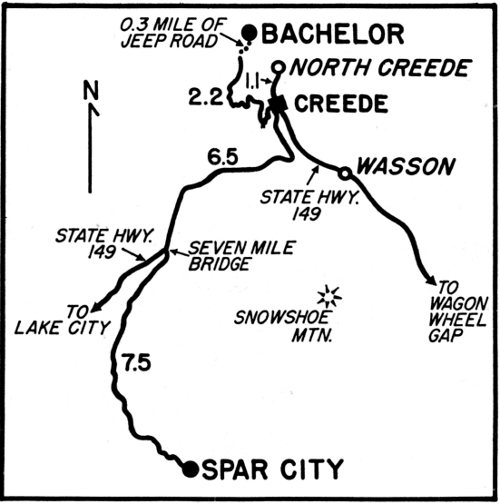
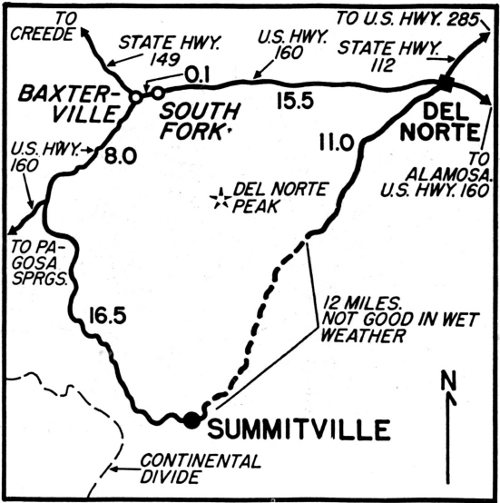
Springs, is a long, but scenic drive away. The route via the Frying Pan,
Roaring Fork and Crystal River Valleys, is especially scenic but to be
undertaken with caution (as shown on the map). The ride up the Crystal
River, whose bed has been carelessly strewn with great slabs of marble
by former cloudbursts, is a fascinating preparation for the special charm
of Crystal City. The town lies tucked into a green valley at the forks of
the Crystal River and until 1955 could only be reached afoot or on
horseback—an isolation helpful to preservation.
On the way up Crystal River the visitor passes through two storied
towns that have their own dramatic pasts—Redstone and Marble.
Near Marble was the quarry which supplied the white stone for the
Lincoln Memorial in Washington, D.C., and the block for the Unknown
Soldier’s Grave at Arlington, Virginia. A standard gauge railroad, The
Crystal River and San Juan, served the town and there connected with
a four-mile electric line that served the quarry. In many places along the
embankment of the river the roadbed has been riprapped with marble,
a strange sight. Our ghost town is five miles farther up the Crystal River
than the marble finishing plant (now Marble’s special ghost).
38
39
Crystal City had its beginnings in 1880 when prospectors, working
north from Gunnison through Gothic and Schofield, drifted down the
south fork of the Crystal River. They found outcroppings of transparent
quartz shot with crystallite and called the river and their little settlement,
Crystal. From that year until 1885, about seven good silver mines
were opened up in the surrounding mountains, notably the Lead King in
Lead King Basin, the Inez, the Harrison Farley, the Catalpa, the Sheep
Mountain tunnel and the Black Queen.
Isolation was Crystal City’s greatest problem. Shipment of ore
had to be by long jack trains along treacherous trails either via Schofield
to Gothic or down the Crystal River to Carbondale. The trails were
harassed by both rock and snowslides, and the miners who wintered
there were completely snowbound. In 1883 a four-mile road was completed
from Schofield. Crystal City’s population mounted to about three
hundred that year and to about four hundred by 1886.
The town had several stores, two newspapers, the Silver Lance and
the Crystal River Current, the usual saloons, two hotels, a barber shop,
pool hall and a renowned club—the Crystal Club. It also had a very
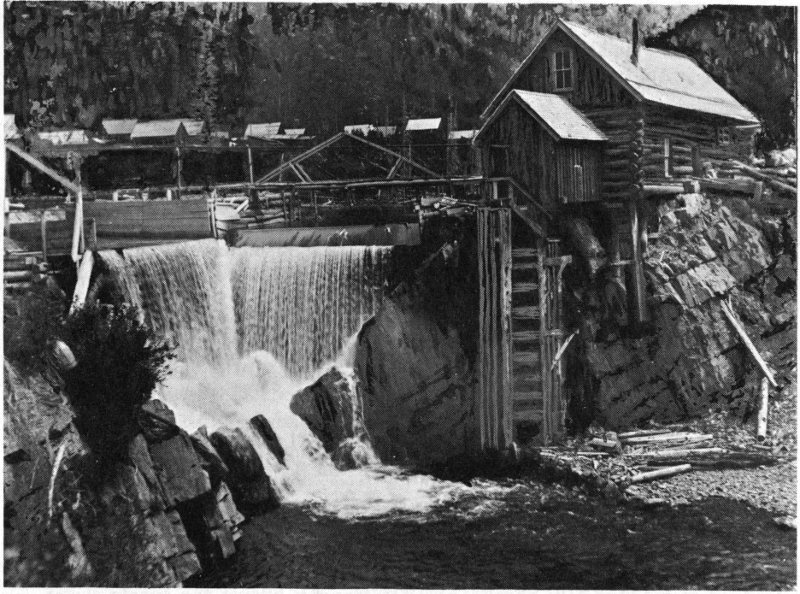
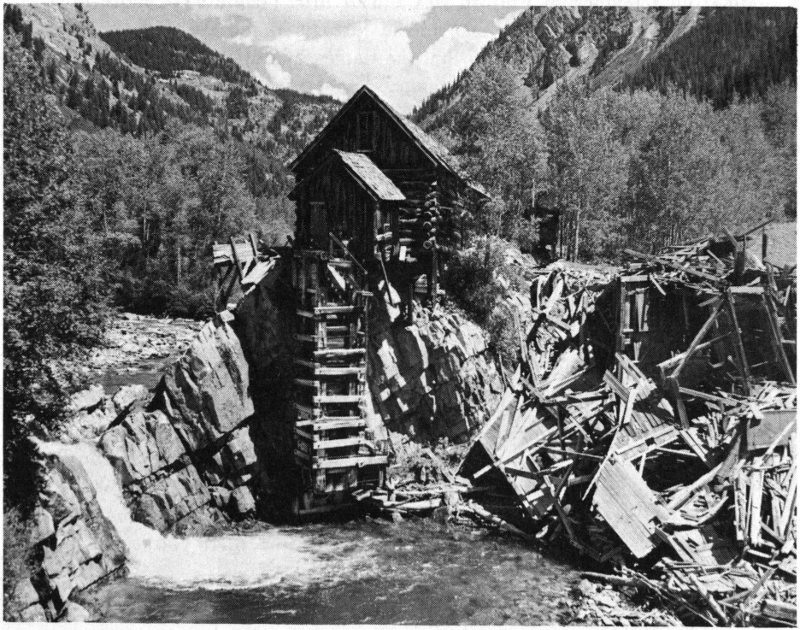
unusual mill used at different times in its history by the Black Queen,
the Sheep Mountain tunnel (which was over half a mile long) and the
Lead King. The last time the mill was used was in 1916 when an attempt
was made to re-open the first two mines, but the ore was not
rich enough for consistent profits.
Crystal City’s population fluctuated radically as did that of all
mining camps. After the Silver Panic people moved out until in 1915
there were only eight residents. The next year the count rose to over
seventy-five because of Black Queen and Sheep Mountain tunnel mining
activity. But when this venture failed, Crystal City died completely.
In 1954 Mr. and Mrs. Joseph Neal of Indiana, who were enthralled
with the beauty of Crystal City’s setting, allied themselves with Mrs.
Helen Collins in a movement to preserve the remaining buildings of
Crystal City. In 1960 the town was a summer resort, accessible by an
automobile road from Carbondale and by a jeep road from Schofield
Park and Gunnison County towns.
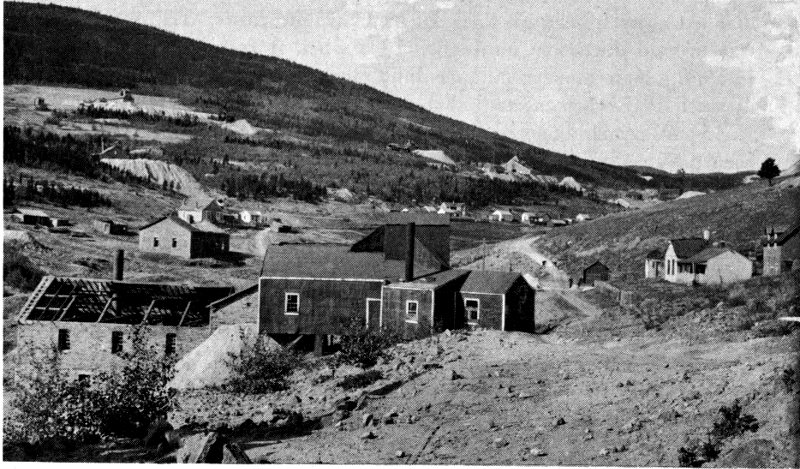
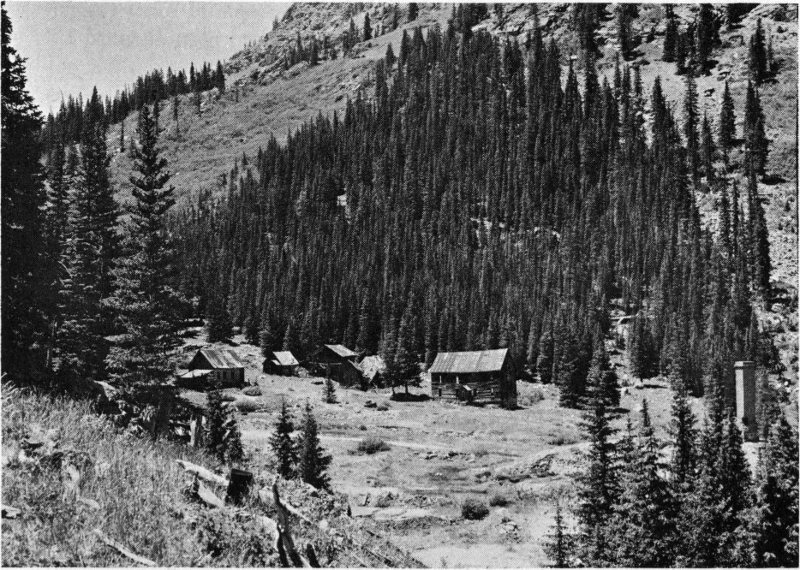
Its unusual mill stood, if increasingly dilapidated, the most
picturesque mill in Colorado, and lent delightful Crystal City a unique
charm.
40