Absolutism, evils of, 203
Adams, Abigail, Jefferson shops for, 160;
the "New England Juno", 323;
and Jefferson, 382, 383, 386, 518, 519
Adams, Henry, his criticism of Jefferson's conduct of foreign affairs, 409, 440, 441, 453, 459, 460, 464
Adams, John, Jefferson's correspondence with, 23, 482, 490, 503, 512, 517, 521, 526, 529;
his first impression of Jefferson, 59;
on committee of Continental Congress appointed to answer Lord North's "Conciliatory Proposition", 62;
assists in framing resolution instructing colonies to form governments, 66;
his part in Declaration of Independence, 69, 70;
on committee to suggest United States seal, 86;
appointed Minister Plenipotentiary to negotiate treaties of Commerce with foreign nations, 152, 162;
his wines, 160;
in favor of loose association of States, 196;
and the Barbary pirates, 206;
Jefferson gives estimate of, 248;
his quarrel with Jefferson, 259-261;
reëlection of, as Vice-President, 273;
elected President, 319;
attempts reconciliation with Jefferson, 321, 322, 325;
inaugural address, 321, 322;
not a party man or party leader, 323;
a complicated and contradictory figure, 323;
action in XYZ case, 325, 331, 336-338, 348, 355;
nominated for Presidency in 1800, 362;
changes in his Cabinet, 368;
in election of 1800, 367-369;
"midnight" appointments, 373, 374;
refuses to welcome successor, 375;
reconciliation with Jefferson, 518, 519;
his study of religious controversies, 522;
on life, 527
Adams, John Quincy, removed from office by Jefferson, 382, 383
Adams, Samuel, 359, 361
Addison, Judge, deposition of, by Senate of Pennsylvania, 384
Albemarle resolutions, 45-47
Alexander I of Russia, 448
Algiers, 206
Alien Bills, 340, 342-347
Aliens, their right to hold real property denied, 151
Allen, Ethan, declaration concerning, drafted by Jefferson, 65
American civilization, underlying ideas of, 85.
American imperialism, 398-400
American public education, first charter of, 95-100
American Revolution, remonstrance in House of Burgesses, 38;
articles of association directed against British merchandise, 38;
as to causes of, 42;
effect of passage of Boston Port Bill, in Virginia, 43, 44;
proposal to form Congress, 44;
declaration of mutual defence, 45;
resolutions adopted by freeholders of Albemarle County, Va., 45-47;
resolutions adopted by Assembly of Fairfax County, 45-47;
regulation of American commerce, 46;
doctrine of expatriation, 47, 50;
first Continental Congress, 54;
second Continental Congress, 59;
Lord North's "Conciliatory Proposition" answered, 62;
independence not at first aimed at, 63-65;
colonies instructed to form governments, 66;
Declaration of Independence, 69-71;
treatment of prisoners in, 109-112.
See also British colonies
Americanism, cardinal principles of, 52, 61;
creed of, formulated by Jefferson, 62, 120;
Jefferson's conception of, when he wrote "Notes on Virginia", 136;
practical idealism a tenet of, 275;
pure, 334, 335;
definition of, 352;
Jefferson's system of, 423, 428, 468
Armstrong, Gen. John, American representative in Paris, 462
Arnold, Benedict, 108
"Arrears of Interest, Report on", Jefferson, 146
Articles of Confederation, discussion of, in Congress, 80;
defects in, 145, 146, 195, 197
"Assumption" of the State debts, 250-255
Aurora, journal, 311, 313, 343, 354
Austin, Benjamin, 491
Bache's Aurora, 311, 313, 343, 356
Balance of power, 476
Bank Bill, Hamilton's, 255-258
Bannister, J. B., Jr., letter to, 172
Barbary pirates, 205-207, 428, 443
Barbé-Marbois, secretary of French legation in United States, 118, 414
Bastille, capture of, 235
Bayard, James A., nominated plenipotentiary to French Republic, 373, 374
Bellini, letter to, 173
Berlin Decree, 450
Beveridge, Albert J., his "Life of Marshall", 384, 385, 434
Bill for a General Revision of the Laws, Virginia, 90
Bill for Amending the Charter for William and Mary, 98, 99, 105, 106
Bill for Proportioning Crimes and Punishments, Virginia, 93-95
Bill for Religious Freedom, Virginia, 89, 100-103, 106, 365
Bill for the more General Diffusion of Knowledge, Virginia, 95-99, 105, 505, 508
Bill of Rights, 198-201, 204
Bill on the Naturalization of Foreigners, 89
Bill to Abolish Entails, Virginia, 88, 89
Bingham, Mrs., 160
Bishop, Samuel, appointed collector of New Haven, 381
Blennerhasset, Harman, and the Burr conspiracy, 431, 432
Bolingbroke, Henry St. John, his influence on Jefferson, 21, 23, 26, 31
Bollman, and the Burr conspiracy, 432, 433
Bonaparte, his projected invasion of England, 336;
Jefferson's opinion of, 359, 475, 476;
precedent established by, 360
Boston Port Bill, 43
Brazil, 483
Breckenridge, James, on board of visitors of University of Virginia, 509
Breckenridge, John, letters to, 370, 371, 416
British colonies, contractual theory of government of, 45, 46;
regulation of commerce of, 46, 47;
rights of, 48-53.
See also American Revolution
Brunswick, Duke of, defeat, 273
Buchan, Lord, letter to, 444
Budget, presented by Jefferson, 146
Buffon, G. L. L. de, theory of, concerning
animals in America, 121, 122
Burke, "History of Virginia", 12, 515
Burlamaqui, Jean Jacques, quotation from, 73
Burnaby, English tourist, quoted on Virginia colonists, 42
Burr, Col. Aaron, letters to, 332, 354;
nominated for Vice-Presidency (1800), 362;
in the 1800-election, 369-373;
his presence in government an annoyance to Jefferson, 382;
conspiracy, 429-439;
duel with Hamilton, 431
Burwell, Rebecca, and Jefferson, 16, 17
Cabanis, P. J. G., 161;
letter to, 422
Cabell, Joseph C., 507;
on board of visitors of University of Virginia, 509;
letters to, 512
Cabell, Gov. William H., 451
Cabinet, the President's, in Washington's time, 247;
Adams's, 322, 323, 368;
relation to President, 392
Callender, 356, 427;
employed by Jefferson, 361;
Jefferson's interest in, 363;
his pamphlet, "The Prospect Before Us" ("History of the Administration of John Adams"), 382
Calonne, Charles Alexandre de, 178, 182
Calvinism, 522
Canning, George, 453
Capital, of United States, seat of, 252, 253
Capitol, at Washington, the new, question of putting inscription on, 479
Caracas, constitution of, 498
Carleton, Guy, governor of Canada, 111
Carmichael, 198, 211, 226, 263, 276, 288
Carr, Dabney, death, 40, 41
Carr, Peter, 21, 175
Carrington, Edward, letters to, 196, 213, 219
Carthagenes, constitution of, 498
Cary, Col. Archibald, 139
Ceres, sailing-vessel, 153, 159
Champion de Cicé, Archbishop of Bordeaux, 235
Charlottesville, Va., war prisoners at, 109
Chase, Judge Samuel, impeachment of, 387-389
Chastellux, Chevalier de, friend of Jefferson, 154
Chesapeake-Leopard affair, 451-453
Church, Mrs., 298, 299
Church of England, in Virginia, 90, 103
Cincinnati, Society of the, 152, 306
Clay, Rev. Mr. Charles, subscription for support of, 103-105
Clinton, George, Vice-President, 395, 463, 464
Cocke, J. H., on board of visitors of University of Virginia, 509
Collot, Gen., 402
Colvin, J. B., letter to, 469
Comité du Commerce, 178, 183
Commerce, one of the great causes of war, 83;
Treaty of, 143, 144;
Gallo-American, 181-184;
Report of Jefferson on Privileges and Restrictions of, 302
Commercial monopolies, 151, 152
Commercial treaties, 149-152
Committees of safety, 54
Confederation, Treaty of Commerce, 143, 144;
defects in, 145, 146, 195, 197;
monetary system, 146, 147;
new States, 148;
slavery, 148, 149;
hereditary titles, 148, 149;
commercial treaties, 149-152.
See also Articles of Confederation; United States
Congress, first proposal for, 44.
See also Continental Congress
Congressional election, see Election
Congressional Library, destroyed by English, 476
Constitution of United States, 195-202
Continental Congress, First, 54, 83;
Second, 59;
of the Confederation, 143-152
Contraband, 151, 152, 422, 423
Cooper, Thomas, 510;
letters to, 492, 512, 521
Coray, Mr., 516
Corny, M. de, 234
Corny, Madame de, 161, 245, 246, 274, 298, 299
Correa de Serra, 484, 516
Coxe, Tench, letters to, 304, 371, 372
Crawford, Dr. John, letter to, 480
Crimes and punishments, in Virginia, 93-95
Cuba, 470, 485
Cutting, letter to, 225
Dalrymple, Sir John, his "Essay Towards a General History of Feudal Property", 30
Dandridge, Mr., 14
Danville, Duchesse, 274
Deane, Silas, quoted on Southern delegates to first Continental Congress, 42;
elected commissioner to France, 87
Dearborn, Henry, Secretary of War in Jefferson's Cabinet, 374
Debts of United States, foreign, domestic, and State, 250-255, 258
"Déclaration Européenne des droits de l'homme et du citoyen", Lafayette, 232-234
Declaration of Independence, the story of, 69-71;
origin of, 71-74, 77;
as literature, 72;
"the pursuit of happiness" in, 75-76;
highest achievement of eighteenth-century philosophy, 76;
suggests tone of Greek tragedy, 77
Declaration of Rights of 1774, 73
Declaration on Violation of Rights, adopted by First Continental Congress, 83
Dejean, Lieut., 111
Democrat, sailing-vessel, 294
Democratic societies, 306, 334
De Moustier, letter to, 254
Destutt de Tracy, A. L. C., meeting with Jefferson, 161;
letter to, 484;
his "Political Economy", 495;
living embodiment of political faith of nineteenth century, 514
Dexter, Samuel, Secretary of War in Adams's Cabinet, 368;
Secretary of the Treasury in Adams's Cabinet, 374
Dickinson, John, in Continental Congress, 60;
letter of, 361
Dictator, proposition for appointment of, 127, 128
Douglas, Dr., clergyman, 5, 20
Duane, William, flogged, 355;
letter to, 475
Dumas, financial agent of the United States at the Hague, 185, 187, 197, 209, 252, 253, 289
Dunbar, William, discussions with Jefferson, 371
Dunglison, Dr., on visitors at Monticello, 516;
on Jefferson's religious belief, 520;
his account of Jefferson's death, 531
Dunmore, John Murray, Earl of, governor of Virginia, 43, 44, 54, 55, 66
Du Pont de Nemours, Pierre S., Jefferson's association with, 215;
his "Plan of a National Education", 358, 506, 507, 512;
theories and practice of, 395;
correspondence with Jefferson, 405-409, 411, 414, 415, 420, 452, 471, 478, 493, 497, 498, 514;
and the Louisiana problem, 407-409, 412-415;
never fully understood Jefferson, 496;
draws up plan of government for the "Equinoctial republics", 498;
living embodiment of political faith of nineteenth century, 513, 514
Edwards, Jonathan, 430
Election, of 1792, 272, 273;
of 1796, 316-319;
of 1800, 363-373;
of 1804, 389, 395
Ellsworth, Oliver, appointed Plenipotentiary to France, 355
Embargo of 1807, 428, 456-462, 470, 471
"Encyclopédie Méthodique", 160, 214
English, their monopoly of the American market, 326, 327
Entails, abolished in Virginia, 88, 89
Epicurism, 521
Eppes, Mrs., sister of Mrs. Jefferson, 153
Equinoctial republics, 498
Essex case, 447
Estaing, Admiral d', 206
Euripides, 22, 24
Eustis, Dr. William, letter to, 461
Excise tax, 254, 255, 393;
revolt against (Whisky Insurrection), 305, 306;
Jefferson's bitterness against, 306, 307
Expatriation, doctrine of, 47, 50, 89, 107
Fairfax resolutions, 45-48
Farmers-general, 177-181
Farming taxes, 177-181
Fauquier, Dr., of Floirac, 12
Fauquier, Gov. Francis, his intimacy with Jefferson, 12, 13
Federal Government, prerogatives of, 83
Federalist, the, 200
Federalists, their power broken, 355, 362;
in election of 1800, 367-373, 389;
in Jefferson's administration, 380, 381
Feudal system, abolishment of, in Virginia, 88, 89
Fleming, William, letters to, 78, 79;
on committee on religion, 89
Florida, Western and Eastern, 445, 446
Foster, Dwight, Senator, makes offer to Jefferson, 373
Fox blockade, 450
France, educational system of, 98;
colonizing designs of, feared, 207;
difficulties with, 288, 323-325, 331-342, 440, 447-462.
See also French Revolution
Franklin, Benjamin, on committee of Continental Congress appointed to answer Lord North's "Conciliatory Proposition", 62;
his part in Declaration of Independence, 69, 70;
on committee to suggest United States seal, 86;
elected commissioner to France, 87;
Jefferson's view of, 122;
appointed Minister Plenipotentiary to negotiate treaties of commerce, 152, 162;
interview with Jefferson, 247
Franklin, William Temple, papers entrusted to, by Benjamin Franklin, 247
Free ports, 182
Freedom of speech, 427
Freedom of the press, importance of, 203, 427
Freedom of thought, Jefferson's understanding of, 103
Freeholders, rights of, 52
French constitution, 143
French debt, of United States, 176, 177, 181, 182, 184-193
French Revolution, Declaration of June 23, 1793, 76;
Declaration of May 29, 1793, 82;
Assembly of the Notables, 219-222, 225;
convocation of States-General, 227, 229;
National Assembly, 231, 232;
capture of the Bastille, 235;
defeat of Duke of Brunswick, 273;
becomes international issue, 279;
flight of king, 282;
execution of king, 287
Freneau, Philip, his paper, the National Gazette, 261-263, 269
Fry, Joshua, professor in William and Mary College, 5
Gallatin, Albert, defies excise law, 305;
speech of, 311;
letter to, 480
Gates, Horatio, letters to, 416, 445
Gazette of the United States, attacks Jefferson, 268, 269
Geismer, Baron de, 110, 163
Generations of men, rights of, 234
Genêt, Citizen Edmond C., the case of, 288-297
Gerry, Elbridge, letters to, 325, 351-353;
appointed envoy extraordinary to France, 333
Ghent, Treaty of, 485
Giles, William B., and Jefferson, 311;
letters to, 307, 309, 436
Gilmer, Francis Walker, and Jefferson, 253;
sent to England to recruit faculty for University of Virginia, 511
"Government by the people", 237
Granger, Gideon, letter to, 363
Great Britain, United States debt to, 186-193;
her hatred of United States, 208, 209;
and France, war between, 288, 440, 447-462;
her navy, policies of, in regard to contraband and impressment, 422, 423
Greene, William, letter to, 356
Hamilton, Alexander, quarrel with Jefferson, 127, 255-258, 263, 265, 266, 268-271;
Secretary of the Treasury, 247;
Jefferson gives estimate of, 248;
Reports of, 249;
his Bank Bill, 255-257;
his actions supported by Washington, 271;
attitude toward England, 290;
and Whisky Insurrection, 306;
would encourage American manufactures, 327, 443;
his plans of administrative reorganization, 349, 350;
in election campaign of 1800, 367, 368;
duel with Burr, 431
Hamilton, Gov., of Kaskakias, 111
Hammond, George, British minister to United States, 291, 292
Hardy, Samuel, delegate to Congress from Virginia, 140
Harrison, Gov., letters to, 145, 415
Hawkesbury, Lord, 402, 404
Hawkins, Col. Benjamin, discussions with Jefferson, 358;
letter to, 364
Hay, George, 436
Helvétius, Madame, 161, 215
Henry, Patrick, and Jefferson, 14, 15, 26, 27, 37, 63;
his study of the law, 28;
after passage of Boston Port Bill, 43;
and Jefferson's "Summary View", 47;
speech at second Virginia Convention, 54;
opposes Bill to Abolish Entails, 89;
seconds motion for appointment of dictator, 127;
appointed Plenipotentiary to France, 355
Hereditary titles, in the Confederation, 148, 149
Hervey, John, guardian of Jefferson, 8
Hobbes, Thomas, 82
Holland, United States debt to, 187-193
Hopkinson, Francis, 200
Hopkinson, Mrs., 153
Houdetot, Madame d', 161, 274
Howe, Lord, negotiations of Franklin with, 247
Howick, Lord, 450
Humboldt, Baron Alexander von, letter to, 481
Humphreys, Col. David, secretary of legation in Paris, 153, 159, 223, 228
Immigration, Jefferson's views of, 123-125
Impeachment, the Republican understanding of, 385, 387
"Implied powers", doctrine of, 256
Impressment, of British sailors on neutral vessels, 423;
an issue of the War of 1812, 478
Income tax, 494
Indians, 7;
study of customs and languages of, 99;
atrocities of, in American Revolution, 111;
eloquence of, 121;
affairs of, treated in Jefferson's second inaugural, 425-427
Industrialism, dangers of, 492
Isham, Mary, 3
Jackson, Andrew, 431
Jacobins, see Republicans
Jay, John, letters to, 223, 224, 231, 234, 236, 239.
See also Jay treaty
Jay, Gov. John, letter to, 491
Jay treaty, 305, 307, 308, 316, 324
Jefferson, Lucy Elizabeth, daughter of Thomas Jefferson, 139;
death, 163
Jefferson, Martha, daughter of Thomas Jefferson, her account of Mrs. Jefferson's death, 138;
date of birth, 139;
accompanies father to Europe, 153, 159;
marriage, 246;
at Monticello, 300;
Jefferson's farewell message to, 532
Jefferson, Mary, daughter of Thomas Jefferson, 139, 161;
joins father in Paris, 163
Jefferson, Peter, father of Thomas Jefferson, 4, 5
Jefferson, Mrs. Peter, see Randolph, Jane
Jefferson, Thomas, birth, 3;
ancestry and parentage, 3-5;
"Autobiography", see below;
schooling, 5-7;
early reading, 6;
life at Shadwell, 6-8;
at William and Mary College, 8-17;
oratorical ambitions, 14;
influence of Patrick Henry upon, 14, 15, 26, 27, 37;
love episode with Rebecca Burwell, 16-18;
commonplace books, 19, see also below;
change in religious belief, 19-24;
distrust of women, 22;
his system of morality, 24-26, see also Morality;
influence of Greek Stoics upon, 26;
studies law, 27-31;
his revindication of the Saxon liberties, 31, 32;
his acquaintance with languages and books, 33;
practices law, 34, 36;
life as farmer at Shadwell, 34, 35;
his "Garden Books", 35, 39;
his scorn of rhetoric, 36, 37;
character of his mind, 37;
in House of Burgesses, 38;
his library, 39;
marriage, 39, 40;
life at Monticello, 41;
after passing of Boston Port Bill, 43, 44;
his declaration of mutual defence, 45;
writes Albemarle resolutions, 45-47;
his doctrine of expatriation, 47, 50, 89, 107;
drafts instructions to Virginia delegates to first Continental Congress, 47, 53;
his "A Summary View of the Rights of British America", 48-53;
his discussion of land tenures, 49;
speaks as pioneer, 52, 53;
in second Virginia Convention, 54;
delegate to second Continental Congress, 54, 55, 64;
his part of "Declaration of the Cause of Taking Up Arms", 59-62;
his answer to Lord North's "Conciliatory Proposition", 62;
influence of Greek and Latin orators on his style, 63;
his view of independence, 63-65;
his absence from Congress during preliminary steps to Declaration of Independence, 66;
appointed Lieutenant and Commander in chief of the Militia of the County of Albemarle, 66;
drafts constitution for Virginia, 66-69;
and the Declaration of Independence, 69-78;
resigns from Congress and enters Virginia Legislature, 78, 79;
his view of the social compact and liberty, 80-82, 85, 204, 365, 498;
his philosophy of natural and civil rights, 80-85, 106, 204, 346, 365;
his conception of state sovereignty, 82, 83;
his views on property, 84, 85;
his suggestion for United States seal, 86;
the source of his political philosophy, 87;
refuses post of commissioner to France, 87, 88;
birth of son, 88;
his part in revision of laws of Virginia, 88-103;
starts subscription for Rev. Charles Clay, 103-105;
his doctrine of government, 105-107;
as Governor of Virginia, 107-114;
his attitude toward British prisoners, 109-112;
a stern, but little observed, trait in his character, 111-113;
nearly taken by the British, 113;
charges against his conduct as governor, 114, 115;
impatient at public criticism, 115;
refuses new appointment to European post, 115, 116;
his determination to return to private life, 116-118, 153;
his description of natural scenery, 120, 121;
his studies in natural history, 121, 122;
his answer to Abbé Raynal, 122, 123;
his views on immigration, 123-125;
his combination of faith and pessimism in reference to government, 125, 126;
his view of the best government, 126, 127;
his opposition to dictator, 127, 128;
his belief in efficacy of universal suffrage, 129, 130;
his pessimism as regards human nature and human society, 130;
his views of slavery and the Negro, 131, see also Slavery;
his view of American civilization as agricultural, 132;
advises peace and preparedness, 133, 134;
his ideal picture of America, 135, 136;
death of his wife, 137, 138;
appointed Plenipotentiary to Europe, but appointment canceled, 139, 140;
delegate to Congress (June, 1782 to July 5, 1784), 140, 143-152;
founds American monetary system, 147;
appointed Minister Plenipotentiary to negotiate treaties of commerce with foreign nations, 152;
his qualifications for European task, 153-155;
his quarters in Paris, 159;
his views of Paris, 160;
his friends and acquaintances at Paris, 161, 162;
rooms in Carthusian Monastery, 163;
his travels in Europe, 164-171;
advises against sending youth to Europe, 172;
compares Europe with America, 173-175;
his duties at Paris, 176;
and foreign debts, 176, 177, 181-193;
and the tobacco trade, 177-181;
his efforts to promote Gallo-American commerce, 181-184;
puts all questions on a practical basis, 194;
his views on the American Constitution, 195-202;
his political philosophy, 203-205;
his management of the problem of the Barbary pirates, 205-207;
his fear of French, English, and Spanish designs in New World, 207-211;
his belief in policy of isolation for United States, 211, 212;
originates policy of watchful waiting, 214;
his attitude toward French Revolution, 215-237;
draws up "Charter of Rights for the King and Nation", 230;
his emendations and corrections to Lafayette's "Déclaration Européenne des droits de l'homme et du citoyen", 232-234;
his house made the scene of French committee meeting, 235-237;
how far he believed in "government by the people", 237, 238;
on the French people, 238-240;
asserts one standard of morality for nations and individuals, 240, 241;
accepts post of Secretary of State, 245, 246;
pays respects to Franklin, 247;
the "Anas", 248, 251, 295, 515;
his attitude toward United States debts, 250-255;
quarrel with Hamilton, 255-258, 263, 265, 266, 268-271;
his opposition to Bank Bill, 255-258;
his theory of State rights, 257, 365;
his quarrel with Adams, 258-261;
reaches an impasse, 264;
his proposed changes in Virginia Constitution, 264, 265;
his indictment of Hamilton's system, 265-267;
urges Washington to run a second time for Presidency, 267;
attacked by Gazette of the United States, 268, 269;
becomes leader of new party, 269;
his fears of a monarchy, 271, 272, 344;
letters to French friends, 274;
his practical idealism, 275, 381, 382;
efforts to obtain New Orleans, 276-278;
becomes sympathetic with republican government in France, 278-280, 282, 285-287;
his efforts to obtain commercial privileges with West Indies, 280-282;
cautious in action, 283;
his principles as to recognition of foreign governments, 284, 286;
and the war between England and France, and Citizen Genêt, 287-297;
resigns Secretaryship, 297;
in retirement at Monticello, 298-320;
his admiration for Madame de Corny, 298, 299;
avoids politics, 299-303;
his Report on the Privileges and Restrictions of the Commerce of the United States, 302;
hopes for avoidance of war with Great Britain, 303-305;
views on current political events, 308-313;
writes indiscreet letter to Mazzei, 312, 333;
pen-portrait of, 314, 315;
chosen Vice-President, 320;
attempted reconciliation with Adams, 321, 322, 325;
desires peace with Europe, 324, 326, 337, 339, 343;
his "Parliamentary Manual", 325;
his view of manufactures, 327, 329;
forms certain political conclusions, 334, 335;
his self-mastery, 339, 340;
opposed to break in the Union, 340, 341;
newspaper war against, 341, 343;
his share in Kentucky and Virginia nullification resolutions, 345;
luminous exposition of his doctrine (program of the Democratic party), 351, 352;
as political leader, 352-362;
nominated for Presidency (1800), 362;
in the campaign, 363-368;
in the election, 368-373;
inauguration, 375;
inaugural address, 379;
his removals from office, 380, 381;
his attack on the judiciary, 383-390, 436;
reëlected (1804), 389, 395;
convinced of the evil of the intrusion of churches into politics, 390;
hostility to, 390, 391;
his relation to Cabinet members, 392;
his reform in financial system of United States, 393;
his attitude toward agriculture and manufactures, 394, 395;
his imperialist views, 398-400, 449;
and Louisiana Purchase, 405-421;
sends Lewis on Western exploring expedition, 421, 422;
his policy in war between England and France, 424, 440, 441, 444, 447-462;
his second inaugural address, 425-428, 442;
the ordeal of his second term, 428, 429;
inconsistency of his conduct in Burr case, 437-439;
tries to obtain the Floridas, 445, 446;
offers alliance with England, 446;
writes to Alexander of Russia concerning rights of neutrals, 448;
imperialistic proposition of, 449;
his letters, 468, 514, 516;
his views of Executive and Congress, 468-470;
opposed to English mercantilism, 471;
his detestation of English policies and rulers, 470-473;
his ideas on War of 1812, 473-478;
offers library to Congress, 477;
his feeling for England as distinguished from English government, 479;
opinions on affairs of Europe and South America, 479-486;
and the Monroe Doctrine, 483, 486-488;
formulates the gospel of American democracy, 489;
economic and banking theories of, 490-496;
his view of best government for France, 496, 497;
his theory of the function of the people in a democracy, 499-502;
sees germs of national weakness in United States government, 502-505;
his services to education (University of Virginia), 505-512;
his interests, 514-516;
his conclusion on the future of democracy, 517;
reconciliation with Adams, 518, 519;
his later religious views, 519-528;
his faith in ultimate recognition of ideals, 528, 529;
his last years and death, 529-532
"Autobiography", references to, 4, 53, 80, 88, 91, 93, 105, 108, 148, 236;
quoted on proposal for Congress, 44;
on expatriation, 47;
on Jefferson's retirement from Congress, 79;
on simplification of statutes, 92;
on self-government of the people, 106;
on method of composition used in "Notes on Virginia", 119;
on attendance at Congress, 143;
on Committee of Congress, 145;
on Jefferson's duties in Paris, 176;
picture of events preceding French Revolution in, 224;
on refusal of invitation to attend meeting of French committee, 235;
the writing of, 515
"Commonplace Book", 19, 39;
law matters in, 28-30;
provincialism in, 32;
Kames quoted in, 45, 84;
on rights of Dominion of Virginia, 46;
passages from James Wilson in, 73;
Montesquieu and Beccaria copied in, 94;
extracts on history of Common Law in, 101;
on death, 530, 531;
other references to, 47, 49
"Literary Bible", 19, 21, 22, 25, 26, 41;
provincialism in, 32;
Milton in, 40
"Notes on Virginia", references to, 69, 98, 100, 101, 103, 153, 164, 169, 171, 215, 425, 508;
publication of, 118-120;
contents of, 120-136;
memorandum on new constitution for Virginia in, 141;
on value of education, 505
Jones, Prof. Hugh, his description of Williamsburg, 8
Jones, Paul, 207
Jones, Dr. Walter, letter to, 499
Journal de Paris, imprisonment of chief editor of, 217
Judiciary, assault on, under Jefferson, 383-390, 436
Judiciary Act of 1801, repeal of, 384
Kaims (Kames), Henry Home, Lord, his "Historical Law Tracts", 29, 30;
on mutual defence, 45;
his distinction of "property" and "possession", 84, 85;
referred to, 304
Kant, Immanuel, criterium of, 525
Keith, Mary, wife of Thomas Marshall, 4
Kentucky nullification resolutions, 345-347
Kercheval, Samuel, letter to, 234, 504
King, Rufus, 402-405, 408
Knox, Gen. Henry, Secretary of War under Washington, 247
Kosciusko, 516
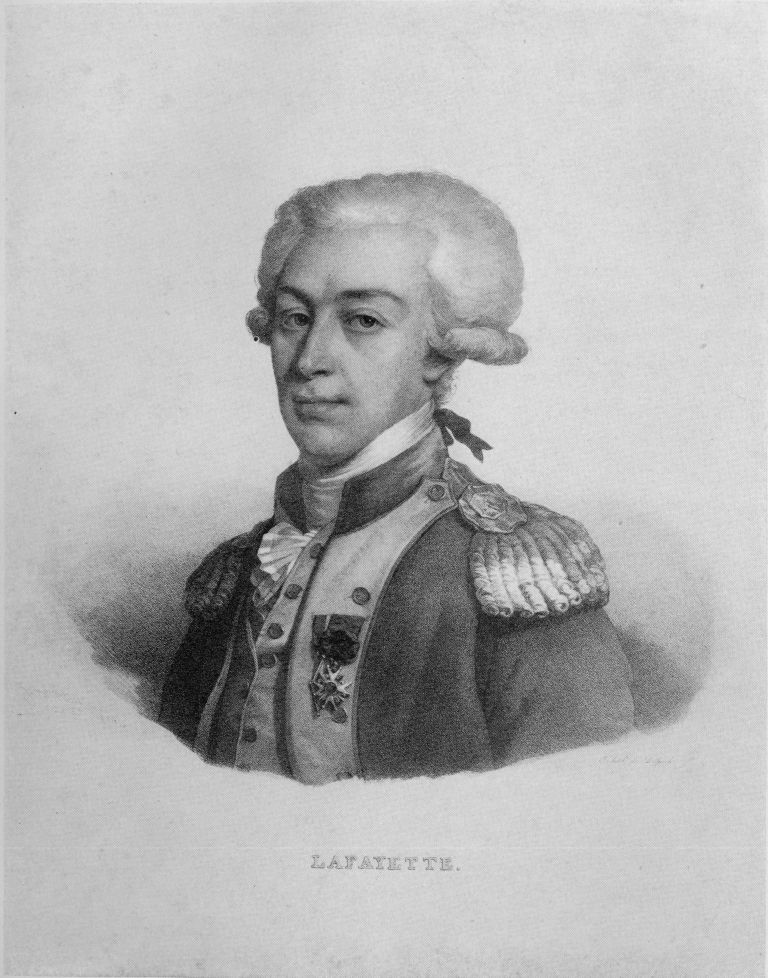
Lafayette, Marquis de, his plan for a "declaration of the rights of man and the citizen", 76;
sent to arrest Arnold, 108;
friend of Jefferson, 154;
his family and friends, 161;
and the tobacco monopoly, 177-179;
efforts of, in commercial transactions, 181, 182;
and the Barbary pirates, 206;
advice of Jefferson to, 220;
Jefferson sends "Charter of Rights for the King and Nation" to, 230;
letters of, 232;
his "Déclaration Européenne des droits de l'homme et du citoyen", 232-234;
brings about committee meeting in Jefferson's house, 236;
letters to, 274, 283;
living embodiment of political faith of nineteenth century, 514;
his final leave-taking of Jefferson, 531
Lambert, British traveler, 460
Lamothe, Lieut., 111
Land Office, ordinance concerning establishment of, 149
Land tenures, origin of, 49
"La Peyrouse's voyage to the South Seas", 207
La Rochefoucauld-Liancourt, visits Monticello, 313-315, 327
Latude, Jean Henri de, 219
Law, Thomas, letters to, 478, 524
Law, and free institutions, in Saxon society, 31, 32
"Law of nature", 23
League of Nations, 330
Lee, Arthur, delegate to Congress from Virginia, 140
Lee, C., appointed judge by Adams, 374
Lee, F. L., of Virginia Assembly, 43
Lee, Richard H., of Virginia Assembly, 43;
on committee of continental Congress appointed to answer Lord North's "Conciliatory Proposition", 62;
assists in framing resolution instructing colonies to form governments, 66;
mentioned, 79
Lee, Thomas Ludwell, appointed reviser of laws of Virginia, 90-92
Leib, Dr., 311, 343;
letter to, 458
Lewis (Merriwether) and Clark (William) Expedition, 421, 422
Liberty, Jefferson's definition of, 82
Lincoln, Abraham, Gettysburg address, 77
Little Sarah, British prize, 294
Livingston, Edward, member of Congress from New York, 368
Livingston, Robert R., on committee to prepare Declaration of Independence, 69;
letters to, 362, 368, 419;
United States Minister to France, 374;
and Louisiana, 402-416
Lobbying, 502
Locke, John, his "Treatise on Civil Government", 30;
and the Declaration of Independence, 71, 72;
his hypothesis of society, 82, 84, 204
Logan, Dr., idealistic pacifist, 341
Logan Law, 350
Louis XVI, Jefferson's pen-portrait of, 222, 229;
flight of, 282;
execution of, 287
Louisiana Purchase, 393, 400-421
"Louisianais", acceptance of, to citizenship, 423
McGregory, letter to, 365
McHenry, James, Secretary of War in Cabinets of Washington and Adams, 323, 336;
dismissed by Adams, 368
Madison, Bishop, discusses religion with Jefferson, 358
Madison, James, disapproves of Jefferson's determination to withdraw from public life, 117;
delegate to Congress, 140;
Jefferson's correspondence with, 198, 222, 231, 234, 239, 240, 291, 302, 303, 306, 307, 335, 337, 338, 347, 351, 355, 462, 468, 476;
urges Jefferson to accept post of Secretary of State, 246;
Jefferson's unofficial representative in Congress, 250, 251;
Bank Bill opposed by, 255;
speeches, 257;
his copy of "The Rights of Man", 258;
accompanies Jefferson on trip, 259;
objections to, as Minister to France, 321, 322;
envoy to France, 324;
silent on French dispute, 339;
recommends Virginia nullification resolutions, 345;
letter of, 411;
election of, to Presidency, 464;
on board of visitors to University of Virginia, 509
Madrid, Treaty of, 403
Mann, Thomas, letter to, 308
Manufactures, Hamilton's Report on, 249, 266;
Hamilton's view of, 327;
Jefferson's view of, 327-329;
change in Jefferson's view of, 491, 492
"Marbury versus Madison", 384, 385
Marshall, John, ancestry, 3;
appointed envoy extraordinary to France, 333;
returns from France, 341;
Secretary of State in Adams's Cabinet, 368;
administers oath to Jefferson, 375;
head of Federalists, 381;
his decision in "Marbury versus Madison", 384, 385;
asserts power of Supreme Court to declare law unconstitutional, 385, 386;
findings of, in Burr conspiracy case, 433, 434, 436, 437;
his "History of Washington", 515
Marshall, Thomas, family of, 4
Martin, Luther, in Chase impeachment case, 389
Mason, George, resolutions written by, 45, 46, 48;
"Virginia Bill of Rights" written by, 73;
appointed reviser of laws of Virginia, 90-93;
mentioned, 251
Mason, John, letter to, 455
Mason, Stephens Thompson, letter to, 344
Mason, Thomas, 307
Mathews, Col. George, 112
Maury, James, letters to, 454, 473, 478
Maury, Rev. Dr., schoolmaster, 6, 20, 63
Mazzei, Philip, neighbor and friend of Jefferson, 35;
letters to, 321, 333, 391
Mellish, John, traveler, 460
Mercer, John F., delegate to Congress from Virginia, 140, 273
Mexico, 481
Middlemen, in tobacco trade, 177-181
"Midnight judges", 373, 374, 385
Milton, John, his accusations against female usurpations, 22;
quotation from, 40
Mint, Hamilton's Report on Establishment of, 249
Mississippi, navigation of, 276
Missouri question, 502, 503
Mitchell, Dr., unpublished letter to, 390
Monocrats, 273, 306, 316
Monroe, James, disapproves of Jefferson's determination to withdraw from public life, 117;
delegate to Congress from Virginia, 140;
Jefferson's correspondence with, 217, 251, 260, 290, 301-303, 316, 317, 354, 357, 363, 373, 399, 463, 485, 486;
on Washington's proclamation of neutrality, 293;
sent as special envoy to France to negotiate for Louisiana, 411, 413, 415, 416;
his fear of alliance of Great Britain and France against United States, 423;
negotiates, with Pinkney, treaty with England, 448-450;
considered for Presidency in 1808, 463, 464;
on board of visitors to University of Virginia, 509
Monroe Doctrine, 483, 486-488
Montaigne, M. E. de, 130
Montesquieu, Baron de, 233
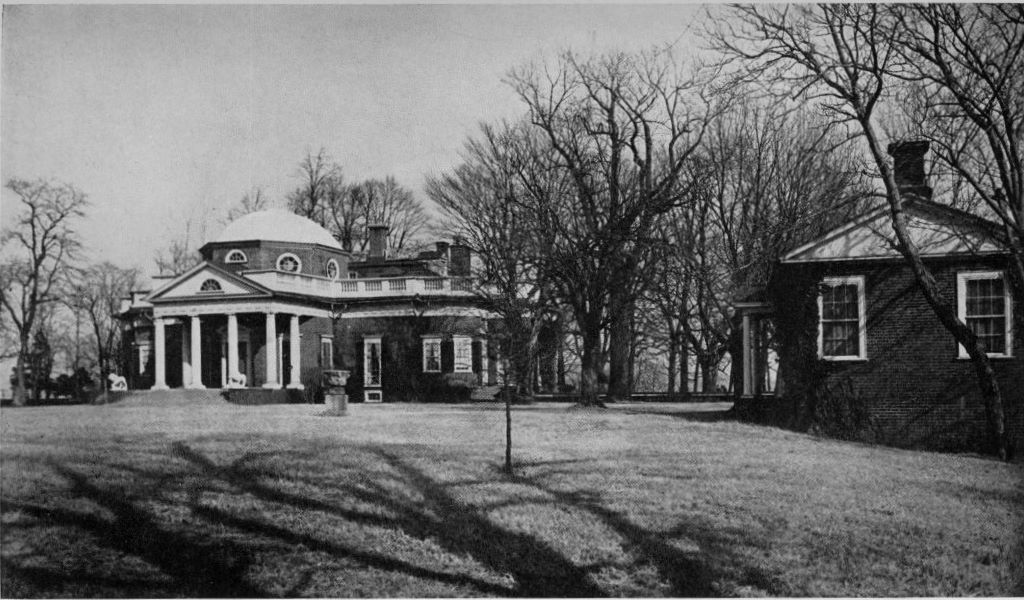
Monticello, the building of, 34, 39;
life at, 41;
Jefferson in retirement at, 298-320;
a self-supporting economic unit, 327, 467;
visitors to, 515
Montmorency, 234
Montmorin, Minister, 220, 237, 274, 278
Morality, and religion, 24, 25, 523-525;
test of, 525;
code of, 526
Morellet, Abbé, translator of "Notes on Virginia", 118;
meets Jefferson, 161, 215
Morocco, Emperor, treaty with, 312
Morris, Gouverneur, his accusation against Jefferson, 224;
letters to, 254, 263, 286, 293, 294, 295;
Minister to France, 283;
letters from, 284;
conduct as Minister to France, 323;
offers to use political influence for Jefferson, 372
Morris, Robert, Financier of U. S., 146, 179
Mutual defence, 45, 84
National Gazette, foundation of, 261-263
Natural Bridge, description of, 120, 175
Necker, Jacques, 229, 231
Negro, Jefferson's view of status of, 131
Nelson, Gen., elected governor of Virginia, 113
Nelson, Thomas, Jr., letter to, 66
Neutrality, Washington's proclamation of, 289, 293;
Jefferson's policy of, 424
New Granada, constitution of, 498
New London Bee, 368
New Orleans, Jefferson's efforts to obtain, 276-278
Nicholas, George, his charges against Jefferson, 114, 115, 127;
proposes dictator 127;
his share in Kentucky and Virginia nullification resolutions, 345
Nicholas, Robert C., 28
Nicholas, Wilson C., his share in Kentucky and Virginia nullification resolutions, 345;
refutes Federalists, 357
Nicholson, Joseph N., member of Congress, 372
Nock, A. J., historian of Jefferson, 457, 458
Non-Intercourse Act, 461
North, Lord, his "Conciliatory Proposition", 54;
Jefferson's answer to his "Conciliatory Proposition", 62
Nullification resolutions, 345-347
Ogden, John, arrest of, 354
Ogilvie, James, 502
Oratory, American school of, 388, 389
Orders in Council (Nov. 11, 1807), 453, 457
Otis, H. G., nominated District Attorney by Adams, 374
Page, John, Jefferson's correspondence with, 15, 16, 19, 20, 38, 78, 166;
on committee on religion, 89
Paine, Thomas, his "Common Sense", influence of, 60;
letter to, 227, 228;
his "The Rights of Man", 258-261;
Jefferson's regard for, resented, 390, 391
Paradise, Comtesse Barziza, Lucy, 162
Parsons, Theophilus, nominated Attorney-General, 373
"Parson's Case", 15
Patowmac River, 120
Pendleton, Edmund, letters to, 78, 87, 88;
opposes Bill to Abolish Entails, 89;
appointed reviser of laws of Virginia, 90;
appeal of Jefferson to, 353;
congratulates Jefferson, 362
Physiocrats, 142, 233, 328, 395, 471, 493-495, 498
Pichon, French chargé at The Hague, 354;
Minister in Washington, 419
Pickering, Judge, impeachment of, 384
Pickering, Timothy, in Cabinets of Washington and Adams, 323, 336;
dismissed by Adams, 368
Picket, F. J., of Geneva, 507
Pinckney, Charles, Minister to Spain, 402;
letter to, 458
Pinckney, Charles Cotesworth, his treatment by the French Directory, 324, 325, 331;
appointed envoy extraordinary to France, 333;
nominated for Vice-Presidency (1800), 362;
candidate for President (1808), 464
Pinckney, Thomas, Minister to Great Britain, 290;
letter to, 331
Pinkney, William, and Monroe, negotiate treaty with England, 448-450
Politics, foreign and domestic, 248
Presidential election, see Election
Priestley, Joseph, letters to, 358, 420, 517;
befriended by Jefferson, 366;
his "Hints Concerning Public Education", 506;
his treatise, "Of Socrates and Jesus compared", 526
Privateering, 151, 152
Privateers, outfitted and commissioned by Genêt, 291, 292
"Proclamation announcing ratification of definitive treaties, Draft for", 144
Property, the right to, 83-85, 233;
and possession, distinction between, 85
Prospect, 361
Protestants, edict on, 224
Public opinion, 203, 204, 301, 429
"Pursuit of happiness", as a right, 75, 76
Raleigh Tavern, Williamsburg, Va., 9, 17, 23, 44
Randolph, Edmund, letters to, 115, 117, 254, 300;
Attorney-General under Washington, 247, 255, 256, 292;
opinion of, attacked by Jefferson, 309
Randolph, Jane, mother of Thomas Jefferson, 3, 4;
death, 65, 78
Randolph, John, 28;
removes to England, 63, 64, 107
Randolph, John, of Roanoke, refutes Federalists, 356;
in Chase impeachment case, 389;
"Resolution" of, on judiciary, 390;
leader of discontented Republicans, 428;
his "Remonstrance of the people of Louisiana", 429;
his attacks on Madison, 439
Randolph, Peyton, 28, 47, 63;
president of first Continental Congress, 54;
recalled from Congress, 54
Randolph, Mrs. Sarah, her "Domestic Life of Thomas Jefferson", 529
Randolph, Thomas Mann, Jr., marries Martha Jefferson, 246;
letters to, 251, 262, 263, 293;
at Monticello, 301
Randolph, William, 3
Raynal, Abbé, his application of theory of Buffon to American settlers, 122;
answer of Jefferson to, 122, 123
Religion, and morality, 24, 25, 523, 527
Religious freedom, in Virginia, 89, 90, 100-103
Republicans, in election of 1792, 273
Richmond, Va., establishment of Free Public Library at, 99
Riedesel, Maj.-Gen. Baron de, 110
Rights, natural and civil, 80-85, 204, 233, 346
Rochefoucauld, Comtesse de la, 162
Rochefoucauld, Duc de La, 274
Rodney, Caesar A., letter to, 469
Rotation in office, 502
Rousseau, Jean Jacques, his hypothesis of society, 82, 84;
on morality, 525
Rush, Benjamin, 458;
deplores estrangement of Jefferson and Adams, 518;
Jefferson writes "Syllabus of an Estimate of the Merit of the Doctrines of Jesus, compared with those of others" for, 526, 527
Rush, Richard, letter to, 489
Rutledge, letters to, 225, 309, 317, 330, 334, 335
Saint Étienne, Rabaud de, Jefferson sends "Charter of Rights for the King and Nation" to, 230
San Ildefonso, Treaty of, 402
Santo Domingo, and Government of the United States, 283, 285
Sedgwick, Theodore, speaker of the House, 373
Sedition Law, 342-347, 383
Seward, W. W., letter to, 212
Shadwell, Jefferson estate, 3, 7, 8, 28, 32, 34, 35;
burning of, 38, 39
Shaw, Samuel, consul at Canton, 289
Sherman, Roger, on committee to prepare Declaration of Independence, 69
"Shirt-sleeve" diplomacy, 178
Short, William, private secretary of Jefferson, 153, 159;
studies French, 161;
correspondence with Jefferson, 275-277, 280, 282, 285, 288, 398, 462, 517, 521;
transferred to the Hague, 283;
rebuked by Jefferson, 286
Skelton, Bathurst, 39
Skelton, Martha, married to Jefferson, 39, 40;
death, 137, 138;
grave and inscription, 138
Slavery, Jefferson's attitude toward, 119, 131, 142, 148, 152, 492, 503;
in the Confederation, 148, 149
Small, Dr. William, professor in William and Mary College, his intimacy with Jefferson, 11-13, 63
Smith, Rev. Cotton Mather, his accusation against Jefferson, 363
Smith, James, letter to, 520
Smith, Robert, Attorney-General, 437
Smith, Samuel H., letters to, 343, 477
Smith, Col. W. S., 287, 288
Social compact, Jefferson's view of, 45, 46, 80-82, 85, 204, 365, 498
Society, man and, conflict between, 107;
contractual and physiocratic doctrines of, 141, 142
South America, see Spanish colonies
Spanish colonies in America, 209-211;
revolt of, 481-485
Sprigg resolution, against war with France, 337, 338
Staël, Madame de, Jefferson's correspondence with, 476
State rights, Jefferson's theory of, 257, 365
State sovereignty, Jefferson's conception of, 82, 83
State universities, 512
States, provision for new, 148, 149
Stewart, Dugald, 5, 11
Stoddart, Benjamin, Secretary of the Navy in Adams's Cabinet, 374
Stuart, Archibald, 264
Suffrage, universal, 129, 130;
limitation of, 499
Sullivan, Francis Stoughton, his "An Historical Treatise of the Feudal Laws and the Constitution of the Laws of England", 30
Supreme Court, Jefferson's attitude toward, 346;
Marshall's doctrine of the powers of, 385, 386
Swartwout, and the Burr conspiracy, 432, 433
Tariff, and the French debt, 181;
belief and practice in, 212, 213;
advocated by Jefferson's party, 394
Tarleton, Col. Sir Bannastre, attempts to capture Legislature and Governor of Virginia, 113
Taxation, forms of, 493, 494
Taylor, John, letter to, 347;
efforts to secure appointment of dictator, 356
Taylor, Keith, appointed judge by Adams, 374
Tazewell, H., letter to, 308
Ternant, French Minister to United States, 287, 290, 291
Tessé, Madame de, 161, 170, 221;
correspondence with, 514
Thomson, Charles, letter to, 530
Ticknor, George, 510
Tobacco monopoly, 177-181
Tott, Madame de, 162
"Transfers", problem of, 181
Treaties, see Commercial treaties
Treaty of Alliance with France (1778), 211, 212
Treaty of Commerce, with Great Britain, 143, 144
Trial by jury, 237
Tripoli, war with, 443
Trist, Mrs., 163, 216, 530
Unger, Louis de, German officer, 110
Unitarianism, 520
United States, suggestions for seal of, 86;
proclaimed as one nation, 144, 150;
establishment of monetary system of, 146, 147;
provision for new States, 148;
foreign debts, 176, 177, 181, 182, 184-193;
western lands, sale of, 188;
Constitution, 195-202;
desire of isolation, 211;
often accused of hypocrisy in foreign dealings, 213;
has tried to combine political aloofness and industrial and commercial development, 330;
relation to foreign nations, 396;
neutrality of, in war between England and France, 424, 440;
imports and exports of, at beginning of nineteenth century, 440;
population of, at beginning of nineteenth century, 441.
See also American Revolution; Articles of Confederation; Declaration of Independence; Louisiana Purchase
University of Geneva, 505
University of Virginia, 509-512
Vans Murray, American Minister at The Hague, 349, 354
Vans Murray-Pichon papers, 354, 355
Venable, 356
Vergennes, Charles G., Count de, 178, 185, 206
Virginia, family life in, before the Revolution, 4;
books in, 5;
religion in, 6;
plantation life in, 35, 41;
House of Burgesses, 38, 54;
temper of colonists of, 42;
Constitution (1776), drafted by Jefferson, 67-69;
revision of laws of, 88-107;
ideas on new constitution for, 140-143;
Jefferson proposes changes in constitution, 264.
See also American Revolution; Shadwell; Williamsburg
Virginia Bill of Rights, 73, 74, 76, 83, 100
Virginia Convention, first, 47, 53;
second, 54
Virginia nullification resolutions, 345-347
Virginia Company of Comedians, 34
Volney, Constantin F. C. B., Count de, 319, 339, 340, 366, 400, 401
Walker, Col., guardian of Jefferson, 10, 11
War of 1812, 473-478
Washington, D. C., in 1800, 362
Washington, George, presides over Assembly of Fairfax County, 45;
and Jefferson, differ as regards treatment of British prisoners, 112;
Jefferson's view of, 122, 139;
his wines, 160;
his Cabinet, 245-247;
urged by Jefferson to run a second time for Presidency, 267;
distressed at dissensions in Cabinet, 269;
supports Hamilton's actions, 271;
reëlection of, 272;
letter to, 304;
harsh words of Jefferson against, 311
Watchful waiting, policy of, advocated by Jefferson, 214, 423, 452
Watson, David, on board of visitors to University of Virginia, 509
Wayles, John, father-in-law of Jefferson, 39
West Indies, commerce with, 151, 280-282, 295, 329;
Jefferson opposed to change of ownership of, 303
Western lands, sale of, 254
Whisky Insurrection, 305, 306
White House, burned by English, 476
Wilkinson, James, and the Burr conspiracy, 429-435, 438
William and Mary College, 8-11;
reorganization of, 98, 99;
transformation of, 358
Williamsburg, Va., society in, 8, 9, 34
Williamson, Hugh, discussions with Jefferson, 371
Wilson, James, and the Declaration of Independence, 73, 76
Wilson, Woodrow, political aloofness and industrial development conspicuous in his position, 330;
his phrase, "too proud to fight", 398;
neutrality of, 424;
his hope of preserving peace, 444;
his situation in 1914-1917 compared to that of Jefferson in 1808, 455, 456
Wistar, Caspar, discussions with Jefferson, 371
Wolcott, Oliver, Secretary of the Treasury under Washington and Adams, 323, 336
Woodward, Augustus S., letter to, 521
Wythe, George, professor in William and Mary College, and Jefferson, 12, 13, 27, 28, 34, 63;
appointed reviser of laws of Virginia, 90-93;
congratulates Jefferson, 362;
mentioned, 310, 325
XYZ Case, 337.
See also France