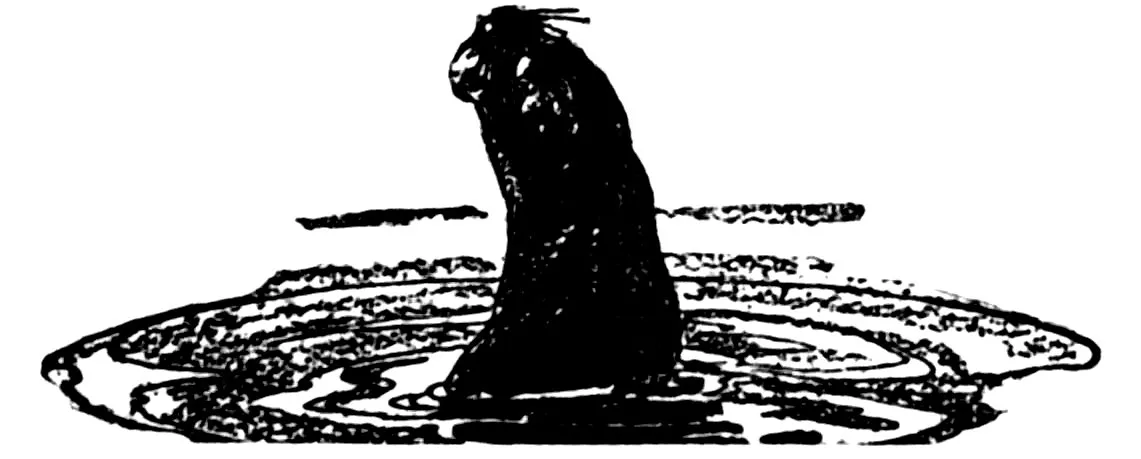
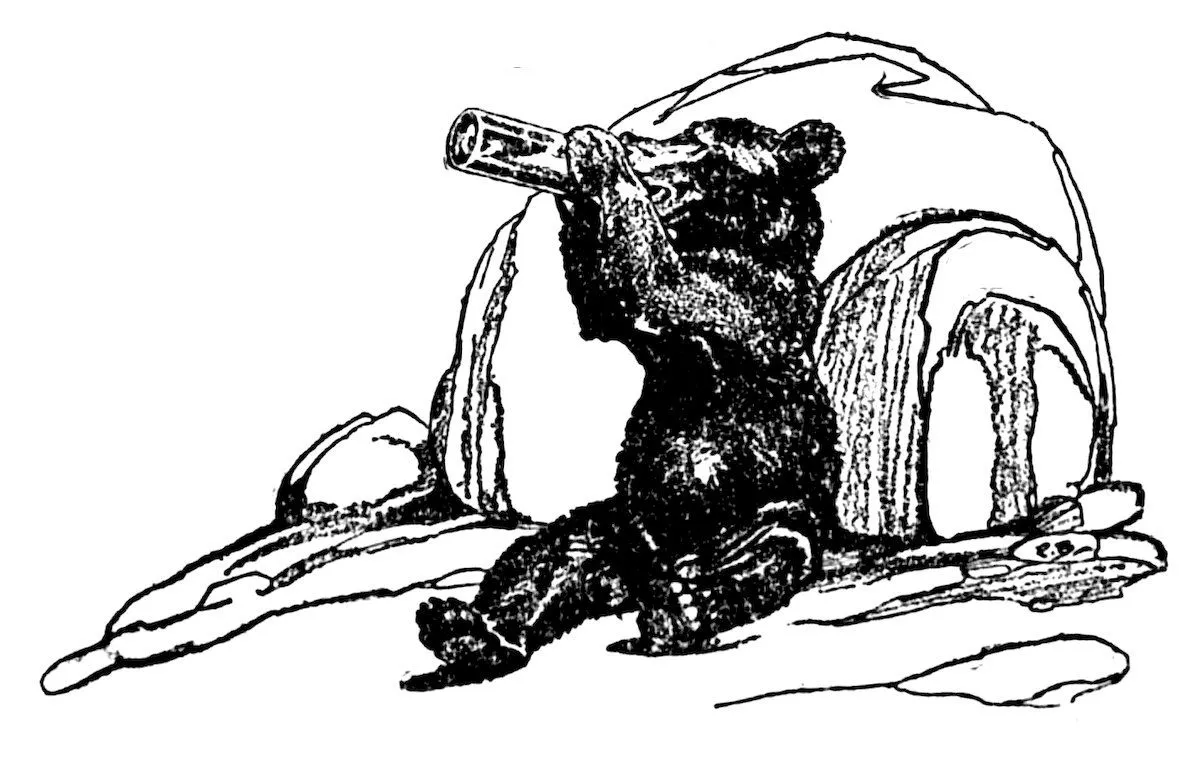
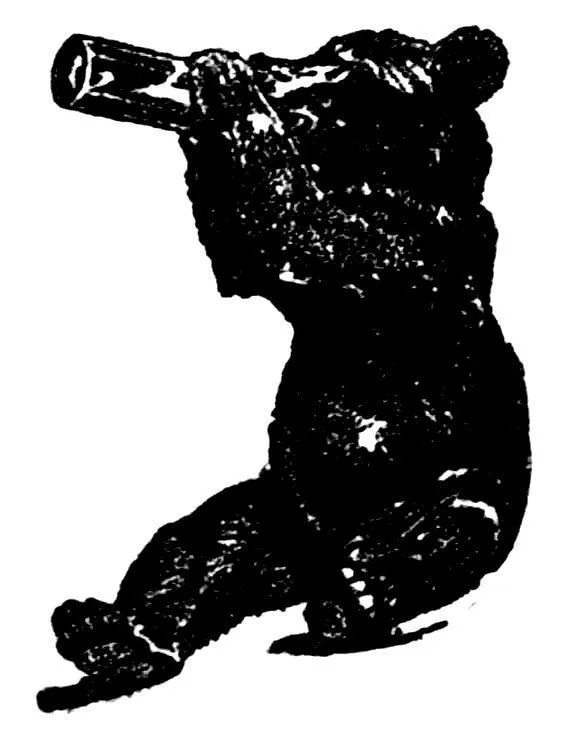
Perhaps it is unjust to
the memory of our friend
Timothy that we should
think of him as “the Dirty
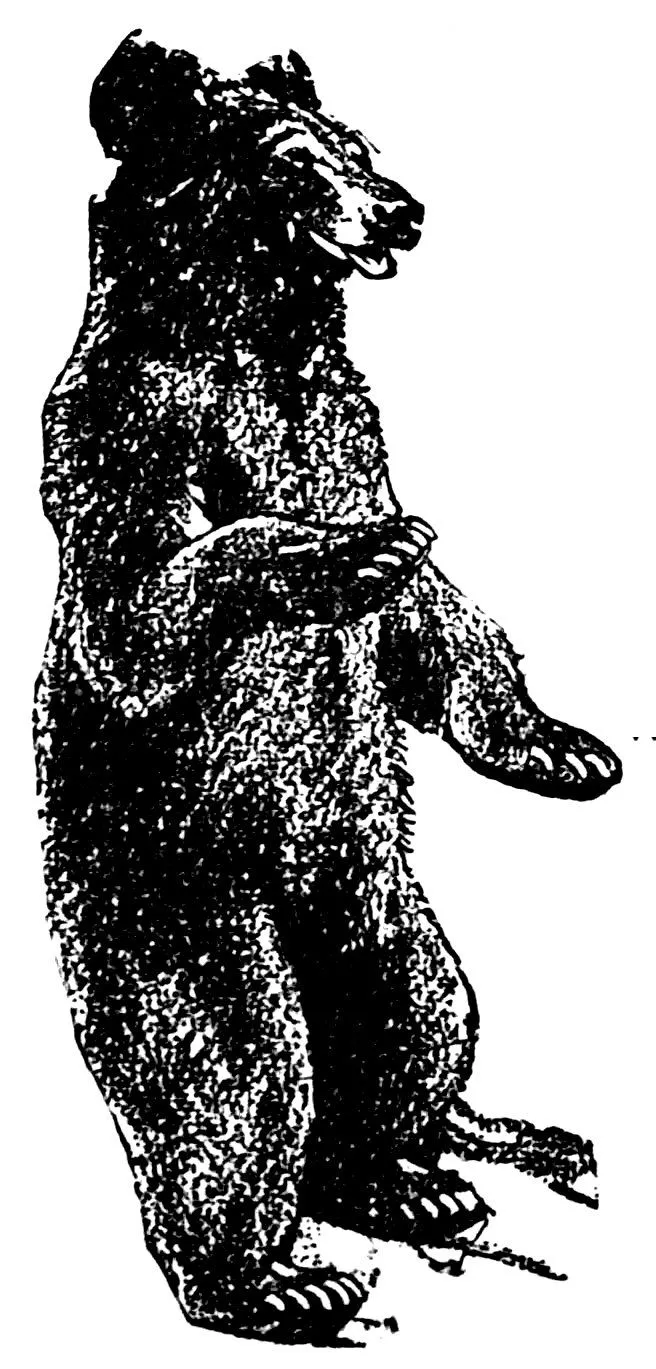
Bear.” I wouldn’t prejudice
you against him for the world.
“Dirty” has such a reprehensible
sound. But Timothy was dirty in a
146perfectly legitimate way. He had a
primitive soul that found delight in
grubbing in rotten stumps for maggots
and in burrowing into the soft
earth for Indian potato roots. You
can see that under such circumstances
he could not keep his face and paws
scrupulously clean, any more than a
child can who makes mud pies. He
hated water—but then, so did we, unless
we could take our baths in the Bay—and
he had an almost fanatical fear
of soap. Brother, who was then reading
“A Connecticut Yankee in King
Arthur’s Court,” thought Timothy
might have been a reincarnation of
some eccentric hermit who had vowed
never to wash himself for the rest of
his life.
We knew Timothy long before he
knew us. We did not know him by
name, but we knew where he lived,
and we had what you might call
147a speaking acquaintance with his
mother. It happened thus:
One day, in our explorations along
the creek bed at the end of the Hill
Trail, we came suddenly upon a hole
in the bank. It was almost covered by
long, overhanging ferns, and had not
a puff of wind stirred the fronds just
as we were passing, we should never
have known about the hole at all. It
was on the opposite side of the creek,
but we found a place where a fallen
log bridged the little stream, and the
next moment we were standing on the
opposite side at the foot of the embankment,
pushing the ferns aside and
peering into the depths of a black and
wonderfully inviting hole.
Had we thought to look, we might
have seen in the sandy slope that led
up to the hidden entrance the imprints
of a foot almost human in shape, although
not nearly so large. Footprints
148that turned in toward each other—and
we should have known. But our minds
were filled with the fascinating possibilities
of the miniature cave we had
discovered. Perhaps it was a pirate
den; perhaps gnomes lived there; or
perhaps we were on the track of buried
treasure.
On hands and knees I led the way
into the inky blackness with Brother
close behind me. The daylight behind
was blotted out. For several yards the
passageway went straight ahead, then
it turned suddenly to the right; and I,
turning with it, stopped so abruptly
that Brother coming behind bumped
into me. A curious, powerful odor enveloped
us, as of darkness made odorous
by furry bodies and warm by living
things. Then from ahead of me not
more than two yards away flashed the
savage gleam of two blue-green eyes.
There was a menacing growl which
149set our spines to tingling, and at the
same instant came the sound of whines
and a movement as of baby things disturbed
in their sleep. I was conscious
of a sickish, fainting feeling, for I realized
suddenly that we were in the house
of a mother bear.
Brother needed no urging to make
his exit. He was backing out on hands
and knees far more quickly than he had
come in, and I was prodding him
along, followed by those menacing,
hair-raising growls.
Why the lady bear did not attack
us is more than I can tell. The brown
bears of the northwestern woods are
harmless and even friendly little persons,
but the mother when protecting
her young is more ferocious than a
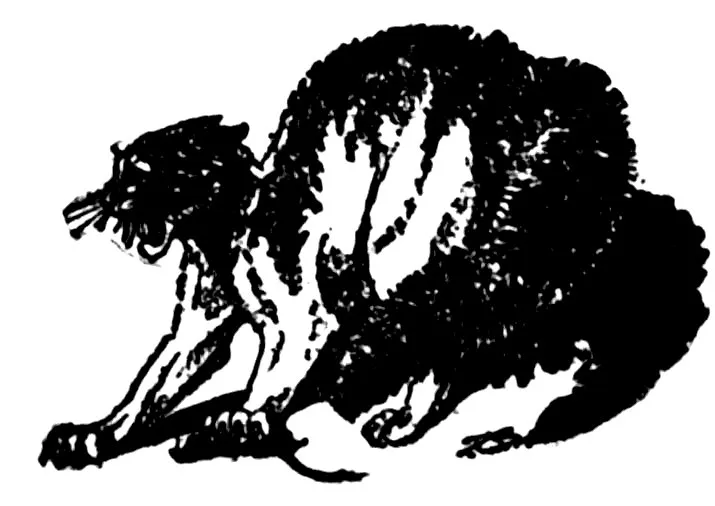
wildcat or a mountain lion. Perhaps
Mrs. Timothy knew that our visit was
unintentional and that we meditated
no harm toward her or her children.
150At any rate we gained the entrance of
the cave untouched and unharmed,
but we were breathing heavily and
our knees were wobbling sadly.
Perhaps you think we should have
stayed away from the house of the lady
bear; but we did not. We were interested,
you see, in knowing how much
of a family she had, and we never went
along the creek bed without leaving
some offering in the shape of food at
the mouth of the hole.
Sometimes it was an apple or a leaf
of lettuce, and if nothing else availed,
we broke off licorice root or fern and
placed it there for her. It was our
method of apologizing for our intrusion
and of expressing our interest in
the family.
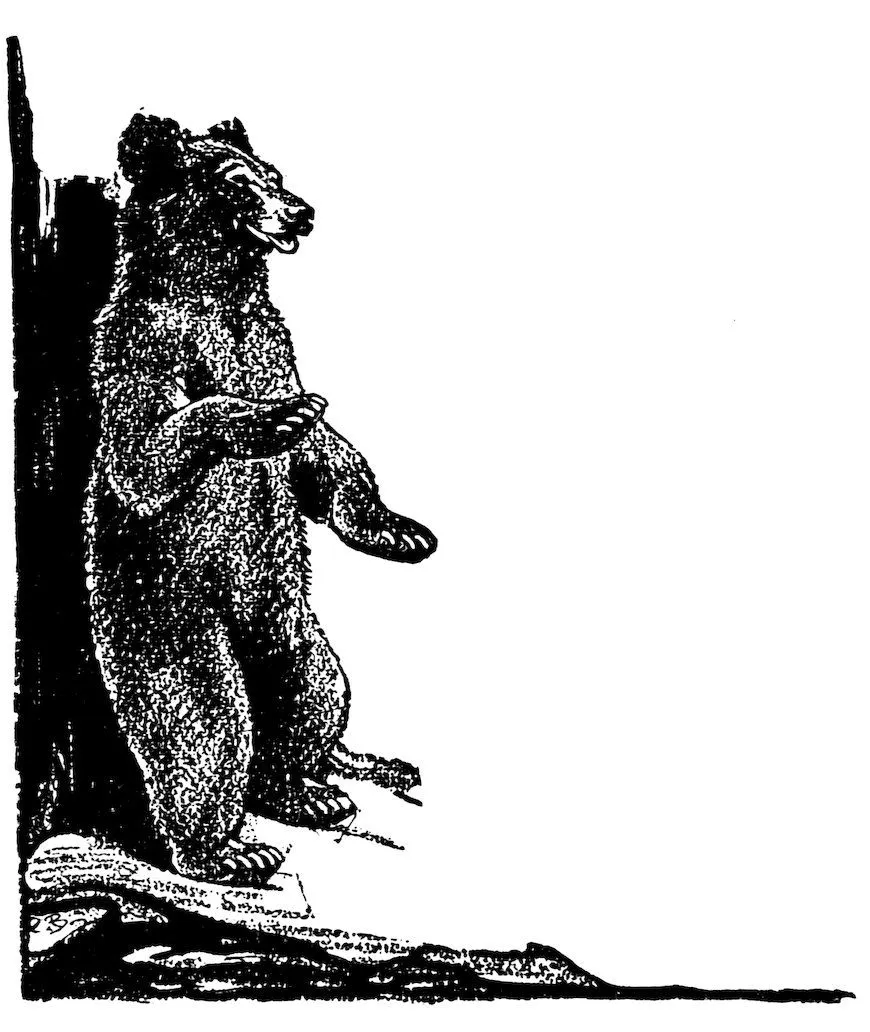
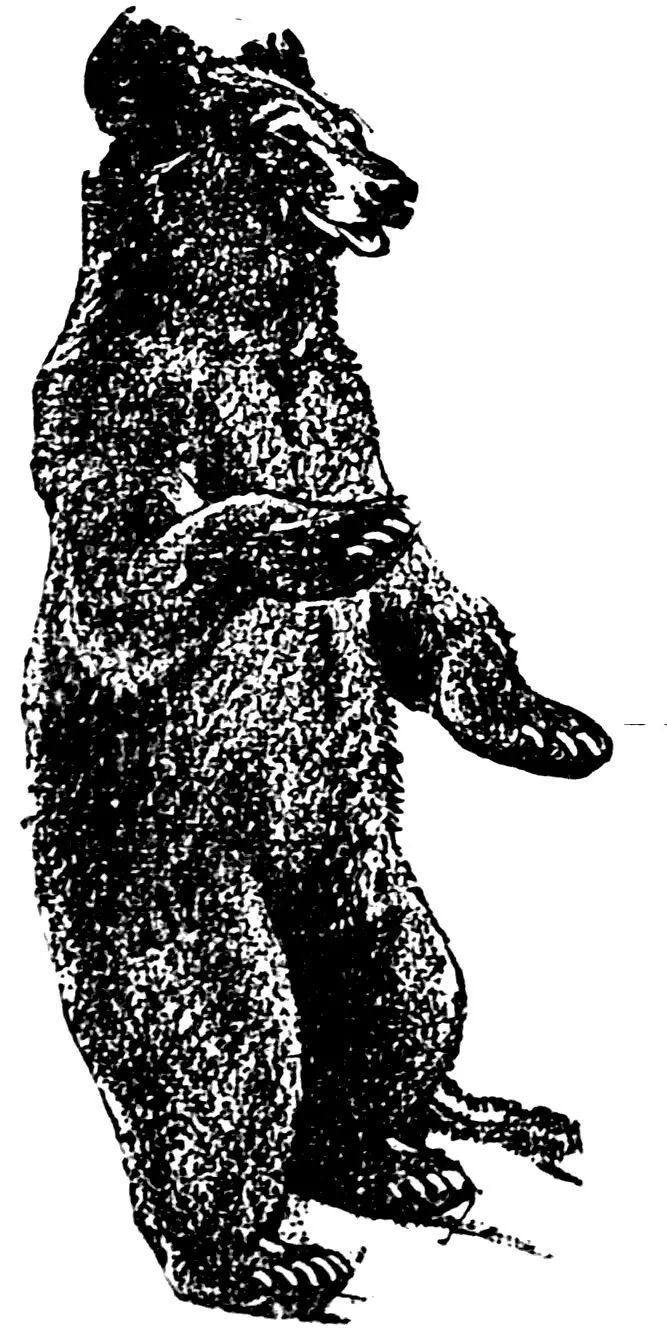
One day we saw the mother bear
with her children, and that is how we
came to name Timothy. She was at the
mouth of the cave, half asleep in the
151warm sunshine, and four cubs were
rolling over each other like gridiron
heroes in a football scrimmage. They
were squealing like young pigs, and
from time to time she remonstrated
against their noise by a sleepy grunt.
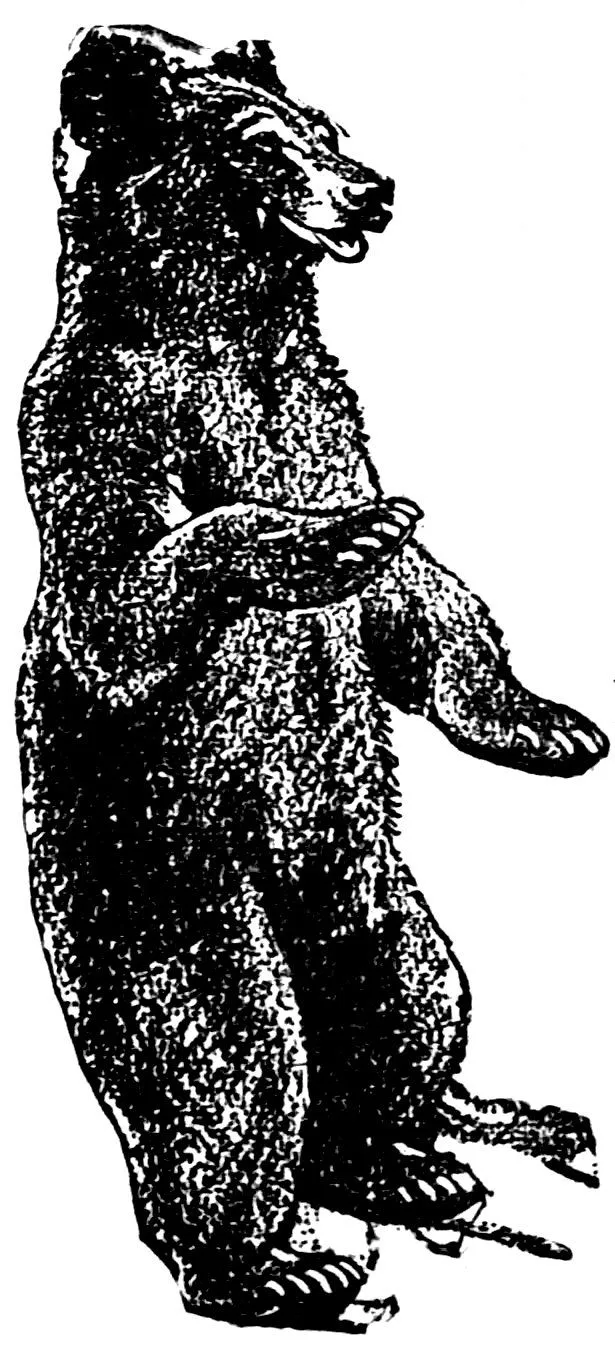
Then, as we watched, the bear cub at
the bottom of the furry pile squeezed
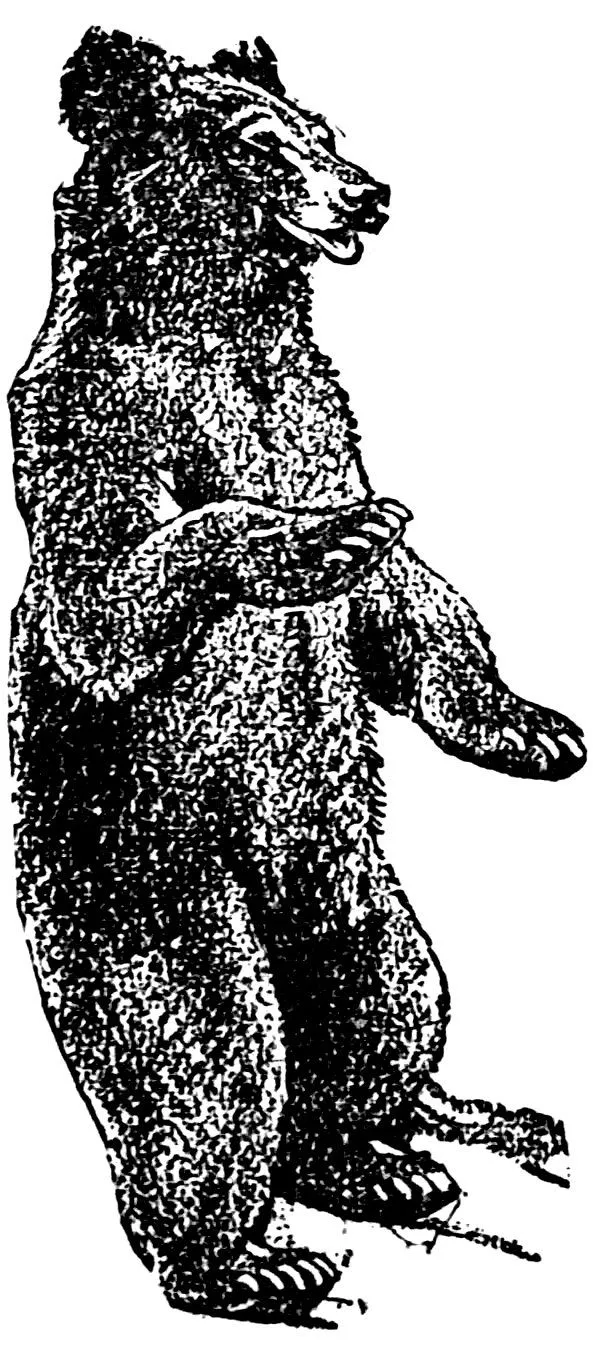
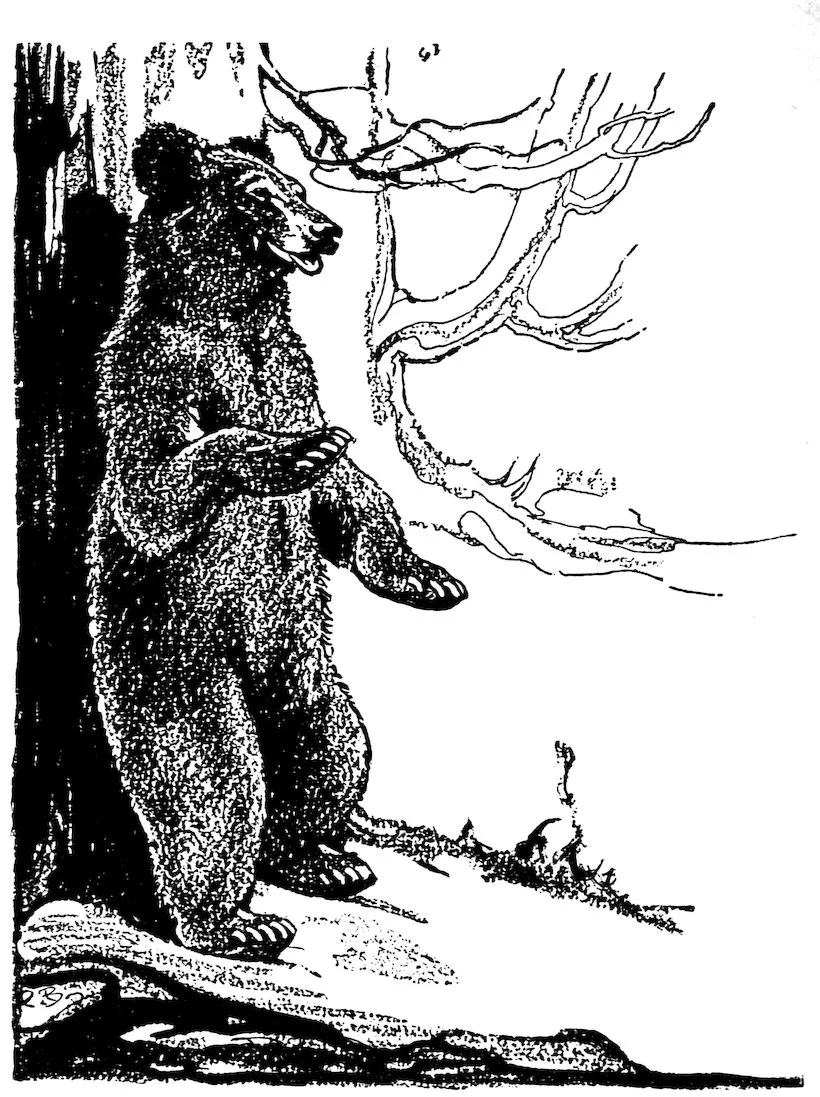
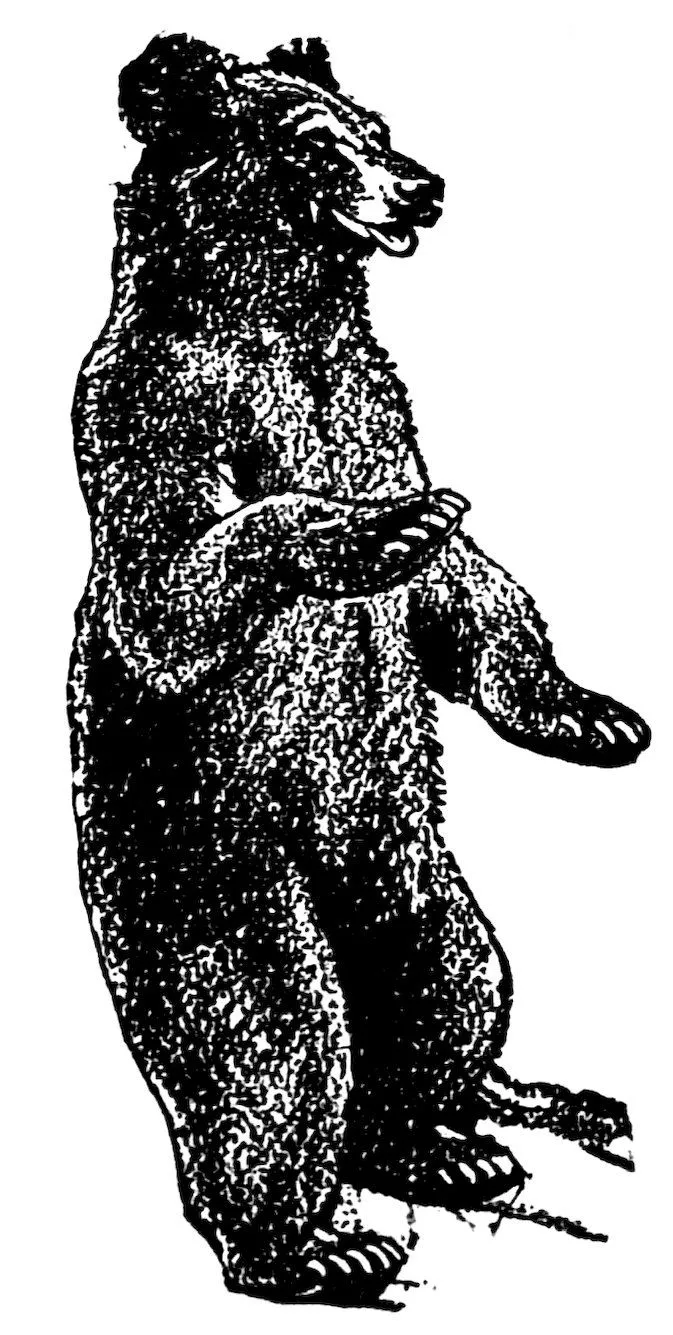
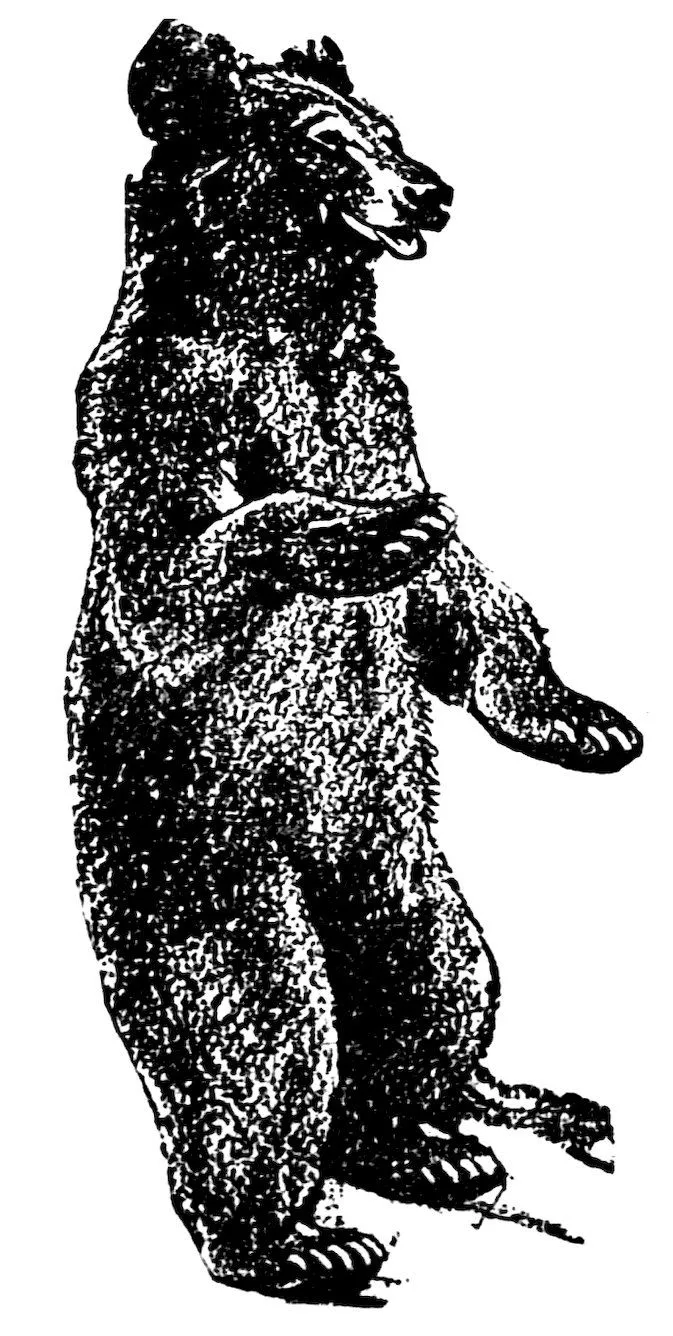
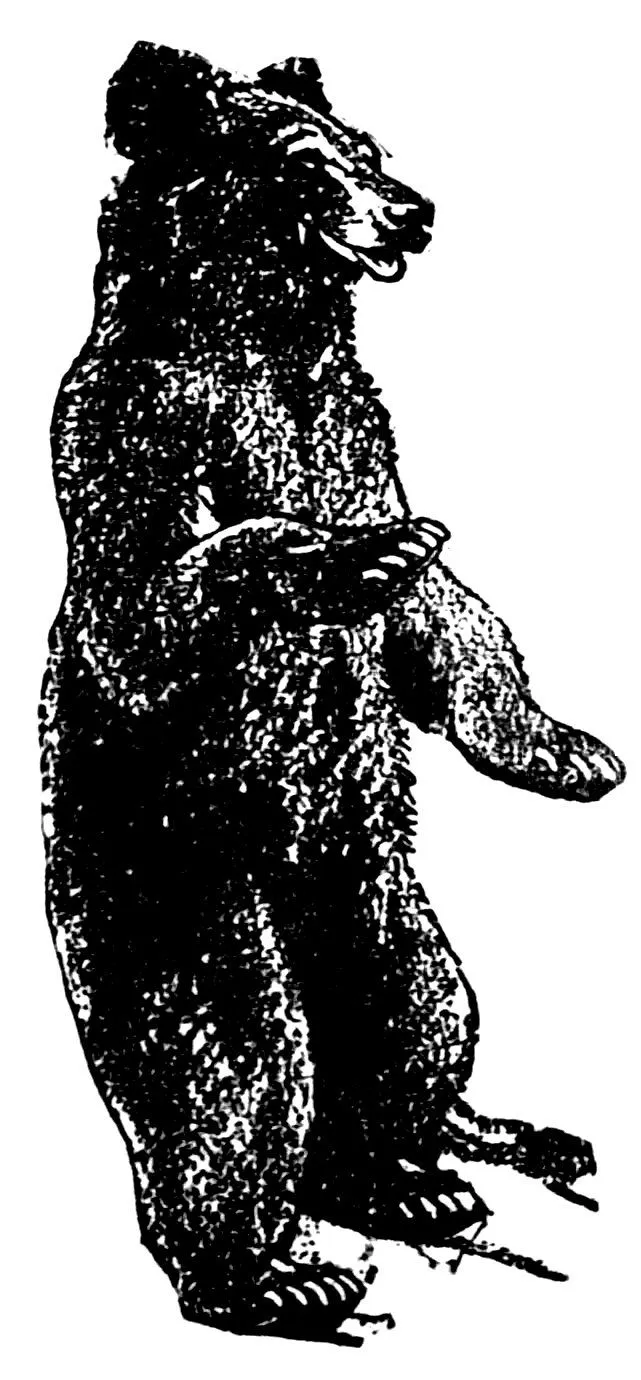
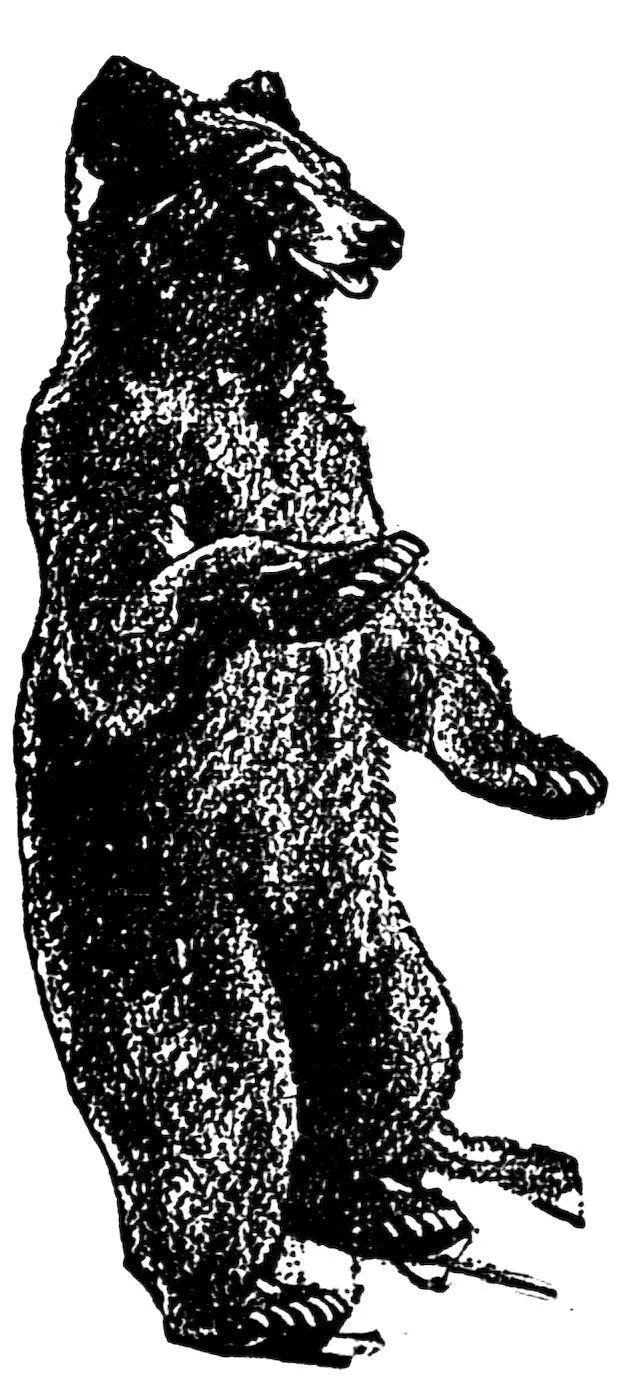
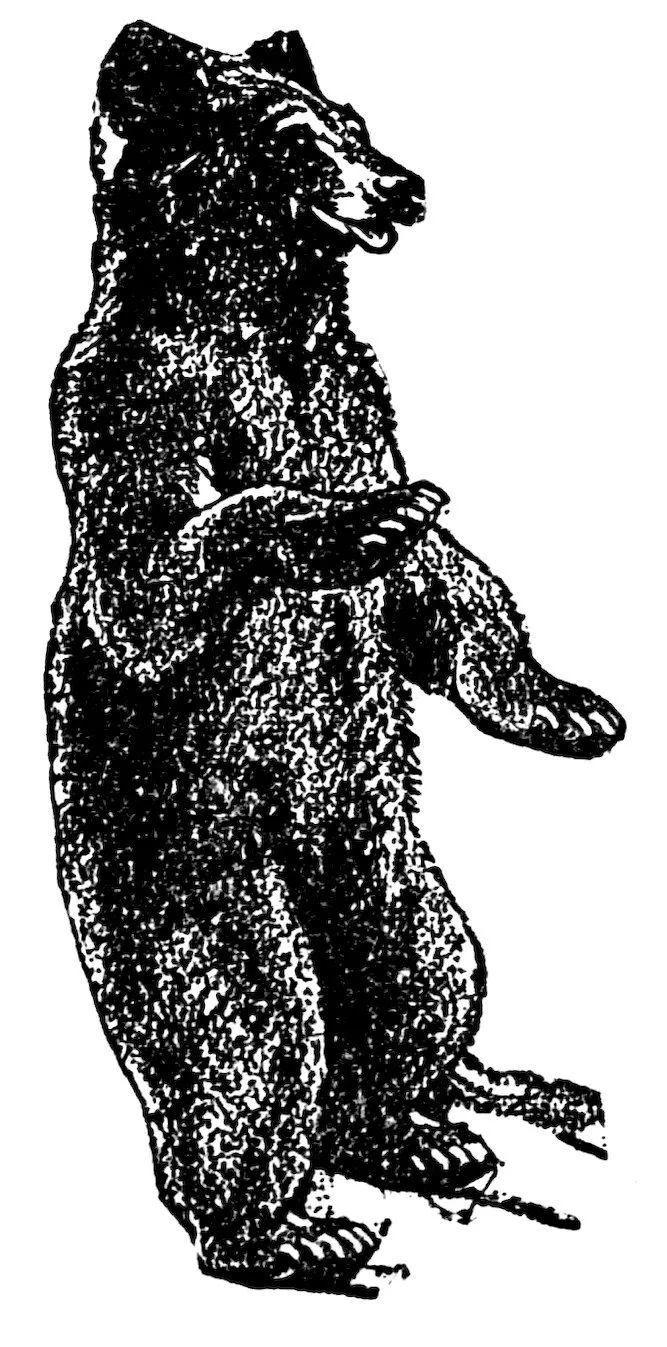
out and stood on his hind legs. His face
was covered with brown, sandy loam,
and his squinty black eyes peered out
as through a mask. I knew a boy who
lived at the head of the Bay whose face
always looked so. His name was Timothy,
and that was why on the spot we
so christened the bear baby.
152
Our next meeting with Timothy was
in the nature of a near-tragedy. We
were hunting for trilliums in Trillium
Gulch, a hidden valley to which we
ourselves had cut a path from the Hill
Trail. The white, lily-like flowers
starred the hillside there in the spring,
and it was our fond belief that no
one came there but ourselves. Hunters
and trappers go everywhere, however,
violating even such a woodland paradise
as ours. As we went down the
narrow trail, pushing aside the light
branches of the alders and the firtrees,
we heard a plaintive, whining
cry almost human in its poignancy. We
stopped for an instant, listening, wondering.
Then we slipped softly down
the path, thrust aside the interlacing
ferns, and found ourselves beside the
little stream which ran like a silver
ribbon through Trillium Gulch. The
sounds came from the left, and following
their lead we rounded a boulder
in the trail and came upon a sight
which filled us with gasping indignation.
A little brown bear with a fleck
of white on his furry throat was tugging
frantically and futilely at the jaws
of a steel trap which held his two front
153paws in a cruel, biting grip. There
was blood upon the jagged clamps, and
the face which the little fellow turned
to us was piteous in its baby misery,
a little brown face covered with loam.
It was Timothy, the Dirty Bear.
I do not like even now to think of
the half-hour which followed. So
strong was the steel trap that the combined
efforts of Brother and myself
could only pry the cruel jaws apart the
fraction of an inch. We were hampered,
too, in our work of mercy by poor
little Timothy, who, not realizing that
we were trying to help him, shrieked
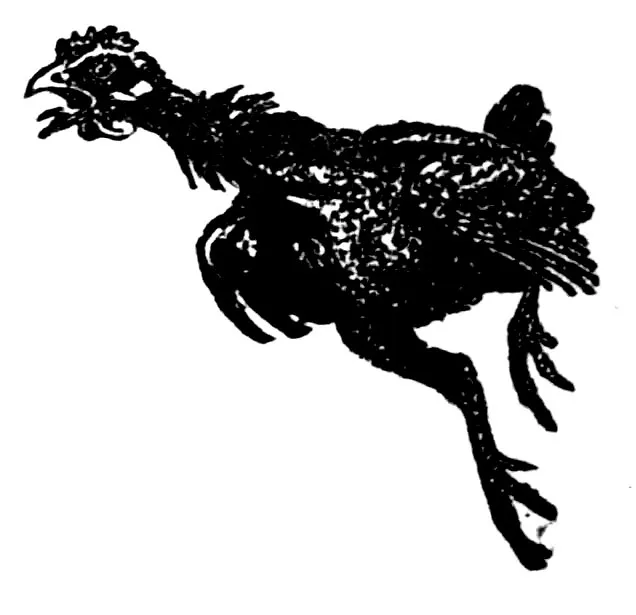
and bit at us and scratched with his
hind feet. Our hands were soon covered
with blood, and there was a long,
jagged line of red on Brother’s face
where the baby bear had clawed him.
But we did not pause in our efforts.
Finally, by the aid of a stout stick, we
managed to open the jaws of the vicious
154trap, and the poor little fellow, his
front paws cruelly torn and bleeding,
whimpering like a baby, sat down
on his haunches and began to lick
his wounded paws, stopping at intervals
to hold them out in front of him
like a child whose finger is hurt and
wants it made well by a kiss.
Strangely enough, he was not afraid
of us now, and when I took him in my
arms his plaintive whimpering gradually
ceased, and he licked at his paws
solicitously.
No doubt we should have taken Timothy
back to his mother and trusted to
nature to heal his grievous hurts. But
nature would take too long, and in the
meantime he would suffer cruelly. He
was such a little bear, you know, and
had not yet achieved the stoicism which
makes the older woods creatures almost
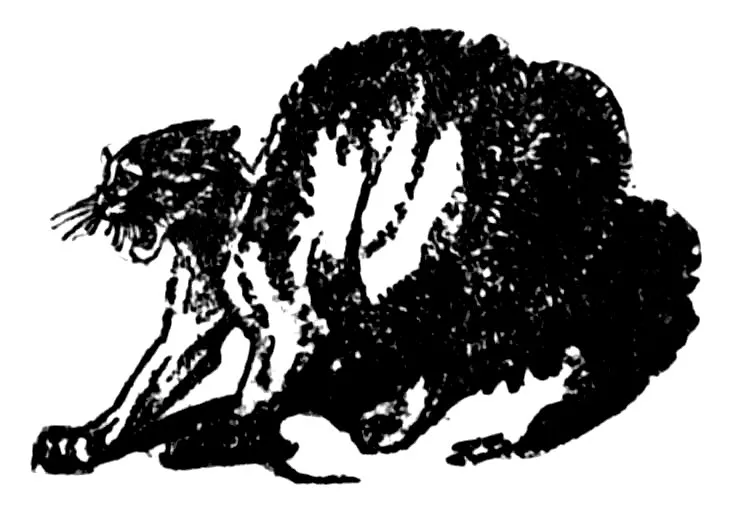
indifferent to pain. So even at the
cost of causing his mother a great
155deal of worry at his prolonged absence,
we took him down the hill with
us to the log cabin to receive first aid
treatment for his wounds.
That is how Timothy, the Dirty
Bear, became a friend of ours. Fate
in the form of a hunter prevented us
from taking him back to his home in
the creek bank. The poor lady bear
was shot the next day. One of her cubs
was captured and the other two children
escaped to the woods to live as
best they could. So Timothy belonged
to us, and he was the merriest of playmates.
When we rescued him from the trap
he was a very tiny bear, being no larger
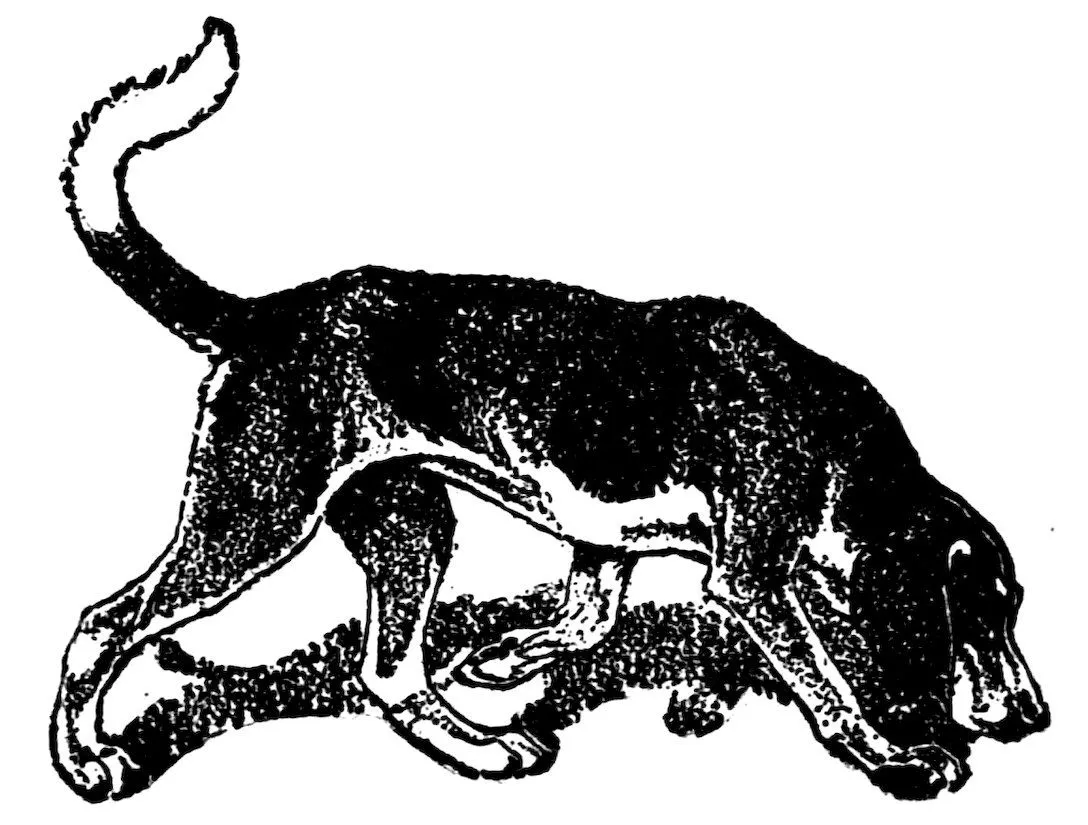
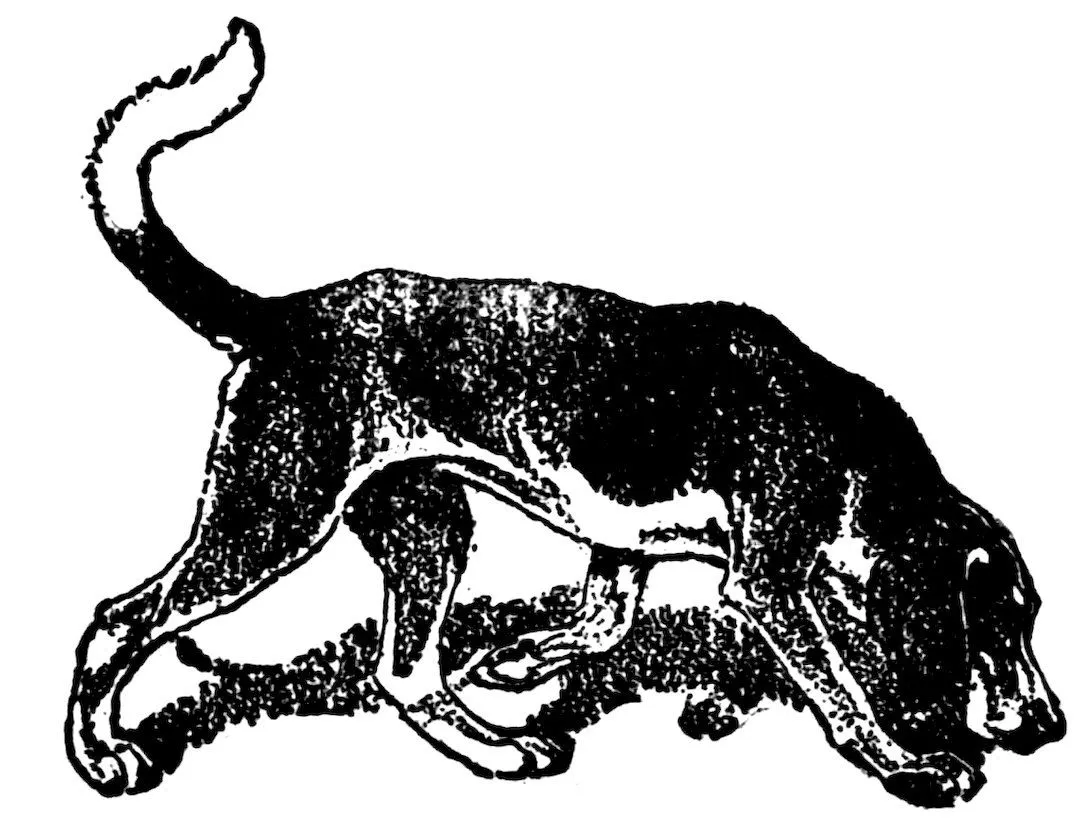
than Tinker, our black and tan rat terrier.
He slept in a clothes-basket on
the back porch, sometimes having for
a bedfellow Three-Spot, the mottled
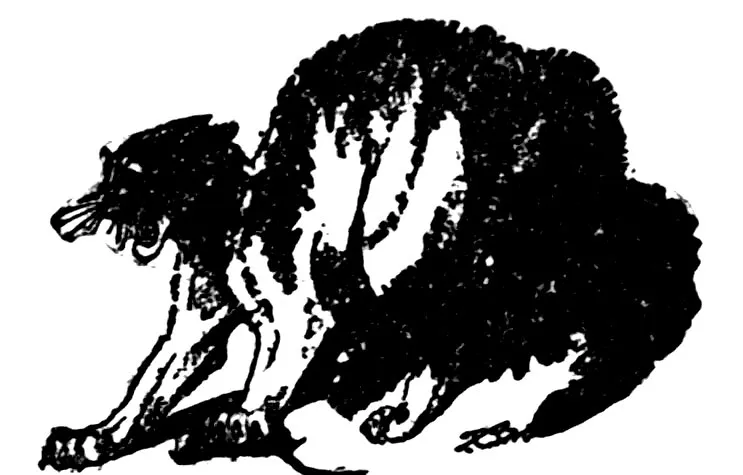
black and white cat. Three-Spot at
first had been greatly alarmed by Timothy’s
156rough and sportive overtures of
friendship. But when she found that
by boxing his ears she could correct his
manners and set him to yelping with
fright, she took to imposing upon his
good nature by making him serve at
night for a mattress. In the morning
we would find the two of them curled
up together, Timothy snoring gently
and Three-Spot digging her paws into
his soft, thick fur with a purr that was
a monotone of content.
Brother and I did not know whether
Timothy’s mother had weaned him
from a milk diet, but we felt that we
would be safeguarding his digestion if
we brought him up on liquid food for a
time at least, so we rowed into town
especially to purchase a bottle with a
strong rubber nipple attached. The
druggist asked if there was a baby at
our house, and we told him yes—what
kind of baby, we did not state.
157
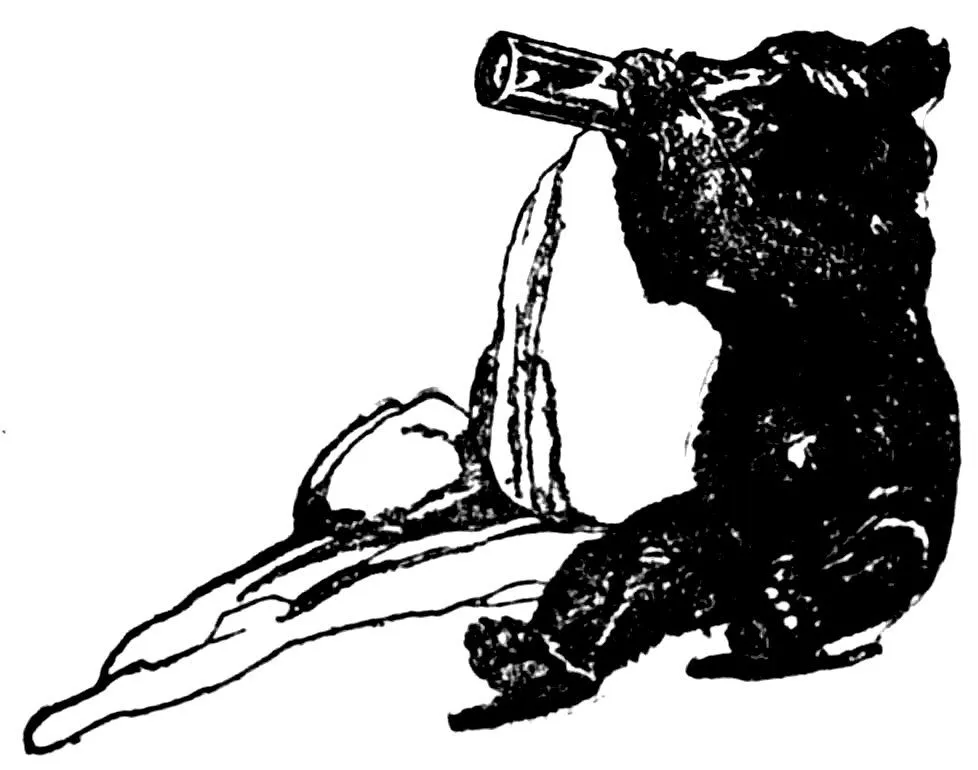
Whether or not we were following
the same system of dietetics that Mrs.
Bear would have employed in bringing
up her child, Timothy really did thrive
on his liquid menu. Even after he outgrew
the necessity for milk, he clung to
the bottle habit and would sample the
contents of any bottle he found. We used
to bring him ginger ale from town and
soda pop of all flavors. If nothing else
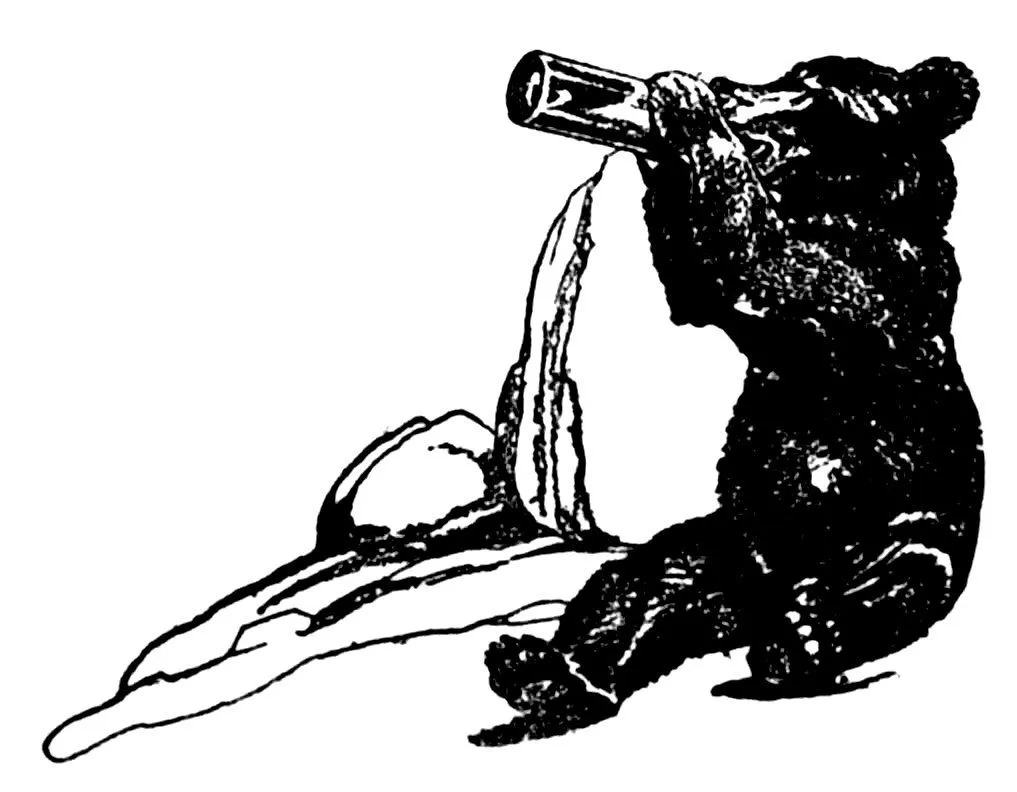
was handy, we filled a battered old
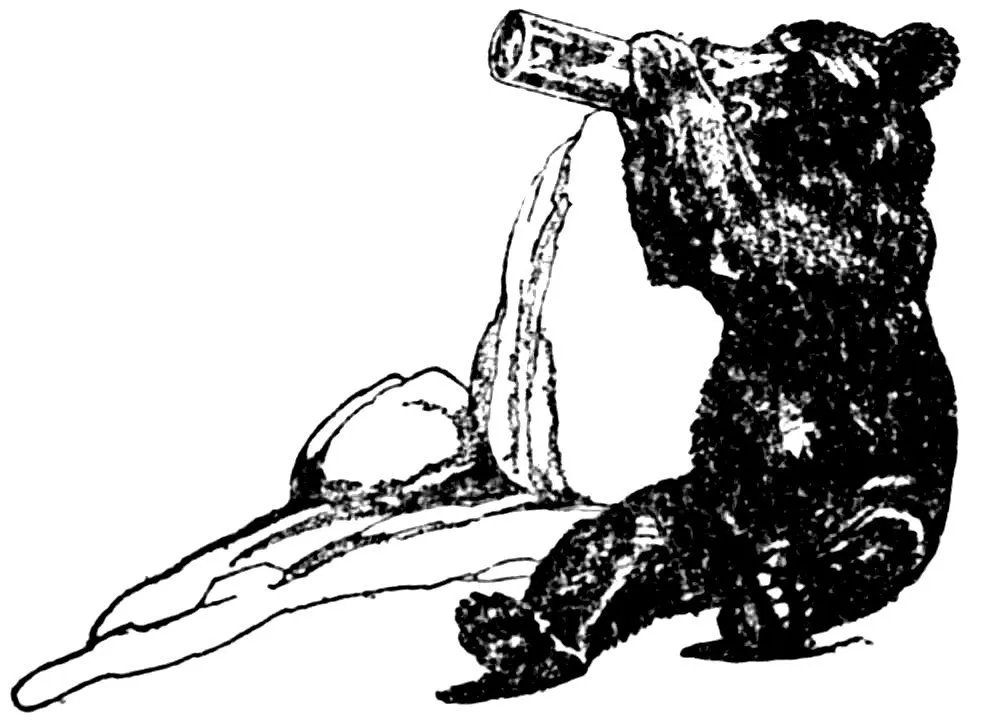
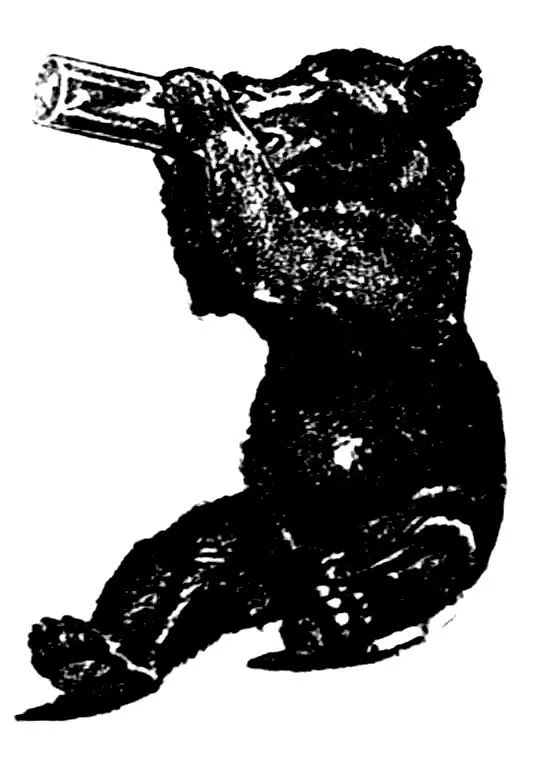
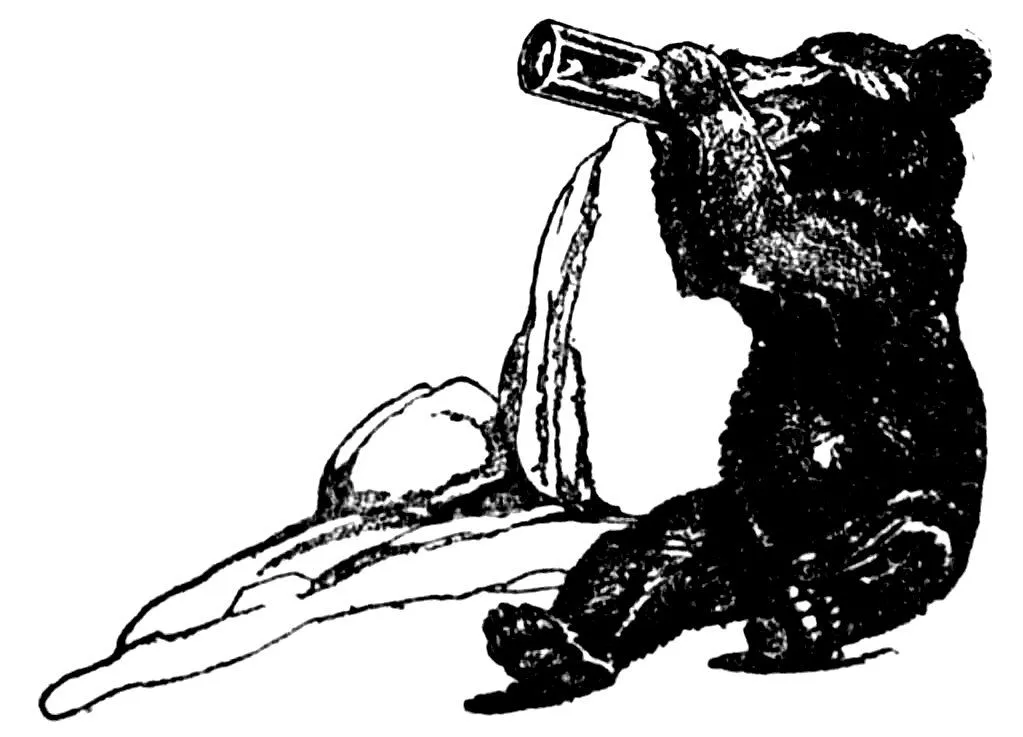
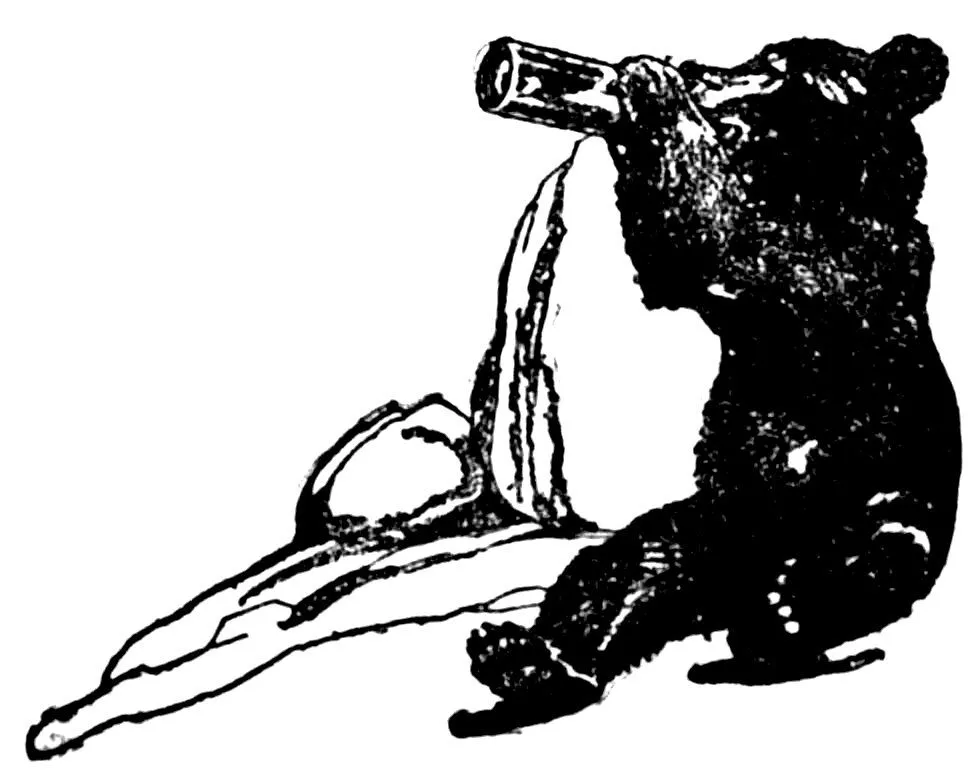
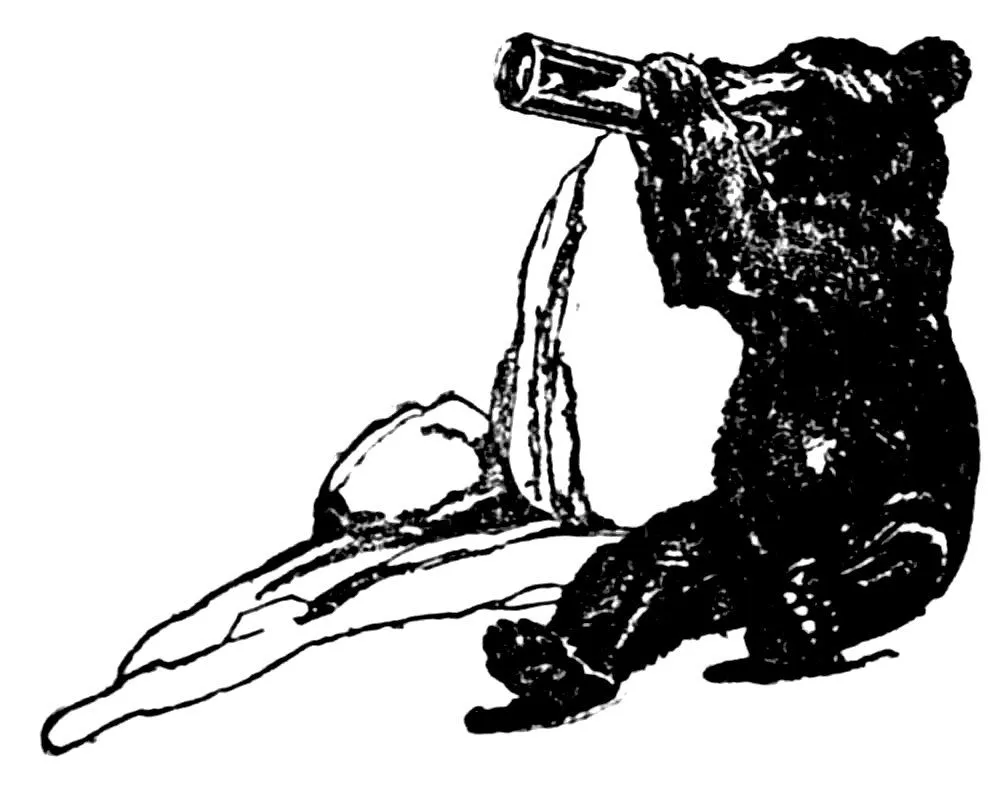
canteen with sweetened water, and he
would tilt back on his hind legs, hold
the canteen perpendicularly aloft, close
his eyes, and drink it slowly, making
funny little rumbling noises deep in his
throat which, Brother maintained, were
imitations of Three-Spot’s purring.
Once he got hold of a bottle of kerosene
and had closed his eyes in anticipatory
ecstasy before the taste of the first
terrible mouthful reached his throat.
I shall never forget the look of pained
158disillusion on Timothy’s face. He
threw the bottle from him, coughed and
sputtered, gagged once or twice as if
deathly sick, and then waddled off to
the spring, walking pigeon-toed, and
with uncomprehending anguish in the
very tilt of his furry hind quarters.
That should have cured him of his liking
for promiscuous bottles, but it did
not—as you shall see.
We worried a little at first as to what
else we should give him besides milk,
but we need not have concerned ourselves.
Timothy’s appetite was without
limits, and he could eat anything—bread,
meat scraps, griddle cakes, or
cold potatoes. On top of the civilized
food we fed him he hunted on his own
account for certain roots he liked,
clawed the bark from fallen logs to get
the white grubs underneath, and buried
his head at the foot of hollow stumps
where the red ants had made their hills.
159After an hour or two of such foraging,
he would return to us, his face and
paws besmeared with loam and covered
with cobwebs, his furry coat rusty
with sand and tagged by twigs and
strands of blackberry vine. He would
blink at us questioningly, a trifle
shamefacedly, running his small red
tongue along the sides of his mouth,
and we would shake our heads and
say mournfully, “Oh, Timothy, you
dirty, dirty bear!”
After such excursions we always gave
him a bath in the big washtub, and
though he knew there was no escaping
it, he always squealed and struggled
while we lathered him and only ceased
his whining when we had rinsed him
and put him in the sun to dry, giving
him the canteen filled with sugared
water to keep him quiet.
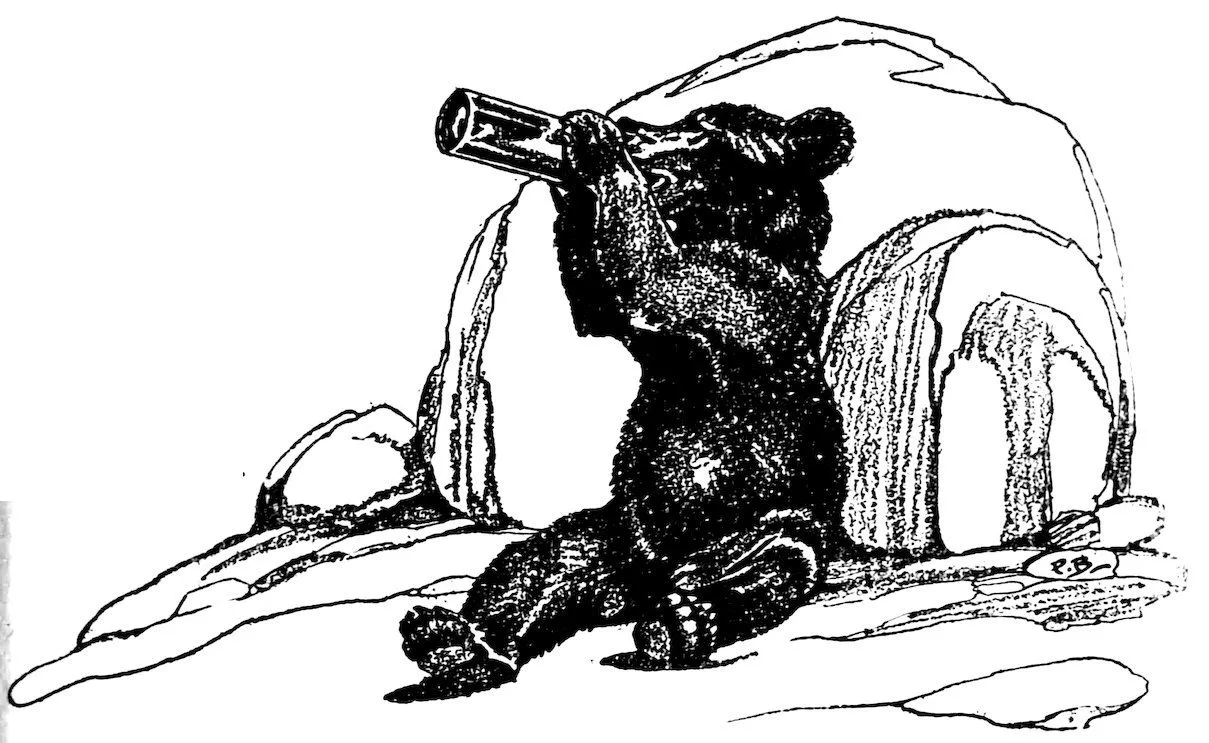
He was the merriest playfellow we
ever had. He went with us everywhere—up
160the Hill Trail, into the
orchard, and out on the bay when we
sailed our little boat and played that
we were pirates. Timothy never objected
to anything except a bath. We
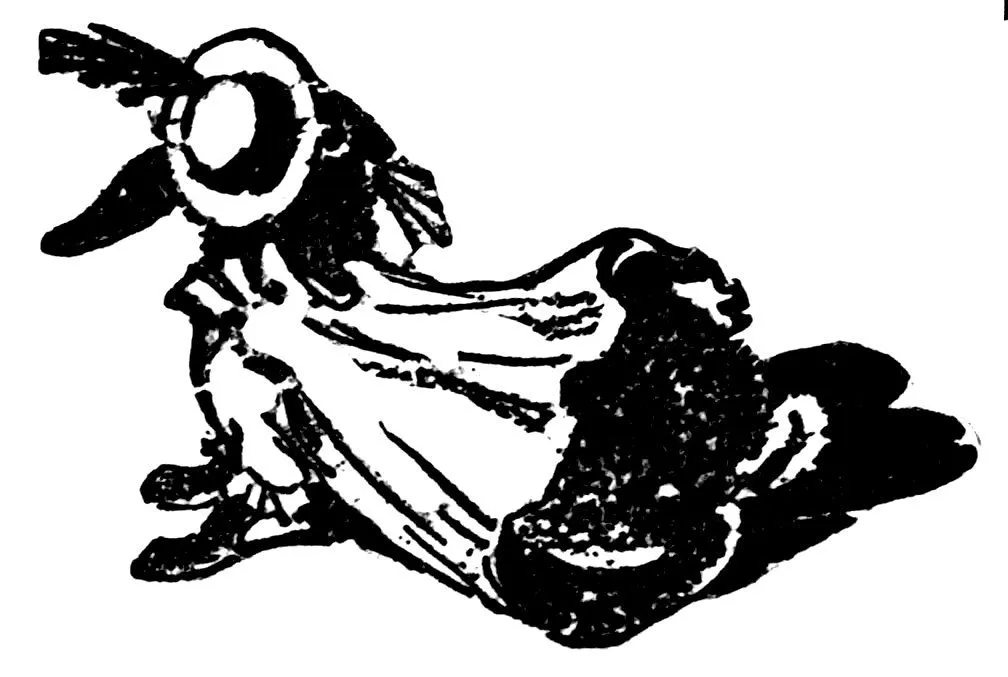
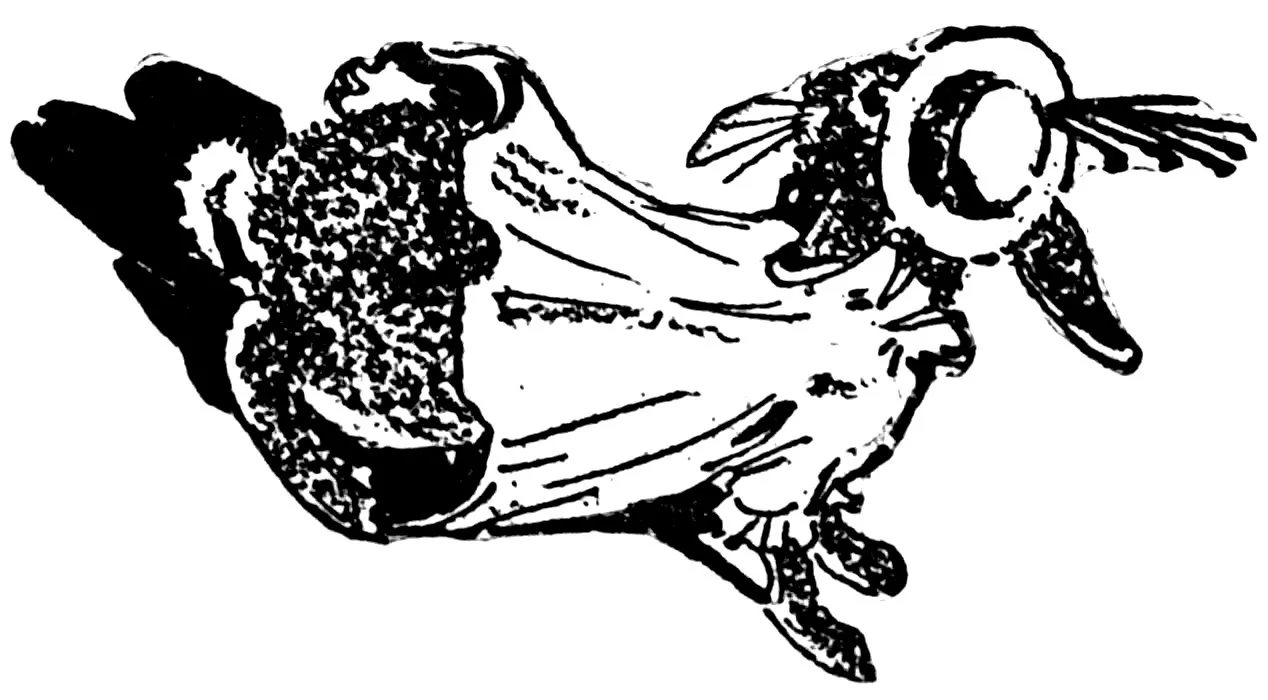
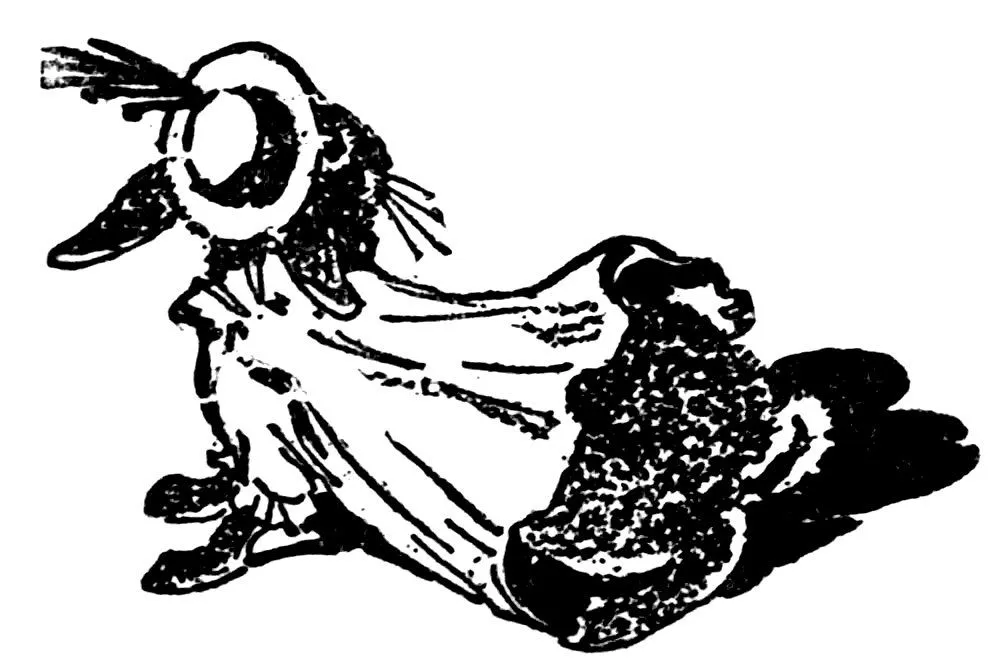
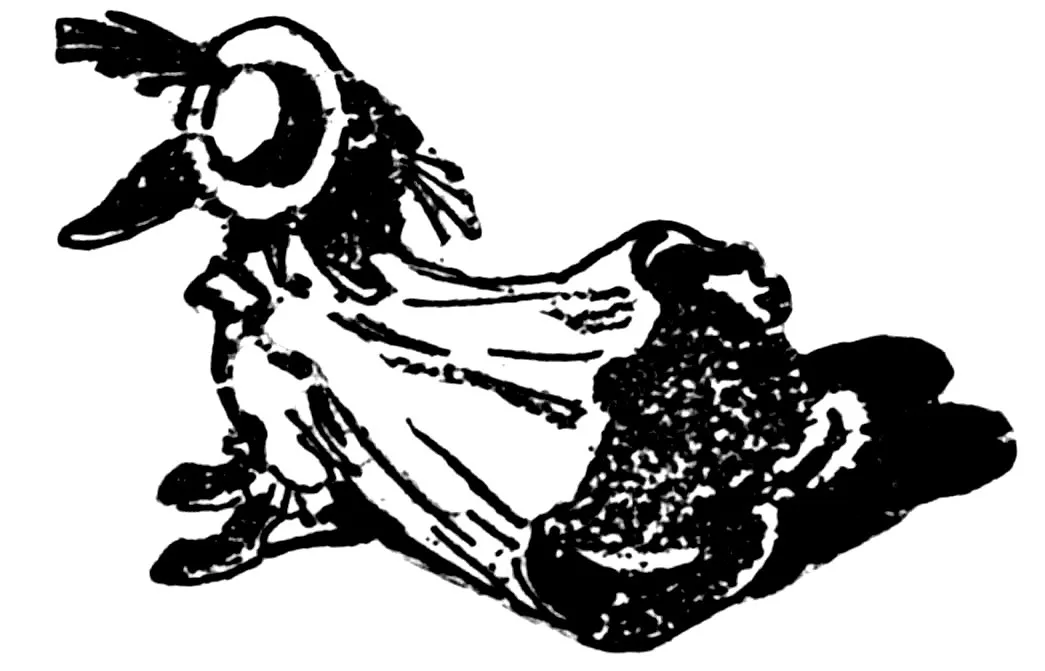
dressed him in outlandish costumes,
sometimes with a red bandanna tied
around his head, a shawl looped about
his fat and furry body, and a wooden
knife stuck in his belt. He was always
ready to wrestle with us, to climb hills
with us, or to be a pillow for our heads
as Brother and I lay through the long,
drowsy, summer afternoons and read
fairy-tales aloud to each other, or described
the shapes we saw in the clouds.
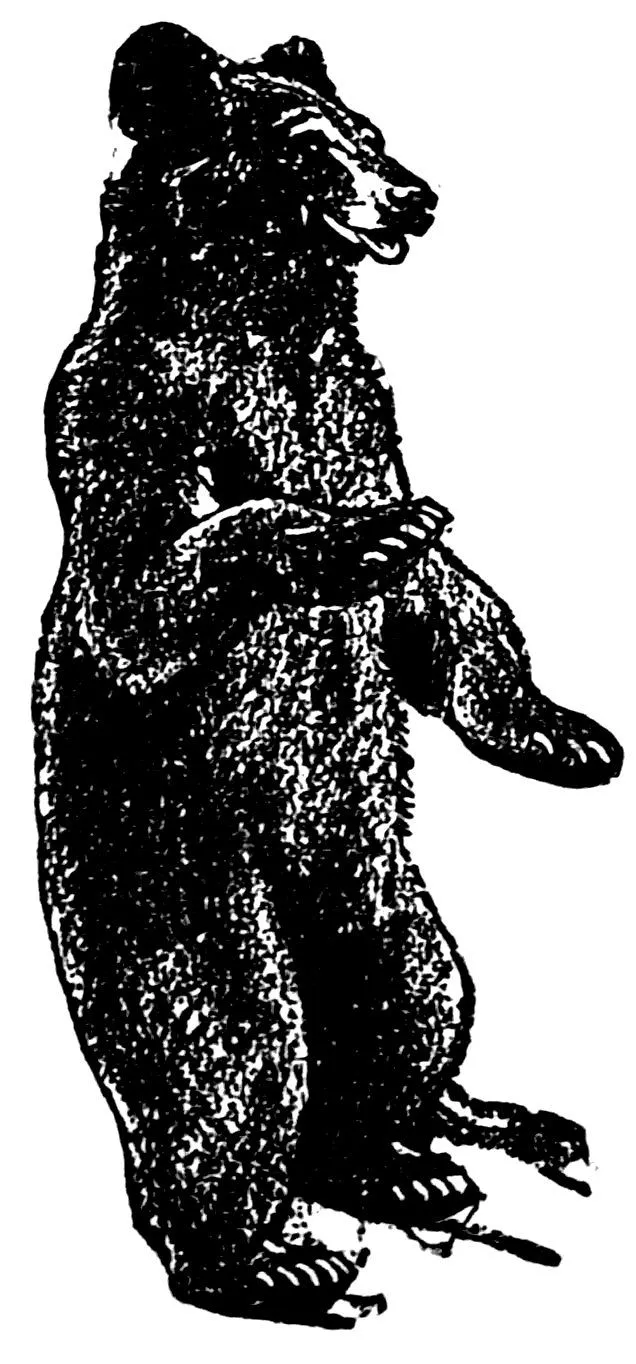
When the late fall came, Timothy
remembered he was a bear long enough
to have a desire to go to bed for the
winter, but what chance had a tired
bear for a seasonal sleep when living
in the same house with Tinker, Three-Spot,
Brother, and myself? We
161would drag him from his clothes-basket
while he whimpered with half-closed
eyes, and Tinker would badger
him into wakefulness and a game of
tag. Then the four of us would go
through the orchard up to the Hill
Trail, pushing each other into the
drifts of dead leaves and playing hide
and seek around the stumps and logs.
Of course Timothy could not stay
with us always; that was too much to
expect. He belonged to the woods, and
sooner or later he must obey their call.
He had belonged to us for almost a
year, and it was only right that the out-of-doors
should at last claim her child.
But when the call of the wild did come,
we were sorry in spite of ourselves, and
when Timothy’s absences came more
and more frequently and the intervals
of time he spent with us lessened, we
missed him sorely. We knew that soon
our playmate would be with us no
162more, that he would go back to the
forest whence he came, and take up the
serious business of finding a wife and
of locating a tree or a hole in which
to spend the next winter.
The manner of his departure was
dramatic, even as was his advent into
our lives. We were up on the Hill
Trail, Brother and I, and we had, as
we supposed, left Timothy on the back
porch sleeping in his clothes-basket,
for which he was now much too big,
but to which he had become attached
through habit. On the open trail with
its sound-deadening mat of hard, brown
earth we did not hear the soft, padding
feet that followed us and were not
aware that our friend was near at hand
until we met a hunter, brown-faced
and with a gun in hand, near the bend
in the path that we called “U-Chu-Ka’s
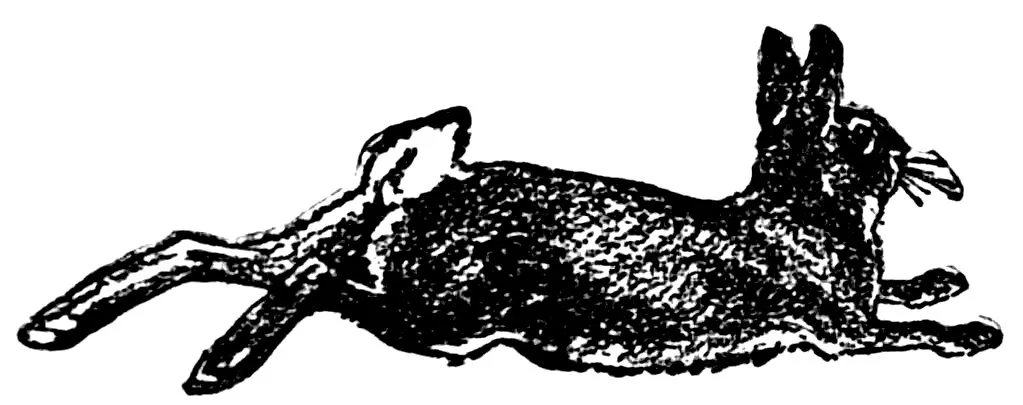
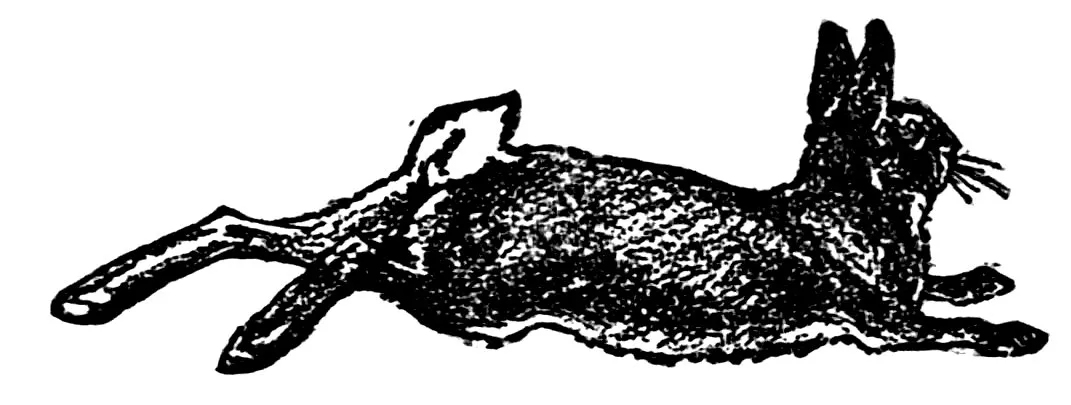
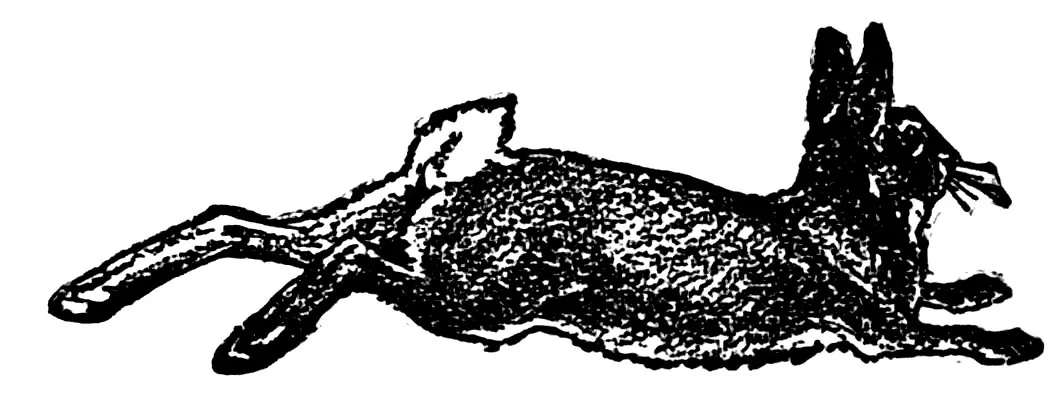
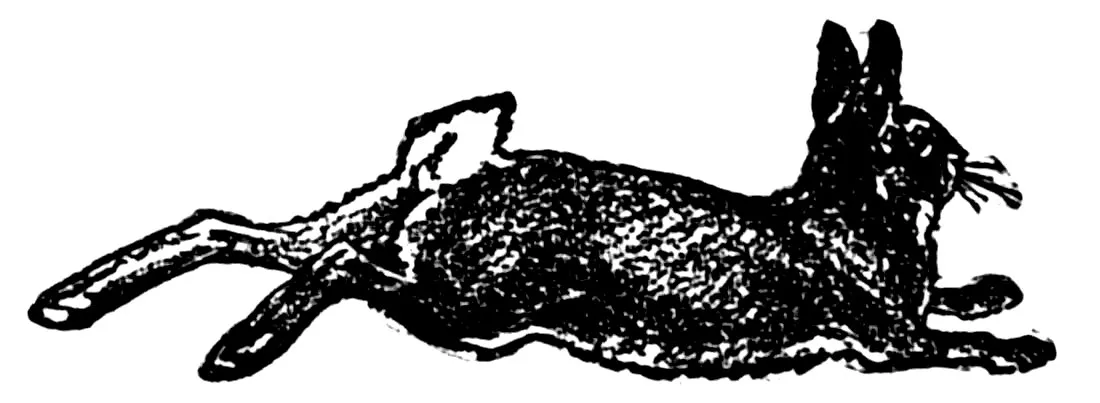
Corner,” in memory of our little rabbit
friend.
163The man had a red band around his
hat, I remember, and a canteen was
slung at his side. He had put it to his
lips to drink when he caught sight of
us, and suddenly his eyes widened, and
the hand that held the canteen became
rigid.
“Run, you kids!” he gasped out,
“there’s a bear behind you!”
We turned to confront Timothy, who
was standing pigeon-toed in the middle
of the trail, his face covered with loam
from a rotten stump where he had been
digging for ants, his eyes blinking at
us sleepily and a trifle reproachfully
for having gone off without him. But
before we could explain to the hunter
that the bear behind us was a friend of
ours, the man had raised his gun and
leveled it at our playfellow. I
screamed aloud and Brother, heedless
of the danger flung himself in front of
the rifle.
164Now Timothy knew nothing of guns,
but he had long and satisfactory acquaintance
with bottles and canteens.
He had seen the man drink. There was
something contained therein that he,
Timothy, would like. The man would
not mind sharing it—I’m sure he reasoned
thus to himself—and in that instant
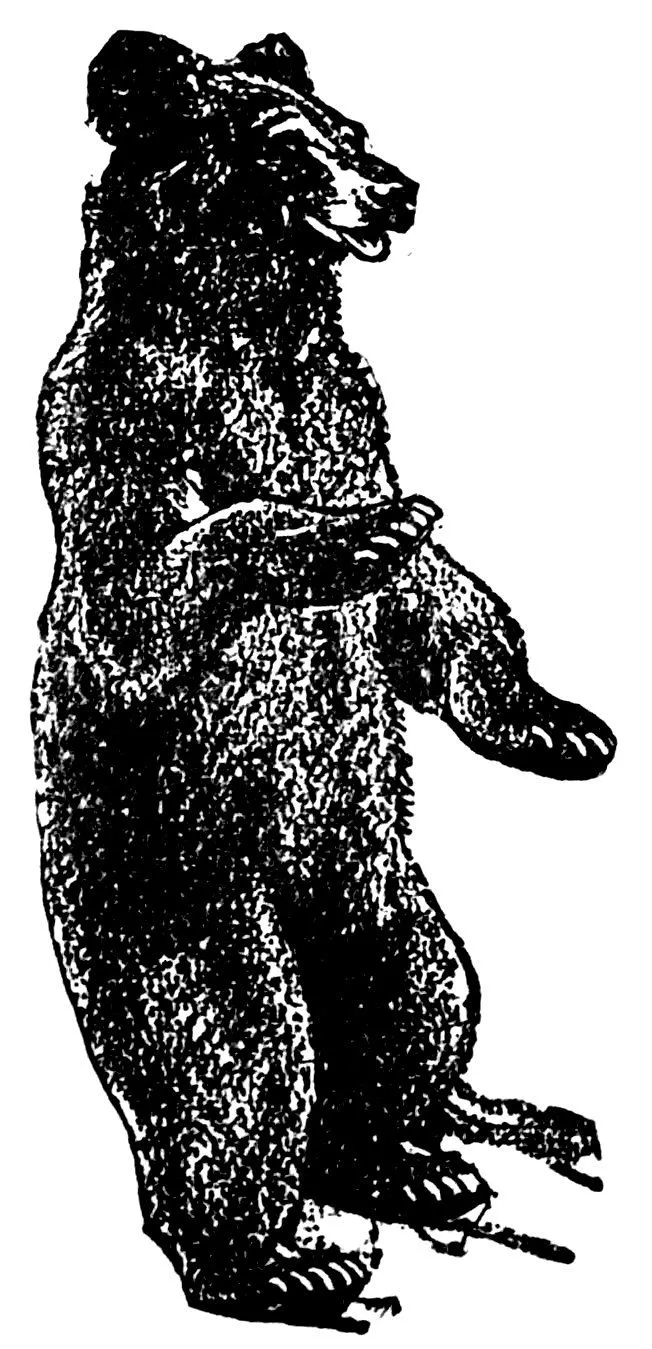
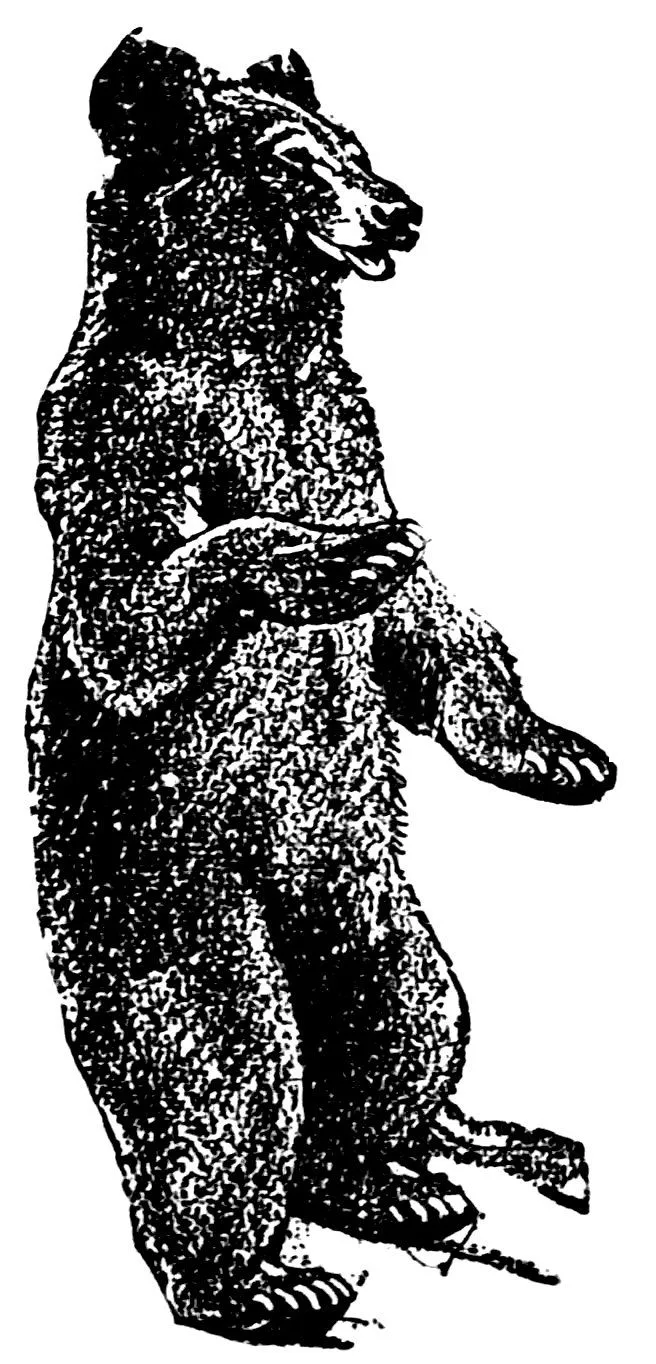
when the gun was pointed straight
at him, he rose on his hind feet, his
furry arms outstretched, and started
toward the hunter.
The man with the gun forgot to pull
the trigger; he forgot everything except
that a dark brown body with gleaming
black eyes was advancing upon him.
He gave a little squeal of terror, and
the rifle dropped from his hands. He
turned and fled down the trail with
Timothy galloping on all fours close
at his heels. In spite of our breathless
calls he would not return to us, and
though we ran and called and laughed
165at the same time, he soon outdistanced
us. When last we saw the hunter he
was disappearing over the crest of a
little hillock in the trail with the canteen
bobbing behind him, and the hat
with the red band made a dot of scarlet
against the underbrush where it had
fallen.
We heard afterward that the man
had not stopped running until he
reached the little town. Timothy by
that time was nowhere in sight, having
given up the pursuit of the canteen in
disgust.
But we never saw him again. Perhaps
returning home he met a comely
lady bear and they decided to set up
housekeeping together. Perhaps she
even won his heart by telling him that
she knew where there was a nice bottle
full of sweetened water.
Long afterward we found one day
by the creek bed a ginger ale bottle
166dropped there by some picknickers.
It was empty, and on the gravel near
by we saw footprints almost human in
shape, only smaller and toeing in
toward each other.
We knew somehow that Timothy had
been there. It was almost as if he had
known we would pass that way, and
had left the bottle and his footprints
where we would see them to tell us that
we were not forgotten, nor were the
things we had taught him.
167
Part Nine
The Bandit Bird
Part Nine The Bandit Bird
168
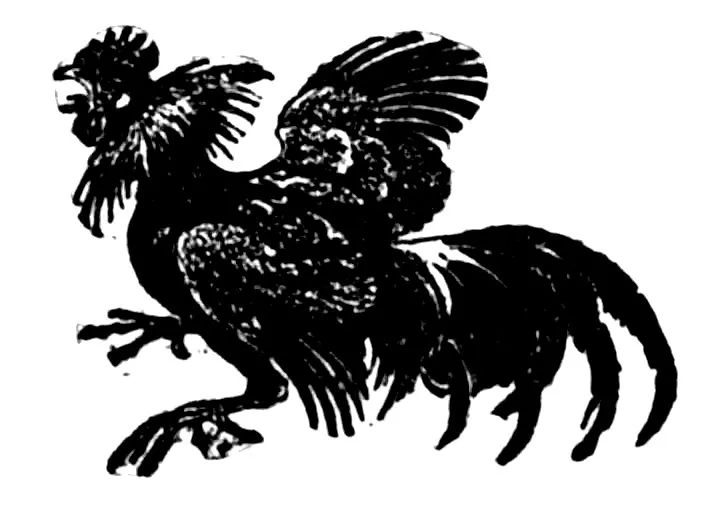
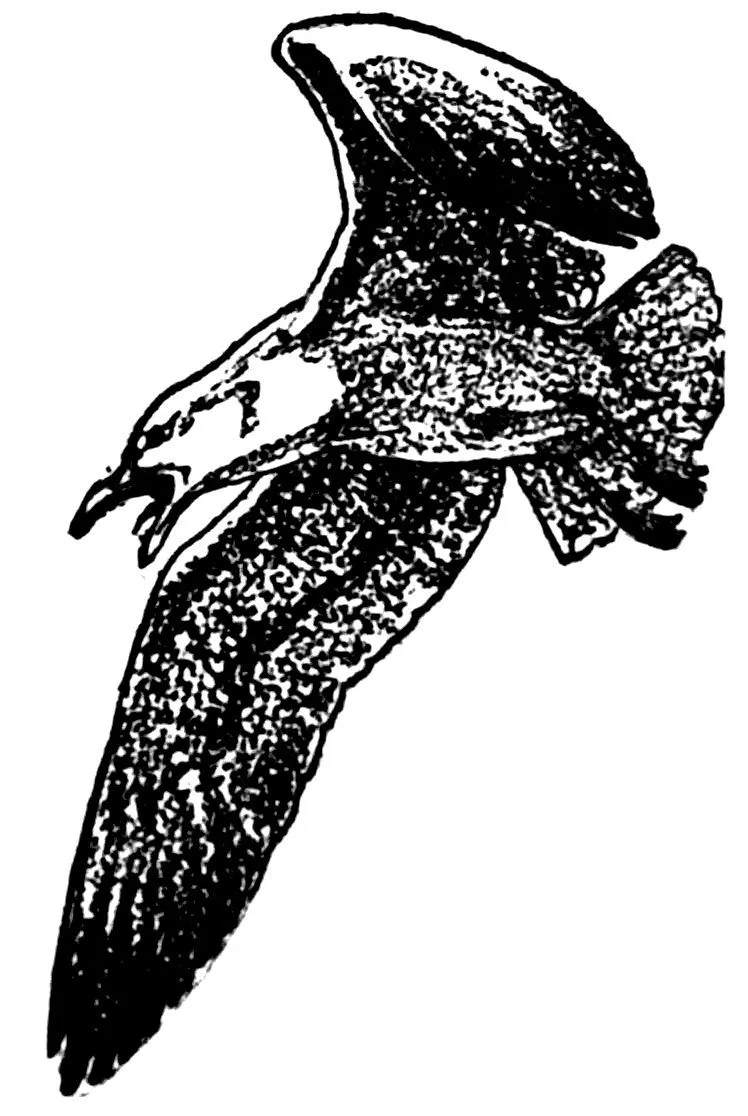
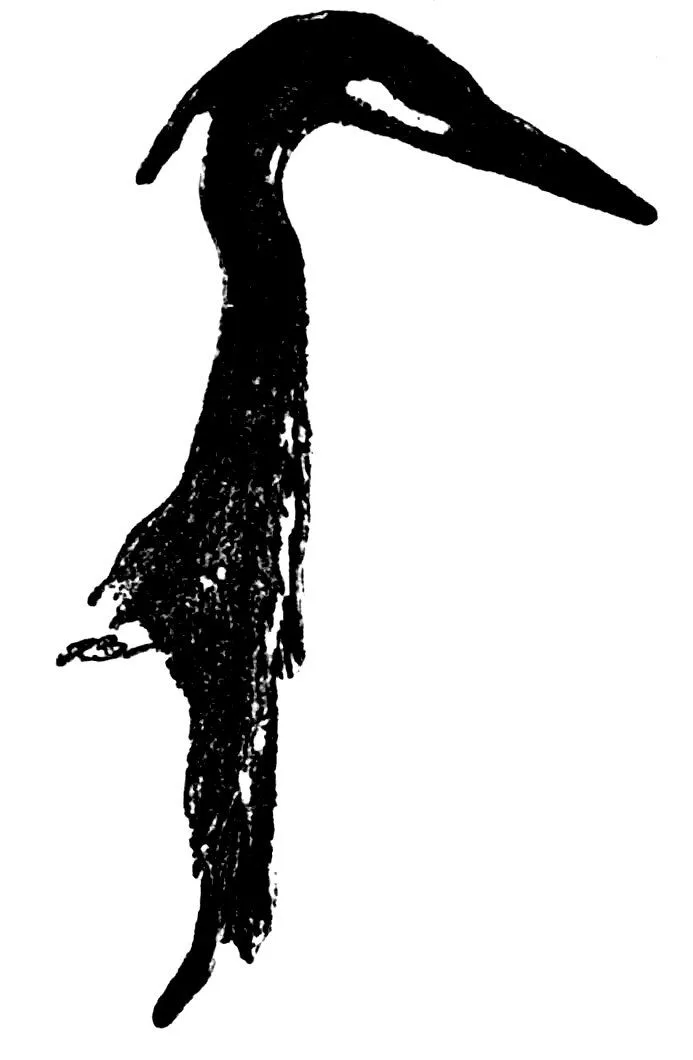
I hope the fact that Hector
was a chicken hawk
will not prejudice you
against him unduly. There
are brigands, you know,
who have gentlemanly instincts, and I
am sure that if Hector had been a
bandit chief, he would have spared
women and children and given part of
his plunderings to charity. After all,
he was not to blame for being a hawk
or for having a natural liking for live
poultry. There was at times a mournful
dignity about him, as if he resented
the unfair workings of a fate which
had made him a robber bird, a trespasser
on the lives of other creatures,
and at enmity with every living thing.
169
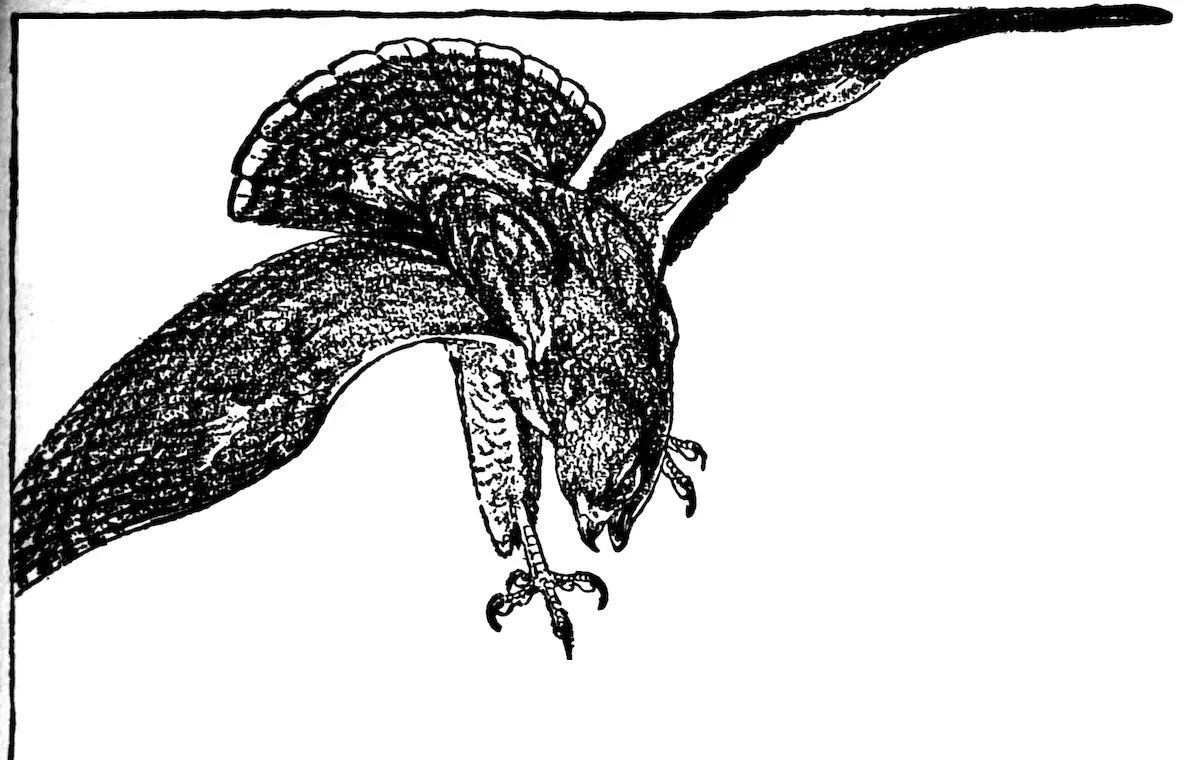
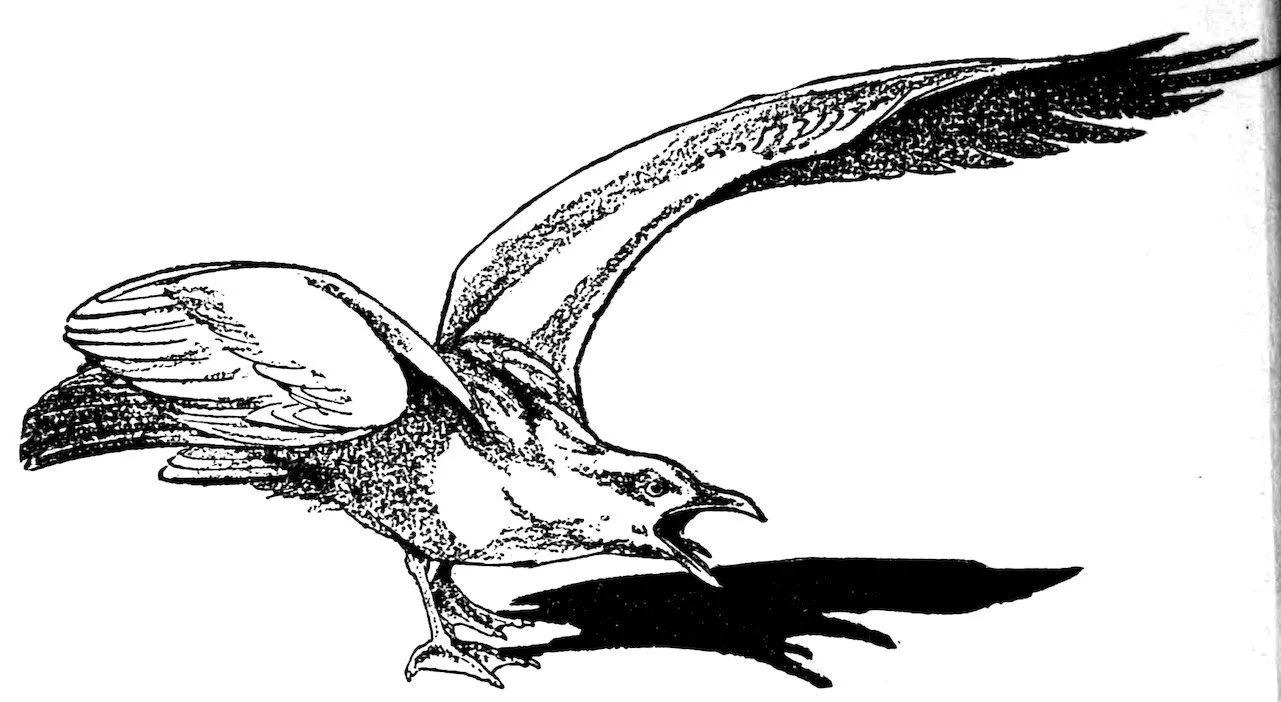
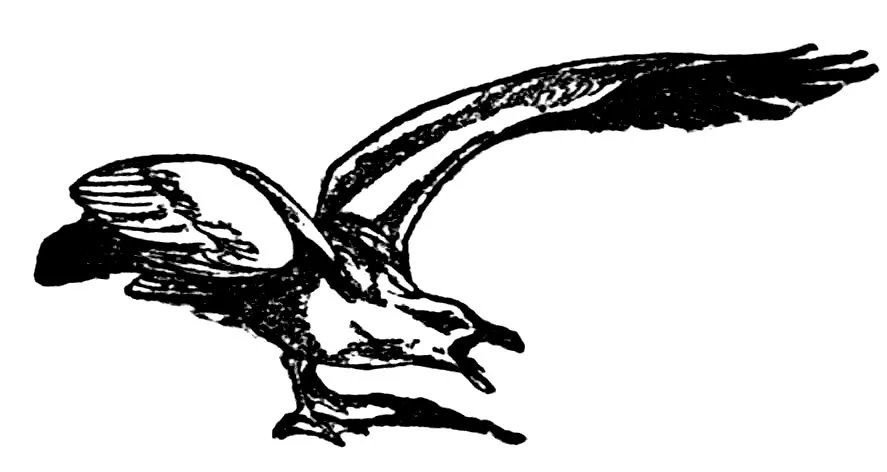
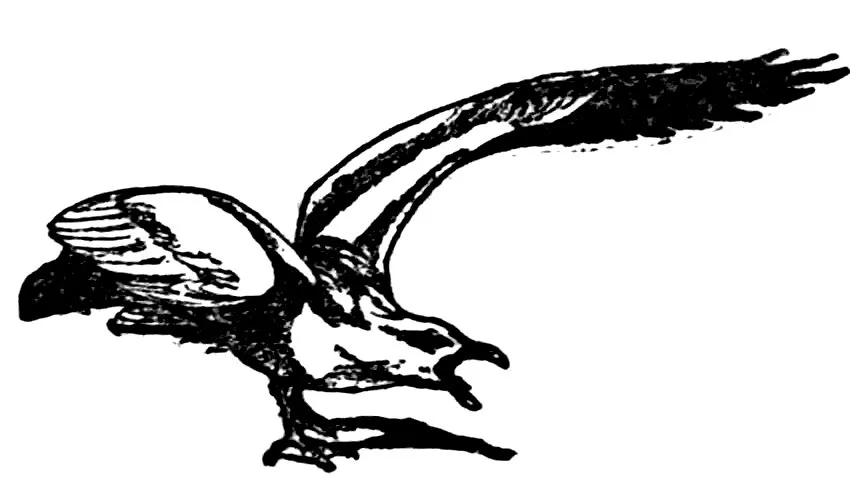
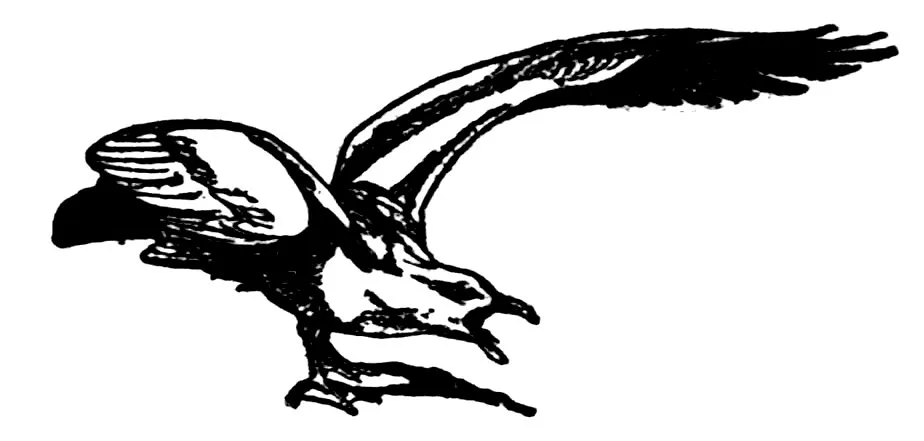
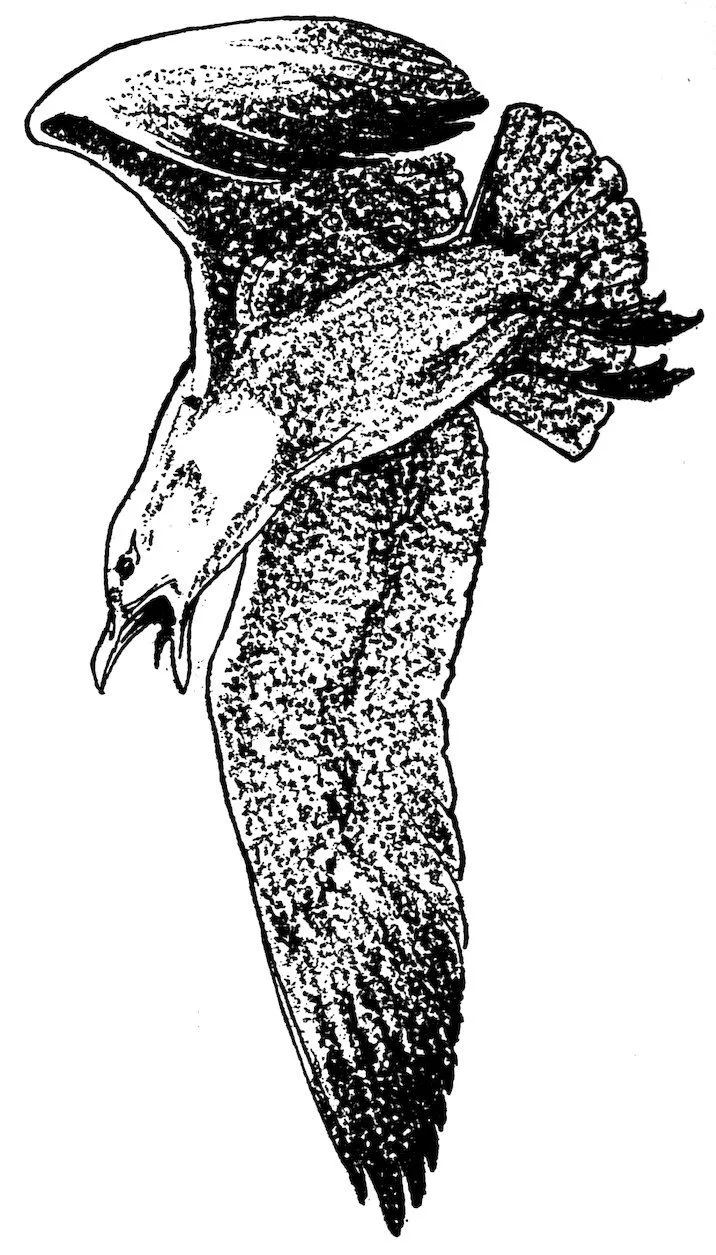
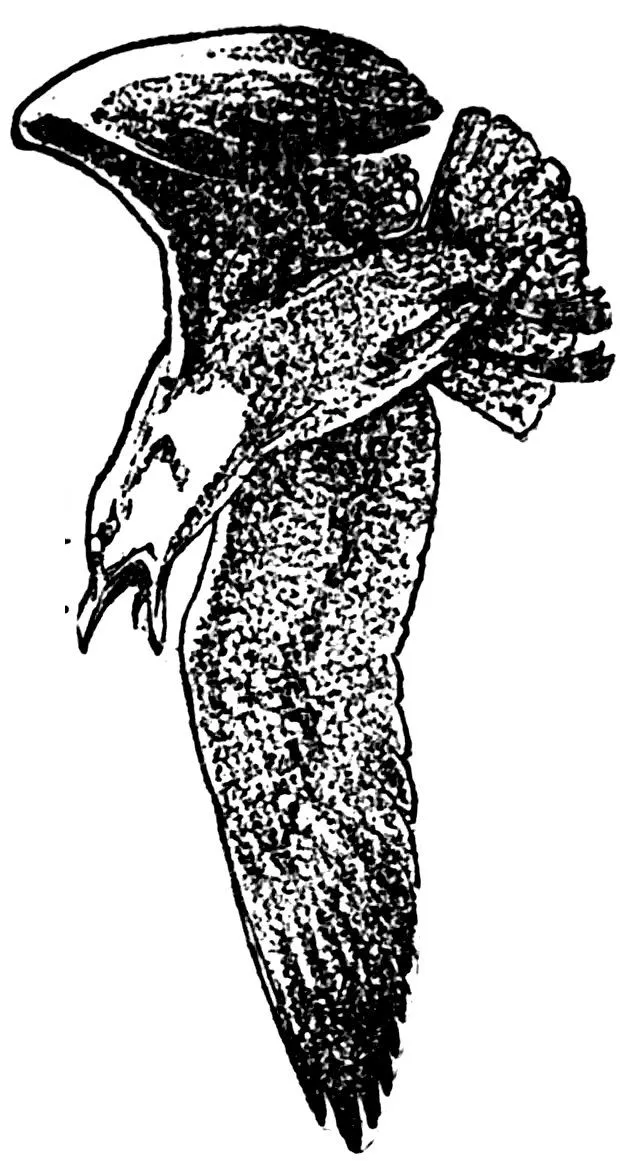
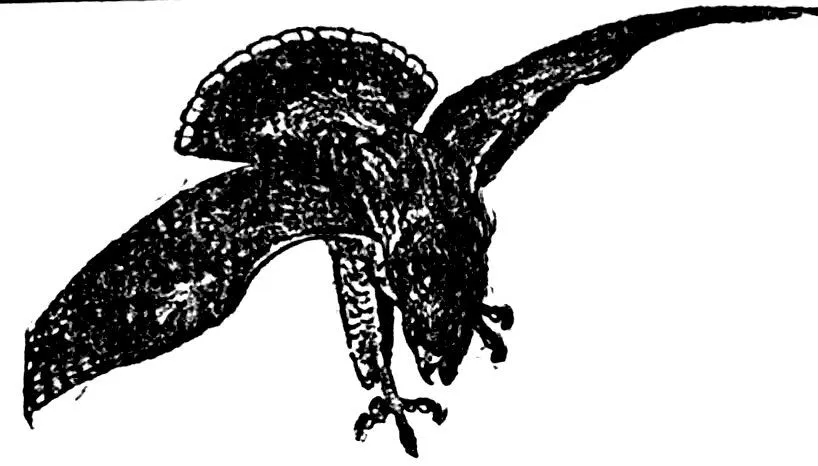
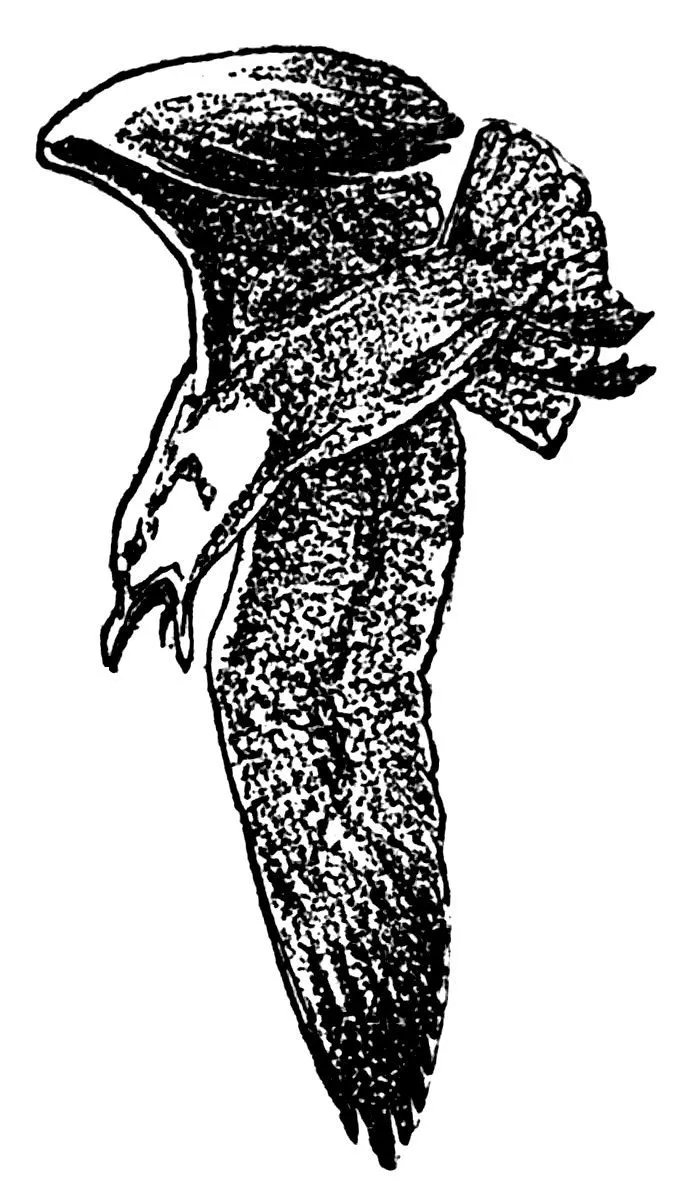
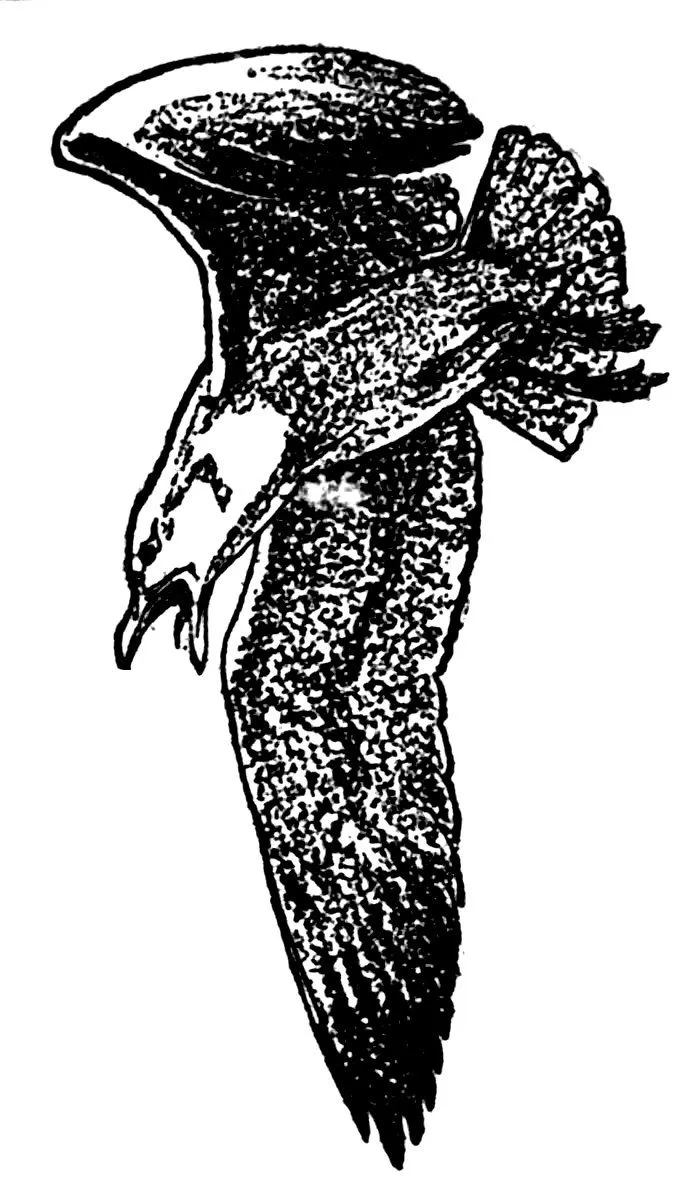
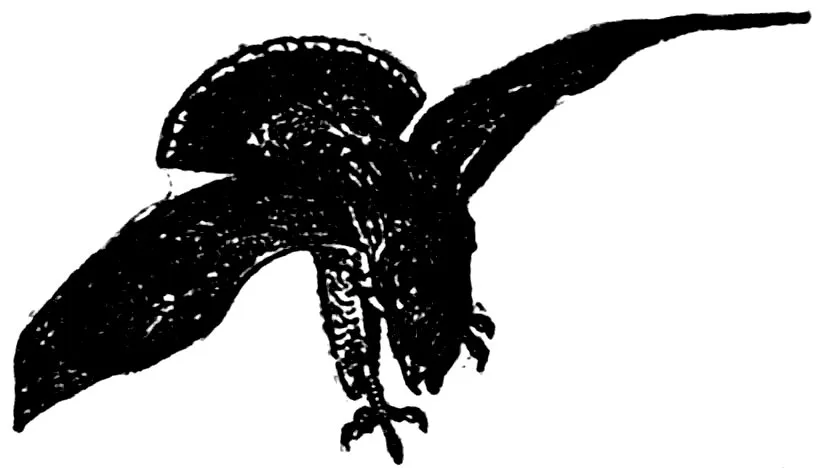
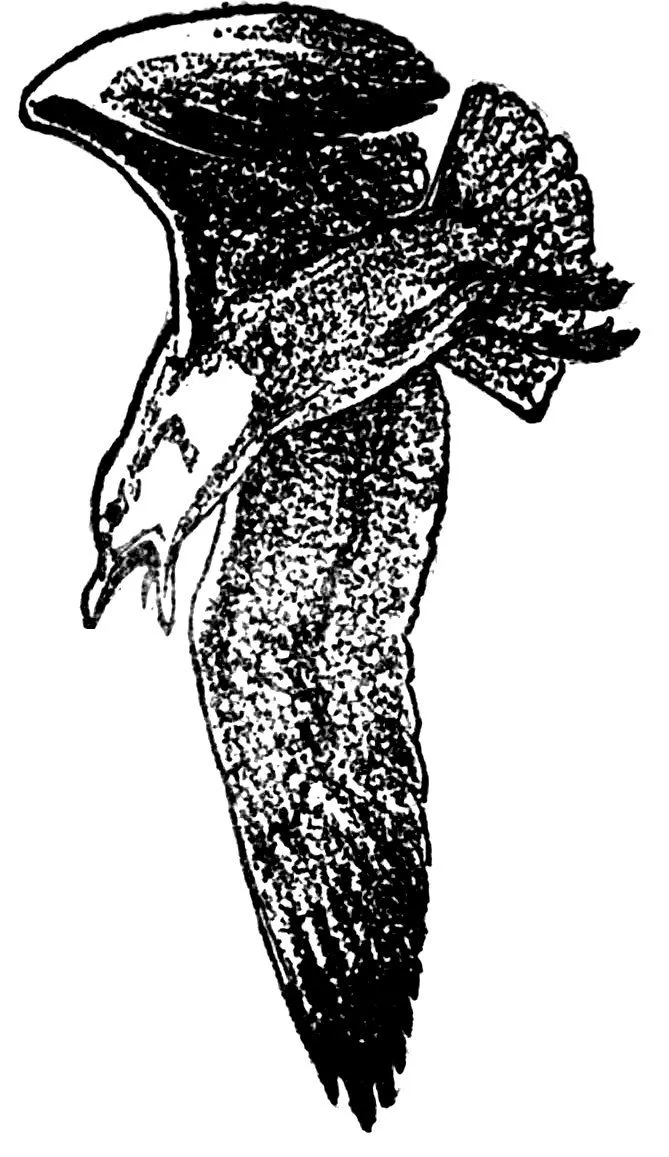
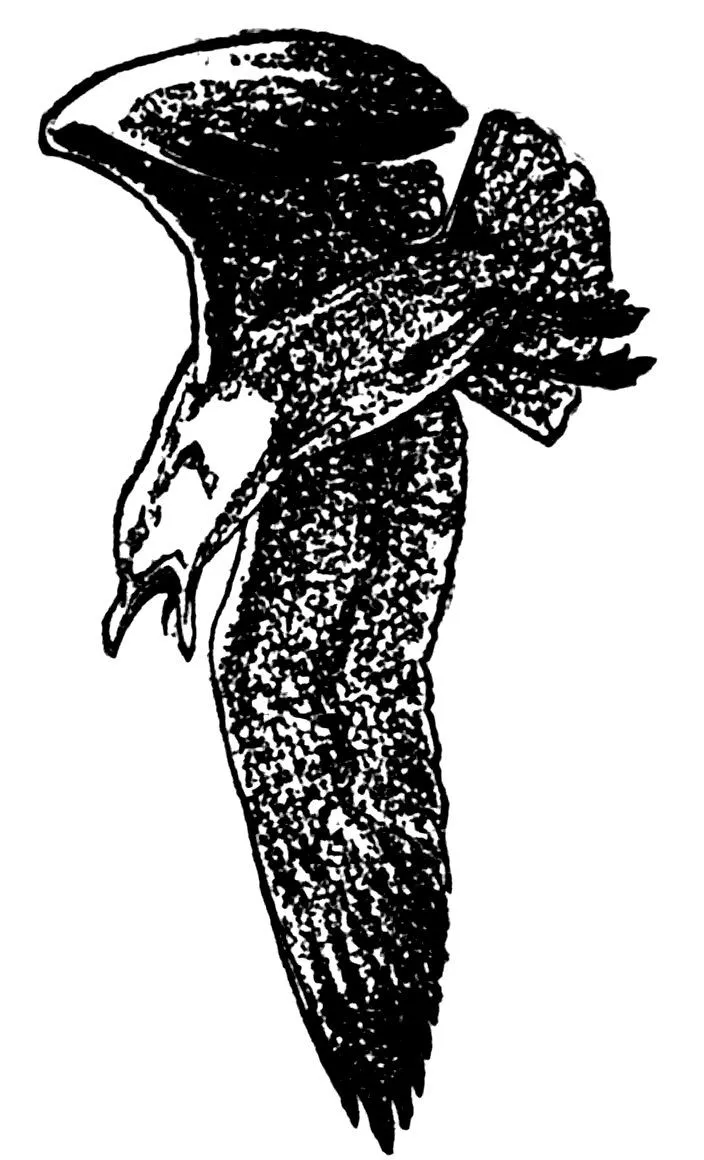
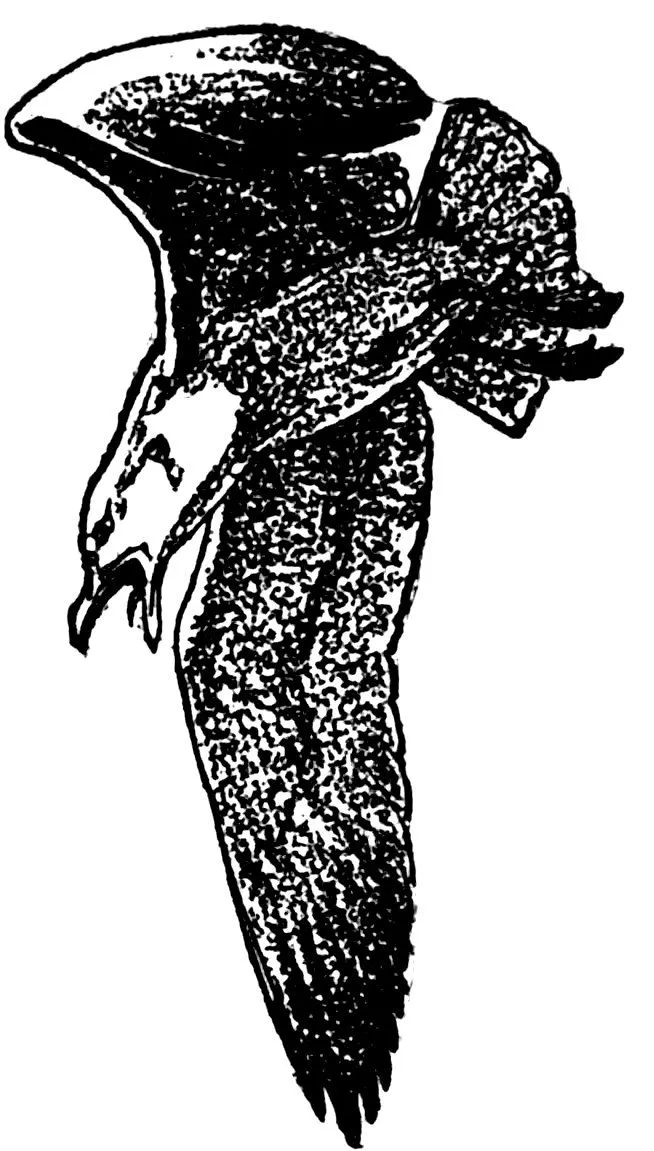
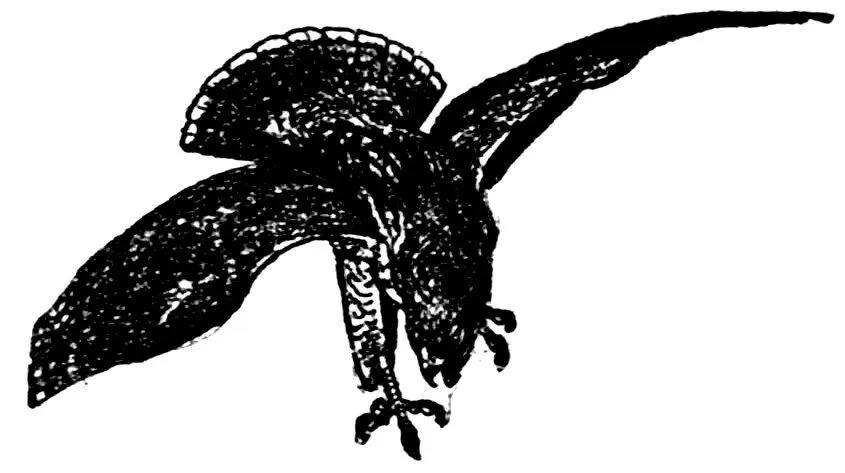
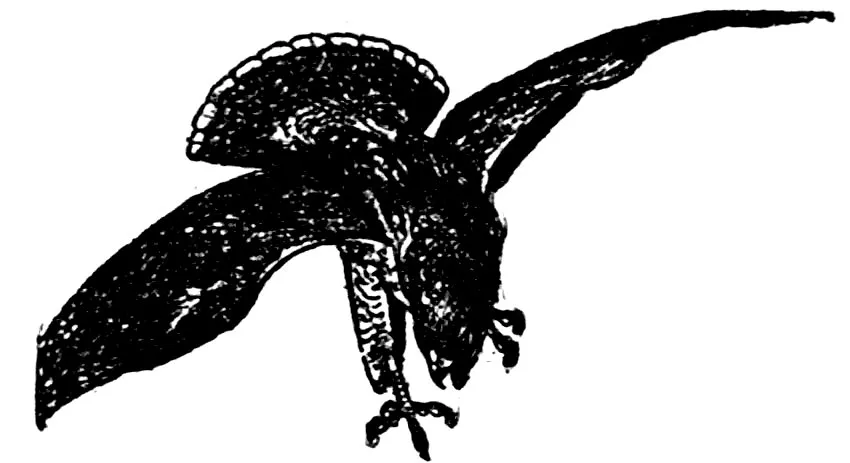
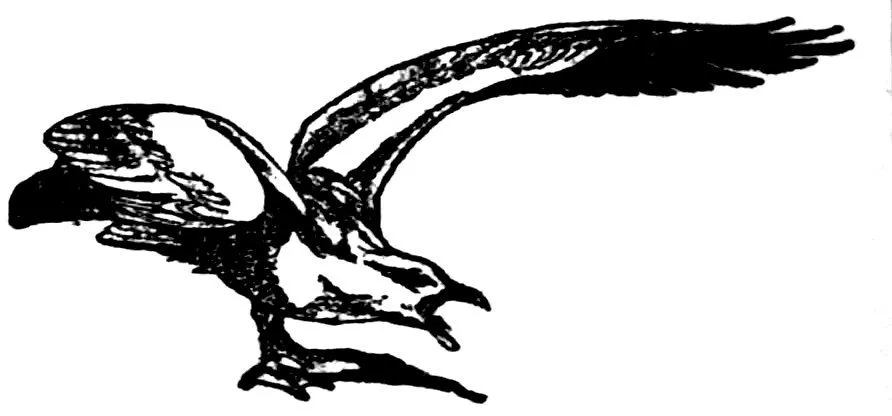
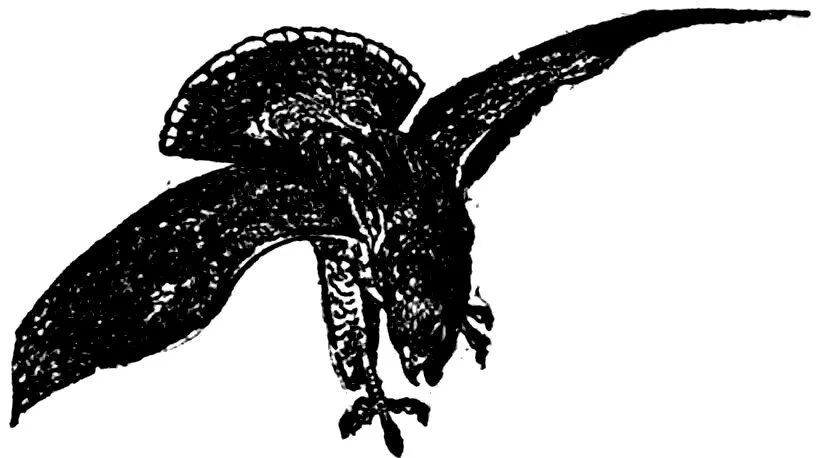
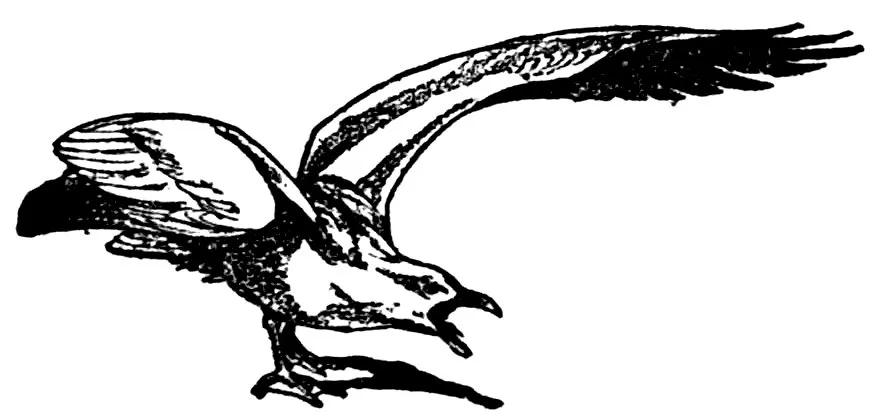
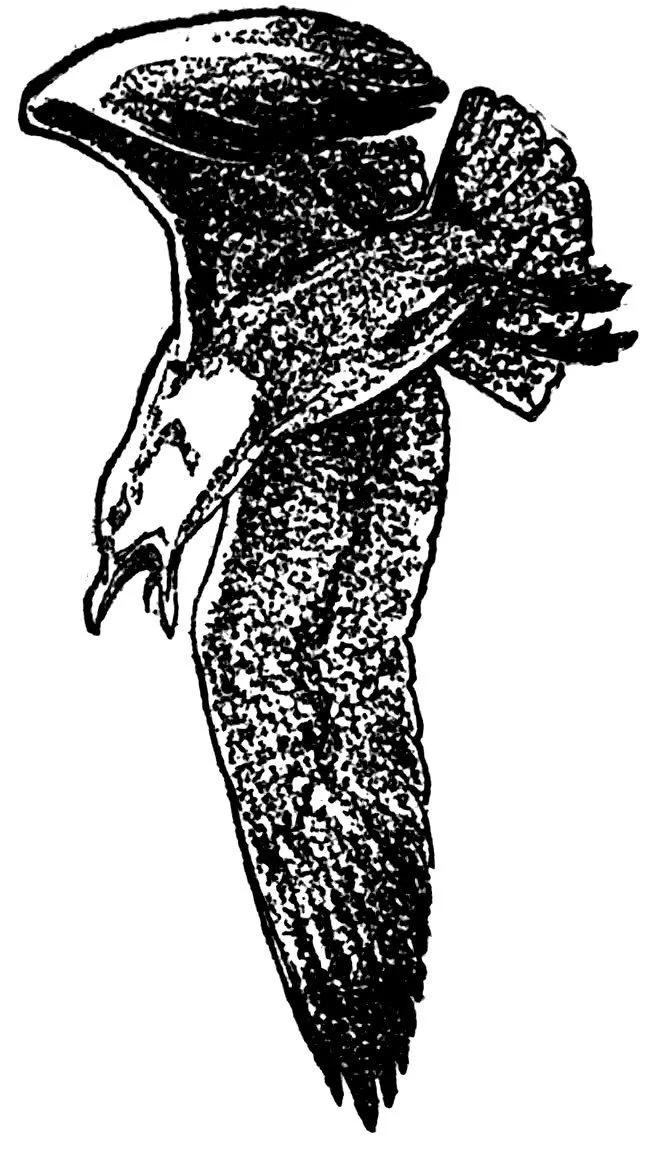
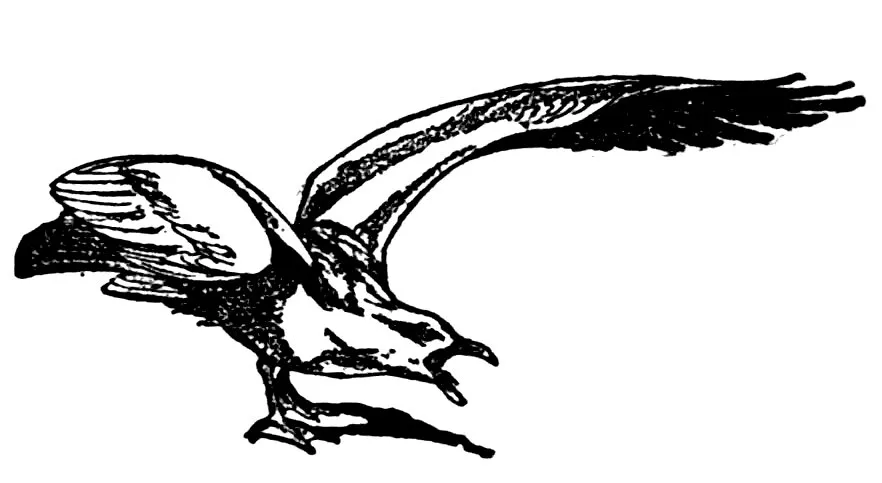
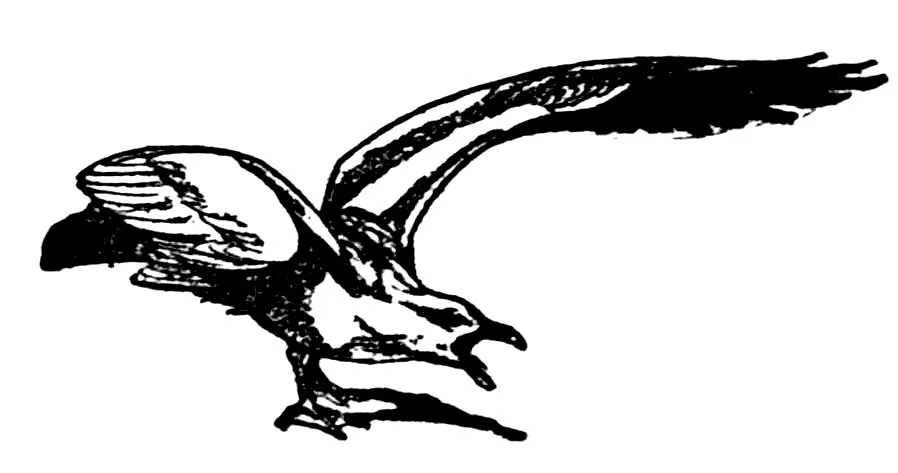
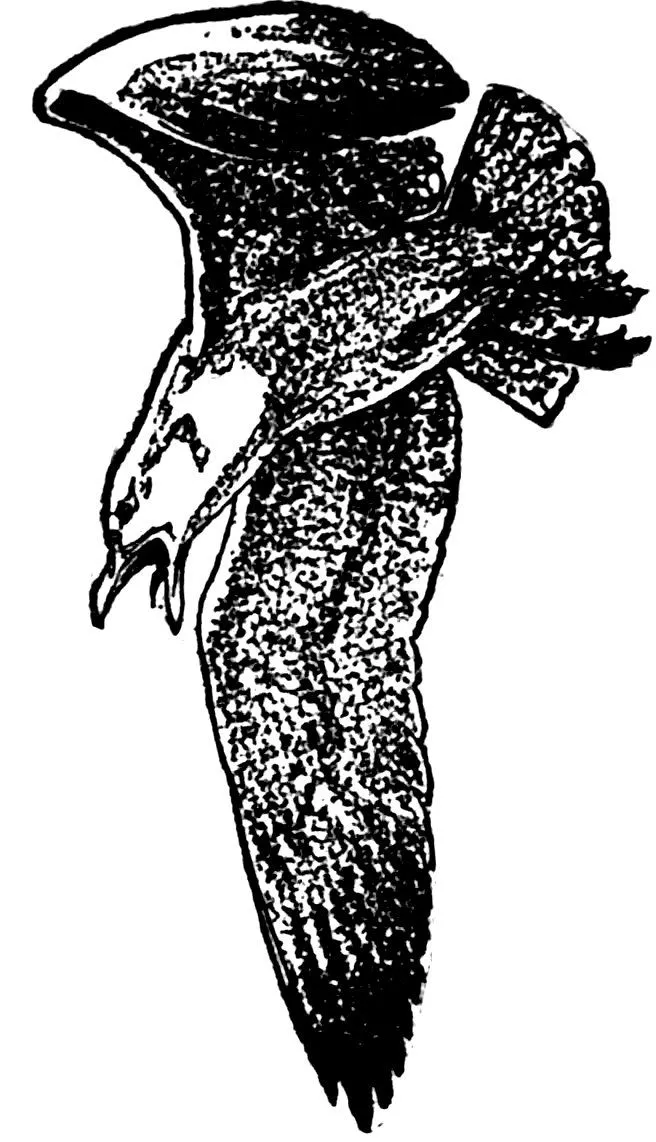
Sometimes the bandit birds swooped down
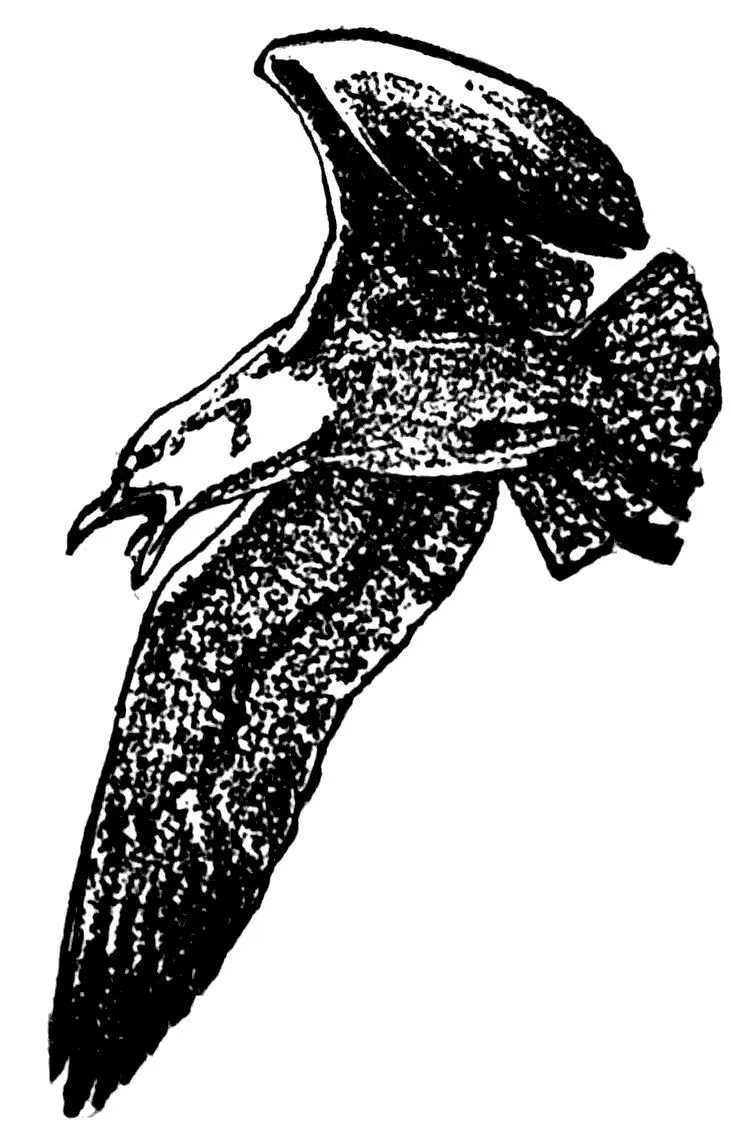
He was a beautiful hawk with gray-brown
plumage, wing tips that turned
slightly upward when he flew, and a
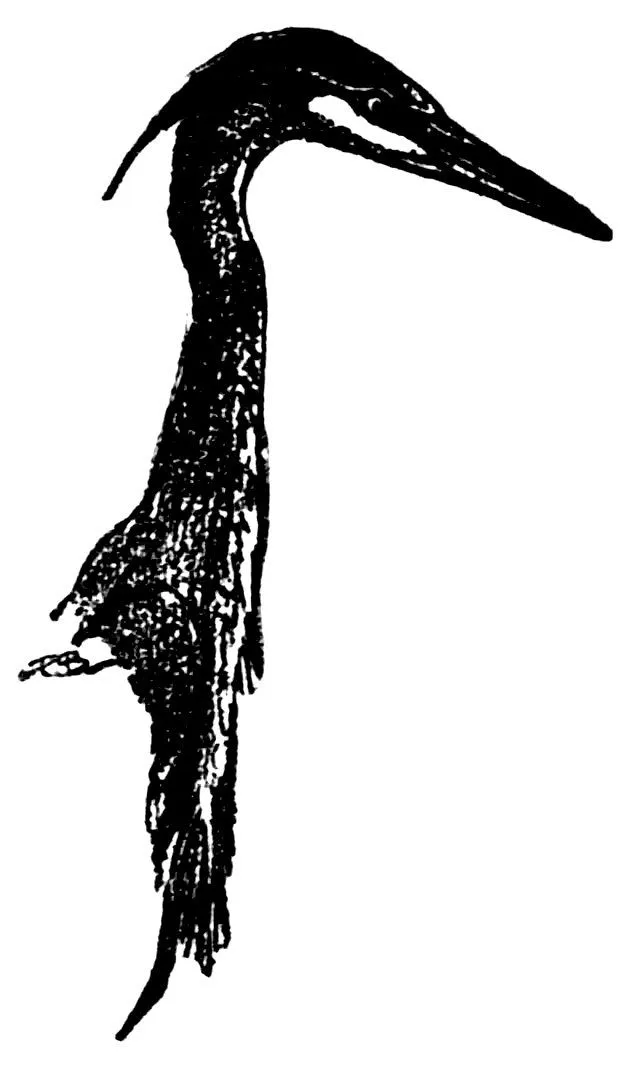
fierce and royal beak curved like a
scimitar. His eyes were very black,
very bright, and very knowing. Most
of the time they were superbly disdainful.
But Brother and I have seen
them when they actually seemed to
smile.
It was Brother who named him, for
the alliterative privilege, I suspect, of
calling him “Hector, the Horrible
Hawk.” But that was only in fun. For
170he was not horrible at all when we got
to know him. Lazarus thinks otherwise,
very probably. But then his experience
with Hector was a trying one,
and to this day—if he still lives—he
carries the marks of his eventful meeting
with our friend, the robber chief.
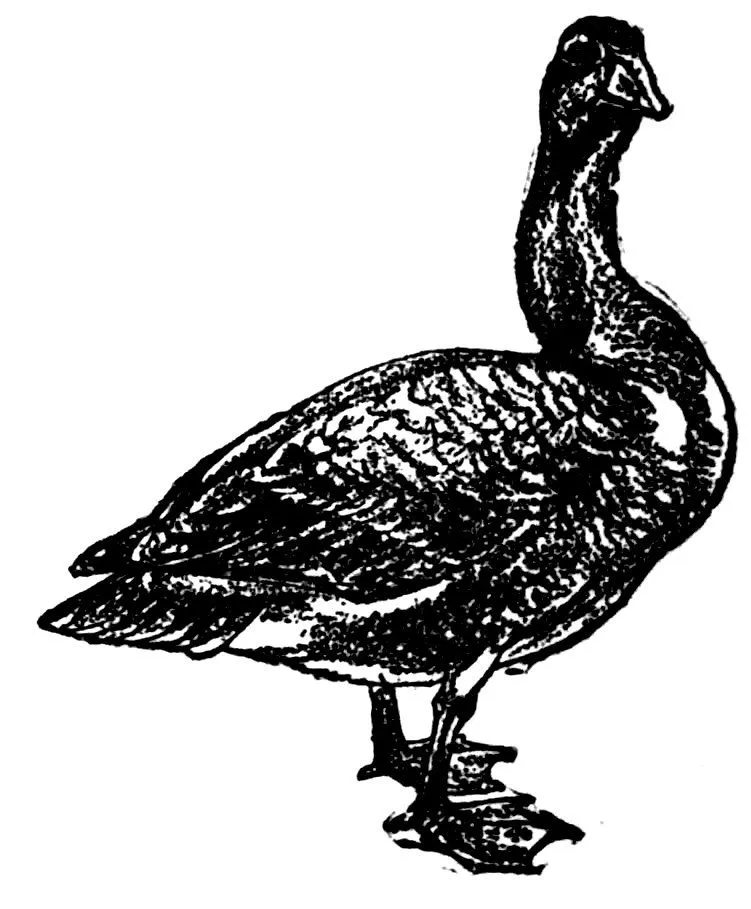
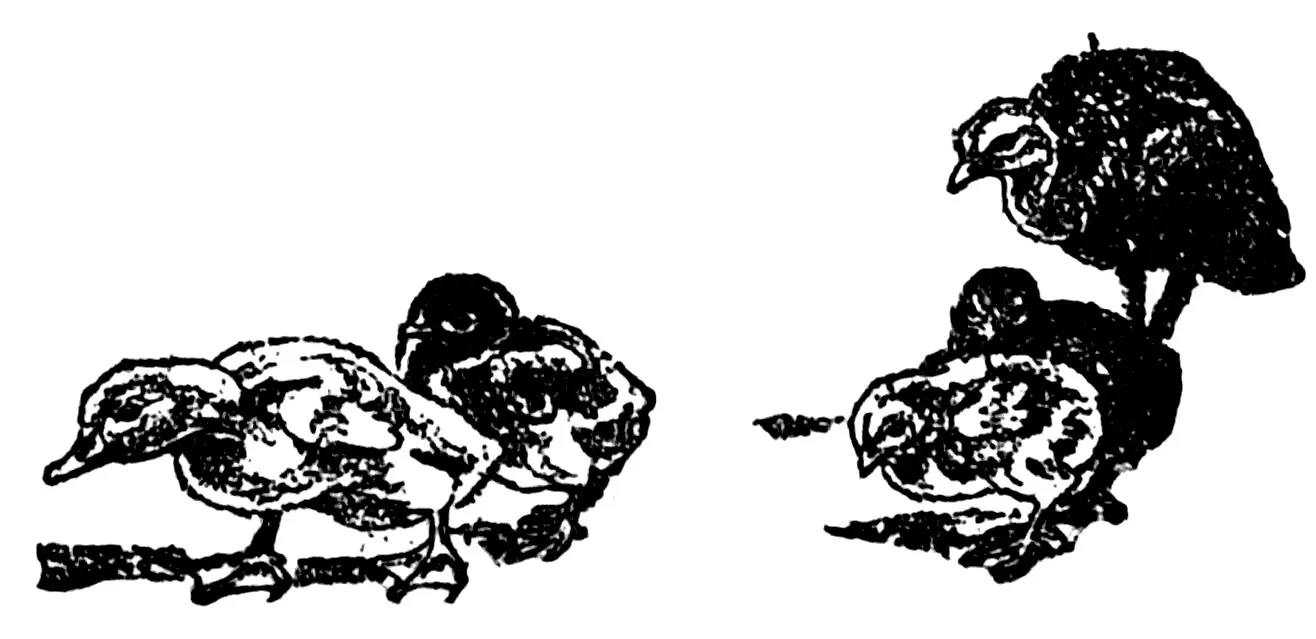
Lazarus was a pet chicken, son of
Sironda, the black minorca hen. We
gave him his curious name because he
had a talent for venturing very near
death’s door, and the fact that we always
saved him lent appropriateness
to his name. Once when very young,
no more than five days out of his shell,
he was all but scalped by a rival mother
hen, and when we answered his frantic
baby peeps for help his head was bleeding
profusely, and his eyes were closed
as if in death. We sprinkled water on
his tiny bill and salved his lacerated
head. And he, having a strong constitution,
came back from the tomb, as it
171were, and lived a long and eventful life.
In order to care for him better, we kept
him in the back-yard, tucking him at
night into a small box under flannel
coverings. He thrived and grew from
chickhood very sturdily, and the only
ill effect that remained from his early
mishap was that he was quite bald. No
feathers ever came on the spot where
the lady hen had scalped him, and we
could have distinguished him from
every cockerel of his size and color in
the world by that little bare place on
the top of his head.
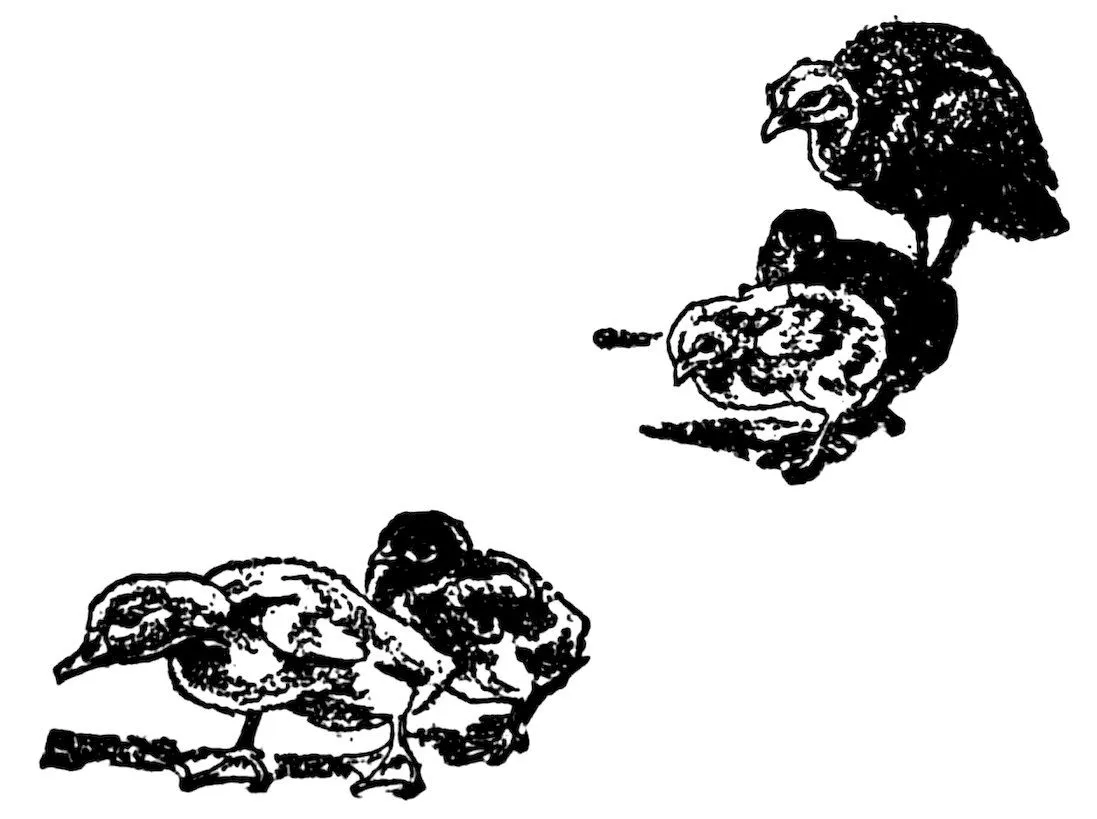
Now, when Lazarus lost his first
baby down and was in that shorn and
untidy condition which always precedes
the growth of real feathers, he
suddenly became lonesome for the other
members of the poultry yard. He
would run the length of the wire fence,
poking his head through the small
meshes, and more than once he nearly
172strangled to death by getting it caught.
We always rescued him just in time to
save his life. So finally we allowed
him to go into the barnyard with the
rest of his kindred. It was then that
Lazarus had the big adventure of his
already crowded career. His meeting
with Hector lifted him to dizzy heights—and
I am not speaking figuratively.
It really did. At that, it wasn’t so much
a meeting as an abduction. At least
Hector intended it to be such.
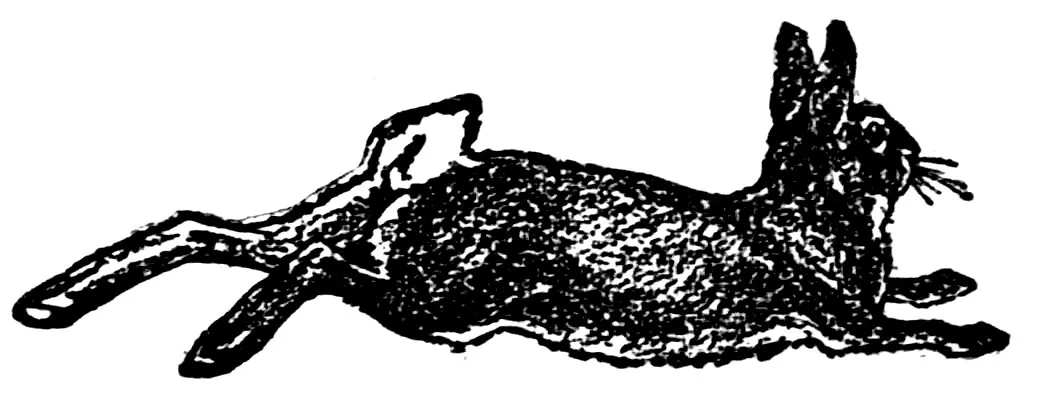
We were constantly on guard to keep
hawks away from the ranch. They
waged merciless warfare on our chickens,
pigeons, and guinea-pigs, and there
was always a loaded, double-barreled
shotgun behind the kitchen door ready
for action in case of an air raid. When
we heard the frightened flapping of the
pigeons as they flew in aimless circles
around the cabin and barn, we knew a
hawk was somewhere overhead, hovering
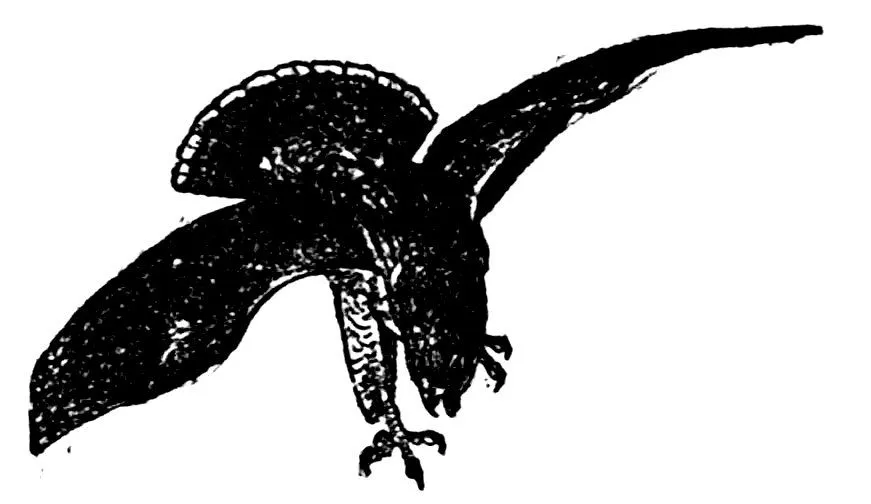
173with curved-up wings and cruel,
bright eyes, seeking his prey, choosing
it calmly, waiting patiently the
proper moment to swoop down upon
it.
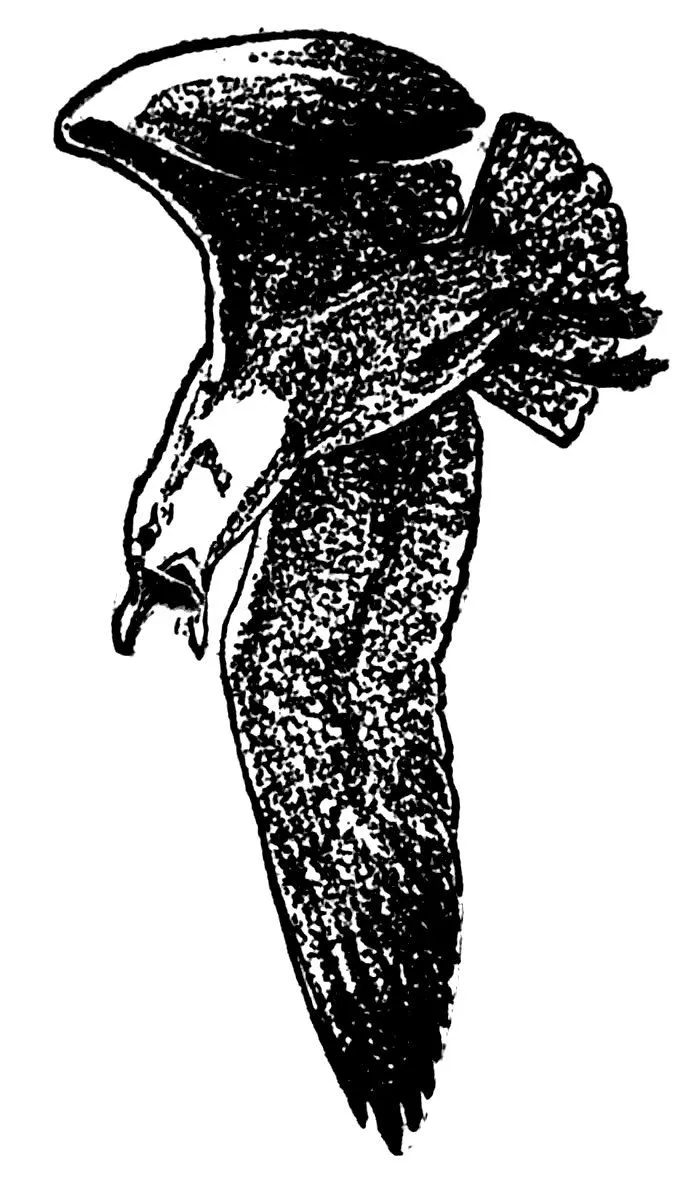
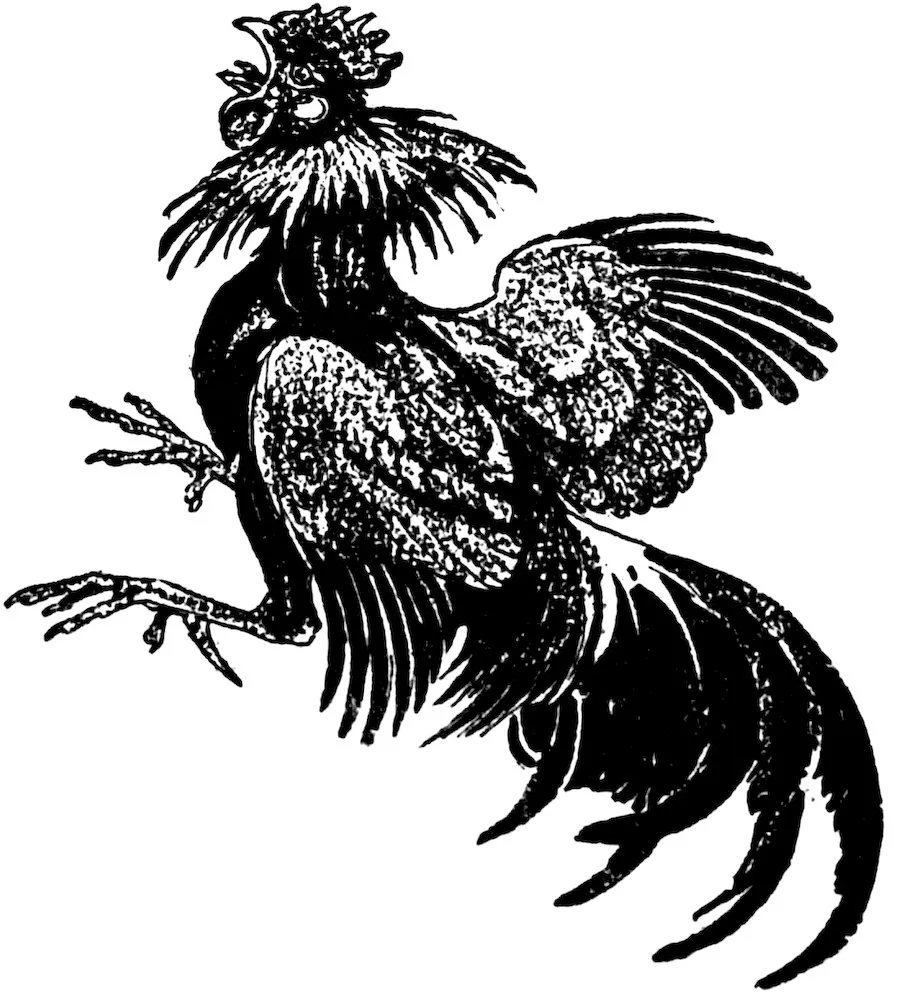
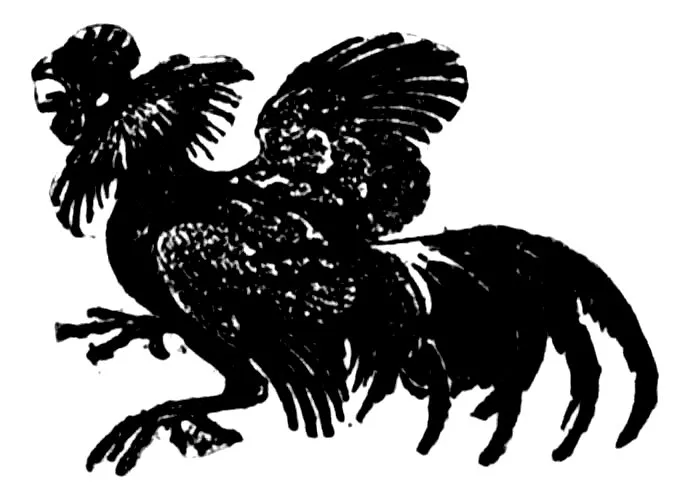
The chickens, too, always told us
when such danger was near. Prince,
the great white Plymouth Rock rooster,
would set up a long-drawn cry of
warning, and the hens would burst into
frenzied cackling. The whole poultry
yard would cock its head on one side
to get a better view of the air robber,
then would scoot to cover of the barn
or hen-houses, every neck ruff distended.
Sometimes it was a false
alarm. A crow would be flying peaceably
on his business, or a sea-gull would
have swerved inland a bit. Prince took
no chances. It was his duty to guard
the poultry yard, and he believed firmly
in the policy of safety first.
But many times the warning was one
174of real danger. A hawk would indeed
be circling slowly above the barnyard,
his bright eyes fixed calculatingly on
the scurrying fowls below. Then one
of the grown-ups would snatch the
double-barreled shotgun from behind
the kitchen door and fire at the winged
plunderer. The shot, though it did not
usually kill, always frightened the air
robber away, and we would watch him
fly lazily, almost contemptuously, off
toward the hill and the thick woods,
his powerful wings moving steadily
and easily.
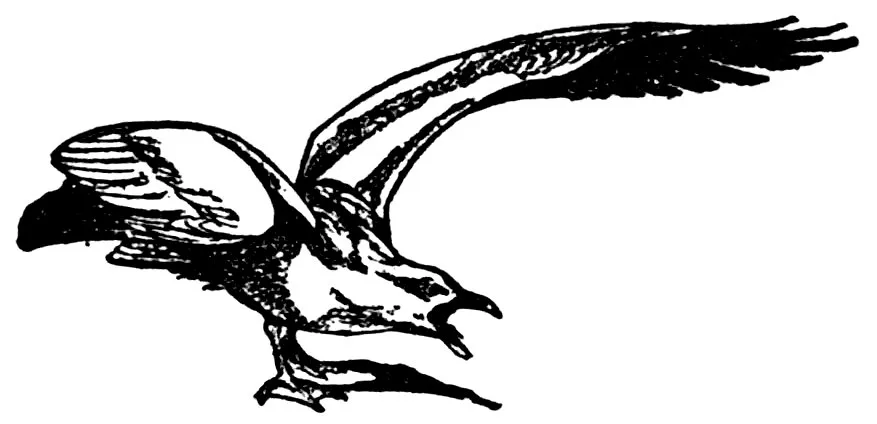
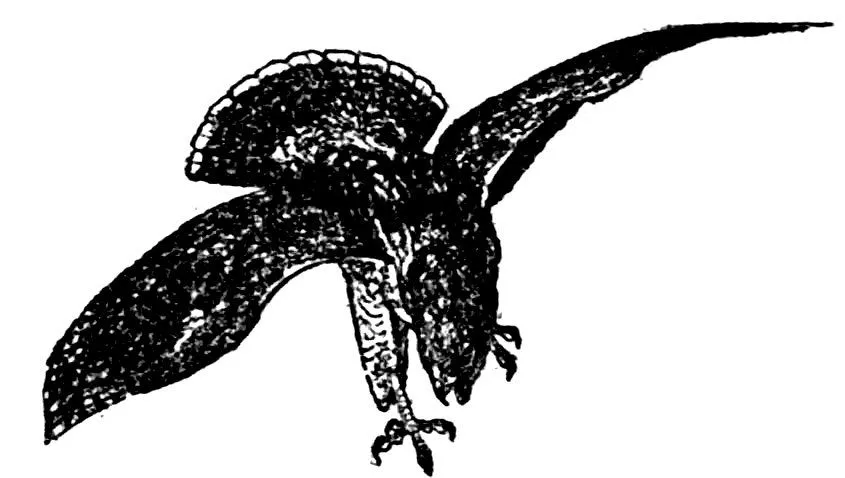
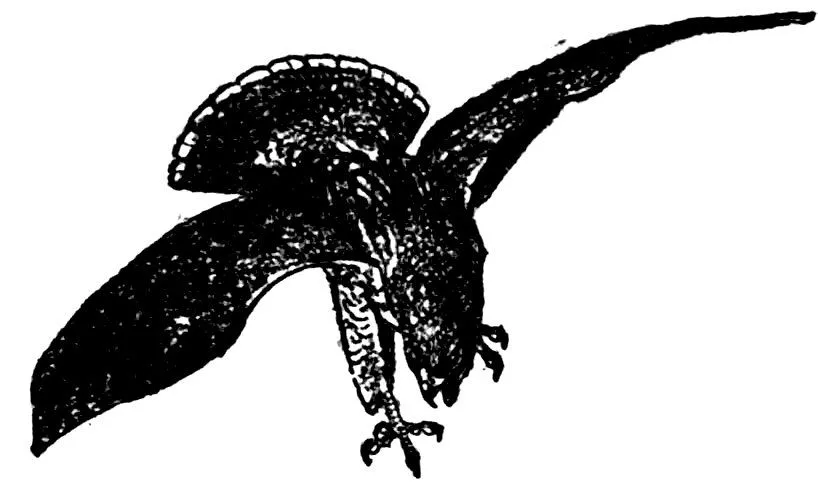
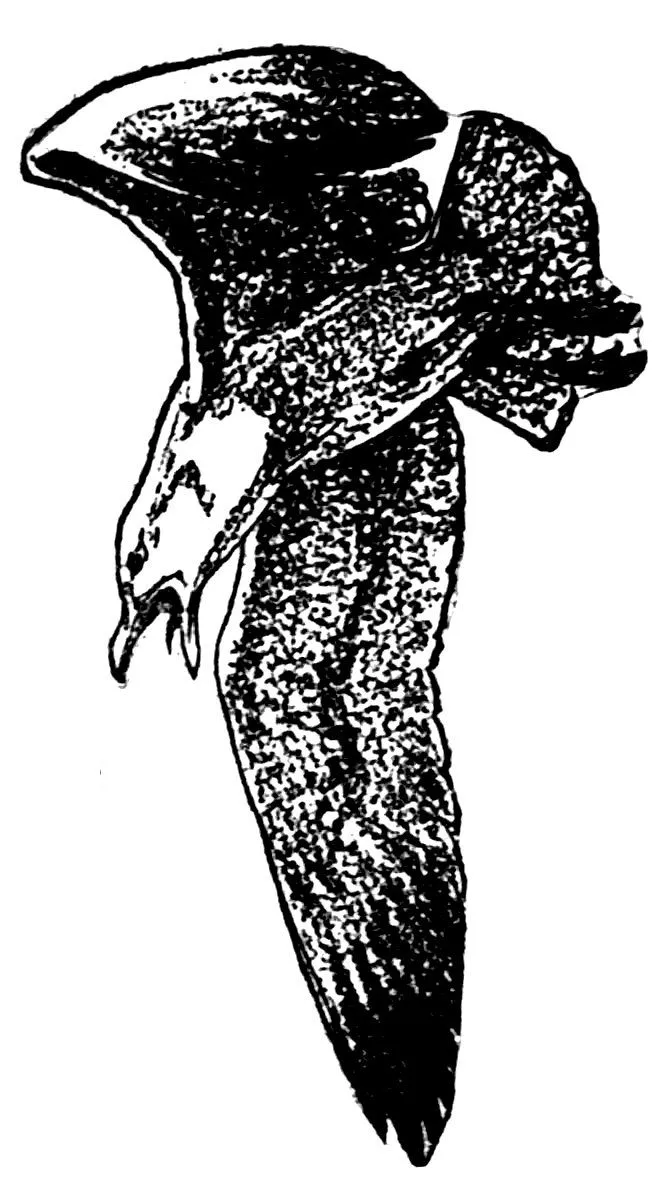
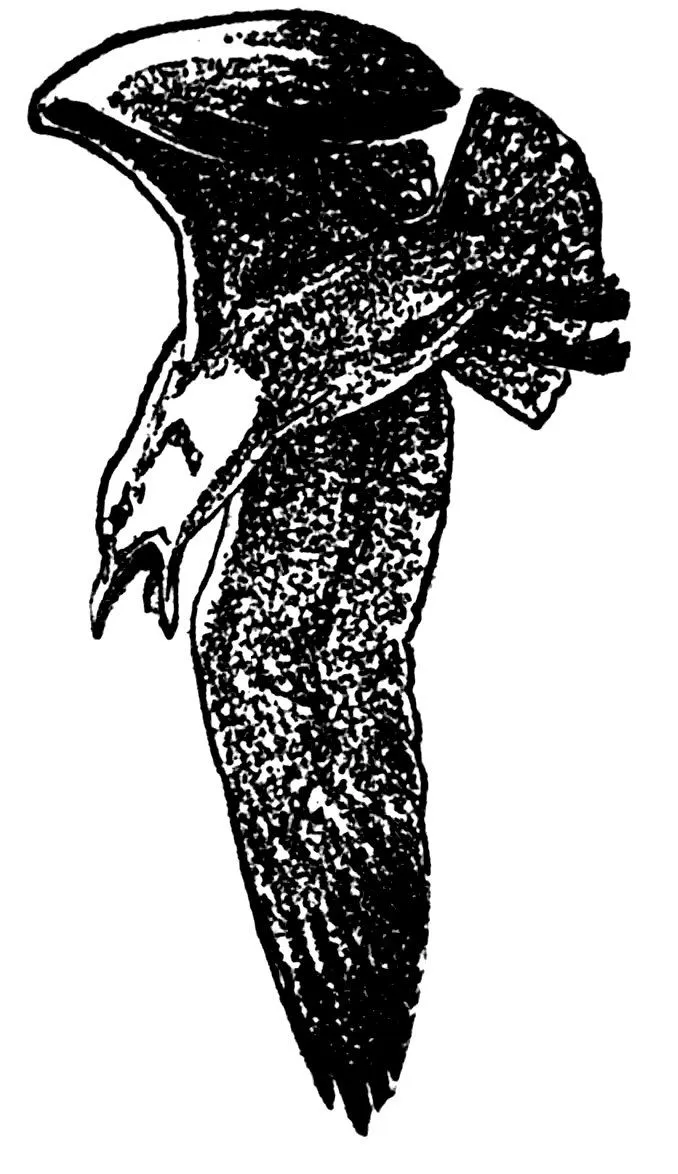
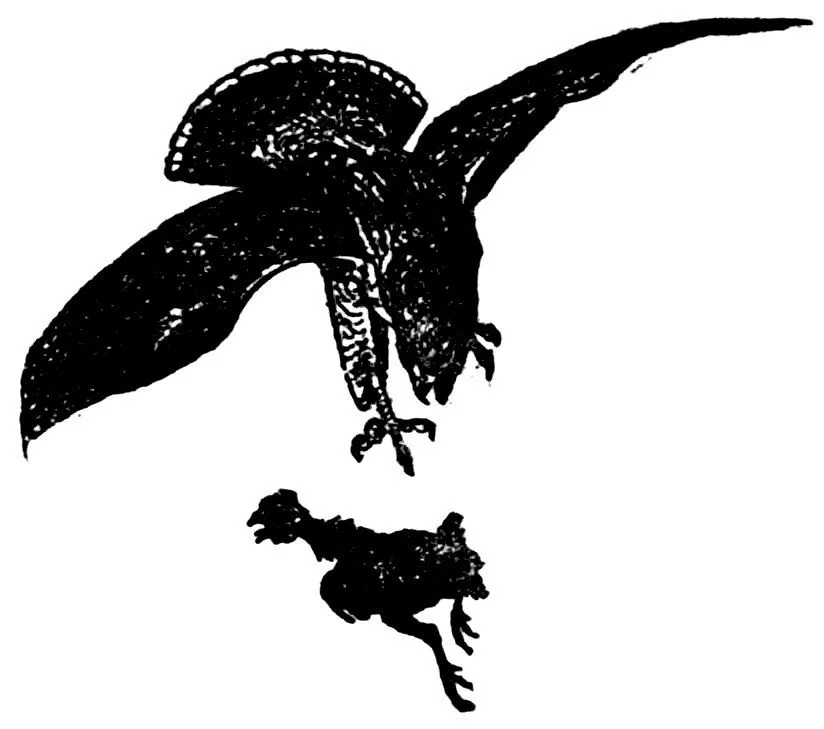
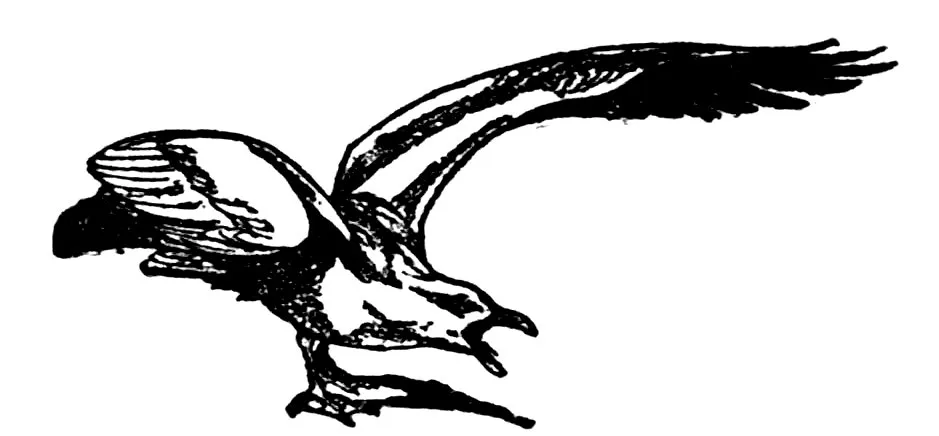
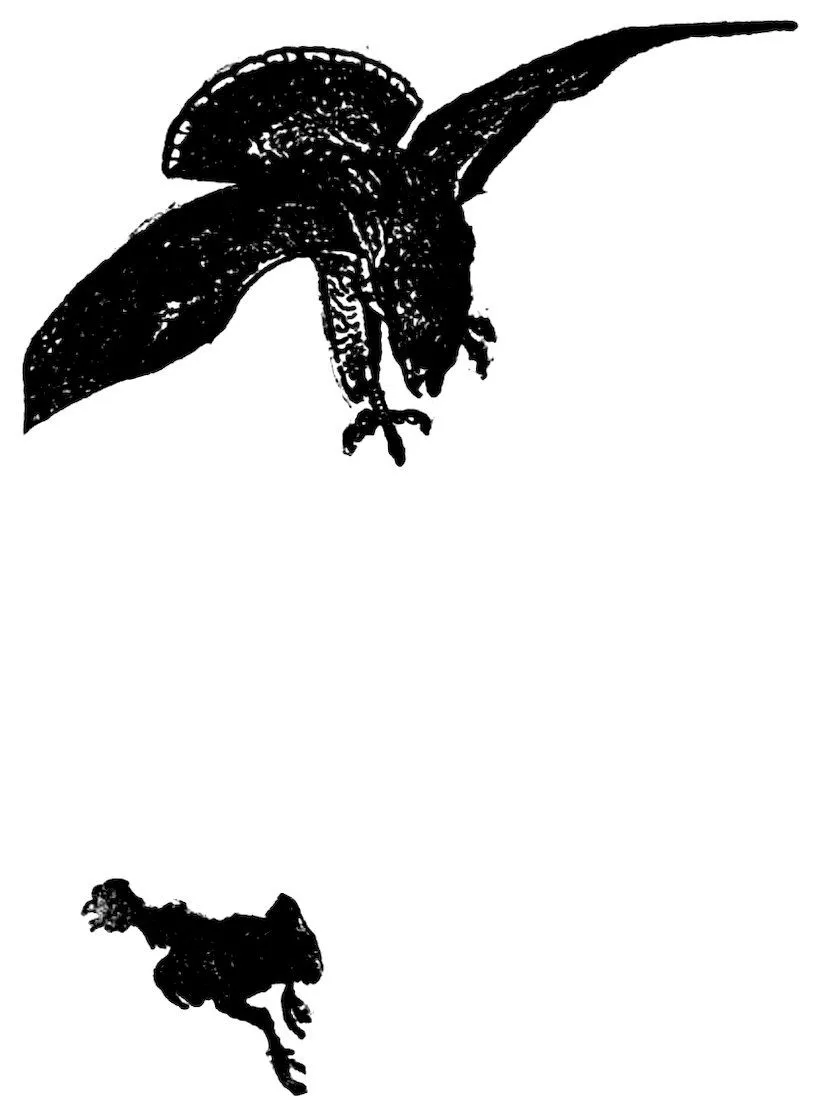
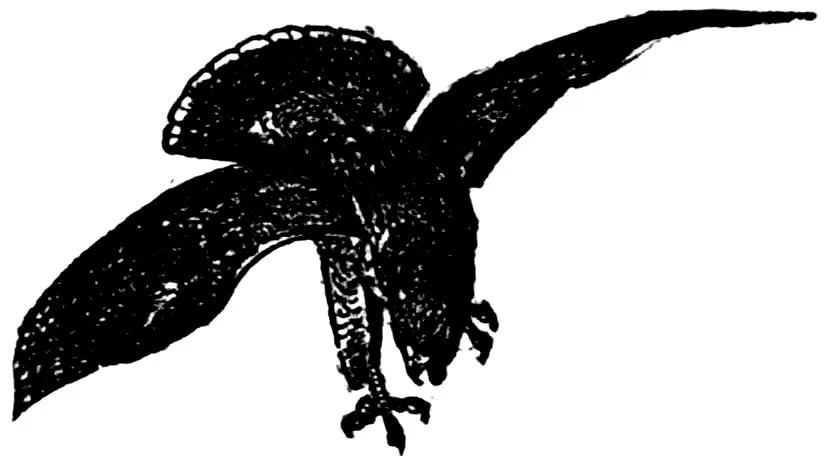
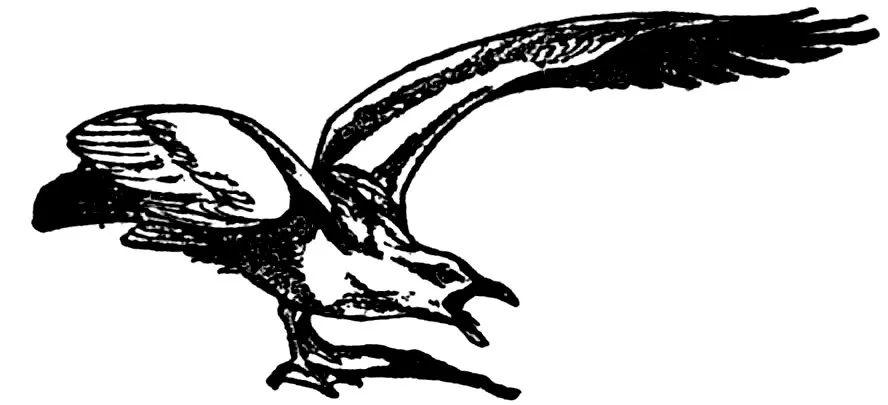
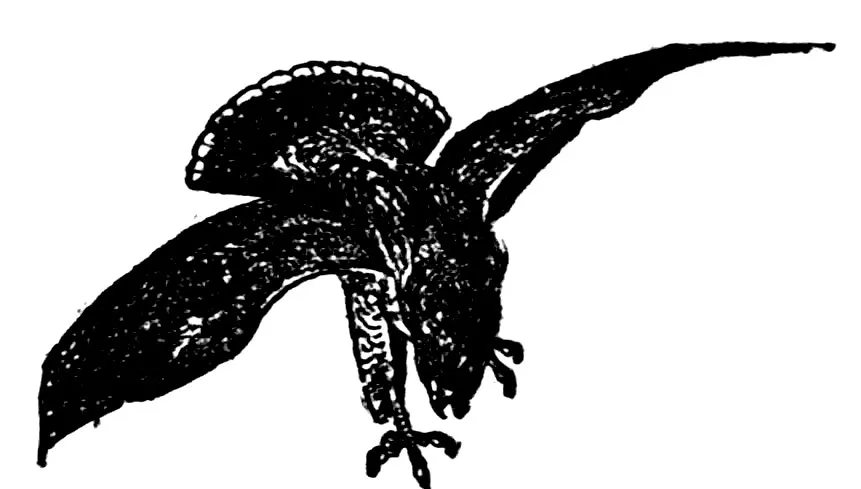
Sometimes, though, the bandit birds
came and swooped down on their prey—a
small chick or a baby guinea-pig—before
we could prevent it. And often
a bloody bunch of feathers near the
rookery would testify to the murderous
skill of a hawk and the sad fate of a
hapless pigeon.
It was on a day when the grown-ups
175had gone to town. The Old Fisherman
was mending his nets down on the float
in front of the cabin. It was a lazy
summer day, and Brother and I were
sitting on the porch steps reading—the
steps that were made of roughly-hewn
logs.
All at once we heard the familiar
danger signal of Prince, the white
rooster, and then the hens began to
cackle in a very panic of fear. We
dropped our books, but before we could
even start for the back-yard, we heard
another sound which seemed so impossible
and so out of place that we listened
paralyzed with astonishment. It was
the shrill and frenzied peeping of a
half-grown chicken in terrible distress—and
the sound came from above us!
The next instant, as we stood staring,
hardly crediting what our eyes
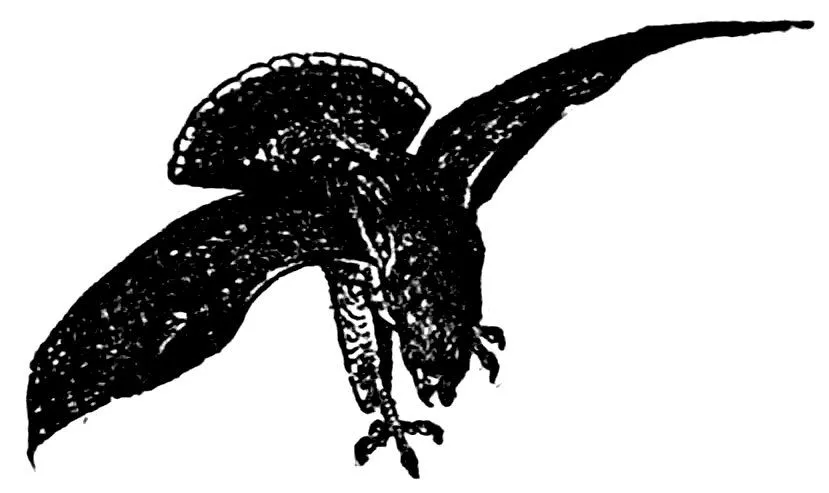
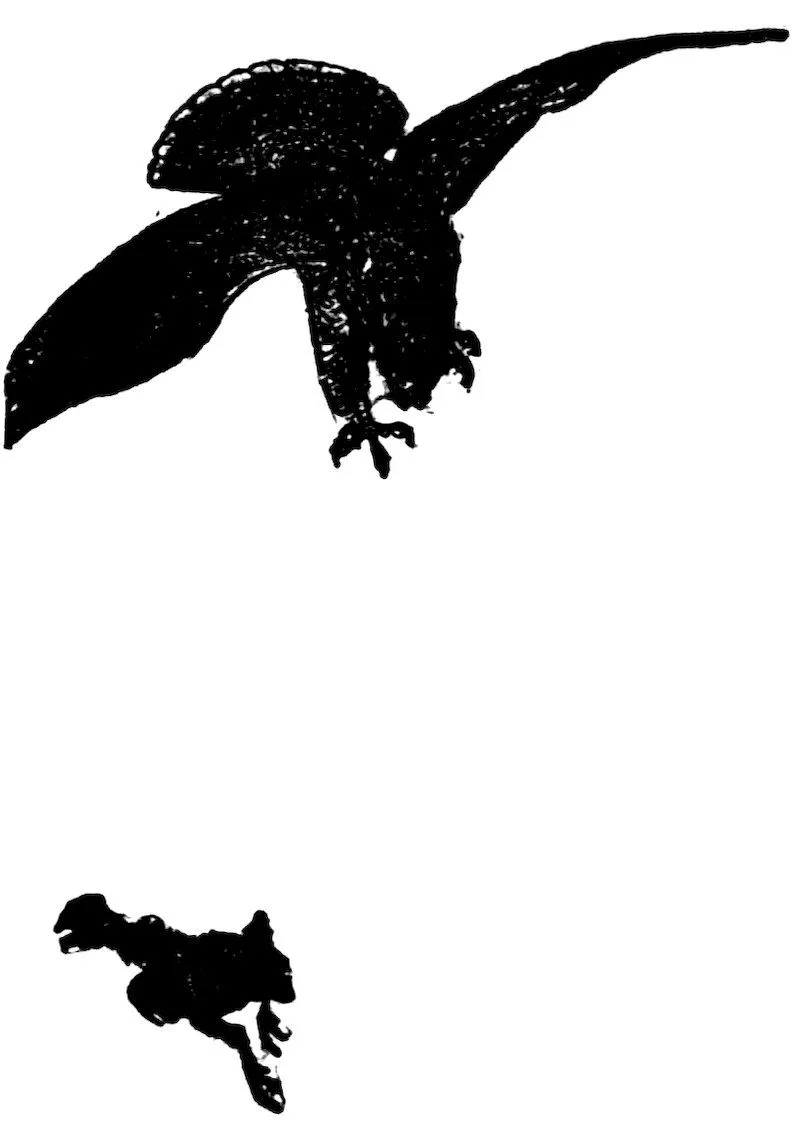
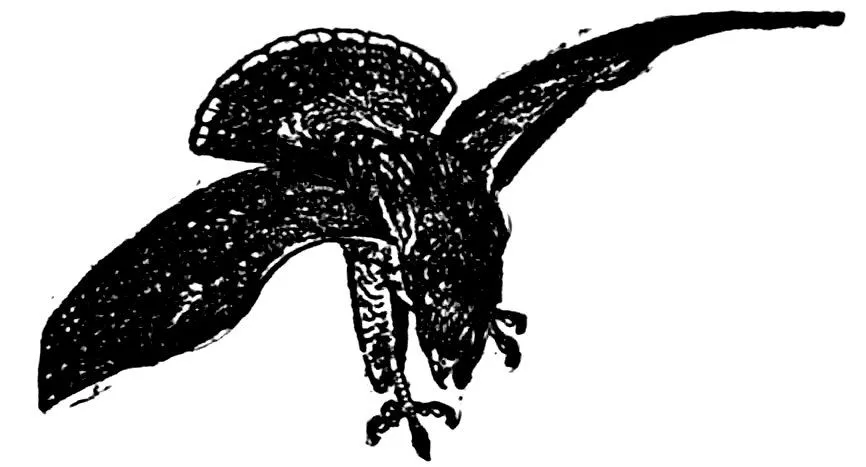
told us, we saw a large chicken hawk
fly slowly past the cabin, no higher
176than the roof of the porch. He flew
so slowly and at such a short distance
from the earth because he was weighted
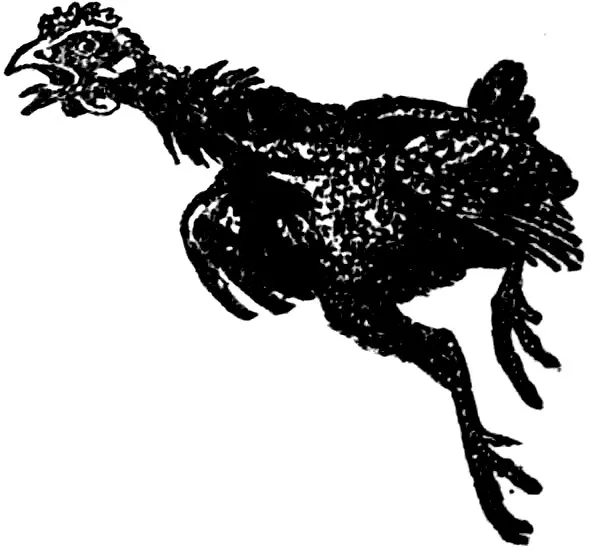
down with a live and struggling young
cockerel, which he held grimly in his
sharp talons! There was a shout that
came from our throats simultaneously,
“Lazarus!”
For the struggling, shrilly-peeping
victim was no other than our bald-headed
friend whom we had saved
from death half a dozen times before.
His bare, gangling legs hung limply
beneath him; his neck jerked spasmodically
with his frantic appeals for help.
His wings, with their absurd tufts of
feathers, stuck out at right angles from
his body, for the hawk’s talons were
buried in the flesh beneath them.
At the time, you may be sure, we did
not wait to make any remarks on all
these observations. With one thought
Brother and I plunged through the
177front door, back into the kitchen, and
bumped into each other in our eagerness
to get the gun. It was Brother
who seized it first, and through the two
rooms we dashed again and out into the
front yard. The hawk was flying slowly
and with evident difficulty—for
Lazarus was a healthy, heavy youngster—across
the open space that lay
between the yard of the cabin and the
old brickyard shed which adjoined it.
Brother, bent back almost double by
the weight of the heavy weapon,
pressed it against his shoulder, took
careful aim, and fired. I screamed,
for there were three falls. Brother
tumbled backward from the kick of
the shotgun. Lazarus hurtled to earth
in a sprawl of legs and wings and lay
there, uttering feeble, choking sounds.
The hawk rocketed down, a flutter of
gray-brown feathers; there was blood
upon the grass where he dropped.
178The Old Fisherman, hearing the
commotion, came running up the float,
the wooden shuttle with which he
mended nets still grasped tightly in his
hand.
Brother scrambled to his feet, blinking
dazedly at the result of his marksmanship.
Our first thought was that
Lazarus was killed at last. But he
was apparently only severely shaken
by his fall, for presently he walked off
a little dizzily, his tender skin bleeding
where the hawk’s talons had sunk in.
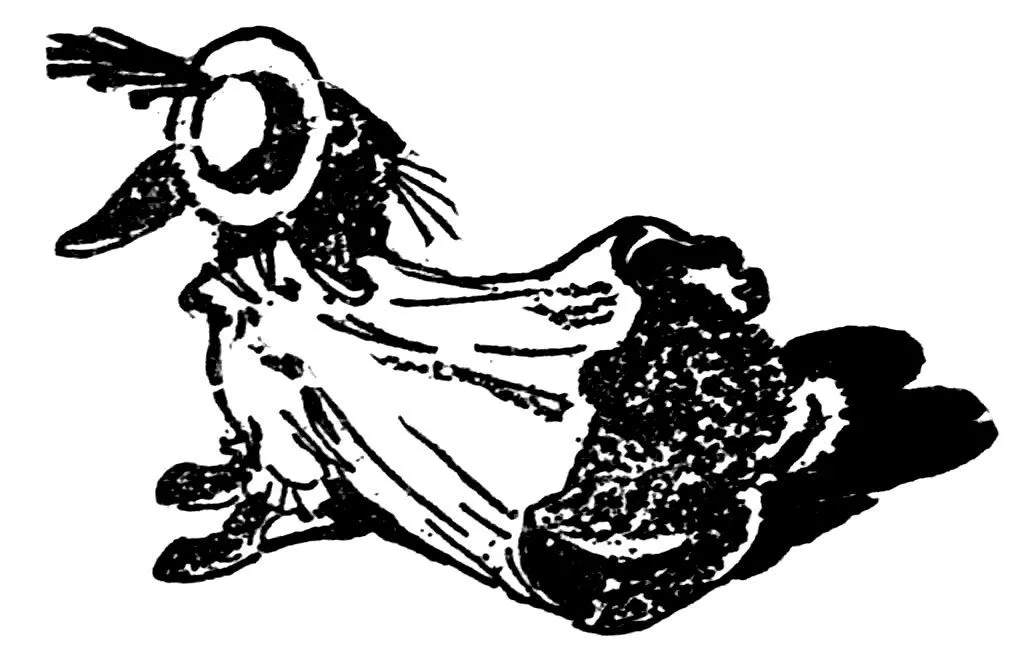
The hawk was our next consideration.
Now that we had wounded him—I
say “we,” because I felt that the
responsibility was half mine—we were
sorry for his plight. He was thrashing
about helplessly on the grass, one
wing dragging at his side. He was
trying desperately to fly, but could not
so much as lift himself above the
ground. His fierce, dark eyes blazed
179at us, and his powerful, curved beak
snapped menacingly when we approached
him. But at last his strength
failed him, the bleeding wing spread
itself out in a fan, and he sank over on
one side, his talons jerking spasmodically.
As we came nearer he regarded
us with eyes that were unafraid. They
even seemed dull with apathy, as if he
knew that the end had come and that
he, like the robber aristocrat that he
was, must accept it philosophically.
The Old Fisherman was for ending
his life then and there. But Brother
and I could not bear to have him killed,
for he was at our mercy, hurt and helpless.
For the first time in our lives we
had deliberately wounded something
that lived and had feelings even as we.
The knowledge that we had fired upon
him to save our friend’s life was not
sufficient excuse for us to allow
the Old Fisherman to kill him.
180So together we caught him, tied his
fierce beak so he could not snap at us,
bound his powerful legs so that his
talons should not tear our hands, then
the Old Fisherman, grumblingly, but
gently, bathed and salved the injured
wing. In time it would be as good as
new, he told us, but he didn’t know
what our folks would say to our saving
the life of a “pesterin’, low-lived hawk.”
As he anticipated, the grown-ups
were not at all pleased when they returned
from town and found Hector—he
had been named by that time—tied
by one leg to a stake in the back-yard,
his right wing sadly out of focus and
smeared with a clot of blood. But it
was not in their kindly hearts to kill in
cold blood, so they let the hawk live.
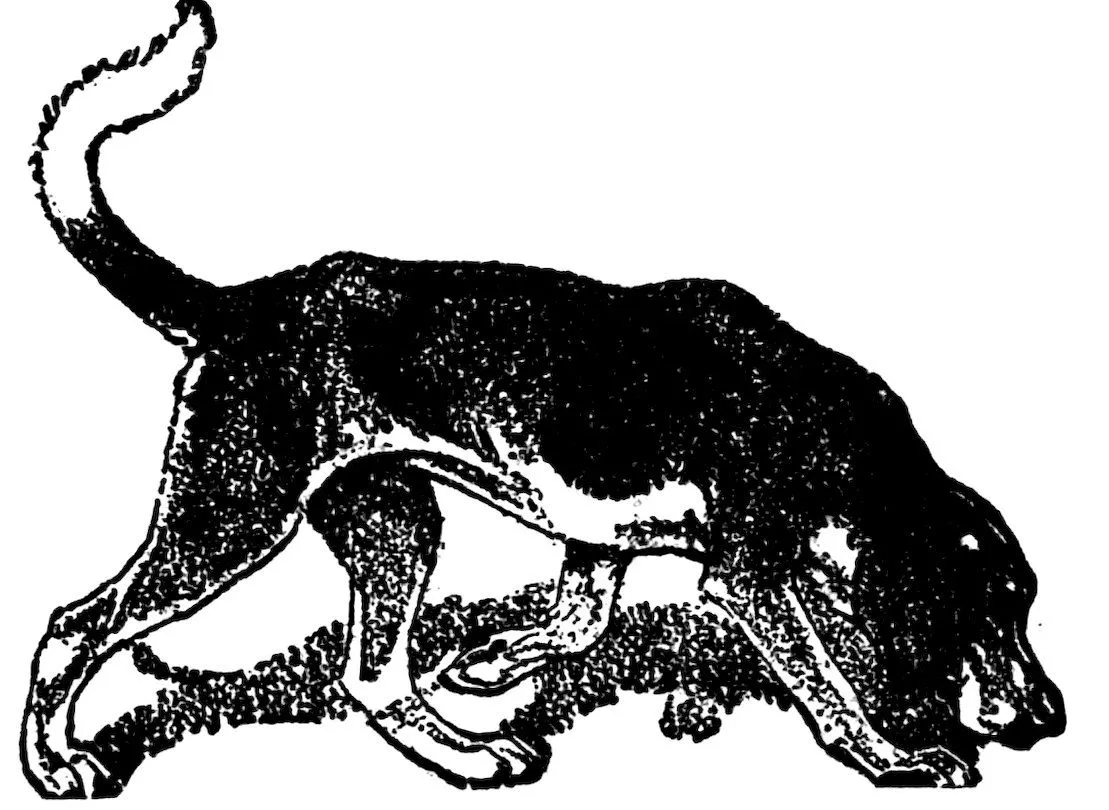
For the first few days that Hector
was in our midst he did little except to
tug at the chain which bound him to the
stake, slowly and automatically, like a
181man taking morning exercises with
rubber ropes. He hated us and repulsed
our attentions fiercely and scornfully.
He refused to eat the tempting
bits of raw meat that we spread before
him; he sulked all day with his curved
beak hidden in the ruffled feathers of
his breast. He was indeed like a robber
chieftain in captivity. We were
patient, however, for we knew that according
to Hector’s viewpoint we had
injured him without reason. He had
been in search of his dinner—a perfectly
legitimate occupation for any one—and
as he was carrying it off we had not
only robbed him of it, but wounded him
grievously. You can see that he had a
great deal of logic on his side.
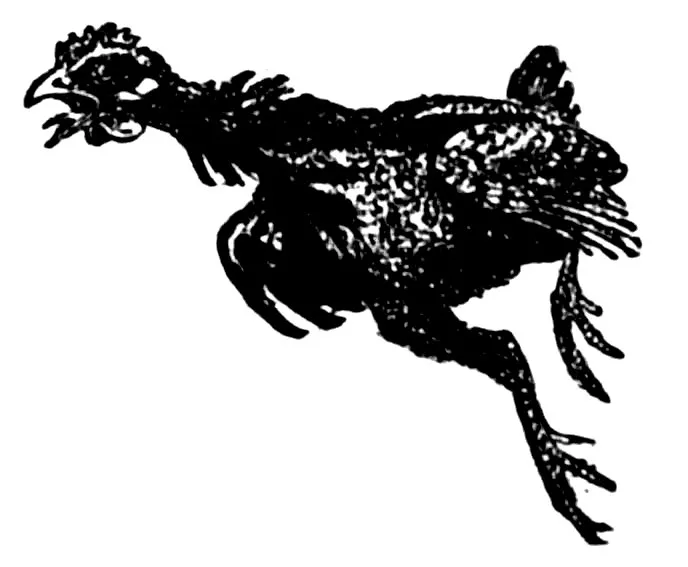
But little by little his haughty antagonism
melted before our daily overtures.
He no longer snapped at us
when we came near, and began to take
an active interest in the food we
182brought him. There came a day
when he allowed me to put my hand on
the soft, smooth feathers of his head
and back, and when I gently massaged
his wounded wing with vaseline he
opened his beak as if to bite my hand
but closed it without doing me harm.
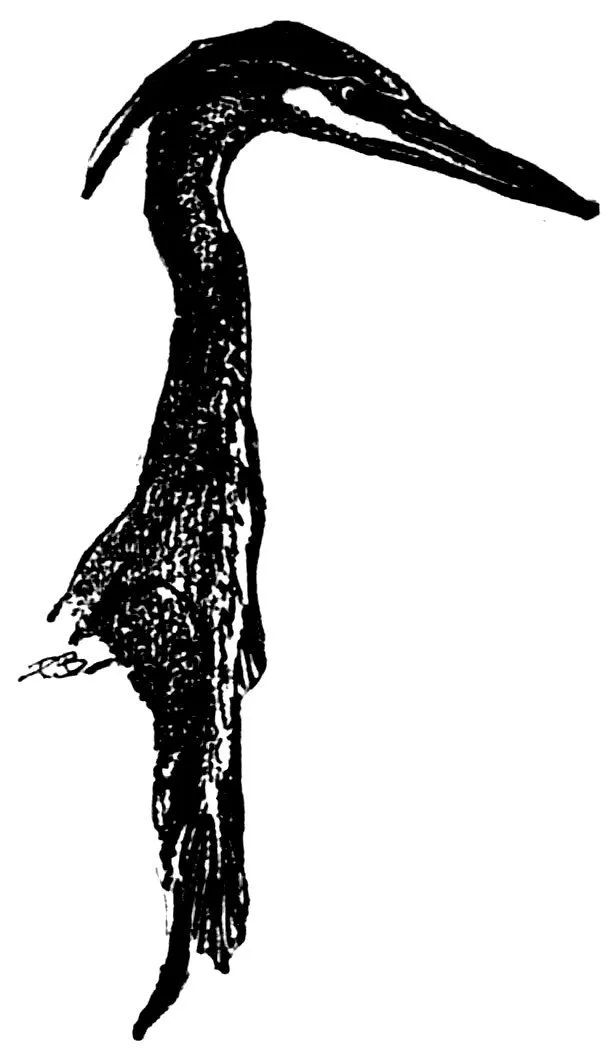
Then, wonder of wonders, Hector
began to like us. When he saw us
coming into the back-yard he would set
up a sort of dancing, jumping up and
down stiff-legged, spreading out his
dark wings, and straining at the chain.
His beak would snap open and shut,
and his bright, black eyes seemed actually
to have a smile in them. He
would allow me to salve his injury
with only the faintest suggestion of nervousness
in his half-open beak, and
on the day when we unchained his leg
from the stake he sat on my hand with
all the dignity of an emperor receiving
his court after a long illness.
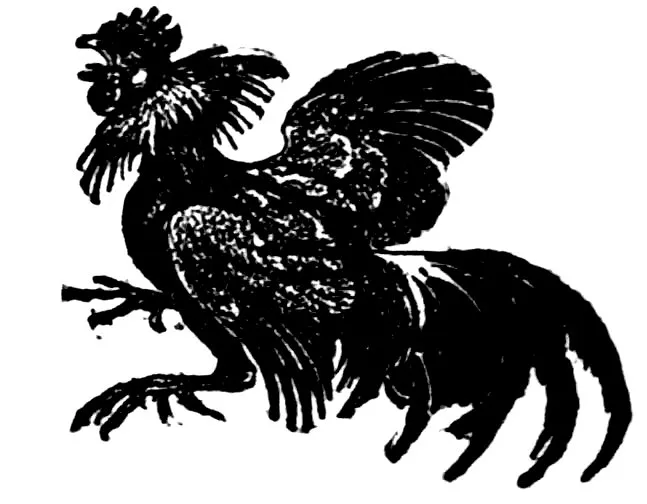
183From that time on we gave Hector
his liberty for a few hours each day.
And always, before releasing him, we
would take the precaution to feed him
well. We did not intend to have any
fatalities among the poultry if we could
help it. But even with a full stomach,
he worried the barnyard into a daily
spasm of fear. For as he regained the
use of his wing, he would fly slowly,
majestically, over the poultry pens,
turning his head from side to side as
hawks do when they are picking their
prey and calculating the time for the
swoop to earth. Brother and I believed
firmly that Hector had no intention
of snatching up a chick or a pigeon,
that his daily flight was merely by way
of exercise and for the dramatic satisfaction
it gave him to see the feathered
crew below him so disturbed.
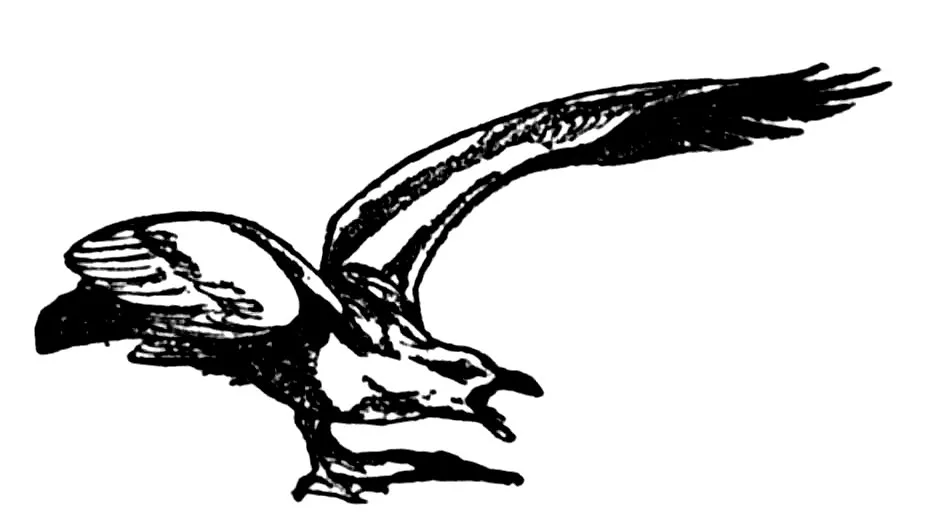
At any rate, he never once attempted
to harm any of our live stock. Perhaps
184it was because we fed him so well,
but Brother and I preferred to think
it was because he was a gentleman, and
that he would not betray our confidence
when we trusted him to do the right
thing.
This daily flight of Hector’s was
most annoying to the grown-ups, however.
In the first place, the hens were
not laying so well as they had. They
were frightened out of all nesting desire
by Hector’s calm aërial promenades,
and were in a continual state of
nervous excitement. Then, too, when
Prince gave the danger signal and all
the hens ran for cover with their chicks,
the grown-ups would dash out of the
house each time ready to fire upon a
strange marauder, only to be confronted
with Hector making peaceable spirals
above the hen-houses. He would come
to us when we whistled shrilly, and
would sit quietly on my wrist to nibble
185at a piece of cooky as if he had never
had a carnivorous thought in his life.
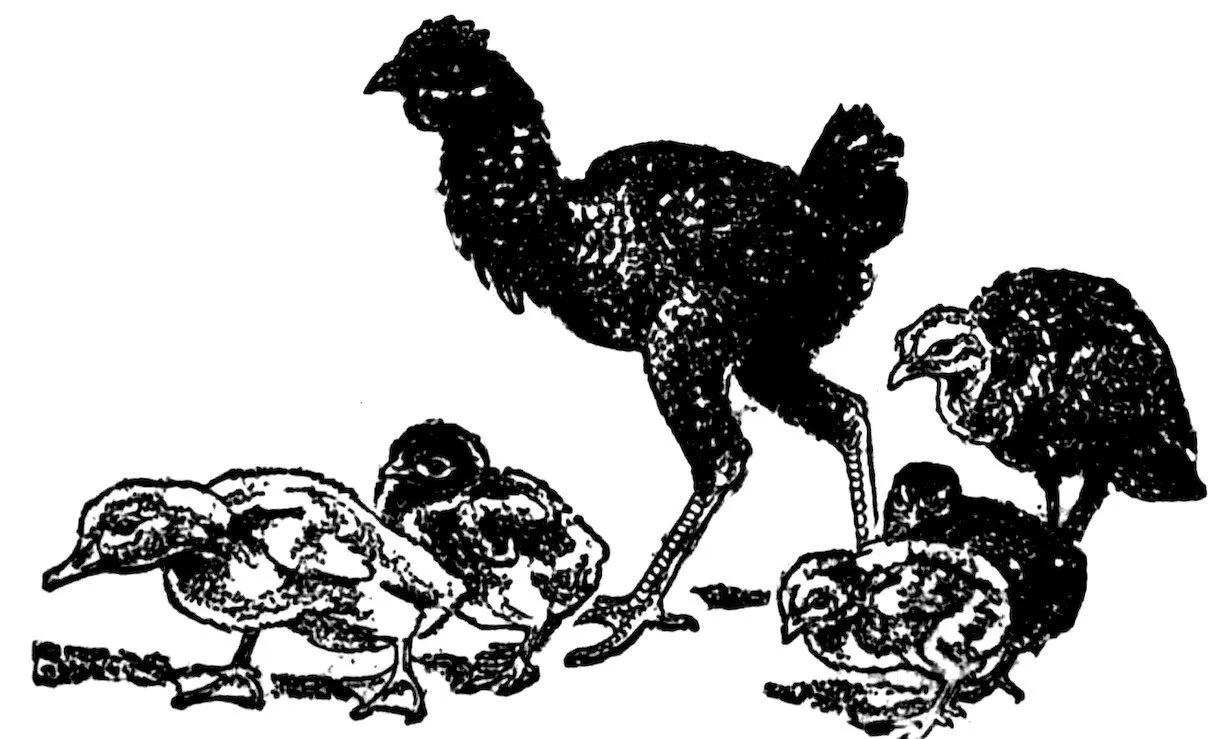
I should like to tell you that he and
Lazarus became friends after the hawk
had become partially domesticated, but
such was never the case. Lazarus used
to come stalking into the back-yard, his
legs much too long for the rest of him,
and a tiny, serrated, red comb sticking
up from the bald spot on his head.
His body was still almost bare, though
a generous tuft of feathers on his tail
showed where he might in time expect
some real plumage. He still carried
the scars of his aërial adventure under
his wings. He would approach Hector
cautiously, craning his neck in and
out with a curious rubberized effect,
and would stop at a safe distance, turning
his head on one side, giving Hector
a timorous inspection from the broadside
of one amber eye. And
Hector would return the look
186scornfully, his curved beak giving him
a morose, sneering expression. His
whole attitude seemed to say, “Never
mind, I’ll get you next time!”
As Hector grew stronger and could
fly better, the grown-ups gave the ultimatum
that we must dispose of him in
some way. It was too dangerous, they
said, to have a chicken hawk around the
ranch. In vain we argued that Hector
was a gentleman, that he would not
bother any of our poultry. But to our
sorrow, they said that he should be
taken to the city and presented to the
zoölogical gardens there.
Brother and I told Hector what was
going to happen to him, and that it
was not in our power to prevent his
going, and it seemed to us that he was
very thoughtful afterward. We shall
always believe that what happened
was the direct result of the grown-ups’
decision to send him into captivity,
187although, you understand, we could
not blame them. They had been more
than kind to our somewhat dangerous
guest.
The next day when we released our
robber chieftain from his stake, he flew
up over the cabin roof, circled once
around it, then flew northward along
the beach and was soon out of sight.
When night came Hector did not return.
And though Brother and I stood
in the yard whistling until we were
breathless, there was no sudden swoop
of a gray-brown bird from the air, no
Hector to curve sharp talons gently
around my wrist.
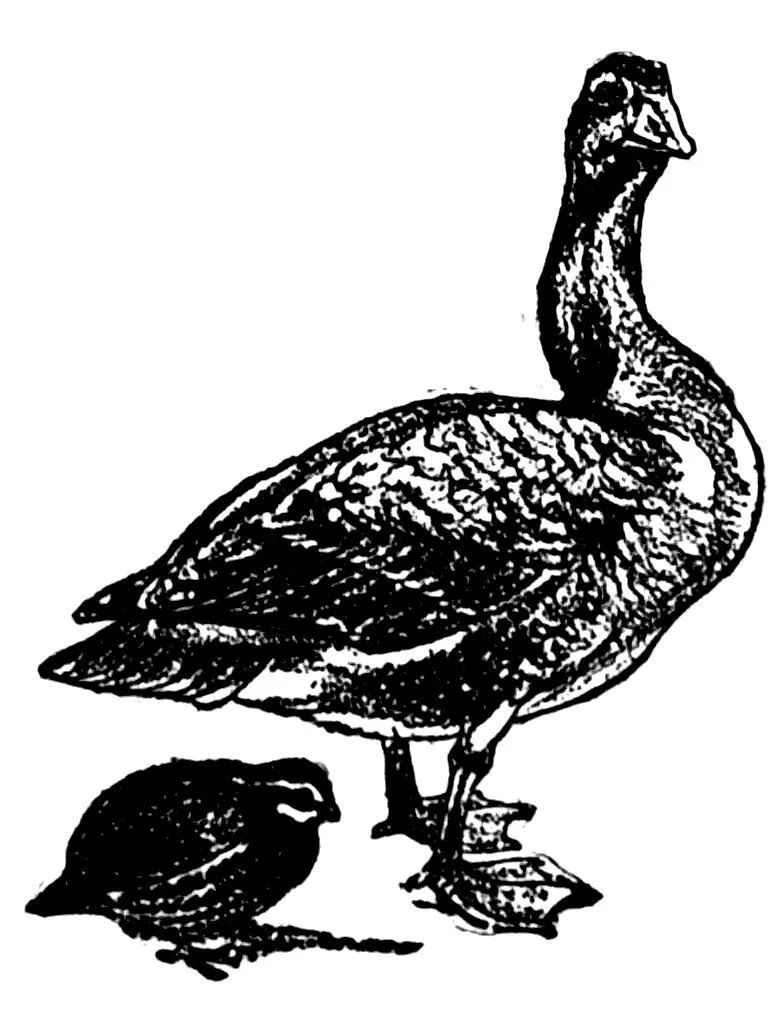
The next morning, when we went for
milk at the neighboring ranch, we knew
why our friend had not come back to us.
On the fence outside the barn, hung
limply over the pickets just as he had
fallen, was a draggled bunch of gray-brown
feathers that had once been our
188beautiful Hector, the Robber Chief.
The wide wings were powerless now,
the body was riddled with fine shot, the
once proud head with its curved beak
drooped pitifully. The fierce dark eyes
were closed. Never again would Hector
perform his dance of joy at our coming,
never again would he stare appraisingly
at Lazarus, or frighten the
hens and pigeons with his lazy circles
above their heads.
The rancher told us he had shot the
hawk the day before. And he could
not understand why we wept over the
blood-stained bunch of feathers. He
did not know that Hector was a friend
of ours—and a gentleman.
Brother and I always thought that
Hector deliberately courted death
rather than spend his life in yearning
captivity. And I, for one, am glad he
did. For no one else would have understood
him and loved him as we did.
189
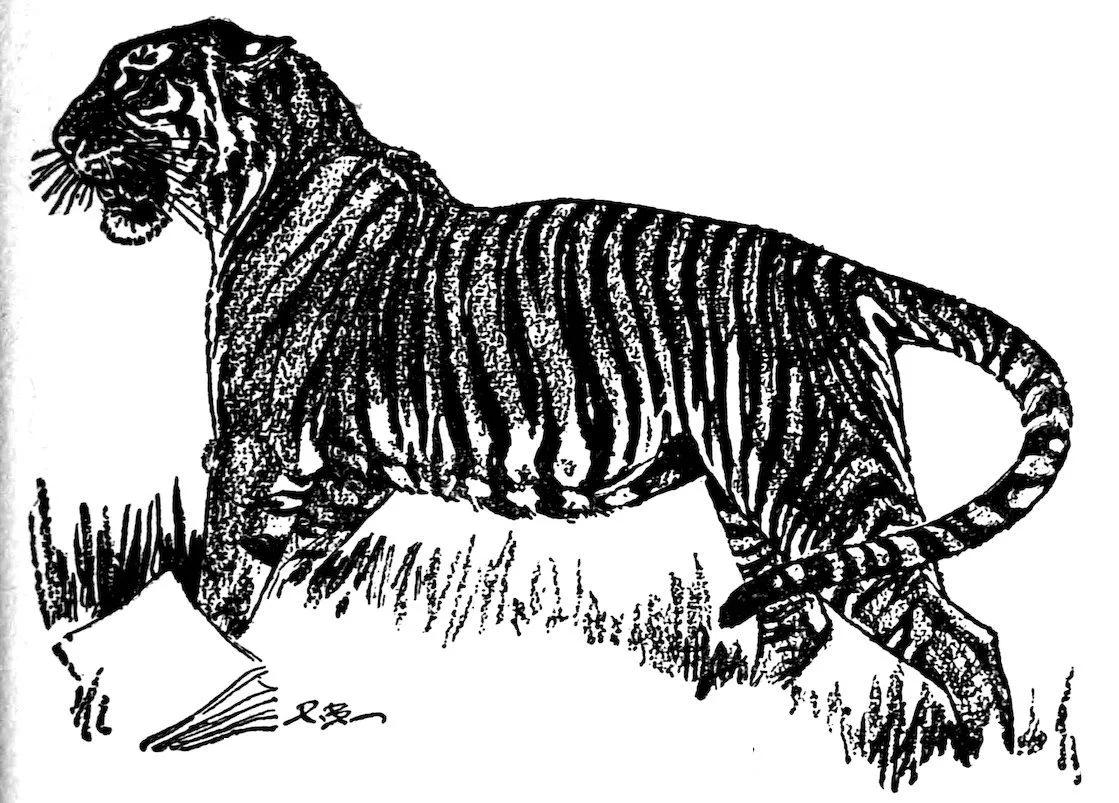
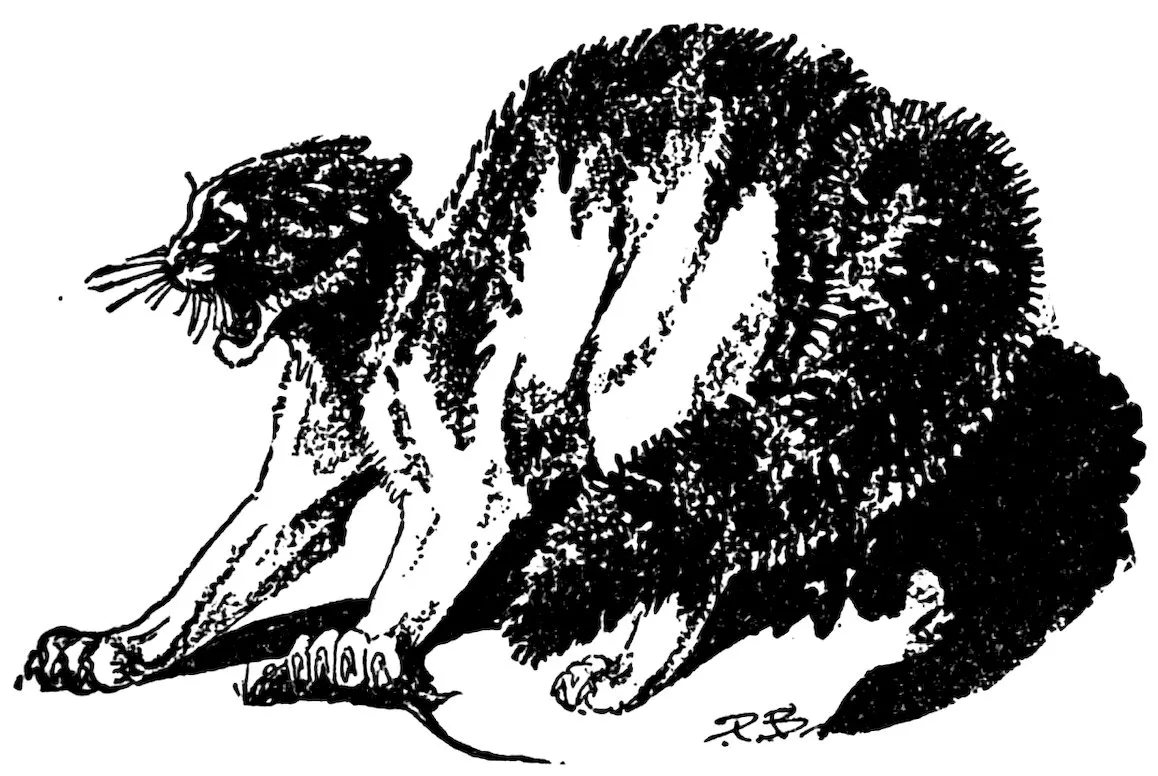
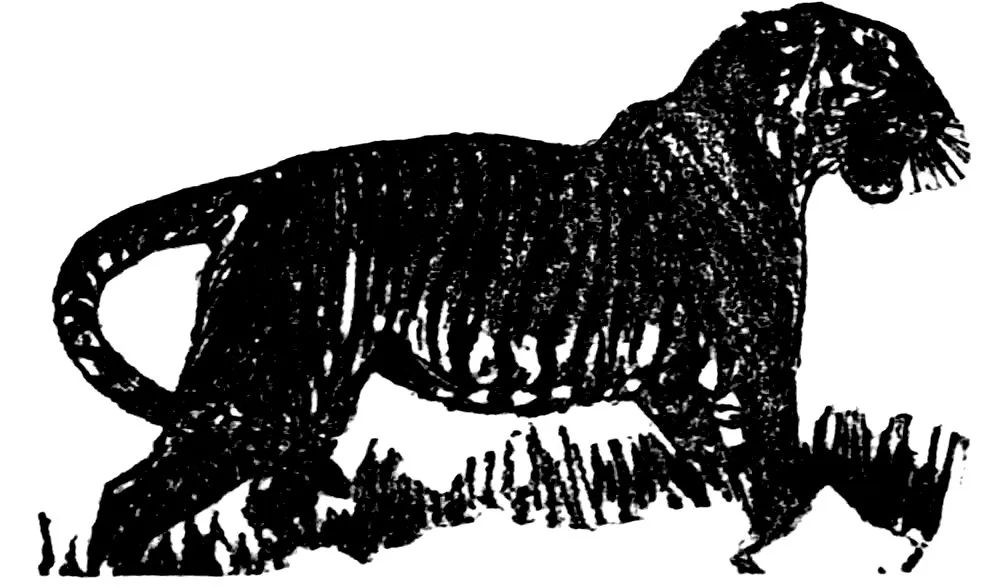
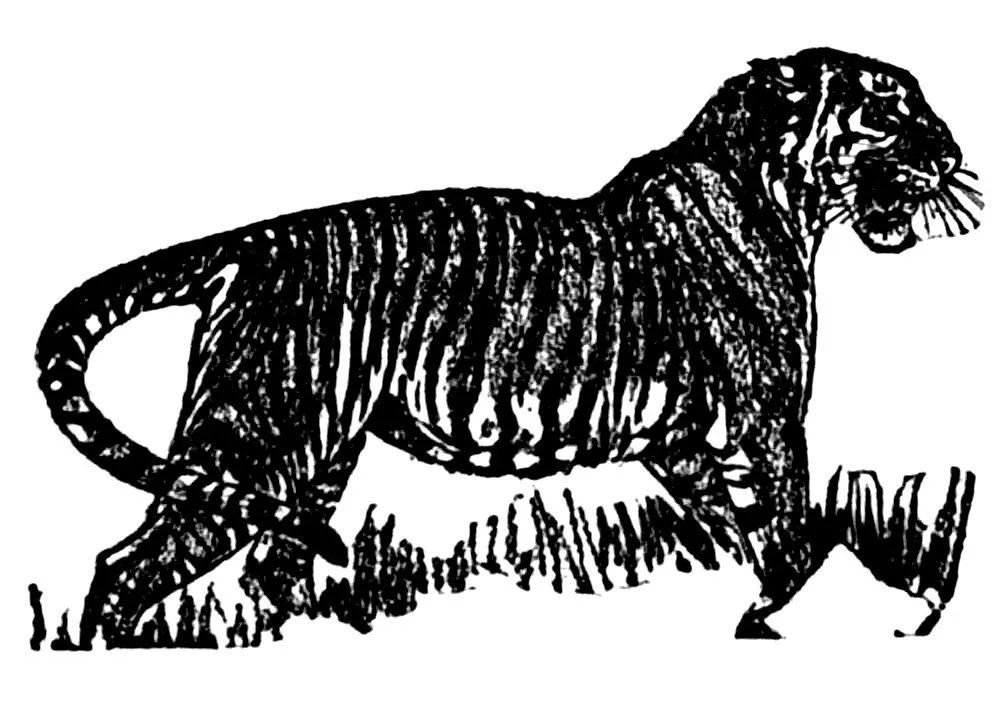
Her nostrils dilated at the hated human scent.
Part Ten My Friend the Princess
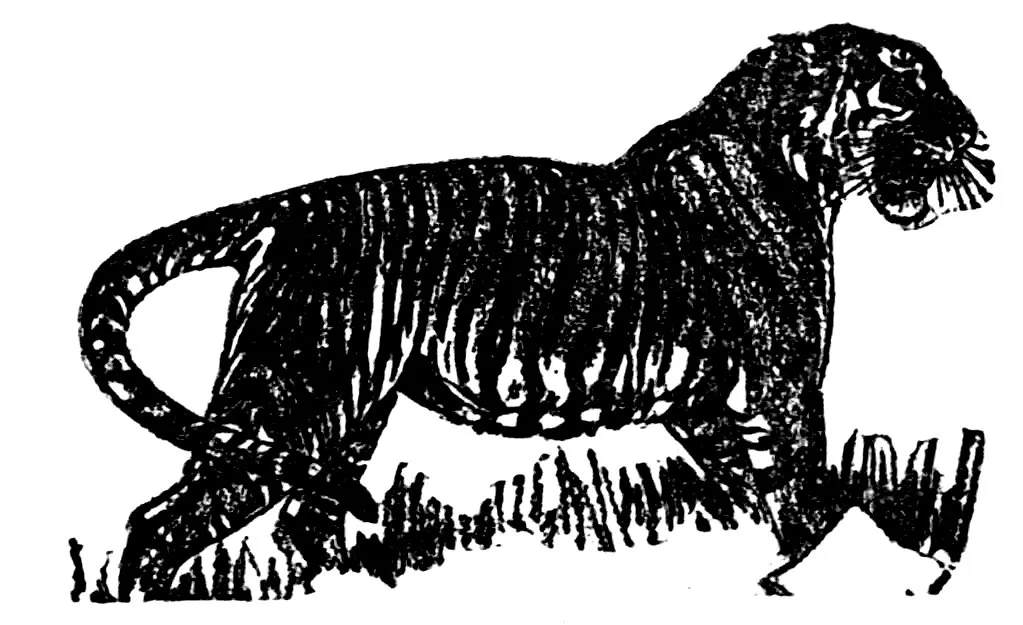
This is not my story, except
incidentally. It is the story
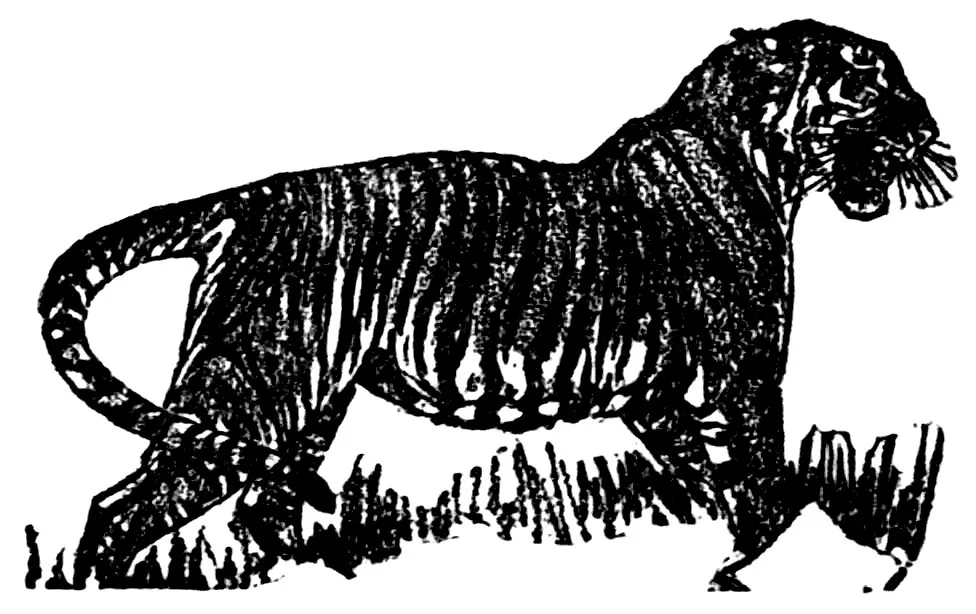
of a Bengal tigress named
Princess, with a coat of
dull gold striped with
ebony. A restless, sullen tigress, padding
the length of her narrow cage,
with amber eyes staring out at some
190vision beyond the iron bars, with tawny
lips half drawn back from white,
pointed fangs. A tigress with something
high and noble in her steady pacing,
her air of absolute detachment
from everything around her. When I
met her I was no longer a child living
near Puget Sound, but had quite grown
up and moved to California, and to city
life far from my woodland friends of
earlier and sweeter years.
Princess lives in a motion-picture
studio’s menagerie now, but there was
a time when she knew the hot, marshy
smell of the Bengal jungles, when she
crouched, tense in every muscle, to
spring upon a fat bullock, when she
padded through narrow jungle trails to
drink at the hidden pool which only the
forest creatures knew.
She was caught in a tiger pit, they
told me, when little more than a cub.
She had been purchased first by a circus,
191and then by the motion-picture
company which owns her now. They
told me she was fierce and utterly without
affection. And indeed she looked
so, pacing back and forth in her iron-barred
cage, her breath coming in a
hissing snarl as she noted our presence,
her amber eyes widening ever so little
as she caught our scent.
Still I could not think Princess was
so terrible. I could not find it in my
heart to be afraid of her. I pitied her.
There was something unbearably pathetic
in her constant pacing. It seemed
to me that I could actually feel the
longing of her caged heart to be out in
the open again, to lope down jungle
trails, to lie stretched out on rocks
warm with Indian sunshine. There
was no enmity in the look she turned
on us, only indifference, and—was it
pleading?
It was my first visit to the studio.
192And I carried away with me that picture
of Princess in her cramped cage,
pacing, pausing, sniffing at the air
heavy with human scent, her amber
eyes seeing something afar off, something
we could not understand—
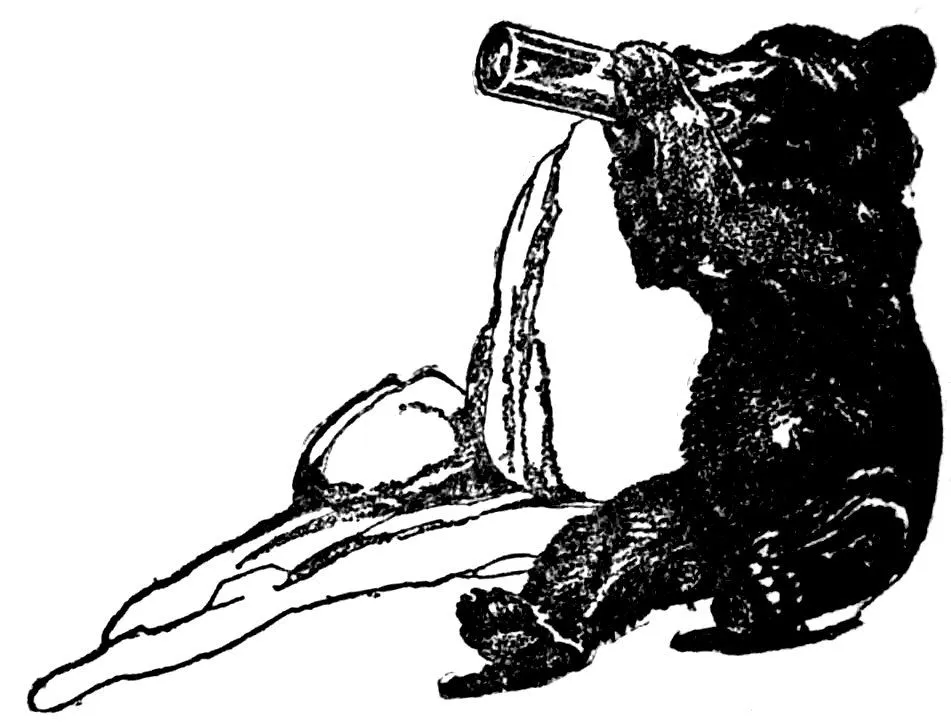
Then I discovered that the keeper of
the menagerie was an old friend of
mine. “Pudgy” he was nicknamed.
He was short and rotund, and trained
animals with kindness instead of whips.
I had known him in the Puget Sound
country when Brother and I were children.
A woodsman he had been then,
and with a tiny little cabin near Green
Point. We had visited him often, for
he shared our love for the things of the
open. He had had a tame deer whose
name was Nellie, and he had nursed
back to health a bobcat that he had
rescued from a trap in the High
Sierras. It was not strange
that with his love of animals
193Pudgy should finally come into a position
as keeper of a motion-picture
menagerie. Many years had passed
since we had seen each other, but when
we met by chance—I was of the press—we
renewed old acquaintance, and
found pleasure in talking of Puget
Sound and of the woods creatures we
had loved.
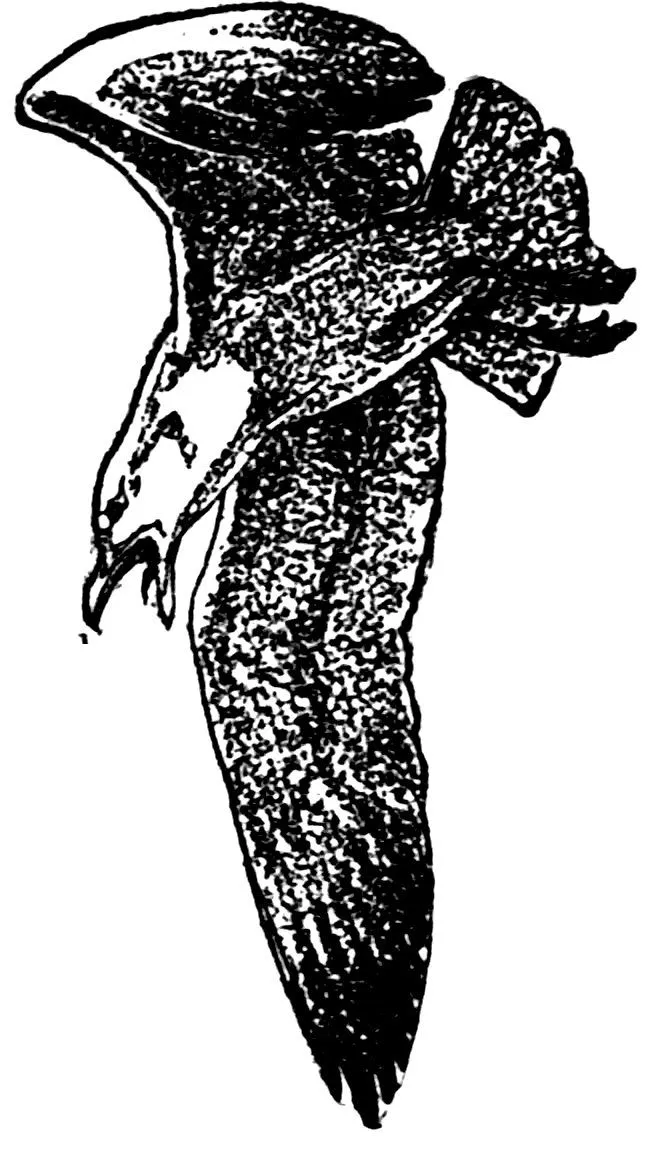
Through him I came to know personally
the animals in the menagerie.
I was introduced to the Russian wolves,
to the lions, to the bears, and to Princess
the tigress. I think he liked her best of
all the wild things there, and I am sure
I did. There was something about her
cheated strength, her restrained power,
that made my heart go out to her. I
never failed to visit her when I went to
the studio, and I liked to think that she
knew me and recognized me as a friend.
It was several weeks after Pudgy
and I renewed our old friendship that
194they told me at the studio that Princess,
the glorious Bengal tigress, was to be
killed. She had grown unmanageable
for picture work, they said, too sullen
and too treacherous. The picture in
hand called for a tiger hunt. She was
to be sacrificed for the sake of reality
and shot down. Her pelt, they added,
would be worth a great deal of money.
But I could not think of Princess in
terms of a pelt that was worth money.
I felt as if a human being had been sentenced
to death. Because she could not
find it in her royal heart to cringe
beneath the trainer’s lash, she was to
die; because she was queenly, and unafraid,
she no longer had the right to
live.
I have seen the tortures wild animals
go through in making pictures. How
they are prodded with pointed sticks,
made to jump into water from great
heights, and forced to run through
195blazing brush. I have seen lions and
tigers struck cruelly on their sensitive
noses to make them register rage. All
these things had Princess suffered from
trainers and directors. I did not blame
her for rebelling.
I came upon Pudgy as he sat on a
bench near Princess’s cage, his chin in
his hand, and he was staring at her
while she paced restlessly back and
forth with hissing intakes of breath.
“They are going to kill her,” he said
slowly, “just because they can’t break
her spirit.”
I sat beside him, and together we
watched Princess. Pudgy told me how
he had tried to ease the fear and hatred
of humans in the heart of the jungle
tigress by being especially nice to her.
How, when she had hurt herself jumping
from a springboard into a lake
with sharp rocks in it, he had gone
into the cage and bathed the swollen
196paw, and how she had licked his hand
with her huge, grating tongue. Once
she had had a swelling on her throat;
he was the only one whom she suffered
to minister to it. And again, when
she had sickened with fever, he had
stayed in her cage a night and a day,
moistening her tongue with water and
watching until her eyes lost their glazed
stare and became normal once more.
“And they’re going to kill her,” he
repeated slowly, “just because she can’t
understand the treatment they’ve given
her—because she’s not afraid of their
whips any more.”
His voice almost broke. And my
heart went out to him and to the tawny
wild thing in the barred cage. If he
could only make the Powers understand,
I told him. If only he could
make them realize that Princess was
not wantonly ferocious, only tortured
into savagery by unkind treatment.
197He shook his head. The Powers, he
said, understood nothing that did not
have a dollar mark attached.
So the day was set when Princess was
to die. It was to be in the out-of-door
arena, an oval piece of ground enclosed
in upright bars and strong steel wire.
At the back was a miniature thicket of
bamboo, ferns, and marsh grass. At
the front was the camera cage, strongly
barred to prevent danger from the
wild animals being photographed in action.
My visit to the menagerie that day
was accidental. I did not know that
the tigress was to be killed. I had only
been told that an interesting picture
was being made in the arena. So I
pushed my way through the double
line of carpenters, actors, and onlookers,
to the very bars of the huge
out-of-door cage. The camera man
was already in his barred enclosure,
198and inside the arena the director,
a slim-waisted man with a black mustache,
was outlining the action of the
scene to the hero of the picture, who,
attired in a hunting costume, dabbed at
his face with a yellow powder-puff.
“The tiger comes bounding out of
the jungle,” the director was saying,
“and you shoot from behind that log.
Never mind if you don’t get her the
first shot. I’ll have my gun on her, and
I’ll finish her off. There’s no danger.”
My heart stopped and then thumped
painfully. I had stumbled unknowingly
on the scene of Princess’s execution.
I felt sickened. I could not bear
to stay and see her shot at—wounded
first by an ill-aimed rifle, then fired
upon until she dropped, an inert mass
of tawny gold and black—
I turned away, tried to press through
the crowd. But there were too many
people. Every one from the studio had
199ceased work to come and see the spectacular
death of Princess, the Bengal
tigress.
I was dimly aware that men were
rolling a cage on wheels up to the side
entrance of the arena. From between
the bars I caught a glint of sunlight on
a body of savage beauty. I saw, too, the
white, drawn face of Pudgy, standing
by the side of the cage.
Some one opened the side gate of the
arena. The director and the actor were
still talking. The director was showing
graphically how the other should come
out of the jungle, should listen for the
tigress’s coming, should drop behind
the log and fire—
What happened then I can scarcely
remember. It was all so sudden, so
breath-taking. A confusion of signals
had been the cause, they told me afterward.
The man at the cage thought
the opening of the arena gate was the
200signal to release Princess—and he had
opened the door of her cage!
There was a shout that died away
in a gasp of many breaths, a silence that
was like a great commotion—for Princess,
the royal Bengal tigress, crashed
through the flimsy greenery of the
mimic jungle and like a tawny statue
stopped short, her head raised, her amber
eyes wide.
It was a nightmare, that terrible instant.
No one moved. The director’s
face went pasty white, the actor’s red-lined
mouth had fallen open. There
in that oval cage the two puny men
faced the magnificent creature of the
wilds, faced the animal they had
planned to kill—and they were helpless.
Only the briefest moment did the
tableau last. For Princess’s nostrils dilated
with the hated human scent, her
eyes narrowed to slits, her nose
201wrinkled back, and she snarled. The
director was speaking jerkily without
moving—saying that no one must
scream—telling some one to bring the
gun—
At the sound of his voice the tigress
dropped to a crouch. Her tail lashed
her sides. I could not take my eyes
from the arena. My throat was dry. I
was vaguely conscious that a man had
pushed past me. It was Pudgy, the
menagerie keeper.
For a scant second a lower crouch—a
long-drawn snarl—then a voice spoke,
quietly, sharply.
“Princess!”
At the sound of the keeper’s voice,
the tigress lifted her head ever so little,
and her amber, black-rimmed eyes
turned toward him.
“Princess!” he said again. “Keep
back—steady, old girl!”
He had unfastened the front gate
202of the arena and opened it. He was unarmed;
he carried not so much as a
whip. Yet he went toward her quietly,
talking in a gentle monotone, and she
snarled at him as he came. But he
walked quickly, confidently. He placed
himself between the two men and the
crouching tigress. Then he planted
his feet far apart and smiled down at
her.
“Maybe you’re mad at these folks,
but you wouldn’t be mad at me—your
old pal,” he said softly.
There was a moment of sickening
suspense. Then the snarl died on Princess’s
lips, her tail ceased its frenzied
lashing, and she rose from her crouching
position.
“The danger is over,” Pudgy said
quietly to the men behind him. “Just
move out toward the door. Take your
time. Don’t run.”
Then he spoke to the tigress again:
203“Into your cage, old girl, right out
through the same door you came in—Out
you go—It’s all right, lady—Don’t
be frightened—You know your old pal
wouldn’t do anything to hurt you—”
He was stepping forward toward
her, urging her gently but firmly back
through the side gate of the enclosure.
She snarled as she went, and stopped
once to roar full-throated defiance.
But the mild little man talked to her
always, caressing her with his voice,
comforting her with the assurance
that she was not to be hurt. The tawny
body slipped through the door into the
wagon cage—the door clanged after
her—it was over.
Pudgy came out of the arena at the
gate where he had entered. His face
was calm, his hands untrembling. I
pushed past the people in front of me
and in a moment was beside him.
“Tell them, oh, tell them now!” I
204whispered. And Pudgy, because he,
too, loved the things of the wild, understood
me.
“Do you think it would do any
good?” he questioned under his breath,
and I nodded, being almost past speech.
Together we sought the director of
the picture. He was one of the Powers.
His word would mean much.
He was still white-lipped and
breathless, but he attempted a wan
smile as he shook Pudgy’s hand.
“Well, she almost got us,” he spoke
with forced cheerfulness. “If it hadn’t
been for you—” He shuddered in spite
of himself. “If there’s anything I can
do, old-man, to show my gratitude—”
Pudgy’s eyes turned toward the
wagon cage where Princess had commenced
her endless pacing. She was
still snarling softly, as if dreaming of
the vengeance on man which had almost
been hers.
205
“Maybe you don’t know it,” he
said slowly, “but the real reason
Princess obeyed me was because she
knows me and likes me. She knows I
like her, too, and she wouldn’t do anything
to make me feel bad. And if you
really mean what you say—about doing
something—why, let Princess live. She—she’s
a friend of mine.”
There was a short silence. The director
was staring at him curiously.
“That tiger—that bloodthirsty beast—a
friend of yours?” he said incredulously.
“Yes,” answered Pudgy simply.
“She’s just that, and I don’t want her
killed.”
The director turned away, walked a
few short steps, and halted. “All
right,” he said briefly, “if that’s the
way of it—I’ll see what I can do.”
As I said before, this is not my story.
I wish it were. I should love to have
206the friendship of that wonderful tigress
as Pudgy has it. But at least I always
make it a point, when at the studio, to
pay a brief visit to Princess, the Royal
Bengal. She paces unceasingly and
stares at something beyond the bars
which humans may not see. But because
Pudgy has let me come inside the
railing, and has told Princess that I
helped, a very little bit, in obtaining
her reprieve from the death sentence,
I like to think that her amber eyes as
they rest on me are not fierce, but kindly,
and that she knows that I love her
and wish her well.
207
Part Eleven
Ethel of the Wild Heart
208
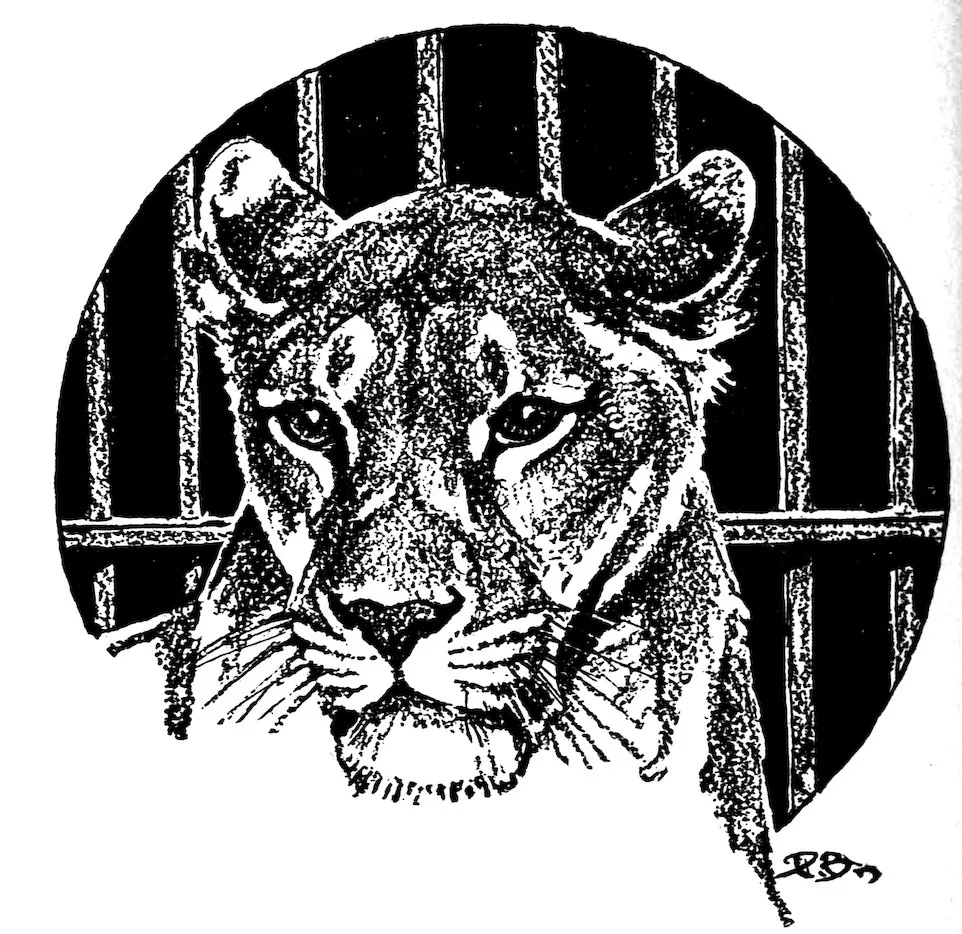
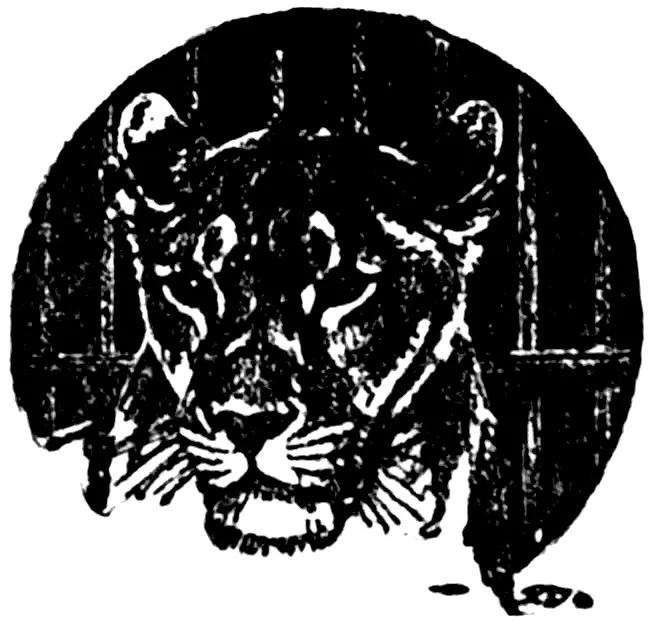
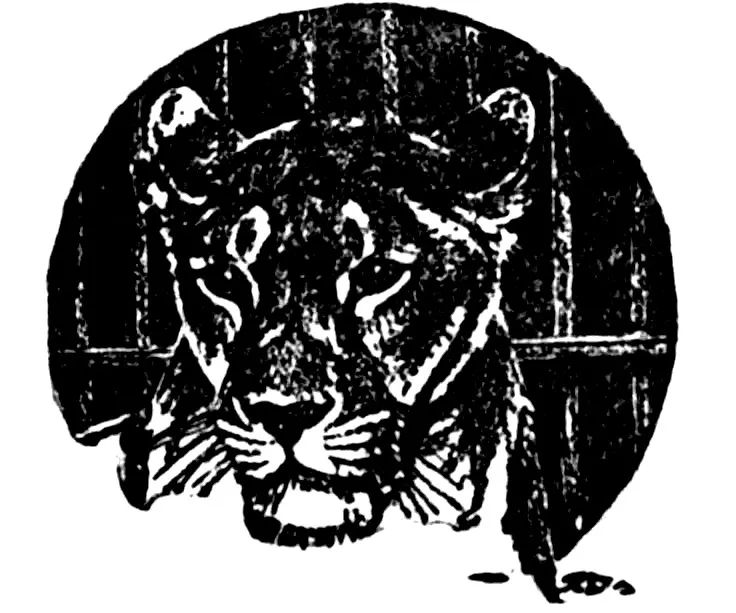
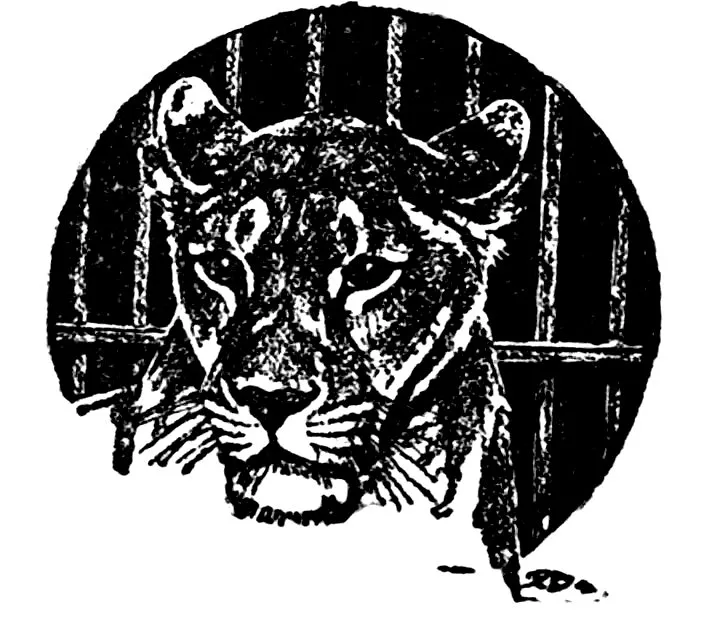
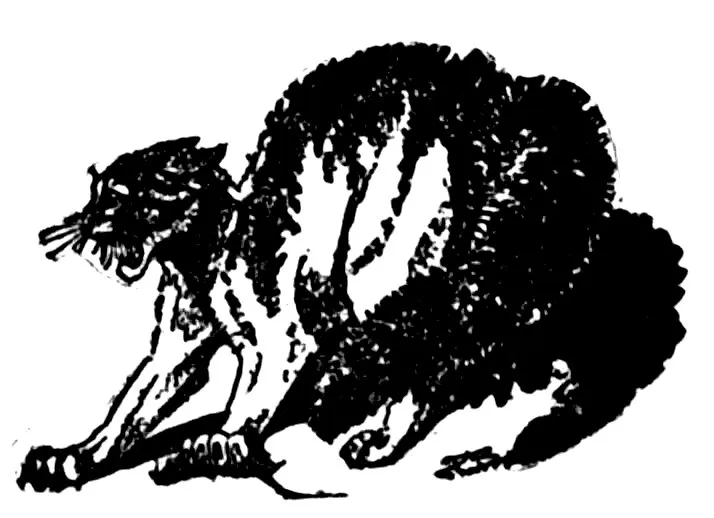
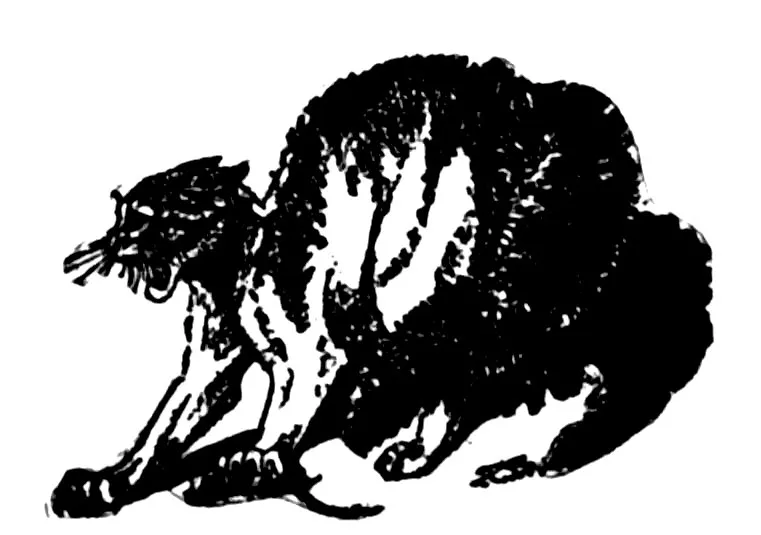
For I saw her, not a savage, bloodthirsty beast, but a wild thing of the deep woods, ruled by pain instead of kindliness.
Part Eleven Ethel of the Wild Heart
209
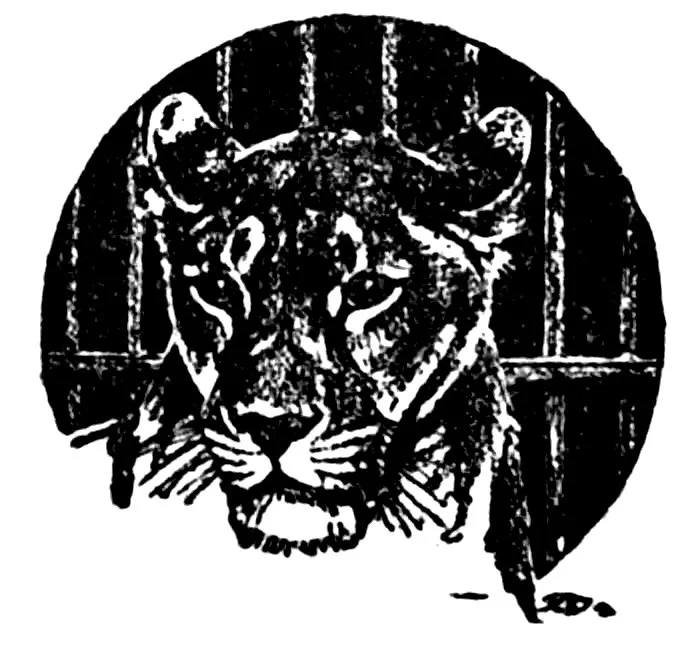
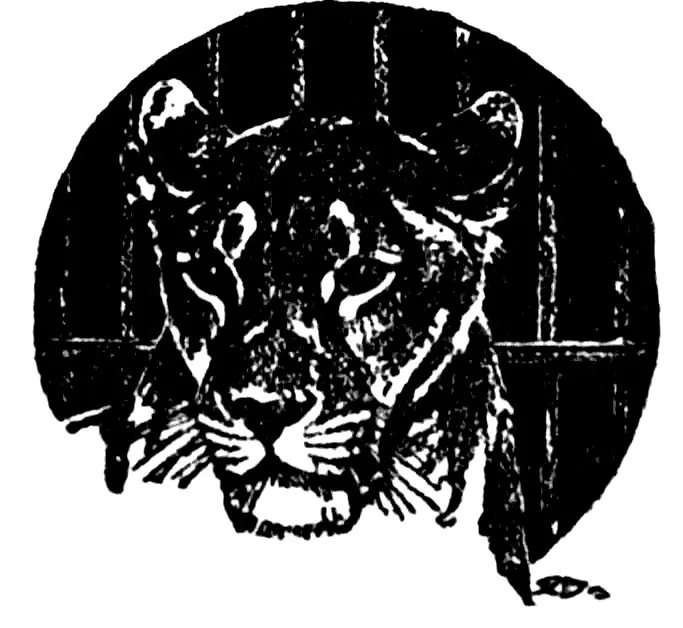
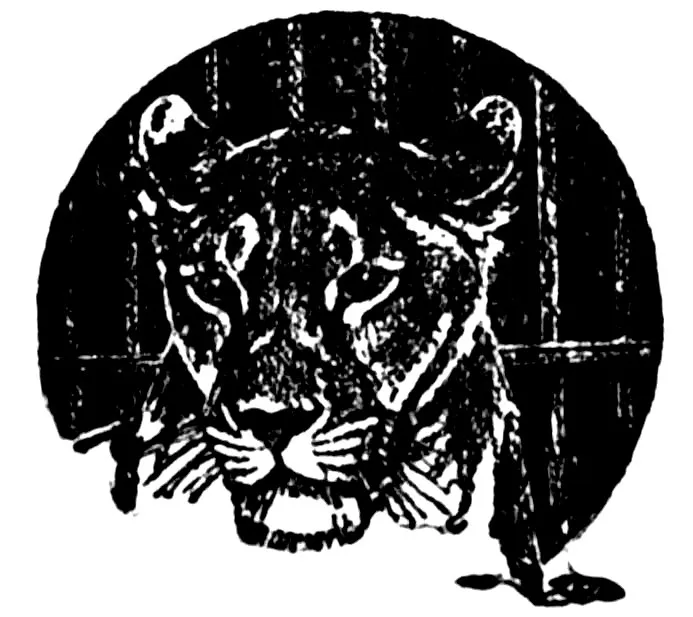
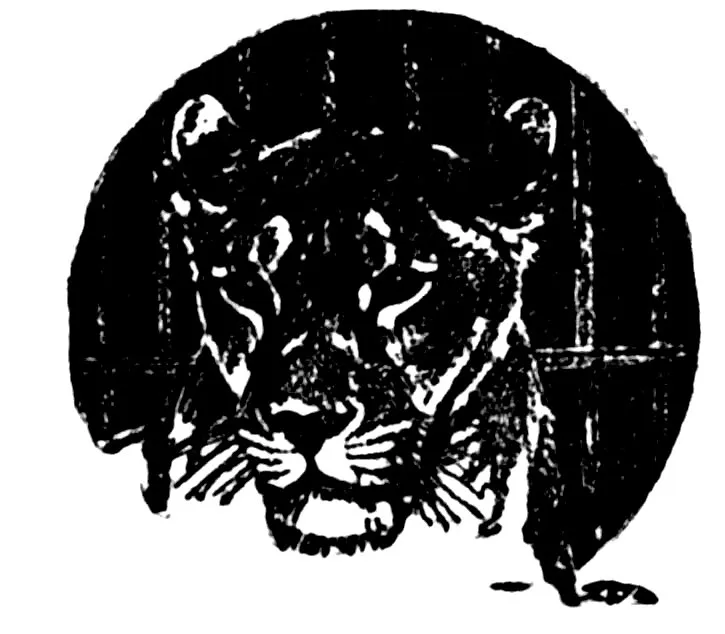
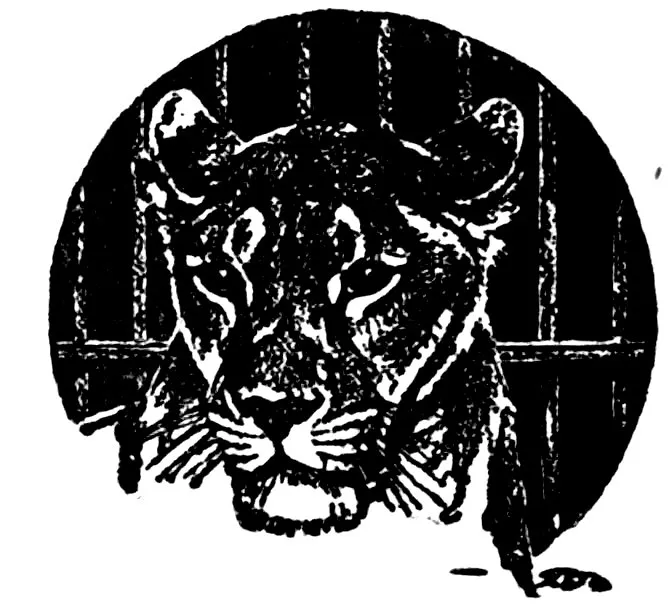
This is the story of a lioness
in a cage at a great moving-picture
studio—a lean,
tawny lioness with slanting,
amber eyes and flexible
muscles that undulated under the
loose skin like ripples of water under
a blanket of kelp.
They said, the people of the studio,
that Ethel was savage, that she had
clawed a trainer and injured an actor
for life, that she hated women and
would not tolerate the touch of a human
hand. And they thought me a little
mad when I wanted to go into the cage
where she and four other lions were
taking their exercise.
210But I was of the press, so I was permitted
to enter the cage with the trainer,
to go through the doubled-barred
iron doors, and to stand very quietly
while the keeper of the lions, with a
long whip, lashed the snarling animals
to their pedestals.
Of them all, Ethel was the most savage.
Her eyes blazed with a wicked
light that burned green behind the amber;
her tail lashed furiously when the
trainer flicked her with his whip; and
afraid as she undoubtedly was, the
courage of her spirit showed itself in
her stubborn crouch and the vicious
striking of her powerful paws whenever
the lash came near her.
She fascinated me. The other lions
were cowed, it seemed, by long experience
with the stinging whip. They took
their places protesting and snarling, but
with alacrity none the less. Ethel
would not obey. In defiance of the
211stern commands of the trainer and the
leather thong which flicked remorselessly
about her eyes and nose, she
would leap from one side of the cage to
the other, crouch for an instant, then
spring again, shaking the bars in her
frenzied attempts to escape the persecuting
lash, while the other lions
watched her from their pedestals uneasily,
with guttural intakes of breath
and occasional snarls.
Do you wonder what I felt when
Ethel careened about the cage, stubborn,
disobedient, mad with rage as
well as with a terror born of pain? At
first I felt fear, a fear as unreasoning
as that of the lioness. For in one of her
crazed leaps she brushed against me,
so that I was pushed sharply against
the iron bars of the cage.
“Do you want to go out?” the trainer
was asking me, and I shook my head,
for I could not speak.
212
Then suddenly the fear left me. The
thread of ice which had seemed to run
from the top of my head to the very
soles of my feet melted away as though
in a warm sunshine. For Ethel,
crouching in snarling defiance, had
suddenly raised her head. For an instant
we measured each other, eye to
eye. And in that moment I remembered
another wild thing—this one uncaged—and
I remembered myself a
little girl alone on the Hill Trail,
facing the amber eyes of one of Ethel’s
distant kin. I want to tell you what I
remembered, so that you will know
why the ice thread was melted and why
things happened in that barred cage
that the trainer said had never happened
before.
It was while we still lived in the little
cabin on the Bay, and I was yet a child.
Brother had gone away to school, and I
was lonely, so more than ever I sought
213the woods and the companionship of
the woods creatures there.
It was a sultry day in August when
the juncoes were flying in panicky
flocks, and when a haze of smoke was
in the air that told of forest fires not so
far away. All the night before the sky
in the west had been reddened with a
dull glow that gradually grew brighter,
and though we had no fear for ourselves
since a cleared space lay between
the wooded hills and the cabin we were
sorry for the wild things of the woods
who would be forced to flee from the
red monster that devoured their homes
so relentlessly.
The air that day was oppressive, for
the smoke hung low, and if we listened
carefully, we could hear the distant
crackling of tall pines with gum-smeared
trunks on fire, and the occasional
crash of a giant fir, tortured too
long by licking flames.
214I sought the Hill Trail, listening, as
I climbed, to the ominous crackle of
burning trees, much nearer than I
would have wished. And perhaps it
was because of that intentness that I
came, without realizing it, face to face
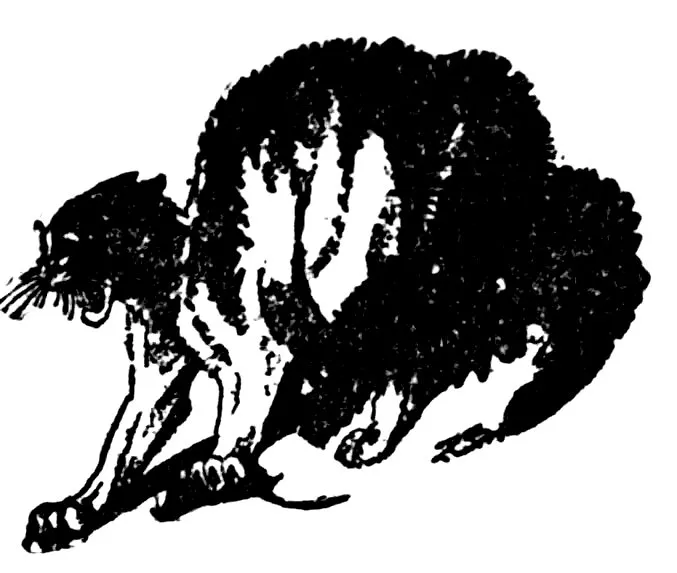
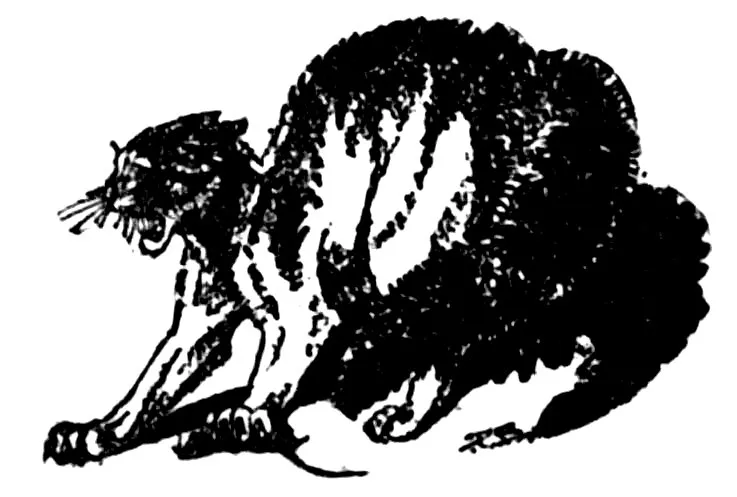
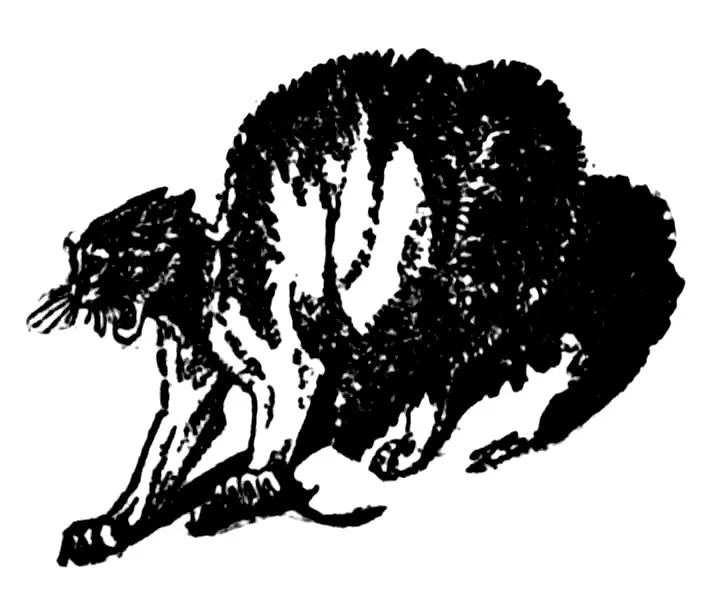
with a wildcat, the largest I have ever
seen, stretched across the trail, only a
few feet in front of me.
For the first time in my life I knew
the fear of which men and books tell
you. Many had been the stories told by
hunters who passed the cabin, of the
ferocity of mountain lions and wildcats,
although none of them had ever been
seen in the woods around us, because
civilization was too near. These beasts,
said the hunters, kept to the higher
hills and the deeper wooded forests,
where game abounded and men seldom
came. So when I saw the tawny animal
so close that one light spring would
have carried the powerful body upon
215me, my first impulse was to run—blindly,
madly—to run until I could
run no more, or until the fierce claws
of the great cat should bear me to the
ground—
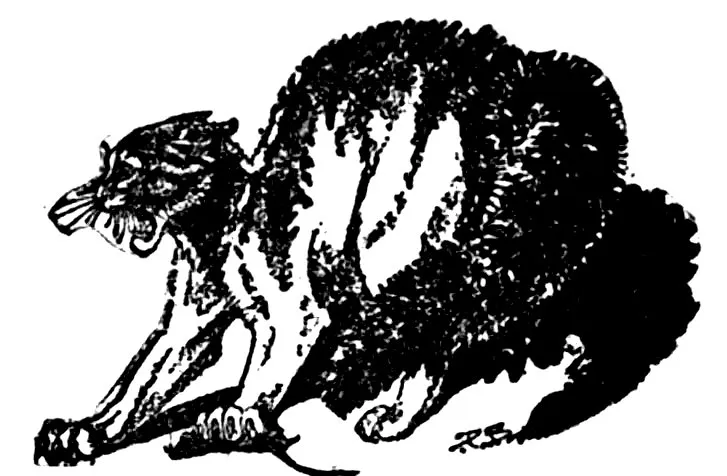
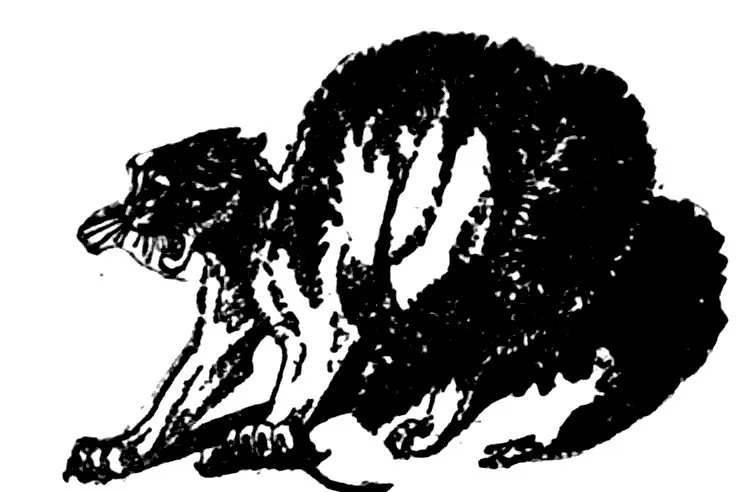
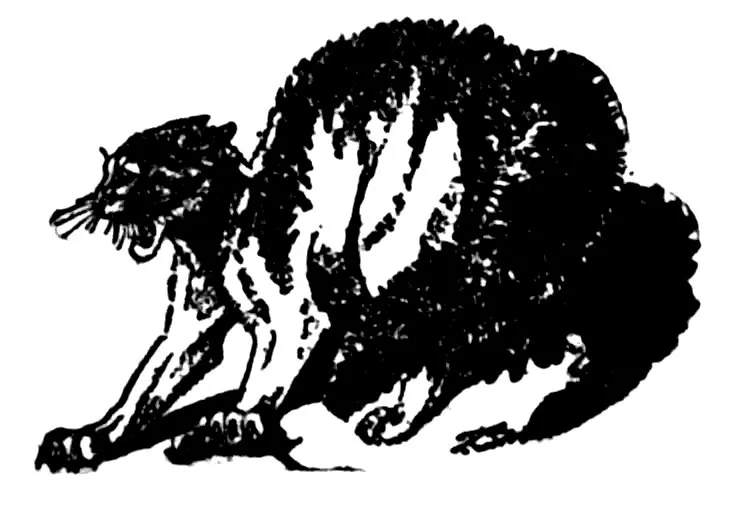
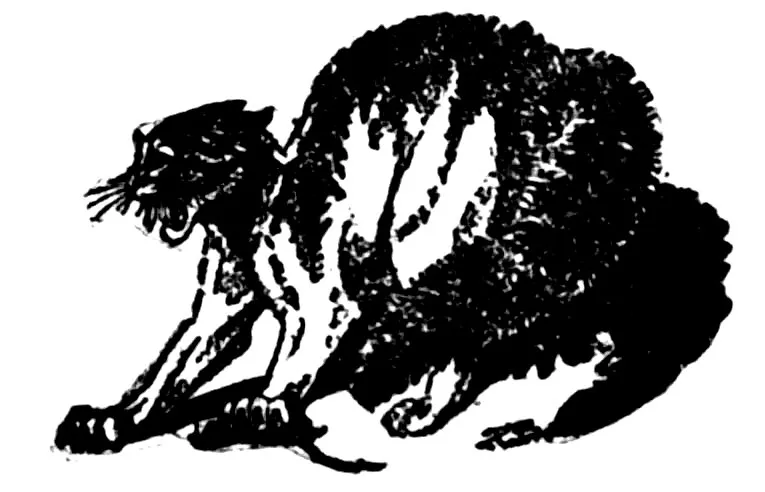
The wildcat had not moved except to
lift its head ever so slightly and to draw
back its jowls in a hissing snarl that
displayed cruel, white fangs. The amber
eyes watched me without flickering,
yet in them I saw distrust, startled anger,
and ever so little of a desire to
spring—to kill—
In that one instant I had many
thoughts—dizzy, rambling thoughts,
that chased themselves across my mind
like dried leaves blown by a wind. I
noticed the straight, white whiskers on
either side of the wildcat’s nostrils; I
heard the distant fall of a tree; I saw
a grasshopper leap from a blade of
grass that was bending under his
weight; I heard the scuttle of leaves
216somewhere in the woods and knew that
a bevy of quail was there. But I could
not move. I stood still in the grip of
that numb terror.
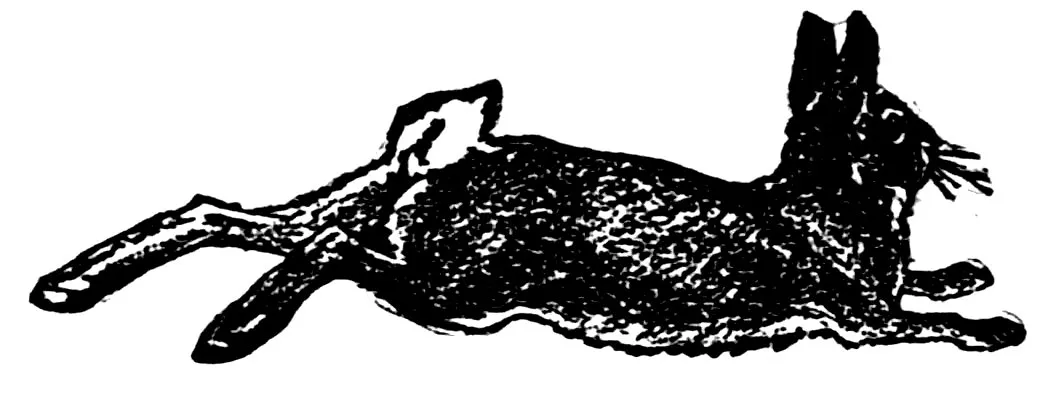
What would have happened I can
not say. Suddenly the fear left me—for
I knew! I knew that the tawny
animal before me was a wild thing of
the woods even as were the other wild
things I loved. I knew that fear of fire
had driven him from his familiar
haunts far up in the mountains, that he
sought these woods for protection, not
for killing, and I knew that I, having
been in those woods longer than he, was
hostess there, and that it was my place
to make him welcome, to extend to him
the friendly greetings that I would have
tendered to any of my woods friends.
The fear was gone, utterly. I wanted
to put my hand on his sleek head, to
stroke his glossy back, to put my cheek
against the russet satin of his thick coat.
217But I made no move. I spoke to him,
as I would have spoken to any other of
my woods friends, telling him that he
was welcome, that the woods were his
as well as mine, and that I hoped the
fire would spare his relatives who were
dear to him.
As I spoke, the amber eyes opened
wider, the snarl died away, and suddenly
he yawned, voluminously, with a
snap of his jaws and a careless licking
motion of his red tongue. Then his
eyes closed indifferently, and I knew
he had understood me. I knew that
between us was no thought of fear or
hate. I walked past him up the trail,
so close that I might have touched him,
and he did not move. Only the amber
eyes met mine squarely, and it was as
if the wild thing from the deeper
woods had said with words,
“We are friends—go in peace.”
When I had gone up the trail a way,
218I stopped at the bend in the path and
looked back. The wildcat was in the
same position, but he was watching me
still with eyes unblinking and unafraid.
So that is why, some years later, when
Ethel raised her head and met my eyes,
the icy fear slipped away. For I saw
her, not a savage, bloodthirsty beast,
but a wild thing of the deep woods,
girded round with iron bars and stinging
whips, a wild thing ruled by pain
instead of kindliness, and there surged
into my heart a great love and pity
for her. I wanted to take the whip
from the man, to break it into bits, to
tell her that she was free to go back to
her mountain fastnesses.
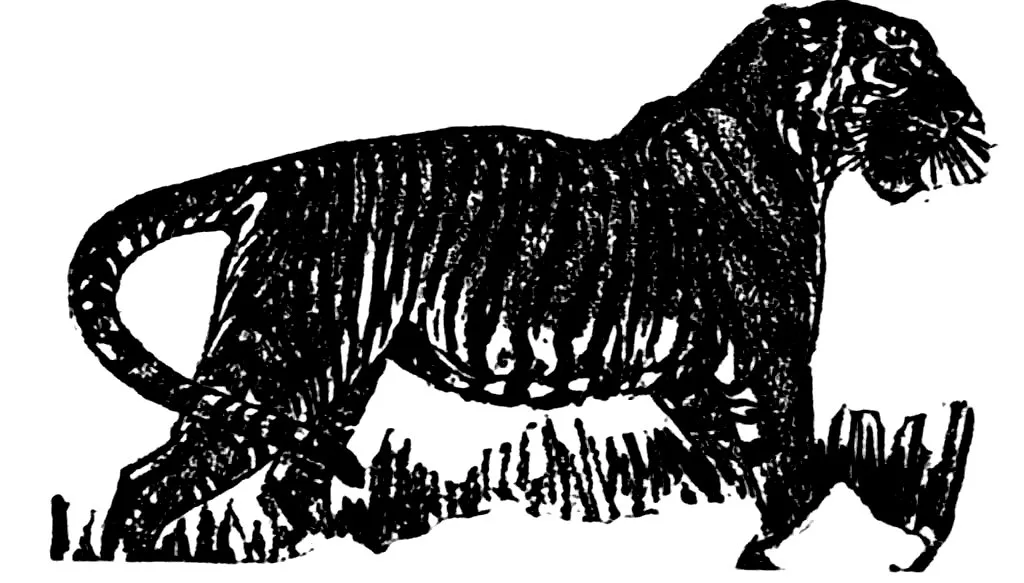
So, disregarding the cry of warning
from the trainer and the gasps from
those who stood outside the cage, I
walked slowly toward the crouching
lioness, saying to her the things I
would have said had I met her in the
219woods, telling her that I, too, belonged
to the out-of-doors, that I, too, was a
captive, that between us there was a
bond. Slowly the snarling lips relaxed,
the glint of green went out of
her slanting eyes, and she no longer
crouched. I knelt beside her on the
floor of the cage, while the lions above
on their pedestals watched with curious,
sullen eyes, and the trainer’s voice
died away in a series of gulps. Gently
I put out my hand and touched her
rough, tawny head. She flinched and
snarled, but I did not draw my hand
away, and the next instant I felt her
tense muscles relax, and she was quiet
under the steady stroking of my hand.
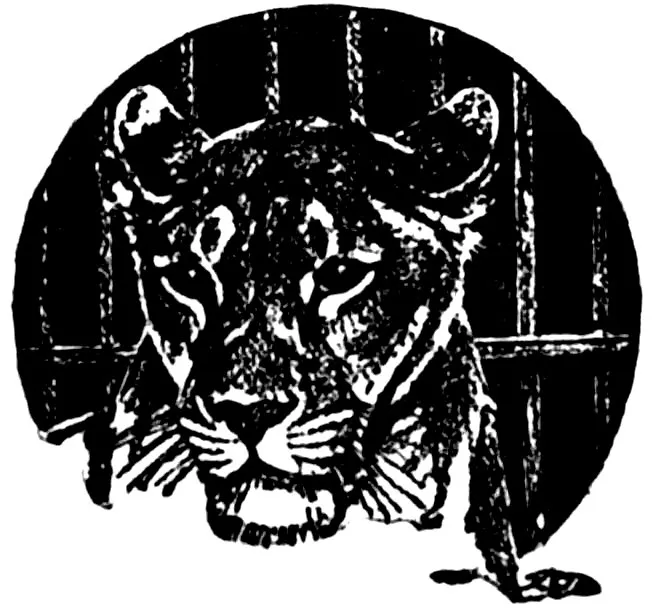
The trainer spoke to me in an agonized
whisper, telling me to come
away quickly, and as I rose from my
kneeling position, Ethel rose, too.
Padding over to the pedestal which
was hers, she mounted to it with a
220spring and sat there quietly, her eyes
never leaving me or missing a motion
I made.
When we left the cage, Ethel padded
close to my side, and the trainer said in
jest that I might take her for a pet.
If I only could have! My heart
was aching for her as I left, for I, too,
am sometimes rebellious at the ways of
civilization and of a world that does
not know or care about the things of
life that have nothing to do with
money. I, too, am lonely for the freshness
of leaves wet with dew, the feeling
of moss underfoot, the glint of sunlight
through laced branches. I think
I know a little of the longing that is
hers as she paces back and forth in her
narrow cage, for hers is not a savage
heart—only a wild heart; and I know
that love can speak to it and soothe its
hurt.
- Typos fixed; non-standard spelling and dialect retained.