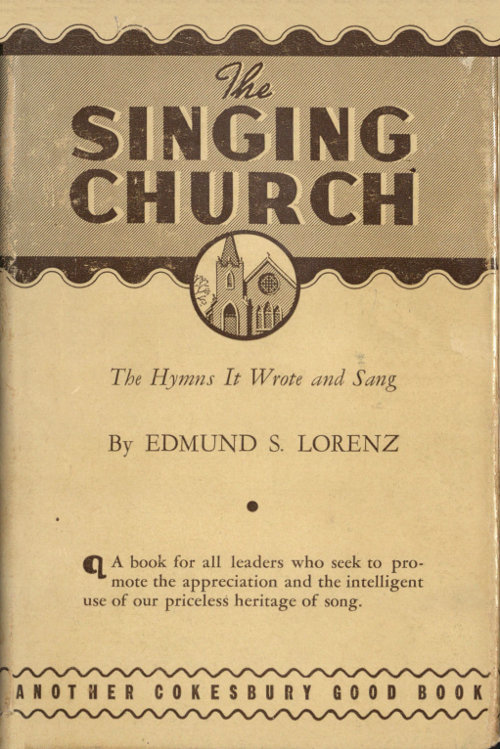
The Singing Church: The Hymns It Wrote and Sang
by Edmund S. Lorenz
★★★★★No ratings yet
Language: English
Sign in to rate this book.
Sign in to shelve this book.
About this eBook
- Author
- Lorenz, Edmund S. (Edmund Simon), 1854-1942
- Credits
- Produced by Stephen Hutcheson and the Online Distributed Proofreading Team at www.pgdp.net
- Language
- English
- LoC Class
- BV: Philosophy, Psychology, Religion: Christianity: Practical theology, Worship
- Subject
- Hymns -- History and criticism
- Category
- Text
- Project Gutenberg
- eBook-No. 61393
- Release Date
- February 13, 2020
- Copyright
- Public domain in the USA.
Contents
- 1.THE SINGING CHURCH
- 2.PREFACE
- 3.CONTENTS
- 4.INTRODUCTION — THE PLACE AND IMPORTANCE OF THE HYMN — The Impulse to Sing Is Constitutional in Man. — Biblical Authority for the Singing of Hymns. — The Use of Hymns in the Development of the Christian Church. — Cultural Value of Hymns. — Spiritual Value of Hymns. — The Value of Singing Hymns Too Often Overlooked. — The Need of Emphasis on Efficient Use of Hymns. — THE SINGING CHURCH
- 5.PART I THE CHARACTER OF THE HYMN
- 6.Chapter I WHAT IS A HYMN? — I. DEFINITION OF THE HYMN — Importance of Accurate Definition. — Inadequate Definition. — Definition Must Be Based on Practical Considerations. — Types of Hymns. — Definition of the Congregational Hymn. — II. THE HYMN MUST BE POETRY — To Be Poetry, It Must Be Emotional. — It Must Have Poetical Form. — It Must Be Poetic in Spirit. — The Hymn Must Have Unity. — The Poetical Element Is Contributory Only.
- 7.III. THE CHRISTIAN HYMN MUST BE DISTINCTLY RELIGIOUS — Poems of Semi-religious Fancy Are Not Hymns. — Mere Moralizing Will Not Serve. — Special Propaganda Is Not Admissible. — Christian Hymns Should Be Genuinely Christocentric.
- 8.IV. SCRIPTURAL ELEMENTS OF THE HYMN — Hymns Based on the Scriptures. — Use of Scriptural Forms Desirable.
- 9.V. THE HYMN MUST BE FITTED FOR MASS SINGING — Congregational Singing Is a Pronounced Christian Exercise. — Meter Essential to Mass Singing.
- 10.VI. PRACTICABILITY FOR ACTUAL USE — Ideas Must Be Plainly Evident. — Hymns May Not Be Extremely Individualistic. — Distracting Figures and Forms of Expression. — Verses Must Be Complete in Themselves. — Musical Limitations. — Outworn Hymns. — Mistaken Objections to Some Hymns.
- 11.I. THE IMPULSE TO WRITE HYMNS
- 12.II. PURPOSE IN WRITING HYMNS — The Influence of Purpose. — The Purpose Must Affect Only the Practical Aspects.
- 13.III. PURPOSE OF THE USER OF HYMNS
- 14.IV. PURPOSES SERVED BY SINGING HYMNS — Hymns Unite Christians in Worship and Christian Activities. — Hymns Concentrate Interest and Attention. — Hymns Afford a Means of Expression for the Congregation. — Hymns Provide Help and Comfort in Dark Hours. — Hymns Afford Clear Expressions of Christian Truth. — Hymns Give Opportunity for Active Participation by All. — Hymns Provide Variety. — Hymns Create a Religious Atmosphere. — Hymns in the Home. — Hymns in Personal Work.
- 15.V. REASONS FOR THE MINISTER’S APPRECIATION OF HYMNS — Hymns Are Evidences of the Effect of the Bible. — Hymns and Psalms Affected the Life of the Church. — Hymns in Personal Christian Experience. — Hymns as Stimulating the Spiritual Life of the Minister. — Hymns Approved by Paul. — Hymns in the Early Church. — Hymns Prepared the Church for Periods of Marked Progress.
- 16.VI. STRANGE INDIFFERENCE TO HYMNS — The Minister’s indifference. — Indifference of the Congregation.
- 17.I. WHAT MAKES THE HYMN LITERATURE? — Its Character as a Transcript of Life. — Its Wide Distribution. — Its Acceptance Through Many Generations. — Its Profound Influence.
- 18.II. OBJECTIONS TO RECOGNIZING ITS LITERARY CHARACTER — Due to Narrow Definition of Literature. — Due to Failure to Realize Limitations of Hymns. — Some Critics and Their Criticism. — III. THE WRITING OF HYMNS — The Handicap of Thought and Diction. — The Handicap of Meter. — IV. THE LITERARY QUALITY NOT TO BE OVERESTIMATED — Literary Quality Not the Supreme Consideration. — Literary Quality Should Be Subconscious.
- 19.Chapter IV THE EMENDATION OF HYMNS — I. THE CHANGES IN OUR HYMNS — Early Changes. — The Abuse of the Editorial Revision. — The Return to Originals. — II. PRINCIPLES OF EQUITY INVOLVED IN THESE CHANGES — The Rights of the Original Writer. — The Limits of the Author’s Rights. — III. EFFECT OF CHANGES ON QUALITY — Loss of Original Writer’s Vision. — Biblical Precedent. — IV. ANALYSIS OF CHANGES MADE — The Omission of Verses. — Reconstructing and Rewriting Faulty Hymns. — Minor Felicitous Changes.
- 20.Chapter V THE CONTENT OF THE HYMN — I. ITS RELATION TO GOD — Thanksgiving. — Prayer for Future Blessing. — Adoration. — The Hymn of Communion. — II. RELATION TO THE SINGER — The Hymn of Emotion. — The Hymn of Inspiration. — The Hymn of Personal Experience. — The Hymn of Meditation. — The Hymn of Exhortation. — The Didactic Hymn. — The Doctrinal Hymn. — The Homiletical Hymn. — The Hymn of Propaganda. — Hymns of the Social Gospel. — Special Hymns. — The Great Hymnic Themes.
- 21.Chapter VI THE GOSPEL HYMN — Lack of Discrimination. — Wrong Assumptions of the Opposition. — Unfairness in Comparisons Made. — Criteria for Evaluation. — Gospel Hymns and the Unsaved. — Gospel Hymns and the Demands of Worship. — Gospel Hymns in the Preparatory Service. — Gospel Hymns in the Laboratory. — The Advantages of Gospel Hymns. — Discrimination in the Use of Gospel Songs. — THE SINGING CHURCH
- 22.PART II HISTORY OF THE DEVELOPMENT OF HYMNS
- 23.Chapter VII APOSTOLIC ORIGIN AND DEVELOPMENT — I. SACRED SONG IN THE NEW CHRISTIAN CHURCH — The Rise of Sacred Song in Apostolic Times. — Apostolic Emphasis of Sacred Song. — Traces of Hymns in the Epistles. — The Hymns of the Apocalypse. — “ The Odes of Solomon. ” — The Failure of Apostolic Spiritual Songs to Survive.
- 24.Chapter VIII THE POST-APOSTOLIC HYMN — The Post-Apostolic Church a Singing Church. — The Earliest Surviving Hymns. — The Relation of Hymns to Psalms and Canticles. — The Hymn as Propaganda.
- 25.Chapter IX THE GREEK HYMNODY — I. EARLY GREEK HYMNS — II. THE LATER GREEK HYMNS
- 26.Chapter X THE LATIN HYMNODY — I. THE BEGINNINGS OF LATIN HYMNODY — II. EARLY LATIN HYMN WRITERS — III. GREAT LATIN HYMNS — IV. MEDIEVAL DEVOTIONAL POEMS — V. MEDIEVAL POPULAR HYMNODY
- 27.Chapter XI LUTHER AND THE GERMAN HYMN — I. PRE-REFORMATION VERNACULAR HYMNS — II. LUTHER’S RELATION TO GERMAN HYMNODY
- 28.Chapter XII THE LATER GERMAN HYMNODY — I. THE RISING STANDARD OF LITERARY VALUES — II. THE GOLDEN AGE OF GERMAN HYMNODY — III. THE PIETISTIC HYMN WRITERS — IV. GERMAN REFORMED HYMNODY — V. TRANSITION TO RATIONALISTIC HYMNS — VI. RATIONALISM IN HYMNODY — VII. HYMNS OF RENEWED RELIGIOUS LIFE — VIII. HYMNS OF PIETISTIC TYPE
- 29.Chapter XIII METRICAL PSALMODY — I. CALVIN’S CONCEPTION OF CONGREGATIONAL SINGING — II. CALVIN’S FOLLOWERS MORE EXTREME — III. MAROT’S SUCCESSFUL VERSIONS — IV. DEVELOPMENT OF THE GENEVAN PSALTER — V. ENGLISH PSALM VERSIONS BEFORE STERNHOLD — VI. VERSION OF STERNHOLD AND HOPKINS — VII. THE SCOTCH VERSION — VIII. ROUS’ VERSION — IX. TATE AND BRADY’S “NEW VERSION” — X. AMERICAN PSALMODY — XI. THE VALUE OF THE PSALM VERSIONS
- 30.Chapter XIV THE ENGLISH HYMN BEFORE WATTS — I. THE EARLIEST ENGLISH HYMN — II. ENGLISH HYMNODY SUBMERGED BY REFORMED PSALMODY — III. ENGLISH LITERARY IDEALS UNFAVORABLE TO HYMN-WRITING — IV. THE DEVELOPMENT OF THE TECHNIC OF WRITING SINGING HYMNS — V. THE IDEAL OF THE SINGING HYMN REALIZED
- 31.Chapter XV ISAAC WATTS AND HIS PERIOD — I. THE HYMNIC NEED OF THE TIME — II. THE LIFE OF WATTS — III. WATTS AS A HYMN WRITER — IV. WATTS’ ARGUMENTS FOR THE HYMN — V. WATTS’ INSISTENCE ON PRACTICABILITY — VI. THE INESTIMABLE VALUE OF WATTS’ HYMNS — VII. CONTEMPORARIES OF WATTS
- 32.Chapter XVI THE WESLEYS AND THEIR ERA — I. THE INFLUENCE OF WATTS ON THE WESLEYS — II. THE HOME OF THE WESLEYS — III. THE MORAVIAN INFLUENCE — IV. JOHN WESLEY — V. CHARLES WESLEY — VI. CHARLES WESLEY’S HYMNS QUITE SUBJECTIVE — VII. WATTS AND CHARLES WESLEY — VIII. THE ISSUES OF THE WESLEYAN HYMNS — IX. THE METHODIST TUNES — X. INFLUENCES OPPOSING THE WESLEYAN HYMNS — XI. OTHER METHODIST HYMN WRITERS — XII. CALVINISTIC-METHODIST HYMN WRITERS — XIII. BAPTIST HYMN WRITERS
- 33.Chapter XVII HYMNS IN THE CHURCH OF ENGLAND — I. RISE OF SPIRITUAL LIFE IN THE ENGLISH CHURCH — II. EARLY COLLECTIONS OF EVANGELICAL HYMNS — III. EVANGELICAL HYMN WRITERS — IV. HYMN WRITERS OF THE ROMANTIC SCHOOL — V. CONTEMPORARY HYMN WRITERS — VI. MINOR HYMN WRITERS — VII. THE HYMNS OF THE OXFORD MOVEMENT
- 34.Chapter XVIII AMERICAN HYMNODY — I. THE TRANSITION FROM PSALMODY TO HYMNODY — II. THE INTRODUCTION OF WATTS’ HYMNS — III. THE BEGINNINGS OF AMERICAN HYMNODY — IV. COLLECTIONS OF AMERICAN HYMNS — V. EPISCOPAL HYMN WRITERS — VI. UNITARIAN HYMNODY — VII. LATER ORTHODOX HYMN WRITERS — THE SINGING CHURCH
- 35.PART III PRACTICAL HYMNOLOGY
- 36.Chapter XIX THE STUDY OF HYMNS — I. IMPORTANCE OF THE STUDY OF HYMNS — II. PERSONAL ADVANTAGES OF SUCH STUDY OF HYMNS — Literary Pleasure. — Literary Culture. — Development of Emotional Nature. — III. THE PRACTICAL VALUES OF INDIVIDUAL HYMNS — Classifying Hymns by Their Nature. — Classifying Hymns by Their Fitness for Definite Purposes. — IV. THE MINUTE STUDY OF HYMNS — Analysis of the Hymn. — The Background of the Hymn. — Making a Hymnal of His Own. — Memorizing Hymns. — V. A STUDY OF METHODS OF USE — Using Hymns in Sermons. — Studying Responsiveness of the Congregation. — Studying Methods of Announcement and Securing Participation. — Studying Use of Hymnal for Specific Purposes. — VI. A STUDY OF THE TUNES
- 37.Chapter XX THE PRACTICAL USE OF HYMNS — I. THE HYMN AS A MEANS TO AN END — II. ANALYSIS OF PRACTICAL APPLICATION OF HYMNS — III. THE USE OF HYMNS FOR CREATING RELIGIOUS INTEREST — IV. THE HYMN AS AN OPPORTUNITY FOR TEACHING TRUTH — V. HYMN SERMONS AND HYMN SERVICES — VI. THE USE OF HYMNS IN EMERGENCIES
- 38.Chapter XXI THE SELECTION OF HYMNS — I. SELECTION SHOULD SECURE UNITY OF SERVICE — Narrow Conception of Unity. — Broader Conception of Unity. — Unity Based on Purpose. — II. SUGGESTIVE SELECTIONS OF HYMNS — Hymns for Service on God’s Omnipotence. — Hymns for Service on God’s Love. — Hymns for a Missionary Service. — III. IMPORTANCE OF THE TUNES
- 39.Chapter XXI THE ANNOUNCEMENT AND TREATMENT OF HYMNS — I. THE ANNOUNCEMENT OF HYMNS — II. THE TREATMENT OF HYMNS
- 40.EPILOGUE
- 41.REFERENCES AND NOTES — INTRODUCTION — CHAPTER I — CHAPTER II — CHAPTER III — CHAPTER IV — CHAPTER V — CHAPTER VII — CHAPTER VIII — CHAPTER IX — CHAPTER X — CHAPTER XI — CHAPTER XII — CHAPTER XIII — CHAPTER XIV — CHAPTER XV — CHAPTER XVI — CHAPTER XVII — CHAPTER XVIII — CHAPTER XIX — CHAPTER XX — CHAPTER XXII
- 42.GENERAL INDEX
- 43.INDEX OF HYMNS
- 44.THE SINGING CHURCH The Hymns It Wrote and Sang By EDMUND S. LORENZ — THE CONTENTS
- 45.THE SINGING CHURCH The Hymns It Wrote and Sang By EDMUND S. LORENZ
- 46.Transcriber’s Notes
Community reviews
Sign in to write a review.
No reviews yet.