Historians have long been in the habit of dealing with the
past as if it were nothing more than the story of a small
number of great men who moved about shaping the
world as they saw fit. In reality, leaders are not long successful
without followers—the great mass of the common people who do
the work, bear the burdens, and suffer the consequences of their
leaders’ policies. The Civil War offers a unique opportunity to
study the common people of America because during that conflict
large numbers of people were directly involved in the great events
of the times. For most of them, the war was the single most
important event of their lives. Consequently they wrote about it in
great detail in their letters and diaries and saved these documents
after the conflict ended. It is therefore possible to see the Civil
War armies as groups of humans, not masses of automata. The
men who followed Sherman, Johnston, and Hood in 1864 left
behind information that adds much to an understanding of the
campaign.
Records kept by the Federal Government show that the typical
Northern soldier was 5 feet 8¼ inches tall and weighed 143½
pounds. Doubtless the Southerners were of a similar stature. The
same records also indicate that before the war 48 percent of the
men had been farmers. Among the Confederates the percentage of
farmers was more than half. Relatively few immigrants served in
either western army—perhaps one-fifth to one-sixth of the men
were of foreign birth. More than half the units in Sherman’s
armies were from Illinois, Indiana, and Ohio. Iowa, Kentucky,
Missouri, and Wisconsin also furnished large contingents. Such
Eastern States as New York, Connecticut, New Jersey, and
Pennsylvania were represented, but their contributions were
small. More than two-thirds of the units in the Southern army
were from Tennessee, Alabama, Mississippi, and Georgia. Other
States with significant numbers of troops in the Confederate
ranks were Texas, Arkansas, and Louisiana. Alabama, Kentucky,
Missouri, and Tennessee were represented by units on both sides.
Most of the men in the armies that struggled for Atlanta had
volunteered for military service in 1861 or 1862. By 1864 they
had become veterans, inured to the hardships of military life.
Nevertheless, they found the Atlanta Campaign a severe trial.
35
Unlike many Civil War military operations in which fighting
occurred at infrequent intervals, the struggle for Atlanta was
virtually a continuous battle. Sometimes, as at Resaca, almost all
of the opposing forces were engaged; at other times, action was
limited to the desultory firing of skirmishers. But only on rare
occasions were the soldiers able to escape the sounds and dangers
of combat.
The weather—whether a freak cold wave in mid-June, the unusually
heavy rains of late May and June, or the normal heat of
July and August—affected every man and often hampered troop
movements as well. Frequently units on the march lost men who
could not stand the pace. The soldiers would drop by the roadside
until they had recovered their strength, then move on to overtake
their comrades. For example, the heat on July 12 was so bad that
only 50 of the men in an Illinois regiment could keep up on a
3-mile march. When the armies were in fortified positions, as they
were at Kennesaw Mountain, the men often stretched blankets or
brush across the trenches to protect themselves from the sun. On
rainy days, fence rails or rocks in the trenches served to keep
soldiers out of the water.
Clothing was also a problem. As a rule, Sherman’s men were
better supplied than their opponents, but the wool uniforms they
wore were unsuited to the hot Georgia summer. The Confederates
had almost no new clothing after the campaign began and their
uniforms deteriorated rapidly. A Texan summed up their plight in
early June when he wrote: “In this army one hole in the seat of
the breeches indicates a captain, two holes a lieutenant, and the
seat of the pants all out indicates that the individual is a private.”
Rarely did the men of either army have a chance to wash and
almost all of them were affected by body lice and other vermin. A
sense of humor helped them to survive these trials—soldiers who
were pinned down in a water-filled trench by enemy fire consoled
themselves with the thought that they were at least drowning the
lice. The Federals complained that the retreating Southerners
infested the country with lice that attacked the advancing Northerners.
Other pests included chiggers, ticks, snakes, scorpions,
flies, and ants.
36
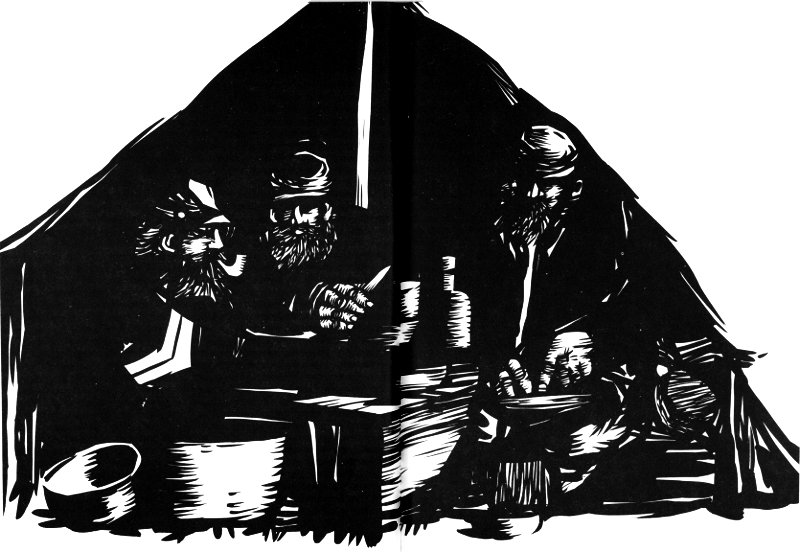
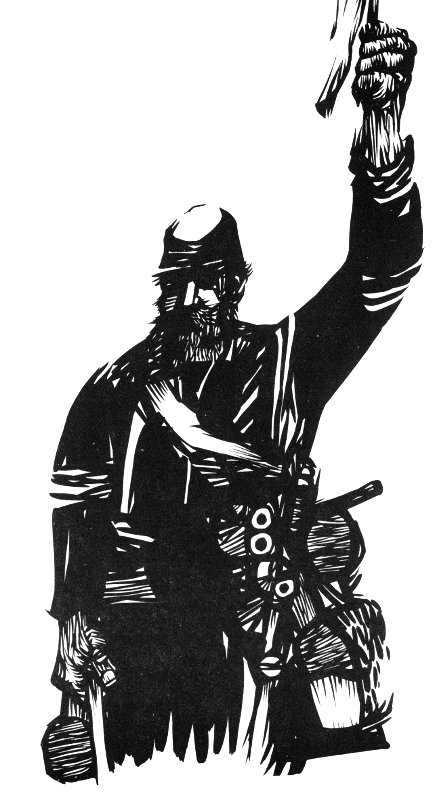
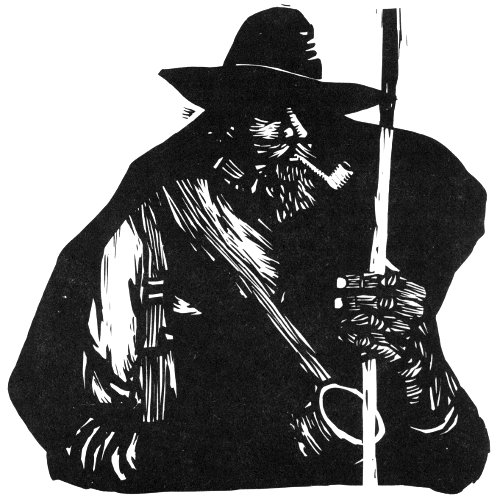
By 1864 most of the men in the armies that struggled for
Atlanta had become veterans, inured to the hardships of military life.
38
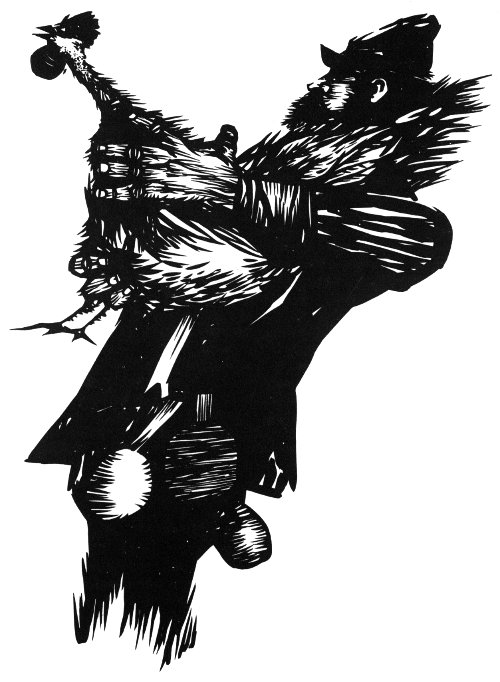
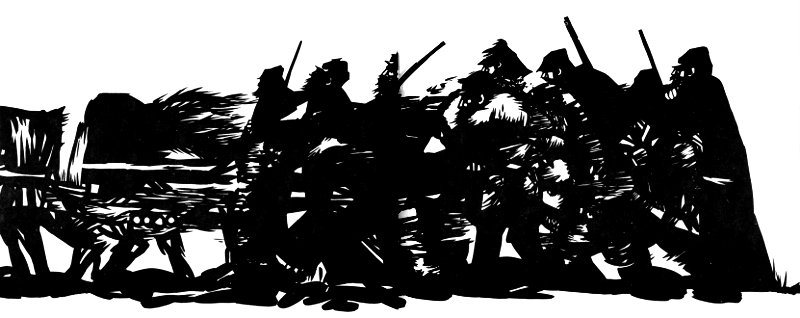
Soldiers in both armies had no scruples
about supplementing their rations with
whatever could be taken from surrounding
farms and homes.
39
Soldiers in both armies suffered from a shortage of food and
had no scruples about supplementing their rations with whatever
could be taken from the surrounding farms and homes. Corn,
pork, chickens, geese, hams, potatoes, apples, and onions disappeared
as the armies moved through a neighborhood. Wild berries
and fish were also eaten. Nevertheless, there were many times
when food was in short supply. One Federal wrote, “most of the
time we are on the move and cannot get such as is fit for a man to
eat.”
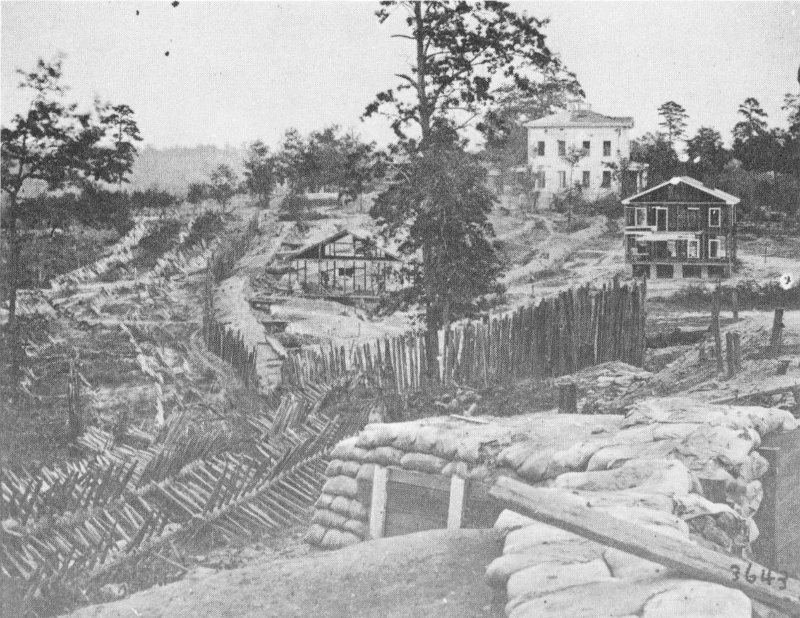
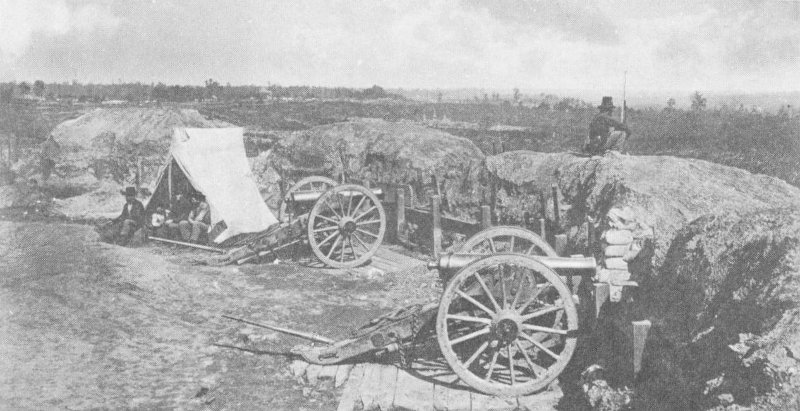
The Atlanta Campaign, like many of the later Civil War campaigns,
saw the development of trench warfare on a large scale.
Protecting works were built from loose rocks, fence rails, tombstones,
or even the bodies of dead comrades. By the third or
fourth week of the campaign, both sides had mastered the art of
field fortification—a trench, with the dirt piled on the side toward
the enemy and surmounted by a headlog under which were small
openings for firing. Such works left “little but the eyes ...
exposed” to enemy fire. In front of the trenches the underbrush
would be cleared away and young trees cut so they fell toward the
foe. The trees were left partly attached to the stump so that they
could not be dragged aside. Telegraph wire was sometimes strung
between them to create further obstacles.
From behind their fortifications soldiers could pour out such a
volume of fire that there was no chance for a successful massed
attack—unless complete surprise could be achieved or overwhelming
numbers brought against a weak part of the enemy’s line.
Much of the fighting was therefore done by small patrols and
snipers, especially in heavily wooded country such as the area
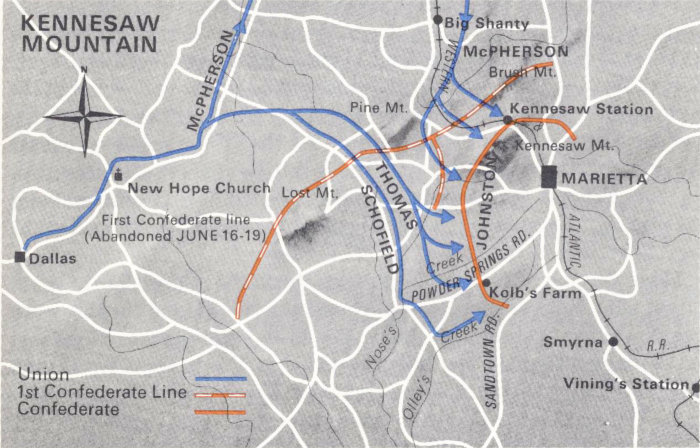
around New Hope Church and Kennesaw Mountain.
The soldier who died in battle could expect no elaborate funeral.
Usually the armies were too busy to do more than bury the
dead as quickly as possible and they would probably be put in a
mass grave near the place where they had fallen. Later the bodies
might be exhumed and moved to a cemetery where they would be
listed as “unidentified” and reinterred in a numbered but nameless
grave.
The soldier who was wounded or who was disabled by disease
suffered greatly. As a rule, the Northerner who was sent to an
army hospital fared better than his opponent because the Federals
were better equipped and provisioned than the Confederates.
40
Field hospitals treated men whose wounds were either very
slight or too serious to permit further movement. Others were
sent by wagon and rail to hospitals in the rear—Rome, Chattanooga,
and Knoxville for the Federals; Atlanta and the small
towns along the railroads south of that city for the Southerners.
Transportation in crowded hospital wagons over rutted roads
or in slow hospital trains was an indescribable horror. The hospitals
themselves were better but, by modern standards, uncomfortable
and dirty. For painful operations, Northern soldiers often
enjoyed the blessing of chloroform. Many Southerners, however,
especially those in the hospitals in smaller towns, frequently endured
major surgery without the benefit of any opiate except,
perhaps, whiskey. In such cases the hospitals echoed with the
screams of men undergoing amputations or such treatments as
that calling for the use of nitric acid to burn gangrene out of their
wounds.
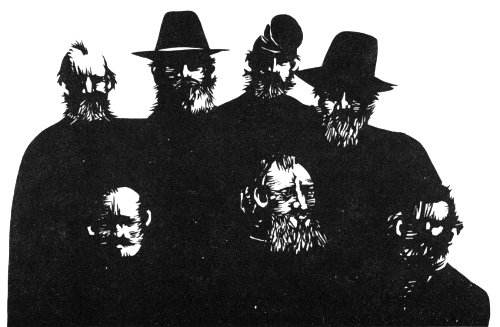
No precise figures as to the number of men who were killed,
wounded, or sick during the campaign are available. However, it
is known that for the war as a whole, disease killed about twice as
many men as did the weapons of the enemy. Sickness brought on
by exposure and unsanitary camps undoubtedly accounted for
41
many lives among the soldiers in Georgia. Diseases that were
especially common were smallpox, scurvy, dysentery, diarrhea
(also known as “dierear” and the “Tennessee quick step”), and
various types of fevers.
Religion provided a great source of comfort for many soldiers.
Chaplains accompanied both armies but were too few to serve all
the troops. Some chaplains preferred to spend the campaign in
the rear where they would be safe, while others, of far more
influence with the men, braved hardships and dangers with the
units they served. At least three of the latter group were killed in
battle during the campaign—either while helping the wounded or
fighting in the ranks. When chaplains were not available the men
sometimes organized and conducted their own religious services.
On the other hand, many soldiers ignored religion altogether and
continued such “sinful” practices as cursing, drinking, and gambling.
Nevertheless, what one soldier called “the missionary influence
of the enemy’s cannon” and the constant presence of death
and suffering led many to seek comfort in religion.
Throughout the campaign, when the armies were in a relatively
stable situation, the men sometimes agreed not to shoot at one
another. Instead, they would meet between the lines to talk,
swim, drink, bathe, enjoy the sun, pick blackberries, exchange
newspapers, swap Northern coffee for Southern tobacco, play
cards, wrestle, eat, sing, rob the dead, and argue politics. Officers
on both sides tried to prohibit this fraternization, but the men in
the ranks had the good sense to ignore their orders. These informal
truces would usually be respected by all, and when they were
over, fighting would not resume until every man had gotten back
to his own trenches. Much of the tragedy of the war was reflected
in a letter written by a Wisconsin soldier on June 24:
We made a bargain with them that we would not fire on them if they
would not fire on us, and they were as good as their word. It seems too
bad that we have to fight men that we like. Now these Southern
soldiers seem just like our own boys, only they are on the other side.
They talk about their people at home, their mothers and fathers and
their sweethearts, just as we do among ourselves.
However, regardless of the soldiers’ feelings about each other
during those times of truce, the war was being run by the generals
and the generals said it must go on.
42