Abolitionists, Taney and case, 138;
Thompson’s crusade, denunciations, 434;
exclusion of mail matter, 435, 445;
as issue (1836) and Van Buren, 435, 444, 446-48;
Calhoun and sectionalism over petitions, 443-45.
Adams, J. Q., and dining with colleagues, 13;
and Mrs. Livingston, 22;
effect of “bargain” story, 31;
and vilification (1828), 32, 34;
and defeat, 34-36;
and Jackson’s inauguration, 45, 48;
and Van Buren, 53, 55;
on Ingham, 57;
and crystallization of parties, 64;
disloyalty of officials under, 67;
and rejection of Hill, 83;
Calhoun’s opposition to Administration, 90, 92;
and Webster-Hayne debate, 98;
and Crawford, 107-09;
and Jackson-Calhoun break, 111-13;
on Mrs. Eaton affair, 121, 132;
organ of Administration, 159;
on Clay, 174, 191;
as Opposition leader, 176;
and rejection of Van Buren, 181;
and Clay and tariff, 185, 186;
tariff report and bill (1832), 189, 193;
and overtures by Jackson, 189;
political character, 190, 191;
and Bank recharter as issue, 211;
Bank investigation report, 216;
on Nullification, 261, 265;
and compromise tariff, 281;
and ending of Twenty-second Congress, 286;
on Jackson at Harvard, 289;
on end of tour, 290;
and removal of deposits, 342;
on Choate, 348;
and House committee to investigate Bank (1834), 349;
and spring election (1834), 354;
and Florida Purchase Treaty, 389;
and French Spoliation Claims, 399, 400;
tributes to Jackson, 400, 417;
and Webster, 414;
castigation of Senate, 414-19;
Whig resentment, 419;
on Van Buren and other candidates (1836), 438, 450.
See also Elections (1828, 1832).
Adams, Mrs. J. Q., “slandered,” 32, 83.
Alabama, and expunging of censure, 369.
Albany Argus, in campaign of 1832, 243.
Albany Journal. See Weed, Thurlow.
Allen, William, and expunging of censure, 465;
final conference with Jackson, 480.
American system. See Internal improvements; Tariff.
Amusements, in Washington, 16-29.
Anderson, ——, opera in Washington, 28 n.
Anti-Masons, Clay’s attitude, 234, 238;
presidential nomination (1832), Wirt and Clay, 235-37;
Jacksonians denounce, 237;
in campaign, 249;
and Granger (1836), 433.
Appeal, as White’s organ, 451.
Archer, W. S., and Ingham, 43;
and Nullification, 261, 265;
and French Spoliation Claims, 400.
Arlington, as residence, 7.
Arnold, R., peculation, dismissal, 75 n.
Assassination conspiracy, charge, 376-78;
Poindexter affair, 378, 379, 382.
Attorney-General. See Berrien, J. M.; Butler, B. F.; Taney, R. B.
Austria, treaty, 229.
Baldwin, Henry, and Treasury portfolio, 42;
on Tyler, 78 n.
Baltimore, National Republican Convention, 175;
Jacksonian, 289;
Bank harangues, 330;
Democratic Convention, 429.
Baltimore and Ohio Railroad, opening to Washington, 1.
Bank of the United States. See National Bank.
Bankhead, Charles, and French Spoliation Claims, 420, 421.
Barbour, James, on Clay’s tariff speech, 188;
on presidential contest (1836), 432;
and slavery issue, 435;
and instructions to expunge censure, 441.
“Bargain” story, political effect, 31;
Tyler and, 79;
revival (1832), 249;
Forsyth and, 389.
Barry, W. T., selection as Postmaster-General, 49;
career and character, 61;
and recall of Harrison, 74;
at Jefferson’s Birthday dinner, 101;
and Berrien, 129;
and Blair, 161;
and Post-Office corruption, 183, 371-76;
and Bank, 210, 217;
and Houston, 241;
and removal of deposits, 293, 303;
Spanish mission, death, 374.
Barton, T. P., chargé at Paris, marriage,
406;
and French Spoliation Claims, 408, 409.
Bell, John, and White’s candidacy, Blair’s attack, 428, 429;
defeated for Speaker, 439;
and Van Buren, 439.
Bennett, J. G., press letters from Washington, 16;
attack on Bank, 204;
and removal of deposits, 297, 298.
Bentham, Jeremy, and Livingston Code, 135.
Benton, T. H., in campaign of 1828, 58;
and dismissals under Jackson, 72;
and Webster-Hayne debate, 92, 98, 103;
at Jefferson’s Birthday dinner, 101, 102;
on establishment of the Globe, 160;
as Jacksonian leader, 176;
and rejection of Van Buren, 181;
and tariff, 195;
land sale graduation plan, 196;
report on public lands, 198;
hostility to Bank, 204;
and postponement of Bank issue, 208;
and Bank investigation, 215;
and Bank veto, Clay episode, 219, 224, 225;
Jackson duel as campaign material, 246;
on Webster and Jackson, 276;
on compromise tariff, 278, 283 n.;
and removal of deposits, 307;
leader against Bank, 319;
political character, 319;
and Senate measures on deposits, 322;
speech on censure, 331;
and Webster’s compromise recharter measure, 335;
on resolution to restore deposits, 350;
and Taney’s report on finances, 351;
and expunging censure, 368, 369, 371, 461, 462;
patronage inquiry, 383;
on extinguishment of debt, 385;
on Fortifications Bill, 404, 410, 412;
and French Spoliation Claims, 408, 409;
on politics in Abolitionist affairs, 447;
conciliation dinner, 465;
and expunging excitement, altercation with Clay, 470, 471;
at dinner celebrating expunging, 471;
on Jackson at Van Buren’s inauguration, 479;
last conference with Jackson, 480.
Bernard, Simon, on Calhoun, 89 n.
Berrien, J. M., selection as Attorney-General, 44;
career and character, 60;
and Mrs. Eaton, Calhoun adherent, resignation, 121, 123, 125, 127, 129, 130;
and Nullification, 125, 127, 388;
becomes Whig, 132.
Bibb, G. M., on Barry, 372;
patronage inquiry, 383.
Biddle, Nicholas, and Lewis, 155;
Mason episode, 203;
warning against politics, 203;
and attitude of Administration (1831), 204-07;
and press propaganda, 207, 228;
and problem of application for recharter, 209;
forced to recharter application, 212, 213, 217;
character, 212;
and recharter before Congress, 216;
on veto message, 221;
in campaign of 1832, 238, 239;
hope in Clay-Nullifiers union, 291;
and Wall Street, 300 n.;
control over Bank, 305;
policy of economic coercion, 310, 313-15;
and rejection of Government Bank directors, 324;
and Clay’s selfish attitude, 332, 360, 366;
and Webster’s recharter measure, 334;
and election riots, 363;
final opinion of a supporter, 368.
See also National Bank.
Binney, Horace, on drinking, 18;
and removal of deposits, 314;
and Webster’s compromise recharter measure, 334;
as champion of Bank, as orator, 343;
in debate on deposits, 344, 346, 347;
and Jackson, 347;
report on deposits, 348.
Black, John, and Abolitionist petitions, 444 n.
Blair, F. P., on rapid communication, 1;
on Washington society, 27;
establishment of the Globe as Jackson’s organ, 160, 161, 164;
advent in Washington, appearance, relations with Jackson, 161, 162, 478, 480;
political career and character, 162-64;
Green contest, 164;
and daily paper, 165;
as editor of Globe, 165-67;
value of services, 169;
political use of rejection of Van Buren, 182;
and tariff issue, 188;
and Clay’s land policy, 200;
and Bank, 218;
and Bank veto, 219, 221;
on premature recharter of Bank, 208 n.;
on Webb as turncoat, 228;
on Nullifiers and Clay, 232, 233;
on Clay and Anti-Masons, 237;
and Jackson retirement canard, 240;
campaign methods, 242-44;
campaign personalities, 247, 248;
on Jackson and Nullification, 252;
on compromise tariff combination, 280, 283;
and Bank and Clay-Calhoun union, 291;
and removal of deposits, 296, 298;
and Barry, 303;
and Cabinet paper on deposits, 305;
and excitement over deposits, 330;
on Hopkinson and Bank, 347;
on Whig Bank policy, 367;
and assassination conspiracy, 377, 378, 382;
and French crisis, 395, 396, 411;
and White, 424, 425;
and vice-presidential candidates (1835), 431;
denunciation of White’s candidacy and
Bell, 428, 429;
and Whitney affair, 461;
on Jackson’s last conference, 480.
See also Kitchen Cabinet; Washington Globe.
Boarding houses, in Washington, 12.
Bodisco, Baron, as social leader, 27.
Booth, J. B., appearances in Washington Theater, 16.
Bouldin, J. W., and French Spoliation Claims, 400.
Branch, John, selection as Secretary of the Navy, 44;
career and character, 59;
appearance, manner, 59;
at Jefferson’s Birthday dinner, 101;
Mrs. Eaton controversy, resignation, Calhoun adherent, 119, 120, 123, 125, 126, 130;
becomes Whig, 132.
Branch, Mrs. John, and Mrs. Eaton, 120, 123.
Broglie, Duc de, and Spoliation Claims, 390, 406, 408.
Brooke, Francis, and Clay’s health, 249;
and instructions to expunge censure, 441.
Brown, Jesse, as hotel keeper, 3.
Bryant, W. C., on Biddle, 368.
Buchanan, James, and Cabinet position, 129;
and Globe as official organ, 168;
and French Spoliation Claims, 390, 397;
and Fortifications Bill, 403;
and Abolitionist petitions, 444;
and Abolitionist mail, 445;
on expunging censure, 468.
Burges, Tristam “mess,” 12;
and French Spoliation Claims, 401.
Butler, B. F., and Cabinet offer, 1;
manner, 10;
appointment as Attorney-General, 310;
and Jackson’s Protest, 339;
confirmed, 352.
Bynum, J. A., and Fortifications Bill, 404.
Cabinet, Butler and portfolio, 1;
exclusion of presidential aspirants, 40;
Van Buren and Calhoun and selection, 40;
selection of first, 40-45, 119;
factional character, 45, 125;
character of Jackson’s first Secretaries, 53-63;
Tyler and selection, 79;
effect of Jackson-Calhoun break, 115;
wrecked by Mrs. Eaton, 116, 119, 123, 130-32;
resignation, 124-27;
construction of new, 127-30;
reception of new, 130;
character of new Secretaries, 132-43;
attitude on Bank recharter, 217;
second reorganization, 287;
and removal of deposits, 292, 293, 303, 305;
dismissal of Duane, third reorganization, 309, 310;
Senate’s rejection of Taney, 352;
fourth reorganization, 358, 359;
Kendall succeeds Barry, 374;
Van Buren’s, 473.
Cadwalader, Thomas, as Bank agent at Washington, 210-12;
bears recharter application, accident, 214.
Calhoun, J. C., “mess,” 12;
and Harriet Martineau, 14;
and Mrs. Livingston, 22;
in society, 24;
presidential aspirations and Van Buren, 40, 85;
and selection of Cabinet, 40-42, 44, 45;
and Tyler, 77;
and Jackson’s appointments, 85, 86;
political effect of break with Jackson, 88, 110, 111, 115;
political career and character, 88-91;
and War of 1812, 89;
opposition to Adams’s Administration, 90, 92;
appearance, 91;
and Webster-Hayne debate, 92, 97;
and Jackson’s Union toast, 102, 103;
and Jackson’s Seminole campaign, break with Jackson, 103-06, 110-15;
and Crawford, 107, 108;
Jackson pamphlet, 113;
followers eliminated from Cabinet, 125, 130;
Duff Green’s organ, 159;
and party leadership, 173;
and Clay, 173;
as anti-Jackson leader, 176, 285;
and rejection of Van Buren, 178, 181;
invitation to join Opposition, 184;
and Bank, 210;
and support of Clay (1832), 231-33;
Blair on attitude (1832), 233;
and South Carolina’s vote, 251;
Nullification and Jackson’s hatred, 252, 269, 277, 279, 480;
Exposition, 253;
letter urging Nullification, 254;
and Nullification Proclamation, 265;
journey to Washington, 266;
taking seat in Senate, 267;
and message on Nullification, 269;
constitutional resolutions, 269;
speech on Force Bill, 274;
and compromise tariff, 277-82;
and rescission of Nullification, 284;
and distress petitions, 327;
speech on censure, 331;
confidence in Bank success, 332;
and Webster’s recharter measure, 334, 335;
on Jackson’s Protest, 341;
Ritchie on presidential ambition, 364;
rage against Jackson, 368;
on Post-Office corruption, 369;
on expunging censure, 370, 371, 464;
and assassination conspiracy, 377;
patronage inquiry and report, 382-84;
and Abolitionist petitions and sectionalism, 443-45;
bill on Abolitionist mail, political motive, 445-48;
attack on
Jackson and Van Buren (1836), 449;
Jackson’s triumph, 472.
Calhoun, Mrs. J. C., and Mrs. Eaton, 120.
Cambreleng, C. C., as Jackson leader, 177;
and French Spoliation Claims, 399, 401;
and Fortifications Bill, 404, 411, 414.
Campbell, J. N., and Mrs. Eaton, 119, 120.
Capitol, in the thirties, 8-11.
Cartoons, in campaign of 1832, 241.
Carusi, Louis, assembly, 28.
Cass, Lewis, on McLean and justiceship, 49;
selection as Secretary of War, 129;
career and character, 140-43;
and Bank, 212, 217;
and Nullification, letter to Virginia, 255, 262;
in New England tour, 289;
and removal of deposits, question of resignation, 293, 303, 305, 309;
French mission, 473.
Censure of Jackson, Senate resolutions introduced, 325;
debate, 330-32;
passage, 337;
Jackson’s Protest, 338, 339;
debate on Protest, refusal to receive it, 339-42;
State Legislatures and instructions to expunge, attitude of Senators, 368, 441-43;
first expunging movement (1836), 369-71;
expunging as national issue, and changes in Senate, 461, 462;
Benton’s and Buchanan’s speeches, 462, 463;
Whig speeches, 463-69;
Benton’s Democratic conciliation dinner, 465;
Benton’s refreshments at Capitol, 465, 468;
vote to expunge, 469;
tension, ceremony, protest of gallery, 470, 471;
Jackson’s dinner, 471.
Chabaulon, Henri de, and Spoliation Claims, 405.
Chapman, J. G., exhibition of paintings, 28.
Chevalier, Michel, on campaign parade, 245.
Cheves, Langdon, and Treasury portfolio, 43.
Choate, Rufus, as Opposition leader, 177;
Bank speech, 348.
Cholera, and campaign of 1832, 243, 247, 249.
Churches, of Washington, 8.
Civil service, office-seekers and Jackson, 38, 39, 66, 69, 70;
office-holders and Jackson, 39;
McLean and proscriptions, 49;
Van Buren’s attitude, 54;
Jackson and exigent origin of spoils system, 64, 67-69, 480;
office-holding class, 65;
demands for proscription, 65;
dismissals, hardships, extent, 70-74;
dismissal of criminal officials, 75;
Senate’s rejection of nomination of editors, 76, 80-87;
review under Jackson, 228;
Senate’s patronage inquiry, 382-84;
proposed repeal of four-year-tenure law, 384.
Clay, Henry, and Harriet Martineau, 14;
and Mrs. Livingston, 22;
in society, 24;
effect of “bargain” story, 31;
and campaign of 1828, vilified, 32;
and defeat (1828), 35, 36;
and Jackson’s inauguration, 48;
personal opposition to Jackson, 50-53;
and crystallization of parties, 65;
and Tyler, 77, 79;
and Kendall, 145, 146, 148;
return to Senate as leader of Opposition, 171, 172;
character, as politician, 172-75;
Calhoun on, 173;
Adams on, 174, 191;
nomination for Presidency, 175;
search for an issue, 175, 177;
platform, 176;
and rejection of Van Buren, 178-80;
West Indian trade negotiations, 178;
and confirmation of Livingston, 182;
tariff plan (1832), 185-87;
tariff speeches, 187, 188;
and conference tariff bill, 195;
vulnerable public lands policy, 195-97;
and public lands bill, speech, 197-200;
makes recharter of Bank his issue, 206-12, 217;
on Bank veto, 221, 222, 224;
Benton episode over Bank, 225;
conduct of campaign, 230;
and Nullifiers, 231;
and Anti-Masons, 234-38;
campaign abuse, 247;
during campaign, 249;
defeat, 251;
Nullification and playing politics, 260, 261, 264, 280, 285;
and Force Bill debate, 270;
and compromise tariff, 278-81, 283;
pocket veto of land bill, 286;
and distress petitions, 315, 327;
resolution on depository banks, 322;
demand for Cabinet paper on Bank, 323;
and legal basis of deposits controversy, 325;
resolutions censuring Jackson, 325;
speech on censure, 330;
confidence in Bank victory, 332;
selfish attitude toward Bank, 332, 335, 366;
and Webster’s compromise recharter measure, 335;
Van Buren and histrionics over distress, 335-37;
resolution to restore deposits, 350;
and Taney’s report on finances, 350;
and expunging censure, speech, 369, 371, 465-68;
and Barry, 372;
and Poindexter investigation, 382;
and Forsyth, 389;
and French crisis, 396,
397, 417;
and White’s candidacy, 424;
and candidacy (1836), 431;
on possible Whig candidates, 432, 433;
and rejection of Taney, 441;
during campaign, endorses Harrison, 452;
and election of Van Buren, 456;
Benton altercation after expunging, 471;
Jackson’s triumph, 472;
Jackson’s hatred, 480.
See also Election (1832).
Clayton, A. S., and Bank investigation, 215.
Clayton, J. M., and crystallization of parties, 65;
as Opposition leader, 176;
and rejection of Van Buren, 180;
appearance, character, 183;
and Post-Office investigation, 183;
invitation to Nullifiers, 184;
and Force Bill, 270, 271;
and compromise tariff, 278, 280, 282, 283.
Coach hire, in Washington, 4.
Cockfighting at Washington, 18.
Colombia, relations with, 229.
Congress, Twenty-first: beginning of campaign speeches, 55;
Senate and Jackson’s nominations, 76, 80-87;
Webster-Hayne debate, 92-99.
Twenty-second: Clay as leader of Opposition, 172;
other leaders, 176, 177;
rejection of Van Buren, 177-82;
investigation of Post-Office, 183;
tariff of 1832, 185-89, 193-95;
public lands, 197-99, 286;
Bank recharter and investigation, 214-26;
campaign denunciation, 229;
Administration’s tariff bill (1833), 267;
annual message, 257;
message on Nullification, 268, 269;
Force Bill, 269-76, 281;
compromise tariff, 277-82;
dramatic end, 286.
Twenty-third: petitions on Bank question, 315, 327-29;
leaders in Bank controversy, 319-21;
Senate measures on removal of deposits, 322-24;
legal basis of deposits contest, 325;
public interest in Bank debate, 326;
censure of Jackson, 325, 330-33, 337, Webster’s compromise recharter measure, 333-35;
Van Buren and Clay’s histrionics, 335-37;
Jackson’s Protest, not received, 338-42;
House measures and debate on deposits, 342-49;
House committee to investigate Bank, 349, 350;
Senate resolution to restore deposits, 350;
Taney’s special report on finances, 350-52;
rejection of nominations, 352;
and expunging censure, 368-71;
Post-Office investigation and reorganization, 369, 371-74;
Poindexter investigation, 382;
patronage inquiry, 382-84;
French crisis, 392, 393, 396, 397, 399-402;
Fortifications Bill, 402-05;
Speakership contest, 429.
Twenty-fourth: French crisis, 408-11;
debate on failure of Fortifications Bill, 410-20;
Speakership, 439;
confirmation of Taney, 440;
expunging censure, 441, 442, 461-71;
Abolitionist affairs and politics, 443-48;
Whitney affair, 457-61.
“Coodies,” 137 n.
Cooper, Thomas, and National Bank, 291.
Corwin, Thomas, as Opposition leader, 177.
Cox, M. M., peculation, dismissal, 75 n.
Crawford, W. H., Washington residence, 6;
and Jackson-Calhoun break, 104-06;
political career and character, candidacy (1824), 106-10;
and Adams, Jackson, Calhoun, 107, 108;
charges against, investigation, 107, 108.
Crittenden, J. J., and expunging of censure, 463.
Crockett, Davy, biography of Van Buren, 436-38.
Custis, G. W., residence, 7.
Cuthbert, Alfred, Fortifications Bill, 413;
and Abolitionist petitions, 444 n.;
on politics in Abolitionist affairs, 447.
Dallas, G. M., and Livingston, 128 n., 182;
Bank recharter bill, 214.
Dana, Judah, and expunging of censure, 463.
Dancing, in Washington, 26.
Daniel, P. V., and Attorney-Generalship, 310.
Davis, Jefferson, on Calhoun’s eyes, 92 n.
Davis, M. L., press letters from Washington, 16.
Dawson, Moses, rejection by Senate, 82.
Denmark, claims against, 229.
Depository banks, proposed regulation, 383, 384.
Deposits. See Removal of deposits.
Dickerson, Mahlon, as Jacksonian leader, 176;
vice-presidential candidacy, 182;
and tariff bill, 194, 195;
and Bank, 211 n., 217;
Secretary of the Navy, 359.
District of Columbia, Van Buren and slavery in, 451.
Donelson, A. J., and Jackson’s Union toast, 101;
in New England tour, 289;
and message on French crisis, 392.
Donelson, Mrs. Emily, and Mrs. Eaton, 123;
as mistress of White House, 475.
Drayton, William, and Ingham, 43;
and Cabinet position, 129;
and Nullification, 269.
Drinking, in Washington, 18.
Duane, W. J., character, selection as Secretary of the Treasury, 287, 288;
and removal of deposits, 294-97, 303;
recalcitrance and dismissal, 306-09.
Dupin, A. M. J. J., and Spoliation Claims, 391.
Earle, Ralph, in Jackson’s New England tour, 289;
at White House, 478;
return to Hermitage, 480.
Eaton, J. H., selection as Secretary of War, 43, 119;
political career and character, 57;
in campaign of 1828, 58;
at Jefferson’s Birthday dinner, 101;
and Peggy O’Neal, marriage, 118;
resignation, 124;
and return to Senate, 128;
pursuit of Ingham, 131, 132;
later career, 132.
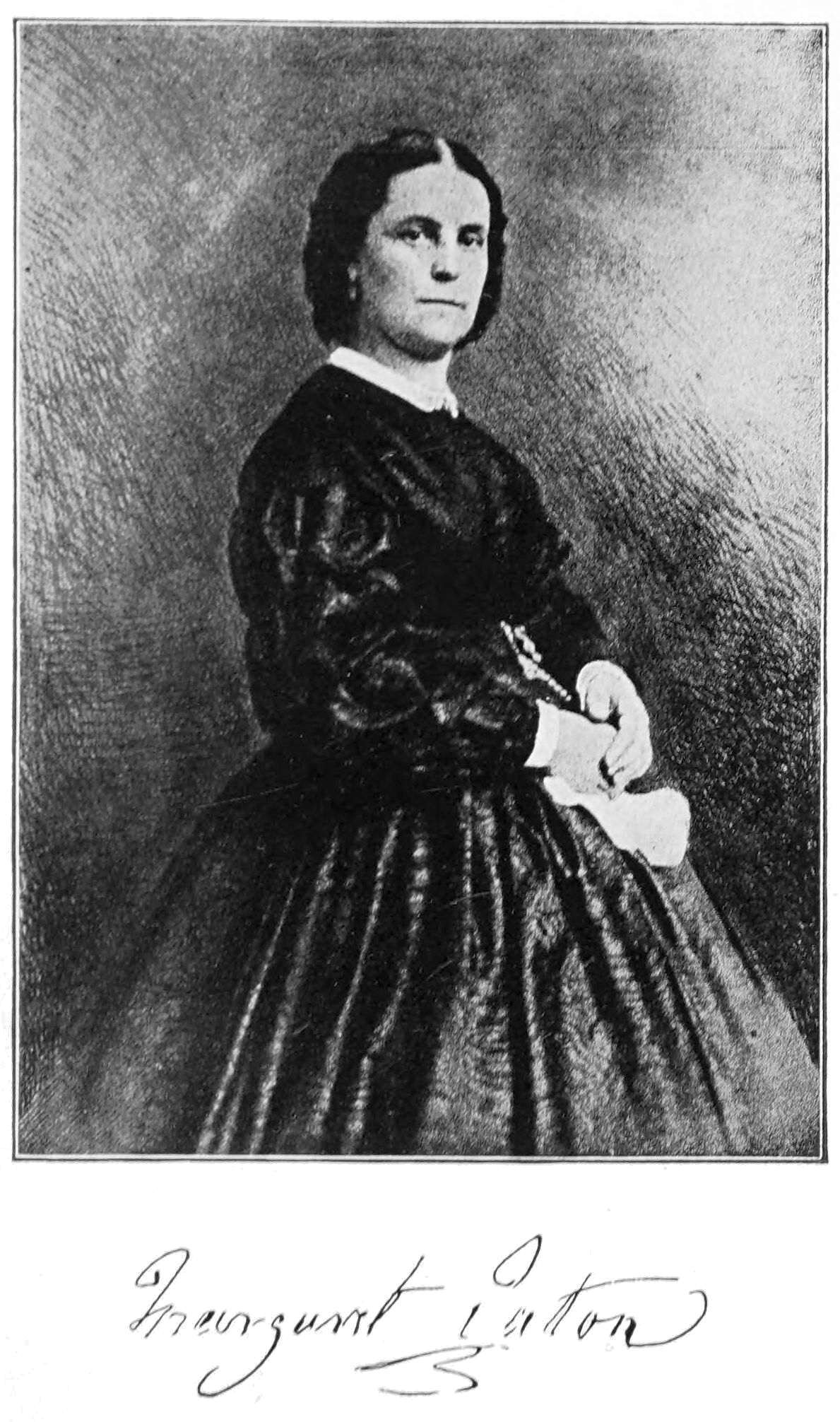
Eaton, Mrs. J. H., [Peggy O’Neal], wrecks Cabinet, 116, 123-25, 130;
character, appearance, 117;
relations with Eaton, marriage, 118;
Jackson’s investigation and championship, 119, 120;
snubbing and championing, political effect, 119-22;
later career, 132;
as graft go-between, 376.
Edwards, Ninian, and Crawford, 107, 108.
Election of 1824, rival Cabinet candidates, 107-10.
Election of 1828, significance, 31, 34, 81;
Washington and, 31, 35;
vilification, 32-34;
Adams’s Administration and defeat, 35, 36;
Eaton as Jackson’s manager, 58;
newspapers in, 81;
Calhoun’s attitude, 91;
Lewis’s services, 153.
Election of 1832, quick returns, 2;
elimination of Calhoun, 110, 111, 115;
Jackson’s candidacy, 164, 172;
Clay’s nomination, his search for an issue, 175, 177, 226;
his platform, 176;
and Senate’s rejection of Van Buren, 181, 182;
union of elements of Opposition, 184;
failure of tariff as issue, 188, 195;
Clay’s land policy as issue, 196, 199, 200;
Bank as issue, 207, 209, 212-14, 217, 219, 223, 225, 226, 244, 248;
as democratic campaign, 227;
newspapers in, 228;
Kendall’s review of Jackson’s Administration, 228-30;
Nullifiers’ support of Clay, 230-33;
Anti-Masons and Clay, 234-37;
Jacksonians denounce Anti-Masons, 237, 238;
Bank propaganda, 238-40;
canards on Jackson, 240, 241;
Whig cartoons, 241;
Kitchen Cabinet and organization and publicity, 242-45;
meetings and parades, 245, 246;
personalities, 246;
candidates during campaign, 249, 250;
Democratic confidence, 250, 251;
result, 251;
and Nullification, 252.
Election of 1834, Bank and spring elections, 354-57;
Whig Party, 357;
Whig purpose and methods, 358;
Democratic purpose, 361;
verdict on Bank of fall elections, 361-65;
riots in Philadelphia, 363.
Election of 1836, Van Buren as heir apparent, 423;
White as anti-Van Buren prospect, 424;
Whigs and White’s candidacy, 424, 425;
Democratic efforts to suppress White, 426;
Blair’s denunciations of White and Bell, 428, 429;
Democratic Convention, Tennessee and, 429;
Democratic vice-presidential nomination, 430, 431;
Clay and candidacy, 431;
Whig candidates, 432, 433;
Whig hope in election by House, 432;
Whig vice-presidential candidates, 433;
slavery issue as anti-Van Buren weapon, 435, 436, 444, 446-48, 452;
Crockett’s biography of Van Buren, 436-38;
Adams on candidates, 438, 450;
Van Buren’s campaign attitude, 438;
Jackson’s activity, White’s attack on it, 448, 452, 453;
lack of issues, 449, 451;
basis of White’s candidacy, 449;
campaign methods, 451;
queries to candidates, 451, 452;
Clay and campaign, 452;
results, comparison with 1832, 454-56.
Everett, Edward, as Opposition leader, 177;
tariff conference, 185, 186;
and Jackson at Harvard, 289;
report on Bank, 349;
and French crisis, 399, 401.
Ewing, Thomas, as anti-Jackson leader, 176;
and rejection of Van Buren, 180;
and instructions to expunge censure, 442.
Fairfield, John, on Whitney affair, 459.
Farewell Address, purpose, character, 472.
Fashions, at Washington, 20.
Federalists, Webster as, 94, 95;
Taney as, 137.
Ferdinand of Spain, and Florida Treaty, 389.
Fiske, John, on Jackson’s foreign policy, 421.
Florida, Purchase Treaty, Forsyth’s credit, 389.
See also Seminole campaign.
Floyd, John, overtures to Clay, 231;
South Carolina’s electoral vote, 251;
and Nullification, 261.
Foote, H. S., on Kendall, 374.
Force, Peter, in campaign of 1828, 32.
Force Bill, presentation, 269;
debate in Senate, 270-72;
Calhoun’s speech, 274;
Webster’s speech, 275;
passage, 282.
Foreign relations, Jackson’s selection of ministers, 50;
Globe as official organ, 168, 169;
Van Buren as Minister to England, 177;
accomplishments under Jackson, 229;
character of Jackson’s advisers, 389;
Oregon boundary, 390, 480;
results of Jackson’s policy, 421.
See also French Spoliation Claims.
Forsyth, John, and Webster-Hayne debate, 93;
and Jackson-Calhoun break, 104-06;
as Jacksonian leader, 176;
and rejection of Van Buren, 180;
and Bank, 211 n.;
and Nullification, 269, 271;
and compromise tariff, 282;
and Attorney-Generalship, 310;
on distress petitions, 315, 327, 329;
and call for Cabinet paper, 323;
in censure debate, 332;
and Webster’s recharter measure, 335;
and Jackson’s Protest, 341, 342;
on naming Whig Party, 357;
selection as Secretary of State, 359;
character, 386-89;
as diplomatist, 389, 390;
and French crisis, 392, 398, 405, 420;
and Fortifications Bill, 404, 411;
and slavery issue, 435;
and Georgia’s vote (1836), 455.
Forsyth, Mrs. John, as social leader, 23;
and F. S. Key, 25.
Fortifications Bill, failure (1835), responsibility, 402-05, 413;
Adams’s castigation of Senate, 414-20.
Foster, J. W., on Jackson’s foreign policy, 422.
Four-year-tenure law, proposed repeal, 384.
Fox, H. S., as social leader, 27.
France. See French Spoliation Claims.
Frankfort Argus, under Kendall and Blair, 146-48, 163;
Blair’s attack on Nullification, 160.
Frelinghuysen, Theodore, in censure debate, 332;
on Jackson’s Protest, 340;
defeat, 362.
French Spoliation Claims, Jackson’s treaty, 229, 386;
failure to appropriate payments, 386, 391;
dilemma of French Government, 390, 391;
need of strong public stand, 391, 397;
annual message (1834) on, 392, 393;
Whig attitude, 393, 395, 396, 420, 422;
message and Whig opposition in France, 394, 405, 411;
French protest on message, 395;
Senate and message, adverse report, 396, 397;
Livingston’s reply to French protest, 398;
imminence of war, 398, 399, 409, 410;
House discussion, Adams’s attitude, 399-402;
failure of Fortifications Bill, responsibility, 402-05, 410-19;
explanation demanded of France, 405;
French demand for apology, 405, 408;
Livingston leaves, 406;
his ovation at home, 407;
personal phase of crisis, 406, 407, 409;
Jackson and demand for apology, 408;
message on crisis, 409-11;
British mediation, French backdown, 420, 421.
Fuller’s Hotel, 3.
Gadsby, John, as hotel keeper, 3.
Gales, Joseph, in campaign of 1828, 32;
printer to the House, 277.
See also National Intelligencer.
Gallatin, Albert, West Indian trade negotiations, 178;
warning to Bank, 318, 360.
Gambling, in Washington, 18.
Gardner, J. B., rejection by Senate, 82.
Garrison, W. L., mobbed, 434.
Georgetown, as residence section, 5, 7.
Georgia, and Nullification, 388;
vote in 1836, 455.
Globe. See Washington Globe.
Gossip, in Washington society, 25.
Granger, Francis, vice-presidential candidacy, 433.
Great Britain, character of Jackson’s Minister to, 50, 177;
West Indian trade negotiations, 178;
Oregon controversy, 390, 480.
Green, Duff, and spoils system, 65, 68;
and Calhoun’s presidential aspirations, 85, 91;
and Webster-Hayne debate, 97;
and Jackson-Calhoun break, 113, 114, 159;
and Mrs. Eaton, 130;
paper as Jackson’s organ, 159;
and Blair, 164;
and loan from Bank, 207;
support of Clay, 231, 232;
printer to Senate, 277;
and Force Bill, 284;
and Bell, 429;
in campaign of 1836, 451.
See also United States Telegraph.
Green, Nathaniel, pre-inaugural conferences, 39.
Grundy, Felix, on Barry, 372;
and Webster-Hayne debate, 93;
and White, 128, 426;
as Jacksonian leader, 176;
and tariff, 195;
and Force Bill, 271, 272;
in debate on censure, 332;
and Webster’s recharter measure, 335;
and Abolitionist mail, 445.
Hamilton, Alexander, Jr., and Bank, 204, 318, 360.
Hamilton, James, and Ingham, 43;
and Nullification, 253;
Calhoun’s Nullification letter, 254.
Hamilton, James A., as Van Buren’s Washington agent, 41;
and Jackson-Calhoun break, 104, 105, 114;
and McLane, 125;
political importance, 201;
and Jackson’s first message, 201, 202;
and Bank investigation, 215;
and Bank veto, 217, 218;
and Nullification, 256, 257, 263;
and removal of deposits, 290, 291, 306;
and spring elections (1834), 354;
and French crisis, 398.
Hamilton, Mrs. Philip, and Jackson, 478.
Hamilton, Thomas, on Washington, 2, 4, 5;
on Supreme Court, 10 n.;
on slavery, 11;
lionized, 14;
on Capital’s social charm, 19.
Hardin, Benjamin, and Spoliation Claims, 402;
Randolph on, 402.
Harper, William, and Nullification, 253, 388.
Harris, Thomas, removes bullet from Jackson, 246.
Harrison, Benjamin, as lawyer, 54.
Harrison, W. H., cause of final illness, 14 n.;
recall,74;
presidential candidacy, Clay’s attitude, 432, 433, 452;
and slavery issue, 436;
Adams on, 438;
electoral vote, 454.
Hartford Convention, Webster’s attitude, 95.
Hawes, A. G., Johnson incident, 373.
Hayne, R. Y., and Ingham, 43;
Webster debate as political, 92, 93, 98;
Union issue, 93, 97, 99, 103;
political career and character, 96;
speech, effect, 96, 97;
Webster’s reply, 98;
and Jackson’s Union toast, 102;
as anti-Jackson leader, 176;
and rejection of Van Buren, 180;
and tariff, 187, 194;
and Nullification Proclamation, 265;
and arming of Nullifiers, 268;
urges caution, 277;
and rescission of Nullification, 284.
Health, conditions at Washington, 29.
Hendricks, William, and Bank, 211 n.
Hermitage, Jackson’s journeys to and from, 250, 252, 358, 360, 361, 452, 453, 480.
Hill, Isaac, in campaign of 1828, vilification, 32, 33, 157;
pre-inaugural conferences, 38, 39;
and spoils system, 66, 71, 73;
rejection by Senate, 82, 83;
protests on rejection, 86, 87;
becomes Senator, 87, 129;
on Webster, 95;
political career and character, as editor, 155-58;
appearance, 158;
rôle in Kitchen Cabinet, 169;
and tariff, 195;
Mason episode, 202;
campaign methods, 242, 245, 248;
campaign bets, 251;
in New England tour, 289;
and petitions on Bank, 329;
and Webster’s recharter measure, 335;
and vice-presidential candidates (1835), 431;
on Calhoun and sectionalism, 444.
See also Kitchen Cabinet.
Holland, W. M., biography of Van Buren, 438.
Holmes, John, and rejection of Van Buren, 180 n.;
campaign abuse, 248.
Hone, Philip, on campaign of 1832, 251;
on Nullification Proclamation, 263;
on Jackson in New York, 289 n.;
on Bank and depression, 311, 312, 352;
and distress meeting, 316;
on campaign (1834), 362, 365;
final judgment on Biddle, 368;
on French crisis, 393, 405, 407, 409;
on Van Buren during campaign, 438;
on campaign, 450.
Hopkinson, Joseph, and Bank, Blair’s accusation, 347.
Horse-racing, at Washington, 18.
Hotels, in Washington, 3.
House of Representatives, chamber, 9.
See also Congress.
Houston, Sam, attack on Congressman, 241.
Hughes, ——, opera in Washington, 28 n.
Hugo, Victor, on Livingston Code, 135.
Huygens, Madame, and Mrs. Eaton, 122.
Ice cream, as social novelty, 26.
Inauguration, of Jackson, character of crowd, 36, 47;
his arrival and reception, 37;
his attitude and conferences, 38-40;
selection of Cabinet 40-45;
Adams and, 45, 48;
ceremony, 46;
reception at White House 47;
Jackson’s second, 287;
Van Buren’s, 479.
Indian Queen, as hotel, 3.
Industry, prosperity, 229.
Ingersoll, C. J., and Bank recharter, 215, 218.
Ingham, S. D., selection as Secretary of the Treasury, 42;
political career and character, 57;
and office-seekers, 69;
and Mrs. Eaton controversy, resignation, 123, 126;
and Bank and Calhoun, 125;
flight from Eaton, 131, 132;
and Mason episode, 203;
Calhoun’s tribute, 275.
Ingham, Mrs. S. D., and Mrs. Eaton, 120, 123.
Internal improvements, Jackson’s vetoes, 171;
Clay’s platform, 176.
Irving, Washington, in Washington, 15.
Jackson, Andrew, and Booth’s acting, 16;
and horse-racing, 18;
and cock-fighting, 18;
election as revolution, 31, 34, 81;
vilified in 1828, and attacks on wife, 32-34;
arrival at Washington, 37;
pre-inaugural attitude and conferences, 38-40;
selection of first Cabinet, 40-45, 49;
and Adams, later overtures, 45, 189;
inauguration, reception at White House, 46-48;
first disaffections, 48, 50;
and McLean and proscriptions, 49;
and Tazewell and English mission, 50;
Clay’s personal opposition, 50-53;
and Eaton, 58;
and origin of spoils system, attitude of advisers, 64, 67-69, 480;
and crystallization of parties, 65, 67;
clamor of office-seekers, 66, 69, 70;
dismissals under, 70-76;
and recall of Harrison, 74;
Tyler’s hostility, 78-80;
and press, 81;
and rejections by Senate, 86;
political effect of break with Calhoun, 88, 110, 111, 115;
and Webster-Hayne debate, 93, 97, 99, 100;
Jefferson’s Birthday dinner, Union toast, 100-03;
Calhoun and Seminole campaign, break with Calhoun, 103-06, 110-15;
and Crawford, 107, 109;
and Eaton’s marriage, 118;
and Mrs. Eaton, 119-21;
resignation of Cabinet, 123-27;
construction of new Cabinet, 127-30;
and Eaton-Ingham letters, 132;
first contact with Livingston, 134;
Taney’s support (1824), 139;
character of Kitchen Cabinet, 144;
relations with Lewis, 151-54;
establishment of organ, 158-61;
and Duff Green, 160;
and Blair, 162, 166, 478, 480;
candidacy for reëlection, 164, 172;
and Globe finances, 165 n.;
services of Kitchen Cabinet, 169;
evidences of leadership, 171;
tariff views, 171, 185;
opponents and supporters in Congress (1832), 176, 177;
union of elements of Opposition, 184;
and tariff as issue, 188, 195;
and land policy, 196;
Bank in first message, reason for attack, 201-04;
attitude on Bank (1831), Biddle’s overtures, 204-08;
and Bank as issue, 209;
and compromise recharter, 212, 215;
and Bank investigation, 215;
Bank veto, 217-22, 244;
and Supreme Court, 220;
Kendall’s campaign review of Administration, 228-30;
and Anti-Masons, 237;
retirement and health canards, 240, 241;
and Houston’s attack, 241;
campaign abuse (1832), 246;
and cholera, 247;
during campaign, confidence, 249-51;
reëlection, 251;
and expected Nullification, 252;
and Unionist dinner, 254;
Poinsett as agent in South Carolina, 255;
preparation to combat Nullification, 255;
desire for peaceful settlement, 256-58, 268;
annual message (1832), 257;
Nullification Proclamation, 257-60;
intention to punish Nullifiers, 259, 269, 273, 277-79;
and Virginia’s attitude, 262;
and Van Buren’s attitude, 263, 264;
and tariff bill (1833), 267;
message on Nullification, 268;
and Webster’s attitude, overtures, 274-77, 288, 332;
and compromise tariff, 279, 280, 281;
Nullification and union of opponents, 285;
second inauguration, address, 287;
second reorganization of Cabinet, 287, 288;
New England tour, 288-90;
origin of plan to remove deposits, 289-92;
and Duane’s attitude on deposits, 295;
and delay in removal, 297;
and divided counsel on removal, 299;
and Van Buren’s attitude, 299-301;
and Taney’s advocacy, 301;
determines on removal, 302;
Cabinet paper on reasons for removal, 303-05;
and attitude
of Cabinet, 306, 309;
dismissal of Duane, third reorganization of Cabinet, 307-09;
and Bank’s curtailments, 313, 361;
and distress petitions, 316;
character of papers on Bank, 322;
and Senate’s call for Cabinet paper, 323;
censure by Senate, 325, 330-32, 337;
Protest, 338, 339;
Senate’s refusal to receive Protest, 339-42;
and Binney, 347;
fourth reorganization of Cabinet, 358, 359;
character of Bank fight, 367;
expunging of censure, 368-71, 441-43, 461-71;
and Post-Office reorganization, 372;
attempt to assassinate, conspiracy charge, Poindexter, 376-79, 382;
relations with Poindexter, 380, 381;
and extinguishment of debt, 385;
French Spoliation Claims treaty, 386;
and failure to pay claims, 386, 391, 392;
and foreign affairs advisers, 389;
and Oregon, 390;
annual message on failure to pay French claims, 392, 393;
and French protest on message, 398;
Adams’s tributes, 400, 417;
and Fortifications Bill, 404;
and Cora Livingston, 406;
and Mme. Pageot, 407;
and French demand for apology, 408;
special message on French crisis, 409-11;
and British mediation, 420;
and French backdown, 421;
results of foreign policy, 421;
and Van Buren as successor, 423;
White’s drift from, 424;
and White’s candidacy, 426;
and Abolitionists, 435, 445;
and memorial to Marshall, 440;
White’s attack on campaign activity, 448, 453;
campaigning in Tennessee, 453;
illness, 457;
and Whitney, 458;
dinner to celebrate expunging, 471;
triumphs, 471;
and future dangers, Farewell Address, 472, 473;
farewell reception, 473;
appearance, 473;
health, 474;
social attitude, 474;
life at White House, 475-77;
work routine, 477;
and society of women, 478;
at Van Buren’s inauguration, acclaimed, 479;
last day at Washington, 479;
final conference, advice, hatred of Clay and Calhoun, 480;
departure, 480.
See also Election (1828, 1832).
Jackson, Mrs. Andrew, campaign attacks on, 32, 83.
Jackson, Sarah Y., and Jackson, 476.
James, G. P. R., on Tyler, 80.
Jefferson, Thomas, and Crawford, 109;
on Livingston Code, 135.
Jefferson’s Birthday, dinner (1830);
Nullifiers’ purpose, Jackson’s Union toast, 100-03.
Johnson, R. M., on Cabinet crisis over Mrs. Eaton, 123;
and Kendall, 146;
and overtures to Adams, 189;
vice-presidential nomination, 431.
Johnson, W. C., Barry incident, 373.
Johnston, J. S., and Nullification, 279.
Kane, E. K., and Bank, 211 n.
Kemble, Fanny, in Washington, 16;
Story’s verses, 17 n.
Kendall, Amos, pre-inaugural conferences, 39;
on Barry, 62;
and spoils system, 68, 73;
Senate and appointment, 84;
and Van Buren and Calhoun, 85;
and rejection of Hill, 87;
career and character, as editor, 144-48, 374;
and Clay, 145, 146, 148;
in campaign of 1828, 148;
as office-seeker, 148;
rôle in Kitchen Cabinet, 149-51;
and coming of Blair, 161;
value of services, 169;
political use of rejection of Van Buren, 182;
and tariff issue, 188;
and Clay’s land policy, 200;
hostility to Bank, 203, 204, 218;
and Bank veto, 219, 221;
campaign review of Administration, 228-30;
campaign methods, 242, 243;
and removal of deposits, 291-93;
and recess removal, 294;
and Duane’s attitude, 294, 295;
sounding of State banks, 296, 297, 302;
and Cabinet paper on deposits, 305;
on Duane, 308 n.;
and Jackson’s Protest, 339;
wisdom in Bank controversy, 366;
Postmaster-General, reforms, 374-76;
and exclusion of Abolitionist mail, 435;
and Whitney affair, 461.
See also Kitchen Cabinet.
Kent, James, and suffrage, 54;
on Livingston Code, 135;
in campaign of 1832, 236.
Kentucky, Eaton and campaign of 1828, 58;
“Courts” contest, 163.
Key, F. S., and Mrs. Forsyth, 25;
and Berrien, 129;
on disruption of Cabinet, 130.
Kinchy, ——, and ice cream, 26.
King, J. P., patronage inquiry, 383, 384.
King, W. R. and land report, 198;
and Force Bill. 272;
and expunging censure, 369, 370;
Poindexter investigation, 382;
and Fortifications Bill, 403;
on politics in Abolitionist affairs, 445, 446.
Kitchen Cabinet, importance, 144, 169;
character and rôle of members: Kendall, 144-51;
Lewis, 151-55;
Hill, 155-58;
Blair, 161-69;
and establishment of organ, 160, 161;
campaign methods, 227;
in campaign of 1832, 242-45;
and removal of deposits, 293;
and deposits excitement, 330, 350;
and expunging censure, 369;
Forsyth’s attitude, 389;
and French crisis, 422;
and Whitney, 458.
See also members by name.
Krudener, Baron de, and Mrs. Eaton, 122.
Lafayette, Marquis de, and Spoliation Claims, 391.
Latrobe, B. H., Van Ness house, 8;
Senate Chamber, 9.
Lawrence, C. W., mayoral election, 355.
Leavenworth, Henry, on Isaac Hill, 86.
Lee, Henry, rejection by Senate, character, 82.
Lee, R. E., marriage, 8.
Leigh, B. W., Virginia commissioner to Nullifiers, 284;
as leader of Opposition, 285;
Bank leader, 319;
political character, 321;
and Webster’s recharter measure, 334;
on Jackson’s Protest, 340, 341;
protested reëlection to Senate, 363, 364;
and French crisis, 397 n.;
and Fortifications Bill, 412;
and instructions to expunge censure, 441, 442;
and Abolitionist petitions, 444 n.;
and Abolitionist mail, 445.
Letcher, R. P., and compromise tariff, 278-80, 282;
and White, 425.
Lewis, Delia, marriage, and Jackson, 407.
Lewis, W. B., and spoils system, 68;
and Jackson-Calhoun break, 103-05;
character, rôle in Kitchen Cabinet, 151-55, 169;
in election of 1828, 153;
and Biddle, 155;
and coming of Blair, 162;
and Jackson’s candidacy for reëlection, 172;
and Bank, 205, 218;
on McLane’s Bank report, 209;
and Bank veto, 219;
campaign methods, 242, 244;
and Nullification, 275;
and removal of deposits, 305, 306;
attempt to exclude from floor of House, 324;
and spring elections (1834), 354;
and French crisis, 398;
and McLean’s candidacy, 423;
and vice-presidential candidates (1835), 431.
See also Kitchen Cabinet.
Lexington, Ky., greeting of Jackson, 246.
Lexington Observer, on Bank veto, 221.
Linn, L. F., and expunging censure, 465, 470.
Livingston, Cora, as belle, 23, 406;
marriage, and Jackson, 406, 478.
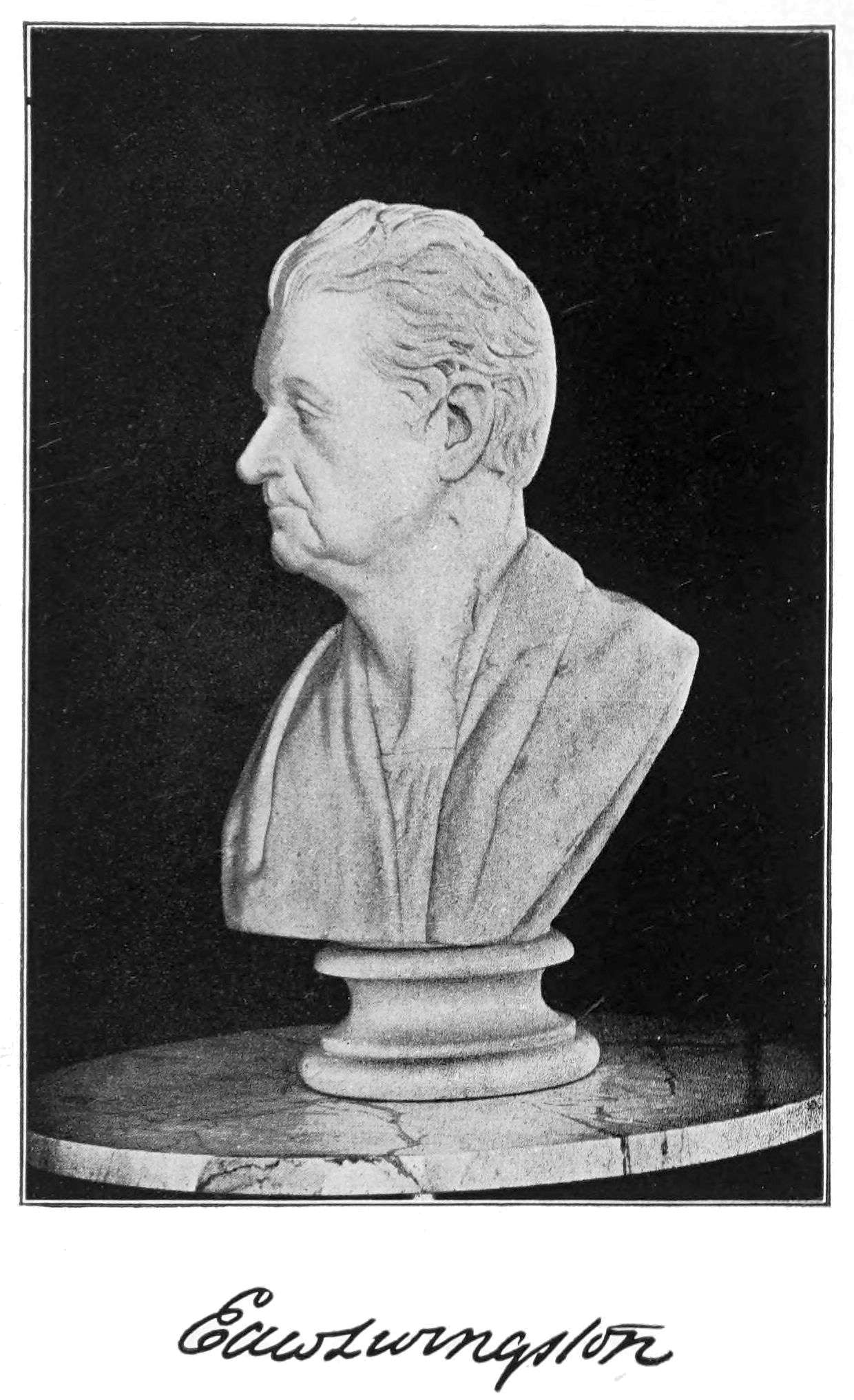
Livingston, Edward, and Webster-Hayne debate, 93, 99;
Crawford investigation, 108;
selection as Secretary of State, 127;
and Berrien, 129;
career and character, 133-36;
Code, 135;
Clay and confirmation, 182;
and Bank issue, 207, 212, 215, 216;
and Bank veto, 219;
and Anti-Masons, 237;
Nullification Proclamation, 257-60;
and Webster’s attitude on Nullification, 274;
French mission, 287;
and removal of deposits, 293;
and Spoliation Claims, 386, 390, 391, 394, 395, 398;
leaves France, 406;
ovation on return, 407;
and message on crisis, 409.
Livingston, Mrs. Edward, as social leader, 22;
and Jackson, 478.
Livingston Code, 135.
Locofocos, and Van Buren, 452.
Lodge, H. C., on Webster-Hayne debate, 97;
on Webster and Jackson, 277.
Louis Philippe, and Spoliation Claims, 390, 391.
Louisiana, Bank and election (1834), 356.
McDuffie, George, and Ingham, 43;
as Opposition leader, 177, 285;
career and character, 191-93;
tariff report and speech, 189, 193;
and Bank issue, 211;
Bank recharter bill, 214, 215;
and Nullification, 253;
and Nullification Proclamation, 265;
public harangues on deposits, 330;
and deposits question in House, 343-45, 348.
McLane, Louis, and Treasury portfolio (1829), 42, 43;
on Branch, 44;
English mission, 50;
and Attorney-Generalship, 125;
selection as Secretary of the Treasury, 127, 128;
West Indian trade negotiations, 178;
tariff report, 189, 193;
public lands report, 196;
Bank report, 208, 210;
and Bank issue, 207, 209, 210, 212, 216;
transfer to State portfolio, 287;
and removal of deposits,
question of resignation, 290 n., 292, 293, 296, 297, 300, 303, 305, 309;
resigns, 359.
McLane, Mrs. Louis, as social leader, 23;
and Mrs. Eaton, 131;
and Jackson, 478.
McLean, John, treachery to Adams, 35;
selection as Postmaster-General, 44;
and proscriptions, transfer to Supreme Court, 49;
and presidential candidacy, 423, 432.
Macomb, Alexander, and Kendall, 148.
Madison, James, on Livingston Code, 135;
and tariff, 188.
Maine, H. J. S., on Livingston Code, 135.
Mangum, W. P., and Bank, 211 n.;
and Force Bill, 271;
Poindexter investigation, 382;
and French crisis, 396;
electoral vote for, 433, 454.
March, C. W., on Webster-Hayne debate, 97.
Marcy, W. L., and tariff, 195;
and Bank, 318.
Marryat, Frederick, on Washington, 6;
on Capital’s social charm, 19.
Marshall, John, and Fanny Kemble, 16;
and Mrs. Livingston, 22;
on Berrien, 60;
on Livingston Code, 135;
and tariff, 188;
and Nullification Proclamation, 260;
and Taney, 440;
Jackson and memorial, 440.
Martineau, Harriet, on Washington, 2;
on the avenues, 6;
on Senate, 9;
lionized, 13;
on Washington life, 20;
on statesmen in society, 24;
on Kendall, 150;
and assassination conspiracy, 379.
Mason, Jeremiah, Hill episode, 202.
Massachusetts, in election of 1836, 433, 454.
Mechanics’ Free Press, in campaign of 1832, 248.
“Messes” at Washington, 12.
Mexico, relations with, 229.
Michigan, Cass’s services, 141.
“Millennium of the minnows,” 51, 130.
Mississippi, election (1834), 364.
Monroe, James, and Wirt and Jackson, 38;
and Jackson’s Florida operations, 78.
Moore, Gabriel, and Abolitionist petitions, 444 n.
National Bank, Jacksonian hostility, first message on, 171, 201-04;
Hill-Mason episode, 202;
attitude of Administration on, as issue (1831), 204-09;
and warnings, overtures to Jackson, 204;
Clay forces recharter as issue, 207, 209;
subsidized press, 207, 228;
Administration and McLane favorable report, 208, 210;
problem of application for recharter, 209-12;
Whig leaders force application, 212-14;
recharter in Congress, 214, 215;
congressional investigation, results, 215, 216;
veto expected, 217;
Cabinet and veto, 217;
preparation of veto message, 218;
veto message as campaign appeal, its character, 219-21, 244;
its reception, 221;
excitement over question, 222;
veto before Congress, speeches, 222-26;
propaganda in campaign of 1832, 238-40;
Democratic campaign literature on, 243, 244, 248.
See also Removal of deposits.
National Gazette, “Vindex” articles, 347;
and French crisis, 396;
on Fortifications Bill, 411.
National Intelligencer, in campaign of 1828, 32;
and Jackson retirement canard, 240;
and removal of deposits, 298;
and French crisis, 394, 395, 397, 411;
on Fortifications Bill, 414.
National Journal, in campaign of 1828, 32;
as Adams organ, 159.
National Republican Party. See Whig Party.
National Telegraph. See United States Telegraph.
Navy Department. See Branch, John; Dickerson, Mahlon; Woodbury, Levi.
Negro colonization, use of public lands proceeds, 198, 199.
Nesselrode, Count, and Globe, 168.
New England, Jackson’s tour, 288-90.
New Hampshire Patriot, under Hill, 157;
in campaign of 1832, 243, 248, 249.
See also Hill, Isaac.
New Jersey, and Van Buren, 182;
election (1834), 361.
New York, Anti-Masons in, 234;
coalition electoral ticket (1832), 236;
and Nullification, 263, 264;
election (1834), 361, 362;
and Democratic vice-presidential nomination (1835), 430, 431.
New York City, Jackson parade, 245;
Jackson in, 289;
Bank meeting, 316;
Bank harangues, 330;
Bank question in municipal election (1834), 354-56;
and French crisis, 407.
New York Courier and Enquirer, Van Buren organ, and Jackson’s reëlection, 172;
attack on Bank, 203;
goes over to Bank, 208, 228;
and French crisis, 394.
See also Webb, J. W.
New York Evening Post, and Bank, 239.
Newspapers, Washington correspondents, 16;
Senate’s rejection of nomination
of editors, 80;
Jackson and power, 81;
in campaign of 1828, 81;
establishment of Jackson organ, Globe, 158-61;
in Bank controversy, 207;
in campaign of 1832, 228, 242;
Bank controlled, 305;
in campaign of 1836, 451.
Nicholas, R. C., and Abolitionist petitions, 444 n.
Niles, J. M., and expunging censure, 464.
Niles’ Register, on Bank and depression, 312, 341;
on Whigs, 357.
Noah, M. M., pre-inaugural conferences, 39;
rejection by Senate, career, 82;
reappointment, confirmation, 86;
and attack on Bank, 203.
Nullification, and Webster-Hayne debate, 97-99;
Jefferson’s Birthday dinner, Jackson’s Union toast, 100-03;
and reorganized Cabinet, 130;
Nullifiers and support of Clay (1832), 231-33;
denounced by Jacksonians, 233;
Jackson and anticipated, 252;
growth of South Carolina sentiment, 253;
Calhoun’s Exposition, 253;
Calhoun’s letter to Hamilton, 254;
Unionists, Poinsett as Jackson’s agent, 254, 255;
Jackson’s preparation to combat, 255;
Jackson’s desire for peaceful settlement, 256-58, 68;
annual message on, 257;
preparation of Jackson’s Proclamation, 257-59;
his intention to punish, 259, 269, 273, 277, 279;
character of Proclamation, 260, 263;
Webster’s attitude and speech, 260, 273-77;
Clay’s political play, 261, 264, 270, 280;
attitude of Virginia, Clay’s intrigue, Cass’s letter, 261-63;
Virginia commissioner to South Carolina, 262, 284;
Van Buren and attitude of New York, 263, 264;
South Carolina and Proclamation, 265;
Calhoun’s journey to Washington and senatorial oath, 266, 267;
Administration’s tariff bill, 267;
armed preparations, 268;
Jackson’s special message, reception, 268, 269;
Force Bill, 269;
Calhoun’s resolutions, 269;
debate in Senate, 270-72;
Calhoun’s speech, 274;
union of Jackson’s opponents, 277, 285;
origin of compromise tariff, 277-81;
compromise bill, Clayton’s amendments, 281-84;
passage of Force Bill, 282;
Ordinance rescinded, 284;
and origin of Whigs, 285;
Georgia and, 388.
Octagon House, 8 n.
Offices. See Civil service.
Ohio, in election of 1836, 431.
O’Neal, Margaret. See Eaton, Mrs. J. H.
Opera, in Washington, 28.
Oregon, Jackson’s attitude, 390, 480.
Otis, H. G., on Clay’s tariff speech, 188;
denounces Abolitionists, 434.
Pageot, Alphonse, American marriage and Spoliation Claims, 398, 407, 409.
Parton, James, on Barry, 62.
Patent Office, visitors and, 8.
Patronage. See Civil service.
Penn, Shadrach, attacks on, 147.
Pennsylvania, tariff and election of 1832, 185, 188;
and Bank as issue, 209;
election of 1834, 361.
Peyton, Balie, Whitney affair, 459;
and expunging censure, 470.
Philadelphia, Jackson in, 289;
Bank harangues, 330;
election riots, 363;
and French crisis, 407.
Philadelphia Standard, and Bank, 239.
Pinckney, William, peculation, dismissal, 75 n.
Pittsburgh Statesman, in campaign of 1832, 247.
Pleasants, J. H., and Nullifiers and Clay, 232, 262.
Poindexter, George, on Blair, 164;
and Bank, 211 n., 217;
and Force Bill, 272, 276;
as leader of Opposition, 285;
public harangues on deposits, 330;
on Jackson’s Protest, 339;
defeat, 365;
and assassination conspiracy, 378, 379, 382;
career and character, relations with Jackson, 379-82;
on evils of patronage, 384.
Poinsett, J. R., and opposition to Nullification, 254, 255, 268, 269;
later career, 285, 473.
Political parties, beginning of basis in policies, 64, 65, 67.
Polk, J. K., and White, 128;
as Jacksonian leader, 177;
and Bank, 232;
in debate on deposits, 344, 345;
report on deposits, 348;
and White’s candidacy, 426;
Speakership contests, 429, 439.
Poore, B. P., on Washington morals, 19;
on Berrien, 60;
on Mrs. Eaton, 117;
on McDuffie, 192;
on Jackson and Calhoun, 279.
Porter, Alexander, and Abolitionist petitions, 444 n.
Porter, P. B., and defeat (1828), 35.
Post-Office Department, head made Cabinet officer, 44;
corruption, investigation,
reorganization, 183, 369, 371-74;
Kendall’s reforms, 374-76;
exclusion of Abolitionist mail, 435, 445.
See also Barry, W. T.
Pozzo di Borgo, Count, and Spoliation Claims, 390.
Prentice, G. D., and Shadrach Penn, 147.
Prentiss, Samuel, as orator, 173;
appearance, 321.
Preston, W. C., and Harriet Martineau, 14;
and Nullification, 253;
on Nullification Proclamation, 265;
as leader of Opposition, 285;
Bank leader, 319;
character, 320;
public harangues on deposits, 330;
speech on censure, 332;
confidence in Bank’s victory, 332;
and Post-Office corruption, 369;
and expunging censure, 370, 463, 464;
and pictures for White House, 385;
and French crisis, 397 n.;
and Fortifications Bill, 412;
and Abolitionist petitions, 444 n.;
and Abolitionist mail, 445.
Public debt, and tariff bill (1832), 185-87;
Bank and extinguishment, 304;
celebration of extinguishment, 384.
Public lands, Benton’s gradation policy, 196;
Clay’s attitude, effect in West, 196;
Administration’s distribution policy, 197;
Clay’s report, 197;
recommittal, Benton’s report, 198;
pocket veto of Clay’s bill, 286.
Quincy, Josiah, and Cora Livingston, 23, 406;
on Calhoun, 91;
on McDuffie, 192.
Rance, M., and Spoliation Claims, 406.
Randolph, John, “mess,” 12;
and Mrs. Livingston, 22;
defeat by Tyler, 78, 79;
Crawford investigation, 108;
on Hardin, 402.
Red Fox, nickname for Van Buren, 40.
Removal of deposits, origin of plan, 289-92;
Bank’s relations with Opposition, 291, 324;
attitude of Van Buren and Cabinet, 292, 295, 299-301, 303, 305, 309;
political basis of removal, 292, 294;
question of recess removal, 293, 297;
Duane’s attitude, 295, 303;
Kendall’s sounding of State banks, 296-98, 302;
warnings to and by Bank, 297, 298;
Taney as advocate of removal, 301, 306;
determined upon, 302;
Cabinet paper on reasons, 303-05;
Bank and extinguishment of public debt, 304;
Biddle’s control of Bank. 305;
Bank’s subsidized press, 305;
removal announced, 306;
Duane’s recalcitrance and dismissal, 306-09;
Bank memorial to Congress, 309;
curtailment and depression to force recharter, 310-15;
distress petitions, Jackson and, 315-17;
business reaction against Bank, 317-19, 329, 341, 352;
controversy in Congress, leaders there, 319-21;
Jackson’s papers as appeal to public, 322;
Senate and depository banks, 322;
Senate and Cabinet paper, 323;
Senate’s rejection of Government Bank directors, 324;
legal basis of opposition to removal, 325;
resolution to censure Jackson, 325;
public interest in senatorial debate, 326;
distress petitions before Congress, 327, 328;
counter-petitions, 328, 329;
political stimulation of excitement, 330, 350;
debate on censure, 330-32;
confidence of Opposition, 332;
Clay’s selfish attitude, 332, 335, 366;
Webster’s compromise recharter measure, 333-35;
Van Buren and Clay’s histrionics, 335-37;
passage of censure, 337;
Jackson’s Protest, 338, 339;
debate on Protest, 339-42;
House measures and debate on removal, 342-49;
attack on Hopkinson’s Bank connection, 347;
House committee to investigate Bank, frustration, 349, 350;
Senate resolution ordering restoration of deposits, 350;
Taney’s special report on finances, publicity, 350-52;
question in spring elections (1834), 354-57;
in fall elections, 358, 361-67;
Whig warnings against further contractions, 360;
mistakes in Whig methods, 366, 367;
revelations through Jackson’s method of attack, 367;
fall of Bank, 368; influence and lesson of battle, 368;
expunging censure, 368-41, 441-43, 461-71.
See also National Bank.
Revenue, proposed reduction and distribution, 383.
Rhode Island, Bank and election (1834), 356.
Richmond Whig, on Jackson and Marshall, 440.
See also Pleasants, J. H.
Rigny, Comte de, and Spoliation Claims, 394.
Ringgold, Tench, on Calhoun and Jackson, 103.
Rip Raps, Jackson at, 296, 299.
Ritchie, Thomas, on Calhoun, 89 n.;
and
Jackson organ, 159;
in campaign of 1832, 240;
and Nullification, 261, 262;
on Duane, 288;
and removal of deposits, 299;
on Whig Party, 358;
in election of 1834, 363, 364;
and vice-presidential candidates (1835), 430;
on Senators and instructions to expunge, 442.
Rives, J. C., and message on French crisis, 392.
Rives, W. C., and Senate, 261;
and Force Bill, 271;
speech on censure, 332;
and vice-presidential nomination, 430, 431;
and expunging censure, 464.
Roads, condition, to Washington, 1.
Robertson, J., peculation, dismissal, 75 n.
Robinson, J. M., and Bank, 211 n.
Rockingham Memorial, 94.
Roenne, Baron von, as social leader, 27.
Rogerson, Asa, peculation, dismissal, 75 n.
Rucker, E., in Democratic Convention, 430.
“Ruckerize,” origin of word, 430.
Rush, Richard, and defeat (1828), 35;
report on public lands, 196.
St. John’s Church, 8.
St. Louis Republican, on Bank and depression, 341.
Sargent, Nathan, on Washington streets, 7;
on McLean and justiceship, 49.
Schaaf, Arthur, on Eaton-Ingham affair, 132.
Scott, Winfield, and Nullification, 255, 273.
Sectionalism, Tyler’s attitude, 78;
Calhoun’s efforts (1836), 443-48.
See also Nullification.
Seminole campaign, criticism of Jackson, 78;
and Jackson-Calhoun break, 103-06, 110-15.
Senate, chamber, women visitors, 9.
See also Congress.
Sergeant, John, and Bank recharter application, 213;
on union against Jackson, 277;
and Webster’s compromise recharter measure, 334;
and House investigation committee, 349.
Serurier, Comte, and Spoliation Claims, recall, 395, 398, 405, 411.
Seward, W. H., and Nullification, 264.
Shepard, E. M., biography of Van Buren, 53.
Slavery, Tyler and territorial, 78.
See also Abolitionists.
Slaves, in Washington, 11.
Smith, Margaret B., on Harriet Martineau in Washington, 14;
on Mrs. Livingston, 22;
on defeat of Adams, 35, 36;
on office-holders and Jackson, 40;
on inauguration of Jackson, 47, 48;
on Webster-Hayne debate, 98;
on Mrs. Eaton, 120, 130.
Smith, Nathan, Poindexter investigation, 382.
Smith, Samuel, and Bank recharter as issue, 211.
Society in Washington and celebrities, 13-15;
strenuousness, 20;
fashions, 20;
brilliance, 21;
leaders, 22-24;
character, statesmen in, 24;
gossip, 25;
gallantry, 25;
evening parties, dancing, 25;
diplomatists as leaders, 27;
assemblies, 28;
other amusements, 28;
on Sunday, 29.
South Carolina, in election of 1832, 251;
of 1836, 454.
See also Nullification.
Southard, S. L., and defeat (1828), 35;
on Jackson’s Protest, 340;
patronage inquiry, 383.
Sparks, W. H., on Poindexter, 380.
Sprague, Peleg, on Jackson’s Protest, 340;
and French crisis, 396.
State Department, museum, 8.
See also Foreign relations; Forsyth, John; Livingston, Edward; McLane, Louis; Van Buren, Martin.
Stevenson, Andrew, and Bank, recharter, 214;
rejection for English mission, 352;
in Baltimore Convention, 430.
Stevenson, Mrs. Andrew, and Mrs. Livingston, 22;
as social leader, 23.
Story, Joseph, and Harriet Martineau, 14;
and Fanny Kemble, verses, 16;
on Mrs. Livingston, 22;
in society, 24;
on isolation of Adams, 46;
on Calhoun, 90 n.;
on Livingston Code, 135;
on Nullification Proclamation, 260;
and legal phase of removal of deposits, 325;
on French crisis, 393.
Streets, condition of Washington, 4, 5, 7.
Suffrage, Van Buren’s attitude, 54;
extension and campaign of 1832, 242.
Sunday, in Washington, 29.
Supreme Court, chamber, aspect, 10;
appointment of McLean, 49;
Jackson’s attitude in Bank veto, 220;
Taney’s appointment, 440.
Surplus revenue, proposed distribution, 383.
Swanton, J. B., peculation, dismissal, 75 n.
Swartwout, Samuel, as office-seeker, 69;
on Bank, 312.
Tallmadge, N. P., and Abolitionist mail bill, 448.
Taney, R. B., selection as Attorney-General, 129;
career and character, 136-40;
and War of 1812, 136;
Abolitionist case, 138;
hostility to Bank, 210, 218;
and Bank veto, 219;
and removal of deposits, 292, 293, 294, 299, 301, 306;
and Cabinet paper on removal, 305;
and dismissal of Duane, 309;
special report on finances, 350;
rejected by Senate as Secretary of the Treasury, 352;
confirmed as Chief Justice, 440;
and Farewell Address, 472.
Tariff, Jackson’s attitude, 171;
Clay’s plan (1832), 185-87;
Clay’s speech, 187;
Tyler’s Southern warning, 188;
McDuffie’s report and speech, 189, 193;
Administration measure, 193;
Adams’s report and bill, 193;
conference bill, 194, 195;
failure as issue, 195;
of 1828 and 1832 and Nullification, 253;
Administration bill (1833), 267;
origin of compromise bill, 277-81;
provisions of compromise, Nullifiers and Clayton’s amendments, 281-84.
Tayloe, B. O., and W. H. Harrison, 14 n.
Tayloe, Mrs. B. O., and Harriet Martineau, 14;
as social leader, 24.
Tayloe, John, residence, 8.
Tazewell, L. W., “mess,” 12;
and State portfolio, 41;
and War portfolio, 43;
and English mission, 50;
and rejection of Jackson’s nominations, 82;
joins Opposition, 115, 176;
and White for Cabinet, 128;
and Jackson organ, 159;
and conference on tariff, 194;
and legal basis of deposits controversy, 325.
Telegraph. See United States Telegraph.
Tennessee, and White’s presidential candidacy, 426, 427;
and Democratic Convention (1835), 430;
in election of 1836, Jackson and canvass, 433, 448, 453, 455.
Territories, Tyler and slavery in, 78.
Texas, Jackson and, 480.
Theater, in Washington, 16, 17.
Thompson, George, Abolitionist crusade, 434.
Thornton, William, Octagon House, 8.
Travel, conditions, to Washington, 1-3.
Treasury Department. See Duane, W. J.; Ingham, S. D.; McLane, Louis; Taner, R. B.; Woodbury, Levi.
Troy Sentinel, in campaign of 1832, 248.
Turkey, treaty, 229.
Tyler, John, on Irving, 15;
career and character, 77-80, 441;
origin and development of hostility to Jackson, 78-80;
sectionalist, 78;
and Jackson’s Cabinet, 79;
appearance, 80;
and rejection of Jackson’s nominations, 82, 83, 85;
joins Opposition, 115, 176;
on Cabinet reorganization, 127, 130;
on Taney’s official propriety, 140 n.;
and rejection of Van Buren, 180;
and tariff, 188;
caution in campaign of 1832, 230;
and Nullification, 261;
and Force Bill, 270, 282;
and compromise tariff, 278, 280, 281;
as leader of Opposition, 285;
and removal of deposits, 329;
and rejection of Stevenson, 352;
on attempt to assassinate Jackson, 376;
Poindexter investigation, 382;
vice-presidential candidacy, 433;
and instructions to expunge censure, resignation, 441, 442.
Union. See Nullification; Sectionalism.
United States Telegraph, and spoils system, 65;
as Calhoun’s organ, 85, 91;
campaign extras (1832), 230, 239;
rescue by Whigs, 277;
and Abolitionism and sectionalism, 444.
See also Green, Duff.
Upham, Timothy, peculation, dismissal, 75 n.
Van Buren, John, campaign bets, 251.
Van Buren, Martin, and Butler, 1, 310;
and selection of Jackson’s Cabinet, 40, 42, 45;
presidential aspirations and Calhoun, 40, 85;
selection for State portfolio, 40;
and Hamilton, 41, 201;
political career and character, 53-57;
as lawyer, 53;
and civil service, 54, 68, 70, 74;
in War of 1812, 54;
and suffrage, 54;
as leader against Adams’s Administration, 55, 64;
appearance, 55;
manner, 56;
as orator, 56;
and Jackson-Calhoun break, beneficiary, 88, 110, 111, 114, 115, 179;
and Jackson’s Union toast, 100;
resignation from Cabinet, 116, 124;
and Mrs. Eaton, political effect, 121, 122;
and Louis McLane, 125, 359 n.;
future (1830), 127;
and new Cabinet, 127-29;
and Kendall, 149;
on Lewis, 154;
and organ for Jackson, 159-61;
organ 172, 243;
as Minister, 177;
rejection by Senate, political effect, 178-82;
West Indian trade negotiations, 178;
and Bank, 205, 206;
and Bank veto, 218, 219;
on Webster’s Bank veto speech, 223;
campaign canard on (1832) 240;
and Nullification, 263, 264;
on compromise tariff, 280 n.;
in New England tour, 289;
and removal of deposits, 290, 292-95, 297, 299-301, 310;
and Clay’s histrionics over distress, 335-37;
and French crisis, 398;
and Fortifications Bill, 404, 411;
and Cora Livingston, 406;
Adams on, 438, 450;
Jackson and succession, 423;
and vice-presidential candidates, 431;
and slavery issue, 435, 444, 446-48, 452;
Crockett’s biography, 436-38;
attitude during campaign, 438;
and Bell, 439;
Calhoun’s attack, 449;
and campaign queries, 452;
electoral vote, 454;
and results of election, 455, 456;
Cabinet, 473;
at Jackson’s last reception, 473;
Jackson at inaugural, 479.
Van Ness, J. P., residence, 8;
and reception of Jackson, 37.
Vaughan, C. R., and Mrs. Eaton, 121 n., 122.
Verplanck, G. C., “mess,” 13;
tariff bill, 267;
mayoral campaign, 355.
Vigne, G. T., on Arlington, 8 n.;
on Supreme Court, 10 n.
Villemain, A. F., on Livingston Code, 135.
Virginia, in campaign of 1832, 231;
and Nullification, 261-63, 284;
and removal of deposits, 329;
election of 1834, 356, 363, 364;
and Democratic vice-presidential nomination, 430, 431;
Senators and instructions to expunge censure, 441, 442.
Walker, R. J., election to Senate, 365;
and Abolitionist petitions, 444 n.
War Department. See Cass, Lewis; Eaton, J. H.
War of 1812, Van Buren’s attitude, 54;
Calhoun’s services, 89;
Webster’s attitude, 94, 95;
Taney’s attitude, 136.
Washington, Bushrod, and Mrs. Livingston, 22.
Washington in the thirties, condition of travel to, 1;
approach, 2;
hotels, 3;
streets, coach hire, lighting, 4, 5, 7;
lack of compactness, 5, 6;
avenues, 6;
special residences, 7, 8;
public buildings, 8;
Capitol, 8-11;
housing conditions, 11;
servants, slaves, 11;
cost of living, 12;
boarding-houses, messes, 12;
and celebrities, 13-15;
press letters from, 16;
theater, 16, 17;
dissipation, 18, 19;
social charm, 19;
fashions, 20;
society leaders, 21-25;
evening parties, 25-27;
foreign ministers in society, 27;
assemblies, opera, 28;
social character, 28;
Sunday in, 29;
unhealthfulness, 29;
and election of Jackson, 31, 35.
See also White House.
Washington Globe, establishment as Jackson organ, 160, 161, 164;
daily, finances, 165;
political power, 166-68;
and foreign affairs, 168, 169;
lead in campaign of 1832, 228, 242, 248.
See also Blair, F. P.
Washington Theater, 16.
Watkins, Tobias, peculation, dismissal, 75.
Webb, J. W., on Isaac Hill, 86;
and Bank controversy, 208, 228;
losses through Bank policy, 318;
names Whig Party, 357.
See also New York Courier and Enquirer.
Webster, Daniel, and Harriet Martineau, 14;
and Mrs. Livingston, 22;
in society, 24;
on inauguration crowd (1829), 37;
on Jackson as president-elect, 38;
denunciation of Jackson’s removals, 76;
and Calhoun’s candidacy, 90;
Hayne debate as political, 92, 93, 98;
Union issue of debate, 93, 97, 99, 103;
political career and character, 94-96;
and War of 1812, 94, 95;
as orator, 95;
effect of Hayne’s speech, 96, 97;
reply, effect, 98;
Crawford investigation, 108;
and Clay’s return to Senate, 171;
and party leadership, 172, 173;
as anti-Jackson leader, 176;
and rejection of Van Buren, 178, 180;
and tariff (1832), 195;
and Bank recharter as issue, 210-12;
and forcing of recharter application, 213;
on veto message, 222, 223;
in campaign of 1832, 244;
attitude on Nullification, and Jackson, 260, 273-77, 288;
and compromise tariff, 278, 280;
and removal of deposits, 309;
advice to Bank, 310, 314;
and Bank retainers, 324;
and legal phase of removal, 325;
and distress petitions, 327;
Bank harangue, 330, 355;
and censure debate, 332;
compromise recharter measure, 333-35;
on Jackson’s Protest, 342;
and spring elections (1834), 354;
on elections of 1834, 365;
and expunging censure, 371, 469;
patronage inquiry, 383;
and Fortifications Bill, 403, 410, 412;
and Adams, 414;
presidential candidacy (1836), 432, 433, 452;
Adams on candidacy, 438, 450;
and confirmation of Taney, 441.
Weed, Thurlow, and attacks on Mrs. Jackson, 33;
and rejection of Van Buren, 181;
as practical politician, 227;
and removal of deposits, 298;
on elections of 1834 and Bank, 366, 367.
Welles, Gideon, pre-inaugural conferences, 39.
West, and Clay’s public lands policy, 196;
Democrats and (1835), 431.
West Indies, American trade negotiations, 178, 229.
Whig (National Republican) Party, need of leader, 176;
and other elements of Opposition, 184;
origin, antagonistic elements, 285, 357;
assumes name, 357.
White, D. L., peculation, dismissal, 75 n.
White, H. L., and Cabinet position, 127, 128;
and Calhoun and Webster-Hayne debate, 92, 93;
as Jacksonian leader, 176;
and tariff, 195;
hostility to Bank, 204;
on Bank veto, 222, 224;
on tension in Bank issue, 222;
and removal of deposits, 293, 334, 335;
and expunging censure, 370;
and Fortifications Bill, 403;
drift from Jackson, 423;
as logical anti-Van Buren candidate, 424, 425;
Whigs and candidacy, 424, 432;
Democratic efforts to suppress, 426;
character, 427;
Tennessee and candidacy, 427;
Blair’s denunciation, 428;
and slavery issue, 436;
and Crockett’s biography of Van Buren, 436;
Adams on, 438, 450;
and Abolitionist petitions, 445;
and Abolitionist mail bill, 448;
attack in Senate on Jackson, 448;
basis of candidacy, 449;
organ, 451;
on Jackson’s canvass in Tennessee, 453;
electoral vote, 454, 455.
White, Mrs. H. L., boarding-house, 12;
and husband’s presidential candidacy, 425.
White House, Jackson’s receptions, 47, 473;
pictures for, 385;
Jackson’s life in, 475-78.
Whitney, R. M., affair, 458-61.
Wilde, R. H., as Opposition leader, 177;
tariff speech, 268;
and Lewis, 324.
Wilkins, William, and tariff bill, 194, 195;
and Bank, 211 n., 217;
Force Bill, 269, 270.
Willis, N. P., on Washington, 5;
in Washington society, 15.
Wirt, William, and Mrs. Livingston, 22;
and defeat (1828), 35;
advances to Jackson, 38;
and Jackson-Calhoun break, 111-13;
Anti-Masonic candidacy, and Clay, 234, 249, 303.
Wise, H. A., on Jackson and distress petitions, 317;
and Fortifications Bill, 404;
and Adams’s speech against Senate, 419;
Whitney affair, 457-61;
on expunging censure, 471.
Wolf, George, and Bank, Senate resolution on, 318, 329.
Woodbury, Levi, “mess,” 12;
and Jackson (1829), 40;
selection as Secretary of the Navy, 129;
and Berrien, 129;
and Bank, 210, 217;
in New England tour, 289;
and removal of deposits, 293;
transfer to Treasury portfolio, 359.
Woodbury, Mrs. Levi, as social leader, 23.
Wright, Silas, and removal of deposits, 299;
and Webster’s recharter measure, 335;
Poindexter investigation, 382;
and vice-presidential candidates (1835), 431;
and Abolitionist mail bill, 448;
and expunging censure, 465.