Old Wagoners continued—An Exciting Incident of the Political
Campaign of 1840—All about a Petticoat—Neri Smith, Isaac Stuck,
John Short, William Orr, Ashael Willison—A Wagoner
Postmaster—Robert Douglas—A Trip to Tennessee—Abram Brown,
William Long, Samuel Weaver—A Quartet of Bell Teams—A Trio of
Swearing Men—A Peculiar Savings Bank—William C. McKean and a Long
List of other Old Wagoners—Graphic Description of Life on the Road
by Jesse J. Peirsol, an Old Wagoner—Origin of the Toby Cigar—The
Rubber—The Windup and Last Lay of the Old Wagoners.
The political campaign of 1840, as is well known, was one of the most
spirited and exciting contests ever witnessed in the United States. It
was a campaign made memorable by log cabins, hard cider, coon skins and
glee clubs. William Henry Harrison, the hero of Tippecanoe, and
grandfather of the late chief executive, Benjamin Harrison, was the Whig
candidate for President, and John Tyler, of Virginia, was his running
mate, and the whole country resounded with shouts for “Tippecanoe and
Tyler too.” Martin Van Buren was the Democratic candidate for President,
and his associate on the ticket was Col. Richard M. Johnston, of
Kentucky. Harrison and Tyler were triumphantly elected. One day during
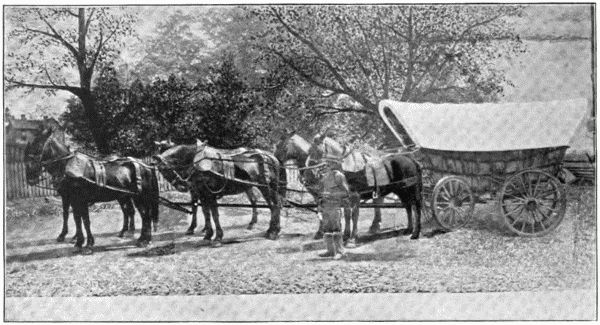
this exciting campaign Neri Smith, an old wagoner, drove his big
six-horse team through Uniontown, exhibiting from the front of his wagon
a petticoat, in allusion to a partisan and groundless charge of
cowardice made against General Harrison, the Whig candidate. The coming
of the wagon with the petticoat was made known to the Whigs of Uniontown
before it reached the place, and a delegation met Smith a short distance
east of town and requested him to take down the offensive symbol, but he
stubbornly refused. Upon reaching Uniontown an attempt was made by some
of the muscular Whigs, led by John Harvey, to “tear down the dirty rag,”
but an equal number of muscular Democrats rallied to the support of the
old wagoner, and the attempt failed. The affair caused great excitement
in Uniontown, leading to violence and almost to the shedding of blood.
Isaac Stuck, now residing in Perryopolis, Fayette county, Pennsylvania,
in service on the extensive Fuller estate, near that place, was an old
wagoner, and is not forgotten and never will be forgotten by the old
pike boys. He drove a fine “bell team,” which was notice to all the
world that he was on the road in earnest and to stay. The team belonged
to William Stone, the well remembered old farmer of Menallen, and tanner
of Uniontown.
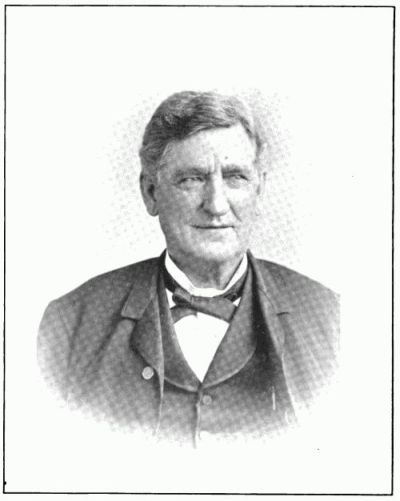
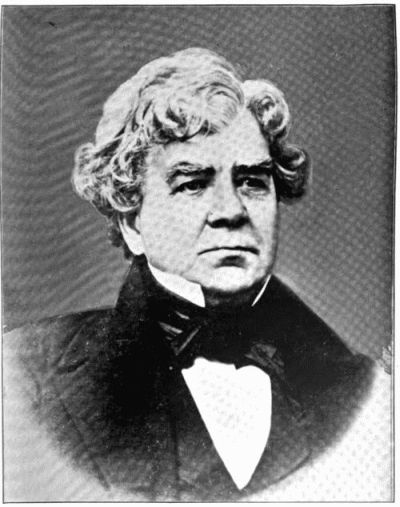
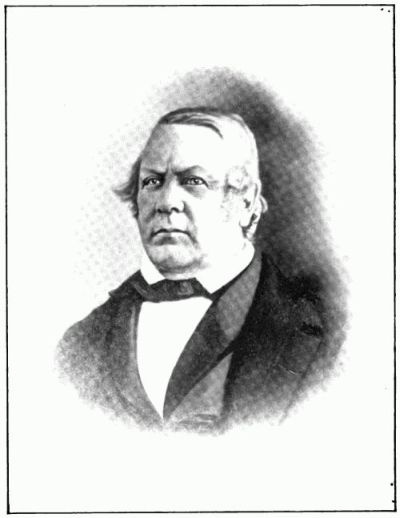
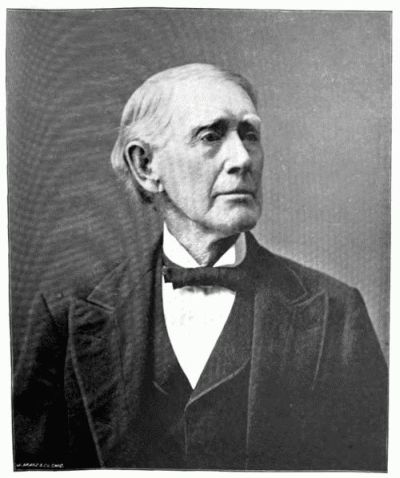
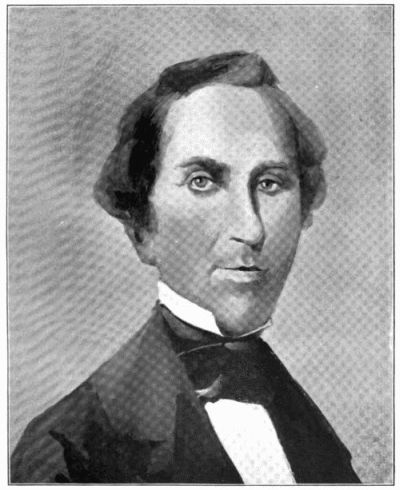
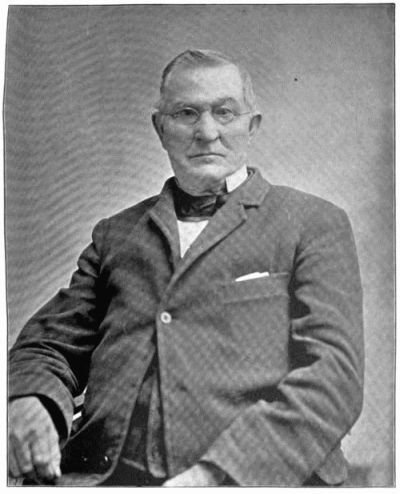
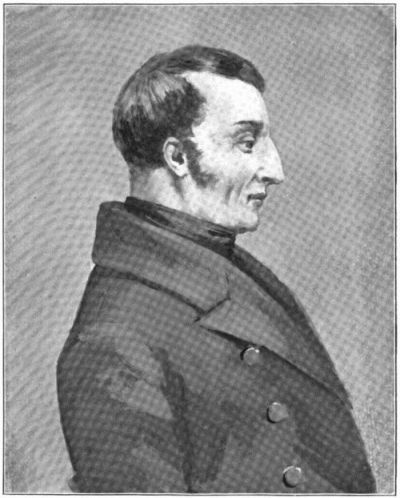
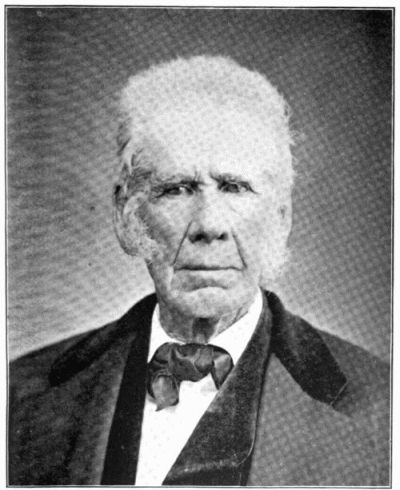
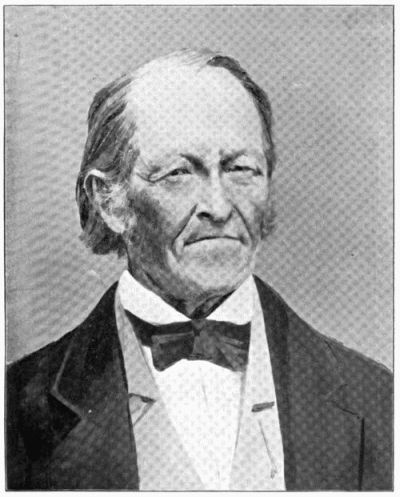
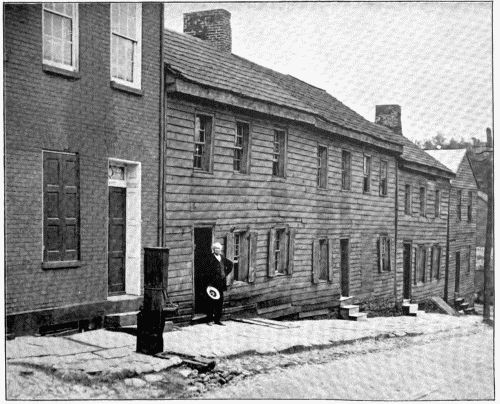
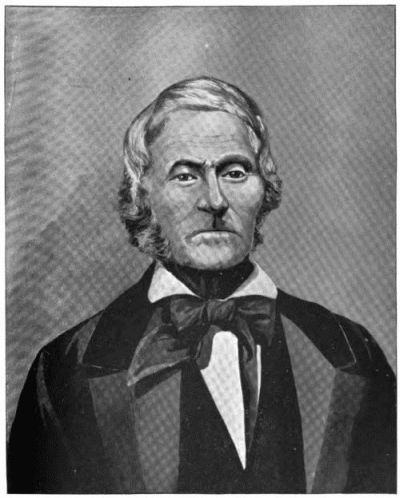
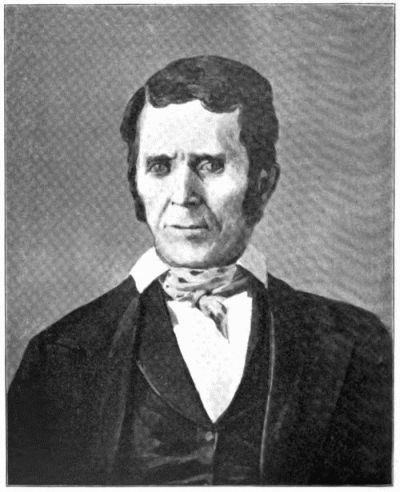
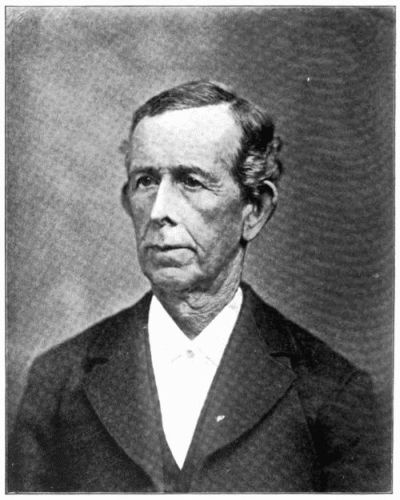
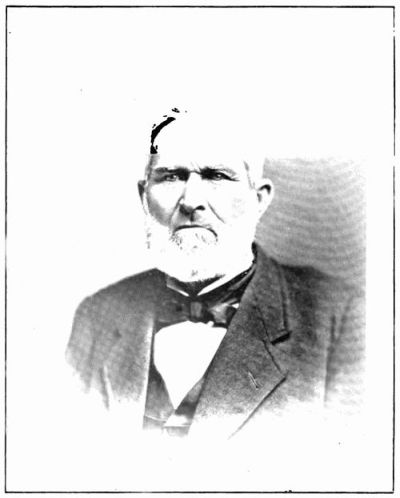
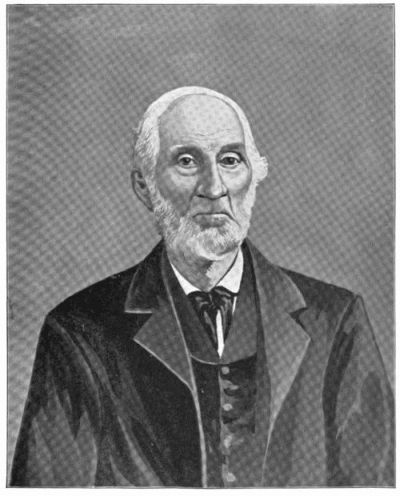
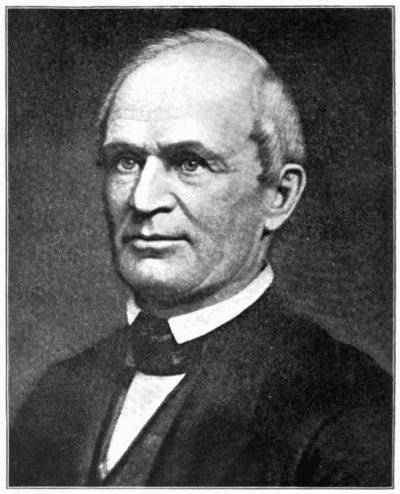
ASHAEL WILLISON.
John Short, an old wagoner, retired from the road at an early day and
took up his abode in Franklin township, Fayette county, Pennsylvania.
Before going on the road he learned the trade of a cooper, and upon
leaving it resumed work at his trade. He was a good mechanic, and made
most of the barrels used at Cook’s and Sharples’ mills, on Redstone
creek, for many years. His team on the road was a good one, and he owned
it. He met with an accident while working at his trade by cutting his
knee with an adze, which crippled him for life. He died in Franklin
township about eight years ago, aged nearly eighty. The old citizens of
Franklin township all knew and respected him.
William Orr, a well known old wagoner, died of cholera at Keyser’s Ridge
in 1853. He left three sons. One of them died a soldier of the Northern
army in the late war, leaving a widow surviving him, now residing in
Cumberland and drawing a pension. Another son of the old wagoner is a
watchman at the rolling mill in Cumberland, and the third is on the
police force of that city.
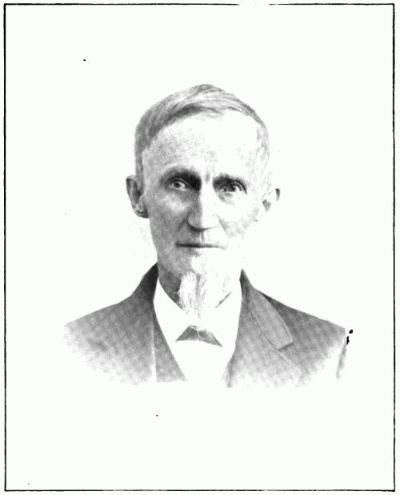
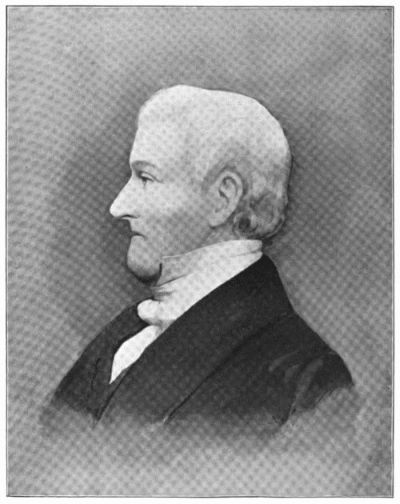
Ashael Willison, another of the old wagoners, is still living in
Cumberland, and one of the most prominent citizens of that place. He was
postmaster at Cumberland during the first administration of President
Cleveland. From the saddle horse of a six-horse team on the old pike to
the control of a city postoffice is distinctively an American idea, and a
good one. The old wagoner made a capital postmaster. Mr. Willison is now
deputy collector of Internal Revenue for the State of Maryland.
Robert Douglas, father of the well known real estate dealer of
Uniontown, was an old wagoner. He owned his team and wagon, and hauled
between Baltimore and Wheeling at an early day. He resided near West
Newton, Westmoreland county, Pennsylvania, and died there in 1861. He
was esteemed as an honest man, and was one of the few pike boys who
never took a drink of liquor.
In the year 1839 John Snider, Isaac Browning and Black Westley, made a
trip with their teams from Baltimore to Jonesboro, Tennessee, a distance
of six hundred miles. They were loaded with goods for Jonesboro
merchants, and were paid six dollars a hundred for hauling them. On
their return they drove with empty wagons to Lynchburg, Virginia, a
distance of two hundred miles, where they loaded up with pig lead, and
got two dollars a hundred for hauling it to Baltimore.
Abram Brown, the wealthy land owner of the vicinity of Uniontown, was an
old wagoner, a “sharpshooter,” and always lucky in avoiding losses while
pushing over the mountains. While on the road as a wagoner he formed the
acquaintance of the girl who subsequently became his wife. She was
Hannah, now deceased, the eldest daughter of Abel Colley, who kept the
old tavern a short distance west of Searights. His wife was a good
woman, and her seemingly premature death was much lamented by a wide
circle of friends.
William Long, an old wagoner, after quitting the road, went to Beaver
county, Pennsylvania, and died there; and Samuel Weaver, a well
remembered old wagoner, died about seven years ago in New Cumberland,
West Virginia.
John Galwix, Black Wesley, Wilse Clement and James Pelter used bells on
their teams. Galwix was called a “crack” wagoner, “swell,” as it would
be termed at this day.
Stephen Golden, an old wagoner, drove a team for John Gribble, who for
many years kept the red tavern two miles east of Brownsville.
John Strong, one of the earliest regular wagoners, is still living in
Cumberland, and has been Coroner at that place for many years.
John Kelso, a steady old regular, well remembered and well liked, died
at Cumberland about two years ago.
Robert Nelson was run over by his wagon many years ago, and died from
injuries inflicted by the accident.
Col. James Gardner was an old wagoner and an old soldier. He was a
native of Winchester, Virginia, but spent the greater portion of his
life in Uniontown.
John Phillips, of Washington county, Pennsylvania, an old wagoner, was
noted for using the heaviest gears on the road. When in need of new ones
he ordered them an inch wider than the widest in use. The gear pole boys
at the old taverns groaned under the weight of Phillips’ gears.
William C. McKean, nine years a deputy Sheriff of Fayette county,
Pennsylvania, was in early life a regular wagoner of the road. He was a
native of German township, Fayette county, Pennsylvania, and died in the
Sheriff’s house, at Uniontown, in 1859. He was noted for his energy and
habit of pushing things. The prominent young attorney of Uniontown of
the same name is a nephew of the old wagoner.
Peter Skiles, an old wagoner of the vicinity of Uniontown, died in
Cumberland of typhoid fever, while at that place with his team and
wagon.
Christian Herr, an old wagoner, was a very profane man, going to show
that there is nothing in a name. He, Wilse Clement and Michael Teeters
were the hardest swearers on the road.
Wyney Hunter, still living, an octogenarian, and rich, was an old
wagoner. His residence is on the roadside five miles east of Hagerstown,
Maryland.
Charles Allum and James Brownlee drove for Leonard Vail, an old
pork-packer of the vicinity of Prosperity, Washington county,
Pennsylvania. Lott Lantz, of Willow Tree, Greene county, Pennsylvania,
had a pork-packing establishment in the olden time, and sent his produce
over the road to Baltimore by the regular broad wheeled wagons in charge
of hired drivers.
Isaac Browning, an old wagoner, at one time owned the “Browning farm,”
near Uniontown, whence its name is derived. This farm now belongs to
Robert Hogsett.
John Wright, an old wagoner, is still living in Salisbury, Somerset
county, Pennsylvania, and has passed the ninetieth mile-post of his age.
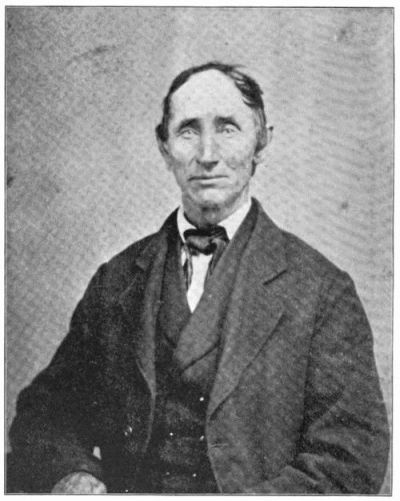
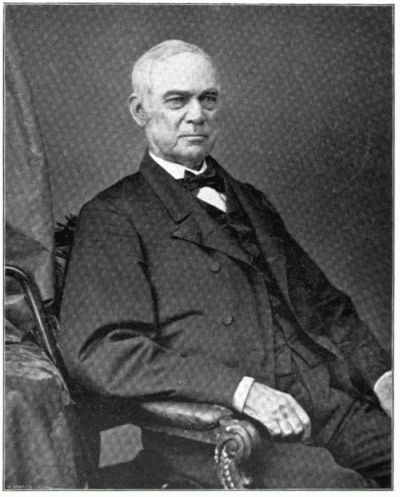
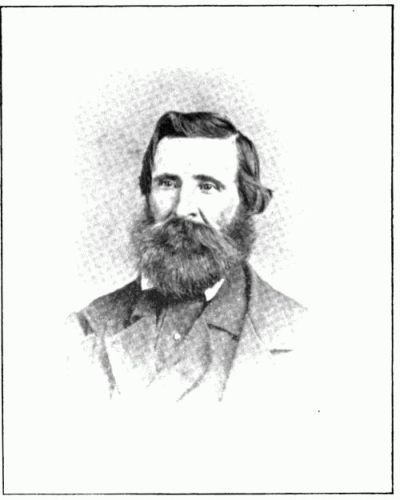
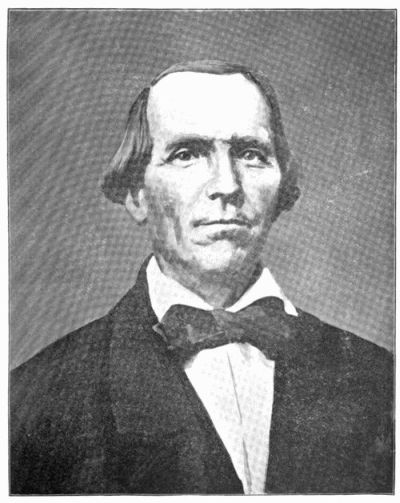
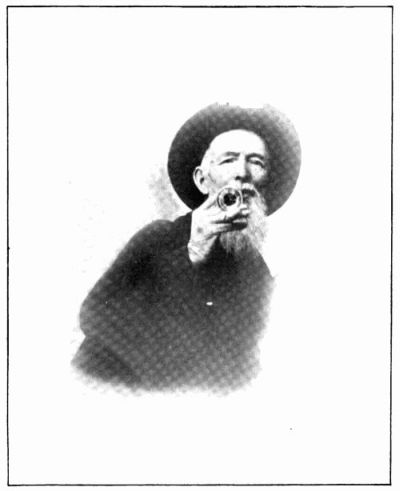
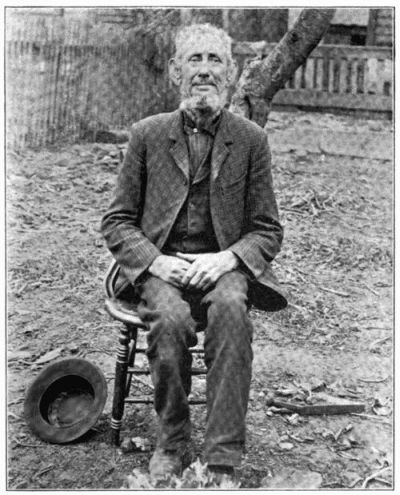
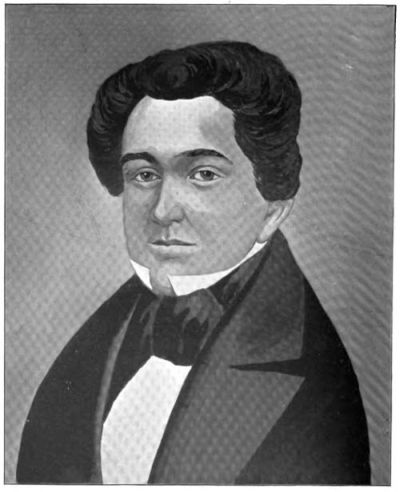
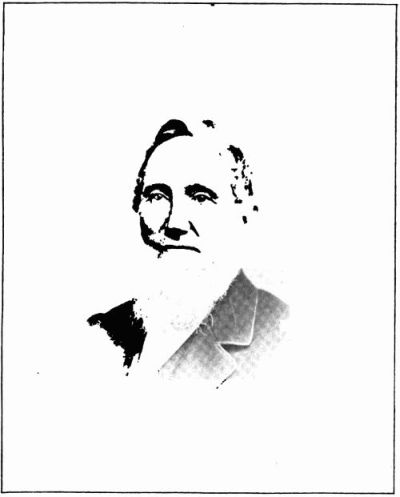
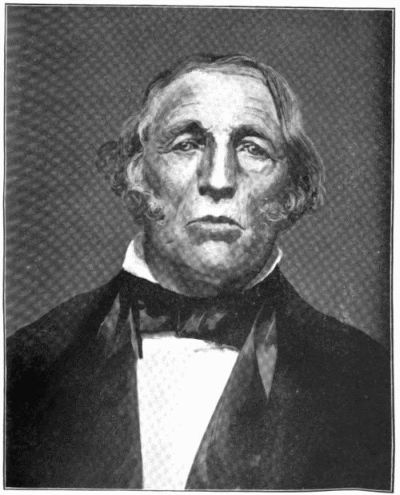
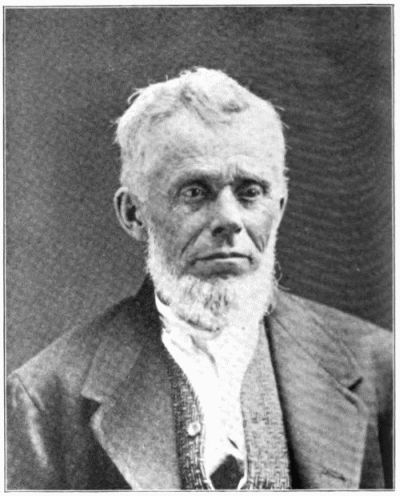
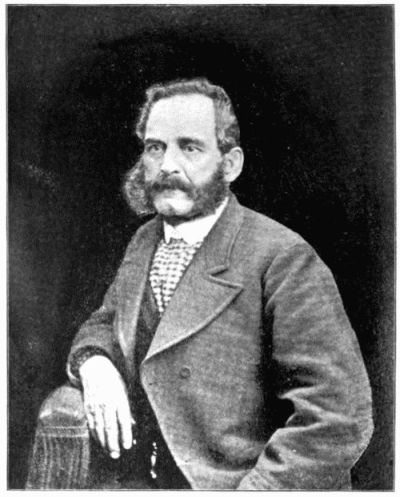
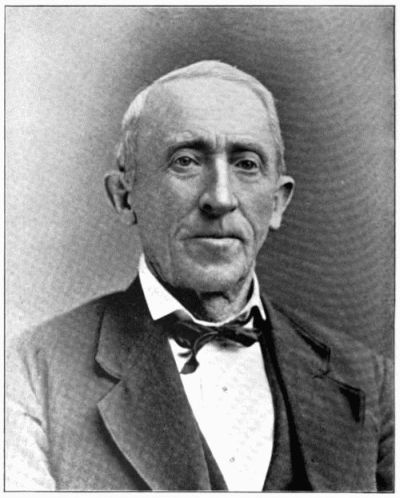
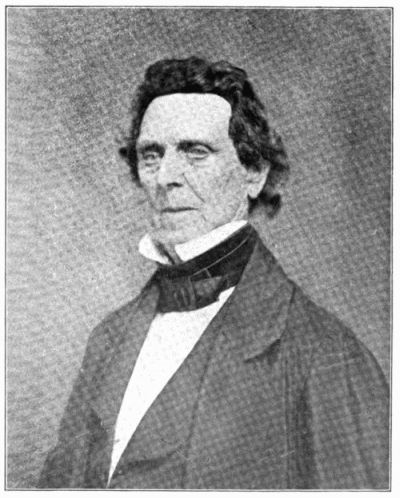
JACOB NEWCOMER.
Capt. James Gilmore was a sharpshooter. He owned a little farm in
Menallen township, Fayette county, Pennsylvania, which he sold long ago
and went West.
Noble McCormick, a regular old wagoner, was, while on the road, the
owner of the Semans farm, near Uniontown. He sold his farm to Thomas
Semans and went West. He is remembered as an habitual wearer of the
broad-rimmed, yellow, long-napped regulation hat.
John Christy, an old wagoner, was eccentric as to his apparel, and
careful of his money. He wore a full suit of buckskin, and improvised a
savings bank by boring holes in blocks in which he placed his money, and
secured it by plugging up the holes.
Charles Guttery, who recently died at an advanced age in Beallsville,
Washington county, Pennsylvania, was one of the best known and most
esteemed old wagoners of the road. After many years experience as a
wagoner, he devoted the remainder of his life to tavern keeping.
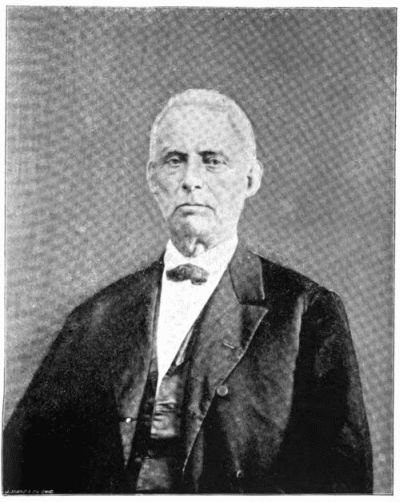
John Yardley, as the saying goes, was a natural born wagoner. He loved
the occupation, and was faithful in it, for many years. He was born in
Maryland, but lived a long time at Searights, where he died. He was the
father of William and Gus Yardley, of Uniontown.
David Newcomer, a farmer of German township, Fayette county,
Pennsylvania, who served a term as County Commissioner, belongs to the
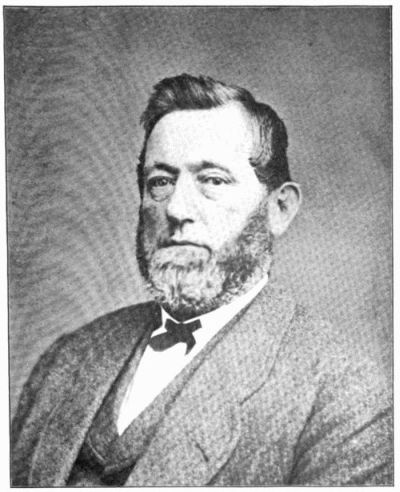
long list of wagoners. His father, Jacob Newcomer, and Jacob F.
Longanecker went to Loudon, Franklin county, Pennsylvania, in the year
1849, and each bought a new wagon and a new whip at that place. Jacob
Newcomer soon thereafter became afflicted with rheumatism, and turned
over his team and wagon to his son David, who traversed the road until
the close of its busy era. Jacob Newcomer died in 1866, on the farm now
owned and occupied by his son David.
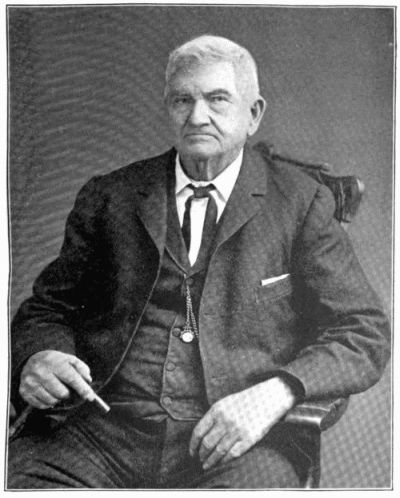
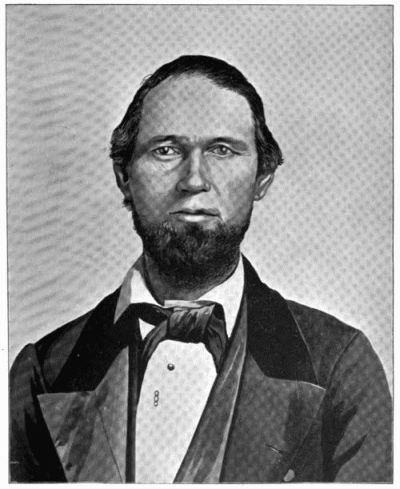
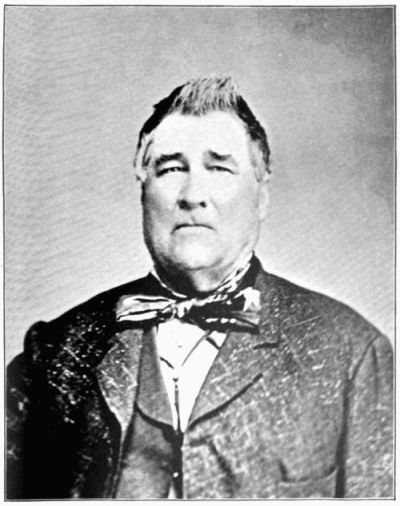
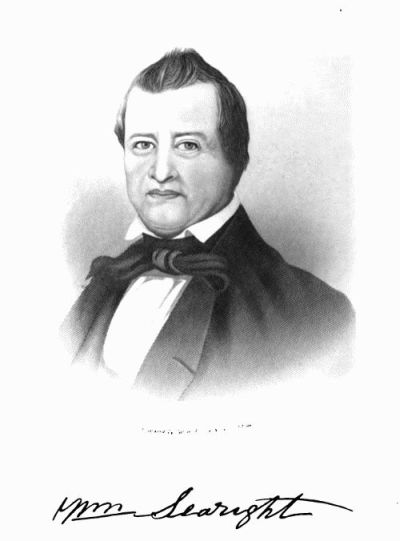
John Ferren drove a six-horse team on the road many years for William
Searight, and is remembered as a careful and discreet driver and an
honest and industrious man. At the close of active business on the road,
and while yet under the influence of its ancient grandeur, he married a
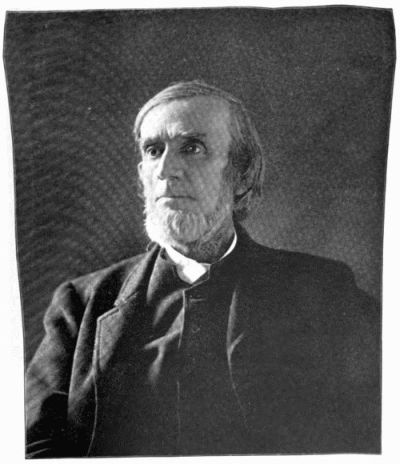
daughter of “Wagoner Billy Shaw,” and with his newly-wedded wife went to
Iowa to work out his destiny, where he has achieved success as a farmer.
James E. Kline, a driver for Jacob A. Hoover, was a soldier in the late
war between the States, and died in German township, Fayette county,
Pennsylvania, after the conflict ended.
Robert Hogsett, the millionaire farmer, stock dealer, manufacturer, and
coke operator of Fayette county, Pennsylvania, was a sharpshooter, and
hauled many a load of goods from Cumberland to Brownsville at
remunerative rates per hundred. His “down loads” consisted for the most
part of corn of his own raising, which he sold out through the mountains
at good prices.
Hiram Hackney, for many years a prosperous farmer of Menallen township,
Fayette county, Pennsylvania, now a retired resident of Uniontown, and a
director in the First National Bank of that place, was a sharpshooter
and a drover.
Samuel Flowers was one of the earliest wagoners on the road, and of the
regular order. He was a tall man, of quiet demeanor. His home was on Egg
Nog Hill, where he lived until called away by the last summons.
John Means, an old wagoner, was killed by an accident on the road near
Wheeling.
John Munce, of Washington, Pennsylvania, who became rich through the oil
development in the vicinity of that place, is an old wagoner. He is
still living.
John Olwine was an old wagoner, and by his union with the Widow Metzgar
became a tavern keeper. He died at Chalk Hill a few years ago.
John Neff, an old wagoner, subsequently became a member of the Maryland
Legislature, and played the role of statesmanship as gracefully as he
drove a six-horse team on the old pike.
Abner and David Peirt, brothers, were natives of Lancaster county,
Pennsylvania—steady-going straightforward, honest “Pennsylvania Dutch,”
and wagoners on the road with teams of the genuine Conestoga strain.
John McIlree, called “Broadhead,” was an old wagoner and a native of
Adams county, Pennsylvania; and James Bell, William and Robert Hall were
natives also of Adams county.
Arthur Wallace, an old wagoner devoted to the road, and esteemed for
many good qualities of head and heart, subsequently became a tavern
keeper. He was the father-in-law of Peter Frasher, the adamantine
Democrat of 1844, and up to the date of his death, in 1893. Charles
Wallace, a brother of Arthur, and an old wagoner, was killed by an
accident on Laurel Hill many years ago.
William Reynolds, mentioned under the head of old tavern keepers, was
likewise an old wagoner. He was on the road with a team as early as
1832. His son, John, present postmaster at Confluence, Somerset county,
Pennsylvania, was also a wagoner.
Samuel Trauger, an old wagoner, fell from his lazy board while
descending Laurel Hill, and was killed, the hind wheel of his wagon
running over him.
John Curtis, who drove for William King, was accounted one of the best
drivers on the road. His companions called him a “strong driver,”
meaning that he was skillful and careful. He followed the tide of
emigration, and became a stage driver west of the Ohio river.
James and Benjamin Paul, sons of Major William Paul, were old wagoners.
Joseph Doak, of Washington county, Pennsylvania, was an old wagoner,
subsequently a tavern keeper, and later a superintendent of the road.
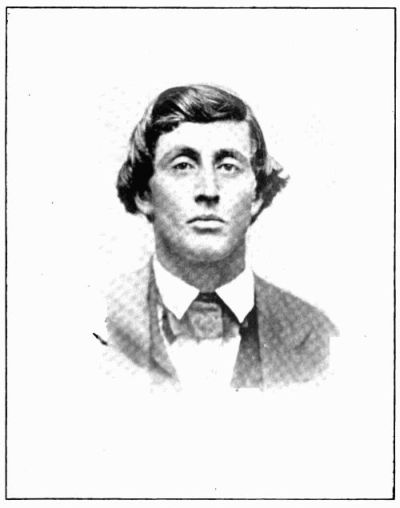
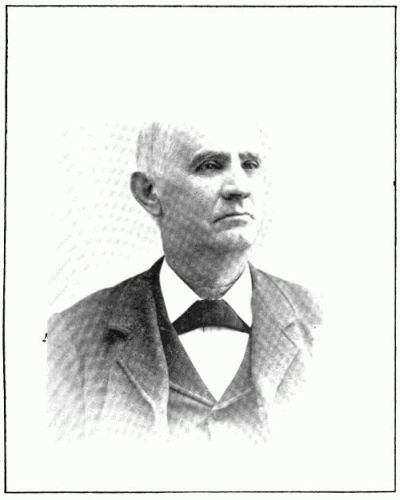
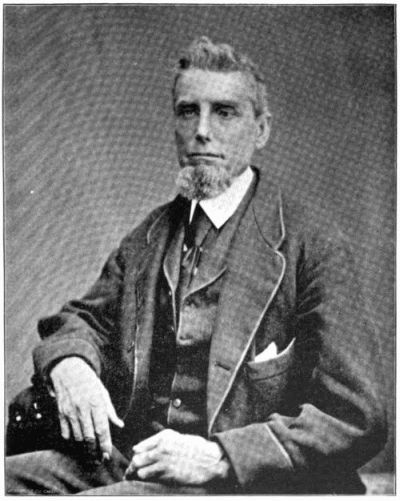
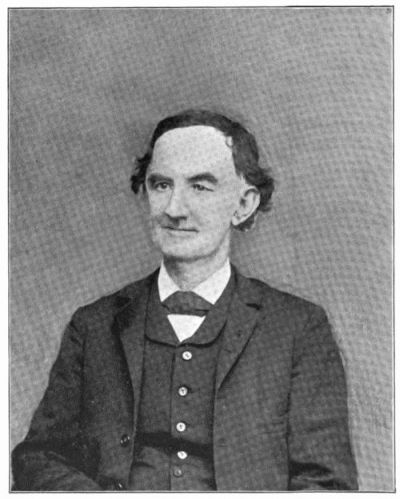
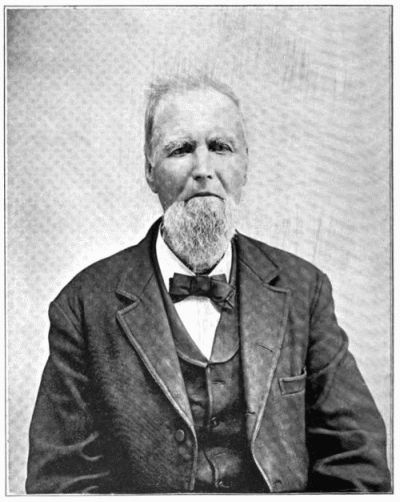
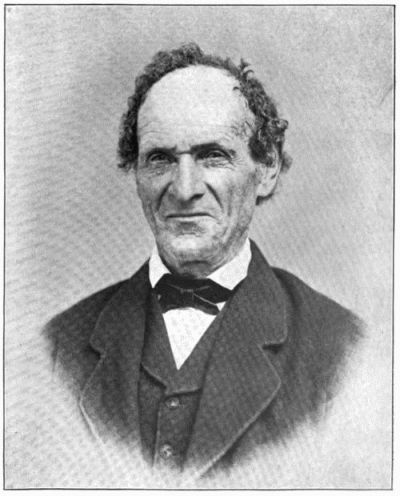
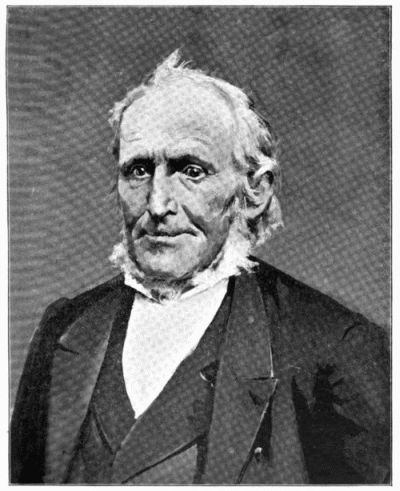
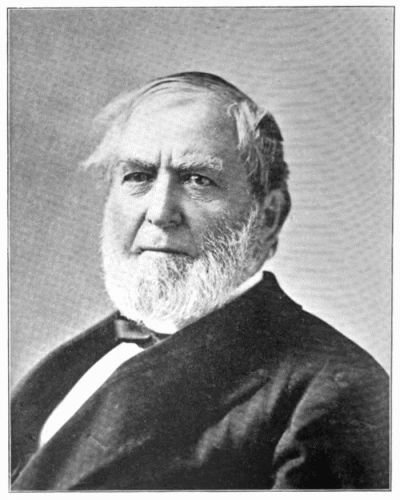
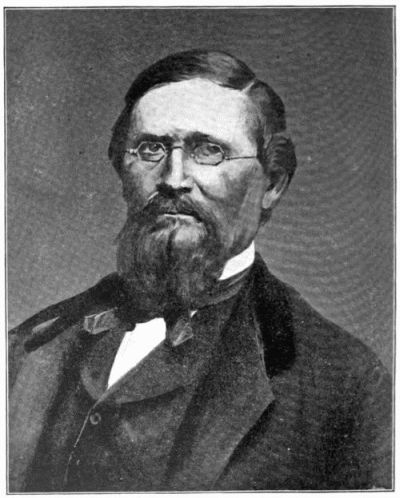
JOHN FERREN.
Martin Horn, a native of Washington county, Pennsylvania, was known as
the “swift wagoner.” He made the trip from Cumberland to Wheeling with
his six-horse team and a big load, in five days.
The following old wagoners were residents, when at home, and citizens of
Fayette county, Pennsylvania: Harvey Grove, Adam Yeast, Solomon Bird,
Louis Langley, James Paul, Joseph Wells, Isaiah Fouch, Ellis Campbell,
William Sullivan, George Miller, William Bird, Barney Neiman, Jesse
Hardin, John Hardin, James Marshall, Samuel Sidebottom, John Rutledge,
Robert Hogsett, Samuel Milligan, Thomas Cook, Benjamin Paul, Jeff Nixon,
George Miller, Moses Richer, John Rankin, Peter Fowler, William Ball,
James Henshaw, William McShane, Henry Frasher, Peter Frasher, Jacob
Wolf, West Jones, Daniel Turney, Eli Marlow, William Turney, William
Cooper, Dawson Marlow, Robert Henderson, John Ferren, Robinson Murphy,
Parker McDonald, William Betts, Rezin Lynch, Joseph Bixler, Moses
Husted, William Pastoris, John McClure, Thomas Cochran, William Peirsol,
Robert Lynch, Morgan Campbell, Martin Leighty, John Stentz, Philip D.
Stentz, William Bosley, Charles McLaughlin, J. Monroe Bute, John Canon,
Levi Springer, George Dearth, John McCurdy, Calvin Springer, Zachariah
Ball, Michael Cochran, Caleb Hibbs, Jacob Newcomer, John Rinehart,
Benjamin Goodwin, Harvey Sutton, Clark Hutchinson, James Ebbert, Mifflin
Jeffries, Jacob Vance, William Ullery, Abram Hall, George Tedrick,
Alexander Osborn, James Abel, Harper Walker, Jerry Fouch, Elias Freeman,
George Wilhelm, father of Sheriff Wilhelm, of Uniontown, Caleb Langly,
Jacob Wagoner, Oliver Tate, Jacob Strickler, George Shaffer, John
Newcomer, Jesse J. Peirsol, James Shaffer, Samuel Harris, Caleb Antrim,
William Cooper, Andrew Prentice, Ira Strong, William Gray, William
Kennedy, Samuel Hatfield, Bernard Dannels, Stewart Henderson, David
Dunbar, George Grace, Dicky Richardson, Reuben Woodward, John King, John
Williams, George McLaughlin, Darlington Jeffries, John Nelson, John
Moore, Bazil Sheets, Isaac Young, Jerry Strawn, Samuel Renshaw, Reuben
Parshall, Hiram Hackney, James Martin.
The following were of Washington county, Pennsylvania, and there were
many others from that county, as well as from Fayette and the other
counties mentioned, whose names, very much to the writer’s regret, are
unascertainable: Eberon Hurton, James Bradley, Jerome Heck, James
Dennison, James Bard, Thomas Bailes, Charles Thurston, William Kirkman,
Otho Hartzell, Seldon King, William King, Zeph Riggle, John Guttery,
Samuel Charlton, George Hallam, Lewis Hallam, David Hill, Charles
Reddick, John Reddick, Joseph Arnold, Moses Kline, James Brownlee,
Elisha Brownlee, Charles Allen, Philip Slipe, John Valentine, Daniel
Valentine, John Quinter, Robert Magee, William Robinson, Arthur
Robinson, John Cook, William Darlington, Griffith Darlington, Joseph
Whisson, David Blakely, Samuel Boyd, Joseph King, Joseph Sopher, Nimrod
Sopher, Jack Sopher, Peter Shires, John Smith, James Smith, Thomas
Flack, James Blakely, William Darr, Robert Beggs, Josiah Brown, called
“Squire” Brown, James Arthur, George Munce, Joseph Lawson, Robert
Judson, John A. Smith, Elisha Ely, Charles Bower, William Dennison, John
Phillips, Joseph Doak, Moses Little, Samuel Guttery, William Shouse,
William Jones, Robert Sprowl, William Hastings, James Thompson, Robert
Doak, James Doak, Charles Allen, John Hastings (called Doc).
The following were of Allegheny county, Maryland: Isaac Browning, James
Browning, Michael Humbert, George McGruder, Peter Hager, Nathan Tracy,
Thomas Plumer, Richard Gray (colored), Ben Carter, James McCartney,
Joseph Brooks, John Carlisle, Joseph Turner, William Yeast, John Curtis,
Louis Smith, John Smith, Fred Shipley, Alex. Greer, John Keener, David
Swaggart, George Lehman, Andrew Lehman, William McClintock, Jacob
Albright, Thomas Ashbel, Charles McAleer, Caleb Madden, William Lowry,
Augustus Butler, John Sheeres, Edward Finch, James Clary, Daniel Barcus,
Ashael Willison, Hanson Willison, Joseph Strong, Thomas Plumer, Josiah
Porter, John Kelso, John Magraw, Ira Ryan, John Ryan, Moses McKenzie,
Moses Porter, Henry Porter, John Porter, George Huff, Lewis Lachbaus,
Neil Connor, John Long, George Long, Upton Long, William Dixon, Hanson
Clary, James Porter, Josiah McKenzie.
The following were of Washington county, Maryland: Abram Herr, Fred
Herr, David Herr, John Coffman, Samuel Kelly, William Jones, Joseph
Watt, John Brentlinger, James Ambrose, James Dowler, William Ford,
Robert Fowler, Peter Hawes, Samuel Emert, Michael Welty, John Duvall,
Andrew Arnett, John Reinhart, Hiram Sutton, John Thomas, William Thomas,
Barney Hitchin, Emanuel McGruder, William Orr, Emanuel Griffith, Michael
Miller, John Makel, John Neibert, Samuel Brewer, Henry Stickle, Ezra
Young, Joshua Johnson, Samuel Boyd, Joseph Myers, William Keefer, Peter
Urtz, Jonas Speelman, Thomas Flack, David Connor, Eli Smith, John
Galwix, Henry Urtz, Henry Puffenberger. John Snider, was born in
Washington county, Maryland.
The following were of Somerset county, Pennsylvania: Michael Deets,
Samuel Wable, Clem Engle, Samuel Thompson, John Livengood, Isaac Light,
John Sloan, Joseph Light, Abram Hileman, Joseph Hileman, William
Lenhart, Daniel Augustine, Andrew Hebner, James Klink, Andrew Bates,
Robert Duncan, Robert Allison, John Dunbar, Alex. Dunbar, Joseph Skelly,
James Irvin, John Fleck, William Moonshire, Thomas Collier, Frank
Bradfield, Samuel Shoaf, John Bradfield, Eli Marble, Henry Renger,
Michael Longstaff, John Mitchell, William McClintock, still living at
Salisbury, nearly ninety years old.
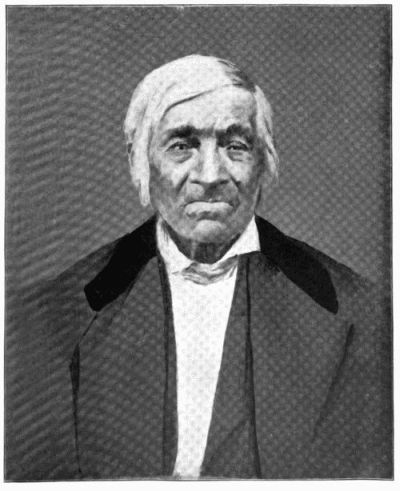
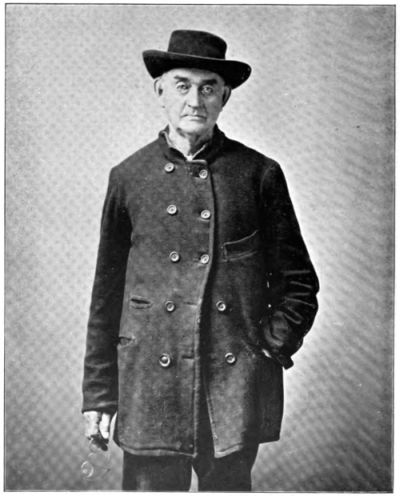
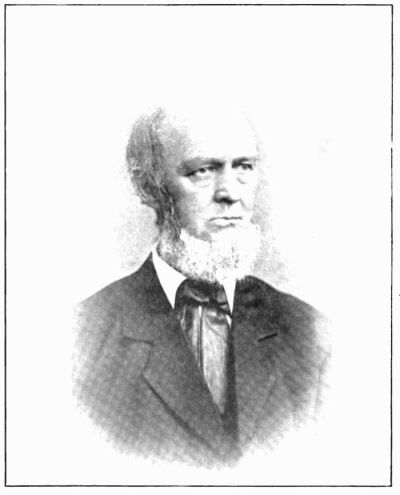
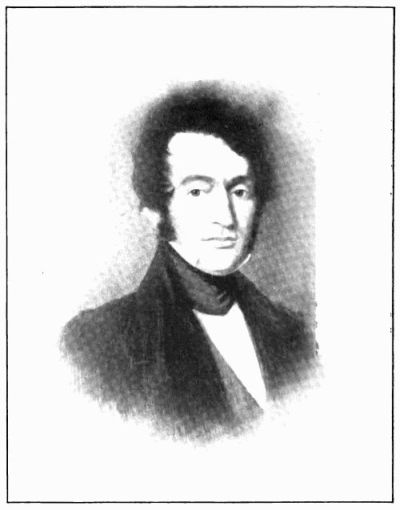
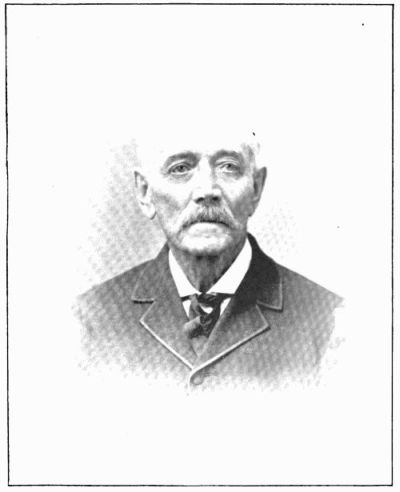
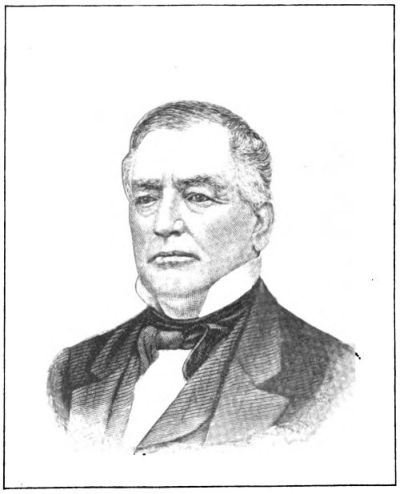
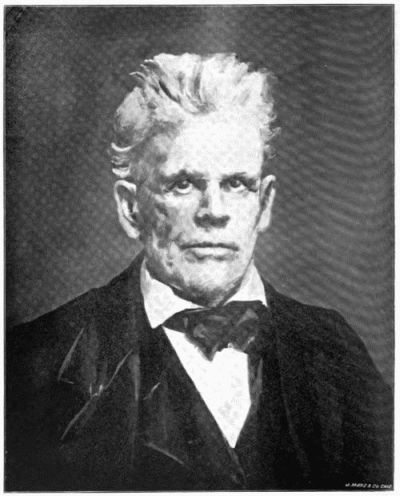
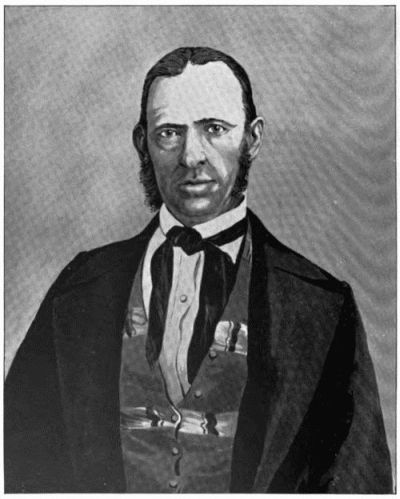
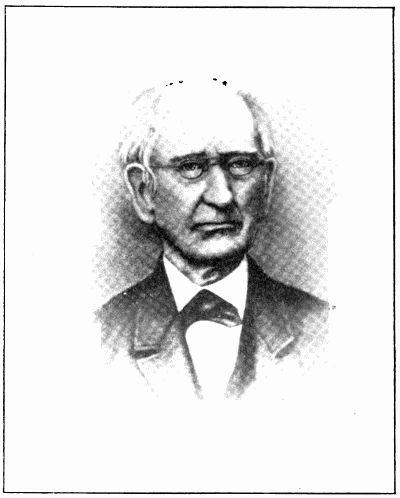
MORRIS MAULER.
The following were from the State of Ohio: James Gregory, William
Hoover, David Hoover, Christian Hoover, Gov. Lucas, William Morely,
Philip Slife, Samuel Breakbill, John Carroll, William Lefevre, John
Lefevre, Alby Hall, Solomon Mercer, Jacob Breakbill, Joseph McNutt, John
Scroggins, William Archie, Elias Petticord, Harvey Hamilton, Pryn
Taylor, Alex. McGregor, Westley McBride, William George, Michael Neal,
Tim Taylor, Joseph Vaughn, William Whittle, Daniel Kildo, Marion
Gordon, Martin Kildo, George Clum, Oliver Mahon, William Chaney, Abner
Bailey, Matthias Meek, John A. Smith, George Zane, Samuel Paxon,
Benjamin McNutt, Knox Keyser, B. F. Dillon, Valentine Mann, Jacob Mann,
Benjamin Corts, John Whittle, John Johnson (Old Sandy), William
McDonald, John Moss, William Tracy, Joseph Watson, George Schaffer,
William Reynolds, not the old tavern keeper.
Ohio county, Virginia, contributed the following names to the list of
old wagoners: Wash. and Hiram Bennett, John Frasher, John Moss, John
Weyman, Joseph Watson, Michael Detuck, James Johnson, David Church,
William Brooks, Robert Boyce, Allen Davis, Thomas McDonald, James Jones,
Charles Prettyman, John Christy, John Curtis, William, Adam, and David
Barnhart, George Weddel, and William Tracy.
Greene county, Pennsylvania, contributed the following well remembered
veterans: Christian and Washington Adams, John Snyder (not the old
regular), Philip Snyder, George Miller, Samuel Milligan, Caldwell
Holsworth, Joseph Milligan, Joseph Craft, Jack Dunaway, Otho W. Core,
Thomas Chambers, Samuel Minor, Jacob Hart.
Frederic county, Maryland, contributed the following: John Crampton,
Joseph Crampton, Samuel Brewer, Ross Fink, Grafton Shawn, Henry Smith,
Jacob Wagoner, John Fink, John Miller, William Miller, and Henry
McGruder.
Jacob and James Tamon were of Baltimore.
James Walker, Daniel Keiser, John Keiser, and Sharp Walker were of
Franklin county, Pennsylvania.
The home of the regular wagoner was on the road, and a good home it was,
in so far as mere subsistence and stimulus to the senses were concerned,
and it is his nativity, that the author has endeavored to note. Regulars
and sharpshooters are listed herein indiscriminately, but a majority of
the names given as of Fayette county, Pennsylvania, are those of
sharpshooters. The residences and homes of the following old wagoners
could not be accurately ascertained, but they are familiar names, all
well remembered by old inhabitants of the roadside, viz: William Kieger
(a lively fellow, and a “regular”), James Dunbar, William Keefer, Rafe
Rutlege, Samuel Jackson, Benjamin Hunter, David Greenland, John
Strauser, Jacob Cox, Jonathan Whitton, Gus Mitchell, Samuel Dowly, James
Patton, Joseph Freeman, James Hall, William Purcell, Samuel Rogers, John
Nye, Israel Young, James Davis, Jacob Beem, Isaac Young, Martin Irwin,
James Parsons, James Kennedy, Isaac Shaffer, John Lynch, Michael
Longstaff, George Nouse, Peter Penner, James Shaffer, John McClure, John
Cox, William Cox, Joseph Cheney, Frank Mowdy, Caldwell Shobworth, James
Jolly, Andrew Sheverner, Jacob and James Layman, John Crampton, Henry
Smith, William Miller, John Miller, Henry McGruder, Elias McGruder,
Michael Miller, John Seibert, Henry Stickle, Ezra Young, Jonas Speelman,
David Connor, Eli Smith, Jacob Everson, Nathaniel Everson. Joseph Shaw,
James Irvin, John Chain, William Wiglington, Doug. Shearl, Marion
Ritchie, John Vandyke, John Alphen, Daniel Carlisle, George Burke,
Thomas Ogden, Michael Abbott, Charles Genewine, Herman Rolf, Isaac
Manning.
The following letters from Jesse J. Peirsol, now a prosperous farmer of
Franklin township, Fayette county, Pennsylvania, of vigorous health and
unimpaired memory, furnish a graphic description of life on the road in
its palmy days:
December 3, 1892.
Mr. T. B. Searight:
Dear Sir: I have stayed over night with William Sheets, on Nigger
mountain, when there would be thirty six-horse teams on the wagon yard,
one hundred Kentucky mules in an adjacent lot, one thousand hogs in
other enclosures, and as many fat cattle from Illinois in adjoining
fields. The music made by this large number of hogs, in eating corn on a
frosty night, I will never forget. After supper and attention to the
teams, the wagoners would gather in the bar room and listen to music on
the violin, furnished by one of their fellows, have a “Virginia
hoe-down,” sing songs, tell anecdotes, and hear the experience of
drivers and drovers from all points on the road, and when it was all
over, unroll their beds, lay them down on the floor before the bar room
fire, side by side, and sleep, with their feet near the fire, as soundly
as under the paternal roof. Coming out from Cumberland in the winter of
1851 or 1852, we stopped one night with Hiram Sutton, at Sand Springs,
near Frostburg. The night was hazy, but not cold. We sat on our buckets,
turned bottom up, and listened to a hundred horses grinding corn. One of
our number got up in the night and complained that snow was falling on
his face. This aroused us all, and we got up, went to the door and
witnessed the most blinding snow storm I ever saw. Some of the horses
broke loose from the tongue, and we had difficulty in finding them. We
stayed up till morning, when the snow had risen to the hubs of the front
wheels. We hitched eight or ten horses to a wagon, pulled out to
Coonrod’s tavern, one mile west, and returned to Sutton’s for another
wagon, and in this way all reached Coonrod’s. The next morning we pulled
out again, and on little Savage mountain found the snow deeper than
ever, and a gang of men engaged in shoveling it from the road. I got
stuck and had to be shoveled out. We reached Tom Johnson’s that night,
making three miles in two days. The next day John Ullery, one of our
number upset at Peter Yeast’s, and a barrel of Venetian Red rolled out
from his wagon, which painted the snow red for many miles, east and
west. We stayed with Yeast the third night after the storm. In the
winter of 1848 a gang of us went down, loaded with tobacco, bacon, lard,
cheese, flour, corn, oats and other products. One of our number was an
Ohio man, named McBride. His team consisted of seven horses, the seventh
being the leader. His load consisted of nine hogsheads of tobacco, five
standing upright in the bed of his wagon, and four resting crosswise on
top of the five. The hogsheads were each about four feet high and three
and a half feet in diameter at the bulge, and weighing from nine to
eleven hundred pounds each. This made a “top-heavy load,” and on the
hill west of Somerfield, and near Tom Brown’s tavern, the road icy,
McBride’s load tumbled over, the tobacco in the ditches, and the horses
piled up in all shapes. The work of restoring the wreck was tedious, and
before we got through with it we had the aid of thirty or forty wagoners
not of our company. Of course the occasion brought to the ground a
supply of the pure old whisky of that day, which was used in moderation
and produced no bad effects. After we had righted up our unfortunate
fellow wagoner, we pushed on and rested over night at Dan Augustine’s,
east of Petersburg.
Yours truly,
JESSE J. PEIRSOL.
ANOTHER LETTER FROM THE SAME PERSON ON THE SAME SUBJECT.
February 2, 1893.
In September, 1844 or 5, my father came home from Uniontown late at
night, and woke me up to tell me that there had been a big break in the
Pennsylvania Canal, and that all western freights were coming out over
the National Road in wagons. The stage coaches brought out posters
soliciting teams. By sunrise next morning, I was in Brownsville with my
team, and loaded up at Cass’s warehouse with tobacco, bacon, and wool,
and whipped off for Cumberland. I drove to Hopwood the first day and
stayed over night with John Wallace. That night Thomas Snyder, a
Virginia wagoner, came into Hopwood with a load of flour from a back
country mill. When we got beyond Laurel Hill, Snyder retailed his flour
by the barrel to the tavern keepers, and was all sold out when we
reached Coonrod’s tavern, on Big Savage. I was a mere boy, and Snyder
was especially kind and attentive to me. After we pulled on to Coonrod’s
yard Snyder told me to unhitch and feed, but leave the harness on. At
midnight we rose, hitched up, Snyder lending me two horses, making me a
team of eight, pulled out, and reached Cumberland that night. On leaving
Coonrod’s the night was dark, and I shall never forget the sounds of
crunching stones under the wheels of my wagon, and the streaks of fire
rolling out from the horses’ feet. In Cumberland, we found the
commission houses, and the cars on sidings filled with goods, and men
cursing loudly because the latter were not unloaded. Large boxes of
valuable goods were likewise on the platform of the station, protected
by armed guards. After unloading my down load I re-loaded at McKaig &
Maguire’s commission house for Brownsville, at one dollar and
twenty-five cents a hundred. We reached Brownsville without incident or
accident, made a little money, and loaded back again for Cumberland. On
my return I found plenty of goods for shipment, and loaded up at
Tuttle’s house for Wheeling, at two dollars and twenty-five cents a
hundred. In coming back, it looked as if the whole earth was on the
road; wagons, stages, horses, cattle, hogs, sheep, and turkeys without
number. Teams of every description appeared in view, from the massive
outfit of Governor Lucas down to the old bates hitched to a chicken
coop. The commission merchants, seeing the multitude of wagons, sought
to reduce prices, whereupon the old wagoners called a meeting and made a
vigorous kick against the proposed reduction. It was the first strike I
ever heard of. Nothing worried a sharpshooter more than lying at expense
in Cumberland waiting for a load. Two of the “sharps,” unwilling to
endure the delay caused by the strike, drove their four-horse rigs to a
warehouse to load at the reduction. This excited the “regulars,” and
they massed with horns, tin buckets, oyster-cans and the like, and made
a descent upon the “sharps,” pelting and guying them unmercifully. An
old wagoner named Butler commanded the striking regulars with a pine
sword, and marched them back and forth through the streets. Finally the
police quelled the disturbance, and the “sharps” loaded up and drove out
sixteen miles, to find their harness cut and their axles sawed off in
the morning. In this dilemma an old regular, going down empty for a
load, took the contract of the “sharps,” and made them promise to never
return on the road, a promise they faithfully kept.
Yours truly,JESSE J. PEIRSOL.
Many old wagoners wore a curious garment called a hunting shirt. It was
of woolen stuff, after the style of “blue jeans,” with a large cape
trimmed with red. It was called a hunting shirt because first used by
hunters in the mountains.
The origin of Pennsylvania tobies is worth recording, and pertinent to
the history of the old wagoners. The author is indebted to J. V.
Thompson, esq., president of the First National bank of Uniontown, for
the following clipping from a Philadelphia paper concerning the “toby:”
“It appears that in the old days the drivers of the Conestoga wagons, so
common years ago on our National Road, used to buy very cheap cigars. To
meet this demand a small cigar manufacturer in Washington, Pennsylvania,
whose name is lost to fame, started in to make a cheap ‘roll-up’ for
them at four for a cent. They became very popular with the drivers, and
were at first called Conestoga cigars; since, by usage, corrupted into
’stogies’ and ‘tobies.’ It is now estimated that Pennsylvania and West
Virginia produce about 200,000,000 tobies yearly, probably all for home
consumption.”
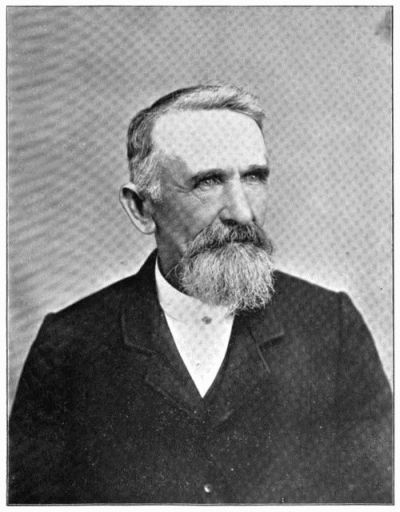
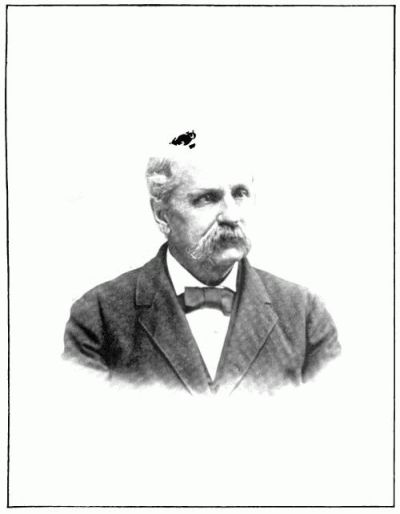
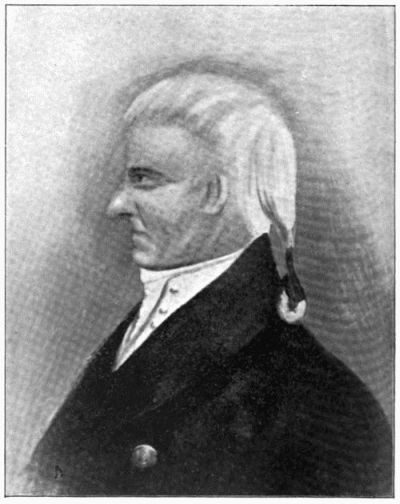
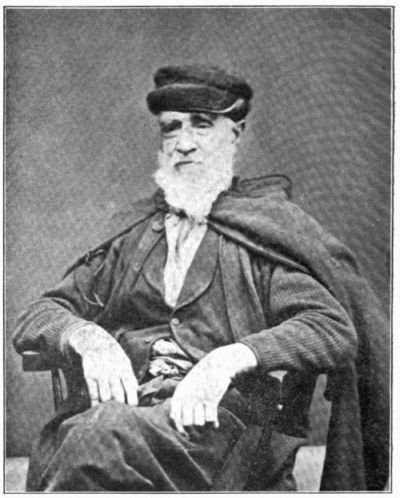
JAMES SMITH,
OF HENRY.
It is probable that the manufacturer referred to in the above was George
Black, as that gentleman made “tobies” in Washington at an early day,
and continued in the business for many years, and until he became quite
wealthy. In his later days his trade was very large and profitable. Old
wagoners hauled his “tobies” over the road in large quantities, as they
did subsequently the Wheeling “tobies,” which were, and continued to be,
a favorite brand. Many habitual smokers prefer a Washington or a
Wheeling “toby” to an alleged fine, high priced cigar, and the writer
of these lines is one of them. As has been noted, the “rubber,” called
brake at this day, was not in use when the National Road was first
thrown open for trade and travel. Instead, as related by John Deets,
sapplings, cut at the summit of the hills, were shaped and fashioned to
answer the ends of the “rubber,” and at the foot of the hills taken off
and left on the roadside. E. B. Dawson, esq., the well known, well
posted and accurate antiquarian of Uniontown, and, by the way, deeply
interested in the history of the National Road, is authority for the
statement that one Jones, of Bridgeport, Fayette county, Pennsylvania,
claimed to be the inventor of the “rubber.” He, however, never succeeded
in obtaining letters patent, if, indeed, he ever applied. There were
other claimants, among them the Slifers, of Maryland, mentioned
elsewhere in these pages. The real and true inventor seems to be
unknown, and yet it is an invention of vast importance, and with legal
protection would have yielded the inventor an immense fortune.
Old wagoners, as a class, were robust, hardy, honest and jovial. But one
of the long list is remembered as a criminal. His name was Ben Pratt,
and he belonged to Philadelphia. He turned out to be a counterfeiter of
coin and currency, and suffered the punishment that all counterfeiters
deserve. Many old wagoners were fond of fun and frolic, but very few of
them were intemperate, although they had the readiest opportunities for
unrestrained drinking. Every old tavern had its odd shaped little bar,
ornamented in many instances with fancy lattice work, and well stocked
with whiskey of the purest distillation, almost as cheap as water. In
fact all kinds of liquors were kept at the old taverns of the National
Road, except the impure stuff of the present day. The bottles used were
of plain glass, each marked in large letters with the name of the liquor
it contained, and the old landlord would place these bottles on the
narrow counter of the little bar, in the presence of a room filled with
wagoners, so that all could have free access to them. None of the old
tavern keepers made profit from the sales of liquor. They kept it more
for the accommodation of their guests, than for money making purposes.
There was probably a tavern on every mile of the road, between
Cumberland and Wheeling, and all combined did not realize as much profit
from the sales of liquor in a year as is realized in that time by one
licensed hotel keeper of Uniontown, at the present day.
When, at last, the Conestoga horse yielded up the palm to the Iron
horse, and it became manifest that the glory of the old road was
departing, never to return, the old wagoners, many of whom had spent
their best days on the road, sang in chorus the following lament:
“Now all ye jolly wagoners, who have got good wives,
Go home to your farms, and there spend your lives.
When your corn is all cribbed, and your small grain is good,
You’ll have nothing to do but curse the railroad.”