LITTLE NAVAJO HERDER
Transcriber's Note:
The cover image was created by the transcriber and is placed in the public domain.
LITTLE NAVAJO HERDER
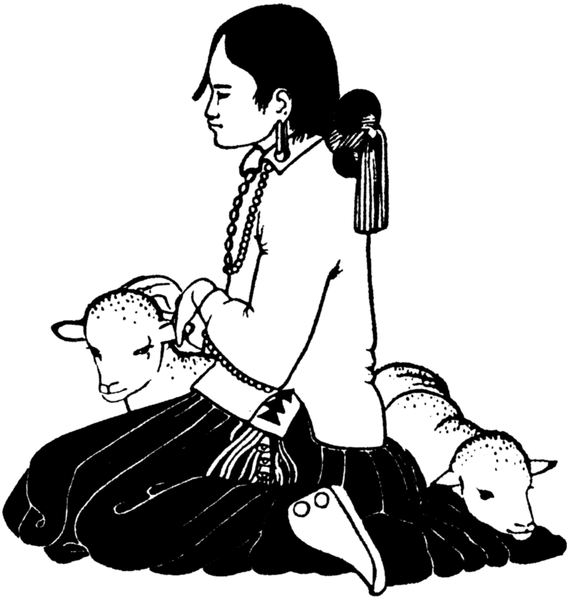
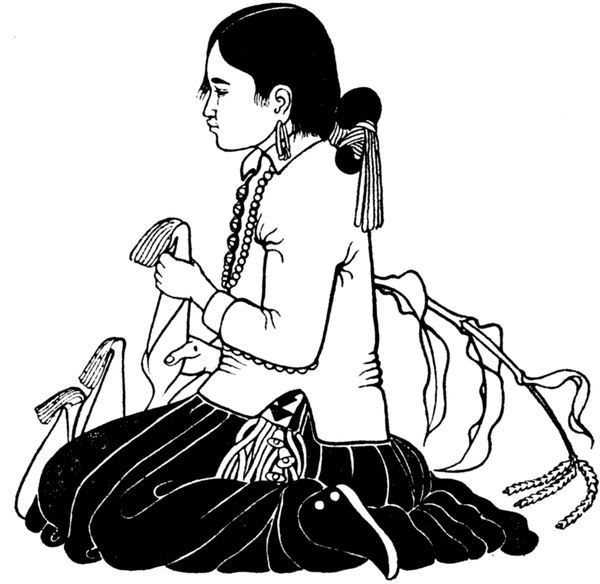
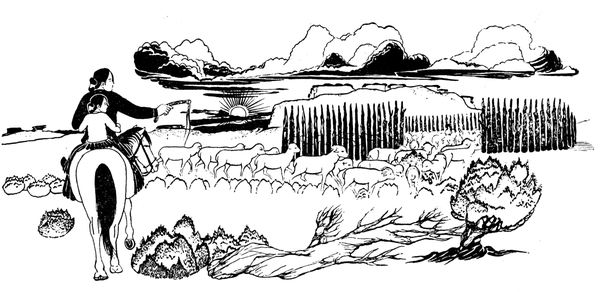
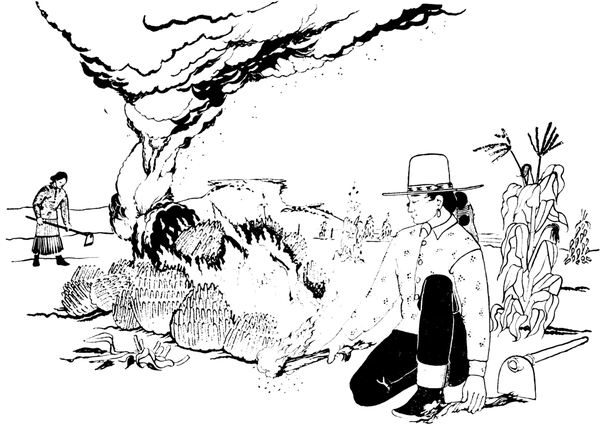
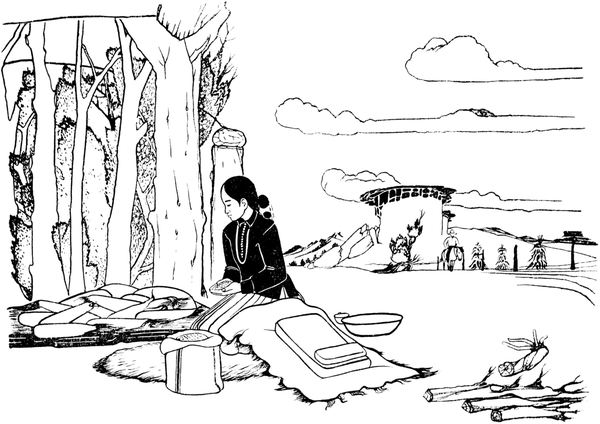
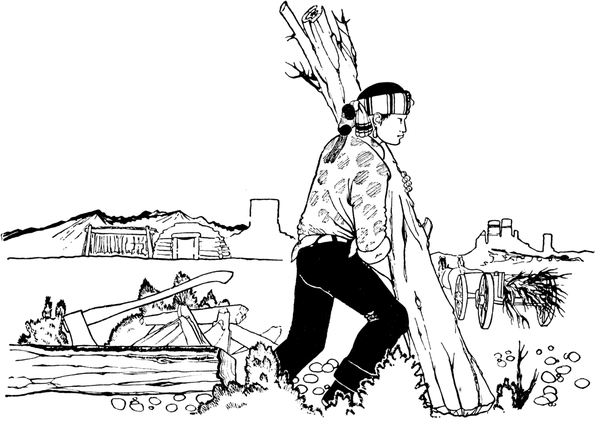
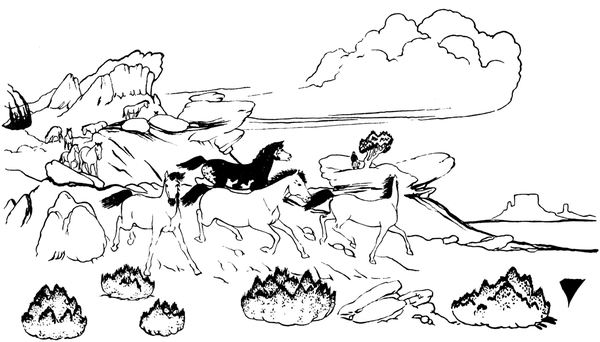
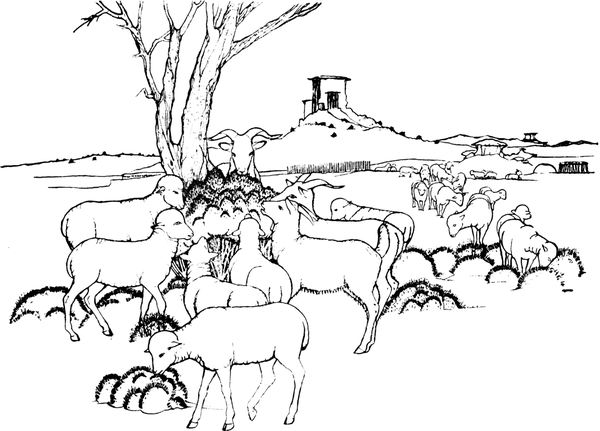
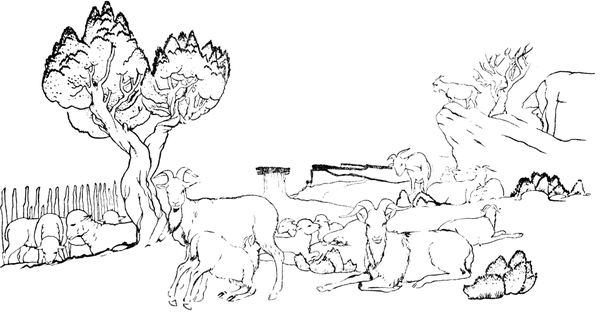
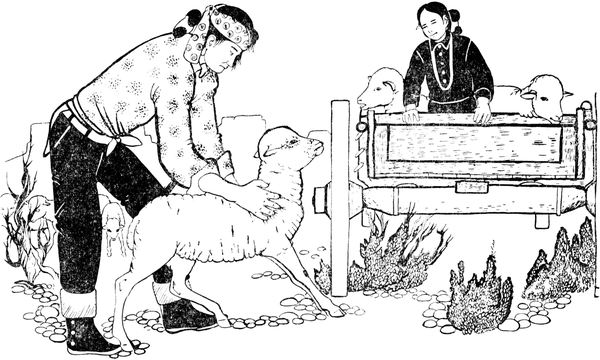
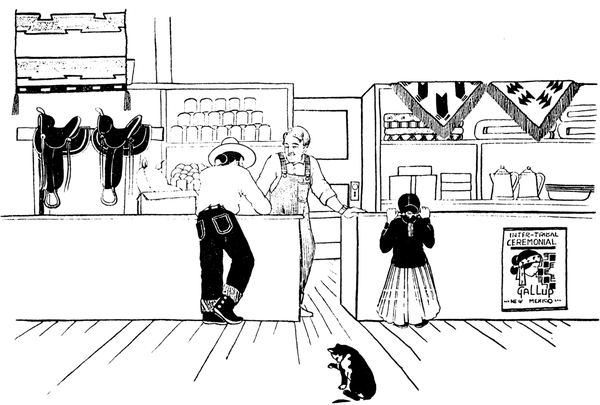
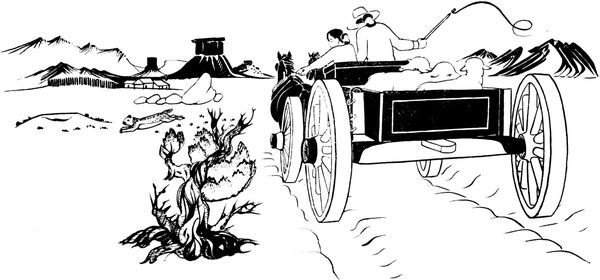
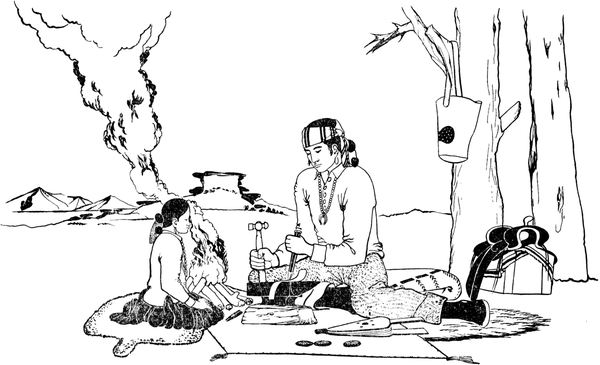
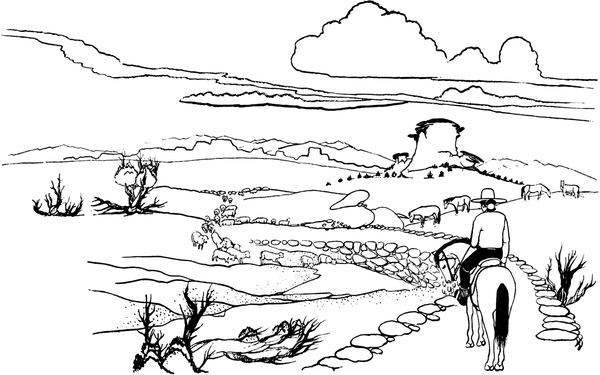
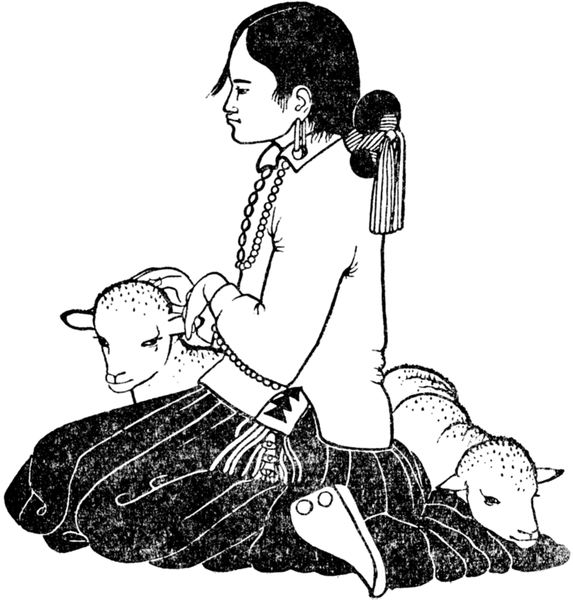
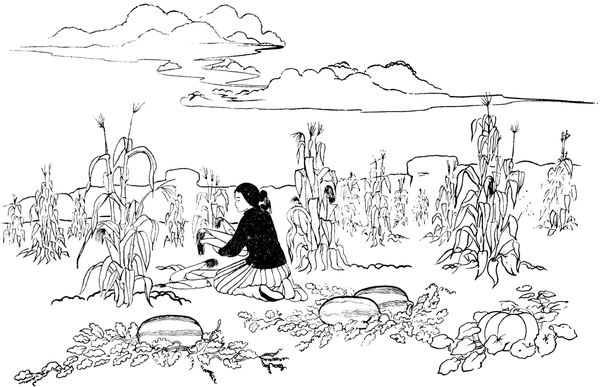
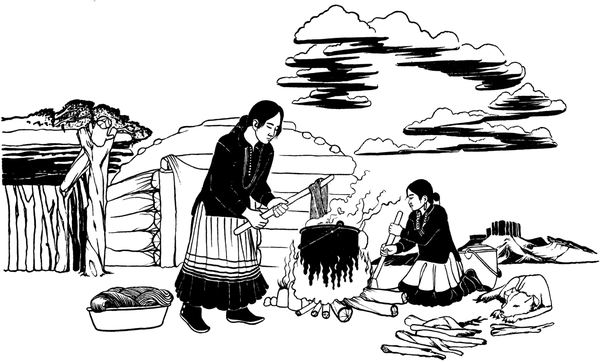
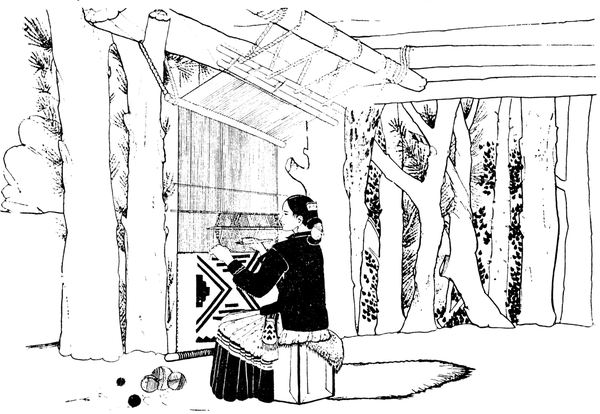
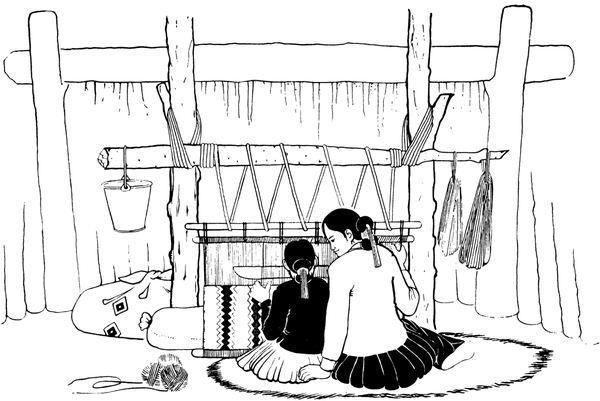
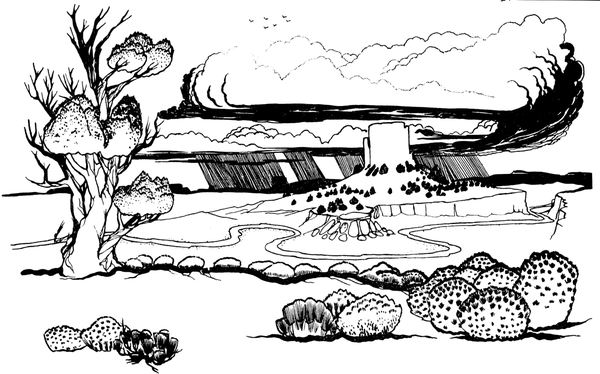
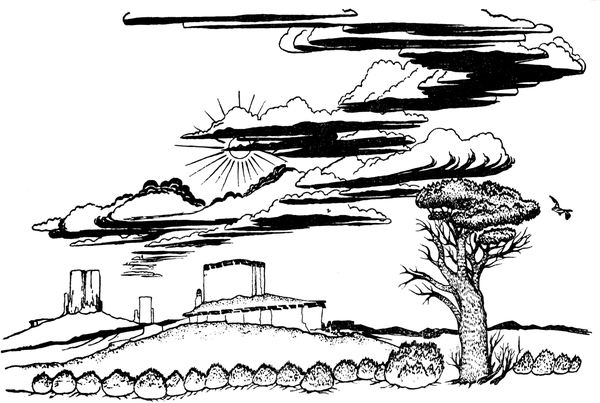
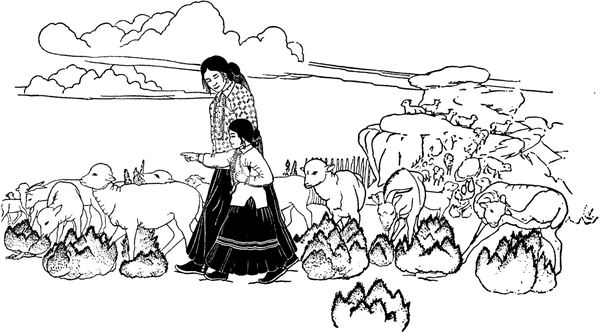
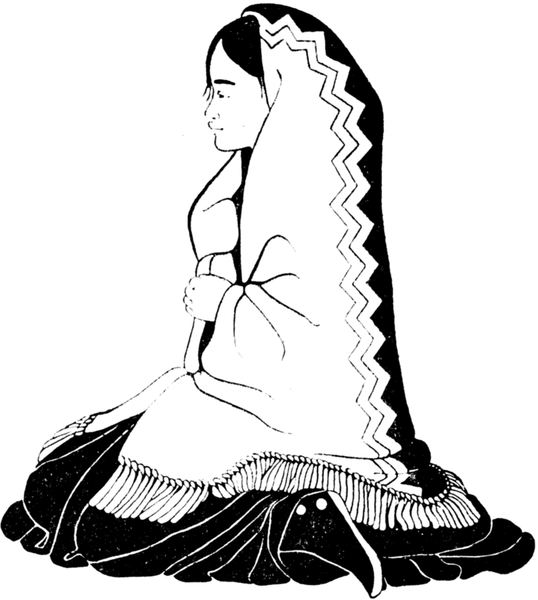
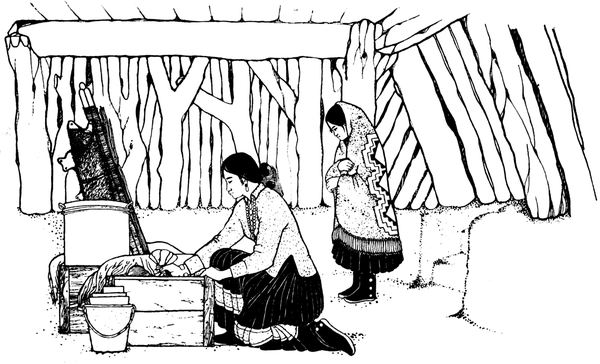
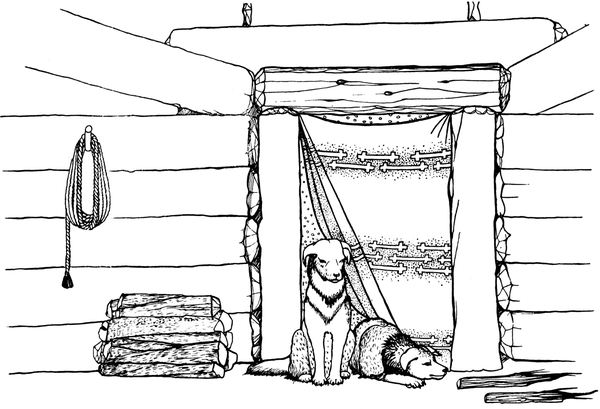
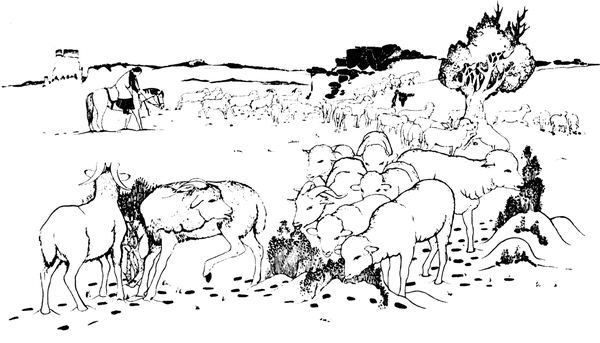
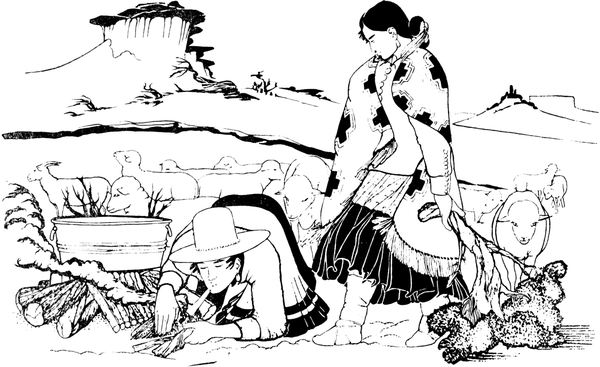
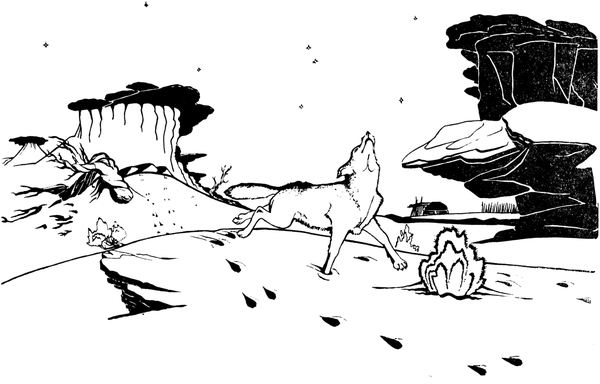
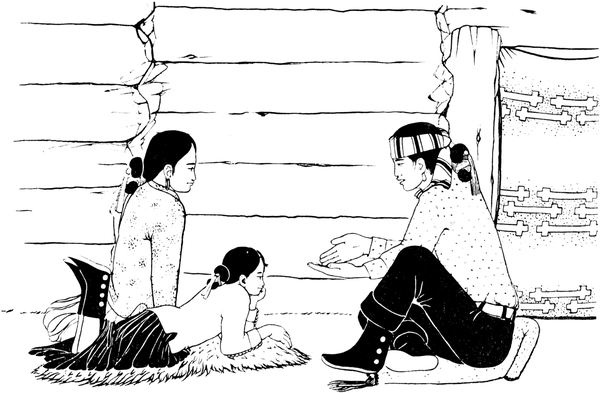
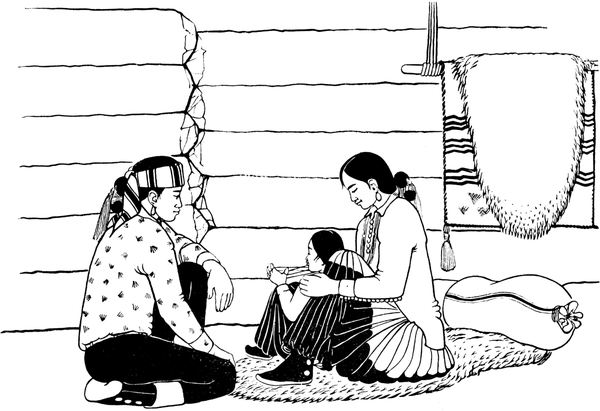
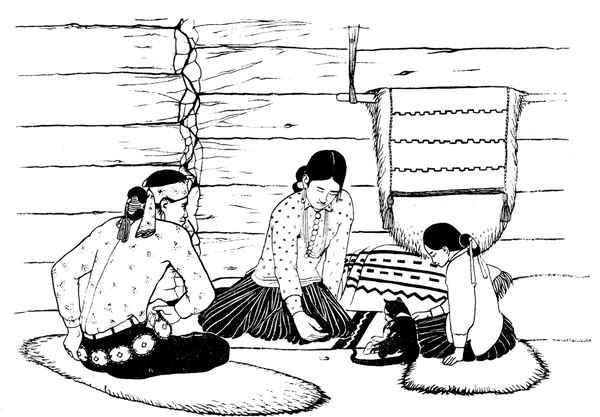
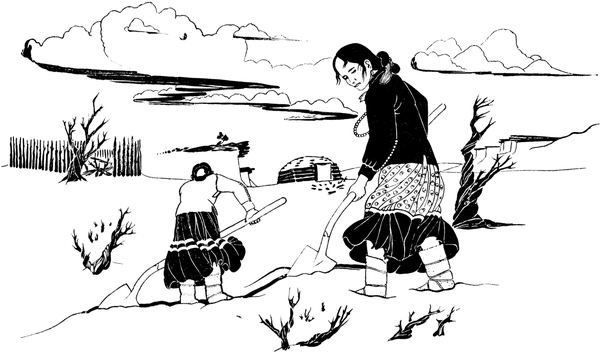
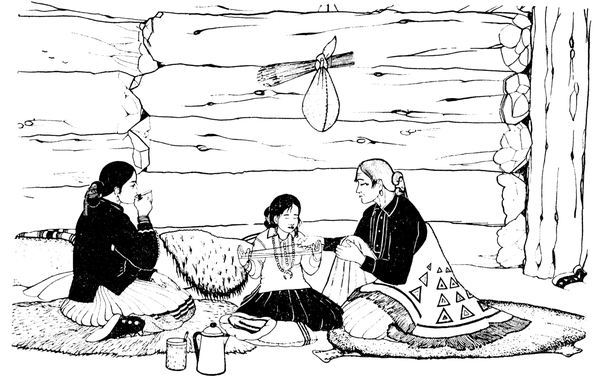
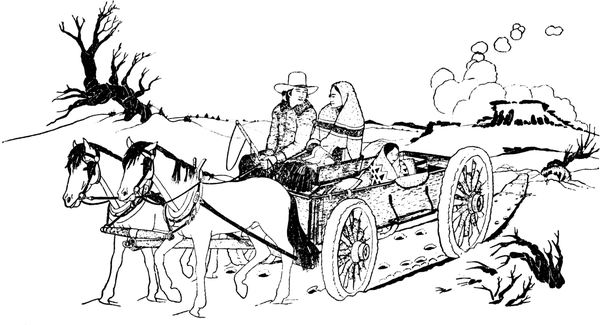
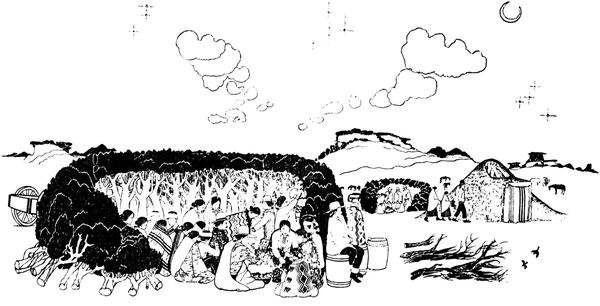
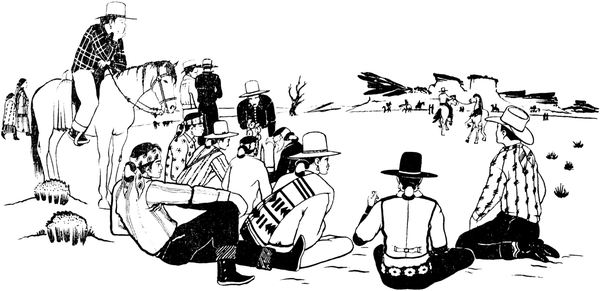
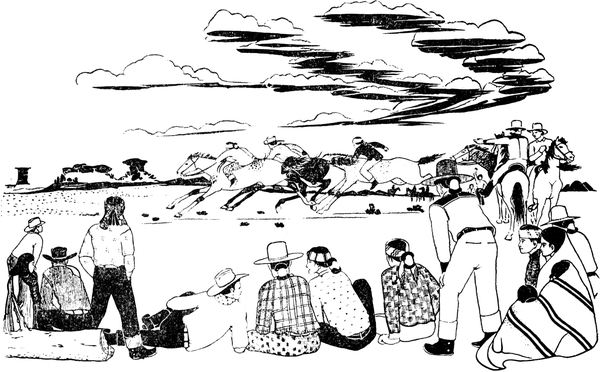
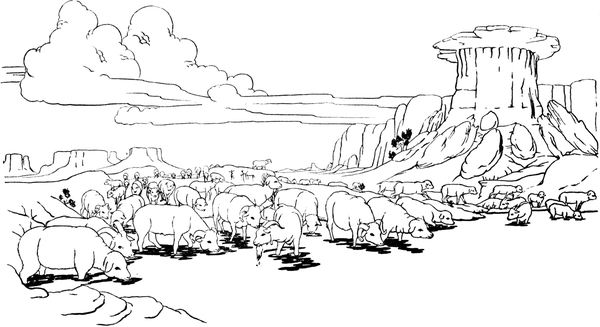
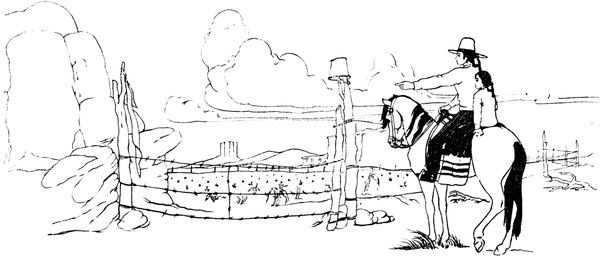
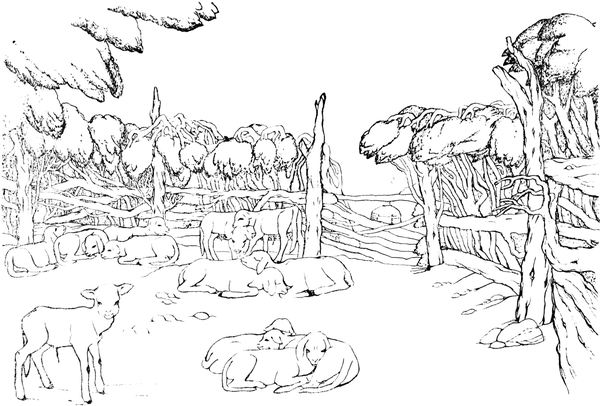
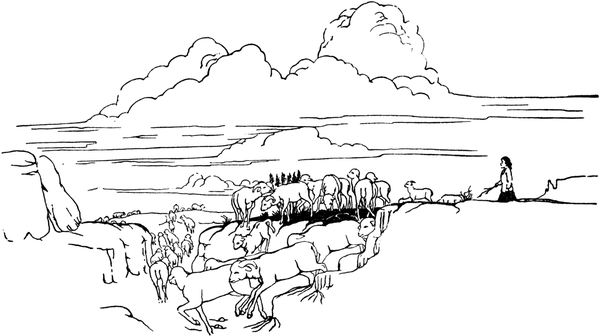
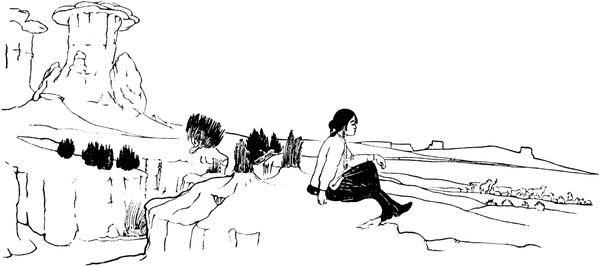
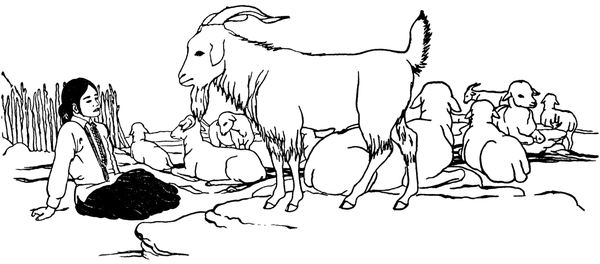
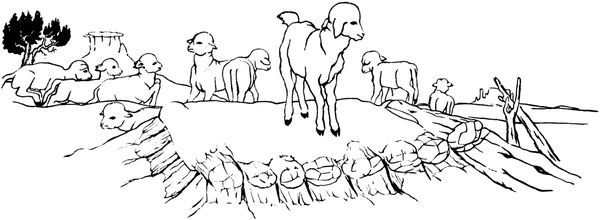
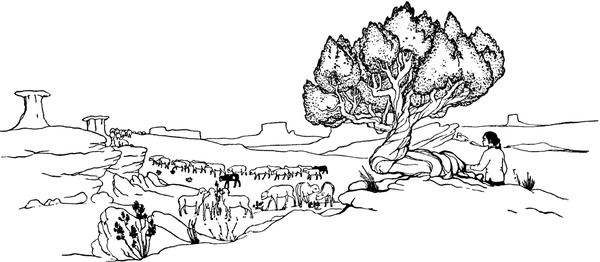
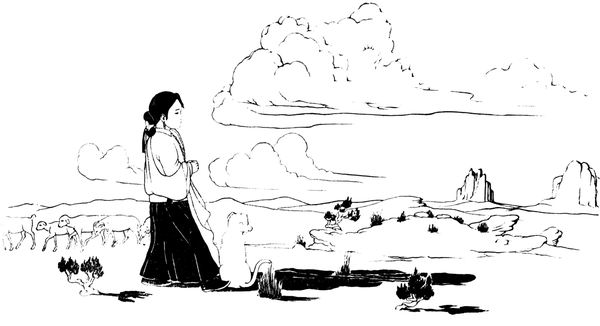
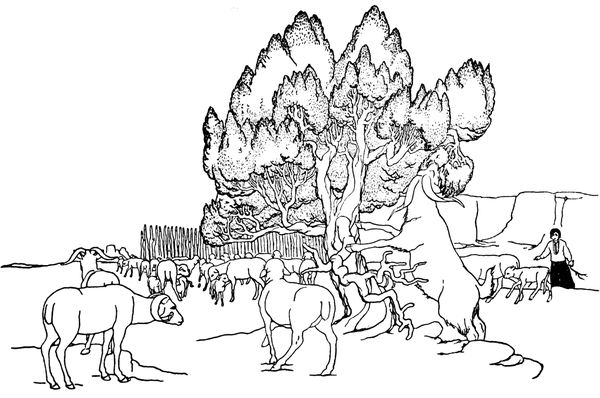
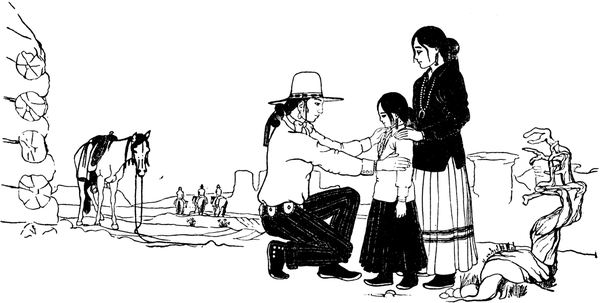
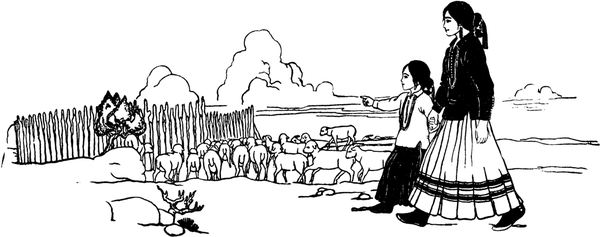
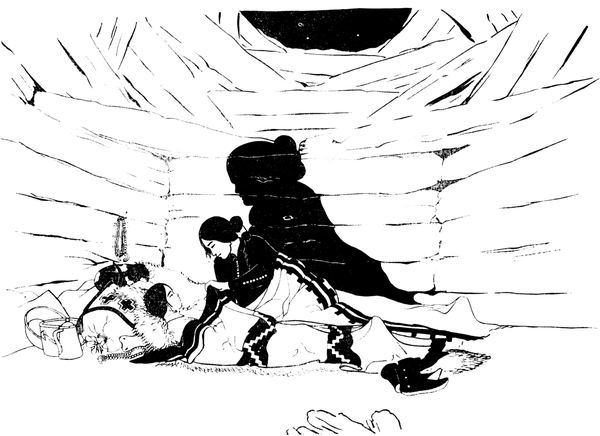
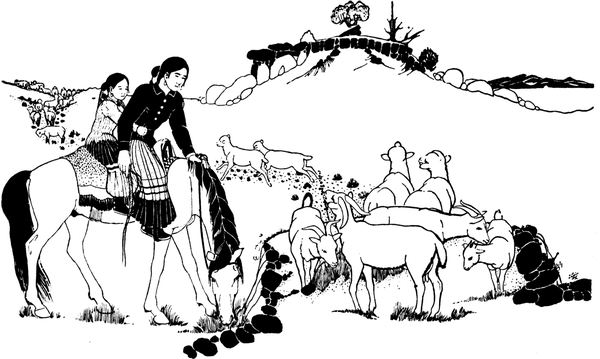
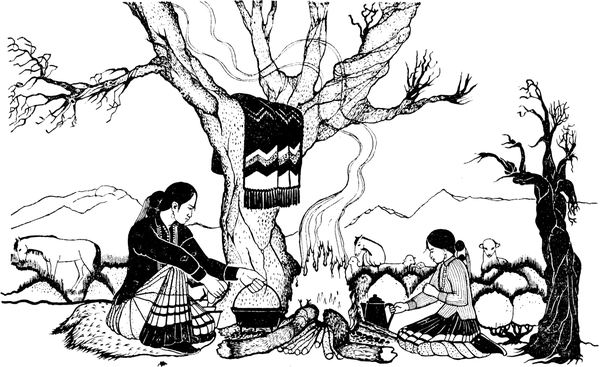
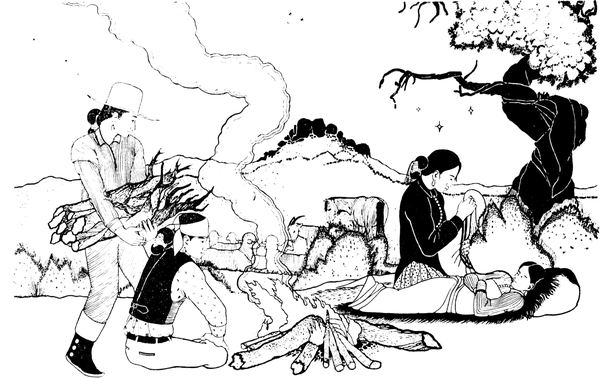
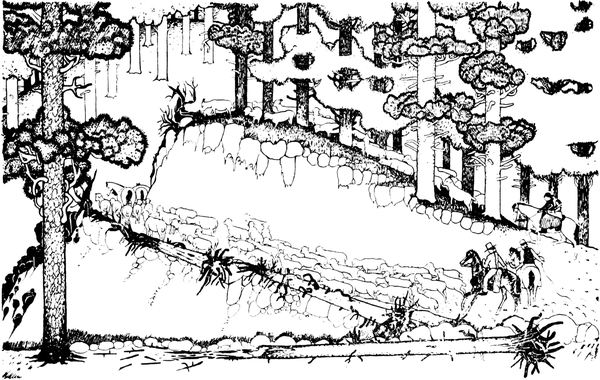
In Little Navajo Herder, we have brought together in one volume the pictured story of a year in the life of a little Navajo girl, which originally appeared in four separate books. In the first edition, which was prepared for classroom use in Federal Indian schools, the stories appeared in both English and Navajo. However, the popularity of Little Herder was not limited to the child readers of her own tribe. She has found her way into the hearts of Indian children throughout the nation. The universality of her appeal is indicated by increasing interest in her story by non-Indian children in home and school. Selections from her books have found their way into dozens of anthologies. This popularity with those who read only English has dictated this single volume edition in English. Again the delightful drawings by Hoke Denetsosie, a full-blood Navajo artist, are used.
Little Navajo Herder bids fair to find a permanent place in children's literature, as has Mrs. Clark's earlier volume on Pueblo life—"In My Mother's House." This book is illustrated by a Pueblo artist, Velerio Herrera, and is published by Viking Press.
Other Indian stories by Mrs. Clark have been published by the Indian Service for use in Indian schools. A complete list may be obtained from Haskell Institute, Lawrence, Kansas.
IN AUTUMN — HOME LAND — THE HOGAN — NIGHT CORRAL — THE CORNFIELD — MY MOTHER — MY FATHER — POSSESSIONS — THE HORSES — THE SHEEP — THE GOATS — THE LAMBS — THE TRADING POST — SELLING — THE SILVERSMITH — TURQUOISE — IT IS DRY — SORTING THE WOOL — CLEANING THE WOOL — CARDING THE WOOL — SPINNING — AUTUMN — DYEING — WEAVING — LEARNING TO WEAVE — FLOOD — SUN — HERDING
| Page | |
|---|---|
| Home Land | 3 |
| The Hogan | 4 |
| Night Corral | 5 |
| The Cornfield | 6 |
| My Mother | 7 |
| My Father | 8 |
| Possessions | 9 |
| The Horses | 10 |
| The Sheep | 11 |
| The Goats | 12 |
| The Lambs | 13 |
| The Trading Post | 14 |
| Selling | 15 |
| The Silversmith | 17 |
| Turquoise | 18 |
| It Is Dry | 19 |
| Sorting the Wool | 20 |
| Cleaning the Wool | 21 |
| Carding the Wool | 22 |
| Spinning | 23 |
| Autumn | 25 |
| Dyeing | 27 |
| Weaving | 29 |
| Learning To Weave | 30 |
| Flood | 32 |
| Sun | 33 |
| Herding | 34 |
IN WINTER — SNOW — THERE IS NO FOOD — THE DOGS ARE HUNGRY — MELTING SNOW WATER — NIGHT — STORY TELLING — "IT-IS-TWISTED" — PAWN — MORNING — SHOVELING SNOW — CAT'S CRADLES — FATHER COMES BACK — SUPPER — SLEEP — MORNING SUN — GOING TO THE SING — THE SING — THE BETTING — THE RACE — GOING HOME
| Page | |
|---|---|
| Snow | 39 |
| There Is No Food | 41 |
| The Dogs Are Hungry | 43 |
| Melting Snow Water | 44 |
| Night | 47 |
| Story Telling | 48 |
| It-Is-Twisted | 50 |
| Pawn | 51 |
| Morning | 53 |
| Shoveling the Snow | 54 |
| Cat's Cradles | 55 |
| Father Comes Back | 56 |
| Supper | 58 |
| Sleep | 59 |
| Morning Sun | 60 |
| Going to the Sing | 61 |
| The Sing | 63 |
| The Betting | 66 |
| The Race | 68 |
| Going Home | 70 |
IN SPRING — MORNING — THE HOGAN — BREAKFAST — POSSESSIONS — SHEEP CORRAL — THE PUPPY — THE WATERHOLE — THE FIELD — LITTLE LAMBS — HERDING — LITTLE BELLS — LAMBS IN THE SNOW — THE WIND — NOON — THINKING — OLD GRANDFATHER GOAT — BABY GOATS — AFTERNOON — SUNSET — GREEDY GOAT — BEAUTIFUL MOUNTAIN — MEETINGS — GOING HOME — NIGHT
| Page | |
|---|---|
| Morning | 73 |
| The Hogan | 74 |
| Breakfast | 75 |
| Possessions | 76 |
| Sheep Corral | 78 |
| The Puppy | 79 |
| The Waterhole | 80 |
| The Field | 81 |
| Little Lambs | 82 |
| Herding | 83 |
| Little Bells | 85 |
| Lambs In the Snow | 86 |
| The Wind | 88 |
| Noon | 90 |
| Thinking | 91 |
| Old Grandfather Goat | 92 |
| Baby Goats | 93 |
| Afternoon | 94 |
| Sunset | 95 |
| Greedy Goat | 96 |
| Beautiful Mountain | 97 |
| Meetings | 98 |
| Going Home | 100 |
| Night | 101 |
IN SUMMER — TODAY — PACKING — GOODBYE TO MY HOGAN — GOODBYE — READY TO GO — GOODBYE GRAY CAT — ACROSS THE SAND — GOODBYE TO GRANDMOTHER — RIDING — NOON IN THE SAGEBRUSH — NIGHT CAMP — UP THE TRAIL — SUMMER RANGE — THE LAKE — SHELTER — THE SHEEP CORRAL — DAWN — MORNING PRAYER — THE SHEEP — THE GOATS — HERDING — NOON ON THE MESA — AFTERNOON — PLAYMATES — POSSESSIONS — STORM — LIGHTNING — FIRE — RAIN — EVENING — SUPPER — TALKING — SHEEP DIPPING — BEDTIME — THE STAR SONG
| Page | |
|---|---|
| Today | 105 |
| Packing | 106 |
| Goodbye To My Hogan | 107 |
| Goodbye | 108 |
| Ready To Go | 109 |
| Goodbye Gray Cat | 110 |
| Across the Sand | 111 |
| Goodbye To Grandmother | 112 |
| Riding | 113 |
| Noon in the Sagebrush | 114 |
| Night Camp | 115 |
| Up the Trail | 116 |
| Summer Range | 117 |
| The Lake | 118 |
| Shelter | 119 |
| The Sheep Corral | 120 |
| Dawn | 121 |
| Morning Prayer | 123 |
| The Sheep | 124 |
| The Goats | 126 |
| Herding | 127 |
| Noon on the Mesa | 130 |
| Afternoon | 131 |
| Playmates | 132 |
| Possessions | 134 |
| Storm | 135 |
| Lightning | 136 |
| Fire | 137 |
| Rain | 138 |
| Evening | 139 |
| Supper | 141 |
| Talking | 143 |
| Sheep Dipping | 145 |
| Bedtime | 146 |
| The Star Song | 147 |
| The Artist | 149 |
THE ARTIST
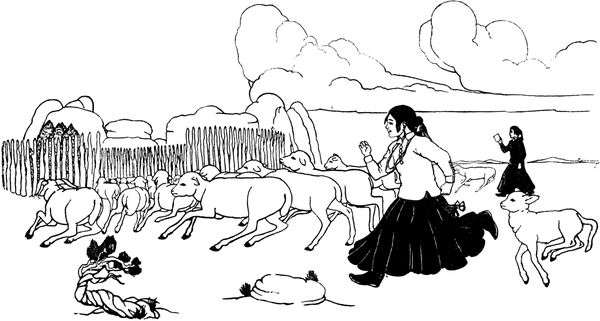
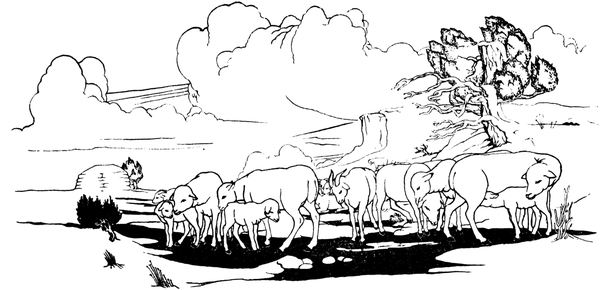
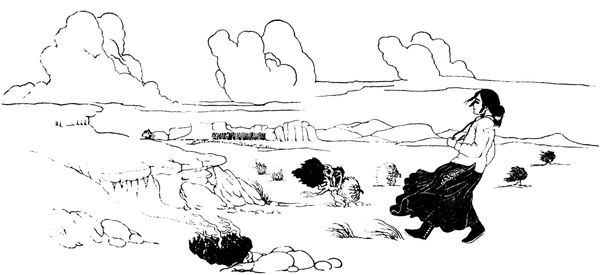
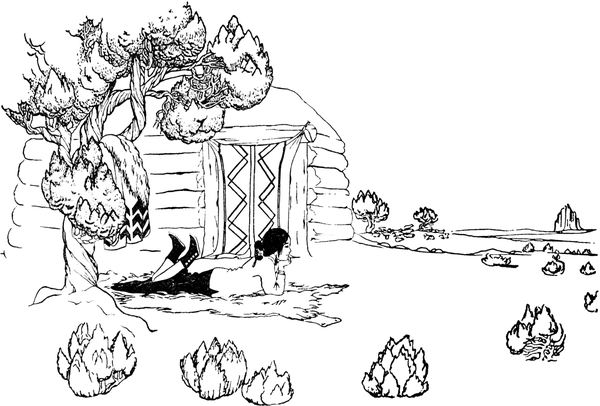
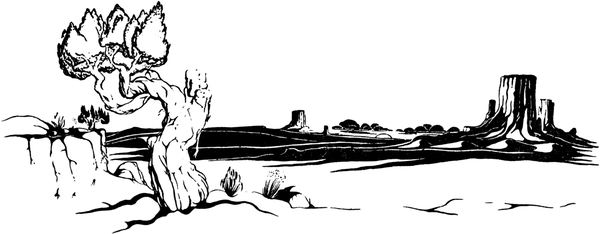
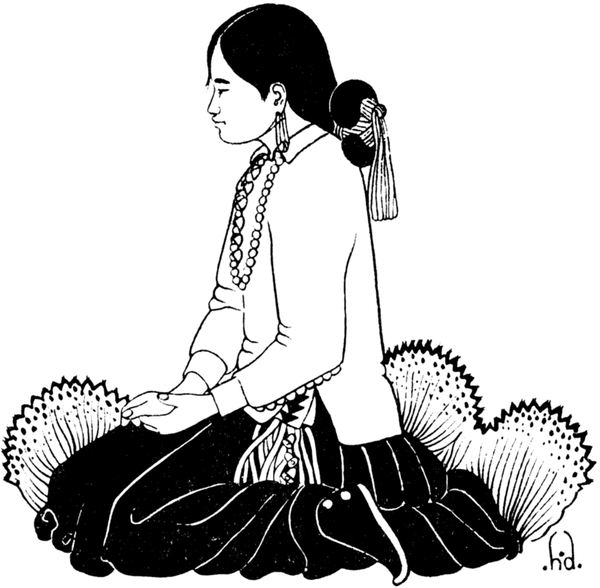
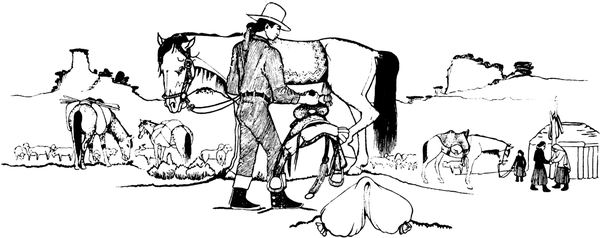
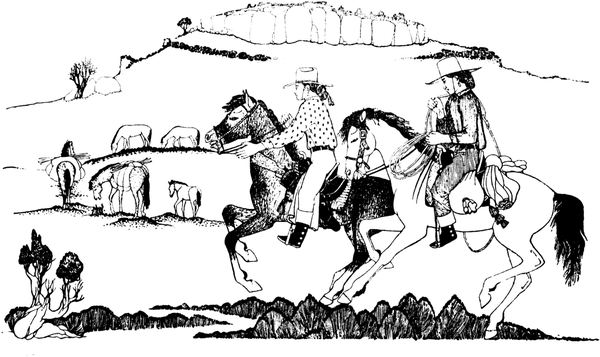
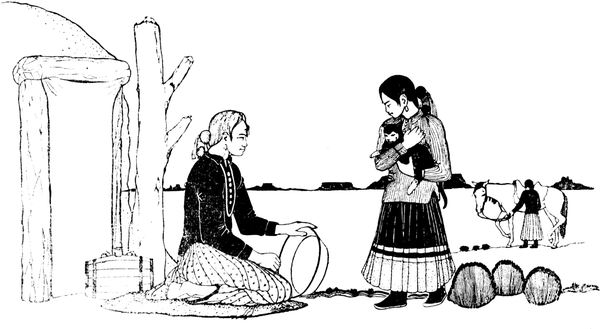
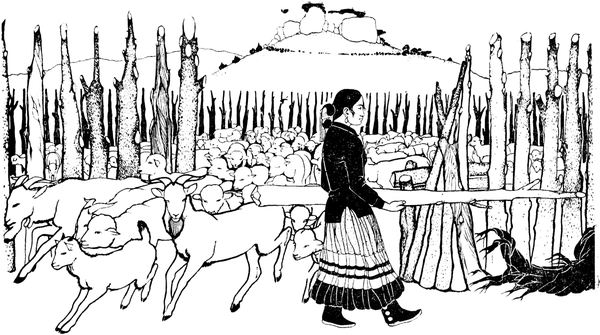
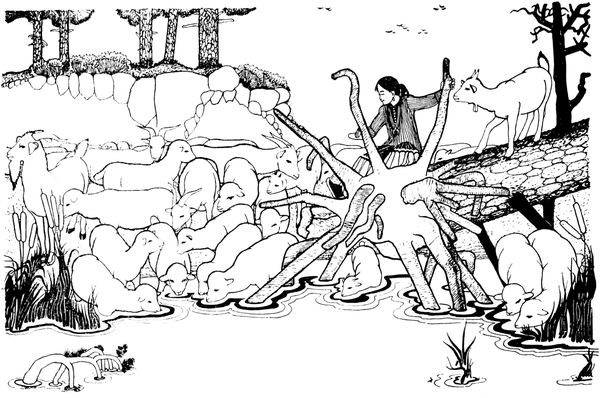
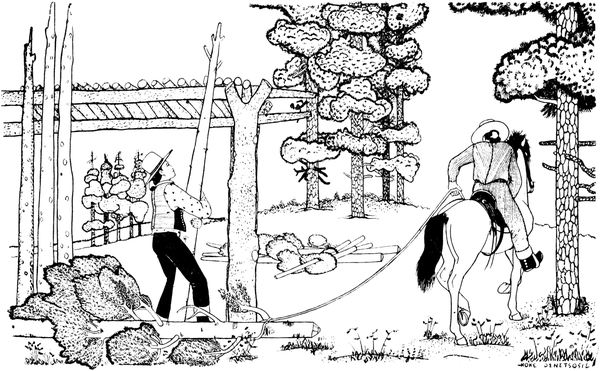
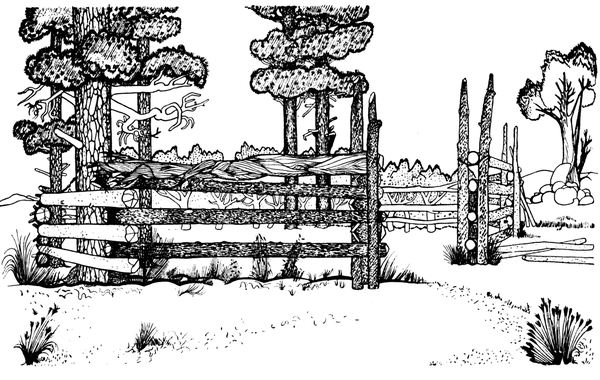
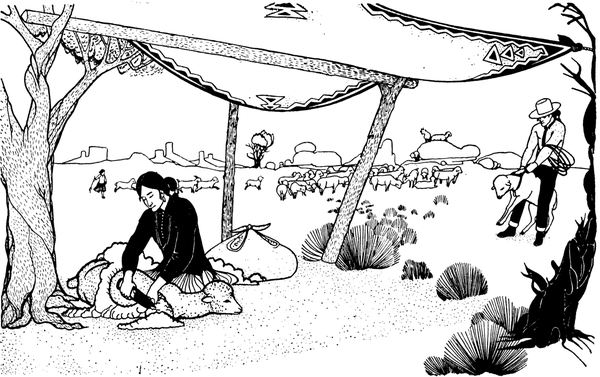
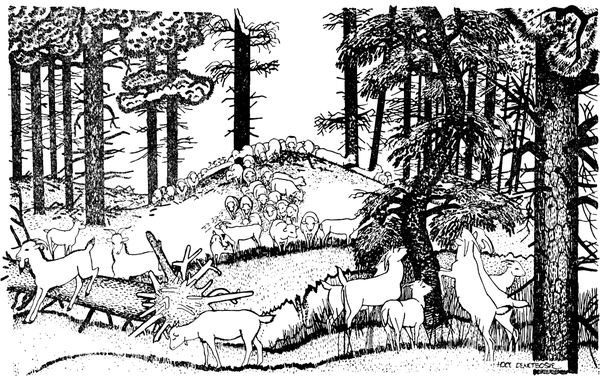
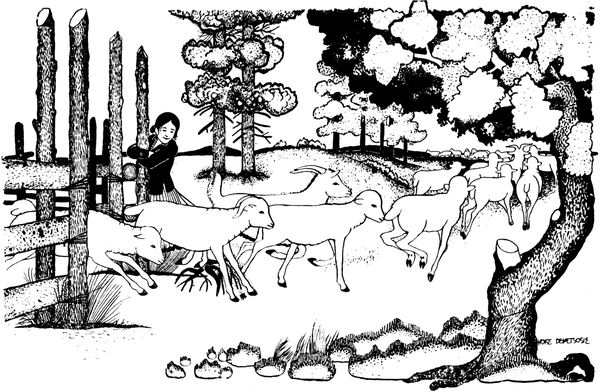
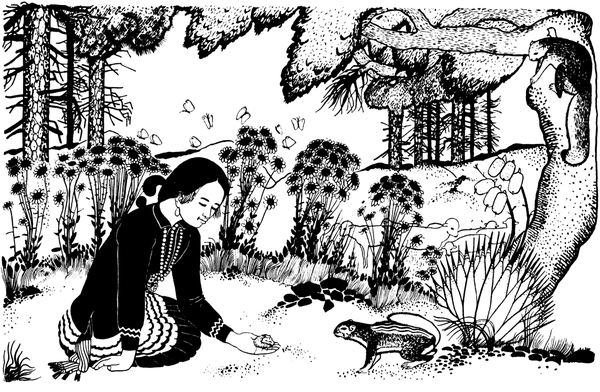
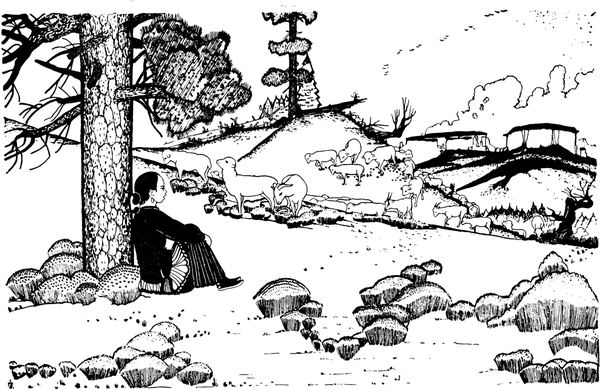
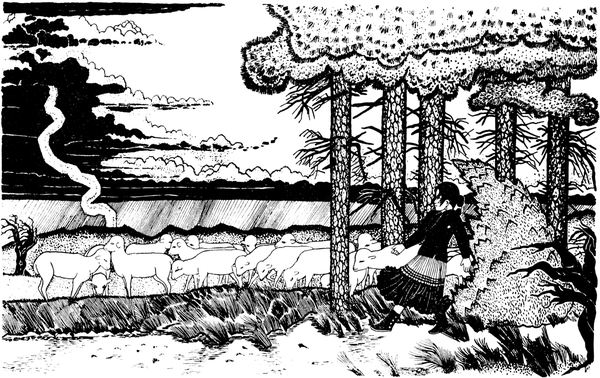
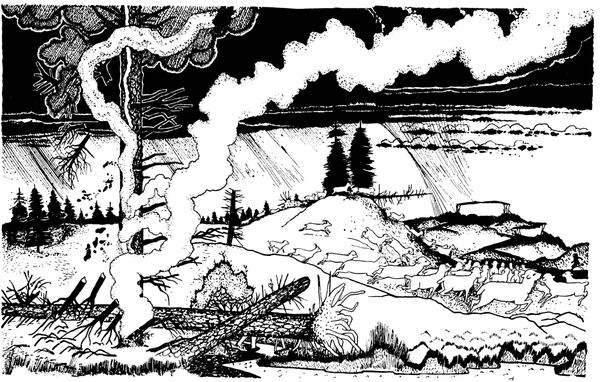
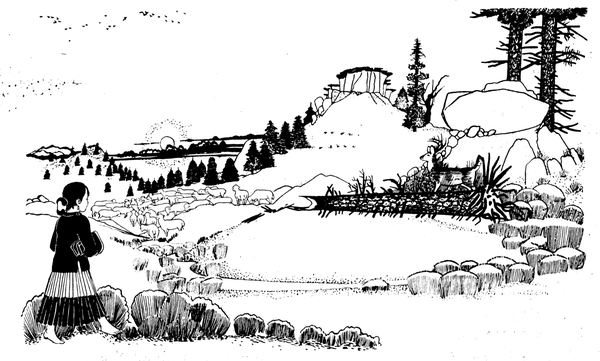
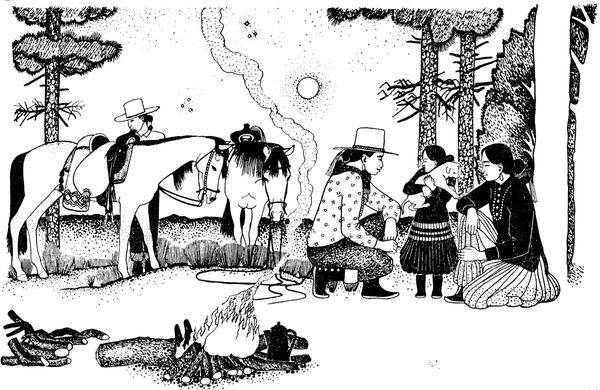
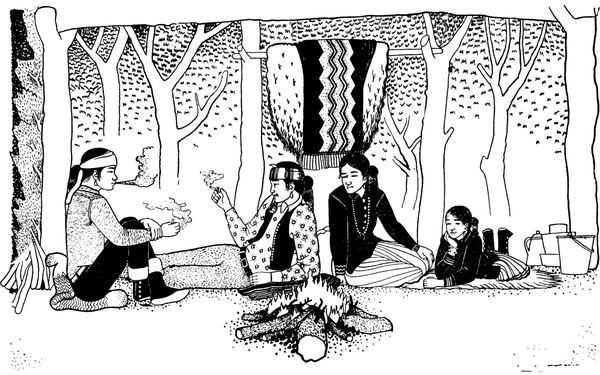
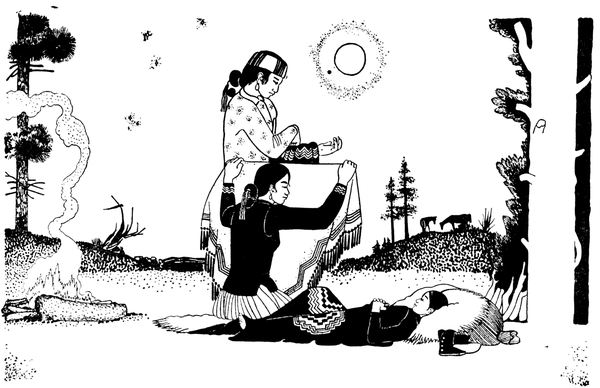
The artist, Hoke Denetsosie, is a full-blood Navaho boy of twenty years, born and raised near Tuba City in the western part of the reservation. He was a student at the Tuba school, and transferred to Phoenix Indian School for high school work. Hoke has been drawing for a number of years, during which time he has had little instruction. He finds the landscape of his native country a source of never-tiring interest. Prior to undertaking the problem of illustrating this series of stories, Hoke had done no work in black and white, but has developed his technique as he has proceeded.
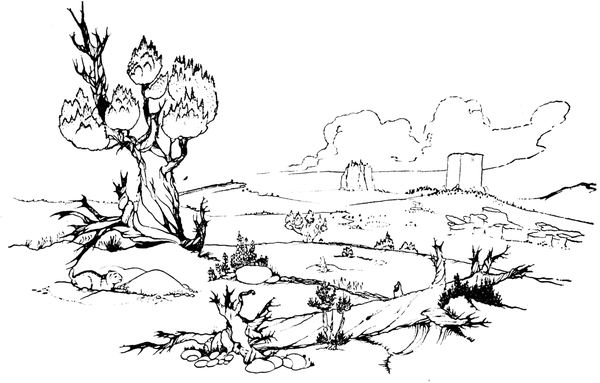
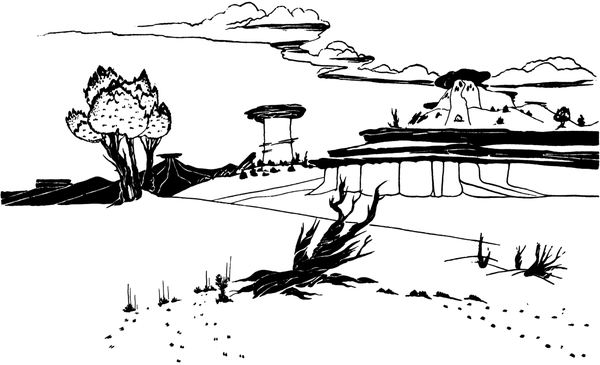
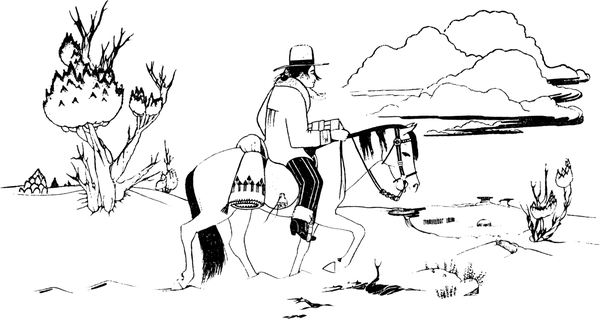
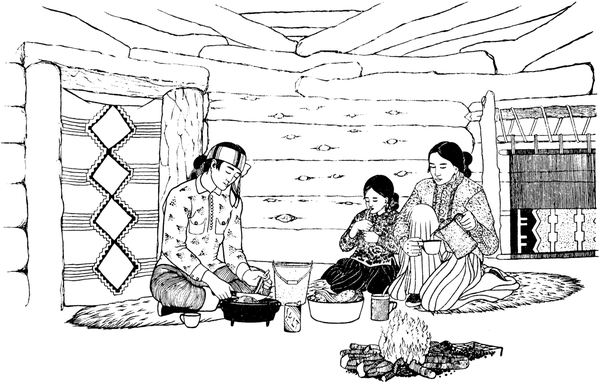
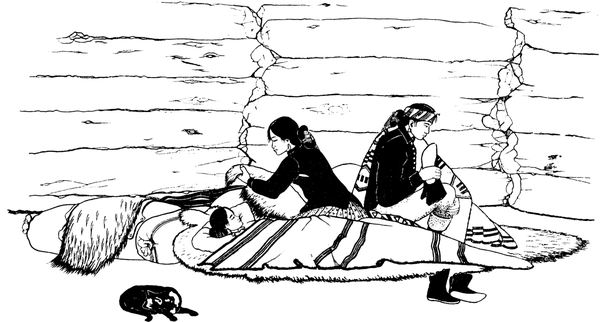
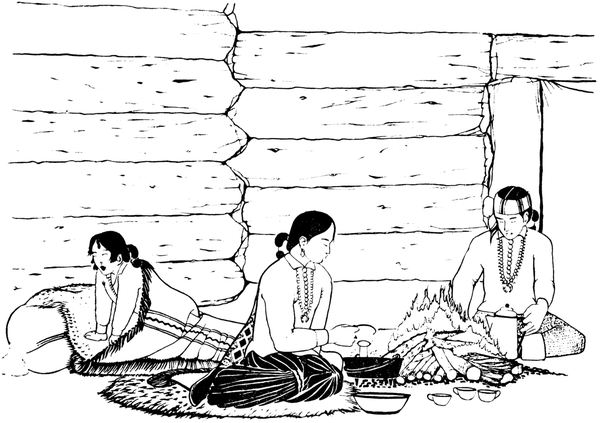
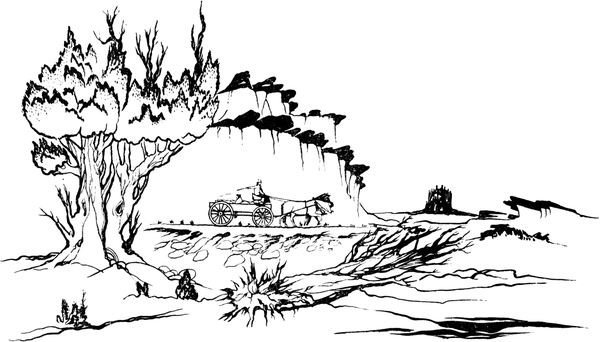
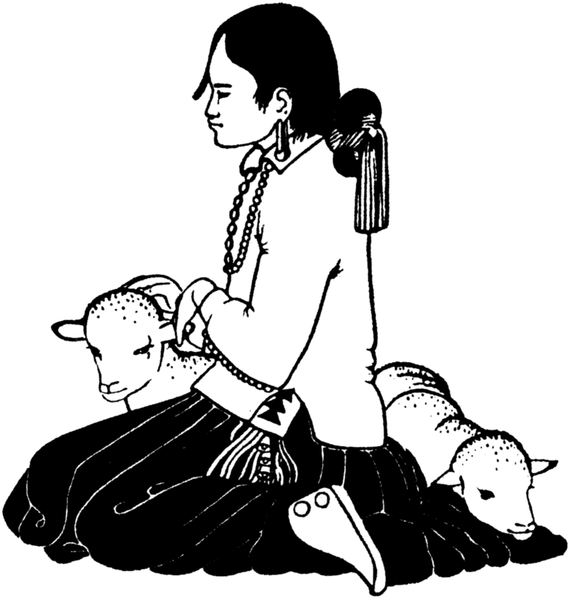
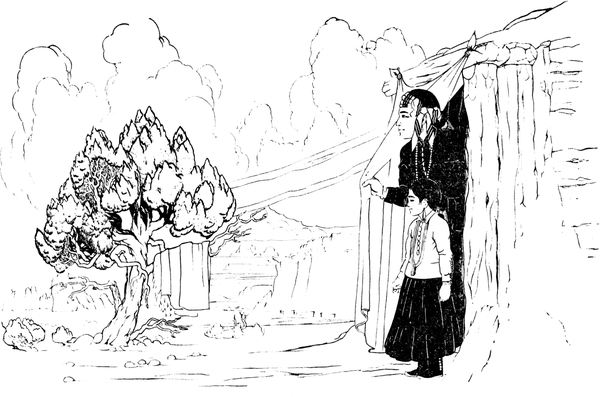
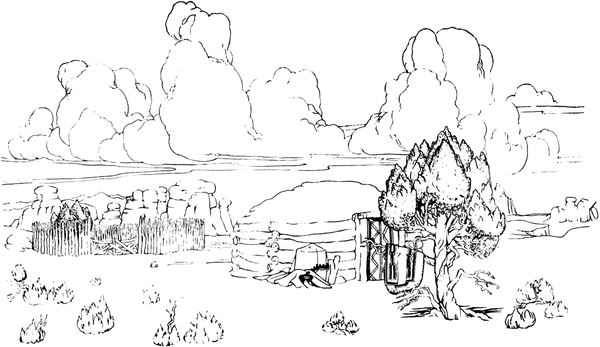
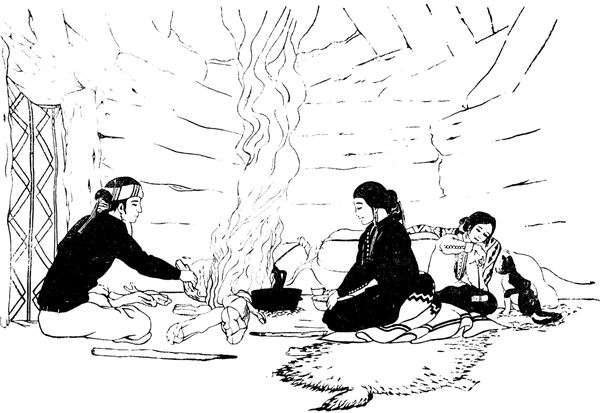
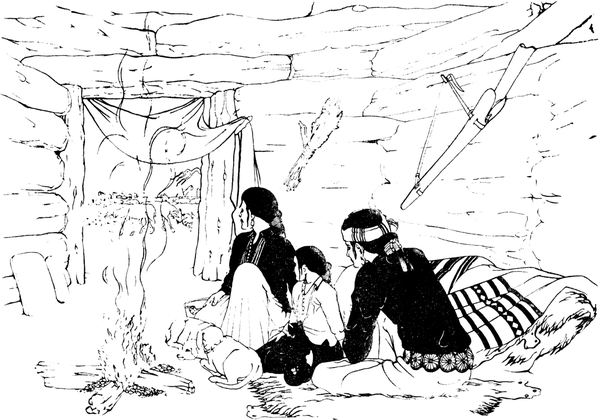
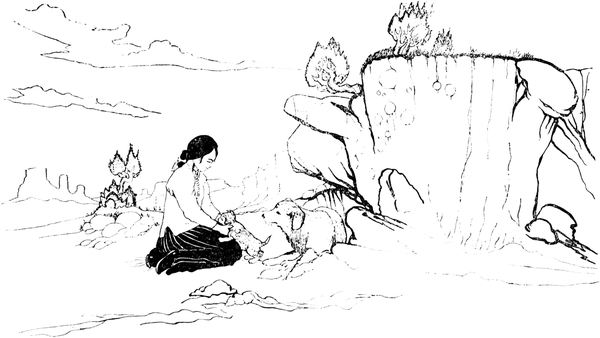
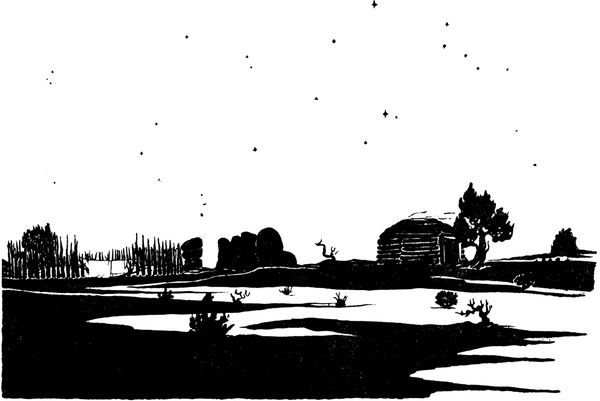
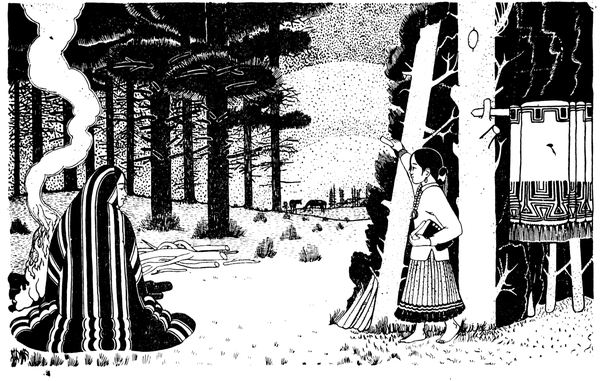
When Hoke was invited to prepare the illustrations for these stories, he was given the manuscripts to read, and then talked over with the author the things she had in mind in writing the various episodes of the story. By the variety of the story, many problems of illustration were encountered which an artist might avoid for many years if simply drawing in response to his own interest. Hoke has had full freedom in the solution of these problems, often preparing several sketches for a single episode, and then selecting between them for the final drawing. Some of the drawings have been frankly experimental—showing a snow scene in the simple black and white technique developed by Hoke, for example; or distinguishing between night and day. The style is the artist's own, and is neither the flat stylized drawing of many Pueblo artists, nor the minutely shaded drawing of the white man. The artist was chosen because he possesses a sure skill and inquiring mind. It is believed that his present pictures will illuminate the text, and give pleasure to many; and that he may have before him an artistic future. He has the following brief statement to make about his own work:
"I shall always remember the day when I received the first manuscript of the Little Herder series. The only instructions and suggestions I received before I began were; 'Here are the manuscripts, let's see what you can do with them.'
"So not knowing the first thing about the fundamentals and principles of illustration the work really launched several months of extensive experimentation, the result of which was the black and white technique finally achieved. The use of simple black and white technique was employed because it is more readily understandable for a child.
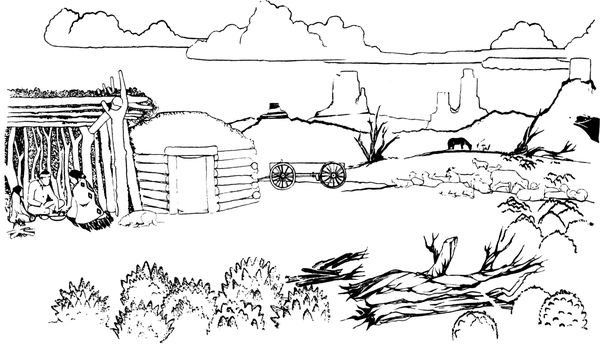
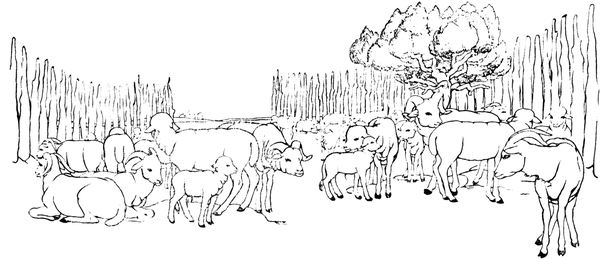
"The nature of the stories, being concerned with Navaho life, called for illustration genuine in every sense of the word. I had to observe and incorporate in pictures those characteristics which serve to distinguish the Navaho from other tribes. Further, the setting of the pictures had to change to express local changes as the family moved from place to place. The domestic animals raised by the Navaho had to be shown in a proper setting just as one sees them on the reservation. The sheep could not be shown grazing in a pasture, nor the horses in a stable, because such things are not Navaho.
"In other words the ideas were represented in an earnest attempt to express as far as possible the author's feelings, but without hindering the illustrator's freedom."
TRANSCRIBER'S NOTES
- Silently corrected simple spelling, grammar, and typographical errors.
- Retained anachronistic and non-standard spellings as printed.