When A-bra-ham Lin-coln was a score and five years
old, a great chance to step up came to him. His friends
sent him to the Il-li-nois Leg-is-la-ture. He had then
not one dol-lar with which he could buy clothes to wear
to that place. A friend let him have the funds of which
he was in need, sure that they would come back to him.
At first, the young man in the new place did not
talk or do much. He felt that it was best for him, then,
to wait and learn. He made a stud-y of the new sort
of men a-bout him at that time. When it came his turn
to speak, he said just what he thought on the theme
that came up. His mind told him that all who paid
tax-es or bore arms ought to have the right to vote.
He was not a-fraid to say that, though men of more
years and more fame than he took the oth-er side. He
was brave, but not rash. His speech was plain, but to
the point. He did not boast. He did not try to hide
the fact that he was poor. There were, some-times,
those who called them-selves “men,” who would point
at his plain clothes of “blue jeans” and laugh at them,
and try to get oth-ers to do the same. The great length
of bod-y, the toil-worn hands, the back-woods ways
made talk for foes, but Lin-coln bore these “flings”
well, and oft-en used them for jokes.
Though this high post had come to A-bra-ham Lin-coln
he did not feel too proud to do the “sim-ple deeds
of kind-ness” which he had
done all through his life. It
seems that one day he went
out with some law-mak-ers,
for a ride on the prai-ries.
He passed a place where
a pig was stuck in
the mud. The poor
beast looked up at
him as if beg-ging
his help. The look
plain-ly said that
death must soon
come un-less the
horse-man gave his
aid. Lin-coln was wear-ing his best clothes at that time.
They had been bought with the mon-ey his friend had
loaned him. A new suit could not be his for a long
time. And yet, e-ven though gone past, and at the
risk of jeers from his com-rades, he went back, got off
his horse, and pulled the pig out up-on firm land. To
be sure there was mud on his clothes, but his heart was
free from re-gret.
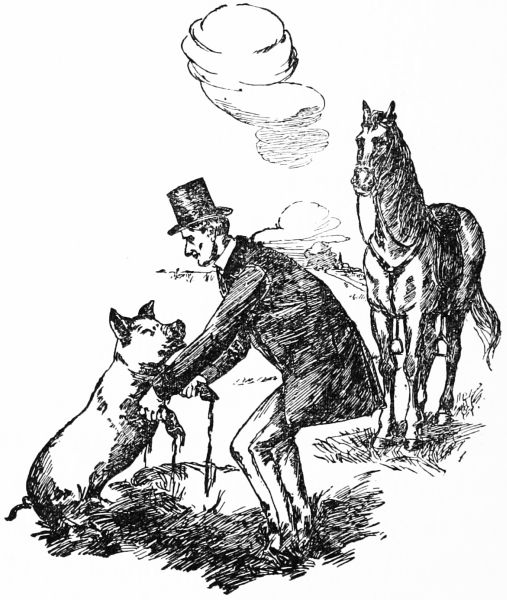
A KIND DEED.
Though A-bra-ham Lin-coln had been ad-mit-ted to
the Bar and had been made a mem-ber of the Leg-is-la-ture,
still he went on with his stud-ies, nev-er let-ting a
day go by on which he did not give some hours to
books. These books told a-bout math-e-mat-ics, as-tron-o-my,
rhet-o-ric, lit-er-a-ture, log-ic and oth-er things
with hard names.
While at work with chain and tools, tak-ing the length
and breadth of the land, Mr. Lin-coln earned from
$12.00 to $15.00 each month. He used a part of this
small sum to pay up an old debt and al-so had to help
his kin from week to week. But he felt he must give
up this small sure mon-ey for the sake of his new start
in life, though the gains were by no means sure to be
large. He said he would “take his chance” at the law.
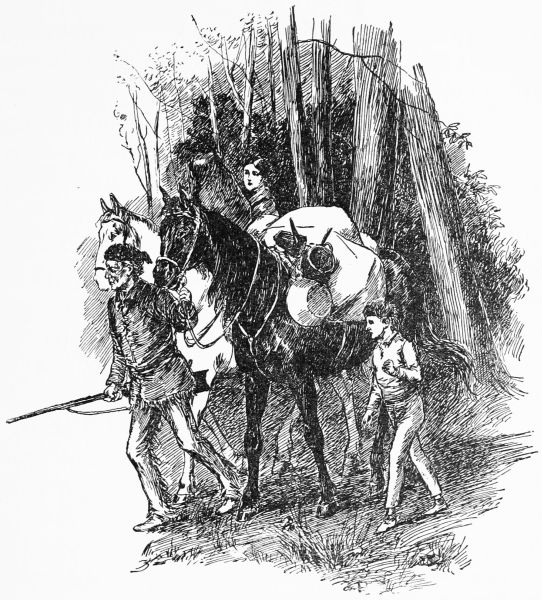
It was in A-pril, 1837, that Mr. Lin-coln rode in-to
Spring-field, Ill., on a horse a friend had loaned him.
A few clothes were all that he owned, and these he had
in a pair of sad-dle bags, strapped on his horse. He
drew up his steed in front of Josh-u-a Speed’s store and
went in.
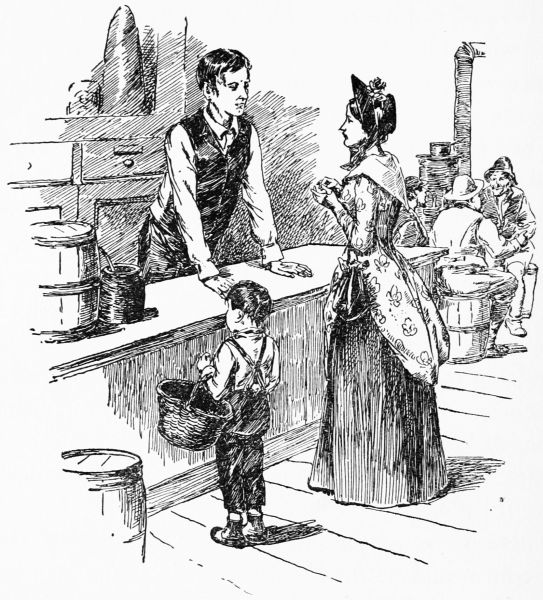
“I want a room, and must have a bed-stead and some
bed-ding. How much shall I pay?” he asked.
His friend Speed took his slate and count-ed up the
price of these things. They came to $17.00.
“Well,” said A-bra-ham Lin-coln, “I’ve no doubt
but that is cheap but I’ve no mon-ey to pay for them.
If you can trust me till Christ-mas, and I earn an-y-thing
at law, I’ll pay you then. If I fail, I fear I shall nev-er
be a-ble to pay you.”
Lin-coln’s face was sad. He had worked hard all his
life, had helped scores of folks, and now, af-ter so man-y
years, when he much need-ed mon-ey, he had none.
The friend-ly store-keep-er tried to cheer the good
man. “I can fix things bet-ter than that,” he said. “I
have a large room and a dou-ble bed up stairs. You
are wel-come to share my room and bed with me.”
So A-bra-ham Lin-coln took his sad-dle-bags up
stairs, and then came down with a bright look on his
face, and said, “There, I am moved!”
In Spring-field at that time was a man who had been
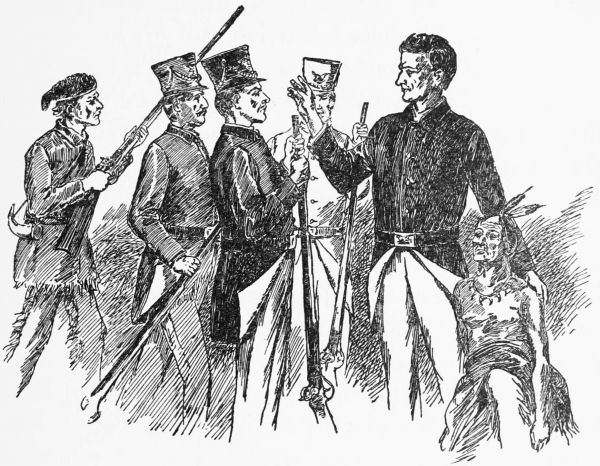
with Lin-coln as a sol-dier in the In-di-an war. This
was Ma-jor John T. Stu-art. He took Lin-coln in with
him as a law-part-ner and their firm name was Stu-art
& Lin-coln.
A-bra-ham Lin-coln’s first fee was three dol-lars made
in Oc-to-ber, 1837. There was not much law work the
first sum-mer. What there was had to be paid for,
oft-en, in but-ter, milk, fruit, eggs, or dry goods.
In those days folks lived so far a-part, that courts
were held first in one place and then in an-oth-er. So
Lin-coln rode a-bout the land, to go with the courts and
pick up a case here and there. In this way he saw
lots of peo-ple, made warm friends, and told scores of
bright tales.
At no time did he use a word which was not clear
to the dull-est ju-ry-man. All things were made plain
when Lin-coln tried a case. Not on-ly was he plain and
straight in what he said and did, but his heart was ev-er
ten-der and true.
A sto-ry is told of a thing that took place on one of
the “cir-cuit rid-ing” trips. Lin-coln saw two lit-tle birds
that the wind had blown from their nest, but where that
nest was one could not say. A close search at last
brought the nest to light, and Lin-coln took the birds
o-ver to it and placed them in it. His com-rades
laughed at him as he jumped on his horse and was rid-ing
a-way.
“That’s all right, boys,” said he. “But I couldn’t sleep
to-night un-less I had found the moth-er’s nest for those
birds.”
All ha-bits of stud-y were kept up, and in time fame
as a speak-er came to A-bra-ham Lin-coln. As a
wri-ter, too, he was prized. E-ven at the age of a score
and nine years he wrote so well up-on themes of the day
that the San-ga-mon Jour-nal and oth-er pa-pers would
print his ar-ti-cles in full.
In the year 1840, Miss Ma-ry Todd of Ken-tuc-ky
be-came Lin-coln’s wife, and helped him save his funds
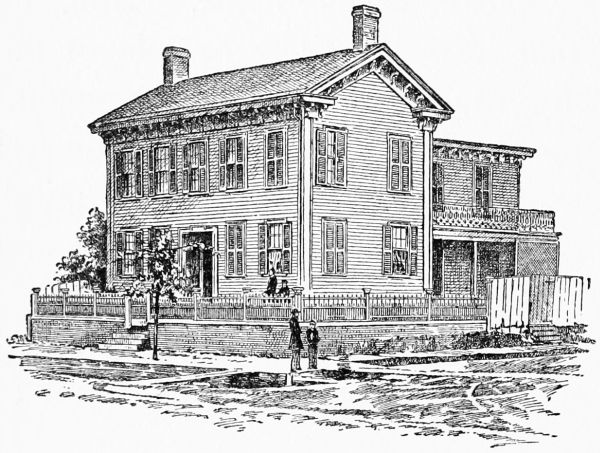
so well that, in a short time he was a-ble to buy a small
house in Spring-field. Then, soon, he bought a horse
and he was ver-y glad to do so.
By that year so well did Lin-coln speak that his name
was put up-on the “Har-ri-son E-lec-to-ral Tick-et,” that
he should “can-vass the State.” As he went a-bout the
land he oft-en met old friends, those who had known him
as a poor boy. Some-times it chanced that he could be
of use to them.
There was a Jack Arm-strong who once fought Lin-coln
when he was a clerk at Of-futt’s. The son of this
man was in trou-ble. The charge was mur-der. His
fa-ther be-ing dead, the moth-er, Han-nah, who knew
and had been kind to the boy Lin-coln, went, now, to
the man Lin-coln to plead with him to save her son.
The case was tak-en up, and much time and thought
giv-en to it. Things which were false had been told
but Lin-coln was a-ble to search out and find the truth,
and when at last he saw it and made oth-ers see it, the
lad went free.
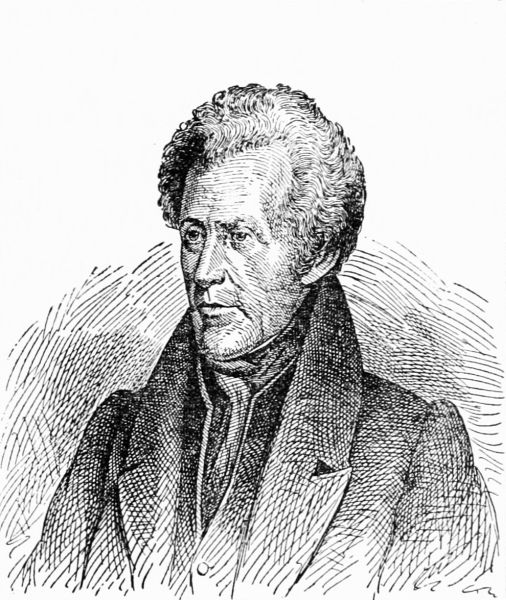
Though, at first, A-bra-ham Lin-coln thought much
of An-drew Jack-son, as time went on he found that
Jack-son held views that he could not hold. So he
came to be known as an an-ti-Jack-son man and made
his first en-try in-to pub-lic life as such. At the age of
31 he was known as the a-blest Whig stump speak-er
in Il-li-nois. Two great Whigs at that time were
Dan-iel Web-ster and Hen-ry Clay. Lin-coln was
sent, as a Whig, in 1846, to the Con-gress of the
U-ni-ted States, and he was the sole Whig mem-ber
from Il-li-nois.
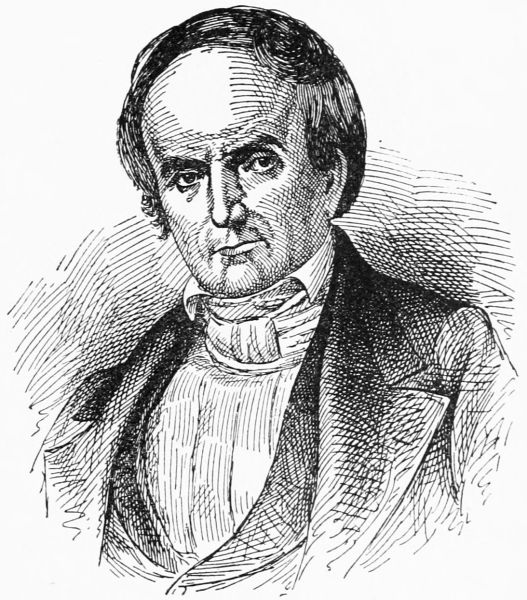
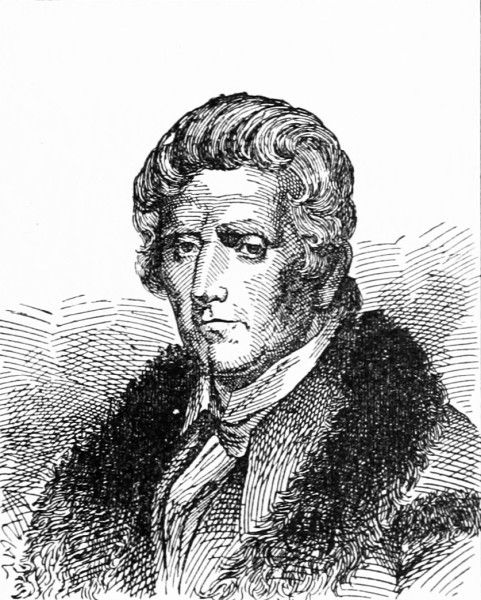
DANIEL WEBSTER.
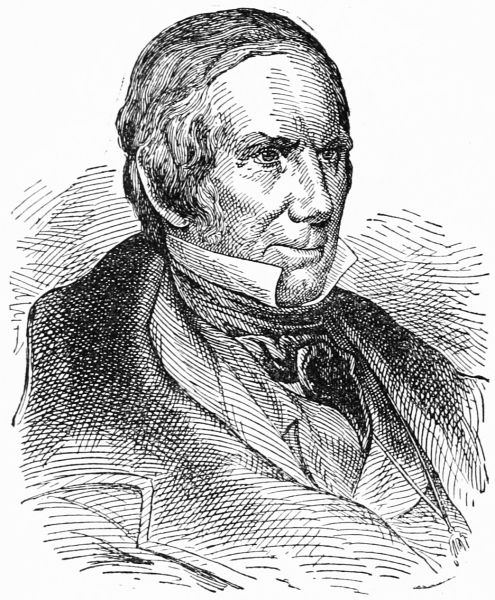
HENRY CLAY
Of course, friends were proud to feel that the poor
back-woods lad had come to so much fame. Some of
the old folks said they “knew it was in him.” Oth-ers
said “I told you so!”
Lin-coln had the same good sense that he had from
the start.
He made up his mind to watch and wait. He knew
that he could learn a deal from such great men as Web-ster
and Clay. When he had to speak he said just
what he thought in a plain strong way. He did not
want war with Mex-i-co. He was not a-lone in this.
But he thought that men who fought in that war, brave
sol-diers, should have their re-ward.
A thing that was of great weight Lin-coln did at that
time. He put in a bill which was to free the slaves in
the Dis-trict of Co-lum-bia. By his vote more than
once for the famed “Wil-mot Pro-vi-so” he hoped to
keep sla-ver-y from the Ter-ri-to-ries gained through the
war with Mex-i-co.
Though some fame came then to Lin-coln, funds did
not. Spring-field, home, and law work fol-lowed when
the term in Con-gress was o-ver.
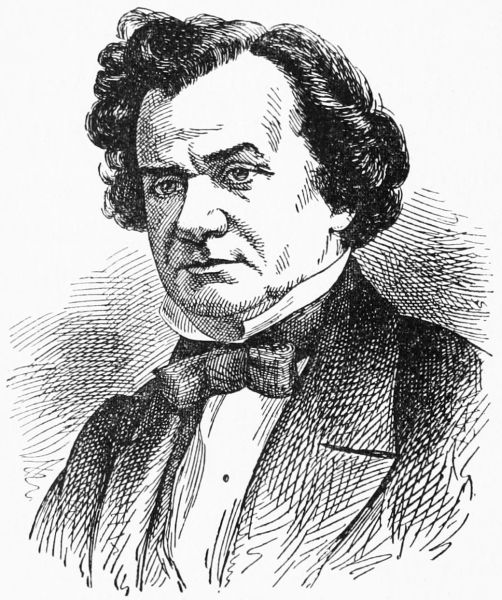
Those who took the oth-er side from Whigs were
called Dem-o-crats. They made a strong par-ty in
Il-li-nois, and were
led by a bright man
whose name was Ste-phen
A. Doug-las.
His friends called him
“the Lit-tle Gi-ant.”
This, they thought,
would make known to
all that though he was
small in size he was
great in mind. He
was well thought of
as a mem-ber of Con-gress,
could make a
good speech, was a fine law-yer, knew how to dress well,
and had a way of mak-ing folks think as he did.
While hard at work in law ca-ses, all at once, the
calm of Lin-coln’s life was bro-ken by a thing that took
place in 1854. A plan or pro-mise had been made that
sla-ver-y should not spread north of the state of Mis-sou-ri.
When the new states of Kan-sas and Ne-bra-ska
were a-bout to be made, this good pro-mise was
thrown a-side and a
bill was passed by Con-gress
which said that
the folks who had their
homes in those states
might say that there
should or should not
be sla-ver-y there.
The man who put
in that bill was Ste-phen
A. Doug-las.
The bill roused great
rage in those who felt
that sla-ver-y had gone
quite far e-nough.
Most folks at the North felt that the time had come
to cry “halt.” All through the states this theme was
so much talked a-bout that two sides were made, one of
which was formed of those who were will-ing that
sla-ver-y should go on and spread, while the oth-er was
formed of those who did not wish to have black men
held as slaves in the new lands.
Speech-es were made in great halls, and crowds
came to hear what the speak-ers had to say. In Il-li-nois,
Lin-coln, who all his life had been a-gainst sla-ver-y,
spoke straight to the peo-ple, show-ing them the wrong
or the “in-jus-tice” of that bill. His first speech on this
theme, has been called “one of the great speech-es of the
world.” He was brave and dared to say that “if
A-mer-i-ca were to be a free land, the stain of sla-ver-y,
must be wiped out.”
He said “A house di-vi-ded a-gainst it-self can-not
stand. I be-lieve this gov-ern-ment can-not en-dure
half slave and half free. I do not ex-pect the Un-ion to
be dis-solved; I do not ex-pect the house to fall; but I
ex-pect it will cease to be di-vi-ded. It will be-come all
one thing or all the oth-er. Ei-ther the op-po-nents of sla-ver-y
will ar-rest the fur-ther spread of it and place it
where the pub-lic mind shall rest in the be-lief that it is
in the course of ul-ti-mate ex-tinc-tion, or the ad-vo-cates
will push it for-ward till it shall be-come a-like law-ful
in all the states—old as well as new, North as well as
South.”
This speech made a great stir in the land. Some
men and wom-en had worked for years to do and say
the best thing for the slave but not one had put things
just right till Lin-coln said that “if A-mer-i-ca would
live it must be free.”
Lin-coln’s friends told him that they felt that his
speech would make foes for him and keep him from be-ing
sen-a-tor. The good man then said:
“Friends, this thing has been re-tard-ed long e-nough.
The time has come when those sen-ti-ments should be
ut-tered; and if it is de-creed that I should go down be-cause
of this speech, then let me go down linked to the
truth—let me die in the ad-vo-ca-cy of what is just and
right.”
From the first, Lin-coln felt as if he were in the
hands of God and led by Him in what he was to say
and do in the cause of Free-dom for all. He felt that
he, him-self, was not much, but that “Jus-tice and Truth”
would live though he might go down in their de-fence.
Though not quite half a cen-tu-ry had then gone by
since his dear moth-er had held him in her arms in their
poor Ken-tuc-ky home, and it was less, too, than a
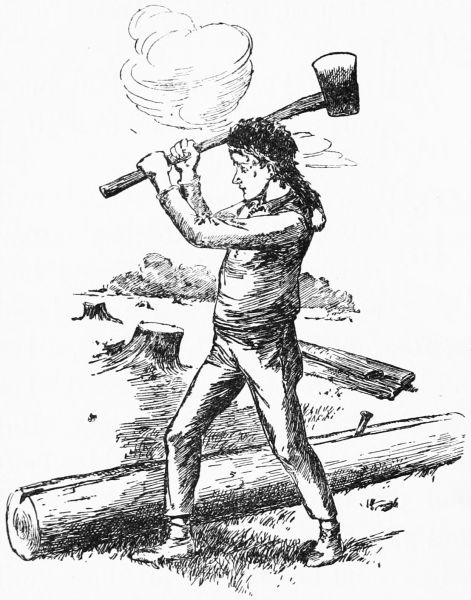
score and five years since he swung his axe in the
woods on the banks of the San-ga-mon to earn his
bread and that of his kin from day to day, still, with the
great prize be-fore him of that high post in the land,
which he had long hoped to gain, he casts from him all
chan-ces for his fur-ther rise, and in that hour stands
forth one of the tru-est, no-blest men of all time.
Friends kept say-ing to Lin-coln “You’ve ruined
your chan-ces. You’ve made a mis-take. Aren’t you
sor-ry? Don’t you wish you hadn’t writ-ten that
speech?”
Straight came the an-swer, and it was this:
“If I had to draw a pen a-cross my whole life and
e-rase it from ex-ist-ence, and I had one poor lit-tle gift
or choice left as to what I should save from the wreck,
I should choose that speech and leave it to the world
as it is.”
Men then be-gan to think as they had nev-er thought
be-fore. It seemed as if a death-shot had been sent
straight to the heart of sla-ver-y. That speech was,
how-ev-er, but the first of a hard and fierce strug-gle
be-tween two sides of one of the great-est ques-tions
ev-er brought be-fore an-y na-tion.
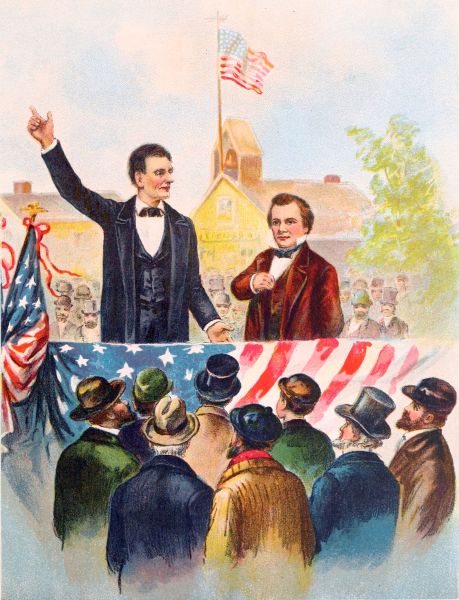
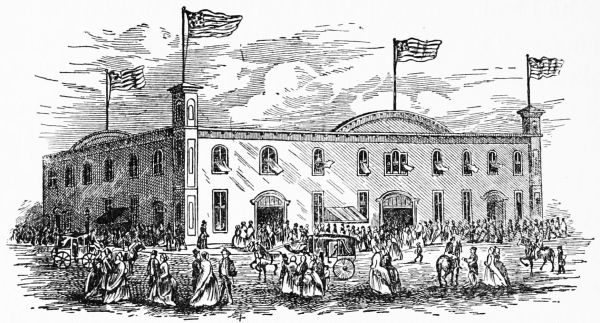
Lin-coln and Doug-las went up and down the state
of Il-li-nois talk-ing in halls and in “wig-wams” as the
build-ings were called where they spoke. Some-times
they made a speech on the same day, out of doors,
where large crowds would come. Both oft-en held forth
in the same hall, one mak-ing his views known be-fore
din-ner and the oth-er talk-ing on the oth-er side af-ter
din-ner. Lin-coln was not known to make fun of an-y
one, but there were scores who made fun of him, and
tried to make him an-gry. But he an-swered all their
scoff with sound state-ments, and found friends where
oth-ers would have made foes. Doug-las had a way of
tell-ing folks that Lin-coln said some things which he
did not say. This was hard to bear, but Lin-coln would
tell the crowds just what he did say at such and such a
meet-ing and peo-ple would be-lieve him.
Lin-coln’s print-ed speech-es went through all the
states, and soon folks out-side of his own state had a
wish to hear him. They felt that he was at the head of
the par-ty for real lib-er-ty. So the time came when
A-bra-ham Lin-coln spoke East and West, in Il-li-nois,
O-hi-o, Con-nect-i-cut, New Hamp-shire, Rhode Is-land,
Kan-sas, and New York, and crowds would be still
while he pled the cause of lib-er-ty and struck blows
at sla-ver-y. It is said that when he spoke in New
York he ap-peared, in ev-er-y sense of the word, like
one of the plain folks a-mong whom he loved to be
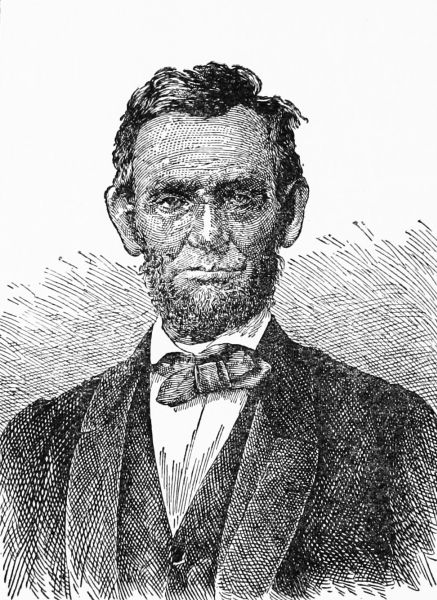
count-ed. At first sight one could not see an-y-thing
great in him save his great size, which would strike one
e-ven in a crowd; his clothes hung in a loose way on
his gi-ant frame, his face was dark and had no tinge of
col-or. His face was full of seams and bore marks of
his long days of hard toil; his eyes were deep-set and
had a look of sad-ness in them. At first he did not
seem at ease. The folks who were in that place to hear
him were men and wom-en of note as well as those not
so well known. There was a sea of ea-ger fa-ces to
greet him and to find out what that rude child of the
peo-ple was like. All soon formed great i-de-as of him,
and these held to the end of his talk. He met with
praise on all sides. He rose to his best when he saw
what the folks thought of him. He spoke in his best
vein. His eyes shone bright, his voice rang, his face
seemed to light up the whole place. For an hour and
a half he held sway in that hall and spoke straight to
the point, clos-ing with these words,
“Let us have faith that right makes might, and in
that faith let us, to the end, dare to do our du-ty as we
un-der-stand it.”
A tale is told of Lin-coln’s go-ing with a friend, while
in New York, to vis-it a Sun-day School at Five Points,
a place where waifs were brought each Sab-bath to
meet kind men and wom-en whose wish was to help
them.
As the good man saw the poor chil-dren from the
slums of the cit-y, his ten-der heart was deep-ly touched.
His own poor child-hood came up be-fore him, and when
urged to speak he said words which brought tears to all
eyes. He told them that he, too, had been poor; that
his toes stuck out through worn shoes in win-ter, that
his arms were out at the el-bows and he shiv-ered with
the cold. He said he had found that there was on-ly
one rule—“al-ways do the best you can.” He said he
had al-ways tried to do the best he could, and that if
they would fol-low that rule that they “would get on
some-how.” When he felt that he had talked long
e-nough and tried to bring his words to a close, there
were cries of “Go on!” “Do go on!” and so he told his
young hear-ers man-y things that they were glad to hear.
Then they sang some of their songs for him, and one of
these moved him to tears. He asked for the book
where those words were print-ed, and a cop-y hav-ing
been giv-en to him he put the lit-tle hym-nal in-to his
pock-et, and man-y a time in af-ter days drew it out to
read.
At last, as he was leav-ing the school, one teach-er,
who had not caught his name, when the head of the
Mis-sion, Mr. Pease, gave it out, went up to him as he
passed and asked what it was. The great man said, in
low and qui-et tones, “A-bra-ham Lin-coln, from
Il-li-nois.”