This abbreviation is made for the purpose of hasty consultation, when
the symptoms exhibited by the horse are so urgent as will not allow the
owner to refer to the body of the book. That, however, he is earnestly
recommended to do after the first anxiety has subsided; because what
follows is to be regarded only as notes of cases, and by no means to be
viewed as a substitute for the more detailed descriptions of diseases and
their treatment.
ABSCESS OF THE BRAIN.
Cause.—Some injury to the head.
Symptoms.—Dullness; refusal to feed; a slight oozing from a trivial
injury upon the skull; prostration, and the animal, while on the ground,
continues knocking the head violently against the earth until death
ensues.
Treatment.—None of any service.
ABDOMINAL INJURIES.
Ruptured Diaphragm generally produces a soft cough; sitting on the
haunches or leaning on the chest may or may not be present; the countenance
is haggard.
Ruptured Spleen answers to the tests described under "Hemorrhage
of the Liver."
Ruptured Stomach is characterized by excessive colic, followed by
tympanitis.
Introsusception possibly may be relieved by the inhalation of a full
dose of chloroform; but the result is always uncertain.
Invagination is attended with the greatest possible agony.
Strangulation is not to be distinguished, during life, from invagination.
Calculus causes death by impactment; but however different the causes
of abdominal injury may be, they each produce the greatest agony, which
conceals the other symptoms, and makes all such injuries apparently the
same while the life lasts.
ACITES, OR DROPSY OF THE ABDOMEN.
Cause.—Chronic peritonitis.
Symptoms.—Pulse hard; head pendulous; food often spoiled; membranes
pallid; mouth dry. Pressure to abdomen elicits a groan; turning
in the stall calls forth a grunt. Want of spirit; constant lying
down; restlessness; thirst; loss of appetite; weakness; thinness; enlarged
abdomen; constipation and hide-bound. Small bags depend
from the chest and belly; the sheath and one leg sometimes enlarge; the
mane breaks off; the tail drops out. Purgation and death.
Treatment.—When the symptoms first appear give, night and morning,
strychnia, half a grain, worked up to one grain; iodide of iron, half
a drachm, worked up to one drachm and a half; extract of belladonna,
one scruple; extract of gentian and powdered quassia, of each a sufficiency;
apply small blisters, in rapid succession, upon the abdomen: but
if the effusion is confirmed, a cure is hopeless.
ACUTE DYSENTERY.
Cause.—Some acrid substance taken into the stomach.
Symptoms.—Abdominal pain; violent purgation; the feces become
discolored, and water fetid; intermittent pulse; haggard countenance;
the position characterizes the seat of anguish. Perspiration, tympanitis,
and death.
Treatment.—Give sulphuric ether, one ounce; laudanum, three ounces;
liquor potassæ, half an ounce; powdered chalk, one ounce; tincture of
catechu, one ounce; cold linseed tea, one pint. Repeat every fifteen
minutes. Cleanse the quarters; plait the tail; inject cold linseed tea.
The whole of the irritating substance must be expelled before improvement
can take place.
ACUTE GASTRITIS.
Cause.—Poison; generally given to improve the coat.
Symptoms.—Excessive pain, resembling fury.
Treatment.—Give, as often and as quickly as possible, the following
drink: Sulphuric ether and laudanum, of each three ounces; carbonate
of magnesia, soda, or potash, four ounces; gruel, (quite cold,) one
quart. Should the pulse be sinking, add to the drink carbonate of ammonia,
one drachm. If corrosive sublimate is known to be the poison,
one dozen raw eggs should be blended with each drench. If delirium
be present, give the medicine as directed for tetanus, with the stomach
pump.
ACUTE LAMINITIS.
Cause.—Often man's brutality. Horses driven far and upon hard
roads are exposed to the disorder. Any stress long applied to the foot,
as standing in the hold of a ship, may generate the affection.
Symptoms.—The pace seems odd toward the end of the journey; but
the horse is placed in the stable with plenty of food for the night. Next
morning the animal is found all of a heap. Flesh quivering; eyes
glaring; nostrils distended, and breath jerking; flanks tucked up; back
roached; head erect; mouth closed; hind legs advanced under the
belly; fore legs pushed forward; fore feet resting upon the heels, and
the limbs moved as though the horse were dancing upon hot irons.
Treatment.—Put on the slings in silence. To the end of the cords
append weights. Soak the feet in warm water, in which a portion of
alkali is dissolved. Cut out the nails from the softened horn. Before
the shoes are removed give half a drachm of belladonna and fifteen grains
of digitalis, and repeat the dose every half hour until the symptoms
abate. When the slings are up, open the jugular vein; abstract one
quart of blood, and inject one pint of luke-warm water. Clothe the
body; place thin gruel and green-meat within reach, and leave two men
to watch for the first three nights.
Next morning give sulphuric ether and laudanum, of each two ounces,
in a pint of water. Should the pastern arteries throb, open the veins
and place the feet in warm water. While the affection lasts, pursue these
measures; and it is a bad symptom, though not a certain one, if no
change for the better takes place in five days.
ALBUMINOUS URINE.
Cause.—Unknown.
Symptoms.—These consist of the positions assumed by the horse.
The legs are either stretched out or the hind feet are brought under
the body. Straddling gait, and much difficulty in turning within the
stall. Some urine being caught, it is thick, and answers to certain
chemical tests.
Treatment.—Bleed moderately; give a laxative, and apply mustard
to the loins. As after-measures, perfect rest, attention to diet, and
repeated doses of opium.
APHTHA.
Cause.—Unknown.
Symptoms.—Small swelling on the lips; larger swellings upon the
tongue. As the disease progresses, a clear liquid appears in each
swelling. The bladders burst, crusts form, and the disease disappears.
Treatment.—Soft food, and the following wash for the mouth:
Take borax, five ounces; honey or treacle, two pints; water, one gallon.
Mix.
BLOOD SPAVIN.
A disease never encountered at the present time.
BOG SPAVIN.
Cause.—Brutality of some kind.
Symptom.—A puffy swelling at the front of and at the upper part of
the hock.
Treatment.—Pressure, maintained by means of an India-rubber
bandage.
BOTS.
Cause.—Turning out to grass.
Treatment.—No remedy. Wait till the following year, and the parasites
will be ejected naturally.
BREAKING DOWN.
Cause.—Violent exertion; generally when racing.
Symptoms.—The horse, when going, suddenly loses power to put one
leg to the ground. The foot is turned upward; pain excessive; breathing
quickened; pulse accelerated; appetite lost. In time these symptoms
abate, but the leg is disabled for life.
Treatment.—Bleed and purge, or not, as the symptoms are severe.
Place a linen bandage round the injury, and see that this is kept constantly
cold and wet; put on a high-heeled shoe, and leave the issue to
nature. The animal is afterward serviceable only to breed from.
BROKEN KNEES.
Causes.—Terrifying a horse, or rendering alive only to fear. Pulling
in the chin to the breast, or driving with a tight bearing-rein.
Symptoms.—The horse falls; the knee may only be slightly broken,
but deeply contused. A slough must then take place, and open joint
may result. Or the animal may fall, and, when down, be driven forward
by the impetus of its motion. The knee is cut by the fall, and the skin
of the knee may be forced back by the onward impulse. This skin will
become dirty; but the removed integument will fly back on the animal's
rising, thus forming a kind of bag containing and concealing foreign
matter.
Treatment.—Procure a pail of milk-warm water and a large sponge.
Dip the sponge in the pail, and squeeze out the water above the knee.
Continue to do this, but do not dab or sop the wound itself. The water
flowing over the knee will wash away every impurity. Then with a probe
gently explore the bag. If small, make a puncture through the bottom
of the bag; if large, insert a seton, and move it night and morning until
good pus is secreted: then withdraw the seton. "Rack up" the horse's
head, and get some cold water, to every quart of which add two ounces
of tincture of arnica. Pour a little of this into a saucer, and then dip
a sponge into the liquid. Squeeze the sponge dry above the joint. Do
this every half hour for three and a half days, both by day and night.
If at the end of that time all is going on well, the head may be released;
but should the knee enlarge and become sensitive, while the animal
refuses to put the foot to the ground, withdraw the seton; give no hay,
but all the oats and beans that can be eaten, with two pots of stout each
day. Place the quadruped in slings; apply the arnica lotion until a
slough takes place; then resort to the chloride of zinc lotion, one scruple
to the pint, and continue to use this as has been directed.
BROKEN WIND.
Causes.—Old age, prolonged work, and bad food.
Symptoms.—Short, dry, hacking cough, caused by irritability of the
larynx; ravenous appetite; insatiable thirst; abundant flatus. Dung
half digested; belly pendulous; coat ragged; aspect dejected. Respiration
is performed by a triple effort; inspiration is spasmodic and
single; expiration is labored and double. The ribs first essay to expel
the air from the lungs; these failing, the diaphragm and abdominal muscles
take up the action. Broken wind can be set or concealed for a time
by forcing the animal to swallow quantities of grease, tar, or shot. A
drink of water, however, will always reproduce the symptoms.
Treatment.—No cure. Relief alone is possible. Never give water
before work. Four half pails of water to be allowed in twenty-four
hours. In each draught mingle half an ounce of phosphoric acid or half
a drachm of sulphuric acid. Remove the bed in the day; muzzle at
night; put a lump of rock-salt and of chalk in the manger. Never push
hard or take upon a very long journey.
BRONCHITIS.
Causes.—Riding far and fast; then leaving exposed, especially to the
night air; neglect and constitutional liability.
Symptoms.—Appetite often not affected; sometimes it is increased.
A short cough, in the first instance; breathing only excited; legs warm;
mouth moist; and nasal membrane merely deeper color during the early
stage. When confirmed, the appetite is lost; the horse is averse to
move; the cough is sore and suppressed; the breathing is audible; the
membranes are scarlet; the mouth is hot and dry; the legs are cold;
the body is of uneven temperatures.
Treatment.—Do not deplete. Place in a large, loose box; fill the
place with steam; apply scalded hay to the throat; fix flannels wet with
cold water to the back and side by means of a Mackintosh jacket. When
the flannel becomes warm, change it immediately. Do this for two
hours. After that space the flannel may remain on, but must not become
dry. Prepare half a pound of melted Burgundy pitch, and stir into it
two ounces of powdered camphor, with half a drachm of powdered capsicums.
Apply the mixture to the throat. To restore tone to the pulse,
give, every half hour, sulphuric ether and laudanum, of each one ounce;
water, one pint. If no effect be produced by three of these drinks, substitute
infusion of aconite, half an ounce; extract of belladonna, half a
drachm, rubbed down in water, a quarter of a pint. When the pulse has
recovered, resume the former physic, only adding half a drachm of belladonna
to each dose. Support with gruel. Introduce food gradually;
"chill" the water; be careful of hay, and mind, when given, it is thoroughly
damped.
BRONCHOCELE.
Symptom.—An enlargement on the side of the throat.
Treatment.—Give the following, night and morning: Iodide of potassium,
half a drachm; liquor potassæ, one drachm; distilled water, half a
pint. Also, rub into the swelling the accompanying ointment: Iodide
of lead, one drachm; simple cerate, one ounce.
BRUISE OF THE SOLE.
Cause.—Treading on a stone or some projecting body.
Symptom.—Effusion of blood into the horny sole.
Treatment.—Cut away the stained horn, and shoe with leather.
CALCULI.
Causes.—Unknown.
Symptoms of Renal Calculus.—Urine purulent, thick, opaque,
gritty, or bloody; back roached. Pressure on the loins occasions
shrinking; the arm in the rectum and the hand carried upward provoke
alarm.
Treatment.—Two drachms of hydrochloric acid in every pail of
water; but the result is dubious.
Symptoms of Cystic Calculus.—Same states of urine as in renal calculus.
The water, when flowing forth, is suddenly stopped; every emission
is followed by straining; the back is hollowed; the point of the
penis is sometimes exposed; and, when going down hill, the animal often
pulls up short.
Treatment of Cystic Calculus.—Examine per rectum. An operation
for the horse, or Mr. Simmonds's instrument for the mare, is imperative.
When the stone is small, hydrochloric acid may be tried.
Symptoms of Urethral Calculus.—Suppression of urine; great suffering.
If the urethral calculus is impacted in the exposed portion of
the urethra, the passage is distended behind the stoppage.
Treatment of Urethral Calculus.—Cut down upon and remove the
substance.
CANKER.
Cause.—Old horses, when "turned out" for life as pensioners; aged
and neglected animals will also exhibit the disease.
Symptoms.—Not much lameness. The disease commences at the cleft
of the frog; a liquid issues from the part, more abundant and more
abominable than in thrush; it often exudes from the commissures joining
the sole to the frog. The horn firstly bulges out; then it flakes off, exposing
a spongy and soft substance, which is fungoid horn. The fungoid
horn is most abundant about the margin of the sole, and upon its surface
it flakes off. This horn has no sensation. The disease is difficult to
eradicate when one fore foot is involved. When all four feet are implicated,
a cure is all but hopeless, and the treatment is certain to be slow
and vexatious.
Treatment.—See that the stable is large, clean, and comfortable;
note that the food is of the best; allow liberal support; pare off the
superficial fungoid horn, and so much of the deep seated as can be
detached. Apply to the diseased parts some of the following: Chloride
of zinc, half an ounce; flour, four ounces. Put on the foot without
water. To the sound hoof apply chloride of zinc, four grains; flour,
one ounce. Cover the sound parts before the cankered horn is dressed;
tack on the shoe; pad well and firmly. When places appear to be in
confirmed health, the following may be used: Chloride of zinc, two
grains; flour, one ounce. At first, dress every second day; after a time,
every third day, and give exercise as soon as possible.
CAPPED ELBOW.
Cause.—Injury to the point of the elbow.
Symptom.—It is often of magnitude, and is liable to ulcerate and
become sinuous.
Treatment.—The same as capped hock.
CAPPED HOCK.
Cause.—Any injury to the point of the calcis.
Symptom.—A round swelling on the point of the hock, which, should
the cause be repeated, often becomes of great size.
Treatment.—If small, set several men to hand-rub the tumor constantly
for a few days. Should the capped hock be of magnitude, dissect
out the enlargement, without puncturing it. Remove none of the
pendulous skin. Treat the wound with the lotion of chloride of zinc—one
grain to the ounce of water—and it will heal after some weeks.
CAPPED KNEE.
Cause.—The same as the previous affection.
Symptom.—A soft tumor in front of the knee.
Treatment.—If let alone, it would burst and leave a permanent blemish.
Draw the skin to one side, and with a lancet pierce the lower surface
of the tumor. Treat the wound as an open joint.
CATARACT.
Cause.—Looking at white walls, or receiving external injuries. Specific
ophthalmia generates a permanent cataract.
Symptoms.—When partial, shying; if total, white pupil and blindness.
Treatment.—Color the inside of the stable green, as cataract, when
not total, is sometimes absorbed.
CHOKING.
Causes.—Something impacted in the gullet, either high up or low
down.
Symptoms.—High Choke.—Raised head; saliva; discharge from the
nostrils; inflamed eyes; haggard countenance; audible breathing; the
muscles of neck tetanic; the flanks heave; the fore feet paw and stamp;
the hind legs crouch and dance; perspiration; agony excessive. Low
Choke.—The animal ceases to feed; water returns by the nostrils;
countenance expresses anguish; saliva and nasal discharge; labored by
seldom, noisy breathing; roached back; tucked-up flanks, while the
horse stands as though it were desirous of elevating the quarters.
Treatment.—Make haste when high choke is present. Perform tracheotomy
to relieve the breathing; insert the balling-iron, or, with a hook
extemporized out of any wire, endeavor to remove the substance from
the throat. If the choking body is too firmly lodged to be thus removed,
sulphuric ether must be inhaled to relax the spasm. The ether
not succeeding, an egg is probably impacted. Destroy its integrity with
a darning-needle carefully inserted through the skin; then break the
shell by outward pressure. Low choke is seldom fatal before the expiration
of three days. Give a quarter of a pint of oil every hour; in
the intermediate half hours give sulphuric ether, two ounces; laudanum,
two ounces; water, half a pint; and use the probang after every dose of
the last medicine. Should these be returned, cause chloroform to be
inhaled; then insert the probang, and, by steady pressure, drive the
substance forward.
Subsequent to the removal of impactment feed with caution.
CHRONIC DYSENTERY.
Cause.—Not well understood; generally attacks old horses belonging
to penurious masters.
Symptoms.—Purging without excitement, always upon drinking cold
water; violent straining; belly enlarges; flesh wastes; bones protrude;
skin hide-bound; membranes pallid; weakness; perspiration; standing
in one place for hours. At last the eyes assume a sleepy, pathetic expression;
the head is slowly turned toward the flanks; remains fixed
for some minutes; the horse only moves when the bowels are about to
act; colic; death.
Treatment.—Give, thrice daily, crude opium, half an ounce; liquor
potassæ, one ounce; chalk, one ounce; tincture of all-spice, one ounce;
alum, half an ounce; ale, one quart. Should the horse belong to a generous
master, give one of the following drinks thrice daily, upon the
symptoms being confirmed: Sulphuric ether, one ounce; laudanum,
three ounces; liquor potassæ, half an ounce; powdered chalk, one
ounce; tincture of catechu, one ounce; cold linseed tea, one pint. Or,
chloroform, half an ounce; extract of belladonna, half a drachm; carbonate
of ammonia, one drachm; powdered camphor, half a drachm;
tincture of oak-bark, one ounce; cold linseed tea, one pint. Feed
lightly; dress frequently; give a good bed and a roomy lodging.
CHRONIC GASTRITIS.
Symptoms.—Irregularity of bowels and appetite; pallid membranes;
mouth cold; a dry cough; tainted breath; sunken eye; catching respiration;
pendulous belly; ragged coat, and emaciation. Sweating on
the slightest exertion; eating wood-work or bricks and mortar.
Treatment.—Do not purge; administer bitters, sedatives, and alkalies.
Give powdered nux vomica, one scruple; carbonate of potash,
one drachm; extract of belladonna, half a drachm; extract of gentian
and powdered quassia, of each a sufficiency. Or give strychnia, half a
grain; bicarbonate of ammonia, one drachm; extract of belladonna,
half a drachm; sulphate of zinc, half a drachm; extract of gentian and
powdered quassia, of each a sufficiency. Give one ball night and morning;
when these balls seem to have lost their power, give half an ounce
each of liquor arsenicalis and tincture of ipecacuanha, with one ounce
of muriated tincture of iron and laudanum, in a pint of water; damp
the food; sprinkle magnesia on it. As the strength improves, give sulphuric
ether, one ounce; water, one pint, daily. Ultimately change that
for a quart of ale or stout daily.
CHRONIC HEPATITIS.
Cause.—Too good food and too little work.
Symptoms.—Cold mouth; pallid membranes; white of eyes ghastly,
displaying a yellow tinge; looks toward the right side; the right side
may be tender for a long time, with generally repeated attacks of this
nature, although the horse may perish with the first fit.
Treatment.—Hold up the head, and if the horse staggers, this proves
hemorrhage from the liver. Give sufficient of nutritious food, but only
enough of it, plenty of labor, and the following physic: Iodide of
potassium, two ounces; liquor potassæ, one quart; dose, night and
morning, two tablespoonfuls in a pint of water.
CLAP OF THE BACK SINEWS.
Cause.—Extra exertion.
Symptoms.—The maimed limb is flexed; the toe rests upon the ground.
In a short space a tumor appears; it is small, hot, soft, and tender, but
soon grows hard. Great pain, but attended with few constitutional
symptoms.
Treatment.—Administer physic, and bleed gently; then give a few
doses of febrifuge medicine, but go no further than to reduce the pulse
to fifty-five degrees. Put a linen bandage on the leg; keep this constantly
wet until the primary symptoms abate. Cut grass for food while
fever exists; continue the cold water till recovery is confirmed. The
horse will not be fit to work for many months.
COLD.
If mild, a little green-meat, a few mashes, an extra rug, and a slight
rest generally accomplish a cure.
Symptoms of severe cold are dullness; a rough coat; the body of different
temperatures; the nasal membrane deep scarlet, or of a leaden
color; the appetite is lost; simple ophthalmia; tears; the sinuses are
clogged, and a discharge from the nose appears.
Treatment.—Give no active medicine. Apply the steaming nose-bag
six times daily; allow cut grass and mashes for food, with gruel for
drink. If weak, present three feeds of crushed and scalded oats and
beans daily, with a pot of stout morning and evening. Good nursing,
with pure air, warmth, and not even exercise, till the disease abates, are
of more importance than "doctor's stuff" in a case of severe cold. Cold,
however, often ushers in other and more dangerous diseases.
CONGESTION IN THE FIELD.
Cause.—Riding a horse after the hounds when out of condition.
Symptoms.—The horse, from exhaustion, reels and falls. The body
is clammy cold; the breathing is labored; every vein is turgid.
Treatment.—Bleed, if possible; cover the body; lead gently to the
nearest stable; keep hot rugs upon the animal; bandage the legs and
hood the neck; warm the place, either by a fire or tubs full of hot water.
Give, without noise, every half hour, one ounce of sulphuric ether, half
an ounce of laudanum, half a pint of cold water. Should no chemist be
at hand, beat up two ounces of turpentine with the yolk of an egg; mix
it with half a pint of water, and repeat the dose at the times stated.
Allow an ample bed, and place a pail of gruel within easy reach of the
horse. Do not leave the animal for thirty hours, as in that time its fate
will be decided.
CONGESTION IN THE STABLE.
Cause.—A debilitated, fat horse, unused to work, being driven fast
with a heavy load behind it.
Symptoms.—Hanging head; food not glanced at; blowing; artery
gorged and round; pulse feeble; cold and partial perspirations; feet
cold; eye fixed; hearing lost; and the attitude motionless.
Treatment.—Give immediately two ounces each of sulphuric ether and
of laudanum in a pint of cold water. Give the drink with every caution.
In ten minutes repeat the medicine, if necessary. Wait twenty minutes,
and give another drink, if requisite; more are seldom needed. Take
away all solid food, and allow gruel for the remainder of the day.
CORNS.
Cause.—In a flat foot, the heels of the coffin-bone squeeze the sensitive
sole by pressing it against the shoe. In a contracted foot, the sensitive
sole is squeezed between the wings of the coffin-bone and the thick,
horny sole. A bruise results; blood is effused; and the stain of this left
upon the horny sole—generally upon the inner side and anterior to the
bars—constitutes a horse's corn, which is mostly found on the fore feet.
Symptom.—If the stain is dark, and is to be removed with the knife,
this indicates a corn has been, but no longer exists. The smallest stain
of bright scarlet testifies to the existence of a new and present corn.
Corns are of four kinds—the old, the new, the sappy, and the suppurative.
The old and new are produced by the blood, and are judged by
the scarlet or dark-colored stain. The old is generally near the surface,
the new is commonly deep seated. The sappy is when the bruise is only
heavy enough to effuse serum. The new corn alone produces lameness.
The suppurating corn may start up from either of the others receiving
additional injury. It causes intense pain and produces acute lameness.
Treatment.—Cut out the stain. If a suppurating corn, place the foot
in a poultice, after having opened the abscess. Then, the horn being
softened, cut away all the sole which has been released by the pus from
its attachment to the secreting surface. Tack on an old shoe, and dress
with the solution of the chloride of zinc, one grain to the ounce. Afterward
shoe with leather, and employ stopping to render the horn plastic.
COUGH.
Causes.—Foul stables; hot stables; coarse, dusty provender; rank
bedding; irregular work; while the affection may attend many diseases.
Treatment.—Crush the oats; damp the hay; give gruel or linseed
tea for drink. Clothe warmly, and give, thrice daily, half a pint of the
following in a tumbler of water: Extract of belladonna, one drachm,
rubbed down in a pint of cold water; tincture of squills, ten ounces;
tincture of ipecacuanha, eight ounces. No change ensuing, next try—Barbadoes
or common tar, half an ounce; calomel, five grains; linseed
meal, a sufficiency: make into a ball, and give one night and morning.
This being attended with no improvement, employ—Powdered aloes,
one drachm; balsam of copaiba, three drachms; cantharides, three
grains; common mass, a sufficiency. Mix, and give every morning.
A daily bundle of cut grass is good in the spring of the year. A lump
of rock-salt has been beneficial. If the animal eats the litter, muzzle
it. Roots are good. Moisten the hay; and, above all things, attend
to the ventilation of the stable.
CRACKED HEELS.
Cause.—Cutting the hair from the heels, and turning into a straw-yard
during winter.
Symptoms.—Thickened skin; cracks; and sometimes ulceration.
Treatment.—Wash; dry thoroughly; apply the following wash:
Animal glycerin, half a pint; chloride of zinc, two drachms; strong
solution of oak-bark, one pint. Mix. If ulceration has commenced,
rest the horse. Give a few bran mashes or a little cut grass to open the
bowels. Use the next wash: Animal glycerin, or phosphoric acid, two
ounces; permanganate of potash, or creosote, half an ounce; water,
three ounces: apply six times daily. Give a drink each day composed
of liquor arsenicalis, half an ounce; tincture of muriate of iron, one
ounce; water, one pint.
CRIB-BITING.
Cause.—Sameness of food and unhealthy stables, or indigestion.
Symptoms.—Placing the upper incisors against some support, and,
with some effort, emitting a small portion of gas.
Treatment.—Place a lump of rock-salt in the manger; if that is not
successful, add a lump of chalk. Then damp the food, and sprinkle
magnesia upon it, and mingle a handful of ground oak-bark with each
feed of corn. Purify the ventilation of the stable before these remedies
are applied.
CURB.
Causes.—Galloping on uneven ground; wrenching the limb; prancing
and leaping.
Symptom.—A bulging out at the posterior of the hock, accompanied
by heat and pain, often by lameness.
Treatment.—Rest the animal. Put on an India-rubber bandage, (see
page 307,) and under it a folded cloth. Keep the cloth wet and cool
with cold water. When all inflammation has disappeared, blister the hock.
CYSTITIS, OR INFLAMMATION OF THE BLADDER.
Causes.—Kicks and blows under the flank. Abuse of medicine, and
bad food, with the provocatives generally of nephritis.
Symptoms.—Those common to pain and inflammation. Urine, however,
affords the principal indication. At first, it is at intervals jerked
forth in small quantities. Ultimately it flows forth constantly drop by
drop. A certain but a dangerous test is to insert the arm up the rectum,
and to feel the small and compressed bladder. A safer test is to
press the flank, which, should cystitis be present, calls forth resistance.
Treatment.—Give scruple doses of aconite, should the pulse be excited;
the same of belladonna, should pain be excessive; and calomel
with opium, to arrest the disease. Place under the belly, by means of a
rug, a cloth soaked with strong liquor ammonia diluted with six times
its bulk of water. Or apply a rug dipped into hot water or loaded with
cold water; change when either becomes warm.
DIABETES INSIPIDUS, OR PROFUSE STALING.
Causes.—Diuretic drugs or bad food.
Symptoms.—Weakness loss of flesh; loss of condition.
Treatment.—Do not take from the stable; keep a pail of linseed tea
in the manger; give no grass or hay; groom well. Order a ball composed
of iodide of iron, one drachm; honey and linseed meal, a sufficiency.
Or a drink consisting of phosphoric acid, one ounce; water,
one pint. Give the ball daily; the drink, at night and at morning.
ENTERITIS.
Causes.—Greatly conjectural. Prolonged colic may end in it. Constipation
may induce it.
Symptoms.—Dullness heaviness; picks the food; shivers repeatedly;
rolling; plunging; kicking, but more gently than in spasmodic colic;
quickened breathing; hot, dry mouth; wiry pulse. Pressure to the
abdomen gives pain. Remove your coat; insert the arm up the anus;
if the intestines are very hot, all is confirmed.
Treatment.—Extract one quart of blood from the jugular, and inject
into the vein one pint of water at a blood heat. Give aconite in powder,
half a drachm; sulphuric ether, three ounces; laudanum, three ounces;
extract of belladonna, one drachm, (rubbed down in cold water, one pint
and a half.) As the pulse changes, withdraw the aconite; as the pain
subsides, discontinue the belladonna. The other ingredients may be
diminished as the horse appears to be more comfortable. Should the
pain linger after the administration of the eighth drink, apply an ammoniacal
blister. Sprinkle on the tongue, if any symptoms declare the
disease vanquished but not fled, every second hour, calomel, half a
drachm; opium, one drachm. Feed very carefully upon recovery, avoiding
all things purgative or harsh to the bowels.
EXCORIATED ANGLES OF THE MOUTH.
Cause.—Abuse of the reins.
Treatment.—Apply the following lotion to the part: Chloride of zinc,
two scruples; essence of anise seed, two drachms; water, two pints.
FALSE QUARTER.
Cause.—Injury to the coronet, producing an absence of the secreting
coronet of the crust from the hoof.
Symptoms.—No lameness, but weakness of the foot. The soft horn
of the laminae, being exposed, is apt to crack. Bleeding ensues. Sometimes
granulations sprout when the pain and the lameness are most
acute.
Treatment.—In cases of crack and granulations, treat as is advised
for sandcrack. Put on a bar shoe, with a clip on each side of the false
quarter. Pare down the edges of the crack, and ease off the point of
bearing on the false quarter. A piece of gutta-percha, fastened over the
false quarter, has done good.
FARCY.
Causes.—Excessive labor, poor food, and bad lodging operating upon
old age.
Symptoms.—It is at first inflammation of the superficial absorbents.
Lumps appear on various parts. If these lumps are opened, healthy
matter is released but the place soon becomes a foul ulcer, from which
bunches of fungoid granulations sprout. From the lumps may be traced
little cords leading to other swellings. The appetite fails, or else it is
voracious. Matter may be squeezed through the skin. Thirst is torturing.
At length glanders breaks forth, and the animal dies. There
is a smaller kind of farcy called button-farcy the smaller sort is the
more virulent of the two.
Cure.—There is no known cure for the disease.
FISTULOUS PAROTID DUCT.
Causes.—Hay-seeds or other substances getting into the mouth of the
duct during mastication. Stones being formed within the canal. The
stable-fork in the hand of an intemperate groom.
Symptoms.—The duct greatly enlarges behind the obstacle, which,
becoming swollen, prevents the secretion from entering the mouth.
Great agony is occasioned by every mouthful masticated. The duct
bursts, and a fistulous opening is established, through which the saliva
jerks at each motion of the jaw. From the absence of a secretion important
to digestion, the flesh wastes, and the animal soon assumes a
miserable appearance.
Treatment.—Make an adhesive fluid with gum mastic and spirits of
wine, or with India-rubber and sulphuric ether. When the horse is not
feeding, pare the hardened edges from the wound; cover the orifice with
a piece of strained India-rubber; over this put a layer of cotton; fasten
one end to the horse's cheek by means of the adhesive fluid; that having
dried, fasten the other end tightly down. Place other layers of cotton
over this, allowing each layer to cross the other, and fastening all to the
cheek. Fasten the head to the pillar-reins; allow the horse to remain
till the cotton falls off, and give only gruel for food. Put tan under
the feet; and should the first trial not succeed, repeat it.
FISTULOUS WITHERS.
Cause.—External injury, generally by the lady's saddle, which bruises
one of the bursæ placed above the withers.
Symptoms.—When first done, a small, round swelling appears on the
off side. If this is neglected, the place enlarges, and numerous holes
burst out, which are the mouths of so many fistulous pipes.
Treatment.—In the early stage, go to the horse's side, impale the
tumor and divide it. Touch the interior with lunar caustic; keep the
wound moist with the chloride of zinc lotion, one grain to the ounce of
water, and cover it with a cloth dipped in a solution of tar. If the
sinuses are established, make one cut to embrace as many as possible.
Clean out the corruption. Scrape or cut off any black or white bone
which may be exposed. Cover with a cloth, and keep wet with the solution
of chloride of zinc. Should there exist a long sinus leading from
the withers to the elbow, insert a seton by means of the guarded seton
needle. This seton should be withdrawn so soon as a stream of creamy
pus is emitted.
FUNGOID TUMORS IN THE EYE.
Cause.—Unknown.
Symptoms.—Blindness; a yellow, metallic appearance to be seen in
the eye.
Treatment.—None of any service.
GLANDERS.
Cause.—Bad lodging, stimulating food, and excessive work operating
upon young life.
Symptoms.—Staring coat; lungs or air-passages always affected;
flesh fades; glands swell; spirit low; appetite bad. A lymphatic
gland adheres to the inside of the jaw; the membrane inside the nose
ulcerates; a slight discharge from one nostril. This becomes thicker,
and adheres to the margin of the nostril, exhibiting white threads and
bits of mucus; then it changes to a full stream of foul pus; next the
nasal membrane grows dull and dropsical; the margins of the nostrils
enlarge; the horse breathes with difficulty; the discharge turns discolored
and abhorrent; farcy breaks forth, and the animal dies of suffocation.
Treatment.—There is no known cure.
GREASE.
Causes.—Age; debility; excessive labor; neglect; filth. Cutting the
hair off the heels; turning out to grass in the cold months.
Symptoms.—Scurfiness and itchiness of the legs. Rubbing the leg
with the hoof of the opposite limb; hairs stand on end; moisture exudes,
and hangs upon the hairs in drops. Smells abhorrently; lameness;
cracks on the skin; swelling; ulceration; thin discharge; odor worse.
Lameness increases; leg enlarges; granulations sprout in ragged bunches;
their points harden and become like horn; pain excessive; horn of hoof
grows long.
Treatment.—Cut off all remaining hair. If hot and scurfy, cleanse
with mild soap and hot, soft water; saturate a cloth with the following
lotion: Animal glycerin, half a pint; chloride of zinc, half an ounce;
water, six quarts. Lay it upon the leg. When this cloth becomes
warm, remove it, and apply another, also wet with the lotion; thus continue
applying cool cloths to the limb till the heat abates; afterward
moisten the leg thrice daily. When cracks and ulceration are present,
adopt the wet cloths; but subsequently use one of the following to the
sores: Permanganate of potash or phosphoric acid, one pint; water, six
quarts. Or, chloride of zinc, one ounce; water, one gallon: employ
thrice daily. If the granulations have sprouted, remove them with a
knife, in three operations, (full directions are given in the book;) likewise
always place in a loose box. Feed liberally; allow old beans;
give a handful of ground oak-bark with each feed of oats. Night and
morning exhibit liquor arsenicalis, one ounce; tincture of muriate of
iron, one ounce and a half; porter or stout, one quart: one pint for the
dose. Chopped roots; speared wheat; hay tea; cut grass, and exercise
are all good for grease.
GUTTA SERENA.
Cause.—Over-exertion.
Symptoms.—Fixed dilatation of the pupil; a greenish hue of the
eye; total blindness. Active ears; restless nostrils; head erect; high
stepping; occasionally a rough coat in summer and a smooth coat in
winter.
Treatment.—No remedy is possible.
HEART DISEASE.
Symptoms.—Auscultation. The beat of the heart to be seen externally;
haggard countenance; pulse feeble; heart throbs; the beat
of the carotid artery is to be felt; the regurgitation in the jugular is to
be seen. The appetite is sometimes ravenous—often fastidious; the
breathing is not accelerated excepting during pain; lameness of one
leg; dropsical swellings; stopping short when on a journey; averse to
turn in the stall; noises; yawns; sighs. Death always unexpected.
No treatment is of any use.
HEMATURIA, OR BLOODY URINE.
Cause.—Unknown.
Symptoms.—Discoloration of the fluid. When the bleeding is
copious, breathing is oppressed; the pupils of the eyes are dilated.
Pulse is lost; head is pendulous; membranes are pale and cold. Lifting
up the head produces staggering. Back roached; flanks tucked
up; legs wide apart.
Treatment.—Be gentle. Act upon the report given. Give acetate
of lead, two drachms, in cold water, one pint; or, as a ball, if one can
be delivered. In a quarter of an hour repeat the dose, adding laudanum,
one ounce, or powdered opium, two drachms. Repeat the physic till
one ounce of acetate of lead has been given. Leave the horse undisturbed
for two hours, if the symptoms justify delay. If not, dash pailfuls
of cold water upon the loins from a height. Give copious injections
of cold water. Pour half a pint of boiling water upon four
drachms of ergot of rye. When cold, add laudanum, one ounce, and
dilute acetic acid, four ounces. Give two of these drinks, and two cold
enemas, of twenty minutes' duration. Suspend all treatment for eight
hours, when the measures may be repeated. (For after proceedings, see
the article which is presented in the body of the book.)
HIDE-BOUND.
Cause.—Neglect, or turning into a straw-yard for the winter.
Treatment.—Liberal food, clean lodging, soft bed, healthy exercise,
and good grooming. Administer, daily, two drinks, composed of:
Liquor arsenicalis, half an ounce; tincture of muriate of iron, one
ounce; water, one pint. Mix, and give as one dose.
HIGH-BLOWING AND WHEEZING.
Habits which admit of no remedies.
HYDROPHOBIA.
Cause.—Bite from a rabid dog or cat.
Symptoms.—The horse is constantly licking the bitten place. A
morbid change takes place in the appetite. Eager thirst, but inability
to drink, or spasm at the sound or sight of water is exhibited. Nervous
excitability; voice and expression of countenance altered. More rarely
the horse—when taken from the stable—appears well. While at work,
it stops and threatens to fall. Shivers violently, and is scarcely brought
home when the savage stage commences. The latter development consists
in the utmost ferocity, blended with a most mischievous cunning,
or a malicious pleasure in destruction.
Treatment.—No remedy known. Confine in a strong place and
shoot immediately.
HYDROTHORAX.
Cause.—Pleurisy or inflammation of the membrane lining the chest.
Symptoms.—The horse is left very ill. The next morning the animal
is looking better; the pain has abated; the eye is more cheerful; but
the flanks heave. A man is procured; he is told to strike the chest
when the person listening on the other side says "now." The word is
spoken, and a metallic ring follows. The pulse is lost at the jaw; the
heart seems to throb through water. The horse has hydrothorax!
Treatment.—The first thing is to draw off the fluid. A spot between
the eighth and ninth ribs is chosen, and the skin is pulled back; a small
slit through the skin is made; into that opening an armed trocar is
driven. When there is no resistance felt, the thorax has been entered;
the stilet is withdrawn and the water flows forth. Use a fine trocar;
take all the fluid you can obtain. Should the horse appear faint, withdraw
the canula, and in two hours again puncture the chest. Afterward
the food must be prepared, and a ball administered night and morning,
consisting of iodide of iron, one drachm; strychnia, half a grain; sulphate
of zinc, half a drachm; extract of gentian and powdered quassia,
a sufficiency.
IMPEDIMENT IN THE LACHRYMAL DUCT.
Cause.—A hay-seed or other substance getting into and becoming
swollen within the duct.
Symptom.—Swollen lid and copious tears.
Treatment.—Inject, forcibly, a stream of water up the duct.
INFLUENZA.
Cause.—Unknown but suspected to be generated by close stables.
It is also episotic.
Symptoms.—Weakness and stupidity; local swellings; heat and pain
in the limbs. Loss of appetite; rapid wasting; every part of the body
is diseased. Youth most exposed, but no age exempt. Spring-time
the general season, but an attack may ensue at any period of the year.
The following symptoms are somewhat uncertain: Pendulous head;
short breath; inflamed membranes; swollen lips; dry mouth; enlarged
eyelids; copious tears; sore throat; tucked-up flanks; compressed tail;
filled legs; big joints; lameness and hot feet. Auscultation may detect
a grating sound at the chest, or a noise like brickbats falling down stairs,
within the windpipe. When the last is audible, there is always a copious
discharge. Sometimes one foot is painful; purgation has been seen;
but constipation is generally present, and the horse usually stands
throughout the disease. Always suspect influenza when it is in the
neighborhood, and the membranes are yellow or inflamed.
Treatment.—Move to a well-littered, warm, loose box. Suspend a
pail of gruel from the wall; change the gruel thrice daily; sprinkle on
the tongue, night and morning, calomel, one scruple; wash this down
with sulphuric ether, one ounce; laudanum, one ounce; water, half a
pint. If weakness increases, double the quantity of ether and of
laudanum. When the pulse loses all wiry feeling, and the discharge
becomes copious, give from the hand some bread, on which there is a
little salt; when the cough appears, give a pot of stout daily. Beware
of purgatives or active treatment.
INJURIES TO THE JAW.
Causes.—Pulling the snaffle; abuse of the bit; too tight a curb-chain.
Symptoms.—Discoloration before or behind the tush; bruise under the
tongue or upon the roof of the mouth; tumor and bony growth upon
the margin of the lower jaw.
Treatment.—Cut upon the discoloration till the knife reaches the bone;
if fetor is present, inject the chloride of zinc lotion; keep the wounds
open, that the injured bone may come away.
LACERATED EYELID.
Causes.—Nails in the gangway, or the horses playfully snapping at
each other.
Treatment.—Bathe with cold water till the bleeding ceases; allow the
separated parts to remain until the divided edges are sticky; bring together
with sutures; place the horse in the pillar-reins till the healing is
perfected.
LACERATED TONGUE.
Causes.—Sticking to a horse when giving physic; making a "chaw"
of the halter-rope.
Treatment.—Insert no sutures; if the arteries are excised, cut off the
hanging portion of the tongue; should the vessels have escaped, allow
all to remain; feed on gruel and soft food; after every meal wash out
the mouth with the solution ordered for aphtha, or with the chloride of
zinc lotion.
LAMPAS.
A groom's fancy.
LARYNGITIS.
Cause.—Foul stables.
Symptoms.—Dullness; enlargement over the larynx; stiff neck; short
and suppressed cough; breathing hurried and catching; pulse full; nasal
membrane almost scarlet.
Treatment.—Give drachm doses of tincture of aconite, in wineglasses
of water every half hour, to amend the pulse. Refrain from bleeding.
Put on a steaming nose-bag, and keep it almost constantly applied, to
amend the breathing. Fix some hay, soaked in boiling water, upon the
throat, by means of an eight-tailed bandage. Give, very carefully, the
following drink, thrice daily: Infusion of squills, two ounces; infusion
of ipecacuanha, two ounces; infusion of aconite, half an ounce; extract
of belladonna, one drachm, rubbed down with a pint of warm water.
Place in a cool, well-aired, thickly-littered, loose box; bandage the legs;
clothe the body; give only gruel for food, changing it thrice daily. On
improvement, a little moist food may be allowed. When improvement
is confirmed, put a seton under the throat. Blister the throat; pick and
damp the hay; sift, bruise, and scald the oats. Employ no lowering
agents.
LARVA IN THE SKIN.
Causes.—Turning out to grass. The fly lays its egg upon the hair,
the warmth of the body hatches it, and the larva enters the skin. The
next summer a tolerably large abscess is established, the insect occupying
its center.
Treatment.—With a lancet open the abscess, and squeeze out the
larva. Dab the wound with a lotion made of chloride of zinc, one
grain; water, one ounce.
LICE.
Causes.—Filth and debility.
Treatment.—Rub the skin with some cheap oil or grease. Wash, and
then look for other diseases, as hide-bound, mange, etc.
LAMINITIS, (SUBACUTE.)
Causes.—Age; long standing in the stable; over-work, and stinted
diet.
Symptoms.—First noticed by the manner of going upon the heels of
the fore feet.
Treatment.—Get into slings. Remove the shoes. Do not bleed. If
costiveness is present open the bowels with green-meat, but do not purge.
Give a quart of stout, night and morning. Allow two drinks per day,
each consisting of one ounce of sulphuric ether and half a pint of water;
half-drachm doses of belladonna, to allay pain; sound oats and old
beans, both crushed, for food; water to be whitened; no hay. No limit
to this food, but five feeds to be given if the horse will eat so much.
LUXATION OF THE PATELLA.
Cause.—Bad food and constitutional weakness.
Symptoms.—The horse stops short, and has one of the hind legs extended
backward. A swelling upon the outer side. The pastern is
flexed, the head raised, and the animal in great pain. In colts it will
sometimes appear on the slightest cause.
Treatment.—For colts, any flurry may restore the bone; but feed
well, to eradicate the weakness. For horses, get into a shed, and, throwing
a rope, one end of which has been fixed to the pastern, have the leg
dragged forward while some one pushes the bone into its place. A man
should be put to keep the bone in its situation for some hours. Give
strengthening food, and do not use for six weeks subsequently.
MALLENDERS AND SALLENDERS.
Cause.—Neglect.
Symptoms.—Scurf upon the seats of flexion; mallenders at the back
of the knee, and sallenders at the front of the hock.
Treatment.—Cleanliness. Give the liquor arsenicalis drink, recommended
for grease; change the groom; rub the parts with this ointment:
Animal glycerin, one ounce; mercurial ointment, two drachms; powdered
camphor, two drachms; spermaceti, one ounce. If cracks appear,
treat as though cracked heels were present.
MANGE.
Causes.—Starvation; bad lodging and no grooming; turning out to
grass.
Symptoms.—Scurf about the hairs of the mane; the hair falls off in
patches; the skin is corrugated; a few hairs remain upon the bare places,
and these adhere firmly to the skin; scrubbing the body against posts;
sores and crusts. To test its presence, scratch the roots of the mane
and the horse will exhibit pleasure.
Treatment.—Place the horse in the sunshine, or in a heated house, for
one hour; then whisk thoroughly, to remove scurf and scabs; then rub
in the following liniment: Animal glycerin, two parts; oil of tar, two
parts; oil of turpentine, half a part; oil of juniper, half a part. Mix.
Leave on for two days; wash; anoint again; wash; anoint and wash
once more, always leaving the liniment on for two clear days.
MEGRIMS.
Cause.—Unknown.
Symptoms.—The horse suddenly stops; shakes the head; strange
stubbornness may be exhibited, followed by a desire to run into dangerous
places. Then ensues insensibility, accompanied by convulsions.
Treatment.—Throw up on the first fit. Give a long rest, and try to
amend the constitution.
MELANOSIS.
Cause.—Unknown. The disease only attacks gray horses which have
become white.
Symptoms.—It appears as a lump of uncertain form, size, and situation.
The swelling, if cut into, discloses a cartilaginous structure, dotted
here and there with black spots. Do not use the knife unless the swelling
impede the usefulness, or should be peculiarly well placed for operation.
Feel the tail. A pimple on the dock is an almost certain sign of
melanosis, which disease affects the internal organ even more virulently
than it attacks the external parts. As melanosis proceeds, all spirit
departs, and the animal is at length destroyed as utterly useless.
Treatment.—Let the tumor alone. Forbid all use of the curry-comb.
Dress very long and very gently with the brush only. Twice a
week anoint the body with animal glycerin, one part; rose-water, two
parts.
NASAL GLEET.
Causes.—Decayed molar tooth; kicks from other horses; injuries to
the frontal bones.
Symptoms.—Distortion of the face; partial enlargement and softening
of the facial bones; irregular discharge of fetid pus from one nostril.
The discharge is increased, or brought down by feeding off the ground,
or by trotting fast.
Treatment.—Surgical operation, with injection of a weak solution of
chloride of zinc. Also give daily a ball composed of balsam of copaiba,
half an ounce; powdered cantharides, four grains; cubebs, a sufficiency.
If the foregoing should affect the urinary system, change it for half-drachm
doses of extract of belladonna, dissolved in a wineglass of
water. Give these every fourth day, and on such occasions repeat the
belladonna every hour, until the appetite has been destroyed.
NASAL POLYPUS.
Symptoms.—An enlarged nostril; a copious mucous discharge;
signs of suffocation, if the free nostril be stopped; a cough generally
forces down the growth.
Treatment.—Surgical operation, which removes the tumor.
NAVICULAR DISEASE.
Causes.—Frog pressure, and not shoeing with a leathern sole. The
unprotected foot treads on a rolling stone, and navicular disease is the
result.
Symptoms.—Acute lameness; this disappears, but may come again
in six or nine months. Acute lameness is then present for a longer time,
while the subsequent soundness is more short. Thus the disease progresses,
till the horse is lame for life. The pain in one foot causes
greater stress upon the sound leg, and from this cause both feet are
ultimately affected. The foot is pointed in the stable. The bulk
diminishes, while the hoof thickens and contracts. The horse, when
trotting, takes short steps, and upon the toe, going groggily.
Treatment.—Feed liberally upon crushed oats and old beans. Soak
the foot every other night in hot water. Afterward bandage the leg,
fix on tips, and having smeared the horn with glycerin, put on a sponge
boot. Rest very long—six months in the first instance—and then give
three months agricultural employment. In bad cases resort to neurotomy,
but do so upon the second attack of lameness; because continued
disease disorganizes the internal structures of the hoof, and also
occasions the sound foot to be attacked by navicular disease.
NEPHRITIS, OR INFLAMMATION OF THE KIDNEYS.
Causes.—Bad provender, or niter in a mash, and long or fast work
upon the following day.
Symptoms.—Hard, quick pulse; short breathing; pallid membranes;
looking at the loins; depressed head; roached back; hind legs straddling;
scanty urine; refusing to turn in the stall; and crouching under
pressure on the loins. Subsequently, pus is voided with the water. If
the urine has a fetid odor, if blood be present, if the pulse grows
quicker, if pressure gives no pain, and if the perspiration has a
urinous smell, death is near at hand. To be certain of nephritis, insert
the arm up the rectum and move the hand toward the kidneys.
Treatment.—Rub mustard into the skin of the loins. Cover it over
to prevent it becoming dry. Apply fresh sheepskins as soon as these
can be procured. Inject warm linseed tea every hour. A ball composed
of Croton farina, two scruples; extract of belladonna, half a
drachm; treacle and linseed meal, a sufficiency, should be given immediately;
one scruple of calomel; one drachm of opium should be
sprinkled on the tongue every hour. A pail of linseed tea may be
placed in the manger. Feed on linseed tea, and mind the oats—when
allowed—are very good. While the pain is acute, give, thrice daily, a
ball composed of extract of belladonna, half a drachm; crude opium,
two drachms; honey and linseed meal, of each a sufficiency. When
the pain is excessive, repeat the above ball every hour. Should the
pulse increase and become wiry, a scruple of aconite should be thrown
upon the tongue every half hour until the artery softens, or the animal
becomes affected with the drug.
No cure is to be expected; the disease may be arrested, but the kidney
must be left in an irritable state.
OCCULT SPAVIN.
Cause.—Treading on a stone.
Symptoms.—Sudden lameness, which never departs, but in the end
becomes very bad. The disease is always worse after work, and better
after rest. The foot is without disease, and the leg is not hot or painful;
yet the lameness continues and gets worse. The leg is snatched
up in the walk, and the foot is not turned outward.
Treatment.—Get the horse into slings. Rub the front of the hock
with an embrocation composed of compound soap liniment, sixteen
ounces; tincture of cantharides, liquor ammonia and laudanum, of each
two ounces. After the joint is embrocated, wrap it round with flannel,
held upon the hock with elastic rings. Give three feeds of corn, a few
old beans, and sweet hay daily. After the horse bears upon the diseased
limb, allow the slings to remain for three months. Three months
after it has left the slings, put to gentle work, but mind the labor is not
in any way exhausting. The work must not be full till six months have
elapsed. Keep the bowels regular with bran mashes and green-meat.
If all treatment fail, cast the horse; retract the injured limb; make a
small puncture, and inject one ounce of dilute spirits of wine, in which
half a drachm of iodine has been dissolved. Place the horse in slings,
and apply cold water to the hock. When the pulse is quiet, feed very
liberally.
OPEN SYNOVIAL CAVITIES.
Causes.—The pride of gentility, which apes what is not, and tries to
pass off a horse with a ewe neck for an animal with a lofty crest. The
quadruped, being in pain and constraint, necessarily trips, and cannot
save itself from falling. Kicking in harness; running away and being
run into.
Symptoms.—Air being admitted creates inflammation; inflammation
causes constitutional irritability. Bursæ are attended with least danger
when punctured; sheaths of tendons are more dangerous; joints are
by far the most serious. Judge which is opened by the extent of the
wound and the quantity of synovia released.
Treatment.—Exercise gentleness toward the injured animal. Wash
as was directed for broken knees. Examine if there be any sac or bag
into which dirt could have entered. If one exists, place a large spatula
under the knee; then take a knife with a sharp point, but with its edge
blunted the two posterior thirds of its length; guard the point with a
lump of beeswax; introduce this into the sac and drive the point
through the bottom of the bag. An opening will thereby be created,
through which the pus and dirt will gravitate. If the probe enters the
knee of the flexed leg, unopposed, three-quarters of an inch, push it no
farther; be satisfied the cavity is opened.
OPEN SYNOVIAL JOINTS.
Treatment.—Proceed in the first instance as for broken knees. Then
give a drink composed of sulphuric ether and laudanum, of each one
ounce; water, half a pint; look to the comfort. Should the eye rove,
the breathing be hard, ears active, and the horse start at sounds,
hourly repeat the drink before recommended, till these symptoms abate.
Then place in a stall and allow four drinks and two pots of stout daily.
Use the arnica lotion as for broken knees, during the first three and a
half days. At the end of that time turn the horse gently round in the
stall, and let it stand with its head toward the gangways. Place the
slings before the horse and leave the animal to contemplate them for
half an hour. Then, with extreme gentleness, fix them; but do not
pull the cloth up to the abdomen. Leave a pail of water suspended
from one pillar, and feed from a high trough, supported upon light legs.
Let the horse be watched night and day for the remainder of the week.
When the animal is at ease in the slings, these may be heightened till
the cloth lightly touches, but not presses, against the belly. With the
slings change to the chloride of zinc lotion, one scruple to the pint of
water; have this frequently applied during the day. It will coagulate
the albumen and promote the healing of the wound. The albumen will
accumulate as a large ball in front of the injury; do not touch it.
Allow it to fall off. The cure is nearly perfect when it falls. When
pressure can be endured, the slings may be removed; though the healing
process should be confirmed before the animal is allowed to stand
near anything against which it could strike the knee.
OPERATIONS.
Admit of no abbreviation; they should never be hastily undertaken;
they should be only resorted to after time has been allowed for thought,
and opportunity has been afforded for more than one perusal of the
directions detailed in this book.
OSSIFIED CARTILAGES.
Cause.—Battering the foot upon hard roads.
Symptoms.—Of little consequence in heavy horses unless accompanied
with ring-bone. The disease causes lameness in light horses used for
fast work.
Treatment.—Rest; liberal food; and small blisters to the foot immediately
above the sides of the hoof.
OVERREACH.
Cause.—When a good stepper is very tired, this accident sometimes
happens—the coronet of the fore foot upon the outer side being severely
wounded by the inside of the hind shoe.
Symptom.—A severe wound and a large slough, probably followed by
a false quarter.
Treatment.—Feed liberally, and bathe the injury thrice daily with the
chloride of zinc lotion, one grain to the ounce of water.
PARROT-MOUTH.
Cause.—Natural malformation.
Symptoms.—Projecting upper teeth; an inability to graze or to clean
out the manger.
PARTIAL PARALYSIS.
Cause.—Violent exertion.
Symptom.—One hind leg gets in the way of the other, and threatens
to throw the animal down.
Treatment.—A loose box; warm clothing; good grooming; warmth
to loins; regulate the bowels with mashes and green-meat; absolute rest.
Give the following ball night and morning: Strychnia, half a grain,
(gradually work this medicine up to one grain and a half;) iodide of
iron, one grain; quassia powder and treacle, a sufficiency.
PHLEBITIS, OR INFLAMMATION OF THE VEIN.
Cause.—Motion. Bleeding in the neck and turning out to grass; or
from either of the limbs, and then forcing the animal to walk.
Symptoms.—The earliest indication is a separation of the lips of the
wound and the presence of a small quantity of thin discharge. A small
swelling then takes place, and the vein hardens above the puncture.
Then abscesses form along the course of the vessel. These mature,
burst, send forth a contaminated pus. The abscesses are united by
sinuses. If these signs are neglected, a dark discharge resembling decayed
blood issues from the numerous wounds and soils the neck.
Dullness ensues; the brain becomes affected; and the horse perishes
phrenitic.
Treatment.—Remove the pin and apply a blister. Another may be
required. In bad cases, blister must follow blister, but not be rubbed
in. A little oil of cantharides should be put over the sore with a paste-brush.
Place in a loose box and litter with tan; feed on slops, which
require no mastication. Let the horse remain there and be so fed for
six weeks subsequent to the cessation of all treatment. Then give a
little exercise at a slow pace, gradually augmented. At the end of three
months the horse may do slow work. But the horse should not wear a
collar or go into the shafts before the expiration of six months.
PHRENITIS.
Cause.—Unknown.
Symptom.—Heaviness, succeeded by fury in excess, but without any
indication of malice.
Treatment.—Bleed from both jugulars till the animal drops. Then
pin up, and give a purgative of double strength. Follow this with
another blood-letting, if necessary, and scruple doses of tobacco; half-drachm
doses of aconite root; or drachm doses of digitalis—whichever
is soonest obtained. But whichever is procured must be infused in a
pint of boiling water, and, when cool and strained, it ought to be given
every half hour till the animal becomes quiet. But the probable result
is by no means cheering, even if death is by these means avoided.
PLEURISY.
Causes.—Over-exertion; blows; injuries; cold.
Symptoms.—These are quickly developed. The pulse strikes the
finger; pain continuous; agony never ceases; horse does not feed.
Body hot; feet cold; partial perspirations. Muscles corrugated in
places; cough, when present, suppressed and dry; auscultation detects
a grating sound and a dull murmur at the chest. Pressure between the
ribs produces great pain or makes the animal resentful. The head is
turned very often toward the side; the fore foot paws; the breathing is
short and jerking.
Treatment.—Should be active. Bleed, to ease the horse; place in a
loose box; bandage the legs; leave the body unclothed. Give, every
quarter of an hour, a scruple of tincture of aconite in a wineglass of
warm water. When pulse has softened, give, every second hour, sulphuric
ether and laudanum, of each one ounce; water, half a pint. Do not
bleed a second time. When the pulse and pain are amended, introduce
the steaming apparatus. Do nothing for the bowels. Place luke-warm
water within easy reach of the head, and give nothing more while the
disease rages. When the disease departs, return with caution to full
food. After the affection subsides, blister throat and chest. If the
horse is costive, administer enemas; or a bundle of cut grass may be
presented with the other food.
PNEUMONIA.
Causes.—Fat; irregular work; and sudden exertion.
Symptoms.—Breathing labored; oppressed pulse; partial consciousness;
giddiness. Standing with outstretched legs; head and ears dejected;
coat rough; extremities and body cold; visible membranes
discolored; bowels costive; feeling half dead; and general oppression.
Treatment.—Bleed but once; take only blood sufficient to restore
consciousness; do not attempt to obtain blood, if the liquid flows black
and thick. Place in a loose box strown with damp tan; take off the
shoes; place water within easy reach; no food. If winter, clothe; then
introduce steam; when the steam is abundant, take off the clothes. Give
solution of aconite root, half an ounce; sulphuric ether, two ounces;
extract of belladonna, (rubbed down with half a pint of water,) one
drachm. Repeat the drink three times each day. When the pulse
improves, withdraw the aconite; when the breathing amends, abstract
the belladonna; or increase either as pulse or breathing becomes worse.
Allow only hay tea, with a little oatmeal in it, until the disease abates.
On amendment, cautiously increase the food. Lying down is the first
sign of improvement. Do not disturb the animal: it must require rest,
having stood throughout the attack.
POLL EVIL.
Causes.—Hanging back in the halter; hitting the poll against the
beam of the stable door; blows on the head; and any external injury.
Symptoms.—The nose is protruded and the head kept as motionless
as possible; the animal hangs back when it is feeding from the
manger. Pressure or enforced motion excites resistance. Swelling:
the swelling bursts in several places, from which exude a foul, fistulous
discharge. Pus has been secreted; confinement has caused it to decay;
while motion and fascia have occasioned it to burrow.
Treatment.—Paint the part lightly with tincture of cantharides, or
acetate of cantharides. Do this daily till vesication is produced; then
stop. When the swelling enlarges, open the prominent or soft places.
Allow the pus to issue; then cut down on the wound till the seat of the
disease is gained. Use a proper knife, and include as many pipes as
possible in one clean cut. All others should join this. Empty out all
concrete matter. Wash the cavity with cold water. Excise all loose
pieces of tendon and all unhealthy flesh. Moisten the sore with the
chloride of zinc lotion, one grain to the ounce, and cover the wound
with a cloth dipped in the solution of tar. If the disease has burst,
still include the pipes in one smooth incision; clean out the concrete
pus, and treat as has been directed. Spare the ligament which lies
under the mane; and work in a breast-strap after recovery.
PRICK OF THE SOLE.
Cause.—Generally the smith's carelessness when shoeing the horse.
Symptom.—Great lameness.
Treatment.—Withdraw the nails of the shoe. If one is wet, cut
down on that hole until the sensitive sole is exposed. If not very
lame, treat with lotion of chloride of zinc, one grain to the ounce of
water. If very lame, treat as if the injury were a suppurating corn.
PRURIGO.
Cause.—Heat of body.
Symptom.—Itchiness. The horse rubs off hair; but never exposes a
dry, corrugated surface.
Treatment.—Take away some hay. Give two bundles of grass per
day. Allow two bran mashes each day till the bowels are open. Apply
either of the following washes: Animal glycerin, one part; rose-water,
two parts. Or, sulphuric acid, one part; water, ten parts. Or, acetic
acid, one part; water, seven parts. Drink: Liquor arsenicalis, one
ounce; tincture of muriate of iron, one ounce and a half; water, one
pint—half a pint to be given every night. Withdraw the drink a week
after the disease has disappeared. Allow a pot of porter and an extra
feed of oats each day.
PUMICE FOOT.
Cause.—An animal reared on marshy land, having high action, batters
the feet upon London stones.
Symptoms.—Bulging sole; weak crust; strong bars, and good frog.
Treatment.—The only relief possible is afforded by a bar shoe of the
dish kind, and a leathern sole. The constant use of equal parts of
animal glycerin and tar is also beneficial to the hoof.
PURPURA HEMORRHAGICA.
Cause.—Unknown. Universal congestion.
Symptoms.—The attack is sudden. The body, head, and limbs enlarge;
consciousness is partially lost. The horse stands, and the breathing
is quickened. Through the skin there exudes serum with blood.
The nostrils and lips enlarge, and part of the swollen tongue protrudes
from the mouth. The appetite is not quite lost, although deglutition is
difficult. Thirst is great.
Treatment.—Bleed till the animal appears relieved. A second venesection
may be demanded, but it should be adopted with caution. Give
half an ounce of chloroform in a pint of linseed oil, in the first stage.
Repeat the dose in half an hour. No amendment following, give two
ounces of sulphuric ether in one pint of cold water. In half an hour
repeat the dose if necessary. Perform tracheotomy to ease the breathing.
Incise the protruding tongue. Squeeze out the fluid and return
the organ to the mouth. Should the skin slough, bathe the part with
solution of chloride of zinc, one grain to the ounce of water.
QUITTOR.
Causes.—Confined pus from suppurating corn; or prick of the sole;
matter results, and this issues at the coronet. Or from injury to the
coronet, generating pus, and this burrowing downward, as it cannot
pierce the coronary substance. The secretion may also penetrate the
cartilage, and thus establish sinuses in almost every possible direction.
Symptoms.—The horse is very lame. The animal is easier after the
quittor has burst. Probe for the sinuses. If, after the superficial sinuses
are treated, among the creamy pus there should appear a dark speck of
albuminous fluid, make sure of another sinus, probably working toward
the central structures of the foot.
RHEUMATISM.
Cause.—Generally follows other disorders, as influenza, chest affections,
and most acute diseases. Very rarely does it appear without a
forerunner.
Symptoms.—Swelling of particular parts, generally the limbs; heat
and acute lameness. The disorder is apt to fly about the body. The
synovia is always increased when the joints are attacked. The pulse
and breathing are both disturbed by agony.
Treatment.—Lead into a loose box; fill the place with steam. (See
page 313.) Get ready the slings; put the belly-piece under the horse,
but do not pull it up so as to lift the legs from the ground. Keep the
steam up for one hour. Then have several men with cloths ready to
wipe the animal dry; mind they are perfectly silent. Next rub into the
diseased parts the following: Compound soap liniment, sixteen ounces;
tincture of cantharides, liquor ammonia, and laudanum, of each two
ounces. Afterward incase the limbs in flannel. (See page 314.) Then
give a bolus composed of powdered colchicum, two drachms; iodide of
potassium, one drachm; simple mass, a sufficiency. Should the attack
succeed upon other diseases, the diet must be supporting, everything
being softened by heat and water. Next morning repeat the steaming,
and give calomel, a scruple; opium, two drachms. At night steam
again, and repeat the first bolus. Should the horse be fat, withdraw
all corn, if the strength can do without it.
RING-BONE.
Cause.—Dragging heavy loads up steep hills.
Symptoms.—A roughness of hair on the pastern and a bulging forth
of the hoof. A want of power to flex the pastern. An inability to
bring the sole to the ground only upon an even surface. Loss of power
and injury to utility.
Treatment.—In the first stage apply poultices, with one drachm of
camphor and of opium. Afterward rub with iodide of lead, one ounce;
simple ointment, eight ounces. Continue treatment for a fortnight after
all active symptoms have subsided, and allow liberal food and rest; work
gently when labor is resumed.
RING-WORM.
Symptoms.—Hair falls off in patches, exposing a scurfy skin. The
scurf congregates on the bare place about the circumference, which is
apt to ulcerate.
Treatment.—Be very clean. Wash night and morning, and afterward
apply the following ointment: Animal glycerin, one ounce; spermaceti,
one ounce; iodide of lead, two drachms. Many other things are popular.
For a detailed list of these, see the body of the book. A drink is likewise
of use when employed with the ointment. Liquor arsenicalis, one
ounce; tincture of muriate of iron, one ounce and a half; water, one
quart. Mix, and give every night half a pint for a dose. Should the
ulceration prove obstinate, apply permanganate of potash, half an ounce;
water, three ounces. Or, chloride of zinc, two scruples; water, one
pint. Moisten the parts with a soft brush six times daily. Feed well,
and do not work for one month.
ROARING.
Causes.—The bearing-rein; the folly of fashion.
Symptom.—A noise made at each inspiration.
Treatment.—No remedy. The cabman's pad is the only alleviation:
that conceals and does not cure the disease.
RUPTURE, OR STRICTURE OF THE ŒSOPHAGUS.
Cause.—The use of the butt-end of a carter's whip, which either
rends the lining membrane of or ruptures the gullet.
Symptom of Rupture.—The body becomes distended with gas, and
death ensues. Of Rent Membrane.—This induces a disinclination to
feed, as the first symptom. A stricture is formed. Excessive hunger.
Distention of the tube. A large sac is developed out of the stretched
membrane above the stricture. Then, after feeding, the animal fixes the
neck, and returns the masticated food through the mouth and nostrils.
Accompanying loss of condition and failure of strength.
Treatment.—Feed on prepared soft food: though the horse is generally
not worth its ordinary keep at the stage when this is required.
SANDCRACK.
Causes.—Bad health, provoking imperfect secretion. Treading for
any length of time upon a very dry soil.
Symptoms.—Quarter crack occurs on light horses upon the inner side
of the hoof. It usually commences at the coronet, goes down the foot,
and reaches to the laminæ. Toe crack happens in heavy wheelers, and
is caused by digging the toe into the ground when dragging a load up
hill. From the sensitive laminæ, when exposed, fungoid granulations
sometimes sprout, which, being pinched, produce excessive pain and
acute lameness.
Treatment.—Always pare out the crack, so as to convert it into a
groove. When the crack is partial, draw a line with a heated iron above
and below the fissure. If granulations have sprouted, cleanse the wound
with chloride of zinc lotion, one grain to the ounce of water, and then
cut them off. Afterward place the foot in a poultice. Subsequently
pare down the edges of the crack while the horn is soft. Use the lotion
frequently. Draw lines from the coronet to the crack, so as to cut off
communication between the fissure and the newly-secreted horn. Shoe
with a bar shoe, having the seat of crack well eased off and also a clip
on either side. If the horse must work, lay a piece of tow saturated
with the lotion into the crack: bind the hoof tightly with wax-end. Tie
over all a strip of cloth, and give this a coating of tar. When the horse
returns, inspect the part. Wash out any grit with the chloride of zinc
lotion. Feed liberally on prepared food.
SCALD MOUTH.
Cause.—Powerful medicine, which burns the lining membrane of the
mouth.
Symptom.—A dribbling of saliva, with constant motion and repeated
smacking of the lips.
Treatment.—Give soft food, and use the wash recommended for
aphtha.
SEEDY TOE.
Cause.—Weakness, inducing an imperfect secretion of horn.
Symptom.—A separation between the crust of the coronet and the
soft horn of the laminæ, commencing at the toe of the foot.
Treatment.—Remove the shoe. Probe the fissure, which will be exposed.
Cut away all the separated crust. Throw up until the removed
portion has grown again. Feed liberally.
SIMPLE OPHTHALMIA.
Causes.—Slashing with the whip over the head; hay-seeds falling into
the eyes; horses biting at each other in play; blows, etc.
Symptoms.—Tears; closed eyelid; the ball of the eye becomes entirely
or partially white.
Treatment.—Remove any foreign body; fasten a cloth across the
forehead; moisten it with a decoction of poppy-heads to which some
tincture of arnica has been added. If a small abscess should appear on
the surface of the eye, open it, and bathe with chloride of zinc lotion.
Should inflammation be excessive, puncture eye vein, and place some
favorite food on the ground.
SITFAST.
Causes.—Ill health; badly-fitting saddle; too energetic a rider; loose
girths; ruck in the saddle-cloth.
Symptom.—Like a corn on the human foot, but the hard, bare patch
is surrounded by a circle of ulceration.
Treatment.—The knife should remove the thickened skin. Chloride
of zinc, one grain; water, one ounce, to the wound. Attend to the
bowels. Feed liberally; exercise well; and give, night and morning,
liquor arsenicalis, half an ounce; tincture of muriate of iron, three-quarters
of an ounce; water, one pint. Mix, and give.
SORE THROAT.
Causes.—In colts, change from freedom to work, from the field to the
stable, is the cause. Sore throat, however, may be caused by close stables,
or be an indication of some greater disease.
Symptoms.—Perpetual deglutition of saliva; want of appetite; inability
to swallow a draught of liquid—the fluid returning partly by the
nostrils, and each gulp being accompanied with an audible effort.
Treatment.—Forbear all work; clothe warmly; house in a large,
well-littered, loose box. Gruel for drink; green-meat, with three feeds
of bruised and scalded oats, also beans, daily. If the bowels are obstinate,
administer a drink composed of solution of aloes, four ounces;
essence of anise seed, half an ounce; water, one pint. Should the throat
not amend, dissolve half an ounce of extract of belladonna in a gallon
of water; hold up the head: pour half a pint of this preparation into
the mouth, and in thirty seconds let the head down; do this six or eight
times daily. No improvement being observed, try permanganate of potash,
half a pint; water, one gallon: to be used as directed in the previous
recipe. Still no change being remarked, prepare chloride of zinc,
three drachms; extract of belladonna, half an ounce; tincture of capsicums,
two drachms; water, one gallon.
All being useless, give two pots of stout daily, and blister the throat.
No alteration ensuing, cast the horse, and mop out the fauces with a
sponge which is wet with nitrate of silver, five grains; water, one ounce.
Give a ball daily composed of oak-bark and treacle.
If none of these measures succeed, the throat must be complicated
with some other disease.
SPASM OF THE DIAPHRAGM.
Cause.—Imprudently riding too far and too fast.
Symptom.—Distress, and a strange noise heard from the center of the
horse.
Treatment.—Pull up; cover the horse's body; lead to the nearest
stable. Give as soon as possible a drink composed of sulphuric ether,
two ounces; laudanum, one ounce; tincture of camphor, half an ounce;
cold water or gruel, one pint. Give four drinks, one every quarter of
an hour; then another four, one every half hour, and then at longer
intervals as the animal recovers. When first brought in, procure five
steady and quiet men; give a bandage each to four of them, and order
them silently to bandage the legs; give a basin and sponge to the other,
and bid him sponge the openings to the body. This done, and sweat
and dirt removed, clothe perfectly after the skin is quite dry.
SPASM OF THE URETHRA.
Cause.—Acridity in the food or water.
Symptoms.—Small and violent emissions; straddling gait. Roached
back; pain; total suppression of urine.
Treatment.—Insert the arm up the rectum, and feel the gorged bladder.
Give, by the mouth, four ounce doses of sulphuric ether and of
laudanum mixed with a quart of cold water, and, as injection, mixed
with three pints of cold water. Repeat these medicines every quarter
of an hour until relieved. If no physic be at hand, open both jugular
veins, and allow the blood to flow until the horse falls. Should not the
urine then flow forth, insert the arm and press upon the bladder.
SPASMODIC COLIC—FRET—GRIPES.
Causes.—Fast driving; change of water; change of food; getting
wet; fatiguing journeys; aloes; and often no cause can be traced.
Symptoms. 1st Stage.—Horse is feeding; becomes uneasy; ceases
eating; hind foot is raised to strike the belly; fore foot paws the pavement;
the nose is turned toward the flank, and an attack of fret is recognized.
2d Stage.—Alternate ease and fits of pain; the exemptions
grow shorter as the attacks become longer; the horse crouches; turns
round; then becomes erect; pawing, etc. follow; a morbid fire now
lights up the eyes. 3d Stage.—Pains lengthen; action grows more wild;
often one foot stamps on the ground; does not feed, but stares at the
abdomen; at last, without warning, leaps up and falls violently on the
floor; seems relieved; rolls about till one leg rests against the wall;
should no assistance be now afforded, the worst consequences may be
anticipated.
Treatment.—Place in a loose box, guarded by trusses of straw ranged
against the walls. Give one ounce each of sulphuric ether and of laudanum
in a pint of cold water, and repeat the dose every ten minutes if
the symptoms do not abate. If no improvement be observed, double
the active agents, and at the periods stated persevere with the medicine.
A pint of turpentine, dissolved in a quart of solution of soap, as an
enema, has done good. No amendment ensuing, dilute some strong
liquor ammonia with six times its bulk of water, and, saturating a cloth
with the fluid, hold it by means of a horse-rug close to the abdomen. It
is a blister; but its action must be watched or it may dissolve the skin.
If, after all, the symptoms continue, there must be more than simple
colic to contend with.
SPAVIN.
Cause.—Hard work.
Symptom.—Any bony enlargement upon the lower and inner side of
the hock. Prevents the leg being flexed. Hinders the hoof from being
turned outward. Causes the front of the shoe to be worn and the toe
of the hoof to be rendered blunt by dragging the foot along the ground.
Leaves the stable limping; returns bettered by exercise. Sickle hocks,
or cow hocks, are said to be most subject.
Treatment.—View the suspected joint from before, from behind, and
from either side. Afterward feel the hock. Any enlargement upon the
seat of disease, to be felt or seen, is a spavin. Feed liberally, and rest
in a stall. When the part is hot and tender, rub it with belladonna and
opium, one ounce of each to an ounce of water. Apply a poultice. Or
put opium and camphor on the poultice. Or rub the spavin with equal
parts of chloroform and camphorated oil. The heat and pain being
relieved, apply the following, with friction: Iodide of lead, one ounce;
simple ointment, eight ounces.
SPECIFIC OPHTHALMIA.
Cause.—The fumes of impure stables.
Symptoms.—A swollen eyelid; tears; a hard pulse; sharp breathing;
a staring coat; a clammy mouth; the nasal membrane is inflamed or
leaden colored; the lid can only be raised when in shadow. The ball
of eye reddened from the circumference; the pupil closed; the iris lighter
than is natural. The disease may change from eye to eye; the duration
of any visitation is very uncertain; the attacks may be repeated, and
end in the loss of one or both eyes. If one eye only is lost, the remaining
eye generally strengthens.
Treatment.—Remove from the stable and place in a dark shed. Open
the eye vein, and puncture the lid if needed; put a cloth saturated with
cold water over both eyes. If the horse is poor, feed well; if fat, support,
but do not cram; if in condition, lower the food. Sustain upon a
diet which requires no mastication. Give the following ball twice daily:
Powdered colchicum, two drachms; iodide of iron, one drachm; calomel,
one scruple; make up with extract of gentian. So soon as the ball
affects the system, change it for liquor arsenicalis, three ounces; muriated
tincture of iron, five ounces. Give half an ounce in a tumbler of
water twice daily. See the stable is rendered pure before the horse
returns to it.
SPLINT.
Causes.—Early and hard work; blows, kicks, etc.
Symptom.—Any swelling upon the inner and lower part of the knee
of the fore leg, or any enlargement upon the shin-bone of either limb.
On the knee they are important, as they extend high up. On the shin
they are to be dreaded, as they interfere with the movements of the tendons.
All are painful when growing, and in that state generally cause
lameness.
Treatment.—Feel down the leg. Any heat, tenderness, or enlargement
is proof of a splint. If, on the trot, one leg is not fully flexed,
or the horse "dishes" with it, it confirms the opinion. Time and liberal
food are the best means of perfecting them. When they are painful,
poultice, having sprinkled on the surface of the application one drachm
each of opium and of camphor. Or rub the place with one drachm of
chloroform and two drachms of camphorated oil. Periosteotomy (see
Operations) is sometimes of service. When a splint interferes with a
tendon, the only chance of cure is to open the skin and to cut off the
splint, afterward treating the wound with a lotion composed of chloride
of zinc, one grain; water, one ounce. To check the growth of a splint,
rub it well and frequently with iodide of lead, one ounce; simple ointment,
eight ounces.
SPRAIN OF THE BACK SINEWS.
Cause.—Cart-work upon a hilly country.
Symptom.—Gradual heightening of the hind heel.
Treatment.—The only possible relief is afforded by an operation—"division
of the tendons."
STAGGERS.
Sleepy Staggers and Mad Staggers are only different stages of the
same disorder.
Cause.—Over-gorging.
Symptoms.—Excessive thirst; dullness or sleepiness; snoring; pressing
the head against a wall. Some animals perish in this state; others
commence trotting without taking the head from the wall, and such generally
die, but sometimes recover. Other horses quit the sleepy state;
the eyes brighten; the breath becomes quick. Such animals exhibit the
greatest possible violence, but without the slightest desire for mischief.
Treatment.—Allow no water. Give a quart of oil. Six hours afterward
give another quart of oil, with twenty drops of croton oil in it,
should no improvement be noticed. In another six hours, no amendment
being exhibited, give another quart of oil, with thirty drops of croton
oil in it. After a further six hours, repeat the first dose, and administer
the succeeding doses, at the intervals already stated, until the appearance
changing indicates that the body has been relieved.
For the full development of the mad stage no remedies are of the
slightest avail.
STRAIN OF THE FLEXOR TENDONS.
Cause.—Hard work on uneven ground, or the rider punishing a horse
with the snaffle and the spurs.
Symptoms.—The animal goes oddly, not lame. The defective action
will disappear upon rest, but stiffness is aggravated by subsequent labor.
Any attempt to work the horse sound induces incurable lameness or
contraction of the tendons.
Treatment.—Allow several hours to elapse before any attempt is made
to discover the disease. A small swelling, hot, soft, and sensitive, may
then appear. Bind round it a linen bandage, and keep it wet with cold
water. Have men to sit up bathing this for the three first nights; afterward
apply moisture only by day. Throw up the horse. Give four
drachms of aloes. Do not turn out, but allow two feeds of corn each
day. Keep in a stall, and do not put to work till more than recovered.
STRANGLES.
Cause.—Something requiring to be cast from the system, so as to suit
the young body to a sudden change.
Symptoms.—A slight general disturbance, which, however, remains.
The colt continues sickly. After a day or two, the neck becomes stiff,
and a swelling appears between the jaws. The enlargement at first is
hard, hot, and tender. A discharge from the nose comes on. The
symptoms increase; the throat becomes sore. Breathing is oppressed;
coat stares; appetite is lost; tumor softens, and, being opened, the
animal speedily recovers.
Treatment.—Neither purge nor bleed. Give all the nourishment that
can be swallowed. If all food is rejected, whiten the water, and a little
cut grass may tempt the colt. Corn, ground and scalded, may be offered,
a little at a time from the hand. No grooming; light clothing; ample
bed; door and window of loose box should be open. Gently stimulate
the throat with the following: Spirits of turpentine, two parts; laudanum,
one part; spirits of camphor, one part. Apply with a paste-brush
morning, noon, and night, until the throat is sore. After every
application, take three pieces of flannel, place these over the part, and
bind on with an eight-tailed bandage. So soon as the tumor points,
apply the twitch, and have one fore leg held up. Then open the swelling
with an abscess knife. It may be necessary to make another incision.
There are other occasional varieties of strangles, for which
consult the substance of the work, pages 272, 273.
STRINGHALT.
Cause.—Over-exertion.
Symptom.—Raising both hind legs, one after the other, previous to
starting.
Treatment.—None is possible.
SURFEIT.
Cause.—Heat of body.
Symptom.—An eruption of round, blunt, and numerous spots.
Treatment.—If the pulse is not affected, the symptom may disappear
in a few hours. Look to the food. Abstract eight pounds of hay, and
allow two bundles of cut grass per day. Even increase the oats, but
with each feed give a handful of old crushed beans. The following
drink will be of service: Liquor arsenicalis, one ounce; tincture of
muriate of iron, one ounce and a half; water, one quart. Mix. Give
daily, one pint for a dose.
Symptom.—If a young horse has been neglected through the winter,
the surfeit lumps do not disappear. An exudation escapes; the constitution
is involved, and the disease is apt to settle upon the lungs.
Treatment.—Do not take out. Keep the stable aired, and attend to
cleanliness. Feed as previously directed, and allow bran mashes when
the bowels are constipated. Administer the drink recommended above,
night and morning. Clothe warmly; remove from a stall to a loose
box. Should the pulse suddenly sink, allow two pots of stout each day.
If the appetite fail, give gruel instead of water, and present a few cut
carrots from the hand. The shortest of these cases occupy a fortnight.
SWOLLEN LEGS.
Cause.—Debility.
Treatment.—Place in a loose box. No hay for some weeks. Damp
the corn, and sprinkle a handful of ground oak-bark on each feed. Attend
to exercise. If the legs continue to enlarge, hand-rub them well
and long.
TEETH.
Cause.—A thickening of the membrane sometimes conceals the upper
tushes and provokes constitutional symptoms.
Treatment.—Lance the membrane.
Symptoms of Toothache.—Head carried on one side, or pressed
against the wall; saliva dribbles from the lips; quidding or partial
mastication of the food, and allowing the morsel to fall from the mouth.
Appetite capricious; sometimes spirit is displayed—then the horse is
equally dejected. The tooth dies; the opposing tooth grows long.
The opposite teeth become very sharp, from the horse masticating only
on one side. The long tooth presses upon the gum and provokes nasal
gleet.
Treatment.—Chisel off projecting tooth; file down the sharp edges
of the opposite teeth, and look to the mouth frequently.
TETANUS.
Causes.—Cold rain; draughts of air; too much light; wounds.
Symptoms.—The wound often dries up. The horse grows fidgety.
Upon lifting up the head, "the haw" projects over the eye. The tail is
raised; the ears are pricked; the head is elevated; the limbs are stiff;
the body feels hard. Any excitement may call up a fearful spasm.
Treatment.—Give a double dose of purgative medicine. Place in
solitude and in quiet. Put a pailful of gruel and a thin mash within
easy reach of the head. Let nobody excepting the favorite groom
approach the place; and allow him to enter it only once a day.
THOROUGH-PIN.
Cause.—Excessive labor.
Symptom.—A round tumor going right through the leg, and appearing
anterior to the point of the hock. It is nearly always connected
with bog spavin.
Treatment.—Never attack thorough-pin and bog spavin at the same
time. Relieve the thorough-pin first by means of rags, cork, and an
India-rubber bandage, cut so as not to press on the bog spavin. If the
corks occasion constitutional symptoms, use a truss to press upon the
thorough-pin, which, being destroyed, apply a perfect bandage and
wetted cloths to the bog spavin. When attempting to cure bog spavin,
however, continue the remedy to the thorough-pin, or the cure of one
affection may reproduce the other.
THRUSH.
Cause.—Standing in filth, when it appears in the hind feet; navicular
disease, when seen in contracted feet.
Symptoms.—A foul discharge running from the cleft of the frog.
This decomposes the horn. The surface of the frog becomes ragged,
and the interior converted into a white powder. The affection does not
generally lame; but should the horse tread on a rolling stone, it may fall
as though it were shot.
Treatment.—Pare away the frog till only sound horn remains, or
until the flesh is exposed. Then tack on the shoe and return to a clean
stall. Apply the chloride of zinc lotion—three grains to the ounce of
water—to the cleft of the frog by means of some tow, wrapped round a
small bit of stick. When the stench has ceased, a little liquor of lead
will perfect the cure. For contracted feet pare the frog, and every
morning dress once with the chloride of zinc lotion; but do not strive
to stop the thrush.
TREAD.
Cause.—Fatigue and overweight.
Symptom.—In light horses it occurs toward the end of a long journey.
The hind foot is not removed when the fore foot is put to the
ground. The end of the fore shoe consequently tears off a portion of
the coronet from the hind foot. In cart-horses, after the horse is
fatigued, the load has to be taken down a steep hill; the animal, being
in the shafts, rocks to and fro; the legs cross, and the calkin of one
shoe wounds the coronet of the opposite hoof.
Treatment.—Bathe the sore with the chloride of zinc lotion, one
grain to the ounce of water. Continue to do this thrice daily; feed
liberally. A slough will take place, and the animal be well in about a
month; the only danger being the after-result of a false quarter.
TUMORS.
These are so various and of such different natures, that in every case
a surgeon should be consulted.
WARTS.
Cause.—Unknown.
Symptom.—There are three kinds of warts. 1st. Some are contained
in a cuticular sac, and, upon this being divided, shell out. 2d. The
second are cartilaginous and vascular. These grow to some size, and
are rough on the surface. They are apt to ulcerate. 3d. Consists of
a cuticular case, inclosing a soft granular substance.
Treatment.—When of the first kind, slit up, and squeeze them out.
The second kind, excise and apply a heated iron to stop the bleeding.
The third kind are better let alone.
WATER FARCY.
Cause.—Overwork and coarse feed, succeeded by periods of stagnation.
It is the warning that true farcy threatens the stable.
Symptoms.—Load less and work less.
Treatment.—Improve the diet, and never allow the horse to remain a
day in the stable without exercise. Saturate the swollen limb with cold
water every morning, and have it afterward thoroughly hand-rubbed
until it is perfectly dry. Should lameness remain after the first day, a
few punctures may be made into the limb, but only through the skin.
Give the following ball every morning: Iodide of iron, one drachm;
powdered cantharides, two grains; powdered arsenic, one grain;
Cayenne pepper, one scruple; sulphate of iron, one drachm; treacle
and linseed meal, a sufficiency. Mix. The delay even of a day in
treatment is attended with danger in this disease.
WIND-GALLS.
Cause.—Hard work.
Symptoms.—Small enlargements, generally upon the hind legs and
below the hocks; no lameness; two wind-galls appear above the pastern,
one beneath that joint; after extraordinary labor, the round swellings
disappear and the course of the flexor tendons becomes puffy. Sometimes
continued irritation will cause the wind-galls to greatly enlarge,
and ultimately provokes their case to change into bone. During these
changes the horse is very lame.
Treatment.—Fold pieces of rags; wet them; put these on the wind-galls;
place on the rags pieces of cork, and over the cork lace on an
India-rubber bandage. Mind this bandage is constantly worn, save
when ridden or driven by the proprietor. Rest is the only alleviation
for the change of structure.
WINDY COLIC.
Causes.—Gorging on green food; but more commonly impaired
digestion, consequent upon severe labor and old age.
Symptoms.—Uneasiness; pendulous head; cessation of feeding.
Breathing laborious; fidgets; rocking the body; enlargement of the
belly; pawing. Standing in one place; sleepy eye; heavy pulse;
flatulence; the abdomen greatly enlarged. Breathing very fast; pulse
very feeble; blindness; the animal walks round and round till it falls
and dies.
Treatment.—Three balls of sulphuret of ammonia, two drachms,
with extract of gentian and powdered quassia, of each a sufficiency,
may be given, one every half hour. Next, one ounce of chloride of
potash, dissolved in a pint of cold water, and mingled with sulphuric
ether, two ounces, should be horned down. In an hour's time, two
ounces each of sulphuric ether and of laudanum; half an ounce of
camphorated spirits; one drachm of carbonate of ammonia may be
administered. No good effect being produced, throw up a tobacco-smoke
enema. As a last resort, procure a stick of brimstone and light
it. Remain in the stable while it burns, or the sulphureous fumes may
become too powerful for life to inhale them. Continue this measure for
two hours; then repeat the remedies previously recommended. All
being fruitless, a desperate resort may be adopted. Puncture the
abdomen with a trocar; but this operation can only be named here;
the reader must turn to the substance of the book for its description.
WORMS
Are of four kinds: the Tænia, the Lumbrici, the Strongulus, and
the Ascarides.
The Tænia mostly affect the young.
Cause.—Starving the mare when with foal, and breeding from old
animals.
Symptoms.—Checked development; large head; low crest; long
legs, and swollen abdomen. Appetite ravenous; body thin; coat unhealthy;
breath fetid. The colt rubs its nose against a wall, or strains
it violently upward; picks and bites its own hair.
Treatment.—Give spirits of turpentine. To a foal, two drachms; to
a three months' old, half an ounce; six months, one ounce; one year,
one ounce and a half; two years, two ounces; three years, three ounces;
four years and upwards, four ounces. Procure one pound of quassia
chips; pour on them three quarts of boiling water. Cause to blend
with the turpentine a proportionate quantity of the quassia infusion, by
means of yolks of eggs; add one scruple of powdered camphor, and
give first thing in the morning. Good food is essential afterward.
Subsequently give every morning, till the coat is glossy, liquor arsenicalis,
from one to eight drachms; muriated tincture of iron, from one
and a half to twelve drachms; extract of belladonna, from ten grains
to two drachms; ale or stout, from half a pint to a quart.
The Lumbrici prey upon the old and the weakly.
Treatment.—Tartarized antimony, two drachms; common mass, a
sufficiency to make one ball. Give one every morning.
The Strongulus, during life, is generally not known to be present.
The Ascarides cause great itching posteriorly, which provokes the
horse to rub its hair off against the wall.
Treatment.—Try injections of train oil for one week. Then use infusion
of catechu, one ounce to one quart of water. On the eighth
morning, give aloes, four drachms; calomel, one drachm. Tobacco-smoke
enemas are sometimes useful, and the following ointment may be
placed up the rectum night and morning: Glycerin, half an ounce;
spermaceti, one ounce; melt the spermaceti, and blend; when cold, add
strong mercurial ointment, three drachms; powdered camphor, three
drachms.
WOUNDS.
A lacerated wound is generally accompanied by contusion, but with
little hemorrhage. Shock to the system is the worst of its primary
effects. The danger springs from collapse. A slough may probably
follow. The slough is dangerous in proportion as it is tardy. The
horse may bleed to death if the body is much debilitated.
Treatment.—Attend first to the system. Give a drink composed of
sulphuric ether and laudanum, of each one ounce; water, half a pint.
Repeat the medicine every quarter of an hour if necessary, or till shivering
has ceased and the pulse is healthy. A poultice, made of one-fourth
brewer's yeast, three-fourths of any coarse meal; or a lotion, consisting
of tincture of cantharides, one ounce; chloride of zinc, two drachms;
water, three pints, may be employed. When the slough has fallen,
apply frequently a solution of chloride of zinc, one grain to the ounce
of water; and regulate the food by the pulse.
An incised wound produces little shock. The danger is immediate,
as the horse may bleed to death.
Treatment.—Do not move the horse. Dash the part with cold water,
or direct upon the bleeding surface a current of wind from the bellows.
When the bleeding has ceased and the surfaces are sticky, draw the
edges together with divided sutures. When the sutures begin to drag,
cut them across. After copious suppuration has been established, bathe
frequently with the solution of chloride of zinc, one grain to the ounce
of water.
An abraded wound generally is accompanied by grit or dirt forced
into the denuded surface. The pain is so great, the animal may sink
from irritation.
Treatment.—Cleanse, by squeezing water from a large sponge above
the wound, as was directed for broken knees, and allow suppuration to
remove any grit that is fixed in the flesh. Support the body, and use
the chloride of zinc lotion.
A punctured wound is dangerous, as the parts injured are liable to
motion. On this account those above the stifle are very hazardous.
Sinuses form from the torn fascia opposing the exit of the pus; also
because the small hole in the skin generally bears no proportion to the
internal damage.
Treatment.—Always enlarge the external opening to afford egress to
all sloughs and pus. Regulate the food by the symptoms, and use the
chloride of zinc lotion.
A contused wound, when large, causes more congealed blood than
can be absorbed. This corrupts, and a slough must occur or an abscess
must form. Either generates weakness, produces irritation, and may lead
to fatal hemorrhage. Or sinuses may form. Wherefore, such accidents
are not to be judged of hastily.
Treatment.—When the contusion is slight, rub the part with iodide
of lead, one drachm of the salt to an ounce of lard. When large, divide
the skin, every eighth inch, the entire length of the swelling. Bathe the
injury with the chloride of zinc lotion, and support the body, as the
symptoms demand liberality in the matter of food.
In all wounds, gain, if possible, a large depending orifice, and cover
the denuded surfaces with a rag saturated with oil of, or in solution of,
tar.
The author, having now concluded his labors, cannot forbear from
repeating the advice which was given to the reader at the commencement
of the present Summary—always appeal to the body of the
work so soon as the first danger has subsided. Many hints are therein
contained which could not be embodied in anything deserving to be
entitled an abbreviation. Ampler space there enables the writer to
describe certain precautions and to suggest various stratagems which,
of course, would be out of place in the pages where condensation was
the professed characteristic. For these reasons the reader is most
earnestly recommended never to depend longer upon the contents of
the Summary, than the pressure of immediate danger shall render imperative.
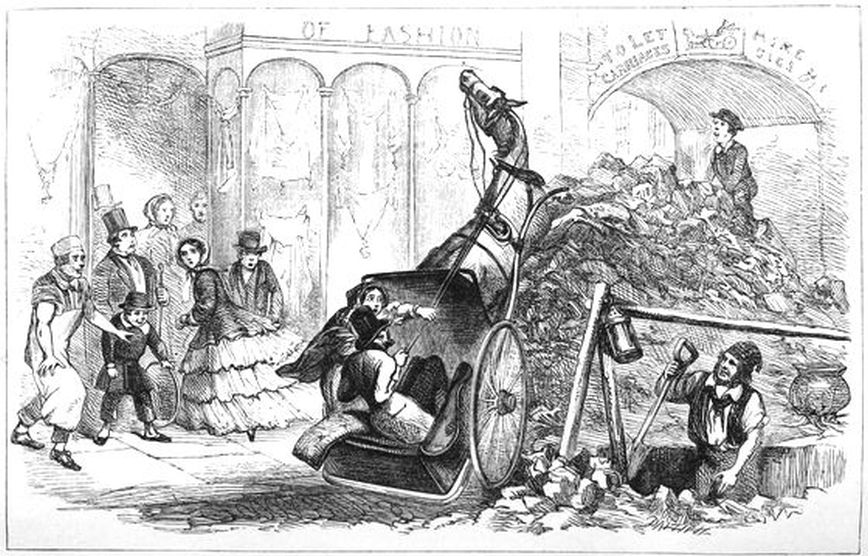
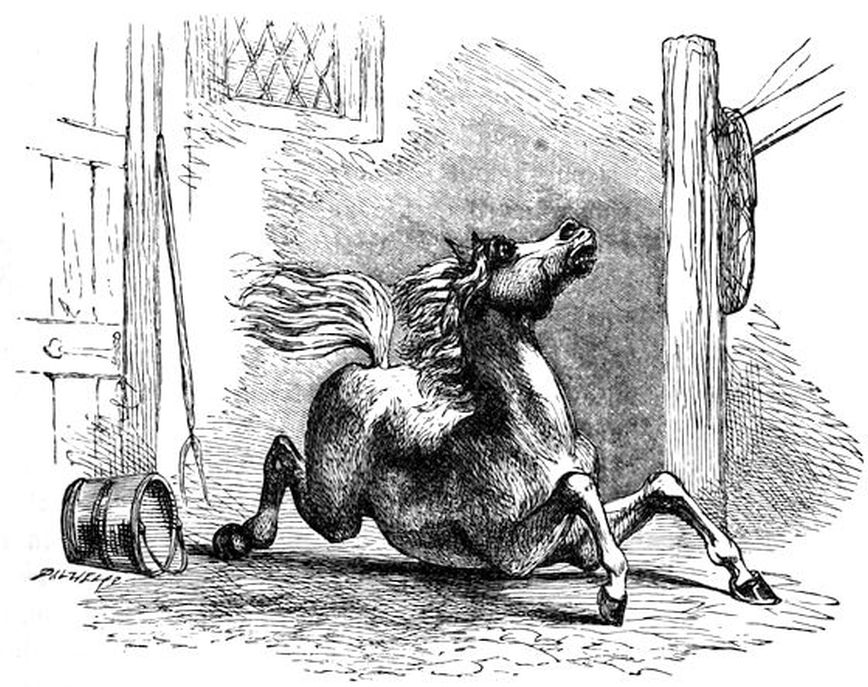
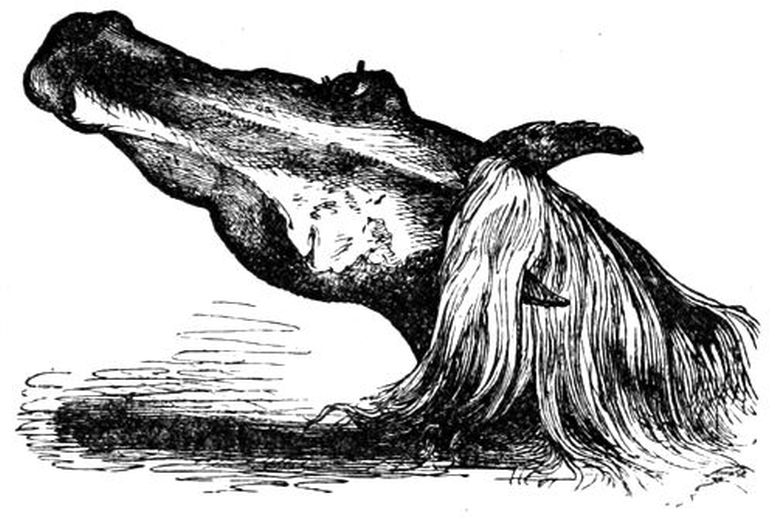
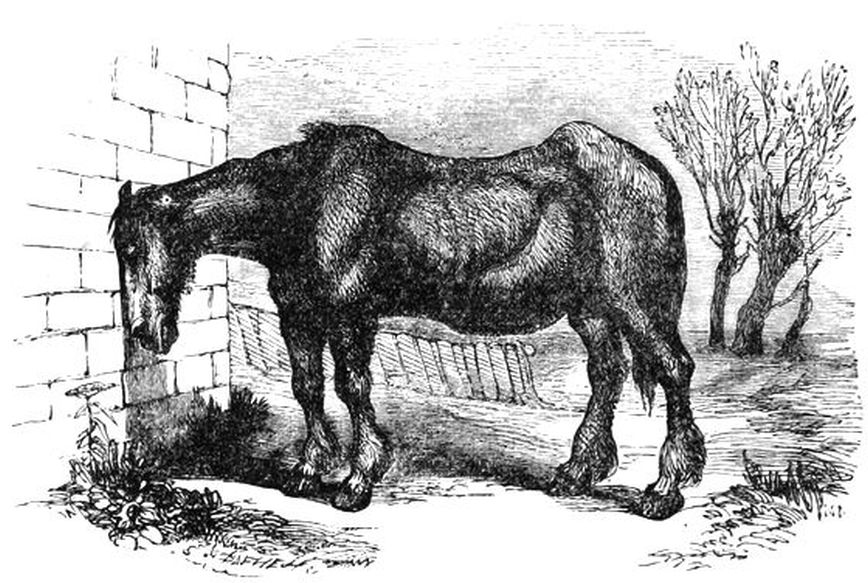
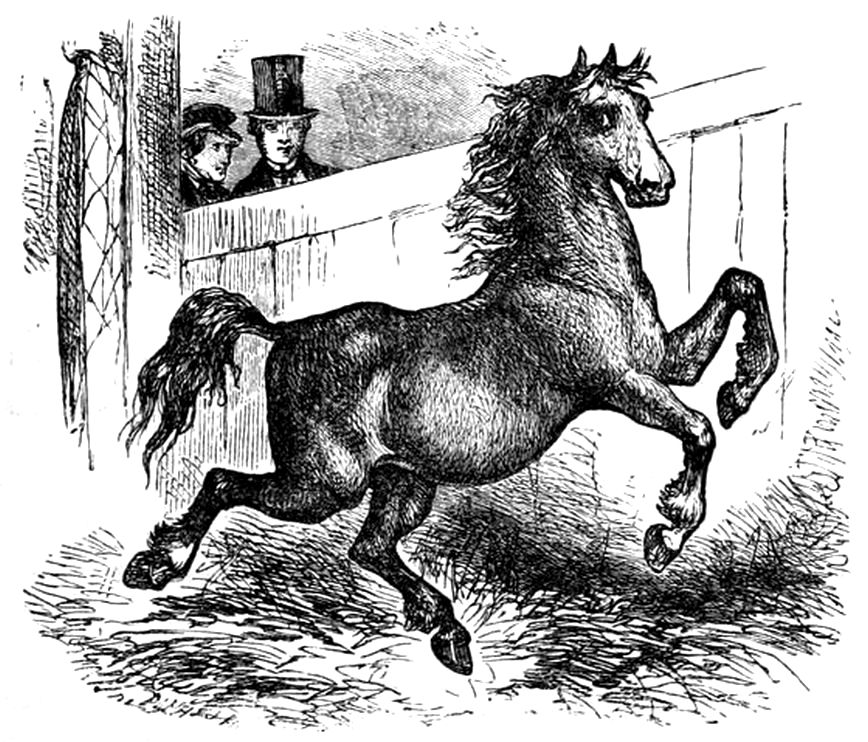
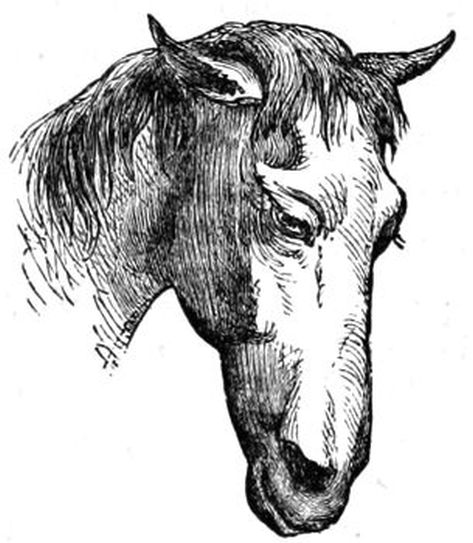
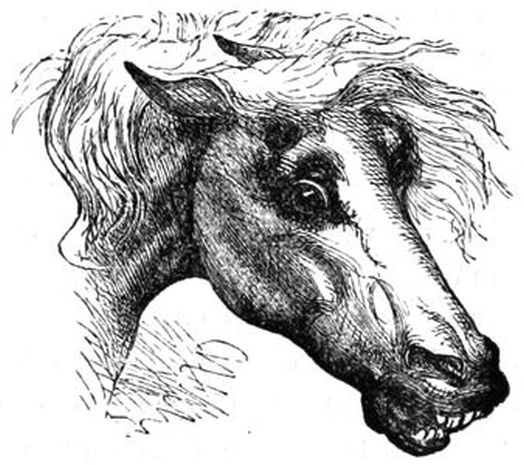
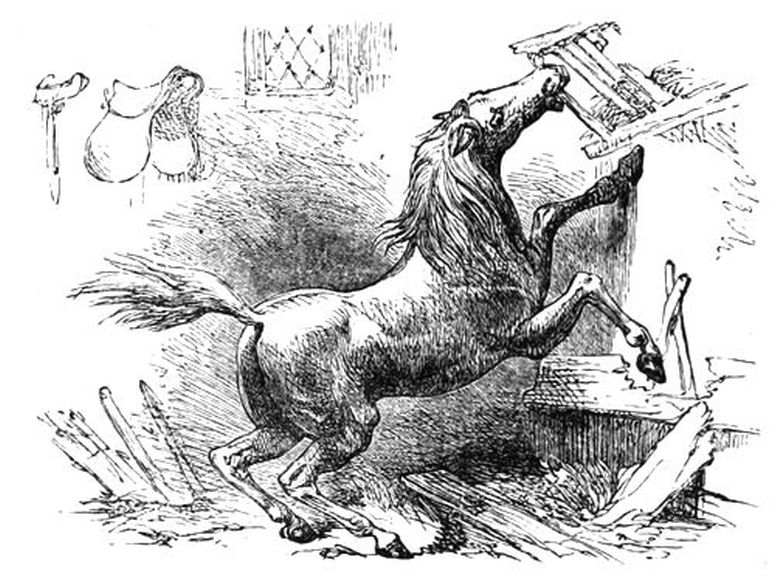
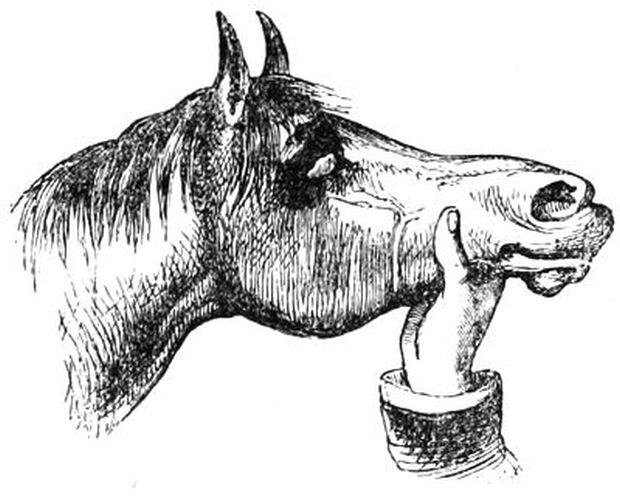
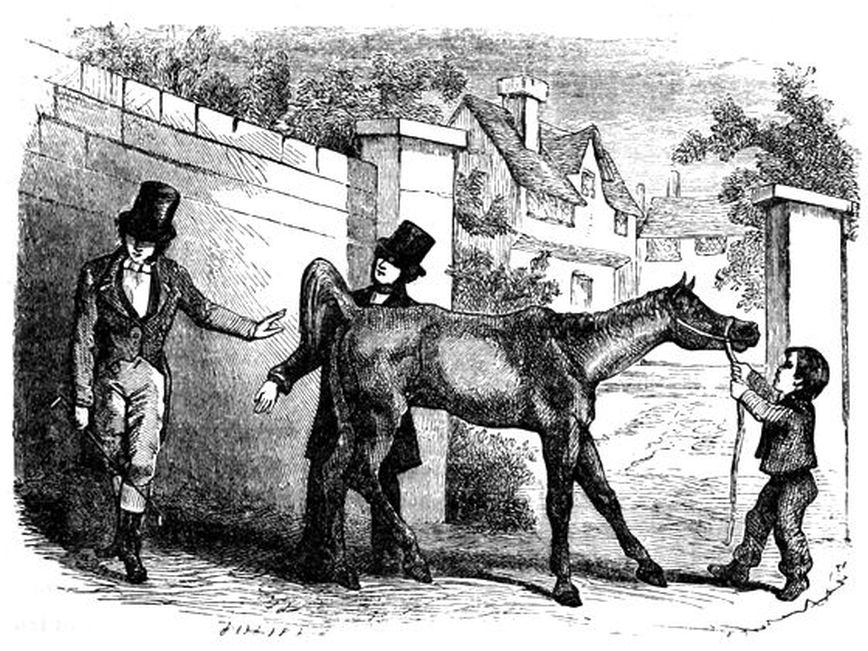
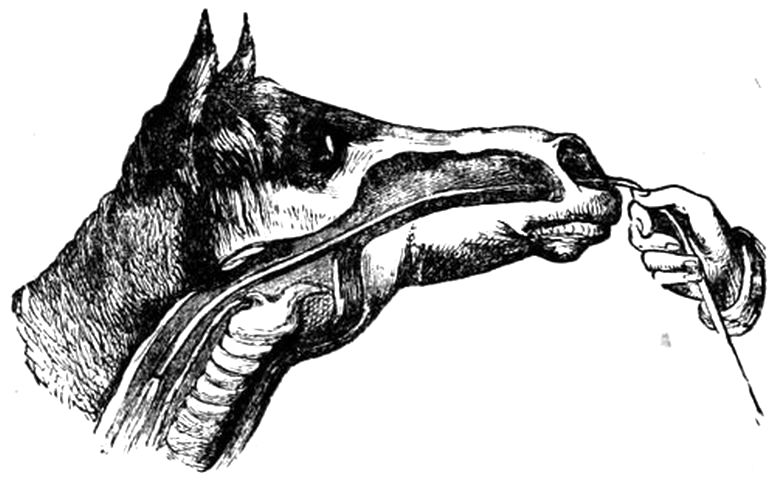
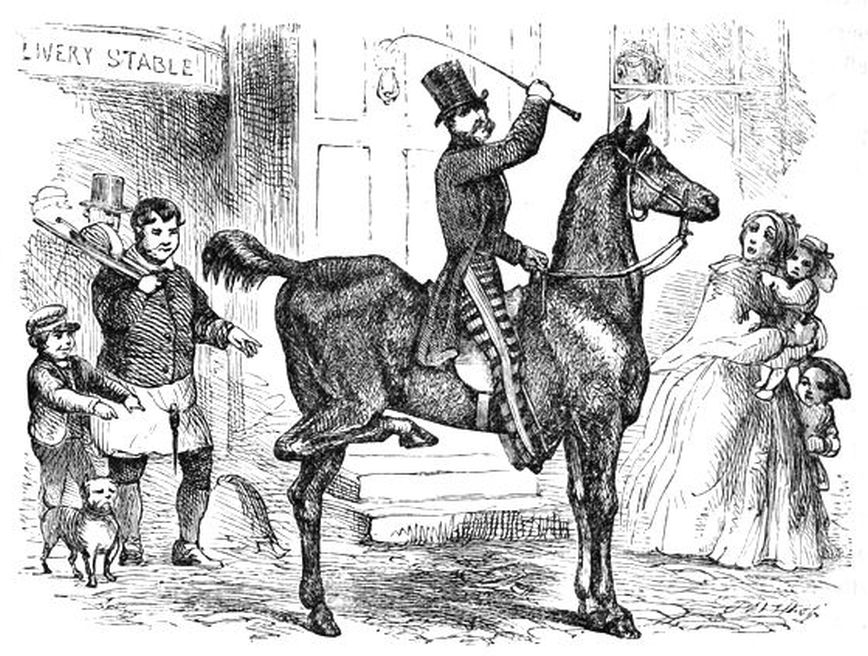
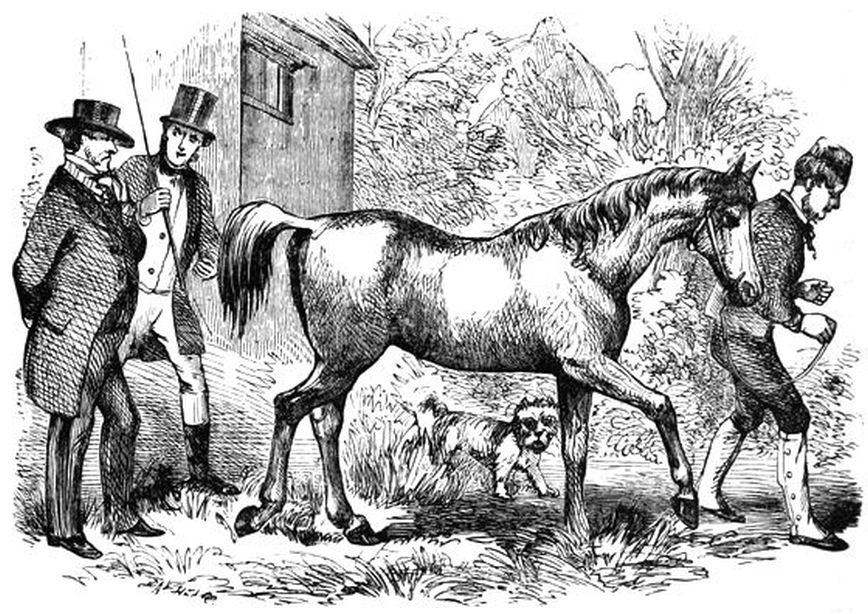
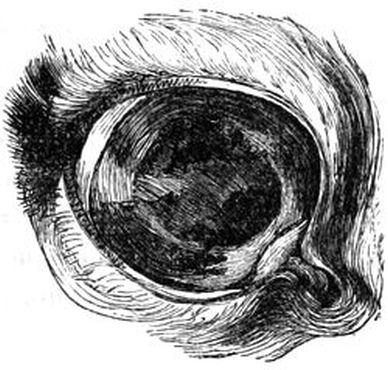
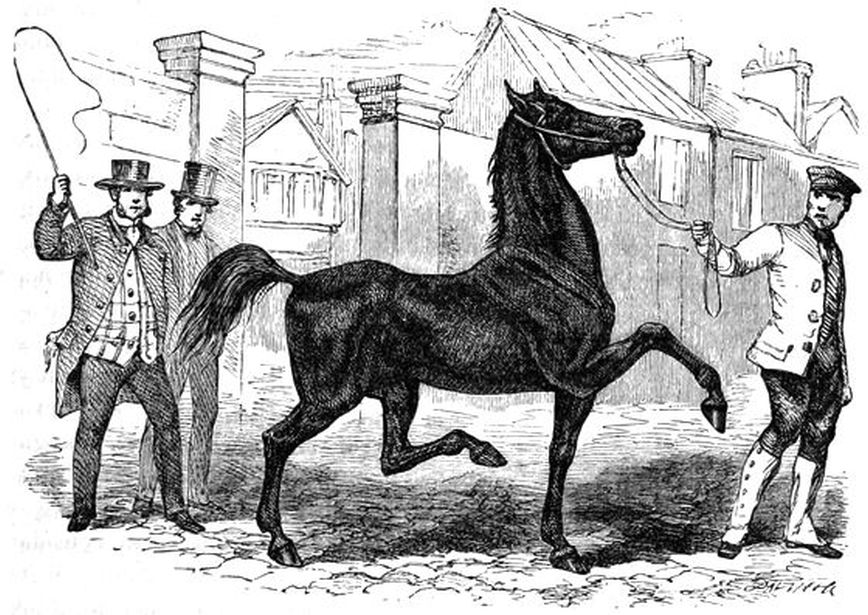
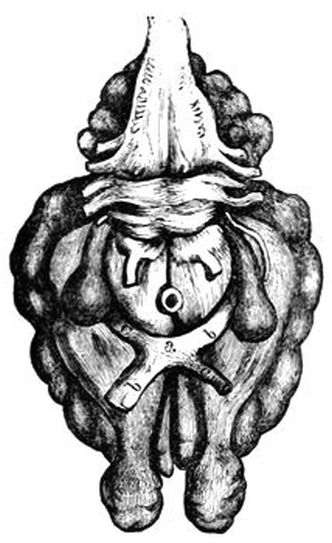
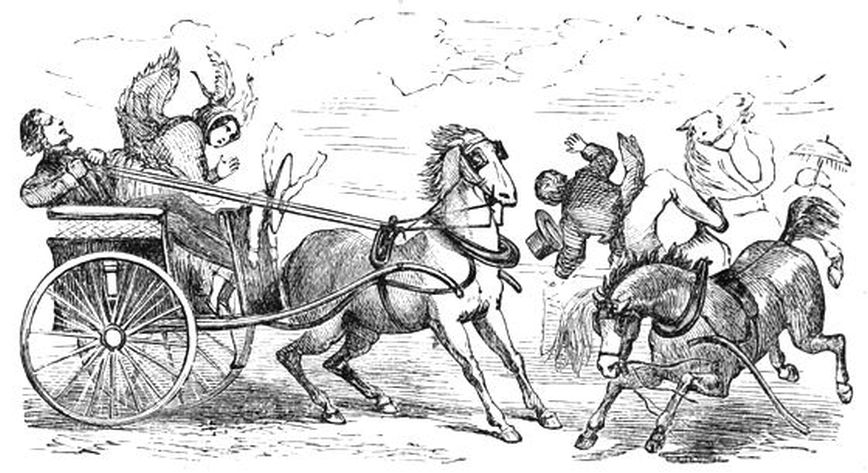
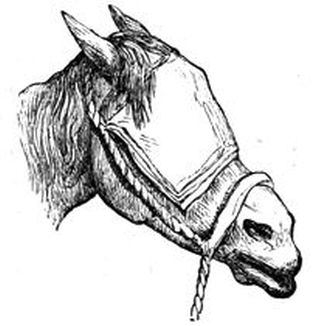
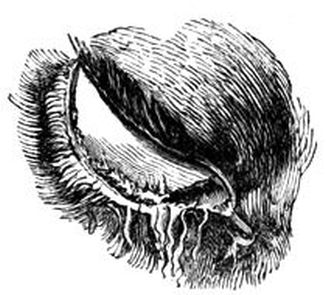
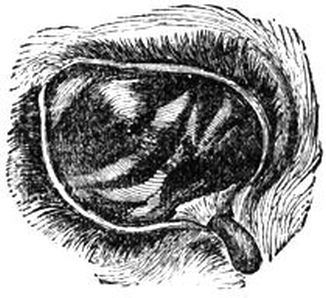
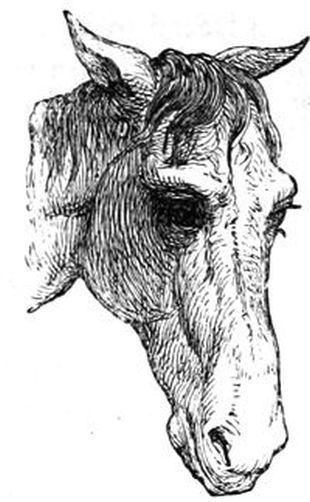
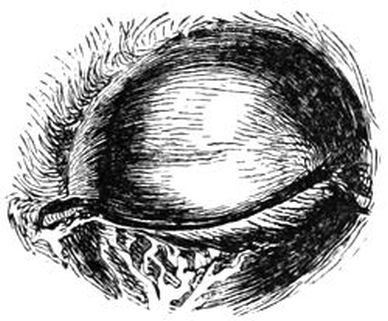
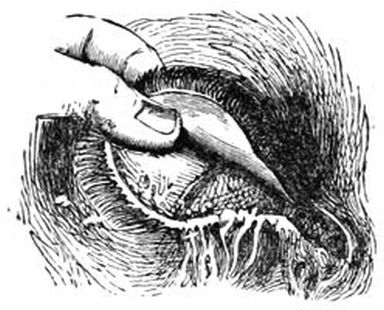
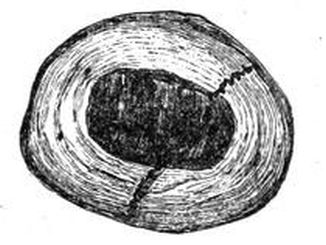
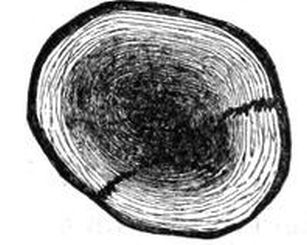
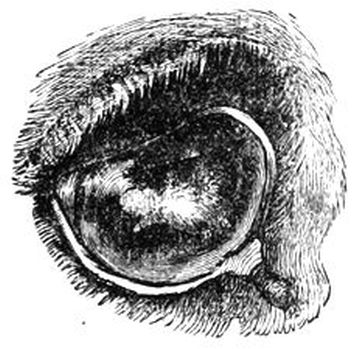
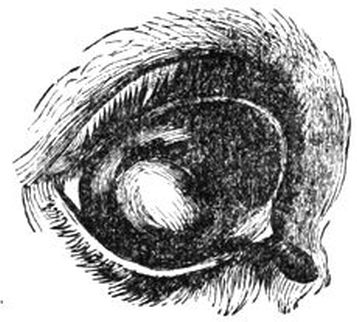
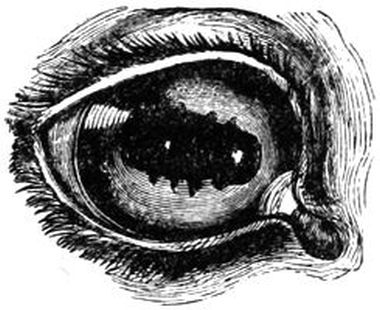
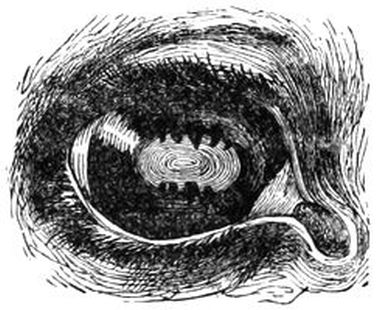
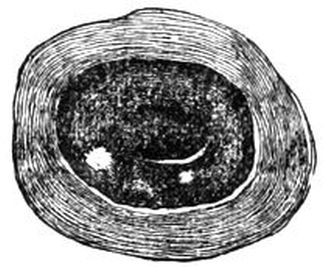
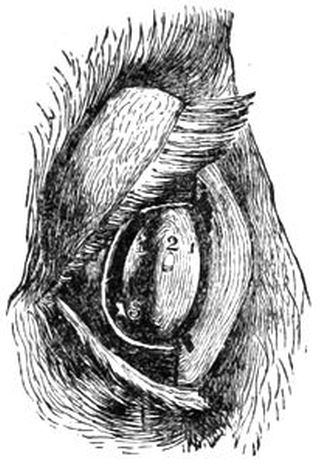
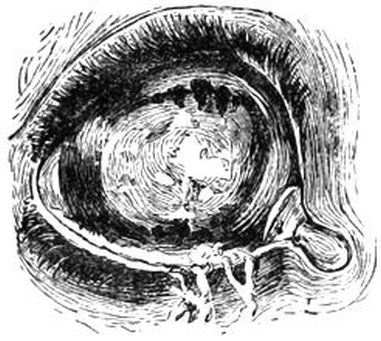
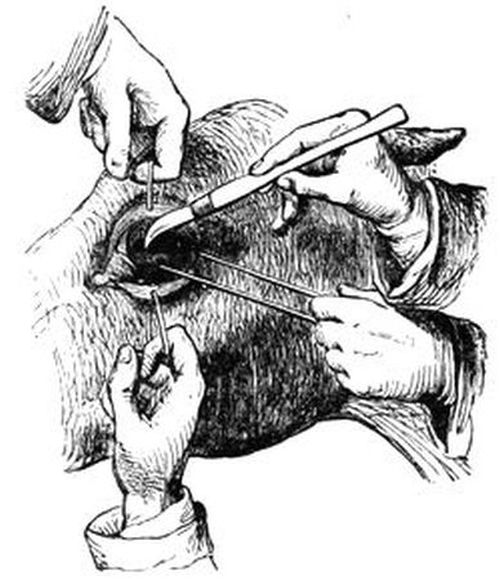
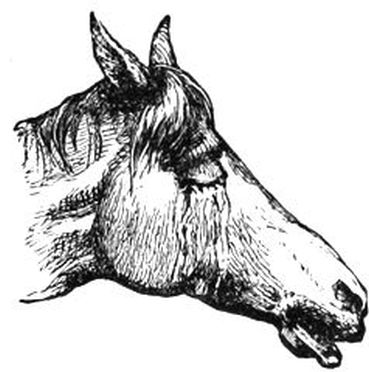
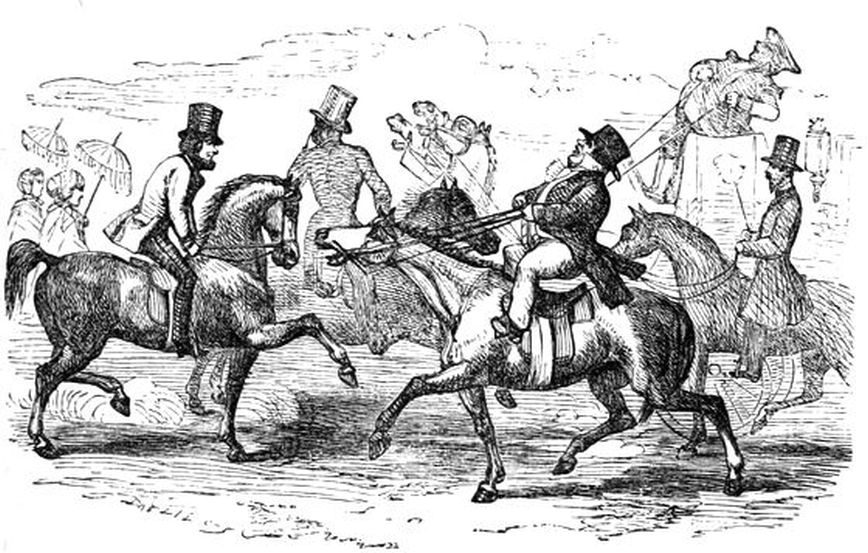
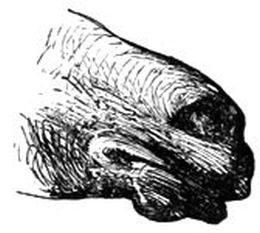
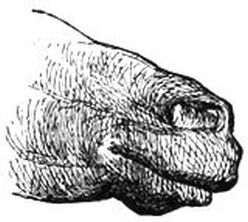
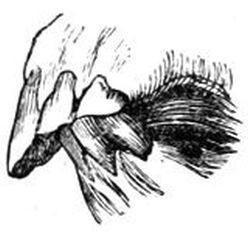

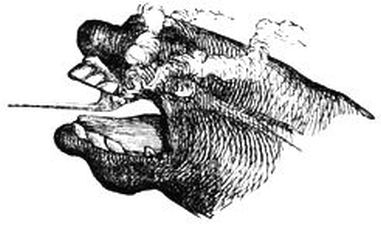
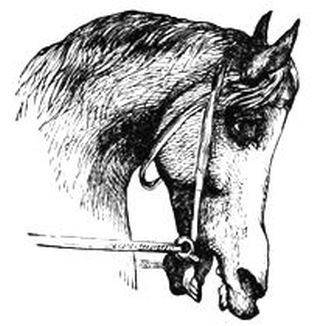
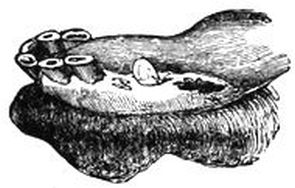
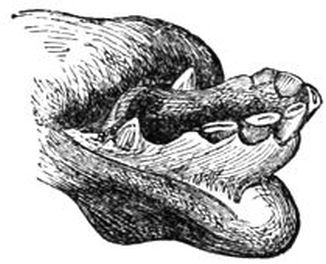
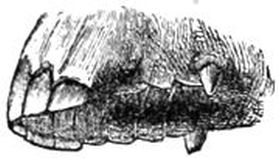
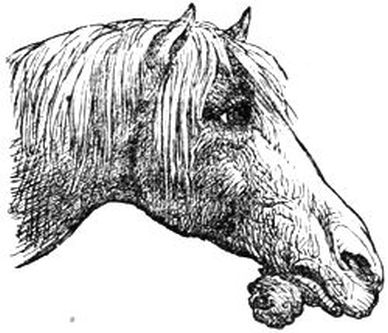
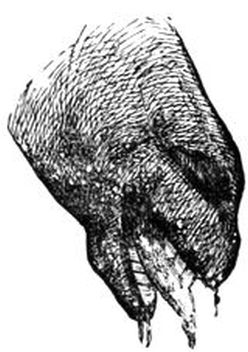
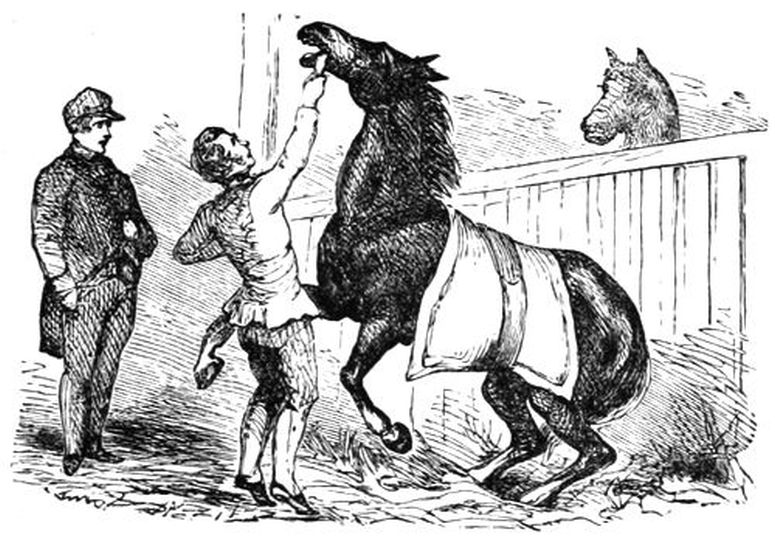
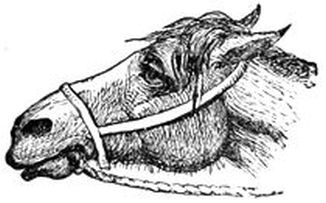
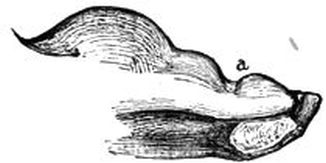
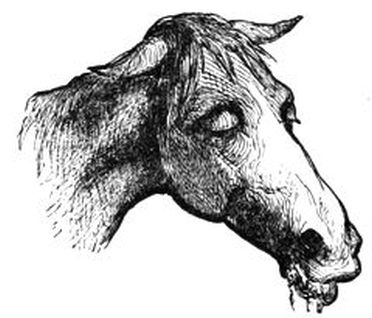
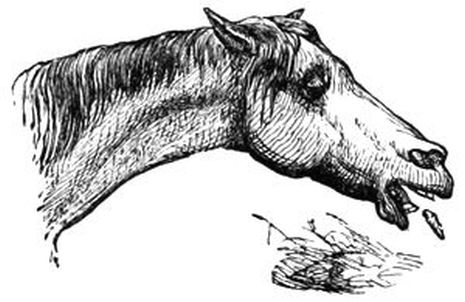
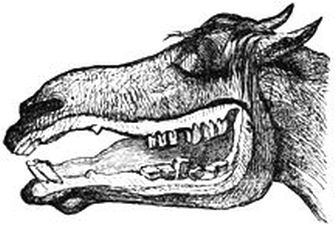
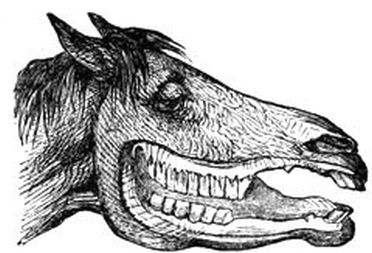
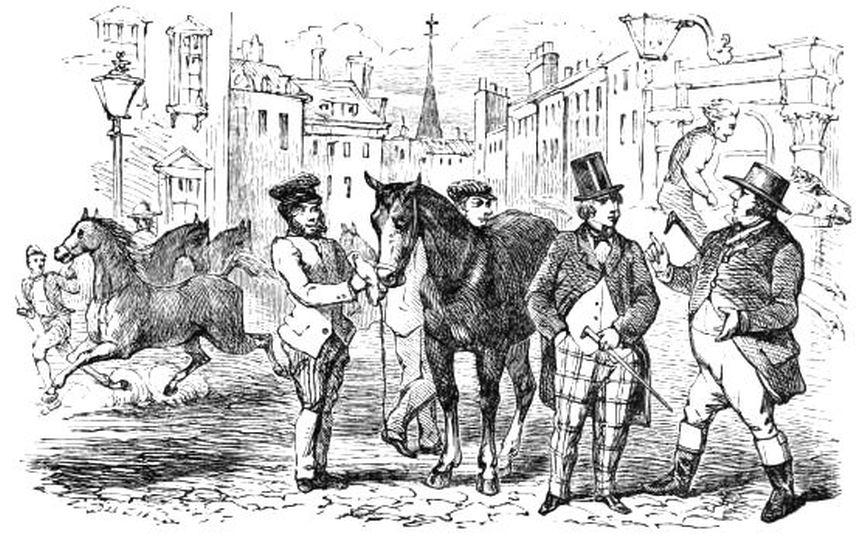
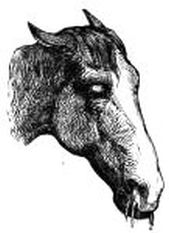
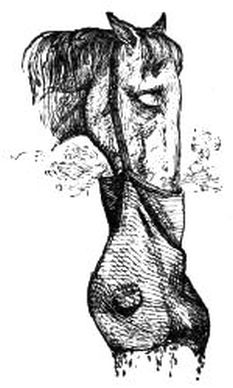
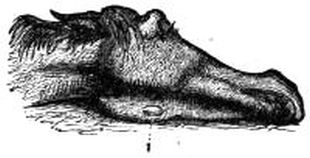
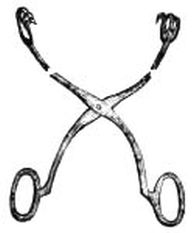
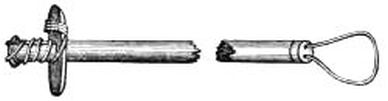
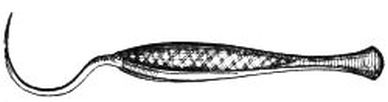
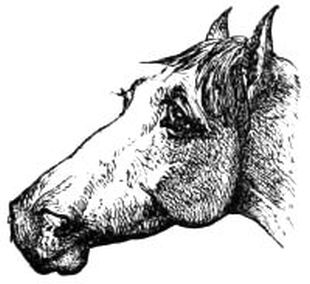
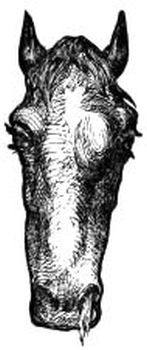
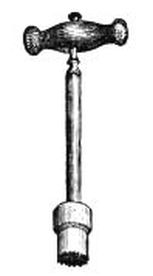
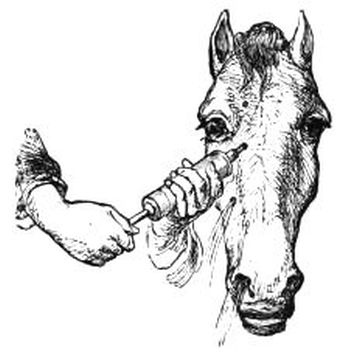
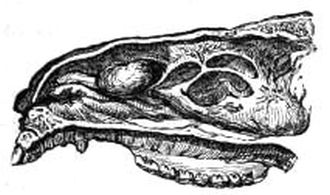
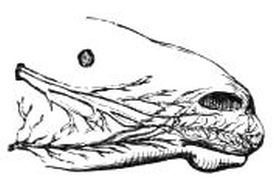
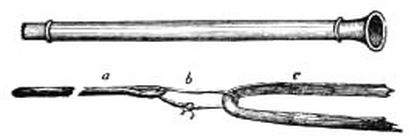
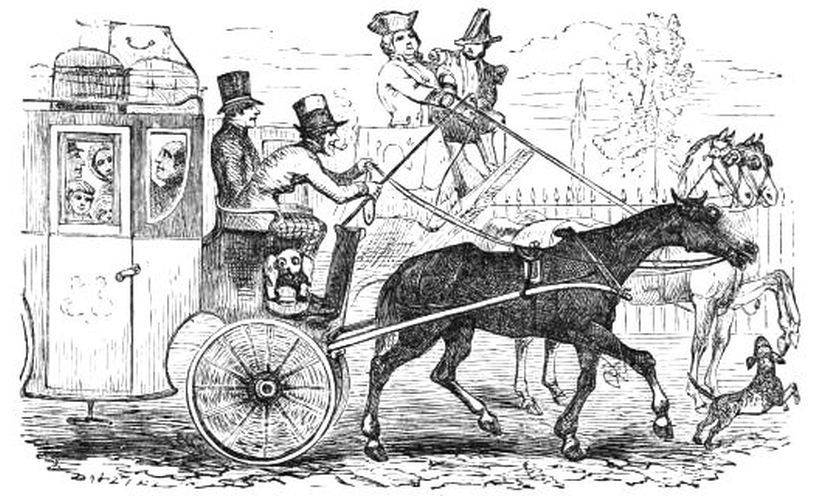
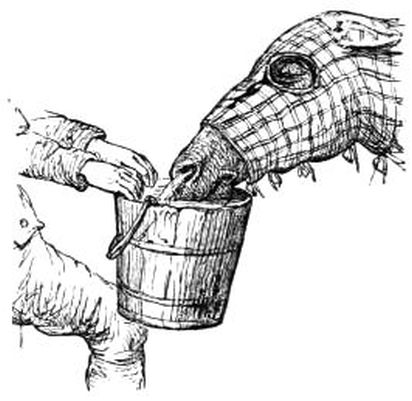
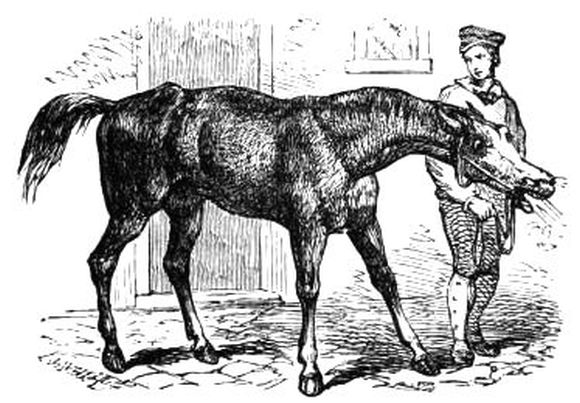
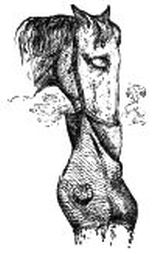
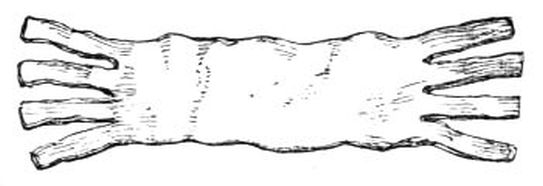
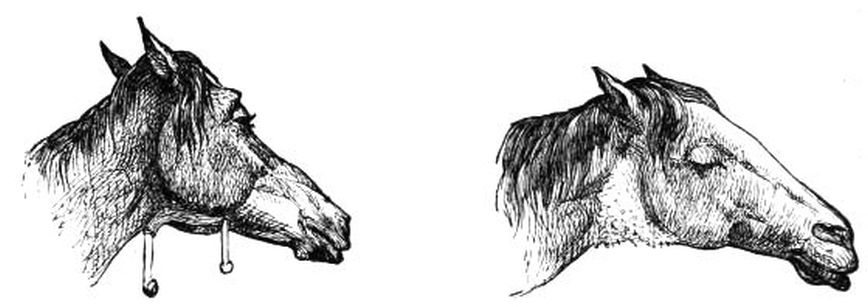
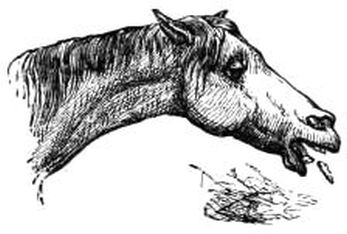
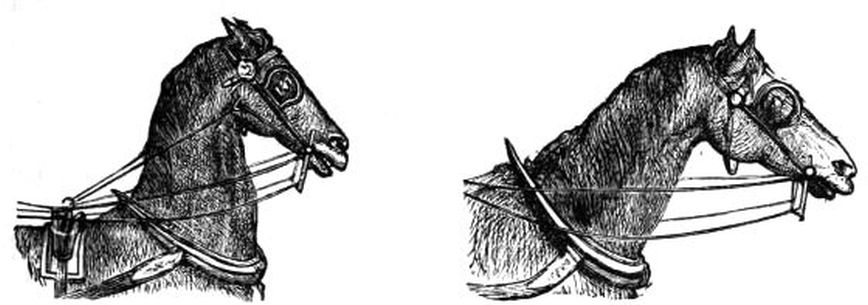
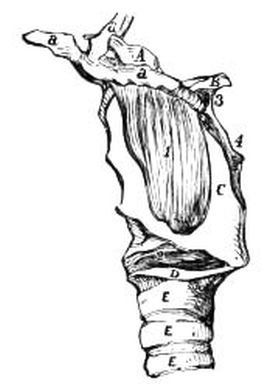
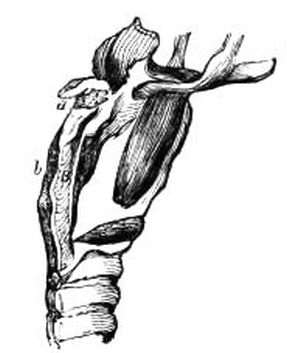
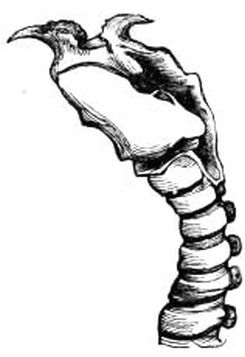
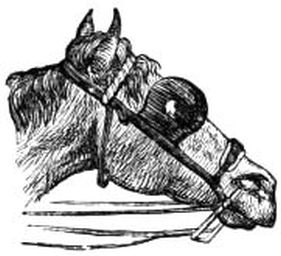
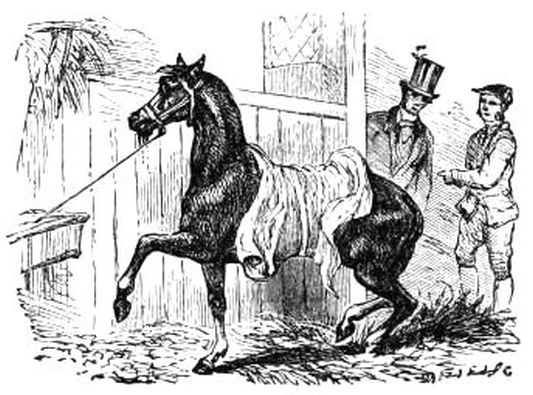
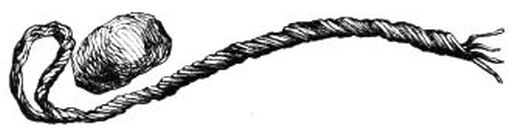

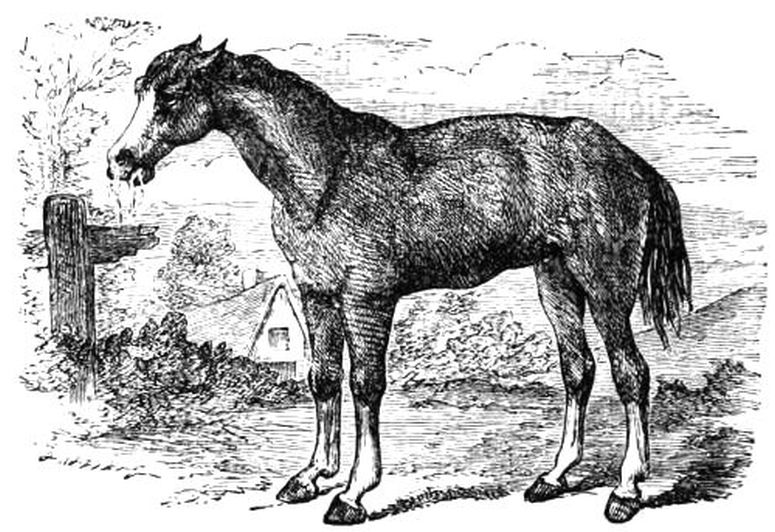
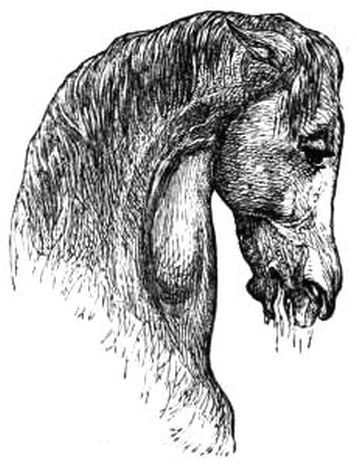

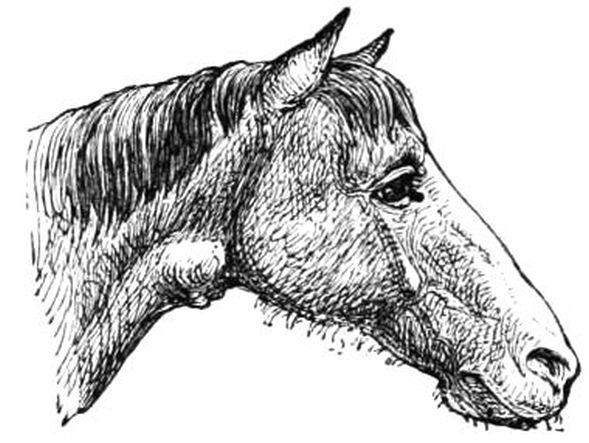
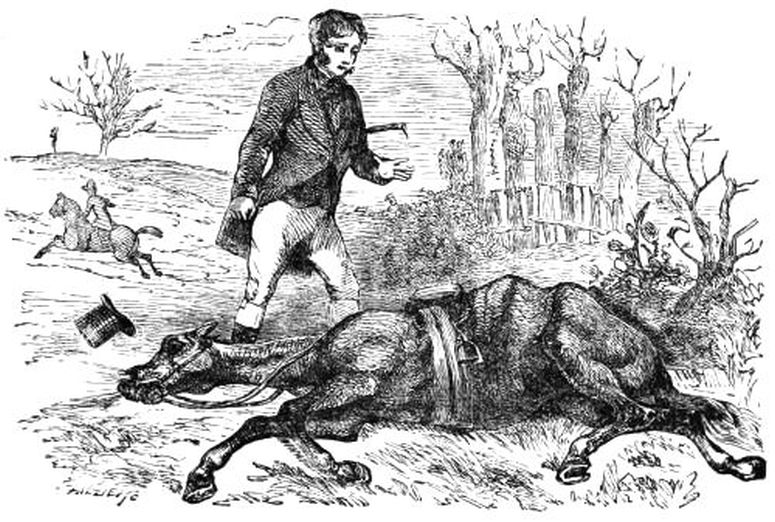
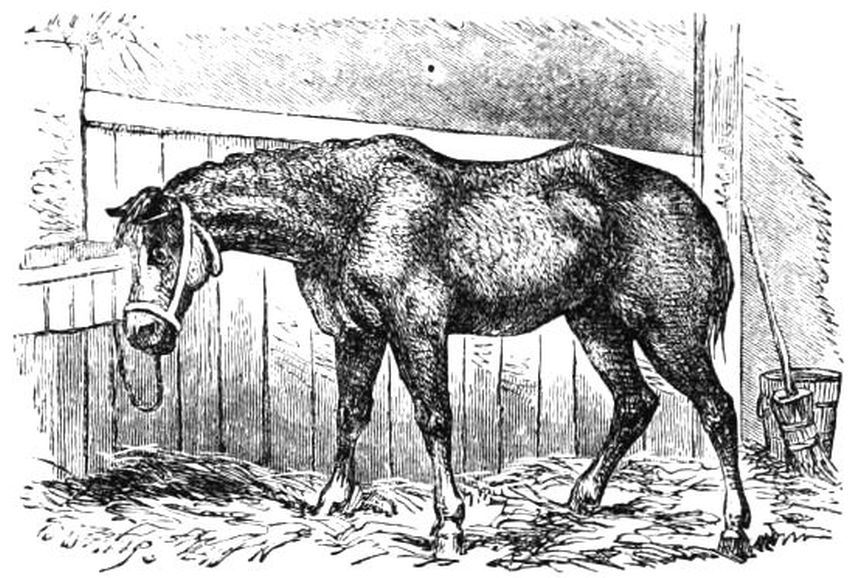
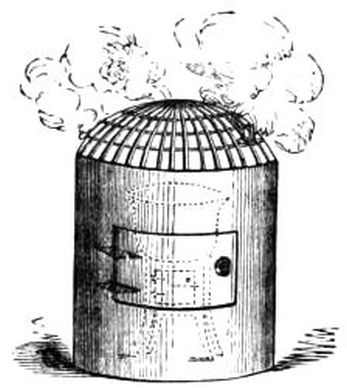
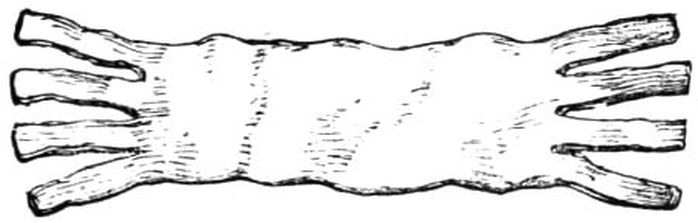
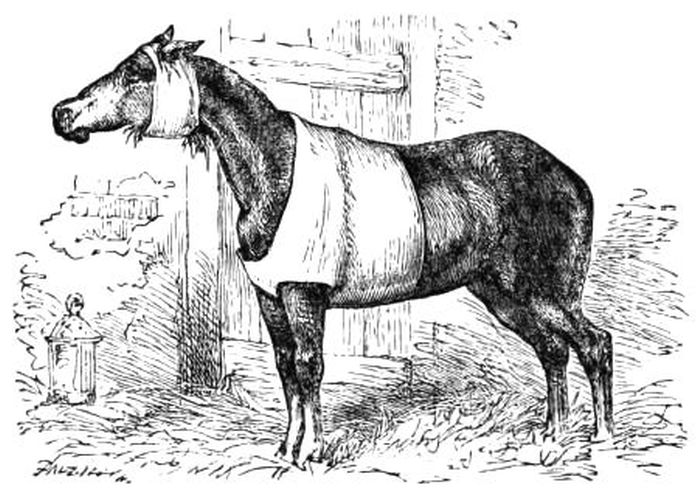
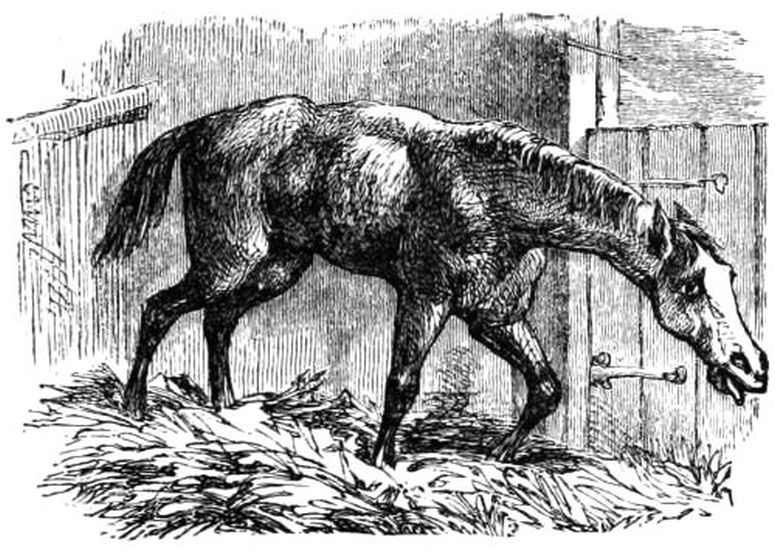
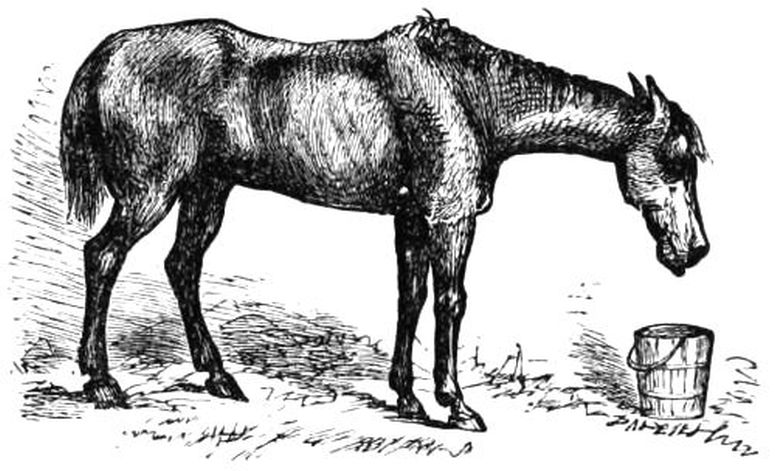
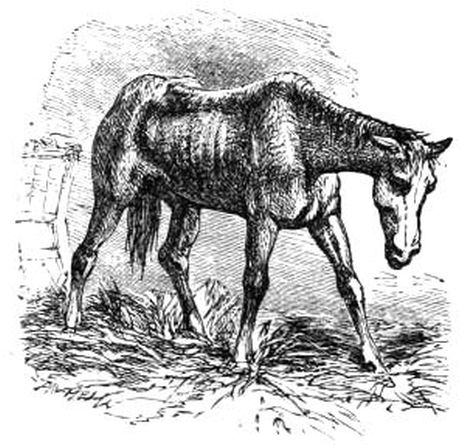
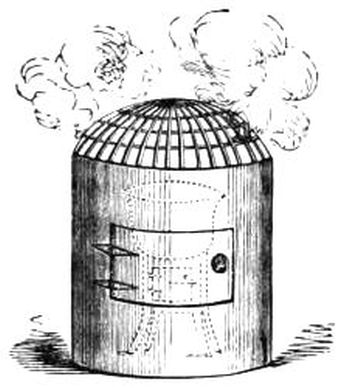
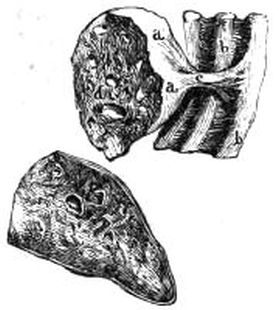
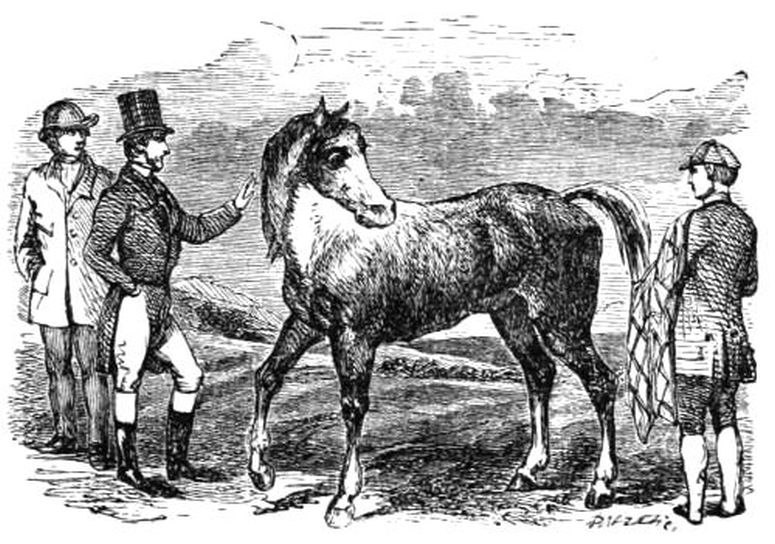
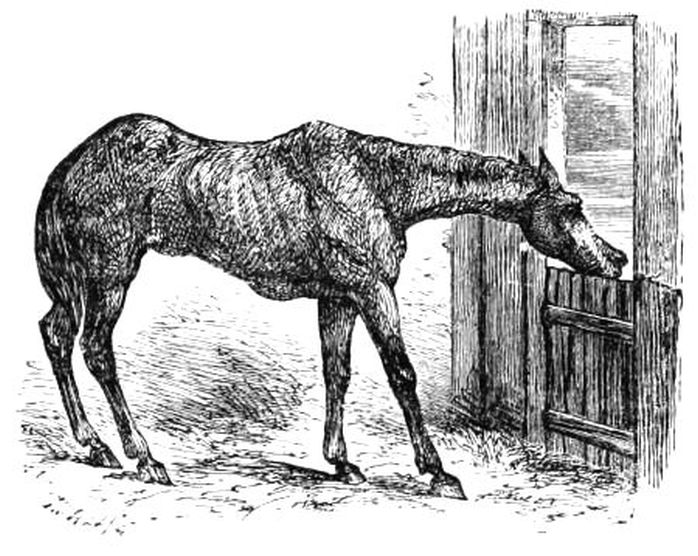
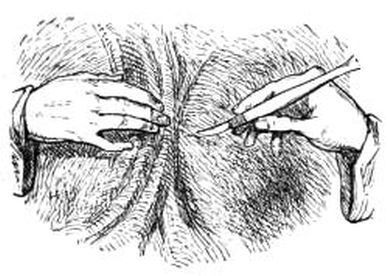
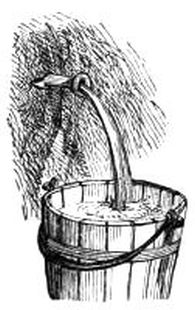

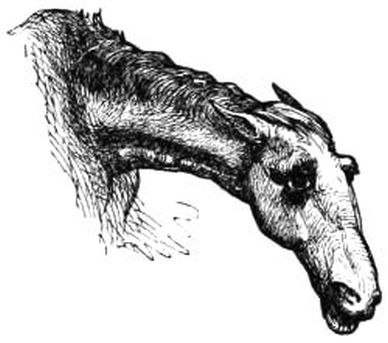
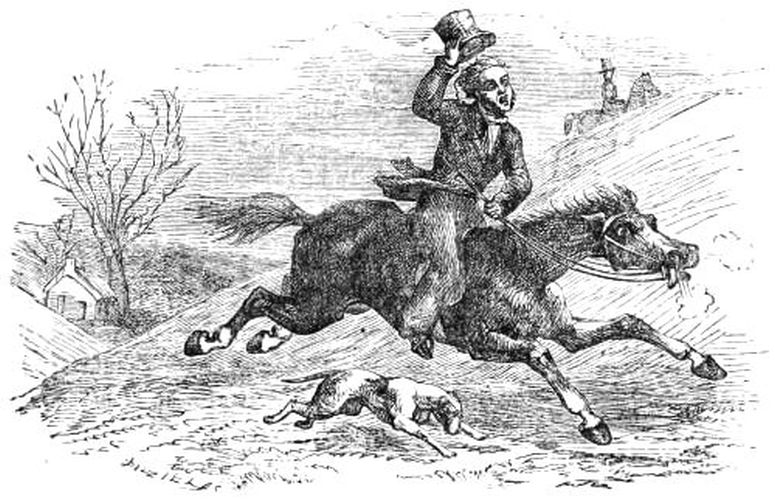
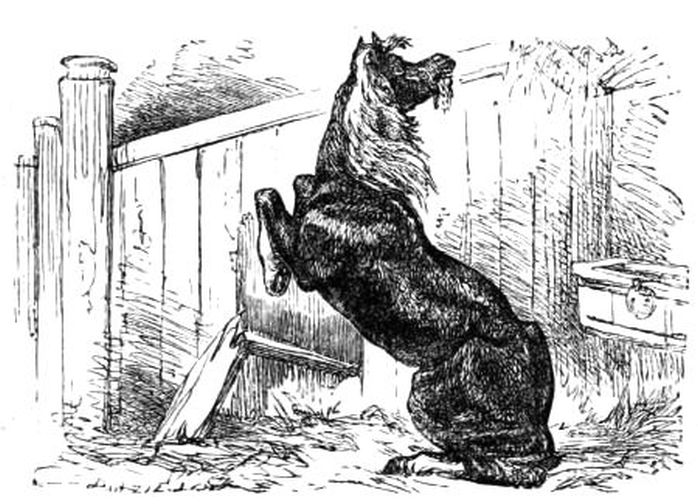
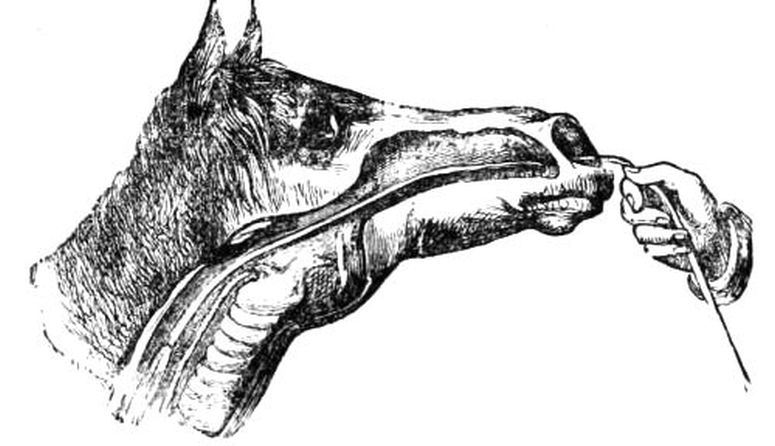
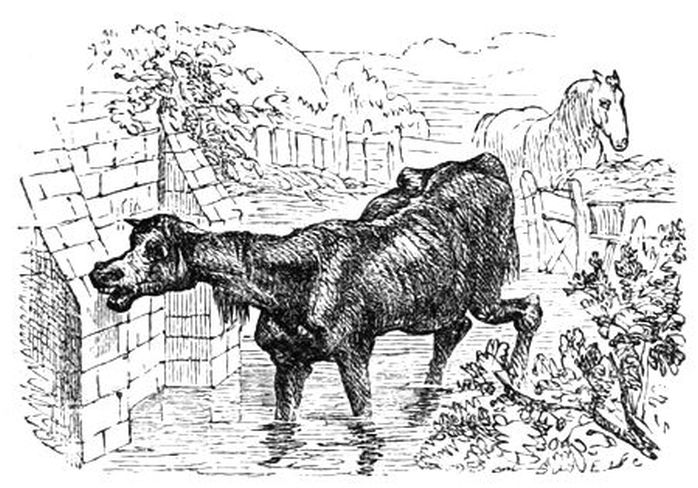
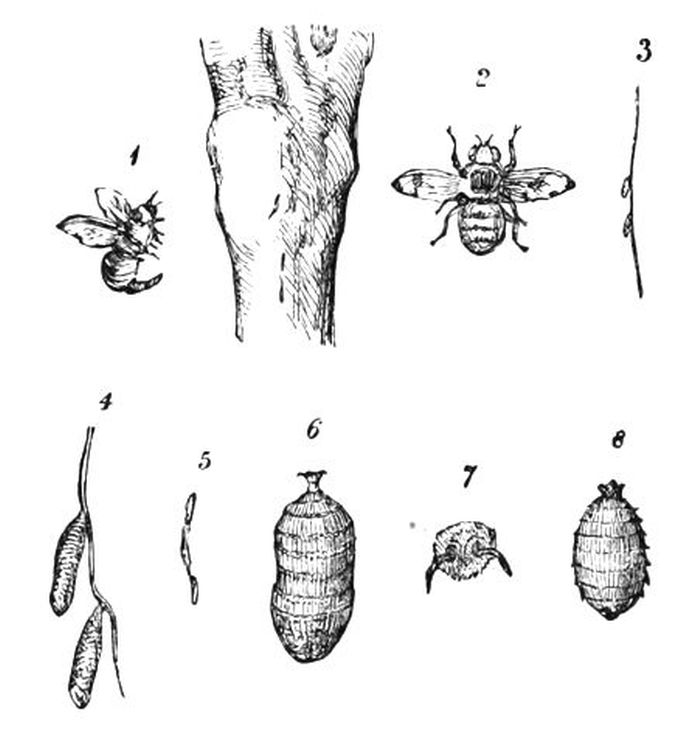
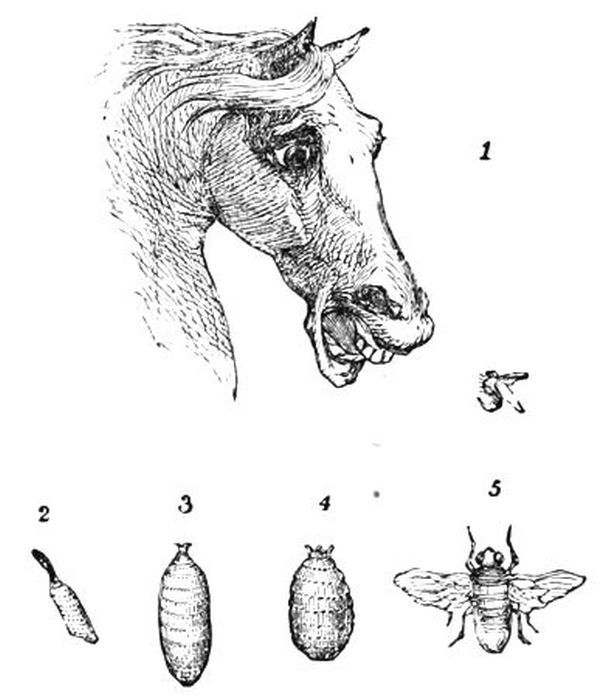
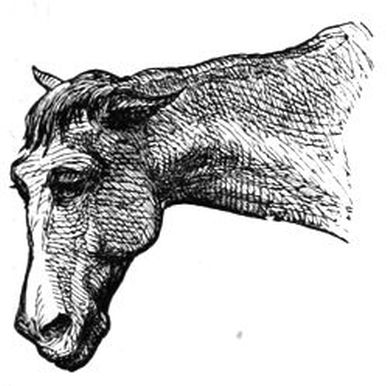
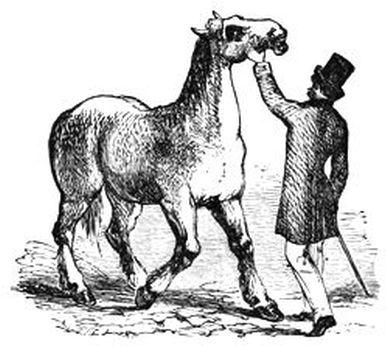
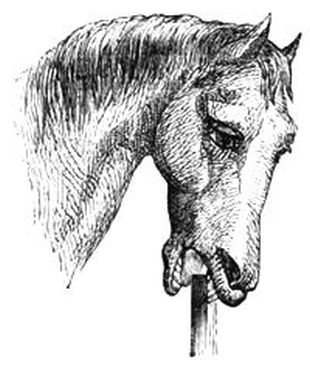
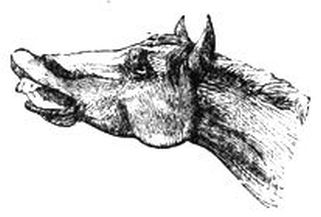
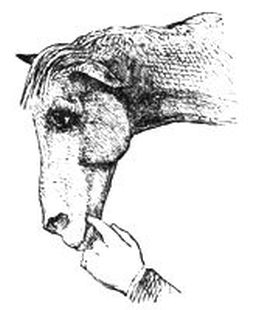
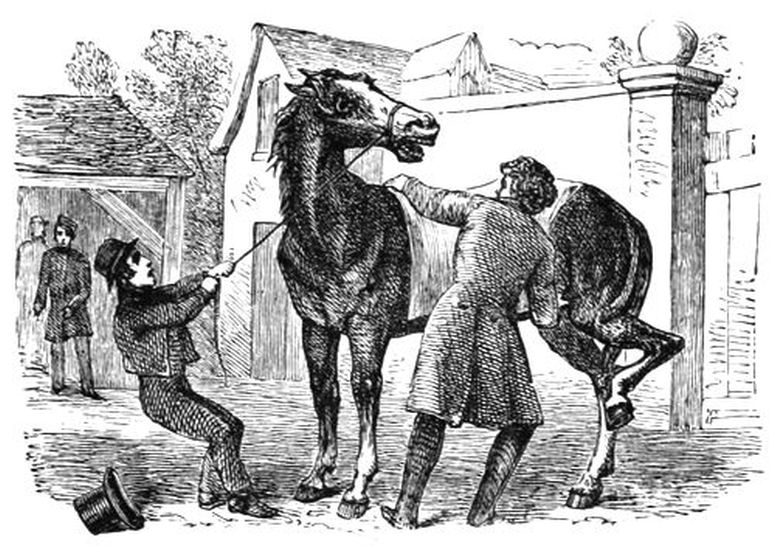
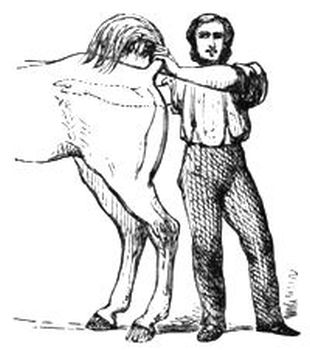
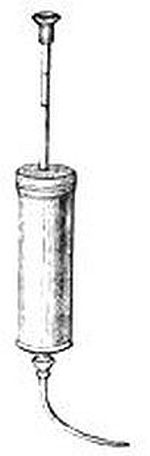
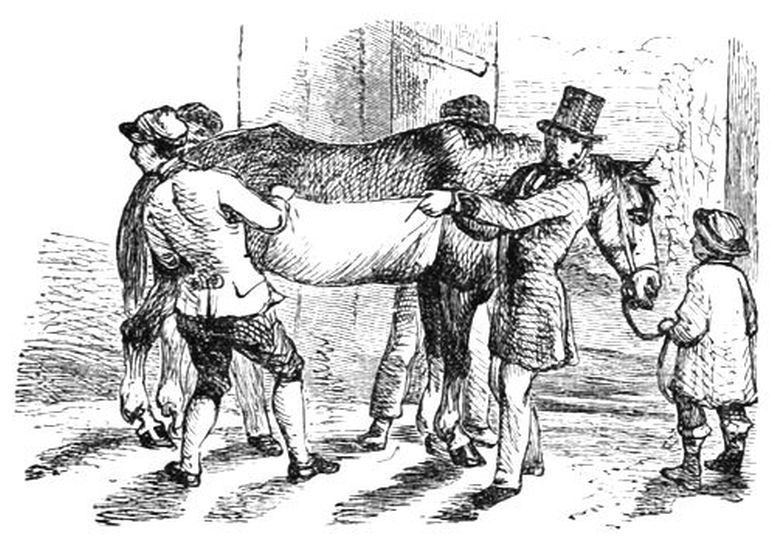
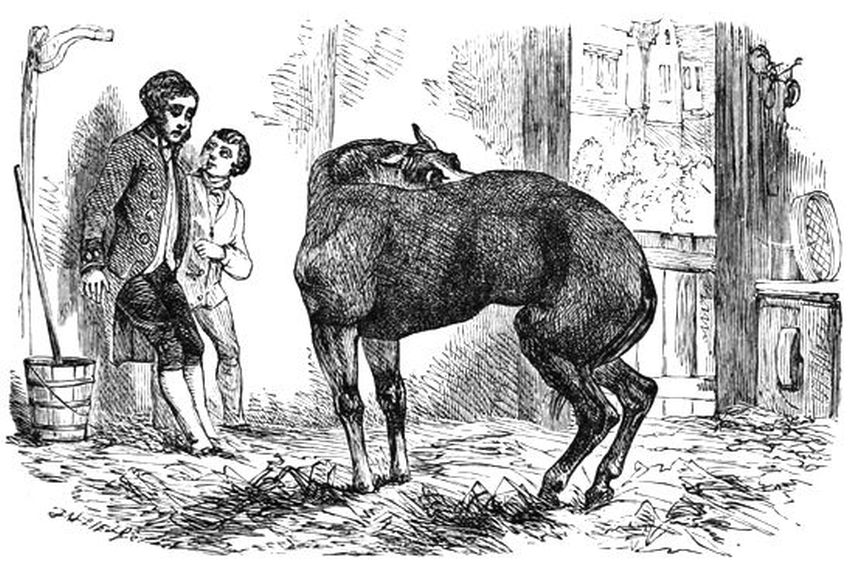
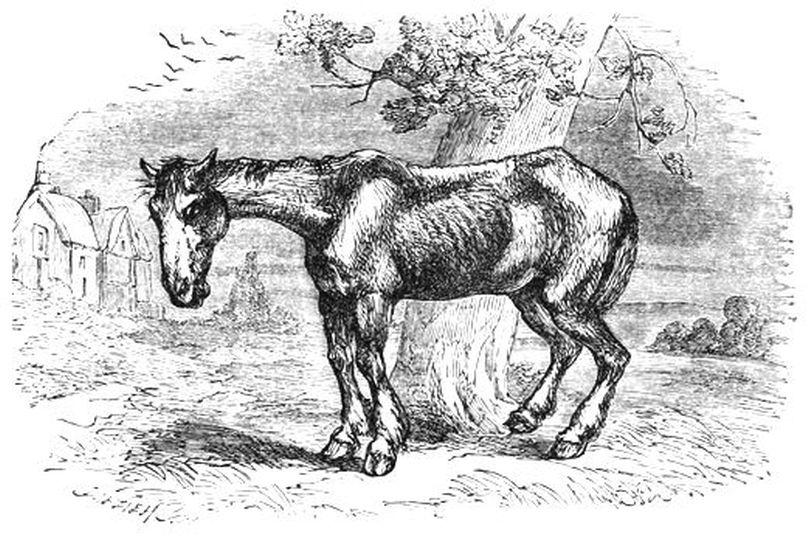
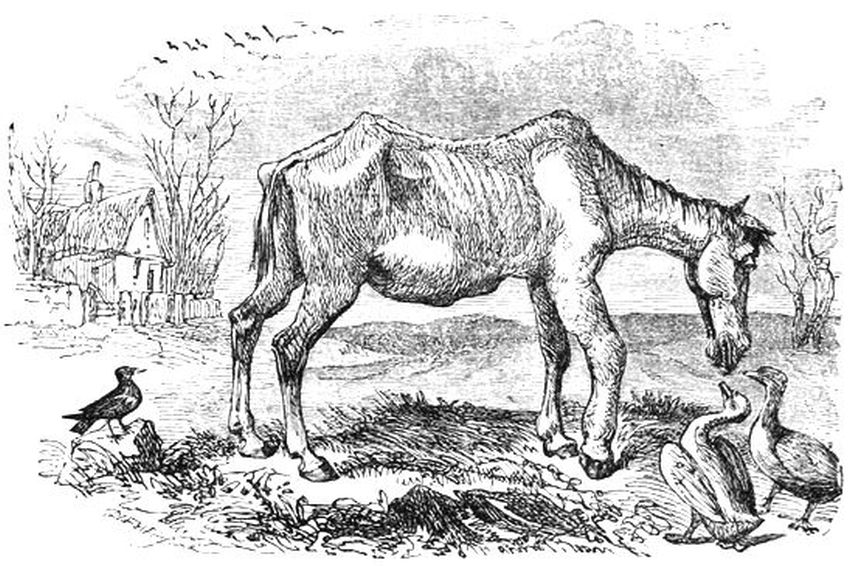
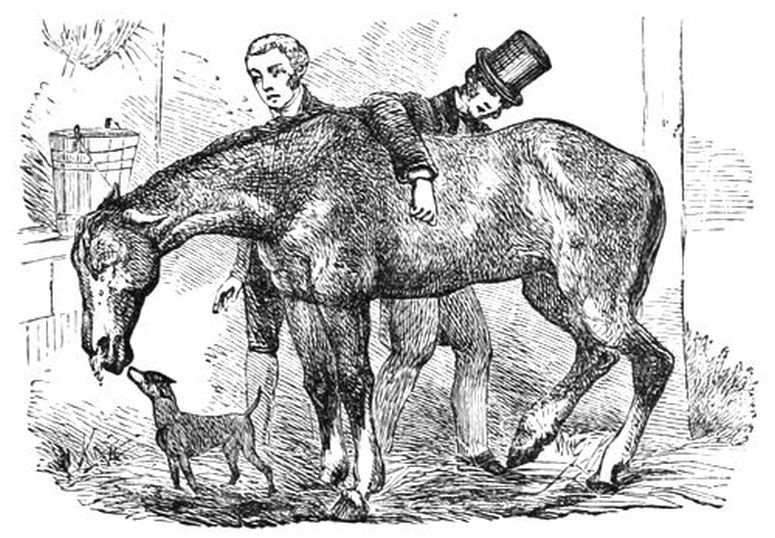
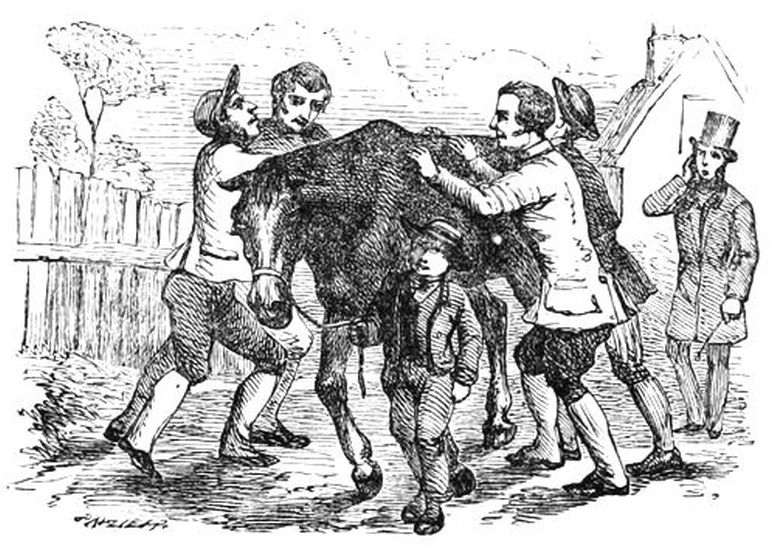
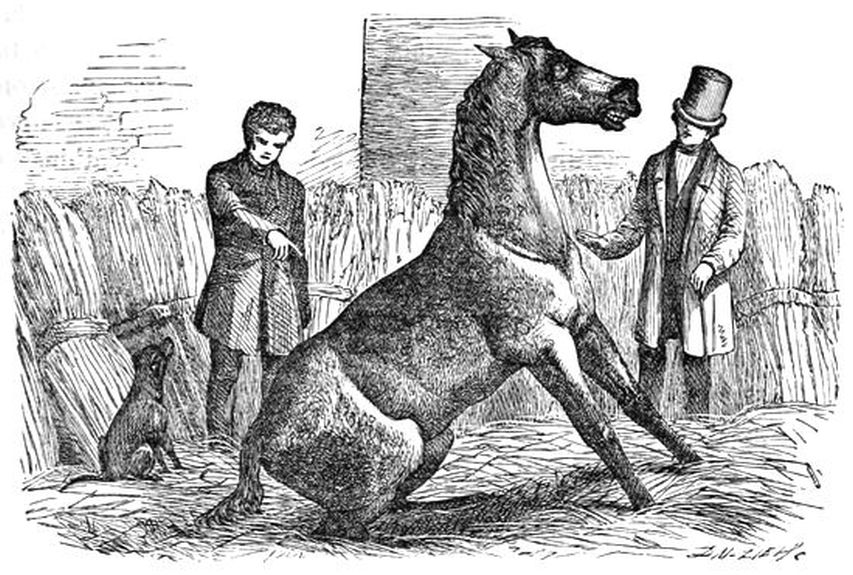
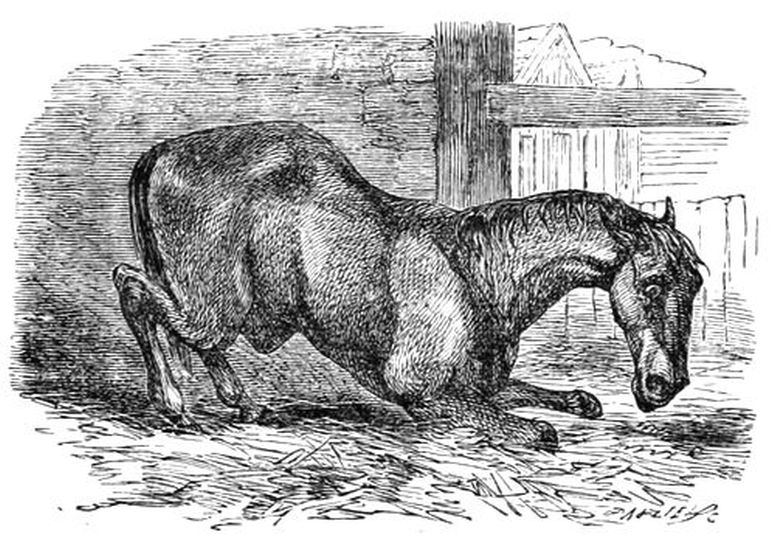
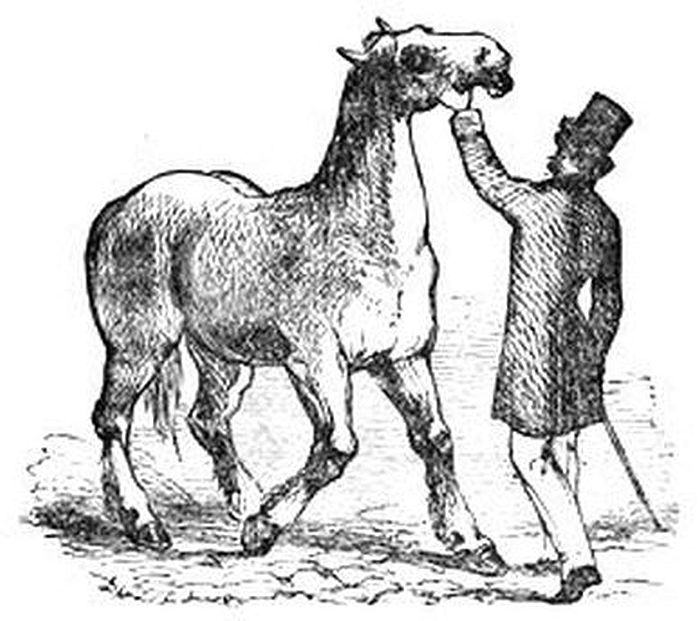
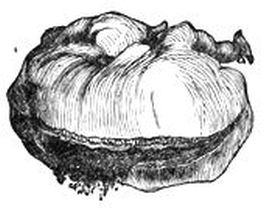
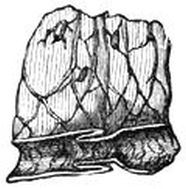
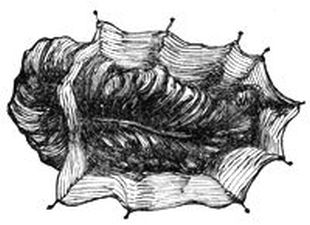
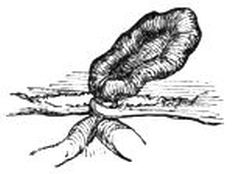
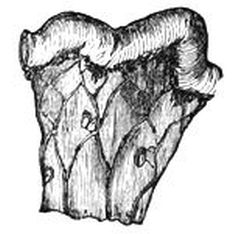
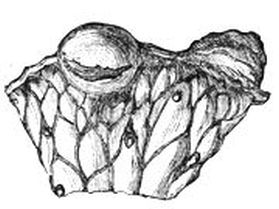
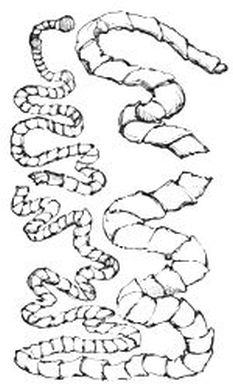
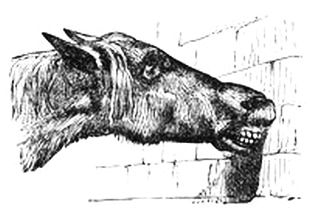
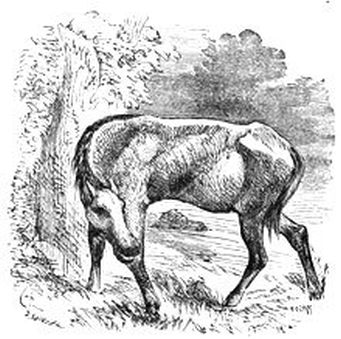
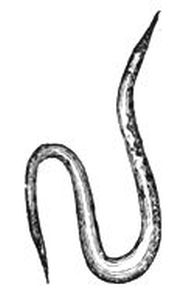
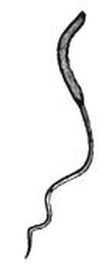
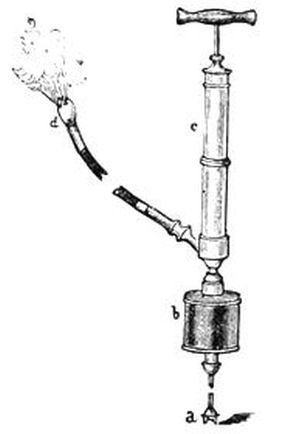
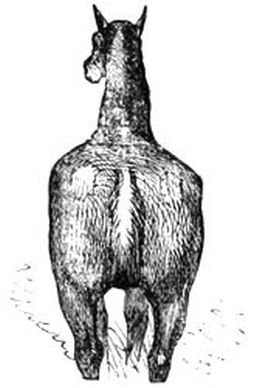
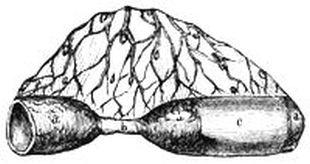
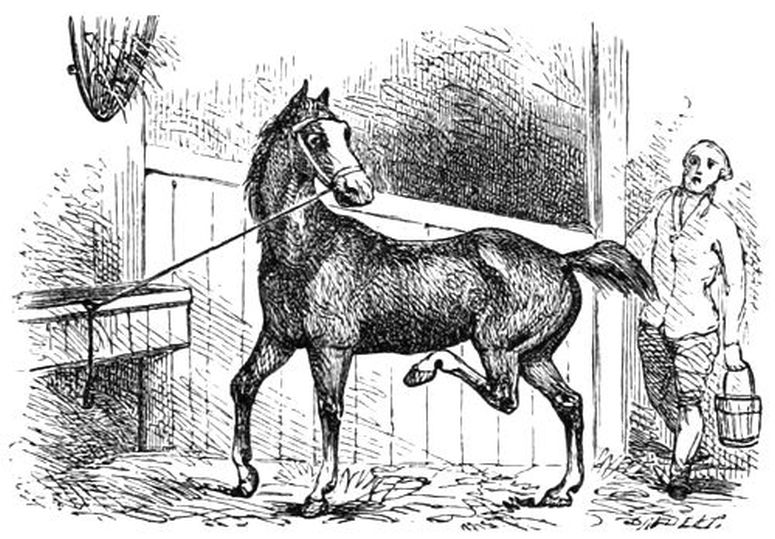
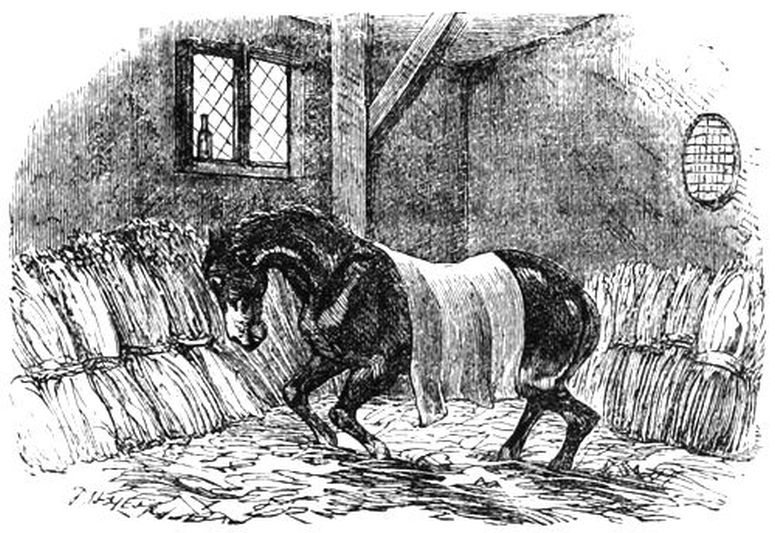
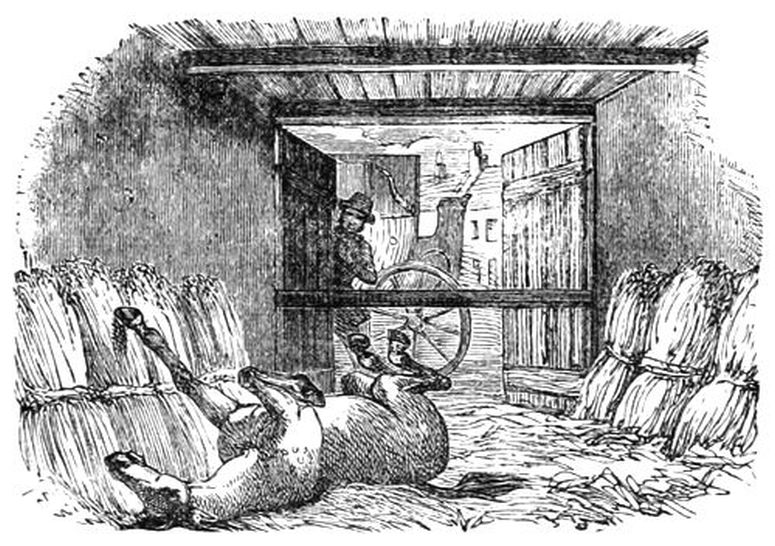
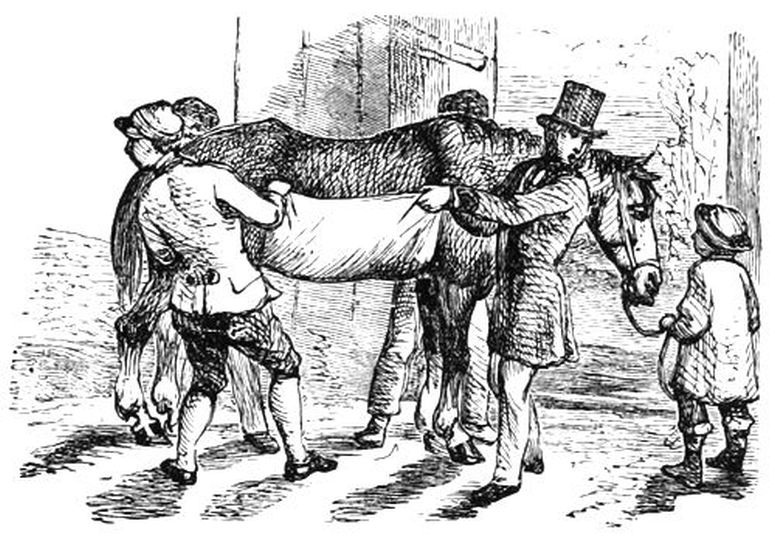
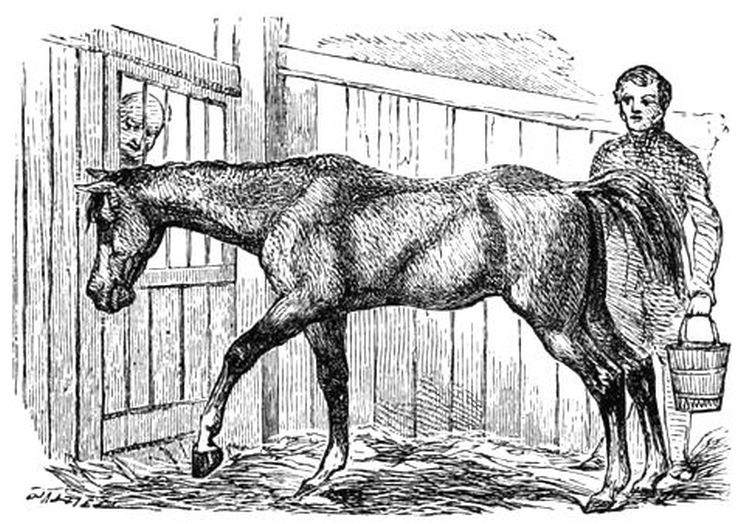
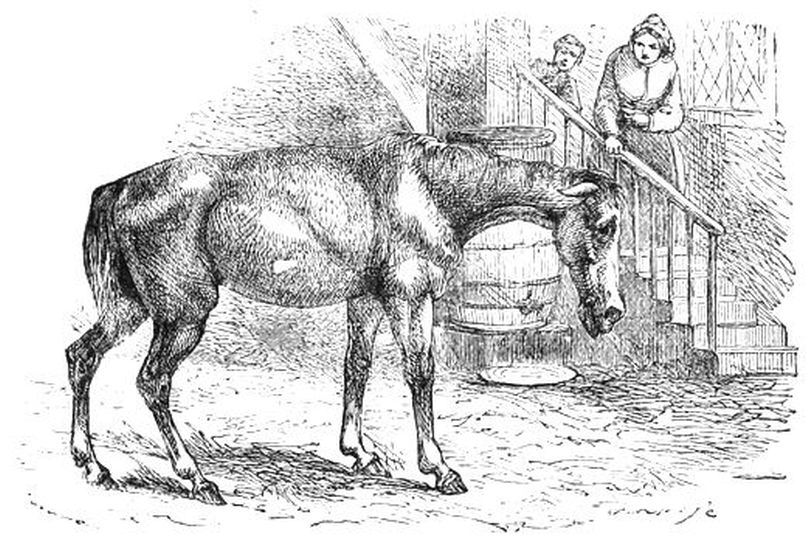
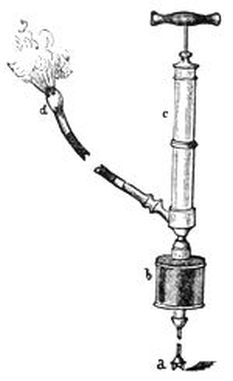
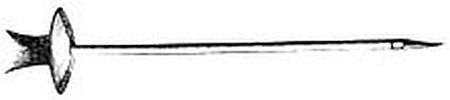
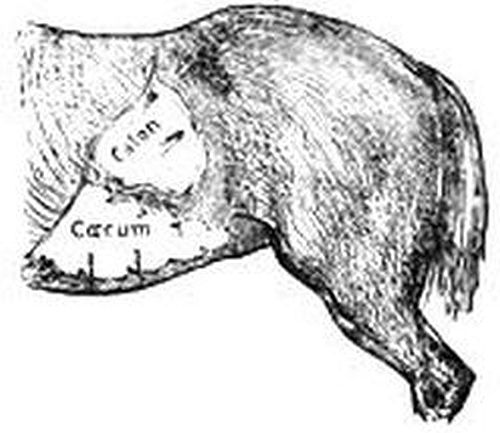
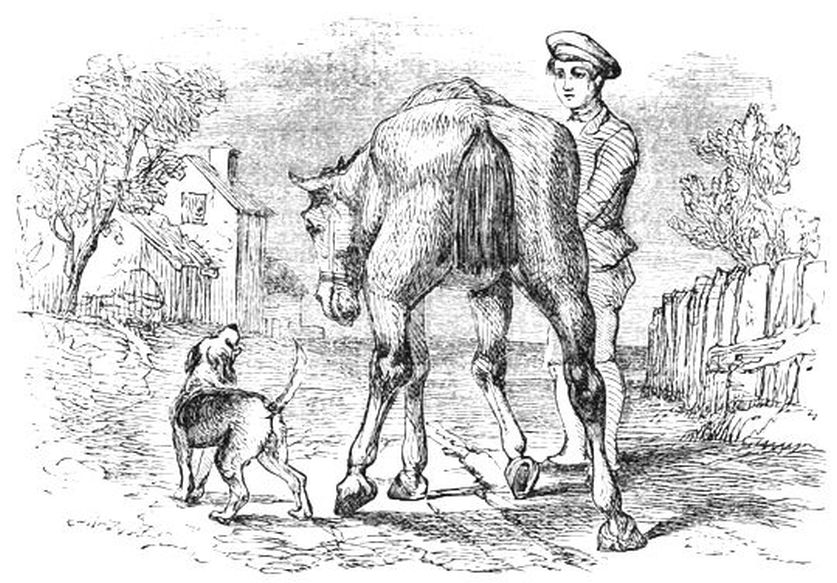
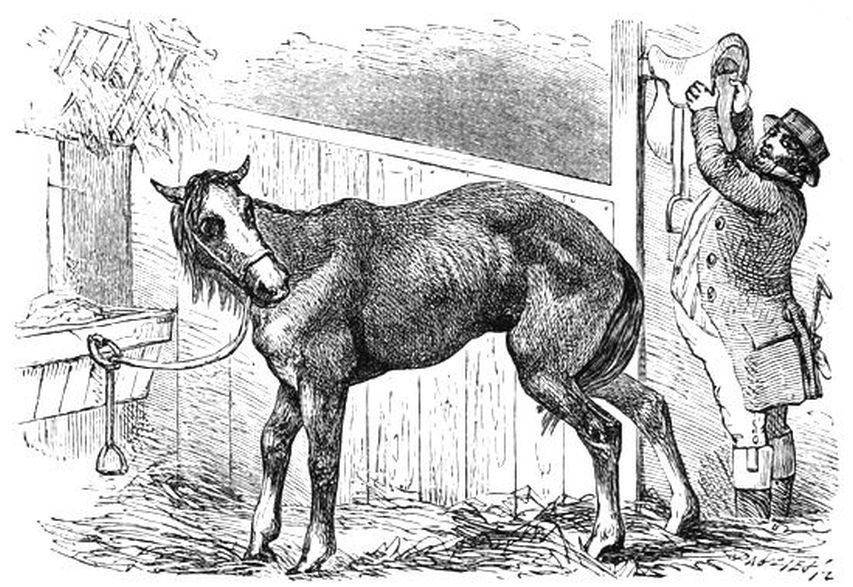
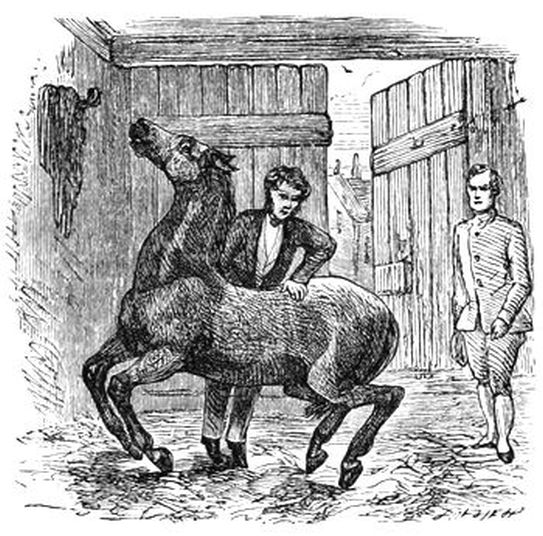
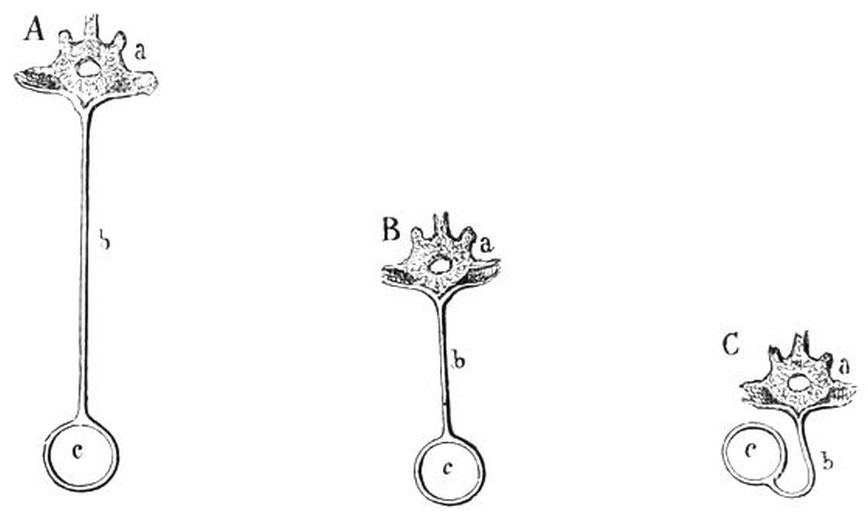
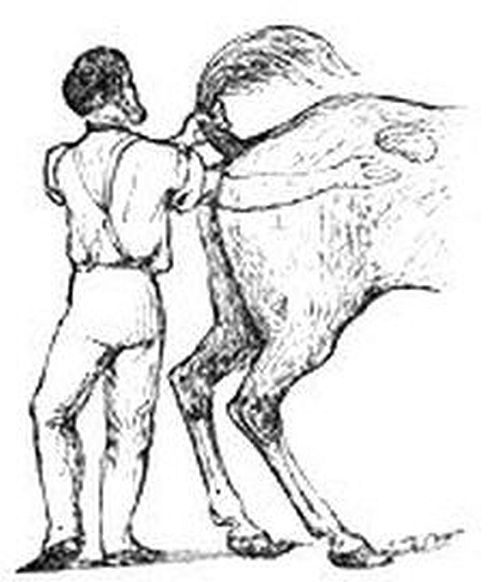
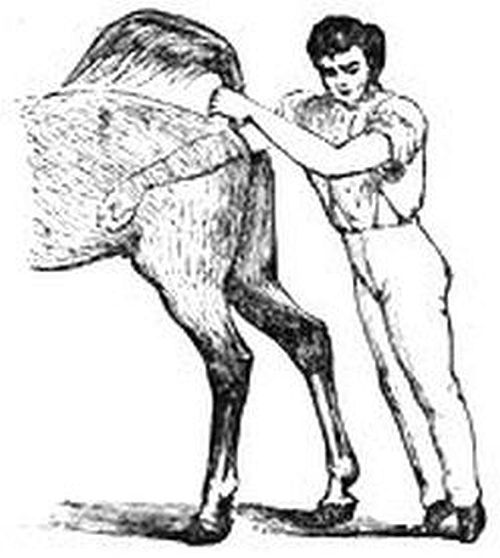
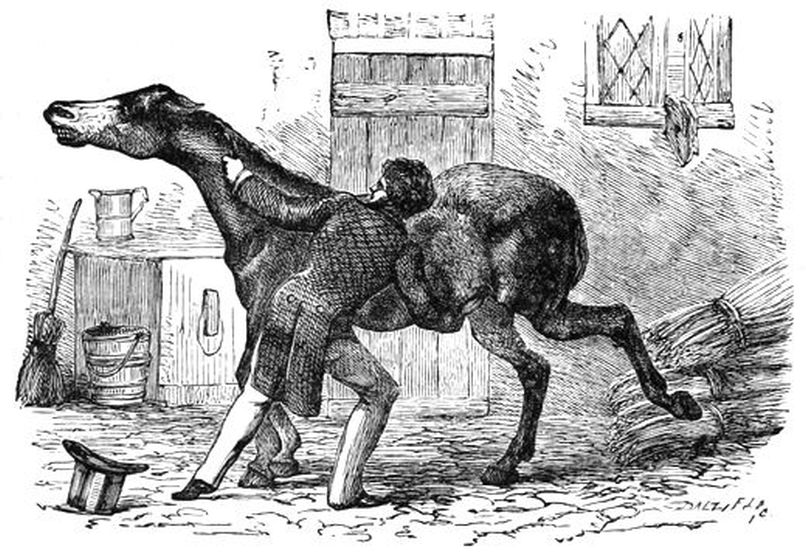
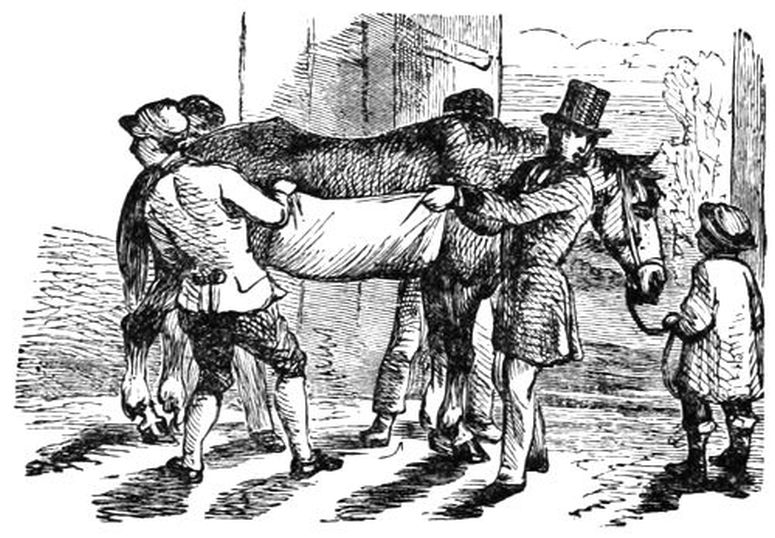
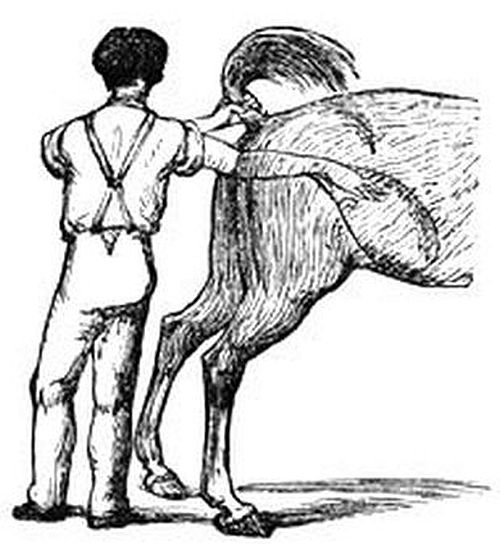
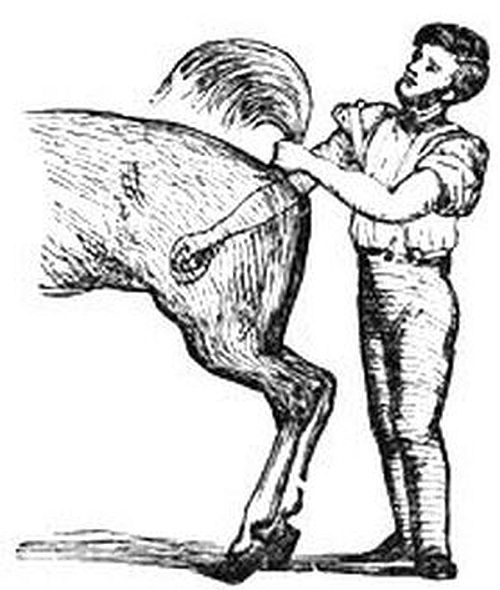
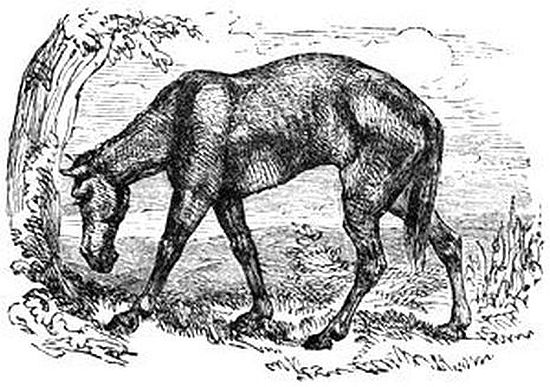
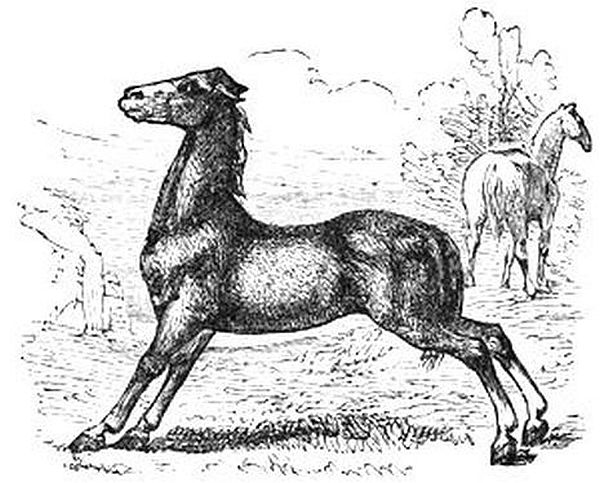
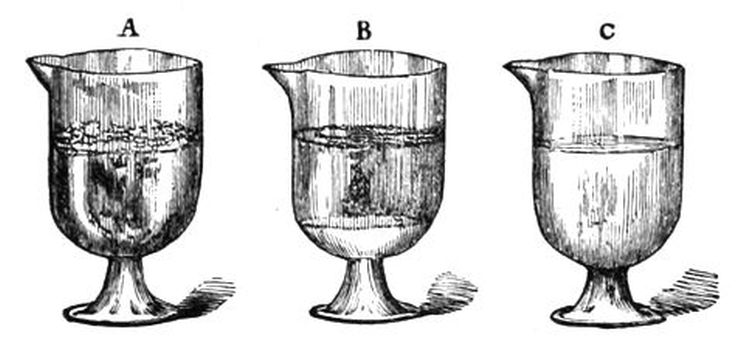
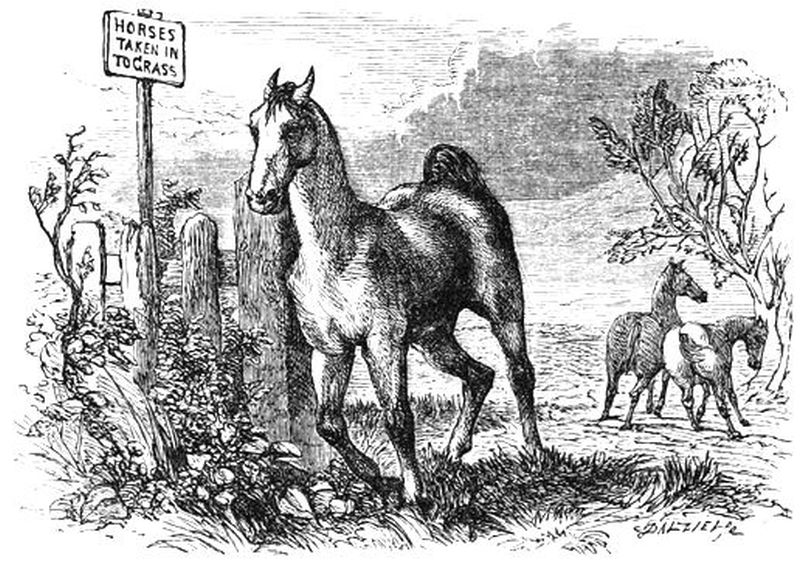
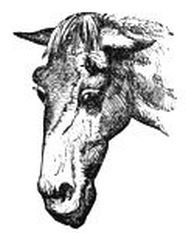
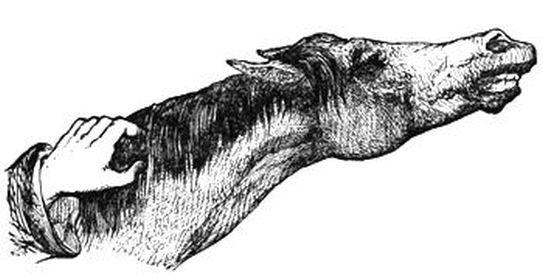
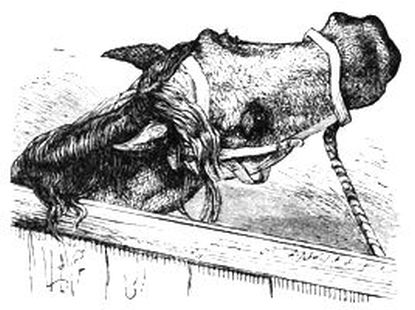
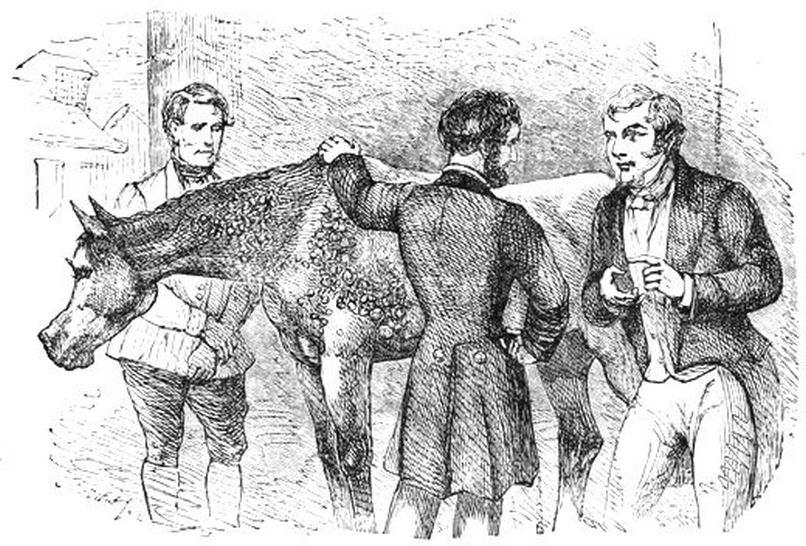
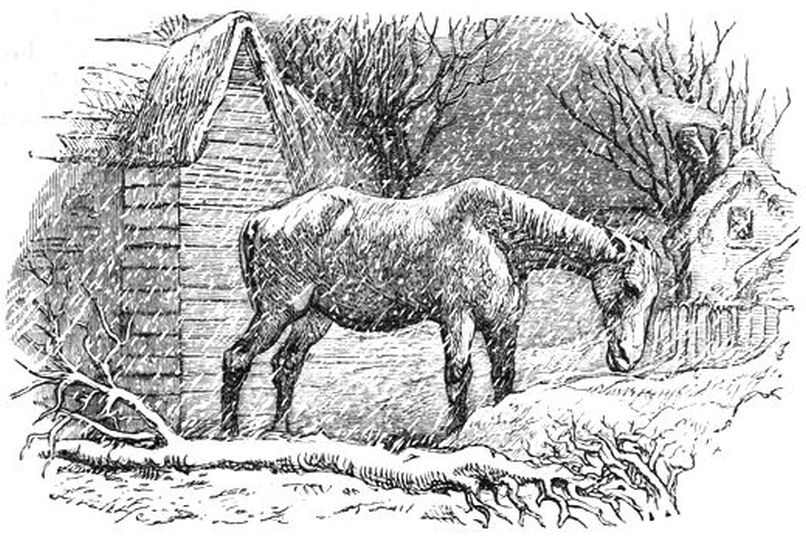
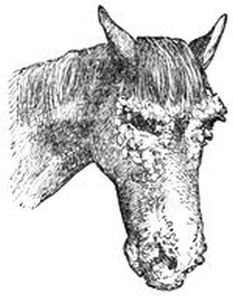
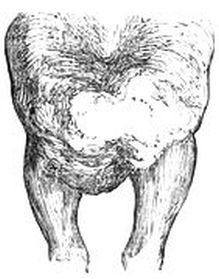
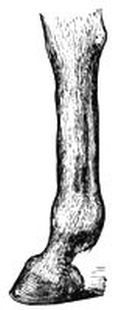
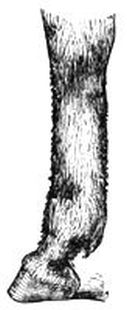
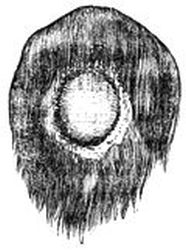
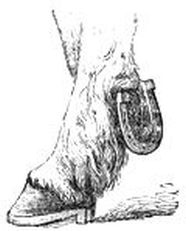
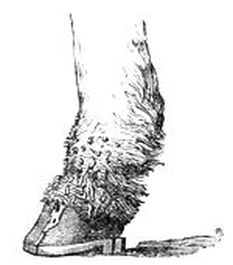
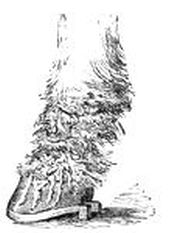
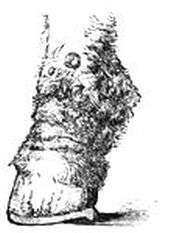
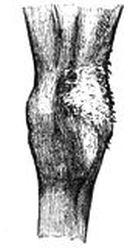
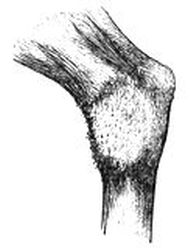
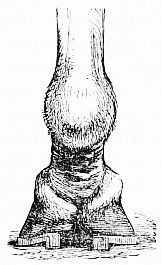
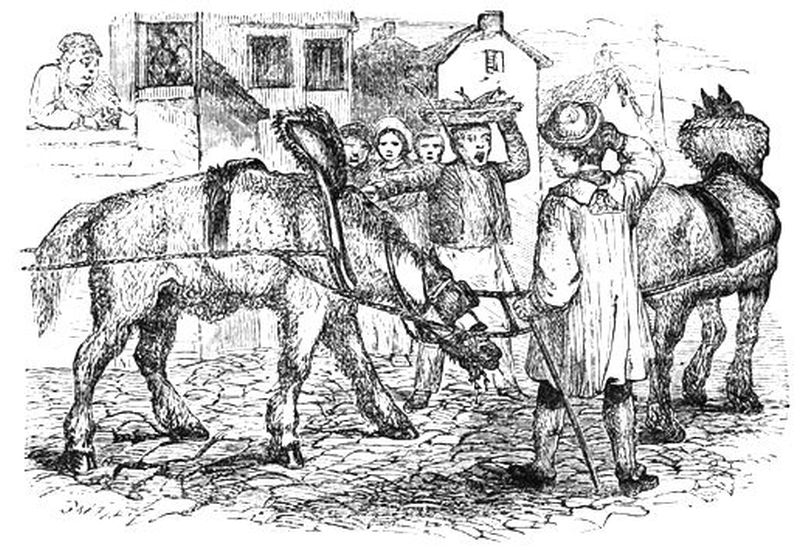
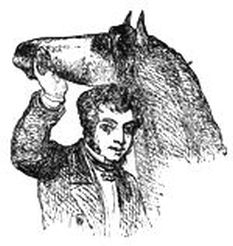
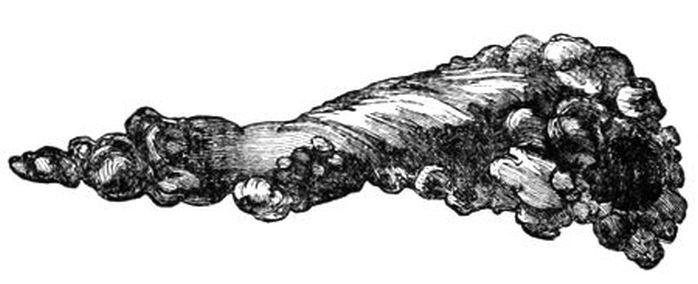
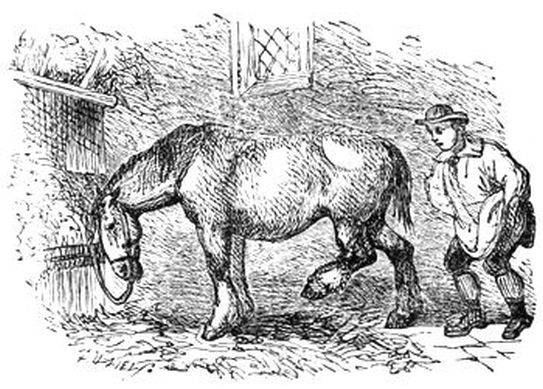
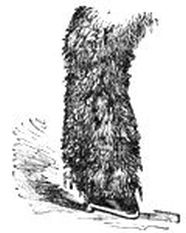
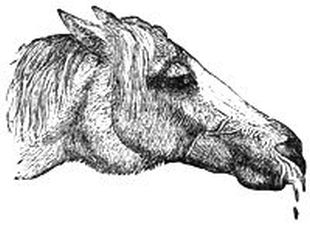
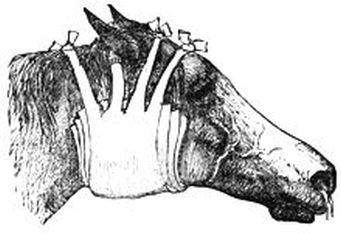
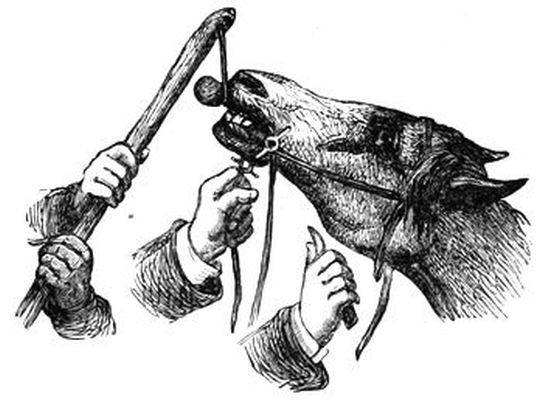
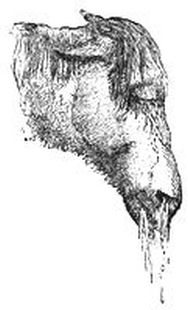
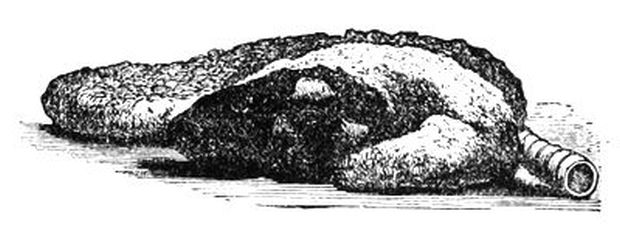
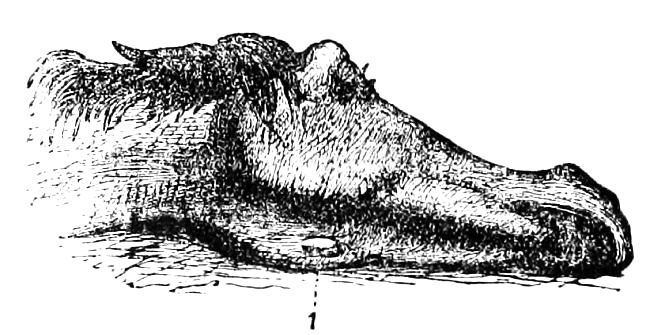
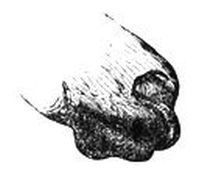
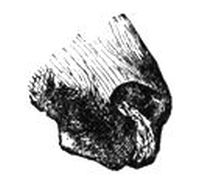
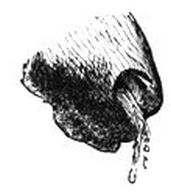
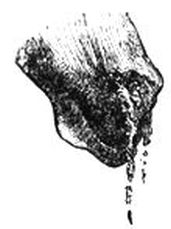
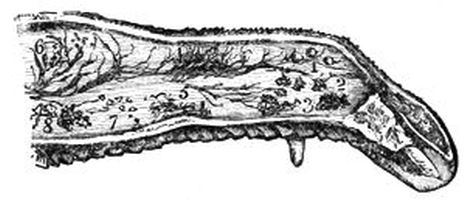
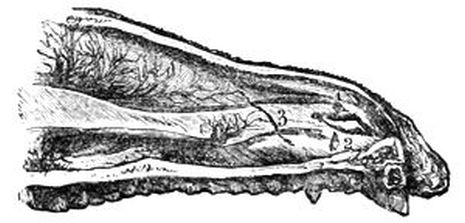
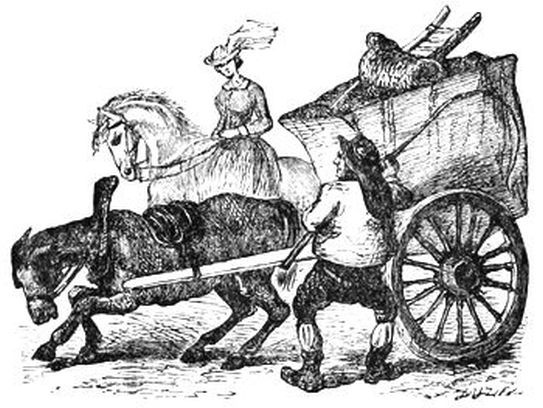
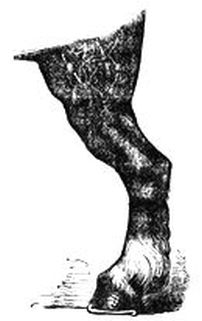
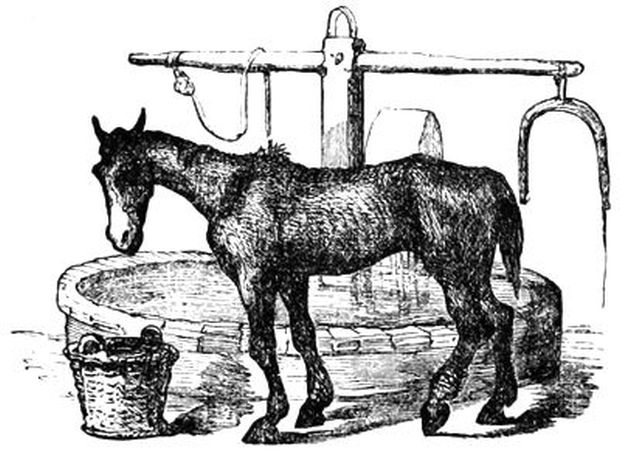
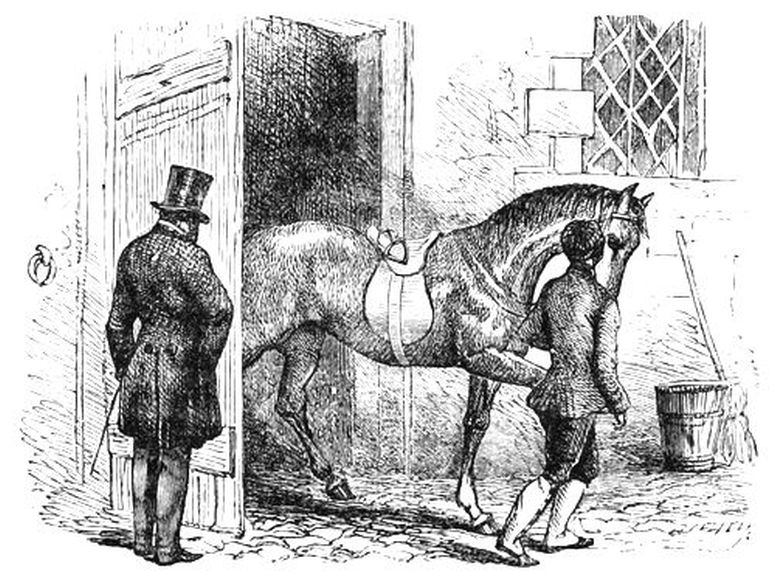
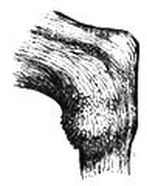
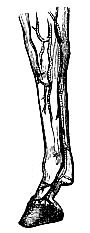
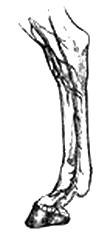
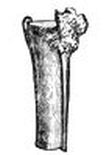
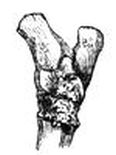
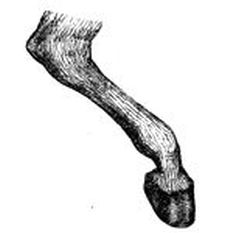
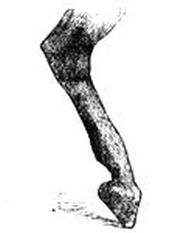
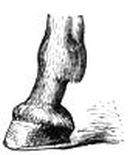
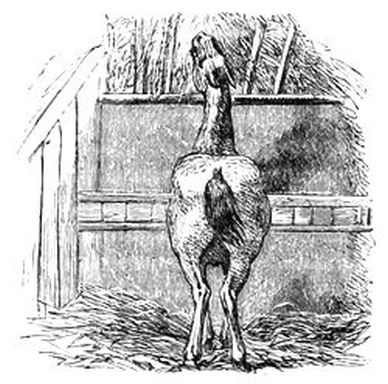
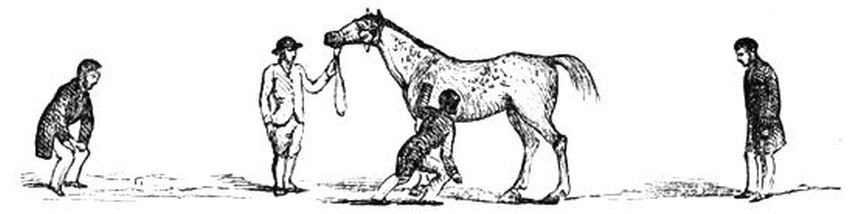
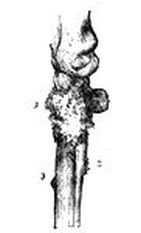
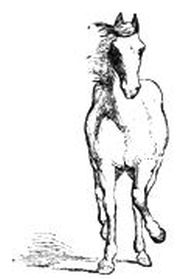
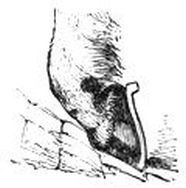
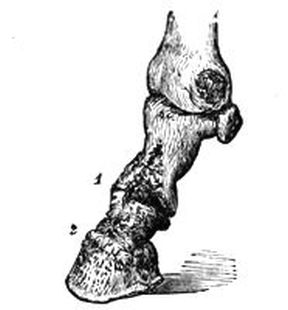
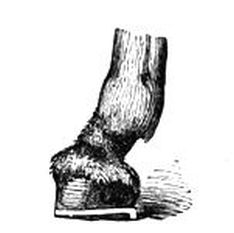
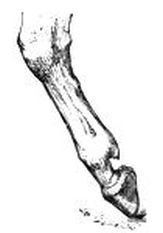
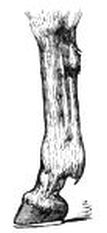
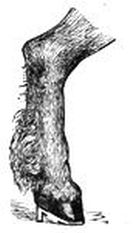
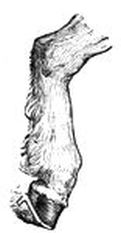
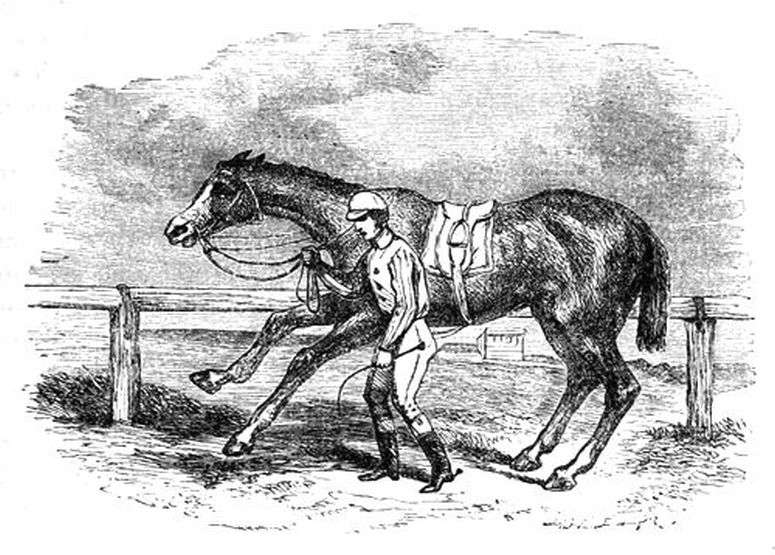
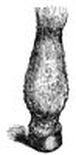
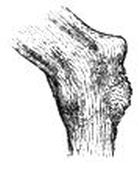
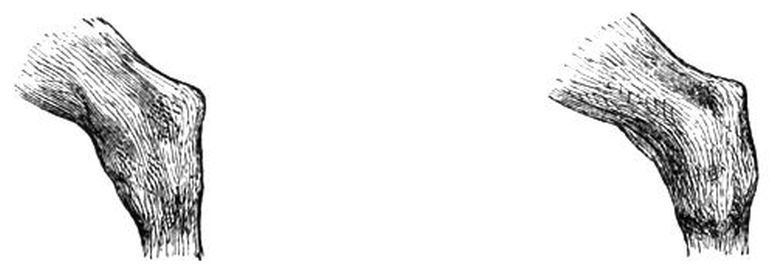
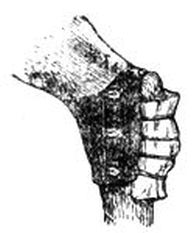
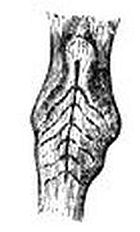
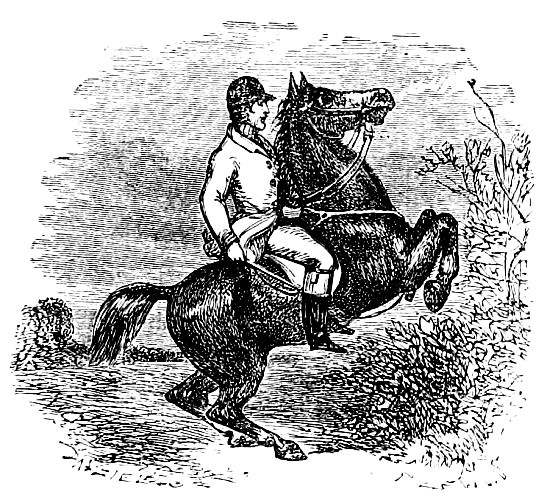
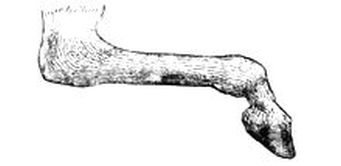
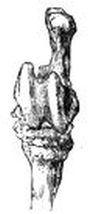
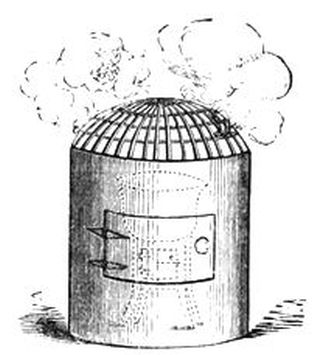
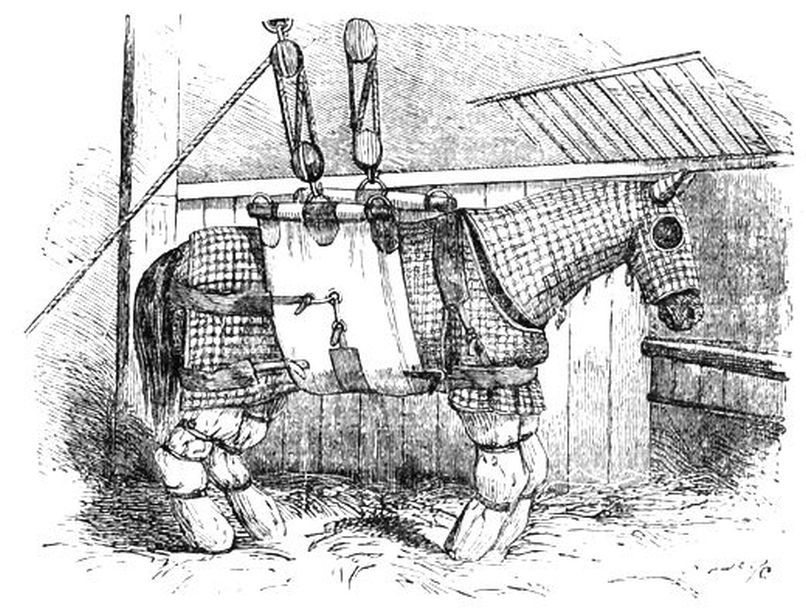
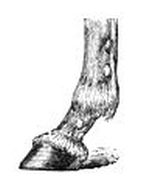
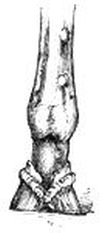
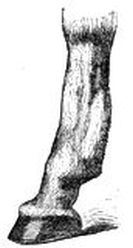
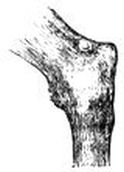
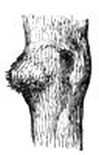
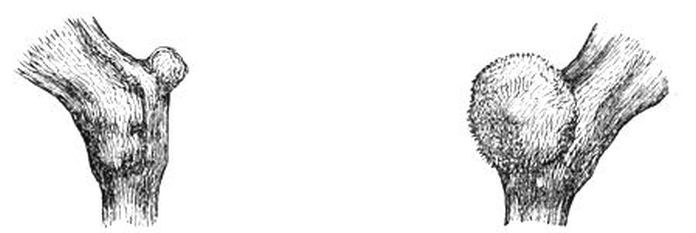
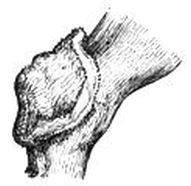
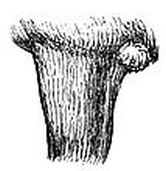
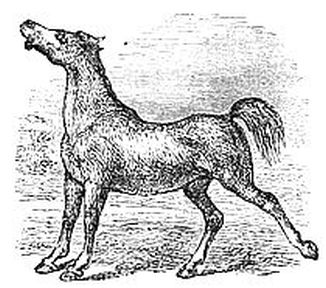
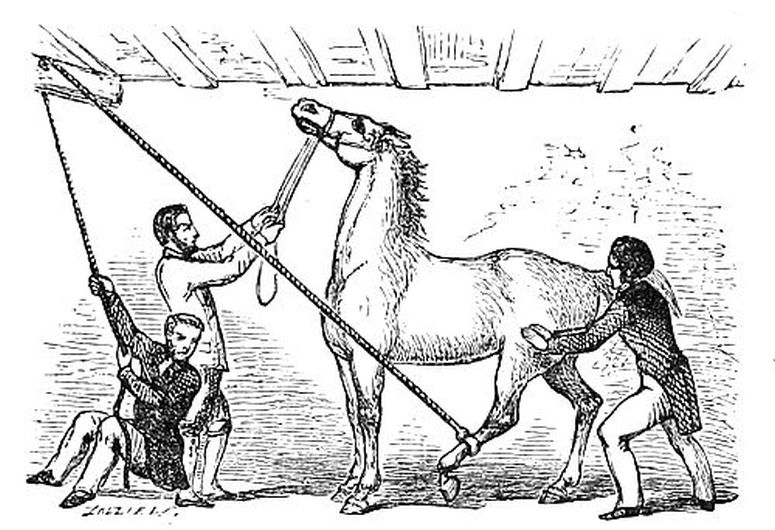
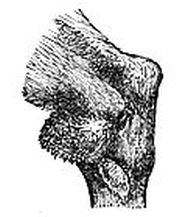
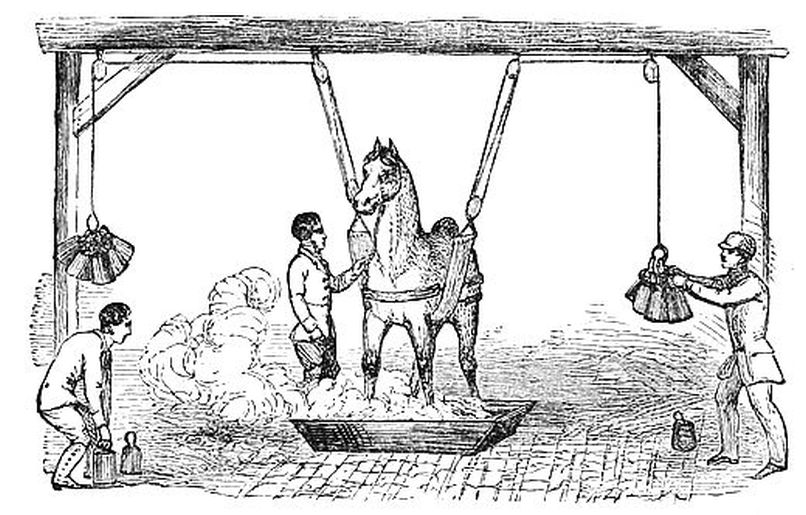
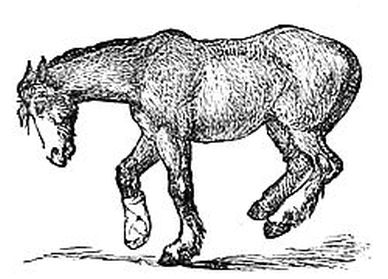
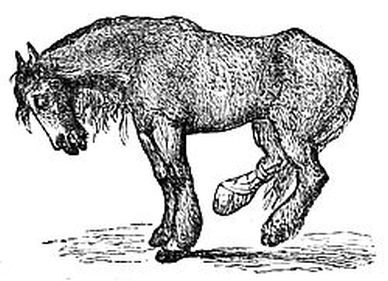
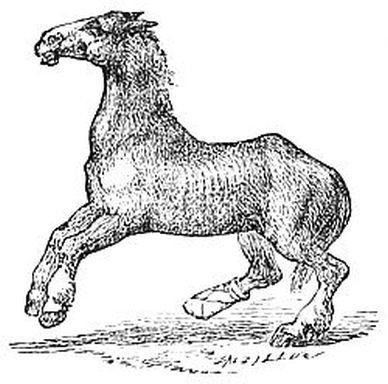
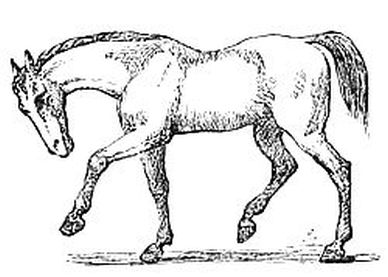
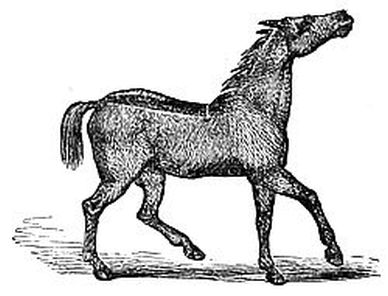
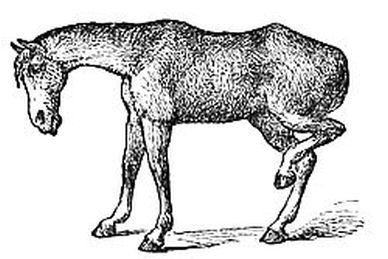
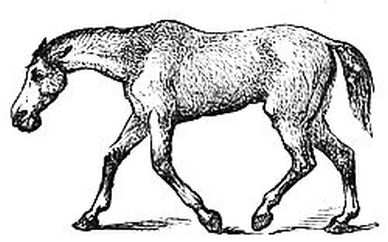
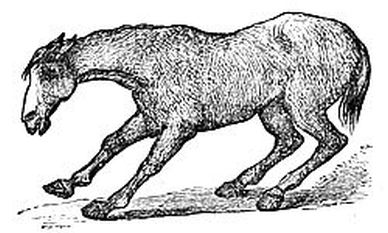
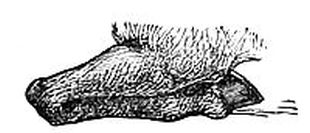
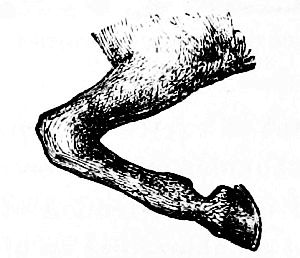
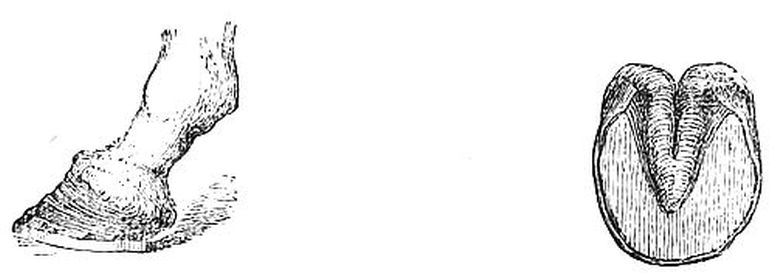
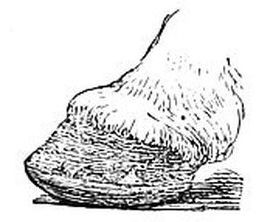
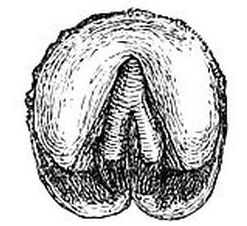
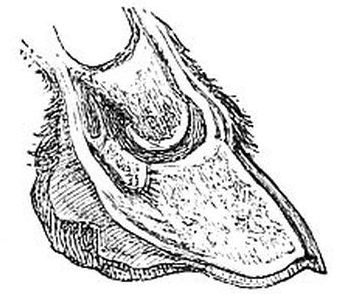
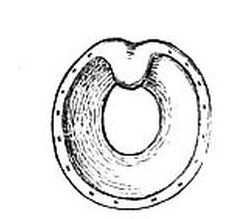
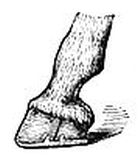
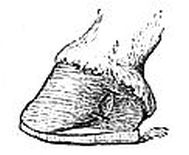
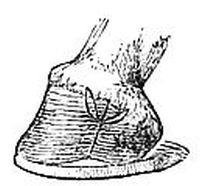
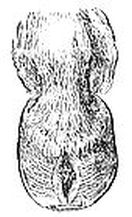
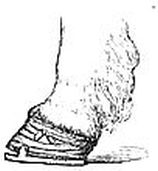
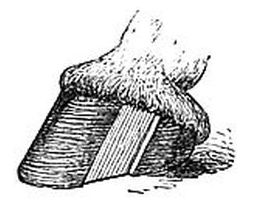
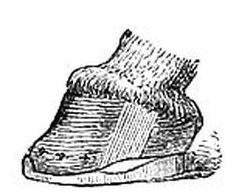
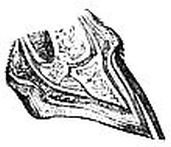
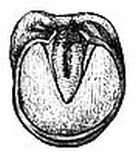
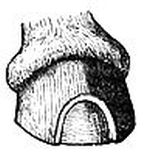
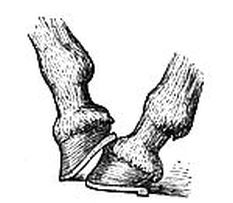
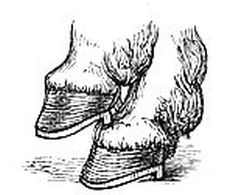
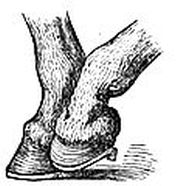
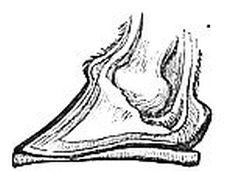
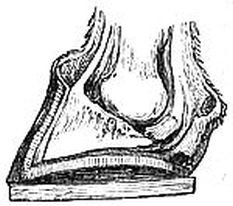
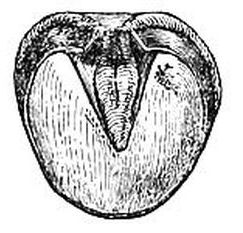
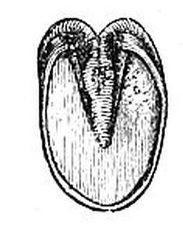
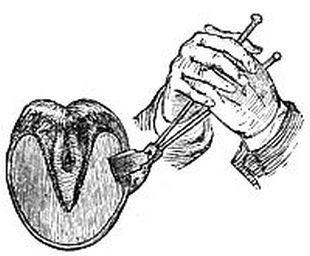
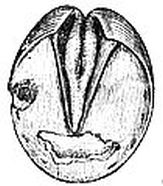
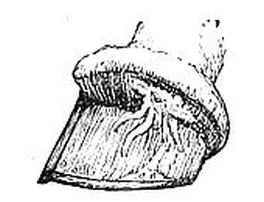
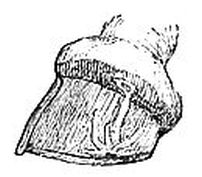
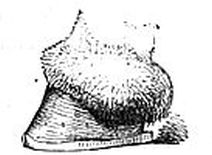
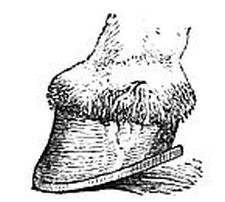
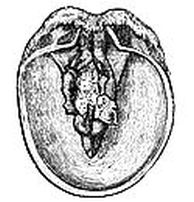
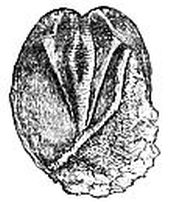
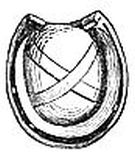
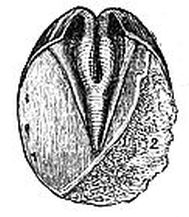
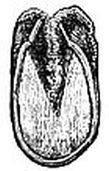
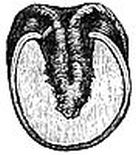
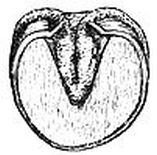
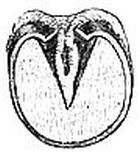
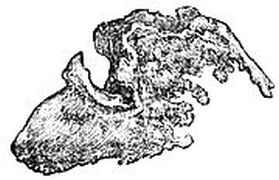
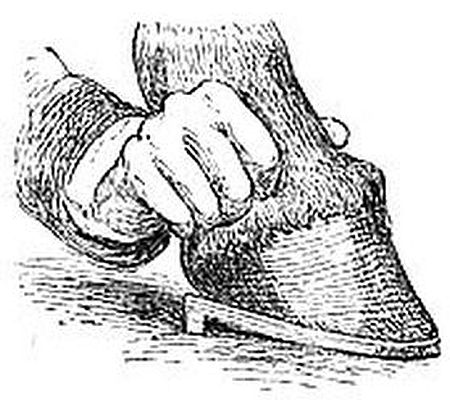
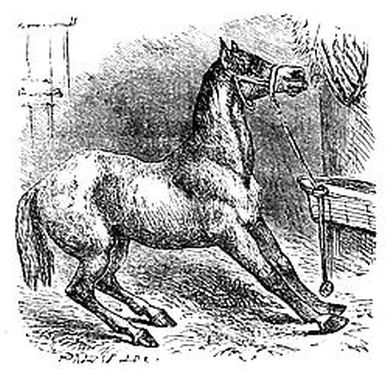
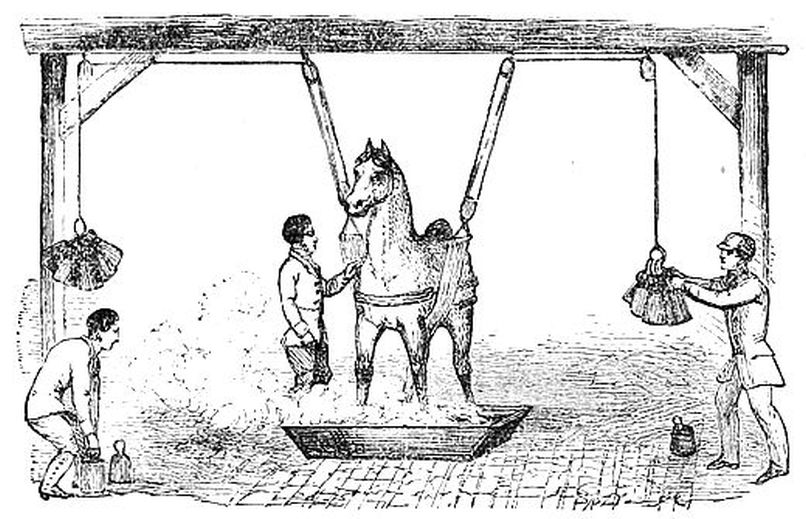
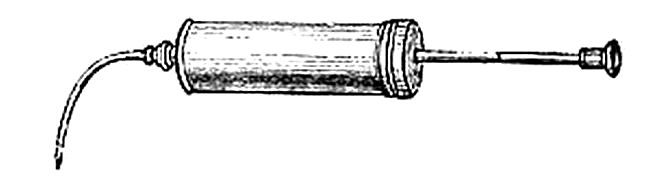
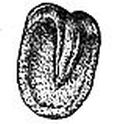
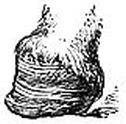
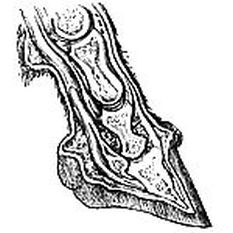
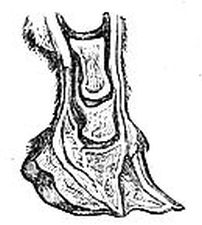
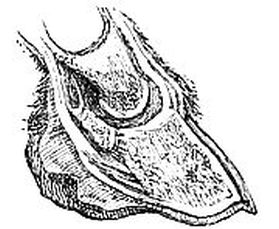
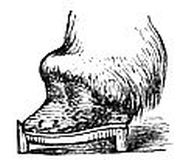
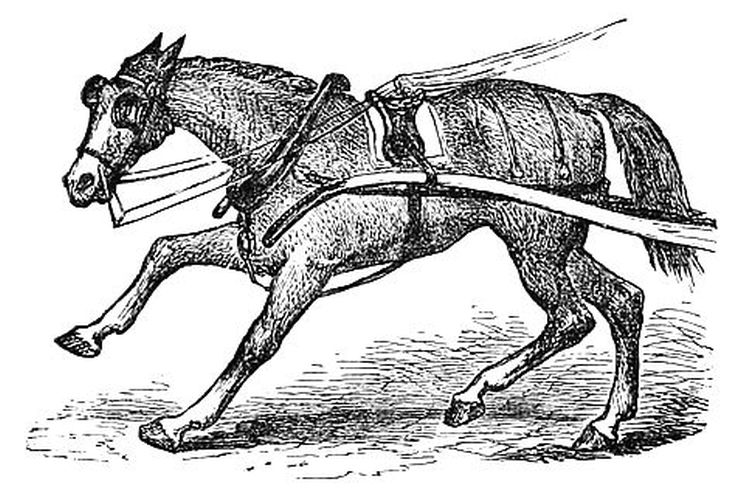
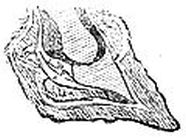
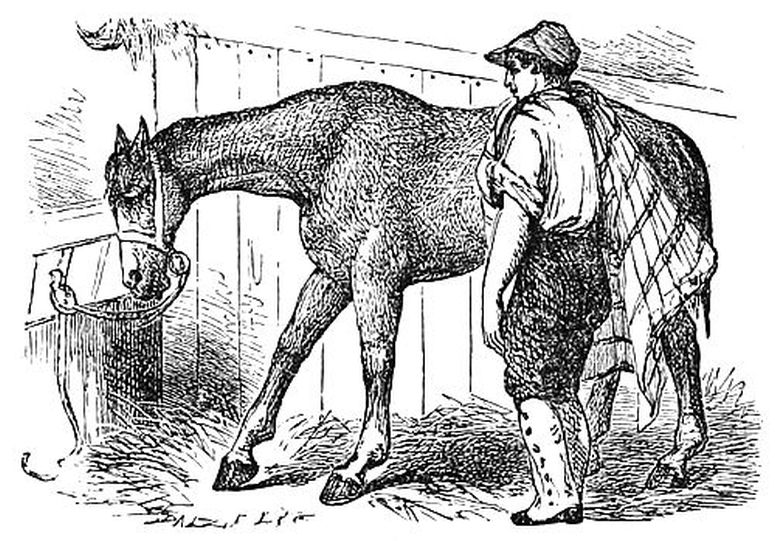
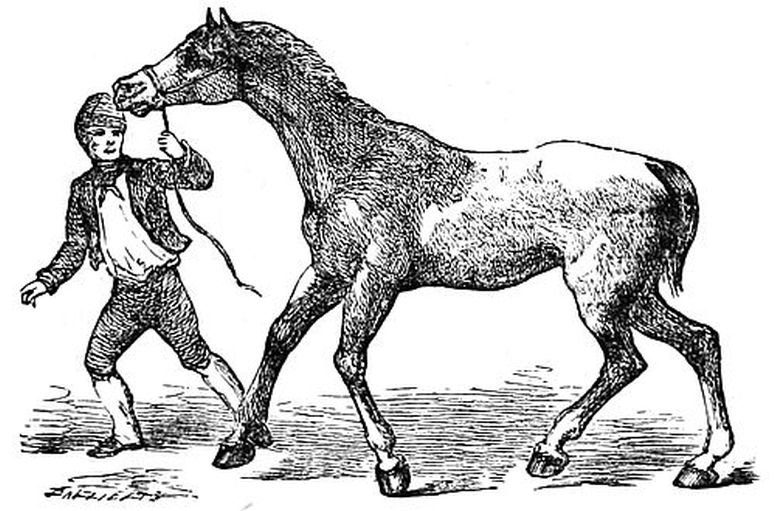

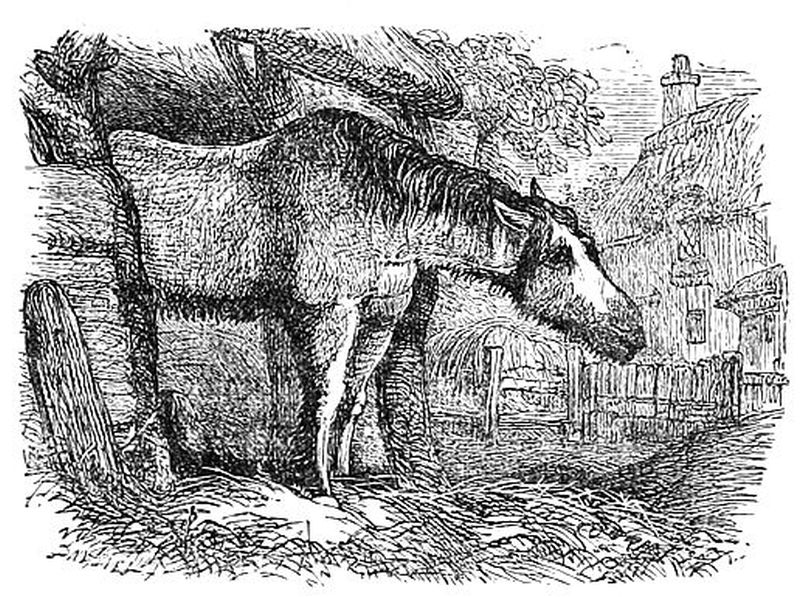
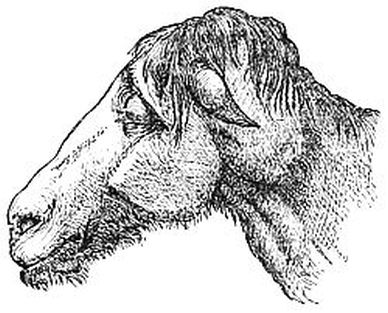
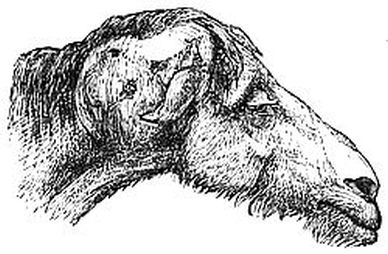
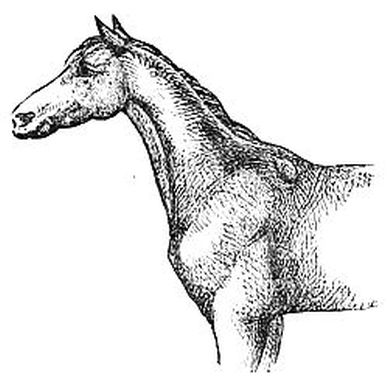
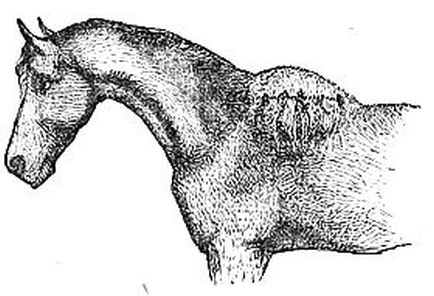


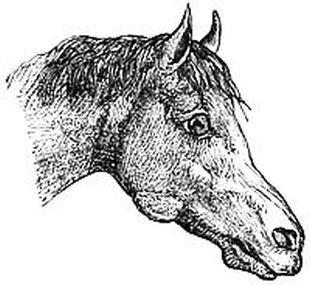
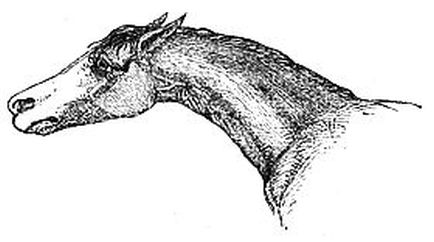
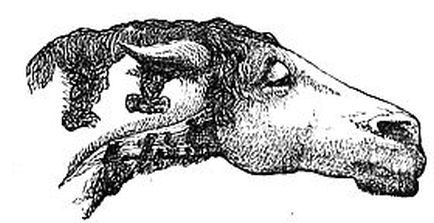
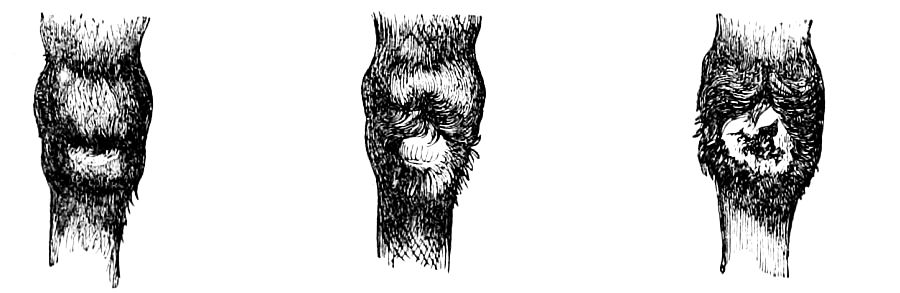
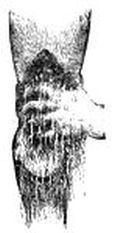
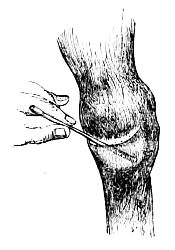
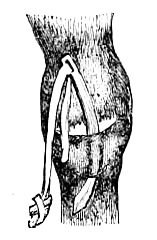
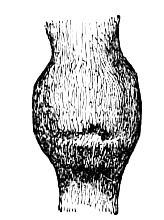
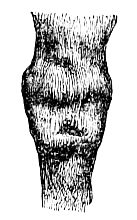
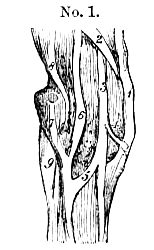
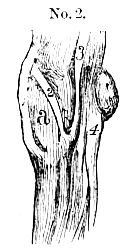
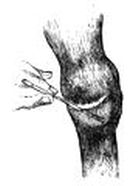
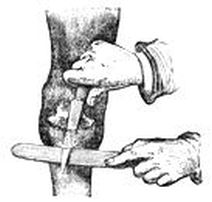
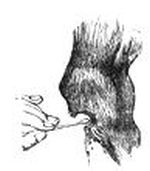
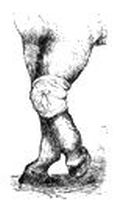
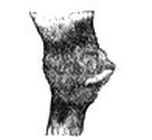
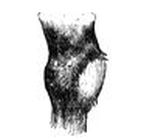
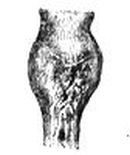
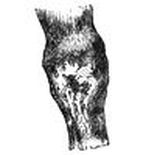
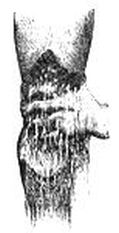
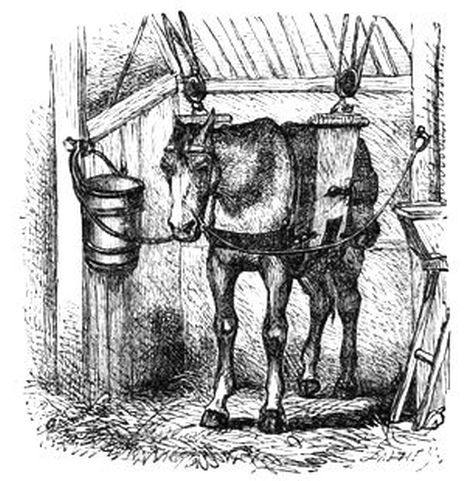
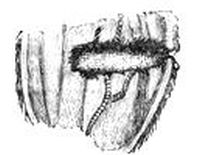
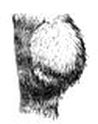
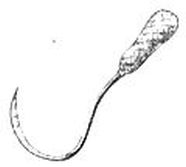
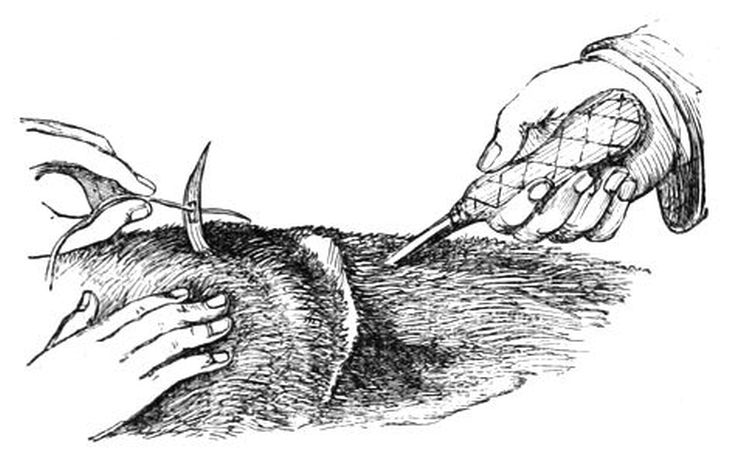
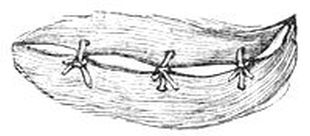
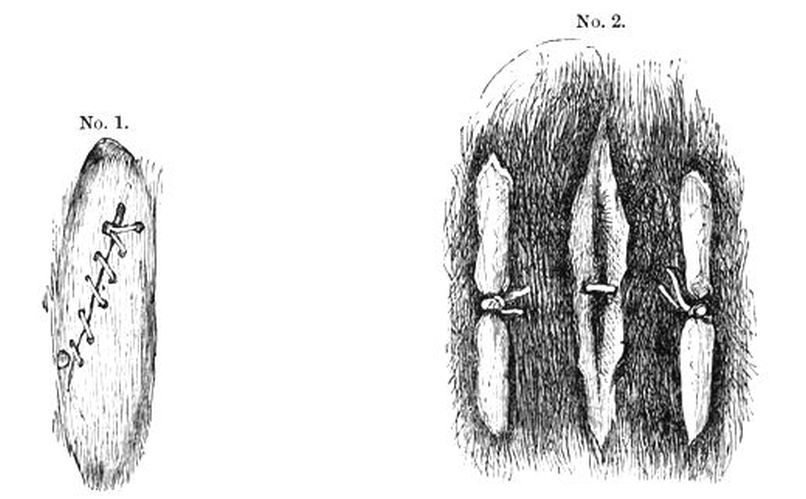
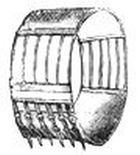
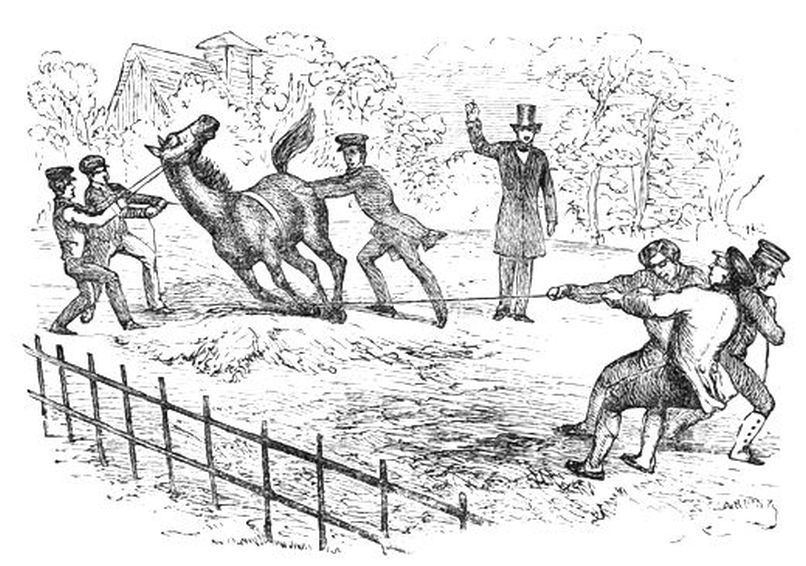
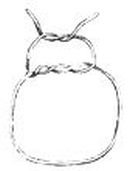


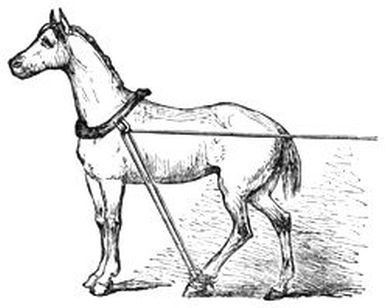
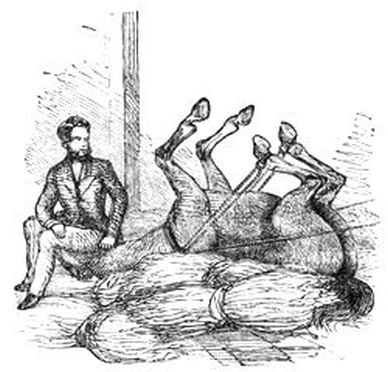
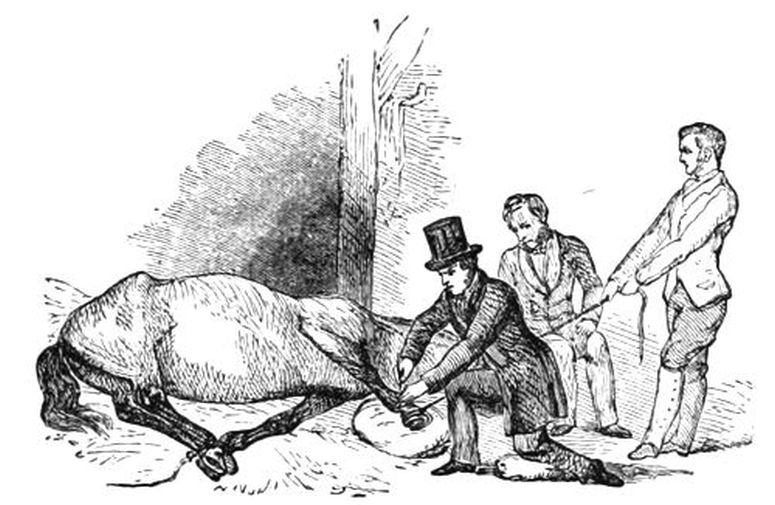
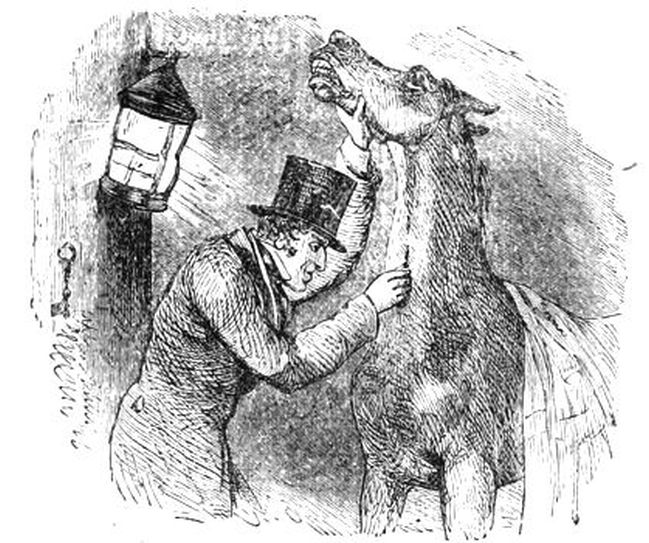
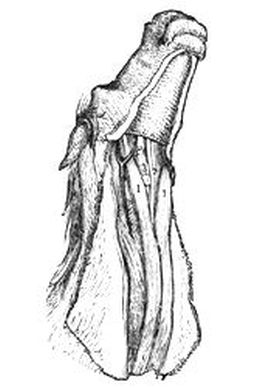
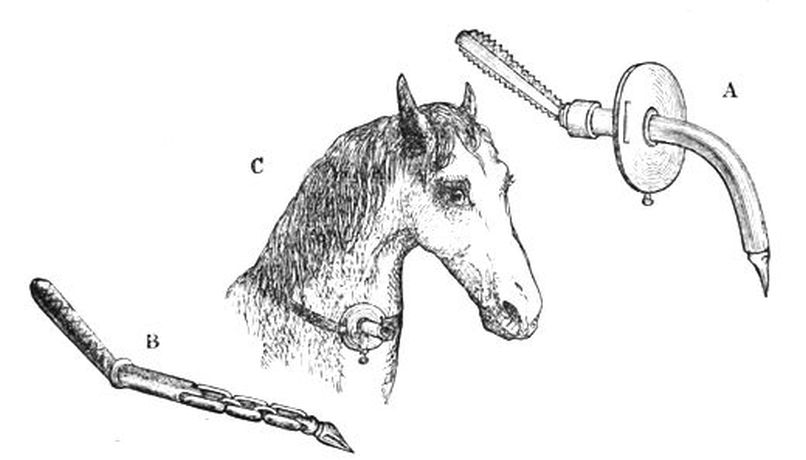
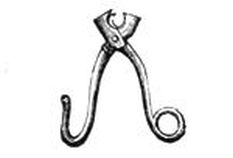

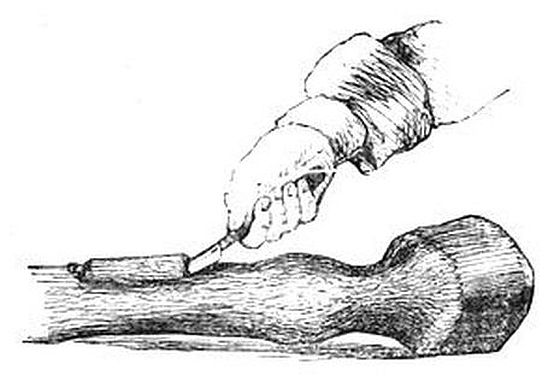
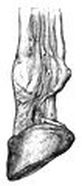
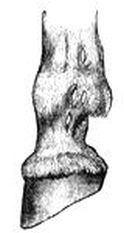
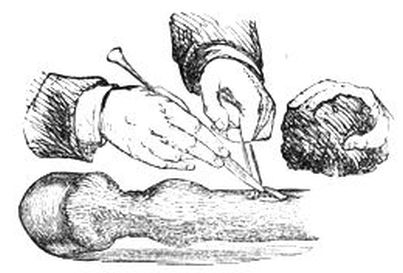
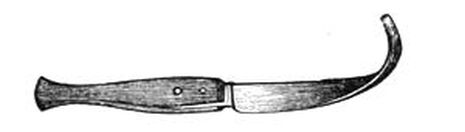
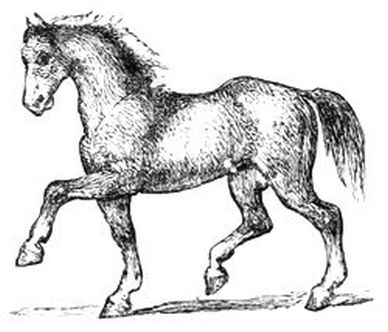
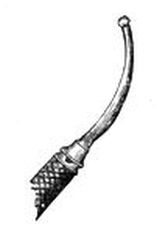
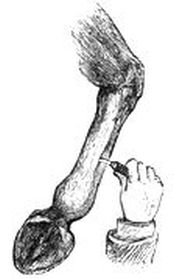
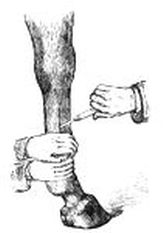
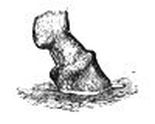
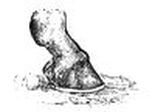
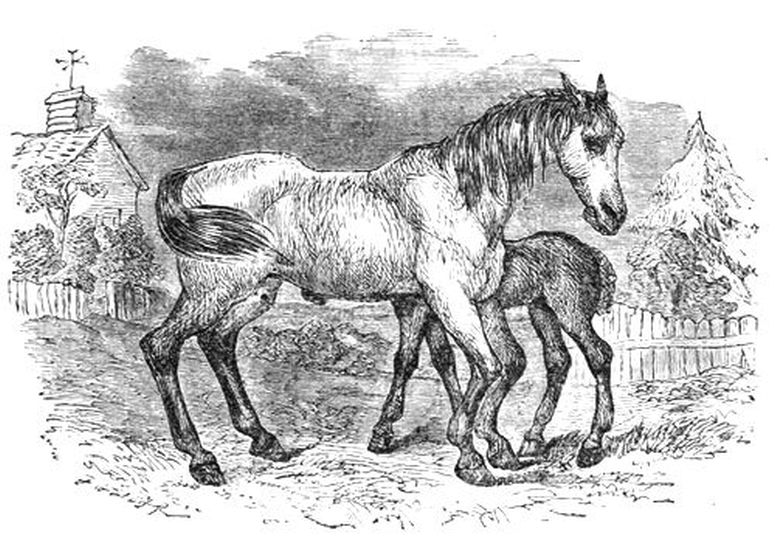
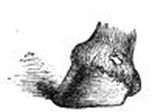
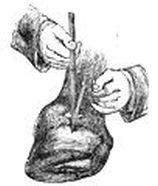
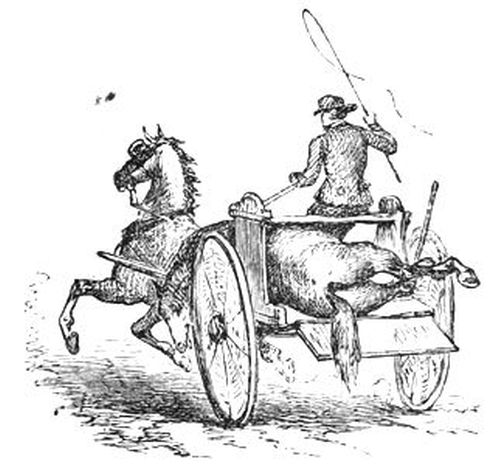
 Each work furnished separately if desired.