Accoqueck, 19.
Acorn Lodge, I. O. O. F., 221.
Acquisition of Territory—Walker’s exploration, 281;
the Great Northwest, 312;
the Louisiana purchase, 313;
the Florida purchase, 314;
acquisition of Texas, 314;
the territory from Mexico, 314.
Adams, Capt. Andrew B., 221.
Adams, John, 230, 294.
Adams, John Quincy, 311.
Adams, Rev. Geo. F., 211.
Adams, Samuel, patriot, 307.
A great revival of religion, 93.
Aldridge, Miss Virginia, 224.
Aler, George, 141.
Alexander, Capt. Robert H., 184.
Alexander, Gen. E. P., 91, 266.
Alexander, Philip, 134
Alexander, Robert B., editor. 227.
Allen, John, town trustee, 42.
Allen, Wm., 140, 142.
Allison, John W., Jr., 167.
Alsop, Boswell, 168.
Ames, Michael, hostage prisoner, 77, 79.
Amoroleck, Smith’s prisoner, 15, 17.
Anasheroans, Indian tribe, 19.
Anderson. Capt. John K., 184.
Anstice, Mrs. Judith, teacher, 197.
Argall, Capt., 20.
Armistead, Henry, court clerk, 130.
Arts and manufactures encouraged, 46.
Assembly’s Home and School, 198.
Association for the P. V. A., 324.
Atkinson, John, 237.
Bacon, Nathaniel, 281, 283.
Baggett, Samuel I., 262.
Baggett, Wm. M., 141.
Bagnall, Anthony, historian, 13, 15.
Bailey, William, 221.
Ball, Col. Wm. B., 83.
Ball, John M., publisher, 229.
Ball, John Wesley, 174.
Bankhead, Col. John, 257.
Barber, Rev. H. H., 207.
Barbour, Gov. James, 132.
Barksdale, Gen. Wm., 81, 88, 97, 99.
Barlosius. Charles F., 167.
Barney, Dr. J. N., 326.
Barney, Mrs. Joseph Nicholas, 326.
Barton, Thomas B., hostage prisoner, 74, 77.
Barton, Judge Wm. S., 68, 183, 215.
Battle of Fredericksburg, 91, 92.
Beale, Wm. C., 138, 139, 140.
Beckwith, Frank, 174.
Benson, Wm., 171.
Benwick, J. B., Jr., architect, 141, 210.
Bernard, Wm., 46.
Berrey, John J., hostage prisoner, 79, 142.
Berrey, Robert B., mayor, 184, 209.
Beverley, Harry, town trustee, 39.
Beverley, Robert, 28, 35.
Billingsly, Rev. Joseph A., editor, 227.
Biscoe, Robert L., publisher, 229.
Blackburn, Robert, 167.
Blackford, Wm. M., editor, 227.
Blair, John, 302, 304.
Blanton, Thomas, 237.
Boardman, Stephen A., teacher. 197.
Board of Health, 335.
Bonaparte, Charlotte, 243.
Bonaparte, Emperor Napoleon, 243, 310.
Boswell, Capt. J. K., engineer, 96.
Botts, Benjamin. 172.
Bowen, Wm., 167.
Bowering, Benjamin, machinist, 169, 176.
Bowering, Prof. A. B., 169, 192, 201, 211, 325.
Bowman, Mrs. D. C., 223.
Bradley, Capt. James H., hostage prisoner, 77, 78.
Bradley, Mrs. Lucilla S., 323.
Bradley, Wm. E., 127, 147, 176, 177, 227, 261.
Bradford, Daniel, 166.
Braxton, Capt. Carter, 70, 71, 72.
Braxton, Carter, signer D. I., 247.
Braxton, Rev. Carter, 211.
Brent, Thomas N., 197, 261.
Bridges—Chatham, 171;
Stafford, 171;
Free, 171.
Briggs, David, 64.
Broaddus, Rev. Andrew, 210, 211.
Broaddus, Rev. Wm. F., D. D., 74, 77, 78, 197, 211.
Brockenburg, Dr. John, 193.
Brooke, Judge Francis, 125.
Brooke, Gov. Robert, 130, 218, 220.
Brown, James, 172.
Brown, John, 183, 313.
Brown, Rev. James E., 216.
Brown, Rev. John A., 216.
Buckner, Cuthbert, teacher, 198.
Buckner, Robert, 38, 39, 40.
Bullock, B. F. Supt. gas, 178.
Burgess, Roland, 216.
Burrows, Silas, 157, 257.
Butterfield, Gen. Daniel, 191, 269.
Byrd, Col. Wm., 26, 43.
Caldwell, J. S., mayor, 141, 220.
Campbell, Daniel, 218, 220.
Campbell, James M., editor, 227.
Campbell, Mrs. Wm. A., teacher, 198.
Campbell, Rev. Alexander, 213.
Carter, Col. J. W., 13th Miss., 89.
Carter, George, publisher, 226.
Carter, Robert, 49.
Caruthers, Wm., teacher, 198.
Cary, Archibald, 168, 293.
Cary, Col. Milton, 72.
Castle, Henry, 60.
Champ, John, 46.
Chancellor, Mrs. B. C., D. A. R., 322, 323.
Chancellor, M. S., 175.
Chancellor, Rev. Melzi, 96.
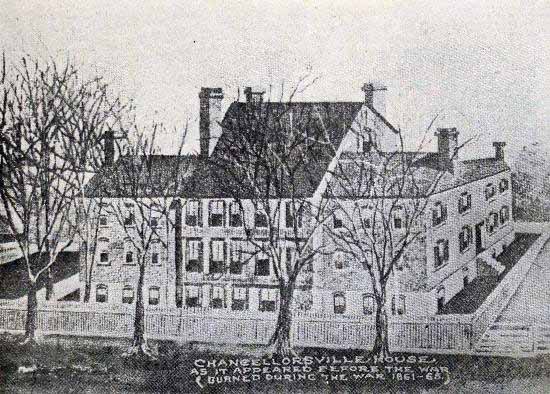
Chancellorsville campaign, 94;
Gen. Hooker in command, 94;
moved to Chancellorsville, 94;
Gen. Sedgwick in town, 95;
defeated at Salem church, 96;
Hooker beaten at Chancellorsville, 95.
Chestnutt, Rev. I. L., 214.
Chew, Col. Robt. S., 72, 130, 183, 184, 192.
Chew, John James, 68, 116, 130, 138, 142.
Chew, John, 125.
Chew, John, Jr., 130.
Chew, Robert S., 130.
Chiles, Rev. James, 209.
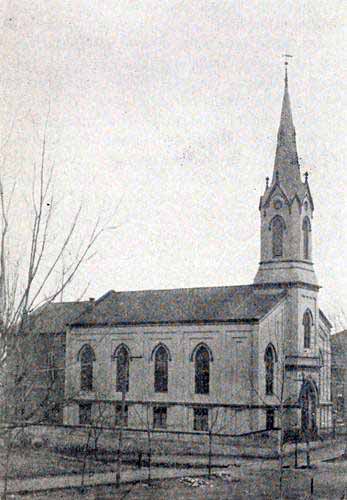
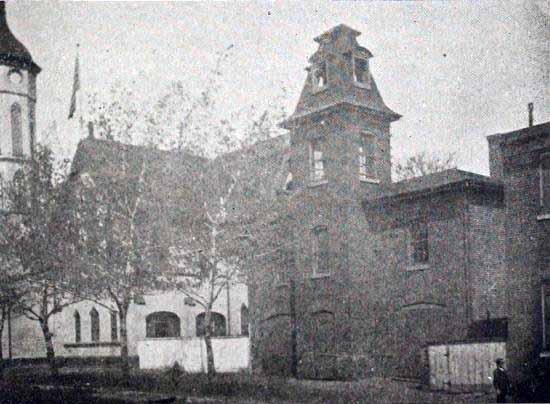
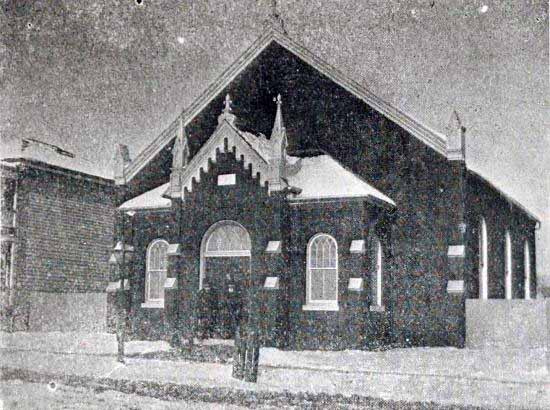
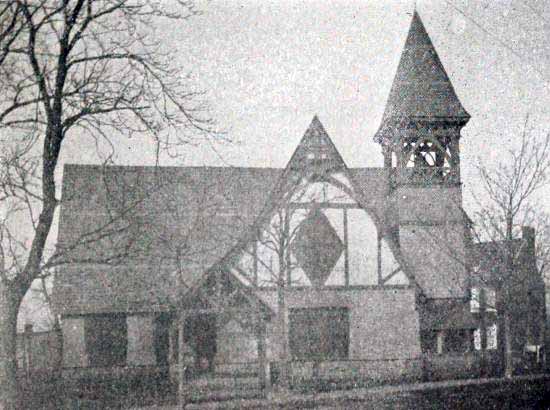
Churches, 202;
St. George’s, 203;
Trinity, 206;
Presbyterian, 207;
French Memorial Chapel, 208;
Baptist, 209;
Methodist, 211;
Christian, 213;
St. Mary’s Catholic, 214;
Shiloh Old Site, 215;
Shiloh New Site, 215;
Robinson’s, 215;
Church of God, 216.
Citizens, arrested as hostages, 77, 86;
second arrest and names, 102.
City Council—Accepts situation, 111;
condemns assassination, 112;
levies taxes, 114;
orders an election, 115;
reverses order, 115;
city officers removed, 116;
addition to oath of office, 117;
new council, 120;
orders new courthouse, 140;
passes resolution on death of Prest. McKinley, 278, 279;
standing committees, 334;
Supts. of departments, 334;
police department, 334.
City Hall, 143.
City Mission, the, 324.
City Officers, 52, 130, 333.
Clarke, Gen. George Rodgers, 212, 313.
Clarke, Jonathan, 312, 313.
Clarke, Rev. M., 205.
Clarke, Wm., explorer, 313.
Clay, Henry, U. S. Senator, 264.
Cleveland, Prest. Grover, 160.
Clowder, Jeremiah, 39.
Coakley, John, hostage prisoner, 77, 79.
Cobb, Col. John A., 153.
Cobb, Gen. Thomas Reade Rootes, 91.
Cole, Col. E. D., 127, 146, 170, 174, 212, 248, 261, 262.
Cole, Counsellor, 168.
Coleman, Judge Richard H., teacher, 197.
Colson, Thomas, 194.
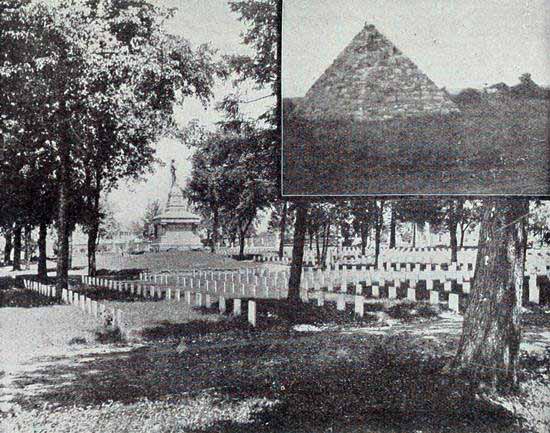
Confederate cemetery, 185, 186, 189.
Confederate Veterans, 191.
Conflagrations, 59, 64.
Contagious diseases, 65.
Conway, P. V. D., 93.
Conway, Walker P., 120.
Cooke, Dr. James, hostage prisoner, 77, 79.
Coons, Jacob, German miner, 24.
Corbin, Hon. S. Wellford, 170.
Corbin, James P., clerk, 223, 261, 277.
Cotton, Mrs. An., 282.
Coulter, Judge John, of Chatham, 171.
Courthouse, 142.
Courts—Hustings Court established, 124;
District Court, 124;
Circuit Court, 125;
District Court of Appeals, 125;
Hustings Court abolished and re-established, 126;
Police Court, 126.
Cox, Abraham, hostage prisoner, 77, 79, 80.
Cox, George, 64.
Cox, James A., 246.
Cox, Mrs. Lucy Ann, 246.
Craig, Rev. Lewis, 209.
Crawford, Wm. J., architect, 159.
Criminals, punishment of, 55.
Crismond, H. F., 261.
Crutchfield, Edgar M., 200.
Crutchfield, Hon. Oscar M., 220.
Cultatawoman, Indian king, 14, 19.
Cunningham, James, 167.
Cunningham, Wm. H., 111, 201.
Curtis, Thomas, 165.
Custis, Daniel Parke, 237.
Dahlgren, Capt. Ulrich, 83.
Dandridge, Col. John, 236, 237.
Daniel, Mrs. M. M. M., D. A. R., 322.
Daniel, Major John W., 160.
Daniel, S. Greenhow, 227.
Dannehl, Henry, 170.
Daughters American Revolution, 322.
Daughters of the Confederacy, 323.
Davis, Miss Clarice C., teacher, 325.
Dawson, Hon. John, 154, 233.
Day, Major Benjamin, 194, 195, 220.
Dick, Dr. Charles, 124.
Dickey, Robert, 139, 140.
Dill, Mrs. Kate Tichenor, D. A. R., 322.
Dill, Rev. Jacob S., D. D., 211, 263, 315.
Dixon, Rev. George L., 215.
Dixon, Roger, Gent., 237.
Doggett, Capt. Hugh S., 120, 184.
Doggett, Mrs. V. S. F., D. A. R., 322, 323.
Dolly, Rev. W. L., 213.
Dow, Rev. Lorenzo, 66.
Dunaway, Rev. Thomas S., D. D., 211, 279.
Dunmore, Lord, 48.
Early, Gen. Jubal A., 96, 98, 273.
Eastburn, Oliver, 170.
Eckenrode, Mrs. H. M., D. A. R., 323.
Edrington, Mrs. C. W., 222.
Eisenhower, S. A., 248.
Electric light plant, 178.
Elks, benevolent order of, 221.
Embrey, Judge A. T., 126, 146, 228, 261.
Embrey, Major W. S., 170.
Essex, Rev. Benjamin, 123.
Eubank, John, 242.
Eve, George W., 120.
Fairs, agricultural, 44, 169, 170.
Farish, Wm. F., 165.
Fauntleroy, Miss L., editress, 229.
Federal Hill, 153.
Ferneyhough, John, 162.
Ferry, first constructed, 170.
Fetherstone, Richard, Gent., 14, 19.
Fetherstone’s Bay, 19.
Ficklen, Mrs. J. B., 324, 325.
Field, John, printer, 219.
Fire Department, 144, 180, 181.
Fishback, Harman, German miner, 24.
Fishback, John, German miner, 24.
Fitzhugh, St. Geo. R., 146, 147, 261, 263, 276, 277.
Fitzhugh, Wm., of Chatham, 171, 236.
Fleming, Mrs. V. M., D. A. R., 322, 323, 324.
Floyd, Gen. John B., 81.
Fontaine, Col. W. W., teacher, 197.
Fontaine, John, diary of, 26, 27.
Ford, James W., teacher, 198.
Forrer, Rev. F. S., 214.
Forsythe, Major Robert, 134.
Fort, constructed on Rappahannock, 1681, 25.
Franklin, Benjamin, 124.
Fraser, Simon, 220.
Freaner, W. T., 166.
Fredericksburg American Lodge, 218.
Fredericksburg Artillery, 72, 73, 74.
Fredericksburg College, 198.
Fredericksburg Commandery, K. T., 220.
Fredericksburg, city of, founded, 1727;
streets bear royal names, 37;
act House of Burgesses, 38;
seat of justice, 42;
re-survey, 44;
wooden chimneys, 45;
limits extended, 46;
military ardor, 48;
under the U. S., 50;
chartered by Legislature, 51;
rapid growth, 53;
lends money to government, 54;
important center, 58;
important postal point, 60;
limits extended, 62;
great fire, 64;
trade of the town, 65;
epitome of the city, 67;
limits extended, 68;
charter amended 1852, 1858, 69;
in the Confederacy, 71;
surrendered to Gen. McDowell, 74;
Gen. Pope enters, 76;
evacuation scenes, 81;
bridges destroyed, 82;
Gen. Burnside on Stafford Heights, 83;
authorities consult Gen. Lee, 84;
Gen. Sumner demands surrender, 85;
bombardment, 88 (see Chancellorsville and Wilderness campaigns);
war closes, 110;
under the Stars and Stripes, 110;
military supreme, 113;
new charter, 117;
untrammelled citizens in power, 119;
ante-bellum debt, 119;
present debt, 121;
courts, 124;
its declaration, 283;
furnishes head of army and navy, 301;
Fredericksburg at present, 325;
financial condition, 326;
commercial condition, 327;
official calendar, 333;
council committees, 334;
registrars, 335;
list of mayors, 336.
Fredericksburg Lodge, No. 4, 217.
Fredericksburg R. A. Chapter, 220.
Fredericksburg Teachers’ Association, 325.
Freedman’s Bureau, 127.
Fremont, Gen. John C., 313.
French, Dr. George, 172.
French. Seth B., 208.
Frieze, Jacob, 242.
Garner, A. Mason, 147, 174, 176.
Garnett, Geo. W., 211.
Garnett, Hon. James M., 169.
Garrison, Hon. Geo. T., 158.
Gas Works, 176, 177.
Gately, Matthew J., 237.
Gates, Gen. Horatio, 251.
Gaullier, John F., 172.
Gibson, Rev. John S., 207.
Gill, Beverley T., hostage prisoner, 77, 111.
Gilmer, Capt. Lucien G., 185.
Gilmer, Rev. Thomas W., 209.
Gladstone, Sir Wm. E., premier, 305.
Gooch, Wm., Esq., Governor, 42.
Goodwin, Thomas, 165.
Goolrick, John, teacher, 196.
Goolrick, Hon. John T., 126, 192, 261, 271, 272, 275, 277.
Goolrick, Miss Jennie M., teacher, 325.
Goolrick, Mrs. John T., D. A. R., 160, 322, 323.
Goolrick, Peter, 138, 139, 140, 166.
Gordon, Douglas H., 85.
Gordon, Gen. John B., 98.
Gordon, Samuel, 169.
Gordon, W. F., 184.
Gore, Charles A., 60.
Gore, Jacob, 60.
Grant, Gen. U. S., 73, 99, 109.
Gravatt, George, 111, 120.
Gravatt, Miss Sallie N., D. A. R., 322, 323.
Gray, John, 167.
Gray, Rev. J. S., 207.
Gray, Wm. F., editor, 225.
Green, Gen. Nathaniel, 251, 253.
Green, John W., 64.
Green, Mrs. James L., 226.
Green, Rev. Edwin, 207.
Green, Timothy, editor, 225, 259.
Green, Wm. D., 166.
Gregg, Gen. D. McM., 263.
Griffin, John M., 261, 262.
Griffin, Lieut. Robt. S., 262.
Hackley, Mrs. Mary, teacher, 197.
Hagen, Rev. Henry, 24.
Halkerson, Robert, 220.
Hall, Dr. Elisha, 152.
Hall, Dr. Horace B., 111, 152, 205.
Hall, Dr. Marshall C., 205.
Halsey, J. J., teacher, 197.
Hanback, ——, German miner, 24.
Hancock, John, 308.
Hanson, Thomas H., teacher, 196.
Harman, Wencel, 248.
Harris, Gen. T. M., 114.
Harris, O. L., 222.
Harrison, Benjamin, President, 247.
Harrison, Col. Archibald, 72.
Harrison, Thomas, 120.
Harrison, Wm. Henry, President, 264, 312.
Harrow, James D., editor, 225.
Hassininga, Indian king, 15, 19.
Hawley, Gen. J. W., 262, 271.
Heflin, E. G., architect, 145.
Henderlite, Rev. J. H., 209.
Henry, Edward, teacher, 197.
Henry, Patrick, 44, 264, 284, 285, 287, 302.
Henry, Rev. Patrick, 23, 44.
Herndon, Capt. Wm. Lewis, 241.
Herndon, Charles, 111.
Herndon, Dr. B. S., 142.
Herndon, Dr. James C., 244.
Herndon, Jacob, 167.
Herndon, John M., 126, 208.
Heslop, Isaac, 237.
Hill, Col. John B., 257.
Hirsh, Isaac, 261.
Hirsh, Mrs. Isaac, 325.
Hirsh, Mrs. Maurice, 223.
Hitt, Peter, German miner, 24.
Hitt, W. Snowden, 196.
Hodge, Rev. A. A., 209.
Hoge, Rev. Wm. J., D. D., 94.
Holliday, John, speaker, H. B., 42.
Holmes, Thomas, 227.
Holtzclaw, Jacob, German miner, 24.
Honey, Miss Maggie L., teacher, 325.
Hooton, Albert, 174.
Hotels—Tammany Hall, 165;
Rappahannock House, 165;
Farmers’, 165;
Exchange, 166;
Eagle, 166;
Alhambra, 167;
Indian Queen, 167;
Travellers’ Rest, 168;
Western, 168;
Liberty House, 168;
Planters’, 168.
Houston, Gen. Samuel, 168, 314.
Howard, Clarance R., 155.
Howard, Mrs. Clarance R., D. A. R., 322.
Howard, Mrs. Wm. Key, of Kenmore, D. A. R., 322.
Howard, Wm. Key, 155, 179.
Howison, John, 200.
Howison, Rev. Robert R., LL. D., 81.
Howison, Samuel S., 86.
Huffman, John, German miner, 24.
Huffman, Landon J., 142.
Hunnicutt, Rev. James W., editor, 77, 227.
Hunter, Charles E., 176.
Hurkamp, Charles H., 170.
Hurkamp, John G., 111.
Hurkamp, Miss Jennie, 325.
Hurkamp, Wm. H., 192.
Ironclad Oath, 116.
Jackson, Rob., city trustee, 42.
Jackson, Capt. Wm. A., 183.
Jackson, Gen. Andrew, President, 257.
Jackson, Gen. T. J., 81, 84, 95, 272.
Jacobs, W. J., 262.
James, Rev. Wm., 132, 211.
Japazaws, Chief, 20.
Jay, Judge John, 240.
Jefferson, Thomas, 167, 247, 264, 283, 292, 294, 296, 313, 323.
Jefferys, Major M. M., 191.
Jenkins, Wm., Gaoler, 130.
Johns, Rev. Arthur S., 205.
Johnson, Major James, 128.
Johnson, Capt. Volley M., teacher, 197.
Johnston, B., 237.
Johnston, H. Stuart, 257.
Johnston, Lafayette, 257.
Johnston, Mrs. Eliza, 257.
Jones, John Paul, 218, 237, 238, 239, 265, 301, 323.
Jones, W. T., 179.
Julien, John, alderman, 124.
Kelly, Maj. J. Harrison, 170, 221, 225.
Kemper, Charles E., 23.
Kemper, John, 23, 24.
Kemper, Rev. James, 23, 24.
Kenmore, 155.
Ker, Dr. David C., 46, 66, 231.
King, Gen. Horatio C., 262, 270, 276, 277.
King, Wm. I., 177.
Kirkland, Richard, 92.
Knight, John T., 120, 177, 248, 261.
Knox, Capt. Jas. S., 146, 175, 177, 184.
Knox, Miss Virginia, 223.
Knox, Thomas F., hostage prisoner, 77, 111, 142.
Kobler, Rev. John, 212, 213.
Lacy, Maj. J. Horace, 170.
Lacy, Miss Sallie M., 324.
Lacy, Mrs. J. Horace, U. D. C., 323.
Lacy, Rev. B. T., 209.
Ladies’ Memorial Association, 185, 186, 188, 189, 320.
Lafayette, Gen., 256.
Lane, H. B., chairman finance, 176, 261, 334.
Larkin, Capt. Thos. M., 185.
Laughlin, Col. W. L., 166.
Lawrens, Henry, 308.
Layton, C. Ernest, 222.
Leavell, John T., 262.
Lee, Daniel M., 192, 262.
Lee, Francis Lightfoot, 247.
Lee, Gen. Charles, 251.
Lee, Gen. Henry, 251, 308.
Lee, Gen. Robert E., 73, 83, 99, 108, 109, 110, 183, 191, 264.
Lee, Gen. Wm. H. F., 83.
Lee, Richard Henry, 247, 287, 293, 302, 306.
Lee, Thomas Ludwell, 168, 295.
Legg, John, 130.
Lewis, Col. Fielding, 155, 243.
Lewis, John, 44, 45.
Lewis, Meriwether, 313.
Lewis, Robert, 255, 256.
Lexington, battle of, 48.
Liberty Bell, 247.
Little, A. Alexander, 226.
Little, Miss Bella, 226.
Little, Mrs. John P., 197.
Littlepage, Gen. Lewis, 240.
Little, Wm. A., 74, 85, 102, 111.
Livingston, Robert R., 294.
Livingston, Wm., 41.
Lomax, Judge John T., 132, 193.
Long, Michael, 167.
Longstreet, Gen. James, 83.
Lowery, James T., 146.
Lowery, Wm. T., 221.
Low, Rev. Samuel, 132.
Lucas, Albert G., 180.
Lucas, Walker, 168.
Luck, Cadmus B., 166.
Mackay, Robert, 149.
Madison, Pres. James, 264, 301, 302, 304.
Magdalen, man-of-war, 48.
Magrath, Mrs. A. L., teacher, 197.
Mahaskahod, Indian town, 15, 16, 19.
Mander, Miss Kate James, teacher, 325.
Mander, Miss Rebecca C., 324, 325.
Mannahocks, Indian tribe, 17.
Marshall, John, 249, 264, 308.
Martin, German miner, 24.
Martin, Mrs. H. M. D., D. A. R., 322.
Marye, Capt. Edward, 73.
Marye, John L., 72.
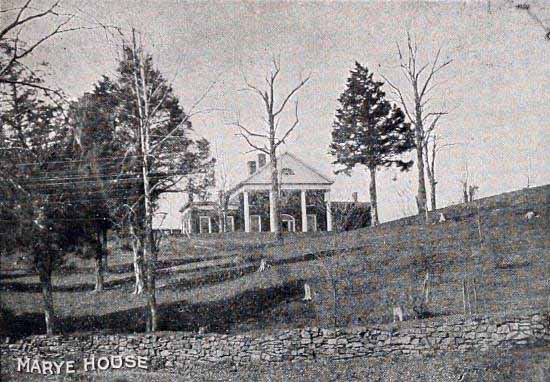
Marye, John L., Jr., 44, 74, 138, 139, 209.
Marye, Rev. James, rector, 44, 203.
Marye, Rev. James, Jr., 203.
Marye, William B., 198.
Mary Washington Hospital, 222.
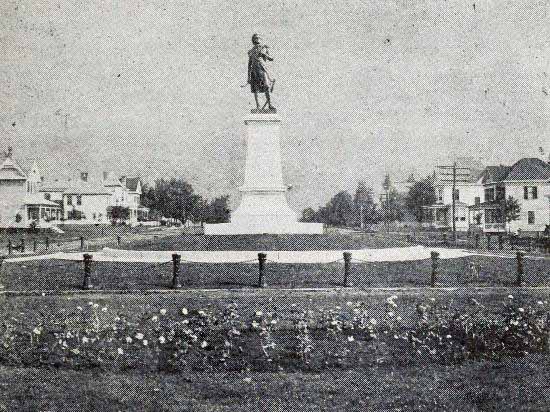
Mary Washington, House, 156;
Monument, 157, 159;
will, 160;
257.
Mason, George, 168, 288, 302, 303.
Mason, Judge John E., 127, 292.
Mason, Mrs. M. J. C., D. A. R., 223, 323.
Mason, Rev. J. K., rector, 205.
Massauteck, 19.
Massawomeks, Indian tribe, 16.
Maury, Com. M. F., 264, 315, 316, 318, 319.
Maury, Gen. Dabney H., 191.
Maury, Rev. Magruder, 205.
Mayors, list of, 336.
McBryde, Rev. Robert, 205.
McCabe, James D., 229.
McClellan, Gen. George B., 75, 76.
McCracken, Capt. T., 170, 176, 181, 184, 261.
McCracken, Patrick, 120.
McGuire, James, hostage prisoner, 77, 78, 111, 208.
McGuire, Rev. Edward C., 204, 205, 207.
McKinley, President Wm., 278.
McKinley, Wm. and Cabinet, 262.
McLane, Wilmer, 108.
McLaws, Gen. Lafayette, 83.
McMahon, Gen. Martin T., 263, 271.
McPhail, Rev. George W., 196, 209.
McPherson, Archibald, 194, 235, 236.
McWilliams, Wm., 124, 254.
Meade, Rev. Wm., 204.
Mebane, Rev. Benj. W., D. D., 209.
Meditation Rock, 157.
Meiggs, R. J., P. M. G., 61.
Melville, John C., 148, 178.
Mercer, Capt. John, 231.
Mercer, Col. John Fenton, 231.
Mercer, Gen. Hugh, 50, 150, 162, 217, 249, 301.
Mercer, James, 46, 130, 131, 162, 220.
Mercer, Robert, 226.
Merchant, Rufus B., 228.
Metcalfe, John, 132, 141.
Miles, Gen. Nelson A., 262, 271.
Military—Fredericksburg Artillery, 72;
Capt. Blackford’s Co., 182;
Fredericksburg Guards, 183;
Mercer Rifles, 183;
Washington Guards, 183;
Fredericksburg Grays, 183;
Coleman Guards, 184;
Gordon Rifles, 184;
Fredericksburg Grays (new), 184;
Washington Guards reorganized, 185;
Garfield Light Infantry Blues, 185.
Ministers qualify to celebrate rites of matrimony, 132.
Minor, Capt. George, 258.
Minor, John, 68, 125, 130, 140, 142, 172, 231.
Moltke, Baron Von, 268.
Monacans, Indian tribe, 16.
Moncure, John, 134.
Moncure, Mrs. Mary Knox, 154.
Moncure, Thomas, 197.
Monroe Doctrine, 310.
Monroe, James, 60, 150, 204, 264, 310, 314.
Montague, A. J., 276, 277.
Montgomery, Mrs. B. B., 325.
Moore, Austin, 28.
Moraughtacunds, Indian tribe, 17, 18.
Morgan, Gen. Daniel, 251.
Morris, Maj. T. E., 261, 262.
Morrison, Thos. F., 170.
Morrison, Wm. C., 120.
Morson, Arthur A., 134.
Mortimer, Dr. Chas., 124, 253.
Mosco, Indian guide, 13, 14, 15, 18.
Mundell, John, 64.
Murat, Catherine Willis, 243.
Murat, Prince Charles, 243.
Murdaugh, Rev. E. C., 205, 206.
Murphy, Wm. H., 167.
Myer, John H., 120, 223.
Myer, Miss Annie, 325.
Myrtle Lodge, I. O. O. F., 221.
Nandtaughtacund, Indian King, 14, 18, 19.
Napoleon Bonaparte, 310.
Napoleon, Louis, 268.
National Cemetery, 190, 191.
Nelson, Gen. Thomas., Jr., 247, 293.
Newby, James, 167.
Newspapers and Periodicals—The Virginia Herald, 225;
The Genius of Liberty, 225;
The Courier, 226;
The Fredericksburg News, 226;
The Political Arena, 226;
The Christian Banner, 227;
The Virginia Baptist, 227;
The Democratic Recorder, 227;
The Fredericksburg Ledger, 227;
The Independent, 227;
The Bulletin, 227;
The True Standard, 227;
The Recorder, 227;
The Free Lance, 227;
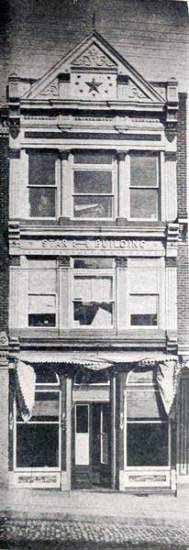
The Virginia Star, 228;
The Daily Evening Star, 228;
Masonic Olive Branch and Literary Portfolio, 229;
The Little Gleaner, 229;
The Fredericksburg Journal, 229;
The Evening Journal, 229.
Normal School Building, 147.
Norton, Wm. H., hostage prisoner, 77, 79.
O’Ferrall, Gov. Charles T., 159, 276, 277.
Ould, Col. Robert, 104.
Owens, Rev. Wm. B., 93, 94.
Page, Mann, Jr., 160.
Page, Mrs. Hugh N., 322.
Passasack, Indian King, 14, 18, 19.
Patrick, Gen. M. R., 75.
Paul, John, 238.
Paul, William, 237, 238.
Pendleton, Edmund, 49, 287, 293, 296.
Perrig, Rev. J. F., 214.
Perrin, Gen. Abner, 324.
Peyton, Benj., 143.
Peyton, Capt. George H., 166, 184.
Phelps, Elijah, 61.
Pierson, Charles H., 170.
Pitcher, Molly, 246.
Pocahontas, 12, 19, 20, 264.
Political divisions, 230, 231, 233, 234.
Pollock, Capt. John G., 73.
Poor Debtors’ prison bounds, 134, 135.
Poor, care of, 171, 174.
Pope, Gen. John, 75, 76, 77, 81.
Porter, Gen. Horace, 239.
Porter, John S., 183.
Port Royal, 19.
Posey, Gen. Thomas, 217, 301.
Postal investigation, 60.
Postoffice burnt, 89.
Powell, D. Lee, 183.
Powell, Rev. W. R., 227.
Powell, Smith’s companion, 13.
Powers, Hiram, 218.
Powhatan, Indian King, 19, 20.
Pritchard, John, 68, 142, 180, 183.
Procter, Thomas, 168.
Proctor, Thomas F., 192.
Pryor, Mrs. Roger A., 151.
Public Buildings, 137;
Courthouse, 142;
City Hall, 144;
Fire House, 144;
Union House, 144;
Colored School, 144;
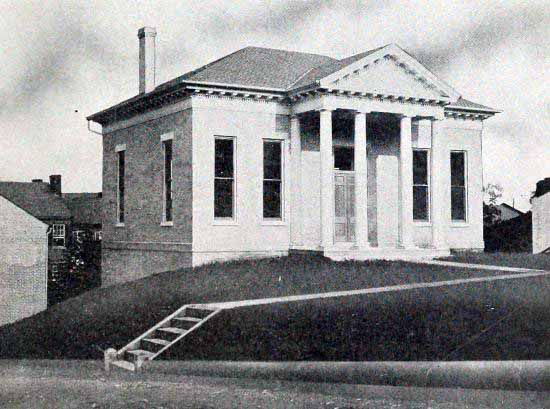
Wallace Library, 145.
Public Free School Board, 335.
Public Schools, 199.
Pullen, Jesse, 167.
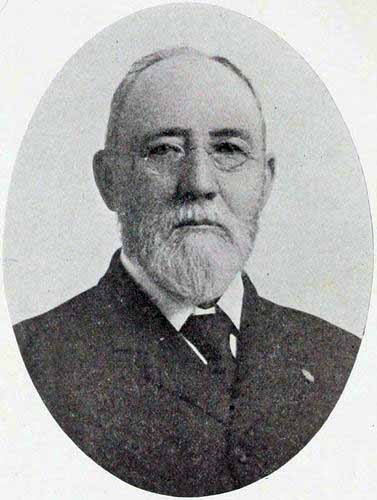
Quinn, Capt. S. J., 147, 174, 175, 176, 192, 211, 220, 261, 277, 323.
Quisenberry, Wm. P., 167.
Ramsay, Rev. F. P., 199, 223.
Ramsay, T. H., 166.
Randolph, Gov. Edmund, 124, 304.
Randolph, John, 149.
Randolph, Peyton, 49.
Randolph, Rev. A. M., 93, 205.
Ransom, Gen. Robert, 83.
Ransom, Rev. W. L., 216.
Rapahanock, Indian King, 18.
Ratliff, Lieut. Wm., 89.
Rawls, Miss Mary, 195.
Ray, Rev. Albert, 216.
Read, James G., 197.
Reaney, Rev. W. L., 207.
Reconstruction commenced, 113.
Religious liberty, 309.
Revere, John H., 184.
Rhinehart, H. W., 197.
Richards, Mrs. F. C., D. A. R., 322, 323.
Richardson, Hon. James D., 302.
Richardson, Judge D. C., 276.
Richardson, Lieut. Wm. H., 324.
Rising Sun Tavern, 148.
Roach, Miss Agnes P., 325.
Roberts, John H., hostage prisoner, 77, 79.
Robinson, John H., 181.
Robinson, John, 39.
Robinson, Rev. Willis M., 215, 216.
Roddy, Samuel, 124.
Rolfe, Capt. John, 19, 20.
Rootes, Philip, 46.
Rootes, Thomas Reade, 153, 231.
Rosebro, Rev. J. W., D. D., 146, 199, 209.
Ross, Alexander, 46.
Rothrock, Charles M., 246.
Rowe, A. P., 160, 170, 247, 248, 260.
Rowe, A. P., Jr., 146, 262.
Rowe, Capt. M. B., 170, 174, 184, 185, 261.
Rowe, Geo. H. C., hostage prisoner, 77, 78, 103, 105.
Rowe, Josiah P., 176.
Rowe, Rev. George, 215.
Royston, John, 38, 39, 40, 41.
Ruggles, Gen. Daniel, 200.
Ruggles, Gen. Geo. D., 271, 276.
Rush, Dr. Benj., 152.
Russell, saves Smith’s life, 13.
Sanford, Joseph, 68, 142, 168.
Saunders, Rev. A. P., D. D., 198, 209.
Schofield, Gen. John M., 115.
School Buildings—Union House, 144;
Colored School, 144;
new School Building, 145.
Schooler, Miss Willie F., 194, 197.
Schools, Fredericksburg Academy, 193;
Federal Hill Female College, 194;
Charity School, 194;
Rev. Samuel Wilson’s, 195;
John Goolrick’s, 196;
T. H. Hanson’s, 196;
Rev. Geo. W. McPhail’s, 196;
Powell and Morrison’s, 197;
Richard Sterling’s, 197;
Mrs. John P. Little’s, 197;
Misses Ann and Mary Drinnan’s, 197;
Rev. Dr. Wm. F. Broaddus’s, 197;
Judge Richard H. Coleman’s, 197;
Wm. Caruthers’s, 198;
Public Schools, 199;
Fredericksburg College, 198;
Fredericksburg Female Seminary, 198.
Scott, Capt. Benj., 185.
Scott, Charles S., 111, 171.
Scott, Dr. Wm. S., 86.
Scott, Francis S., 134.
Scott, Gen. Winfield, 265, 314.
Scott, Hugh S., 68, 142.
Scott, John F., hostage prisoner, 77, 79.
Secobeck, 19.
Seddon, Thomas, 133.
Semple, Rev. Robert B., 210, 211.
Semple, Robert B., 138, 139, 140, 226.
Sener, Capt. J. W., 111, 120, 175, 183, 184, 201.
Sener, Hon. J. B., 128, 157, 160, 227, 248, 260.
Sentry Box, 150.
Sewell, Gen. W. J., 262, 271.
Shackleford, Rev. J. Green, 207.
Shakahonea, Indian town, 15.
Shelburne, Rev. Cephas, 214.
Shepherd, George W., 59, 149, 192, 261.
Sherman, Roger, 294.
Sickles, Gen. Daniel E., 269, 271.
Slaughter, F., 142.
Slaughter, M., hostage prisoner, 74, 77, 78, 84, 86, 87, 104, 111, 112, 126.
Slaughter, Rev. Philip, D. D., 193.
Slaughter, Wm., 68, 139, 140.
Sligo, small-pox hospital, 66.
Smith, Augustin, 39.
Smith, Austin, 30.
Smith, Capt. John, 11, 12, 13, 18, 19, 20, 37, 264, 332.
Smith, Charles K., 248.
Smith, Frank W., 170.
Smith, Gen. Gustavus W., 83.
Smith, George Washington, 223.
Smith, Maj. Lawrence, 21, 37.
Smith, Miss Rebecca, 222.
Smith, Mrs. Jas. P., 158.
Smith, Rev. Jas. P., D. D., 209.
Smith, Rev. S. C., 211.
Smith, Rev. Wm. D., 205, 224, 324.
Smith, Robert, 183.
Smith, William, 22.
Smock, James, 171, 172.
Society of the Army of the Potomac, 259, 261, 271, 276.
Sockbeck, 19.
Somerville, James, 124.
Somerville, Prof. S. W., 145, 199.
Sons of Confederate Veterans, 192.
Spencer, Mrs. Lettie M., 322.
Spotswood, Governor, 22, 23, 24, 27, 32, 33, 42.
Stansbury, John L., 84.
Stearns, Frank P., 145.
Stearns, Mrs. Walter C., 223.
Stegara, Indian town, 15, 16, 19.
Sterling, Richard, 197.
Stern, Richard, 197.
Stevenson, A. E., 159, 160.
Stevenson, Carter L., 132.
Stoffregen, R. Lee, 175.
Stone, Samuel, 167.
Strasburger, Miss Bertha, 222.
Stuart, Gen. J. E. B., 86.
Sumner, Gen. E. V., 85.
Tackett, Charles E., teacher, 197, 198.
Tackett, Charles E., 166.
Taliaferro, John, 39, 42.
Tapahanock, Indian King, 19.
Tauxuntania, Indian town, 15, 16, 19.
Taylor, Col. W. W., 176.
Taylor, Mayor Richard M., 276, 277.
Taylor, Pres. Zachary, 264, 312, 314.
Taylor, William, 172.
Teasdale, Rev. John, 211.
Telephone Co., 179.
Temple, Benj., hostage prisoner, 77, 79.
Temple, Charles W., 198.
Templeman, Wm., 237.
Thanksgiving Proclamation, 306.
Thatcher, Elisha, 171.
Thom, Reuben T., 89, 205, 208.
Thornton, Ira, 42.
Thornton, Pressley, 46.
Timberlake, James, 167.
Tobacco Inspectors, oath of office, 47.
Todkill, Smith’s companion, 13.
Transportation Lines—R. F. and P. R. R., 328;
P. F. and P. R. R., 328;
Md., Del. and Va. R. R., 329.
Tremain, Gen. Henry E., 262, 271.
Tucker, Saint George, 304.
Turner, James A., 192, 261.
Tuttle, H. B., 166.
Tyler, Gov. Hoge, 277.
Tyler, Prest. John, 264, 312, 314.
Ultz, John, 166.
Upham, Dr. J. H., 244.
U. S. Government building, 147.
Utterback, Harman, German miner, 24.
Virginia, military district No. 1, 113.
Vorhees, Hon. Daniel W., 313.
Waddy, Rev. John M., 211.
Waite, George, 221.
Walden, Rev. L. G., 215.
Walker, Dr. Thomas, 281.
Walker, George A., 184.
Walker, Joseph, 162.
Wallace, Judge A. Wellington, 126, 302, 309.
Wallace, Capt. C. Wistar, 145, 149, 184.
Wallace, Dr. J. Gordon, 74, 120.
Wallace, Gen. Gustavus B., 149, 218, 301.
Wallace, H. H., 261.
Wallace, J. Stansbury, 248.
Wallace Library, 145, 146.
Wallace, Maj. Thomas P., 146.
Wallace, Mrs. Charles, 324.
Waller, John, 39, 42.
Waller, John, Jr., 237.
Waller, Miss Mary Page, 325.
Waller, Rev. John, 209.
Waller, William, 44.
Wardwell, ——, 76.
Ware, William, 218.
Warren, William, 139, 140.
Warwick, Hon. Charles F., 248, 250.
Washington, Augustine, 42.
Washington, Bushrod, 130.
Washington, Col. Wm., 251.
Washington, George, 42, 46, 48, 49, 143, 217, 218, 253, 254, 255, 264, 299, 302, 304.
Washington, Martha, 236, 237.
Water Power, 329.
Water Works, 174, 175.
Wayman, ——, German miner, 24.
Weaver, Tillman, German miner, 24.
Weedon, Gen. George, 49, 50, 149, 150, 217, 301.
Weir, Mrs. Florence F., 322.
Wellford, Beverley R., 139, 140, 142.
Wellford, Beverley R., Jr., 79, 220.
Wellford, C. C., hostage prisoner, 64, 77, 142, 143.
Wellford, Dr. Francis P., 243.
Wellford, W. N., 169.
Wheeler, Gen. D. D., 151.
Wheeler, Gen. Joseph, 262, 271.
White, Jesse, 225, 229, 246.
White, Mrs. W. Seymour, 222.
White, Wm. H., 138, 139, 140.
White, W. Seymour, 222, 228, 248.
Whittemore, J. M., 141, 180.
Wight, Mrs. H. Theodore, 153.
Wilderness Campaign, 99, 101, 105.
Williams, Major Charles, 76, 128.
Williams, Rev. R. Aubrey, 211.
Williams, Rev. Wm. H., 211.
Willis, Catherine, 243.
Willis, Col. Byrd C., 243.
Willis, Benj. P., 146, 200, 211.
Willis, Henry, 39, 44, 45.
Willis, M. G., 177.
Willis, Rev. John C., 227.
Willis, Wm., 245.
Wilson, Rev. Samuel B., 132, 207.
Winchester, Stephen, 172.
Wodrow, Alexander, 220.
Woltz, Col. John W., 227.
Woodford, Gen. Wm., 217, 301.
Wood, Silas, 64, 143.
Wrenn, Lewis, hostage prisoner, 77, 79.
Wroten, George W., 147, 261.
Wythe, George, 168, 247, 302.
Yates, A. Bacon, 160.
Yates, Charles, 237.
Young, James, 166, 167.
Young, John James, 105, 111, 120, 201.
Young, Mary, 238.
Footnotes:
[1] Description of Virginia by Smith, his spelling modernized.
[2] Howison’s U. S. History, from Smith.
[3] Walter Russell, in Smith.
[4] Howe’s History of Virginia.
[5] Howe’s History.
[6] Acts of House of Burgesses.
[7] Howe’s History of Virginia.
[8] Furnished by Chas. E. Kemper, Esq.
[9] It is claimed by Rev. James Kemper that the German Reformed Church,
organized at Germanna in 1714, was the first church of that denomination
planted in this country.
[10] Mr. M. D. Conway, in Magazine of American History, Vol. 27, No. 3,
page 186.
[11] Memoirs of a Huguenot Family, page 268.
[12] John Fontaine was the son of Rev. James Fontaine, of France, a
Huguenot who fled to England to avoid religious persecution, and thence
settled in Scotland, where he ended his days. The name originally was De
la Fontaine, but John’s grandfather, “from motives of humility, cut off
the De la, the indication of the nobility of the family.” John came to
this country in 1716, with his brother Peter, and at once became a friend
and companion of Governor Spotswood’s, while Peter became a minister of
ability and was very popular. From these two brothers sprang the Fontaines
of this country.
[13] Austain Moore lived at Chelsea, on the Mattaponi river. He was the
Governor’s son-in-law.—Maury’s History of Virginia.
[14] Austin Smith lived in the village or settlement afterwards named
Fredericksburg. He is supposed to have been a descendant of Lawrence
Smith, who commanded the fort here in 1681. He no doubt has descendants
here now bearing the name of Smith, while some are known by other names.
[15] These Indians came from the Meherrin river, where Governor Spotswood
owned a large body of land. He had opened a school there for the education
and conversion of the Indian children, which made him quite popular with
the Indians in that quarter. The Governor and Mr. Fontaine visited that
part of the country a few weeks before they started on this expedition.
[16] This must be at the junction of the Rapidan and Robinson rivers.
[17] This is the Rapidan river probably.
[18] It is likely that this was Conway river, a tributary of the Rapidan,
and the line between Madison and Green counties.
[19] This is unquestionably the north fork or north branch of the Rivanna
river, a tributary of the James, which runs through Green county, its head
waters coming from the sides of the Blue Ridge mountain.
[20] This is the Shenandoah river, as no other river in the Valley answers
to Mr. Fontaine’s description, and which is a very important part of his
narrative. The distance of the river from the mountains and the
description of the streams crossed in reaching the mountains, enable us to
determine with considerable accuracy the route the Governor and his party
took as they crossed the Blue Ridge into the beautiful Shenandoah Valley,
“the Granary of the World.” A careful inspection of the map will show that
they passed through the counties of Orange, Madison and the northern
portion of Green over into Rockingham, where the Shenandoah river is about
seventy-five or eighty yards wide and runs within a few miles of the Blue
Ridge mountains.
[21] Governor Spotswood, when he undertook the great discovery of the
Passage over the Mountains, attended with a sufficient guard, and pioneers
and gentlemen, with a sufficient stock of provision, with abundant fatigue
passed these mountains and cut his Majesty’s name in a rock upon the
highest of them, naming it Mount George; and in complaisance the gentlemen
from the Governor’s name, called the mountain next in height Mount
Alexander.
For this expedition they were obliged to provide a great quantity of horse
shoes (things seldom used in the lower parts of the country, where there
are few stones); upon which account the Governor, upon their return,
presented each of his companions with a golden horse shoe, (some of which
I have seen studded with valuable stones resembling the heads of nails,)
with this inscription on one side: Sic juvat transcendere montes, and on
the other is written the tremontane order.
This he instituted to encourage gentlemen to venture backwards, and make
discoveries, and new settlements; any gentleman being entitled to wear
this golden shoe that can prove his having drunk his Majesty’s health upon
Mount George.—Hugh Jones, 1724.
[22] This Mr. Woodford is supposed to be the father or grandfather of
General Wm. Woodford, of Revolutionary fame.
[23] The town referred to in the county of King George is the town of
Falmouth, on the opposite side of the river, and a mile and a half above
Fredericksburg. The act that made Fredericksburg a town also gave Falmouth
a legal existence. At the time of the passage of the act that territory
belonged to King George county, but now to Stafford county.
[24] The water came from two springs—Poplar spring and Smith’s spring.
[25] Died at Crystal Springs, Miss., March 1, 1900.
[26] This list was obtained from a diary kept by John J. Berrey while in
prison.
[27] Some amusing incidents are related of Dr. Broaddus while a prisoner
worth relating in these pages. The Doctor was an educated, polished
gentleman, and quite a humorist. When he was received into prison the
keeper proceeded in his usual manner to ascertain his name, age and place
of nativity. When asked his name he said it was William F. Broaddus. “What
does the F stand for?” asked the keeper. The Doctor replied that he did
not know. “Don’t know?” demanded the keeper. “I will tell you the
circumstances,” said the Doctor, “and let you decide for yourself. My name
was William Francis Ferguson. I did not like the two F’s and asked my
mother to let me drop one. She consented and I dropped one, but I never
could tell whether I dropped the one that stood for Francis or the one
that stood for Ferguson. Now, can you tell me which one I dropped?” The
keeper saw he was beaten, and demanded, “What is your age?” “I was born in
the year of one,” replied the Doctor. “What! Do you mean to tell me you
are 1861 years old,” shouted the keeper. “Not at all,” said the Doctor.
“Well, then, explain yourself,” demanded the keeper, showing some
impatience. “I was born in the year one of this century,” responded the
Doctor. “Where were you born?” indignantly asked the keeper. “Now, you’ve
got me again,” answered the Doctor. “That’s a question I have long wanted
settled, and I’ll state the case and perhaps you can help me settle it. My
birthplace at the time of my birth was in Culpeper county. Changes in
county lines afterwards placed it in Rappahannock county. Now, if I were
to tell you I was born in Culpeper, and you should go down there to
inquire, you would find the place in Rappahannock. If I were to tell you I
was born in Rappahannock and you were to investigate you would find that
when I was born the place was in Culpeper and there was no Rappahannock
county at the time. Now, will you please tell me where I was born?” The
keeper passed him without further questions.
It was the habit of Dr. Broaddus to preach on Sunday mornings to his
fellow prisoners, and such others as would come to hear him while the
prison chaplain would hold services in another part of the prison. It is
related of the superintendent of the prison, that in making the
announcements for preaching he would cry out: “All who wish to hear the
gospel according to Abraham Lincoln come this way; those who wish to hear
it according to Jeff. Davis go over there,” pointing to Dr. Broaddus and
his congregation.
[28] The scenes of the evacuation of Fredericksburg are taken principally
from “The Past, Present and Future of Fredericksburg,” by Rev. Robert R.
Howison, LL. D., who was aided in its preparation by diaries kept by those
present at the time and the recitals of other eye witnesses, besides
newspaper articles, the reports of Generals in both armies and our own
knowledge, being present.
[29] See General Lafayette McLaws’s report of the battle.
[30] Extract from Gen. Lafayette McLaws’s official report of the battle of
Fredericksburg, made to General James Longstreet—War of Rebellion, Series
1, Vol. 21, page 578.
[31] It is said that just south of the Stevens house, about a hundred
yards in front of the Confederate line, lay a wounded Union soldier on the
night of the 13th. His supply of water gave out. Just before daylight he
began to call for water. The cry was incessant. Both lines could hear him,
but no one seemed willing to venture to his relief. As the day dawned he
seemed to cry louder—water, water, water; but none came. Among those who
heard him, and whose heart was touched with pity, was a Confederate youth,
yet in his teens. He determined to answer the call or die in the attempt;
and so informed Gen. Kershaw, his commander, who tried to dissuade him
from it. But his purpose was fixed, and it is said that just as “the sun
was gilding the blue arch above with his golden beams,” this youth took
his canteen, filled with water, jumped over the stone wall, and, with form
bending low, carried it to the sufferer. Just as the deed was accomplished
a yell of approval went up from both Confederate and Union lines, such as
was never heard before, and which was repeated time and again. The boy
soldier did not have to bend his form in returning to his post. He went
back a hero, and a good Samaritan, proclaimed such by both armies, and he
has since been immortalized in verse. That youth was Richard Kirkland, of
Co. E. 2nd S. C. Vol. He has a memorial stone in the Church of the Prince
of Peace at Gettysburg, and the inscription: A hero of benevolence; at the
risk of his life he gave his enemy drink at Fredericksburg. He was killed
at Chickamauga.
[32] See Christ in the Camp, by Rev. J. Wm. Jones, D. D.
[33] See War of the Rebellion, Series 1, Vol. 25, Part 1, page 798.
[34] Still living.
[35] An amusing incident is told of Mr. Joyce when he was arrested. He is
a native of Ireland, as every one will readily perceive when he hears him
speak. When arrested he was asked in a brusque tone by the officer—“Where
are you from?” He replied instantly: “Be Jasus, oim a Virginnyan, and
niver denoi the place of moi netivity.”
[36] See Council proceedings, June 20, 1864.
[37] That record not found. Mr. Rowe must have assisted Rev. Wm. F.
Broaddus, D. D., in the release of the nineteen citizen prisoners.
[38] From Council proceedings of July 8, 1864.
[39] Not found in the Council proceedings.
[40] Mr. McLane’s residence was in the midst of the first battle between
the two great armies, and, strange to say, it was in the midst of the last
and that the terms of surrender were written and signed in his residence.
When the war broke out Mr. McLane was living in Prince William county, and
at the first battle of Manassas his residence was in the thickest of the
fight. He afterwards moved to Appomattox county to get out of the reach of
the war. During the last engagement of the two armies his residence was
between the lines, and when General Lee and General Grant met they asked
for a room in the house, which was furnished them, and there the terms of
surrender were written and signed.
[41] Traveller was General Lee’s war horse. Every soldier in the army knew
him. At the death of this faithful old horse, that had carried General Lee
through the war, he was turned over to the taxidermist, who prepared and
mounted him. He is now at the Soldiers’ Home in Richmond, looking as
natural and life-like as when he bore the Confederate Chieftain into
battle, or when he moved in General Lee’s funeral procession, fully
equipped for the march, but without his accustomed rider.
[42] Blue and Gray.
[43]
GENERAL LEE’S FAREWELL ADDRESS.
Headquarters Army Northern Virginia,
Appomattox Courthouse, April 10, 1865.
General Orders, No. 9.—After four years of arduous service, marked by
unsurpassed courage and fortitude, the Army of Northern Virginia has been
compelled to yield to overwhelming numbers.
I need not tell the brave survivors of so many hard fought battlefields,
who have remained steadfast to the last, that I have consented to this
result from no distrust of them, but feeling that valor and devotion could
accomplish nothing to compensate for the loss that must have attended a
continuation of the contest, I determined to avoid the useless sacrifice
of those whose past services have endeared them to their countrymen.
By the terms of agreement, officers and men can return to their homes and
remain until exchanged. You will take with you the satisfaction that
proceeds from the consciousness of duty faithfully performed, and I
earnestly pray that a merciful God will extend to you his blessing and
protection. With an unceasing admiration of your constancy and devotion to
your country, and a grateful remembrance of your kind and generous
consideration of myself, I bid you all an affectionate farewell.
R. E. Lee, General.
[44] The assassination of Abraham Lincoln, President of the United States,
by J. Wilkes Booth on April 14, 1865.
[45] See Council proceedings, April 27, 1865.
[46] This amount was ascertained by Mr. St. George R. Fitzhugh, after a
thorough examination of the indebtedness of the town at the close of the
war, about 1895, which was published in the town papers and also in
circulars and distributed.
[47] Attorney-General and Secretary of the Treasury in Washington’s
Cabinet.
[48] President James Monroe.
[49] Afterwards one of the Judges of the Supreme Court.
[50] Council proceedings, 1867.
[51] Some of the colored people were told by wags that the object of the
bureau was to furnish a bureau to every colored family that had none, as
it was composed of bureaus. Believing this to be true, some colored women
are said to have driven their wagons from Caroline county to town and
applied to Major Johnson for their bureau, and could not conceal their
disgust when they were informed that “It was a jestis bureau they had in
Fredericksburg and not a furniture bureau.”
[52] Governor of Virginia in 1794-96, and afterwards Attorney-General of
the State.
[53] Appointed a Justice of the Supreme Court of the United States by
President Washington.
[54] Wrote Mary Washington’s will and was one of the witnesses to her
signature.
[55] Mr. Thomas Seddon was the father of Hon. James A. Seddon, Confederate
Secretary of War, and lived in the residence now owned and occupied by Mr.
George W. Shepherd.
[56] Thomas B. Barton, John James Chew and Beverly R. Wellford, of the
committee, were not members of the Council, but appointed from the body of
the citizens.
[57] Council proceedings, July 18, 1907.
[58] See War of the Rebellion, Series 1, Vol. 21, page 590.
[59] In his excitement, Grand Master Page dedicated the monument to Mary,
the mother of our illustrious brother, George H. Washington. A brother
remarked to another, “I didn’t know there was an H in Washington’s name.
What does it stand for?” As quick as thought the shrewd Essex lawyer
responded, “Hatchet—George Hatchet!” The fun that incident excited is not
over with yet.
[60] One tradition is that this drug store was at the corner of Princess
Ann and Amelia streets, where Mr. John Stansbury Wallace lives; but
another tradition locates it at the corner of Main and Amelia, most likely
adjoining the corner house. This tradition is strengthened by finding,
some time ago, while repairing the house, many old papers and other things
that must have come from a drug store, and no other such store was ever
known at that place.
[61] General Smith got his name Extra Billy while in the stage business,
long before he was either General or Governor Smith. It is reported to
have happened in this way: At certain seasons of the year, before the days
of railroads, travel was very heavy and far beyond the capacity of the
regular stages on the road, which was the only means of travel over land
at that time. When this occurred Billy Smith, as he was called, would put
on an extra stage, and if the travel still increased he would put on
another, and so on, until sometimes he would have on the road four or five
stages, where one usually did the work. On this account, and because of
his unsurpassed politeness, he became popular with travellers. On this
occasion a traveller was anxious to get to Washington, and could get no
seat in the stage. In hustling around he found two or three others who
were anxious to go, but, like himself, could not get accommodations on any
part of the stage, and the agent declared it impossible to provide for
them. The impatient and anxious traveller cried out “Where is Extra
Billy?” Extra Billy was sent for, an extra stage was provided and the
travellers went on their way rejoicing, but “Extra Billy” remained with
Mr. Smith, following him to his grave.
[62] It is said on one occasion John Randolph, of Roanoke, stopped here.
It was soon known, and the Democrats congregated to entertain him. They
prepared a bowl of punch in an adjoining room, and when it was ready Mr.
Randolph was invited to meet the gentlemen and join them in something to
drink. In a gruff voice, he replied to the committee that waited on him,
“I don’t drink with strangers, and if I can’t rest here one night without
being disturbed by a mob, I will drive to the Sycamores.” The Sycamores was
a hotel twelve miles from town on the Bowling Green road. It was said he
was not again disturbed.
[63] At the corner of Commerce and Charles streets, in front of this
hotel, is a stone block about two and a half feet high and some two feet
in diameter. It was placed there many years before the Civil war, it is
said, for the sale and annual hire of slaves. The slave to be sold was
required to stand on this block in the presence of the gathered traders,
when he or she was “cried out” by the auctioneer to the highest bidder.
Those slaves who were publicly hired out for the year also took their
stand on this block and were hired out at the highest price bid. There is
probably no relic in Fredericksburg that calls back more vividly the days
of slavery than does this stone block.
[64] Yet living.
[65] Yet living.
[66] One of the Judges of the Court of Appeals of Virginia for fourteen
years before the war, and president of said court for twelve years after
the war.
[67] Slaughter’s Bristol Parish. Va., 2nd edition.
[68] It is related by the “old folks” that when the ceremony closed the
minister looked at the groom and said “kiss your bride.” The groom, not
understanding English and imagining it was some figure in the dance,
innocently took the bride by the hands and merrily waltzed up and down the
aisle to the amusement of the audience, but to the great mortification of
the bride.
[69] Some authorities give 1735 as the date of the erection of this
church.
[70] Great grandfather of Governor John L. Marye.
[71] It has been claimed, and it is probably true, that James Monroe held
more important public positions in his life than any other one man, either
before or since his day.
[72] A memorial tablet erected in St. George’s church has this
inscription: “Rev. Edward McGuire, D. D., born in Winchester, Va., July
26, 1783, died Oct. 8, 1858. During forty-five years the faithful, beloved
and highly blessed pastor of St. George’s church, Fredericksburg. Amiable
in character, prudent in action, wise in counsel, evangelical in doctrine,
experimental in preaching, he was a pastor of great influence and success,
highly esteemed for his sound judgment and consistent conduct during a
long and useful life.”
[73] A memorial slab erected in St. George’s church gives this remarkable
record: “Reuben T. Thom, born 1782, died 1868. He was for 52 years a
vestryman, and for 45 years senior warden of St. George’s church. A father
in Israel he was respected and beloved by three generations.”
[74] From a communication in an old copy of the Fredericksburg News,
furnished by Dr. Horace B. Hall.
[75] In the occupancy of this building we have this coincidence: When the
members of St. George’s church were building their present house, in 1849,
they occupied the Methodist church, back of the park, which had been
vacated for the new house on Hanover street. More than thirty years
afterwards, when Trinity Episcopal church was organized, they occupied the
Methodist church on Hanover street, the Methodists having moved to their
new house on George street.
[76] In the Presbyterian church a marble tablet is erected with this
inscription: “Samuel B. Wilson, first pastor; born March 17, 1783: died
Aug. 1, 1869. They that be wise shall shine as the firmament, and they
that turn many to righteousness as the stars forever and ever.”
[77] On a memorial tablet erected in the church is this inscription:
“Thomas Walker Gilmer, pastor, born July 25, 1834, died April 5, 1869. I
know that my Redeemer liveth.”
[78] Historical sketch of Fredericksburg, 1883, by Robert B. Berrey.
[79] A memorial slab in the church is thus inscribed: “In memory of Rev.
Wm. F. Broaddus, D. D., born April 30, 1801, died Sept. 8, 1876. The
beloved and faithful pastor of this church 1853 to 1862, through whose
labors and liberality this house was built. ‘He was a good man and full of
the Holy Ghost and faith, and much people was added to the Lord.’”
[80] In the basement of the church is a memorial tablet inscribed as
follows: “In memory of Deacon George W. Garnett, the faithful, efficient
and beloved Superintendent of the Fredericksburg Baptist Sunday School for
thirty consecutive years, who died July 9, 1876, aged 54 years. ‘He was a
faithful man, and feared God above many.’ Erected by the school.”
[81] Mrs. V. M. F. prepared this article.
[82] Appleton’s Encyclopedia, Volume 9.
[83] Mayor Robert Lewis, a nephew of Washington, delivered the welcome
address to Lafayette when he visited Fredericksburg in 1824, in which he
said: “The presence of the friend of Washington excites the tenderest
emotions and associations among a people, whose town enjoys the
distinguished honor of having been the residence of the Father of His
Country during the days of his childhood and youth.”—Pamphlet of
Reception of Lafayette at Fredericksburg, page 4.
“At this place, sir, which calls to our recollection several among the
most honored names of the Revolutionary war, I did, many years ago, salute
the first residence of our paternal chief, received the blessing of his
venerated mother, and of his dear sister, your own respected
parent.”—Extract of General Lafayette’s reply to the above.
“The city of Fredericksburg—first residence of Washington—may she more
and more attain all the prosperity which independence, republicanism and
industry cannot fail to procure.” Sentiment offered by Lafayette at a
banquet on the above occasion.
[84] Manly’s Southern Literature.
[85] A son of Jonathan Clarke, who lived at Newmarket, in Spotsylvania
county, and afterwards moved to Fredericksburg. For many years he was
clerk of the county court of Spotsylvania. George Rodgers Clarke is said
to have been born while his father lived at Newmarket.—A letter from a
descendant.
[86] Jones’s U. S. History.
[87] Capt. Wm. Clarke was a Fredericksburg man. He was a son of Jonathan
Clarke, of Fredericksburg, who was clerk of Spotsylvania county court. He
was, therefore, a brother of General Geo. Rodgers Clarke, who conquered
the great northwest territory.—A letter from a descendant of Wm. Clarke.
See also Maury’s History of Virginia, page 158.
[88] Jones’s U. S. History.
[89] General D. H. Maury’s History of Va.
[90] Pointed out to the author by Mrs. Ann Maury, his widow.
[91] Paper prepared by Mrs. J. T. G.
[92] Paper prepared by Miss R. C. M.
[93] Paper prepared by Miss K. J. M.