Note 1 (p. 4). So long as the universal
significance of the velocity of light remained unknown, two conjectures
were possible in the question as to whether, under certain
circumstances, the motion of the source of light would make itself
observable in the velocity of propagation of light. It might be surmised
that the velocity of the source simply added itself to that velocity of
light which is characteristic for the propagation of the light
from a source at rest. Or, it might be conceived that the motion of the
source has no influence at all on the velocity of the light emitted by
it. In the second case it was imagined that the source of light only
excites the periodically changing states of the luminiferous ether,
which is at rest, that is, which does not share in the motion of the
matter (source of light), and that these states then propagate
themselves with a velocity that is characteristic of the ether,
and with a velocity that makes these states perceptible to us as light
waves. This view had finally apparently won the day. It was the advent
of the special theory of relativity and the quantum hypothesis that made
this view impossible. For the special theory of relativity, in robbing
the assertion: "the ether is at rest" of its significance, since we may
arbitrarily define any system as being at rest in the ether, as far as
uniform translations are concerned, and in depriving the luminiferous
ether of its existence, deprived light-waves of their carrying or
transmitting medium. The quantum hypothesis, in raising light-quanta to
the rank of self-supporting individuals, deprived the velocity of
light of its character as a constant that is characteristic of the
ether. Thus, our view of light-quanta again leads to a kind of
emission theory of light. According to classical mechanics it would have
been typical of a theory of emission for the velocity of the source in
motion to have added itself to the velocity of the light from the source
at rest. We thus revert to the conjecture which we quoted first above.
Now, such a superposition of velocities would necessarily cause quite
remarkable phenomena in the case of spectroscopic binary stars (de
Sitter, "Phys. Zeitschrift," 14, 429). For if two stars move in
circular Kepler orbits around each other, and if our line of sight lies
in the common plane of the orbits, then we should necessarily perceive
the following: if 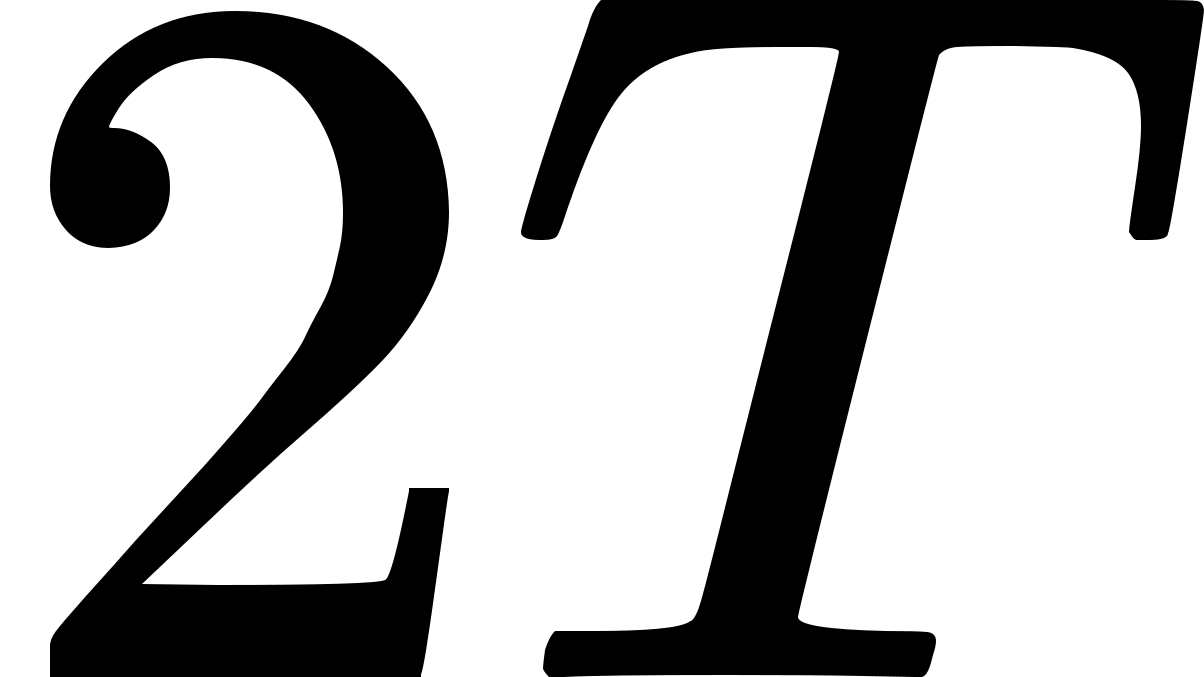 is the time of revolution of the system,
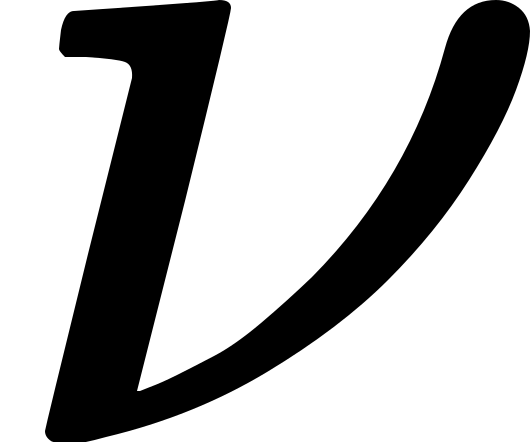 the orbital velocity of the one (bright) component,
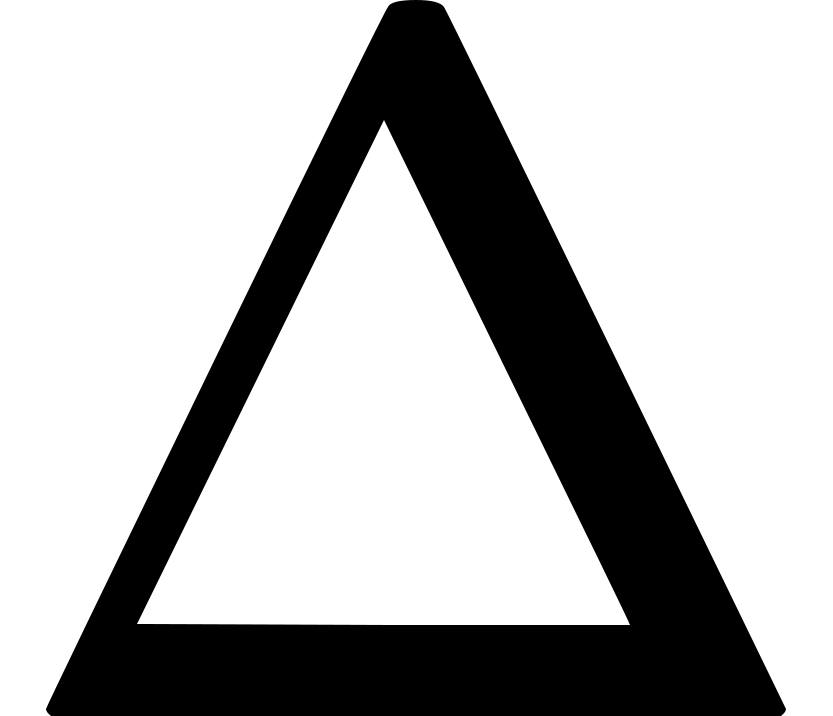 the distance of the whole system from the earth, and, finally,
 ,
the velocity in vacuo of the light from the source which is at rest,
then the velocity of light at the epoch of greatest positive velocity in
the direction of vision is
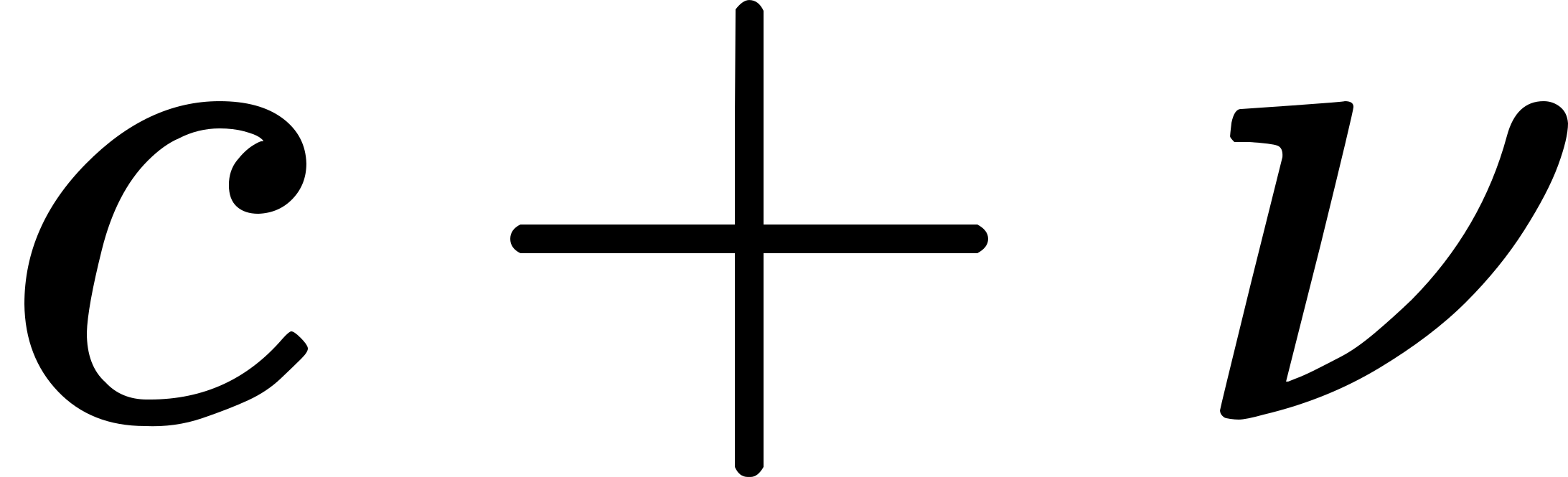 , and
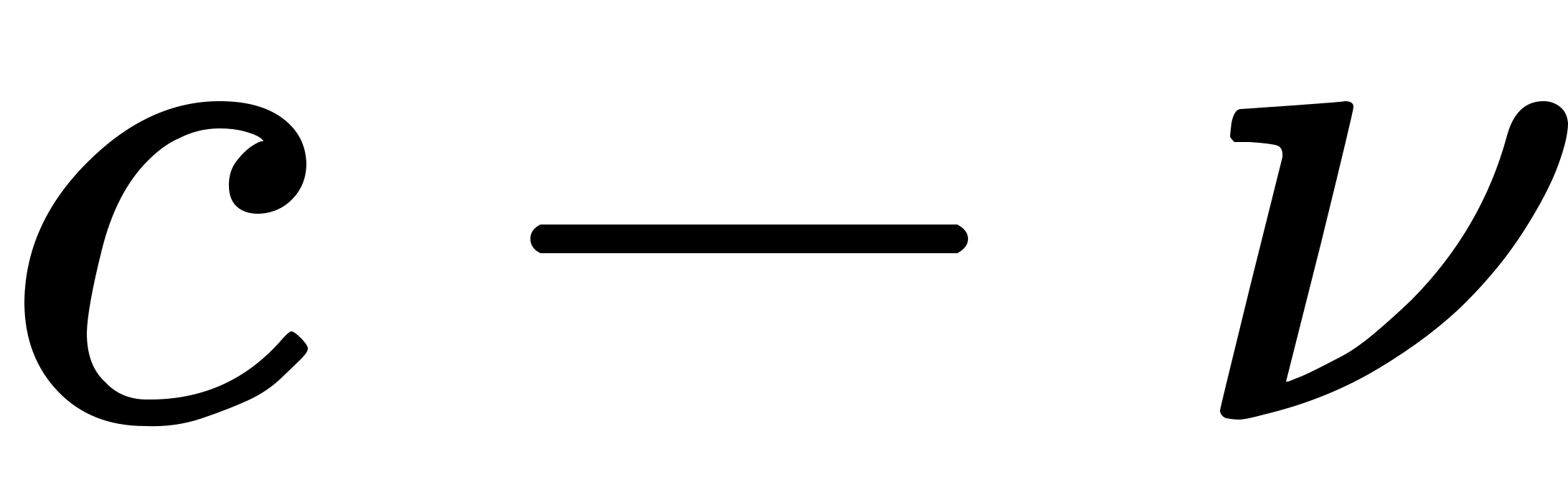 in the other
direction, respectively. Consequently the time-interval between two such
successive positions would have the values
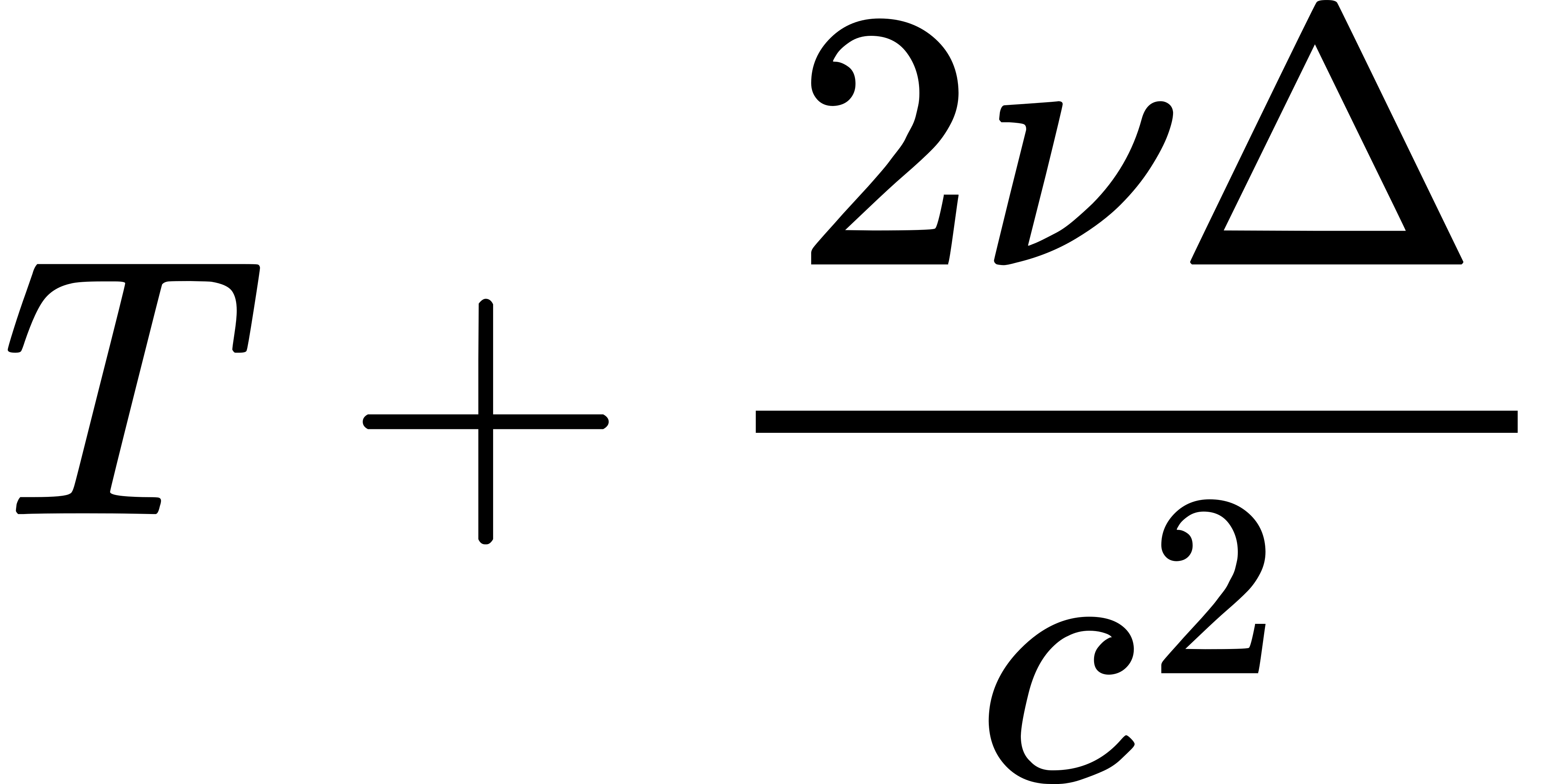 and
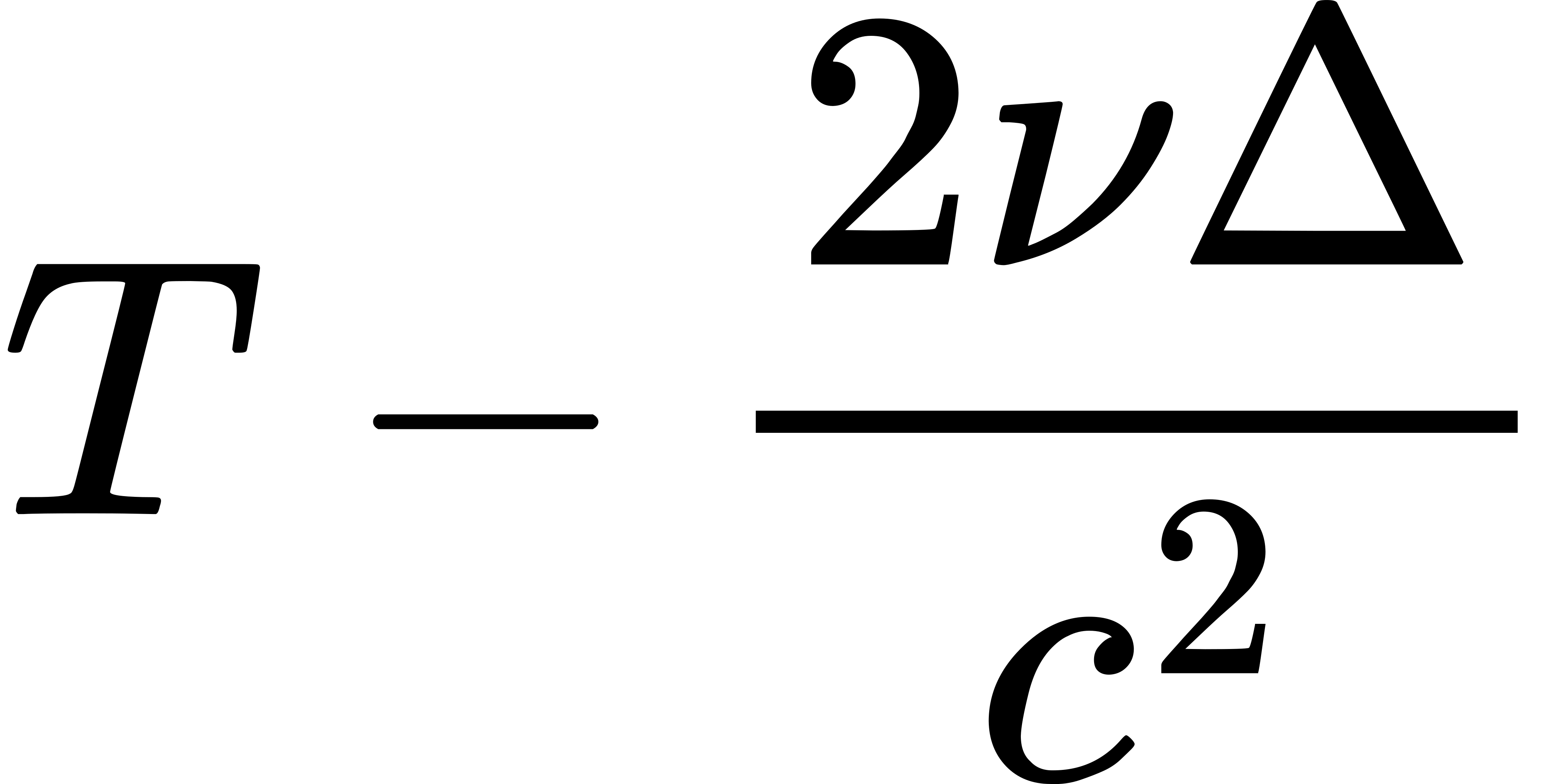 alternately, for the observer on the earth, as a simple calculation
shows. Since, on account of the gigantic distances between the fixed
stars, the member
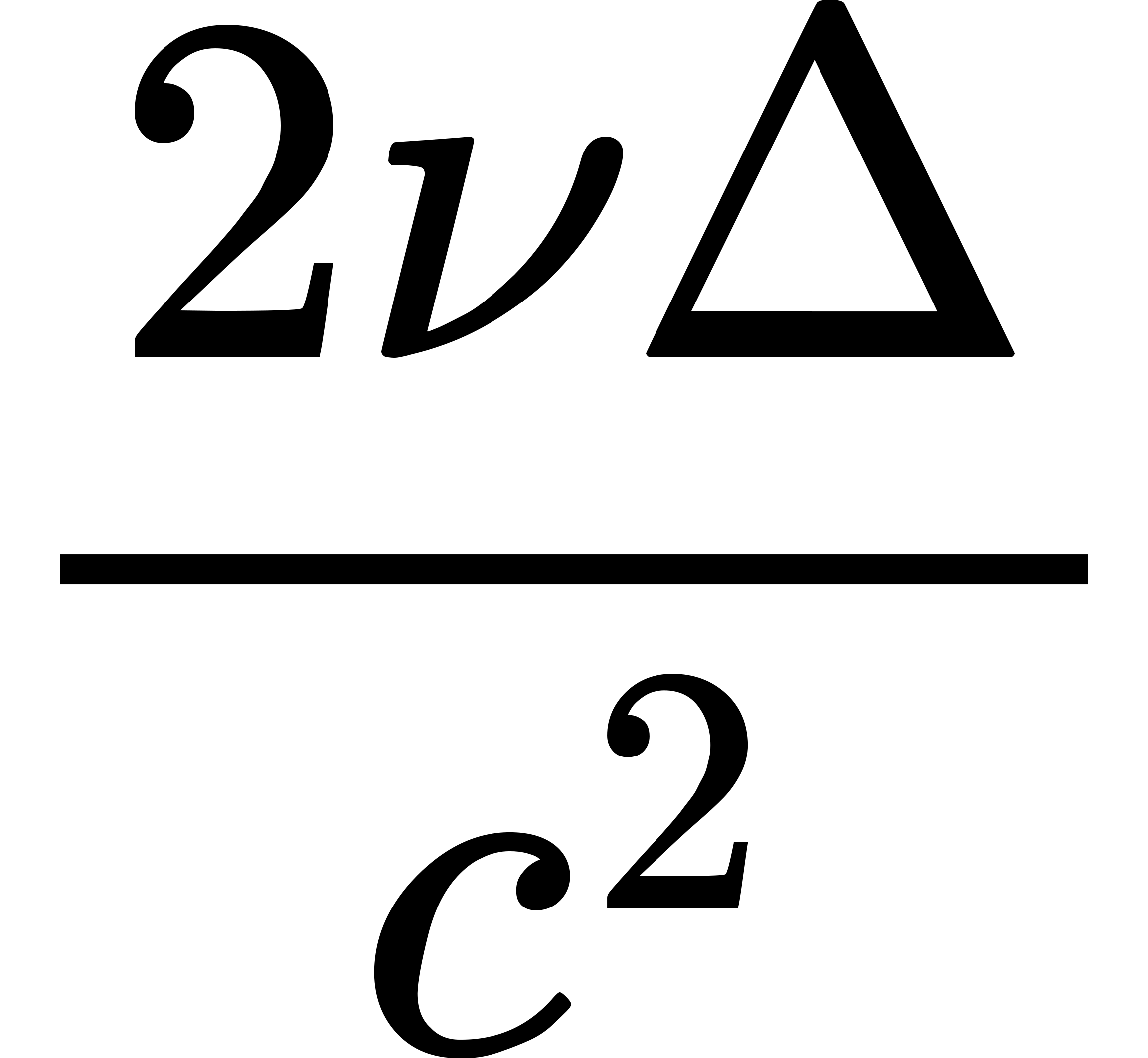 may become very great,
indeed, greater than
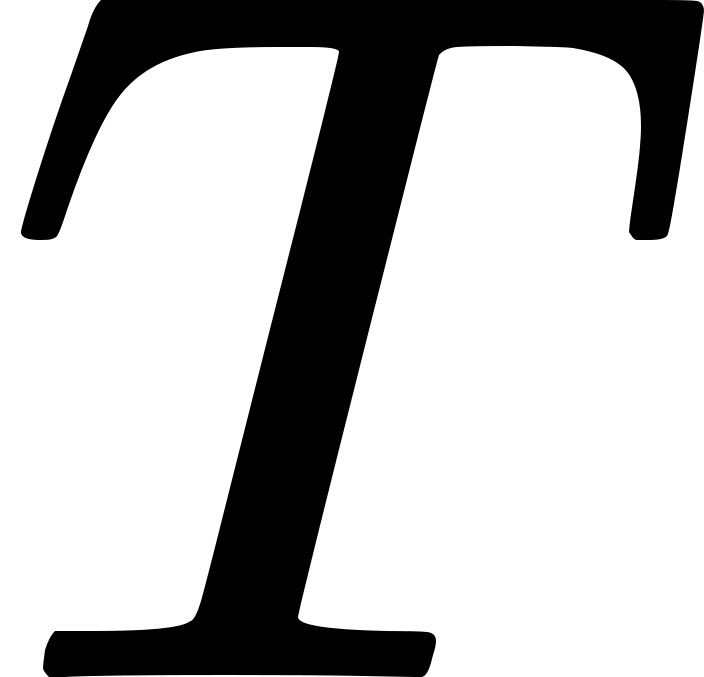 , we should be able to observe definite
anomalies in the case of the spectroscopic binaries. For the time
intervals between two such successive epochs in the orbit should be able
to contract to nil, indeed, even become negative, and we should not be
able to interpret the measured Doppler effects by means of motions in
the Kepler ellipses. In reality, however, these anomalies have never
manifested themselves. Observation of these very sensitive subjects of
test (spectroscopic binaries) teaches us that the motion of the source
of light does not make itself remarked in the propagation of the light.
This renders our first view likewise untenable. The special principle of
relativity, alone in postulating the constancy of the velocity of light,
and in putting forward a new addition theorem of velocities, has led us
to an attitude in this question that is free from inner contradictions
and compatible with experience. (Cf. Note 2.)
Note 2 (p. 5). There are essentially two
fundamental optical experiments on which our view of the distinctive
significance of the velocity of light in physical nature is founded:
Fizeau's experiment concerning the velocity of light in flowing water,
and the Michelson-Morley experiment. Aberration, on the other hand, has
nothing to do directly with the question whether it is possible to prove
by means of optical experiments in the laboratory a motion of the earth
relative to the ether. The aberration in the case of stars states merely
that the motion of the earth relatively to the star under
consideration changes periodically in the course of a year. If,
however, we hold the view that an all-pervading ether is the carrier for
the propagation of the light, the phenomenon of aberration may be
satisfactorily explained only if we assume that this ether does not
participate in the motion of the earth.
Fizeau's experiment was designed to decide finally whether moving
matter influences the ether and to determine the value of the velocity
of light in moving matter with respect to the observer. Michelson and
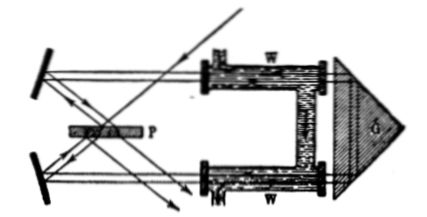
Morley repeated the experiment in the following improved form. A beam of
light from a source on the earth is sent through a  -shaped tube,
through which water flows, in the direction of both limbs. After each
part of the beam has traversed the flowing water, the one in the
direction of the current, the other contrary to it, the two beams, are
made to interfere. The light and the water move in the same direction in
the one limb, and oppositely in the other.
Now, there immediately appear to be two possibilities.
Either the water that flows with a velocity  with respect to the
walls of the tube drags along the carrier that effects the transmission
of the light, namely the ether; in this case, the velocity of the light
is
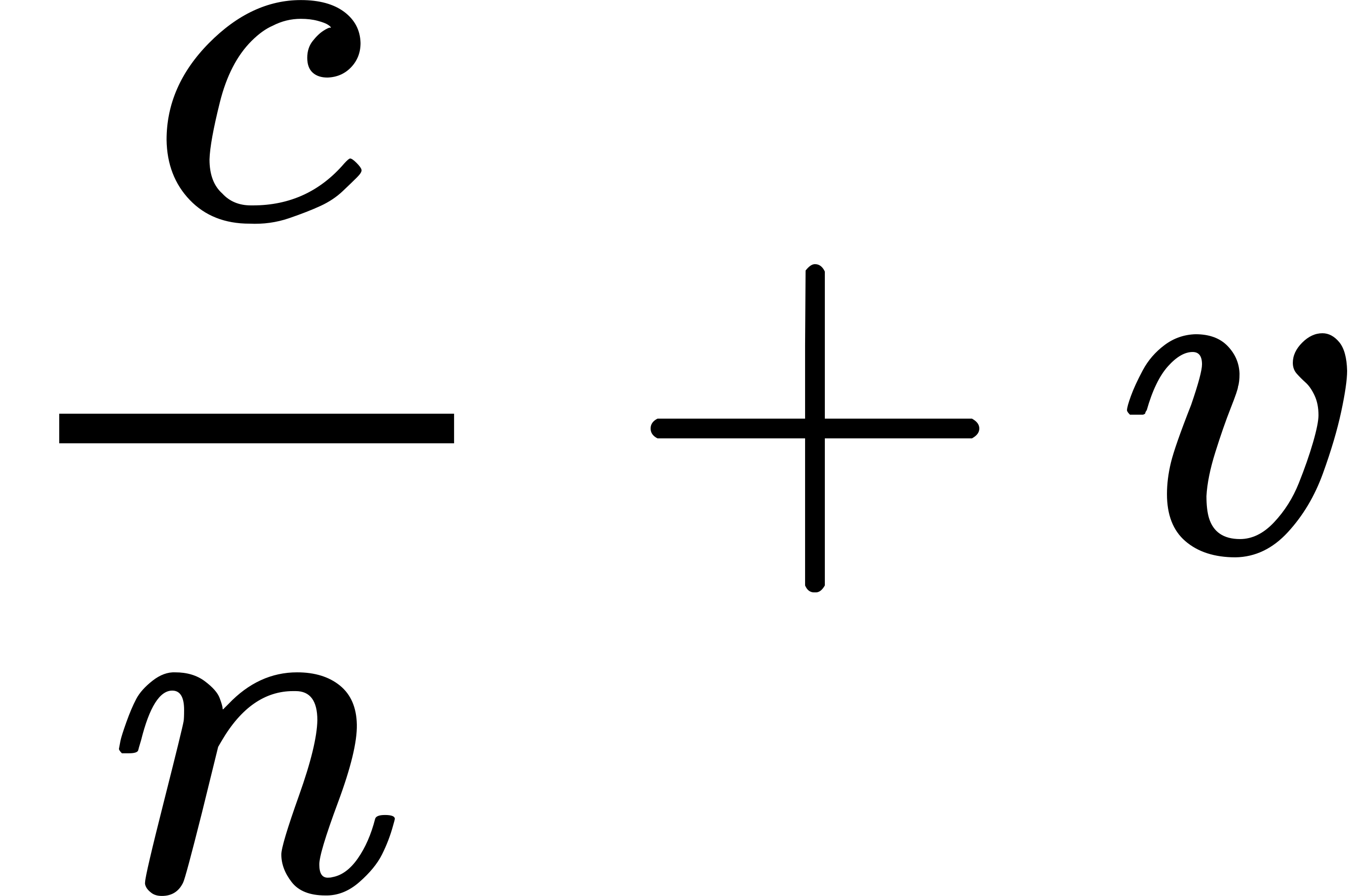 in the one limb, and
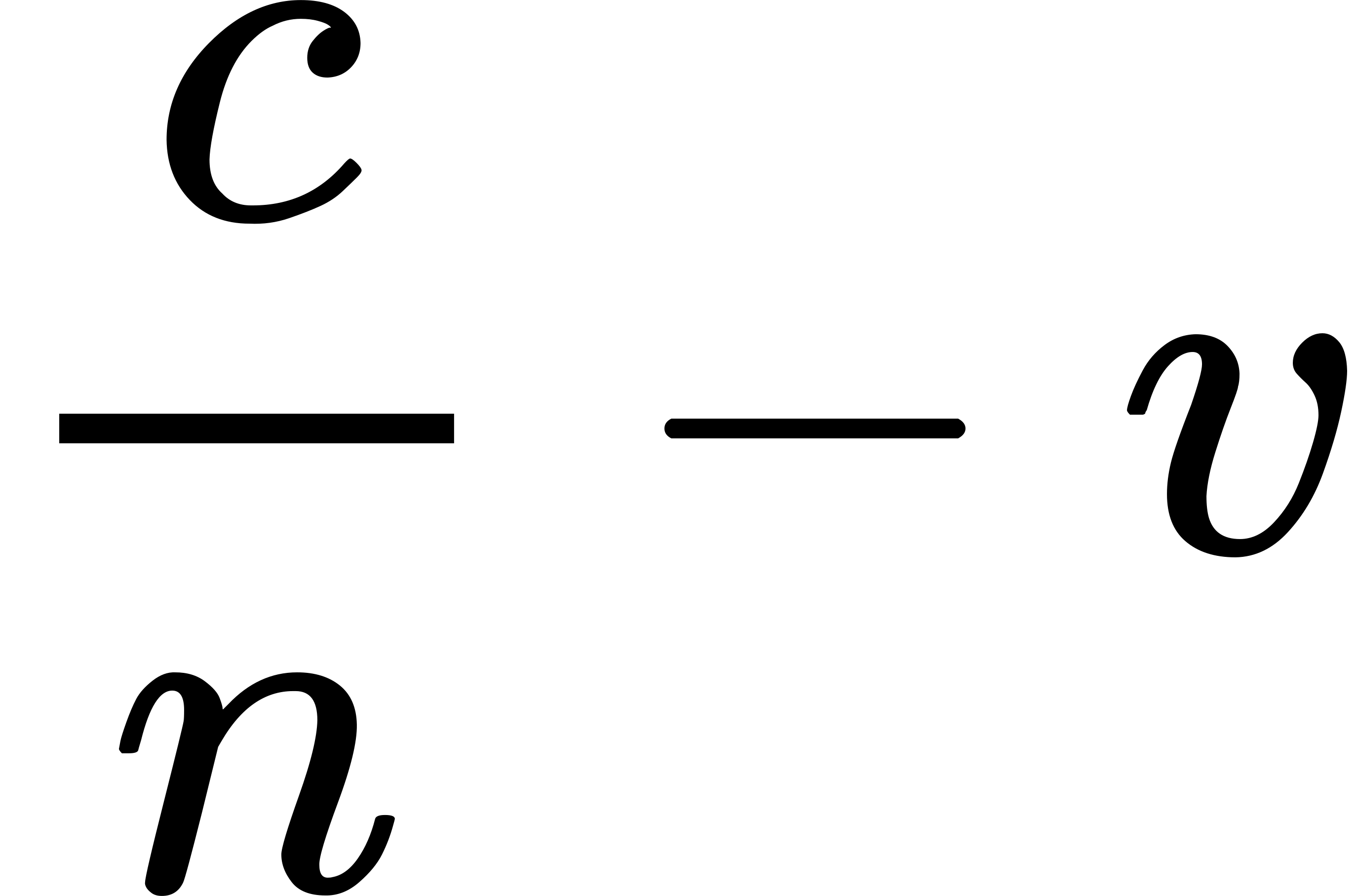 in the
other, for, on account of the coefficient of refraction
 of the
water,
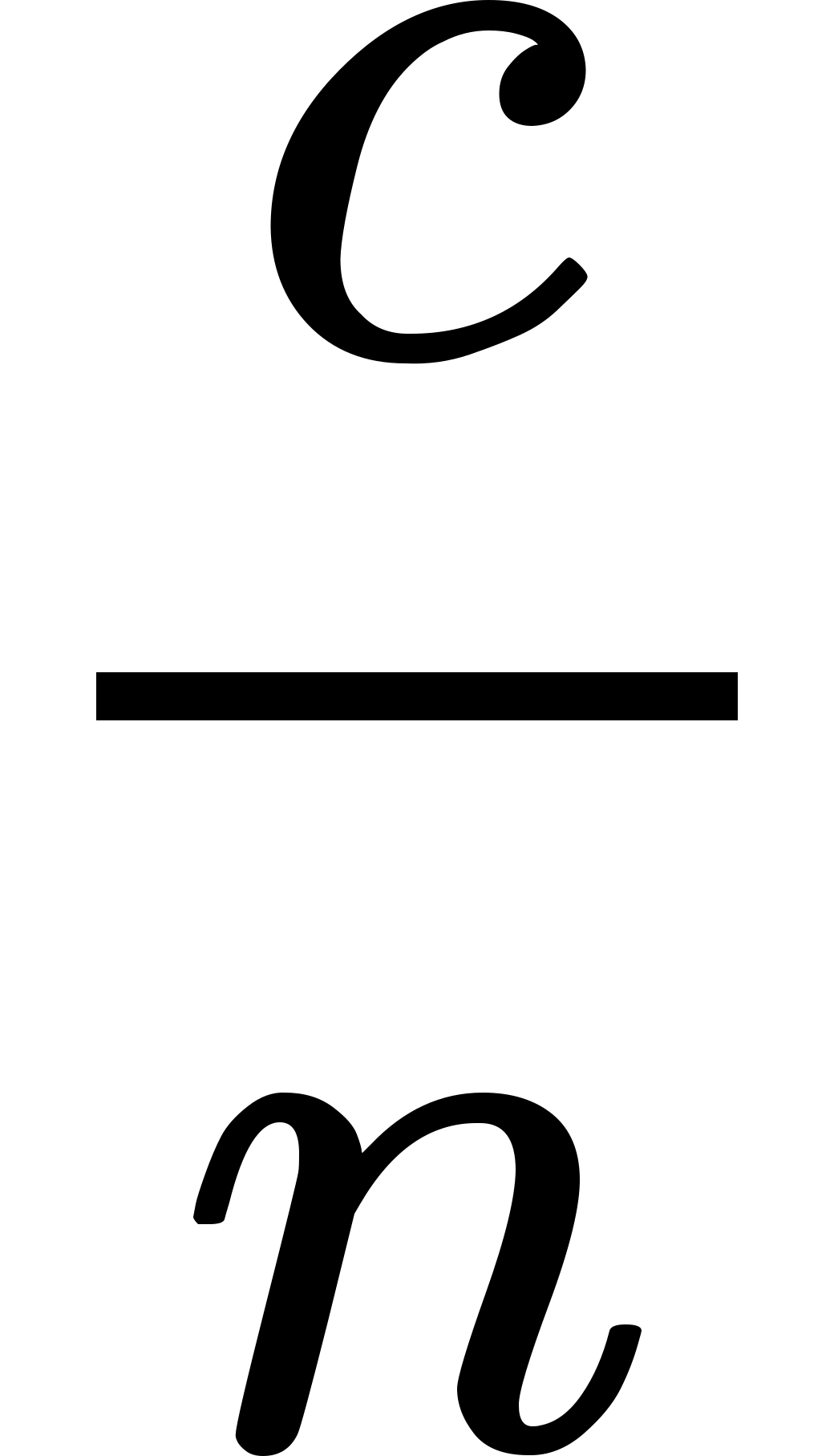 is the velocity of light in resting
water. Or, the motion of the water has no influence at all on the
ether which transmits light and which permeates the water. In this case
the velocity of light is in both limbs. According, as
the one or the other of these two assumptions is valid, the interference
fringes would have to become displaced or remain at rest when the
direction of the current is reversed. The experiment decided in favour
of neither of these possibilities. The interference fringes did,
indeed, become shifted, not to the expected amount, however, but only to
an amount that would result if the ether assumes the velocity
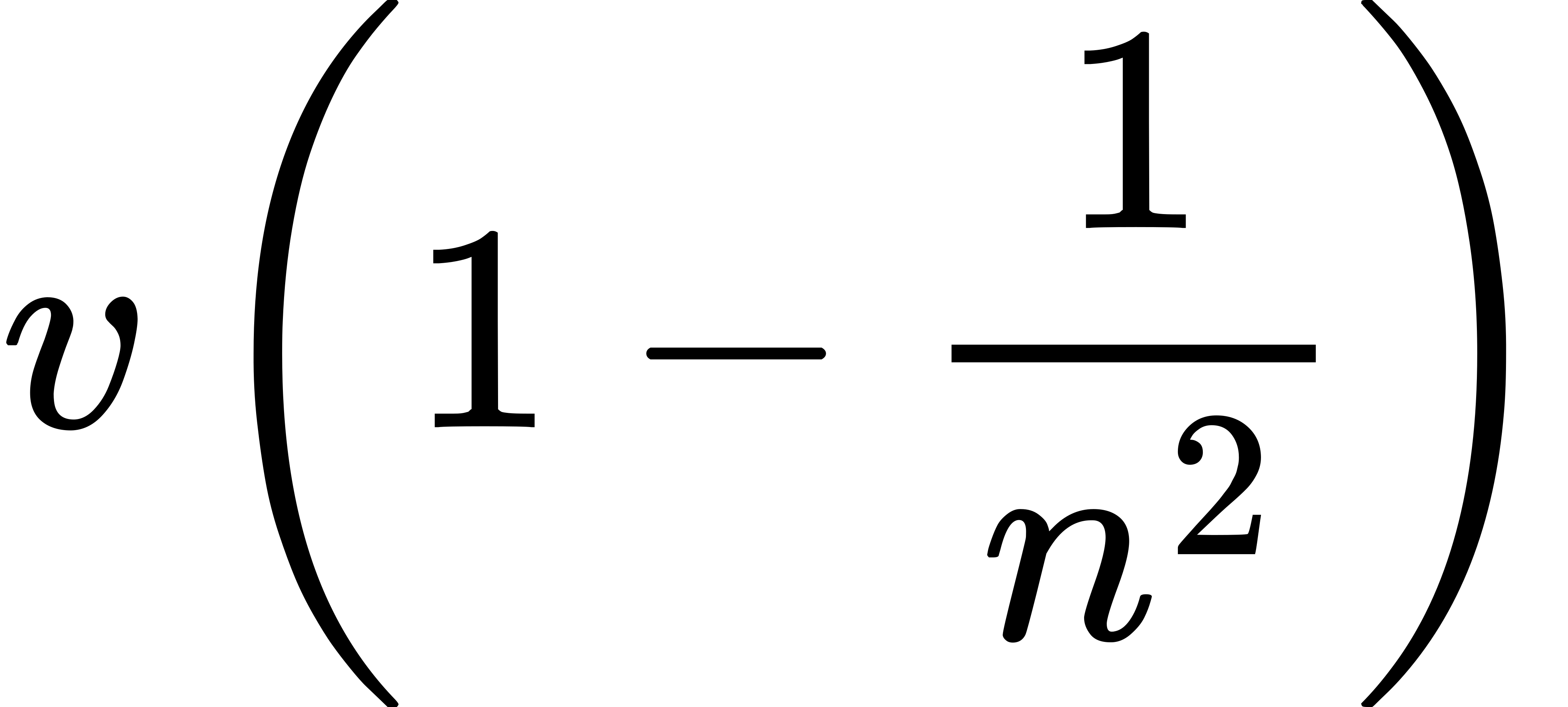 in water, and not the full value
. This value of the convection of the ether is called Fresnel's
convection coefficient. Yet this term is capable of being
misunderstood inasmuch as in the electrodynamics developed by Lorentz,
the result of Fizeau's experiment speaks in favour of an ether that is
absolutely at rest, and the so-called convection coefficient is
only a consequence of the structure of matter, in particular of the
interaction between electrons and matter, a question into which we
cannot enter here. At any rate, at the time preceding the
Michelson-Morley experiment aberration, as well as Fizeau's experiment,
appeared to speak in favour of an ether that was absolutely at rest.
Now, the Michelson-Morley experiment was to establish the existence of
the current of ether (ether "wind") through which the earth continually
moves, since the ether is supposed not to participate in the motion of
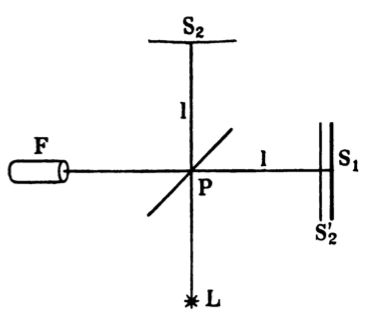
the earth. The scheme of the experiment is as on p.
74.
A ray of light, starting out from 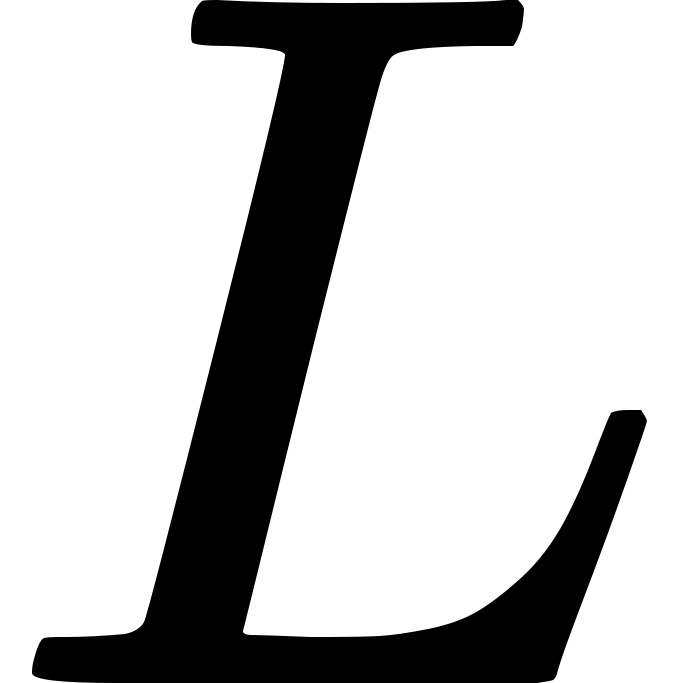 , traverses the course
 : here
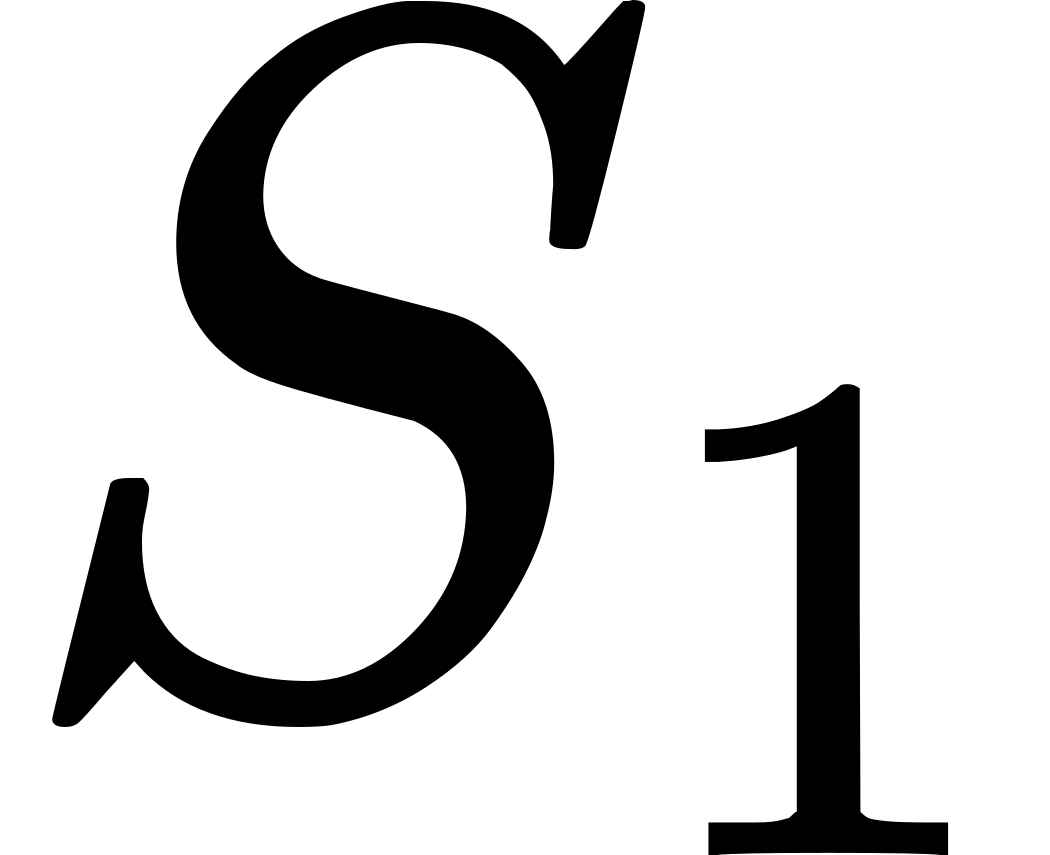 and
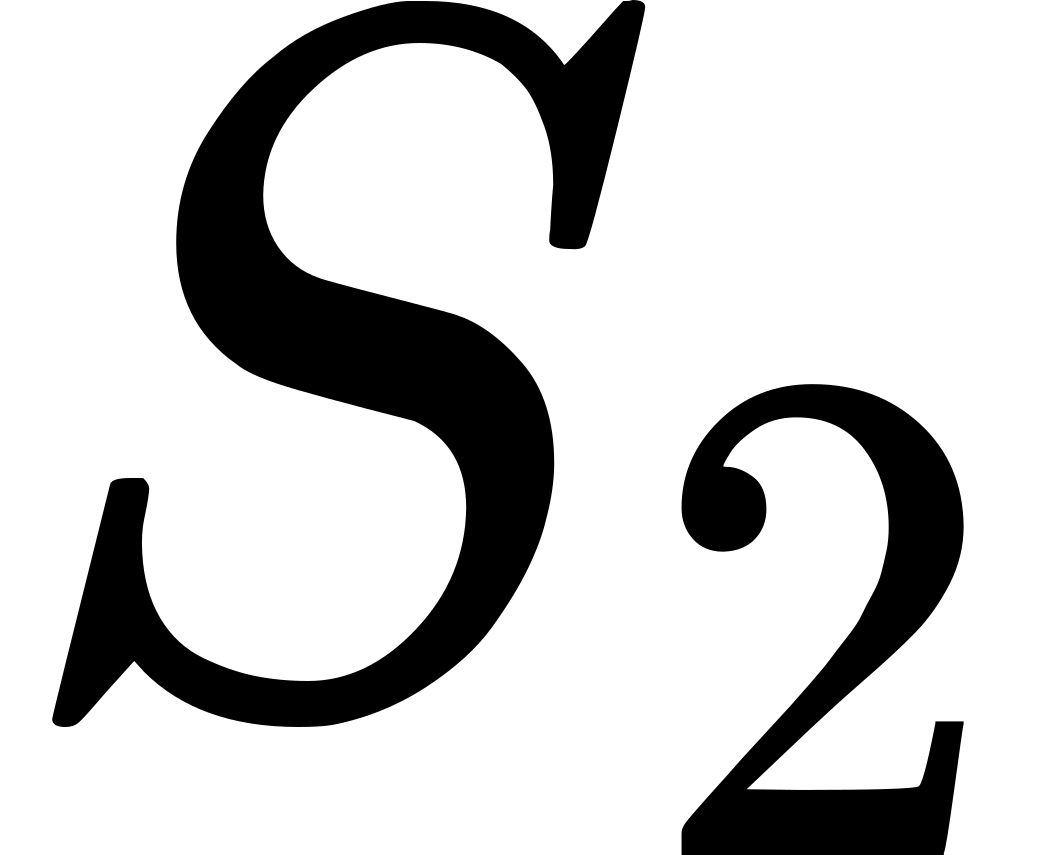 , are
two mirrors, on to which the ray falls perpendicularly;
 is a glass
plate that reflects one half of the light and allows the remainder to
pass through;
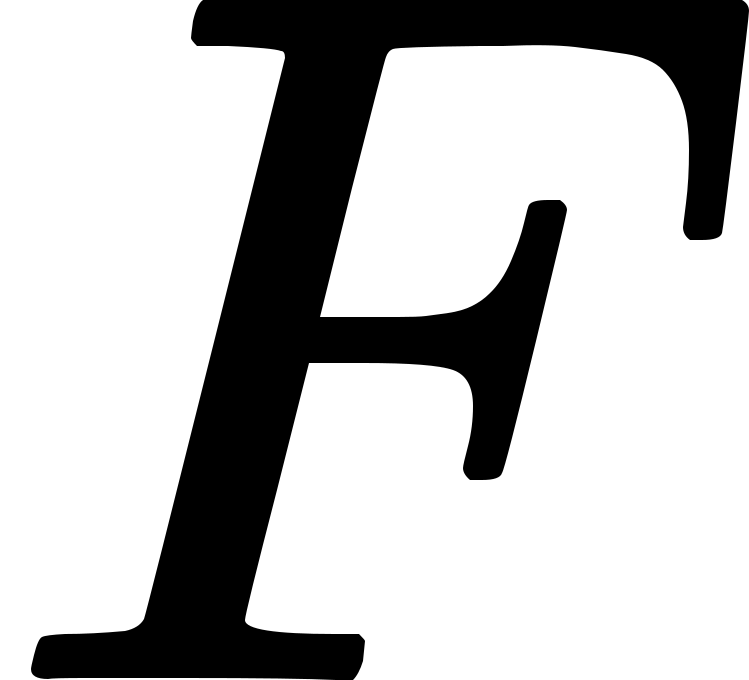 is the telescope of the observer. Another ray of
light traverses the course
 . Let
 . Further, let
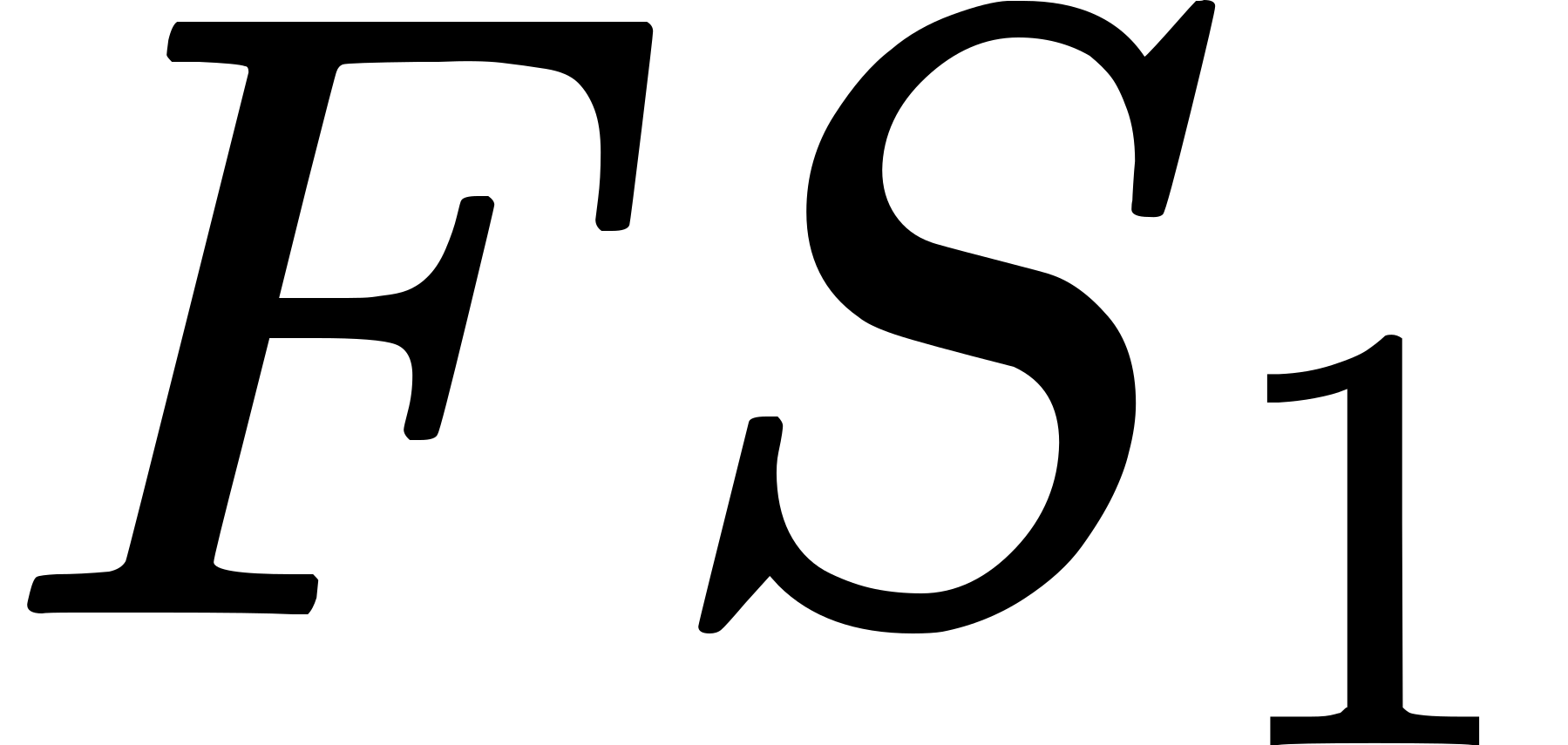 , be in the direction of the
earth's motion. Our assumption is that the ether does not share in the
earth's motion. Let the velocity of the earth be
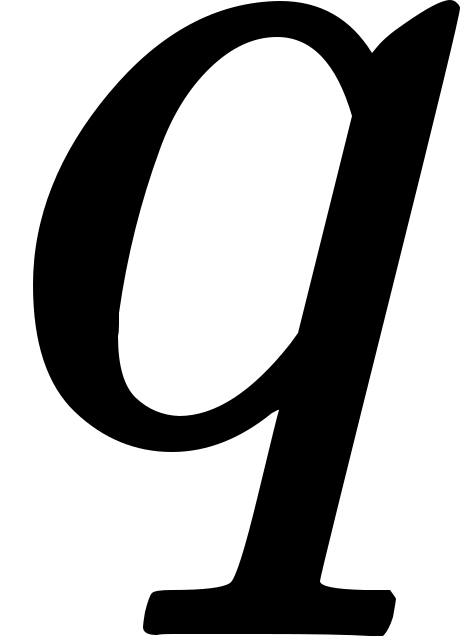 .
Then the velocity of the light relative to the instrument (earth) is as
follows in the directions specified:
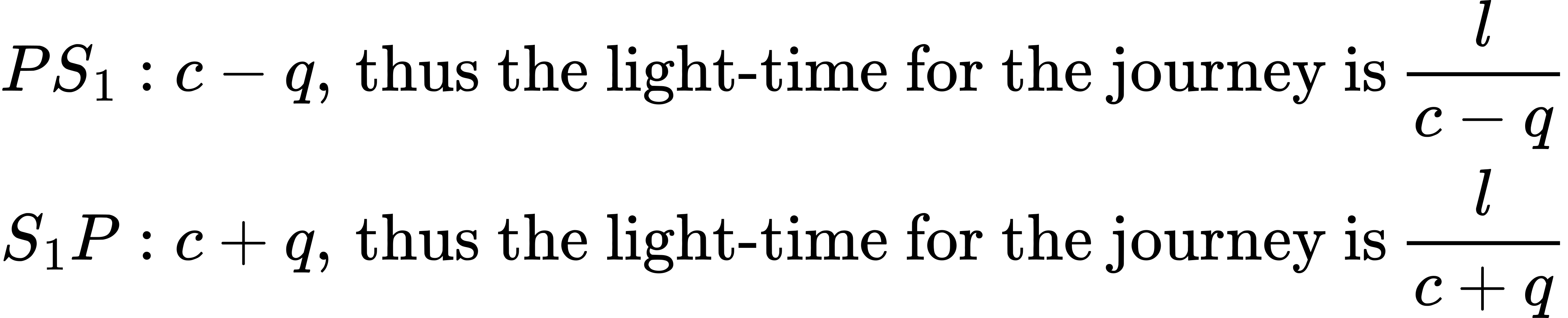
 Consequently, the course
 is traversed in the time
 and the course
 in the time
 The difference of these two times is
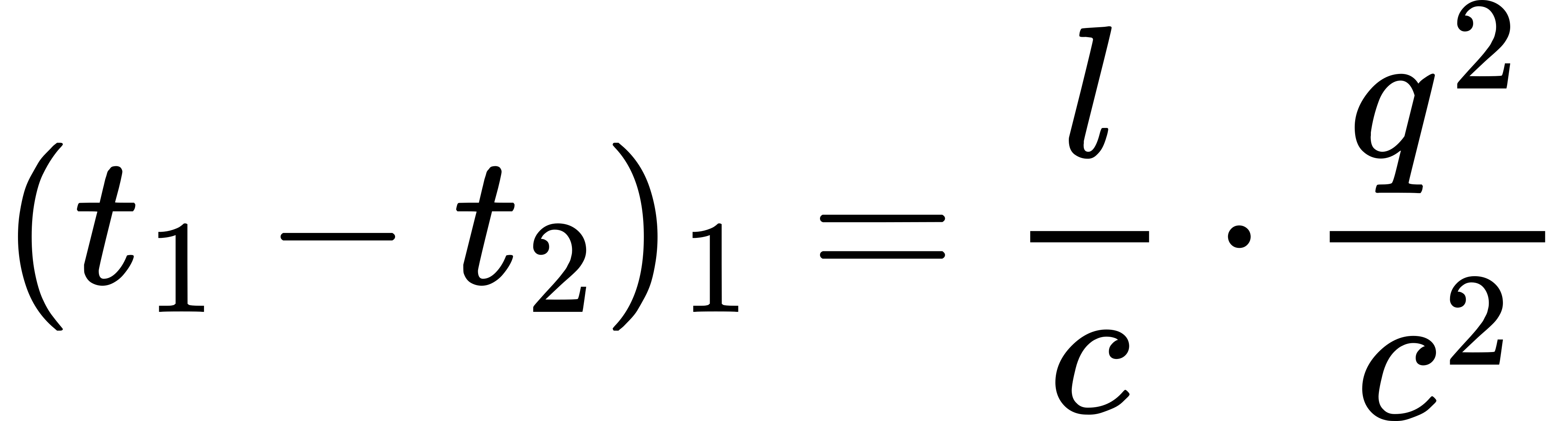 If we exchange the positions of , and , by turning
the whole apparatus through 90°, then
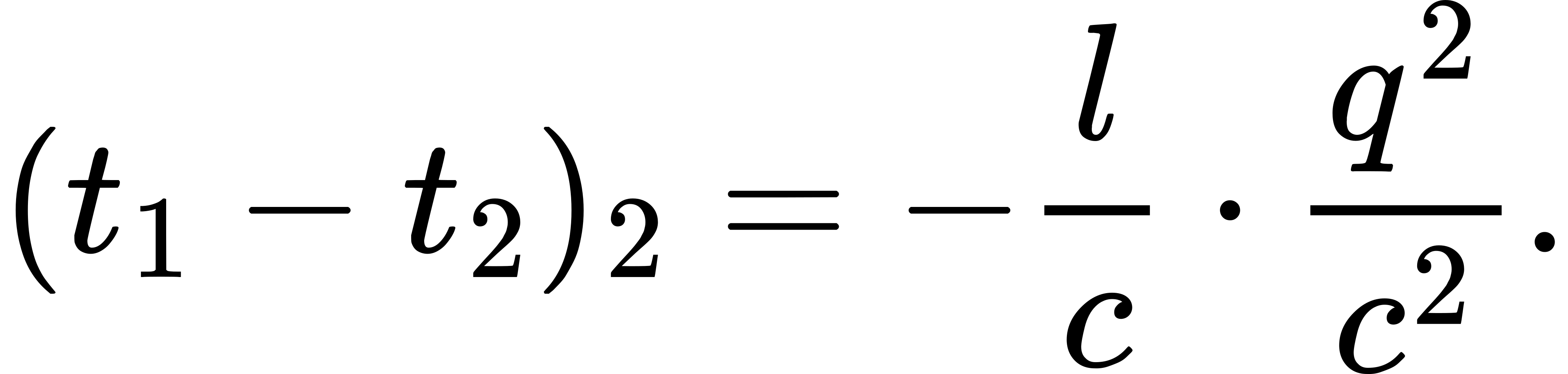
If we make these tyro rays of light interfere at then, when the
apparatus is turned through 90°, the interference fringes should become
shifted. The amount of this displacement may easily be calculated. If we
denote by 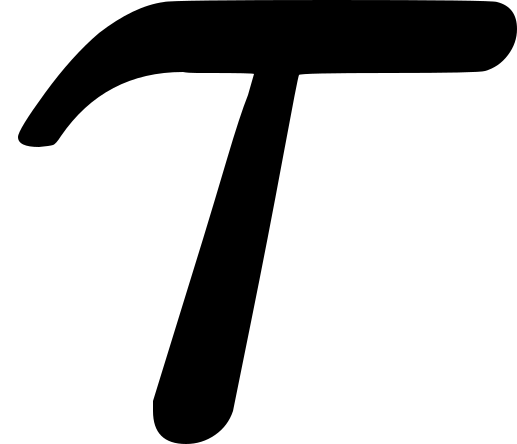 the vibration frequency of the light-ray used in the
experiment, then
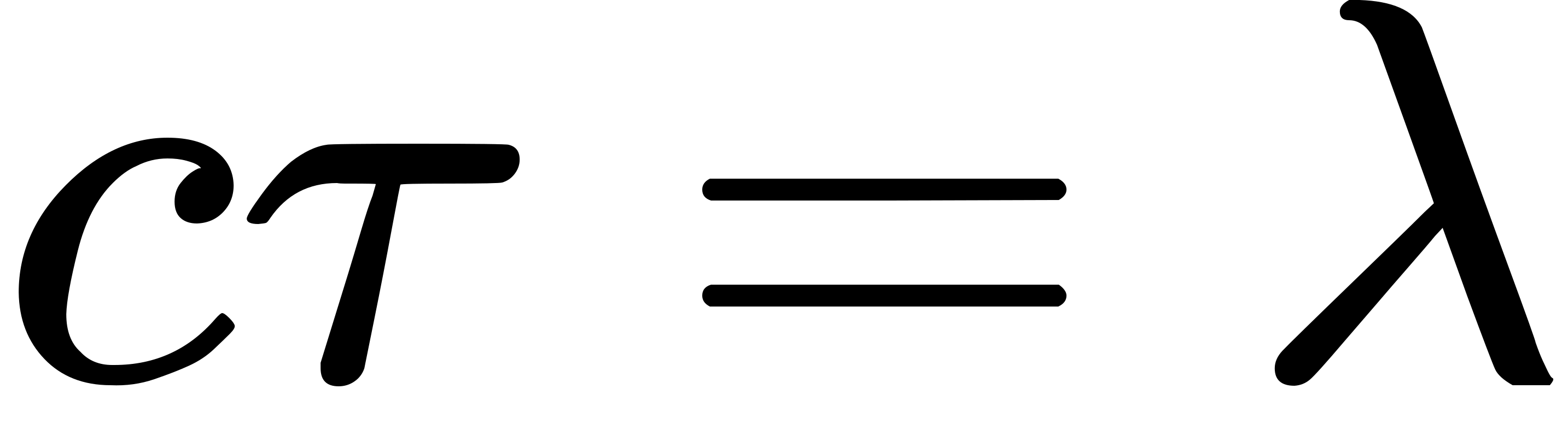 is the corresponding wave-length.
Thus, expressed in fractions of the interval between the fringes, the
expected displacement becomes equal to
 By causing the light to be reflected many times
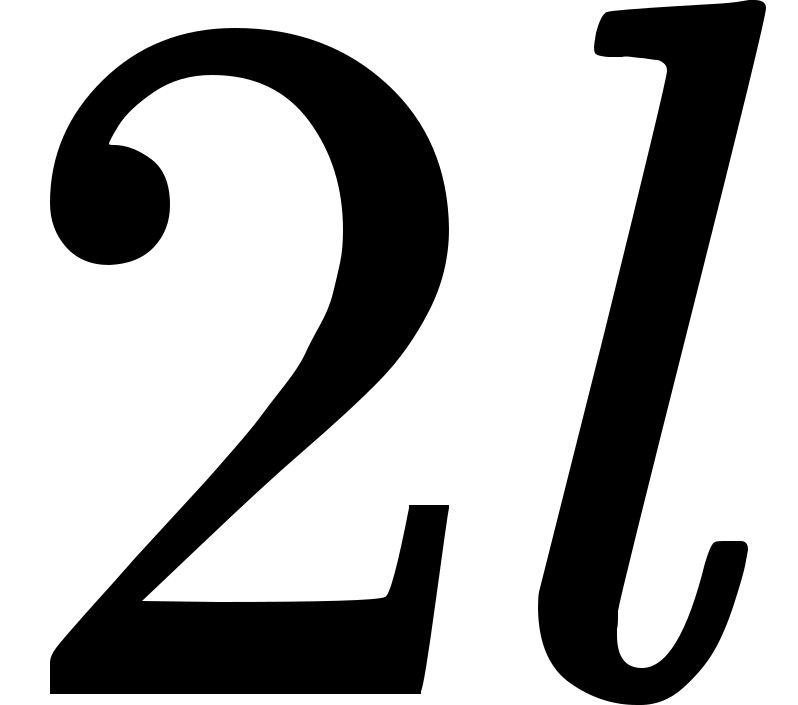 was magnified to
such an extent that
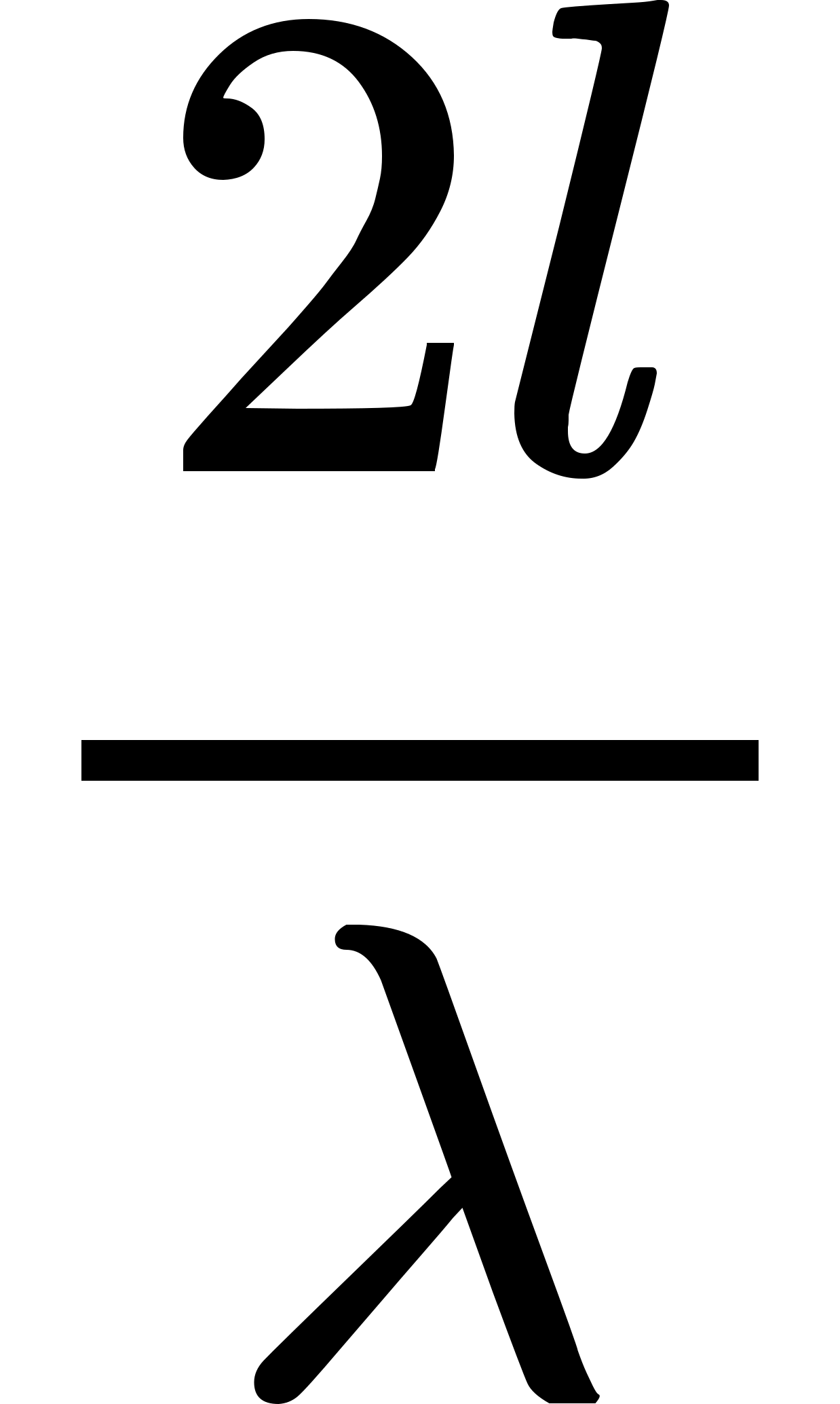 became of the order
 .
If, for example,
 ,
 = the wavelength of sodium light,
then
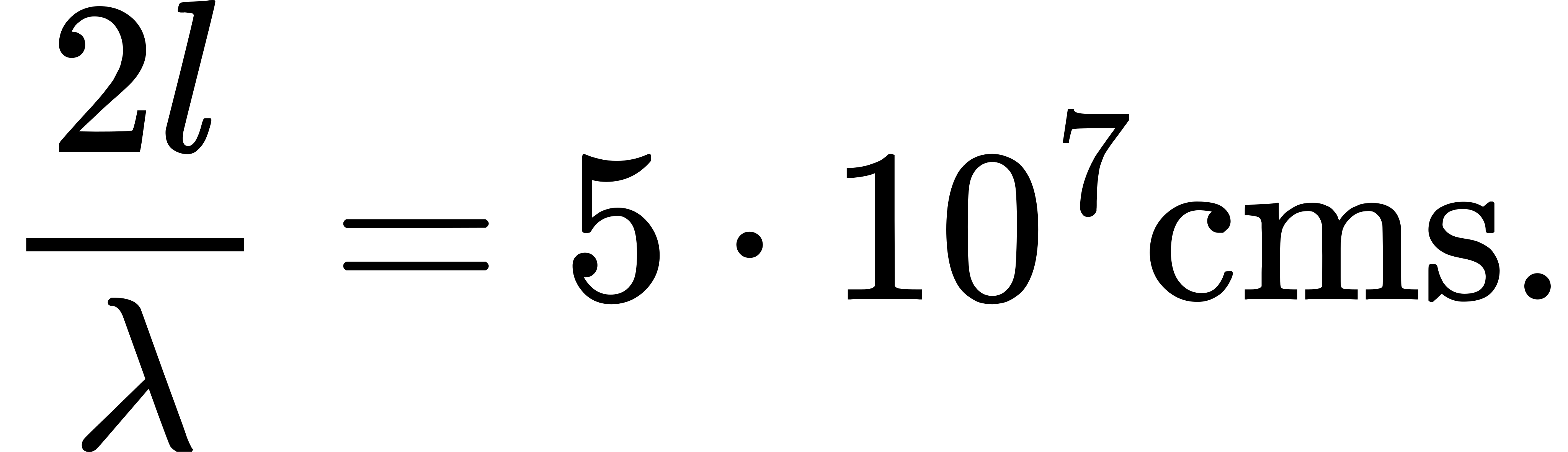 . On the other hand
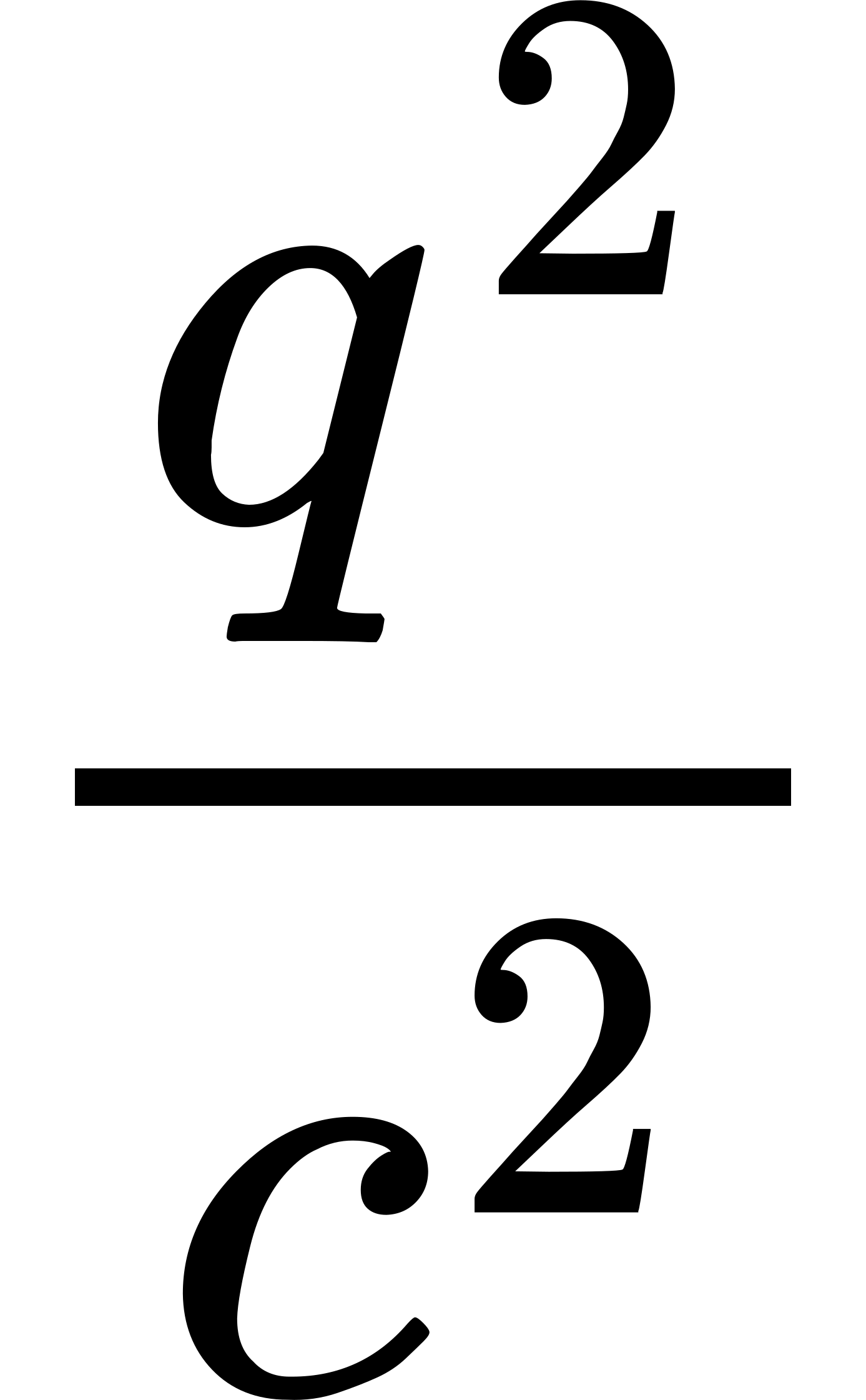 is of the order
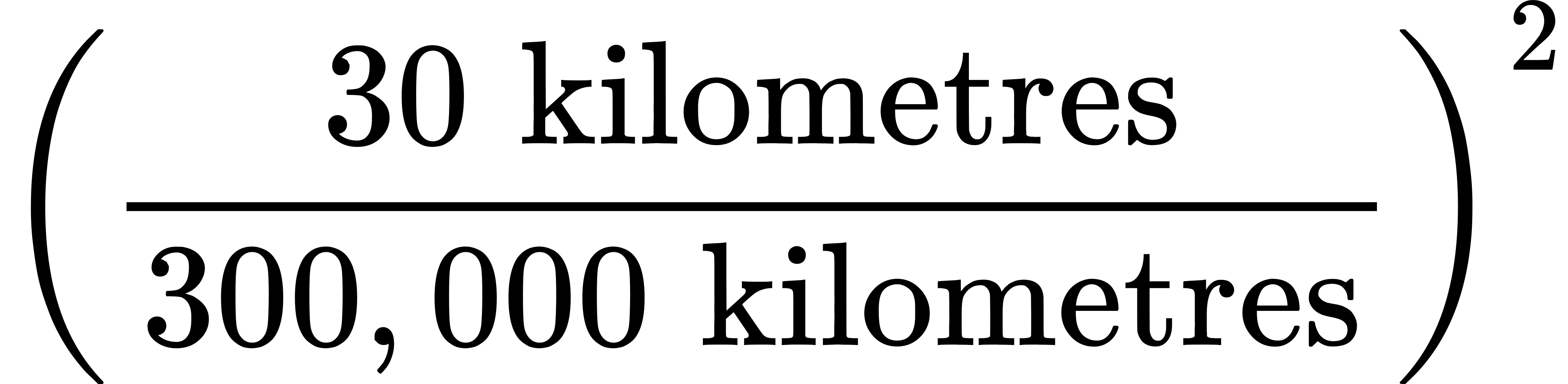 that is,
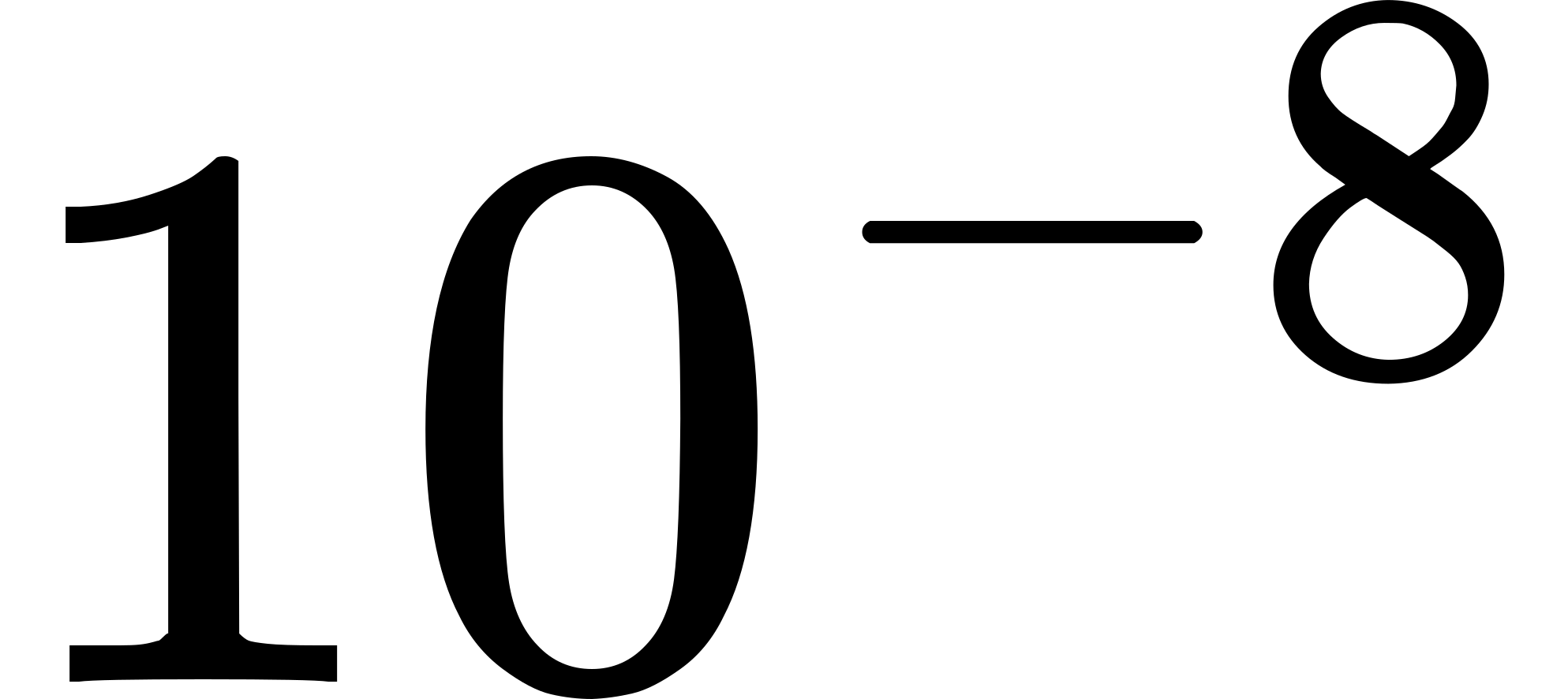 . The expected displacement of the fringes would thus have to
be about 0·56 of the breadth of a fringe. Actually, an amount of the
order 0·02 of the breadth of a fringe was observed. Thus, the ether
wind did not make itself remarked optically in the motion of the earth.
By carrying out the experiment at different times of the year the
possible objection that the motion of translation of the entire solar
system might have counterbalanced the motion of the earth in her orbit
was removed.
The Michelson-Morley experiment has shown conclusively that there is no
physical sense in talking of absolute rest or of a translation relative
to absolute space, since all systems that move rectilinearly and
uniformly with respect to one another are of equal value for describing
natural phenomena. It is thus a matter of convention which system we are
to regard as at rest and which as being in motion. We may assign the
same value to the velocity of light in all systems. A detailed theory of
these fundamental experiments may be found in all comprehensive accounts
of the special theory of relativity. We here merely mention the original
paper by A. Einstein (Annalen der Physik, Bd. 17, 1905, p. 891),
and the booklet, "Einführung in die Relativitätstheorie," by Dr. W.
Block, out of the series "Aus Natur und Geisteswelt," Teubner, 1918.
Note 3 (p. 9). Abolishing the transformations of
Newton's principle of relativity and replacing them by the so-called
Lorentz-Einstein transformations signified a step of extraordinarily
far-reaching consequence. It was justified in that the new theory of
relativity which followed as a result of it, confirmed, without
difficulty, the results of all the fundamental experiments of optics and
electrodynamics. Concerning the Michelson-Morley experiment,
Lorentz, to account for its negative result within the realm of
electrodynamics, had been compelled to set up the hypothesis that the
dimensions of all bodies contract in the direction of their motion. But
Einstein now showed that if we define the conception of simultaneity
rigorously, taking into account the postulate of the constancy of the
velocity of light, the Lorentz-transformations, which had been found
empirically, followed necessarily as those equations of transformation
that must hold between the co-ordinates of two systems moving uniformly
and rectilinearly with respect to each other. And without the help of
any further hypothesis there appears as a direct consequence of this
transformation just that contraction of lengths which Lorentz had
adduced to explain the result of the Michelson-Morley experiment. This
contraction of a length  in the direction of motion of an object to
the value
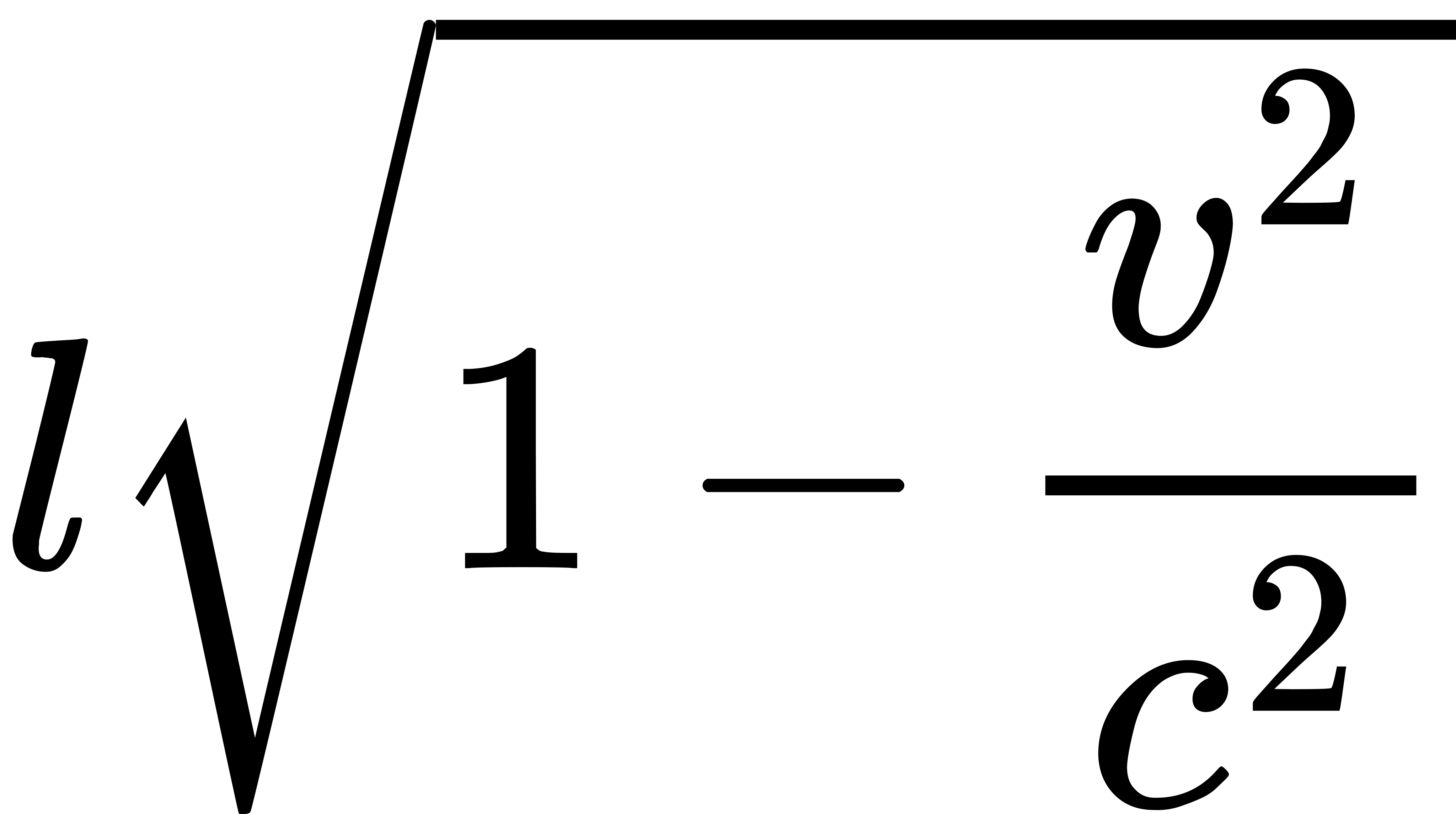 is, however, in the new
theory the expression of the general fact that the dimensions of a body
have only a relative meaning, that is, that their values depend on the
state of motion of the observer, which determines the dimensions of the
body in question. This holds for the extension of bodies in time as well
as in space. From the point of view of the new principle of relativity
the negative result of the Michelson-Morley experiment was
self-explained. But what was the position with regard to the other
fundamental facts of optics and electrodynamics? The result of Fizeau's
experiment concerning the velocity of light in flowing water became a
direct test of the kinematics arising out of the new formulæ. According
to the Lorentz transformation the two velocities, and with
which, for example, two locomotives approach each other, do not merely
become added, so that
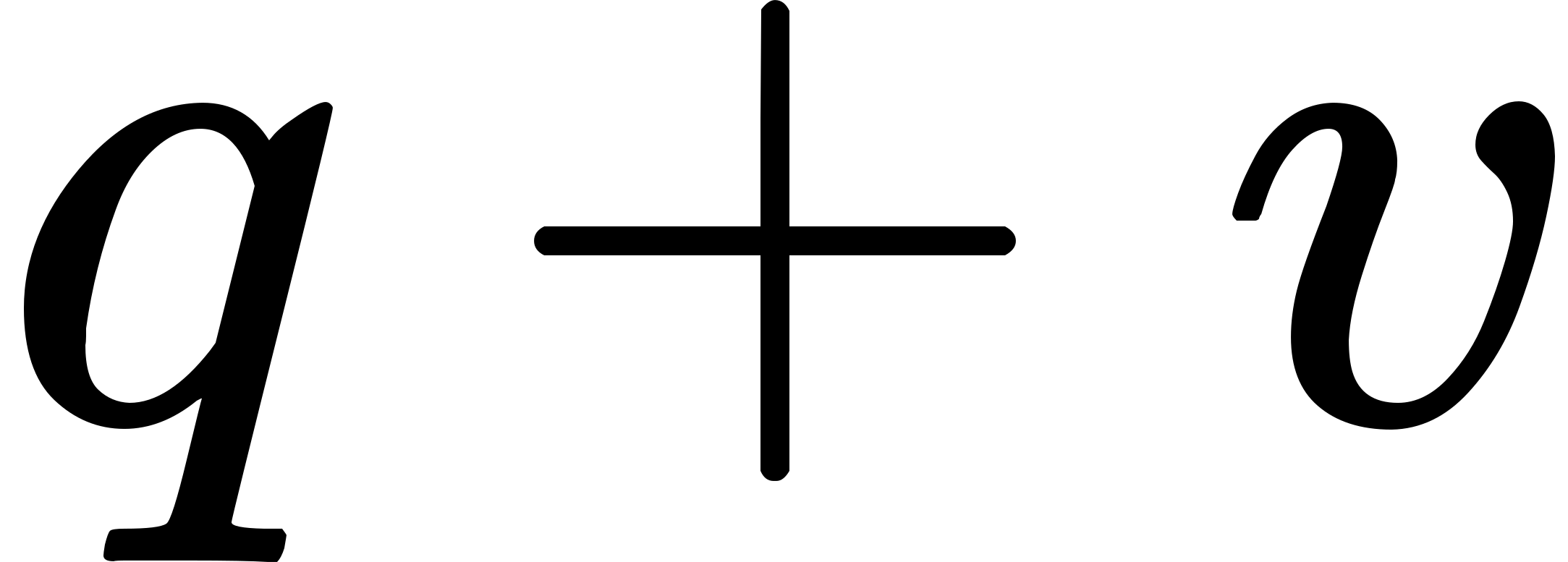 would be the relative velocity of each
with respect to the other, but rather each engine-driver will find as
the velocity with which he passes the other driver, the value
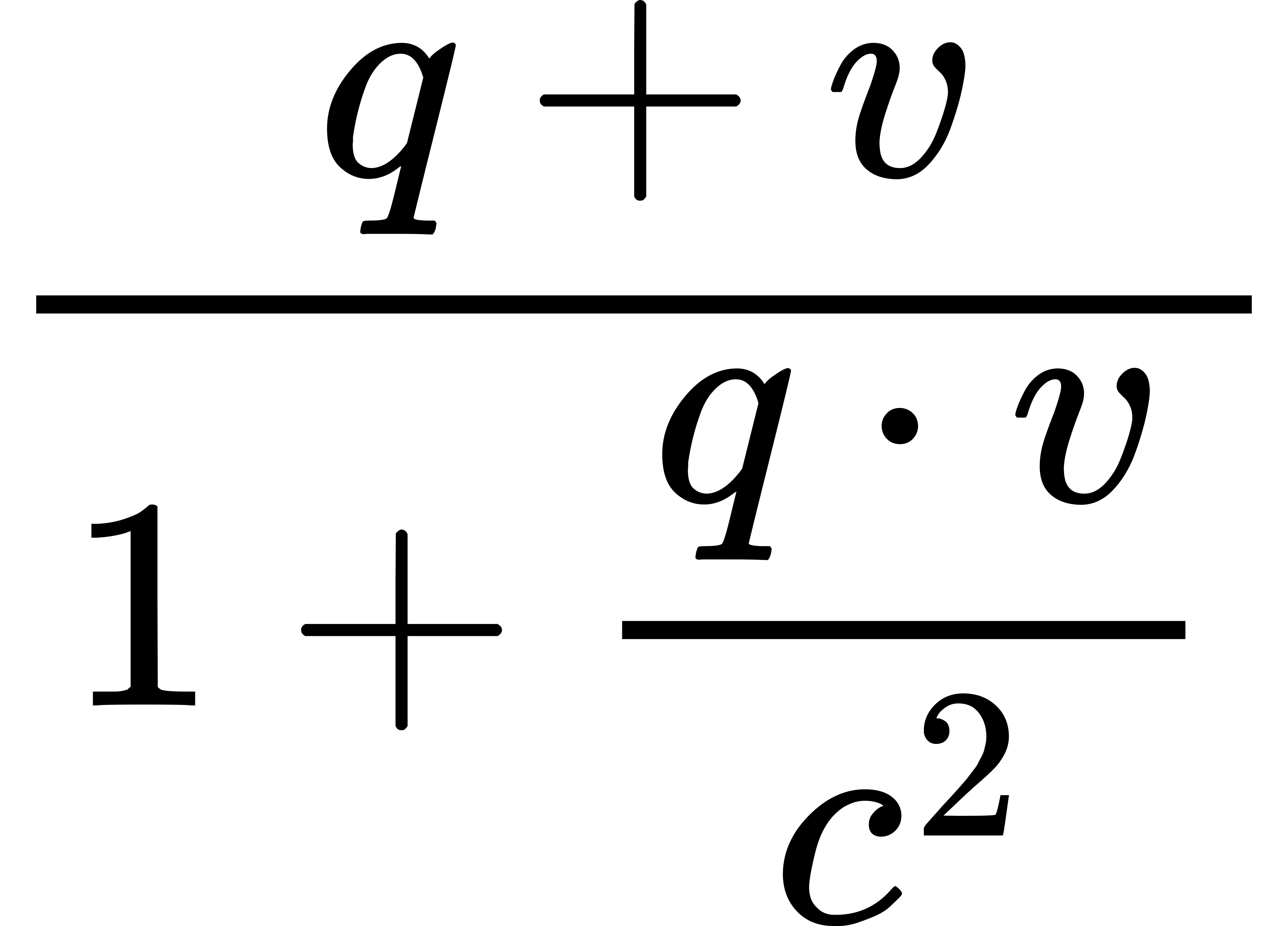 according to the new formulæ. This is the addition theorem of
velocities according to the new theory. It gives us immediately the
amount observed in Fizeau's experiment for the velocity of light in
flowing water. Aberration and the Doppler effect follow just as readily
to the correct amount. A detailed discussion of these questions is to be
found in every account of the "special" theory of relativity (cf. the
references given in Note 2).
Note 4 (p. 12). Ph. Frank and H. Rothe, Ann.
d. Phys., 4 Folge, Bd. 34, p. 825.
The assumptions for the general equations of transformation by which two
systems  and ' that move uniformly and
rectilinearly with the velocity q with respect to each other sure
connected are as follows:—
1. The equations of transformation form a linear homogeneous group in
the variable parameter . This means that the successive application
of two equations of transformation, of which the one refers the system
to the system ', and the second '
to '' ( is to have the
constant velocity with respect to ', and '
the constant velocity ' with respect to '')
again leads to an equation of transformation of the same form as that of
the initial equations. The parameter '' that occurs in
the new equation depends in a definite way on ' and .
2. The contractions of the lengths depend only on the value of the
parameter . We must, of course, from the very outset reckon with the
possibility that the length of a rod measured in the system that is at
rest comes out differently when measured in the moving system. Now,
condition 2 requires that if contractions occur (that is, changes of
length in these various methods of determination) values are to depend
only on the magnitude of the velocity of both systems and not on
the direction of their motion in space. Thus this postulate endows space
with the property of isotropy, and is in fair correspondence with the
postulate of section 3a, which states
that it must be possible to compare each line-element with every other in
length independently of its position in space, and its direction.
An essential feature is that the constancy of the velocity of light is
not demanded in either of the postulates 1 and 2. Rather, the
distinguishing property of a definite velocity in virtue of which
it preserves its value in all systems that emerge out of one
another through such transformations is a direct corollary to these two
general postulates, and the result of the Michelson-Morley experiment
merely determines the value of this special velocity which could, of
course, be found only from observation.
Note 5 (p. 15). Einstein has shown in a simple
example how, on the basis of the formulæ of the special theory of
relativity, a point-mass loses inertial mass when it radiates out
energy.
We assume that a point-mass emits a light-wave of energy
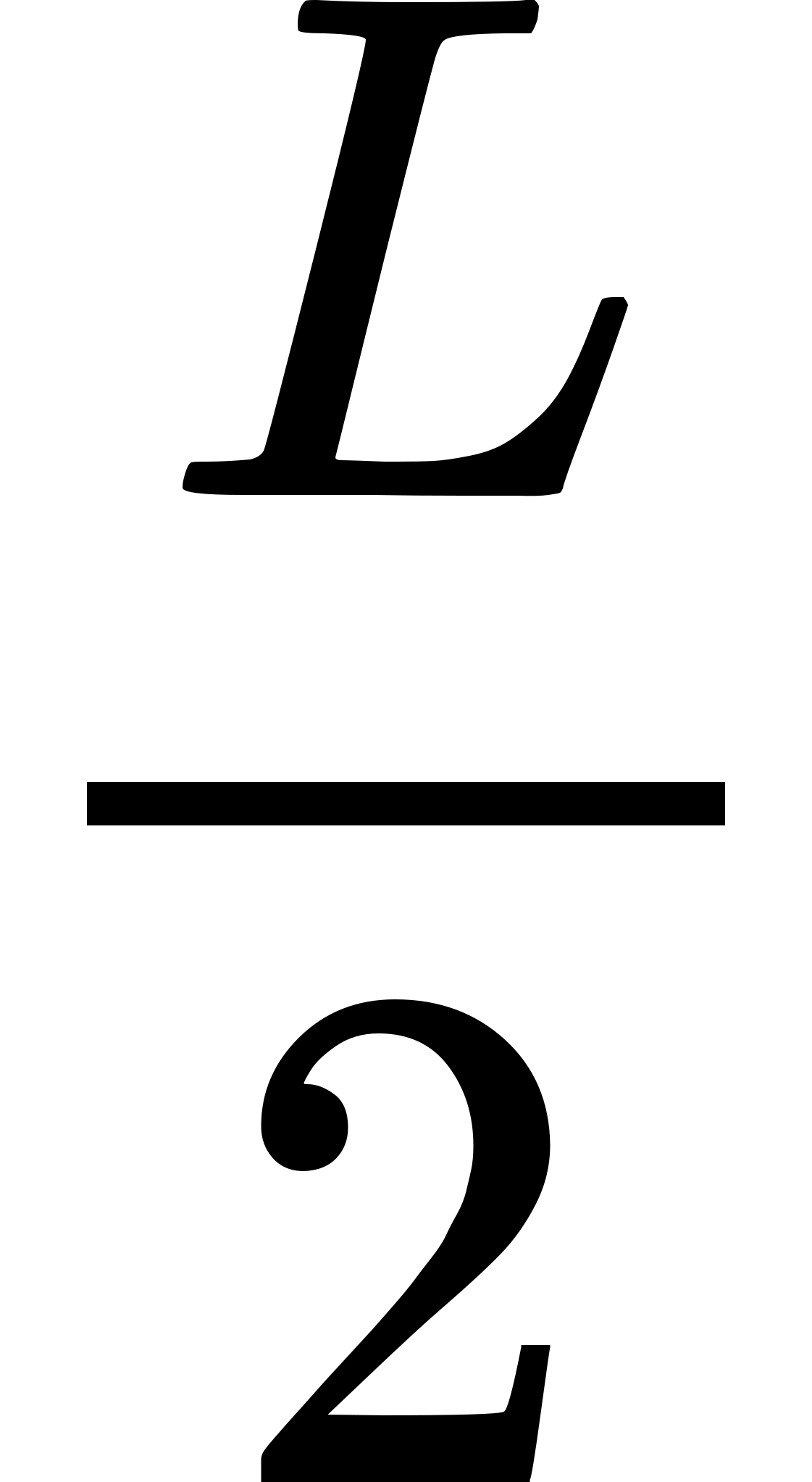 in a certain direction, and a light-wave of the same
energy in the opposite direction. Then, in view of the
symmetry of the process of emission with respect to the system of
reference of the co-ordinates
 ,
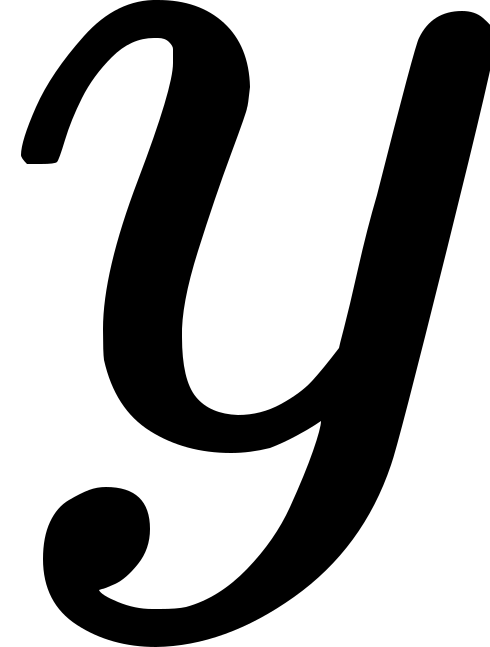 ,
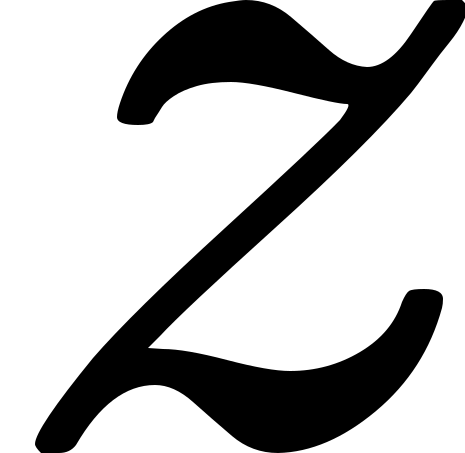 ,
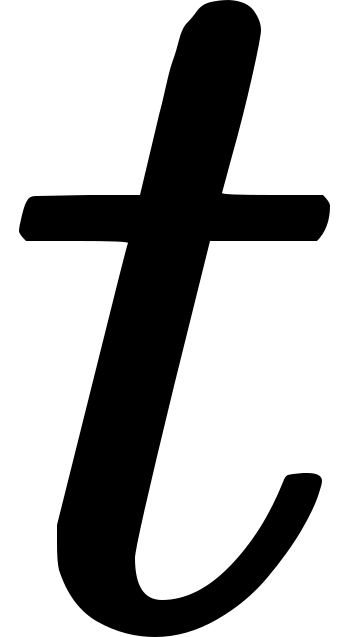 originally
chosen, the point-mass remains at rest. Let the total energy
of the point-mass be
 referred to this system, but
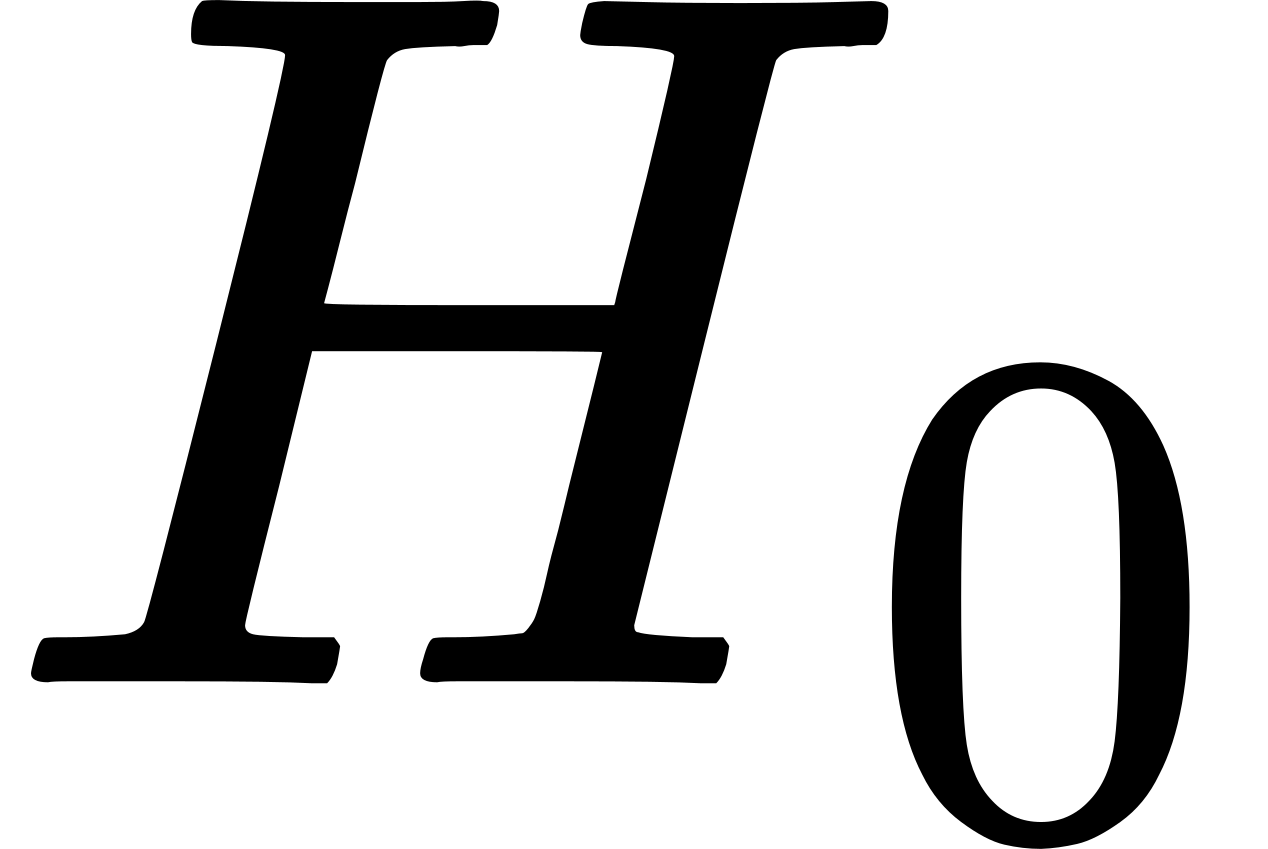 referred to a second system which we suppose moving with the uniform
velocity with respect to the first. We shall apply the principle
of energy to this process. If
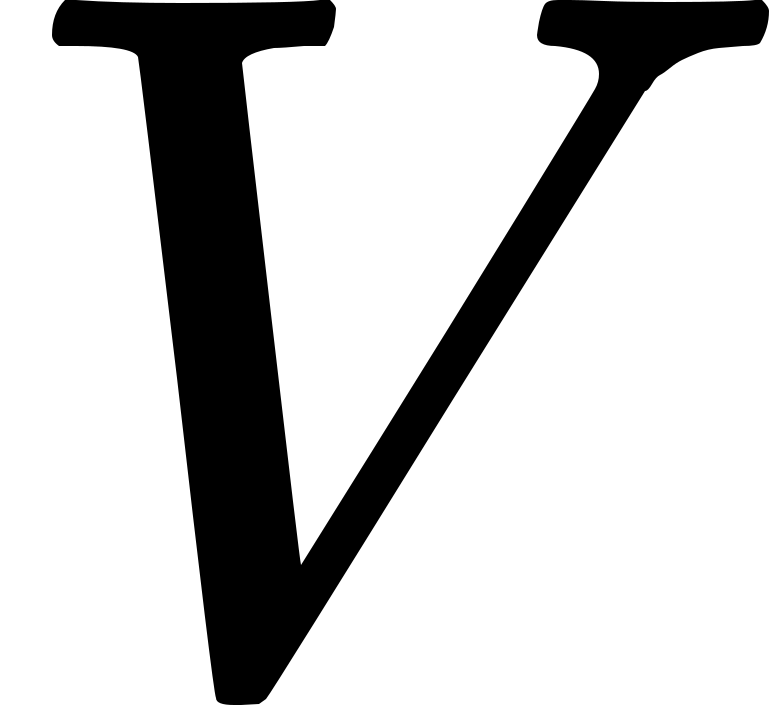 and
 are the frequency and
amplitude of the light-wave in the initial system, ', ',
', ', ', ' the frequency, amplitude, and
co-ordinates in the second (the moving) system, further,
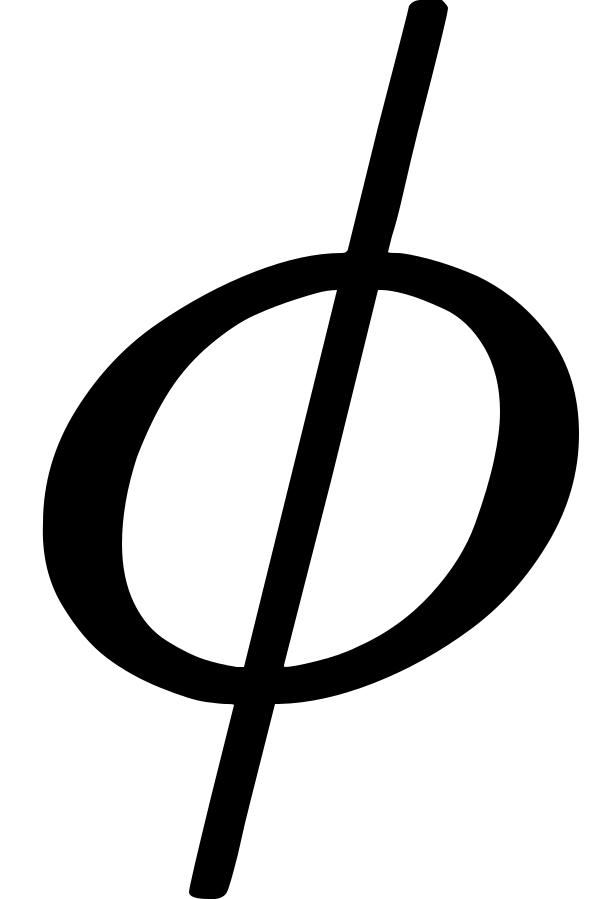 the
angle between the wave-normals and the line connecting the point-mass
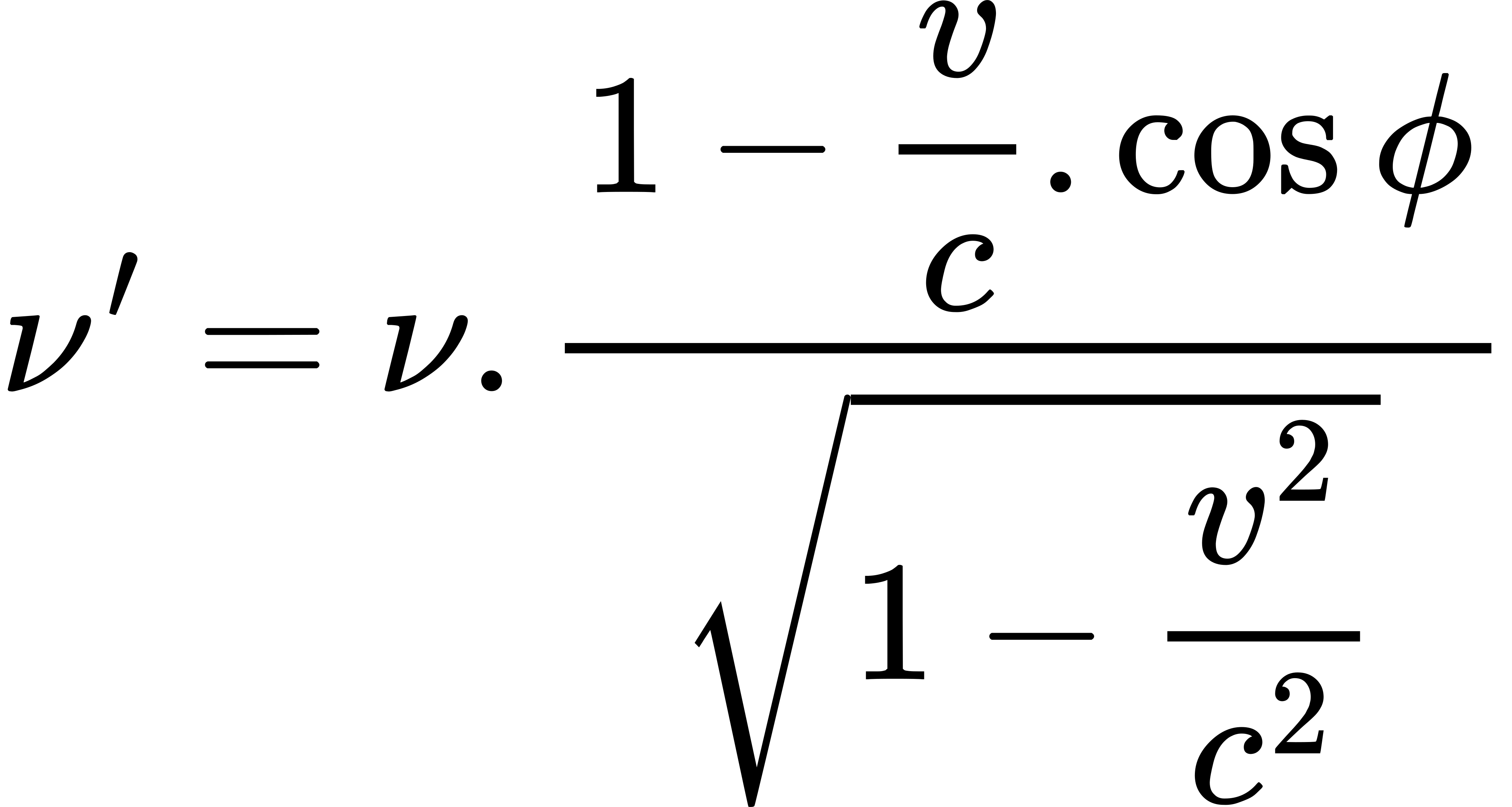
with the observer, then Doppler's principle gives for the frequency of
the light-wave in the moving system:
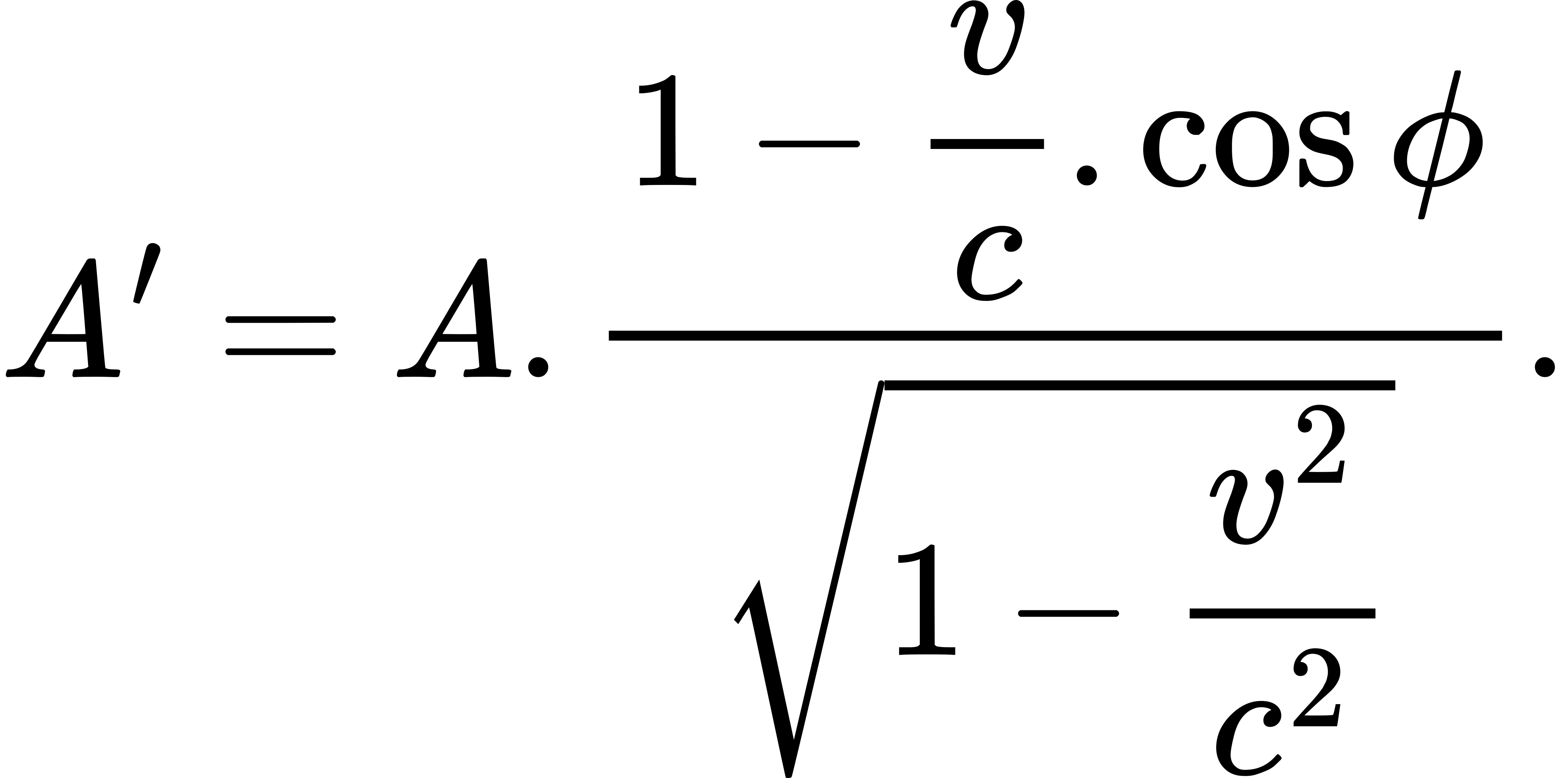
 The formulæ of the special theory of relativity give us, correspondingly,
for the amplitude in the moving system
 According to Maxwell's theory the energy of the light-wave per unit
volume is
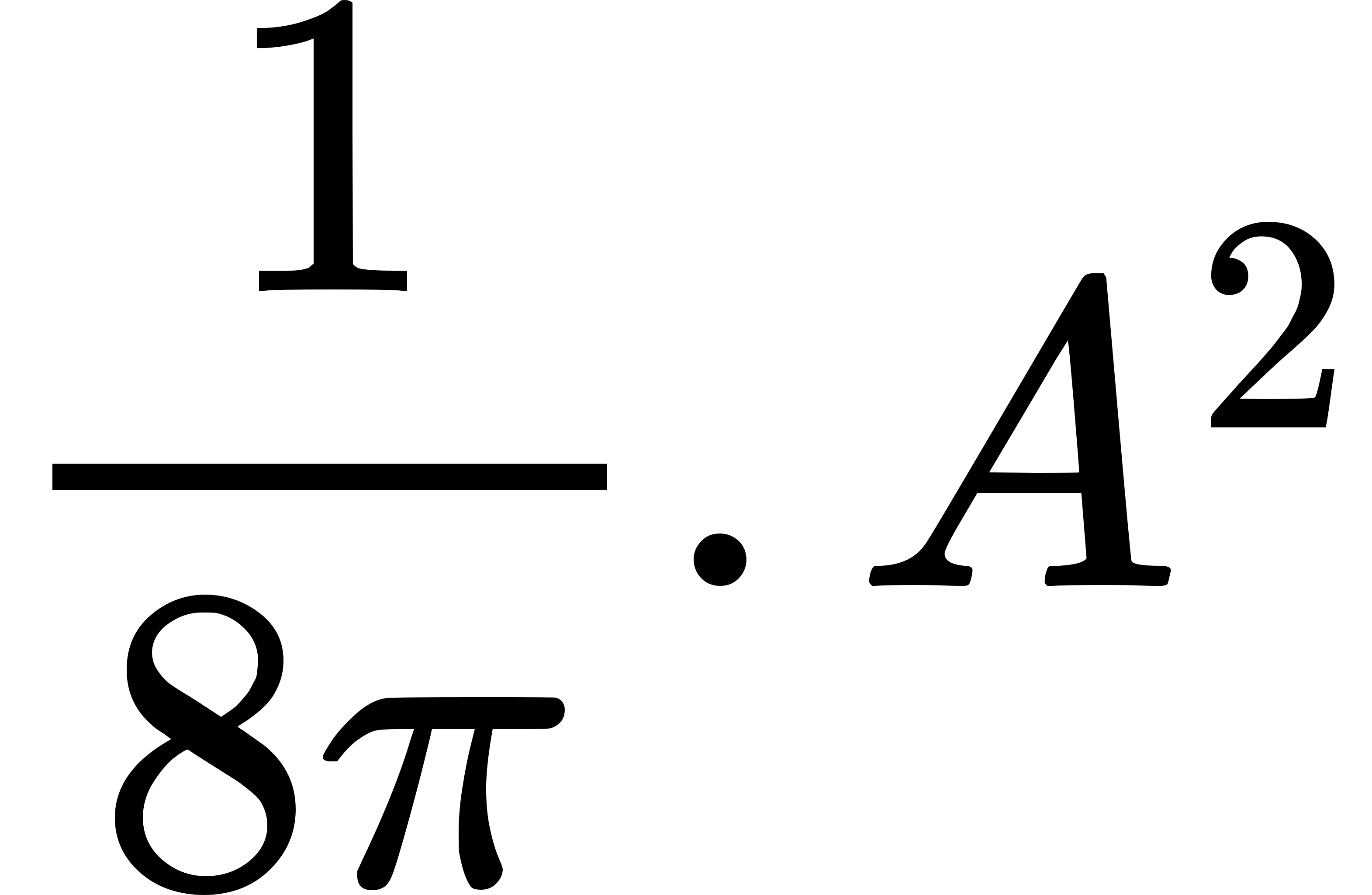 . We now wish to calculate the
corresponding energy-density also with respect to the moving system. We
must here take into account that, in consequence of the contraction of
the lengths according to the Lorentz-Einstein transformation formulæ,
the volume of a sphere in the resting system becomes transformed
into that of am ellipsoid as measured from the moving system
 ; indeed, this volume of the ellipsoid is
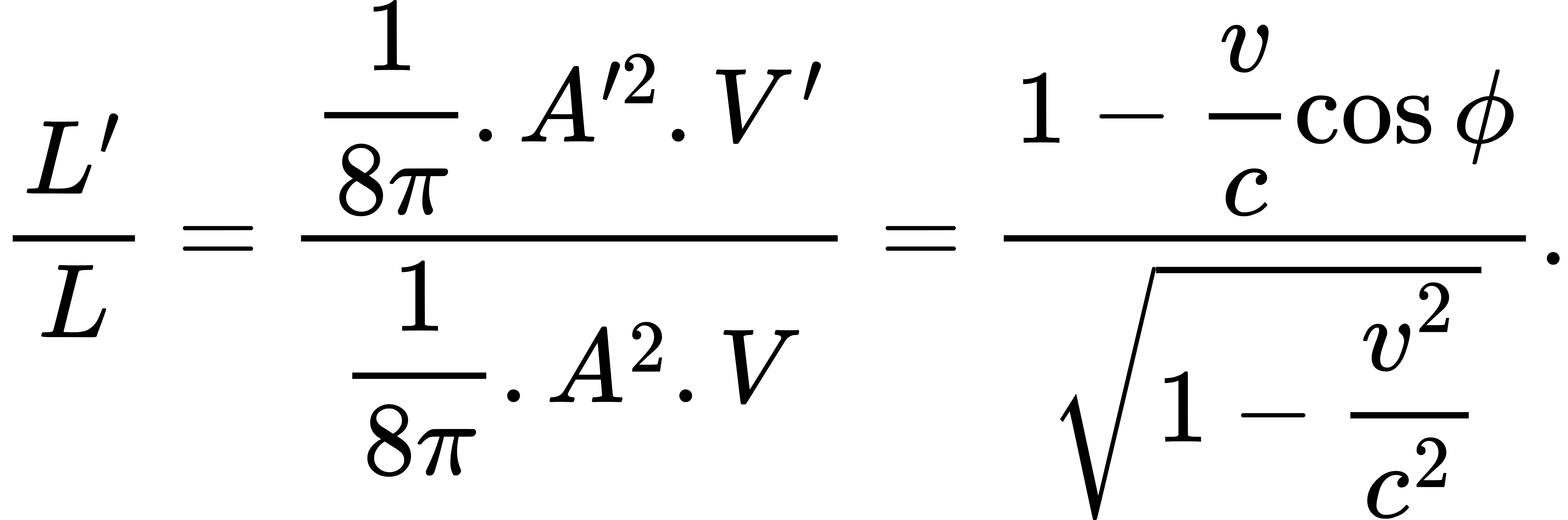
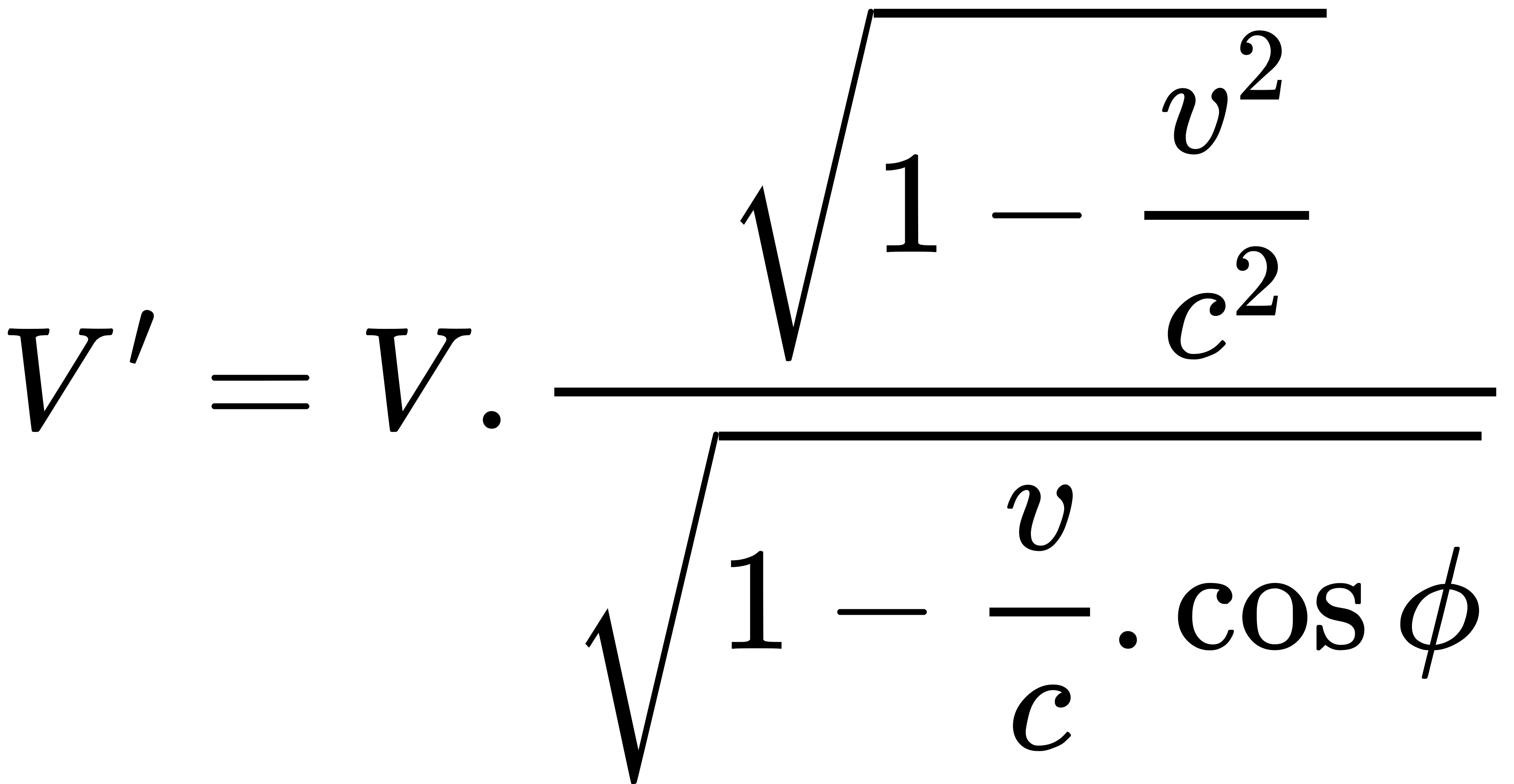 Hence the energy-densities in the accented and unaccented system are
in the ratio:
 If we now designate the energy-content of the point-mass after
the emission by
 , and the corresponding quantity referred to
the moving system by
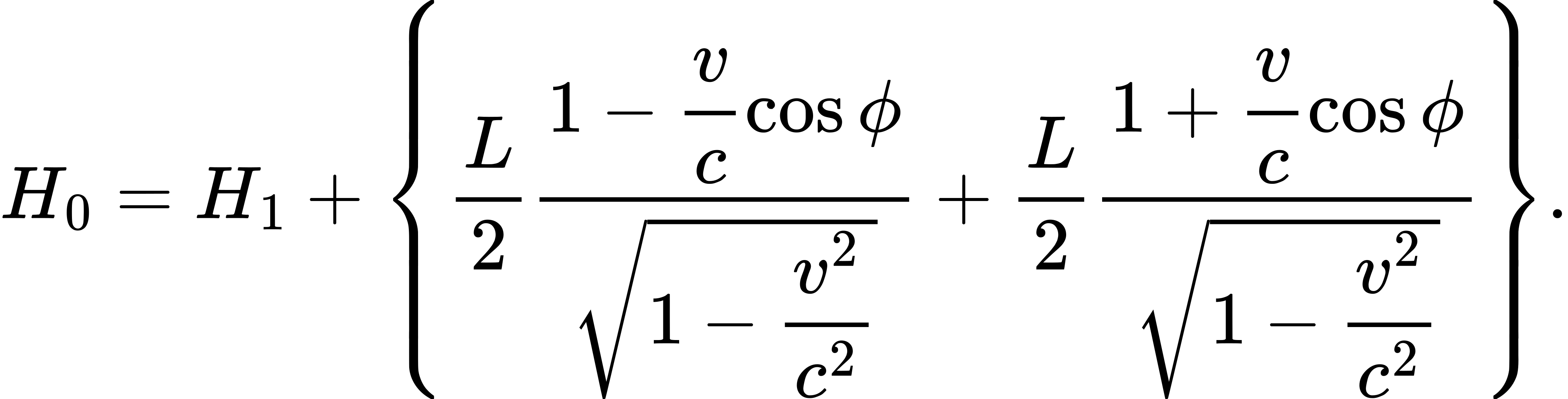
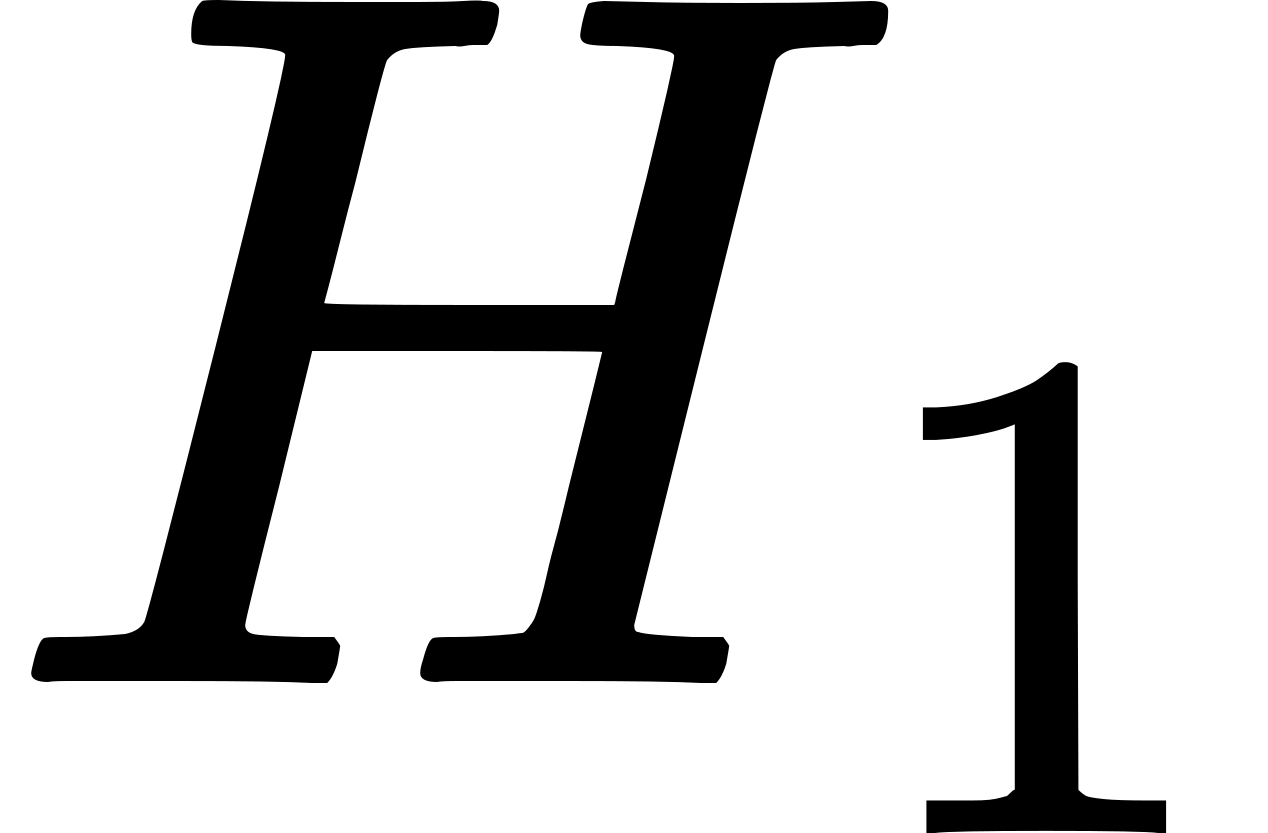 , then we have:
 whereas
 From this we get directly that
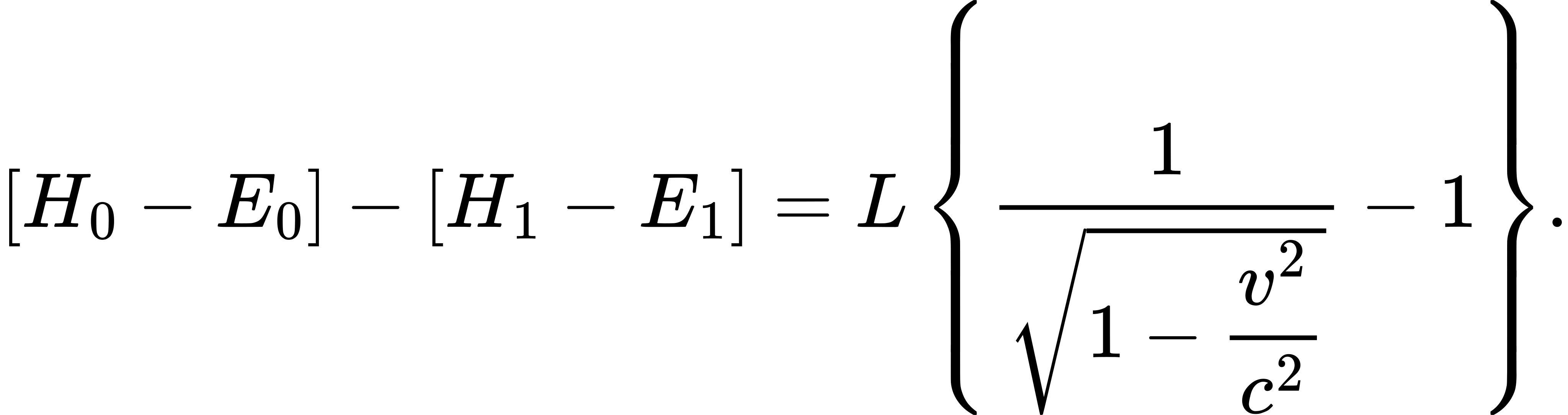 What does this equation assert?
 and
 are the energy-values of the same point-mass, in the
first place referred to a system with respect to which the point-mass
moves, and in the second related to a system in which the point-mass
is at rest. Hence the difference
 , except for an additive
constant, must be equal to the kinetic energy of the point-mass
referred to the moving system. Thus, we may write
 wherein
 denotes a constant which does not alter during the
light-emission of the point-mass, since, owing to the symmetry of the
process, the point-mass remains at rest with respect to the initial
system. So we arrive at the relation:
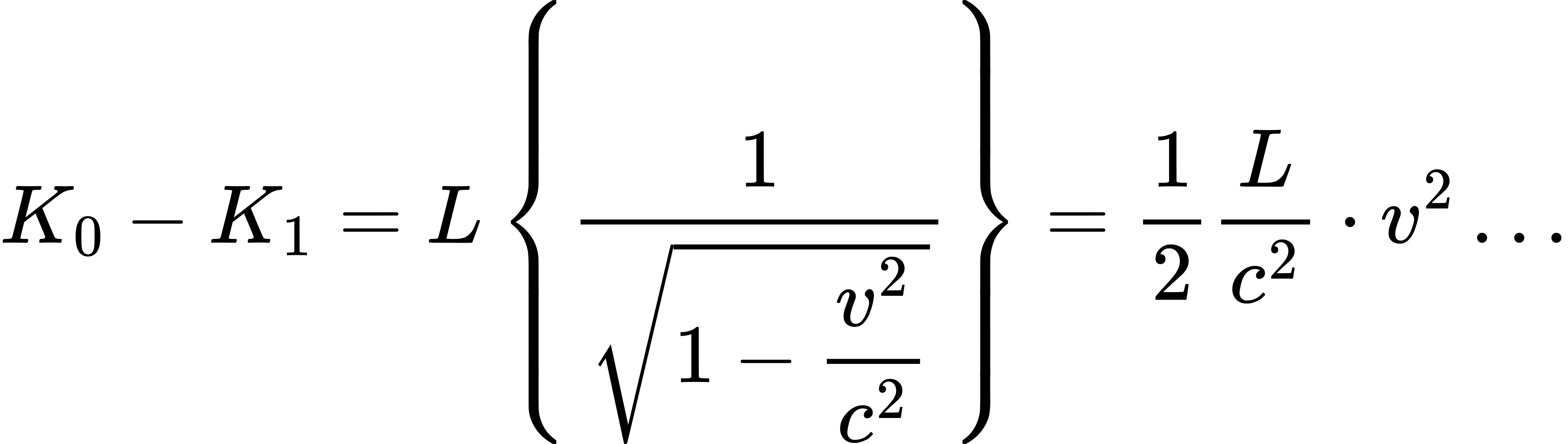 In words this equation states that owing to the point-mass emitting the
energy as light, its kinetic energy referred to a moving system
sinks from the value
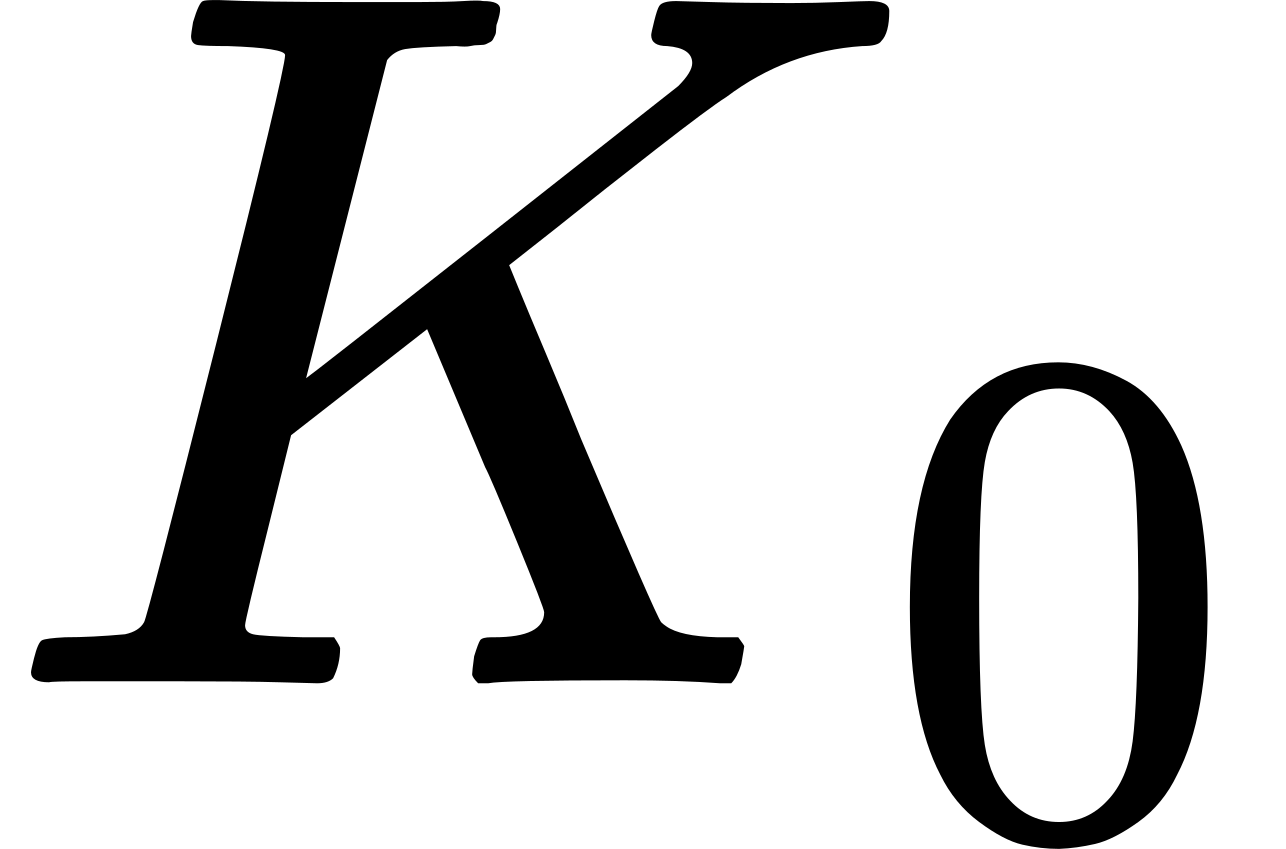 to the value
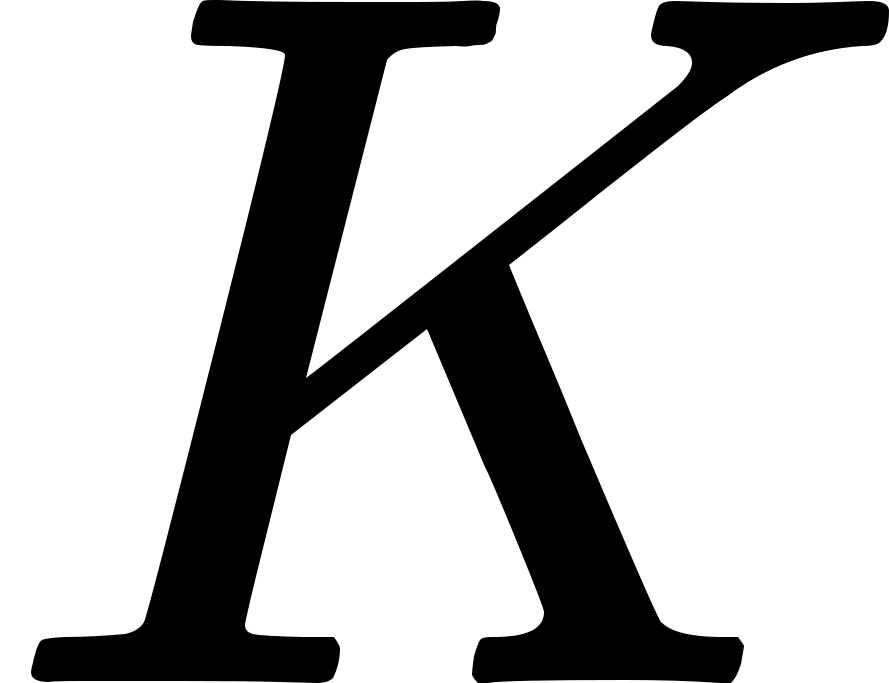 , corresponding to a
loss in inertial mass of the amount
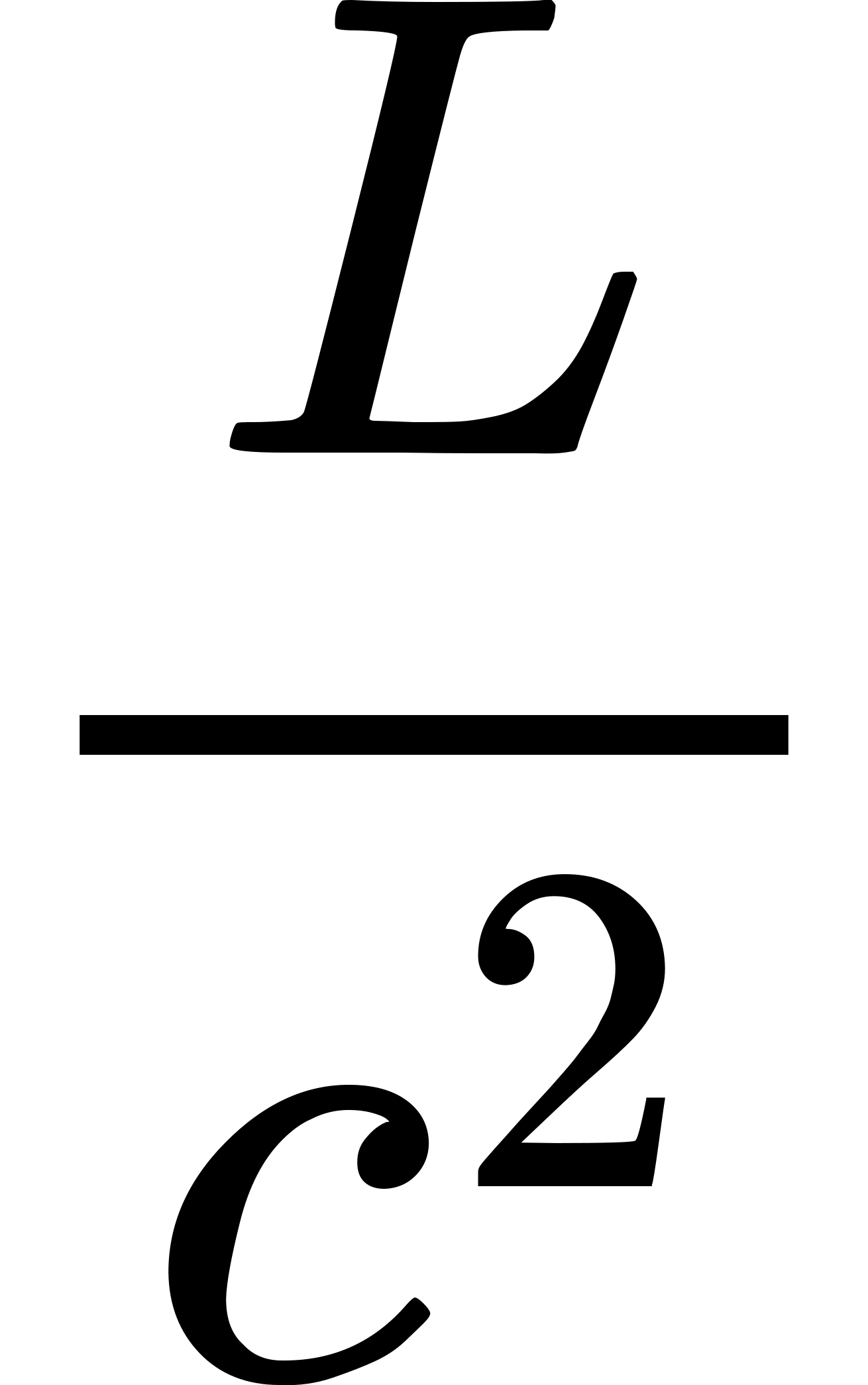 . For, according
to classical mechanics, the expression
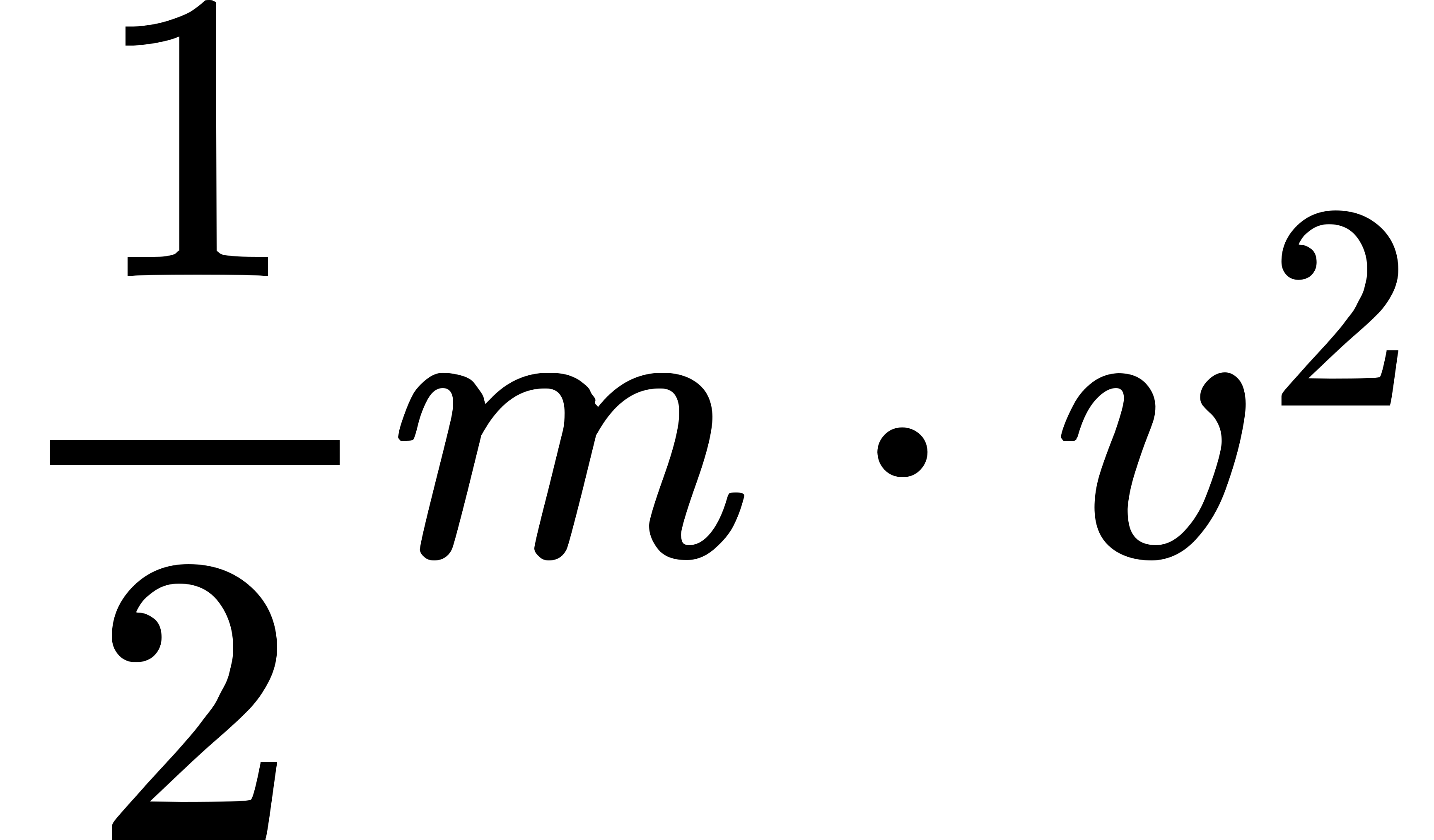 in
which
 is the inertial mass of the observed body, is a measure of
the kinetic energy of this body referred to a system with respect to
which it moves with the velocity . Thus must be
taken as standing for the inertial mass of an amount of energy .
Note 6 (p. 29). The facts that every pair
of points (point-pair) in space have the same magnitude-relation (viz. the
same expression for the mutual distance between them) and that with
the aid of this relation, every point-pair can be compared with every
other, constitute the characteristic feature which distinguishes space
from the remaining continuous manifolds which are known to us. We
measure the mutual distance between two points on the floor of a room,
and the mutual distance between two points which he vertically above one
another on the wall, with the same measuring-scale, which we thus apply
in any direction at pleasure. This enables us to "compare" the mutual
distance of a point-pair on the floor with the mutual distance of any
other pair of points on the wall.
In the system of tones, on the contrary, quite different conditions
prevail. The system of tones represents a manifold of two dimensions, if
one distinguishes every tone from the remaining tones by its pitch and
its intensity. It is, however, not possible to compare the "distance"
between two tones of the same pitch but different
intensity (analogous to the two points on the floor) with the
"distance" between two tones of different pitch but equal
intensity (analogous to the two points on the wall). The
measure-conditions are thus quite different in this manifold.
In the system of colours, too, the measure-relations have their own
peculiarity. The dimensions of the manifold of colours are the same as
those of space, as each colour can be produced by mixing the
three "primary" colours. But there is no relation between two
arbitrary colours, which would correspond to the distance between two
points in space. Only when a third colour is derived by mixing these
two, does one obtain an equation between these three colours similar to
that which connects three points in space lying in one straight line.
These examples, which are borrowed from Helmholtz's essays, serve to
show that the measure-relations of a continuous manifold are not already
given in its definition as a continuous manifold.
nor by fixing its dimensions. A continuous manifold generally allows of
various measure-relations. It is only experience which enables us to
derive the measure-laws which are valid for each particular manifold.
The fact, discovered by experience, that the dimensions of bodies are
independent of their particular position and motion, led to the laws of
Euclidean geometry where congruence is the deciding factor in
comparing various portions of space. These questions have been
exhaustively treated by Helmholtz in various essays. References:—
Riemann, "Über die Hypothesen, welche der Geometrie zugrunde liegen"
(1854). Newly published and annotated by H. Weyl, Berlin, 1919.
Helmholtz. "Ueber die tatsächlichen Grundlagen der Geometrie,"
Wiss. Abh. 2, S. 10.
Helmholtz. "Ueber die Tatsachen, welche der Geometrie zugrunde liegen,"
Wiss. Abh. 2, S. 618.
Helmholtz. "Ueber den Ursprung und die Bedeutung der geometrischen Axiome,"
Vorträge und Reden, Bd. 2, S. 1.
Note 7 (p. 26). The postulate that finite rigid
bodies are to be capable of free motions, can be most strikingly
illustrated in the realm of two-dimensions. Let us imagine a triangle to be
drawn upon a sphere, and also upon a plane: the former being
bounded by arcs of great circles and the latter by straight lines; one can
then slide these triangles over their respective surfaces at will, and can
make them coincide with other triangles, without thereby altering the
lengths of the sides or the angles. Gauss has shown that this is
possible because the curvature at every point of the sphere (or
the plane, respectively) has exactly the same value. And yet the
geometry of curves traced upon a sphere is different from that of curves
traced upon a plane, for the reason that these two configurations
cannot be deformed into one another without tearing (vide Note 27).
But upon both of them planimetrical figures can be freely
shifted about, and, therefore, theorems of congruence hold upon them.
If, however, we were to define a curvilinear triangle upon an egg-shaped
surface by the three shortest lines connecting three given points upon
it, we should find that triangles could be constructed at different
places on this surface, having the same lengths for the sides; but these
sides would enclose angles different from those included by the
corresponding sides of the initial triangle, and, consequently, such
triangles would not be congruent, in spite of the fact that
corresponding sides are equal. Figures upon an egg-shaped surface
cannot, therefore, be made to slide over the surface without altering
their dimensions: and in studying the geometrical conditions upon such a
surface, we do not arrive at the usual theorems of congruence. Quite
analogous arguments can be applied to three- and four-dimensional
realms: but the latter cases offer no corresponding pictures to the
mind. If we demand that bodies are to be freely movable in space
without suffering a change of dimensions, the "curvature" of the
space must be the same at every point. The conception of curvature, as
applied to any manifold of more than two dimensions, allows of strict
mathematical formulation; the term itself only hints at its analogous
meaning, as compared with the conception of curvature of a surface. In
three-dimensional space, too, various cases can be distinguished,
similarly to plane- and spherical-geometry in two-dimensional
space. Corresponding to the sphere, we have a non-Euclidean space
with constant positive curvature; corresponding to the plane we
have Euclidean space with curvature zero. In both these spaces bodies
can be moved about without their dimensions altering; but Euclidean
space is furthermore infinitely extended: whereas "spherical" space,
though unbounded, like the surface of a sphere, is not infinitely
extended. These questions are to be found extensively treated in a very
attractive fashion in Helmholtz's familiar essay: "Ueber den Ursprung
und die Bedeutung der geometrischen Axiome" (Vorträge und Reden,
Bd. 2, S. 1).
Note 8 (p. 26). The properties, which the
analytical expression for the length of the line-element must have, may
be understood from the following:
Let the numbers 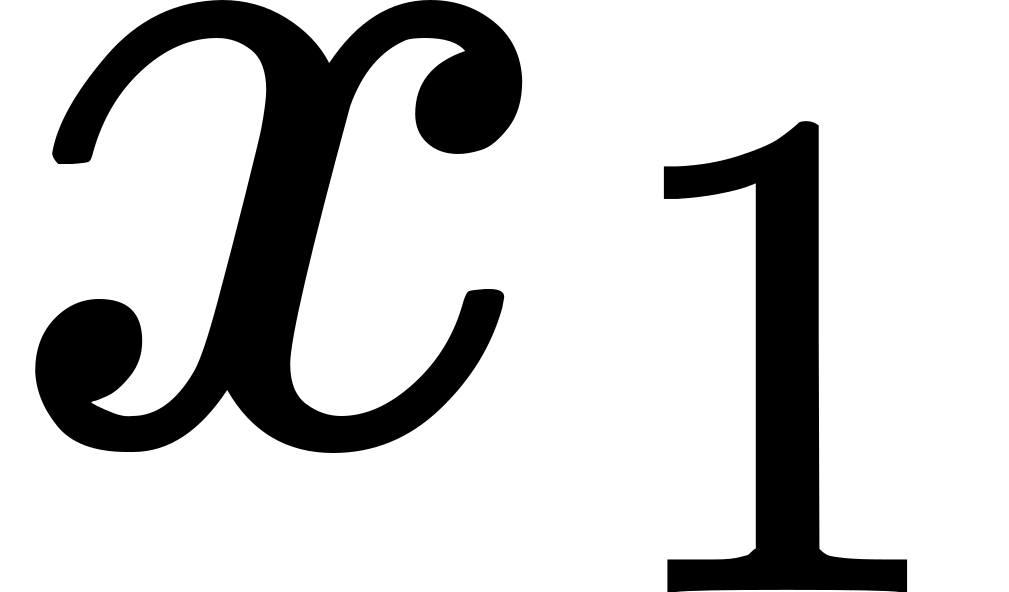 ,
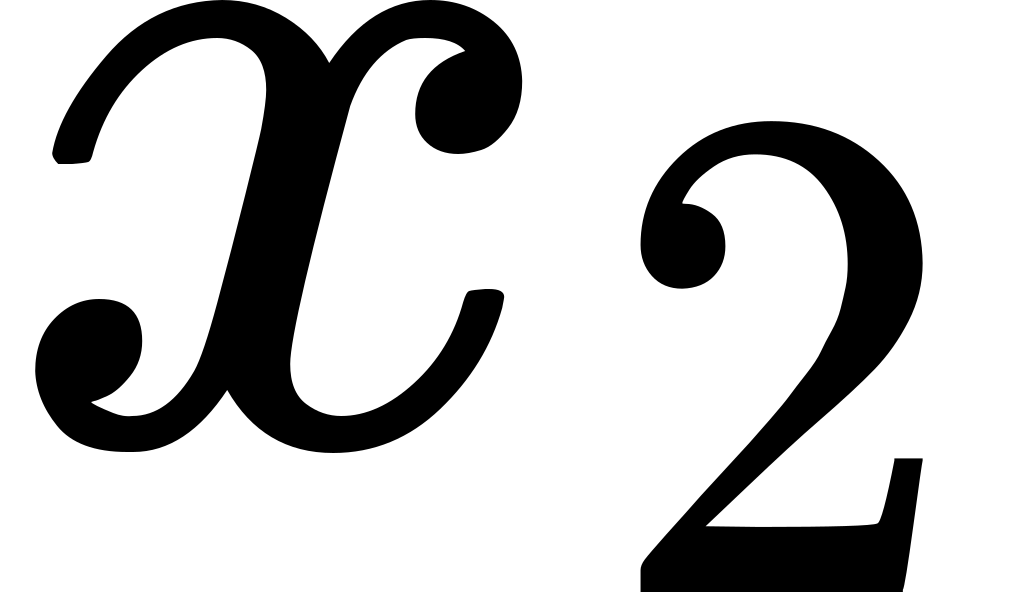 denote any point of any continuous
two-dimensional manifold, e.g. a surface. Then, together with this
point, a certain "domain" around the point is given, which includes
points all of which lie in the plane.—D. Hilbert has strictly
defined the conception of a multiply-extended magnitude (i.e. a
manifold) upon the basis of the theory of aggregates in his "Grundlagen
der Geometrie" (p. 177). In this definition the conception of the
"domain" encircling a point is made to give Riemann's postulate of the
continuous connection existing between the elements of a manifold
and a strict form.
Setting out from the point , we can continuously
pass into its domain, and at any point, e.g. 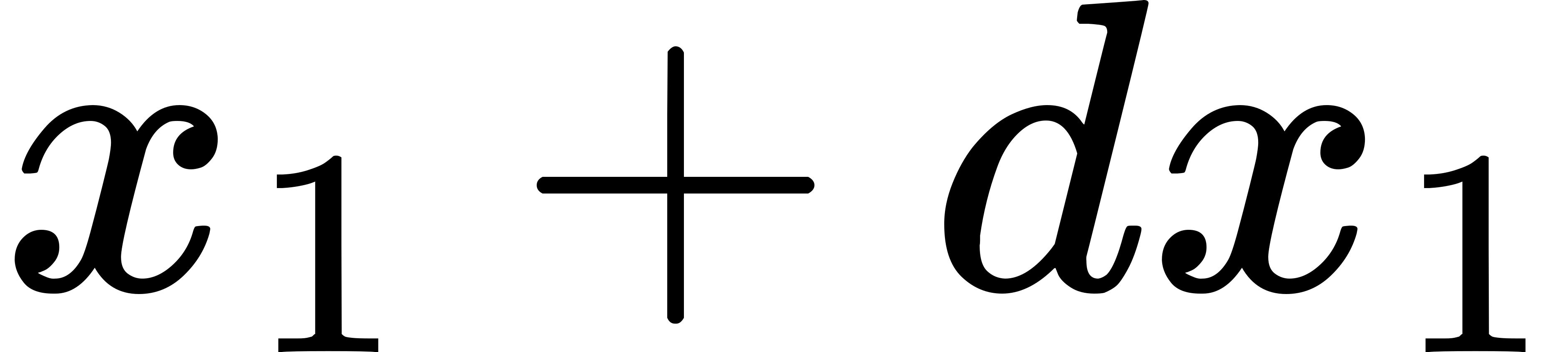 ,
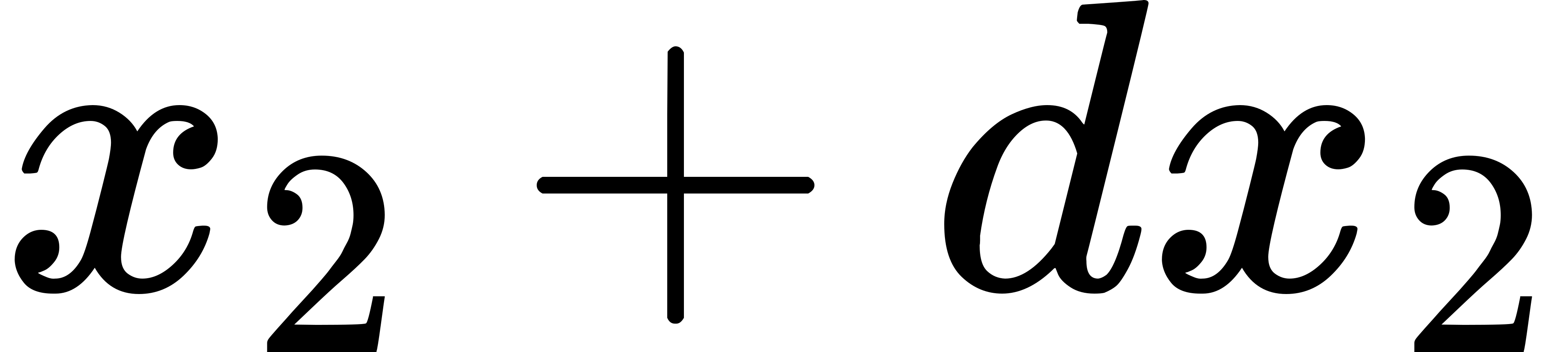 , inquire as to the "distance" of this point from the
starting-point. The function which measures this distance will
depend upon the values of , ,
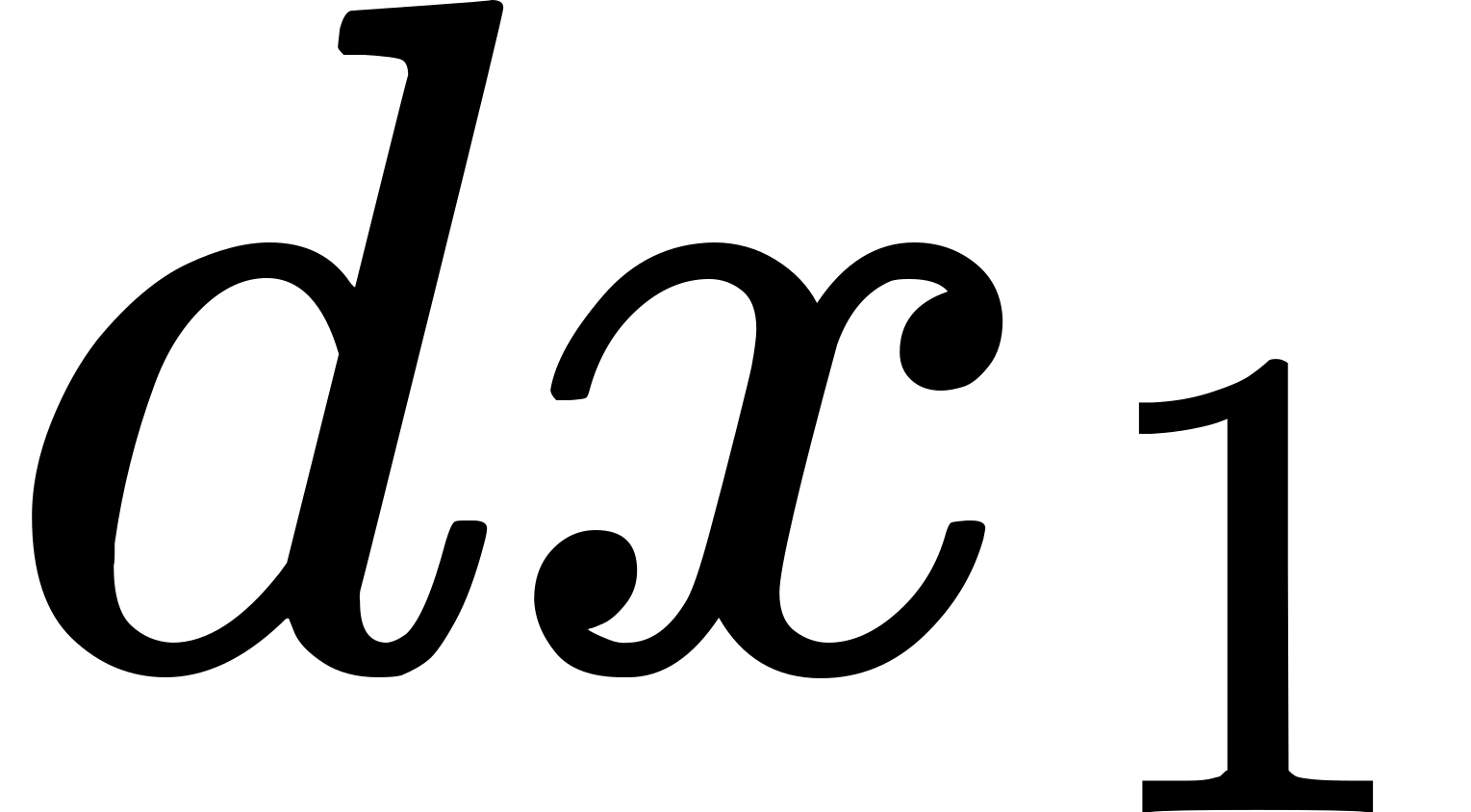 ,
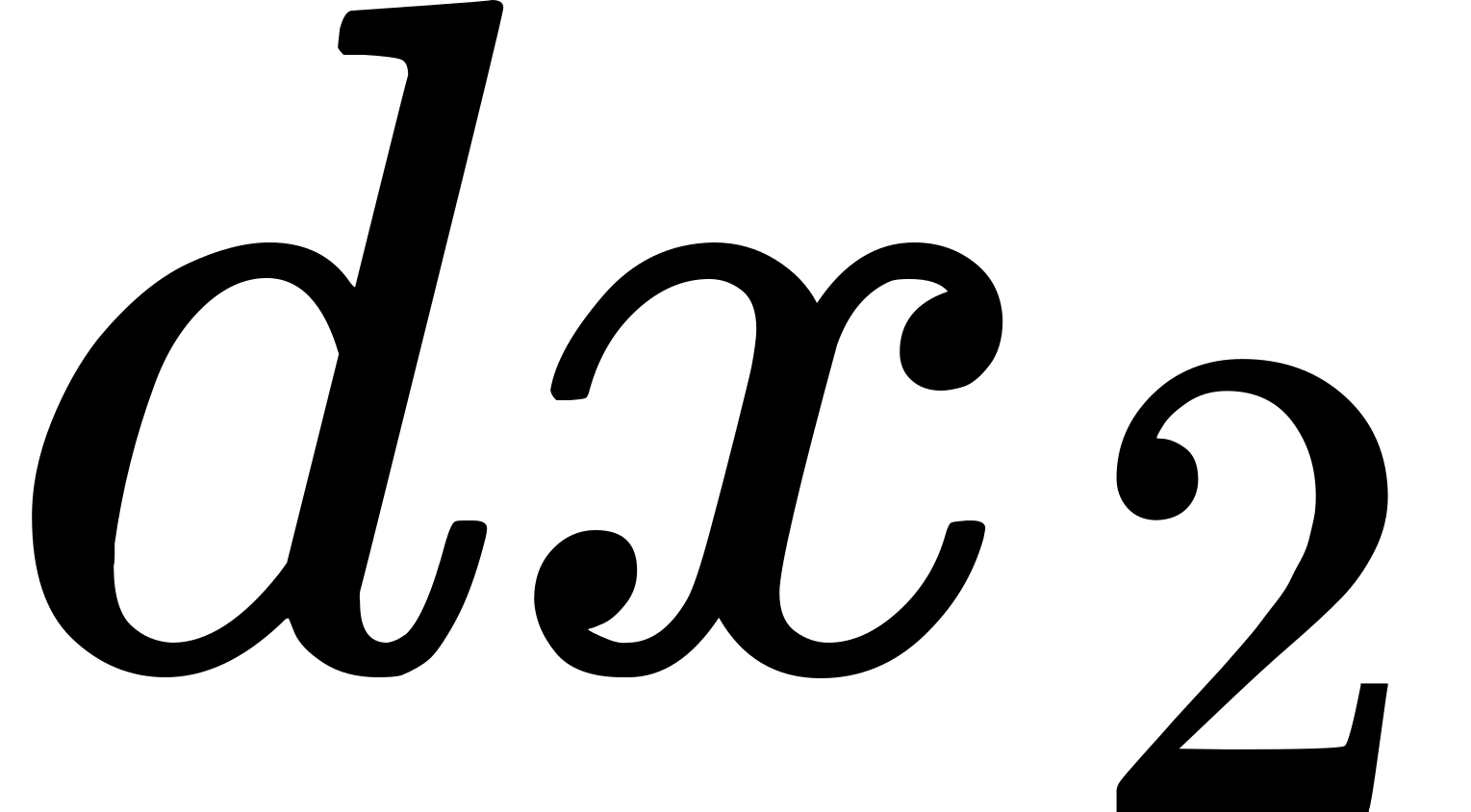 ,
and for every intermediate point of the path which has conducted
us from , to the point ,
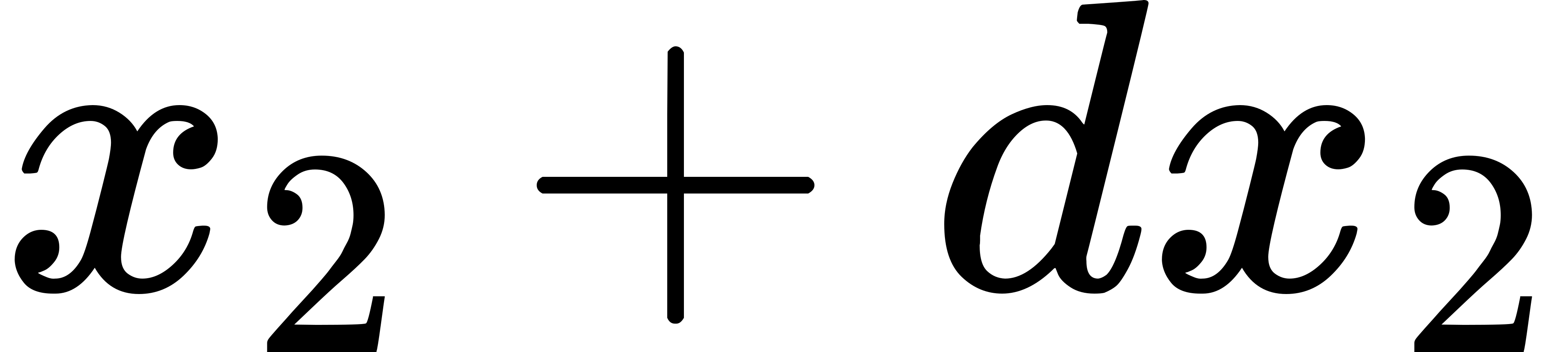 will successively assume certain continually changing, and, as
we may suppose, continually increasing, values. At the point
, itself it will assume the value zero, and for
every other point of the domain its value must be positive. Moreover, we
shall expect to find that, for any intermediate point, denoted by
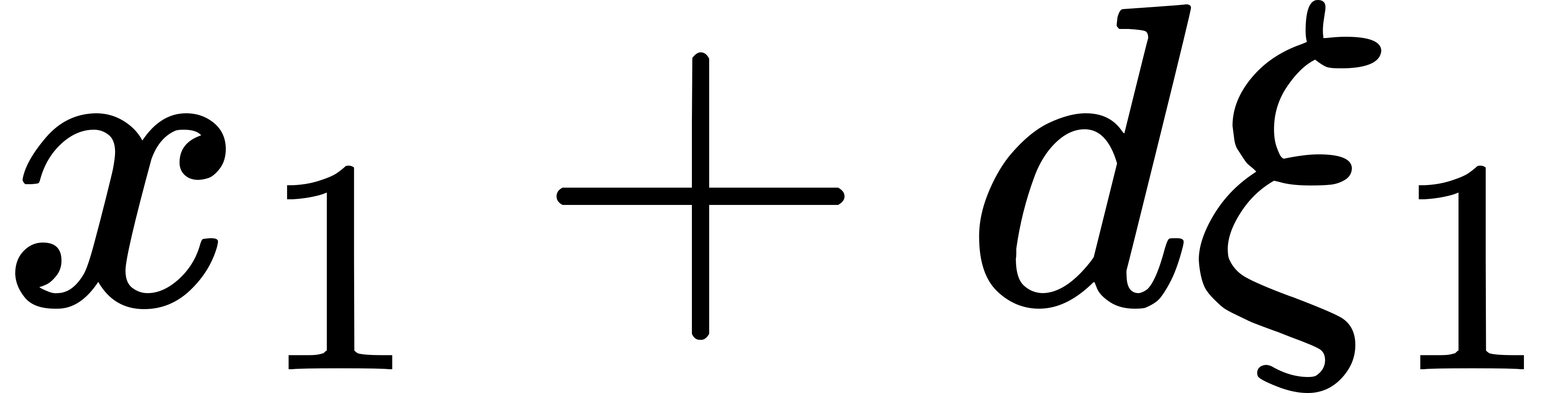 ,
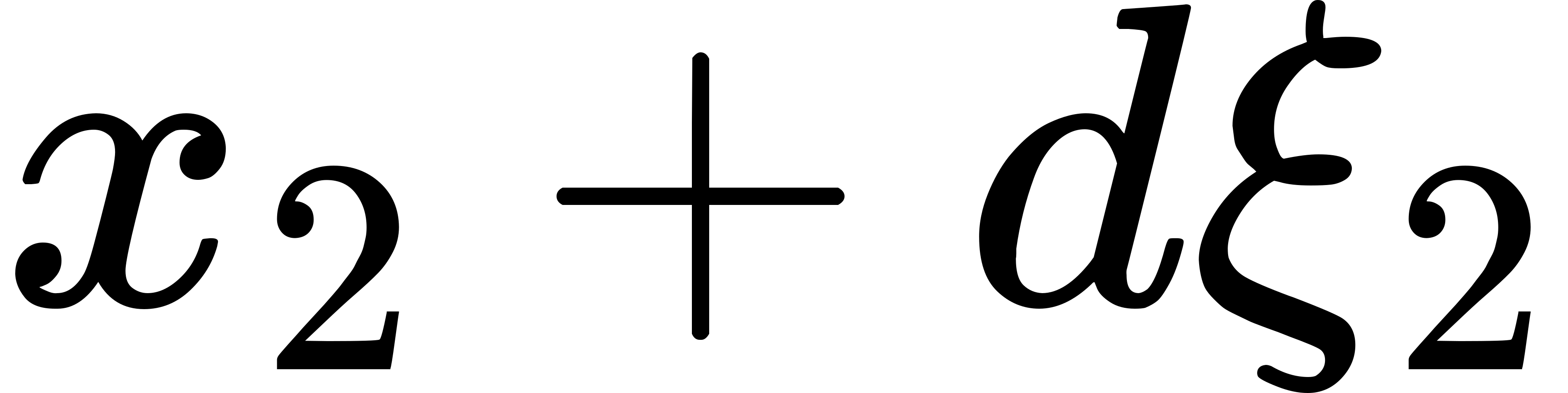 ,
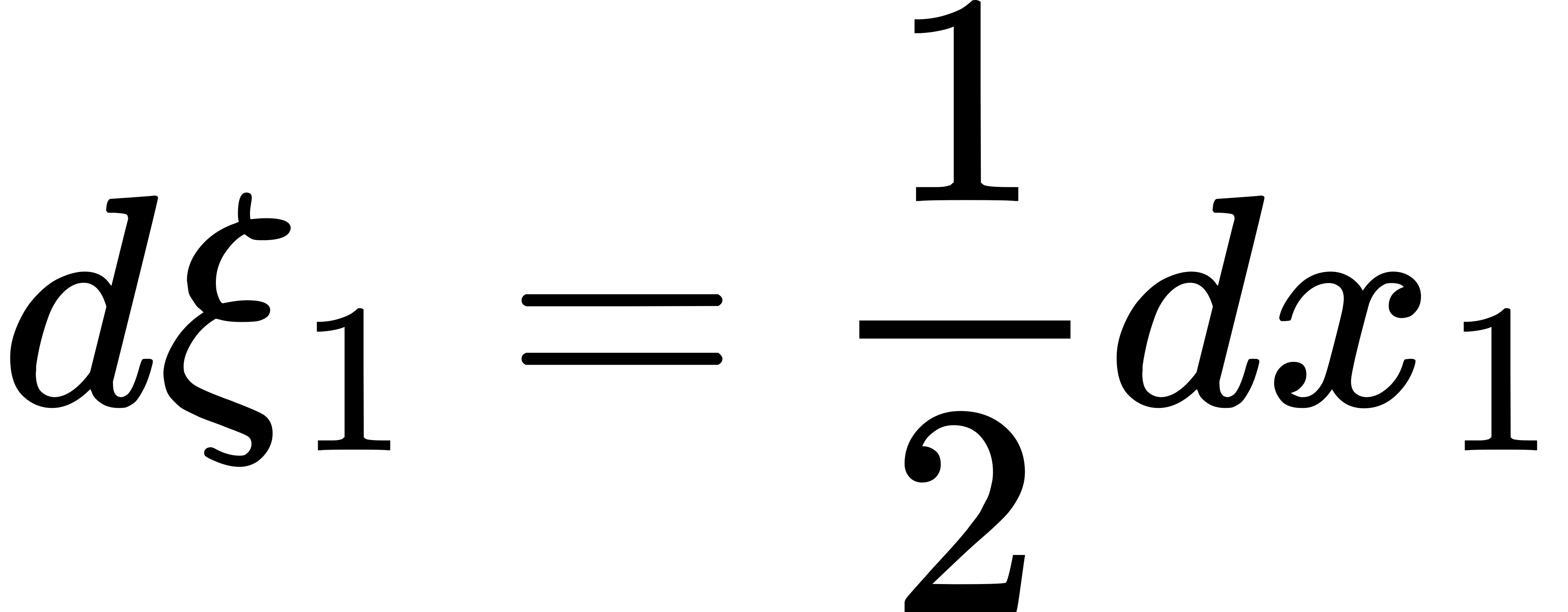 and
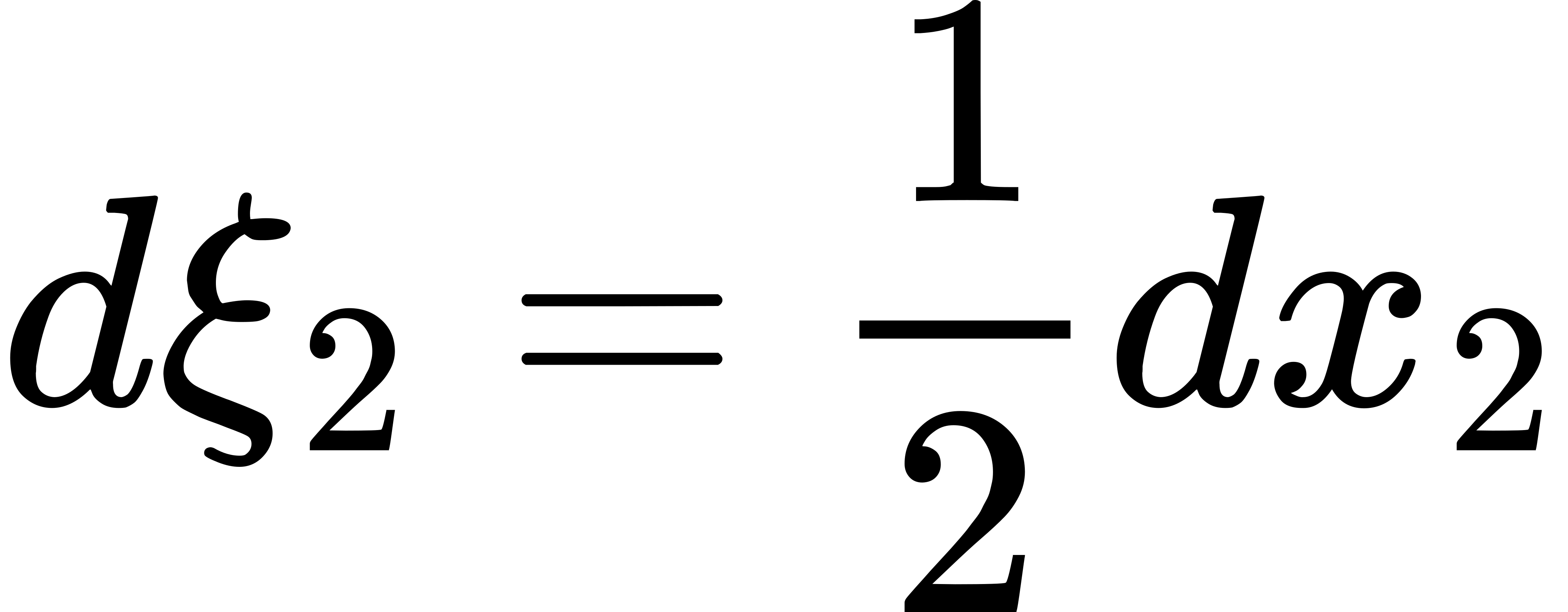 the required
function which measures the distance of this point from ,
, will, at this point, have a value half that of its value for
the point , . Under these
assumptions, the function will be homogeneous and of the first degree in
the
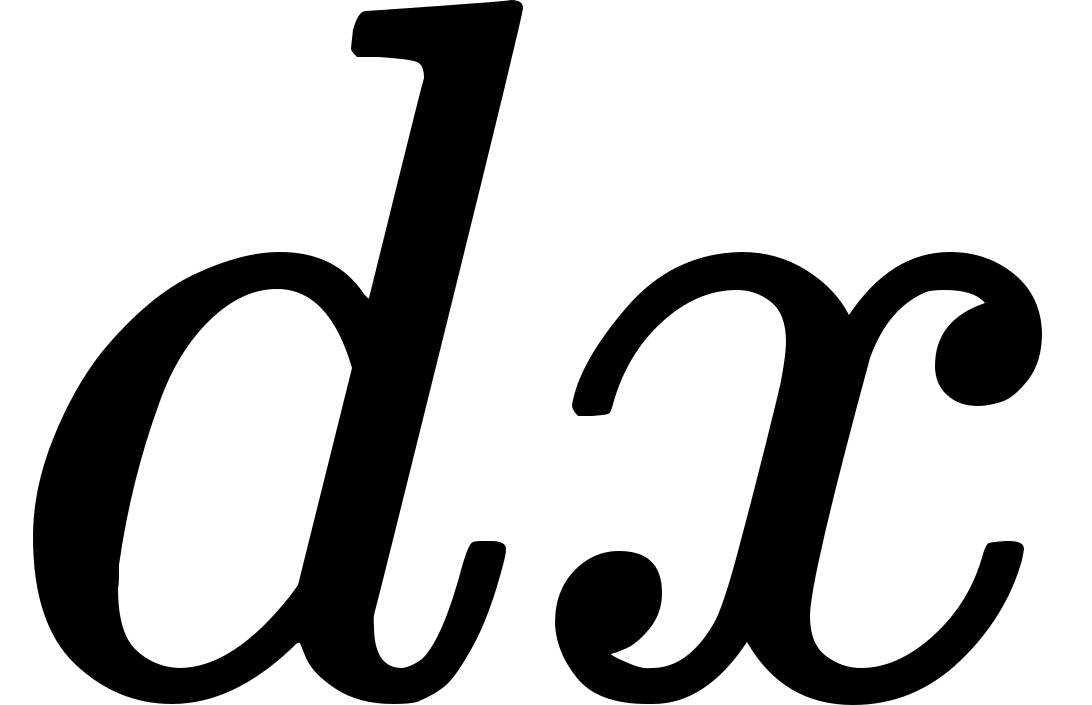 's; its value will then appear multiplied by that factor in
proportion to which the 's were increased. In addition, it must
itself vanish if all the 's are zero; and if they all change their
sign it must not alter its value, which always remains positive. It will
immediately be evident that the function
 fulfils all these requirements; but it is by no means the only function
of this kind.
Note 9 (p. 29). But the expression of the fourth
degree for the fine element would not permit of any geometrical
interpretation of the formula, such as is possible with the expression
 which latter may be regarded as a general case of Pythagoras' theorem.
Note 10 (p. 30). By a "discrete" manifold we
mean one in which no continuous transition of the single elements from one
to another is possible, but each element to a certain extent represents an
independent entity. The aggregate of all whole numbers, for instance, is a
manifold of this type, or the aggregate of all planets
in our solar system, etc., and many other examples may be found; and
indeed all finite aggregates in the theory of aggregates are such
discrete manifolds. "Measuring," in the case of discrete manifolds, is
performed merely by "counting," and does not present any special
difficulties, as all manifolds of this type are subject to the same
principle of measurement. When Riemann then proceeds to say: "Either,
therefore, the reality which underlies space must form a discrete
manifold, or we must seek the ground of its metric relations outside it,
in binding forces which act upon it," he only wishes to hint at a
possibility, which is at present still remote, but which must, in
principle, always be left open. In just the last few years a similar
change of view has actually occurred in the case of another manifold
which plays a very important part in physics, viz. "energy"; the
meaning of the hint Riemann gives will become clearer if we consider
this example.
Up till a few years ago, the energy which a body emanates by radiation
was regarded as a continuously variable quantity: and attempts were
therefore made to measure its amount at any particular moment by means
of a continuously varying sequence of numbers. The researches of Max
Planck have, however, led to the view that this energy is emitted in
"quanta," and that therefore the "measuring" of its amount is performed
by counting the number of "quanta." The reality underlying radiant
energy, according to this, is a discrete and not a continuous
manifold. If we now suppose that the view were gradually to take root
that, on the one hand, all measurements in space only have to do with
distances between ether-atoms; and that, on the other hand, the
distances of single ether-atoms from one another can only assume certain
definite values, all distances in space would be obtained by "counting"
these values, and we should have to regard space as a discrete manifold.
Note 11 (p. 32). C. Neumann. "Ueber die
Prinzipien der Galilei-Newtonschen Theorie," Leipzig 1870, S. 18.
Note 12 (p. 32). H. Streintz. "Die
physikalischen Grundlagen der Mechanik," Leipzig, 1883.
Note 13 (p. 33). A. Einstein. "Annalen der
Physik," 4 Folge, Bd. 17, S. 891.
Note 14 (p. 35). Minkowski was the first to call
particular attention to this deduction of the special principle of
relativity.
Note 15 (p, 38). The term "inertial system"
was originally not associated with the system, which Neumann attached to
the hypothetical body  . Nowadays it is generally understood to
signify a rectilinear system of co-ordinates, relatively to which a
point-mass, which is only subject to its own inertia, moves uniformly in
a straight line. Whereas C. Neumann only invented the body , as
an absolutely hypothetical configuration, in order to be able to
formulate the law of inertia, later researches, especially those of
Lange, tended to show that, on the basis of rigorous kinematical
considerations, a co-ordinate system could be derived, which would
possess the properties of such an inertial system. However, as C.
Neumann and J. Petzoldt have demonstrated, these developments contain
faulty assumptions, and give the law of inertia no firmer basis than the
body introduced by Neumann.
Such an inertial system is determined by the straight lines which
connect three point-masses infinitely distant from one another (and thus
unable to exert a mutual influence upon one another) and which are not
subject to any other forces. This definition makes it evident why no
inertial system will be discoverable in nature, and why, consequently,
the law of inertia will never be able to be formulated so as to satisfy
the physicist. References:—
C. Neumann. "Ueber die Prinzipien der Galilei-Newtonschen Theorie,"
Leipzig, 1870.
L. Lange. "Berichte der Kgl. Sächs. Ges. d. Wissenschaften. Math.-phil.
Klasse," 1885.
L. Lange. "Die Geschichte der Entwickelung des Bewegungsbegriffes,"
Leipzig, 1886.
H. Seeliger. "Ber. der Bayr. Akademie," 1906, Heft 1.
C. Neumann. "Ber der Kgl. Sächs. Ges. d. Wiss. Math.-phys. Klasse,"
1910, Bd. 62, S. 69 and 383.
J. Petzoldt. "Ann. der Naturphilosophie," Bd. 7.
Note 16 (p. 38). E. Mach. "Die Mechanik in in
ihrer Entwickelung," 4 Aufl. S. 244.
Note 17 (p. 40). The new points of view as to
the nature of inertia are based upon the study of the electromagnetic
phenomena of radiation. The special theory of relativity, by stating the
theorem of the inertia of energy, organically grafted these views on to
the existing structure of theoretical physics. The dynamics of
cavity-radiation, i.e. the dynamics of a space enclosed by walls without
mass, and filled with electromagnetic radiation, taught us that a system
of this kind opposes a resistance to every change of its motion, just
like a heavy body in motion. The study of electrons (free electric
charges) in a state of free motion, e.g. in a cathode-tube, taught us
likewise that these exceedingly small particles behave like inert
bodies; that their inertia is not, however, conditioned by the matter to
which they might happen to be attached, but rather by the
electromagnetic effects of the field to which the moving electron
is subject. This gave rise to the conception of the apparent
(electromagnetic) mass of an electron. The special theory of relativity
finally led to the conclusion that to all energy must be accorded
the property of inertia.
Every body contains energy (e.g. a certain definite amount in the form
of heat-radiation internally). The inertia, which the body reveals, is
thus partly to be debited to the account of this contained energy. As
this share of inertia is, according to the special theory of relativity,
relative (i.e. represents a quantity which depends upon the choice of
the system of reference), the whole amount of the inertial mass of the
body has no absolute value, but only a relative one. This energy-content
of radiant heat is distributed throughout the whole volume of each
particular body; one can thus speak of the energy-content of unit
volume. This enables us to derive the notion of density of energy. The
density of the energy (i.e. amount per unit volume) is thus a quantity,
the value of which is also dependent upon the system of reference.
References:—
M. Planck. "Ann. der Phys.," 4 Folge, Bd. 26.
M. Abraham. "Electromagnetische Energie der Strahlung," 4 Aufl., 1908.
Note 18 (p. 40). The determination of the
inertial mass of a body by measuring its weight is rendered possible
only by the experimental fact that all bodies fall with equal
acceleration in the gravitational field at the earth's surface. If  and ' denote the pressures of two bodies upon the same support
(i.e. their respective weights), and
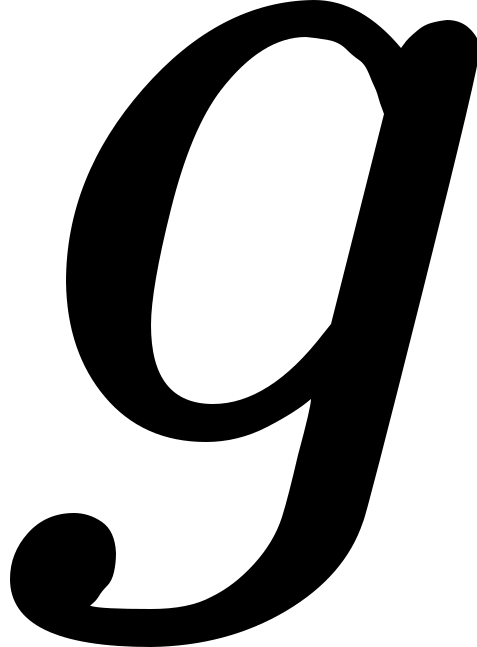 denote the acceleration due
to the earth's gravitational field at the point in question, then
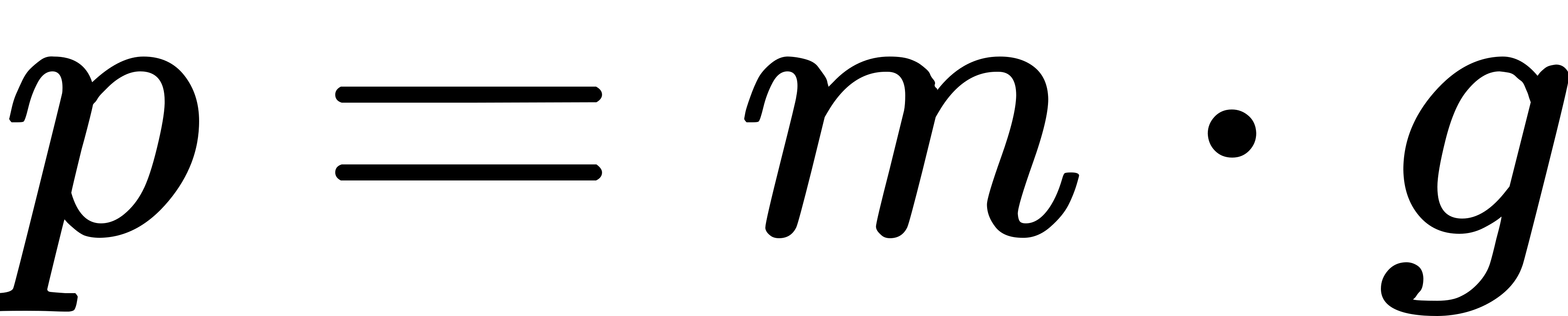 dynes and
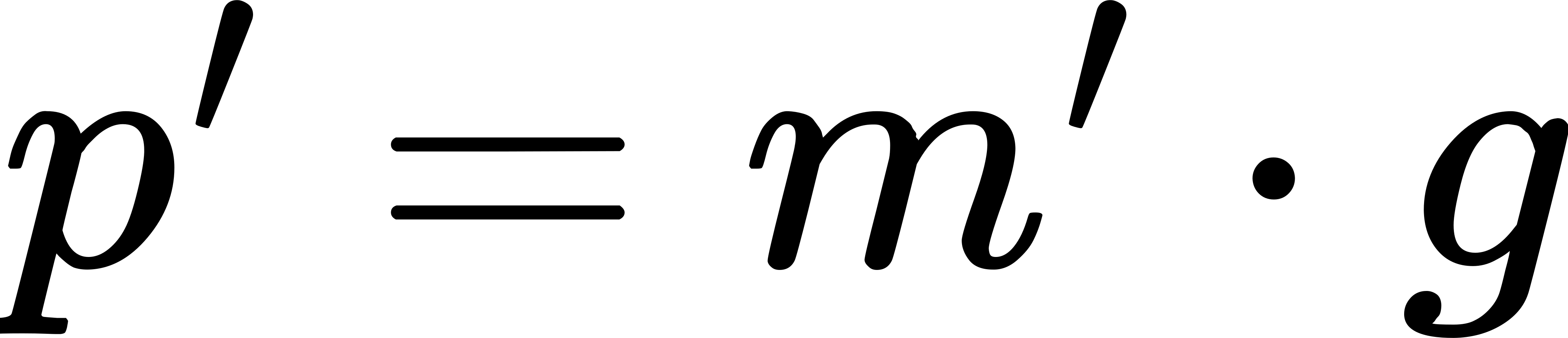 dynes, respectively, where and
' are the factors of proportionality, and are called the
masses of the two bodies, respectively. As has the same
value in both equations, we have
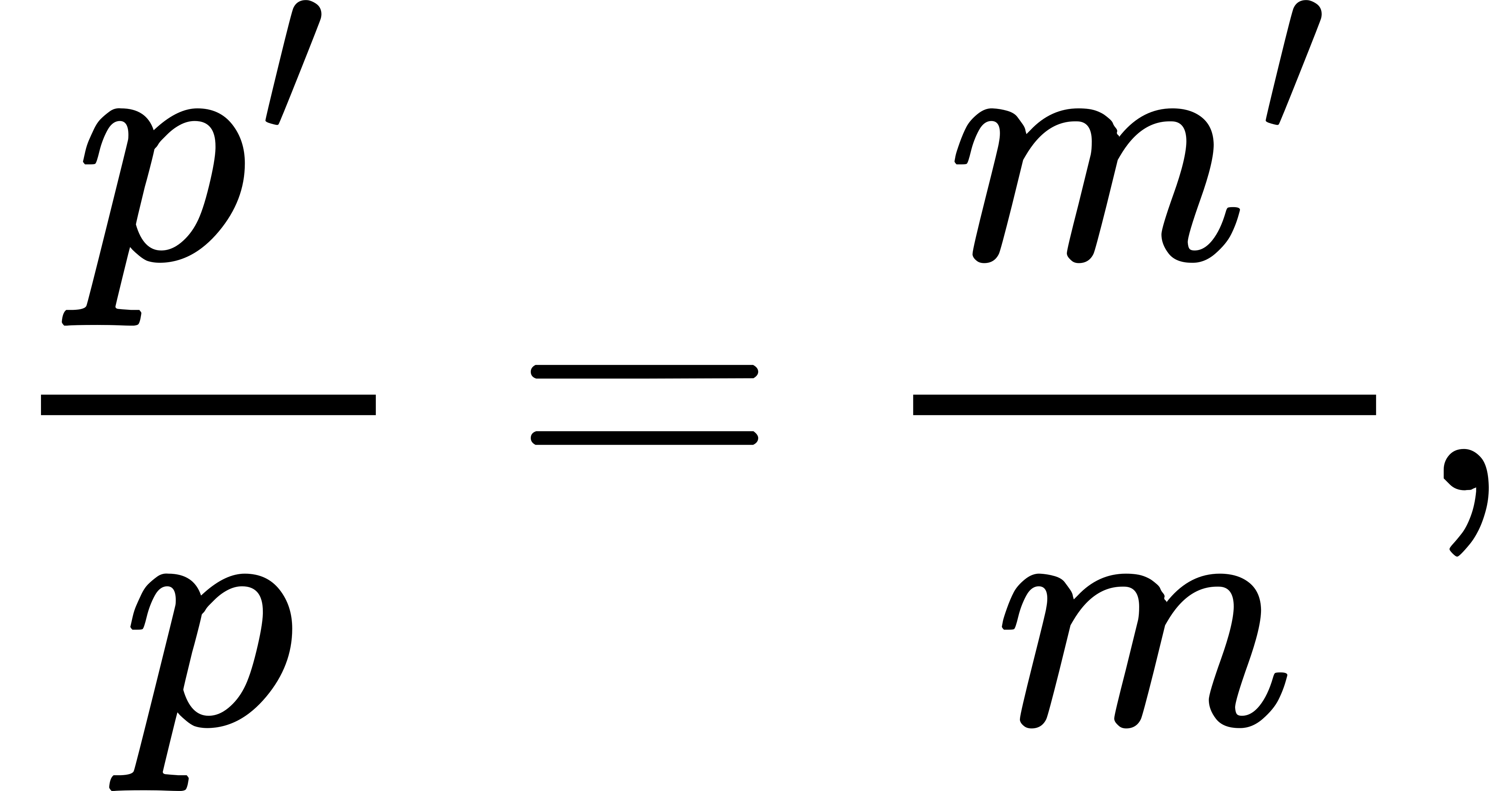 and we can accordingly measure the masses of two bodies at the
same place, by determining their weights.
Although Galilei and Newton had already known that all bodies at the
same place fall with the same velocity (if the resistance of the air be
eliminated), this very remarkable fact has not received any recognition
in the foundations of mechanics. Einstein's principle of equivalence is
the first to assign to it the position to which it is, beyond doubt,
entitled.
Note 19 (p. 41). Arguing along the same lines
B. and J. Friedländer have suggested an experiment to show the
relativity of rotational motions, and, accordingly, the reversibility of
centrifugal phenomena ("Absolute and Relative Motion," Berlin, Leonhard
Simion, 1896). On account of the smallness of the effect, the experiment
cannot, at present, be performed successfully; but it is quite
appropriate for making the physical content of this postulate more
evident. The following remarks may be quoted:
"The torsion-balance is the most sensitive of all instruments. The
largest rotating-masses, with which we can experiment, are probably the
large fly-wheels in rolling-mills and other big factories. The
centrifugal forces assert themselves as a pressure which tends from the
axis of rotation. If, therefore, we set up a torsion-balance in somewhat
close proximity to one of these large fly-wheels, in such a position
that the point of suspension of the movable part of the torsion-balance
(the needle) lies exactly, or as nearly as possible, in the
continuation of the axis of the fly-wheel, the needle should endeavour
to set itself parallel to the plane of the fly-wheel, if it is not
originally so, and should register a corresponding displacement. For
centrifugal force acts upon every portion of mass which does not lie
exactly in the axis of rotation, in such a way as to tend to increase
the distance of the mass from the axis. It is immediately apparent that
the greatest possible displacement-effect is attained when the needle is
parallel to the plane of the wheel."
This proposed experiment of B. and J. Friedländer is only a variation
of the experiment which persuaded Newton to his view of the absolute
character of rotation. Newton suspended a cylindrical vessel filled with
water by a thread, and turned it about the axis defined by the thread
till the thread became quite stiff. After the vessel and the contained
liquid had completely come to rest, he allowed the thread to untwist
itself again, whereby the vessel and the liquid started to rotate
rapidly. He thereby made the following observations. Immediately after
its release the vessel alone assumed a motion of rotation, since
the friction (viscosity) of the water was not sufficient to transmit the
rotation immediately to the water. So long as this state of affairs
prevailed, the surface of the water remained a horizontal plane. But the
more rapidly the water was carried along by the rotating walls of the
vessel, the more definitely did the centrifugal forces assert
themselves, and drive the water up the walls, so that finally its free
surface assumed the form of a paraboloid of revolution. From these
observations Newton concluded that the rotation of the walls of
the vessel relative to the water does not call up forces in the
latter. Only when the water itself shares in the rotation, do the
centrifugal forces make their appearance. From this he came to his
conclusion of the absolute character of rotations.
This experiment became a subject of frequent discussion later: and E.
Mach long ago objected to Newton's deduction, and pointed out that it
cannot be straightway affirmed that the rotation of the walls of the
vessel relative to the water is entirely without effect upon the latter.
He regards it as quite conceivable that, provided the mass of the vessel
were large enough, e.g. if its walls were many kilometres thick, then
the free surface of the water which is at rest in the rotating vessel
would not remain plane. This objection is quite in keeping with the view
entailed by the general theory of relativity. According to the latter,
the centrifugal forces can also be regarded as gravitational forces,
which the total sum of the masses rotating around the water exerts upon
it. The gravitational effect of the walls of the vessel upon the
enclosed liquid is, of course, vanishingly small compared with that of
all the masses in the universe. It is only when the water is in rotation
relatively to all these masses that perceptible centrifugal forces are
to be expected. The experiment of B. and J. Friedländer was intended to
refine the experiment performed by Newton, by using a sensitive
torsion-balance susceptible to exceedingly small forces in place of the
water, and by substituting a huge fly-wheel for the vessel which
contained the water. But this arrangement, too, can lead to no positive
result, as even the greatest fly-wheel at present available represents
only a vanishingly small mass compared with the sum-total of masses in
the universe.
Note 20 (p. 42). We use the term "field of
force" to denote a field in which the force in question varies continuously
from place to place, and is given for each point in the field by the value
of some function of the place. The centrifugal forces in the
interior and on the outer surface of a rotating body are so distributed
as to compose a field of this kind throughout the whole volume of the
body, and there is nothing to hinder us from imagining this field to
extend outwards beyond the outer surface of the body, e.g. beyond the
surface of the earth into its own atmosphere. We can thus briefly speak
of the whole field as the centrifugal field of the earth; and, as the
centrifugal field, according to the older views, is conditioned only by
the inertia of bodies, and not by their gravitation, we can further
speak of it as an inertial field, in contradistinction to the
gravitational field, under the influence of which all bodies which are
not suspended or supported fall to earth.
Accordingly the effects of various fields of force are superposed at the
earth's surface: (1) the effect of the gravitational field, due to the
gravitation of the particles of the earth's mass towards one another,
and which is directed towards the centre of the earth; (2) the effect of
the centrifugal field, which, according to Einstein's view, can be
regarded as a gravitational field, and the direction of action of which
is outwards and parallel to the plane of the meridian of latitude;
finally (3) the effect of the gravitational field, due to the various
heavenly bodies, foremost amongst them, the sun and the moon.
Note 21 (p. 42). Eötvös has published the
results of his measurements in the "Mathematische und
Naturwissenschaftliche Berichte aus Ungarn," Bd. 8, S. 64, 1891. A
detailed account is given by D. Pekár, "Das Gesetz der
Proportionalität von Trägheit und Gravitation." "Die
Naturwissenschaft," 1919, 7, p. 327.
Whereas the earlier investigations of Newton and Bessel ("Astr. Nachr."
10, S. 97, and "Abhandlungen von Bessel," Bd. 3, S. 217), about the
attractive effect of the earth upon various substances, are based upon
observations with a pendulum, Eötvös worked with sensitive
torsion-balances.
The force, in consequence of which bodies fall, is composed of two
components: first the attractive force of the earth, which (except for
deviations which may, for the present, be neglected) is directed towards
the centre of the earth; and, second, the centrifugal force, which is
directed outwards parallel to the meridians of latitude. If the
attraction of the earth upon two bodies of equal mass but of different
substance were different, the resultant of the attractive and
centrifugal forces would point in a different direction for each body.
Eötvös then states: "By calculation we find that if the attractive
effect of the earth upon two bodies of equal mass, but composed of
different substance, differed by a thousandth, the directions of the
gravitational forces acting upon the two bodies respectively would make
an angle of 0.356 second, i.e. about a third of a second with one
another; "and if the difference in the attractive force were to amount
to a twenty-millionth, this angle would have to be
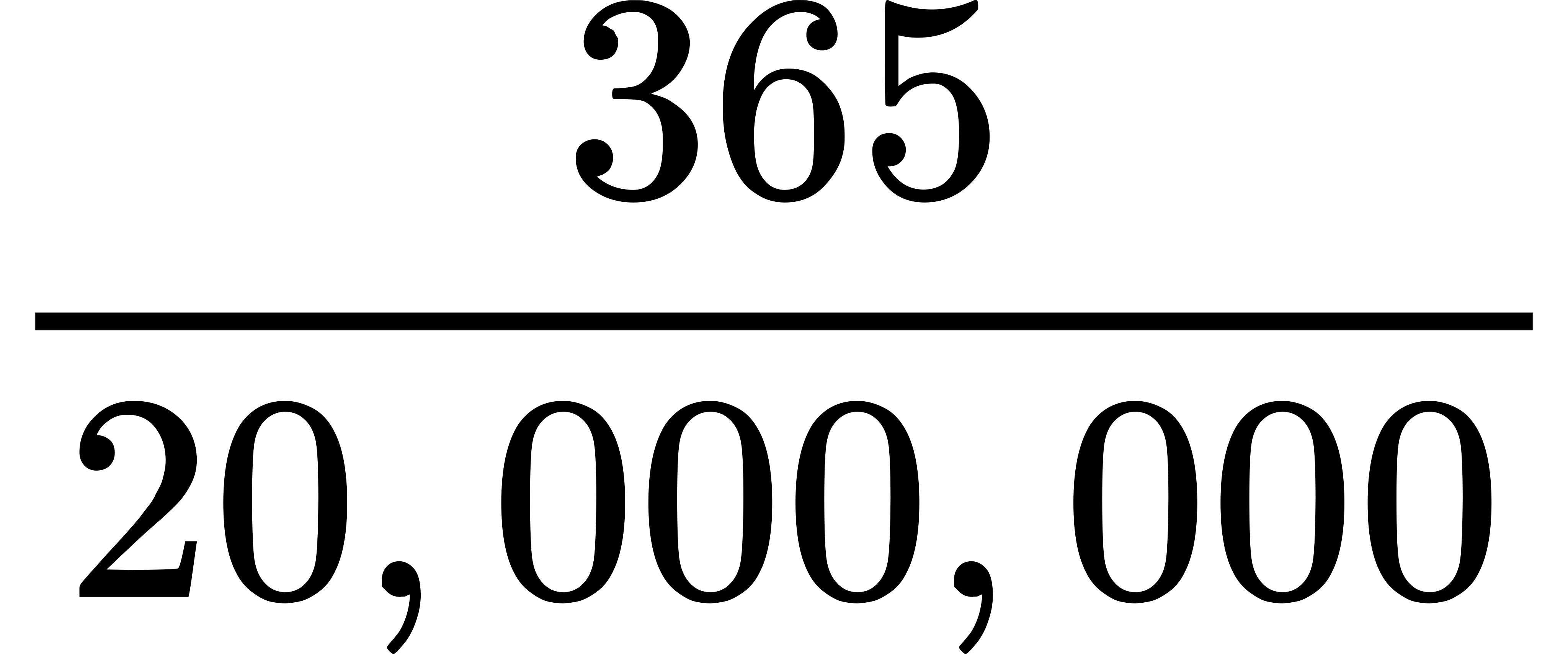 th seconds; that is, slightly more than
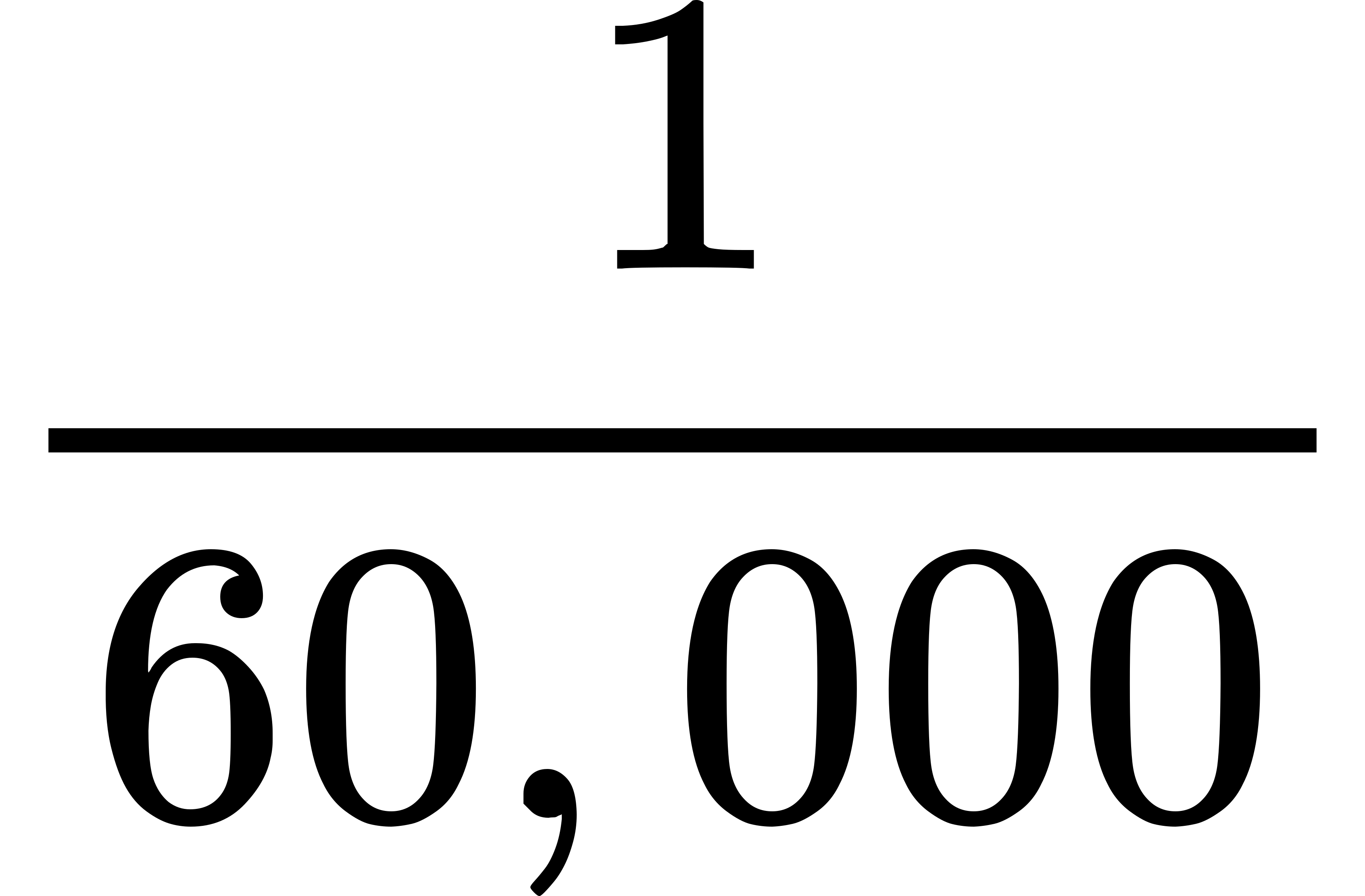 th of a second; and later:
"I attached separate bodies of about 30 grms. weight to the end of a
balance-beam about 25 to 30 cms. long, suspended by a thin platinum wire
in my torsion-balance. After the beam had been placed in a position
perpendicular to the meridian, I determined its position exactly by
means of two mirrors, one fixed to it and another fastened to the case
of the instrument. I then turned the instrument, together with the case,
through 180°, so that the body which was originally at the east end of
the beam now arrived at the west end: I then determined the position of
the beam again, relative to the instrument. If the resultant weights of
the bodies attached to both sides pointed in different directions, a
torsion of the suspending wire should ensue. But this did not occur in
the cases in which a brass sphere was constantly attached to the one
side, and glass, cork, or crystal antimony was attached to the other;
and yet a deviation of th of a second in the
direction of the gravitational force would have produced a torsion of
one minute, and this would have been observed accurately."
Eötvös thus attained a degree of accuracy, such as is approximately
reached in weighing; and this was his aim: for his method of determining
the mass of bodies by weighing is founded upon the axiom that the
attraction exerted by the earth upon various bodies depends only upon
their mass, and not upon the substance composing them. This axiom had,
therefore, to be verified with the same degree of accuracy as is
attained in weighing. If a difference of this kind in the gravitation of
various bodies having the same mass but being composed of different
substance exists at all, it is, according to Eötvös, less than a
twenty-millionth for brass, glass, antimonite, cork, and less than a
hundred-thousandth for air.
Note 22 (p. 44). Vide also A. Einstein,
"Grundlagen der allgemeinen Relativitätstheorie," "Ann. d. Phys.," 4 Folge,
Bd. 49, S. 769.
Note 23 (p. 46). The equation 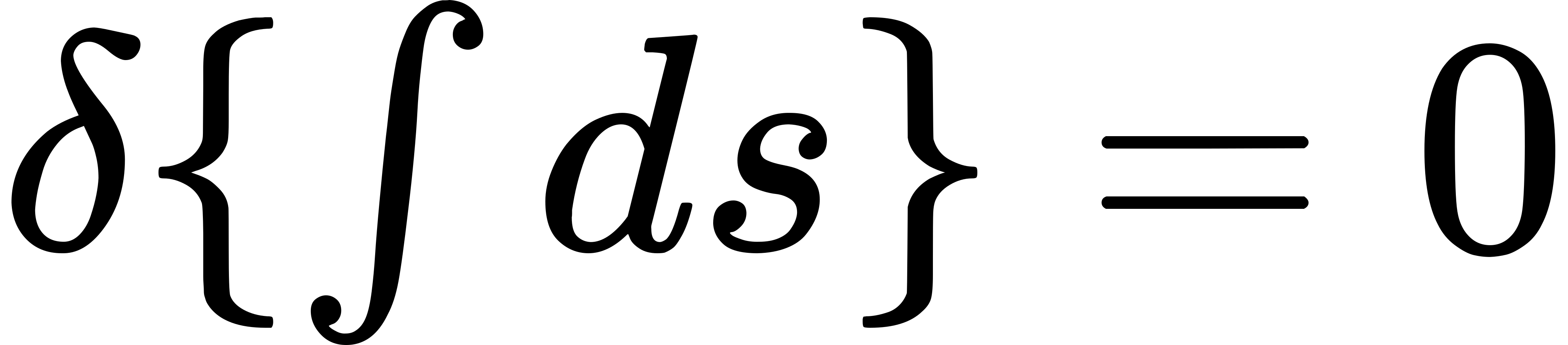 asserts that the variation in the length of path between two
sufficiently near points of the path vanishes for the path actually
traversed; i.e. the path actually chosen between two such points is the
shortest of all possible ones. If we retain the view of classical
mechanics for a moment, the following example will give us the sense of
the principle clearly: In the case of the motion of a point-mass, free
to move about in space, the straight line is always the shortest
connecting line between two points in space: and the point-mass will
move from the one point to the other along this straight line, provided
no other disturbing influences come into play (Law of inertia). If the
point-mass is constrained to move over any curved surface, it will pass
from one point to another along a geodetic line to the surface, since
the geodetic lines represent the shortest connecting lines between
points on the surface. In Einstein's theory there is a fully
corresponding principle, but of a much more general form. Under the
influence of inertia and gravitation every point-mass passes
along the geodetic lines of the space-time-manifold. The fact of these
lines not, in general, being straight lines, is due to the gravitational
field, in a certain sense, putting the point-mass under a sort of
constraint, similar to that imposed upon the freedom of motion of the
point-mass by a curved surface. A principle in every way corresponding
had already been installed in mechanics as a fundamental principle for
all motions by Heinrich Hertz.
Note 24 (p. 48). Vide A. Einstein, "Ann.
d. Phys.," 4 Folge, Bd. 35, S. 898.
Note 25 (p. 48). The expression
"acceleration-transformation" means that the equations giving the
transformation from the variables , , , to the
system of variables , , 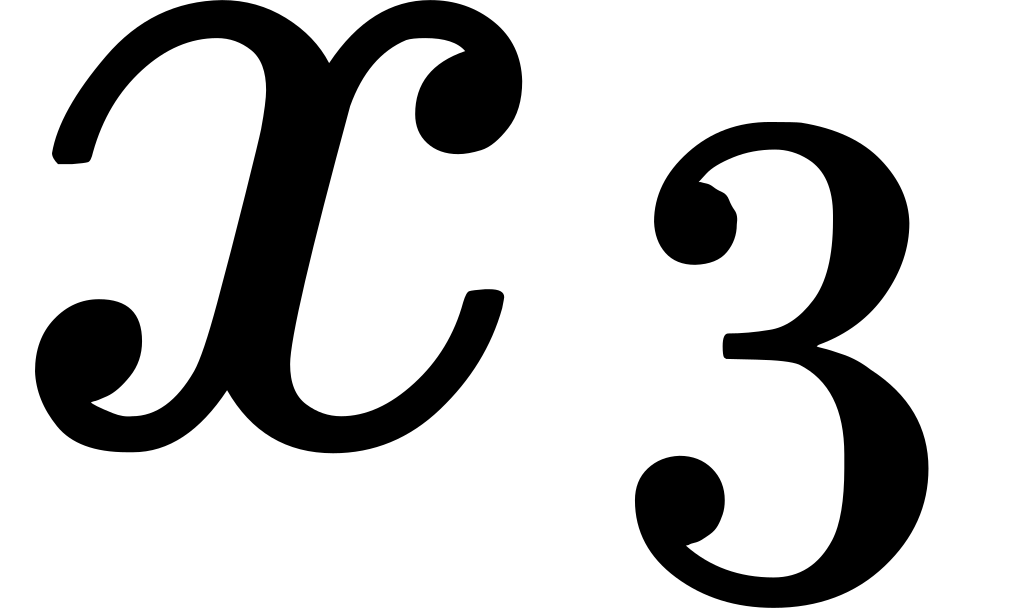 ,
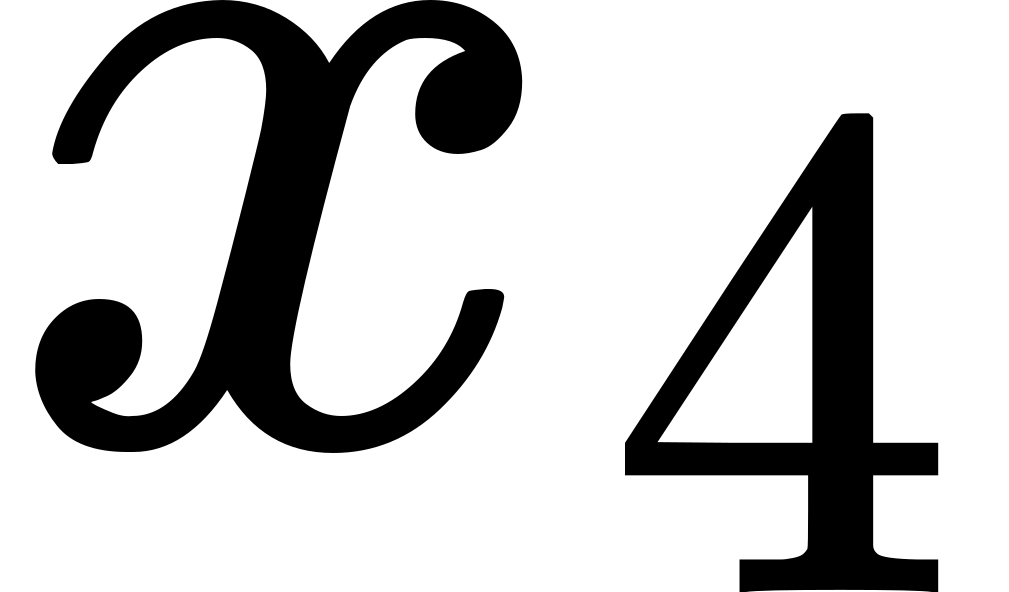 , which is
the basis of our discussion, can be regarded as giving the relations
between two systems of reference which are moving with an
accelerated motion relatively to one another. The nature of the
state of motion of two systems of reference relative to one another
finds its expression in the analytical form of the equations of
transformation of their co-ordinates.
Note 26 (p. 51). Two things are to be undertaken
in the following: (1) the fundamental equations of the new theory are to be
written in an explicit form, and (2) the transition to Newton's
fundamental equations is to be performed.
1. From the equation of variation 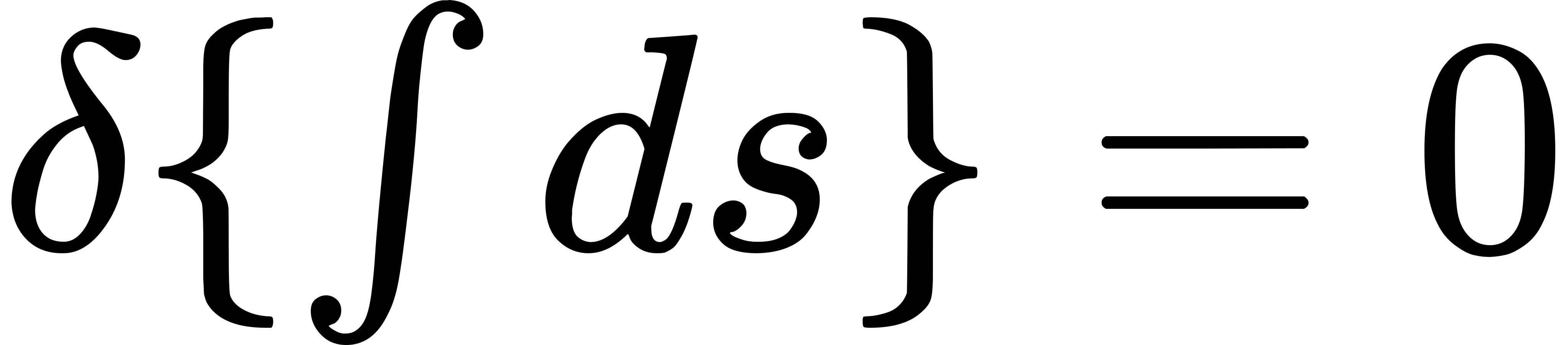 where
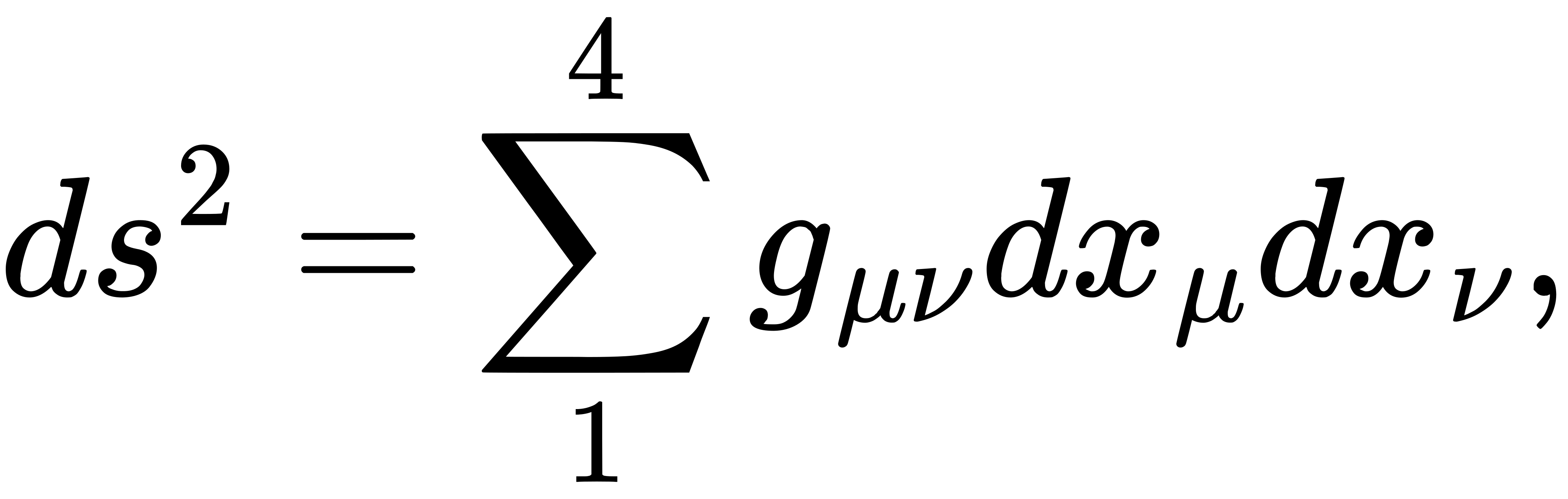 we have, after carrying out the operation of variation, the four total
differential equations:
 These are the equations of motion of a material point in the
gravitational field defined by the
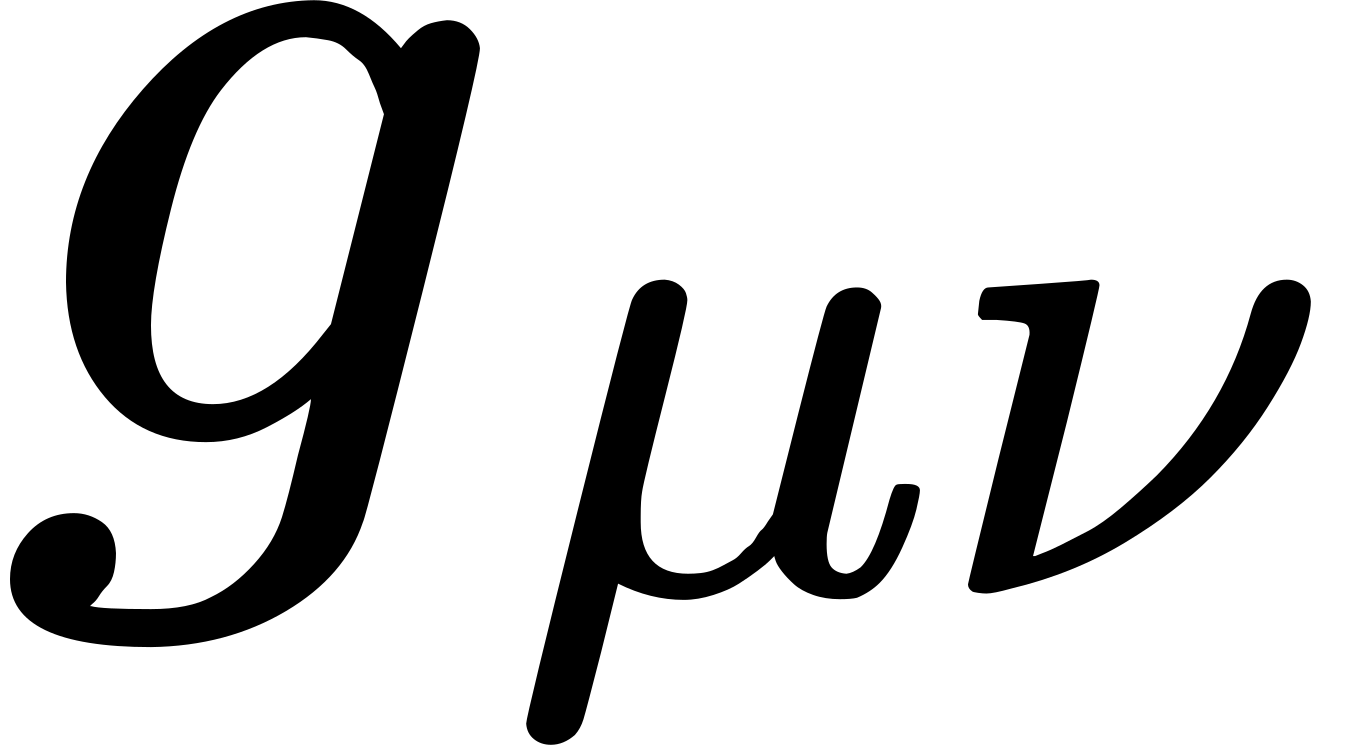 's.
The symbol 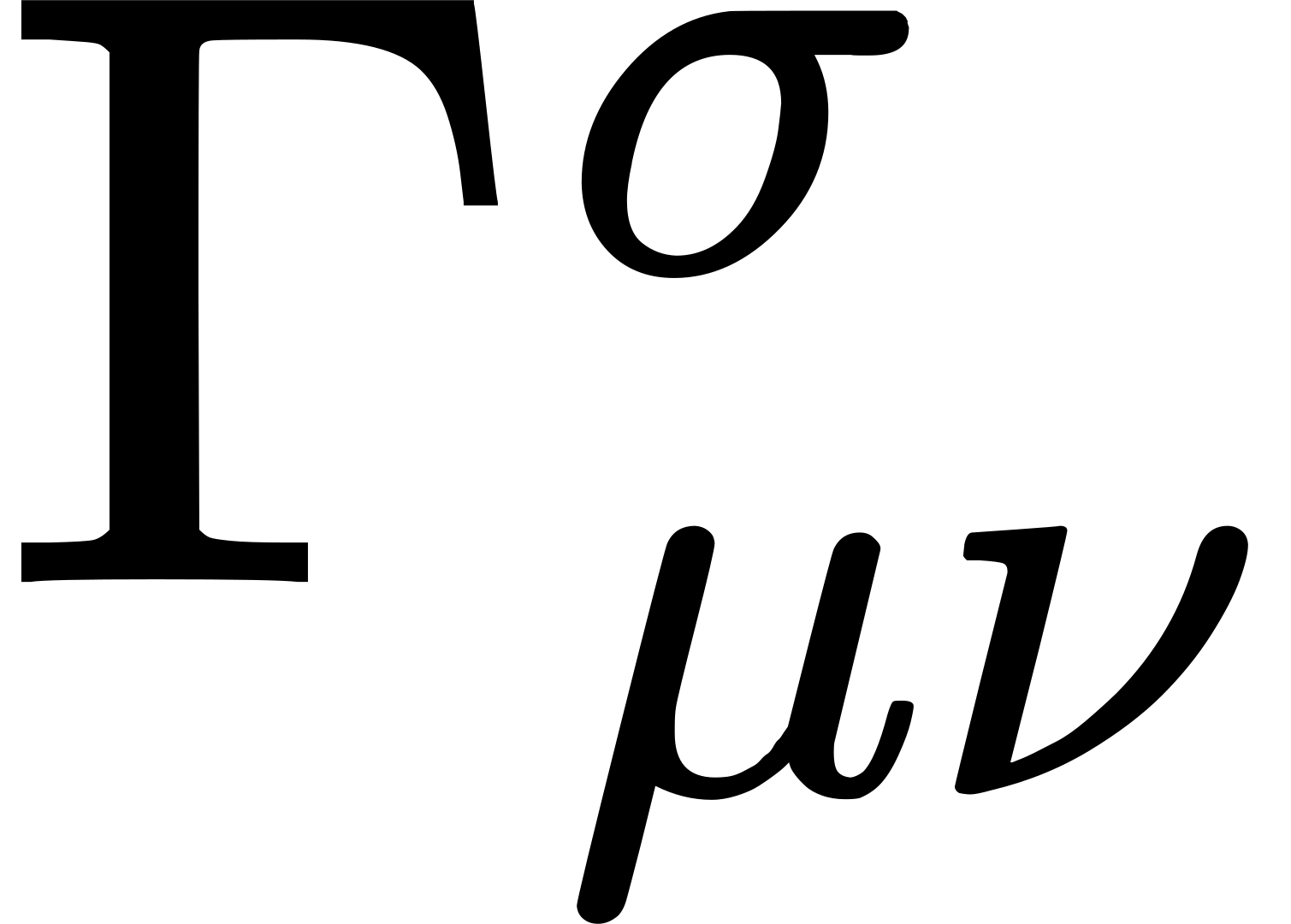 here denotes the expression
 The symbol
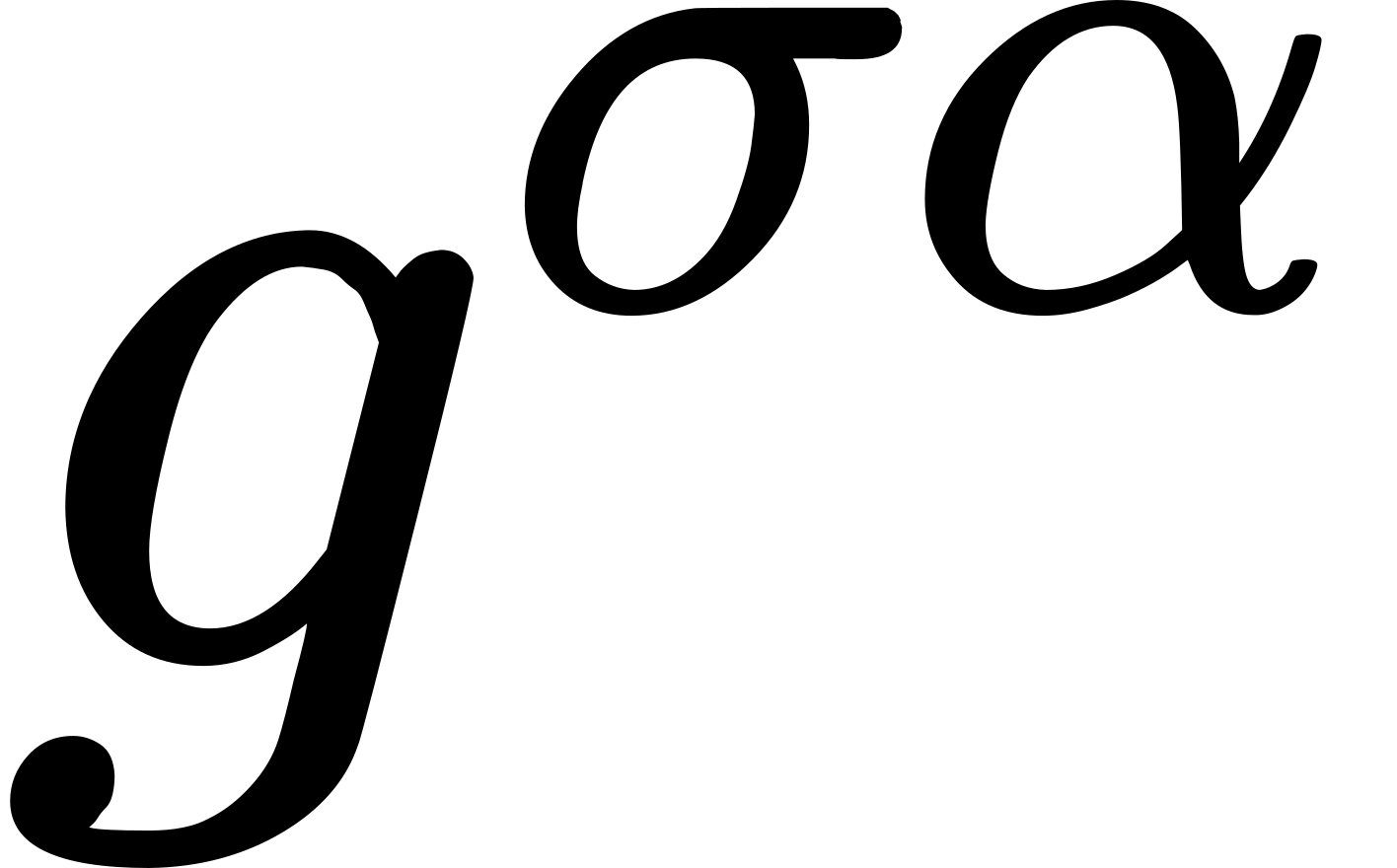 denotes the minor of
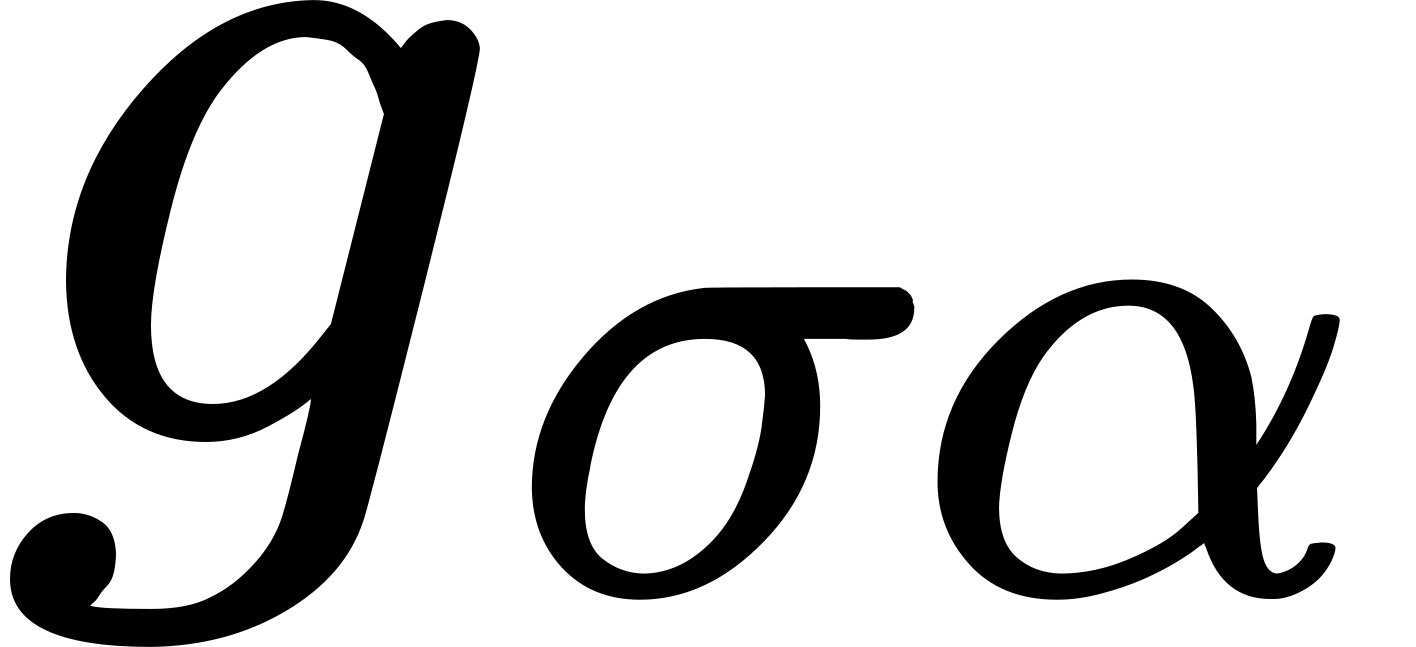 in the determinant
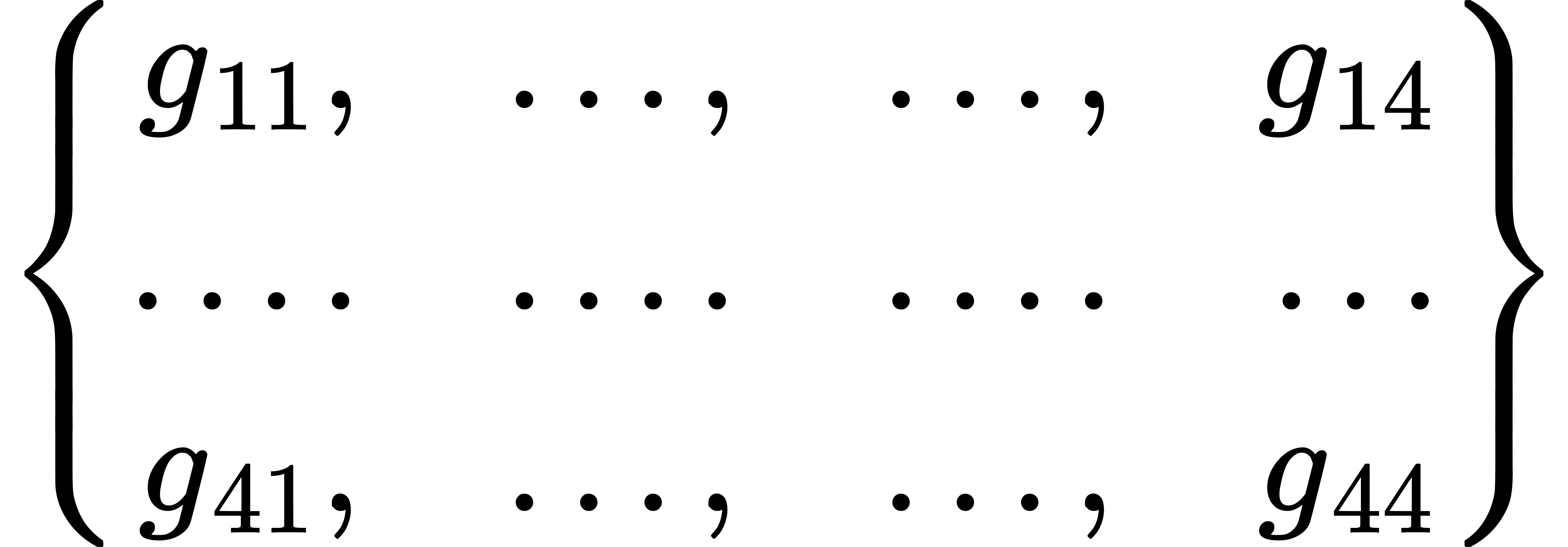 divided by the determinant itself.
The ten differential equations for the "gravitational potentials" are:

The quantities 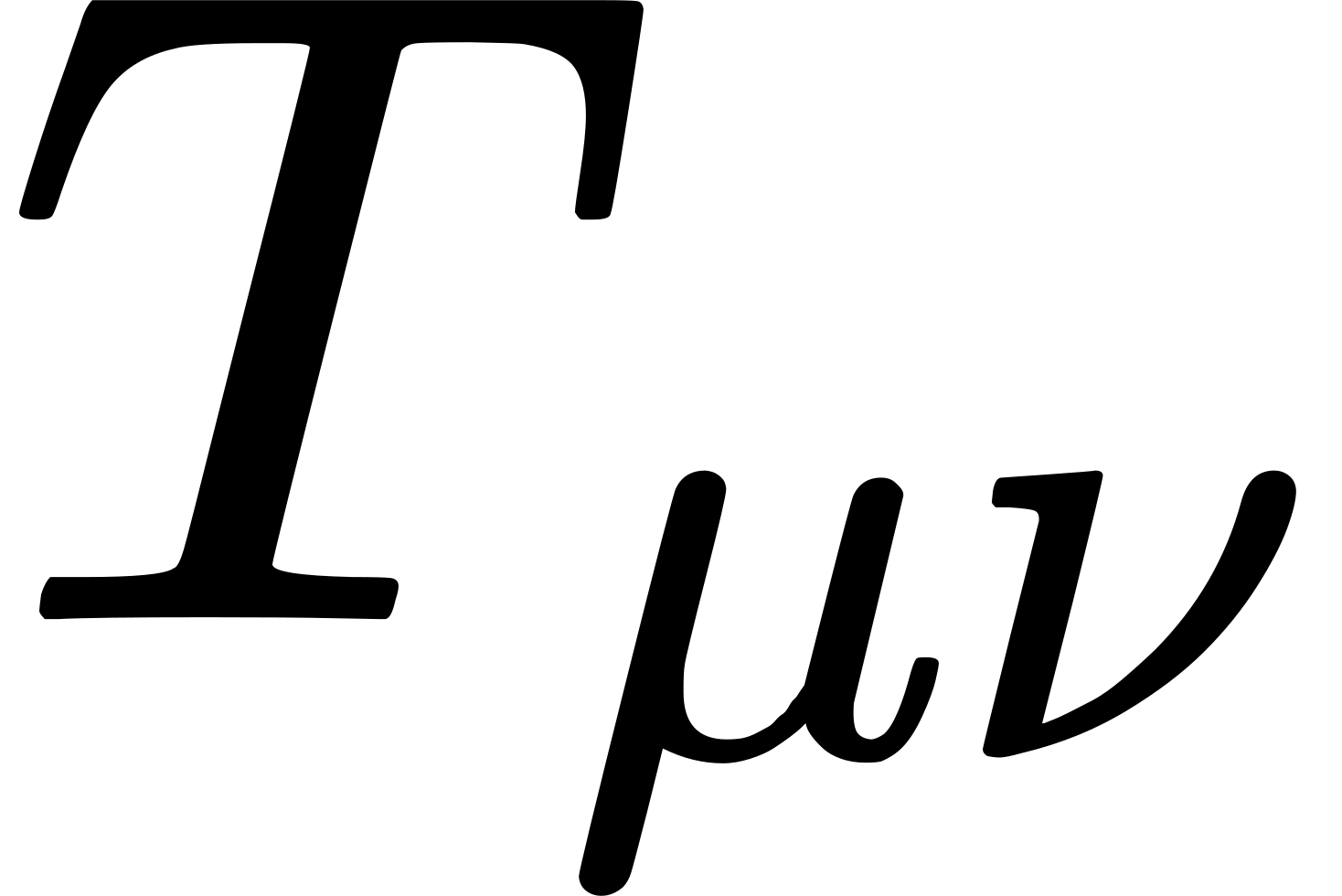 and are expressions which are
related in a simple manner to the components of the stress-energy-tensor
(which plays the part of the quantity exciting the field in the new
theory in place of the density of mass).
 is essentially equal
to the gravitational constant of Newton's theory.
The differential equations (1) and (2) are the
fundamental equations of the new theory. The derivation of these
equations is carried out in detail in the tract by A. Einstein, "The
Foundations of the General Principle of Relativity," J. A. Barth,
Leipzig, 1916.
2. In order to obtain a connection between these equations and Newton's
theory, we must make several simplifying assumptions. We shall first
assume that the 's differ only by quantities which are
small compared with unity from the values given by the scheme:
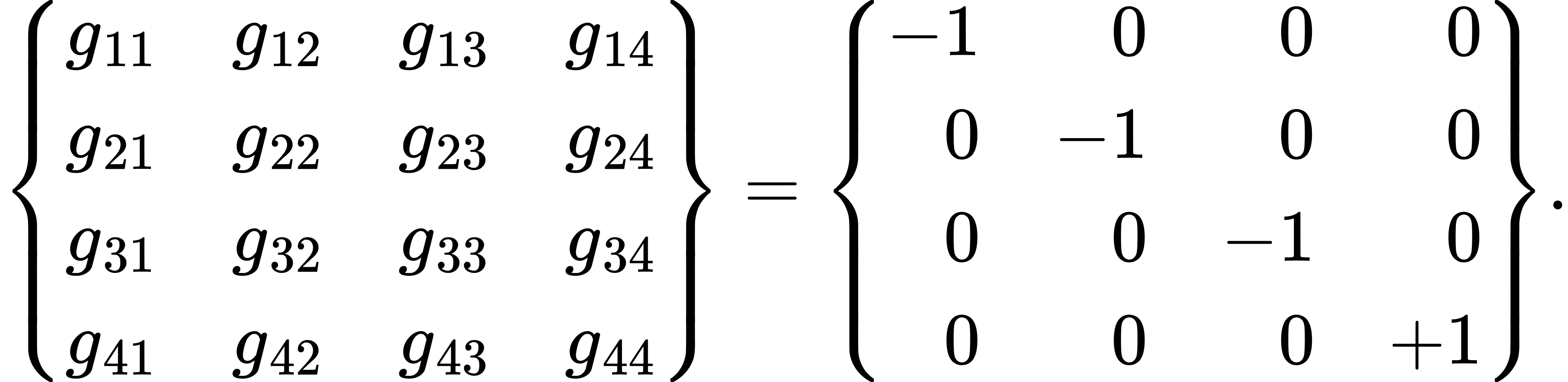 These values for the 's characterize the case of the
special theory of relativity, i.e. the case of the condition free of
gravitation. We shall also assume that, at infinite distances, the
's tend to, and do finally, assume the above values; that
is, that matter does not extend into infinite space.
Secondly, we shall assume that the velocities of matter are small
compared with the velocity of light, and can be regarded as small
quantities of the first order. The quantities
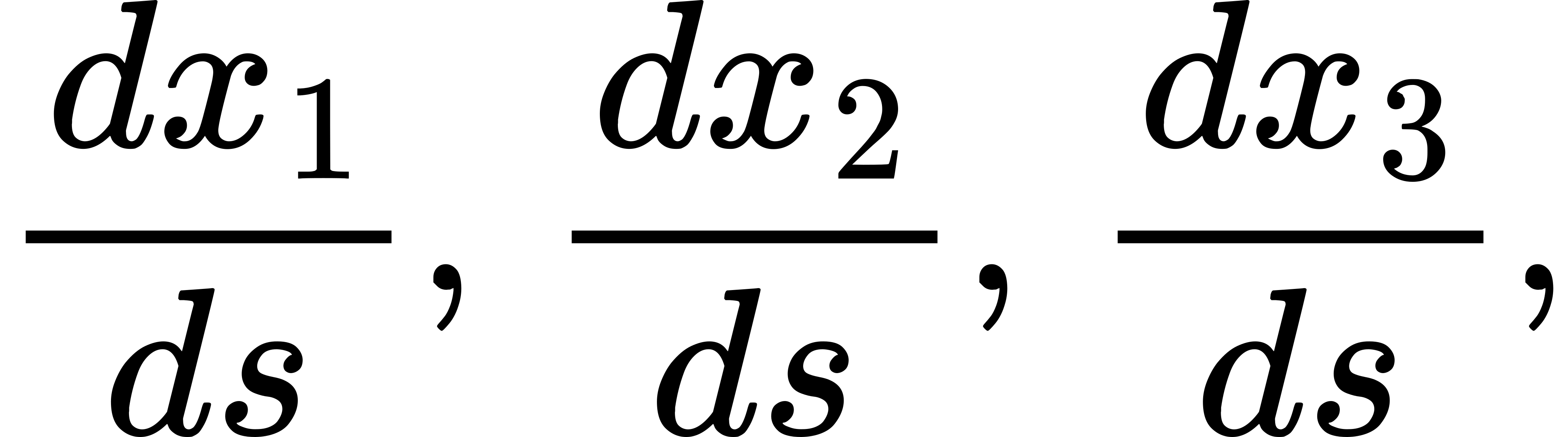 will then be infinitely small quantities of the first order, and
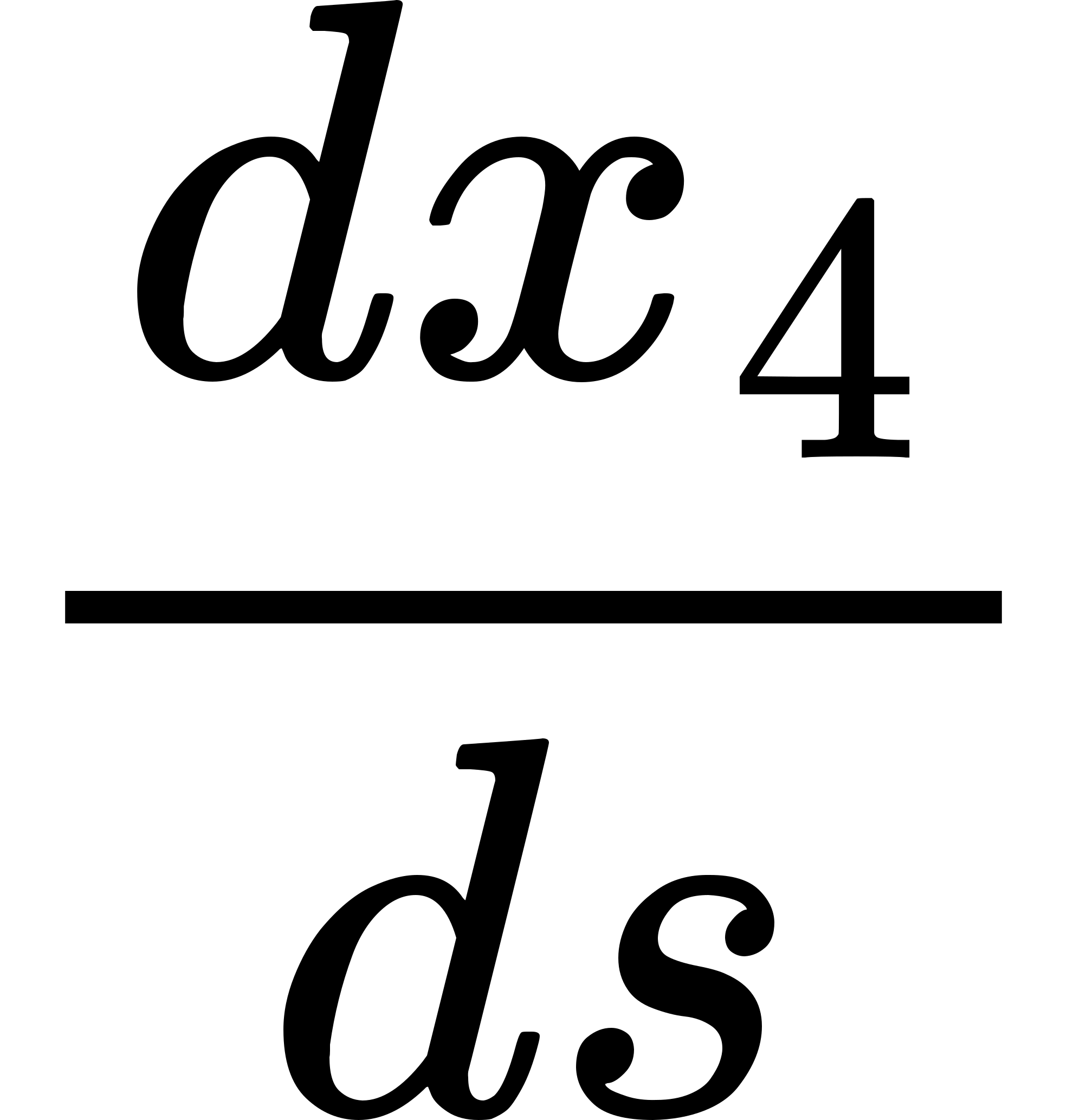 will equal 1, except for quantities of
the second order. From the equations defining the
it will then be seen that these quantities
will be infinitely small, of the first order. If we neglect quantities
of the second order, and finally assume that, for small velocities of
matter, the changes of the gravitational field with respect to time are
small (i.e. that the derivatives of the s with respect to time may be
neglected in comparison with the derivatives taken with regard to the
space-co-ordinates) the system of equations (1) assumes the form:
 This would be the equation of motion of a point-mass as already given by
Newton's mechanics, if
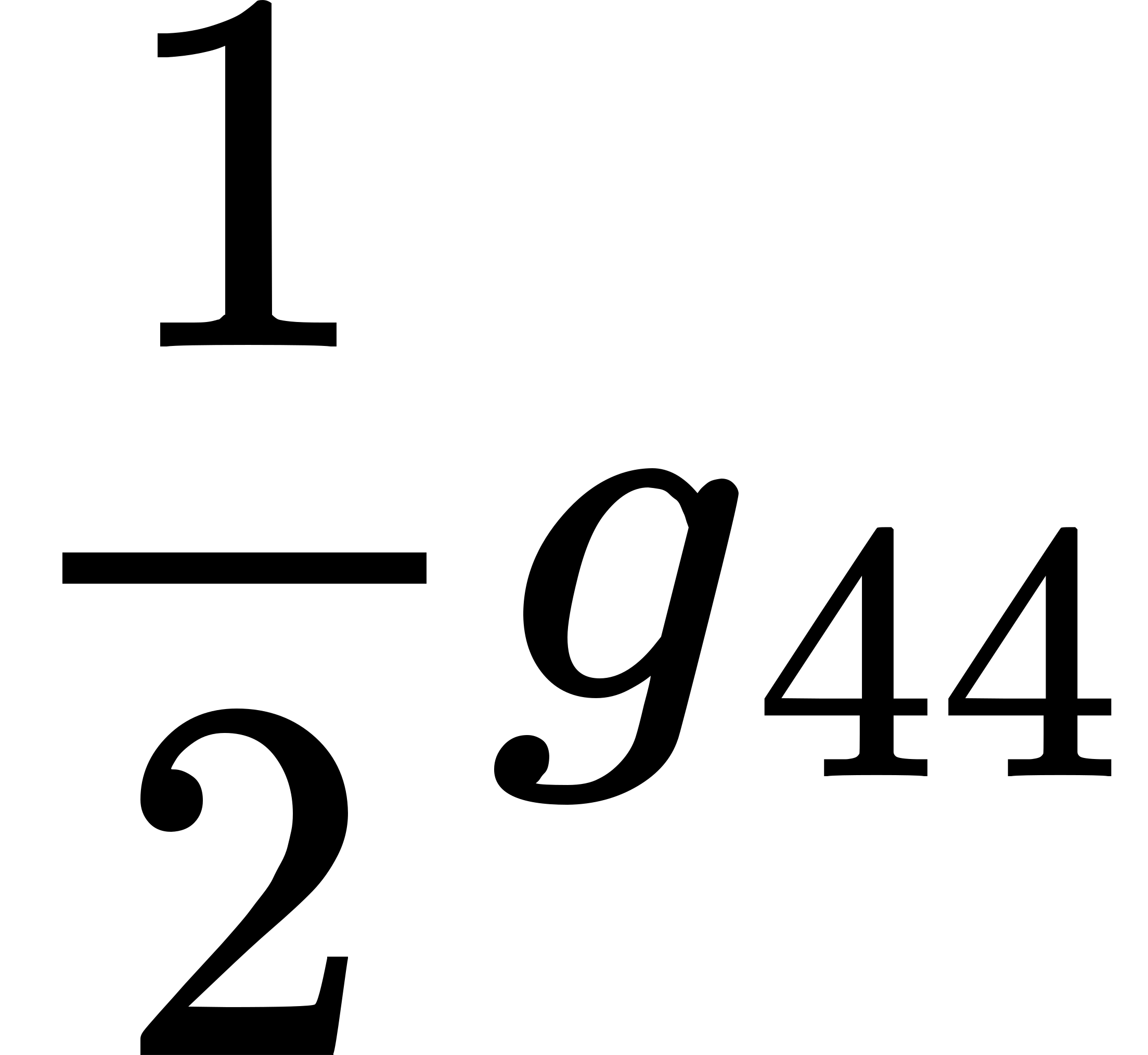 be taken as representing
the ordinary gravitational potential. It still remains to be seen what
the differential equation for
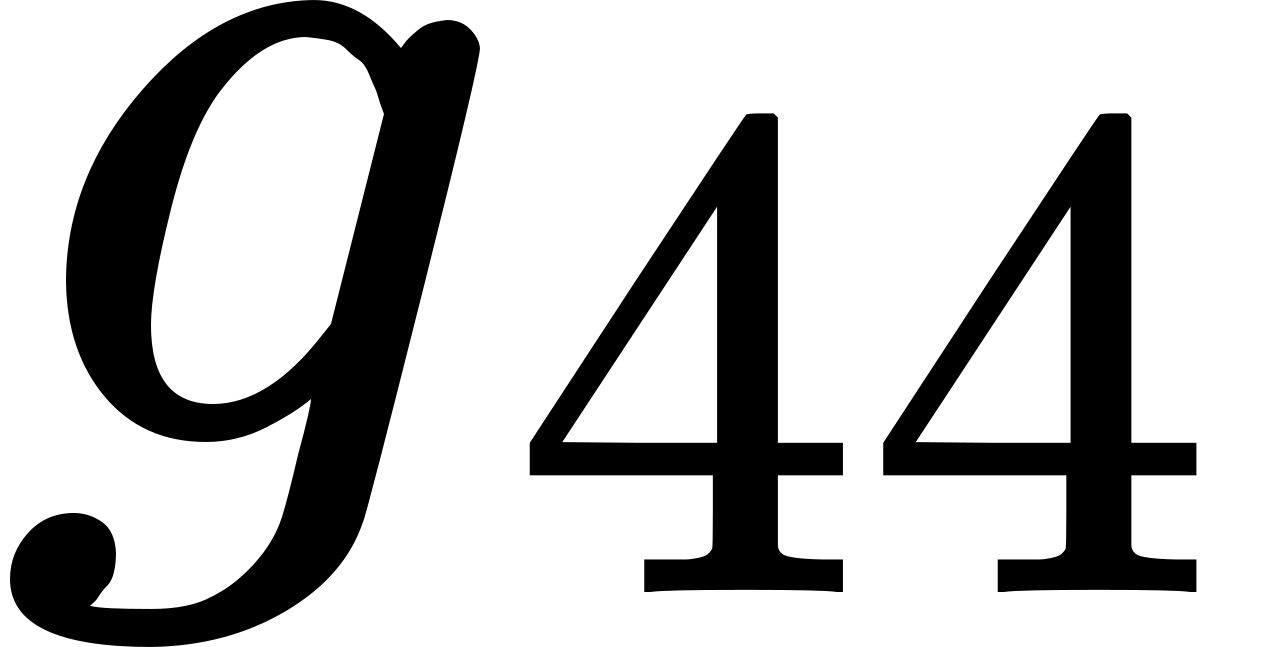 becomes in the new theory under
the simplifying assumptions we have chosen.
The stress-energy-tensor, which excites the field, degenerates, as a
result of our quite special assumptions, into the density of mass:
 In the differential equations (2) the second term on the left-hand side
is the product of two magnitudes, which, according to the above
arguments, are to be regarded as infinitely small quantities of the
first order. Thus the second term, being of the second order of small
quantities, may be dismissed. The first term, on the other hand, if we
omit the terms differentiated with respect to time, as above (i.e. if we
regard the gravitational field as "stationary"), reduces to:
 The differential equation for thus degenerates into Poisson's
equation:
 Thus, to a first approximation (i.e. if one regards the velocity of
light as infinitely great, and this is a characteristic feature of the
classical theory, as was explained in detail in
§ 3(b): if
certain simple assumptions are made about the behaviour of the
's at infinity; and if the time-changes of the
gravitational field are neglected) the well-known equations of Newtonian
mechanics emerge out of the differential equations of Einstein's theory,
which were obtained from perfectly general beginnings.
Note 27 (p. 53). The theory of surfaces, i.e.
the study of geometry upon surfaces, makes it immediately apparent that
the theorems, which have been established for any surface, also hold for
any surface which can be generated by distorting the first without
tearing. For if two surfaces have a point-to-point correspondence,
such that the line-elements are equal at corresponding points,
then corresponding finite arcs, angles, and areas, etc., will be equal.
One thus arrives at the same planimetrical theorems for the two
surfaces. Such surfaces are called "deformable" surfaces. The
necessary and sufficient condition that surfaces be continuously
deformable is that the expression for the line-element of the one
surface
 can be transformed into that for the other,
 According to Gauss, it is necessary that both surfaces have equal
measures of curvature. If the latter is constant over the whole
surface, as e.g. in the case of a cylinder or a plane, all conditions
for the deformability of the surfaces are fulfilled. In other cases,
special equations offer a criterion as to whether surfaces, or portions
of surfaces, are deformable into one another. The numerous subsidiary
problems, which result out of these questions, are discussed at length
in every book dealing with differential geometry (e.g. Bianchi-Lukat).[17]
This branch of training, which was hitherto of interest only to
mathematicians, now assumes very considerable importance for the
physicist too.
Note 28 (p. 61). One must avoid being
deceived into the belief that Newton's fundamental law is in any way to
be regarded as an explanation of gravitation. The conception of
attractive force is borrowed from our muscular sensations, and has
therefore no meaning when applied to dead matter. C. Neumann, who took
great pains to place Newton's mechanics on a solid basis, glosses upon
this point himself in a drastic fashion, in the following narrative,
which shows up the weaknesses of the former view:
"Let us suppose an explorer to narrate to us his experiences in yonder
mysterious ocean. He had succeeded in gaining access to it, and a
remarkable sight had greeted his eyes. In the middle of the sea he had
observed two floating icebergs, a larger and a smaller one, at a
considerable distance from one another. Out of the interior of the
larger one, a voice had resounded, issuing the following command in a
peremptory tone: 'Ten feet nearer!' The little iceberg had immediately
carried out the order, approaching ten feet nearer the larger one.
Again, the larger gave out the order: 'Six feet nearer!' The other had
again immediately executed it. And in this manner order after order had
echoed out: and the little iceberg had continually been in motion, eager
to put every command immediately and implicitly into action.
"We should certainly consign such a report to the realm of fables. But
let us not scoff too soon! The ideas, which appear so extraordinary to
us in this case, are exactly the same as those which lie at the base of
the most complete branch of natural science, and to which the most
famous of physicists owes the glory attached to his name.
"For in cosmic space such commands are continually resounding,
proceeding from each of the heavenly bodies—from the sun, planets,
moons, and comets. Every single body in space hearkens to the orders
which the other bodies give it, always striving to carry them out
punctiliously. Our earth would dash through space in a straight line, if
she were not controlled and guided by the voice of command, issuing from
moment to moment, from the sun, in which the instructions of the
remaining cosmic bodies are less audibly mingled.
"These commands are certainly given just as silently as they are
obeyed; and Newton has denominated this play of interchange between
commanding and obeying by another name. He talks quite briefly of a
mutual attractive force, which exists between cosmic bodies. But the
fact remains the same. For this mutual influence consists in one body
dealing out orders, and the other obeying them."
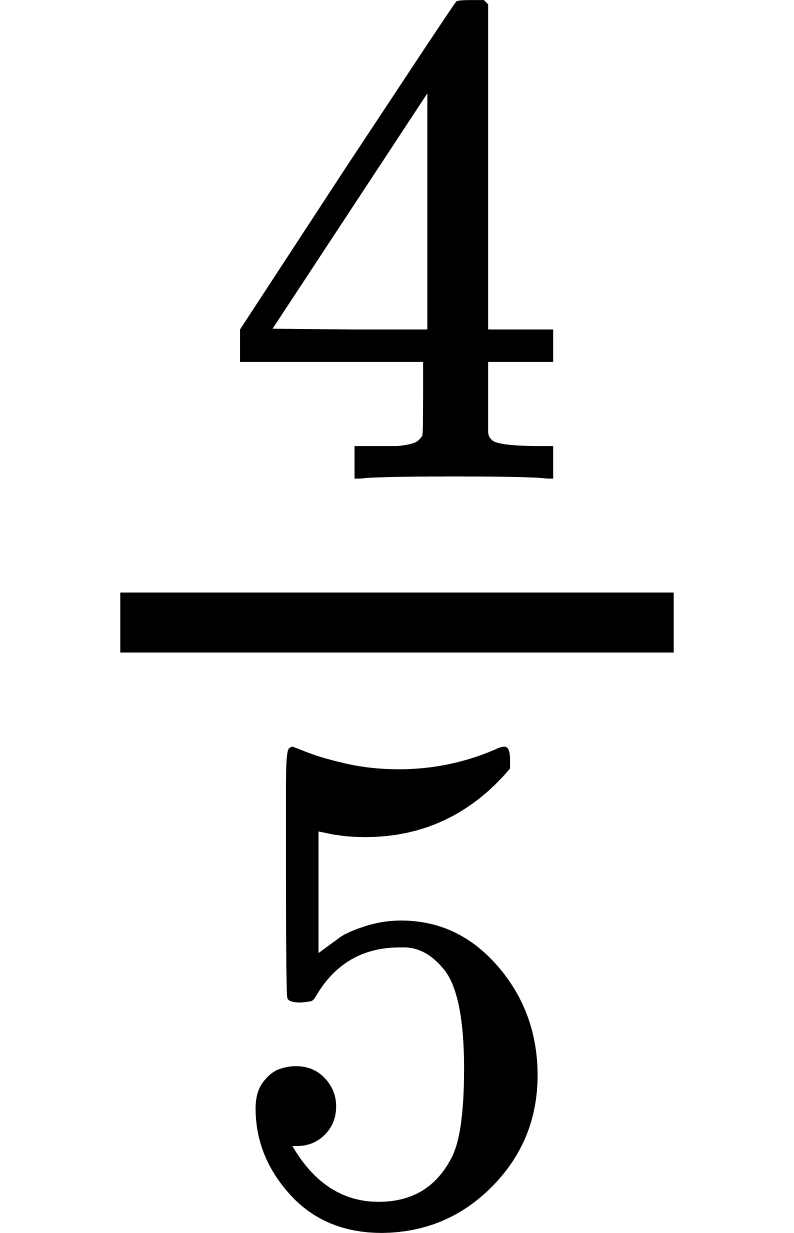
 in midstream, row out in
any direction to a distance of 4 miles from
 , of equal skill elects to row up
stream. In two hours he could pull 10 miles if there were no stream; but
since meantime the stream has pulled him back 6 miles by "direct action"
he will have only just reached the 4 mile limit from the start, and has
still his return journey to go. No doubt he will accomplish this pretty
quickly with the stream to help him, but his antagonist has already got
home before he begins the return. We might have let him do his quick
journey down stream first, but it is easy to see that this would gain
him no ultimate advantage.
 of a mile
nearer the starting-point, so that
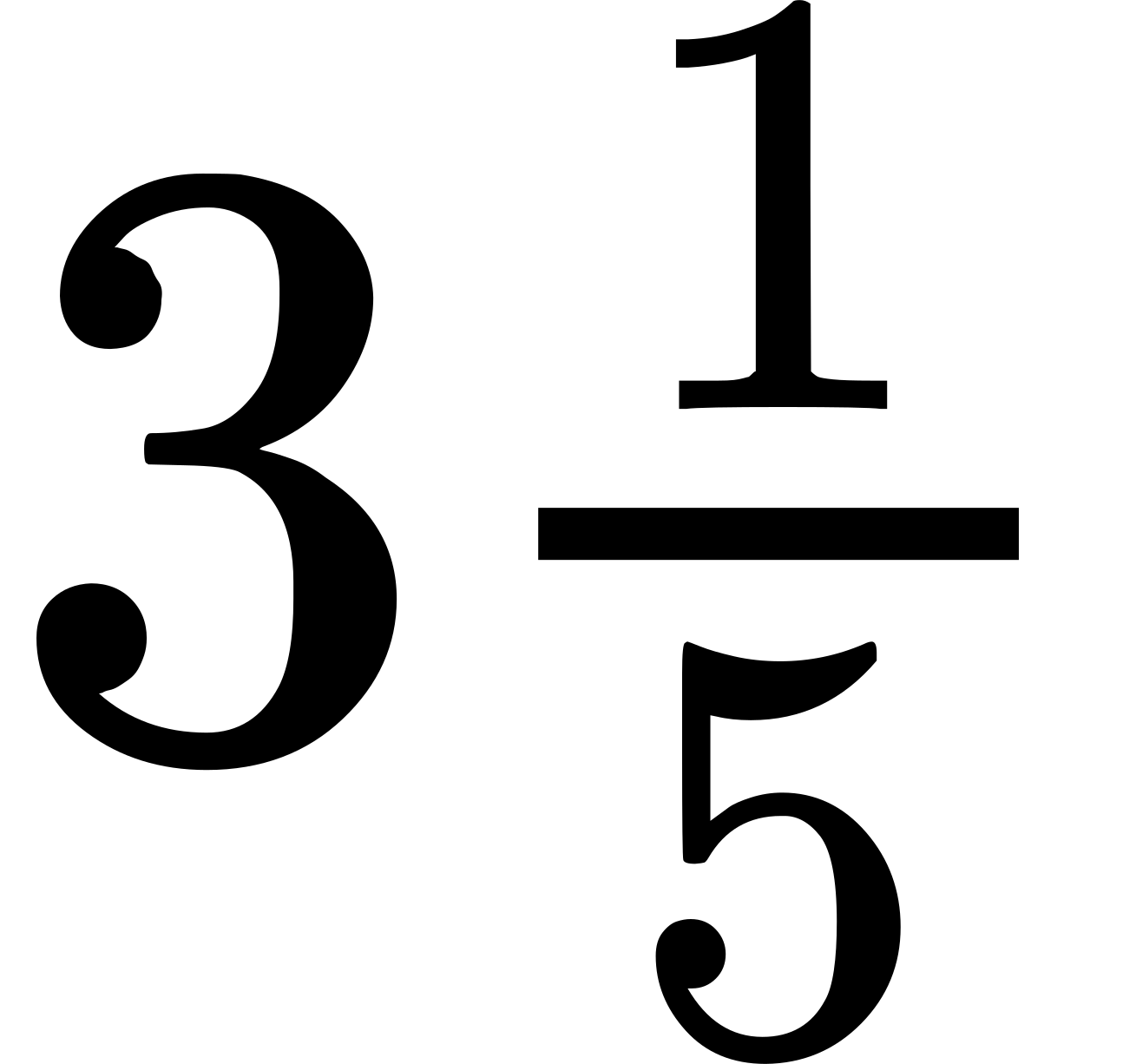 miles out and back instead of 4 miles. So gross a piece of cheating
would enable
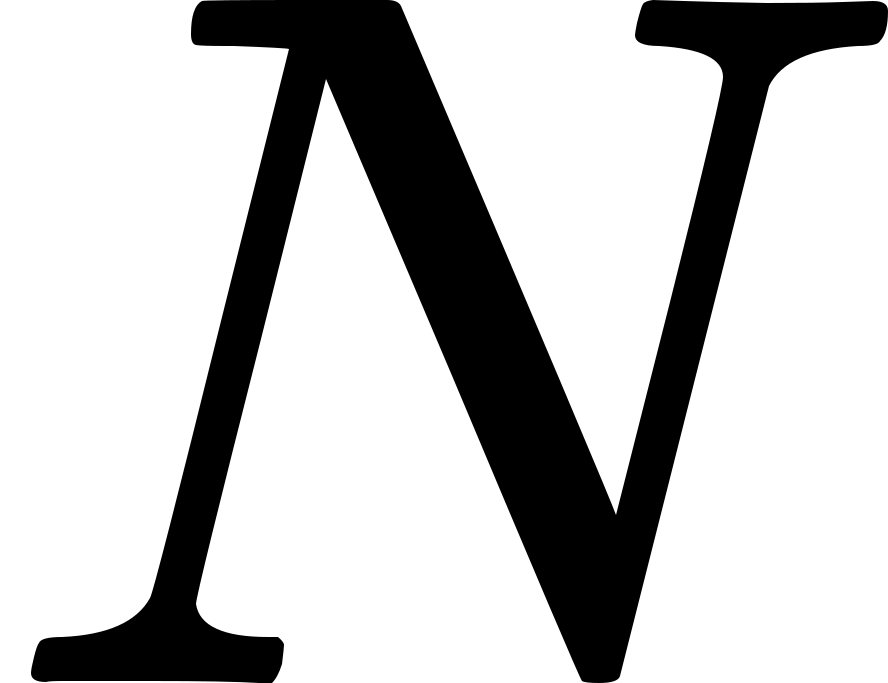 . On Einstein's theory the deflection would be just twice this
amount,
 . But it was thought quite possible that the result
might be neither

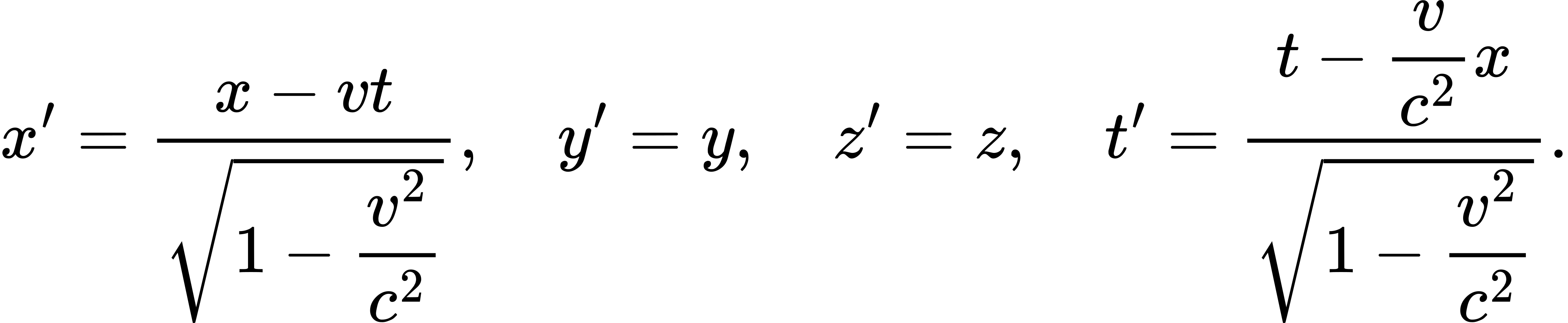
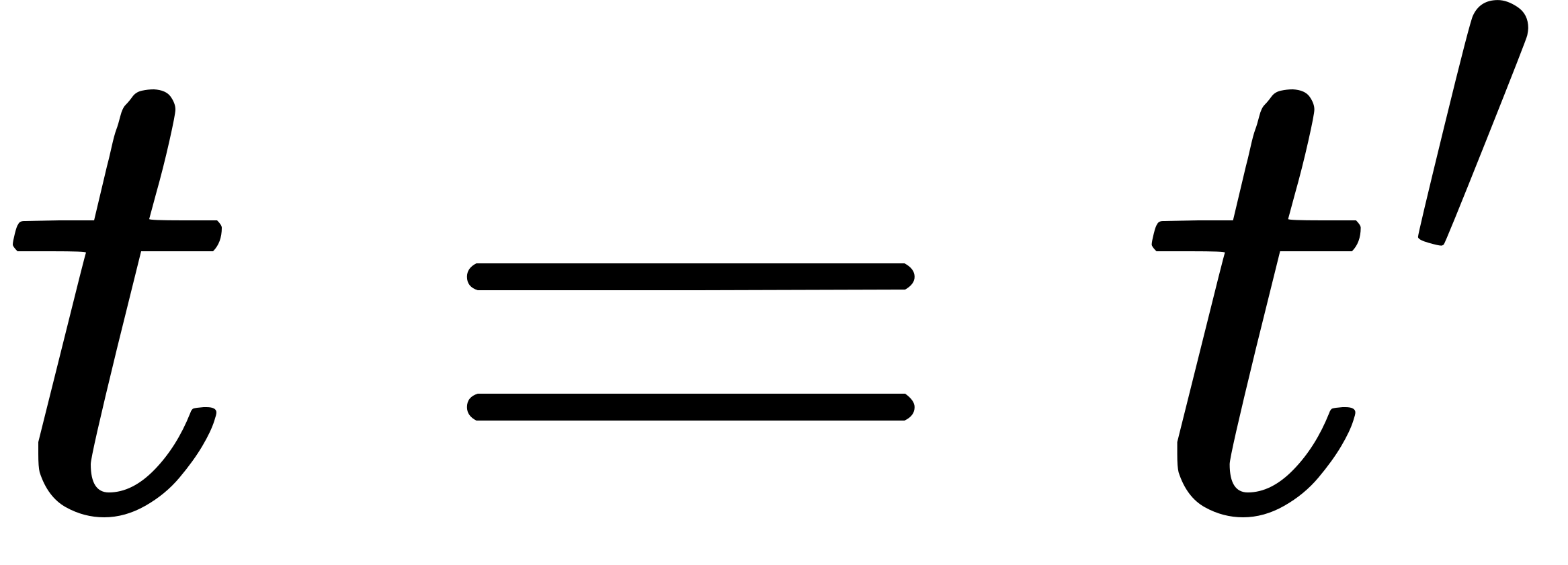 into the
time-values of the second system of reference; it is in this that the
absolute character of the time-measures manifests itself in the
classical theory. Newton's equations of mechanics do not alter their
form if we substitute the co-ordinates
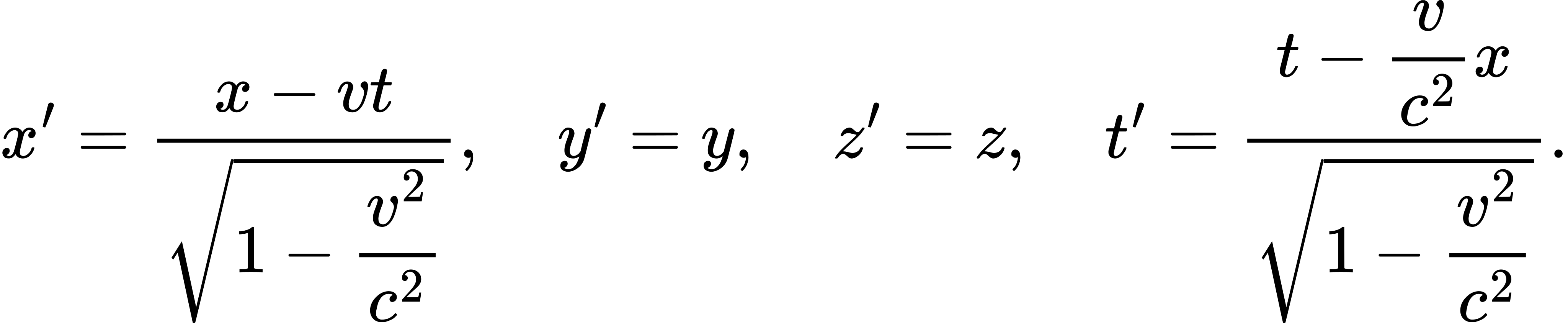
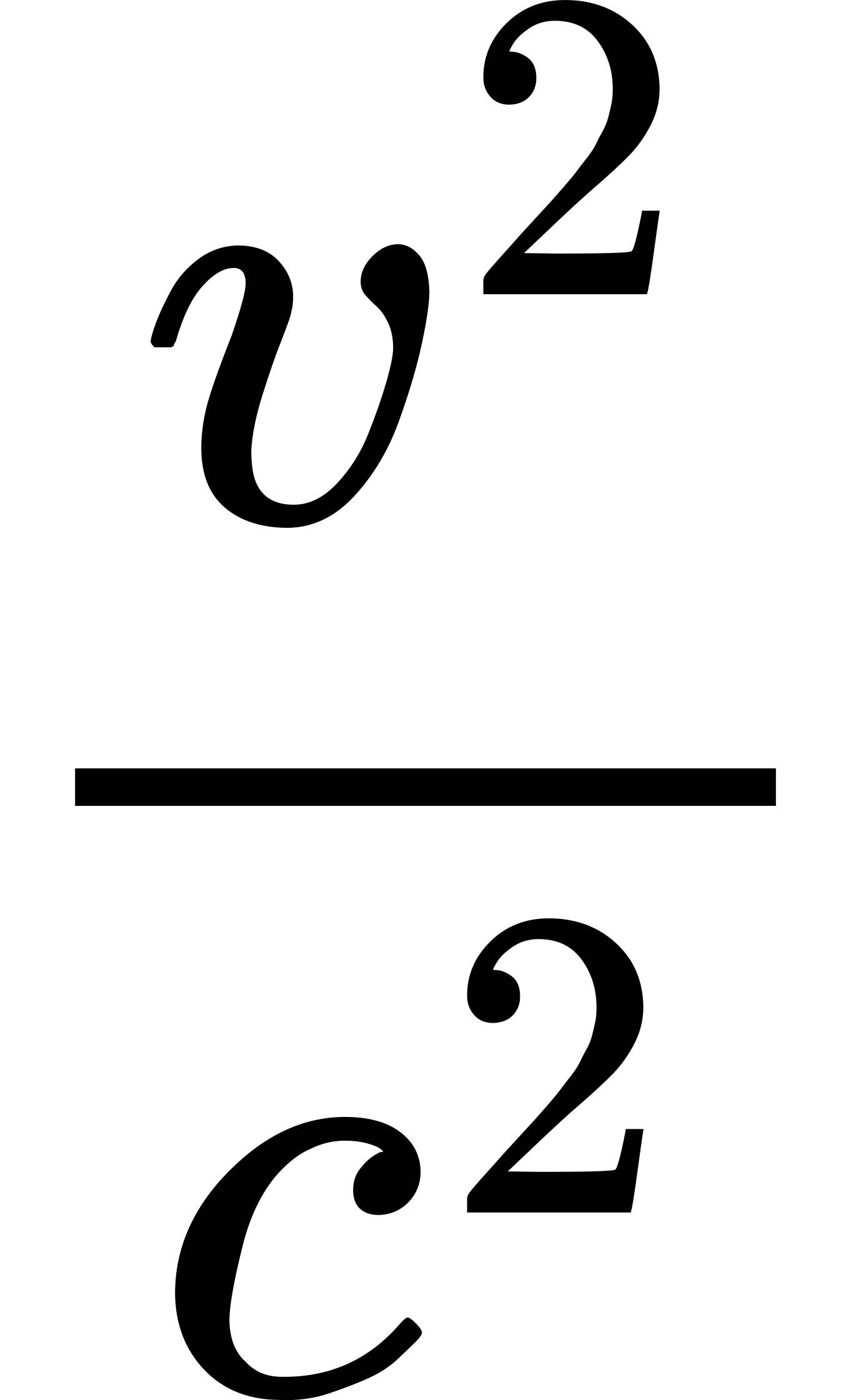 or
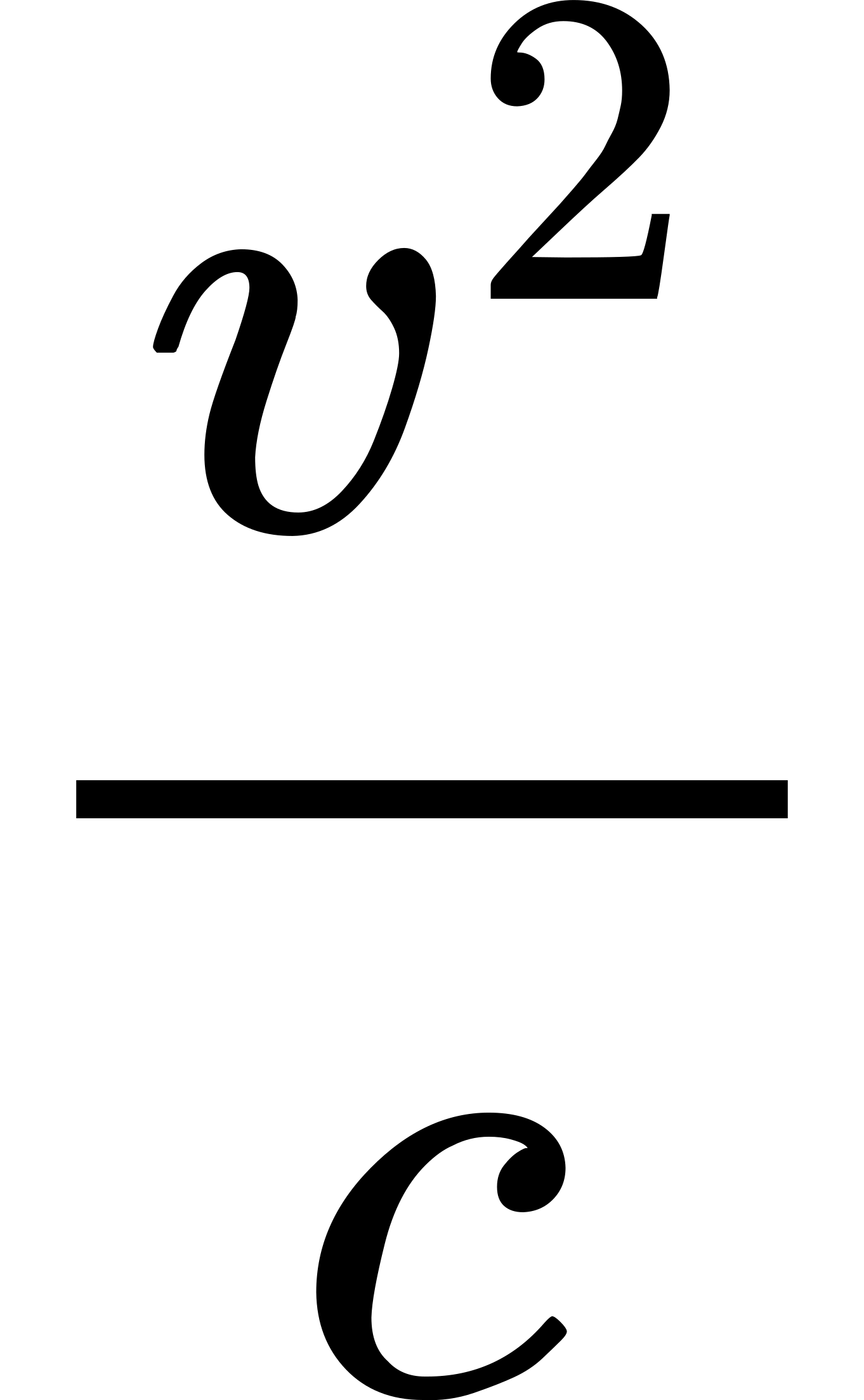 respectively, may be
neglected in comparison with the remaining terms—an admissible
assumption in all cases with which classical mechanics had so far
dealt—the Lorentz-Einstein transformations pass over into those of
Newton and Galilei.
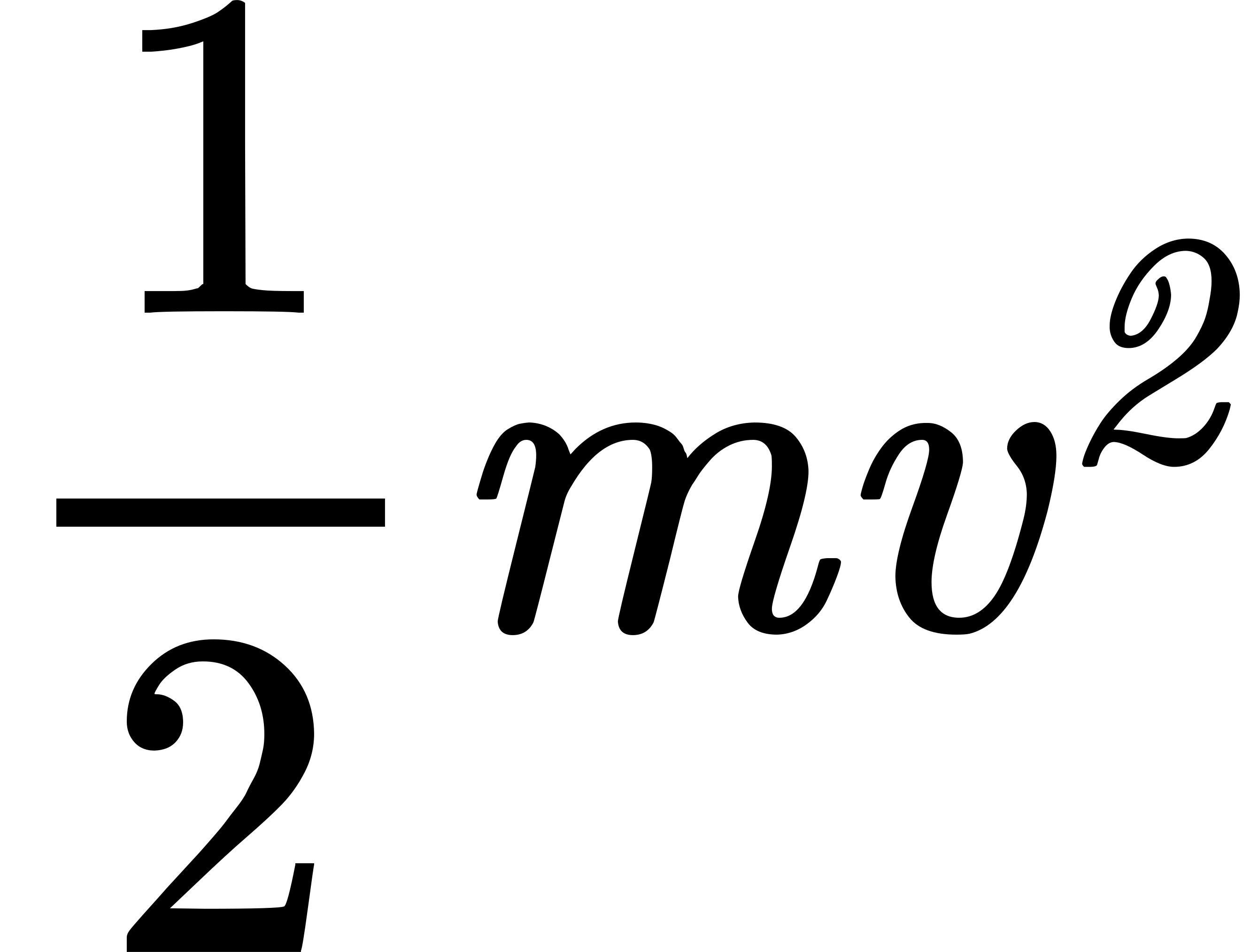 , which involves the mass and the
velocity. Both these results are consequences of the change which we
found necessary to make in our view of the nature of the mass
of matter. The new principle of relativity and the equations of
electrodynamics led, rather, to the fundamentally new discovery that
inertial mass is a property of every kind of energy, and that a
point-mass, in emitting or absorbing energy, decreases or increases,
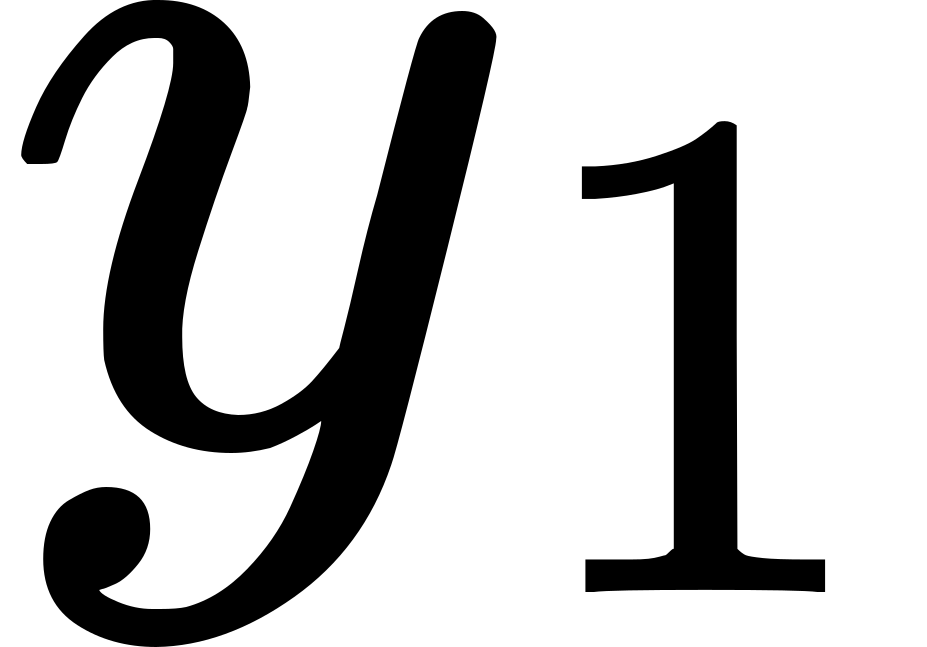
respectively, in inertial mass, as is shown in
 ,
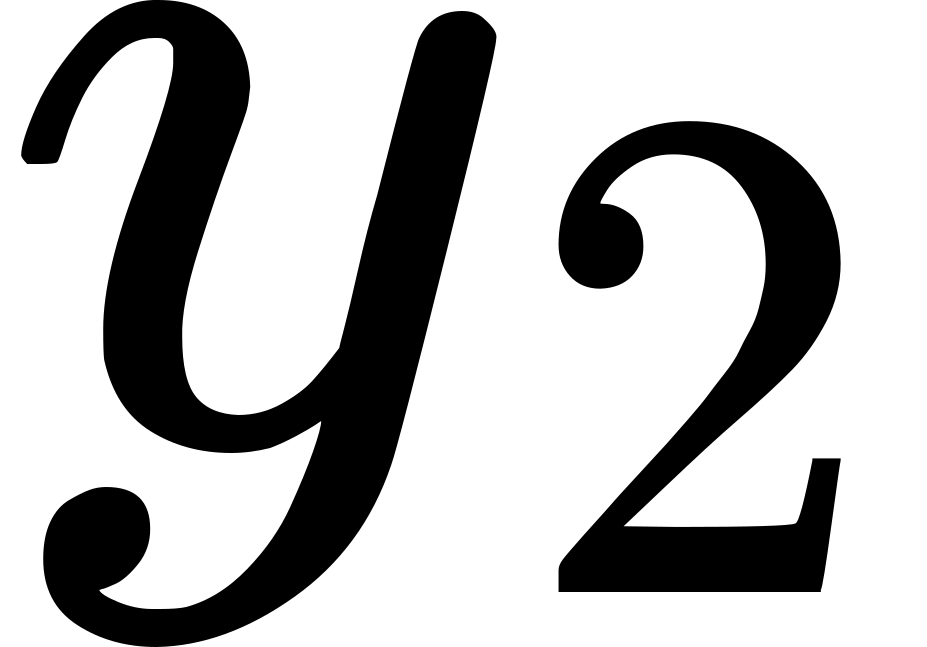 ,
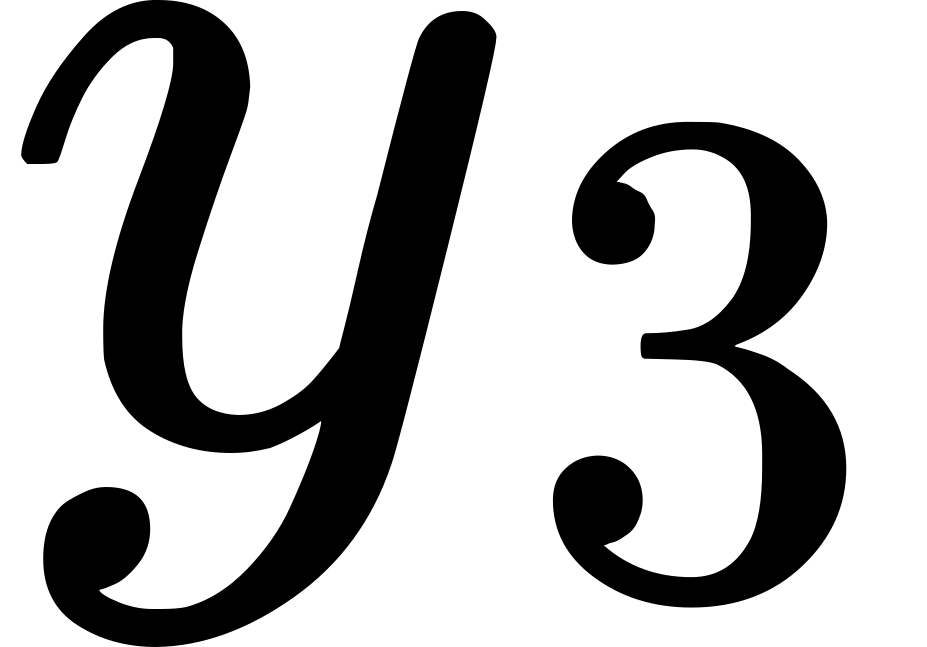 , which are assigned to two definite points in space, and which
we may imagine as the end-points of a rigid measuring rod, such that
this expression may be regarded as a measure of the distance between
them, that is, as an expression for the length of the rod, and may be
introduced as such into the formulae expressing physical laws.
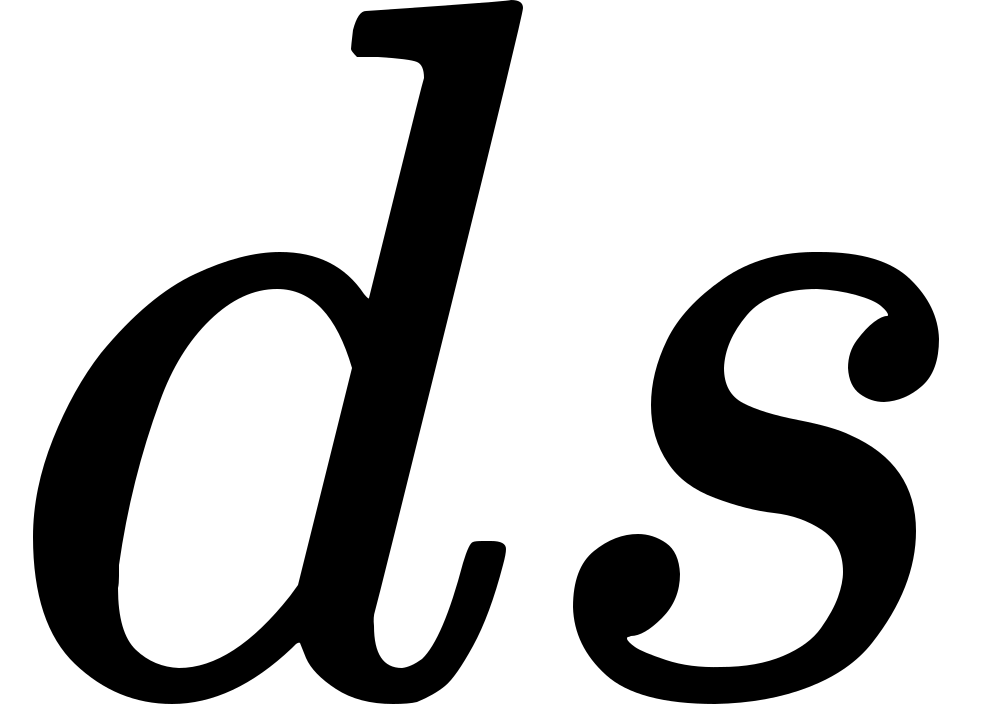 , of infinitely near points, so-called
line-elements. We must, therefore, inquire whether our two
postulates of
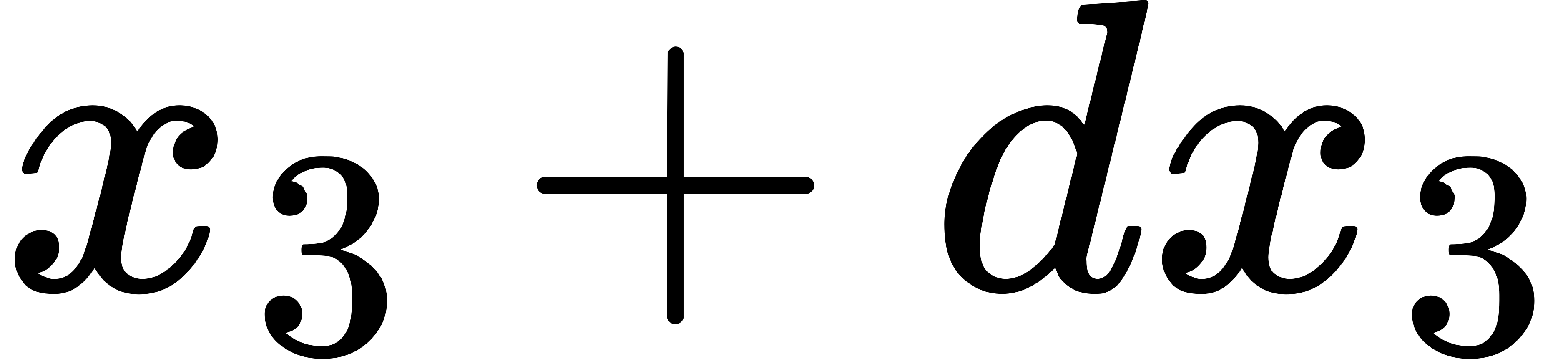 respectively
denote two infinitely near points in space and if the continuously variable
numbers
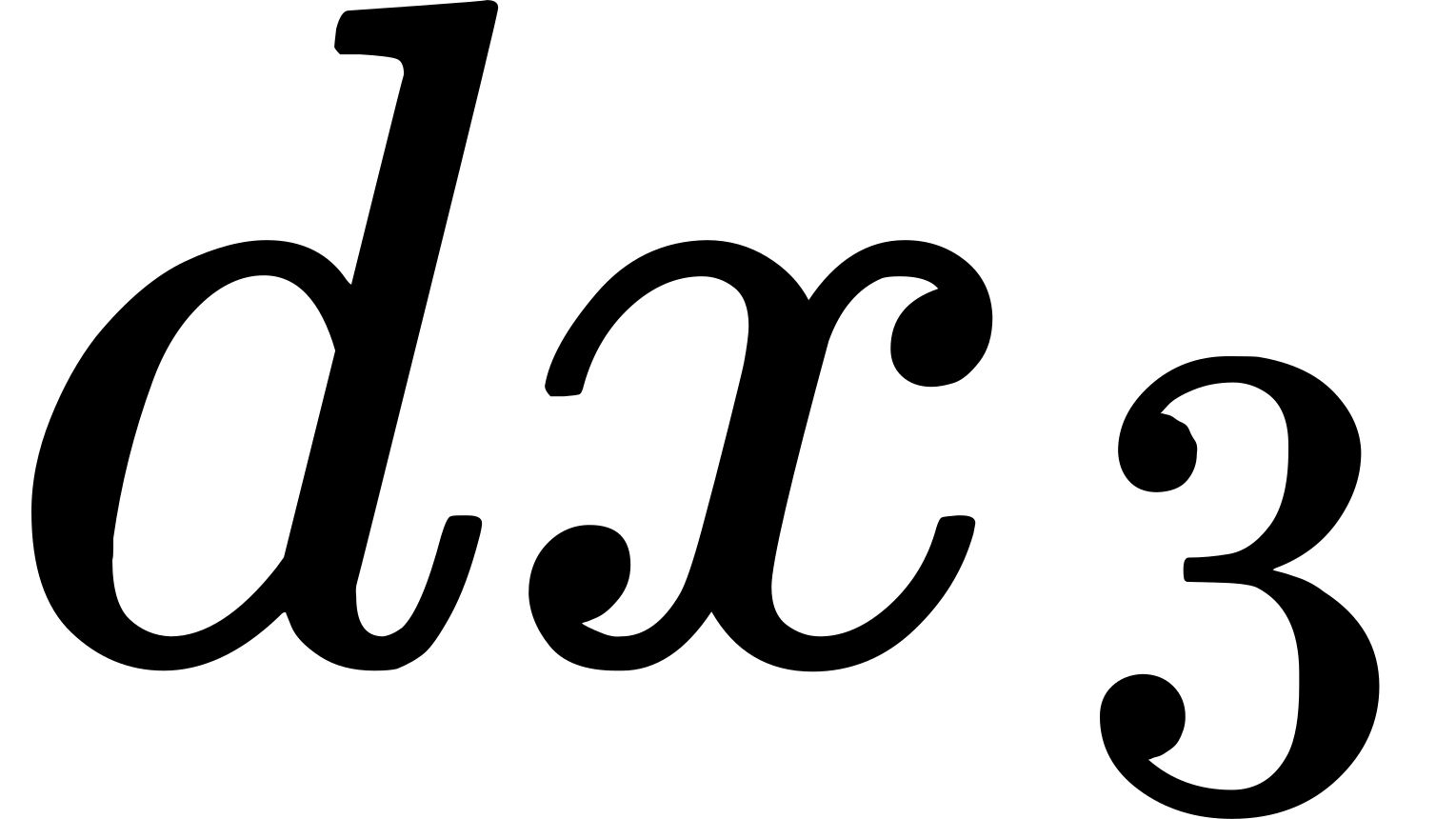 has all the
properties


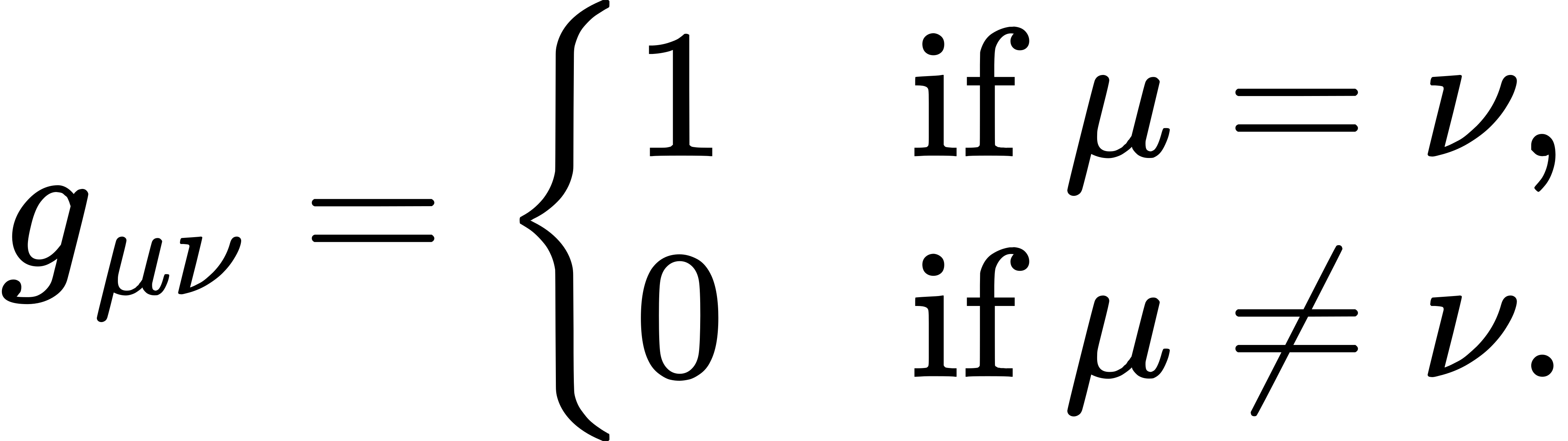

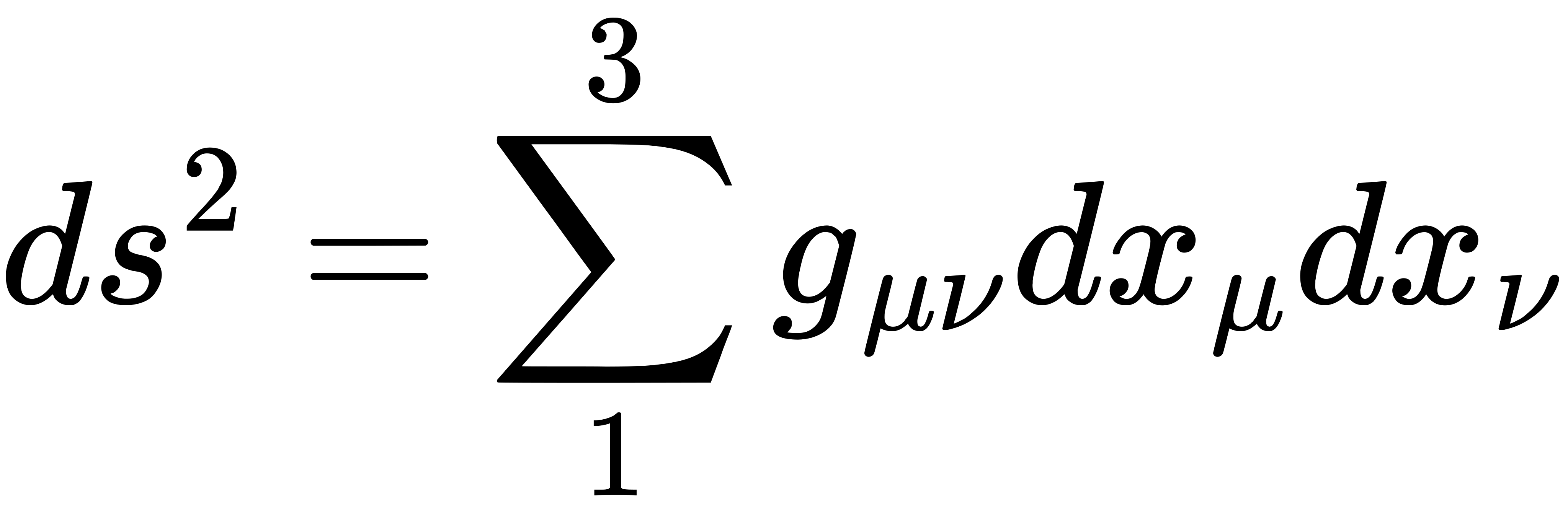
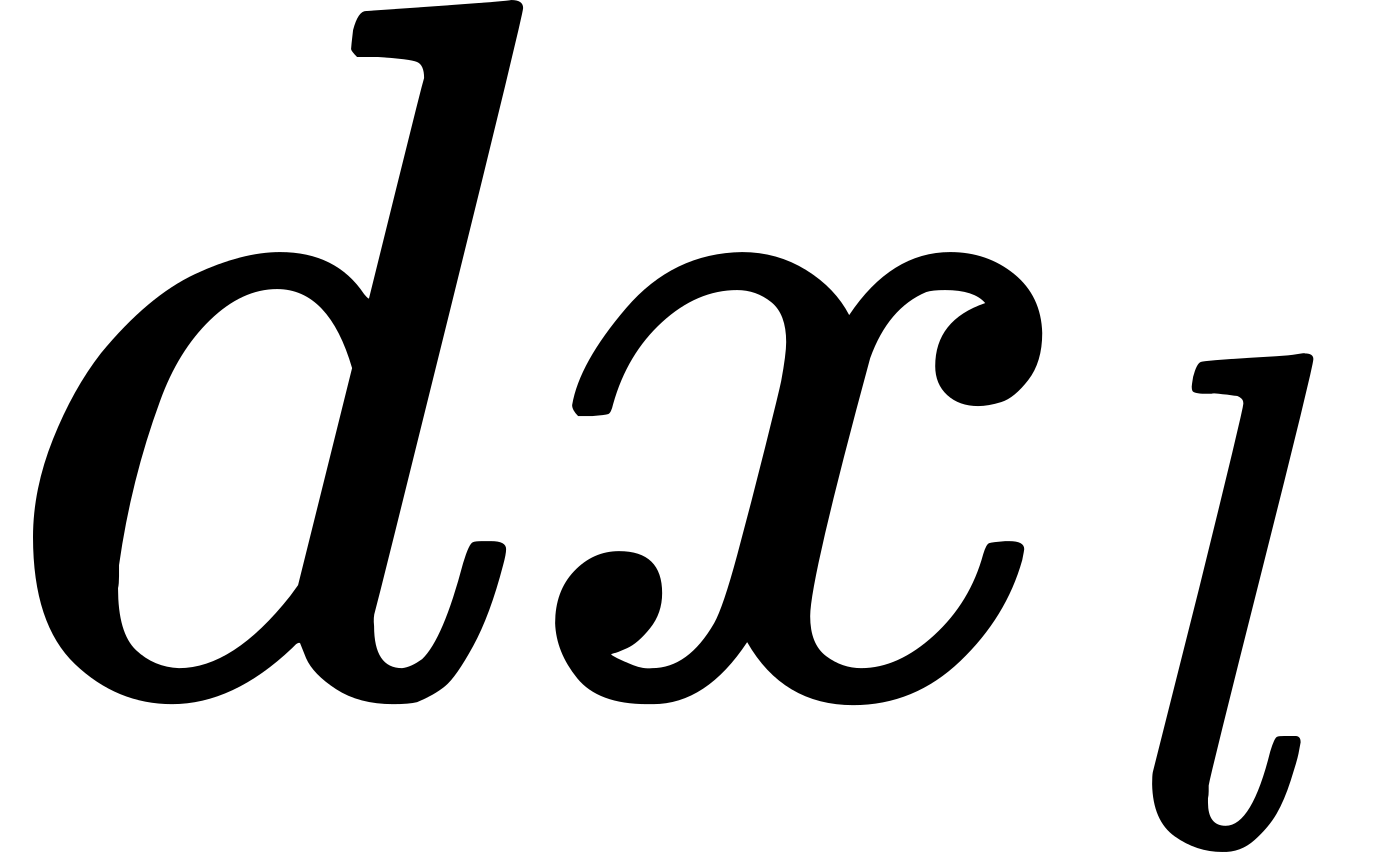 ,
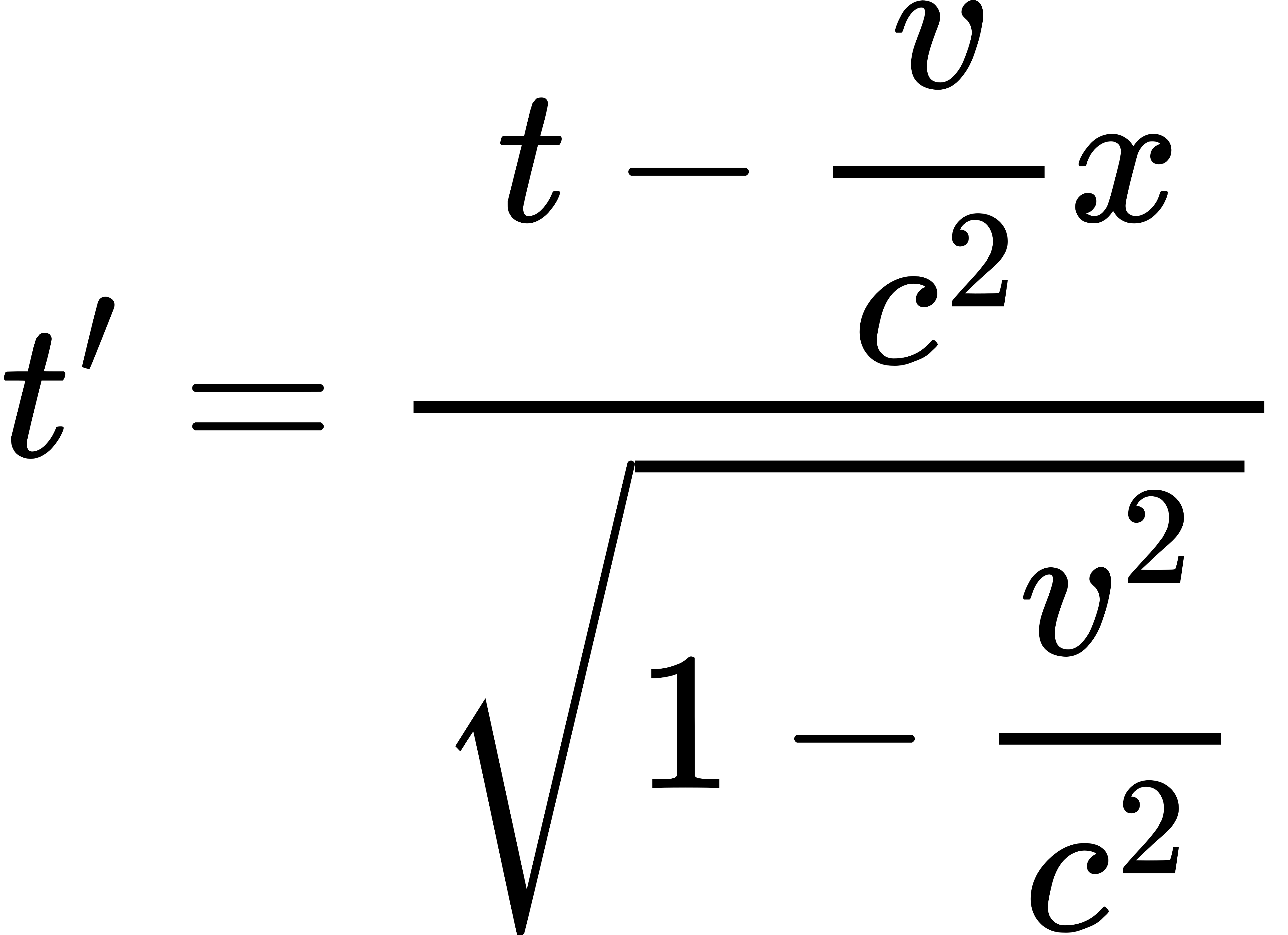

 ) are functions
of the variables
 remains constant in space, we can make use of the expression
that the mean acceleration of the mass
 relative to the masses
 ,
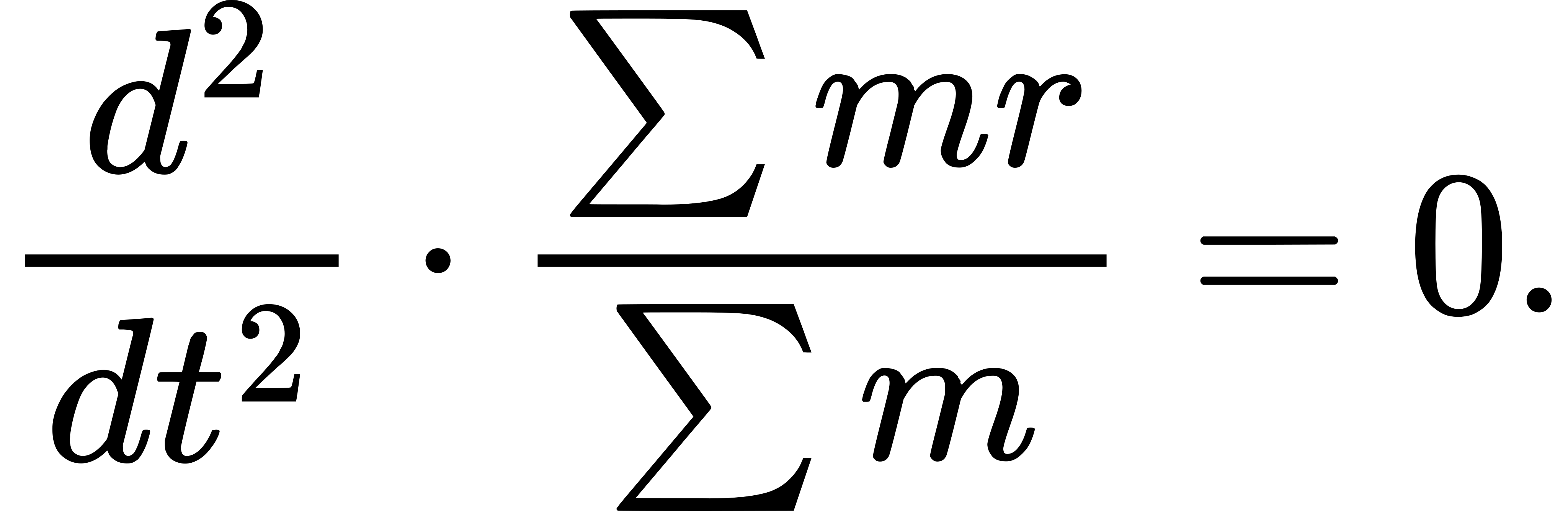
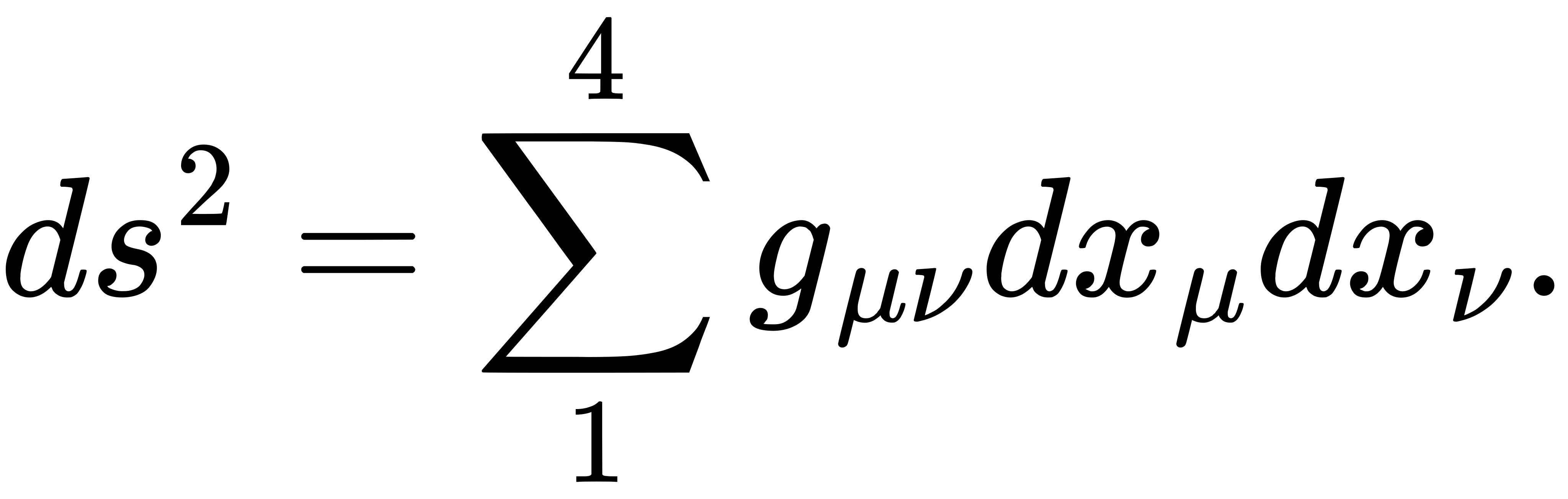


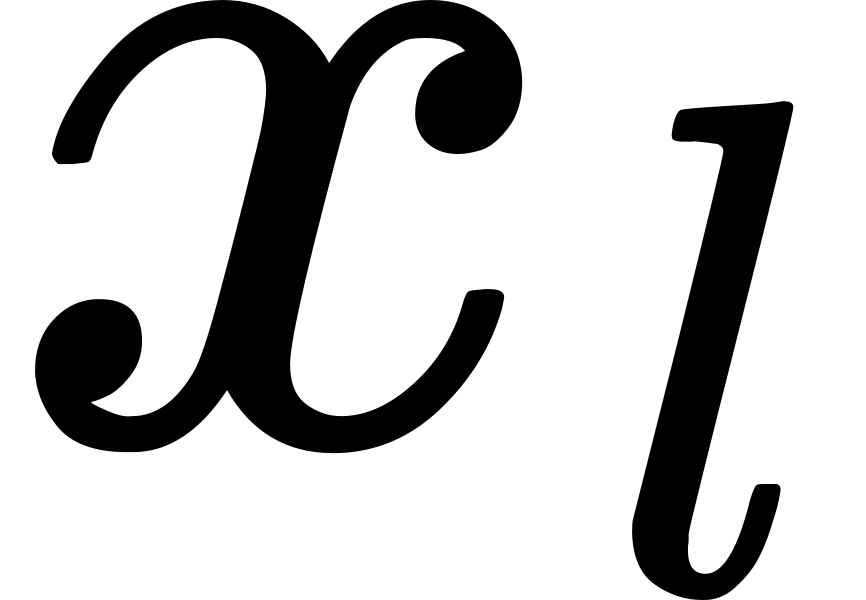 ,
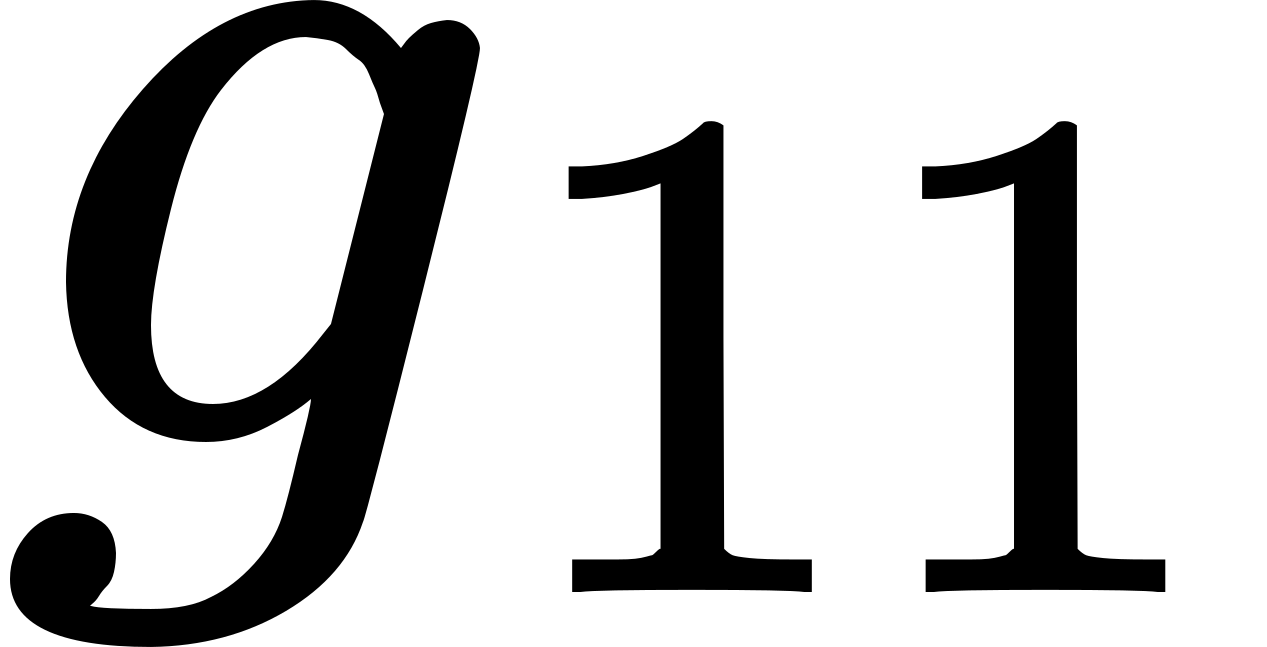 ...
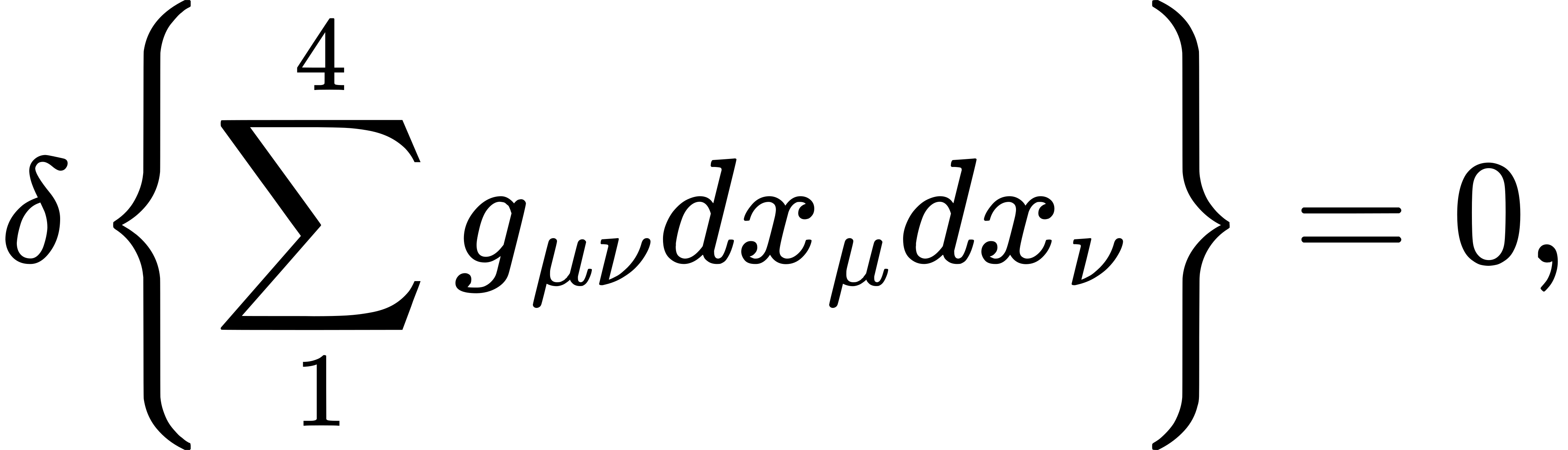


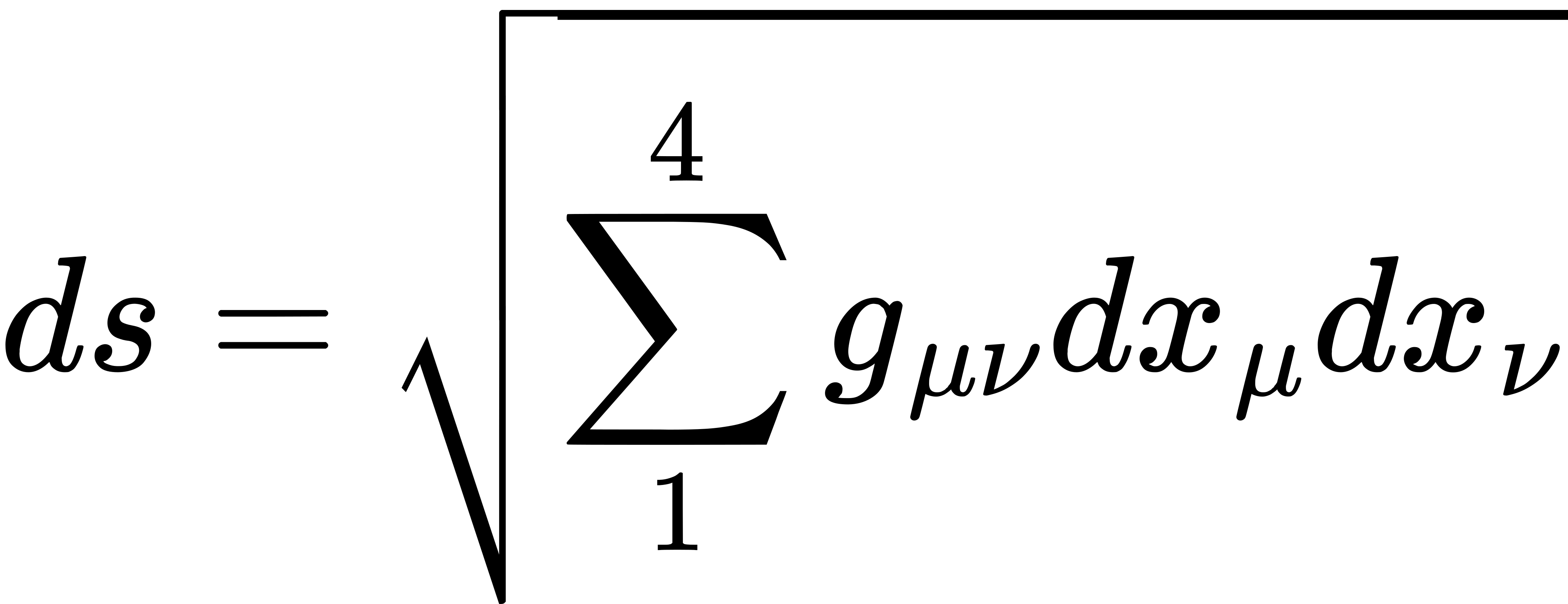
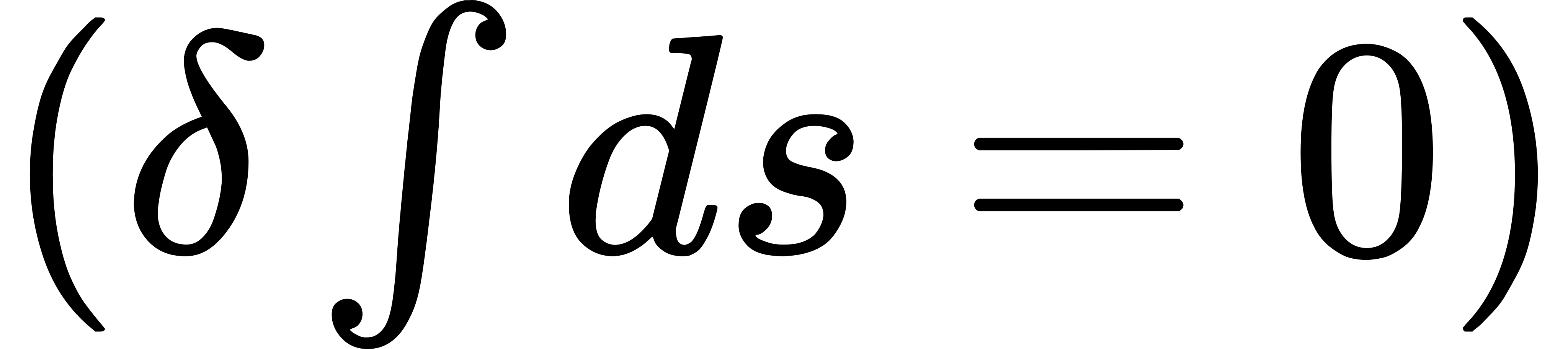 . Since the element of arc
 for
the Newtonian gravitational potential (viz. the factor represented by
 , the density of mass in this equation) is put proportional to a
differential expression of the second order. This circumstance
prescribes, as it were, the method of building up these equations,
taking for granted that they are to assume a form similar to that of
Poisson's equation.
 of
Poisson's equation, Riemann has shown the following: the
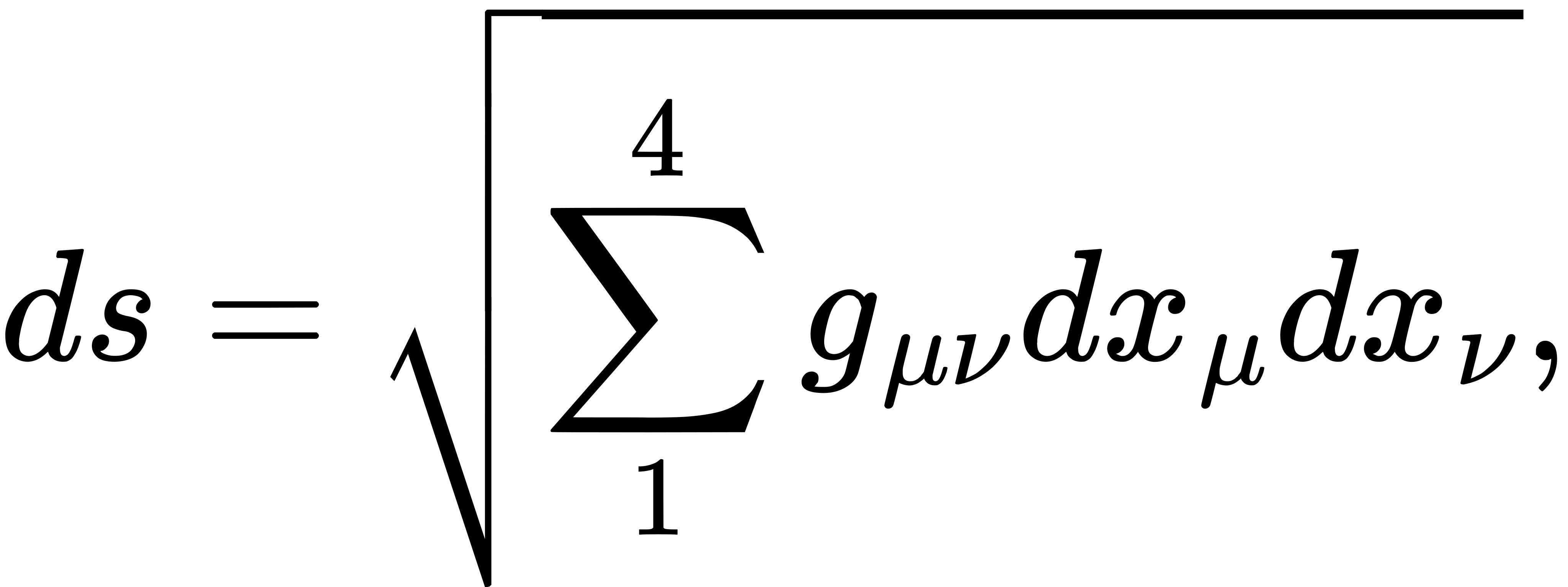
measure-relations of a manifold based on the line-element

 for the acceleration with which all bodies in
the field fall (i.e. characterized by conditions which approximately
exist on the surface of the earth). According to Einstein's theory, any
event will take place in this field in just the same way as it appears
to occur when referred to a co-ordinate system which has an acceleration
 travels from a
point
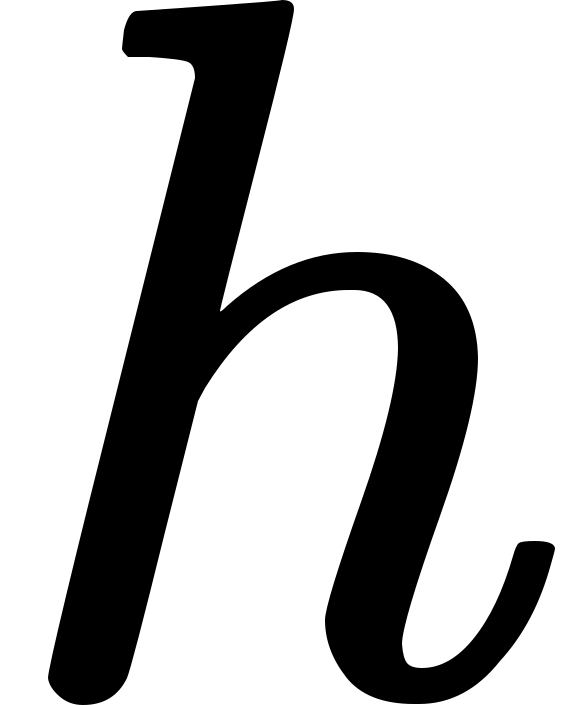 to a point
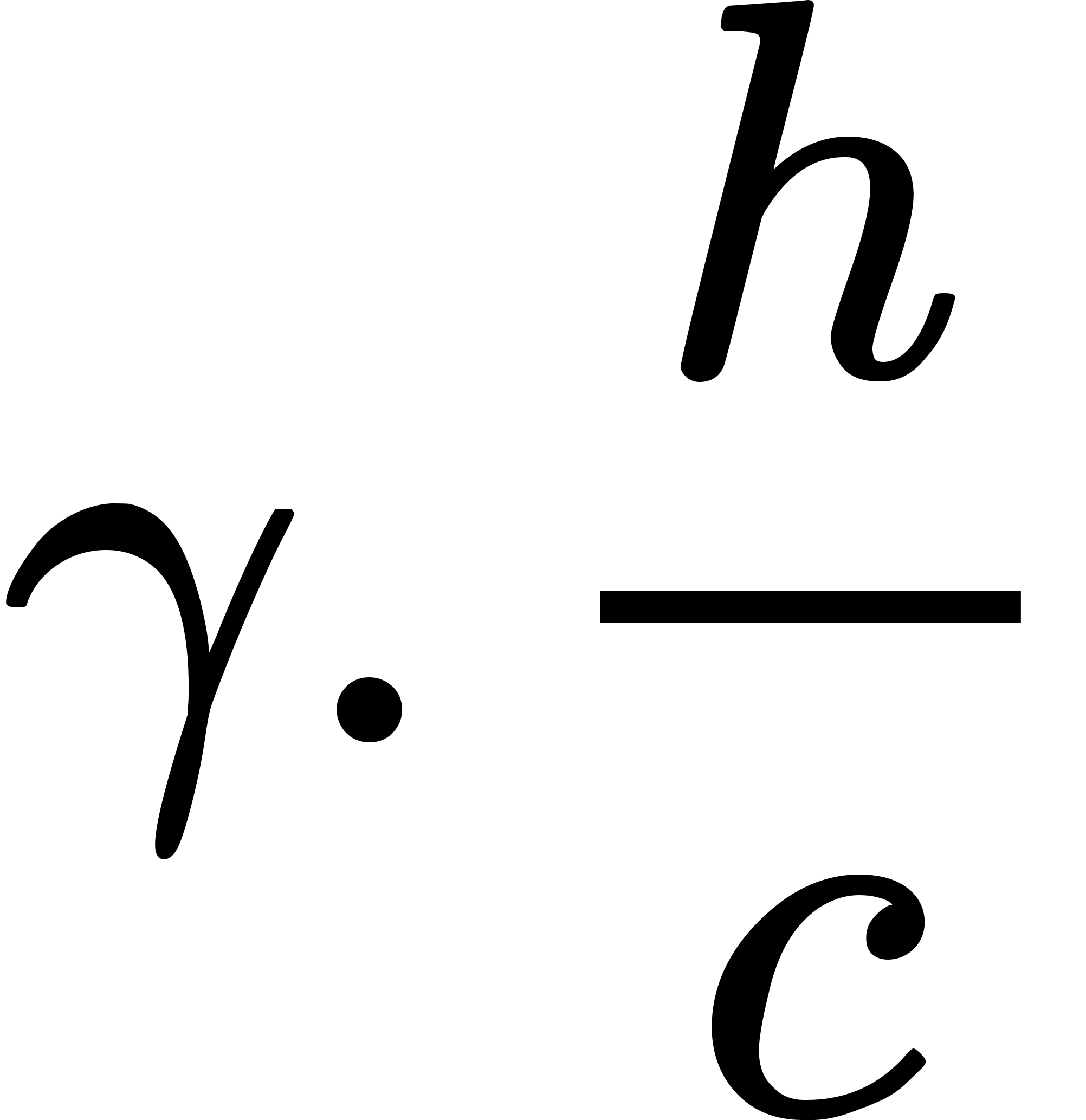 at the instant the ray of light reaches him (c
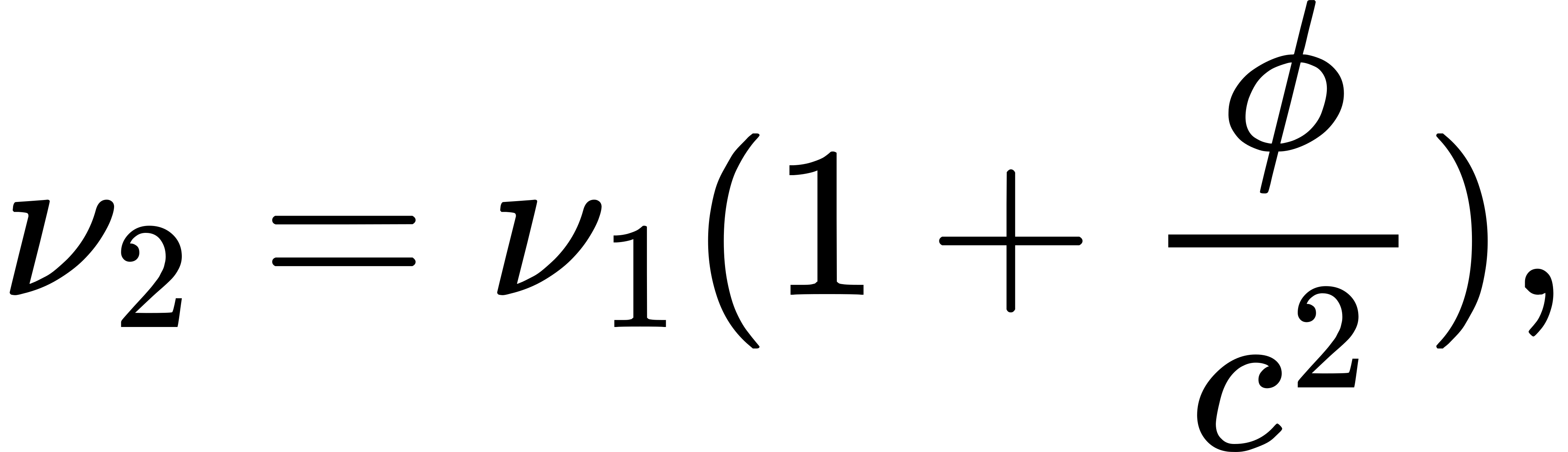
denotes the velocity of light). According to the usual Doppler
Principle, he will assign a time of oscillation
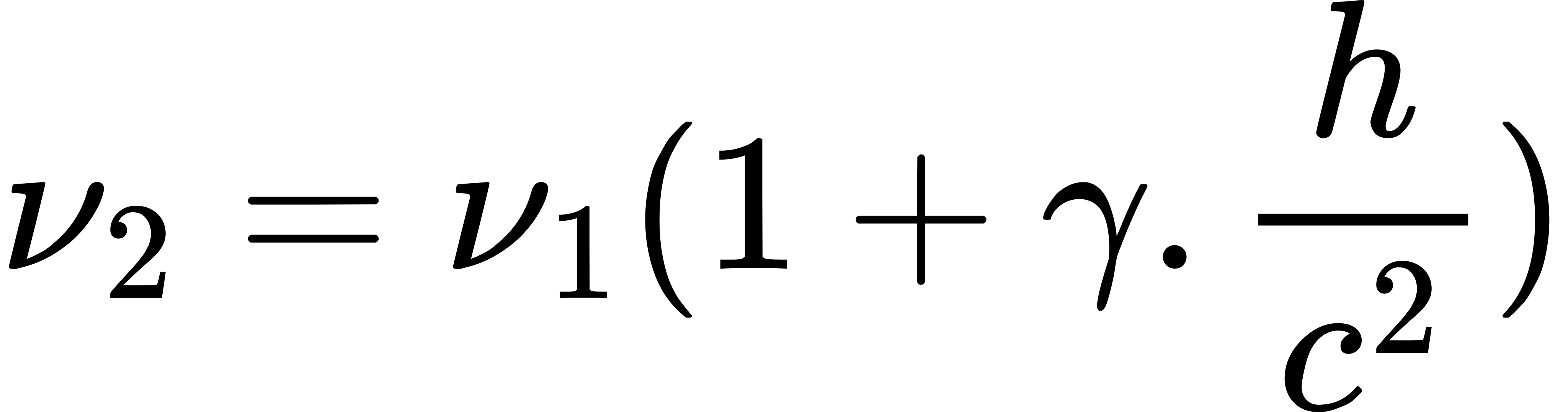 to the ray of light as a first
approximation, instead of
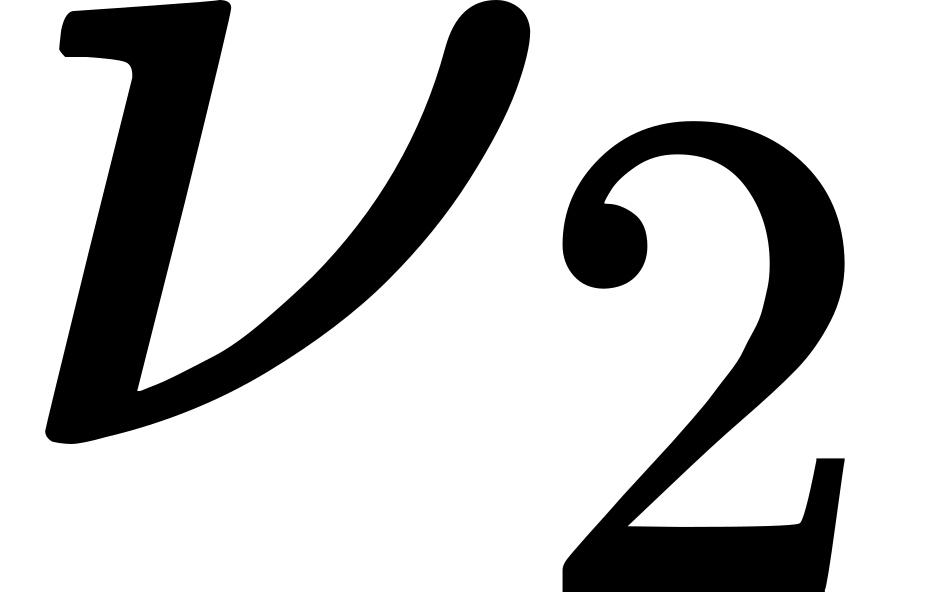 of a ray of light
at a place
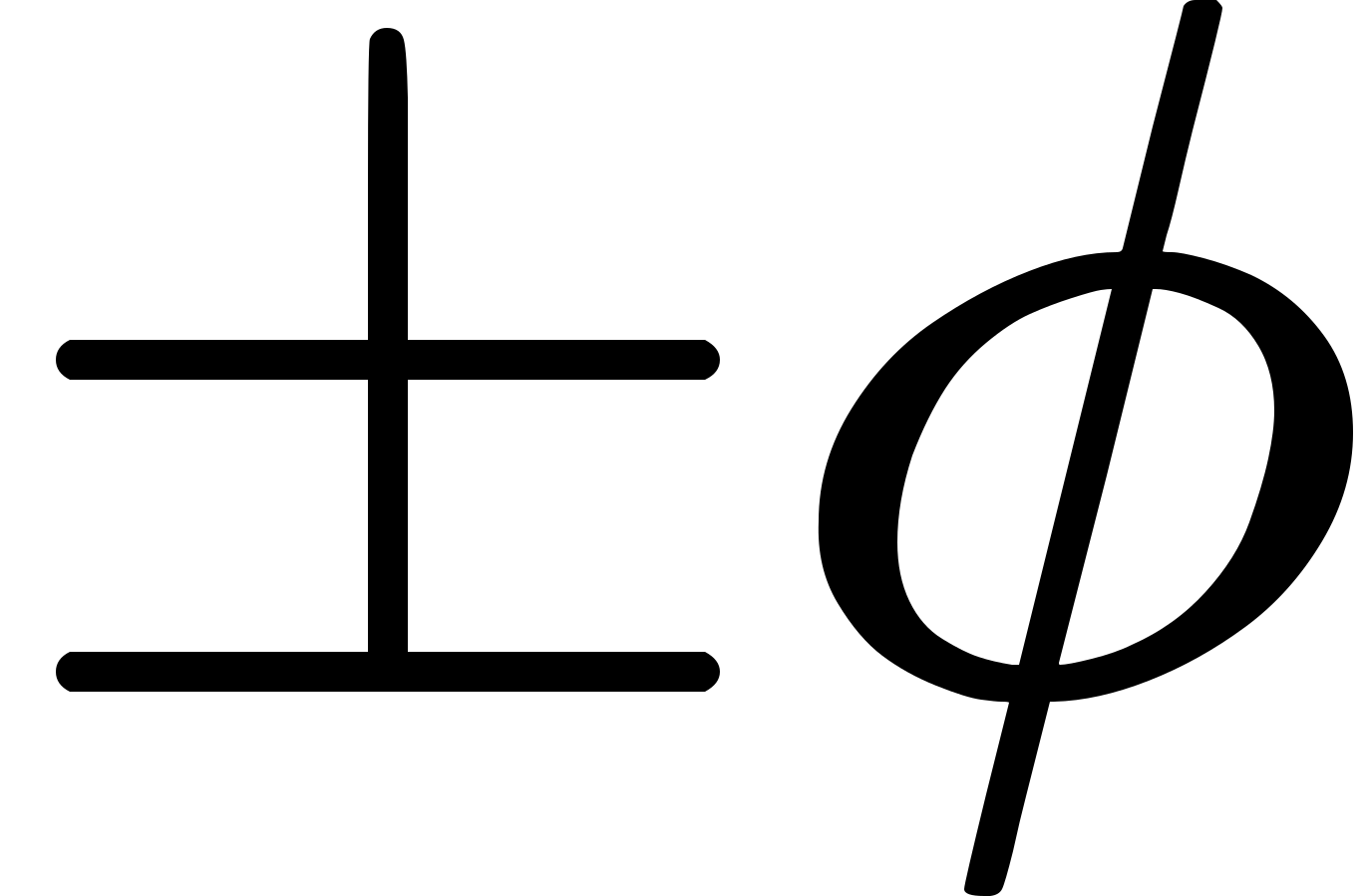 , is connected with the time
of oscillation there observed by the relation:
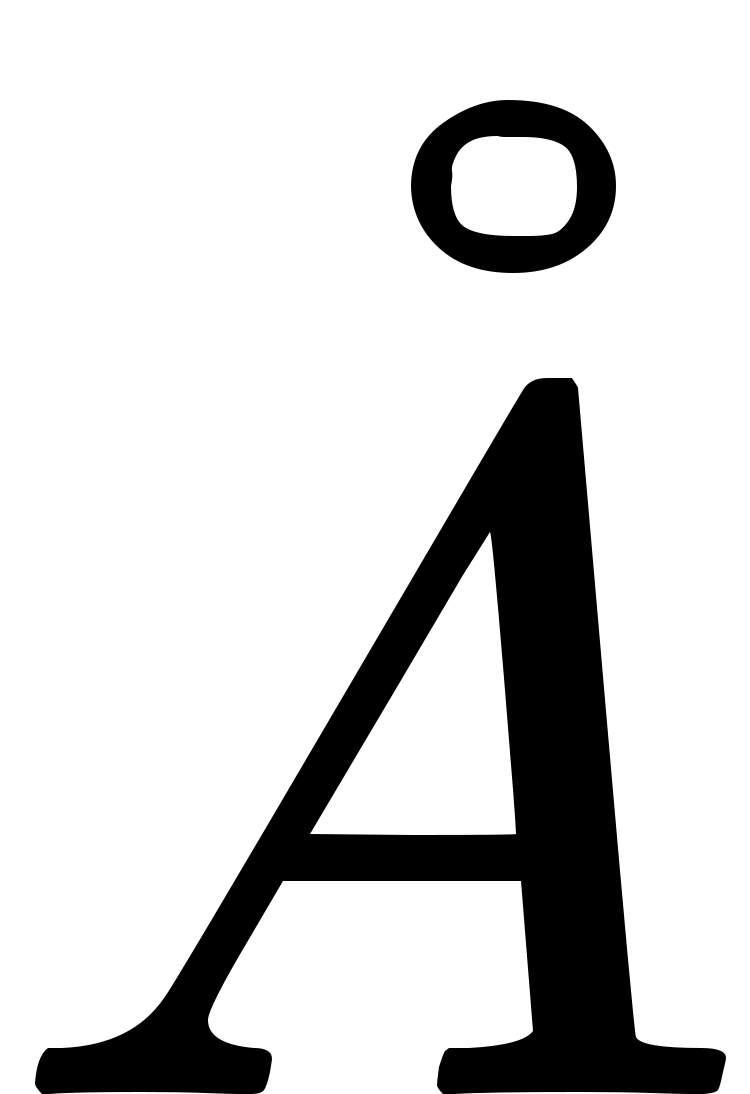
 with certainty.
 then it will likewise move uniformly
and rectilinearly with respect to a second co-ordinate system
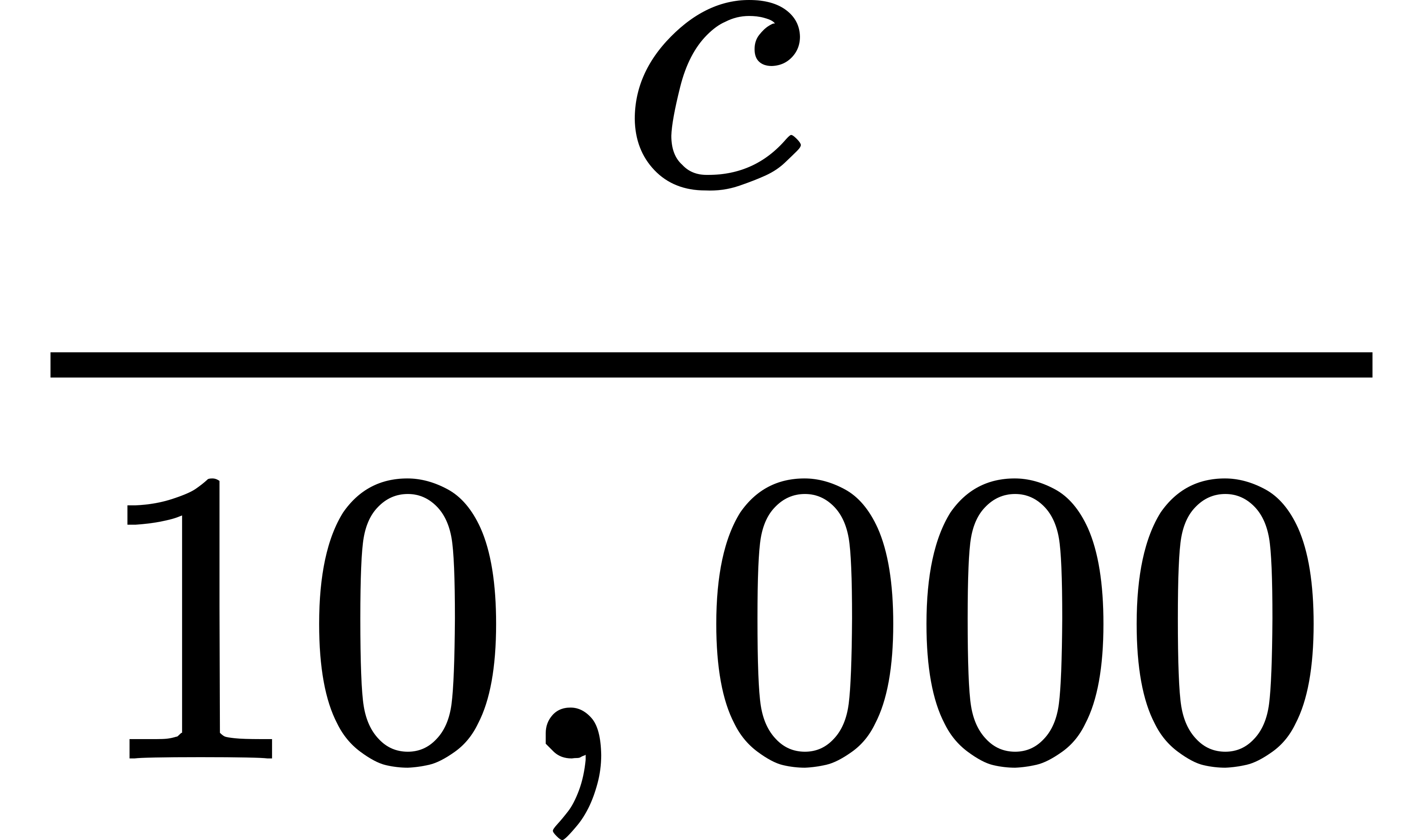 ). and we are subject to a
translatory motion of about the same magnitude: hence we should be able
to detect a change in the velocity of light due to our change of motion
through the ether. These considerations give rise to Michelson and
Morley's experiment.
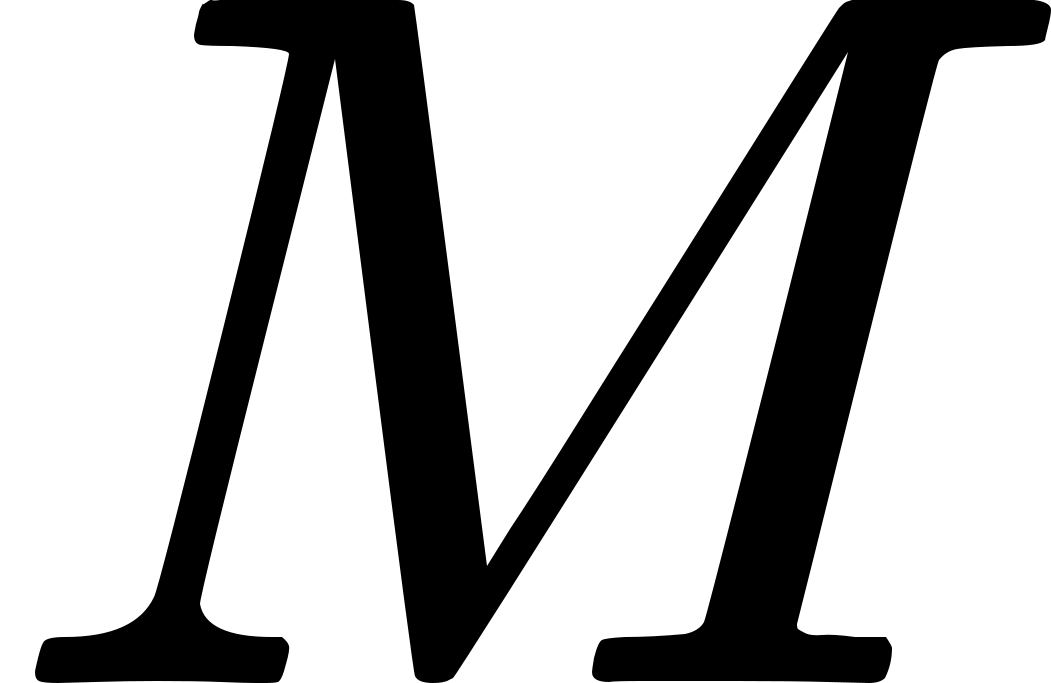 midway between
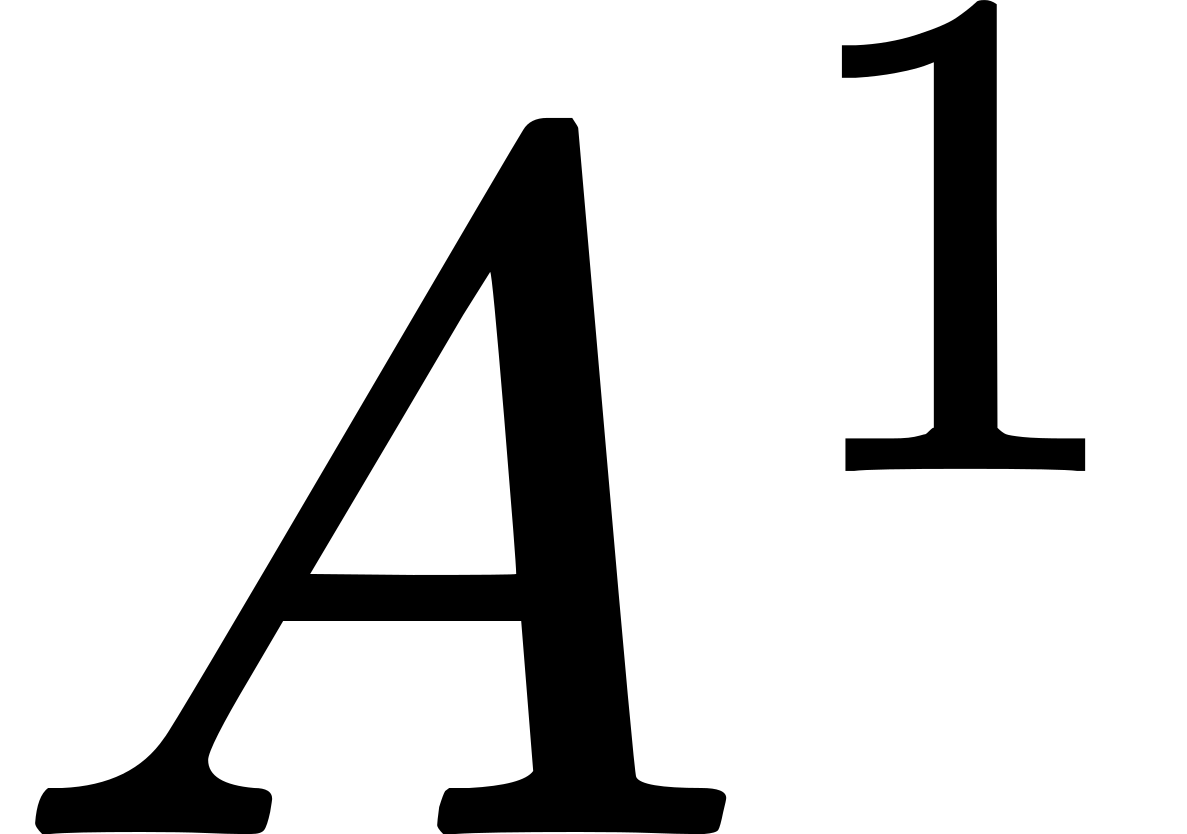 and
 of the train thus:
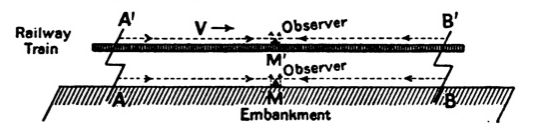
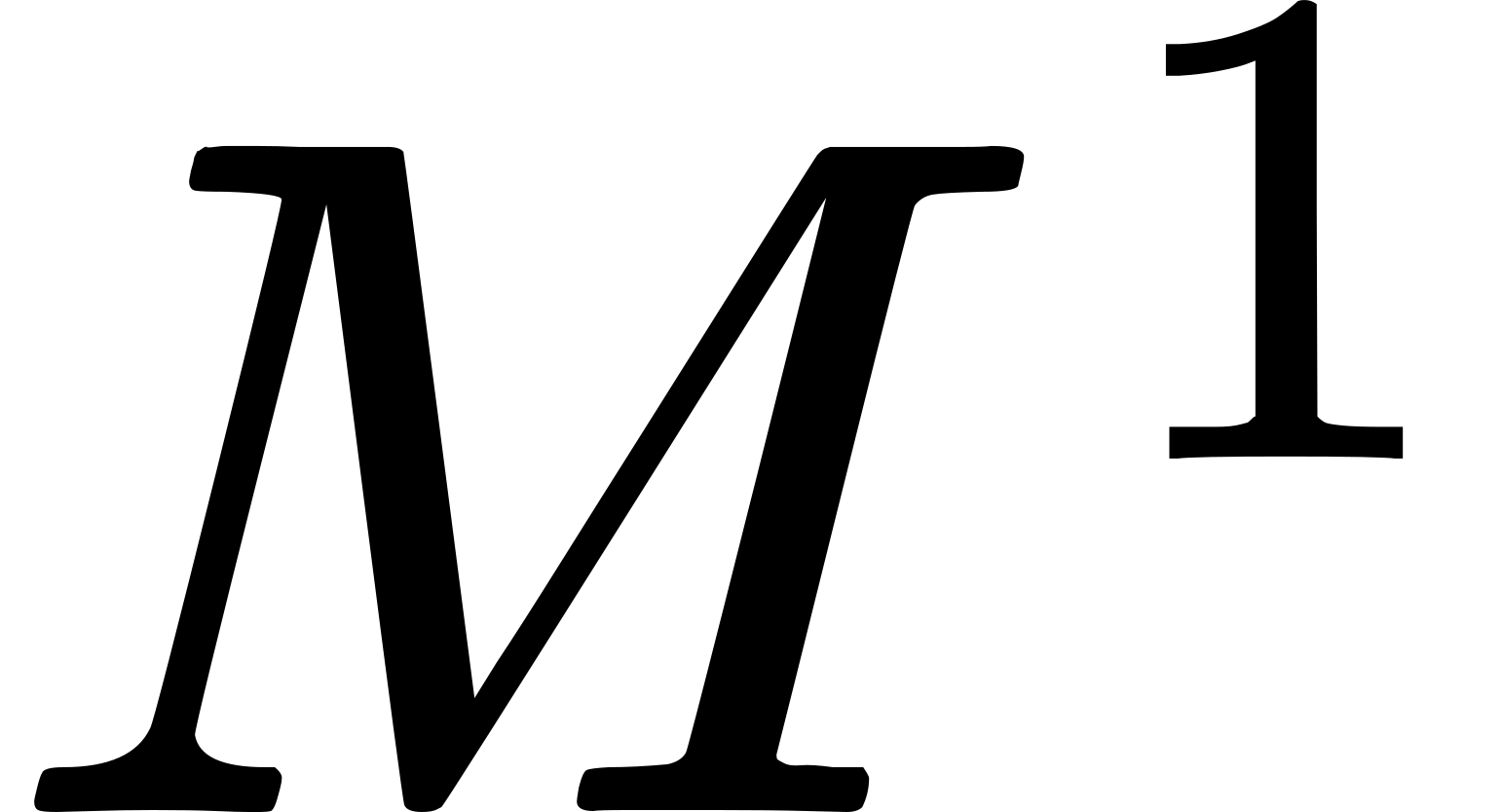 is moving towards
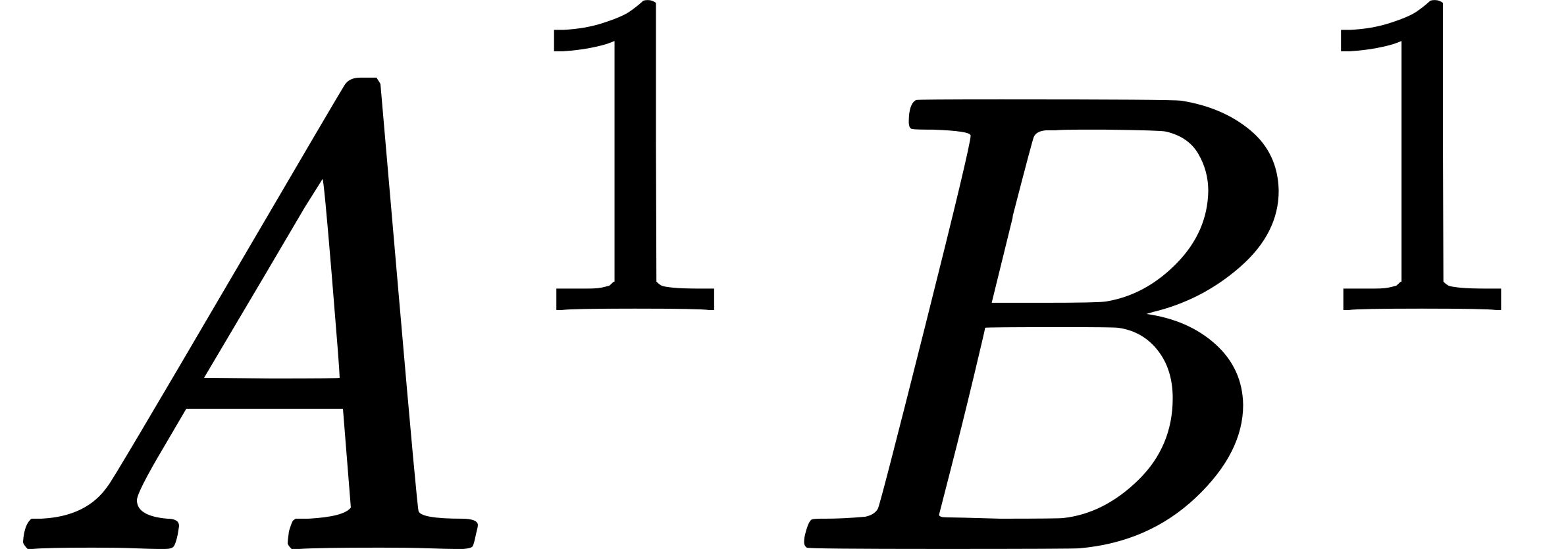 ) will receive the ray emitted from
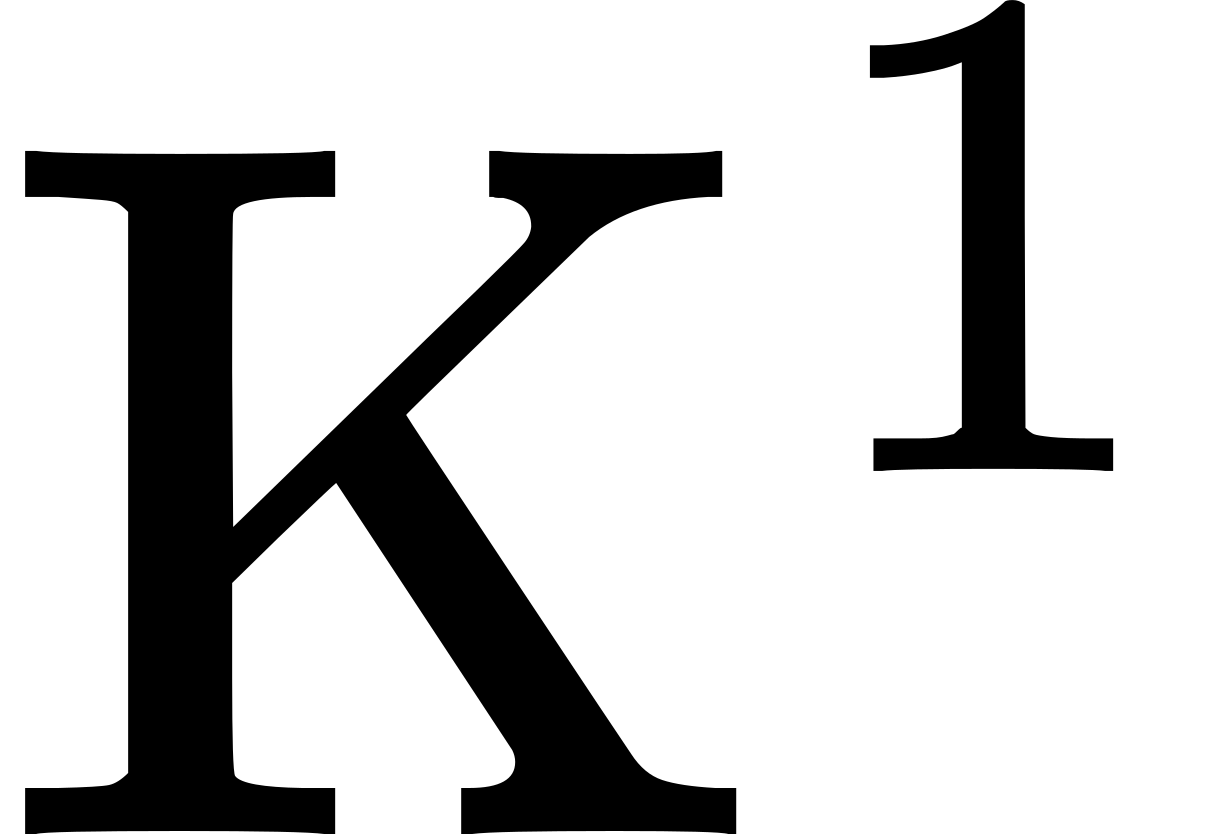 moving
uniformly and rectilinearly with respect to one another, what are the
values of the co-ordinates
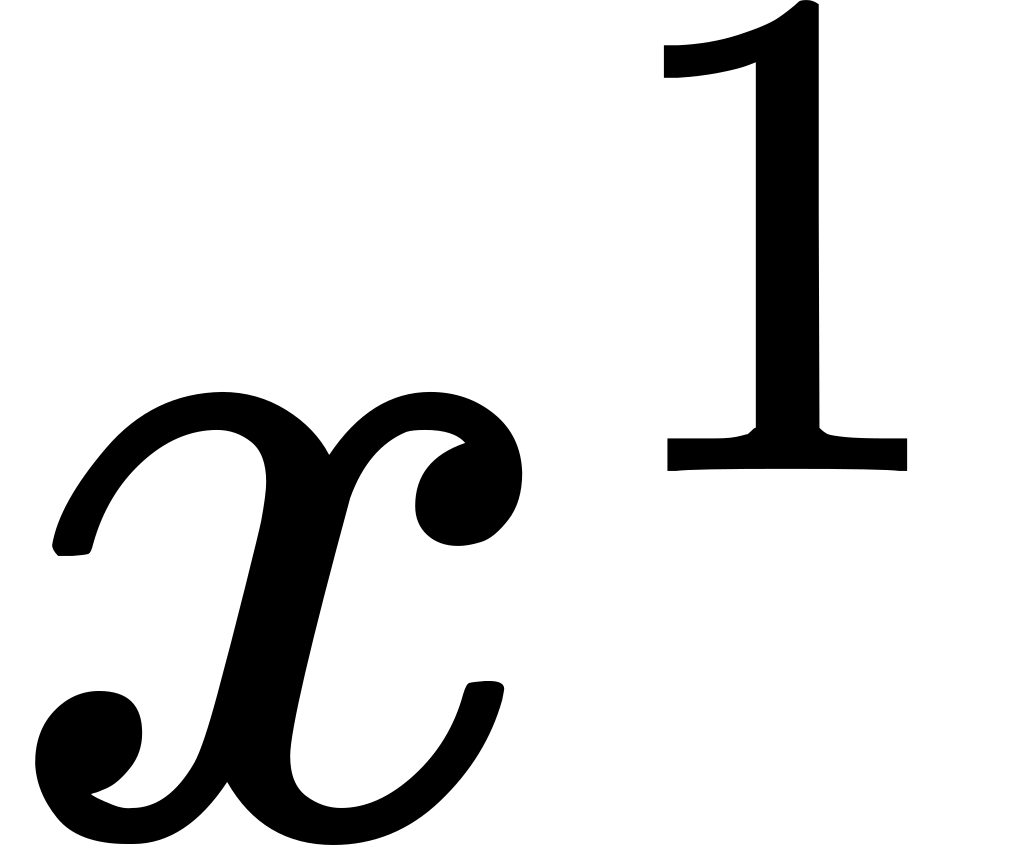 ,
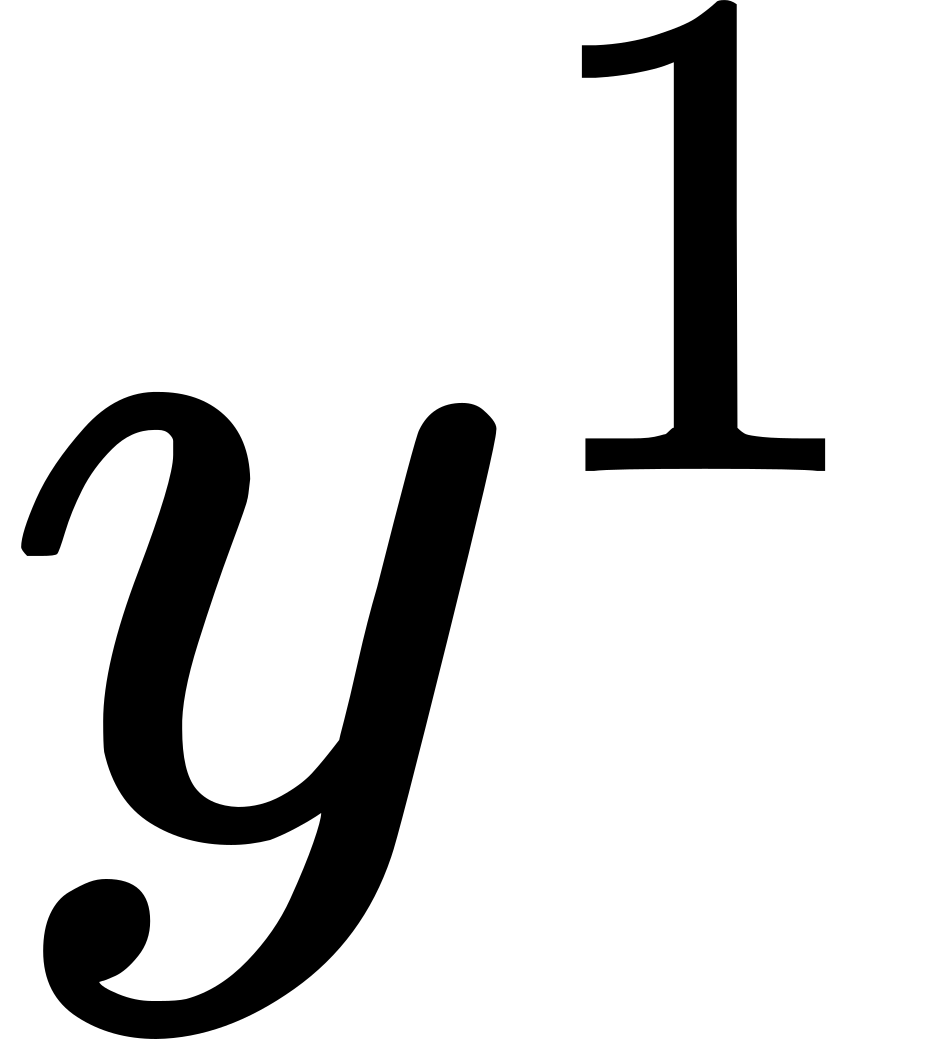 ,
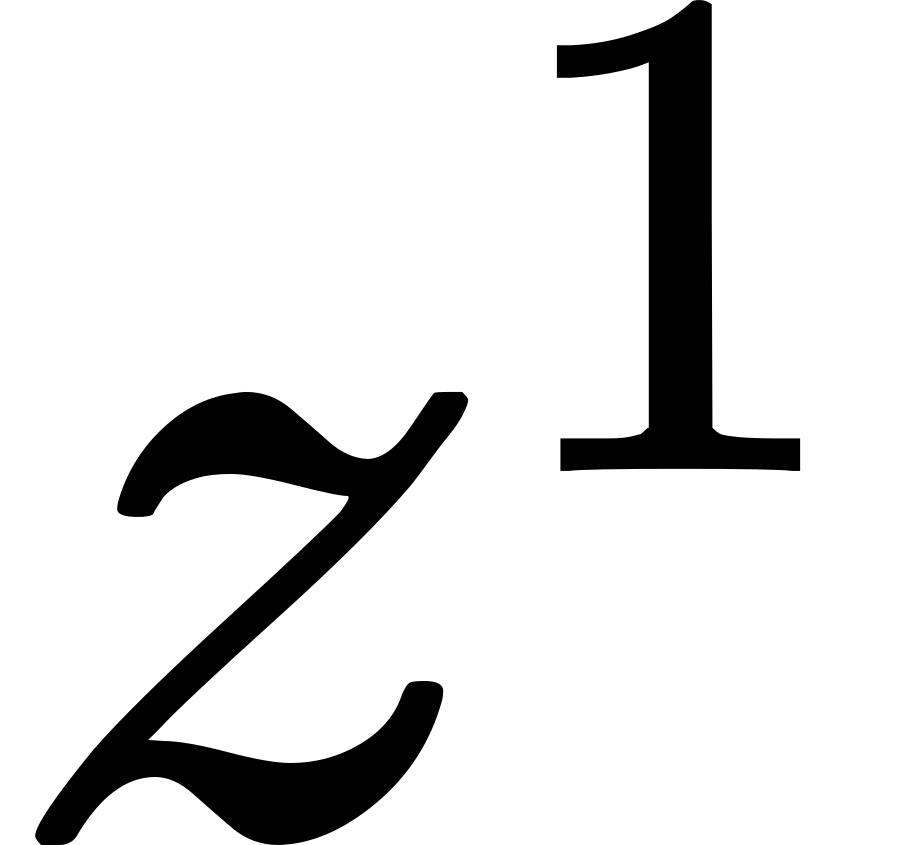 ,
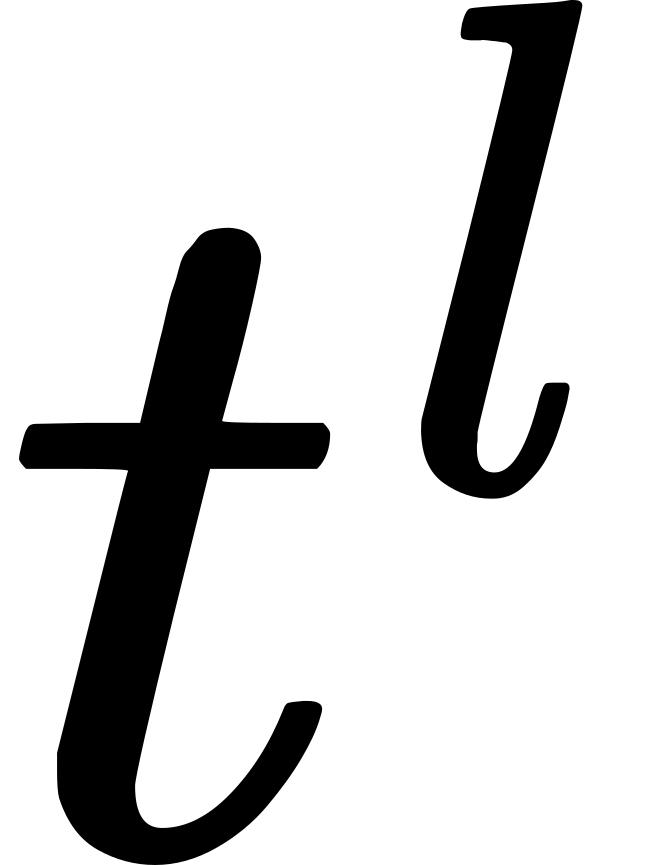 of an
event with respect to
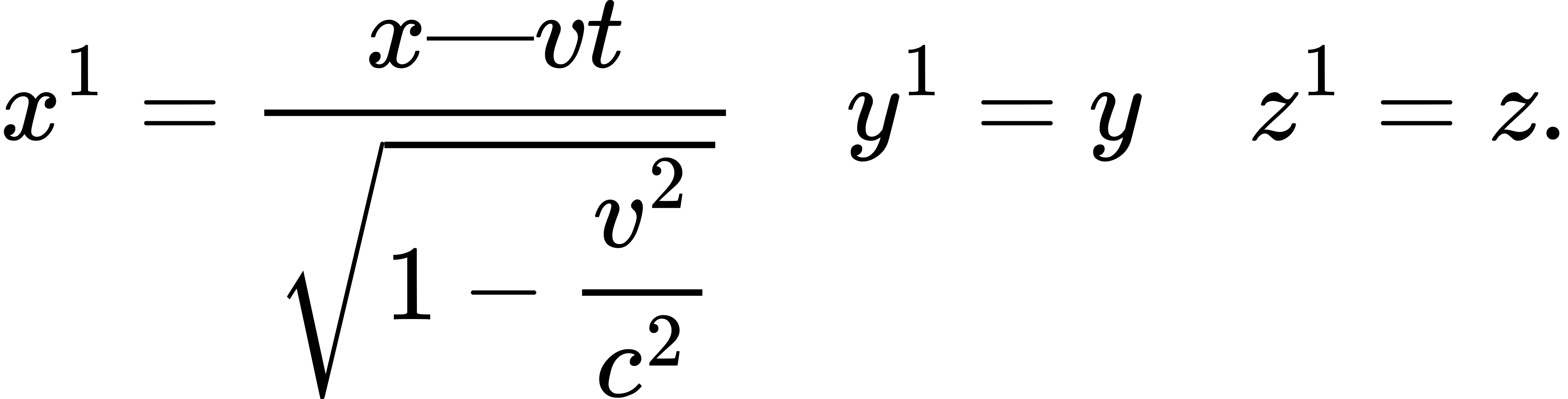
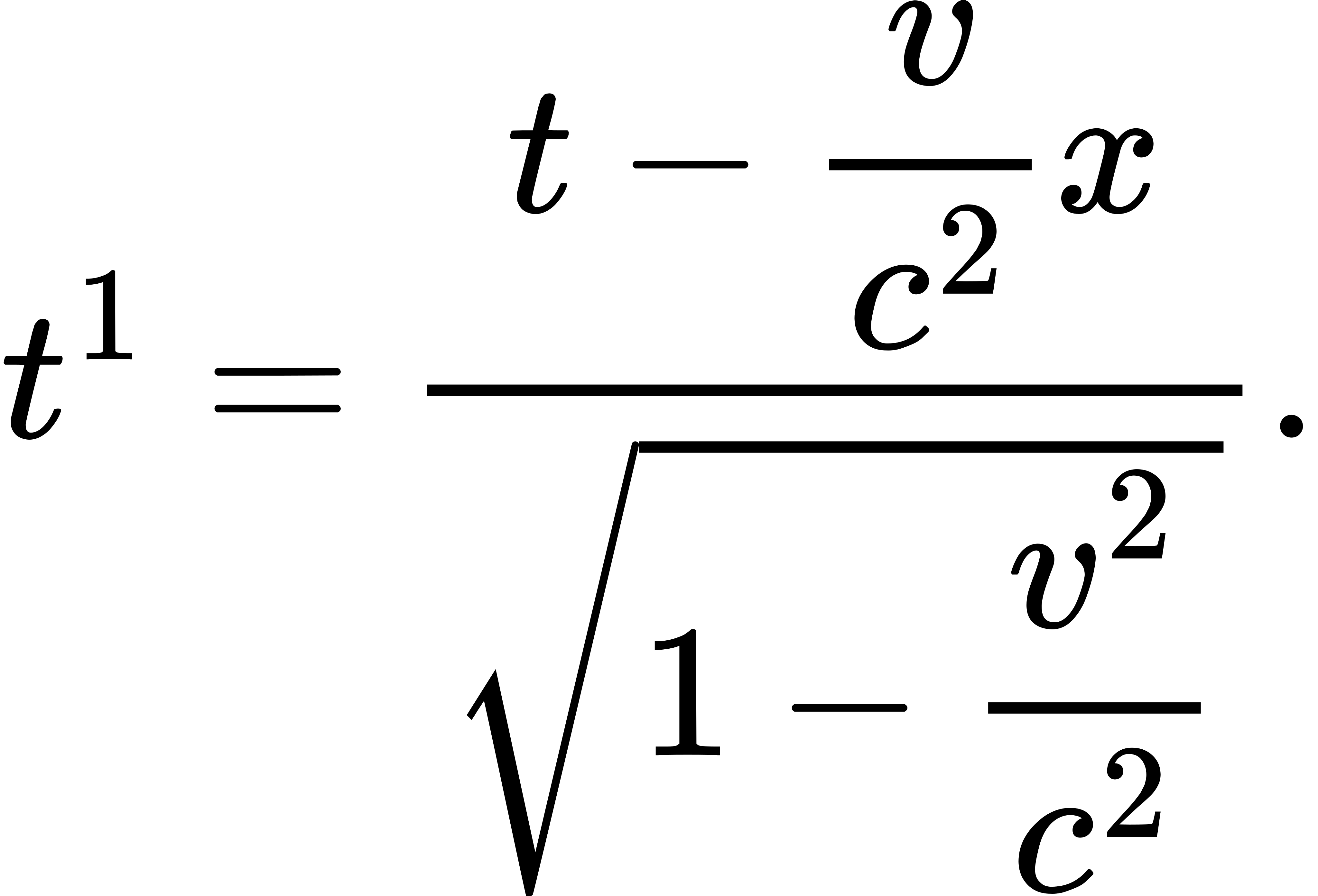
 , we find that
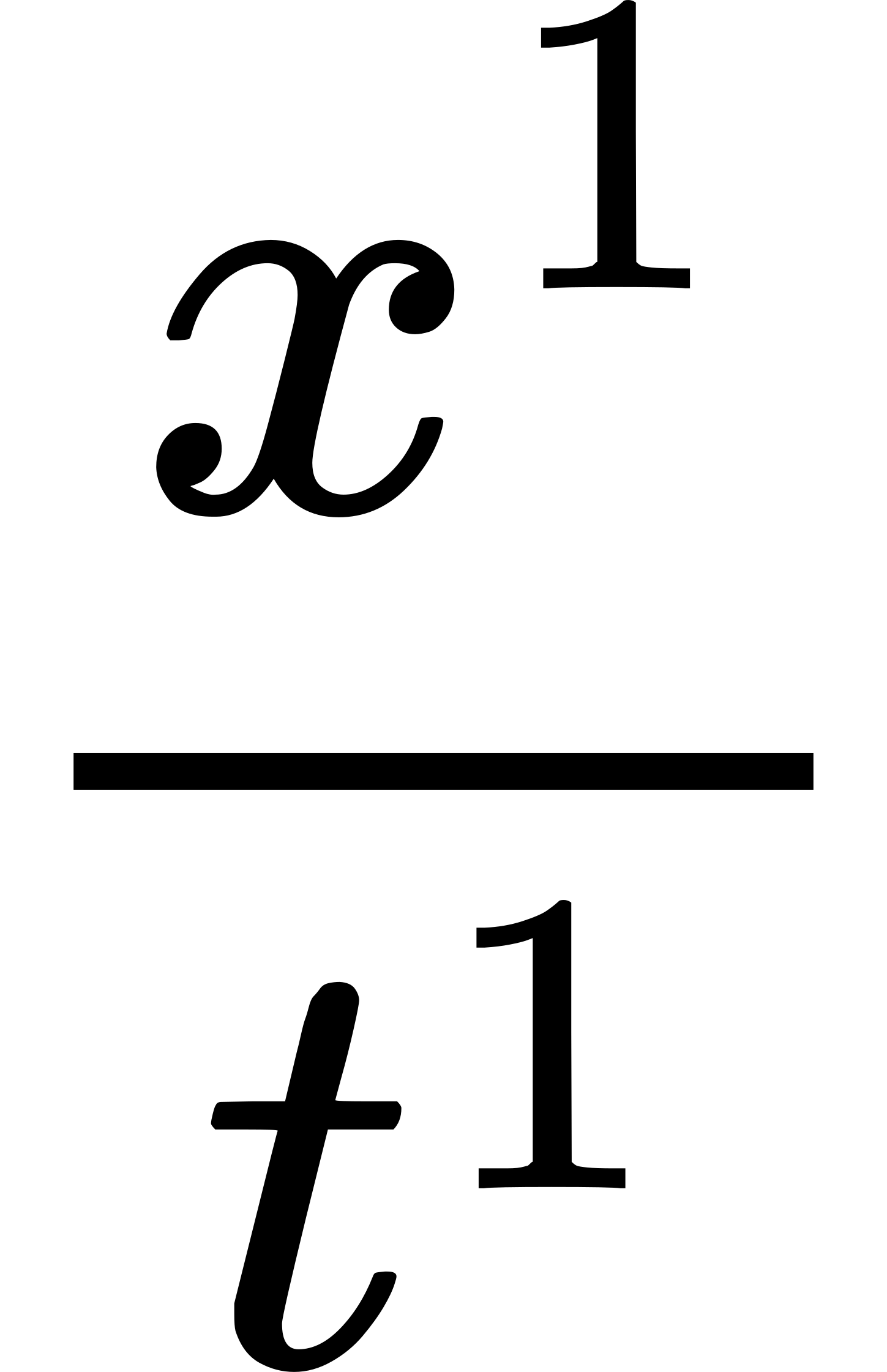 reduces to
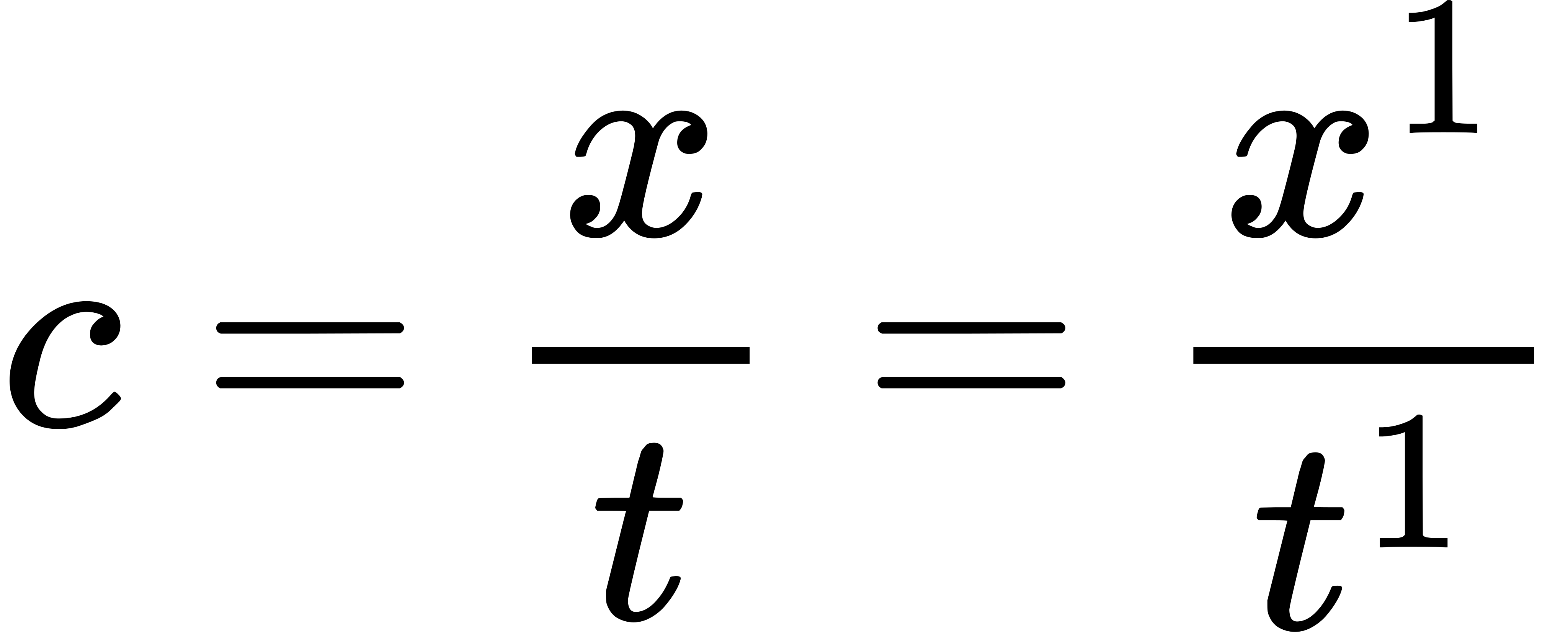 is the same for both
systems, and the condition of the constancy of
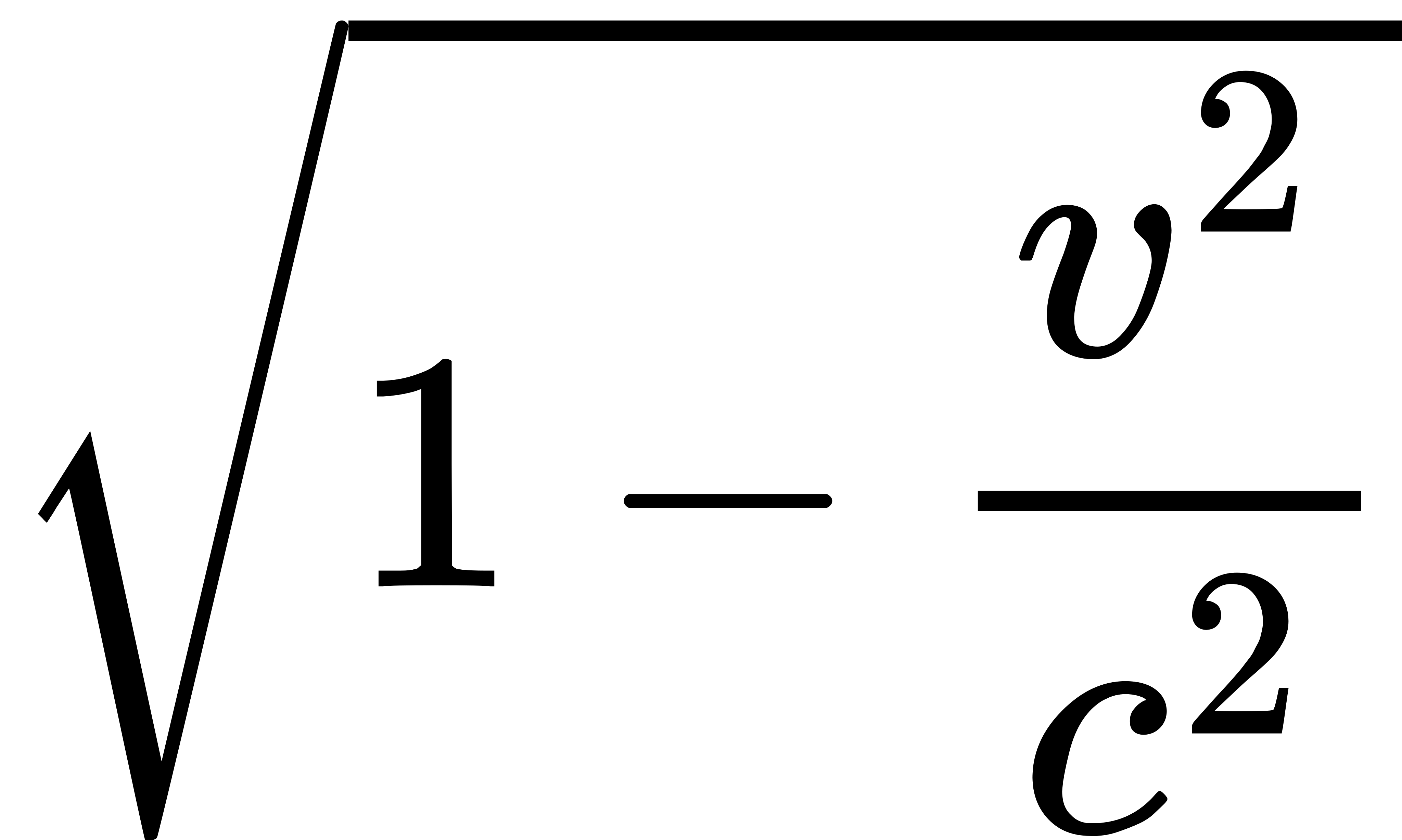 is to be real, then



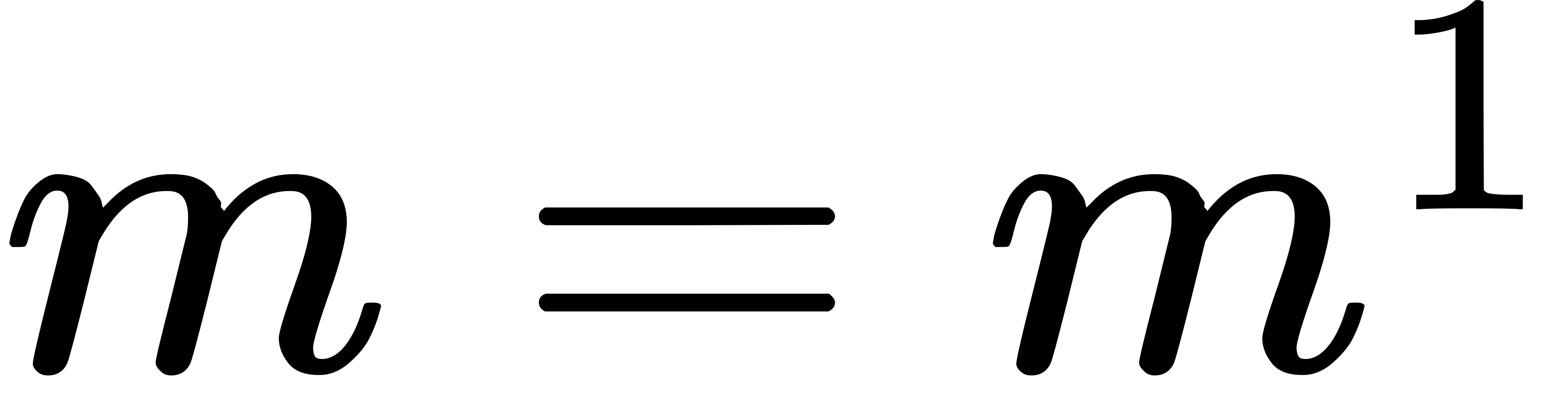 .
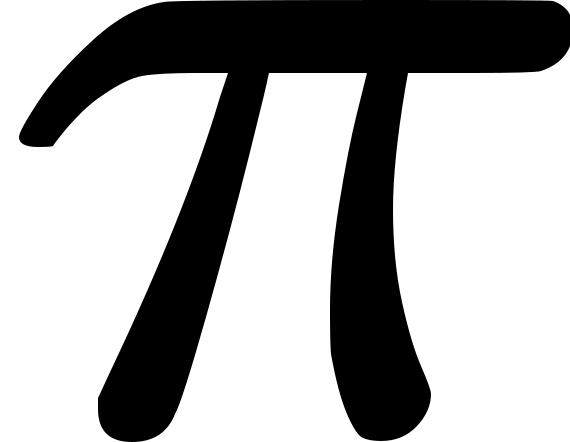 for the ratio
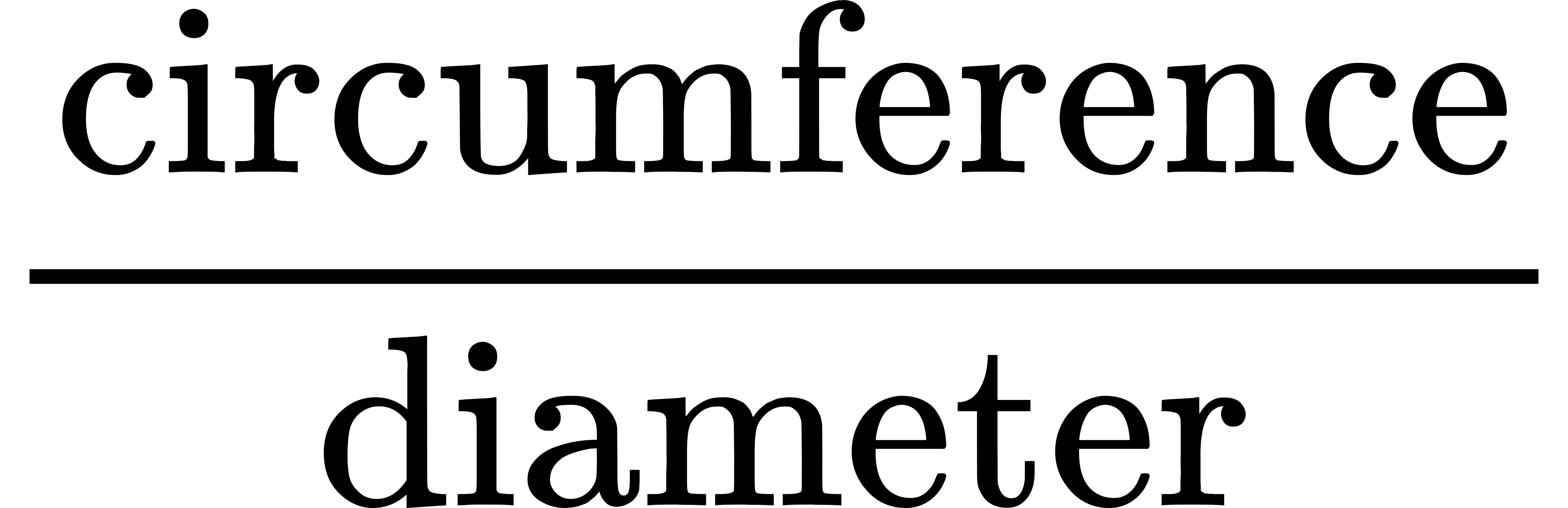 . This means that
Euclidean geometry does not hold for the observer making his observations
on the disc, and we are obliged to use co-ordinates which will enable his
results to be expressed consistently. Gauss invented a method for the
mathematical treatment of any continua whatsoever, in which
measure-relations ("distance" of neighbouring points) are defined. Just
as many numbers (Gaussian or curvilinear co-ordinates) are assigned to
each point as the continuum has dimensions. The allocation of numbers is
such that the uniqueness of each point is preserved and that numbers
whose difference is infinitely small are assigned to infinitely near
points. This Gaussian or curvilinear system of co-ordinates is a logical
generalization of the Cartesian system. It has the great advantage of
also being applicable to non-Euclidean continua, but only in the cases
in which infinitesimal portions of the continuum considered are of the
Euclidean form. This calls to mind the remarks made at the commencement
of this sketch about the validity of geometrical theorems. It seems as
though the miniature view that we can take of straight lines in the
immensity of space led to a firm belief in the universal significance of
Euclidean geometry. When we deal with light phenomena which range to
enormous distances, we find that we are not justified in confining
ourselves to Euclidean geometry; the "straightest" line in the
time-space-manifold is "curved." We must therefore choose that geometry
which, expressed analytically, enables us to describe observed phenomena
most simply: it is clear that for even large finite portions of space
the non-Euclidean geometry chosen must practically coincide with
Euclidean geometry.
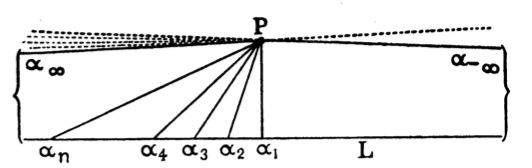
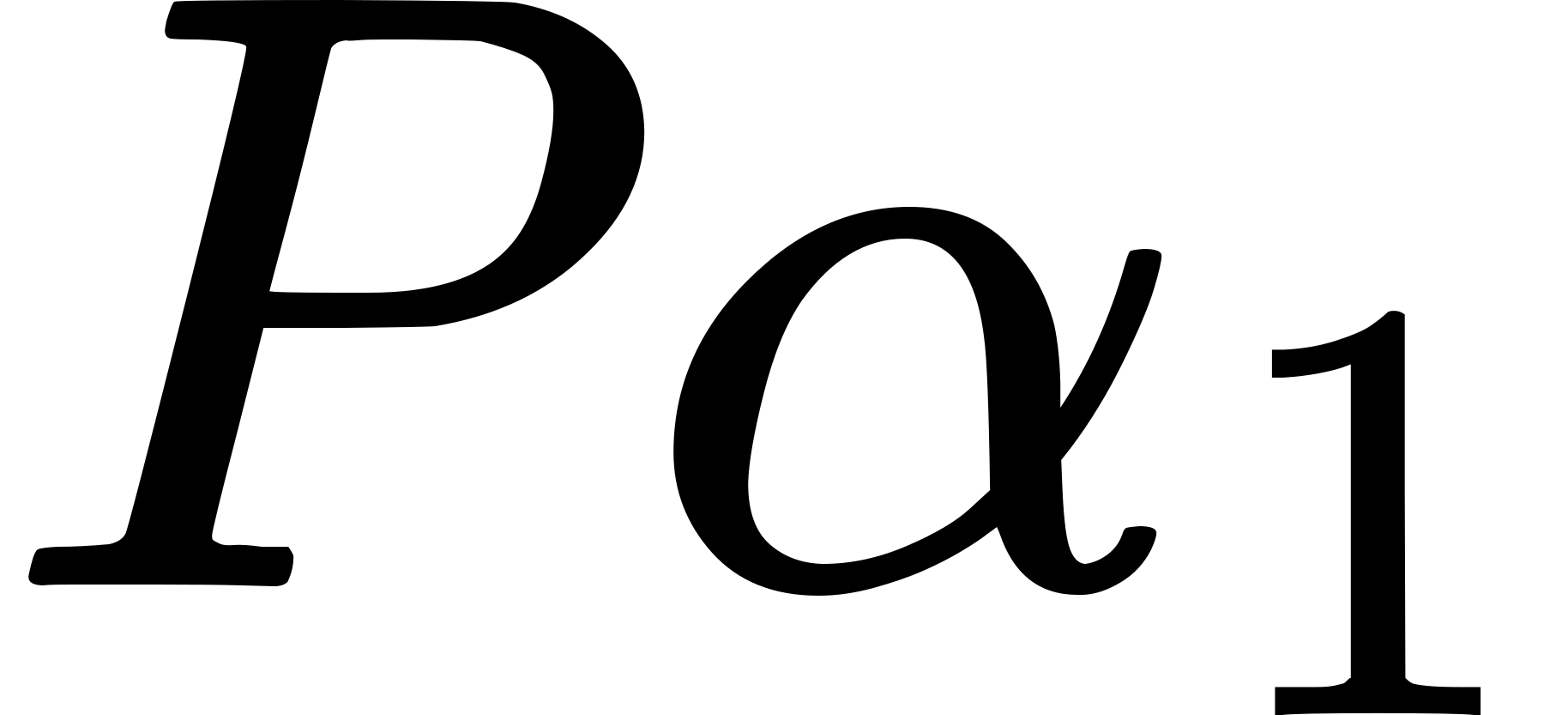 we find that
the more obliquely the ray falls on
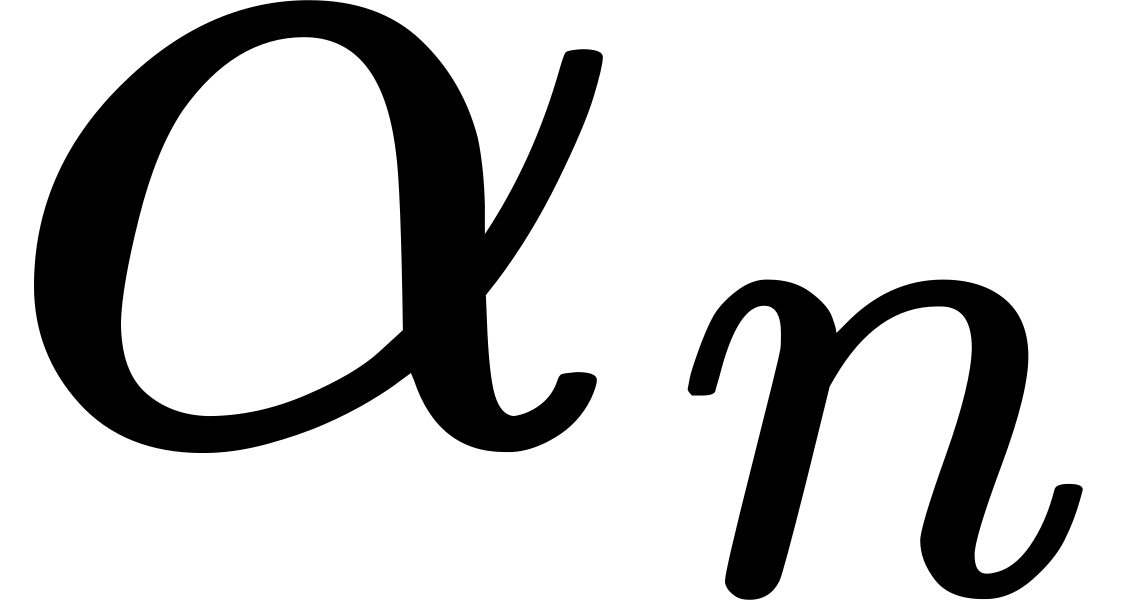 travel along
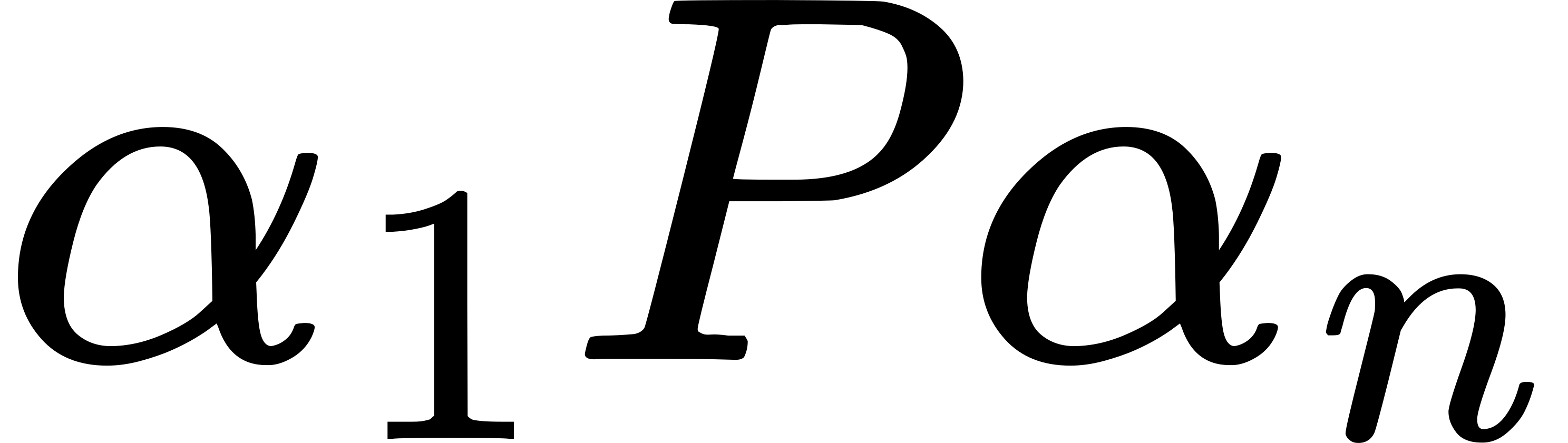 (i.e. additional
turn of
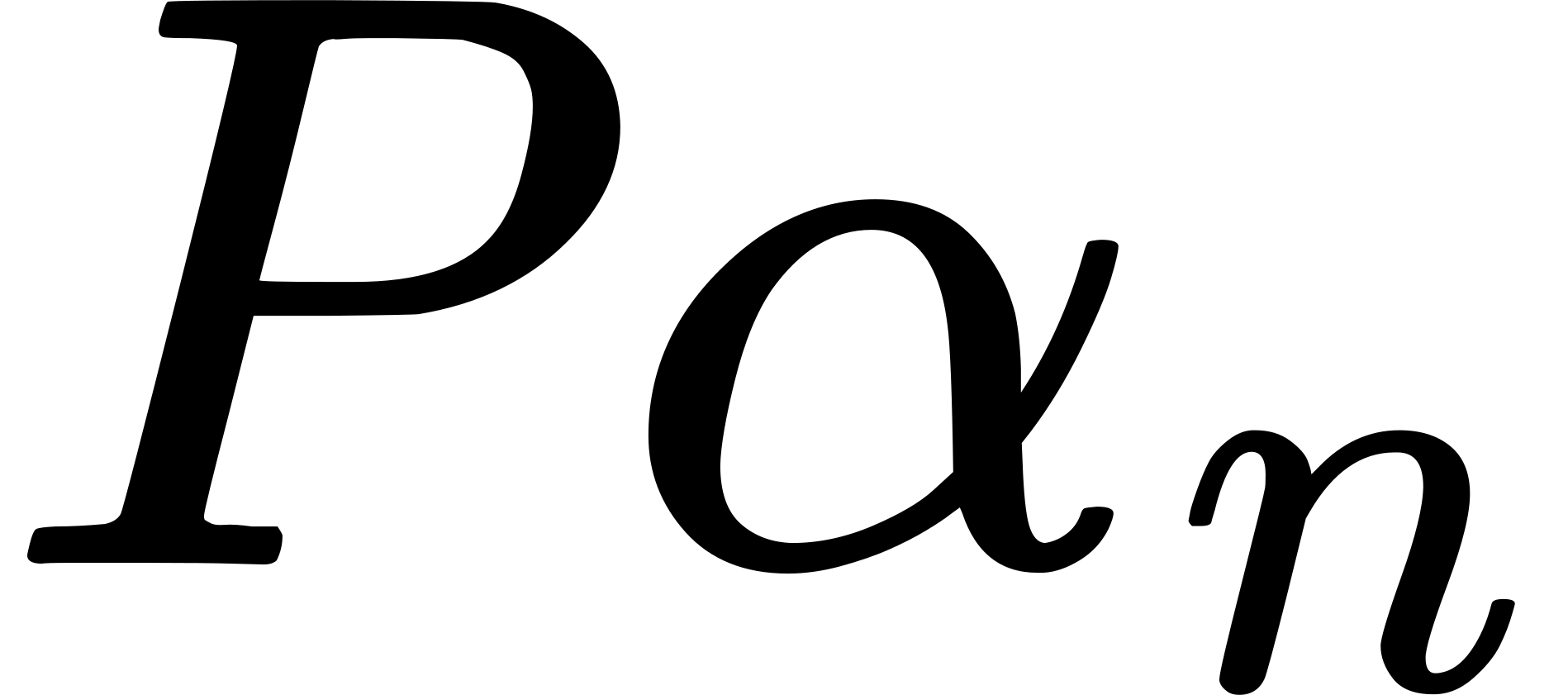 about P), an suddenly bounds off to infinity along
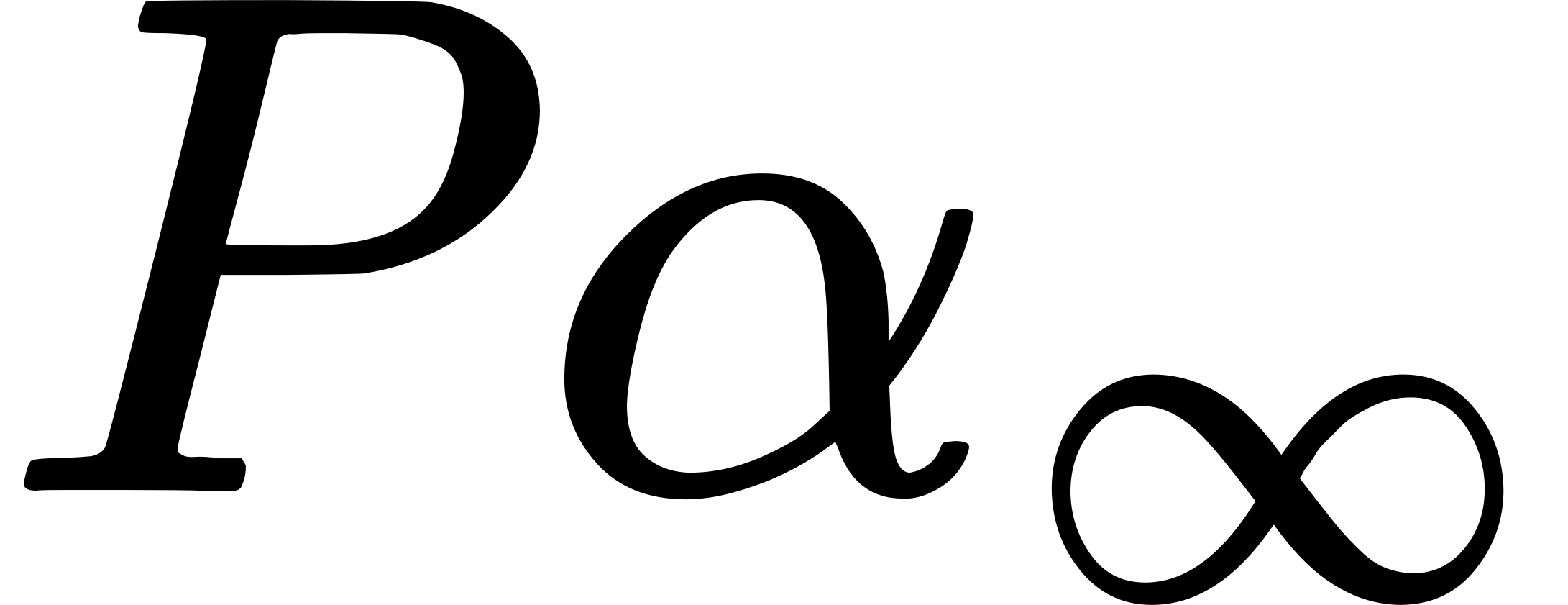 and
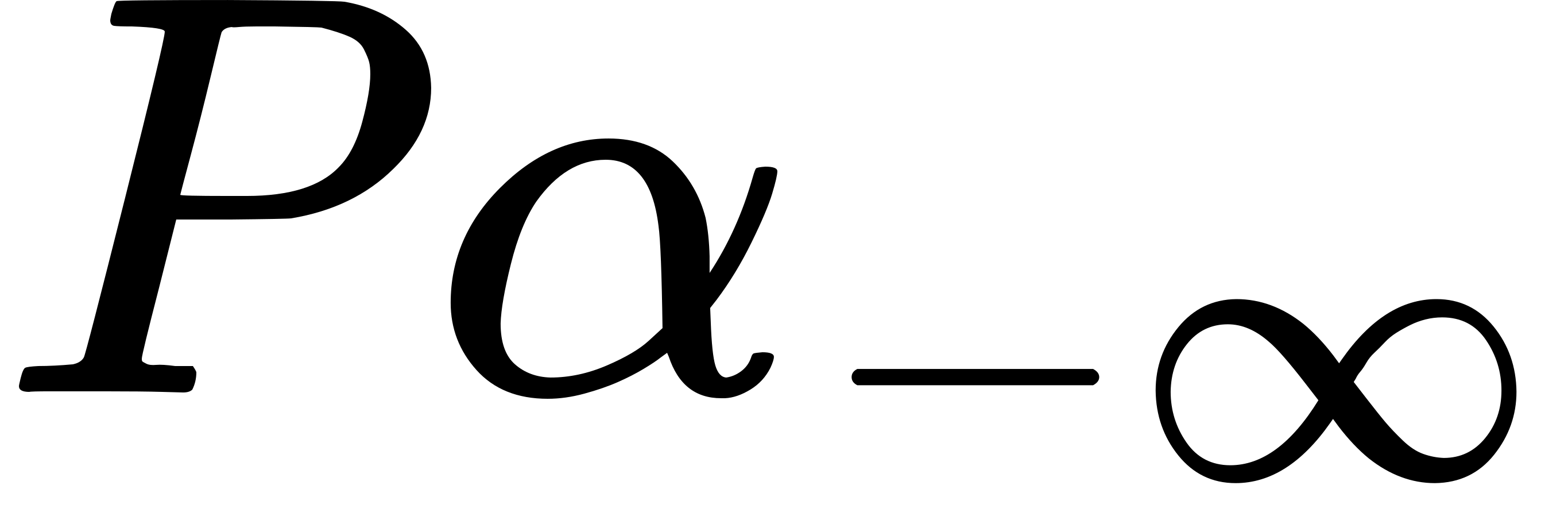 form an angle which
differs ever so slightly from two right angles, and that there are an
infinite number of other straight lines included between these two
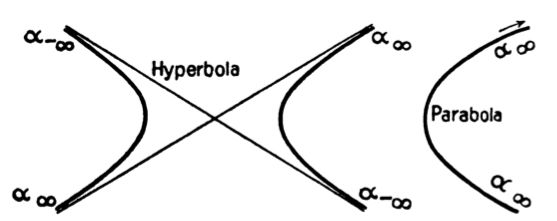
positions (as indicated by the dotted lines in the figure), which do not
cut
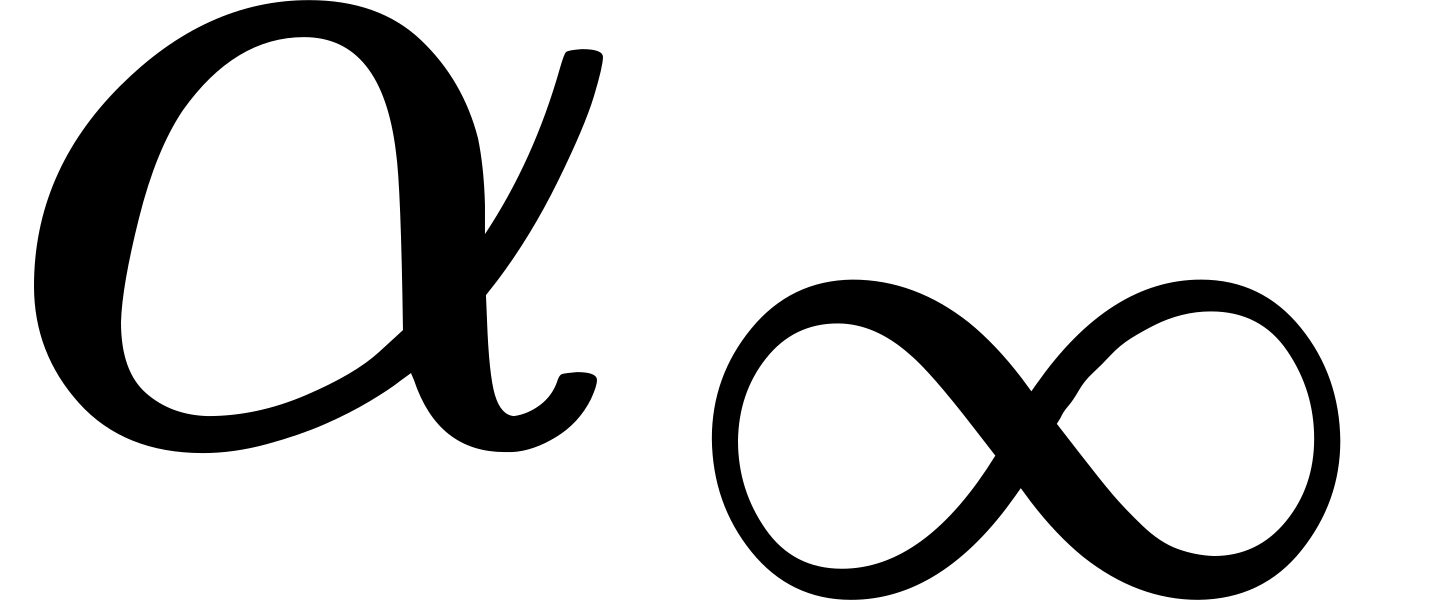 . This
geometry was called, by Klein elliptical geometry (and includes
spherical geometry as a special case).
 where

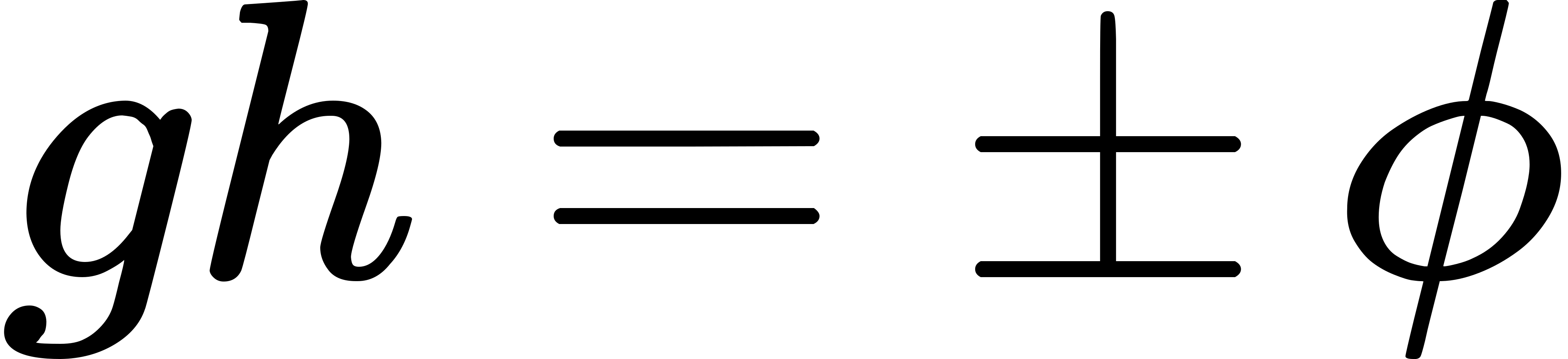 (say). This gives the work done in moving unit mass
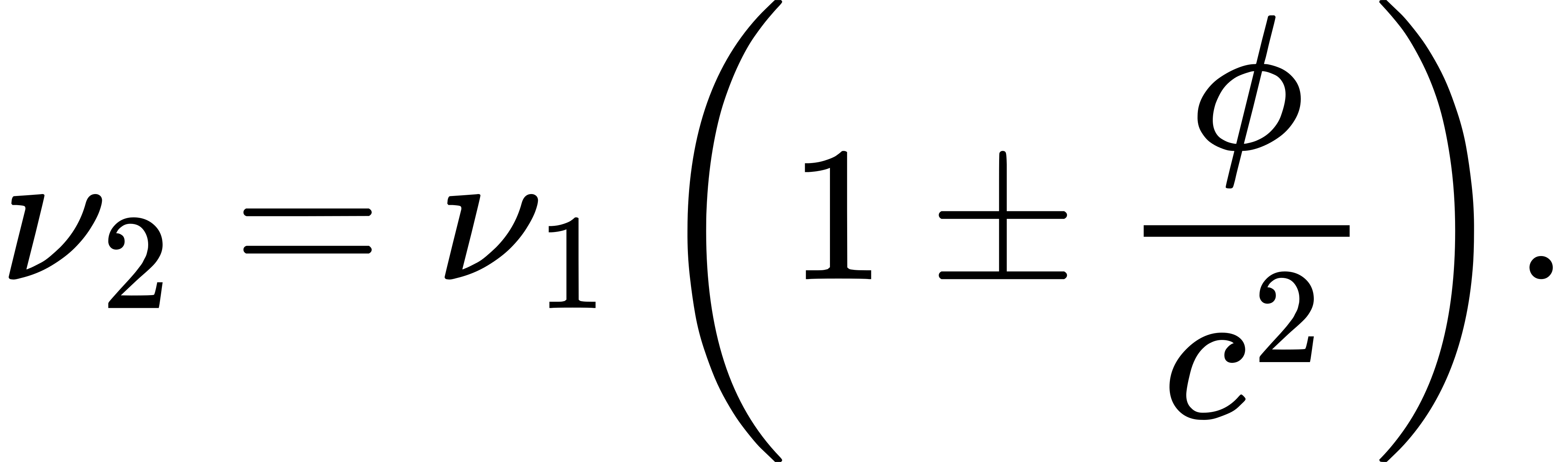
from the source of light to the observer (the source of light is here the
point to which the potential energy is referred in the field).
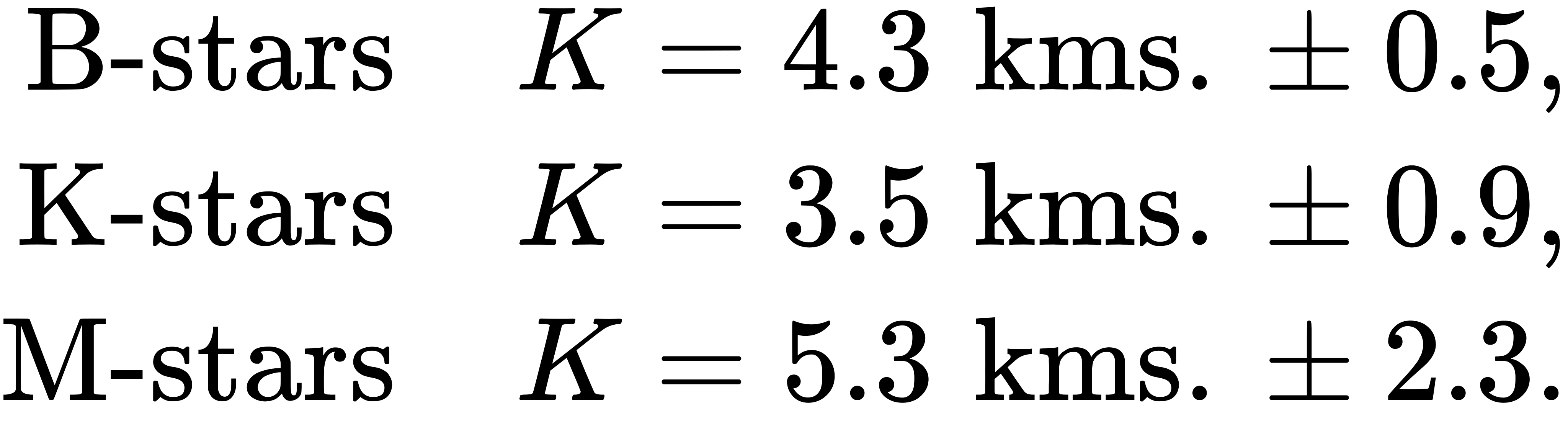
 type (yellow
stars like the sun) and the
 ,
and is a little greater than that given by the statistical method.
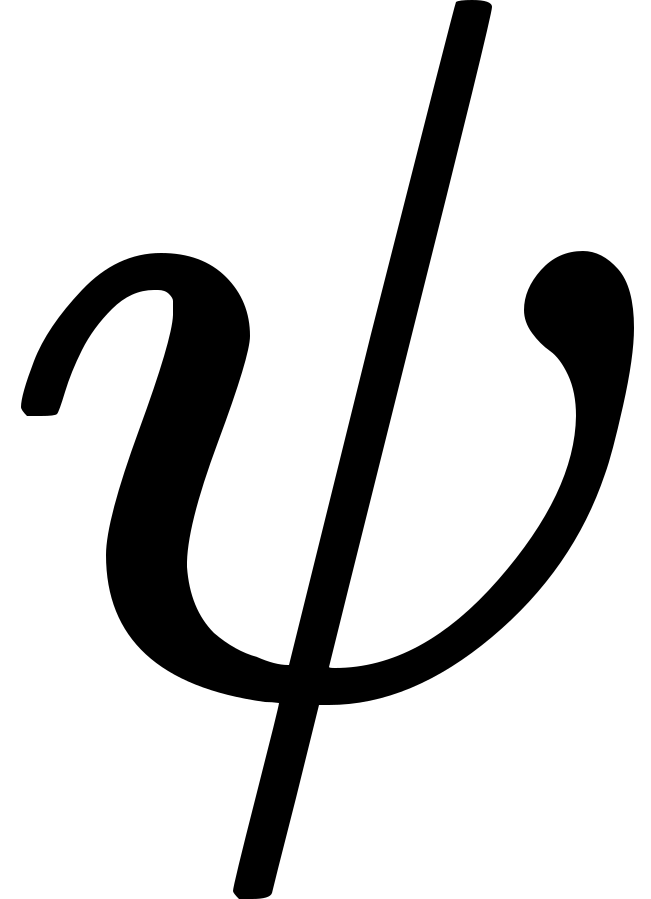 and 36 Orionis give a displacement towards the
violet end. It has been suggested that they do not belong to the more
limited group of Orion stars, but are only projected into that portion
of the celestial sphere. This is supported by the fact that both stars
have only very small spherical proper motions, and that the radial
velocities observed for them differ considerably from the mean of the
radial velocities of the others.
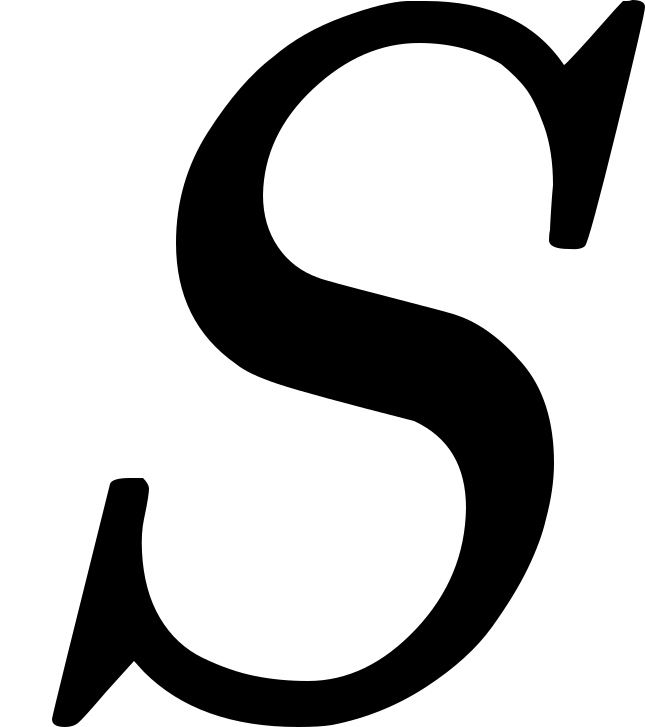 . Orionis the absorption lines