Alkham, 238
Bapchild, 144, 162
Barham, 233
Barham Downs, 1, 96, 218, 222-233, 236
Barham Family, 233-235
Barham, Rev. Richard Harris, 80, 234
Becket, Thomas à, 13, 18, 19, 95, 134, 151, 186, 194, 197, 207-213, 216, 233
Bell Grove, 44
Bexley, 45
Bexley Heath, 44, 45-47
Blackheath, 18, 24-35
Black Prince, The, 185, 204-207
Black Robin’s Corner, 236
Borough, The, 7-18
Bossenden Woods, 179-182
Boughton-under-Blean, 172, 173, 179, 181
Bridge, 217
Broome Park, 236
Buckland, 241
Cade, Jack, 6, 31
Cæsar, Julius, 1, 96, 145, 148, 218-226, 244-246
Canterbury, 3, 74, 97, 174, 183, 187-216, 228
Canterbury Pilgrims, 11-18, 172, 183-186, 194-197, 207-213, 216
Caroline, Princess of Wales and Queen, 25, 56
Chalk, 66, 81-86
Charles II, 33, 68, 70, 89, 90, 121
Charlton, 34, 35
Chatham, 126-140, 200
Chaucer, Geoffrey, 11, 172, 183, 184
“Church Ales”, 82
Clavell, John, 87
Cleves, Anne of, 117-119
Coaches:—
“Blue-eyed Maid”, 8
“Defiance”, 3
“Eagle”, 3
“Express”, 3, 4
“Foreign Mail”, 3
“Phœnix”, 3
“Royal Mail”, 3
“Tally-ho”, 3, 216
“Telegraph”, 3
“Union”, 3
“Worthington’s Safety”, 3
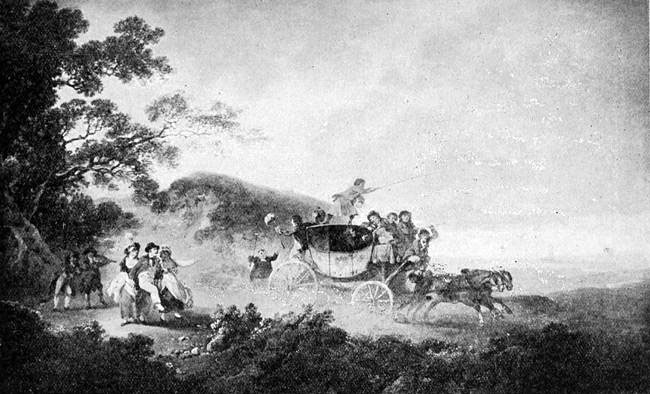
Coaching, 3-5, 23, 39, 45, 58, 92, 216
Coal and Wine Dues, 50
Cobham Park, 61, 97
“Coldharbours”, 228-230
Colet, Dean, 185, 209-212
Courtenay’s Rebellion, 175-183
Crayford, 47-49
Crook Long, 45
Cycling Records, 201
“Danes” Holes, 46
Dartford, 49-60, 97, 118, 200
Denton, near Canterbury, 233-236
Denton by Gravesend, 79-81
Deptford, 23
Dickens, Charles, 81, 87, 90-93, 102-104, 106, 126, 141
Don Juan, 37-39, 213, 243
Dover, 220, 242-257
Drellingore Stream, 239
Dunkirk, 181-183
Elizabeth, Queen, 6, 23, 26, 119
Erasmus, Disiderius, 185, 209-212
Falstaff, Sir John, 87, 93
Faversham, 146, 166, 170-172
Gad’s Hill, 86-95
Gravesend, 4, 18, 60, 62, 66-70, 86, 91
Greenhithe, 60, 62, 89
Greenstreet, 163
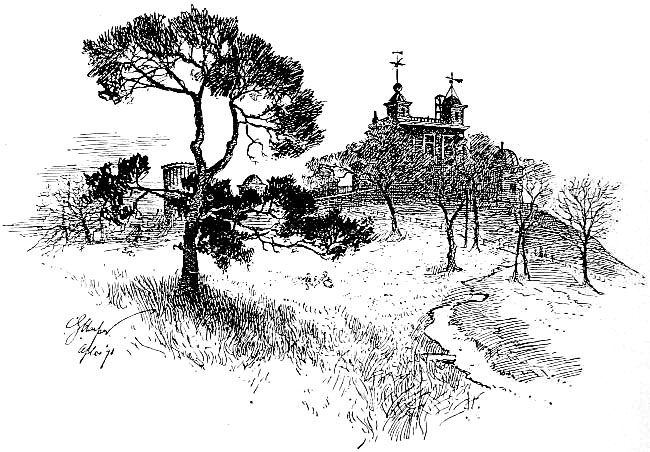
Greenwich Park, 25
Gundulf, Bishop, 54
Gutteridge Gate, 216
Harbledown, 173, 183-186, 194
Hengist and Horsa, 48
Henry V, 30, 154
Henry VIII, 117-119, 151, 195-197
Hermits, 55, 151-153, 161, 163, 171
Hernhill, 168, 181
Highwaymen, 25, 36-40, 71, 87-90, 217
Hops, 163
Horn’s Cross, 62
Huggens’ College, 66
Ingoldsby Legends, The 80, 134, 234-236
“Ingoldsby Abbey”, 80
Inns (mentioned at length):—
“Blue-eyed Maid,” Southwark, 8
“Bull,” Dartford, 55, 107
“Bull,” Rochester, 107
“Bull,” Shooter’s Hill, 36
“Crispin and Crispianus,” Strood, 101, 171
“Crown,” Rochester, 119
“Falstaff,” Canterbury, 187
“Falstaff,” Gad’s Hill, 90, 94
“George,” Sittingbourne, 155
“George,” Southwark, 7, 8
“Golden Cross,” New Cross, 22
“Gun,” Sittingbourne, 156
“Half Moon,” Southwark, 8
“Key,” Key Street, 148
“Lion,” Sittingbourne, 155, 160
“Lord Nelson,” Chalk, 86
“Red Lion,” Canterbury, 189-192
“Red Lion,” Dunkirk, 181, 182
“Red Lion,” Sittingbourne, 154
“Rose,” Canterbury, 174, 189
“Rose,” Sittingbourne, 155
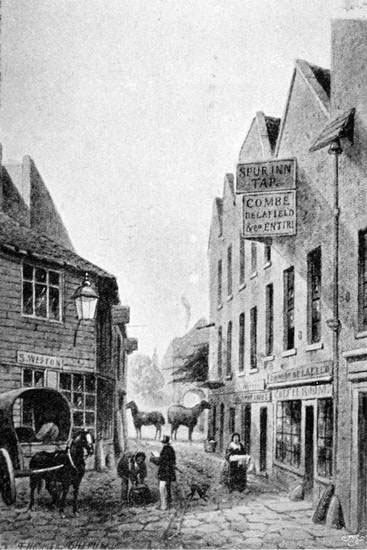
“Spur,” Southwark, 8
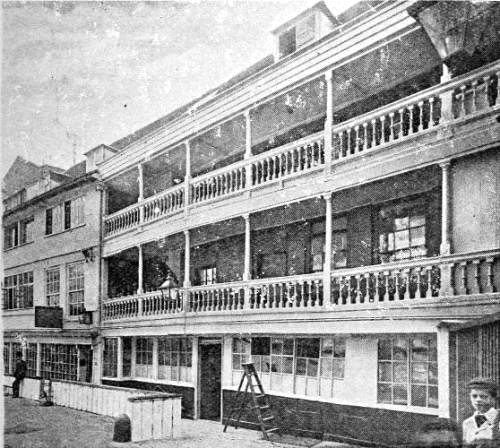
“Tabard,” Southwark, 8, 12, 13, 18
“White Hart,” Sittingbourne, 156, 157
James II, 70, 121, 170
“Jezreel, James Jershom”, 137-140
John’s Hole, 62
Kearsney, 2, 38, 240
Kent Street, 9
Key Street, 97, 148
Kidbrook, 34, 35
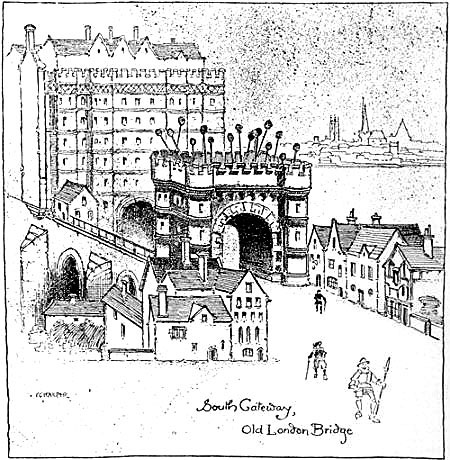
London Bridge, 2, 5-7, 12, 19, 30, 44, 200
Lydden, 238
Marlowe, Christopher, 23
“Milestones on the Dover Road”, 19
Milton-next-Gravesend, 77-79
Milton-next-Sittingbourne, 146, 153, 159
“Mockbeggars”, 230
Moor Street, 141
Murston, 153, 161
Nevison, John, 90
New Cross, 21, 23, 200
Newington, 142-149, 226
Northfleet, 61, 62-64, 66, 97
“Old England’s Hole”, 223
Old Kent Road, 5, 19-22, 200
Old-Time Travellers, in general, 11-18, 22, 56, 70-77, 87-90, 115-122, 183-186, 190-201
Old-Time Travellers:—
Albert of Saxe-Coburg-Gotha, Prince Consort, 199-201
Bassompierre, Marshal de, 70
Cossuma Albertus, Prince, 89
Dalkeith, Countess of, 198
Grosley, M., 73-77
Henrietta Maria, Princess, 198
Moritz, Pastor, 56
Nivernais, Duc de, 104, 190-194
Peel, Sir Robert, 199
Rochefort, M. Jouvin de, 71
Sorbière, M. Samuel de, 72
Zinzerling, Herr Justus, 154
Ospringe, 97, 145, 149, 161, 165
Pepys, Samuel, 36, 121
Pilgrims, 11-18, 161, 172, 183-186, 207-213
Preston, 166
Radfield, 163
Rainham, 140-142
River, 240
Rochester, 95, 97, 102-125, 200
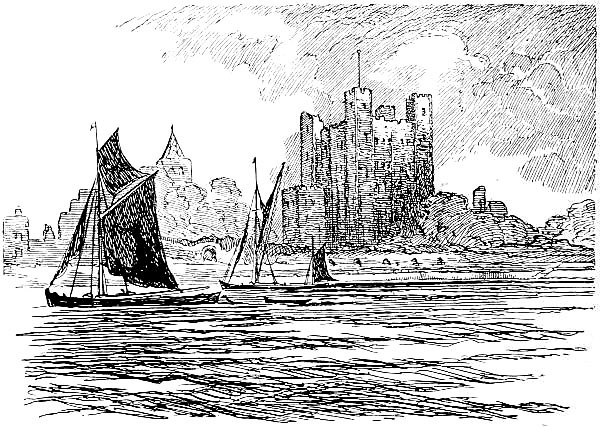
Rochester Castle, 54, 106, 114
Rochester Cathedral, 54, 105, 108-113
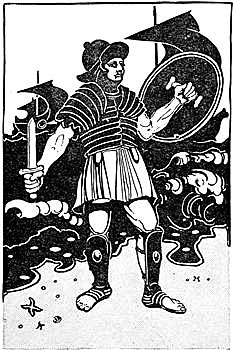
Romans, The, 27, 47, 60, 76, 95-99, 144-148, 199, 218-233, 244
Rosherville Gardens, 64
St. Radigund’s Abbey, 240
St. Thomas à Watering, 18
St. William of Perth, 111
Schamel, Hermitage of, 151-153
Shooter’s Hill, 35-40
Shoulder of Mutton Green, 44
Sittingbourne, 97, 144, 150-161
Southwark, 7-18
Spielman, Sir John, 51-53
Springhead, 61, 65
Stone, 62
Strood, 60, 61, 94, 97, 100-102
Swanscombe, 60
Tappington, Everard, 236
Telegraph Hill, 11
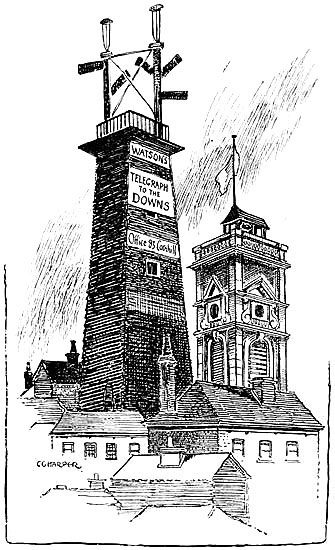
Telegraph Tower, Southwark, 9-11
Temple Ewell, 238, 240
Teynham, 163
Thom, John Nichols (calling himself “Sir William Percy Honeywood Courtenay”), 174-183
Tong, 163
Tramps, 41-44
Turnpike Gates, 62, 216
Turpin, Dick, 90
Tyler, Wat, 27-30, 57
Watercress, 65
Watling Street, 34, 47, 60, 95-99, 144-148, 214, 223
Watts, Richard, 119
Welling, 44
White Hill, 49
Wolsey, Cardinal, 31, 195
Footnotes:
[1] The real names of these two brothers are unknown. They took the names
by which they are known in history from the banners under which their men
fought; banners which bore the cognizance of a white horse: Hengist and
Horsa being merely the Jutish-Saxon words for “horse” and “mare.” The
Danish, indeed, still use the word “hors” for mare, and a survival of the
old badge of these fierce pagans is still to be met with in the familiar
white horse of Brunswick-Hanover. The prancing steed that remains to this
day the Kentish device, with its dauntless motto “Invicta,” is also a
survival from the days when Hengist and Horsa founded the first Saxon
kingdom in Britain.
[2] He meant Harbledown, Boughton, and Ospringe: Green-street,
Sittingbourne, Newington, and Rainham.
[3] “Gad’s,” i.e. “rogues,” Hill.
[4] One of the many originals of “Samivel’s father” put forward. One was
supposed to have been at Bath, another at Dorking; and others still have
claims to have originated this humorous character.
[5] Collectors for “Hospital Saturday” funds come within the meaning of
this unrepealed Act.
[6] He was here also in 1661, giving a very amusing account of how he was
entertained, and how he kissed and sang and danced: it is too long,
though, for quotation here. But look it up.
[7] Mr. Gladstone has said, most notoriously, that to be “hemmed in” is
not to be “surrounded.” But that was part of the political game of bluff,
and may not be regarded as a contribution to philology.
[8] An excellent story is told of the cold that rages up here in the
winter. It belongs to coaching times, and was told by a coachman who had a
new guard with him one frosty night, when the temperature was going down
to 15°; a cockney guard who was unused to exposure, and who, moreover, had
not the experience which led the Jehu to wrap himself up in layers of
flannel, a many-caped coat, and three or four waistcoats. “Ain’t it cold?”
asked the guard several times, climbing over the coach roof with numbed
hands and blue nose. “Cold!” returned the coachman, “not at all.” “That’s
all very well,” says the guard, “but your eyes are watering like
hanythink.” “Oh! are they?” rejoins the coachman, “I suppose that’s the
perspiration!”
[9] There are “Mockbeggars” in Kent, as in most other counties. There is
one near Rochester. Some old buildings pulled down in 1771 at
Brighthelmstone were called Mockbeggars. Local opinion held the belief
that there had been a Mendicant Priory, but this was not generally
credited. The name seems to have been generally applied to objects wearing
at some distance the appearance of an hospitable mansion, to which
travellers would be drawn out of their road only to meet with a
disappointment in finding an empty house, or no house at all. Two such
places, so called, are to be instanced: one is an isolated rock at
Bakewell in Derbyshire, presenting from the road the semblance of a house,
to which it is said beggars and tramps wend their way, only to be mocked
by a freak of nature: seeking for bread they find, literally, a stone. The
other is an old Tudor mansion, called Mockbeggar Hall, at Claydon in
Suffolk, standing in a conspicuous situation, near the road leading from
Ipswich to Scole; a place to which mendicants would naturally be
attracted, in expectation of finding inhabitants there, but which has,
according to tradition, remained so long unoccupied as to have earned its
name a hundred years, or more, ago.
Transcriber’s Notes:
Images have been moved from the middle of a paragraph to a nearby paragraph break.
The text in the list of illustrations is presented as in the original text, but the links
navigate to the page number closest to the illustration’s loaction in this document.
Other than the corrections noted by hover information, inconsistencies in
spelling and hyphenation have been retained from the original.