[Fol. 1.]
Husbandmen
live by
the plough
and by cattle.
The mooste generall lyuynge that husbandes can haue,
is by plowynge and sowyng of theyr cornes, and rerynge
or bredynge of theyr cattel, and not the one withoute
the other. Than is the ploughe the moste necessaryest
4
instrumente that an husbande can occupy. Wherfore
it is conuenyent to be knowen, howe a plough shulde
be made.
Different
kinds of
ploughs.
There be plowes of dyuers makynges in dyuers
countreys, and in lyke wyse there be plowes of yren
of dyuers facyons. And that is bycause there be many
maner of groundes and soyles. Some whyte cley, some
4
redde cley, some grauell or chylturne, some sande, some
meane erthe, some medled with marle, and in many
places heeth-grounde, and one ploughe wyll not serue
in all places. Wherfore it is necessarye, to haue dyuers
8
[Fol. 1b.]
Somersetshire.
maners of plowes. In Sommersetshyre, about Zelcester,
the sharbeame, that in many places is called the ploughe-hedde,
is foure or fyue foote longe, and it is brode and
thynne. And that is bycause the lande is verye toughe,
12
and wolde soke the ploughe into the erthe, yf the sharbeame
Kent.
were not long, brode, and thynne. In Kente
they haue other maner of plowes, somme goo with
wheles, as they doo in many other places, and some wyll
16
tourne the sheldbredth at euery landes ende, and plowe
Buckinghamshire.
all one waye. In Buckynghamshyre, are plowes made
of an nother maner, and also other maner of ploughe-yrons,
the whyche me semeth generally good, and lykely
20
to serue in many places, and specially if the ploughbeame
and sharbeame be foure ynches longer, betwene the
shethe and the ploughe-tayle, that the sheldbrede myght
come more a-slope: for those plowes gyue out to sodeinly,
24
and therfore they be the worse to drawe, and for noo
Leicestershire,
&c.
cause elles. In Leycestershyre, Lankesshyre, Yorkeshyre,
Lyncoln, Norfolke, Cambrydge-shyre, and manye other
countreyes, the plowes be of dyuers makinges, the whyche
28
were to longe processe to declare howe, &c. But how
so euer they be made, yf they be well tempered, and
goo well, they maye be the better suffred.
[Fol. 2.]
Parts of the
plough.
Men that be no husbandes maye fortune to rede this
boke, that knowe not whiche is the ploughe-beame, the
sharebeame, the ploughe-shethe, the ploughe-tayle, the
stilte, the rest, the sheldbrede, the fenbrede, the roughe
4
staues, the ploughe-fote, the ploughe-eare or coke, the
share, the culture, and ploughe-mal. Perauenture I gyue
them these names here, as is vsed in my countre, and yet
Plough-beam.
in other countreyes they haue other names: wherfore ye
8
shall knowe, that the ploughe-beame is the longe tree
Share-beam.
aboue, the whiche is a lytel bente. The sharbeame is the
Plough-sheath.
tre vnderneth, where-vpon the share is set; the ploughe-sheth
1is a thyn pece of drye woode, made of oke, that is
12
set fast in a morteys in the plough-beame, and also in to
the share-beame, the whiche is the keye and the chiefe
Plough-tail.
bande of all the plough. The plough-tayle is that the
husbande holdeth in his hande, and the hynder ende of
16
the ploughebeame is put in a longe slyt, made in the same
tayle, and not set faste, but it maye ryse vp and go
dow[n]e, and is pynned behynde, and the same ploughe-tayle
is set faste in a morteys, in the hynder ende of the
20
[Fol. 2b.]
Plough-stilt.
sharebeame. The plough-stylte is on the ryghte syde of
the ploughe, whervpon the rest is set; the rest is a lyttell
Rest.
pece of woode, pynned fast vpon the nether ende of the
stylt, and to the sharebeame in the ferther ende. The
24
Shield-board.
sheldbrede is a brode pece of wodde, fast pinned to the
ryghte side of the shethe in the ferther ende, and to the
Fen-board.
vtter syde of the stylte in the hynder ende. The fenbrede
is a thyn borde, pynned or nayled moste commonly
28
to the lyft syde of the shethe in the ferther ende, and to
the ploughe-tayle in the hynder ende. And the sayde
sheldbrede wolde come ouer the sayde shethe and fenbrede
an inche, and to come past the myddes of the
32
share, made with a sharpe edge, to receyue and turne the
Rough
staves.
erthe whan the culture hath cut it. There be two roughe
staues in euery ploughe in the hynder ende, set a-slope
betwene the ploughe-tayle and the stilt, to holde out
36
and kepe the plough abrode in the hynder ende, and the
Plough-foot.
one lenger than the other. The plough-fote is a lyttell
pece of wodde, with a croked ende set before in a morteys
in the ploughe-beame, sette fast with wedges, to
40
dryue vppe and downe, and it is a staye to order of
Plough-ear.
what depenes the ploughe shall go. The ploughe-eare
is made of thre peces of yren, nayled faste vnto the ryght
[Fol. 3.]
syde of the plough-beame. And poore men haue a
44
croked pece of wode pynned faste to the ploughbeame.
Share.
The share is a pece of yren, sharpe before and brode
behynde, a fote longe, made with a socket to be set on
Coulter.
the ferther ende of the share-beame. The culture is a
48
bende pece of yren sette in a morteys in the myddes of
the plough-beame, fastened with wedges on euery syde,
and the backe therof is halfe an inche thycke and more,
and three inches brode, and made kene before to cutte
52
the erthe clene, and it must be wel steeled, and that
shall cause the easyer draughte, and the yrens to laste
Plough-mall.
moche lenger. The plough-mal
[21] is a pece of harde
woode, with a pynne put throughe, set in the plough-beame,
56
in an augurs bore.
Tempering
of ploughs.
Nowe the plowes be made of dyuers maners; it is necessarye
for an housbande, to knowe howe these plowes
shulde be tempered, to plowe and turne clene, and to
Rest-baulk.
make no reste-balkes. A reste-balke is where the plough
4
byteth at the poynte of the culture and share, and cutteth
not the ground cleane to the forowe, that was plowed laste
[Fol. 3b.]
before, but leaueth a lyttell rydge standynge betwene,
the whiche dothe brede thistyls, and other wedes. All
8
these maner of plowes shulde haue all lyke one maner
of temperyng in the yrens. Howe-be-it a man maye
temper for one thynge in two or thre places, as for
depnes. The fote is one: the setting of the culture of
12
a depnes, is a-nother: and the thyrde is at the ploughe-tayle,
Slot wedges.
where be two wedges, that be called slote-wedges:
the one is in the slote above the beame, the other in
the saide slote, vnder the plough-beame; and other whyle
16
he wyll set bothe aboue, or bothe vndernethe, but alway
let hym take good hede, and kepe one generall rule, that
the hynder ende of the sharebeme alway touche the erthe,
that it may kyll a worde,
[22] or elles it goth not truly. The
20
Narrow and
broad tempering.
temperynge to go brode and narowe is in the settyng of
the culture: and with the dryuinge of his syde-wedges,
forewedge, and helewedge, whiche wolde be made of
Setting on
of the share.
drye woode, and also the settynge on of his share helpeth
24
well, and is a connynge poynte of husbandry, and
mendeth and payreth moch plowyng: but it is so narowe
a point to know, that it is harde to make a man to vnderstande
it by wrytynge, without he were at the operation
28
[Fol. 4.]
therof, to teache the practyue: for it muste leane moche
in-to the forowe, and the poynt may not stande to moch
vp nor downe, nor to moche in-to the lande, nor in-to
Setting of
the coulter.
the forowe. Howe-be-it, the settynge of the culture
32
helpeth moche. Somme plowes haue a bende of yron
tryanglewise, sette there as the plough-eare shulde be,
that hath thre nyckes on the farther syde. And yf he
Seed-furrow.
wyll haue his plough to go a narowe forowe, as a sede-forowe
36
shulde be, than he setteth his fote-teame in the
Mean
furrow.
nycke nexte to the ploughe-beame; and yf he wyll go
a meane bredth, he setteth it in the myddell nycke,
Broad
furrow.
that is beste for sturrynge; and if he wolde go a brode
40
forowe, he setteth it in the vttermoste nycke, that is beste
for falowynge: The whyche is a good waye to kepe the
bredthe, and soone tempered, but it serueth not the
depenesse. And some men haue in stede of the plough-fote,
44
a piece of yron set vpryghte in the farther ende
‘A coke.’
of the ploughe-beame, and they calle it a coke, made
with ii. or thre nyckes, and that serueth for depenes.
Wheel-ploughs.
The plowes that goo with wheles, haue a streyghte
48
beame, and maye be tempred in the yron, as the other be,
for the bredth; but their most speciall temper is at the
bolster, where-as the plough-beame lyeth, and that
serueth both for depnes and for bredth. And they be
52
[Fol. 4b.]
good on euen grounde that lyeth lyghte, but me semeth
they be farre more costly than the other plowes. And
thoughe these plowes be well tempred for one maner
grounde, that tempre wyll not serue in an other maner
56
of grounde; but it muste reste in the dyscretion of the
housbande, to knowe whanne it gothe well.
Bows, yokes,
&c.
Bvt or he begyn to plowe, he muste haue his ploughe
and his ploughe-yren, his oxen or horses, and the geare
that belongeth to them; that is to say, bowes, yokes,
landes, stylkynges, wrethynge-temes. And or he shall
4
lode his corne, he muste haue a wayne, a copyoke, a
payre of sleues, a wayne-rope, and a pykforke. This
The wain.
wayne is made of dyuers peces, that wyll haue a greate
reparation, that is to saye, the wheles, and those be made
8
of nathes, spokes, fellyes, and dowles, and they muste
be well fettred with wood or yren. And if they be yren
bounden, they are moche the better, and thoughe they
[Fol. 5.]
be the derer at the fyrst, yet at lengthe they be better
12
Iron-bound
wheels.
cheape; for a payre of wheles yren bounde wyl weare vii.
or viii. payre of other wheles, and they go rounde and
lyght after oxen or horses to draw. Howbeit on marreis
ground and soft ground the other wheles be better,
16
bycause they be broder on the soule, and will not go so
Axle-tree,
linch-pins,
and axle-pins.
depe. They must haue an axiltre, clout with .viii.
waincloutes of yren, ii. lyn-pinnes of yren in the axiltre-endes,
ii. axil-pynnes of yren or els of tough harde
20
wodde. The bodye of the wayne of oke, the staues, the
nether rathes, the ouer rathes, the crosse somer, the keys
and pikstaues. And if he go with a hors-ploughe, than
muste he haue his horses or mares, or both his hombers or
24
collers, holmes whyted, tresses, swyngletrees, and togwith.
The cart.
Alsoo a carte made of asshe, bycause it is lyghte, and
lyke stuffe to it as is to a wayne, and also a cart-sadel,
bakbandes, and belybandes, and a carte-ladder behinde,
28
whan he shall carye eyther corne or kyddes, or suche
Cart-ladders.
other. And in many countreys theyr waynes haue carte-ladders
bothe behynde and before. Also an husbande
Axe,
hatchet, &c.
muste haue an axe, a hachet, a hedgyngebyll, a pyn-awgur,
32
a rest-awgur, a flayle, a spade, and a shouell. And howe-be-it
that I gyue theym these names, as is most comonly
[Fol. 5b.]
vsed in my contrey, I knowe they haue other names in
other contreyes. But hereby a manne maye perceyue
36
Expense of
husbandry.
many thynges that belonge to husbandry, to theyr greate
costes and charges, for the mayntenance and vpholdyng
of the same. And many moo thynges are belongynge to
husbandes than these, as ye shall well perceyue, er I
40
haue made an ende of this treatyse. And if a yonge
husbande shulde bye all these thynges, it wolde be
It is better to
make than
buy.
costely for hym: wherfore it is necessarye for hym to
lerne to make his yokes, oxe-bowes, stooles, and all
44
maner of plough-geare.
Ox-plough
and horse-plough.
It is to be knowen, whether is better, a plough of
horses, or a plough of oxen, and therin me semeth
oughte to be made a distinction. For in some places an
oxe-ploughe is better than a horse-plough, and in somme
4
places a horse-ploughe is better: that is to say, in euery
place where-as the husband hath seueral pastures to put
his oxen in whan they come fro theyr warke, there the oxe-ploughe
The ox.
is better. For an oxe maye nat endure his
8
[Fol. 6.]
warke, to labour all daye, and than to be put to the
commons, or before the herdman, and to be set in a folde
all nyghte without meate, and go to his labour in
the mornynge. But and he be put in a good pasture all
12
nyghte, he wyll labour moche of all the daye dayely.
And oxen wyl plowe in tough cley, and vpon hylly
grounde, where-as horses wyll stande st[i]ll. And where-as
The horse.
is noo seuerall pastures, there the horse-plowe is better,
16
for the horses may be teddered or tyed vpon leys, balkes,
or hades, where as oxen maye not be kept: and it is not
vsed to tedder them, but in fewe places.
And horses wyl goo faster than oxen on euen grounde
20
or lyght grounde, & be quicker for cariage: but they be
ferre more costly to kepe in winter, for they must haue both
hey and corne to eate, and strawe for lytter; they must
be well shodde on all foure fete, and the gere that they
24
shal drawe with is more costely than for the oxen, and
Oxen are
cheap,
shorter whyle it wyll last. And oxen wyll eate but straw,
and a lyttell hey, the whiche is not halfe the coste that
horsis must haue, and they haue no shoes, as horses haue.
28
And if any sorance come to the horse, or [he] waxe olde,
broysed, or blynde, than he is lyttell worthe. And if any
sorance come to an oxe, [and he] waxe olde, broysed, or
[Fol. 6b.]
blinde, for ii.
s. he maye be fedde, and thanne he is mannes
32
and they can
be eaten.
meate, and as good or better than euer he was. And the
horse, whan he dyethe, is but caryen. And therfore me
semeth, all thynges consydered, the ploughe of oxen is
moche more profytable than the ploughe of horses.
36
Take pains,
keep measure,
and be
rich.
Thou husbande, that intendeste to gette thy lyuynge
by husbandry, take hede to the sayenge of the wyse
phylosopher, the which sayth,
Adhibe curam, tene mensuram,
et eris diues. That is to saye, Take hede to thy charge,
4
kepe measure, and thou shalt be ryche. And nowe to
speke of the fyrste artycle of these .iii. s[cilicet]
Adhibe
curam. He that wyll take vpon hym to do any thinge,
and be slouthefull, recheles, and not diligent to execute
8
and to performe that thynge that he taketh vpon hym,
he shall neuer thryue by his occupation. And to the
same entente saythe our lorde in his gospell, by a parable.
[Fol. 7.]
Luke ix. 62.
Nemo mittens manum suam ad aratrum respiciens retro, aptus 12
est regno dei. The spirytuall constructyon of this texte, I
remytte to the doctours of dyuynitie, and to the greate
clarkes; but to reduce and brynge the same texte to my
No man,
putting his
hand to the
plough, &c.
purpose, I take it thus. There is noo man, puttynge his
16
hande to the plough, lokyng backewarde, is worthy to
haue that thynge that he oughte to haue. For if he
goo to the ploughe, and loke backewarde, he seeth not
whether the plough go in rydge or rayne, make a balke,
20
or go ouerthwarte. And if it do so, there wyll be lyttell
Be not idle.
corne. And so if a man attende not his husbandrye, but
goo to sporte or playe, tauerne or ale-house, or slepynge
at home, and suche other ydle warkes, he is not than
24
Do what you
came to do.
worthy to haue any corne. And therfore,
Fac quod venisti,
Do that thou comest fore, and thou shalte fynde that thou
sekest fore, &c.
Times of the
year.
Nowe these plowes be made and tempered, it is to
be knowen howe a man shoulde plowe all tymes of
the yere. In the begynnynge of the yere, after the
feast of the Epiphany, it is tyme for a husbande to
4
[Fol. 7b.]
Plough leas
early.
go to the ploughe. And if thou haue any leys, to
falowe or to sowe otes vpon, fyrste plowe them, that
the grasse and the mosse may rotte, and plowe them
a depe square forowe. And in all maner of plowynge,
8
se that thy eye, thy hande, and thy fote do agree,
and be alwaye redy one to serue a-nother, and to turne
Lay the
mould flat.
vp moche molde, and to lay it flat, that it rere not
on edge. For if it rere on edge, the grasse and mosse
12
wyll not rotte. And if thou sowe it with winter-corne,
as whete or ry, as moche corne as toucheth the mosse
wyll be drowned, the mosse dothe kepe such wete in
it self. And in some countreys, if a man plowe depe,
16
he shall passe the good grounde, and haue but lyttel
corne: but that countrey is not for men to kepe husbandry
vppon, but for to rere and brede catell or shepe, for
Beeting
land with
mattocks.
elles they muste go beate theyr landes with mattockes,
20
as they do in many places of Cornewayle, and in som
places of Deuonshyre.
Peas and
beans.
Howe to plowe for pees and beanes, were necessarye
to knowe. Fyrst thou muste remember, whiche is
[Fol. 8.]
mooste cley-grounde, and that plowe fyrste, and lette
it lye a good space, er thou sowe it: bycause the
4
froste, the rayne, the wynde, and the sonne may cause
it to breake smalle, to make moche molde, and to
Plough a
square furrow.
rygge it. And to plow a square forowe, the bredthe
and the depenes all one, and to laye it close to his
8
felow. For the more forowes, the more corne, for a
generall rule of all maner of cornes. And that may
be proued at the comynge vp of all maner of corne,
to stande at the landes ende and loke toward the other
12
ende; And than may ye se, howe the corne groweth.
Sowing of
peas and
beans.
Thou shalt sowe thy peas vpon the cley-grounde,
and thy beanes vpon the barley-grounde: for they
wolde haue ranker grounde than pease. How-be-it
some husbandes holde opynion, that bigge and styffe
4
grounde, as cley, wolde be sowen with bigge stuffe,
as beanes; but me thynke the contrary. For if a dry
sommer come, his beanes wil be shorte. And if the
grounde be good, putte the more beanes to the pease,
8
and the better shall they yelde, whan they be thresshed.
[Fol. 8b.]
And if it be very ranke grounde, as is moche at euery
towne-syde, where catel doth resort, plowe not that
lande, tyll ye wyll sowe it; for if ye do, there wyll
12
In rank
ground sow
beans.
come vppe kedlokes and other wedes. And than sowe
it with beanes; for if ye sowe pees, the kedlokes wyll
hurte them; and wha
n ye se seasonable time, sow
both pees and beanes, so that they be sowen in the
16
begynnynge of Marche. Howe shall ye knowe seasonable
If the land
sing, it is too
wet to sow.
tyme? go vppon the lande, that is plowed, and if it
synge or crye, or make any noyse vnder thy fete, than
it is to wete to sowe: and if it make no noyse, and
20
wyll beare thy horses, thanne sowe in the name of god.
How to sow
peas.
But howe to sowe? Put thy pees in-to thy hopper, and
take a brode thonge, of ledder, or of garthe-webbe of
an elle longe, and fasten it to bothe endes of the
24
hopper, and put it ouer thy heed, lyke a leysshe; and
stande in the myddes of the lande, where the sacke
lyethe, the whiche is mooste conueniente for the fyllynge
of thy hopper, and set thy lefte foote before, and take
28
an handefull of pees: and whan thou takeste vp thy
ryghte foote, than caste thy pees fro the all abrode; and
whan thy lefte fote ryseth, take an other handeful, and
whan the ryght fote ryseth, tha
n cast them fro the.
32
[Fol. 9.]
And so at euery ii. paces, thou shalte sowe an handful
of pees: and so se that the fote and the hande
Cast them
wide.
agree, and than ye shal sowe euen. And in your
castynge, ye muste open as well your fyngers as your hande,
36
and the hyer and farther that ye caste your corne, the
better shall it sprede, excepte it be a greatte wynde.
And if the lande be verye good, and wyll breke small
in the plowynge, it is better to sowe after the ploughe
40
thanne tarye any lenger.
Seed of Discretion.
There is a sede, that is called Discretio
n, and if
a husband haue of that sede, and myngle it amonge
his other cornes, they wyll growe moche the better;
for that sede wyll tell hym, how many castes of corne
4
euery lande ought to haue. And a yonge husbande, and
may fortune some olde husbande, hath not sufficyente
Borrow discretion,
if
you have it
not.
of that sede: and he that lackethe, let hym borowe
of his neyghbours that haue. And his neyghbours
8
be vnkynde, if they wyll not lende this yonge housbande
parte of this sede. For this sede of Discretion
hath a wonders property: for the more that it is taken
of or lente, the more it is. And therfore me semeth,
12
[Fol. 9b.]
it shoulde be more spyrituall than temporall, wherin
Temporal
things, when
divided,
wane.
is a greate dyuersitie. For a temporall thynge, the
more it is deuyded, the lesse it is: and a spirytuall
thynge, the more it is deuided, the more it is.
Verbi 16
gratia. For ensaumple, I put case a wyfe brynge a
lofe of breade to the churche, to make holy breade
of; whan it is cut in many smal peces, and holy
breade made therof, there may be so many men, women,
20
and children in the churche, that by that tyme the priest
hath delte to euery one of them a lyttell pece, there
shall neuer a crume be lefte in the hamper. And a
Spiritual
things, when
divided,
wax.
spiritualle thynge as a
Pater-noster, or a prayer, that any
24
man can say, let hym teache it to .xx., a
.C., or to a
.M.,
yet is the prayer neuer the lesse, but moche more. And
so this sede of Discrecio
n is but wisdome and reason: and
he that hath wysedome, reason, and discretion may teche
28
it, and enforme other men as he is bounde to do. Wherein
he shall haue thanke of god: and he doth but as god hath
Matt. x. 8.
commaunded hym in his gospell,
Quod gratis accepistis,
gratis date: That thynge that ye toke frely, gyue it frely
32
again, and yet shall ye haue neuer the lesse.
[Fol. 10.]
Bvt yet me thynkethe it is necessarye to declare, howe
all maner of corne shuld be sowen, and howe moch
vpon an acre most comonly, and fyrste of pease and
An acre of
ground.
beanes. An acre of grounde, by the statute, that is to say
4
xvi. fote and a half to the perche or pole, foure perches
to an acre in bredth, and fortye perches to an acre in
London
bushels.
lengthe, may be metelye well sowen with two London
busshelles of pease, the whyche is but two strykes in
8
other places. And if there be the .iiii. parte beanes, than
wylle it haue halfe a London bushelle more: and yf it be
halfe beanes, it wyll haue thre London bushels: and if it
be all beanes, it wyll haue foure London busshelles fullye,
12
and that is half a quarter; bycause the beanes be gret, and
grow vp streight, & do not sprede and go abrode as
Beans worth
more than
peas.
pease do. An acre of good beanes is worth an acre & a
half of good pees, bycause there wylle be more busshelles.
16
And the beste propertie that belongeth to a good
husband is, to sowe all maner of corne thycke ynough,
and specially beanes and barley. For commonly they be
sowen vpon ranke ground, and good grounde wylle haue
20
the burthen of corne or of wede. And as moche
plowynge and harowynge hath an acre of grounde, and
[Fol. 10b.]
sowe thervppon but oone busshelle, as yf he sowed .iiii.
busshelles. And vndoutedly .i. busshell may not gyue so
24
moche corne agayne, as the .iiii. busshels, though the .iii.
bushels, that he sowed more, be alowed and set aparte.
White,
green, and
grey peas.
And i. busshel and an halfe of white or grene pees, wyll
sowe as moche grounde, as two busshels of gray pees:
28
and that is bycause they be so smal, and the husband
nedeth not to take so great an handful. In some
countreys they begyn to sowe pees soone after Christmasse:
and in some places they sowe bothe pees and
32
beanes vnder forowe: and those of reson must be sowen
Feb. 2.
betyme. But moste generally, to begyn sone after Candelmasse
is good season, so that they be sowen ere the
begynnynge of Marche, or sone vpon. And specially let
36
them be sowen in the olde of the mone. For thopinion of
olde husbandes is, that they shoulde the better codde,
and the sooner be rype. But I speke not of hasty pees,
for they be sowen before Christmasse, &c.
40
Barley.
Every good housbande hath his barleye-falowe well
dounged, and lyenge rygged all the depe and colde of
wynter; the whiche ryggynge maketh the lande to be
[Fol. 11.]
drye, and the dongynge maketh it to be melowe and
4
ranke. And if a drye season come before Candelmasse,
or sone after, it wolde be caste downe and waterforowed
bytwene the landes, that the wete rest not in the raine:
and in the begynnynge of Marche, rydge it vppe agayne,
8
Sow five
bushels to
the acre.
and to sowe in euery acre fyue London bushelles, or
foure at the leaste. And some yeres it maye so fortune,
that there cometh no seasonable wether before Marche,
to plowe his barley-erthe. And as soone as he hath
12
sowen his pees and beanes, than let hym caste his barley-erthe,
and shortly after rygge it agayne: soo that it be
sowen before Apryll. And if the yere-tyme be paste,
than sowe it vpon the castynge.
16
¶ It is to be knowen that there be thre maner of barleys,
that is to say, sprot-barleye, longe-eare, and beare-barley,
Sprot-barley.
that some menne call bigge. Sprot-barley hath a flat
eare most comonly, thre quarters of an inche brode,
20
and thre inches long, and the cornes be very great
Long-ear.
and white, and it is the best barley. Long-eare hath
a flatte eare, halfe an inche brode, and foure inches
and more of length: but the corne is not so greate
24
nor soo whyte, and sooner it wyll turne and growe
Bear-barley.
to otes. Bere-barleye or bygge wolde be sowen vppon
[Fol. 11b.]
lyghte and drye grounde, and hathe an eare thre ynches of
lengthe or more, sette foure-square, lyke pecke-whete,
28
small cornes, and lyttel floure, and that is the worste
barley, and foure London bushels are suffycient for an
acre. And in some countreyes, they do not sowe theyr
barley tyll Maye, and that is mooste commonly vpon
32
grauel or sandy grounde. But that barley generally is
Sow in
March.
neuer soo good as that that is sowen in Marche. For if it
be verye drie wether after it be sowen, that corne that
lyeth aboue, lyeth drie, and hath noo moysture, and that
36
that lyeth vndernethe, commeth vp: and whan rayne
cometh, than sprutteth that that lyeth aboue, and often-tymes
it is grene whan the other is rype: and whan it is
thresshen, there is moche lyghte corne, &c.
40
Oats.
And in Marche is tyme to sowe otes, and specially vpon
lyght grounde & drie, howe-be-it they wylle grow on
weter grounde than any corne els: for wete grounde
is good for no maner of corne; and thre London bushels
4
wyl sowe an acre.
[Fol. 12.]
And it is to be knowen, that there be .iii. maner of otes,
Red oats.
that is to saye, redde otes, blacke otes, and roughe otes.
Red otes are the beste otes, and whan they be thresshed,
8
they be yelowe in the busshell, and verye good to make
Black oats.
otemele of. Blacke otes are as great as they be, but they
haue not so moche floure in them, for they haue a thycker
huske, and also they be not so good to make otemele.
12
Rough oats.
The roughe otes be the worste, and it quiteth not the
coste to sowe them: they be very lyghte, and haue longe
tayles, wherby they wyll hange eche one to other. All
these maner of otes weare the grounde very sore, and
16
Observe
how thick to
sow.
maketh it to beare quyche. A yonge housbande ought to
take hede, howe thycke he sowethe all maner of corne,
two or three yeres: and to se, howe it cometh vp, and
whether it be thycke ynoughe or not: and if it be thynne,
20
sowe thycker the nexte yere: and if it be well, holde his
hande there other yeres: and if it be to thynne, let hym
remember hym selfe, whether it be for the vnseasonablenes
of the wether, or for thyn sowynge. And so
24
his wysedome and discretion muste discerne it.
[Fol. 12b.]
Nowe these landes be plowed, and the corne sowen, it
is conuenient, that they be well harowed; or els crowes,
Harrowing.
doues, and other byrdes wyll eate and beare awaye the
cornes. It is vsed in many countreys, the husbandes to
4
The ox-harrow.
haue an oxe-harowe, the whiche is made of sixe smal
peces of timbre, called harowe-bulles, made eyther of
Harrow-bulls.
asshe or oke; they be two yardes longe, and as moche as
the small of a mannes legge, and haue shotes
[23] of wode
8
put through theym lyke lathes, and in euery bull are syxe
sharpe peces of yren called harowe-tyndes, set some-what
a-slope forwarde, and the formes[t] slote
[24] must be bygger
than the other, bycause the fote-teame shall be fastened
12
to the same with a shakyll, or a withe to drawe by. This
The horse-harrow.
harrowe is good to breake the greatte clottes, and to make
moche molde, and than the horse-harowes to come after,
to make the clottes smaller, and to laye the grounde euen.
16
It is a greate labour and payne to the oxen, to goo to
‘The ox is
never woe,
Till he to the
harrow go.’
harowe: for they were better to goo to the plowe two
dayes, thanne to harowe one daye. It is an olde saying,
‘The oxe is neuer wo, tyll he to the harowe goo.’ And
20
it is bycause it goeth by twytches, and not alwaye
[Fol. 13.]
after one draughte. The horse-harrowe is made of fyue
bulles, and passe not an elne of lengthe, and not soo
moche as the other, but they be lyke sloted and tinded.
24
And wha
n the corne is well couered, than it is harowed
ynough. There be horse-harowes, that have tyndes of
wodde: and those be vsed moche about Ryppon, and
Boulder-stones.
suche other places, where be many bulder-stones. For
28
these stones wold weare the yren to soone, and those
Tines of the
harrow
made of ash.
tyndes be mooste commonly made of the grounde ende of
a yonge asshe, and they be more thanne a fote longe in
the begynnynge, and stande as moche aboue the harowe
32
as benethe.
And as they weare, or breake, they dryue them downe
lower; and they wolde be made longe before, ere they be
occupied, that they maye be drye; for than they shall
36
endure and last moche better, and stycke the faster.
Horses for
harrows.
The horses that shall drawe these harowes, muste be well
kepte and shodde, or elles they wyll soone be tyred, and
sore beate, that they may not drawe. They must haue
40
hombers or collers, holmes withed about theyr neckes,
Swingle-tree.
tresses to drawe by, and a swyngletre to holde the tresses
abrode, and a togewith to be bytwene the swyngletre and
the harowe. And if the barleye-grounde wyll not breake
44
with harrowes, but be clotty, it wolde be beaten with
[Fol. 13b.]
malles, and not streyght downe; for than they beate the
corne in-to the erthe. And if they beate the clot on
the syde, it wyll the better breake. And the clot wyll lye
48
lyghte, that the corne maye lyghtely come vp. And they
Rolling the
ground.
vse to role theyr barley-grounde after a shoure of rayne,
to make the grounde euen to mowe, &c.
Nowe these housbandes haue sowen theyr pees, beanes,
barley, and otes, and harowed them, it is the beste tyme,
Fallow in
April.
to falowe, in the later ende of Marche and Apryll, for
whete, rye, and barley. And lette the husbande do the
4
Plough
broad and
deep.
beste he can, to plowe a brode forowe and a depe,
soo that he turne it cleane, and lay it flat, that it rere
not on the edge: the whiche shall destroy all the thistils
and wedes. For the deper and the broder that he gothe,
8
the more newe molde, and the greatter clottes shall he
haue, and the greatter clottes, the better wheate. For
the clottes kepe the wheate warme all wynter, and at
Marche they wyll melte and breake, and fal in manye
12
small peces, the whiche is a newe dongynge, and refresshynge
[Fol. 14,
misprinted
16.]
of the corne. And also there shall but lyttell
wedes growe vpon the falowes, that are so falowed. For
the plough goth vndernethe the rootes of all maner of
16
Never fallow
in winter;
else
wedes, and tourneth the roote vpwarde, that it maye not
growe. And yf the lande be falowed in wynter tyme, it is
farre the worse, for three principall causes. One is, all the
(1) rain will
wash the
land;
rayne that commeth, shal washe the lande, and dryue
20
awaye the dounge and the good moulde, that the lande
(2) rain will
beat it flat;
shall be moche the worse. An other cause is, the rayne
shall beate the lande so flat, and bake it so hard to-gyther,
that if a drye Maye come, it wyll be to harde to stere in
24
(3) the weeds
will take
deep root.
the moneth of June. And the thyrde cause is, the wiedes
shall take suche roote, er sterynge-tyme comme, that they
wylle not be cleane tourned vndernethe, the whiche shal
be great hurte to the corne, whan it shall be sowen, and
28
specially in the weding-tyme of the same; and for any
other thynge, make a depe holowe forowe in the rydge of
Do not rest-baulk.
the lande, and loke wel, thou rest-balke it nat; for if
thou do, there wyll be many thystels: and than thou
32
shalte not make a cleane rydge at the fyrste sterynge,
and therfore it muste nedes be depe plowed, or elles
thou shalt nat tourne the wiedes cleane.
[Fol. 14b.]
And in the later ende of Apryll, and the begynnynge of
Carry out
dung.
Maye, is tyme to cary out his dounge or mucke, and
to lay it vppon his barley-grounde. And where he hath
barley this yere, sowe it with whete or rye the next
4
tyme it is falowed, and so shal he mucke all his landes
ouer at euerye seconde falowe. But that husbande that
can fynd the meanes to cary oute his donge, and to laye
Lay dung on
the land
after the
first stirring,
it vpon his lande after it be ones sturred: it is moche
8
better than to laye it vppon his falowe, for dyuer causes.
One is, if it be layde vpon his fallowe, all that fallethe
in the holowe rygge shall do lyttell good; for whan
it is rygged agayne, it lyeth soo depe in the erthe, that
12
it wyll not be plowed vp agayne, excepte that whan he
hath sprede it, he wyll with a shouell, or a spade, caste
out all that is fallen in the rygge. And if it be layde
and soon
after stirring.
vpon the sturrynge, at euery plowynge it shall medle
16
the donge and the erthe togyder, the whiche shall
cause the corne moche better to growe and encreace.
And in somme places, they lode not theyr donge,
tyll harvest be done, & that is vsed in the farther
20
[Fol. 15.]
syde of Darbyshyre, called Scaresdale, Halomshyre,
and so northewarde towarde Yorke and Ryppon: and
that I calle better thanne vppon the falowe, and specyally
for barley: but vppon the fyrste sturrynge, is beste
24
for wheate and rye, and that his dunge be layde vpon
Spread it
evenly.
smal hepes nygh together, and to sprede it euenly, and
to leue no dounge there-as the mucke-hepe stode, for
the moystnes of the dounge shall cause the grounde to
28
Mix it with
earth.
be ranke ynoughe. And if it be medled with erthe,
as sholynges and suche other, it wyll laste the longer,
and better for barley than for whete or rye, bycause of
wedes. Horse-donge is the worste donge that is. The
32
donge of all maner catell, that chewe theyr cudde,
Doves’ dung.
is verye good. And the dounge of douues is best,
but it must be layde vppon the grounde verye thynne.
The sheep-fold.
Also it is tyme to set out the shepefolde in May,
and to sette it vppon the rye-grounde, if he haue any,
and to flyte it euery mornynge or nyght: and in the
mornynge, whan he cometh to his folde, let not his
4
[Fol. 15b.]
shepe out anone, but reyse theym vp, and let them
stande stylle good season, that they may donge and
See if the
sheep have
maggots.
pysse. And go amonge them to se whether any of
them haue any mathes, or be scabbed: and se them
8
thre or foure tymes on the oone syde, and as ofte on
the other syde. And whan the kelles begonne besyde
the grounde, than lette theym out of the folde, and
dryue theym to the soundest place of the felde. But
12
Folding
sheep is not
a good plan.
he that hath a falowe felde, seueral to hym-selfe, let
hym occupie no folde. For foldynge of shepe maketh
them scabbed, and bredeth mathes; and whanne a
storme of yll wether commeth in the night, they can
16
nat flee nor go awaye, and that appeyreth them sore
of their flesshe. But lette that man that hath such a
Drive stakes
in the field.
seueral falowe-felde, driue twentie, thyrty, or forty stakes,
accordynge to the nombre of his shepe, vpon his falowe,
20
where he wolde sette his folde, and specially in the
farthest parte of the fyelde frome thense as they comme
in, for the goynge vppon dothe moche good. And
lette the sheparde brynge his shepe to the stakes, and
24
The sheep
will rub
against
them.
the sheepe wylle rubbe them on the stakes. And lette
the sheparde goo aboute them, tyll they be sette, and
thus serue theym two or three nyghtes, and they wyll
folowe those stakes, as he flytteth them, and syt by
28
[Fol. 16,
misprinted
14.]
them. And if any yll wether come, they will ryse vp,
and go to the hedge. And this maner of foldynge
shall brede noo mathes nor scabbe, nor appeyre theym
of theyr flesshe, and shall be a greate sauegarde to the
32
shepe for rottynge: and in the mornynge put them out
of theyr pasture, and thou shalte not nede to bye any
Use no
hurdles.
hurdels nor shepe-flekes; but howe ye shall salue them
or dresse them, ye shall vnderstande in the chaypter of
36
shepe after.
In May
carry wood.
And in May, whan thou hast falowed thy grounde, and
set oute thy shepefolde, and caryed oute thy dounge or
mucke, if thou haue any wodde, cole, or tymbre to
cary, or suche other busynes, that muste nedes be doone,
4
with thy charte or wayne, than is it tyme to do it. For
The days are
then long.
than the waye is lyke to be fayre and drye, and the days
longe, and that tyme the husbande hath leeste to doo in
husbandry. Perauenture I set one thynge to be done at
8
one tyme of the yere, and if the husbande shulde do it,
it shulde be a greatter losse to hym in an other thynge.
[Fol. 16b.]
Wherefore it is moste conuenient to do that thynge fyrst,
that is moste profytable to hym, and as soone as he
12
can, do the other labour.
In June
weed the
corn.
In the later ende of Maye, and the begynnynge of
June, is tyme to wede thy corne. There be diuers maner
of wedes, as thistyls, kedlokes, dockes, cocledrake,
darnolde, gouldes, haudoddes, dogfenell, mathes, ter,
4
and dyuers other small wedes. But these be they that
Thistles.
greue mooste: The thistyll is an yll wede, roughe and
sharpe to handell, and freteth away the cornes nygh it,
and causeth the sherers or reapers not to shere cleane.
8
Charlock.
Kedlokes hath a leafe lyke rapes, and beareth a yelowe
floure, and is an yll wede, and groweth in al maner corne,
and hath small coddes, and groweth lyke mustard sede.
Docks.
Dockes have a brode lefe, and diuers high spyres, and
12
Cockle.
very small sede in the toppe. Cockole hath a longe small
lefe, and wyl beare fyue or vi. floures of purple colour, as
brode as a grote, and the sede is rounde and blacke, and
maye well be suffred in a breade-corne, but not in sede,
16
‘Drake.’
for therin is moche floure. Drake is lyke vnto rye, till it
[Fol. 17.]
begynne to sede, and it hath many sedes lyke fenell-sedes,
and hangeth downewarde, and it maye wel be suffred in
breade, for there is moche floure in the sede: and it is an
20
Darnel.
opinion that it commeth of rye, &c. Dernolde groweth
vp streyght lyke an hye grasse, and hath longe sedes on
eyther syde the sterte, and there is moche floure in that
sede, and growethe moche amonge barley: and it is
24
Golds.
sayde, that it cometh of small barley. Golds hath a shorte
iagged lefe, and groweth halfe a yarde hygh, and hath a
yelowe floure, as brode as a grote, and is an yll wede, and
Hawdod.
groweth commonlye in barleye and pees. Hawdod hath
28
a blewe floure, and a fewe lyttell leues, and hath .v. or syxe
braunches, floured in the toppe: and groweth comonly in
Dog-fennel.
rye vpon leane grounde, and dothe lyttel hurte. Dogge-fenell
and mathes is bothe one, and in the commynge vp
32
is lyke fenell and beareth many white floures, with a
yelowe sede: and is the worste wede that is, excepte terre,
and it commeth moste commonly, whan great wete commeth
Tares.
shortly after the corne is sowen. Terre is the
36
worste wede, and it neuer dothe appere tyll the moneth
of June, and specyallye whanne there is great wete in
that mone, or a lyttell before, and groweth mooste in rye,
and it groweth lyke fytches, but it is moche smaller, and
40
[Fol. 17b.]
it wyll growe as hyghe as the corne, and with the weyght
therof it pulleth the corne flatte to the erth, and freteth
the eares away; wherfore I haue seene housbandes mowe
downe the corne and it together: And also with sharp
44
hokes to repe it, as they doo pees, and made drye, and
than it wyll be good fodder.
Dee-nettles.
There be other wedes not spoken of, as dee-nettylles,
Dodder.
dodder, and suche other, that doo moche harme.
48
How to
weed.
Nowe it wolde be knowen, howe these cornes shulde be
weded. The chyefe instrument to wede with is a paire
of tonges made of wode, and in the farther ende it is
nycked, to holde the wed faster; and after a shoure of
4
raine it is beste wedynge, for than they maye be pulled
vp by the rotes, and than it cometh neuer agayne. And
Weeding-hook.
if it be drye wether, than muste ye haue a wedynge-hoke
with a socket set vpon a lyttel staffe of a yarde longe, and
8
this hoke wolde be well steeled, and grounde sharpe bothe
Forked stick.
behynde and before. And in his other hande he hath a
forked stycke a yarde longe, and with his forked stycke
[Fol. 18.]
he putteth the wede from hym, and he putteth the hoke
12
beyond the rote of the wede, and pulleth it to hym, and
cutteth the wede fast by the erthe, and with his hoke he
taketh up the wede, and casteth it in the reane, and if
the reane be full of corne, it is better it stande styll,
16
whan it is cut, and wyddre: but let hym beware, that he
trede not to moche vppon the corne, and specyallye after
Cut not the
corn.
it is shotte, and whan he cutteth the wede, that he cut
not the corne: and therefore the hoke wolde not passe
20
an inche wyde. And whanne the wede is soo shorte,
that he can not with his forked stycke put it from hym,
and with the hoke pull it to hym, thanne muste he set
his hoke vppon the wede, fast by the erthe, and put it
24
from hym, and so shall he cutte it cleane. And with
Stoop not.
these two instruments, he shall neuer stoupe to his warke.
Dogfenell, goldes, mathes, and kedlokes are yll to wede
after this maner, they growe vppon so many braunches,
28
Pull up
darnel.
harde by the erthe: and therfore they vse most to pul
them vppe with theyr handes; but loke well, that they
pull not vppe the corne with all; but as for terre, there
wyll noo wedynge serue.
32
[Fol. 18b.]
Also in June is tyme to rygge vppe the falowe, the
whiche is called the fyrst sturrynge, and to plowe it as
depe as thou canste, for to tourne the rotes of the wedes
vpwarde, that the sonne and the drye wether maye kyll
4
them. And an housbande can not conuenyentelye plowe
How to
plough and
load out
dung.
his lande, and lode out his dounge bothe vppon a daye,
with one draughte of beastes: but he maye well lode oute
his dounge before none, and lode heye or corne at-after
8
none: or he maye plowe before none, and lode hey or
corne at-after none, with the same draughte, and noo
hurte to the cattell: bycause in lodynge of hey or corne,
the cattel is alwaye eatynge or beytynge, and soo they
12
can not doo in lodynge of dounge and plowynge.
End of June.
Also in the later ende of June is tyme to begyn to
mowe, if thy medowe be well growen: but howe-so-euer
July.
they be growen, in July they muste nedes mowe, for
diuers causes. One is, it is not conuenient to haue hey
4
Mow hay
early.
and corne bothe in occupation at one tyme. An other is,
the yonger and the grener that the grasse is, the softer
[Fol. 19.]
and the sweter it wyll be, whan it is hey, but it wyll haue
the more wyddrynge; and the elder the grasse is, the
8
harder and dryer it is, and the worse for al maner of
cattell: for the sedes be fallen, the whiche is in maner
of prouander, and it is the harder to eate and chowe.
And an other cause is, if drye wether come, it wyll drye
12
and burne vpon the grounde, and waste away. Take
How to mow.
hede that thy mower mow clene and holde downe the
hynder hand of his sith, that he do not endent the grasse,
and to mowe his swathe cleane thorowe to that that
16
was laste mowen before, that he leaue not a mane bytwene,
and specyallye in the common medowe: for in
the seuerall medowe it maketh the lesse charge, and that
Mole-hills.
the moldywarpe-hilles be spredde, and the styckes cleane
20
pycked out of the medowe in Apryll, or in the beginnynge
of Maye.
Forks and
rakes.
A Good husbande hath his forkes and rakes made
redye in the wynter before, and they wolde be gotte
bytwene Mighelmasse and Martylmasse, and beyked, and
[Fol. 19b.]
sette euen, to lye vpryght in thy hande: and than they
4
wyll be harde styffe and drye. And whan the housbande
sytteth by the fyre, and hath nothynge to do, than maye
he make theym redye, and tothe the rakes with drye wethy-wode,
Bore holes
for the teeth
of the rakes.
and bore the holes with his wymble, bothe aboue
8
and vnder, and driue the tethe vpwarde faste and harde,
and than wedge them aboue with drye woode of oke, for
that is hard, and wil driue and neuer come out. And if
he get them in sappe-tyme, all the beykyng and drienge
12
that can be had shal not make them harde and styffe,
Use hazel
and withy.
but they woll alwaye be plyenge: for they be moste
comonly made of hasell and withee, and these be the
trees that blome, and specially hasell: for it begynneth
16
Use no
green wood.
to blome as sone as the lefe is fallen. And if the rake
be made of grene woode, the heed wyll not abyde
vppon the stele, and the tethe wyll fall out, whan he
hath mooste nede to them, and let his warke, and lose
20
Make all
evenly.
moche heye. And se that thy rake and forke lye vpryghte
in thy hand, for and the one ende of thy rake, or the syde
of thy forke, hang downe-warde, than they be not handsome
nor easy to worke with.
24
[Fol. 20.]
Whan thy medowes be mowed, they wolde be well
Tedding
hay.
tedded and layde euen vppon the grounde: and if the
grasse be very thycke, it wolde be shaken with handes,
Ted hay
carefully.
or with a shorte pykforke. For good teddynge is the
4
chiefe poynte to make good hey, and than shall it be
wyddred all in lyke, or elles not: and whan it is wel
wyddred on the ouer syde, and dry, than turne it cleane
before noone, as soone as the dewe is gone: And yf thou
8
dare truste the wether, lette it lye so all nyghte: and
on the nexte daye, tourne it agayne before none, and
towarde nyght make it in wyndrowes, and than in smal
Hay-cocks.
hey-cockes, and so to stande one nyghte at the leaste, and
12
sweate: and on the nexte fayre day caste it abrode
agayne, and tourne it ones or twyse, and than make it
Larger
hay-cocks.
in greatter hey-cockes, and to stande so one nyght or
more, that it maye vngiue and sweate. For and it sweate
16
not in the hey-cockes, it wyll sweate in the mowe; and
than it wyll be dustye, and not holsome for hors, beastes,
nor shepe. And whan it standeth in the cockes, it is
better to lode, and the more hey maye be loded at a lode,
20
Quich-hay.
and the faster it wyll lye. Quyche-hey commeth of a
grasse called crofote, and groweth flatte, after the erthe,
[Fol. 20b.]
and bearethe a yelowe floure halfe a yarde hygh and
more, and hath many knottes towarde the roote, and it
24
is the beste hey for horses and beastes, and the sweteste,
if it be well got; but it wyll haue moch more wyddrynge
than other hey, for els he wyll be-pysse hym-selfe and
How to
know when
hay is dry.
waxe hote, and after dustye. And for to knowe whanne
28
it is wyddred ynoughe, make a lyttell rope of the same,
that ye thinke shulde be moste greneste, and twyne it as
harde to-gether bytwen your handes as ye canne, and soo
Twist a
wisp, and
then cut it.
beynge harde twon, let one take a knyfe, and cut it faste
32
by your hande; and the knottes wyll be moyste, yf it be
not drye ynough. Shorte hey, and leye-hey, is good for
shepe, and all maner of catell, if it be well got. A man
maye speke of makynge of hey, and gettynge of corne,
36
but god disposeth and ordreth all thynge.
In July,
shear rye.
In the later ende of July, or in the begynnynge of
Auguste, is tyme to shere Rye, the whiche wolde be
shorne cleane, and faste bounden. And in somme
places they mowe it, the whiche is not soo good to the
4
housbandes profytte, but it is the sooner done. For
[Fol. 21.]
whan it is mowen, it wyll not be so fast bounden: and
he can not gather it soo cleane, but there wyll be moche
losse, and taketh more rowme in the barne than shorne
8
corne dothe. And also it wyll not kepe nor saue it selfe
from rayne or yll wether, whan it standeth in the couer,
as the shorne corne wyll do.
Shear wheat
clean.
Wheate wolde be shorne cleane, and harde bounden
in lyke maner; but for a generall rule, take good hede,
that the sherers of all maner of whyte corne cast not
vppe theyr handes hastely, for thanne all the lose corne,
4
and the strawes, that he holdeth not fast in his hande,
flieth ouer his heed, and are loste: and also it wyll pull
of the eares, and specyallye of the cornes that be verye
Shear wheat
clean.
rype. In somme places they wyll shere theyr cornes
8
hyghe, to the entente to mowe theyr stubble, eyther to
thacke or to bren: if they so do, they haue greate cause
to take good hede of the sherers. For if the eares of
corne croke downe to the erthe, and the sherer take
12
not good hede, and put up the eare er he cut the
strawe: as many eares as be vnder his hoke or sicle
Fol. 21b.
fall to the erthe, and be loste; and whan they mowe
the stubble, it is great hyndraunce to the profytte of
16
Near Ilchester
and
Martock
they shear
low.
the grounde. And in Sommersetshire, about Zelcestre
and Martok, they doo shere theyr wheate very lowe,
and all the wheate-strawe that they pourpose to make
thacke of, they do not thresshe it, but cutte of the
20
eares, and bynde it in sheues, and call it rede: and
therwith they thacke theyr houses. And if it be a
Best kind of
thatching.
newe house, they thacke it vnder theyr fote: the
whiche is the beste and the surest thacking that can
24
be of strawe, for crowes and douues shall neuer hurte it.
Mow barley
and oats.
Barley and otes be moste commonly mowen, and a
man or woman folowythe the mower with a hande-rake
halfe a yarde longe, with .vii. or .viii. tethe, in the
lyfte hande, and a syckle in the ryghte hande, and
4
with the rake he gethereth as moche as wyll make a
shefe. And thanne he taketh the barley or otes by the
toppes, and pulleth out as moche as wil make a band,
and casteth the band from him on the land, and with his
8
rake and his syckle taketh vp the barley or otes, &
[Fol. 22.]
layeth them vppon the bande, and so the barley lyeth
vnbounden .iii. or .iiii. dayes, if it be fayre wether,
and than to bynde it. And whan the barley is ledde
12
Rake afterwards.
away, the landes muste be raked, or els there wyll be
moche corne loste, and if the barley or otes lye, they
muste nedes be shorne.
Reap or
mow peas
and beans.
Pees and benes be moste commonly laste reped or
mowen, of diuers maners, some with sickles, some
with hokes, and some with staffe-hokes. And in some
places they lay them on repes, and whan they be dry,
4
they laye them to-gether on heapes, lyke hey-cockes,
and neuer bynde them. But the beste way is, whan
Bind them
together.
the repes be dry, to bynde them, and to set theym on
the rydge of the landes three sheues to-gether; and
8
loke that your sherers, repers, or mowers geld not
Cut beans
low.
your beanes, that is to saye, to cutte the beanes so hye,
that the nethermoste codde growe styll on the stalke;
and whan they be bounden, they are the more redyer
12
to lode and vnlode, to make a reke, and to take fro
the mowe to thresshe. And soo be not the repes.
[Fol. 22b.]
How to tithe.
Nowe that all these cornes before specyfyed be
shorne, mowed, reped, bounden vp, and layde vppon
the rydge of the lande, lette the housbande take
hede of goddes commaundemente, and let hym goo
4
Count 9
sheaves, and
cast out the
tenth.
to the ende of his lande, and begynne and tell .ix.
sheues, and let hym caste out the .x. shefe in the
name of god, and so to pervse fro
m lande to lande,
tyll he haue trewely tythed all his corne. And beware,
8
and take hede of the sayinge of our lorde by his
Malachi iii.
8, 9.
prophete Malachias, the whiche saythe,
Quia michi non
dedisti decimas et primitias, id circo in fame et penuria
maledicti estis. That is to saye, Bycause ye haue not
12
gyuen to me your tythes, and your fyrste-fruytes, therefore
ye be cursed, and punysshed with honger and
Augustine.
penury. And accordynge to that saynte Austyn saythe:
Da decimas, alioqui incides in decimam partem angelorum 16
Give tithes
truly.
qui de celo corruerunt in infernum. That is to say, Gyue
thy tythes truely, or els thou shalt fall amonge the tenthe
parte of aungelles that felle from heuen in-to hell, the
whiche is an harde worde to euery man, that oughte to
20
[Fol. 23.]
gyue tythes, and doth not gyue them truely. But saynte
Augustine.
Austyne saythe a comfortable worde again, to them that
gyue theyr tythes truely, that is to saye:
Decimæ sunt
Tithes are
tributes to
the needy.
tributa egentium animarum: Tythes are tributes or
24
rewardes to nedye soules. And ferther he saythe:
Si
decimam dederis, non solum abundantiam fructum recipies,
sed etiam sanitatem corporis et animæ consequeris, That
is to saye, If thou haue gyuen thy tythes truely, thou
28
shalte not onely receyue the profite, and the abundaunce
of goodes, but also helthe of bodye and soule shall
folowe. Wolde to god, that euerye man knewe the
harde worde of our lorde by his prophete Malachias,
32
and also the comfortable wordes of the holy saynte
Austyn. For than wolde I truste verely, that tythes
shulde be truely gyuen.
How to
cover corn.
Nowe these cornes be shorne and bounden, and the
tithes cast out, it is tyme to couer theym, shoke theym,
or halfe-throne them, but couerynge is the beste waye
[Fol. 23b.]
of all maner of whyte corne. And that is, to set foure
4
sheues on one syde, and .iiii. sheues on the other syde,
Set ten
sheaves together.
and two sheues aboue, of the greatteste, bounden harde
nyghe to the nether ende, the whiche must be set vpwarde,
and the top downewarde spredde abrode to couer all the
8
other sheues. And they wyll sta
nd beste in wynde, and
saue theym-selfe beste in rayne, and they wolde be set
on the rydge of the lande, and the sayde sheues to leane
to-gether in the toppes, and wyde at the grounde, that
12
For peas
and beans
set three
together.
the winde may go through, to drye them. Pees and
beanes wolde be set on the rydge of the lande, thre
sheues together, the toppes vpwarde, and wrythen to-gether,
and wyde benethe, that they maye the better
16
wyddre.
To load
corn.
Whanne all these cornes be drye and wyddred ynoughe,
than lode theym in-to the barne, and laye euerye corne
Make many
mows, if it
be wet.
by it-selfe. And if be a wete haruest, make many mowes:
and if thou haue not housynge ynoughe, thanne it is
4
better to laye thy pees and benes without vppon a reke,
than other corne, and it is better vppon a scaffolde than
vppon the grounde: for than it muste be well hedged
[Fol. 24.]
for swyne and catel, and the grounde wyll rotte the
8
bottom, and the scaffolde saueth both hedgynge and
rottynge: but they must be well couered bothe. And the
The scaffold.
husband may set shepe or catel vnder the same scaffold
and wyll serue hym in stede of an house, if it be well
12
and surely made, &c.
August.
In August, and in the begynnyng of September, is
Second
stirring.
tyme to make his seconde sturrynge, and most commonly
it is cast downe and plowed a meane forowe, not to depe
nor to ebbe, so he turne it clene. And if it be caste, it
4
Water-furrow
the
land.
wolde be water-forowed bytwene the landes, there-as
the reane shulde be, and it wyll be the dryer, whan the
lande shall be sowen. And if the landes lie high in
the ridge, & highe at the reane, & lowe in the
8
myddes of the side, that the water may not ronne easely
in-to the reane, as I se dayly in many places: than let
the husband set his plough .iii. or .iiii. fote fro
m the
How to
ridge it up.
rydge, and cast all the rydge on bothe sydes, and whan
12
the rydge is cast, set his plough there-as he began, and
rydge vp the remenant of the lande, and so is the land
bothe cast and rydged, and all at one plowynge. And this
[Fol. 24b.]
shall cause the lande to lye rounde, whan it is sowen
16
at the nexte tyme, and than shall it not drowne the corne.
Michaelmas.
Aboute Myghelmasse it is tyme to sowe bothe wheate
Sow wheat
and rye.
and rye. Wheate is mooste commonlye sowen vnder the
forowe, that is to saye, caste it vppon the falowe, and
than plowe it vnder. And in some places they sowe theyr
4
Pease stubble.
wheate vppon theyr pees-stubble, the whiche is neuer
soo good, as that that is sowen vppon the falowe: and
that is vsed, where they make falowe in a fyelde euery
In Essex a
child sows.
fourthe yere. And in Essex they vse to haue a chylde,
8
to go in the forowe before the horses or oxen, with a
bagge or a hopper full of corne: and he taketh his hande
full of corne, and by lyttel and lytel casteth it in the
He ought to
have much
discretion.
sayde forowe. Me semeth, that chylde oughte to haue
12
moche dyscretion.
Howe-be-it there is moche good corne, and rye is
Sow 2
London
bushels to
an acre.
mooste commonlye sowen aboue and harrowed, and two
London busshelles of wheate and rye wyll sowe an acre.
16
Some grounde is good for wheate, some for rye, and
some is good for bothe: and vppon that ground sowe
[Fol. 25.]
blend-corne, that is both wheate and rye, the whyche is
the surest corne of growyng, and good for the husbandes
20
Wheat and
rye mixed.
houshold. And the wheate, that shall be medled with
rye, muste be suche as wyll soone be rype, and that is
flaxen wheate, polerd wheate, or whyte wheate. And ye
shall vnderstande, that there be dyuers maners of wheates.
24
Flaxen
wheat.
Flaxen wheate hath a yelowe eare, and bare without anis,
and is the bryghtest wheate in the busshell, and wyll
make the whytest breed, and it wyll weare the grounde
sore, and is small strawe, and wyll growe very thycke,
28
Pollard
wheat.
and is but small corne. Polerde wheate hath noo anis,
thycke sette in the eare, and wyll soone fall out, and is
White
wheat.
greatter corne, and wyll make whyte breed. Whyte
wheate is lyke polerde wheate in the busshell, but it
32
hath anis, and the eare is foure-square, and wyll make
white breed: and in Essex they call flaxen wheate
Red wheat.
whyte wheate. Red wheate hath a flat eare, an inche
brode, full of anis, and is the greatteste corne, and
36
the brodeste blades, and the greatteste strawe, and
wyl make whyte breed, and is the rudeste of colour
in the busshell.
English
wheat.
Englysshe wheate hath a dunne eare, fewe anis or none,
40
and is the worste wheate, saue peeke-wheate. Peeke-wheete
Peek-wheat.
hath a red eare, ful of anis, thyn set, and ofte
[Fol. 25b.]
tymes it is flyntered, that is to saye, small corne wrynkeled
and dryed, and wyll not make whyte breade, but it wyl
44
growe vpon colde grounde.
Carefully
clean seed-corn.
This wheate and rye, that thou shalte sowe, ought to
be very cleane of wede, and therfore, er thou thresshe
thy corne, open thy sheues, and pyke oute all maner of
wedes, and than thresshe it, and wynowe it cleane,
4
and so shalt thou haue good clene corne an other
In Essex and
Kent they
fan the corn.
yere. And in some countreys, aboute London specyallye,
and in Essex and Kente, they do fan theyr corne, the
whiche is a verye good gise, and a great saueguarde for
8
shedynge of the corne. And whan thou shalte sell it,
if it be well wynowed or fande, it wyll be solde the
derer, and the lyghte corne wyll seme the husbande in
his house.
12
Sift your
peas and
beans.
Whan thou haste thresshed thy pees, and beanes,
after they be wynowed, and er thou shalte sowe or selle
them, let theym be well reed with syues, and seuered in
[Fol. 26.]
thre partes, the great from the small, and thou shalte gette
4
in euerye quarter a London busshell, or there about. For
Separate
small from
large.
the small corne lyeth in the holowe and voyde places of
the greate beanes, and yet shall the greate beanes be solde
as dere, as if they were all together, or derer, as a man
8
may proue by a famylier ensample. Let a man bye
120 herrings,
at 2 a penny,
cost 5 shillings;
.C. hearynges,
[26] two hearynges for a penye, and an other
.C. hearynges, thre for a peny, and let hym sell these
.CC. hearinges agayne .v. heringes for .ii. d.; nowe hath
12
he loste .iiii. d. For C. hearinges, .ii. for i. d., cost v. s.,
120 herrings,
at 3 a penny,
cost 3s. 4d.;
or 8s. 4d. in
all.
and C. hearynges, .iii. for a peny, coste .iii s. and .iiii d.,
the whiche is .viii. s and .iiii. d.; and whan he selleth
.v. herynges for .ii. d., xx. heringes cometh but
16
to .viii. d. and there is but .xii. score heringes, and that
20 herrings,
at 5 for 2d.,
cost 8d.; 12
times as
much are 24
groats, or
8s.
is but .xii. grotes, and xii. grotes, and that cometh but to
.viii. s. and so he hath lost .iiii. d. and it is bicause there be
not so many bargeins, for in the bienge of these .CC.
20
heringes there be .v. score bargeins, and in the sellinge
of the same there be but .xlviii. bargeyns, and so is
there lost .x. hearinges, the whiche wolde haue ben .ii.
Always buy
by gross
sale, and
sell by retail.
bargeyns moo, and than it had ben euen and mete. And
24
therfore he that byeth grosse sale, and retayleth, muste
nedes be a wynner. And so shalt thou be a loser, if
thou sell thy pees, beanes, and fytches together: for than
[Fol. 26b.]
thou sellest grosse sale. And if thou seuer them in thre
28
partes, than thou doest retayle, wherby thou shalte wynne.
An housbande can not well thryue by his corne,
without he haue other cattell, nor by his cattell, without
corne. For els he shall be a byer, a borower, or
Sheep are
the most
profitable
cattle.
a begger. And bycause that shepe in myne opynyon is
4
the mooste profytablest cattell that any man can haue,
therfore I pourpose to speake fyrst of shepe. Than
fyrst is to be knowen, what tyme thou shalt put thy
Rams and
ewes.
rammes to thy ewes; and therin I make a distinction, for
8
euery man maye not put to theyr rammes all at one
tyme; for if they doo, there wyll be greate hurte and
losse; for that man, that hath the best shepe-pasture for
wynter, and soone spryngynge in the begynnynge of the
12
yere, he maye suffre his rammes to goo with his ewes
all tymes of the yere, to blyssomme or ryde whan they
wyll: but for the comon pasture, it is tyme to put to his
Sept. 14.
rammes at the Exaltation of the holye crosse: for than
16
[Fol. 27.]
the bucke goth to the rut, and so wolde the ra
mme.
But for the common husbande, that hath noo pasture but
the common fieldes, it is tyme ynoughe at the feste of
Sept. 29.
saynt Mychaell the archangel. And for the poore
20
housbande of the Peeke, or suche other, that dwell in
hylly and hyghe groundes, that haue no pastures, nor
common fieldes, but all-onely the comon hethe, Symon
Oct. 28.
and Jude daye is good tyme for theym, and this is the
24
reason why. An ewe goth with lambe .xx. wekes, and
shall yeane her lambe in the .xxi. weke; & if she haue
not conueniente newe grasse to eate, she maye not gyue
her lambe mylke: and for wante of mylke, there be
28
manye lambes perysshed and loste: and also for pouertye,
the dammes wyll lacke mylke, and forsake theyr lambes,
and soo often tymes they dye bothe in suche harde
countreys.
32
If thy ewe haue mylke, and wyll not loue her lambe,
put her in a narowe place made of bordes, or of smothe
trouse, a yarde wyde, and put the lambe to her, and
If a ewe
socle it, and yf the ewe smyte the lambe with her
4
heed, bynd her heed with a heye-rope, or a corde, to
[Fol. 27b.]
smite her
lamb, tie up
her head.
the syde of the penne: and if she wyl not stande
syde longe all the lambe,
[27] than gyue her a lyttell hey,
and tye a dogge by her, that she maye se hym: and
8
this wyll make her to loue her lambe shortely. And
if thou haue a lambe deed, wherof the damme hath
Put a dead
lamb’s skin
on a live
lamb, and so
change its
dam.
moche mylke, fley that lambe, and tye that skynne vpon
an other lambes backe, that hath a sory damme, with
12
lyttell mylke, and put the good ewe and that lambe to-gether
in the penne, and in one houre she wyll loue
that lambe; & than mayst thou take thy sory weyke
ewe awaye, and put her in an other place: and by this
16
meanes thou mayste fortune to saue her lyfe, and the
lambes bothe.
In some places they neuer seuer their lambes from
theyr dammes, and that is for two causes: One is, in
the beste pasture where the rammes goo alwaye with
In the best
pastures,
lambs wean
themselves.
theyr ewes, there it nedeth not, for the dammes wil
4
waxe drye, and wayne theyr lambes theym-selfe. An
other cause is, he that hath noo seuerall and sounde
[Fol. 28.]
pasture, to put his lambes vnto whan they shoulde be
wayned, he muste eyther sell them, or let them sucke
8
as longe as the dammes wyll suffre theym; and it is
a common sayinge, that the lambe shall not rotte, as
longe as it souketh, excepte the damme wante meate.
Lambs to be
weaned at
16 weeks, or
18.
But he that hath seueral and sounde pasture, it is tyme
12
to wayne theyr lambes, whanne they be .xvi. wekes
old, or .xviii. at the farthest, and the better shall the
ewe take the ramme agayne. And the poore man of
the peeke countreye, and suche other places, where as
16
they vse to mylke theyr ewes, they vse to wayne theyr
In the Peak,
lambs are
weaned at
12 weeks.
lambes at xii. wekes olde, and to mylke theyr ewes
fiue or syxe wekes, &c. But those lambes be neuer
soo good as the other that sucke longe, and haue
20
meate ynoughe.
Than thou grasier, that hast many shepe in thy
Have a
large sheep-fold;
pastures, it is conuenient for the to haue a shepefolde
made with a good hedge or a pale, the whiche wyll
receyue all thy shepe easyly that goo in one pasture,
4
sette betwene two of thy pastures, in a drye place;
[Fol. 28b.]
and adioynynge to the ende of the same, make an
another to
hold 90
sheep;
other lyttell folde, that wyll receyue lxxxx. shepe or
moo, and bothe those foldes muste haue eyther of
8
theym a gate in-to eyther pasture, and at the ende
of that folde make an other lyttell folde, that wyll
and another
for 40 sheep.
receyue .xl. shepe or mo, and betwene euery folde a
gate. And whan the shepe are in the greate folde,
12
let .xl. of them, or there about, come into the myddle
Let the
shepherd
examine
them in the
middle fold.
folde, and steke the gate. And than let the shepeherde
turne them, and loke them on euery syde, and if he se
or fynde any shepe, that nedeth any helpynge or mending
16
for any cause, lette the shepeherde take that shepe
with his hoke, and put hym in the lyttell folde. And
whan he hath taken all that nedeth any mendyng, than
put the other in-to whether pasture he wyll, and let in as
20
Put the sick
ones in the
little fold.
many out of the greate folde, and take those that nede
any handling, and put them into the lyttell folde. And
thus peruse them all tyll he haue doone, and than let the
shepeherde go belte, grese, and handel all those that he
24
hath drawen, and than shall not the great flocke be taryed
nor kepte from theyr meate: and as he hath mended
them, to put them into theyr pasture.
[Fol. 29.]
If any shepe raye or be fyled with dounge about the
How to belt
sheep.
the tayle, take a payre of sheres and clyppe it awaye, and
cast dry muldes thervpon: and if it be in the heate of the
sommer, it wolde be rubbed euer with a lyttell terre, to
4
Have a
board to lay
a sheep
upon.
kepe awaye the flyes. It is necessarye that a shepeherde
haue a borde, set fast to the syde of his lyttell folde, to
laye his shepe vpon when he handeleth theym, and an
hole bored in the borde with an augur, and therin a
8
grayned staffe of two fote longe, to be set fast, to hang
A shepherd
wants a dog,
a hook,
shears, and
a tar-box.
his terre-boxe vpon, and than it shall not fall. And a
shepeherde shoulde not go without his dogge, his shepe-hoke,
a payre of sheres, and his terre-boxe, eyther with
12
hym, or redye at his shepe-folde, and he muste teche his
dogge to barke whan he wolde haue hym, to ronne whan
he wold haue hym, and to leue ronning whan he wolde
haue hym; or els he is not a cunninge shepeherd. The
16
dogge must lerne it, whan he is a whelpe, or els it wyl
not be: for it is harde to make an olde dogge to stoupe.
How to
grease
sheep.
If any sheepe be scabbed, the shepeherde maye perceyue
it by the bytynge, rubbyng, or scratchynge with
[Fol. 29b.]
his horne, and mooste commonly the woll wyll ryse, and
be thyn or bare in that place: than take hym, and shede
4
the woll with thy fyngers, there as the scab is, and with
thy fynger laye a lyttell terre thervpon, and stroke it a
lengthe in the bottom of the woll, that it be not seen
Part the
wool and put
tar on.
aboue. And so shede the woll by and by, and laye a
8
lyttell terre thervppon, tyll thou passe the sore, and than
it wyll go no farther.
How to mix
tar.
Let thy terre be medled with oyle, gose-grease, or
capons grease, these three be the beste, for these wyll
make the terre to ronne abrode: butter and swynes grease,
whan they be molten, are good, soo they be not salte; for
4
terre of hym-selfe is to kene, and is a fretter, and no
healer, without it be medled with some of these.
¶ A medicyne to salue poore mennes shepe, that thynke
terre to costely: but I doubte not, but and ryche men
[Fol. 30.]
knowe it, they wolde vse the same. Take a shete ful of
Chop broom
small, and
boil it;
brome, croppes, leaues, blossomes, and all, and chop
4
them very smal, and than sethe them in a pan of .xx.
gallons with rennynge water, tyll it begyn to waxe thycke
like a gelly, than take two pounde of shepe suet molten,
add suet and
brine;
and a pottell of olde pysse, and as moche bryne made
8
with salte, and put all in-to the sayde panne, and styrre it
aboute, and than streyne it thorowe an olde clothe, and
putte it in-to what vessell ye wyll, and yf your shepe be
use it warm
with a
sponge.
newe clypped, make it luke-warme, and than washe your
12
shepe there-with, with a sponge or a pece of an olde
mantell, or of faldynge, or suche a softe cloth or woll,
It can be
used at any
time.
for spendynge to moche of your salue. And at all tymes
of the yere after, ye may relent it, and nede require: and
16
make wyde sheydes in the woll of the shepe, and anoynt
them with it, & it shal heale the scabbe, and kyll the
shepe-lyce, and it shall not hurte the woll in the sale
therof. And those that be washen wyll not take scabbe
20
after (if they haue sufficient meate); for that is the beste
Good meat
in the mouth
grease that is to a shepe, to grease hym in the mouthe
with good meate; the whiche is also a greate saueguarde
to the shepe for rottynge, excepte there come myldewes,
24
[Fol. 30b.]
is the best
grease for
sheep.
for he wyl chose the beste, if he haue plentye. And
he that hath but a fewe shepe moderate this medicyne
accordynge.
Maggots in
sheep.
If a shepe haue mathes, ye shall perceyue it by her
bytynge, or fyskynge, or shakyng of her tayle, and mooste
commonlye it is moyst and wete: and if it be nyghe vnto
the tayle, it is ofte tymes grene, and fyled with his
4
How cured.
dounge: and than the shepeherde muste take a payre
of sheres, and clyppe awaye the woll bare to the skynne,
and take a handfull of drye moldes, and cast the moldes
thervpon to drye vp the wete, and then wype the muldes
8
away, and lay terre there as the mathes were, and a lyttell
farther. And thus loke theym euery daye, and mende
theym, if they haue nede.
Blindness in
sheep.
There be some shepe that wyll be blynd a season, and
yet mende agayn. And if thou put a lytel terre in his eye,
he will mende the rather. There be dyuers waters, &
[Fol. 31.]
other medicyns, that wolde mende hym, but this is
4
[the] mooste common medicyne that shepeherdes vse.
There be some shepe, that hath a worme in his foote,
Worms in a
sheep’s foot.
that maketh hym halte. Take that shepe, and loke betwene
his clese, and there is a lyttell hole, as moche as a
greatte pynnes heed, and therin groweth fyue or syxe
4
blacke heares, lyke an inche long and more; take a sharpe
poynted knyfe, and slytte the skynne a quarter of an inche
long aboue the hole and as moche benethe, and put thy
How cured.
one hande in the holowe of the fote, vnder the hinder
8
clese, and set thy thombe aboue almooste at the slytte,
and thruste thy fyngers vnderneth forward, and with thy
other hand take the blacke heares by the ende, or with
thy knyues poynte, and pull the heares a lyttell and a
12
lyttell, and thruste after thy other hande, with thy fynger
and thy thombe, and there wyll come oute a worme lyke
a pece of fleshe, nygh as moche as a lyttel fynger. And
whan it is out, put a lyttel tarre into the hole, and it wyll
16
be shortely hole.
[Fol. 31b.]
There is a sicknes amo
ng shepe, and is called the
‘The blood’
in sheep.
bloude; that shepe, that hath that, wil dye sodeinly, and
er he dye, he wil stande stil, and hange downe the heed,
& other-while quake. If the shepeherde can espye
4
hym, let him take and rubbe hym about the heed, &
specyally about his eares, and vnder his eyen, & with
Cut off the
sheep’s ears.
a knyfe cut of his eares in the middes, & also let hym
blode in a veyne vnder his eien: and if he blede wel,
8
he is lyke to lyue; and if he blede not, than kil him, and
saue his fleshe. For if he dye by hym-selfe, the flesshe is
loste, and the skyn wyll be ferre ruddyer, lyke blode,
more than an other skynne shall be. And it taketh
12
mooste commonly the fattest and best lykynge.
Pocks in
sheep.
The pockes appere vppon the skyn, and are lyke reed
pymples, as brode as a farthynge, and therof wyll dye
many. And the remedy therfore is, to handle all thy
shepe, and to loke on euery parte of theyr bodyes: and
4
[Fol. 32.]
as many as ye fynde taken therwith, put them in fresshe
newe grasse, and kepe them fro theyr felowes, and to
loke thy flocke ofte, and drawe theym as they nede. And
Wash them.
if it be in sommer tyme, that there be no froste, than
8
washe them. Howe be it some shepeherdes haue other
medycines.
There is a sickenes among shepe, and is called the
‘Wood-evil’
in sheep.
wode euyll, and that cometh in the sprynge of the yere,
and takethe them moste commonly in the legges, or in
the necke, and maketh them to halt, and to holde theyr
4
necke awry. And the mooste parte that haue that sicknes,
wyl dye shortely in a day or two. The best remedy is,
Wash them
and change
their
pasture.
to wasshe theym a lyttell, and to chaunge theyr grounde,
and to bryng them to lowe grounde and freshe grasse.
8
And that sycknes is moste commonly on hylly grounde,
ley grounde, and ferny grounde, And some men vse to let
them bloudde vnder the eye in a vaine for the same cause.
Wash and
shear sheep
in June.
In June is tyme to shere shepe, and er they be shorne,
they muste be very well wasshen, the whiche shall be to
the owner great profyte in the sale of his woll, and also to
[Fol. 32b.]
the clothe-maker; but yet beware, that thou put not to many
4
shepe in a penne at one tyme, neyther at the washyng,
nor at the sheryng, for feare of murtheryng or ouer-pressyng
of their felowes, and that none go awaye, tyll he be
cleane washen, and se that they that hold the shepe by
8
the heed in the water, holde his heed hye ynoughe for
drownynge.
How to
shear sheep.
Take hede of the sherers, for touchynge the shepe with
the sheres, and specially for pryckyng with the poynte of
the sheres, and that the shepeherde be alway redy with
his tarboxe to salue them. And se that they be well
4
Mark them
well.
marked, bothe eare-marke, pitche-marke, and radel-marke,
and let the wol be well folden or wounden with
a woll-wynder, that can good skyll therof, the whiche shal
do moche good in the sale of the same.
8
Separate
the sheep into
flocks.
Whan thou haste all shorne thy shepe, it is than best
tyme to drawe them, and soo seuer theym in dyuers sortes;
[Fol. 33.]
the shepe that thou wylte fede by them-selfe, the ewes by
theym-selfe, the share-hogges and theyues by them-selfe,
4
the lambes by theym-selfe, wedders and the rammes by
them-self, if thou haue soo many pastures for them: for
the byggest wyll beate the weikeste with his heed. And of
Put those of
one kind
together.
euery sort of shepe, it may fortune there be some, that
8
like not and be weike; those wolde be put in freshe
grasse by theym-selfe: and whan they be a lyttel mended,
than sel them, and ofte chaunge of grasse shal mend all
12 maner of cattell.
It is necessary that a shepeherde shoulde knowe what
thynge rotteth shepe, that he myght kepe them the
Spear-wort.
better. Ther is a grasse called sperewort, and hath a
long narowe leafe, lyke a spere-heed, and it wyll growe
4
a fote hyghe, and beareth a yelowe floure, as brode as a
peny, and it growethe alwaye in lowe places where the
water is vsed to stande in wynter. An other grasse is
Penny-grass.
called peny-grasse, and groweth lowe by the erthe in a
8
marsshe grounde, and hath a leafe as brode as a peny of
two pens, and neuer beareth floure. All maner of grasse,
[Fol. 33b.]
that the lande-floudde renneth ouer, is verye ylle for
shepe, bycause of the sande and fylthe that stycketh
12
Marshy
ground is
bad.
vppon it. All marreys grounde, and marsche grounde is
yll for shepe; the grasse that groweth vppon falowes is
not good for shepe; for there is moche of it wede, and
ofte tymes it commeth vppe by the rote, and that bryngeth
16
Mildew.
erthe with it, and they eate both, &c. Myldewe-grasse
is not good for shepe, and that ye shall knowe two
wayes. One is by the leaues on the trees in the mornynge,
and specyally of okes; take the leaues, and putte
20
thy tonge to them, and thou shalt fele lyke hony vppon
them. And also there wyll be many kelles vppon the
grasse, and that causeth the myldewe. Wherfore they
may not well be let out of the folde tyll the sonne haue
24
Hunger-rot.
domynation to drye them awaye. Also hunger-rotte is
the worst rotte that can be, for there is neither good
flesshe nor good skynne, and that cometh for lacke of
meate, and so for hunger they eate suche as they can
28
fynde: and so will not pasture-shepe, for they selden
rot but with myldewes, and than wyll they haue moch
White
snails.
talowe and fleshe, and a good skyn. Also white snailes
be yll for shepe in pastures, and in falowes. There
32
Pelt-rot.
is an other rotte, whiche is called pelte-rotte, and that
[Fol. 34.]
commeth of greatte wete, specyally in woode countreyes,
where they can not drye.
How to
know
rotten sheep.
Take bothe your handes, and twyrle vpon his eye, and
if he be ruddy, and haue reed stryndes in the white of
the eye, than he is sounde; and if the eye be white, lyke
talowe, and the stryndes darke-coloured, thanne he is
4
rotten. And also take the shepe, and open the wolle
on the syde, and yf the skynne be of ruddy colour and
drye, than is he sounde; and if it be pale-coloured, and
watrye, thanne is he rotten. Also whanne ye haue
8
Rotten
sheep
have loose
wool.
opened the woll on the syde, take a lyttell of the woll
bytwene thy fynger and thy thombe, and pull it a lyttell,
and if it sticke faste, he is sounde, and if it comme
lyghtely of, he is rotten. Also whan thou haste kylde a
12
shepe, his belly wyll be full of water, if he be sore
rotten, and also the fatte of the fleshe wyll be yelowe,
if he be rotten. And also if thou cut the lyuer, therin
Rotten
sheep have
flukes in the
liver.
wyll be lyttell quikens lyke flokes, and also the lyuer
16
wyll be full of knottes and whyte blysters, yf he be
[Fol. 34b.]
rotten; and also sethe the lyuer, if he be rotten it wyll
breke in peces, and if he be sounde, it wyll holde
together.
20
These housbandes, if they shall well thryue, they
muste haue bothe kye, oxen, horses, mares, and yonge
cattell, and to rere and brede euery yere some calues,
How to buy
oxen.
and fools, or els shall he be a byer. And yf thou shalte
4
by oxen for the ploughe, se that they be yonge, and
not gowty, nor broken of heare, neyther of tayle, nor
of pysell. And yf thou bye kye to the payle, se that
How to buy
cows.
they be yonge and good to mylke, and fede her calues
8
wel. And if thou bye kye or oxen to feede, the yonger
they be, the rather they wyll fede; but loke well, that
the heare stare not, and that he lycke hym-selfe, and
be hoole-mouthed, and want no tethe. And thoughe he
12
haue the goute and be broken, bothe of tayle and
pysell, yet wyll he fede. But the gouty oxe wyll not
How to
choose an
ox.
be dryuen ferre; and se that he haue a brode ryb, and
a thycke hyde, and to be lose-skinned, that it stycke not
16
harde nor streyte to his rybbes, for than he wyll not fede.
[Fol. 35.]
How to buy
fat cattle.
If thou shalte bye fatte oxen or kye, handel them,
and se that they be soft on the fore-croppe, behynde
the shulder, and vpon the hindermost rybbe, and upon
the hucbone, and the nache by the tayle. And se
4
the oxe haue a greate codde, and the cowe great
nauyll, for than it shulde seme that they shuld be wel
See where,
and of
whom, you
buy.
talowed. And take hede, where thou byeste any leane
cattel or fat, and of whom, and where it was bred. For
8
if thou by out of a better grou
nd than thou haste thy-selfe,
that cattell wyll not lyke with the. And also
loke, that there be no maner of sycknes amonge the
cattell in that towneshyp or pasture that thou byest thy
12
catel oute of. For if there be any murren or longe
sought, it is great ieoperdy: for a beast maye take sycknes
ten or .xii. dayes or more, ere it appere on hym.
Murrain.
And yf it fortune to fall murren amonge thy beastes,
as god forbede, there be men ynough can helpe them.
[Fol. 35b.]
And it commeth of a ranknes of bloudde, and appereth
moste commonly fyrste in the heed; for his heed wyll
4
swell, and his eyen waxe greate and ronne of water
and frothe at the mouthe, and than he is paste remedy,
and wyl dye shortely, and wyll neuer eate after he be
Flay the
dead beast,
and bury it.
sycke. Than flee him, and make a depe pytte faste by,
8
there as he dyeth, and caste hym in, and couer hym with
erthe, that noo dogges may come to the caryen. For as
many beastes as feleth the smelle of that caryen, are
lykely to be enfecte; and take the skynne, and haue it
12
to the tanners to sell, and bryng it not home, for peryll
that may fal. And it is commonly vsed, and cometh of
Set the
beast’s head,
on a pole, in
the hedge.
a greate charytie, to take the bare heed of the same beaste
and put vpon a longe pole, and set it in a hedge, faste
16
bounden to a stake, by the hyghe-waye syde, that euerye
man, that rydethe or goeth that waye, maye se and knowe
by that signe, that there is sycknes of cattell in the towneshyp.
And the husbandes holde an opynyon, that it shall
20
the rather cease. And whanne the beaste is flaine, there
as the murren dothe appere bytwene the flesshe and the
skynne, it wyll ryse vppe lyke a ielly and frothe an inche
Remedy for
murrain.
depe or more. And this is the remedy for the murren.
24
Take a smalle curteyne-corde, and bynde it harde aboute
[Fol. 36.]
the beastes necke, and that wyll cause the bloudde to
come in-to the necke, and on eyther syde of the necke
there is a vayne that a man may fele with his fynger; and
28
Bleed the
sick cattle.
than take a bloud-yren, and set it streight vppon the
vayne, and smyte him bloudde on bothe sydes, and let
hym blede the mountenaunce of a pynte or nyghe it, and
than take awaye the corde, and it wyll staunche bleding.
32
And thus serue all thy cattell, that be in that close or
pasture, and there shall no mo be sicke, by goddes leue.
There is an nother maner of sycknesse among bestes,
‘Long
sought.’
and it is called longe soughte; and that sickenes wyl
endure lo
ng, and ye shal perceyue it by his hoystynge;
he wyl stande moche, and eate but a littel, and waxe very
4
The beast
coughs 20
times an
hour.
holowe & thin. And he wil hoyst .xx. times in an houre,
and but fewe of them do mende. The best remedy is to
kepe thy cattell in sondrye places, and as many as were
in companye with that beast that fyrst fell sycke, to let
8
[Fol. 36b.]
them a lyttel bloude. And there be many men, that can
Cut the
dewlap.
seuer them, and that is to cutte the dewlappe before, and
there is a grasse that is called feitergrasse, take that
grasse, and broyse it a lyttell in a morter, and thanne put
12
therof as moche as an hennes egge in-to the sayd dewlappe,
and se it fall not oute. Thus I have seen vsed,
and men haue thought it hath done good.
‘Dewbolne.’
An other dysease amonge beastes is called dewbolne,
[28]
and that commeth whan a hungry beaste is put in a
good pasture full of ranke grasse, he wyll eate soo
moche that his sydes wyll stande as hygh as his backe-bone,
4
and other-whyle the one syde more thanne the
other, and but fewe of them wyll dye; but he maye
The beast is
swollen.
not be dryuen hastely, nor laboured, being so swollen,
and the substaunce of it is but wynde; and therfore
8
he wolde be softly dryuen, and not sytte downe. Howe
Some men
pierce a
hole in the
beast.
be it I haue seen a manne take a knyfe, and thruste hym
thorowe the skynne and the flesshe two inches depe, or
more, vi. inches or more from the ridge-bone, that the
12
[Fol. 37.]
wynde maye come out. For the wynde lyeth bytwene
the fleshe and the grete paunche.
‘Risen
upon.’
An other dysease is called rysen vppon, and no man
can tell howe, nor wherof it cometh: but ye shall perceyue
that by swellynge in the heed, and specyallye by
The beast’s
eyes run.
the eyen, for they wyll ronne on water, and close his
4
syght; and wyll dye shortly within an houre or two, if
he be not holpen. This is the cause of his dysease.
There is a blyster rysen vnder the tounge, the whiche
blyster must be slytte with a knyfe a-crosse. Whan ye
8
Find the
blister under
the tongue,
and cut it.
haue pulled out the tongue, rubbe the blyster well with
salte, and take an hennes egge, and breake it in the
beastes mouthe shell and all, and cast salte to it, and
holde vp the bestes heed, that all maye be swalowed
12
downe into the body. But the breakynge of the blyster
is the greate helpe, and dryue the beaste a lyttell aboute,
and this shall saue hym, by the helpe of Jesu.
[Fol. 37b.]
‘The turn.’
There be beastes that wyll turne about, whan they
eate theyr meate, and wyll not fede, and is great
ieoperdy for fallynge in pyttes, dyches, or waters: and
There is a
bladder
between the
brain and
brain-pan.
it is bycause that there is a bladder in the foreheed
4
bytwene the brayne-panne and the braynes, the whiche
must be taken out, or els he shal neuer mende, but dye
at lengthe, and this is the remedy and the greatest cure
that can be on a beaste. Take that beast, and cast him
8
downe, and bynde his foure fete together, and with thy
thombe, thrust the beast in the foreheed, and where
thou fyndest the softest place, there take a knyfe, and
cut the skyn, three or foure inches on bothe sides
12
bytwene the hornes, and as moche benethe towarde
the nose, and fley it, and turne it vp, and pyn it faste
with a pyn, and with a knyfe cut the brayne-pan .ii.
Cut the
bone, but
not the
brain, and
take out the
bladder.
inches brode, and thre inches longe, but se the knyfe
16
go no deper than the thycknes of the bone for perysshynge
of the brayne, and take away the bone, and than
shalt thou se a bladder full of water two inches longe
and more, take that out, and hurte not the brayne, and
20
thanne let downe the skynne, and sowe it faste there
as it was before, and bynde a clothe two or thre folde
vpon his foreheed, to kepe it from colde and wete .x. or
[Fol. 38.]
.xii. dayes. And thus haue I seen many mended. But
24
if the beaste be fatte, and any reasonable meate vpon
hym, it is best to kyll hym, for than there is but lyttell
losse. And if the bladder be vnder the horne, it is
past cure. A shepe wyll haue the turne as well as a
28
beast, but I haue seen none mended.
‘Warrybrede.’
There be beastes that wyll haue warrybredes in dyuers
partes of theyr body and legges, and this is the remedy.
Cast hym downe, and bynde his foure fete together, and
Take a hot
iron, and
sear it.
take a culture, or a payre of tonges, or such an other
4
yren, and take it glowing hote: and if it be a longe
warrybrede, sere it of harde by the body, and if it be
in the beginninge, and be but flatte, than lay the hot
yren vpon it, and sere it to the bare skyn, and it will be
8
hole for euer, be it horse or beast.
‘The foul.’
There be bestes, that wyll haue the foule, and that
is betwene the cleese, sometyme before, and sometyme
[Fol. 38b.]
behynde, and it wyll swell, and cause hym to halt, and
this is the remedy. Cast hym downe and bind his foure
4
Rub a rope
between his
claws till
he bleeds.
fete together, & take a rope of heare, or a hey-rope,
harde wrythen together, and put it betwene his cleese,
and drawe the rope to and fro a good season, tyll he
blede well, and than laye to it softe made terre, and
8
binde a cloute aboute it, that noo myre nor grauell
come betwene the clese: and put hym in a pasture, or
let hym stande styll in the house, and he wyll be
shortly hole.
12
The gout.
There be beastes, that wyll haue the goute, and moste
commonly in the hynder fete, and it wyll cause them to
halt, and go starkely. And I knewe neuer manne that
No remedy.
coulde helpe it, or fynde remedye therfore, but all-onely
4
to put hym in good grasse, and fede hym.
To rear
calves.
It is conueniente for a housbande to rere calues, and
specyally those that come bytwene Candelmasse and
Maye, for that season he may spare mylke beste; and by
[Fol. 39.]
that tyme the calfe shall be wayned, there wyll be grasse
4
ynoughe to put hym vnto. And at winter he wyll be
bygge ynoughe to saue hym-selfe amonge other beastes,
with a lyttell fauoure. And the damme of the calfe shall
bull agayne, and brynge an other by the same time of
8
the yere: and if thou shalt tary tyll after May, the calfe
wolde be weyke in wynter, and the damme wolde not
bull agayne: but ofte tyme go bareyn. And if thou
shalte rere a calfe that commeth after Myghelmasse, it
12
wyll be costly to kepe the calfe all the wynter-season at
hey, and the damme at harde meate in the house, as they
vse in the playne champyon countrey. And a cowe shall
A cow gives
more milk
on grass
than on hay.
gyue more mylke with a lyttell grasse and strawe, lyenge
16
without in a close, thanne she shall doo with hey and
strawe, lyenge in an house; for the harde meate dryeth
vp the mylke. But he that hath no pasture, muste do as
he may; but yet is it better to the housbande to sell those
20
calues than to rere them, bycause of the cost, and also
for the profytte of the mylke to his house, and the rather
the cowe wyll take the bull. If the husbande go with
an oxe-plough, it is conuenient that he rere two oxe-calues
24
and two cowe-calues at the least, to vpholde his
flocke, and if he maye do moo, it wyll be more profyte.
[Fol. 39b.]
And it is better, to wayne thy calues at grasse before.
And that man, that maye haue a pasture for his kye, and
28
an other for his calues, and water in them both, maye
rere and brede good beastes with lyghte coste. And if
Do not wean
calves on
hay.
thou waine thy calues with hey, it wyl make them haue
great belyes, and the rather they wyll rotte whan they
32
come to grasse, and in wynter they wolde be put in a
house by them-selfe, and gyuen hey on the nyghtes, and
put in a good pasture on the day, and they shal be moche
better to handell, whan they shal be kye or oxen.
36
To geld ox-calves.
It is tyme to gelde his oxen calues in the olde of the
mone, whan they be .x. or .xx. dayes olde, for than it is
leaste ieoperdye, and the oxe shall be the more hyer, and
the lenger of body, and the le
nger horned: and that maye
4
be well prouyd, to take two oxe-calues, both of one kynde,
of one makynge, and both of one age; gelde one of
them, and let the other goo forthe and be a bull, and
A gelt calf
grows
bigger than
a bull.
put theym bothe in one pasture, tyll they be foure or
8
fyue yere olde: and than shall ye se the oxe-calfe ferre
greatter euery waye than the bull; there is noo cause but
[Fol. 40.]
the geldynge; and yf thou gelde them not tyll they be
a yere olde, there is more ieopardye, he shall be lesse of
12
bodye, and shorte-horned.
Horses and
mares.
A husbande maye not be withoute horses and mares,
or bothe; and specially, if he go with a horse-ploughe, he
muste haue both his horses to drawe, and his mares to
brynge coltes, to vpholde his flocke, and yet at manye
4
tymes they maye drawe well, if they be well handled.
But they maye not beare sackes, nor be rydden vppon
noo iourneys whan they be with foole, and specyally
whanne they haue gone with foole .xx. or .xxiiii. wekes,
8
Take care of
the mares.
for than is the greateste ieopardy. For yf she be rydden
vppon, and sette vp hotte, or tourned out and take cold,
she wil caste her foole, the whiche woll be a greatte losse
to the housbande. For she wyll labour and beare whan
12
she hath fooled, and drawe whan she is with foole, as
well as the horse. It is conuenient for the husbande to
knowe, whanne his mare wolde be horsed. It is the
[Fol. 40b.]
common sayenge, that she wyll take the hors within .ix. or
16
.x. dayes, nexte after that she hath fooled: but that saying
I holde not with, for and she do so, she wyll not holde
therto, for the hors dothe dryue her to it. But .xx.
days after, is tymely ynoughe to brynge her to a hors.
20
For she wyl not holde to it, excepte she be kene of horsyng,
and that shal ye knowe by her shap, for that wyll twyrle
open, and close agayne, many tymes in an houre: and than
brynge her to a hors, and let her be with hym a day or a
24
nyght, and that is suffycyent. For it is better, to kepe
Keep the
horse from
the mares.
the horse frome the mares, than to go with them, for
dyuers causes, and specyally he shall be more lusty, and
the moo horse-coltes shall he gete. But he that hath
28
very many mares, may not alway attende them, but let
them go to-gether, and take as god sendes it. Some
men holde an opinion, that if the horse be put to the
Men have
various
opinions
about foals.
mare in the begynnynge of the moone, after it be prime,
32
he shall gete a horse-foole. And some men saye the contrary:
that if he be putte to the mare in the olde of
the mone, he shoulde gete horse-fooles. And I saye,
it maketh noo matter, whether: for this cause I haue
36
I have 60
horses myself.
proued. I haue my selfe .lx. mares and more, able to
[Fol. 41.]
beare the horse, and from Maye daye vnto saynte Barthylmewes
daye, I have .v. or .vi. horses goynge with
theym bothe daye and nyghte, and at the foolynge-tyme
40
I haue vpon one daye a horse-fole, and on the nexte
daye, or seconde, a mare-fole, and on the thirde or
fourth day next after, a horse-fole agayne, and soo euery
weke of bothe sortes, and by theyr opynyon or reason,
44
I shulde haue .xiiii. dayes together horse-fooles, and
With men
who speak
sophistically,
other .xiiii. dayes together mare-foles. And me semethe,
that those men that holde that opinyon, speke sophystycallye;
that if soo be they layde any wagers thervppon,
48
that they shoulde bothe wynne in theyr owne conceyte
by this reason. Whether it were gette in the newe of
a filly may
be called a
horse-foal;
and a colt
may be
called a
mare-foal.
the mone or in the olde of the mone, it is a horse-foole,
bycause a horse gate it, though it be a felly-fole; and it
52
is a mare-fole, bycause a mare fooled it, thoughe it be
a horse-colte. And so (
Diuersis respectibus) theyr opynions
maye be trewe. But of one thynge I am certayne,
that some one horse wyll gette more horse-fooles than
56
other horse wyll doo, and lyke wyse a mare wyll beare moo
mare-fooles than some other mare wyll do, thoughe they
be horsed bothe with one horse. Me semeth there is
no reason why, but the lustynes of the nature of bothe
60
[Fol. 41b.]
partes, whether of them shall haue the domination.
But and ye haue mares of dyuers colours, than do as
I do, seuer them in diuers parcels, and put to your
With white
mares put a
gray horse.
white mares a grey horse, or a whyte horse that hath
64
noo whyte rathe in the foreheed; and to your grey
mares a white horse, so that he be not al white-skynned
aboute the mouthe. And to your mares of colour, that
haue no white vpon them, a coloured horse that hath
68
moch white on hym, and to your coloured mares of
mayne whyte, a horse of colour of mayn whyte. And
thus shal ye haue well coloured coltes. It maketh noo
mater of what colour the horse be, soo he be neyther
72
Put not a
white horse
with a
coloured
mare.
whyte nor grey. For if ye put a whyte horse to a
coloured mare, she shall haue moste comonly a sandy
colte, lyke an yren-gray, neyther lyke syre nor damme.
Howe be it I haue seen and knowen many mares, that
76
wyll haue theyr colte lyke the horse that gate it, the
whiche is agaynste kynde of mares, for a manne maye
rather gette one good horse than many good mares.
It is lesse hurte to a man, to haue his cowe caste her
calfe, thanne an ewe to caste her lambe. For the calfe
[Fol. 42.]
wyll soucke as moche mylke, er it be able to kyll, as it
is worthe, and of the ewe commeth noo profytte of the
4
Some men
milk ewes,
but it is a
loss.
mylke, but the lambe. Howe be it they vse in some
places to mylke theyr ewes, whan they haue wayned
theyr lambes: but that is great hurte to the ewes, and
wyll cause them, that they wyll not take the ramme at
8
the tyme of the yere for pouertye, but goo barreyne.
A lost foal
is a great
loss.
And if a mare caste her foole, that is thryse soo great
a losse, for if that foole be commen of good brede, as
it is necessary euery man to prouyde, for as moche
12
costes and charges hath a badde mare as a good, in
shorte space the foole, with good kepynge, maye be solde
for as moche money as wolde bye many calues and lambes.
15
Beastes alone, nor horses alone, nor shepe alone,
excepte it be shepe vppon a verye hyghe grounde, wyll
not eate a pasture euen, but leaue many tuftes and hygh
grasse in dyuers places, excepte it be ouer-layde with
4
Put beasts
and horses
in a pasture
together.
cattell. Wherfore knowe that horses and beastes wyll
agree well in oone pasture, for there is some maner of
[Fol. 42b.]
grasse that a horse
[29] wyll eate, and the beast wyl
not eate, as the fytches, flasshes, and lowe places, and
8
all the holowe bunnes and pypes that growe therin. But
horses and shepe wyll not so well agree, excepte it be
shepe to fede, for a shepe wyll go on a bare pasture, and
wyll eate the sweteste grasse: and soo wyll a horse, but he
12
wolde haue it lenger. Howe be it he wyll eate as nyghe
the erthe as a shepe, but he can not so sone fyll his
With 100
beasts put 20
horses.
belly. To an hundred beastes ye maye put .xx. horses,
if it be lowe ground, and if there be grasse ynoughe,
16
put in an hundred shepe, and so after the rate, be the
pasture more or lesse. And after this maner they may
fede and eate the close euen and leue but fewe tuftes.
And if it be an hyghe grounde, put in moo shepe,
20
and lesse bestes and horses. Melch kye, and draught
oxen, wyll eate a close moche barer than as many fatte
Milch kine
should not
be too fat,
kye and oxen. And a melche cowe may haue to moch
meate: for if she waxe fatte, she wyll the rather take
24
the bull, and gyue lesse mylke. For the fatnes stoppeth
the poores and the vaines, that shuld brynge the mylke
to the pappes. And therfore meane grasse is beste
but have a
moderate
diet.
to kepe her in a meane estate. And if a cowe be
28
fatte, whan she shall calue, than is there great ieoperdy
in her, and the calfe shall be the lesse: but ye can not
[Fol. 43.]
gyue your draught-oxe to moche meate, excepte it be
the aftermath of a late mowen medowe. For that wyll
32
cause hym to haue the gyrre, and than he maye not well
Too much
grass is bad.
laboure. And there be to moche grasse in a close, the
cattel shall fede the worse, for a good bytte to the erthe
is suffycyente. For if it be longe, the beaste wyll byte
36
of the toppe and noo more, for that is swetest, and the
other lyeth styll vppon the grounde and rotteth, and
no beaste wyll eate it but horse in wynter; but these
beastes, horses and shepe, maye not be fodered to-gether
40
In winter,
beasts will
gore horses
and sheep.
in wynter, for thanne they wolde be seuered: for els
the beastes with theyr homes wyll put bothe horses
and the shepe, and gore them in theyr bellyes. And it
is necessarye to make standynge cratches, to caste theyr
44
fodder in, and the staues set nyghe ynough togyther,
for pullynge theyr fodder to hastely out, for shedynge.
And if it be layde vppon the erthe, the fourthe parte
therof wyll be loste: and if ye laye it vpon the erthe,
48
laye it euerye tyme in a newe place, for the olde wyll
marre the newe.
[Fol. 43b.]
Grazier, be
not beguiled!
Thou grasyer, that mayst fortune to be of myne
opynyon or condityon, to loue horses and yonge coltes
I have been
so 100 times.
or foles to go amonge thy cattel, take hede that thou
be not begyled, as I haue ben an hundred tymes and
4
more. And first thou shalt knowe, that a good horse
A good horse
has 54
properties;
hath .liiii. propertyes, that is to say .ii. of a man, .ii. of
a bauson or a badger, .iiii. of a lyon, .ix. of an oxe, .ix.
of an hare, .ix. of a foxe, .ix. of an asse, and .x. of a
8
woman.
two, of a
man:
The fyrste is, to haue a proude harte; and the seconde
is, to be bolde and hardy.
two, of a
badger:
¶ The fyrste is, to haue a whyte rase or a ball in the
foreheed; the seconde, to haue a whyte fote.
four, of a
lion:
¶ The fyrste is, to haue a brode breste; the seconde, to
be styffe-docked; the thyrde, to be wylde in countenaunce;
the fourthe, to haue foure good legges.
[Fol. 44.]
nine, of an
ox:
¶ The fyrste is, to be brode-rybbed; the .ii. to be lowe-brawned;
the thyrde, to be shorte-pasturned; the .iiii.
to haue greatte senewes; the fyfte, to be wyde betwene
the challes; the syxte is, to haue great nosethrylles;
4
the .vii. to be bygge on the chyn; the .viii. to be fatte
and well fedde; the .ix. to be vpryghte standynge.
nine, of a
hare:
¶ The fyrste is styffe-eared; the seconde, to haue greate
eyen; the thyrde, round eyen; the fourthe, to haue a
leane heed; the .v. to haue leane knees; the syxte, to be
wyght on foote; the .vii. to turne vpon a lyttell grounde;
4
the .viii. to haue shorte buttockes; the .ix. to haue two
good fyllettes.
nine, of a
fox:
¶ The fyrste is, to be prycke-eared, the seconde, to
be lyttell-eared; the thyrde, to be rounde-syded; the
fourthe, to be syde-tayled; the fyfte, to be shorte-legged;
the syxte, to be blacke-legged; the .vii. to be
4
shorte-trottynge; the .viii. to be well coloured; the .ix.
to have a lyttell heed.
[Fol. 44b.]
nine, of an
ass:
¶ The fyrste is to be small-mouthed; the seconde, to be
longe-rayned: the .iii. to be thyn-cressed; the fourthe,
to be streyght-backed; the fyfth, to haue small stones;
the syxte, to be lathe-legged; the .vii. to be rounde-foted;
4
the eyght, to be holowe-foted; the .ix. to haue a toughe
houe.
ten, of a
woman:
¶ The fyrst is, to be mery of chere; the seconde, to be
well paced; the thyrde, to haue a brode foreheed; the
fourth, to haue brode buttockes; the fyfthe, to be harde
of warde; the syxte, to be easye to lepe vppon; the .vii.
4
to be good at a longe iourneye; the .viii. to be well
sturrynge vnder a man; the .ix. to be alwaye besye with
the mouthe; the tenth, euer to be chowynge on the
brydell. ¶ It myght fortune I coude shewe as many
8
I could tell
you faults of
horses, but
then I
should
break my
promise.
defautes of horses, as here be good propertyes, but than
I shulde breake my promyse, that I made at Grombalde
brydge, the first tyme I wente to Ryppon for to bye coltes.
But it is to suppose, that if a horse want any of these
12
good propertyes, that he shulde haue a defaute in the
same place. And this is suffycient for this time.
[Fol. 45.]
Diseases of
horses.
Nowe it is to be knowen, the soraunce and dyseases of
horses, & in what partes of theyr bodyes they be; that
a man maye the rather perceyue them. And howe be it
that it may be against my profyt, yet I wil shewe you
4
suche as cometh to my mynde.
The lampas.
¶ In the mouthe is the lampas, & is a thycke skyn full
of bloude, hangynge ouer his tethe aboue, that he may
not eate.
The barbs.
¶ The barbes be lyttell pappes in a horse mouth, and
lette hym to byte: these two be sone holpen.
Mourning of
the tongue.
¶ Mournynge of the tonge is an yll dysease, and harde
to be cured.
Pursiness.
¶ Pursy is a dysease in an horses bodye, and maketh
hym to blowe shorte, and appereth at his nosethrilles,
and commeth of colde, and may be well mended.
Broken
wind.
¶ Broken-wynded is an yll dysease, and cometh of
[Fol. 45b.]
rennynge or rydynge ouer moche, and specially shortely
after he is watred, and appereth at his nosethryll, at his
flanke, and also at his tuell, and wyll not be mended;
4
and wyll moche blowe and coughe, if he be sore chafed;
and it wyl leaste appere, whan he is at grasse.
Glanders.
¶ Glaunders is a disease, that may be mended, and
commeth of a heate, and a sodeyne colde, and appereth
at his nosethrylles, and betwene his chall-bones.
Mourning
on the chine.
¶ Mournynge on the chyne is a dysease incurable, and
it appereth at his nosethryll lyke oke-water. A glaunder
whan it breaketh, is lyke matter. Broken-wynded, and
pursynes, is but shorte blowynge.
4
Stranguelion.
¶ Stranguelyon is a lyght dysease to cure, and a horse
wyl be very sore sycke therof, and cometh of a chafynge
hote, that he swete, and after he wyll ryse and swell in
dyuers places of his body, as moche as a mannes fyste;
4
and wyll breake by it selfe, if it be kepte warme, or els
is there ieoperdy.
The haw.
¶ The hawe is a sorance in a horse eye, and is lyke
[Fol. 46,
misprinted
49.]
gristell, and maye well be cutte oute, or els it wyll haue
out his eye; and that horse that one, hath commonly
two.
4
Blindness.
¶ A horse wyll waxe blynde with laboure, and that
maye be cured betyme.
The vives.
¶ The viues is a sorance vnder a horse ere, bytwene the
ouer ende of the chall-bones and the necke, and are
rounde knottes bytwene the skyn and the fleshe lyke
tennes-balles; and if they be not kilde, they wyl waxe
4
quicke, and eate the rotes of the horse eares, and kil hym.
The cords.
¶ The cordes is a thynge that wyll make a horse to
stumble, and ofte to fall, and appereth before the forther
legges of the body of the horse, and may well be cured
in .ii. places, and there be but fewe horses but they
4
haue parte therof.
The farcion.
¶ The farcyon is an yll soraunce, and maye well be cured
in the begynnynge, and wyll appere in dyuers places of his
bodye, and there wyll ryse pymples as moche as halfe a
walnutshell, and they wyll folowe a veyne, and wyll
4
Other horses
will catch it.
breake by it selfe. And as manye horses as do playe with
him that is sore, and gnappe of the matter that renneth
[Fol. 46b.]
out of the sore, shall haue the same sorance within a
moneth after; and therfore kepe the sycke frome the
8
hole. And if that sorance be not cured betyme, he wyll
dye of it.
The
malander.
¶ A malander is an yl sorance, and may wel be cured
for a tyme, but with yl keping it wyl comme agayne,
and appereth on the forther legges, in the bendynge of
the knee behynde, and is lyke a scabbe or a skal: and
4
some horses wyll haue two vpon a legge, within an
inche together, and they wyl make a horse to stumble,
and other whyle to fall.
The
selander.
¶ A selander is in the bendynge of the legge behynde,
lyke as the malander is in the bendynge of the legge
before, and is lyke a malander, and may be well cured.
The serewe.
¶ A serewe is an yll soraunce, and is lyke a splent, but
it is a lyttell longer and more, and lyeth vppe to the knee
on the inner syde. And some horses haue a throughe
serewe on bothe sydes of the legge, and that horse must
4
nedes stumble and fall, and harde it is to be cured.
A splent.
¶ A splent is the leaste soraunce that is, that alwaye
[Fol. 47.]
contynueth, excepte lampas. And many men take vpon
them to mende it, and do payre it.
Ring-bone.
¶ A ryngbone is an yll soraunce, and appereth before on
the foote, aboue the houe, as well before as behynde,
and wyll be swollen three inches brode, and a quarter
of an inche or more of heyghte, and the heare wyll stare
4
and waxe thyn, and wyll make hym to halte, and is yll
to cure, if it growe longe.
Wind-galls.
¶ Wyndgalles is a lyghte sorance, and commeth of great
labour, and appereth on eyther syde of the ioynte aboue
the fetelockes, as wel before as behynde, and is a lyttell
swollen with wynde.
4
Morfound.
¶ Morfounde is an yll sorance, and cometh of rydynge
faste tyll he swete, and than sette vp sodeynely in a colde
place, without lytter, and take cold on his fete, and
specially before, and appereth vnder the houe in the hert
4
of the fote, for it wylle growe downe, and waxe whyte,
It affects the
feet.
and cromely lyke a pomis. And also wyl appere by
processe by the wryncles on the houe, and the houe
before wyll be thycker, and more bryckle than and he
8
had not benne morfounde; nor he shall neuer trede so
[Fol. 47b.]
boldely vpon the harde stones as he dydde before; nor
wyll not be able to beare a man a quarter of a yere or
more; and with good paryng and shoynge, as he oughte
12
to be, he wyll do good seruyce.
The colt’s
evil.
¶ Coltes euyll is an yll disease, and commeth of ranknes
of nature and bloudde, and appereth in his scote, for
there wyl he swel great, and wyll not be harde, and
soone cured in the begynnynge.
4
Bots in the
maw.
¶ The bottes is an yll dysease, and they lye in a horse
mawe, and they be an inche long, white-coloured, and
a reed heed, and as moche as a fyngers ende, & they
be quycke, and stycke faste in the mawe-syde; it apperethe
4
by stampynge of the horse, or tomblynge, and in the
beginninge there is remedy ynoughe, and if they be
not cured betyme, they wyll eate thorowe his mawe, and
kyll hym.
8
Worms in
the belly.
¶ The wormes is a lyght dysease, and they lye in the
greatte paunche, in the belye of the horse, and they
are shynynge, of colour lyke a snake, syxe inches in
lengthe, greate in the myddes, and sharpe at bothe
4
endes, and as moche as a spyndel, and wyll sone be
kylde.
[Fol. 48.]
‘Affreyd.’
¶ Affreyd is an yll disease, and commethe of great
labour and rydynge faste with a contynuall sweate, and
thanne sodeynly to take a great colde, his legges wyll
be styffe, and his skyn wyll stycke fast to his sydes, and
4
may be well cured.
Navel-gall.
¶ Nauylgall is a soraunce, hurte with a saddle, or with a
buckle of a croper, or suche other, in the myddes of the
backe, and maye be lyghtely cured.
Spavin.
¶ A spauen is an yll sorance, whervppon he wyll halte,
and specyally in the begynnynge, and appereth on the
hynder legges within, and agaynste the ioynte, and it wyll
be a lyttell swolen and harde. And some horses haue
4
throughe spauen, and appereth bothe within and without,
and those be yll to be cured.
A curb.
¶ A courbe is an yll sorance, and maketh a horse to halte
sore, and appereth vppon the hynder legges streyght
behynde, vnder the camborell place, and a lyttell benethe
the spauen, and wyll be swollen, and yll to cure, if it growe
4
longe vpon hym.
[Fol. 48b.]
String-halt.
¶ The stryng-halte is an yl disease, and maketh hym
to twyche vp his legge sodeynly, and maketh hym to
halte, and cometh ofte with a colde, and doth not appere
outwarde.
4
Enterfire.
¶ Enterfyre is a sorance, and cometh of yll shoynge, and
appereth ofte both behynde and before, betwene the
fete agaynst the fetelockes; there is no remedy but good
showynge.
4
Millets.
¶ Myllettes is an yll sorance, and appereth in the fetelockes
behynde, & causeth the heare to sheede thre or
foure inches of length, and a quarter of an inche in brede,
lyke as it were bare; and yll to cure but it maye be perceiued,
4
and specially in wynter tyme.
‘The
peynes.’
¶ The peynes is an yll soraunce and appereth in the fetelockes,
and wyl swel in wynter tyme, and oyse of water,
and the heare wyll stare and be thyn, and yl to cure,
but it wyl be seen in winter.
4
Cratches.
¶ Cratches is a soraunce that wyll cause a horse to halt,
and commeth of yll kepynge, and appereth in the
pasturnes, lyke as the skyn were cut ouerthwarte, that a
[Fol. 49.]
man maye laye a white strawe, and it is sone cured.
4
Attaint.
¶ Atteynt is a sorance, that commeth of an ouer-rechynge,
yf it be before; and if it be behynde, it is of
the tredynge of an other horse, the whiche maye be soone
cured.
4
Gravelling.
¶ Grauelynge is a hurte, that wyll make a horse to halte,
and commethe of grauell and lyttel stones, that goth in
betwene the shough and the herte of the fote, and is sone
mended.
4
A-cloyed.
¶ A-cloyde is an hurte, that commeth of yll shoynge,
whan a smyth dryueth a nayle in-to the quycke; the
which wyll make hym to halt, and is sone cured.
The scab.
¶ There is a disease amonge horses that is called the
scabbe, and it is a skorfe in dyuers places of his body.
And it commeth of a pouertie and yll kepynge; and is
most commonly amonge olde horses, and wyll dye
4
thervpon, and maye be well cured.
Lousy
horses.
¶ There be horses that wyll be lowsy, and it cometh of
pouertie, colde, and yll kepynge; and it is moste commonly
amonge yonge horses, and menne take lyttell
[Fol. 49b.]
hede vnto it; and yet they wyll dye thervppon, and it
4
maye be soone cured.
Want of
warts
behind.
¶ There is a defaute in a horse, that is neyther sorance,
hurte, nor disease, and that is, if a horse wante wartes
behynde, benethe the spauen-place, for then he is noo
chapmannes ware, if he be wylde; but if he be tame,
4
Caveat
emptor.
and haue ben rydden vpon, than
Caueat emptor, beware
the byer, for the byer hath bothe his eyen to se, and
his handes to handell. It is a sayenge, that suche a
horse shoulde dye sodeynely, whan he hath lyued as
8
many yeres as the mone was dayes olde, at suche tyme
as he was foled.
¶ These be soraunce, hurtes, dyseases, that be nowe
A French
proverb.
comme to my mynde; and the frenche-man saythe,
Mort
de langue et de eschine Sount maladyes saunce medicine.
The mournynge of the tongue, and of the chyne, are
4
diseases without remedy or medicyne. And ferther he
Another
French
proverb.
saythe,
Gardes bien, que il soyt cler de vieu, Que tout
trauayle ne soit perdue: Be wel ware that he be clere
of syghte, lest all thy trauayle or iourneye be lost or
8
nyght. And bycause I am a horse-master my-selfe, I
[Fol. 50.]
haue shewed you the soraunce and dyseases of horses, to
the entent that men shulde beware, & take good hede
what horses they bye of me or of any other. Howe
12
If ever you
trust a
horse-master,
trust me.
be it I saye to my customers, and those that bye any
horses of me, and euer they wil trust any hors-master
or corser whyle they lyue, truste me.
A horse-master
buys
wild colts
and breeds
them and
breaks them
in.
A Horse-mayster is he, that bieth wylde horses, or
coltes, and bredeth theym, and selleth theym agayne
wylde, or breaketh parte of them, and maketh theym
tame, and than selleth them. A corser is he, that byeth
4
A courser
merely deals
in them.
all rydden horses, and selleth them agayne. The horse-leche
is he, that takethe vppon hym to cure and mende
A horse-leech
cures
their
diseases.
all maner of diseases and soraunce that horses haue.
And whan these three be mette, if ye hadde a potycarye
8
to make the fourthe, ye myghte haue suche foure, that
Add to these
an apothecary,
and
you have 4
rogues.
it were harde to truste the best of them. It were also
conuenyent to shew medicynes and remedyes for al these
diseases and sorances; but it wolde be to longe a processe
12
at this tyme, for it wolde be as moche as halfe
this boke. And I haue not the perfyte connynge, nor
the experyence, to shewe medycynes and remedyes for
[Fol. 50b.]
theym all. And also the horse-leches wolde not be
16
content therwith, for it myghte fortune to hurte or
hynder theyr occupation.
Nowe thou husbande, that haste bothe horses and
mares, beastes and shepe: It were necessary also, that
thou haue bothe swyne and bees; for it is an olde
Whoso hath
sheep, swine
and bees,
shall surely
thrive.
sayinge: he that hath bothe shepe, swyne, and bees,
4
slepe he, wake he, he maye thryue. And that sayenge
is, bycause that they be those thinges that moste profyt
riseth of in the shortest space, with least coste. Than
se howe manye swyne thou art able to kepe; let them
8
Have only
boars and
sows; no
hogs.
be bores and sowes all, and no hogges. And if thou
be able to rere vi pigges a yere, than let two of them
be bores, and foure of them sowes, and so to contynue
after the rate. For a bore will haue as lyttell kepynge
12
A boar is
better than
a hog.
as a hogge, and is moche better than a hogge, and more
meate on hym and is ready at all tymes to eate in the
wynter season, and to be layde in souse. And a sowe, er
she be able to kyl, shall bryng forth as many pyggs or
16
moo, as she is worth; and her bodye is neuer the worse,
and wyll be as good baken as a hogge, and as lyttell
[Fol. 51.]
kepynge, but at suche tyme as she hath pygges. And if
thy sowe haue moo pygges than thou wilt rere, sel them,
20
Rear pigs in
spring and
early
summer.
or eate them, & rere those pigges that come about lenten-time,
specyally the begynnynge of somer, for they can-not
be rered in winter, for cold, without great coste.
Of bees is lyttell charge but good attendaunce; at the
tyme that they shall cast the swarme, it is conuenient, that
Put the beehive
in a
garden or
orchard.
the hyue be set in a garden, or an orchyarde, where as
they maye be kepte from the northe wynde, and the
4
mouthe of the hyue towarde the sonne. And in June
They commonly
swarm in
June or
July.
and July they do most commonlye caste, and they
wolde haue some lowe trees nyghe vnto them before
the hyue that the swarme maye lyght vpon; and whan
8
the swarme is knytte, take a hyue, and splente it within
with thre or foure splentes, that the bees maye knytte
theyr combes therto; and annoynte the splentes, and
How to
take a
swarm.
the sydes of the hyue, with a lyttell honye. And if thou
12
haue no honye, take swete creame, and than set a stole
or a forme nyghe vnto the swarme, and laye a clene
washen shete vppon the stole, and thanne holde the
[Fol. 51b.]
smalle ende of the hyue downewarde and shake the
16
bees in-to the hyue, and shortely sette it vppon the stole,
and turne vppe the comers of the shete ouer the hyue,
and to leue one place open, that the bees may come in
Never strive
with bees.
and out: but thou mayst not fight nor stryue with theym
20
for noo cause; and to laye nettyls vppon the bowes,
where as they were knytte, to dryue them from that
place; and soo watche them all that daye, that they go
not away; and at nyght, whan al be goone vp into the
24
hyue, take it away and set it where it shall stande, and
take awaye thy shete, and haue claye tempered to laye
aboute it vppon the borde or stone, where it shall stande,
that noo wynde comme in, but the borde is better and
28
Leave a hole
for the bees
to go in and
out.
warmer. And to leaue an hole open on the south syde,
of three inches brode, and an inche of heyghte, for the
bees to come in and out. And than to make a couerynge
of wheate-strawe or rye-strawe, to couer and house the
32
Set the hive
on stakes,
at least two
feet from
ground.
hyue about, and set the hyue two fote or more from the
erthe vpon stakes, soo that a mouse cannot come to it,
and also neyther beastes nor swyne. And if a swarme be
caste late in the yere, they wolde be fedde with honnye in
36
wynter, and layde vppon a thynne narowe borde, or a
thynne sclatte or leade; put it into the hyue, and an other
[Fol. 52.]
thynne borde wolde be set before euery hyues mouthe,
that no winde come in; and to haue foure or fyue
40
lyttell nyckes made on the nether syde, that a bee maye
comme out or go in, and so fastened, that the wynde
blowe it not downe, and to take it vp whan he wyll.
If a hive is
fed on honey,
stop the
mouth of it.
And that hyue that is fedde, to stoppe the mouthe cleane,
44
that other bees come not in; for if they doo, they wyll
fyghte, and kyll eche other. And beware, that noo
waspes come in-to the hyue, for they wyll kyl the bees,
and eate the honny. And also there is a bee called a
48
Drones.
drone, and she is greatter than an other bee, and they wyll
eate the honny, and gather nothynge: and therfore they
It is said,
the drone
hath lost her
sting.
wolde be kylde, and it is a sayenge, that she hath loste
her stynge, and than
she wyl not labour as the other
52
do.
How to
keep beasts.
If a housbande shall kepe cattell well to his profytte,
he must haue seuerall closes and pastures to put his cattel
in, the which wolde be wel quickesetted, diched, &
hedged, that he maye seuer the byggeste cattell frome
4
[Fol. 52b.]
the weykeste at his pleasure, and specyallye in wynter-tyme,
whan they shall be fodered. And thoughe a man
be but a farmer, and shall haue his farme xx yeres, it
It is best to
quickset,
ditch, and
hedge cattle
in.
is lesse coste for hym, and more profyte, to quyckeset,
8
dyche, and hedge, than to haue his cattell goo before the
herdeman. For let the housbande spende in thre yeres
as moche money as the kepynge of his beastes, swyne,
and shepe doth cost him in iii yeres, than alwaye after,
12
he shal haue all maner of cattell with the tenthe parte of
the coste, and the beastes shal lyke moche better. And
A herdman
expects 2d.
per beast;
and a swineherd
1d.
by this reason. The herdeman wyll haue for euery beast
.ii.d. a quarter, or there aboute: And the swyneherde
16
wyll haue for euery swyne .i.d. at the leaste. Than he
must haue a shepeherde of his owne, or elles he shal
neuer thryue. Than reken meate, drinke, and wages
for his shepeherde, the herdmans hyre, and the swyneherdes
20
hyre, these charges wyll double his rent or nyghe
it, excepte his farme be aboue .xl. s. by yere. Nowe see
It is better
to spend the
money on
hedges.
what his charges be in .iii. yeres, lette hym ware as moche
money in quickesettynge, dychynge, and hedgynge, and
24
in thre yeres he shall be discharged for euermore, and
moche of this labour he and his seruauntes maye do with
theyr owne handes, and saue moche money. And than
[Fol. 53.]
hath he euery fyelde in seueraltye. And by the assente
28
of the lordes and tenauntes, euery neyghbour may exchaunge
landes with other. And than shall his farme be
twyse so good in profytte to the tenaunte as it was before,
and as moche lande kepte in tyllage; and than shall not
32
the ryche man ouer-eate the poore man with his cattell,
You will
save in hay
and straw.
and the fourth parte of heye and strawe shall serue his
cattell better in a pasture, than iiii. tymes soo moche wyll
do in a house, and lesse attendaunce, and better the
36
cattel shall lyke, and the chiefe sauegarde for corne bothe
daye and nyghte that can be.
And if thou haue pastures, thou muste nedes haue
quyckesettynge, dychynge and plasshynge. Whan it is
Quickset
hedges.
grene, and commeth to age, than gette thy quyckesettes
in the woode-countreye, and let theym be of whyte-thorne
4
and crabtree, for they be beste; holye and hasell be good.
And if thou dwelle in the playne-countrey, than mayste
Set young
oaks and
ashes.
thou gete bothe asshe, oke, and elme, for those wyll
encrease moche woode in shorte space. And set thy oke-settes
8
and the asshe .x. or .xii fote a-sonder, and cut them
[Fol. 53b.]
as thou dost thy other settes, and couer theym ouer with
thornes a lyttell, that shepe and cattell eate them not.
Clear away
the weeds.
And also wede them clene in mydsomer mone or soone
12
after: for the wedes, if they ouer growe, wyl kyl the settes.
Never have
blackthorn.
But get no blacke-thorne for nothynge, for that wyl grow
outwarde into the pasture, and doth moch hurte in the
grasse, and tearyng the woll of the shepe. It is good
16
tyme to set quickesettes, fro that tyme the leaues be fallen,
When to set
quicksets.
vnto oure lady daye in lente; and thy sandye grounde or
grauell set fyrste, than clay grounde, and than meane
grounde, and the medowe or marreys grounde laste, for
20
the sande and grauell wyll drye anone, and than the
quyckeset wyll take no rote, excepte it haue greate weate;
for the muldes wyll lye lose, if it be dyched in February or
How to set
quicksets.
marche, and lyke wise clay ground. And make thy settes
24
longe ynough, that they maye be set depe ynough in the
erth: for than they wyll growe the better. And to stande
halfe a foote and more aboue the erthe, that they maye
sprynge oute in many braunches. And than to take a lyne,
28
Make a
straight
trench.
and sette it there as thou wylte haue thy hedge, and to
make a trenche after thy lyne, and to pare awaye the
grasse there the quyckesettes shal be set, and caste it by,
[Fol. 54.]
where the erthe of the dyche shall lye, and dygge vp the
32
muldes a spade-graffe depe, and to put in thy settes, and
dygge up more molde, and laye vppon that set, and so
peruse, tyll thou haue set all thy settes, and let them lene
Have the
ditch a foot
from the
hedge.
towarde the dyche. And a foote from that make thy
36
dyche. For if thou make it to nyghe thy settes, the
water maye fortune to weare the grounde on that syde,
and cause thy settes to fall downe.
Of what size
to make
ditches.
If thou make thy dyche foure foote brode, than wolde
it be two foote and a halfe depe. And if it be .v. fote
brode, than .iii. fote depe, and so accordynge; and if it
be fyue fote brod, than it wolde be double sette, and the
4
rather it wolde fence it-selfe, and the lower hedge wyll
serue.
Stakes for a
hedge.
Thou muste gette the stakes of the harte of oke, for
those be best; crabtre, blacke-thorne, and ellore be good.
Reed wethy is beste in marsshe grounde; asshe, maple,
hasel, and whyte-thorne wyl serue for a time. And set
4
[Fol. 54b.]
thy stakes within .ii. foote and a halfe together, excepte
thou haue very good edderynge, and longe, to bynde with.
Ethers for a
hedge.
And if it be double eddered, it is moch the better, and
gret strength to the hedge, and moche lenger it wil last.
8
And lay thy small trouse or thornes, that thou hedgeste
withall, ouer thy quickesettes, that shepe do not eate the
Drive the
stakes
firmly.
sprynge nor buddes of thy settes. Let thy stakes be well
dryuen, that the poynt take the hard erthe. And whan
12
thou haste made thy hedge, and eddered it well, than take
Wind in the
ethers.
thy mall agayne, and dryue downe thy edderinges, and
also thy stakes by and by. For with the wyndynge of the
edderynges thou doost leuse thy stakes; and therfore
16
Then drive
the stakes
again.
they muste nedes be dryuen newe, and hardened agayne,
and the better the stake wil be dryuen, whan he is wel
bounden.
How to
pleach a
hedge.
If the hedge be of .x. or .xii. yeres growing sythe it
was first set, thanne take a sharpe hachet, or a handbyll,
and cutte the settes in a playne place, nyghe vnto the
Cut the sets
more than
half
through,
erthe, the more halue a-sonder; and bende it downe
4
towarde the erthe, and wrappe and wynde theym to-gether,
[Fol. 55.]
but alwaye se that the toppe lye hyer than the
and bend
them down,
but not too
low.
rote a good quantytie, for elles the sappe wyll not renne
in-to the toppe kyndely, but in processe the toppe wyll
8
dye; and than set a lyttel hedge on the backe-syde, and
it shall nede noo more mendynge manye yeres after.
And if the hedge be of .xx. .xxiiii. or .xxx. yere of age,
How to
pleach an
older hedge.
sythe it was fyrst sette, than wynde in first al the
12
nether-moste bowes, and wynde them together, and than cutte
the settes in a playne place a lyttel from the erth, the
more halfe a-sonder, and to lette it slaue downewarde,
and not vpwarde, for dyuerse causes: than wynde the
16
bowes and braunches therof in-to the hedge, and at euery
two fote, or .iii. fote, to leaue one set growyng not
plasshed; and the toppe to be cut of foure fote hygh,
or there-aboute, to stande as a stake, if there be any
20
suche, or els to set an-other, and to wynd the other that
be pleched about them. And if the bowes wyll not
lye playne in the hedge, than cut it the more halfe
How to
pleach a very
old hedge.
a-sonder, and bynd it to the hedge, and than shal he not
24
nede for to mende the hedge, but in fewe places, .xx.
yeres after or more. And if the hedge be olde, and be
great stubbes or trees, and thyn in the bottome, that
beastes may go vnder or betwene the trees: thanne
28
take a sharpe axe, and cutte the trees or stubbes, that
[Fol. 55b.]
growe a fote from the erthe, or there-about, in a plaine
place, within an inche or two inches of the side, and let
them slaue downward, as I sayd before, and let the
32
toppe of the tree lye ouer the rote of an other tree, and
to pleche downe the bowes of the same tree, to stoppe
the holowe places. And if all the holowe and voyde
places wyl not be fylled and stopped, than scoure the
36
olde dyche, and cast it vp newe, and to fyll with erthe all
the voyde places. And if soo be these trees wyll not
reche in euerye place to make a sufficyent defence, than
double quicke-set it, & diche it new in euery place that
40
is nedeful, and set a hedge thervpon, and to ouerlay the
settes, for eatynge of shepe or other cattel.
How to
mend a
road.
Me semeth, it is necessarye to shewe mine opinion,
howe an hye-way shulde be amended. And fyrste and
pryncypally, se that there be noo water standynge in the
Let no
water stand
on it.
hye-waye, but that it be alwaye currante and rennynge,
4
nor haue none abydynge more in one place thanne in another.
And in somer, whan the water is dryed vp, than
[Fol. 56.]
to get grauell, and to fyll vp euery lowe place, and to
make theym euen, somewhat dyscendynge or currante,
8
one waye or other; and if there be noo grauell nor
Fill up the
holes with
gravel.
stones to gette, yet fyll vp with erthe in the begynnyge
of somer, that it maye be well hardened with
caryage and treadynge vppon, and it shall be well
12
amended, if the water maye passe away from it; the
whiche wolde be well consydered, and specially aboute
About
London
they mend
roads badly,
putting in
earth before
the gravel.
London, where as they make moche more coste than
nedeth; for there they dyche theyr hye-wayes on bothe
16
sydes, and fyll vp the holowe and lowe places with erthe,
and than they caste and laye grauell alofte. And whan
a greatte rayne or water commeth, and synketh thorowe
the grauell, and commeth to the erthe, than the erthe
20
swelleth and bolneth and waxeth softe, and with
Then the
gravel sinks,
and the road
is like a
quicksand.
treadynge, and specyally with caryage, the grauell
synketh, and gothe downewarde as his nature and kynde
requyreth, and than it is in maner of a quycke-sande,
24
that harde it is for any thynge to goo ouer. But yf they
wolde make no dyche in sommertyme, whan the water is
dryed vp, that a man may se all the holowe and lowe places,
They should
use gravel
only.
than to cary grauel, and fyl it vp as hygh as the other
28
knolles be; than wold it not bolne ne swell, nor be no
quycke-sande, and euery ma
n may go beside the hie-way
[Fol. 56b.]
with theyr cariage at theyr pleasure. And this me semeth
is lesse coste, and lenger wyll last with a lyttell mendynge
32
This
should be
looked to.
whan nede requyreth. Therfore me thynketh, yf this
were well loked vpon, it shuld be bothe good and
necessarye for that purpose: for soo haue I seen done in
other places, where as I haue ben, &c.
36
How to
remove and
set trees.
If thou wylte remoue and sette trees, get as manye
rotes with them as thou canste, and breake them not, nor
bryse theym, by thy wyll. And if there be any rote
broken and sore brused, cut it of harde by, there as it is
4
brused, with a sharpe hatchet, elles that roote wyll dye.
And if it be asshe, elme, or oke, cut of all the bowes
Cut off some
of the
boughs.
cleane, and saue the toppe hole. For if thou make hym
ryche of bowes, thou makeste hym poore of thryfte, for
8
two causes. The bowes causeth theym to shake with
wynde, and to leuse the rotes. Also he can-not be
soo cleane gete, but some of the rotes muste nedes be cut,
and than there wyll not come soo moche sappe and
12
moystenes to the bowes, as there dyd before. And if
the tree be very longe, cut of the top, two or thre
[Fol. 51; So
misnumbered
all the
way to the
end. We
may call it
51*.]
yardes. And if it be an apple-tree, or peare-tree, or
suche other as beareth fruyte, than cut away all the
16
water-bowes, and the small bowes, that the pryncipall
bowes may haue the more sap. And if ye make a
marke, which syde of the tree standeth towarde the
sonne, that he may be set so agayne, it is soo moche
20
the better.
Some trees
can be set
without
roots.
There be trees wil be set without rotes, and growe
well, and sprynge rotes of them-selfe. And those be
dyuerse apple-trees, that haue knottes in the bowes, as
casses, or wydes, and suche other, that wyll growe on
4
Poplar and
withy.
slauynges, and lykewyse popeler and wethy: and they
must be cut cleane besyde the tree, that they growe on,
and the toppe cut cleane of .viii. or .x. fote of lengthe,
and all the bowes betwene, and to be set a fote depe or.
8
in the erthe, in good grounde. And ye shall vnderstande,
Four
withies, viz.
white,
black, red,
and osier.
that there be foure maner of wethyes, that is
to say, white wethye, blacke wethy, reed wethy, and
osyerde wethy. Whyte wethye wyll growe vppon drye
12
grounde, yf it be sette in the begynnyge of wynter, and
[Fol. 51*b.]
wyll not growe in marsshe grounde; blacke wethy wyll
growe better on marshe grounde, and redde wethy in
Osiers will
grow in
water.
lyke maner: and osyerde wethy wyll growe beste in water
16
and moyste grounde. And they be trees that wyll soone
be nourysshed, and they wyll beare moche woodde, and
Crop them
every seven
years.
they wolde be cropped euery .vii. or .viii. yere or els they
wyll dye; but they maye not be cropped in sappe-tyme,
20
nor no tree els. And in many places, bothe the lordes,
freeholders, and tenauntes at wyll, sette suche wethyes, and
popelers, in marsshe grounde, to nourysshe wodde, &c.
Fell underwood
in
winter; let
the cattle
browze on it.
If thou haue any woddes to felle, for thy householde
to brenne, or to sell, than fell the vnder-wodde fyrste in
wynter, that thy cattell or beastes maye eate and brouse
the toppes, and to fell noo more on a daye but as moche
4
as the beastes wyll eate the same daye, or on the morowe
Make it up
into faggots.
after. And as soone as it is well eaten or broused,
thanne kydde it, and set them on the endes, and that
wyll saue the bandes from rottynge, and they shall be
8
[Fol. 52*.]
the lyghter to carye, and the better wyll they brenne,
and lie in lesse rowme. And whan thou shalt bryng them
How to
stack
faggots.
home to make a stacke of them, set the nethermoste
course vpon the endes, and the seconde course flat vppon
12
the syde, and the endes vpwarde, and the thyrde cou[r]se
flatte on the syde ouerthwart the other. And so to
peruse them, tyll thou haue layd all vp. And whan thou
shalte brenne them, take the ouermoste fyrste.
16
How to
shred, lop,
and crop
trees.
If thou haue any trees to shrede, loppe, or croppe
for the fyre-wodde, croppe them in wynter, that thy
beastes maye eate the brouse, and the mosse of the
bowes, and also the yues. And whanne they be broused
4
and eaten, dresse the wodde, and bowe it clene, and
cutte it at every byghte, and rere the greatte wodde to
the tree, and kydde the smal bowes, and set them on
ende. And if thou shalte not haue sufficyent wodde,
8
Do not head
trees too
low.
excepte thou heed thy trees, and cut of the toppes, than
heed theym thre or foure fote aboue any tymber: and
if it be noo tymbre tree, but a shaken tree, or a hedge-rote
full of knottes, than heed hym thyrty foote hyghe,
12
[Fol. 52*b.]
or twenty at the leaste, for soo ferre he wyll beare
plentye of woode and bowes, and moche more, thanne
Trees grow
only to a
certain
height; then
they spread.
if he were not heeded. For a tree hath a propertye to
growe to a certayne heyght, and whan he commeth to
16
that heyghte, he standeth styll, and groweth noo hyer,
but in brede; and in conclusion the toppe wyll dye
and decrease, and the body thryue. And if a tree be
heeded, and vsed to be lopped and cropped at euerye
20
.xii. or .xvi. yeres ende, or there-about, it wyll beare
moche more woode, by processe of time, than if it were
not cropped, and moche more profyte to the owner.
In shredding
trees,
some men
begin at the
top.
It is the comon gyse, to begynne at the top of the
tree, whan he shall be shred or cropped, bycause eche
bough shulde lye vppon other whan they shall fal, so
that the weight of the bowes shall cause theym to be
4
It is not the
best way.
the rather cut downe. But that is not beste, for that
causeth the bowes to slaue downe the nether parte,
and pulleth awaye the barke from the bodye of the tree,
the whiche wyll cause the tree to be holowe in that place
8
in tyme commynge, and many tymes it shall hynder
[Fol. 53*.]
hym. And therfore lette hym begynne at the nether-moste
boughe fyrste, and with a lyghte axe for an hande,
to cut the boughe on bothe sydes, a fote or two foote
12
from the bodye of the tree. And specially cut it more
on the nether syde, than on the ouer syde, soo that
the boughe fall not streyght downe, but turne on the
syde, and than shall it not slaue nor breke no barke.
16
And euery boughe wil haue a newe heed, and beare
Never crop
or head a
tree with a
north or east
wind,
moche more woode; and by thy wyll, without thou must
nedes do it, crop not thy tree, nor specyallye heed hym,
whan the wynde standeth in the northe, or in the eest.
20
And beware, that thou croppe hym not, nor heed hym
nor in sap-time.
(specially) in sappe-tyme, for than wyll he dye within
fewe yeres after, if it be an oke.
Retail the
wood yourself.
If thou haue any woode to selle, I aduyse the, retayle
it thy-selfe, if thou mayste attende vppon it: and if not,
thanne to cause thy baylye, or somme other wyse or
If small, sell
in faggots.
dyscrete man, to do it for the. And if it be small wode,
4
to kydde it, and sel it by the hundredes, or by the thousandes.
And if there be asshes in it, to sell the smalle
[Fol. 53*b.]
asshes to cowpers for garches, and the gret asshes to
whele-wryghtes, and the meane asshes to plowe-wrightes,
8
and the crabbe-trees to myllers, to make cogges and
ronges. And if there be any okes, bothe gret and smal,
Fell oaks
and sell
them.
fel them, and pyl them, and sel the barke by it-selfe; and
than sorte the trees, the polles by them-selfe, the myddel
12
sorte
[30] by them-selfe, and the greattest by them-selfe, &
than sel them by scores, or halfe scores, or .C. as thou
maist, and to fel it hard by the erth, for i. fote next
vnto the erth is worthe .ii fote in the top; and to cut
16
thy tymber longe ynoughe, that thou leue no timber in
the toppe. And to sell the toppes as they lye a greatte,
or elles dresse them & sel the great wodde by it-selfe,
& the kyd-wodde by it-selfe, and to fal the vnder-wode
20
fyrst at any tyme between Martilmas and holyrode-day.
Ash-trees.
And al the asshes, bytwene Martylmasse and Candelmas,
and all okes, as soon as they wyl pyl, vntyl May be done,
and not after. Perauenture the greattest man hath not
24
Selling
wood
requires
care.
the beste prouisyon. And that is bycause the seruauntes
wyll not enfourme hym these wayes, and also may fortune
they wold bye suche woodes theym-selfe, or be partener
of the same and to auyse his lorde to sel them. It is not
28
co
nuenient that the salesman, that selleth the wod, shuld
be partener with the bier.
[Fol. 54*.]
In the wynter before that thou wilt fel thy wodde, make
a good and a sure hedge, that no maner of cattel can get
in. And as shortly as it is fallen, let it be caryed away, or
Of plantations
or
‘spring-wood.’
the sprynge come vp, for els the cattell, that doth cary
4
the wodde, wyll eate the sprynge: and whan the top is
eaten, or broken, it is a great lette, hurte, and hynderaunce
of the goodnes of the sprynge; for than where it is eaten,
it burges oute of many braunches, and not soo fayre as
8
the fyrst wolde haue ben. A parke is best kept, where
there is neyther man, dogge, nor foure-foted beast therin,
except dere. And so is a spryng beste kepte, where
If there is
much grass
there, put in
only calves
and colts.
there is neyther manne nor foure-foted beastes within
12
the hedge. But if there be moche grasse, and thou were
lothe to lose it, than put in calues, newly wained and
taken from theyr dammes, and also waynynge coltes, or
horses not paste a yere of age: and let thy calues be
16
taken away at Maye; the coltes may go lenger for eating
of any wodde; but there is ieoperdy bothe for calues,
foles, and coltes, for tyckes or for beinge lowsy, the
whiche wyl kyl them, if they be not taken hede vnto.
20
And .vii. yeres is the lest that it wil saue it-selfe, but
[Fol. 54*b.]
.x. yeres is best. And than the vnder bowes wolde be
cutte awaye, and made kyddes therof, and the other
wyll growe moche the better and faster. And if the
24
Cut away
the underwood.
vnder bowes be not cutte awaye, they wyll dye, and than
they be loste, and greatte hurte to the sprynge, for they
take awaye the sappe, that shoulde cause the sprynge to
growe better.
28
Pears,
apples,
cherries,
filberts,
bullace,
damsons,
&c.
It is necessarye, profytable, and also a pleasure,
to a housbande, to haue peares, wardens, and apples of
dyuerse sortes. And also cheryes, filberdes, bulleys,
dampsons, plummes, walnuttes, and suche other. And
4
therfore it is conuenyent to lerne howe thou shalte
graffe. Than it is to be knowen what thynges thou
A grafting-saw.
must haue to graffe withall. Thou muste haue a graffynge-sawe,
the whiche wolde be very thynne, and
8
thycke-tothed; and bycause it is thynne, it wyll cut the
narower kyrfe, and the cleaner, for brusynge of the barke.
And therfore it is sette in a compasse pece of yren,
Grafting-knife.
syxe inches of, to make it styffe and bygge. Thou
12
muste haue also a graffynge-knyfe, an inche brode, with
[Fol. 55*.]
a thycke backe, to cleue the stocke with-all. And also
a mallet, to dryue the knyfe and thy wedge in-to the
Mallet, and
sharp small
knives.
tree: and a sharpe knife, to pare the stockes heed, and
16
an other sharpe knyfe, to cutte the graffe cleane. And
also thou muste haue two wedges of harde wood, or elles
Two
wedges.
of yren, a longe small one for a small stocke, and broder
for a bygger stocke, to open the stocke, whan it is clouen
20
Clay, moss,
and bast.
and pared: and also good tough claye and mosse, and
also bastes or pyllynge of wethy or elme, to bynde them
with, &c.
Graft pears
before
apples.
Peares and wardens wolde be graffed before any maner
of apples, bycause the sappe commeth sooner and rather
in-to the peare-tree and warden-tree, thanne in-to the
Graft from
Feb. 14 to
March 25.
apple-tree. And after saynt Valentynes daye, it is tyme
4
to grade both peares and wardens, tyll Marche be comen,
and thanne to graffe appels to our lady daye. And than
graffe that that is gette of an olde apple-tree fyrste, for
that wyll budde before the graffe get of a yonge apple-tree
8
late graffed. And a peare or a warden wolde be
graded in a pyrre-stocke; and if thou canst get none,
[Fol. 55*b.]
than graffe it in a crabbe-tree stocke, and it wyll do well:
and some men grade theym in a whyte-thorne, and than
12
A crab-stock
is best
for apples.
it wyll be the more harder and stonye. And for all
maner of appels, the crabtree stocke is beste.
Select the
graft.
Thou muste get thy graffes of the fayrest lanses, that
thou canste fynde on the tree, and see that it haue a good
Saw the
crab-tree,
knotte or ioynte, and an euen. Than take thy sawe, and
sawe in-to thy c[r]abbetree, in a fayre playne place, pare it
4
cleave and
open the
stock;
euen with thy knyfe, and thanne cleaue the stocke with
thy greatte knyfe and thy mallet, and set in a wedge, and
open the stocke, accordynge to the thyckenesse of thy
graffe; thanne take thy smalle sharpe knyfe, and cutte
8
the graffe on bothe sydes in the ioynte, but passe not the
myddes therof for nothynge, and let the inner syde, that
shall be set in-to the stocke, be a lyttel thynner than the
vtter syde, and the nether poynte of the graffe the
12
then put the
graft into
the stock.
thynner: than proferre thy graffe in-to the stocke; and
if it go not close, than cut the graffe or the stocke, tyll
they close cleane, that thou canste not put the edge of
[Fol. 56*.]
thy knyfe on neyther syde betwene the stocke and the
16
graffe, and sette them so that the toppes of the graffe
bende a lyttell outewarde, and see that the wodde of the
graffe be set mete with the wodde of the stocke, and the
sappe of the stocke maye renne streyght and euen with
20
The bark of
the graft is
thinner than
that of the
stock.
the sappe of the graffe. For the barke of the graffe is
neuer soo thicke as the barke of the stocke. And therfore
thou mayste not sette the barkes mete on the vtter
syde, but on the inner syde: than pulle awaye thy wedge,
24
and it wyl stande moche faster. Than take toughe cleye,
lyke marley, and ley it vppon the stocke-heed, and with
thy fynger laye it close vnto the graffe, and a lyttel vnder
the heed, to kepe it moyst, and that no wynde come into
28
Cover with
moss, and
bind with
bast.
the stocke at the cleauynge. Than take mosse, and laye
thervpon, for chynynge of the claye: than take a baste
of whyte wethy or elme, or halfe a bryer, and bynd the
mosse, the clay, and the graffe together, but be well ware,
32
that thou breake not thy graffe, neyther in the clayenge,
nor in the byndynge; and thou muste set some-thinge
by the graffe, that crowes, nor byrdes do not lyght vpon
thy graffe, for if they do, they wil breake hym, &c.
36
[Fol. 56*b.]
There is an other maner of graffinge than this, and
soner done, & soner to growe: but it is more ieoperdy for
Another
way of
grafting.
winde whan it begynneth to growe. Thou muste sawe
thy stocke, and pare the heed therof, as thou diddest
4
before, but cleue it not: than take thy graffe, and cut it in
the ioynt to the myddes, and make the tenaunte therof
halfe an inche longe or a lyttell more, all on the one syde,
and pare the barke awaye a lyttel at the poynt on the
8
Use a punch
of hard
wood.
other syde: than thou muste haue made redy a ponch of
harde wood, with a stop and a tenaunte on the one syde,
lyke to the tenaunte of the graffe. Than put the tenaunt
of the ponche betwen the barke and the woode of the
12
stocke, and pull it out agayne, and put in the graffe,
and se that it ioyne close, or els mende it. And this
can-not fayle, for now the sappe cometh on euery syde,
but it wyl spring soo faste, that if it stande on playne
16
The graft
requires
protection
from the
wind.
grounde, the wynde is lykelye to blowe it besyde the
heed, for it hath no fastnes in the wodde. And this is
beste remedy for blowynge of, to cutte or clyppe awaye
[Fol. 57.]
somme of the nethermooste leaues as they growe. And
20
this is the beste waye to graffe, and specyally a greate
tree: than claye it, and bynde it as dyddest the other, &c.
Stone-fruits.
As for cheryes, dampsons, bulleys, plummes, and suche
other, maye be sette of stones, and also of the scyences,
growynge aboute the tree, of the same, for they wyll
Filberts and
walnuts.
sooneste beare. Fylberdes and walnuttes maye be set of
4
the nuttes in a gardeyne, and after remoued and sette
where he wyll. But whan they be remoued, they wolde
be set vpon as good a grounde, or a better, or els they
wyll not lyke.
8
Get a copy
of this book,
and read it
from
beginning to
end.
I auyse hym to gette a copy of this presente boke,
and to rede it frome the begynnynge to the endynge,
wherby he maye perceyue the chapyters and contentes
of the same, and by reason of ofte redyng, he maye
4
waxe perfyte, what shulde be doone at all seasons. For
[Fol. 57b.]
I lerned two verses at grammar-scole, and they be these:
Cf. Ovid, ex
Ponto
Epist. IV.
x. 5.
Gutta cauat lapidem non vi, sed sæpe cadendo: Sic homo fit
sapiens non vi, sed sæpe legendo: A droppe of water perseth
8
a stoone, not al-onely by his owne strengthe, but by his
often fallynge. Ryghte so a man shall be made wyse,
not all-onely by hym-selfe, but by his ofte redynge. And
soo maye this yonge gentyllman, accordynge to the
12
Read a
chapter
to your
servants
now and
then.
season of the yere, rede to his seruauntes what chapyter
he wyll. And also for any other maner of profyte conteyned
in the same, the whiche is necessary for a yonge
husbande, that hath not the experyence of housbandrye,
16
nor other thynges conteyned in this presente boke, to
take a good remembraunce and credence thervnto, for
there is an olde sayinge, but of what auctorytie I cannot
Practice is
better than
theory.
tell:
Quod melior est practica rusticorum, quam scientia 20
philosophorum. It is better the practiue or knowlege of
an husband-man well proued, than the science or connynge
of a philosopher not proued, for there is nothynge
touchyng husbandry, and other profytes conteyned in
24
this presente booke, but I haue hadde the experyence
therof, and proued the same. And ouer and beside al
this boke, I wil aduise him to ryse betime in the morning,
[Fol. 58.]
according to the verse before spoke of,
Sanat, sanctificat, 28
et ditat surgere mane: And go about his closes, pastures,
fieldes, and specially by the hedges, & to haue in his
Keep a pair
of tables,
and make
notes of all
that seems
amiss.
purse a payre of tables, and whan he seeth any-thing,
that wolde be amended, to wryte it in his tables: as if he
32
fynde any horses, mares, beastes, shepe, swyne, or geese
in his pastures, that be not his owne: And perauenture
thoughe they be his owne, he wolde not haue them to
goo there, or to fynde a gap, or a sherde in his hedge,
36
or any water standynge in his pastures vppon his grasse,
wherby he maye take double hurte, bothe losse of his
grasse, and rotting of his shepe and calues. And also
of standynge-water in his corne-fieldes at the landes
40
endes, or sydes, and howe he wolde haue his landes
Look to the
corn, cattle,
ditches, etc.
plowed, donged, sturred, or sowen. And his corne weded
or shorne or his cattell shifted out of one pasture into
an other, and to loke what dychyng, quicsettyng, or plashing,
44
is necessary to be had, and to ouer-se his shepeherd,
how he handleth and ordreth his shepe, and his seruantes
Look to the
gates.
howe they plowe and do theyr warkes, or if any gate
be broken down, or want any staues, and go not lyghtly
48
to open and tyne, and that it do not traile, and that the
windes blowe it not open, with many mo necessary
[Fol. 58b.]
thynges that are to be loked vpon. For a man alwaye
wanderynge or goinge aboute somewhat, fyndeth or seeth
52
that is a-mysse, and wolde be amended. And as soone
as he seeth any suche defautes, than let hym take oute his
tables, and wryte the defautes. And whan he commeth
home to diner, supper, or at nyght, than let hym call his
56
Tell your
bailiff of all
that needs
to be done.
bayly, or his heed-seruaunte, and soo shewe hym the
defautes, that they may be shortly amended. And whan
it is amended, than let him put it out of his tables. For
this vsed I to doo .x. or .xii. yeres and more. And thus
60
let hym vse dayely, and in shorte space he shall sette
moche thynges in good order, but dayely it wyll haue
If you
cannot
write, make
nicks on a
stick.
mendynge. And yf he canne not wryte, let hym nycke
the defautes vppon a stycke, and to shewe his bayely, as
64
I sayde before. Also take hede bothe erly and late, at
all tymes, what maner of people resorte and comme to thy
house, and the cause of theyr commynge, and specially
if they brynge with them pytchers, cannes, tancardes,
68
Keep an eye
on the
servants,
and on all
who come to
your house.
bottelles, bagges, wallettes, or busshell-pokes. For if thy
seruauntes be not true, they maye doo the great hurte,
and them-selfe lyttel auauntage. Wherfore they wolde be
well loked vppon. And he that hath .ii. true seruauntes,
72
a man-seruaunte, and an-other a woman-seruaunt, he hath
[Fol. 59.]
a great treasure, for a trewe seruaunte wyl do iustly hym-selfe,
and if he se his felowes do amysse, he wyl byd them
do no more so, for if they do, he wyll shewe his master
76
therof: and if he do not this, he is not a trewe seruaunt.
Pvrse, dagger, cloke, nyght-cap, kerchef, shoyng-horne, boget, and shoes.
Hexameter
verses, to
help the
memory.
Spere, male, hode, halter, sadelclothe, spores, hatte, with thy horse-combe.
Bowe, arrowes, sworde, bukler, horne, leisshe, gloues, stringe, and thy bracer.
Penne, paper, inke, parchmente, reedwaxe, pommes, bokes, thou remember. 4
Penknyfe, combe, thimble, nedle, threde, poynte, leste that thy gurthe breake.
Bodkyn, knyfe, lyngel, gyue thy horse meate, se he be showed well.
Make mery, synge and thou can; take hede to thy gere, that thou lose none.
[Fol. 59b.]
Nowe thou husbande, that haste doone thy dylygence
and labour, that longeth to an husbande, to get thy
lyuynge, thy wyues, thy chyldrens, and thy seruauntes:
Seldom
thrives the
husband
without his
wife’s leave.
yet are there other thynges, that muste nedes be done,
4
or elles thou shalte not thryue. For there is an olde
common sayenge, that seldom doth the housbande thryue,
withoute the leue of his wyfe. By this sayenge it shoulde
seme, that there be other occupations and labours, that
8
be moste conuenient for the wyues to do. And howe be
I will tell
the wives
part of their
duties.
it that I haue not experyence of al theyr occupations and
warkes, as I haue of husbandry, yet a lyttell wyl I speke
what they ought to do, though I tel them nat howe they
12
shulde doo and exercyse theyr labours and occupations.
But yet er I begynne to shewe the wyfe, what warkes
A lesson of
Solomon.
she shall do, I wyll firste teche her a lesson of Salomon,
as I did to her husbande a lesson of the philosopher,
and that is, that she shulde not be ydle at noo tyme:
4
for Salomon saythe,
Ociosus non gaudebit cum electis in
cælo: sed lugebit in æternum cum reprobis in inferno: That
[Fol. 60.]
is to say, The ydle folke shall not ioye with the chosen
folkes in heuen, but they shall sorowe with the reproued
8
A lesson of
Jerome.
and forsaken folkes in hell. And saynt Iherom saythe:
Semper boni operis aliquid facito, vt te diabolus inueniat
occupatum: Quia sicut in aqua stante generantur vermes: sic
in homine ocioso generantur malæ cogitationes: That is to say,
12
Alwaye be doinge of some good werkes, that the dyuell
may fynde the euer occupied: for as in standynge water
are engendred wormes, ryghte soo in an ydle body are
engendred ydle thoughtes. Here mayste thou se, that
16
of ydelnes commeth damnation, and of good warkes and
labour cometh saluation. Nowe arte thou at thy lyberty,
Choose
either idleness
or
labour.
to chose whether waye thou wylt, wherin is a great
diuersitie. And he is an vnhappy man or woman, that
20
god hath giuen bothe wyt and reason, and putteth hym
in chose, and woll chose the worst parte. Nowe thou
wyfe, I trust to shewe to the dyuers occupations, warkes,
and laboures, that thou shalt not nede to be ydle no tyme
24
of the yere.
Let the wife
love her
husband.
First and prynycypally the wyfe is bounde of ryghte to
loue her housbande, aboue father and mother, and aboue
[Fol. 60b.]
all other men. For our lorde saythe in his gospell;
Matt. xix. 5.
Mark x. 7.
Relinquet patrem et matrem, et adherebit[31] vxori suæ: A man
4
shulde leue father and mother, and drawe to his wyfe:
and the same wyse a wyfe shulde do to her husbande.
And are made by the vertue of the sacrament of holy
One body,
and two
souls.
scripture one fleshe, one bloude, one body, and two
8
soules. Wherfore theyr hartes, theyr myndes, theyr
warkes, and occupations, shulde be all one, neuer to
seuer nor chaunge durynge theyr natural lyues, by any
mannes acte or dede, as it is sayde in the same gospel:
12
Matt. xix. 9.
Mark x. 9.
Quod deus coniunxit, homo non separet: That thynge that
god hath ioyned to-gether, noo man maye seuer nor
departe. Wherfore it is conuenyente that they loue
eche other as effectually as they wolde doo theyr owne
16
selfe, &c.
First, at
rising, bless
thyself.
First in a mornyng whan thou arte waked, and purposeste
to ryse, lyfte vp thy hande, and blesse the, and
make a sygne of the holy crosse,
In nomine patris, et filii,
et spiritus sancti. Amen. In the name of the father, the
4
[Fol. 61.]
sonne, and the holy gooste. And if thou saye a
Pater
noster, an
Aue, and a
Crede, and remember thy maker,
thou shalte spede moche the better. And whan thou arte
Sweep the
house,
vp and redy, than first swepe thy house, dresse vp thy
8
dyssheborde, and sette all thynges in good order within
milk the
cows, dress
the children.
thy house: milke thy kye, socle
[32] thy calues, sye vp thy
mylke, take vppe thy chyldren and araye theym, and
prouyde for thy husbandes brekefaste, dynner, souper,
12
and for thy chyldren and seruauntes, and take thy parte
Send corn to
the mill, and
measure it
before it
goes.
with theym. And to ordeyne corne and malte to the
myll, to bake and brue withall whanne nede is. And
meete it to the myll, and fro the myll, and se that thou
16
haue thy measure agayne besyde the tolle, or elles the
myller dealeth not truely with the, or els thy corne is not
Make butter
and cheese.
drye as it shoulde be. Thou must make butter, and chese
whan thou maist, serue thy swyne bothe mornyng and
20
euenynge, and gyue thy poleyn meate in the mornynge;
and whan tyme of the yere cometh, thou must take hede
Gather the
eggs.
howe thy hennes, duckes, and geese do ley, and to gather
vp theyr egges, and whan they waxe brodye, to sette
24
them there as noo beastes, swyne, nor other vermyn
hurte them. And thou muste knowe, that all hole-footed
fowles wyll sytte a moneth, and all clouen-footed fowles
[Fol. 61b.]
wyll sytte but three wekes, excepte a peyhenne, and greatte
28
fowles, as cranes, bustardes, and suche other. And whan
they haue broughte forthe theyr byrdes, to see that they
be well kepte from the gleyd, crowes, fullymartes, and
Put in order
the garden.
other vermynne. And in the begynnynge of Marche, or
32
a lyttell afore, is tyme for a wyfe to make her garden, and
to gette as many good sedes and herbes as she canne,
and specially suche as be good for the potte, and to eate:
and as ofte as nede shall requyre, it muste be weded, for
36
els the wedes wyl ouergrowe the herbes. And also in
Marche is tyme to sowe flaxe and hempe, for I haue
Better are
March hards
than April
flax.
harde olde houswyues saye, that better is Marche hurdes
than Apryll flaxe, the reason appereth: but howe it
40
shulde be sowen, weded, pulled, repeyled, watred,
wasshen, dryed, beaten, braked, tawed, hecheled, spon,
wounden, wrapped, and wouen, it nedeth not for me to
shewe, for they be wise ynough; and therof may they
44
Make
sheets,
towels, and
shirts.
make shetes, bordclothes, towels, shertes, smockes, and
suche other necessaryes, and therfore let thy dystaffe
be alwaye redye for a pastyme, that thou be not
ydle. And vndouted a woman can-not gette her lyuynge
48
honestely with spynnynge on the distaffe, but it stoppeth
[Fol. 62.]
a gap, and muste nedes be had. The bolles of flaxe,
whan they be ripeled of, must be rideled from the wedes,
Dry the flax.
and made drye with the son, to get out the sedes. Howe
52
be it one maner of linsede, called loken sede, wyll not
open by the son: and therfore, whan they be drye, they
muste be sore brused and broken, the wiues knowe howe,
and than winowed and kepte drye, tyll yere-tyme come
56
agayn. Thy female hempe must be pulled from the
churle hempe, for that beareth no sede, and thou must
do by it, as thou dydest by the flax. The churle hempe
beareth sede, and beware that byrdes eate it not, as it
60
groweth: the he
mp therof is not soo good as the female
Sometimes
there is a
great deal
to do.
hempe, but yet it wyll do good seruyce. May fortune
somtime, that thou shalt haue so many thinges to do, that
thou shalt not well knowe where is best to begyn. Than
64
take hede, which thing shulde be the greattest losse, if
it were not done, and in what space it wold be done:
than thinke what is the greatest losse, & there begyn.
Leave that
till last
which will
best wait.
But in case that thynge, that is of greateste losse, wyll
68
be longe in doynge, and thou myghteste do thre or foure
other thynges in the meane whyle, thanne loke well, if
all these thynges were sette together, whiche of them
were the greattest losse; and if all these thynges be of
72
[Fol. 62b.]
greater losse, and may be all done in as shorte space, as
the other, than doo thy many thynges fyrste.
¶ It is conuenyente for a housbande to haue shepe of
his owne, for many causes, and than maye his wife haue
76
With some
of the wool
make
clothes.
part of the woll, to make her husbande and her-selfe
some clothes. And at the leaste waye, she may haue the
lockes of the shepe, eyther to make clothes or blankettes
& couerlettes, or bothe. And if she haue no woll of her
80
owne, she maye take wol to spynne of clothe-makers, and
by that meanes she maye haue a conuenyent lyuynge, and
many tymes to do other warkes. It is a wyues occupation,
Winnow
corn, brew,
wash, make
hay, etc.
to wynowe all maner of cornes, to make malte, to wasshe
84
and wrynge, to make heye, shere corne, and in tyme of
nede to helpe her husbande to fyll the mucke-wayne or
dounge-carte, dryue the ploughe, to loode hey, corne, and
Sell the
butter,
cheese,
hens, geese,
and corn.
suche other. And to go or ride to the market, to sel butter,
88
chese, mylke, egges, chekyns, capons, hennes, pygges,
gese, and all maner of cornes. And also to bye all maner
Keep
accounts.
of necessarye thynges belongynge to houssholde, and to
make a trewe rekenynge and a-compte to her housbande,
92
what she hath payed. And yf the housbande go to the
market, to bye or sell, as they ofte do, he than to shewe
[Fol. 63.]
his wife in lyke maner. For if one of them shoulde vse
to deceyue the other, he deceyueth hym-selfe, and he is
96
not lyke to thryue. And therfore they muste be trewe
I will not
explain all
points of
deceit.
eyther to other. I coulde peraduenture shewe the housbandes
dyuerse poyntes that the wyues deceyue them
in: and in lyke maner, howe husbandes deceyue theyr
100
wyues: but if I shulde do so, I shulde shewe mo subtyll
poyntes of deceypt, than eyther of them knewe of before.
And therfore me semeth beste to holde my peace, least
Else I
should act
like the
Knight de
la Tour,
I shoulde do as the knyght of the toure dyd, the whiche
104
had many fayre doughters, and of fatherly loue that he
oughte to them, he made a boke, to a good entente, that
they myghte eschewe and flee from vyces, and folowe
vertues. In the whiche boke he shewed, that if they
108
were wowed, moued, or styred by any man, after suche
a maner as he there shewed, that they shulde withstande
who wrote
a book
against vice,
it. In the whiche boke he shewed so many wayes, howe
a man shoulde atteyne to his purpose, to brynge a woman
112
to vice, the whiche wayes were so naturall, and the wayes
to come to theyr purpose were soo subtylly contryued,
and craftely shewed, that harde it wold be for any woman
but really
taught vice.
to resyste or deny theyr desyre. And by the sayd boke
116
hath made bothe the men and the women to knowe more
[Fol. 63b.]
vyces, subtyltye, and crafte, than euer they shulde haue
knowen, if the boke had not ben made: in the whiche
boke he named hym-selfe the knight of the towre. And
120
thus I leue the wyues, to vse theyr occupations at theyr
owne discreation.
Take care.
Nowe thou husbande and huswyfe, that haue done
your diligence and cure, accordynge to the fyrste artycle
of the philosopher, that is to saye:
Adhibe curam. And
also haue well remembred the sayeng of wyse Salomon:
4
Quod ociosus non gaudebit cum electis in cælo: sed lugebit in
æternum cum reprobis in inferno: Thanne ye must remembre,
obserue, and kepe in mind, the seconde article of
Keep
measure.
the sayinge of the philosopher, that is to saye,
Tene 8
mensuram: That is to saye in englysshe, holde and kepe
measure. And accordynge to that sayenge, I lerned two
Spendthrifts
come to
poverty.
verses at grammer-schole, and they be these,
Qui plus expendit,
quam rerum copia rendit: Non admiretur, si paupertate 12
grauetur: he that dothe more expende, thanne his
goodes wyll extende, meruayle it shall not be, thoughe
[Fol. 64.]
he be greued with pouertee. And also accordynge to
that sayenge speketh sayncte Paul and saythe,
Iuxta 16
facultates faciendi sunt sumptus, ne longi temporis victum,
breuis hora consumat: That is to saye, A[f]ter thy faculty
Spend
according
to your
income;
or thy honoure, make thyne expences, leste thou spende
in shorte space that thynge, that thou shouldest lyue
20
by longe. This texte toucheth euery manne, from the
hyest degree to the loweste; wherfore it is necessary to
euerye manne and womanne to remembre and take good
hede there-vnto, for to obserue, kepe, and folowe the
24
same; but bycause this texte of sayncte Paule is in latyn,
or, in plain
English,
and husbandes commonely can but lyttell laten, I fere
leaste they can-not vnderstande it. And thoughe it
were declared ones or twyse to theym, that they wolde
28
forgette it: Wherfore I shall shewe to theym a texte
eat within
your tether.
in englysshe, and that they maye well vnderstande, and
that is this, Eate within thy tedure.
Thou husbande and huswife, that intend to folowe
Spare at the
brink, not at
the bottom.
the sayinge of the philosopher, that is to saye, kepe
measure, you muste spare at the brynke, and not at the
bottom, that is to vnderstande, in the begynnynge of
4
[Fol. 64b.]
the yere, sellynge of thy cornes, or spendynge in thy
house, vnto the tyme that thou haue sowen agayne thy
wynter-corne, and thy lente-corne, and than se what
remayneth to serue thy house, and of the ouerplus thou
8
mayste sell and bye suche other necessaryes, as thou must
Do not
spend much
at the
beginning of
the year.
nedes occupie. And if thou spende it in the begynnynge
of the yere, and shall want in the hynder ende, than
thou doste not eate within thy tedure, and at the laste
12
thou shalte be punyshed, as I shal proue the by ensample.
Take thy horse, and go tedure him vpon thyne owne
lees, flytte hym as ofte as thou wylte, no manne wyll
saye ‘wronge thou doste’; but make thy horse to longe
16
Give not
your horse
too long a
tether.
a tedure, than whan thou haste tyed hym vppon thyne
owne lees, his tedure is so longe, that it recheth to the
middes of an-other mans lees or corne: Nowe haste
thou gyuen hym to moche lybertye, and that man, whose
20
corne or grasse thy horse hath eaten, wyll be greued at
the, and wyll cause the to be amerced in the court, or
elles to make hym amendes, or bothe. And if thy
If the horse
break his
tether,
horse breake his tedure, and go at large in euery mans
24
corne and grasse, than commeth the pynder, and taketh
hym, and putteth hym in the pynfolde, and there shall
[Fol. 65.]
he stande in prison, without any meate, vnto the tyme
thou hast payde his raunsome to the pynder, and also
28
he will be
impounded.
make amendes to thy neyghbours, for distroyenge of
theyr corne. Ryght so, as long as thou eatest within
thy tedure, that thou nedest not to begge nor borowe of
Wherefore,
‘eat within
thy tether.’
noo man, soo longe shalte thou encrease and growe in
32
rychesse, and euery man wyll be content with the. And
if thou make thy tedure to longe, that thyne owne
porcyon wyll not serue the, but that thou shalte begge,
borowe, or bye of other: that wyll not longe endure,
36
but thou shalte fall in-to pouertye. And if thou breake
Do not
break your
tether.
thy tedure, and ren ryot at large, and knowe not other
mennes goodes frome thyne owne, than shall the pynder,
that is to saye, the sheryffe and the bayly, areste the,
40
and putte the in the pynfolde, that is to say, in prison,
there to abyde tyll the truth be knowen: and it is
meruayle, if thou scape with thy lyfe, and therfore eate
within thy tedure.
44
Do not
waste
candle-light.
One thinge I wyl aduise the to remembre, and specially
in wynter-tyme, wha
n thou sytteste by the fyre, and hast
supped, to consyder in thy mynde, whether the warkes,
[Fol. 65b.]
that thou, thy wyfe, & thy seruauntes shall do, be more
4
auauntage to the than the fyre, and candell-lyghte, meate
and drynke that they shall spende, and if it be more
Rather go to
bed, and
rise early.
auantage, than syt styll: and if it be not, than go to thy
bedde and slepe, and be vppe betyme, and breake thy
8
faste before day, that thou mayste be all the shorte
wynters day about thy busynes. At grammer-scole I
Early rising
makes a
man
healthy,
holy, and
rich.
lerned a verse, that is this,
Sanat, sanctificat, et ditat
surgere mane. That is to say, Erly rysyng maketh a man
12
hole in body, holer in soule, and rycher in goodes. And
this me semeth shuld be sufficient instruction for the
husbande to kepe measure.
Men of high
degree are
too prodigal
and wasteful.
To me it is doubtefull, but yet me semeth, they be
rather to lyberall in expences, than to scarce, and
specyally in three thynges. The fyrste is prodigalytie in
outragious and costely aray, fer aboue measure; the
4
seconde thynge is costely charge of delycyous meates and
drynkes; the thyrde is outragious playe and game, ferre
aboue measure. And nowe to the fyrste poynte.
[Fol. 66.]
I have seen
noblemen’s
inventories
of apparel
very moderate
as compared
with
what is worn
now.
I haue seen bokes of accompte of the yomen of the
wardropes of noble men, and also inue
ntorys made after
theyr decease of their apparell, and I doubte not but at
this daye, it is .xx. tymes more in value, than it was to
4
suche a man of degree as he was an .C. yere a-go: and
many tymes it is gyuen away, er it be halfe worne, to a
symple man, the whiche causeth hym to weare the same;
and an other symple man, or a lyttell better, seynge him
8
Other men
try to dress
like them.
to weare suche rayment, thynketh in his mynde, that he
maye were as good rayment as he, and so causeth hym to
bye suche other, to his great coste and charge, aboue
measure, and an yll ensample to all other: and also to see
12
Even
servants
dress too
much.
mens seruantes so abused in theyr aray, theyr cotes be so
syde, that they be fayne to tucke them vp whan they ryde,
as women do theyr kyrtels whan they go to the market or
other places, the whiche is an vnconuenient syght. And
16
ferthermore, they haue suche pleytes vpon theyr brestes,
and ruffes vppon theyr sleues, aboue theyr elbowes,
that yf theyr mayster, or theym-selfe hadde neuer so
greatte nede, they coude not shoote one shote, to hurte
20
[Fol. 66b.]
theyr ennemyes, tyll they hadde caste of theyr cotes, or cut
of theyr sleues. This is fer aboue measure, or common
weale of the realme. This began fyrste with honour,
worship, and honesty, and it endeth in pryde, presumption,
24
and pouertye. Wherof speketh saint Austin,
Quemcunque
superbum esse videris, diaboli filium esse ne dubites: That is
The proud
man is a
child of the
devil.
to say, who-so-euer thou seest that is proude, dout the not,
but he is the diuels chylde. Wherfore agaynst pryde he
28
byddeth the remembre:
Quid fuisti, quid es, et qualis post
mortem eris: That is to say, what thou were, what thou
art, and what thou shalte be after thy death. And S.
Bernarde saythe,
Homo nihil aliud est, quam sperma 32
fetidum, saccus stercorum, et esca vermium: That is to saye,
Man is but
worm’s
meat.
A man is nothynge but stynkynge fylthe, a sacke of
dounge, and wormes meate. The whiche sayinges wolde
be reme
mbred, and than me semeth this is sufficient at this
36
time for the first point of the thre.
Howe costely are the charges of delycious meates &
drynkes, that be nowe most commonly vsed, ouer that it
hath ben in tymes paste, and howe fer aboue measure?
[Fol. 68; no
fol. 67.]
For I haue seen bokes of accompte of householde,
4
and brumentes vpon the same, & I doubte not, but
Men now
spend four
times as
much upon
feasts as
they used to.
in delycyous meates, drinkes, and spyces, there is at
this daye foure tymes so moche spent, as was at these
dayes, to a lyke man in degree; and yet at that tyme
8
there was as moche befe and mutton spent as is nowe,
and as many good housholdes kept, and as many
yomenne wayters therin as be nowe. This began with
loue and charytye whan a lorde, gentylman, or yoman
12
desyred or prayed an other to come to dyner or soupper,
and bycause of his commynge he wolde haue a dysshe
or two mo than he wolde haue had, if he had ben
This has
come about
gradually.
away. Than of very loue he, remembrynge howe louyngely
16
he was bydden to dynner, and howe well he fared, he
thynketh of very kyndnes he muste nedes byd hym to
dyner agayne, and soo ordeyneth for hym as manye maner
of suche dysshes and meates, as the other man dyd, and
20
two or .iii. mo, & thus by lyttel and litell it is commen fer
Begun in
kindness, it
ends in
pride.
aboue measure. And begon of loue and charyte, and
endeth in pryde and glotony, wherof saynte Ierome
Jerome.
saythe:
Qui post carnem ambulant, in ventrem et libidinem, 24
proni sunt, quasi irrationabilia iumenta reputantur. That is
[Fol. 68b.]
to say, They that walke, and be redy to fulfill the lust of
the fleshe and the bely, are taken as vnreasonable beastes;
Gregory.
and sayncte Gregory sayth,
Dominante vicio gulæ, omnes 28
virtutes per luxuriam et vanam gloriam obruuntur: That is
to saye, where the vice of glotony hath domination, all
vertues by luxury and vayne glory are cast vnder: the
whiche sayinges wold in lykewise be remembred; and
32
this me semeth sufficient for the .ii. poynte of the thre.
Have some
recreation.
It is conueniente for euery man, of what degree that he
be of, to haue playe & game accordynge to his degree.
Dionysius
Cato, Distich.
iii. 7.
For Cato sayth,
Interpone tuis interdum gaudia curis: Amonge
thy charges and busynes thou muste haue sometyme ioye
4
and myrthe; but nowe a-dayes it is doone ferre aboue
Poor men
now play
too high.
measure. For nowe a poore man in regarde wyll playe
as great game, at all maner games, as gentylman were
wont to do, or greater, and gentilmen as lordes, and
8
lordes as prynces, & ofte tymes the great estates wyll
call gentylmen or yomen to play with them at as great
game as they do, and they call it a disport, the whiche
[Fol. 69.]
me semeth a very trewe name to it, for it displeaseth
12
some of them er they departe, and specyall god, for
myspendynge of his goodes and tyme. But if they
If men
played for
less, it
might then
be called
play.
played smalle games, that the poore man that playeth
myght beare it thoughe he loste, and bate not his
16
countenaunce, than myght it be called a good game, a
good playe, a good sporte, and a pastyme. But whan
one shall lose vpon a day, or vpon a nyght, as moche
money as wold fynde hym and all his house meate and
20
drynke a moneth or a quarter of a yere or more, that
maye be well called a disporte, or a displeasure, and ofte
But now
men lose
their lands
and become
thieves.
tymes, by the meanes therof, it causeth theym to sell theyr
landes, dysheryte the heyres, and may fortune to fall to
24
thefte, robbery, or suche other, to the great hurte of them-selfe,
& of theyr chyldren, and to the displeasure of god:
and they so doinge, lyttel do they pondre or regarde the
saying of saynt Paule;
Iuxta facultates faciendi sunt 28
sumptus, ne longi temporis victum breuis hora consumat:
Play, begun
in love,
ends in
wrath.
This play begun with loue and charity, and oft times
it endeth with couetous wrath and enuy. And this me
thynketh shoulde be a sufficient instruction for kepynge
32
of measure.
[Fol. 69b.]
Nowe thou housbande and housewife, that haue done
your diligence and cure about your husbandrye and huswyfry,
accordynge to the fyrste sayenge of the philosopher,
Pay attention;
Adhibe curam: And also haue well remembred and
4
fulfylled the seconde sayinge of the sayde philosopher,
Be frugal;
and thou
shalt be
rich.
Tene mensuram: I doubte not but ye be ryche accordyng
to the thyrde sayinge of the sayde philosopher,
Et eris
diues. Nowe I haue shewed you the sayinge of the
8
philosopher, wherby you haue goten moche worldely
possession, me semeth it were necessary, to shewe you
howe ye maye gette heuenly possessions, accordynge to
Matt. xvi.
26.
the sayenge of our lorde in his gospel,
Quid prodest 12
homini, si vniuersum mundum lucretur, animæ vero suæ detrimentum
paciatur: What profyteth it to a man, thoughe
he wyn all the worlde, to the hyndraunce and losyng
of his soule? Howe be it, it shoulde seme vnconuenient
16
for a temporall man to take vpon hym to shewe
or teache any suche spirytuall matters; and yet there is
a great diuersytie betwene predication and doctrine.
[Fol. 70.]
As sayncte Iherome saythe, there is greate difference or
Difference
between
preaching
and doctrine.
diuersitie betwene preachinge and doctrine. A preachyng
or a sermon is, where [is] a conuocation or a gatherynge
of people on holye dayes, or other dayes in churches or
4
other places, and times sette and ordeyned for the
same. And it belongeth to theym that be ordeyned
Every man
may teach.
there-vnto, and haue iurisdiction and auctorytie, and to
none other. But euery man may lawefully enforme and
8
teache his brother, or any other, at euery tyme and place
behouable, if it seme expedient to hym, for that is an
almes-dede, to the whiche euery man is holden &
bounde to do, accordyng to the sayenge of saynt
12
1 Pet. iv. 10.
Peter,
Vnusquisque, sicut accepit gratiam, in alterutrum
illam administrare debet. That is to saye, as euery man
hath taken or receyued grace, he oughte to mynyster
Chrysostom.
and shewe it forthe to other. For as Chrisostome saythe,
16
great merite is to hym, and a great reward he shall haue
in tyme to come, the which writeth or causeth to be
writen, holy doctrine, for that entent, that he may se in
it, howe he may lyue holylye, and that other may haue
20
it, that they maye be edyfyed or sanctyfyed by the same;
for he saythe surely, knowe thou, that howe many soules
[Fol. 70b.]
be saued by the, soo many rewardes thou shalte haue for
Gregory.
eyther. For saynt Gregory saythe,
Nullum sacrificium ita 24
placet deo, sicut zelus animarum: There is no sacrifyce
that pleaseth god so moche, as the loue of soules. And
Gregory.
also he saythe,
Ille apud deum maior est in amore, qui ad
eius amorem plurimos trahit: He is greateste in fauour
28
with god, that draweth moste men to the loue of god.
Wherfore me semeth, it is co
nuenient to enforme and
shewe them, how they maye gette heuenly possessions,
as well as I haue shewed them to get worldly possessions.
32
Than to my purpose, and to the poynt where I lefte,
‘nowe thou art ryche.’
What is
riches.
It is to be vnderstande what is rychesse; and as me
semeth, rychesse is that thynge, that is of goodnes, and
can-not be taken awaye from the owner, neyther in his
temporall lyfe, nor in the lyfe euerlastynge. Than these
4
worldly possessions, that I haue spoken of, is no richesse,
for why they be but floures of the worlde. And that may
be wel consydered by Iob, the whiche was the rychest
man of worldely possessions, that was lyuynge in those
8
[Fol. 71.]
daies, and sodeynely he was the poorest man agayne that
coulde be lyuynge, and all the whyle he toke pacyence, and
Job i. 21.
was content, as appereth by his sayenge,
Dominus dedit,
dominus abstulit: sicut domino placuit, ita factum est, sit 12
nomen domini benedictum: Our lorde hath gyuen it, our
lorde hath taken it awaye, and as it pleaseth our lorde,
so be it, blessed be the name of our lorde. The whiche
Iob may be an ensample to euery true chrysten man, of
16
his pacyence and good liuing in tribulation, as appereth
in his storye, who that lyste to rede therin. And saynte
Augustine.
Austyne saythe:
Qui terrenis inhiat, et æterna non cogitat,
utrisque in futuro carebit: he that gathereth in worldly
20
thynges, and thynketh not vppon euerlastynge thynges,
shall wante bothe in tyme to come. For sayncte
Ambrose.
Ambrose saythe,
Non sunt bona hominis, quæ secum ferre
non potest: They are not the goodes of man, the whiche
24
Bernard.
he can-not beare with him. And saynte Bernarde saythe:
Si vestra sint, tollite vobiscum: Yf they be yours, take them
with you. Than it is to be vnderstande, what goodes a
man shall take with hym. And these be the good dedes
28
and warkes that thou doste here in this temporall lyfe,
Chrysostom.
wherof speketh Crysostome:
Fac bene, et operare iustitiam,
vt spem habeas apud deum, et non desperabis in terra: Doo
[Fol. 71b.]
well, and worke ryghtwysly, that thou mayste haue truste
32
in god, and that thou be not in despayre in this worlde.
Ps. xxxvii.
25.
(Ps. xxxvi.
25, Vulgate.)
Accordynge to that saythe the prophete Dauyd,
Iunior
fui, etenim senui, et non vidi iustum derelictum, nec semen
eius querens panem: I haue ben yonge, and I haue waxen
36
olde, and I haue not seen a ryghtwyse man forsaken, nor
his chyldren sekynge theyr breade.
In myne opynyon the propertye of a ryche manne is, to
be a purchaser; and if he wyll purchase, I councell hym
Augustine.
to purchase heuen. For sayncte Austyne saythe,
Regnum
cælorum nulli clauditur, nisi illi, qui se excluserit: The
4
kyngedome of heuen is to noo man closed, but to hym
that wyll putte oute hym-selfe. Wherfore this texte
maye gyue the a courage to prefixe thy mynde, to make
there thy purchase. And Salomon saythe:
Quod mali 8
carius emunt infernum, quam boni cælum: Ill men bye
hell derer, thanne the good men bie heuen. And that me
[Fol. 72.]
semeth maye well be proued by a common ensample: As
if I had a .M. shepe to sell, and dyuers men come to me,
12
Suppose I
sell 1000
sheep, 100
to each of
10 men.
and bye euery manne a .C. of the shepe, all of one price,
to paye me at dyuers dayes. I am agreed, and graunt
them these dayes; some of the menne be good, and kepe
theyr promesse, and paye me at theyr dayes, and some of
16
theym doo not paye me. Wherfore I sue theym at the
Those who
do not pay
I imprison
for debt.
lawe, and by course of the common lawe, I doo recouer
my duetie of them, and haue theyr bodyes in prisone for
execution, tylle they haue made me payment. Nowe these
20
men, that haue broken me promesse, and payed not theyr
These men
buy their
sheep dearer
than the
others.
dewetye, bye theyr shepe derer thanne the good menne
bought theyrs. For they haue imprysonment of theyr
bodyes, and yet must they pay theyr duetyes neuer the
24
lesse, or elles lye and dye there in pryson: the whiche
sheepe be derer to them, then to the good men that
So it is with
men who
buy heaven.
kepte theyr promes. Righte so euery man chepeth
heuen, and god hath sette on it a pryce, and graunted
28
it to euery man, and giuen to them dayes of payment:
the pryce is all one, and that is to kepe his commaundementes,
duryng theyr lyues: the good men kepe his
commaundementes, and fulfyll theyr promesse, and haue
32
heuen at theyr decease. The yll men breake promesse,
[Fol. 72b.]
& kepe not his commaundementes, wherfore at theyr
decease they be put in pryson, that is to say in hell,
there to abyde his ryghtuousenes. And soo the yll men
36
Ill men buy
hell dearer
than good
men buy
heaven.
bye hell derer, than the good menne bye heuen. And
therfore it is better, to forgoo a lyttel pleasure, or suffer
[33]
a lyttell payne in this worlde, than to suffer a moche
greatter and a lenger payne in an other worlde. Nowe
40
Wherefore
buy heaven.
sythe helle is derer than heuen, I aduyse the specyally
to bye heuen, wherin is euerlastynge ioye without ende.
Augustine.
Saynt Austyn saythe,
Ibi erunt quæcunque ab hominibus
desiderantur, vita et salus, copia glorie, honor, pax, et
omnia bona: That is to saye, There shall be euery thynge
that any man desyreth, there is lyfe, helth, plenty of ioye,
4
honour, peace, and all maner of goodnes. What wolde a
1 Cor. ii. 9.
Isa. lxiv. 4.
man haue more? And saynt Paule sayth,
Occulus non vidit,
nec auris audiuit, nec in cor hominis ascendit, quæ preparuit deus
diligentibus se: That is to say, The eye hath not seen, nor
8
the eares hath herde, nor the herte of a man hath thought
[Fol. 73.]
of so goodly thynges, that god hath ordeyned for theym
that loue hym. O what a noble acte that were for an
husbande or houswyfe, to purchase suche a royall place in
12
heuen, to whiche is no comparyson. Than it is to
be knowen, what thynge pleaseth god most, that we myght
do it.
1 Cor. ii. 9.
By the texte of sayncte Paule, before sayd, loue pleaseth
god aboue al thinge, and that maye be well proued by the
Prov. xxxiii.
26.
sayinge of our lorde hym-selfe, where he saythe:
Da mihi
cor tuum, et sufficit mihi; Gyue me thy harte, and that is
4
sufficiente for me; for he that hath a mannes harte, hath
all his other goodes. What is this mans harte? it is
nothyng elles, but very trewe loue. For there can be no
true loue, but it commeth meryly and immediately from
8
the harte: and if thou loue god entyerlye with thy harte,
than wylte thou do his commaundementes. Than it wolde
be vnderstande and knowen whiche be his commandementes,
that a man may obserue and kepe them.
12
[Fol. 73b.]
There be in all .x. commaundementes, the which were
to long to declare, but they be all concluded and comprehended
Deut. vi. 5.
Lev. xix. 18.
in two, that is to say:
Diliges dominum deum tuum
super omnia: Et proximum tuum sicut te ipsum: Loue thy
4
lorde god aboue al thing, and thy neyghboure as thy-selfe.
These be lyghte commaundementes, and nature byndeth
a man to fulfyll, obserue, and kepe them, or els he is not
a naturall man, remembryng what god hath doone for the.
8
Fyrste he hath made the to the symylytude and lykenes
of his owne ymage, and hathe gyuen to the in this worlde
dyuerse possessions, but specyally he hath redemed thy
soule vpon the crosse, and suffered great payne and
12
passion and bodelye deathe for thy sake. What loue,
what kyndenes was in hym, to doo this for the? What
God asks
love for love.
couldest thou desyre hym to do more for the? And he
desyreth nothynge of the agayne, but loue for loue. What
16
can he desyre lesse?
Surelye a man maye loue god and please hym very many
wayes: but fyrste and principally, he that wyll loue god,
[Fol. 74.]
and please hym, he muste doo as it is sayde in Symbalo
Athanasian
Creed.
Athanasii:
Quicunque vult saluus esse, ante omnia opus est 4
vt teneat catholicam fidem, Who so euer wyll be saued,
aboue all thynge he must nedes be stedfast in the faythe
of holy churche. And accordynge to that, saythe sayncte
Heb. xi. 6.
Paule:
Sine fide impossibile est placere deo; Without faythe
8
Seneca.
it is impossible to please god. And Seneca sayth:
Nichil
retinet, qui fidem perdidit: There abydeth no goodnes in
hym, that hath loste his faythe. And soo thou mayste
well perceyue, that thou canst not loue nor please god,
12
without perfyte fayth. And ferther-more thou mayste not
presume to study, nor to argue thy faithe by reason. For
Gregory; xl.
Homil. in
Evang. ii.
26.
saynte Gregory saythe:
Fides non habet meritum, vbi humana
ratio prebet experimentum: Faythe hath no meryte, where
16
as mannes reasone proueth the same. This faythe is a
pryncypall sygne, that thou loueste god. Also thy good
dedes, and thy warkes, is a good sygne, that thou loueste
Jerome.
god. For saynt Iherome saythe:
Vnusquisque, cuius opera 20
facit, eius filius appellatur: whose warkes euery man dothe,
Bernard.
his son or seruaunt he is called. And sayncte Bernarde
saythe,
Efficatior est vox operis, quam vox sermonis: The
[Fol. 74b.]
dedes and the warkes of a man is more euydent profe,
24
Seven works
of mercy.
than his wordes. The fulfyllynge of the .vii. workes of
mercye is an other specyall sygne, that thou louest god:
and many mo there be, whiche were to longe to reherse
them all.
28
Love of our
neighbour.
Thou must loue thy neyghboure as thy-selfe, wherin
thou shalt please god specially: for if thou loue thy
neyghbour as thy-selfe, it foloweth by reason, that
thou shalte do nothyng to hym, but suche as thou
4
woldest shulde be done to the. And that is to
presume, that thou woldest not haue any hurte of thy
body, nor of thy goodes, done vnto the, and lykewyse
thou shuldest none do vnto hym. And also if thou
8
woldest haue any goodnes done vnto the, eyther in thy
bodye, or in thy mouable goodes, lykewyse shuldest thou
do vnto thy neyghbour, if it lye in thye power, accordynge
Gregory.
to the sayinge of saynte Gregorye,
Nec deus sine proximo, 12
nec proximus vere diligitur sine deo: Thou canste not loue
god, with-out thou loue thy neyghbour, nor thou canst not
loue thy neighbour, without thou loue god. Wherfore
[Fol. 75.]
thou muste fyrste loue god pryncypallye, and thy neyghbour
16
secondaryly.
Prayer
pleaseth
God much.
Prayer is honour and laude to god, and a specyall
thynge that pleaseth hym moche, and is a greate sygne,
that thou louest god, and that thou arte perfyte and
stedfaste in the faythe of holy churche: and that it is so,
4
it maye be well consydered by our forefathers, that haue
for the loue and honour of god made churches. And a
man muste dayly at some conuenyente tymes exercyse and
vse prayer hym-selfe, as he oughte to doo. For saynt
8
Ambrose.
Ambrose sayth,
Relicto hoc, ad quod teneris, ingratum est
spiritui sancto quicquid aliud operaris: If thou leaue that
thynge vndone, that thou arte bounde to doo, it is not
acceptable to god, what-so-euer thou dooste elles. Than
12
it is necessarye, that thou do praye, and a poore manne
doynge his labour trewely in the daye, and thinketh well,
prayeth well: but on the holye daye, he is bounde to come
to the church, and here his diuyne seruyce.
16
[Fol. 75b.]
There be two impedimentes, that lette and hynder
prayer, that it maye not be herde. And of the fyrste impedimente
Isa. i. 15.
speketh Ysaye the prophete:
Quia manus vestræ
plenæ sunt sanguine .i. peccato, ideo non exaudiet vos dominus:
4
Bycause your handes be full of bloude, that is to saye,
full of synne, therfore our lorde dothe not graciousely
Prov. xv. 29.
here you. And also prouerbiorum tertio,
Longe est dominus
ab impiis, et orationes iustorum exaudiet. Our lorde is ferre
8
fro wycked men, and the prayers of ryghtewyse men he
Bernard.
gracyously hereth. And sayncte Bernarde saythe,
Qui a
præceceptis dei auertitur, quod in oratione postulat non meretur:
He that dothe not goddes commaundementes, he
12
deserueth not to haue his prayer harde. The seconde
Anastasius.
impediment, saythe Anastasius, is,
Si non dimittis iniuriam,
que tibi facta est, non orationem pro te facis, sed maledictionem
super te inducis: If thou forgyue not the wronge done
16
vnto the, thou doste not praye for thy-selfe, but thou
Isidore.
enducest goddes curse to fall vppon the. And Isodorus
saythe,
Sicut nullum in vulnere proficit medicamentum, si
adhuc ferrum in eo sit: ita nihil proficiat oratio illius, cuius 20
adhuc dolor in mente vel odium manet in pectore. Lyke as
[Fol. 81;
sic.]
the playster or medycyne can-not heale a wounde, if there
be any yren styckinge in the same, ryghte soo the prayer
of a man profyteth hym not, as longe as there is sorowe
24
in his mynde, or hate abydynge in his breste. For
Augustine.
sayncte Austyne saythe,
Si desit charitas, frustra habentur
cetera. If charitie wante, all other thynges be voyde.
Wherfore thou muste se that thou stande in the state of
28
grace, and not infecte with deedly synne, and than praye
if thou wylt be harde.
It is to be vnderstande that there be dyuers maner
Public
prayer.
of prayinges,
Quedam publica, et quedam priuata; That
is to saye, some openlye, and some priuately. Prayer
openly muste nedes be done in the churche by the
4
mynystratours of the same people. For it is done for
all the comynaltye, and therfore the people in that oughte
to conferme theym-selfe to the sayde mynystratours, and
there to be presente to praye vnto god after a dewe
8
Private
prayer.
maner.
Oratio priuata. The prayer pryuately done,
[Fol. 81b.]
oughte to be doone in secrete places, for two causes.
For prayer eleuateth and lyfteth vp a mannes mynde
to god. And the mynde of man is sooner and better
12
lyfte vppe whan he is in a pryuye place, and separate
frome multytude of people. An other cause is to auoyde
vaynglory that myghte lyghtely ensue or ryse thervppon,
whan it is doone openly; and therof speketh our
16
Matt. vi. 5.
sauyour, where he sayth,
Cum oratis, non eritis sicut
hypocritæ, qui amant in sinagogis et in angulis platearum
stantes orare. That is to saye, whan ye praye, be not
you as the hypocrytes, the whiche loue to stande in
20
theyr synagoges and corners of hyghe-wayes to praye.
Also some folkes pray with the lyppes or mouthe, and
not with the herte, of whome spekethe our lorde by his
Isa. xxix. 13.
prophete,
Hij labiis me honorant, cor autem eorum longe 24
est a me; They honour me with theyr mouthe, and
Gregory.
theyr hertes be ferre from me. And sayncte Gregory
saythe,
Quid prodest strepitus labiorum vbi mutum est cor?
What profyteth the labour of the mouthe, where the
28
Isidore.
herte is dombe? And Isodore saythe,
Longe quippe a
deo est animus, qui in oratione cogitationibus sæculi fuerit
occupatus. His soule is far from god, that in his prayer
his mynde is occupied in warkes of the worlde. There
32
[Fol. 82.]
be other that pray both with the mouth and hart, of
John iv. 24.
whom speketh sayncte Iohan .x.
Veri adoratores, adorabunt
patrem in spiritu et veritate. The true prayers wylle
worshyp the father of heauen in spirite and with trouthe.
36
Isidore.
Isodorus saythe,
Tunc veraciter oramus, quando aliunde
non cogitamus. Than we praye truely, whan we thynke
Richard of
Hampole.
on nothynge elles.
Richardus de Hampole. Ille deuote
orat, qui non habet cor vacabundum in terrenis occupationibus, 40
sed sublatum ad deum in cælestibus. He prayeth deuoutly,
that hath not his harte wauerynge in worldelye occupations,
but alwaye subleuate and lyfte vppe to god in
heuen. There be other that praye with the harte. vnde
44
Matt. vi. 6.
Mat. vi.
Tu autem cum oraueris, intra [in] cubiculum tuum
.i. in loco secreto, et clauso hostio, ora patrem tuum. Whan
thou shalte praye, entre into thy chambre or oratory,
and steke the doore, and praye to the father of heuen.
48
Isidore.
Isodorus,
Ardens oratio est non labiorum sed cordium, potius
enim orandum est corde quam ore. The hoter prayer is
with the harte than with the lyppes, rather pray with
1 Sam. i. 13.
thy herte than with thy mouth.
Regum primo. Anna 52
loquebatur in corda. Anna spake with the harte.
[Fol. 82b.]
Against idle
thoughts.
And to auoyde wauerynge myndes, in worldlye occupations
whanne thou shalte praye, I shall shewe vnto you
the beste experience that euer I coulde fynde for the same,
the whiche haue benne moche troubled therwith, and that
4
If you
understand
Latin, keep
your eye on
the book,
and remember
the
English of
it.
is this. He that can rede and vnderstande latyne, let
hym take his booke in his hande, and looke stedfastely
vppon the same thynge that he readeth and seeth, that
8 is no trouble to hym, and remembre the englysshe of
8
the same, wherin he shall fynde greatte swetenes, and shall
cause his mynde to folowe the same, and to leaue other
worldly thoughtes. And he that canne-not reade nor
If not, think
of Christ’s
passion,
vnderstande his pater noster, Aue, nor Crede, he must
12
remembre the passyon of Christe, what peyne he suffered
for hym, and all mankynde, for redemynge of theyr soules.
And also the miracles and wonders that god hath doone,
and fyrste what wonders were doone the nyghte of his
16
and of His
miracles;
natiuitie and byrthe. And howe he turned water in-to
wyne, and made the blynde to se, the dombe to speake,
the deafe to here, the lame to go, the sycke to be hole.
[Fol. 83.]
And howe he fed fyue thousande with two fysshes, and
20
fyue barley loues, wherof was lefte .xii. coffyns or skyppes
of fragmentes. And howe he reised Lazare from deathe
to lyfe, with manye moo myracles that be innumerable to
be rehersed. And also to remembre the specyall poyntes
24
how He was
betrayed,
of his passion, howe he was solde & betrayed of Judas,
and taken by the iewes, and broughte before Pylate, than
to kynge Herode, and to bysshope Cayphas, and than to
Pylate agayne, that iudged hym to death, and howe he
28
scourged,
was bounde to a piller, and how they scurged, bobbed,
mocked hym, spytte in his face, crowned hym with thornes,
and caused hym to beare the crosse to the mounte of
and crucified;
Caluary, whervppon he was nayled both handes and
32
fete, and wounded to the harte with a sharpe spere, and
went down
to hell; and
rose again.
soo suffered deathe. And howe he fette out the soules of
our forefathers forthe of hell. Howe he rose frome deathe
to lyfe, and howe ofte he appered to his discyples and
36
other moo. And what myracles he wroughte afterwarde,
and specyally what power he gaue to his dyscyples, that
were noo clerkes, to teache and preche his faythe, and
worke many myracles, and specyally whan they preached
40
before menne of dyuers nations and languages, and euerye
[Fol. 83b.]
man vnderstode in theyr own language, the whiche is
a sygne that god wolde haue euery manne saued, and
to knowe his lawes, the whiche was a myracle able to
44
conuerte all the infydeles, heretykes, and lollers in the
worlde.
It is ofte-tymes seen, that the holyer that a man is, the
The holier a
man is, the
more he is
tempted.
more he is tempted, and he that soo is, maye thanke god
therof. For god of his goodnes and grace hath not gyuen
to the dyuell auctoritie nor power to attempte any man
4
ferther and aboue that, that he that is so tempted, maye
withstande. For sayncte Gregory sayth,
Non est timendum
Gregory.
(sic)
hostis, qui non potest vincere nisi volentem. An enemye is
not to be dradde, the whiche maye not ouercome, but if a
8
manne be wyllynge. And it is to presume, that he that is
soo tempted, standeth in the state of grace. For sayncte
Ambrose saythe,
Illos diabolus[34] vexare negligit, quos iure
hæreditario se possidere sentit. The dyuell despyseth to
12
Ambrose.
vexe or trouble those, the whiche he felethe him-selfe to
haue in possessyon by ryght inheritaunce. And if thou
be so tempted, vexed, or troubled, I shall shewe vnto the
[Fol. 84.]
two verses, that if thou do therafter, thou shalte be eased
16
of thy temptacyon, and haue greatte thanke and laude of
god and rewarde therfore; these be the verses.
Two useful
verses.
Hostis non ledit, nisi cum temptatus obedit.
Est leo si sedit, si stat quasi musca recedit. 20
¶ That is to say, The gostly enemy hurteth not, but whan
The tempter
is a lion, if
we sit still;
he that is tempted obeyeth to his temptation. Than his
ghostly enemy plaieth the lyon, if that he that is so
tempted syt styll and obey to hym. And if he that is
24
but if we
resist, he is
but a fly.
tempted, stande styfly agaynste hym, the ghostlye ennemye
flyeth awaye lyke a flye. This me semeth maye be wel
proued by a famylier ensaumple. As if a lorde had a
A fainthearted
captain
loses his
castle,
castell, and deliuered it to a capitayne to kepe, if there
28
come ennemies to the castell, and call to the capytayn,
and byd hym delyuer them this castell. The capytayne
cometh and openeth them the gates, and delyuereth the
keyes. Nowe is this castell soone wonne, and this
32
and is a
traitor. But
if he resist,
the enemy
will not
tarry.
capytayne is a false traytour to the lorde. But lette
the capitaine arme hym-selfe, and steke the gates, and
stande styfly vpon the walle, and commaunde them to
auoyde at theyr peryll, and they wyll not tary to make
36
Every man
is captain of
his own soul.
[Fol. 84b.]
any assaut. Ryght so euery man is capitayne of his owne
soule, and if thy gostely ennemy come and tempte the,
and thou, that art capytayne of thyne owne soule, wyll
open the gates, and delyuer hym the keyes and let hym
40
in, thy sowle is soone taken prysoner, and thou a false
traytour to thy soule, and worthye to be punysshed in
pryson for euer. And if thou arme thy-selfe and stande
styfly agaynste hym, and wyll not consente to hym, he
44
wyll auoyde and fle away, and thou shalt haue a greate
reward for withstandynge of the sayde temptation.
Almsdeeds.
Almes-dedes pleseth god very moche, and it is great
sygne that thou loueste bothe god and thy neyghboure.
And he of whome almes is asked, oughte to consyder
thre thynges, that is to saye, who asketh almes, what he
4
God asketh.
asketh, and wherevnto he asketh. Nowe to the fyrste,
who asketh almes,
Deus petit. God asketh. For saynte
Jerome.
Jerome sayth,
Quia deus adeo diligit pauperes, quod quicquid
fit eis propter amorem suum, reputat sibi factum. That is
8
to saye, bycause that god loueth poore men so moche,
[Fol. 85.]
what-someuer thynge is gyuen vnto them for the loue of
hym, he taketh it as it were done to hym-selfe; as it is
Matt. xxv.
15.
sayde in his gospell,
Quod vni ex minimis meis fecistis, 12
michi fecistis. That thynge that ye gyue or do to the
least of those that be myne, ye do it to me. Thanne to
He asks not
ours, but his.
the seconde, what asketh god?
Non nostrum, sed suum. He
asketh not that thynge that is ours, but that thynge that is
16
his owne. As saythe the prophete Dauid,
Tua sunt domine
omnia: Et quæ de manu tua accepimus, tibi dedimus. Good
lorde, all thynges be thyne, and those thynges that we
haue taken of the, of those haue we gyuen the. Thanne
20
He asks
only to
borrow, and
to repay a
hundredfold.
to the thyrde, Where-vnto dothe god aske? He asketh
not to gyue hym, but all-onely to borowe,
Non tamen ad
triplas, s[c]ilicet, immo ad centuplas. Not all-onely to haue
thryse soo moche, but forsothe to haue an hundred tymes
24
Augustine.
soo moche. As saynt Austyn saythe,
Miser homo, quid
veneraris homini; venerare deo, et centuplum accipies, et vitam
æternam possidebis? Thou wretched manne, why doste thou
worshyp or dreade manne: worshyp thou god and dreade
28
hym, and thou shalte receyue an hundred tymes so moche,
and haue in possessyon euerlastynge lyfe, the whiche many-folde
[Fol. 85b.]
passeth all other rewardes? Prouerbiorum xiiii.
Veneratur domino,[35] qui miseretur pauperibus: He worshyppeth
32
Prov. xix. 7.
our lorde, that hath mercye and pytye on poore
folkes. And the glose therof sayth,
Centuplum accepturus.
And thou shalte receyue an .C. tymes so moche. And it
Three kinds
of alms-deeds.
is to be vnderstande, that there be thre maner of almes-dedes,
36
that is to saye:
Egenti largire quicquid poteris:
dimittere eis a quibus lesus fueris: Errantem corrigere, et in
viam veritatis reducere. That is to saye, to gyue to the
nedy what thou well mayste, to forgyue theym that haue
40
trespaced to the, and to correcte them that do amysse,
and to brynge them into the way of ryghte.
Egenti largire quicquid poteris. Gyue to the nedye what
Luke xi. 41
vi. 38.
thou well maye. For our lorde saythe in his gospell:
Date
elemosinam, et omnia munda sunt vobis. Et alibi. Date, et
dabitur vobis: Gyue almes, and all worldly rychesse is
4
yours; gyue, and it shall be gyuen to you. Almes-dede
is a holy thynge, it encreaseth a mans welthe, it maketh
lesse a mannes synnes, it lengtheth a mans lyfe, it maketh
[Fol. 86.]
a man of good mynde, it delayeth yll tymes, and closeth
8
all thynges, hit delyuereth a manne from deathe, it ioyneth
a manne with aungelles, and seuereth hym from the dyuell,
and is lyke a wall vnable to be foughten agaynst. And
saynt James saythe:
Sicut aqua extinguit ignem, ita elemosina 12
peccatum. As water slecketh fyer, soo dothe almes-dede
Prov. xxviii.
27.
slake synne. Salomon saythe,
Qui dat pauperi, non
indigebit. He that giueth vnto a poore man, shal neuer
Prov. xxi. 13.
haue nede. And also he sayth,
Qui obturat aurem suam 16
ad clamorem pauperis, et ipse clamabit, et non exaudietur.
He that stoppeth his eare at the clamoure or crie of a
pore man, he shall crye, and he shall not be gracyousely
herde. There maye no manne excuse hym from gyuynge
20
of almes, thoughe he be poore. And let hym doo as
Mark, xii. 42;
Luke, xxi. 2.
the poore wydowe dyd, that offered a farthynge, wherfore
she hadde more thanke and rewarde of god, thanne the
ryche men that offered golde. And if thou mayste not
24
gyue a farthynge, gyue lesse, or gyue fayre wordes, or
good information, ensaumple, and token: and god shall
rewarde the bothe for thy dede and for thy good wyll. And
that thou dooste, do it with a good wyll. For saynte
28
2 Cor. ix. 7.
Paule saythe,
Hilarem datorem diligit deus. God loueth
[Fol. 86b.]
a glad gyuer, and that if it be of true begotten goodes.
For Salomon saythe,
De tuis iustis laboribus ministra
pauperibus. Of thy trewe labours mynystre and gyue to
32
Isidore.
the poore folkes. For Isodorus saythe,
Qui iniuste tollit,
iuste nunquam tribuit. He that taketh wrongfully, cannot
gyue trewelye. For it is wrytten Ecclesiastici xxxv.
Eccles.
xxxiv. 24.
Qui de rapinis, aut vsuris, aut de furto immolat: e[s]t quasi 36
qui coram patre victimat filium. He that offereth of the
goodes, that he getteth by extortyon, vsurye, or thefte,
he is lyke as a man slewe the sonne in the presence of
the father. Thou mayste ryghte well knowe, the father
40
wolde not be well contente. Noo more wolde god be
pleased with the gyfte of suche begotten goodes.
Dimittere eis, a quibus lesus fueris. To forgyue theym
that haue trespaced to the, wherin thou shalte please
god moche. For it is in the gospell of sayncte Marke
Mark, xi. 6.
.xii.
Si non dimiseritis aliis, nec pater vester celestis dimittet 4
vobis peccata vestra. If you forgyue not, your father of
[Fol. 87.]
heuen wyll not forgyue you your synnes. Also if thou
doo not forgyue other, thou shalte be founde a lyer, as
ofte as thou sayeste thy
Pater noster, where thou sayste:
8
Matt. vi. 12.
Et dimitte nobis debita nostra, sicut et nos dimittimus debitoribus
nostris. And forgyue to vs our dettes, as we forgyue
to our detters. By these dettes maye be vnderstande the
thynges that we oughte to do to god, and doo not them.
12
And also the trespaces and the synne that we haue
offended to god, in that we aske mercye of. And if
thou wylte not forgyue, thou mayst not aske mercy of
Matt. vii. 2.
ryght.
Eadem mensura, qua mensi fueritis, remetietur vobis. 16
The same measure that ye meate other men by, shall be
moten vnto you.
Dimittere autem rancorem et maliciam
omnino necessitatis est, dimittere vero actionem et emendam
opus est consilii. To forgyue all rancour and malyce, that
20
a manne oweth to the in his harte, thou arte bounden
of necessitie to forgyue all the hole trespace, or to leaue
thyne actyon, or a reasonable mendes. Therfore it is
but a dede of mercye if thou so do, and no synne though
24
thou sue the lawe with charytie. But and a manne haue
done to the a trespace, and that thou arte gladde that
[Fol. 87b.]
he hathe soo done, that thou mayste haue a quarell, or
a matter, or an accyon agaynste hym, and nowe of malyce
28
or yll wyll thou wylte sue hym, rather than for the
trespace; nowe thou synnest dedely, bycause thou doest
rather of malyce than for the trespace, and than haste
Prov. xxii. 9.
thou loste thy charitie, Prouerbiorum .xxxii.
Qui pronus 32
est ad misericordiam, benedicetur. He that is redy to forgiue,
shall be blessed.
Three ways
of correction.
Errantem corrigere, et in viam veritatis reducere. To
correcke a misdoer, and to brynge hym into the waye of
ryghte. It is to be vnderstand, that there be thre maner
of corrections.
4
First, as an
enemy.
¶ The fyrste correction is of an ennemye, the seconde
is of a frynde, and the thyrde correction is of a Iustyce.
Chrysostom.
The fyrste saythe Chrisostome,
Corripe non vt hostis
expetens vindictam, sed vt medicus instituens medicinam.
8
Correcke not as an enemye doinge vengeaunce, but as
Secondly, as
a friend.
a phisicyon or surgyon, mynistringe or gyuynge a medicyne.
To the seconde saythe Salomon.
Plus proficit
amica correctio, quam correctio turbulenta. A frendelye
12
[Fol. 88.]
correction profyteth more than a troublous correction.
For yf thou speke courteysly to a man that hath offended,
and with sweete wordes of compassion, he shall rather
be conuerted by theym, than with hye wordes of great
16
Isidore.
punysshement. And Isodorus saythe,
Qui per verba blanda
castigatus non corrigetur, acrius necesse est, vt arguatur.
He that wylle not be chastysed by fayre wordes, it is
necessary that he be more hardlyer and straytlyer reproued
20
Jerome.
or punysshed. To the thyrde saythe sayncte Ierome,
Equum iudicium est, vbi non persona sed opera considerantur.
Thirdly, as
a judge.
There is an euen Iugemente, where the personne is not
regarded, but the warkes are consydered. And alsoo hit
24
Matt. xvi. 27.
is wrytten.
Reddet vnicuique iuxta opera sua. He shall
yelde vnto euery manne after his workes. And sayncte
Augustine.
Augustyne saythe,
Sicut meliores sunt, quos corrigit amor,
ita plures sunt quos corrigit timor. As those be better,
28
that be chastysed by loue, soo there be many moo that
be chastysed by feare. For and they feared not the
punyshement of the lawe, there wolde be but a fewe
Gregory.
chastysed by loue. And saynte Gregory sayth,
Facientis 32
procul dubio culpam habet, qui quod potest corrigere negligit
emendare, et illicita non prohibere consensus erroris est. He
[Fol. 88b.]
that maye correcke, and dothe not, he taketh the offence
to hym-selfe of the dede; and he that dothe not forbede
36
vnlawefull thynges, consenteth to the same, &c.
In myne opynyon, it is to be in despayre of the mercye
of god. And therefore what soo euer thou haue doone
or offended god, in worde, warke, thought, or dede, be
Isidore.
neuer in despayre for it; for Isodorus saythe,
Qui veniam 4
de peccato desperat, plus de desperatione peccat quam de culpa
cadit. He that despayreth to haue forgyuenes of his
synnes, he synneth more in despayrynge than he dyd in
Jerome.
the synne doynge. For saynte Iherome sayth,
Magis 8
offendebat Iudas deum in hoc quod suspendebat, quam in
hoc, quod eum tradidit: Judas offended god more in
that that he hanged hym-selfe, than he dydde whanne he
Ezek. xxxiii.
11.
betrayed god. For god sayth in his gospell,
Nolo mortem 12
peccatoris, sed magis vt conuertatur et viuat. I wyll not the
[Fol. 89.]
deathe of a synner, but rather that he maye be conuerted
Luke v. 32.
and lyue. And also he saythe,
Non veni vocare iustos,
sed peccatores ad penitentiam. I am not comen to call
16
ryghtwyse men, but to call synners to do penaunce.
For thou canste not so soone crye god mercy with thy
harte, but he is as redye to chaunge his sentence, and to
graunte the mercy and forgyuenes of all thy synnes. For
20
Augustine.
saynte Austyne saythe,
Sicut scintilia [sic] ignis in medio
maris, sic omnis impietas viri ad misericordiam dei. As a
sparke of fyer is in comparison able to drye vppe all the
water in the se, noo more is all the wyckednes of man
24
vnto the me[r]cyfulnes of god. And therfore it is conuenyent
that a manne shulde be penytent, contryte, and aske
god mercye and forgyuenesse of his synnes and offences,
Chrysostom.
that he hath done; wherof speketh Chrysost[o]me,
Nemo 28
ad deum aliquando flens accessit quod non postulauerit accepit.
No man hath gone any tyme wepynge to god, but he
hath taken or had that thynge that he hath asked. And
Bernard.
sayncte Bernarde saythe,
Plus cruciant lacrime peccatoris 32
diabolum quam omne genus tormentorum. The teares of a
synner tourmenteth the deuyll more, than all other kyndes
Augustine.
[Fol. 89b.]
of turmentes. And sayncte Austyne saythe,
Acriores
dolores demonibus non inferrimus, quam cum peccata nostra 36
penitendo et confitendo plangimus. We canne not doo more
sharper sorowes to the dyuell, than whan we wayle or
wepe in confessyon, and doynge of penaunce. And
Mary
Magdalen.
that maye be well proued by Mary Magdaleyn,
40
whanne she kneled downe and cryed god mercye, and
kyste his fete, and wasshed theym with the teares of
her eyen, and wyped them with the heare of her
heed, to whom our lorde sayde, as in his gospell,
44
Luke vii. 48.
Dimittuntur tibi peccata tua. Thy synnes are forgyuen
Luke vii. 50.
to the; and also he sayde to her:
Fides te saluam fecit,
vade in pace. Thy faythe hath saued the, goo thou in
peace. To the whiche mercy and peace I besech
48
almyghty Iesu brynge all chrysten soules. Amen.
The author’s
protestation.
Be it knowen to all men bothe spirytuall and temporall,
that I make protestacion before god and man,
that I entende not to wryte any-thynge that is or
52
maye be contrary to the faythe of Chryste and al holy
churche. But I am redye to reuoke my sayenge, if
any-thynge have passed my mouthe for wante of lernynge,
and to submytte my-selfe to correction, and my boke
56
to reformatyon. And as touchynge the poyntes of
[Fol. 90.]
husbandry, and of other artycles conteyned in this
present boke, I wyll not saye that it is the beste waye
and wyll serue beste in all places, but I saye it is the
60
best way that euer I coude proue by experyence, the
The author’s
experience
of forty
years as a
householder.
whiche haue ben an householder this .xl. yeres and
more. And haue assaied many and dyuers wayes, and
done my dyligence to proue by experyence which shuld
64
be the beste waye.
The author’s
address to
his book.
¶ Go, lyttell quere, and recommende me
To all that this treatyse shall se, here, or rede;
Prayenge them therwith content to be
And to amende it in places, where as is nede:4
Of eloquence, they may perceyue I want the sede,
And rethoryke, in me doth not abounde,
Wherfore I have sowen, such sedes as I found.
Finis.
[Fol. 90b.]
This book
was compiled
by
Master
Fitzherbert.
¶ Thus endeth this ryghte profytable boke
of husbandry, compyled sometyme by mayster
Fitz-herbarde, of charytie and good zele
that he bare to the weale of this mooste
noble realme, whiche he dydde not
in his youthe, but after he had
exercysed husbandry, with
greate experyence,
xl. yeres.
¶ Imprinted at London in fletestrete,
in the house of Thomas Ber-
-thelet, nere to the condite
at the sygne of Lu-
-crece. Cum pri-
-uilegio.
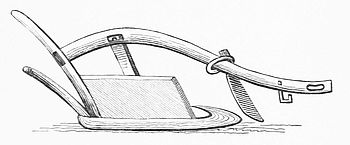


 After section 14, I. R. introduces section 34, to bring all the kinds of
sowing together.