IT is one thing to know how to get admitted to the Bar but quite another
thing to know how to practice law. Those who attend a law school know
how to pass the examinations, while those who study in an office know
how to apply their knowledge to actual practice. It seems to me that the
best course is to go to a school and then go into an office where the
practice is general. In that way the best preparation is secured for a
thorough comprehension of the great basic principles of the profession
and for their application to existing facts. Still, one who has had a
good college training can do very well by starting in an office. But in
any case he should not go into the law because it appears to be merely a
means of making a living, but because he has a real and sincere love for
the profession, which will enable him to make the sacrifices it
requires.
When I decided to enter the law it was only natural, therefore, that I
should consider it the highest of the professions. If I had not held
that opinion it would have been a measure of intellectual dishonesty for
me to take it for a life work. Others may be hampered by circumstances
in making their choice, but I was free, and I went where I felt the
duties would be congenial and the opportunities for service large. Those
who follow other vocations ought to feel the same about them, and I hope
they do.
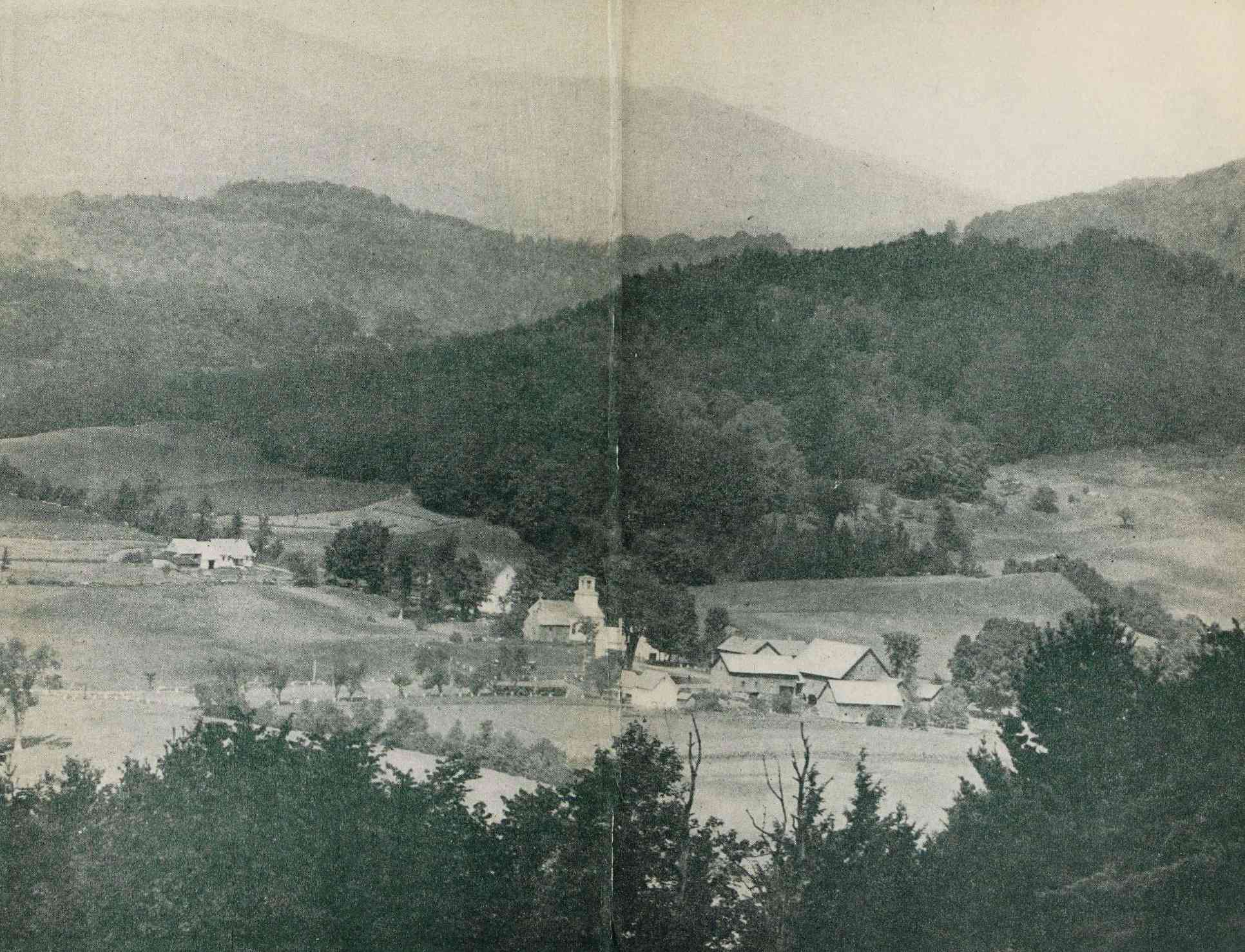
My opinion had been formed by the high estimation in which the Bench and
Bar were held by the people in my boyhood home in Vermont. It was
confirmed by my more intimate intercourse with the members of the
profession with whom I soon came in contact in Massachusetts after I
went there to study law in the autumn of 1895. When I was admitted to
practice two years later the law still occupied the high position of a
profession. It had not then assumed any of its later aspects of a trade.
The ethics of the Northampton Bar were high. It was made up of men who
had, and were entitled to have, the confidence and respect of their
neighbors who knew them best. They put the interests of their clients
above their own, and the public interests above them both. They were
courteous and tolerant toward each other and respectful to the Court.
This attitude was fostered by the appreciation of the uprightness and
learning of the Judges.
Because of the short time I had spent in preparation I remained in the
office of Hammond and Field about seven months after I was admitted to
the Bar. I was looking about for a place to locate but found none that
seemed better than Northampton. A new block called the Masonic Building
was under construction on lower Main Street, and when it was ready for
occupancy I opened an office there February 1, 1898. I had two rooms,
where I was to continue to practice law for twenty-one years, until I
became Governor of Massachusetts in 1919. For my office furniture and a
good working library I paid about $800 from some money I had saved and
inherited from my grandfather Moor. My rent was $200 per year. I began
to be self-sustaining except as to the cost of my table board, which was
paid by my father until September, but thereafter all my expenses I
paid from the fees I received.
I was alone. While I had many acquaintances that I might call friends I
had no influential supporters who were desirous to see me advanced and
were sending business to me. I was dependent on the general public; what
I had, came from them. My earnings for the first year were a little over
$500.
My interest in public affairs had already caused me to become a member
of the Republican City Committee, and in December, 1898, I was elected
one of the three members of the Common Council from Ward Two. The office
was without salary and not important, but the contacts were helpful.
When the local military company returned that summer from the Cuban
Campaign I did my best to get an armory built for them. I was not
successful at that time but my proposal was adopted a little later. This
was the beginning of an interest in military preparation which I have
never relinquished.
During 1899 I began to get more business. The Nonotuck Savings Bank was
started early that year, and I became its counsel. Its growth was slow
but steady. In later years I was its President, a purely honorary place
without salary but no small honor. There was legal work about the county
which came to my office, so that my fees rose to $1,400 for the second
year.
I did not seek reelection to the City Council, as I knew the City
Solicitor was to retire and I wanted that place. The salary was $600,
which was not unimportant to me. But my whole thought was on my
profession. I wanted to be City Solicitor because I believed it would
make me a better lawyer. I was elected and held the office until March,
1902. It gave me a start in the law which I was ever after able to hold.
The office was not burdensome and went along with my private practice.
It took me into Court some. In a jury trial I lost two trifling cases in
an action of damages against the city for taking a small strip of land
to widen a highway. I felt I should have won these cases on the claim
that the land in question already belonged to the highway. But I
prevailed in an unimportant case in the Supreme Court against my old
preceptor Mr. Hammond. It is unnecessary to say that usually my cases
with him were decided in his favor. The training in this office gave me
a good grasp of municipal law, that later brought some important cases
to me.
In addition to the mortgage and title work of the Savings Bank, I
managed some real estate, and had considerable practice in the
settlement of estates. Through a collection business I also had some
insolvency practice. I recall an estate in Amherst and one in
Belchertown, both much involved in litigation, which I settled. In each
case Stephen S. Taft of Springfield was the opposing counsel. Perhaps
there is no such thing as a best lawyer, any more than there is a best
book, or a best picture, but to me Mr. Taft was the best lawyer I ever
saw. If he was trying a case before a jury he was always the thirteenth
juryman, and if the trial was before the court he was always advising
the Judge. But he did not win these cases. He became one of my best
friends, and we were on the same side in several cases in later years.
One time he said to me: “Young man, when you can settle a case within
reason you settle it. You will not make so large a fee out of some one
case in that way, but at the end of the year you will have more money
and your clients will be much better satisfied.” This was sound advice
and I heeded it. People began to feel that they could consult me with
some safety and without the danger of being involved needlessly in long
and costly litigation in court. Very few of my clients ever had to pay a
bill of costs. I suppose they were more reasonable than other clients,
for they usually settled their differences out of court. This course did
not give me much experience in the trial of cases, so I never became
very proficient in that art, but it brought me a very satisfactory
practice and a fair income.
I worked hard during this early period. The matters on which I was
engaged were numerous but did not involve large amounts of money and the
fees were small. For three years I did not take the time to visit my old
home in Vermont, but when I did go I was City Solicitor. My father began
to see his hopes realized and felt that his efforts to give me an
education were beginning to be rewarded.
What I always felt was the greatest compliment ever paid to my
professional ability came in 1903. In the late spring of that year
William H. Clapp, who had been for many years the Clerk of the Courts
for Hampshire County died. His ability, learning and painstaking
industry made him rank very high as a lawyer. The position he held was
of the first importance, for it involved keeping all the civil and
criminal records of the Superior Court and the Supreme Judicial Court
for the County. The Justices of the Supreme Judicial Court appointed me
to fill the vacancy. I always felt this was a judgment by the highest
Court in the Commonwealth on my professional qualifications. Had I been
willing to accept the place permanently I should have been elected to it
in the following November. The salary was then $2,300, and the position
was one of great dignity, but I preferred to remain at the Bar, which
might be more precarious, but also had more possibilities. Later events
now known enable any one to pass judgment on my decision. Had I decided
otherwise I could have had much more peace of mind in the last
twenty-five years.
As the Clerk of the Courts I learned much relating to Massachusetts
practice, so that ever after I
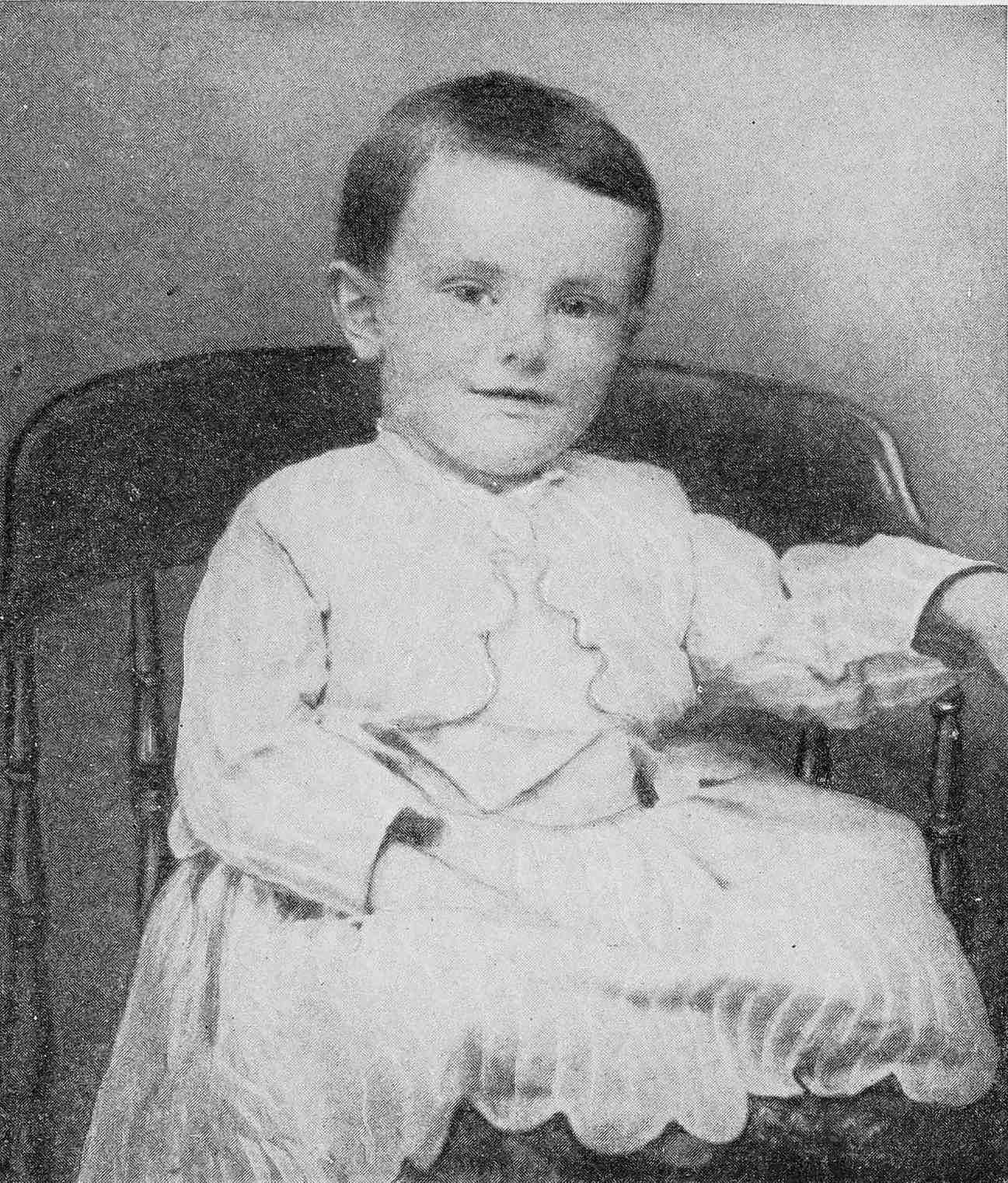
 Underwood & Underwood
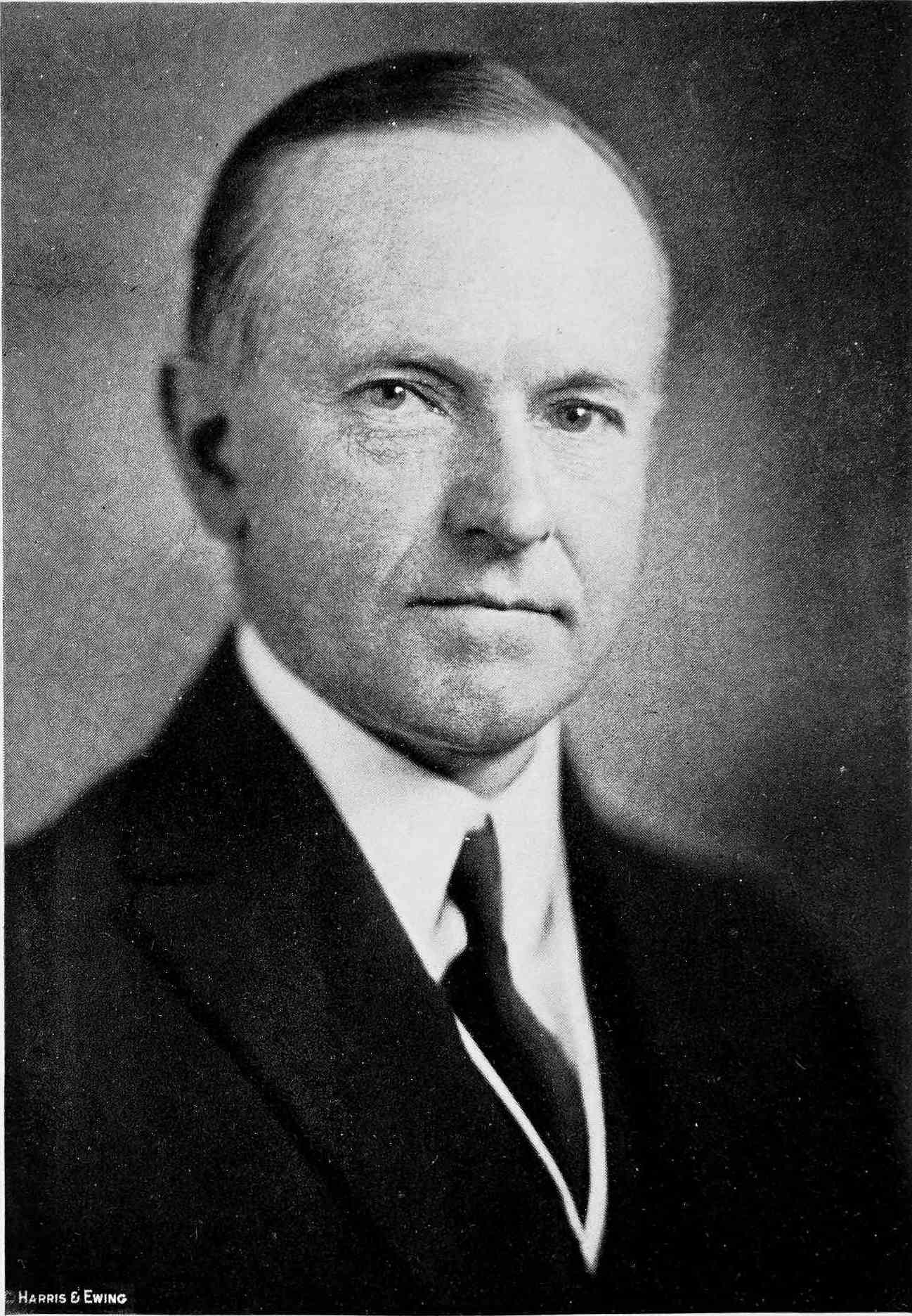
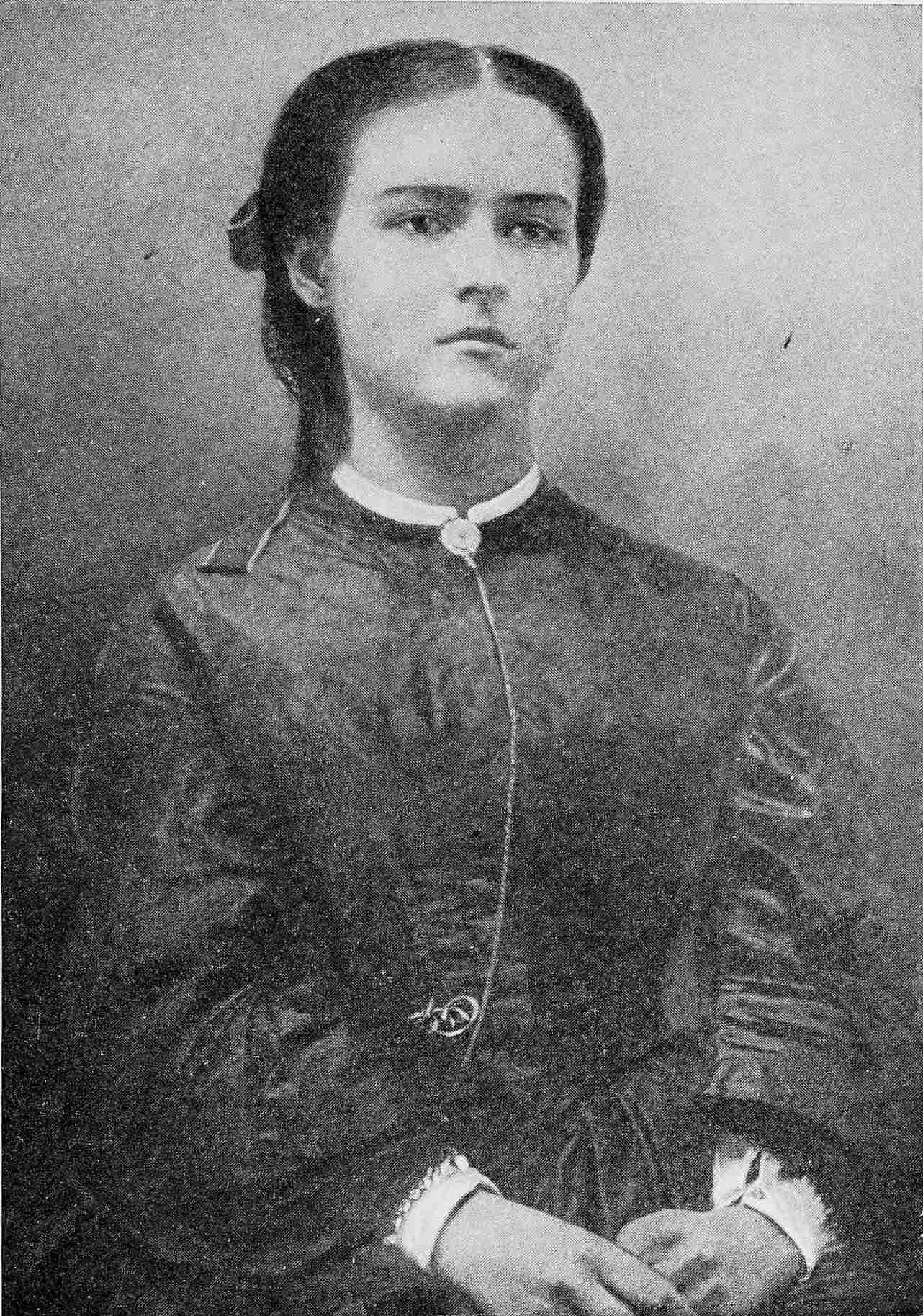
Calvin Coolidge
At the age of seven
knew what to do with all the documents in a trial, which would have been
of much value to me if I had not been called on to give so much time to
political affairs. These took up a large amount of my attention in 1904
after I went back to my office, so that my income diminished during that
year. I had been chosen Chairman of the Republican City Committee. It
was a time of perpetual motion in Massachusetts politics. The state
elections came yearly in November, and the city elections followed in
December. This was presidential year. While I elected the
Representatives to the General Court by a comfortable margin at the
state election I was not so successful in the city campaign. Our Mayor
had served three terms, which had always been the extreme limit in
Northampton, but he was nominated for a fourth time. He was defeated by
about eighty votes. We made the mistake of talking too much about the
deficiencies of our opponents and not enough about the merits of our own
candidates. I have never again fallen into that error. Feeling one year
was all I could give to the chairmanship I did not accept a reelection
but still remained on the committee.
My earnings had been such that I was able to make some small savings. My
prospects appeared to be good. I had many friends and few enemies. There
was a little more time for me to give to the amenities of life. I took
my meals at Rahar’s Inn where there was much agreeable company
consisting of professional and business men of the town and some of the
professors of Smith College. I had my rooms on Round Hill with the
steward of the Clarke School for the Deaf. While these relations were
most agreeable and entertaining I suppose I began to want a home of my
own.
After she had finished her course at the University of Vermont Miss
Grace Goodhue went to the Clarke School to take the training to enable
her to teach the deaf. When she had been there a year or so I met her
and often took her to places of entertainment.
In 1904 Northampton celebrated its two hundred and fiftieth anniversary.
One evening was devoted to a reception for the Governor and his Council,
given by the Daughters of the American Revolution. Miss Goodhue
accompanied me to the City Hall where the reception was held, and after
strolling around for a time we sat down in two comfortable vacant
chairs. Soon a charming lady approached us and said that those chairs
were reserved for the Governor and Mrs. Bates and that we should have to
relinquish them, which we did. Fourteen years later when we had received
sufficient of the election returns to show that I had been chosen
Governor of Massachusetts I turned to her and said, “The Daughters of
the American Revolution cannot put us out of the Governor’s chair now.”
From our being together we seemed naturally to come to care for each
other. We became engaged in the early summer of 1905 and were married at
her home in Burlington, Vermont, on October fourth of that year. I have
seen so much fiction written on this subject that I may be pardoned for
relating the plain facts. We thought we were made for each other. For
almost a quarter of a century she has borne with my infirmities, and I
have rejoiced in her graces.
After our return from a trip to Montreal we staid a short time at the
Norwood Hotel but soon started housekeeping. We rented a very
comfortable house that needed but one maid to help Mrs. Coolidge do her
work. Of course my expenses increased, and I had to plan very carefully
for a time to live within my income. I know very well what it means to
awake in the night and realize that the rent is coming due, wondering
where the money is coming from with which to pay it. The only way I know
of escape from that constant tragedy is to keep running expenses low
enough so that something may be saved to meet the day when earnings may
be small.
When the city election was approaching in December I was asked to be a
candidate for School Committee. It was a purely honorary office, which
had no attraction for me, but I consented and was nominated. To my
surprise another Republican took out nomination papers, which split the
party and elected a Democrat. The open compliment was that I had no
children in the schools, but the real reason was that I was a
politician. That reputation I had acquired by long service on the party
committee helping elect our candidates. The man they elected gave a
useful service for several years and left me free to turn to avenues
which were to be much more useful to me in ways for public service. I
was also better off attending to my law practice and my new home.
The days passed quietly with us until the next autumn, when we moved
into the house in Massasoit Street that was to be our home for so long.
I attended to the furnishing of it myself, and when it was ready Mrs.
Coolidge and I walked over to it. In about two weeks our first boy came
on the evening of September seventh. The fragrance of the clematis which
covered the bay window filled the room like a benediction, where the
mother lay with her baby. We called him John in honor of my father. It
was all very wonderful to us.
We liked the house where our children came to us and the neighbors who
were so kind. When we could have had a more pretentious home we still
clung to it. So long as I lived there, I could be independent and serve
the public without ever thinking that I could not maintain my position
if I lost my office. I always made my living practicing law up to the
time I became Governor, without being dependent on any official salary.
This left me free to make my own decisions in accordance with what I
thought was the public good. We lived where we did that I might better
serve the people.
My main thought in those days was to improve myself in my profession. I
was still studying law and literature. Because I thought the experience
would contribute to this end I became a candidate for the Massachusetts
House of Representatives. In a campaign in which I secured a large
number of Democratic votes, many of which never thereafter deserted me,
I was elected by a margin of about two hundred and sixty.
The Speaker assigned me to the Committees on Constitutional Amendments
and Mercantile Affairs. During the session I helped draft, and the
Committee reported, a bill to prevent large concerns from selling at a
lower price in one locality than they did in others, for the purpose of
injuring their competitor. This seemed to me an unfair trade practice
that should be abolished. We secured the passage of the bill in the
House, but the Senate rewrote it in such a way that it finally failed.
I also supported a resolution favoring the direct election of United
States Senators and another providing for woman suffrage. These measures
did not have the approbation of the conservative element of my party,
but I had all the assurance of youth and ignorance in supporting them,
and later I saw them all become the law.
The next year I was reelected, but in running against a man who had a
strong hold on some of the Republican Wards, my vote was cut down.
Serving on the Judiciary Committee, which I wanted because I felt it
would assist me in my profession, I became much interested in modifying
the law so that an injunction could not be issued in a labor dispute to
prevent one person seeking by argument to induce another to leave his
employer. This bill failed. While I think it had merit, in later years I
came to see that what was of real importance to the wage earners was not
how they might conduct a quarrel with their employers, but how the
business of the country might be so organized as to insure steady
employment at a fair rate of pay. If that were done there would be no
occasion for a quarrel, and if it were not done a quarrel would do no
one any good.
The work in the General Court was fascinating, both from its nature and
from the companionship with able and interesting men, but it took five
days each week for nearly six months, so that I thought I had secured
about all the benefit I could by serving two terms and declined again to
be a candidate. Another boy had been given into our keeping April 13 who
was named Calvin, so I had all the more reason for staying at home.
My law office took all my attention. I never had a retainer from any
one, so my income always seemed precarious, but a practice which was
general in its nature kept coming to me. In June of 1909 I went to
Phoenix, Arizona, to hold a corporation meeting. It was the first I had
seen of the West. The great possibilities of the region were apparent,
and the enthusiasm of the people was inspiring. It told me that our
country was sure to be a success.
For two years Northampton had elected a Democrat to be Mayor. He was a
very substantial business man, who has since been my landlord for a
long period. He was to retire, and the Republicans were anxious to
elect his successor. At a party conference it was determined to ask me
to run and I accepted the opportunity, thinking the honor would be one
that would please my father, advance me in my profession, and enable me
to be of some public service. It was a local office, not requiring
enough time to interfere seriously with my own work.
Without in any way being conscious of what I was doing I then became
committed to a course that was to make me the President of the Senate of
Massachusetts and of the Senate of the United States, the second officer
of the Commonwealth and the country, and the chief executive of a city,
a state and a nation. I did not plan for it but it came. I tried to
treat people as they treated me, which was much better than my deserts,
in accordance with the precept of the master poet. By my studies and my
course of life I meant to be ready to take advantage of opportunities. I
was ready, from the time the Justices named me the Clerk of the Courts
until my party nominated me for President.
Ever since I was in Amherst College I have remembered how Garman told
his class in philosophy that if they would go along with events and have
the courage and industry to hold to the main stream, without being
washed ashore by the immaterial cross currents, they would some day be
men of power. He meant that we should try to guide ourselves by general
principles and not get lost in particulars. That may sound like
mysticism, but it is only the mysticism that envelopes every great
truth. One of the greatest mysteries in the world is the success that
lies in conscientious work.
My first campaign for Mayor was very intense. My opponent was a popular
merchant, a personal friend of mine who years later was to be Mayor, so
that at the outset he was the favorite. The only issue was our general
qualifications to conduct the business of the city. I called on many of
the voters personally, sent out many letters, spoke at many ward rallies
and kept my poise. In the end most of my old Democratic friends voted
for me, and I won by about one hundred and sixty-five votes.
On the first Monday of January, 1910, I began a public career that was
to continue until the first Monday of March, 1929, when it was to end
by my own volition.
Our city had always been fairly well governed and had no great problems.
Taxes had been increasing. I was able to reduce them some and pay part
of the debt, so that I left the net obligations chargeable to taxes at
about $100,000. The salaries of teachers were increased. My work
commended itself to the people, so that running against the same
opponent for reelection my majority was much increased. I celebrated
this event by taking my family to Montpelier where my father was serving
in the Vermont Senate. Of all the honors that have come to me I still
cherish in a very high place the confidence of my friends and neighbors
in making me their Mayor.
Remaining in one office long did not appeal to me, for I was not seeking
a public career. My heart was in the law. I thought a couple of terms in
the Massachusetts Senate would be helpful to me, so when our Senator
retired I sought his place in the fall of 1911 and was elected.
The winter in Boston I did not find very satisfactory. I was lonesome.
My old friends in the House were gone. The Western Massachusetts Club
that had its headquarters at the Adams House, where most of us lived
that came from beyond the Connecticut, was inactive. The Committees I
had, except the Chairmanship of Agriculture, did not interest me
greatly, and to crown my discontent a Democratic Governor sent in a
veto, which the Senate sustained, to a bill authorizing the New Haven
Railroad to construct a trolley system in Western Massachusetts.
But as chairman of a special committee I had helped settle the Lawrence
strike, secured the appointment of a commission that resulted in the
passage of a mothers’ aid or maternity bill at the next session, and I
was made chairman of a recess committee to secure better transportation
for rural communities in the western part of the Commonwealth.
During the summer we did a large amount of work on that committee and
made a very full and constructive report at the opening of the General
Court in 1913. This was the period that the Republican party was divided
between Taft and Roosevelt, so that Massachusetts easily went for
Wilson. But in the three-cornered contest I was reelected to the
Senate.
It was in my second term in the Senate that I began to be a force in the
Massachusetts Legislature. President Greenwood made me chairman of the
Committee on Railroads, which I very much wanted, because of my desire
better to understand business affairs, and also put me on the important
Committee on Rules. I made progress because I studied subjects
sufficiently to know a little more about them than any one else on the
floor. I did not often speak but talked much with the Senators
personally and came in contact with many of the business men of the
state. The Boston Democrats came to be my friends and were a great help
to me in later times.
My committee reported a bill transforming the Railroad Commission into a
Public Service Commission, with a provision intending to define and
limit the borrowing powers of railroads which we passed after a long
struggle and debate. The Democratic Governor vetoed the bill, but it was
passed over his veto almost unanimously. The bill came out for our
trolley roads in Western Massachusetts and was adopted. He vetoed this,
and his veto was overridden by a large majority. It was altogether the
most enjoyable session I ever spent with any legislative body.
It had been my intention to retire at the end of my second term, but the
President of the Senate was reported as being a candidate for
Lieutenant-Governor, and as it seemed that I could succeed him I
announced that I wished for another election. When it was too late for
me to withdraw gracefully President Greenwood decided to remain in the
Senate. I wanted to be President of the Senate, because it was a chance
to emerge from being a purely local figure to a place of state-wide
distinction and authority. I knew where the votes in the Senate lay from
the hard legislative contests I had conducted, and I had them fairly
well organized when I found the President was not to retire.
In this year of 1913 the division in the Republican party in
Massachusetts was most pronounced. Our candidate for Governor fell to
third place at the election, and another Democrat was made chief
executive, carrying with him for the first time in a generation the
whole state ticket. But my district returned me. When I reached my
office the next morning I found President Greenwood had been defeated.
Again I was ready. By three o’clock that Wednesday afternoon I was in
Boston, and by Monday I had enough written pledges from the Republican
Senators to insure my nomination for President of the Senate at the
party caucus. It had been a real contest, but all opposition subsided
and I was unanimously nominated.
The Senate showed the effects of the division in our party. It had
twenty-one Republicans, seventeen Democrats and two Progressives. When
the vote was cast for President on the opening day of the General Court,
Senator Cox the Progressive had two votes, Senator Horgan the Democrat
had seven votes, and I had thirty-one votes. I had not only become an
officer of the whole Commonwealth, but I had come into possession of an
influence reaching beyond the confines of my own party which I was to
retain so long as I remained in public life.
Although I had arrived at the important position of President of the
Massachusetts Senate in January of 1914, I had not been transported on
a bed of roses. It was the result of many hard struggles in which I had
made many mistakes, was to keep on making them up to the present hour,
and expect to continue to make them as long as I live. We are all
fallible, but experience ought to teach us not to repeat our errors.
My progress had been slow and toilsome, with little about it that was
brilliant, or spectacular, the result of persistent and painstaking
work, which gave it a foundation that was solid. I trust that in making
this record of my own thoughts and feeling in relation to it, which
necessarily bristles with the first personal pronoun, I shall not seem
to be overestimating myself, but simply relating experiences which I
hope may prove to be an encouragement to others in their struggles to
improve their place in the world.
It appeared to me in January, 1914, that a spirit of radicalism
prevailed which unless checked was likely to prove very destructive. It
had been encouraged by the opposition and by a large faction of my own
party.
It consisted of the claim in general that in some way the government was
to be blamed because everybody was not prosperous, because it was
necessary to work for a living, and because our written constitutions,
the legislatures, and the courts protected the rights of private owners
especially in relation to large aggregations of property.
The previous session had been overwhelmed with a record number of bills
introduced, many of them in an attempt to help the employee by impairing
the property of the employer. Though anxious to improve the condition of
our wage earners, I believed this doctrine would soon destroy business
and deprive them of a livelihood. What was needed was a restoration of
confidence in our institutions and in each other, on which economic
progress might rest.
In taking the chair as President of the Senate I therefore made a short
address, which I had carefully prepared, appealing to the conservative
spirit of the people. I argued that the government could not relieve us
from toil, that large concerns are necessary for the progress in which
capital and labor all have a common interest, and I defended
representative government and the integrity of the courts. The address
has since been known as “Have Faith in Massachusetts.” Many people in
the Commonwealth had been waiting for such a word, and the effect was
beyond my expectation. Confusion of thought began to disappear, and
unsound legislative proposals to diminish.
The office of President of the Senate is one of great dignity and power.
All the committees of the Senate are appointed by him. He has the chief
place in directing legislation when the Governor is of the opposite
party, as was the case in 1914. At the inauguration he presides over the
joint convention of the General Court and administers the oaths of
office to the Governor and Council in accordance with a formal ritual
that has come from colonial days, and is much more ceremonious than the
swearing-in of a President at Washington.
It did not seem to me desirable to pursue a course of partisan
opposition to the Governor, and I did not do so, but rather cooperated
with him in securing legislation which appeared to be for the public
interest. The general lack of confidence in the country and the
depression of business caused by the reduction of the tariff rates in
the fall of 1913 made it necessary to grant large appropriations for the
relief of unemployment during the winter. But I could see the steady
decrease of the radical sentiment among the people.
In the midst of the following summer the World War enveloped Europe. It
had a distinctly sobering effect upon the whole people of our country.
It was very apparent in Massachusetts, where they at once began to
abandon their wanderings and seek their old landmarks for guidance. The
division in our party was giving way to reunion. Confidence was
returning.
The Republican State Committee chose me to be chairman of the committee
on resolutions at the state convention which met at Worcester, largely
because of the impression made by my speech at the opening of the
Senate. I drew a conservative platform, pitched in the same key,
pointing out the great mass of legislation our party had placed on the
statute books for the benefit of the wage earners and the welfare of the
people, but declaring for the strict and unimpaired maintenance of our
present social, economic and political institutions. While I did not
deliver it well, in print it made an effective campaign document. After
starting in the contest with little confidence, our strength increased,
so that our candidate, Samuel W. McCall, received 198,627 votes and was
defeated by only 11,815 plurality. All the rest of our state ticket was
victorious. The political complexion of the Senate was completely
changed. From a bare majority of twenty-one the Republican strength rose
to thirty-three, and the opposition was reduced to seven Democrats.
My district returned me for the fourth time and I was again made
President of the Senate by a unanimous vote. My opening address
consisted of forty-two words, thanking the Senators for the honor and
urging them in their conduct of business to be brief.
As a presiding officer it has constantly been my policy to dispatch
business. It always took a long time to get all the Committees of the
General Court to make their reports, but I was able to keep the daily
sessions of the Senate short. I also wanted to cut down the volume of
legislation. In this some progress was made. The Blue Book of Acts and
Resolves for 1913 had 1,763 pages, for 1914 it had 1,423, and for 1915
only 1,230, which was a very wholesome reduction of more than thirty per
cent. People were coming to see that they must depend on themselves
rather than on legislation for success.
Massachusetts was beginning to suffer from a great complication of laws
and restrictive regulations, from a multiplicity of Boards and
Commissions, which had reached about one hundred, and from a large
increase in the number of people on the public pay rolls, all of which
was necessarily accompanied with a much larger cost of state government
that had to be met by collecting more revenue from the taxpayers. The
people began to realize that something was wrong and began to wonder
whether more laws, more regulations, and more taxes, were really any
benefit to them. They were becoming tired of agitation, criticism and
destructive policies and wished to return to constructive methods.
When I went home at the end of the 1915 session it was with the
intention of remaining in private life and giving all my attention to
the law. During the winter the Lieutenant-Governor had announced that
he would seek the nomination for Governor which caused some mention of
me as his successor, but I was President of the Senate and did not
propose to impair my usefulness in that position by involving it in an
effort to secure some other office, so I gave the matter no attention. A
very estimable man who had done much party service and was a brilliant
platform speaker had already become a candidate, but although my record
in the General Court was that of a liberal, the business interests
turned to me. In this they were not alone as the event disclosed. To the
people I seemed, in some way that I cannot explain, to represent
confidence. When the situation became apparent to me I went to Boston
and made the simple statement in the press that I was a candidate for
Lieutenant-Governor, without any reasons or any elaboration.
It was at this time that my intimate acquaintance began with Mr. Frank
W. Stearns. I had met him in a casual way for a year or two but only
occasionally. In the spring he had suggested that he would like to
support me for Lieutenant-Governor. He was a merchant of high character
and very much respected by all who knew him, but entirely without
experience in politics. He came as an entirely fresh force in public
affairs, unhampered by any of the animosities that usually attach to a
veteran politician. It was a great compliment to me to attract the
interest of such a man, and his influence later became of large value to
the party in the Commonwealth and nation. I always felt considerable
pride of accomplishment in getting the active support of men like him.
While Mr. Stearns always overestimated me, he nevertheless was a great
help to me. He never obtruded or sought any favor for himself or any
other person, but his whole effort was always disinterested and entirely
devoted to assisting me when I indicated I wished him to do so. It is
doubtful if any other public man ever had so valuable and unselfish a
friend.
My activities were such that I began to see more of the Honorable W.
Murray Crane. When he came to Boston he was accustomed to have me at
breakfast in his rooms at the hotel. Although he had large interests
about which there was constant legislation he never mentioned the
subject to me or made any suggestion about any of my official actions.
Had I sought his advice he would have told me to consult my own judgment
and vote for what the public interest required, without any thought of
him. He confirmed my opinion as to the value of a silence which avoids
creating a situation where one would otherwise not exist, and the bad
taste and the danger of arousing animosities and advertising an opponent
by making any attack on him. In all political affairs he had a wonderful
wisdom, and in everything he was preeminently a man of judgment, who was
the most disinterested public servant I ever saw and the greatest
influence for good government with which I ever came in contact. What
would I not have given to have had him by my side when I was President!
His end came just before the election of 1920.
These men were additional examples of good influences coming into my
life, to which I referred in relating the experience of some of my
younger days. I cannot see that I sought them but they came. Perhaps it
was because I was ready to receive them.
In the summer of 1915 politics became very active in Massachusetts.
There was a sharp campaign for the nomination for Governor, my own
effort to secure the Lieutenant-Governorship, and many minor contests. I
shall always remember that Augustus P. Gardner, then in Congress,
honored me by becoming one of the committee of five who conducted my
campaign. Many local meetings were held, calling for much speaking. In
the end Samuel W. McCall was renominated for Governor. I was named as
candidate for Lieutenant-Governor by a vote of about 75,000 to 50,000.
The news reached my father on the one-hundredth anniversary of the birth
of his father. My campaign was carried on in careful compliance with the
law, and the expense was within the allowed limit of $1,500, which was
contributed by numerous people. I was thus under no especial obligation
to any one for raising money for me.
In the campaign for election I toured the state with Mr. McCall, making
open-air speeches from automobiles during the day, and finishing with an
indoor rally in the evening. It was the hardest kind of work but most
fascinating. I remember that Warren G. Harding and Nicholas Longworth
came into the state to promote our election and spoke with us at a large
meeting one night at Lowell.
I did not refer to my own candidacy, but spent all my time advocating
the election of Mr. McCall. He was a character that fitted into the
situation most admirably. He was liberal without being visionary and
conservative without being reactionary. The twenty-five years he had
spent in public life gave him a remarkable equipment for discussing the
issues of a campaign. Whatever information was needed concerning the
state government I was in a position to supply. Much emphasis was placed
by me on the urgent necessity of preventing further increases in state
and national expense and of a drastic reduction wherever possible. The
state was ready for that kind of a message.
When the election of 1915 came, Mr. McCall won by 6,313 votes and my
plurality was 52,204. After having been held five years by Democrats,
the Governorship of Massachusetts was restored to the Republican party,
where it was to remain for the next fifteen years and probably much
longer. The extended struggle in which the Republicans had been engaged
to restore the people of Massachusetts to their allegiance to sound
government under a reunited party had at last been successful. With that
prolonged effort I had been intimately associated.
The office of Lieutenant-Governor of Massachusetts differs from that of
most states. As already disclosed he does not preside over the Senate.
The constitution of our Commonwealth is older than the Federal
Constitution and so followed the old colonial system, while most of the
states have followed the Federal system. I was ex officio a member of
the Governor’s Council and chairman of the Finance and Pardon
committees. As the Council met but one day each week I was pleased with
the renewed opportunity I expected to have to practice law. But it soon
developed that I must be away so much that I asked Ralph W. Hemenway to
become associated with me, and he has since carried on my law office so
successfully that it has become his law office rather than mine.
It has become the custom in our country to expect all Chief Executives,
from the President down, to conduct activities analogous to an
entertainment bureau. No occasion is too trivial for its promoters to
invite them to attend and deliver an address. It appeared to be the
practice of Governor McCall to accept all these invitations and when the
time came, to attend what he could of them, and parcel the rest out
among his subordinates. In this way I became very much engaged. It was
an honor to represent the Governor, and a part of my duties according to
our practice. Some days I went to several meetings for that purpose,
ranging well into the night, so I was obliged to stay in Boston most of
the time.
It was during this period that I wrote nearly all of the speeches
afterwards published in “Have Faith in Massachusetts.” They were short
and mostly committed to memory for delivery. This forced me to be a
constant student of public questions.
It did not seem best for me to take a very active part in the
Presidential primaries of 1916, but I quietly supported the regular
ticket for delegates, which was elected. We had at least three
candidates for President in Massachusetts, with all of whom I was on
friendly terms, as I had never allied myself with any faction of the
party, but I felt the convention did the wise thing in turning to the
great statesman Charles Evans Hughes, and I supported him actively in
the campaign for election. He carried Massachusetts by a small vote. My
renomination came without opposition, as did that of the Governor, who
had a plurality of 46,240 at the election. My own was 84,930.
During the summer I had been chairman of a special commission to
consider the financial condition of the Boston Elevated Street Railway,
and helped make a report recommending that the Governor be authorized to
appoint a Board of Trustees who should have the control of this property
and be vested with authority to fix a rate of fare sufficient to pay the
costs of operation and a fair return to the stockholders. This was
adopted by the General Court and solved the pressing problem of street
railway transportation, which became so acute on account of the
increasing costs of operation. Later the plan was applied to the other
large company in the eastern part of the state. It was not perfect, but
saved the properties from destruction and gave a fair means of travel
at cost, which was to be ascertained by public authority.
It was in the ensuing year that the United States entered the World War.
While this took most of our thoughts off local affairs it did not
prevent opposition to the renomination of Governor McCall. Had it been
successful it would have deferred any chance for me to run for Governor
for two or three years and probably indefinitely. Under the
circumstances most of my friends supported the Governor, and he was
renominated by a wide margin. I had no opposition. But interest in the
election was not great, so that the vote was light. Nevertheless the
Governor ran 90,479 votes ahead of his nearest competitor. In my own
contest my opponent secured the Democratic, the Progressive and the
Prohibition nomination. I did not think the combination would prove
helpful to him, and it did not. He fell off 77,000 from the vote of his
predecessor, and I won by 101,731.
While the United States had been engaged in the World War every public
man, and I among them, had been constantly employed in its many
activities. It increased every function of government from the
administration in Washington down to the smallest town office. The whole
nation seemed to be endowed with a new spirit, unified and solidified
and willing to make any sacrifice for the cause of liberty. I was
constantly before public gatherings explaining the needs of the time for
men, money and supplies. Sometimes I was urging subscriptions for war
loans, sometimes contributions to the great charities, or again speaking
to the workmen engaged in construction or the manufacture of munitions.
The response which the people made and the organizing power of the
country were all manifestations that it was wonderful to contemplate.
The entire nation awoke to a new life.
It was no secret that I desired to be Governor. Under the custom of
promotion in Massachusetts a man who did not expect to be advanced would
scarcely be willing to be Lieutenant-Governor. But I did nothing in the
way of organizing my friends to secure the nomination. It is much better
not to press a candidacy too much, but to let it develop on its own
merits without artificial stimulation. If the people want a man they
will nominate him, if they do not want him he had best let the
nomination go to another.
The Governor very much desired to be United States Senator, but made no
statement indicating he would seek that honor which would cause him to
retire from his present office. Neither I nor my friends approached him
or sought to influence him. Finally he called me aside and told me to
announce that I would run for Governor, which I did. As no one knew what
he had told me, some supposed I would run against him, which I would not
have done.
I had a strong liking for this veteran public servant, and so I felt
sure he liked me. He was away on many occasions, which under the
constitution left me as Acting Governor, but at such times I was always
careful not to encroach upon his domain. While I may have differed with
my subordinates I have always supported loyally my superiors. They have
never found me organizing a camp in opposition to them. Finally the
Governor sought the Senatorship, but before his campaign was under way
he very manfully announced that as the country was at war he was
entirely unwilling to divert public attention from the national defense
to promote his political fortune and therefore withdrew. My nomination
was again unanimous.
The campaign was difficult. The really great qualities of my principal
colleague, Senator John W. Weeks, had been displayed mostly in
Washington and were not appreciated by his home people. A violent
epidemic of influenza prevented us from having a State Convention, or
holding the usual meetings, and the party organization was not very
effective. In spite of my protest and the fact that we were engaged in a
tremendous war, criticism was too often made of President Wilson and his
administration. My own efforts were spent in urging that the people and
government of Massachusetts should all join in their support of the
national government in prosecuting the war. While I was elected by only
16,773, Senator Weeks to my lasting regret was defeated, so the state
and nation lost for a time the benefit of his valuable public service.
Later he was in the Cabinet where he remained until, during my term, he
retired due to ill health, and did not long survive.
Again I supposed I had reached the summit of any possible political
preferment and was quite content to finish my public career as Governor
of Massachusetts—an office that has always been held in the highest
honor by the people of the Commonwealth.
To get a few days’ rest I went to Maine the next Friday after the
election. It was there that I was awakened in the middle of Sunday night
to be told that the Armistice had been signed. I returned to Boston the
following day to take part in the celebration. What the end of the four
years of carnage meant those who remember it will never forget and those
who do not can never be told. The universal joy, the enormous relief,
found expression from all the people in a spontaneous outburst of
thanksgiving.
While the war was done, its problems were to confront the state and
nation for many years. I was to meet them as Governor and President.
They will remain with us for two generations. Such is the curse of war.
In my inaugural address I dwelt on the need of promoting the public
health, education, and the opportunity, for employment at fair wages in
accordance with the right of the people to be well born, well reared,
well educated, well employed and well paid. I also stressed the
necessity of keeping government expenses as low as possible, assisting
in every possible way the reestablishing of the returning veterans, and
reorganizing the numerous departments in accordance with a recent change
of the constitution which limited their number to twenty.
There being no Executive Mansion the Governor has no especial social
duties, so I kept my quarters at the Adams House, as I had always lived
there when in Boston, where Mrs. Coolidge came sometimes; but as our
boys needed her she staid for the most part in Northampton. She never
had taken any part in my political life, but had given her attention to
our home. It was not until we went to Washington that she came into
public prominence and favor.
In February, President Wilson landed at Boston on his return from France
and spoke at a large meeting, where I made a short address of welcome,
pledging him my support in helping settle the remaining war problems. I
then began a friendly personal relation with him and Mrs. Wilson which
has always continued. Our service men were constantly returning and had
to be aided in getting back into private employment. About $20,000,000
was paid them out of the state treasury.
In the confusion attending the end of the war the work of legislation
dragged on well into the summer. While I did not veto many of the bills
which were passed, I did reject a measure to increase the salaries of
members of the General Court from $1,000 to $1,500, but my objection was
not sustained.
In the great upward movement of wages that had taken place those paid by
street railways had not been proportionately increased. It is very
difficult to raise fares, so sufficient money for this purpose had not
been available, though some advances had been made. Because of this
situation a strike occurred in midsummer on the Boston Elevated that
tied up nearly all the street transportation in the city district for
three or four days. Finally I helped negotiate an agreement to send the
matter to arbitration, so that work was resumed. The men secured a very
material raise in wages, which I feel later conditions fully justified.
In August I went to Vermont. On my return I found that difficulties in
the Police Department of Boston were growing serious and made a
statement to the reporters at the State House that I should support
Commissioner Edwin U. Curtis in his decisions concerning their
adjustment. I felt he was entitled to every confidence.
The trouble arose over the proposal of the policemen, who had long been
permitted to maintain a local organization of their own, to form a union
and affiliate with the American Federation of Labor. That was contrary
to a long-established rule of the Department, which was agreed to by
each member when he went on the force and had the effect of law.
When the policemen’s union persisted in its course I was urged by a
committee appointed by the Mayor to interfere and attempt to make
Commissioner Curtis settle the dispute by arbitration. The Governor
appoints the Commissioner and probably could remove him, but he has no
more jurisdiction over his acts than he has over the Judges of the
Courts; besides, I did not see how it was possible to arbitrate the
question of the authority of the law, or of the necessity of obedience
to the rules of the Department and the orders of the Commissioner. These
principles were the heart of the whole controversy and the only
important questions at issue. It can readily be seen how important they
were and what the effect might have been if they had not been
maintained. I decided to support them whatever the consequences might
be. I fully expected it would result in my defeat in the coming campaign
for reelection as Governor.
While I had no direct responsibility for the conduct of police matters
in Boston, yet as the Chief Executive it was my general duty to require
the laws to be enforced, so I remained in Boston and kept carefully
informed of conditions. I knew I might be called on to act at any time.
On Sunday, September seventh, I went to Northampton by motor and
remained overnight as I had an engagement to speak before a state
convention of the American Federation of Labor at Greenfield Monday
morning, which I fulfilled. I left that town at once for Boston,
stopping at Fitchburg to call my office to learn if there were any new
developments. I reached Boston after four o’clock that afternoon, and
had a conference with some of the representatives of the city. I did not
leave Boston again for a long time.
When it became perfectly apparent that the policemen’s union was acting
in violation of the rules of the Department the leaders were brought
before the Commissioner on charges, tried and removed from office,
whereat about three-quarters of the force left the Department in a body
at about five o’clock on the afternoon of Tuesday, September ninth. This
number was much larger than had been expected.
The Metropolitan Police of more than one hundred, and the State Police
of thirty or forty men, had been kept in readiness and were at once put
on duty, the Motor Corps of the State Guard was held at the armory, and
that night I kept the Attorney General, the Adjutant General and my
Secretary at my hotel to be ready to respond to any call for help. As
everything was quiet the Motor Corps went home. Around midnight bands of
men appeared on the street, who broke many shop windows and carried away
quantities of the goods which were on display. Many arrests were made,
but the remaining police and their reinforcements were not sufficient to
prevent the disorder. I knew nothing of this until morning.
The disorder of Tuesday night was most reprehensible, but it was only an
incident. It had little relation to the real issues. I have always felt
that I should have called out the State Guard as soon as the police left
their posts. The Commissioner did not feel this was necessary. The
Mayor, who was a man of high character, and a personal friend, but of
the opposite party, had conferred with me. He had the same authority as
the Governor to call out all the Guard in the City of Boston. It would
be very unusual for a Governor to act except on the request of the
local authorities. No disorder existed, and it would have been rather a
violent assumption that it was threatened, but it could have been made.
Such action probably would have saved some property, but would have
decided no issue. In fact it would have made it more difficult to
maintain the position Mr. Curtis had taken, and which I was supporting,
because the issue was not understood, and the disorder focused public
attention on it, and showed just what it meant to have a police force
that did not obey orders.
On reaching my office in the morning it was reported to me that the
Mayor was calling out the State Guard of Boston to report about five
o’clock that afternoon. He also requested me to furnish more troops. I
supplemented his action by calling substantially the entire State Guard
to report at once. They gathered at their armories and were patrolling
the streets in a few hours. When they came with their muskets in their
hands with bayonets fixed there was little more trouble from disorder.
It was soon reported to me that the Mayor, acting under a special law,
had taken charge of the police force of the city, and by putting a
Guard officer in command had virtually displaced the Commissioner, who
came to me in great distress. If he was to be superseded I thought the
men that he had discharged might be taken back and the cause lost.
Certainly they and the rest of the policemen’s union must have rejoiced
at his discomfort. Thinking I knew what to do, I consulted the law as is
my custom. I found a general statute that gives the Governor authority
to call on any police officer in the state to assist him. I showed this
to the Attorney General and to Ex-Attorney General Herbert Parker, who
was advising Mr. Curtis. They thought I was right and consulted a
profound judge of law, Ex-Attorney General Albert E. Pillsbury, who
confirmed their opinions. The strike occurred Tuesday night, the Guard
were called Wednesday, and Thursday I issued a General Order restoring
Mr. Curtis to his place as Commissioner in control of the police, and
made a proclamation calling on all citizens to assist me in preserving
order, and especially directing all police officers in Boston to obey
the orders of Mr. Curtis.
This was the important contribution I made to the tactics of the
situation, which has never been fully realized. To Mr. Curtis should go
the credit for raising the issue and enforcing the principle that police
should not affiliate with any outside body, whether of wage earners or
of wage payers, but should remain unattached, impartial officers of the
law, with sole allegiance to the public. In this I supported him.
When rumors started of a strike at the power house which furnished
electricity for all Boston, a naval vessel was run up to the station
with plenty of electricians on board ready to go over the side and keep
the plant in operation. A wagon train of supplies, arms, and ammunition
was brought in from Camp Devens and all the State Guard mobilized. A
statement was made by President Wilson strongly condemning the defection
of the police. Volunteer police began to come in, and over half a
million dollars was raised by popular subscription to meet necessary
expenses in caring for dependents of the Guard and even for helping the
families of some of the police who left their posts. Later I helped
these men in securing other employment, but refused to allow them again
to be policemen. Public feeling became very much aroused. While offers
of support came from every quarter the opposition was very active.
Soon, Samuel Gompers began to telegraph me asking the removal of Mr.
Curtis and the reinstatement of the union policemen. This required me to
make a reply in which I stated among other things that “There is no
right to strike against the public safety by any body, any time, any
where.” This phrase caught the attention of the nation. It was beginning
to be clear that if voluntary associations were to be permitted to
substitute their will for the authority of public officials the end of
our government was at hand. The issue was nothing less than whether the
law which the people had made through their duly authorized agencies
should be supreme.
This issue I took to the people in my campaign for reelection as
Governor. Though I was hampered by an attack of influenza and spoke but
three or four times, I was able to make the issue plain even beyond the
confines of Massachusetts. Many of the wage earners both organized and
unorganized, who knew I had always treated them fairly, must have
supported me, for I won by 125,101 votes. The people decided in favor
of the integrity of their own government. President Wilson sent me a
telegram of congratulations.
I felt at the time that the speeches I made and the statements I issued
had a clearness of thought and revealed a power I had not before been
able to express, which confirmed my belief that, when a duty comes to
us, with it a power comes to enable us to perform it. I was not thinking
so much of the Governorship, which I already had, as of the grave danger
to the country if the voters did not decide correctly. My faith that the
people would respond to the truth was justified.
The requirements of the situation as it developed seem clear and plain
now, and easy to decide, but as they arose they were very complicated
and involved in many immaterial issues. The right thing to do never
requires any subterfuges, it is always simple and direct. That is the
reason that intrigue usually falls of its own weight.
After the election I had the work of making the appointments in order to
reduce the entire state administration to the limit of twenty
Departments and a special session of the General Court to deal with some
street railway problems, so I had little time to think of politics. But
I soon learned that many people in the country were thinking of me.
The two years that I served as Governor were a time of transition from
war to peace. New problems constantly arose, great confusion prevailed,
nothing was settled and it was possible only to feel my way from day to
day. But they were years of progress if partly in a negative way. The
new position of the wage earners was perfected and solidified. A
forty-eight-hour week for women and minors was established by a bill
passed by the General Court, which I signed. The budget system went
fully into effect the first year I was Governor and helped keep the
state finances in good condition. The departments were reorganized, and
the street railways given relief. In my second year a bill was passed
allowing the sale of beer with a 2.75 per cent alcoholic content, which
I vetoed because I thought it was in violation of the Constitution which
I had sworn to defend. The veto was sustained. A constant struggle
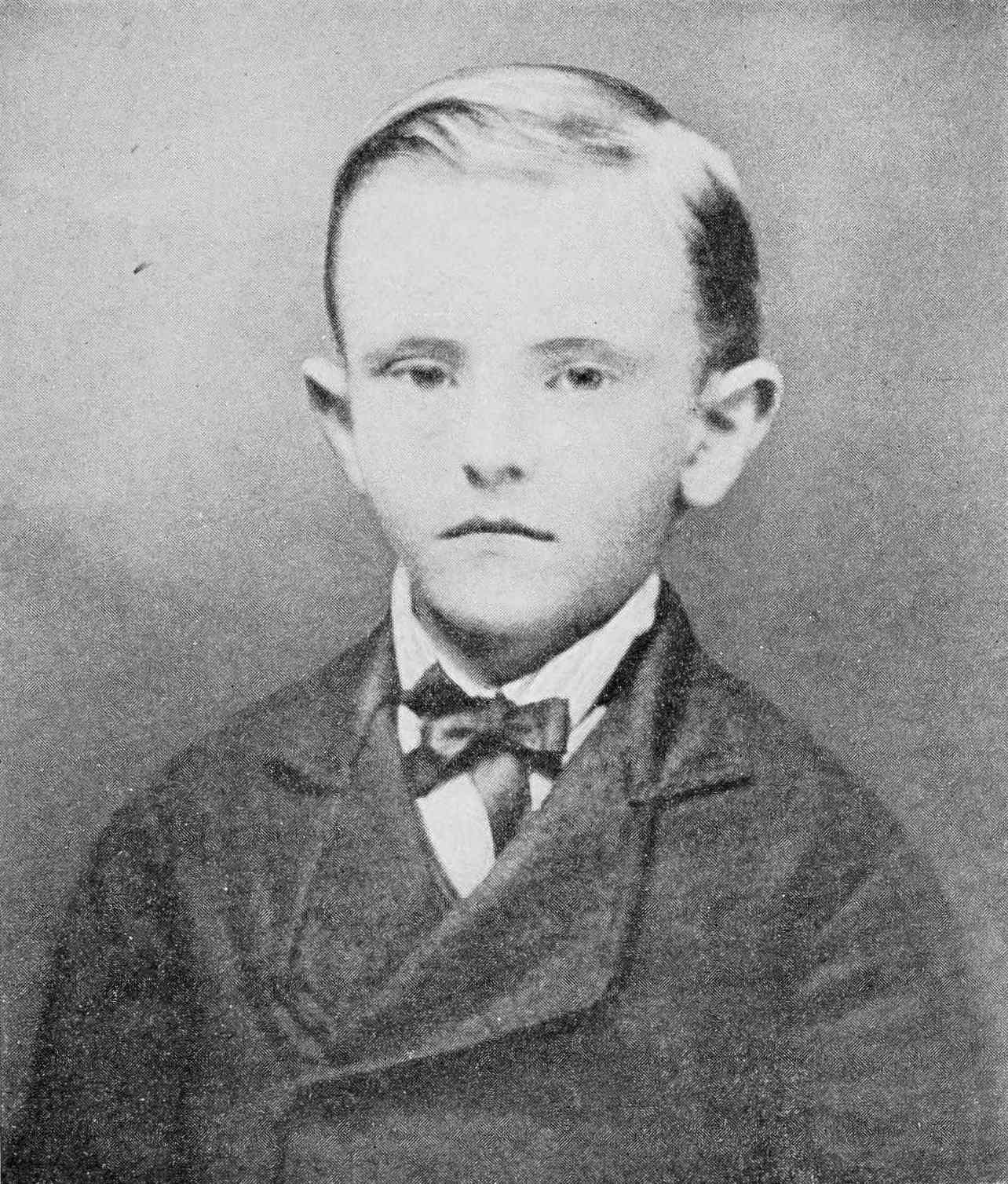
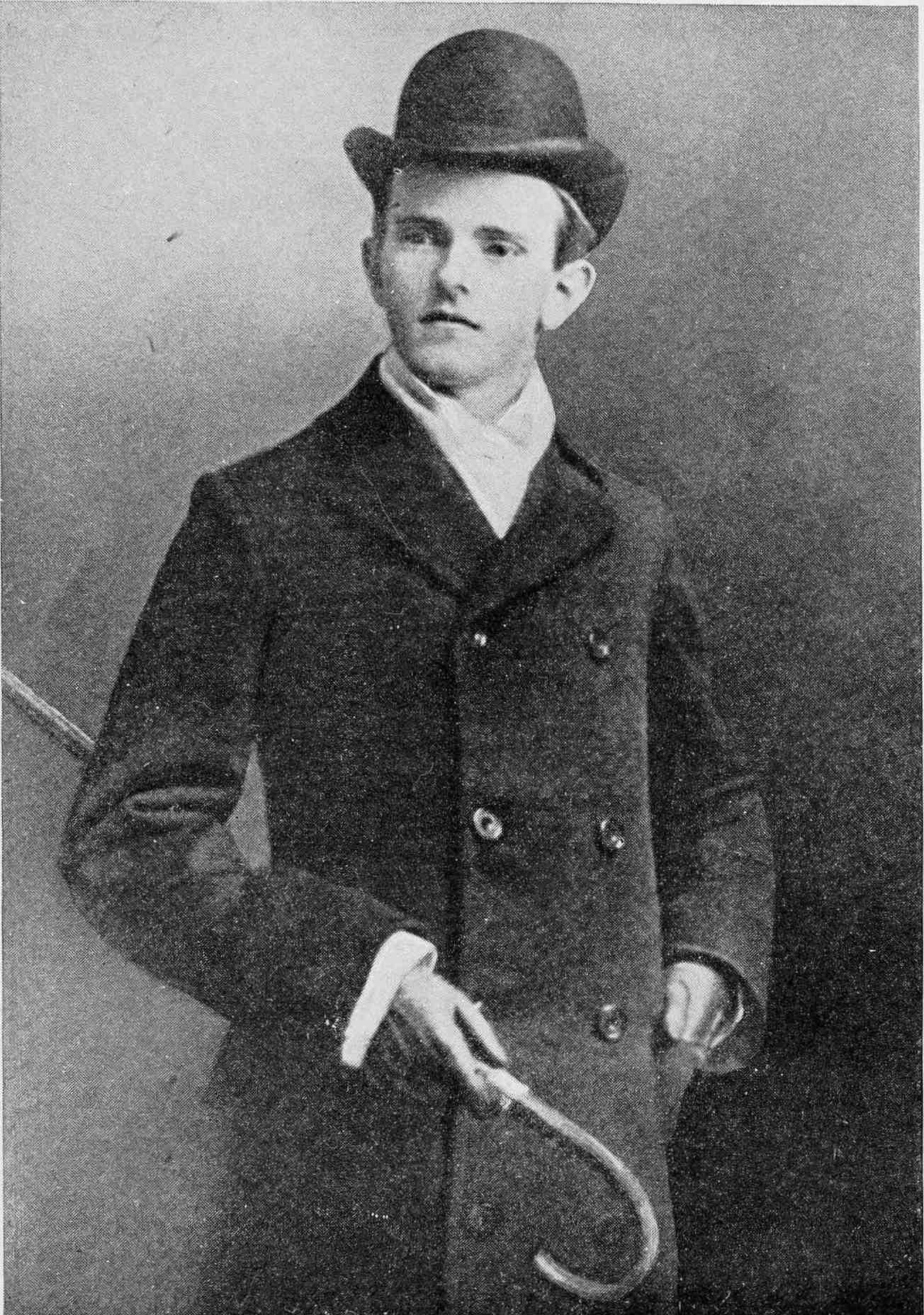 Wide World Photos
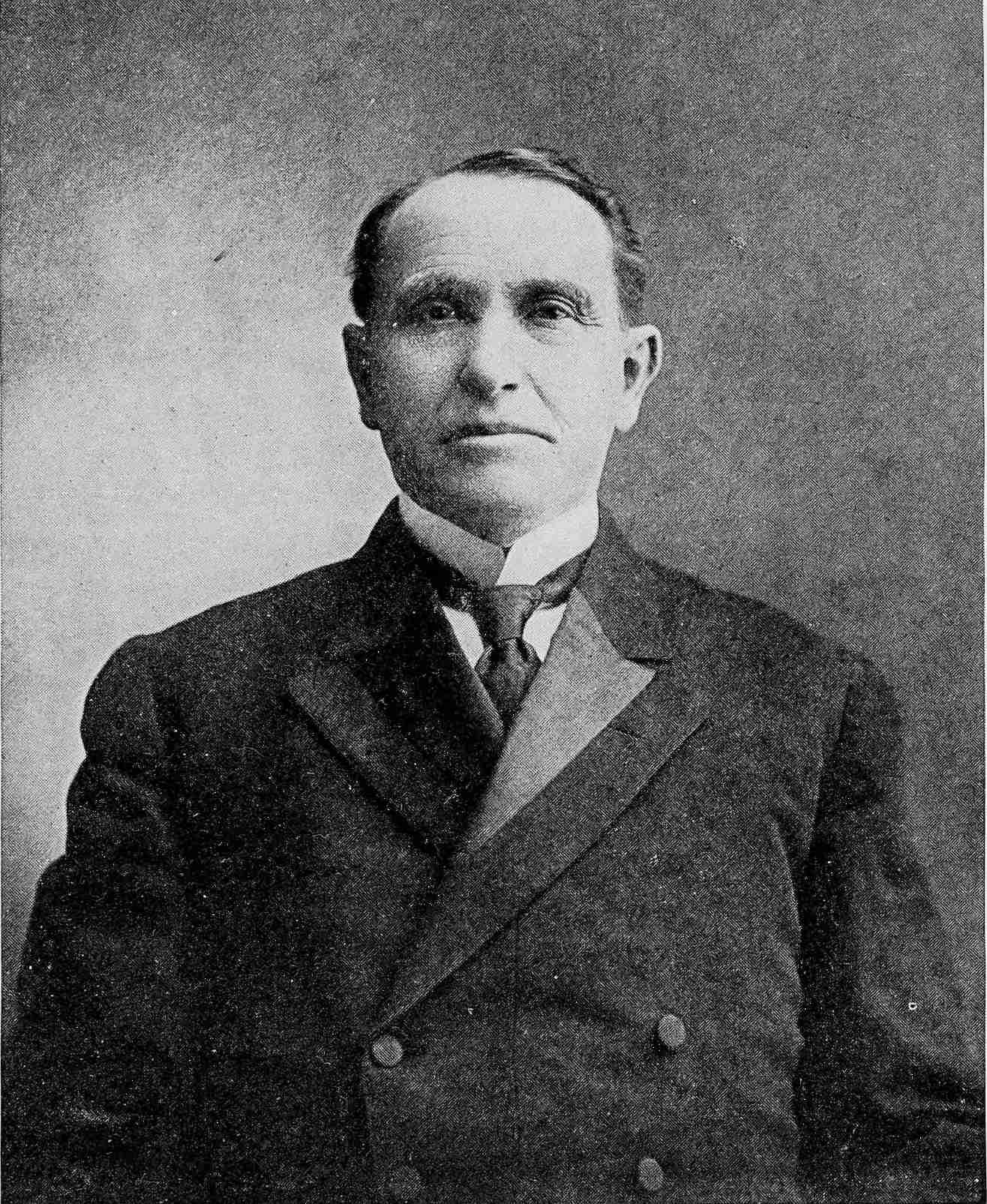
Calvin Coolidge
At Amherst College
was going on to keep the costs of living down and the rate of wages up.
A State Commission was held in office with increased powers to resist
profiteering in the necessaries of life. In the depression of 1920 some
of our banks and manufacturers found themselves in difficulties. All of
these things reached the Governor in one form or another. But, in
general, conditions were such that the entire efforts of the people were
engaged in easing themselves down. There was little opportunity to
direct their attention towards constructive action. They were clearing
away the refuse from the great conflagration preparatory to rebuilding
on a grander and more pretentious scale. Nothing was natural, everything
was artificial. So much energy had to be expended in keeping the ship of
state on a straight course that there was little left to carry it ahead.
But when I finished my two terms in January, 1921, the demobilization of
the country was practically complete, people had found themselves again,
and were ready to undertake the great work of reconstruction in which
they have since been so successfully engaged. In that work we have seen
the people of America create a new heaven and a new earth. The old
things have passed away, giving place to a glory never before
experienced by any people of our world.