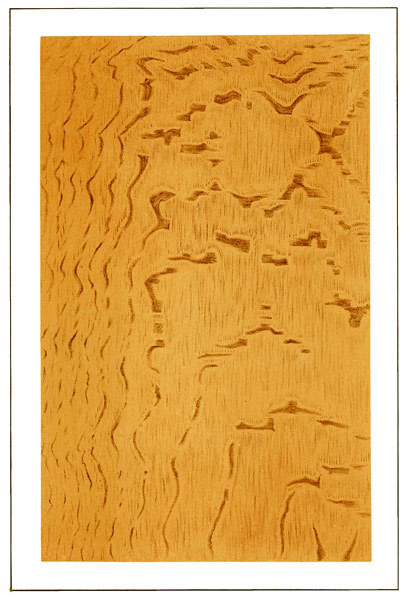
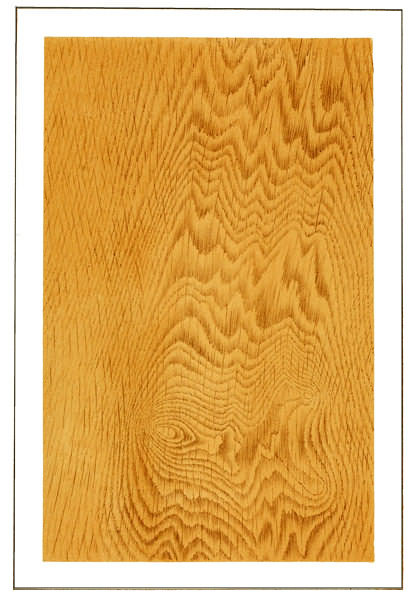
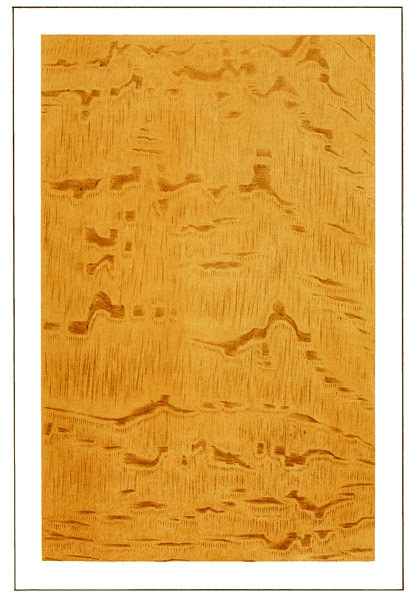
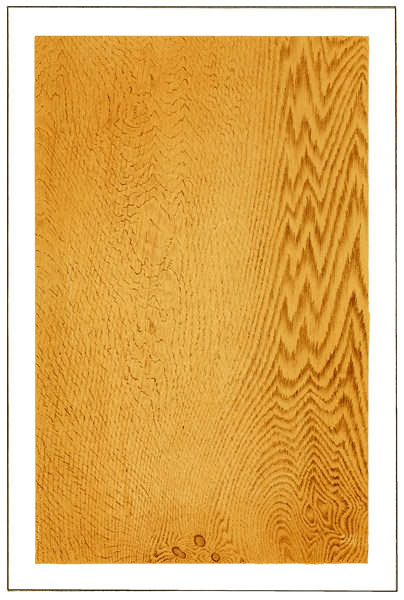
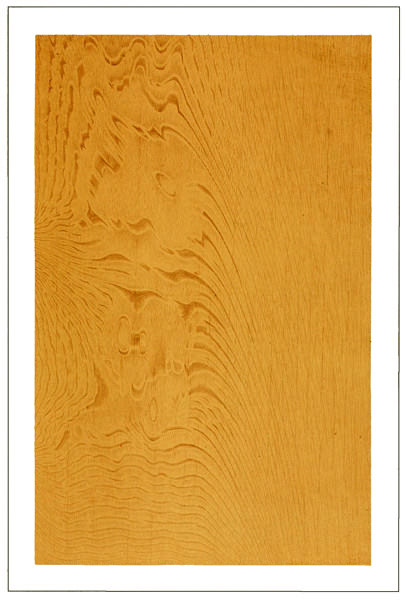
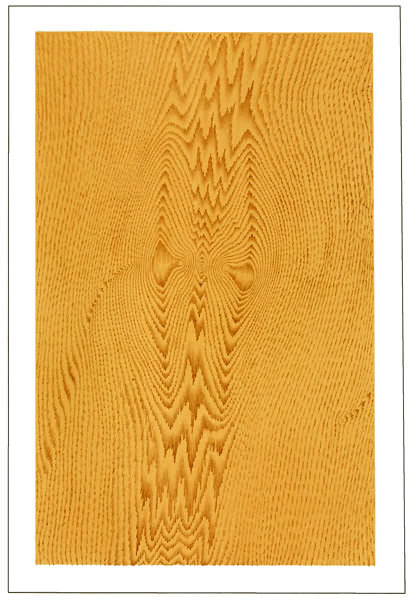
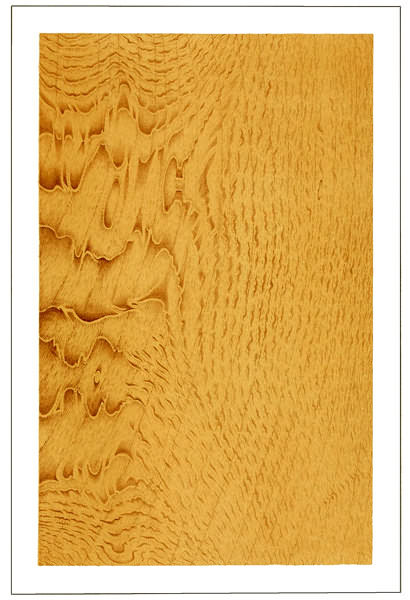
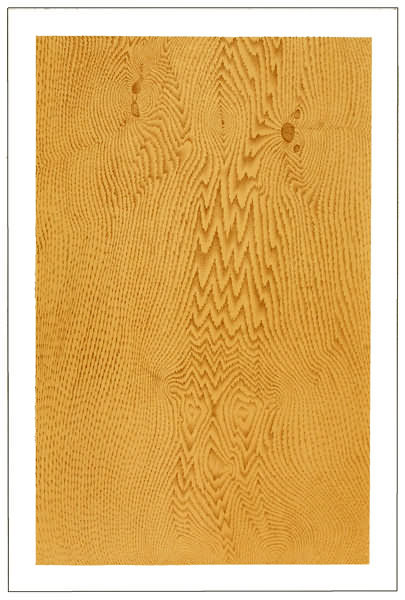
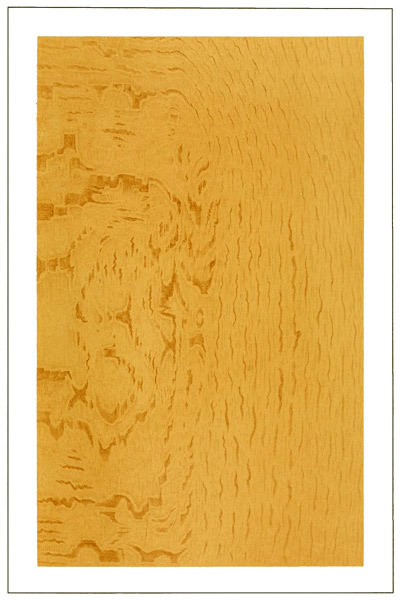
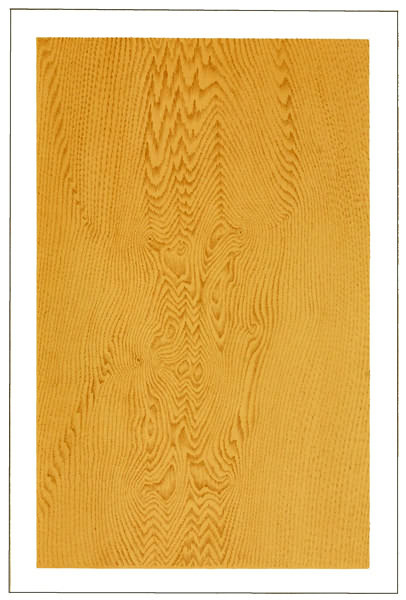
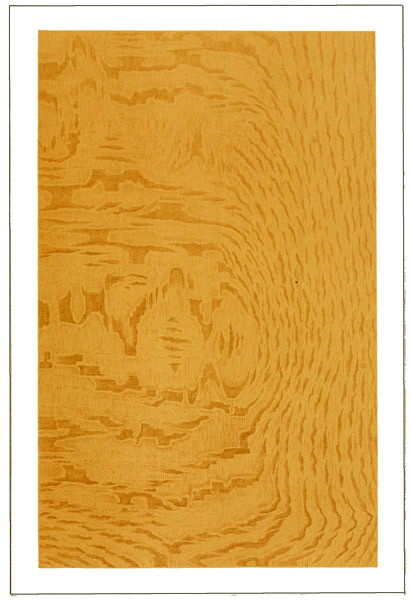
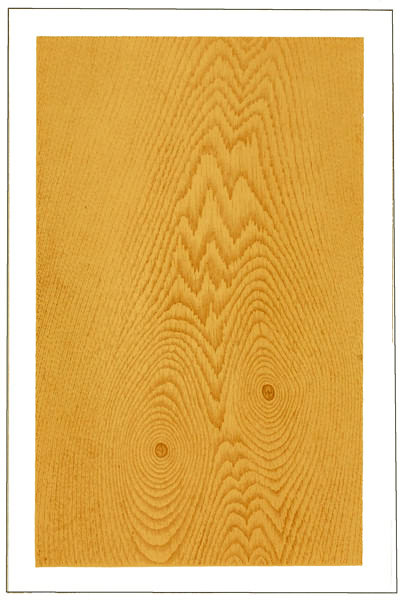
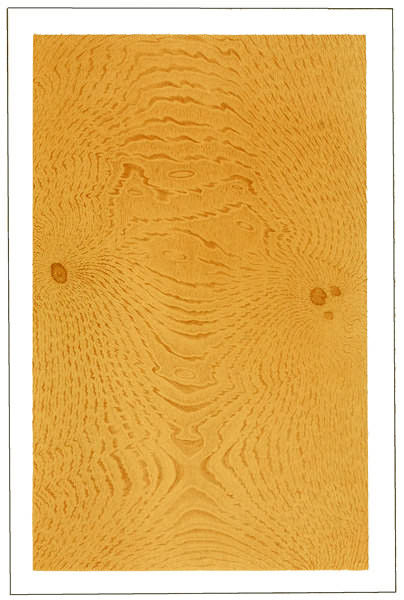
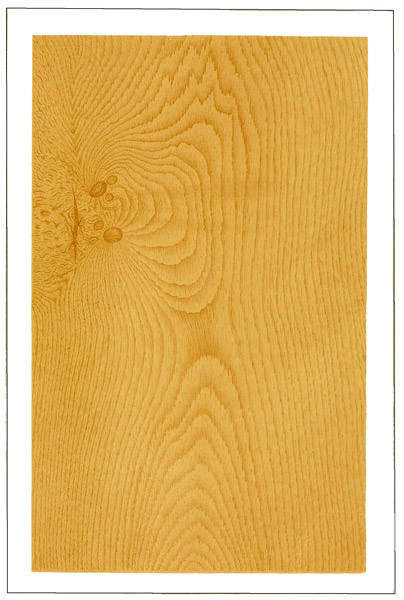
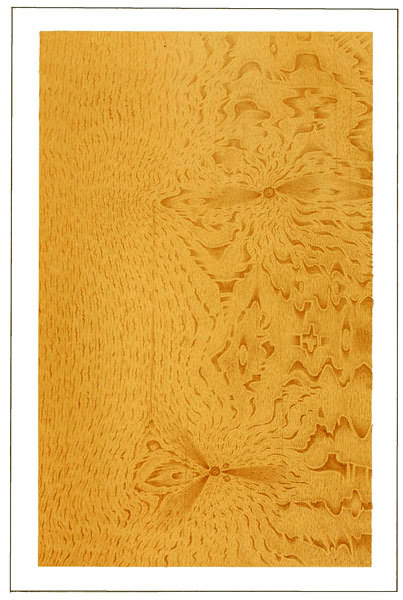
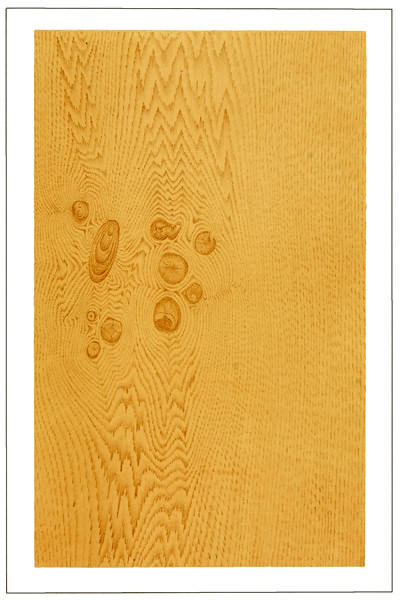
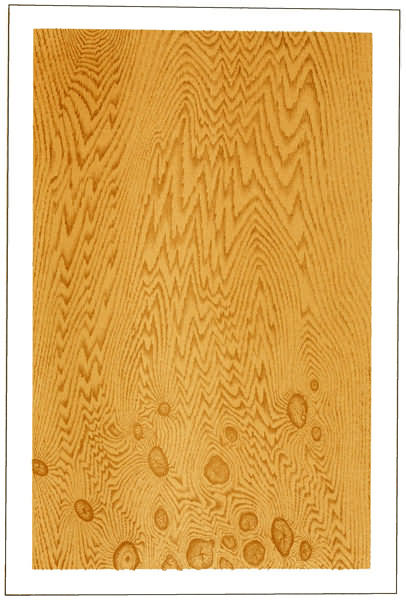
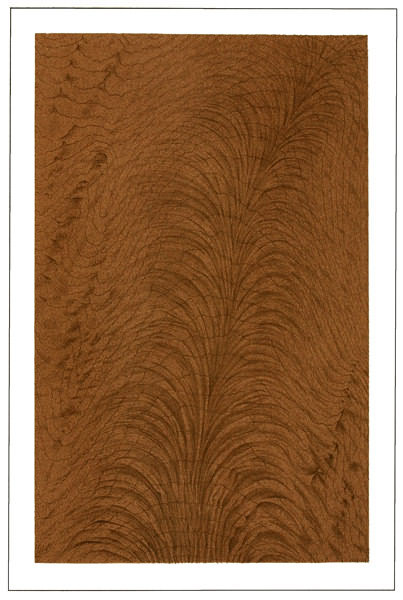
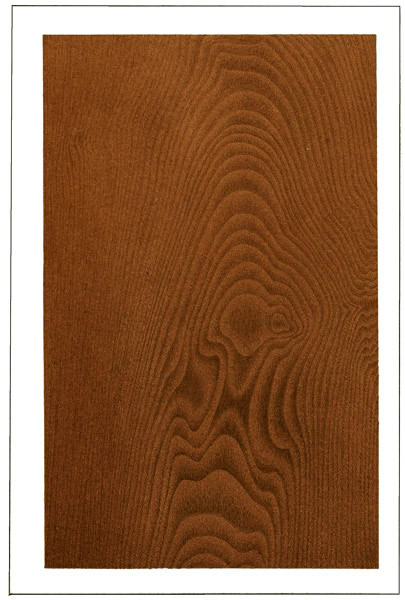
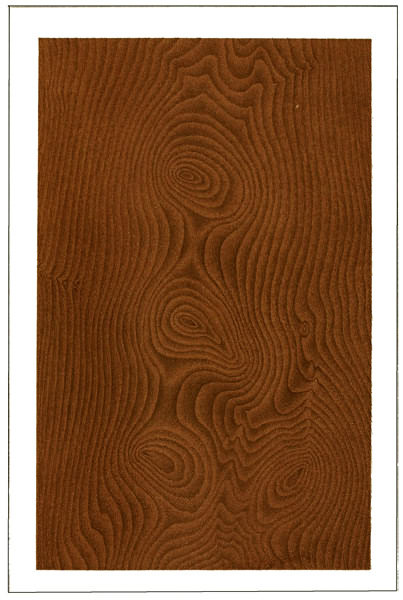
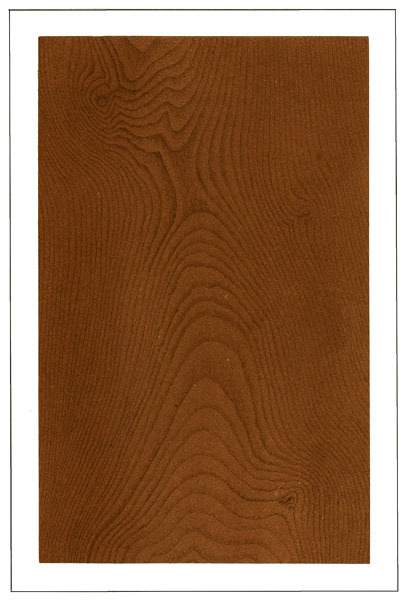
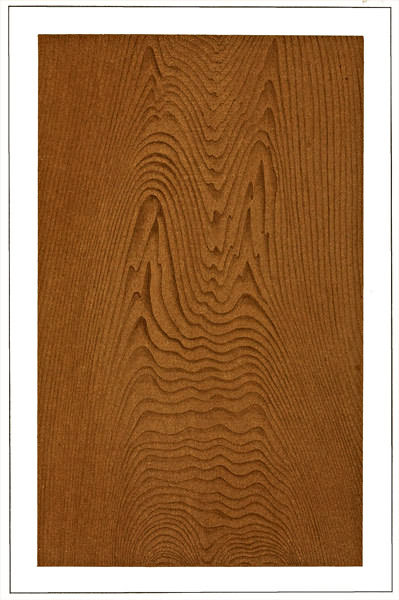
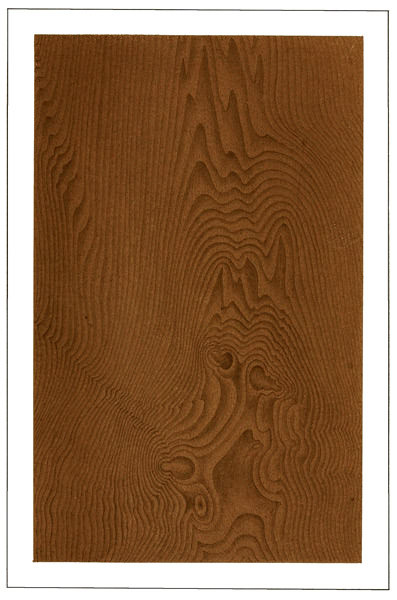
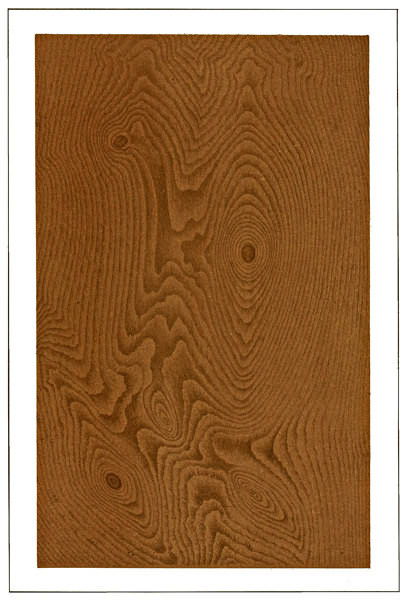
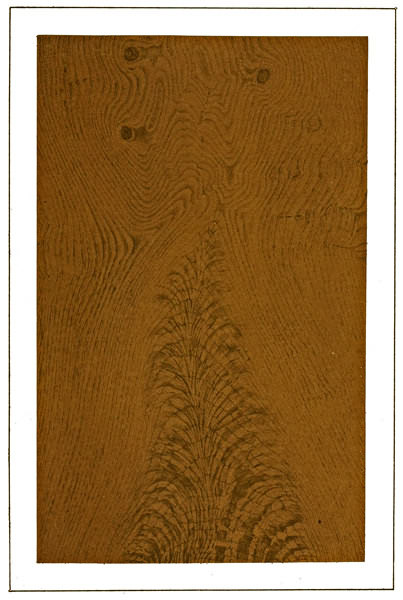
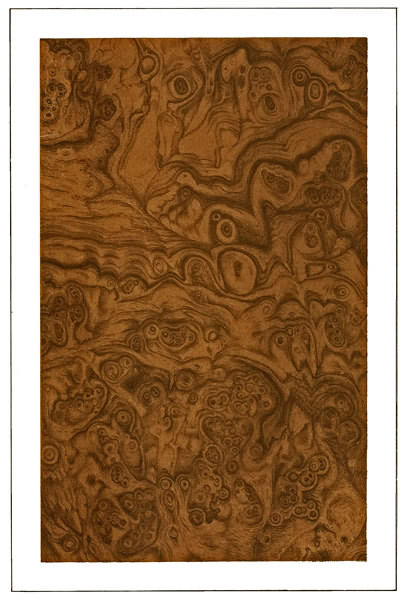
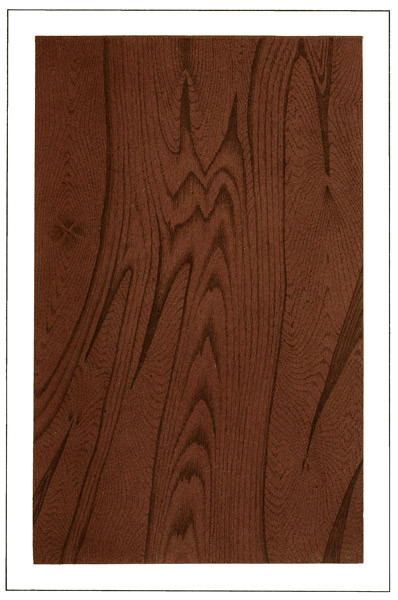
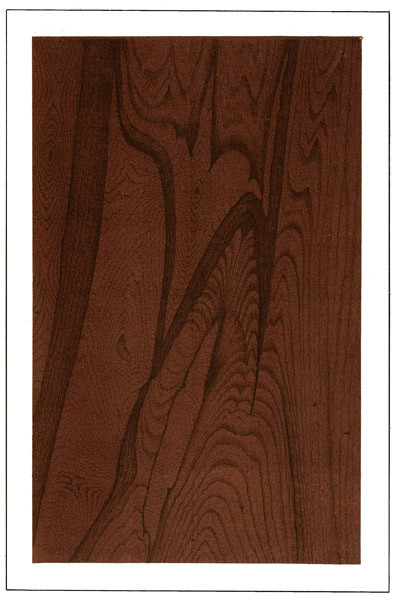
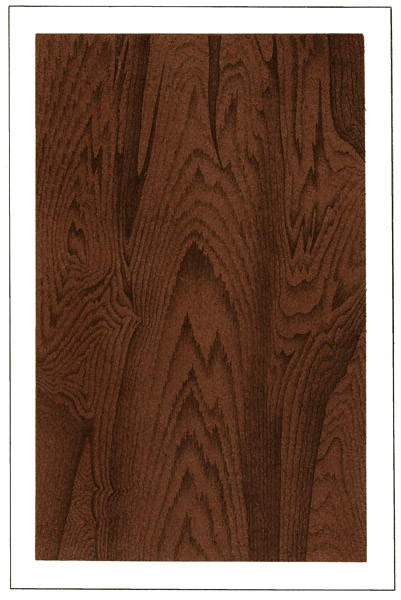
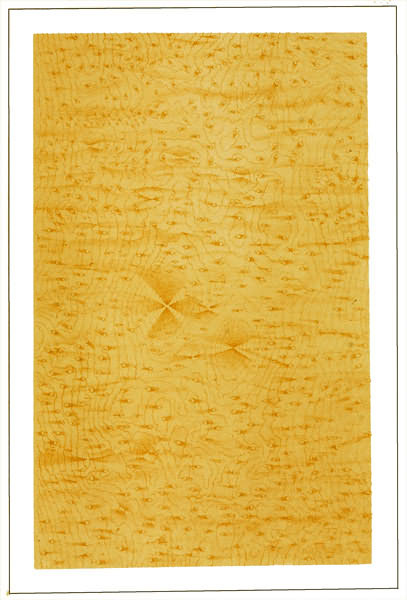
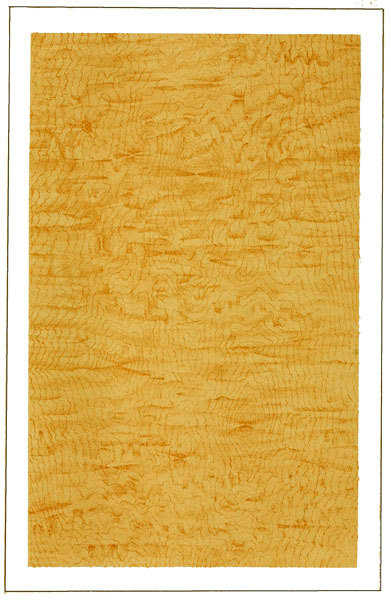
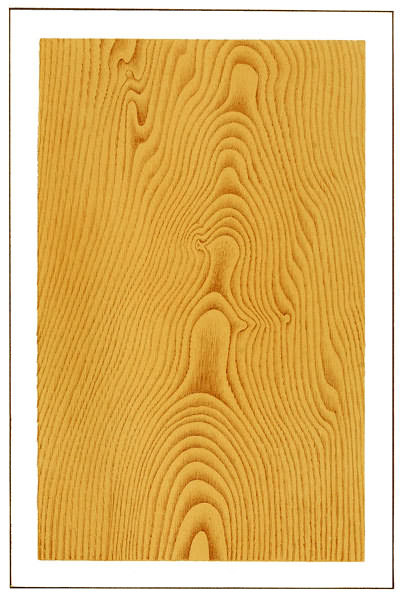
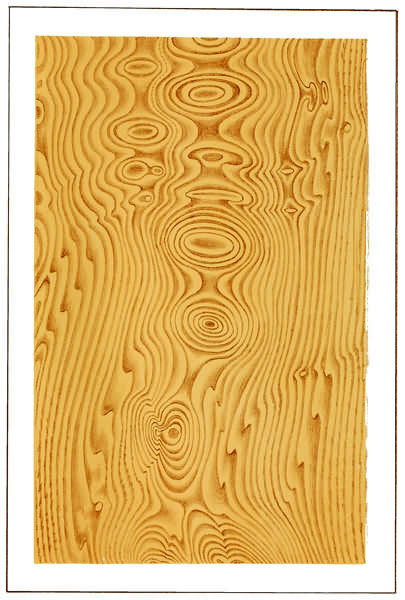
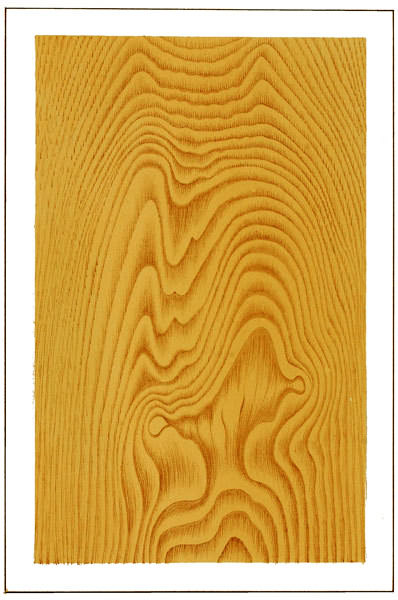
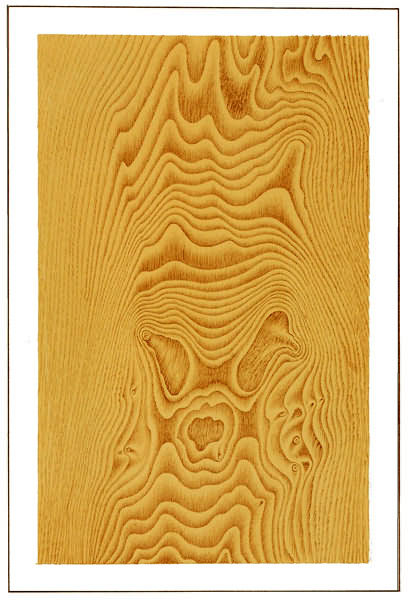
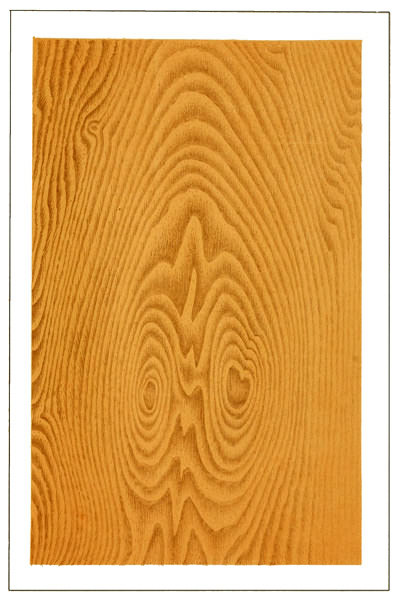
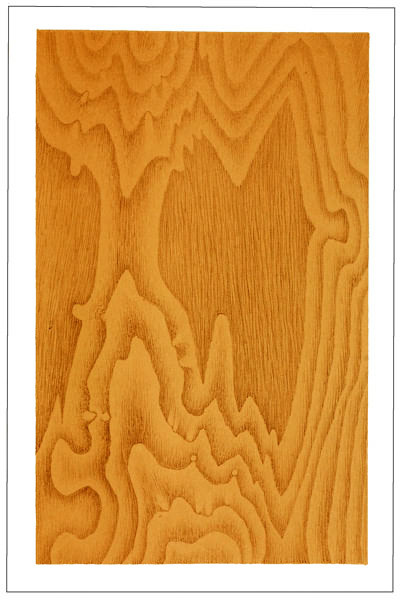
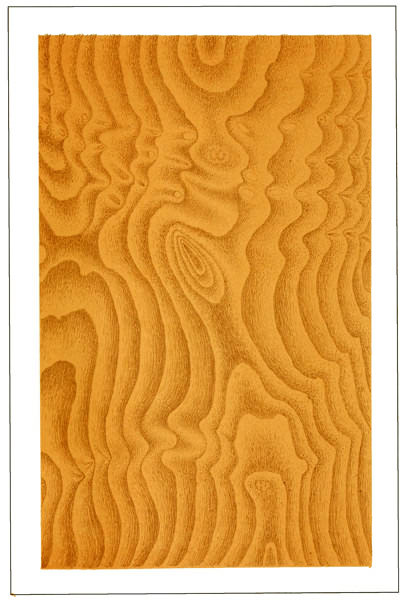
Illustrations of WALNUT include Plates 18-28.
The same care should be taken in puttying, sand-papering, mixing,
and applying, as hereinbefore suggested in the chapter upon graining
oak.
The ground-work for black walnut should be mixed with pure white
lead, turpentine, oil, japan, etc., colored with chrome yellow or good
Rochelle ochre, American vermilion, or English Venetian red, and burnt
umber, which if properly combined produces the most proper ground-work
attainable. This wood varies in color, some pieces bearing upon the
yellow, and others upon the red, either of which may be correctly
imitated by adding yellow or red as the case requires. There are some
pieces, however, of a grayish cast, and if such a characteristic is desired
in graining, add to the ground-work a little Vandyke brown.
The ground-work (last coat) should be so mixed as to have,
when dry, an egg-shell gloss, in order to prevent the first coat of
graining (which is "distemper-color") from crawling or running together.
Black walnut is a very porous wood, and unless the pores are properly
shown in the graining, the imitation will be far from perfect; no grainer,
therefore, should depart so far from nature as to omit this necessary and
absolute consideration.
For the accomplishment of a correct imitation in this respect, take
a small quantity of sour or common ale, or, if not obtainable, a little
vinegar and water (equal parts) will do (urine is an excellent substitute
for either of the liquids named), and to this add, for coloring purposes,
three-fourths burnt umber and one-fourth Vandyke brown; when this is
applied, and before dry, take a dry brush (a flat one is preferable), and
"whip" the color thoroughly with the same, keeping the hand close to
the surface of the object to be grained; and as pores in some pieces of
walnut show far more distinctly than in others, to imitate this, certain
portions should be whipped very coarsely, while other portions should be
whipped very fine. Care must be taken in whipping, to have all joints,
etc., left perfectly square as constructed, and the whipping should invariably
be done as the grain of the wood is designed to run. The distemper-color
should be mixed to a thickness, that, when applied and properly
whipped, the general tone of the ground-work shall not be materially
changed.
Some grainers, before proceeding further in graining black walnut,
have varnished the distemper-coat; we regard this as entirely useless, as
well as detrimental to the general tone of the graining when done. The
impression current among some painters, that when the graining-color is
applied to the distemper-color, without first varnishing, it (the distemper-color)
will rub up, is erroneous, for when perfectly dry it is all ready to
receive the graining-color.
After complying with the foregoing directions, the article being now
all ready for graining, having, as shown, received the distemper-color,
take three-fourths burnt umber and one-fourth Vandyke brown, mixed
with three-fourths turpentine, one-fourth oil and japan, using beeswax or
soap to prevent its running as in oak-graining (of course the color must
be varied to comply with the ground-work by adding burnt umber, Vandyke
brown, or burnt Sienna, as hereinbefore set forth in our directions
for oak-graining), and to avoid darkening the graining but a very little, the
color should be used thin.
In graining a panel, for instance, in order to obtain a correct imitation
of black walnut, the grainer, when running the heart-piece (as shown
in our illustrations), should have upon his pallet, glass, or board, a small
quantity of umber and Vandyke brown to darken the centre a little,
thereby showing the grains perfectly clear in the centre while they lose
themselves near the outer edge.
In graining black walnut, combs should be used as little as possible,
leaving all the plain parts to be finished in the glazing. For wiping out
growths, some use chamois, others use cotton cloths drawn closely over
the thumb nail, while many use in place of either, a small piece of rubber,
or belting cut about one-fourth of an inch wide at the end used, and in
some instances, where a cheap job of graining is desired, rubber combs cut
fine and coarse can be used with good success in running growths or hearts
by blending lightly after combing.
This brings the work up to a finishing, or shading point, for which
purpose use principally Vandyke brown, burnt umber and ivory-black,
mixed with oil, turpentine, etc. (as hereinbefore named), and by keeping
upon the board, glass or pallet, a little of these separately, and using
more of one than the other, a beautiful and correct variety can be produced,
it being almost impossible to find two pieces of walnut exactly
alike in shade. Like the rest, shading must be applied with a brush, and
where crooks, curls, or knots in the grain may appear (see illustrations),
careless and light shades should be thrown in, and in the greater number
of cases cause growths a trifle darker than edges. For shading the plain
parts, a fine and very proper effect will be produced by first applying the
color and then by laying on a flat brush, pressing it heavily, and drawing
it crooked or straight as desired, then by blending the same very lightly.
Where the brush is not thus used, a similar effect can be produced by wiping
out lines at small intervals, then blending, in all cases avoiding the too
common error of putting too much work in the graining, and preserve a
proper harmony of colors so that when completed the work will appear
rich, clean, and finished.
All graining can be finished by varnishing, or to imitate in "oil-finish"
if preferable. Should the latter be desirable take one (1) quart
of turpentine; one-fourth (1/4) lb. of white wax (melted in turpentine),
adding one half (1/2) pint of best coach varnish (hard drying); one half
(1/2) pint of boiled oil, and one (1) gill of japan—apply with a brush, and
use sparingly, one coat is sufficient.
By conforming to our directions, in the graining of black walnut,
great and satisfactory results will follow.