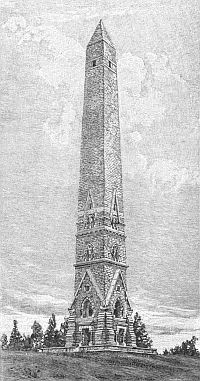
In the invasion of the South by Cornwallis, as in the invasion of the
North by Burgoyne, the first serious blow which the enemy received was
dealt by the militia. After his great victory over Gates, Cornwallis
remained nearly a month at Camden resting his troops, who found the
August heat intolerable.
Cornwallis invades North Carolina, Sept., 1780
By the middle of September, 1780, he had started on his march to North
Carolina, of which he expected to make an easy conquest. But his
reception in that state was anything but hospitable. Advancing as far as
Charlotte, he found himself in the midst of that famous Mecklenburg
County which had issued its bold revolutionary resolves immediately on
receiving the news of the battle of Lexington. These rebels, he said,
were the most obstinate he had found in America, and he called their
country a “hornet’s nest.” Bands of yeomanry lurking about every
woodland road cut off his foraging parties, slew his couriers, and
captured his dispatches. It was difficult for him to get any
information; but bad news proverbially travels fast, and it was not long
before he received intelligence of dire disaster.
Ferguson’s expedition
Before leaving South Carolina Cornwallis had detached Major Patrick
Ferguson—whom, next to Tarleton, he considered his best partisan
officer—to scour the highlands and enlist as large a force of Tory
auxiliaries as possible, after which he was to join the main army at
Charlotte. Ferguson took with him 200 British light infantry and 1,000
Tories, whom he had drilled until they had become excellent troops. It
was not supposed that he would meet with serious opposition, but in
case of any unforeseen danger he was to retreat with all possible speed
and join the main army. Now the enterprising Ferguson undertook to
entrap and capture a small force of American partisans; and while
pursuing this bait, he pushed into the wilderness as far as Gilbert
Town, in the heart of what is now the county of Rutherford, when all at
once he became aware that enemies were swarming about him on every side.Rising of the backwoodsmen
The approach of a hostile force and the rumour of Indian war had aroused
the hardy backwoodsmen who dwelt in these wild and romantic glens.
Accustomed to Indian raids, these quick and resolute men were always
ready to assemble at a moment’s warning; and now they came pouring from
all directions, through the defiles of the Alleghanies, a picturesque
and motley crowd, in fringed and tasselled hunting-shirts, with sprigs
of hemlock in their hats, and armed with long knives and rifles that
seldom missed their aim. From the south came James Williams, of
Ninety-Six, with his 400 men; from the north, William Campbell, of
Virginia, Benjamin Cleveland and Charles McDowell, of North Carolina,
with 560 followers; from the west, Isaac Shelby and John Sevier, whose
names were to become so famous in the early history of Kentucky and
Tennessee. By the 30th of September 3,000 of these “dirty mongrels,” as
Ferguson called them,—men in whose veins flowed the blood of Scottish
Covenanters and French Huguenots and English sea rovers,[39]—had
gathered in such threatening proximity that the British commander
started in all haste on his retreat toward the main army at Charlotte,
sending messengers ahead, who were duly waylaid and shot down before
they could reach Cornwallis and inform him of the danger. The pursuit
was vigorously pressed, and on the night of the 6th of October, finding
escape impossible without a fight, Ferguson planted himself on the top
of King’s Mountain, a ridge about half a mile in length and 1,700 feet
above sea level, situated just on the border line between the two
Carolinas. The crest is approached on three sides by rising ground,
above which the steep summit towers for a hundred feet; on the north
side it is an unbroken precipice. The mountain was covered with tall
pine-trees, beneath which the ground, though little cumbered with
underbrush, was obstructed on every side by huge moss-grown boulders.
Perched with 1,125 staunch men on this natural stronghold, as the bright
autumn sun came up on the morning of the 7th, Ferguson looked about him
exultingly, and cried, “Well, boys, here is a place from which all the
rebels outside of hell cannot drive us!”
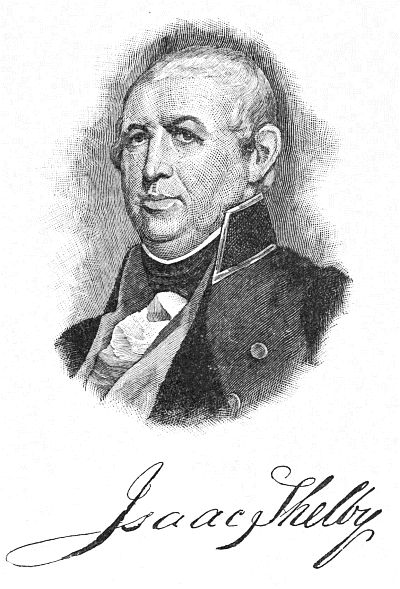
Battle of King’s Mountain, Oct. 7, 1780
He was dealing, however, with men who were used to climbing hills.
About three o’clock in the afternoon, the advanced party of Americans,
1,000 picked men, arrived in the ravine below the mountain, and, tying
their horses to the trees, prepared to storm the position. The precipice
on the north was too steep for the enemy to descend, and thus
effectually cut off their retreat. Divided into three equal parties, the
Americans ascended the other three sides simultaneously. Campbell and
Shelby pushed up in front until near the crest, when Ferguson opened
fire on them. They then fell apart behind trees, returning the fire most
effectively, but suffering little themselves, while slowly they crept up
nearer the crest. As the British then charged down upon them with
bayonets, they fell back, until the British ranks were suddenly shaken
by a deadly flank fire from the division of Sevier and McDowell on the
right. Turning furiously to meet these new assailants, the British
received a volley in their backs from the left division, under Cleveland
and Williams, while the centre division promptly rallied, and attacked
them on what was now their flank. Thus dreadfully entrapped, the British
fired wildly and with little effect, while the trees and boulders
prevented the compactness needful for a bayonet charge. The Americans,
on the other hand, sure of their prey, crept on steadily toward the
summit, losing scarcely a man, and firing with great deliberateness and
precision, while hardly a word was spoken. As they closed in upon the
ridge, a rifleball pierced the brave Ferguson’s heart, and he fell from
his white horse, which sprang wildly down the mountain side. All further
resistance being hopeless, a white flag was raised, and the firing was
stopped. Of Ferguson’s 1,125 men, 389 were killed or wounded, 20 were
missing, and the remaining 716 now surrendered themselves prisoners of
war, with 1,500 stand of arms. The total American loss was 28 killed and
60 wounded; but among the killed was the famous partisan commander,
James Williams, whose loss might be regarded as offsetting that of Major
Ferguson.
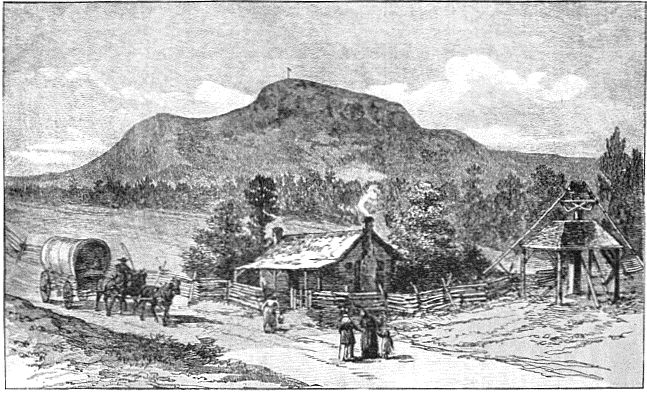
VIEW OF KING’S MOUNTAIN
Effect of the blow
This brilliant victory at King’s Mountain resembled the victory at
Bennington in its suddenness and completeness, as well as in having been
gained by militia. It was also the harbinger of greater victories at the
South, as Bennington had been the harbinger of greater victories at the
North. The backwoodsmen who had dealt such a blow did not, indeed,
follow it up, and hover about the flanks of Cornwallis, as the Green
Mountain boys had hovered about the flanks of Burgoyne. Had there been
an organized army opposed to Cornwallis, to serve as a nucleus for them,
perhaps they might have done so. As it was, they soon dispersed and
returned to their homes, after having sullied their triumph by hanging a
dozen prisoners, in revenge for some of their own party who had been
massacred at Augusta. They had, nevertheless, warded off for the moment
the threatened invasion of North Carolina. Thoroughly alarmed by this
blow, Cornwallis lost no time in falling back upon Winnsborough, there
to wait for reinforcements, for he was in no condition to afford the
loss of 1,100 men. General Leslie had been sent by Sir Henry Clinton to
Virginia with 3,000 men, and Cornwallis ordered this force to join him
without delay.
Arrival of Daniel Morgan
Hope began now to return to the patriots of South Carolina, and during
the months of October and November their activity was greatly increased.
Marion in the northeastern part of the state, and Sumter in the
northwest, redoubled their energies, and it was more than even Tarleton
could do to look after them both. On the 20th of November Tarleton was
defeated by Sumter in a sharp action at Blackstock Hill, and the
disgrace of the 18th of August was thus wiped out. On the retreat of
Cornwallis, the remnants of the American regular army, which Gates had
been slowly collecting at Hillsborough, advanced and occupied Charlotte.
There were scarcely 1,400 of them, all told, and their condition was
forlorn enough. But reinforcements from the North were at hand; and
first of all came Daniel Morgan, always a host in himself. Morgan, like
Arnold, had been ill treated by Congress. His services at Quebec and
Saratoga had been inferior only to Arnold’s, yet, in 1779, he had seen
junior officers promoted over his head, and had resigned his commission
and retired to his home in Virginia. When Gates took command of the
southern army, Morgan was urged to enter the service again; but, as it
was not proposed to restore him to his relative rank, he refused. After
Camden, however, declaring that it was no time to let personal
considerations have any weight, he straightway came down and joined
Gates at Hillsborough in September. At last, on the 13th of October,
Congress had the good sense to give him the rank to which he was
entitled; and it was not long, as we shall see, before it had reason to
congratulate itself upon this act of justice.
Greene appointed to the chief command at the South
But, more than anything else, the army which it was now sought to
restore needed a new commander-in-chief. It was well known that
Washington had wished to have Greene appointed to that position, in the
first place. Congress had persisted in appointing its own favourite
instead, and had lost an army in consequence. It could now hardly do
better, though late in the day, than take Washington’s advice. It would
not do to run the risk of another Camden. In every campaign since the
beginning of the war Greene had been Washington’s right arm; and for
indefatigable industry, for strength and breadth of intelligence, and
for unselfish devotion to the public service, he was scarcely inferior
to the commander-in-chief. Yet he too had been repeatedly insulted and
abused by men who liked to strike at Washington through his favourite
officers. As quartermaster-general, since the spring of 1778, Greene had
been malevolently persecuted by a party in Congress, until, in July,
1780, his patience gave way, and he resigned in disgust. His enemies
seized the occasion to urge his dismissal from the army, and but for his
own keen sense of public duty and Washington’s unfailing tact his
services might have been lost to the country at a most critical moment.
On the 5th of October Congress called upon Washington to name a
successor to Gates, and he immediately appointed Greene, who arrived at
Charlotte and took command on the 2d of December. Steuben accompanied
Greene as far as Virginia, and was placed in command in that state,
charged with the duty of collecting and forwarding supplies and
reinforcements to Greene, and of warding off the forces which Sir Henry
Clinton sent to the Chesapeake to make diversions in aid of Cornwallis.
The first force of this sort, under General Leslie, had just been
obliged to proceed by sea to South Carolina, to make good the loss
inflicted upon Cornwallis by the battle of King’s Mountain; and to
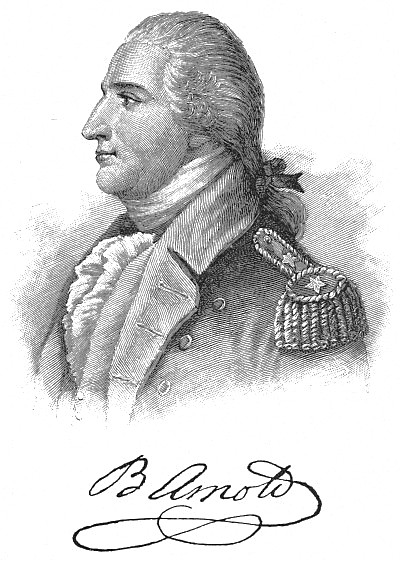
replace Leslie in Virginia, Sir Henry Clinton, in December, sent the
traitor Arnold, fresh from the scene of his treason, with 1,600 men,
mostly New York loyalists. Steuben’s duty was to guard Virginia against
Arnold, and to keep open Greene’s communication with the North. At the
same time, Washington sent down with Greene the engineer Kosciuszko and
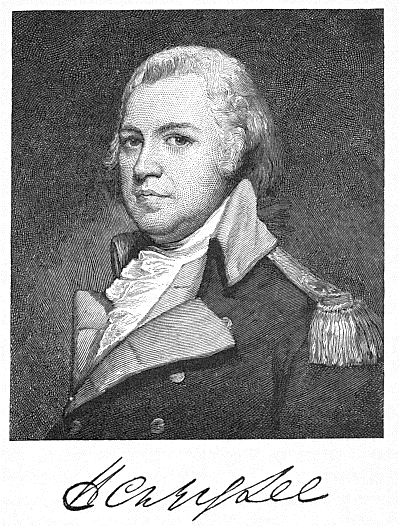
Henry Lee with his admirable legion of cavalry. Another superb cavalry
commander now appears for the first time upon the scene in the person of
Lieutenant-Colonel William Washington, of Virginia, a distant cousin of
the commander-in-chief.
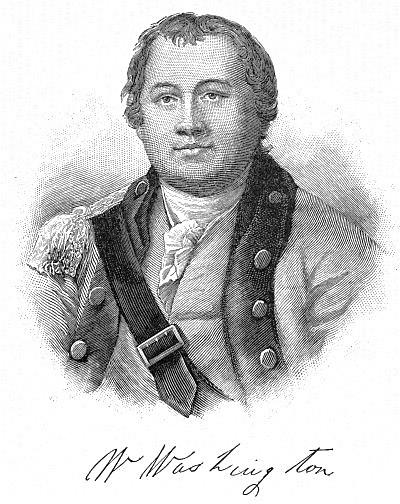
Greene’s daring strategy; he threatens Cornwallis on both flanks
The southern army, though weak in numbers, was thus extraordinarily
strong in the talent of its officers. They were men who knew how to
accomplish great results with small means, and Greene understood how far
he might rely upon them. No sooner had he taken command than he began a
series of movements which, though daring in the extreme, were as far as
possible from partaking of the unreasoned rashness which had
characterized the advance of Gates. That unintelligent commander had
sneered at cavalry as useless, but Greene largely based his plan of
operations upon what could be done by such swift blows as Washington and
Lee knew how to deal. Gates had despised the aid of partisan chiefs, but
Greene saw at once the importance of utilizing such men as Sumter and
Marion. His army as a solid whole was too weak to cope with that of
Cornwallis. By a bold and happy thought, he divided it, for the moment,
into two great partisan bodies. The larger body, 1,100 strong, he led in
person to Cheraw Hill, on the Pedee river, where he coöperated with
Marion. From this point Marion and Lee kept up a series of rapid
movements which threatened Cornwallis’s communications with the coast.
On one occasion, they actually galloped into Georgetown and captured the
commander of that post. Cornwallis was thus gravely annoyed, but he was
unable to advance upon these provoking antagonists without risking the
loss of Augusta and Ninety-Six; for Greene had thrown the other part of
his little army, 900 strong, under Morgan, to the westward, so as to
threaten those important inland posts and to coöperate with the mountain
militia. With Morgan’s force went William Washington, who accomplished a
brilliant raid, penetrating the enemy’s lines, and destroying a party of
250 men at a single blow.
![Portrait: Banastre Tarleton [illegible]](https://openoldbooks.sgp1.digitaloceanspaces.com/books/the-american-revolution/images/page2265.jpg)
Cornwallis retorts by sending Tarleton to deal with Morgan
Thus worried and menaced upon both his flanks, Cornwallis hardly knew
which way to turn. He did not underrate his adversaries. He had himself
seen what sort of man Greene was, at Princeton and Brandywine and
Germantown, while Morgan’s abilities were equally well known. He could
not leave Morgan and attack Greene without losing his hold upon the
interior; but if he were to advance in full force upon Morgan, the wily
Greene would be sure to pounce upon Charleston and cut him off from the
coast. In this dilemma, Cornwallis at last decided to divide his own
forces. With his main body, 2,000 strong, he advanced into North
Carolina, hoping to draw Greene after him; while he sent Tarleton with
the rest of his army, 1,100 strong, to take care of Morgan. By this
division the superiority of the British force was to some extent
neutralized. Both commanders were playing a skilful but hazardous game,
in which much depended on the sagacity of their lieutenants; and now the
brave but over-confident Tarleton was outmarched and outfought. On his
approach, Morgan retreated to a grazing ground known as the Cowpens, a
few miles from King’s Mountain, where he could fight on ground of his
own choosing. His choice was indeed a peculiar one, for he had a broad
river in his rear, which cut off retreat; but this, he said, was just
what he wanted, for his militia would know that there was no use in
running away. Morgan’s position at the CowpensIt was cheaper than stationing regulars in the rear, to
shoot down the cowards. Morgan’s daring was justified by the result. The
ground, a long rising slope, commanded the enemy’s approach for a great
distance. On the morning of January 17, 1781, as Tarleton’s advance was
descried, Morgan formed his men in order of battle. First he arranged
his Carolinian and Georgian militia in a line about three hundred yards
in length, and exhorted them not to give way until they should have
delivered at least two volleys “at killing distance.” One hundred and
fifty yards in the rear of this line, and along the brow of the gentle
hill, he stationed the splendid Maryland brigade which Kalb had led at
Camden, and supported it by some excellent Virginia troops. Still one
hundred and fifty yards farther back, upon a second rising ground, he
placed Colonel Washington with his cavalry. Arranged in this wise, the
army awaited the British attack.
Battle of the Cowpens, Jan. 17, 1781
Tarleton’s men had been toiling half the night over muddy roads and
wading through swollen brooks, but nothing could restrain his eagerness
to strike a sudden blow, and just about sunrise he charged upon the
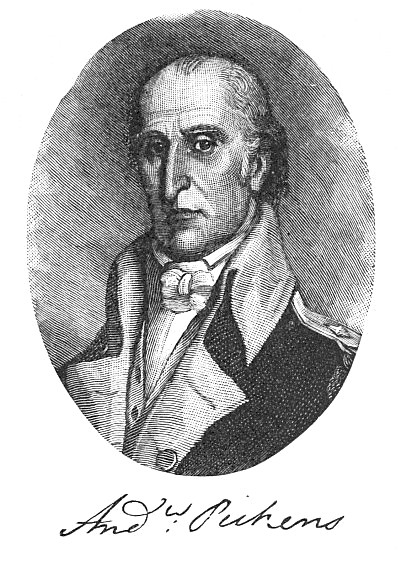
first American line. The militia, who were commanded by the redoubtable
Pickens, behaved very well, and delivered, not two, but many deadly
volleys at close range, causing the British lines to waver for a moment.
As the British recovered themselves and pressed on, the militia retired
behind the line of Continentals; while the British line, in pursuing,
became so extended as to threaten the flanks of the Continental line. To
avoid being overlapped, the Continentals refused their right wing and
fell back a little. The British followed them hastily and in some
confusion, having become too confident of victory. At this moment,
Colonel Washington, having swept down from his hill in a semicircle,
charged the British right flank with fatal effect; Pickens’s militia,
who had reformed in the rear and marched around the hill, advanced upon
their left flank; while the Continentals, in front, broke their ranks
with a deadly fire at thirty yards, and instantly rushed upon them with
the bayonet. Destruction of Tarleton’s forceThe greater part of the British army thereupon threw down
their arms and surrendered, while the rest were scattered in flight. It
was a complete rout. The British lost 230 in killed and wounded, 600
prisoners, two field-pieces, and 1,000 stand of arms. Their loss was
about equal to the whole American force engaged. Only 270 escaped from
the field, among them Tarleton, who barely saved himself in a furious
single combat with Washington. The American loss, in this astonishing
little battle, was 12 killed and 61 wounded. In point of tactics, it was
the most brilliant battle of the war. Morgan had in him the divine spark
of genius.
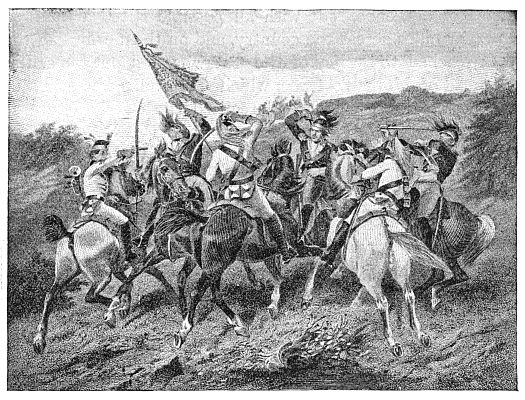
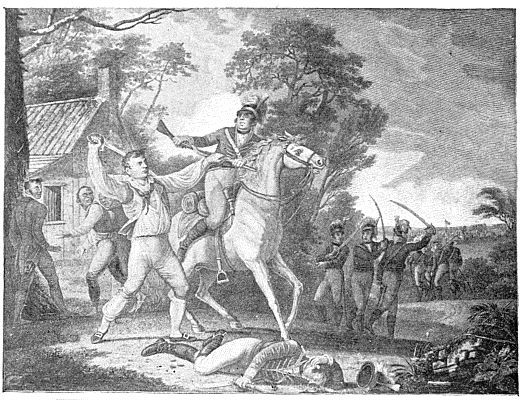
BATTLE OF COWPENS: COMBAT BETWEEN COLS. WASHINGTON AND TARLETON
Brilliant movements of Morgan and Greene
Having struck this crushing blow, which deprived Cornwallis of one
third of his force, the victor did not rest for a moment. The only
direct road by which he could rejoin Greene lay to the northward, across
the fords of the Catawba river, and Cornwallis was at this instant
nearer than himself to these fords. By a superb march, Morgan reached
the river first, and, crossing it, kept on northeastward into North
Carolina, with Cornwallis following closely upon his heels. On the 24th
of January, one week after the battle of the Cowpens, the news of it
reached Greene in his camp on the Pedee, and he learned the nature of
Morgan’s movements after the battle. Now was the time for putting into
execution a hopeful scheme. If he could draw the British general far
enough to the northward, he might compel him to join battle under
disadvantageous circumstances and at a great distance from his base of
operations. Accordingly, Greene put his main army in motion under
General Huger, telling him to push steadily to the northward; while he
himself, taking only a sergeant’s guard of dragoons, rode with all
possible speed a hundred and fifty miles across the country, and on the
morning of the 30th reached the valley of the Catawba, and put himself
at the head of Morgan’s force, which Cornwallis was still pursuing. Now
the gallant earl realized the deadly nature of the blows which at King’s
Mountain and the Cowpens had swept away nearly all his light troops. Greene leads Cornwallis a chase across North CarolinaIn
his eagerness and mortification, he was led to destroy the heavy baggage
which encumbered his headlong march. He was falling into the trap. A
most exciting game of strategy was kept up for the next ten days; Greene
steadily pushing northeastward on a line converging toward that taken by
his main army, Cornwallis vainly trying to get near enough to compel him
to fight. The weather had been rainy, and an interesting feature of the
retreat was the swelling of the rivers, which rendered them unfordable.
Greene took advantage of this circumstance, having with admirable
forethought provided himself with boats, which were dragged overland on
light wheels and speedily launched as they came to a river; carrying as
part of their freight the wheels upon which they were again to be
mounted so soon as they should have crossed. On the 9th of February
Greene reached Guilford Court House, in the northern part of North
Carolina, only thirty miles from the Virginia border; and there he
effected a junction with the main army, which Huger had brought up from
the camp on the Pedee. On the next day, the gallant Morgan, broken down
by illness, was obliged to give up his command.
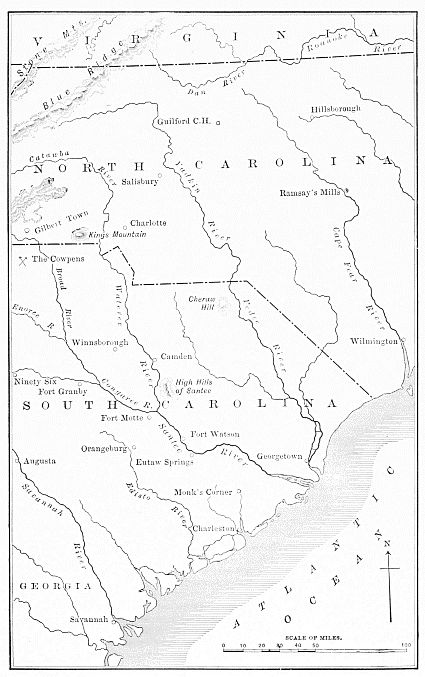
OPERATIONS IN THE CAROLINAS, JANUARY TO SEPTEMBER, 1781.
Further manœuvres
It had not been a part of Greene’s plan to retreat any farther. He had
intended to offer battle at this point, and had sent word to Steuben to
forward reinforcements from Virginia for this purpose. But Arnold’s
invasion of Virginia had so far taxed the good baron’s resources that he
had not yet been able to send on the reinforcements; and as Greene’s
force was still inferior to the enemy’s, he decided to continue his
retreat. After five days of fencing, he placed his army on the north
side of the Dan, a broad and rapid stream, which Cornwallis had no
means of crossing. Thus baulked of his prey, the earl proceeded to
Hillsborough, and issued a proclamation announcing that he had conquered
North Carolina, and inviting the loyalists to rally around his standard.
A few Tories came out and enlisted, but these proceedings were soon
checked by the news that the American general had recrossed the river,
and was advancing in a threatening manner. Greene had intended to await
his reinforcements on the Virginia side of the river, but he soon saw
that it would not do to encourage the Tories by the belief that he had
abandoned North Carolina. On the 23d he recrossed the Dan, and led
Cornwallis a will-o’-the-wisp chase, marching and countermarching, and
foiling every attempt to bring him to bay, until, on the 14th of March,
having at last been reinforced till his army numbered about 1,500
Continentals and 1,800 militia, he suddenly pulled up at Guilford Court
House, and offered his adversary the long-coveted battle. Cornwallis’s
veterans numbered scarcely 2,200, but a battle had come to be for him an
absolute military necessity. He had risked everything in this long
march, and could not maintain himself in an exposed position, so far
from support, without inflicting a crushing defeat upon his opponent. To
Greene a battle was now almost equally desirable, but it need not
necessarily be an out-and-out victory: it was enough that he should
seriously weaken and damage the enemy.
Battle of Guilford, March 15
On the morning of March 15th Greene drew up his army in three lines. The
first, consisting of North Carolina militia, was placed in front of an
open cornfield. It was expected that these men would give way before the
onset of the British regulars; but it was thought that they could be
depended upon to fire two or three volleys first, and, as they were
excellent marksmen, this would make gaps in the British line. In a wood
three hundred yards behind stood the second line, consisting of Virginia
militia, whose fire was expected still further to impede the enemy’s
advance. On a hill four hundred yards in the rear of these were
stationed the regulars of Maryland and Virginia. The flanks were guarded
by Campbell’s riflemen and the cavalry under Washington and Lee. Early
in the afternoon the British opened the battle by a charge upon the
North Carolina militia, who were soon driven from the field in
confusion. The Virginia line, however, stood its ground bravely, and it
was only after a desperate struggle that the enemy slowly pushed it
back. The attack upon the third American line met with varied fortunes.
On the right the Maryland troops prevailed, and drove the British at the
point of the bayonet; but on the left the other Maryland brigade was
overpowered and forced back, with the loss of two cannon. A charge by
Colonel Washington’s cavalry restored the day, the cannon were retaken,
and for a while the victory seemed secured for the Americans. Cornwallis
was thrown upon the defensive, but after two hours of hard fighting he
succeeded in restoring order among his men and concentrating them upon
the hill near the court house, where all attempts to break their line
proved futile. As evening came on, Greene retired, with a loss of more
than 600 men, leaving the enemy in possession of the field, but too
badly crippled to move. The British fighting was magnificent,—worthy to
be compared with that of Thomas and his men at Chickamauga.[40] In the
course of five hours they had lost at least 600 men, more than one
fourth of their number. This damage was irretrievable. The little army,
thus cut down to a total of scarcely 1,600 men, although victorious,
could not afford to risk another battle. Greene’s audacious scheme was
thus crowned with success. He had lured Cornwallis far into a hostile
country, more than two hundred miles distant from his base of
operations. Retreat of CornwallisThe earl now saw too late that he had been outgeneralled. To
march back to South Carolina was more than he dared to venture, and he
could not stay where he was. Accordingly, on the third day after the
battle of Guilford, abandoning his wounded, Cornwallis started in all
haste for Wilmington, the nearest point on the coast at which he could
look for aid from the fleet.[41]
He abandons the Carolinas, and marches into Virginia
By this movement Lord Cornwallis virtually gave up the game. The battle
of Guilford, though tactically a defeat for the Americans, was
strategically a decisive victory, and the most important one since the
capture of Burgoyne. Its full significance was soon made apparent. When
Cornwallis, on the 7th of April, arrived at Wilmington, what was he to
do next? To transport his army by sea to Charleston, and thus begin his
work over again, would be an open confession of defeat. The most
practicable course appeared to be to shift the scene altogether, and
march into Virginia, where a fresh opportunity seemed to present itself.
Sir Henry Clinton had just sent General Phillips down to Virginia, with
a force which, if combined with that of Cornwallis, would amount to more
than 5,000 men; and with this army it might prove possible to strike a
heavy blow in Virginia, and afterward invade the Carolinas from the
north. Influenced by such considerations, Cornwallis started from
Wilmington on the 25th of April, and arrived on the 20th of May at
Petersburg, in Virginia, where he effected a junction with the forces of
Arnold and Phillips. This important movement was made by Cornwallis on
his own responsibility. It was never sanctioned by Sir Henry Clinton,
and in after years it became the occasion of a bitter controversy
between the two generals; but the earl was at this time a favourite with
Lord George Germain, and the commander-in-chief was obliged to modify
his own plans in order to support a movement of which he disapproved.
Greene’s master-stroke; he returns to South Carolina, April 6-18
But while Cornwallis was carrying out this extensive change of
programme, what was his adversary doing? Greene pursued the retreating
enemy about fifty miles, from Guilford Court House to Ramsay’s Mills, a
little above the fork of the Cape Fear river, and then suddenly left him
to himself, and faced about for South Carolina. Should Cornwallis decide
to follow him, at least the state of North Carolina would be relieved;
but Greene had builded even better than he knew. He had really
eliminated Cornwallis from the game, had thrown him out on the margin of
the chessboard; and now he could go to work with his hands free and
redeem South Carolina. The strategic points there were still held by the
enemy; Camden, Ninety-Six, and Augusta were still in their possession.
Camden, the most important of all, was held by Lord Rawdon with 900 men;
and toward Camden, a hundred and sixty miles distant, Greene turned on
the 6th of April, leaving Cornwallis to make his way unmolested to the
seaboard. Greene kept his counsel so well that his own officers often
failed to understand the drift of his profound and daring strategy. The
movement which he now made had not been taken into account by
Cornwallis, who had expected by his own movements at least to detain his
adversary. That Greene should actually ignore him was an idea which he
had not yet taken in, and by the time he fully comprehended the
situation he was already on his way to Virginia, and committed to his
new programme. The patriots in South Carolina had also failed to
understand Greene’s sweeping movements, and his long absence had cast
down their hopes; but on his return without Cornwallis, there was a
revulsion of feeling. People began to look for victory.
and, by taking Fort Watson, cuts Lord Rawdon’s
communications, April 23
On the 18th of April the American army approached Camden, while Lee was
detached to coöperate with Marion in reducing Fort Watson. This
stronghold, standing midway between Camden and Charleston, commanded
Lord Rawdon’s line of communications with the coast. The execution of
this cardinal movement was marked by a picturesque incident. Fort Watson
was built on an Indian mound, rising forty feet sheer above the
champaign country in which it stood, and had no doubt witnessed many a
wild siege before ever the white man came to Carolina. It was garrisoned
by 120 good soldiers, but neither they nor the besiegers had any cannon.
It was to be an affair of rifles. Lee looked with disgust on the low
land about him. Oh for a hill which might command this fortress even as
Ticonderoga was overlooked on that memorable day when Phillips dragged
his guns up Mount Defiance! A happy thought now flashed upon Major
Mayham, one of Marion’s officers. Why not make a hill? There grew near
by a forest of superb yellow pine, heavy and hard as stone. For five
days and nights the men worked like beavers in the depths of the wood,
quite screened from the sight of the garrison. Forest trees were felled,
and saws, chisels, and adzes worked them into shape. Great beams were
fitted with mortise and tenon; and at last, in a single night, they were
dragged out before the fortress and put together, as in an old-fashioned
New England “house-raising.” At daybreak of April 23, the British found
themselves overlooked by an enormous wooden tower, surmounted by a
platform crowded with marksmen, ready to pick off the garrison at their
leisure; while its base was protected by a breastwork of logs, behind
which lurked a hundred deadly rifles. Before the sun was an hour high, a
white flag was hung out, and Fort Watson was surrendered at discretion.
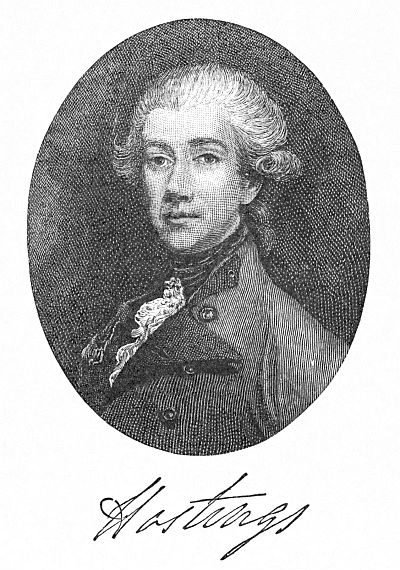
LORD RAWDON, AFTERWARD MARQUIS OF HASTINGS
Rawdon defeats Greene at Hobkirk’s Hill, April 25
While these things were going on, Greene reached Camden, and, finding
his force insufficient either to assault or to invest it, took up a
strong position at Hobkirk’s Hill, about two miles to the north. On the
25th of April Lord Rawdon advanced, to drive him from this position, and
a battle ensued, in which the victory, nearly won, slipped through
Greene’s fingers. The famous Maryland brigade, which in all these
southern campaigns had stood forth preëminent, like Cæsar’s tenth
legion,—which had been the last to leave the disastrous field of
Camden, which had overwhelmed Tarleton at the Cowpens, and had so nearly
won the day at Guilford,—now behaved badly, and, falling into confusion
through a misunderstanding of orders, deranged Greene’s masterly plan of
battle. but is none the less obliged to give up Camden and save his
army, May 10He was driven from his position, and three days later retreated
ten miles to Clermont; but, just as at Guilford, his plan of campaign
was so good that he proceeded forthwith to reap all the fruits of
victory. The fall of Fort Watson, breaking Rawdon’s communication with
the coast, made it impossible for him to stay where he was. On the 10th
of May the British general retreated rapidly, until he reached Monk’s
Corner, within thirty miles of Charleston; and the all-important post of
Camden, the first great prize of the campaign, fell into Greene’s hands.
All the inland posts taken from the British, May-June
Victories followed now in quick succession. Within three weeks Lee and
Marion had taken Fort Motte and Fort Granby, Sumter had taken
Orangeburg, and on the 5th of June, after an obstinate defence, Augusta
surrendered to Lee, thus throwing open the state of Georgia. Nothing was
left to the British but Ninety-Six, which was strongly garrisoned, and
now withstood a vigorous siege of twenty-eight days. Determined not to
lose this last hold upon the interior, and anxious to crush his
adversary in battle, if possible, Lord Rawdon collected all the force he
could, well-nigh stripping Charleston of its defenders, and thus, with
2,000 men, came up in all haste to raise the siege of Ninety-Six. His
bold movement was successful for the moment. Greene, too prudent to risk
a battle, withdrew, and the frontier fortress was relieved. It was
impossible, however, for Rawdon to hold it and keep his army there, so
far from the seaboard, after all the other inland posts had fallen, and
on the 29th of June he evacuated the place, and retreated upon
Orangeburg; while Greene, following him, took up a strong position on
the High Hills of Santee. Thus, within three months after Greene’s
return from Guilford, the upper country of South Carolina had been
completely reconquered, and only one successful battle was now needed to
drive the enemy back upon Charleston. But first it was necessary to take
some rest and recruit the little army which had toiled so incessantly
since the last December. The enemy, too, felt the need of rest, and the
heat was intolerable. Both armies, accordingly, lay and watched each
other until after the middle of August.
Rawdon goes to England
During this vacation, Lord Rawdon, worn out and ill from his rough
campaigning, embarked for England, leaving Colonel Stuart in command of
the forces in South Carolina. Greene busied himself in recruiting his
army until it numbered 2,600 men, though 1,000 of these were militia.
His position on the High Hills of Santee was, by an air line, distant
only sixteen miles from the British army. The intervening space was
filled by meadows, through which the Wateree and Congaree rivers flowed
to meet each other; and often, as now, when the swift waters, swollen by
rain, overflowed the lowlands, it seemed like a vast lake, save for the
tops of tall pine-trees that here and there showed themselves in deepest
green, protruding from the mirror-like surface. Greene understood the
value of this meadow land as a barrier, when he chose the site for his
summer camp. Greene marches against the British, Aug. 22The enemy could reach him only by a circuitous march of
seventy miles. On the 22d of August Greene broke up his camp very
quietly, and started out on the last of his sagacious campaigns. The
noonday heat was so intense that he marched only in the morning and
evening, in order to keep his men fresh and active; while by vigilant
scouting parties he so completely cut off the enemy’s means of
information that Stuart remained ignorant of his approach until he was
close at hand. The British commander then fell back upon Eutaw Springs,
about fifty miles from Charleston, where he waited in a strong
position.
Battle of Eutaw Springs, Sept. 8
The battle of Eutaw Springs may be resolved into two brief actions
between sunrise and noon of the 8th of September, 1781. In the first
action the British line was broken and driven from the field. In the
second Stuart succeeded in forming a new line, supported by a brick
house and palisaded garden, and from this position Greene was unable to
drive him. It has therefore been set down as a British victory. If so,
it was a victory followed the next evening by the hasty retreat of the
victors, who were hotly pursued for thirty miles by Marion and Lee.
Strategically considered, it was a decisive victory for the Americans.
The state government was restored to supremacy, and, though partisan
scrimmages were kept up for another year, these were but the dying
embers of the fire. The British were cooped up in Charleston till the
end of the war, protected by their ships. Less than thirteen months had
elapsed since the disaster of Camden had seemed to destroy all hope of
saving the state. All this change had been wrought by Greene’s
magnificent generalship. Coming upon the scene under almost every
imaginable disadvantage, he had reorganized the remnant of Gates’s
broken and dispirited army, he had taken the initiative from the first,
and he had held the game in his own hands till the last blow was struck.Greene’s superb generalship
So consummate had been his strategy that whether victorious or defeated
on the field, he had, in every instance, gained the object for which the
campaign was made. Under one disadvantage, indeed, he had not laboured:
he had excellent officers. Seldom has a more brilliant group been seen
than that which comprised Morgan, Campbell, Marion, Sumter, Pickens,
Otho Williams, William Washington, and the father of Robert Edward Lee.
It is only an able general, however, who knows how to use such admirable
instruments. Men of narrow intelligence do not like to have able men
about them, and do not know how to deal with them. Gates had Kalb and
Otho Williams, and put them in places where their talent was unavailable
and one of them was uselessly sacrificed, while he was too dull to
detect the extraordinary value of Marion. But genius is quick to see
genius, and knows what to do with it. Greene knew what each one of his
officers could do, and took it into the account in planning his sweeping
movements. Unless he had known that he could depend upon Morgan as
certainly as Napoleon, in after years, relied upon Davoust on the day of
Jena and Auerstadt, it would have been foolhardy for him to divide his
force in the beginning of the campaign,—a move which, though made in
apparent violation of military rules, nevertheless gave him the
initiative in his long and triumphant game. What Greene might have
accomplished on a wider field and with more ample resources can never be
known. But the intellectual qualities which he showed in his southern
campaign were those which have characterized some of the foremost
strategists of modern times.
Lord Cornwallis arrives at Petersburg, May 20, 1781
When Lord Cornwallis heard, from time to time, what was going on in
South Carolina, he was not cheered by the news. But he was too far away
to interfere, and it was on the very day of Eutaw Springs that the toils
were drawn about him which were to compass his downfall. When he reached
Petersburg, on the 20th of May, the youthful Lafayette, whom Washington
had sent down to watch and check the movements of the traitor Arnold,
was stationed at Richmond, with a little army of 3,000 men, two thirds
of them raw militia. To oppose this small force Cornwallis had now 5,000
veterans, comprising the men whom he had brought away from Guilford,
together with the forces lately under Arnold and Phillips. Arnold, after
some useless burning and plundering, had been recalled to New York.
Phillips had died of a fever just before Cornwallis arrived. The earl
entertained great hopes. His failure in North Carolina rankled in his
soul, and he was eager to make a grand stroke and retrieve his
reputation. Could the powerful state of Virginia be conquered, it
seemed as if everything south of the Susquehanna must fall, in spite of
Greene’s successes. With his soul thus full of chivalrous enterprise,
Cornwallis for the moment saw things in rose colour, and drew wrong
conclusions. He expected to find half the people Tories, and he also
expected to find a state of chronic hostility between the slaves and
their masters. On both points he was quite mistaken.
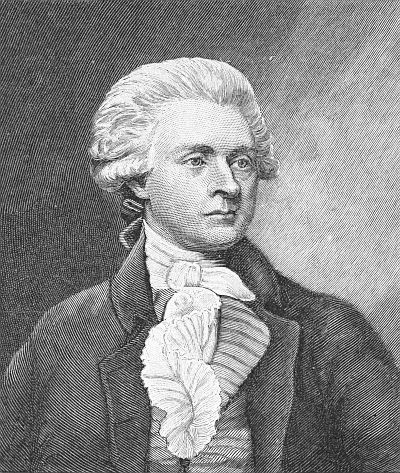
THOMAS JEFFERSON
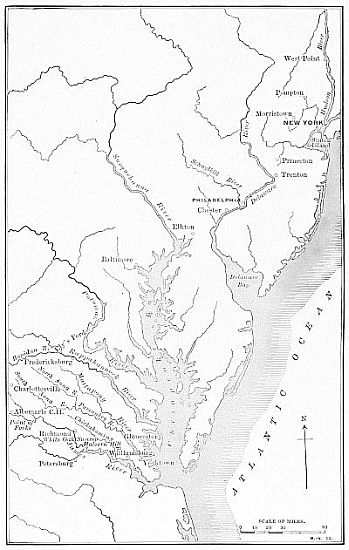
OPERATIONS IN VIRGINIA, MAY TO OCTOBER, 1781
His campaign against Lafayette
But while Cornwallis underrated the difficulty of the task, he knew,
nevertheless, that 5,000 men were not enough to conquer so strong a
state, and he tried to persuade Clinton to abandon New York, if
necessary, so that all the available British force might be concentrated
upon Virginia. Clinton wisely refused.
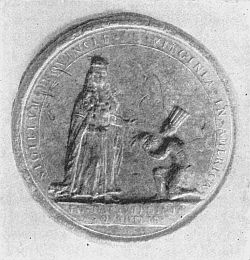
GREAT SEAL OF VIRGINIA (OBVERSE)A state like Virginia, which, for
the want of a loyalist party, could be held only by sheer conquest, was
not fit for a basis of operations against the other states; while the
abandoning of New York, the recognized strategic centre of the Atlantic
coast, would be interpreted by the whole world, not as a change of base,
but as a confession of defeat. Clinton’s opinion was thus founded upon a
truer and clearer view of the whole situation than Cornwallis’s; nor is
it likely that the latter would ever have urged such a scheme had he not
been, in such a singular and unexpected way, elbowed out of North
Carolina. Being now in Virginia, it was incumbent on him to do
something, and, with the force at his disposal, it seemed as if he might
easily begin by crushing Lafayette. “The boy cannot escape me,” said
Cornwallis; but the young Frenchman turned out to be quite capable of
taking care of himself. Although not a man of original genius, Lafayette
had much good sense and was quick at learning. He was now twenty-three
years old, buoyant and kind, full of wholesome enthusiasm, and endowed
with no mean sagacity. A Fabian policy was all that could be adopted for
the moment. When Cornwallis advanced from Petersburg to Richmond,
Lafayette began the skilful retreat which proved him an apt learner in
the school of Washington and Greene.
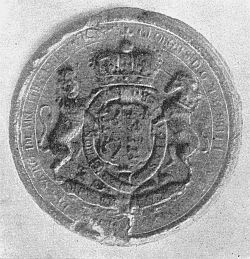
GREAT SEAL OF VIRGINIA (REVERSE)From Richmond toward
Fredericksburg—over the ground made doubly famous by the movements of
Lee and Grant—the youthful general kept up his retreat, never giving
the eager earl a chance to deal him a blow; for, as with naïve humour he
wrote to Washington, “I am not strong enough even to be beaten.” On the
4th of June Lafayette crossed the Rapidan at Ely’s Ford and placed
himself in a secure position; while Cornwallis, refraining from the
pursuit, sent Tarleton on a raid westward to Charlottesville, to break
up the legislature, which was in session there, and to capture the
governor, Thomas Jefferson. The raid, though conducted with Tarleton’s
usual vigour, failed of its principal prey; for Jefferson, forewarned in
the nick of time, got off to the mountains about twenty minutes before
the cavalry surrounded his house at Monticello. It remained for Tarleton
to seize the military stores collected at Albemarle; but on the 10th of
June Lafayette effected a junction with 1,000 Pennsylvania regulars
under Wayne, and thereupon succeeded in placing his whole force between
Tarleton and the prize he was striving to reach. Unable to break through
this barrier, Tarleton had nothing left him but to rejoin Cornwallis;
and as Lafayette’s army was reinforced from various sources until it
amounted to more than 4,000 men, he became capable of annoying the earl
in such wise as to make him think it worth while to get nearer to the
sea. Cornwallis, turning southwestward from the North Anna river, had
proceeded as far inland as Point of Forks when Tarleton joined him. On
the 15th of June, the British commander, finding that he could not
catch “the boy,” and was accomplishing nothing by his marches and
countermarches in the interior, retreated down the James river to
Richmond. Cornwallis retreats to the coast
In so doing he did not yet put himself upon the defensive.
Lafayette was still too weak to risk a battle, or to prevent his going
wherever he liked. But Cornwallis was too prudent a general to remain at
a long distance from his base of operations, among a people whom he had
found, to his great disappointment, thoroughly hostile. By retreating to
the seaboard, he could make sure of supplies and reinforcements, and
might presently resume the work of invasion. Accordingly, on the 20th he
continued his retreat from Richmond, crossing the Chickahominy a little
above White Oak Swamp, and marching down the York peninsula as far as
Williamsburg. Lafayette, having been further reinforced by Steuben, so
that his army numbered more than 5,000, pressed closely on the rear of
the British all the way down the peninsula; and on the 6th of July an
action was fought between parts of the two armies, at Green Spring, near
Williamsburg, in which the Americans were repulsed with a loss of 145
men.[42]and occupies Yorktown
The campaign was ended by the first week in August, when
Cornwallis occupied Yorktown, adding the garrison of Portsmouth to his
army, so that it numbered 7,000 men, while Lafayette planted himself on
Malvern Hill, and awaited further developments. Throughout this game of
strategy, Lafayette had shown commendable skill, proving himself a
worthy antagonist for the ablest of the British generals. But a far
greater commander than either the Frenchman or the Englishman was now to
enter most unexpectedly upon the scene. The elements of the catastrophe
were prepared, and it only remained for a master hand to strike the
blow.
Elements of the final catastrophe; arrival of the French fleet
As early as the 22d of May, just two days before the beginning of this
Virginia campaign, Washington had held a conference with Rochambeau, at
Wethersfield, in Connecticut, and it was there decided that a combined
attack should be made upon New York by the French and American armies.
If they should succeed in taking the city, it would ruin the British
cause; and, at all events, it was hoped that if New York was seriously
threatened Sir Henry Clinton would take reinforcements from Cornwallis,
and thus relieve the pressure upon the southern states. In order to
undertake the capture of New York, it would be necessary to have the aid
of a powerful French fleet; and the time had at last arrived when such
assistance was confidently to be expected. The naval war between France
and England in the West Indies had now raged for two years, with varying
fortunes. The French government had exerted itself to the utmost, and
early in the spring of this year had sent out a magnificent fleet of
twenty-eight ships-of-the-line and six frigates, carrying 1,700 guns and
20,000 men, commanded by Count de Grasse, one of the ablest of the
French admirals. It was designed to take from England the great island
of Jamaica; but as the need for naval coöperation upon the North
American coast had been strongly urged upon the French ministry, Grasse
was ordered to communicate with Washington and Rochambeau, and to seize
the earliest opportunity of acting in concert with them.
The arrival of this fleet would introduce a feature into the war such as
had not existed at any time since hostilities had begun. It would
interrupt the British control over the water. The utmost force the
British were ready to oppose to it amounted only to nineteen
ships-of-the-line, carrying 1,400 guns and 13,000 men, and this
disparity was too great to be surmounted by anything short of the genius
of a Nelson. The conditions of the struggle were thus about to be
suddenly and decisively altered. The retreat of Cornwallis upon Yorktown
had been based entirely upon the assumption of that British naval
supremacy which had hitherto been uninterrupted. The safety of his
position depended wholly upon the ability of the British fleet to
control the Virginia waters. Once let the French get the upper hand
there, and the earl, if assailed in front by an overwhelming land force,
would be literally “between the devil and the deep sea.” He would be no
better off than Burgoyne in the forests of northern New York.
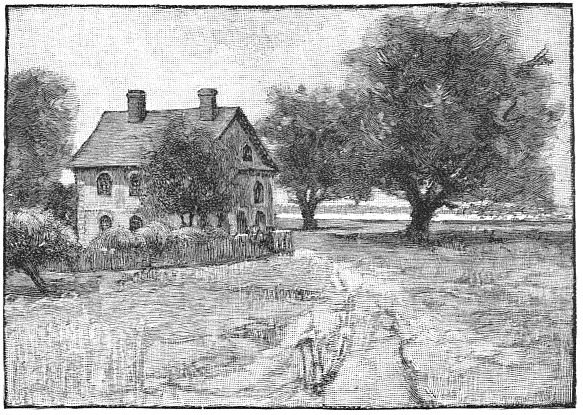
CORNWALLIS’S HEADQUARTERS AT YORKTOWN
News from Grasse and Lafayette
It was not yet certain, however, where Grasse would find it best to
strike the coast. The elements of the situation disclosed themselves but
slowly, and it required the master mind of Washington to combine them.
Intelligence travelled at snail’s pace in those days, and operations so
vast in extent were not within the compass of anything but the highest
military genius. It took ten days for Washington to hear from Lafayette,
and it took a month for him to hear from Greene, while there was no
telling just when definite information would arrive from Grasse. But so
soon as Washington heard from Greene, in April, how he had manœuvred
Cornwallis up into Virginia, he began secretly to consider the
possibility of leaving a small force to guard the Hudson, while taking
the bulk of his army southward to overwhelm Cornwallis. At the
Wethersfield conference, he spoke of this to Rochambeau, but to no one
else; and a dispatch to Grasse gave him the choice of sailing either for
the Hudson or for Chesapeake bay. So matters stood till the middle of
August, while Washington, grasping all the elements of the problem,
vigilantly watched the whole field, holding himself in readiness for
either alternative,—to strike New York close at hand, or to hurl his
army to a distance of four hundred miles. On the 14th of August a
message came from Grasse that he was just starting from the West Indies
for Chesapeake bay, with his whole fleet, and hoped that whatever the
armies had to do might be done quickly, as he should be obliged to
return to the West Indies by the middle of October. Washington could now
couple with this the information, just received from Lafayette, that
Cornwallis had established himself at Yorktown, where he had deep water
on three sides of him, and a narrow neck in front.
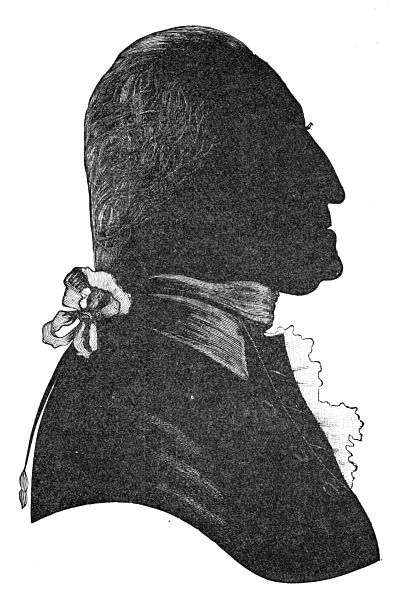
WASHINGTON SILHOUETTE BY FOLWELL
Subtle and audacious scheme of Washington
The supreme moment of Washington’s military career had come,—the moment
for realizing a conception which had nothing of a Fabian character about
it, for it was a conception of the same order as those in which Cæsar
and Napoleon dealt. He decided at once to transfer his army to Virginia
and overwhelm Cornwallis. He had everything in readiness. The army of
Rochambeau had marched through Connecticut, and joined him on the Hudson
in July. He could afford to leave West Point with a comparatively small
force, for that strong fortress could be taken only by a regular siege,
and he had planned his march so as to blind Sir Henry Clinton
completely. This was one of the finest points in Washington’s scheme, in
which the perfection of the details matched the audacious grandeur of
the whole. Sir Henry was profoundly unconscious of any such movement as
Washington was about to execute; but he was anxiously looking out for an
attack upon New York. Now, from the American headquarters near West
Point, Washington could take his army more than half way through New
Jersey without arousing any suspicion at all; for the enemy would be
sure to interpret such a movement as preliminary to an occupation of
Staten Island, as a point from which to assail New York. Sir Henry knew
that the French fleet might be expected at any moment; but he had not
the clue which Washington held, and his anxious thoughts were concerned
with New York harbour, not with Chesapeake Bay. Besides all this, the
sheer audacity of the movement served still further to conceal its true
meaning. It would take some time for the enemy to comprehend so huge a
sweep as that from New York to Virginia, and doubtless Washington could
reach Philadelphia before his purpose could be fathomed.
He transfers his army to Virginia, Aug. 19-Sept. 18
The events justified his foresight. On the 19th of August, five days
after receiving the dispatch from Grasse, Washington’s army crossed the
Hudson at King’s Ferry, and began its march. Lord Stirling was left with
a small force at Saratoga, and General Heath, with 4,000 men, remained
at West Point. Washington took with him southward 2,000 Continentals and
4,000 Frenchmen. It was the only time during the war that French and
American land forces marched together, save on the occasion of the
disastrous attack upon Savannah. None save Washington and Rochambeau
knew whither they were going. So precious was the secret that even the
general officers supposed, until New Brunswick was passed, that their
destination was Staten Island. So rapid was the movement that, however
much the men might have begun to wonder, they had reached Philadelphia
before the purpose of the expedition was distinctly understood.
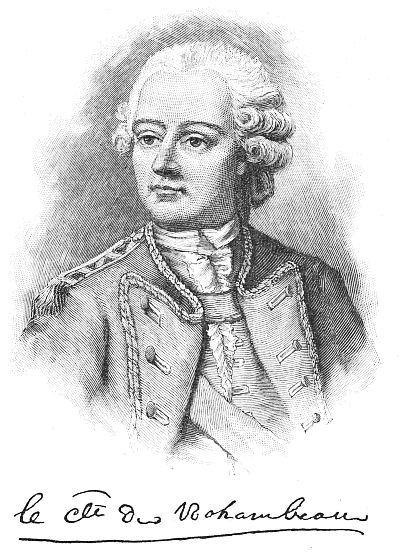
As the army marched through the streets of Philadelphia, there was an
outburst of exulting hope. The plan could no longer be hidden. Congress
was informed of it, and a fresh light shone upon the people, already
elated by the news of Greene’s career of triumph. The windows were
thronged with fair ladies, who threw sweet flowers on the dusty soldiers
as they passed, while the welkin rang with shouts, anticipating the
great deliverance that was so soon to come. The column of soldiers, in
the loose order adapted to its rapid march, was nearly two miles in
length. First came the war-worn Americans, clad in rough toggery, which
eloquently told the story of the meagre resources of a country without a
government. Then followed the gallant Frenchmen, clothed in gorgeous
trappings, such as could be provided by a government which at that time
took three fourths of the earnings of its people in unrighteous
taxation. There was some parading of these soldiers before the president
of Congress, but time was precious. Washington, in his eagerness
galloping on to Chester, received and sent back the joyful intelligence
that Grasse had arrived in Chesapeake bay, and then the glee of the
people knew no bounds. Bands of music played in the streets, every house
hoisted its stars-and-stripes, and all the roadside taverns shouted
success to the bold general. “Long live Washington!” was the toast of
the day. “He has gone to catch Cornwallis in his mousetrap!”
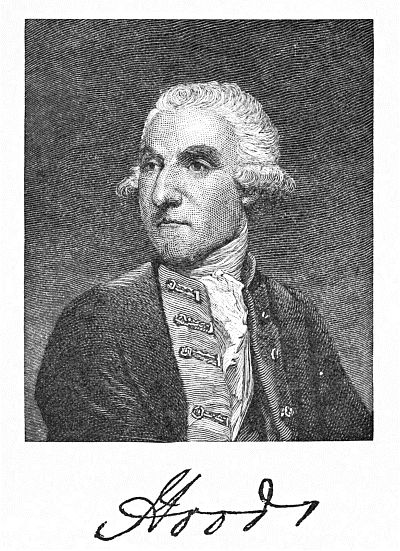
But these things did not stop for a moment the swift advance of the
army. It was on the 1st of September that they left Trenton behind them,
and by the 5th they had reached the head of Chesapeake bay, whence they
were conveyed in ships, and reached the scene of action, near Yorktown,
by the 18th.
Movements of the fleets
Meanwhile, all things had been working together most auspiciously. On
the 31st of August the great French squadron had arrived on the scene,
and the only Englishman capable of defeating it, under the existing
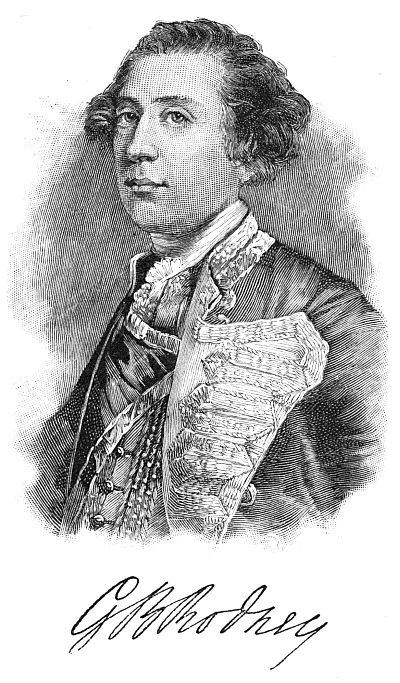
odds, was far away. Admiral Rodney’s fleet had followed close upon its
heels from the West Indies, but Rodney himself was not in command. He
had been taken ill suddenly, and had sailed for England, and Sir Samuel
Hood commanded the fleet. Hood outsailed Grasse, passed him on the ocean
without knowing it, looked in at the Chesapeake on the 25th of August,
and, finding no enemy there, sailed on to New York to get instructions
from Admiral Graves, who commanded the naval force in the North, This
was the first that Graves or Clinton knew of the threatened danger. Not
a moment was to be lost. The winds were favourable, and Graves, now
chief in command, crowded sail for the Chesapeake, and arrived on the
5th of September, the very day on which Washington’s army was embarking
at the head of the great bay. Graves found the French fleet blocking the
entrance to the bay, and instantly attacked it. A decisive naval victory
for the British would at this moment have ruined everything. But after a
sharp fight of two hours’ duration, in which some 700 men were killed
and wounded on the two fleets, Admiral Graves withdrew.
 Three of his
ships were badly damaged, and after manœuvering for four days he
returned, baffled and despondent, to New York, leaving Grasse in full
possession of the Virginia waters. The toils were thus fast closing
around Lord Cornwallis. He knew nothing as yet of Washington’s approach,
but there was just a chance that he might realize his danger, and,
crossing the James river, seek safety in a retreat upon North Carolina.
Lafayette forestalled this solitary chance. Immediately upon the arrival
of the French squadron, the troops of the Marquis de Saint-Simon, 3,000
in number, had been set on shore and added to Lafayette’s army; and with
this increased force, now amounting to more than 8,000 men, “the boy”
came down on the 7th of September, and took his stand across the neck of
the peninsula at Williamsburg, cutting off Cornwallis’s retreat.
Three of his
ships were badly damaged, and after manœuvering for four days he
returned, baffled and despondent, to New York, leaving Grasse in full
possession of the Virginia waters. The toils were thus fast closing
around Lord Cornwallis. He knew nothing as yet of Washington’s approach,
but there was just a chance that he might realize his danger, and,
crossing the James river, seek safety in a retreat upon North Carolina.
Lafayette forestalled this solitary chance. Immediately upon the arrival
of the French squadron, the troops of the Marquis de Saint-Simon, 3,000
in number, had been set on shore and added to Lafayette’s army; and with
this increased force, now amounting to more than 8,000 men, “the boy”
came down on the 7th of September, and took his stand across the neck of
the peninsula at Williamsburg, cutting off Cornwallis’s retreat.
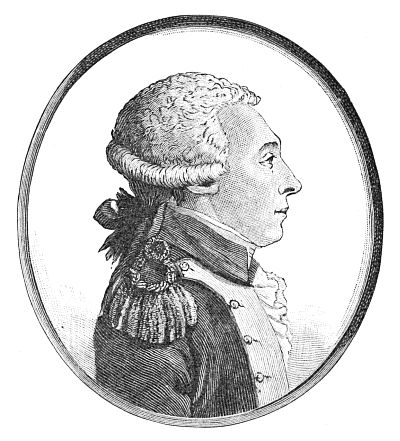
MARQUIS DE LAFAYETTE
Cornwallis surrounded at Yorktown
Thus, on the morning of the 8th, the very day on which Greene, in South
Carolina, was fighting his last battle at Eutaw Springs, Lord
Cornwallis, in Virginia, found himself surrounded. The door of the
mousetrap was shut. Still, but for the arrival of Washington, the plan
would probably have failed. It was still in Cornwallis’s power to burst
the door open. His force was nearly equal to Lafayette’s in numbers, and
better in quality, for Lafayette’s contained 3,000 militia. Cornwallis
carefully reconnoitred the American lines, and seriously thought of
breaking through; but the risk was considerable, and heavy loss was
inevitable. He had not the slightest inkling of Washington’s movements,
and he believed that Graves would soon return with force enough to drive
away Grasse’s blockading squadron. So he decided to wait before striking
a hazardous blow. It was losing his last chance. On the 14th Washington
reached Lafayette’s headquarters, and took command. On the 18th the
northern army began arriving in detachments, and by the 26th it was all
concentrated at Williamsburg, more than 16,000 strong. The problem was
solved. The surrender of Cornwallis was only a question of time. It was
the great military surprise of the Revolutionary War. Had any one
predicted, eight months before, that Washington on the Hudson and
Cornwallis on the Catawba, eight hundred miles apart, would so soon come
together and terminate the war on the coast of Virginia, he would have
been thought a wild prophet indeed. For thoroughness of elaboration and
promptness of execution, the movement, on Washington’s part, was as
remarkable as the march of Napoleon in the autumn of 1805, when he
swooped from the shore of the English Channel into Bavaria, and captured
the Austrian army at Ulm.
Clinton’s attempt at a counterstroke
By the 2d of September, Sir Henry Clinton, learning that the American
army had reached the Delaware, and coupling with this the information he
had got from Admiral Hood, began to suspect the true nature of
Washington’s movement, and was at his wit’s end. The only thing he could
think of was to make a counterstroke on the coast of Connecticut, and he
accordingly detached Benedict Arnold with 2,000 men to attack New
London.
Arnold’s proceedings at New London, Sept. 6It was the boast of this sturdy little state that no hostile force had
ever slept a night upon her soil. Such blows as her coast towns had
received had been dealt by an enemy who retreated as quickly as he had
come; and such was again to be the case. The approach to New London was
guarded by two forts on opposite banks of the river Thames, but Arnold’s
force soon swept up the west bank, bearing down all opposition and
capturing the city. In Fort Griswold, on the east bank, 157 militia were
gathered and made a desperate resistance. The fort was attacked by 600
regulars, and after losing 192 men, or 35 more than the entire number of
the garrison, they carried it by storm. No quarter was given, and of the
little garrison only 26 escaped unhurt.[43] The town of New London was
laid in ashes; minute-men came swarming by hundreds; the enemy
reëmbarked before sunset and returned up the Sound. And thus, on the 6th
of September, 1781, with this wanton assault upon the peaceful
neighbourhood where the earliest years of his life had been spent, the
brilliant and wicked Benedict Arnold disappears from American
history.[44]
Surrender of Cornwallis, Oct. 19, 1781
A thoroughly wanton assault it was, for it did not and could not produce
the slightest effect upon the movements of Washington. By the time the
news of it had reached Virginia, the combination against Cornwallis had
been completed, and day by day the lines were drawn more closely about
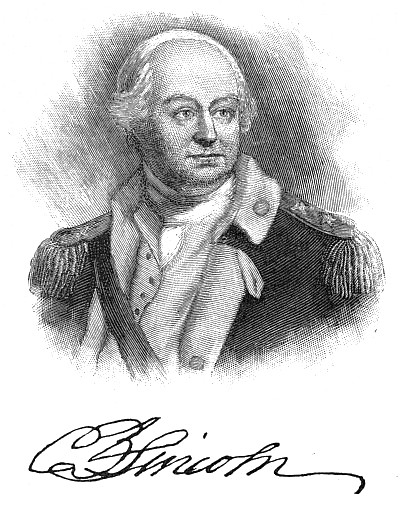
the doomed army. Yorktown was invested, and on the 6th of October the
first parallel was opened by General Lincoln. On the 11th, the second
parallel, within three hundred yards of the enemy’s works, was opened by
Steuben. On the night of the 14th Alexander Hamilton and the Baron de
Viomenil carried two of the British redoubts by storm. On the next night
the British made a gallant but fruitless sortie. By noon of the 16th
their works were fast crumbling to pieces under the fire of seventy
cannon. On the 17th—the fourth anniversary of Burgoyne’s
surrender—Cornwallis hoisted the white flag. The terms of the surrender
were like those of Lincoln’s at Charleston. The British army became
prisoners of war, subject to the ordinary rules of exchange. The only
delicate question related to the American loyalists in the army, whom
Cornwallis felt it wrong to leave in the lurch. This point was neatly
disposed of by allowing him to send a ship to Sir Henry Clinton, with
news of the catastrophe, and to embark in it such troops as he might
think proper to send to New York, and no questions asked. On a little
matter of etiquette the Americans were more exacting. The practice of
playing the enemy’s tunes had always been cherished as an inalienable
prerogative of British soldiery; and at the surrender of Charleston, in
token of humiliation, General Lincoln’s army had been expressly
forbidden to play any but an American tune. Colonel Laurens, who now
conducted the negotiations, directed that Lord Cornwallis’s sword should
be received by General Lincoln, and that the army, on marching out to
lay down its arms, should play a British or a German air. There was no
help for it; and on the 19th of October, Cornwallis’s army, 7,247 in
number, with 840 seamen, marched out with colours furled and cased,
while the band played a quaint old English melody, of which the
significant title was “The World Turned Upside Down!”
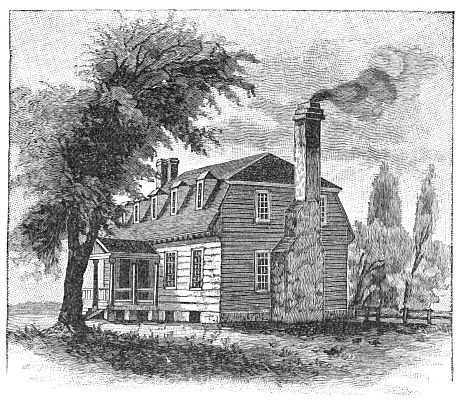
MOORE’S HOUSE, YORKTOWN, IN WHICH THE TERMS OF SURRENDER WERE ARRANGED
Importance of the aid rendered by the French fleet and army
On the very same day that Cornwallis surrendered, Sir Henry Clinton,
having received naval reinforcements, sailed from New York with
twenty-five ships-of-the-line and ten frigates, and 7,000 of his best
troops. Five days brought him to the mouth of the Chesapeake, where he
learned that he was too late, as had been the case four years before,
when he tried to relieve Burgoyne. A fortnight earlier, this force might
perhaps have seriously altered the result, for the fleet was strong
enough to dispute with Grasse the control over the coast. The French
have always taken to themselves the credit of the victory of Yorktown.
In the palace of Versailles there is a room the walls of which are
covered with huge paintings depicting the innumerable victories of
France, from the days of Chlodwig to those of Napoleon. Near the end of
the long series, the American visitor cannot fail to notice a scene
which is labelled “Bataille de Yorcktown” (misspelled, as is the
Frenchman’s wont in dealing with the words of outer barbarians), in
which General Rochambeau occupies the most commanding position, while
General Washington is perforce contented with a subordinate place. This
is not correct history, for the glory of conceiving and conducting the
movement undoubtedly belongs to Washington. But it should never be
forgotten, not only that the 4,000 men of Rochambeau and the 3,000 of
Saint-Simon were necessary for the successful execution of the plan, but
also that without the formidable fleet of Grasse the plan could not even
have been made. How much longer the war might have dragged out its
tedious length, or what might have been its final issue, without this
timely assistance, can never be known; and our debt of gratitude to
France for her aid on this supreme occasion is something which should
always be duly acknowledged.[45]
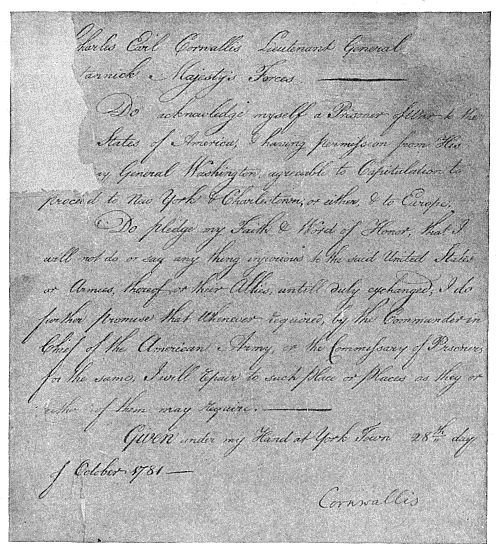
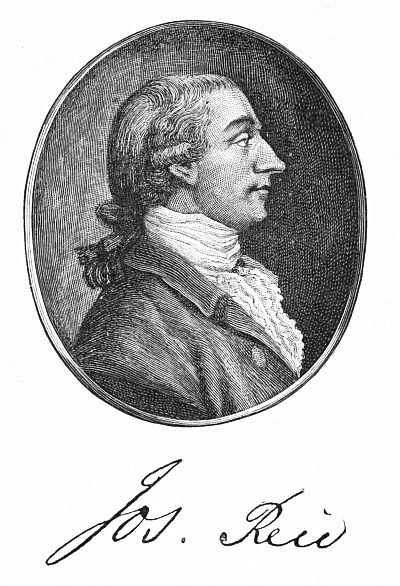
PAROLE OF CORNWALLIS
Effect of the news in England
Early on a dark morning of the fourth week in October, an honest old
German, slowly pacing the streets of Philadelphia on his night watch,
began shouting, “Basht dree o’glock, und Gornvallis ish dakendt!” and
light sleepers sprang out of bed and threw up their windows.
Washington’s courier laid the dispatches before Congress in the
forenoon, and after dinner a service of prayer and thanksgiving was held
in the Lutheran Church. At New Haven and Cambridge the students sang
triumphal hymns, and every village green in the country was ablaze with
bonfires. The Duke de Lauzun sailed for France in a swift ship, and on
the 27th of November all the houses in Paris were illuminated, and the
aisles of Notre Dame resounded with the Te Deum. At noon of November
25th, the news was brought to Lord George Germain, at his house in Pall
Mall. Getting into a cab, he drove hastily to the Lord Chancellor’s
house in Great Russell Street, Bloomsbury, and took him in; and then
they drove to Lord North’s office in Downing Street. At the staggering
news, all the Prime Minister’s wonted gayety forsook him. He walked
wildly up and down the room, throwing his arms about and crying, “O God!
it is all over! it is all over! it is all over!” A dispatch was sent to
the king at Kew, and when Lord George received the answer that evening,
at dinner, he observed that his Majesty wrote calmly, but had forgotten
to date his letter,—a thing which had never happened before.
“The tidings,” says Wraxall, who narrates these incidents, “were
calculated to diffuse a gloom over the most convivial society, and
opened a wide field for political speculation.” There were many people
in England, however, who looked at the matter differently from Lord
North. This crushing defeat was just what the Duke of Richmond, at the
beginning of the war, had publicly declared he hoped for. Charles Fox
always took especial delight in reading about the defeats of invading
armies, from Marathon and Salamis downward; and over the news of
Cornwallis’s surrender he leaped from his chair and clapped his hands.
In a debate in Parliament, four months before, the youthful William Pitt
had denounced the American war as “most accursed, wicked, barbarous,
cruel, unnatural, unjust, and diabolical,” which led Burke to observe,
“He is not a chip of the old block; he is the old block itself!”
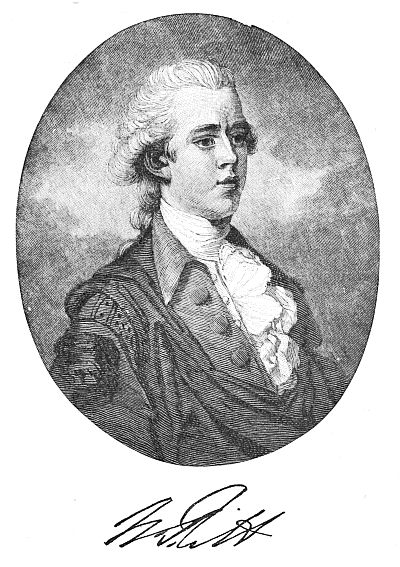
Difficult position of Great Britain
The fall of Lord North’s ministry, and with it the overthrow of the
personal government of George III., was now close at hand. For a long
time the government had been losing favour. In the summer of 1780, the
British victories in South Carolina had done something to strengthen it;
yet when, in the autumn of that year, Parliament was dissolved,
although the king complained that his expenses for purposes of
corruption had been twice as great as ever before, the new Parliament
was scarcely more favourable to the ministry than the old one.
Misfortunes and perplexities crowded in the path of Lord North and his
colleagues. The example of American resistance had told upon Ireland,
and it was in the full tide of that agitation which is associated with
the names of Flood and Grattan that the news of Cornwallis’s surrender
was received. For more than a year there had been war in India, where
Hyder Ali, for the moment, was carrying everything before him. France,
eager to regain her lost foothold upon Hindustan, sent a strong armament
thither, and insisted that England must give up all her Indian conquests
except Bengal. For a moment England’s new Eastern empire tottered, and
was saved only by the superhuman exertions of Warren Hastings, aided by
the wonderful military genius of Sir Eyre Coote. In May, 1781, the
Spaniards had taken Pensacola, thus driving the British from their last
position in Florida. In February, 1782, the Spanish fleet captured
Minorca, and the siege of Gibraltar, which had been kept up for nearly
three years, was pressed with redoubled energy. During the winter the
French recaptured St. Eustatius, and handed it over to Holland; and
Grasse’s great fleet swept away all the British possessions in the West
Indies, except Jamaica, Barbadoes, and Antigua. All this time the
Northern League kept up its jealous watch upon British cruisers in the
narrow seas, and among all the powers of Europe the government of George
III. could not find a single friend.
Rodney’s victory over Grasse, April 12, 1782
The maritime supremacy of England was, however, impaired but for a
moment. Rodney was sent back to the West Indies, and on the 12th of
April, 1782, his fleet of thirty-six ships encountered the French near
the island of Sainte-Marie-Galante. The battle of eleven hours which
ensued, and in which 5,000 men were killed or wounded, was one of the
most tremendous contests ever witnessed upon the ocean before the time
of Nelson. The French were totally defeated, and Grasse was taken
prisoner,—the first French commander-in-chief, by sea or land, who had
fallen into an enemy’s hands since Marshal Tallard gave up his sword to
Marlborough, on the terrible day of Blenheim. France could do nothing to
repair this crushing disaster. Her naval power was eliminated from the
situation at a single blow; and in the course of the summer the English
achieved another great success by overthrowing the Spaniards at
Gibraltar, after a struggle which, for dogged tenacity, is scarcely
paralleled in the annals of modern warfare. By the autumn of 1782,
England, defeated in the United States, remained victorious and defiant
as regarded the other parties to the war.
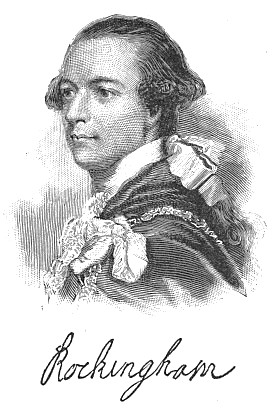
But these great successes came too late to save the doomed ministry of
Lord North. After the surrender of Cornwallis, no one but the king
thought of pursuing the war in America any further. Even the king gave
up all hope of subduing the United States; but he insisted upon
retaining the state of Georgia, with the cities of Charleston and New
York; and he vowed that, rather than acknowledge the independence of the
United States, he would abdicate the throne and retire to Hanover. Lord
George Germain was dismissed from office, Sir Henry Clinton was
superseded by Sir Guy Carleton, and the king began to dream of a new
campaign. But his obstinacy was of no avail. During the winter and
spring, General Wayne, acting under Greene’s orders, drove the British
from Georgia, while at home the country squires began to go over to the
opposition; and Lord North, utterly discouraged and disgusted, refused
any longer to pursue a policy of which he disapproved. The baffled and
beaten king, like the fox in the fable, declared that the Americans were
a wretched set of knaves, and he was glad to be rid of them. The House
of Commons began to talk of a vote of censure on the administration. A
motion of Conway’s, petitioning the king to stop the war, was lost by
only a single vote; and at last, on the 20th of March, 1782, Lord North
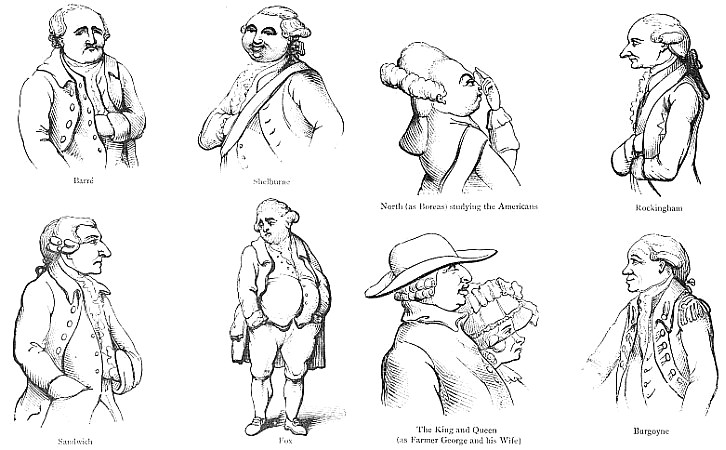
bowed to the storm, and resigned. The two sections of the Whig party
united their forces. Lord Rockingham became Prime Minister, and with him
came into office Shelburne, Camden, and Grafton, as well as Fox and
Conway, the Duke of Richmond, and Lord John Cavendish, staunch friends
of America, all of them, whose appointment involved the recognition of
the independence of the United States.
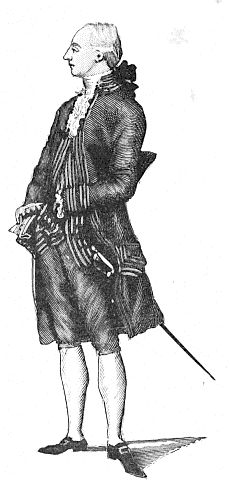 GEORGE III
Lord North observed that he had often been accused of issuing lying
bulletins, but he had never told so big a lie as that with which the new
ministry announced its entrance into power; for in introducing the name
of each of these gentlemen, the official bulletin used the words, “His
Majesty has been pleased to appoint!” It was indeed a day of bitter
humiliation for George III. and the men who had been his tools.
 But it
was a day of happy omen for the English race, in the Old World as well
as in the New. For the advent of Lord Rockingham’s ministry meant not
merely the independence of the United States; it meant the downfall of
the only serious danger with which English liberty has been threatened
since the expulsion of the Stuarts. The personal government which George
III. had sought to establish, with its wholesale corruption, its
shameless violations of public law, and its attacks upon freedom of
speech and of the press, became irredeemably discredited, and tottered
to its fall; while the great England of William III., of Walpole, of
Chatham, of the younger Pitt, of Peel, and of Gladstone was set free to
pursue its noble career. Such was the priceless boon which the younger
nation, by its sturdy insistence upon the principles of political
justice, conferred upon the elder. The decisive battle of freedom in
England, as well as in America, and in that vast colonial world for
which Chatham prophesied the dominion of the future, had now been fought
and won. And foremost in accomplishing this glorious work had been the
lofty genius of Washington, and the steadfast valour of the men who
suffered with him at Valley Forge, and whom he led to victory at
Yorktown.
But it
was a day of happy omen for the English race, in the Old World as well
as in the New. For the advent of Lord Rockingham’s ministry meant not
merely the independence of the United States; it meant the downfall of
the only serious danger with which English liberty has been threatened
since the expulsion of the Stuarts. The personal government which George
III. had sought to establish, with its wholesale corruption, its
shameless violations of public law, and its attacks upon freedom of
speech and of the press, became irredeemably discredited, and tottered
to its fall; while the great England of William III., of Walpole, of
Chatham, of the younger Pitt, of Peel, and of Gladstone was set free to
pursue its noble career. Such was the priceless boon which the younger
nation, by its sturdy insistence upon the principles of political
justice, conferred upon the elder. The decisive battle of freedom in
England, as well as in America, and in that vast colonial world for
which Chatham prophesied the dominion of the future, had now been fought
and won. And foremost in accomplishing this glorious work had been the
lofty genius of Washington, and the steadfast valour of the men who
suffered with him at Valley Forge, and whom he led to victory at
Yorktown.
In the light of the foregoing narrative it distinctly appears that,
while the American Revolution involved a military struggle between the
governments of Great Britain and the United States, it did not imply any
essential antagonism of interests or purposes between the British and
American peoples. It was not a contest between Englishmen and Americans,
but between two antagonistic principles of government, each of which had
its advocates and opponents in both countries. It was a contest between
Whig and Tory principles, and it was the temporary prevalence of Toryism
in the British government that caused the political severance between
the two countries. If the ideas of Walpole, or the ideas of Chatham,
had continued to prevail at Westminster until the end of the eighteenth
century, it is not likely that any such political severance would have
occurred. The self-government of the American colonies would not have
been interfered with, and such slight grievances as here and there
existed might easily have been remedied by the ordinary methods of
peace. The American Revolution, unlike most political revolutions, was
essentially conservative in character. It was not caused by actually
existing oppression, but by the determination to avoid possible
oppression in future. Its object was not the acquisition of new
liberties, but the preservation of old ones. The principles asserted in
the Stamp Act Congress of 1765 differed in no essential respect from
those that had been proclaimed five centuries earlier, in Earl Simon’s
Parliament of 1265. Political liberty was not an invention of the
western hemisphere; it was brought to these shores from Great Britain by
our forefathers of the seventeenth century, and their children of the
eighteenth naturally refused to surrender the treasure which from time
immemorial they had enjoyed.
The decisive incident which in the retrospect appears to have made the
Revolution inevitable, as it actually brought it upon the scene, was the
Regulating Act of April, 1774, which annulled the charter of
Massachusetts, and left that commonwealth to be ruled by a military
governor. This atrocious measure, which was emphatically condemned by
the most enlightened public sentiment in England, was the measure of a
half-crazy young king, carried through a parliament in which more than a
hundred members sat for rotten boroughs. It was the first violent
manifestation of despotic tendency at the seat of government since 1688;
and in this connection it is interesting to remember that in 1684
Charles II. had undertaken to deal with Massachusetts precisely as was
attempted ninety years later by George III. In both cases the charter
was annulled, and a military governor appointed; and in both cases the
liberties of all the colonies were openly threatened by the tyrannical
scheme. But in the earlier case the conduct of James II. at once
brought on acute irritation in England, so that the evil was promptly
removed. In the later case the evil was realized so much sooner and so
much more acutely in the colonies than in England as to result in
political separation. Instead of a general revolution, overthrowing or
promptly curbing the king, there was a partial revolution, which severed
the colonies from their old allegiance; but at the same time the success
of this partial revolution soon ended in restraining the king. The
personal government of George III. was practically ended by the election
of 1784.
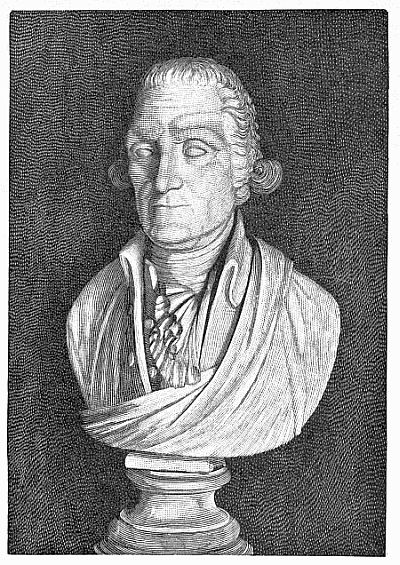
BUST OF WASHINGTON, CHRIST CHURCH, BOSTON
Throughout the war the Whigs of the mother country loyally sustained the
principles for which the Americans were fighting, and the results of the
war amply justified them. On the other hand, the Tories in America were
far from agreed in approving the policy of George III. Some of them
rivalled Thurlow and Germain in the heartiness with which they supported
the king; but others, and in all probability a far greater number,
disapproved of the king’s measures, and perceived their dangerous
tendency, but could not persuade themselves to take part in breaking up
the great empire which represented all that to their minds was best in
civilization. History is not called upon to blame these members of the
defeated party. The spirit by which they were animated is not easily
distinguishable from that which inspired the victorious party in our
Civil War. The expansion of English sway in the world was something to
which the American colonies had in no small share contributed, and the
rejoicings over Wolfe’s victory had scarcely ceased when the spectre of
fratricidal strife came looming up in the horizon. An American who
heartily disapproved of Grenville’s well-meaning blunder and Townshend’s
malicious challenge might still believe that the situation could be
rectified without the disruption of the Empire. Such was the attitude of
Thomas Hutchinson, who was surely a patriot, as honest and disinterested
as his adversary, Samuel Adams. The attitude of Hutchinson can be
perfectly understood if we compare it with that of Falkland in the days
of the Long Parliament. In the one case as in the other sound reason was
on the side of the Moderates; but their fatal weakness was that they had
no practical remedy to offer. Between George III. and Samuel Adams any
real compromise was as impossible as between Charles I. and Pym.
It was seriously feared by many patriotic Tories, like Hutchinson, that
if the political connection between the colonies and the mother country
were to be severed, the new American republics would either tear
themselves to pieces in petty and ignominious warfare, like the states
of ancient Greece, or else would sink into the position of tools for
France or Spain. The history of the thirty years after Yorktown showed
that these were not imaginary dangers. The drift toward anarchy, from
which we began to be rescued in 1787, was unmistakable; and after 1793
the determination of France to make a tool of the United States became
for some years a disturbing and demoralizing element in the political
situation. But as we look at these events retrospectively, the
conclusion to which we are driven is just opposite to that which was
entertained by the Tories. Dread of impending anarchy brought into
existence our Federal Constitution in 1787, and nothing short of that
would have done it. But for the acute distress entailed by the lack of
any stronger government than the Continental Congress, the American
people would have been no more willing to enter into a strict Federal
Union in 1787 than they had been in 1754. Instead of bringing anarchy,
the separation from Great Britain, by threatening anarchy, brought more
perfect union. In order that American problems should be worked out
successfully, independence was necessary.
It is to be regretted that the attainment of that independence must
needs have been surrounded with the bitter memories inseparable from
warfare. In such a political atmosphere as that of the ancient Greek
world it need not have been so. The Greek colony, save in two or three
exceptional cases, enjoyed complete autonomy. Corinth did not undertake
to legislate for Syracuse; but the Syracusan did not therefore cease to
regard Corinthians as his fellow-countrymen. The conceptions of
allegiance and territorial sovereignty, which grew to maturity under the
feudal system, made such relations between colony and mother state
impossible in the eighteenth century. Autonomy could not be taken for
granted, but must be won with the sword.
But while, under the circumstances, a war was inevitable, it is only
gross ignorance of history that would find in such a war any
justification for lack of cordiality between the people of the United
Kingdom and the people of the United States. As already observed, it was
not a war between the two peoples, but between two principles. The
principle of statecraft against which Washington fought no longer exists
among either British or Americans; it is as extinct as the dinosaurs. In
all good work that nations can do in the world, the British people are
our best allies; and one of the most encouraging symptoms of the
advancement of civilization in recent years is the fact that a grave
question, which in earlier times and between other nations would
doubtless have led to bloodshed, has been amicably adjusted by
arbitration. The memory of what was accomplished in 1872 at Geneva is a
prouder memory than Saratoga or Yorktown. From such an auspicious
beginning, it is not unlikely that a system may soon be developed
whereby all international questions that can arise among
English-speaking people shall admit of settlement by peaceable
discussion. It would be one of the most notable things ever done for the
welfare of mankind, and it is hoped that the closing years of our
century may be made forever illustrious by such an achievement.
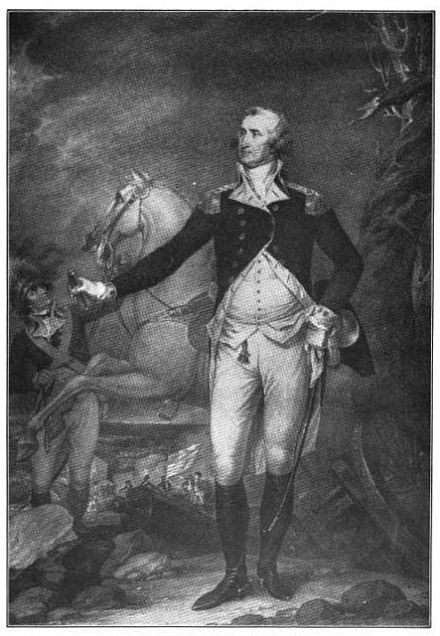
![[Illustration]](https://openoldbooks.sgp1.digitaloceanspaces.com/books/the-american-revolution/images/page004.jpg)

 interest in the movement. It does not appear that any public meetings
were held in favour of it. Among the newspapers, the only one which
warmly approved of it seems to have been the “Pennsylvania Gazette,”
edited by Benjamin Franklin, which appeared with a union device and the
motto “Unite or Die!”
interest in the movement. It does not appear that any public meetings
were held in favour of it. Among the newspapers, the only one which
warmly approved of it seems to have been the “Pennsylvania Gazette,”
edited by Benjamin Franklin, which appeared with a union device and the
motto “Unite or Die!”

![[Illustration]](https://openoldbooks.sgp1.digitaloceanspaces.com/books/the-american-revolution/images/page018.jpg)
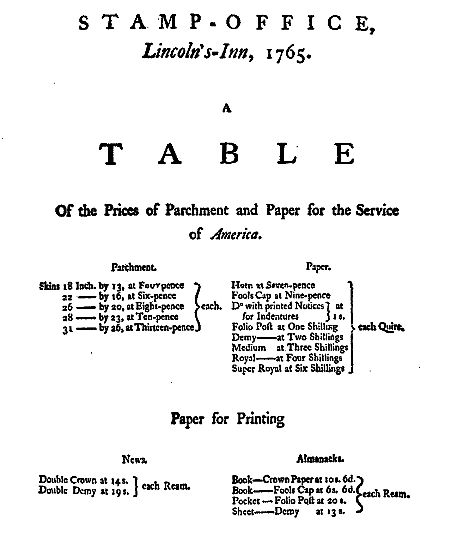
 Twelve days after, a mob
sacked the splendid house of Chief Justice Hutchinson, threw his plate
into the street, and destroyed the valuable library which he had been
thirty years in collecting, and which contained many manuscripts, the
loss of which was quite irreparable. As usual with mobs, the vengeance
fell in the wrong place, for Hutchinson had done his best to prevent the
passage of the Stamp Act. In most of the colonies, the stamp officers
were compelled to resign their posts. Boxes of stamps arriving by ship
were burned or thrown into the sea. Leading merchants agreed to import
no more goods from England, and wealthy citizens set the
Twelve days after, a mob
sacked the splendid house of Chief Justice Hutchinson, threw his plate
into the street, and destroyed the valuable library which he had been
thirty years in collecting, and which contained many manuscripts, the
loss of which was quite irreparable. As usual with mobs, the vengeance
fell in the wrong place, for Hutchinson had done his best to prevent the
passage of the Stamp Act. In most of the colonies, the stamp officers
were compelled to resign their posts. Boxes of stamps arriving by ship
were burned or thrown into the sea. Leading merchants agreed to import
no more goods from England, and wealthy citizens set the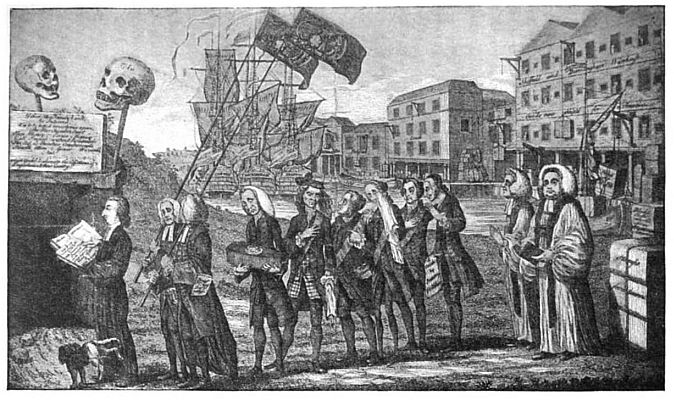
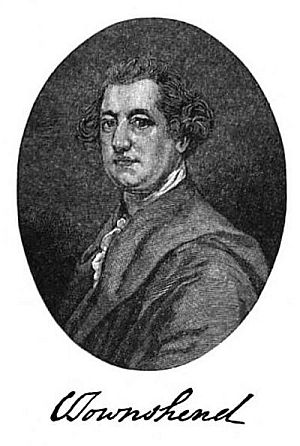
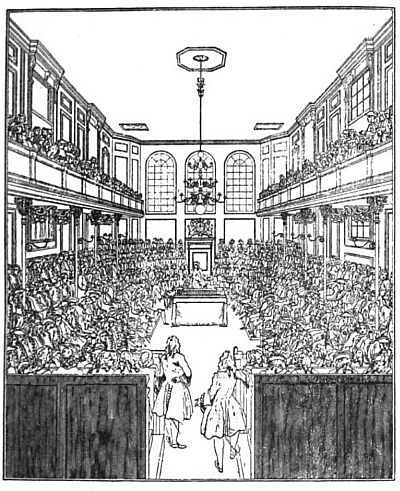
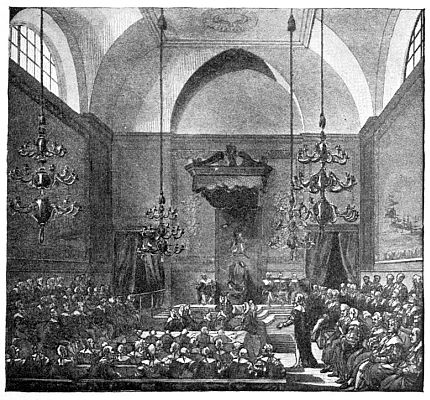
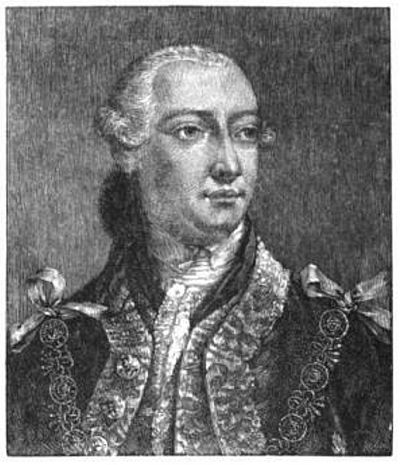

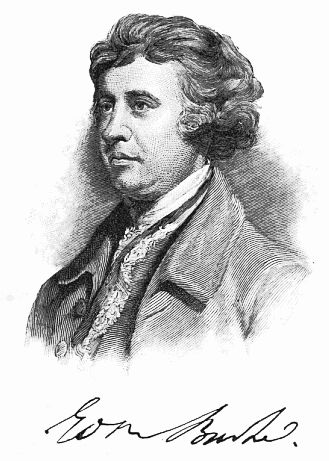
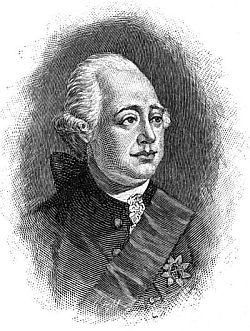

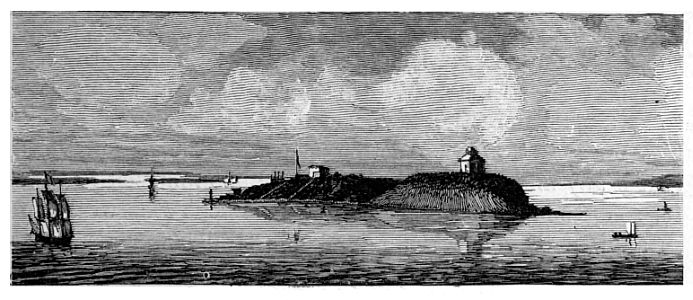
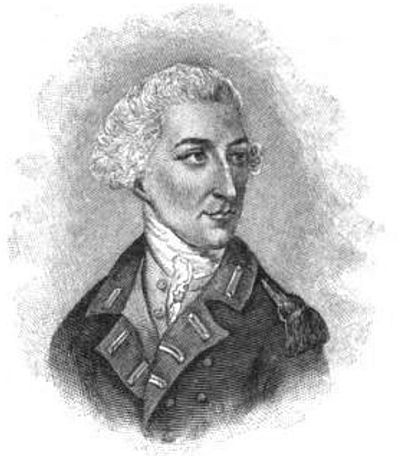
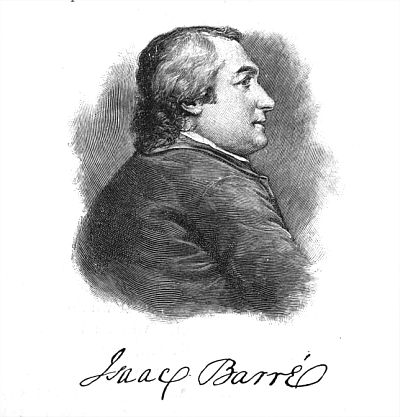
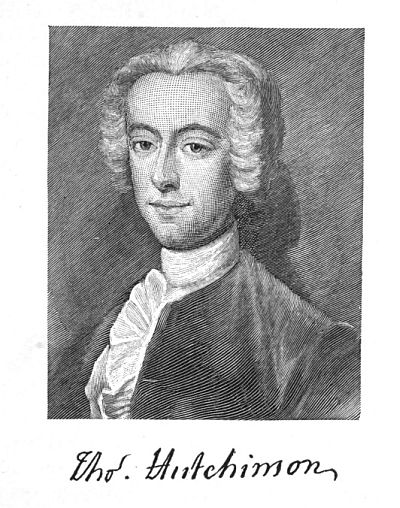
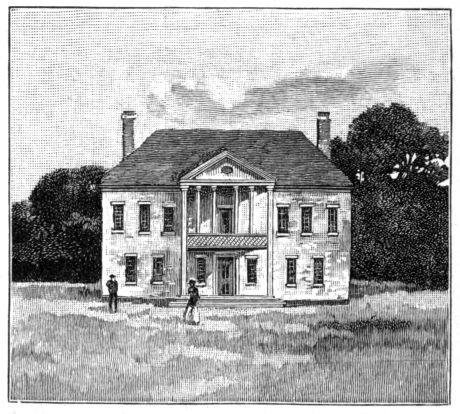
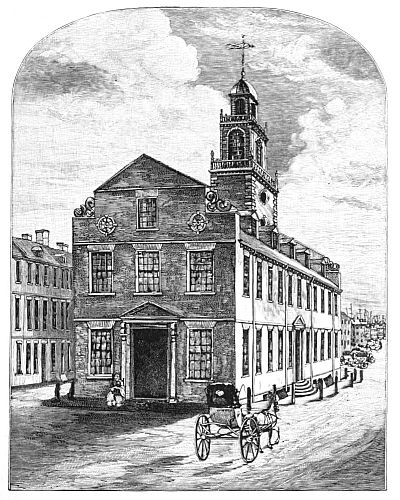
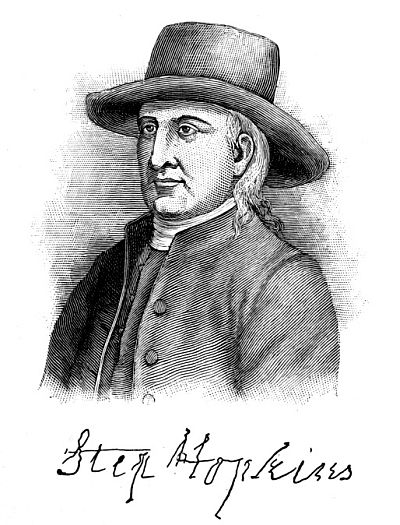
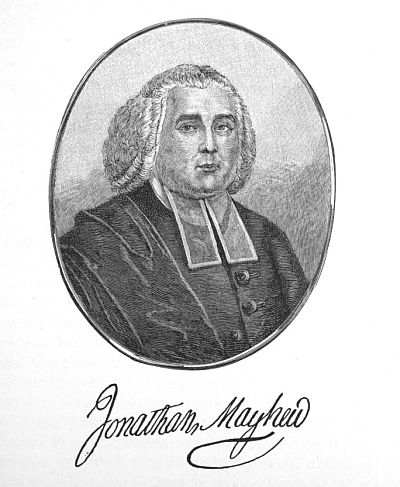

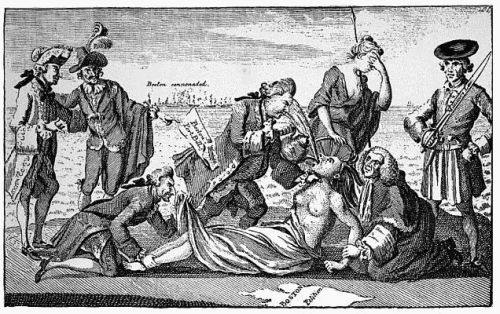
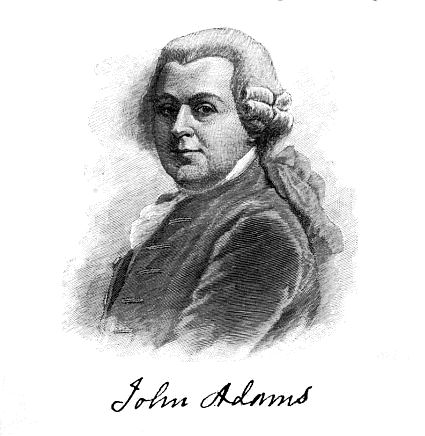
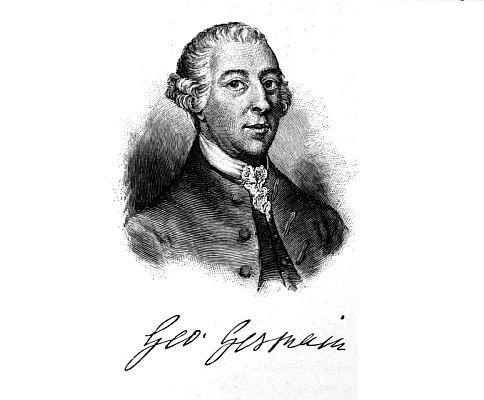
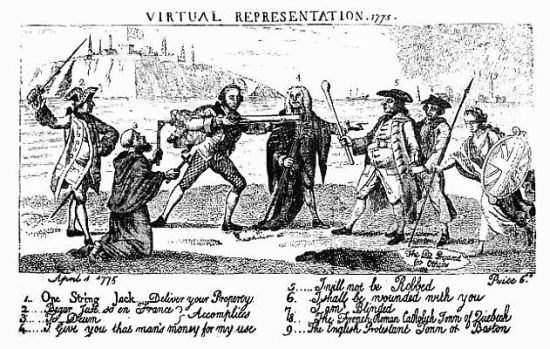
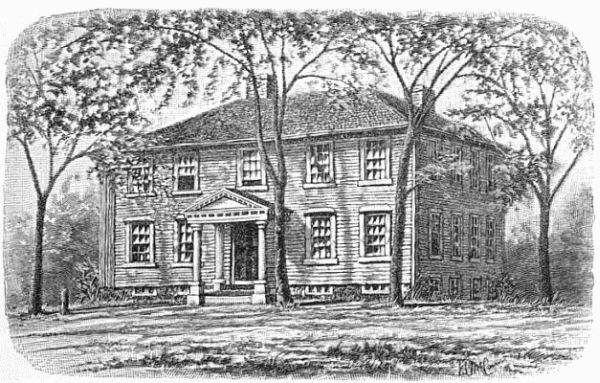
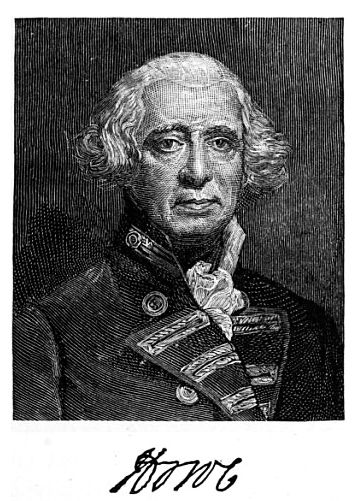
![[Illustration]](https://openoldbooks.sgp1.digitaloceanspaces.com/books/the-american-revolution/images/page125.jpg)
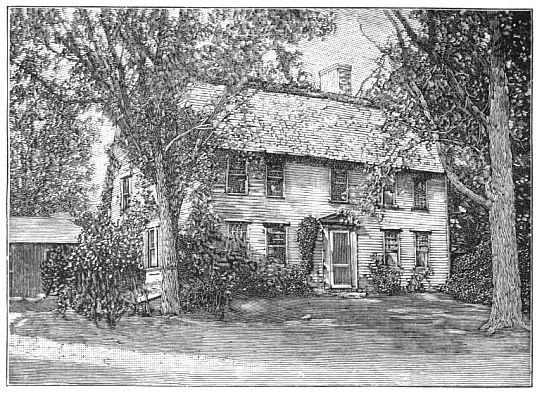
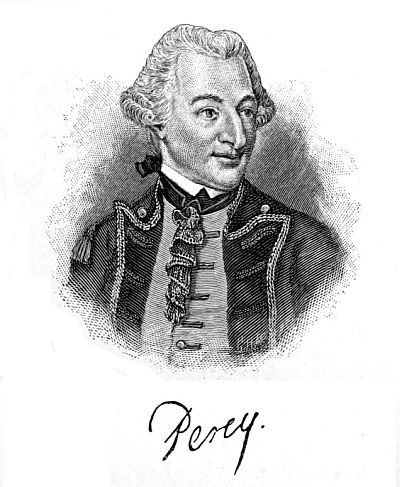
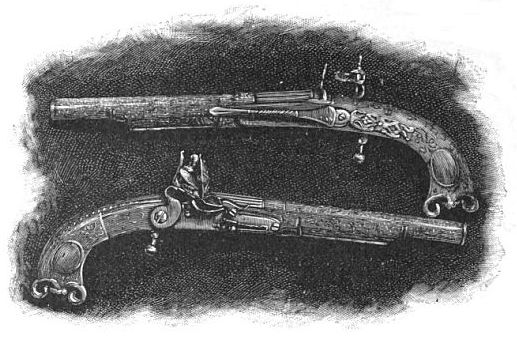
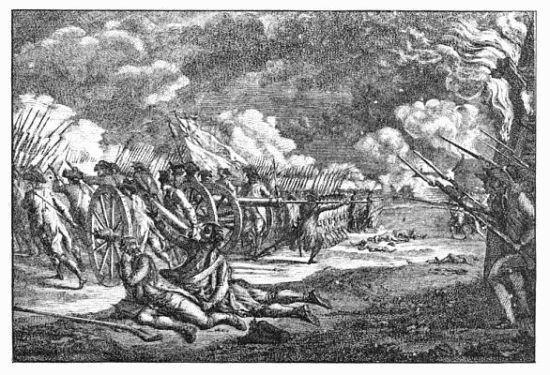
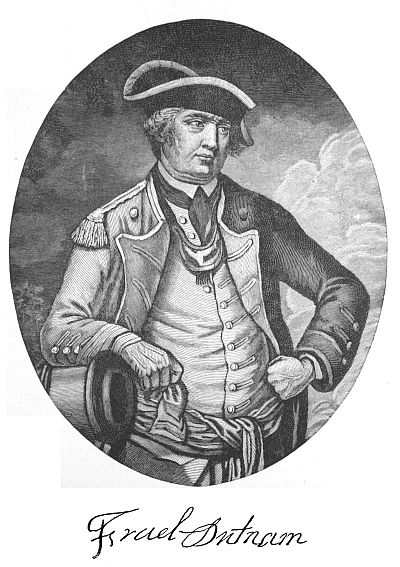
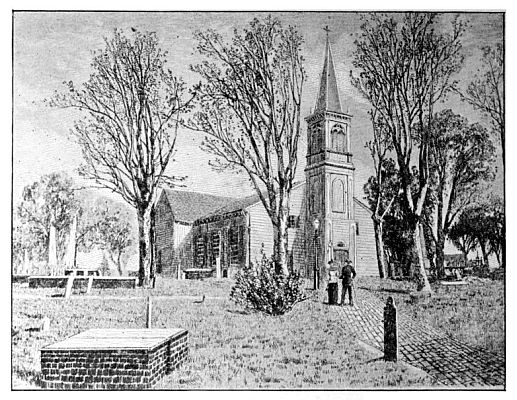
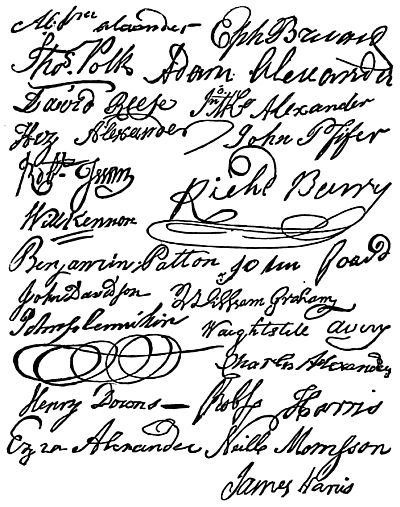
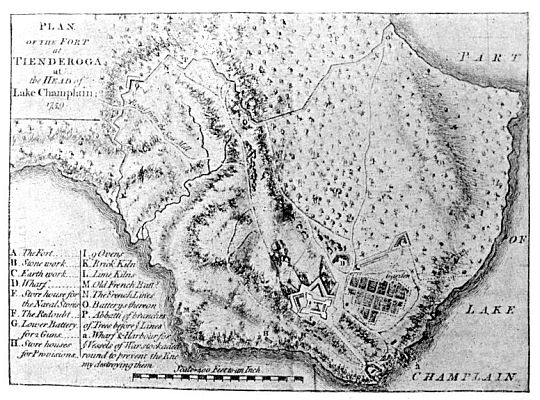
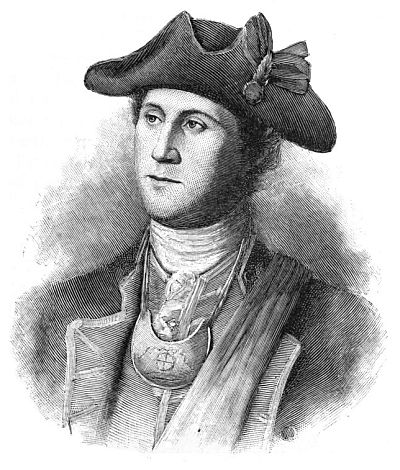
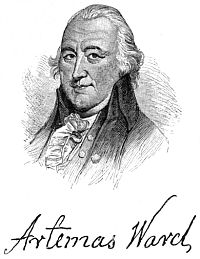
![[Signature: Wm Prescott]](https://openoldbooks.sgp1.digitaloceanspaces.com/books/the-american-revolution/images/page146.jpg)
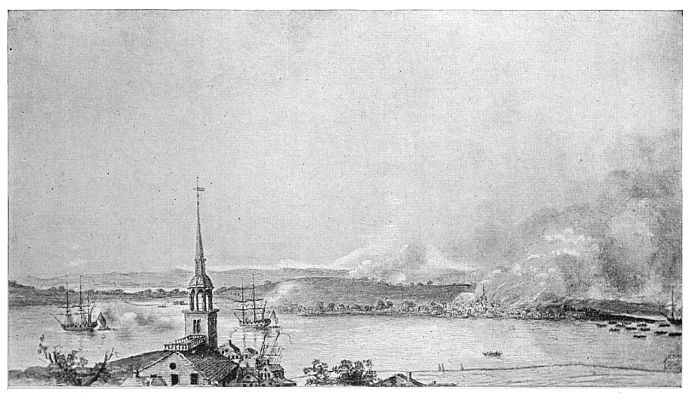

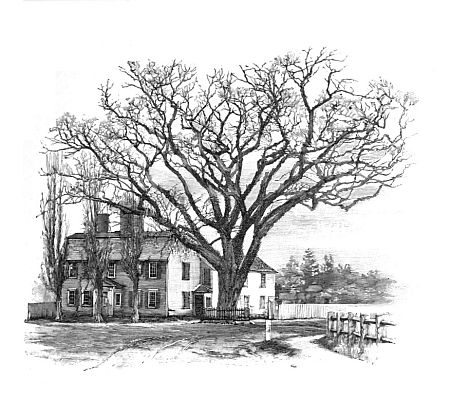
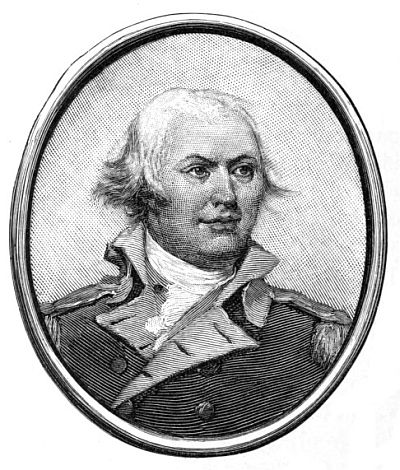
![[SILHOUETTE OF JOHN STARK]](https://openoldbooks.sgp1.digitaloceanspaces.com/books/the-american-revolution/images/page157.jpg)
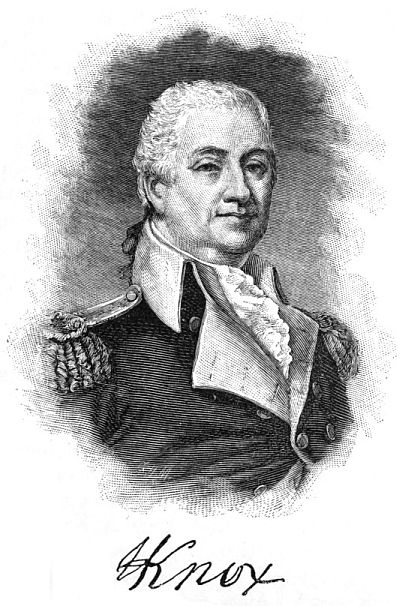
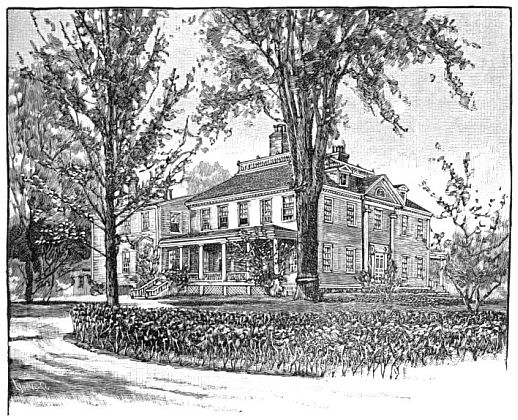
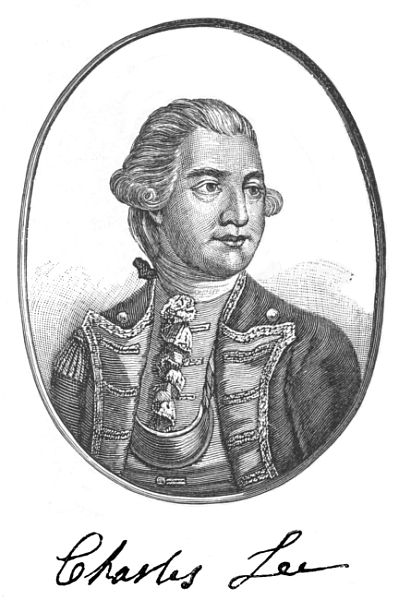
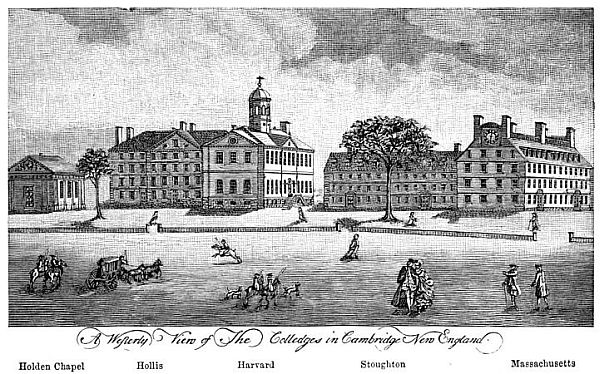
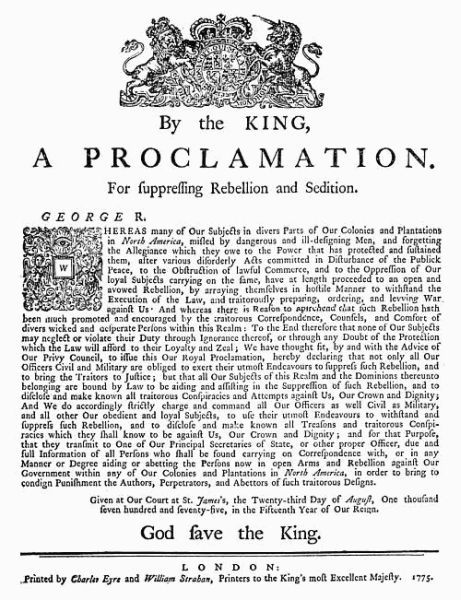
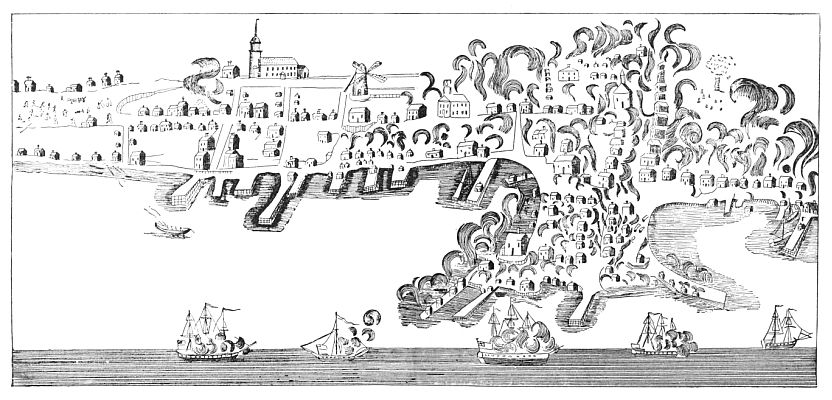
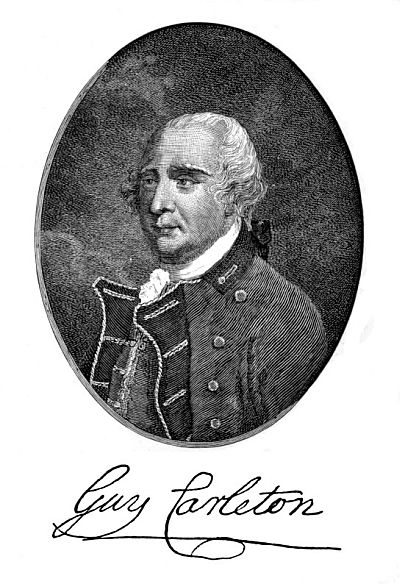
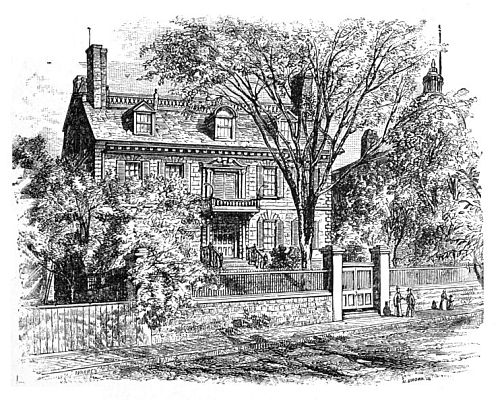
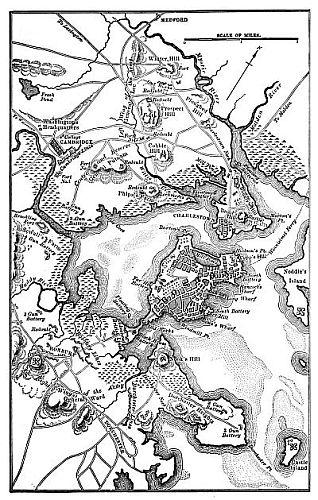
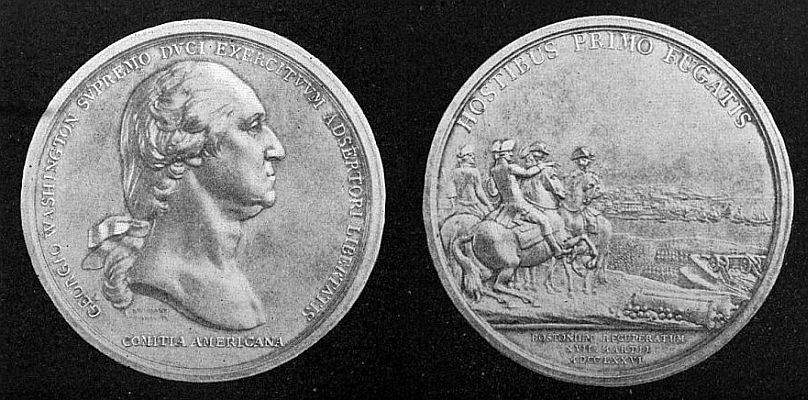
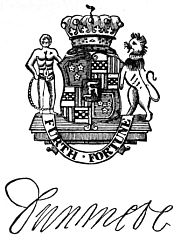
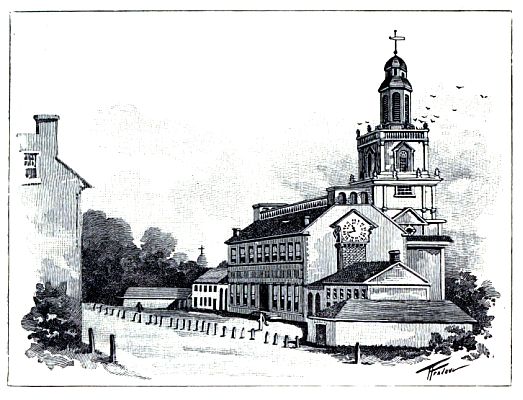
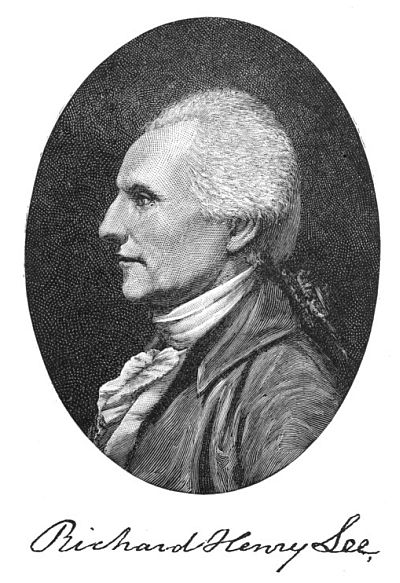
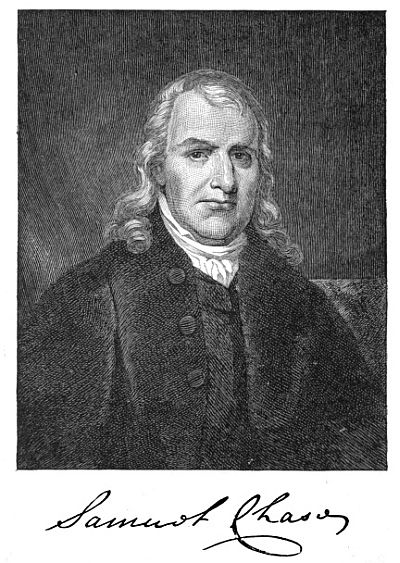
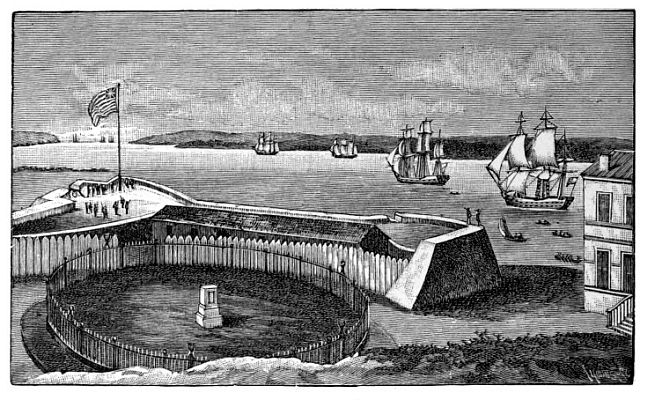
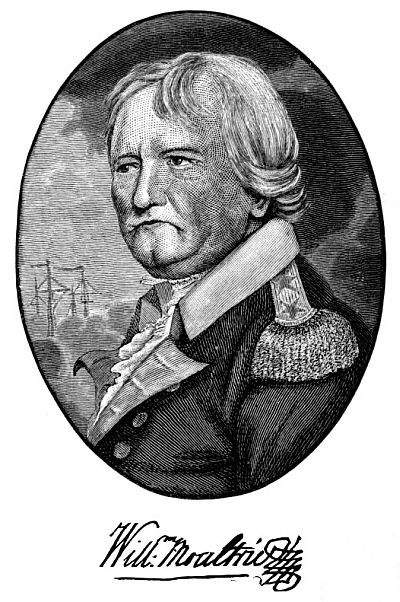
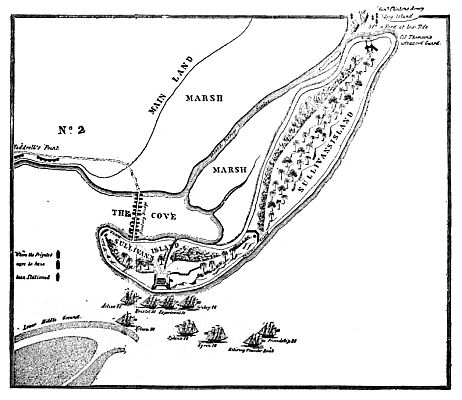
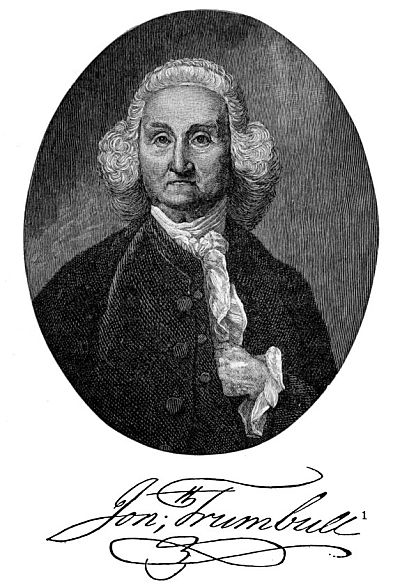
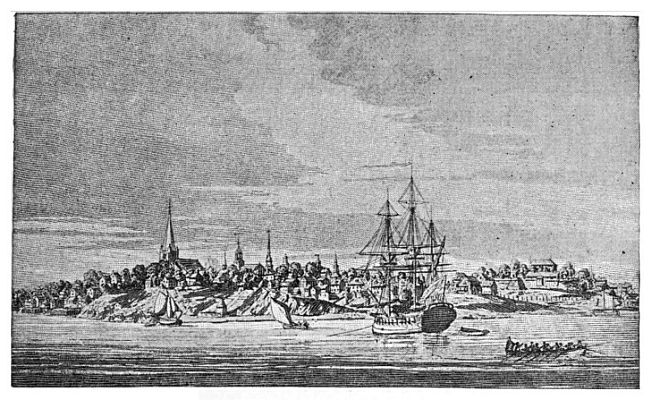
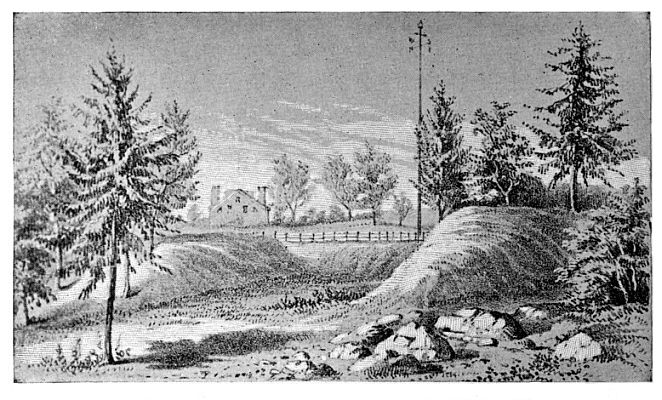
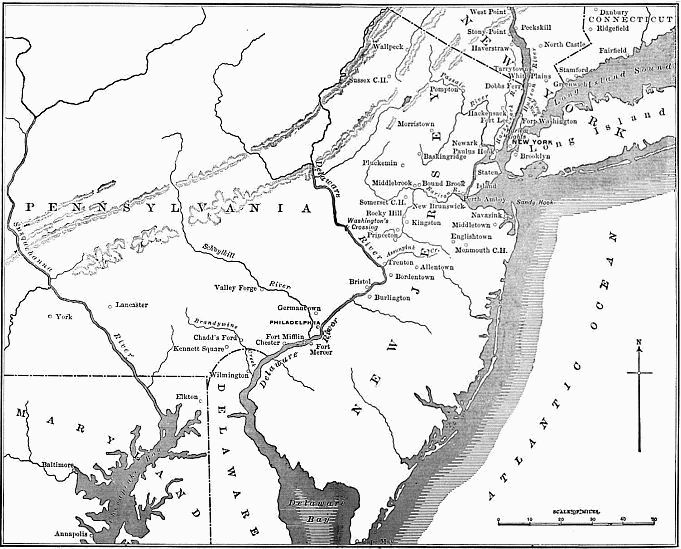
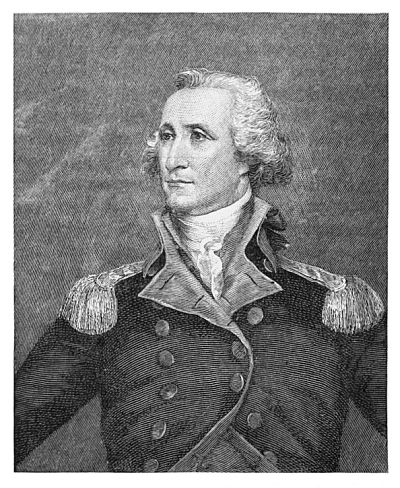
![[Illustration]](https://openoldbooks.sgp1.digitaloceanspaces.com/books/the-american-revolution/images/page243.jpg)
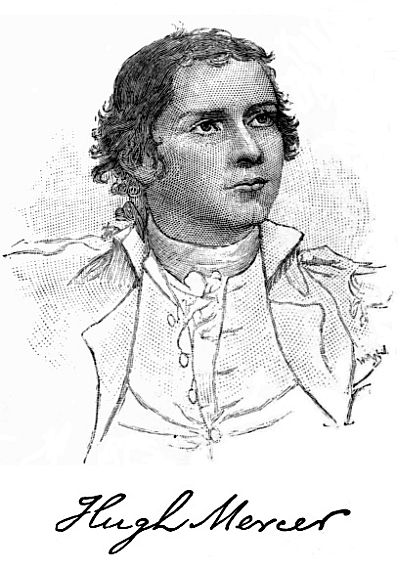
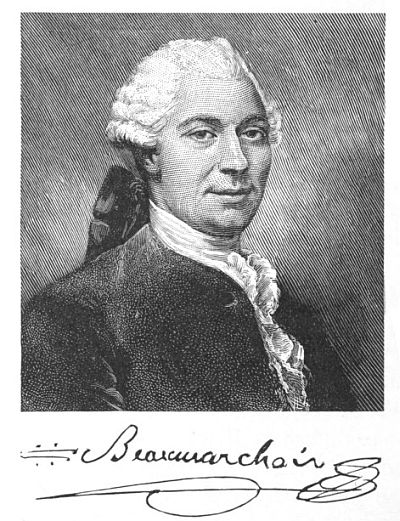
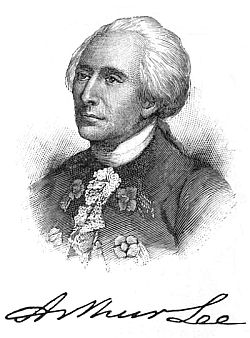
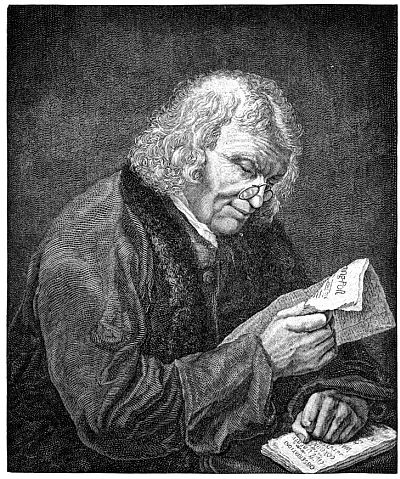
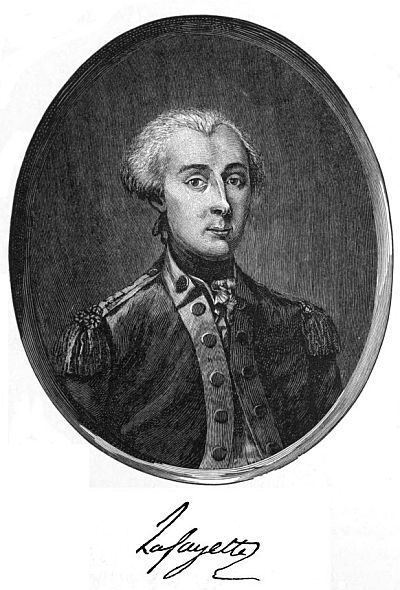
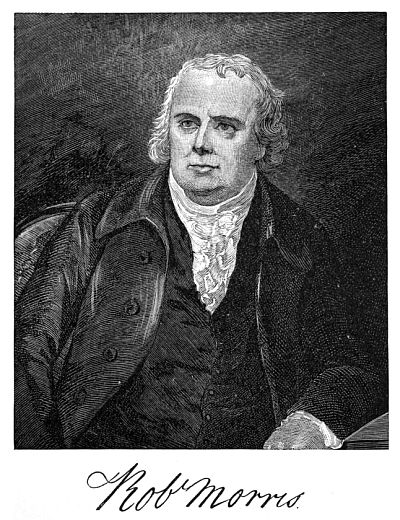
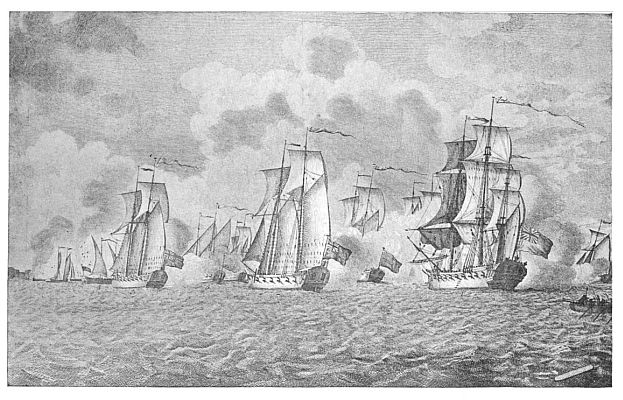
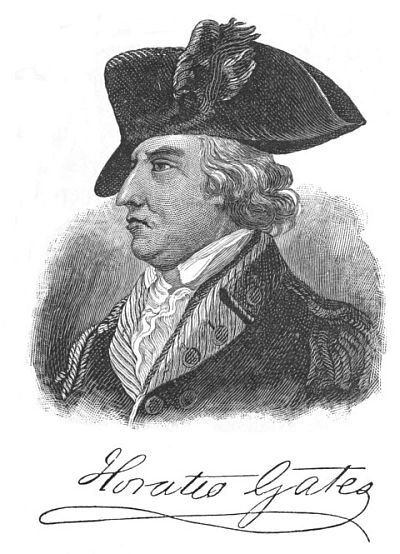
![[Illustration]](https://openoldbooks.sgp1.digitaloceanspaces.com/books/the-american-revolution/images/page270.jpg)
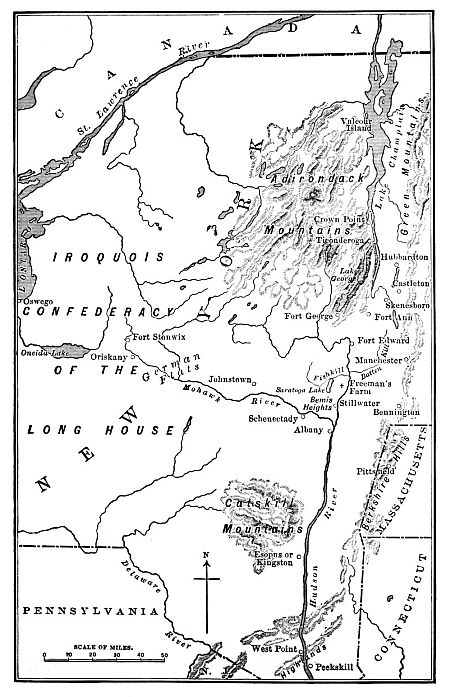
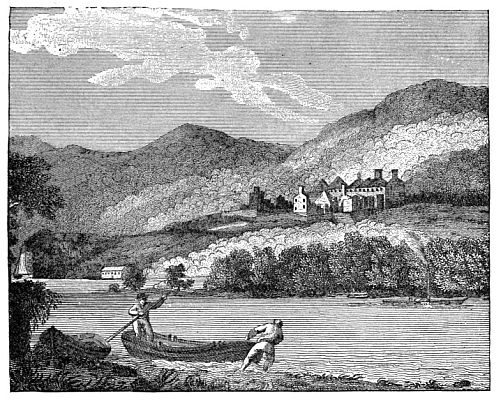
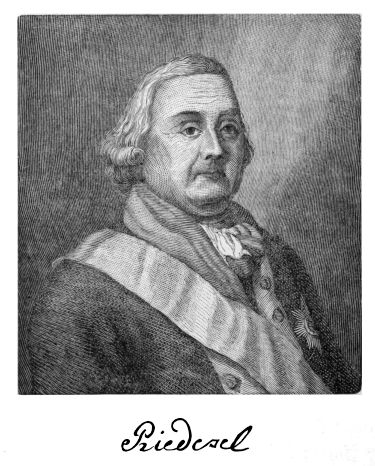
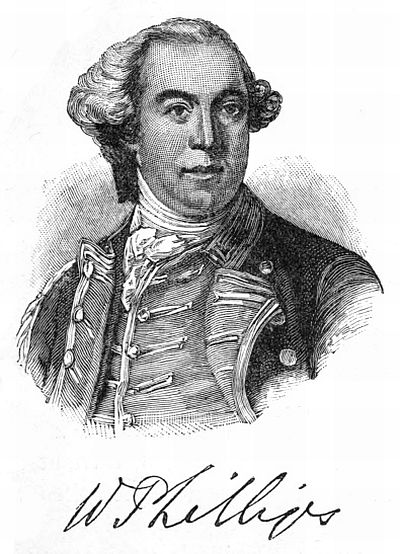
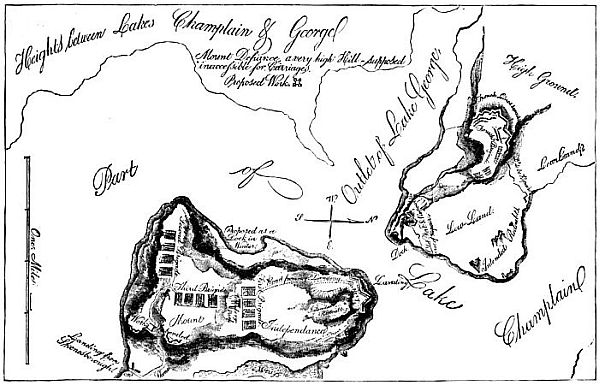
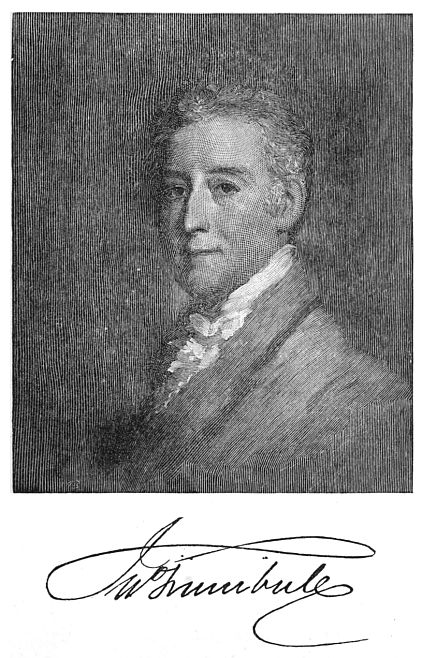
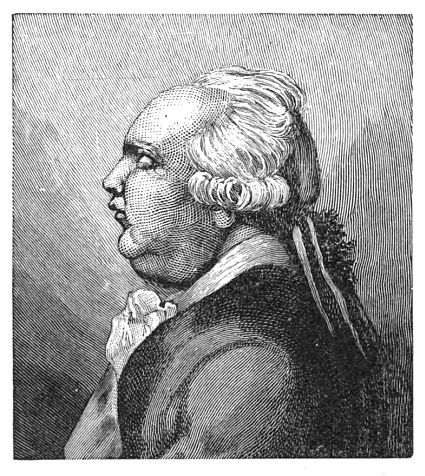
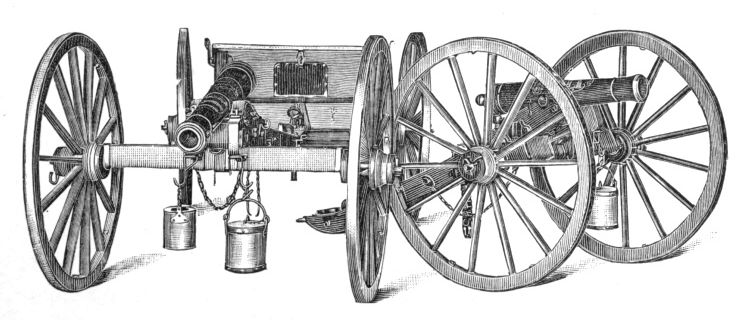
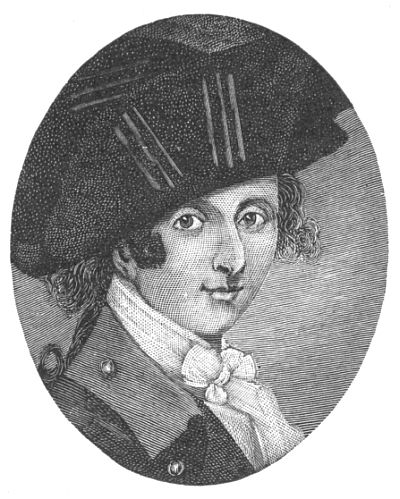
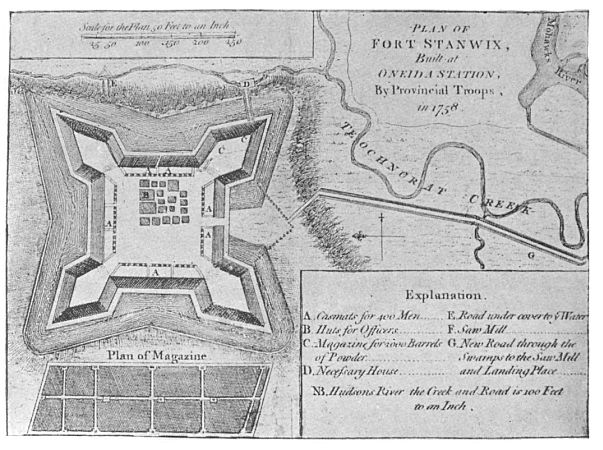
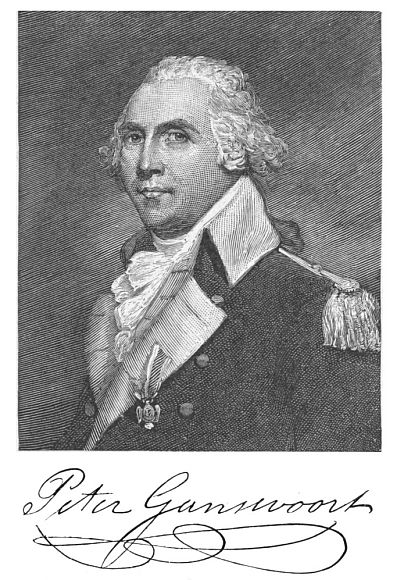
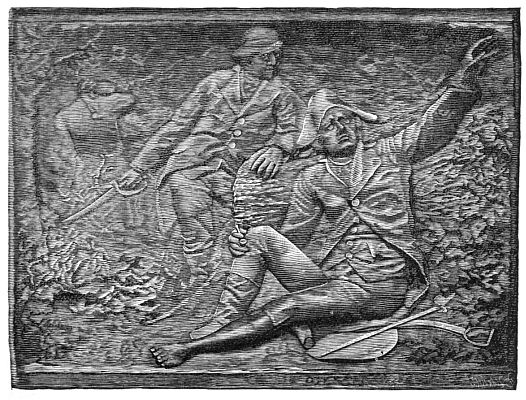
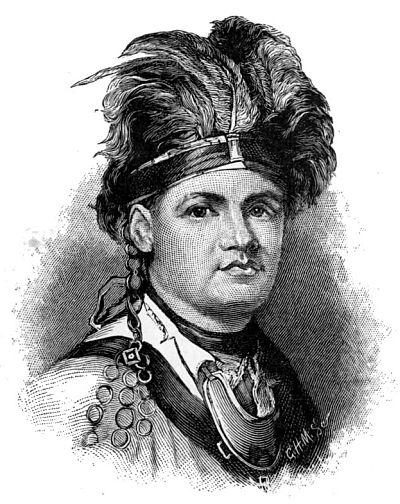
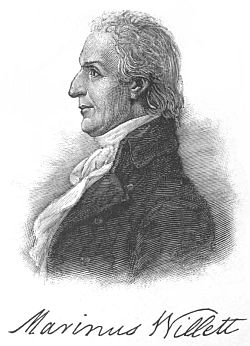
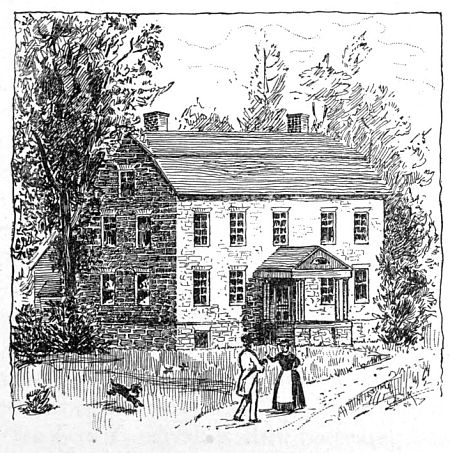
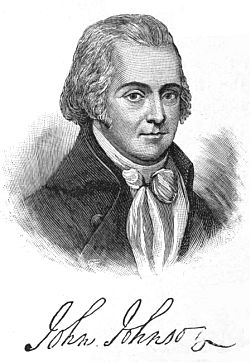
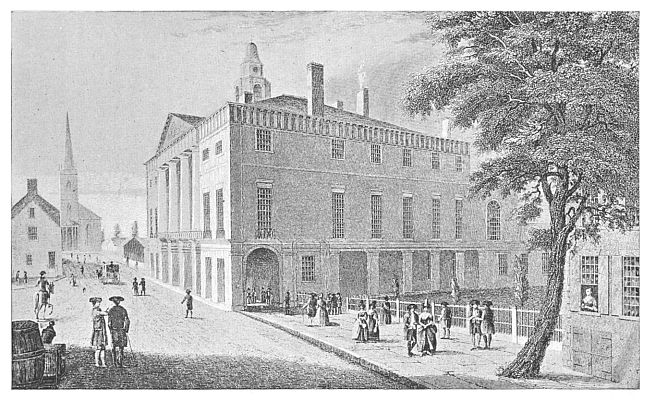
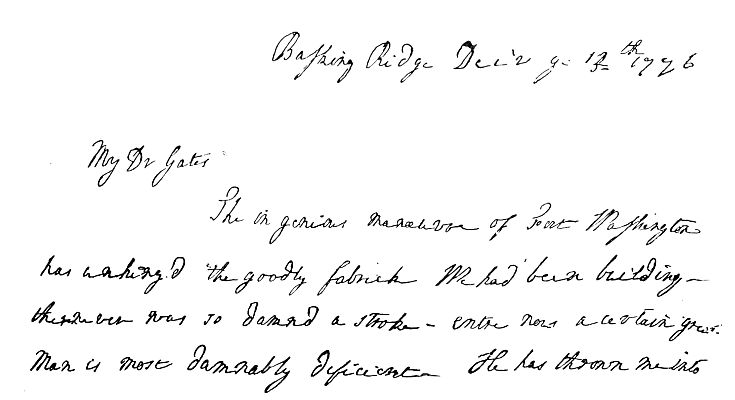
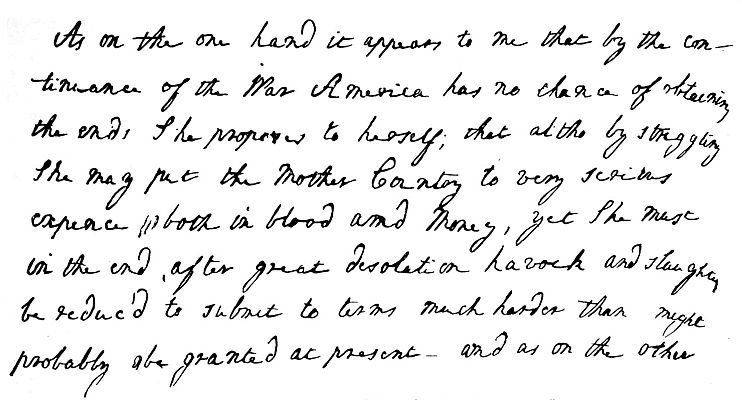
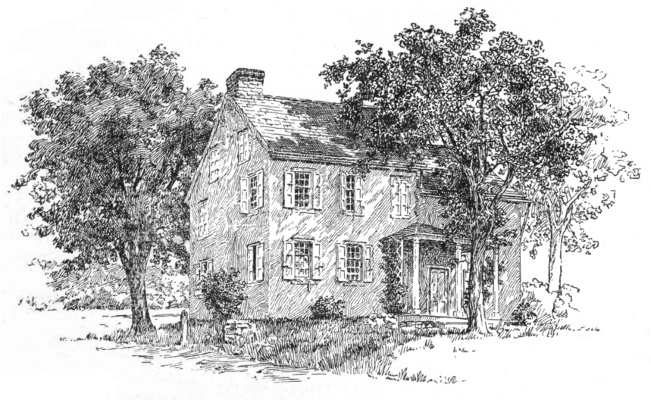
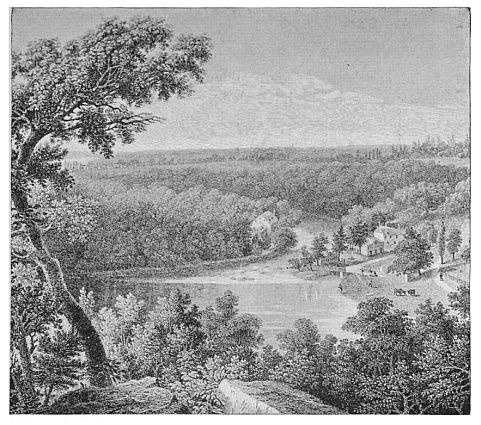

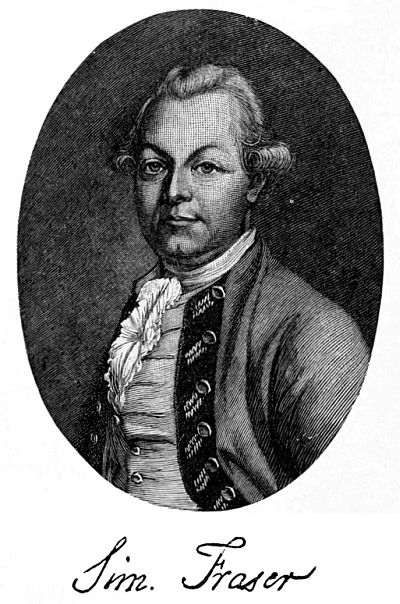

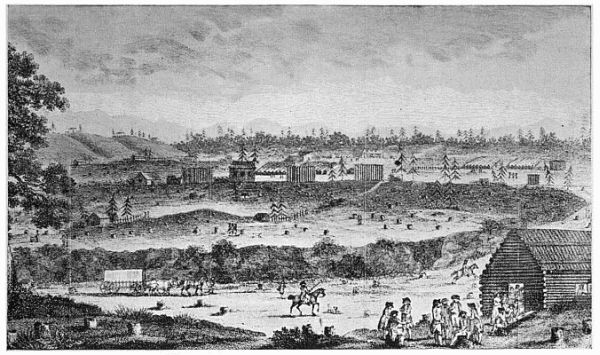
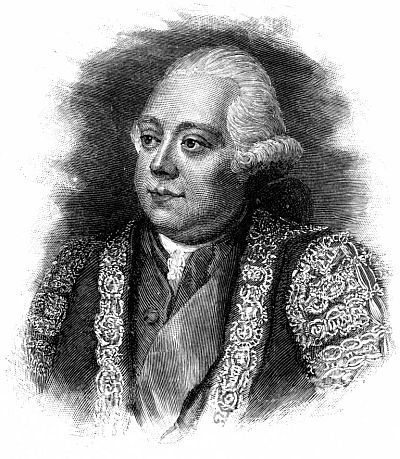
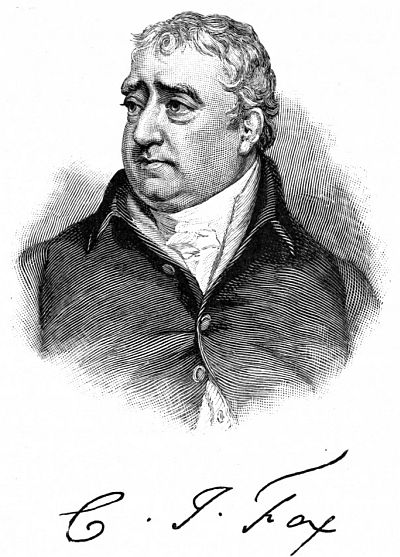
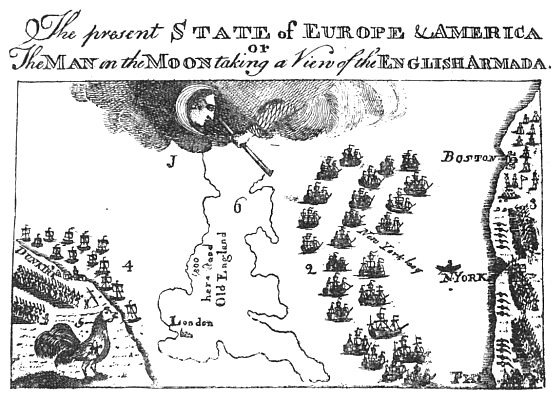
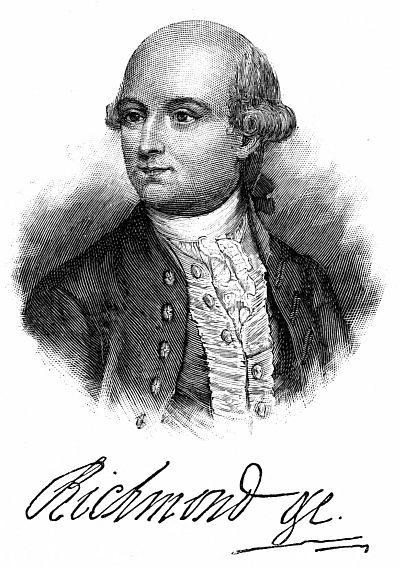
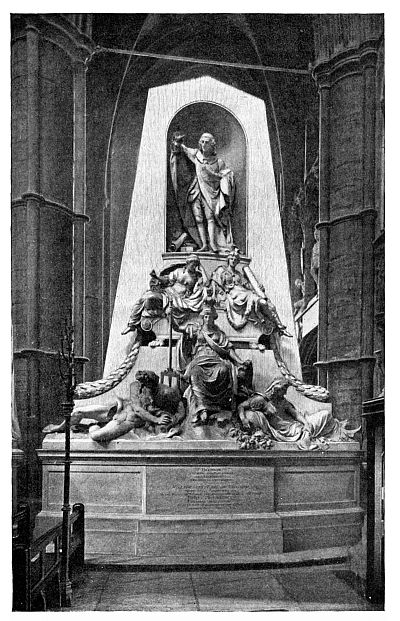
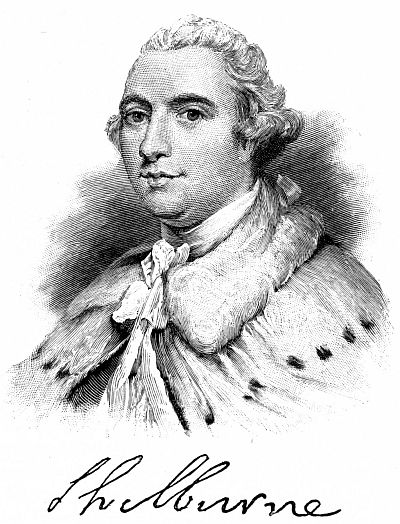
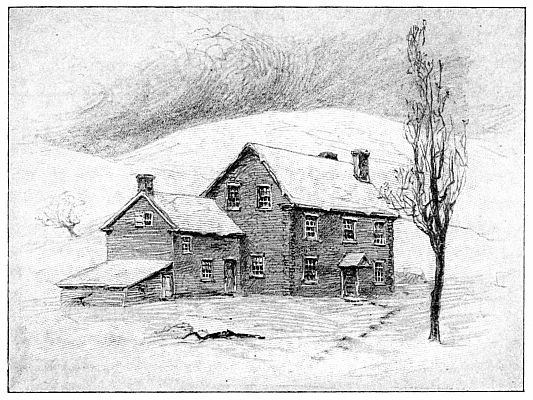
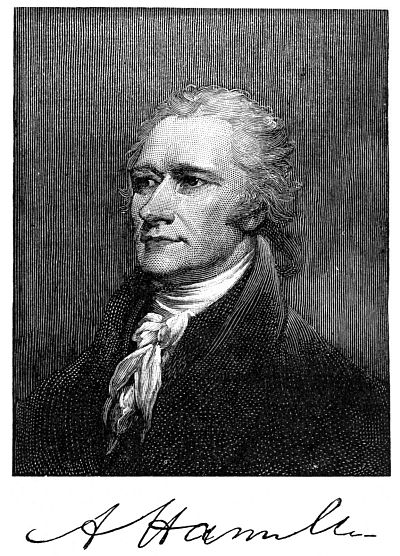

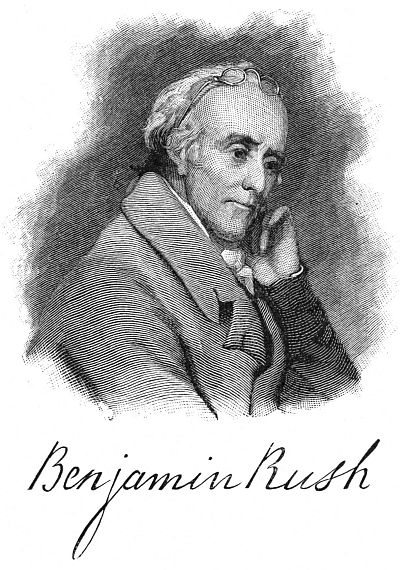
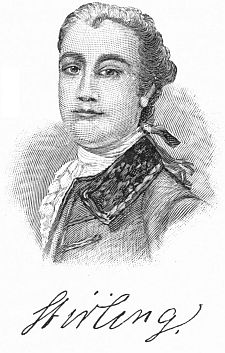
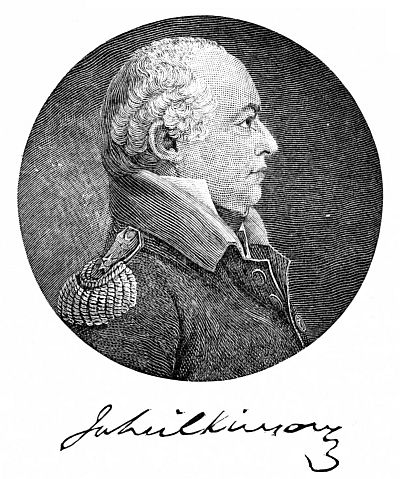
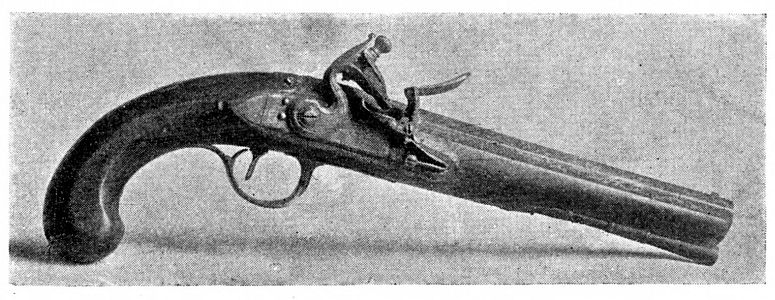
![[Illustration]](https://openoldbooks.sgp1.digitaloceanspaces.com/books/the-american-revolution/images/page2042.jpg)
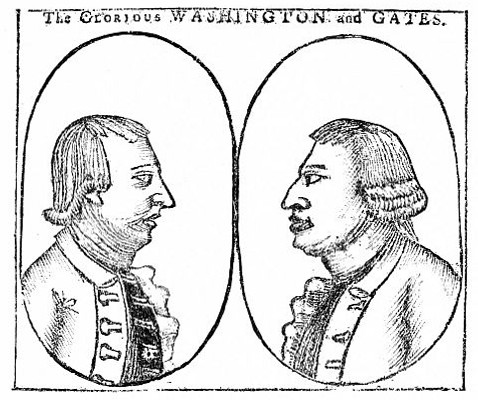
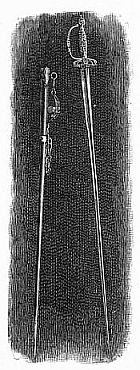
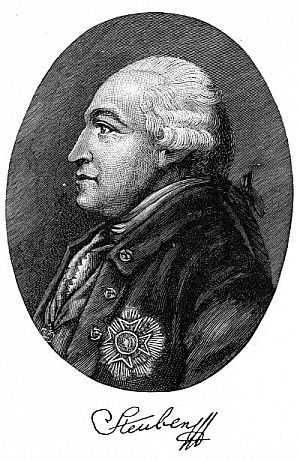
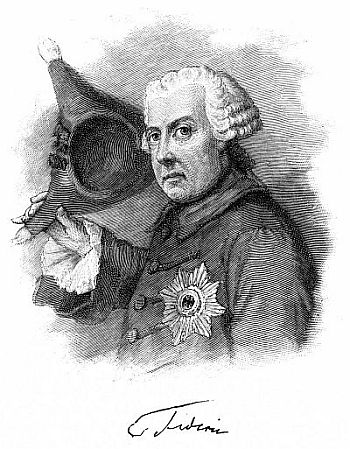
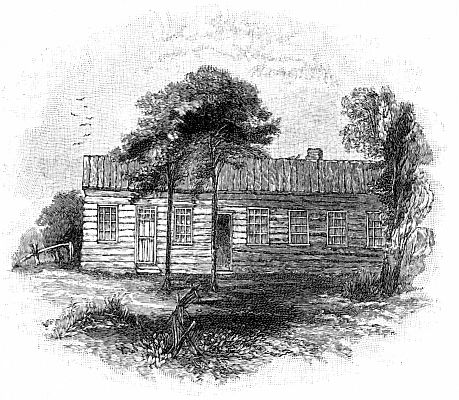
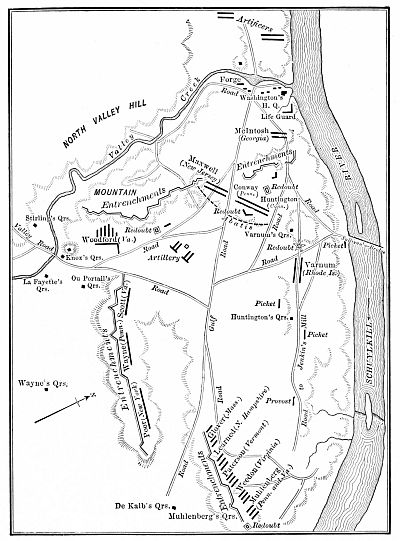
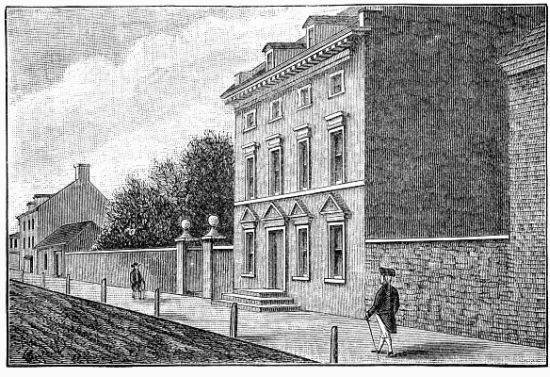
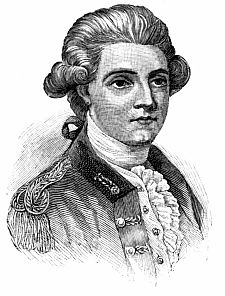
![[Illustration]](https://openoldbooks.sgp1.digitaloceanspaces.com/books/the-american-revolution/images/page2057.jpg)
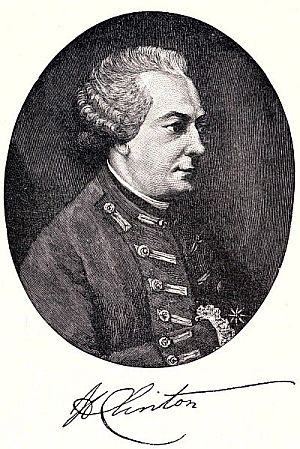
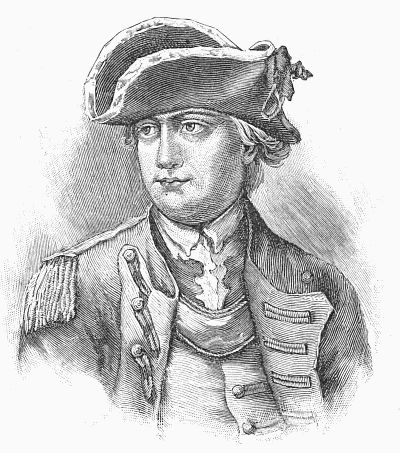
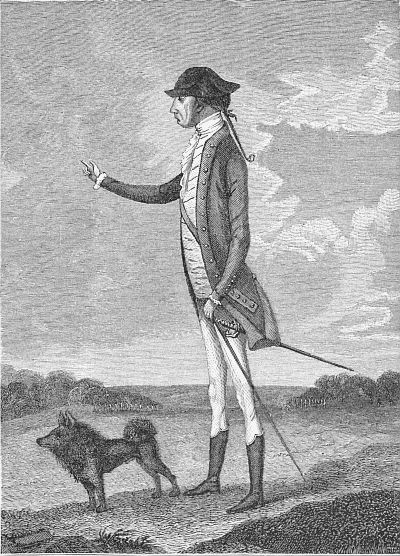
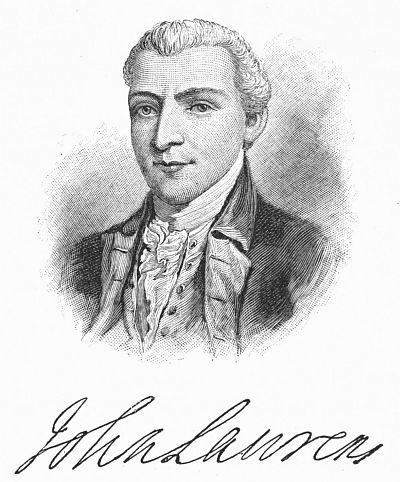
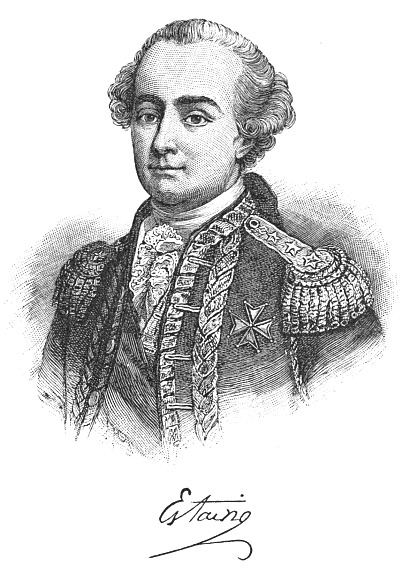
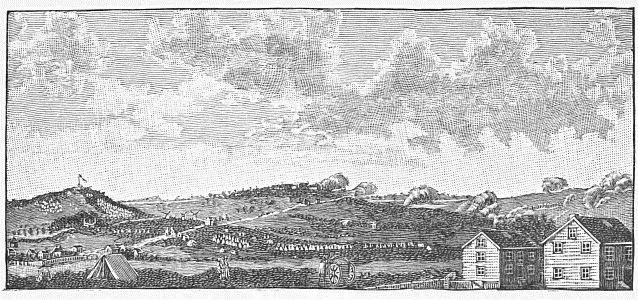
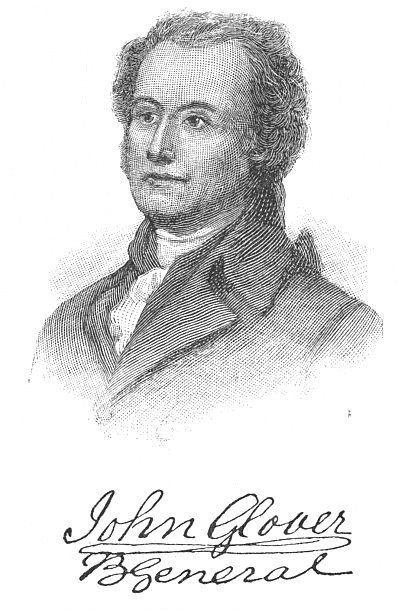
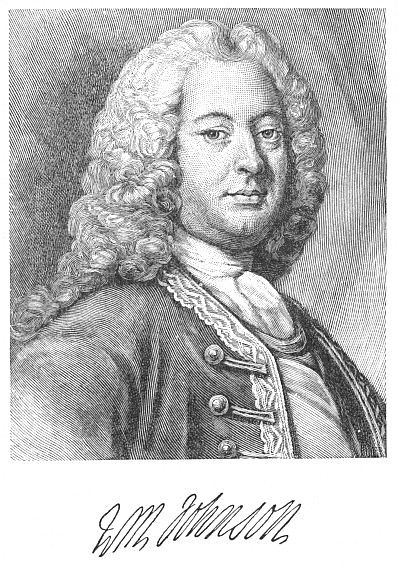
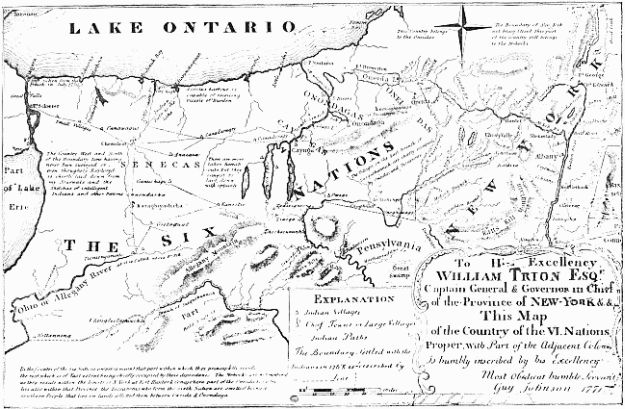
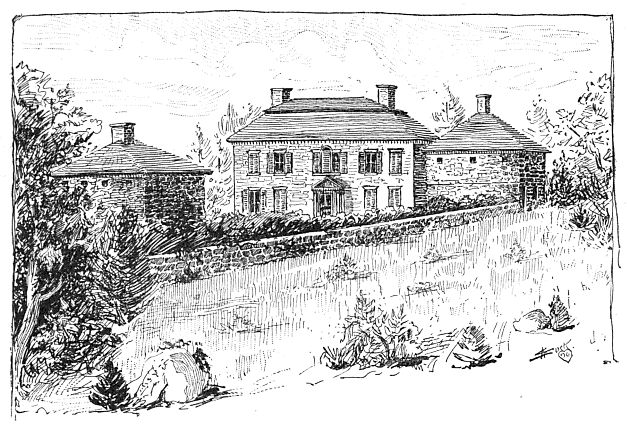
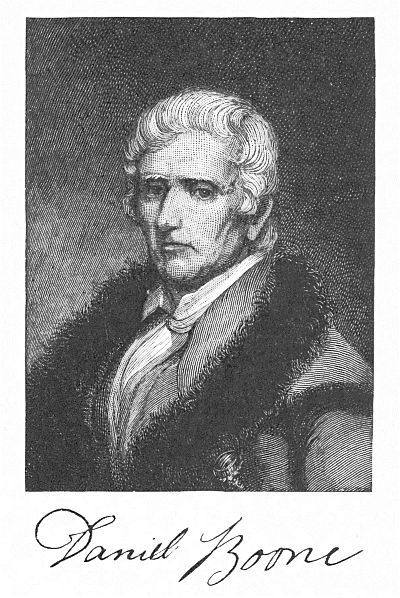
![[Statue: Andrew Lewis]](https://openoldbooks.sgp1.digitaloceanspaces.com/books/the-american-revolution/images/page2105.jpg)