(For numerous practical suggestions as to the use of an index the reader
is referred to the preface to the index in the author's "Strange
Adventures of a Pebble.")
Africa, one country where the Hornbills live, 169
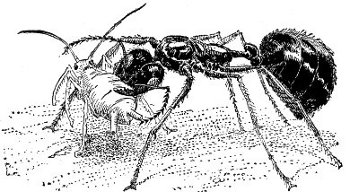
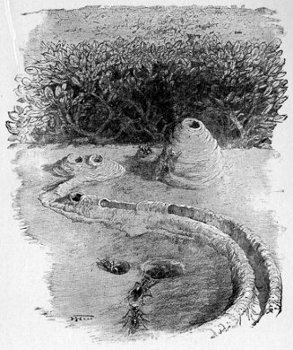
Ants, their interesting habits in relation to the history of the soil,
94;
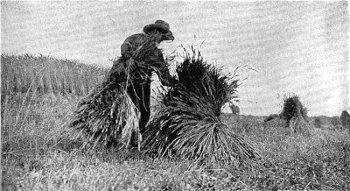
ants that thresh and store, 205,
213;
how they clean up after the day's work,
208
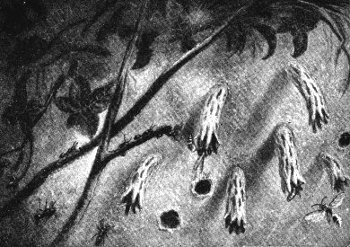
Aphids, how they supply the ants with honey, 99
Armadillo, a four-footed farmer who wears armor;
how fast he can dig, 120;
the funny gimlet nose that helps him travel
so fast under the ground, 121
Asia, one of the countries where the Hornbills live, 169;
home of a farmer who stores grain for the
winter, 212
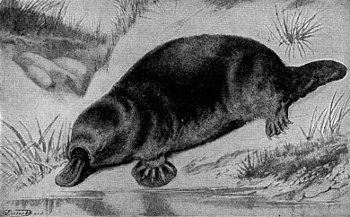
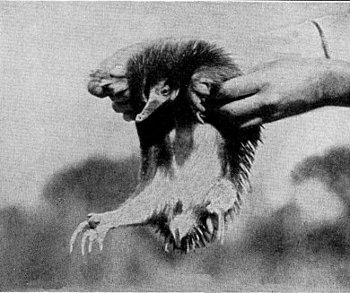
Australia, home of that animal paradox, the Duck-billed Mole, 144;
and of birds that hatch their babies with an
incubator, 174
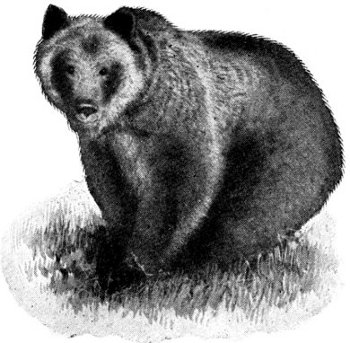
Bears, how they go into winter quarters, 216, 219
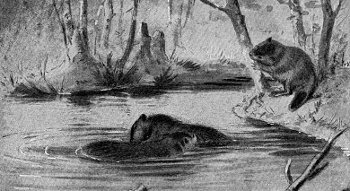
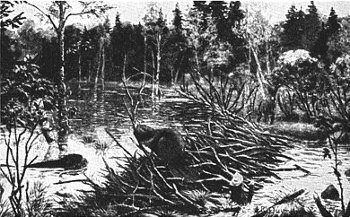
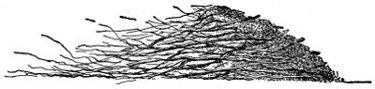
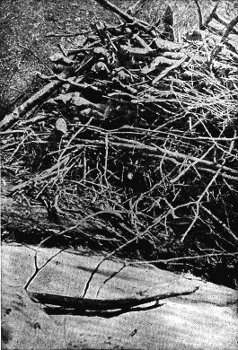
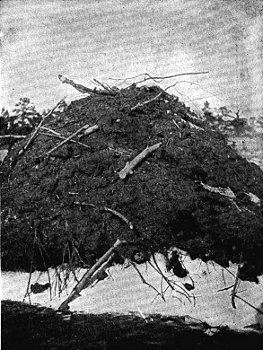
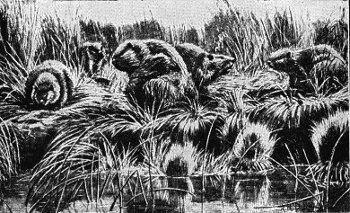
Beavers, their work and their wisdom, 148
Bees. (See Mason Bee and Bumblebee.)
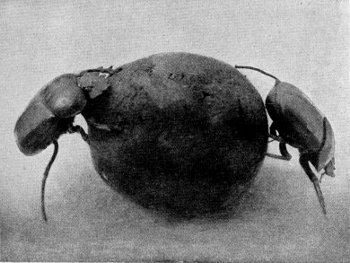
Beetle, Sacred (Tumble Bug), sinful tactics of, 92
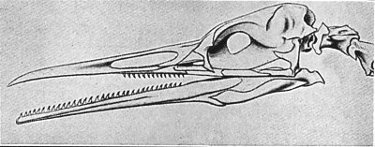
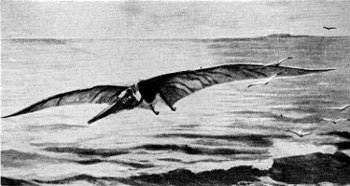
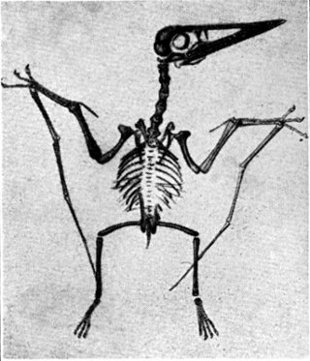
Birds, their ancestors among the ancient monsters, 24;
service of the Moas in ploughing and in
grinding up rock, 28;
other farmers who wear feathers,
162
Bumblebees, their homes under the ground, 104
Caveman, what he learned from his fellow animals, 228
Central America, a good place to look for Flamingoes, 166
Chipmunks, work and play in Chipmunkville, 131;
why they have large feet for such little
people, 132;
inside the Chipmunk's home, 132;
why they have several front doors,
133;
how they spend the winter, 218
Clouds, how dust helps make them, 56;
and shape them, 57
Colorado, once the home of prehistoric monsters, 27
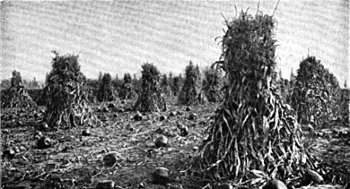
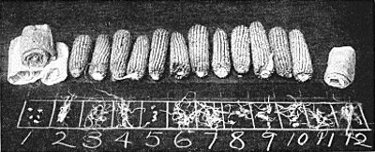
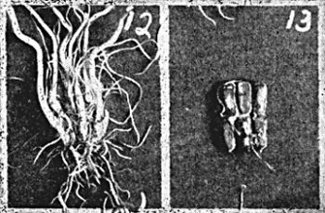
Corn, how the "rag babies" tell the fortune of the seed, 199
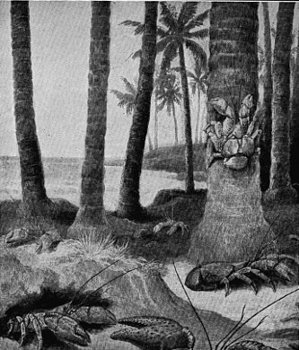
Crabs, water farmers who help make land, 140
Crayfish, their habits and their service in helping get land ready for the
farmer, 140
Crustaceans, their relation to insects, 143
Cuvier, Baron, the famous paleontologist, and his adventure with
a "monster," 34
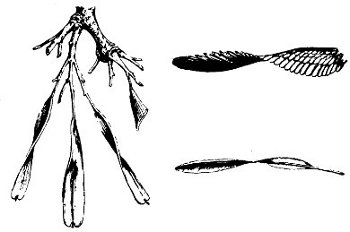
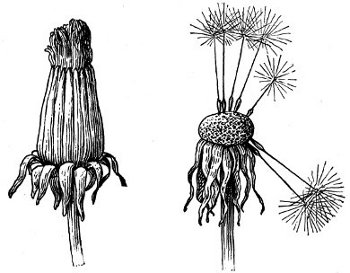
Dandelions, flying machines of, 51
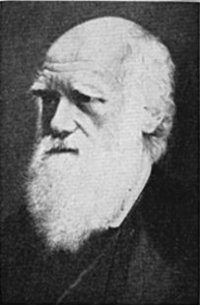
Darwin, Charles, on the importance of earthworms in the history of human
civilization, 75;
what he said about the intelligence of roots
and why he said it (the whole chapter is about that), 186;
how he taught roots to write their
autobiographies, 190
Deserts, plant pioneers in, 8;
rich in plant food, 59;
how irrigation transforms them, 72
Dormice, their Thanksgiving dinners and their long winter naps, 204, 217
Duck-billed Mole, the Animal X that lays eggs like a bird and yet suckles
its young like a pussycat, 144
Dust, how it helps the rain come down, 56
Earthworms, great importance of their work in pulverizing and fertilizing
the soil, 75;
their habits and remarkable intelligence,
75;
how the great sea and the little earthworms
work together, 242
East Indies, home of some of the Hornbills, 169
Electricity, how it helps in the shaping of the clouds, 57
Elephants, their ancestors among the prehistoric monsters, 27;
elephants as ploughmen, 28
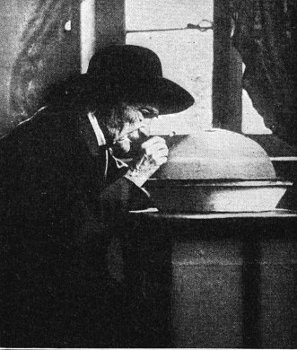
Fabre, Henri, his study of the Mason Bee and how his schoolboys helped him,
108
Farms, abandoned, how Nature restores them, 16
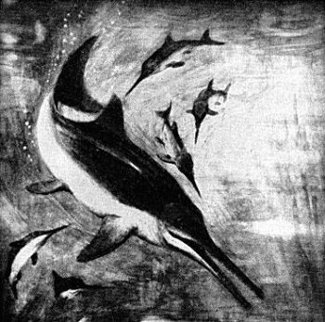
Fish, monster fish of other days, 23
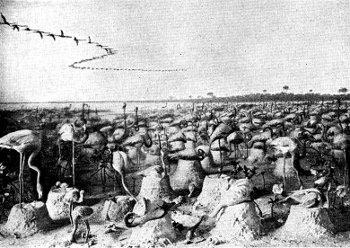
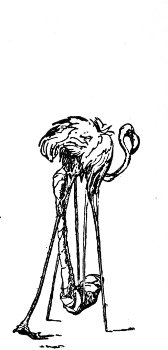
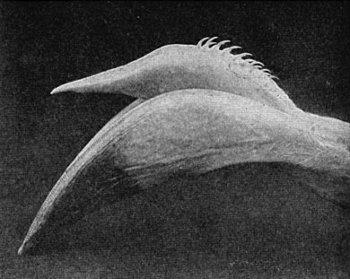
Flamingoes, habits of some feathered farmers with queer noses, 162
Florida, one place where you may find flamingoes, 166
Fox, home life and habits, 128
Frost, Jack, how he helps convert rock into soil, 43;
how he makes stones "walk" and in other ways
co-operates with the river mills in making soil, 60
Geese, their relation to the flamingoes, 166
Groundhog. (See Woodchuck.)
Hamster, a four-footed farmer who uses a threshing-machine, 210
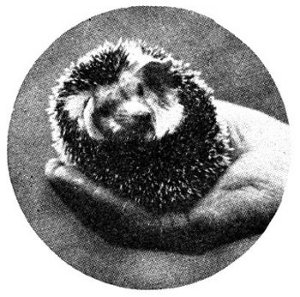
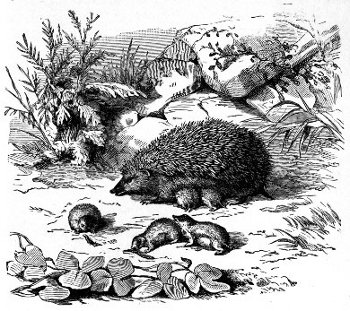
Hedgehogs, why they are so unpopular as food, 121;
their homes and how they do their ploughing,
122;
pictures of baby hedgehogs, 216, 217;
why they go into winter quarters, 216,
218
Hibernation, "The Autumn Stores and the Long Winter Night," 204
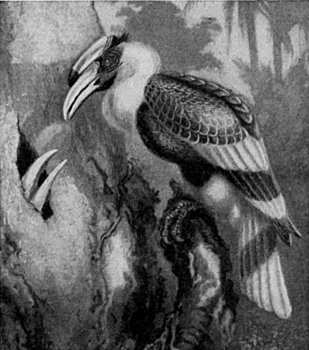
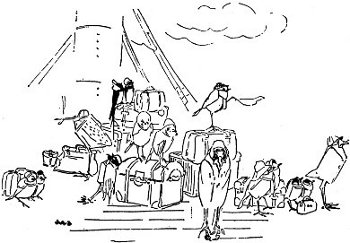
Hornbills, why Mr. Hornbill shuts his wife up in their home in a hollow
tree, 169
Hungary, home of the field rat, a farmer who stores grain for the winter,
212
Ice Ages, how the glaciers ploughed and mixed the soil, 237
Insects, their service in pulverizing and fertilizing the soil, 92;
damage done by injurious insects, 93;
relation of insects to crustaceans,
143
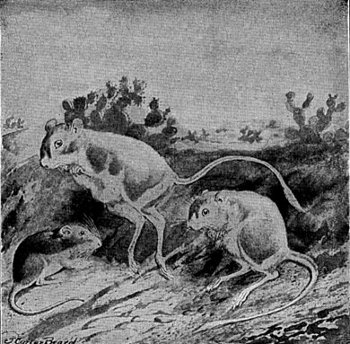
Kangaroo rat, 131
Kingfishers, their tunnel homes in the bank and how their fishing
habits help enrich the soil, 171
Kiwi, a late bird that nevertheless gets the worm, 167
Lichens, first of the soil makers—how they helped Columbus discover
the world by discovering it first, 1;
how the volcanoes and the lichens work
together, 235
Lizards, reign of the lizard family in the days of the prehistoric monsters,
25
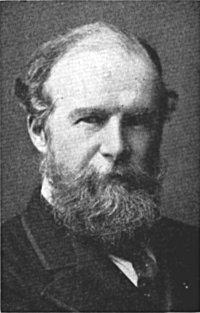
Lubbock, Sir John, the great London banker who carried ants in his
pocket—what he had to say about the pleasures of Nature Study, 231
Maeterlinck, on the presence of mind of a tree and its heroic struggle
against adverse circumstances, 200
Marmots, their farm villages, 124
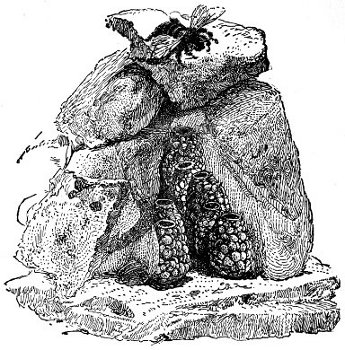
Mason-Bees. The house that Mrs. Mason-Bee built and its relation to the
story of the soil, 104
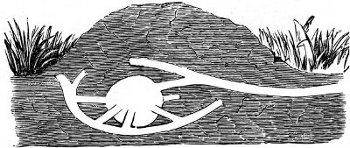
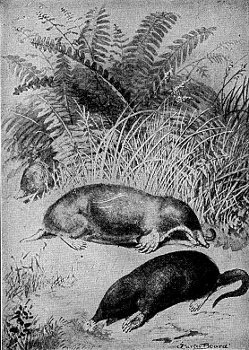
Moles, their work as ploughmen, 115;
how they do their tunnelling, 117;
Mr. Mole's castle under the ground,
118;
how he keeps his hair so sleek,
119;
where he spends the winter, 218
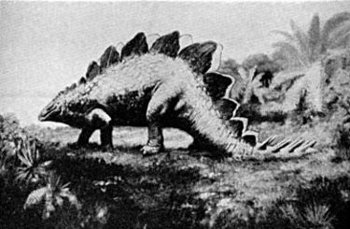
Monsters, prehistoric, what they looked like, their habits and how they help
the farmers of to-day with their farming, 20
Mosses, as soil makers, 8
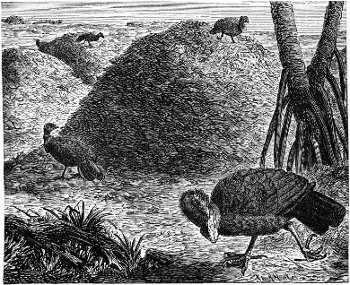
Mound-Birds, how they build their incubators;
other interesting habits, 174
Mountains, how the trees climb them, 13;
why you always hear a rattle of stones in
the mountains at sunrise, 43;
how the winds help trees to climb the
western slopes, 55;
how the mountains help the rain to come down
and why so many rivers rise in mountains, 56;
why the bones of the monsters are found in
the mountains, 31;
how the mountains helped kill off the
monsters, 32;
farm villages of the marmots in the
mountains, 124;
team-work between mountains and pebbles,
240
Nature Study, its great value, 231;
how it is taking the place of cruel sport,
232
New England, why its soil is so versatile and dependable, and how it helps
grow farm boys into famous men, 239
New Zealand, home of a bird that is a very late riser but nevertheless gets
the worm, 167
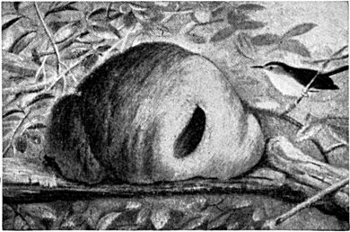
Oven-Birds, of South America, how they differ from the American oven-birds,
172;
their remarkable adobe homes and their
friendliness toward man, 172
Pebbles, how they help feed the Wisconsin cows, 239, 240;
teamwork between mountains and pebbles,
240
Philippines, one of the regions where mound-birds live, 174, 176
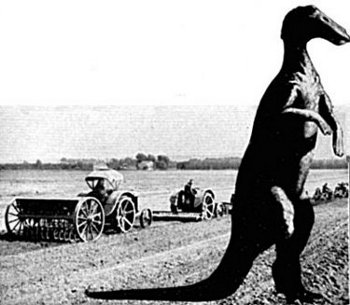
Ploughing, Nature's system: work of the squirrels, 14;
of the elephants and their ancestors among
prehistoric monsters, 27;
of the Moas, 28;
of the Dinosaurs, 29;
storm ploughs of the winds, 46;
use of the plough to prevent soil waste,
70;
the great ploughs of the Ice
Ages, 237
Pocket Gopher, Thompson-Seton's "master ploughman," 128;
why he has that queer expression on his
face, 128;
how he spends the winter, 218
Pocket-Mouse, 130, 131
Pot Holes, soil-grinding mills of the rivers, 61
Prairie-Dog, his watch tower and how it protects him from his enemies,
126;
his great sociability, 127
Rains, their work in making and transporting soil, 44, 55
Rivers, work of the river mills in soil making, 60
Roots, how lichens get along without them, 4;
how and why they work at different levels,
11;
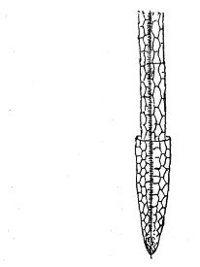
how they make their way about (you won't
wonder that Darwin said their actions suggested intelligence!),
186
Sand, how it helps the soil to breathe, 59
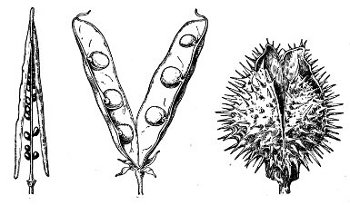
Seeds, how they determine the order of march of the trees, 12;
use of screw-propellers and other devices,
42, 49, 51;
how and why baby plants back into the world,
190;
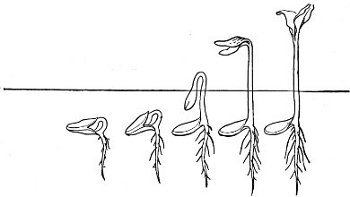
how they tried to change a sprouting
seedling's mind but couldn't, 195;
how "rag babies" tell the fortune of corn,
199
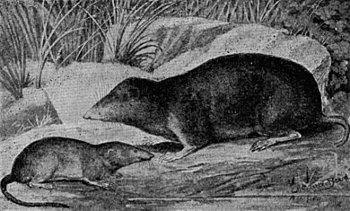
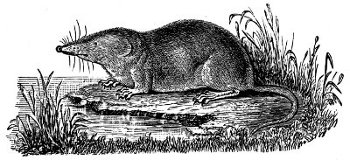
Shrews, their work as ploughmen, 115;
where they spend the winter, 218
Siberia, there you will find the voles and their root cellars, 212
South America, home of the four-footed farmers that wear armor, 120;
and of the viscacha, 127;
a good place to look for flamingoes,
166;
and for oven-birds, 171
South Sea Islands, one of the regions in which you find birds that hatch
their babies with an incubator, 174
Squirrels, how they help the trees to march, 14;
the winding streets of Ground-Squirrel Town,
123;
marmots, the largest of the squirrel family,
124;
how the tree-squirrels spend the winter,
218
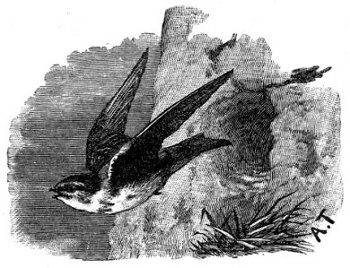
Swallows, their habits and their service as soil makers, 177
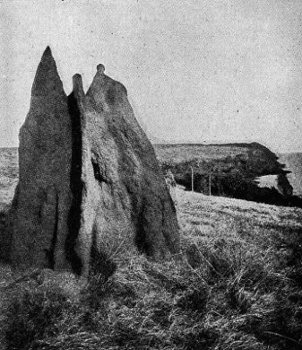
Termites, insects improperly called "white ants";
their habits in relation to the history of
the soil, 100
Terracing, how employed to prevent waste of soil, 71
Texas, you can still find armadillos there, 120
Trees, their settled order of march into new lands, 8;
how the winds and the rains help trees to
climb the western slopes of mountains, 55;
how waste of trees causes waste of soil,
69
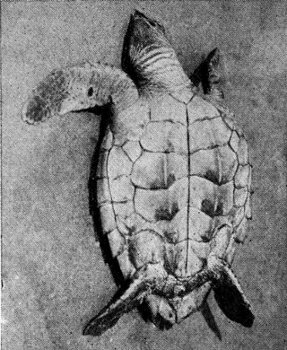
Turtles, how turtles differ from tortoises;
habits of both these water farmers,
137;
how turtles differ from crabs in their
notions about laying eggs, 142
Viscachas, South American relatives of the prairie-dogs;
their villages and their athletic fields,
127;
how they rescue their buried comrades,
128
Volcanoes, their contribution to soil making, 39;
how they help the plant world to
get its breath, 40;
team-work between volcanoes and lichens,
235
Voles, four-footed farmers who fill root cellars for the winter, 212
Wasps, their habits in relation to the history of the soil, 102
Weather and the groundhog's shadow, 219
Weeds, as soil makers, 9
Winds, how they helped Mr. Lichen to discover the world, 1;
how they help the trees to march,
12;
their work in making, mixing, and
transporting soil, 37
Winter in the animal world, under the ground, 204
Woodchuck (Groundhog), picturesque home of a Connecticut woodchuck, 134;
Mr. Woodchuck's winter quarters and his
shadow, 219
Wyoming, one of the homes of the prehistoric monsters, 27
Transcriber's note:
In the scanned version of this book, there is apparently a printer error in the acknowledgments for sources of
illustrations (page x) where the author refers to an illustration on page
125. There is no illustration on page 125 in the original text, so the
hyperlink in this ebook has been connected to the closest illustration, (caption: This Must Be a Pleasant Day) which is on page
126 in the original text.
Another possible printer error occurred on page 52, where the phrase
"branches and holes" appears in the original text. In an effort to relate the context
of the phrase, this has been changed to
"branches and boles" in this text.
Full-page illustrations have been moved to the nearest paragraph so as not to interrupt
the flow of the text. Some page numbers are missing as a result.
Where appropriate, internal hyperlinks within the index link directly to the pertinent
chapter heading, section, or illustration referred to on the referenced
page. In cases where no appropriate heading was available on the page, the top of the
referenced page is linked. In some cases illustrations have been moved from the original location
in order to avoid breaks in paragraphs, and to place them more closely
to the related paragraph. For example, the index reference
for "Hornbills" (page 169) links directly to the illustration now located on
page 170.
This book contains links to other books in the Project Gutenberg collection.
Although we verify the correctness of these links at the time of posting,
these links may not work, for various reasons, for various people, at
various times.