Abano: see Peter of Abano.
Abercrombie, John, Inquiries concerning the Intellectual Powers, 249 n.
Abi ‘Uṣaibia, Ibn, 227 and n. 4, 228 n. 5, 229.
Abu’l Faraj Gregory, cited, 228 n. 3.
Achillini, Alessandro, 95, 98, 105;
Annotationes anatomiae, 95 n. 4.
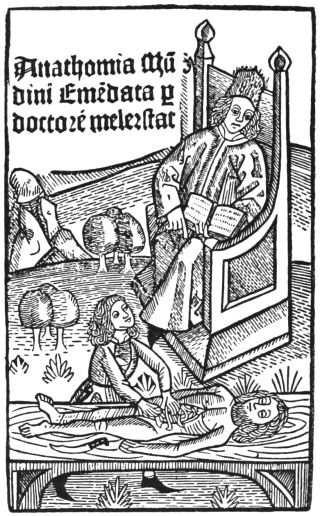
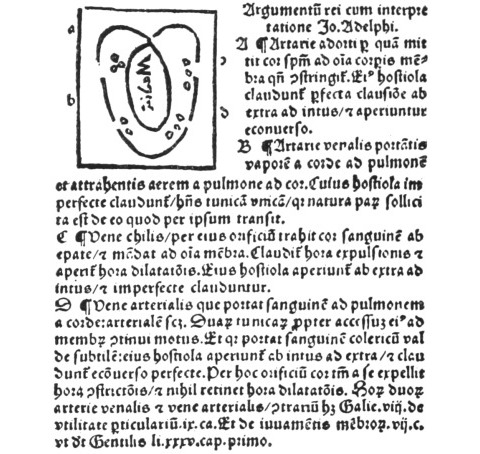
Adelphus, Johannes (J. A. Muelich), Mundini de omnibus humani corporis interioribus membris Anathomia, 93 n. 3, 96 n. 2, 128 fig. 22.
Adrian IV, Pope, St. Hildegard’s correspondence with, 5.
Agobard, St., of Lyons, on witchcraft, 191.
Agrippa, Cornelius, opposition to witch mania by, 214, 215.
Al Afdal, Sultan, 226.
Alberic the younger, Benedictine monk, of Monte Cassino, 21.
Albertotti, G., Nuove osservazioni sul ‘Fasciculus medicinae’ del Ketham, 90 n. 3.
Albertus Magnus, 22, 32, 51, 113, 114.
Albigensian heresy, 192.
Alcoatim, anatomical work by, 121.
Alexander III, Pope, St. Hildegard’s correspondence with, 5.
Alexander V, Pope, 99;
post-mortem examination on, 94.
Alexander of Neckam, 22, 23.
Alexander of Tralles, 182.
Alhazen, 122.
‘Ali ‘Abbas: see Haly Abbas.
Al Qifty, Classes Philosophorum et astronomorum et medicorum, 229 and n. 3.
Al Tamimi al Muqaddasi, 231 n. 2.
Alva, Duke of, 221.
Ampère, cited, 21.
Analecta Bollandiana, 6 n. 2.
Anastasius IV, Pope, St. Hildegard’s correspondence with, 5.
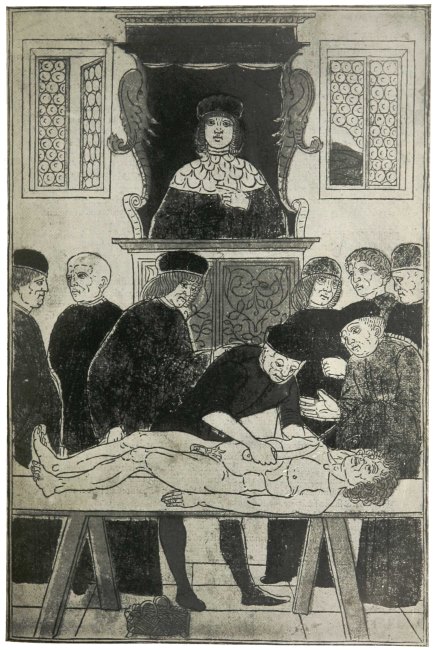
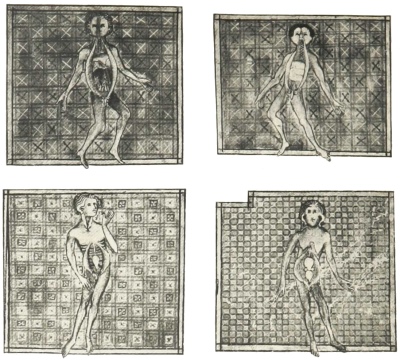
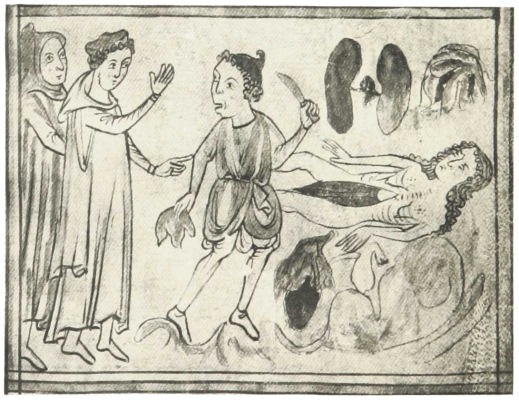
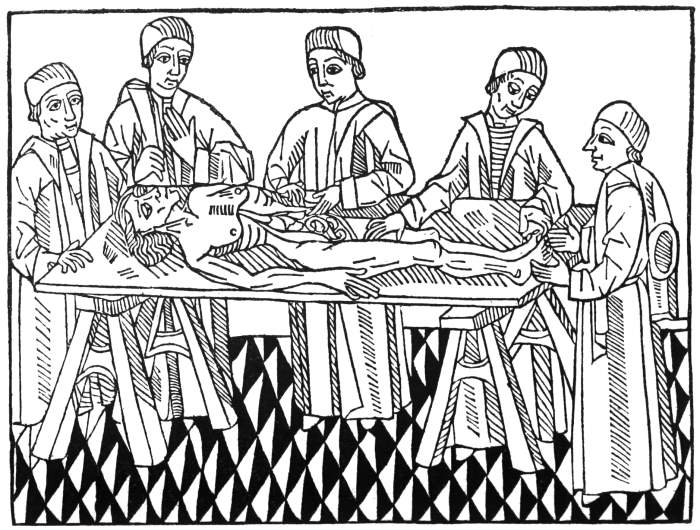
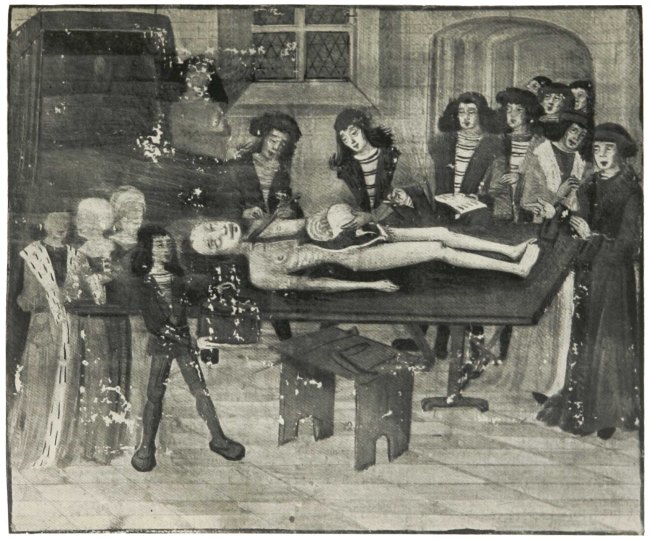
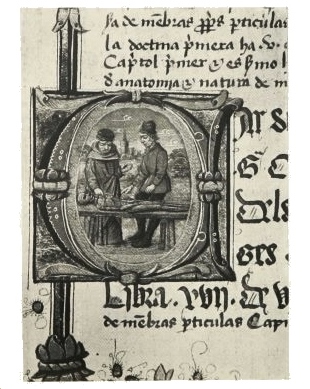
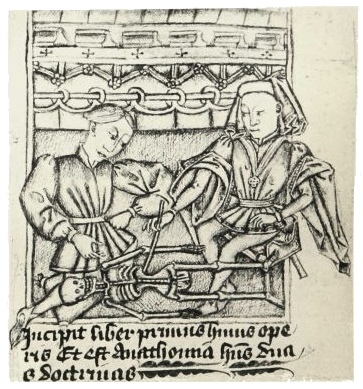
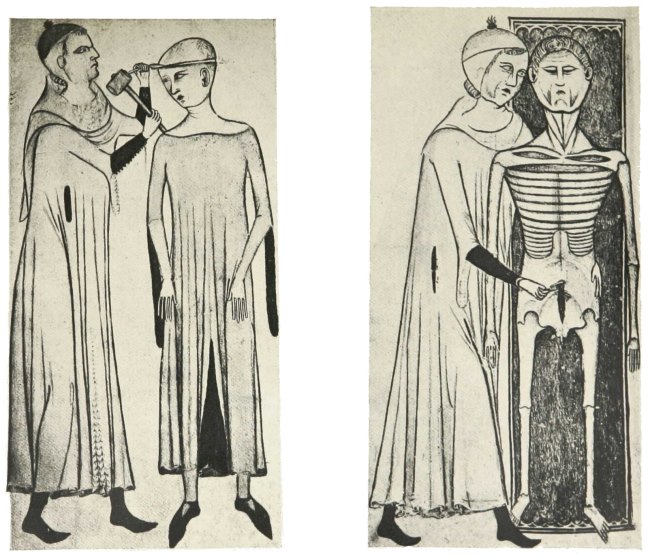
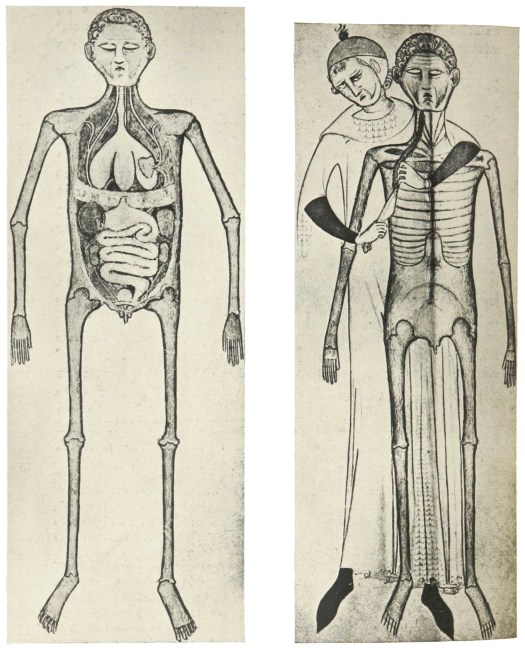
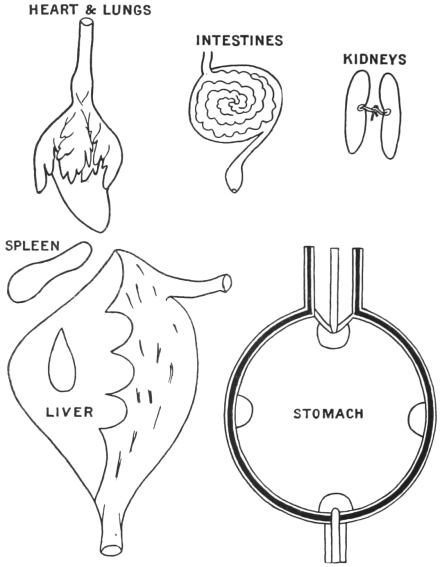
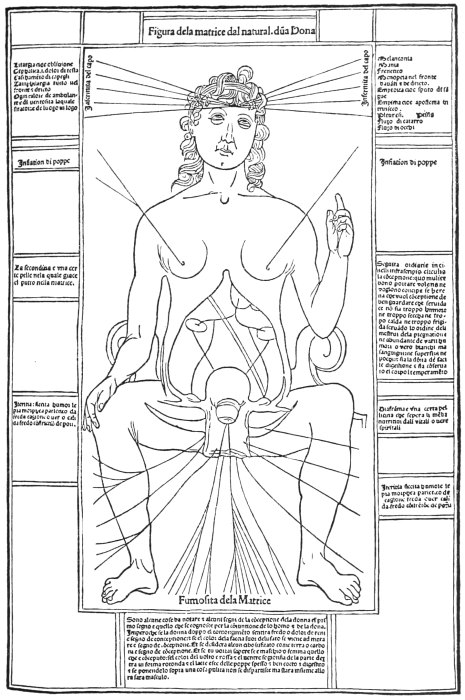
Anatomy in the fourteenth and fifteenth centuries, 79–86;
Bolognese works on anatomy, 92–7;
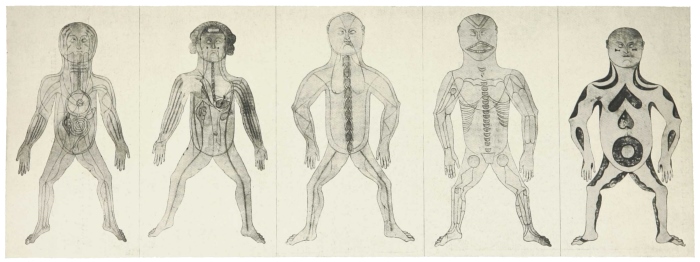
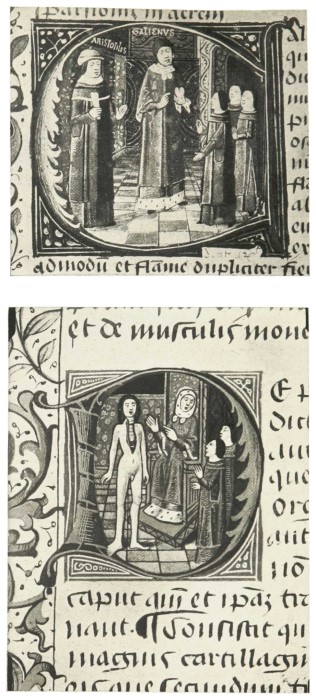
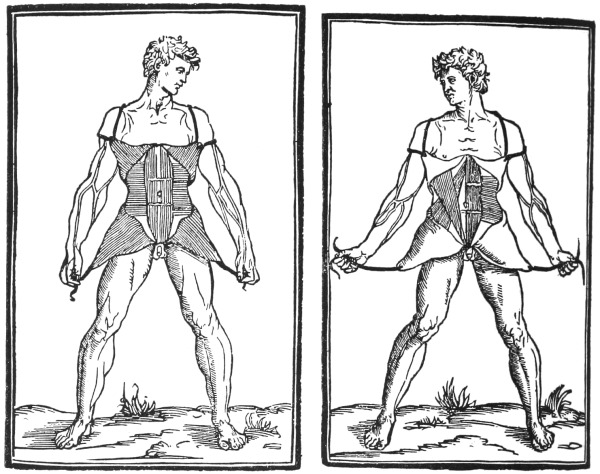
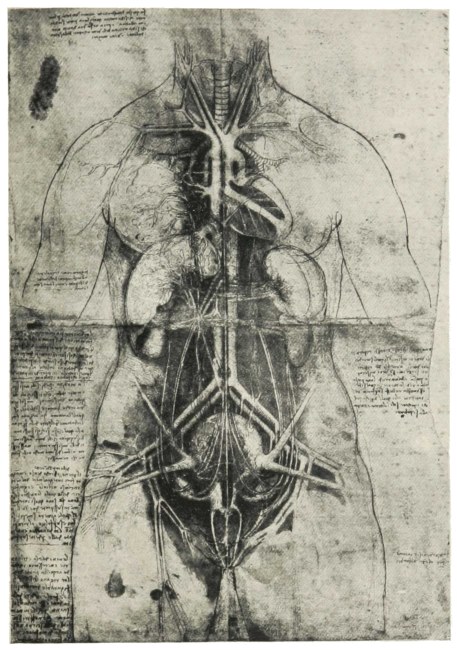
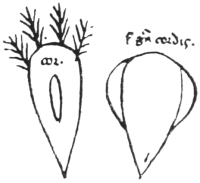
drawings of anatomical structures, &c., 44, 45, 46, 81, 83, 84, 87–91, 96, 105, 112, 114, 116, 117, 120, 121, 122, 127, 128, 129, 130, plates XVIII, XXVII, XXVIII, XXIX, XXX, XXXI, XXXII, XXXIII, XXXIV, XXXV, XXXVI.
See also Manfredi, Hieronymo.
Anaximander, 257.
Annalen des Vereins für Nassauische Alterthumskunde und Geschichtsforschung, 13 n. 3.
Anstis, John, History of the Garter, 167.
Antipodes, the, mediaeval conception of, 22, 23.
Anzeiger für Kunde der deutschen Vorzeit, 12 n. 2.
Apocalypse, the, 20.
Aquinas, 51, 193.
Arabians, influence on early science and on medicine, 17, 18, 29, 84, 86, 92, 93, 115, 120, 121, 129, 225–34.
Archaeological Journal (British Archaeological Association), 166 n. 1, 172 n. 3, 178.
Archimedes, 253.
Archiv für die Geschichte der Medizin, 38 n. 4, 44 nn. 4, 5, 45 n. 1, 87 nn. 1, 3, 4, 89 n. 2, 114 n. 3, 121 n. 1, 122 n. 1, 127 n. 5.
Archiv für die Geschichte der Naturwissenschaften und der Technik, 121 n. 1.
Archiv für die zeichnenden Künste, 87 n. 5.
Archiv für Pathologie, 13 n. 4, 226 n. 1.
Argellata, Pietro d’, description of the examination of the body of Pope Alexander V, 94 and n. 2.
Aristippus, translation of Aristotle’s Meteorologica, 24 n.
Aristotle, 288;
anatomical conceptions of, 46 n., 126, 127;
logic and dialectics, 238, 240, 243, 245, 248, 250, 252, 254, 255, 257, 259;
physiological theories, 50 n. 4, 60, 61, 71, 73, 75;
theory of the elements, 17, 25.
Works cited:
Analytica posteriora, 238, 245 n., 252 n., 257 n.;
De caelo et mundo, 17;
De partibus animalium, 46 n. 1, 126 nn. 4, 5;
Historia animalium, 126 nn. 3, 4, 5;
Meteorologica, 24.
Armengaud de Blaise, Latin translation of Maimonides on Poisons, 226 n. 1.
Arnald of Villanova, charge of sorcery against, 193.
Astrology, 38, 47, 97, 98.
Athanasius, St., 4, 7.
Atti e Memorie della R. Deputazione di Storia Patria per le Provincie di Romagna, 99 n. 2.
Augsburg, Peace of, 194.
Augustine, St., 17, 20, 51, 113, 198, 216.
Avempace, 17.
Averroes, 17, 95.
Avicebron, 17, 43 n. 1.
Avicenna, 17, 18, 86, 93, 94, 95, 101, 105, 113, 121, 122, 127, 129, 182.
Azzolino, first recorded case of dissection at Bologna, 92.
B
Bacher, W., Moses ben Maimon, 229 n. 1.
Bacon, Francis, Natural and Experimental History, 180.
Bacon, Roger, anatomical writings and drawings by, 113, 116, 121, 122, plate XXXVIII (a);
on the structure of the universe, 22.
Baillet, Dom Louis, 55 n.;
Les Miniatures du Scivias de sainte Hildegarde, 7 nn. 1, 2, 12 n. 1.
Baker, F., cited, 79 n. 2.
Balgi, Vincenzo, cited, 30 n.
Baluze, Étienne, Miscellanea novo ordine digesta et non paucis ineditis monumentis opportunisque animadversionibus aucta opera ac studio J. D. Mansi, 9 n.
Bamberg, witch-burning in the bishopric of, 194, 204, 208–10, 212.
Barach, C. S., cited, 19 n. 2, 37 n. 1, 38 n. 1.
Baret, John, of Bury St. Edmunds, 172.
Bar Hebraeus, cited, 228, 229.
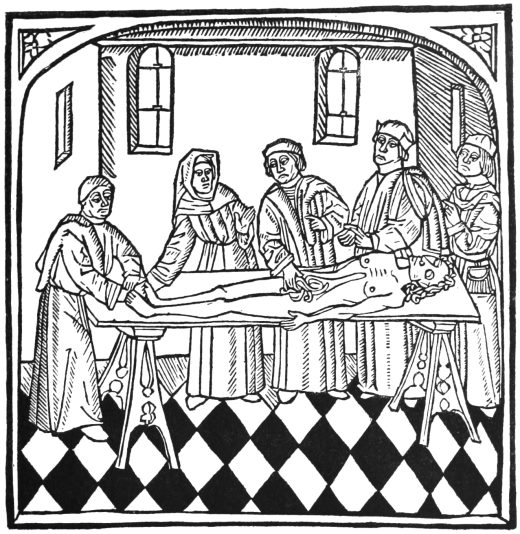
Bartholomaeus Anglicus (Bartholomaeus de Glanvilla), anatomical drawings of, 81 fig. 1, 84 fig. 4;
De Proprietatibus Rerum, 129 n. 2.
Battandier, Albert, Sainte Hildegarde, sa vie et ses œuvres, 5 n. 3;
cited, 16 n. 3, 21 n. 3, 23 n. 5.
Bayford, Robert, Enchiridion Medicum, 181.
Beck, Theodor, Die Galenischen Hirnnerven in moderner Beleuchtung, 118 n. 1.
Bede, the Venerable, 22.
Beiträge zur Geschichte der Philosophie des Mittelalters, 113 n. 3.
Benedict, St., 4, 7.
Benivieni, Antonio, De abditis nonnullis ac mirandis morborum et sanationum causis, 81 and n. 3.
Benjamin of Tudela, 20.
Bentivoglio, Annibale, 104.
Bentivoglio II, Giovanni:
Manfredi’s dedications to, 101, 103, 104, 105, 130;
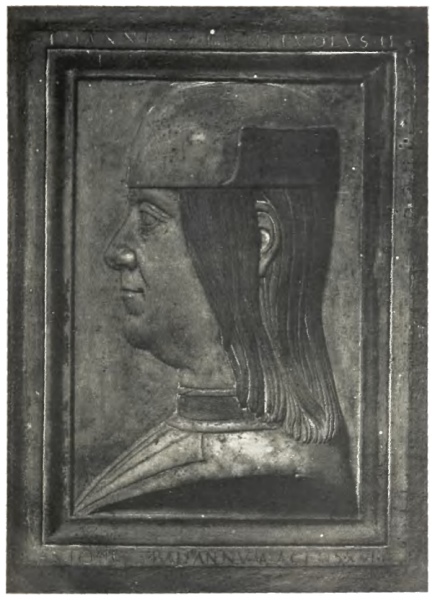
portrait of, 104, plate XXXVII.
Bergson, Henri Louis, 285.
Berkshire, ancient custom concerning rings and the cure of epilepsy, 173.
Berlin: see Manuscripts.
Bernard, Claude, 68.
Bernard of Chartres, 37 n. 1.
Bernard, St., abbot of Clairvaux, 4;
St. Hildegard’s correspondence with, 5.
Bernard Sylvestris: see Sylvestris.
Berners, Lord, Cloister Life of Charles V, 173 and n. 3.
Beroaldo, Filippo, 98, 99.
Berthelet, Thomas (printer), 129.
Bertuccio (professor of surgery at Bologna), anatomical demonstrations by, 82, 94.
Bichat, X., 66.
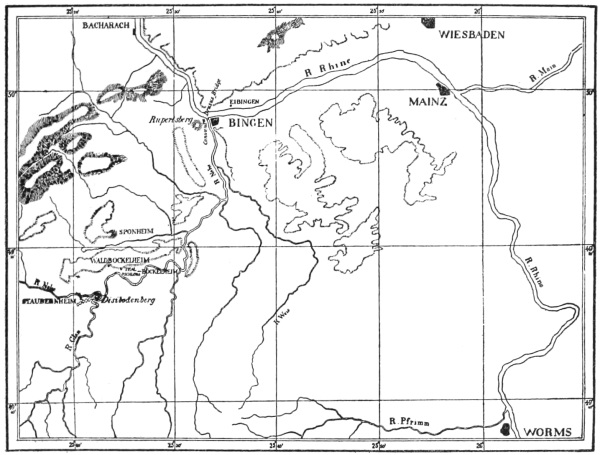
Bingen, 2, 4, 7, 8, 12, 20.
Binsfeld, Peter, Bishop of Trèves, persecution of witches by, 197, 198, 222;
Tractatus de confessionibus maleficorum, 197, 198 n. 2, 222 n. 2.
Binz, Dr. K., biography of Dr. John Weyer, 189.
Biological theories, 59 ff.
Birth and death and the nature of the soul, Hildegard’s views on, 49, 50, plates XIX, XX.
Black Death, the, 193.
Blaise: see Armengaud de Blaise.
Blake, William, 53.
Böckelheim, 2, 3.
Boethius, 17, 21.
Böhmer, J. H., Ius ecclesiasticum, 206 n. 2.
Boleyn, Anne, and the use of cramp-rings, 174, 175, 176.
Bologna, anatomical studies at, in the fifteenth century, 78, 79, 81 n., 82, 84;
anatomical works emanating from, 92–7;
astrology at, 97–8;
colleagues of Manfredi at University, 98;
Manfredi’s house, 99;
Medical Faculty at, 92;
Palazzo dei Bentivoglio, 104.
Boncompagni, Baldassare, Della vita e delle opere di Gherardo Cremonese, &c., 17 n. 2.
Boniface, St., on witchcraft, 191.
Boniface VIII, Pope, 201.
Boorde, Andrew, on the blessing of cramp-rings, 176;
Breviarie of Health, ibid.;
Introduction of Knowledge, ibid.
Borelli, J. A., 68.
Bosco: see Johannes Sacro Bosco.
Boselli, E., 55 n.
Boswell, James, cited, 182.
Botanik in kulturhistorischer Entwickelung, 12 n. 2.
Bourdeaux: see John of Bourdeaux.
Boyle, Robert, 32.
Bracara, synod of, 193.
Brand, J., Popular Antiquities, 173 n. 3.
Braun, Dr., torture of witches by, 208, 209, 210.
Brewer, J. S., State Papers: Budaei Epistolae, 173 n. 6.
Bristol: see Manuscripts.
Brockelmann, K., Geschichte der arabischen Litteratur, 225 n. 1, 228 n. 5, 229 n. 3.
Brown, Sir Thomas, on witchcraft, 214, 222, 223.
Budé, Guillaume, and the use of cramp-rings, 173, 174.
Buffon, Histoire Générale des Animaux, 66.
Bulletin de la Société française d’histoire de la médecine, 39 n. 2.
Bulletin of the Johns Hopkins Hospital, 79 n. 2.
Bunge, Gustav, physiological views of, 64.
Burnet, Bishop Gilbert, History of the Reformation, on the blessing of cramp-rings, 174, 175, 177.
Bury Wills (Camden Society), 172 n. 2.
Burzio, Niccolò, Bononia illustrata, 97 n. 4.
C
Cabalistic systems of the Jews, 20.
Caetani, Michelangelo, duca di Sermoneta, La materia della Divina Commedia di Dante Allighieri dichiarata in VI tavole, 30 fig. 4.
Cambridge: see Manuscripts.
Cardan, Jerome, 214.
Carpi, Giacomo Berengario da, 95–7, 105, 106;
Anathomia Mundini, 96 n. 1;
Commentaria cum amplissimis additionibus super anatomia Mundini, 96 n. 1.
Carpi, Hugo da, anatomical drawings of, 90.
Carpzov, Benedict, death-sentences on witches and sorcerers by, 206.
Cartesian physiology, principles of, 68.
Cartulaire de l’Université de Montpellier, 79 n. 1.
Cathari (Albigensian sect), persecution of, 4, 192.
Cavazza, Francesco, Le Scuole dell’ antico studio bolognese, 99 n. 3.
Caxton, William, story of Edward the Confessor and his ring in the Golden Legend, 165–6.
Cervetto, G., Di alcuni illustri anatomici italiani del decimoquinto secolo, 89 n. 2.
Chantilly: see Manuscripts.
Charlemagne, laws of, regarding witchcraft, 191.
Charles I, 126 n. 2.
Charles II and the Royal Society, 274.
Charles V, Emperor of Germany and King of Spain, use of cramp-rings by, 173.
Charms against diseases, 181, 182. See also Cramp-rings.
Chartres, Bernard of: see Bernard.
Chaucer’s use of the word ‘cramp’, 180.
Chauliac, Guy de, Grande Chirurgie, 81 n. 2, 82, 83 n., 84 n. 1, 94, 105, 121, plates XXIX, XXX;
fourteenth-century post-mortem scene from, 81 n. 2.
Choulant, L., Geschichte und Bibliographie der anatomischen Abbildung nach ihrer Beziehung auf anatomische Wissenschaft und bildende Kunst, 87 n. 5, 89 n. 2.
Christian view of witchcraft: early times, 190, 191, 198, 216;
mediaeval age, 191–4, 201;
Reformation period, 190, 191, 194–6, 213, 220, 221;
later times, 195, 204, 222.
Chrysostom, St., 216.
Clement V, Pope, 201.
Clerval, A., Les Écoles de Chartres au Moyen Âge, 19 n. 2, 37 n. 2.
Cleves, Duke William of, 215, 220, 221, 224.
Cleves, witchcraft in the duchy of, 220.
Colle, Francesco Maria, Storia scientifico-letteraria dello Studio di Padova, 82 n. 2.
Coloman, King of Hungary, on witchcraft, 191.
Como, witch-burning in the diocese of, 205.
Concoreggio, Giovanni da, Lucidarium et Flos Medicinae, 95 and n. 1.
Conrad, Emperor, Hildegard’s correspondence with, 5.
Conrad of Marburg, cited, 192 n. 6.
Constantine Africanus, medical writings of, 13, 16, 43, 121, 127;
De communibus medico cognitu necessariis locis, 44 and n. 2, 114 n. 1;
De humana natura, 45, 50;
Pantechni. Theorice, 127 n. 4.
Conybeare, F. C., Key of Truth, 192 n. 4.
Copenhagen: see Manuscripts.
Copernicus, 43.
Copho of Salerno, Anatomia porci, 43, 44.
Cotta’s Jubiläums-Ausgabe, 8 n. 2.
Craigie, Dr., History of Anatomy, 93 n. 2.
Cramp, early use of the term, 180–2.
Cramp-rings, the blessing of, by the kings and queens of England, 165–87;
ceremonies of blessing cramp-rings used on Good Friday, 184–7;
office of consecration used by Queen Mary, 177–9, 182–4;
origin of the ceremony, 165, 179, 180, 182;
ceremonial observed, 167, 168, 171, 178, 179;
its disuse, 179, 180;
bequests of cramp-rings, 172, 176;
diseases covered by the word ‘cramp’, 180–2.
Crawfurd, Raymond: The Blessing of Cramp-rings; a chapter in the history of the treatment of epilepsy, 165–87;
King’s Evil, cited, 171 n.
Cremona, Gerard of: see Gerard.
Cross, ceremonial of offering and creeping to the, 167, 168, 169.
Cuyer, E., Histoire de l’Anatomie plastique, 86 n. 2.
D
Dallari, Umberto, I rotuli dei lettori legisti e artisti dello studio bolognese dal 1384 al 1799, 98 n. 1.
Dalton, J. C., Doctrines of the Circulation, 130 n. 3.
Damascenus, Johannes, 113.
Daniel, Book of, 20.
Dante, Divina Commedia, 23;
Quaestio de aqua et terra, 30 n.;
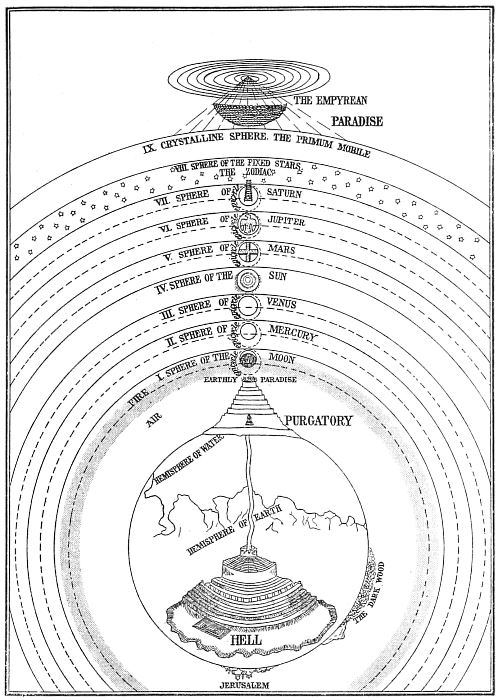
scheme of the universe, 1, 21, 22, 23, 30, 31.
Daremberg, C., editor of Liber subtilitatum, 13;
Œuvres anatomiques, physiologiques et médicales de Galien, 118 n. 1.
Darwinian theory, 236, 242, 245, 257.
Datura Stramonium, or thorn-apple, 199.
De caelo et mundo, 17.
Delation, 202.
Demiurgus, the, 192.
Demoniacs, 199, 215–22.
See also Witchcraft.
Denmark, witchcraft in, 222.
De sagarum natura et potestate, &c., 208 n. 1.
Descartes, biological theories of, 67, 68.
Devil, mediaeval views of the, 190, 192–4, 207, 216.
Devonshire, ancient custom concerning rings and the cure of epilepsy, 173;
charm against fits, 182.
Dewey, Professor John, 259.
Dialectical proof in relation to scientific discovery, 238.
Dictionary of National Biography, 230 n. 1.
Diefenbach, J., Der Hexenwahn, 195 n. 1, 221 n. 1.
Diogenes Laertius, 259 n.
Disibode, St., Hildegard’s life of, 3.
Disibodenberg, convent of, 2, 42.
Dissection: see Anatomy.
Dresden: see Manuscripts.
Driesch, Hans, biological theories of, 62–4, 69, 70, 71, 73, 75;
Analytische Theorie, 62, 70, 75;
Vitalismus, 75.
Dryander, Johannes, Anatomia, 95 n. 3, 112.
Duval, M., Histoire de l’Anatomie plastique, 86 n. 2.
E
Edward the Confessor and his ring, story of, 165, 166.
Edward II and the blessing of cramp-rings, 167, 169.
Edward III and the blessing of cramp-rings, 169, 170.
Edward IV and the blessing of cramp-rings, 171.
Edward VI and the blessing of cramp-rings, 175, 177.
Ehrenberg: see Philip of Ehrenberg.
Eibingen, 8.
Eleemosyna Rolls of Edward III, 169, 170.
Elements, mediaeval theories of the, 25–30.
Elizabeth of Schönau, visions of, 21, 22.
Ellis, Sir Henry, 178.
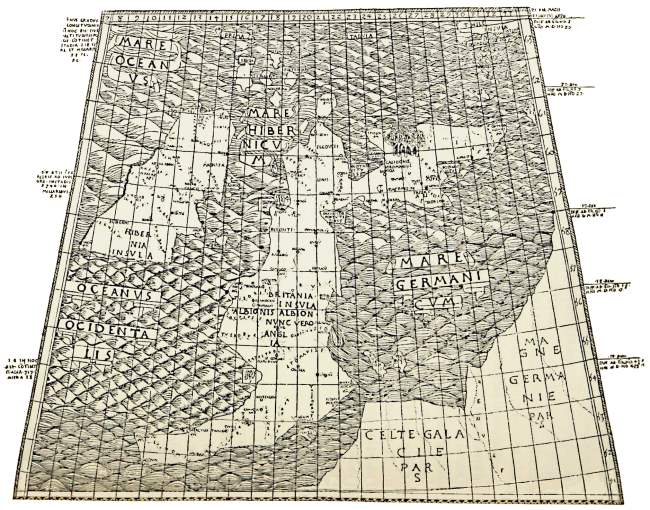
England, first printed map of, 99, 100.
Epilepsy and other spasmodic disorders, blessing of cramp-rings for the cure of, 165–87.
Essling, Prince d’, Les livres à figures vénitiens de la fin du XVe siècle et du commencement du XVIe, 89 n. 5.
Euclidean geometry, 239, 240, 250, 280.
Eugenius III, Pope, Hildegard’s correspondence with, 5.
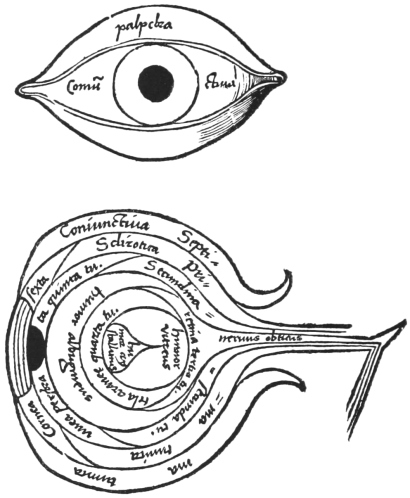
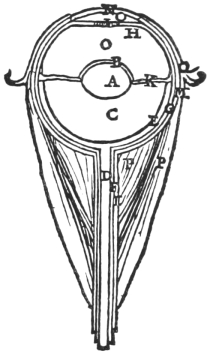
Eye, anatomy of the, 118–22.
Ezekiel, Book of, 20.
F
Fantuzzi, Giovanni, Notizie degli scrittori bolognesi, 97 n. 2, 99 n. 1.
Faust, magic feats of, 215, 216, 218.
Ferckel, Christoph, cited, 121 n. 1.
Ferrari, H. M., Une Chaire de Médecine au XVe siècle; Un professeur à l’université de Pavie de 1432 à 1472, 86 n. 3.
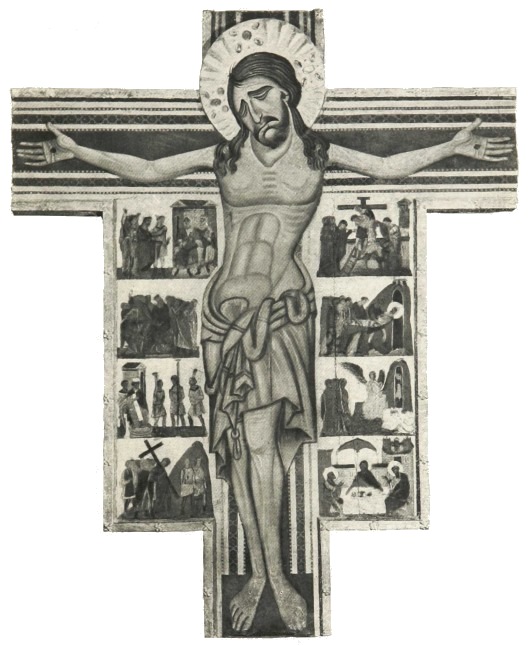
Florence, Uffizi Gallery, painted representation of the Cross, 10, 11, plate X.
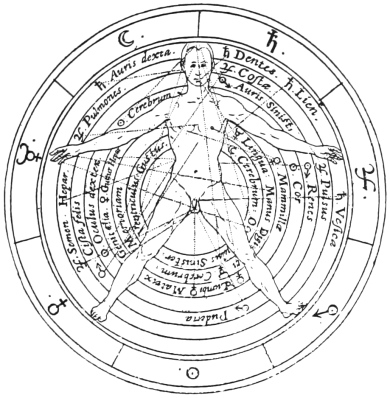
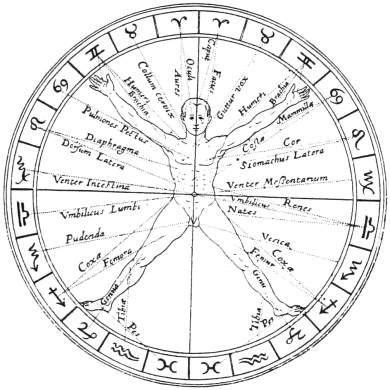
Fludd, Robert, Historia utriusque cosmi, 41 figs. 6, 7, 43;
Philosophia sacra seu astrologia cosmica, 42 fig. 8, 43.
Fonahm, A., cited, 86 n. 1, 130 n. 1.
Förner, Bishop, witch-burning by, 208.
Fortescue, Sir John, Defensio Iuris Domus Lancastriae, 171.
Fracastor, 43.
Frankfort, witchcraft at, 221.
Frati, Ludovico, La vita privata di Bologna dal secolo XIII al XVII, 84 n. 2.
Frederic Barbarossa, Emperor, Hildegard’s correspondence with, 5.
Froissart, 173.
Fulda, witch-burning in the bishopric of, 194.
Fundis, Giovanni de, 98.
G
Gabotto, Ferdinando, Bartolomeo Manfredi e l’Astrologia alla Corte di Mantova, 97 n. 4.
Galen, 17, 43, 44, 46 n. 1, 61, 67, 84, 86, 87, 97, 105, 110, 111 n., 113 and n. 2, 115, 118, 125, 126, 127, 128, 136 n., 182;
De usu partium corporis humani, 110 n. 1, 118 n. 2;
De Hippocratis et Platonis decretis, 118 n. 2;
illuminated codex of, 87, 88, plate XXXIV;
Περὶ ἀνατομικω̑ν ἐγχειρήσεων, 127 n. 1.
Galileo, 43.
Garbo, Tommaso di, 94.
Gardiner, Stephen, Bishop of Winchester, and the use of cramp-rings, 174, 175, 177.
Garrod, H. W., Manili Astronomicon, 39 n.
Garter, Order of the, 178.
Gebeno, prior of Eberbach, mediaeval writer, 15.
Geffcken, J., Dr. Johann Weyer, 189 n.
Gentleman’s Magazine, 169 nn. 1, 2, 173 nn. 1, 2, 4, 174 n. 1.
Geographical Journal, 99 n. 4.
George, John, prince-bishop, witch-burning by, 208.
Gerard of Cremona, scientific works of, 17, 18, 128.
Gerbi, Gabriele de (de Zerbis), 95, 98, 105;
Liber Anatomiae corporis humani et singulorum membrorum illius, 95 n. 2.
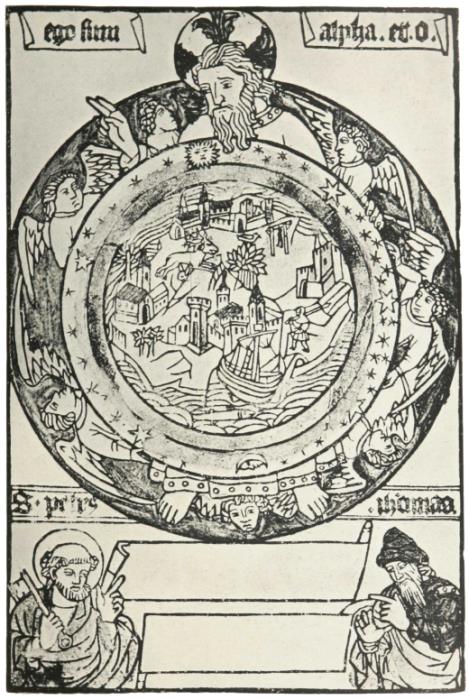
German block book (Symbolum Apostolicorum) of the fifteenth century, 39, plate XVII.
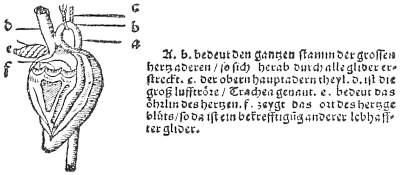
Gersdorff, Hans von, Feldt- und Stattbüch bewerter Wundartznei, anatomical drawings, 130 fig. 23, 130 n. 2.
Gertrude of Robersdorf, visions of, 21.
Ghazali, Ibn, 51, 113.
Gilbert, William, 32.
Glanvilla, Bartholomaeus de: see Bartholomaeus Anglicus.
Glaubrecht, O., Die Schreckensjahre von Lindheim, 204 n. 1.
Gloucester, Eleanor Cobham, Duchess of, charged with witchcraft, 193.
Gneyth Cross, homage paid to the, 168, 169, 170.
Godefrid, the monk, biography of St. Hildegard by, 5, 7, 51.
Goeje, M. J. de, Catalogue of Arabic Manuscripts in the Library at Leyden, 228 n. 2.
Goelicke, A. O., Introductio in historiam litterariam anatomes, 81 n.
Goethe, Am Rhein, Main und Neckar, 8 n. 2.
Golius, James, collection of Oriental MSS., 229, 230.
Good Friday, the hallowing of cramp-rings on, and offering and creeping to the cross, 167–9, 171, 179, 184–7.
Gotch, F., on biological phenomena, 70, 71.
Grado, Giammatteo Ferrari da (Matthaeus de Gradibus), Expositiones super vigesimam secundam Fen tertii canonis Avicennae, 86 n. 3;
Practica, ibid.
Great Schism, the, 193.
Greek dialectics, 237, 238, 259.
Greeks, biological speculations of the, 61.
Gregory VII, Pope, forbids inquisition for witches and sorcerers, 192.
Gregory IX, Pope, 6.
Gregory XI, Pope, 192 n. 6.
Gregory Nazianzen, St., 216.
Grimm, Wilhelm, Wiesbader Glossen, 5 n. 2, 8 n. 3.
Guibert, the monk, life of St. Hildegard by, 5 n. 3, 16 n. 3.
Guido de Vigevano: see Vigevano.
Gurlt, E., Biographisches Lexikon der hervorragenden Aerzte, 103.
Guy de Chauliac: see Chauliac.
H
Haeser, H., Geschichte der Medizin, 225 n. 1, 226 n. 10.
Haldane, J. S., on biological phenomena, 65, 66.
Haller, Albrecht von, Bibliotheca anatomica, 81 n., 103 n. 1.
Haly Abbas, 105, 113, 121, 127.
Handbuch der Geschichte der Medizin, 92 n. 4.
Hardouin, Jean (Harduinus), Collectio regia maxima conciliorum graecorum et latinorum, 191 n. 1.
Harpsfield, Nicholas, Historia Anglicana Ecclesiastica, on the blessing of cramp-rings, 179, 180.
Harvard Studies in Classical Philology, 18 n. 1.
Harvey, William, 32;
Exercitatio anatomica de motu cordis et sanguinis, 126 n. 2;
Prelectiones anatomiae universalis, 126 and n. 1.
Haskins, C. H., cited, 18 n. 1.
Haupt, Moriz, Zeitschrift für deutsches Alterthum, 5 n. 2, 8 n. 3.
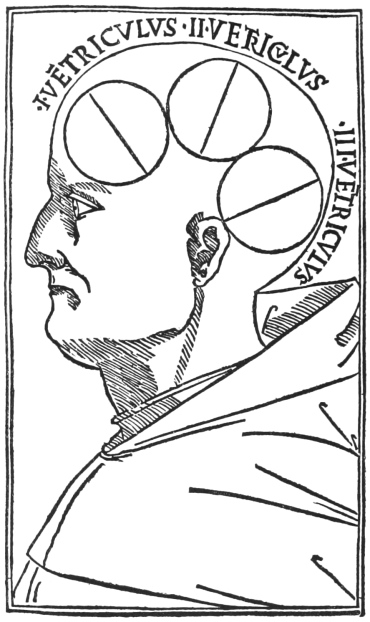
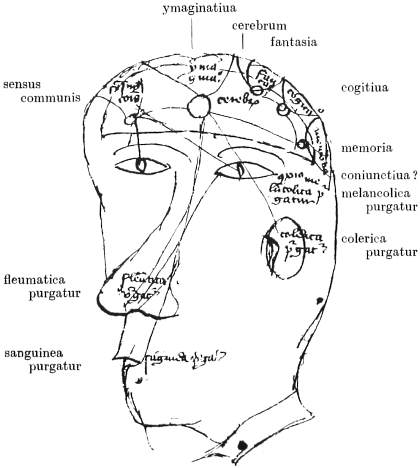
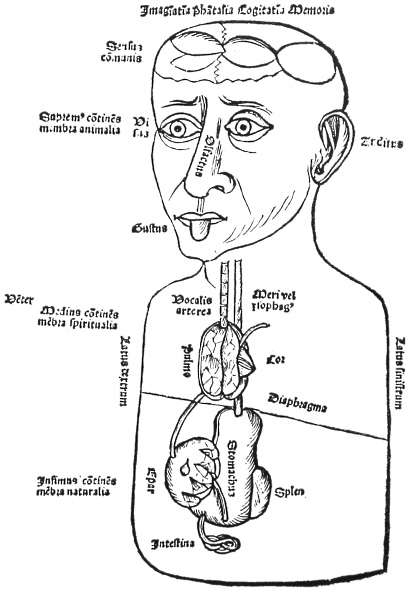
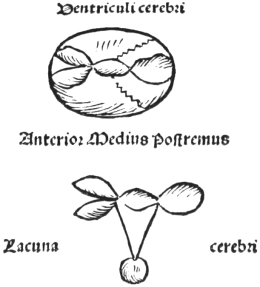
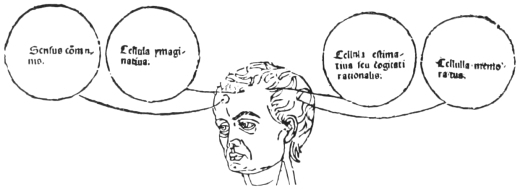
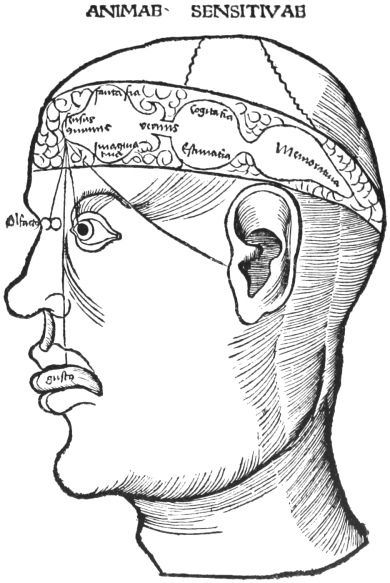
Head, anatomy of the, 106–18.
Heart, anatomy of the, 122–30.
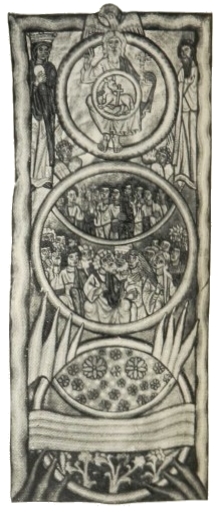
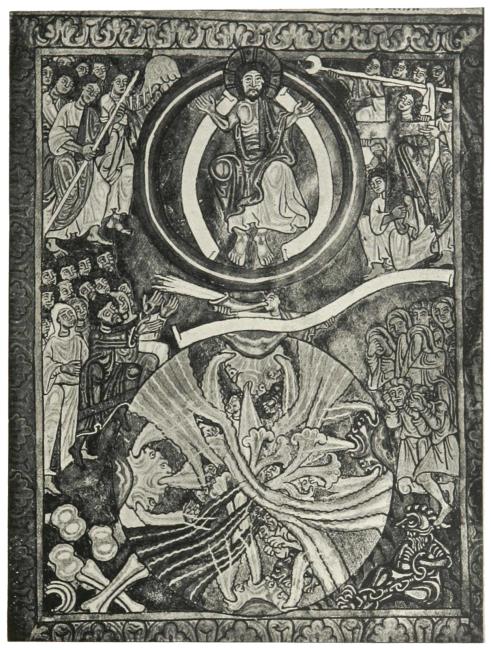
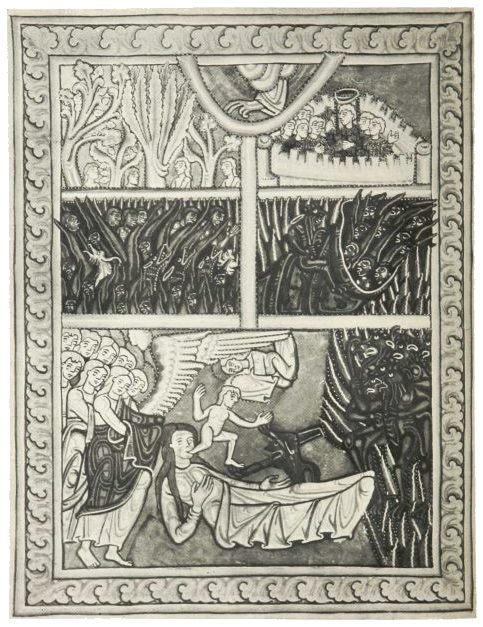
Heavenly city, Hildegard’s vision of the, 54, plate XXV.
Heidelberg: see Manuscripts.
Helmont, F. M. van, 68.
Helmreich, ΓΑΔΗΝΟΥ περὶ χρείας μορίων, 118 n. 1.
Henri de Mondeville: see Mondeville.
Henrici, Professor, 55 n.
Henry II (of England) and his consort, Hildegard’s hortatory letters to, 5.
Henry IV and the blessing of cramp-rings, 170.
Henry VII and the blessing of cramp-rings, and the ceremonial of touching for the evil, 167, 168, 172.
Henry VIII and the blessing of cramp-rings, 175, 176, 177.
Henschen, Godfrey, 8.
Heppe, H., Geschichte der Hexenprocesse, 191 n. 1, 192 n. 2, 193 n., 203 n. 3, 206 nn. 1, 2, 208 n. 4.
Heraclitus, 256.
Herbert, J. A., 55 n.;
Illuminated Manuscripts, 10 n. 1.
Heresy and witchcraft, identification of, by the Church, 192–4, 201, 220, 221.
Hermann the Dalmatian, 17 n. 1.
Hermas, Shepherd of, 20.
Hermes, 24 n.
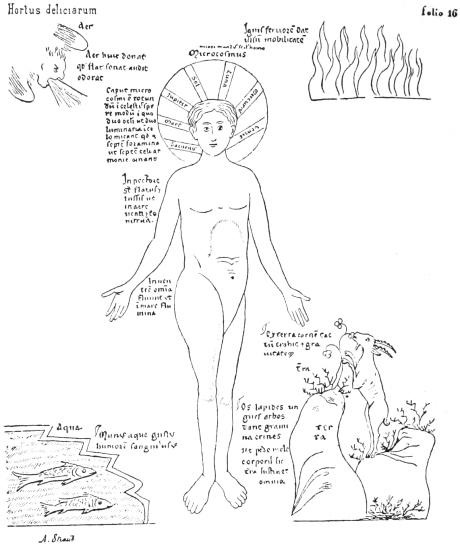
Herrade de Landsberg, Hortus deliciarum, 20, 21, 22, 23, 27, 40 fig. 5, 42, 48 fig. 9, 55 n.
Hertford, Edward Seymour, Earl of, present of cramp-rings by, 175.
Hilaire the Great, St., of Poitiers, 38 n. 4.
Hildegard, St. (1098–1180), The Scientific Views and Visions of, 1–55.
Biographical details, 2–6, 51–2;
bibliographical note, 6–12;
canonization, proposals for, 6;
correspondence, 3–5;
journeys, 4;
language, 12, 15, 16;
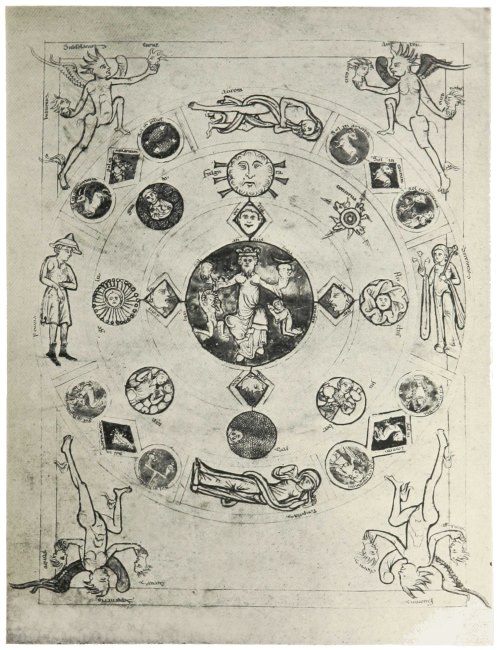
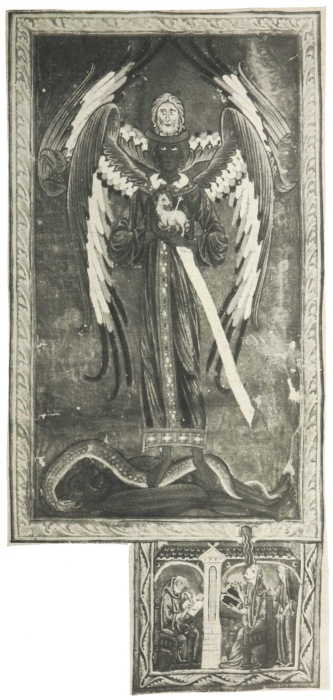
miniatures, 7, 8, 10–12, 34, 35, 49, 51, plates I, III, VI-IX, XI;
musical compositions, 3;
pathological basis of visions, 51–3;
patristic influence, 17;
sources of scientific knowledge, 15–22;
visions, 3, 7, 10, 11, 16 n. 3, 17, 20, 21, 22, 27, 32, 33, 34, 35, 36, 40, 43, 51–5.
Hildegard’s views on—anatomy and physiology, 14, 18, 30, 43–8;
astrology, 18, 34;
birth and death and the nature of the soul, 49–51;
elements, the, 25–30;
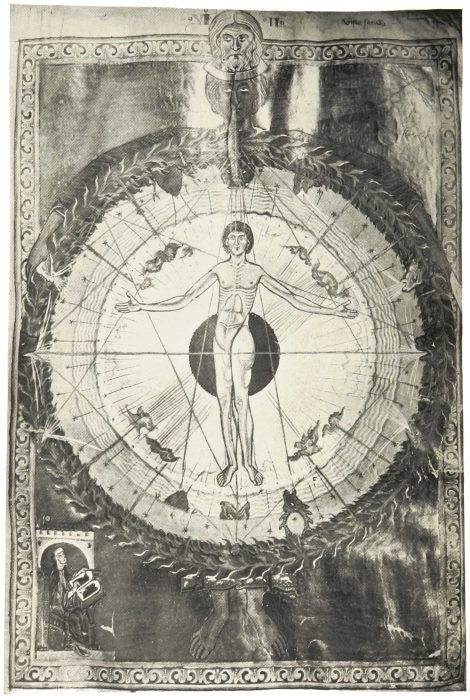
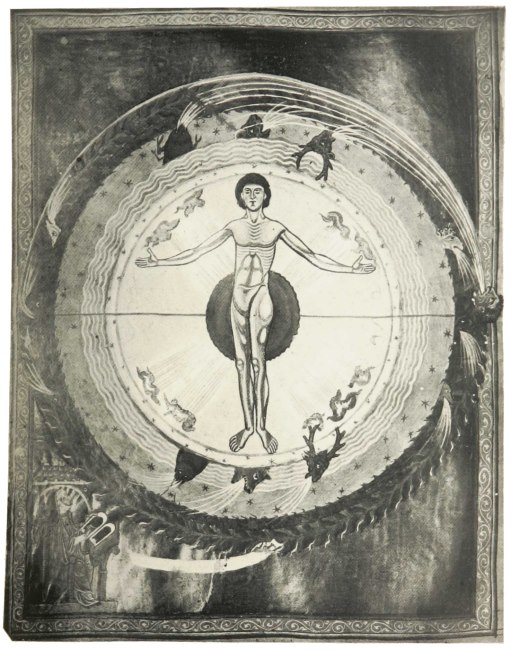
macrocosm and microcosm, 9, 16 n., 18, 19, 20, 30–43, 45, 51;
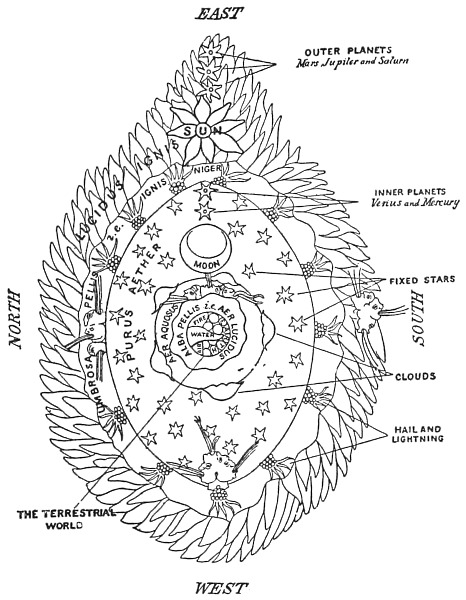
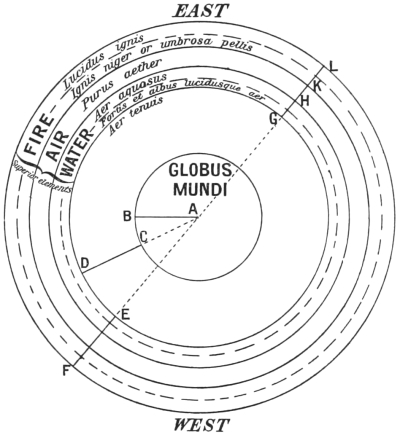
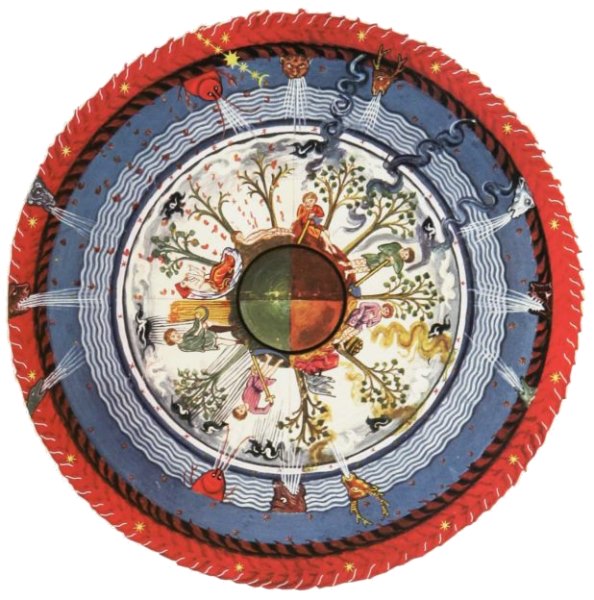
structure of the material universe, 8, 13, 14, 18, 19, 20, 21, 22–30, 39;
winds, 25–7, 34.
Works: Ad praelatos Moguntienses, 7;
Explanatio regulae sancti Benedicti, 4, 7;
Explanatio symboli sancti Athanasii ad congregationem sororum suorum, 4;
Expositiones evangeliorum, 7;
Ignota lingua, 5, 7, 15 n.;
Ignotae litterae, 7;
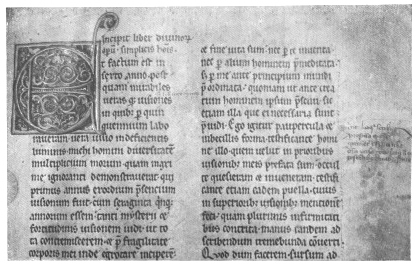
Liber divinorum operum simplicis hominis, 3, 7, 8–12, 14, 16 n., 18, 19, 20, 22 n., 24 n., 25, 27, 28, 30, 32, 34, 35, 36, 39 n., 40, 42, 51, plates V (b), VI, VII, VIII, IX, XI;
Liber epistolarum, 7, 12;
Liber orationum, 7;
Liber vitae meritorum per simplicem hominem a vivente luce revelatorum, 3, 6, 12, 14 n., 19, 20, 21;
Litterae villarenses, 7;
Lives of St. Disibode and St. Rupert, 3, 7;
Quaestionum solutiones triginta octo, 4;
Scivias, 3, 6, 7, 8, 12, 14 n., 18, 19, 20, 21, 24 n., 27, 28, 30, 34, 42 n., 49, 53, plates III, IV;
Symphonia harmoniae celestum revelationum, 7.
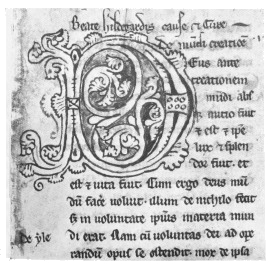
Spurious scientific works: Beatae Hildegardis causae et curae, 12, 14, plate V (a);
Revelatio de fratribus quatuor mendicantium ordinum, 15;
Speculum futurorum temporum, 15;
Subtilitatum diversarumque creaturarum libri novem, 13, 14.
Hippocrates, 218, 219.
Hirsch, A., Biographisches Lexikon der hervorragenden Aerzte, 103, 225 n. 1.
Hopstock, H., cited, 86 n. 1, 130 n. 1.
Horst, G. C., cited, 204, 205, 206;
Dämonomagie, 204 n. 1, 205 n., 206 n. 4;
Zauberbibliothek, 204 n. 1, 205 n.
Hoton, Thomas de, rector of Kyrkebymisperton (Yorkshire), 172.
Hubrecht, A. A. W., 57.
Hugh of St. Victor, De arca Noe mystica, 20;
De bestiis et aliis rebus, 45 and n. 2, 46 n. 2.
Hunain ben Ishak, anatomical writings of, 120, 121.
Hundt, M., anatomical drawings of, 96 n. 2, 105;
Antropologium, de hominis dignitate natura et proprietatibus, 112 fig. 11.
Huntington, Robert, Bishop of Raphoe, 229, 230.
Husee, John, and the use of cramp-rings, 175, 176.
Hutchinson, F., Historical Essay concerning Witchcraft, 195 n. 3, 222 n. 2.
I
Illustrations of the manners and expences of antient times in England, 177.
Innocent IV, Pope, 6.
Innocent VIII, Pope, bull of, concerning witchcraft, 193.
Institoris, H., Malleus Maleficarum, 194 and n., 201–3.
Isaac Judaeus, Viaticum, 44.
Isidore Hispalensis, 13, 16, 17, 19, 21, 22, 27.
Italian miniatures, mediaeval, 10, 11.
J
James I, Daemonologia, 214.
Janssen, J., Geschichte des deutschen Volkes, 190 n., 212 n.
Janus, 113 n. 2.
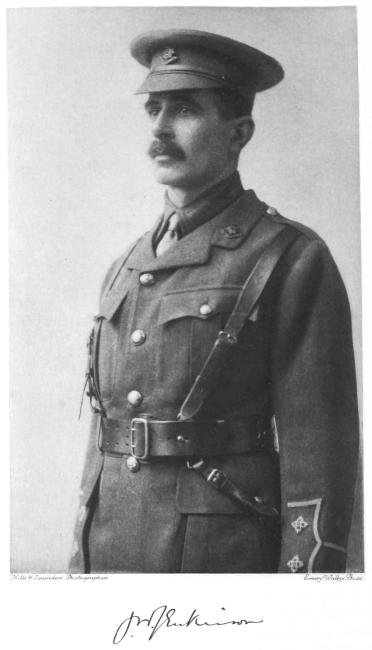
Jenkinson, John Wilfred: Vitalism, 59–78.
—biographical notice of, 57–8;
list of books and papers by, 58;
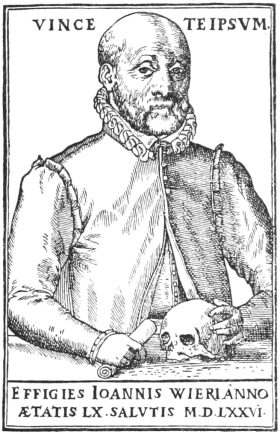
portrait of, plate XXVI.
Jerome, St., 216.
Jessen, C., cited, 12 n. 2.
Jesu Aly, anatomical work by, 121.
Jewish Quarterly Review, 20 n. 2.
Jews, dissemination of scientific knowledge in the Middle Ages by, 17, 20.
Joan of Arc, 193.
Job, Book of, 24, 50, 216.
Johannes Sacro Bosco, 23.
John XXII, Pope, 6.
John of Bourdeaux, tract on the plague by, 102.
John of Peckham, anatomical writings of, 121.
Johnson, Dr. Samuel, 182.
Jong, P. de, Catalogue of Arabic MSS. in the Library at Leyden, 228 n. 2.
Joseph, H. W. B., Logic, 239 n.
Jourdain, Charles, Dissertation sur l’état de la philosophie naturelle ... pendant la première moitié du XIIe siècle, 19 n. 2.
Journal of the Royal Asiatic Society, 44 n. 5.
Judaeus: see Isaac Judaeus.
Junius, John, burgomaster of Bamberg, account of his trial for witchcraft, 209–12.
Justin Martyr, 216.
K
Kaiser, Paul, Hildegardis causae et curae, 12 n. 2.
Kant, Critique of the Teleological Judgement, 71–3, 75;
scheme of a priori, 250.
Keller, G., edition of Herrade de Landsberg’s Hortus deliciarum, 21 n. 4, 40 fig. 5, 48 fig. 9.
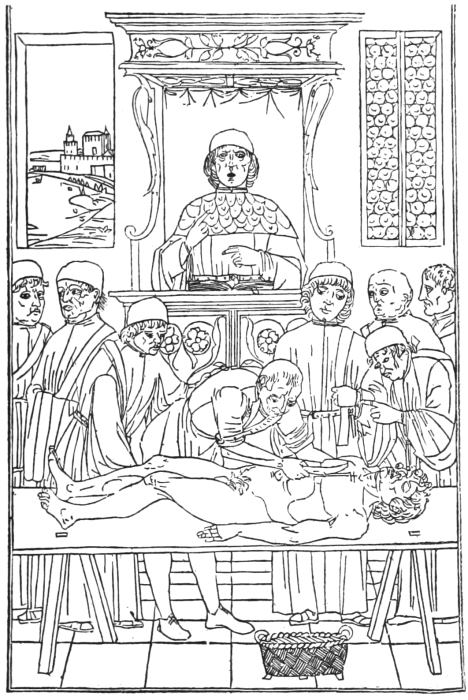
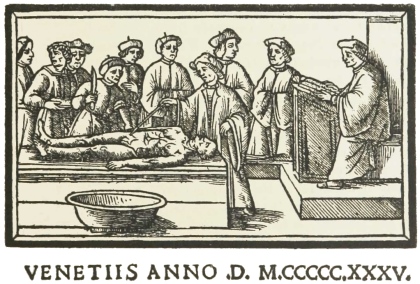
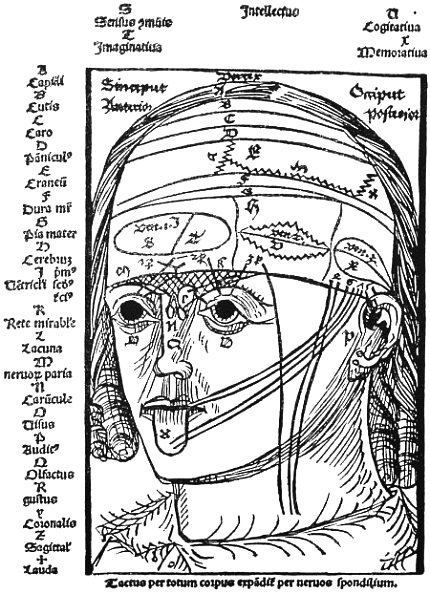
‘Ketham’, Fasciculus medicinae, anatomical drawings, 89, 90, 91 fig. 7, 96 n. 2, 117 fig. 17, plate XXVII.
Khalfa, Haji, bibliography of Arabic works, 228 n. 5, 229.
Kiesewetter, K., Die Geheimwissenschaften, 199 n. 2.
King’s Evil, touching for the, 167, 171, 172, 178.
Koning, P. de, Traité sur le calcul, 228 n. 5;
Trois Traités d’Anatomie arabes, 113 n. 1, 127 n. 3.
Kötzendörffer, Dr., torture of witches by, 208, 209.
Kraut, G., Experimentarius medicinae continens Trotulae curandarum Aegritudinum muliebrium ... item quatuor Hildegardis de elementorum, etc., 13 n. 1.
L
Laboulbène, A., Les anatomistes anciens, 92 n. 4.
Lactantius, 216.
Landsberg: see Herrade de Landsberg.
Laplace, P. S., 66.
Laufer, Berthold, Beiträge zur Kenntnis der Tibetanischen Medizin, 44 n. 5.
Lavoisier, 66.
Lawrence, abbot of Westminster, 166.
Lea, H. C., History of the Inquisition of the Middle Ages, 191 nn. 1, 2, 192 nn. 1, 3, 6, 193 n., 208 n. 2, 214 n.
Lecky, W. E. H., on witchcraft, 223.
Leclerc, L., 227; Histoire de la médecine arabe, 226 n. 5, 229 n. 4.
Leersum, E. C. van, Miniaturen der lateinischen Galenos-Handschrift der kgl. öffentl. Bibliothek in Dresden, 87–8 n.
Leibnitz, 32, 68.
Leitschuh, Dr. F., Beiträge zur Geschichte des Hexenwesens in Franken, 209 and nn. 1–3.
Lemgo, witch persecution at, 207.
Leonardo da Vinci: see Vinci.
Lerida, public anatomies at, in the fourteenth century, 79.
Levy, Reuben: The Tractatus de Causis et Indiciis Morborum attributed to Maimonides, 225–34.
Leyden: see Manuscripts.
Linacre, Thomas, and the use of cramp-rings, 173, 174, 180.
Linde, Antonius van der, Die Handschriften der Königlichen Landesbibliothek in Wiesbaden, 6 n. 3, 8 n. 1.
Lindheim, persecutions for witchcraft at, 204, 205, 206.
Lisle, Lady, and the use of cramp-rings, 175, 176.
Lisle Papers, 175 nn. 3, 4, 176 nn. 1–4.
Lockwood, D. P., The Sicilian Translators of the Twelfth Century and the First Latin Version of Ptolemy’s ‘Almagest’, 18 n. 1.
Logical proof and scientific discovery, 235–89.
Lones, T. E., Aristotle’s Researches in Natural Science, 126 n. 5.
Louis VII, 5.
Lucca: see Manuscripts.
Luciferans, or devil worshippers, sects of, 192.
Luther, Martin, 216, 224.
Lutherans, persecution of, 194, 195.
Luzzi, Mondino di: see Mondino.
M
Macer, Floridus, 13.
Macray, W. D., Annals of the Bodleian, 229 n. 5, 230 n. 1.
Macrocosm, mediaeval and Renaissance theories of the, 32, 38, 43;
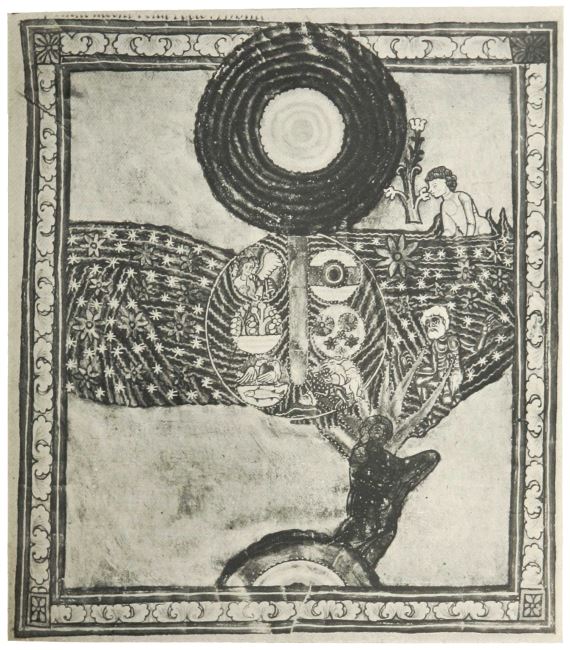
Hildegard’s views on, 9, 16 n., 18, 19, 20, 30–43, plates VII, VIII.
Madrid: see Manuscripts.
Magicians, 215, 218.
See also Witchcraft.
Magnus, Dr. Thomas, and the use of cramp-rings, 174, 180.
Maimonides, the Tractatus de Causis et Indiciis Morborum attributed to, 225–34;
other works: Aphorisms, 232, 233;
on Asthma and on Poisons, 226;
Tractatus de Morbo Regis Aegypti, 226;
Tractatus de Regimine, Sanitatis, 226.
Malagola, Carlo, statuti dell’ Università e dei collegi dello Studio bolognese, 79 n. 3.
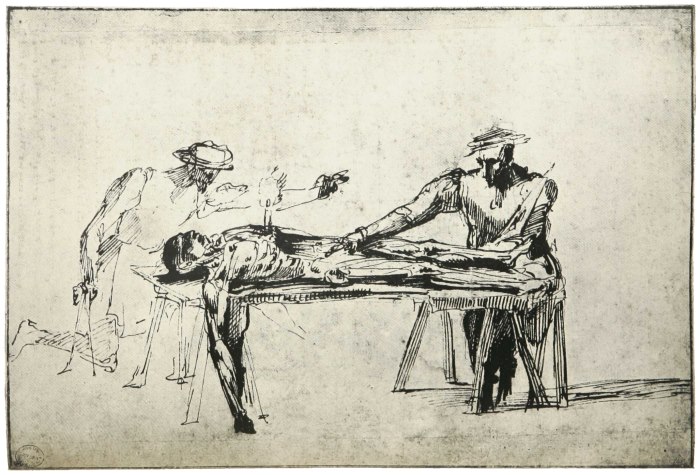
Manfredi, Bartolomeo, anatomical drawing attributed to, 88, plate XXXVI.
Manfredi, Giovanni, 99.
Manfredi, Hieronymo, professor of medicine at Bologna (1463–93):
account of his career, 97–9;
astrological studies, 97–9, 102, 103.
Manuscript Anothomia of Manfredi, 103–64;
translation of selected passages, with commentary:
the brain, 107–15;
cranial nerves, 110, 111, 118;
eye, 118–22;
head, 106–18;
heart, 122–30;
skull, 106, 107;
Italian text of the Anothomia, 130–64.
Printed works, 99–103;
Centilogium de medicis et infirmis, 102;
Editio princeps of Ptolemy, 99;
Liber de homine: cuius sunt libri duo. Primus liber de conservatione sanitatis (‘Il Perchè’), 101;
Prognosticon ad annum 1479, 98, 102;
Prognosticon anni 1481, 102;
Tractato degno et utile de la pestilentia, 101.
Other works attributed to Manfredi:
Chiromantia secundum naturae vires ad extra, 103;
Ephemerides astrologicae operationes medicas spectantes, 103;
Quaestiones subtilissimae super librum aphorismorum, 103.
Manichean heresy, 192.
Mansell, Monumenta Ritualia, 168.
Mansi, Giovanni Domenico, Archbishop of Lucca, 9.
Mantegna, Andrea, anatomical studies of, 86.
Manuscripts:
Berlin:
Al Qifty, Classes philosophorum et astronomorum et medicorum, 229 n. 3.
Bristol Reference Library:
French MS. of the Grande Chirurgie of Guy de Chauliac, 84 n., plate XXX (b).
British Museum:
Al Qifty, Classes philosophorum et astronomorum et medicorum, 229 n. 3;
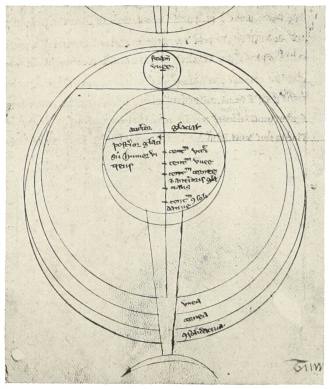
Bacon, Roger, De scientia perspectiva, 116 fig. 14;
diagram of the eye, 122, plate XXXVIII (a);
cramp-ring made from offertory pennies, 173;
De fundacione ecclesie Westm’, 166;
Eleemosyna Rolls of Edward III, 169, 170;
Muhaḏḏib ed Din, Delectus de Medicina, fragment, 228;
Household Accounts of Henry IV, 170.
Bury Wills (published by the Camden Society), 172 n. 2.
Cambridge, University Library:
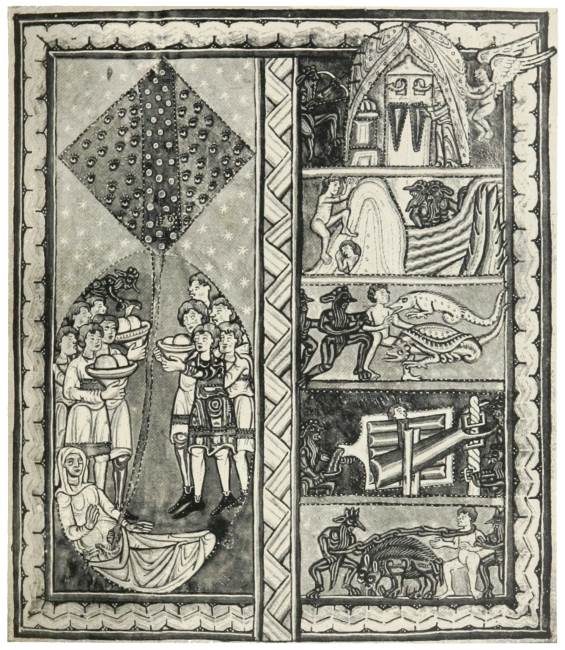
Life of Edward the Confessor, 166, plate XXXIX.
Chantilly:
anatomical sketches from the MS. of Guy de Vigevano, 87, plates XXXI, XXXII.
Copenhagen, Royal Library:
Beatae Hildegardis causae et curae, 12, plate V (a).
Dresden:
illuminated codex of Galen, 87, 88, plate XXXIV.
Heidelberg, University Library:
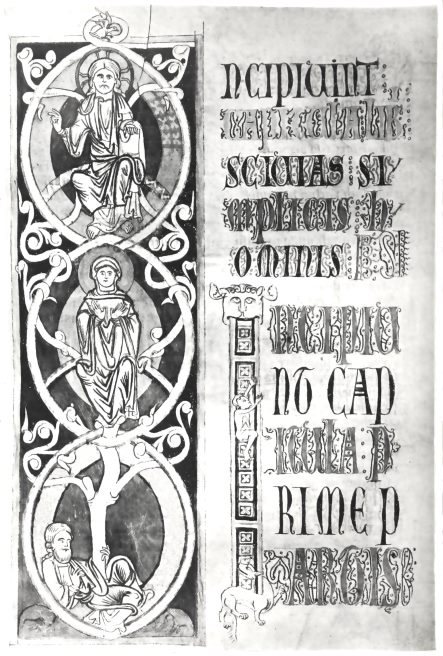
illuminated MS. of the Scivias of St. Hildegard, 8, plates III, IV.
Leyden, University Library:
Al Qifty, Classes philosophorum et astronomorum et medicorum, 229 n. 3;
Golius’s Oriental MSS., 230;
Muhaḏḏib ed Din, Delectus de Medicina, 228, 230.
London Society of Antiquaries:
Proclamation on the Creepyng of the Crosse, 169.
Lucca, Municipal Library: illustrated codex of the Liber divinorum operum simplicis hominis of St. Hildegard, 8–12, 22, 25, 28, 32, 34, 35, 39 n., 40, 42, plates V (b), VI-IX, XI.
Madrid, Escurial: Al Qifty, Classes philosophorum et astronomorum et medicorum, 229 n. 3.
Montpellier, Bibliothèque de la Faculté de Médecine: French MS. of the Grande Chirurgie of Guy de Chauliac, 81 n. 2, plate XXIX.
Munich, 87 n. 1.
Oxford, Bodleian Library: astrological work translated from the Arabic by Hermann the Dalmatian, 17 n.;
diagrams of internal organs, 87, 88;
dissection scene, c. 1298, 81, plate XXVIII (b);
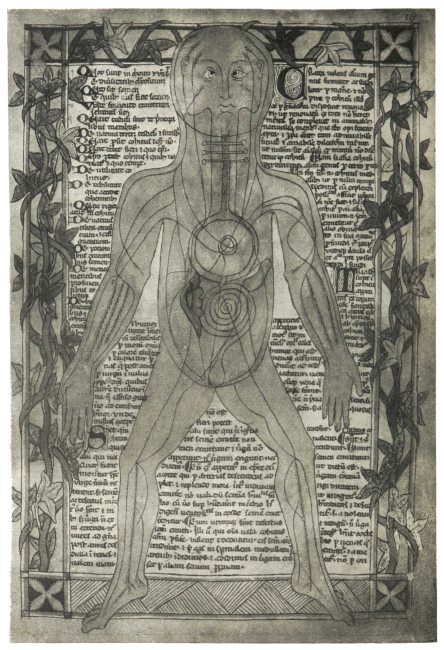
‘Five Figure’ anatomical series, 44, 87 n., 88 fig. 6, plates XVIII, XXXIII;
Hieronymo Manfredi, Anothomia, 90, 103–6, 130–64;
Marsh’s Oriental MSS., 229;
Muhaḏḏib ed Din, Delectus de Medicina, 227, 228;
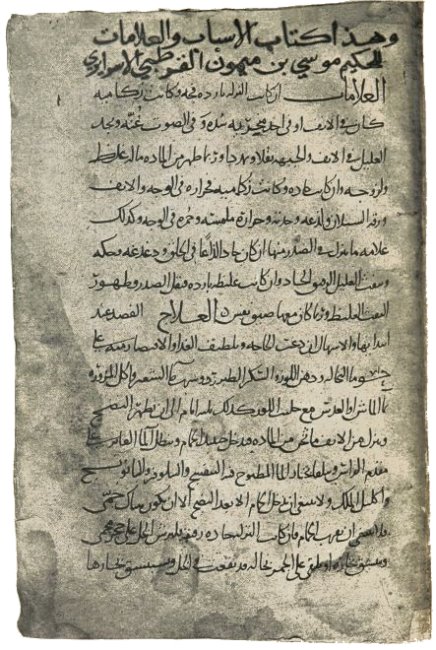
Tractatus de Causis et Indiciis Morborum, attributed to Maimonides, 225, 227, 229, 231, 234, plate XLI.
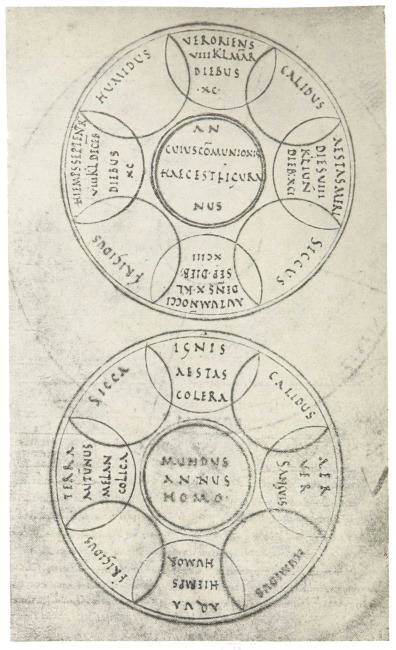
Paris, Bibliothèque nationale: ninth-century MS. with diagram showing relation of human and cosmic phenomena, plate XIV;
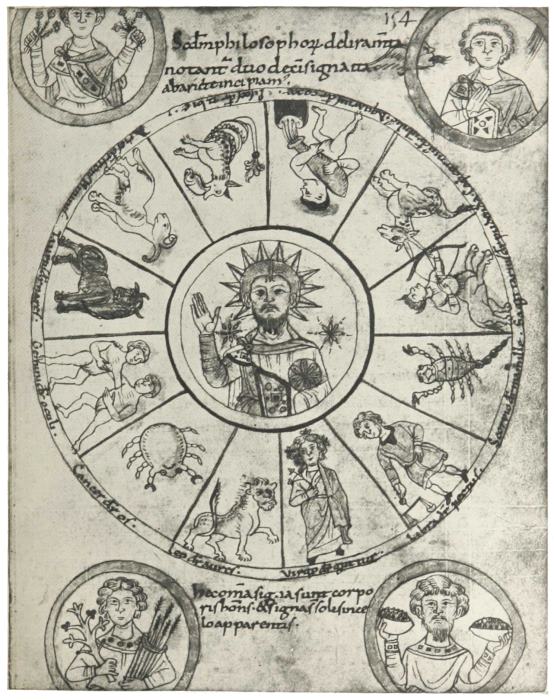
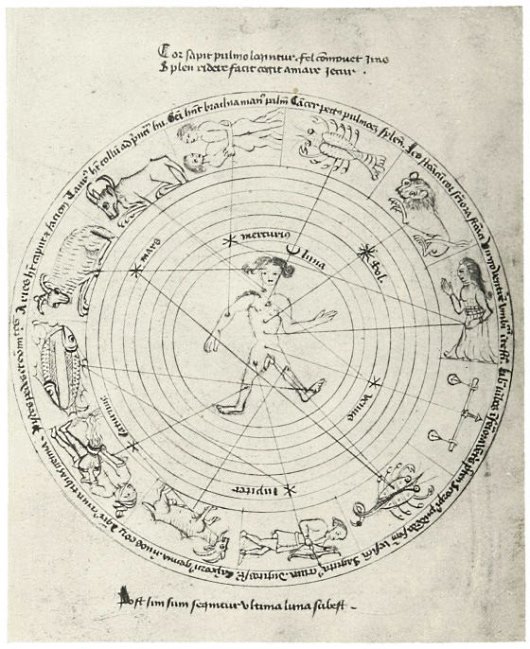
MSS. with figures illustrating signs of the Zodiac, 38, 39, plates XV, XVI;
illustrating the anatomy of Henri de Mondeville, 87, plate XXVIII (a);
Orders of the King of England’s household, 13 Henry VIII, 167, 168;
Tractatus de Causis et Indiciis Morborum, alleged copy, 225;
tracts by Maimonides, 225, 226, 227, 229, 234.
Pisa University Library (Roncioni MS.): anatomical drawings, 87 n. 4, 127 fig. 21.
Raudnitz: Library of Count F. Zdenho von Lobkowicz, anatomical drawings, 87 n. 1.
Record Office, London: Wardrobe Accounts of Edward III, 170;
Account Books of Richard II, 170.
Rome, Vatican Library: Provençal translation of the Grande Chirurgie of Guy de Chauliac, 83 n., plate XXX (a).
Westminster, Library of the Roman Catholic Cathedral: Manual of Queen Mary Tudor, 175, 177–9, plate XL.
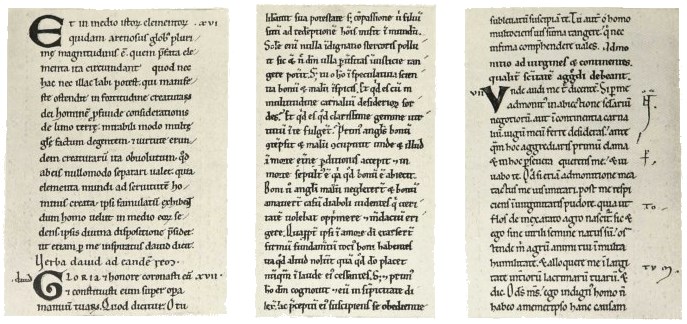
Wiesbaden, Nassauische Landesbibliothek: works of St. Hildegard, 6–8, 9 fig. 2, 12 n., 14, 22, 23, 49, 51, 54, plates I-IV, XII (a, b), XIII, XIX-XXV.
Manuscripts, illuminated, 7, 8, 10–12, 166, 177–9, plates I-IV, V (b), VI-IX, XI-XIII, XIX-XXV, XXXIX, XL.
Mappaemundi, 22.
Marbod of Anjou, 13.
Marburg: see Conrad of Marburg.
Marburg, Protestant University of, 221.
Marsh, Narcissus, Archbishop of Armagh, collection of Oriental MSS., 229.
Martin, W., Miniaturen der lateinischen Galenos-Handschrift der kgl. öffentl. Bibliothek in Dresden, 88 n.
Martinotti, G., L’insegnamento dell’ Anatomia in Bologna prima del secolo XIX, 92 n. 4, 103 n. 2.
Mary I, Queen, and the blessing of cramp-rings, 175, 177;
the Queen’s Manual, with the Office of Blessing, 175, 177–9;
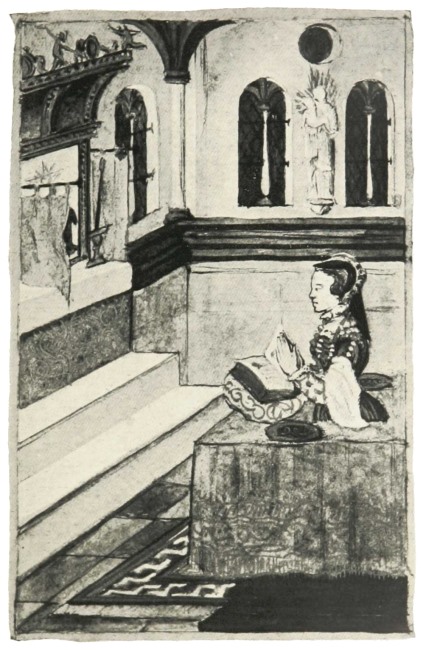
miniature of, 177–9, plate XL.
Mathematics and scientific proof, 238, 239, 241, 255, 263, 269.
Mathews, Norris, Early Printed Books and MSS. in the Bristol Reference Library, 84 n. 1.
Mayence Commission (1489), 8.
Mazzatinti, Inventari dei Manoscritti delle Biblioteche d’Italia, 103 n. 4.
Medici, Lorenzo de’, 104.
Medici, Michele, Compendio storico della scuola anatomica di Bologna dal Rinascimento delle Scienze e delle Lettere a tutto il Secolo XVIII, 92 n. 1, 103 n. 2;
Della vita e degli scritti degli anatomici e medici fioriti in Bologna dal comincio del secolo XIII, 92 n. 1, 93 n. 1, 97 n. 1.
Meiningen, witch-burning at, 208.
Melancholia, 213, 217, 221.
‘Melothesia’, 38, 39 n.., 41 figs. 6, 7, plates XV, XVI.
Messahalah, writings of, 19, 27, 30, 39 n. 3;
De Orbe, 17, 18, 29.
Metabolism, 60, 65, 68, 70, 76.
Methodological assumptions, 266, 267;
fictions, 251.
Methodus medendi certa clara et brevis, 44 n. 2.
Metz, witchcraft at, 215.
Meyer, L., Die Periode der Hexenprocesse, 199 n. 1.
Microcosm, mediaeval and Renaissance theories of the, 32, 38, 43;
Hildegard’s views on, 9, 16 n., 18, 19, 20, 30–43;
drawings, 42 fig. 8, plate VIII.
Migne, Patrologia Latina, 4 n., 6, 13 n. and ff.
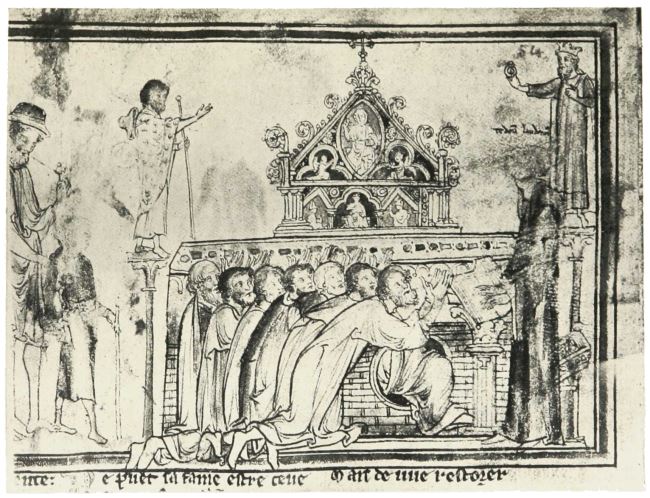
Miniatures: miracles at the tomb of Edward the Confessor, in Norman-French MS., 166, plate XXXIX;
of Queen Mary Tudor, 177–9, plate XL;
of St. Hildegard, 7, 8, 10–12, 34, 35, 49, 51, plates I, III, VI-IX, XI.
Mirandola, Johannes Franciscus Picus, Disputationes adversus astrologos, 98 and n. 3.
Molitor, U., Tractatus de lamiis, 222 and n. 1.
Monatshefte der Comenius-Gesellschaft, 189 n.
Mondeville, Henri de, drawings of dissections in works of, 87, plate XXVIII (a);
on the anatomy of the eye, 121;
writings of, 126, 128–9.
Mondino de Luzzi, professor of surgery at Bologna, 79, 82, 85, 86, 89, 90, 93, 94, 95, 96, 105, 106, 111 n., 113, 115, 118, 126, 130, 136 n.
Mons, Count William of, 220.
Mons, witchcraft at, 220.
Monte Cassino, monastery of, 16, 21, 44.
Monteferrato, Giorgio di, collection of medical tracts by, 89.
Montpellier, anatomical teaching at, in the fourteenth century, 79, 94. See also Manuscripts.
Monuments et Mémoires publiés par l’Académie des Inscriptions et Belles-Lettres, 7 n. 1.
Moses ibn Tibbon, 226 n. 3.
Muelich, J. A.: see Adelphus, Johannes.
Muhaḏḏib ed Din Abu’l Hasan Ali ibn Aḥmad, Delectus de Medicina, 227, 228, 230.
Müller, A., 227 n. 4.
Müller, Johannes, on vitalism, 65, 66.
Mûsa ibn Maimûn, 227, 231, 232, 234.
Myer, Isaac, Qabbalah: the philosophical writings of Solomon ben Yehudah ibn Gebirol, 43 n. 1.
N
Nahe, river, 2, 3.
Nardi, Luigi, Chartularium Studii Bononiensis, 98 n. 1.
Neckam: see Alexander of Neckam.
Neisse, persecutions for witchcraft at, 204, 205.
Nemesius, 51, 113.
Neoplatonism, 33, 37.
Neo-vitalism: see Vitalism.
Newton, Isaac, 253.
Nicaise, E., La Grande Chirurgie de Guy de Chauliac, 82 n. 1, 121 n. 2.
Nicholas I, Pope, condemns torture of witches, 192.
Nicodemus, Gospel of, 20.
Nicoll, A., Catalogue of Oriental MSS. in the Bodleian Library, 230 n. 2.
Nixon, J. A., A New Guy de Chauliac MS., 84 n. 1.
Nordenskiöld, A. E., Facsimile Atlas till Kartografiens äldesta Historia, 99 n. 4.
Nördlingen, torture of witches at, 213.
Norfolk, Thomas Howard, eighth Duke of, 176.
Northamptonshire, Rare and Curious Tracts Illustrative of the History of, 195 n. 2.
Northumberland Household Book, cited, 168.
Norwich, Registry of Wills, 176 n. 5.
Notes and Queries, 175 n. 3.
O
Origen, 222.
Orioli, Emilio, Chartularium Studii Bononiensis, 98 n. 1.
Orlandi, P. A., Notizie degli scrittori bolognesi, 98 n. 2.
Osiander, Andrew, 8.
Oxford, Ashmolean Museum: drawing of dissection scene attributed to Bartolomeo Manfredi, 88, plate XXXVI. See also Manuscripts.
P
Padua, public anatomies at, in the fifteenth century, 79, 81 n., 82.
Pagel, J. L., Die Anatomie des Heinrich von Mondeville, 121 n. 3;
Die Chirurgie des Heinrich von Mondeville, 129 n. 1;
Maimuni als medizinischer Schriftsteller, 229 n. 1.
Painters, early Renaissance, anatomical studies of, 86.
Palladius, Peter, on the treatment of witches, 195.
Papenbroch, Daniel, 8.
Paracelsus, 32, 42, 43, 61, 214;
Labyrinthus medicorum errantium, 42 n.
Paré, Ambroise, 214.
Paris, public anatomies at, in the fifteenth century. See also Manuscripts.
Pascal, on principles of conscience, 200.
Pastor, L., Geschichte des deutschen Volkes, 190 n.
Paulicians, the, of Armenia, 192 n. 4.
Pauline writings, 21.
Peckham: see John of Peckham.
Pepys, Samuel, 181.
Peter of Abano, charge of sorcery against, 193.
Petrocello, psychological writings of, 114.
Petrus, Henricus, 44 nn. 2, 3, 114 n. 1.
Peyligk, K., anatomical drawings of, 96 n. 2, 105;
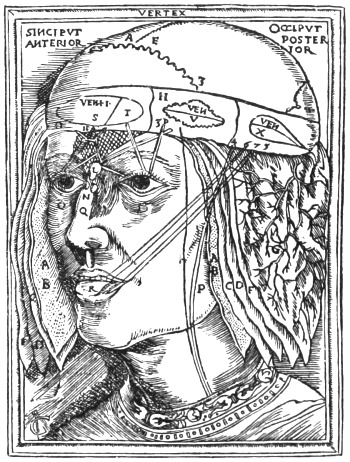
Philosophiae naturalis compendium, 116 fig. 15, 122 n. 2.
Philip of Ehrenberg, prince-bishop, witch-burning by, 208.
Philips, Mary, executed for witchcraft, 195.
Physicians, College of, 173.
Physiological theories, 59 ff.
Physiologus, 13.
Piot, Eugène, Le Cabinet de l’amateur, 90 n. 1.
Pisa: see Manuscripts.
Pitra, Cardinal J. B., 16 n. 3;
Analecta sacra, 4 n. 4, 5 n. 1, 6, 12 n. 2, 14 n. 3, 19 n. 1, 20 n. 2, 21 n. 1.
Plague, Manfredi’s treatise on the, 101, 102.
Plato, 245, 255, 256, 259, 270, 288.
Pliny, 13.
Pocock, Edward, 230, 231 n. 1;
editor of Bar Hebraeus’s works, 228 nn. 4, 5.
Poincaré, M., Science et Méthode, 254 n. 1.
Pollaiuolo, Antonio, anatomical studies of, 86.
Polydore Vergil and the use of cramp-rings, 172, 180.
Poole, R. Lane, Illustrations of the History of Mediaeval Thought in the Departments of Theology and Ecclesiastical Politics, 19 n. 2, 37 n. 4.
Porphyry, 38.
Porta, Baptista, 199.
Portal, A., Histoire de l’Anatomie et Chirurgie, 81 n.
Post-mortem examinations in the fourteenth and fifteenth centuries, 81, plates XXVIII (b), XXIX.
Power, Maura, An Irish Astronomical Text, 39 n. 3.
Prague, public anatomies at, in the fifteenth century, 79.
Pratzel, Dr. Veit, burnt for witchcraft, 206.
Pretorius, Von Zauberei und Zauberern, 203 n. 3.
Proceedings of the Royal Society of Medicine, 81 n. 1.
Proceedings of the Society of Antiquaries, 177–8.
Proof, logical, and scientific discovery, 235–89.
Protagoras, 259.
Psychoids, theory of, 64, 65, 68, 71, 73, 75, 76.
Psychology, mediaeval, 51.
Ptolemy, Almagest, 17, 18;
astronomy of, 264; Manfredi’s edition of the Cosmographia and Tabulae Cosmographiae, 99.
Pusey, E. B., Catalogue of Oriental MSS. in the Bodleian Library, 230, 231.
Q
Quaderni d’anatomia, 86 n. 1.
R
Rabbinowicz, J. M., Traité des Poisons de Maimonide, 226 n. 1.
Rashdall, Hastings, Universities of Europe in the Middle Ages, 97 n. 3.
Ratdolt, Erhard, experiment in colour printing by, 90.
Raudnitz: see Manuscripts.
Regimen sanitatis Salerni, 13, 18, 21.
Reisch, Gregorius, Margarita philosophiae, anatomical drawings, 117 fig. 18, 120 fig. 19, 122 and n. 2.
Remy, Nicholas, inquisitor of Lorraine, account of witch-trials, 196–8, 200;
Daemanolatria, 196, 200 n. 1.
Renaissance anatomy: see Anatomy.
Renzi, S. de, Collectio Salernitana, 13 n. 1, 18 nn. 1–5, 39 n., 43 n. 2, 44 n. 1, 114 n. 2.
Reuss, F. A., 14 n. 1;
De Libris physicis S. Hildegardis commentatio historico-medica, 13 n. 3;
Der heiligen Hildegard Subtilitatum diversarum naturarum creaturarum libri novem, &c., 13 n. 3.
Revue des questions historiques, 5 n. 3, 16 n. 3, 21 n. 3, 23 n. 5.
Revue scientifique pour la France et pour l’Étranger, 92 n. 4.
Rhazes, 93, 105, 110, 113, 120, 121, 127, 182;
Almansur, 110 n. 2.
‘Rheumatic rings’, 182.
Rhineland, spread of scientific knowledge in the, 17–20.
Richard II and the blessing of cramp-rings, 170.
Richardus Anglicus (Richard of Wendover), anatomical work by, 105, 121.
Rieu, C., Supplement to the Arabic MSS. in the British Museum, 228 n. 1.
Rivoli, Duc de, Bibliographie des livres à figures vénitiens, 90 n. 2.
Robersdorf: see Gertrude of Robersdorf.
Robertson, J. M., Letters on Reasoning, 223 n. 2.
Rome: see Manuscripts.
Rondelet, William, anatomizes his son, 81 n.
Rose, Valentine, cited, 24 n.
Roth, F. W. E., account of St. Hildegard, 5 n. 3;
Lieder und unbekannte Sprache der h. Hildegardis, 5 n. 2.
Rotterdam, witch-burning at, 219, 220.
Roux, Wilhelm, 63.
Rupert, St., Hildegard’s life of, 3, 7.
Rupertsberg, convent of, 2, 3, 8, 42.
S
Sacro Bosco: see Johannes Sacro Bosco.
St. George’s Cross, 178.
St. Victor: see Hugh of St. Victor.
St. Vincent of Beauvais, 191.
Salerno, 13, 18, 43, 44, 45, 93, 114.
See also Copho and Trotula.
Saliceto: see William of Saliceto.
Sandys, J. E., History of Classical Scholarship, 19 n. 2, 37 n. 3.
Santini, U., Cenni statistici sulla Popolazione del Quartiere di S. Proclo in Bologna, 99 n. 2.
Saphir ben Levi, Jacob, 226 n. 3.
Savoy, senate of, witches condemned by, 208.
Säxinger, J., Ueber die Entwickelung des medizinischen Unterrichts an der Tübinger Hochschule, 79 n. 4, 81 n.
Schiller, F. C. S.: Scientific Discovery and Logical Proof, 235–89;
Formal Logic, 236, 246 n. 2, 273 n., 274 n., 279 n., 285 n.;
Humanism, 274 n.;
Studies in Humanism, 274 n.
Schmelzeis, J. P., Das Leben und Wirken der heiligen Hildegardis, 5 n. 2.
Schneider, A., Die Psychologie Alberts des Grossen, 113 n. 3.
Schönau: see Elizabeth of Schönau.
Scientific discovery and logical proof, 235–89.
Scot, Reginald, Discovery of Witchcraft, 214, 223.
Scribonius, W. A., Professor of Philosophy at Marburg, on testing witchcraft by water, 207.
Secker, Archbishop, 230.
Seidel, Ernst, Drei weitere anatomische Fünfbilderserien aus Abendland und Morgenland, 44 n. 4, 87 n. 1.
Seneca, 32.
Serarius, Nicolaus, 8.
Sermoneta, duca di: see Caetani, Michelangelo.
Seville, Isidore of: see Isidore Hispalensis.
Seymour, Edward, Earl of Hertford: see Hertford.
Shakespeare’s use of the word ‘cramp’, 181.
Shaw, Elinor, executed for witchcraft, 195.
Sidgwick, Alfred, cited, 247 n., 259.
Sighinolfi, Lino, L’Architettura Bentivolesca in Bologna e il Palazzo del Podestà, 104 n.
Signorelli, Luca, anatomical studies of, 86.
Sillib, Professor, 55 n.
Simpson, Sparrow, 178.
Singer, Charles: A Study in Early Renaissance Anatomy, with a new text: the Anothomia of Hieronymo Manfredi (1490), 79–164.
—The Scientific Views and Visions of Saint Hildegard, 1–55.
—Allegorical Representation of the Synagogue, in a Twelfth-century Illuminated MS. of Hildegard, 20 n. 2;
Thirteenth-century Miniature illustrating Medical Practice, 81 n. 1;
The Figures of the Bristol Guy de Chauliac MS., 84 n. 1.
Sitzungsberichte der kaiserlichen Akademie der Wissenschaften, 12 n. 2.
Smith, R., titular bishop of Chalcedon, 175.
Socrates, 259.
Soldan, W. G., Geschichte der Hexenprocesse, 191 n. 1, 192 n. 2, 193 n., 203 n. 3, 206 nn. 1, 2, 208 n. 4.
Solomon, Wisdom of, 21, 24, 28.
Sorbelli, Albano, I Primordi della Stampa in Bologna, 99 n. 4;
La Signoria di Giovanni Visconti a Bologna, 97 n. 1;
Le Croniche Bolognesi del Secolo XIV, 97 n. 1.
Sorcerers, 192–8, 200, 202, 204–6, 215.
See also Witchcraft.
Soul, nature of the, biological definition of, 59–61;
Hildegard’s views on, 1, 50, 51.
See also Vitalism.
Spee, Father, Cautio Criminalis, on trials for witchcraft, 204 and n. 2, 207 n. 2, 221 n. 2.
Spielmann, M. H., 55 n.
Sponheim, 2, 3.
Sporley, Richard, monk of Westminster, 166.
Sprenger, J., Malleus Maleficarum, 194 and n., 201–3.
Stahl, George Ernest, 61.
Starling, Professor E. H., 70.
Steele, R. R., 55 n.
Steinschneider, M., Catalogus Librorum Hebraeorum in Bibliotheca Bodleiana, 226 n. 10, 231 n. 2;
Die hebräischen Uebersetzungen des Mittelalters und die Juden als Dolmetscher, 226 nn. 3, 10;
Gifte und ihre Heilung, eine Abhandlung des Moses Maimonides, 226 n. 1.
Strabus, Walafrid, 13.
Strassburg, witch-burning at, 205.
Straub, A., edition of Herrade de Landsberg’s Hortus deliciarum, 21 n. 4, 40 fig. 5, 48 fig. 9.
Studi e Memorie per la Storia dell’ Università di Bologna, 92 n. 4, 103 n. 2.
Stumpff, F. G. A., Historia nervorum cerebralium ab antiquissimis temporibus usque ad Willisium nec non Vieussensium, 118 n. 1.
Sudhoff, Karl, cited, 38 nn. 2, 5, 45 n. 1, 87 n. 4, 121 n. 1, 127 n. 5;
Abermals eine neue Handschrift der anatomischen Fünfbilderserie, 44 n. 4;
Augendurchschnittsbilder aus Abendland und Morgenland, 122 n. 1;
Die kurze ‘Vita’ und das Verzeichnis der Arbeiten Gerhards von Cremona, von seinen Schülern und Studiengenossen kurz nach dem Tode des Meisters (1187) zu Toledo verabfasst, 17 n. 2;
Drei weitere anatomische Fünfbilderserien aus Abendland und Morgenland, 44 n. 4, 87 n. 1;
Ein Beitrag zur Geschichte der Anatomie im Mittelalter, 44 n. 4, 87 n. 2, 105 n.;
Eine Pariser ‘Ketham’ Handschrift aus der Zeit König Karls VI, 89 n. 4;
Illustrationen medizinischer Handschriften und Frühdrucke, 122 n. 1;
Neue Beiträge zur Vorgeschichte des Ketham, 89 n. 4;
Tradition und Naturbeobachtung, 44 n. 4, 90 n. 4;
Weibliche Situsbilder von ca. 1400–1543, 90 n. 4;
Weitere Beiträge zur Geschichte der Anatomie im Mittelalter, 44 n. 5.
Sudhoff, Walther, Die Lehre von den Hirnventrikeln, 114 n. 3.
Suffolk charm against rheumatism, 182.
Summi in omni philosophia viri Constantini africani medici operum reliqua, 44 n. 3.
Syllogism, the, as a form of proof, 238, 240–50, 253, 288.
Sylvestris, Bernard, of Tours, 37 n. 1;
De mundi universitate sive megacosmus et microcosmus, 17, 19, 20, 30, 32, 36, 38.
Symbolum Apostolicorum, 39 n. 1, plate XVII.
T
Taylor, H. Osborn, The Mediaeval Mind, 23 nn. 3, 5.
Techlenburg, Countess Anna of, 221.
Teleology, 64, 66, 71–3, 75–7, 94, 105.
Templars, the, charges against, 193, 199.
Tertullian, 216.
Theodoric, the monk, life of St. Hildegard by, 4, 5, 7, 13, 14, 15 n., 51.
Theophilus, psychological writings of, 114.
Thun, in Alsace, witch-burning at, 208.
Töply, Robert Ritter von, 92 n. 4;
Anatomia Richardi Anglici, 121 n. 1.
Torre, Marcantonio della, projected anatomical treatise of, 89.
Tralles: see Alexander of Tralles.
Transactions of the Seventeenth International Congress of Medicine (Sect. XXIII, History of Medicine), 27 n. 2, 38 n. 3, 84 n. 1.
Tredici Foglie della Royal Library di Windsor, 86 n. 1.
Trèves, witch-burning in the bishopric of, 194, 197, 198.
Treviranus, 62, 64.
Triaire, P., Les leçons d’anatomie et les peintres hollandais aux XVIe et XVIIe siècles, 89 n. 1.
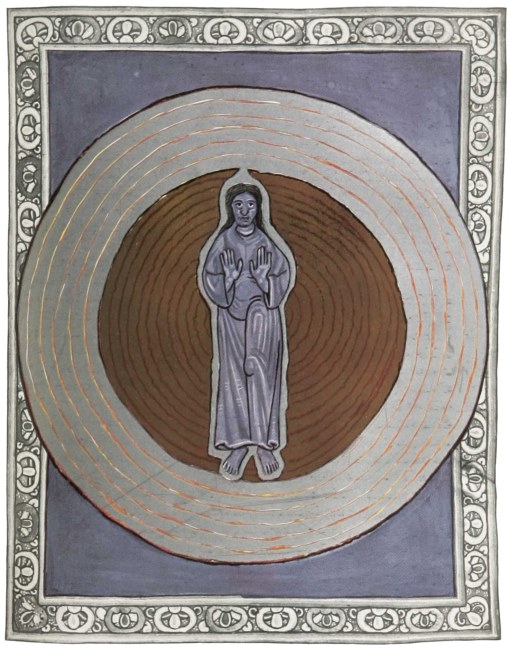
Trinity, Hildegard’s vision of the, 54, plate XXIII.
Trithemius, Johannes, abbot of Sponheim, 8, 42;
Chronicon insigne Monasterii Hirsaugensis, Ordinis St. Benedicti, 15, 16 n. 1.
Trotula, medical writings of, 13.
Tübingen, public anatomies at, in the fifteenth century, 79, 81 n.
Tudela: see Benjamin of Tudela.
U
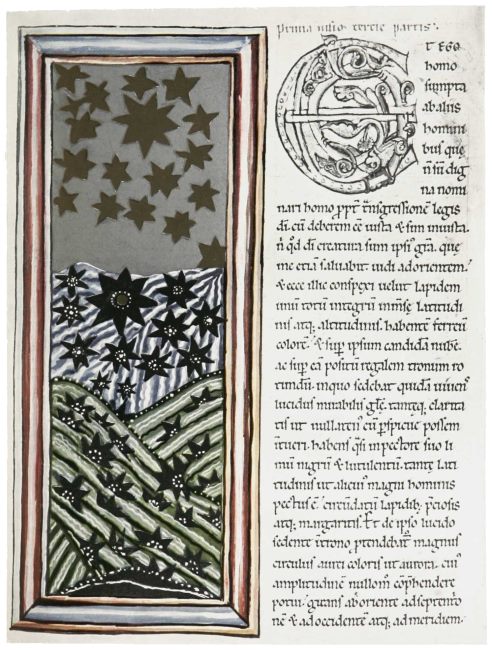
Universe, material structure of the, mediaeval views on, 22–30, plates IV, XI.
Uri, John, Catalogue of Oriental MSS. in the Bodleian Library, 227, 230, 231 and n. 2.
V
Vangesten, O. C. L., cited, 86 n. 1, 130 n. 1.
Varignana, Gulielmo, professor of medicine at Bologna, 93 n. 1.
Venturi, A., Storia dell’ arte italiana, 10 n. 2.
Vergil, Polydore, 172, 180.
Verrocchio, Andrea del, anatomical studies of, 86 and n. 2.
Verworn, Max, 68.
Vesalius, Andreas, 61, 86, 89, 93, 105, 130;
De humani corporis fabrica, 92 n. 2, 121 fig. 20, 122.
Vigevano, Guido de, anatomical drawings in works of, 87, plates XXXI, XXXII.
Villanova: see Arnald of Villanova.
Villiers, J. A. J. de, Famous Maps in the British Museum, 99 n. 4.
Vincent, St., of Beauvais, his treatment of a witch, 191.
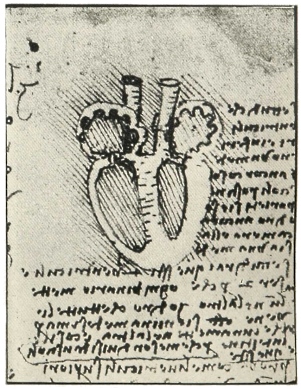
Vinci, Leonardo da, anatomical researches of, 86, 121, 122, 130;
anatomical sketches, 89, plates XXXV, XXXVIII (b).
Virchow, Rudolf, cited, 13, 60, 226 n.
Virmont, Countess Anna of, 218.
Vitalism, 59–78;
animism, 61, 64, 65;
biological definitions, 59–61;
crystals, 60;
differentiation, 62;
embryo, 62, 63, 69, 70;
‘entelechy’, 64, 75;
germ, 62, 63, 66, 69, 70, 74;
heterogeneity, 77;
homogeneity, 65, 77;
larva, 62, 63, 69;
mechanisms and mechanical theories, 64, 65, 67–70, 74–6;
metabolism, 60, 65, 68, 70, 76;
metaphysical theory, 66, 67, 76;
mind separate and eternal, 60, 73;
morphaesthetic, 64, 71;
neo-vitalism, 68, 76;
nutritive soul, the, 59, 60, 73, 74;
organic autonomy, 65;
organism, life of the, 59 ff.;
perceptive soul, the, 60, 73, 74;
philosophical objections, 68, 71–5;
psychoid, 64, 65, 75;
psychological theory, 67, 68, 76;
rational soul, the, 60, 61, 67;
scientific objections, 68–71;
special vital force, theory of, 66.
Vivo, Catello de, La Visione di Alberico, ristampata, tradotta e camparata con la Divina Commedia, 21 n. 2.
W
Waldenses, persecution of, 192.
Waldsee, witch-burning at, 208.
Walsh, E. H. C., Tibetan Anatomical System, 44 n. 5.
Webb, C. C. J., 55 n.
Welch, Antonius, 197.
Wendover, Richard of: see Richardus Anglicus.
Wesselich, Philip, of Knechtenstein, case of witchcraft, 218.
Westland, A. Mildred, transcription of the Anothomia of Hieronymo Manfredi, 130–64;
translation of selected passages, 106–25.
Westminster Abbey, miraculous cures at the shrine of Edward the Confessor, 166.
Weyer, Dr. John, and the witch mania, 189–224;
De praestigiis daemonum et incantationibus ac veneficiis, 215–22.
Wharton, duct of, 95.
Wiberg, J., Anatomy of the Brain in the Works of Galen and ‘Ali ‘Abbas, 113 n. 2.
Wicelius (Weitzel), Georgius, 8.
Wickersheimer, Ernest, Figures médico-astrologiques des neuvième, dixième et onzième siècles, 27 n. 2, 38 n. 3;
La médecine astrologique dans les almanachs populaires du XXe siècle, 39 n. 2;
L’Anatomie de Guido de Vigevano, médecin de la reine Jeanne de Bourgogne, 87 n. 3.
Wiesbaden: see Manuscripts.
Wille, Professor, 55 n.
William of Saliceto, 92, 93, 105.
Wilson, Rev. H. A., 55 n.
Winds, relation of, to the elements, 25–7, 34.
Winternitz, Diätetisches Sendschreiben des Maimonides, 226 n. 3.
Wiseman, Cardinal, 178.
Witchcraft and witch mania, 189–224;
bewitchment of animals, 193, 197, 218, 220;
burnings for witchcraft, 190, 194, 196, 197, 200, 202–8, 213, 221;
children tortured and burnt, 200, 201, 208;
confessions, 195, 197–200, 204, 205, 207, 209–13, 219, 220, 223;
‘delation’, 202;
denunciations, 190, 192, 201, 202, 206, 209–13;
executions, 190, 194, 195, 206, 208;
informers, 202;
inquisitions (or witch-trials), 192, 196, 197, 201–13;
nature of the witch mania, 190, 191, 199, 205;
number of victims, 208;
opposition of Dr. John Weyer to persecution for witchcraft, 189, 200, 207, 214–24;
popular beliefs concerning witchcraft and demonology, 190–3, 195–7, 199, 217;
results of scientific investigations, 223;
‘sabbat’, the, 195–9;
sexual orgies, 190, 193, 196, 198, 199, 209, 211, 216;
torture of victims, 190, 192, 195, 200, 202–13;
water test, 207, 219;
witch-dances, 196, 197, 199, 210, 211, 216, 221;
witch-hunters, 189, 192, 195–8, 200, 201, 205–8, 214, 219, 220;
witch-ointments, 199, 216;
witnesses, 202, 205, 209–12.
Withington, E. T.: Dr. John Weyer and the Witch Mania, 189–224.
Wolsey, Cardinal, 174.
Worde, Wynkyn de, printer, 85 fig. 4.
Wrobel, J., cited, 19 n. 2, 37 n. 1, 38 n. 1.
Würzburg, witch-burning in the bishopric of, 194, 195, 204, 208.
Wüstenfeld, H. F., Geschichte d. arabischen Aerzte, 227 and n. 1, 228 nn. 3, 5, 229.
Y
Yorke, Sir Joseph, 230.
Ypres, John de, quotation from the account books of, 170.
Z
Zeitschrift der Morgenländischen Gesellschaft, 226 n. 10.
Zeitschrift für kirchliche Wissenschaft und kirchliches Leben, 5 n. 3.
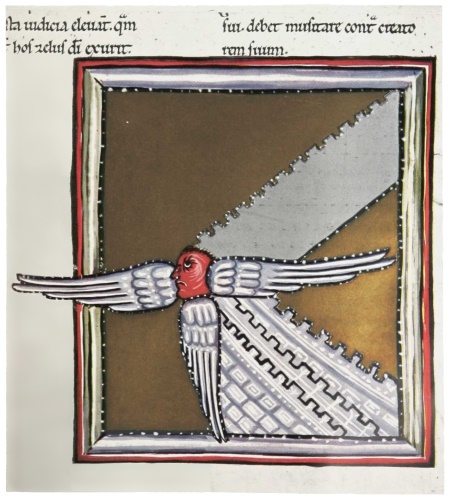
Zelus Dei, account and illumination of, 54, plate XXIV (b).
Zerbis, de: see Gerbi, Gabriele de.
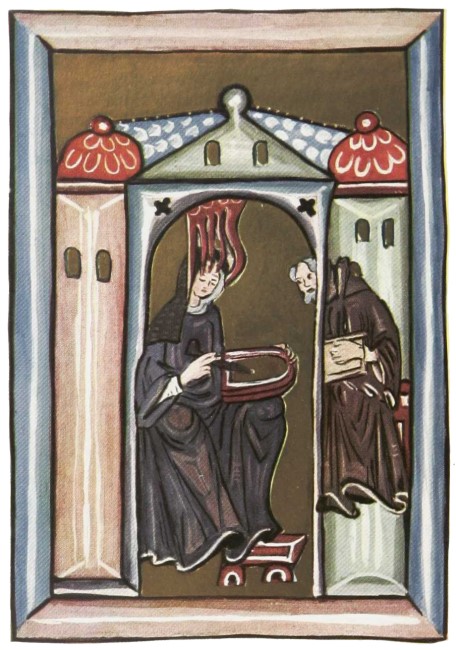 Plate I.