The particular function whose integral the Difference Engine was
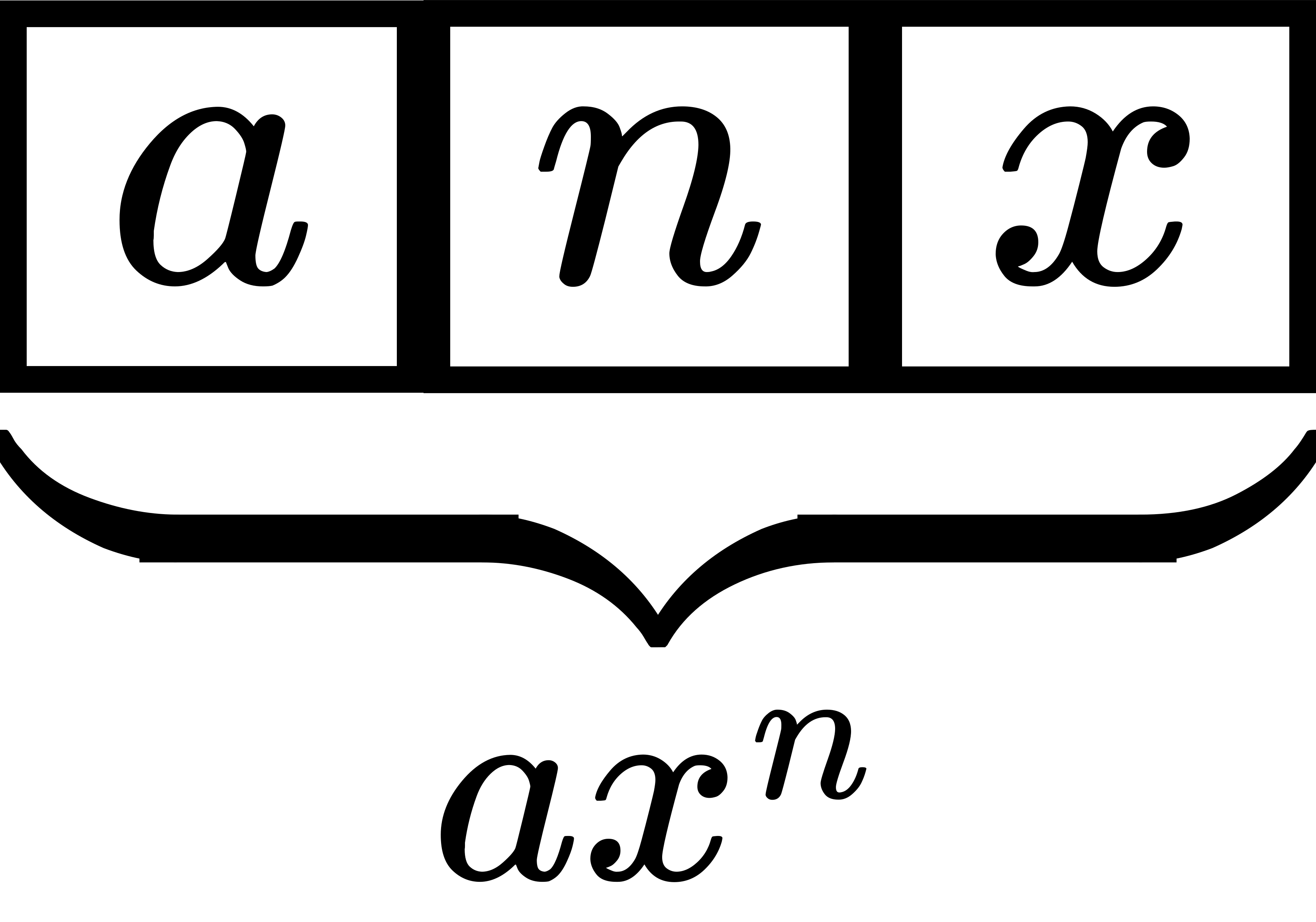
constructed to tabulate, is
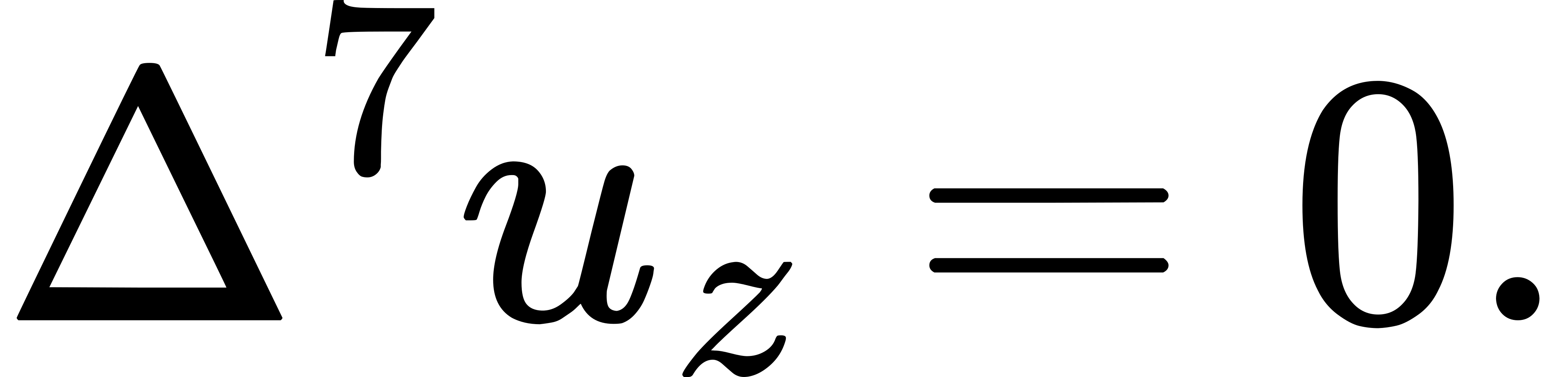 The purpose which that engine has been specially intended and adapted
to fulfil, is the computation of nautical and astronomical tables. The
integral of
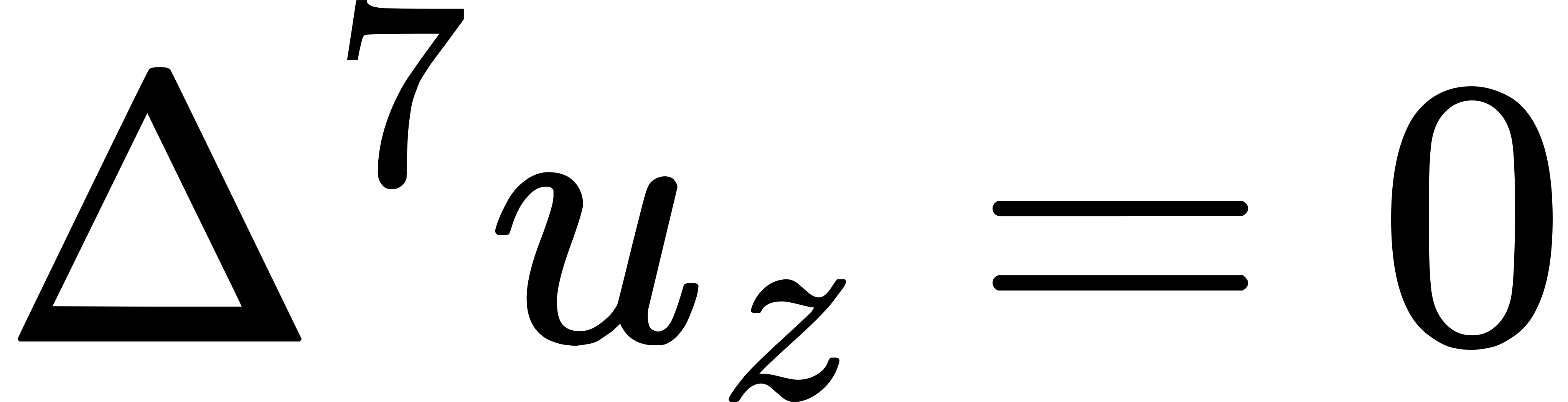
 the constants
 ,
 ,
 , &c. are represented on the seven
columns of discs, of which the engine consists. It can therefore
tabulate accurately and to an unlimited extent, all
series whose general term is comprised in the above formula; and it can
also tabulate approximatively between intervals of greater or
less extent, all other series which are capable of tabulation by
the Method of Differences.
The Analytical Engine, on the contrary, is not merely adapted for
tabulating the results of one particular function and of no
other, but for developing and tabulating any function whatever.
In fact the engine may be described as being the material expression
of any indefinite function of any degree of generality and complexity,
such as for instance,
 which is, it will be observed, a function of all other possible
functions of any number of quantities.
In this, which we may call the neutral or zero state
of the engine, it is ready to receive at any moment, by means of
cards constituting a portion of its mechanism (and applied on the
principle of those used in the Jacquard-loom), the impress of whatever
special function we may desire to develope or to tabulate. These
cards contain within themselves (in a manner explained in the Memoir
itself, pages 12 and 13) the law of development of the particular
function that may be under consideration, and they compel the mechanism
to act accordingly in a certain corresponding order. One of the
simplest cases would be, for example, to suppose that
 is the particular function
 which the Difference Engine tabulates for values of
 only up to
7. In this case the cards would order the mechanism to go through that
succession of operations which would tabulate
 where might be any number whatever.
These cards, however, have nothing to do with the regulation of
the particular numerical data. They merely determine the
operations[16] to be effected, which operations may of course be
performed on an infinite variety of particular numerical values, and
do not bring out any definite numerical results unless the numerical
data of the problem have been impressed on the requisite portions of
the train of mechanism. In the above example, the first essential step
towards an arithmetical result, would be the substitution of specific
numbers for , and for the other primitive quantities which enter
into the function.
Again, let us suppose that for  we put two complete
equations of the fourth degree between
 and
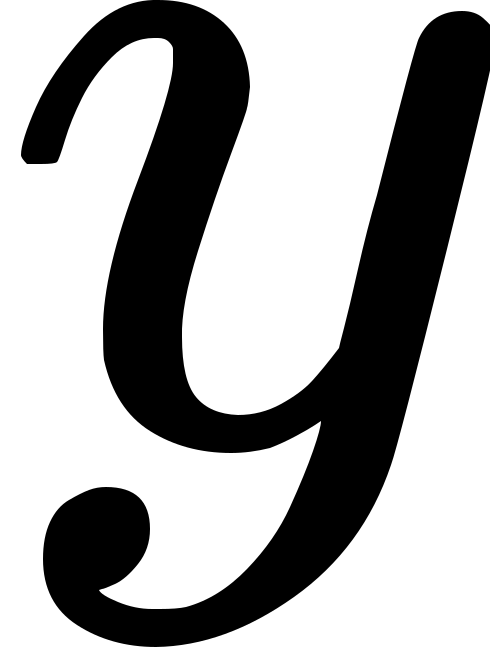 . We must then
express on the cards the law of elimination for such equations. The
engine would follow out those laws, and would ultimately give the
equation of one variable which results from such elimination. Various
modes of elimination might be selected; and of course the cards
must be made out accordingly. The following is one mode that might be
adopted. The engine is able to multiply together any two functions of
the form
 This granted, the two equations may be arranged according to the powers
of , and the coefficients of the powers of may be arranged
according to powers of . The elimination of will result
from the successive multiplications and subtractions of several such
functions. In this, and in all other instances, as was explained above,
the particular numerical data and the numerical results
are determined by means and by portions of the mechanism which act
quite independently of those that regulate the operations.
In studying the action of the Analytical Engine, we find that the
peculiar and independent nature of the considerations which in all
mathematical analysis belong to operations, as distinguished
from the objects operated upon and from the results of
the operations performed upon those objects, is very strikingly defined
and separated.
It is well to draw attention to this point, not only because its
full appreciation is essential to the attainment of any very just
and adequate general comprehension of the powers and mode of action
of the Analytical Engine, but also because it is one which is
perhaps too little kept in view in the study of mathematical science
in general. It is, however, impossible to confound it with other
considerations, either when we trace the manner in which that engine
attains its results, or when we prepare the data for its attainment
of those results. It were much to be desired, that when mathematical
processes pass through the human brain instead of through the medium
of inanimate mechanism, it were equally a necessity of things that
the reasonings connected with operations should hold the
same just place as a clear and well-defined branch of the subject
of analysis, a fundamental but yet independent ingredient in the
science, which they must do in studying the engine. The confusion,
the difficulties, the contradictions which, in consequence of a want
of accurate distinctions in this particular, have up to even a recent
period encumbered mathematics in all those branches involving the
consideration of negative and impossible quantities, will at once
occur to the reader who is at all versed in this science, and would
alone suffice to justify dwelling somewhat on the point, in connexion
with any subject so peculiarly fitted to give forcible illustration
of it, as the Analytical Engine. It may be desirable to explain, that
by the word operation, we mean any process which alters
the mutual relation of two or more things, be this relation of
what kind it may. This is the most general definition, and would
include all subjects in the universe. In abstract mathematics, of
course operations alter those particular relations which are involved
in the considerations of number and space, and the results
of operations are those peculiar results which correspond to the
nature of the subjects of operation. But the science of operations,
as derived from mathematics more especially, is a science of itself,
and has its own abstract truth and value; just as logic has its own
peculiar truth and value, independently of the subjects to which we
may apply its reasonings and processes. Those who are accustomed to
some of the more modern views of the above subject, will know that
a few fundamental relations being true, certain other combinations
of relations must of necessity follow; combinations unlimited in
variety and extent if the deductions from the primary relations be
carried on far enough. They will also be aware that one main reason
why the separate nature of the science of operations has been little
felt, and in general little dwelt on, is the shifting meaning
of many of the symbols used in mathematical notation. First, the
symbols of operation are frequently also the symbols
of the results of operations. We may say that these symbols
are apt to have both a retrospective and a prospective
signification. They may signify either relations that are the
consequence of a series of processes already performed, or relations
that are yet to be effected through certain processes. Secondly,
figures, the symbols of numerical magnitude, are frequently
also the symbols of operations, as when they are the
indices of powers. Wherever terms have a shifting meaning, independent
sets of considerations are liable to become complicated together, and
reasonings and results are frequently falsified. Now in the Analytical
Engine the operations which come under the first of the above heads,
are ordered and combined by means of a notation and of a train of
mechanism which belong exclusively to themselves; and with respect
to the second head, whenever numbers meaning operations and
not quantities (such as the indices of powers), are inscribed
on any column or set of columns, those columns immediately act in a
wholly separate and independent manner, becoming connected with the
operating mechanism exclusively, and re-acting upon this. They
never come into combination with numbers upon any other columns meaning
quantities; though, of course, if there are numbers meaning
operations upon columns, these may combine amongst each
other, and will often be required to do so, just as numbers meaning
quantities combine with each other in any variety. It might
have been arranged that all numbers meaning operations should
have appeared on some separate portion of the engine from that which
presents numerical quantities; but the present mode is in some
cases more simple, and offers in reality quite as much distinctness
when understood.
The operating mechanism can even be thrown into action independently
of any object to operate upon (although of course no result
could then be developed). Again, it might act upon other things besides
number, were objects found whose mutual fundamental relations
could be expressed by those of the abstract science of operations,
and which should be also susceptible of adaptations to the action of
the operating notation and mechanism of the engine. Supposing, for
instance, that the fundamental relations of pitched sounds in the
science of harmony and of musical composition were susceptible of such
expression and adaptations, the engine might compose elaborate and
scientific pieces of music of any degree of complexity or extent.
The Analytical Engine is an embodying of the science of
operations, constructed with peculiar reference to abstract number
as the subject of those operations. The Difference Engine is the
embodying of one particular and very limited set of operations,
which (see the notation used in note B) may be expressed thus,(+, +,
+, +, +, +), or thus, 6(+). Six repetitions of the one operation, +,
is, in fact, the whole sum and object of that engine. It has seven
columns, and a number on any column can add itself to a number on
the next column to its right-hand. So that, beginning with
the column furthest to the left, six additions can be effected,
and the result appears on the seventh column, which is the last on
the right-hand. The operating mechanism of this engine acts
in as separate and independent a manner as that of the Analytical
Engine; but being susceptible of only one unvarying and restricted
combination, it has little force or interest in illustration of the
distinct nature of the science of operations. The importance
of regarding the Analytical Engine under this point of view will, we
think, become more and more obvious, as the reader proceeds with M.
Menabrea’s clear and masterly article. The calculus of operations is
likewise in itself a topic of so much interest, and has of late years
been so much more written on and thought on than formerly, that any
bearing which that engine, from its mode of constitution, may possess
upon the illustration of this branch of mathematical science, should
not be overlooked. Whether the inventor of this engine had any such
views in his mind while working out the invention, or whether he
may subsequently ever have regarded it under this phase, we do not
know; but it is one that forcibly occurred to ourselves on becoming
acquainted with the means through which analytical combinations are
actually attained by the mechanism. We cannot forbear suggesting one
practical result which it appears to us must be greatly facilitated
by the independent manner in which the engine orders and combines its
operations: we allude to the attainment of those combinations
into which imaginary quantities enter. This is a branch of its
processes into which we have not had the opportunity of inquiring,
and our conjecture therefore as to the principle on which we conceive
the accomplishment of such results may have been made to depend, is
very probably not in accordance with the fact, and less subservient
for the purpose than some other principles, or at least requiring the
cooperation of others. It seems to us obvious, however, that where
operations are so independent in their mode of acting, it must be easy
by means of a few simple provisions and additions in arranging the
mechanism, to bring out a double set of results,
viz.—1st, the numerical magnitudes which are the results of
operations performed on numerical data. (These results are the
primary object of the engine). 2ndly, the symbolical results
to be attached to those numerical results, which symbolical results
are not less the necessary and logical consequences of operations
performed upon symbolical data, than are numerical results
when the data are numerical[17].
If we compare together the powers and the principles of construction of
the Difference and of the Analytical Engines, we shall perceive that
the capabilities of the latter are immeasurably more extensive than
those of the former, and that they in fact hold to each other the same
relationship as that of analysis to arithmetic. The Difference Engine
can effect but one particular series of operations, viz. that required
for tabulating the integral of the special function
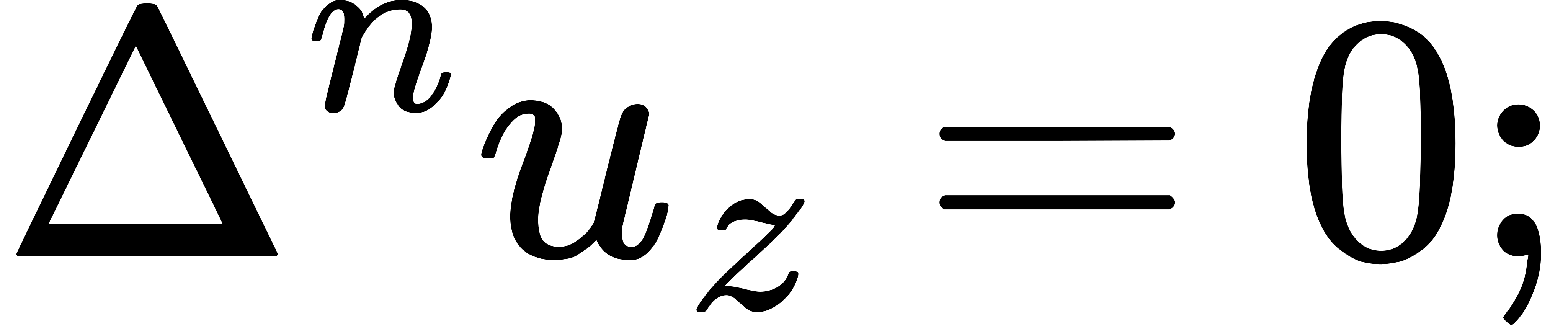 and as it can only do this for values of up to 7[18], it cannot
be considered as being the most general expression even of
one particular function, much less as being the expression
of any and all possible functions of all degrees of generality. The
Difference Engine can in reality (as has been already partly explained)
do nothing but add; and any other processes, not excepting
those of simple subtraction, multiplication and division, can be
performed by it only just to that extent in which it is possible, by
judicious mathematical arrangement and artifices, to reduce them to
a series of additions. The method of differences is, in fact,
a method of additions; and as it includes within its means a larger
number of results attainable by addition simply, than any other
mathematical principle, it was very appropriately selected as the basis
on which to construct an Adding Machine, so as to give to the
powers of such a machine the widest possible range. The Analytical
Engine, on the contrary, can either add, subtract, multiply or divide
with equal facility; and performs each of these four operations in a
direct manner, without the aid of any of the other three. This one fact
implies everything; and it is scarcely necessary to point out, for
instance, that while the Difference Engine can merely tabulate,
and is incapable of developing, the Analytical Engine can
either tabulate or develope.
The former engine is in its nature strictly arithmetical,
and the results it can arrive at lie within a very clearly defined
and restricted range, while there is no finite line of demarcation
which limits the powers of the Analytical Engine. These powers are
co-extensive with our knowledge of the laws of analysis itself,
and need be bounded only by our acquaintance with the latter.
Indeed we may consider the engine as the material and mechanical
representative of analysis, and that our actual working powers
in this department of human study will be enabled more effectually
than heretofore to keep pace with our theoretical knowledge of its
principles and laws, through the complete control which the engine
gives us over the executive manipulation of algebraical and
numerical symbols.
Those who view mathematical science not merely as a vast body of
abstract and immutable truths, whose intrinsic beauty, symmetry and
logical completeness, when regarded in their connexion together as
a whole, entitle them to a prominent place in the interest of all
profound and logical minds, but as possessing a yet deeper interest for
the human race, when it is remembered that this science constitutes
the language through which alone we can adequately express the great
facts of the natural world, and those unceasing changes of mutual
relationship which, visibly or invisibly, consciously or unconsciously
to our immediate physical perceptions, are interminably going on in
the agencies of the creation we live amidst: those who thus think on
mathematical truth as the instrument through which the weak mind of
man can most effectually read his Creator’s works, will regard with
especial interest all that can tend to facilitate the translation of
its principles into explicit practical forms.
The distinctive characteristic of the Analytical Engine, and that
which has rendered it possible to endow mechanism with such extensive
faculties as bid fair to make this engine the executive right-hand of
abstract algebra, is the introduction into it of the principle which
Jacquard devised for regulating, by means of punched cards, the most
complicated patterns in the fabrication of brocaded stuffs. It is
in this that the distinction between the two engines lies. Nothing
of the sort exists in the Difference Engine. We may say most aptly
that the Analytical Engine weaves algebraical patterns just as
the Jacquard-loom weaves flowers and leaves. Here, it seems to us,
resides much more of originality than the Difference Engine can be
fairly entitled to claim. We do not wish to deny to this latter all
such claims. We believe that it is the only proposal or attempt ever
made to construct a calculating machine founded on the principle of
successive orders of differences, and capable of printing off
its own results; and that this engine surpasses its predecessors,
both in the extent of the calculations which it can perform, in the
facility, certainty and accuracy with which it can effect them, and in
the absence of all necessity for the intervention of human intelligence
during the performance of its calculations. Its nature is,
however, limited to the strictly arithmetical, and it is far from
being the first or only scheme for constructing arithmetical
calculating machines with more or less of success.
The bounds of arithmetic were however outstepped the moment the
idea of applying the cards had occurred; and the Analytical Engine
does not occupy common ground with mere “calculating machines.” It
holds a position wholly its own; and the considerations it suggests
ate most interesting in their nature. In enabling mechanism to combine
together general symbols, in successions of unlimited variety
and extent, a uniting link is established between the operations of
matter and the abstract mental processes of the most abstract
branch of mathematical science. A new, a vast, and a powerful language
is developed for the future use of analysis, in which to wield its
truths so that these may become of more speedy and accurate practical
application for the purposes of mankind than the means hitherto in our
possession have rendered possible. Thus not only the mental and the
material, but the theoretical and the practical in the mathematical
world, are brought into more intimate and effective connexion with each
other. We are not aware of its being on record that anything partaking
in the nature of what is so well designated the Analytical
Engine has been hitherto proposed, or even thought of, as a practical
possibility, any more than the idea of a thinking or of a reasoning
machine.
We will touch on another point which constitutes an important
distinction in the modes of operating of the Difference and Analytical
Engines. In order to enable the former to do its business, it is
necessary to put into its columns the series of numbers constituting
the first terms of the several orders of differences for whatever
is the particular table under consideration. The machine then works
upon these as its data. But these data must themselves have
been already computed through a series of calculations by a human
head. Therefore that engine can only produce results depending on data
which have been arrived at by the explicit and actual working out of
processes that are in their nature different from any that come within
the sphere of its own powers. In other words, an analysing
process must have been gone through by a human mind in order to obtain
the data upon which the engine then synthetically builds
its results. The Difference Engine is in its character exclusively
synthetical, while the Analytical Engine is equally capable of
analysis or of synthesis.
It is true that the Difference Engine can calculate to a much greater
extent with these few preliminary data, than the data themselves
required for their own determination. The table of squares, for
instance, can be calculated to any extent whatever, when the numbers
one and two are furnished; and a very few differences
computed at any part of a table of logarithms would enable the engine
to calculate many hundreds or even thousands of logarithms. Still
the circumstance of its requiring, as a previous condition, that,
any function whatever shall have been numerically worked out, makes
it very inferior in its nature and advantages to an engine which,
like the Analytical Engine, requires merely that we should know the
succession and distribution of the operations to be performed;
without there being any occasion[19], in order to obtain data on
which it can work, for our ever having gone through either the same
particular operations which it is itself to effect, or any others.
Numerical data must of course be given it, but they are mere arbitrary
ones; not data that could only be arrived at through a systematic and
necessary series of previous numerical calculations, which is quite a
different thing.
To this it may be replied that an analysing process must equally
have been performed in order to furnish the Analytical Engine with
the necessary operative data; and that herein may also lie
a possible source of error. Granted that the actual mechanism is
unerring in its processes, the cards may give it wrong orders. This
is unquestionably the case; but there is much less chance of error,
and likewise far less expenditure of time and labour, where operations
only, and the distribution of these operations, have to be made out,
than where explicit numerical results are to be attained. In the case
of the Analytical Engine we have undoubtedly to lay out a certain
capital of analytical labour in one particular line; but this is in
order that the engine may bring us in a much larger return in another
line. It should be remembered also that the cards when once made out
for any formula, have all the generality of algebra, and include an
infinite number of particular cases.
We have dwelt considerably on the distinctive peculiarities of each
of these engines, because we think it essential to place their
respective attributes in strong relief before the apprehension of the
public; and to define with clearness and accuracy the wholly different
nature of the principles on which each is based, so as to make it
self-evident to the reader (the mathematical reader at least) in what
manner and degree the powers of the Analytical Engine transcend those
of an engine, which, like the Difference Engine, can only work out
such results as may be derived from one restricted and particular
series of processes, such as those included in 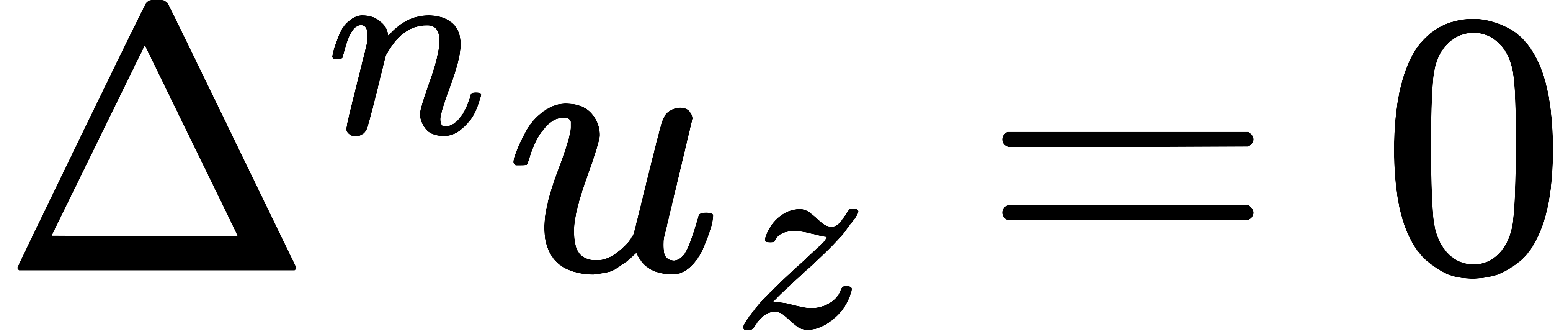 .
We think this of importance, because we know that there exists
considerable vagueness and inaccuracy in the mind of persons in general
on the subject. There is a misty notion amongst most of those who have
attended at all to it, that two “calculating machines” have
been successively invented by the same person within the last few
years; while others again have never heard but of the one original
“calculating machine,” and are not aware of there being any extension
upon this. For either of these two classes of persons the above
considerations are appropriate. While the latter require a knowledge of
the fact that there are two such inventions, the former are not
less in want of accurate and well-defined information on the subject.
No very clear or correct ideas prevail as to the characteristics of
each engine, or their respective advantages or disadvantages; and, in
meeting with those incidental allusions, of a more or less direct kind,
which occur in so many publications of the day, to these machines, it
must frequently be matter of doubt which “calculating machine”
is referred to, or whether both are included in the general
allusion.
We are desirous likewise of removing two misapprehensions which we
know obtain, to some extent, respecting these engines. In the first
place it is very generally supposed that the Difference Engine, after
it had been completed up to a certain point, suggested the idea
of the Analytical Engine; and that the second is in fact the improved
offspring of the first, and grew out of the existence of its
predecessor, through some natural or else accidental combination of
ideas suggested by this one. Such a supposition is in this instance
contrary to the facts; although it seems to be almost an obvious
inference, wherever two inventions, similar in their nature and
objects, succeed each other closely in order of time, and
strikingly in order of value; more especially when the same
individual is the author of both. Nevertheless the ideas which led to
the Analytical Engine occurred in a manner wholly independent of any
that were connected with the Difference Engine. These ideas are indeed
in their own intrinsic nature independent of the latter engine, and
might equally have occurred had it never existed nor been even thought
of at all.
The second of the misapprehensions above alluded to, relates to the
well-known suspension, during some years past, of all progress in the
construction of the Difference Engine. Respecting the circumstances
which have interfered with the actual completion of either invention,
we offer no opinion; and in fact are not possessed of the data for
doing so, had we the inclination. But we know that some persons
suppose these obstacles (be they what they may) to have arisen in
consequence of the subsequent invention of the Analytical Engine
while the former was in progress. We have ourselves heard it even
lamented that an idea should ever have occurred at all, which
had turned out to be merely the means of arresting what was already in
a course of successful execution, without substituting the superior
invention in its stead. This notion we can contradict in the most
unqualified manner. The progress of the Difference Engine had long
been suspended, before there were even the least crude glimmerings of
any invention superior to it. Such glimmerings, therefore, and their
subsequent development, were in no way the original cause of
that suspension; although, where difficulties of some kind or other
evidently already existed, it was not perhaps calculated to remove or
lessen them that an invention should have been meanwhile thought of,
which, while including all that the hist was capable of, possesses
powers so extended as to eclipse it altogether.
We leave it for the decision of each individual (after he
has possessed himself of competent information as to the
characteristics of each engine), to determine how far it ought to
be matter of regret that such an accession has been made to the
powers of human science, even if it has (which we greatly
doubt) increased to a certain limited extent some already existing
difficulties that had arisen in the way of completing a valuable but
lesser work. We leave it for each to satisfy himself as to the wisdom
of desiring the obliteration (were that now possible) of all records
of the more perfect invention, in order that the comparatively limited
one might be finished. The Difference Engine would doubtless fulfil
all those practical objects which it was originally destined for.
It would certainly calculate all the tallies that are more directly
necessary for the physical purposes of life, such as nautical and other
computations. Those who incline to very strictly utilitarian views, may
perhaps feel that the peculiar powers of the Analytical Engine bear
upon questions of abstract and speculative science, rather than upon
those involving even-day and ordinary human interests. These persons
being likely to possess but little sympathy, or possibly acquaintance,
with any branches of science which they do not find to be useful
(according to their definition of that word), may conceive that
the undertaking of that engine, now that the other one is already
in progress, would be a barren and unproductive; laying out of yet
more money and labour; in fact, a work of supererogation. Even in
the utilitarian aspect, however, we do not doubt that, very valuable
practical results would be developed by the extended faculties of the
Analytical Engine; some of which results we think we could now hint
at, had we the space; and others, which it may not yet be possible
to foresee, but which would be brought forth by the daily increasing
requirements of science, and by a more intimate practical acquaintance
with the powers of the engine, were it in actual existence.
On general grounds, both of an à priori description as well as
those founded on the scientific history and experience of mankind,
we see strong presumptions that such would be the case. Nevertheless
all will probably concur in feeling that the completion of the
Difference Engine would be far preferable to the non-completion of any
calculating engine at all. With whomsoever or wheresoever may rest
the present causes of difficulty that apparently exist towards either
the completion of the old engine, or the commencement of the new one,
we trust they will not ultimately result in this generation’s being
acquainted with these inventions through the medium of pen, ink and
paper merely; and still more do we hope, that for the honour of our
country’s reputation in the future pages of history, these causes will
not lead to the completion of the undertaking by some other
nation or government. This could not but be matter of just regret;
and equally so, whether the obstacles may have originated in private
interests and feelings, in considerations of a more public description,
or in causes combining the nature of both such solutions.
We refer the reader to the ‘Edinburgh Review’ of July 1834, for a
very able account of the Difference Engine. The writer of the article
we allude to, has selected as his prominent matter for exposition, a
wholly different view of the subject from that which M. Menabrea has
chosen. The former chiefly treats it under its mechanical aspect,
entering but slightly into the mathematical principles of which that
engine is the representative, but giving, in considerable length,
many details of the mechanism and contrivances by means of which it
tabulates the various orders of differences. M. Menabrea, on the
contrary, exclusively developes the analytical view; taking it for
granted that, mechanism is able to perform certain processes, but
without attempting to explain how; and devoting his whole
attention to explanations and illustrations of the manner in which
analytical laws can be so arranged and combined as to bring every
branch of that vast subject within the grasp of the assumed powers
of mechanism. It is obvious that, in the invention of a calculating
engine, these two branches of the subject are equally essential
fields of investigation, and that on their mutual adjustment, one to
the other, must depend all success. They must be made to meet each
other, so that the weak points in the powers of either department
may be compensated by the strong points in those of the other. They
are indissolubly connected, though so different in their intrinsic
nature that perhaps the same mind might not be likely to prove equally
profound or successful in both. We know those who doubt whether the
powers of mechanism will in practice prove adequate in all respects
to the demands made upon them in the working of such complicated
trains of machinery as those of the above engines, and who apprehend
that unforeseen practical difficulties and disturbances will arise
in the way of accuracy and of facility of operation. The Difference
Engine, however, appears to us to be in a great measure an answer to
these doubts. It is complete as far as it goes, and it does work with
all the anticipated success. The Analytical Engine, far from being
more complicated, will in many respects be of simpler construction;
and it is a remarkable circumstance attending it, that with very
simplified means it is so much more powerful.
The article in the ‘Edinburgh Review’ was written some time previous
to the occurrence of any ideas such as afterwards led to the invention
of the Analytical Engine; and in the nature of the Difference Engine
there is much less that would invite a writer to take exclusively,
or even prominently, the mathematical view of it, than in that of
the Analytical Engine; although mechanism has undoubtedly gone much
further to meet mathematics, in the case of this engine, than of the
former one. Some publication embracing the mechanical view of
the Analytical Engine is a desideratum which we trust will be supplied
before long.
Those who may have the patience to study a moderate quantity of rather
dry details, will find ample compensation, after perusing the article
of 1834, in the clearness with which a succinct view will have been
attained of the various practical steps through which mechanism can
accomplish certain processes; and they will also find themselves still
further capable of appreciating M. Menabrea’s more comprehensive and
generalized memoir. The very difference in the style and object of
these two articles, makes them peculiarly valuable to each other;
at least for the purposes of those who really desire something more
than a merely superficial and popular comprehension of the subject of
calculating engines.
A.A.L.
That portion of the Analytical Engine here alluded to is called the
storehouse. It contains an indefinite number of the columns of discs
described by M. Menabrea. The reader may picture to himself a pile
of rather large draughtsmen heaped perpendicularly one above another
to a considerable height, each counter having the digits from 0 to
9 inscribed on its edge at equal intervals; and if he then
conceives that the counters do not actually lie one upon another
so as to be in contact, which passes perpendicularly through their
centres, and around which each disc can revolve horizontally so
that any required digit amongst those inscribed on its margin can be
brought into view, he will have a good idea of one of these columns.
The lowest of the discs on any column belongs to the units, the
next above to the tens, the next above this to the hundreds, and so on.
Thus, if we wished to inscribe 1345 n a column of the engine, it would
stand thus;—

In the Difference Engine there are seven of these columns placed side
by side in a row, and the working mechanism extends behind them; the
general form of the whole mass of machinery is that of a quadrangular
prism (more or less approaching to the cube); the results always
appearing on that perpendicular face of the engine which contains the
columns of discs, opposite to which face a spectator may place himself.
In the Analytical Engine there would be many more of these columns,
probably at least two hundred. The precise form and arrangement
which the whole mass of its mechanism will assume is not yet finally
determined.
We may conveniently represent the columns of discs on paper in a
diagram like the following:—
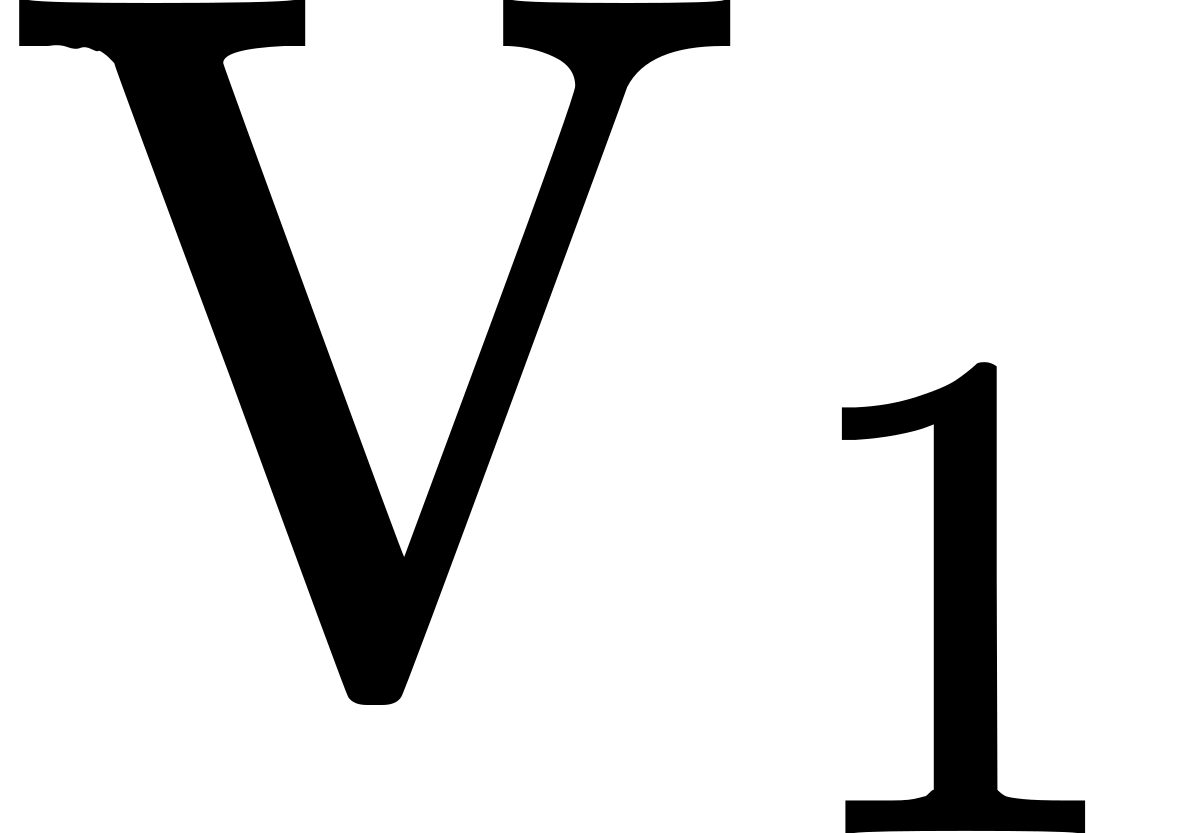
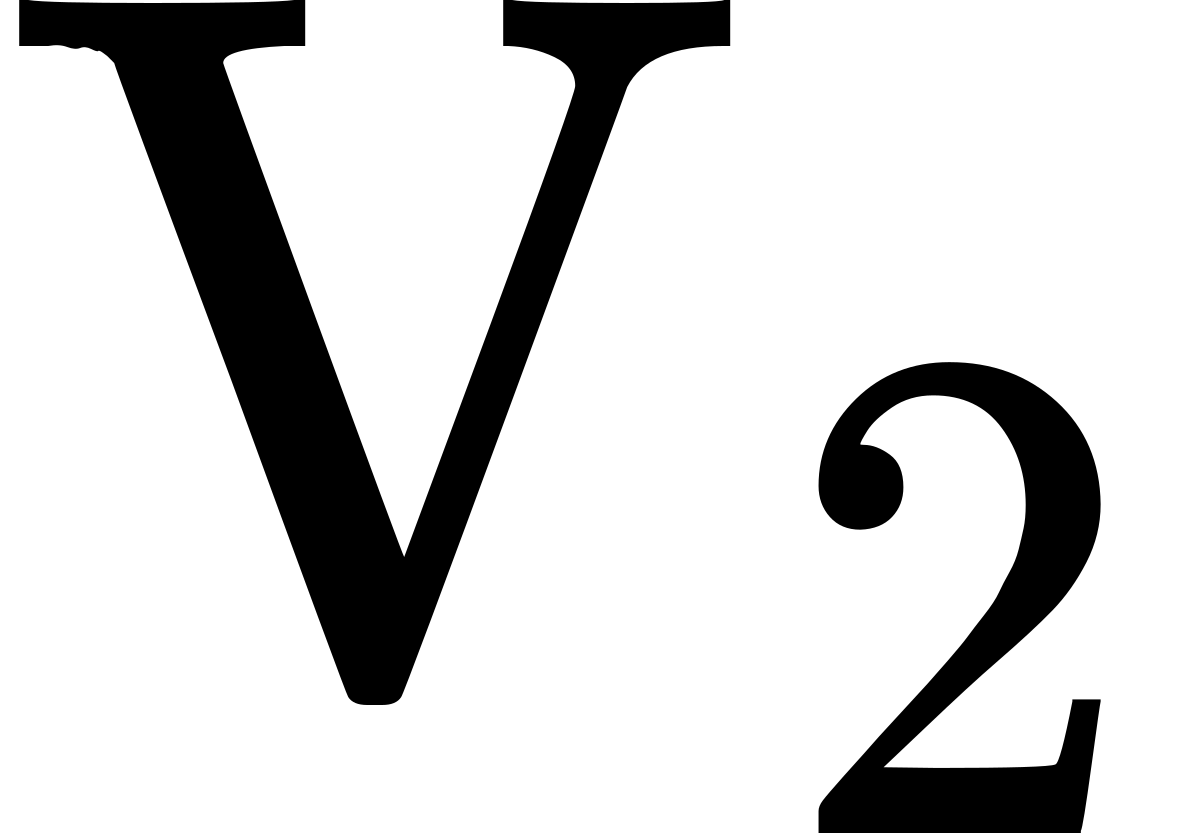
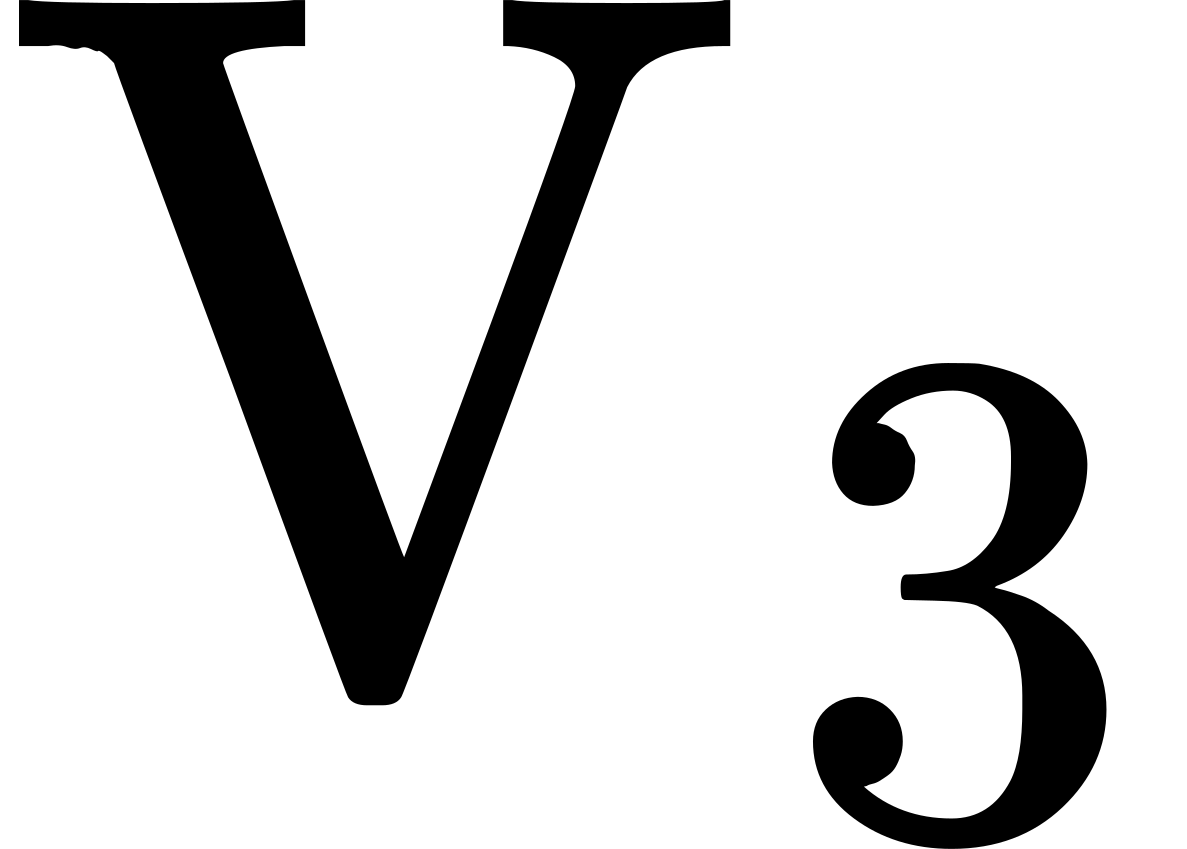
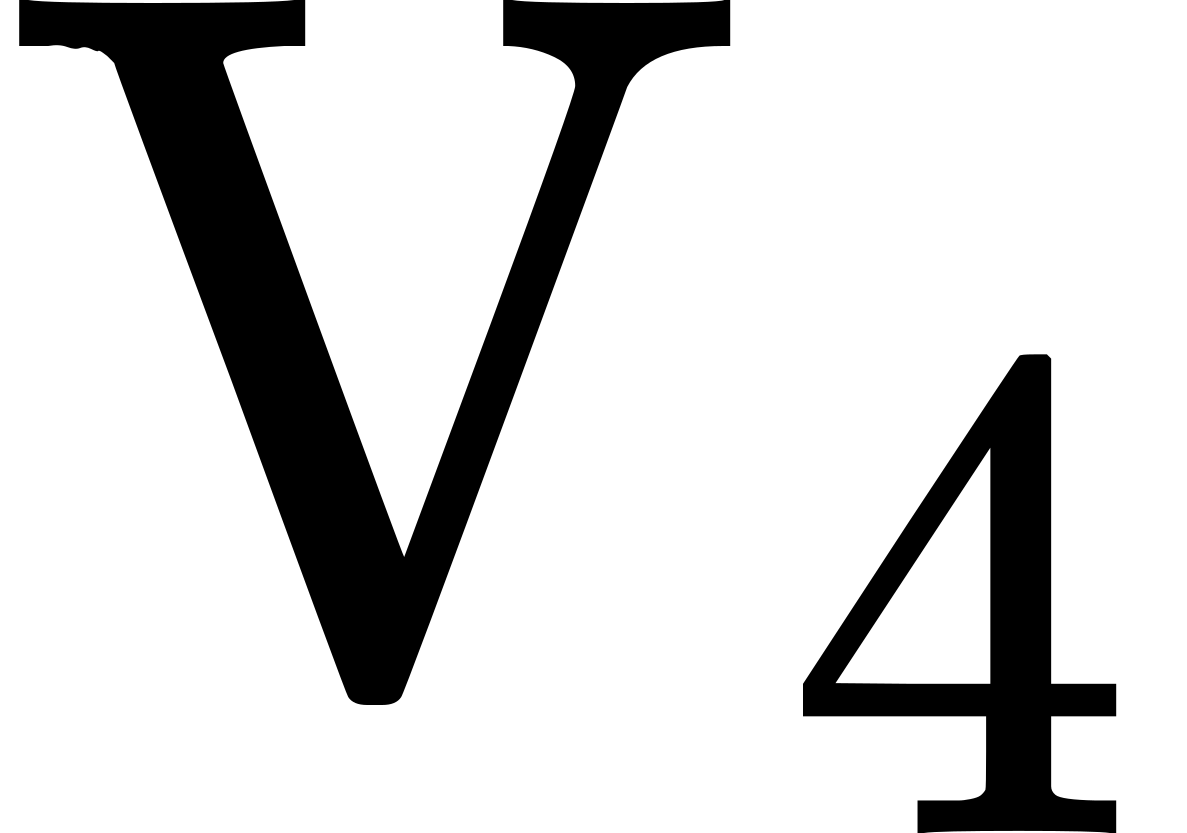
The  ’s are for the purpose of convenient reference
to any column, either in writing or speaking, and are consequently
numbered. The reason why the letter is chosen for this
purpose in preference to any other letter, is because these columns
are designated (as the reader will find in proceeding with the Memoir)
the Variables, and sometimes the Variable columns,
or the columns of Variables. The origin of this appellation
is, that the values on the columns are destined to change, that is
to vary, in every conceivable manner. But it is necessary to
guard against the natural misapprehension that the columns are only
intended to receive the values of the variables in an analytical
formula, and not of the constants. The columns are called
Variables on a ground wholly unconnected with the analytical
distinction between constants and variables. In order to prevent the
possibility of confusion, we have, both in the translation and in the
notes, written Variable with a capital letter when we use the word
to signify a column of the engine, and variable with a small
letter when we mean the variable of a formula. Similarly,
Variable-cards signify any cards that belong to a column of the
engine.
To return to the explanation of the diagram: each circle at the top is
intended to contain the algebraic sign + or -, either of which can be
substituted[20] for the other, according as the number represented on
the column below is positive or negative. In a similar manner any other
purely symbolical results of algebraical processes might be made
to appear in these circles. In Note A the practicability of developing
symbolical with no less ease than numerical results has
been touched on.
The zeros beneath the symbolic circles represent each of them a
disc, supposed to have the digit 0 presented in front. Only four tiers
of zeros have been figured in the diagram, but these may be considered
as representing thirty or forty, or any number of tiers of discs that
may be required. Since each disc can present any digit, and each circle
any sign, the discs of every column may be so adjusted[21] as to
express any positive or negative number whatever within the limits of
the machine; which limits depend on the perpendicular extent of
the mechanism, that is, on the number of discs to a column.
Each of the squares below the zeros is intended for the inscription of
any general symbol or combination of symbols we please; it being
understood that the number represented on the column immediately above,
is the numerical value of that symbol, or combination of symbols. Let
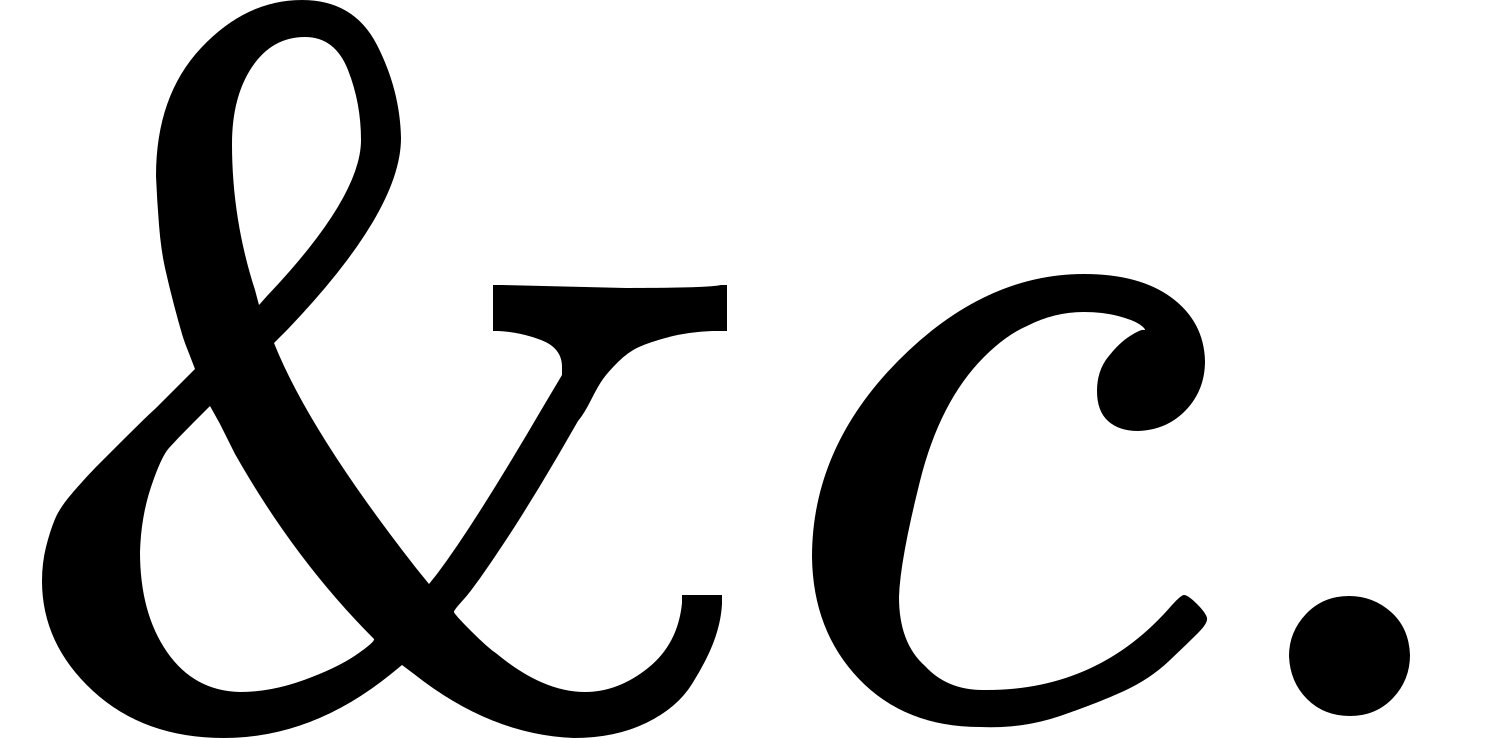
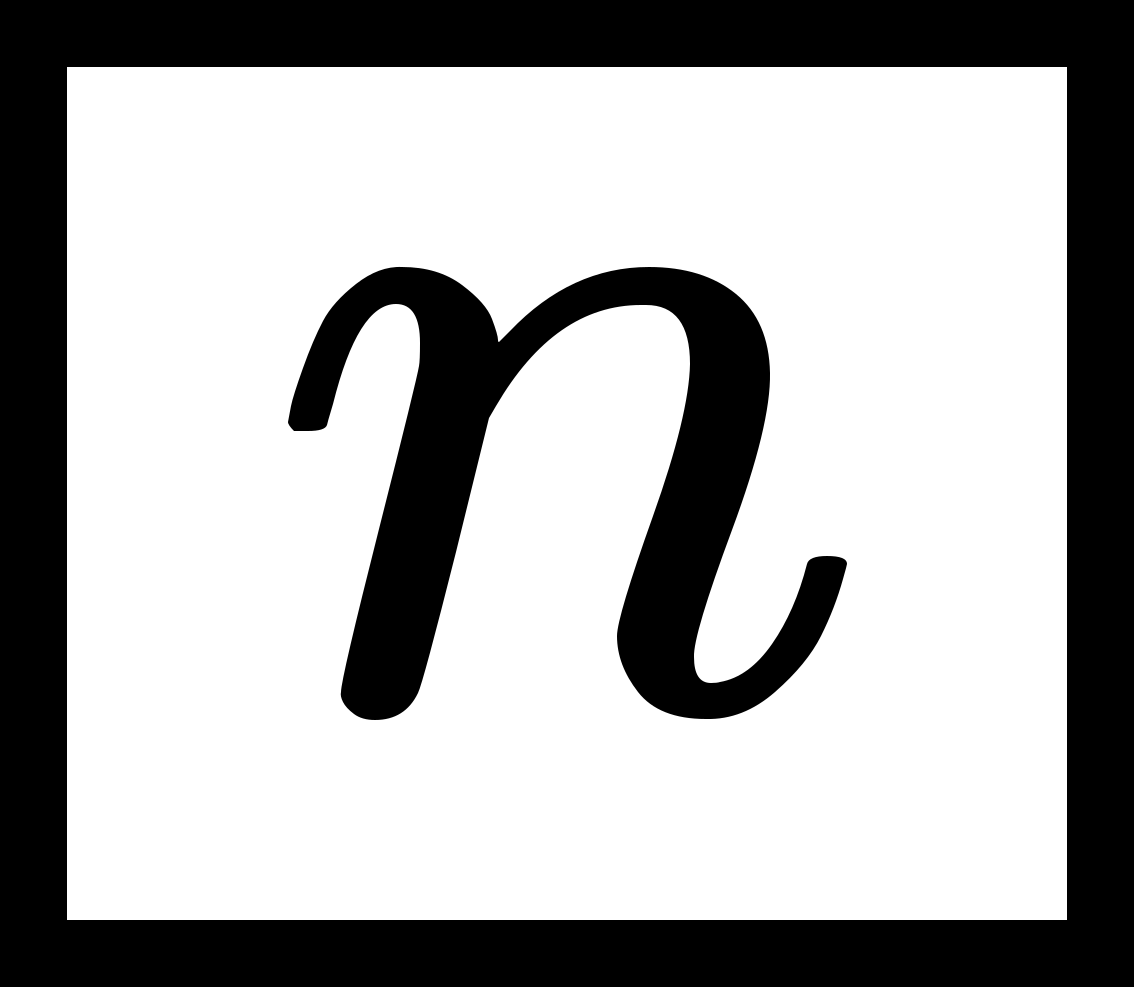
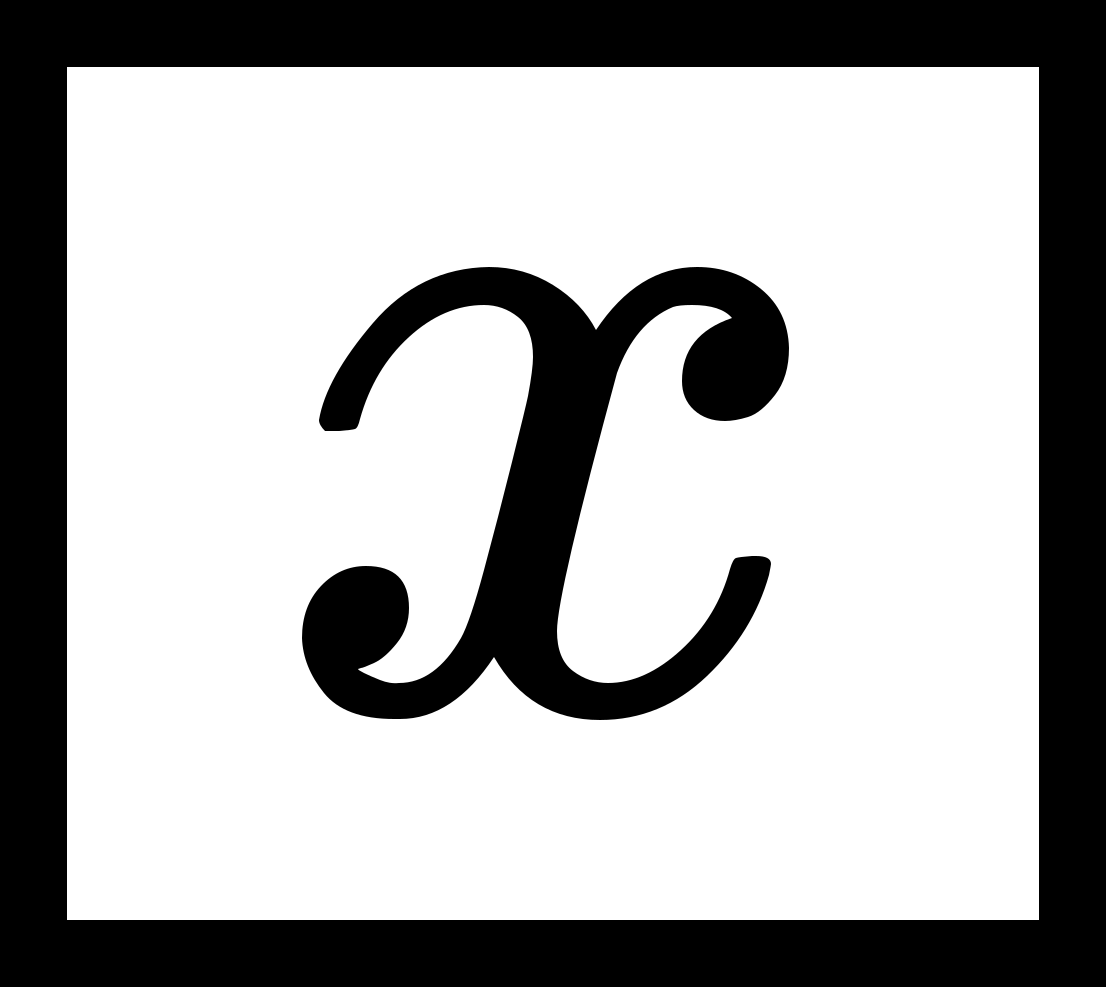
us, for instance, represent the three quantities , , ,
and let us further suppose that 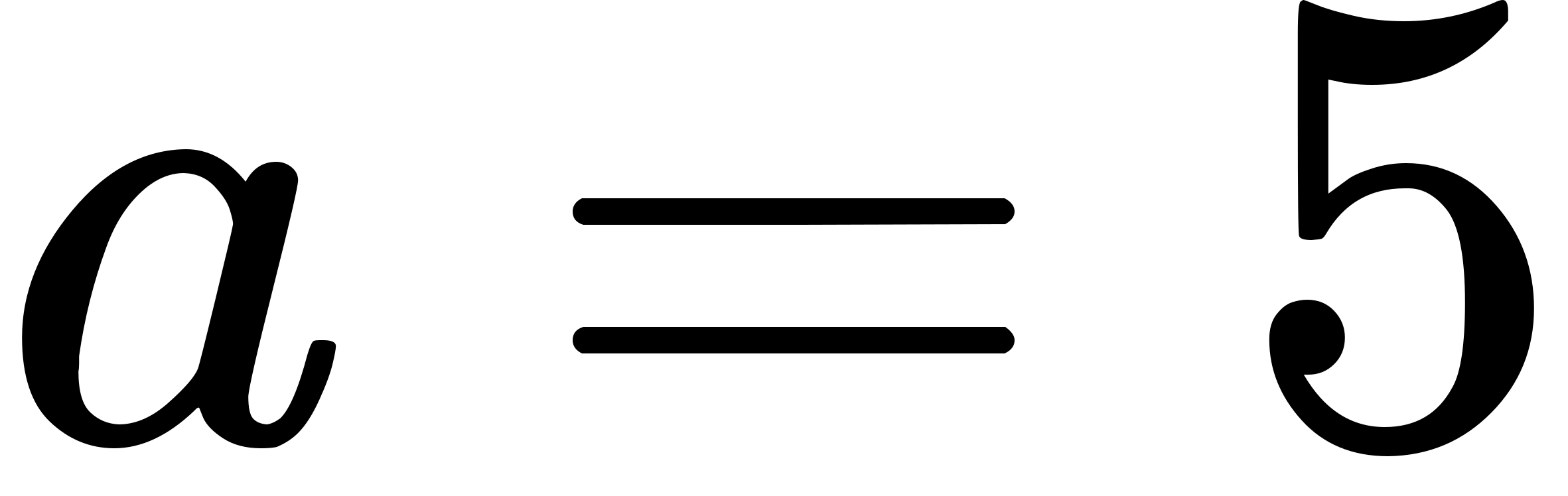 ,
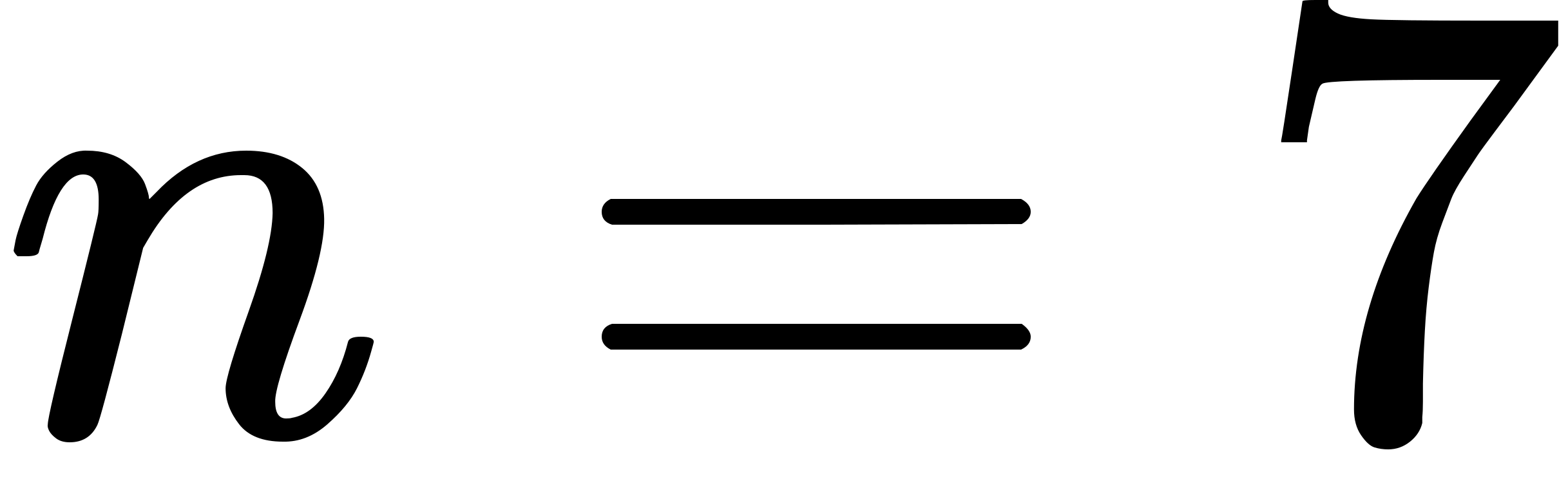 ,
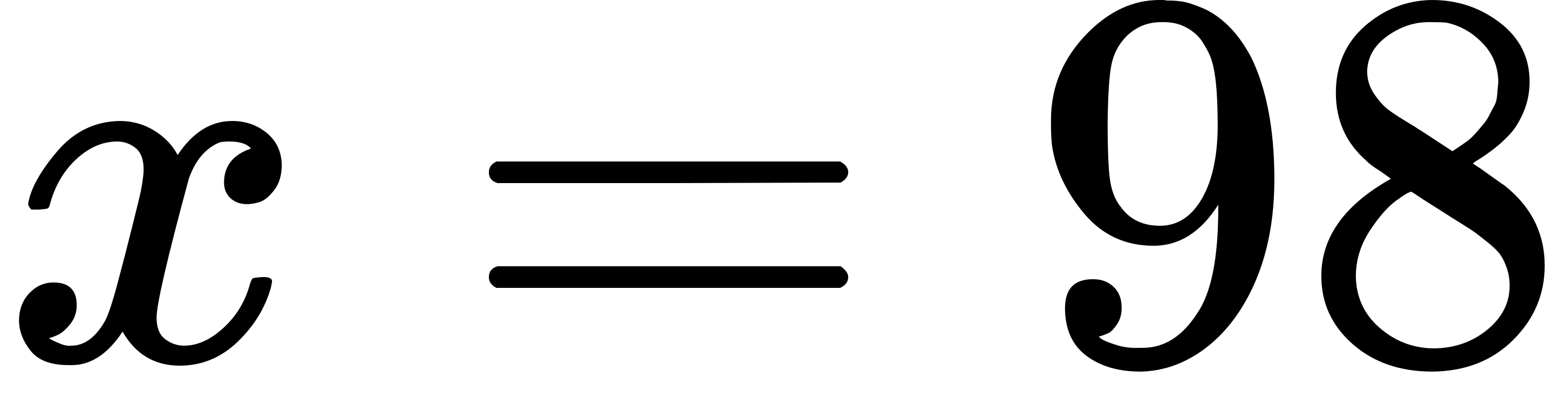 . We
should have—
 |
 |
 |
 |
 |
| +[22] |
+ |
+ |
+ |
|
| 0 |
0 |
0 |
0 |
|
| 0 |
0 |
9 |
0 |
|
| 5 |
7 |
8 |
0 |
|
 |
 |
 |
 |
|
We may now combine these symbols in a variety of ways, so as to form
any required function or functions of them, and we may then inscribe
each such function below brackets, every bracket uniting together those
quantities (and those only) which enter into the function inscribed
below it. We must also, when we have decided on the particular function
whose numerical value we desire to calculate, assign another column
to the right-hand for receiving the results, and must inscribe
the function in the square below this column. In the above instance we
might have any one of the following functions:—
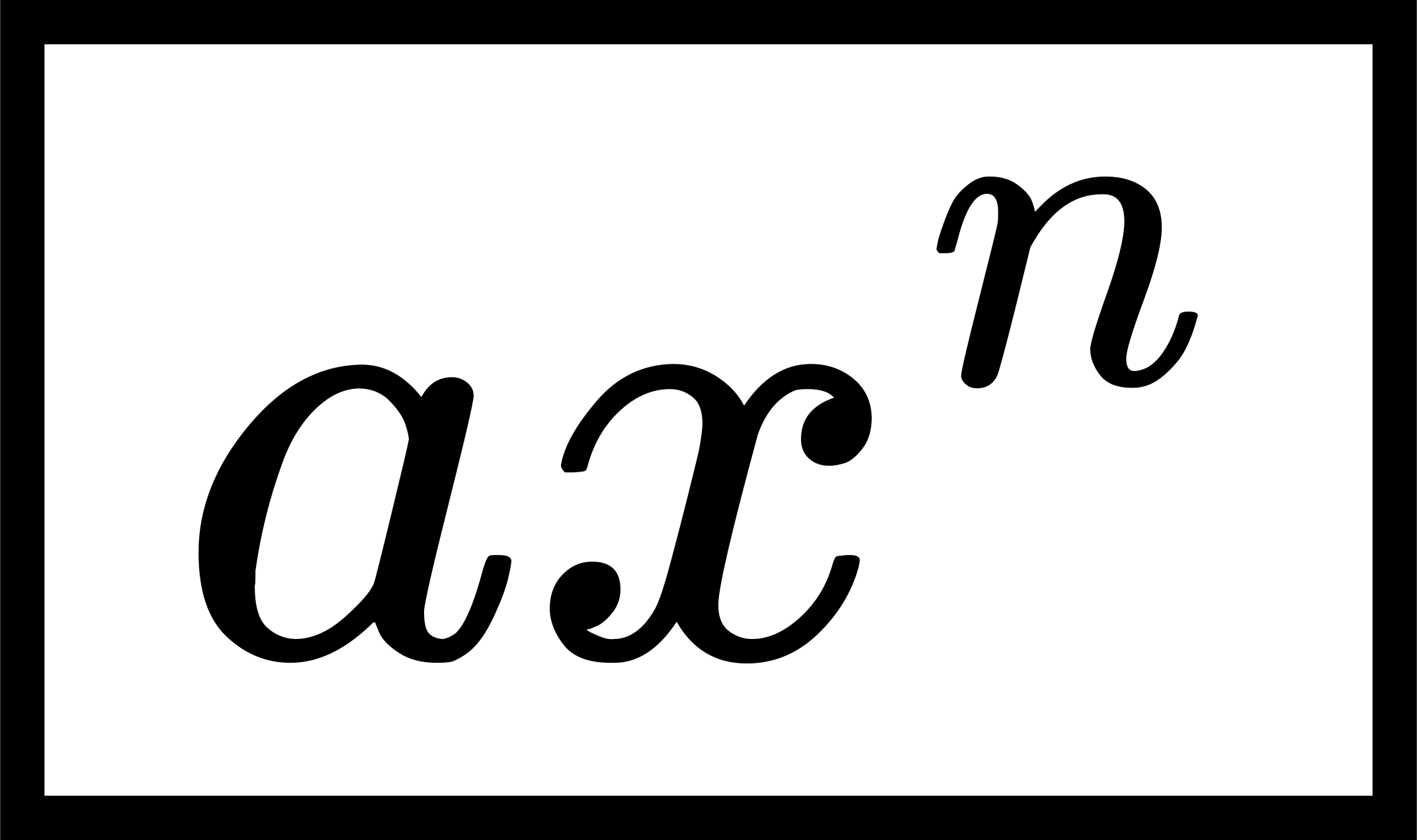
 Let us select the first. It would stand as follows, previous to calculation;—
|
|
|
|
|
| + |
+ |
+ |
+ |
|
| 0 |
0 |
0 |
0 |
|
| 0 |
0 |
0 |
0 |
|
| 0 |
0 |
9 |
0 |
|
| 5 |
7 |
8 |
0 |
|
 |
 |
|
The data being given, we must now put into the engine the cards proper
for directing the operations in the case of the particular function
chosen. These operations would in this instance be,—
Firstly, six multiplications in order to get 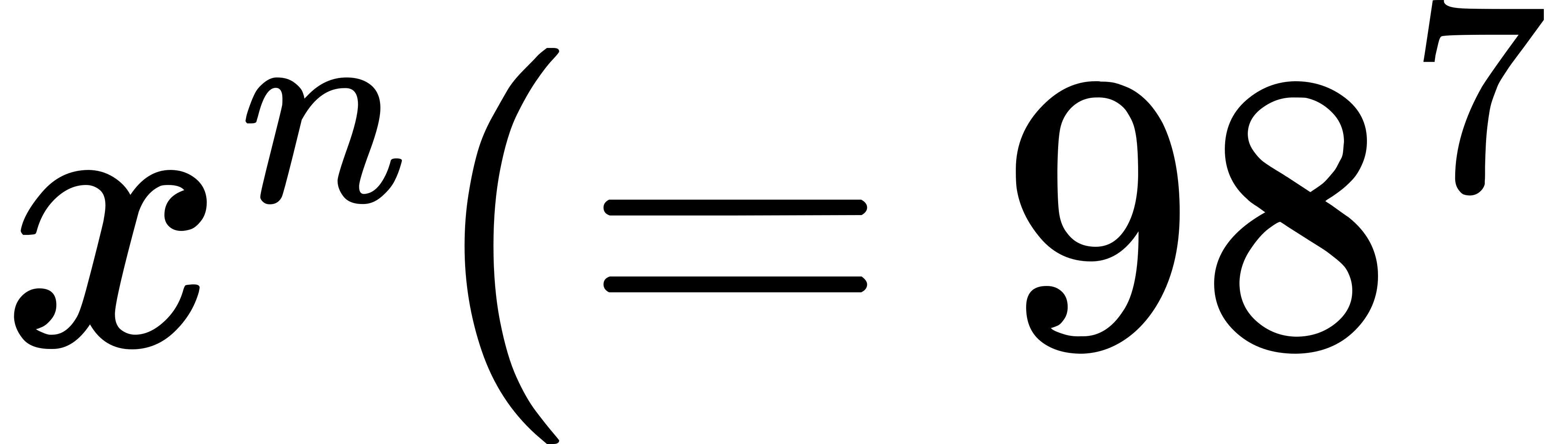 )
for the above particular data).
Secondly, one multiplication in order then to get
 ).
In all, seven multiplications to complete the whole process. We may
thus represent them:—

The multiplications would, however, at successive stages in the
solution of the problem, operate on pairs of numbers, derived from
different columns. In other words, the same operation
would be performed on different subjects of operation. And
here again is an illustration of the remarks made in the preceding
Note on the independent manner in which the engine directs its
operations. In determining the value of 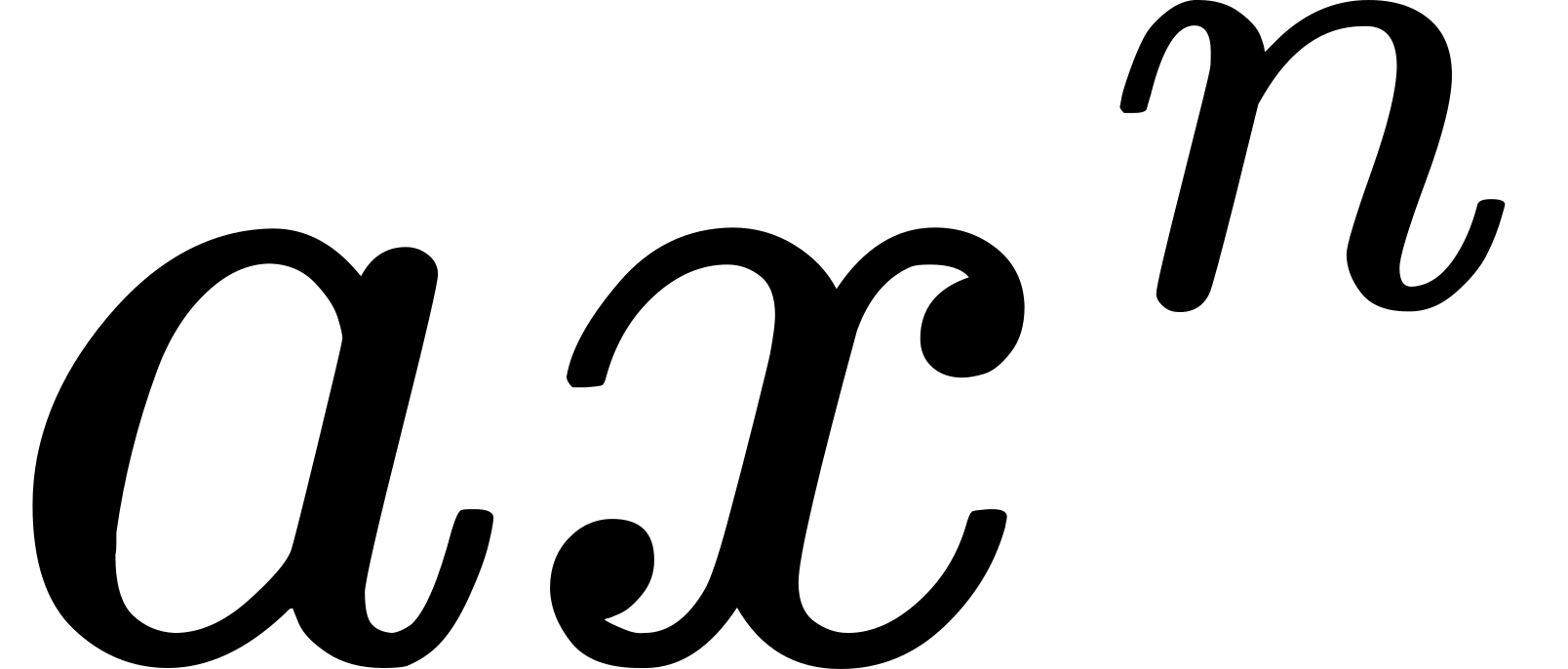 , the
operations are homogeneous, but are distributed amongst
different subjects of operation, at successive stages of the
computation. It is by means of certain punched cards, belonging
to the Variables themselves, that the action of the operations is
so distributed as to suit each particular function. The
Operation-cards merely determine the succession of operations in
a general manner. They in fact throw all that portion of the mechanism
included in the mill, into a series of different states,
which we may call the adding state, or the multiplying
state, &c. respectively. In each of these states the mechanism is
ready to act in the way peculiar to that state, on any pair of numbers
which may be permitted to come within its sphere of action. Only
one of these operating states of the mill can exist at a time;
and the nature of the mechanism is also such that only one pair of
numbers can be received and acted on at a time. Now, in order to
secure that the mill shall receive a constant supply of the proper
pairs of numbers in succession, and that it shall also rightly locate
the result of an operation performed upon any pair, each Variable has
cards of its own belonging to it. It has, first, a class of cards whose
business it is to allow the number on the Variable to pass into
the mill, there to be operated upon. These cards may be called the
Supplying-cards. They furnish the mill with its proper
food. Each Variable has, secondly, another class of cards, whose office
it is to allow the Variable to receive a number from the mill.
These cards may be called the Receiving-cards. They
regulate the location of results, whether temporary or ultimate
results. The Variable-cards in general (including both the preceding
classes) might, it appears to us, be even more appropriately designated
the Distributive-cards, since it is through their means that the
action of the operations, and the results of this action, are rightly
distributed.
There are two varieties of the Supplying Variable-cards,
respectively adapted for fulfilling two distinct subsidiary purposes:
but as these modifications do not bear upon the present subject, we
shall notice them in another place.
In the above case of , the Operation-cards merely order
seven multiplications, that is, they order the mill to be in the
multiplying state seven successive times (without any reference
to the particular columns whose numbers are to be acted upon).
The proper Distributive Variable-cards step in at each successive
multiplication, and cause the distributions requisite for the
particular case.
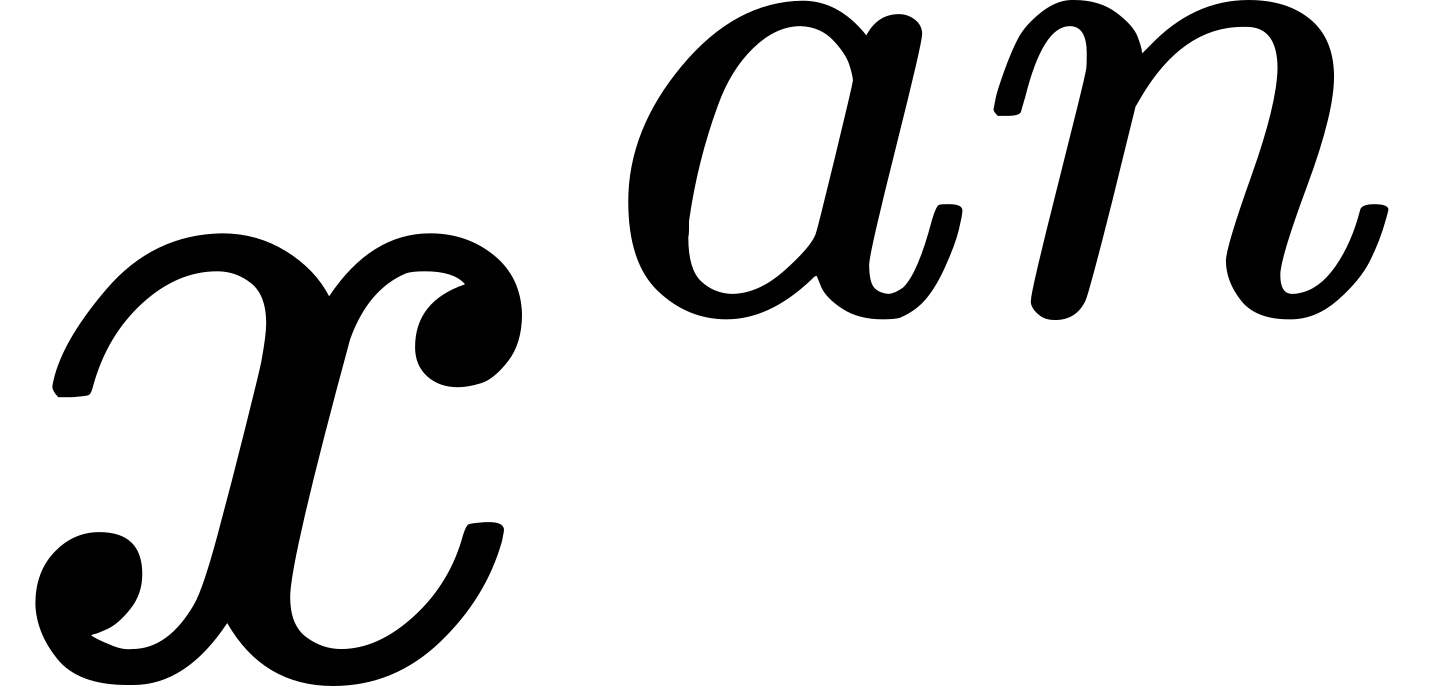
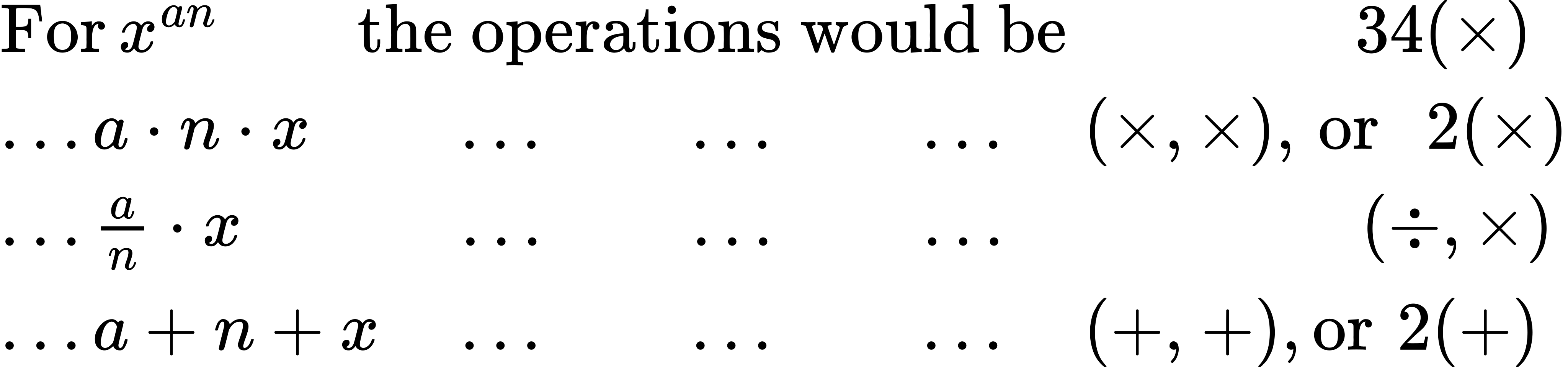 The engine might be made to calculate all these in succession. Having
completed , the function
 might be written
under the brackets instead of , and a new calculation
commenced (the appropriate Operation and Variable-cards for the new
function of course coming into play). The results would then appear on
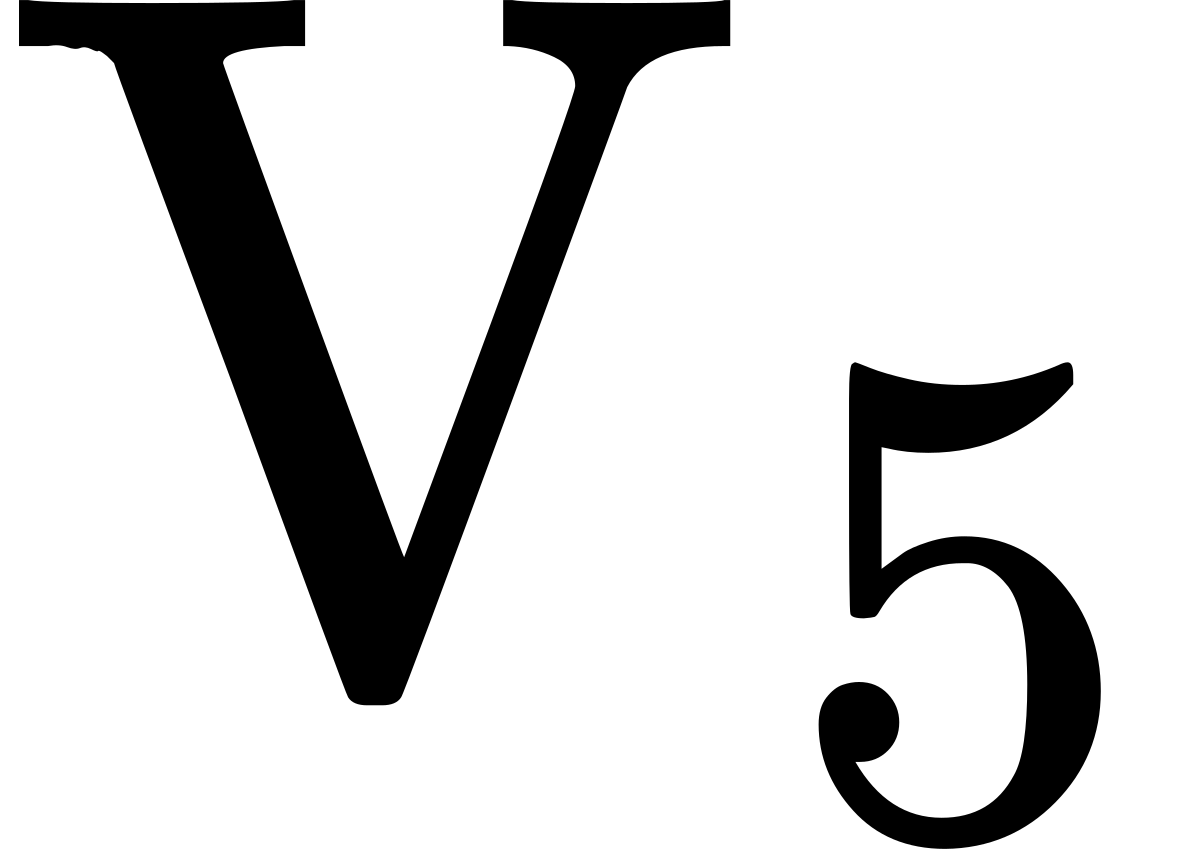 . So on for any number of different functions of the
quantities , , . Each result might either permanently
remain on its column during the succeeding calculations, so that when
all the functions had been computed, their values would simultaneously
exist on
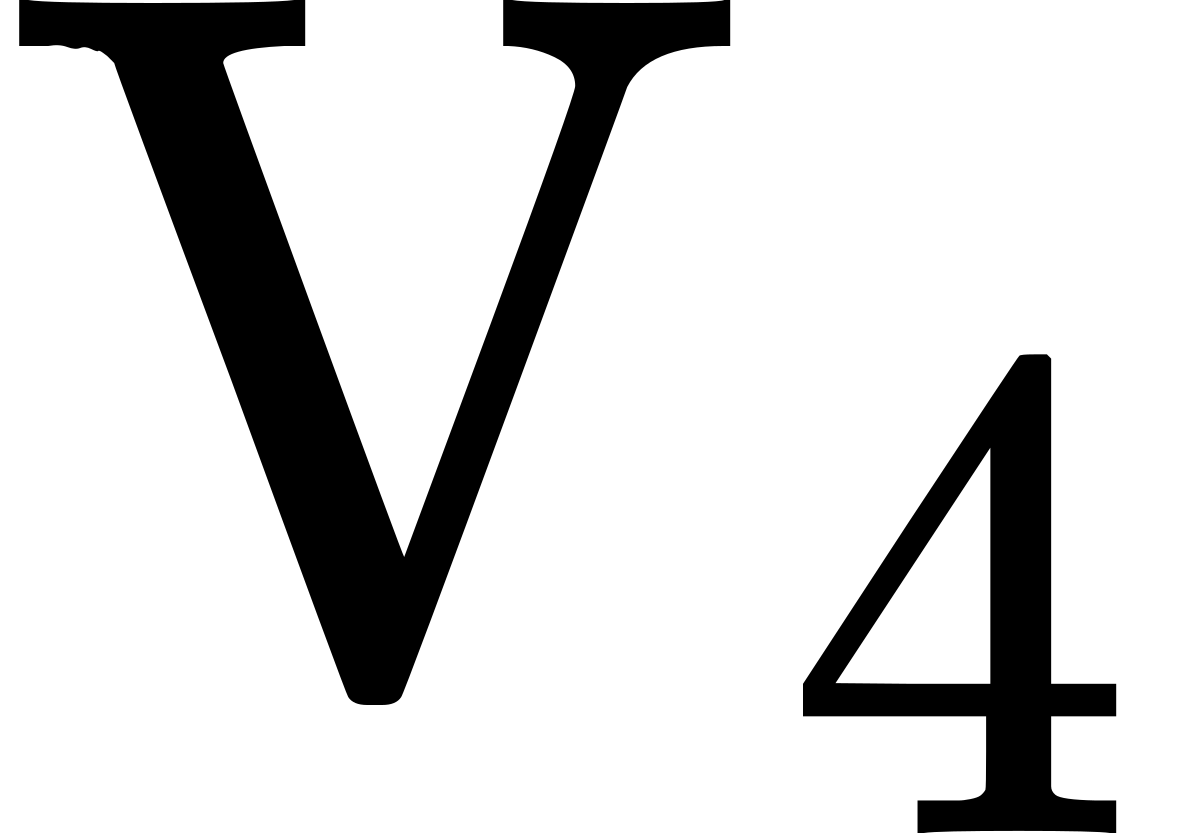 , ,
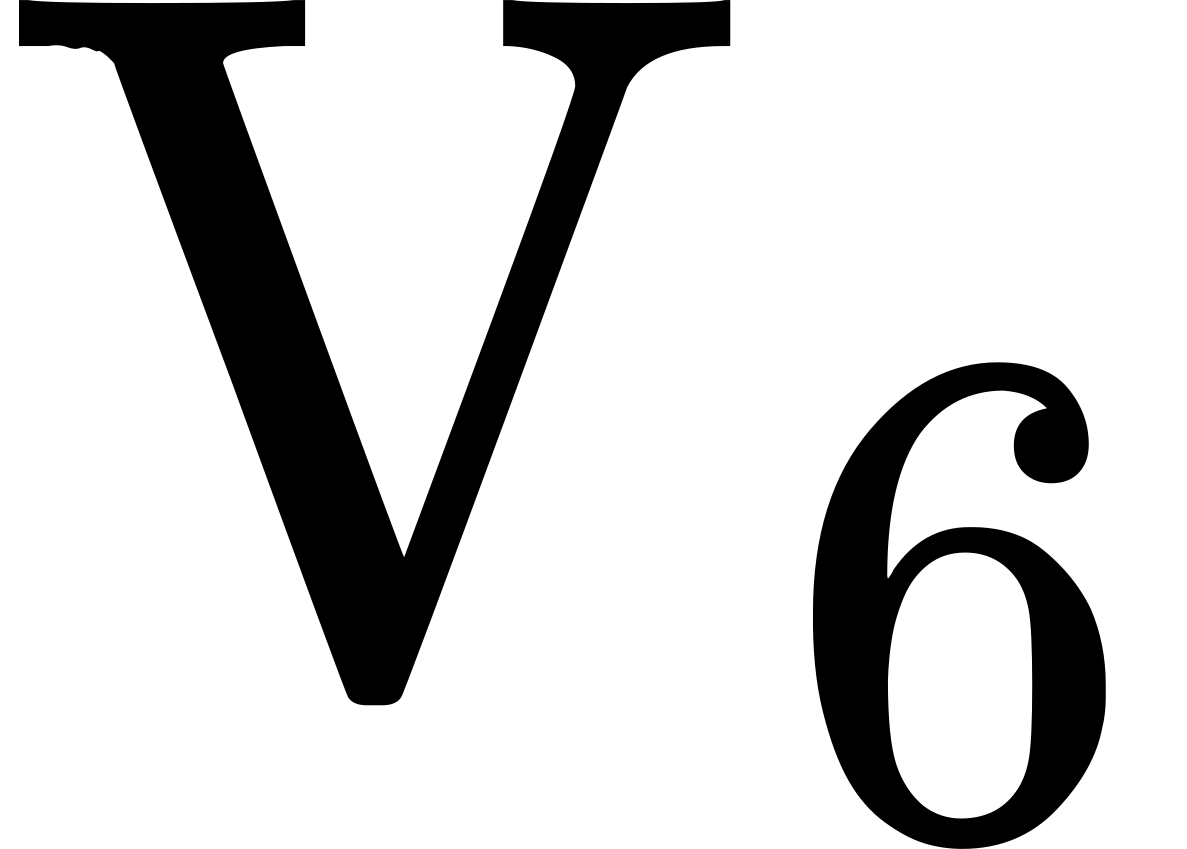 , &c.; or
each result, might (after being jointed off, or used in any specified
manner) be effaced to make way for its successor. The square under
ought, for the latter arrangement, to have the
functions , , , &c. successively
inscribed in it.
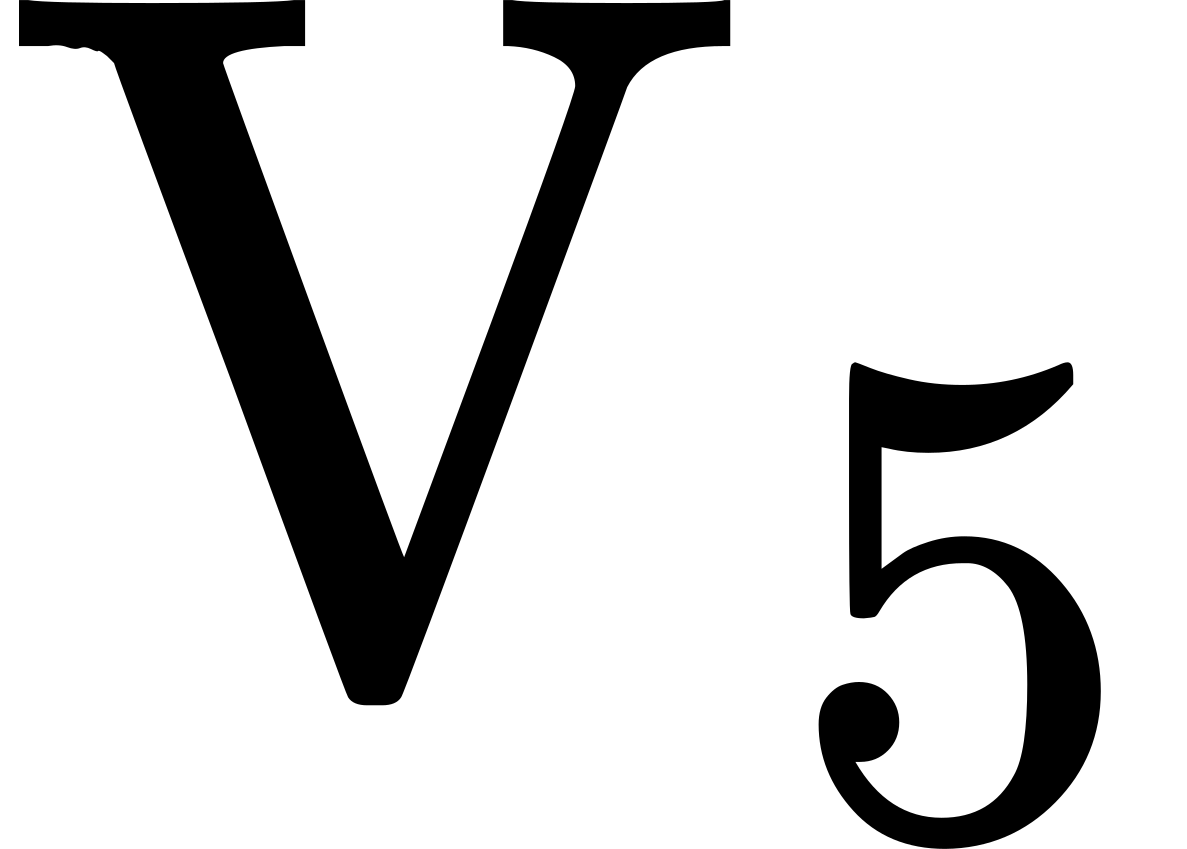
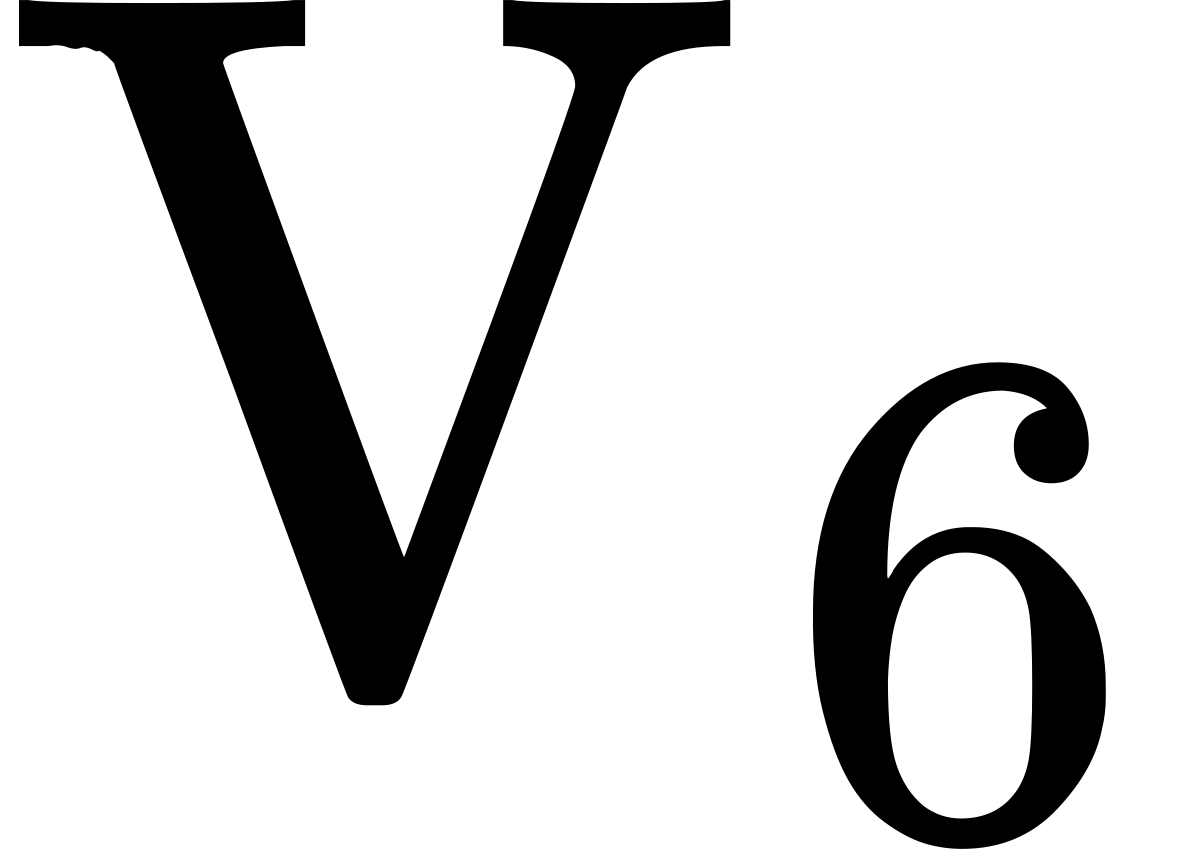
Let us now suppose that we have two expressions whose values
have been computed by the engine independently of each other (each
having its own group of columns for data and results). Let them be 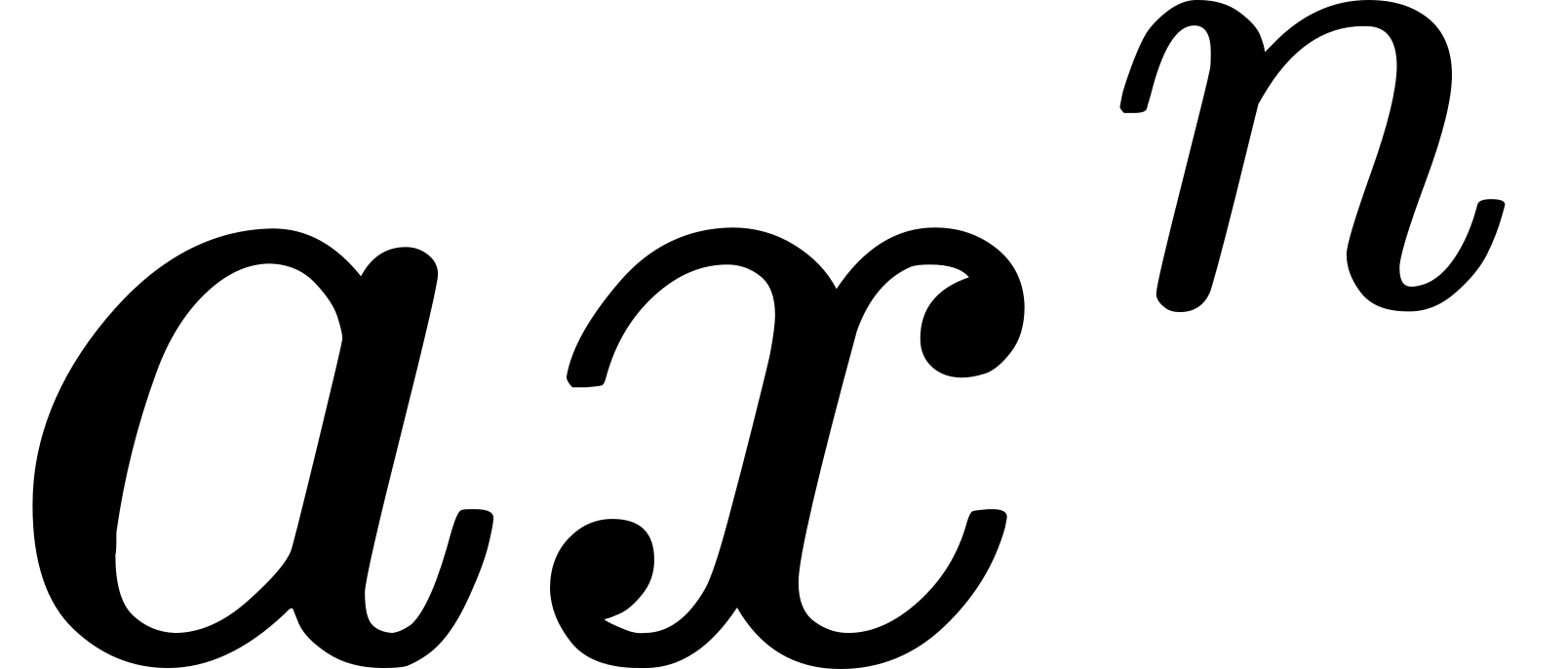 ,
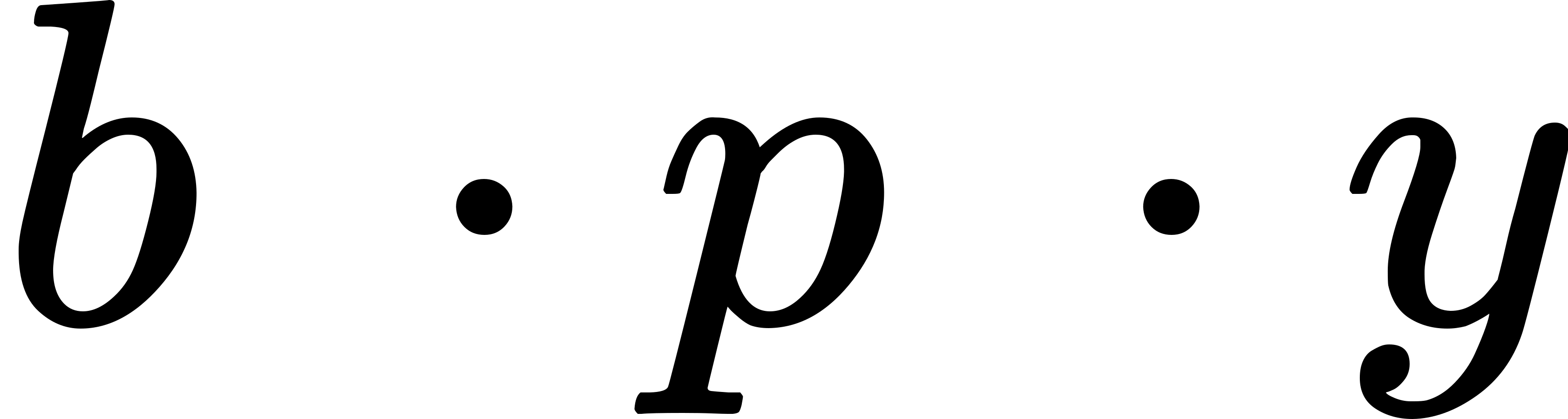 . They would then stand as follows on the
columns:—
|
|
|
|
 |
 |
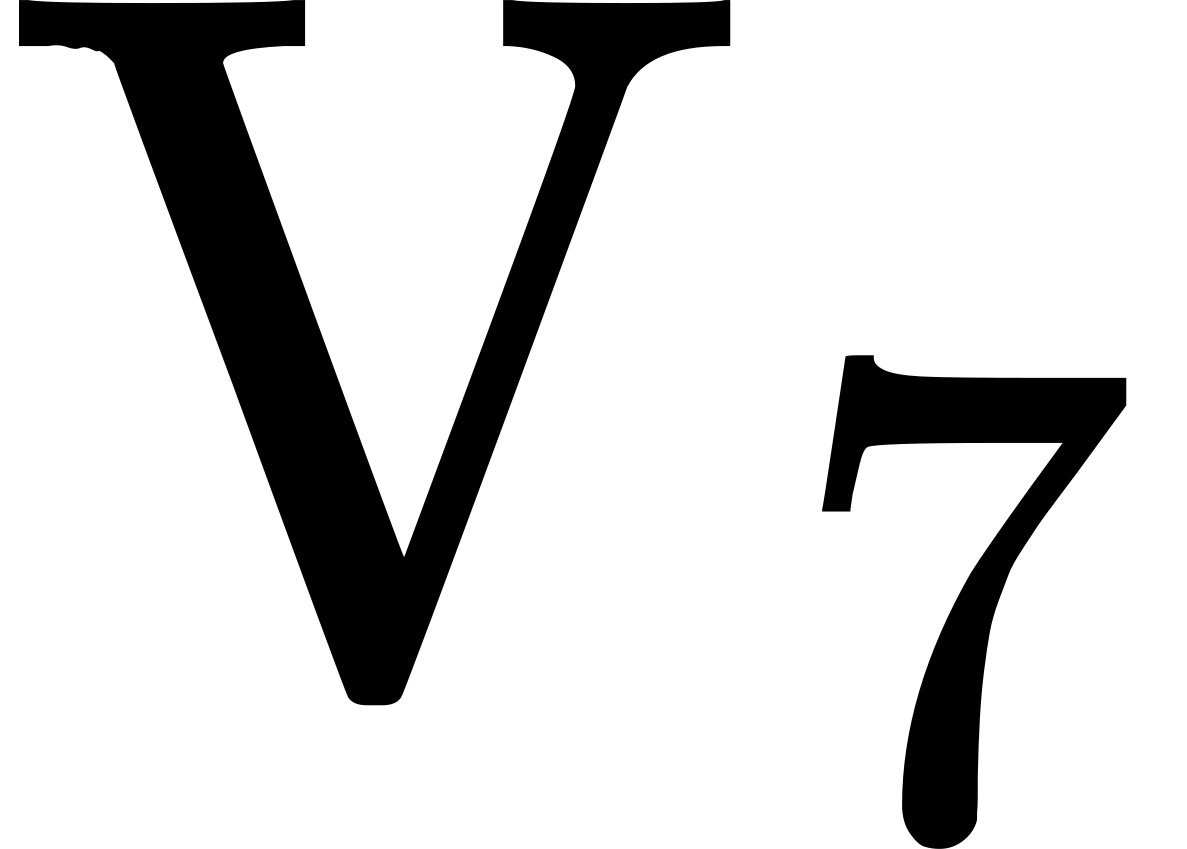 |
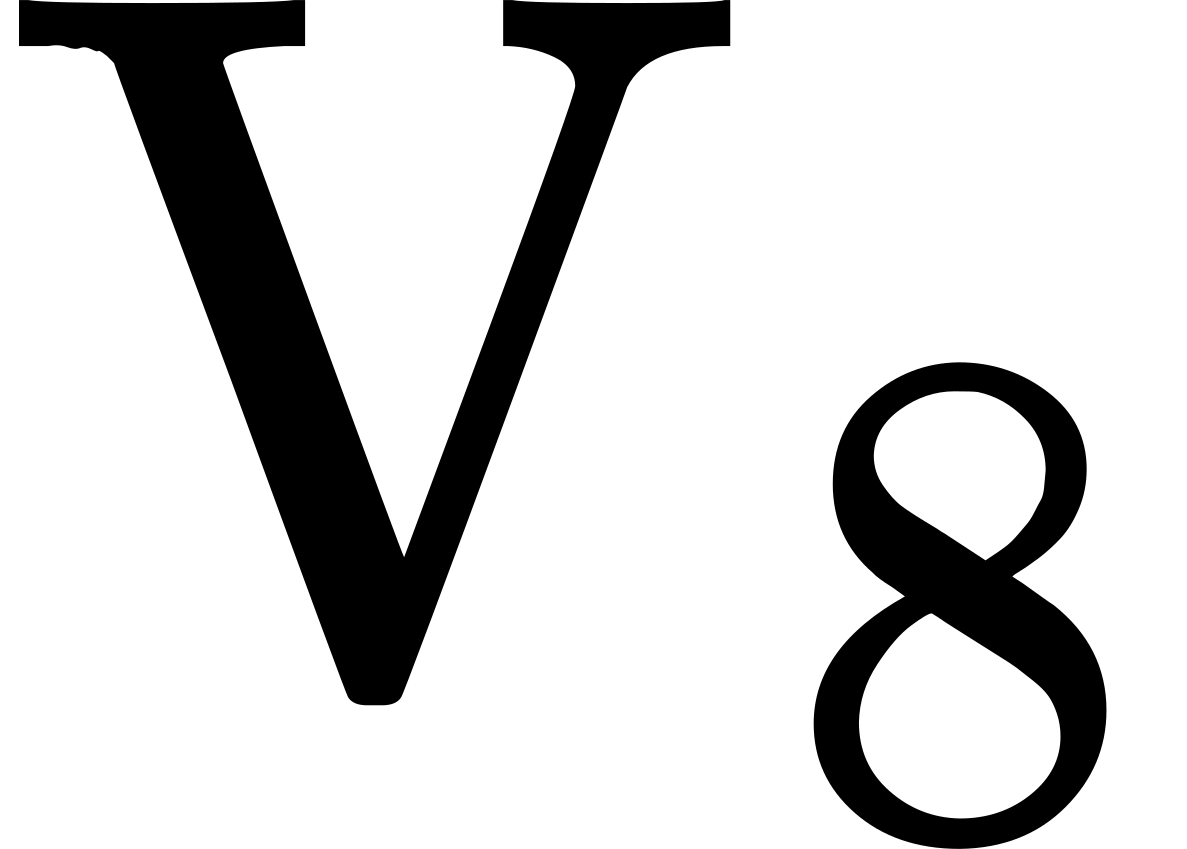 |
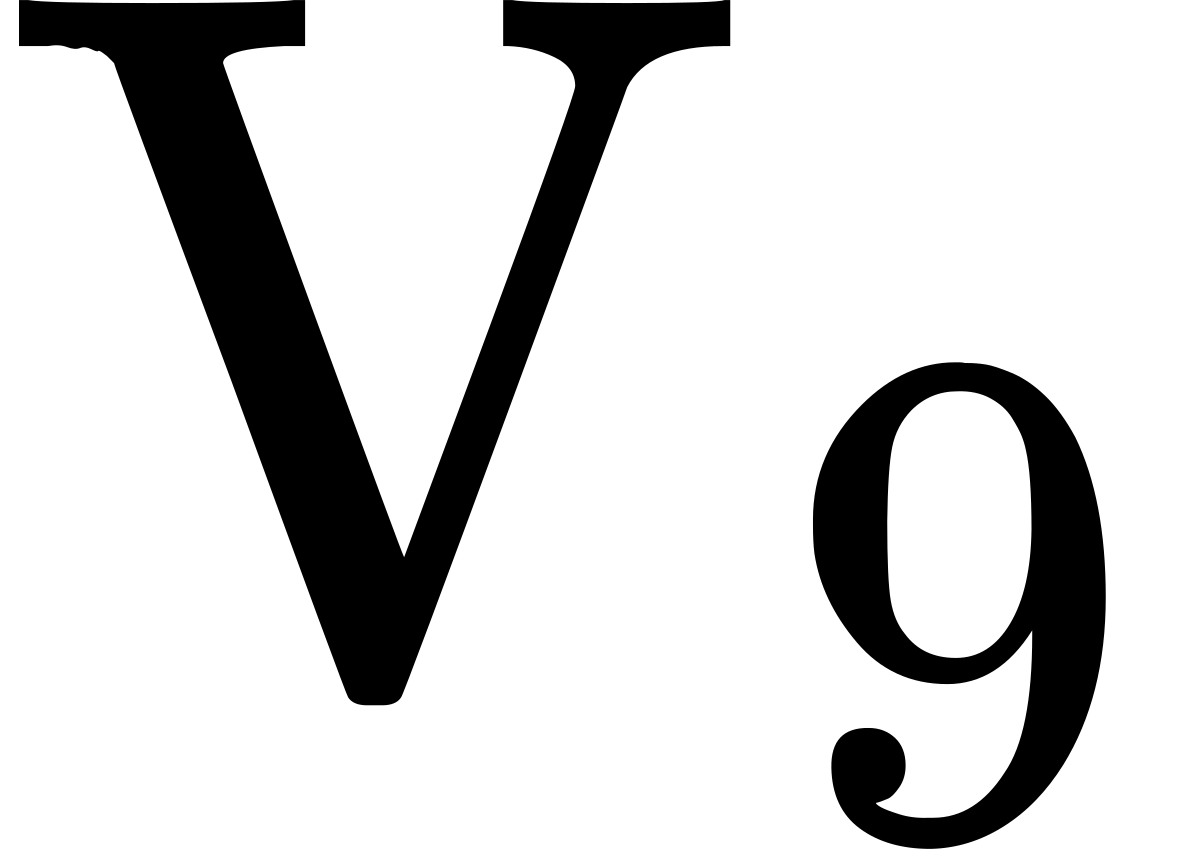 |
| + |
+ |
+ |
+ |
+ |
+ |
+ |
+ |
+ |
| 0 |
0 |
0 |
0 |
0 |
0 |
0 |
0 |
0 |
| 0 |
0 |
0 |
0 |
0 |
0 |
0 |
0 |
0 |
| 0 |
0 |
0 |
0 |
0 |
0 |
0 |
0 |
0 |
| 0 |
0 |
0 |
0 |
0 |
0 |
0 |
0 |
0 |
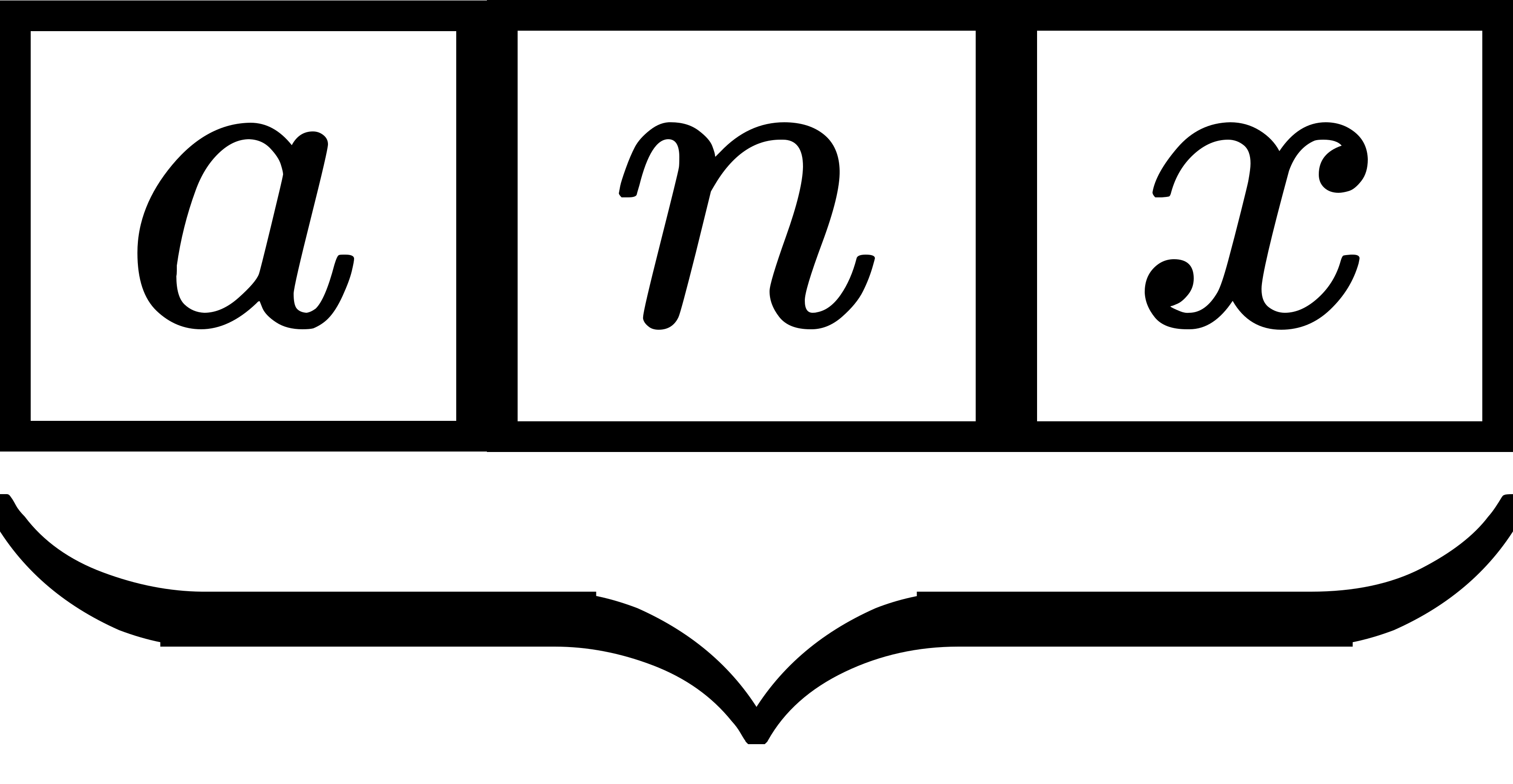 |
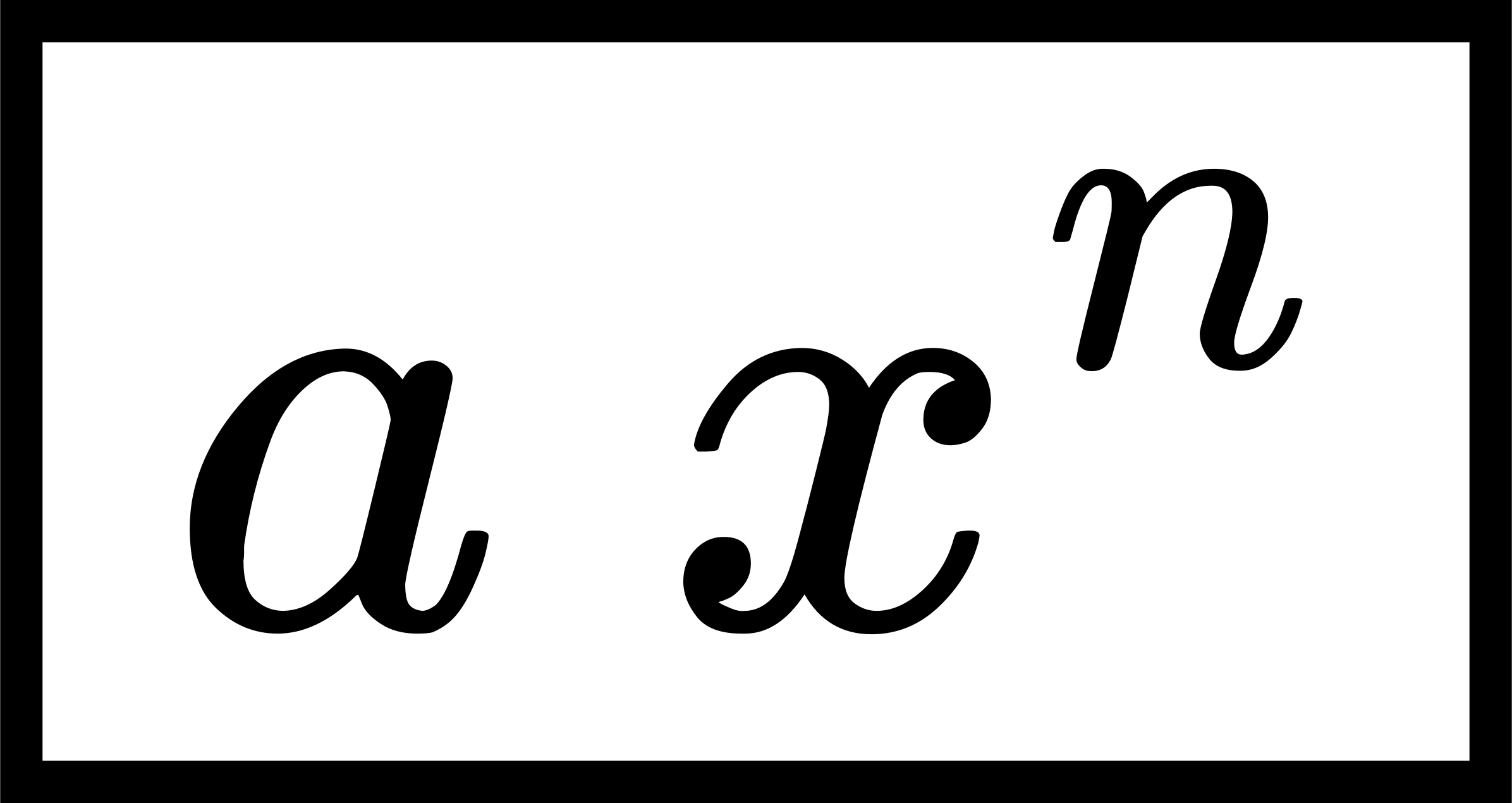 |
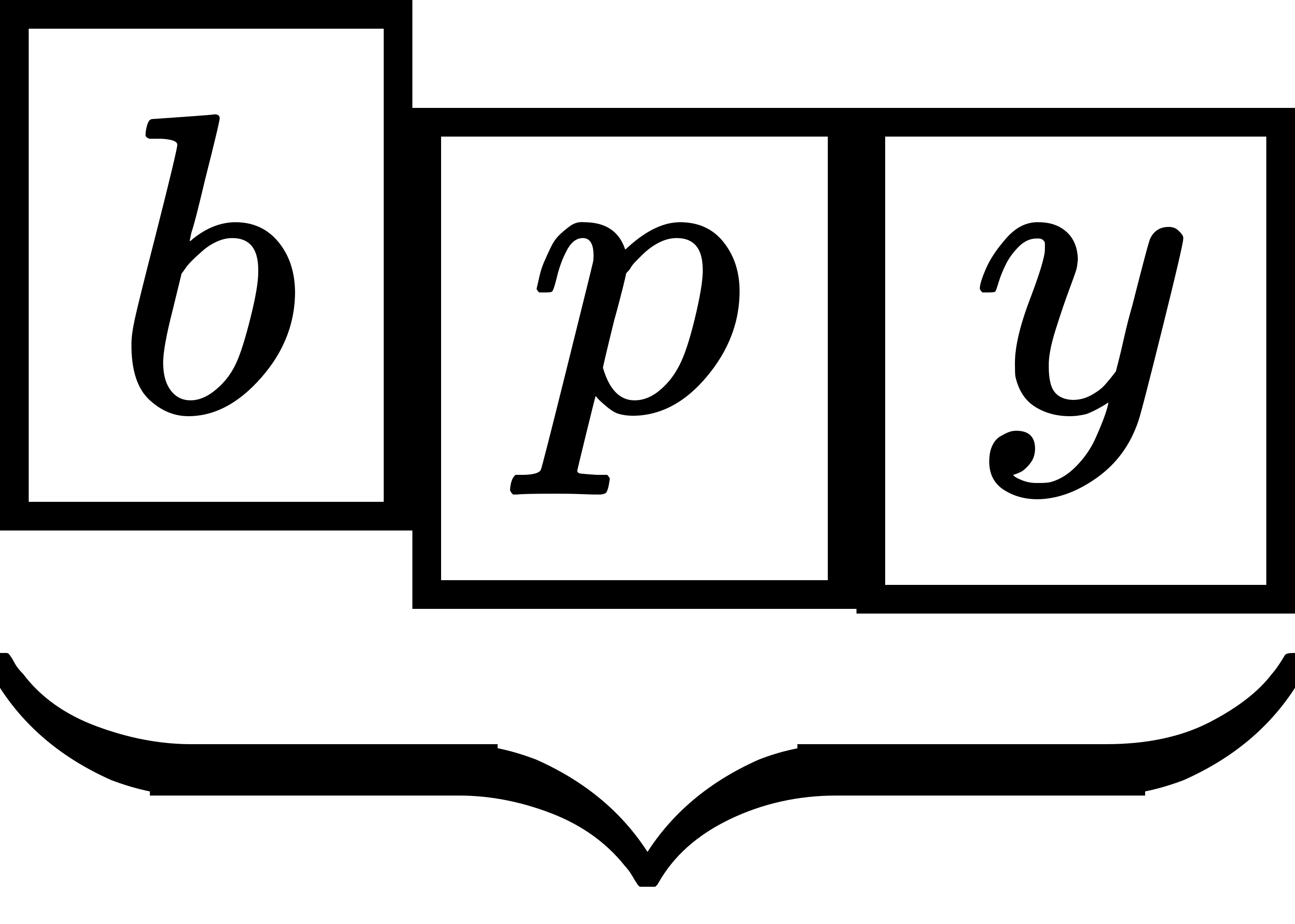 |
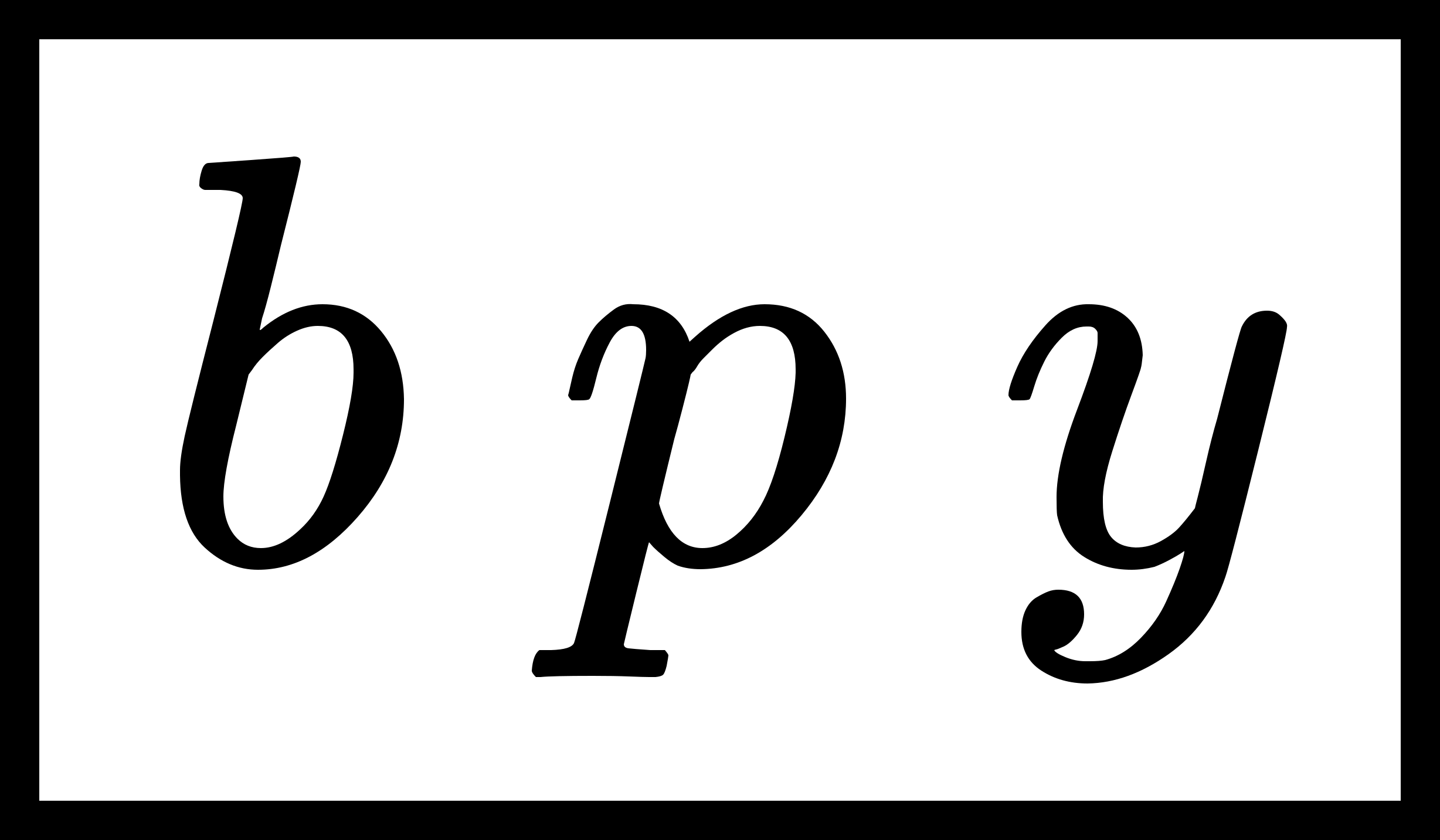 |
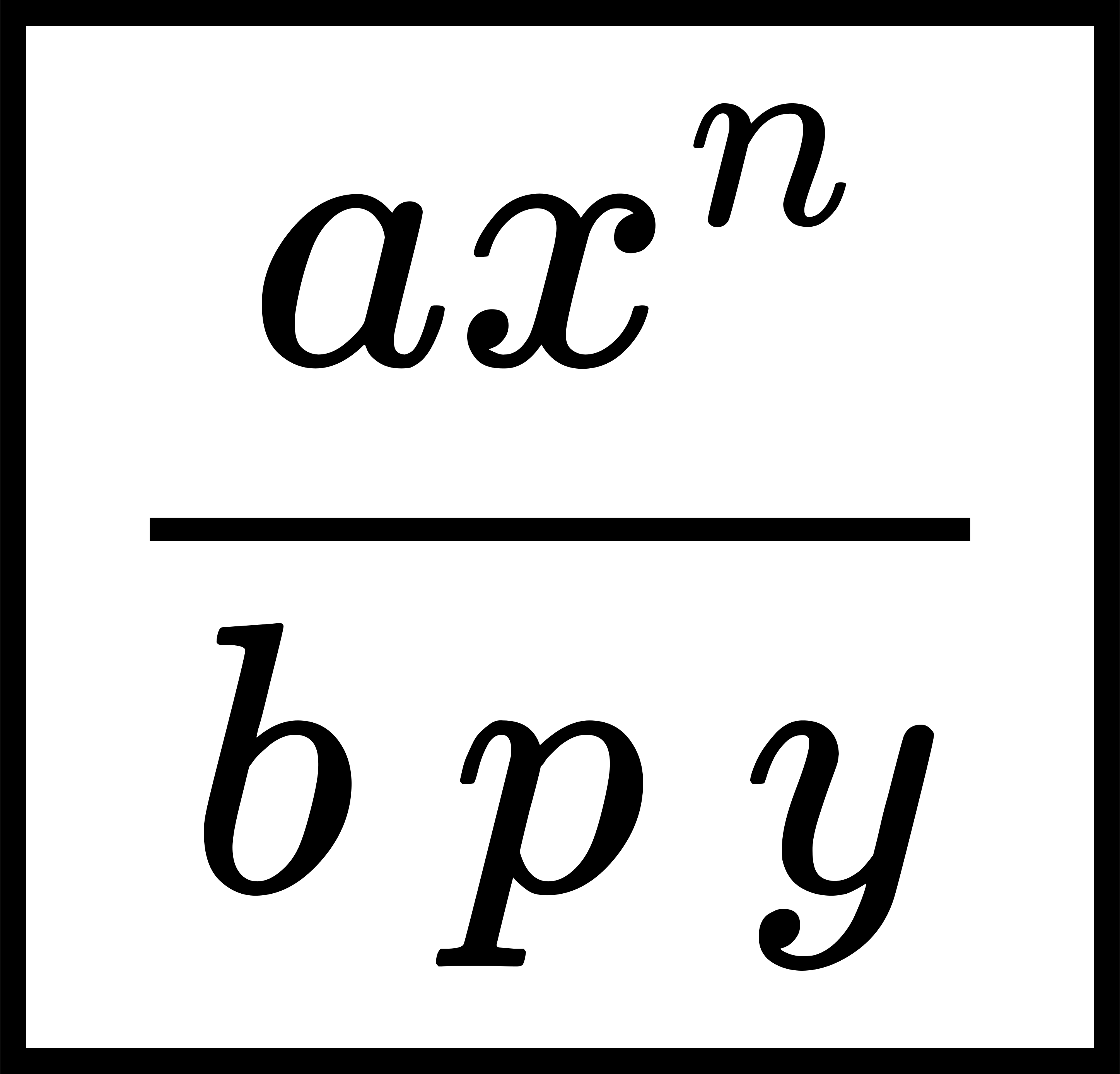 |
We may now desire to combine together these two results, in any
manner we please; in which case it would only be necessary to have
an additional card or cards, which should order the requisite
operations to be performed with the numbers on the two result-columns,
and 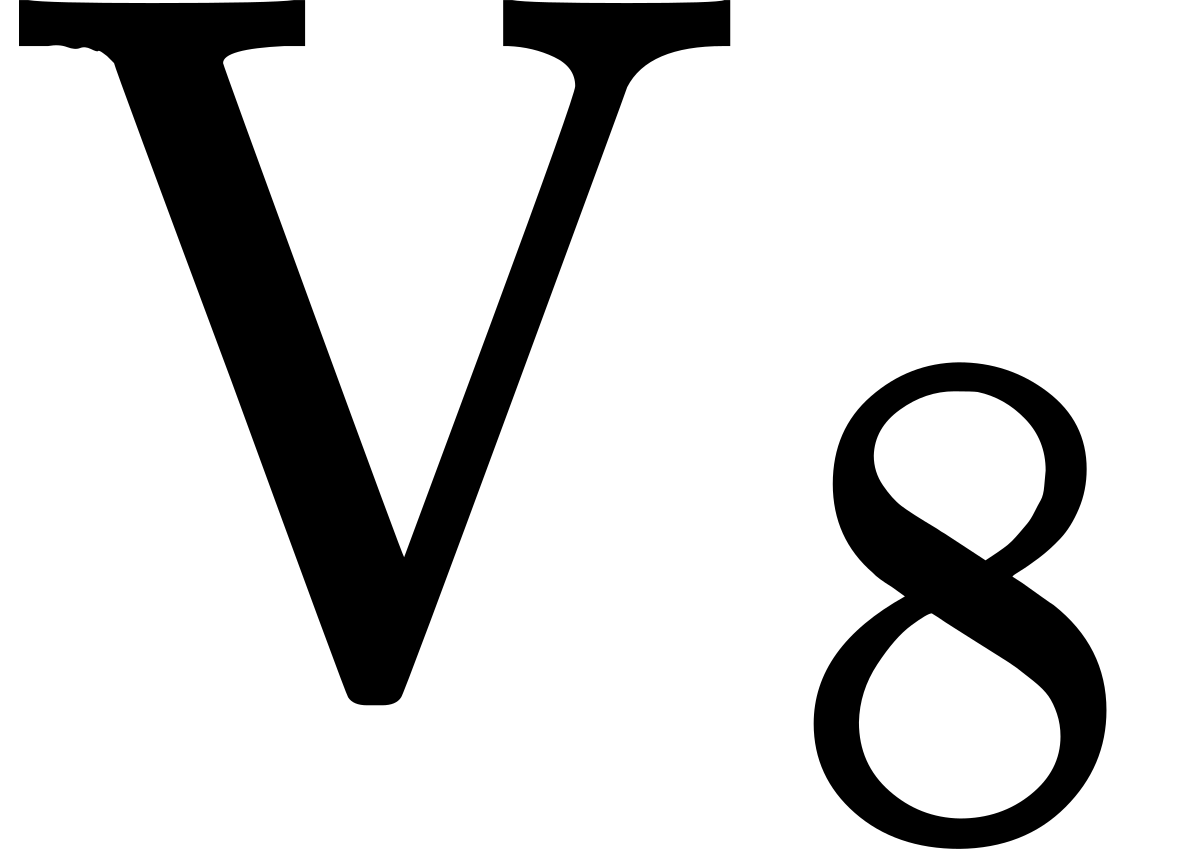 , and the result of these
further operations to appear on a new column,
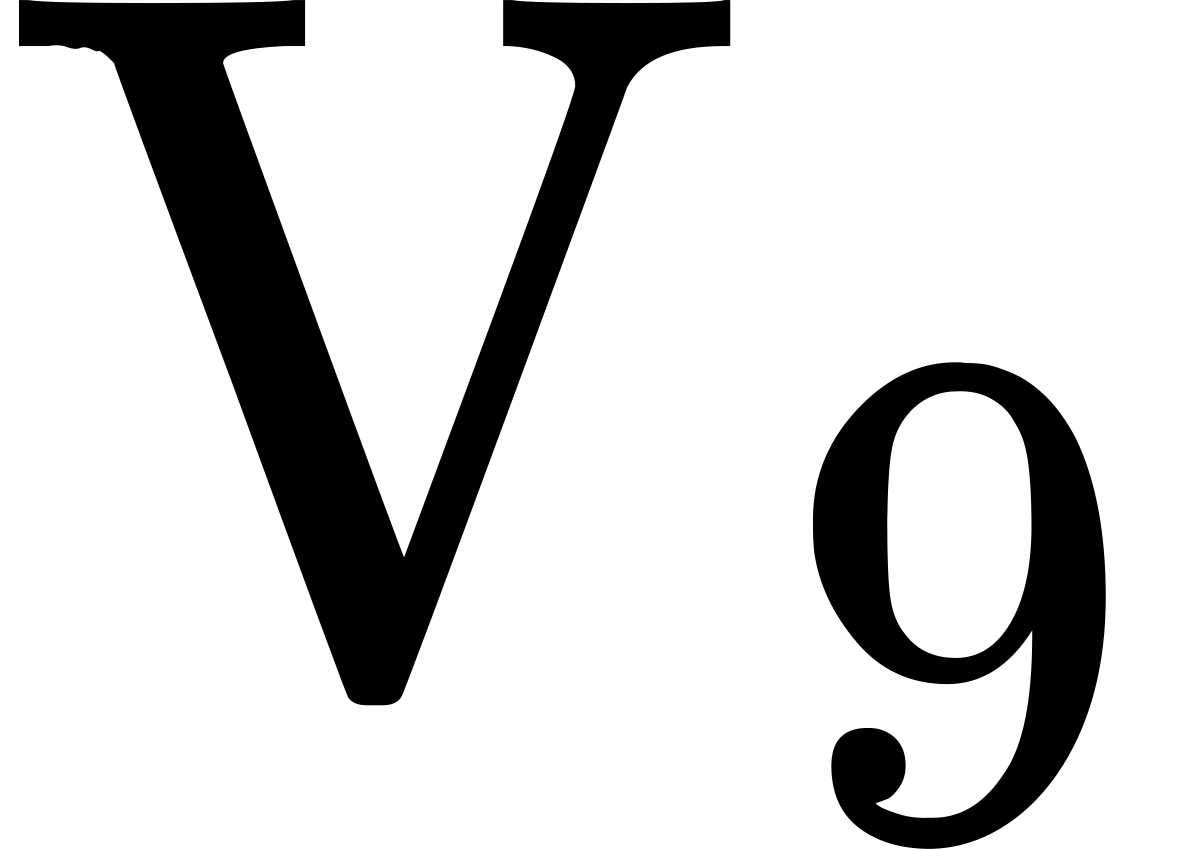 .
Say that we wish to divide by .
The numerical value of this division would then appear on the
column
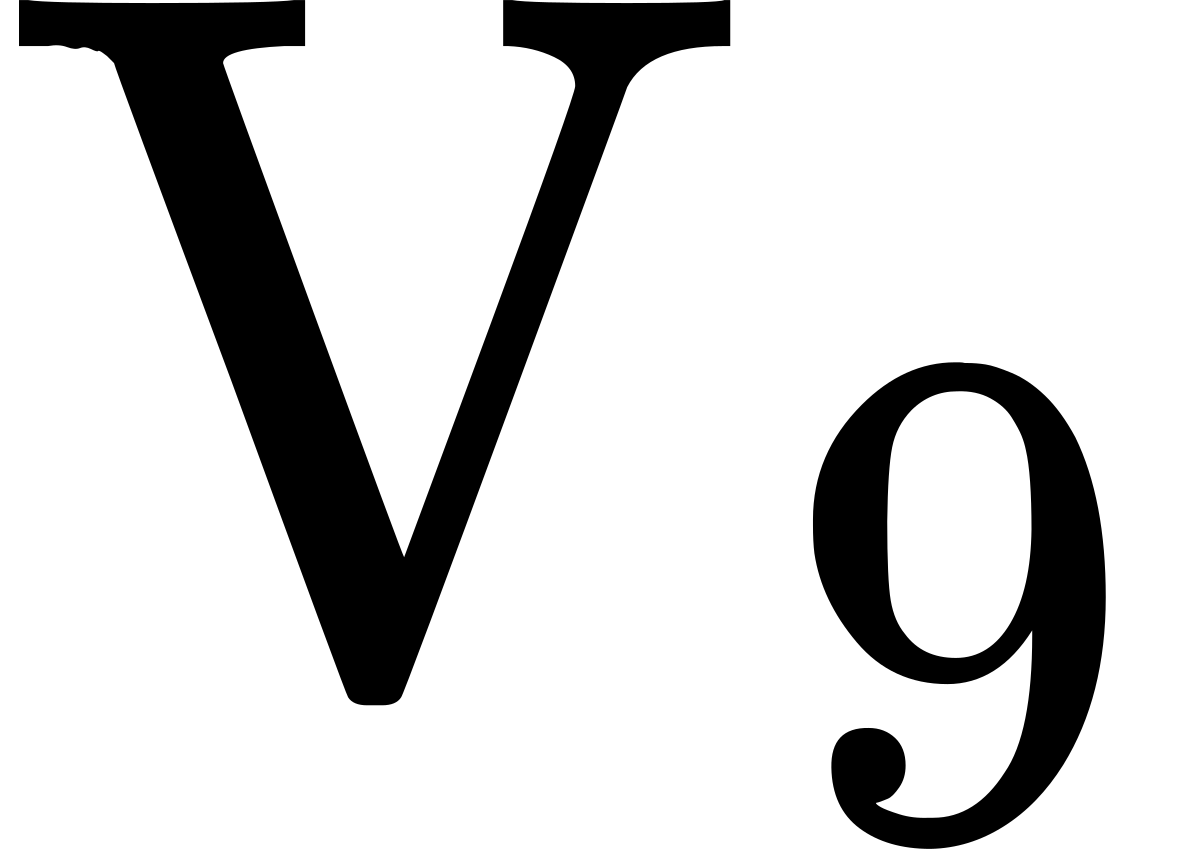 , beneath which we have inscribed
 . The whole series of operations
from the beginning would be as follow ( being = 7):—

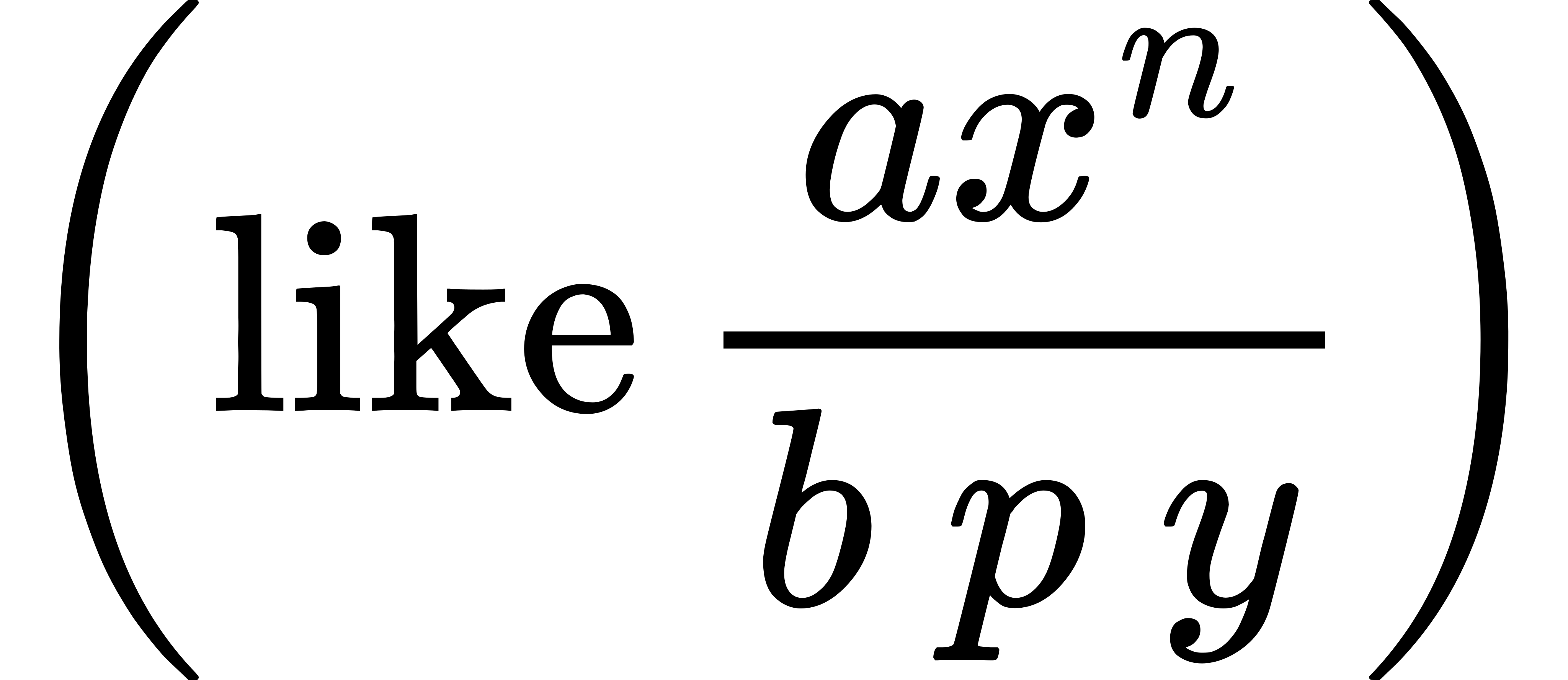
This example is introduced merely to show that we may, if we please,
retain separately and permanently any intermediate results (like
 ), which occur in the course of processes
having an ulterior and more complicated result as their chief and final
object
 .
Any group of columns may be considered as representing a general
function, until a special one has been implicitly impressed
upon them through the introduction into the engine of the Operation
and Variable-cards made out for a particular function. Thus,
in the preceding example, 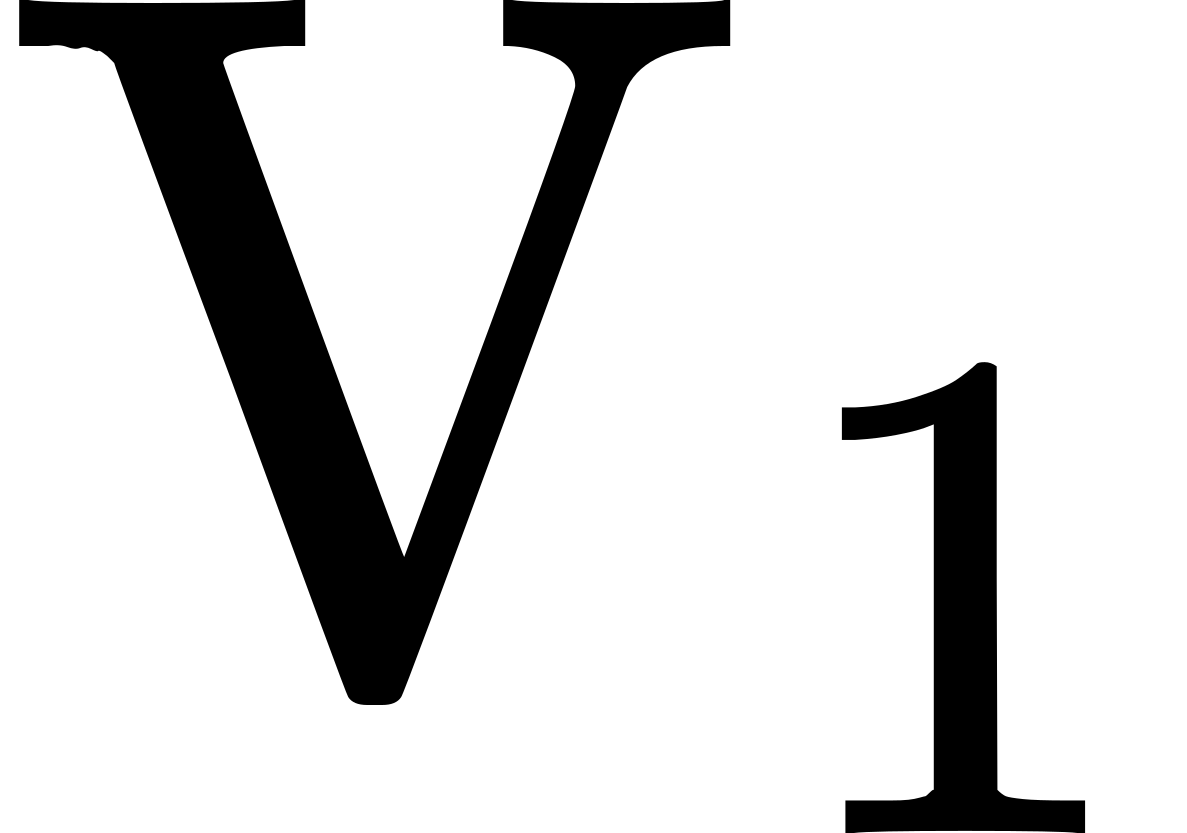 ,
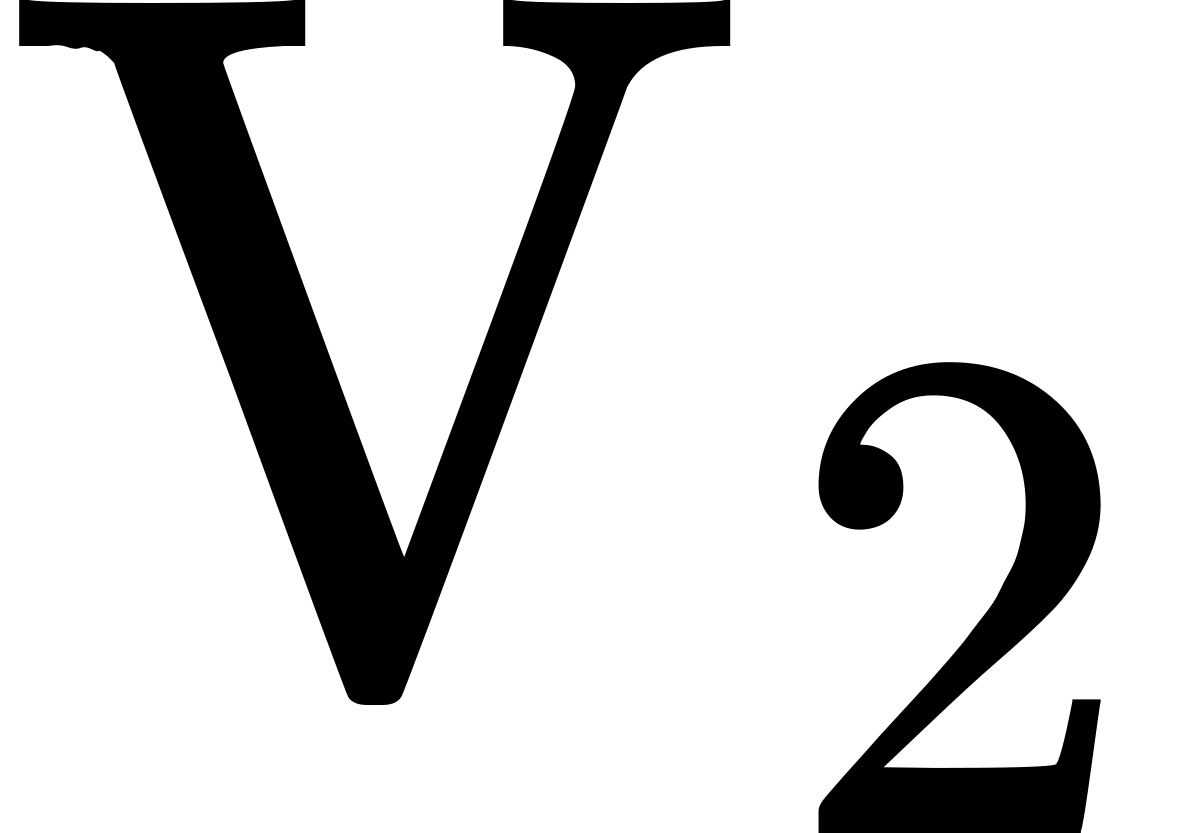 ,
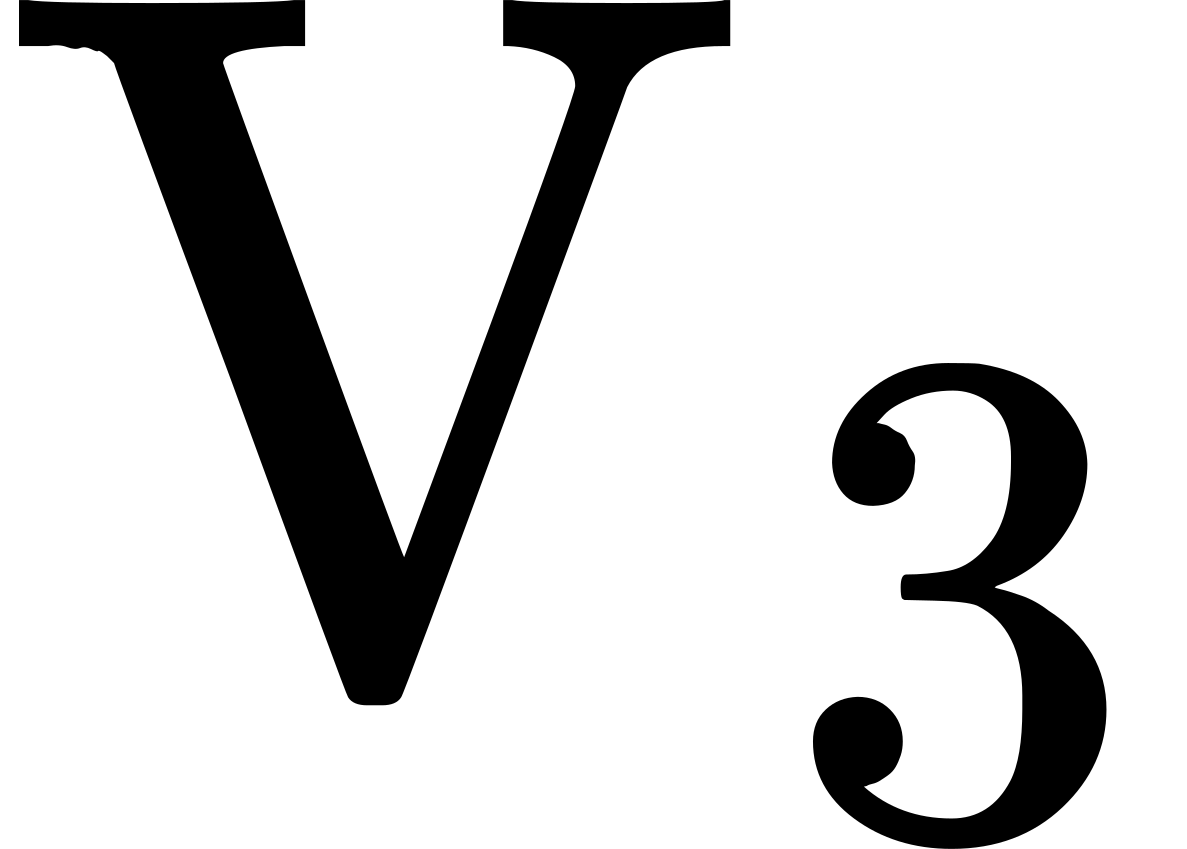 , , ,
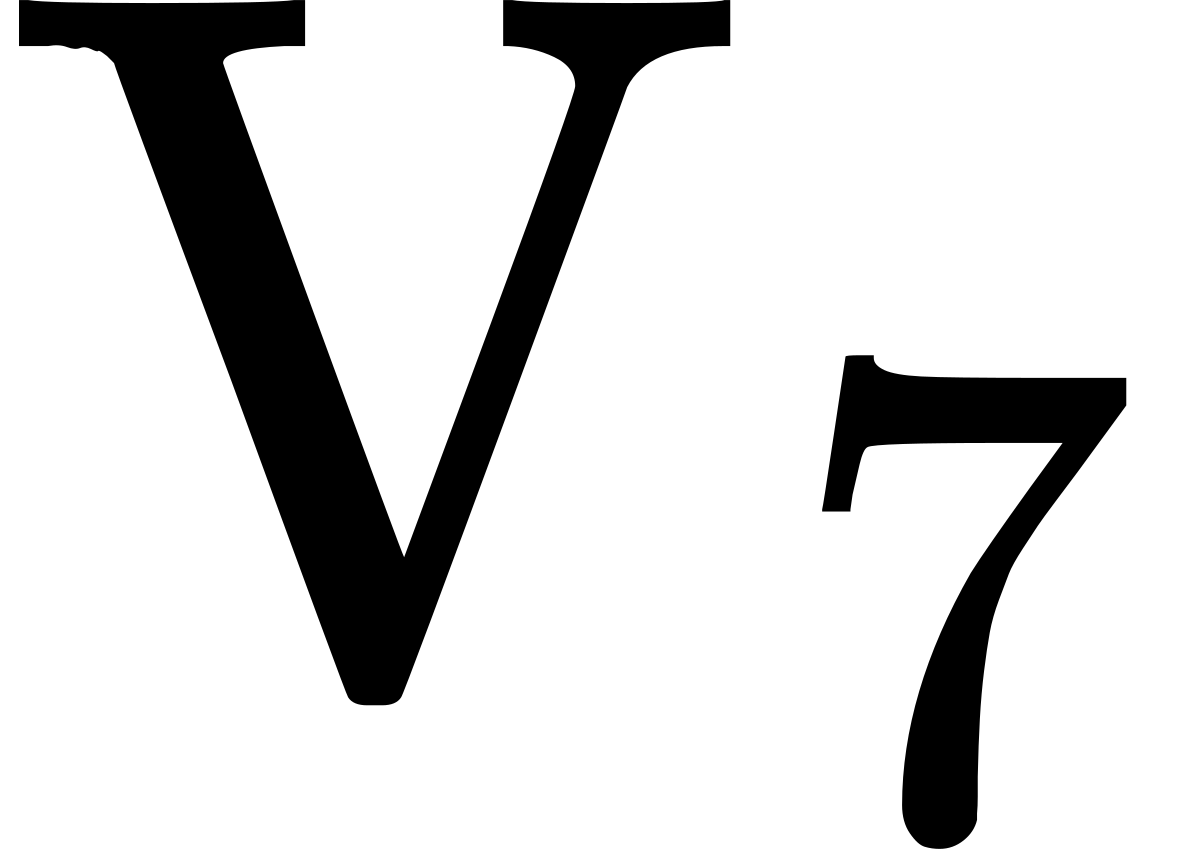 represent the general function
 until
the function
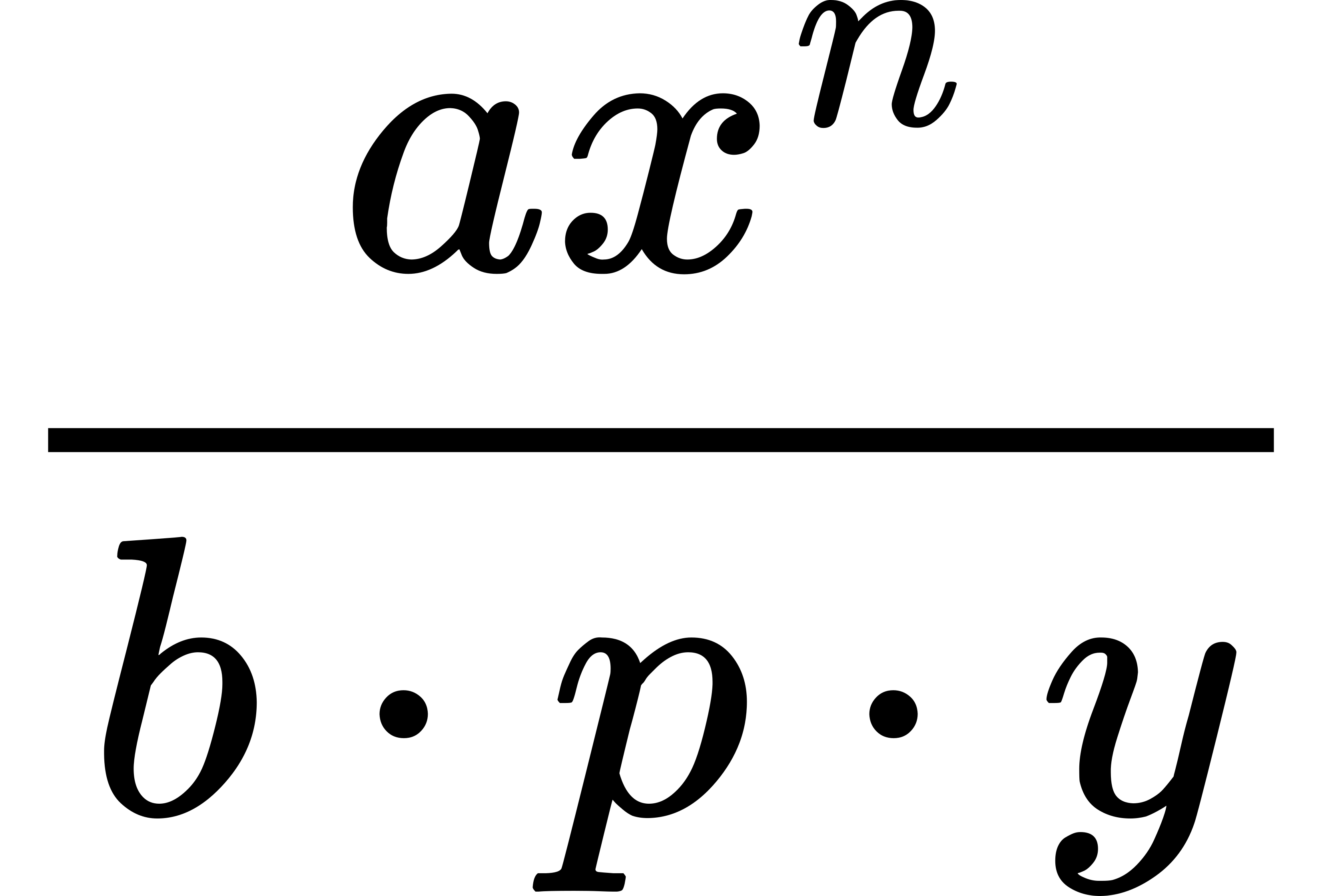 has been determined on, and
implicitly expressed by the placing of the right cards in the
engine. The actual working of the mechanism, as regulated by these
cards, then explicitly developes the value of the function. The
inscription of a function under the brackets, and in the square under
the result-column, in no way influences the processes or the results,
and is merely a memorandum for the observer, to remind him of what is
going on. It is the Operation and the Variable-cards only, which in
reality determine the function. Indeed it should be distinctly kept
in mind that the inscriptions within any of the squares, are
quite independent of the mechanism or workings of the engine, and are
nothing but arbitrary memorandums placed there at pleasure to assist
the spectator.
The further we analyse the manner in which such an engine performs its
processes and attains its results, the more we perceive how distinctly
it places in a true and just light the mutual relations and connexion
of the various steps of mathematical analysis, how clearly it separates
those things which are in reality distinct and independent, and unites
those which are mutually dependent.
A. A. L.
Those who may desire to study the principles of the Jacquard-loom
in the most effectual manner, viz. that of practical observation,
have only to step into the Adelaide Gallery or the Polytechnic
Institution. In each of these valuable repositories of scientific
illustration, a weaver is constantly working at a Jacquard-loom,
and is ready to give any information that may be desired as to the
construction and modes of acting of his apparatus. The volume on the
manufacture of silk, in Lardner’s Cyclopædia, contains a chapter on the
Jacquard-loom, which may also be consulted with advantage.
The mode of application of the cards, as hitherto used in the art of
weaving, was not found, however, to be sufficiently powerful for all
the simplifications which it was desirable to attain in such varied and
complicated processes as those required in order to fulfil the purposes
of an Analytical Engine. A method was devised of what was technically
designated backing the cards in certain groups according to
certain laws. The object of this extension is to secure the possibility
of bringing any particular card or set of cards into use any number
of times successively in the solution of one problem. Whether this
power shall be taken advantage of or not, in each particular instance,
will depend on the nature of the operations which the problem under
consideration may require. The process is alluded to by M. Menabrea
in page 15, and it is a very important simplification. It has been
proposed to use it for the reciprocal benefit of that art, which,
while it has itself no apparent connexion with the domains of abstract
science, has yet proved so valuable to the latter, in suggesting the
principles which, in their new and singular field of application,
seem likely to place algebraical combinations not less
completely within the province of mechanism, than are all those varied
intricacies of which intersecting threads are susceptible. By
the introduction of the system of backing into the Jacquard-loom
itself, patterns which should possess symmetry, and follow regular laws
of any extent, might be woven by means of comparatively few cards.
Those who understand the mechanism of this loom will perceive that
the above improvement is easily effected in practice, by causing the
prism over which the train of pattern-cards is suspended, to revolve
backwards instead of forwards, at pleasure, under the
requisite circumstances; until, by so doing, any particular card, or
set of cards, that has done duty once, and passed on in the ordinary
regular succession, is brought back to the position it occupied just
before it was used the preceding time. The prism then resumes its
forward rotation, and thus brings the card or set of cards
in question into play a second time. The prism then resumes its
forward rotation, and thus brings the card or set of cards
in question into play a second time. This process may obviously be
repeated any number of times.
A. A. L.
We have represented the solution of these two equations, with every
detail, in a diagram[23] similar to those used in Note B.; but
additional explanations are requisite, partly in order to make this
more complicated case perfectly clear, and partly for the comprehension
of certain indications and notations not used in the preceding
diagrams. Those who may wish to understand Note G. completely, are
recommended to pay particular attention to the contents of the present
Note, or they will not otherwise comprehend the similar notation and
indications when applied to a much more complicated case.
In all calculations, the columns of Variables used may be divided into
three classes:—
1st. Those on which the data are inscribed:
2ndly. Those intended to receive the final results:
3dly. Those intended to receive such intermediate and temporary
combinations of the primitive data as are not to be permanently
retained, but are merely needed for working with, in order to
attain the ultimate results. Combinations of this kind might properly
be called secondary data. They are in fact so many successive
stages towards the final result. The columns which receive them
are rightly named Working-Variables, for their office is in its
nature purely subsidiary to other purposes. They develope an
intermediate and transient class of results, which unite the original
data with the final results.
The Result-Variables sometimes partake of the nature of
Working-Variables. It frequently happens that a Variable destined to
receive a final result is the recipient of one or more intermediate
values successively, in the course of the processes. Similarly, the
Variables for data often become Working-Variables, or Result-Variables,
or even both in succession. It so happens, however, that in the case
of the present equations the three sets of offices remain throughout
perfectly separate and independent.
It will be observed, that in the squares below the
Working-Variables nothing is inscribed. Any one of these
Variables is in many cases destined to pass through various values
successively during the performance of a calculation (although in
these particular equations no instance of this occurs). Consequently
no one fixed symbol, or combination of symbols, should be
considered as properly belonging to a merely Working-Variable;
and as a general rule their squares are left blank. Of course in this,
as in all other cases where we mention a general rule, it is
understood that many particular exceptions may be expedient.
In order that all the indications contained in the diagram may be
completely understood, we shall now explain two or three points, not
hitherto touched on. When the value on any Variable is called into
use, one of two consequences may be made to result. Either the value
may return to the Variable after it has been used, in which
case it is ready for a second use if needed; or the Variable may be
made zero. (We are of course not considering a third case, of not
unfrequent occurrence, in which the same Variable is destined to
receive the result of the very operation which it has just
supplied with a number.) Now the ordinary rule is, that the value
returns to the Variable; unless it has been foreseen that no
use for that value can recur, in which case zero is substituted. At
the end of a calculation, therefore, every column ought as a
general rule to be zero, excepting those for results. Thus it will be
seen by the diagram, that when  , the value on
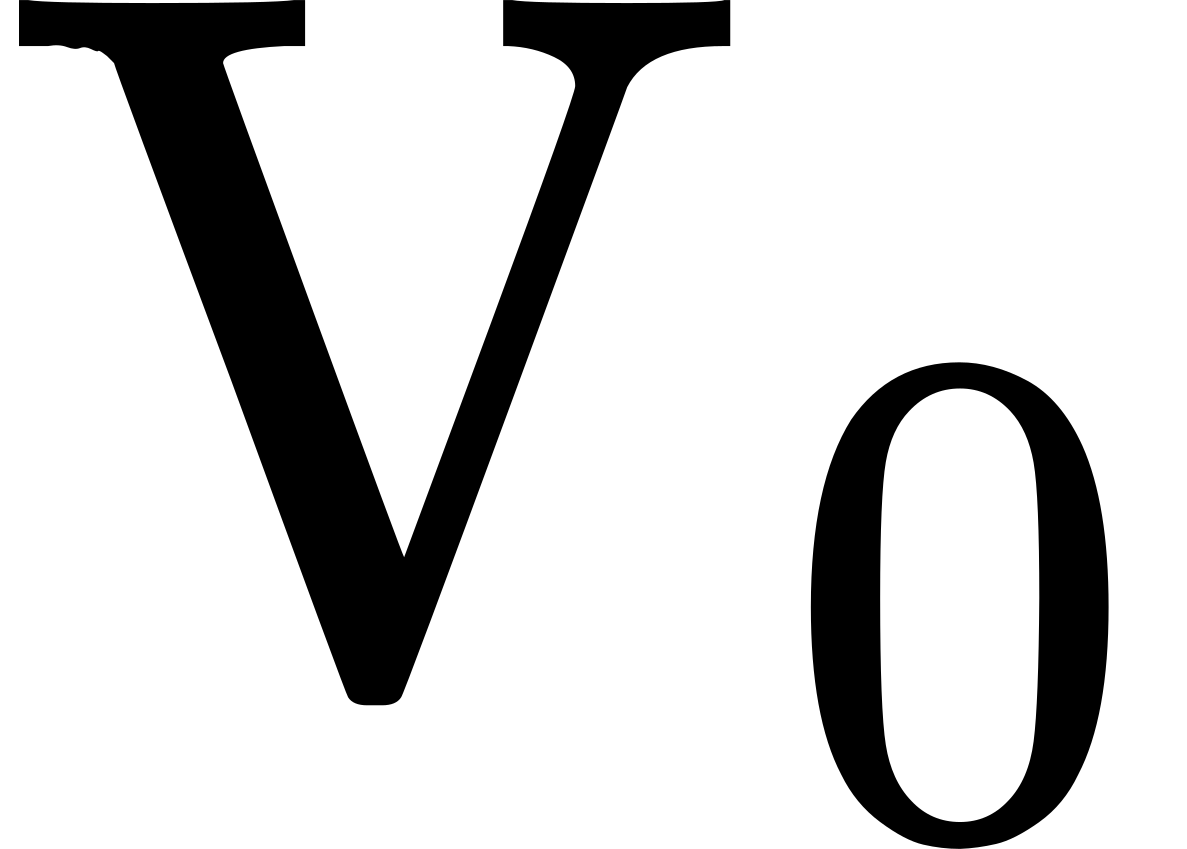 ,
is used for the second time by Operation 5, becomes
0, since is not again needed; that similarly, when (
 ),
on
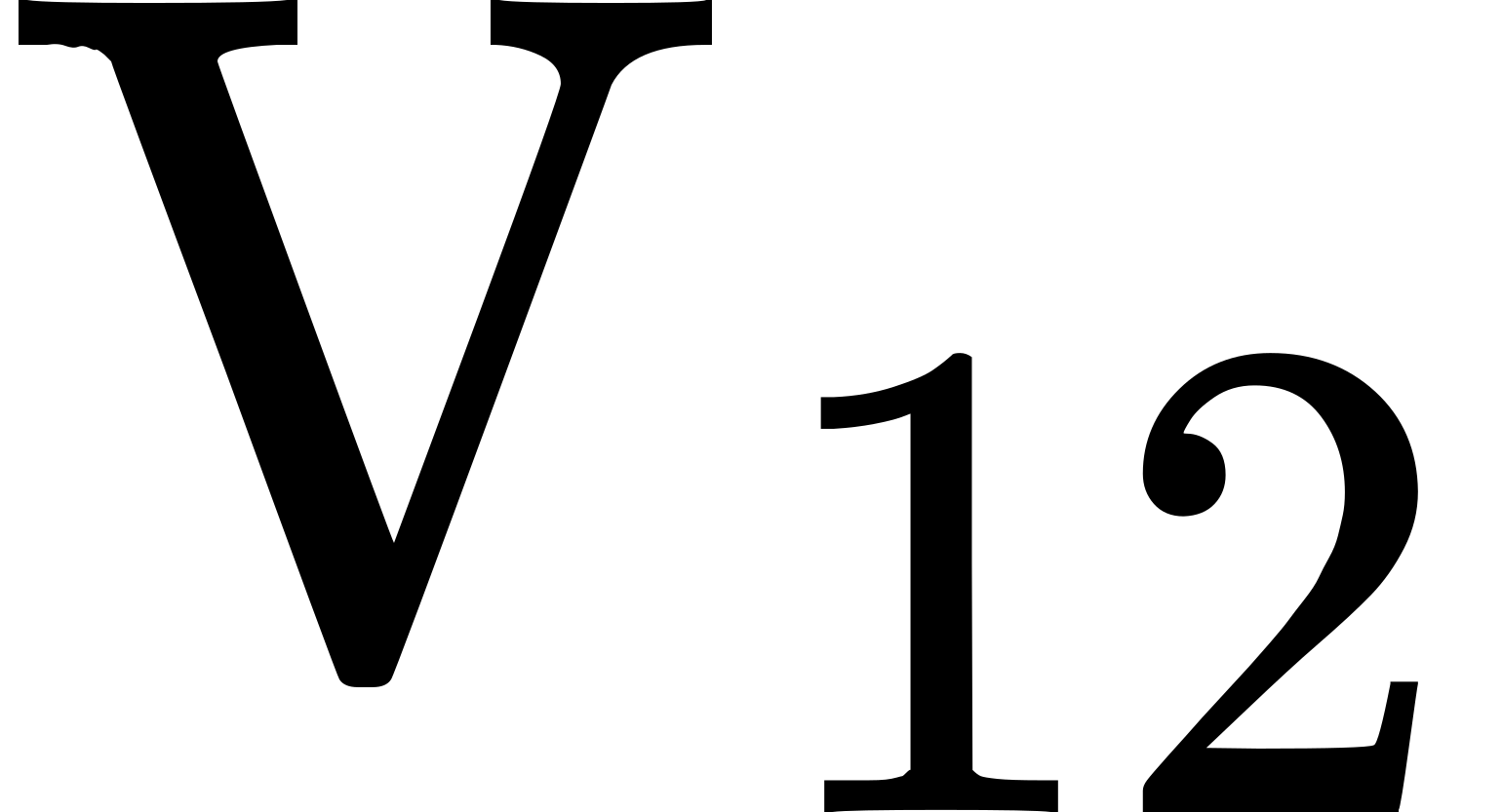 , is used for the third time by Operation
11, becomes zero, since () is not again
needed. In order to provide for the one or the other of the courses
above indicated, there are two varieties of the Supplying
Variable-cards. One of these varieties has provisions which cause the
number given off from any Variable to return to that Variable
after doing its duty in the mill. The other variety has provisions
which cause zero to be substituted on the Variable, for the number
given off. These two varieties are distinguished, when needful, by the
respective appellations of the Retaining Supply-cards and the
Zero Supply-cards. We see that the primary office (see
Note B.) of both these varieties of cards is the same; they only differ
in their secondary office.
Every Variable thus has belonging to it one class of Receiving
Variable-cards and two classes of Supplying
Variable-cards. It is plain however that only the one or the
other of these two latter classes can be used by any one
Variable for one operation; never both simultaneously;
their respective functions being mutually incompatible.
It should be understood that the Variable-cards are not placed in
immediate contiguity with the columns. Each card is connected by
means of wires with the column it is intended to act upon.
Our diagram ought in reality to be placed side by side with M.
Menabrea’s corresponding table, so as to be compared with it, line for
line belonging to each operation. But it was unfortunately inconvenient
to print them in this desirable form. The diagram is, in the main,
merely another manner of indicating the various relations denoted in M.
Menabrea’s table. Each mode has some advantages and some disadvantages.
Combined, they form a complete and accurate method of registering every
step and sequence in all calculations performed by the engine.
No notice has yet been taken of the upper indices which are
added to the left of each in the diagram; an addition
which we have also taken the liberty of making to the ’s
in M, Menabrea’s tables of pages 16, 19, since it does not alter
anything therein represented by him, but merely adds something to the
previous indications of those tables. The lower indices are
obviously indices of locality only, and are wholly independent
of the operations performed or of the results obtained, their value
continuing unchanged during the performance of calculations. The
upper indices, however, are of a different nature. Their office
is to indicate any alteration in the value which a Variable
represents; and they are of course liable to changes during the
processes of a calculation. Whenever a Variable has only zeros upon
it, it is called 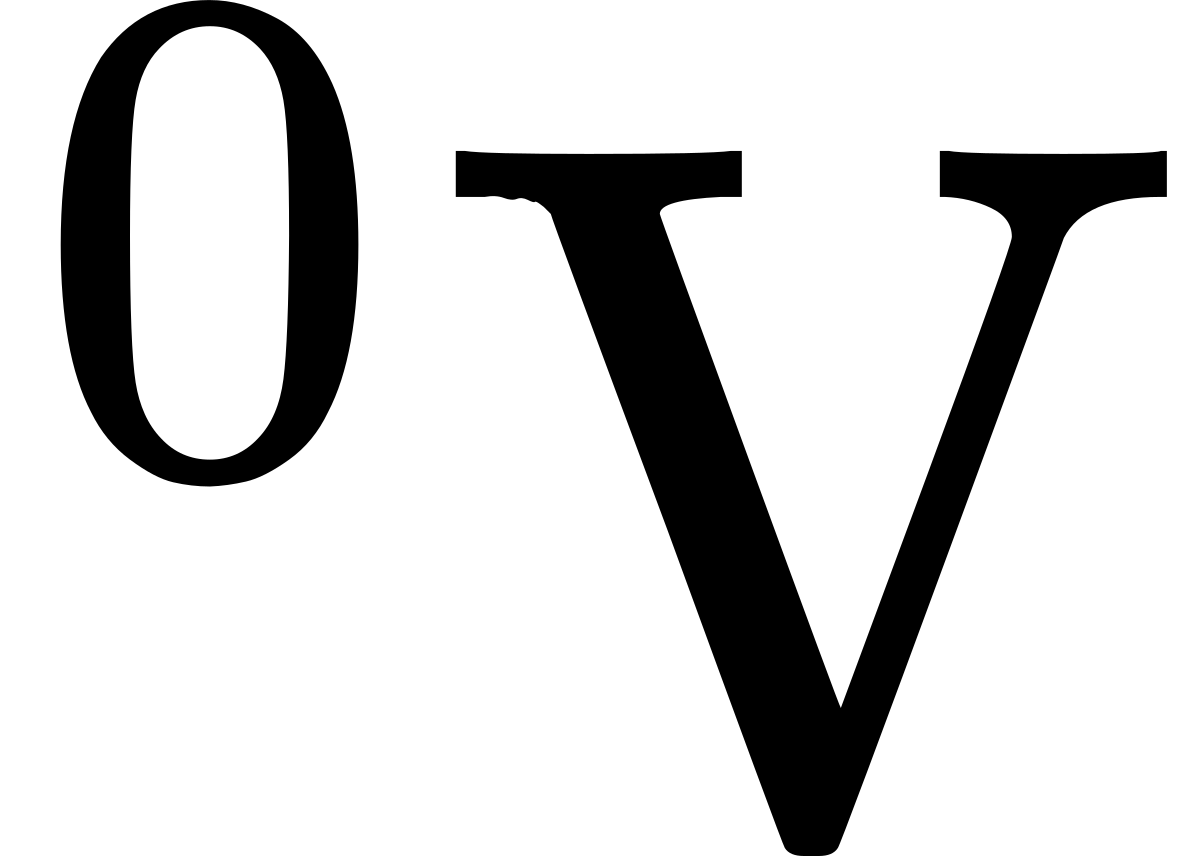 ; the moment a value appears on it
(whether that value be placed there arbitrarily, or appears in the
natural course of a calculation), it becomes
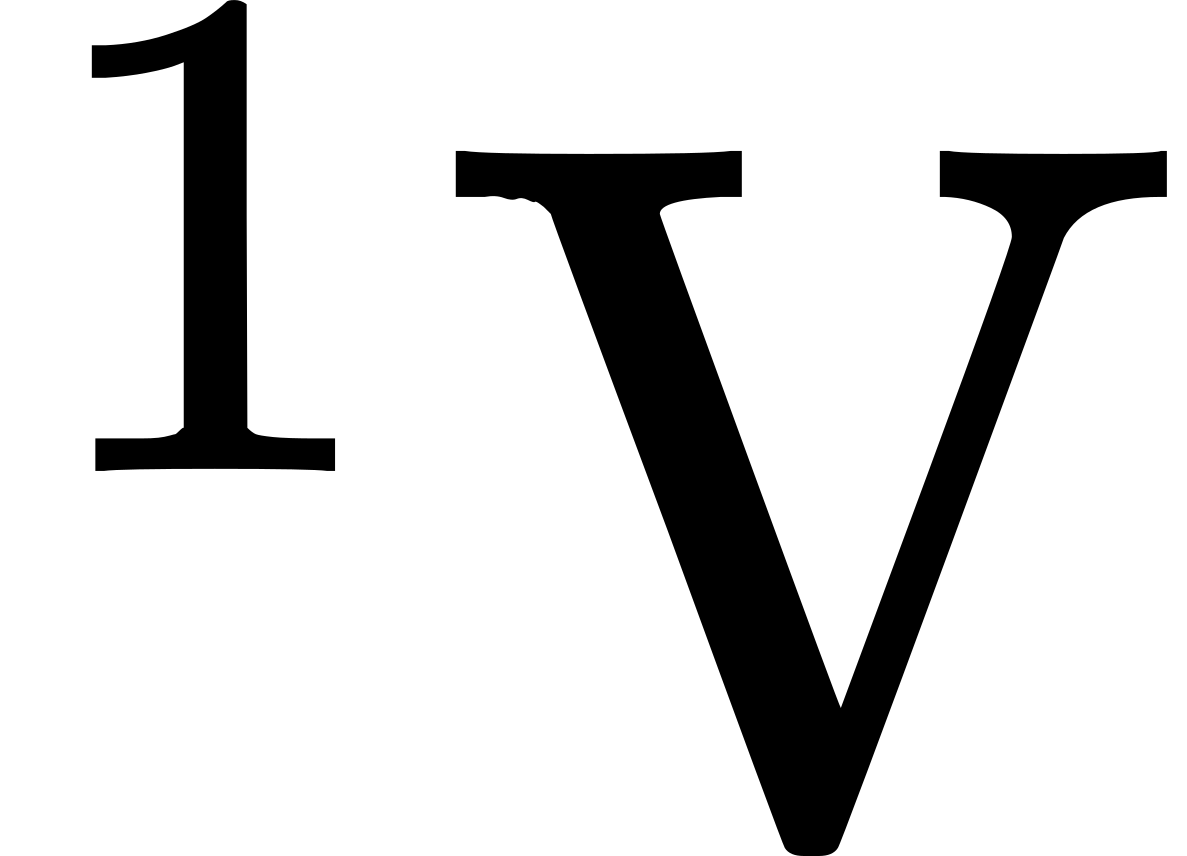 . If this value gives
place to another value, the Variable becomes , and
so forth. Whenever a value again gives place to zero,
the Variable again becomes , even if it have been
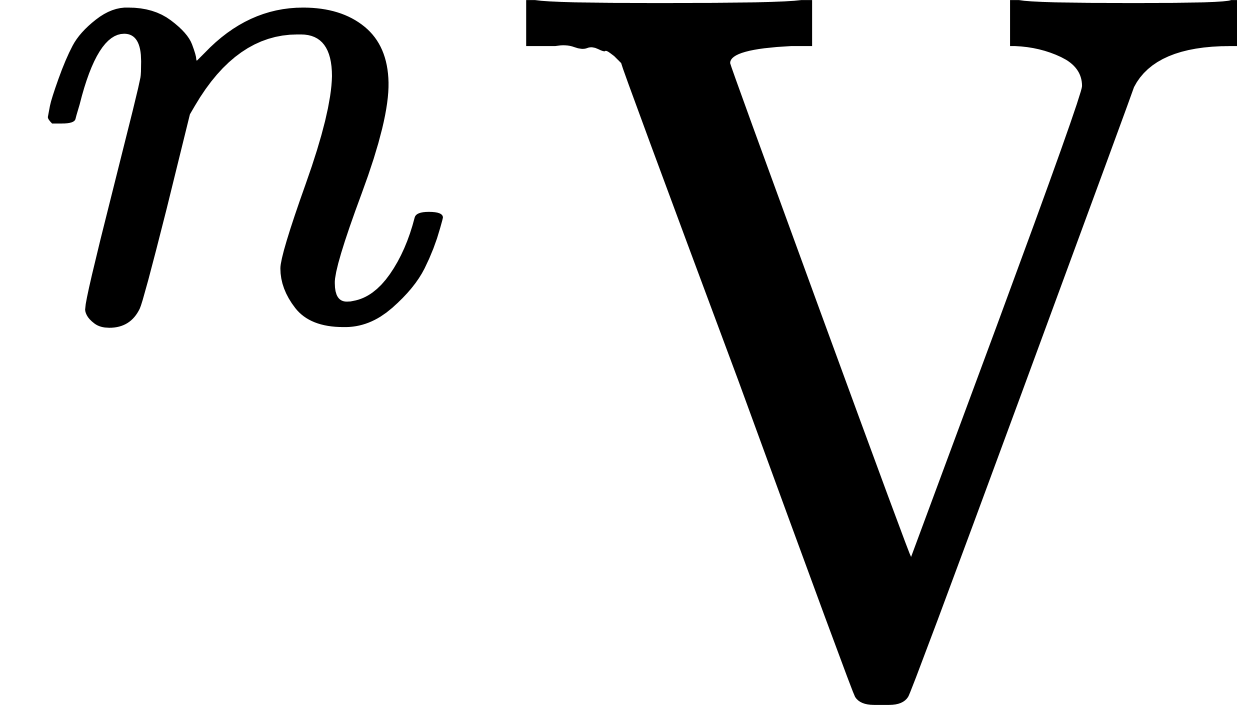 the moment before. If a value then again
be substituted, the Variable becomes
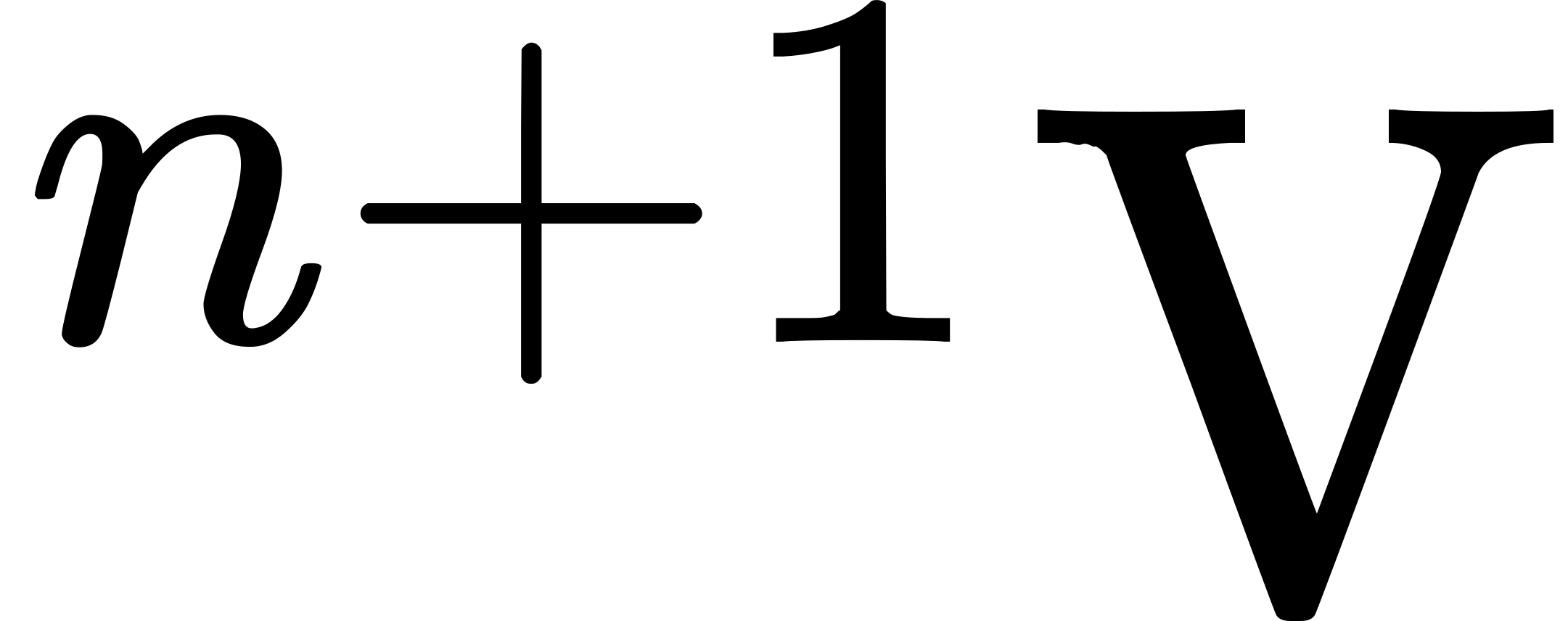 (as it
would have done if it had not passed through the intermediate
); &c. &c. Just before any calculation is commenced,
and after the data have been given, and everything adjusted and
prepared for setting the mechanism in action, the upper indices of
the Variables for data are all unity, and those for the Working and
Result-variables are all zero. In this state the diagram represents
them[24].
There are several advantages in having a set of indices of this nature;
but these advantages are perhaps hardly of a kind to be immediately
perceived, unless by a mind somewhat accustomed to trace the successive
steps by means of which the engine accomplishes its purposes. We have
only space to mention in a general way, that the whole notation of
the tables is made more consistent by these indices, for they are
able to mark a difference in certain cases, where there would
otherwise be an apparent identity confusing in its tendency.
In such a case as  there is more clearness and more consistency with the
usual laws of algebraical notation, in being able to write
 .
It is also obvious that the indices furnish a powerful means of
tracing back the derivation of any result; and of registering
various circumstances concerning that series of successive
substitutions, of which every result is in fact merely
the final consequence; circumstances that may in certain cases
involve relations which it is important to observe, either for purely
analytical reasons, or for practically adapting the workings of the
engine to their occurrence. The series of substitutions which lead to
the equations of the diagram are as follow:—
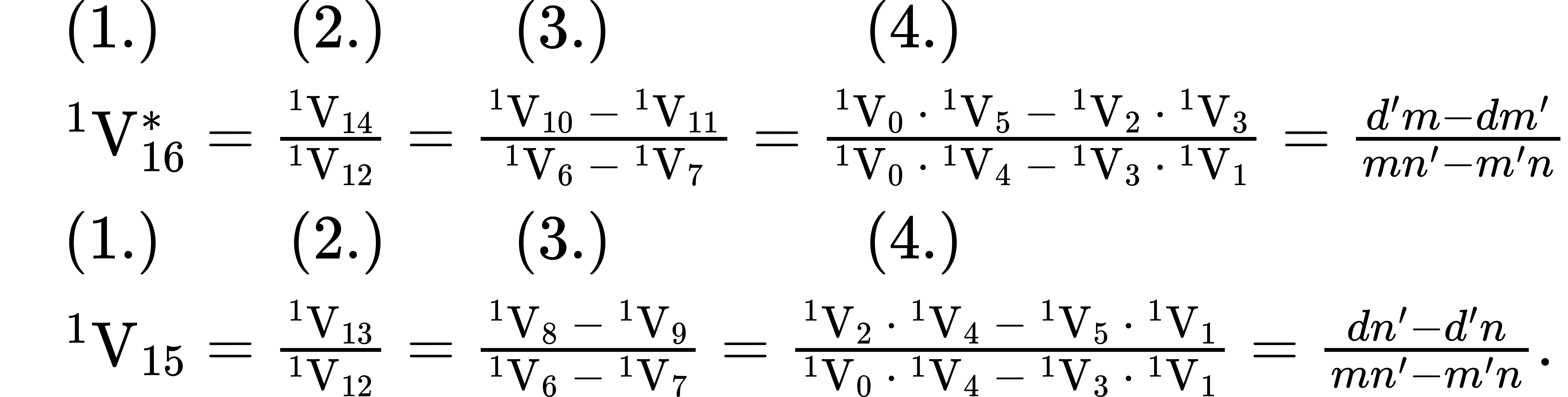
There are three successive substitutions for each of these
equations. The formulæ (2.), (3.), and (4.) are implicitly
contained in (1.), which latter we may consider as being in fact
the condensed expression of any of the former. It will be
observed that every succeeding substitution must contain twice
as many ’s as its predecessor. So that if a problem
require substitutions, the successive series of numbers for the
’s in the whole of them will be 2, 4, 8, 16 ... 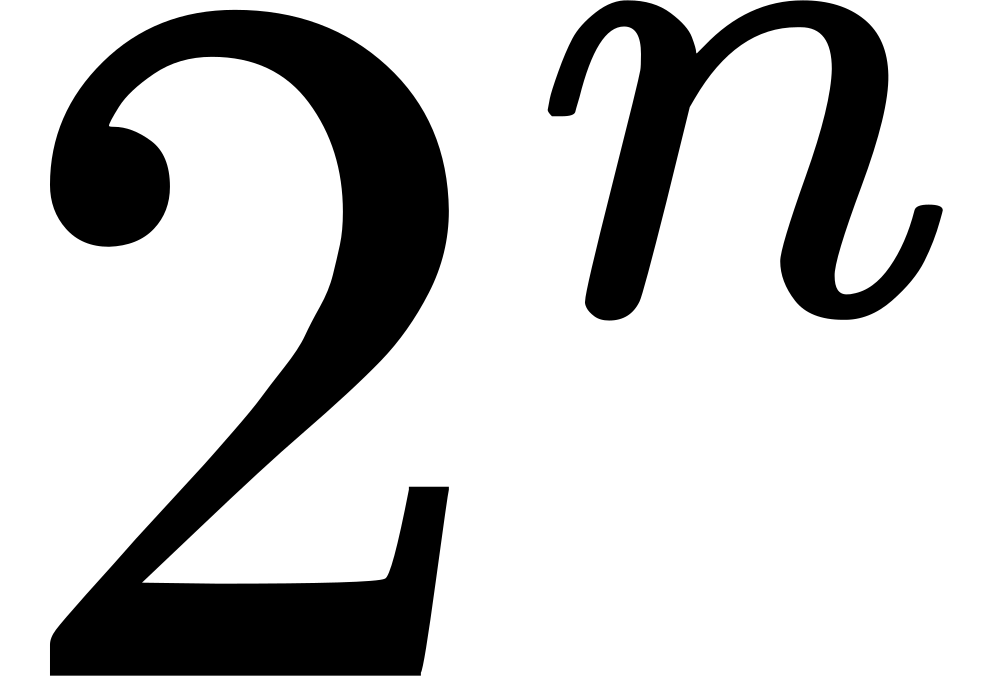 .
The substitutions in the preceding equations happen to be of little
value towards illustrating the power and uses of the upper indices; for
owing to the nature of these particular equations the indices are all
unity throughout. We wish we had space to enter more fully into the
relations which these indices would in many cases enable us to trace.
M. Menabrea incloses the three centre columns of his table under the
general title Variable-cards. The ’s however
in reality all represent the actual Variable-columns of the
engine, and not the cards that belong to them. Still the title is
a very just one, since it is through the special action of certain
Variable-cards (when combined with the more generalised agency
of the Operation-cards) that every one of the particular relations he
has indicated under that title is brought about.
Suppose we wish to ascertain how often any one quantity, or
combination of quantities, is brought into use during a calculation.
We easily ascertain this, from the inspection of any vertical column
or columns of the diagram in which that quantity may appear. Thus, in
the present case, we see that all the data, and all the intermediate
results likewise, are used twice, excepting 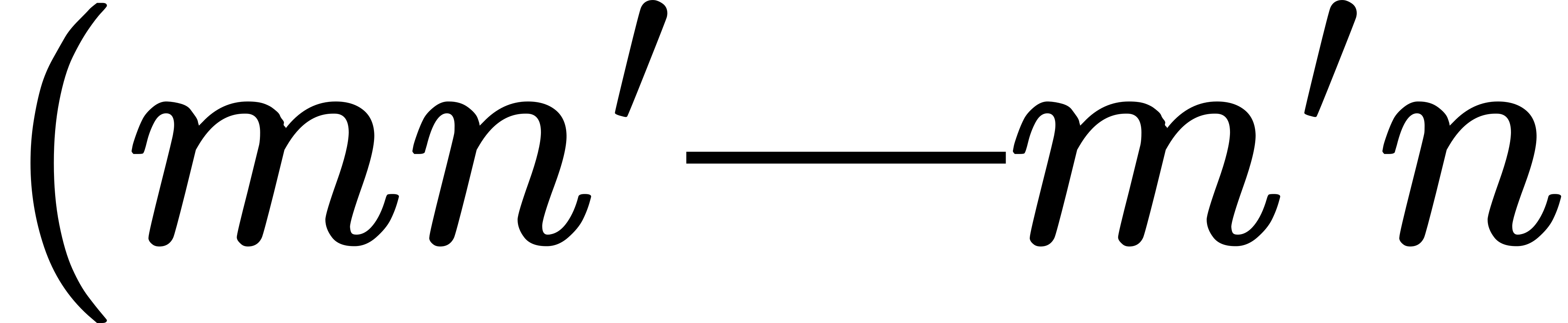 ), which is
used three times.
The order in which it is possible to perform the operations for the
present example, enables us to effect all the eleven operations of
which it consists, with only three Operation-cards; because the
problem is of such a nature that it admits of each class of operations
being performed in a group together; all the multiplications one after
another, all the subtractions one after another, &c. The operations are
 .
Since the very definition of an operation implies that there must
be two numbers to act upon, there are of course two
Supplying Variable-cards necessarily brought into action for every
operation, in order to furnish the two proper numbers. (See Note B.)
Also, since every operation must produce a result, which must
be placed somewhere, each operation entails the action of a
Receiving Variable-card, to indicate the proper locality for
the result. Therefore, at least three times as many Variable-cards as
there are operations (not Operation-cards, for these,
as we have just seen, are by no means always as numerous as the
operations) are brought into use in every calculation. Indeed,
under certain contingencies, a still larger proportion is requisite;
such, for example, would probably be the case when the same result
has to appear on more than one Variable simultaneously (which is
not unfrequently a provision necessary for subsequent purposes in a
calculation), and in some other cases which we shall not here specify.
We see therefore that a great disproportion exists between the amount
of Variable and of Operation-cards requisite for the
working of even the simplest calculation.
All calculations do not admit, like this one, of the operations
of the same nature being performed in groups together. Probably very
few do so without exceptions occurring in one or other stage of the
progress; and some would not admit it at all. The order in which
the operations shall be performed in every particular case, is a very
interesting and curious question, on which our space does not permit
us fully to enter. In almost every computation a great variety
of arrangements for the succession of the processes is possible, and
various considerations must influence the selection amongst them for
the purposes of a Calculating Engine. One essential object is to
choose that arrangement which shall tend to reduce to a minimum the
time necessary for completing the calculation.
It must be evident how multifarious and how mutually complicated are
the considerations which the workings of such an engine involve.
There are frequently several distinct sets of effects going on
simultaneously; all in a manner independent of each other, and yet to
a greater or less degree exercising a mutual influence. To adjust each
to every other, and indeed even to perceive and trace them out with
perfect correctness and success, entails difficulties whose nature
partakes to a certain extent of those involved in every question
where conditions are very numerous and inter-complicated;
such as for instance the estimation of the mutual relations amongst
statistical phænomena, and of those involved in many other
classes of facts.
A. A. L.
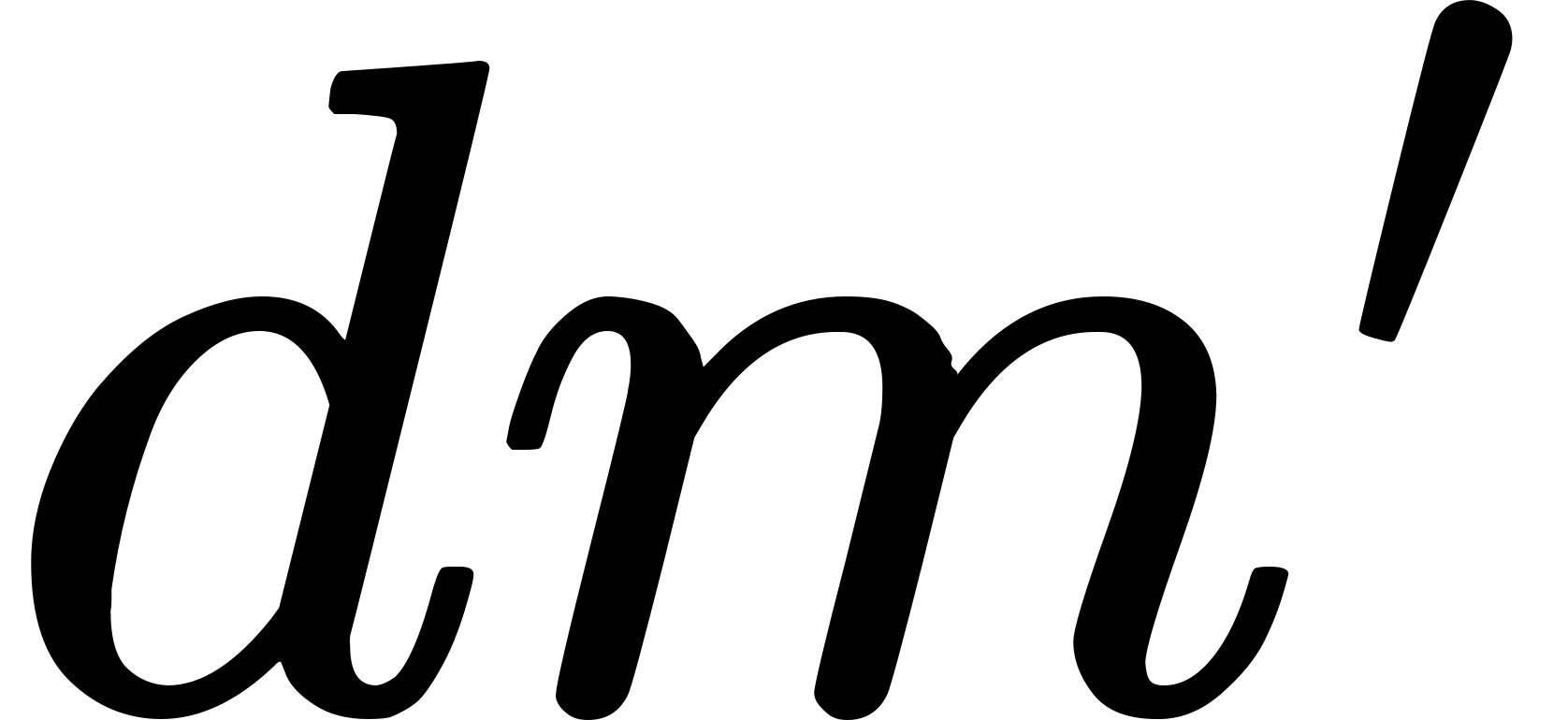
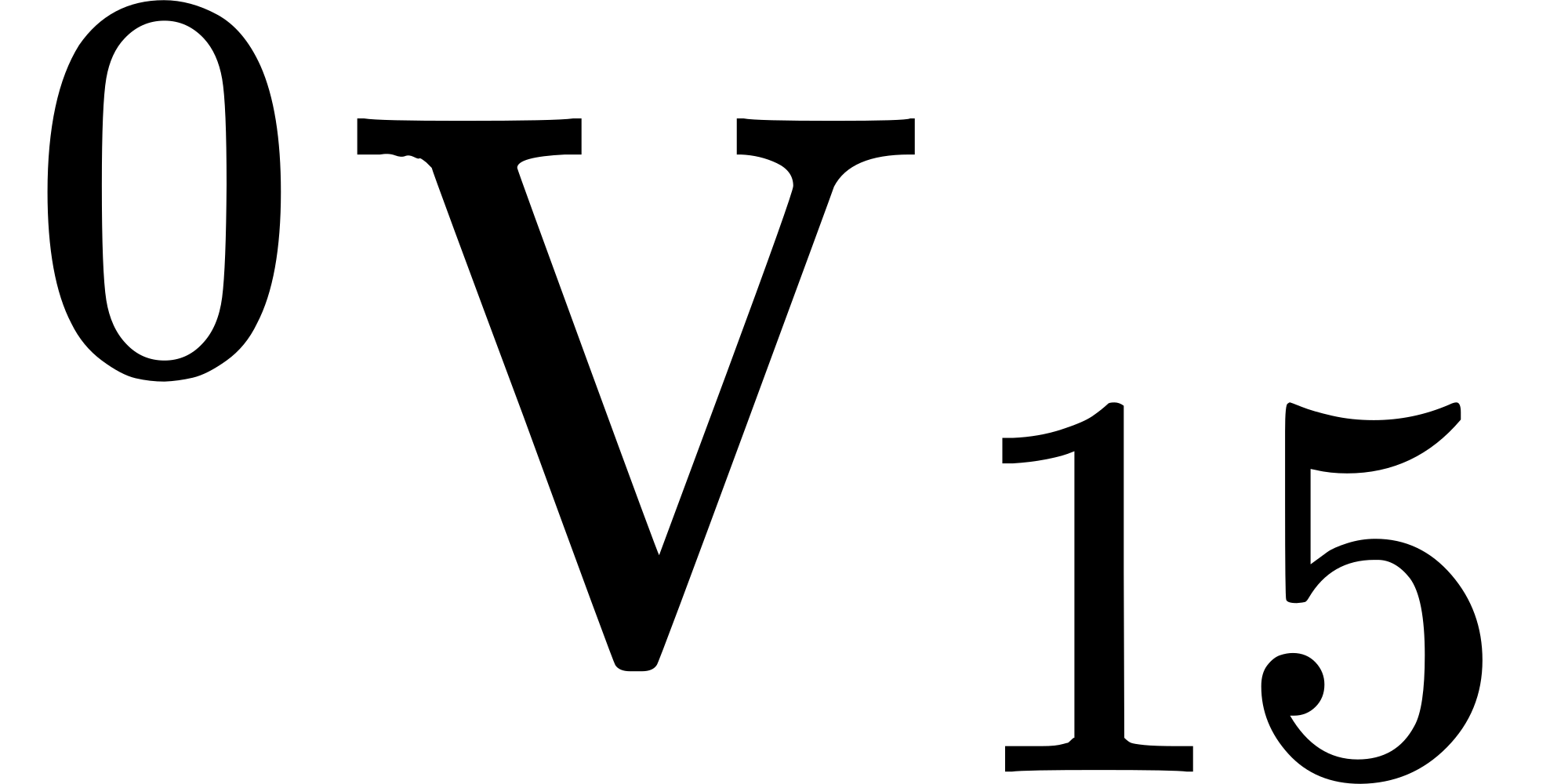
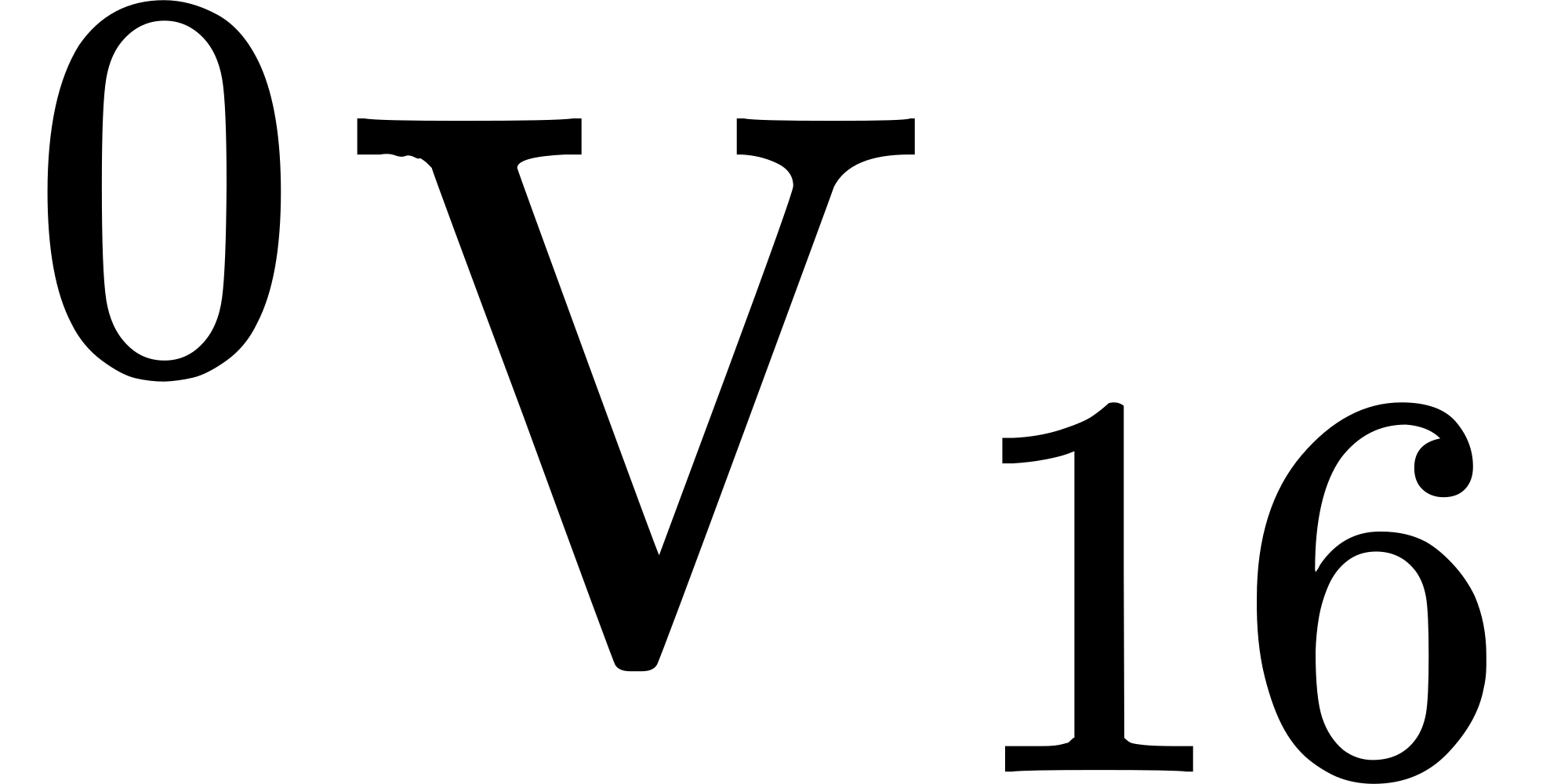
DIAGRAM BELONGING TO NOTE D.
| Variables for Data. |
Working Variables. |
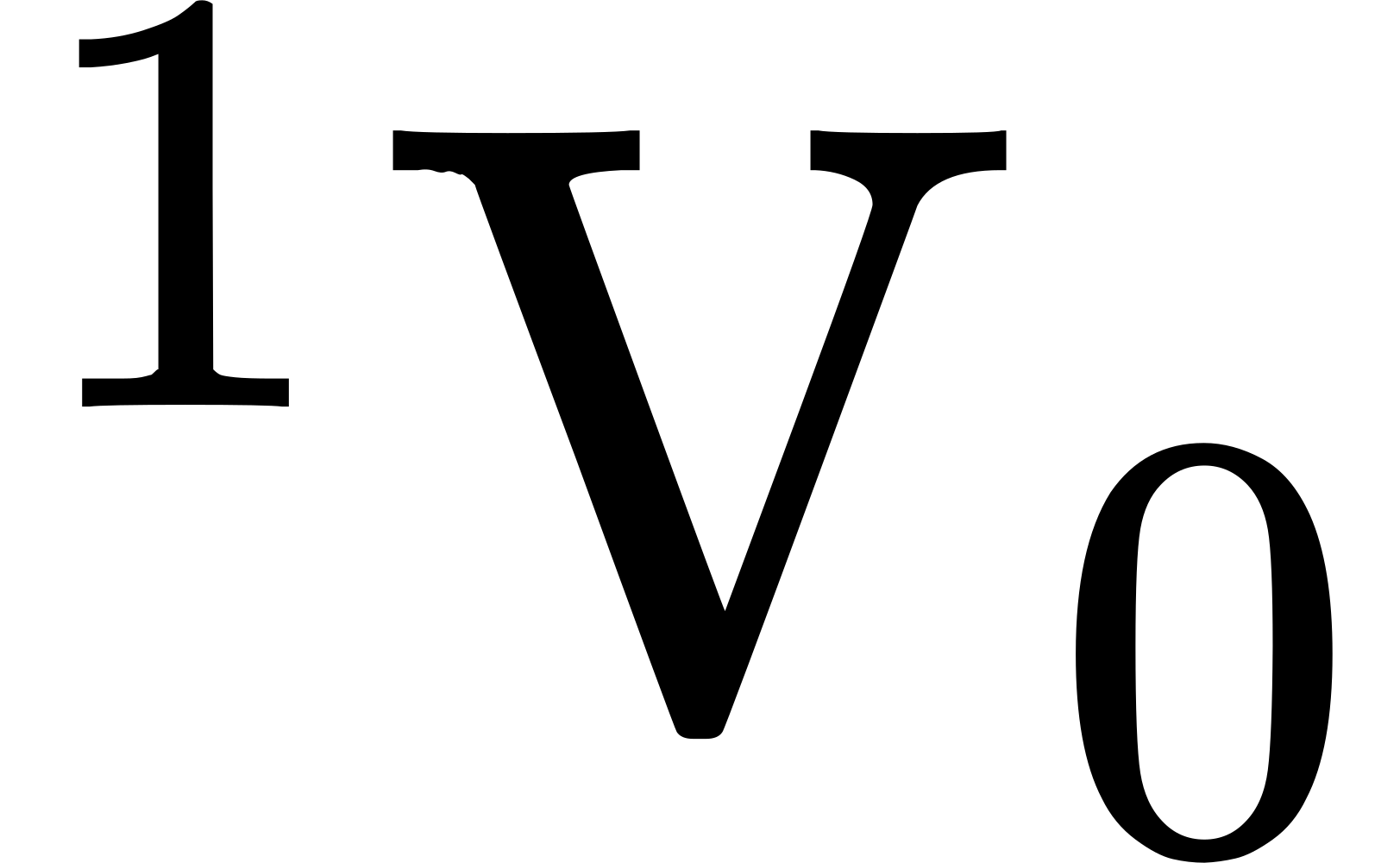 |
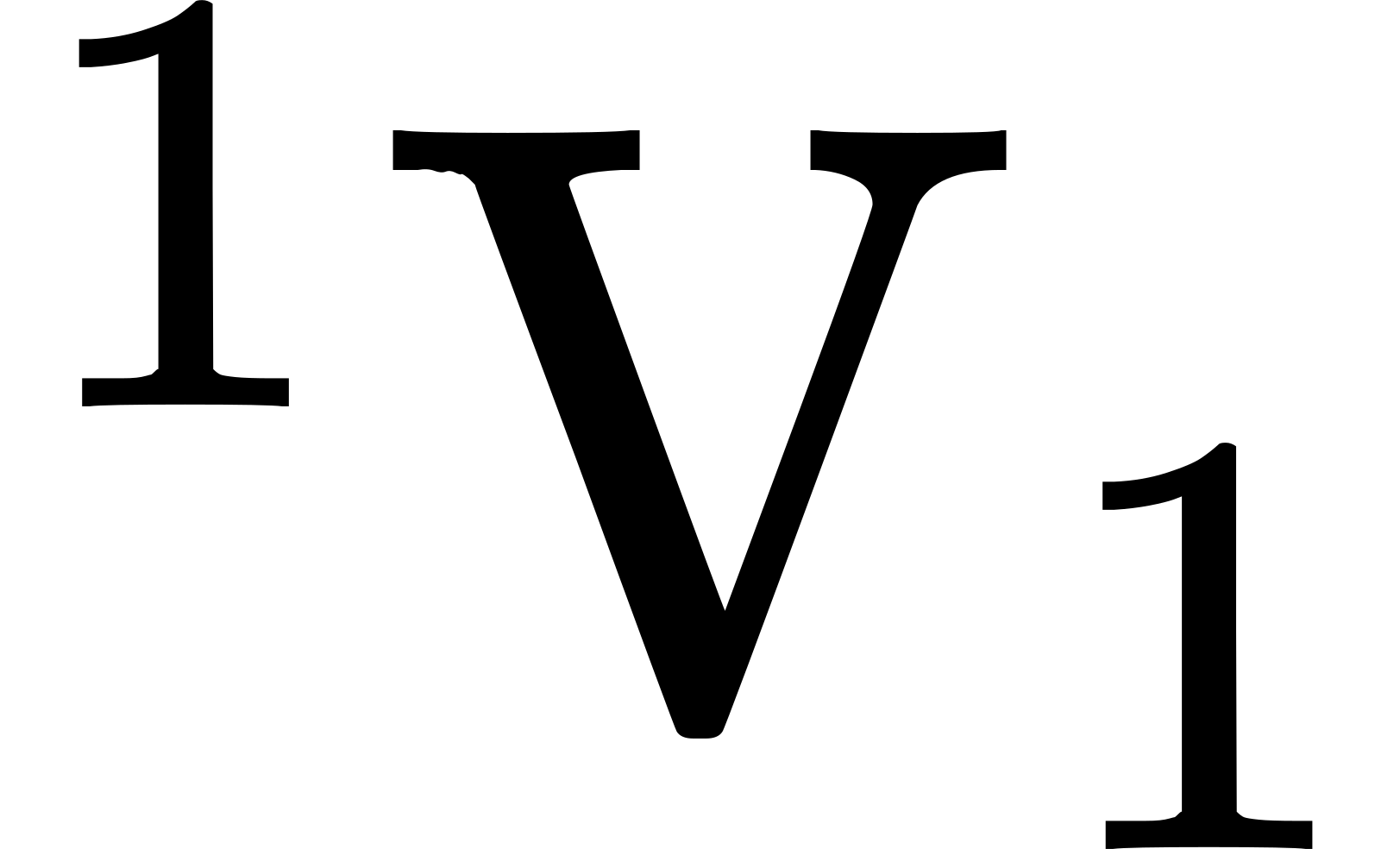 |
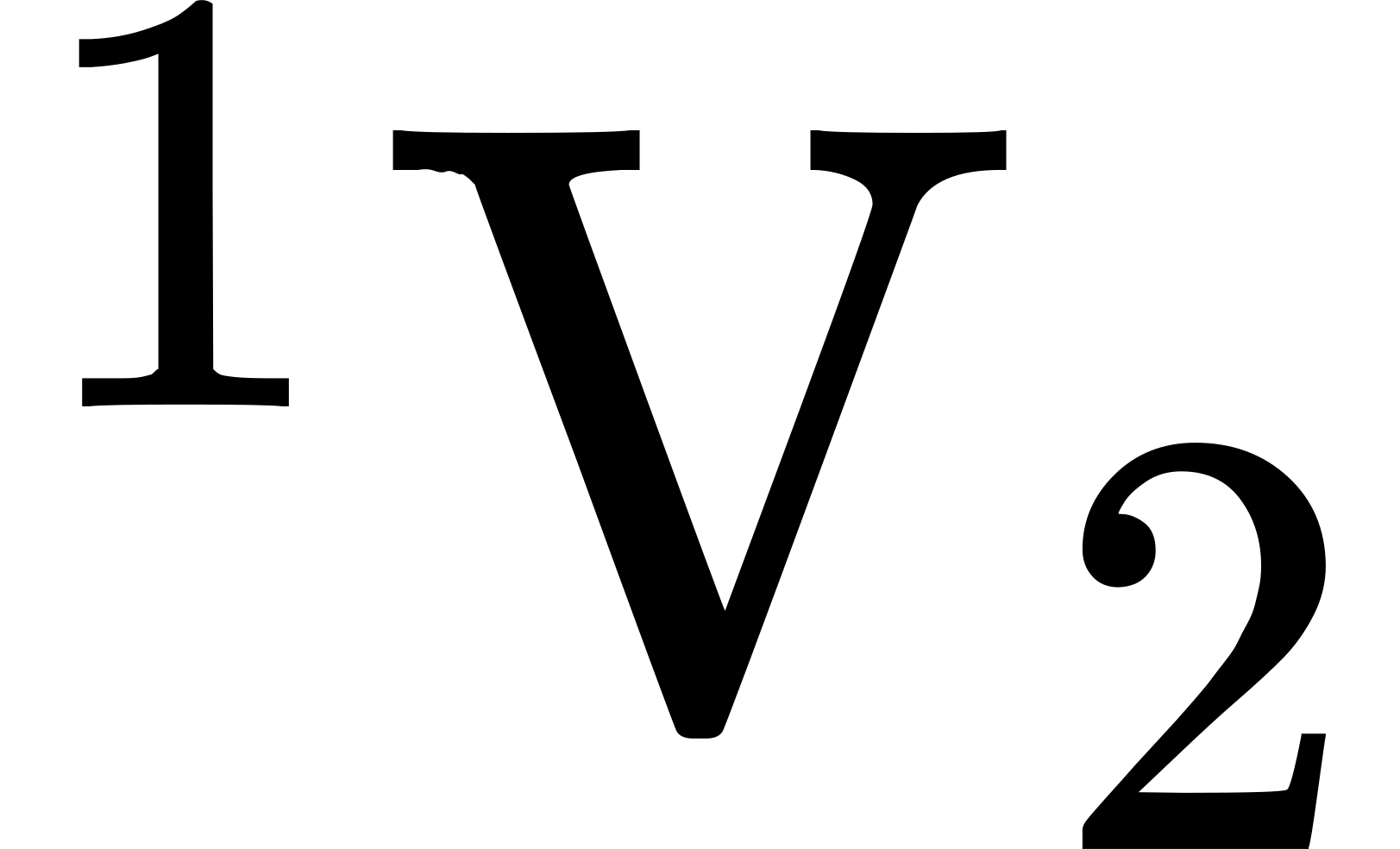 |
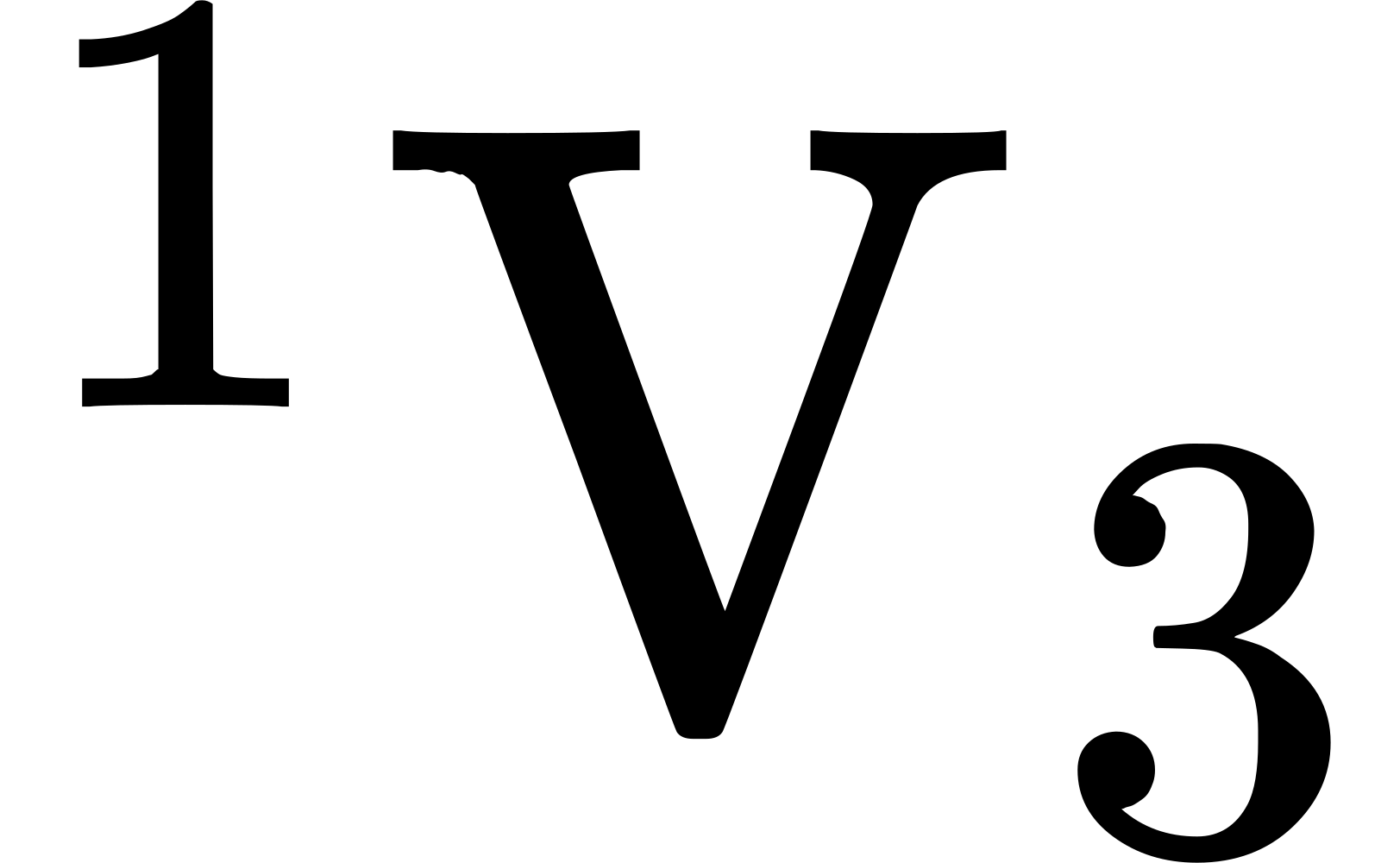 |
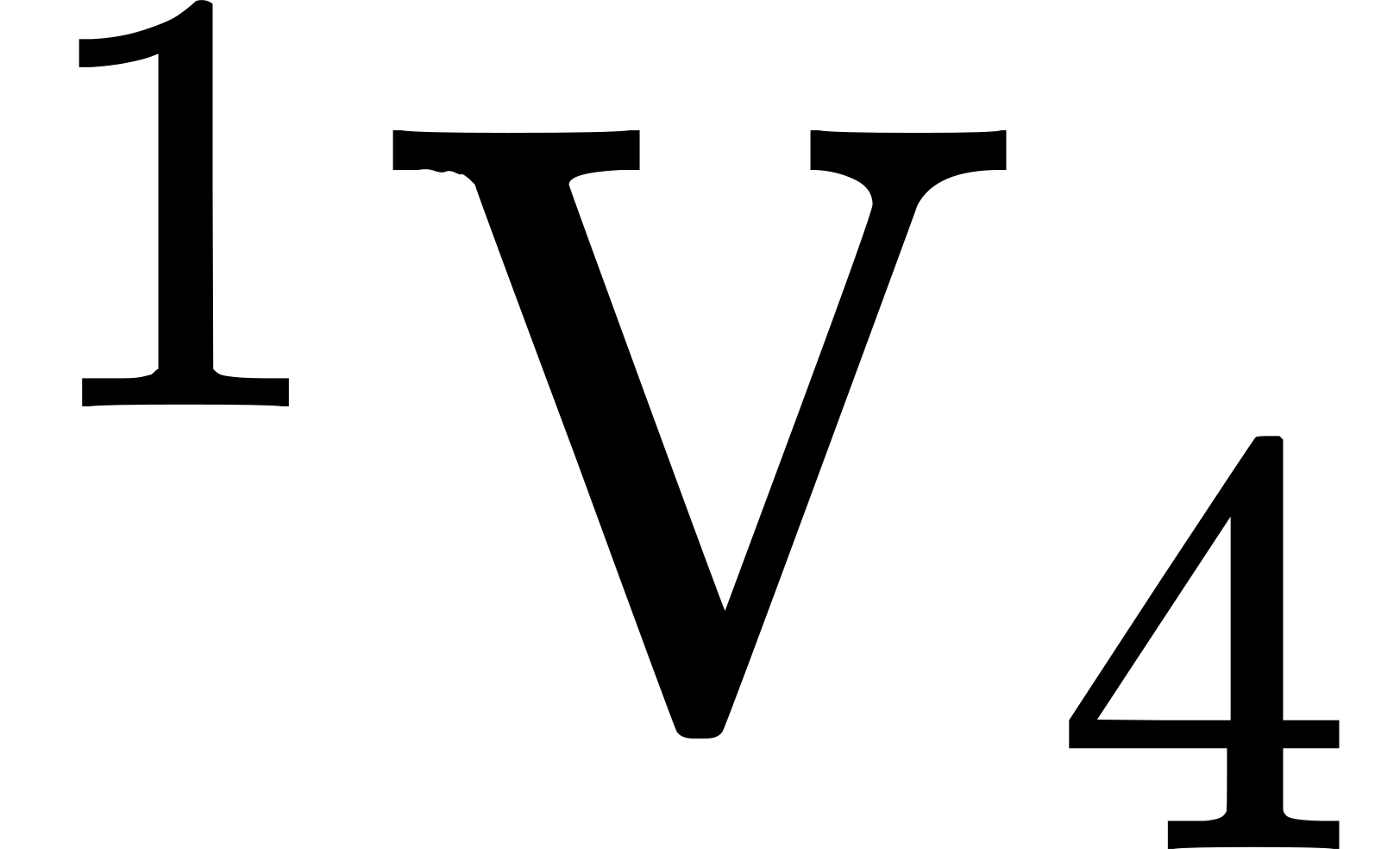 |
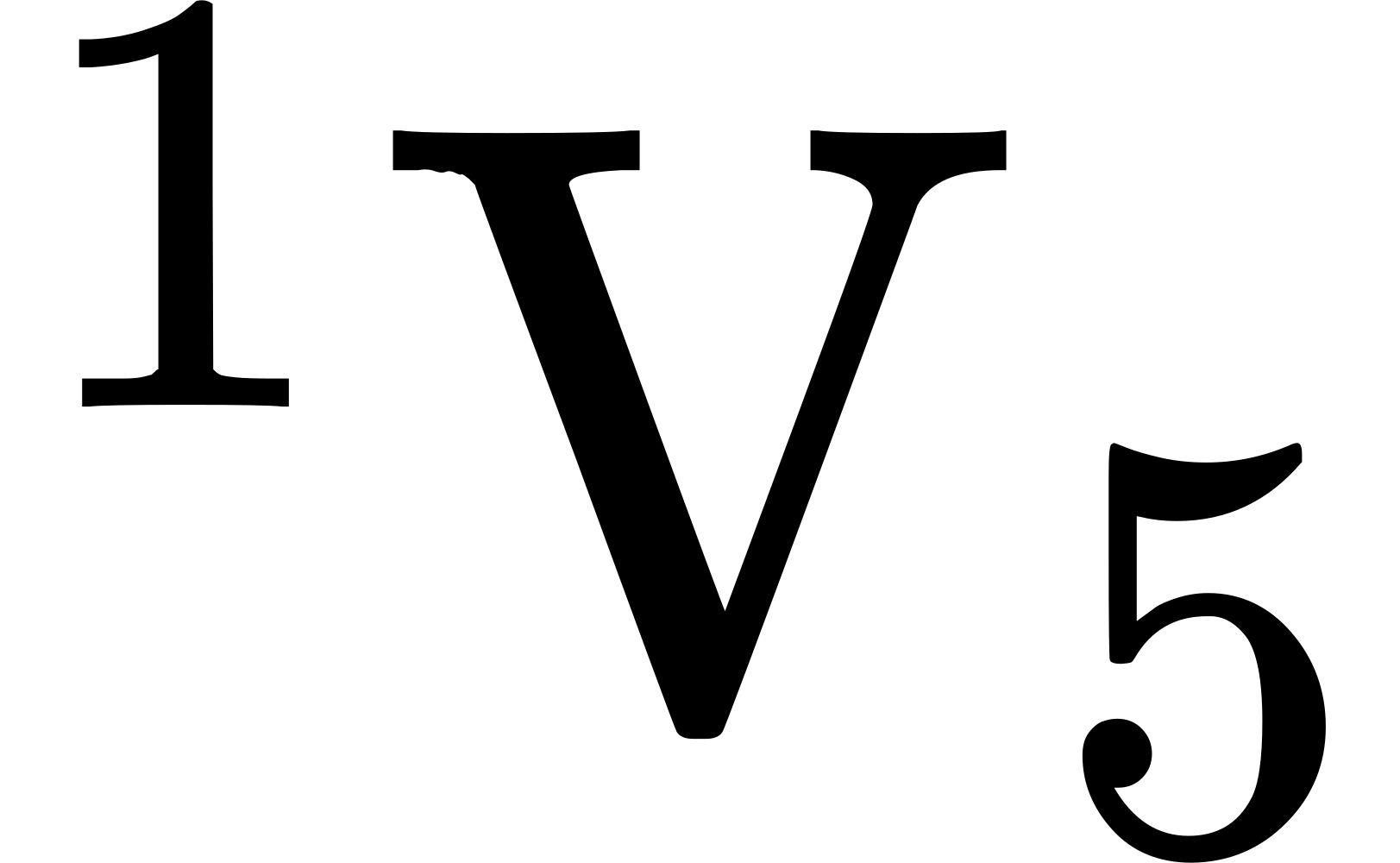 |
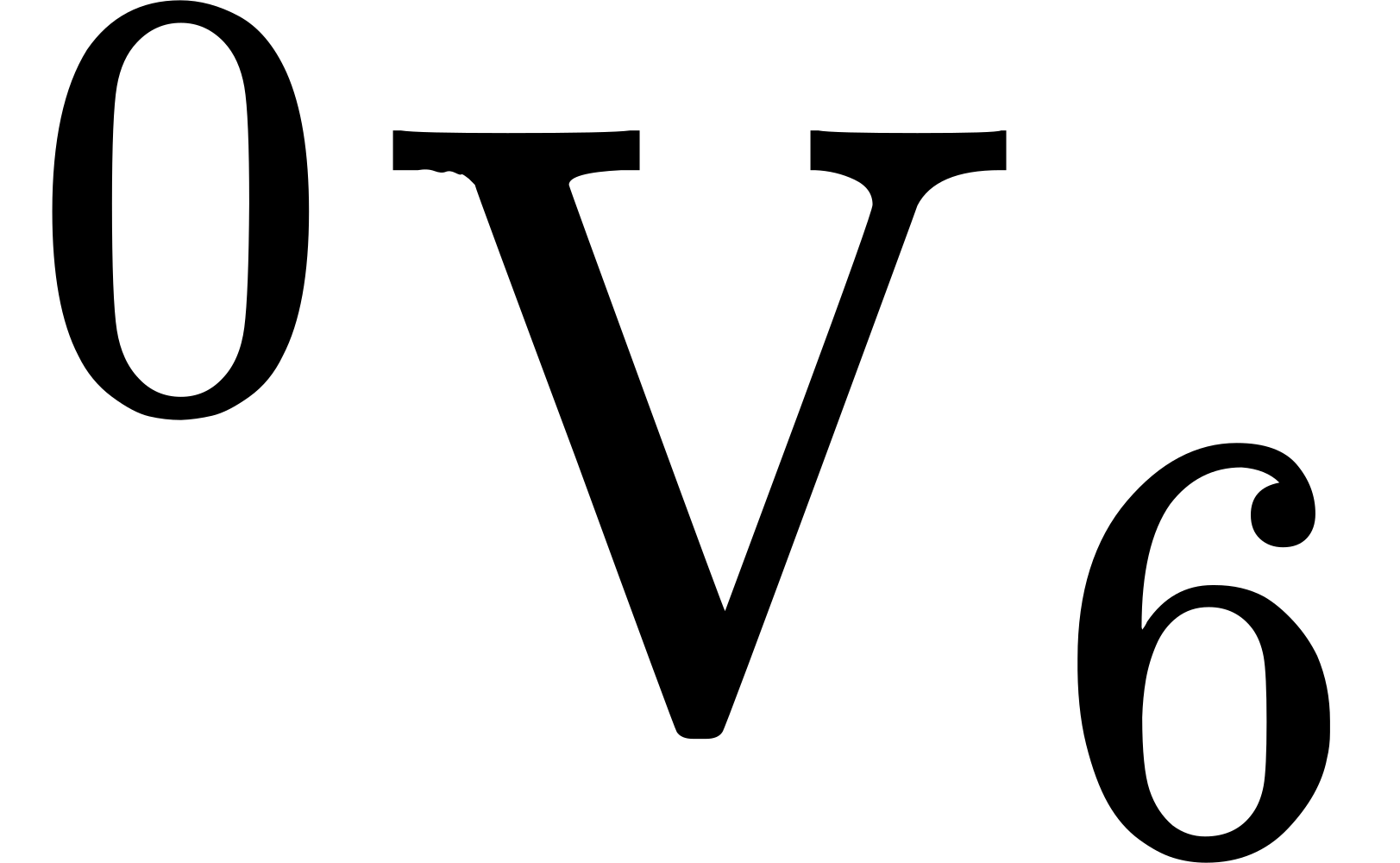 |
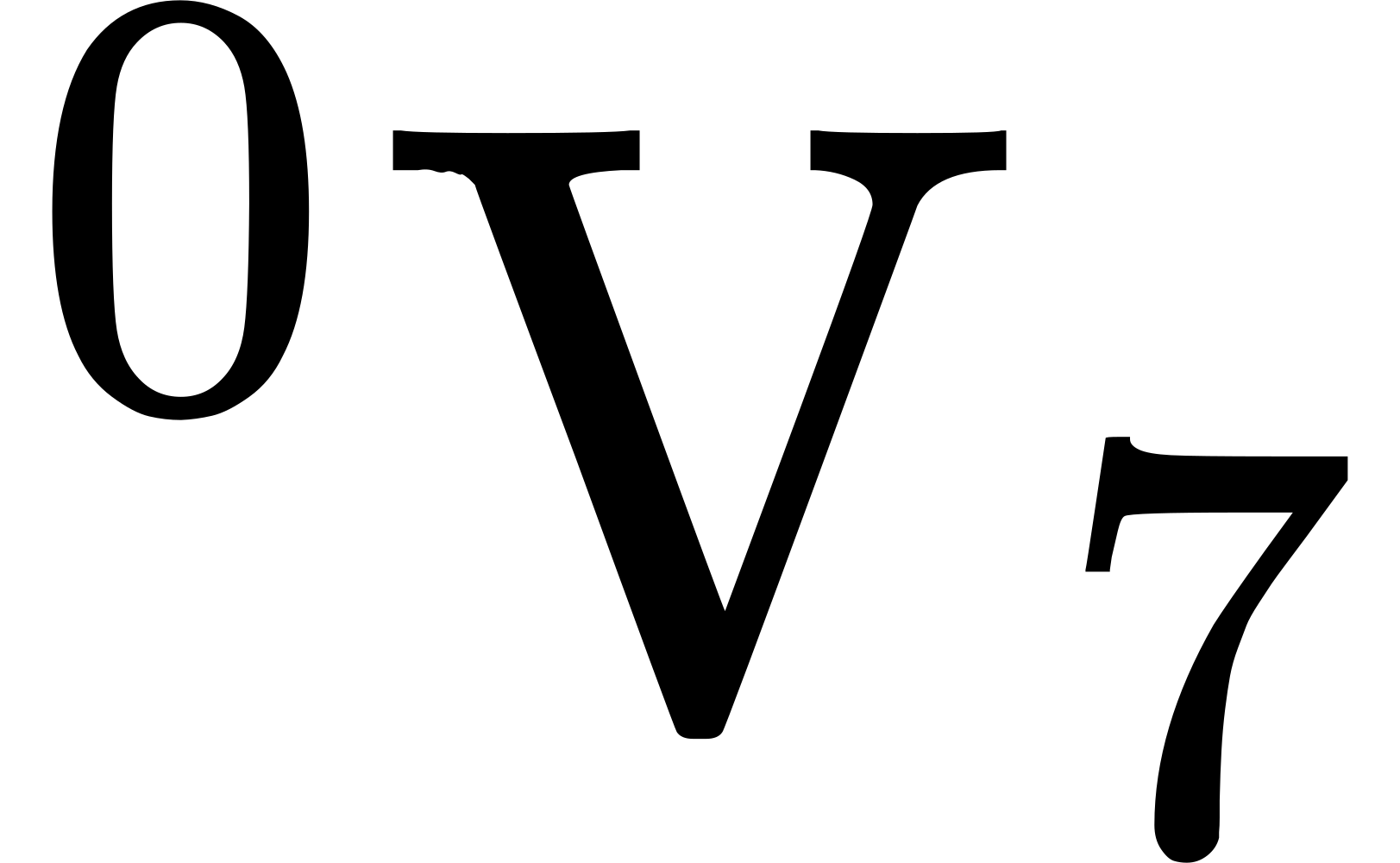 |
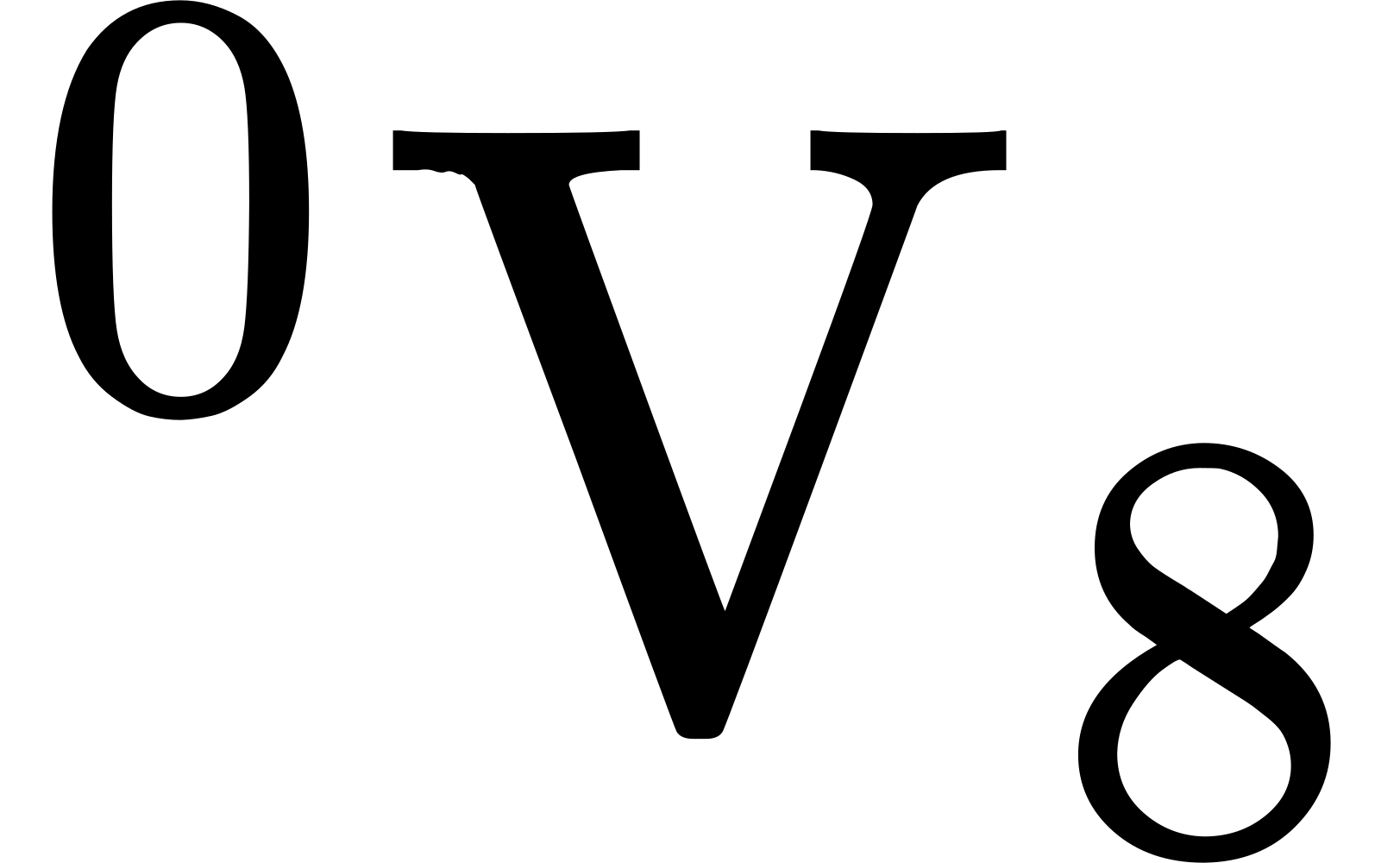 |
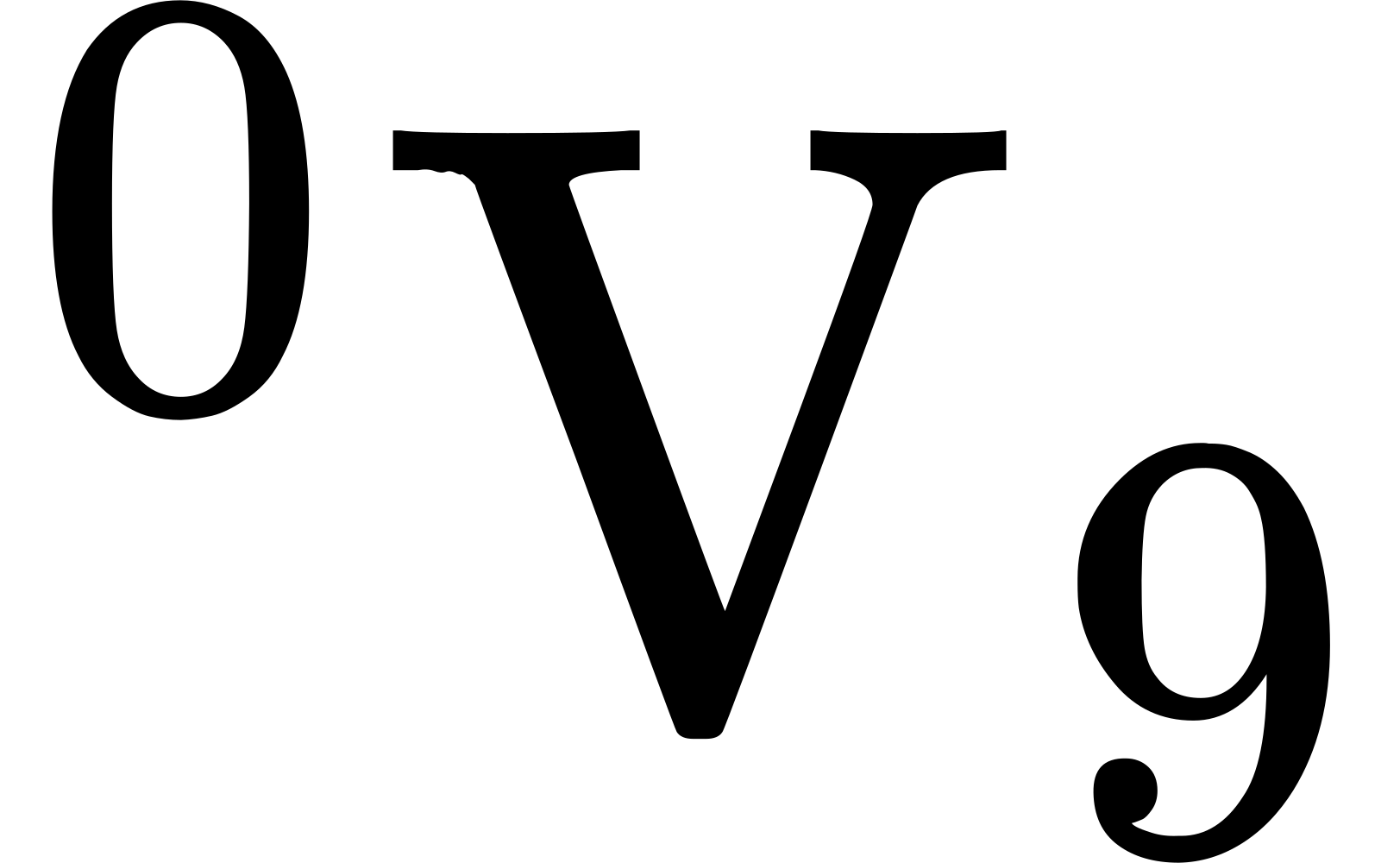 |
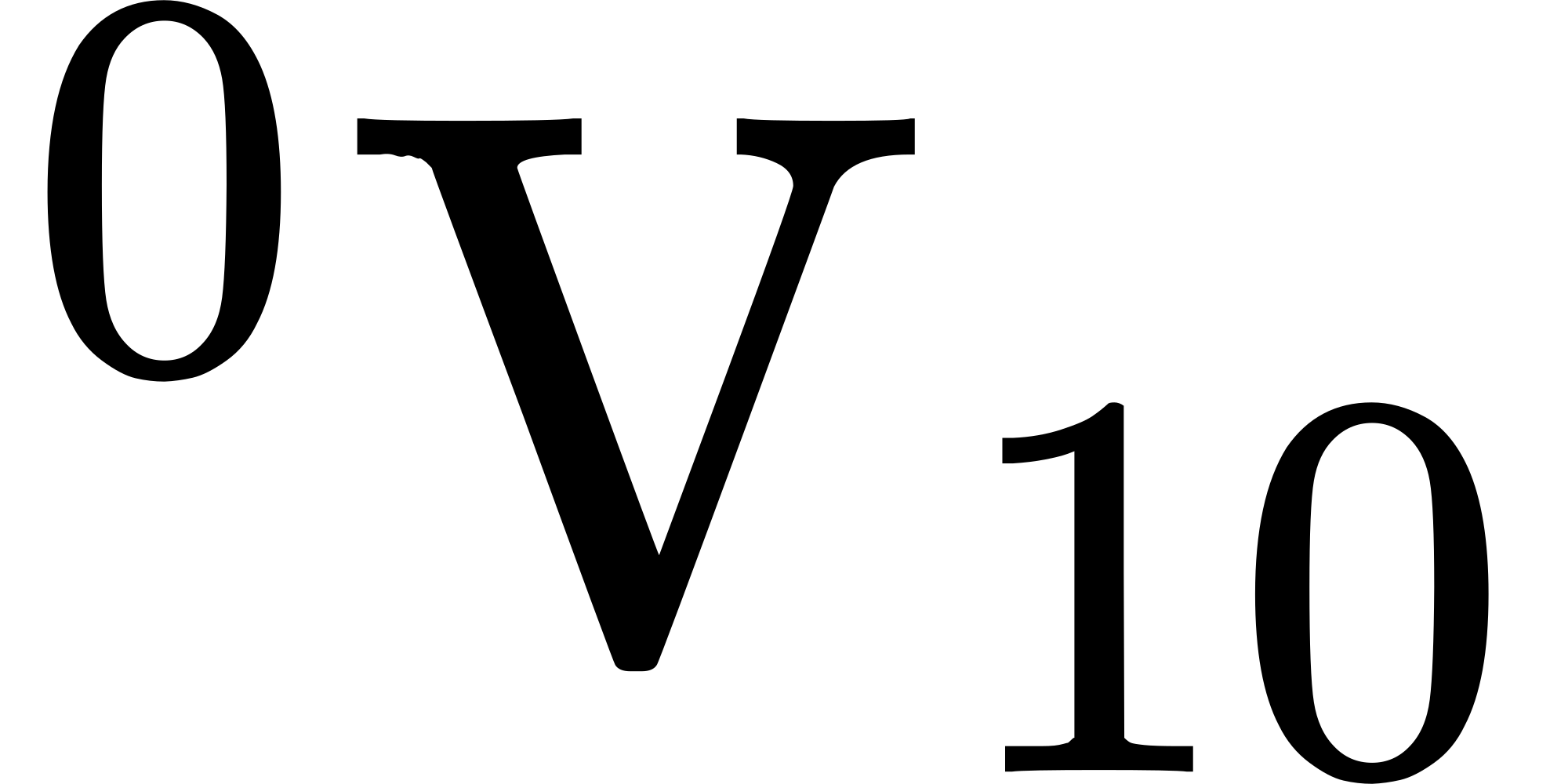 |
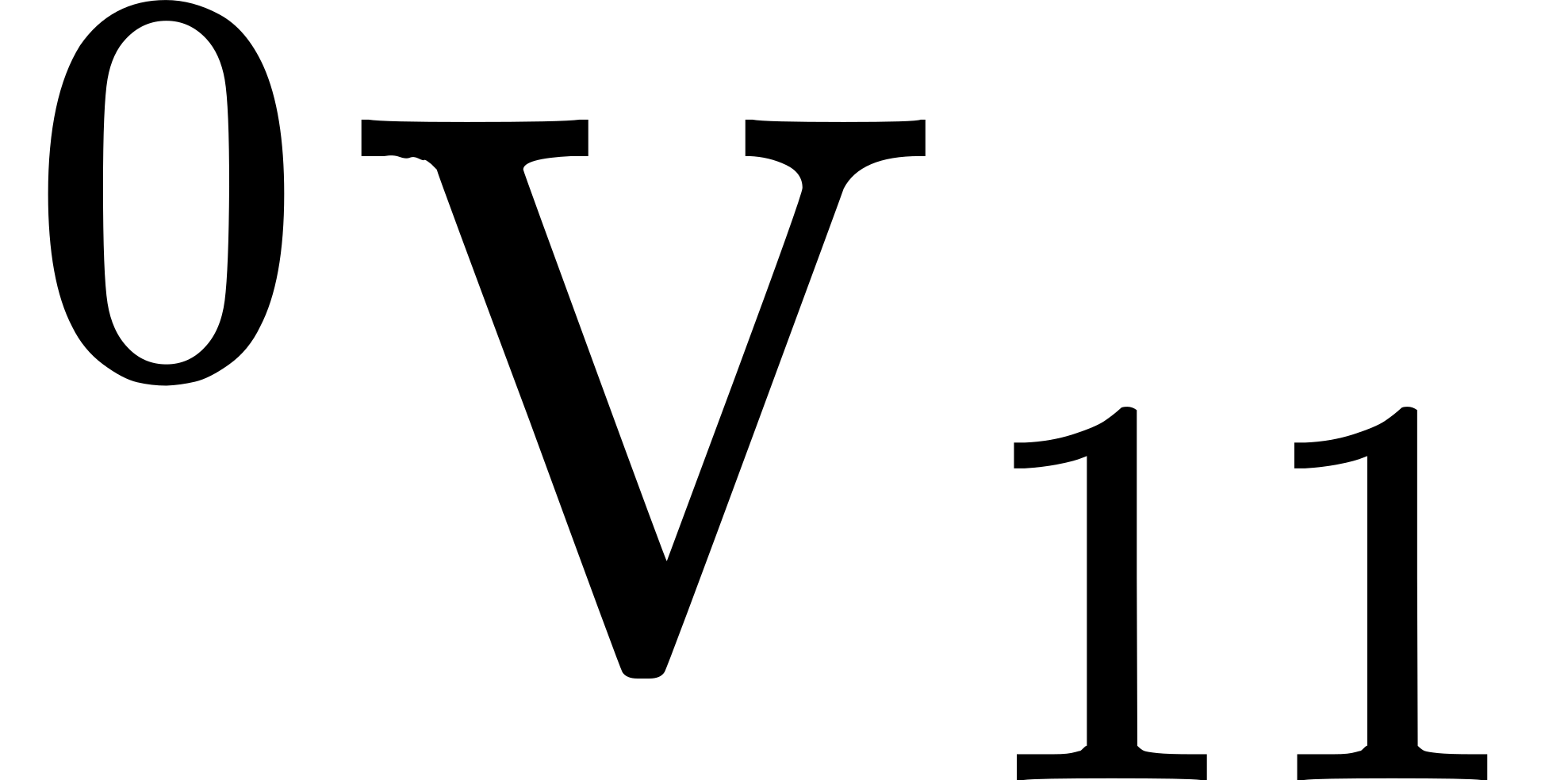 |
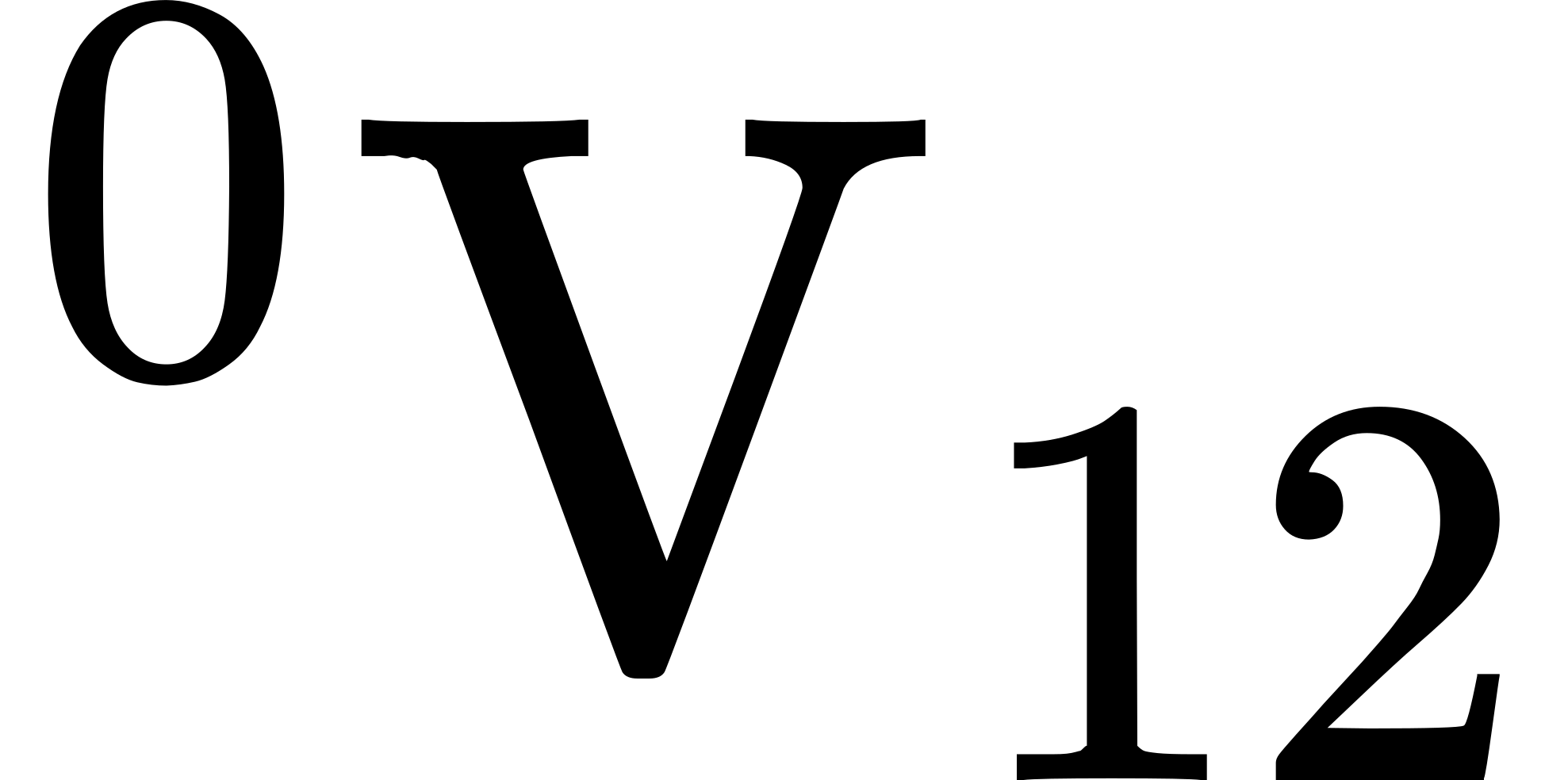 |
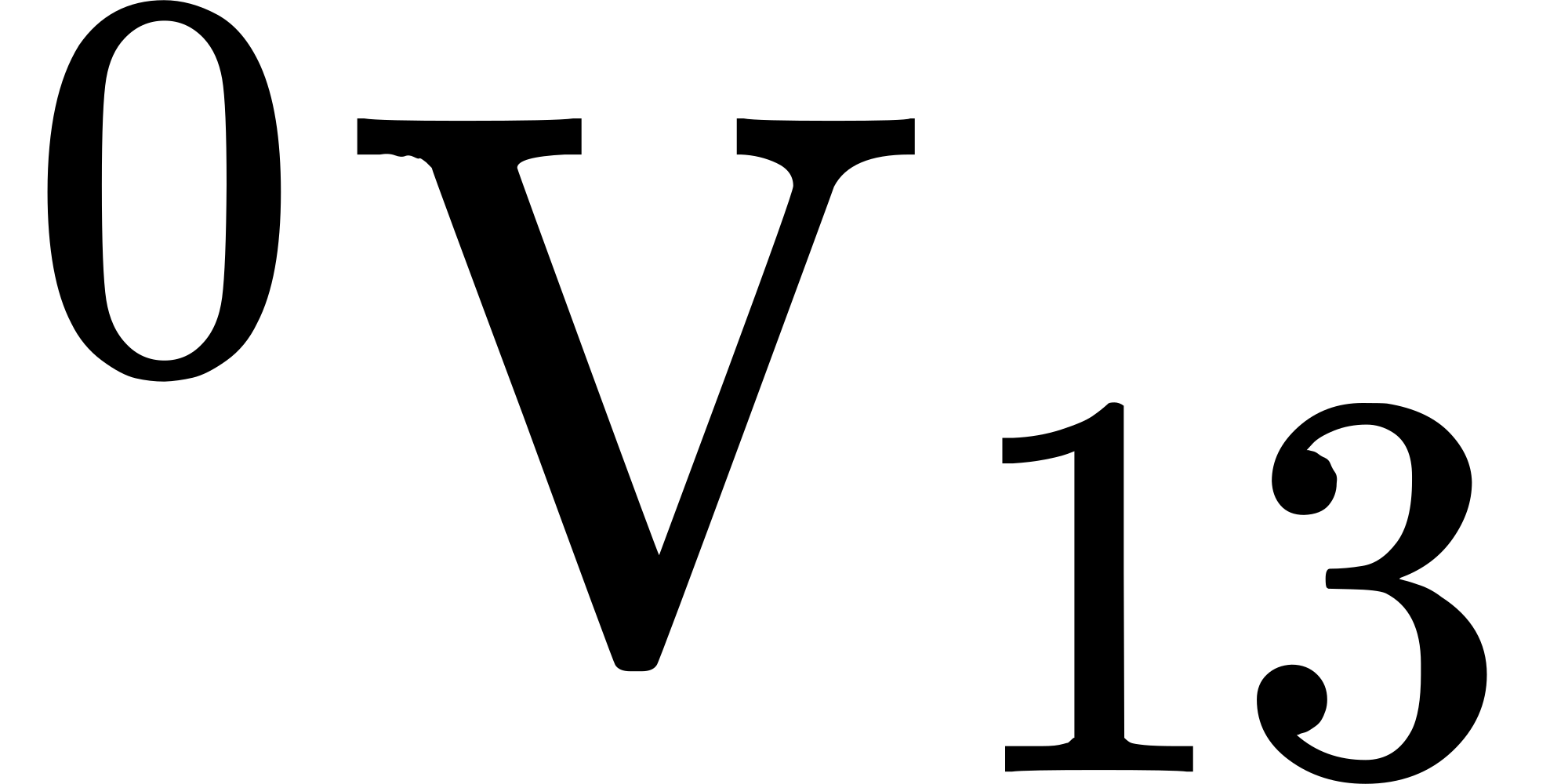 |
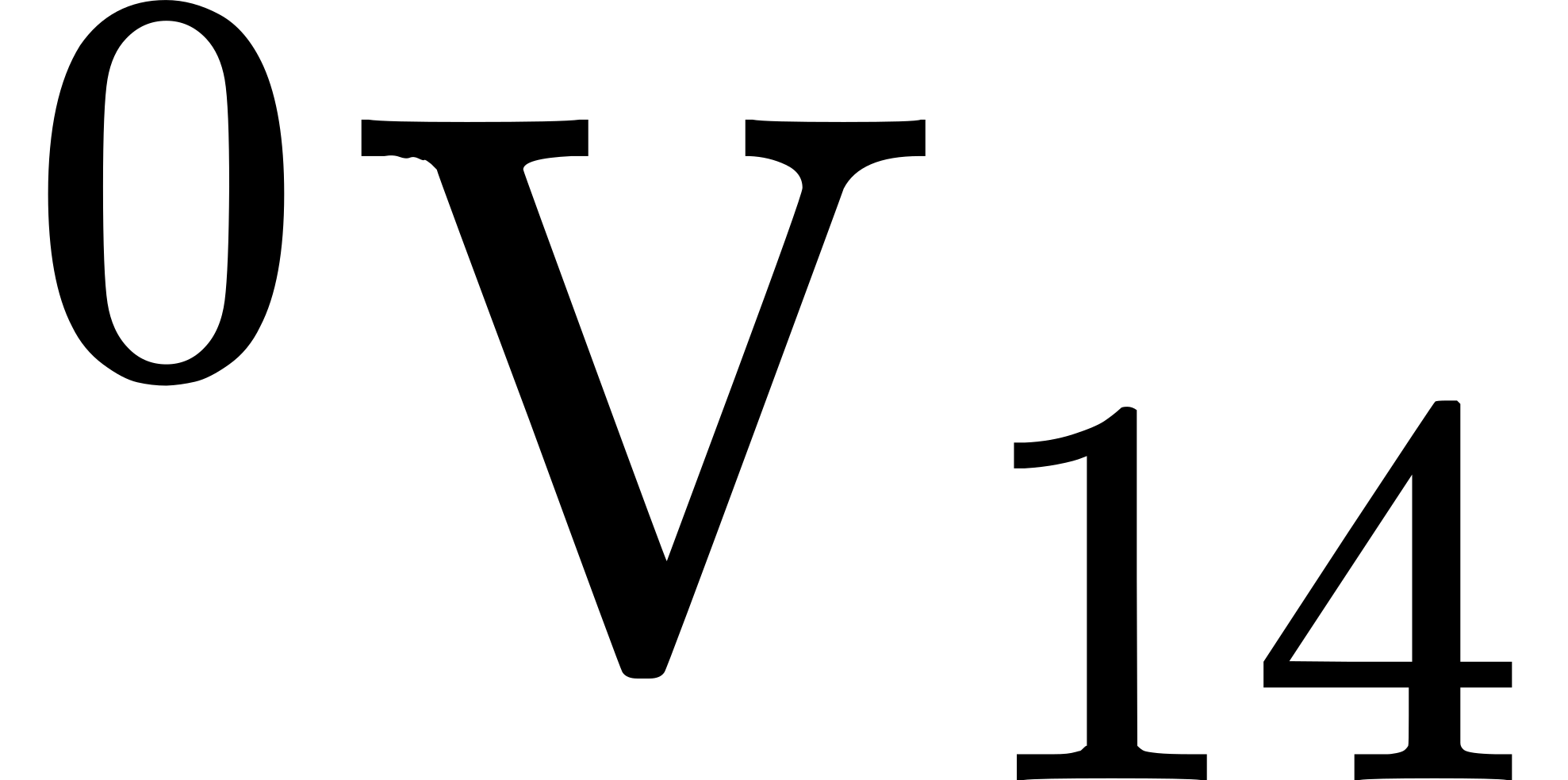 |
| + |
+ |
+ |
+ |
+ |
+ |
+ |
+ |
+ |
+ |
+ |
+ |
+ |
+ |
+ |
| 0 |
0 |
0 |
0 |
0 |
0 |
0 |
0 |
0 |
0 |
0 |
0 |
0 |
0 |
0 |
| 0 |
0 |
0 |
0 |
0 |
0 |
0 |
0 |
0 |
0 |
0 |
0 |
0 |
0 |
0 |
| 0 |
0 |
0 |
0 |
0 |
0 |
0 |
0 |
0 |
0 |
0 |
0 |
0 |
0 |
0 |
| 0 |
0 |
0 |
0 |
0 |
0 |
0 |
0 |
0 |
0 |
0 |
0 |
0 |
0 |
0 |
|
|
 |
|
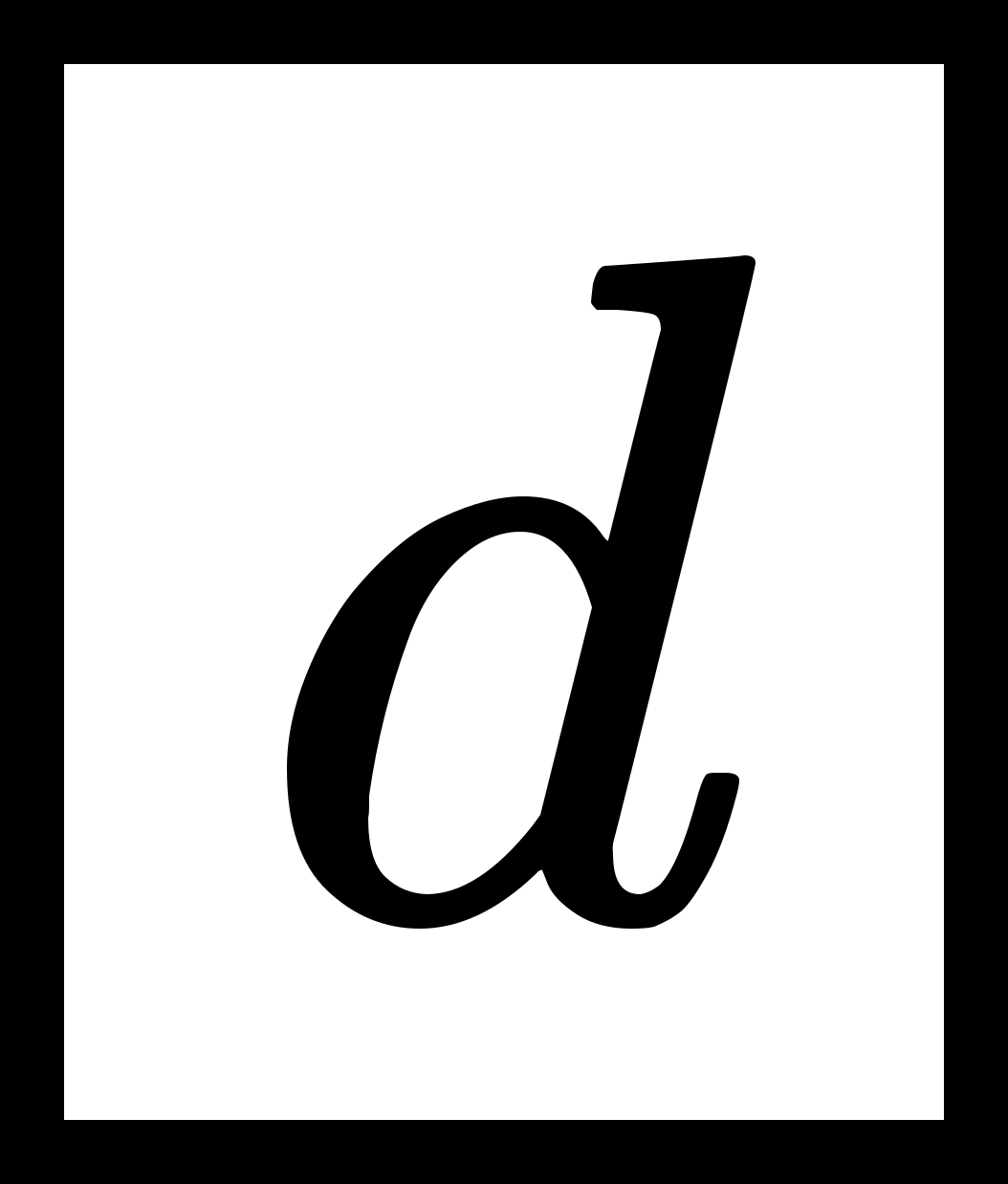 |
 |
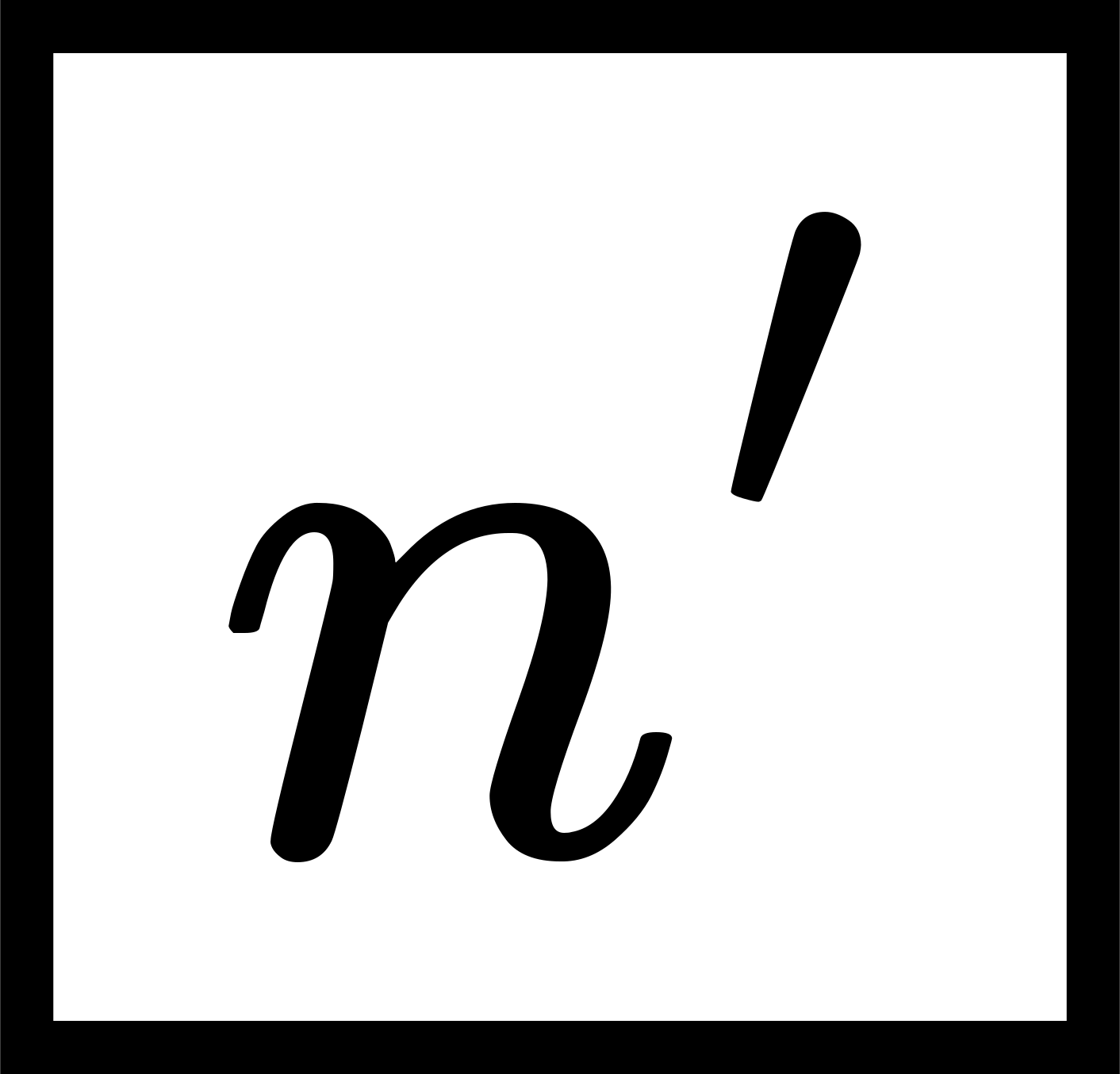 |
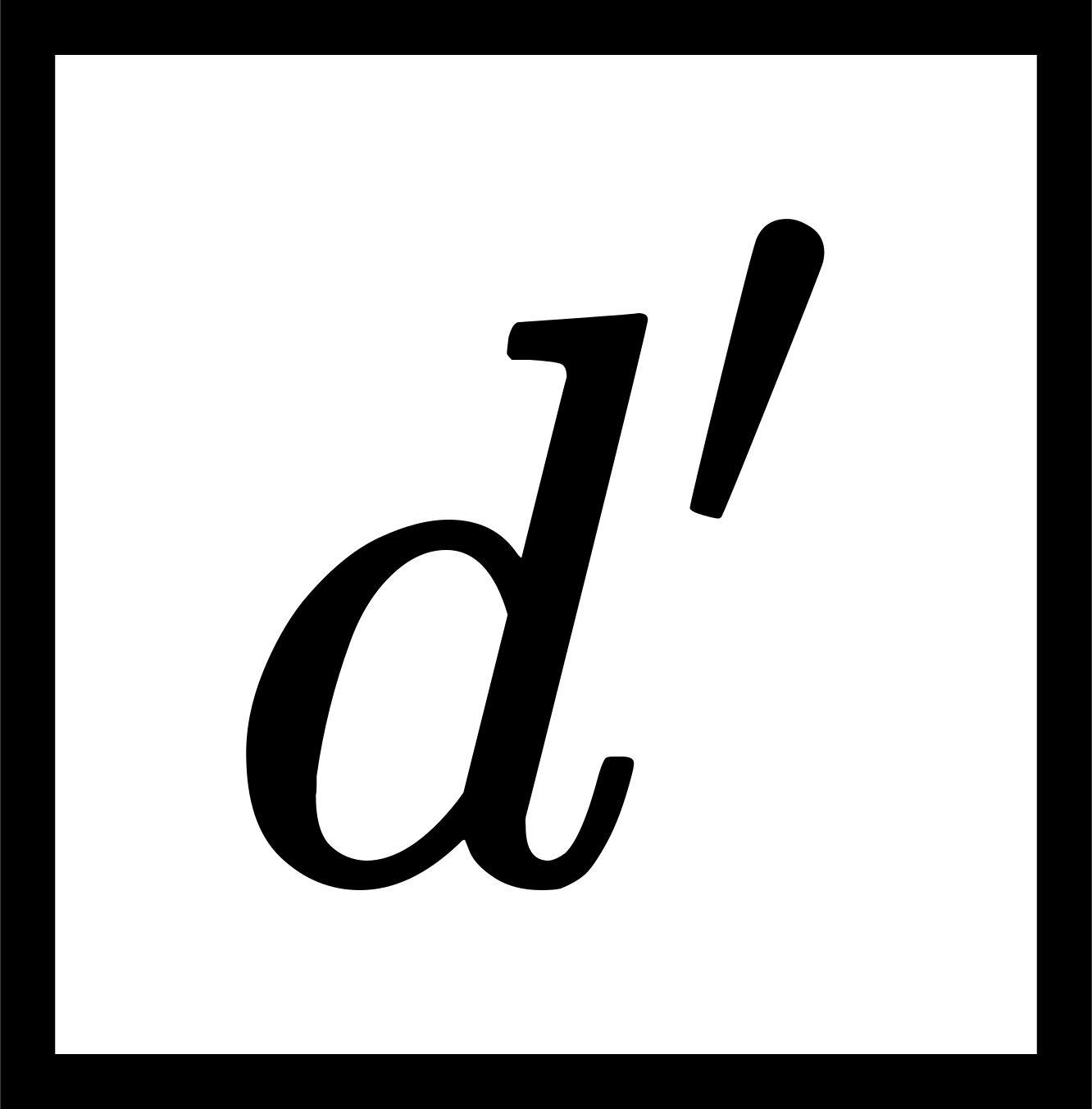 |
 |
|
|
|
|
|
|
|
|
| 1 |
 |
|
 |
|
|
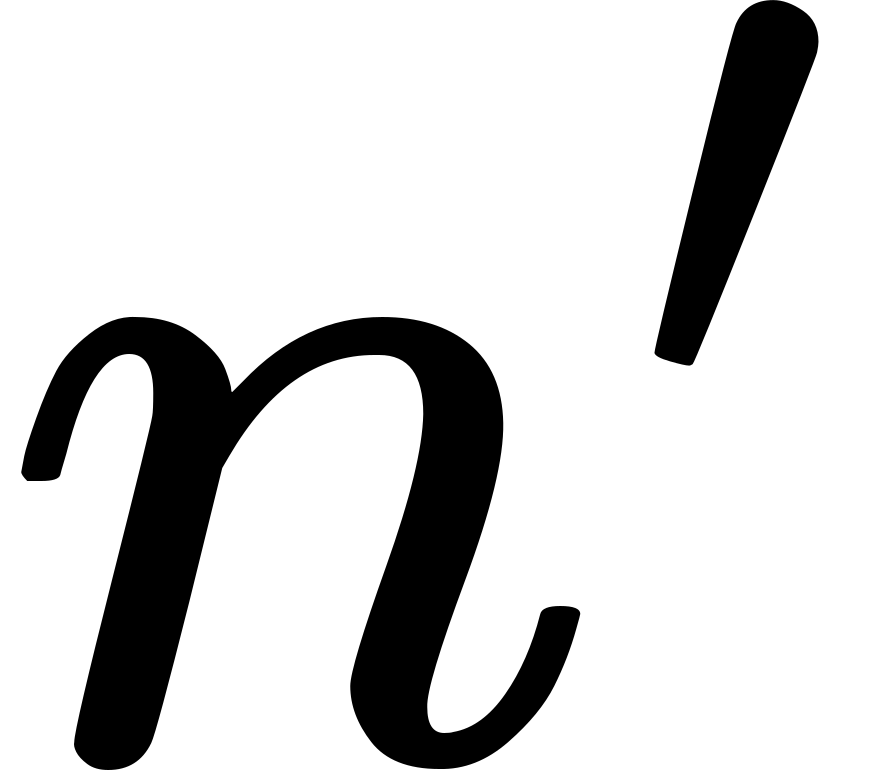 |
|
 |
|
|
|
|
|
|
|
|
| 2 |
|
|
|
|
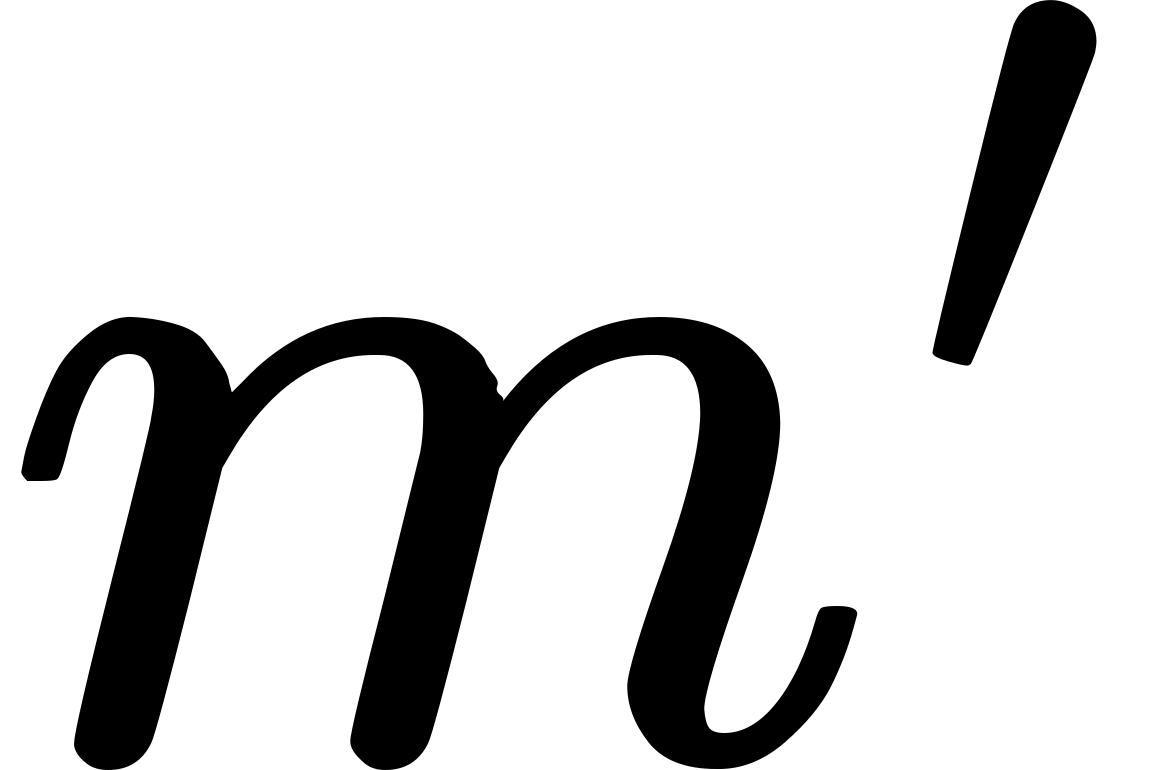 |
|
|
|
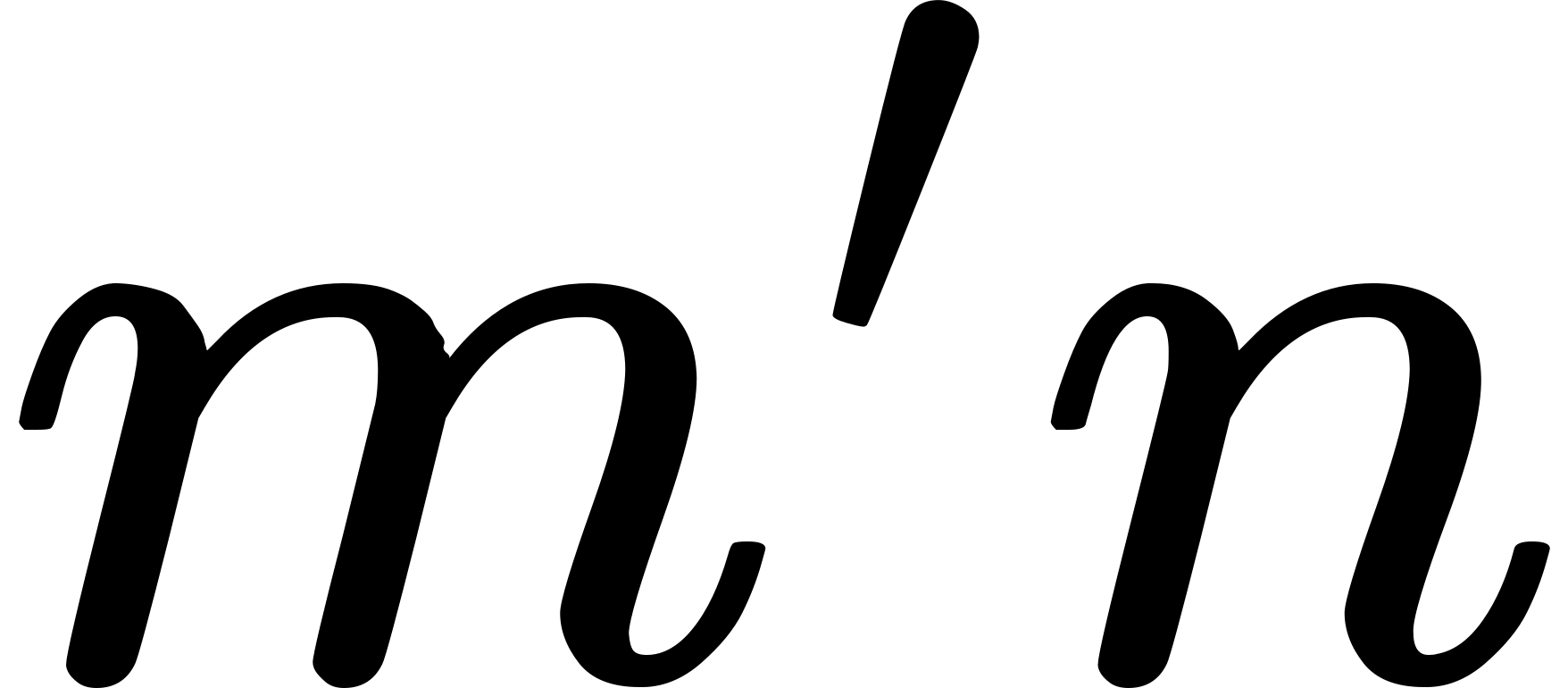 |
|
|
|
|
|
|
|
| 3 |
|
|
|
 |
|
|
|
|
|
 |
|
|
|
|
|
|
| 4 |
|
|
0 |
|
|
|
 |
|
|
|
|
|
|
|
|
|
| 5 |
|
0 |
|
|
|
|
0 |
|
|
|
|
 |
|
|
|
|
| 6 |
|
|
|
0 |
0 |
|
|
|
|
|
|
|
 |
|
|
|
| 7 |
 |
|
|
|
|
|
|
0 |
0 |
|
|
|
|
 |
|
|
| 8 |
|
|
|
|
|
|
|
|
|
0 |
0 |
|
|
|
 |
|
| 9 |
|
|
|
|
|
|
|
|
|
|
|
0 |
0 |
|
|
|
| 10 |
 |
|
|
|
|
|
|
|
|
|
|
|
|
 |
0 |
|
| 11 |
|
|
|
|
|
|
|
|
|
|
|
|
|
0 |
|
0 |
| Variables for Results. |
 |
 |
| + |
+ |
| 0 |
0 |
| 0 |
0 |
| 0 |
0 |
| 0 |
0 |
|
|
|
|
|
|
 |
 |
| 1 |
|
|
|
| 2 |
|
|
|
| 3 |
|
|
|
| 4 |
|
|
|
| 5 |
|
|
|
| 1 |
|
|
|
| 7 |
|
|
|
| 8 |
|
|
|
| 9 |
|
|
|
| 10 |
|
 |
|
| 11 |
|
|
 |
This example has evidently been chosen on account of its brevity and
simplicity, with a view merely to explain the manner in which
the engine would proceed in the case of an analytical calculation
containing variables, rather than to illustrate the extent of its
powers to solve cases of a difficult and complex nature. The equations
of page 14 are in fact a more complicated problem than the present one.
We have not subjoined any diagram of its development for this new
example, as we did for the former one, because this is unnecessary
after the full application already made of those diagrams to the
illustration of M. Menabrea’s excellent tables.
It may be remarked that a slight discrepancy exists between the formulæ
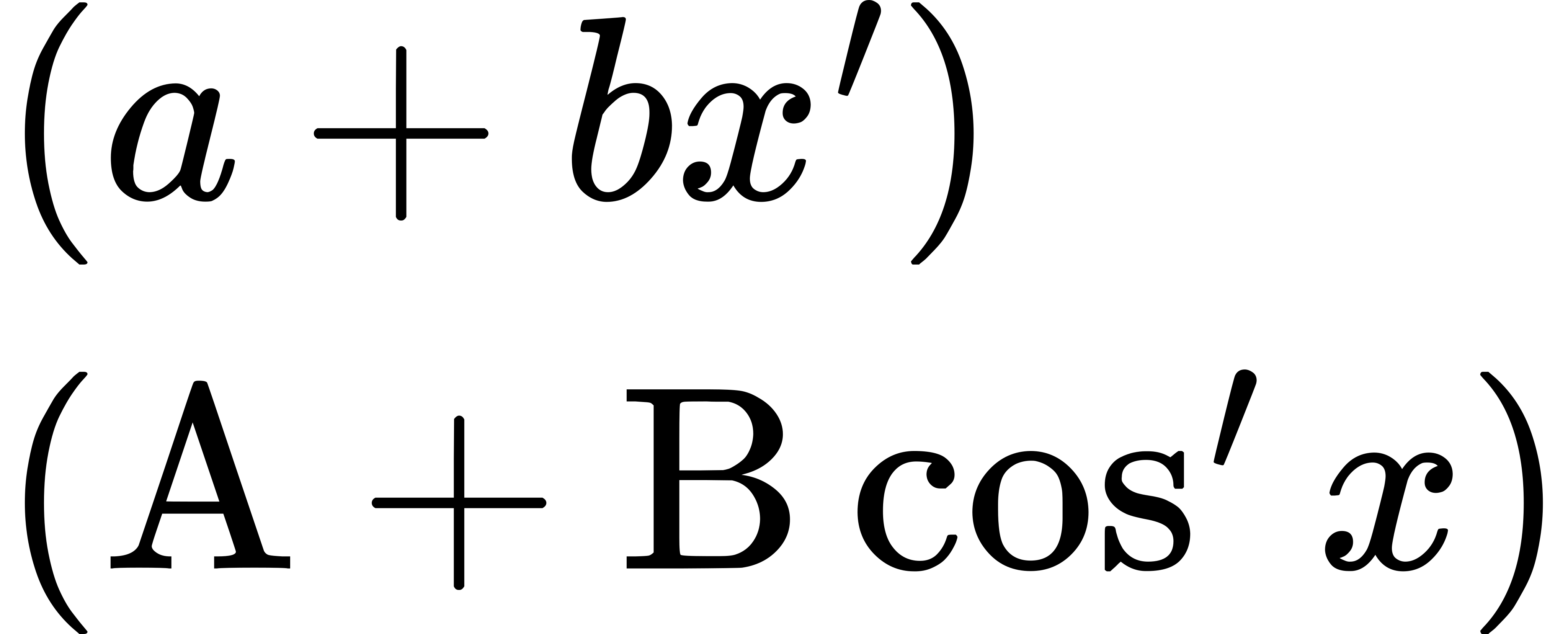 given in the Memoir as the data for calculation, and the
results of the calculation as developed in the last division of
the table which accompanies it. To agree perfectly with this latter,
the data should have been given as
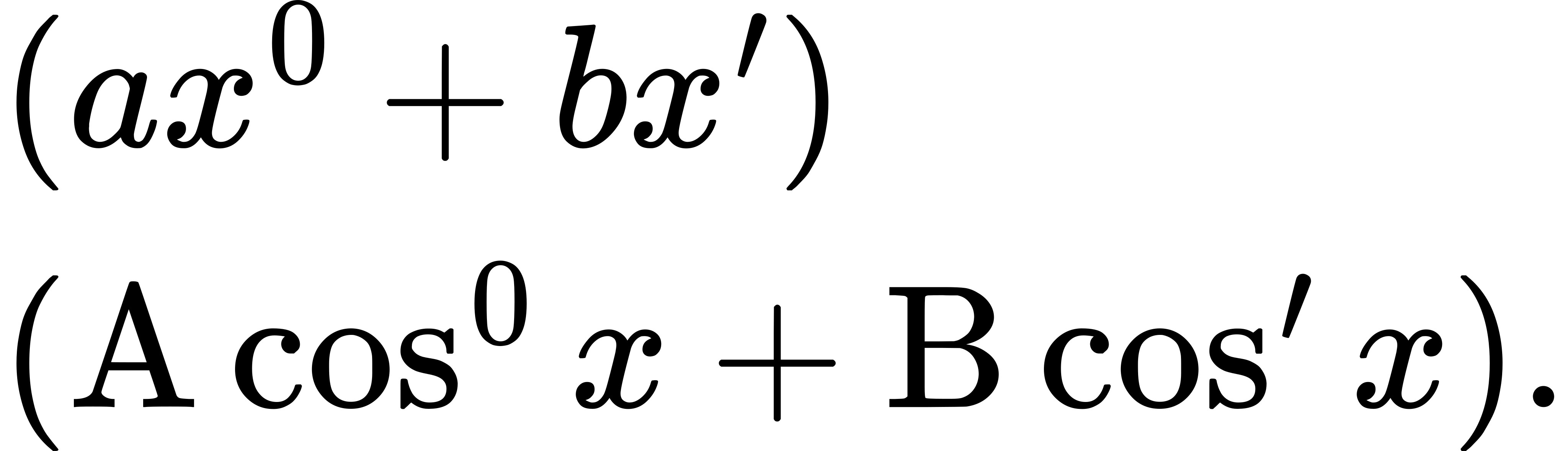
The following is a more complicated example of the manner in which the
engine would compute a trigonometrical function containing variables.
To multiply
 Let the resulting products be represented under the general form

This trigonometrical series is not only in itself very appropriate
for illustrating the processes of the engine, but is likewise of much
practical interest from its frequent use in astronomical computations.
Before proceeding further with it, we shall point out that there are
three very distinct classes of ways in which it may be desired to
deduce numerical values from any analytical formula.
First. We may wish to find the collective, numerical value of the
whole formula, without any reference to the quantities of
which that formula is a function, or to the particular mode of their
combination and distribution, of which the formula is the result and
representative. Values of this kind are of a strictly arithmetical
nature in the most limited sense of the term, and retain no trace
whatever of the processes through which they have been deduced. In
fact, any one such numerical value may have been attained from an
infinite variety of data, or of problems. The values for
and in the two equations (see Note D.), come under this class of
numerical results.
Secondly. We may propose to compute the collective numerical value of
each term of a formula, or of a series, and to keep these results
separate. The engine must in such a case appropriate as many columns to
results as there are terms to compute.
Thirdly. It may be desired to compute the numerical value of various
subdivisions of each term, and to keep all these results
separate. It may be required, for instance, to compute each coefficient
separately from its variable, in which particular case the engine must
appropriate two result-columns to every term that contains
both a variable and coefficient.
There are many ways in which it may be desired in special cases to
distribute and keep separate the numerical values of different parts of
an algebraical formula; and the power of effecting such distributions
to any extent is essential to the algebraical character of
the Analytical Engine. Many persons who are not conversant with
mathematical studies, imagine that because the business of the engine
is to give its results in numerical notation, the nature
of its processes must consequently be arithmetical and
numerical, rather than algebraical and analytical.
This is an error. The engine can arrange and combine its numerical
quantities exactly as if they were letters or any other
general symbols; and in fact it might bring out its results in
algebraical notation, were provisions made accordingly. It might
develope three sets of results simultaneously, viz. symbolic
results (as already alluded to in Notes A. and B.); numerical
results (its chief and primary object); and algebraical results
in literal notation, This latter however has not been deemed
a necessary or desirable addition to its powers, partly because the
necessary arrangements for effecting it would increase the complexity
and extent of the mechanism to a degree that would not be commensurate
with the advantages, where the main object of the invention is to
translate into numerical language general formulæ of analysis already
known to us, or whose laws of formation are known to us. But it would
be a mistake to suppose that because its results are given
in the notation of a more restricted science, its processes
are therefore restricted to those of that science. The object of the
engine is in fact to give the utmost practical efficiency to the
resources of numerical interpretations of the higher science of
analysis, while it uses the processes and combinations of this latter.
To return to the trigonometrical series. We shall only consider
the four first terms of the factor
( ),
since this will be sufficient to show the method. We propose to
obtain separately the numerical value of each coefficient
 ,
 , &c. of (1.). The direct
multiplication of the two factors gives
 a result which would stand thus on the engine:—
The variable belonging to each coefficient is written below it,
as we have done in the diagram, by way of memorandum. The only
further reduction which is at first apparently possible in the
preceding result, would be the addition of 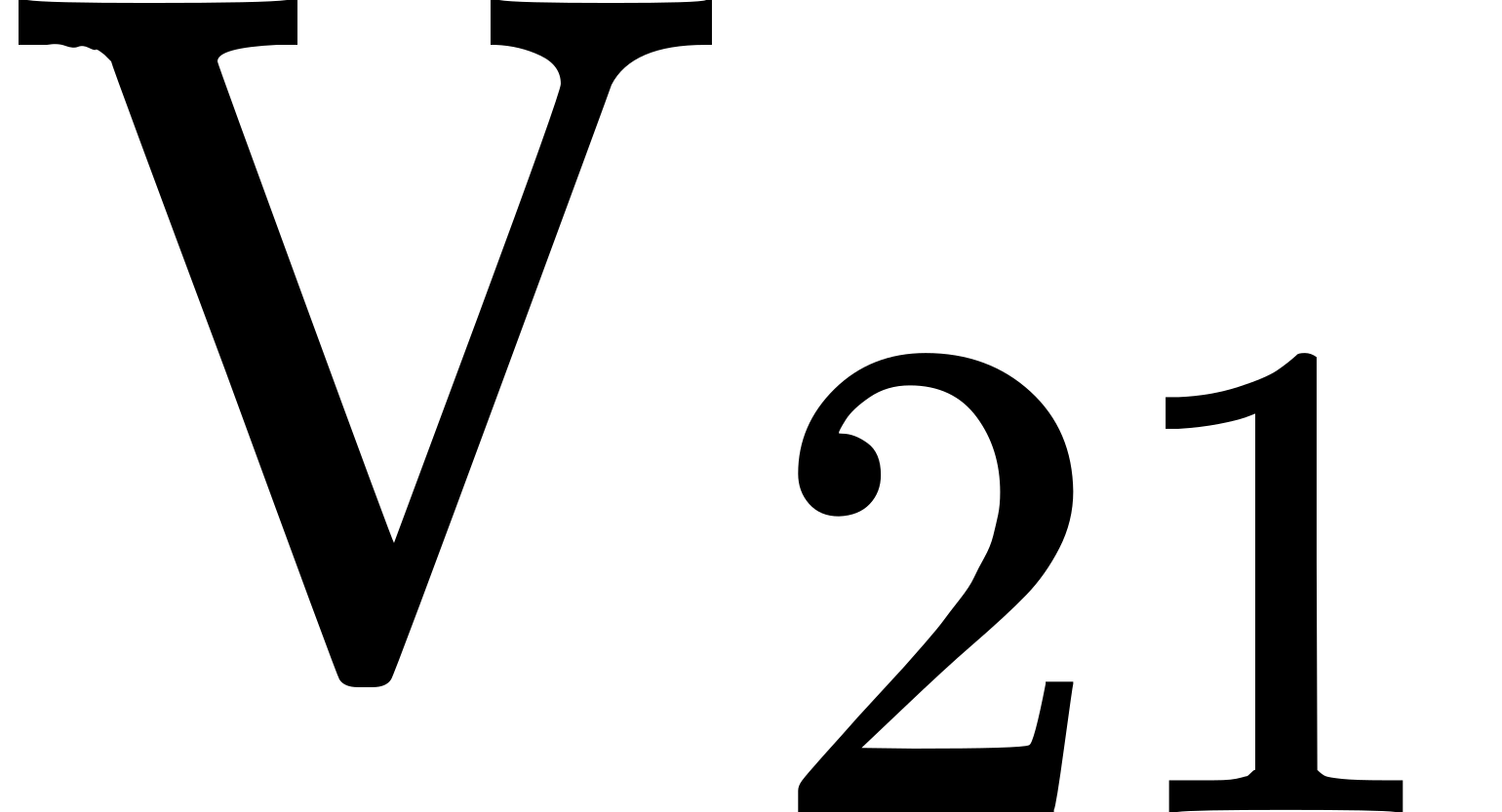 to
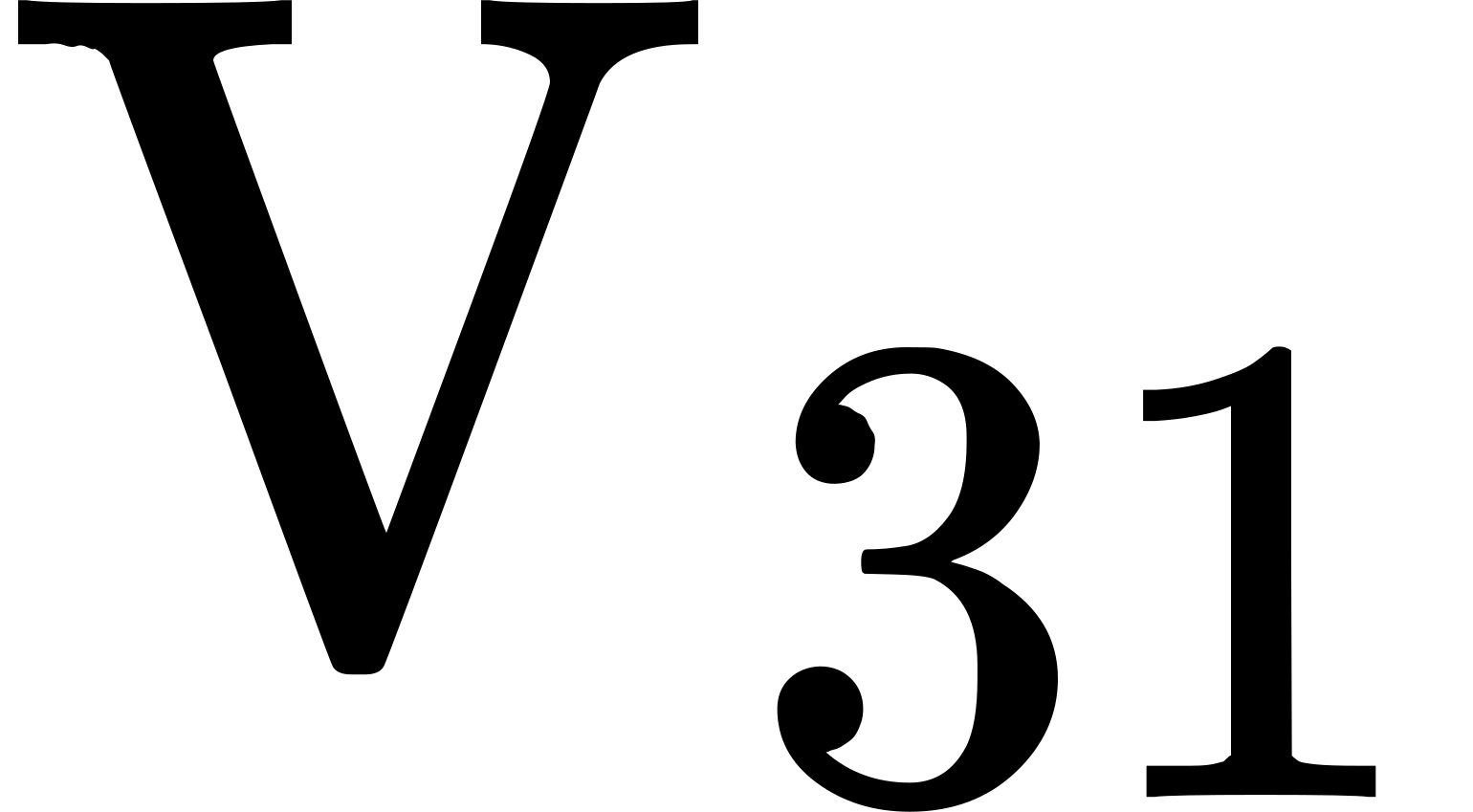 (in which case
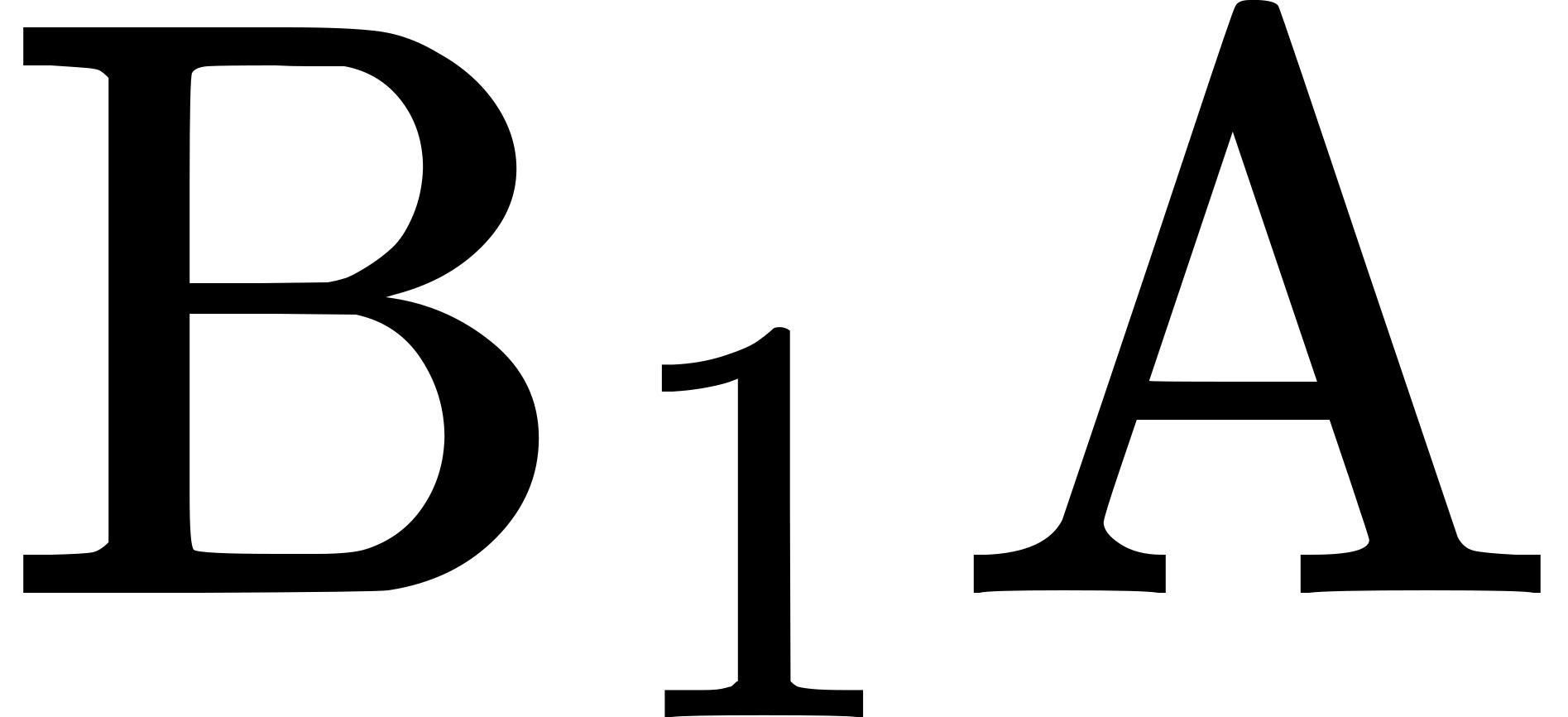 should
be effaced from ). The whole operations from the
beginning would then be—
First Series of
Operations. |
Second Series of
Operations. |
Third Series, which contains
only one (final) operation. |
 |
 |
 |
 |
 |
 |
 |
 |
|
 |
 |
|
We do not enter into the same detail of every step of the
processes as in the examples of Notes D. and G., thinking it
unnecessary and tedious to do so. The reader will remember the meaning
and use of the upper and lower indices, &c., as before explained.
To proceed: we know that
 Consequently, a slight examination of the second line of (2.) will show
that by making the proper substitutions, (2.) will become
These coefficients should respectively appear on
 We shall perceive, if we inspect the particular arrangement of the
results in (2.) on the Result-columns as represented in the diagram,
that, in order to effect this transformation, each successive
coefficient upon
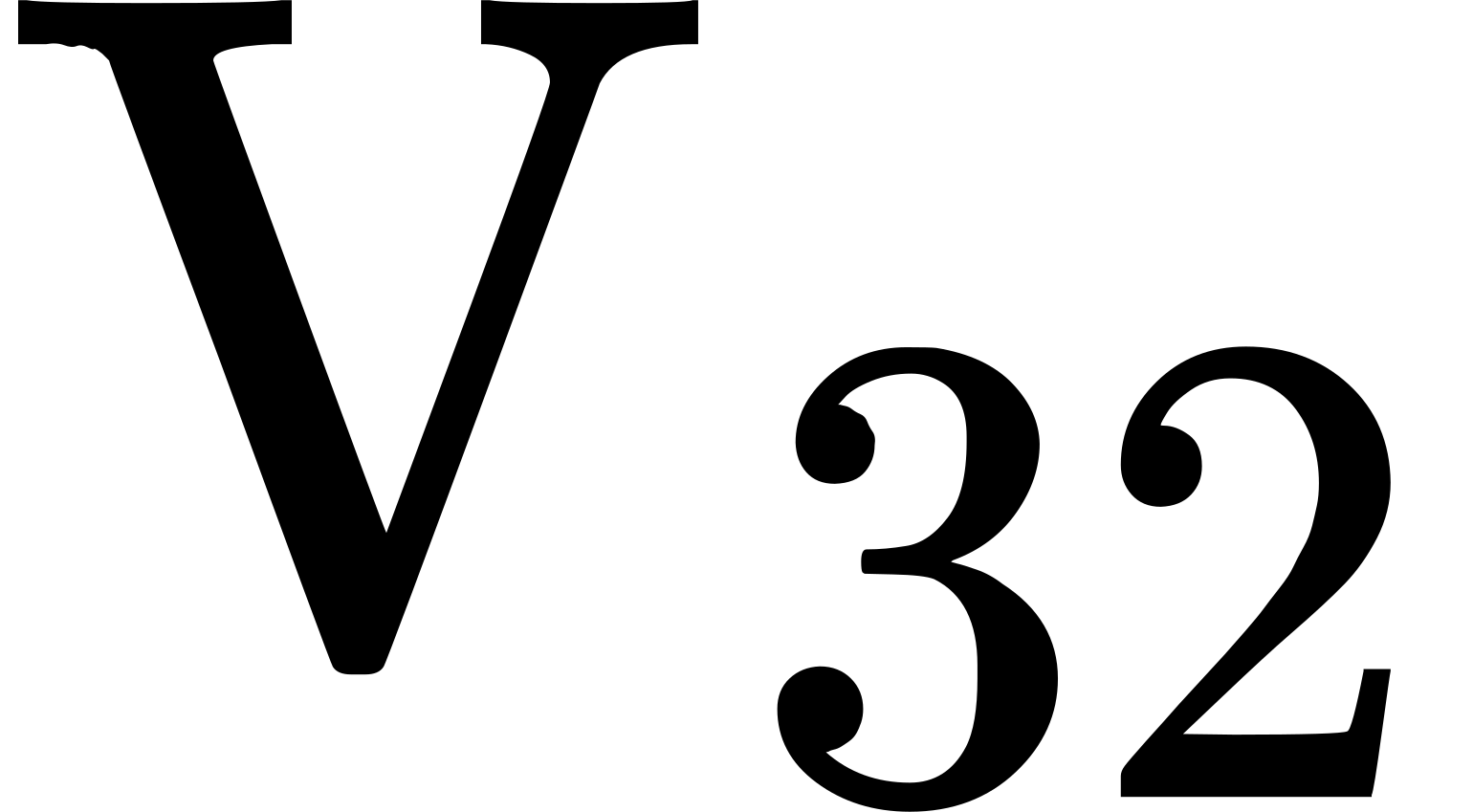 ,
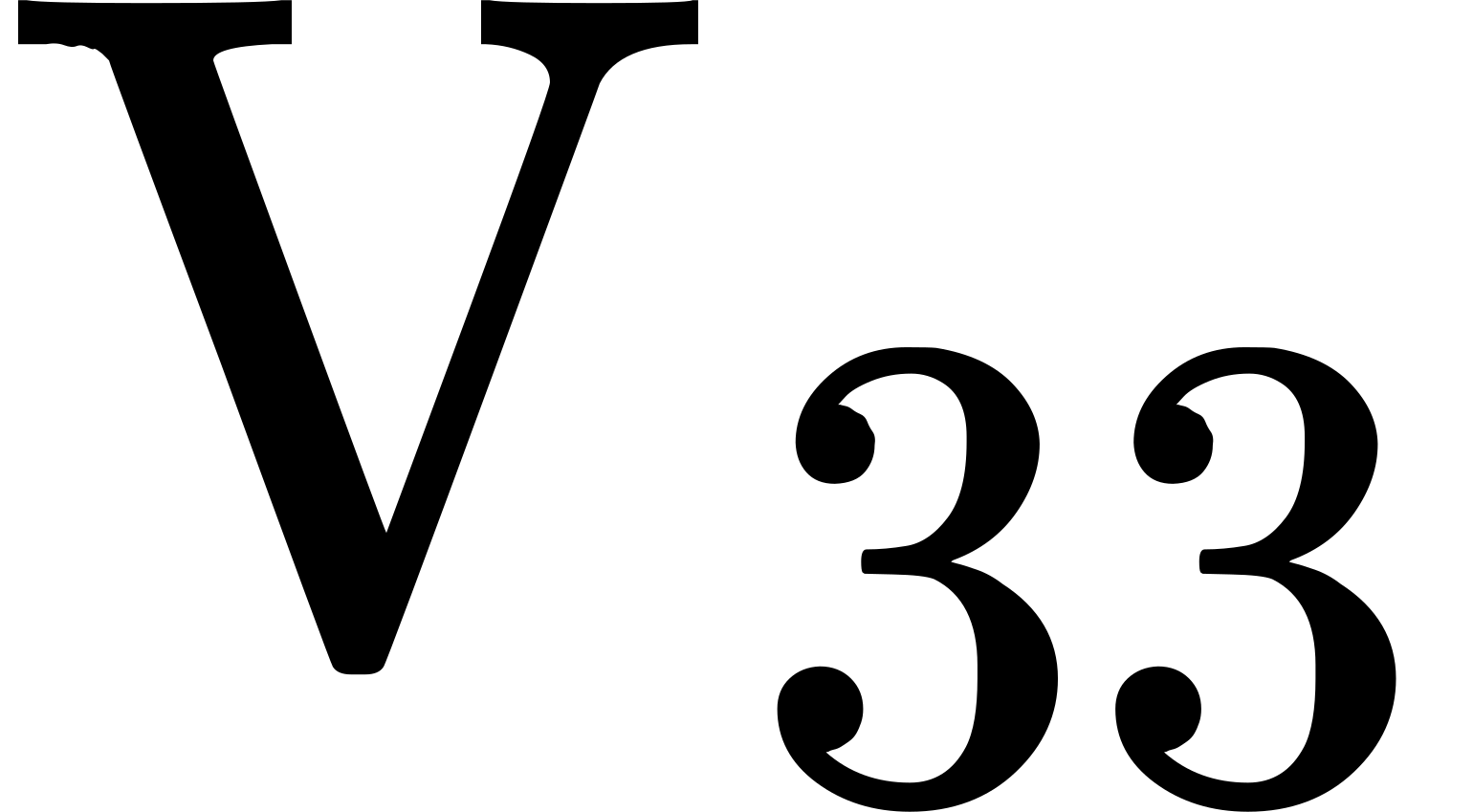 , &c.
(beginning with ), must through means of proper
cards be divided by two[25]; and that one of the halves thus obtained
must be added to the coefficient on the Variable which precedes
it by ten columns, and the other half to the coefficient on the
Variable which precedes it by twelve columns; ,
, &c. themselves becoming zeros during the process.
This series of operations may be thus expressed:—
Fourth Series.[26]
The calculation of the coefficients , ,
&c. of (1.), would now be completed, and they would stand ranged in
order on  , , &c. It will be
remarked, that from the moment the fourth series of operations is
ordered, the Variables , ,
&c. cease to be Result-Variables, and become mere
Working-Variables.
The substitution made by the engine of the processes in the second
side of (3.) for those in the first side, is an excellent illustration
of the manner in which we may arbitrarily order it to substitute any
function, number, or process, at pleasure, for any other function,
number or process, on the occurrence of a specified contingency.
We will now suppose that we desire to go a step further, and to obtain
the numerical value of each complete term of the product (1.),
that is of each coefficient and variable united, which for the
(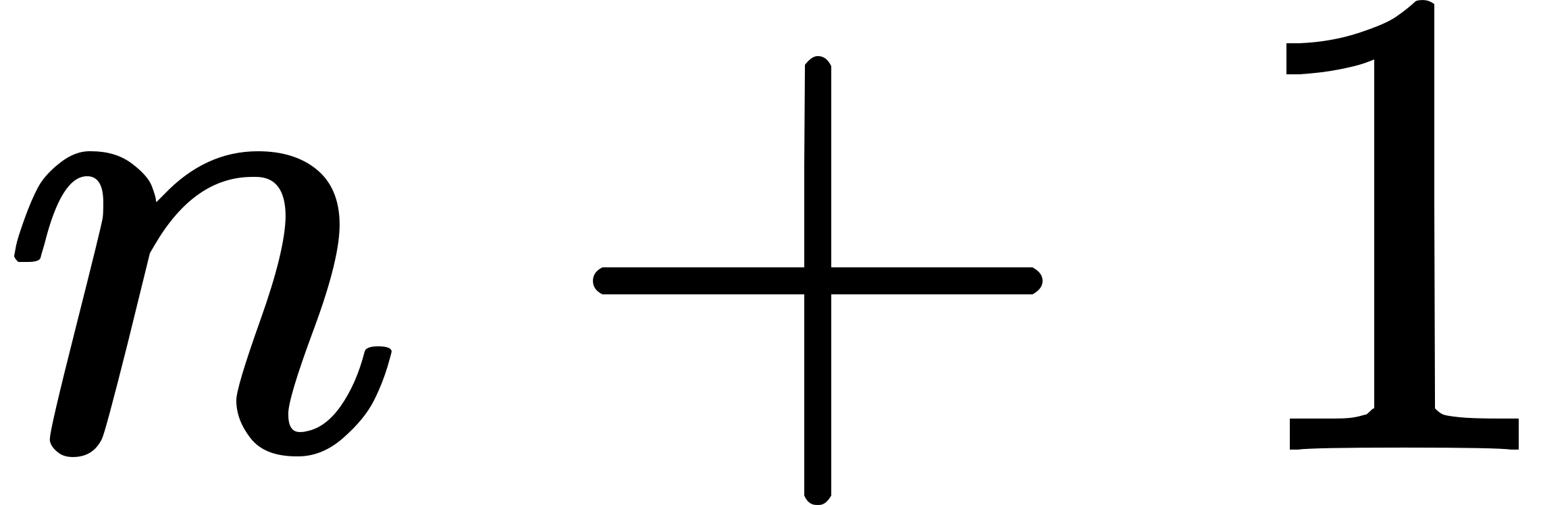 )th term would be
 .
We must for this purpose place the variables themselves on another
set of columns, 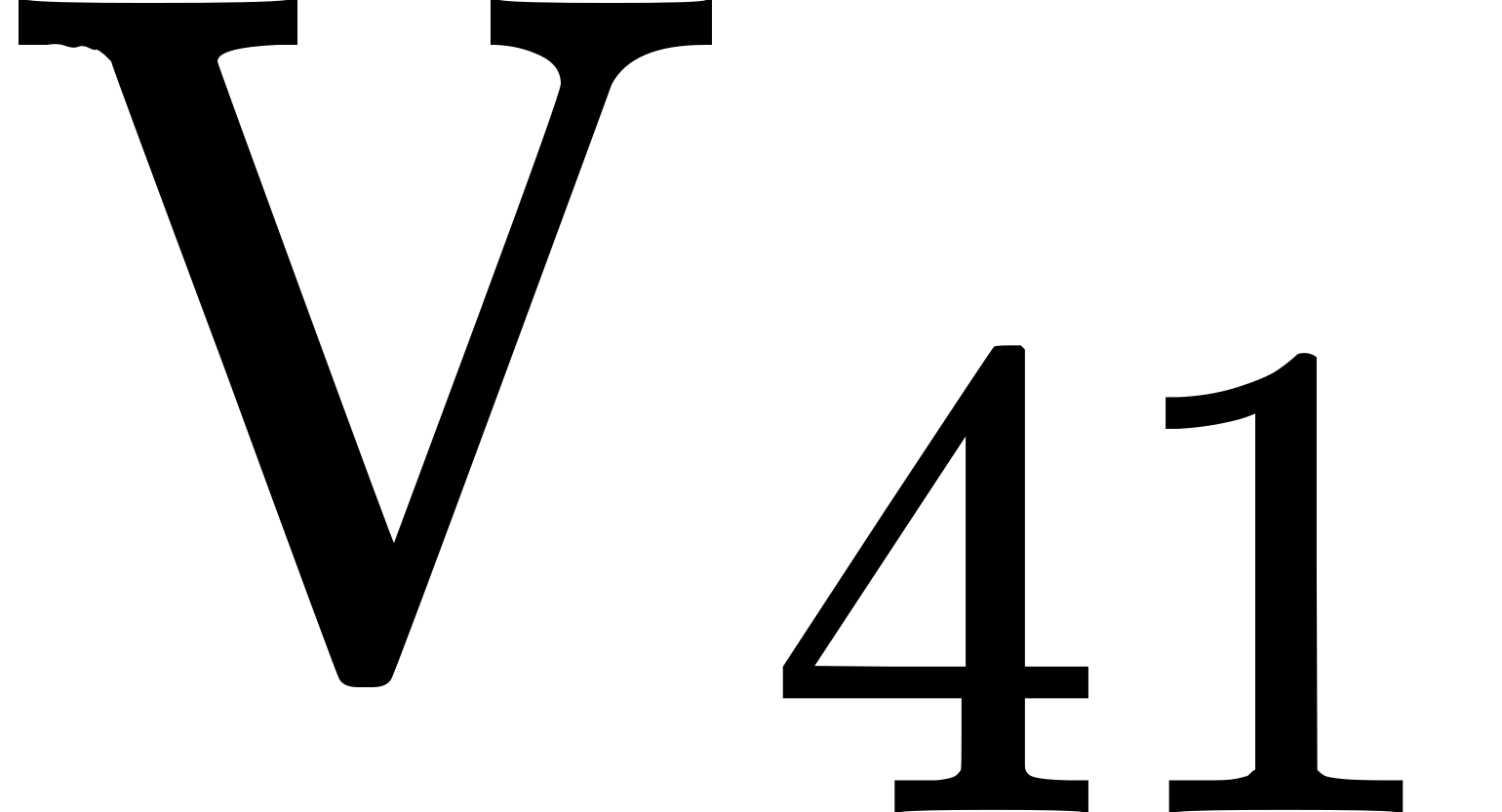 ,
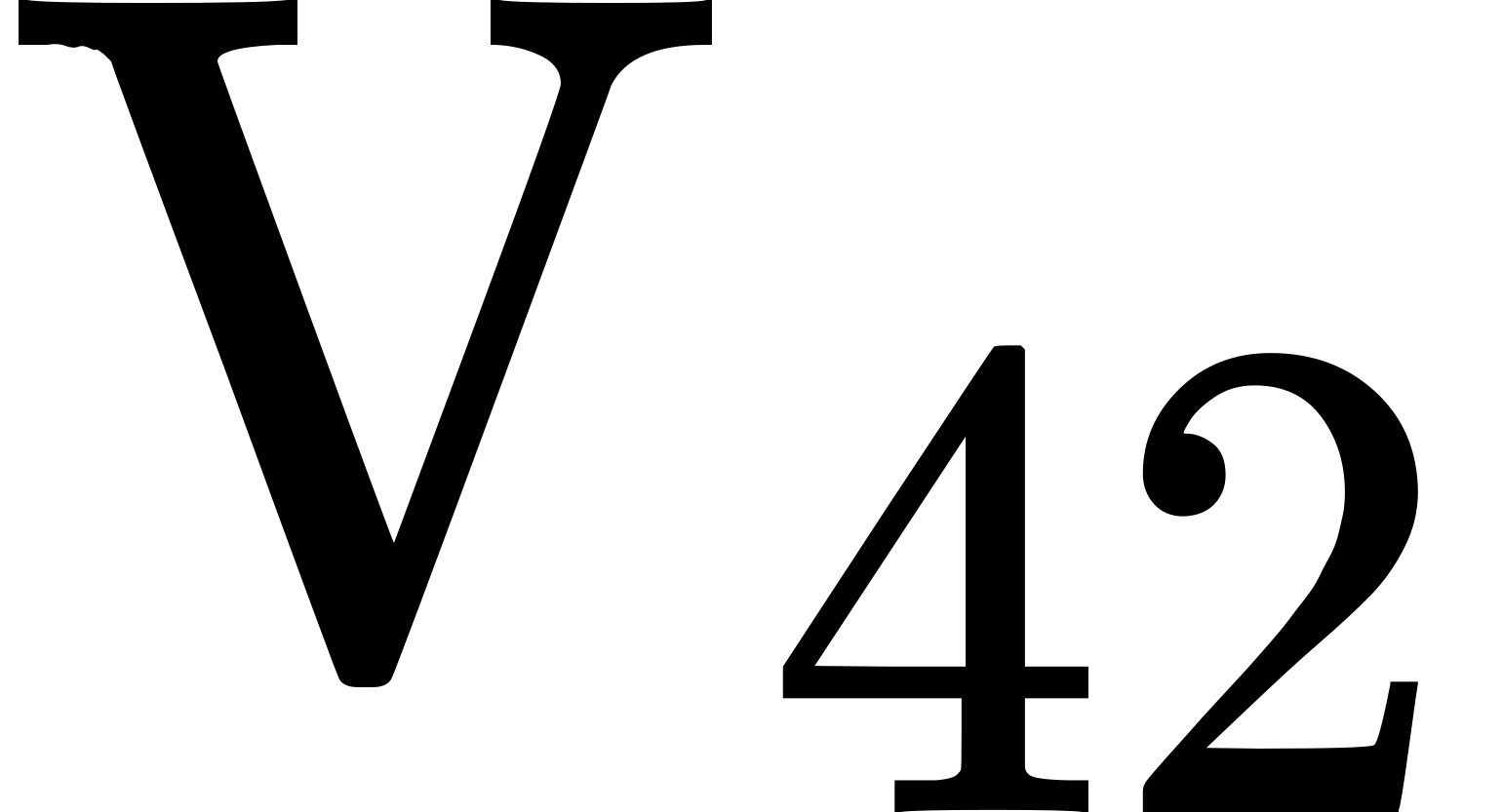 , &c., and
then order their successive multiplication by ,
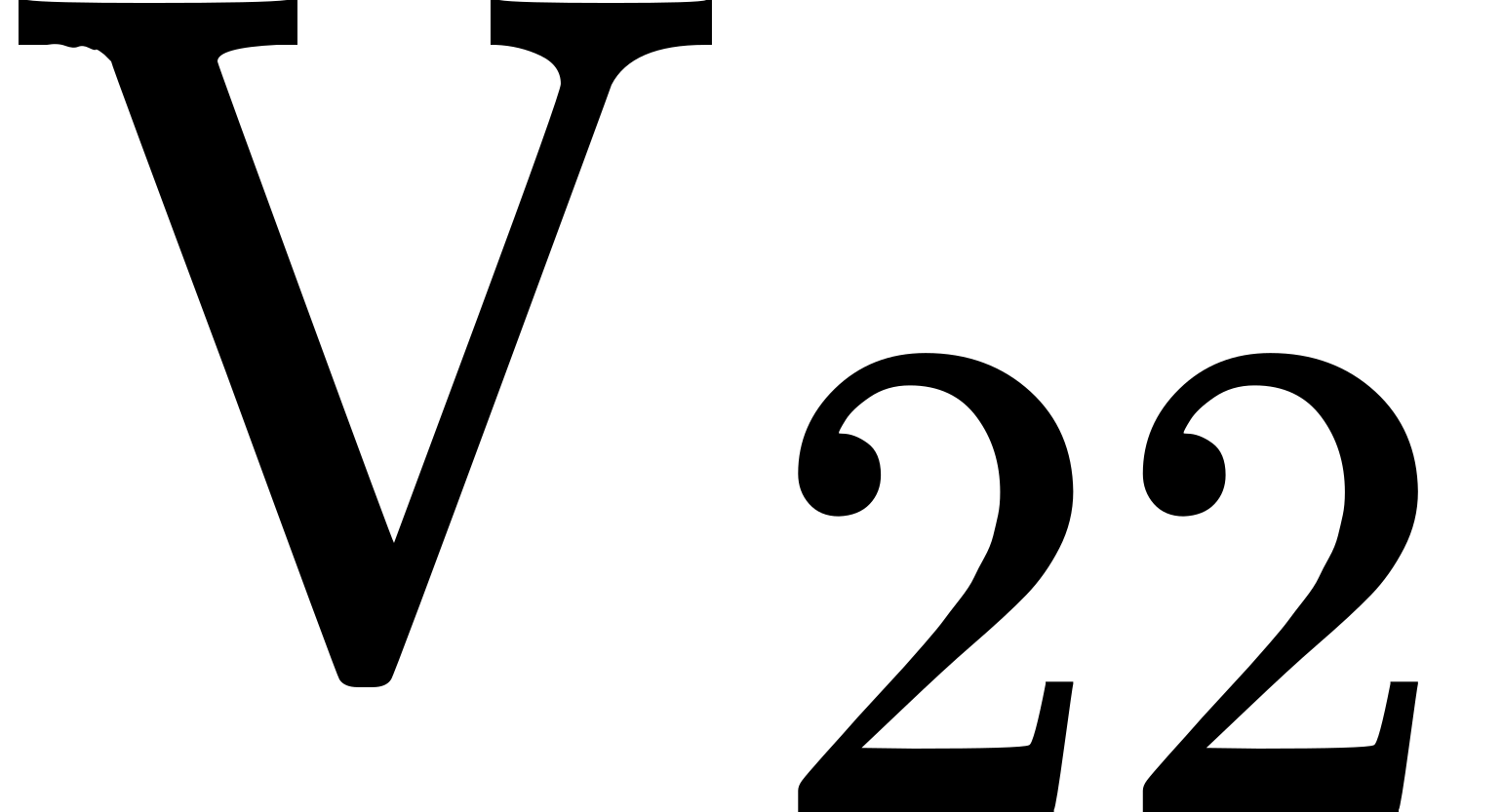 , &c., each for each. There would thus be a
final series of operations as follows:—
Fifth and Final Series of Operations.
(N.B. that 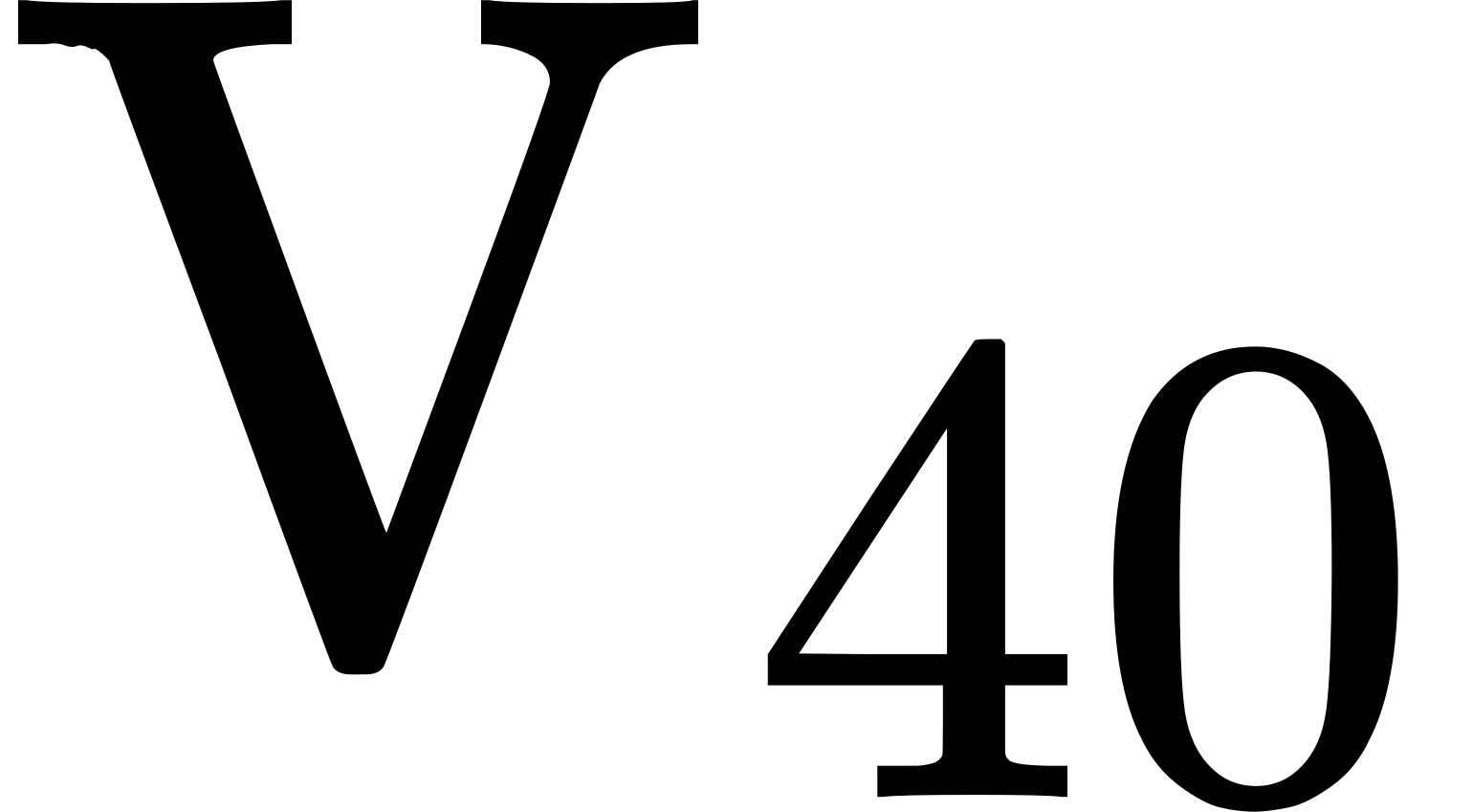 being intended to receive the
coefficient on which has no variable, will
only have
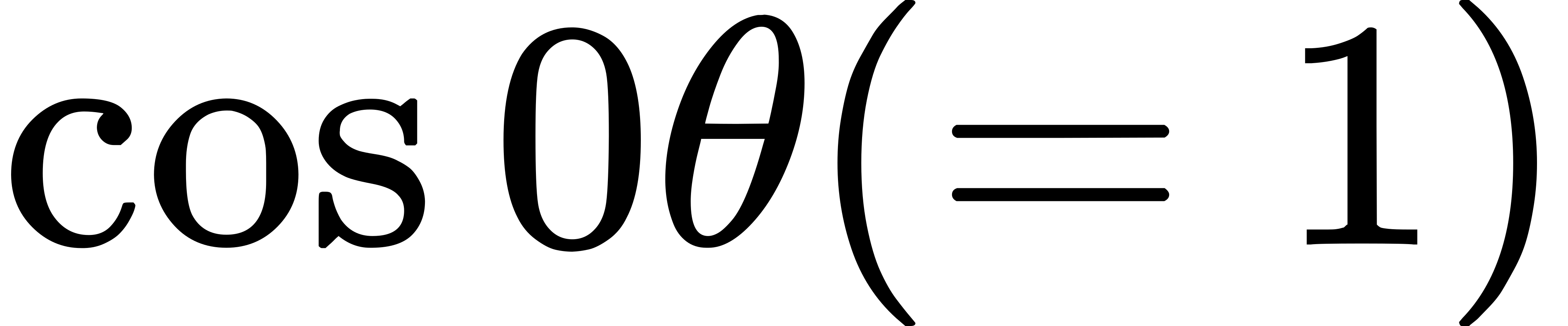 inscribed on it, preparatory to
commencing the fifth series of operations.)
From the moment that the fifth and final series of operations is
ordered, the Variables , , &c.
then in their turn cease to be Result-Variables and become mere
Working-Variables; , , &c.
being now the recipients of the ultimate results.
We should observe, that if the variables  ,
 ,
 , &c. are furnished, they would be placed directly upon
, , &c., like any other data.
If not, a separate computation might be entered upon in a separate
part of the engine, in order to calculate them, and place them on
, &c.
We have now explained how the engine might compute (1.) in the most
direct manner, supposing we knew nothing about the general term
of the resulting series. But the engine would in reality set to work
very differently, whenever (as in this case) we do know the law
for the general term.
The two first terms of (1.) are
 and the general term for all after these is
 which is the coefficient of the (
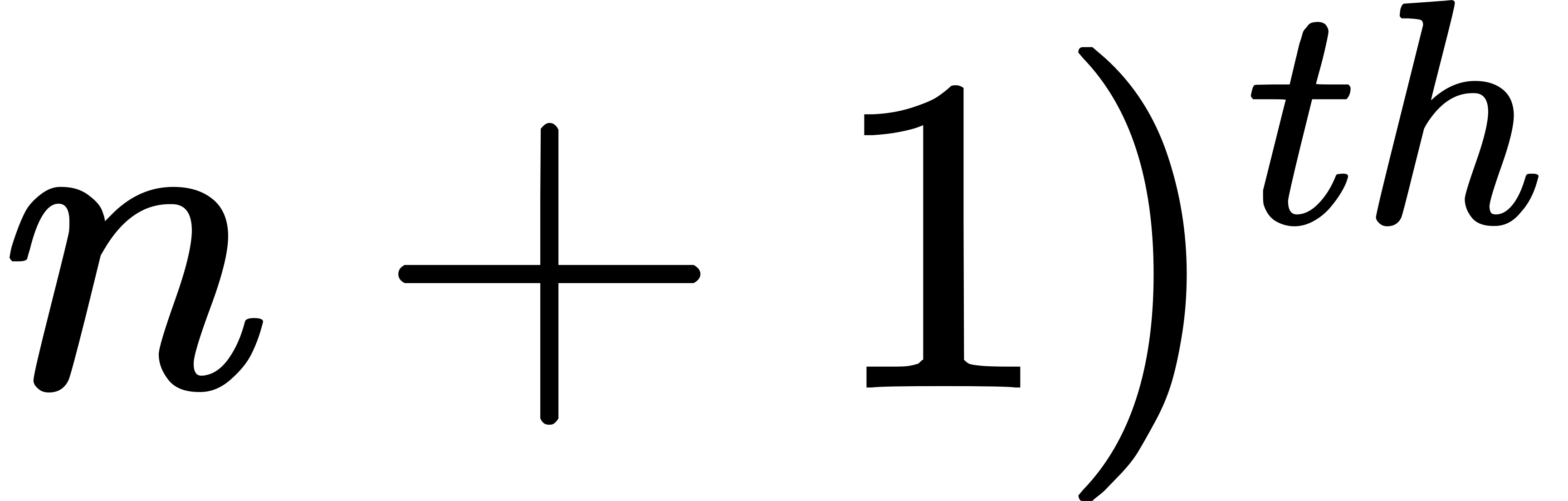 term. The engine would
calculate the two first terms by means of a separate set of suitable
Operation-cards, and would then need another set for the third term;
which last set of Operation-cards would calculate all the succeeding
terms ad infinitum; merely requiring certain new Variable-cards
for each term to direct the operations to act on the proper columns.
The following would be the successive sets of operations for computing
the coefficients of
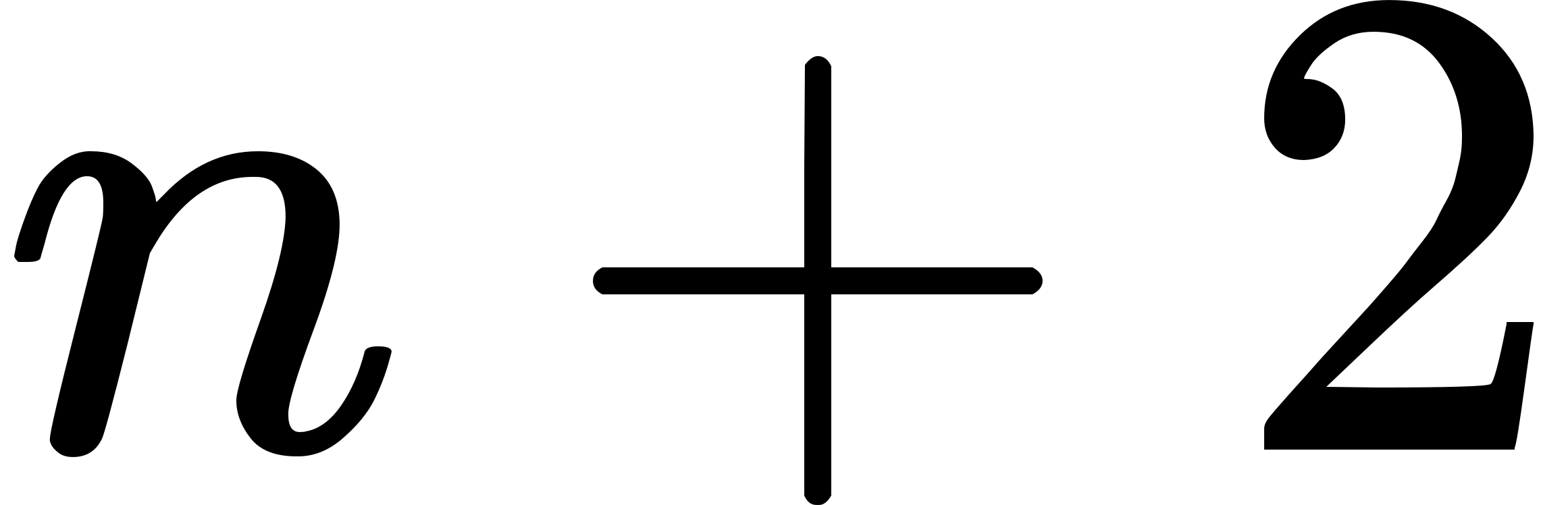 terms—
 Or we might represent them as follows, according to the numerical order
of the operations:—
 The brackets, it should be understood, point out the relation in
which the operations may be grouped, while the comma marks
succession. The symbol + might be used for this latter purpose,
but this would be liable to produce confusion, as + is also necessarily
used to represent one class of the actual operations which are the
subject of that succession. In accordance with this meaning attached to
the comma, care must be taken when any one group of operations recurs
more than once, as is represented above by (11 ... 15), not to
insert a comma after the number or letter prefixed to that group.
,(11 ... 15) would stand for an operation followed
by the group of operations (11 ... 15); instead of denoting the
number of groups which are to follow each other.
Wherever a general term exists, there will be a recurring
group of operations, as in the above example. Both for brevity and
for distinctness, a recurring group is called a cycle.
A cycle of operations, then, must be understood to signify any
set of operations which is repeated more than once.
It is equally a cycle, whether it be repeated twice
only, or an indefinite number of times; for it is the fact of a
repetition occurring at all that constitutes it such. In many
cases of analysis there is a recurring group of one or more
cycles; that is, a cycle of a cycle, or a cycle of
cycles. For instance: suppose we wish to divide a series by a
series,
 it being required that the result shall be developed, like the dividend
and the divisor, in successive powers of . A little consideration
of (1.), and of the steps through which algebraical division is
effected, will show that (if the denominator be supposed to consist
of
 terms) the first partial quotient will be completed by the
following operations:—
 that the second partial quotient will be completed by an exactly
similar set of operations, which acts on the remainder obtained by
the first set, instead of on the original dividend. The whole of the
processes therefore that have been gone through, by the time the
second partial quotient has been obtained, will be,—
 which is a cycle that includes a cycle, or a cycle of the second order.
The operations for the complete division, supposing we propose
to obtain terms of the series constituting the quotient, will
be,—
 It is of course to be remembered that the process of algebraical
division in reality continues ad infinitum, except in the few
exceptional cases which admit of an exact quotient being obtained. The
number in the formula (4.), is always that of the number of terms
we propose to ourselves to obtain; and the th partial quotient is
the coefficient of the (
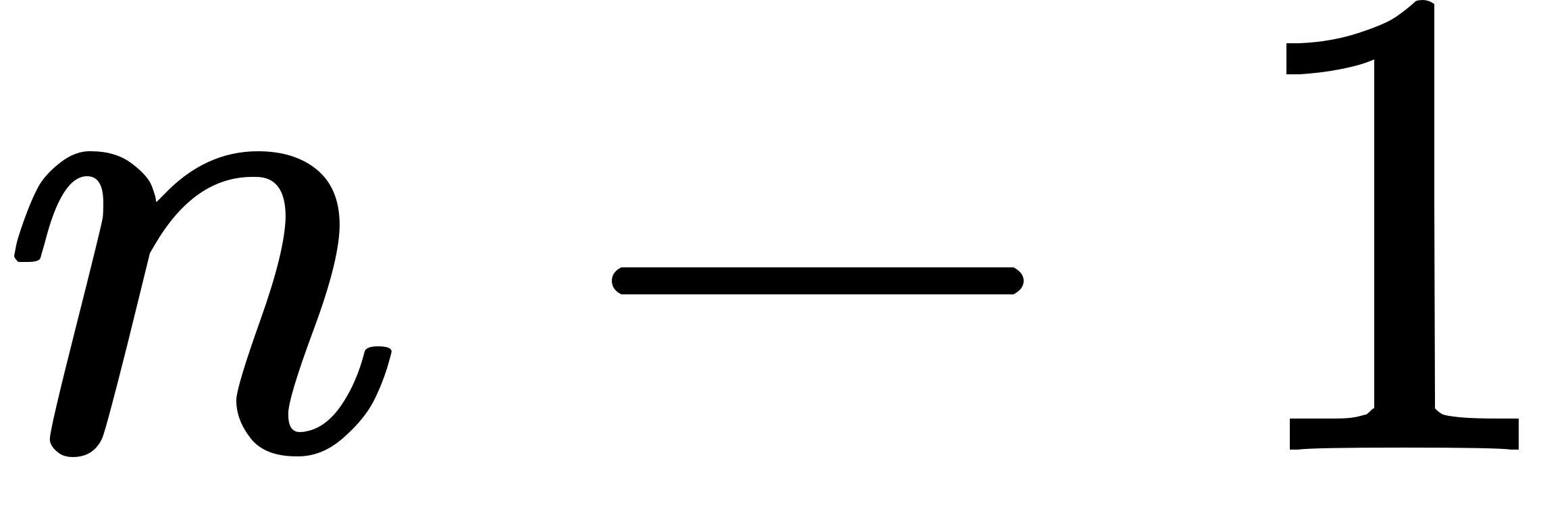 )th power of .
There are some cases which entail cycles of cycles of cycles, to
an indefinite extent. Such cases are usually very complicated, and they
are of extreme interest when considered with reference to the engine.
The algebraical development in a series, of the th function of any
given function, is of this nature. Let it be proposed to obtain the
th function of
 We should premise that we suppose the reader to understand what is
meant by an th function. We suppose him likewise to comprehend
distinctly the difference between developing an th
function algebraically, and merely calculating an th
function arithmetically. If he does not, the following will
be by no means very intelligible; but we have not space to give any
preliminary explanations. To proceed: the law, according to which the
successive functions of (5.) are to be developed, must of course first
be fixed on. This law may be of very various kinds. We may propose to
obtain our results in successive powers of , in which case
the general form would be
 or in successive powers of itself, the index of the function we
are ultimately to obtain, in which case the general form would be
 and would only enter in the coefficients. Again, other functions
of or of instead of powers, might be selected. It
might be in addition proposed, that the coefficients themselves should
be arranged according to given functions of a certain quantity. Another
mode would be to make equations arbitrarily amongst the coefficients
only, in which case the several functions, according to either of
which it might be possible to develop the th function of (5.),
would have to be determined from the combined consideration of these
equations and of (5.) itself.
The algebraical nature of the engine (so strongly insisted
on in a previous part of this Note) would enable it to follow out
any of these various modes indifferently; just as we recently showed
that it can distribute and separate the numerical results of any one
prescribed series of processes, in a perfectly arbitrary manner. Were
it otherwise, the engine could merely compute the arithmetical
th function, a result which, like any other purely
arithmetical results, would be simply a collective number, bearing no
traces of the data or the processes which had led to it.
Secondly, the law of development for the th function being
selected, the next step would obviously be to develope (5.) itself,
according to this law. This result would be the first function, and
would be obtained by a determinate series of processes. These in
most cases would include amongst them one or more cycles of
operations.
The third step (which would consist of the various processes necessary
for effecting the actual substitution of the series constituting
the first function, for the variable itself) might
proceed in either of two ways. It might make the substitution either
wherever occurs in the original (5.), or it might similarly make
it wherever occurs in the first function itself which is the
equivalent of (5.). In some cases the former mode might be best, and in
others the latter.
Whichever is adopted, it must be understood that the result is to
appear arranged in a series following the law originally prescribed
for the development of the th function. This result constitutes
the second function; with which we are to proceed exactly as we did
with the first function, in order to obtain the third function; and
so on, times, to obtain the th function. We easily
perceive that since every successive function is arranged in a series
following the same law, there would (after the first
function is obtained) be a cycle, of a cycle, of a cycle,
&c. of operations[27], one, two, three, up to times, in order
to get the th function. We say, after the first function is
obtained, because (for reasons on which we cannot here enter) the
first function might in many cases be developed through a set
of processes peculiar to itself, and not recurring for the remaining
functions.
We have given but a very slight sketch, of the principal general
steps which would be requisite for obtaining an th function of
such a formula as (5.). The question is so exceedingly complicated,
that perhaps few persons can be expected to follow, to their own
satisfaction, so brief and general a statement as we are here
restricted to on this subject. Still it is a very important case as
regards the engine, and suggests ideas peculiar to itself, which we
should regret to pass wholly without allusion. Nothing could be more
interesting than to follow out, in every detail, the solution by the
engine of such a case as the above; but the time, space and labour this
would necessitate, could only suit a very extensive work.
To return to the subject of cycles of operations: some of the
notation of the integral calculus lends itself very aptly to express
them: (2.) might be thus written:—
 where stands for the variable; (
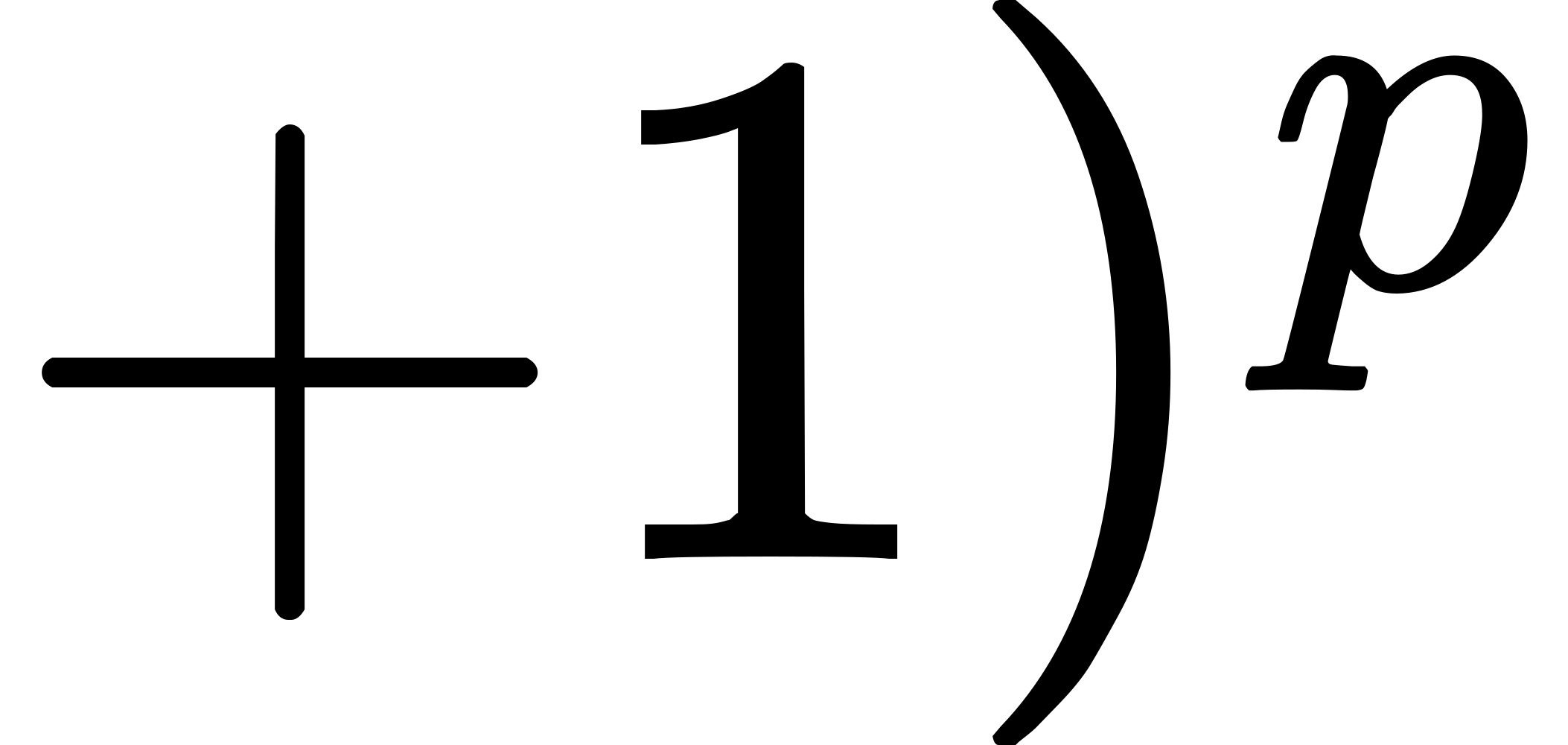 for the function of
the variable, that is, for
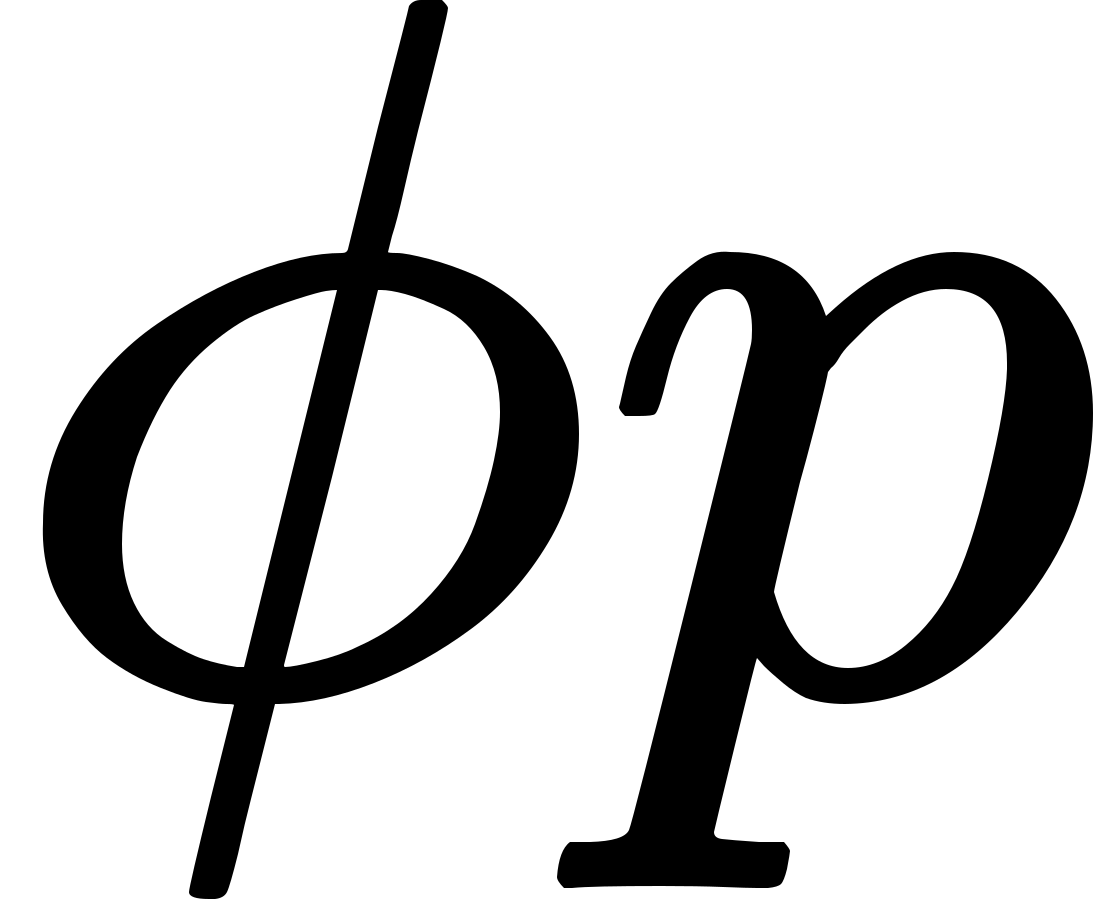 ; and the limits are from 1 to
, or from 0 to
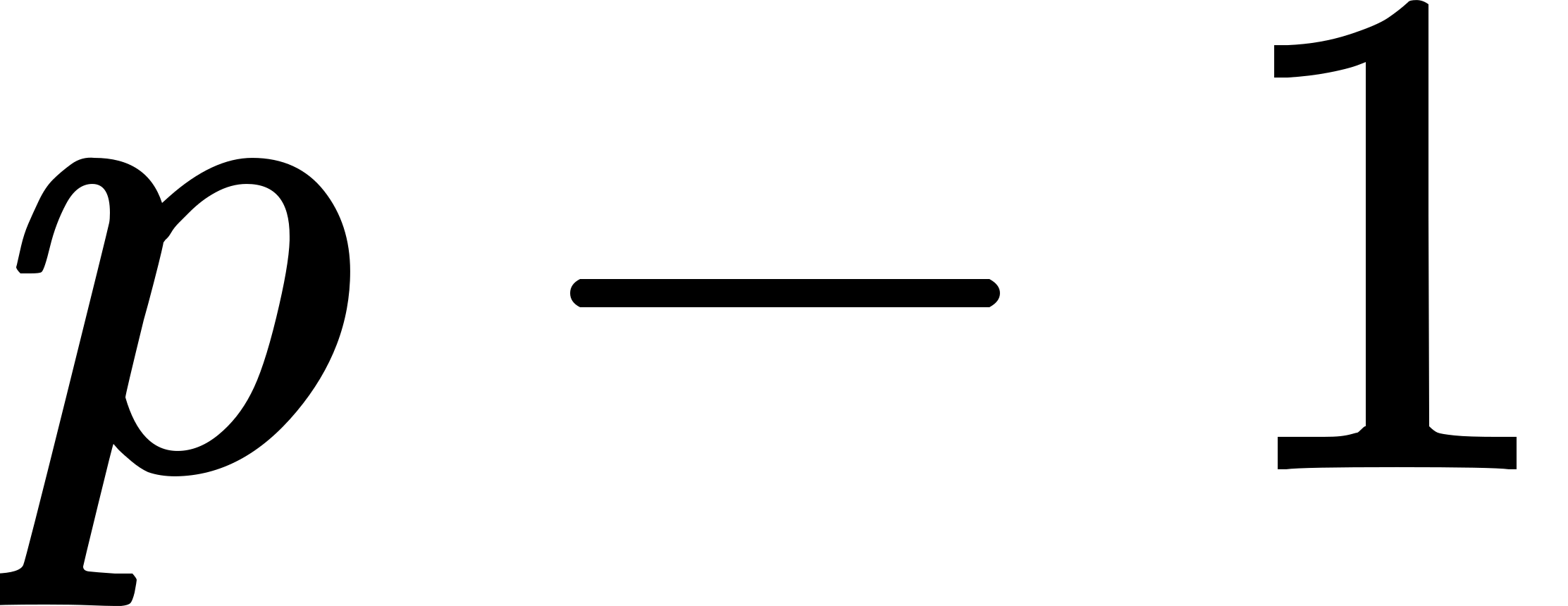 , each increment being equal to unity.
Similarly, (4.) would be,—
 the limits of being from 1 to , or from 0 to ,

Perhaps it may be thought that this notation is merely a circuitous way
of expressing what was more simply and as effectually expressed before;
and, in the above example, there may be some truth in this. But there
is another description of cycles which can only effectually be
expressed, in a condensed form, by the preceding notation. We shall
call them varying cycles. They are of frequent occurrence, and
include successive cycles of operations of the following nature:—
 where each cycle contains the same group of operations, but in which
the number of repetitions of the group varies according to a fixed
rate, with every cycle. (9.) can be well expressed as follows:—

Independent of the intrinsic advantages which we thus perceive to
result in certain cases from this use of the notation of the integral
calculus, there are likewise considerations which make it interesting,
from the connections and relations involved in this new application.
It has been observed in some of the former Notes, that the processes
used in analysis form a logical system of much higher generality
than the applications to number merely. Thus, when we read over any
algebraical formula, considering it exclusively with reference to the
processes of the engine, and putting aside for the moment its abstract
signification as to the relations of quantity, the symbols +, x, &c.,
in reality represent (as their immediate and proximate effect, when the
formula is applied to the engine) that a certain prism which is a part
of the mechanism (see Note C.), turns a new face, and thus presents
a new card to act on the bundles of levers of the engine; the new
card being perforated with holes, which are arranged according to the
peculiarities of the operation of addition, or of multiplication, &c.
Again, the numbers in the preceding formula (8.), each of them
really represents one of these very pieces of card that are hung over
the prism.
Now in the use made in the formulæ (7.). (8.) and (10.), of the
notation of the integral calculus, we have glimpses of a similar new
application of the language of the higher mathematics.  ,
in reality, here indicates that when a certain number of cards have
acted in succession, the prism over which they revolve must rotate
backwards, so as to bring those cards into their former position;
and the limits 1 to , 1 to &c., regulate how often this
backward rotation is to be repeated.
A.A.L.
There is in existence a beautiful woven portrait of Jacquard, in the
fabrication of which 24,000 cards were required.
The power of repeating the cards, alluded to by M. Menabrea
in page 15, and more fully explained in
Note C., reduces to an immense extent the number
of cards required. It is obvious that this mechanical improvement
is especially applicable wherever cycles occur in the
mathematical operations, and that, in preparing data for calculations
by the engine, it is desirable to arrange the order and combination
of the processes with a view to obtain them as much as possible
symmetrically and in cycles, in order that the mechanical
advantages of the backing system may be applied to the utmost.
It is here interesting to observe the manner in which the value of an
analytical resource is met and enhanced by an
ingenious mechanical contrivance. We see in it an instance of
one of those mutual adjustments between the purely mathematical
and the mechanical departments, mentioned in Note A.
as being a main and essential condition of success in the
invention of a calculating engine. The nature of the resources afforded
by such adjustments would be of two principal kinds. In some cases, a
difficulty (perhaps in itself insurmountable) in the one department,
would be overcome by facilities in the other; and sometimes (as in
the present case) a strong point in the one, would be rendered still
stronger and more available, by combination with a corresponding strong
point in the other.
As a mere example of the degree to which the combined systems of cycles
and of backing can diminish the number of cards requisite, we
shall choose a case which places it in strong evidence, and which has
likewise the advantage of being a perfectly different kind
of problem from those that are mentioned in any of the other Notes.
Suppose it be required to eliminate nine variables from ten simple
equations of the form—
 We should explain, before proceeding, that it is not our object to
consider this problem with reference to the actual arrangement of the
data on the Variables of the engine, but simply as an abstract question
of the nature and number of the operations
required to be performed during its complete solution.
The first step would be the elimination of the first unknown quantity
 between the two first equations. This would be obtained by the
form—
 for which the operations 10 (
 ) would be needed. The
second step would be the elimination of , between the second and
third equations, for which the operations would be precisely the same.
We should then have had altogether the following operations:—
 Continuing in the same manner, the total number of operations for the
complete elimination of between all the successive pairs of
equations, would be—
 We should then be left with nine simple equations of nine variables
from which to eliminate the next variable
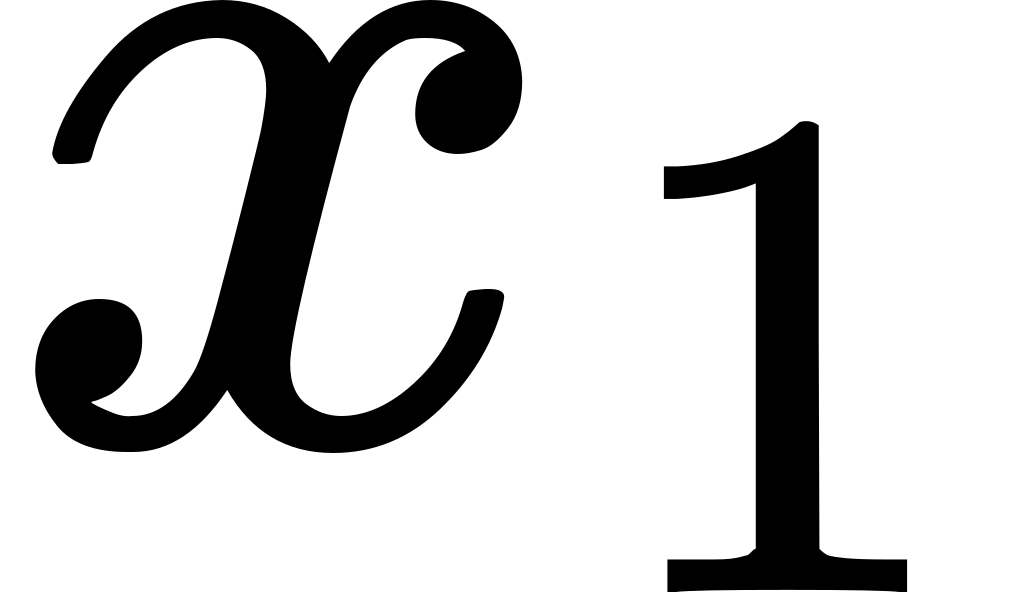 ; for which the total
of the processes would be—
 We should then be left with eight simple equations of eight variables
from which to eliminate
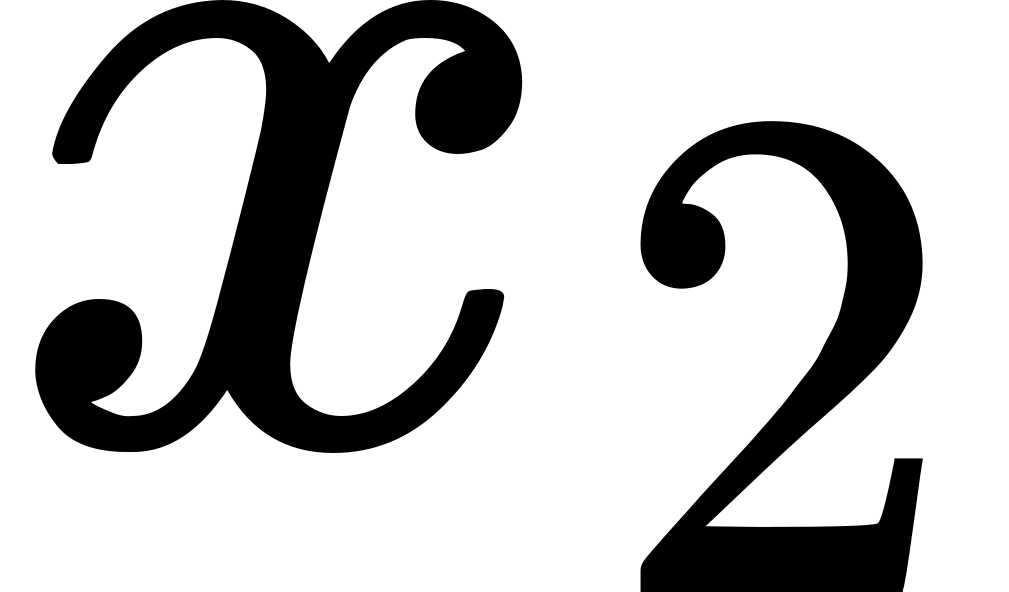 , for which the processes would be—
 and so on. The total operations for the elimination of all the
variables would thus be—
 So that three Operation-cards would perform the office of 330
such cards.
If we take simple equations containing variables,
being a number unlimited in magnitude, the case becomes still more
obvious, as the same three cards might then take the place of thousands
or millions of cards.
We shall now draw further attention to the fact, already noticed, of
its being by no means necessary that a formula proposed for solution
should ever have been actually worked out, as a condition for
enabling the engine to solve it. Provided we know the series of
operations to be gone through, that is sufficient. In the foregoing
instance this will be obvious enough on a slight consideration. And
it is a circumstance which deserves particular notice, since herein
may reside a latent value of such an engine almost incalculable in its
possible ultimate results. We already know that there are functions
whose numerical value it is of importance for the purposes both of
abstract and of practical science to ascertain, but whose determination
requires processes so lengthy and so complicated, that, although it is
possible to arrive at them through great expenditure of time, labour
and money, it is yet on these accounts practically almost unattainable;
and we can conceive there being some results which it may be
absolutely impossible in practice to attain with any accuracy,
and whose precise determination it may prove highly important for
some of the future wants of science in its manifold, complicated and
rapidly-developing fields of inquiry, to arrive at.
Without, however, stepping into the region of conjecture, we will
mention a particular problem which occurs to us at this moment as being
an apt illustration of the use to which such an engine may be turned
for determining that which human brains find it difficult or impossible
to work out unerringly. In the solution of the famous problem of
the Three Bodies, there are, out of about 295 coefficients of lunar
perturbations given by M. Clausen (Astroe. Nachrichten, No. 406)
as the result of the calculations by Burg, of two by Damoiseau, and
of one by Burckhardt, fourteen coefficients that differ in the nature
of their algebraic sign; and out of the remainder there are only 101
(or about one-third) that agree precisely both in signs and in amount.
These discordances, which are generally small in individual magnitude,
may arise either from an erroneous determination of the abstract
coefficients in the development of the problem, or from discrepancies
in the data deduced from observation, or from both causes combined.
The former is the most ordinary source of error in astronomical
computations, and this the engine would entirely obviate.
We might even invent laws for series or formulæ in an arbitrary manner,
and set the engine to work upon them, and thus deduce numerical results
which we might not otherwise have thought of obtaining. But this would
hardly perhaps in any instance be productive of any great practical
utility, or calculated to rank higher than as a kind of philosophical
amusement.
A. A. L.
It is desirable to guard against the possibility of exaggerated
ideas that might arise as to the powers of the Analytical Engine. In
considering any new subject, there is frequently a tendency, first, to
overrate what we find to be already interesting or remarkable;
and, secondly, by a sort of natural reaction, to undervalue
the true state of the case, when we do discover that our notions have
surpassed those that were really tenable.
The Analytical Engine has no pretensions whatever to originate
any thing. It can do whatever we know how to order it to
perform. It can follow analysis; but it has no power of
anticipating any analytical relations or truths. Its province
is to assist us in making available what we are already
acquainted with. This it is calculated to effect primarily and chiefly
of course, through its executive faculties; but it is likely to exert
an indirect and reciprocal influence on science itself in
another manner. For, in so distributing and combining the truths and
the formulæ of analysis, that they may become most easily and rapidly
amenable to the mechanical combinations of the engine, the relations
and the nature of many subjects in that science are necessarily thrown
into new lights, and more profoundly investigated. This is a decidedly
indirect, and a somewhat speculative, consequence of such an
invention. It is however pretty evident, on general principles, that
in devising for mathematical truths a new form in which to record and
throw themselves out for actual use, views are likely to be induced,
which should again react on the more theoretical phase of the subject.
There are in all extensions of human power, or additions to human
knowledge, various collateral influences, besides the main and
primary object attained.
To return to the executive faculties of this engine: the question must
arise in every mind, are they really even able to follow
analysis in its whole extent? No reply, entirely satisfactory to all
minds, can be given to this query, excepting the actual existence of
the engine, and actual experience of its practical results. We will
however sum up for each reader’s consideration the chief elements with
which the engine works:—
1. It performs the four operations of simple arithmetic upon any
numbers whatever.
2. By means of certain artifices and arrangements (upon which we
cannot enter within the restricted space which such a publication
as the present may admit of), there is no limit either to the
magnitude of the numbers used, or to the number of
quantities (either variables or constants) that may be employed.
3. It can combine these numbers and these quantities either
algebraically or arithmetically, in relations unlimited as to variety,
extent, or complexity.
4. It uses algebraic signs according to their proper laws, and
developes the logical consequences of these laws.
5. It can arbitrarily substitute any formula for any other; effacing
the first from the columns on which it is represented, and making the
second appear in its stead.
6. It can provide for singular values. Its power of doing this is
referred to in M. Menabrea’s memoir, page 20, where he mentions the
passage of values through zero and infinity. The practicability of
causing it arbitrarily to change its processes at any moment, on the
occurrence of any specified contingency (of which its substitution of
 for (
 ) explained in Note E.,
is in some degree an illustration), at once secures this point.
The subject of integration and of differentiation demands some notice.
The engine can effect these processes in either of two ways:—
First. We may order it, by means of the Operation and of the
Variable-cards, to go through the various steps by which the required
limit can be worked out for whatever function is under
consideration.
Secondly. It may (if we know the form of the limit for the function
in question) effect the integration or differentiation by direct[28]
substitution. We remarked in Note B., that any set of columns
on which numbers are inscribed, represents merely a general
function of the several quantities, until the special function
have been impressed by means of the Operation and Variable-cards.
Consequently, if instead of requiring the value of the function, we
require that of its integral, or of its differential coefficient, we
have merely to order whatever particular combination of the ingredient
quantities may constitute that integral or that coefficient. In
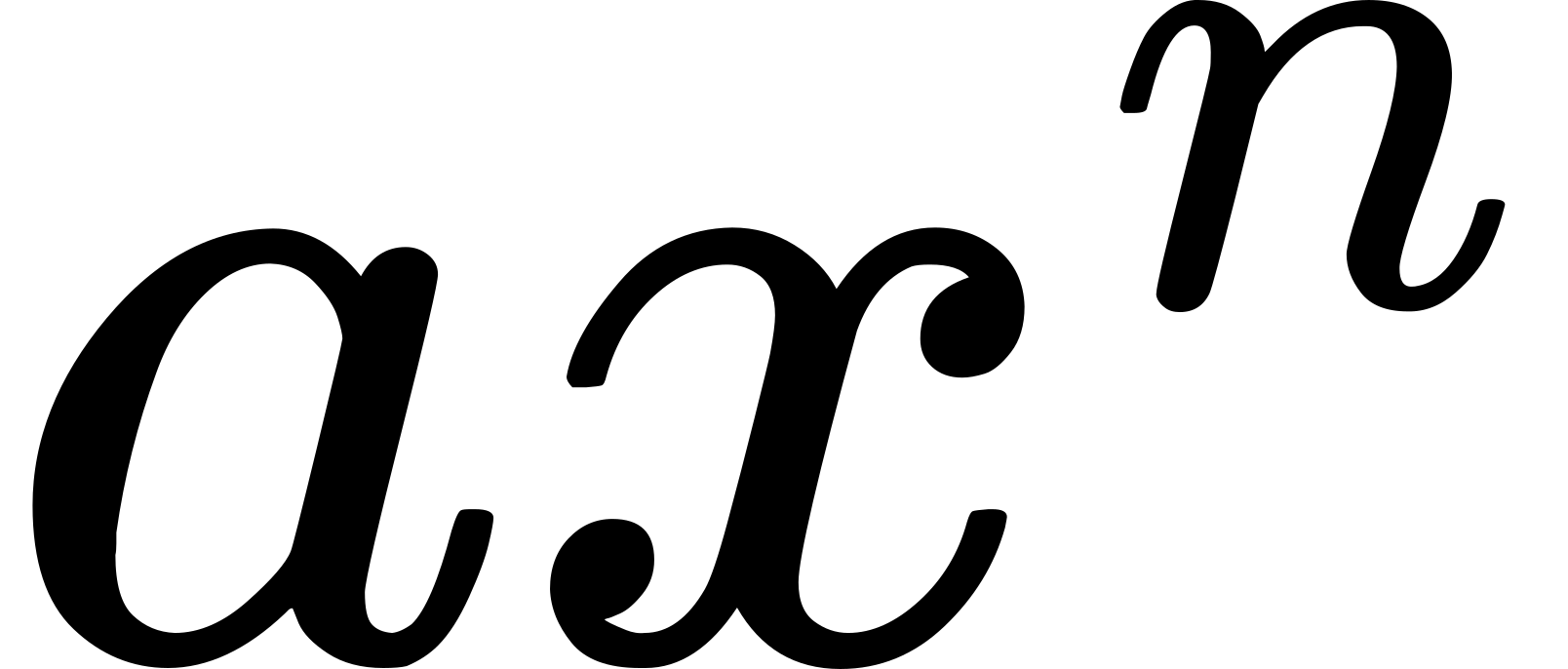 , for instance, instead of the quantities
being ordered to appear on in the combination
, they would be ordered to appear in that of
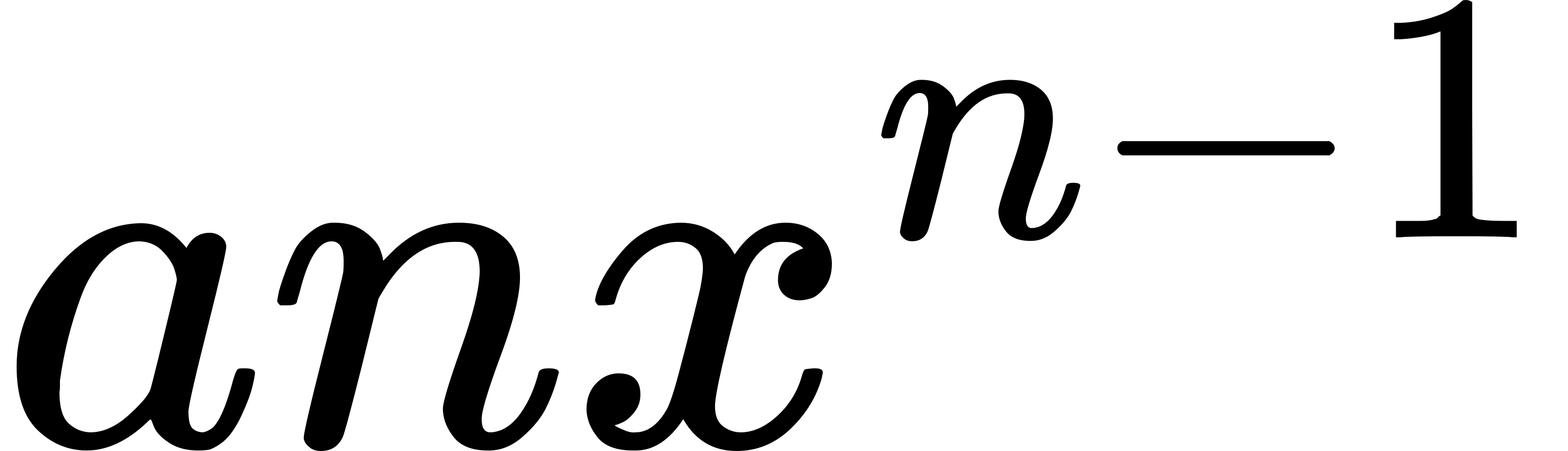
They would then stand thus:—
Similarly, we might have 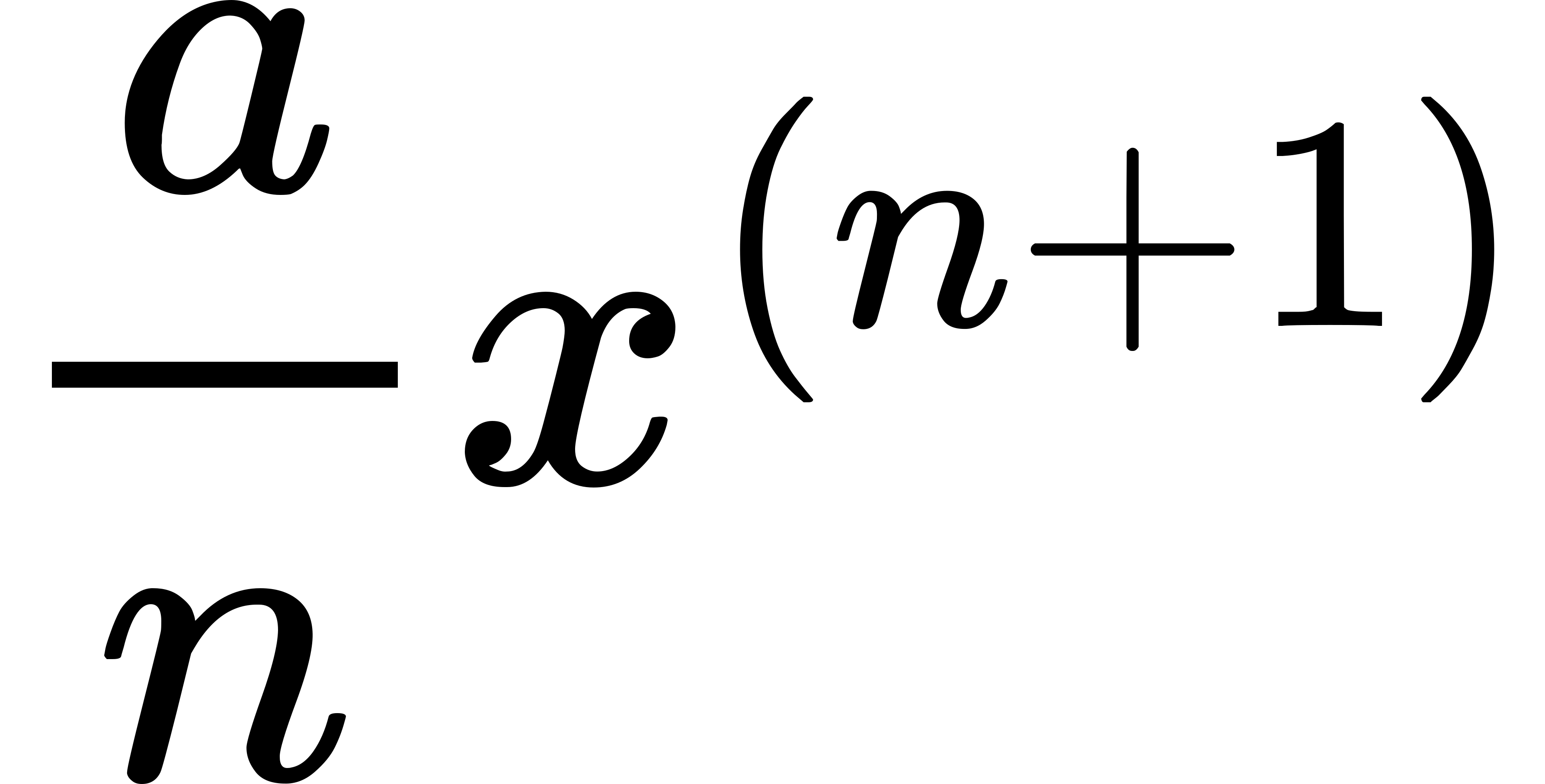 , the integral of
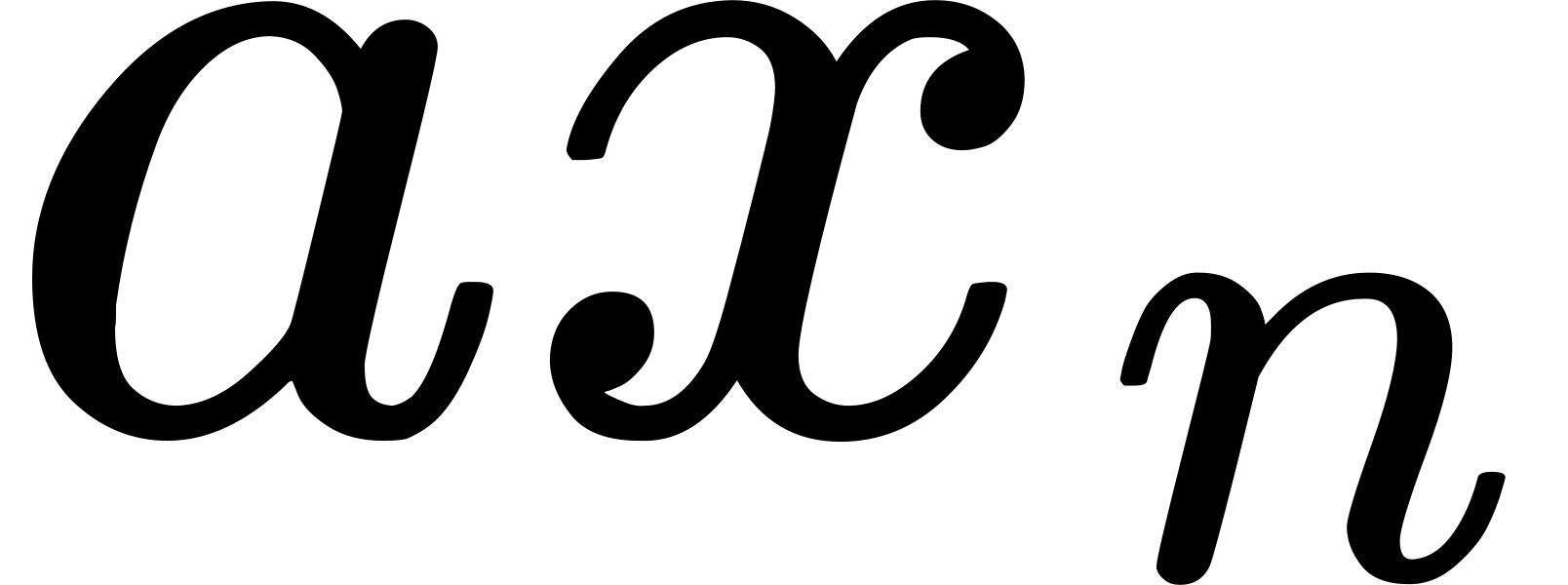 .
An interesting example for following out the processes of the engine
would be such a form as
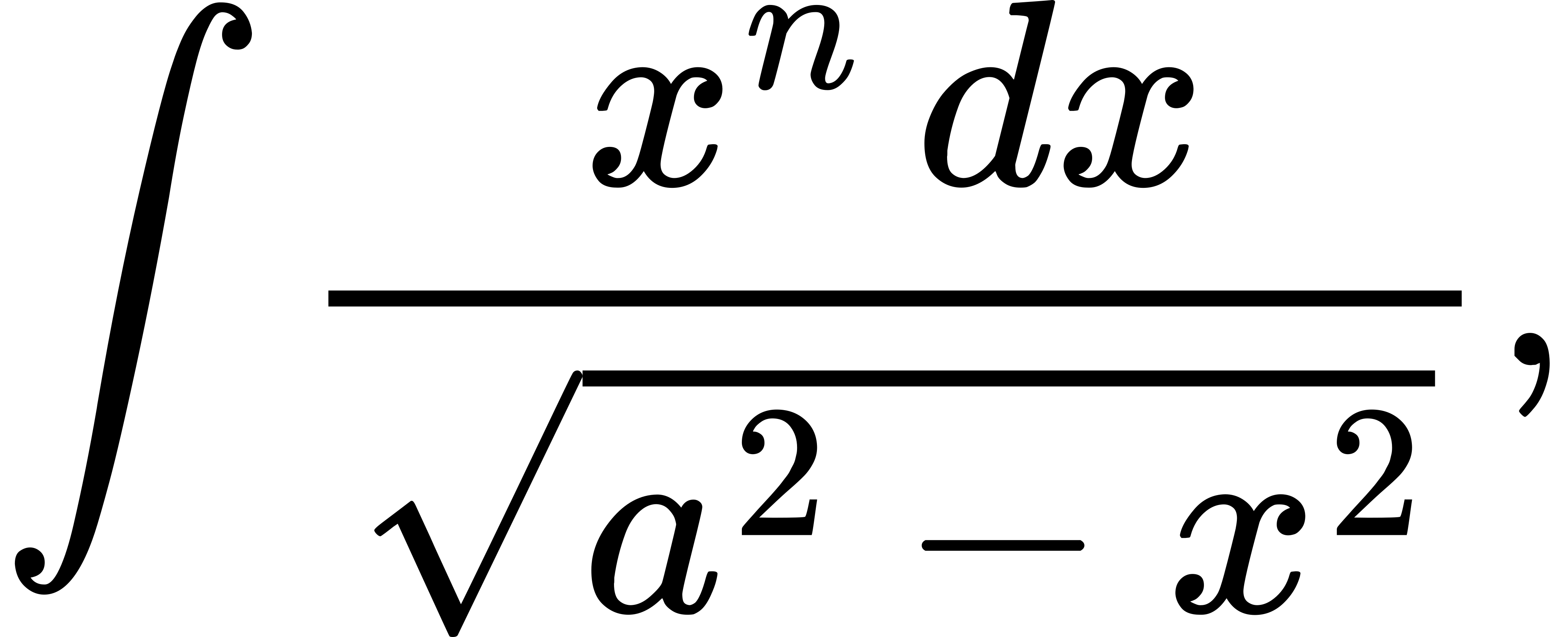 or any other cases of integration by successive reductions, where an
integral which contains an operation repeated times can be made
to depend upon another which contains the same or
times, and so on until by continued reduction we arrive at a certain
ultimate form, whose value has then to be determined.
The methods in Arbogat’s Calcul des Dérivations are peculiarly
fitted for the notation and the processes of the engine. Likewise the
whole of the Combinatorial Analysis, which consists first in a purely
numerical calculation of indices, and secondly in the distribution and
combination of the quantities according to laws prescribed by these
indices.
We will terminate these Notes by following up in detail the steps
through which the engine could compute the Numbers of Bernoulli, this
being (in the form in which we shall deduce it) a rather complicated
example of its powers. The simplest manner of computing those numbers
would be from the direct expansion of
 which is in fact a particular case of the development of
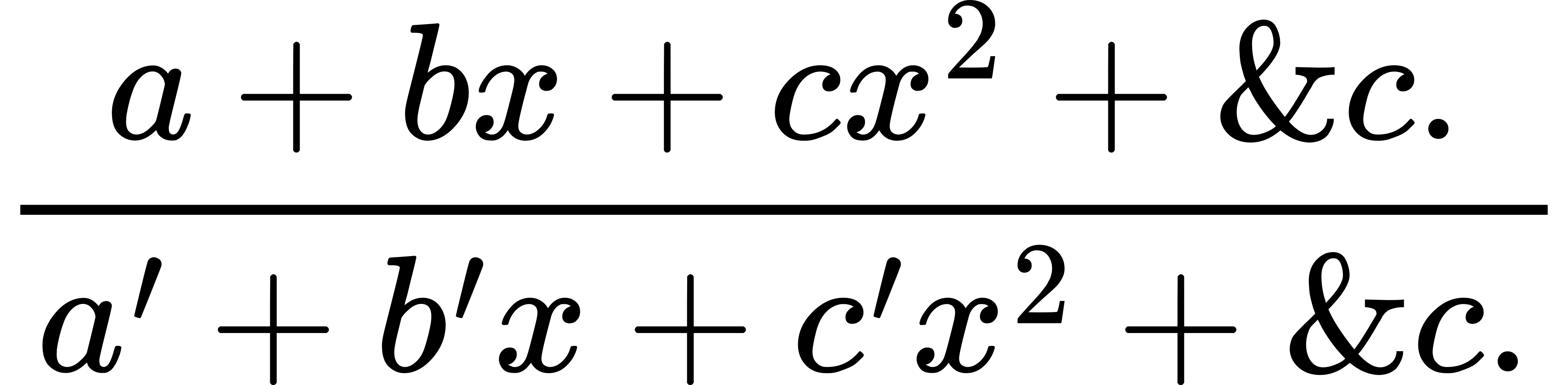 mentioned in Note E. Or again, we might compute them from the
well-known form
 or from the form
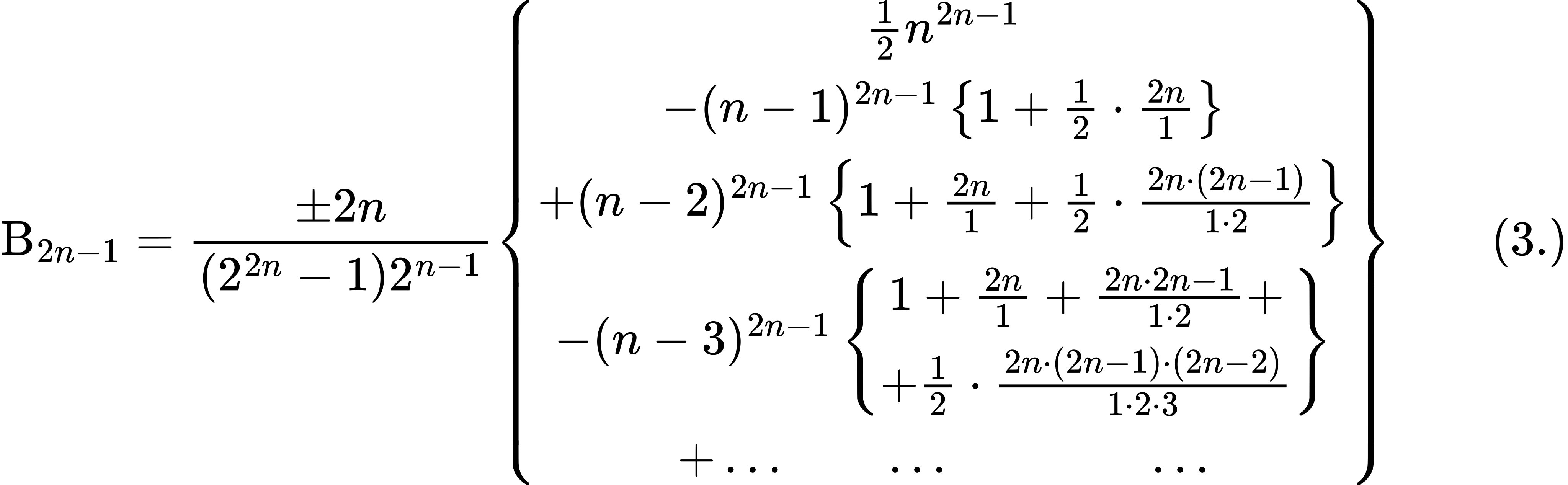 or from many others. As however our object is not simplicity or
facility of computation, but the illustration of the powers of the
engine, we prefer selecting the formula below, marked (8.). This is
derived in the following manner:—
If in the equation
 (in which
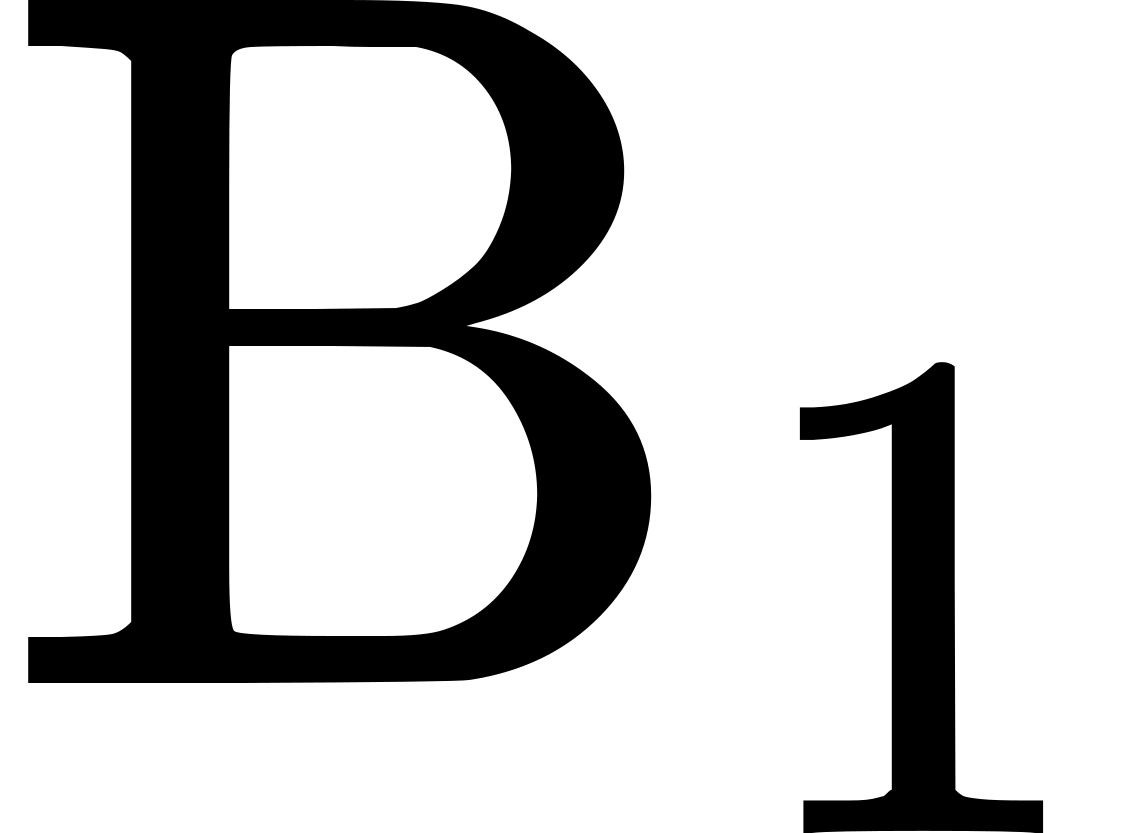 ,
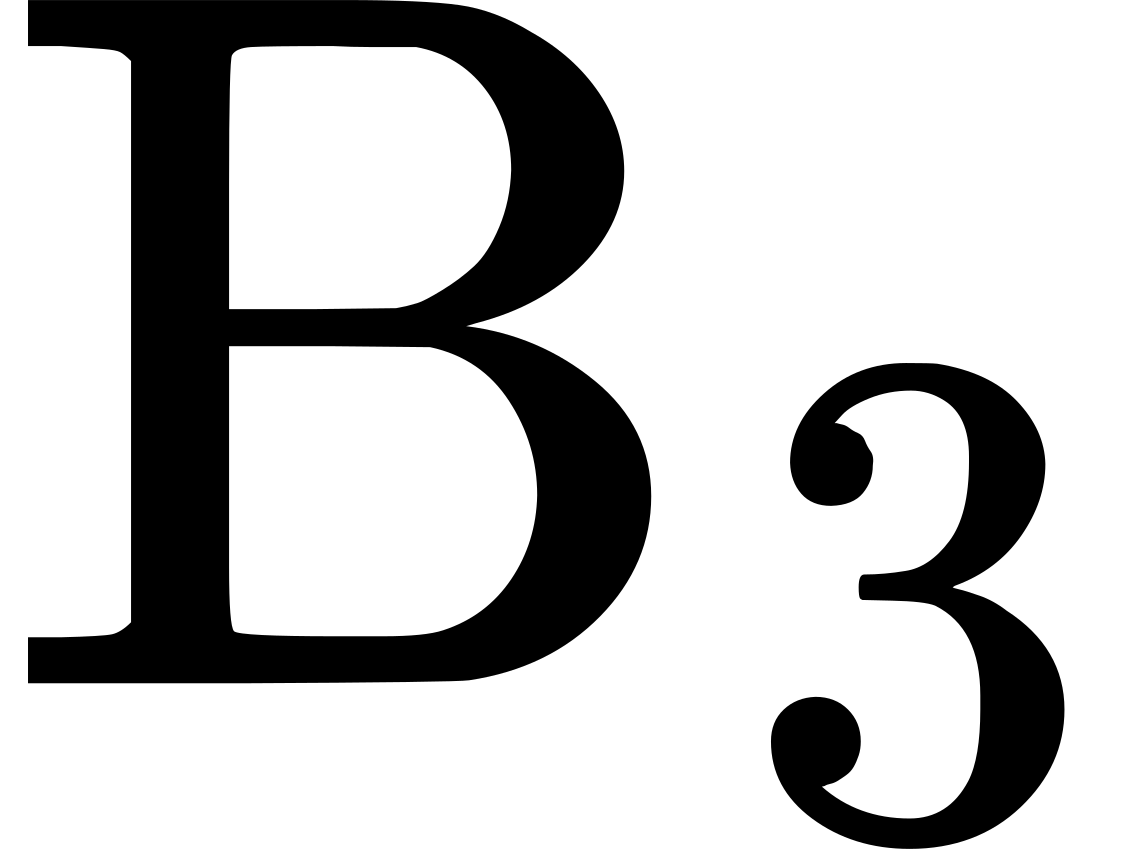 ..., &c. are the
Numbers of Bernoulli), we expand the denominator of the first side in
powers of , and then divide both numerator and denominator by
, we shall derive

If this latter multiplication be actually performed, we shall have a
series of the general form
 in which we see, first, that all the coefficients of the powers of
are severally equal to zero; and secondly, that the general form
for
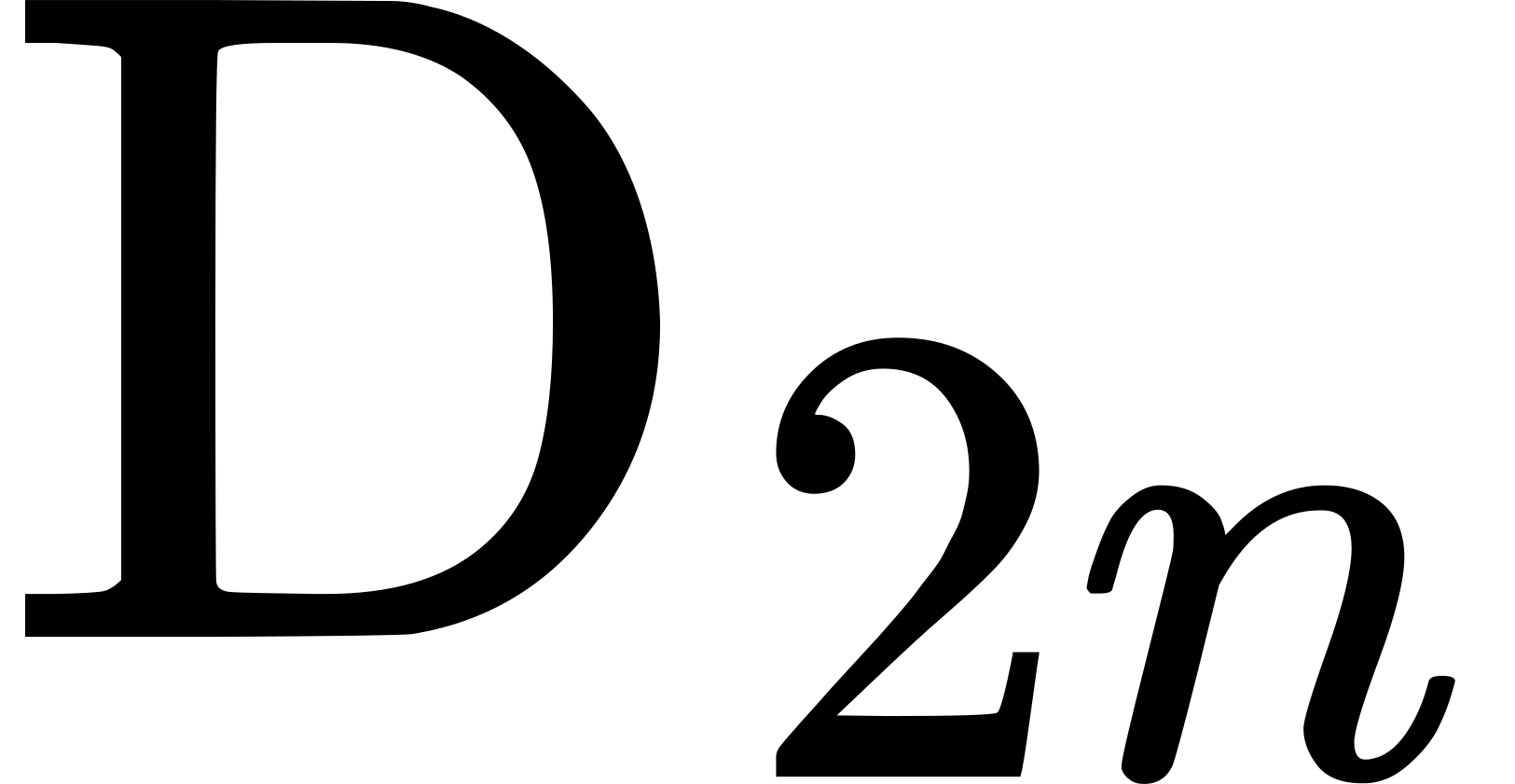 the coefficient of the 2(
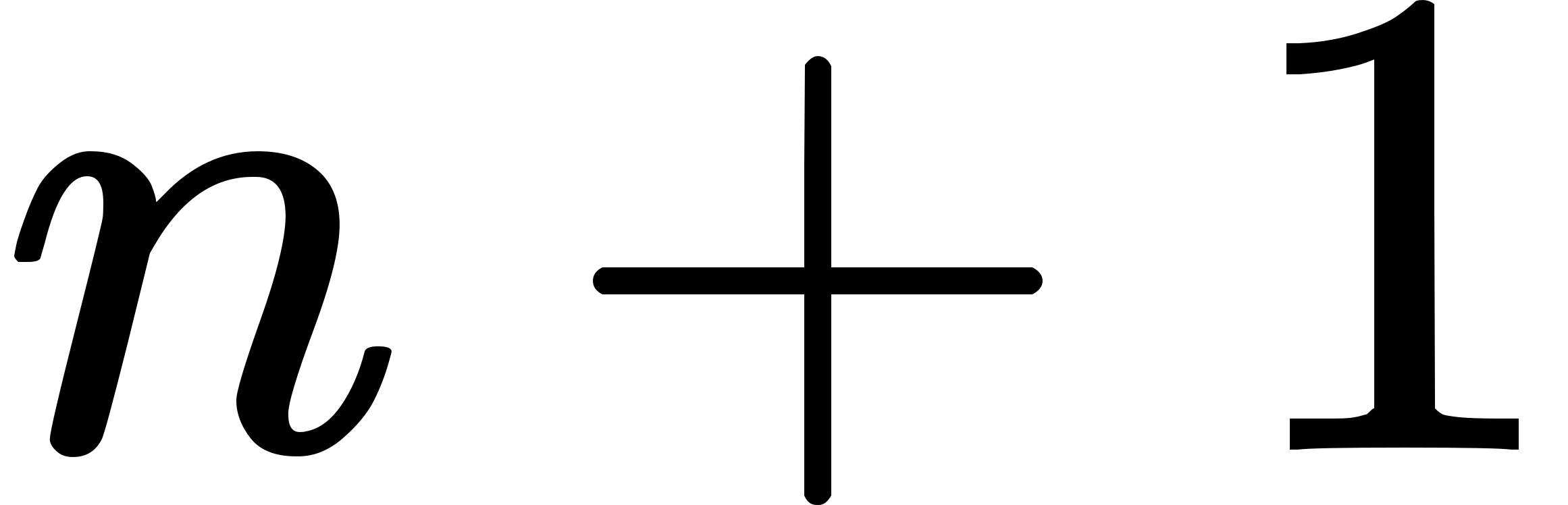 )th term
(that is of
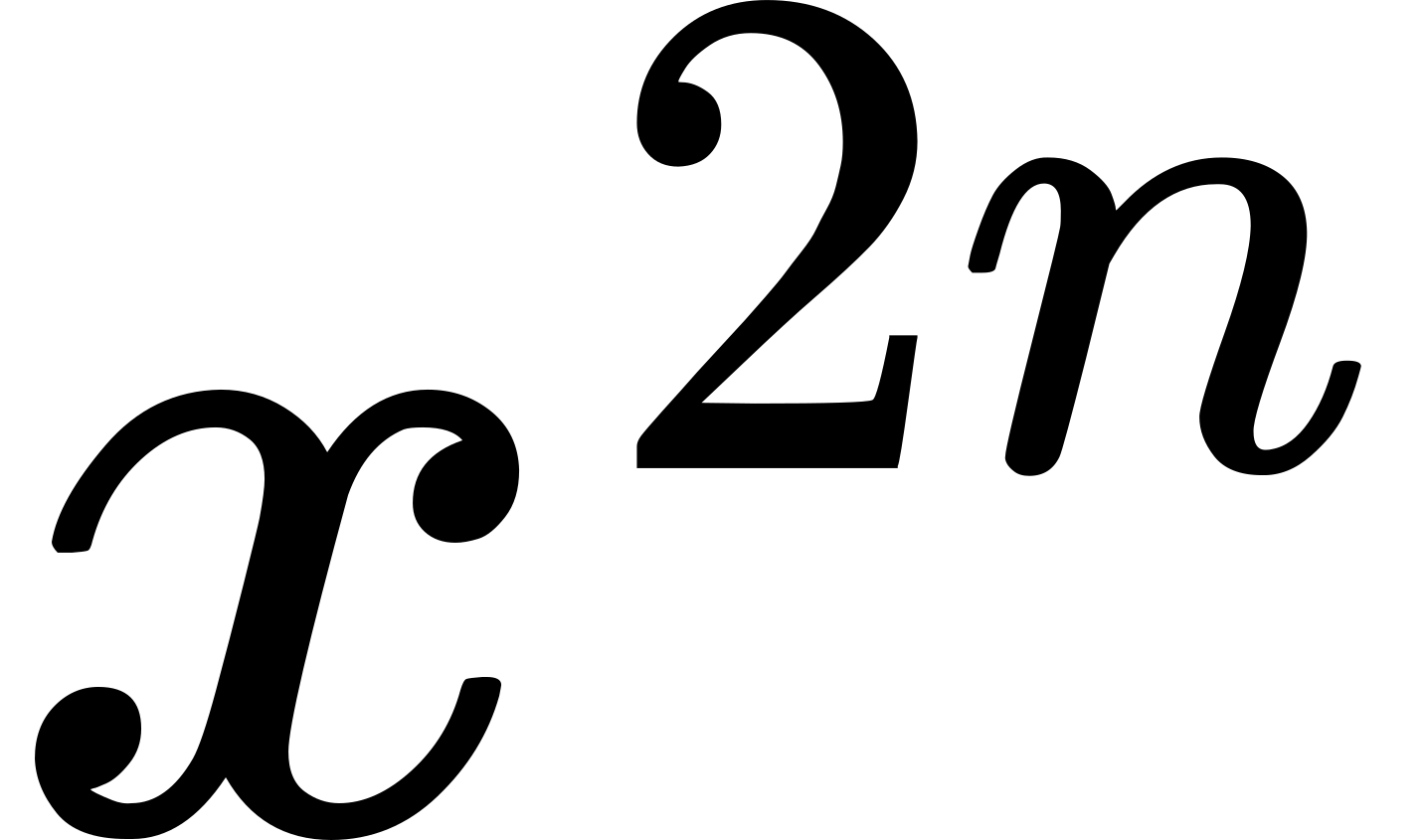 even any power of ), is the
following:—
 Multiplying every term by (
 ) we have
 which it may be convenient to write under the general form:—

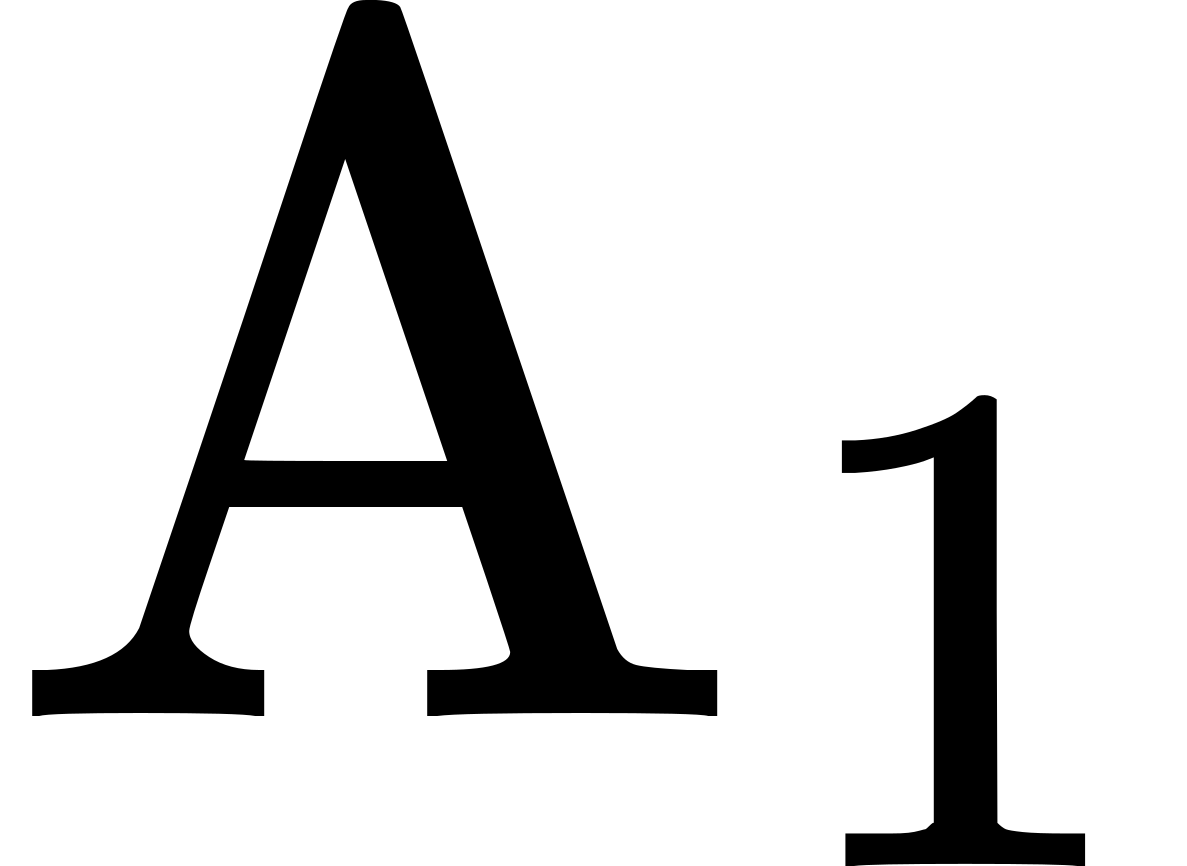 ,
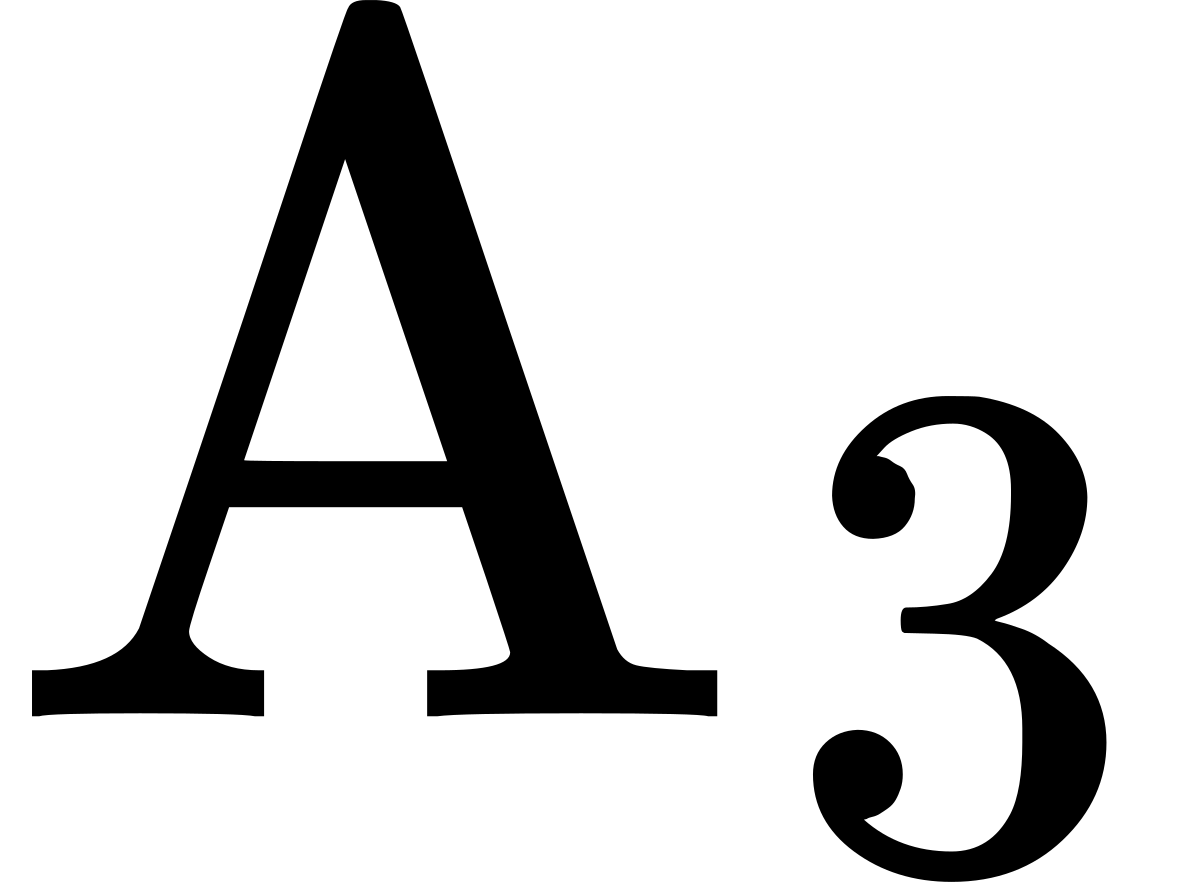 , &c. being those functions of which respectively belong to
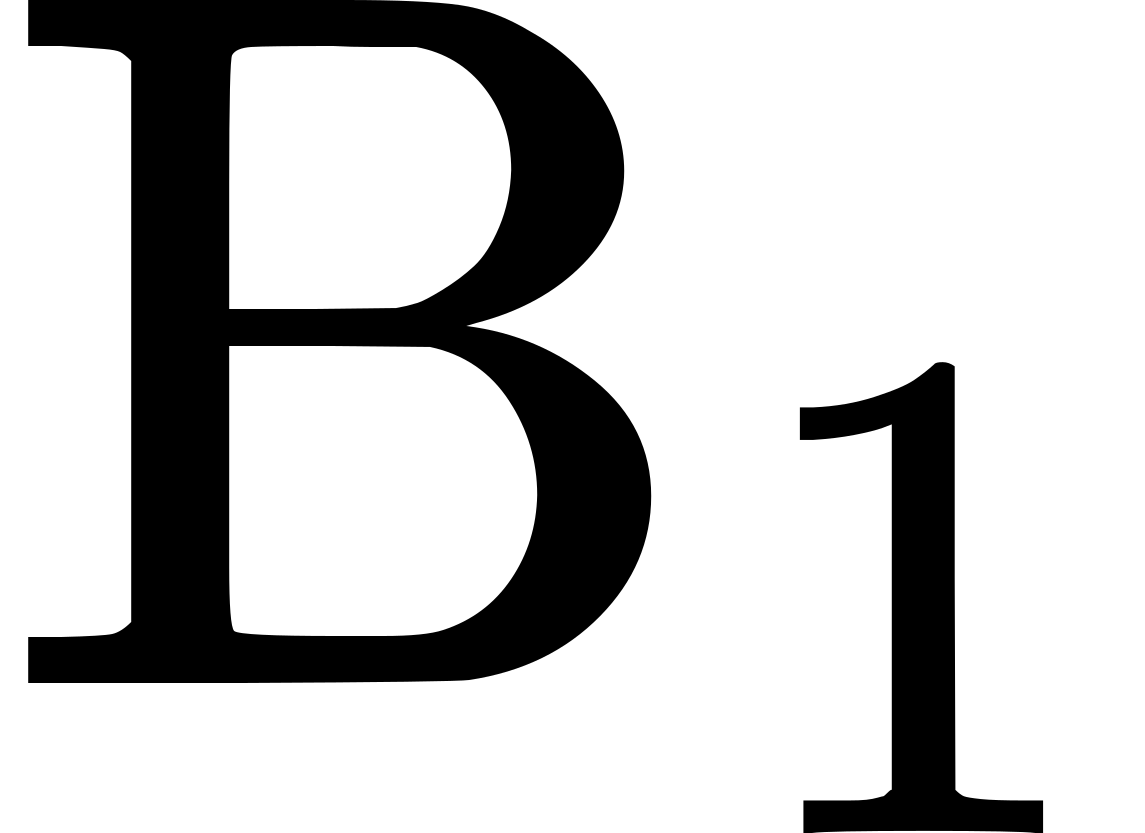 ,
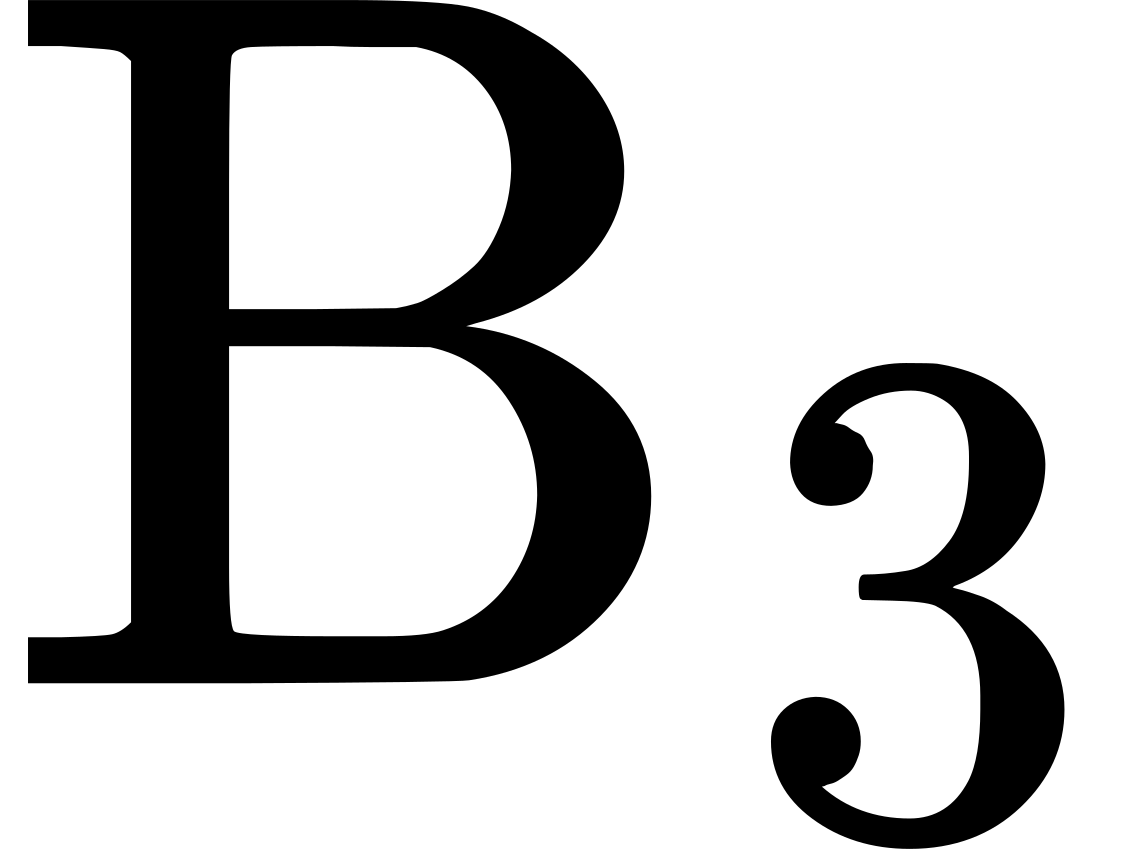 , &c.
We might have derived a form nearly similar to (8.), from
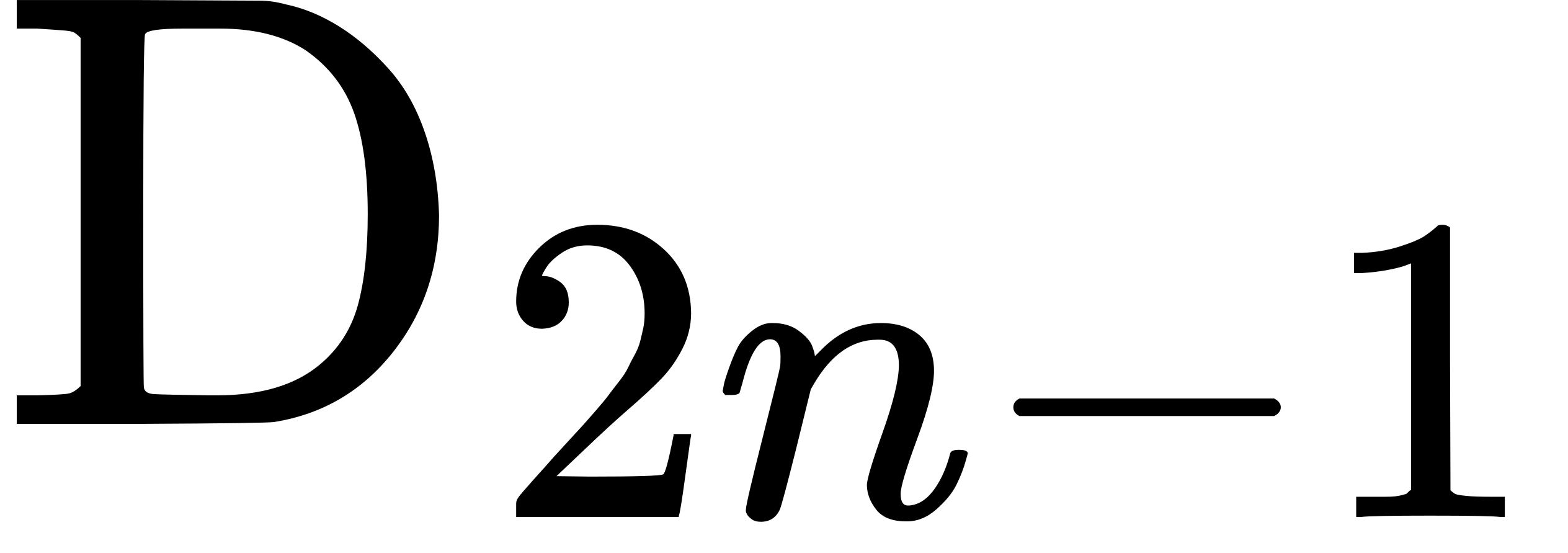 the coefficient of any odd power of
in (6.); but the general form is a little different for the
coefficients of the odd powers, and not quite so convenient.
On examining (7.) and (8.), we perceive that, when these formulæ
are isolated from (6.) whence they are derived, and considered in
themselves separately and independently, may be any whole
number whatever; although when (7.) occurs as one of the
 ’s in (6.), it is obvious that is then not
arbitrary, but is always a certain function of the distance of
that from the beginning. If that distance be
= , then
 It is with the independent formula (8.) that we have to do.
Therefore it must be remembered that the conditions for the value of
are now modified, and that is a perfectly arbitrary
whole number. This circumstance, combined with the fact (which we may
easily perceive) that whatever is, every term of (8.) after the
()th is = 0, and that the ()th term itself is always
 enables us
to find the value (either numerical or algebraical) of any th
Number of Bernoulli
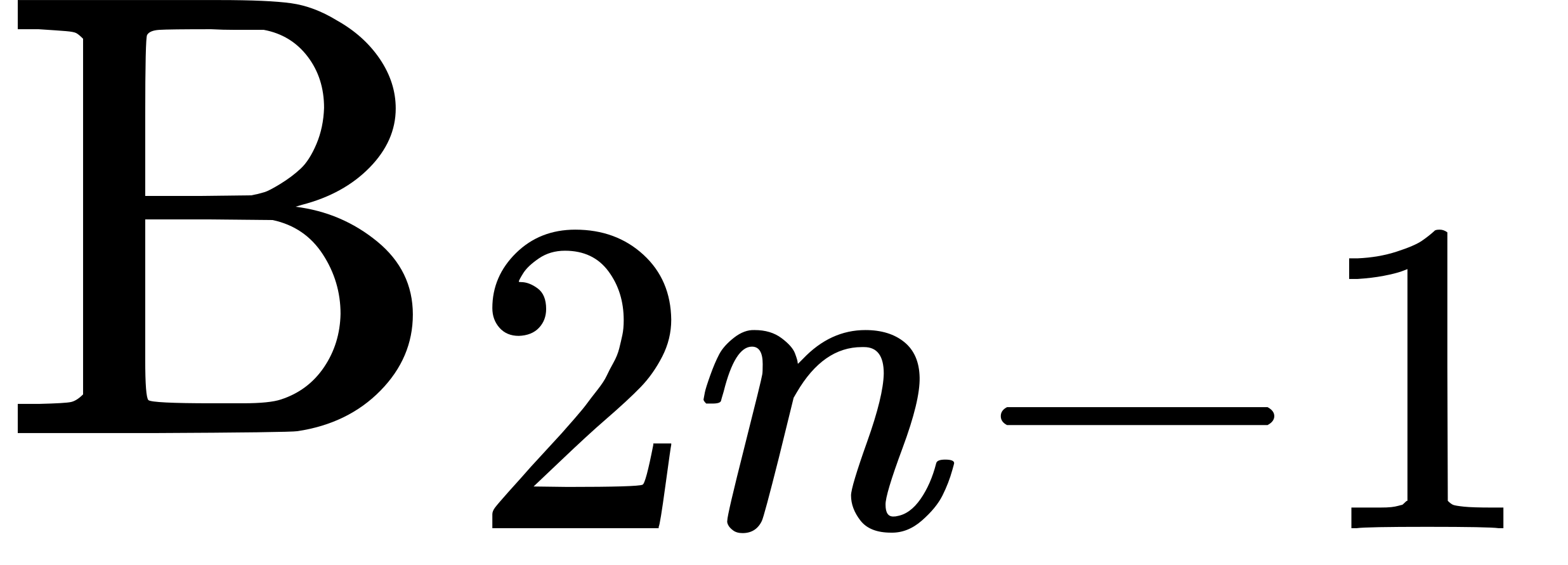 , in terms of all the
preceding ones, if we but know the values of ,
...
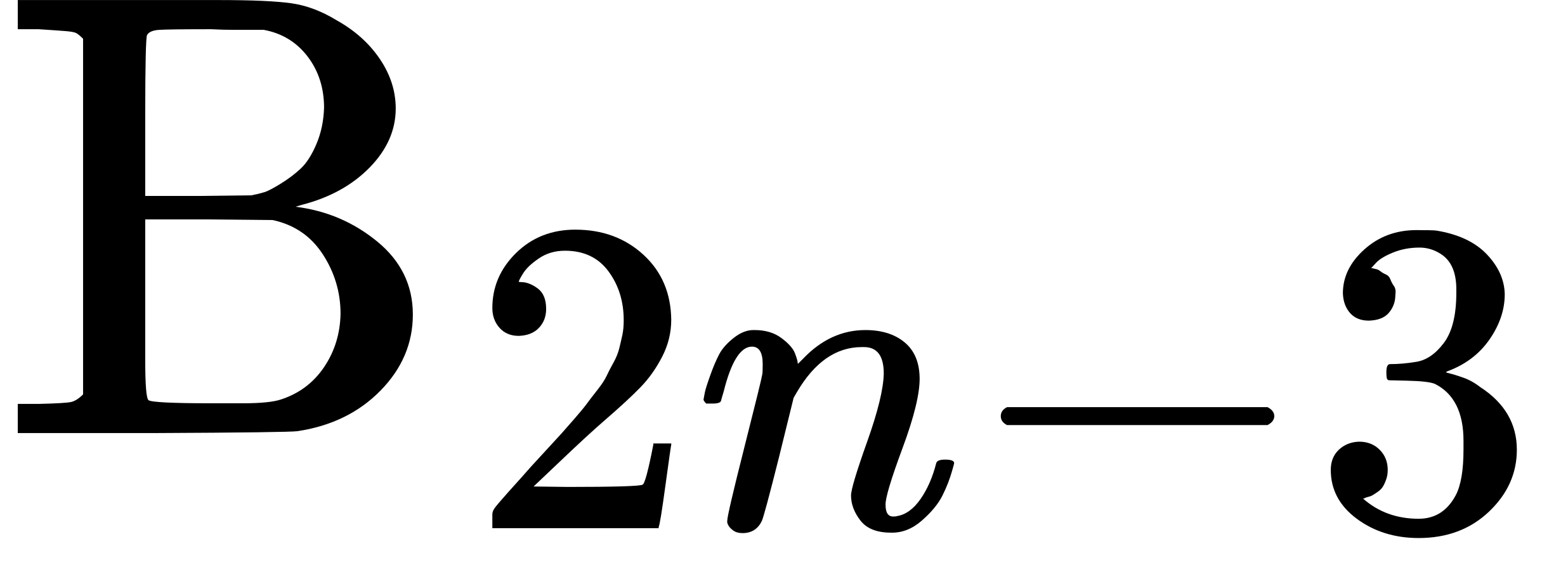 . We append to this Note
a Diagram and Table, containing the details of the computation for
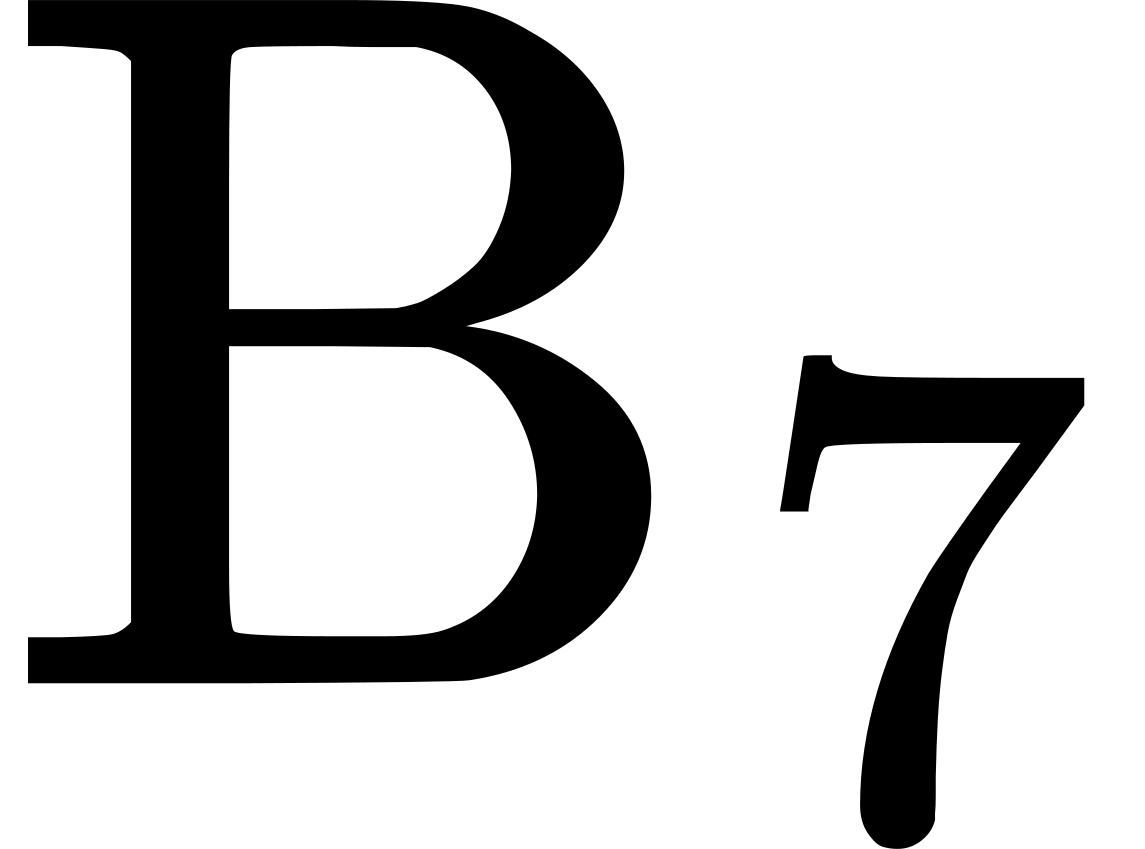 , (, ,
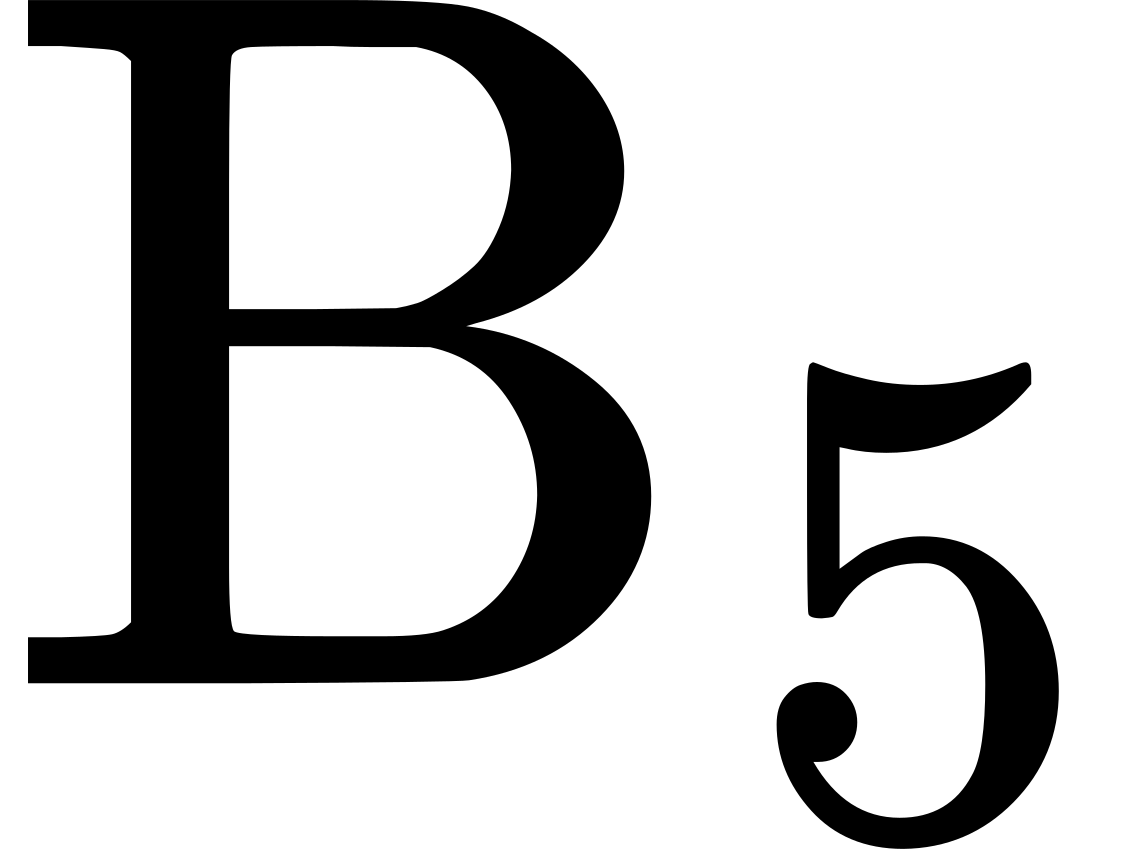 being supposed given).
On attentively considering (8.), we shall likewise perceive that we
may derive from it the numerical value of every Number of Bernoulli
in succession, from the very beginning, ad infinitum, by the
following series of computations:—
1st Series.—Let 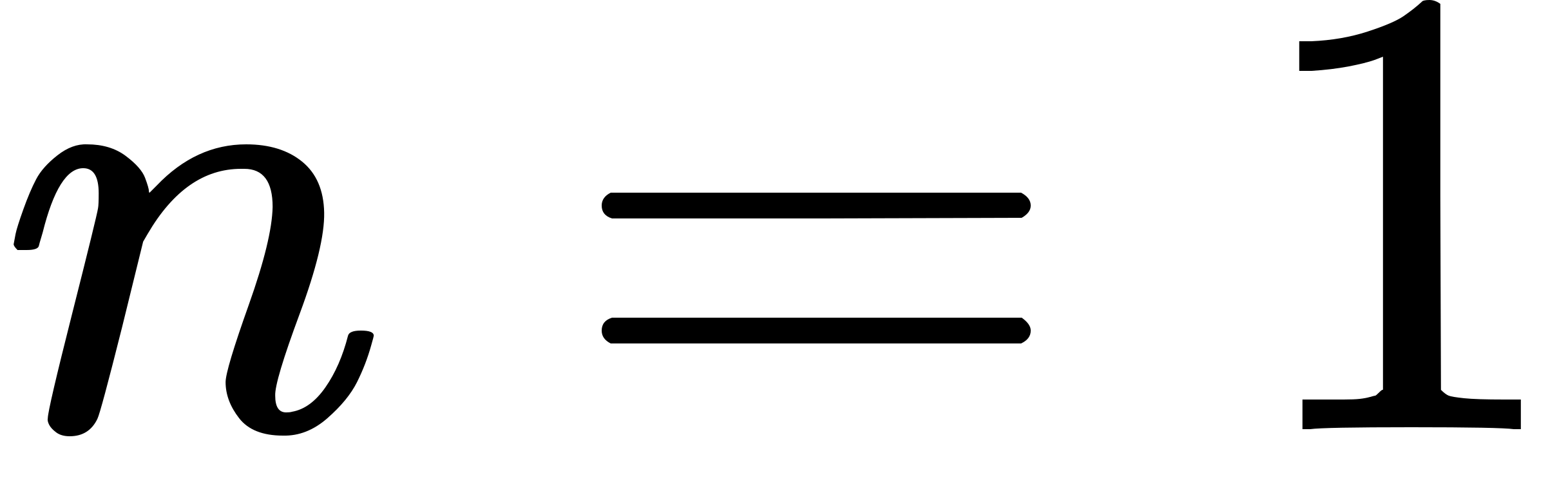 , and calculate (8.) for this value of .
The result is .
2nd Series.—Let 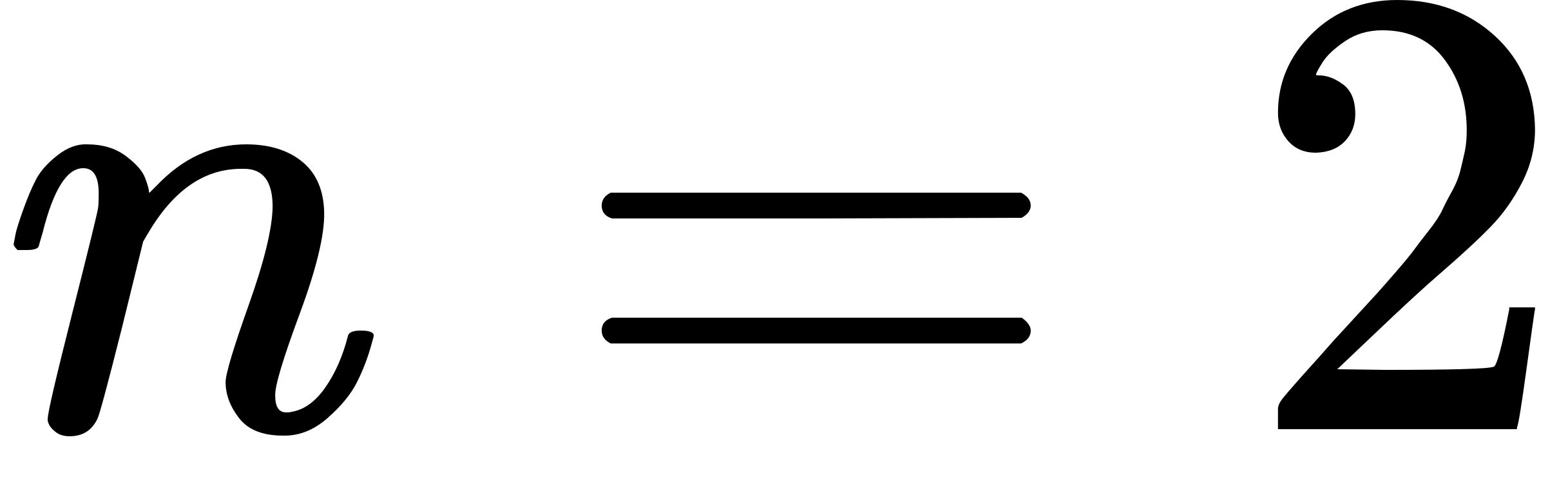 . Calculate (8.) for this value of
substituting the value of , just obtained. The result
is .
3rd Series.—Let 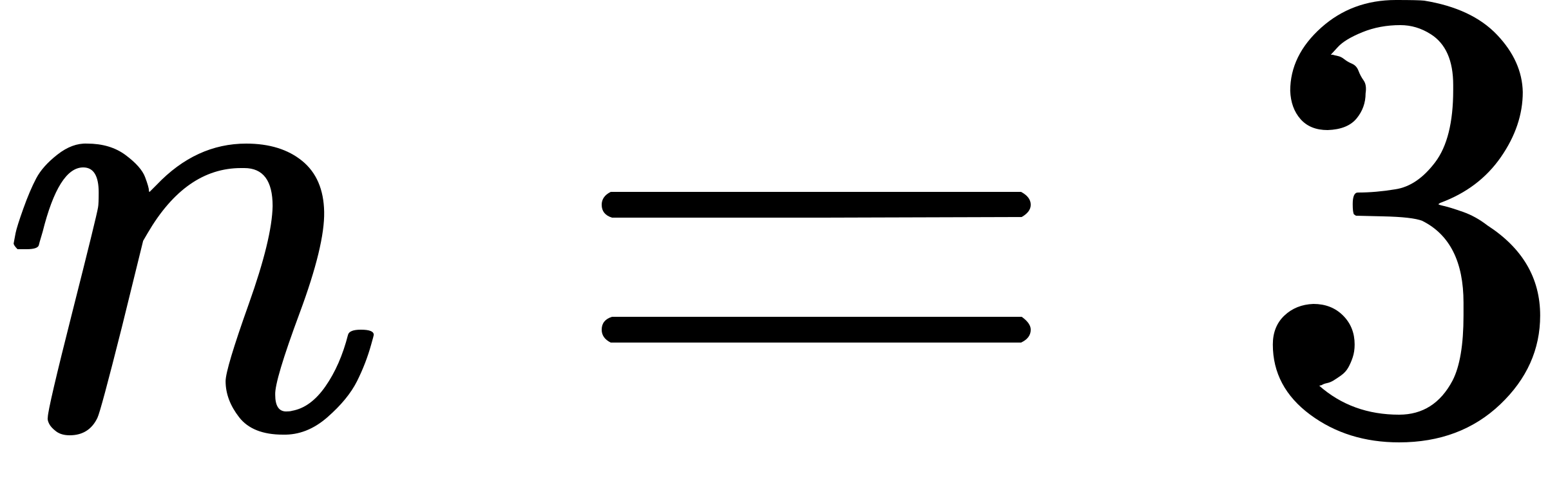 . Calculate (8.) for this value of ,
substituting the values of , before
obtained. The result is . And so on, to any extent.
The diagram[30] represents the columns of the engine when just
prepared for computing , (in the case of 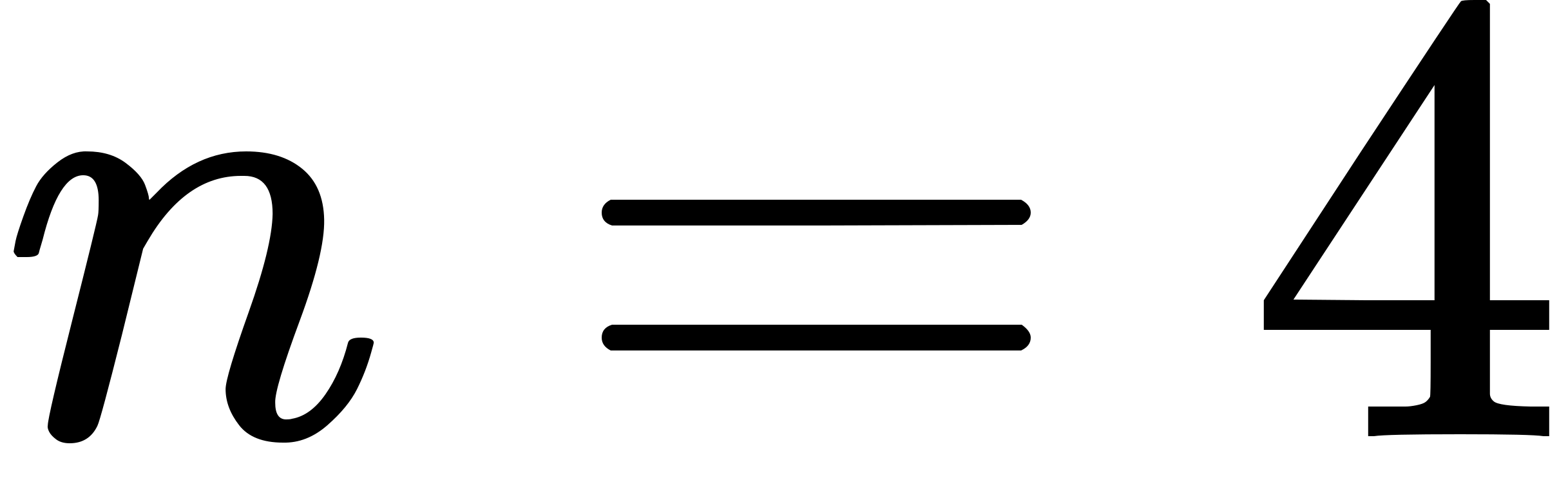 );
while the table beneath them presents a complete simultaneous
view of all the successive changes which these columns then severally
pass through in order to perform the computation. (The reader is
referred to Note D, for explanations respecting the nature and notation
of such tables.)
Six numerical data are in this case necessary for making
the requisite combinations. These data are 1, 2, (= 4),
, , . Were = 5,
the additional datum , would be needed. Were = 6,
the datum 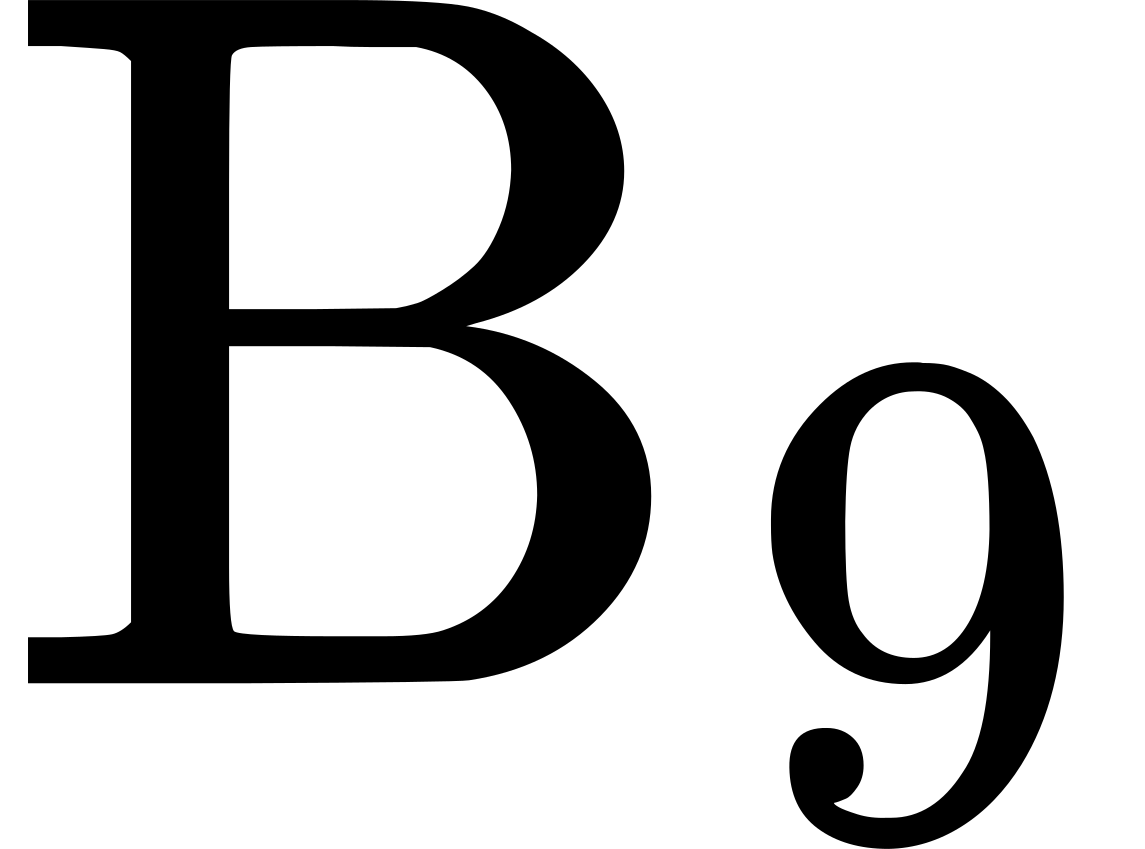 , would be needed; and so on. Thus the
actual number of data needed will always be , for
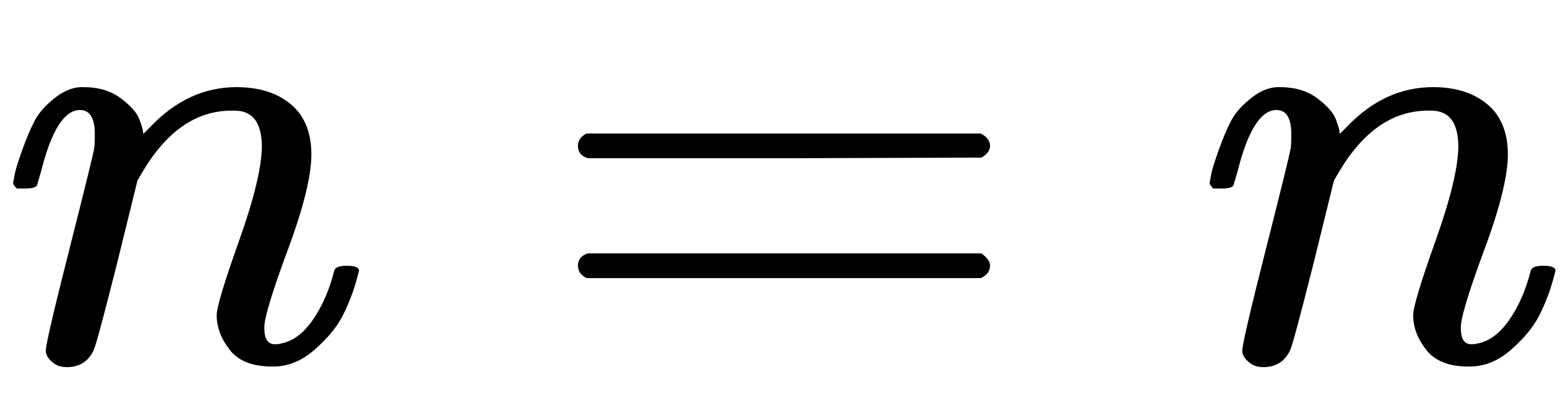 ;
and out of these data, (
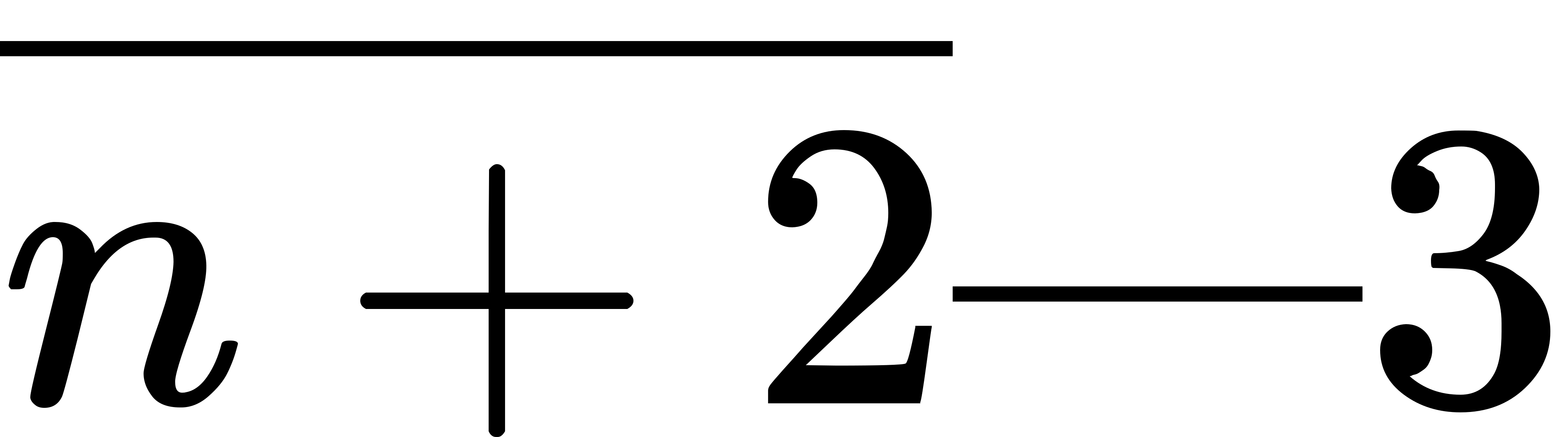 ) of them
are successive Numbers of Bernoulli. The reason why the Bernoulli
Numbers used as data, are nevertheless placed on Result-columns
in the diagram, is because they may properly be supposed to have
been previously computed in succession by the engine itself;
under which circumstances each
 will appear as a
result, previous to being used as a datum for computing
the succeeding . Here then is an instance (of the kind
alluded to in Note D.) of the same Variables filling more than one
office in turn. It is true that if we consider our computation of
, as a perfectly isolated calculation, we may
conclude , , , to have
been arbitrarily placed on the columns; and it would then perhaps be
more consistent to put them on , ,
as data and not results. But we are not taking
this view. On the contrary, we suppose the engine to be in the
course of computing the Numbers to an indefinite extent, from the
very beginning; and that we merely single out, by way of example,
one amongst the successive but distinct series of computations
it is thus performing. Where the ’s are fractional, it
must be understood that they are computed and appear in the notation
of decimal fractions. Indeed this is a circumstance that
should be noticed with reference to all calculations. In any of the
examples already given in the translation and in the Notes, some of
the data, or of the temporary or permanent results, might be
fractional, quite as probably as whole numbers. But the arrangements
are so made, that the nature of the processes would be the same as for
whole numbers.
In the above table and diagram we are not considering the signs of any
of the ’s, merely their numerical magnitude. The engine
would bring out the sign for each of them correctly of course, but we
cannot enter on every additional detail of this kind, as we
might wish to do. The circles for the signs are therefore intentionally
left blank in the diagram.
Operation-cards 1, 2, 3, 4, 5, 6 prepare are
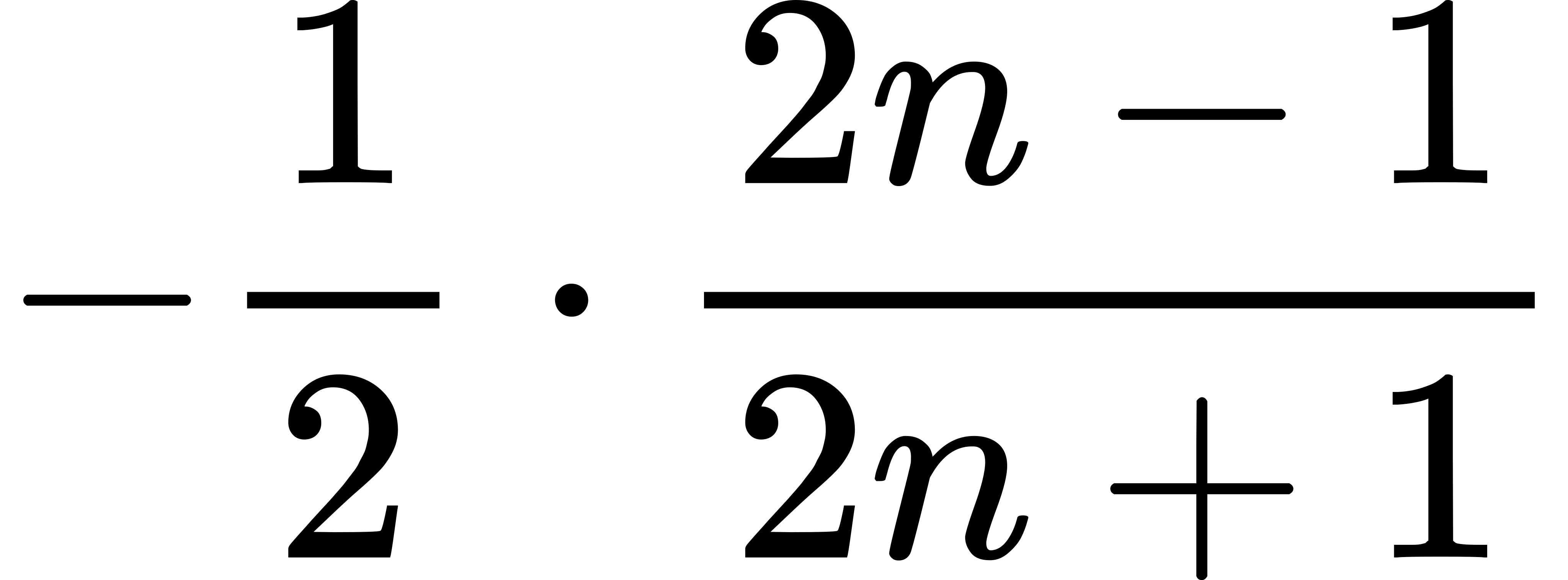 Thus, Card 1 multiplies two into , and the three
Receiving Variable-cards belonging respectively to
, , , allow the result
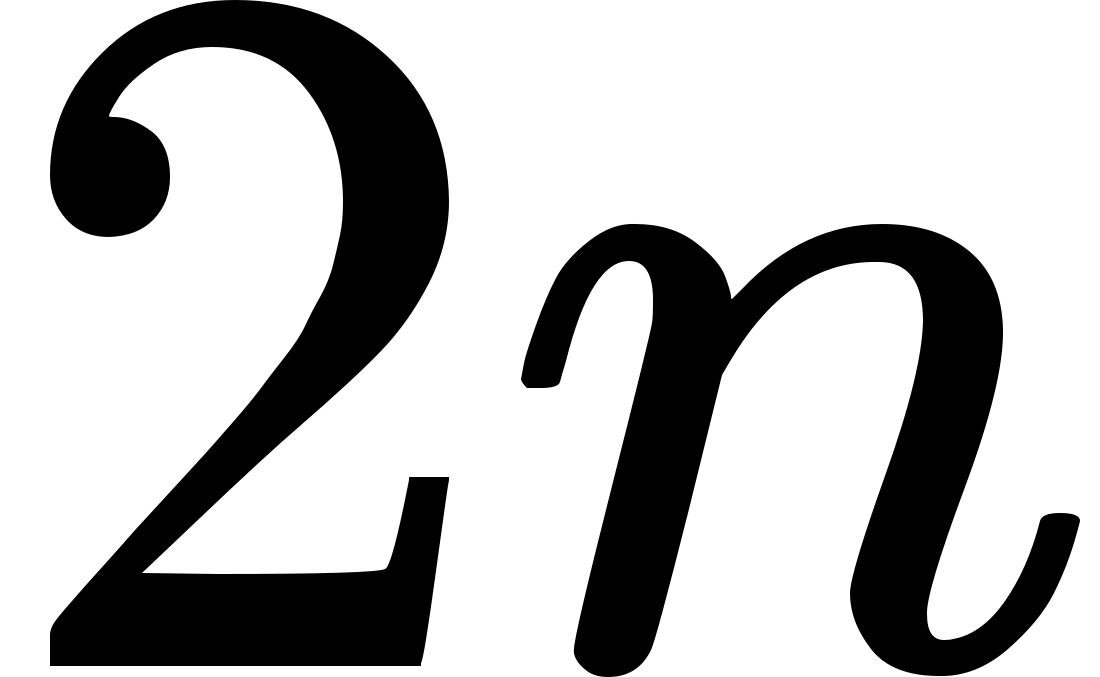 to be placed on each of these latter columns (this being a
case in which a triple receipt of the result is needed for subsequent
purposes); we see that the upper indices of the two Variables used,
during Operation 1, remain unaltered.
We shall not go through the details of every operation singly, since
the table and diagram sufficiently indicate them; we shall merely
notice some few peculiar cases.
By Operation 6, a positive quantity is turned into a
negative quantity, by simply subtracting the quantity from
a column which has only zero upon it. (The sign at the top of
would become—during this process.)
Operation 7 will be unintelligible, unless it be remembered that if
we were calculating for instead of , Operation 6
would have completed the computation of itself; in
which case the engine, instead of continuing its processes, would
have to put on ; and then either
to stop altogether, or to begin Operations 1, 2 ... 7 all over again
for value of (= 2), in order to enter on the computation of
; (having however taken care, previous to this
recommencement, to make the number on , equal to
two, by the addition of unity to the former on that
column). Now Operation 7 must either bring out a result equal to
zero (if ); or a result greater than zero, as
in the present case; and the engine follows the one or the other of
the two courses just explained, contingently on the one or the other
result of Operation 7. In order fully to perceive the necessity of
this experimental operation, it is important to keep in mind
what was pointed out, that we are not treating a perfectly isolated
and independent computation, but one out of a series of antecedent and
prospective computations.
Cards 8, 9, 10 produce
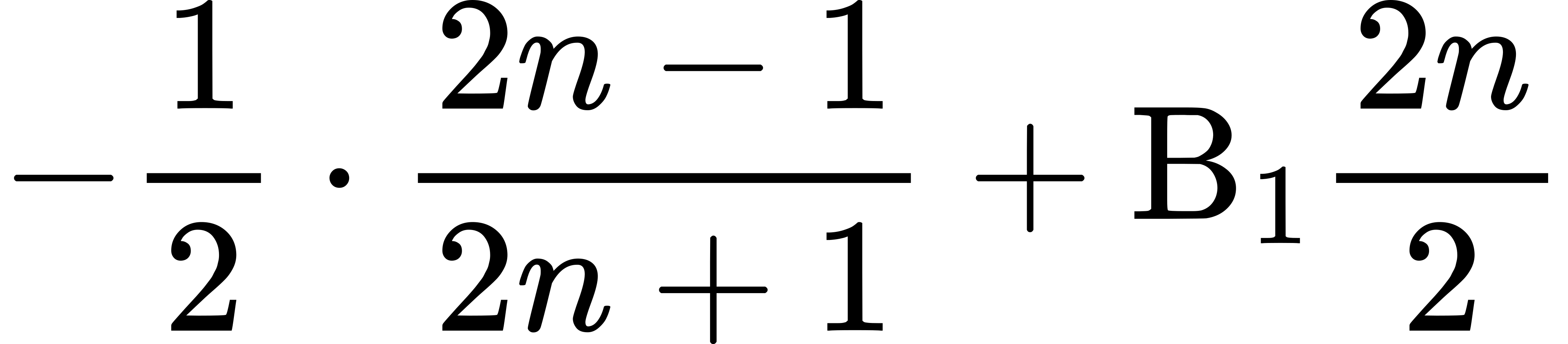 .
In Operation 9 we see an example of an upper index which again
becomes a value after having passed front preceding values to zero.
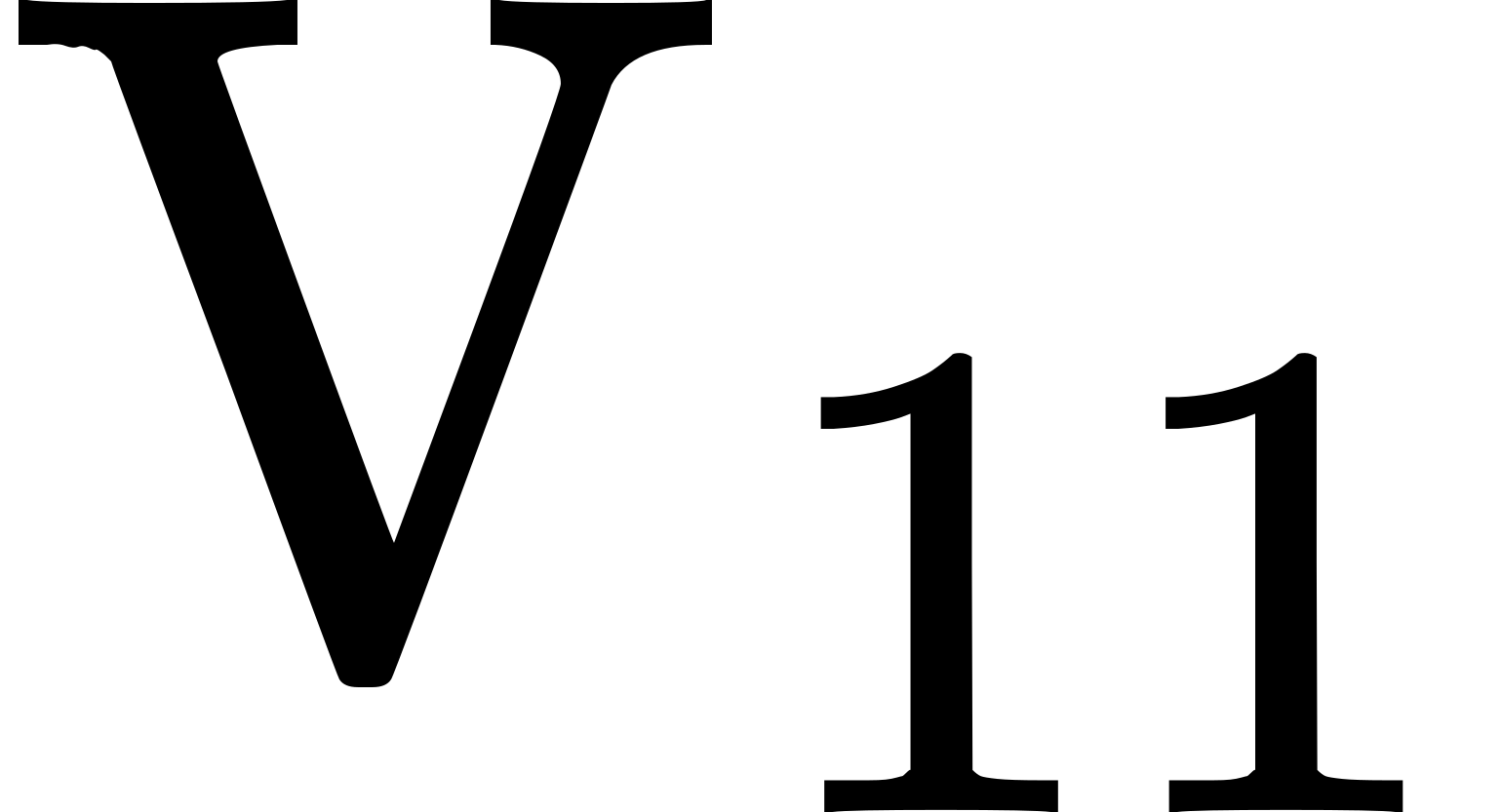 has successively been
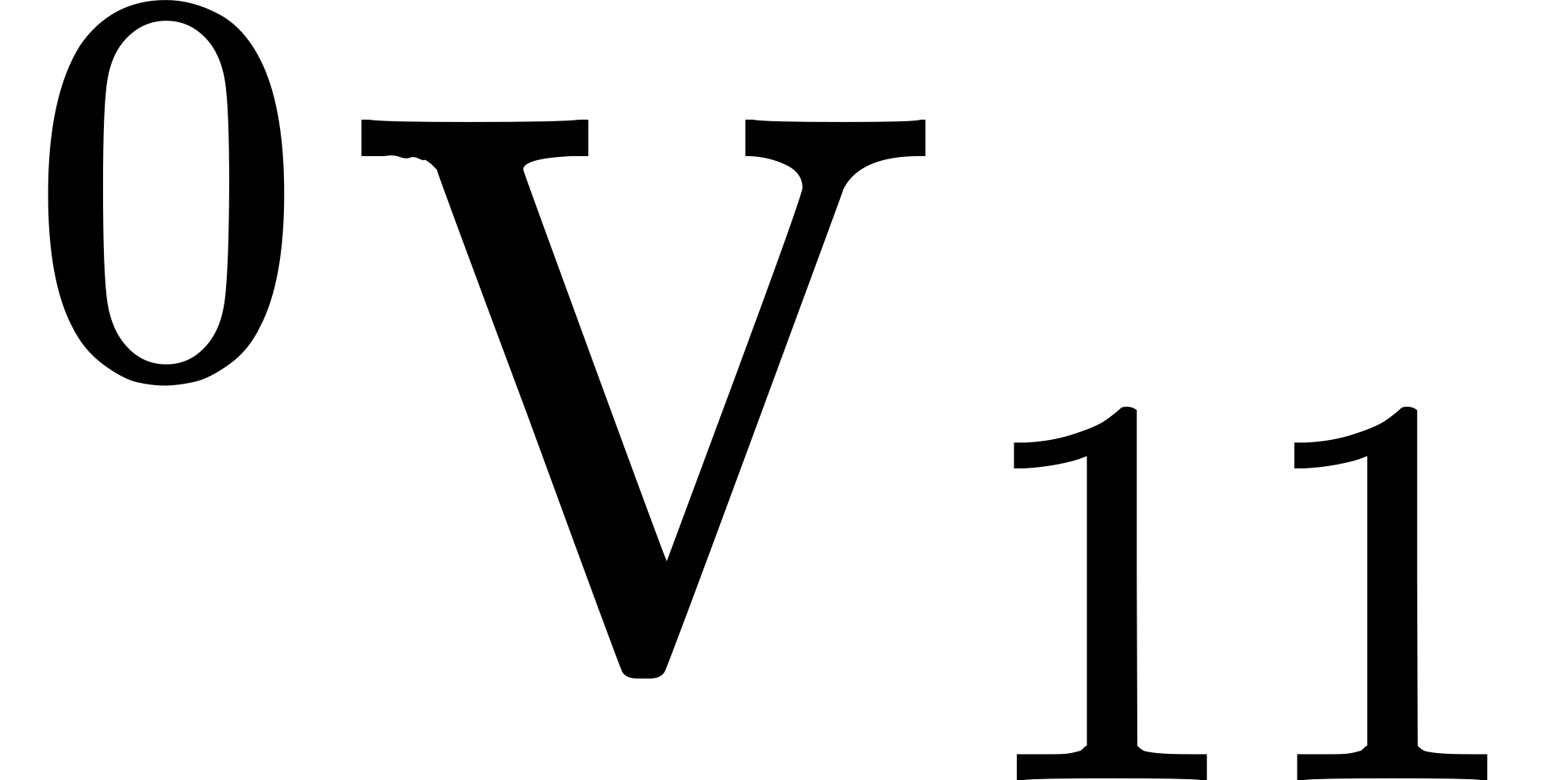 ,
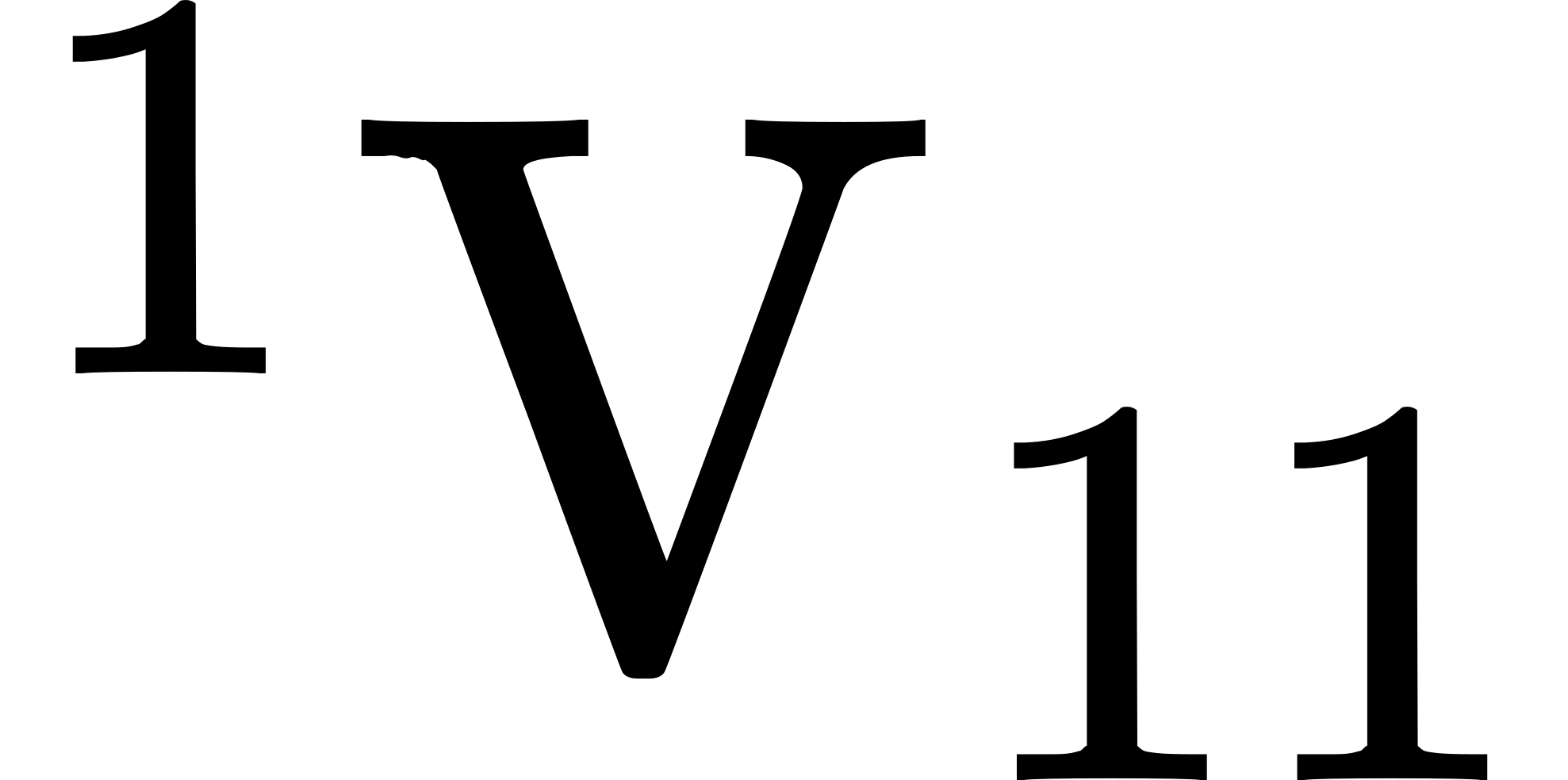 ,
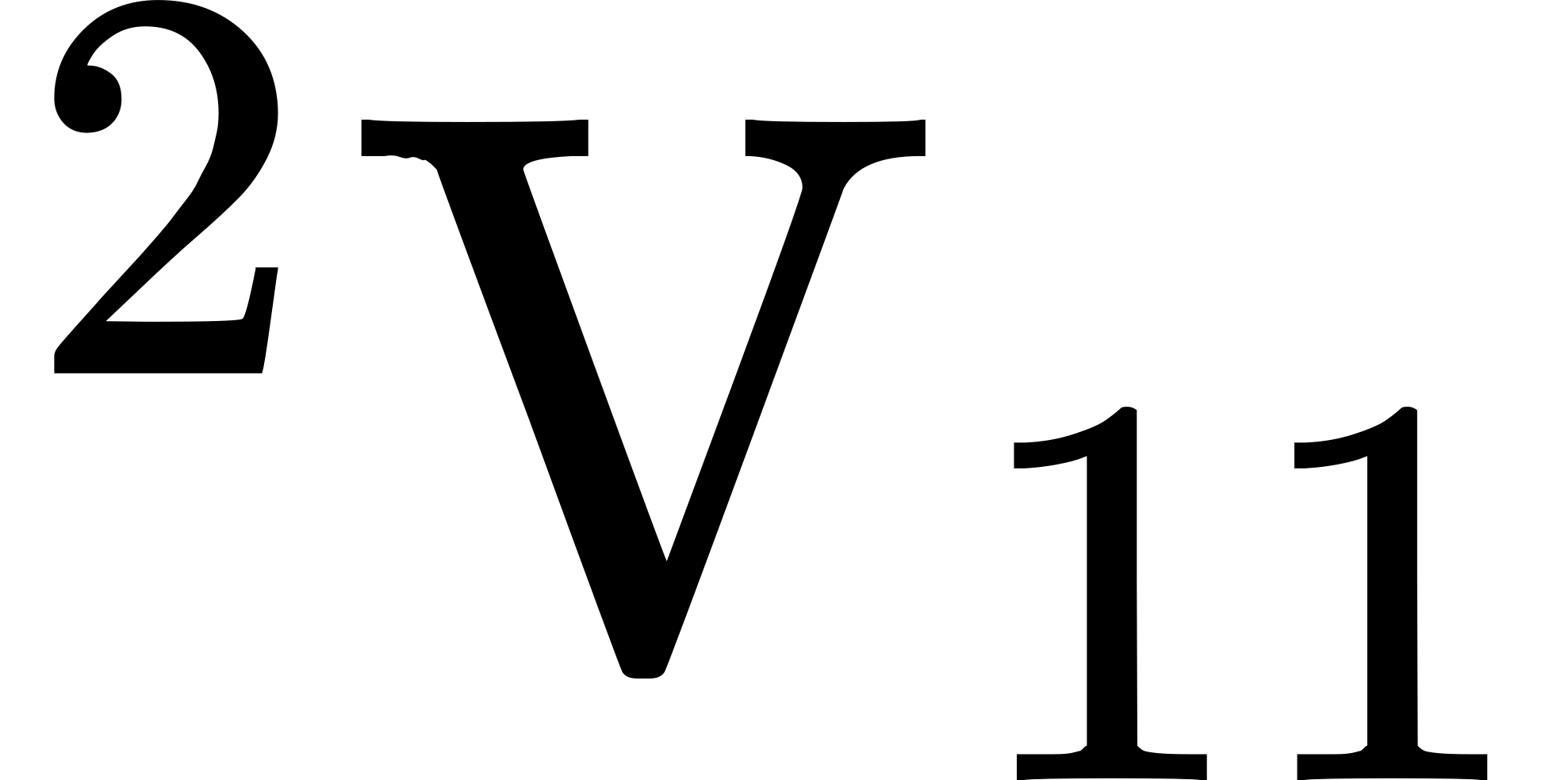 , ,
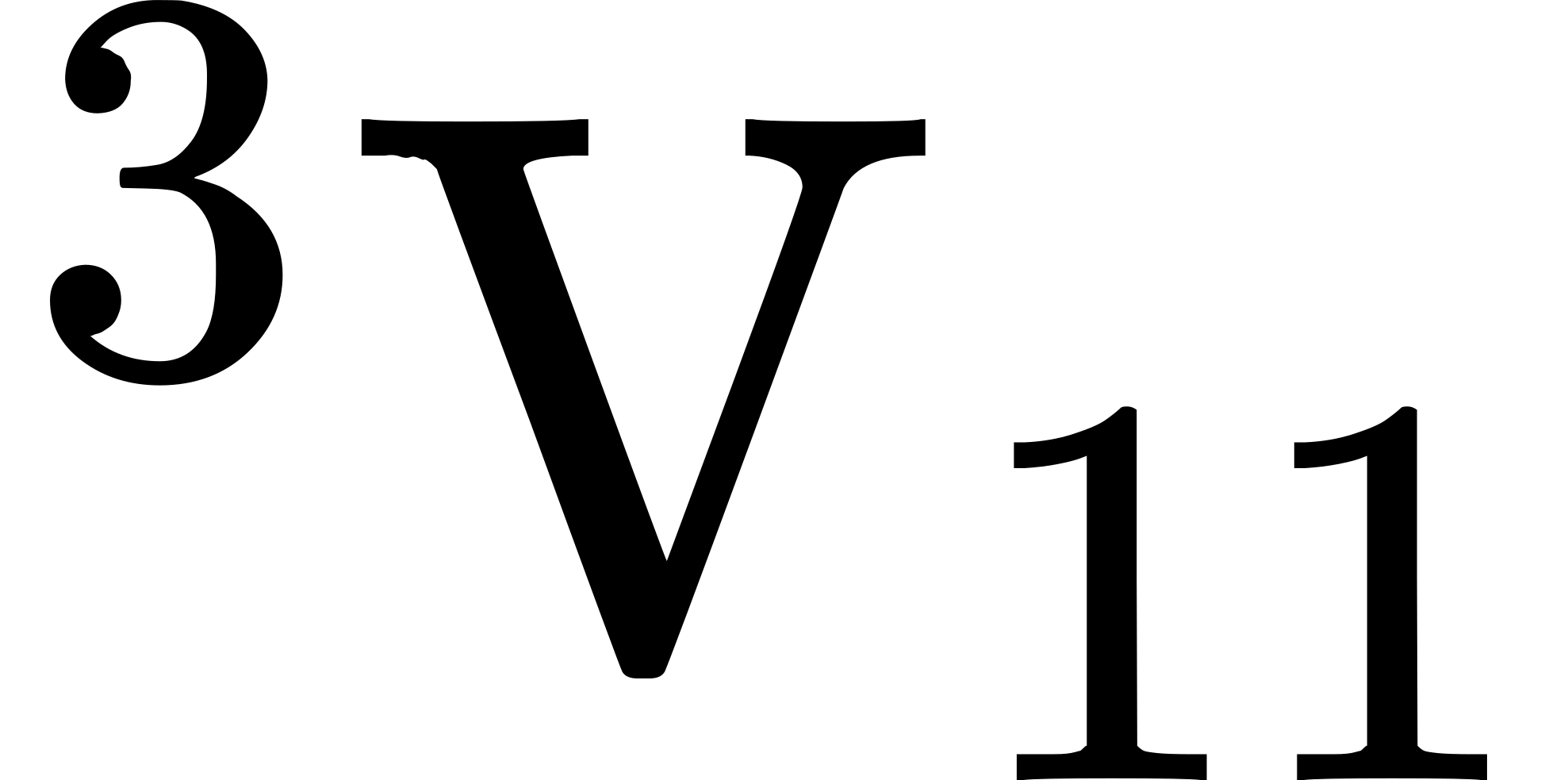 ; and, from the nature of the office which
, performs in the calculation, its index will
continue to go through further changes of the same description, which,
if examined, will be found to be regular and periodic.
Card 12 has to perform the same office as Card 7 did in the preceding
section; since, if had been = 2, the 11th operation would have
completed the computation of .
Cards 13 to 20 make . Since 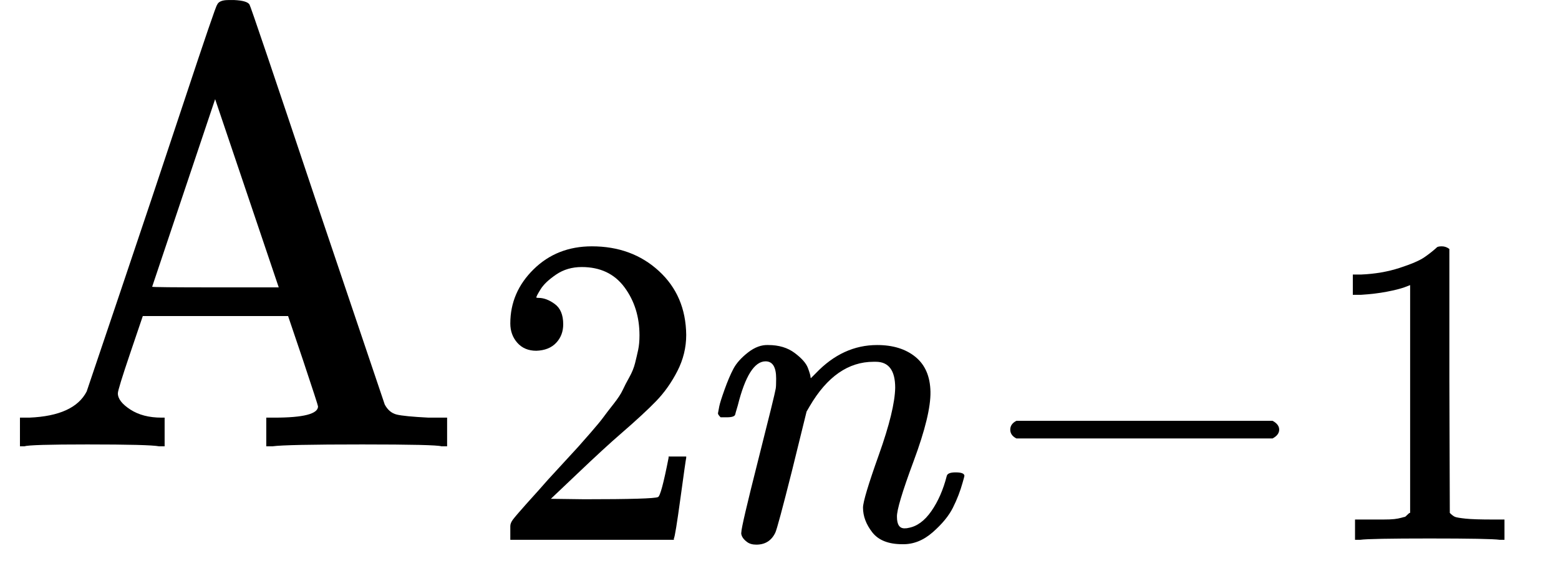 always consists of
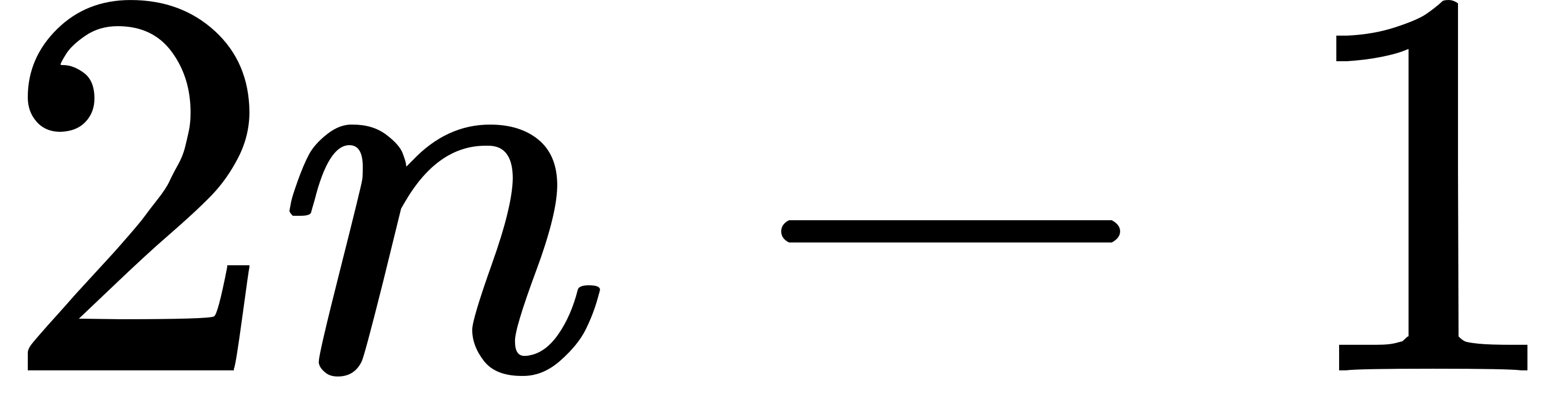 factors, has three
factors; and it will be seen that Cards 13, 14, 15, 16 make the second
of these factors, and then multiply it with the first; and that 17, 18,
19, 20 make the third factor, and then multiply this with the product
of the two former factors.
Card 23 has the office of Cards 11 and 7 to perform, since if
were = 3, the 21st and 22nd operations would complete the computation
of . As our case is , the computation
will continue one more stage; and we must now direct attention to the
fact, that in order to compute 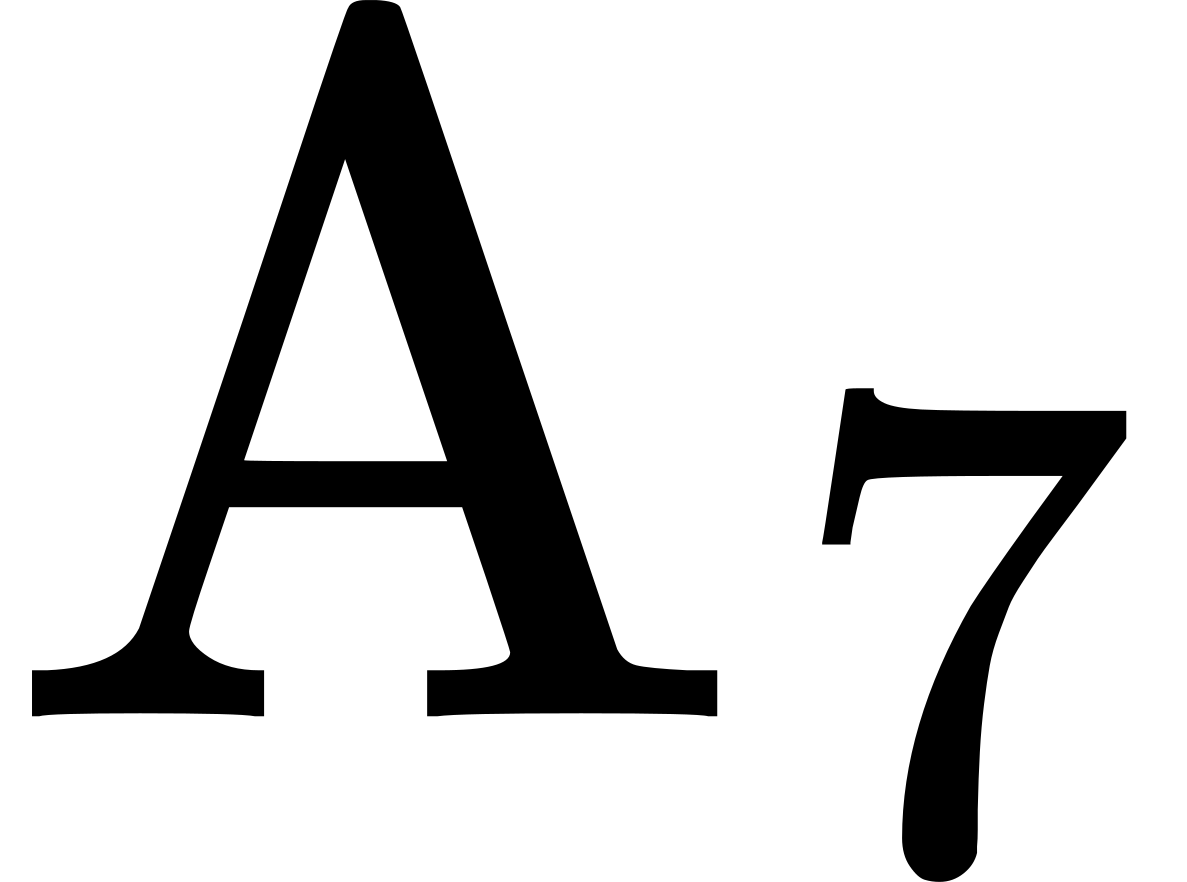 it is merely necessary
precisely to repeat the group of Operations 13 to 20; and then, in
order to complete the computation of , to repeat
Operations 21, 22.
It will be perceived that every unit added to in
, entails an additional repetition of operations
(13 ... 23) for the computation of . Not only
are all the operations precisely the same however for every
such repetition, but they require to be respectively supplied with
numbers from the very same pairs of columns; with only the one
exception of Operation 21, which will of course need
(from 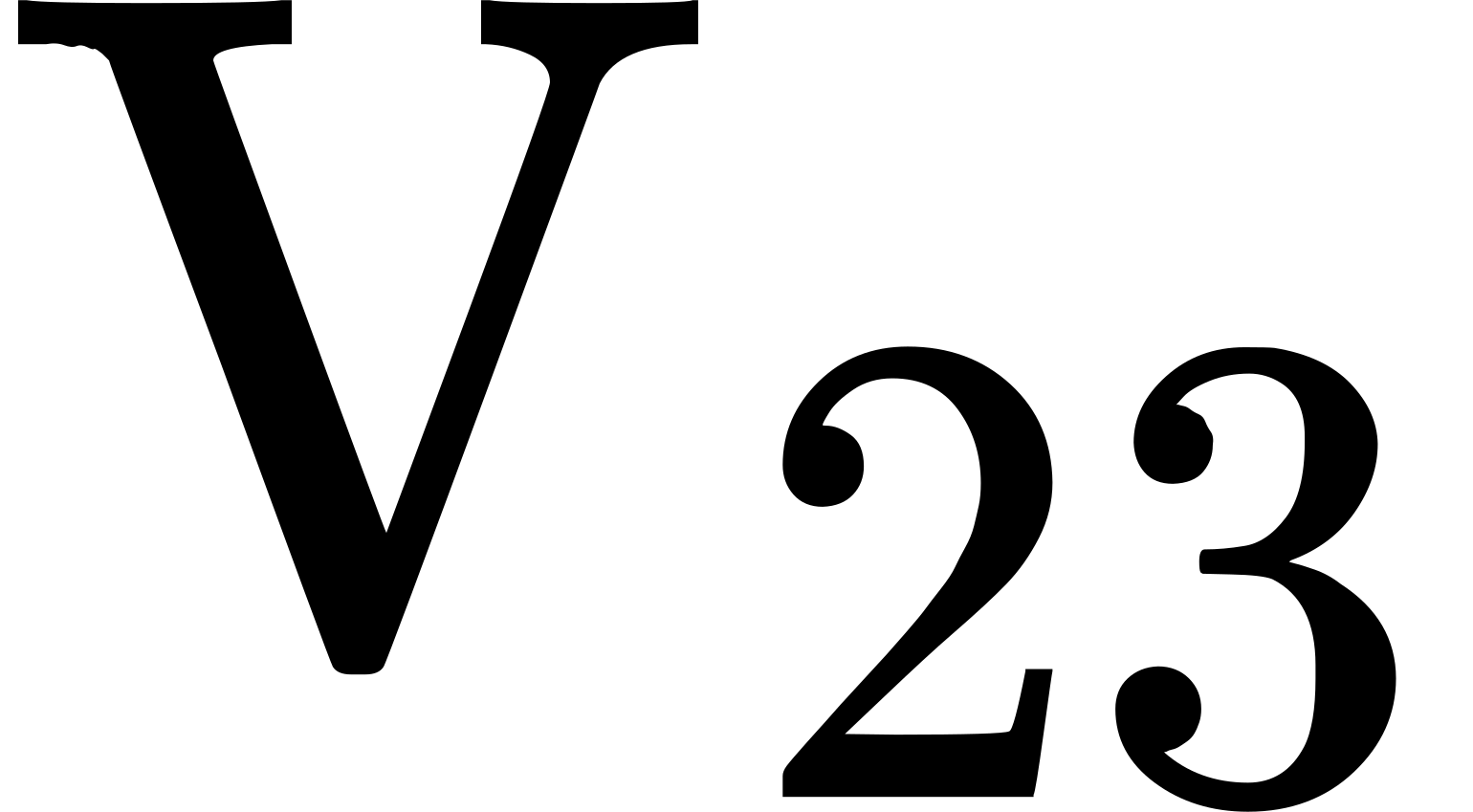 ) instead of (from
). This identity in the columns which supply
the requisite numbers, must not be confounded with identity in the
values these columns have upon them and give out to the mill.
Most of those values undergo alterations during a performance of the
operations (13 ... 23), and consequently the columns present a new set
of values for the next performance of (13 ... 23) to work on.
At the termination of the repetition of operations (13 ... 23) in computing
, the alterations in the values on the Variables are, that
In this state the only remaining processes are first: to transfer
the value which is on 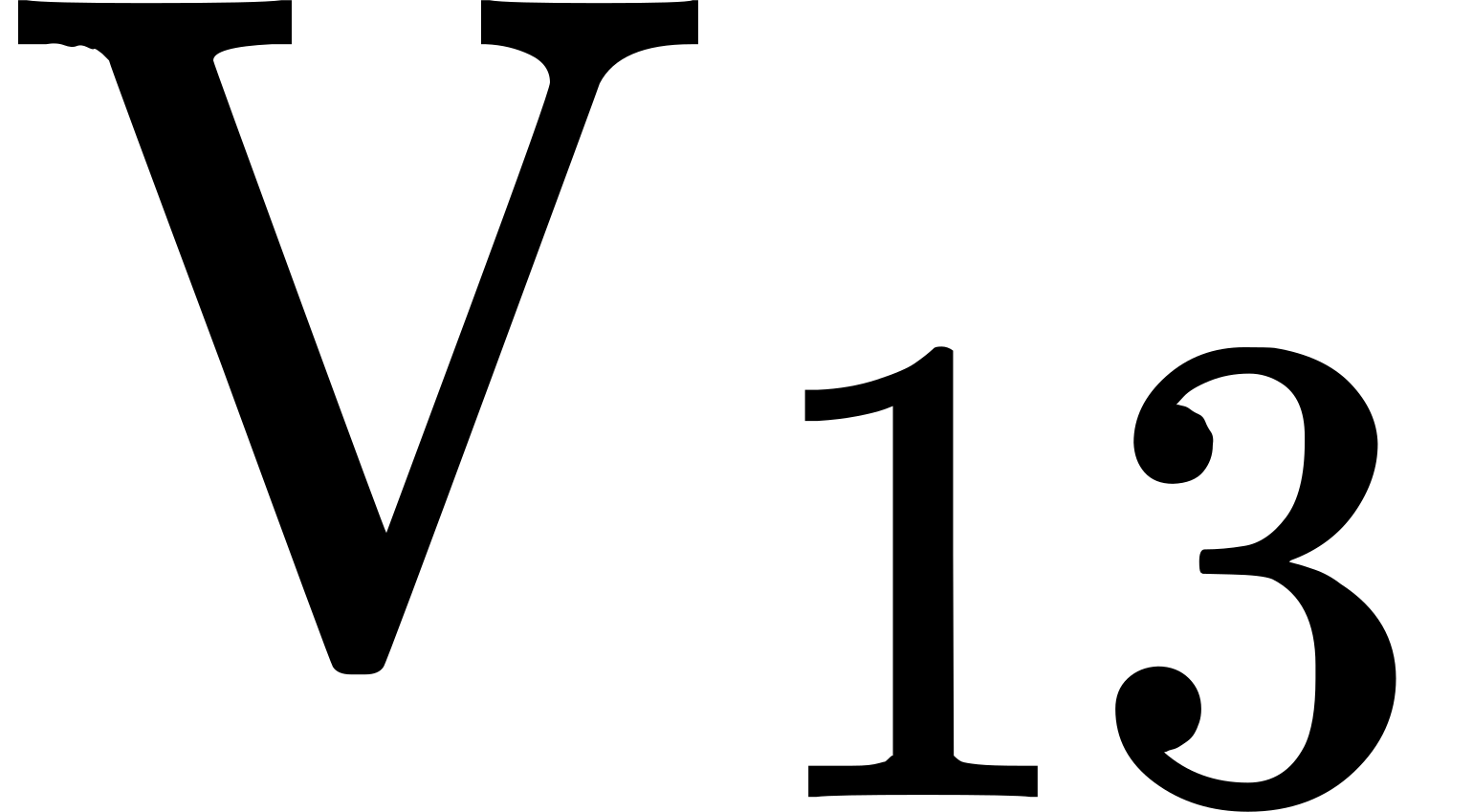 , to
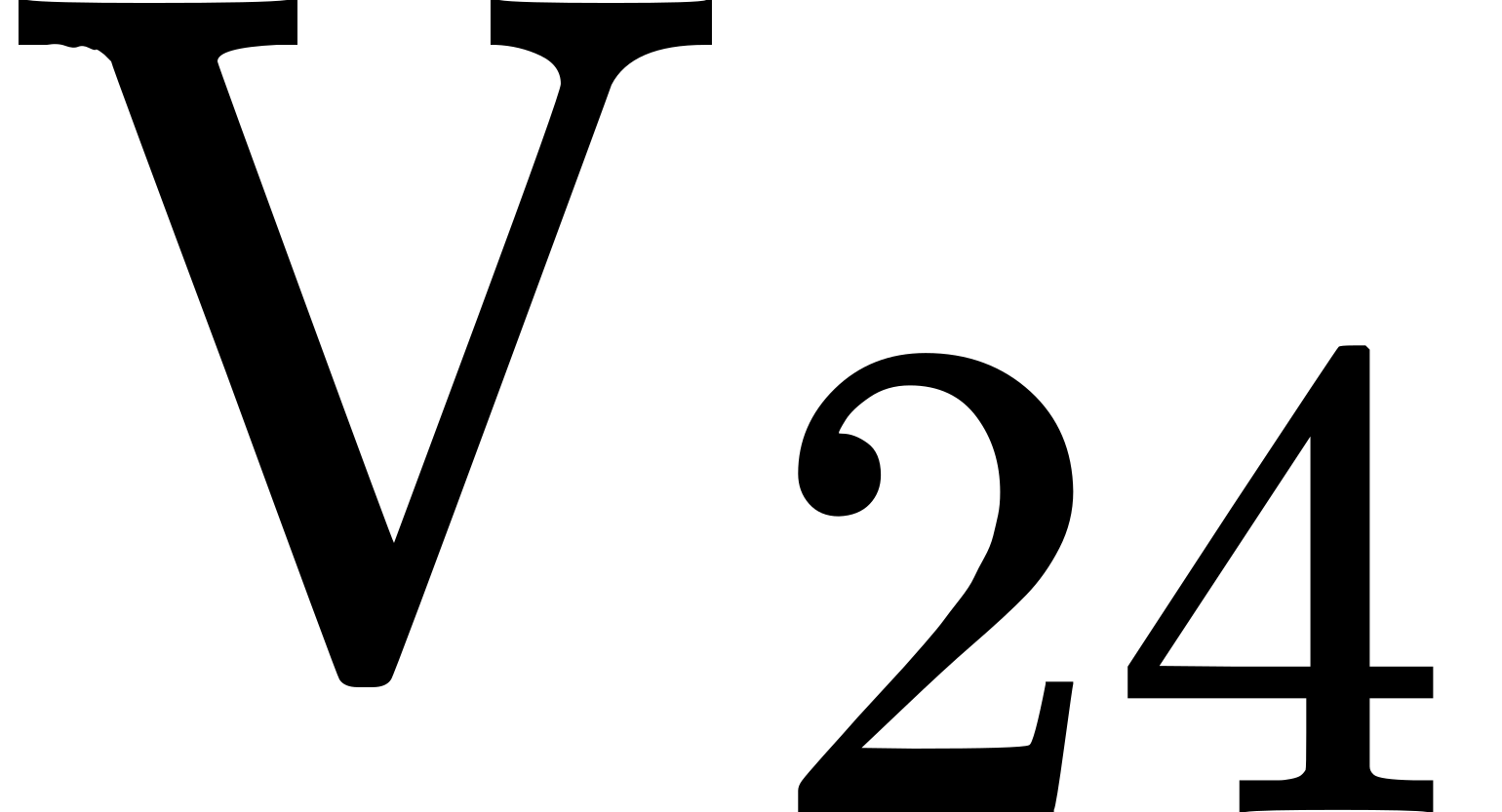 ;
and secondly to reduce , ,
to zero, and to add[30] one to
, in order that the engine may be ready to commence
computing . Operations 24 and 25 accomplish these
purposes. It may be thought anomalous that Operation 25 is represented
as leaving the upper index of still = unity. But it
must be remembered that these indices always begin anew for a separate
calculation, and that Operation 25 places upon , the
first value for the new calculation.
It should be remarked, that when the group (13 ... 23) is repeated,
changes occur in some of the upper indices during the course
of the repetition: for example, 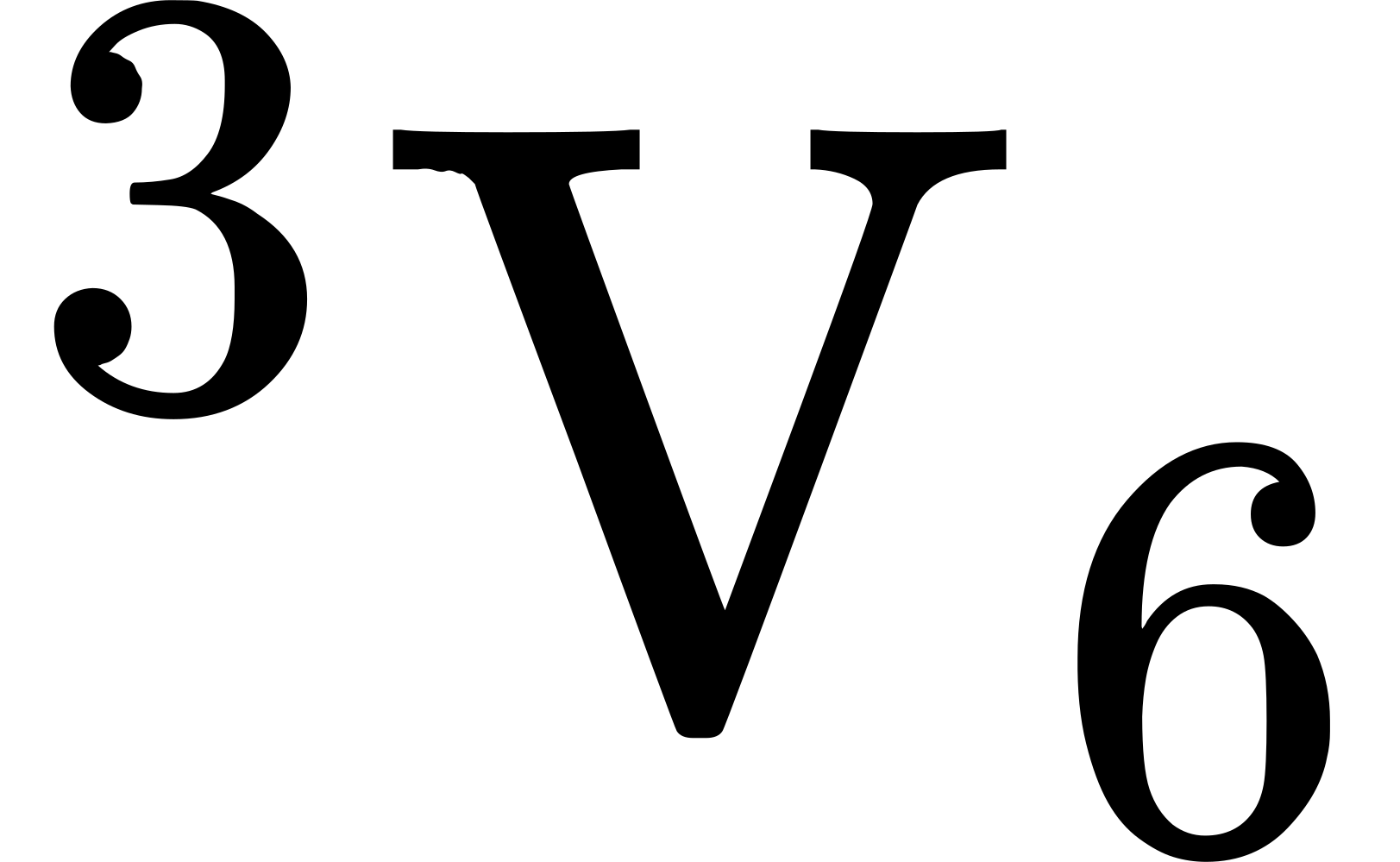 , would become
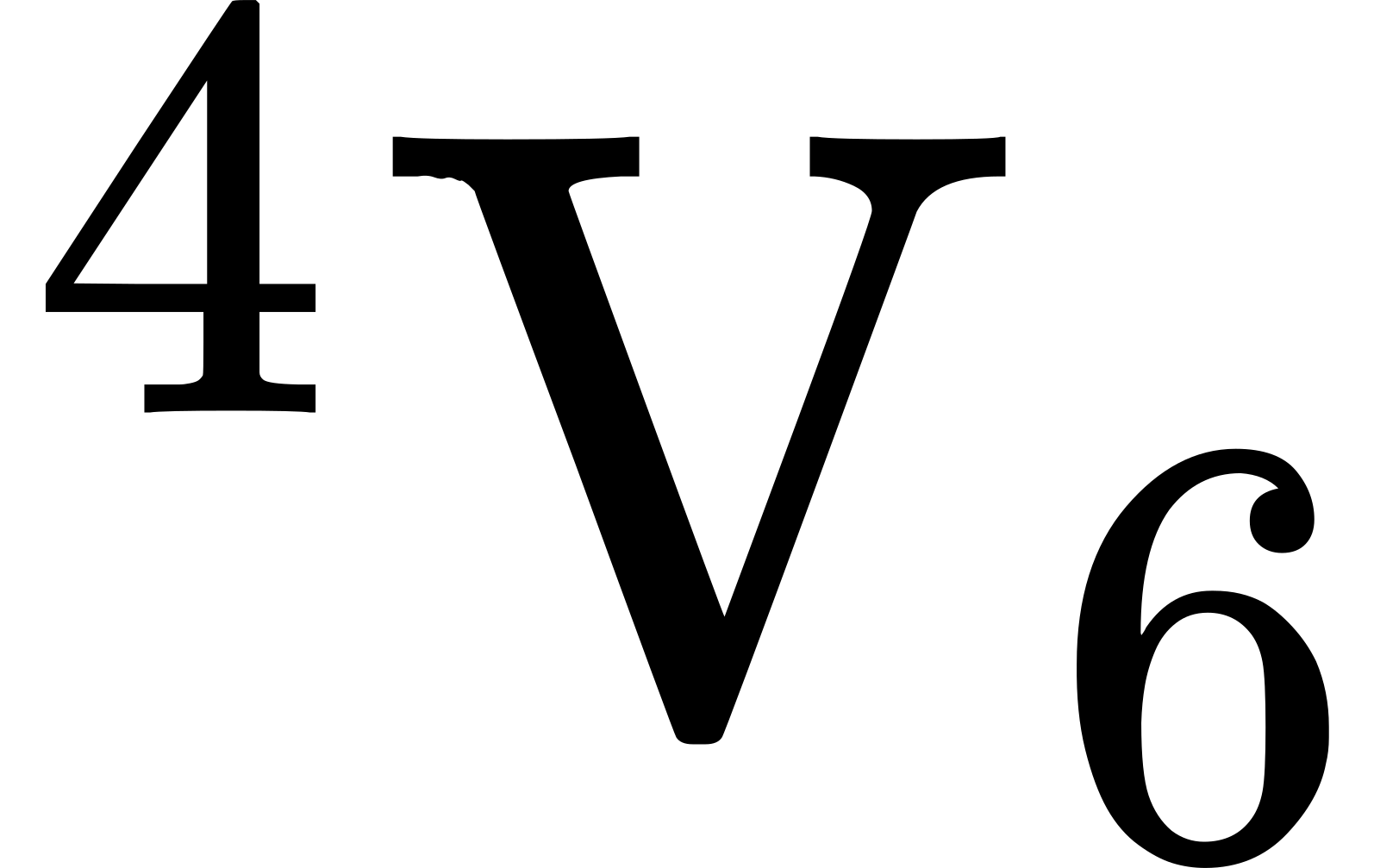 , and
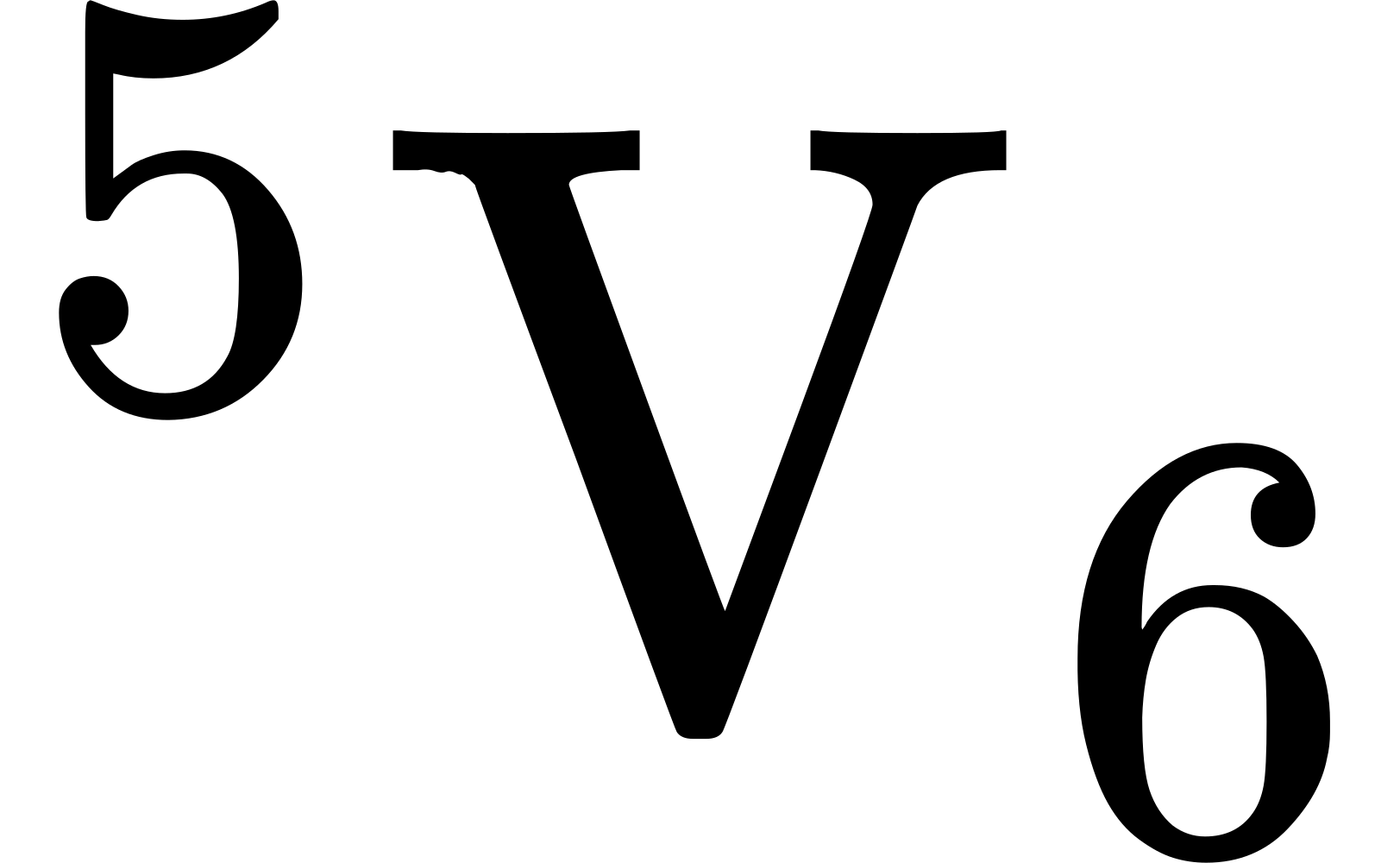 .
We thus see that when , nine Operation-cards are used; that
when , fourteen Operation-cards are used; and that when
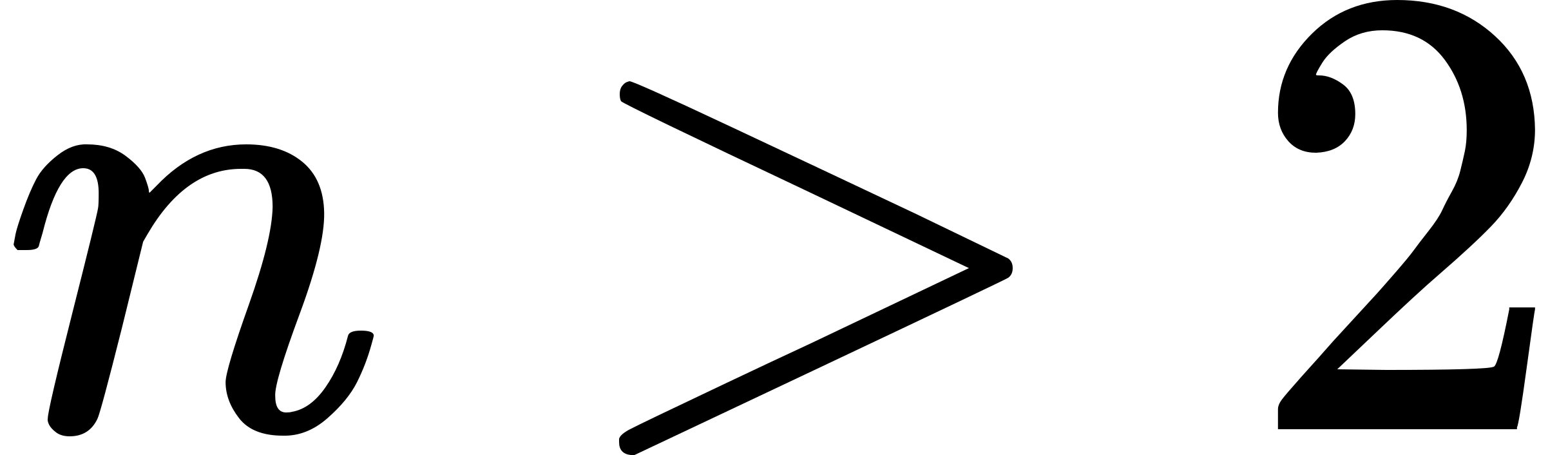 , twenty-five Operation-cards are used; but that no more
are needed, however great may be; and not only this, but that
these same twenty-five cards suffice for the successive computation
of all the Numbers from , to
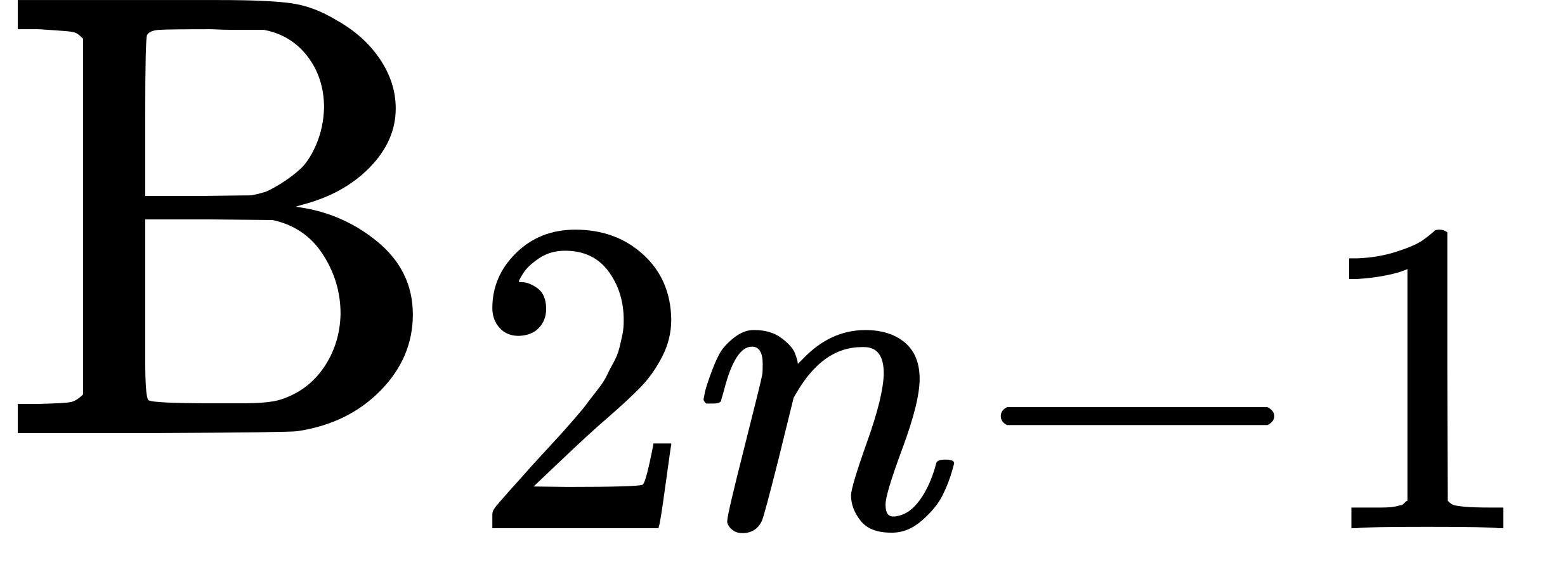 ,
inclusive. With respect to the number of Variable-cards,
it will be remembered, from the explanations in previous Notes,
that an average of three such cards to each operation
(not however to each Operation-card) is the estimate.
According to this the computation of will require
twenty-seven Variable-cards; forty-two such cards;
seventy-five; and for every succeeding
after , there would be thirty-three additional
Variable-cards (since each repetition of the group (13 ... 23) adds
eleven to the number of operations required for computing the previous
). But we must now explain, that whenever there is a
cycle of operations, and if these merely require to be supplied
with numbers from the same pairs of columns and likewise each
operation to place its result on the same column for
every repetition of the whole group, the process then admits of a
cycle of Variable-cards for effecting its purposes. There is
obviously much more symmetry and simplicity in the arrangements,
when cases do admit of repeating the Variable as well as the
Operation-cards. Our present example is of this nature. The only
exception to a perfect identity in all the processes and
columns used, for every repetition of Operations (13 ... 23) is, that
Operation 21 always requires one of its factors from a new column, and
Operation 24 always puts its result on a new column. But as these
variations follow the same law at each repetition, (Operation 21 always
requiring its factor from a column one in advance of that which it
used the previous time, and Operation 24 always putting its result on
the column one in advance of that which received the previous
result), they are easily provided for in arranging the recurring group
(or cycle) of Variable-cards.
We may here remark that the average estimate of three Variable-cards
coming into use to each operation, is not to be taken as an absolutely
and literally correct amount for all cases and circumstances. Many
special circumstances, either in the nature of a problem, or in the
arrangements of the engine under certain contingencies, influence and
modify this average to a greater or less extent. But it is a very safe
and correct general rule to go upon. In the preceding case it
will give us seventy-five Variable-cards as the total number which will
be necessary for computing any after .
This is very nearly the precise amount really used, but we cannot here
enter into the minutiæ of the few particular circumstances which occur
in this example (as indeed at some one stage or other of probably most
computations) to modify slightly this number.
It will be obvious that the very same seventy-five
Variable-cards may be repeated for the computation of every succeeding
Number, just on the same principle as admits of the repetition of
the thirty-three Variable-cards of Operations (13 ... 23) in the
computation of any one Number. Thus there will be a cycle of
a cycle of Variable-cards.
If we now apply the notation for cycles, as explained in Note E, we may
express the operations for computing the Numbers of Bernoulli in the
following manner:—
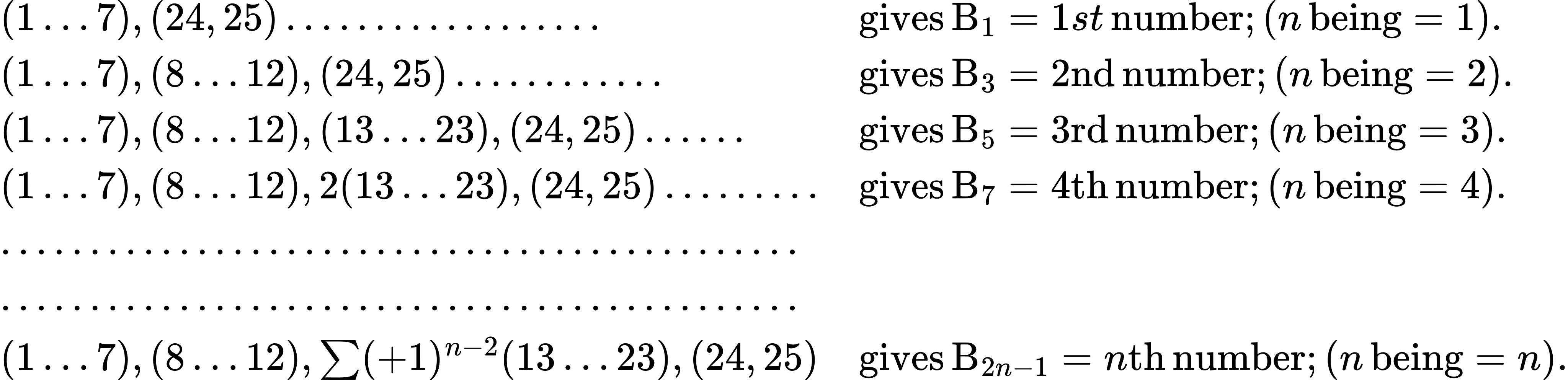 Again,
 represents the total operations for computing every number in
succession, from to inclusive.
In this formula we see a varying cycle of the first
order, and an ordinary cycle of the second order. The latter
cycle in this case includes in it the varying cycle.
On inspecting the ten Working-Variables of the diagram, it will be
perceived, that although the value on any one of them (excepting
, and ) goes through a series of
changes, the office which each performs is in this calculation
fixed and invariable. Thus always
prepares the numerators of the factors of any  ;
the denominators. always
receives the (
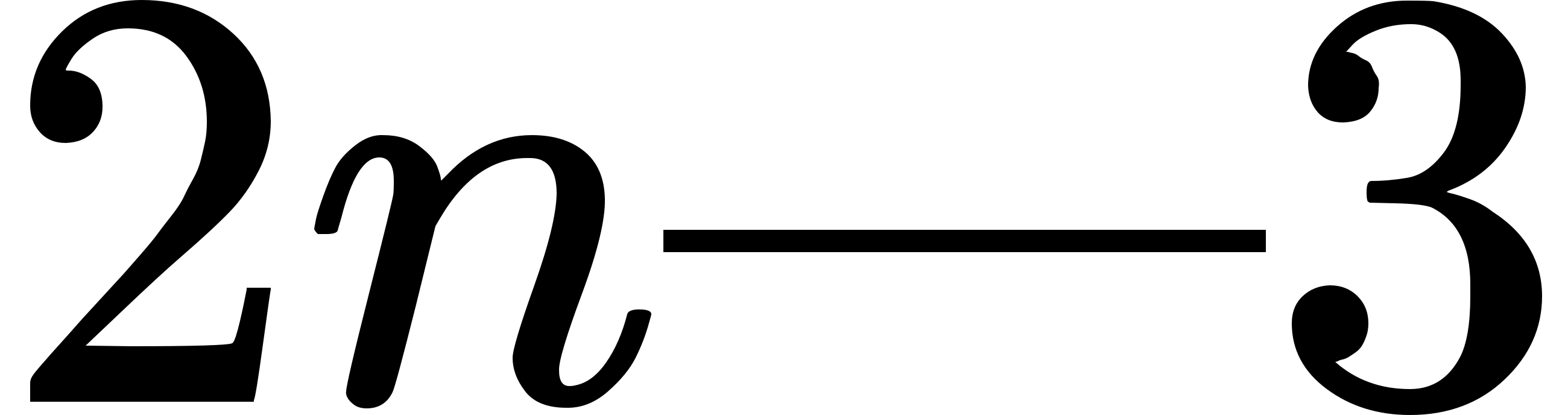 )th factor of , and
the (
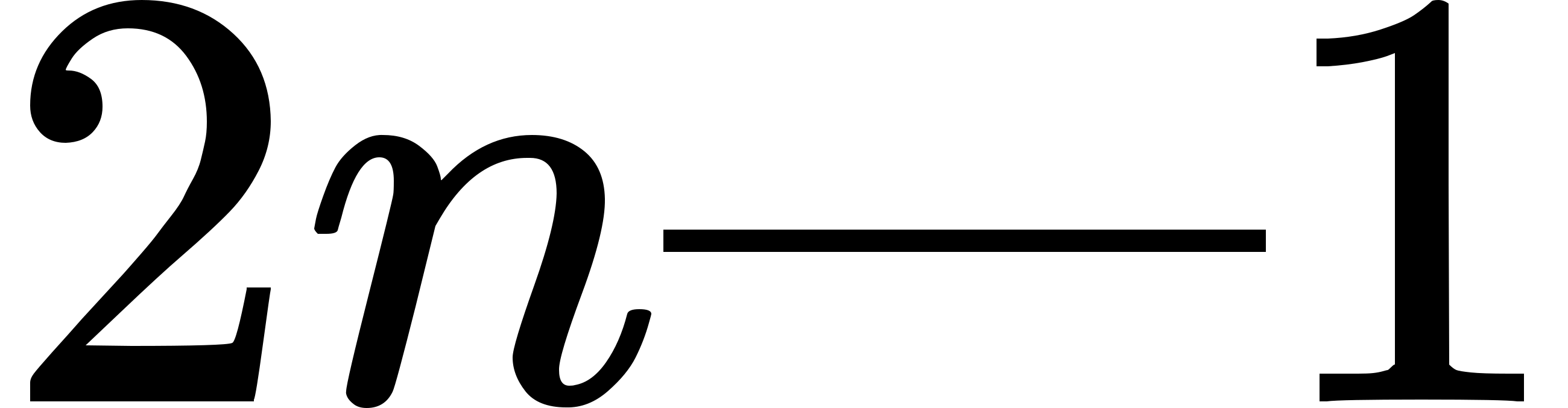 )th.
 always decides
which of two courses the succeeding processes are to follow, by feeling
for the value of through means of a subtraction; and so on; but
we shall not enumerate further. It is desirable in all calculations,
so to arrange the processes, that the offices performed by the
Variables may be as uniform and fixed as possible.
Diagram for the computation by the Engine of the Numbers of Bernoulli.
See Note G. (page 67 et seq.)
| Variables acted upon. |
Variables receiving results. |
Indication of change in the value of any Variable. |
Statement of Results. |
Data. |
Working variables. |
|
|
|
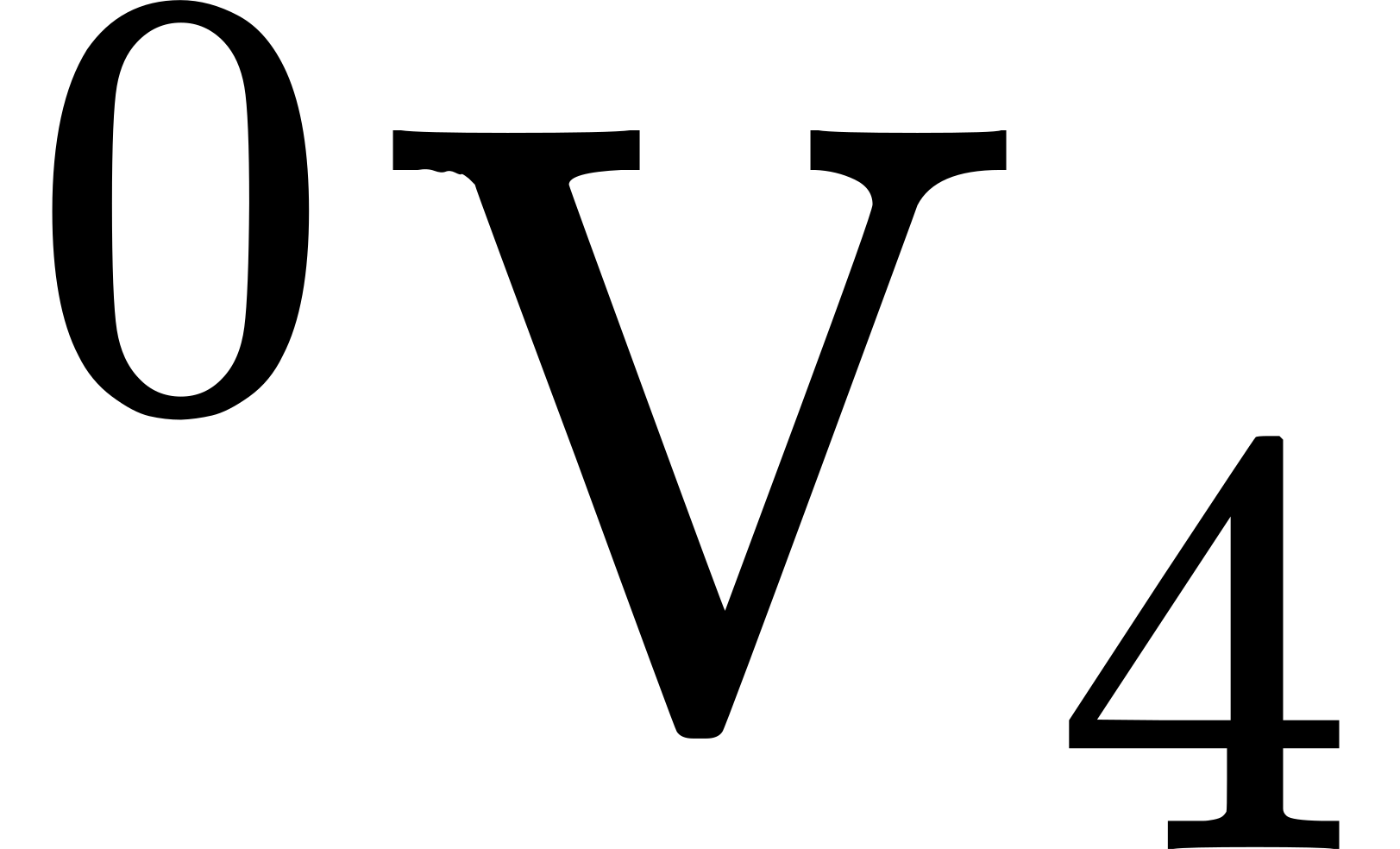 |
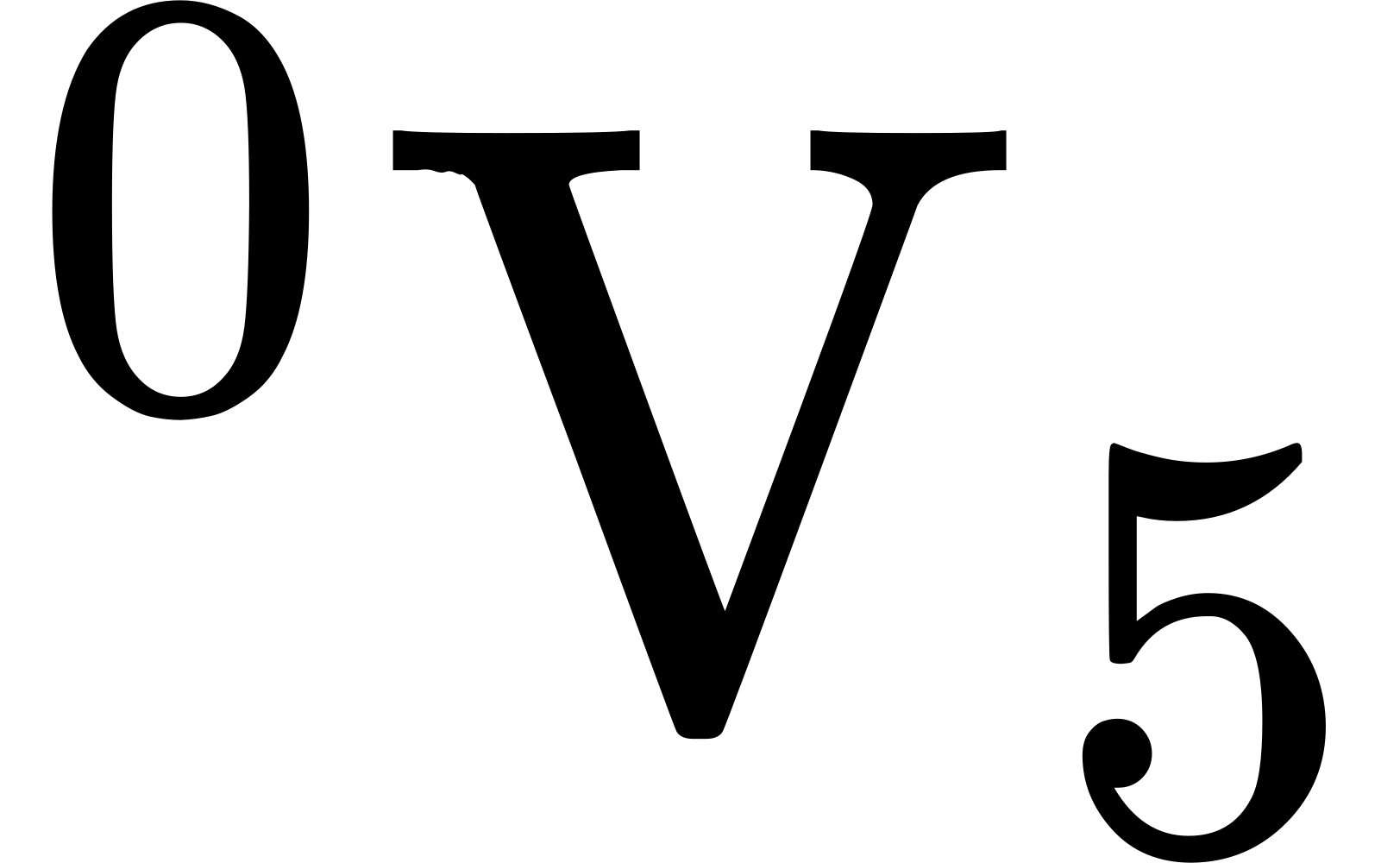 |
|
|
|
|
|
|
|
|
 |
|
|
|
|
|
|
|
|
|
|
|
|
| 0 |
0 |
0 |
0 |
0 |
0 |
0 |
0 |
0 |
0 |
0 |
0 |
0 |
| 0 |
0 |
0 |
0 |
0 |
0 |
0 |
0 |
0 |
0 |
0 |
0 |
0 |
| 1 |
2 |
4 |
0 |
0 |
0 |
0 |
0 |
0 |
0 |
0 |
0 |
0 |
 |
 |
|
|
|
|
|
|
|
|
|
|
|
| 1 |
|
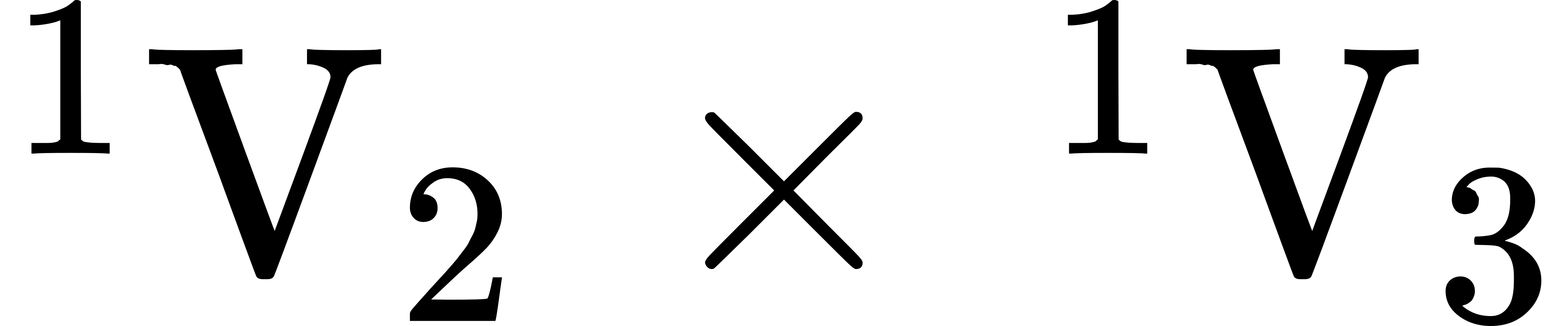 |
 |
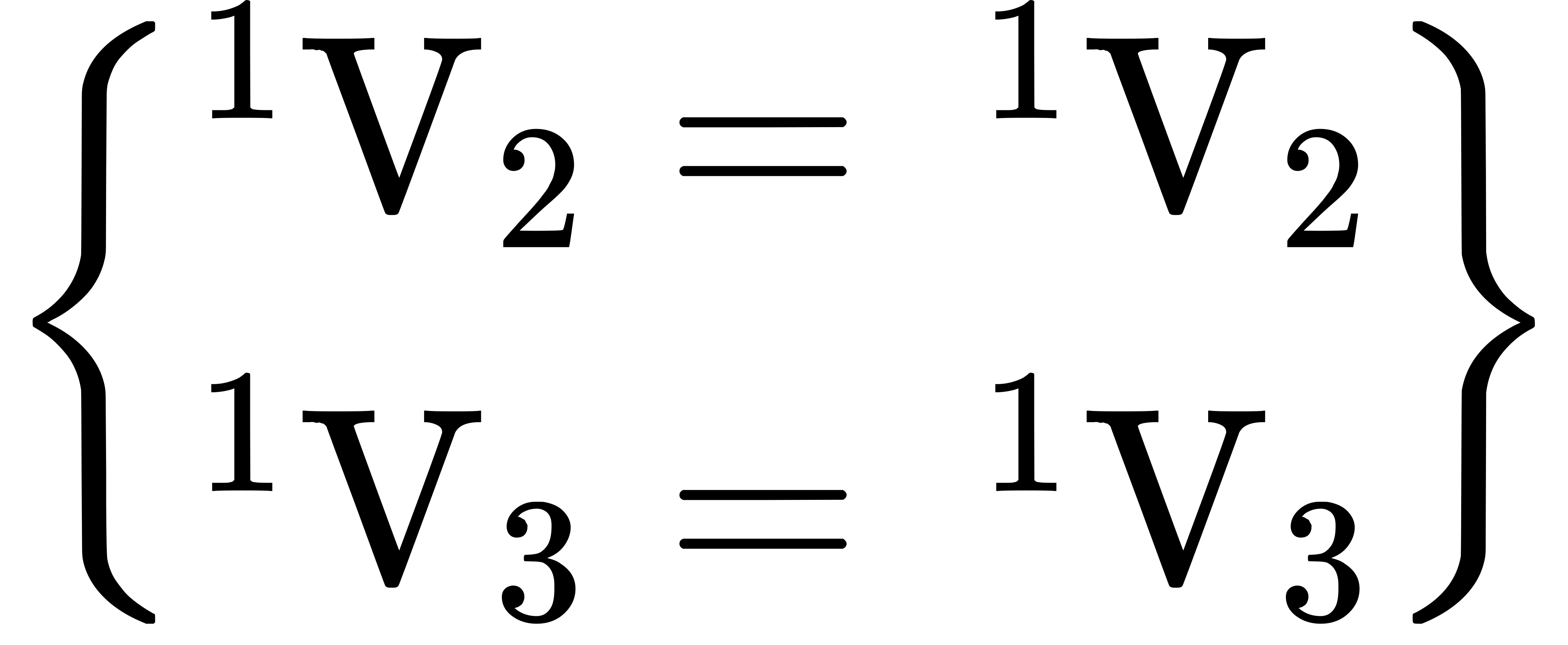 |
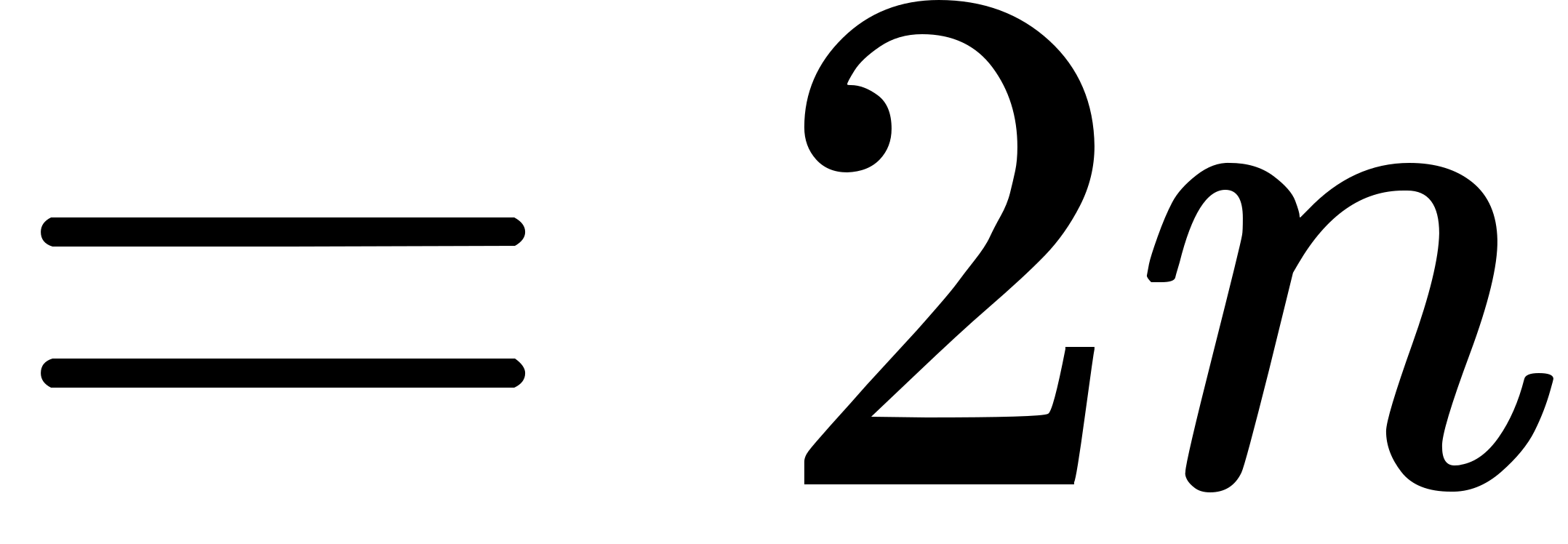 |
|
 |
|
|
|
|
|
|
|
|
|
|
|
| 2 |
|
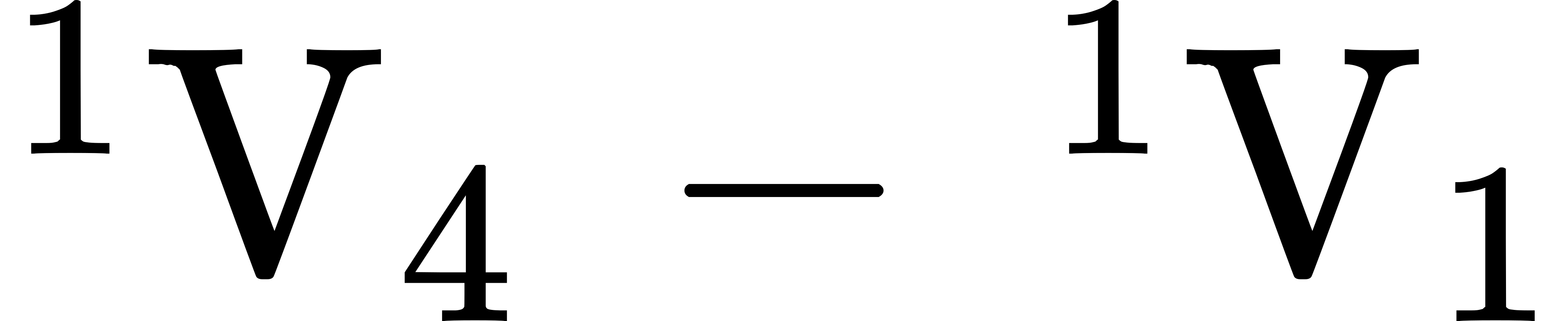 |
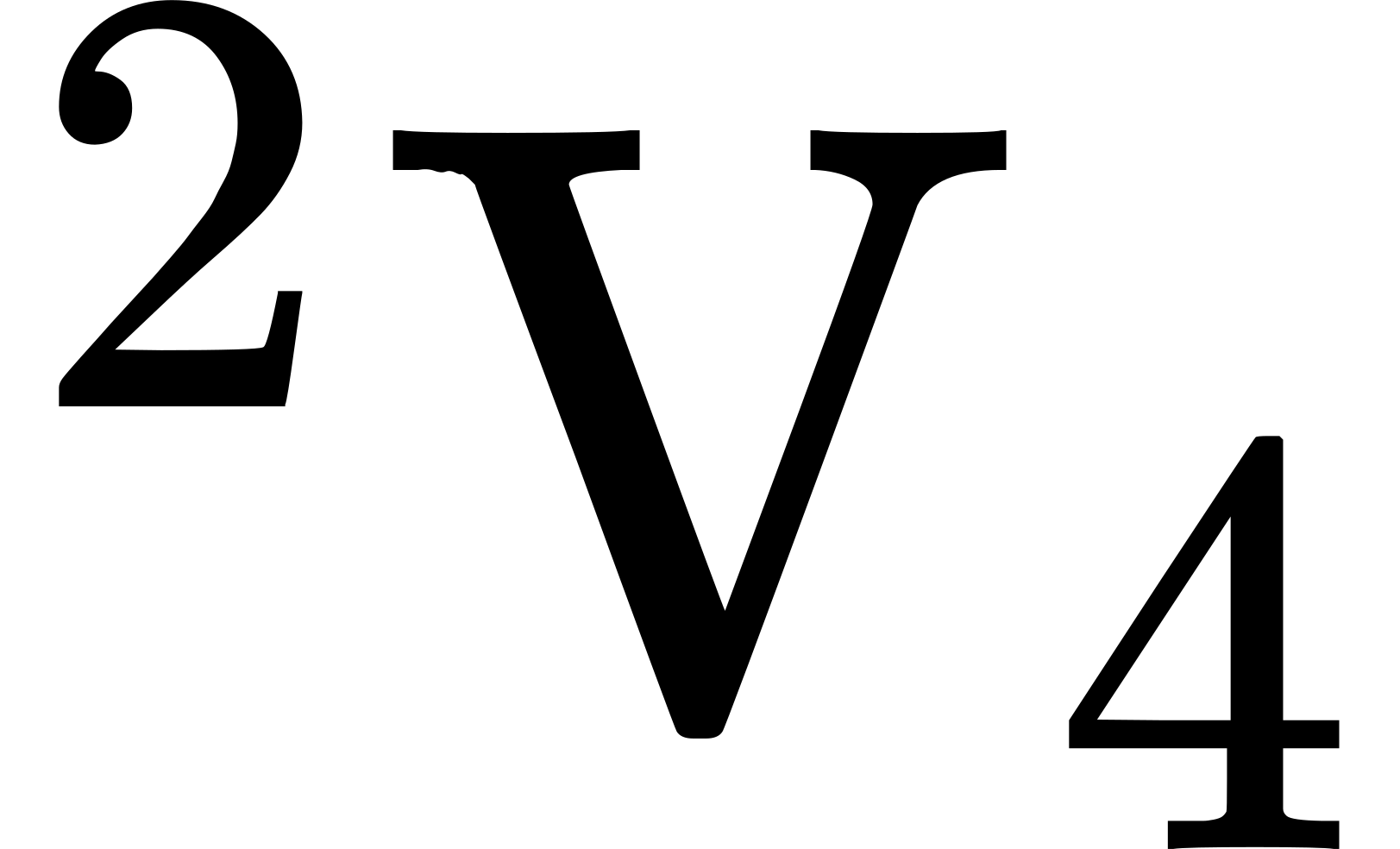 |
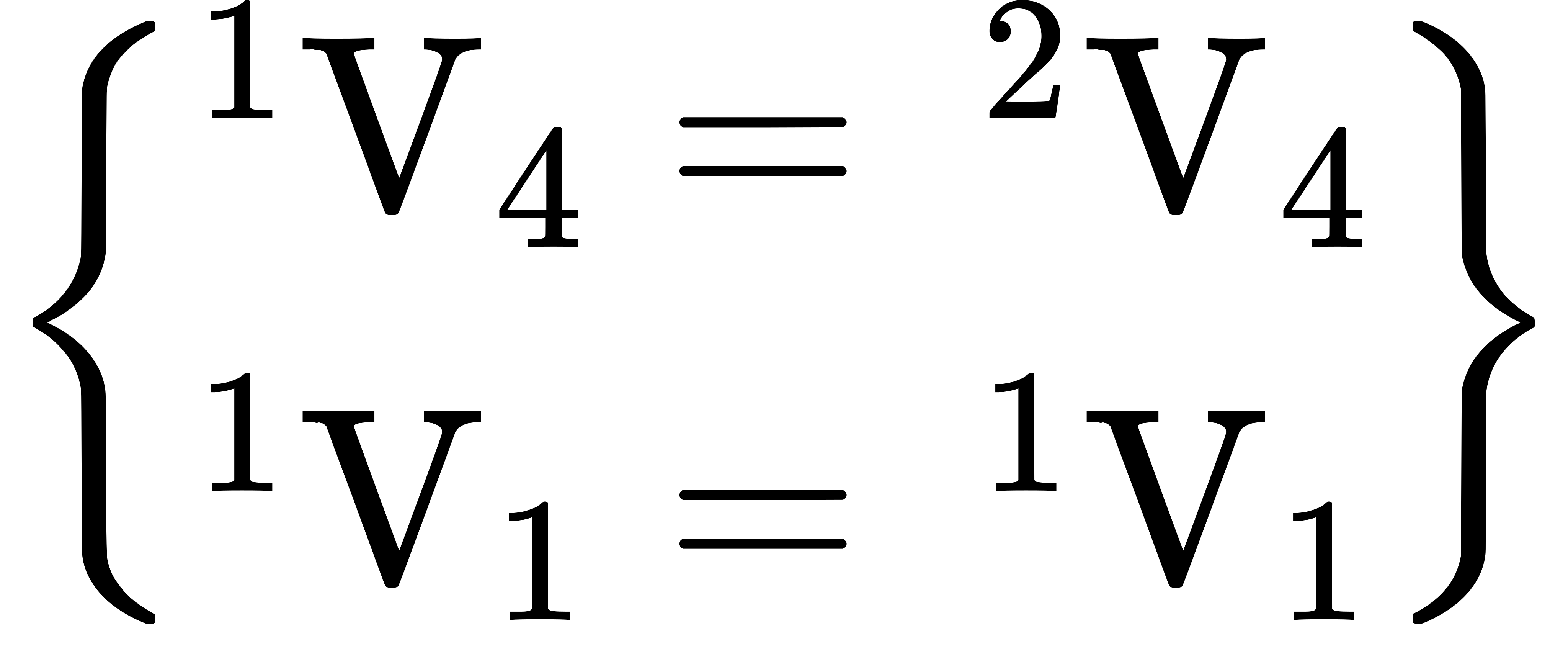 |
 |
1 |
|
|
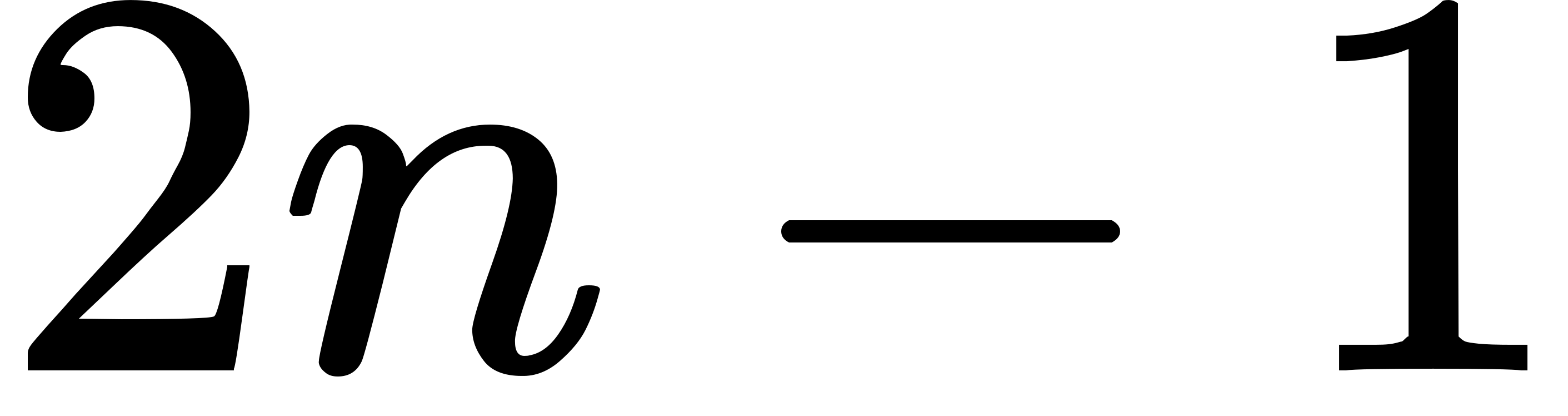 |
|
|
|
|
|
|
|
|
|
| 3 |
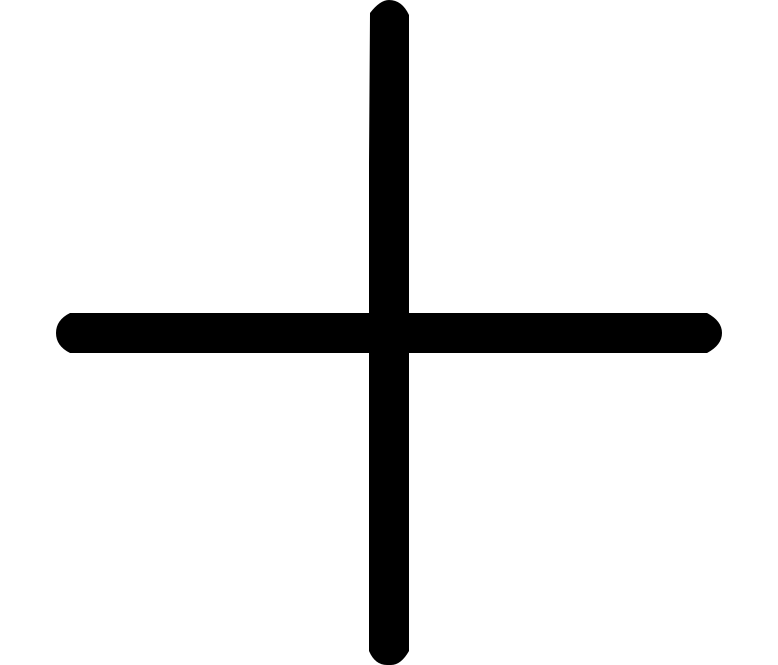 |
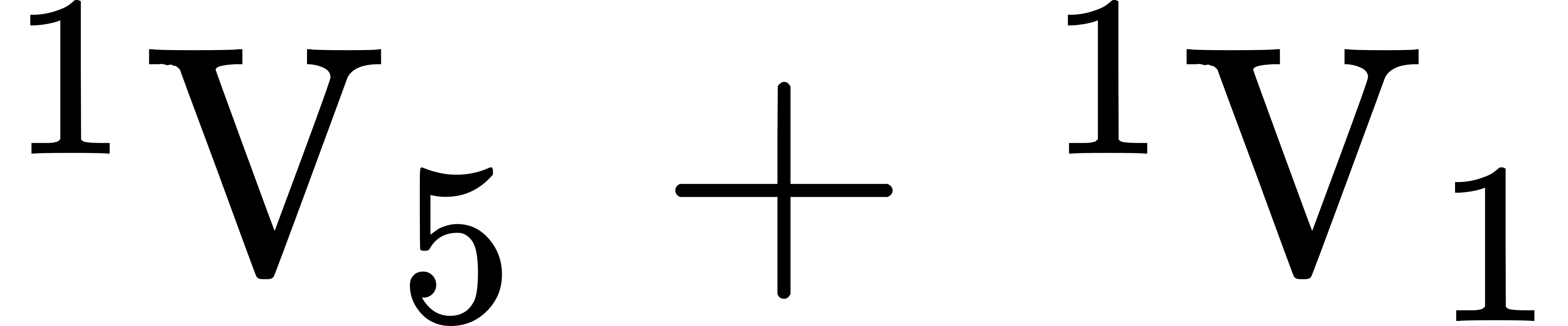 |
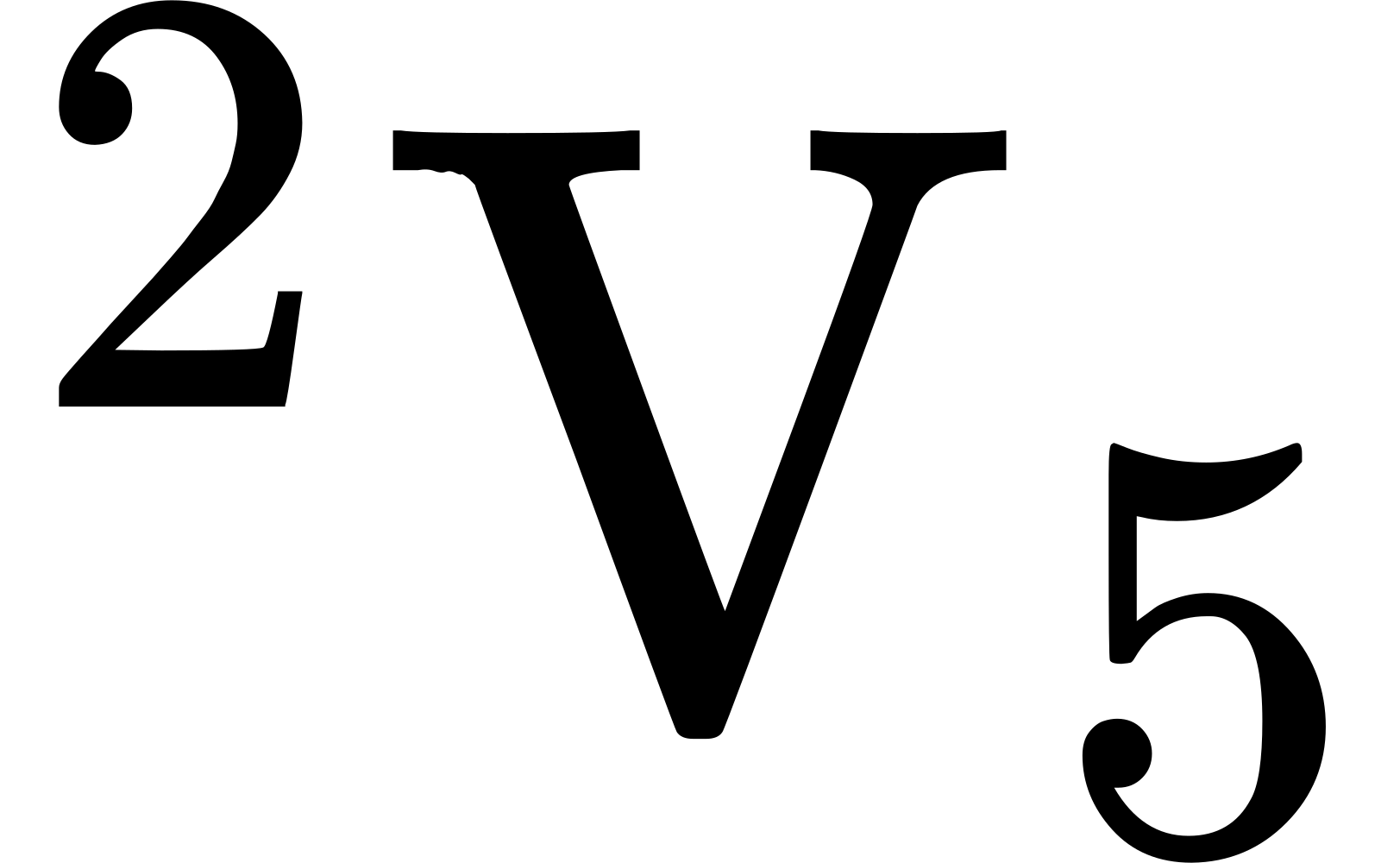 |
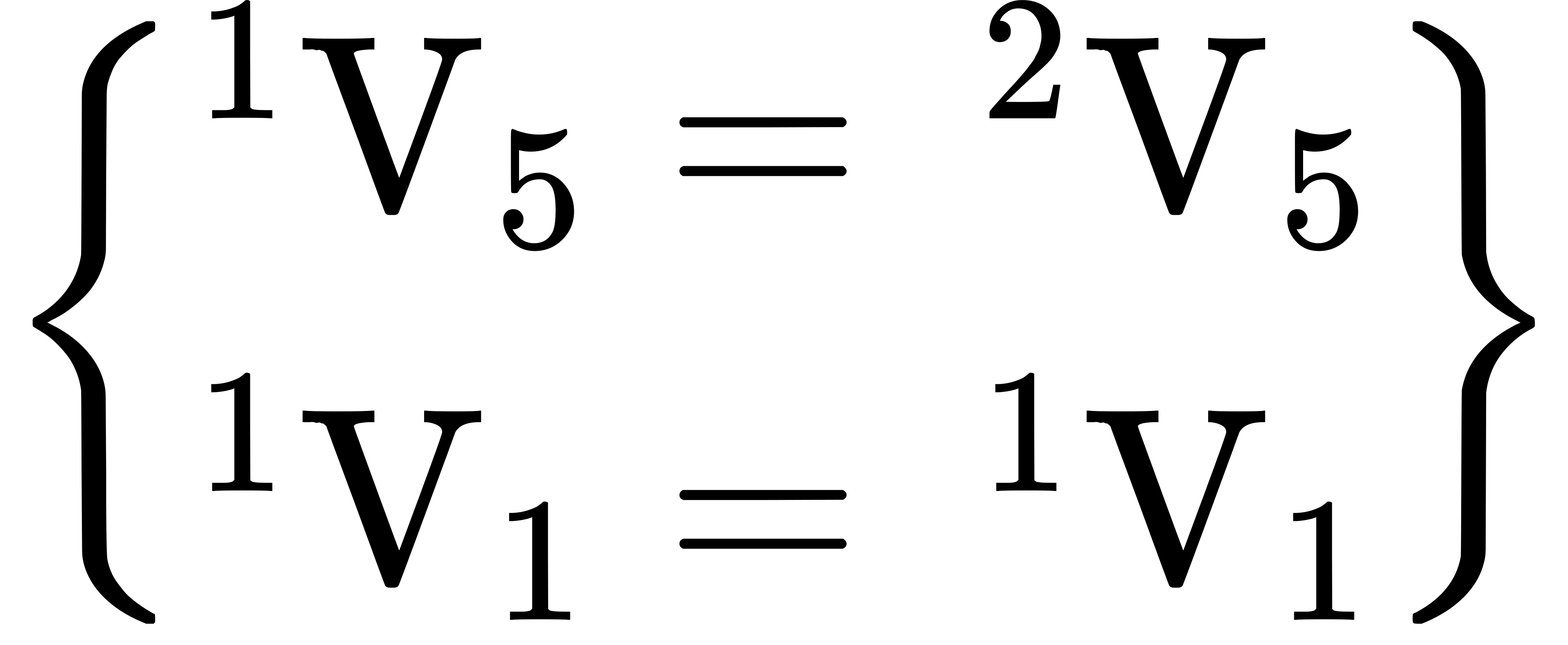 |
 |
1 |
|
|
|
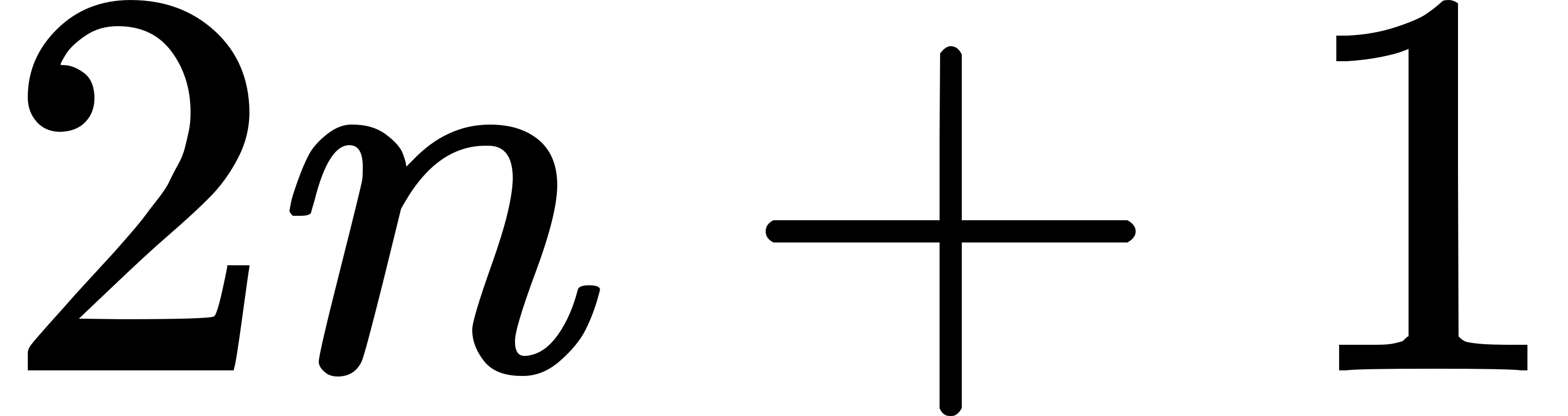 |
|
|
|
|
|
|
|
|
| 4 |
|
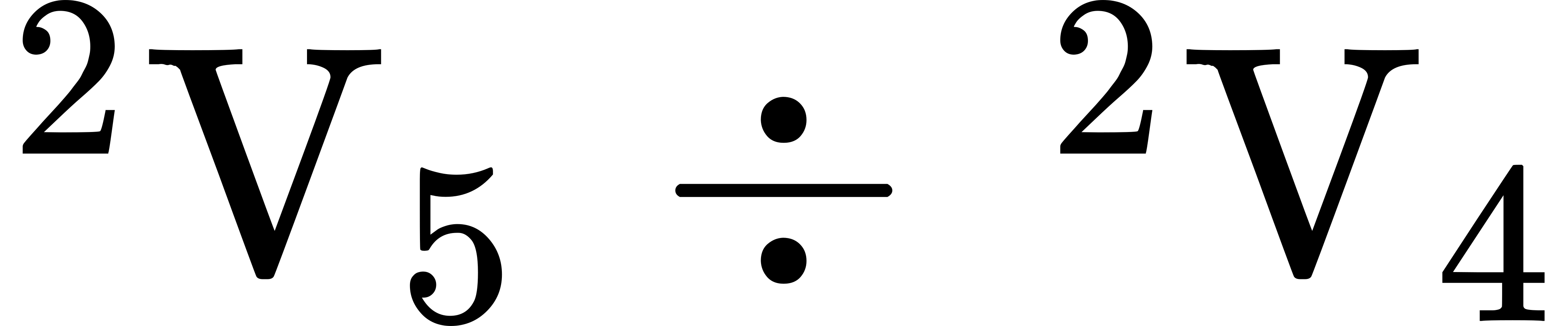 |
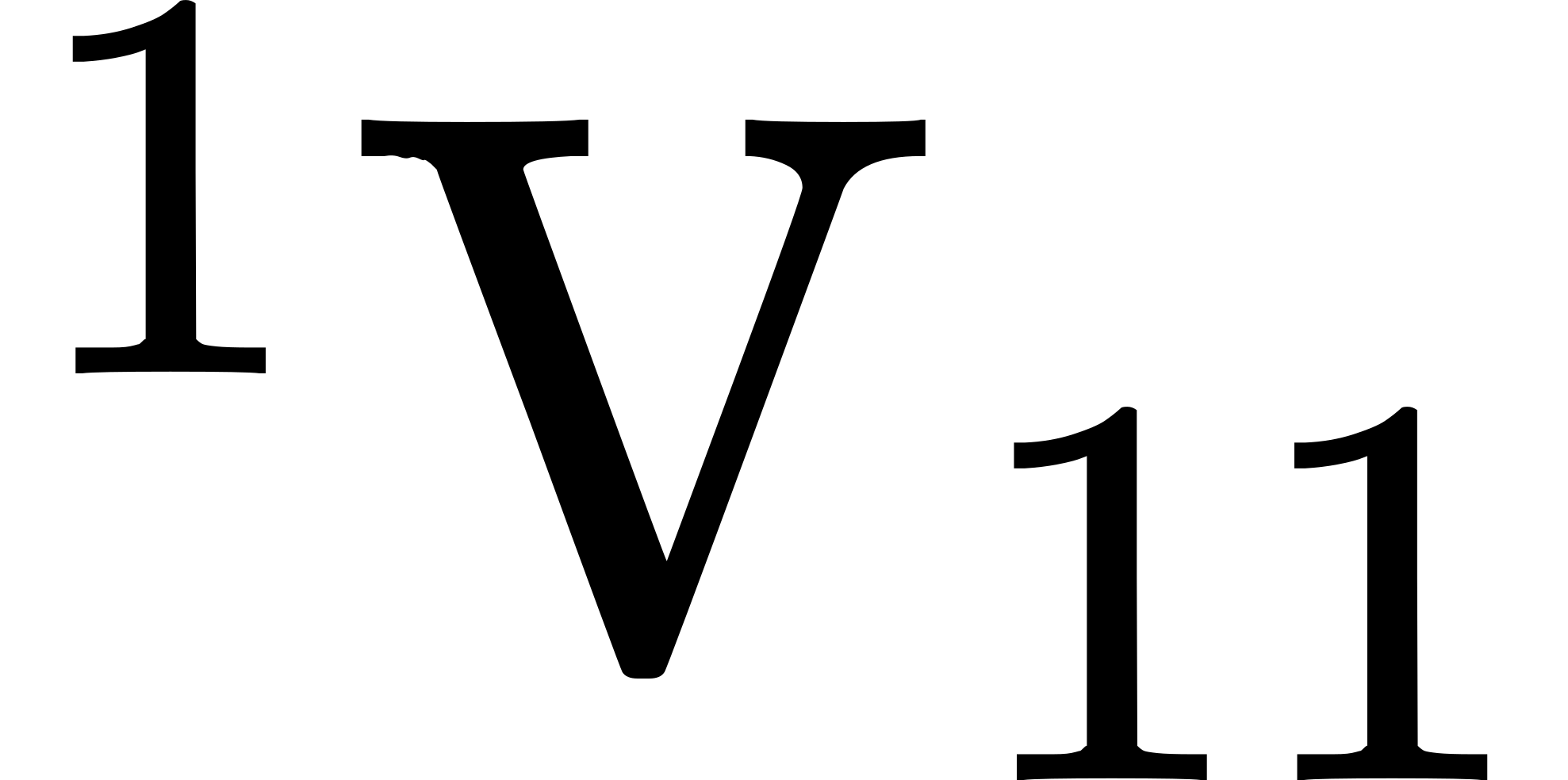 |
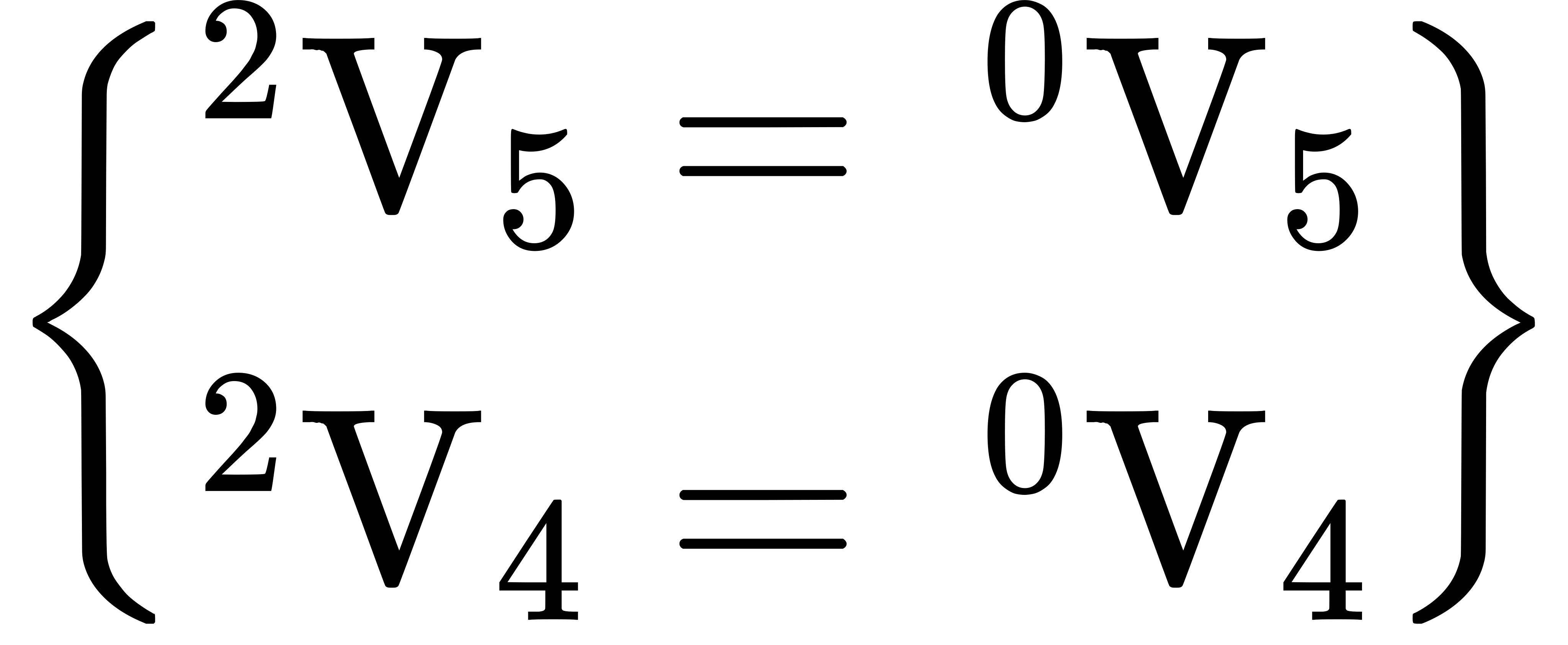 |
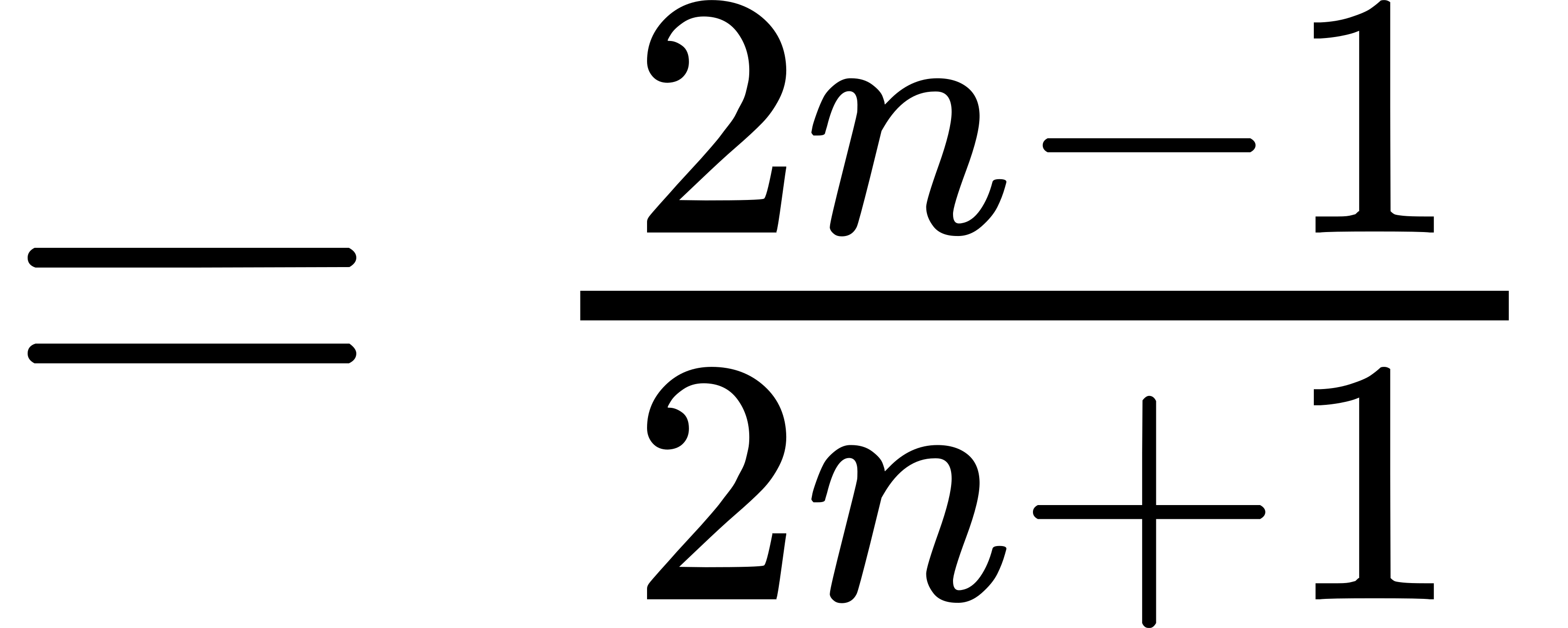 |
|
|
|
0 |
0 |
|
|
|
|
|
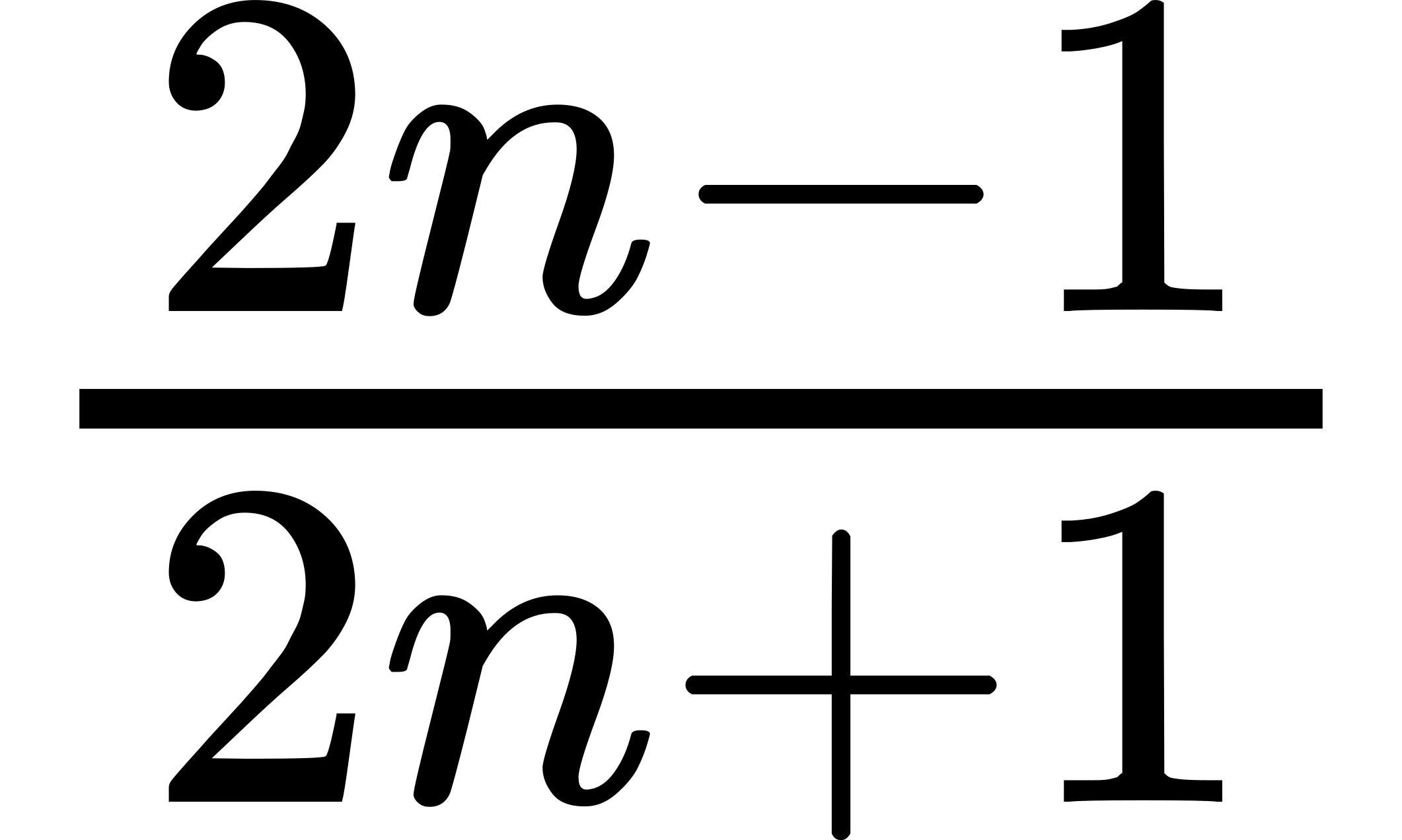 |
|
|
| 5 |
|
 |
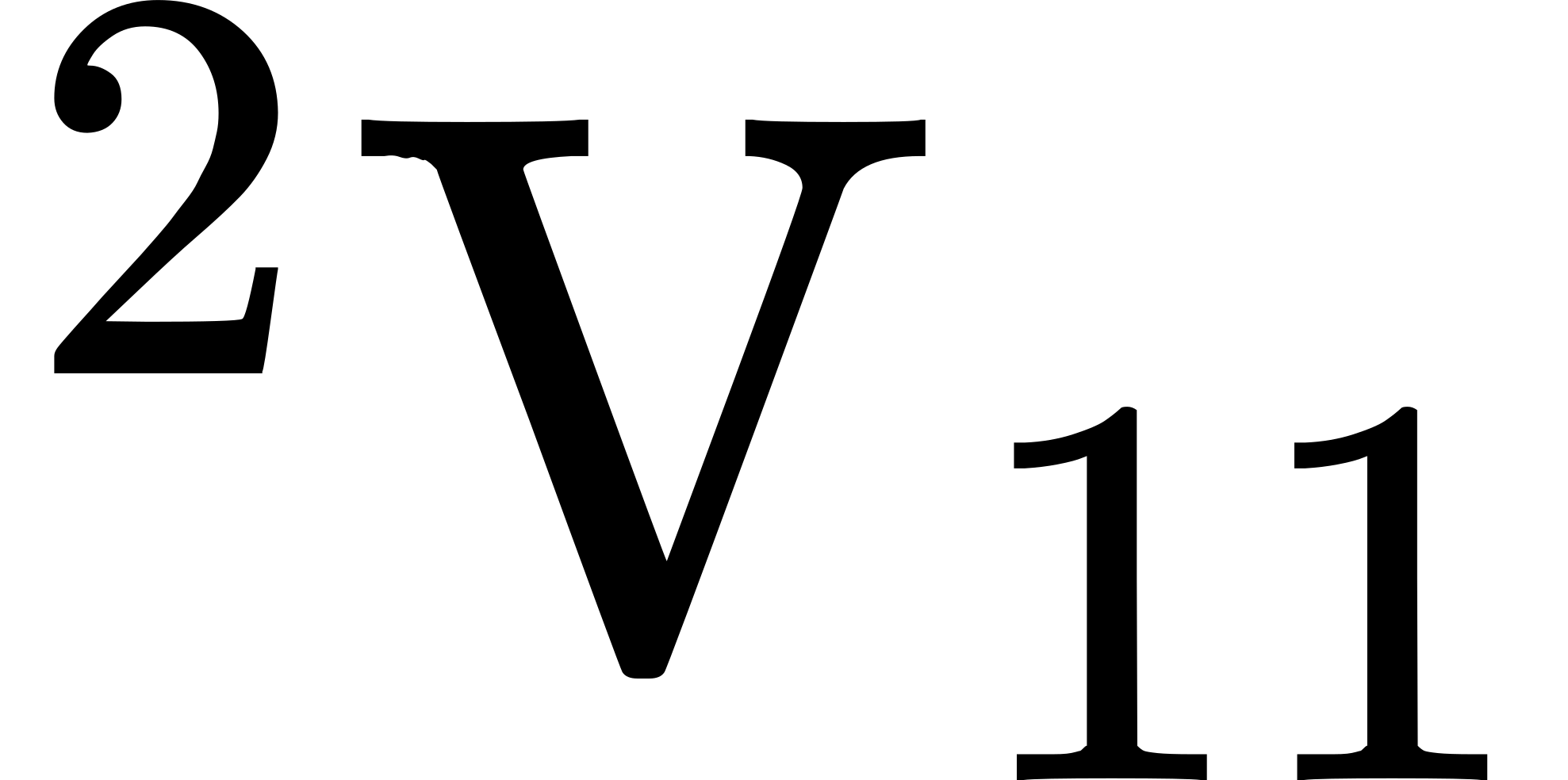 |
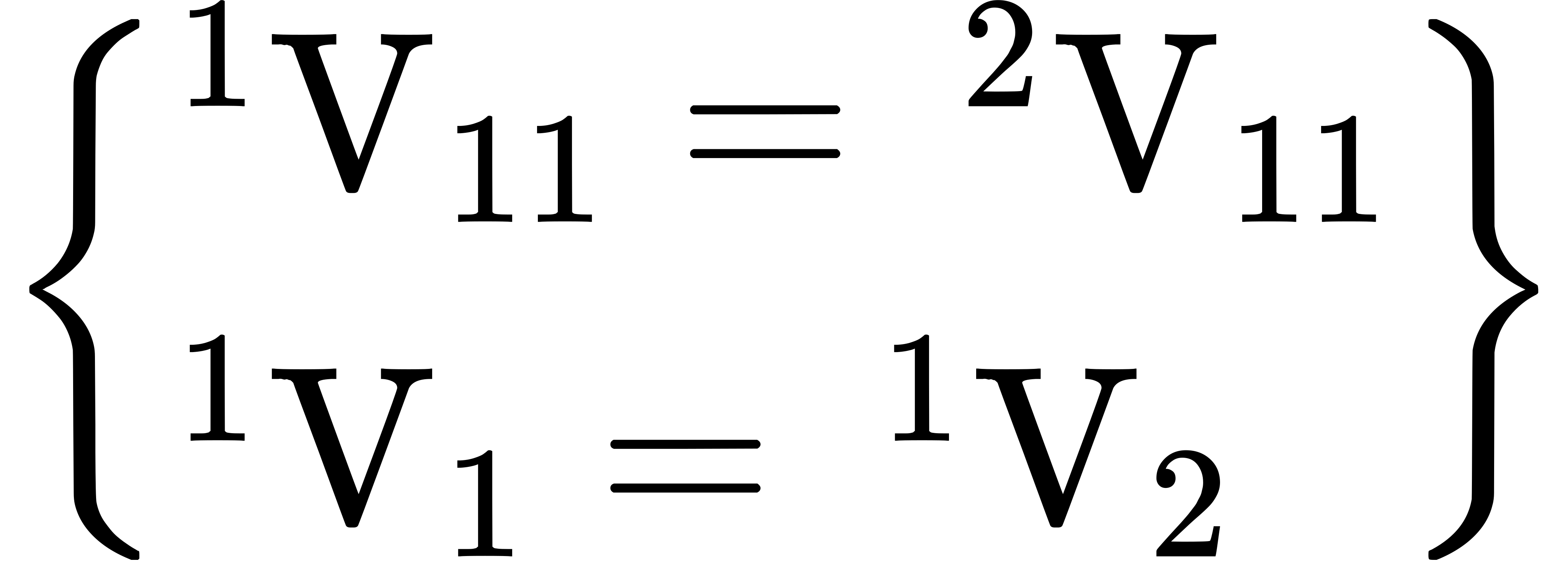 |
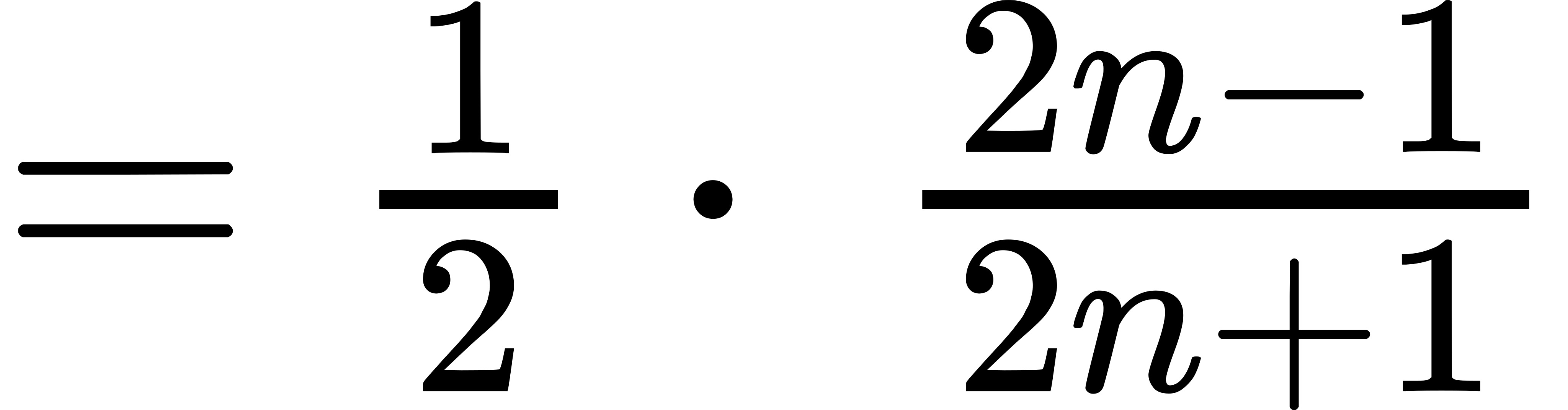 |
|
2 |
|
|
|
|
|
|
|
|
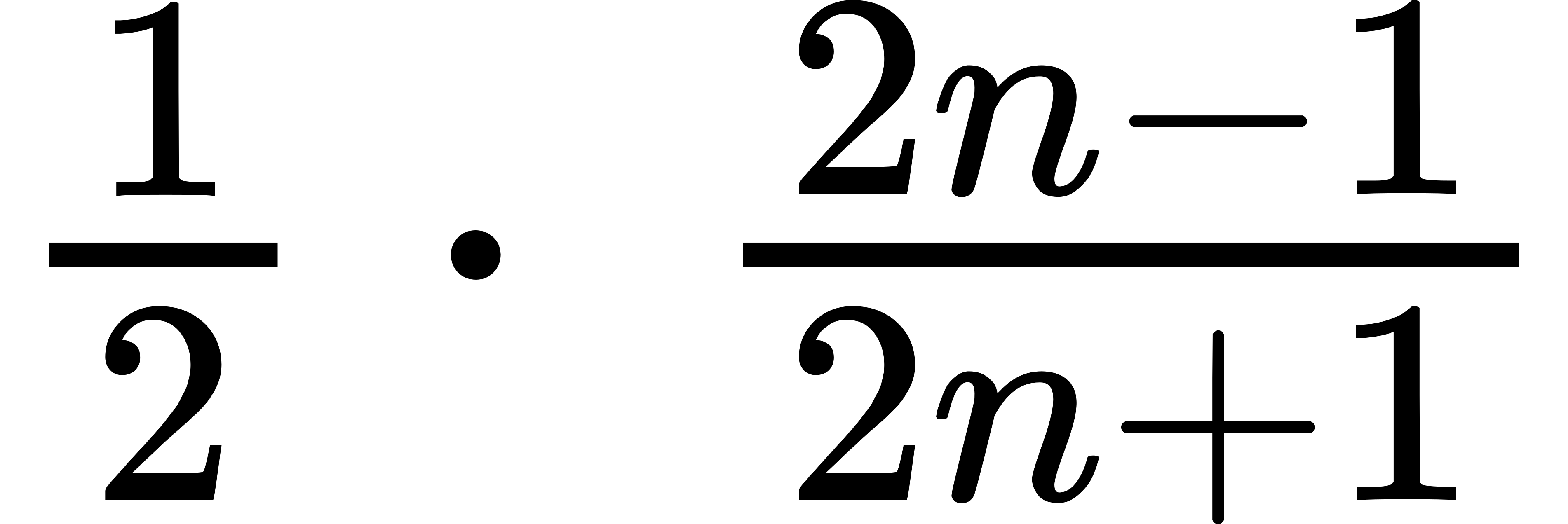 |
|
|
| 6 |
|
 |
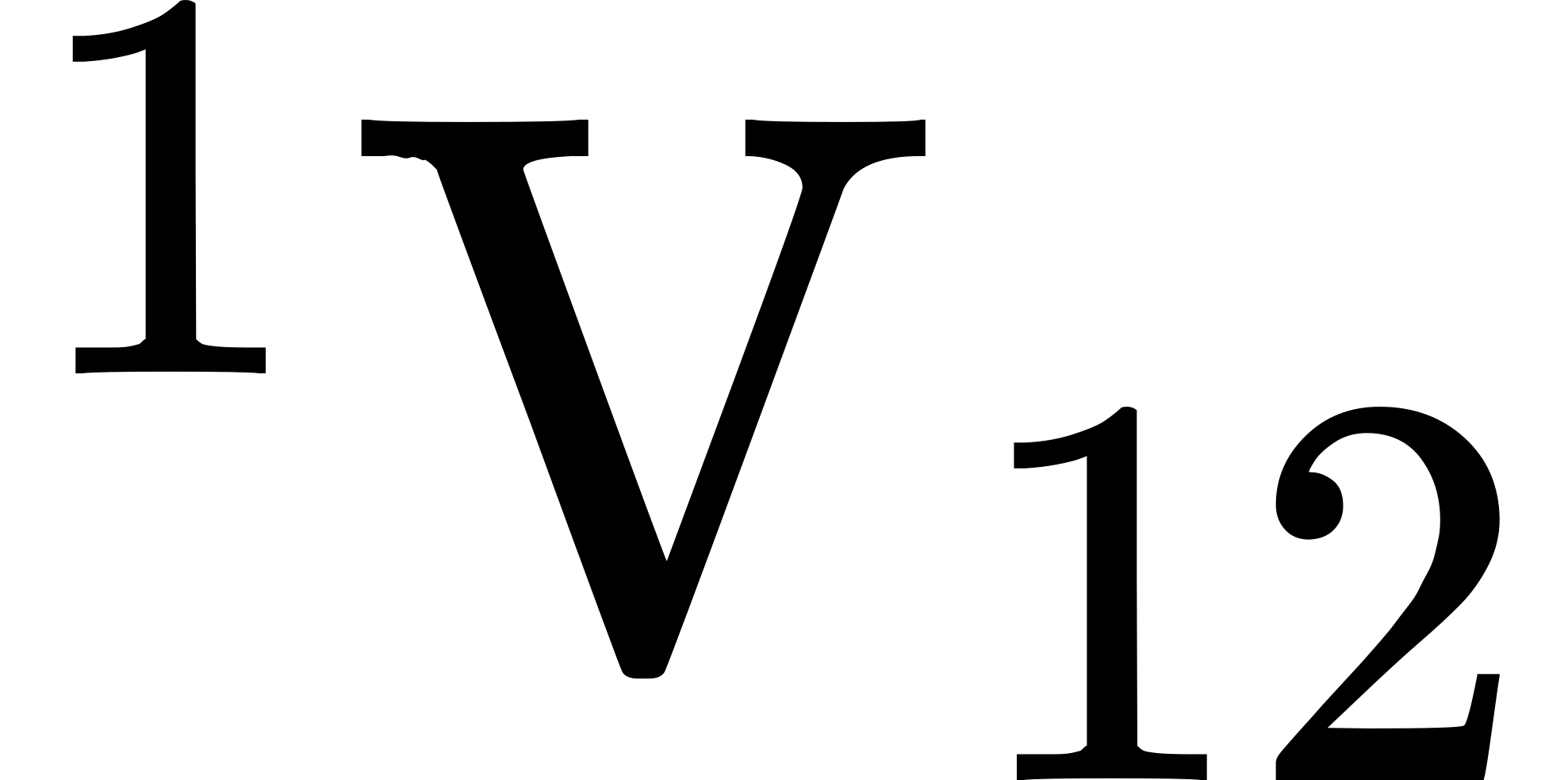 |
|
 |
|
|
|
|
|
|
|
|
|
|
0 |
|
|
| 7 |
|
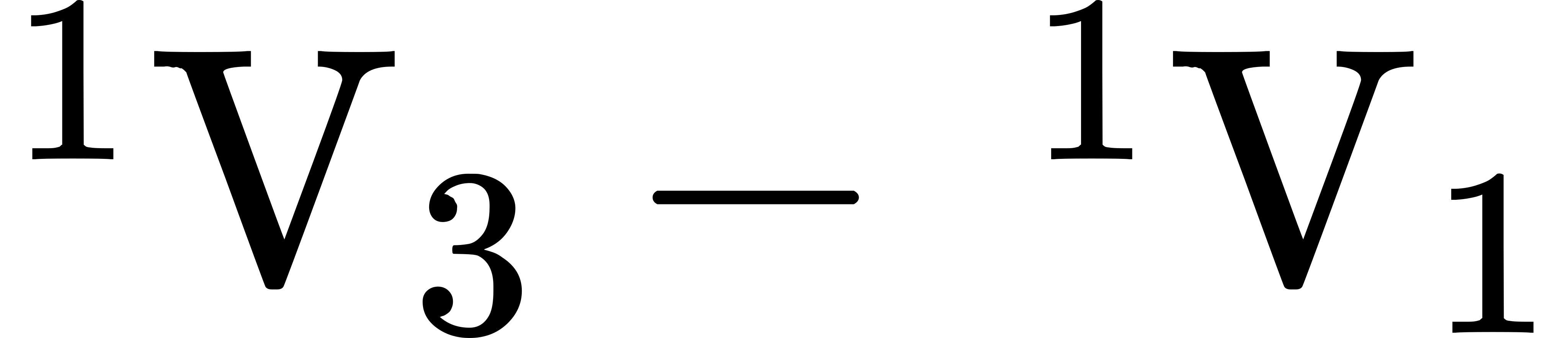 |
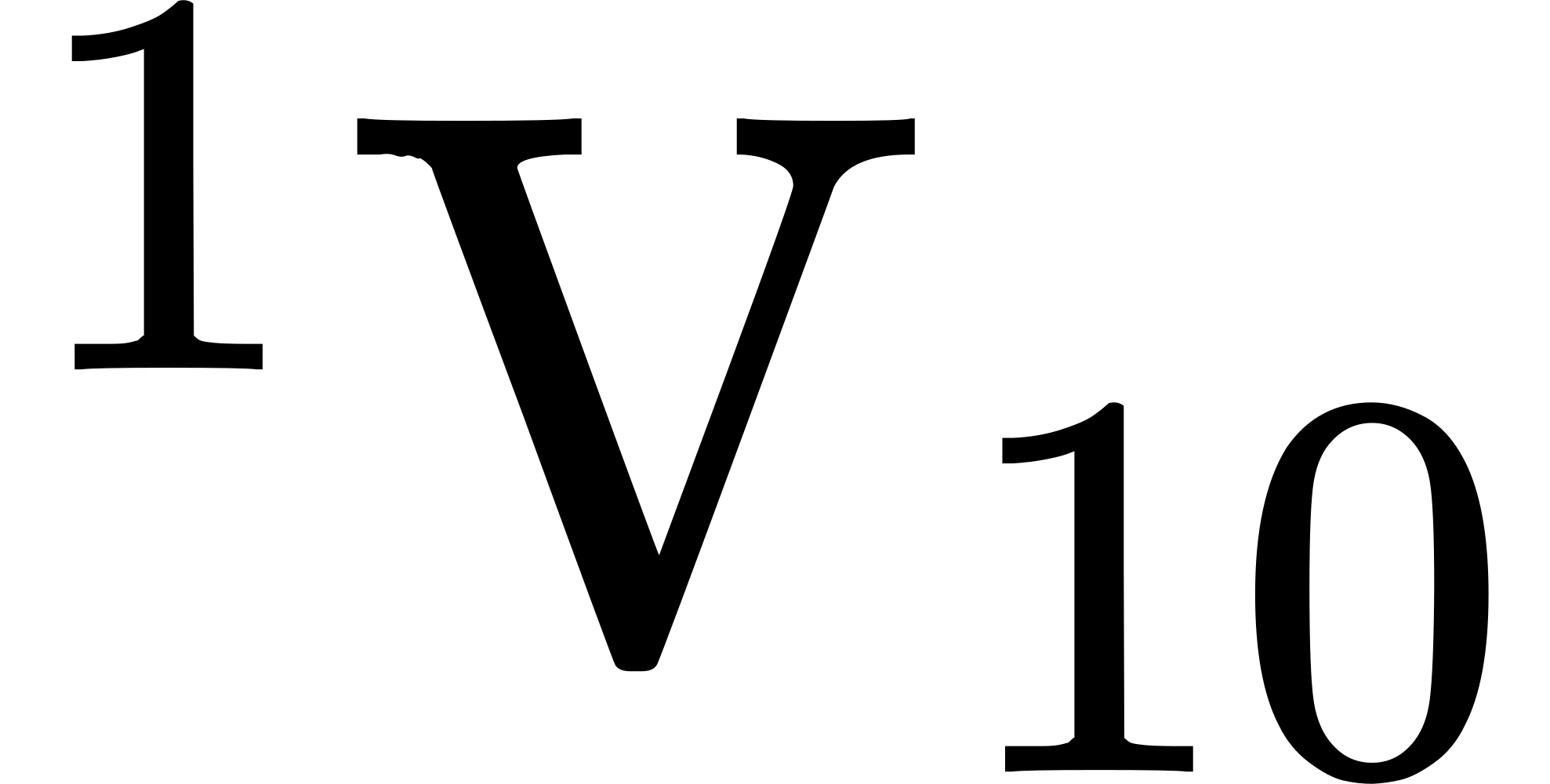 |
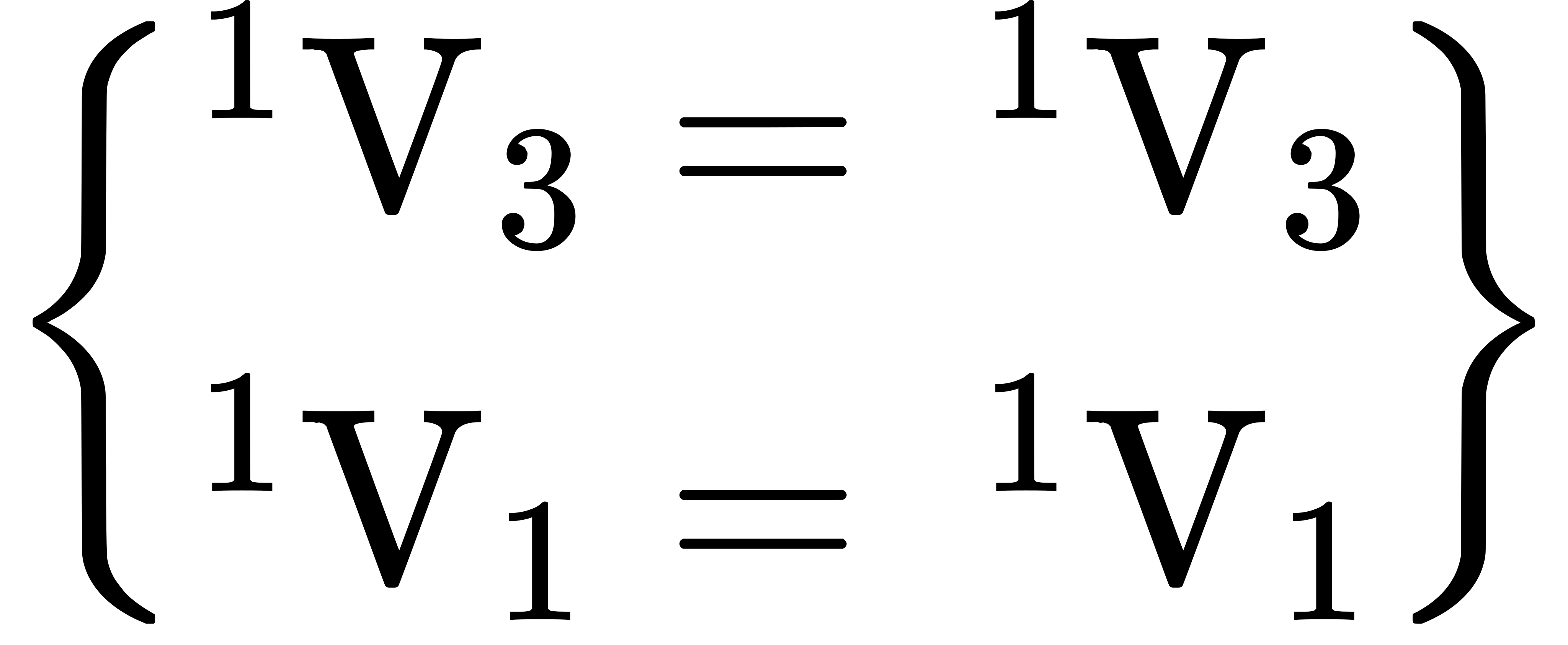 |
 |
1 |
|
|
|
|
|
|
|
|
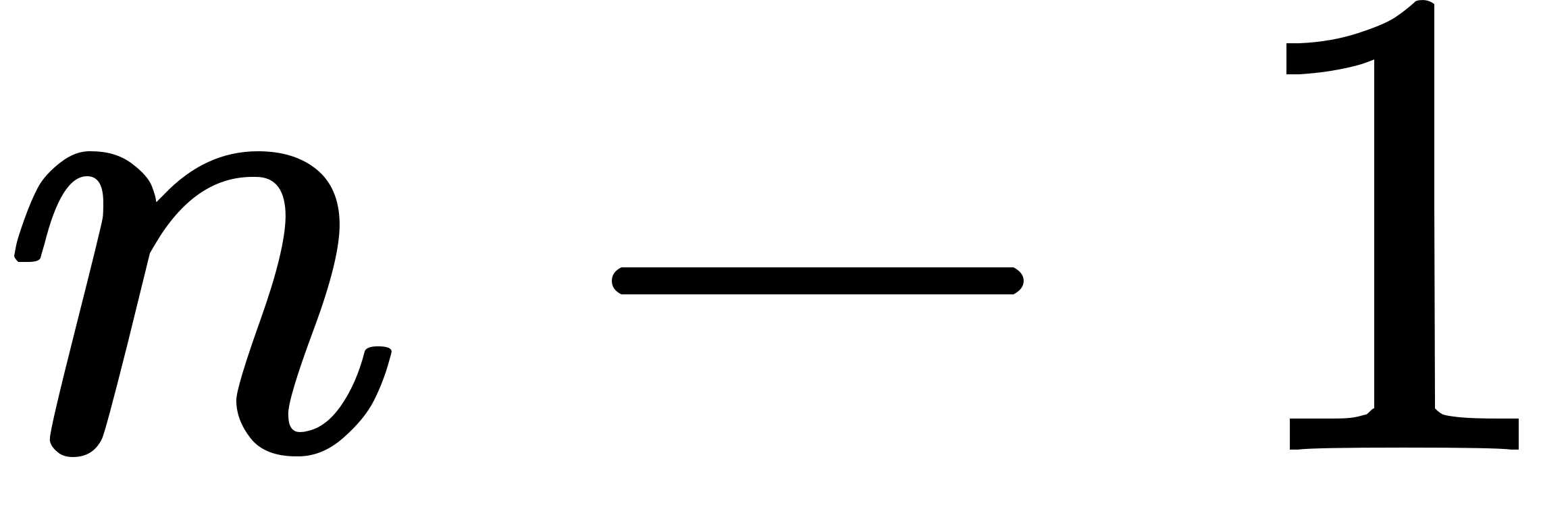 |
|
|
|
| 8 |
|
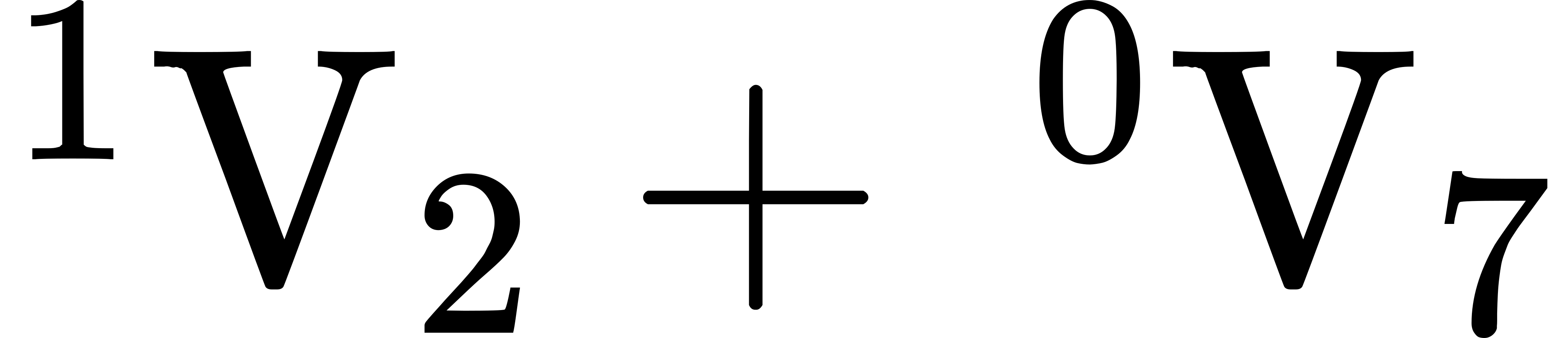 |
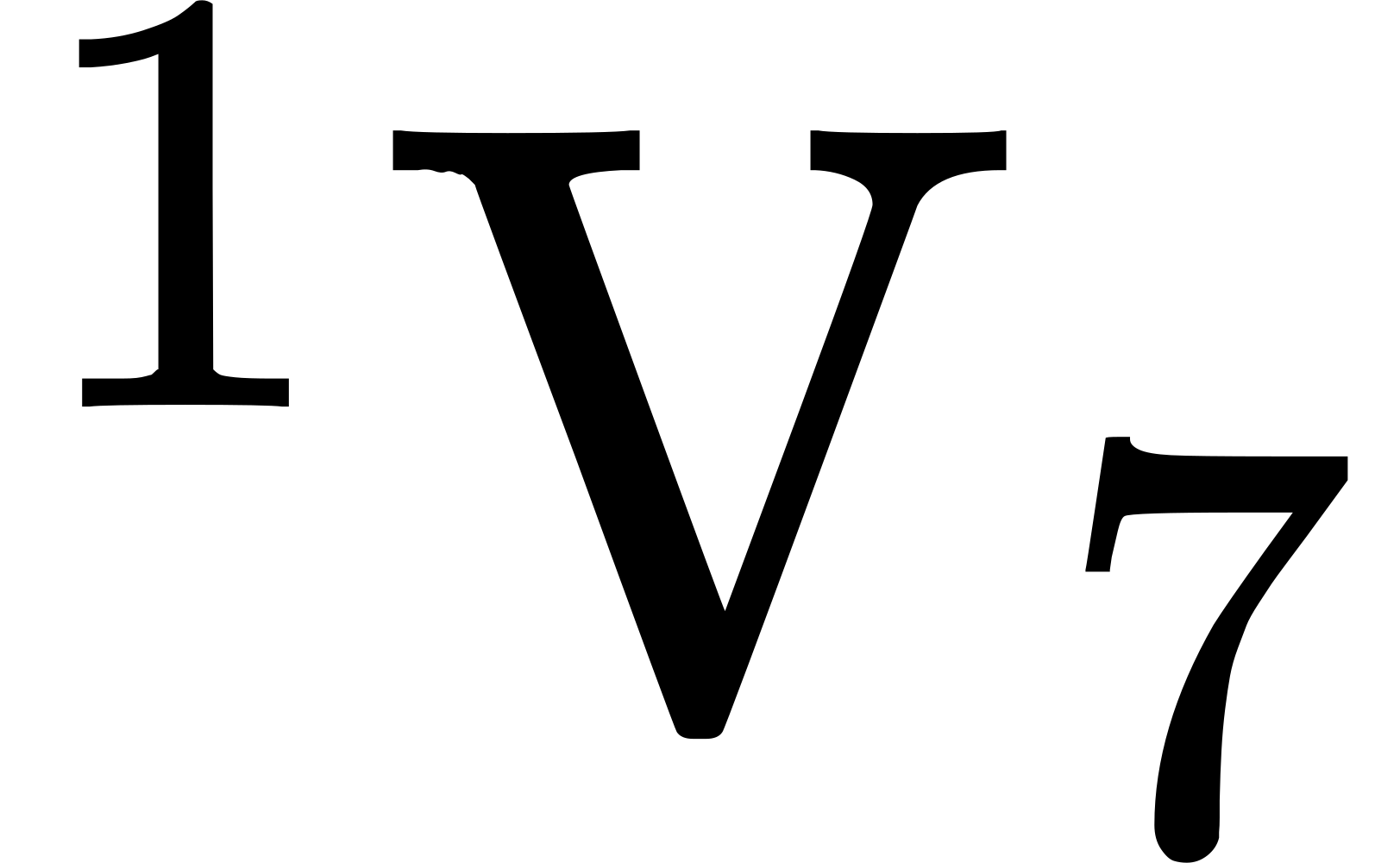 |
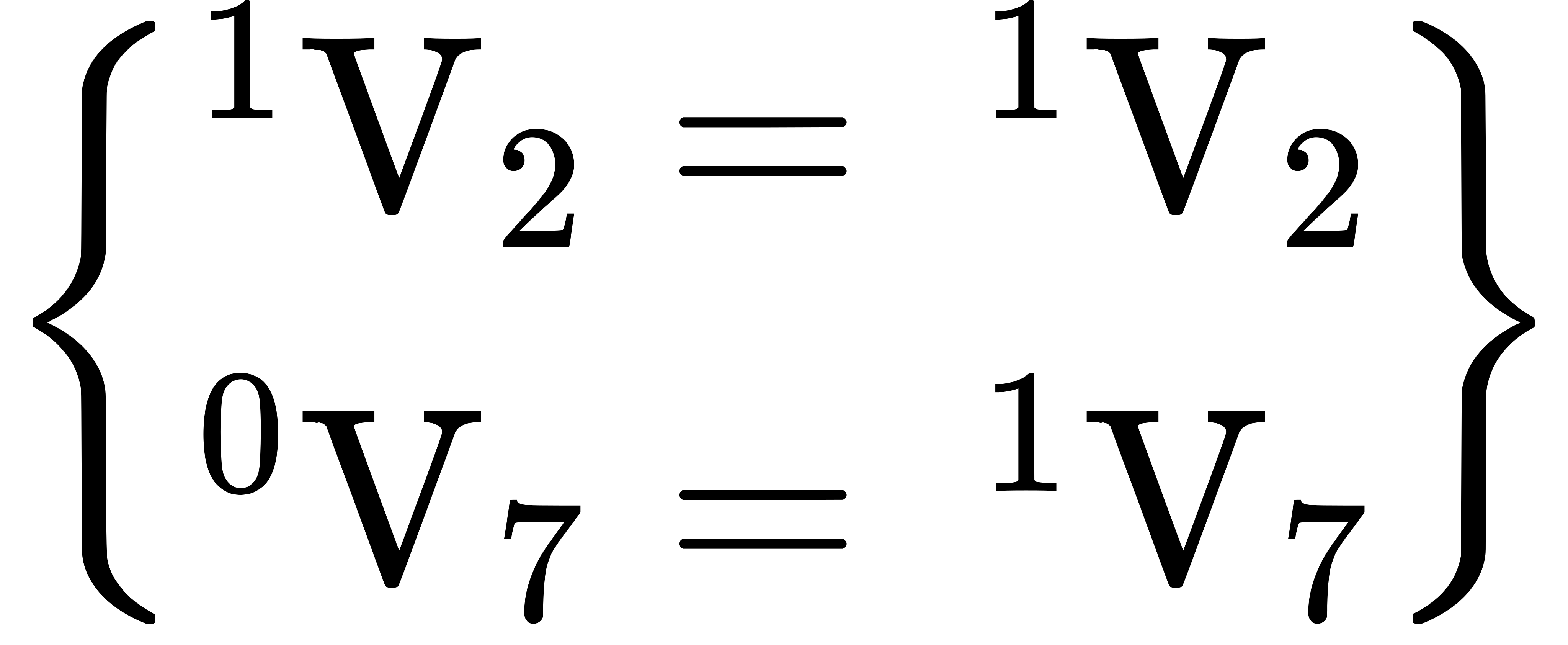 |
 |
|
|
|
|
|
|
|
|
|
|
|
|
|
| 9 |
|
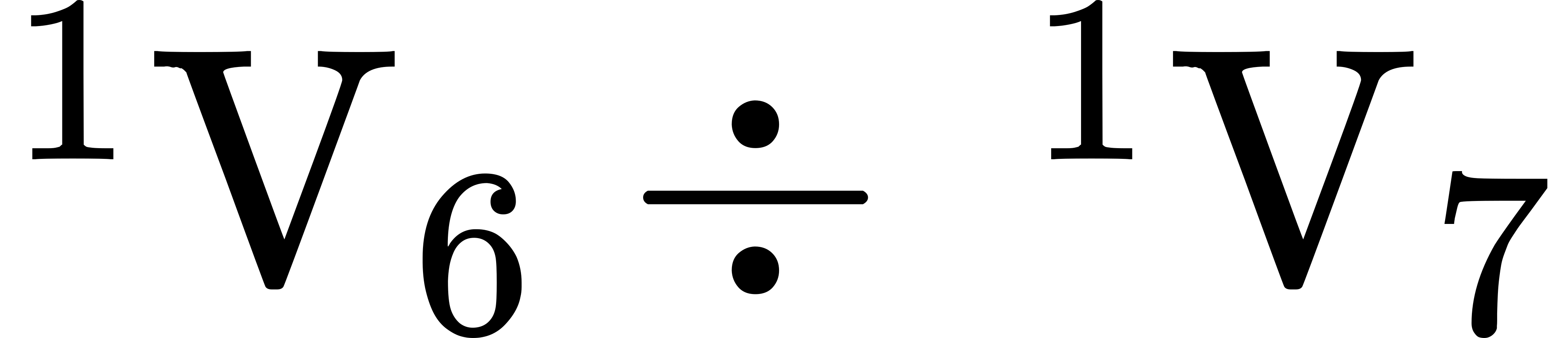 |
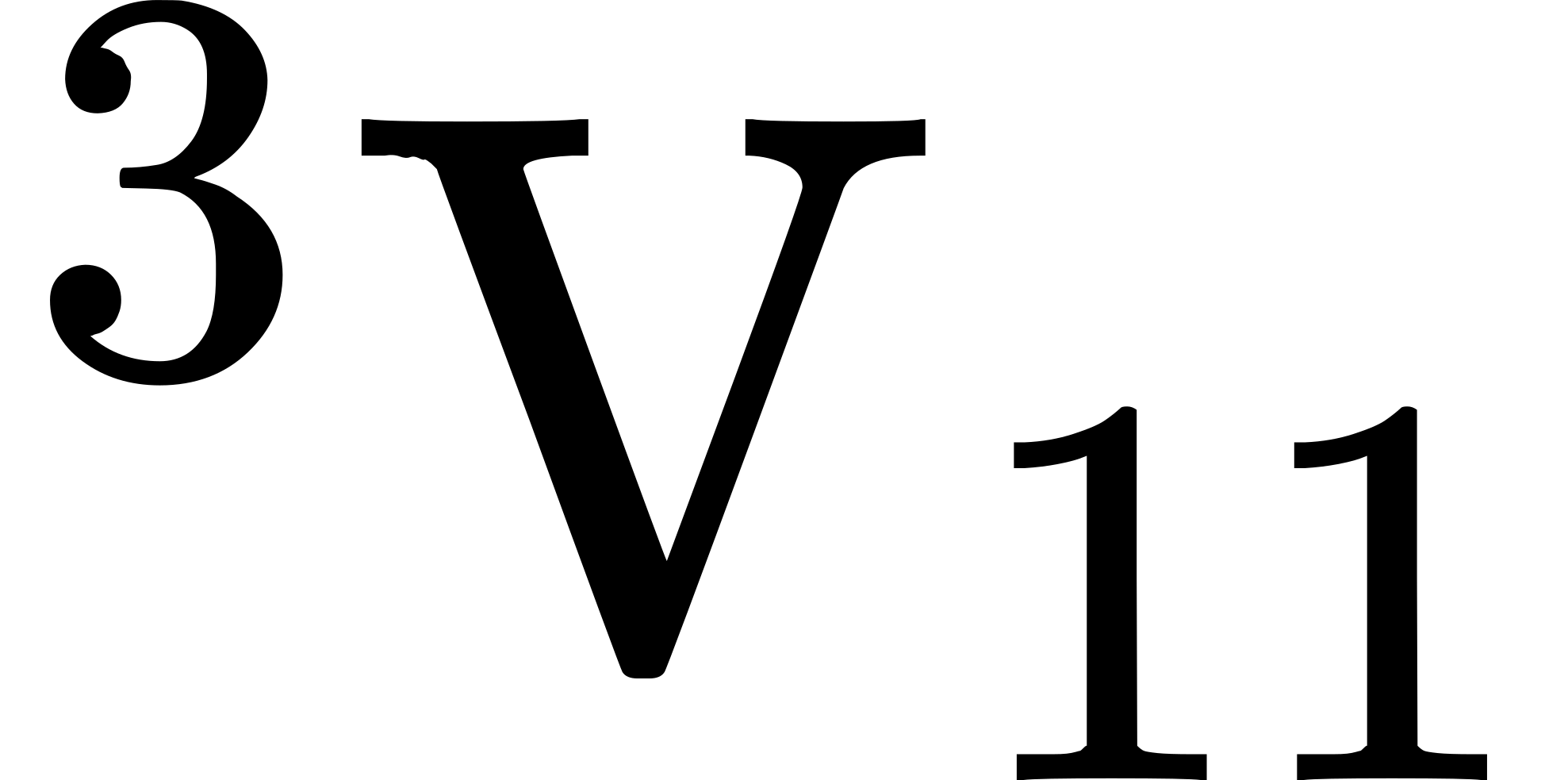 |
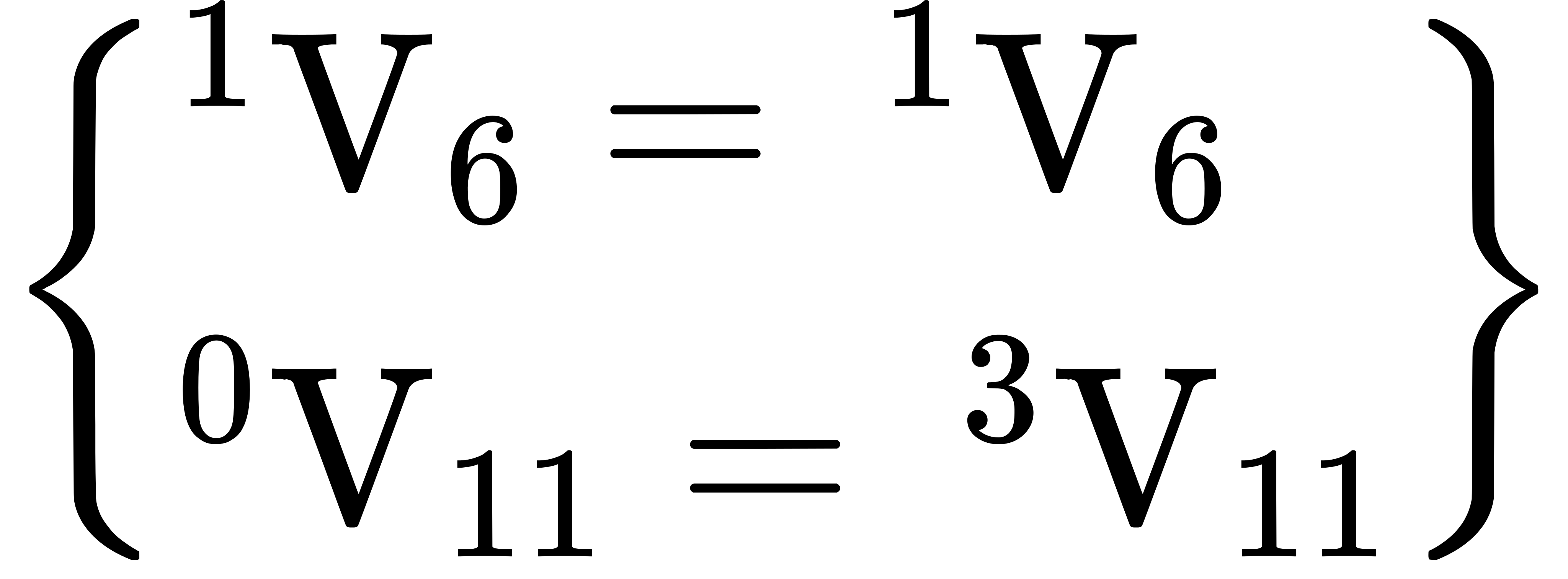 |
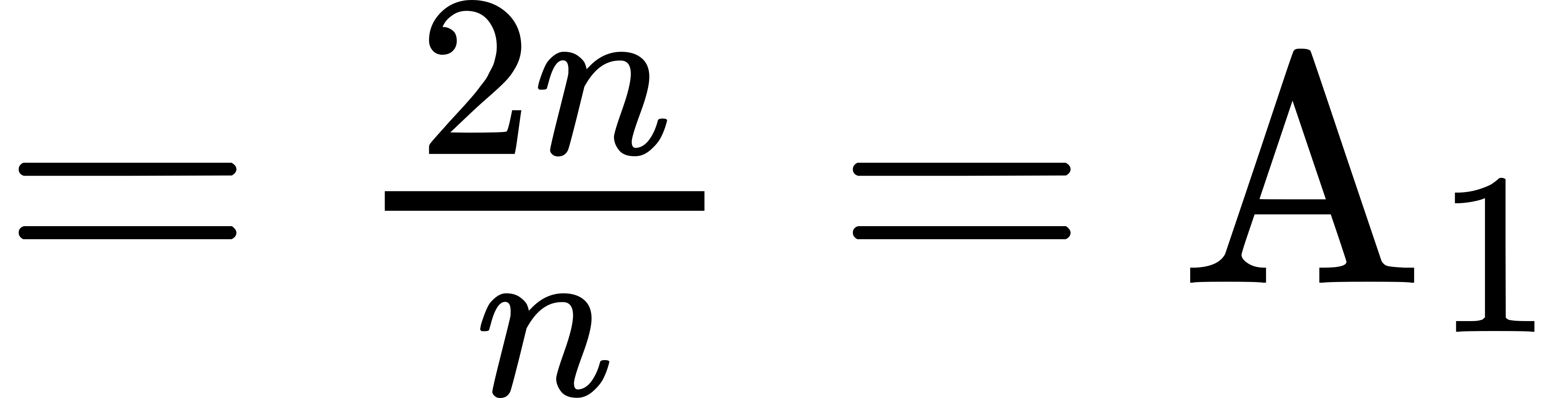 |
|
|
|
|
|
|
|
|
|
|
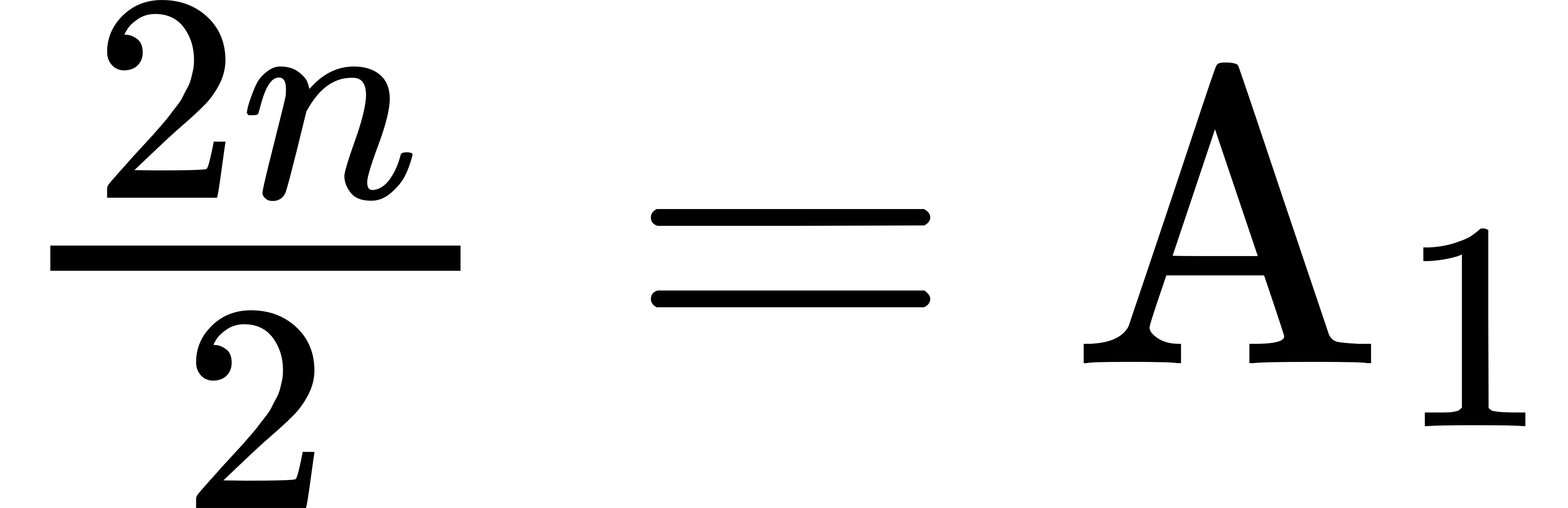 |
|
|
| 10 |
|
 |
|
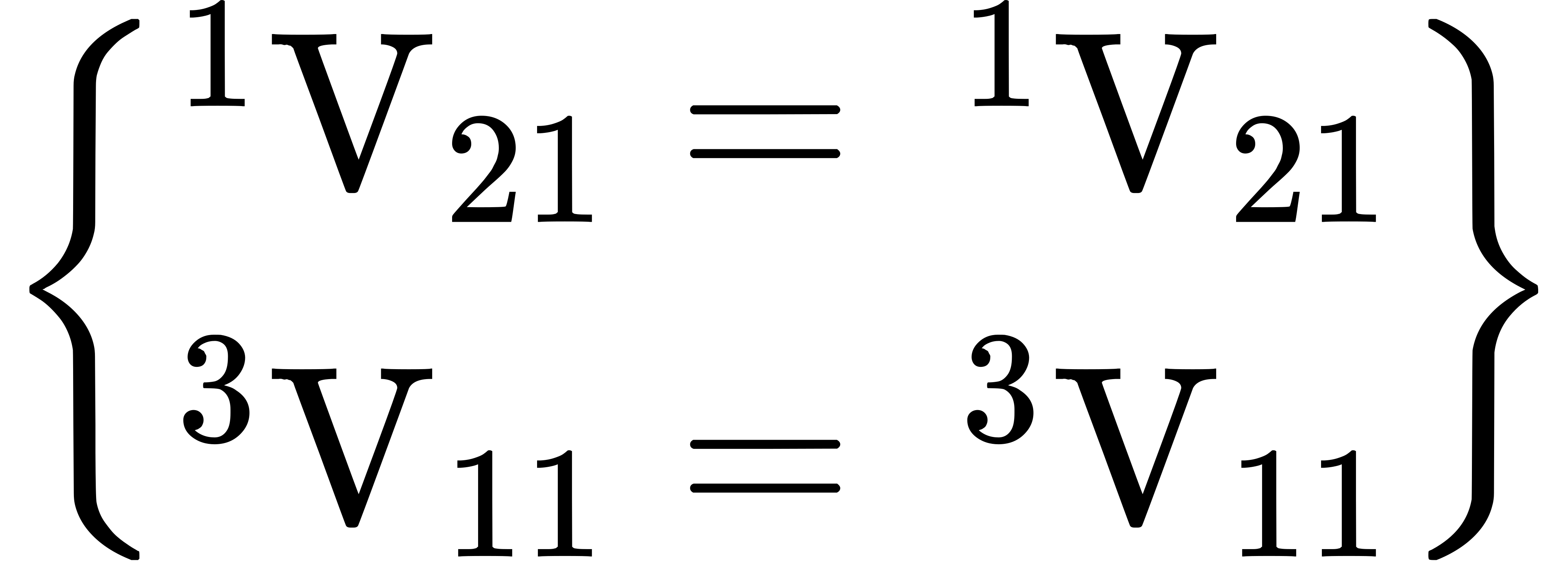 |
 |
|
|
|
|
|
|
|
|
|
|
|
 |
|
| 11 |
|
 |
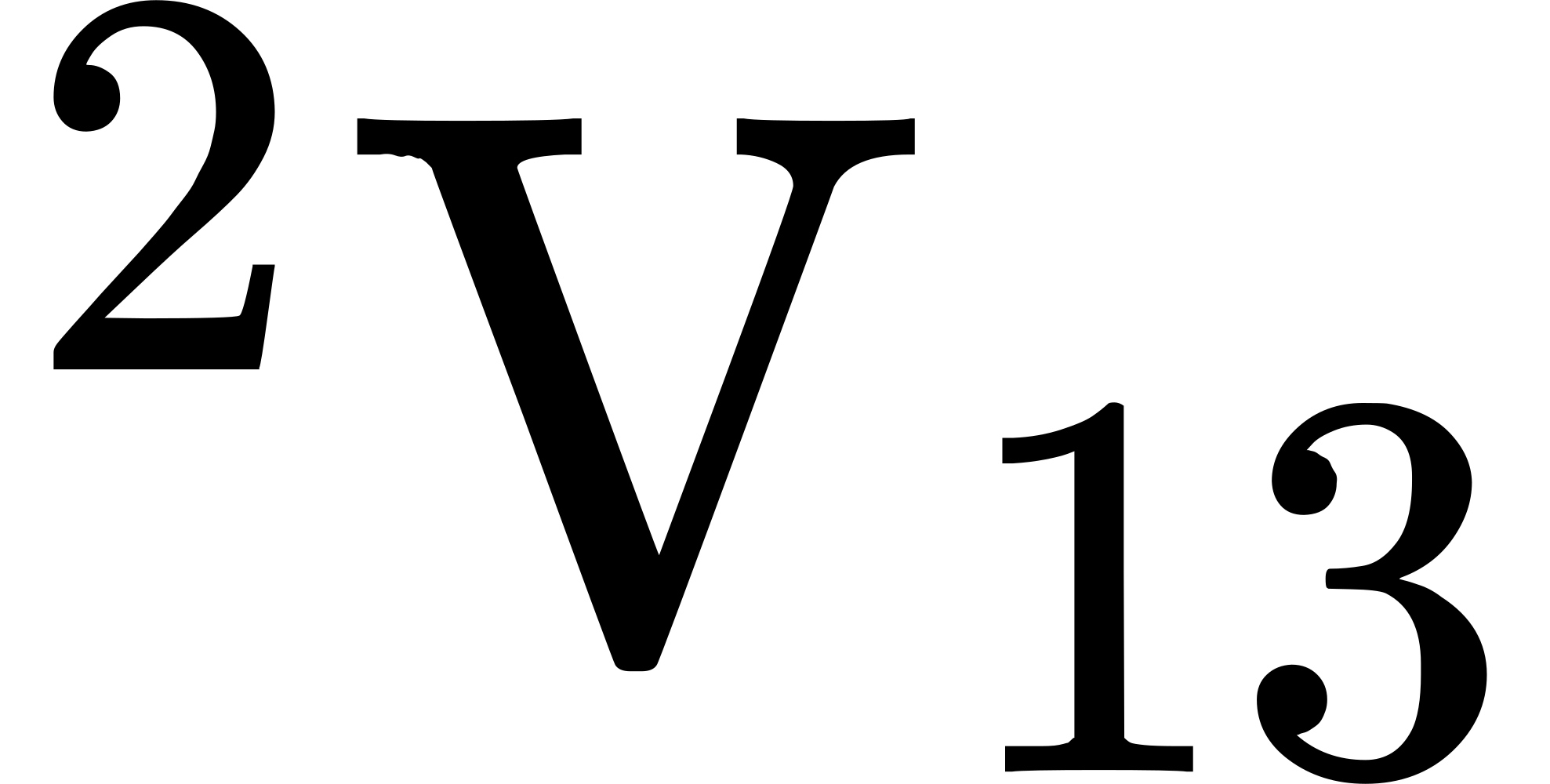 |
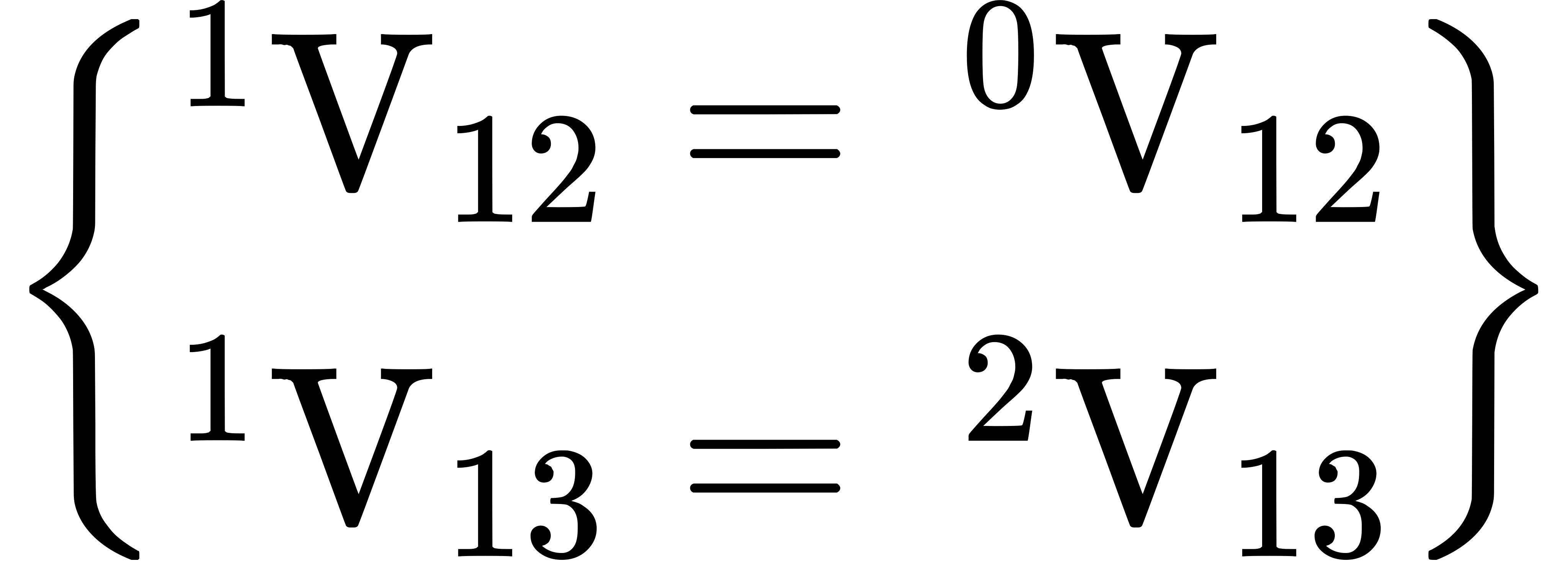 |
 |
|
|
|
|
|
|
|
|
|
|
|
0 |
 |
| 12 |
|
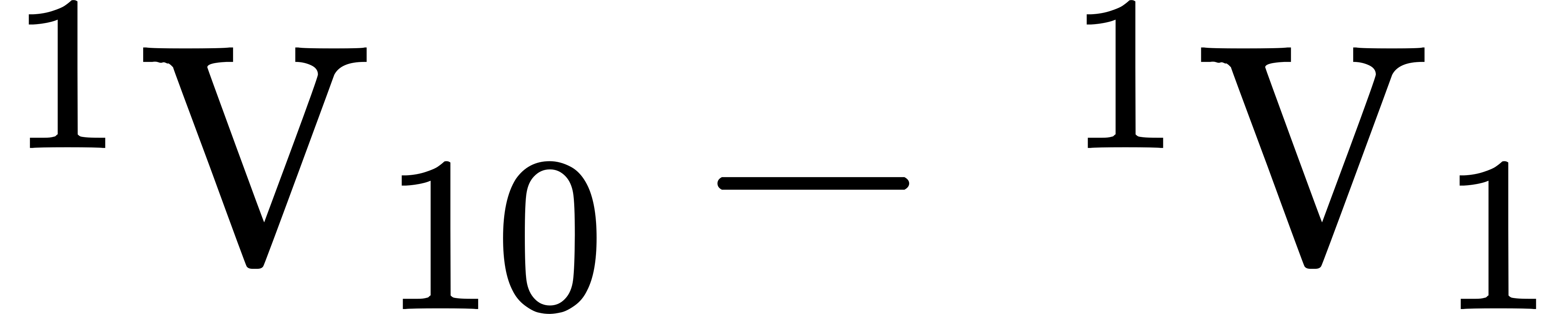 |
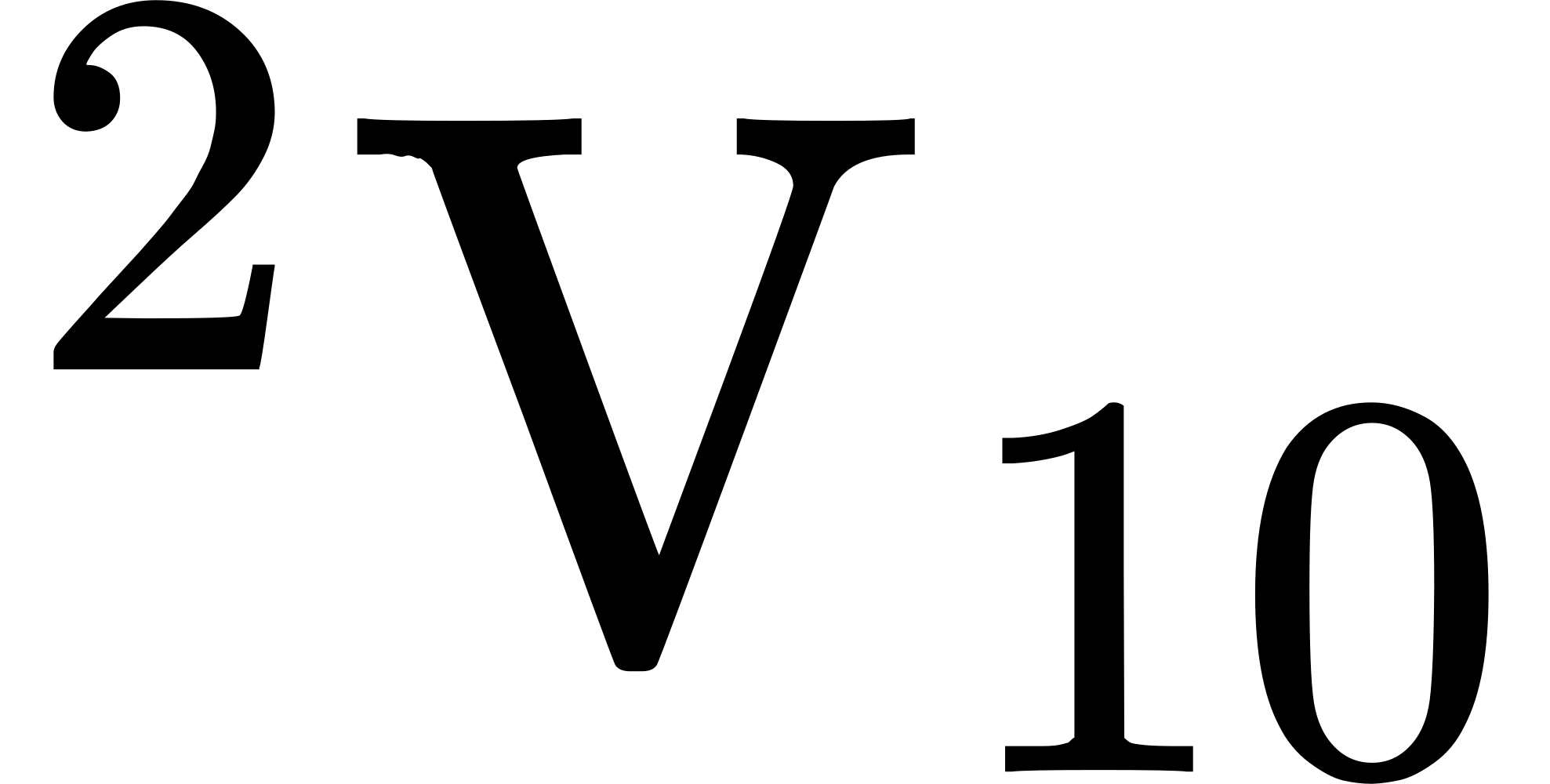 |
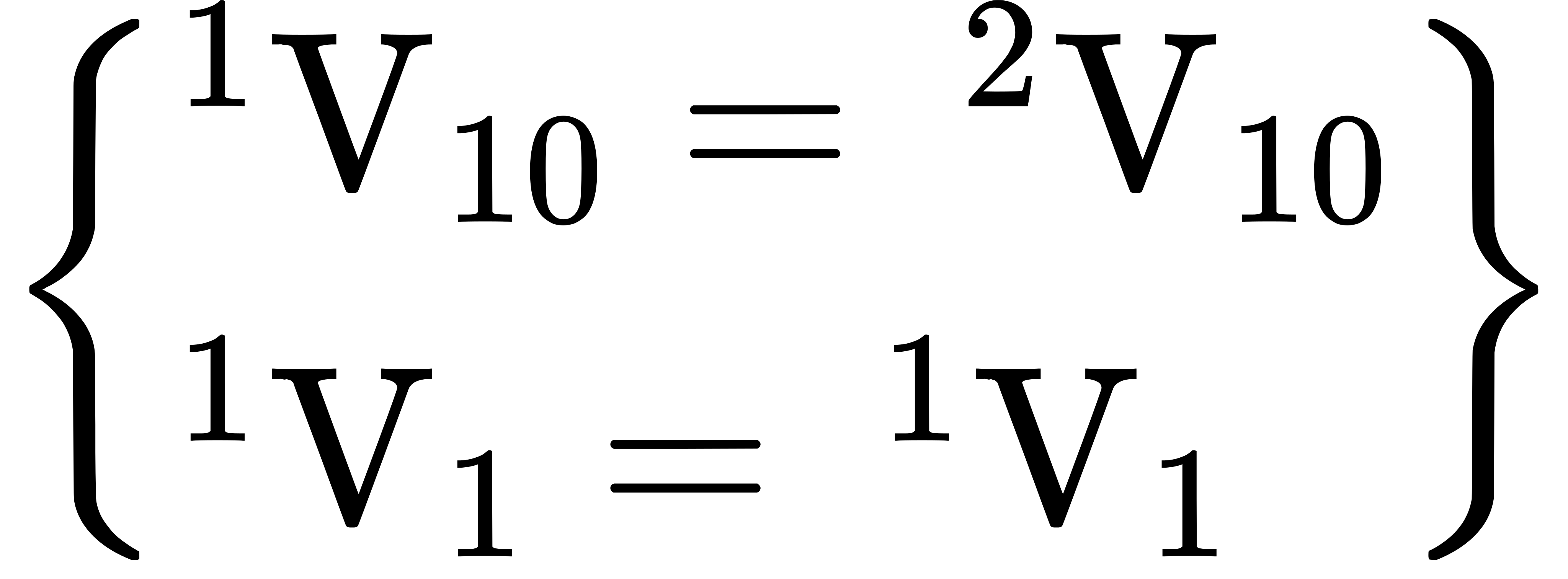 |
 |
 |
|
|
|
|
|
|
|
|
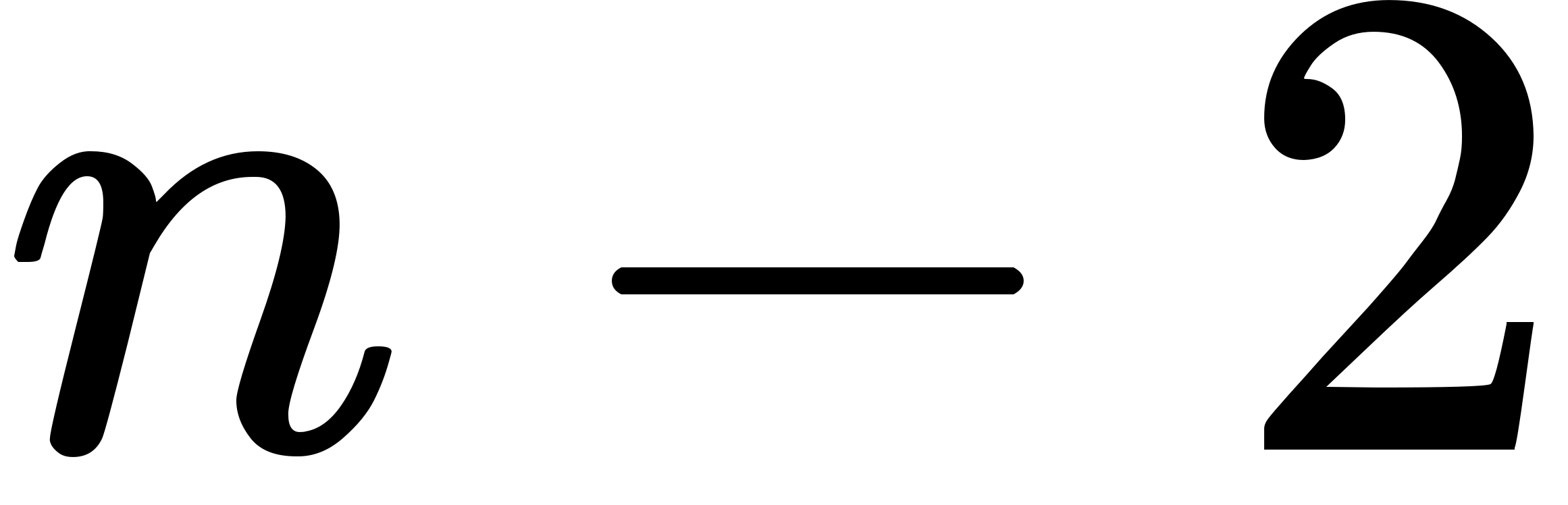 |
|
|
|
| 13 |
 |
 |
|
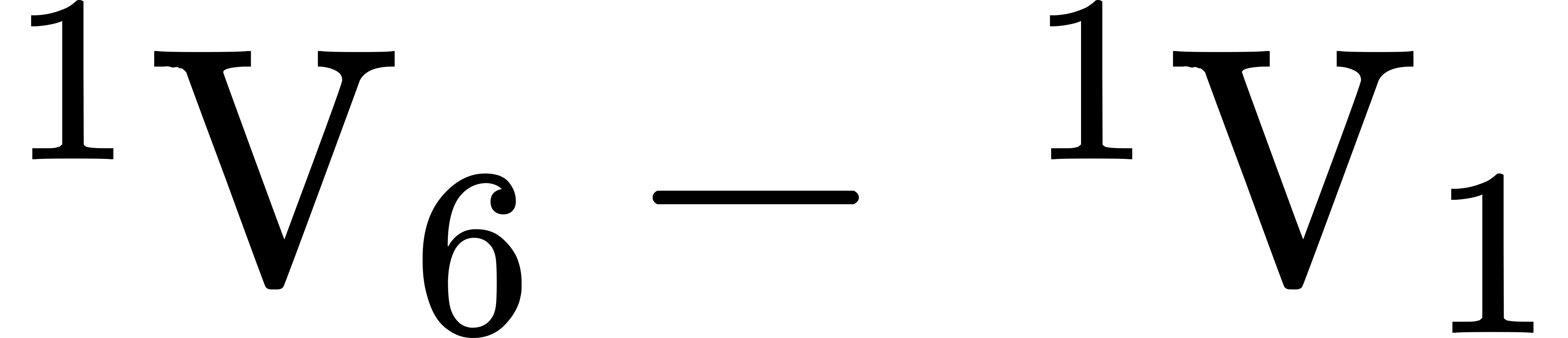 |
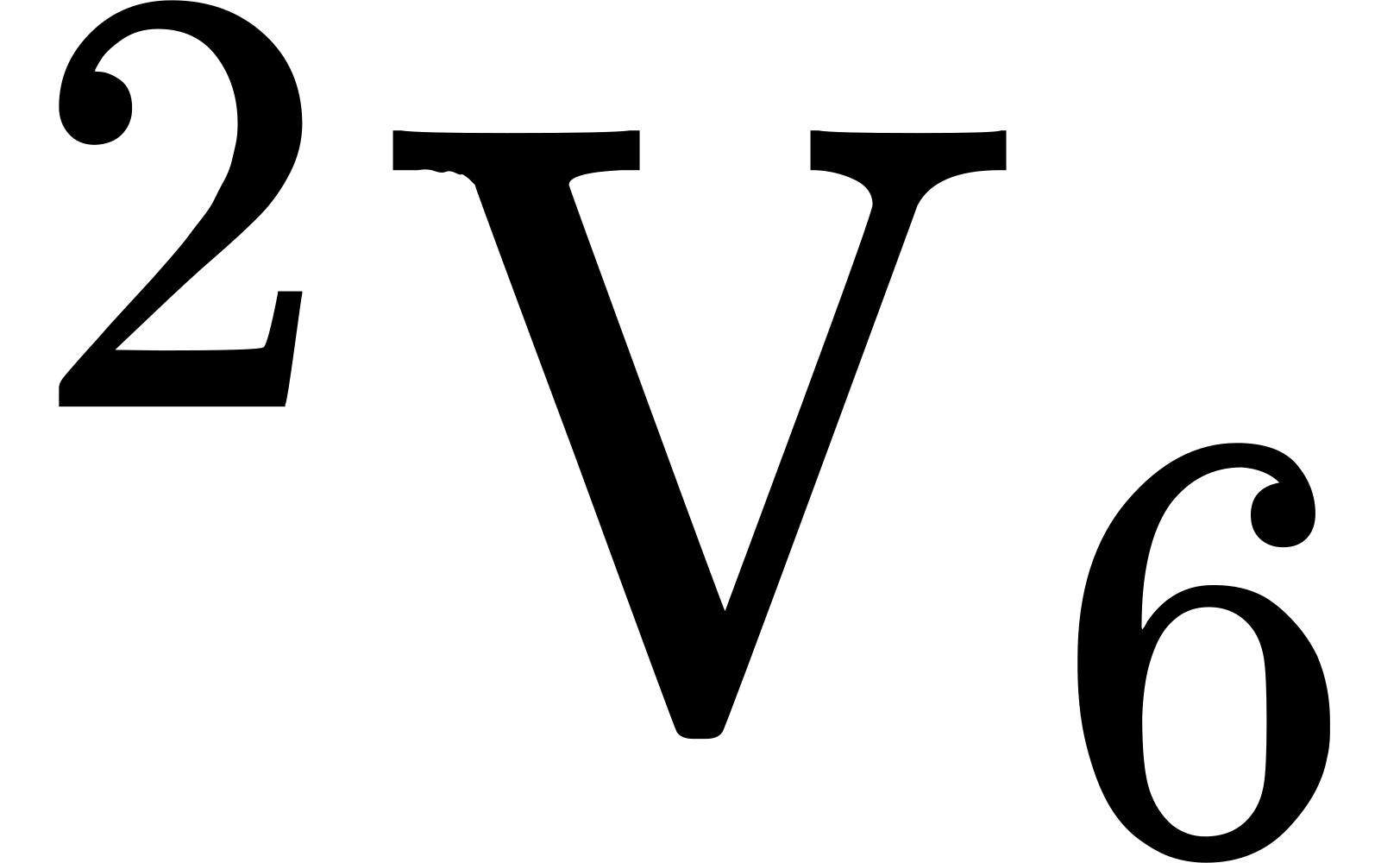 |
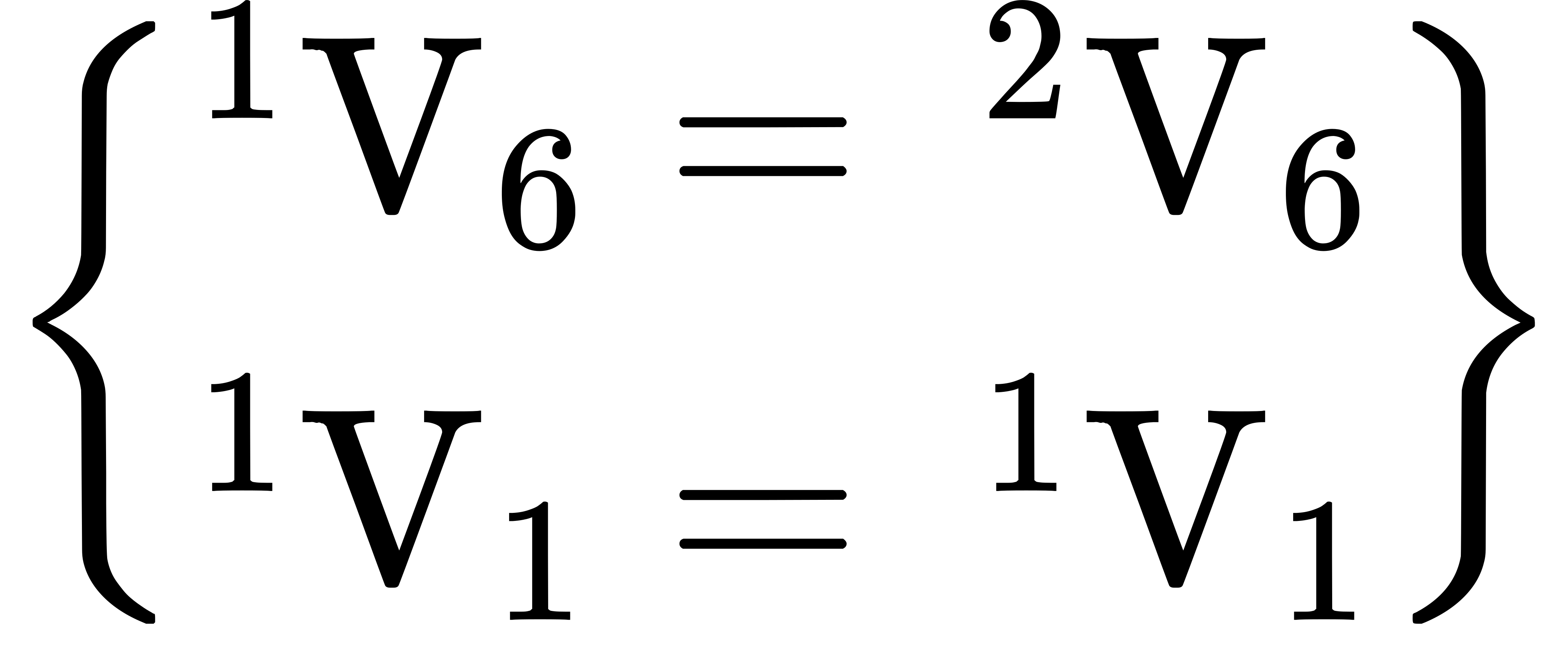 |
|
|
|
|
|
|
|
|
|
|
|
|
|
|
| 14 |
|
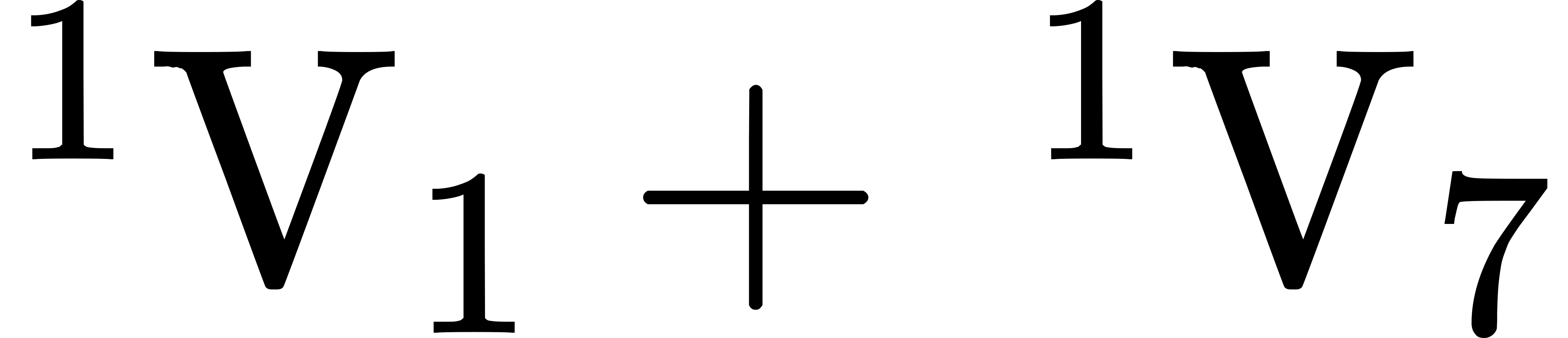 |
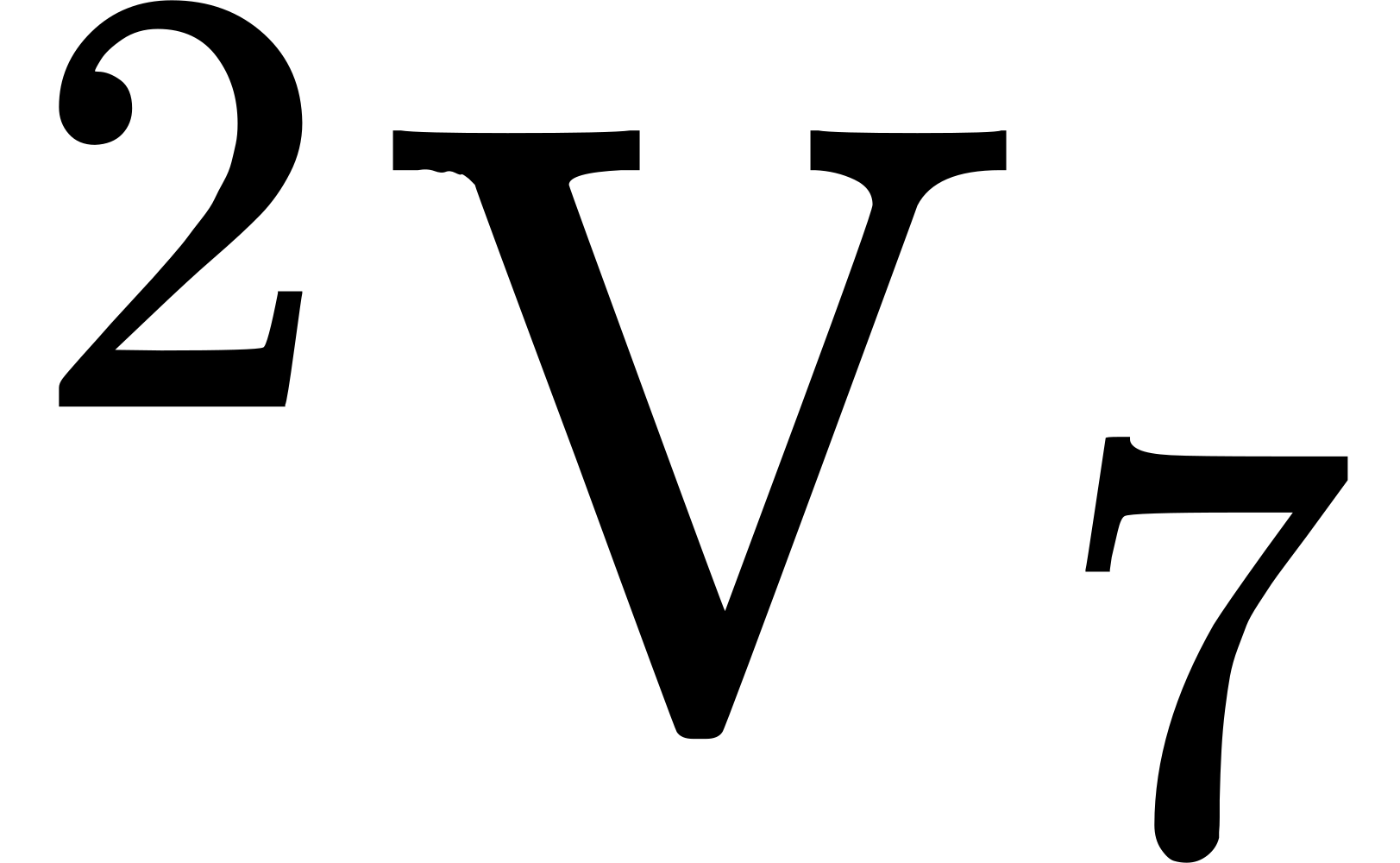 |
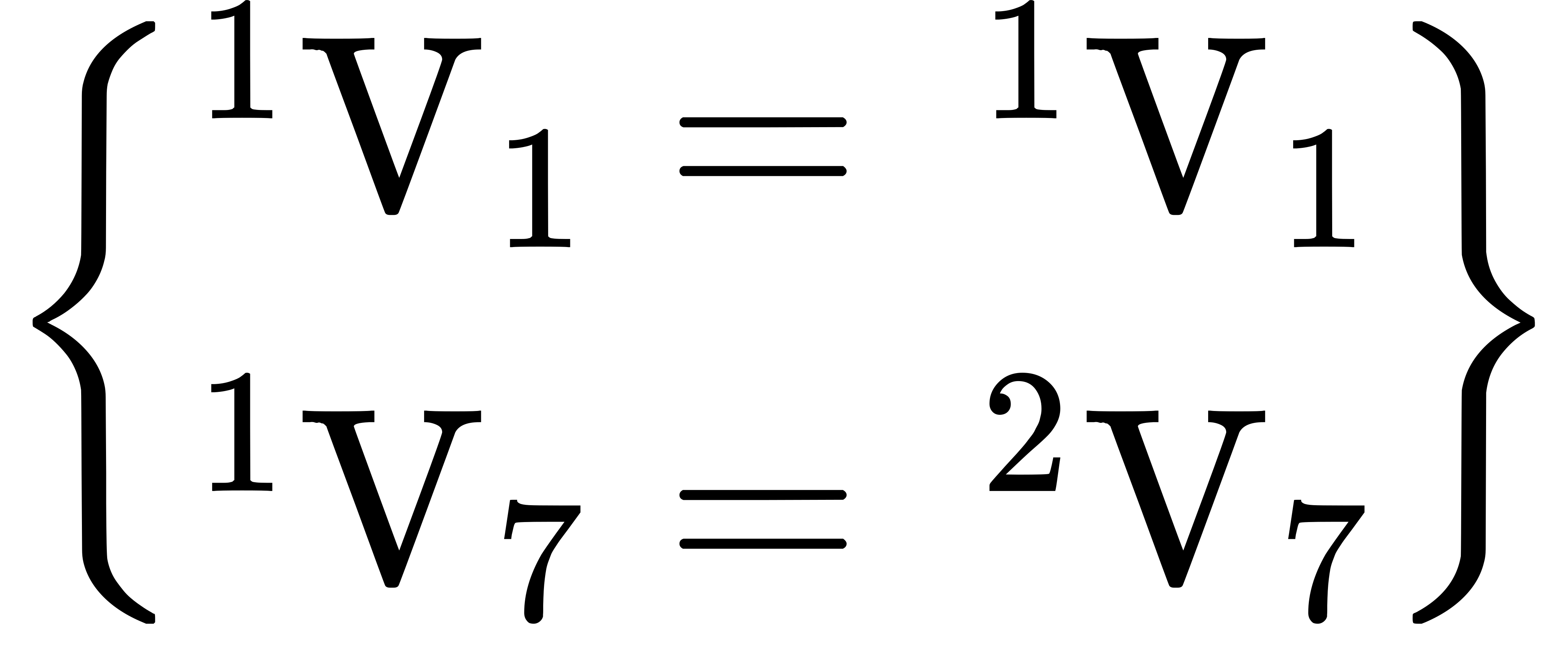 |
 |
|
|
|
|
|
|
 |
|
|
|
|
|
|
| 15 |
|
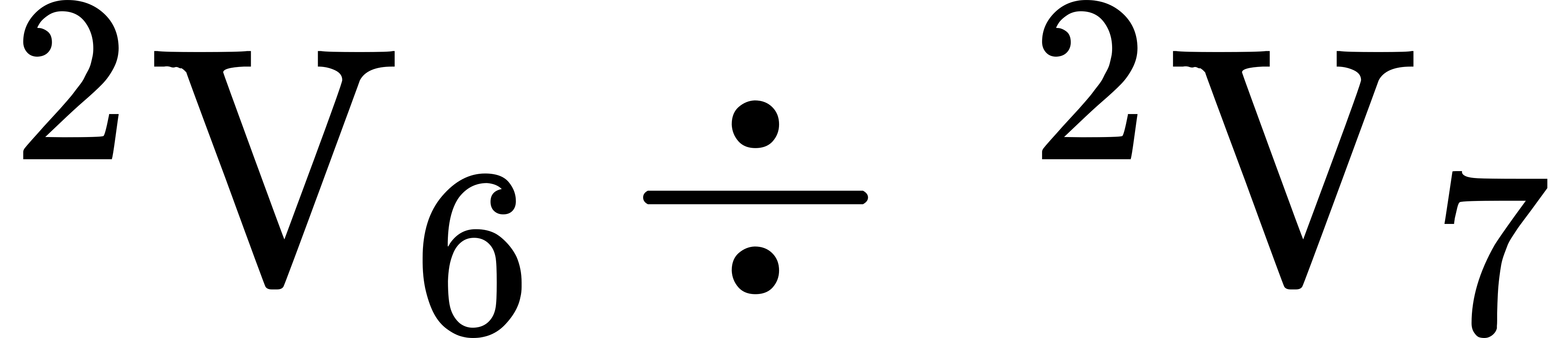 |
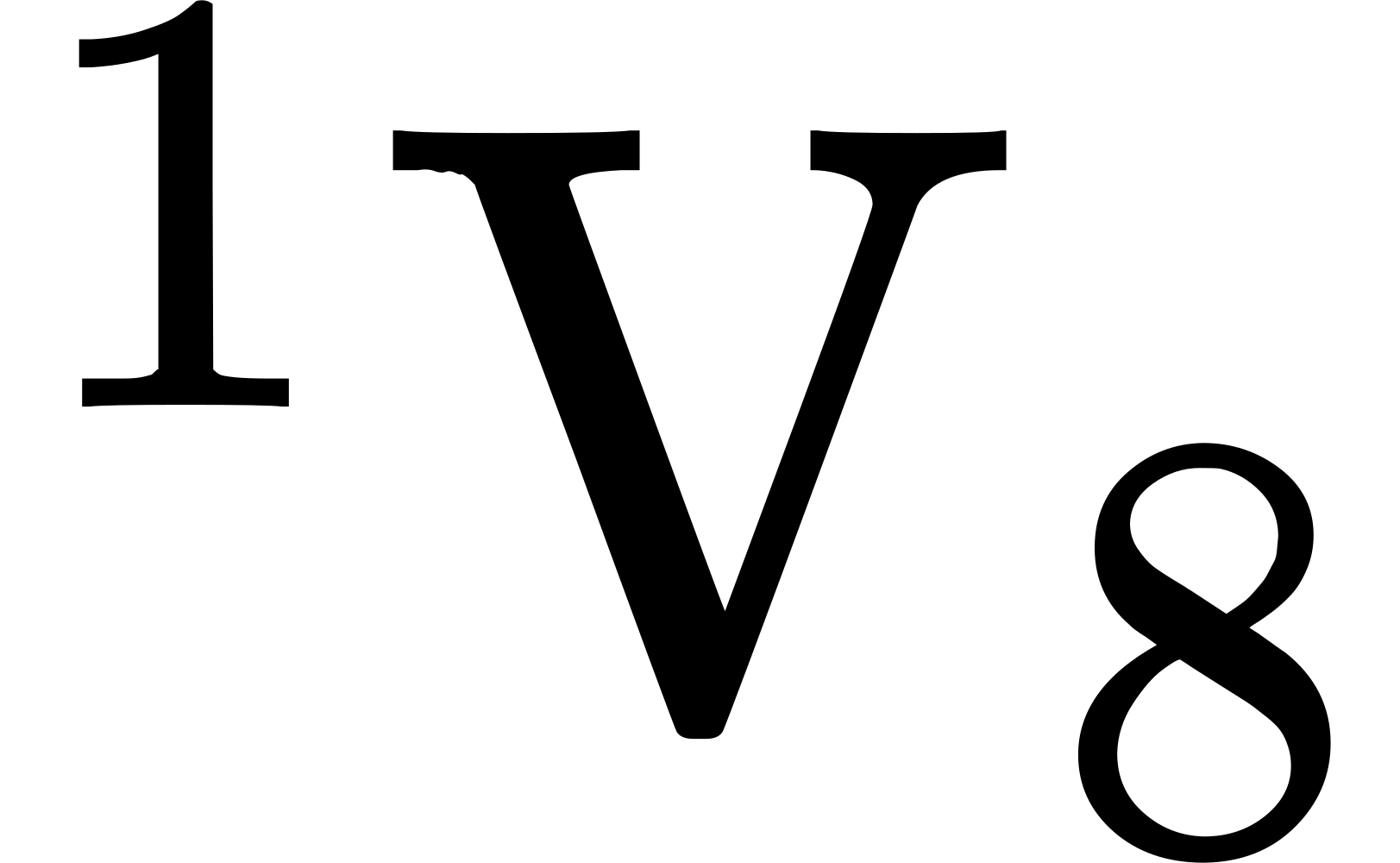 |
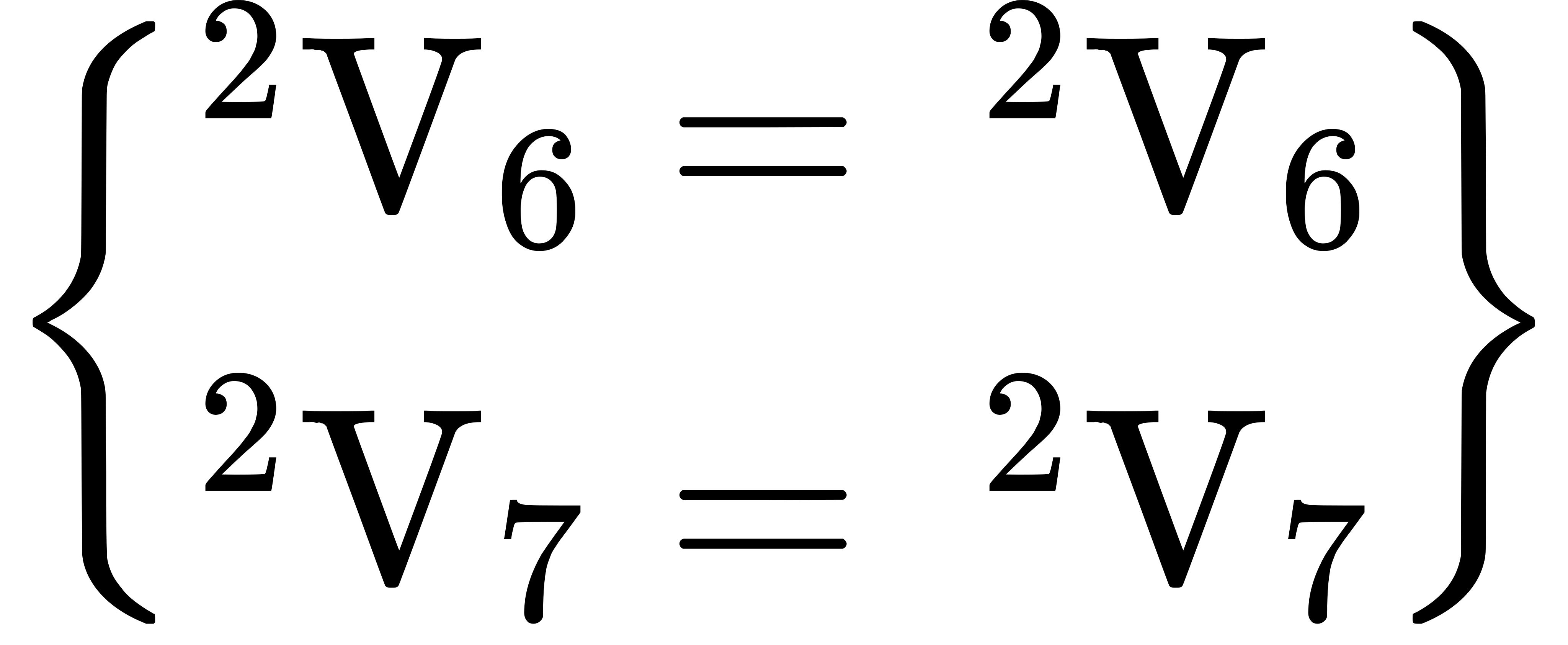 |
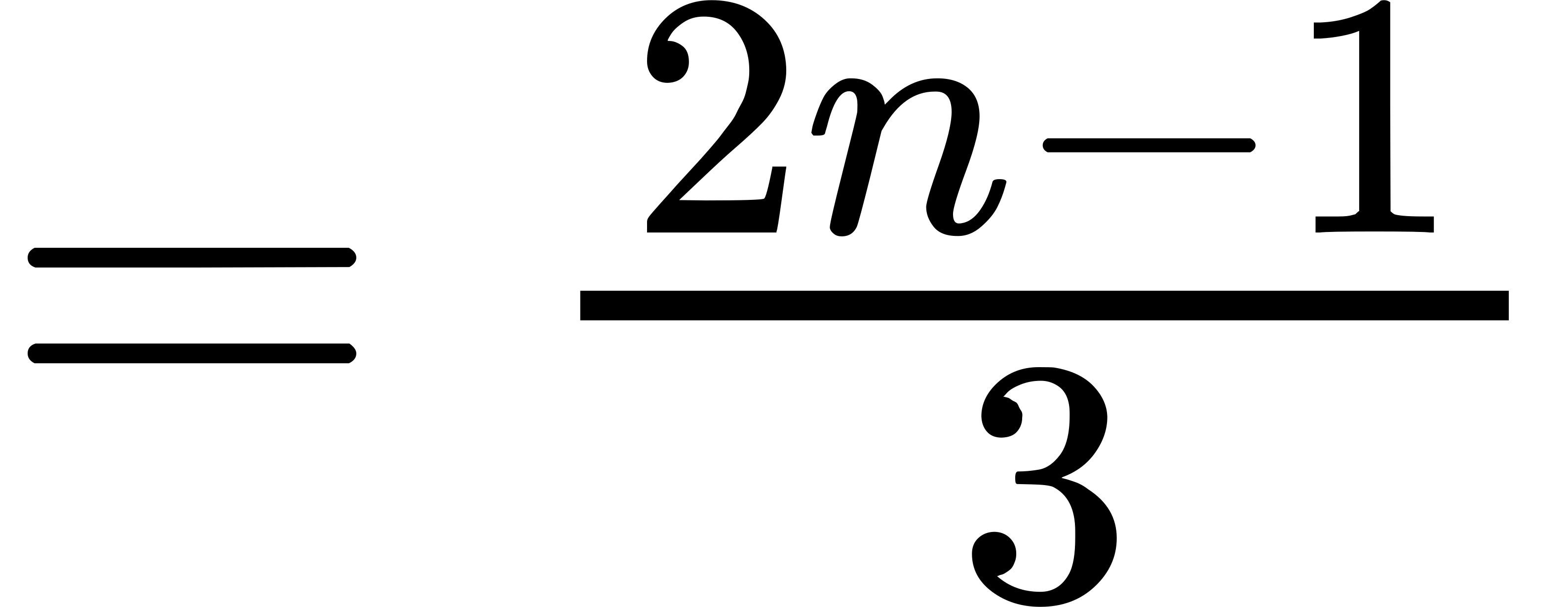 |
|
|
|
|
|
|
|
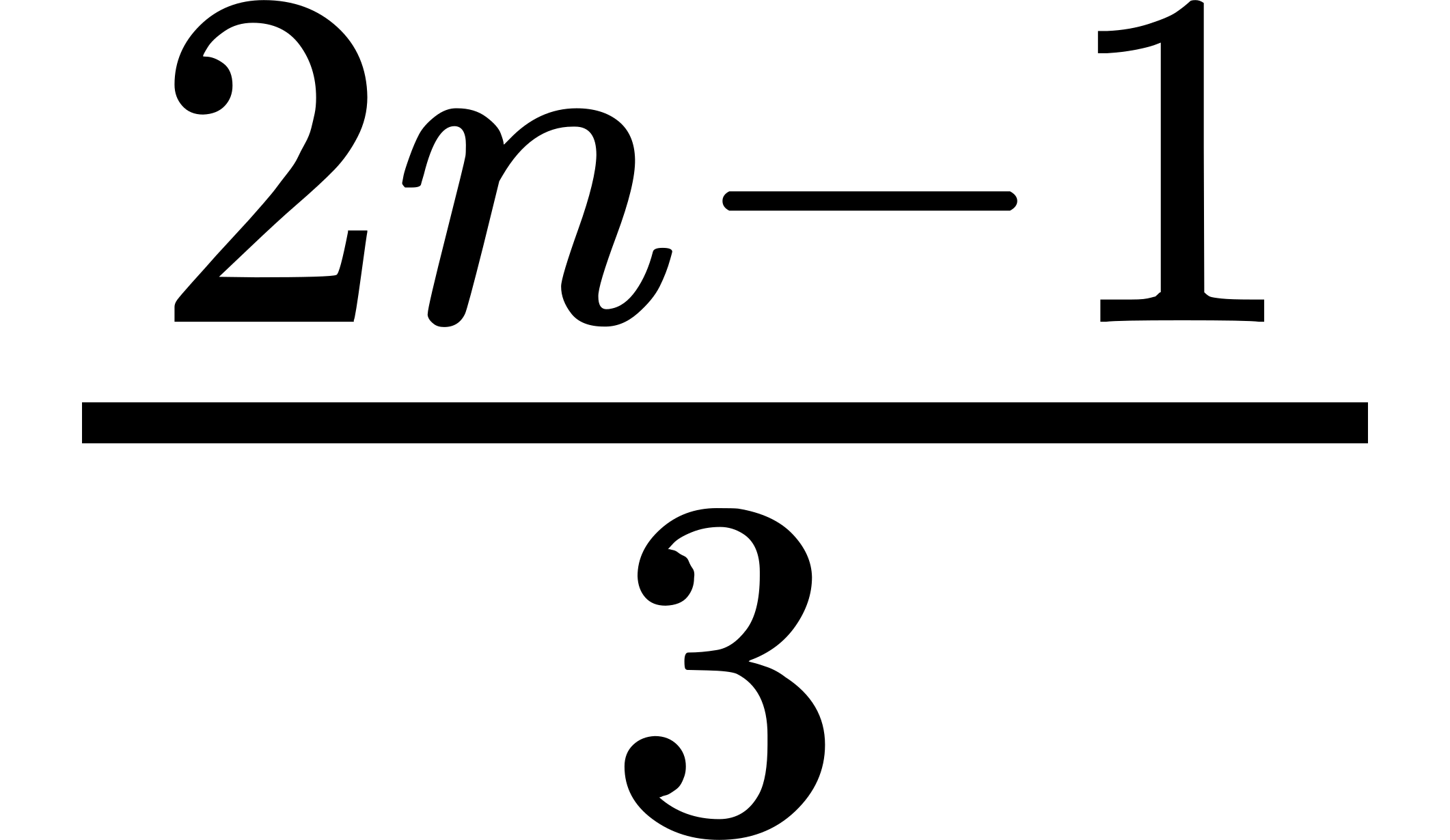 |
|
|
|
|
|
| 16 |
|
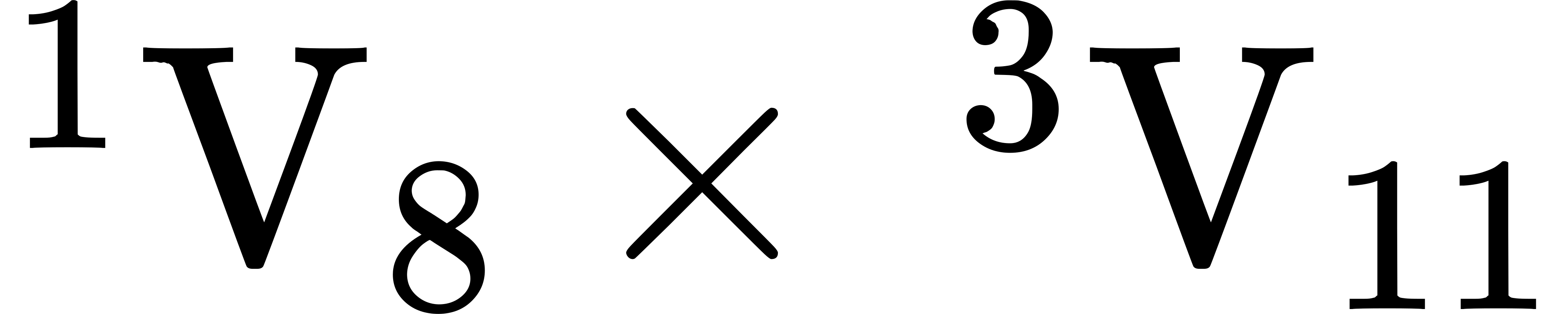 |
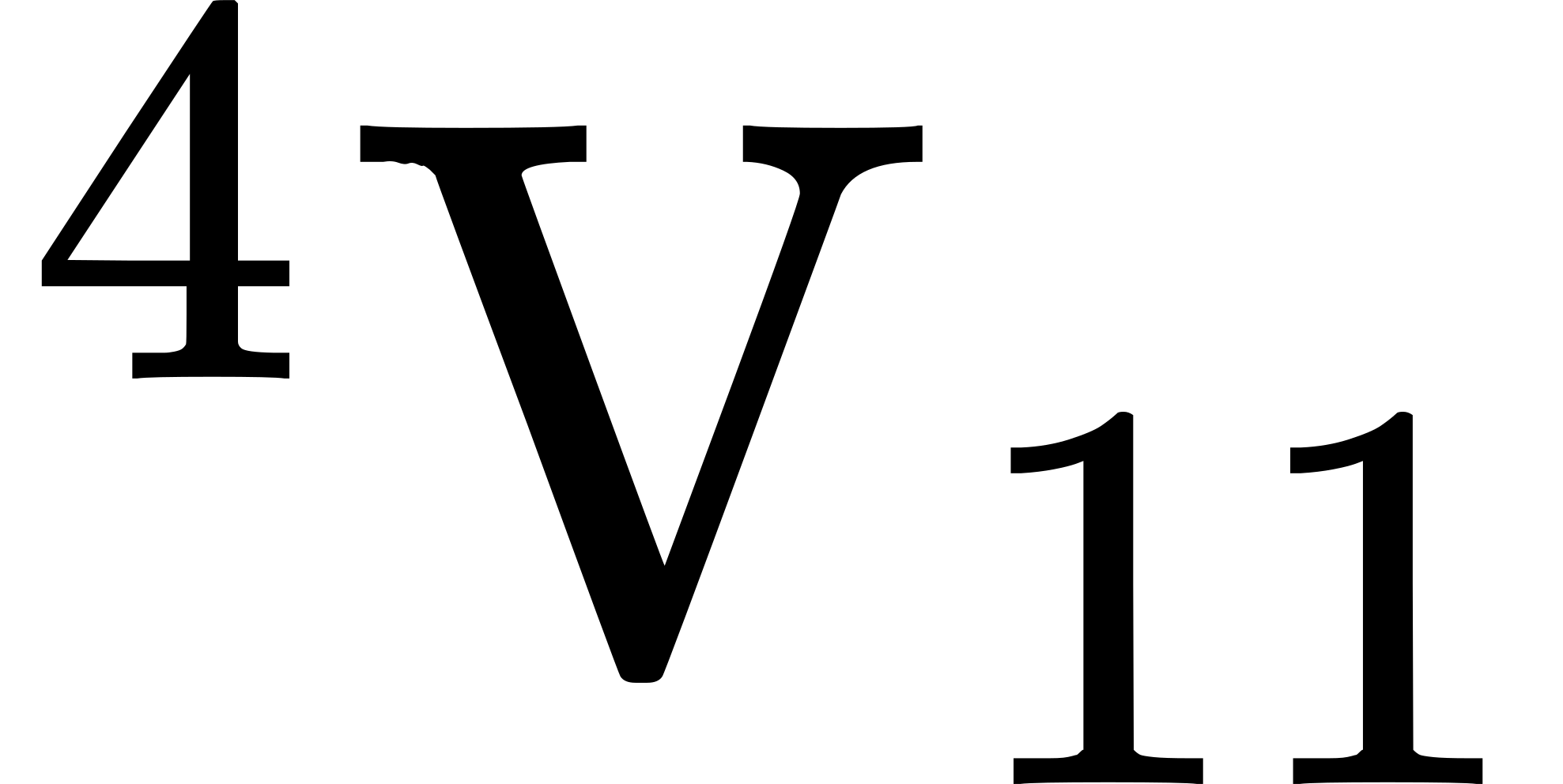 |
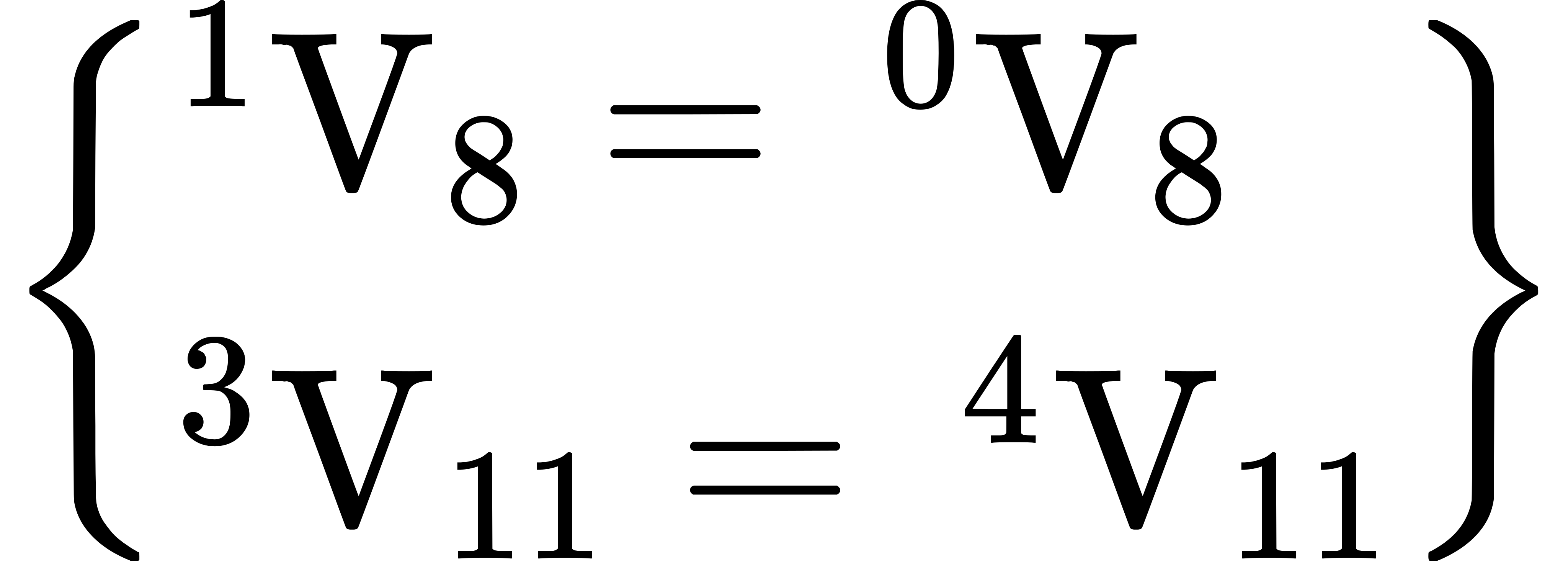 |
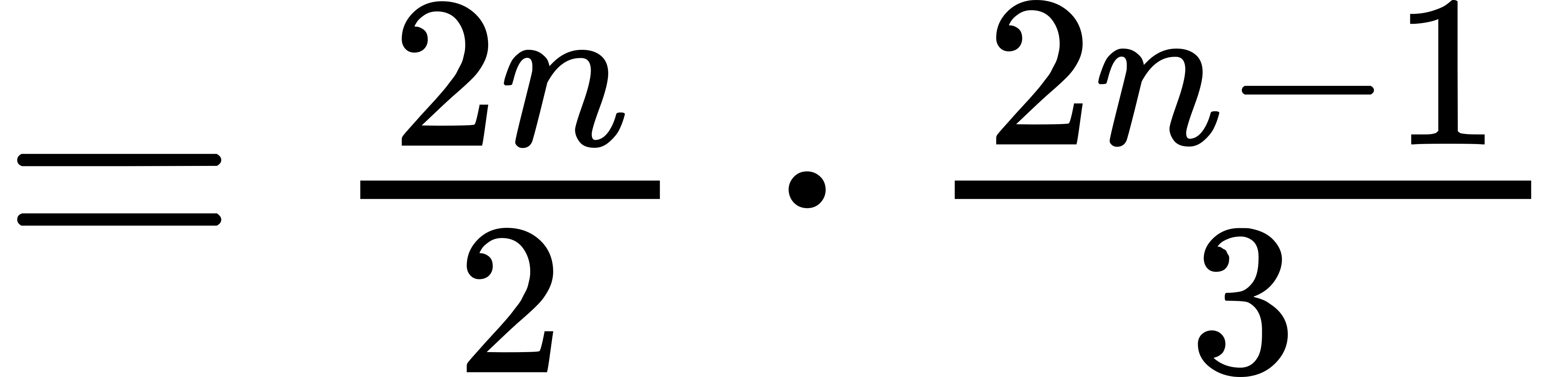 |
|
|
|
|
|
|
|
0 |
|
|
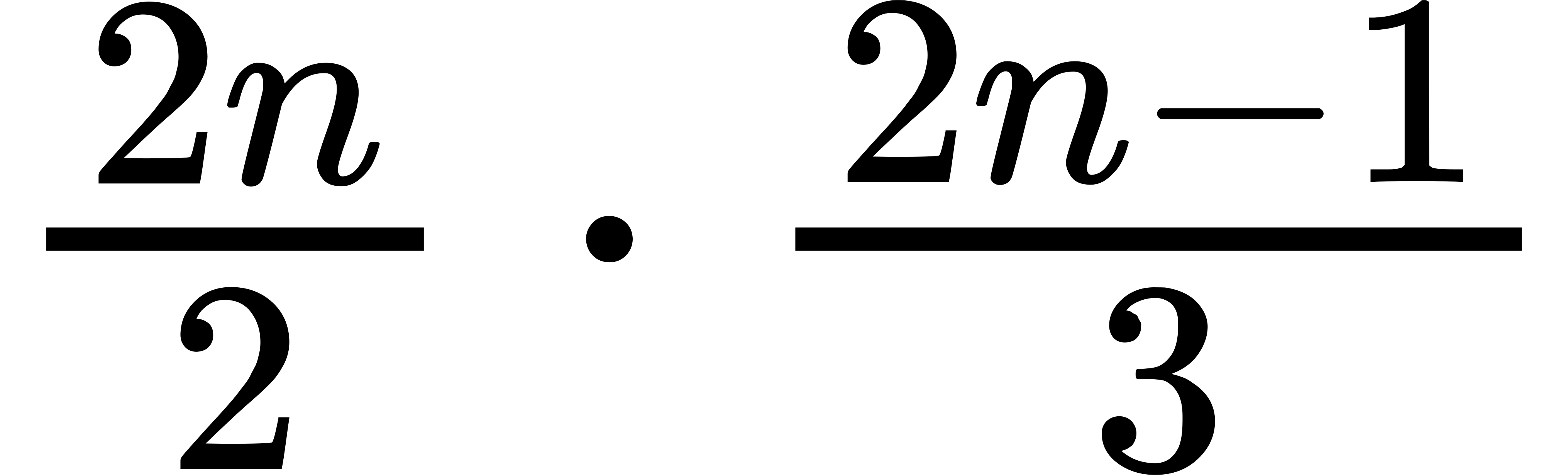 |
|
|
| 17 |
|
|
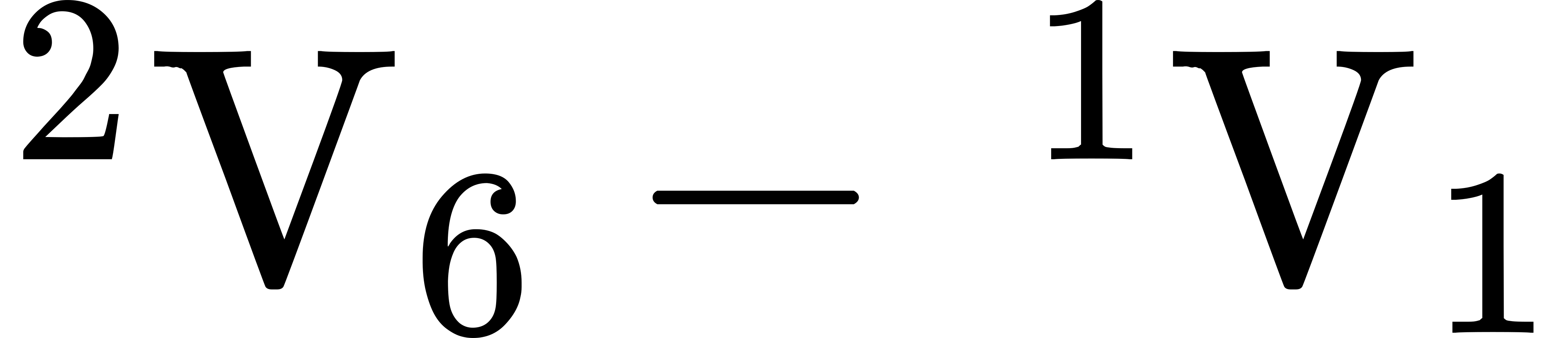 |
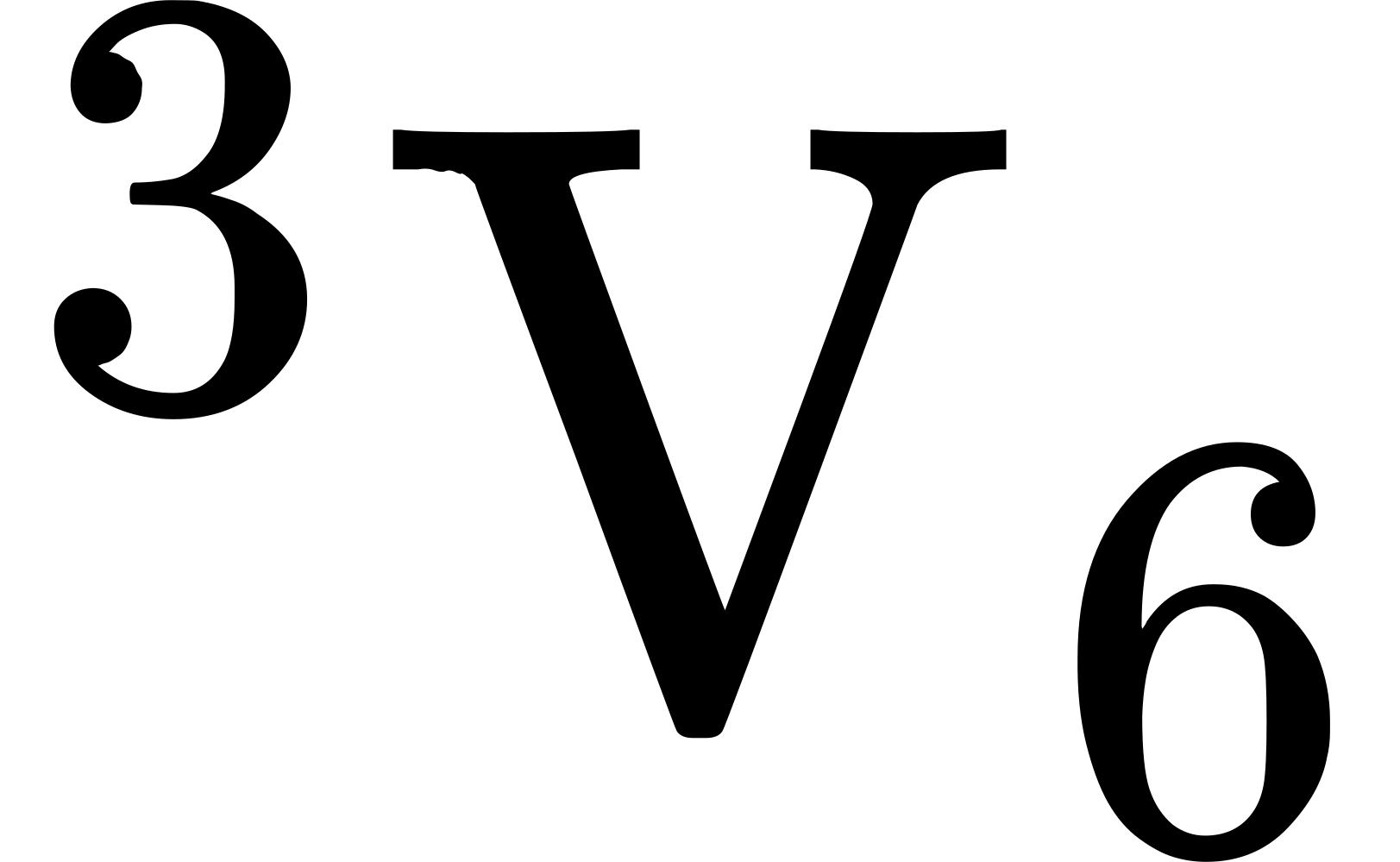 |
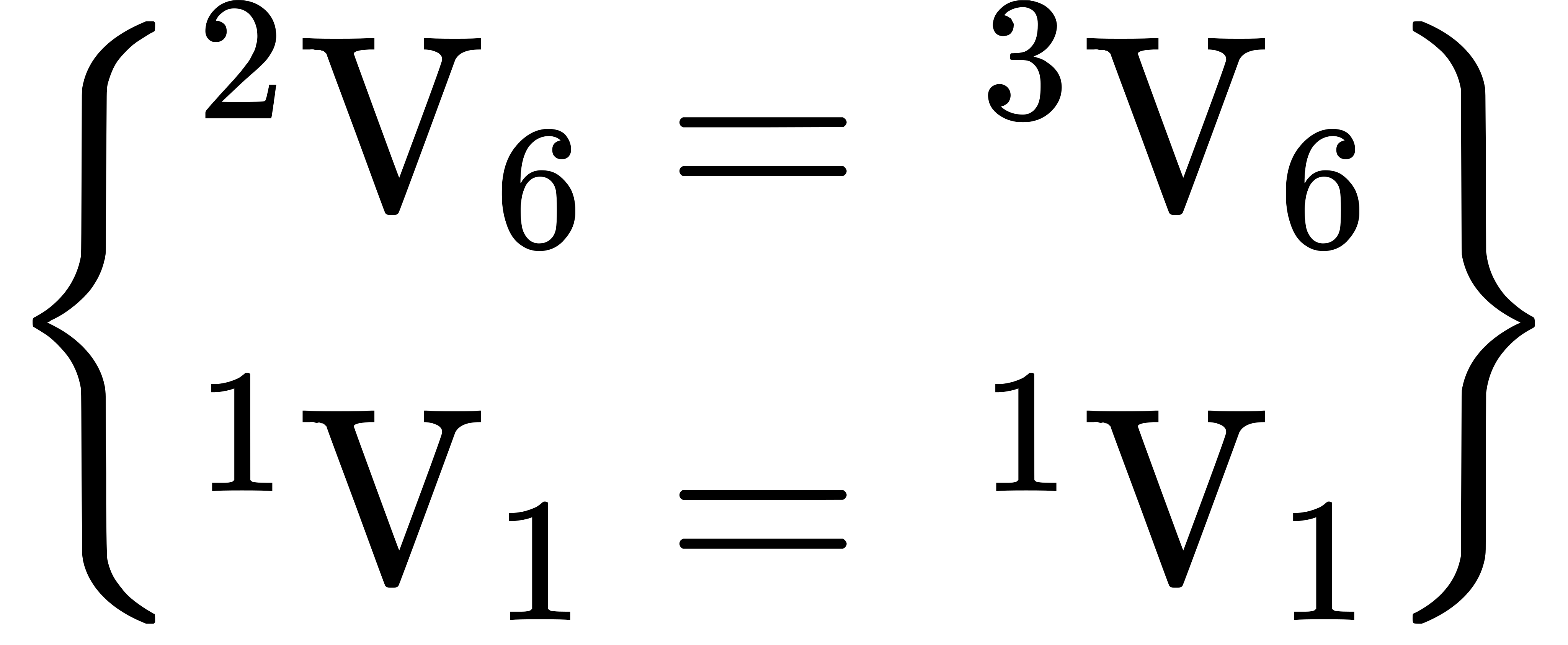 |
 |
|
|
|
|
|
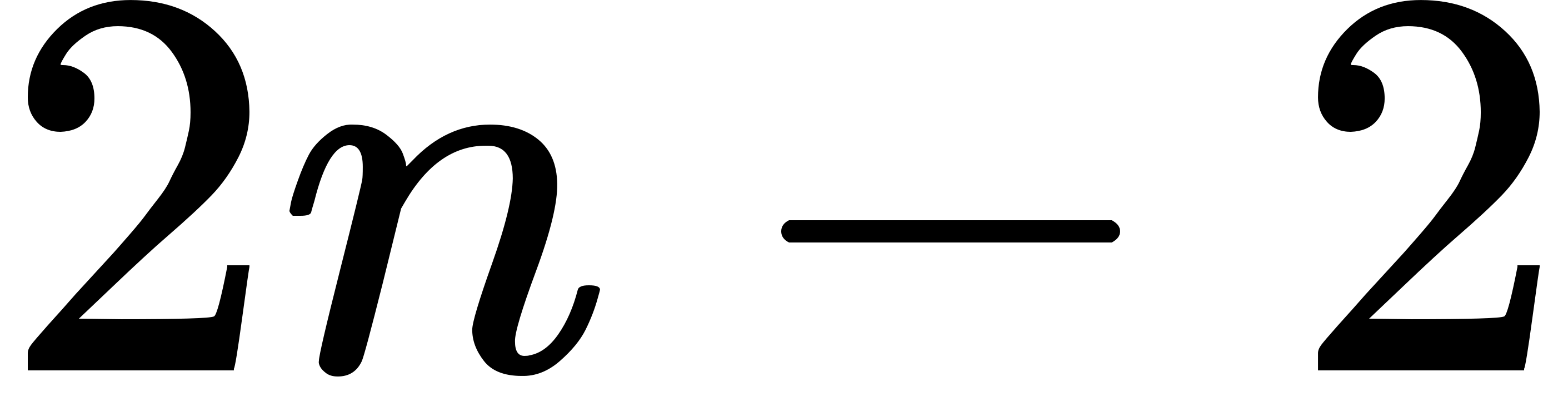 |
|
|
|
|
|
|
|
| 18 |
|
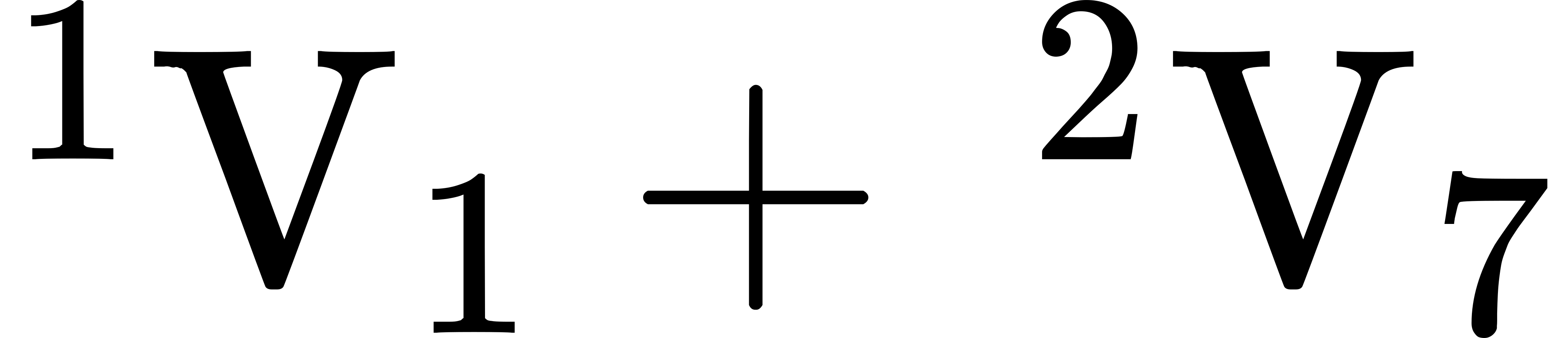 |
|
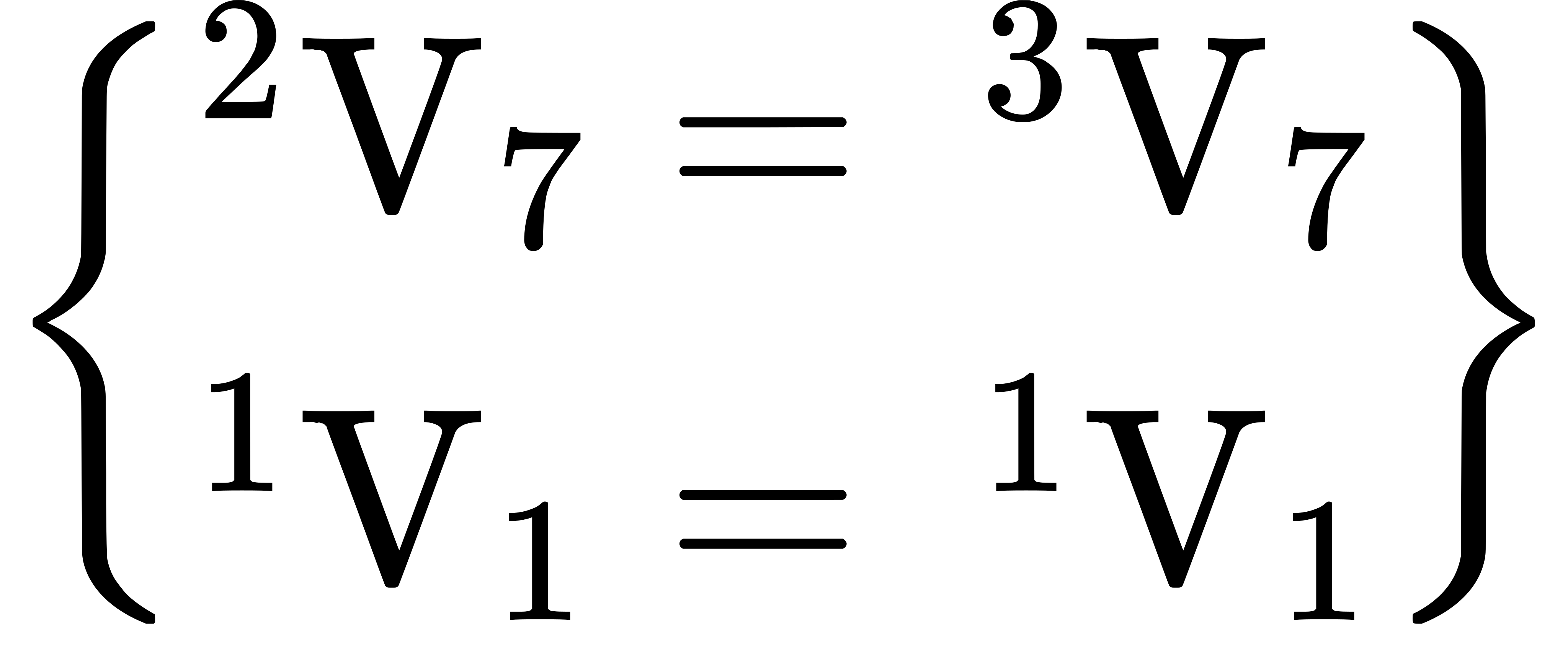 |
 |
|
|
|
|
|
|
 |
|
|
|
|
|
|
| 19 |
|
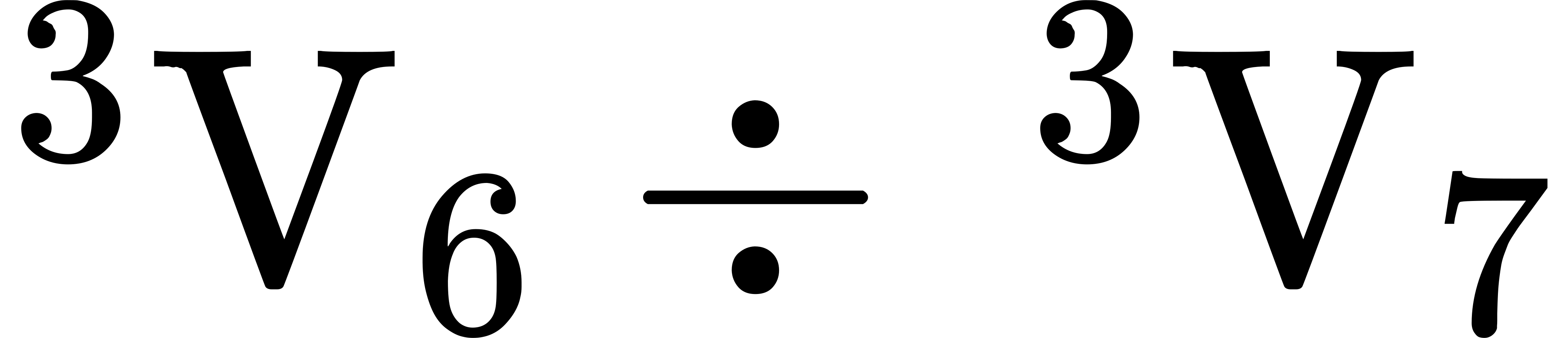 |
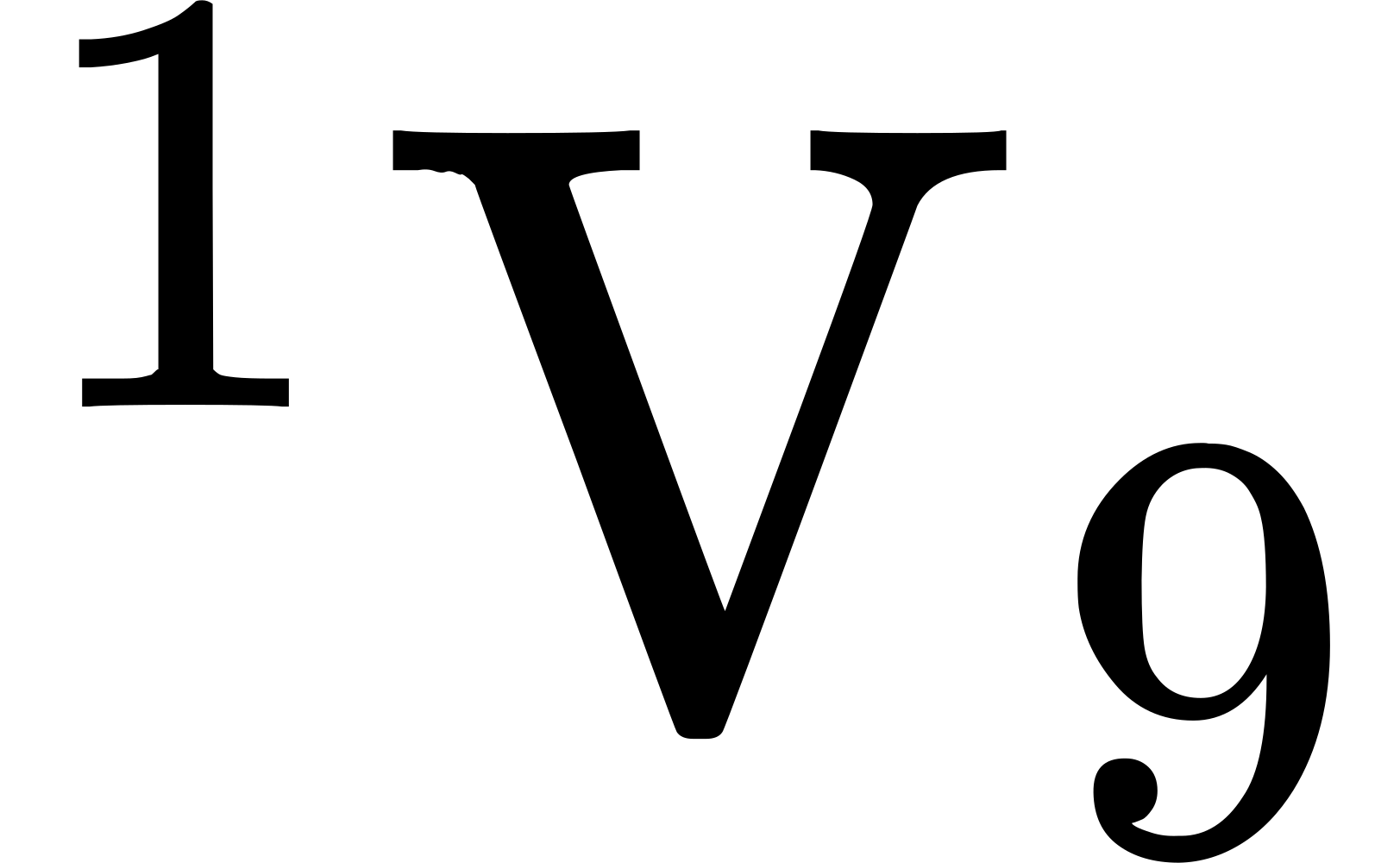 |
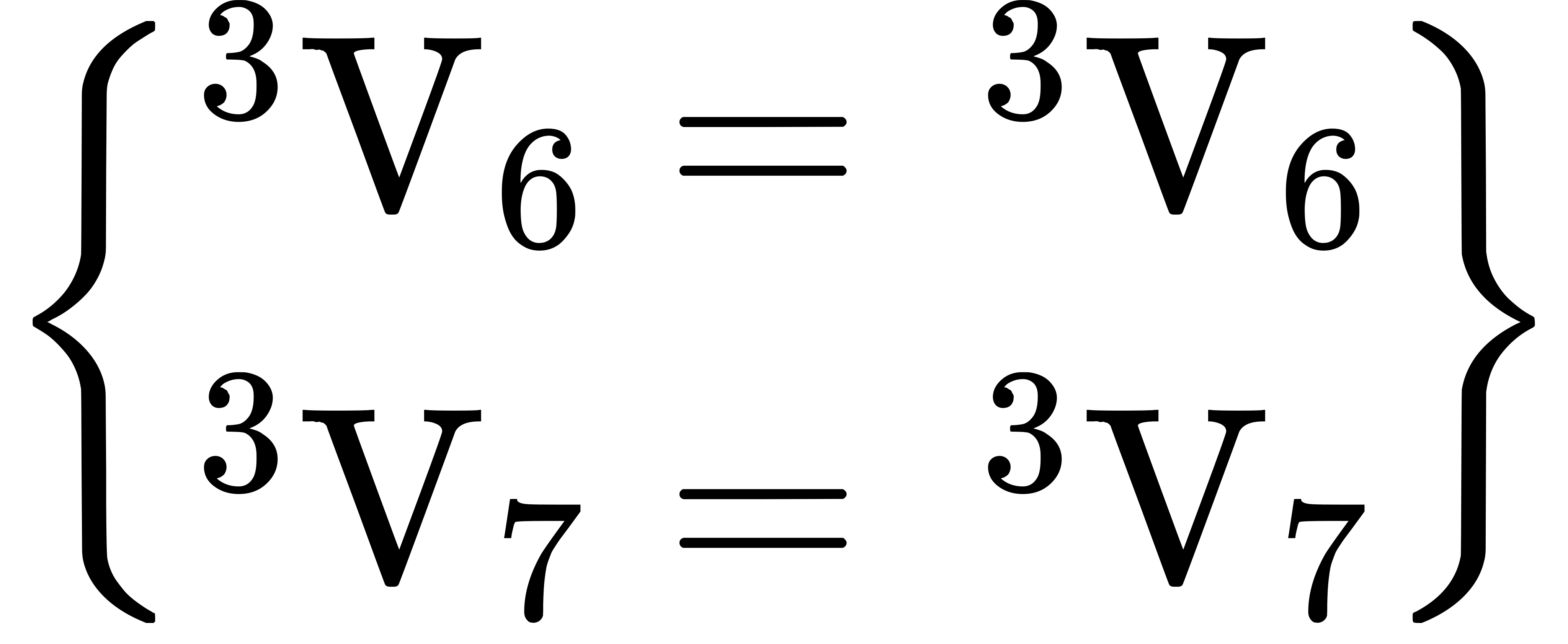 |
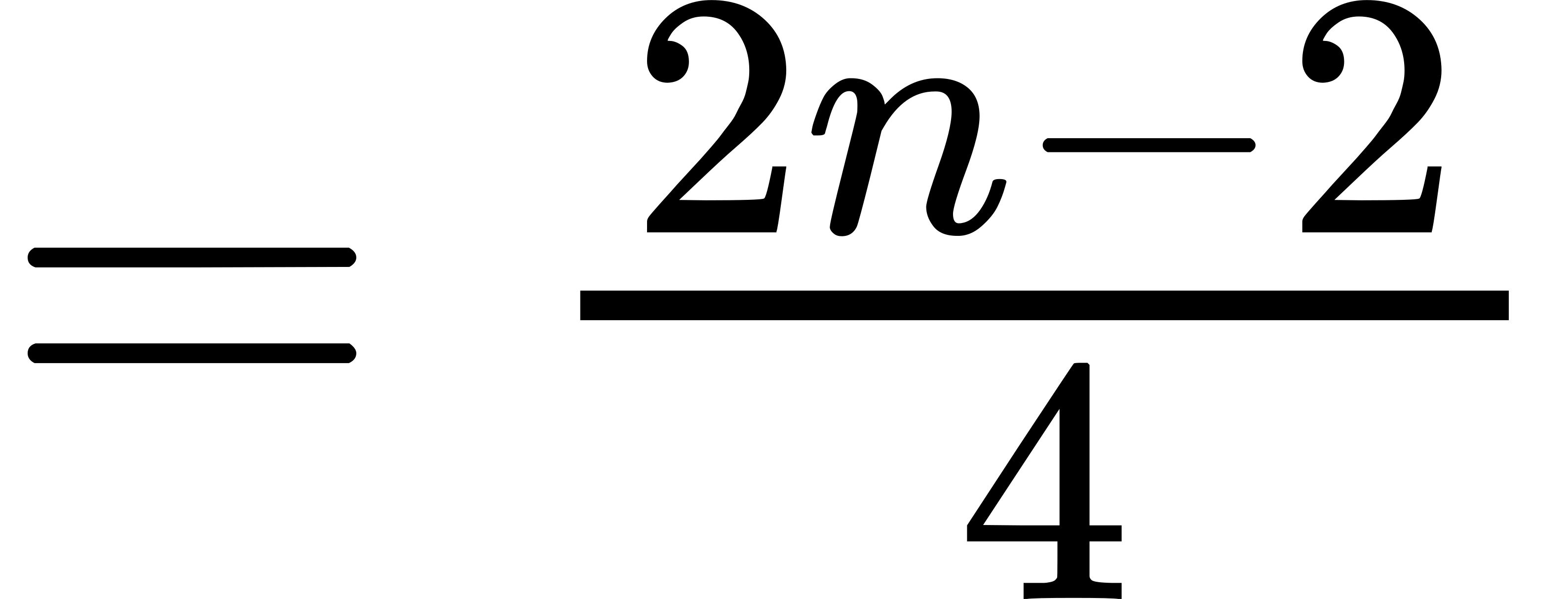 |
|
|
|
|
|
|
|
|
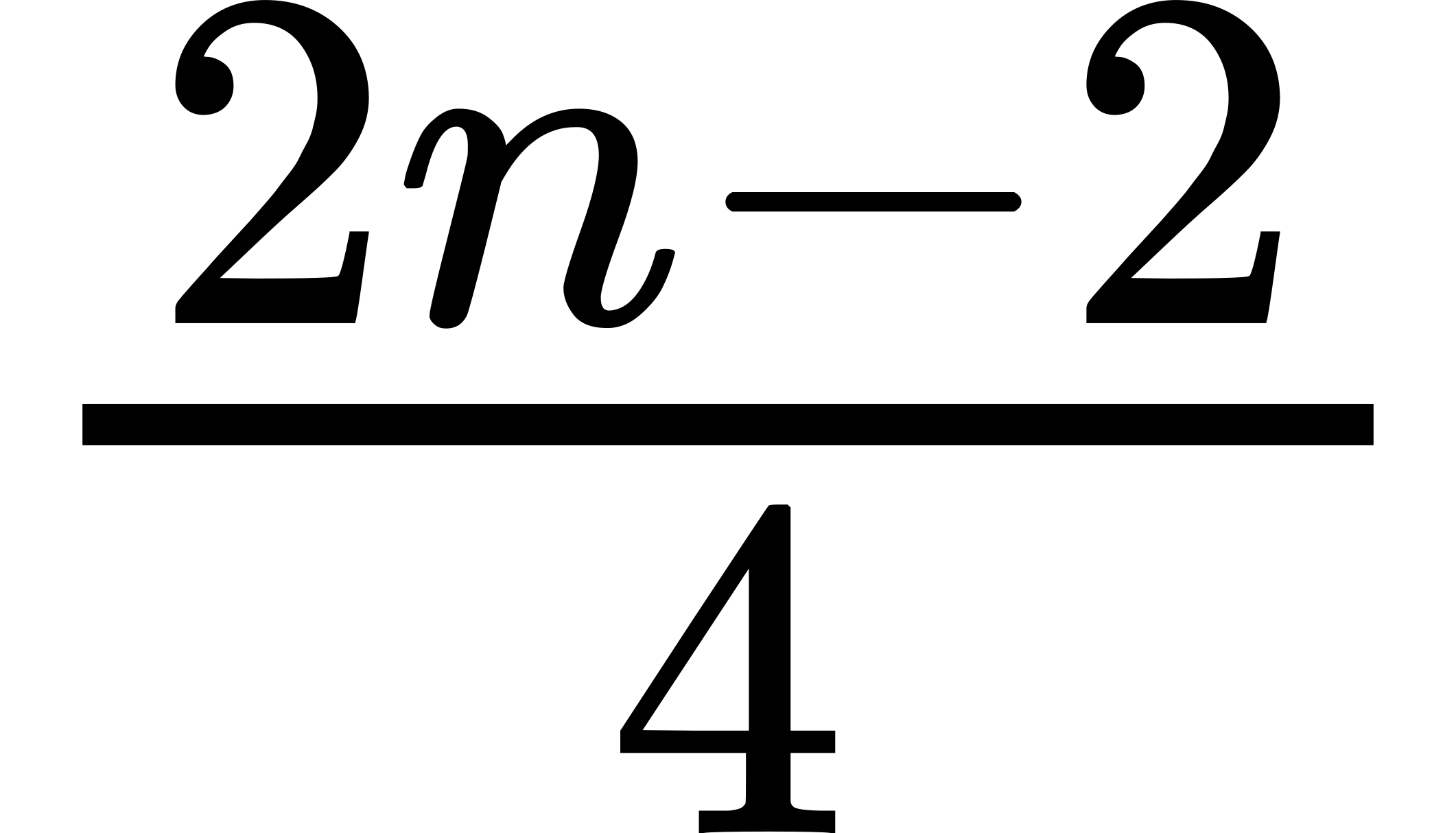 |
|
|
|
|
| 20 |
|
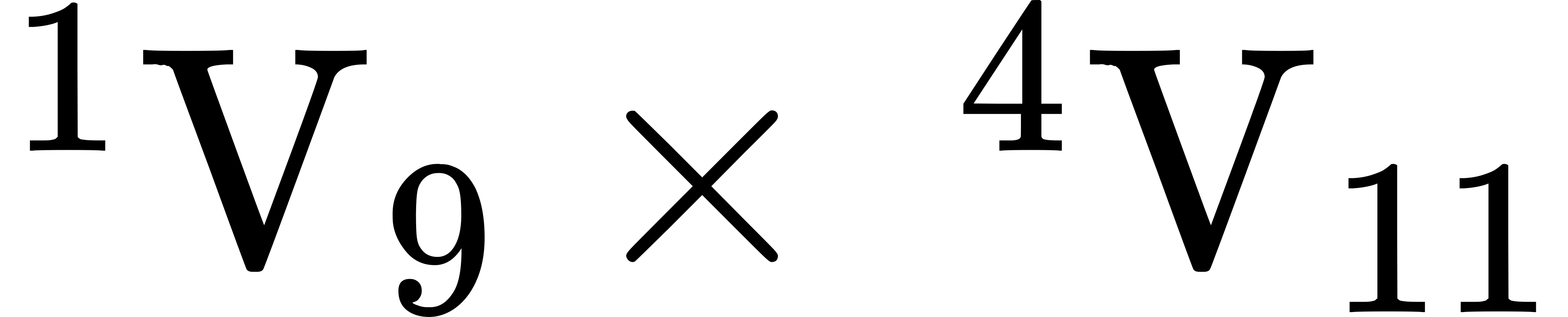 |
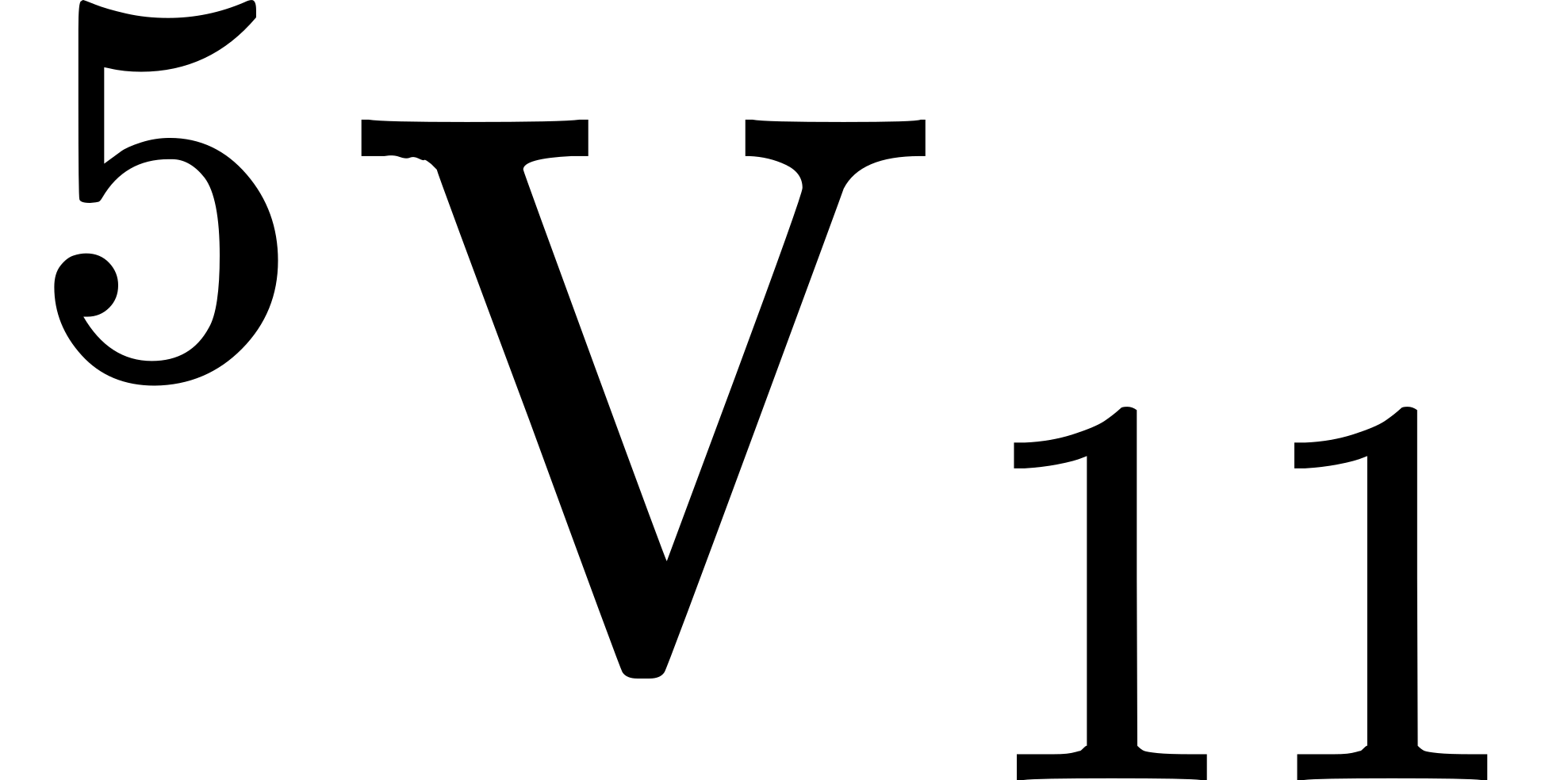 |
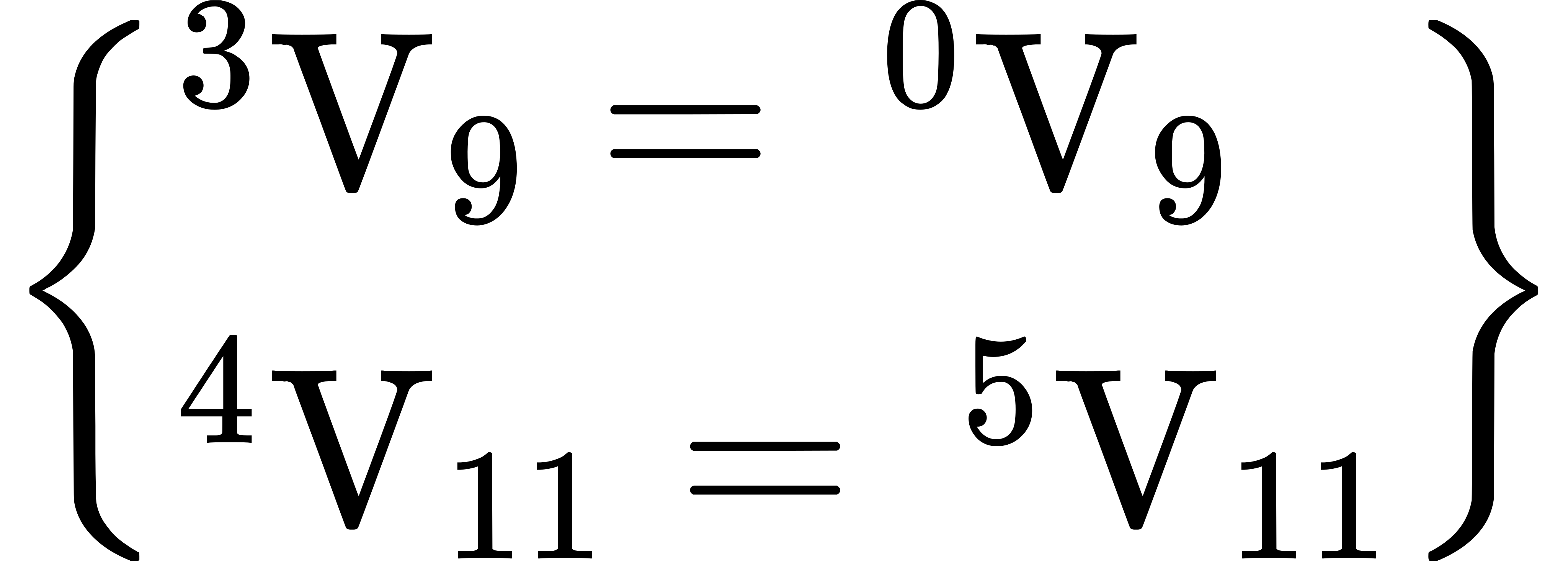 |
 |
|
|
|
|
|
|
|
|
0 |
|
 |
|
|
| 21 |
|
|
 |
|
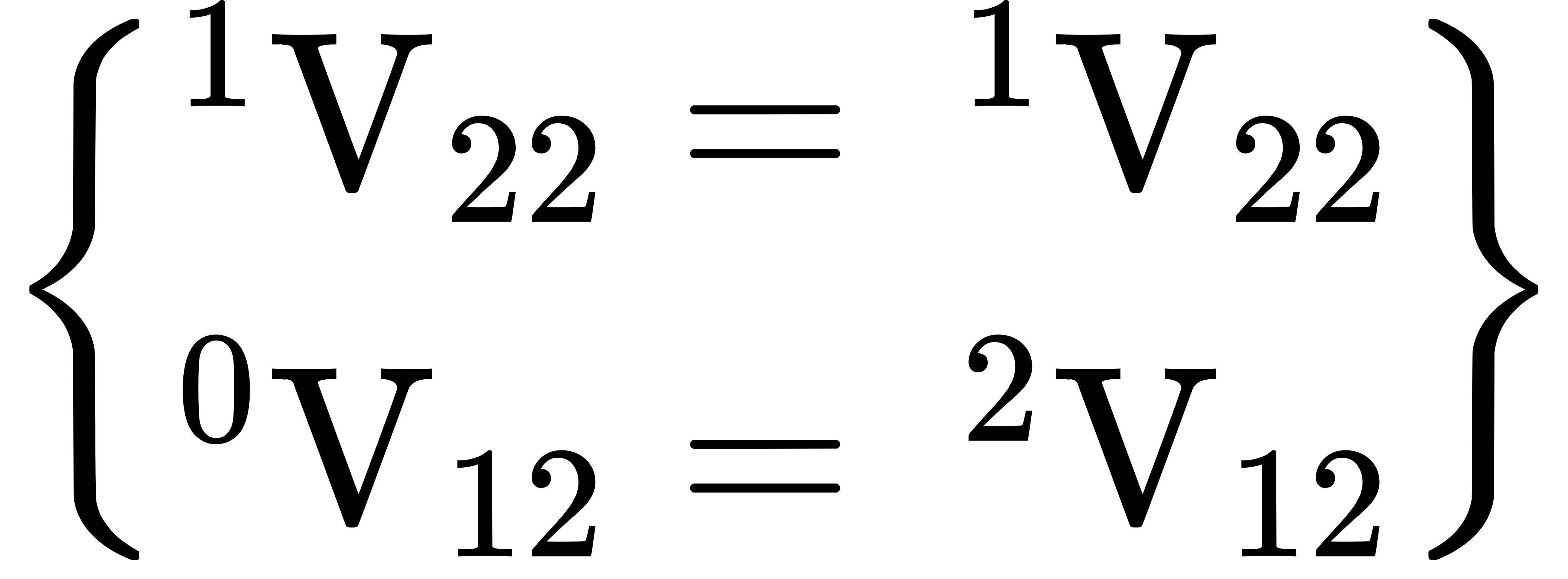 |
 |
|
|
|
|
|
|
|
|
|
|
0 |
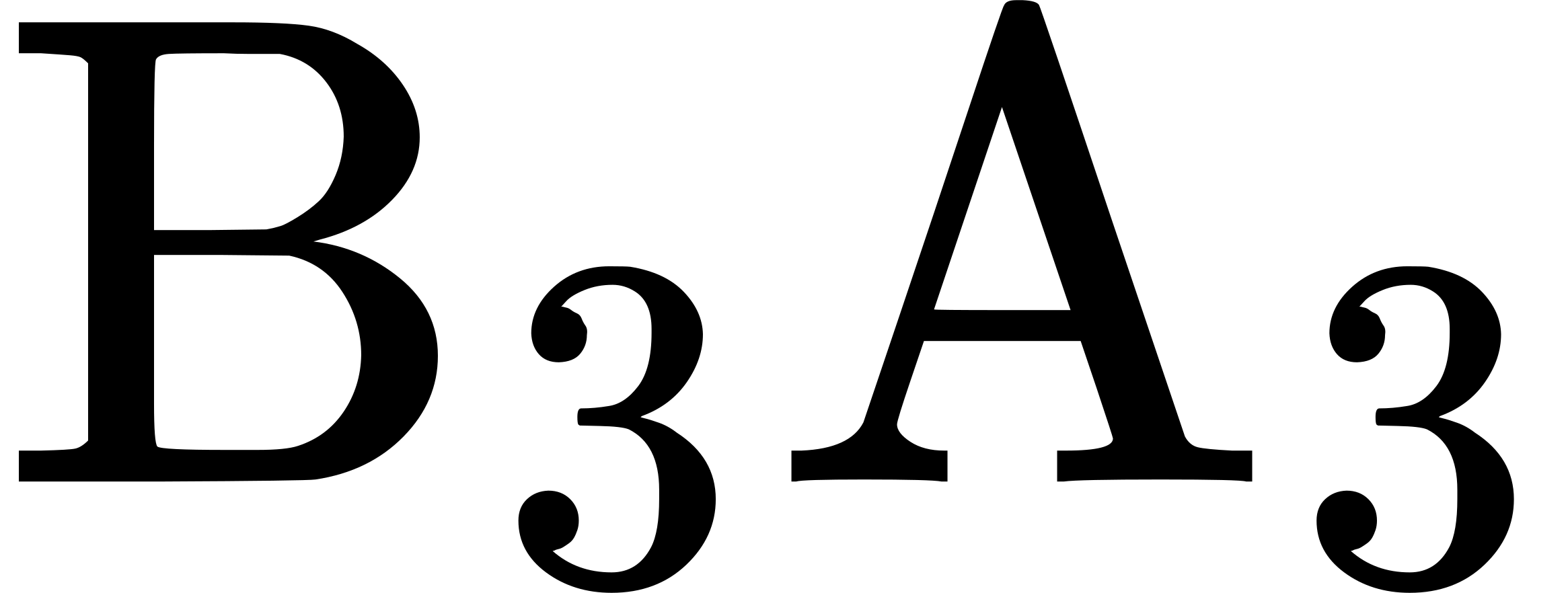 |
|
| 22 |
|
|
 |
|
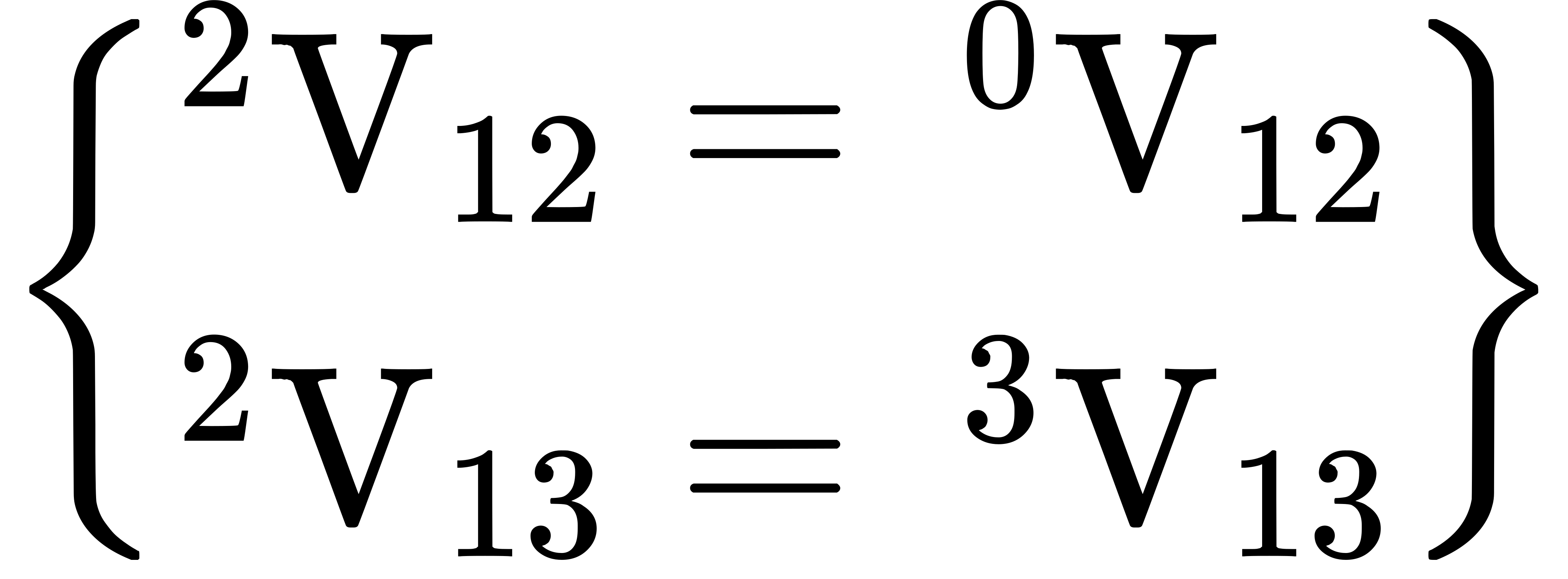 |
 |
|
|
|
|
|
|
|
|
|
|
|
0 |
 |
| 23 |
|
|
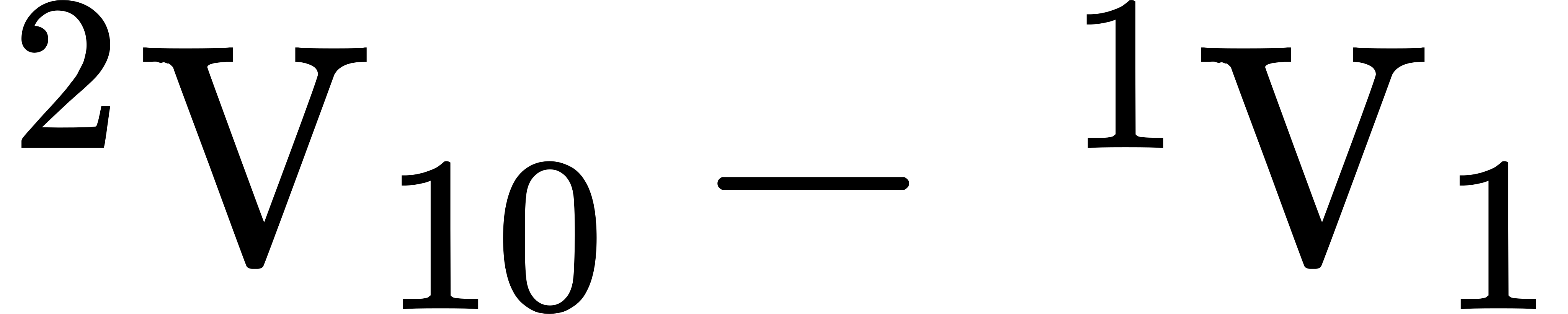 |
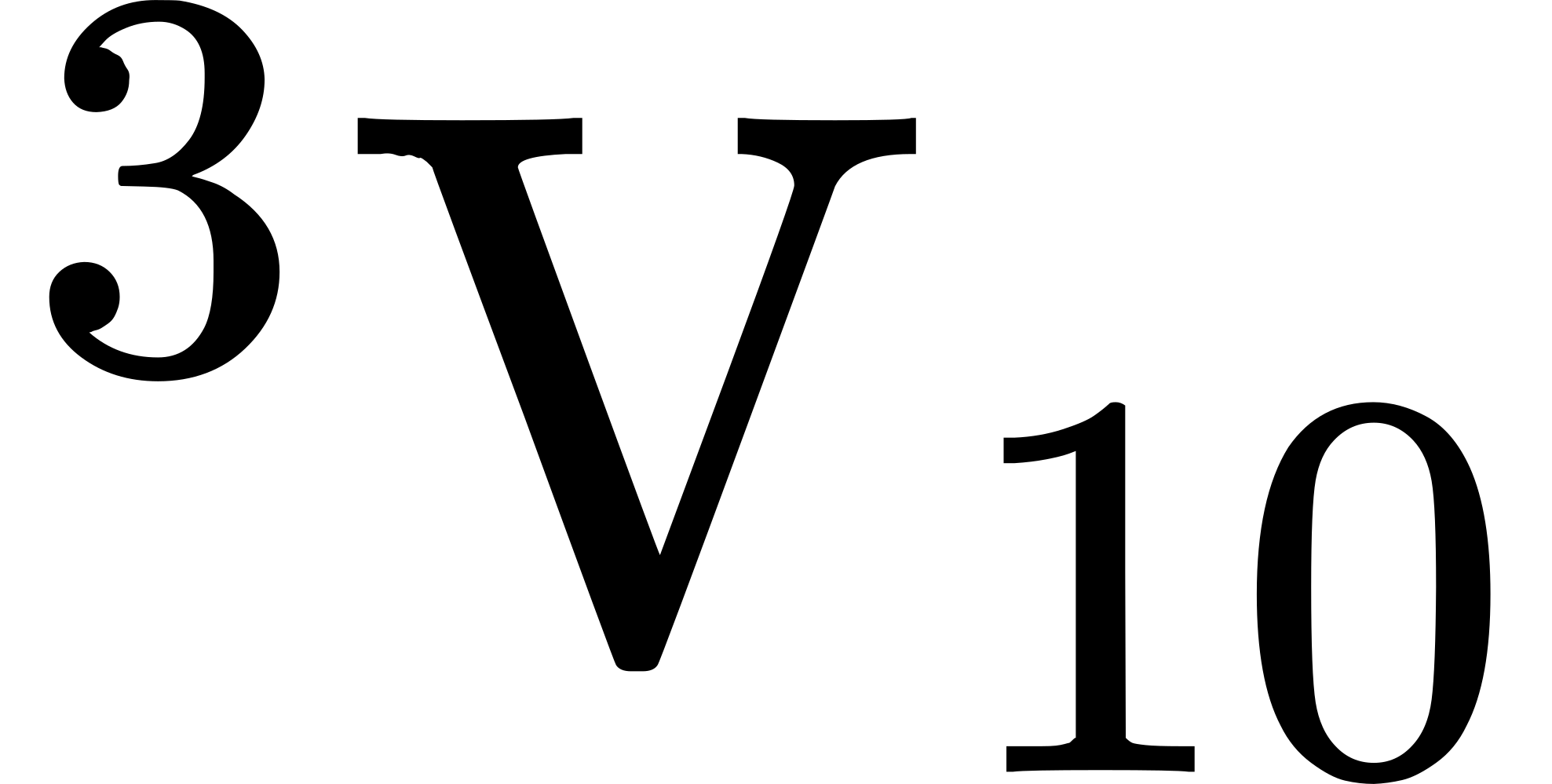 |
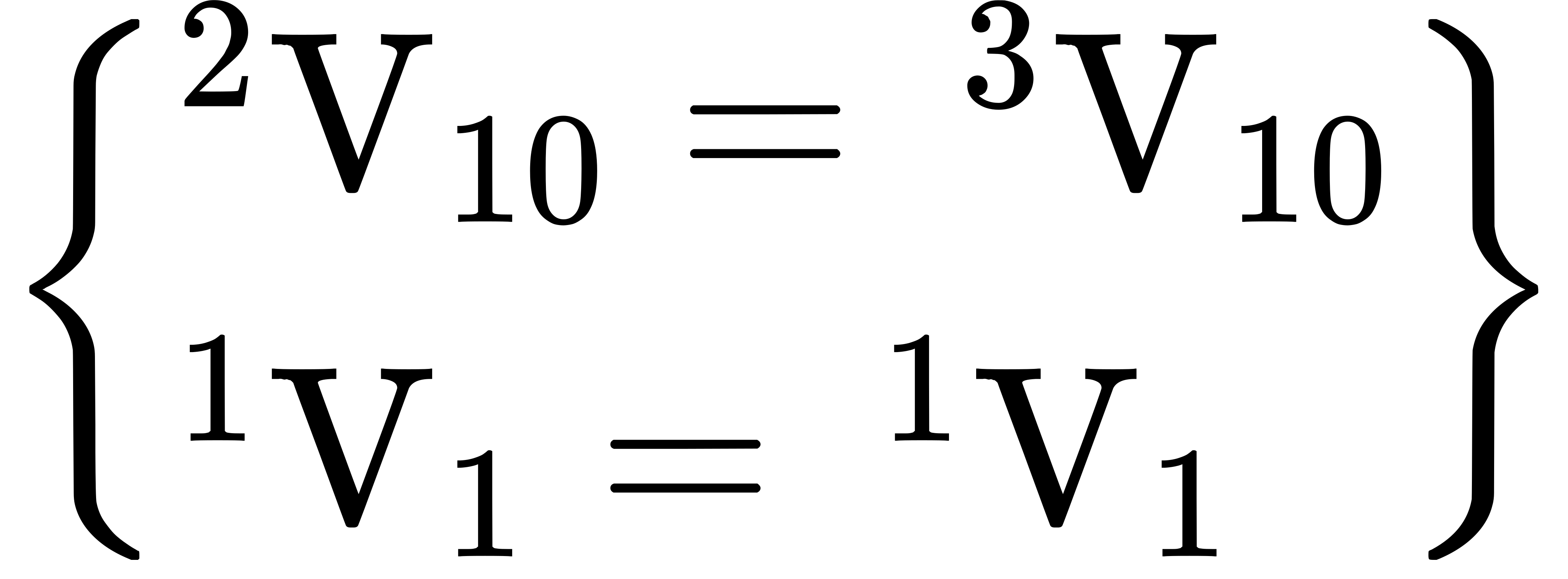 |
 |
|
|
|
|
|
|
|
|
|
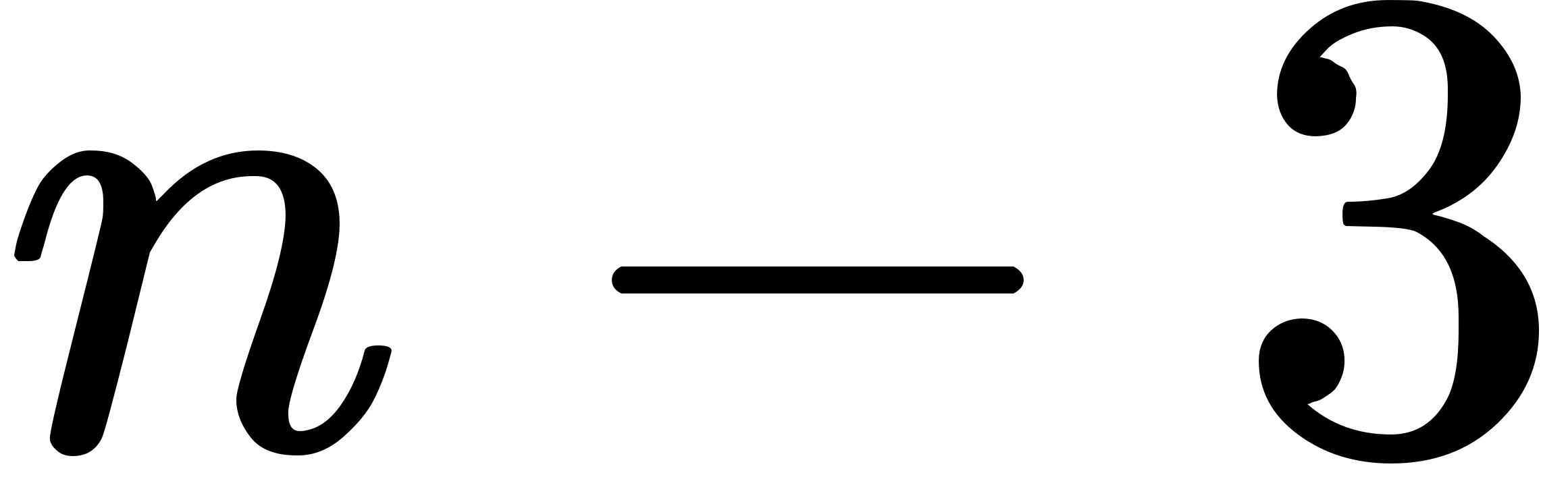 |
|
|
|
| Here follows a repetition of Operations thirteen to twenty-three |
| 24 |
|
 |
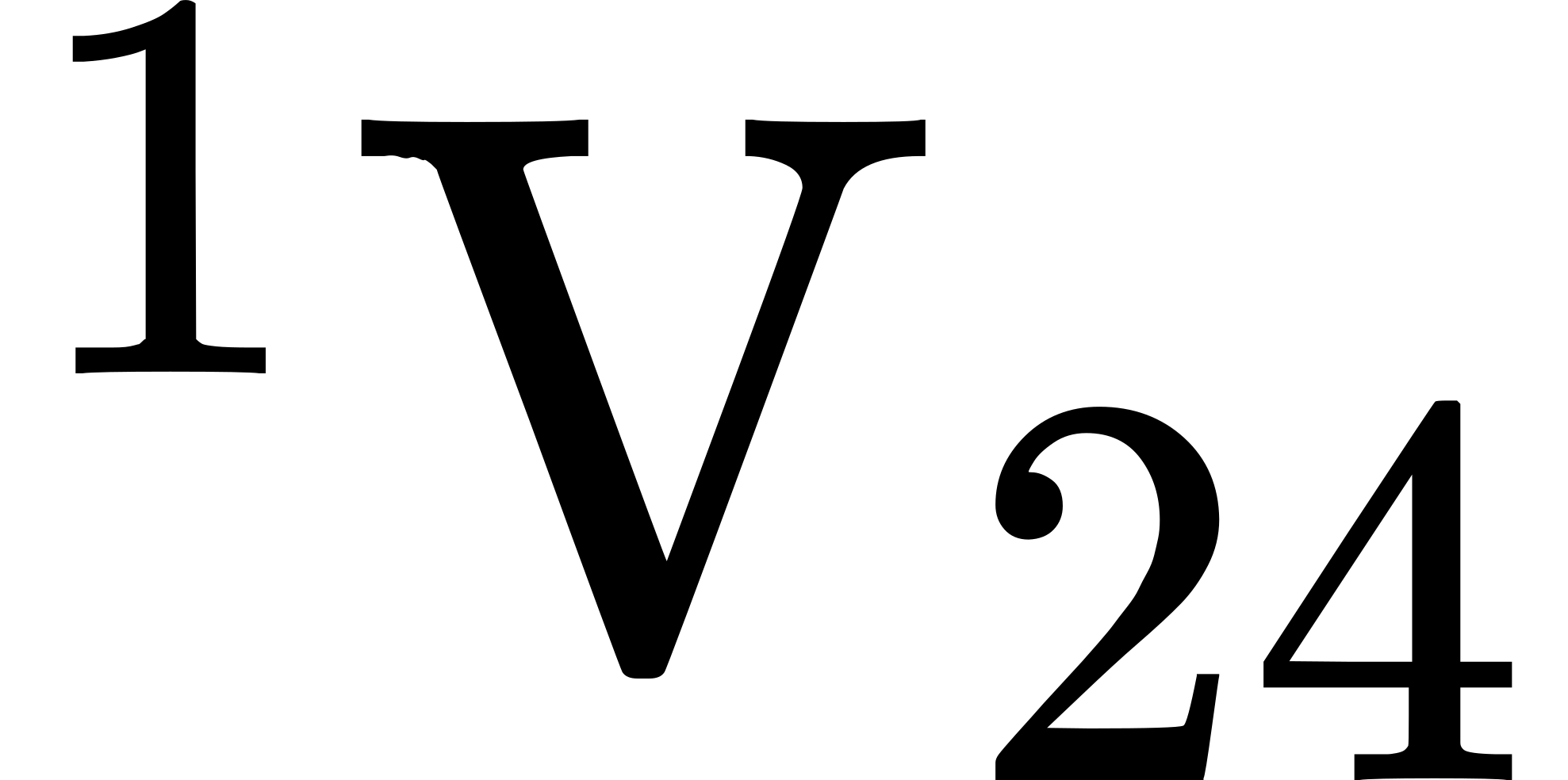 |
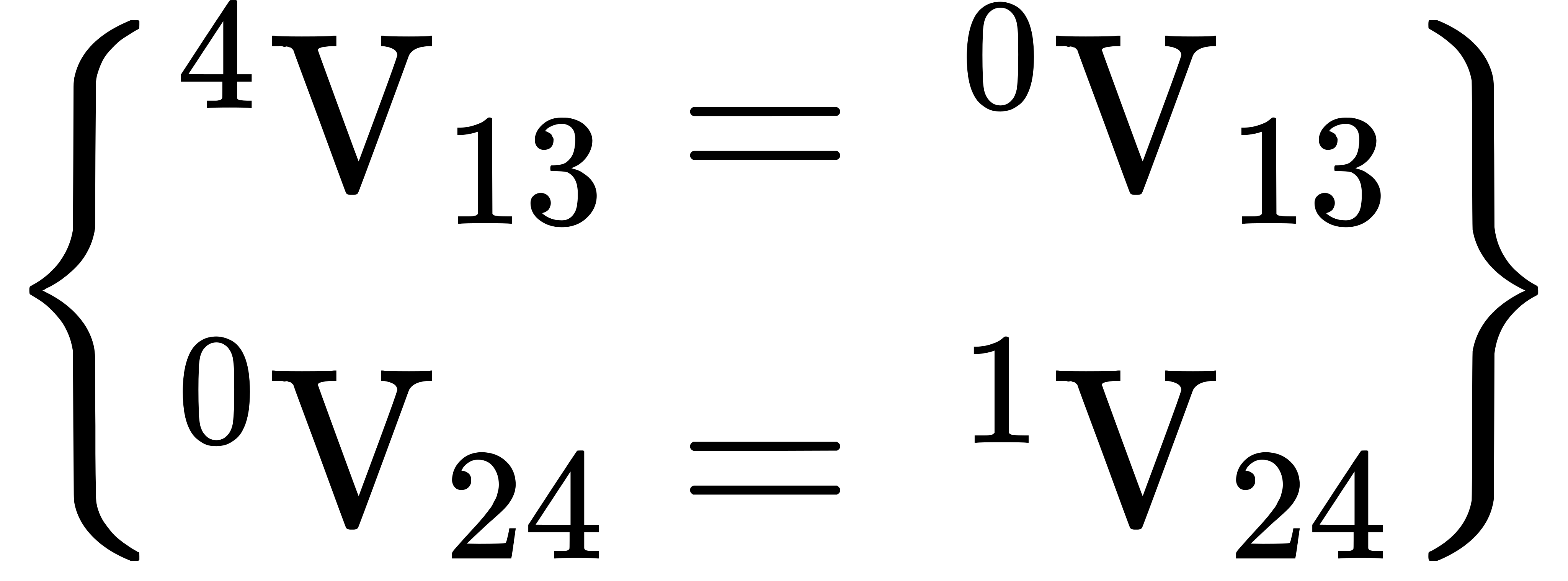 |
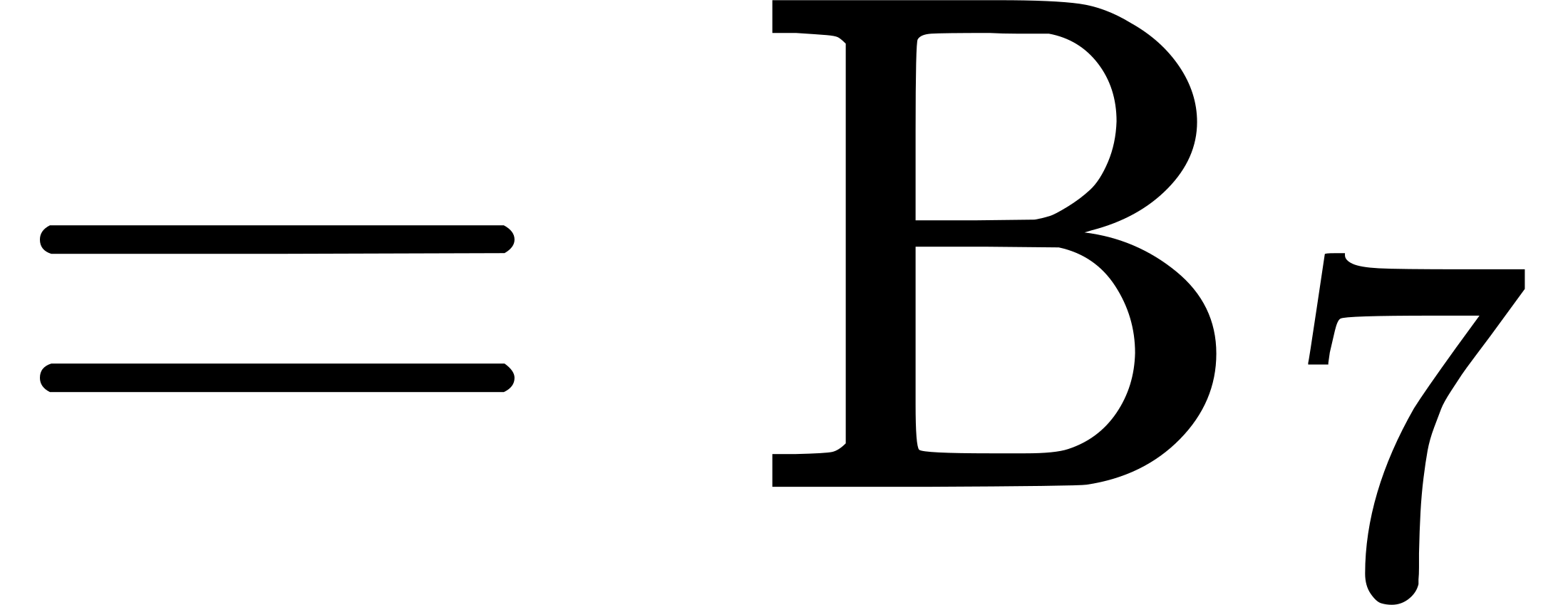 |
|
|
|
|
|
|
|
|
|
|
|
|
|
| 25 |
|
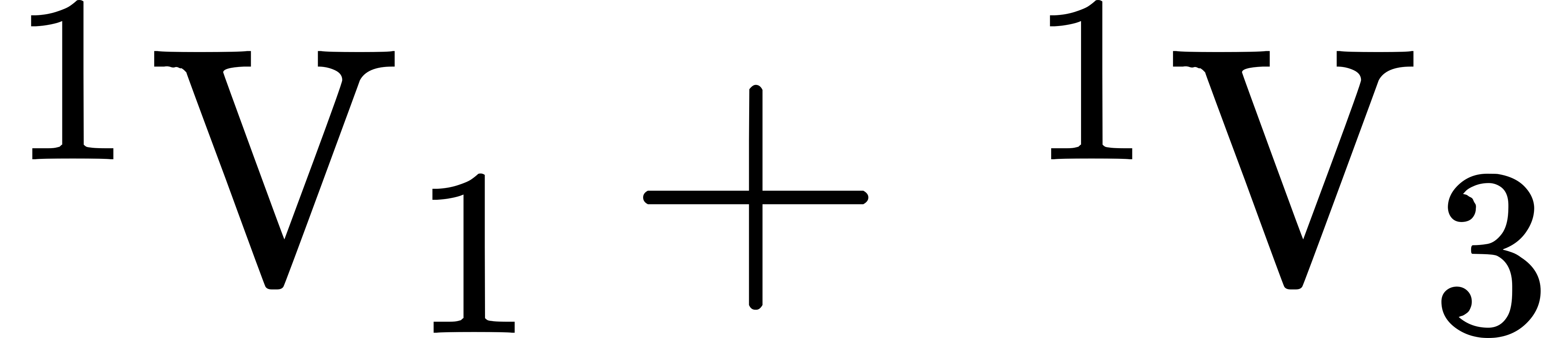 |
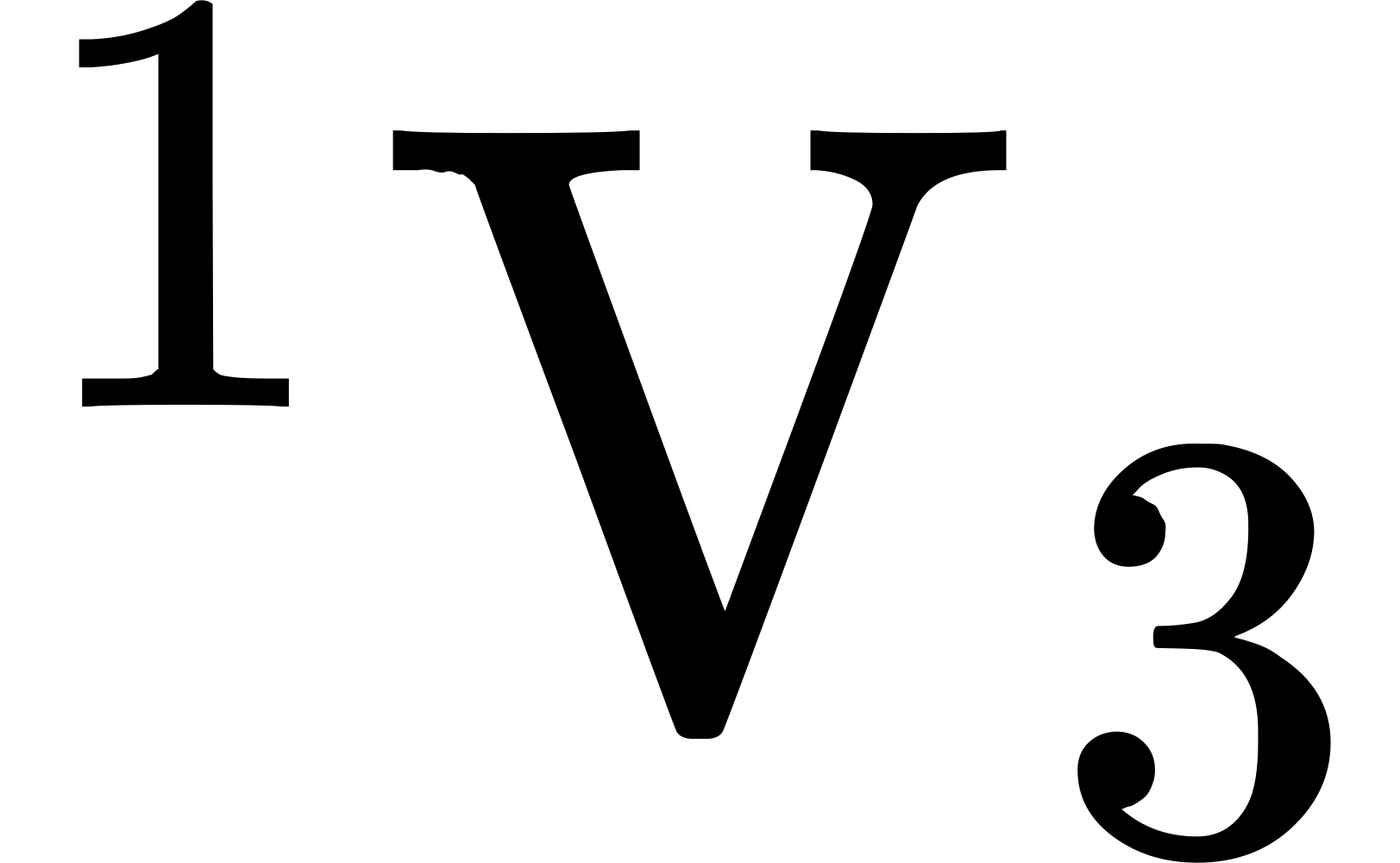 |
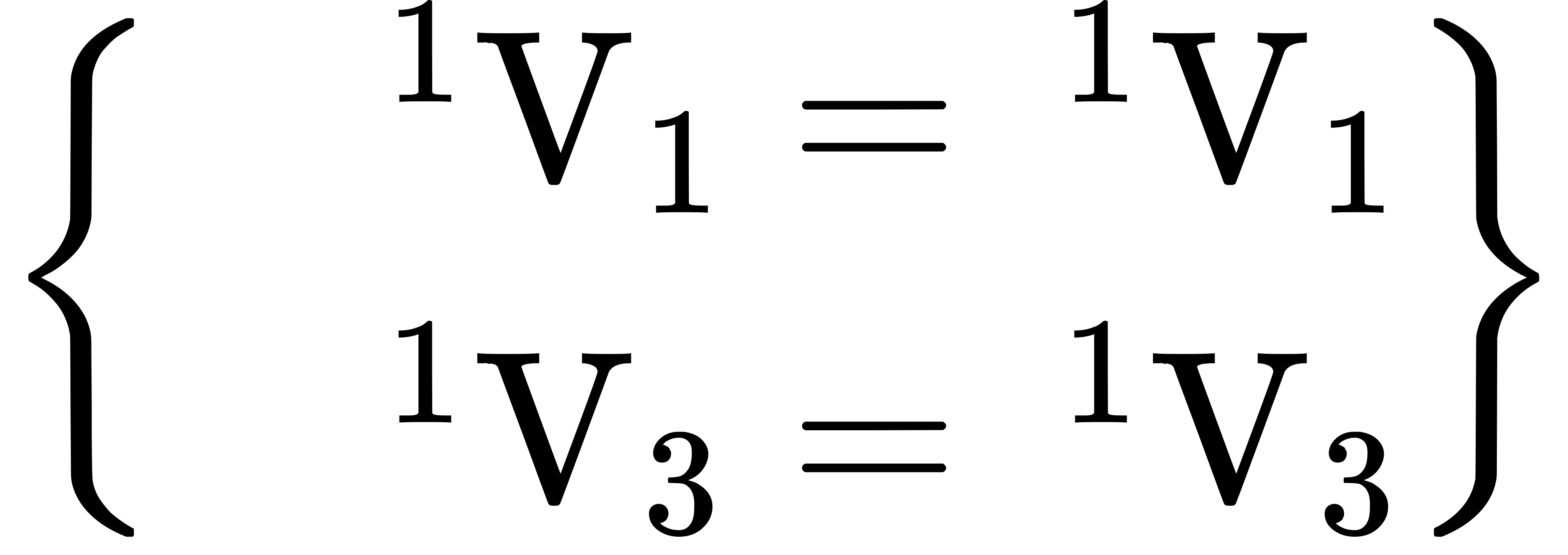
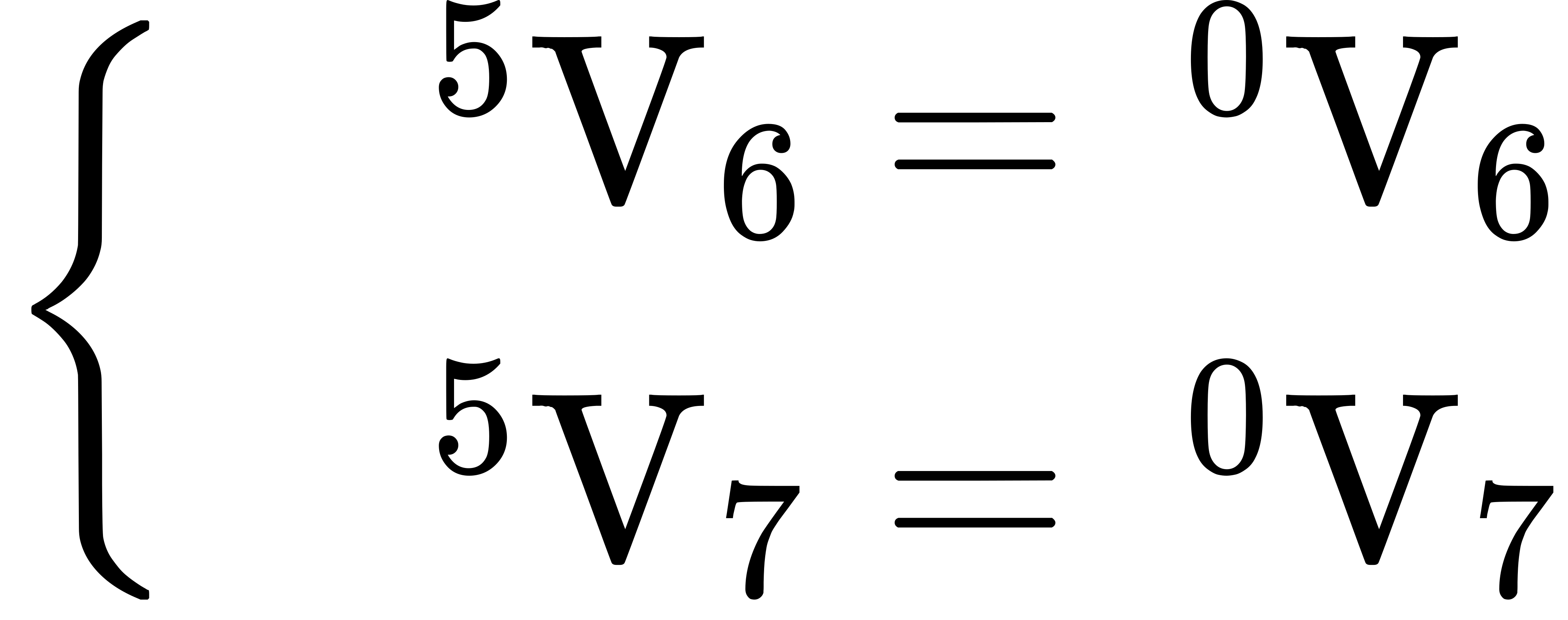 |
 by a Variable-card. |
|
|
|
|
|
0 |
0 |
|
|
|
|
|
|
| Result Variables. |
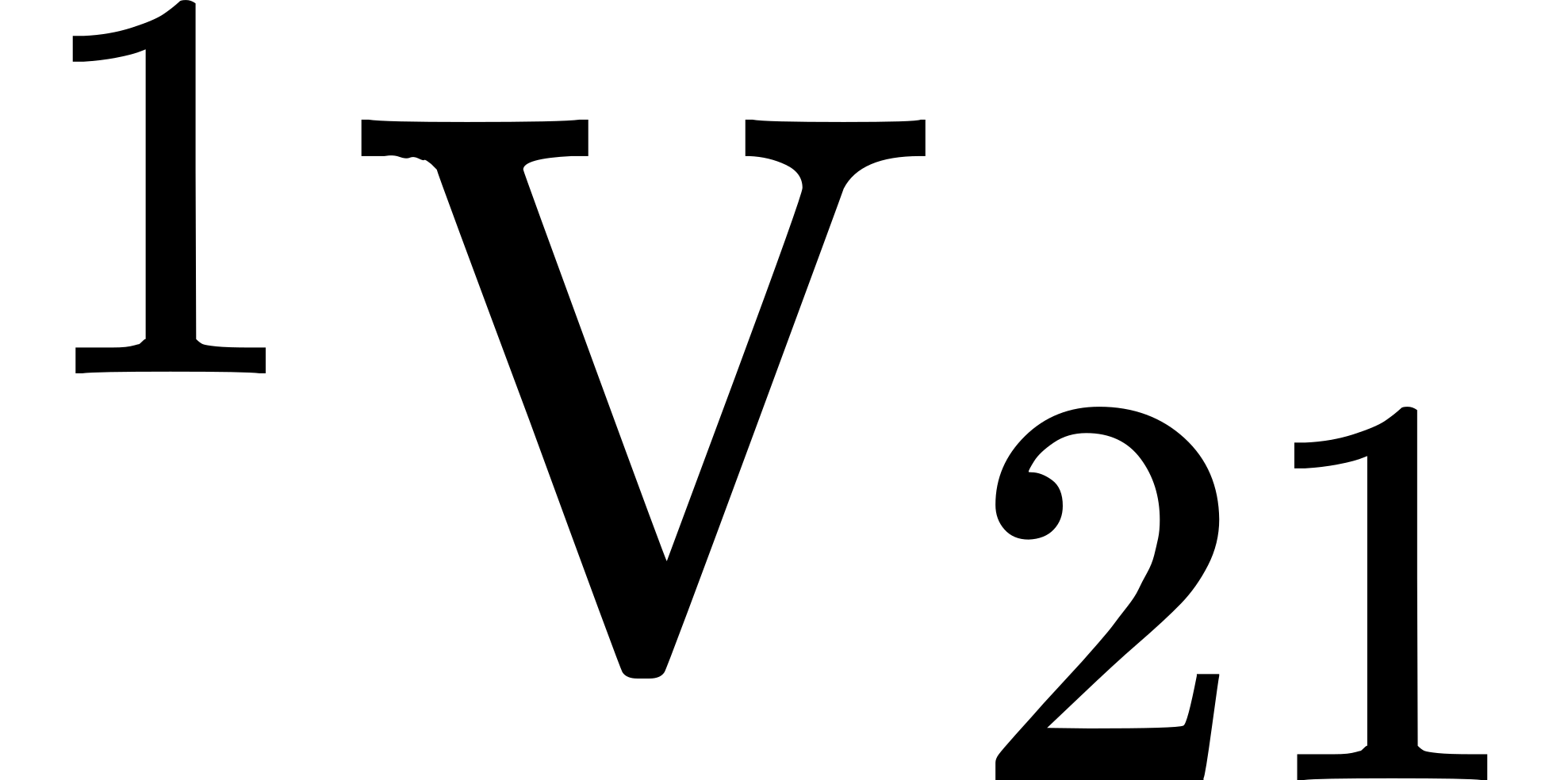 |
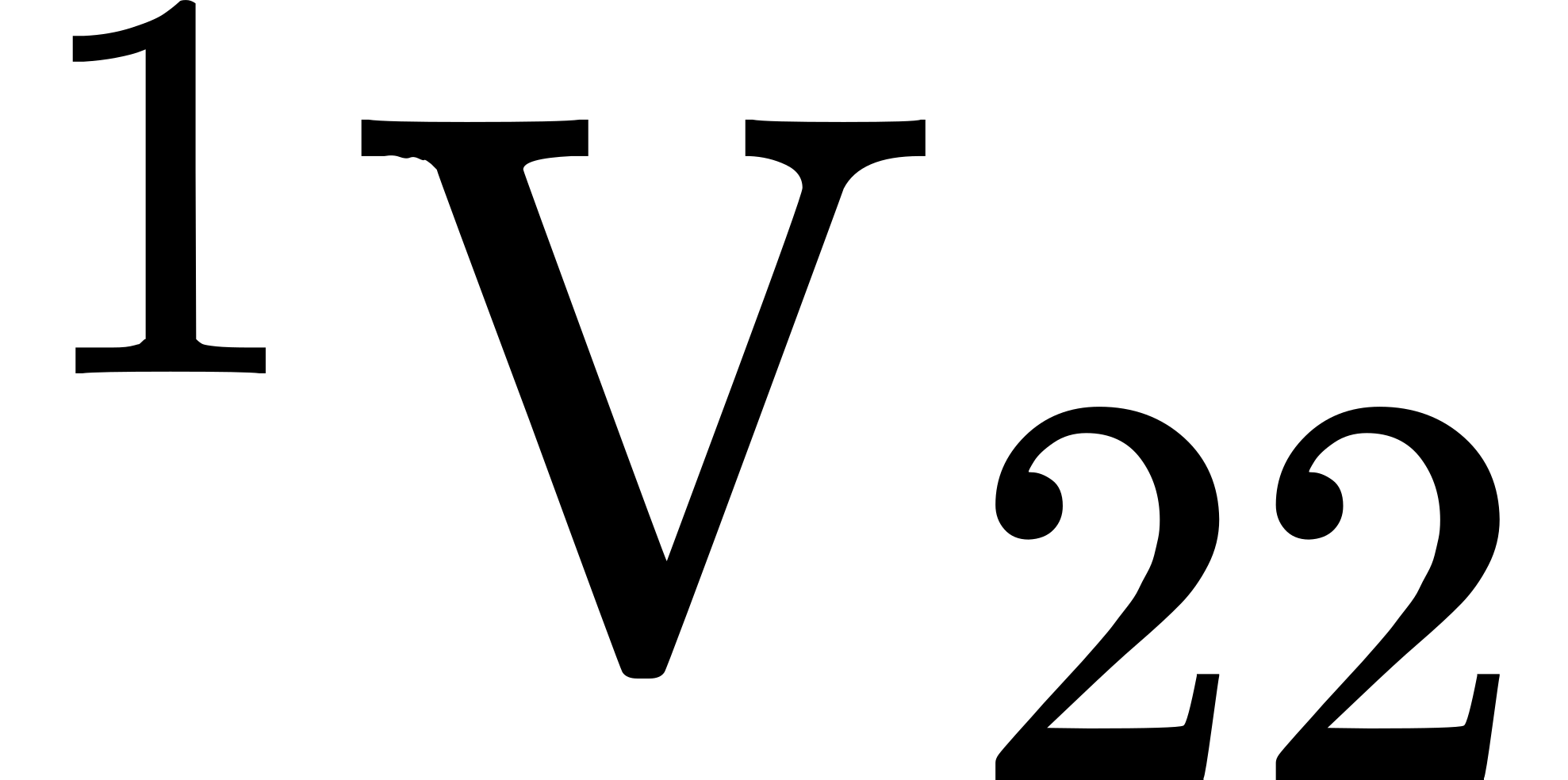 |
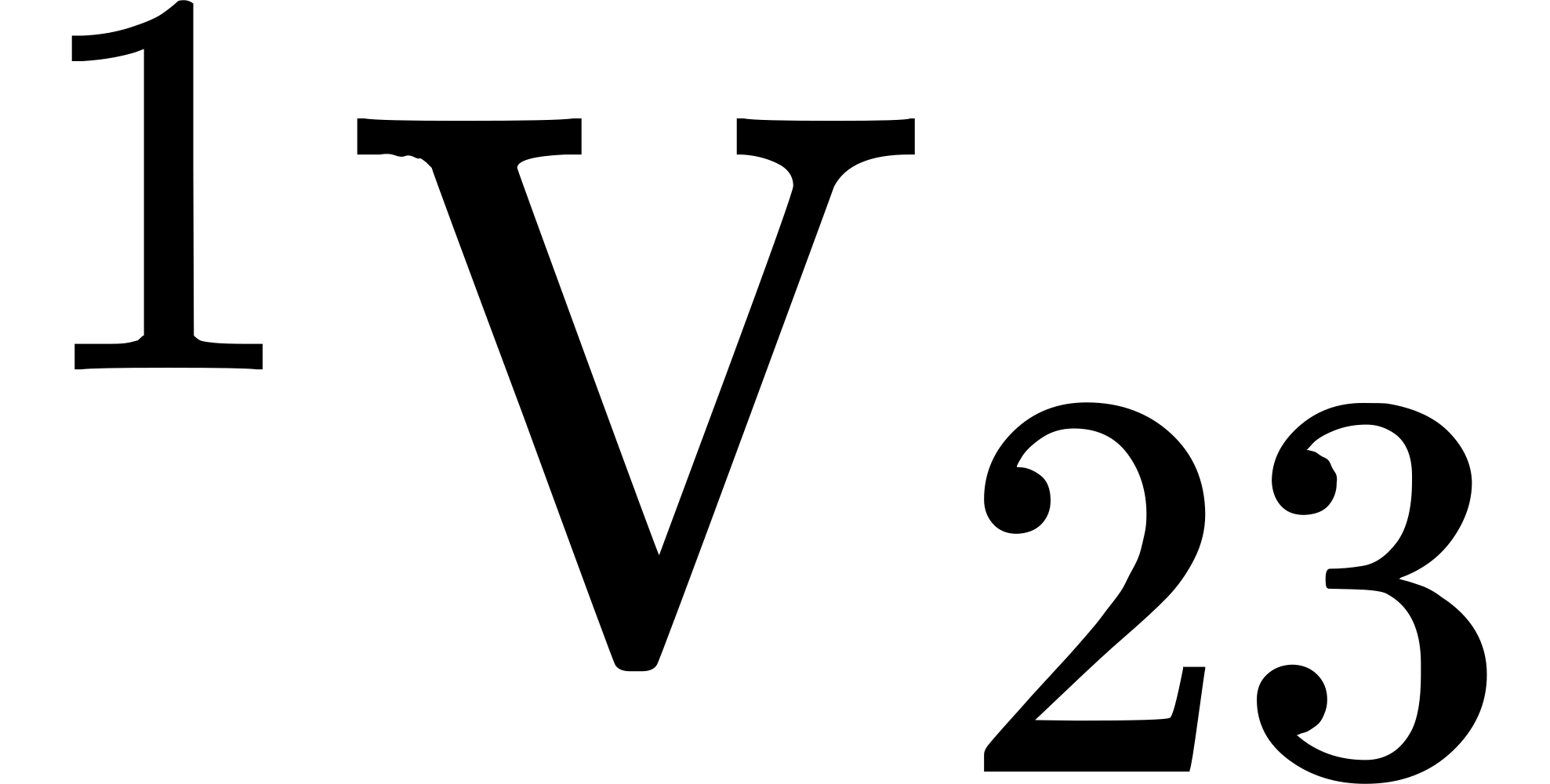 |
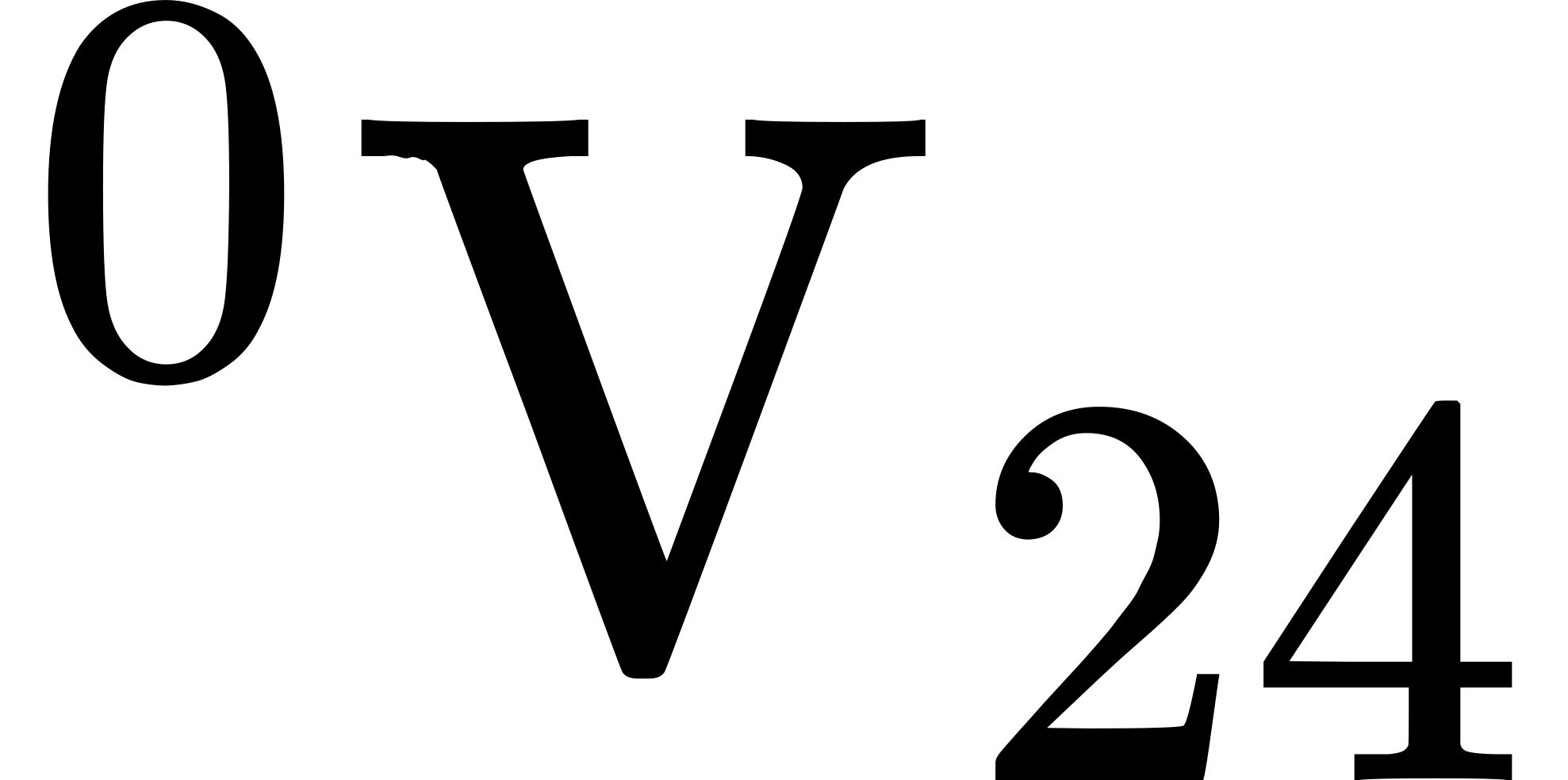 |
|
|
|
|
| 0 |
| 0 |
| 0 |
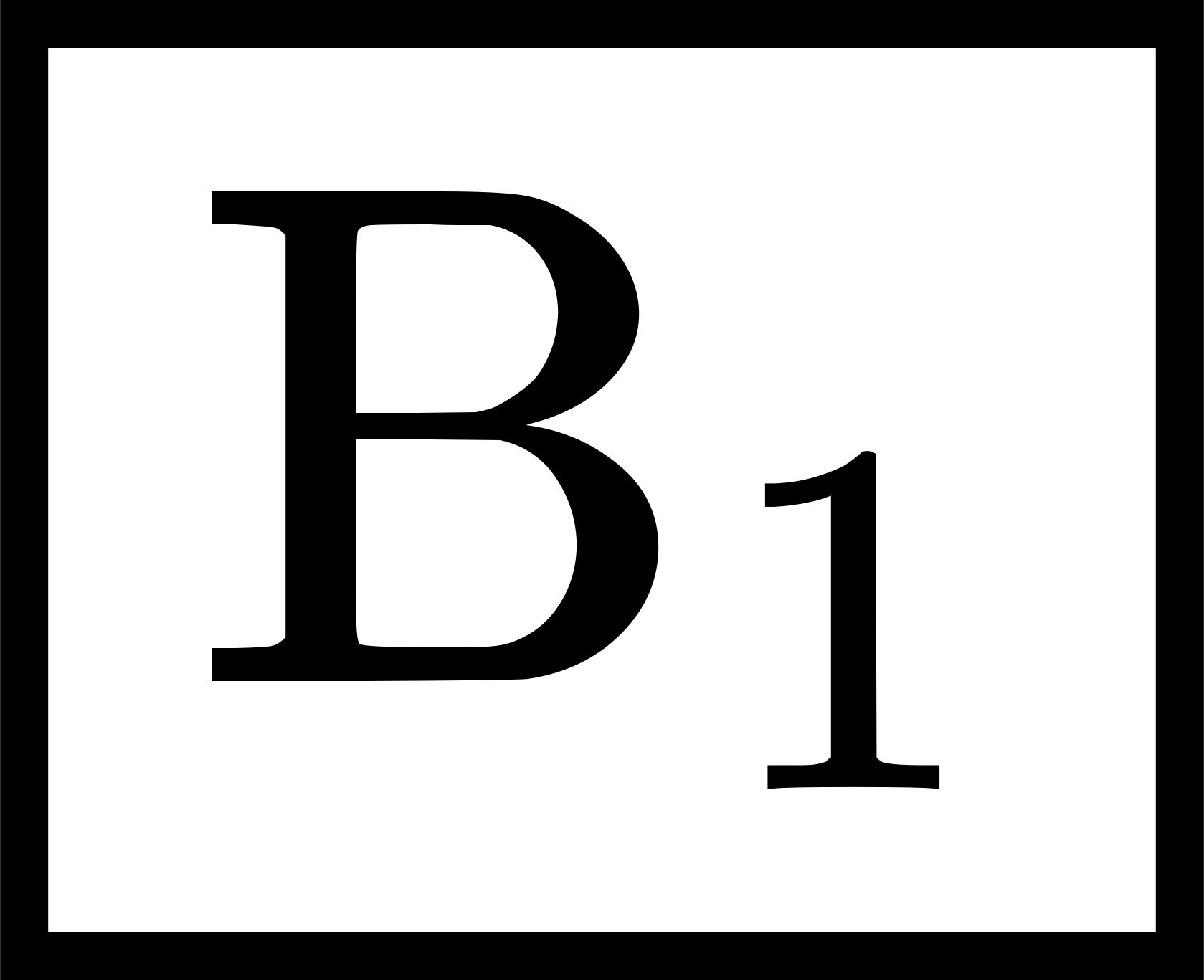 |
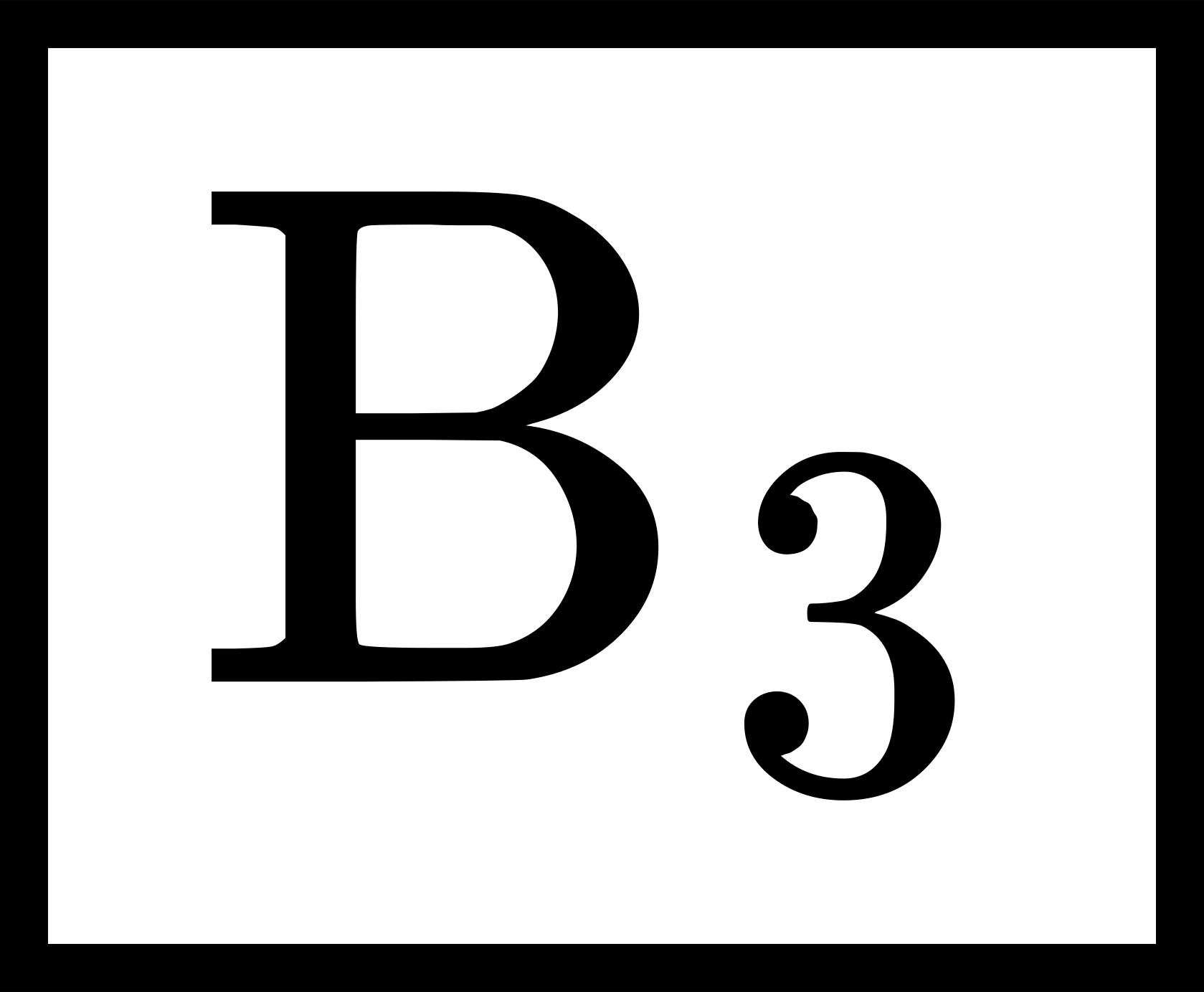 |
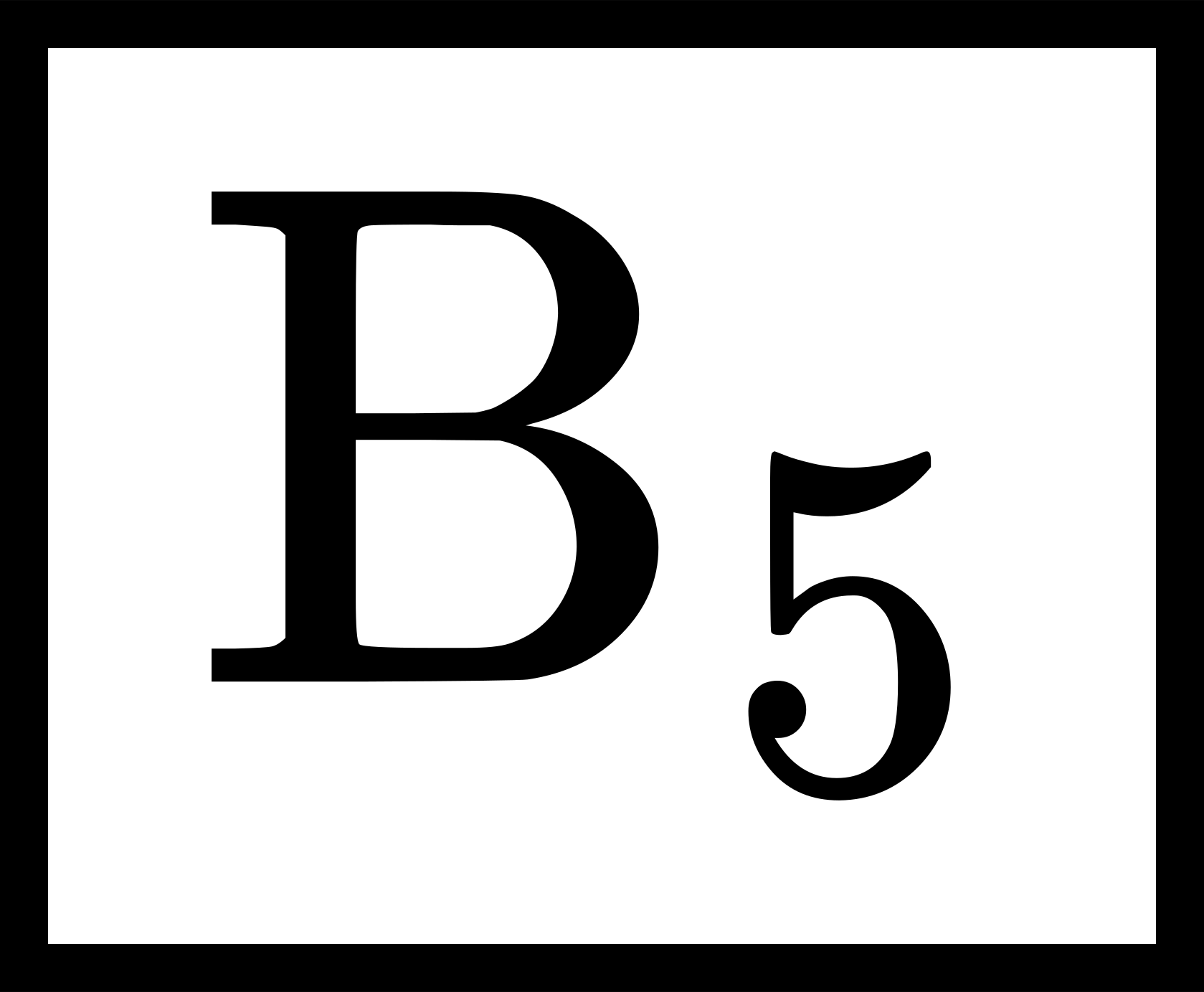 |
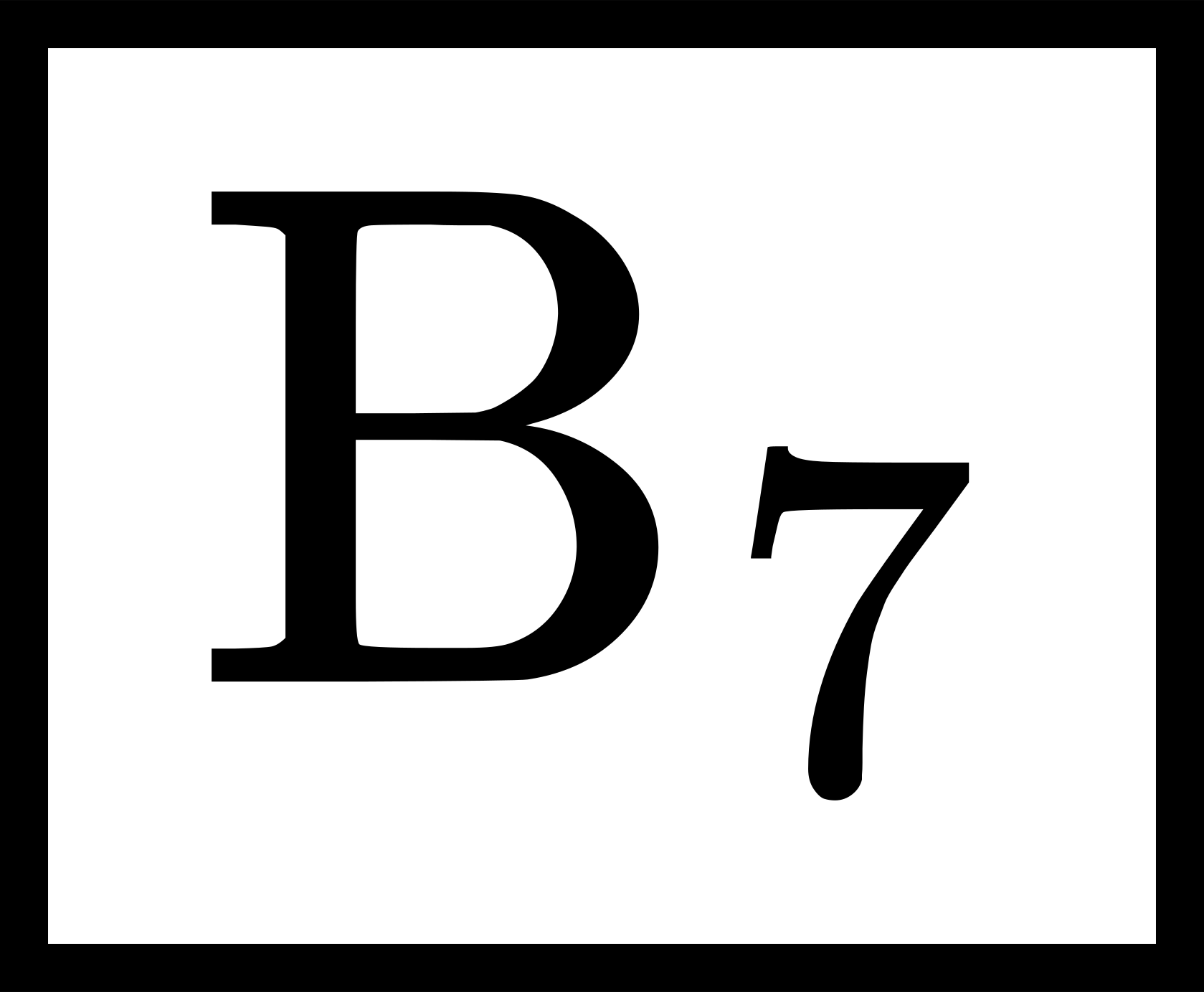 |
| 1 |
|
|
|
|
| 2 |
|
|
|
|
| 3 |
|
|
|
|
| 4 |
|
|
|
|
| 5 |
|
|
|
|
| 6 |
|
|
|
|
| 7 |
|
|
|
|
| 8 |
|
|
|
|
| 9 |
|
|
|
|
| 10 |
|
|
|
|
| 11 |
|
|
|
|
| 12 |
|
|
|
|
| 13 |
|
|
|
|
| 14 |
|
|
|
|
| 15 |
|
|
|
|
| 16 |
|
|
|
|
| 17 |
|
|
|
|
| 18 |
|
|
|
|
| 19 |
|
|
|
|
| 20 |
|
|
|
|
| 21 |
|
|
|
|
| 22 |
|
|
|
|
| 23 |
|
|
|
|
|
| 24 |
|
|
|
|
| 25 |
|
|
|
|
Supposing that it was desired not only to tabulate ,
, &c., but 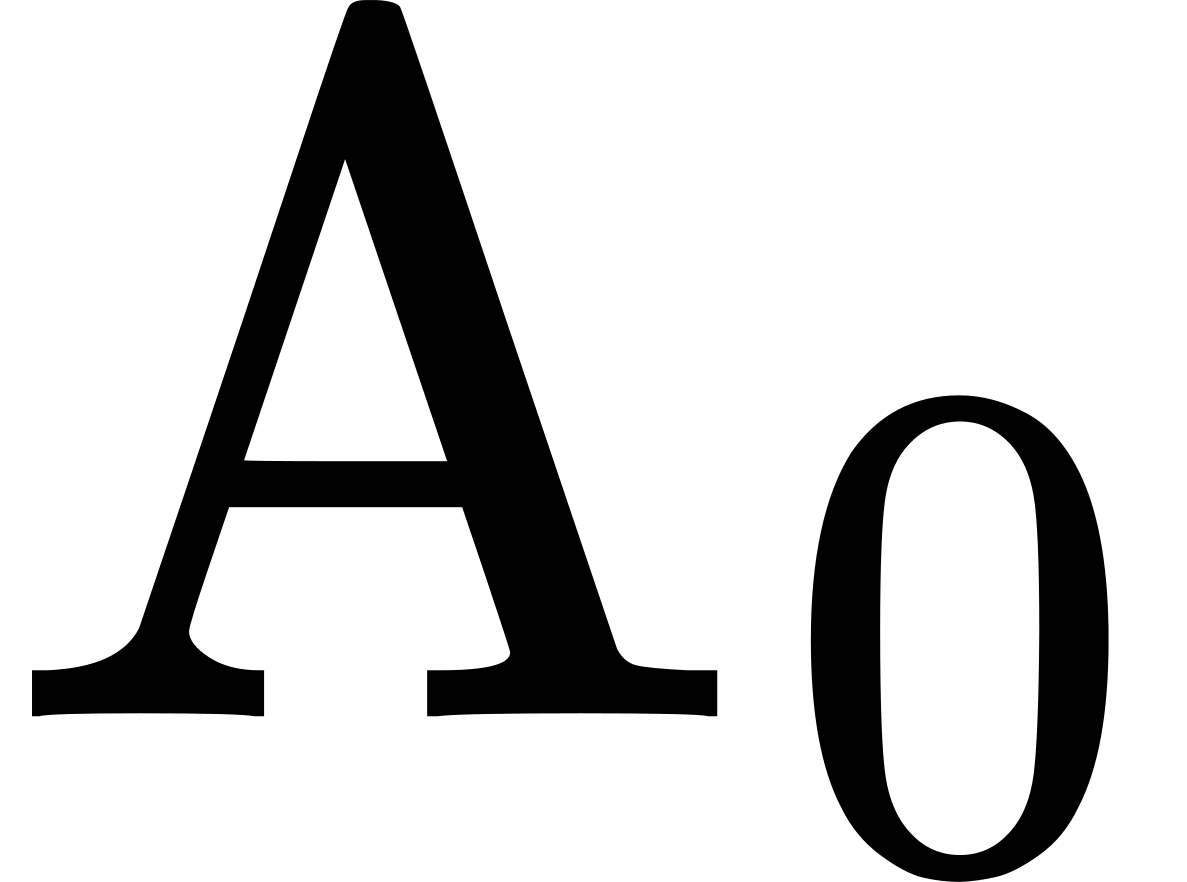 , ,
&c.; we have only then to appoint another series of Variables,
, , &c., for receiving
these latter results as they are successively produced upon
. Or again, we may, instead of this, or in addition
to this second series of results, wish to tabulate the value of each
successive total term of the series (8), viz: ,
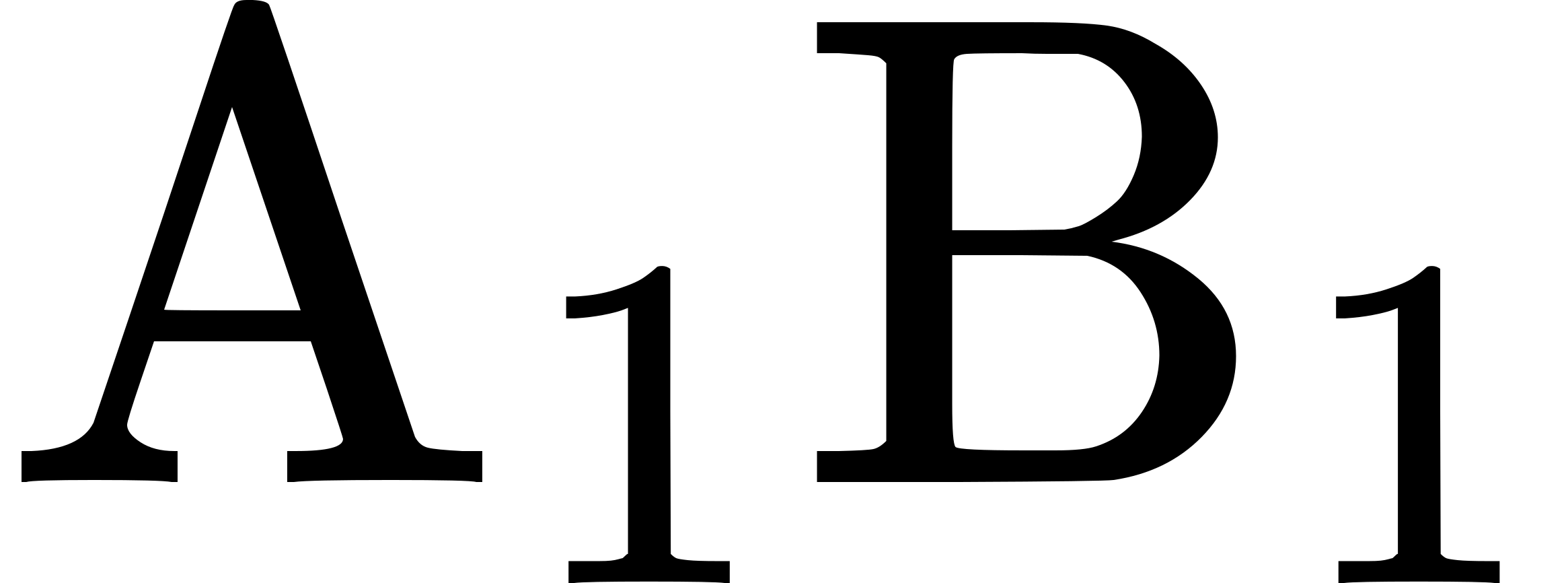 ,
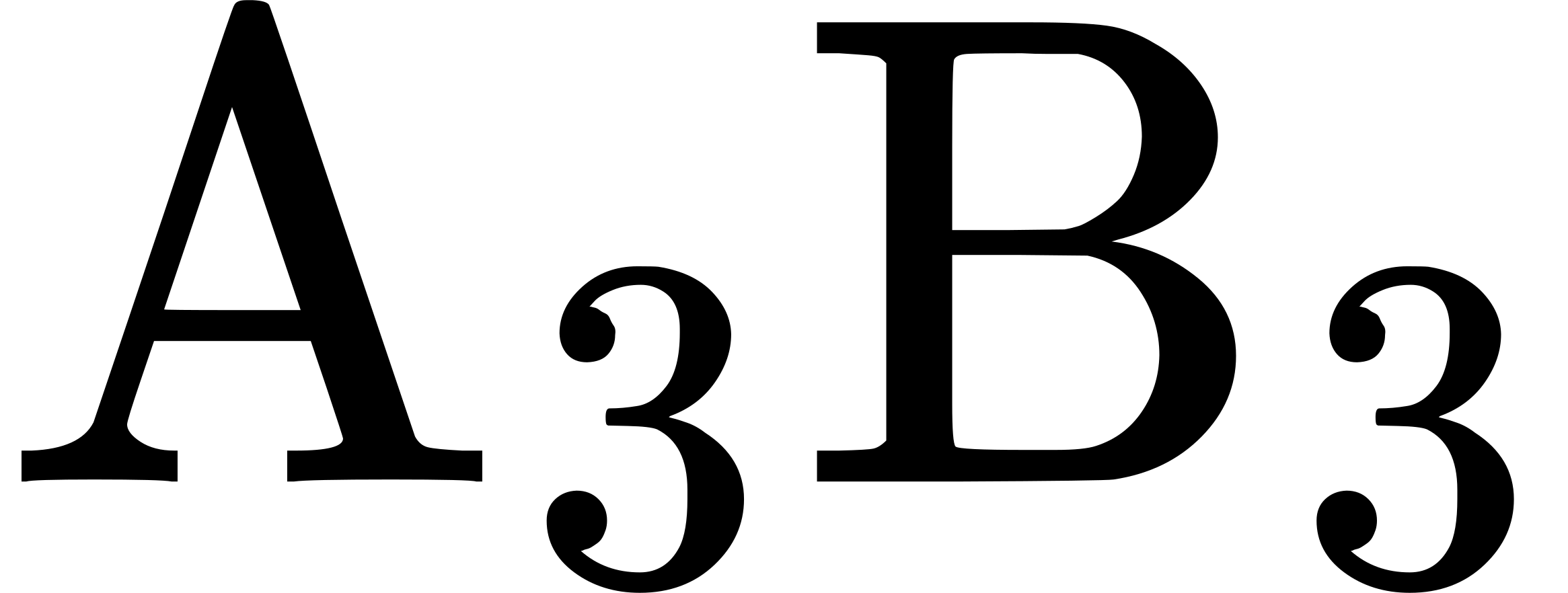 , &c. We have
then merely to multiply each with each corresponding
, as produced; and to place these successive products on
Result-columns appointed for the purpose.
The formula (8.) is interesting in another point of view. It is one
particular case of the general Integral of the following Equation of
Mixed Differences:—
 for certain special suppositions respecting
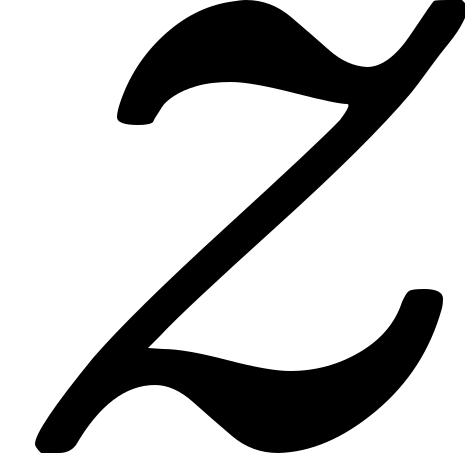 , and .
The general integral itself is of the form,
 and it is worthy of remark, that the engine might (in a manner more or
less similar to the preceding) calculate the value of this formula upon
most other hypotheses for the functions in the integral, with as
much, or (in many cases) with more, ease than it can formula (8.).
A. A. L.
 being any numbers whatever,
 be any given function which can
be formed by addition, subtraction, multiplication, division,
extraction of roots, or elevation to powers, the machine will calculate
its numerical value; it will afterwards substitute this value in the
place of
 ,
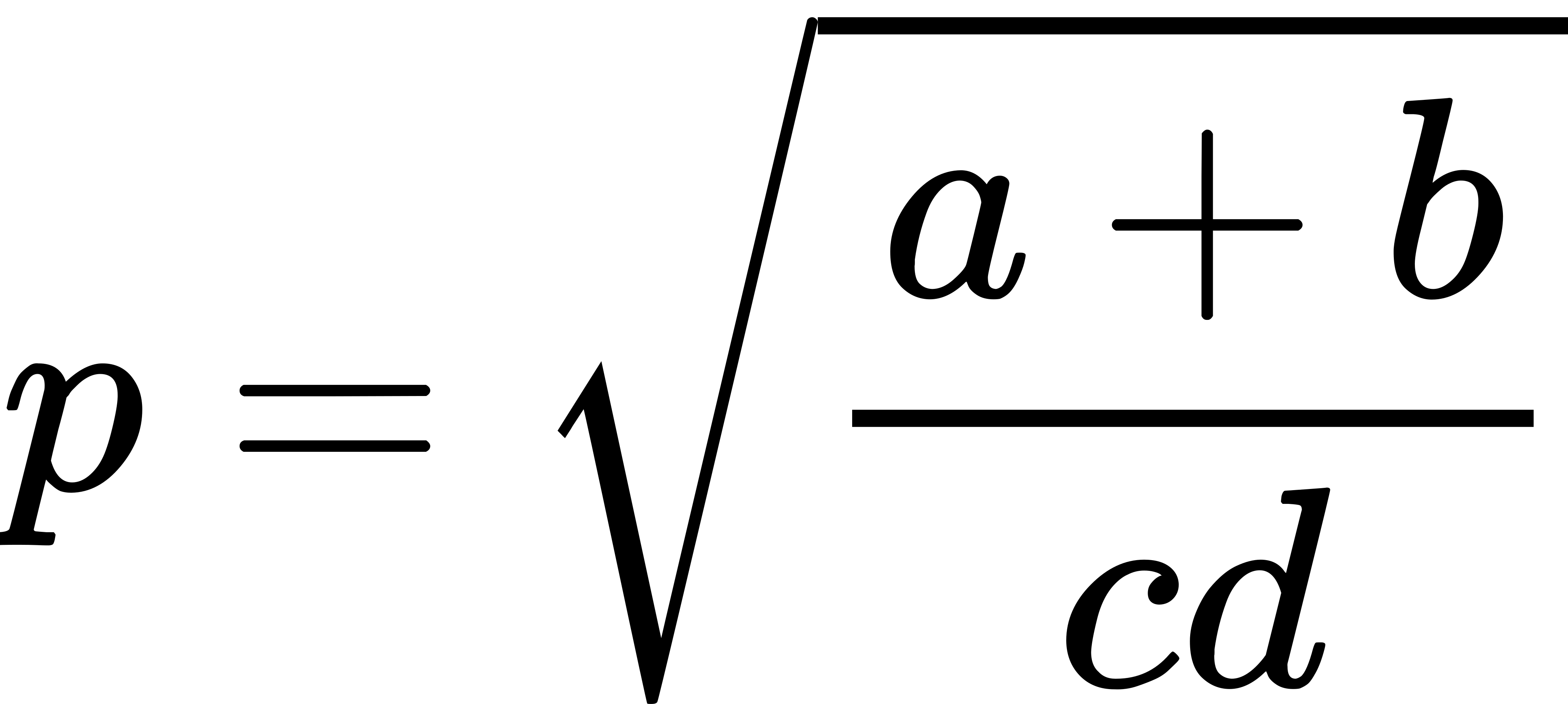 ,

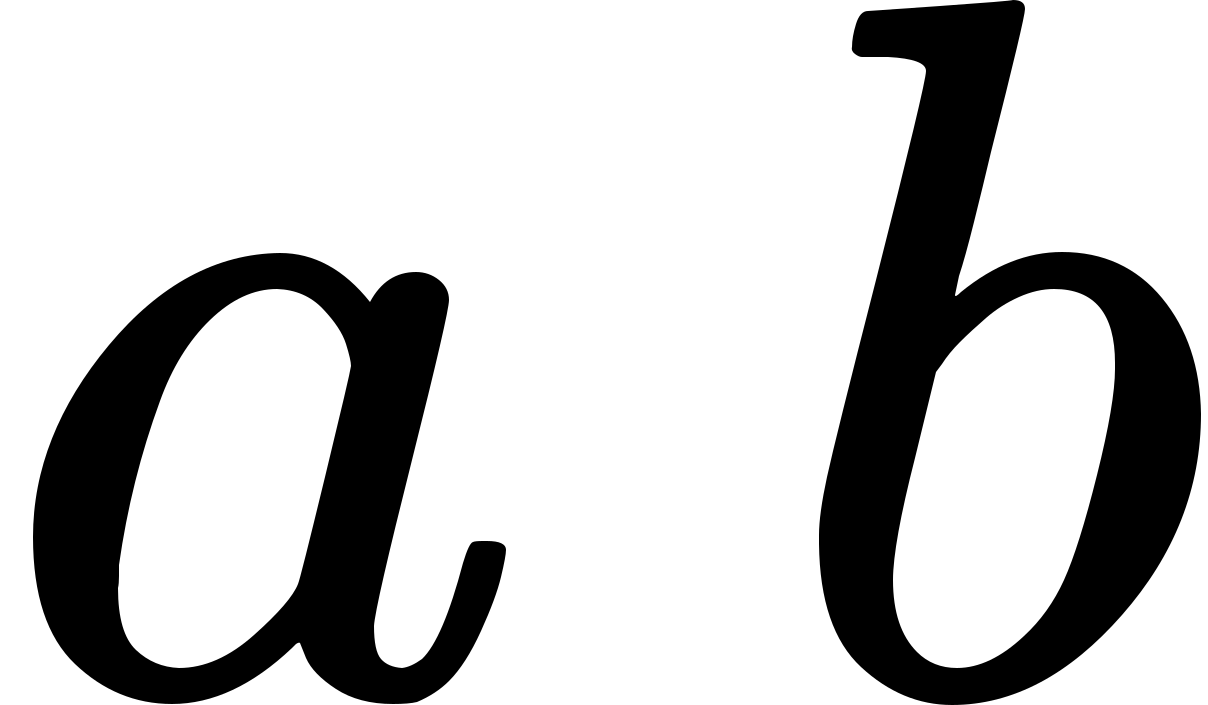 .
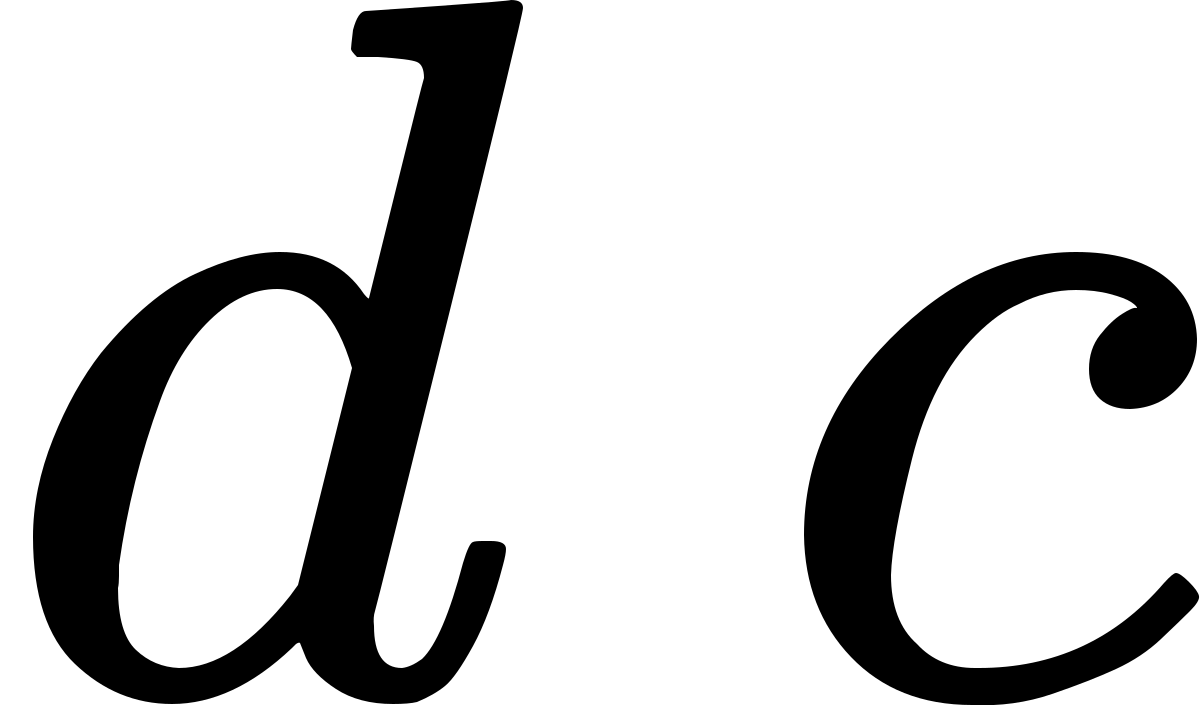 :
 ,
 ,
 ,
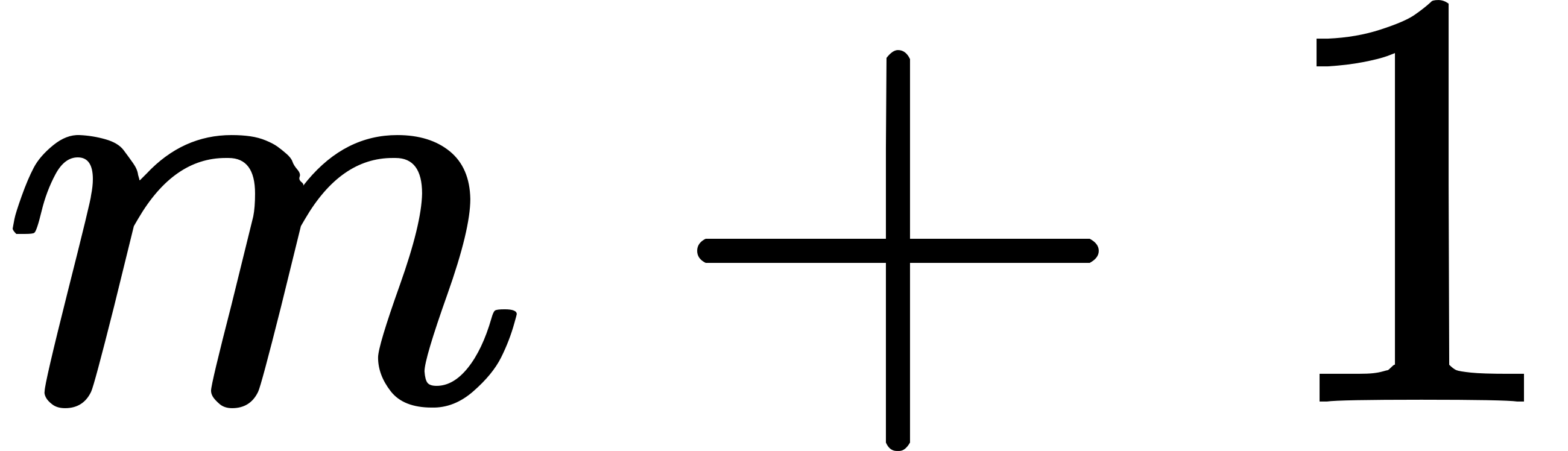 )
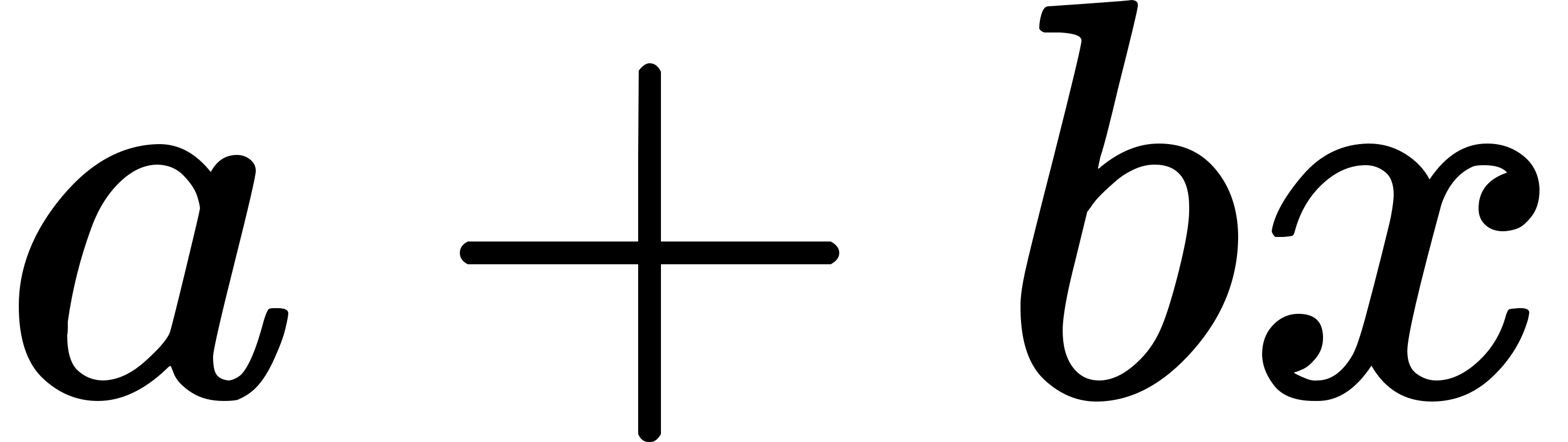 )

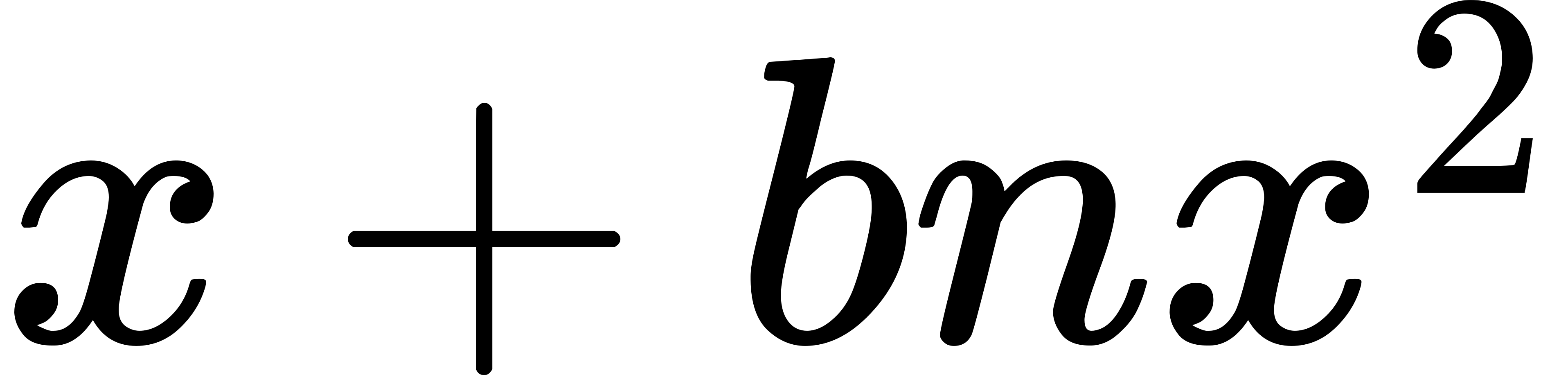 in which expression we must first calculate
 ,
 ,
 ,
 ;
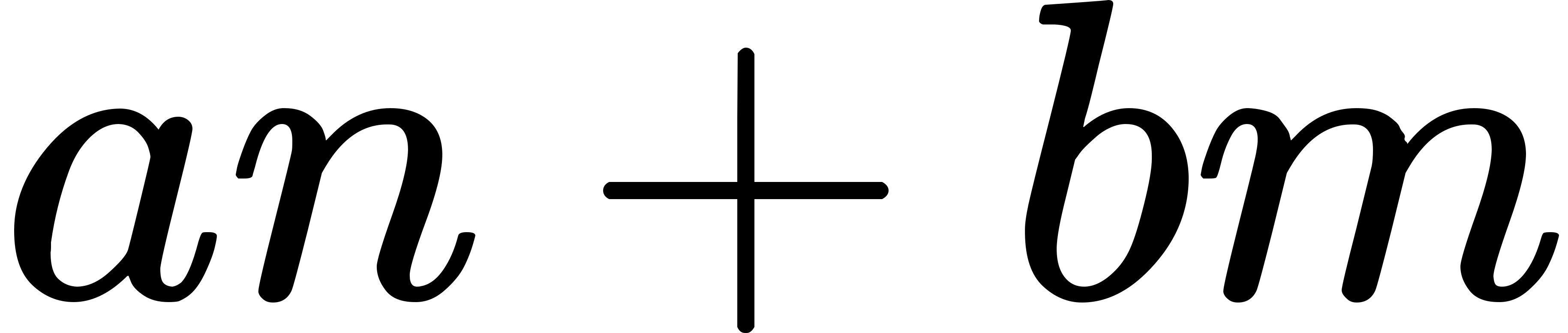 ;
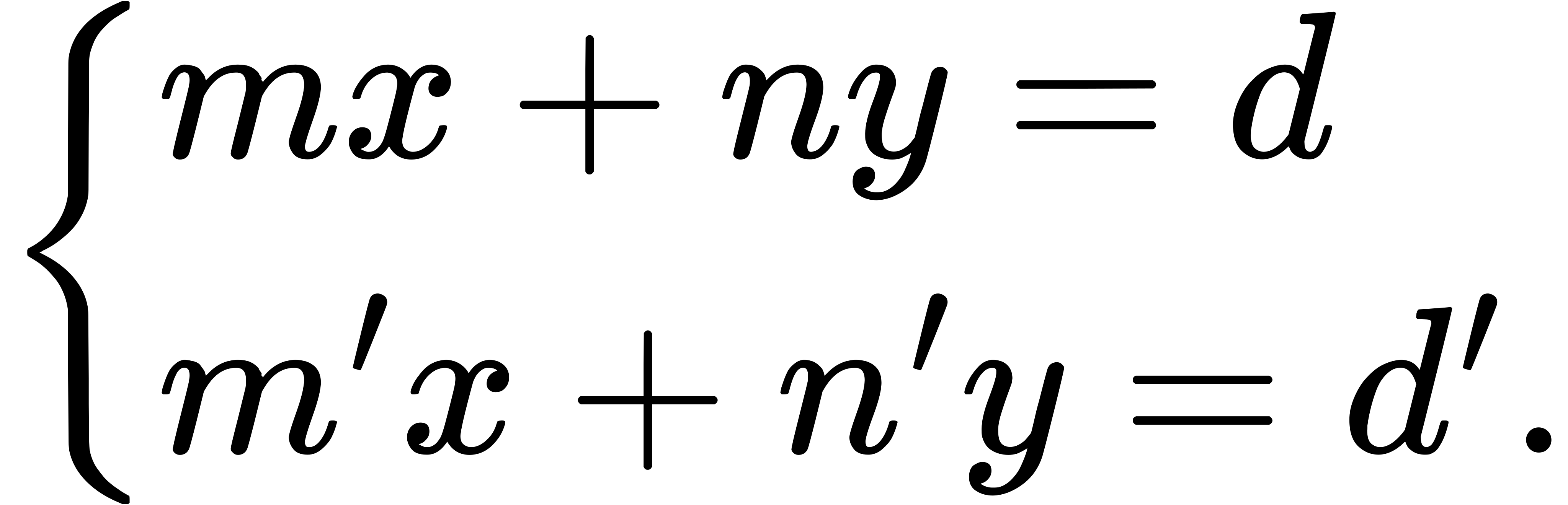
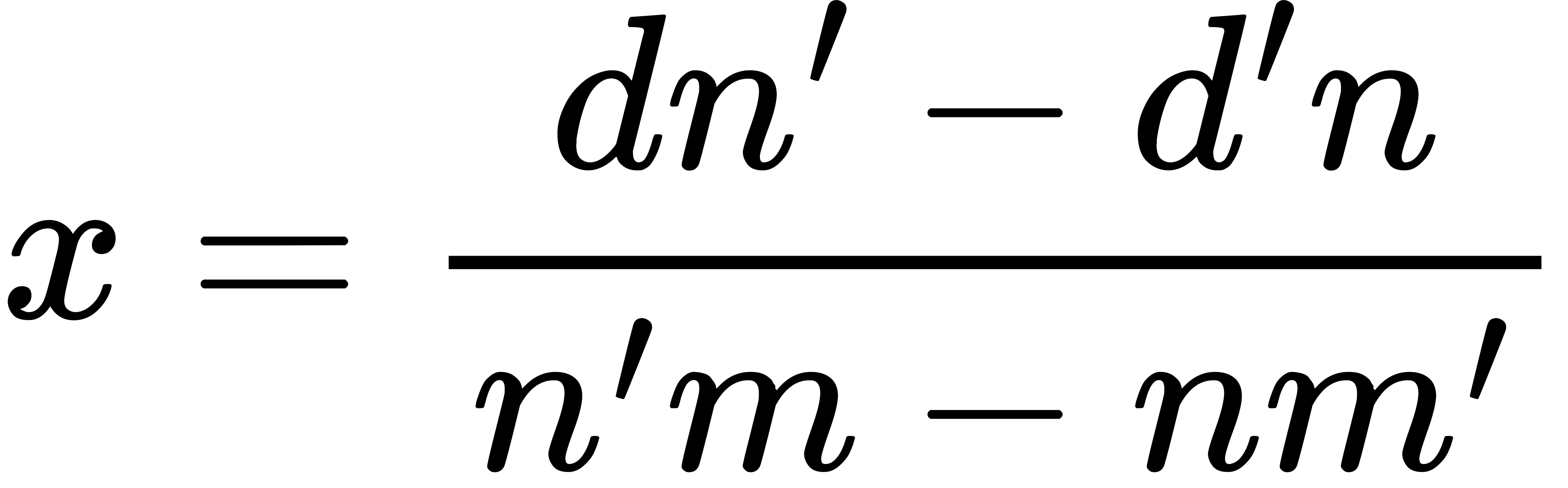 ,
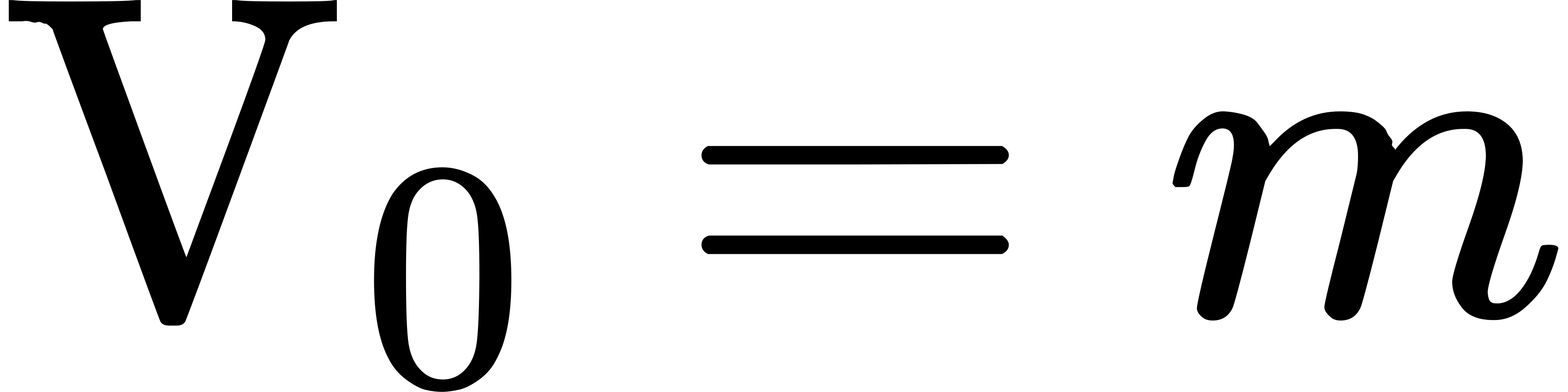 ,
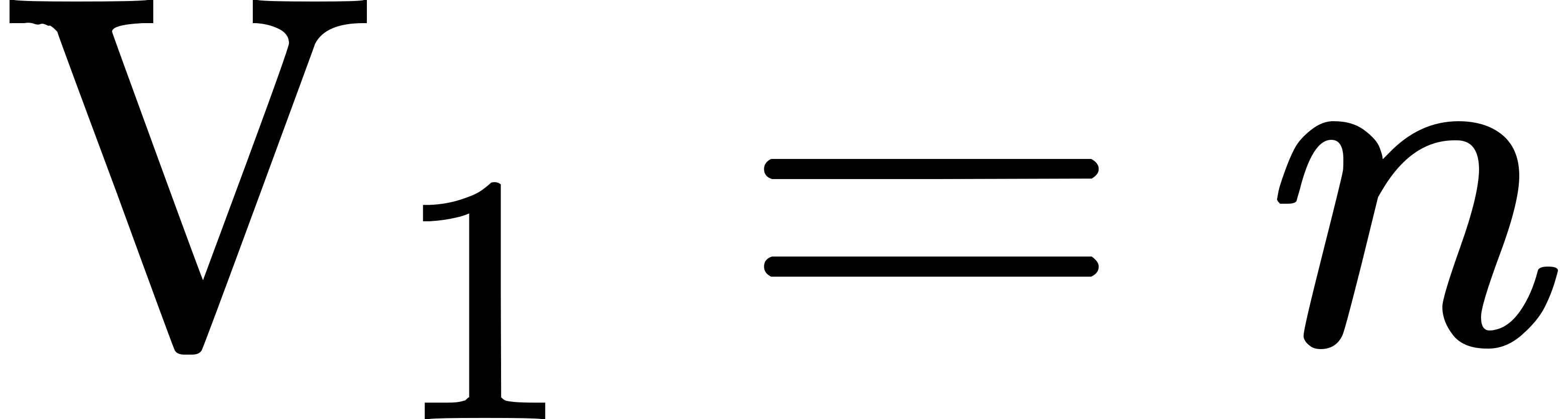 ,
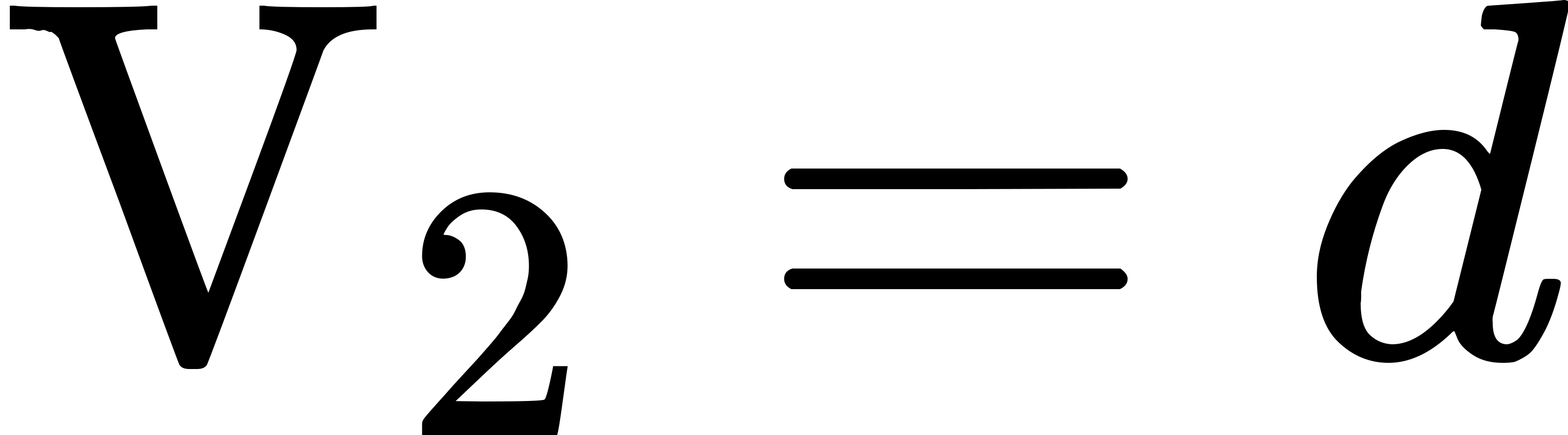 ,
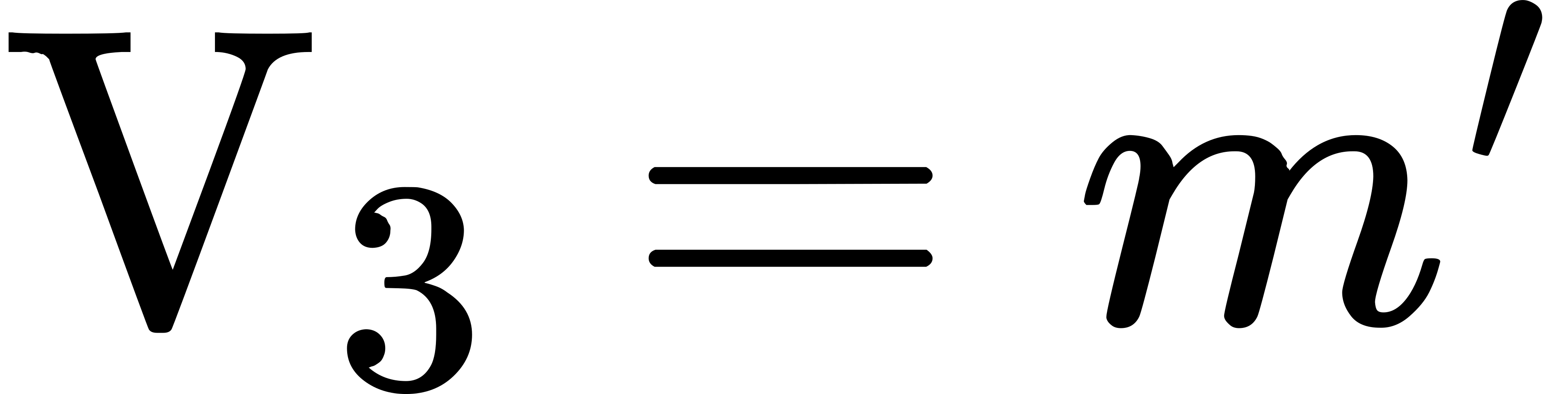 ,
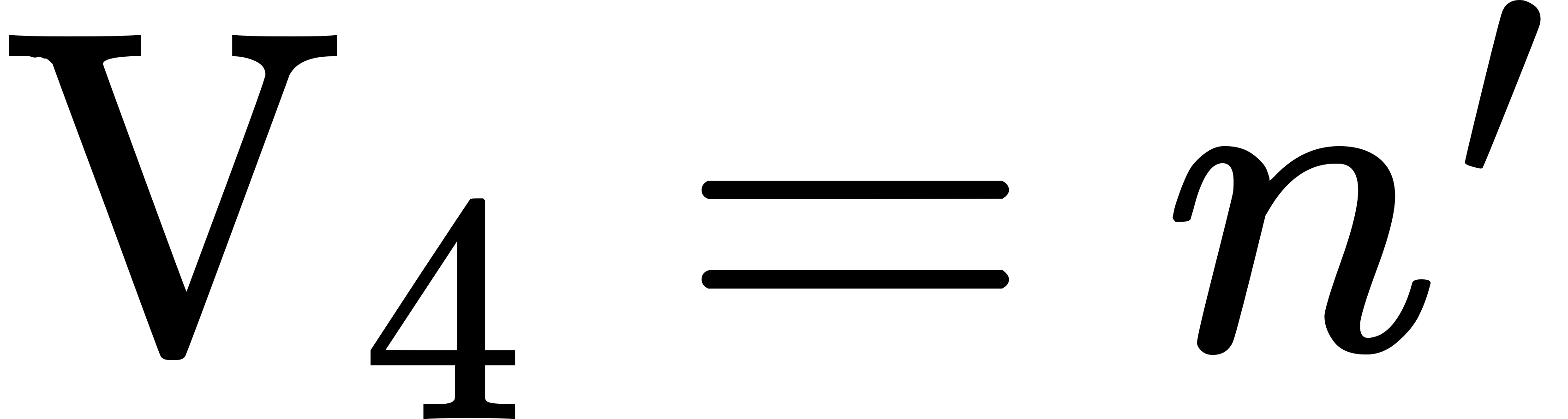 ,
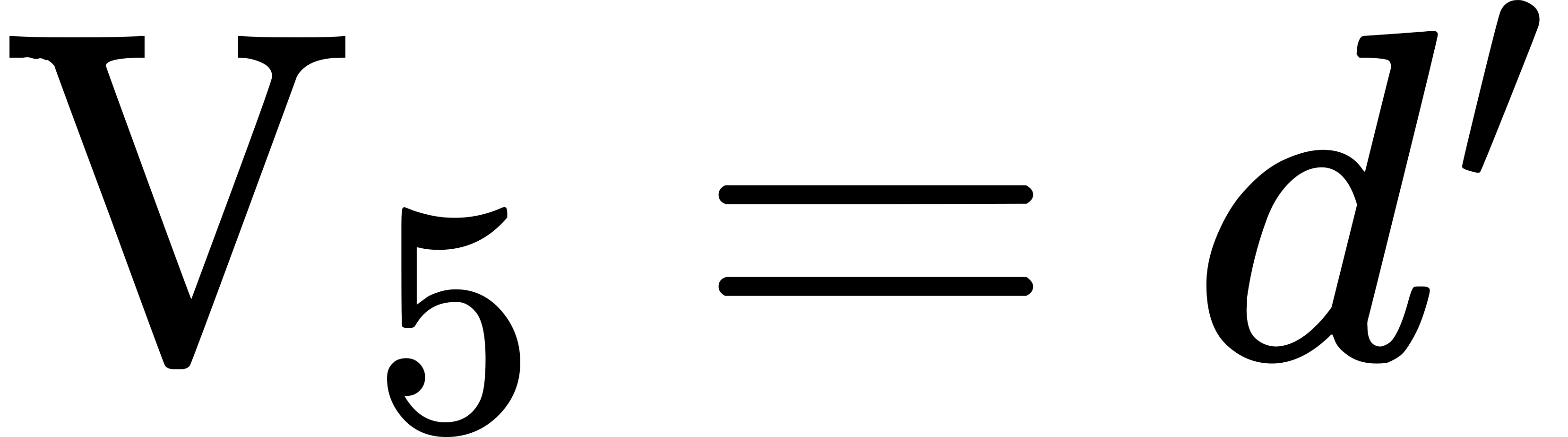 ,
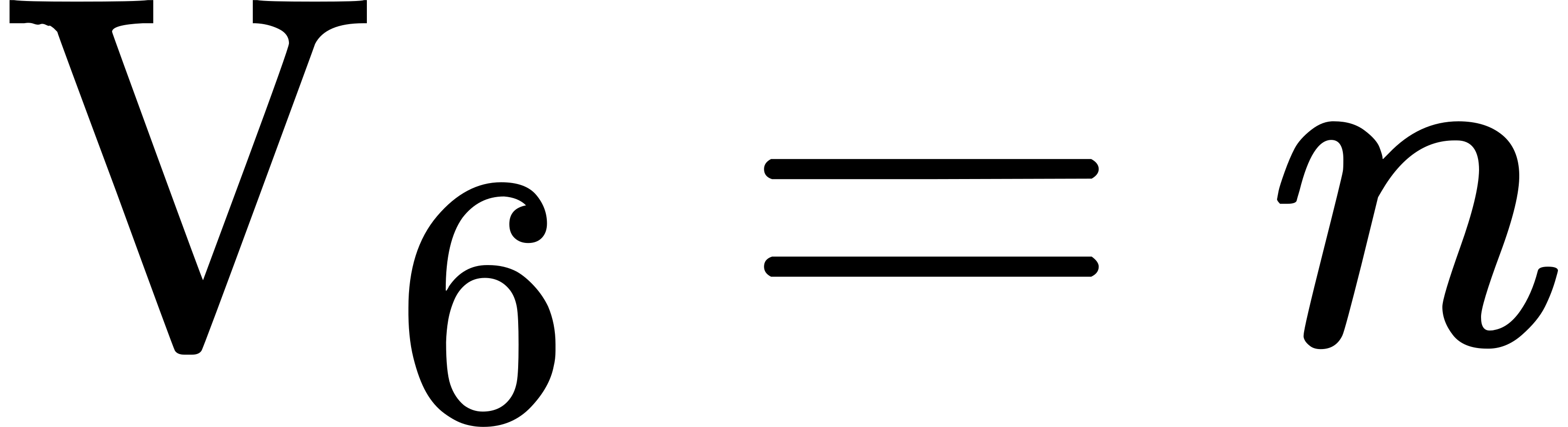 ,
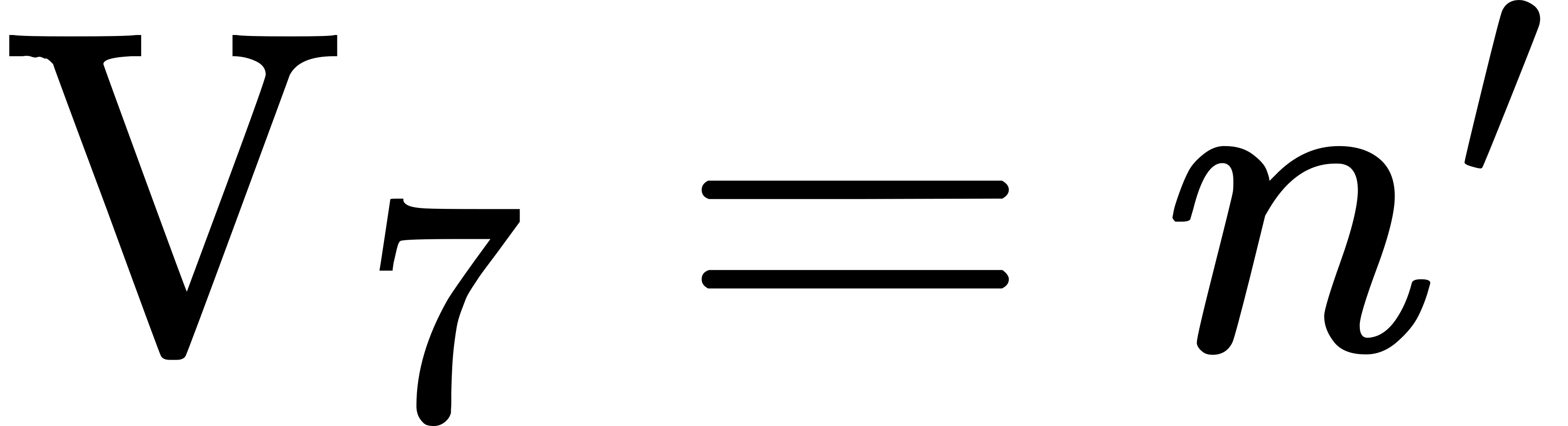 .


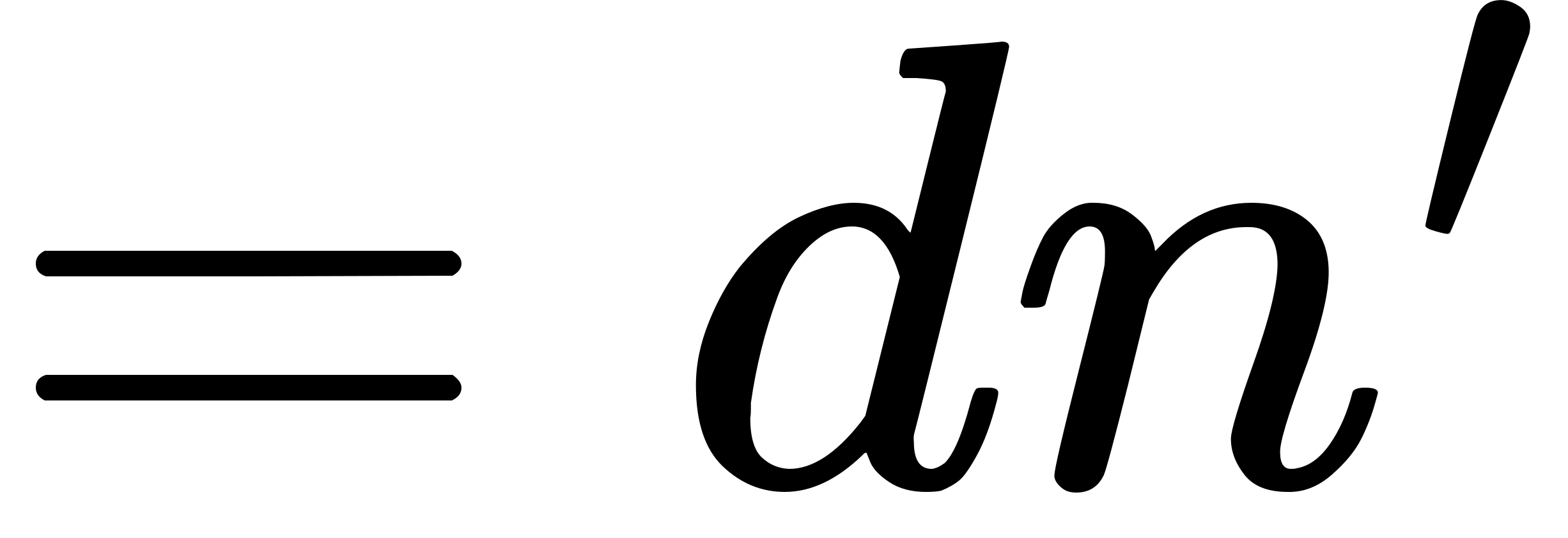


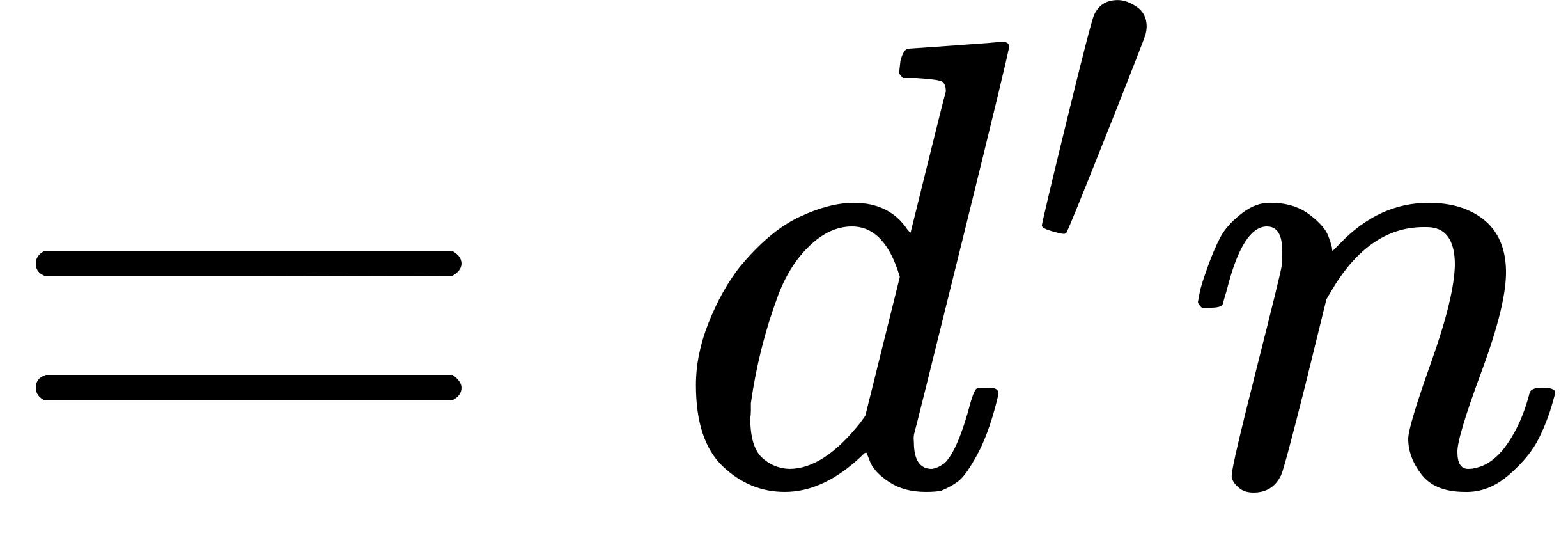


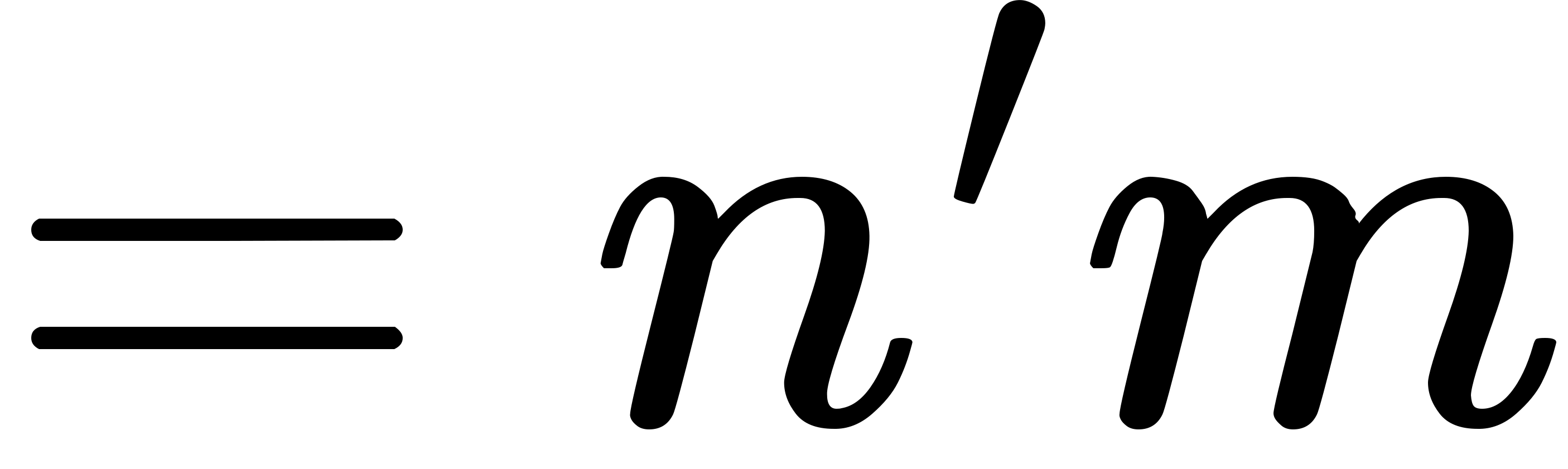


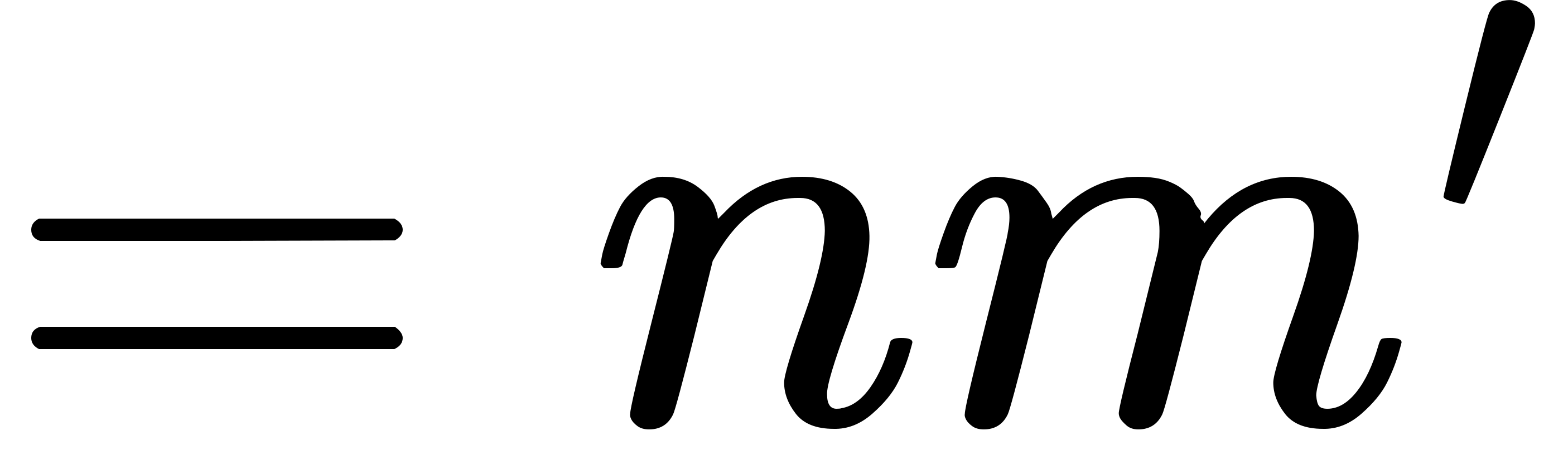






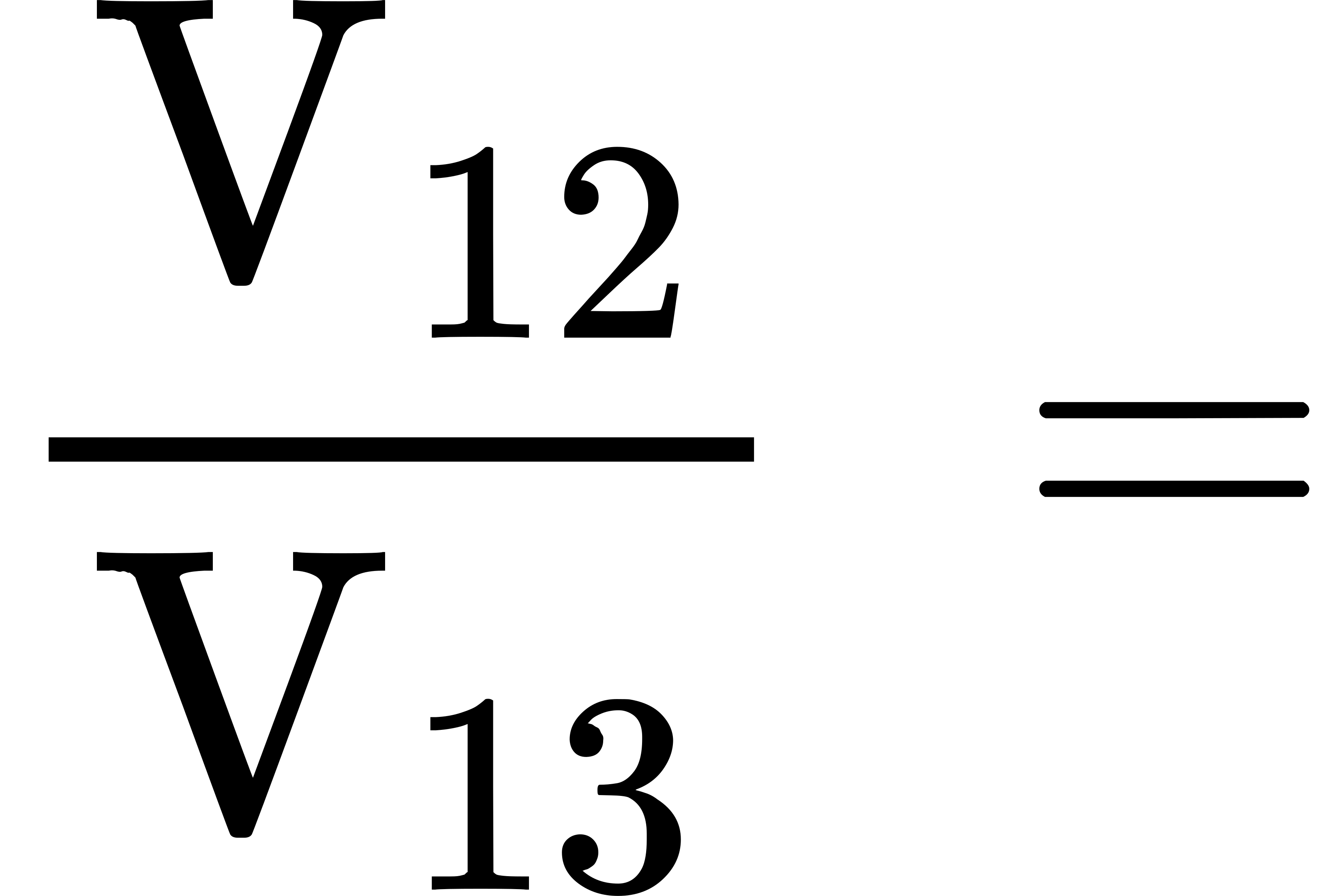

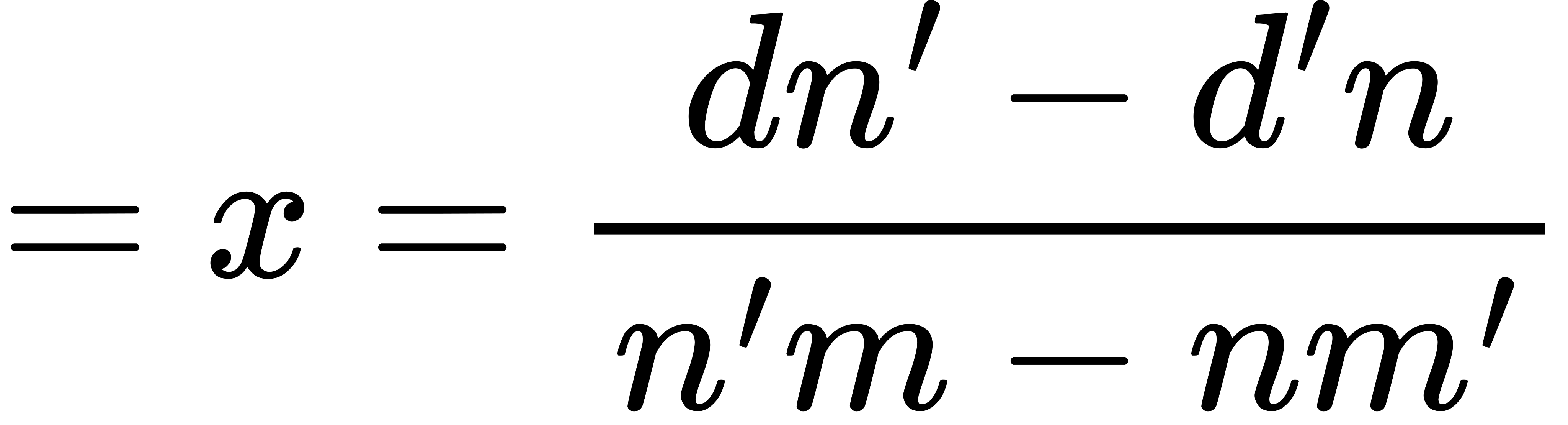
 .
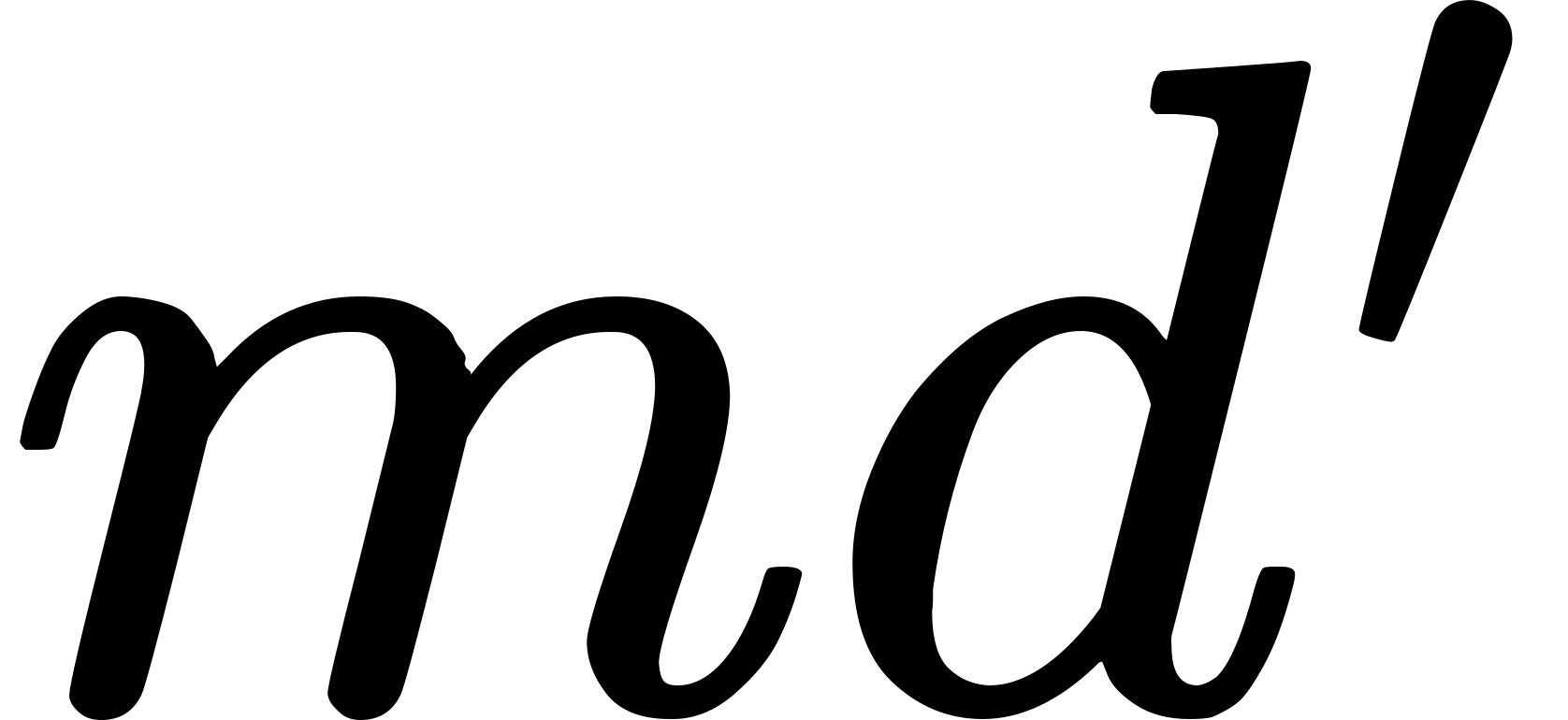 ,
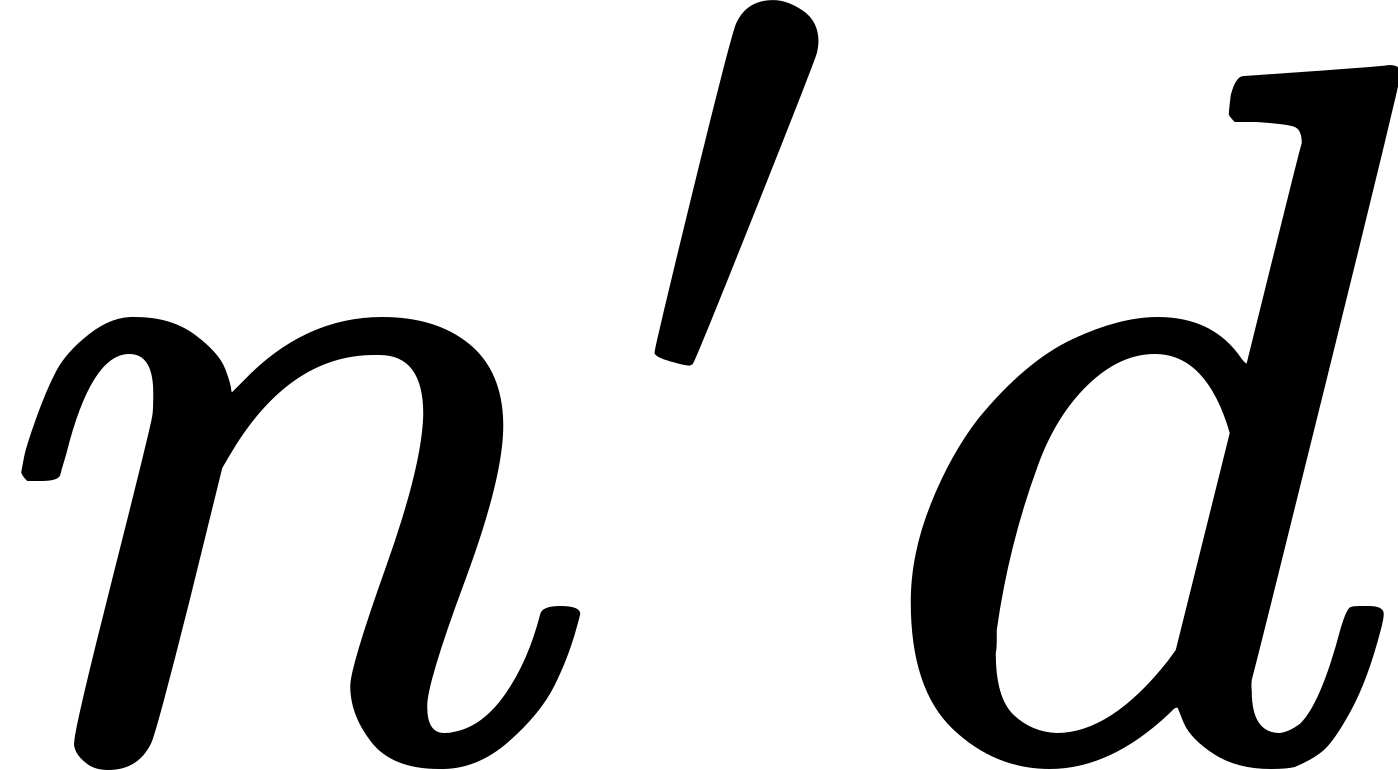 .
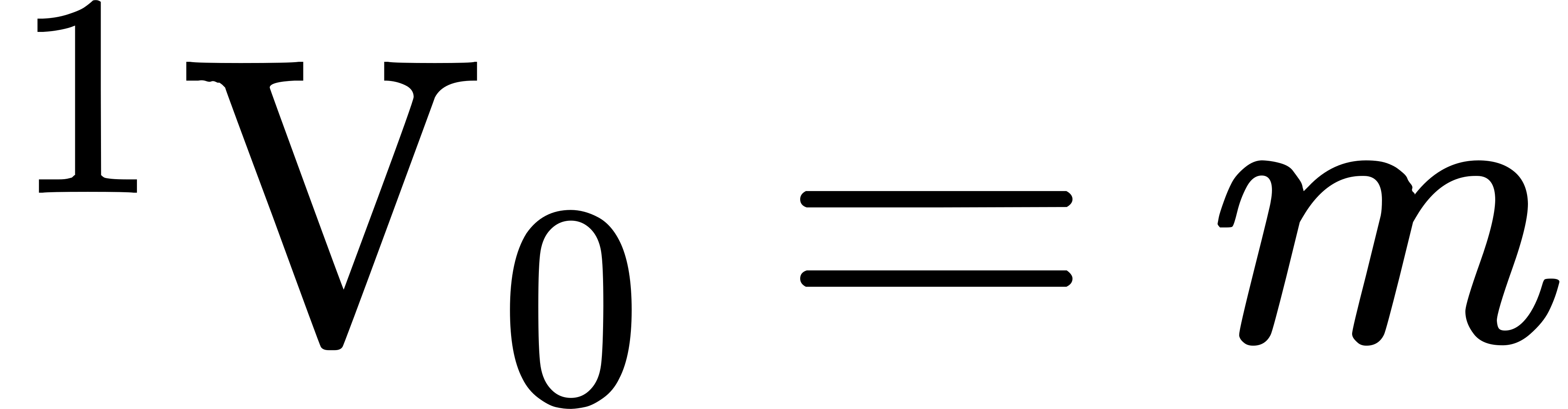

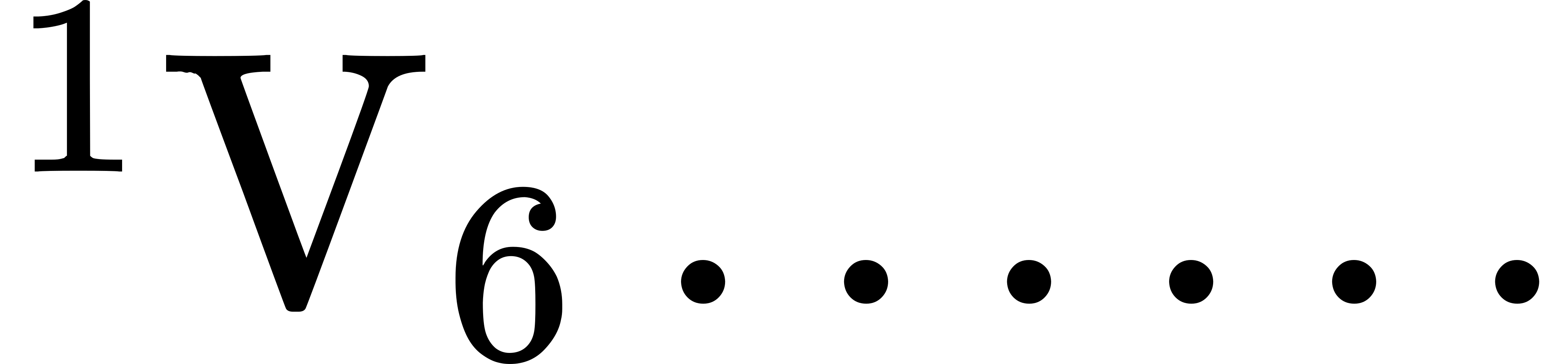
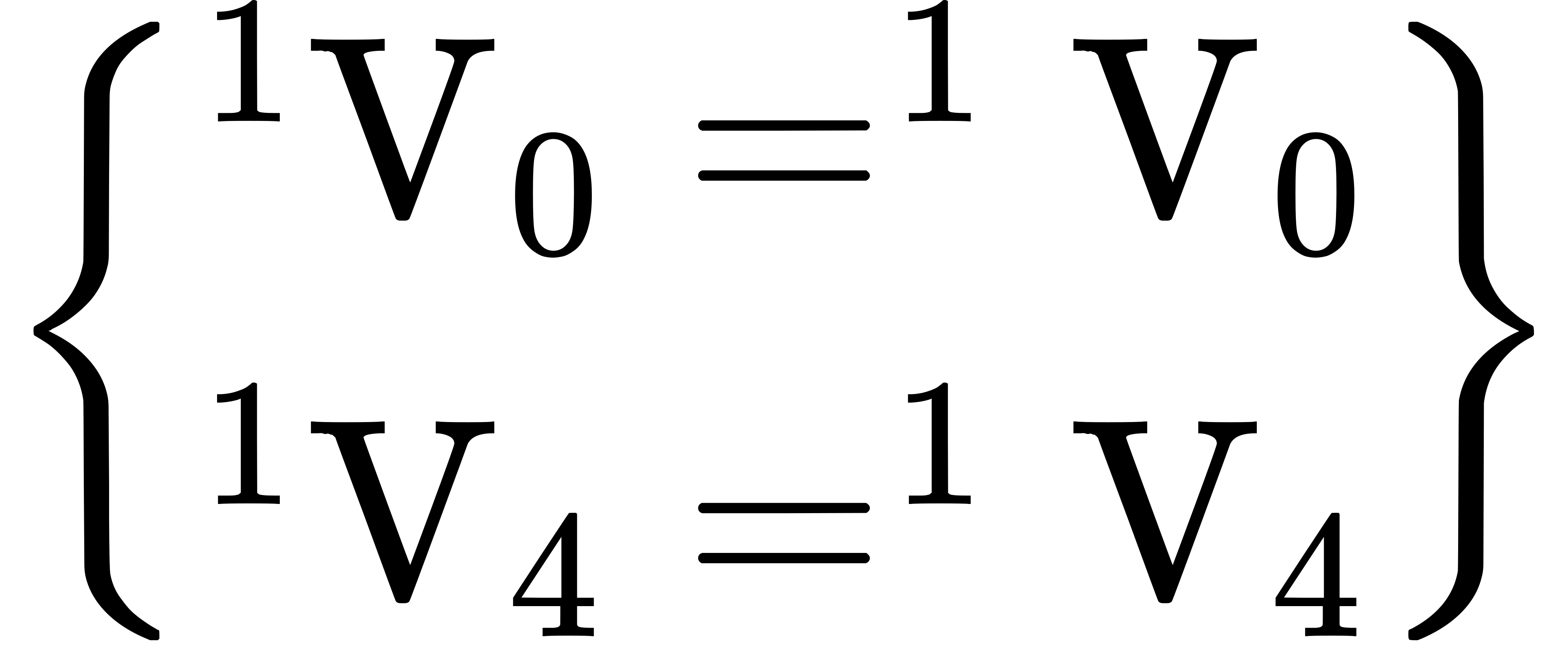
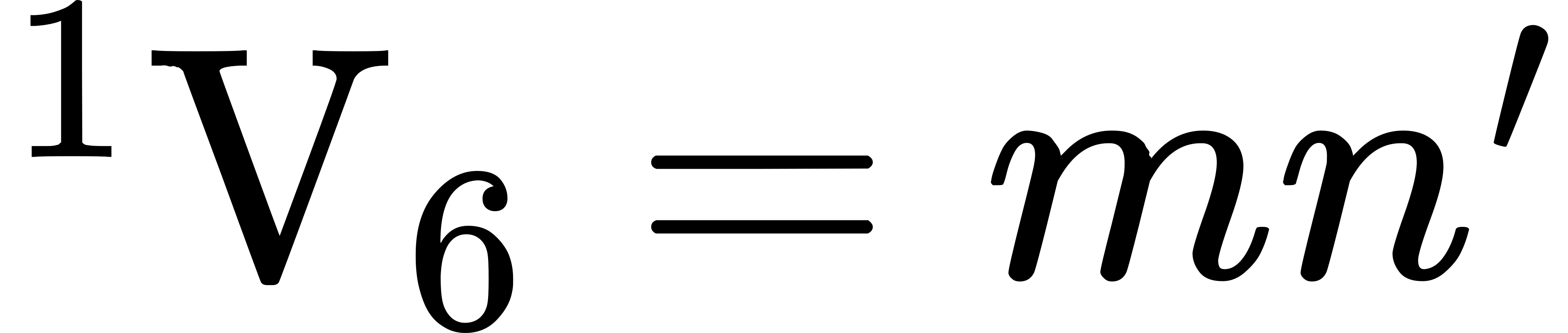
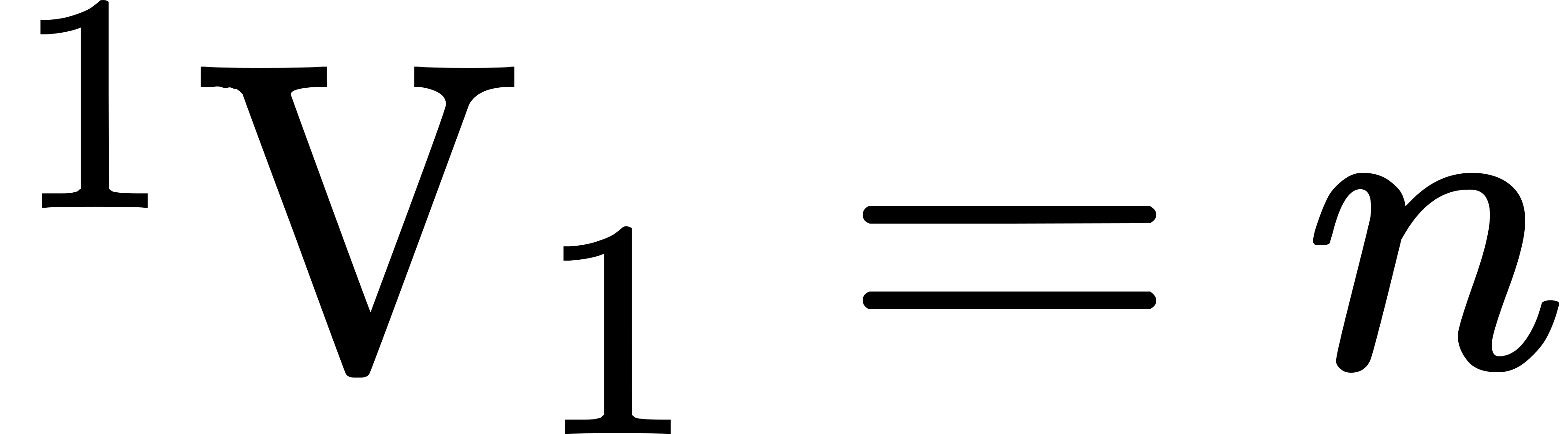

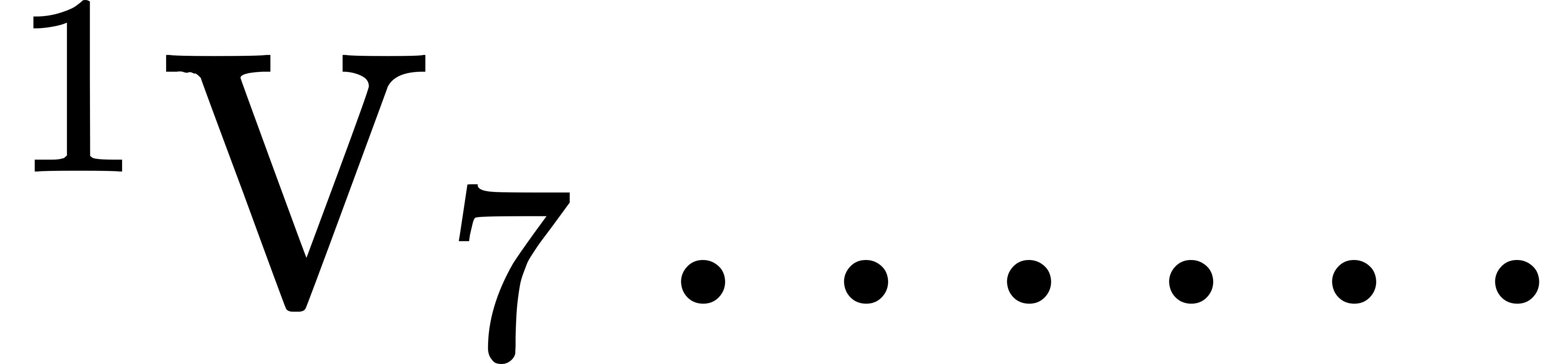
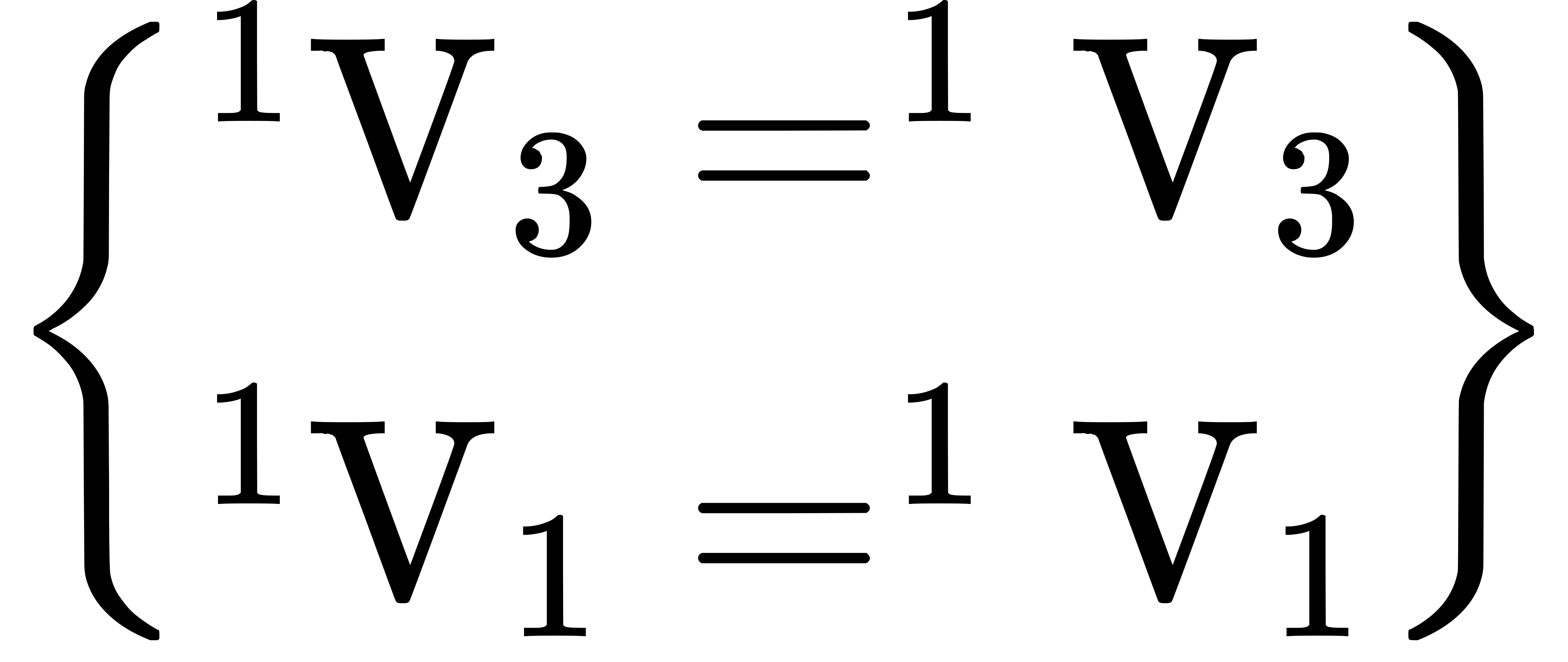
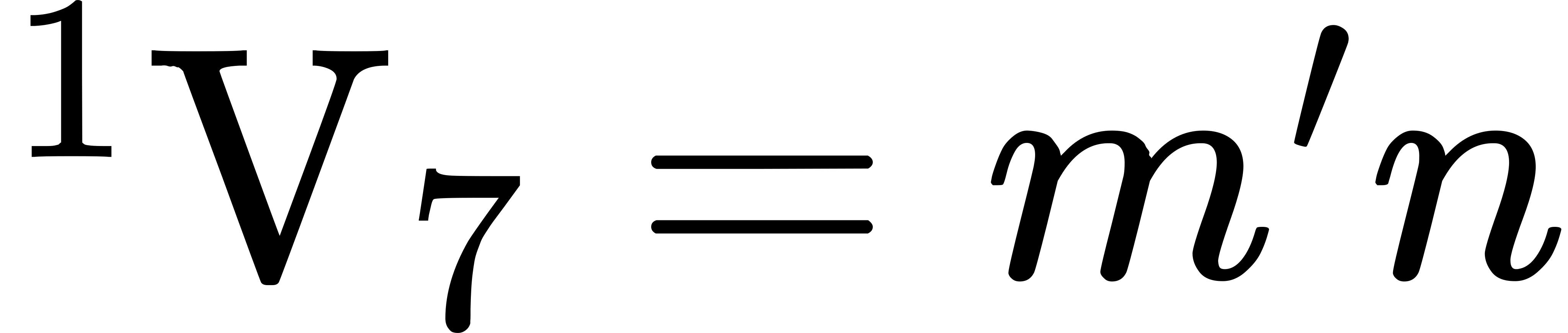
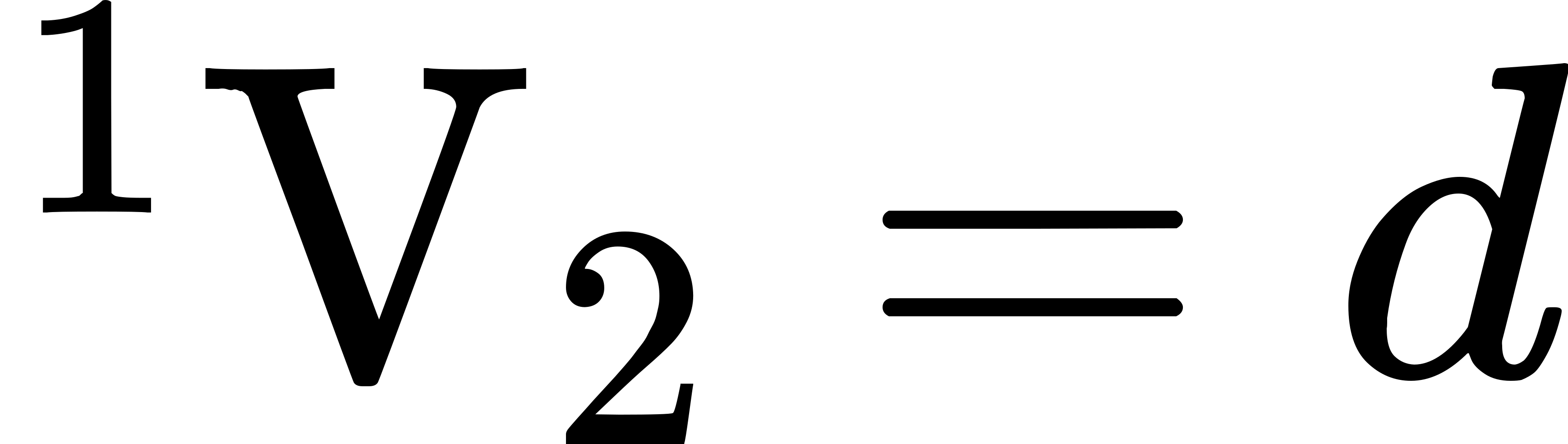

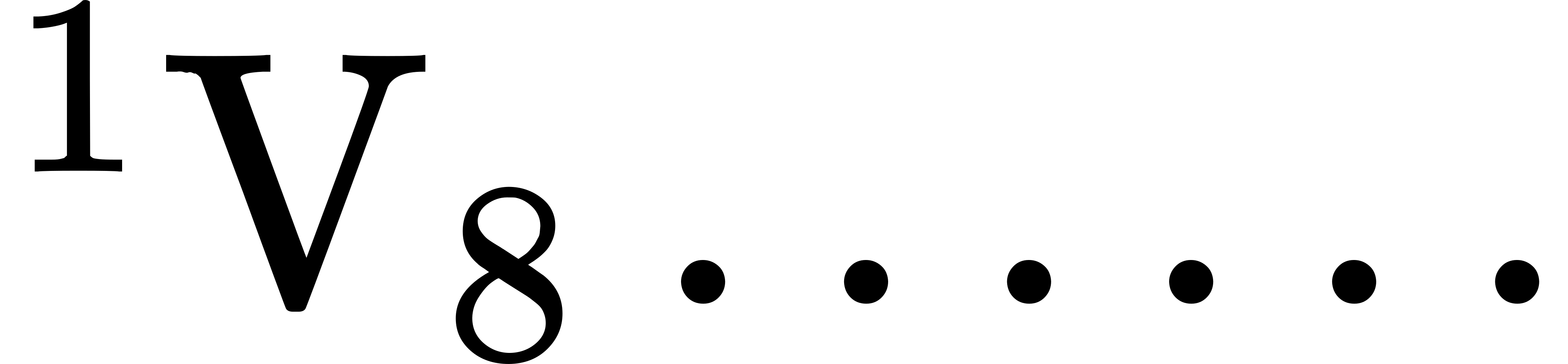
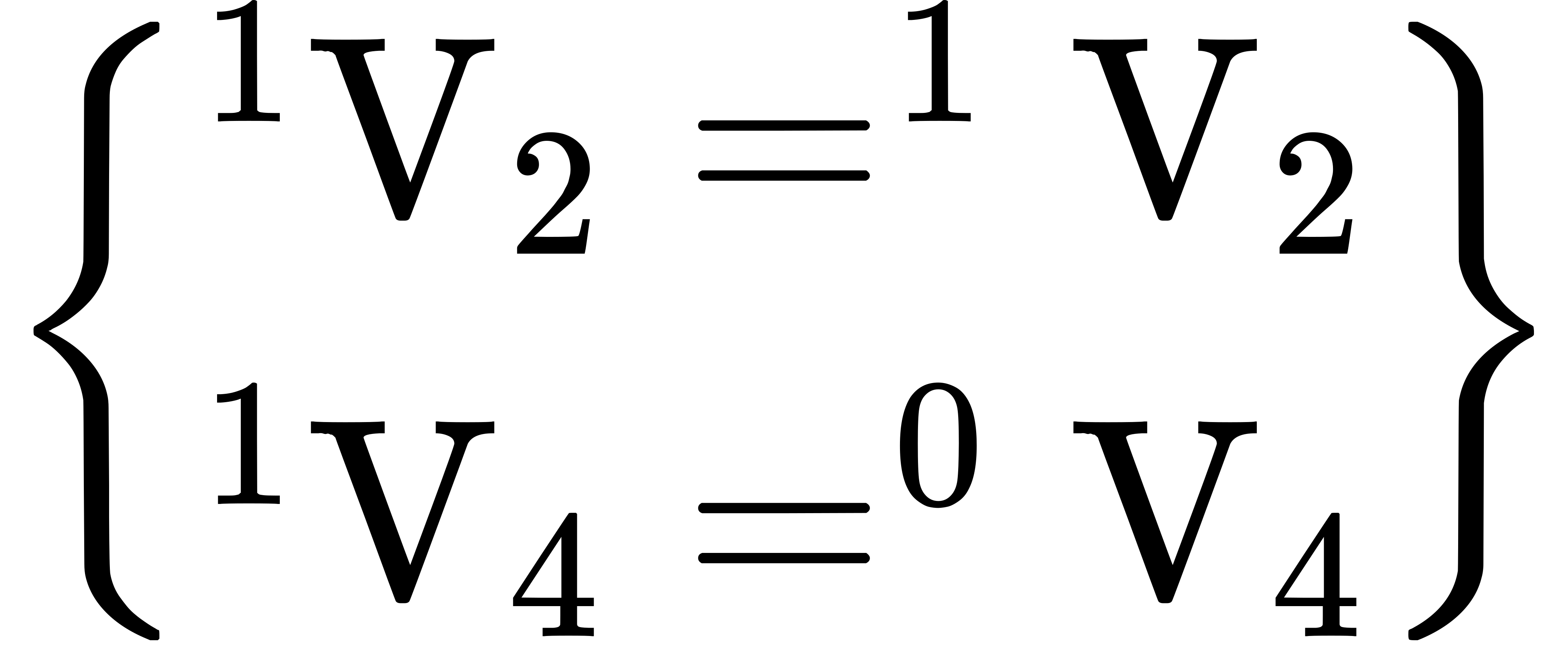
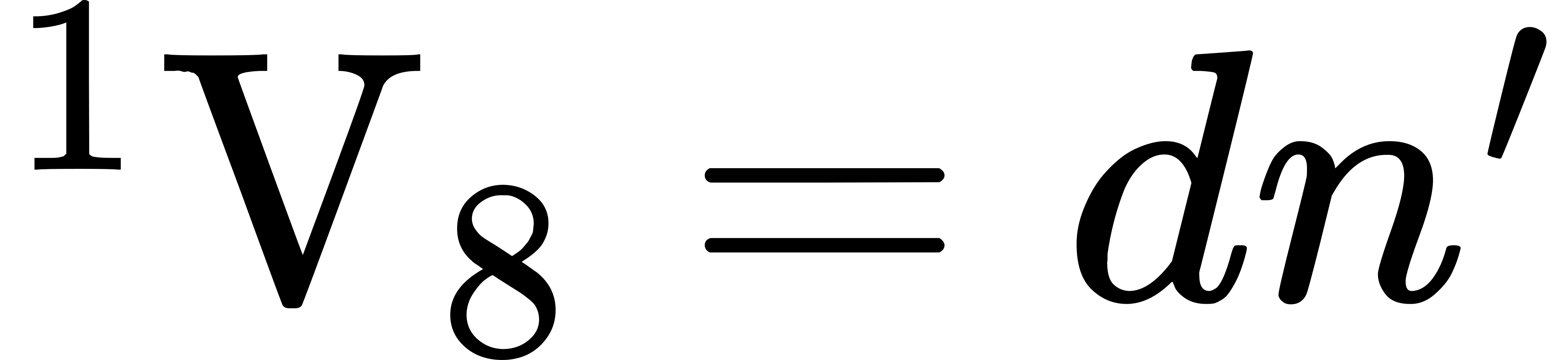
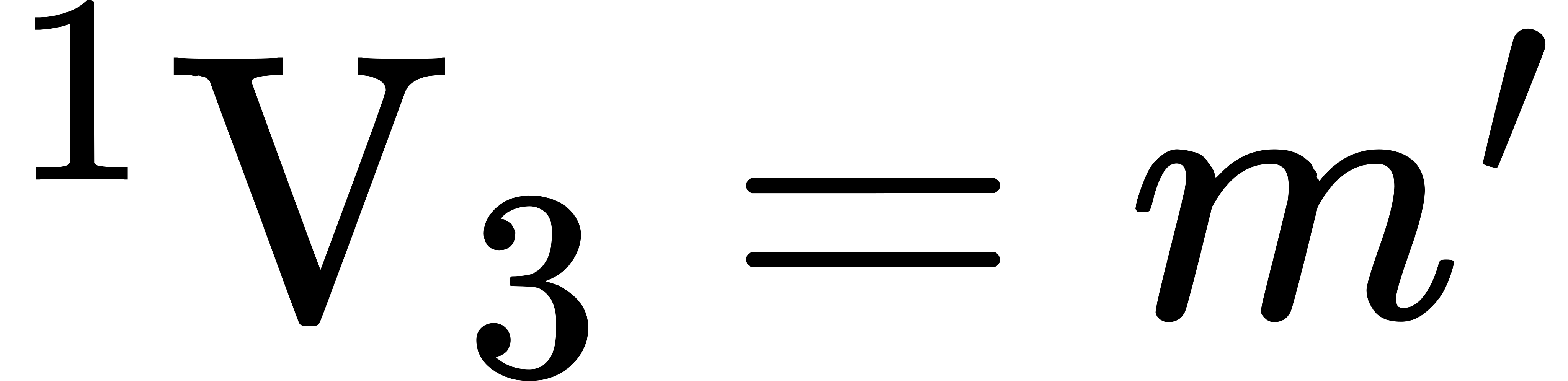

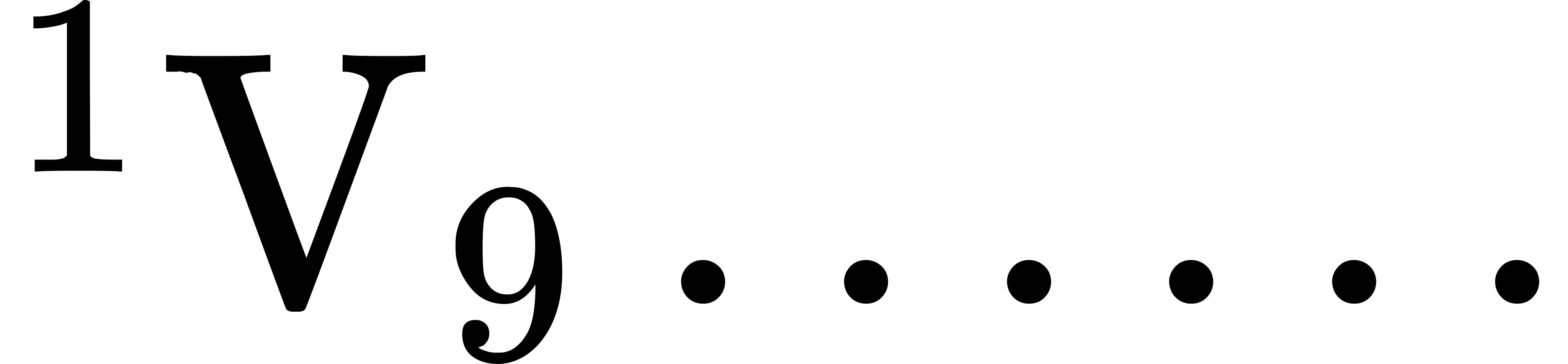
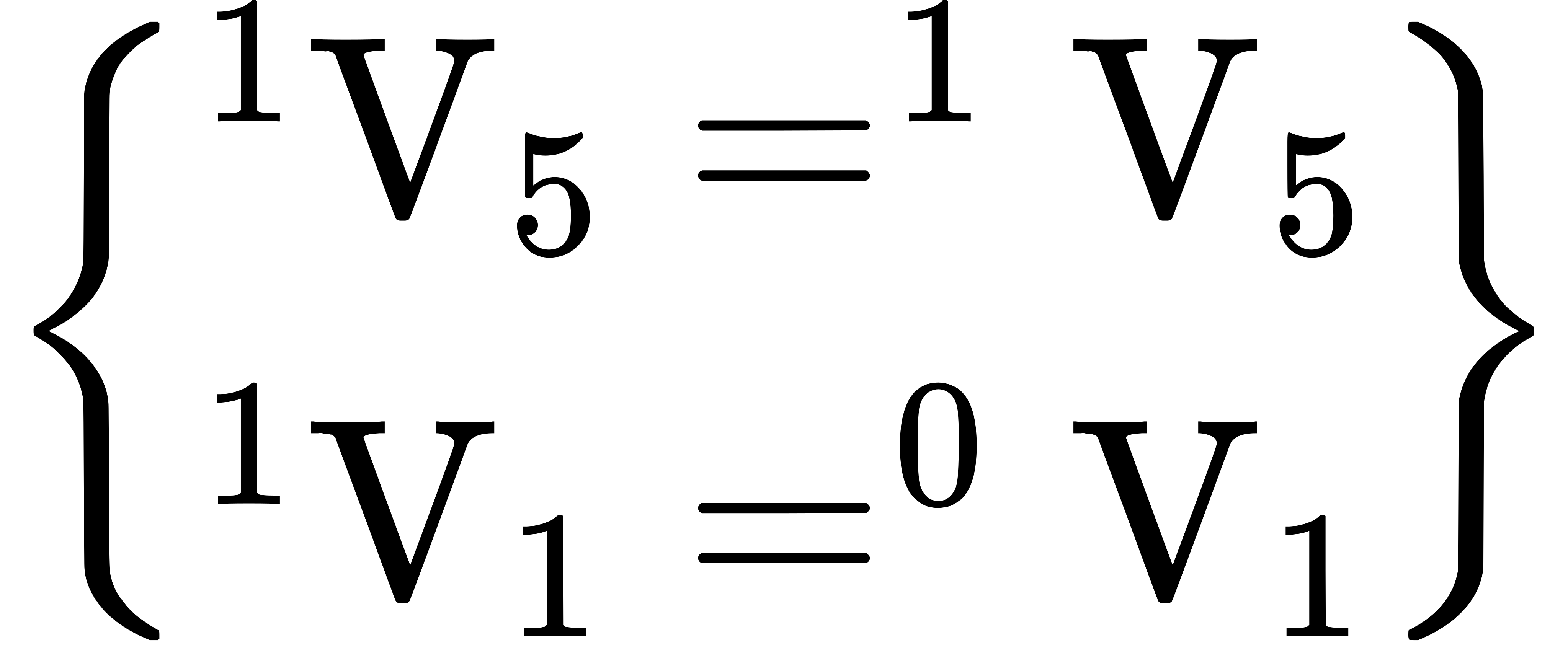
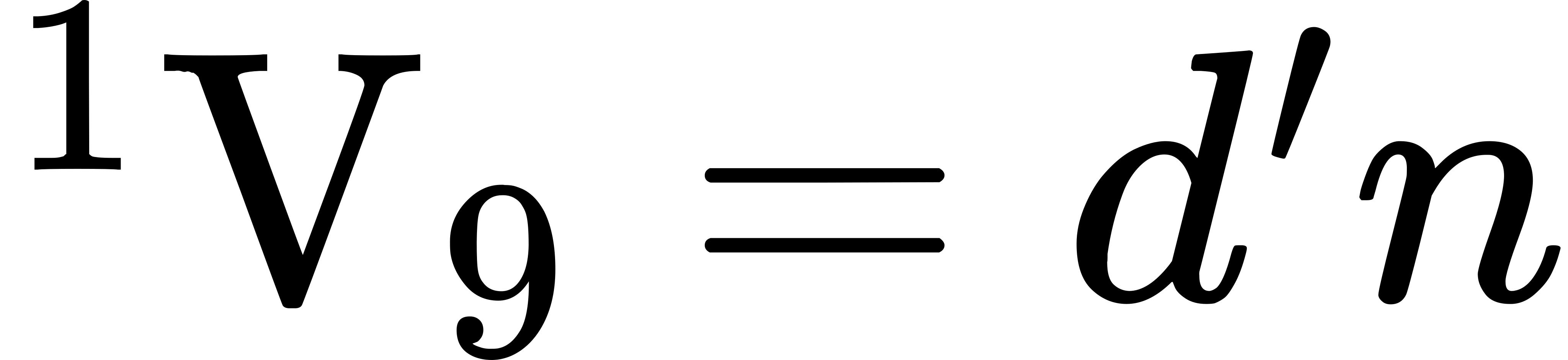
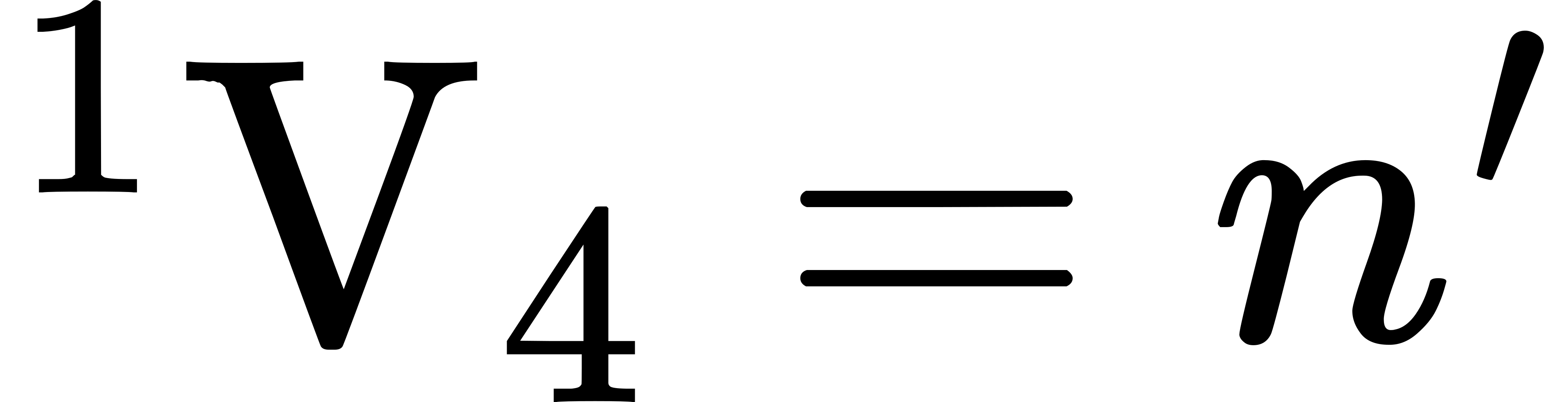

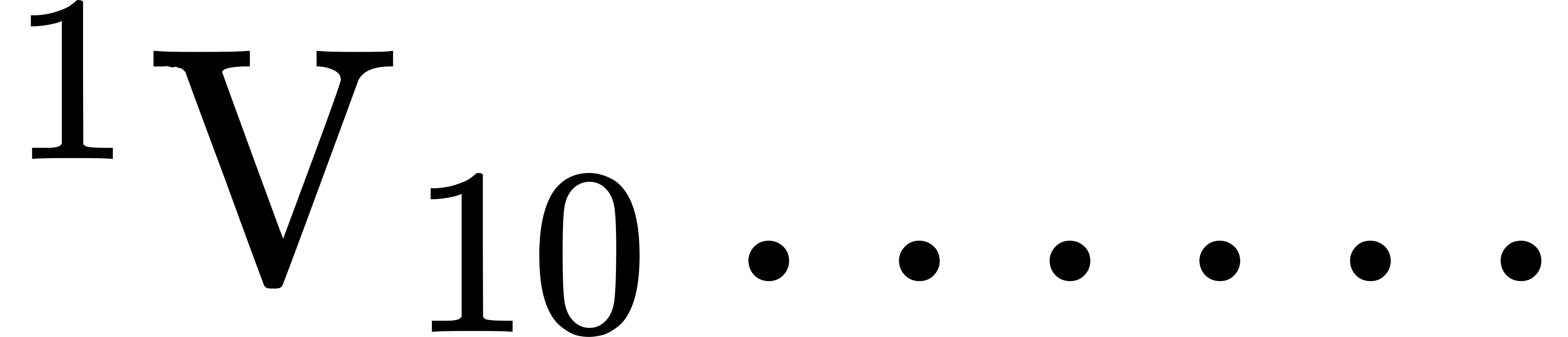
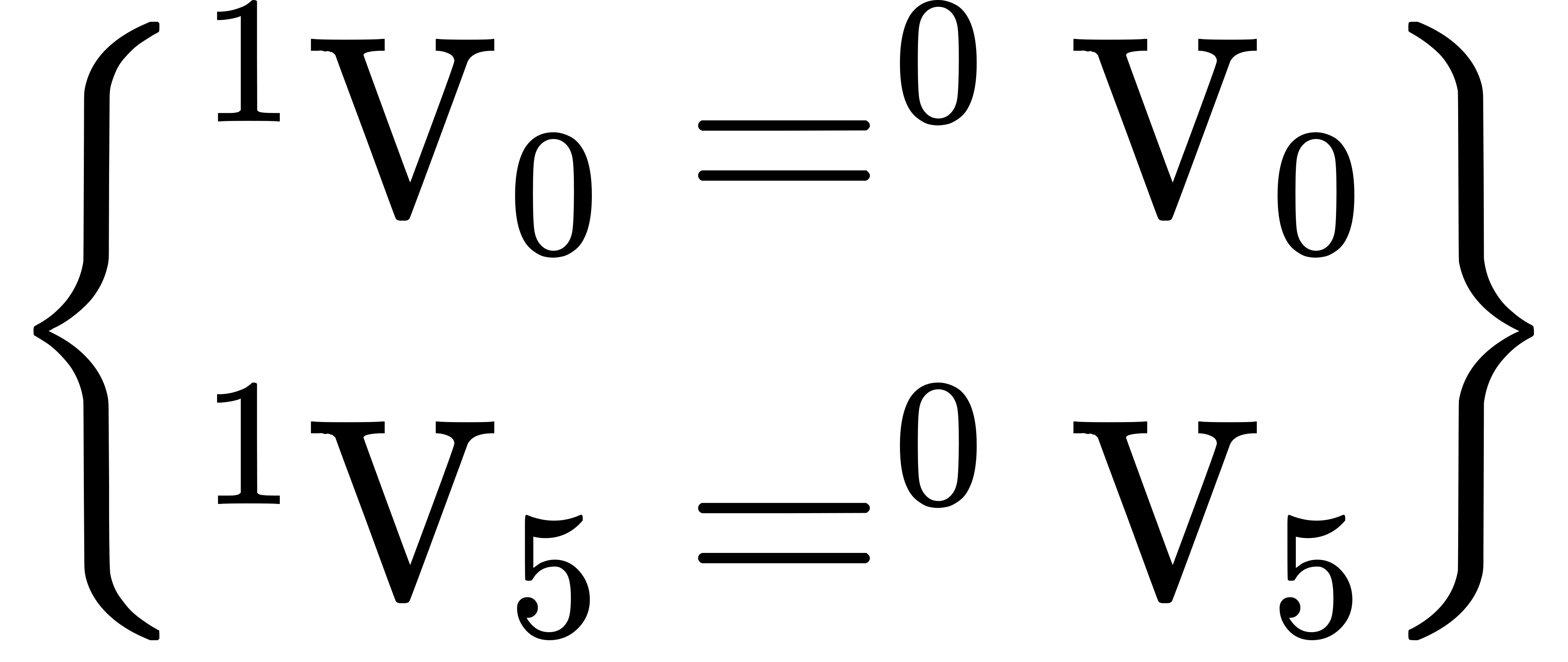
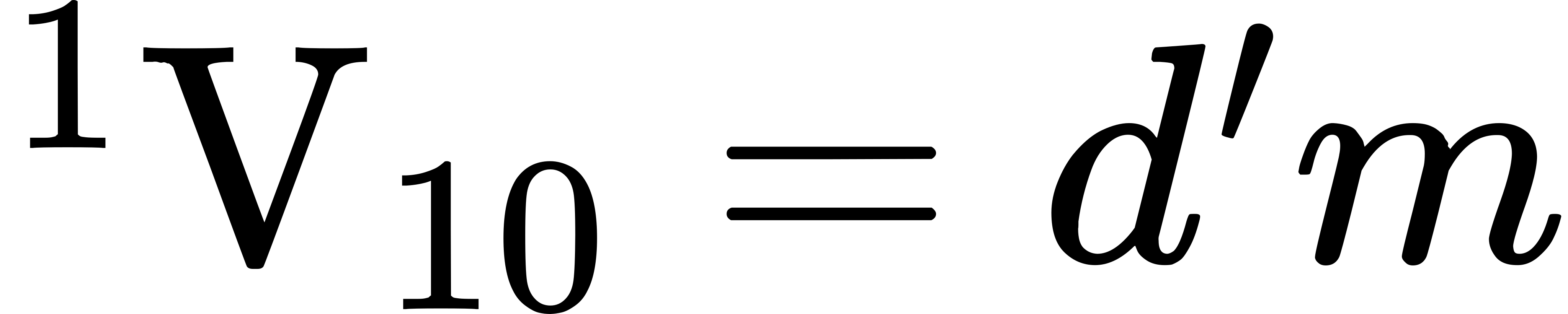
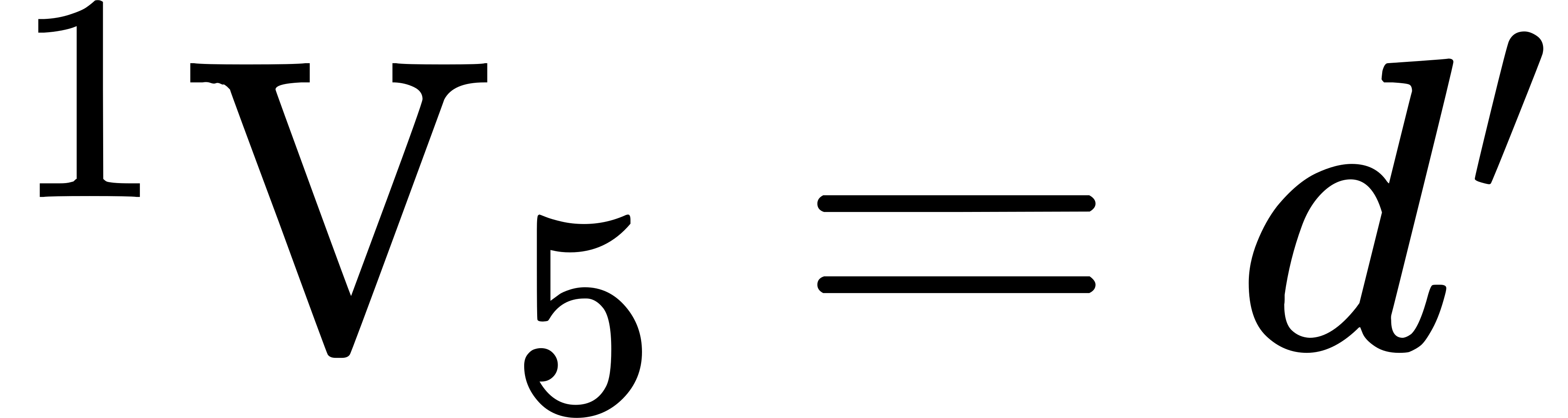

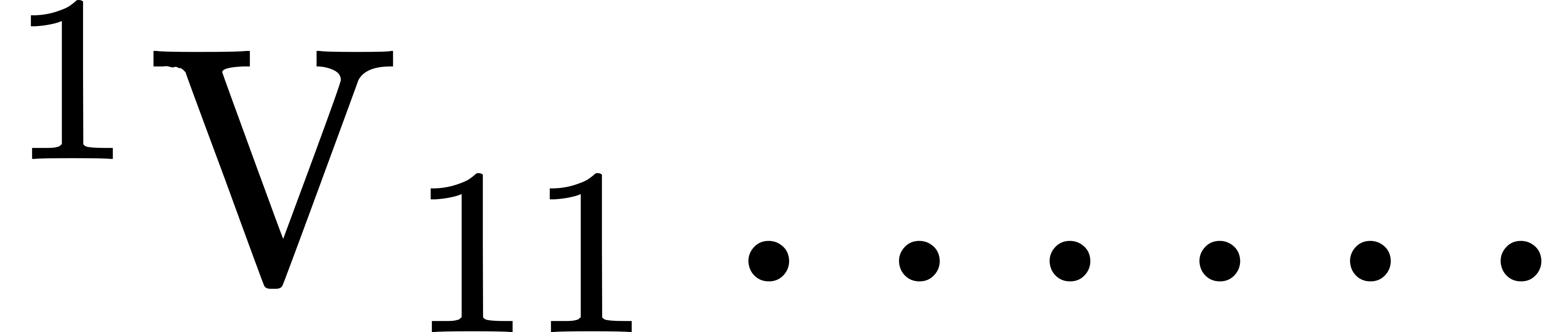
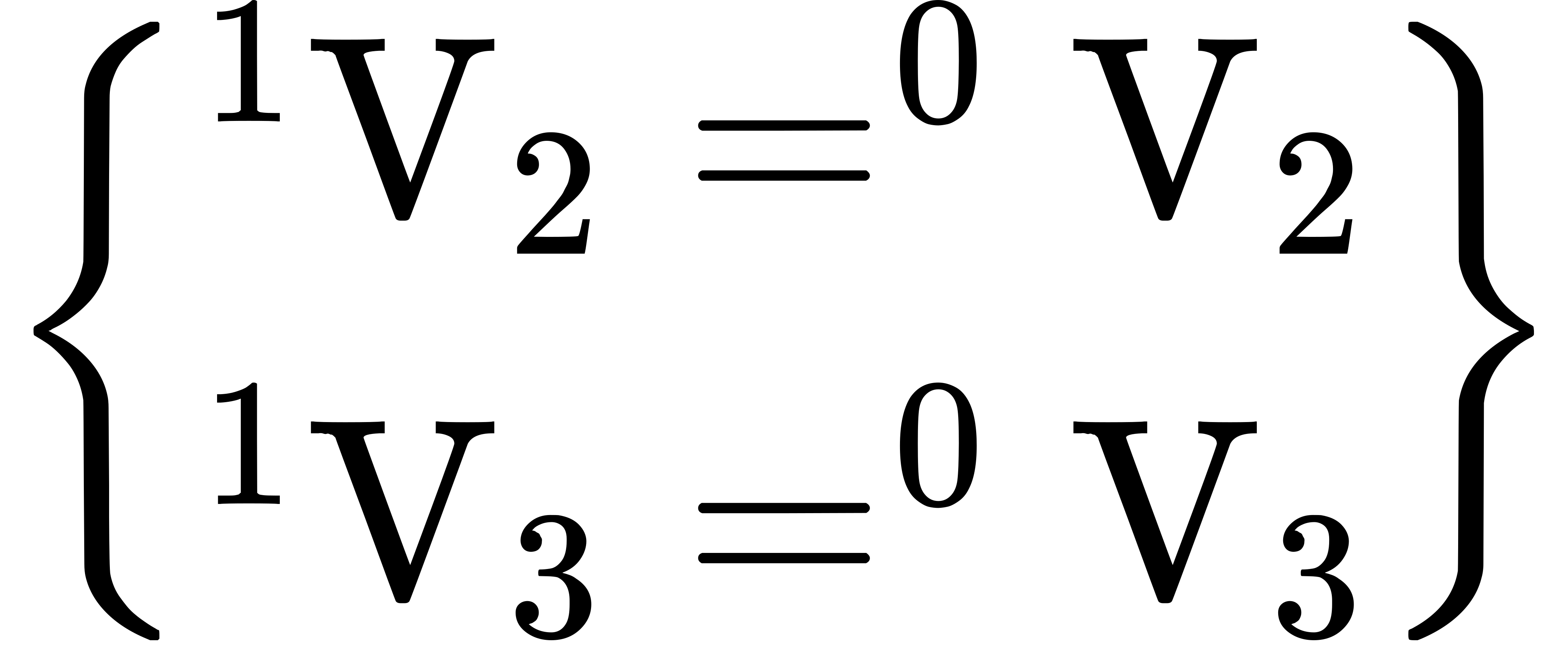


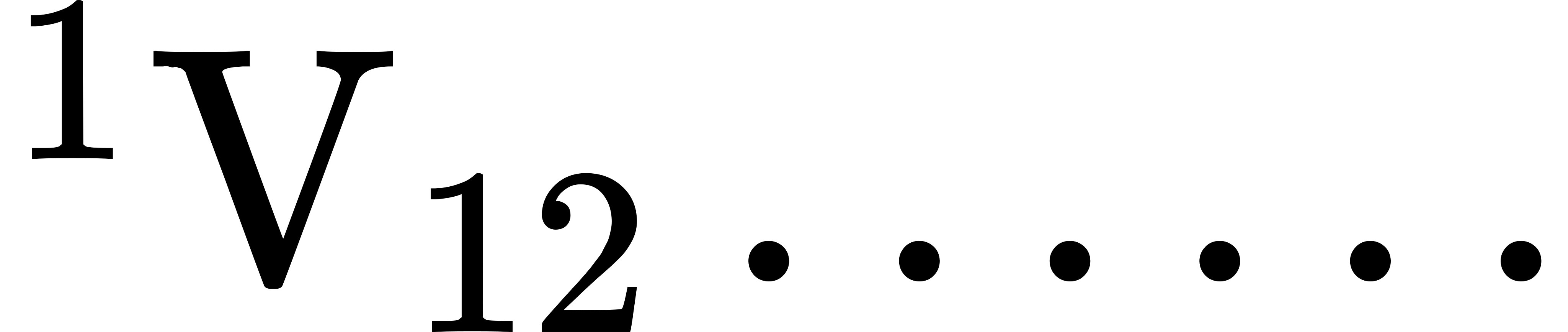
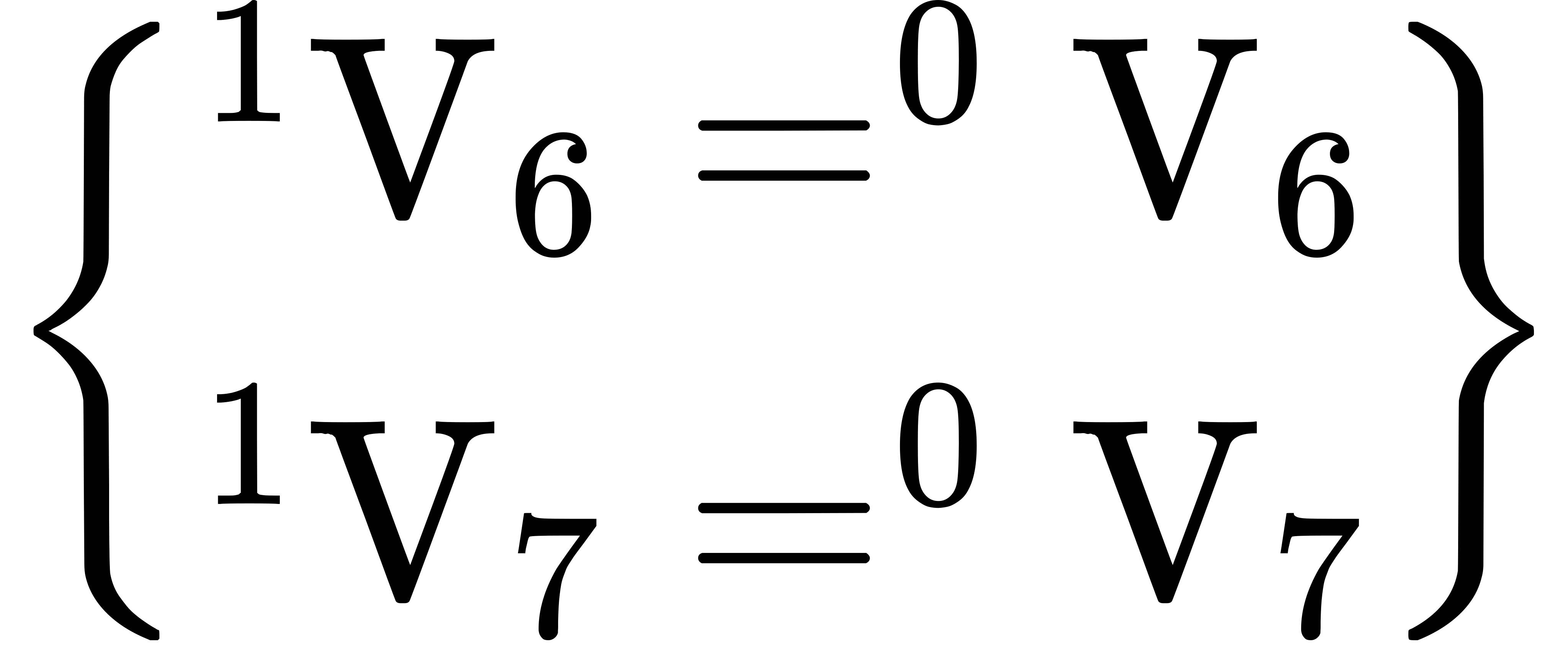


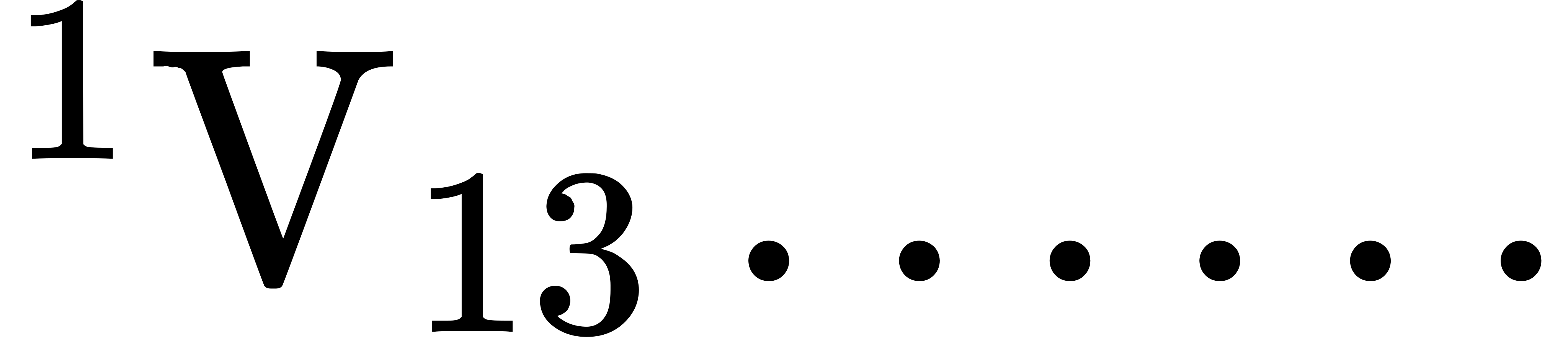
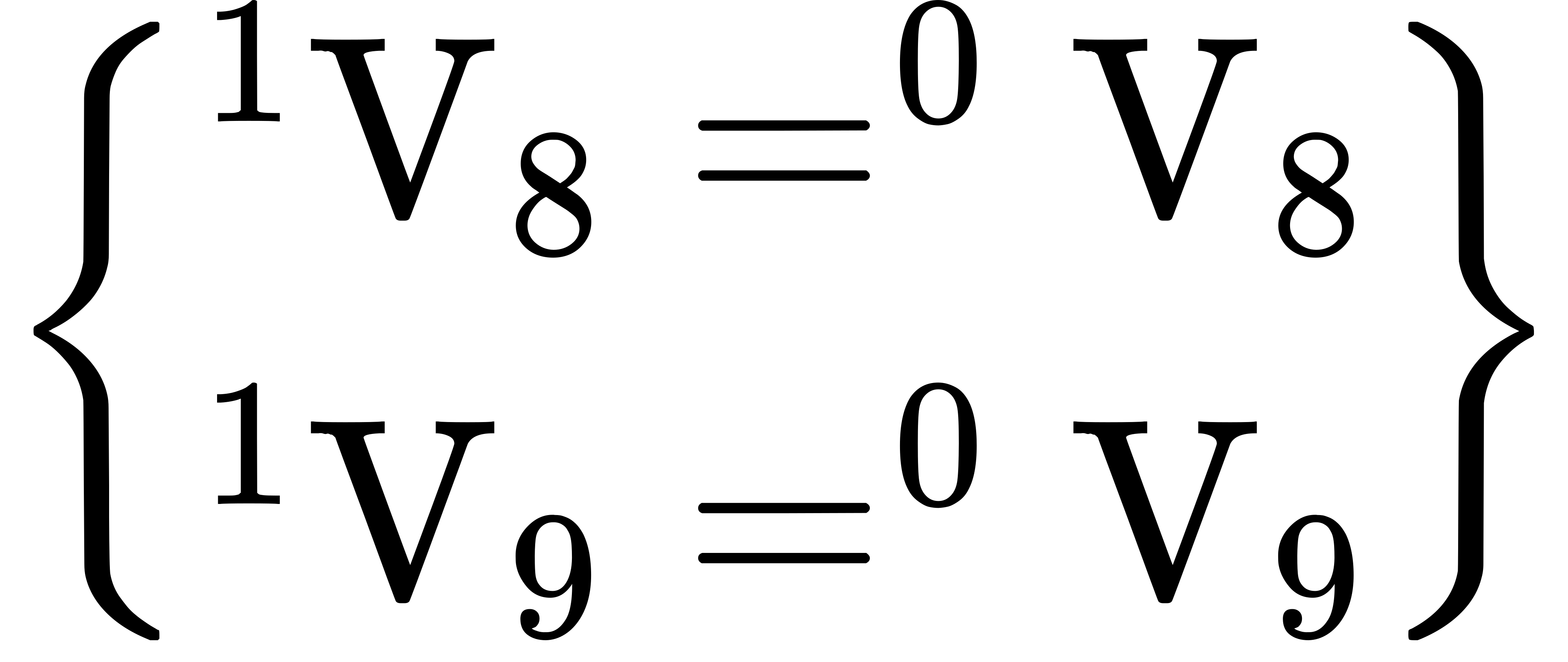


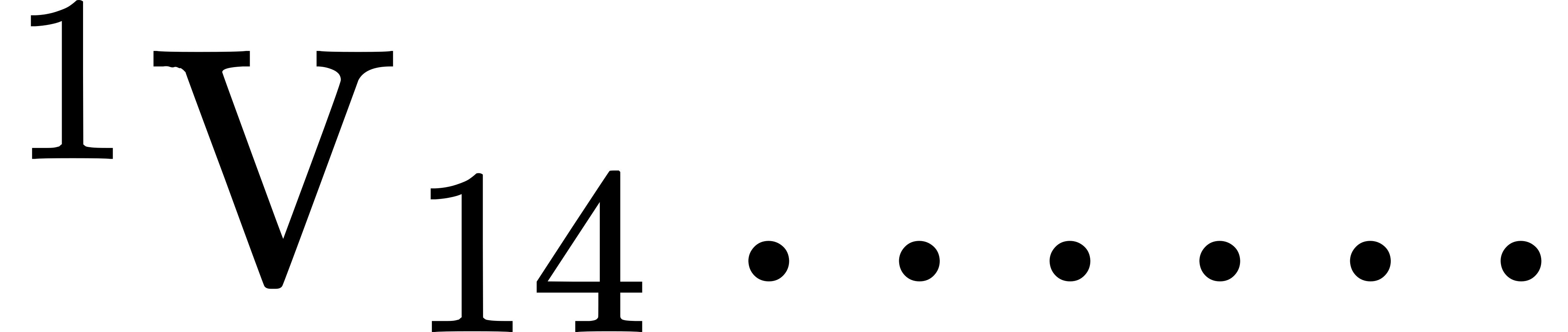
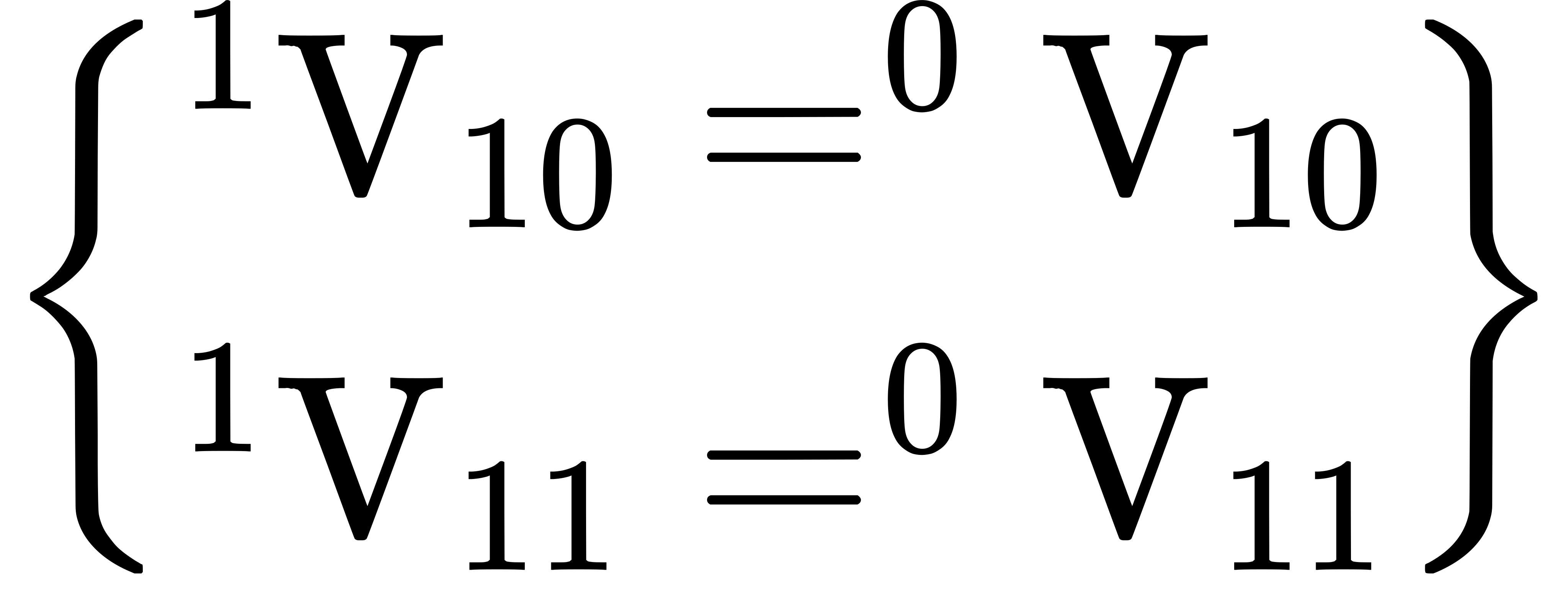


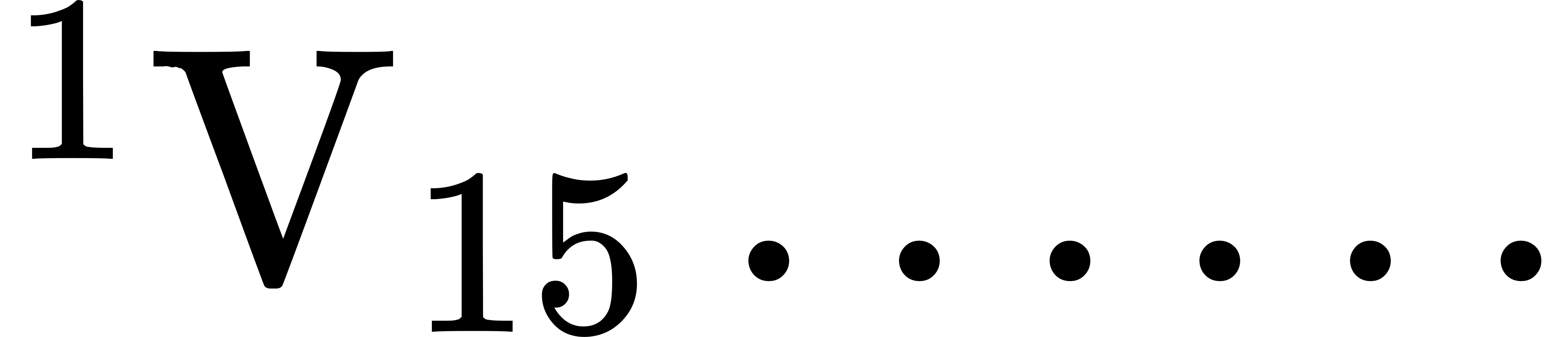
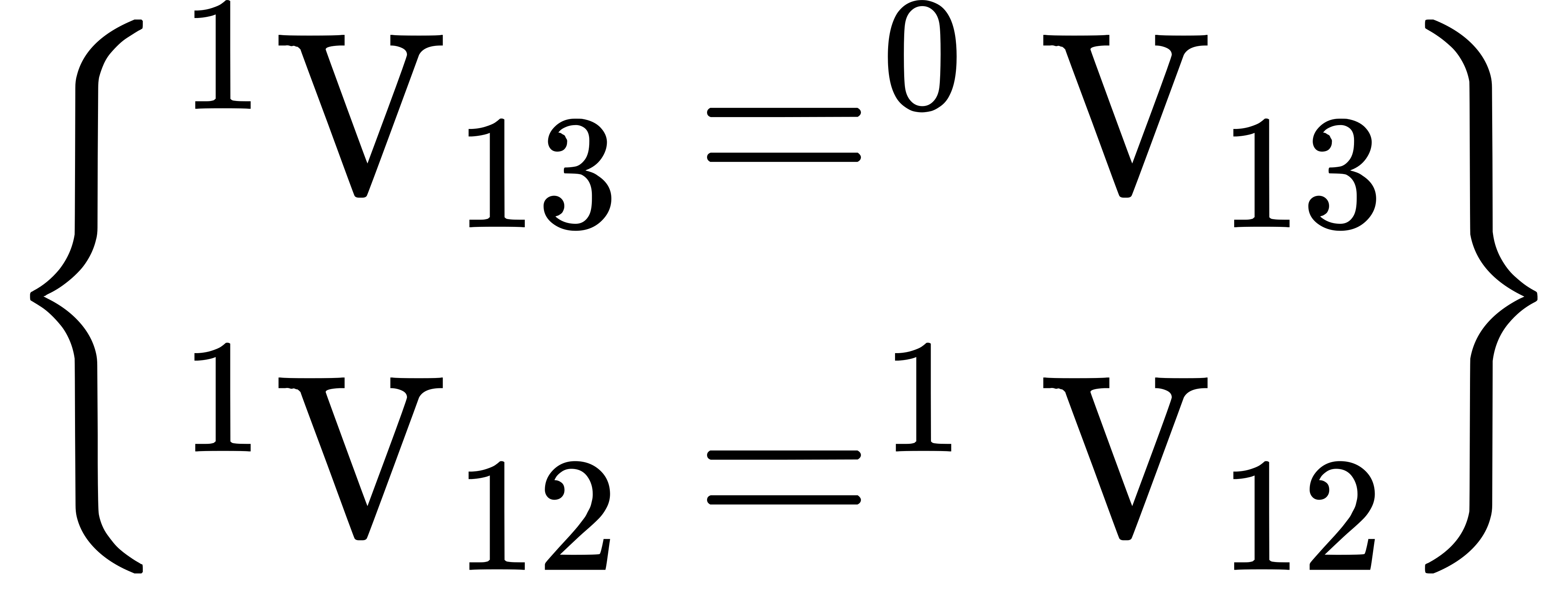
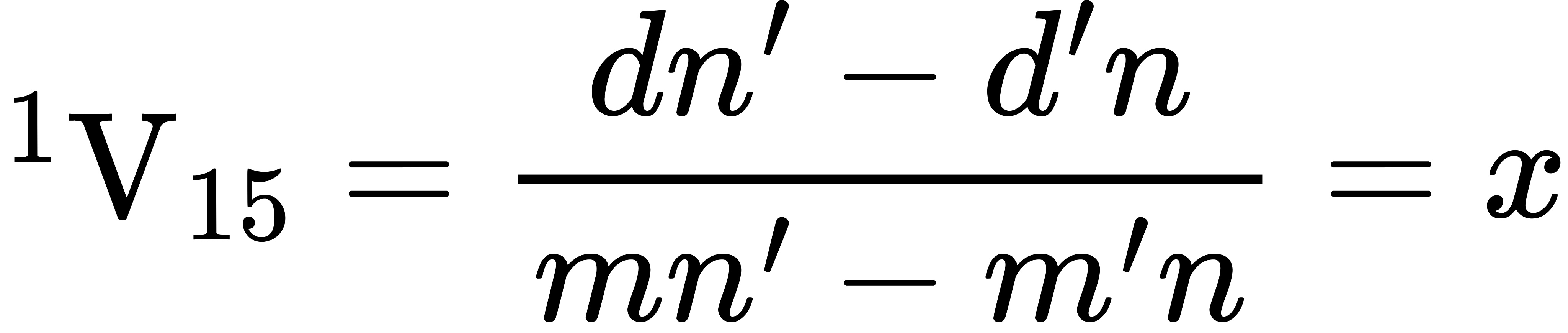

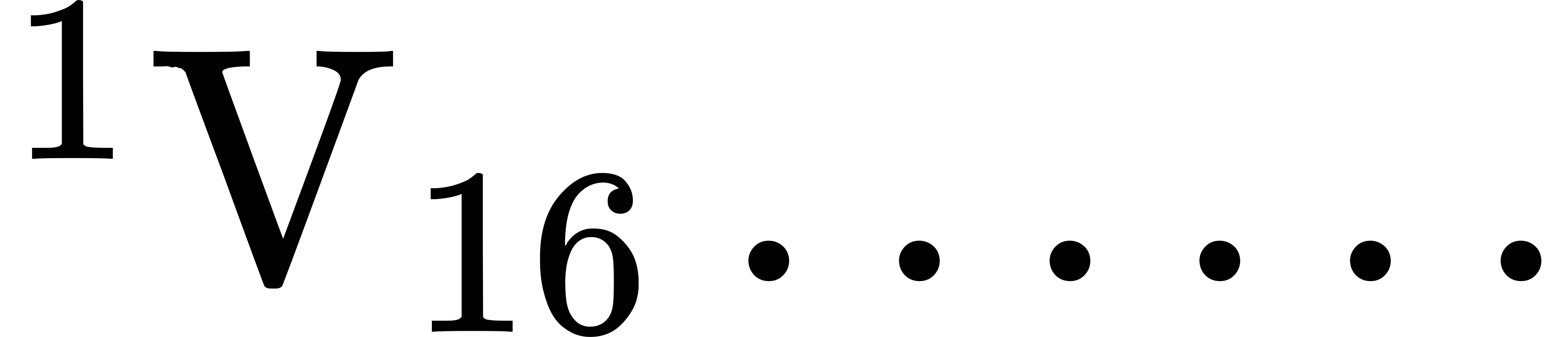
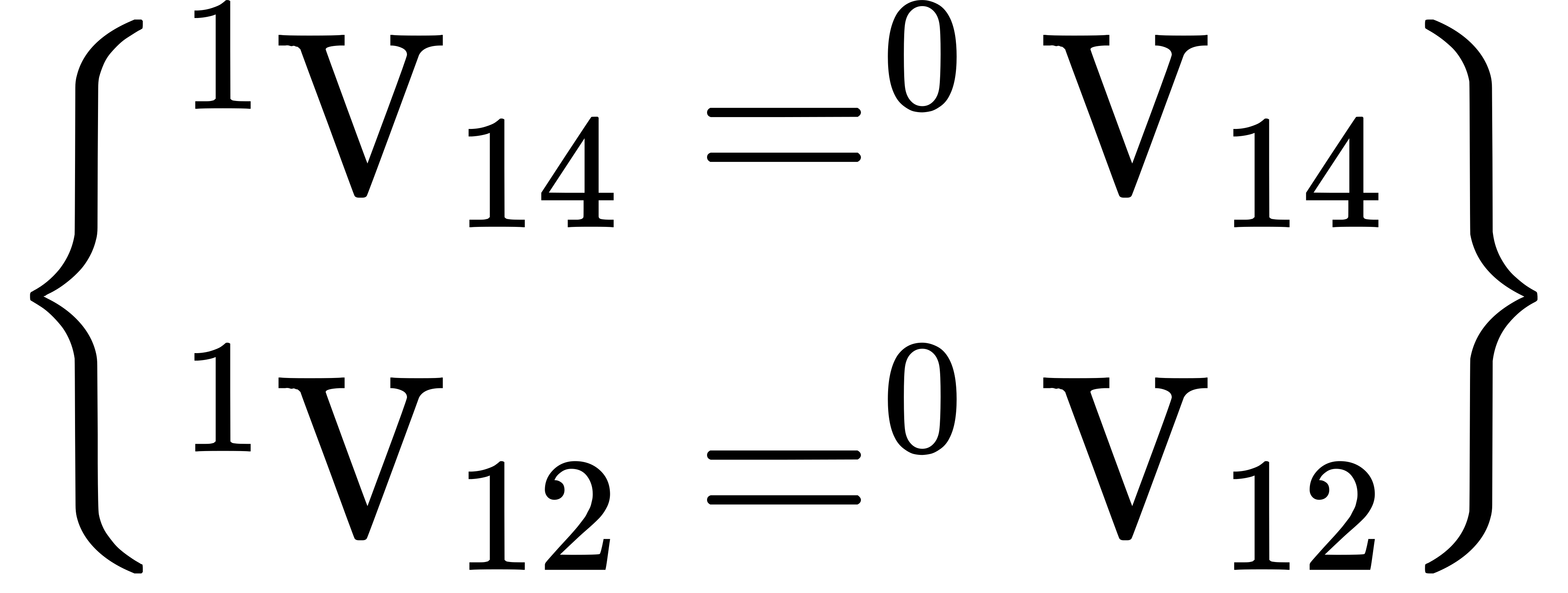
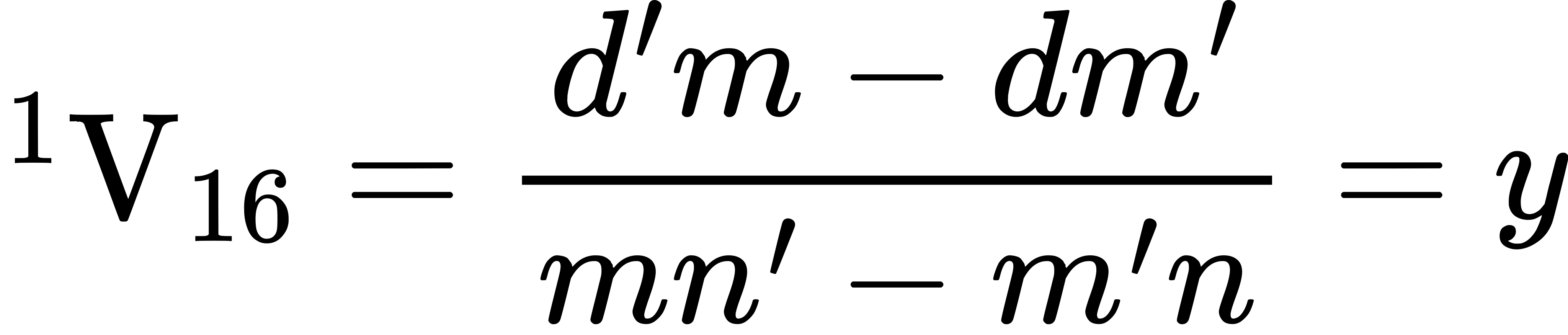
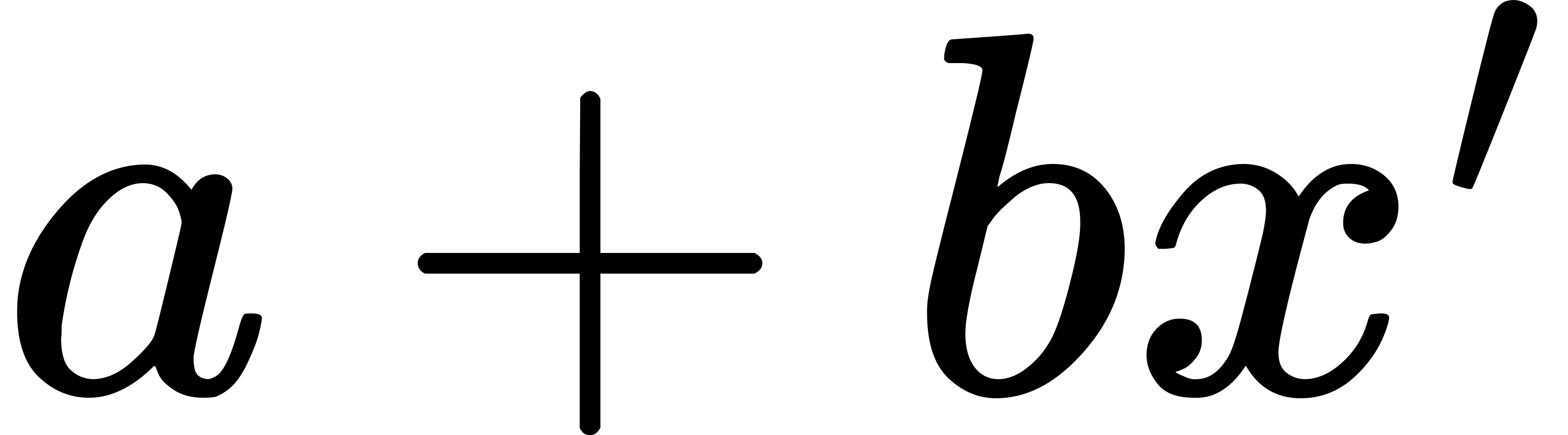 )
 )
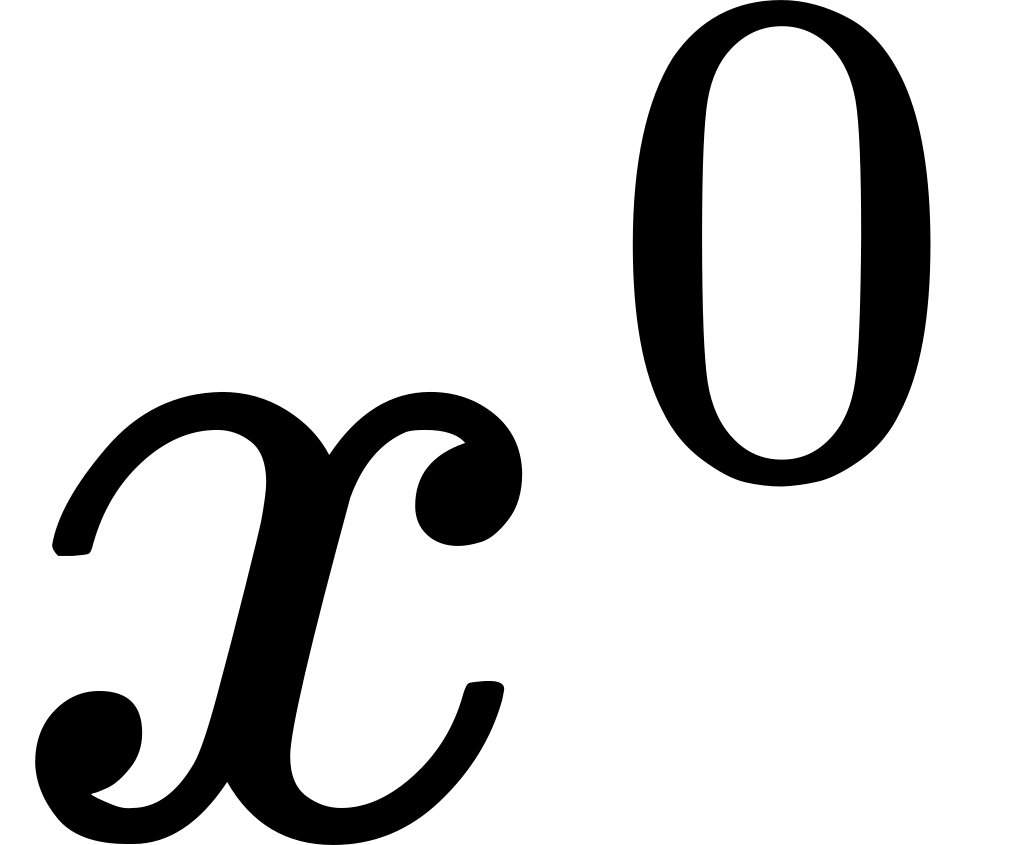 ,
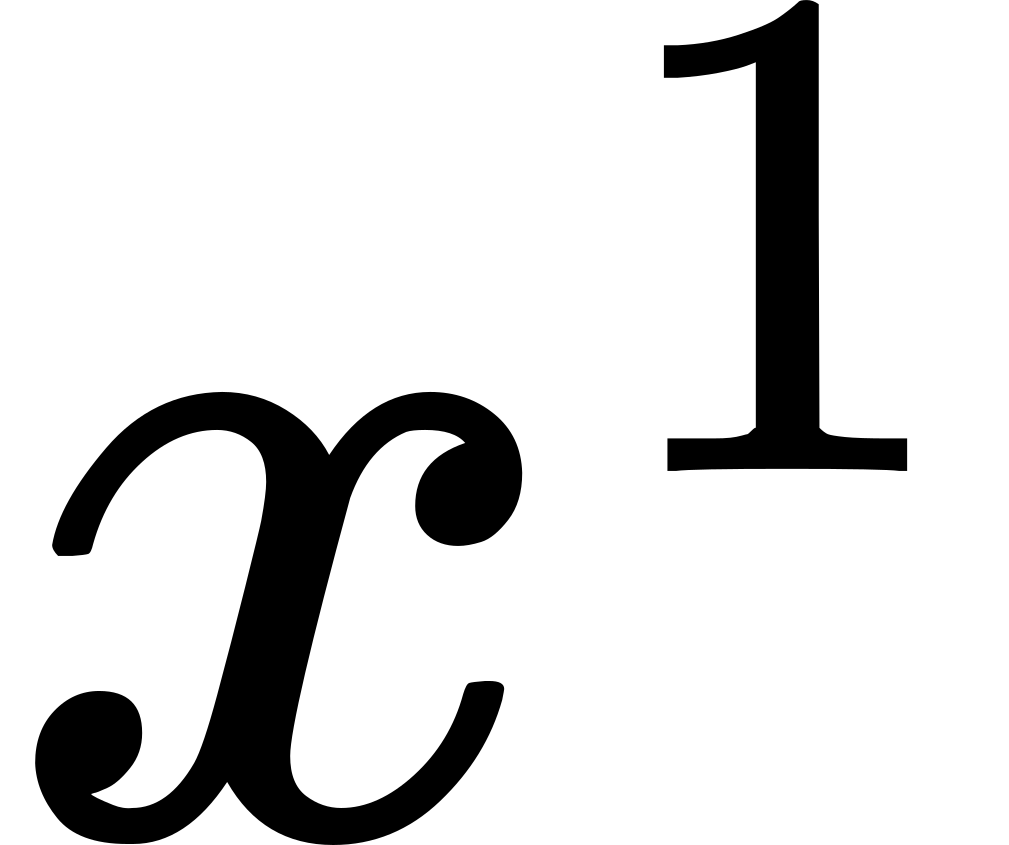 ,
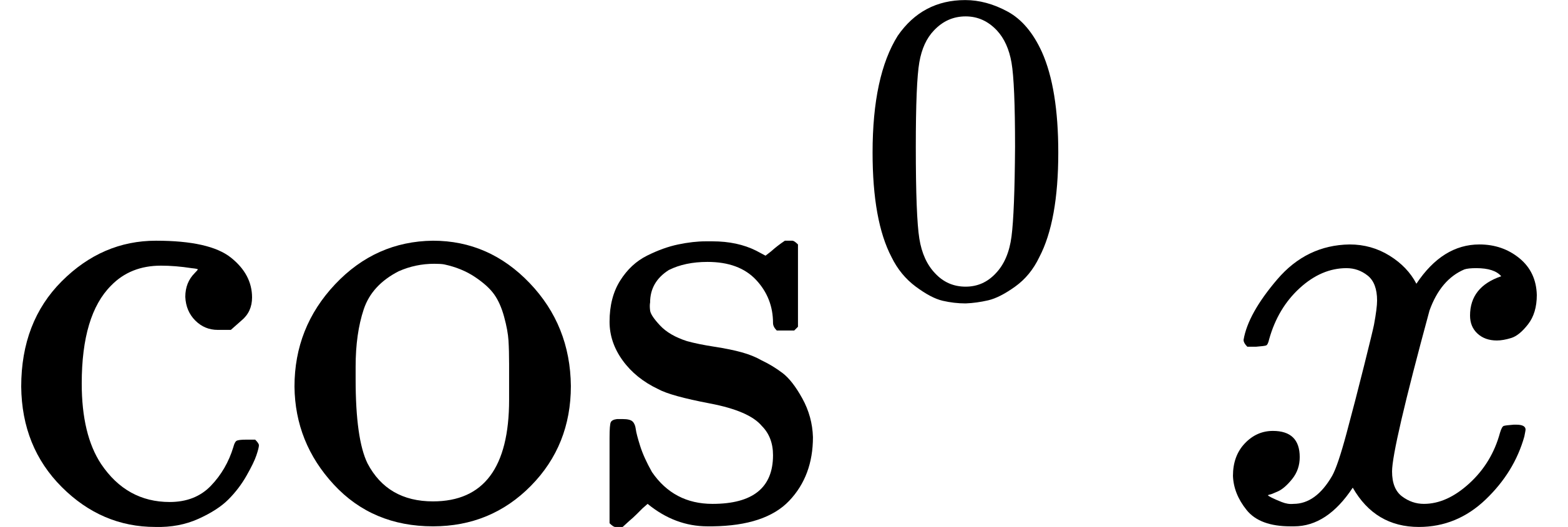 ,
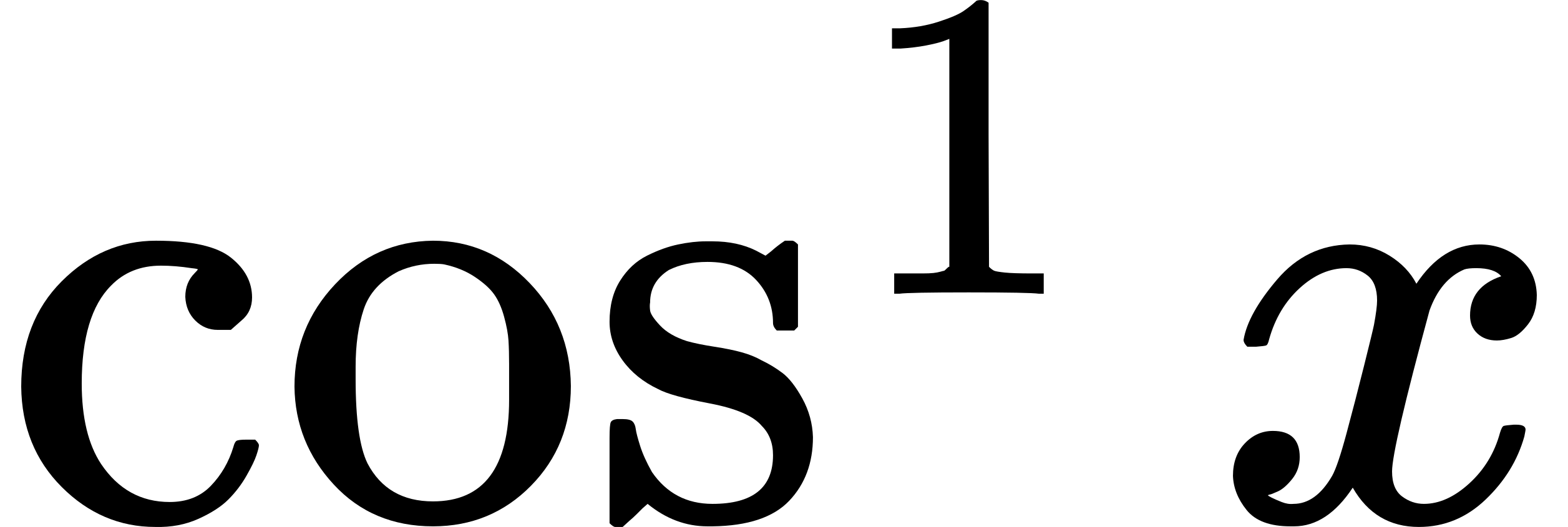 ,
 ,
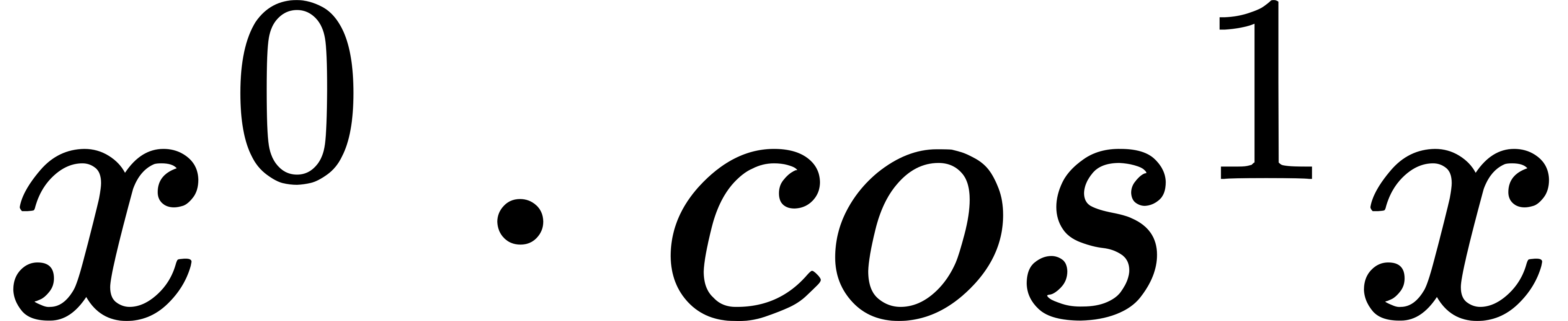 ,
 ,
 ;





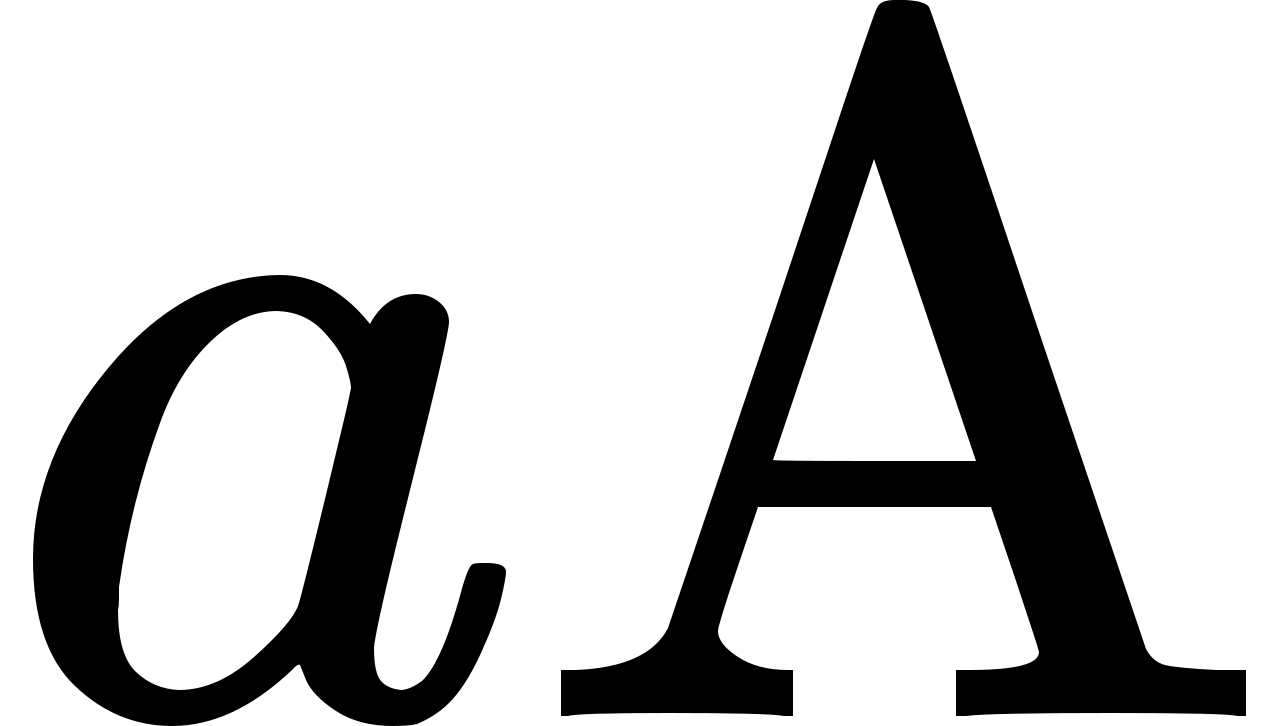

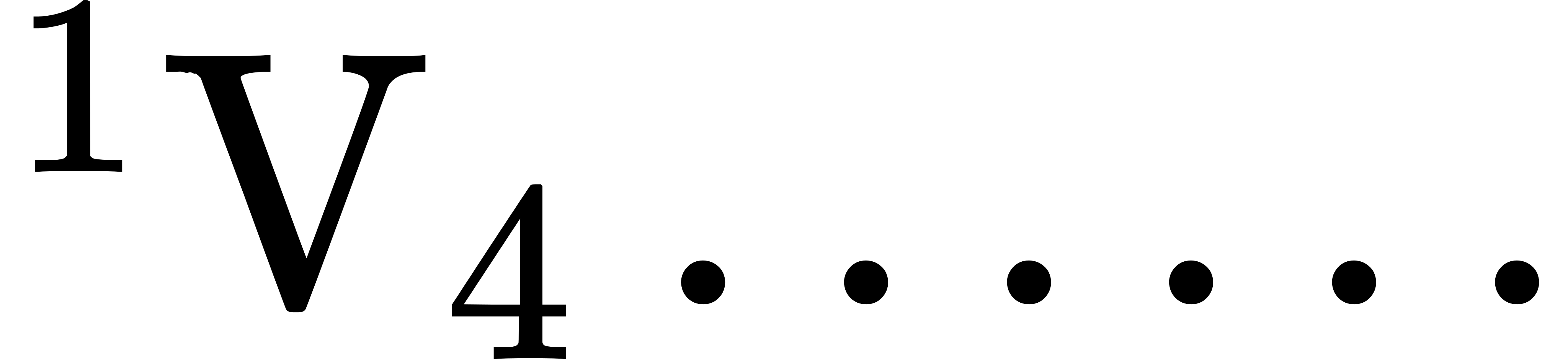
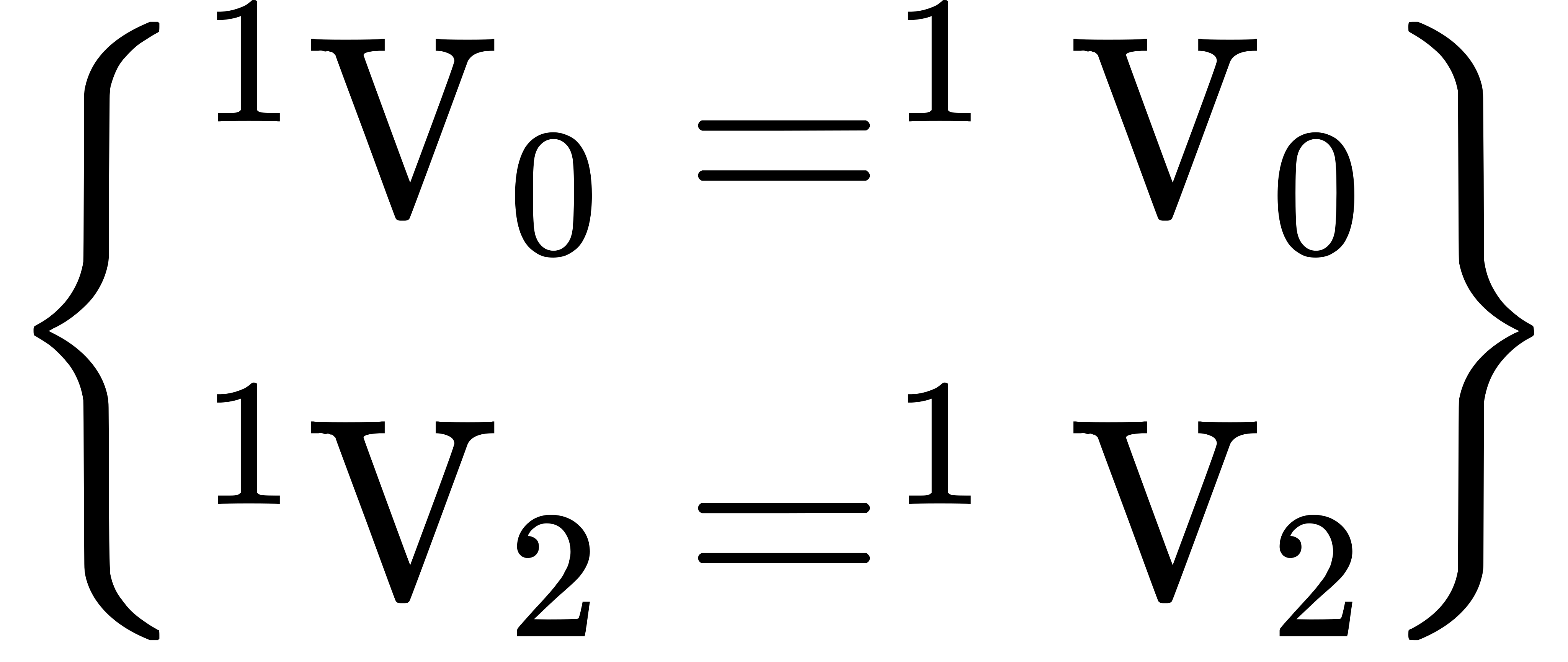




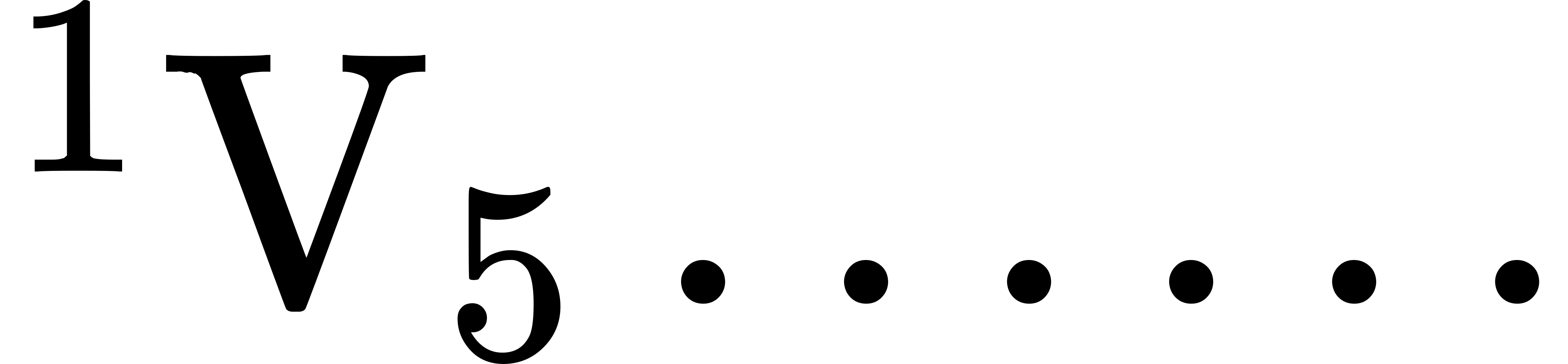
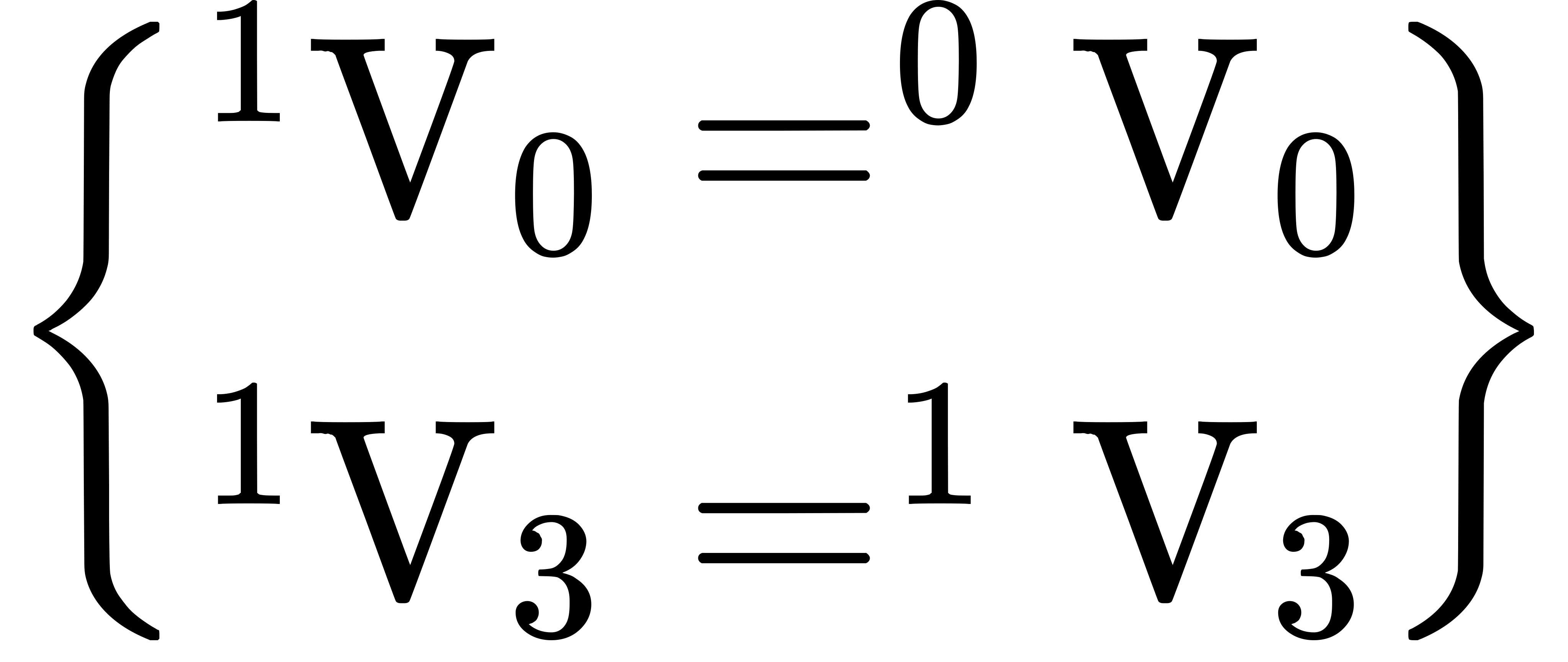


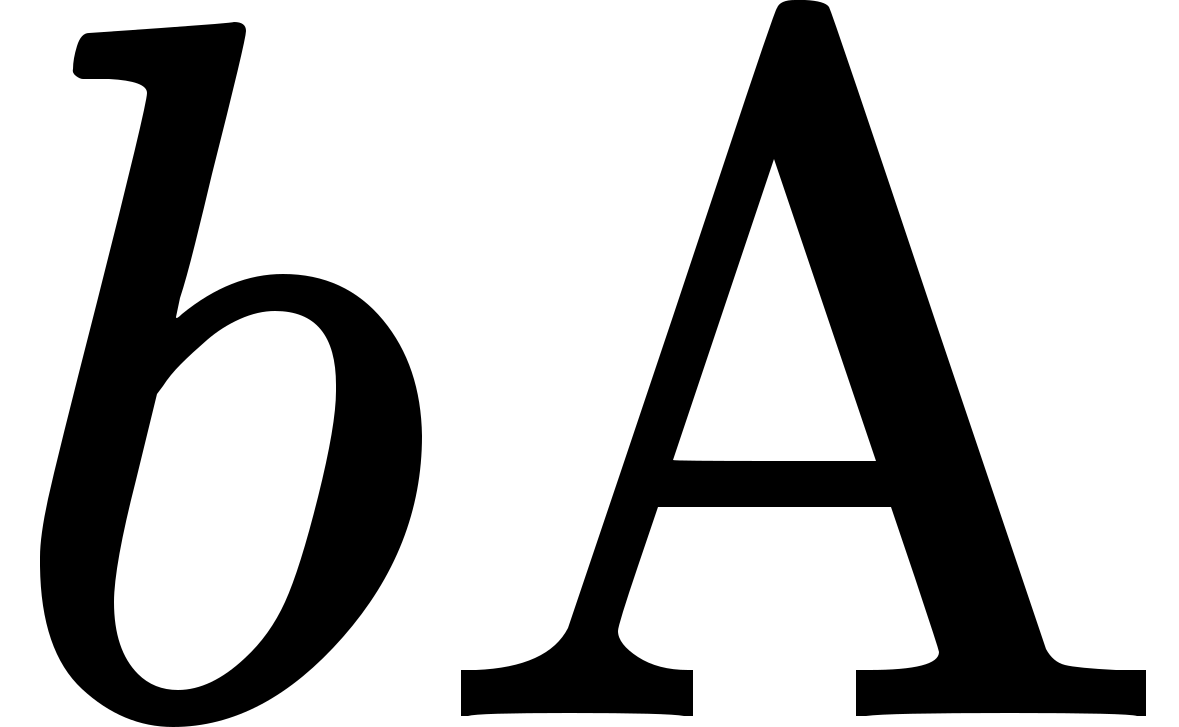

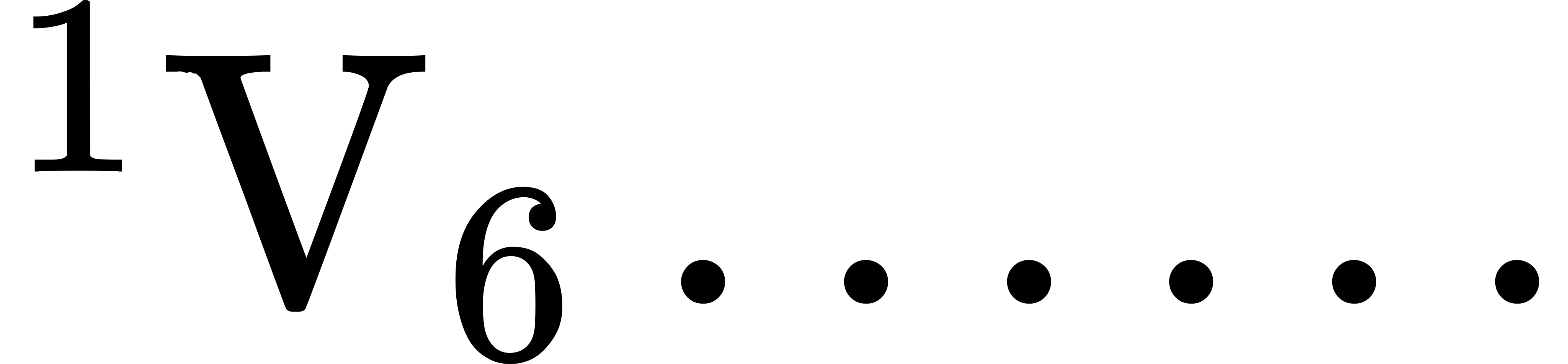
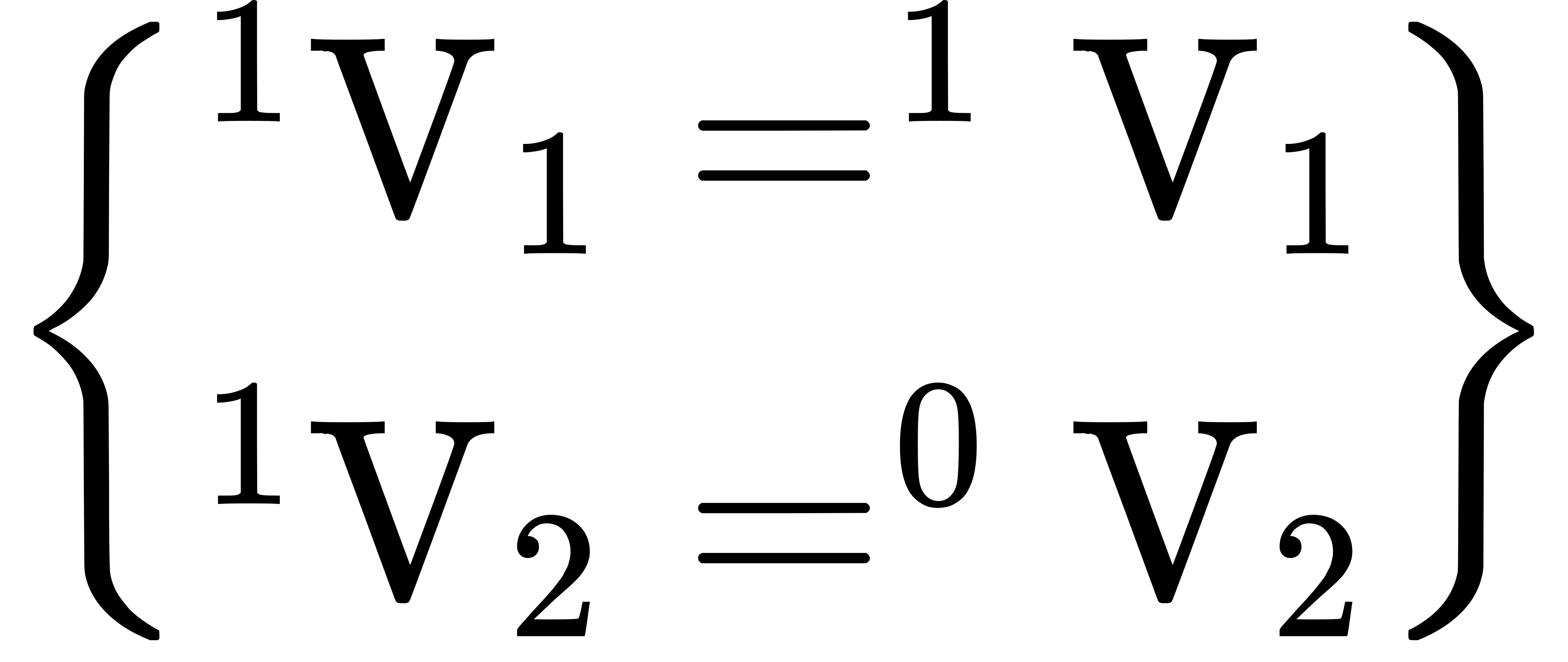




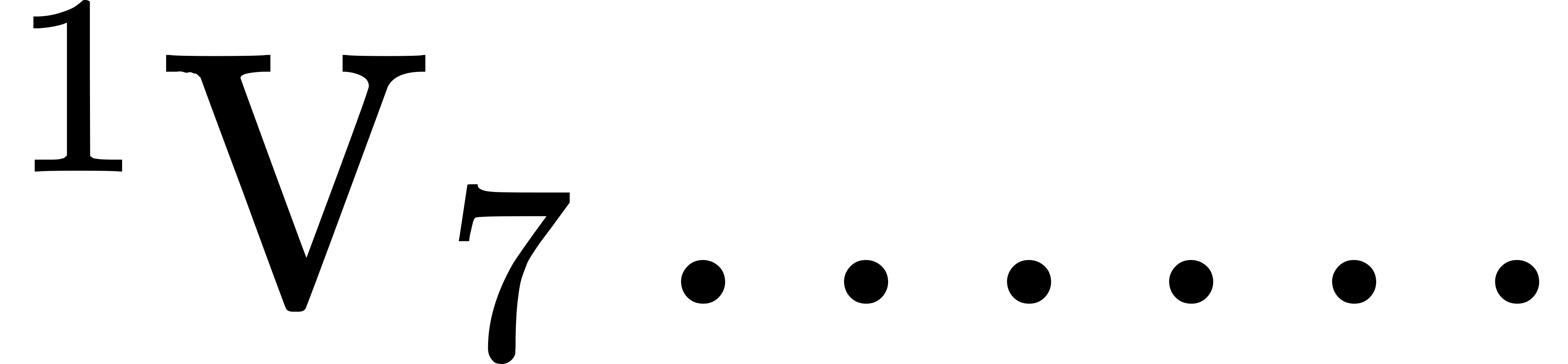
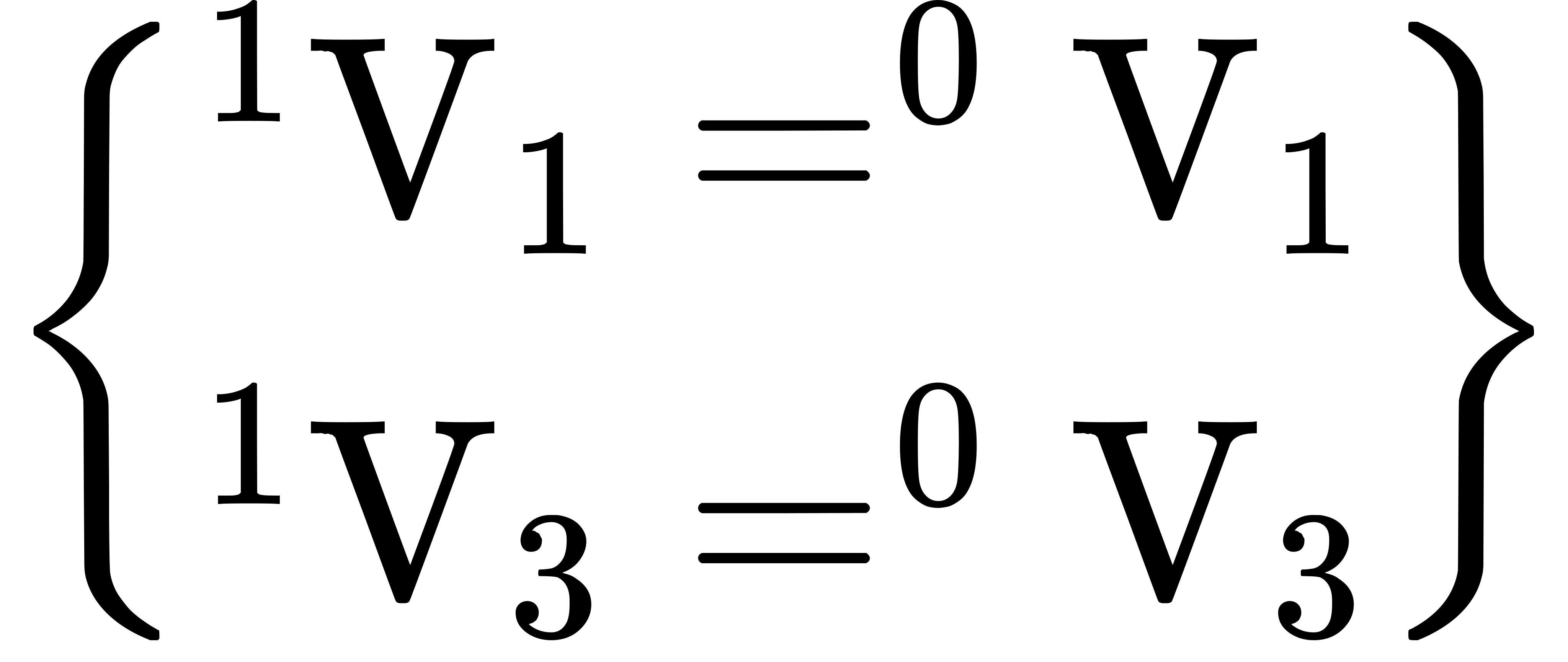

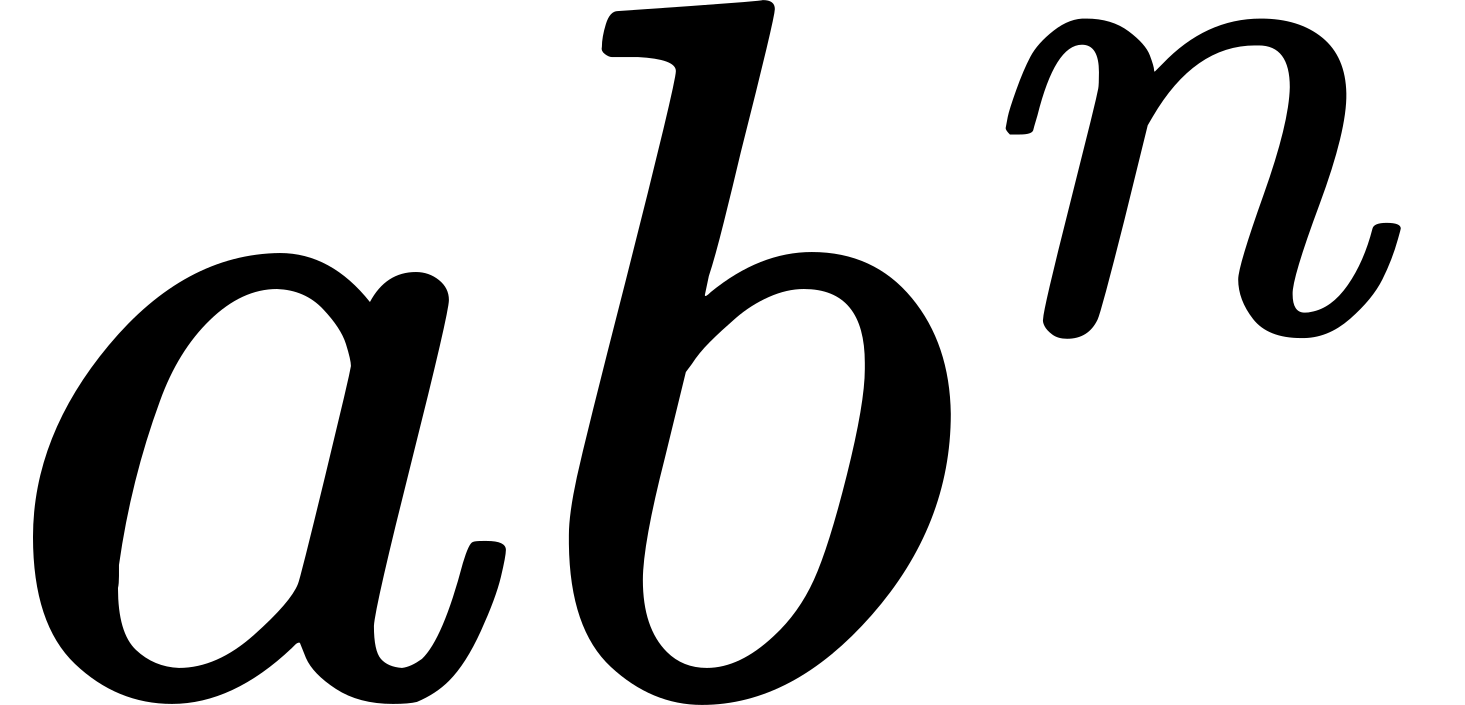 ;
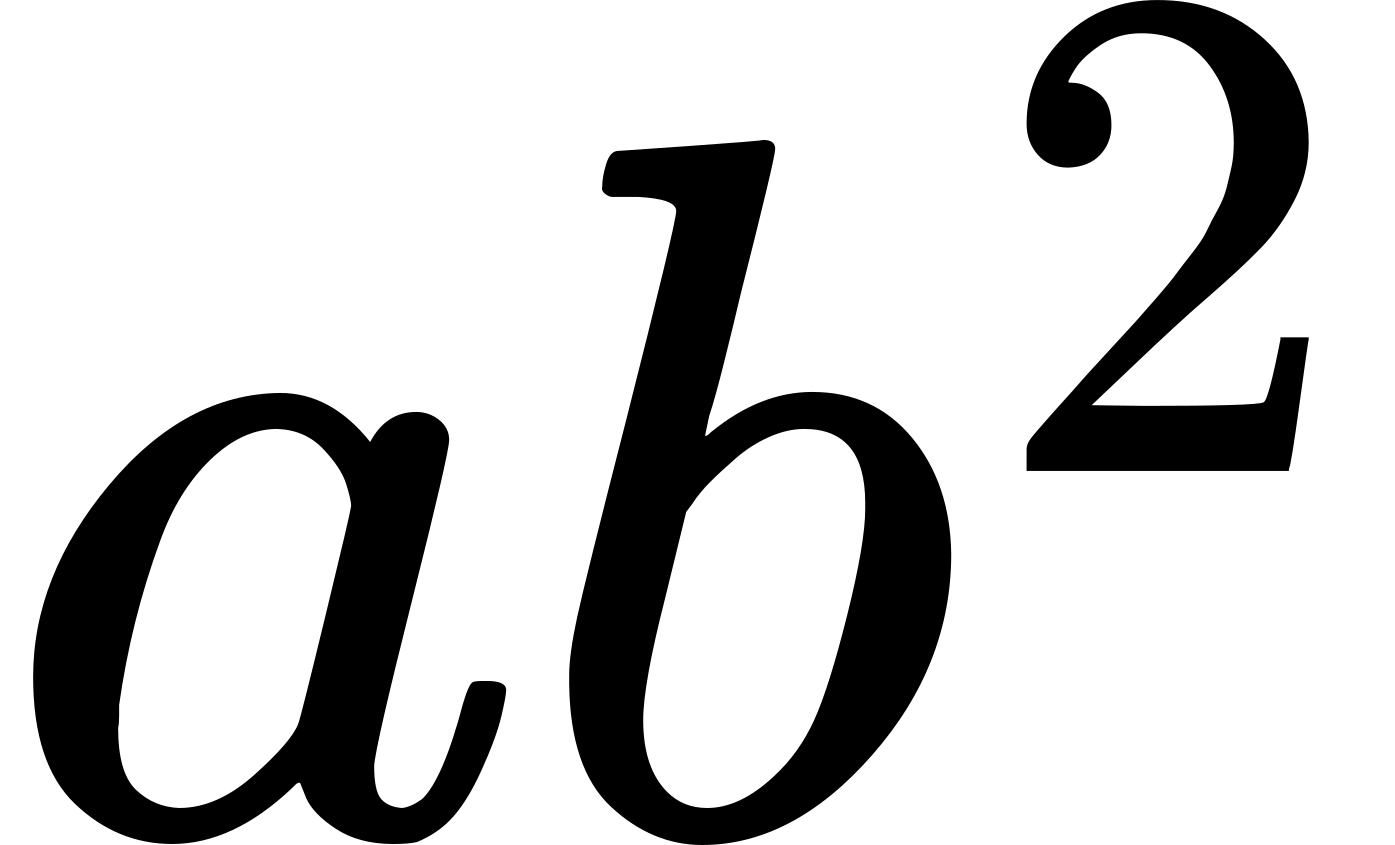 will place itself on the column
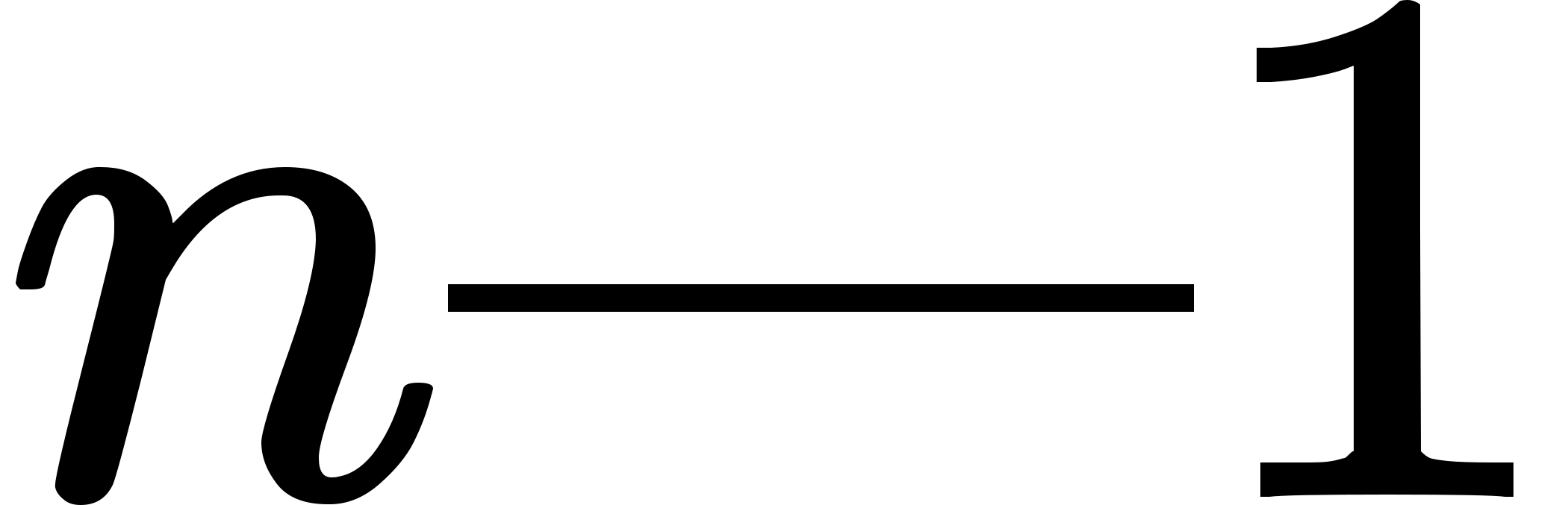 )
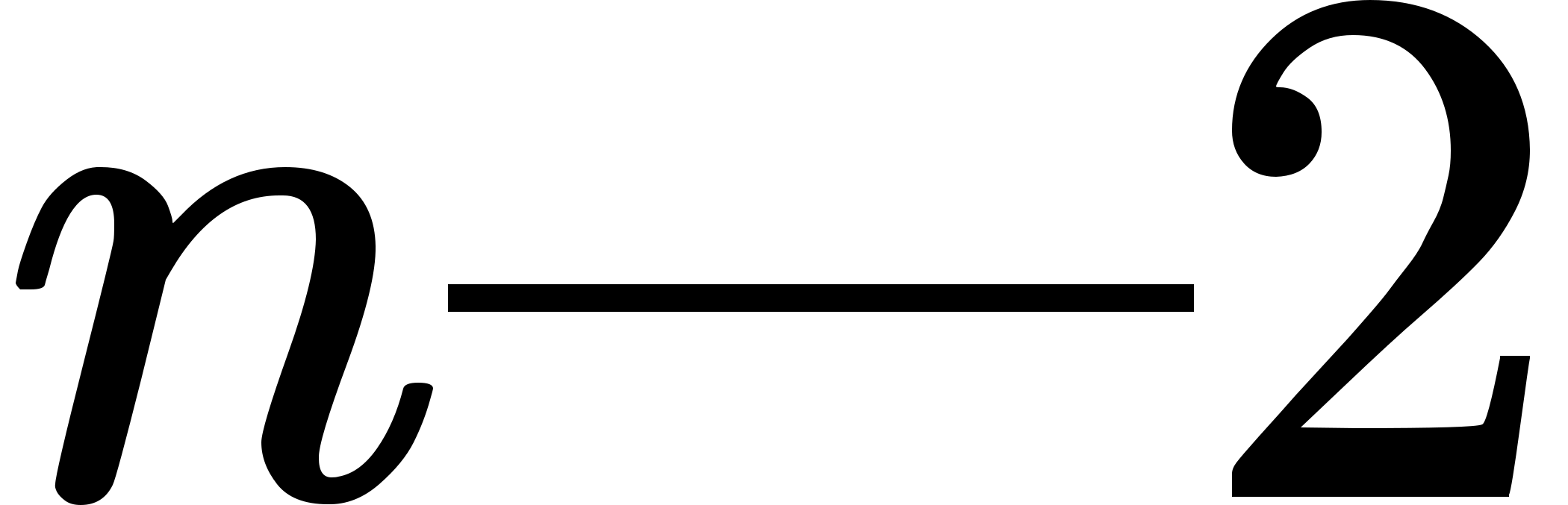 )
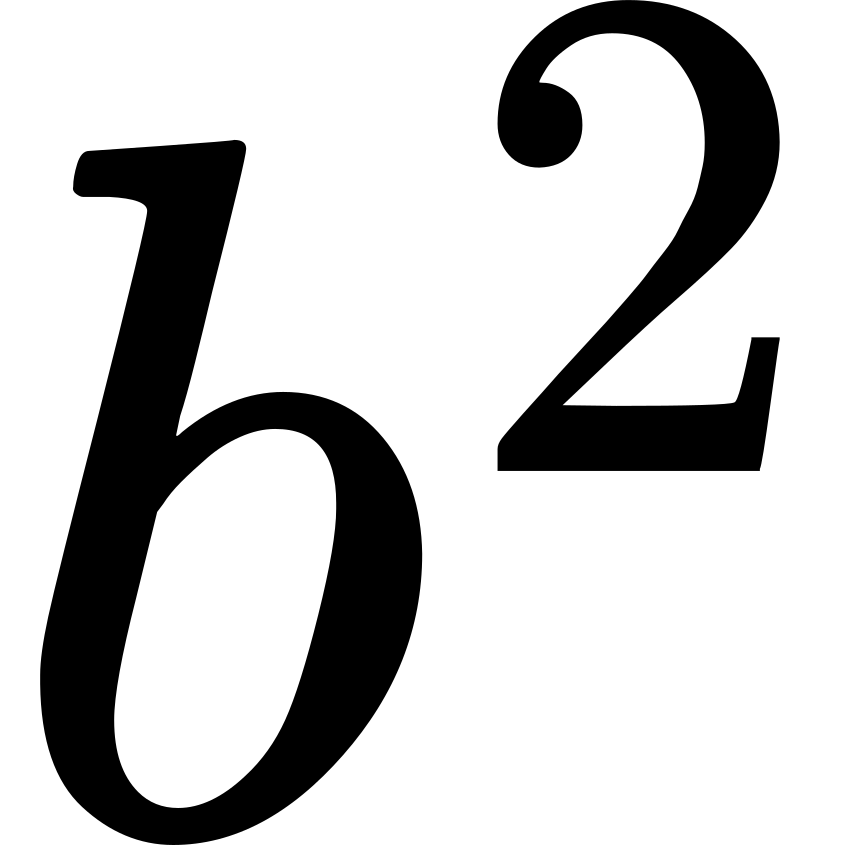 written on the column
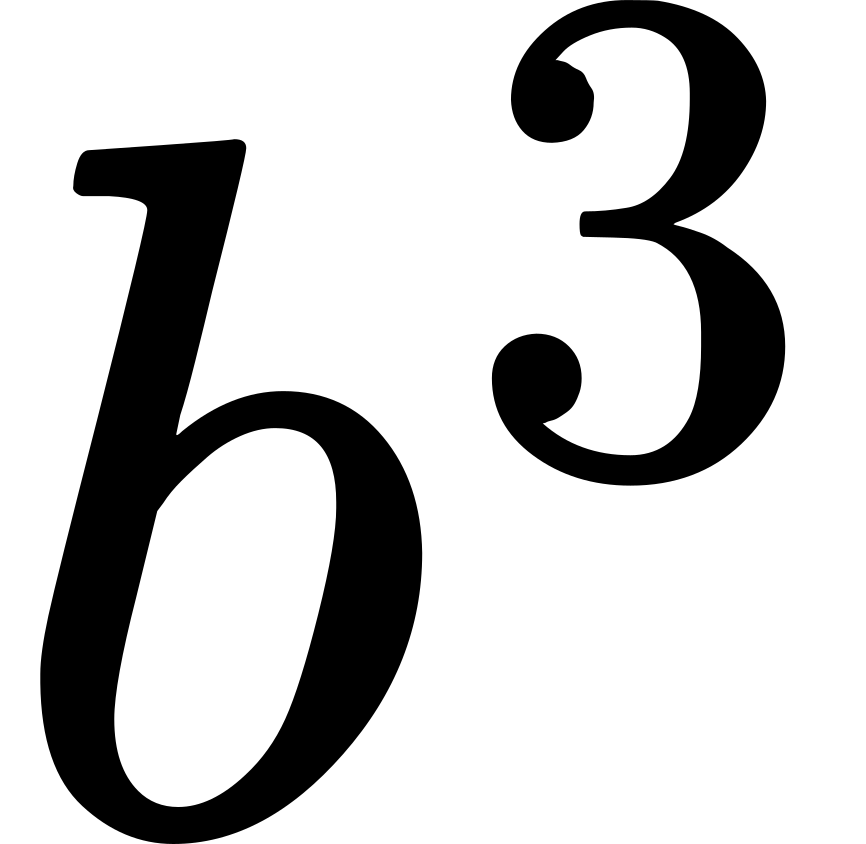 .
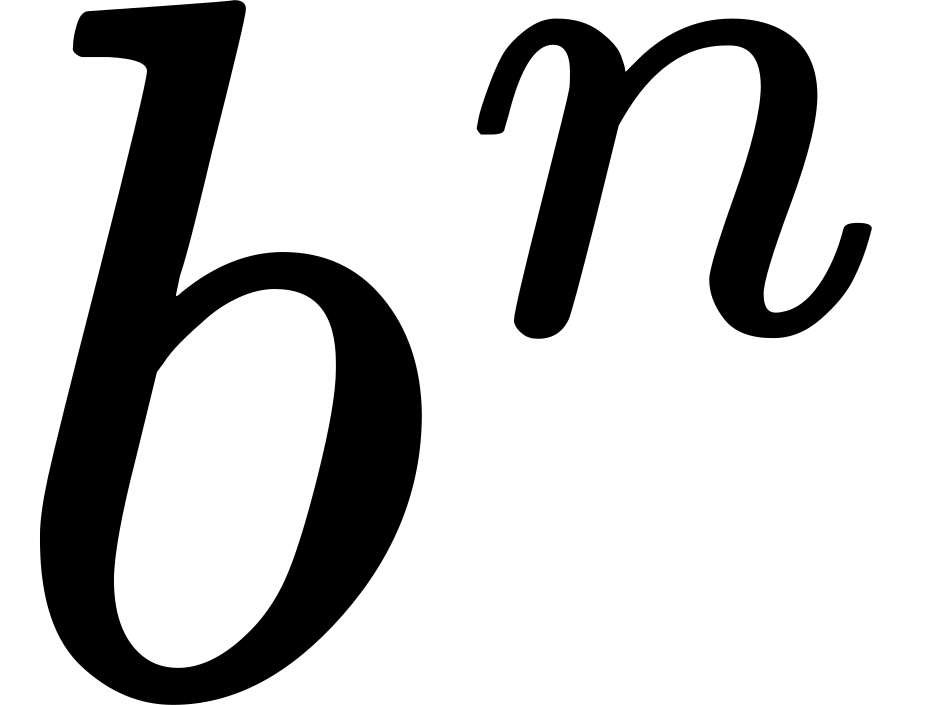 will be
found inscribed on
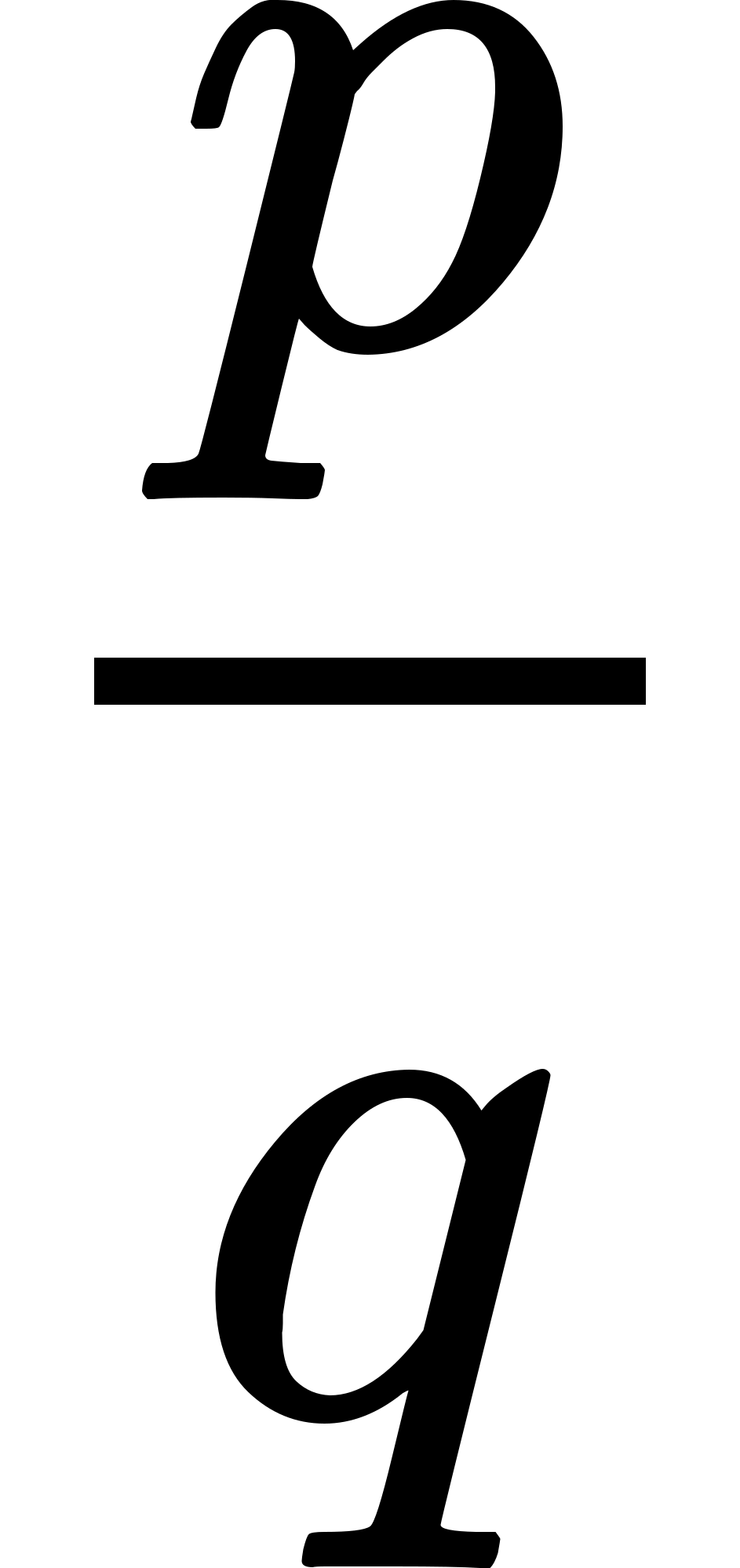 ,
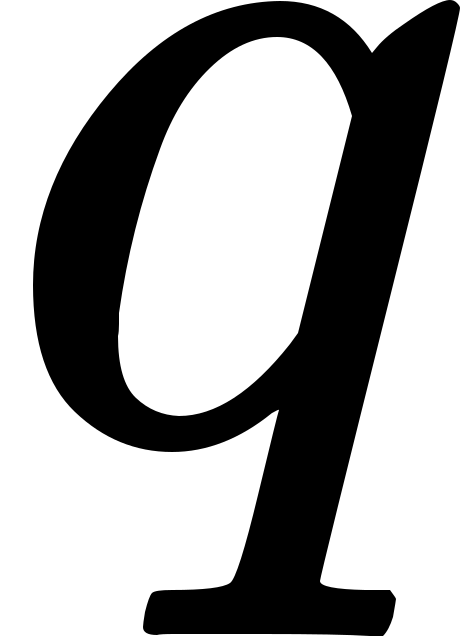 ,
 by another
 ,
 .
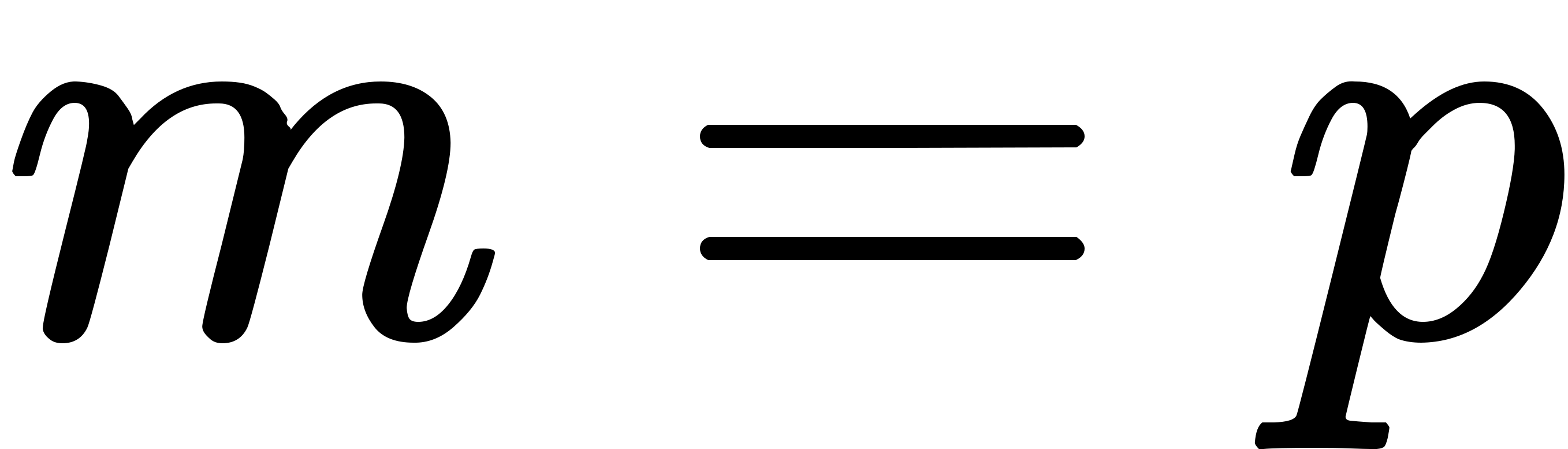 and
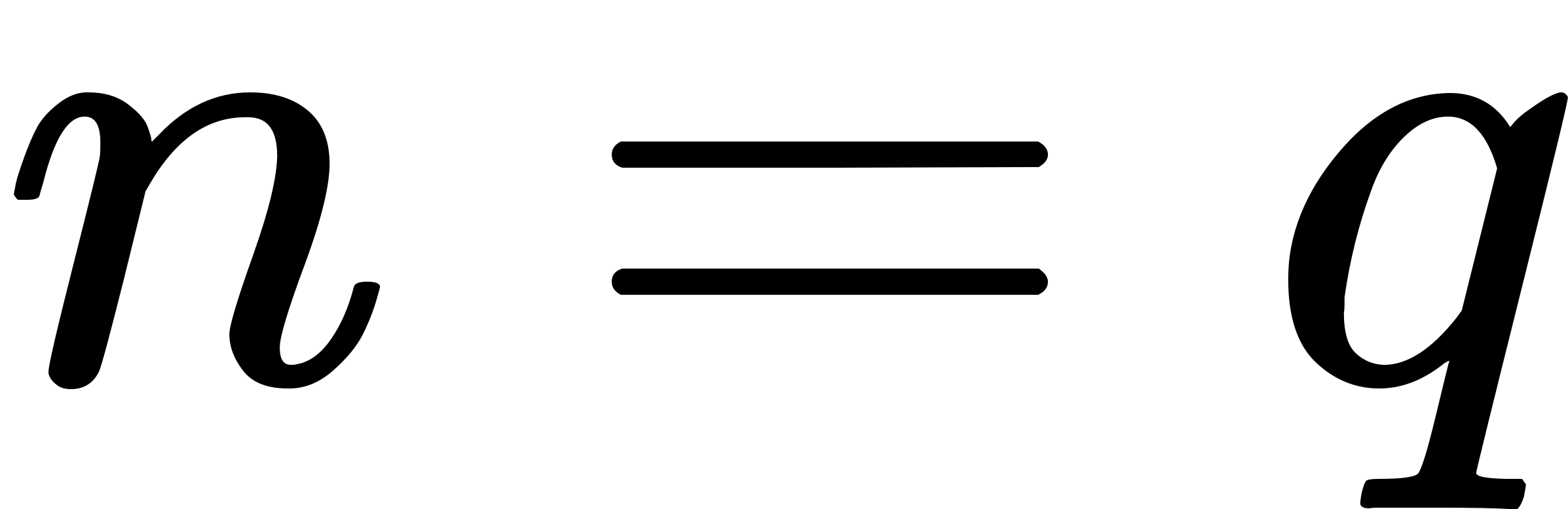 ,
 .
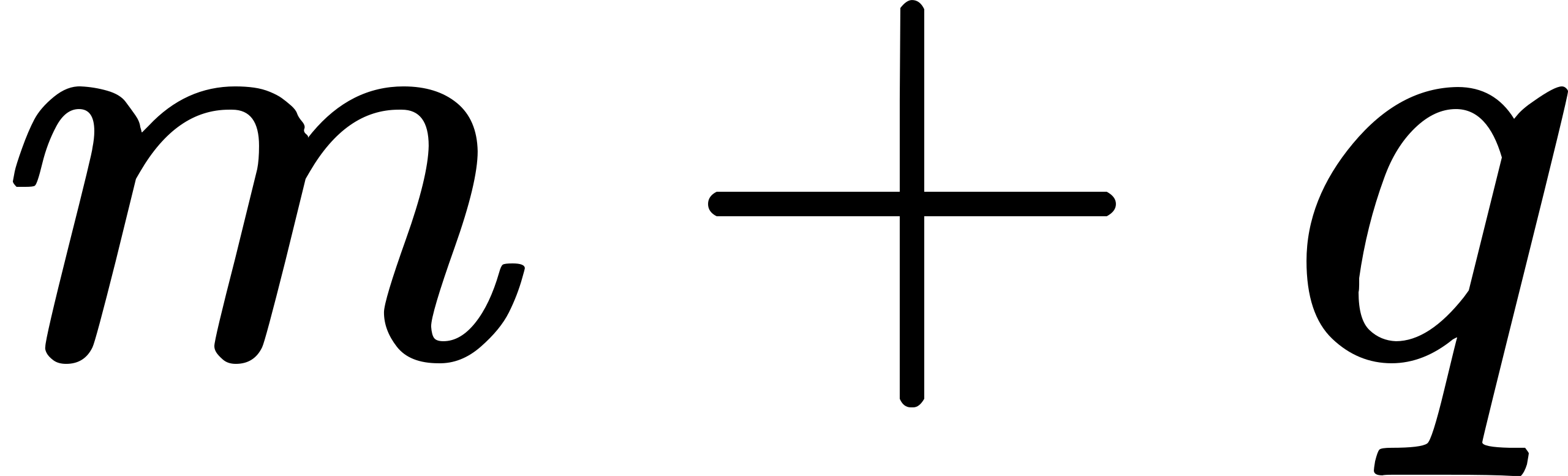 and
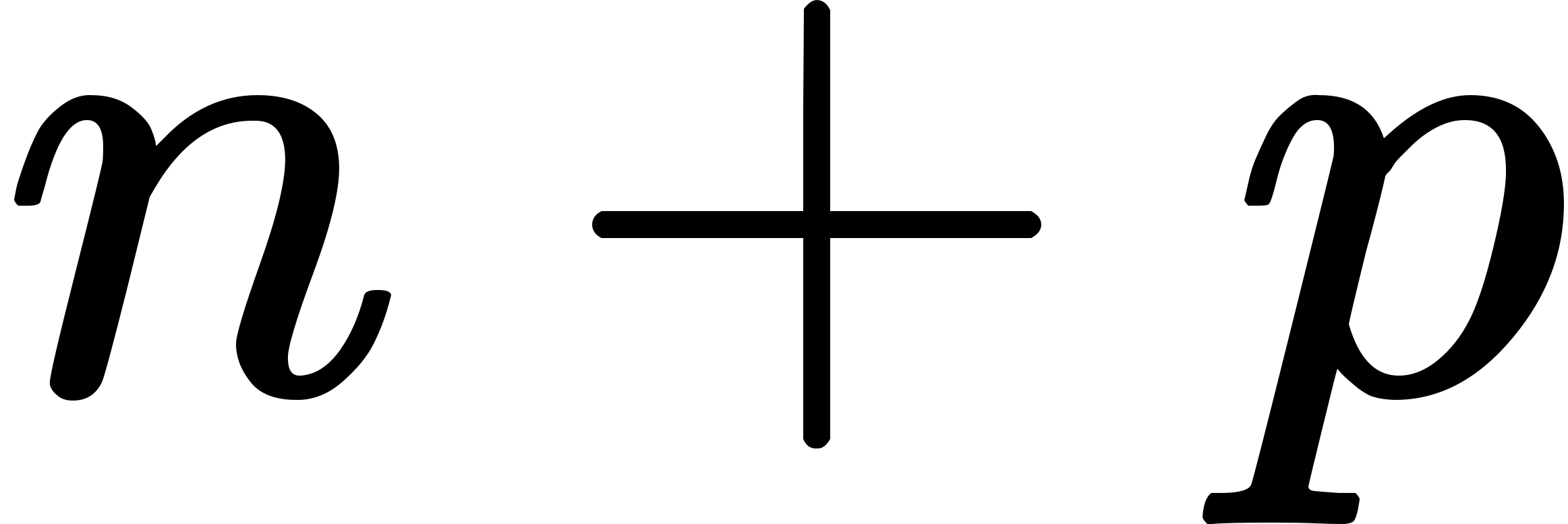 to be transferred into the mill, and there subtracted one from
the other; if the remainder is nothing, as would be the case on the
present hypothesis, the mill will order other cards to bring to it the
coefficients
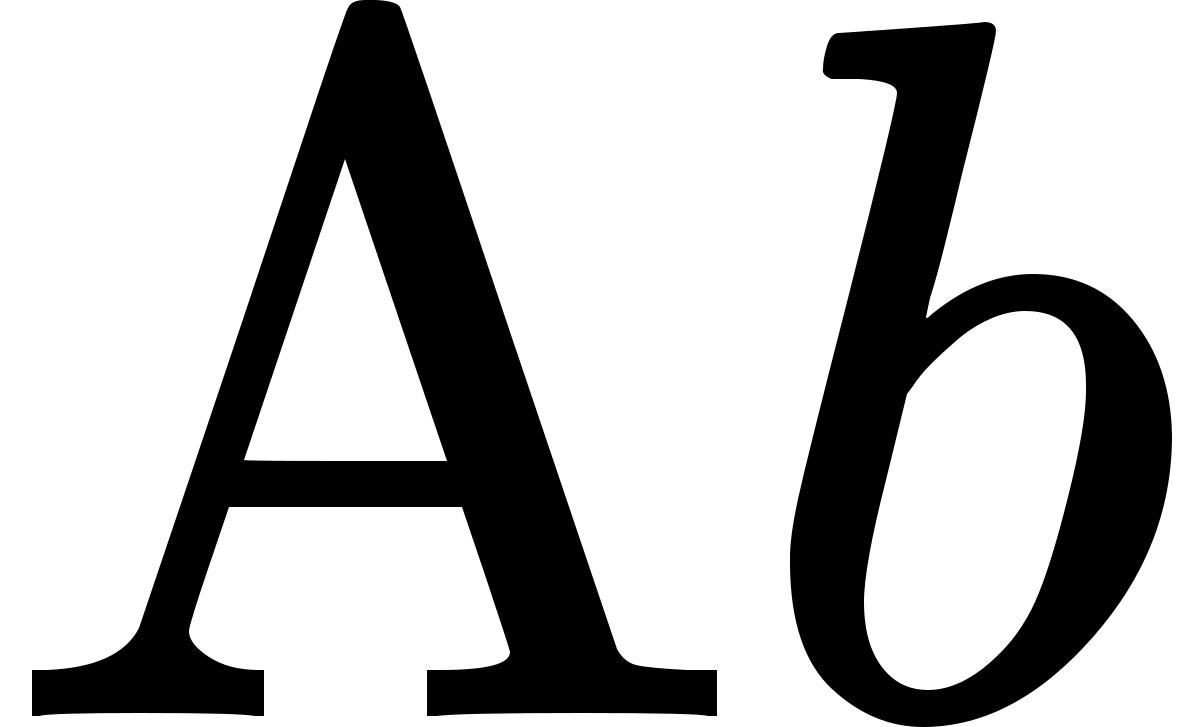 and
 ,
 .

 of
 has
been foreseen, a card may immediately order the substitution of the
value of
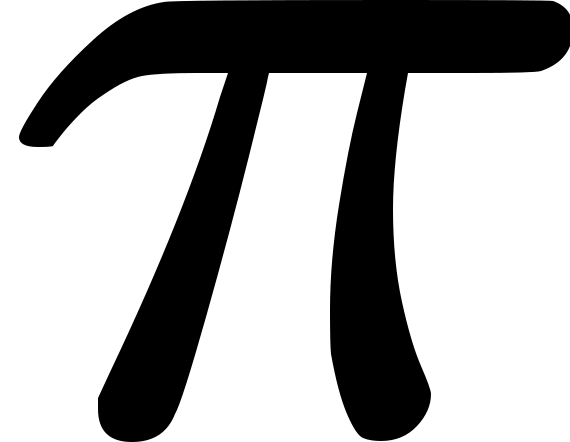 ,
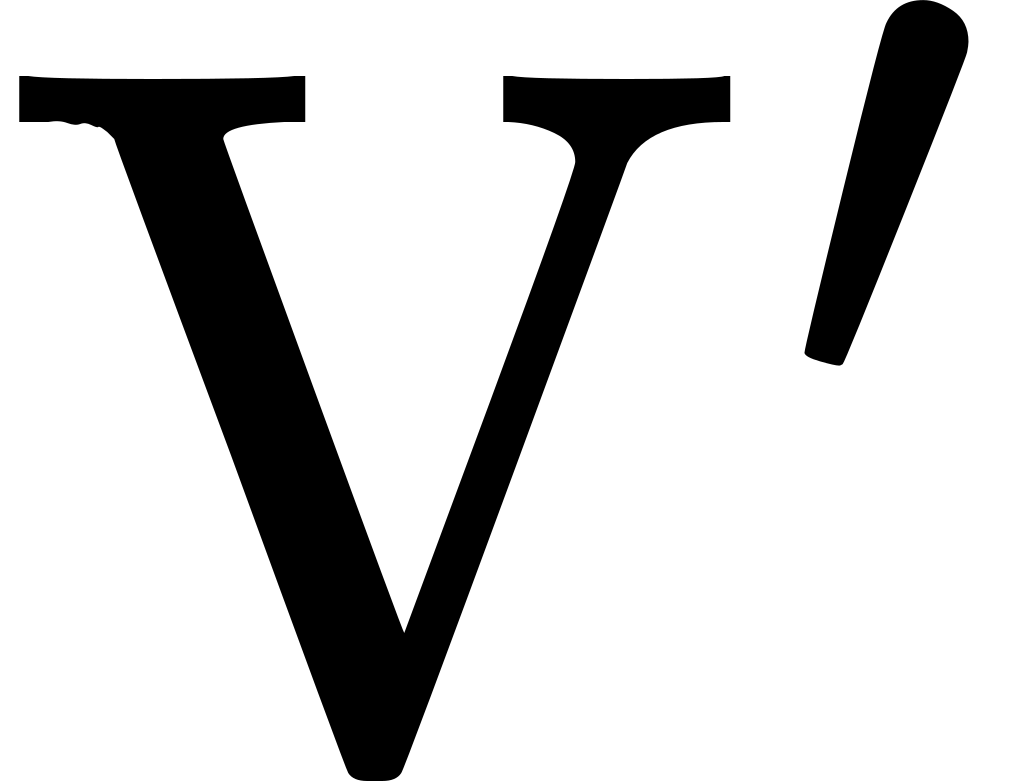 s in this and in the preceding table,
we must refer the reader to

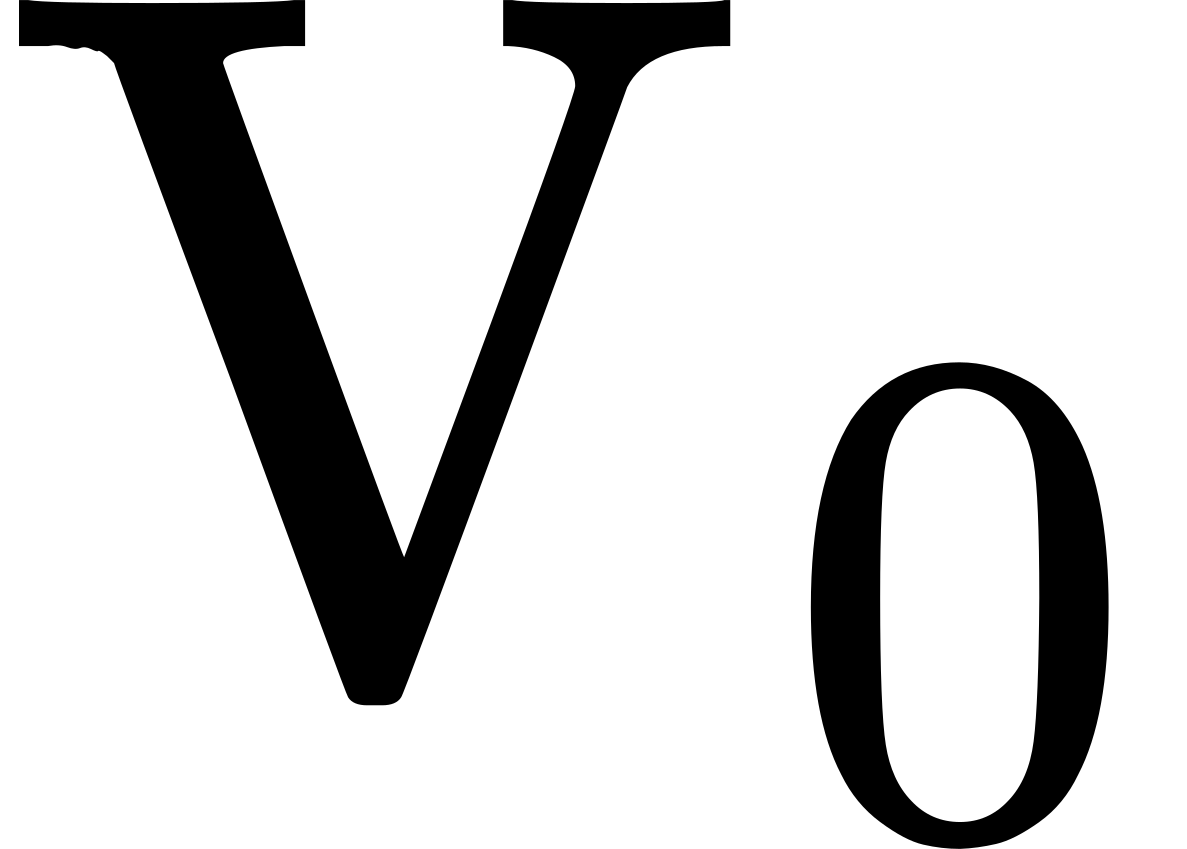


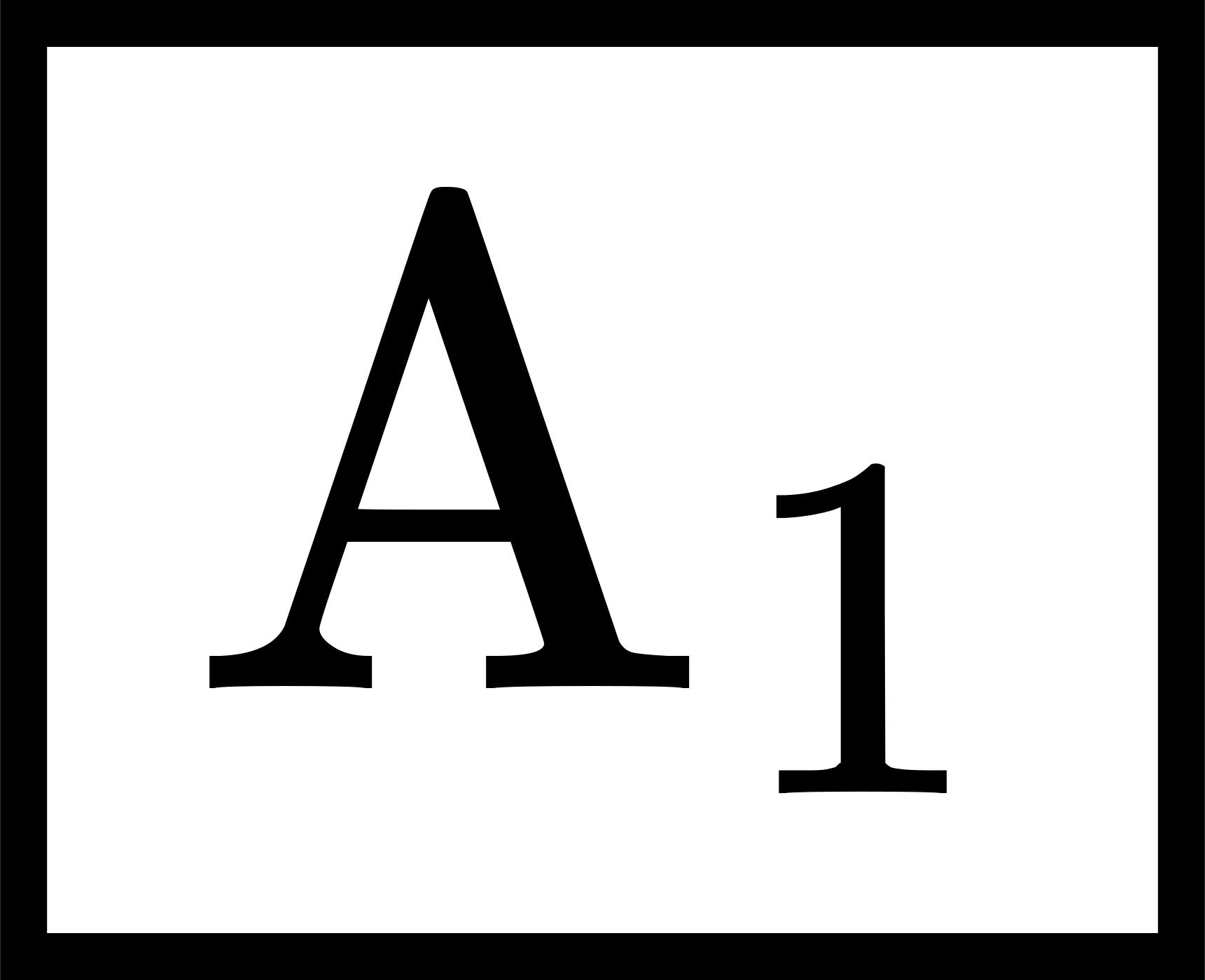
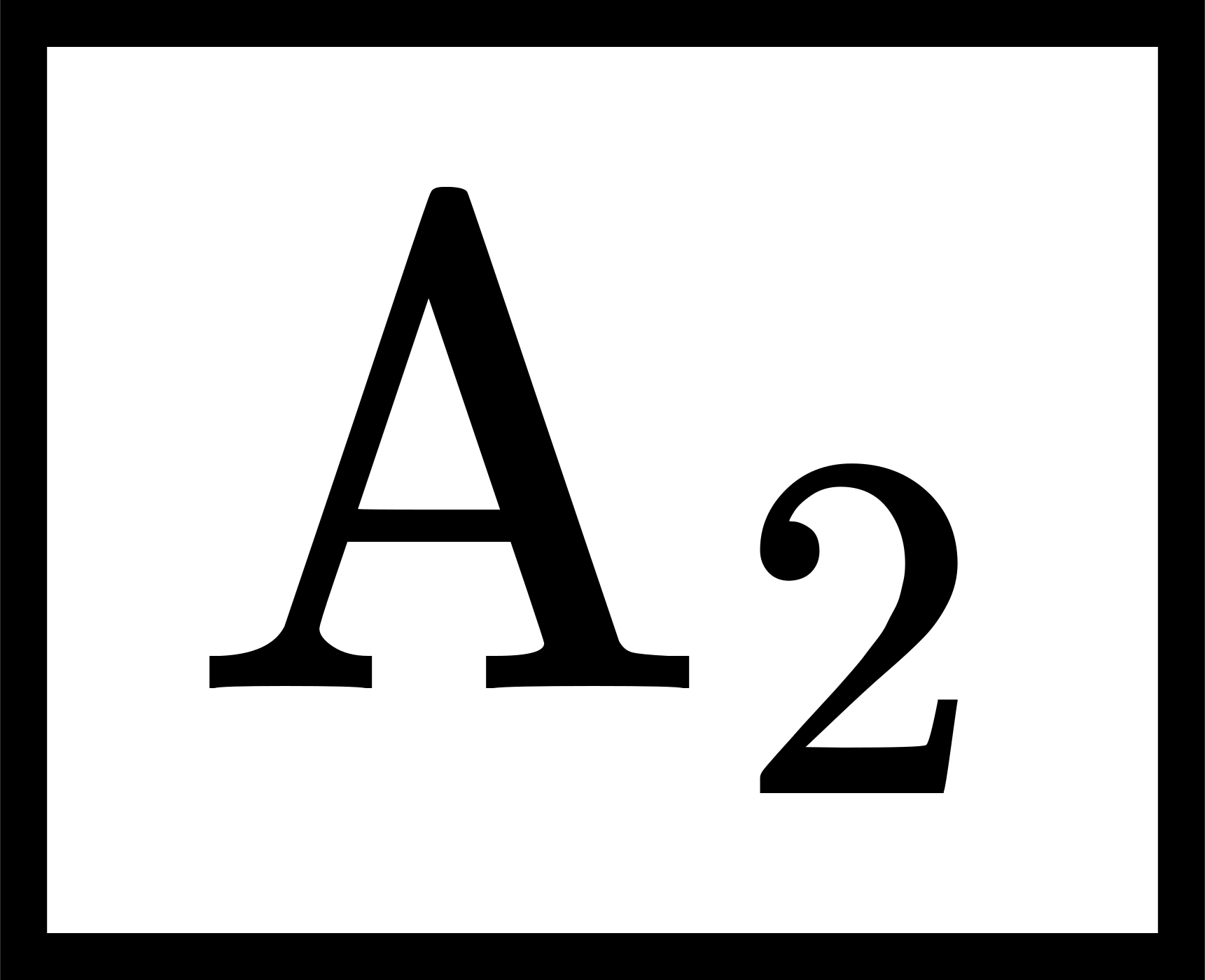
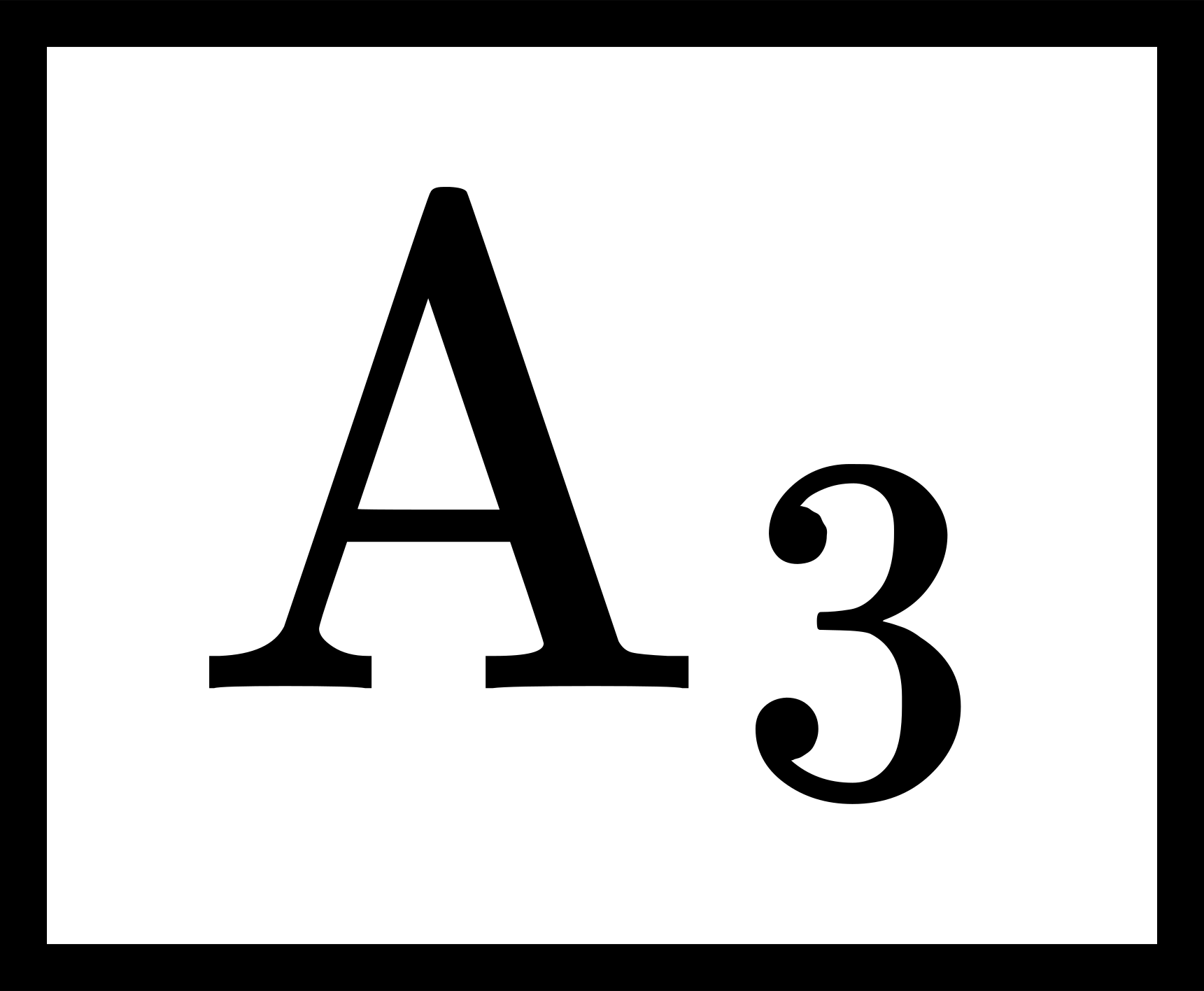


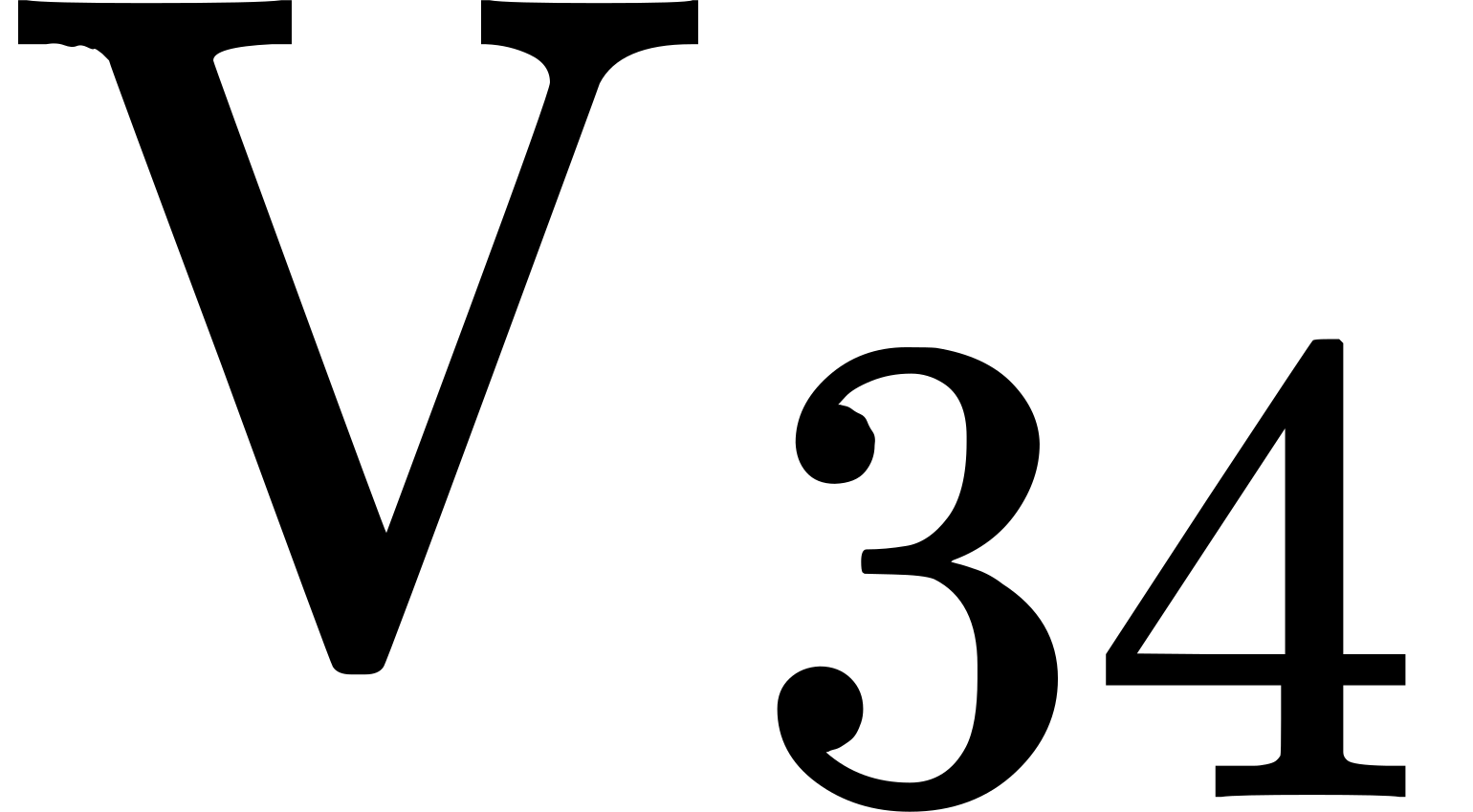


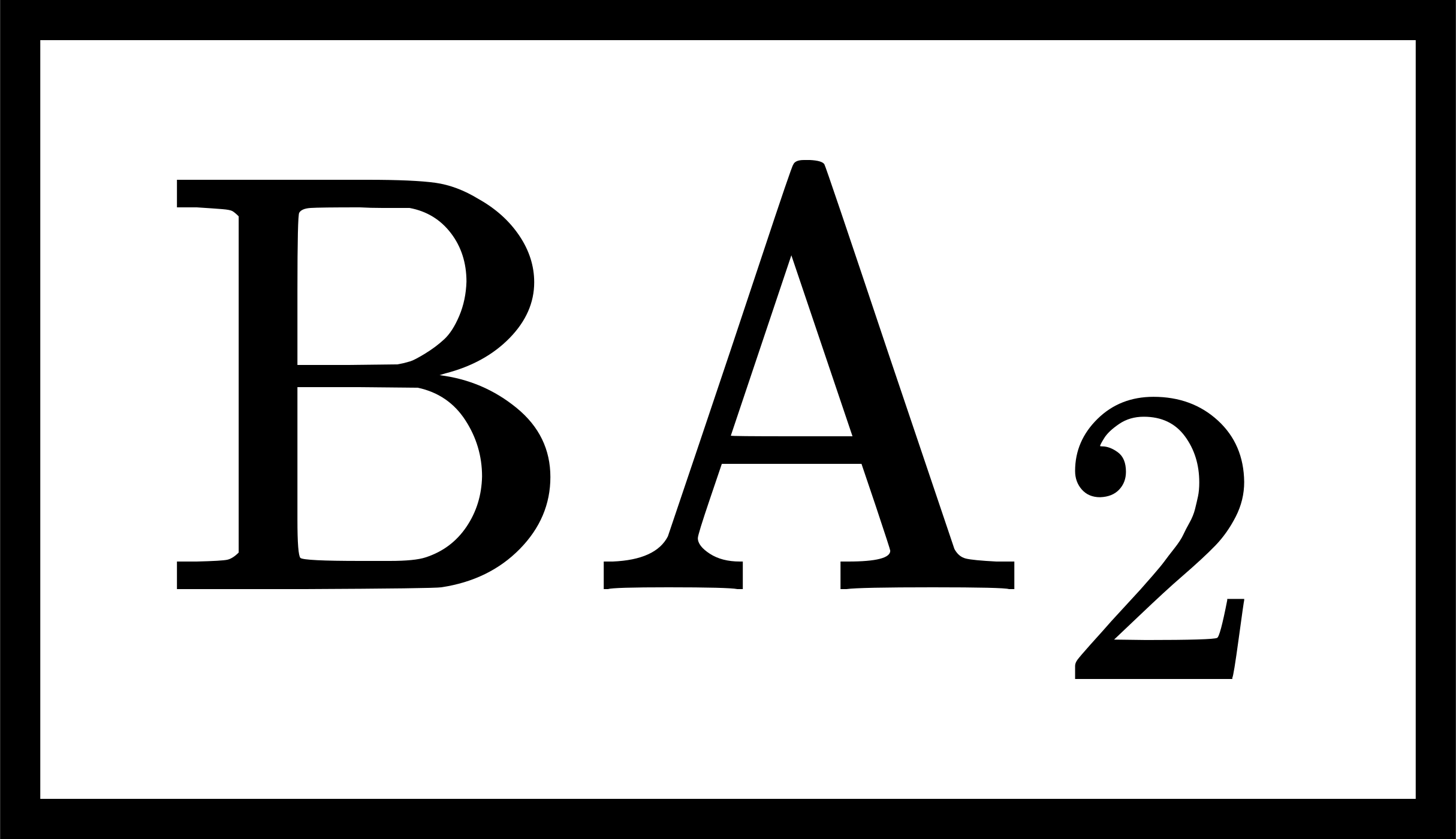
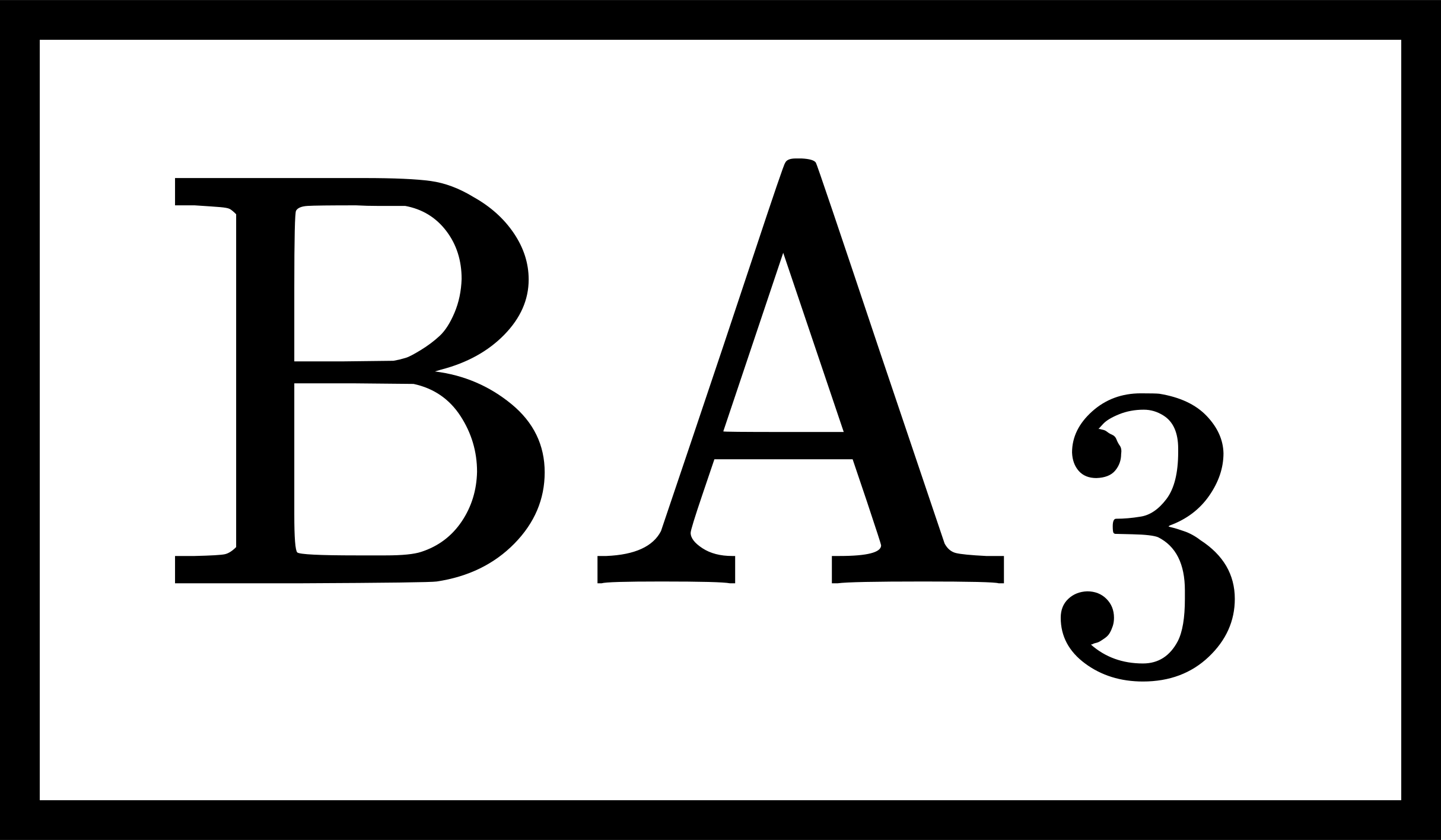
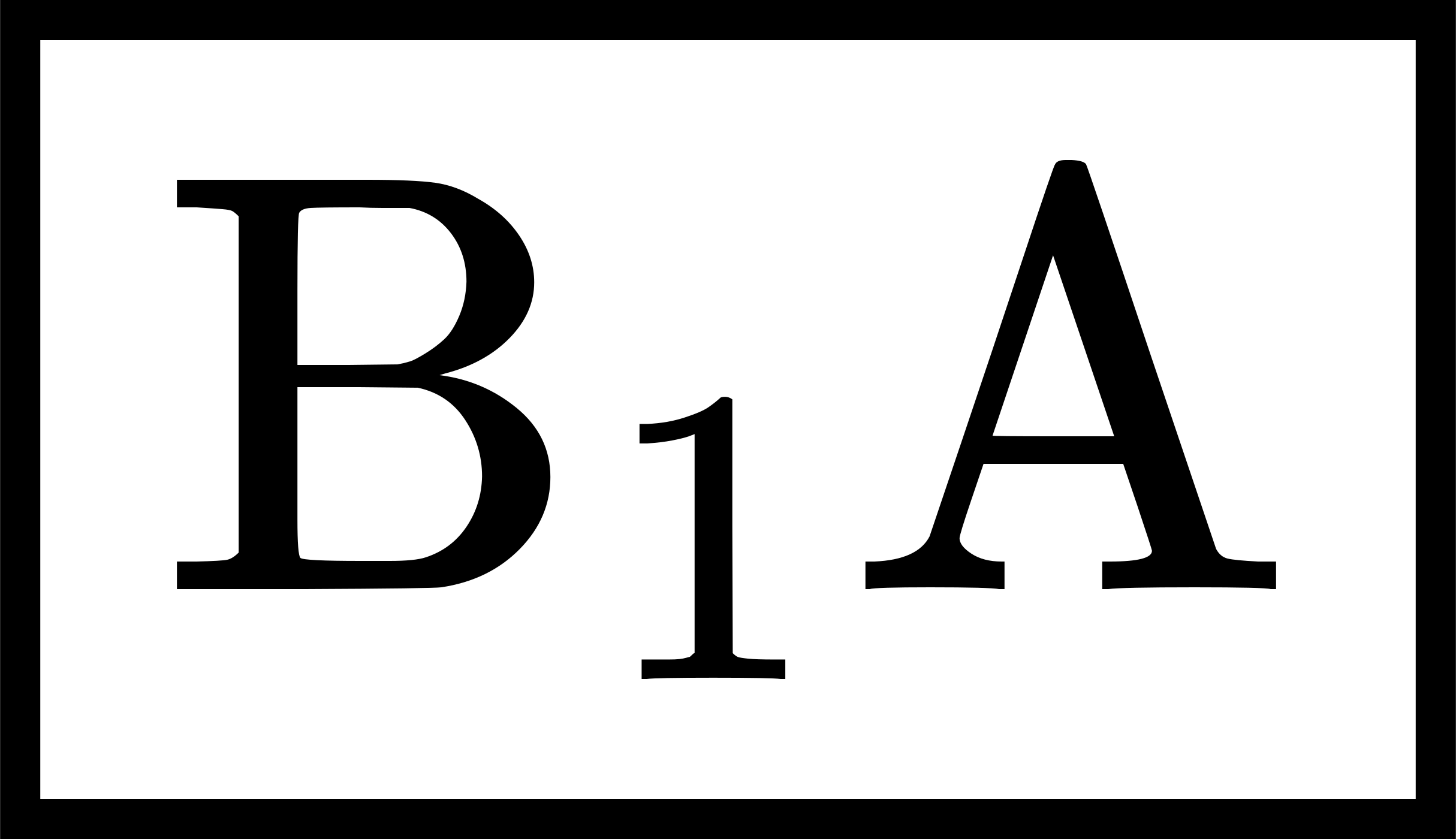
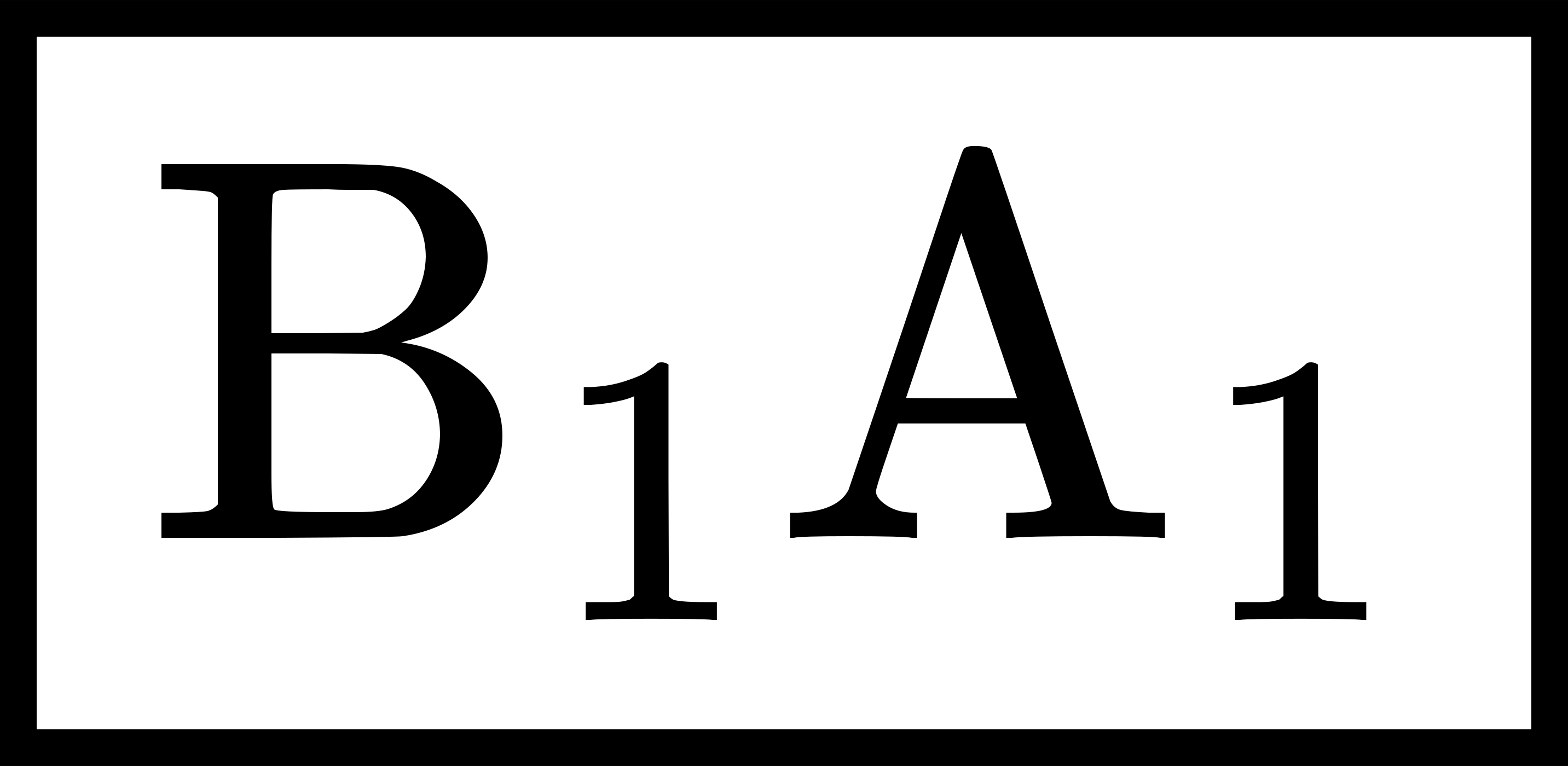
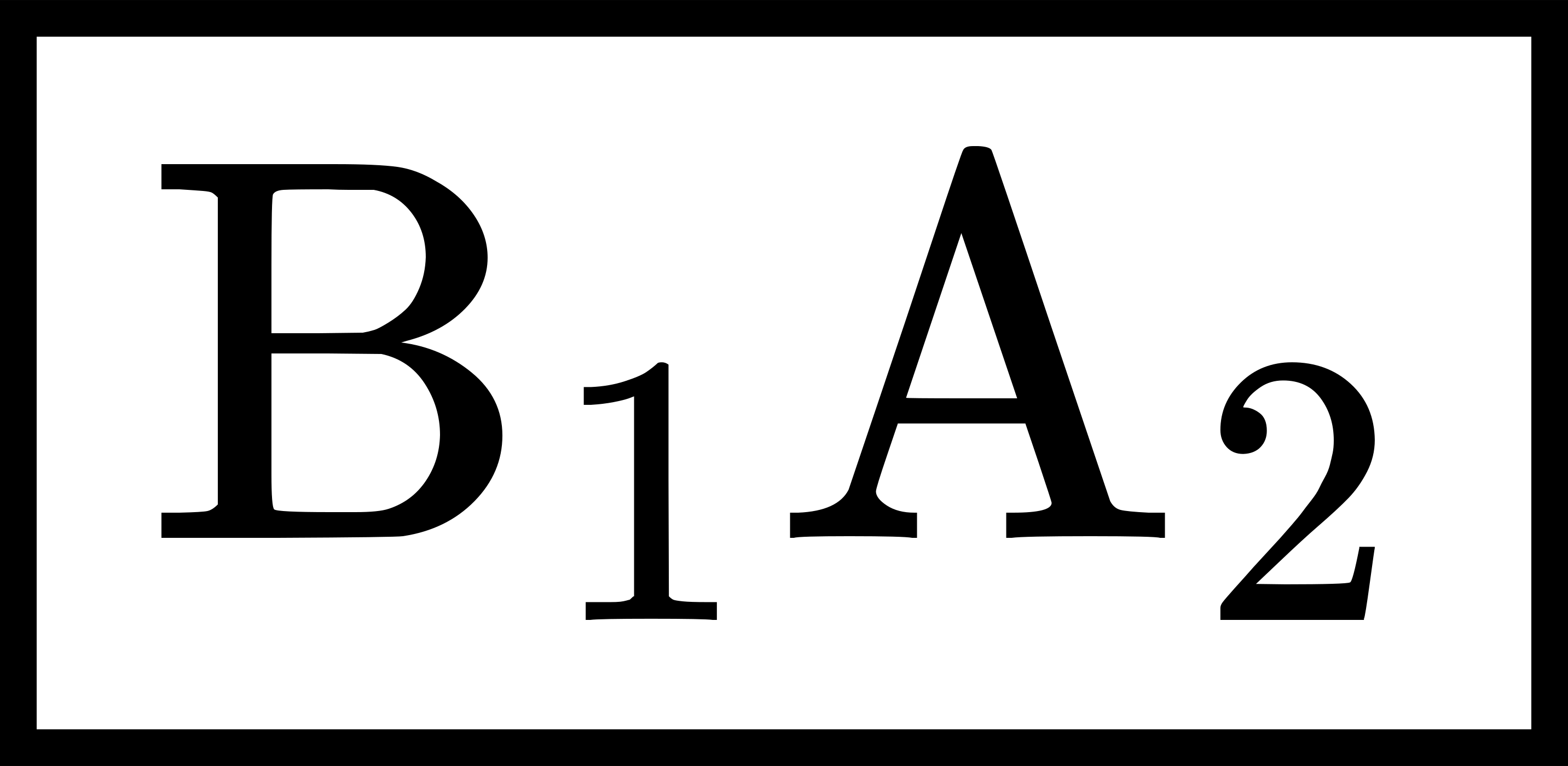
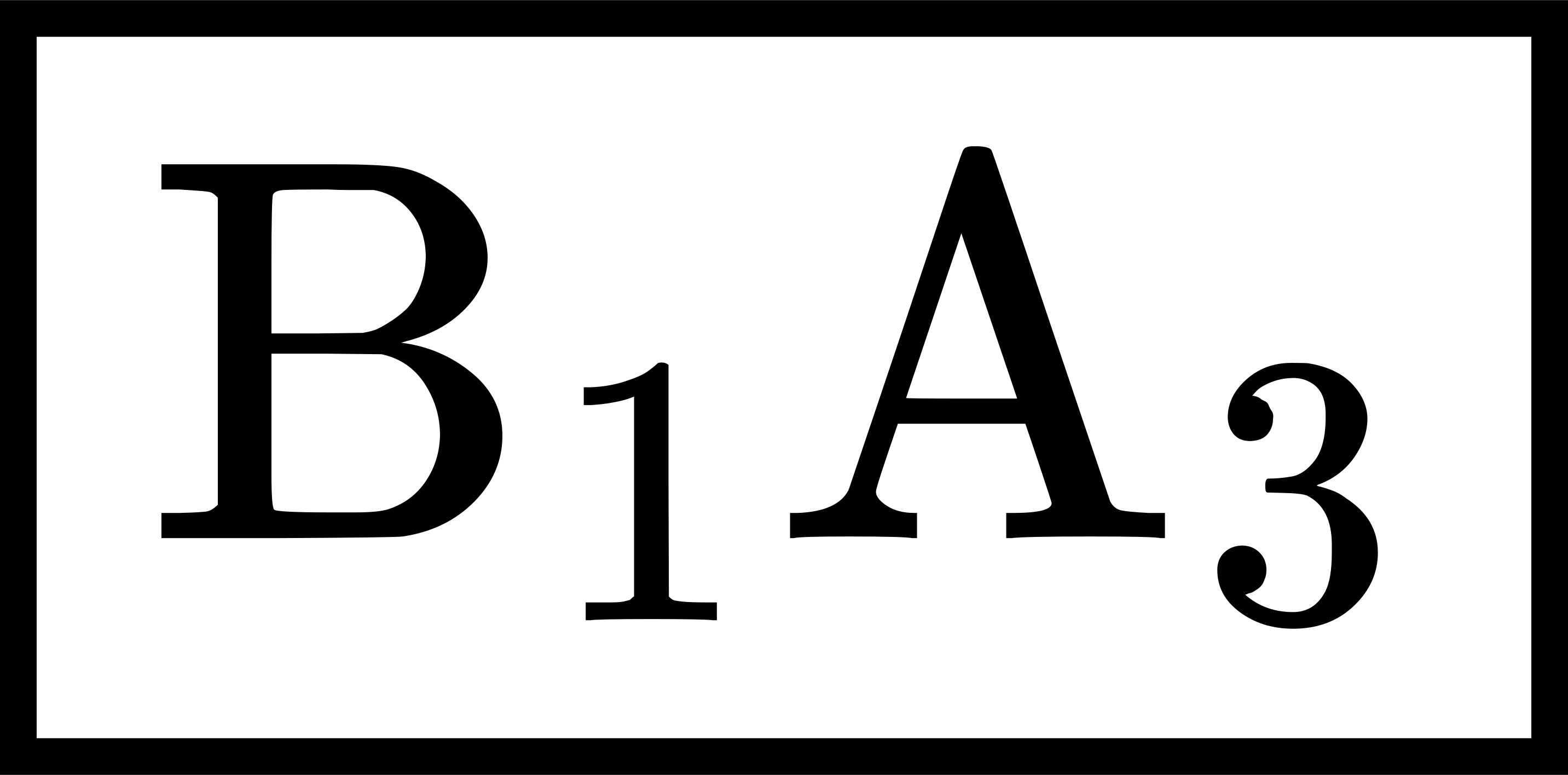
 )
 )
 )





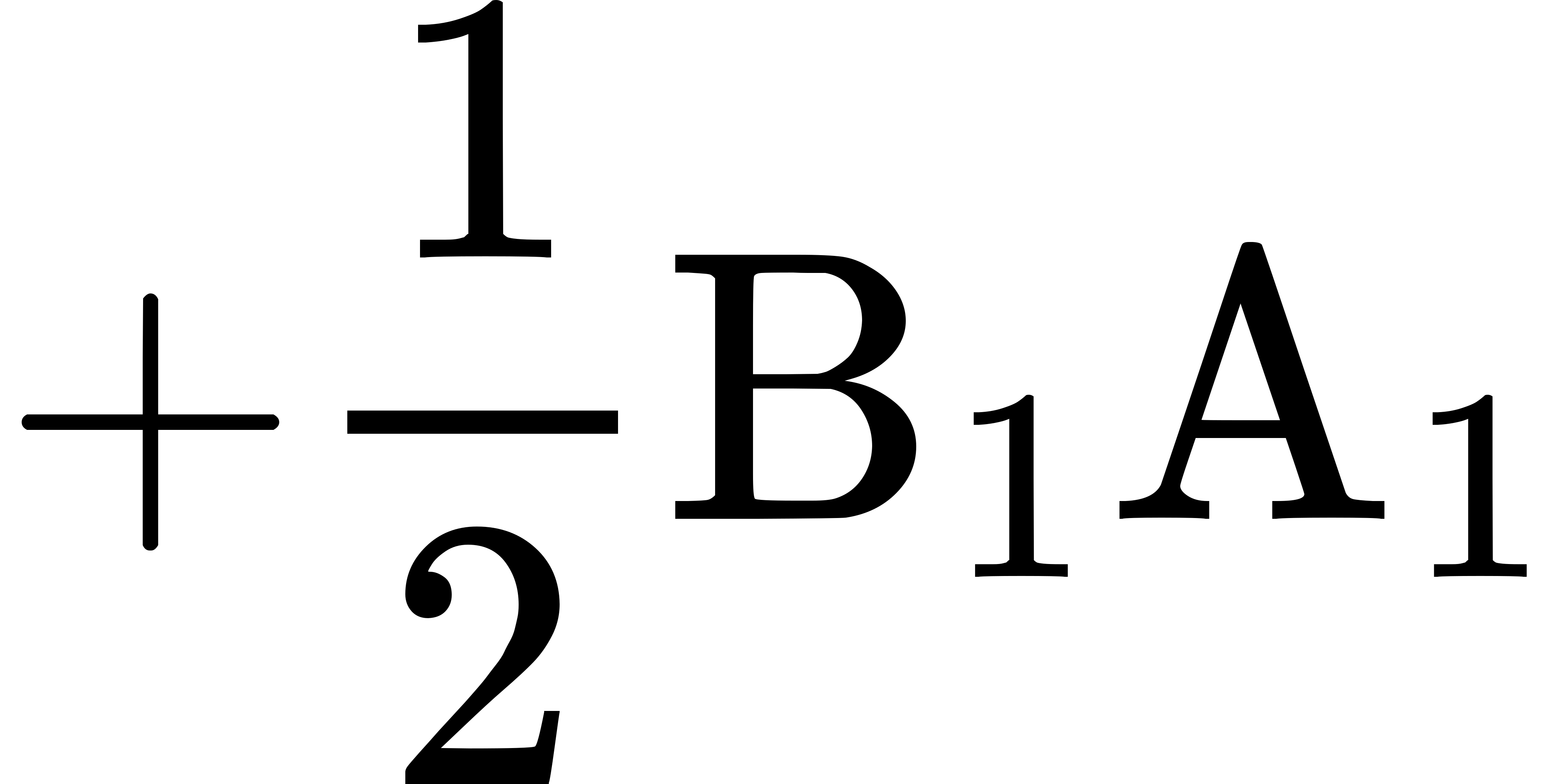
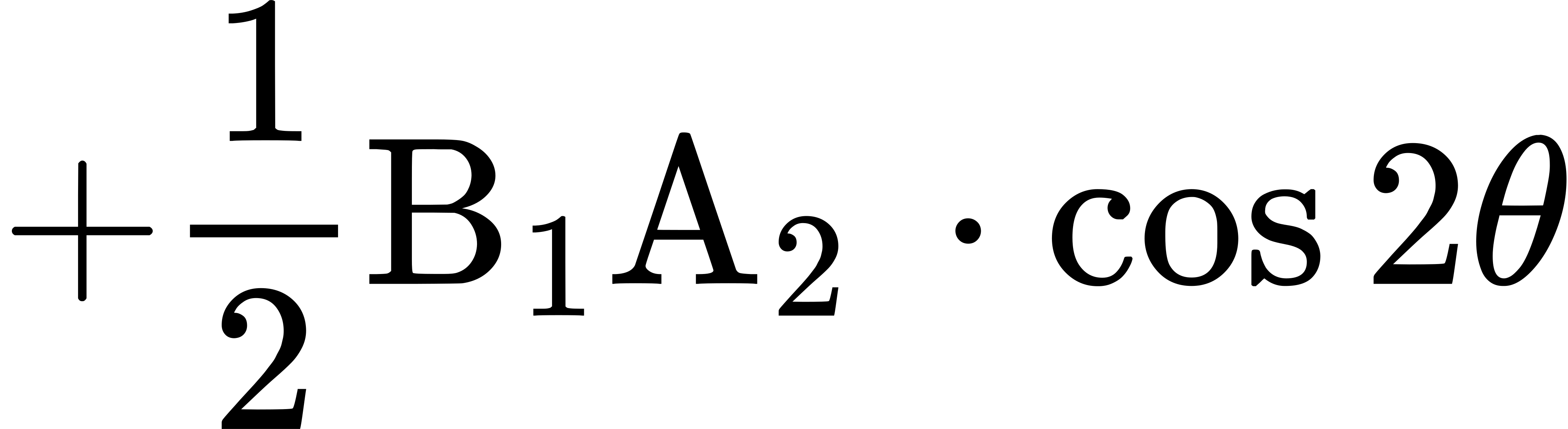
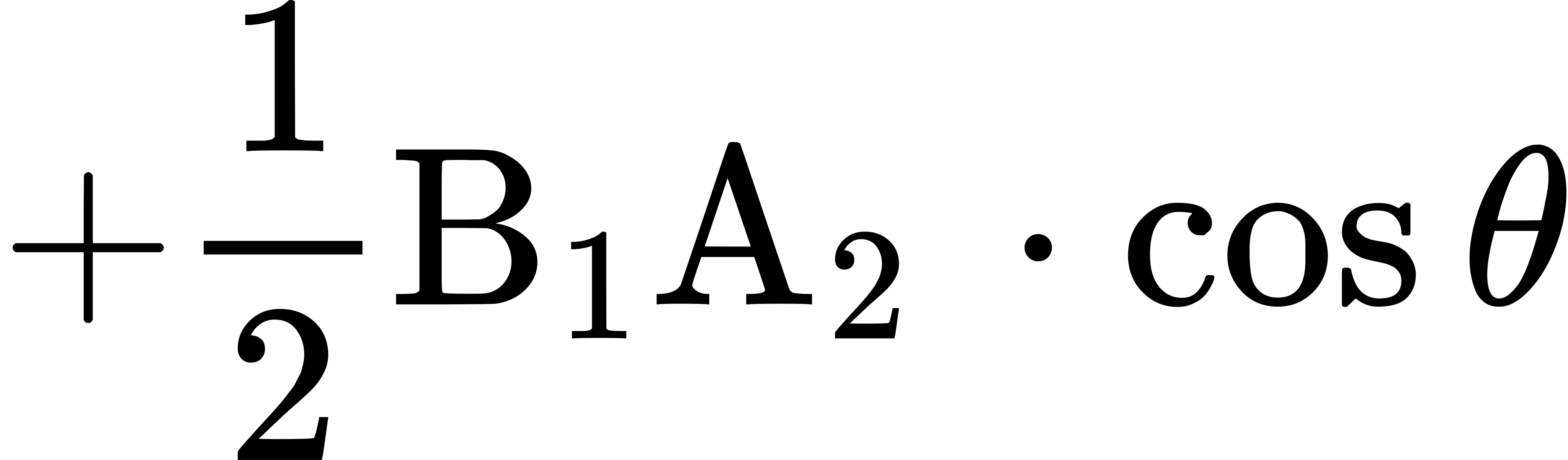
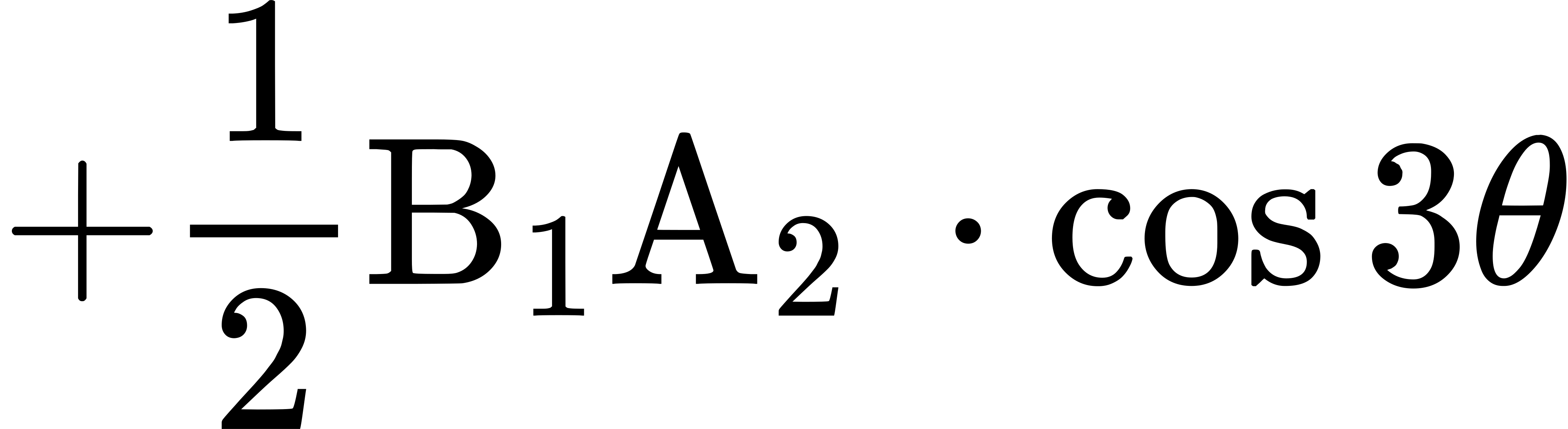
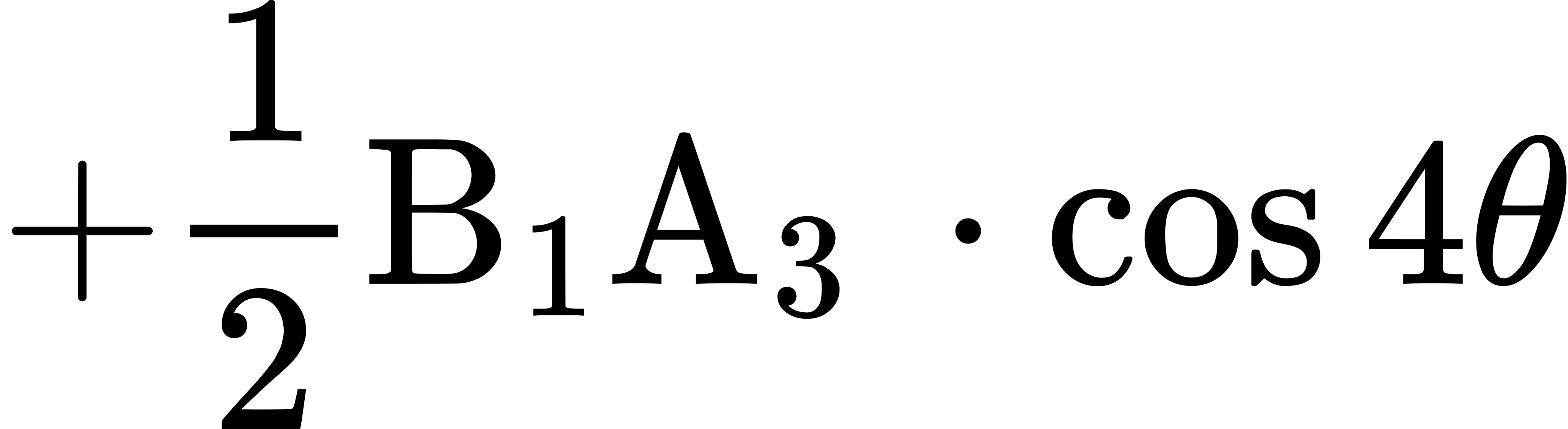
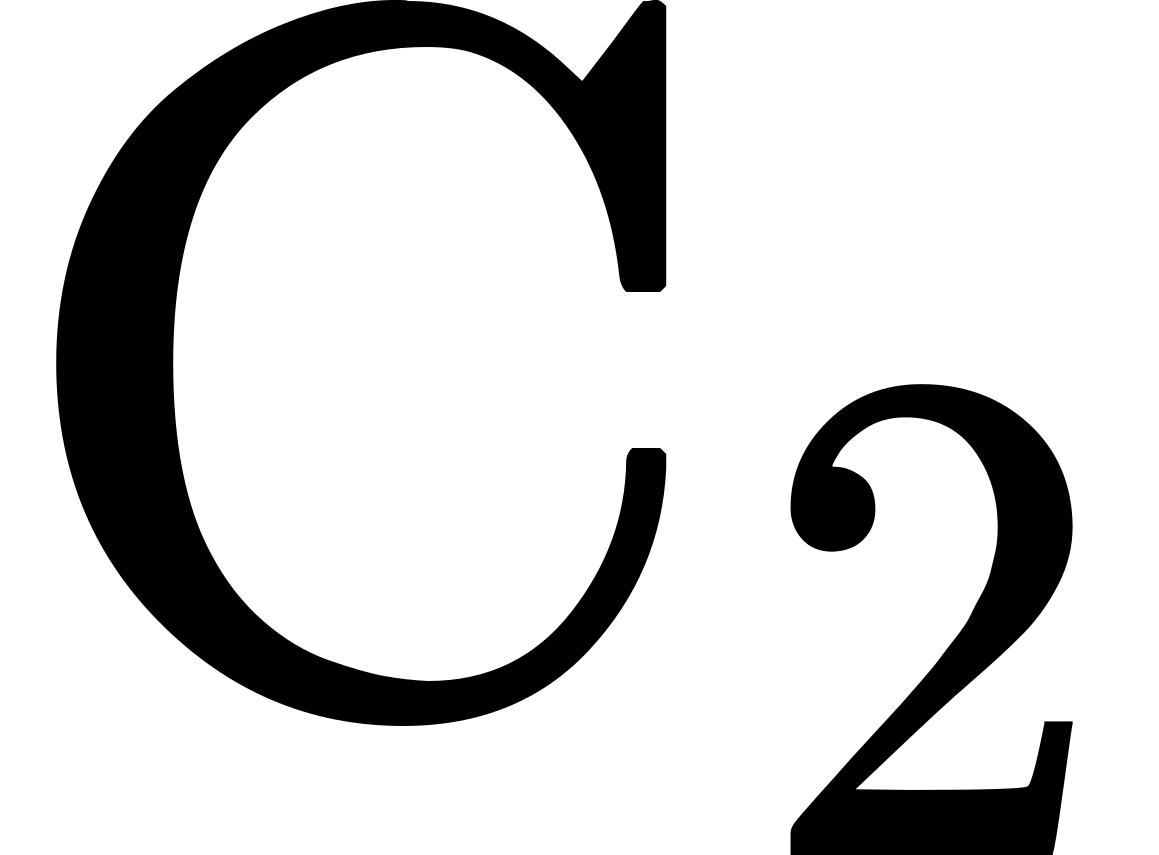
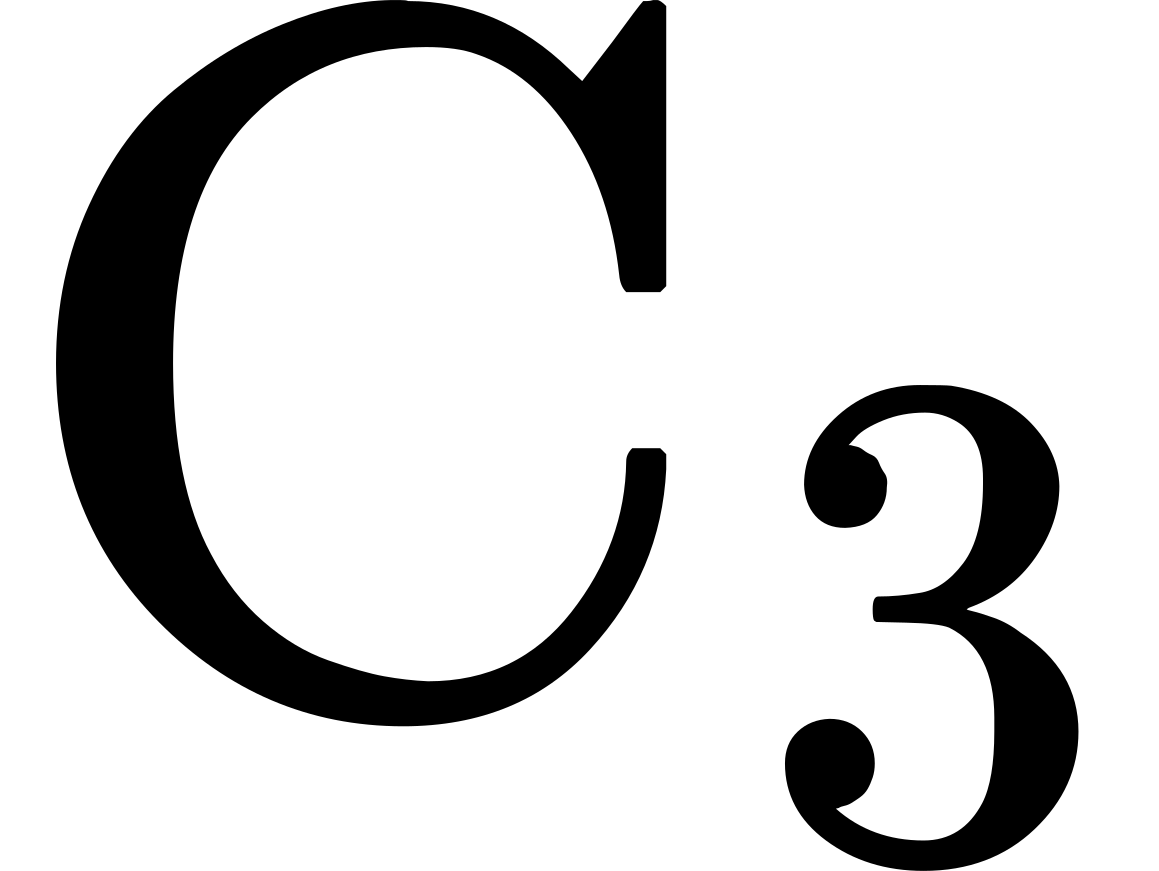
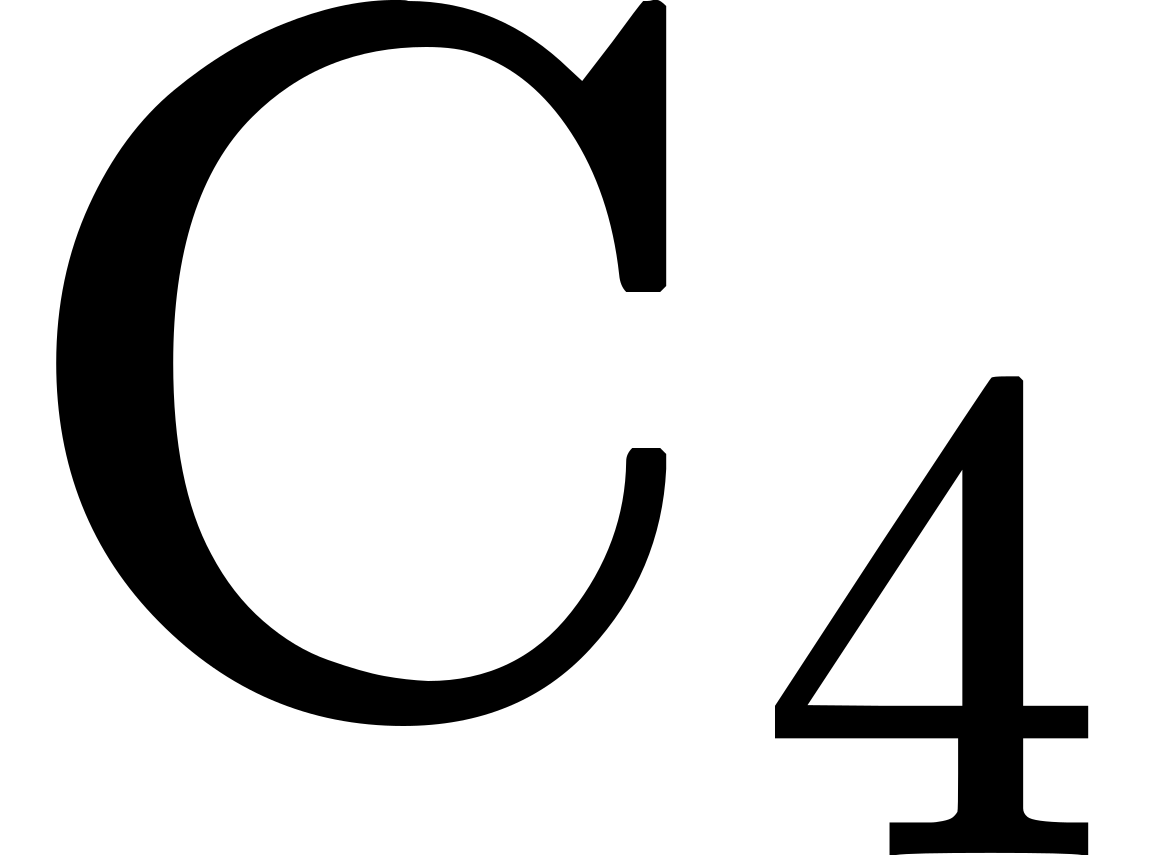



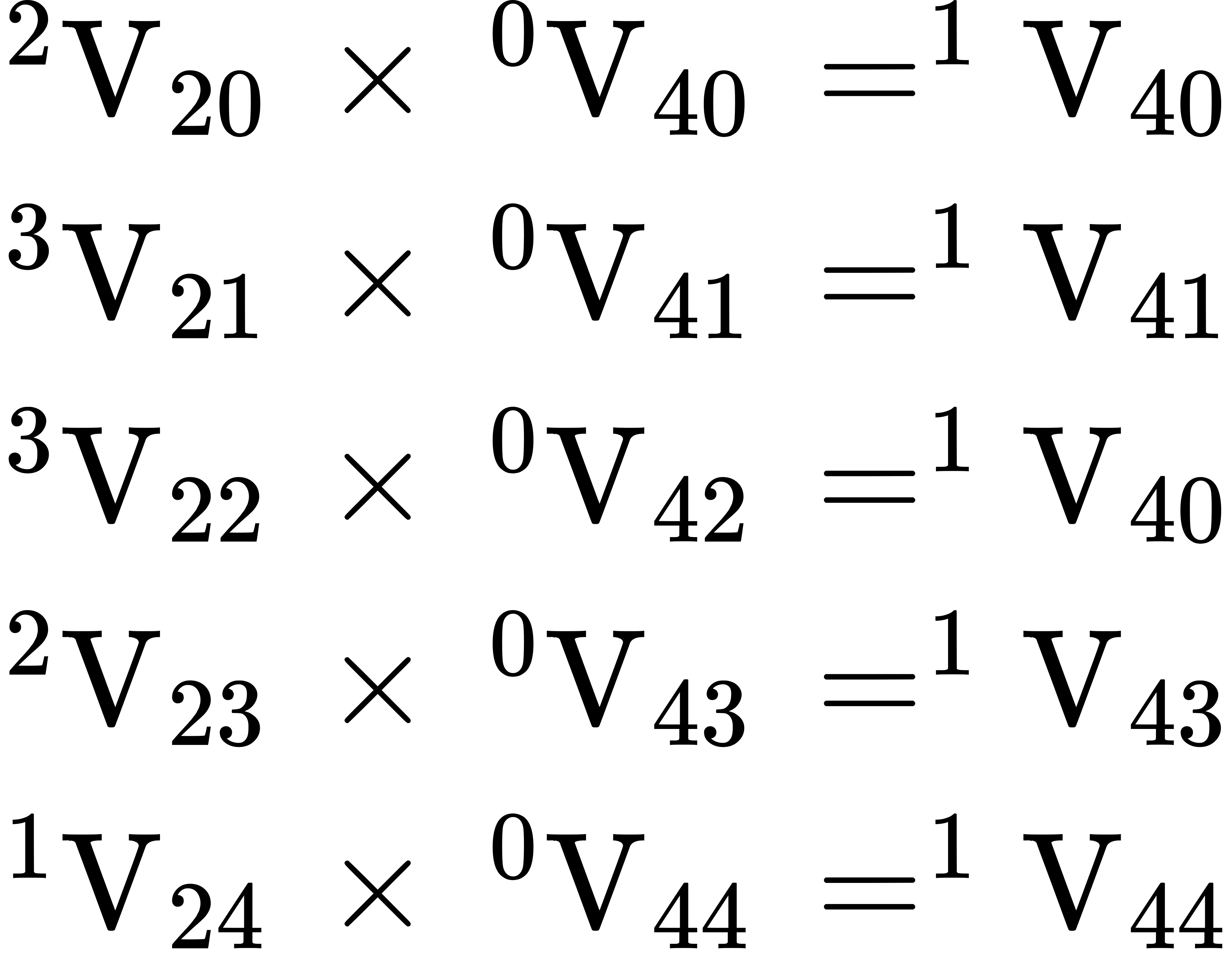
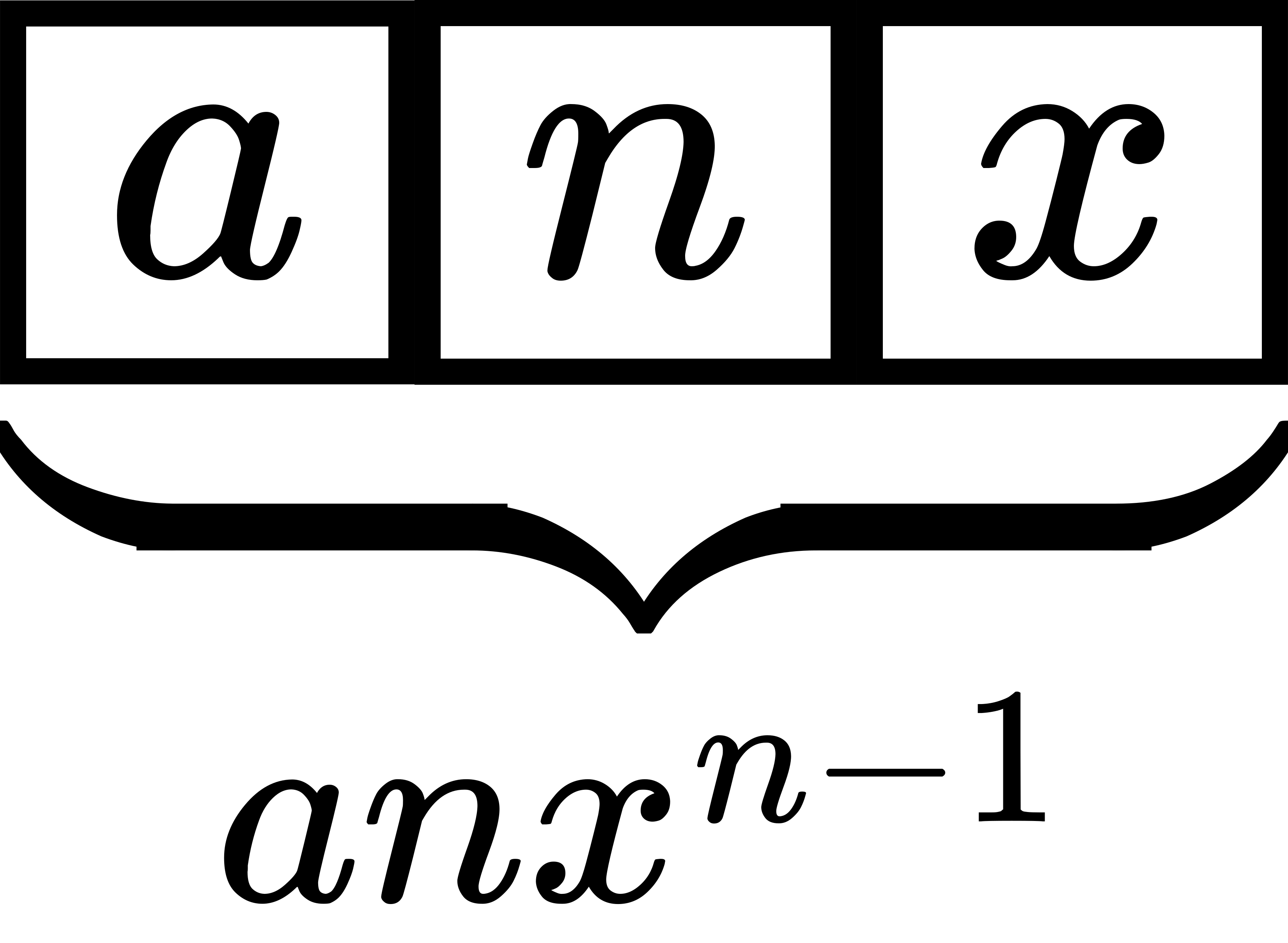
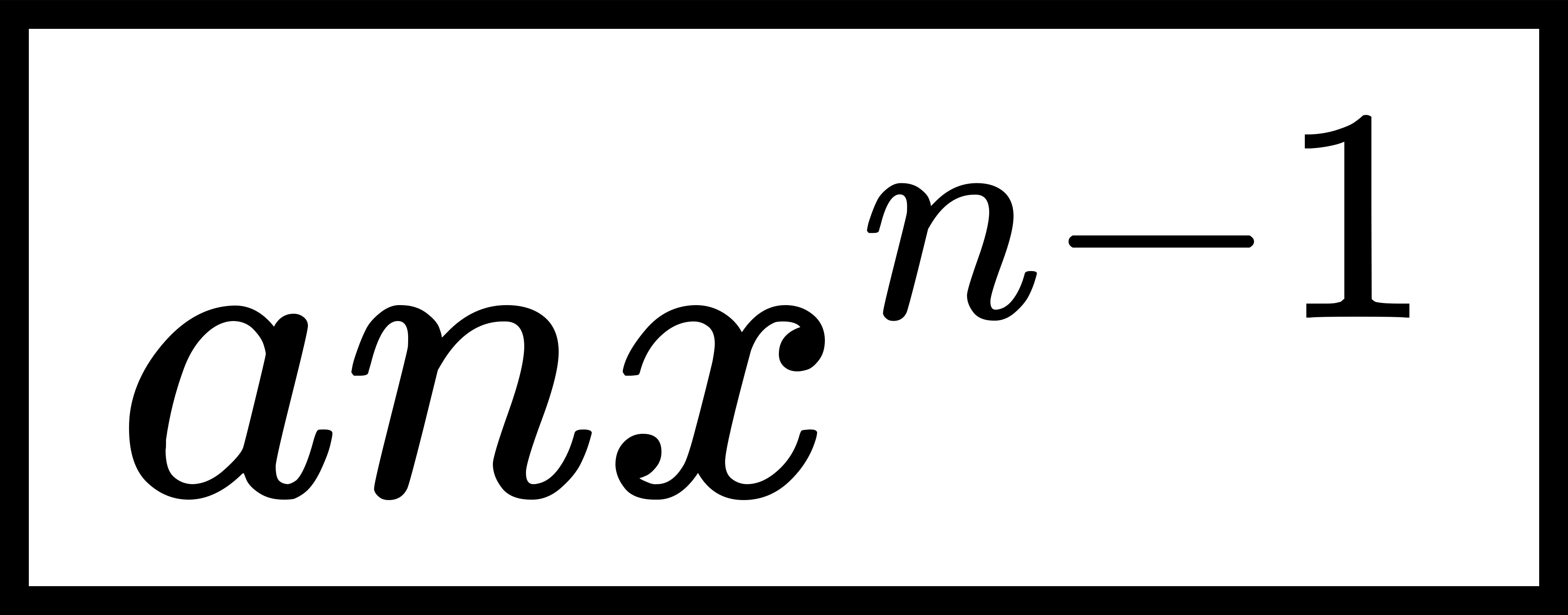





 ,
 )
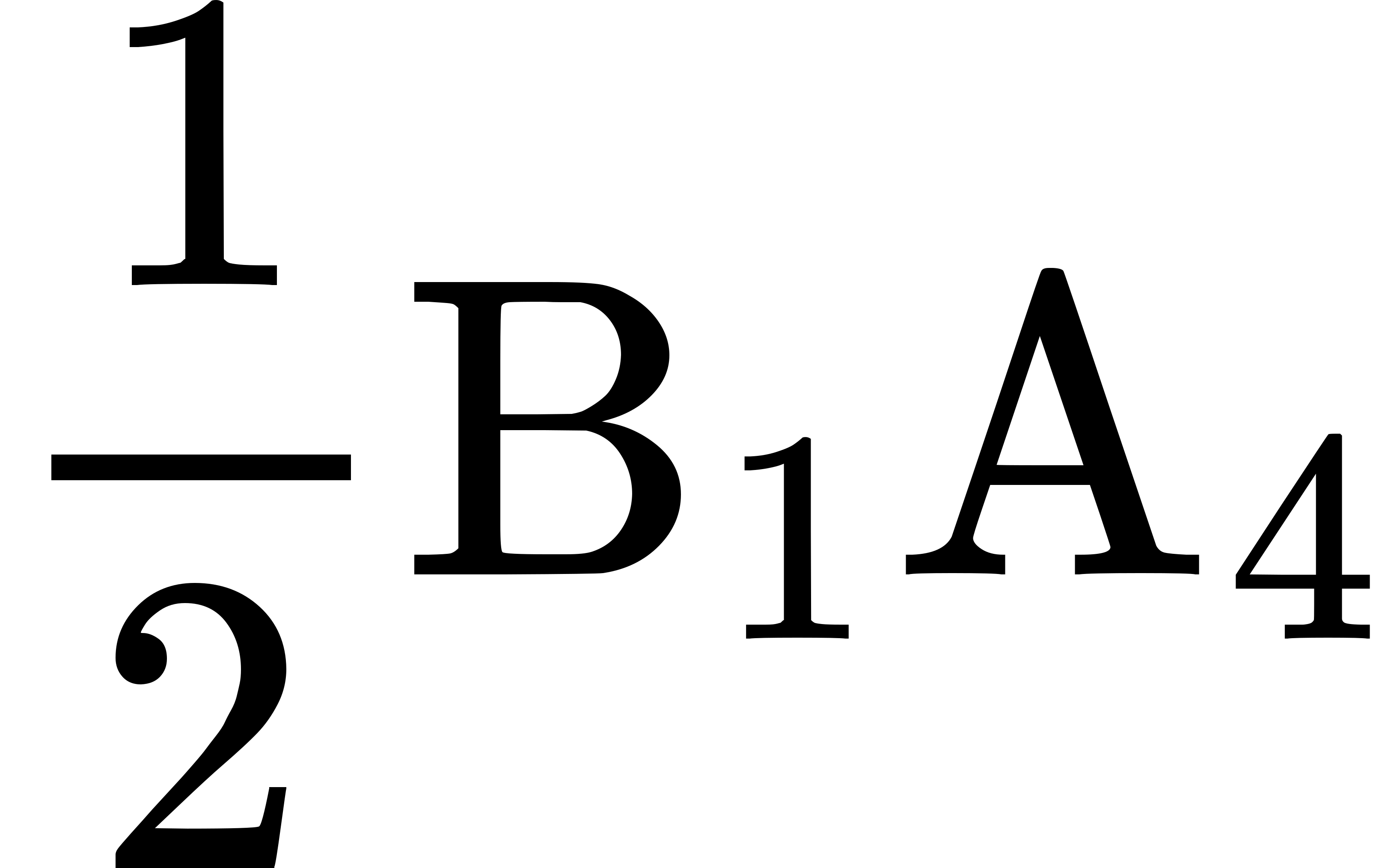 ;
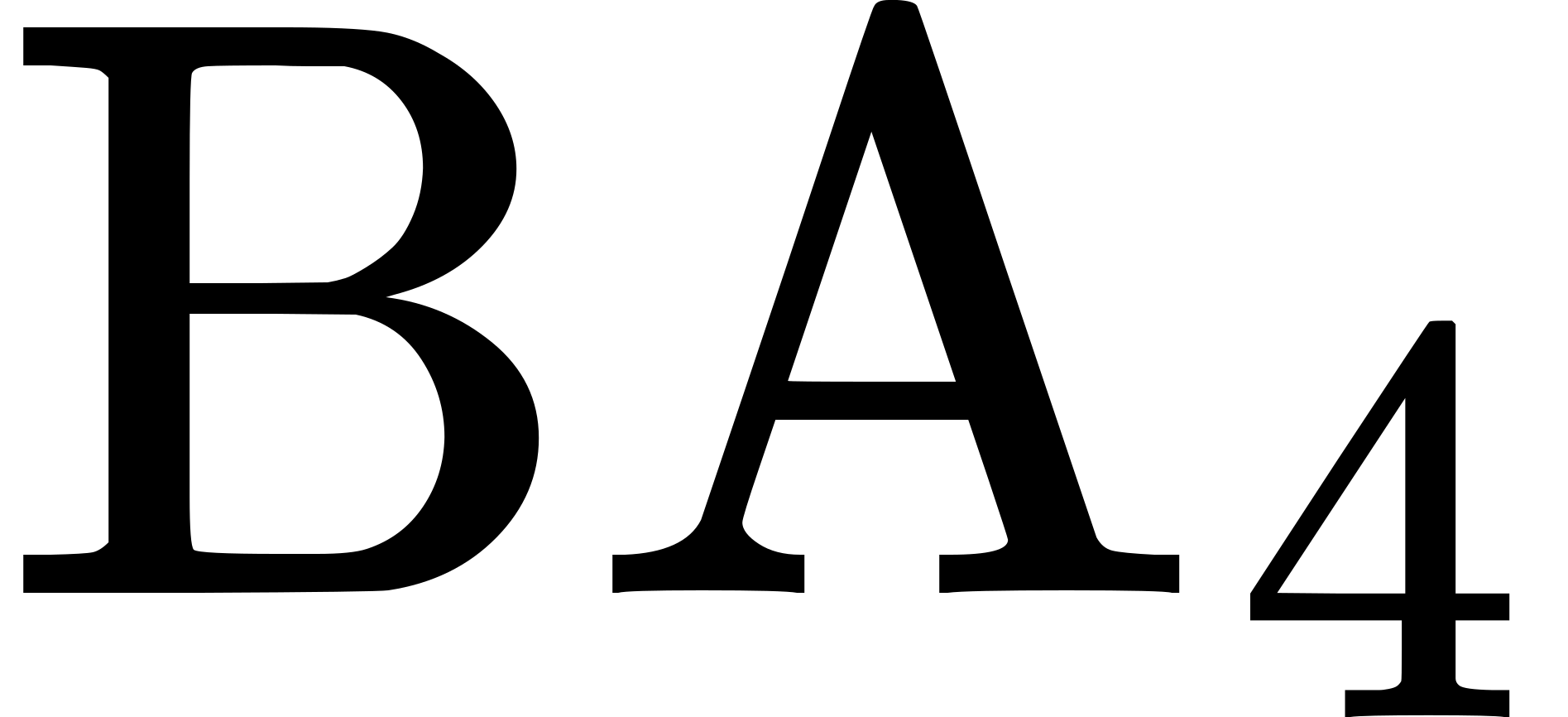 ,
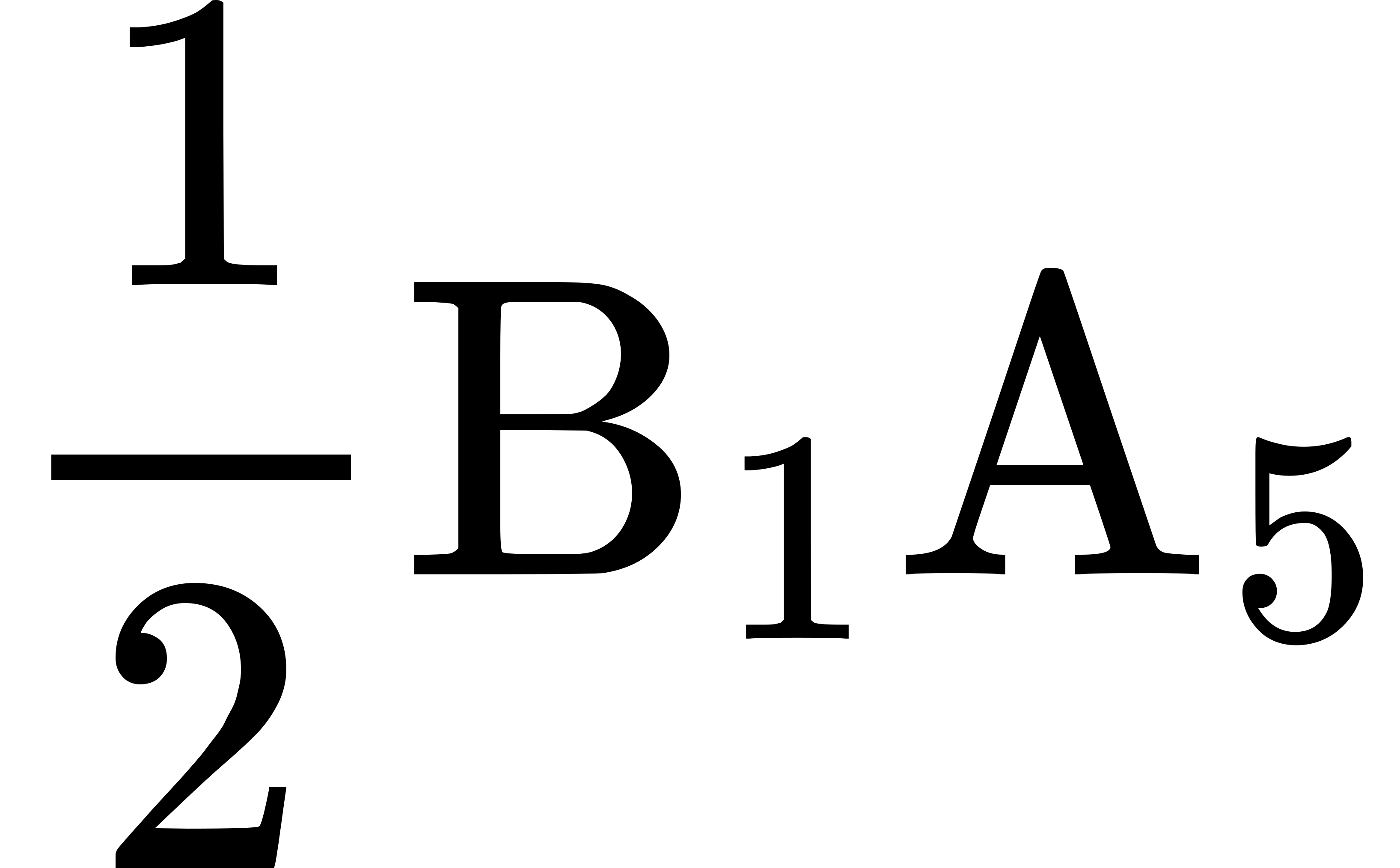 .