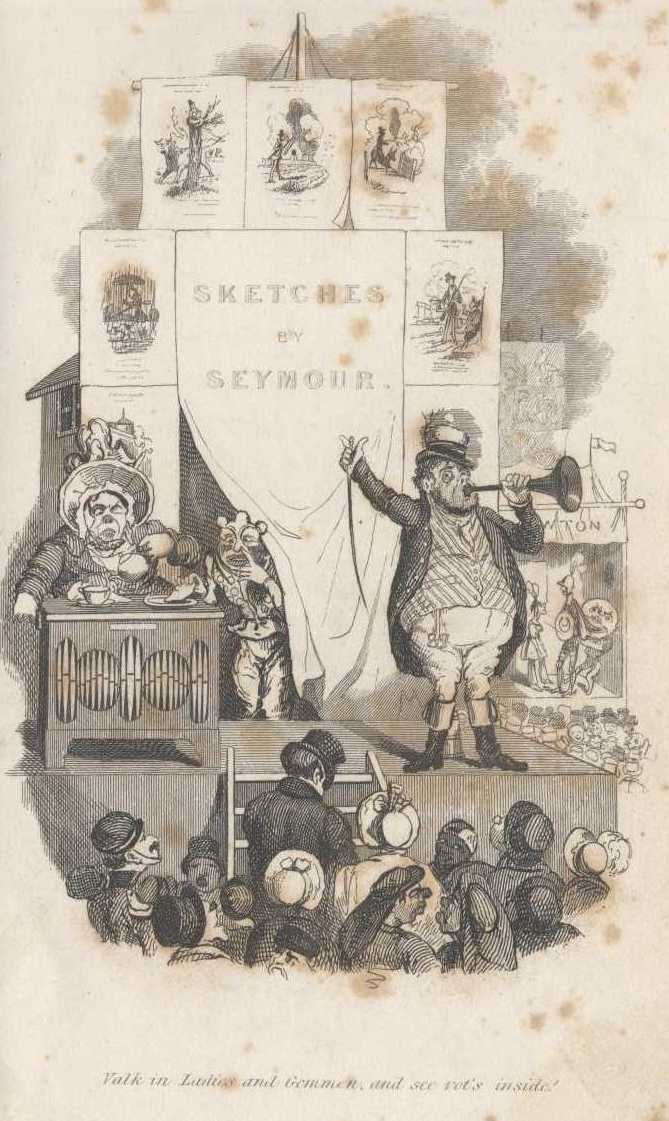
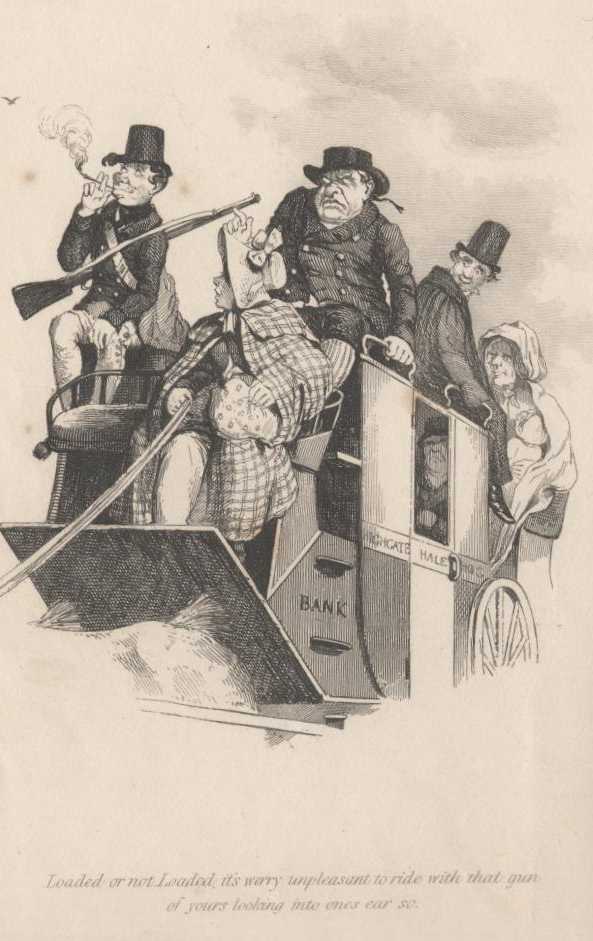
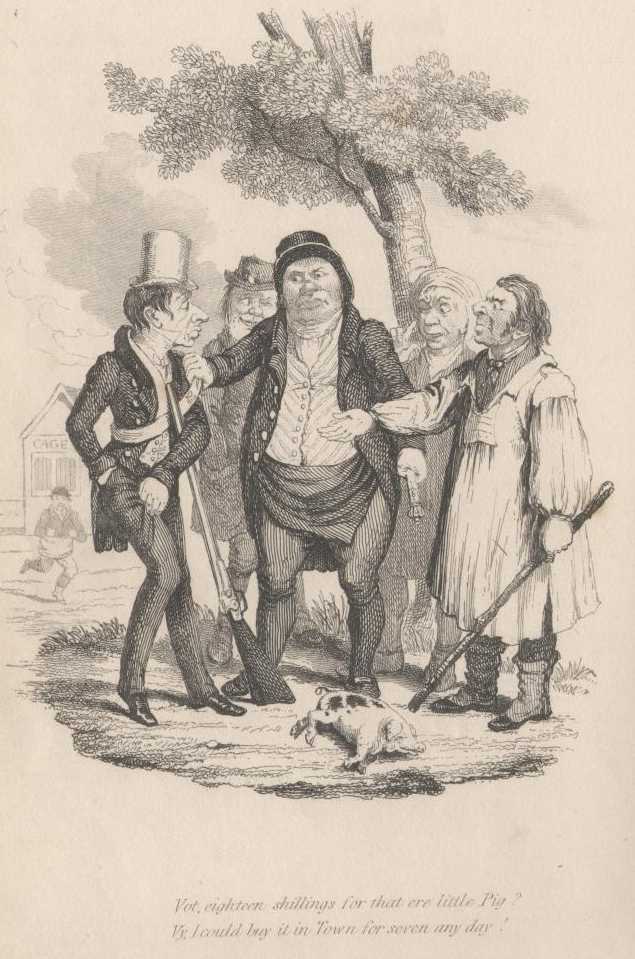
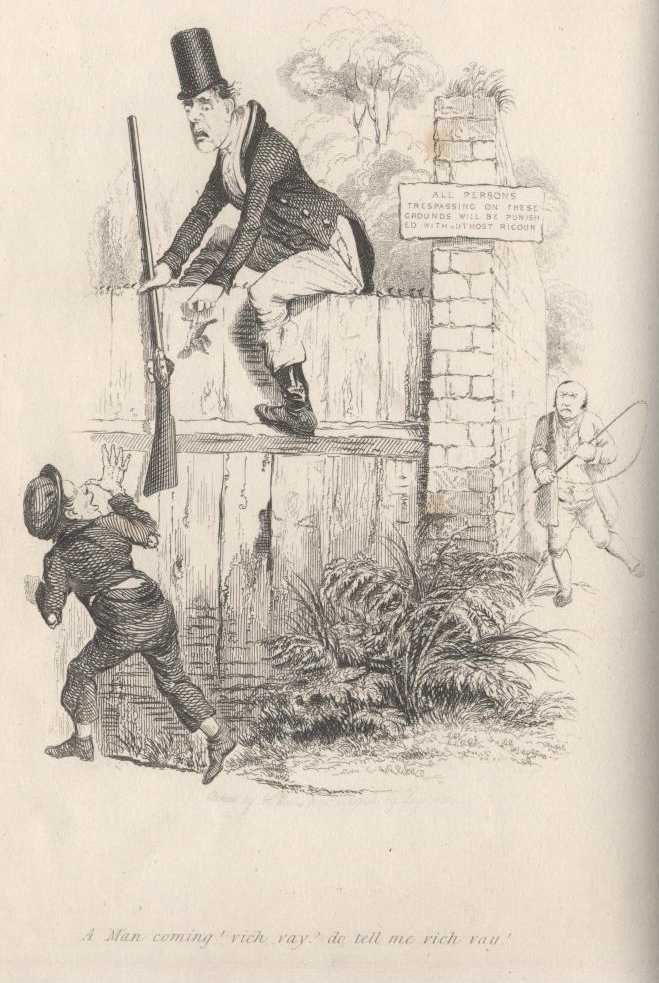
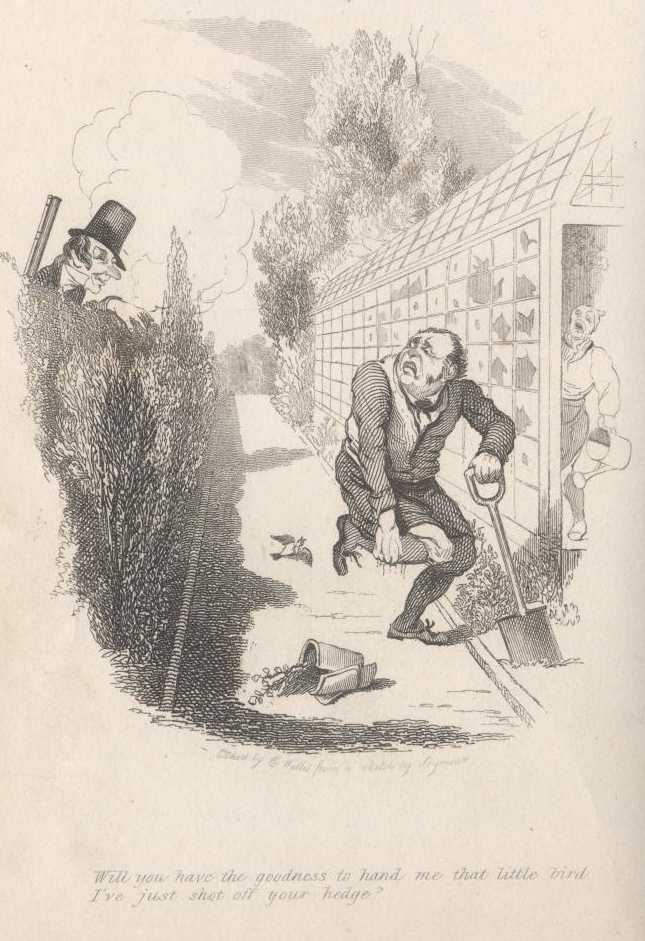
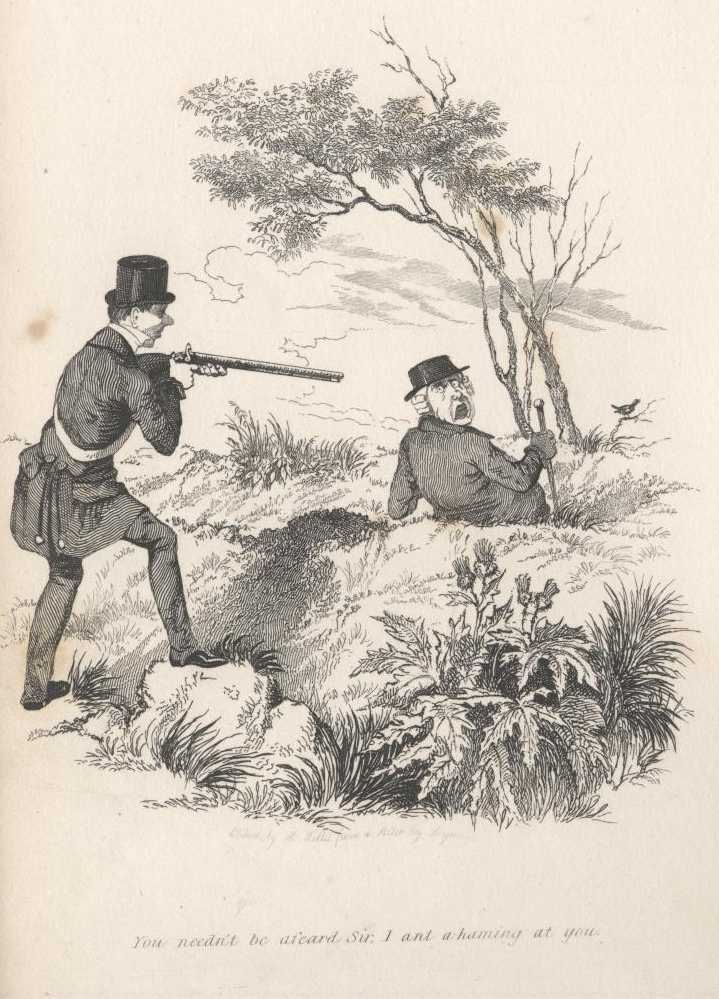
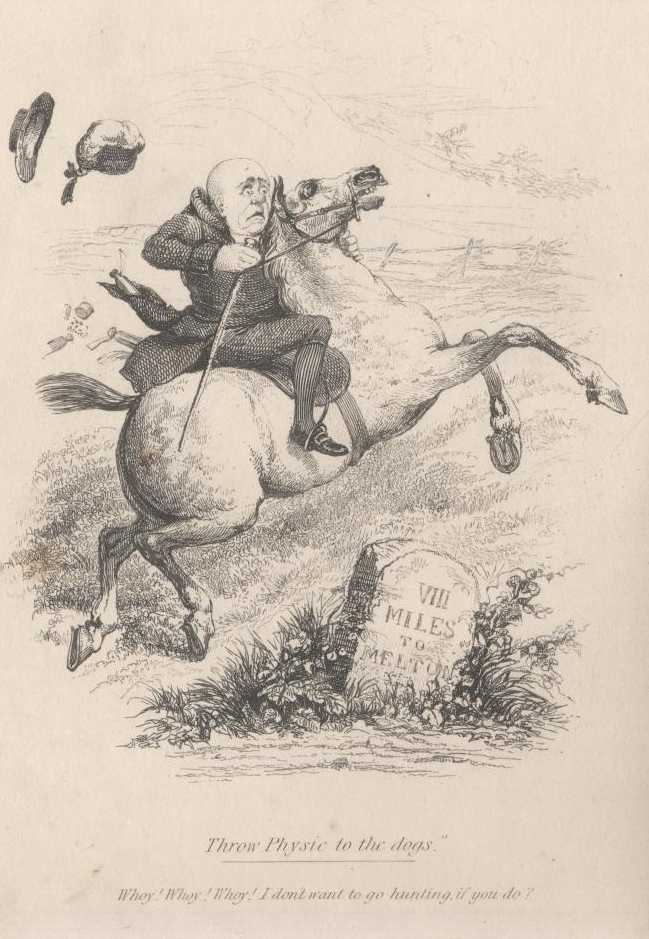
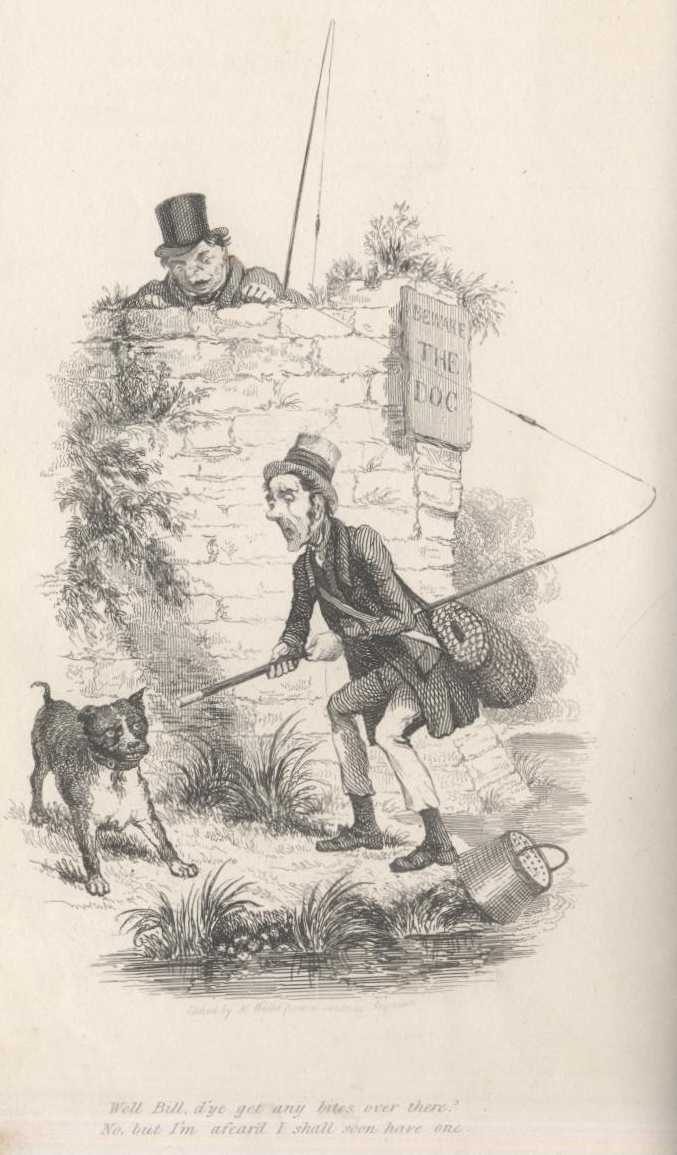
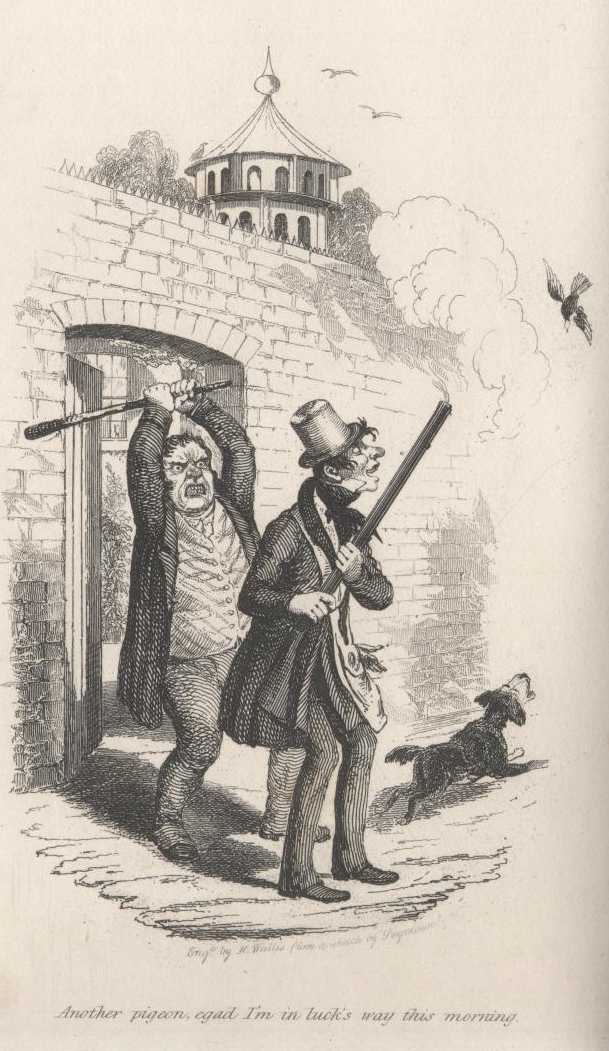
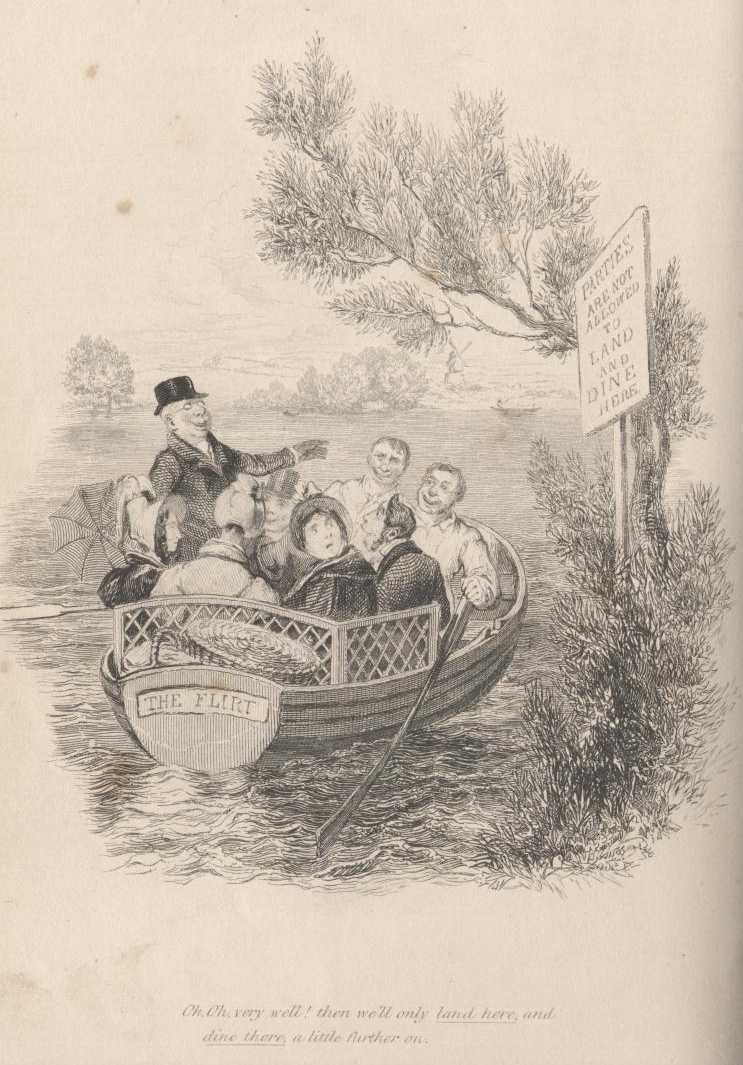
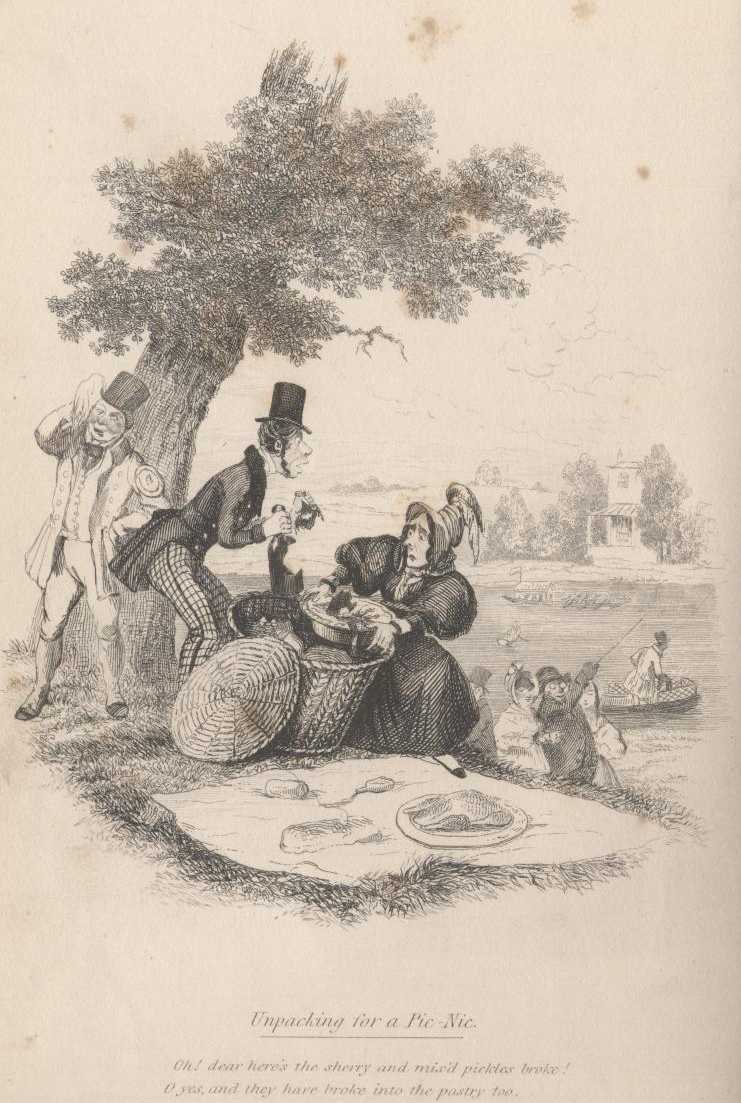
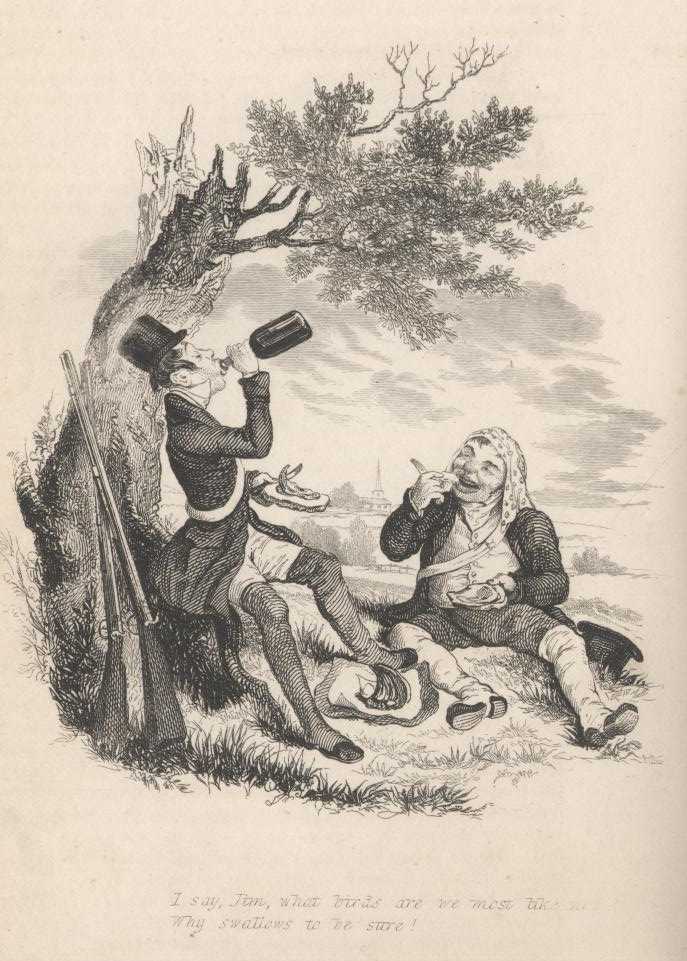
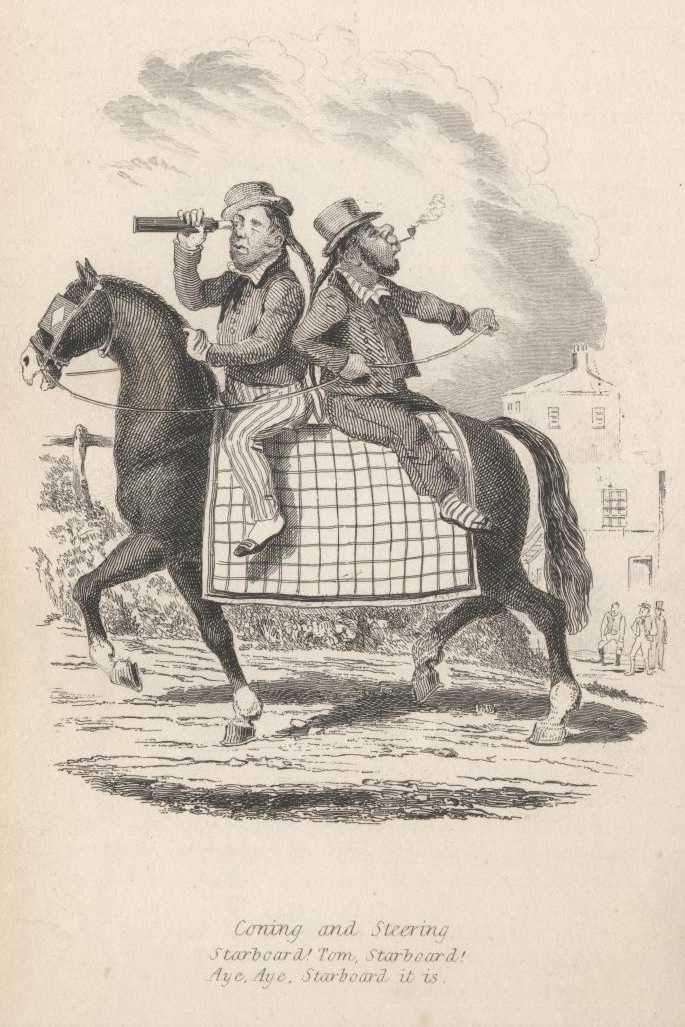
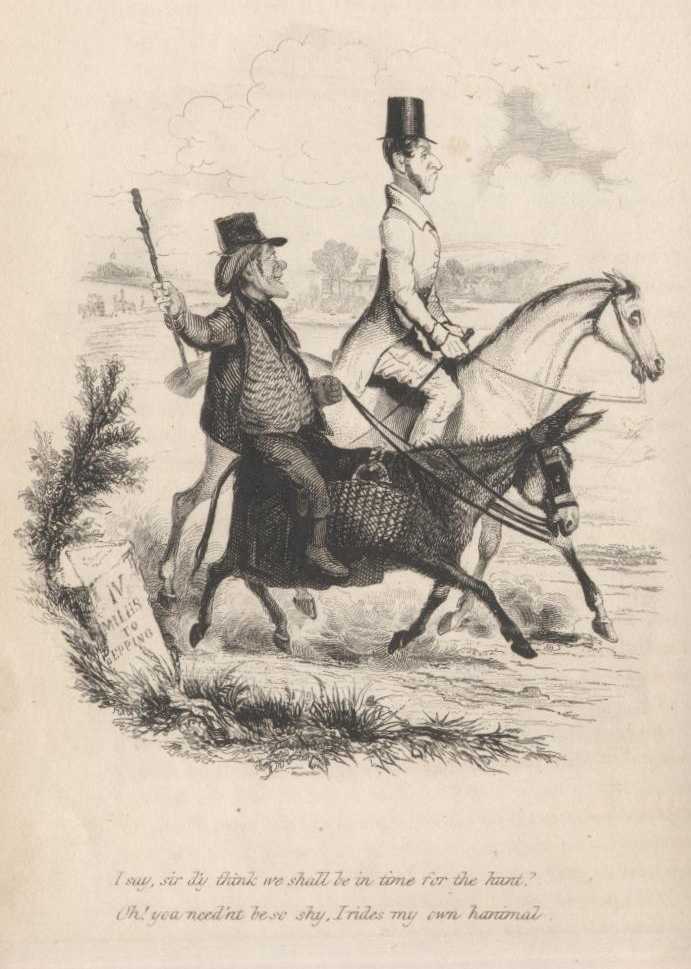
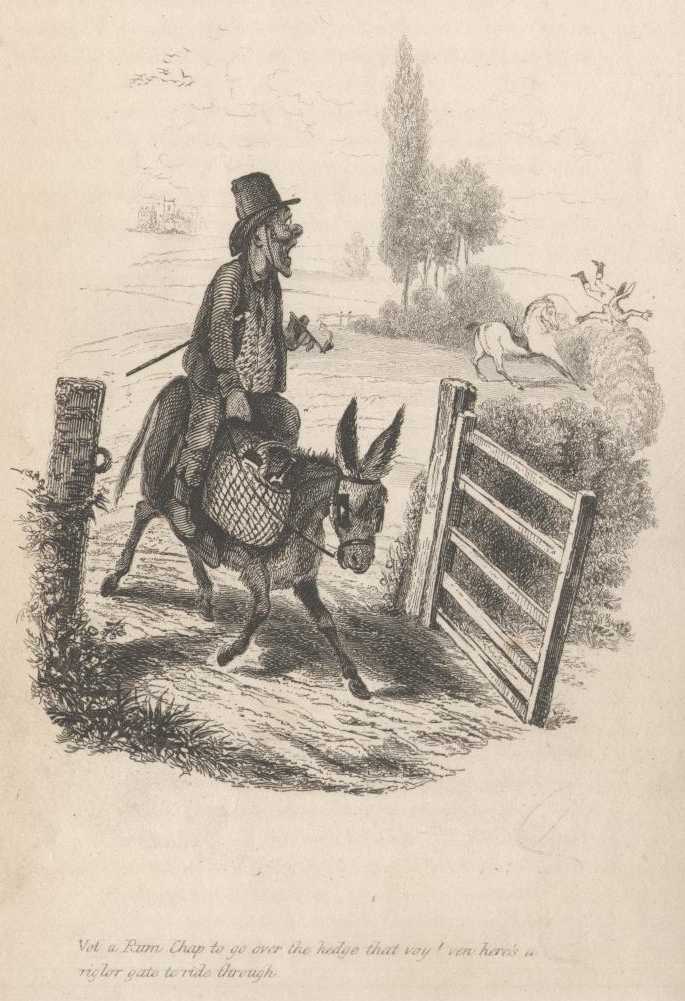
“I say, Jim, what birds are we most like now?” “Why swallows, to be
sure,”
IN the vicinity of our alley were numerous horse-rides, and my chief
delight was being entrusted with a horse, and galloping up and down the
straw-littered avenue.—I was about twelve years of age, and what was
termed a sharp lad, and I soon became a great favourite with the ostlers,
who admired the aptness with which I acquired the language of the stables.
There were many stock-brokers who put up at the ride; among others was Mr.
Timmis—familiarly called long Jim Timmis. He was a bold, dashing,
good-humoured, vulgar man, who was quite at home with the ostlers,
generally conversing with them in their favourite lingo.
I had frequent opportunities of shewing him civilities, handing him his
whip, and holding his stirrup, etc.
One day he came to the ride in a most amiable and condescending humour,
and for the first time deigned to address me—“Whose kid are you?”
demanded he.
“Father's, sir,” I replied.
“Do you know your father, then?”
“Yes, sir.”
“A wise child this;” and he winked at the ostler, who, of course, laughed
incontinently.
“I want a-lad,” continued he; “what do you say—would you like to
serve me?”
“If I could get any thing by it.”
“D-me, if that a'int blunt.”
“Yes, sir; that's what I mean.”
“Mean! mean what?”
“If I could get any blunt, sir.”
Hereupon he laughed outright, at what he considered my readiness, although
I merely used the cant term for “money,” to which I was most accustomed,
from my education among the schoolmasters of the ride.
“Here, take my card,” said he; “and tell the old codger, your father, to
bring you to my office to-morrow morning, at eleven.”
“Well, blow me,” exclaimed my friend the ostler, “if your fortin' arn't
made; I shall see you a tip-top sawyer—may I never touch another
tanner! Vy, I remembers Jim Timmis hisself vos nothin but a grubby boy—Mother
Timmis the washer-woman's son, here in what-d've-call-'em-court—ven
he vent to old Jarvis fust. He's a prime feller tho', and no mistake—and
thof he's no gentleman born, he pays like one, and vot's the difference?”
The next morning, punctual to the hour, I waited at his office, which was
in a large building adjoining the Stock Exchange, as full as a dove-cot,
with gentlemen of the same feather.
“O!” said he, eyeing my parent, “and you're this chap's father, are you?
What are you?”
“A boot and shoe-maker, sir; and my Andrew is an honest lad.”
“For the matter o' that, there's little he can prig here;” replied my
elegant and intended master. “But his tongs—eh—old fellow—can't
you rig him out a little?”
My father pleaded poverty; and at last he bargained to advance a guinea,
and deduct it out of my weekly-wages of two and sixpence, and no board. My
father was glad to make any terms, and the affair was consequently soon
arranged. I was quickly fitted out, and the next morning attended his
orders.
I had, however, little else to do than wait in his office, and run to the
Stock Exchange, to summon him when a customer dropped in. I had much
leisure, which I trust was not wholly thrown away, for I practised writing
on the back of the stock-receipts, of which a quantity hung up in the
office, and read all the books I could lay my hands on; although, I must
confess, the chief portion of my knowledge of the world has been derived
from observation.
“The proper study of mankind is man.”
Although quick in temper, and rude in speech and manners, Timmis was kind;
and, if he had a failing, it was the ambition of being a patron; and he
was certainly not one of those who do a good deed, and
“Blush to find it fame.”
He not only employed my father to make his boots, but recommended him to
all his friends as a “good-fit,” and procured the old man some excellent
customers. Among his acquaintance, for he had few friends, was Tom Wallis,
a fat, facetious man, about forty, with whom he was always lunching and
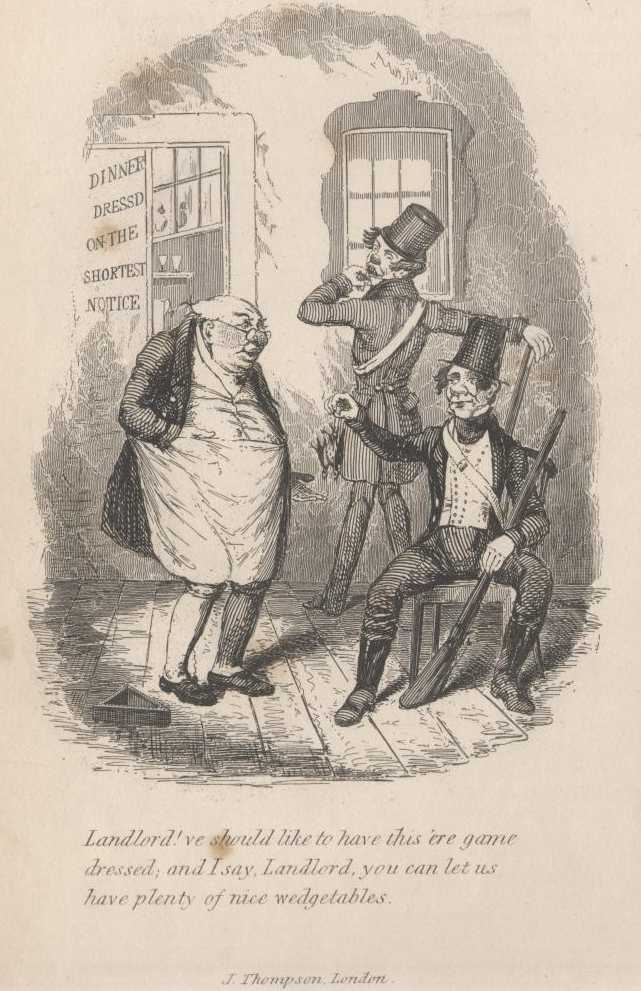
cracking his jokes. One day, when the stocks were “shut” and business was
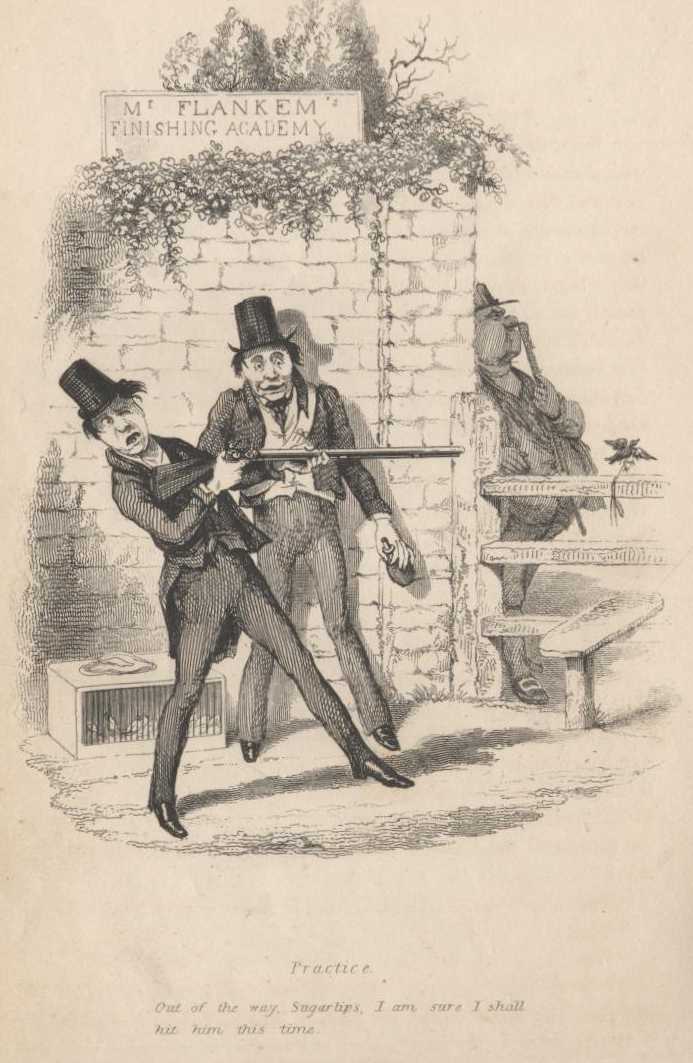
slack, they started together on a sporting excursion towards the romantic
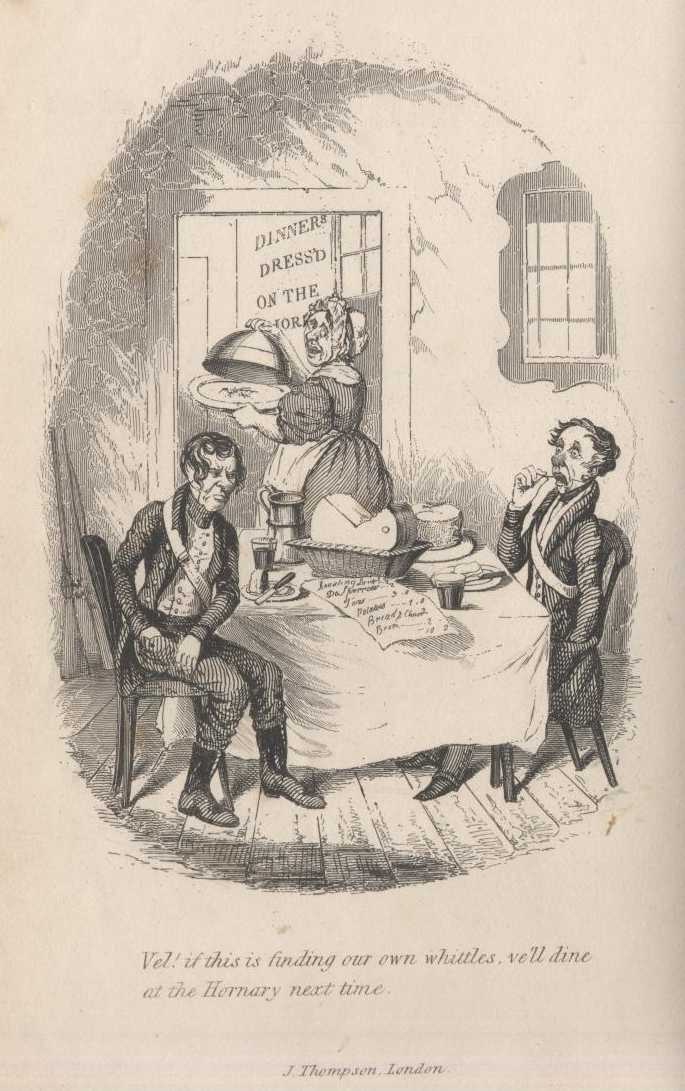
region of Hornsey-wood, on which occasion I had the honour of carrying a
well-filled basket of provisions, and the inward satisfaction of making a
good dinner from the remnants.
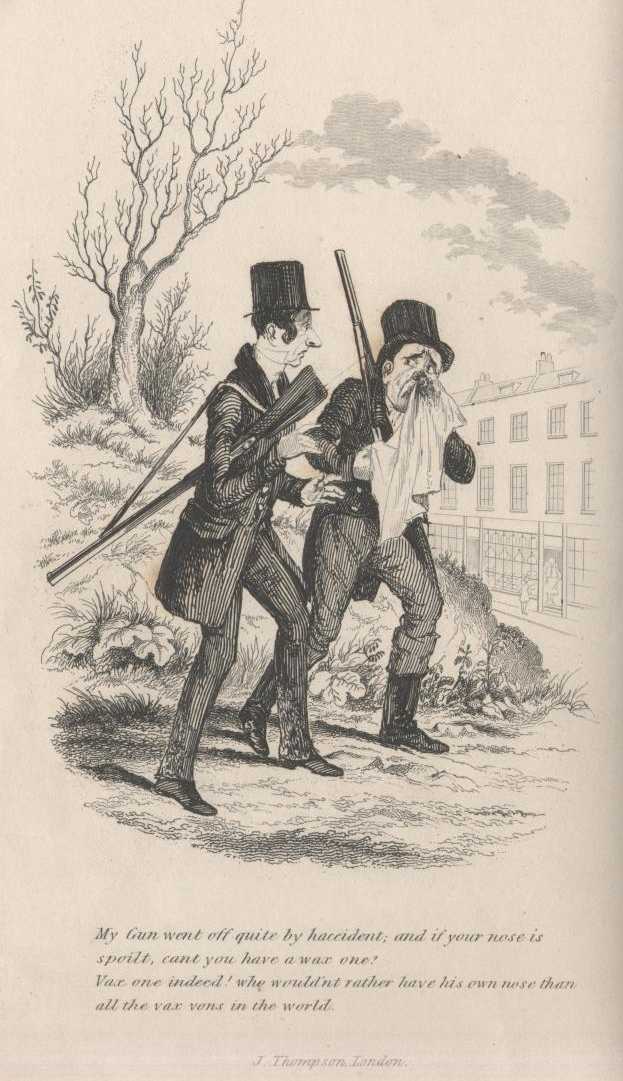
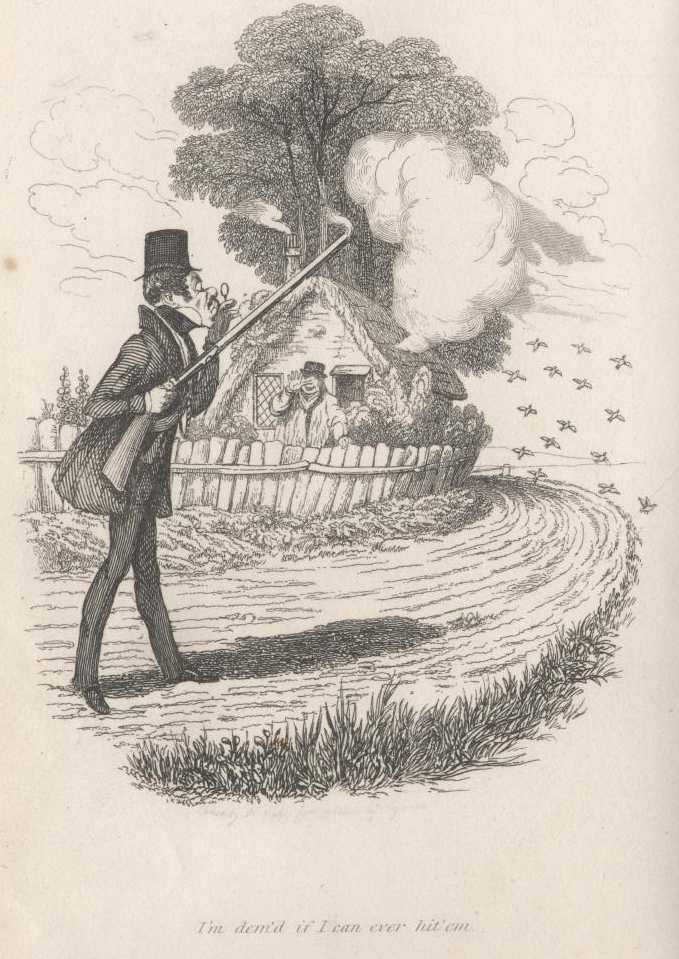
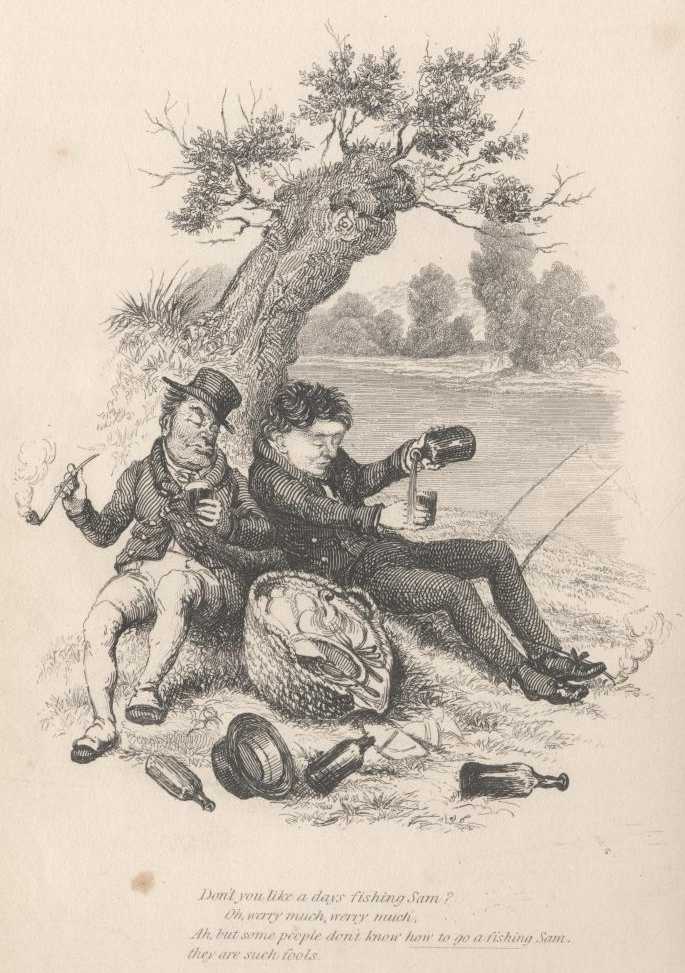
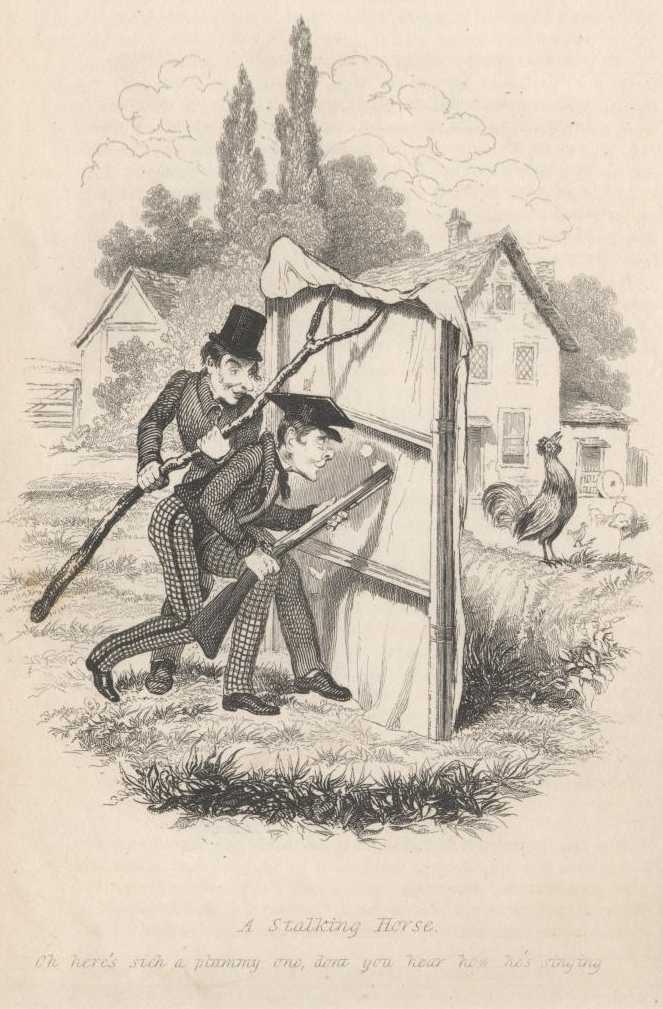
They killed nothing but time, yet they were exceedingly merry, especially
during the discussion of the provisions. Their laughter, indeed, was
enough to scare all the birds in the neighbourhood.
“Jim, if you wanted to correct those sheep yonder,” said Tom, “what sort
of tool would you use?”
“An ewe-twig, of course,” replied my master.
“No; that's devilish good,” said Wallis; “but you ain't hit it yet.”
“For a crown you don't do a better?”
“Done!”
“Well, what is it?”
“Why, a Ram-rod to be sure—as we're sportsmen.”
My master agreed that it was more appropriate, and the good-natured Tom
Wallis flung the crown he had won to me.
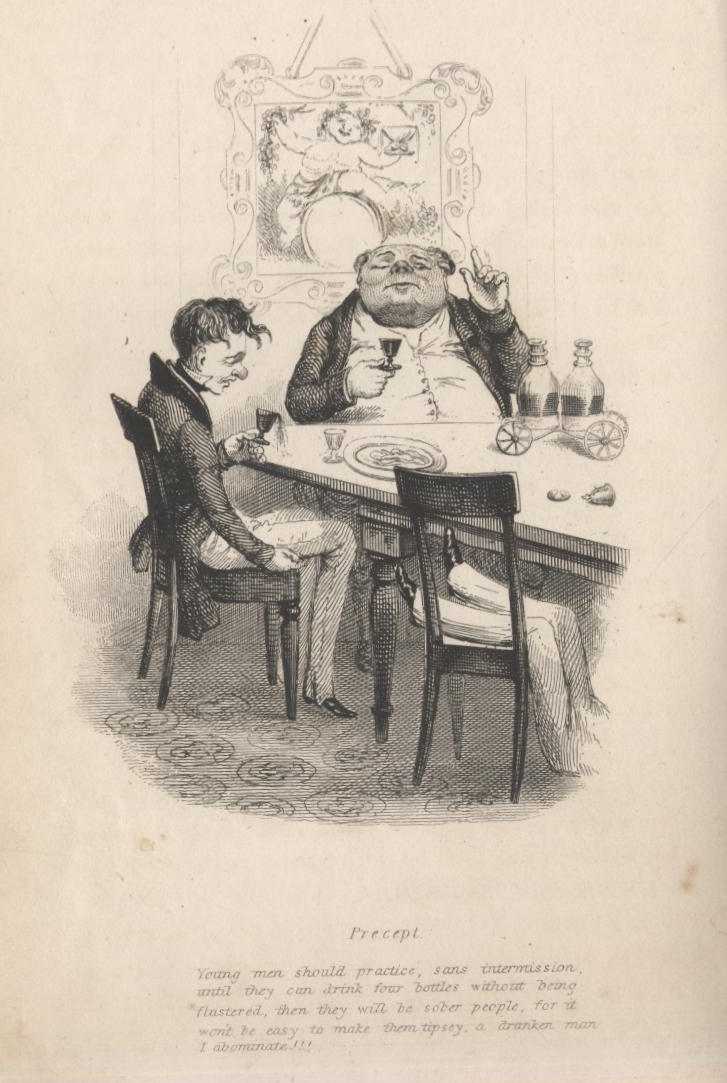
“Here's another,” continued he, as Mr. Timmis was just raising a bottle of
pale sherry to his lips—“I say, Jim, what birds are we most like
now?”
“Why swallows, to be sure,” quickly replied my patron; who was really, on
most occasions, a match for his croney in the sublime art of punning, and
making conundrums, a favourite pastime with the wits of the Stock
Exchange.