Force (Energy),
Pitch,
Volume,
Time.
Each form possesses a distinct meaning and expresses
definite states of mind.
Force indicates the degree of energy a particular
thought arouses in an individual. Pitch includes slide
or inflection, and indicates the feeling aroused by the
thought. Volume indicates the condition of the will—whether
it is perfectly free or struggling against difficulties.
Time indicates the value the intellect places
upon the thought. All forms of emphasis may be reduced
to these four; and these four may be combined
in an infinite variety of ways.
The state of mind which will project the tone is that
of reciprocity, that is, concentrating the mind upon
persons in a distant portion of the audience, as if receiving
from them and giving to them, thus establishing
a sympathy between the speaker and the hearer.
This will project the tone without noise. The mental
effort of a speaker should be to draw his audience
nearer that they may hear, rather than to place his
mind exclusively on sending his voice to a great distance.
This effort to draw the hearers nearer will give
the voice carrying quality without interfering with its
naturalness and sympathy.
The doctrine of evolution is one of the latest, and
if well understood, and looked at from a sufficiently
high point of view, appears the grandest of all
the revelations which science has given. The theory
applied to organic being is substantially this: there is,
potentially, in every organism a higher manifestation.
Its evolution is secured by the relation of its organic
tendency to its environment.
In taking a limited or superficial view of the doctrine
of evolution, some have been led to look at
matter as the only environment. It is this which has
made the age materialistic. We are hardly aware of
the extent to which this tendency to materialism biases
and influences us in regard to religious and secular
education. Those who have the most faith in God
and His providence are scarcely conscious of how
much they are affected by the prevailing thought that
material environment alone shapes and influences the
development of individuals and the destiny of the
human race. If we recognize that the spirit of God
is our most immediate environment, the study of evolution
is safe.
This view is suggested even by the study of physical
science. The scientist, in his analysis of matter,
ascertains that it is divisible into molecules, and that
nothing is an absolute solid. Each molecule has a
sphere of its own, in which it acts separately, and, in a
certain sense, independently of other molecules, and
vibrates as freely as oscillates the pendulum of a clock.
You say, “The pendulum of a clock has room to oscillate.”
This is equally true of each molecule; it has
room to vibrate without interfering with other molecules
or preventing them from vibrating. All the
molecules that compose a certain substance are rushing
toward each other; but a sacred sphere encloses each,
thereby establishing its eternal separateness. This
revelation of science of the eternal separateness of
molecules points to the silent sea of Thought which
encloses every molecular island. What is this silent
sea of thought but the presence of Deity? If He encloses
every molecule, does He not surround the human
soul? Is it unscientific to say, in the language of
scripture, “In Him we live, and move, and have our
being”? Whither shall I go to escape His presence?
“If I ascend into heaven, Thou art there; if I make
my bed in hell, behold, Thou art there. If I take the
wings of the morning and dwell in the uppermost
parts of the sea, even there Thy hand shall lead me
and Thy right hand shall hold me.” If we take a sufficiently
broad view, science itself will lead us up the
shining way to where we shall recognize His presence
on the throne of the universe.
If we follow this doctrine of evolution, step by step,
it will lead us to perceive that God is in every fact of
nature. Watch an acorn as it develops into the sturdy
oak. No scientist will say that a material environment
is its only condition of growth. He will say,
“There is life in the acorn itself.” What is this life?
Here the great scientist bows his head. The power of
life in the acorn suggests to him the presence of the
Infinite. Were it not for God’s purpose manifested in
giving the acorn life, the germ could not develop under
the influence of the moisture, the sunlight, and the
earth. Its dominating environment, then, is the presence
of Him who relates it to its material surroundings.
Without the Infinite Mind in the universe there
could be no evolution. No man can be broadly and
fully educated unless there is joined in his mind both
the light of science and the light of revelation.
Prophecy outruns science, and is the herald of truth.
Science, no surer, and vastly slower, follows with its
confirmations. The doctrine of evolution, studied in
the light of divine revelation, becomes of great value
to us.
We cannot understand the doctrine of the Evolution
of Expression until we first see evolution written
on the broad expanse of nature. The four volumes of
the Evolution of Expression taught in this college represent
the four principal steps in the unfolding of the powers
of the orator. It has been said that poets are born,
not made. This statement contains only a modicum of
truth. We say such a one was born a poet because
very early in life he seemed to show poetic feeling and
to express his thoughts in poetic forms. All great
poets, musicians, and orators have been educated;
some may not have studied under masters, but all have
applied themselves to the means of education which
was within their reach.
The study of eloquence has been, to a great extent,
a sealed book. It was observed that when the orator
spoke on a lofty subject, his voice became grand, and
was called “orotund”; when he spoke on common
subjects, his voice became simple; this was called “pure
tone”; when he spoke on subjects of mystery and
sublimity, the voice became “aspirate orotund.” All
these things were noted; and teachers of oratory said
to their pupils, “As the orators used the orotund, aspirate,
pure tone, etc., we will teach you these forms of
voice.” When Webster spoke of the value of the Constitution
of the United States, and used an orotund
voice, as only a Webster could, was he thinking of his
voice? No; he was thinking of convincing his hearers
of the great value of the Union. Shall I affect people
as did Webster by using these tones when reading a
passage from his speech? No. The human soul says,
“I will respond to anything genuine; but I can never
be impressed, though I may be amused, by those who
try to imitate the genuine.” Webster’s thoughts, like
vast waves of the ocean, surged through his voice and
formed themselves into tones clear, direct, incisive,
and sublime.
I recognize but one power in education, and that is
mind. When God created my body, He ordained that
my soul should rule it. When He made the mouth,
larynx, muscles of respiration, etc., He ordained that
the soul should rule them. My soul, master; they,
servants. The servant knows his rightful master’s commands,
but the stranger he will not obey. The
infinite God rules all worlds, and all parts of all
worlds. As God is the master of the illimitable universe,
so He has placed within man’s body, which is
man’s little universe, a natural master—the soul. All
its agents must be commanded and employed by the
master within.
For many years there has been an attempt to reduce
vocal culture to the conscious manipulation of the
vocal organs. This was once my method of teaching;
but I have changed entirely and most radically. I
believe and have taught for many years that certain
mental states produce definite effects upon the vocal
organs. Our object in this college is to induce such
states of mind as shall produce the desired effects in
vocal expression. The mental states operate directly
through the cranial nerves upon the vocal organs, and
instantaneously change their activity.
In my early teaching I made an attempt to cultivate
the voice by dealing directly with the vocal organs
themselves, but later I discovered that certain states
of mind caused all the vocal organs to act in right
relations to each other for the production of different
tones. I also found that certain states of mind affect
and control all the muscles which aid in voice production.
To ascertain what states of mind produce certain
effects, and how to induce these states of mind,
was my field of study for a number of years. At last
I was rewarded by discovering what states of mind
would induce the desired forms of expression, and also
what methods to use to cause the right activities of
mind which would, without fail, bring the proper tones
of voice in expression. It devolves upon the teacher
to know how to induce the states of mind which will
produce the required action of the vocal organs, and
through this the desired tone. Every day in our work
here in the Evolution of Expression, we are obeying
the true pedagogy of vocal technique. The methods
by which we induce certain states of mind in a pupil
are definite and technical. If I were writing for a
teachers’ manual, I would tell the teacher how to induce
in the pupil the proper states of mind; but my
present purpose is simply to show that certain states of
mind will produce definite effects in the voice.
One who watches the effects of this method of teaching,
which depends for results upon inducing the required
states of mind, will marvel at the results. Not
only can more be accomplished in three months than
could be accomplished by the old methods in three
years, but results can be attained by this that could
never be reached by any mechanical method.
We are now prepared to consider the Evolution of
Expression, the study of which involves the technique
employed in this college for the cultivation of the
voice as well as oratorical expression.
The name of the first chapter in the first volume is
Animation of Voice. This is the name of an effect,
not a cause. A certain state of mind will produce
Animation of Voice, therefore I work to induce in the
pupils the right state of mind, which is as sure to
manifest itself in Animation of Voice as a sufficient
amount of excellent gunpowder set on fire in a good
cannon is to discharge its contents.
The first physiological condition of the vocal organs
in Animation of Voice is freedom. The second condition
is nerve energy. If an elocutionist should be engaged
in some public or private school to teach oratory
and voice culture, he would probably be requested first
to teach the boys to open their mouths. Every previous
effort to do this having failed, an elocutionist is
engaged for one hour a week to pry open the mouths
of the boys. The elocutionist might begin by saying,
“John, you do not open your mouth wide enough.”
John tries, but fails. The teacher might go through
the class in this way, but with no better success. At
last comes recess, and the teacher, listening to the boys
in the yard, hears John, who had the lockjaw in the
schoolroom, telling the boys about some incident—his
mouth fully open. The elocution teacher was outside
of the boy; and the key that would unlock his jaw
was inside of him. How stiff, hard, grinding, and
throaty was his voice in the schoolroom, but now how
open and free!
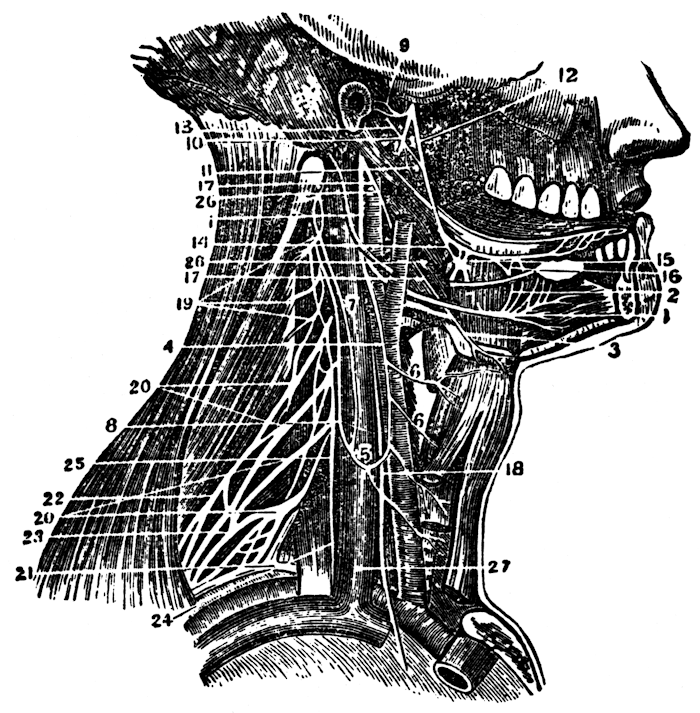
The nerves which control the organs of speech, and
the muscles that govern what is called facial expression
have their roots directly in the brain. Superficially,
they are attached to its under surface, but they
also run up into the cerebrum. The man within
touches the keys in the brain, and the vibrations extend
to the organs of speech and the muscles of facial
expression. I strike a key of a piano, and at a remote
distance from the key the string vibrates, filling the
room with tone. So this man within touches a nerve
center in the brain, which corresponds to a key upon
the piano, and this causes the vocal organs to respond
in a way to give true expression to the thought.
Nature gave John an object lesson by showing him
a horse running away, and as he tells his story she
smiles and says, “I am making an orator of John.”
John opens his mouth; there is freedom in the vocal
organs, plenty of nerve energy—and the result is
Animation of Voice. It was John’s desire to have the
other boys see with their minds the things he was
telling them of that caused his mouth to open. There
was no such inducement in the schoolroom. A boy
wants to know that he is of some use in the world.
He will open his mouth when he has a proper impulse
for so doing. To impart is natural to a boy; if he has
anything good, and it is not too material, he likes
to share it. The first thing to cultivate, in order to
open the vocal organs and free them from all hindrances,
is the disposition to impart to others what the
mind has seen. To be interested in the subject is not
sufficient; it is the desire to impart which will open
the vocal organs, free them and give them nerve
energy.
The second chapter in this volume is Smoothness of
Voice. When the mind of the speaker is steadily concentrated
upon the thought for the exclusive purpose
of causing other minds to act upon it, the tones under
the repetition of drill gradually tend to evenness.
To get this result, I once worked with pupils to make
them hold the diaphragm and abdominal muscles in
right relation to each other, and in one way or another,
to manipulate all the organs which are actually employed
in sustaining the tones; but I found that as
soon as a thought was held steadily in the mind of the
pupil, together with a dominating purpose to communicate
that thought to others in a way to affect their
minds in a definite manner the voice began to show
evenness of support.
The third chapter is Volume of Voice. Volume is
from the Latin word volumen, which signifies a roll.
Originally, it signified the form of a written parchment.
It now contains several significances, among
others, that of a certain form and quality of voice.
By Volume, when applied to voice, I mean that form
and quality which affect the ear as a large column of
free tone. This column of tone is so perfectly guided
that the sides of the vocal tube never interfere with
its progress. If the voice touches any side of the tube,
Volume will not be reported in the tone; for in Volume
all limitation is taken away, and the voice, like
Browning’s Squadron, escapes through a narrow channel
as if “its inch of way were the wide seas profound.”
The vessel must keep its inch of way; an
inch to the right or an inch to the left, and it is dashed
against the rocks. A tenth of an inch to the right or
left, or upward or downward, and the vocal column is
dashed against the vocal tube, and Volume is destroyed.
Nothing but the right thought can properly direct this
vibrating column of air. The desire to reveal the
value and depth of the thought brings to the voice this
quality called Volume.
Volume indicates the relation the will sustains to
the thought, that is, whether the will is free in action.
Notice the soliloquy of Launcelot Gobbo in the “Merchant
of Venice.” The boy’s conscience tells him to
serve the Jew, while his inclination prompts him to
run away. His voice is squeezed because his will
is not free. No man has half a will while there is
contention in his mind. When a man serves the good
with all his mind, heart and strength, his voice will
have no hindrances in it. “As for me and my house,
we will serve the Lord.” The voice of the man who
lives in obedience to this divine service is free and reports
Volume. The impulse springing from the well-formed
thought knows how to hold the larynx, the
sides of the throat, the soft palate, and the tongue in a
way to guide the voice free and unhindered along the
prescribed avenue through which it ought to pass.
The fourth chapter is Forming the Elements of
speech. The pupil in his study at first considers the
various aspects of the whole subject which has been
presented. At this point the aim is to impart each
separate thought of the various aspects of the subject.
In this chapter of Forming the Elements, the pupil’s
mind being dominated by the desire to place each
thought separately and distinctly in the minds of his
hearers, the vocal organs act with great exactness and
precision, and in more and more perfect relation with
each other. By repeated drill in seeking to fix the
attention of the hearers upon each thought, great distinctness
of utterance is gained, and the elements of
speech become more beautifully and accurately formed.
In Animation we put such thoughts before the student
as shall make the tones open and free and full of
nerve energy; in Smoothness we give such objects
of thought as shall make him sustain the tones; in
Volume we give thoughts that will guide the stream of
tone through the vocal tube without interference; and
in Forming the Elements we help the student by putting
such objects of thought before him in connection
with the text as shall enable him to concentrate the
mind upon each separate idea.
The first volume of Evolution of Expression deals
with each composition as a whole in its various aspects.
The second volume deals with the Parts of the composition
considered as wholes. When the mind in its
development in expression is able to deal definitely
with each separate part of the discourse by itself, it is
revealed by slides in the voice, each new and distinct
thought causes the voice to give a new and distinctive
slide. I am using the word “Slide” in the same sense
in which the word “inflection” is often used.
Slide is the continuation of the voice from one pitch
to another. An ascending slide is one in which the
voice is continued from a lower to a higher pitch. A
downward or falling slide is one in which the voice is
continued from a certain pitch to a lower one. The
rising circumflex is one in which the voice starts on a
certain pitch, continues to a lower, and then rises to a
higher. In the falling circumflex the voice starts on
a certain pitch, rises to a higher one, and then falls to a
lower without ceasing.
The physiological condition of the vocal organs
which produces Slide is determined entirely by the tension
of the vocal cords. With the same degree of tension
and power of stroke, a long string vibrates more
slowly than a short one.
If the vocal cords are sound and healthy we are
perfectly unconscious of their existence. We cannot
teach the vocal cords how much to contract or lengthen
when giving a certain pitch. We are compelled to leave
it to the mind not only to hear the pitch, but to impel the
proper contraction of the vocal cords in its production.
If the mind can control unconsciously the contraction
of the muscles of the larynx, it can as easily control
the tongue, the size of the throat, the pectoral muscles,
and, in short, all the muscles that influence the voice.
When the mind has separated one thought distinctly
from the other main thoughts of the subject, and has
become intensely attracted to it with a special desire to
communicate it as distinct from the others to the minds
of the hearers, all the muscles will act in a way to
produce Vital Slide.
This principle of Vital Slide may be illustrated by
“The Forging of the Anchor.” When the mind becomes
aroused with this selection there is in the quality
of the voice something of the spirit of the fife, the
drum, and the military movement.
Swing in your strokes in order; let hand and foot keep time;
Your blows make music sweeter far than any steeple’s chime;
But while ye swing your sledges, sing, and let the burden be,
The anchor is the royal king, and royal craftsmen we.
It is the energy of the mind which causes the energy
of the muscles. The energy of the contraction of the
muscles causes the report of that energy in the voice.
Under Vital Slide we consider the relation of the
muscles of respiration to the vocal cords. There are
two sets of respiratory muscles, the muscles of inspiration
and the muscles of expiration. If the thought
requires for expression an increase of vitality in the
voice, the muscles of expiration contract more strongly,
thus giving greater density to the air in the lungs.
The air, being an elastic substance, in seeking egress or
relief presses strongly against the vocal cords, which are
forced apart with such energy as to give an expression
of greater vitality to the tone produced.
It is not necessary to exert the will consciously on
the different muscles which act upon the vocal organs.
It is not necessary to call the roll and say, “Triangularis
sterni, Diaphragm, Abdominal muscles, Intercostals,
contract! Abdominal muscles, you must contract only
just enough to overcome the contraction of the diaphragm.
Now, all together—one, two, three, contract!”
One should not think anything about these muscles.
He should be no more conscious of their action than he
is of the beating of his heart.
In giving Volume of voice, the vocal aperture is made
as open as it can be and still have the elements of speech
definitely formed; and the vibrating column of air is
guided through the aperture without being biased by it.
The chief agents which guide the voice through this
aperture are the sides of the throat and the tongue in
its proper relation to the pharynx, hard palate, and soft
palate. When we combine Slide with Volume there
must be an exact relation between the contraction of
the vocal cords and the proper position and action of
these vocal organs.
Freedom of will expressed in volume is that quality
of voice which suggests no hindrance, no limitation.
The “voice of thunder” is not known by its degree
of noise, for it may be so distant as to be only perceptible
to the senses, yet it is still recognized as
thunder from its illimitable quality, in other words,
its volume. Loudness is not a necessary quality of
volume, but illimitation is. Listen to the voice of a
young martyr, who has been condemned by the Roman
emperor to be flung into the amphitheater, there to be
devoured by ferocious beasts. Her father, who does
not see the truth as she sees it, pleads with her to
abjure her faith and worship the old gods. She turns
to him and says, “Father, I would, but Christ in me
will not.” Light shines in the eyes of the old man as
he looks at her and says, “I believe God is in thee.”
Her will was absorbed in the divine will, and that
divinity spoke through her. Even He who made the
world spoke in her voice. The roar of the lion, though
terrible, could not drown her tones, though low, devout,
and tender.
Some who heard the voice from heaven saying,
“This is my beloved Son in whom I am well pleased,”
said it thundered. This does not indicate that the
voice was loud, but that it had the quality of illimitation,
and so impressed the imagination as nature’s voice.
It is the Christ, speaking through man’s voice that has
turned this world “upside down”; that has lifted up
the cross of Christ, before whom all the kings of earth
tremble, and become like chaff on the summer threshing
floor.
The fourth chapter in Volume II. is Forming
Pictures. The picturesque voice is that voice which
causes the imagination of the hearers to create pictures
of the things described by the language of the speaker.
It is the unnoticed voice, the voice which attracts no
attention to itself. The picturesque voice is not an
end, but a means, and therefore may properly be called
the artistic voice, because it so appeals to the imagination
of the hearer as to cause images to arise in his
mind. This voice may be called the suggestive voice
because it suggests what tone cannot literally actualize,
but that which can be perceived only by the imagination.
The characteristics of this voice are elasticity and
shading.
In this quality of the voice which I have termed
elasticity, the vocal organs do not seem to report themselves,
but only the thought and sentiment. By shading,
I mean the degree of density in the tone where
the thought and not the word seems to be stressed.
The vocal organs are held under firm but most delicate
control. Here the voice may suggest great noise but
make none, and in all ways cause the mind of the
hearer to listen to sounds it does not really make.
The picturesque voice springs from the desire to
make other minds think what it cannot literalize. The
state of mind which produces this voice is that of asking
the hearer to imagine real things that cannot be
presented to the senses. For an illustration of this,
read the poem, “Midsummer,” by Trowbridge.
There is a voice of fact and a voice of power. The
voice of fact gives information; the voice of power appeals
to the imagination. The artistic voice is the voice
of the imagination. One of the offices of the imagination
is that of image making. In children this power
is very noticeable. When some children think of a
thing, an image of it rises in their minds; they suppose
this image to be a fact of experience, and, with no
thought of falsehood, describe it as such. Because of
this they are frequently whipped for lying; and this power
of mental image making, which, if properly developed,
would be of inestimable value to the child, instead of
being guided, is cruelly interfered with and arrested.
This power of mental image making is always highly
developed in great artists. Great musical composers first
hear the music in their minds, and then make it intelligible
to others through the noted page. The great
painter carries objects in his mind long before he puts
them on canvas, and is able as well to create new objects
suggested by things he has seen. An architect sees in
his mind the magnificent temple, when as yet not a
stone of which it is to be built has left the quarry.
John B. Gough declared that sometimes he was unable
to distinguish persons whom he saw in the audience
from those which his imagination created.
Wordsworth did not write “The Daffodils” while
looking at the flowers as sense objects. It was afterwards,
when he saw them as they lived in his imagination,
that he wrote of them in a way that has made
them real to the imaginations of others.
“For oft when on my couch I lie,
In vacant or in pensive mood,
They flash upon that inward eye,
Which is the bliss of solitude;
And then my heart with pleasure fills,
And dances with the daffodils.”
I have dwelt upon the physiology of the voice,
showing its relation to psychology. In the third and
fourth volumes of the Evolution of Expression we
deal with the direct relation of psychology to Oratory.
| A | | |
| | |
| Animation of voice | 102-104 | |
| | |
| | |
| B | | |
| | |
| Breathing through the nose | 30 | |
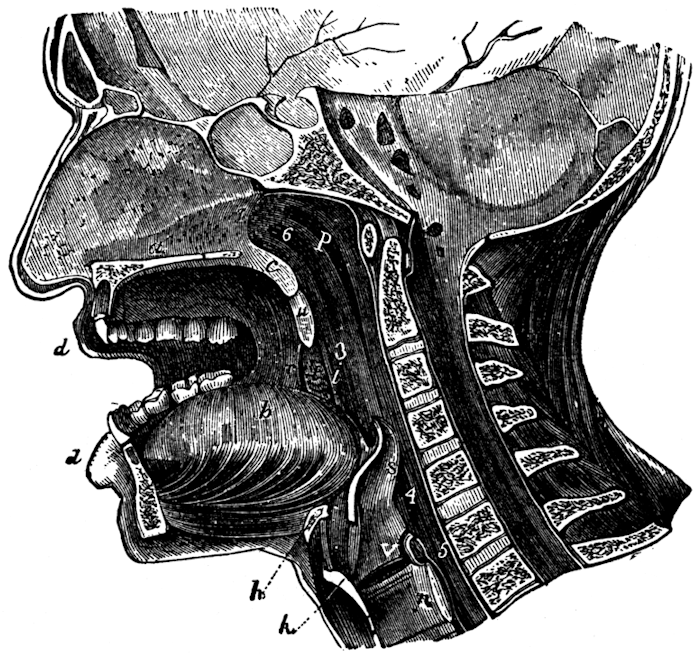
| | |
| | |
| C | | |
| | |
| Center, dominant, of the voice | 73, 74 | |
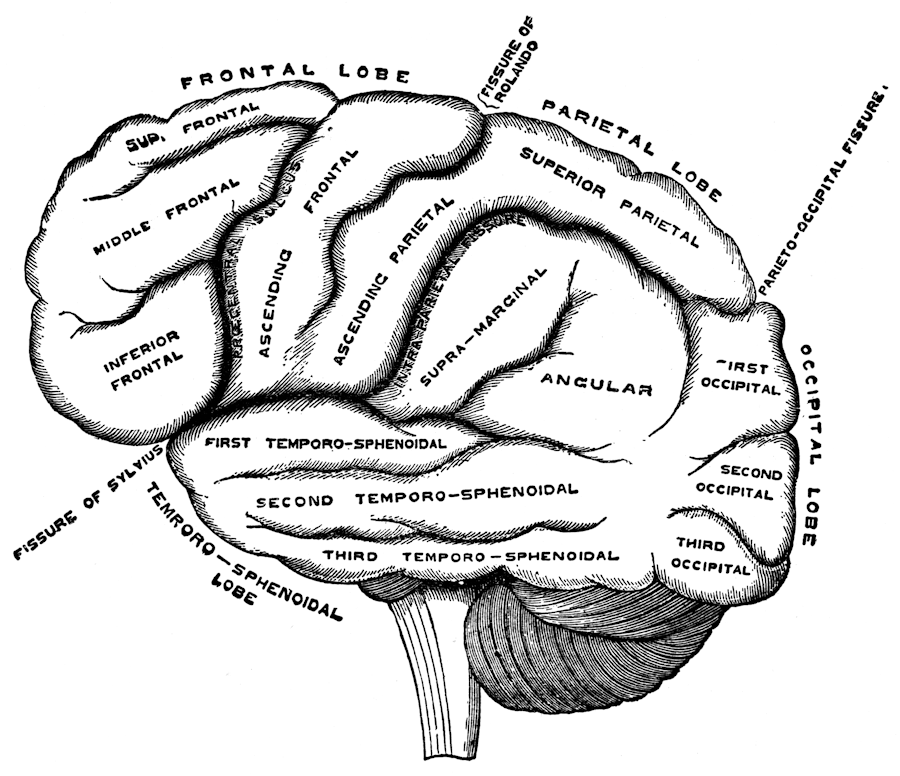
| Cerebrum, cut of | 52 | |
| Cerebral connection of cerebral nerves, cut of | 62 | |
| Chambers, fixed resonant | 33 | |
| Chambers, transient resonant | 33 | |
| Clergyman’s sore throat | 49-50 | |
| | |
| | |
| D | | |
| | |
| Diaphragm, cut of | 26 | |
| Diaphragm, description of | 27 | |
| Diaphragm during the expiration of breath and the production | 30 | |
| of tone, difference in the action of the | | |
| | |
| | |
| E | | |
| | |
| Emphasis, four forms of | 92 | |
| Exercises for forming transient resonant chambers for | 83-85 | |
| beautiful word elements | | |
| Exercises for securing freedom and proper direction of tone | 81-82 | |
| and for establishing right habits in the use of the voice | | |
| Expiration, muscles of | 23, 24 | |
| | |
| | |
| F | | |
| | |
| Forming the elements | 107, 108 | |
| Forming pictures | 114-117 | |
| | |
| | |
| G | | |
| | |
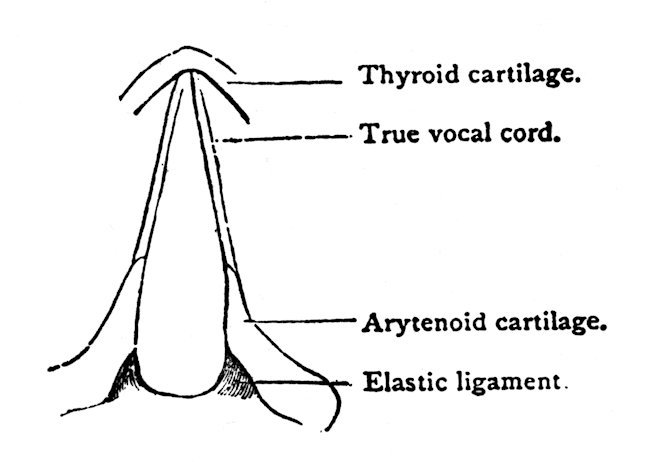
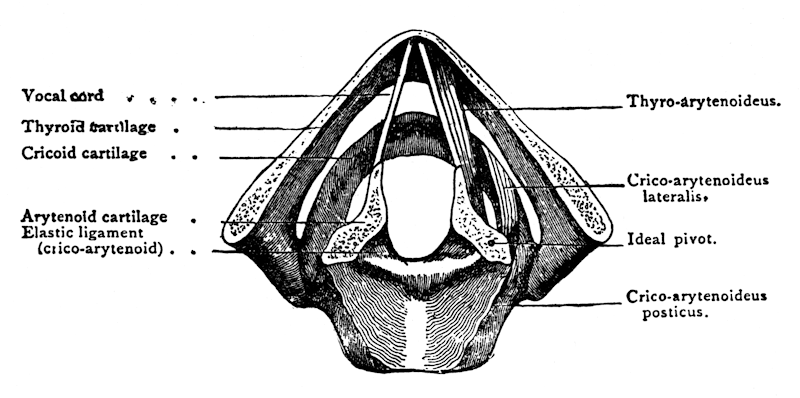
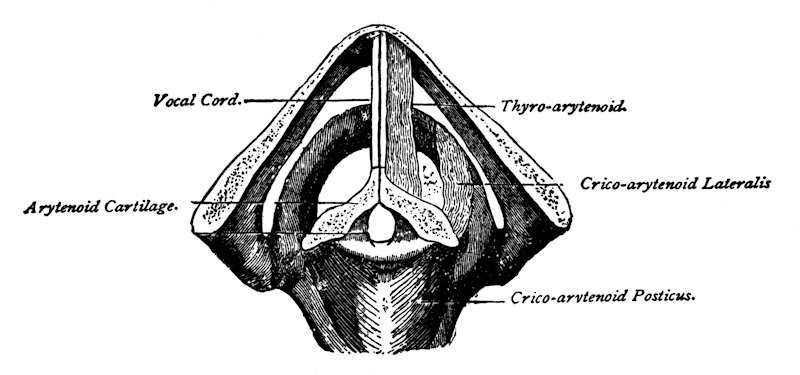
| Glottis, cuts of | 17 | |
| | |
| | |
| H | | |
| | |
| Health, relation of the proper use of the voice to | 39 | |
| | |
| | |
| I | | |
| | |
| Inspiration, muscles of | 23, 24 | |
| | |
| | |
| L | | |
| | |
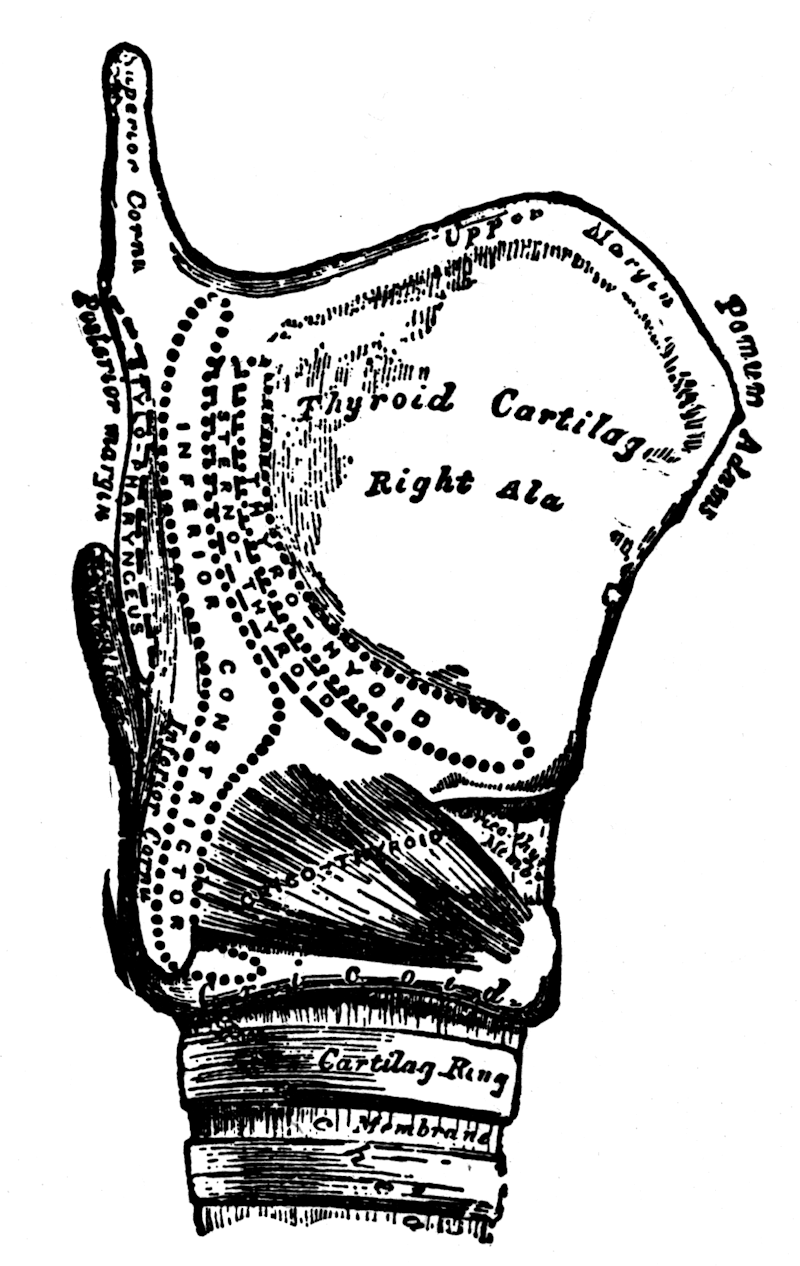
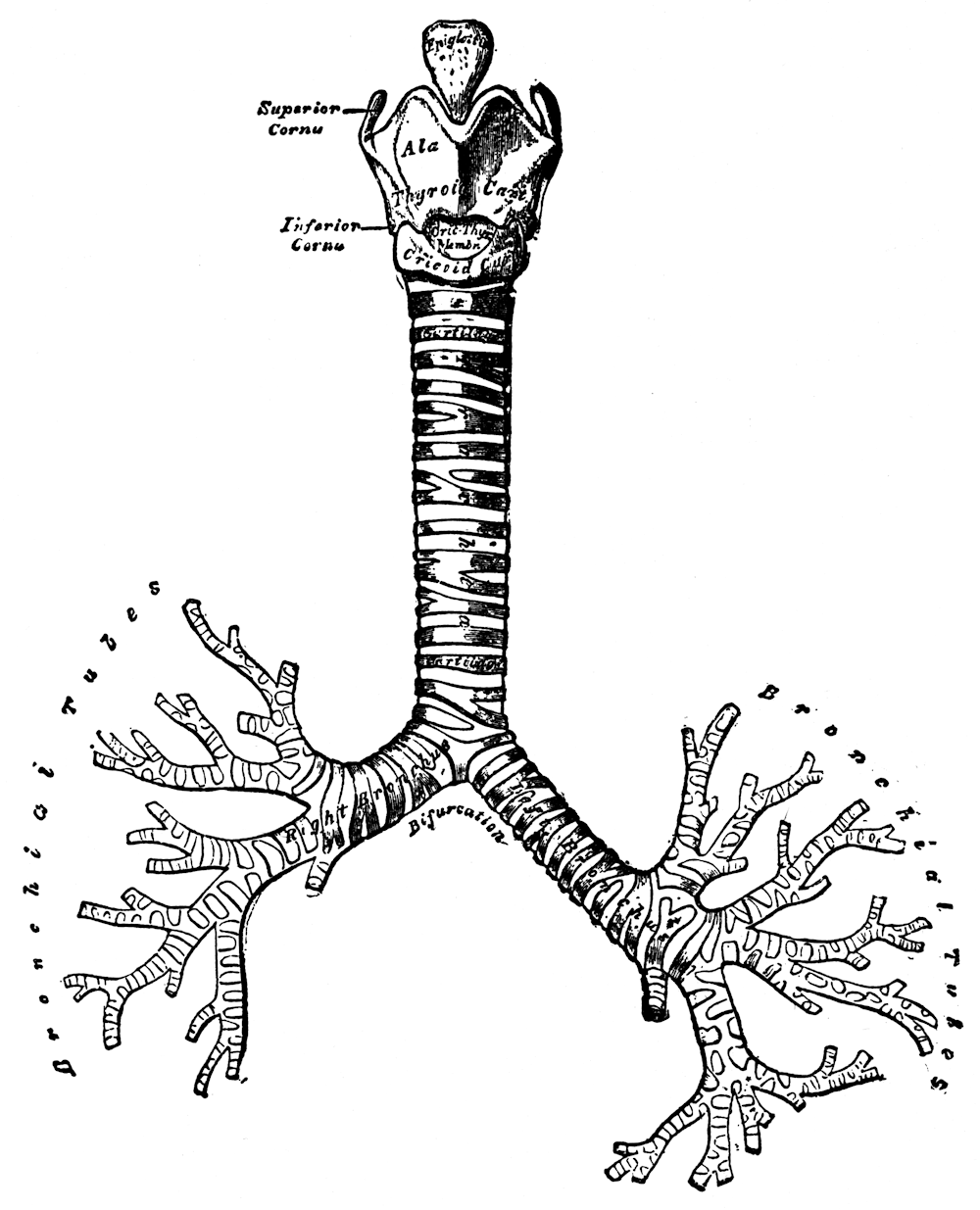
| Larynx, cut of | 16 | |
| Larynx, description of | 14 | |
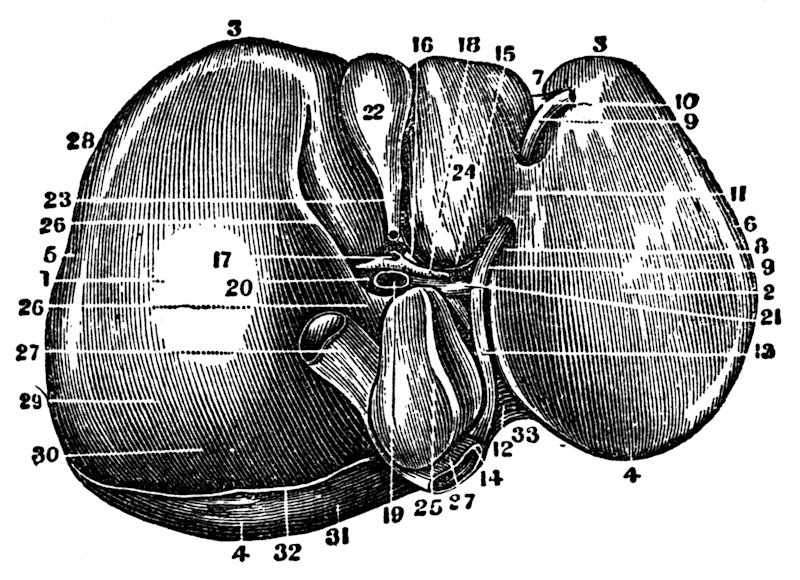
| Liver, cut of | 45 | |
| Liver, effect of the voice upon the | 47 | |
| Loudness | 20 | |
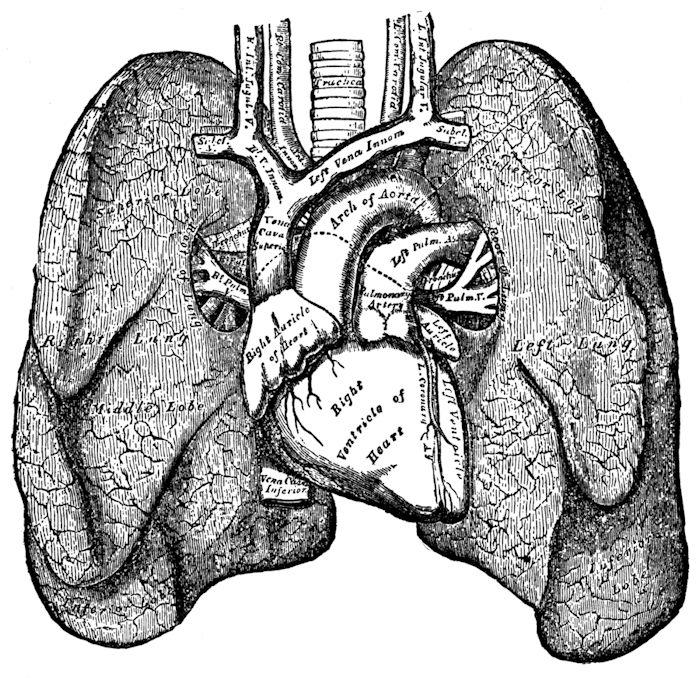
| Lungs, cut of | 21 | |
| Lungs, description of | 20 | |
| Lungs, effect of the voice upon the | 40-42 | |
| | |
| | |
| M | | |
| | |
| Ma-za-ska-a | 87-88 | |
| Mental concept | 74-76 | |
| M-nom | 83 | |
| Most-men-want-poise-and-more-royal-margin | 83-86 | |
| Mucous membrane, effect of voice upon the | 47 | |
| | |
| | |
| N | | |
| | |
| Nares, description of | 34 | |
| Nares, cut of | 32 | |
| Nares resonance | 81, 82 | |
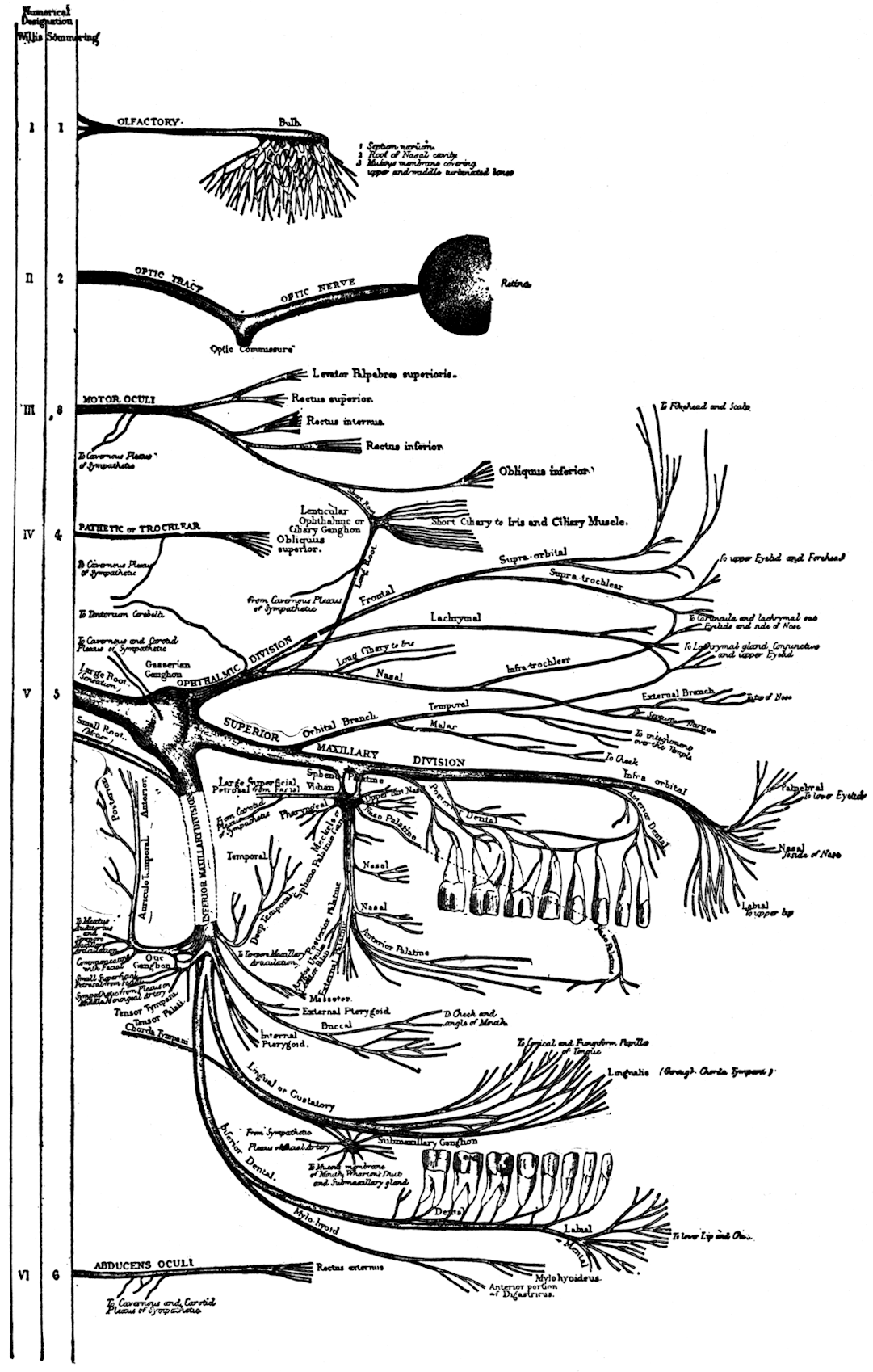
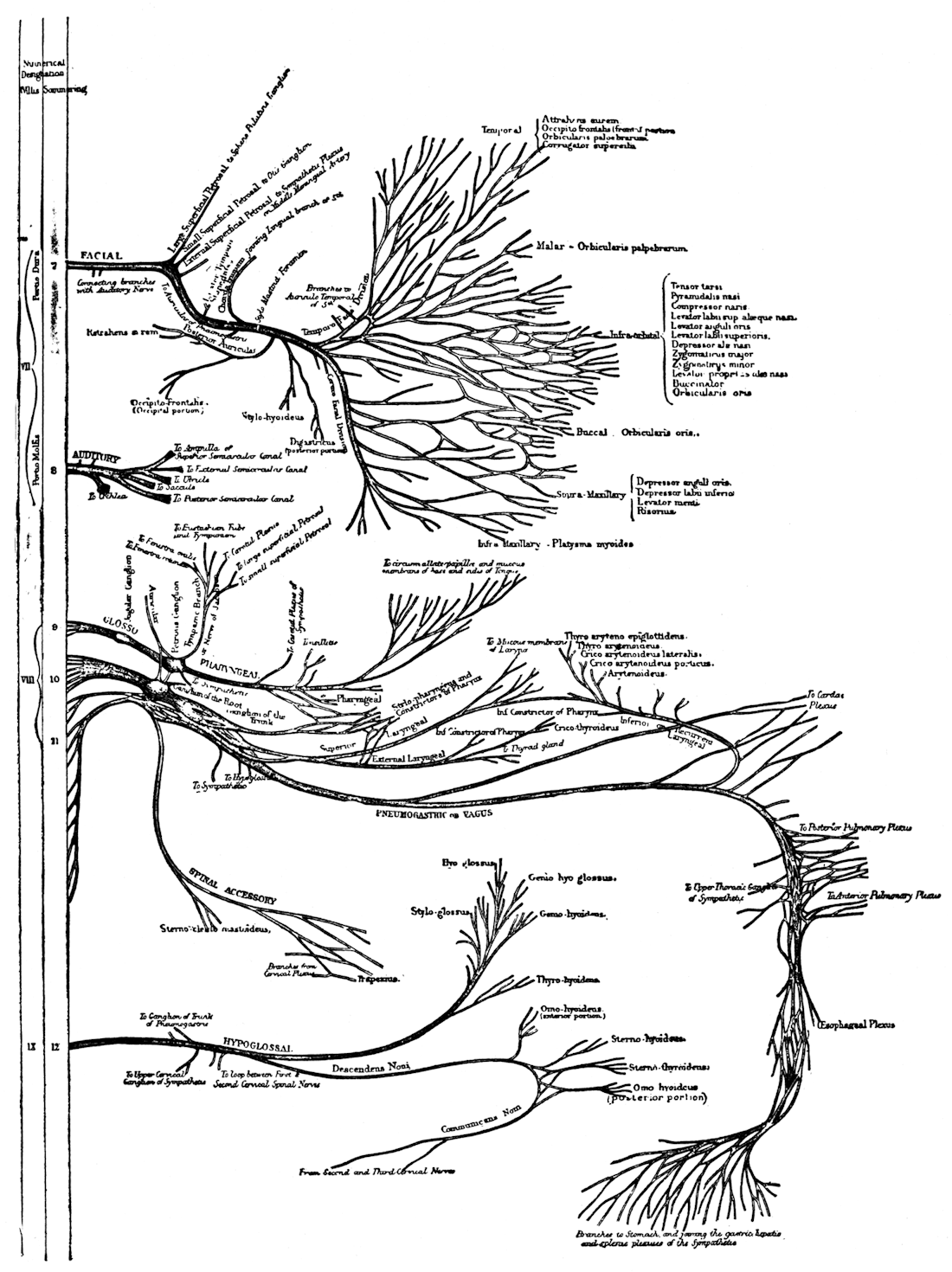
| Nerves, description of cranial | 53-54 | |
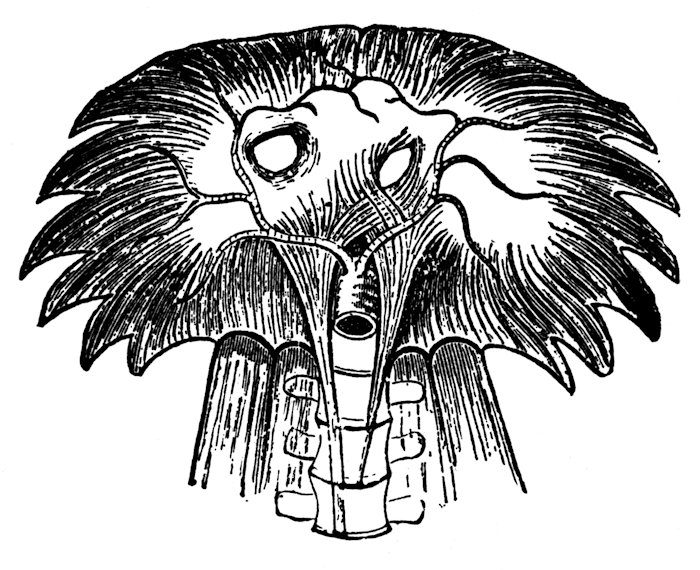
| Nerves, cut of cranial | 56, 57 | |
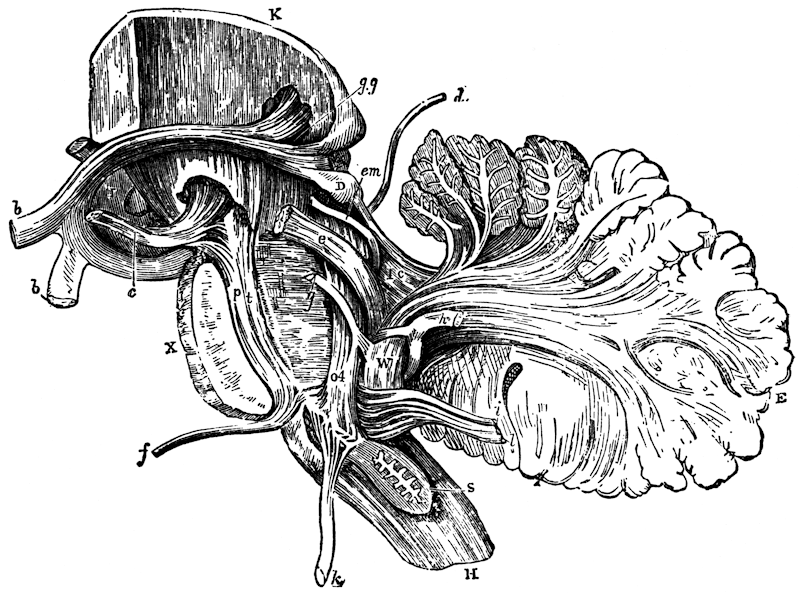
| Nerve, cut of Hypoglossal | 63 | |
| Nervous system, relation of the proper use of the voice to the | 53 | |
| | |
| | |
| O | | |
| | |
| Organs, name of organs that produce voice | 14 | |
| Organs, description of organs that produce voice | 14-33 | |
| Organs, name of organs that reinforce voice | 33 | |
| Organs, description of organs that reinforce voice | 33-37 | |
| Organs, name of organs that give resonant forms to voice | 37 | |
| Organs, description of organs that give resonant forms to voice | 37-39 | |
| Overtones | 70, 71 | |
| | |
| | |
| P | | |
| | |
| Pharynx, description of | 34 | |
| Pharynx, cut of | 32 | |
| Pitch | 19, 20 | |
| | |
| | |
| R | | |
| | |
| Respiration, muscles of | 23 | |
| Resonance, relation of pitch to | 66-70 | |
| Rhythm | 89, 90 | |
| | |
| | |
| S | | |
| | |
| Slide | 109, 110 | |
| Slide in volume | 112-114 | |
| Smoothness of voice | 105 | |
| Stomach, effect of the voice upon the | 42 | |
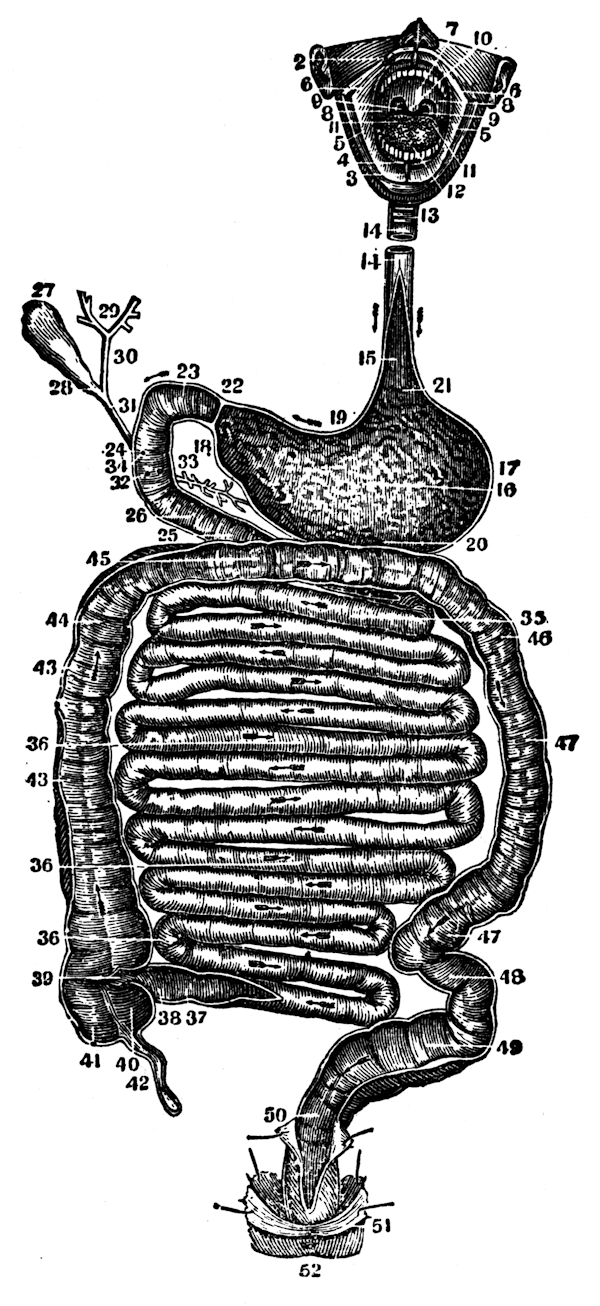
| Stomach, cut of | 44 | |
| | |
| | |
| T | | |
| | |
| Trachea, description of | 37 | |
| Trachea, cut of | 36 | |
| Technique, vocal, as illustrated in the first and second volumes | 94-117 | |
| of the Evolution of Expression | | |
| Tone, projection of | 92-93 | |
| Tone quality | 77-80 | |
| | |
| | |
| V | | |
| | |
| Vital organs, relation of the proper use of the voice to | 40 | |
| Vital slide | 110-112 | |
| Vocal cords, description of | 14 | |
| Vocal cords, cuts of | 17 | |
| Voice, the natural reporter of the individual | 1-12 | |
| Voice defined | 13 | |
| Voice, cause of | 13 | |
| Voice, methods for cultivating the | 72-88 | |
| Voice, right direction and freedom of the | 72, 73 | |
| Voice, quality of | 91 | |
| Volume of voice | 105-107 | |
| | |
THE WORKS OF
CHARLES WESLEY EMERSON
PHILOSOPHY OF GESTURE
or, EXPRESSIVE PHYSICAL CULTURE
The psychological and physiological basis and teaching principles of the Emerson
System of Expressive Physical Culture and Responsive Drill-Value of Art
Models, Aesthetic Laws of Expression explained with illustrations drawn from
classic art.
PSYCHO VOX
or, THE EMERSON SYSTEM OF VOICE CULTURE
Considering the voice as the natural reporter of the individual. The relation of
the proper use of the voice to the nervous system and to health. Exercises for
securing freedom and proper direction of tone and for establishing right habits
in the use of the voice.
How to attain health, strength, grace and beauty, bodily education without the
use of apparatus. Thirty-eight illustrations prepared especially for this work.
A hand book for student and teacher.
EVOLUTION OF EXPRESSION
Four Volumes
Selections chosen from classical literature. Explanatory notes for the study of
each chapter. Compiled with special reference to the needs of teachers and students
of both literature and expression. The only published work on the principles
underlying the Emerson System of Oratory or Expression.
THE PERFECTIVE LAWS OF ART
Four Volumes
A compilation of selections illustrating the sixteen perfective laws of art applied
to oratory. This work is adapted to the use of all advanced students in expressive
reading. It consists of sixteen chapters, with a key to the study of each
chapter.
Lectures embracing advanced principles of Education. The Power of the
Ideal, The Law of Power in Oratory, How to read the Bible, The relation of
Art to Man, etc.
A book of vital interest to students of Oratory, to teachers of all branches of
education and to professional men.
EMERSON PUBLISHING COMPANY
PUBLISHERS MILLIS, MASS.
Transcriber’s Notes:
Blank pages in the book have been omitted resulting in what appears to be 1 page gaps
in the numbering sequence. Pages 15, 18, 22, 25, 31, 35, 43, 46, 51, 55, 58, 61, and 64 are those
omitted from the ebook. Typographical errors have been corrected as noted below:
Page 34, The pharnyx is for the ==> The pharynx is for the
Page 52, OF THE CEREBRAI HEMISPHERE ==> OF THE CEREBRAL HEMISPHERE