According to the theory proposed by Sir Ernest Rutherford, in order
to account for the phenomena of scattering of  -rays, the
atom consists of a central positively charged nucleus surrounded by a
cluster of electrons. The nucleus is the seat of the essential part
of the mass of the atom, and has linear dimensions exceedingly small
compared with the distances apart of the electrons in the surrounding
cluster. From the results of experiments on scattering of alpha rays,
Rutherford concluded that the charge on the nucleus corresponds to a
number of electrons per atom approximately equal to half the atomic
weight. Concordant evidence from a large number of very different
phenomena has led to the more definite assumption that the number of
electrons per atom is exactly equal to the atomic number, i.e.,
the number of the corresponding element in the periodic table. This
view was first proposed by van den Broek[3]. While the nucleus theory
has been of great utility in explaining many important properties of
the atom[4], on the other hand it is evident that it is impossible
by its aid to explain many other fundamental properties if we base
our considerations on the ordinary electrodynamical theory; but this
can hardly be considered as a valid objection at the present time. It
does not seem that there is any escape from the conclusion that it is
impossible to account for the phenomena of temperature radiation on
ordinary electrodynamics, and that the modification to be introduced
in this theory must be essentially equivalent with the assumptions
first used by Planck in the deduction of his radiation formula[5].
These assumptions are known as the Quantum theory. In my previous
paper it was attempted to apply the main principles of this theory by
introducing the following general assumptions:—
A. An atomic system possesses a number of states in which no emission
of energy radiation takes place, even if the particles are in motion
relative to each other, and such an emission is to be expected on
ordinary electrodynamics. The states are denoted as the “stationary”
states of the system under consideration.
B. Any emission or absorption of energy radiation will correspond to
the transition between two stationary states. The radiation emitted
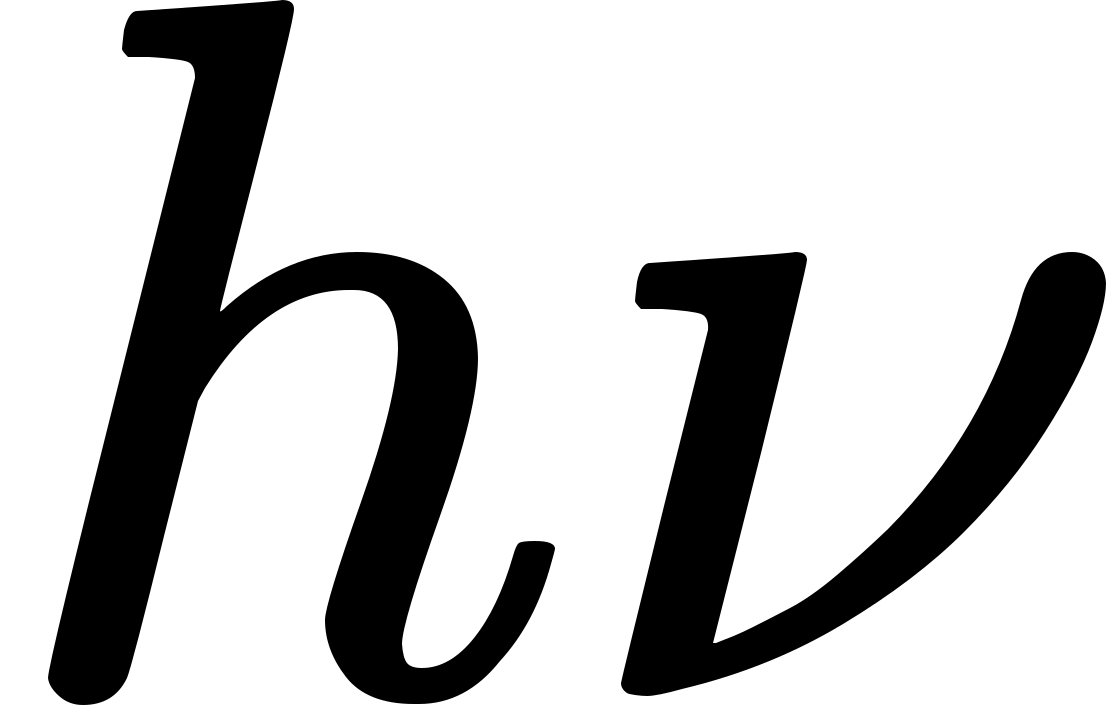
during such a transition is homogeneous and the frequency  is
determined by the relation
 where
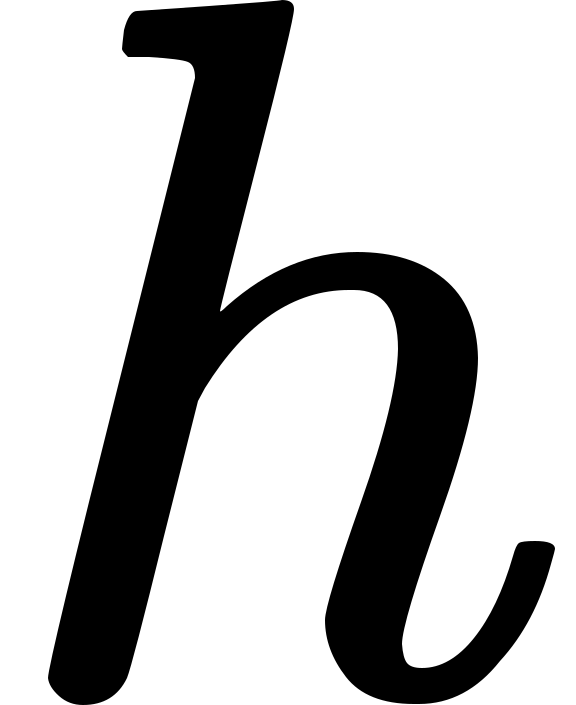 is Planck’s constant and
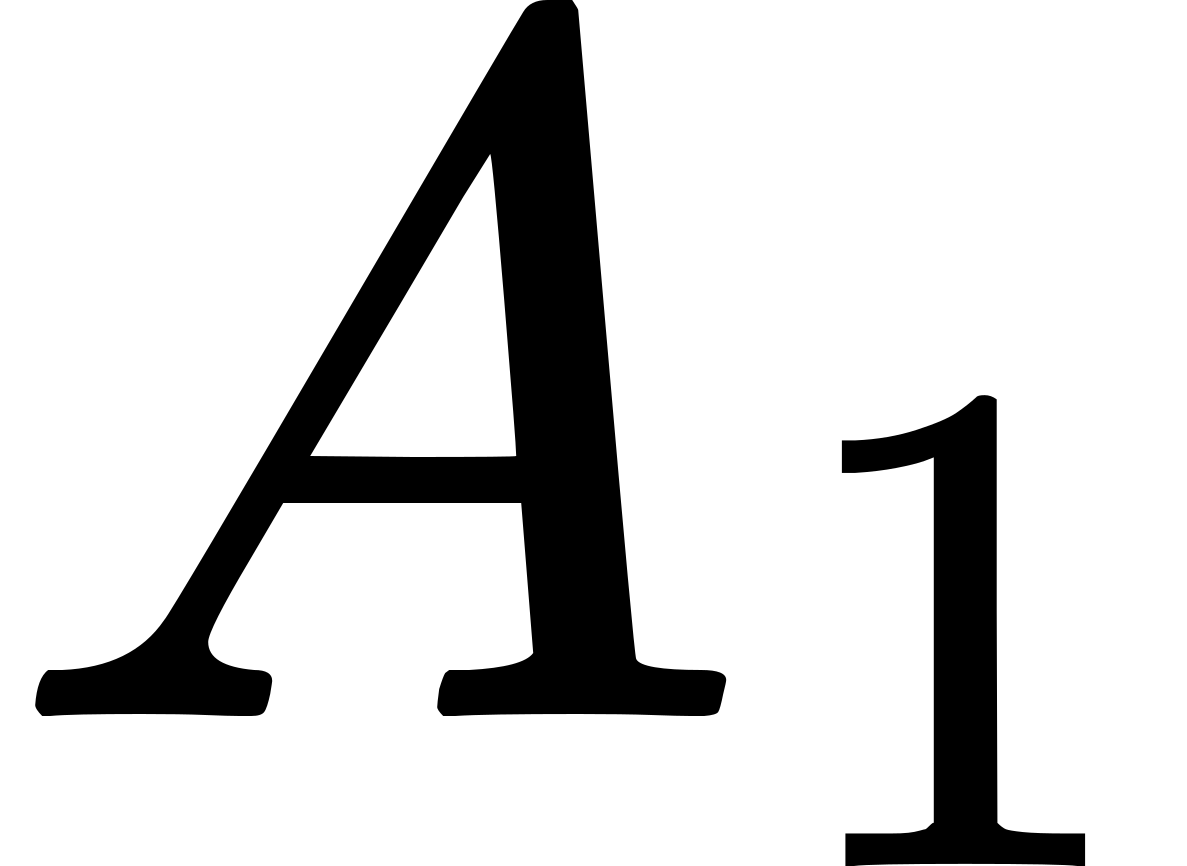 , and
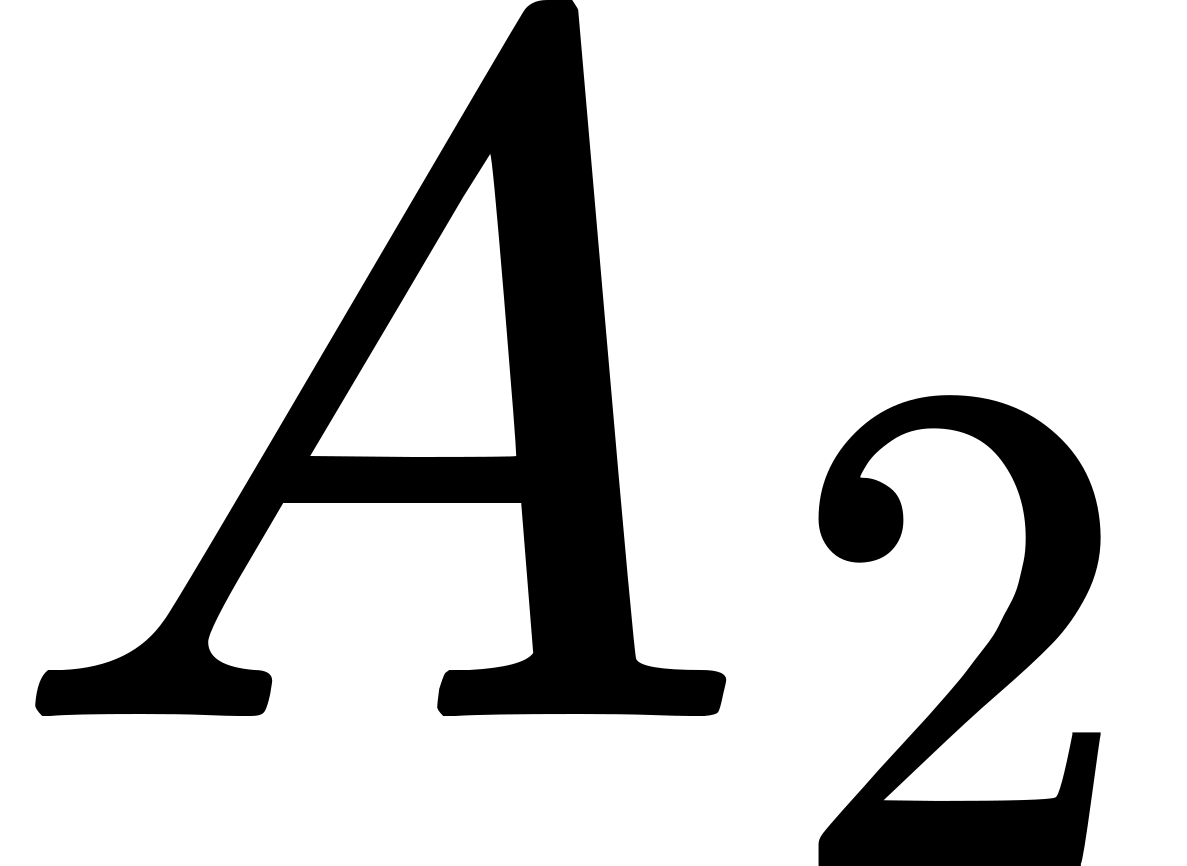 , are the
energies of the system in the two stationary states.
C. That the dynamical equilibrium of the systems in the stationary
states is governed by the ordinary laws of mechanics, while these laws
do not hold for the transition from one state to another.
D. That the various possible stationary states of a system consisting
of an electron rotating round a positive nucleus are determined by the
relation
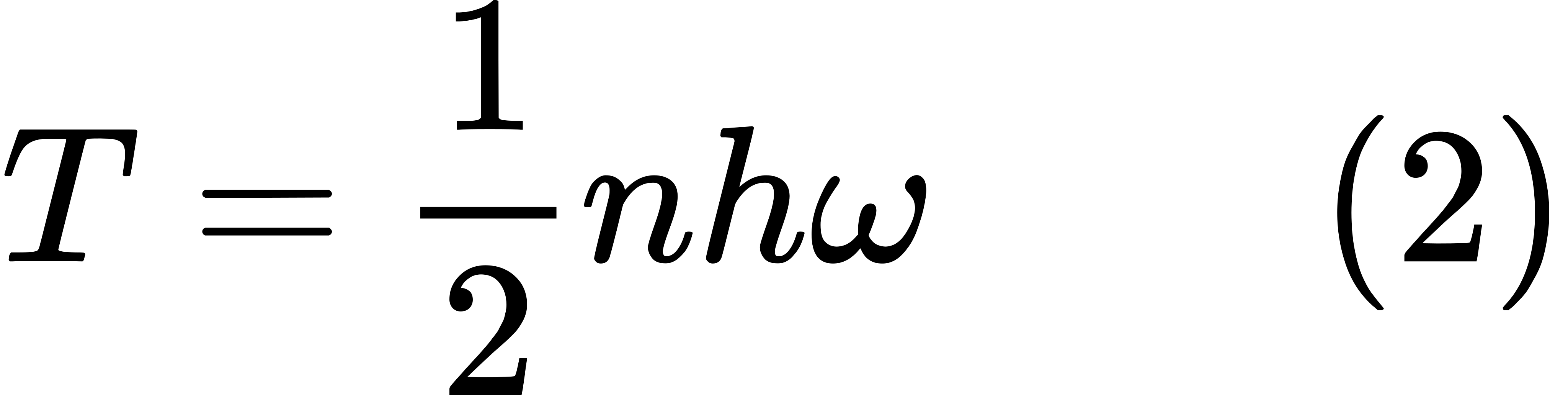 where
 is the mean value of the kinetic energy of the system,
 the frequency of rotation, and
 a whole number.
It will be seen that these assumptions are closely analogous to
those originally used by Planck about the emission of radiation in
quanta, and about the relation between the frequency of an atomic
resonator (of constant frequency) and its energy. It can be shown
that, for any system containing one electron rotating in a closed
orbit, the assumption C and the relation (2) will secure a connexion
between the frequency calculated by (1) and that to be expected from
ordinary electrodynamics, in the limit where the difference between
the frequency of the rotation of the electron in successive stationary
states is very small compared with the absolute value of the frequency
(see IV. p. 5). On the nucleus theory this occurs in the region of
very slow vibrations. If the orbit of the electron is circular, the
assumption D is equivalent to the condition that the angular momentum
of the system in the stationary states is an integral multiple of
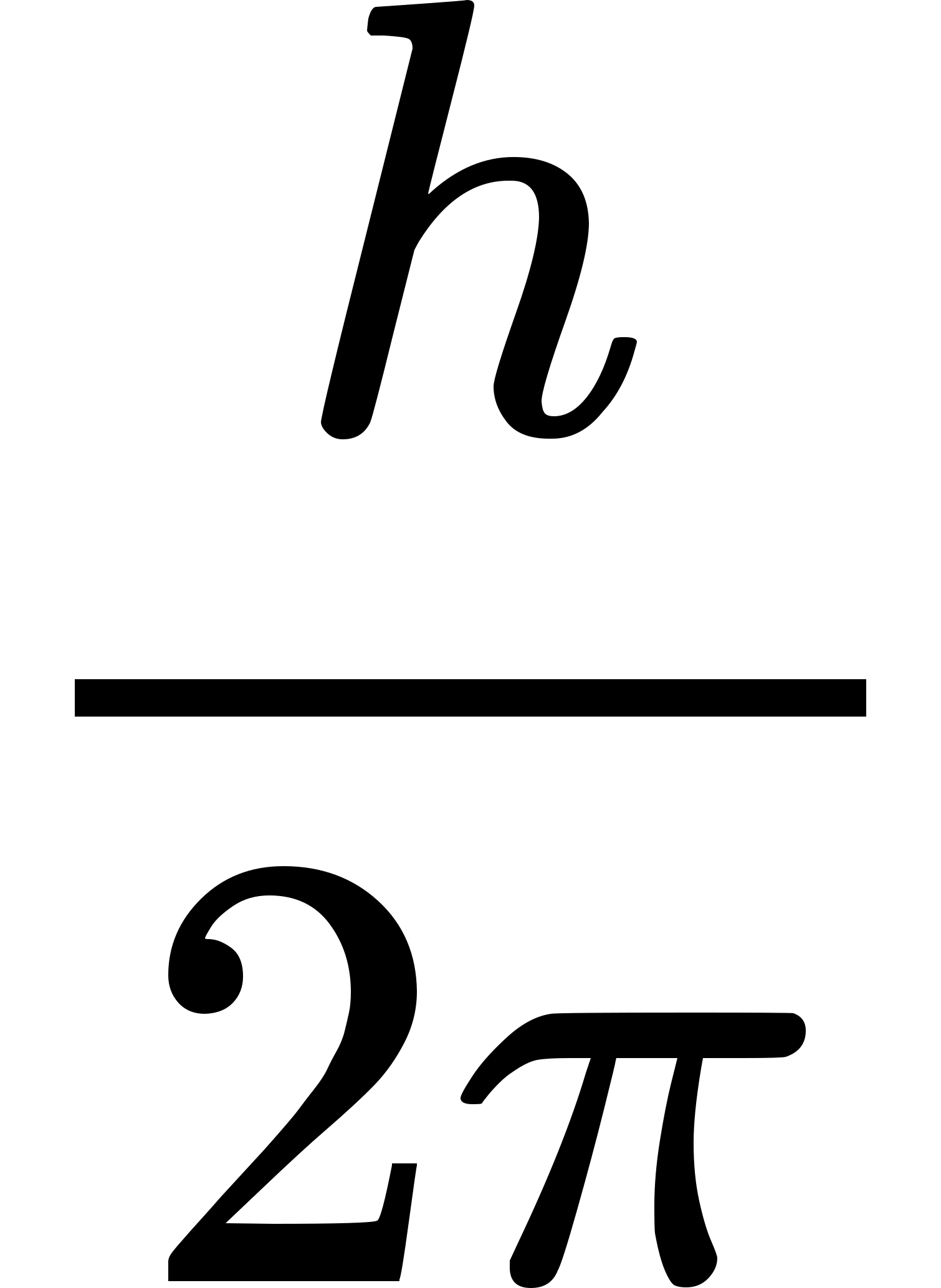 . The possible importance of the angular momentum
in the discussion of atomic systems in relation to Planck’s theory was
first pointed out by J. W. Nicholson[6].
In paper I. it was shown that the above assumptions lead to an
interpretation of the Balmer formula for the hydrogen spectrum, and to
a determination of the Rydberg constant which was in close agreement
with the measurements. In these considerations it is not necessary to
make any assumption about the degree of excentricity of the orbit of
the electron, and we shall see in the next section that it cannot be
assumed that the orbit is always circular.
So far we have considered systems which contain only one electron,
but the general validity of the assumptions A and B seems strongly
supported by the fact that they offer a simple interpretation of the
general principle of combination of spectral lines (see IV. p. 2).
This principle was originally discovered by Ritz to hold for the
ordinary series spectra of the elements. It has recently acquired
increased interest by Fowler’s work on the series spectra of enhanced
lines emitted from many elements when subject to a powerful electric
discharge. Fowler showed that the principle of combination holds for
these spectra although the laws governing the numerical relation
between the lines at an important point (see section 3) differed from
those of the ordinary series spectra. There is also, as we shall
see in section 4, some indication that the principle holds for the
high frequency spectra revealed by interference in crystals. In this
connexion it may also be remarked that the assumption A recently has
obtained direct support by experiments of A. Einstein and J. W. de
Haas[7], who have succeeded in detecting and measuring a rotational
mechanical effect produced when an iron bar is magnetized. Their
results agree very closely with those to be expected on the assumption
that the magnetism of iron is due to rotating electrons, and as pointed
out by Einstein and Haas, these experiments therefore indicate very
strongly that electrons can rotate in atoms without emission of energy
radiation.
When we try to apply assumptions, analogous with C and D, to systems
containing more than one electron, we meet with difficulties, since in
this case the application of ordinary mechanics in general does not
lead to periodic orbits. An exception to this, however, occurs if the
electrons are arranged in rings and rotate in circular orbits, and from
simple considerations of analogy the following assumption was proposed
(see I. p. 24).
E. In any atomic or molecular system consisting of positive nuclei and
electrons in which the nuclei are at rest relative to each other, and
the electrons move in circular orbits, the angular momentum of
each electron round the centre of its orbit will be equal to
in the “normal” state of the system, i.e.
the state in which the total energy is a minimum.
It was shown that in a number of different cases this assumption
led to results in approximate agreement with experimental facts. In
general, no stable configuration in which the electrons rotate in
circular orbits can exist if the problem of stability is discussed on
ordinary mechanics. This is no objection, however, since it is assumed
already that the mechanics do not hold for the transition between two
stationary states. Simple considerations led to the following condition
of stability.
F. A configuration satisfying the condition E is stable if the total
energy of the system is less than in any neighbouring configuration
satisfying the same condition of angular momentum of the electrons.
As already mentioned, the foundation for the hypothesis E was sought
in analogy with the simple system consisting of one electron and one
nucleus. Additional support, however, was obtained from a closer
consideration of the formation of the systems. It was shown how simple
processes could be imagined by which the confluence of different rings
of electrons could be effected without any change in the angular
momentum of the electrons, if the angular momentum of each electron
before the process was the same. Such considerations led to a theory of
formation of molecules.
It must be emphasized that only in the case of circular orbits has
the angular momentum any connexion with the principles of the Quantum
theory. If, therefore, the application of ordinary mechanics to the
stationary states of the system does not lead to strictly circular
orbits, the assumption E cannot be applied. This case occurs if
we consider configurations in which the electrons are arranged in
different rings which do not rotate with the same frequency. Such
configurations, however, are apparently necessary in order to explain
many characteristic properties of the atoms. In my previous papers
an attempt was made in certain cases to overcome this difficulty by
assuming, that if a very small alteration of the forces would make
circular orbits possible on ordinary mechanics, the configuration and
energy of the actual system would only differ very little from that
calculated for the altered system. It will be seen that this assumption
is most intimately connected with the hypothesis F on the stability
of the configurations. Such considerations were used to explain the
general appearance of the Rydberg constant in the spectra of the
elements, and were also applied in discussing possible configurations
of the electrons in the atoms suggested by the observed chemical
properties. These calculations have been criticised by Nicholson[8],
who has attempted to show that the configurations chosen for the
electrons in the atoms are inconsistent with the main principles of the
theory, and has also attempted to prove the impossibility of accounting
for other spectra by help of assumptions similar to those used in the
interpretation of the hydrogen spectrum.
Although I am quite ready to admit that these points involve great
and unsolved difficulties, I am unable to agree with Nicholson’s
conclusions. In the first place, his calculations rest upon a
particular application to non-circular orbits of the principle of
constancy of angular momentum for each electron, which it does not seem
possible to justify either on the Quantum theory or on the ordinary
mechanics, and which has no direct connexion with the assumptions
used in my papers. It has not been proved that the configurations
proposed are inconsistent with the assumption C. But even if it were
possible to prove that the unrestricted use of ordinary mechanics to
the stationary states is inconsistent with the configurations of the
electrons, apparently necessary to explain the observed properties of
the elements, this would not constitute a serious objection to the
deductions in my papers. It must be remarked that all the applications
of ordinary mechanics are essentially connected with the assumption
of periodic orbits. As far as the applications are concerned, the
first part of the assumption C might just as well have been given the
following more cautious form:—
“The relation between the frequency and energy of the particles in the
stationary states can be determined by means of the ordinary laws of
mechanics if these laws lead to periodic orbits.”
The possible necessity for an alteration of this kind in assumption C
may perhaps not seem unlikely when it is remembered that the laws of
mechanics are only known to hold for certain mean values of the motion
of the electrons. In this connexion it should also be remarked that
when considering periodic orbits only mean values are essential (comp.
I. p. 7). The preliminary and tentative character of the formulation
of the general assumptions cannot be too strongly emphasized, and
admittedly they are made to suit certain simple applications. For
example, it has been already shown in paper IV. that the assumption B
needs modification in order to account for the effect of a magnetic
field on spectral lines. In the following sections some of the recent
experimental evidence on line spectra and characteristic Röntgen rays
will be considered, and I shall endeavour to show that it seems to give
strong support to the main principles of the theory.

 ,
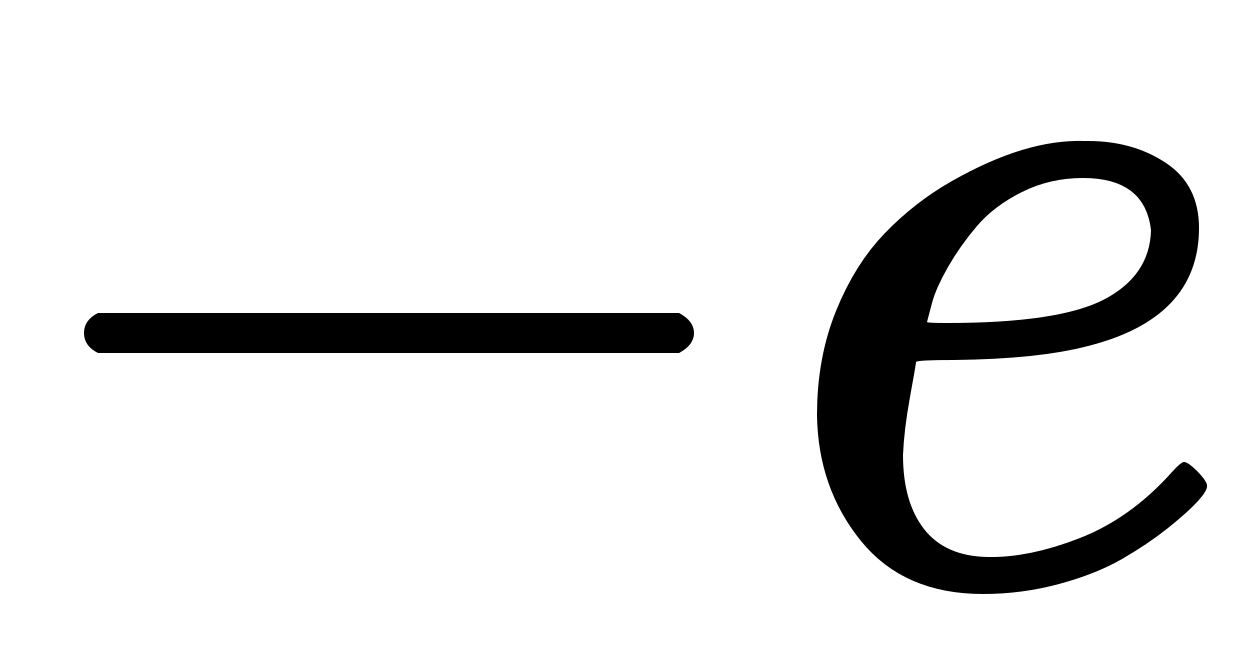 ,
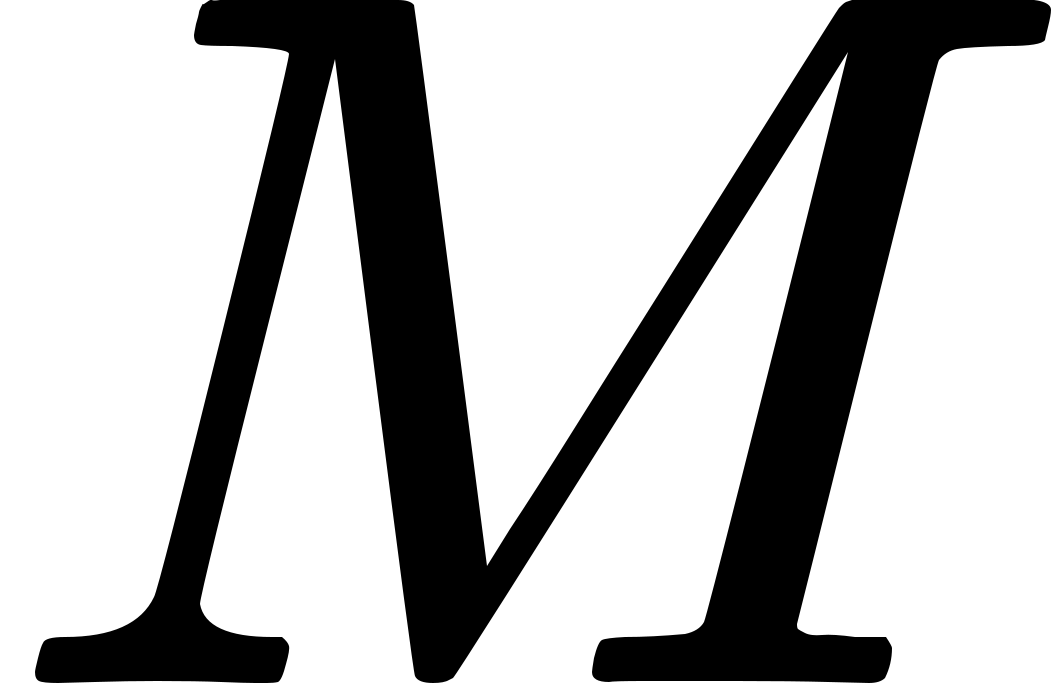 ,
 are the electric charges and the masses of
the nucleus and the electron respectively. The frequency of rotation
and the major axis of the relative orbit of the particles in the
stationary states are given by


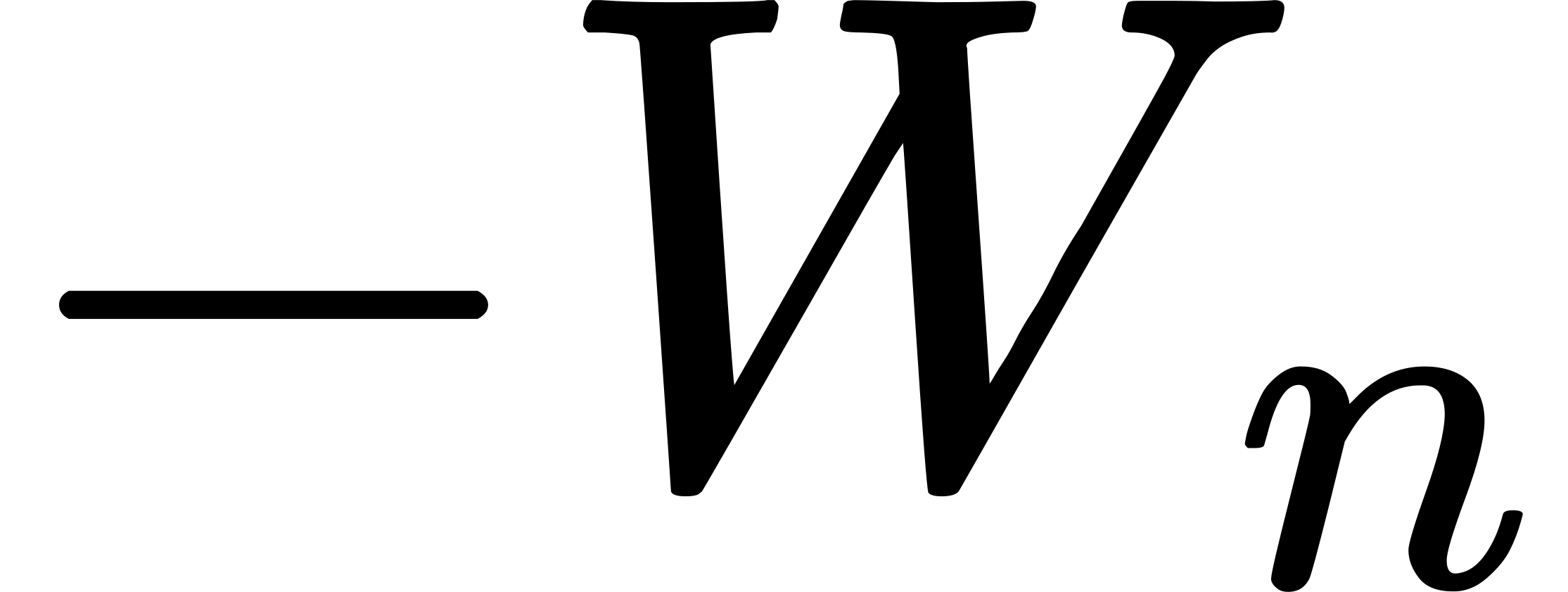 is equal to the total energy
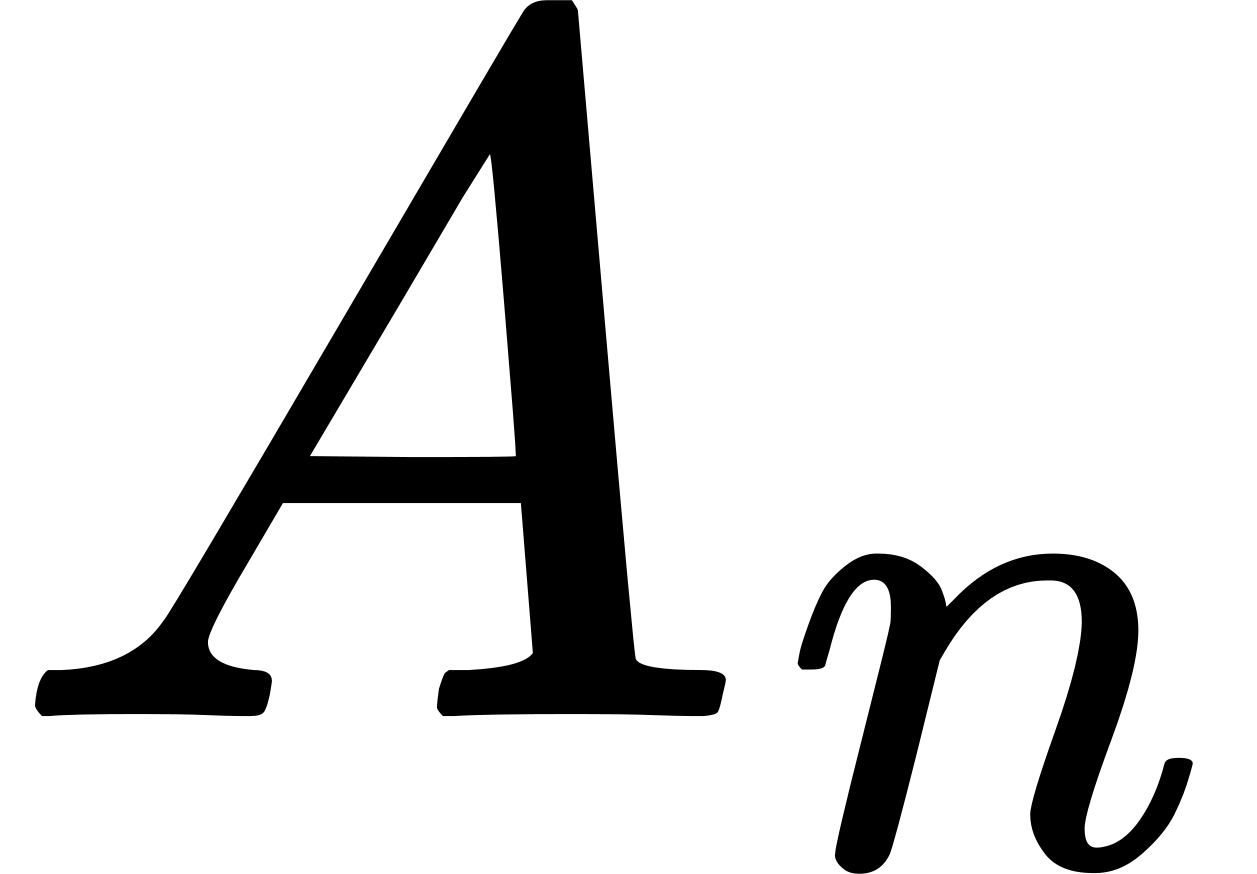 of
the system we get from (4) and (5)
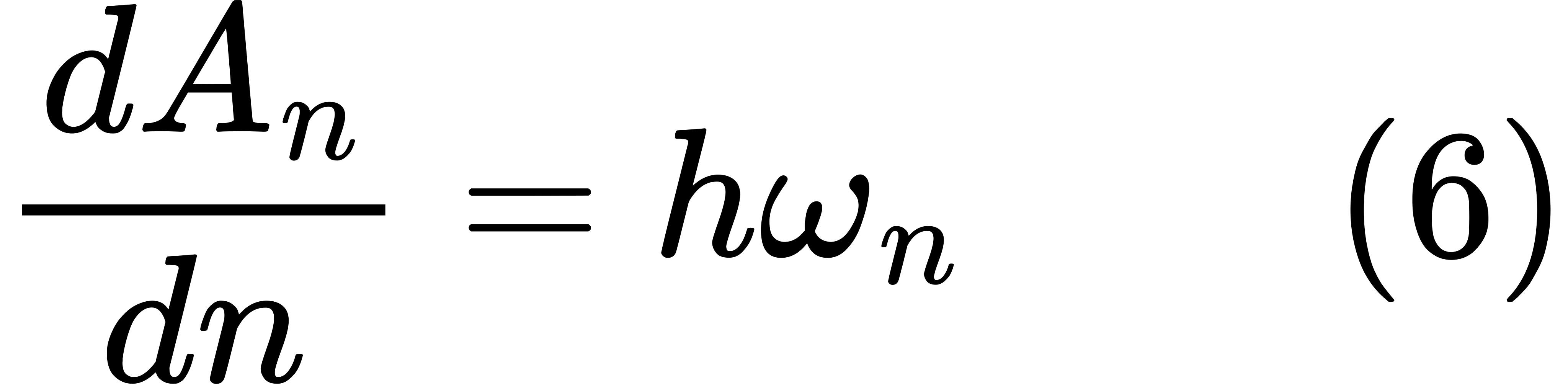
 in (3) we get the ordinary series spectrum of
hydrogen. Putting
 we get a spectrum which, on the theory,
should be expected to be emitted by an electron rotating round a helium
nucleus. The formula is found very closely to represent some series
of lines observed by Fowler
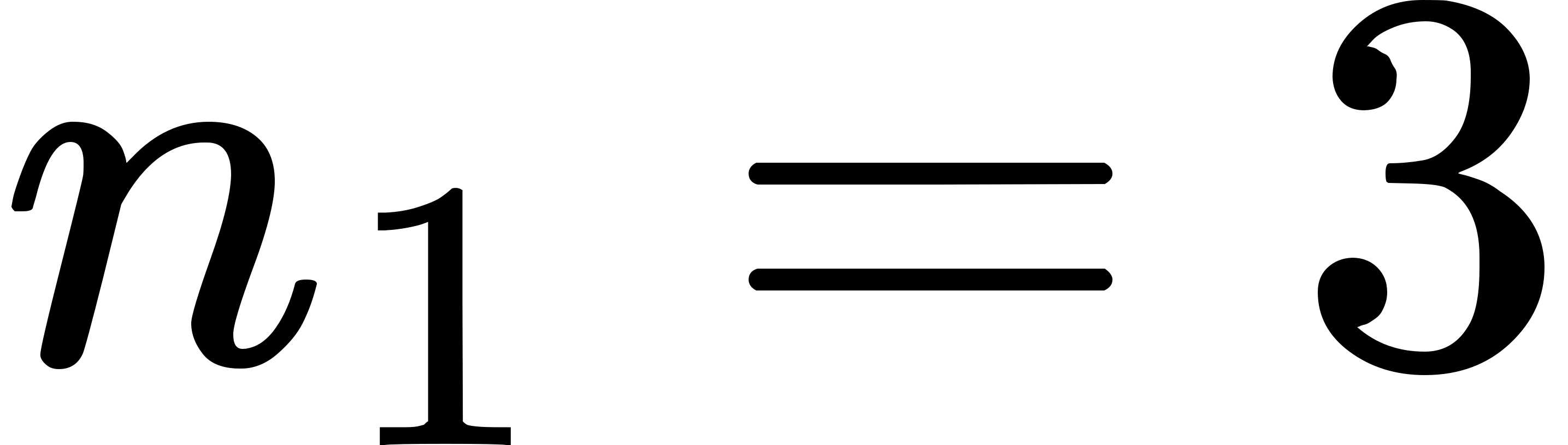 and
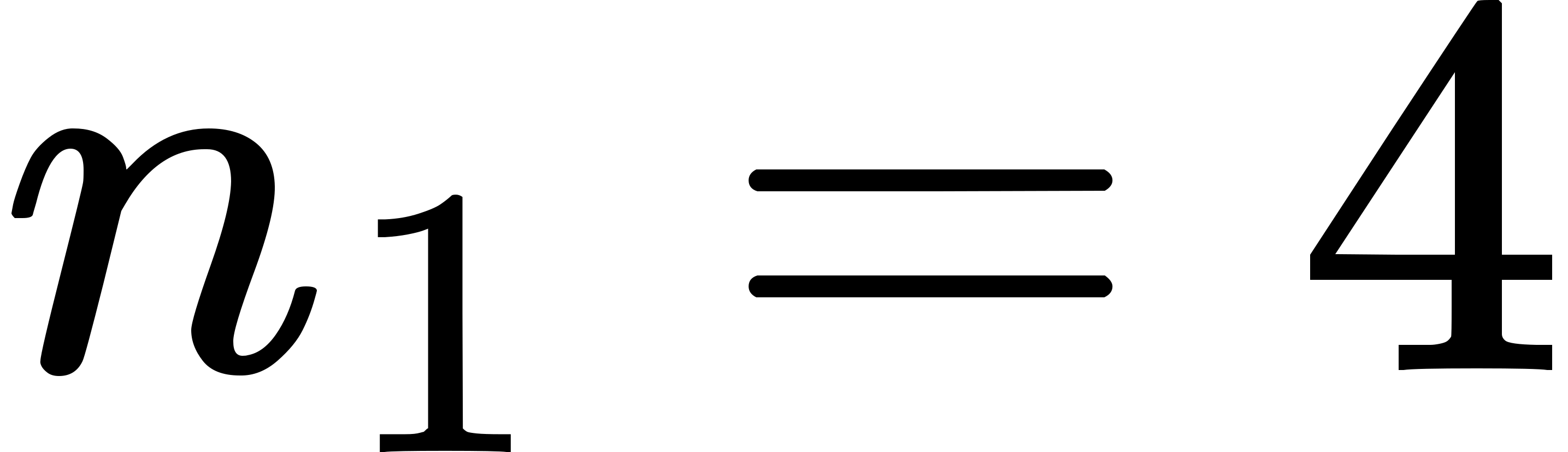
 the mean value of the sum of the
kinetic energy and the potential energy of the particle relative to the
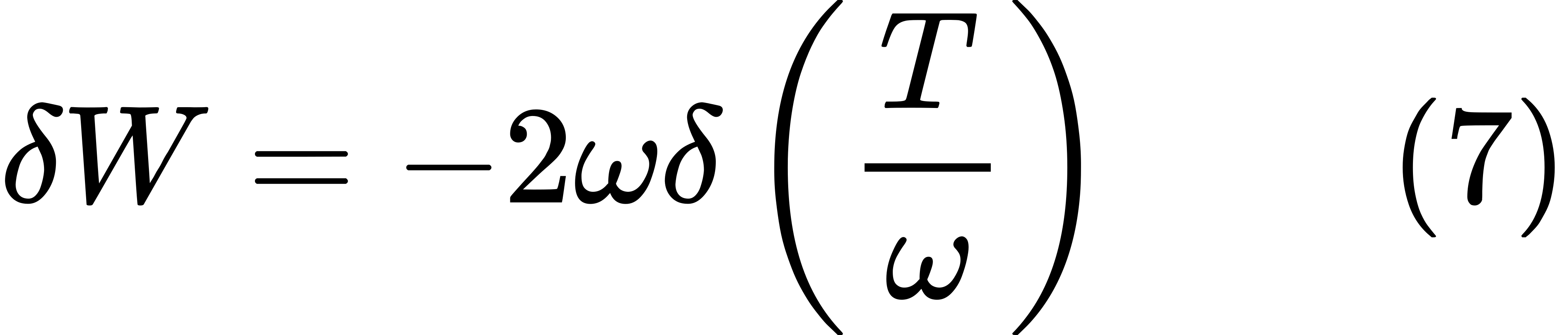
stationary field. We have then for a small arbitrary variation of the
orbit
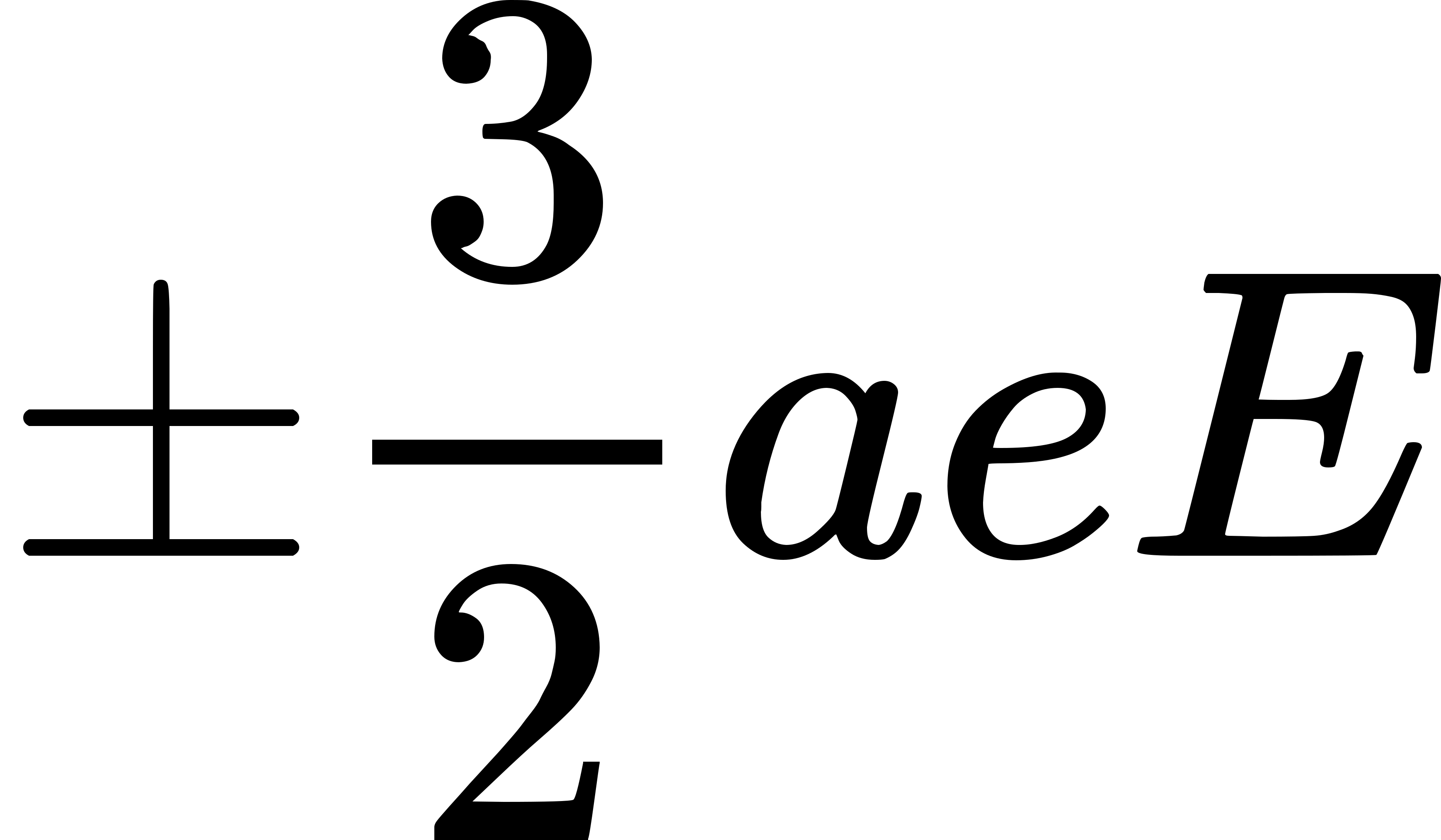 ,
 is
the external electric force and
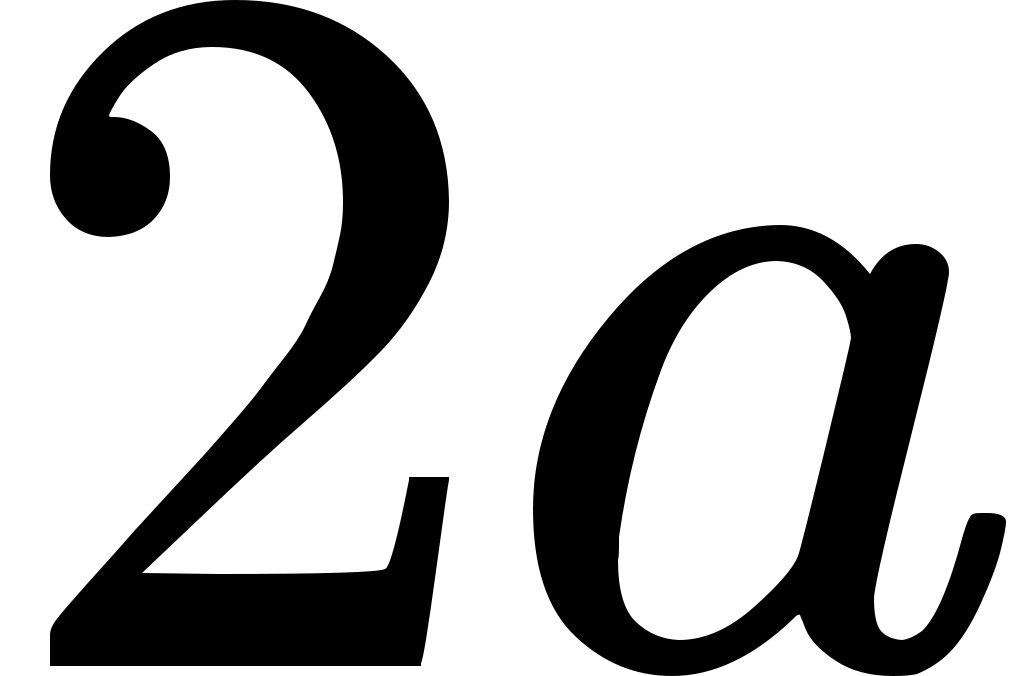 the major axis of the orbit, and
the two signs correspond to orbits in which the direction of the major
axis from the nucleus is the same or opposite to that of the electric
force respectively. Using the formulæ (4) and (5) and neglecting
the mass of the electron compared with that of the nucleus, we get,
therefore, for the energy of the system in the two states


 and
 .
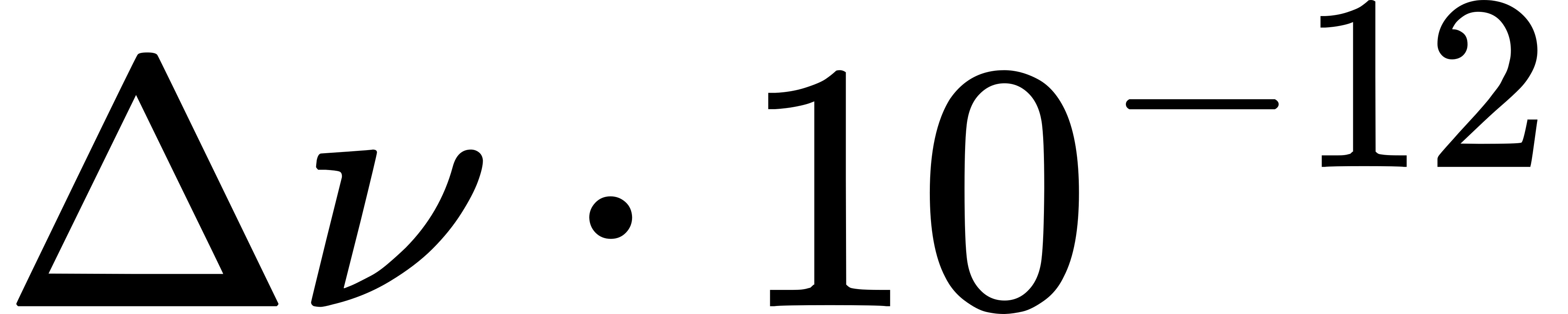
 corresponding to a field of 28500 and 74000 volts per cm. respectively.
The third and fifth columns give the values of



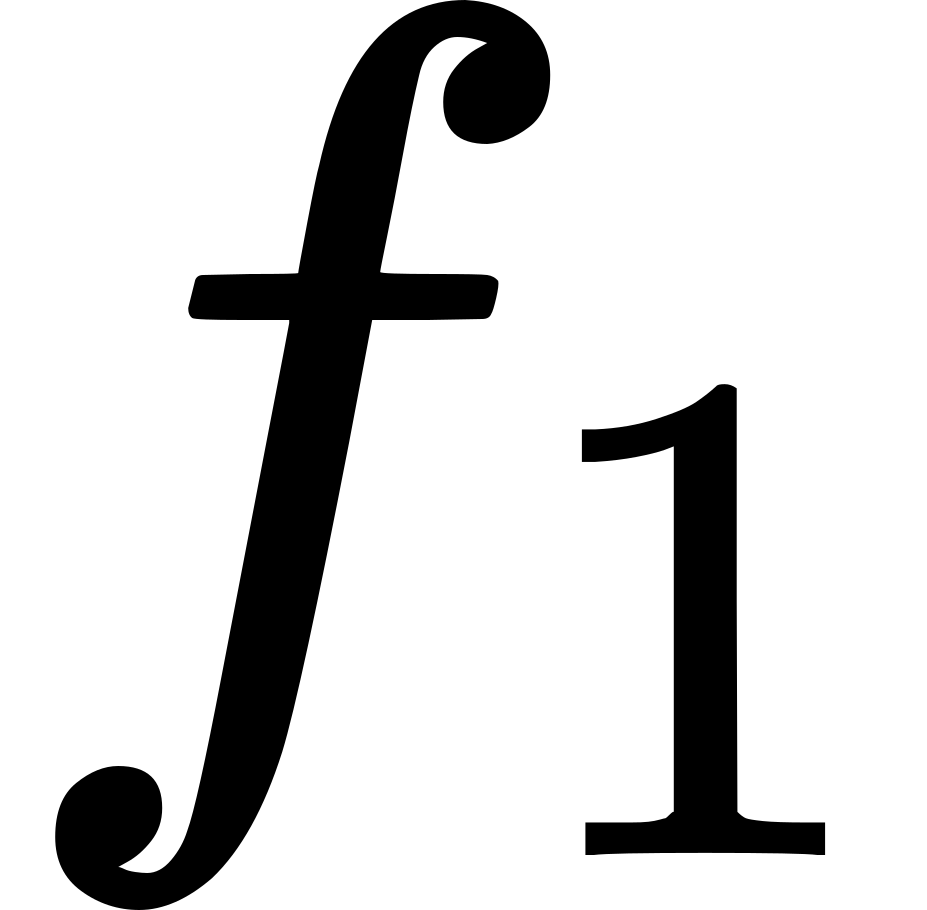 ,
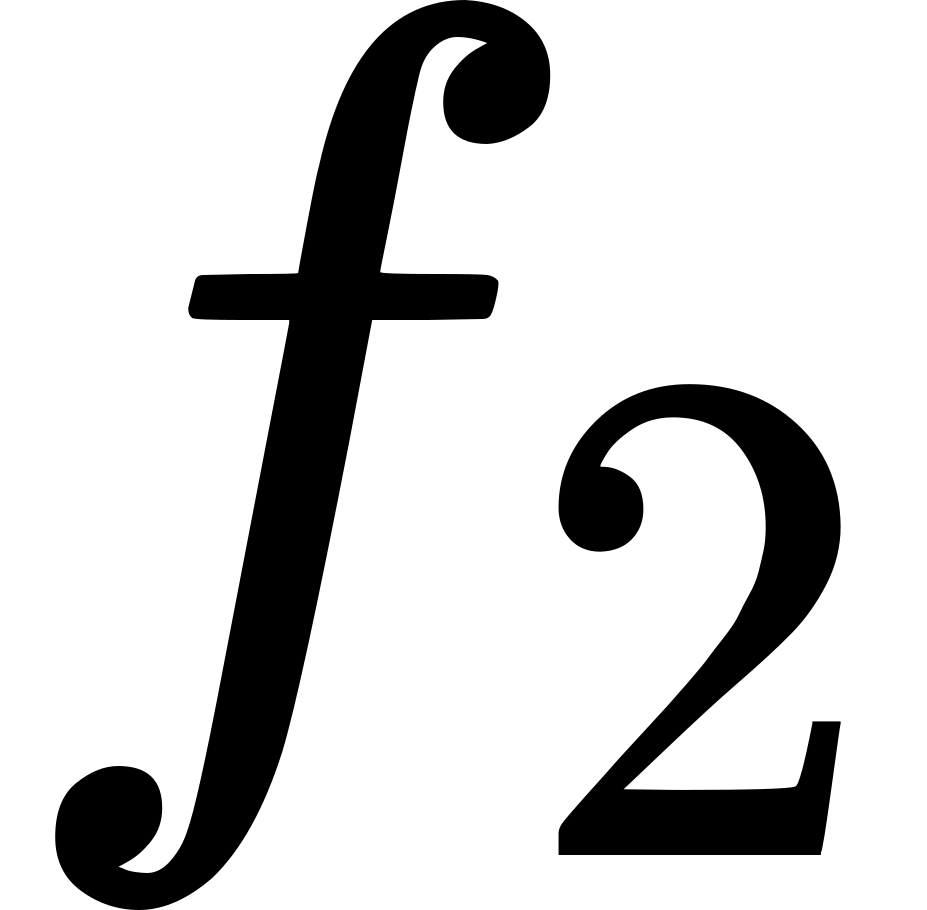 ,
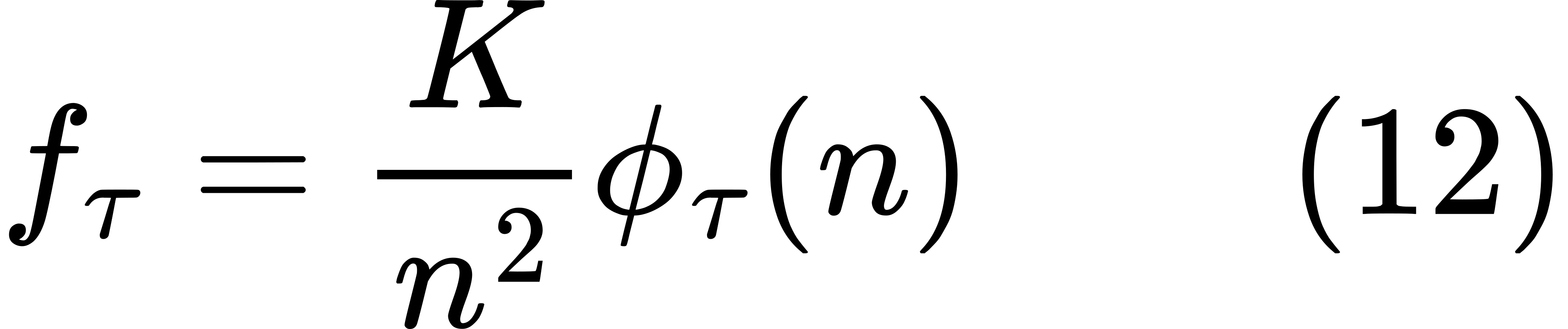
 is a universal constant and
 a function which
for large values of
 th series is given by (see
IV. p. 6)

 is an arbitrary constant, the same for the whole system of
stationary states. The first factor in the second term is equal to the
expression (5) if
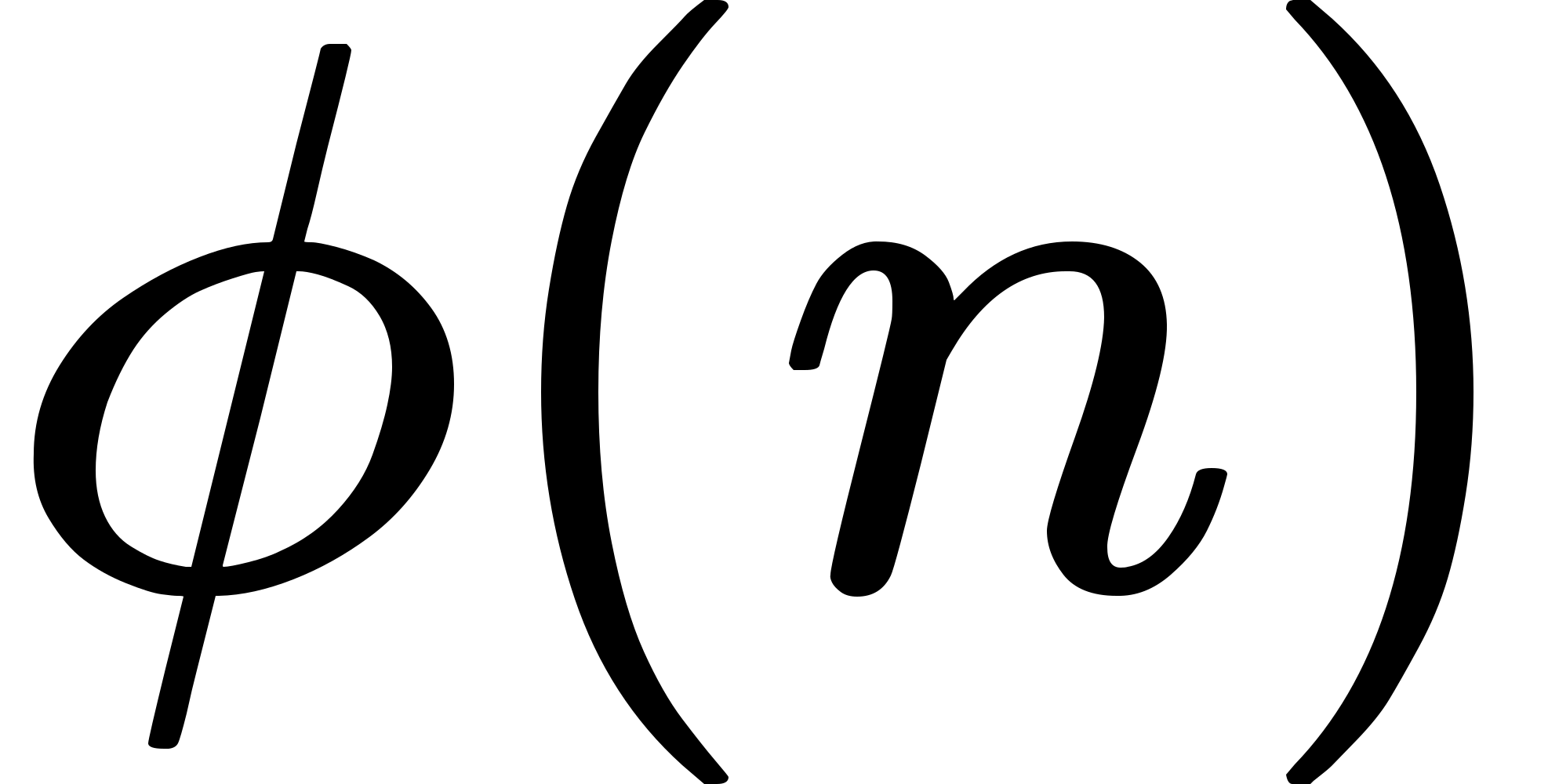 approaches unity for large values of
 to systems for
which ordinary mechanics do not lead to periodic orbits.
 .
 .
 from unity
gives us an estimate for the deviation of the forces from the inverse
square, and that on the theory we can only expect a Stark effect of the
same order of magnitude as for the hydrogen lines for those series in
which
 the
deviation of
 ,

 .

 .
 was equal to the last factor in this formula, if we
put
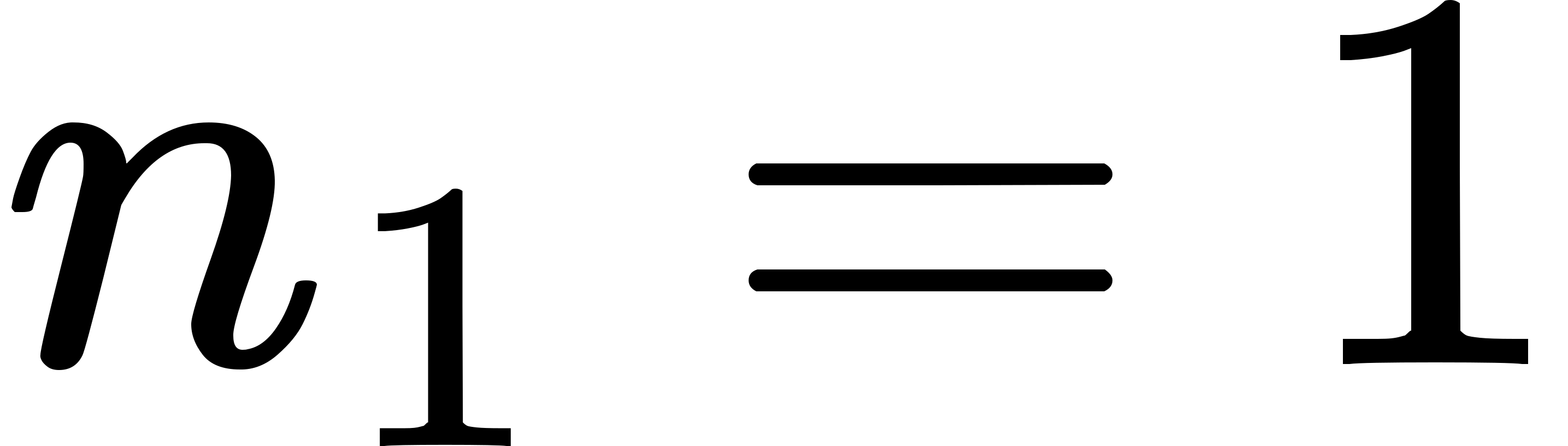 and
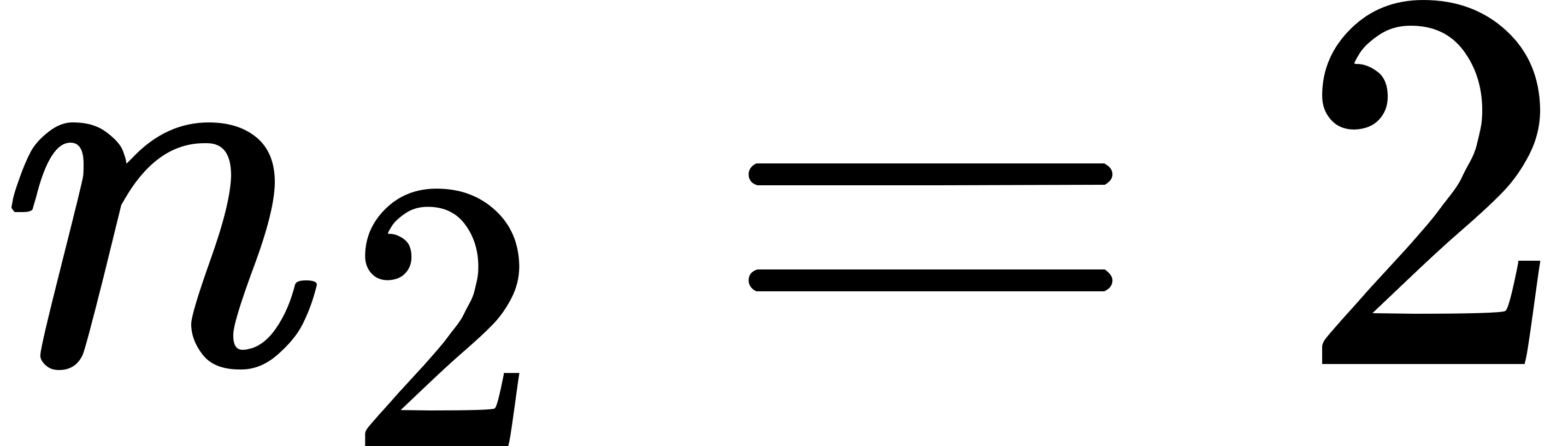 .
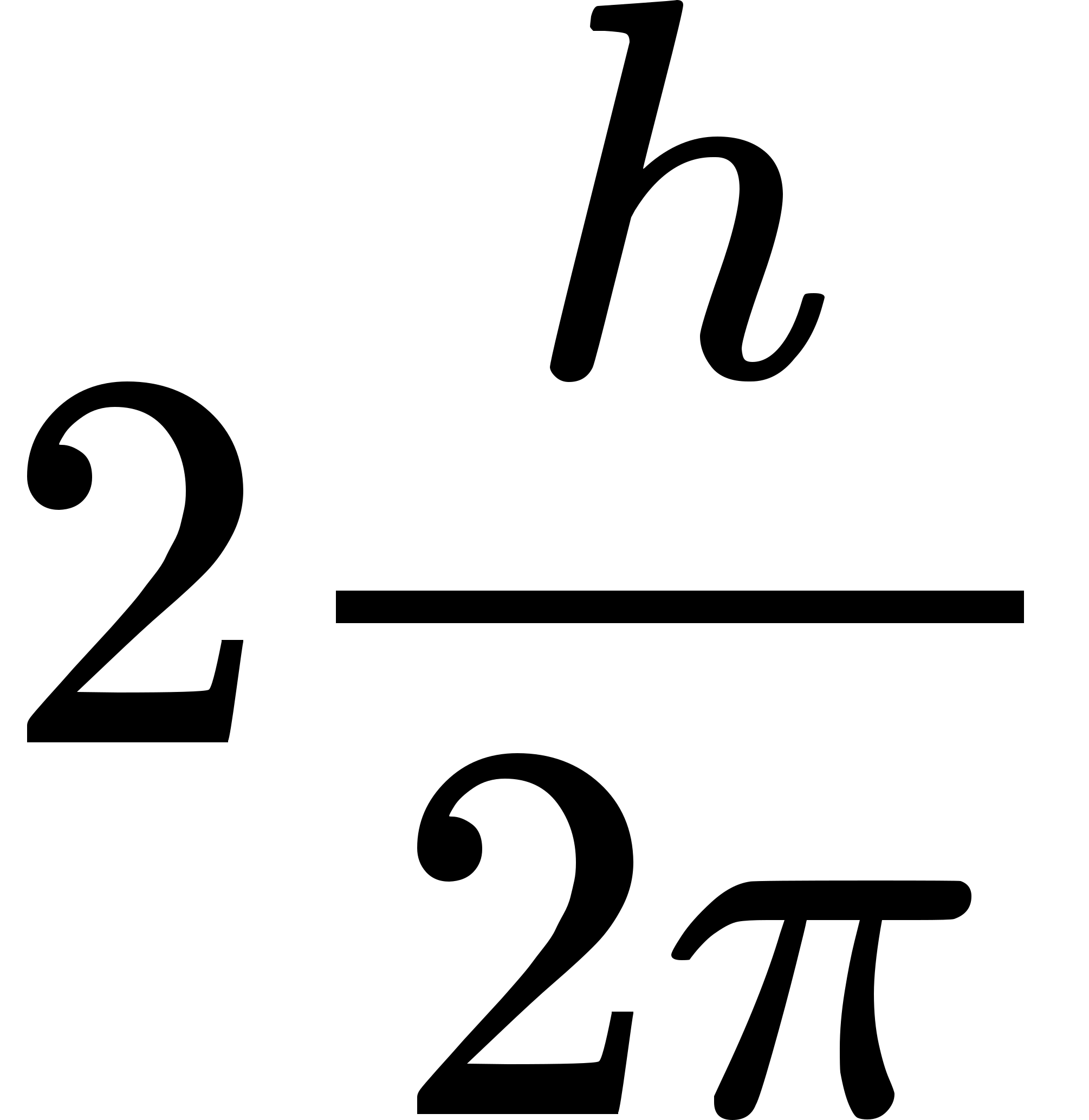 and
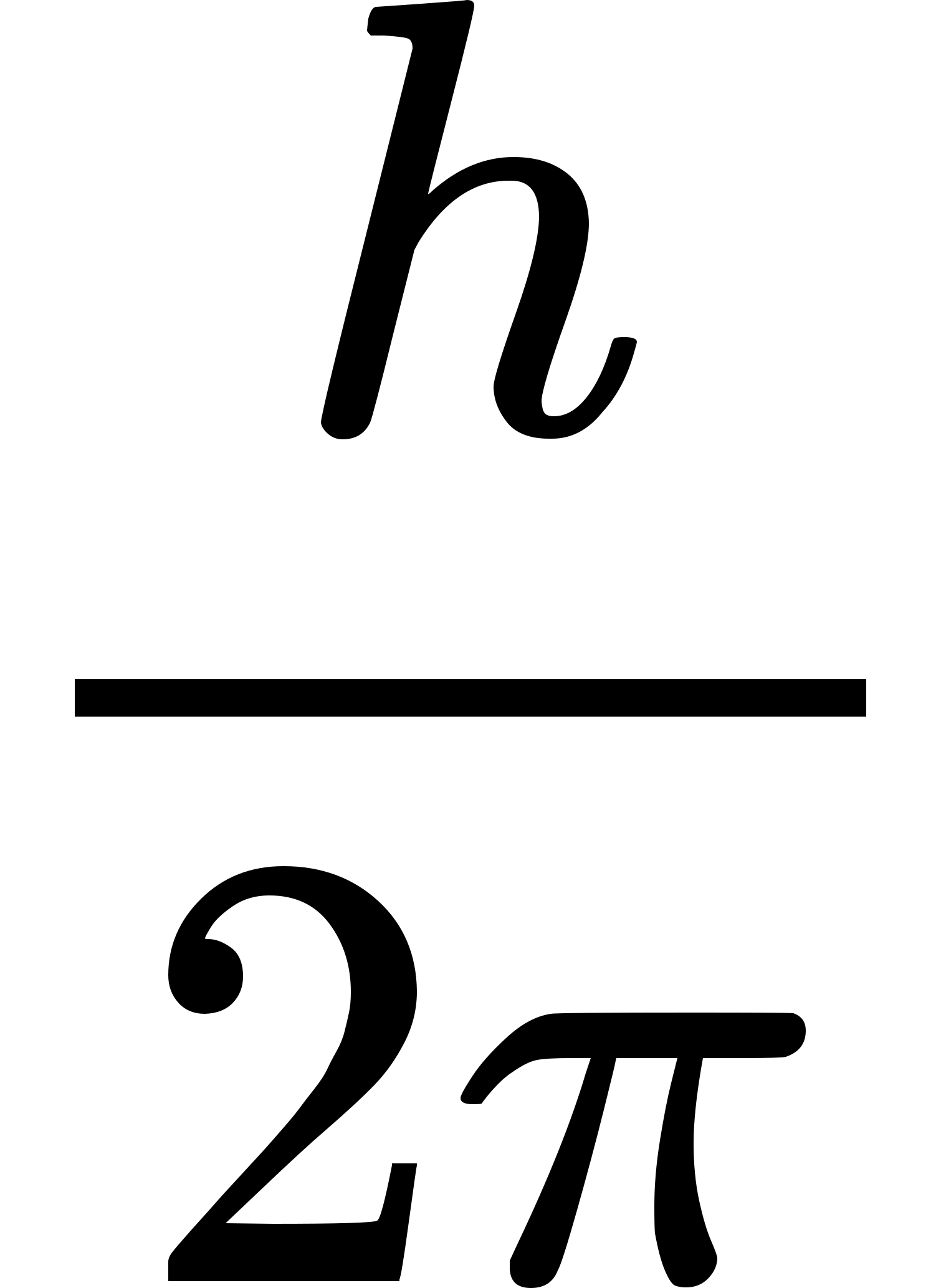 respectively. From the replacement of
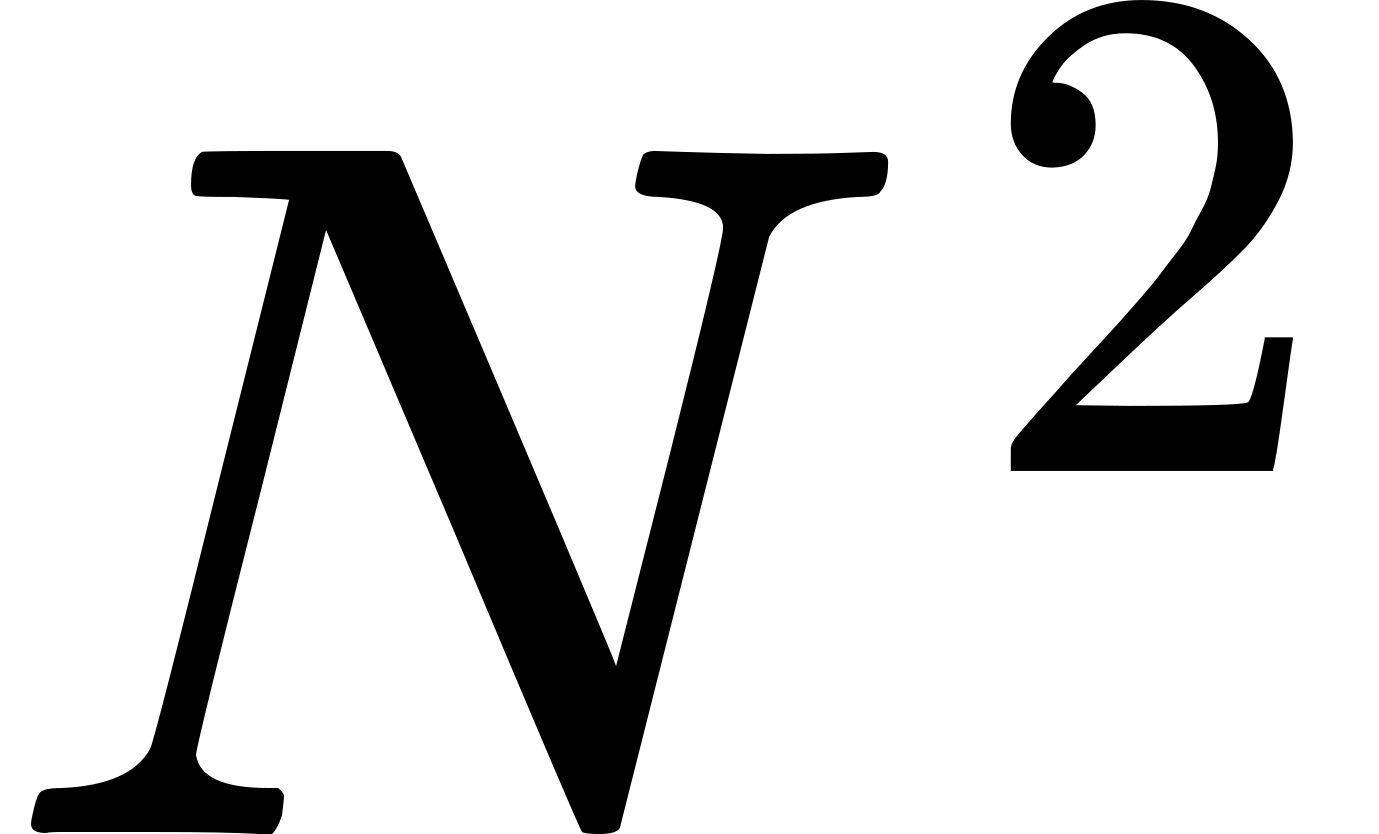 by
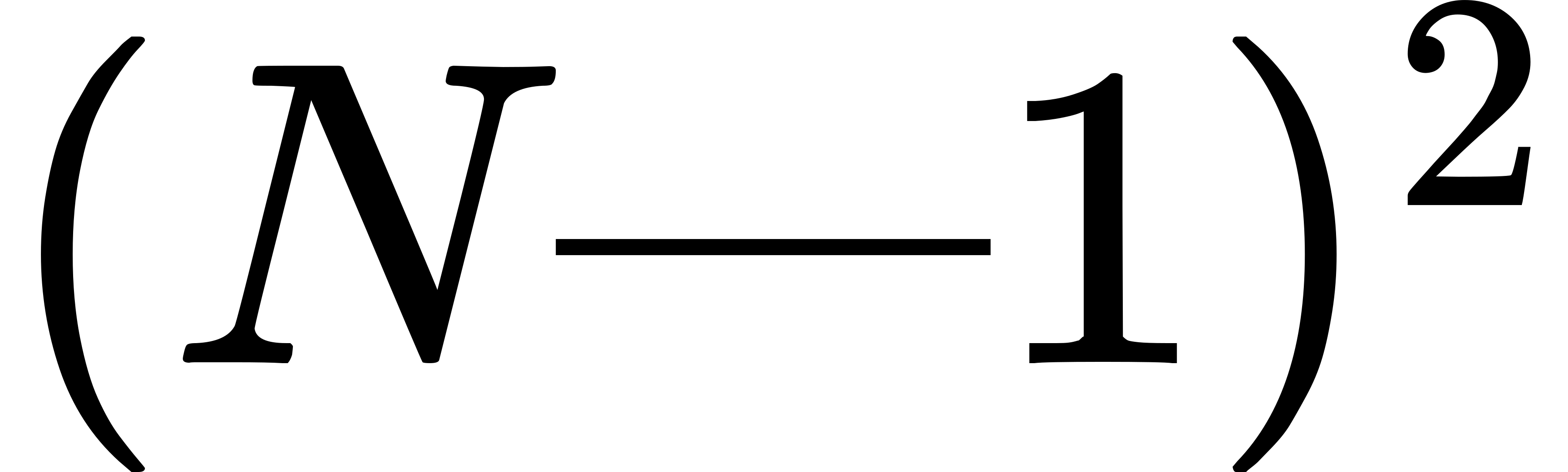 he deduced that the number of electrons in the ring was equal to
4. This view, however, can hardly be maintained. The approximate
agreement mentioned above with Whiddington’s measurements for the
energy necessary to produce the characteristic radiation indicates
very strongly that the spectrum is due to a displacement of a single
electron, and not to a whole ring. In the latter case the energy should
be several times larger. It is also pointed out by Nicholson
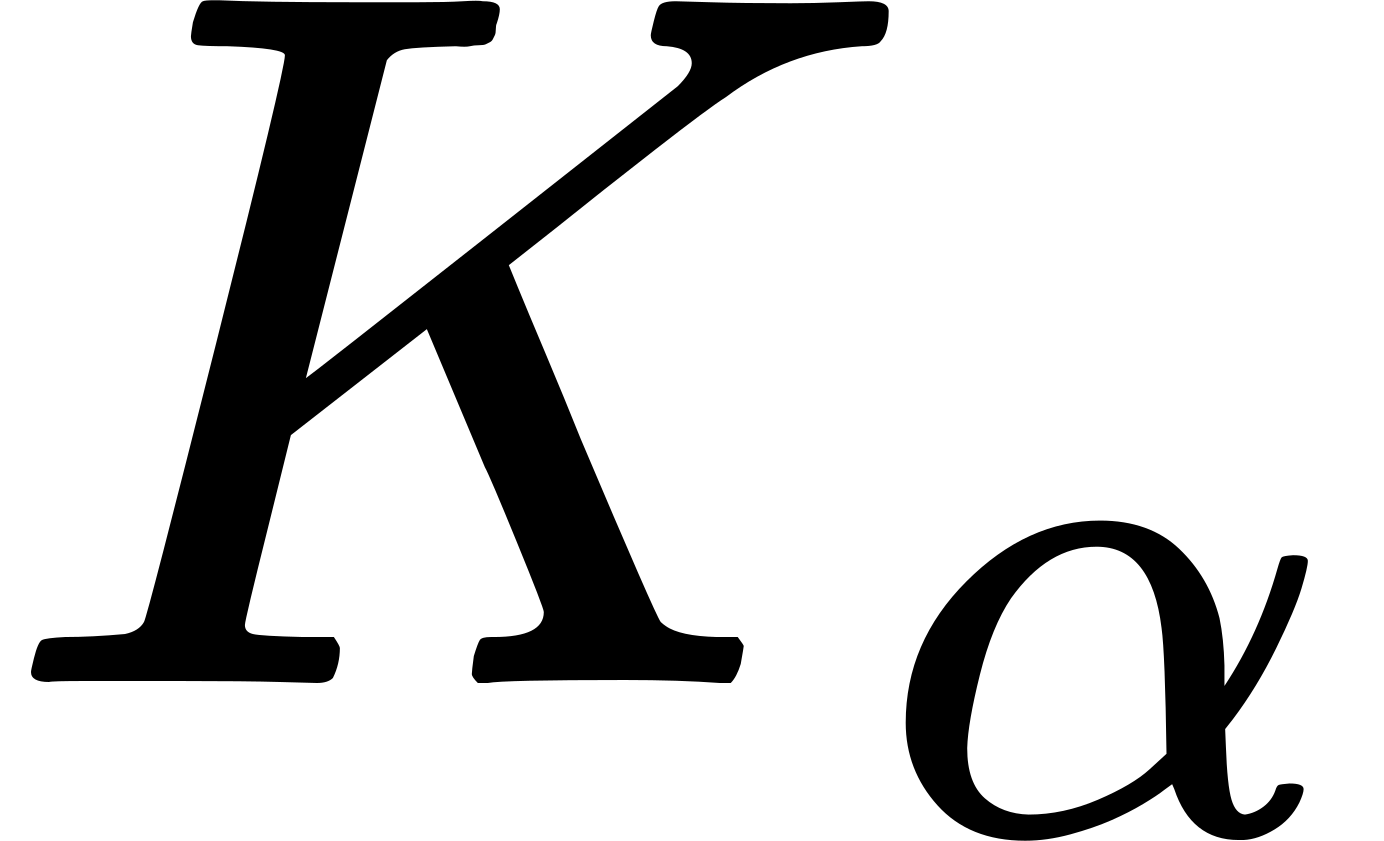 corresponds to the radiation emitted when an electron jumps from ring
2 to ring 1, and that the line
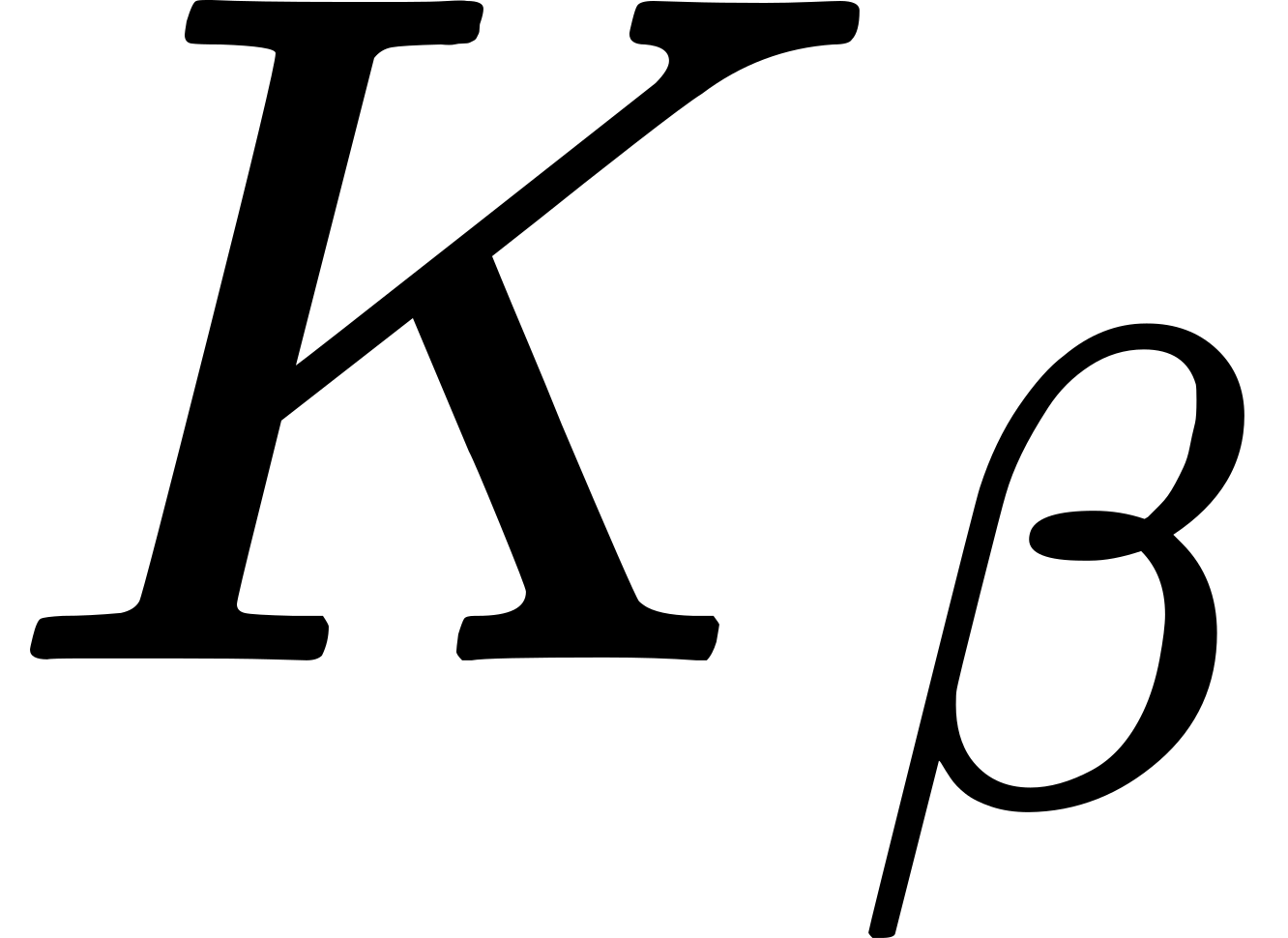 ,
 radiation, Kossel makes assumptions analogous to those for the

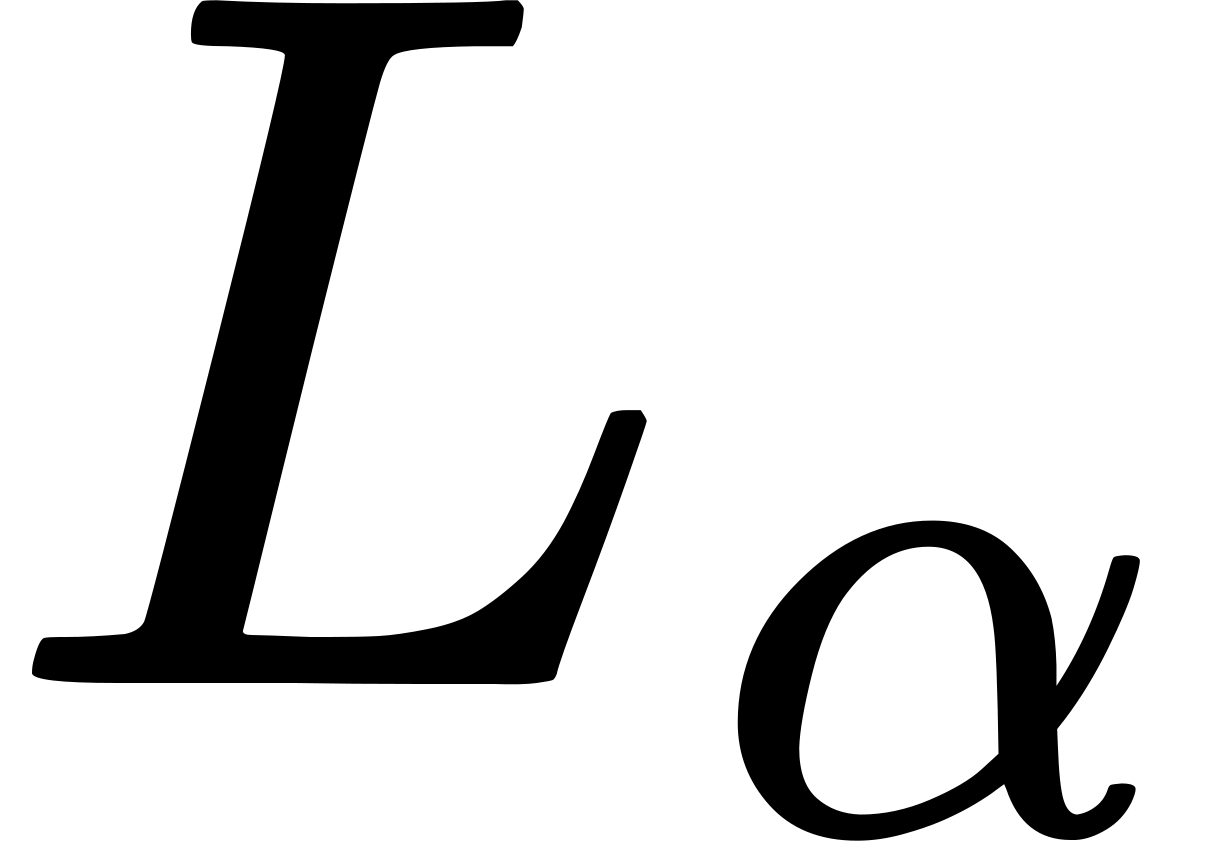 by the help of Moseley’s. empirical
formula, Kossel showed that the first relation was closely satisfied
for the elements from calcium to zinc. Recently T. Malmer
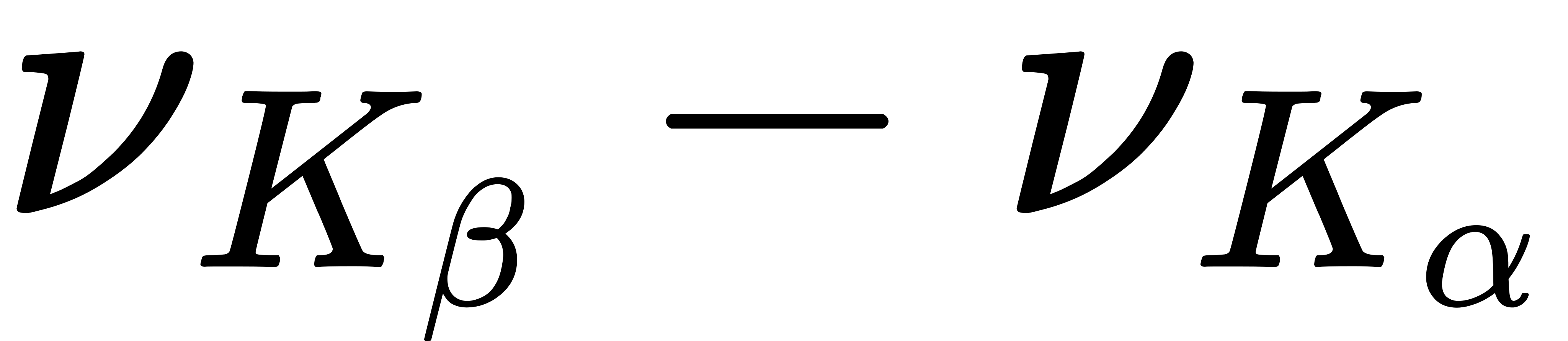 and Moseley’s values for
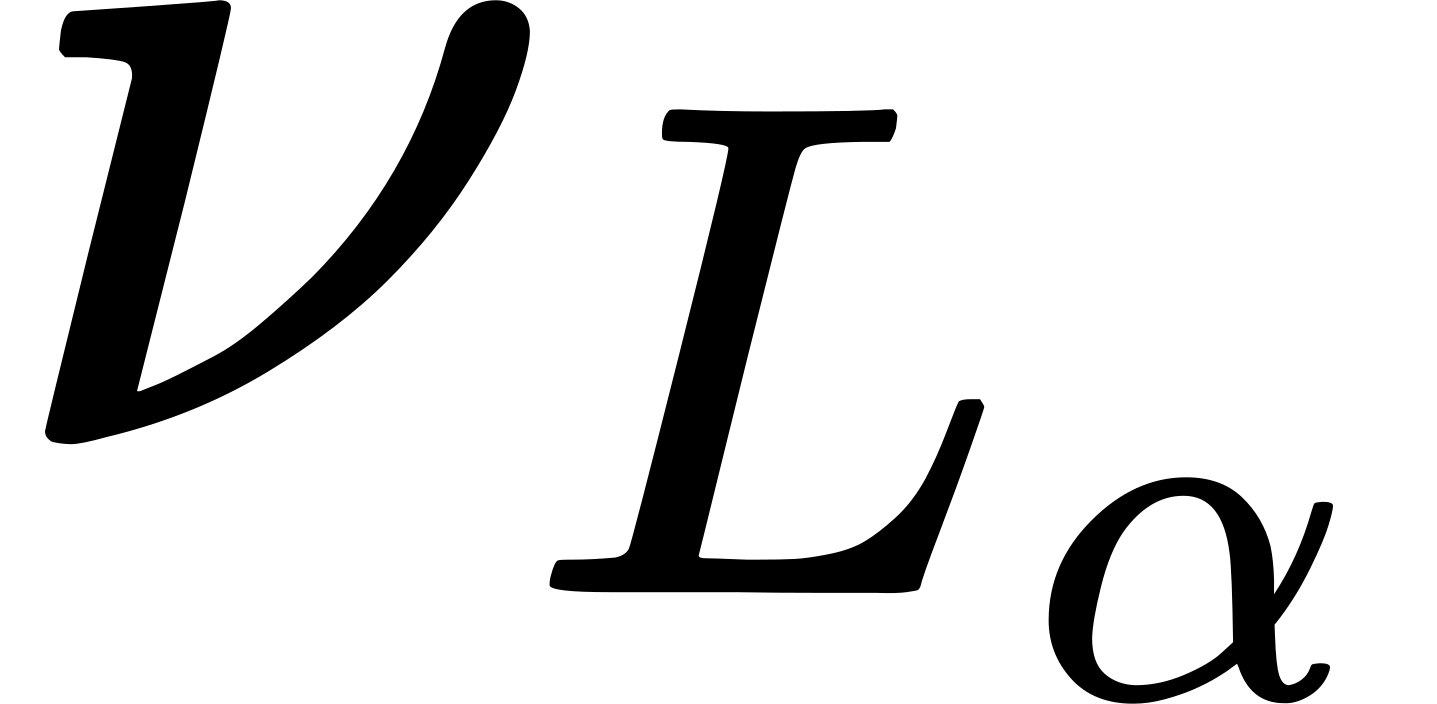 ,
 .
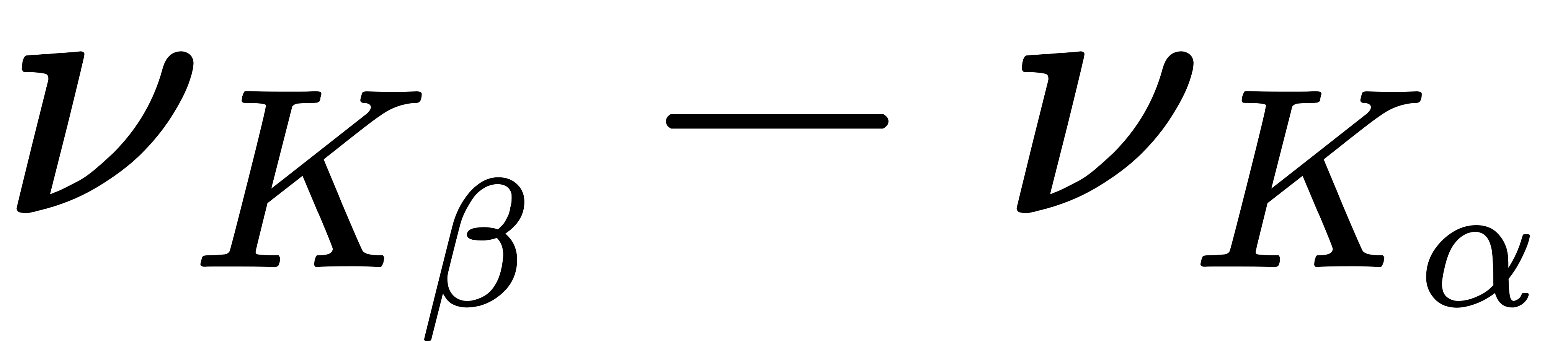
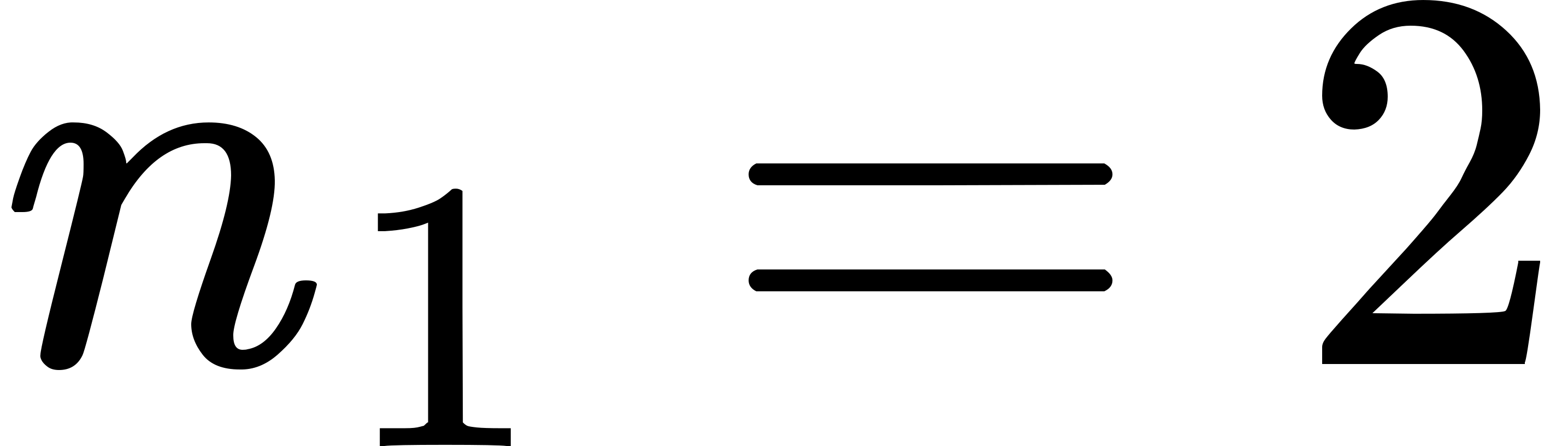 we get a series in the extreme
ultraviolet of which some lines have recently been observed by Lyman
(Nature, xcv. p. 343, 1915).