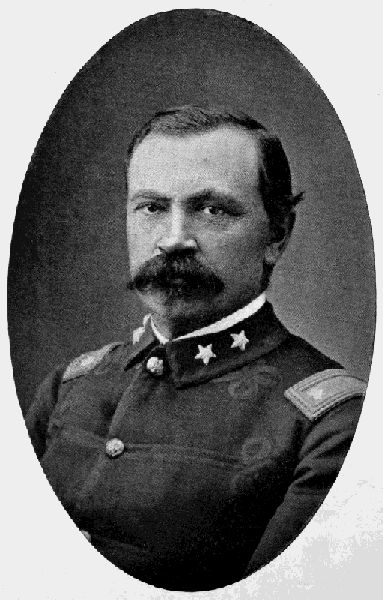
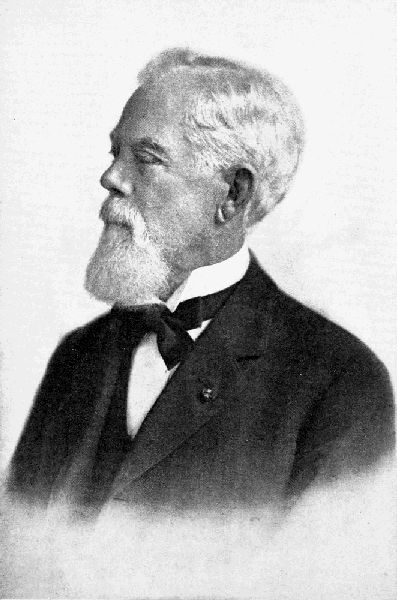
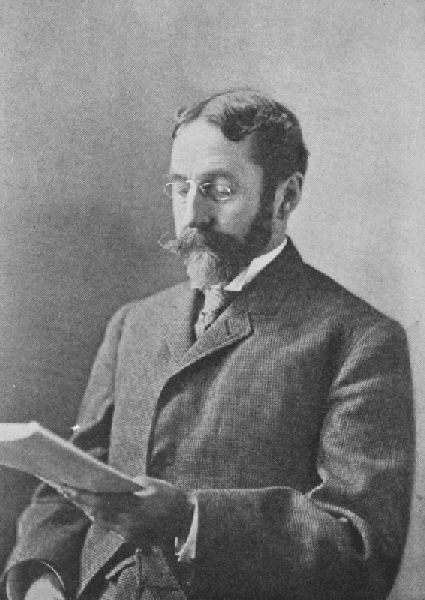
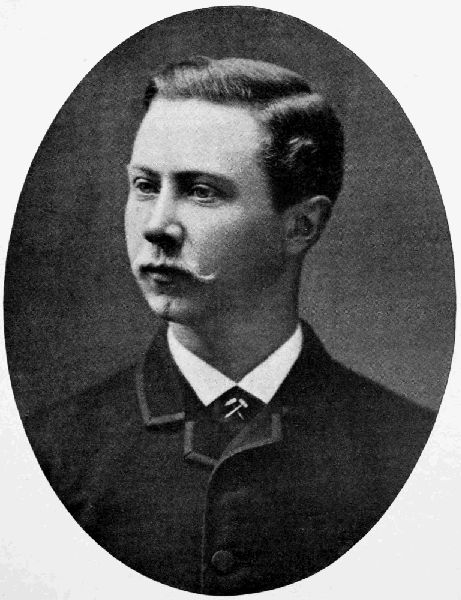
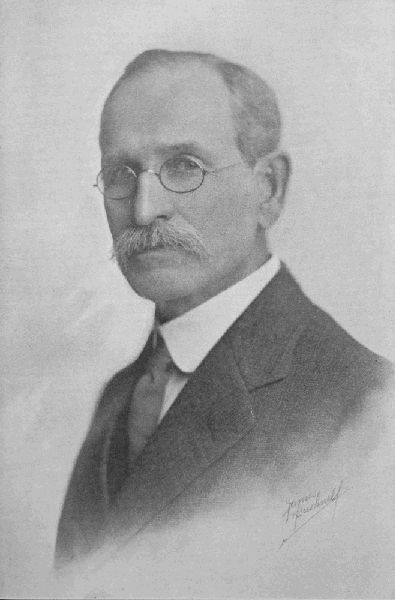
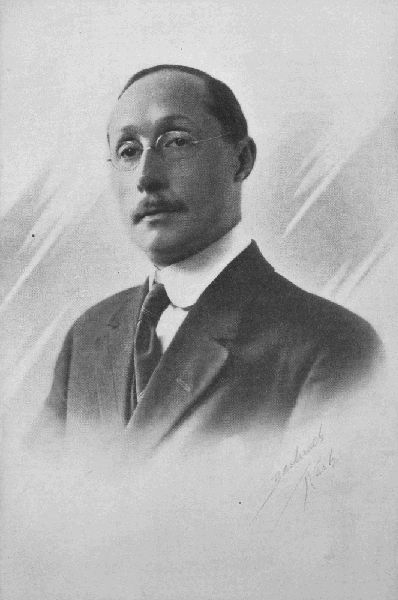
Charles Vancouver Piper was born on Vancouver Island, at
Victoria, British Columbia, on June 16, 1867. He graduated
from the University of Washington in 1885 and since then
has received degrees and honors from other institutions and
learned societies. He was professor of botany and zoölogy
at the Washington Agricultural College (now State College of
Washington) from 1892 to 1903. He has been agrostologist
in charge of forage crop investigations for the Bureau of Plant
Industry, United States Department of Agriculture, since 1903.
He has discovered many new forms of plant life and has published
many monographs and books in the field of botany. This
account of the flora of Mount Rainier was first published in
The Mazama (Portland, Oregon) in two articles, one in Volume
II, Number 2 (April, 1901), and the other in Volume II,
Number 4 (December, 1905). They are reproduced with the
consent of the editor of The Mazama, and Professor Piper has
revised and amplified them for this purpose.
Up to an elevation of 4,000 feet or more the flanks
of Mount Rainier are clothed in a continuous belt of
somber forest, broken only where glaciers and their
nascent streams have hewn pathways, or where, alas,
fire has left desolate slopes marked here and there by
the whitened, weather-worn shaft of some old tree, a
dreary monument to its destroyed fellows. This
forest is composed in its lower reaches largely of Douglas
spruce. Scattered through it in smaller quantities
one finds Lovely fir, Western white pine, Western
hemlock, a few Engelmann spruces, and on the stream
banks cedar and yew, and now and then a little cottonwood.
At about the 3,500-foot level the character of the
forest changes. The Western hemlock gives way to
the larger-coned Black hemlock; the Douglas spruce
and Lovely fir are replaced by the Noble fir; and
the ragged-barked Alaska cedar greets the eye. Another
thousand feet and the Subalpine fir replaces its
two near relatives. From this point upward, the
forest, now composed only of Black hemlock, Alaska
cedar and Subalpine fir, to which in some places the
White-bark pine must be added, is confined largely to
the crests of ridges and straggles up the mountain in
irregular broken lines. Between these timbered ridges
extensive grassy slopes appear, veritable flower gardens
when in their glory.
At 6,500 feet elevation the timber ceases to be.
Scraggly prostrate firs and hemlocks, sprawling as it
were on the earth for shelter, mark sharply the limit
of their endurance. Here, too, the continuous carpet
of grass and flowers ceases—and a soil of volcanic
sand or powdered pumice supports a very different
vegetation. At 10,000 feet the toughest mountaineer
of all the flowering plants, Smelowskia ovalis, still
appears. Far above this, however, even to the crater's
rim, lichens trace their hieroglyphics on the rocks;
and on the steam-warmed rocks of the crater two
mosses find lodgment, Hypnum elegans Hooker?, and
Philonotis fontana Bridel, the latter even in fruit.
Few plants grow in the dense shades of the lower
forests, and these are mainly ericaceous. Most plentiful
are >Vaccinium ovalifolium, V. macrophyllum,
Gaultheria ovatifolia, Menziesia ferruginea,
Pachystima myrsinites,
Cornus canadensis and Clintonia uniflora.
Here, too, occur several weird-looking whitish or reddish
saprophytes, Monotropa hypopitys, Pterospora andromedea,
and Corallorhiza mertensiana.
On the drier portions of the grassy slopes Lupinus
subalpinus, Castilleja oreopola, Potentilla flabellifolia,
Pulsatilla occidentalis, Erigeron salsuginosus,
Polygonum
bistortoides, Phyllodoce empetriformis, Cassiope
mertensiana and Vaccinium deliciosum are the most
attractive plants. Where the ground is springy Veratrum
viride occurs in great clumps and Dodecatheon
jeffreyi, Caltha leptosepala and Ranunculus suksdorfii
are plentiful.
In the shelter of the Alpine trees Rhododendron albiflorum,
Ribes howellii and Arnica latifolia flourish.
Along the rills Gentiana calycosa, Arnica chamissonis
and Mimulus lewisii form banks of color. On the
cliffs Chelone nemorosa, Spiraea densiflora, Polemonium
humile and Castilleja rupicola are perhaps most
conspicuous.
Above the limit of trees, in what have been called
"pumice fields," a characteristic series of plants
appears. This belt ranges in altitude from 6,500 to
10,000 feet. It is best developed on the east side
of the mountain, where the avalanches from Little
Tahoma have covered great areas with more or less
finely divided basalt. Conspicuous plants of this
region are Lupinus lyallii, Spraguea multiceps, Polemonium
elegans, Hulsea nana, Erigeron aureus, Oreostemma
alpigena, Polygonum newberryi, Poa suksdorfii, Draba
aureola and Smelowskia ovalis. The last three ascend
to above Camp Muir, altitude 10,000 feet.
The first botanist to visit Mount Rainier was Dr.
William F. Tolmie, surgeon of the Hudson's Bay Company,
who reached the mountain in 1833. He made
considerable collections, which were sent to Sir William
Hooker. Among Tolmie's plants were several not
previously known.
The writer collected on the mountain in 1888 and
again in 1889 and 1895. Since then the following
botanists have made collections on Mount Rainier:
Rev. E. C. Smith, in 1889 and 1890; Dr. E. L. Greene,
in 1889; Mr. J. B. Flett in 1895, 1896 and since; Mr.
M. W. Gorman in 1897; and Mr. O. D. Allen from 1895
to about 1905.
Most of the work done thus far has been in Paradise
Park and its immediate vicinity. Next to this, the
flora of Spray Park is best known. The east slopes of
the peak have been partially explored, but to the
knowledge of the writer no botanist has ever yet collected
on the west slopes.
The list of plants here given numbers 315 species.
In preparing it, Longmire Springs, altitude 2,850 feet,
has been selected as the lowermost limit on the south
side of the mountain, and Crater Lake, altitude about
3,500 feet, as the limit on the north side. It is quite
certain that a considerable number of lowland plants
will have to be added to the list here given, and it is
possible that a few have been included that will have
to be dropped, as the exact place of collection of some
species is not clearly indicated on the labels of the
specimens. Unless otherwise stated, the notes are
based on the writer's observations and specimens,
and refer mainly to the Paradise Park region.
There yet remains much to be done in the study of
the Mount Rainier flora. A particularly interesting
phase of it lies in the matter of altitudinal distribution
of the various species.
No attempt is here made to list the plants lower than
the ferns. The writer has made considerable collections
of the fungi, liverworts and mosses; and Mr. O. D. Allen
has also collected the mosses. These plants should
receive a larger amount of attention from botanists
who visit the mountain in the future.
The following plants were first described from specimens
obtained on Mount Rainier:
Petasites nivalis Greene.
Luina piperi Robinson.
Prenanthes stricta Greene.
Oreostemma alpigena (Torrey & Gray) Greene.
Aster amplifolius Greene.
Arnica aspera Greene.
Castilleja rupicola Piper.
Mimulus caespitosus Greene.
Veronica allenii Greenman.
Pedicularis ornithorhyncha Bentham.
Pedicularis contorta Bentham.
Pentstemon tolmiei Hooker.
Pentstemon newberryi rupicola Piper.
Gentiana calycosa Grisebach.
Gentiana calycosa stricta Grisebach.
Hydrophyllum congestum Wiegand.
Polemonium elegans Greene.
Polemonium bicolor Greenman.
Dodecatheon crenatum Greene.
Vaccinium deliciosum Piper.
Ligusticum purpureum Coulter & Rose.
Hesperogenia stricklandi Coulter & Rose.
Lupinus volcanicus Greene.
Stellaria washingtoniana Robinson.
Potentilla flabellifolia Hooker.
Luzula arcuata major Hooker.
Sitanion rigidum J. G. Smith.
Sitanion rubescens Piper.
Poa saxatilis Scribner & Williams.
The type specimens of Saxifraga tolmiei were collected
by Tolmie on the "N. W. Coast." It is altogether
probable that he got them on Mount Rainier,
where the plant is so abundant.
LIST OF SPECIES
COMPOSITAE. (Aster Family.)
Scorzonella borealis (Bongard) Greene.
A plant much resembling a dandelion, occurring on the north
side of the mountain.
Troximon alpestre Gray.
A plant much resembling the dandelion, frequent on the grassy
slopes at 5,500 feet altitude.
Troximon aurantiacum Hooker.
This species has entire mostly basal leaves, and bears a single
head of orange or purple flowers. Common at 5,000 to 6,000 feet.
Troximon glaucum asperum (Rydberg) Piper.
(Agoseris leontodon asperum Rydberg.)
A species with large lemon-yellow flowers and hoary pubescent
leaves. It occurs in the pumice and lava at 7,500 feet altitude
and is quite abundant near the base of Little Tahoma.
Hieracium albiflorum Hooker.
A tall plant with hairy entire leaves and a rather ample corymb
of white flowers. Essentially a lowland plant, but occurring up
to 5,500 feet altitude, especially in burnt ground.
Hieracium gracile Hooker.
A small hawkweed with yellow flowers in black hairy involucres.
A common plant at 5,500 to 6,500 feet altitude.
Cirsium edule Nuttall.
Plentiful on the ridges of Moraine Park at the limit of trees.
Also reported by Gorman as occurring in open woods near the
timber line in Cowlitz canyon. This thistle is abundant at the
sea level, and the roots were formerly a favorite food of the Indians.
Saussurea americana D. C. Eaton.
A peculiar plant with leafy stems, two to four feet high, bearing
a dense cluster of elongate rayless heads of purple flowers. Found
only on the high ridge north of the foot of Cowlitz Glacier.
Senecio ochraceus Piper.
Goat Mountains, Allen, No. 230.
Senecio triangularis Hooker.
A tall species with triangular coarsely dentate leaves and
numerous rather small heads of yellow flowers. Abundant in the
marsh at Longmire Springs and in wet places on the mountain
slopes up to 6,000 feet altitude.
Senecio ductoris Piper.
A low species with thickish crenate leaves and deep yellow heads.
Found only on the moraine on the south side of Cowlitz Glacier.
Senecio flettii Wiegand.
Found near Cowlitz Chimneys by Miss Winona Bailey, in 1915;
previously known only from the Olympic Mountains.
Arnica latifolia Bongard.
A smooth cordate leaved plant with one to five heads, resembling
small sunflowers. Not uncommon up to 6,000 feet altitude, especially
in the shelter of timber.
Arnica mollis Hooker.
Similar to the preceding, but the leaves oblong, nearly entire,
and viscid glandular. Abundant along the rivulets, 4,000 to
6,000 feet altitude.
Arnica aspera Greene.
Described from specimens collected in Spray Park. It is very
similar to A. mollis Hooker, but the pubescence is coarser.
Arnica eradiata (Gray) Heller.
Closely related to the preceding but easily recognized by its
rayless heads. It occurs on the steep slopes above Sluiskin Falls.
Luina hypoleuca Bentham.
A beautiful suffruticose plant, six to twelve inches high, with
entire oval leaves shining green above and white tomentose beneath.
It was originally discovered by Dr. Lyall, of the International
Boundary Survey, in the Cascade Mountains at the
49th parallel. It is not uncommon about Mount Rainier, occurring
on perpendicular cliffs along the Cowlitz Glacier; in similar
places on the banks of the Nisqually at Longmire Springs; and
on the gravel bars of the same river. The flowers are cream-colored.
Rainiera stricta Greene.
(Prenanthes stricta Greene.)
(Luina piperi Robinson.)
(Luina stricta Robinson.)
A tall plant with large oblong entire leaves and a long raceme of
yellowish, rayless heads. Professor Greene makes it the type of a
new genus Rainiera, while Dr. Robinson refers it to Luina. The
plant has been collected in Spray Park by Professor Greene;
on the Goat Mountains, Allen; near Mount Adams, Henderson;
head of Naches River, Vasey; and on the high ridge northeast of
the foot of Cowlitz Glacier by the writer. The statement that the
plant has milky juice is an error.
Petasites speciosa (Nuttall) Piper.
(Nardosmia speciosa Nuttall.)
Abundant along streams up to 3,000 feet altitude. Easily
recognized by its large palmate leaves, which frequently measure
a foot or more in diameter. The flowers appear very early in
spring with the leaves and have an odor suggesting violets. This
species is clearly distinct from the Eastern P. palmata (Aiton) Gray
and was long ago well characterized by Nuttall.
Petasites frigida (Linnaeus) Fries.
(Petasites nivalis Greene).
Common along rivulets 4,000 to 5,000 feet altitude. Resembling
the preceding species, but much smaller and with quite
different leaves.
Achillea lanulosa Nuttall.
An Alpine form of the common Western yarrow. Not rare
in the decayed lava at 6,000 to 7,000 feet altitude.
Hulsea nana Gray.
A sticky plant with pinnatifid leaves and large yellow heads.
Plentiful on the east side of the mountain near the base of Little
Tahoma in the pumice fields. This seems to be the northernmost
limit of the plant.
Anaphalis margaritacea occidentalis Greene.
The well-known "Everlasting Flower," which occurs in dry or
burnt woods up to 4,000 feet altitude.
Antennaria media Greene.
A small depressed cudweed, only an inch or two high. Common
at 6,000 feet altitude.
Antennaria lanata (Hooker) Greene.
Like the preceding but larger and more hairy. Grassy slopes
at 6,000 feet. Common.
Antennaria racemosa Hooker.
Collected by Allen in the "upper valley of the Nisqually."
A much larger and greener plant than the preceding species.
Erigeron salsuginosus (Richardson) Gray.
The common pink aster or "daisy" of the grassy slopes. One
of the most conspicuous plants at 4,000 to 6,000 feet altitude,
but even ascending to 7,000 feet in a much dwarfed form.
Erigeron acris debilis Gray.
An insignificant white-flowered species, rare at about 7,500 feet
altitude.
Erigeron compositus trifidus (Hooker) Gray.
A small pinkish aster, with the leaves cut into linear lobes.
Growing in decayed lava at 7,500 feet altitude.
Erigeron speciosus De Candolle.
A handsome species with entire ciliate leaves and rather numerous
heads, with deep violet rays. Collected by Allen in the Goat
Mountains, No. 222.
Erigeron aureus Greene.
(Aplopappus brandegei Gray.)
A beautiful little aster with bright golden rays, the solitary heads
on scapes two or three inches tall. Abundant in the pumice,
7,500-8,000 feet altitude.
Aster ledophyllus Gray.
A tall species with leafy stems, and numerous middle-sized
heads with pink-purple rays. The leaves are entire, pubescent
on the under side. Not uncommon on the grassy slopes at 5,000
feet altitude.
Aster foliaceus frondeus Gray.
(Aster amplifolius Greene.)
A species with broad half-clasping leaves and deep-violet-colored
rays. Professor Greene's type came from Mount Rainier,
but his species seems not to differ from the plant earlier described
by Dr. Gray.
Oreostemma alpigena (Torrey & Gray) Greene.
(Aster pulchellus D. C. Eaton.)
A low plant with narrow tufted leaves, the scapes bearing one
or rarely two large heads. The rays are deep violet. The plant
is common in the pumice fields at 7,000-8,000 feet altitude, but,
strange to say, also occurs on the borders of small lakes at the
foot of Pinnacle Peak at 4,500 feet elevation. In exposed places
at high altitudes the leaves are often curiously twisted. It was
originally described from the specimen collected on Mount Rainier
by Tolmie.
Solidago algida Piper.
A small goldenrod, two to twelve inches tall, occurring ordinarily
on the faces of perpendicular cliffs at 5,000 to 6,000 feet elevation.
Artemisia borealis wormskioldii Besser.
A silky canescent wormwood about one foot high, its leaves
pinnate; found on the north side of the mountain by Flett.
Artemisia richardsoniana Besser.
In the Synoptical Flora, Vol. II, p. 371, this species is stated
to have been collected on Mount Rainier by Tolmie. On the
sheet in the Gray Herbarium Dr. Gray has indicated that this is
an error, the specimens having really been collected in the Rocky
Mountains by Burke.
CAMPANULACEAE. (Bellflower Family.)
Campanula rotundifolia Linnaeus.
This charming and familiar blue bell is abundant on the cliffs
near the foot of Cowlitz Glacier.
VALERIANACEAE. (Valerian Family.)
Valeriana sitchensis Bongard.
An abundant plant at 4,000 to 6,000 feet altitude. The leaves
are pinnately compound, the rather large leaflets repandly dentate.
The flowers are whitish, usually pink tinged. Like other
species, this valerian has a decidedly unpleasant odor, that is
difficult to compare with any other. To the writer the odor is
always associated with mountain meadows, doubtless because it
so frequently predominates in such places.
RUBIACEAE. (Madder Family.)
Galium triflorum Michaux.
A very common species of bedstraw which ascends on the lower
slopes of the mountain.
Galium oreganum Britton.
Goat Mountains, Allen, No. 296.
SCROPHULARIACEAE. (Figwort Family.)
Chelone nemorosa Douglas.
A handsome plant with opposite serrate leaves and corymbs of
purple-red flowers somewhat like those of the foxglove. Dry
cliffs and slopes at 5,000 feet altitude. Also reported by Gorman
as occurring at Longmire Springs.
Pentstemon confertus Douglas.
A species with entire leaves and dense clusters of small pale
yellow flowers. In its typical form the species is one to two
feet tall, but on Mount Rainier, where it occurs at from 7,000 to
8,000 feet elevation, it is reduced to two to four inches high, but
otherwise not differing from the type.
Pentstemon procerus Douglas.
Like the above, but blue flowered. It occurs at 8,000 feet and
on Rainier is scarcely two inches tall, while at lower altitudes it
is frequently as many feet high. This dwarf Alpine form has
been described by Professor Greene as a new species under the
name of Pentstemon pulchellus. It is an interesting fact that
Tolmie long ago collected on Mount Rainier a dwarf species which
Hooker named Pentstemon tolmiei. But alas, the specimens are
in fruit, and it is past finding out now whether his plant was the
yellow-flowered or the blue-flowered form. Most likely, however,
it was the latter, as that is far more frequent than the yellow-flowered
form.
Pentstemon diffusus Douglas.
A handsome species with serrate leaves and blue-purple flowers.
Mount Rainier, Piper 2068. Goat Mountains, Allen 129.
Pentstemon ovatus Douglas.
Much like the preceding plant, differing essentially in the
anthers. Collected by Allen "mountains near the upper valley
of the Nisqually," and by the writer on the slopes of Mount
Rainier.
Pentstemon menziesii Hooker.
A dwarf prostrate plant with thickish evergreen toothed leaves
and dull purple flowers, abundant on the rocks at 8,000 feet
elevation. A variety with the leaves entire instead of denticulate,
P. davidsonii Greene, also occurs on the mountain.
Pentstemon rupicola (Piper) Howell.
Much like the preceding, but with glaucous leaves and rose-colored
larger flowers. The writer found it originally on the
perpendicular cliffs, at the limit of trees above "Camp of the
Clouds."
Collinsia tenella (Pursh) Piper.
Collected by Flett on an old moraine along the Carbon Glacier.
Mimulus lewisii Pursh.
Abundant along rills, 4,000 to 5,000 feet altitude. Easily
known by its opposite dentate leaves, viscid pubescence and rose-purple
corollas. The original specimens were collected in Idaho
by the Lewis and Clark expedition.
Mimulus breweri (Greene) Rydberg.
(Eunanus breweri Greene.)
A minute species with pale purple flowers, abundant on dry
cliffs near "Camp of the Clouds."
Mimulus alpinus (Gray) Piper.
(M. luteus alpinus Gray.)
(M. scouleri caespitosus Greene.)
A dwarf plant with matted stolons, the bright yellow flowers
painting the cliffs wherever there is dripping water. The Mount
Rainier plants match closely the original types collected by Dr.
Parry in Wyoming, so that Professor Greene's name is clearly a
synonym of the earlier one of Gray.
Veronica alpina Linnaeus.
A small plant two or three inches high, with several pairs of
small, ovate, pubescent leaves, and a terminal raceme of small blue
flowers. Common at 4,500 to 5,500 feet altitude.
Veronica cusickii Gray.
A very similar plant to the above, but with larger blue flowers
and smooth leaves. Abundant just above "Camp of the Clouds."
Veronica allenii Greenman.
Much like the preceding species, but with smaller white flowers.
A new species discovered by Allen "near Paradise River at 5,400
feet elevation."
Castilleja miniata Douglas.
This vivid scarlet "Painted Cup" or "Indian Pink" is easily
known by its entire leaves. Not infrequent at 5,000 to 6,000 feet;
also occurring at lower altitudes down to sea-level.
Castilleja angustifolia hispida (Bentham) Fernald.
Very similar to the last, but the flower spikes shorter and the
leaves cut-lobed. Bear Prairie, Allen.
Castilleja rupicola Piper.
Like the last, but smaller, the leaves usually purplish and deeply
cut, the flowers intensely scarlet and with very long beaks. On
the cliffs on both sides of Sluiskin Falls, whence the original specimens
were obtained.
Castilleja oreopola Greenman.
The common species of the grassy slopes, the flowers reddish-purple
or occasionally white.
Pedicularis bracteosa Bentham.
A tall "lousewort," with fern-like leaves and a long terminal
spike of greenish-white flowers. Frequent in wet places up to
5,500 feet altitude.
Pedicularis contorta Douglas.
A yellow-flowered species not rare at 7,000 feet elevation along
the Nisqually Glacier. First found by Tolmie on Mount Rainier.
Pedicularis surrecta Bentham.
The reddish flowers with long, coiled beaks easily distinguish
this plant. Common in wet meadows at 4,000 feet altitude.
Pedicularis ornithorhyncha Bentham.
Much like the preceding but with beakless flowers. Originally
described from Mount Rainier specimens collected by Tolmie in
1833, and not again seen until the writer collected them in the same
place in 1888. The plant has since been found at two or three
places north of Mount Rainier, but all in Washington.
Pedicularis racemosa Douglas.
The commonest species, easily known by its half prostrate habit,
lanceolate leaves, and short clusters of white or pinkish twisted
flowers. Ranges from 3,000 to 5,000 feet elevation.
PINGUICULACEAE. (Butterwort Family.)
Pinguicula vulgaris Linnaeus.
The butterwort, with its greasy entire leaves in a rosette and
solitary violet flowers is not rare on moist cliffs.
LABIATAE. (Mint Family.)
Madronella discolor Greene.
A very sweet-smelling plant, the only mint as yet found on the
mountain. Occurs on the talus of the high cliffs on the north side
of Cowlitz Glacier.
BORAGINACEAE. (Borage Family.)
Mertensia laevigata Piper.
A handsome branched herb, two feet high or more. The large
entire leaves and the cluster of small blue tubular flowers make
it readily recognizable. Frequent at 4,000 to 5,000 feet altitude.
Cryptantha muriculata (A. De Candolle) Greene.
Goat Mountains, Flett; a small common lowland plant with
white flowers.
HYDROPHYLLACEAE. (Waterleaf Family.)
Hydrophyllum albifrons Heller.
(Hydrophyllum congestum Wiegand.)
On the meadows near Van Trump Glacier.
Romanzoffia sitchensis Bongard.
A handsome little plant with orbicular coarsely dentate leaves
and a loose cluster of small white flowers. In habit much like
some saxifrages. Rare on wet cliffs near Sluiskin Falls.
Phacelia nemoralis Greene.
This plant occurs on rock talus along the north side of Cowlitz
Glacier.
Phacelia sericea Gray.
A handsome species with silvery leaves and dense clusters of
purple flowers. Collected somewhere on the mountain by Rev.
E. C. Smith in 1890.
POLEMONIACEAE. (Phlox Family.)
Phlox diffusa Bentham.
A prostrate plant with acerose leaves, when in bloom forming
dense masses of pale blue. Common at 5,500 to 6,500 feet altitude,
in rocky soil.
Gilia gracilis (Douglas) Hooker.
Growing on an old moraine along Carbon Glacier, Flett.
Gilia nuttallii Gray.
A white-flowered species found by Rev. E. C. Smith in 1890
somewhere on the southwest slopes of the mountain.
Collomia debilis (Watson) Greene.
Not rare in talus at the base of basalt cliffs on the east side of
the mountain at 7,000 feet altitude.
Collomia heterophylla Hooker.
Found by Mr. Gorman on the gravelly banks of the Nisqually
at Longmire Springs; also by Flett; a common lowland plant.
Polemonium humile Roemer & Schultes.
A handsome plant with pinnate leaves and corymbs of pale
blue flowers. Common on the rocks at 5,000 to 6,000 feet
altitude.
Polemonium elegans Greene.
(P. bicolor Greenman.)
Similar to the preceding, but smaller and very glandular, the
blue flowers having a large yellow center. Rather rare in pumice
at 7,500 feet elevation.
Polemonium viscosum pilosum Greenman.
Very much like the preceding plant. Discovered by Allen on
the Goat Mountains, No. 261.
GENTIANACEAE. (Gentian Family.)
Gentiana calycosa Grisebach.
An elegant plant with deep blue bell-shaped flowers. Abundant
along the rills at 5,000 feet. The species was described from
Mount Rainier specimens collected by Tolmie in 1833. Grisebach
also described a variety stricta, based on very trivial characters.
PRIMULACEAE. (Primrose Family.)
Dodecatheon jeffreyi Van Houtte.
(D. crenatum Greene.)
(D. viviparum Greene.)
Plentiful in wet places at 4,500 to 5,500 feet elevation. Professor
Greene's types came from Spray Park.
Douglasia laevigata Gray.
A handsome little plant forming broad mats and bearing blood-red
flowers in corymbs. Goat Mountains, Allen.
Trientalis latifolia Hooker.
Gorman reports this plant as occurring in coniferous woods
between Longmire Springs and Paradise Park.
PYROLACEAE. (Indian Pipe Family.)
Chimaphila umbellata (Linnaeus) Nuttall.
Reported by Gorman "on the trail above Longmire Springs,
in coniferous woods."
Chimaphila menziesii (R. Brown) Sprengel.
In deep coniferous woods, 2,000 to 4,000 feet elevation.
Pyrola secunda Linnaeus.
Growing with the preceding.
Pyrola bracteata Hooker.
Reported by Gorman "in coniferous woods along the Nisqually
River at 2,850 feet."
Moneses uniflora (Linnaeus) Gray.
In woods near the base of the mountain.
Monotropa hypopitys Linnaeus.
Common in the dense shade of conifers along the trail above
Longmire's.
Pterospora andromedea Nuttall.
This peculiar plant occurs along the Nisqually trail at about
3,000 feet altitude.
Allotropa virgata Torrey & Gray.
This queer plant is abundant in coniferous woods on the north
side of the mountain, but it is doubtful whether it comes within
our limits.
ERICACEAE. (Heath Family.)
Menziesia glabella Gray.
A shrub four to eight feet high, much resembling a huckleberry,
but the fruit is dry.
Kalmia polifolia microphylla (Hooker) Piper.
In wet places at 7,000 feet altitude near Nisqually Glacier.
Phyllodoce empetriformis (Smith) D. Don.
The common red-flowered heather, abundant on dryish slopes
at 5,000 to 6,000 feet elevation.
Phyllodoce glanduliflora (Hooker) Coville.
Much like the preceding, but the flowers yellowish-white and
glandular. Frequent at 6,500 to 7,500 feet elevation.
Cassiope mertensiana (Bongard) Donn.
A low shrub growing with Phyllodoce empetriformis, and having
small pendent, bell-shaped white flowers.
Harrimanella stelleriana (Pallas) Coville.
On the moist cliffs overlooking the Nisqually Glacier, at 5,500 feet
elevation. This is the southernmost known station for the plant.
Gaultheria shallon Pursh.
The salal-berry is reported by Gorman to occur in coniferous
woods between Longmire Springs and Paradise Park.
Gaultheria ovatifolia Gray.
This species resembles a diminutive plant of the preceding, but
the berries are red and spicy, and borne singly in the axils of the
leaves. Abundant in the coniferous woods at 3,000 to 3,500 feet
elevation.
Gaultheria humifusa (Graham) Rydberg.
Much like a small plant of the preceding species, and only an
inch or two high. Not rare on the slopes near Sluiskin Falls.
Rhododendron albiflorum Hooker.
(Cladothamnus campanulatus Greene).
The white-flowered azalea so common in the shelter of trees
at 5,000 to 5,500 feet elevation.
Arctostaphylos uva-ursi Linnaeus.
The kinnikinnik, essentially a lowland plant, covers the rocks
at 8,000 feet altitude near Nisqually Glacier.
Arctostaphylos nevadensis Gray.
On the gravel bars of the Nisqually at Longmire Springs.
Vaccinium macrophyllum (Hooker) Piper.
The most valuable of all the native huckleberries. Easily
recognized by the nearly black, not glaucous berries, and finely
serrate leaves. Plentiful at 3,000 to 4,000 feet altitude.
Vaccinium ovalifolium Smith.
Much like the preceding, but taller, the leaves entire, and the
glaucous black berries not nearly so sweet.
Vaccinium myrtillus microphyllum Hooker.
(V. scoparium Leiberg.)
A low, broom-like species, with small leaves and red or wine-colored
berries. On dry ridges, 4,000 to 5,000 feet altitude.
Vaccinium deliciosum Piper.
This is the common bilberry of the alpine meadows of the Cascade
and Olympic Mountains in Washington, where it is abundant
at 4,500 to 5,500 feet altitude. In habit and fruit it resembles V.
caespitosum, but in floral characters V. ovalifolium, to which Dr.
Gray rather hesitatingly referred it. From this last it may readily
be distinguished by its serrulate leaves and low habit, its relatively
longer filaments, which in V. ovalifolium are only one half as long
as the anthers, and its small-seeded fruit of very different flavor.
Very young leaves have the serrulations tipped with small glandular
appendages.
UMBELLIFERAE. (Parsley Family.)
Ligusticum purpureum Coulter & Rose.
A tall "wild parsnip," with fern-like leaves and small whitish
or purple-tinged flowers. Everywhere on the slopes, 4,000 to
6,000 feet elevation.
Lomatium angustatum Coulter & Rose.
In rock talus near Sluiskin Falls.
Lomatium triternatum Coulter & Rose.
A form of this variable species was found on the Goat Mountains
by Allen, No. 257.
Angelica lyallii Watson.
Paradise Park, 5,000 feet elevation. Also common near the
foot of Cowlitz Glacier.
Sanicula septentrionalis Greene.
Goat Mountains, Allen, No. 254.
Osmorhiza ambigua (Gray) Coulter & Rose.
Goat Mountains, Allen, No. 256.
Heracleum lanatum Michaux.
Common at 4,000 feet elevation.
Hesperogenia stricklandi Coulter & Rose.
An interesting plant, the type of a new genus, found in Paradise
Park by Allen and by Strickland. Also collected on the mountain
by Flett. Occurs at 6,500 feet elevation.
HALORAGIDACEAE. (Water Milfoil Family.)
Hippuris vulgaris Linnaeus.
Found by Allen at Longmire Springs.
Hippuris montana Ledebour.
An interesting little species much resembling some mosses.
It frequently mats the ground in wet places at 4,500 feet elevation.
ONAGRACEAE. (Evening Primrose Family.)
Epilobium spicatum Lamarck.
The common "fireweed," reported by Gorman on the "grassy
slopes, 5,000 to 6,000 feet altitude."
Epilobium latifolium Linnaeus.
A species with flowers like the preceding, but only four to six
inches tall. Found by Rev. E. C. Smith near the Cowlitz Glacier.
Epilobium luteum Pursh.
A yellow-flowered species common along streams, 3,000 to 5,000
feet elevation.
Epilobium alpinum Linnaeus.
(E. hornemanni Reichenbach.)
Common at 4,000 to 6,000 feet altitude.
Epilobium anagallidifolium Lamarck.
A minute species found on the Tatoosh Mountains by Allen.
Epilobium clavatum Trelease.
Gravelly slopes at 5,000 feet. Plentiful along the Cowlitz
Glacier.
Epilobium fastigiatum (Nuttall) Piper.
A glaucous-leaved small species, on the gravel bars of the Nisqually,
and up to 4,500 feet elevation.
Gayophytum ramosissimum Torrey & Gray.
On gravelly slopes near the foot of Cowlitz Glacier.
VIOLACEAE. (Violet Family.)
Viola palustris Linnaeus.
The common swamp violet was found at Narada Falls by Flett.
Viola adunca Smith.
Rare in rock crevices near Sluiskin Falls. Flowers deep violet.
Viola montanensis Rydberg.
Like the preceding, but the leaves puberulent. Near Van
Trump Glacier, at 6,000 feet altitude.
Viola glabella Nuttall.
A yellow-flowered species common along streams and in rich
woods up to 3,000 feet altitude.
HYPERICACEAE. (St. Johnswort Family.)
Hypericum bryophytum Elmer.
A diminutive plant along rills at 5,000 feet elevation.
ACERACEAE. (Maple Family.)
Acer douglasii Hooker.
The smooth maple is common on the headwaters of the Nisqually.
CELASTRACEAE. (Staff Tree Family.)
Pachystima myrsinites (Pursh) Rafinesque.
An evergreen shrub two or three feet high, having considerable
resemblance to a huckleberry. Common in coniferous woods at
3,000 to 4,000 feet elevation.
EMPETRACEAE. (Crowberry Family.)
Empetrum nigrum Linnaeus.
A prostrate cespitose shrub with yew-like leaves and black
berries. Common on the rocks at 7,500 feet altitude.
OXALIDACEAE. (Oxalis Family.)
Oxalis oregana Nuttall.
Common in rich, moist woods up to 3,000 feet altitude.
Oxalis trilliifolia Hooker.
With the preceding, which it resembles. It may be distinguished
by its scapes bearing several flowers, instead of only one, and by
its narrow pods.
LEGUMINOSAE. (Pea Family.)
Lupinus subalpinus Piper & Robinson.
The common lupine of the grassy slopes, 4,000 to 6,000 feet
altitude.
Lupinus volcanicus Greene.
A small species, with hairy pubescence, growing above the limit
of the preceding and below that of the following.
Lupinus lyallii Watson.
A lovely little plant with silvery foliage. Abundant in the
pumice fields at 7,000 to 8,000 feet altitude.
Lathyrus pauciflorus Fernald.
A wild pea with purple flowers collected by Allen in the Goat
Mountains.
Lathyrus nevadensis Watson.
Very like the preceding but with white flowers. Collected by
Allen, No. 297, on mountains near the upper valley of the Nisqually.
Oxytropis cusickii Greenman.
Goat Mountains, Allen, No. 245.
ROSACEAE. (Rose Family.)
Spiraea densiflora Nuttall.
A low shrub with dense corymbs of rose-colored flowers. Common
in bogs at 4,500 feet, and on rock cliffs up to 6,000 feet elevation.
Eriogynia pectinata (Pursh) Hooker.
A little shrub only two or three inches tall, forming dense
mats. The plant should easily be recognized by its sharply cleft
leaves and dense erect racemes of white flowers. Abundant at
5,000 to 6,000 feet elevation. Gorman reports it from near the
"Sphinx," 8,500 feet.
Rubus nivalis Douglas.
A trailing vine, with glossy, green, simple leaves. Common in
the coniferous forests at 3,000 feet altitude, where it seldom blooms.
On exposed rocks and banks one rarely finds its dull red flowers
or bright red, raspberry-like, sour fruit.
Rubus pedatus Smith.
A trailing herbaceous plant, with palmately compound leaves
and strawberry-like blossoms. The smooth red fruit is sour, and
consists of only a few large drupelets. Common in the woods up
to 4,000 feet altitude.
Rubus lasiococcus Gray.
Much like the preceding, but with simple leaves and pubescent
fruit. Grows with the preceding, and up to 5,000 feet or more.
Potentilla flabellifolia Hooker.
The common cinquefoil of the meadows, with bright yellow
buttercup-like flowers. Plentiful at 5,000 feet elevation.
Potentilla dissecta Pursh.
This has been collected by Allen on the Goat Mountains, No. 251.
Potentilla glaucophylla Lehmann.
Near the foot of Gibraltar, at 8,500 feet altitude.
Potentilla villosa Pallas.
A species with silvery strawberry-like leaves and bright yellow
flowers. On the cliffs near the foot of Little Tahoma, at 7,500
feet elevation.
Potentilla fruticosa tenuifolia (Willdenow) Lehmann.
This shrubby cinquefoil occurs along White River Glacier.
Sibbaldia procumbens Linnaeus.
Abundant on the ridge near Sluiskin Falls.
Dryas octopetala Linnaeus.
Found in talus between Urania and White Glaciers by Professor
Flett. This is the southernmost known station in the
Cascade Mountains.
Pyrus occidentalis Watson.
This mountain ash occurs at 4,500 to 5,000 feet altitude, usually
forming dense clumps. It is seldom over four feet high. From
related species its dull purple glaucous fruit and dull green leaves,
serrate only near the apex, easily distinguish it.
Pyrus sitchensis (Roemer) Piper.
(Sorbus sitchensis Roemer.)
This species grows from four to fifteen feet high, and is easily
known by its intense scarlet fruit and shining leaflets, which are
sharply serrate to the base. The plant of the Cascade Mountains
matches exactly with the type from Sitka, and we can detect no
differences in the shrub common in the Blue Mountains and in
Western Idaho. This shrub has heretofore been known as Pyrus
sambucifolia Chamisso & Schlechtendahl, but authentic Kamtschatka
specimens of this last are clearly different from our plant.
Rosa nutkana Presl.
This common wild rose has been collected by Allen on the Goat
Mountains, at 4,500 feet elevation.
SAXIFRAGACEAE. (Saxifrage Family.)
Ribes howellii Greene.
(Ribes acerifolium Howell.)
A small currant, two to four feet high, with pendent racemes
of flowers and glaucous black fruit. Common in the shelter of
trees up to their limit.
Ribes bracteosum Douglas.
A currant with very large leaves and long, erect racemes of
greenish flowers; fruit black. It is common along streams at low
altitudes, and is locally known as "stink currant." Gorman reports
it from Cowlitz Canyon, near the timber line.
Ribes lacustre (Persoon) Poiret.
This very prickly gooseberry is reported by Gorman from the
same locality as the preceding.
Leptarrhena amplexifolia (Sternberg) Seringe.
A handsome plant, with a radical tuft of oblong crenate evergreen
leaves, and an erect scape of small greenish flowers in a
corymb. The pods when mature are usually deeply tinged with
purple. Common on the borders of rills at 5,000 feet, and on the
wet cliffs near Sluiskin Falls. Also reported by Professor Greene
from Spray Park.
Tiarella unifoliata Hooker.
Common in rich woods up to 3,500 feet elevation.
Mitella breweri Watson.
In the shelter of trees, common at 6,000 feet altitude.
Mitella pentandra Hooker.
Much like the preceding and found in similar places.
Mitella trifida Graham.
Found on Mount Rainier and on Goat Mountains by Allen.
Parnassia fimbriata König.
A plant with radical reniform leaves and one-flowered scapes.
The petals are white and fringed. Not rare in moist places near
Sluiskin Falls; also at Crater Lake.
Heuchera glabra Willdenow.
On the cliffs near Camp of the Clouds.
Heuchera micrantha Douglas.
Mount Rainier, Tolmie, according to Hooker.
Elmera racemosa (Watson) Rydberg.
(Heuchera racemosa Watson.)
Rock crevices at the base of Little Tahoma; rare.
Suksdorfia ranunculifolia (Hooker) Engler.
Rock Cliffs near Camp of the Clouds.
Saxifraga bongardi Presl.
Common along rills, 5,000 to 6,000 feet elevation.
Saxifraga bronchialis austromontana (Wiegand) Piper.
Abundant on rock cliffs near Longmire Springs, and frequent
up to 6,000 feet altitude.
Saxifraga marshallii Greene.
Rare on the cliffs near Sluiskin Falls. Also collected on the
Goat Mountains by Mr. Allen.
Saxifraga odontoloma Piper.
A species with reniform, coarsely dentate leaves. Common
along the rivulets, 5,000 to 6,000 feet altitude.
Saxifraga nelsoniana D. Don.
Much like the preceding, but the petals oval instead of orbicular
and clawed. Near Camp of the Clouds; rare.
Saxifraga mertensiana Bongard.
Much like S. odontoloma, but the leaves doubly dentate, and
usually bearing bulblets among the flowers. North side of Cowlitz
Glacier; rare.
Saxifraga tolmaei Torrey & Gray.
Abundant at 5,000 to 7,500 feet elevation, blooming as soon as
the snow melts. Easily known by its small, thick, entire leaves,
and small white flowers, solitary on scapes an inch or two high.
Originally found by Tolmie, from whose specimens the species
was described.
Saxifraga debilis Engelmann.
Found on Mount Rainier by Mr. Allen. This is the first record
of the plant west of Colorado.
Saxifraga caespitosa Linnaeus.
Collected by Flett and by Allen. Leaves 3 to 5-lobed.
CRASSULACEAE. (Stonecrop Family.)
Sedum divergens Watson.
This species is easily known by its small globular leaves. Common
on the cliffs near Sluiskin Falls.
CRUCIFERAE. (Mustard Family.)
Draba aureola Watson.
A viscid yellow-flowered species, rather rare at and near Camp
Muir.
Draba lonchocarpa Rydberg.
In pumice sand at 8,500 feet altitude.
Arabis lyallii Watson.
Common along Paradise River, at 5,000 feet altitude, but also
occurring in the pumice at 7,500 feet.
Arabis drummondii Gray.
Piper No. 2065, referable to this species, is from Mount Rainier.
Collected near the Cowlitz Glacier.
Cardamine kamtschatica (Regel) Schulz.
(C. umbellata Greene.)
A small "bitter-cress," not rare along rills at 5,000 feet elevation.
Erysimum asperum (Nuttall) De Candolle.
A yellow-flowered plant much like a wallflower, rare at 6,000
feet altitude. It occurs also in loose rock near Interglacier.
Smelowskia ovalis Jones.
A small, white-flowered, canescent plant, interesting because it
ascends Mount Rainier higher than any other flowering plant.
Common from 8,000 to 10,000 feet altitude. One specimen was
collected quite at the base of "The Sphinx."
FUMARIACEAE. (Bleeding-heart Family.)
Corydalis scouleri Hooker.
Common along streams at low elevations.
BERBERIDACEAE. (Barberry Family.)
Achlys triphylla (Smith) De Candolle.
Reported by Mr. Gorman "on the trail from Longmire Springs
to the Park." The sweet-smelling leaves of this plant have suggested
the name of "vanilla leaf."
RANUNCULACEAE. (Buttercup Family.)
Thalictrum occidentale Gray.
This meadow-rue is not rare near the foot of Van Trump Glacier.
Anemone drummondii Watson.
Collected by Flett, No. 2171, on the north side of the mountain
at 7,000 feet altitude.
Anemone hudsoniana (De Candolle) Richardson.
Collected on the Goat Mountains by Mr. Allen, No. 250.
Pulsatilla occidentalis (Watson) Freyn.
Common on the dry slopes 5,000 to 6,000 feet elevation.
Flowers large, white or bluish, developing a large head of tailed
carpels, which has much the appearance of a hussar's cap.
Trautvetteria grandis Nuttall.
A tall plant with large maple-like leaves and loose corymbs of
delicate white flowers. Abundant in shady woods up to 4,000
feet elevation. The pallid blossoms, in sharp contrast to the
shade they dwell in, has prompted the name of "ghost flower."
Ranunculus suksdorfii Gray.
A bright-flowered buttercup, not rare in moist places at 5,500
feet elevation.
Ranunculus verecundus Robinson.
On rocky ridges at 7,000 feet altitude, Flett.
Caltha leptosepala De Candolle.
(C. macounii Greene.)
Wet places, 4,000 to 6,000 feet; plentiful.
Aquilegia formosa Fisher.
The common scarlet and yellow columbine of the lowland, found
on the grassy slopes at 5,500 feet elevation.
Delphinium bicolor Nuttall.
A handsome blue and white-flowered larkspur, found in the
Goat Mountains by Mr. Allen, No. 146.
Delphinium glaucum Watson.
This larkspur is tall, three to four feet high, with rather many
large leaves, and long racemes of pale blue small flowers. Collected
by Mr. Allen in the Upper Nisqually Valley, and by the
writer near Crater Lake.
CARYOPHYLLACEAE. (Pink Family.)
Silene lyallii Watson.
(S. macounii Watson.)
(S. douglasii viscida Robinson.)
Distinguished from its near allies by its four-lobed petals.
Not rare at 6,000 feet altitude.
Silene suksdorfii Robinson.
A low species, with scapes mostly one-flowered. Rather rare
in the loose basalt talus near the base of Little Tahoma.
Silene acaulis Linnaeus.
The "moss campion" of Europe, and common in the Rocky
Mountains. Collected by Mr. Flett near the Mowich Glacier.
Stellaria borealis Bigelow.
A prostrate chickweed, common along the Paradise River, at
5,000 feet elevation.
Stellaria washingtoniana Robinson.
Described from specimens collected by Allen on the slopes of
the mountain at the head of Nisqually River in alder woods.
Sagina occidentalis Watson.
A small species of pearlwort, doubtfully referred here, occurs
rarely along rivulets in Paradise Park.
Cerastium arvense Linnaeus.
Goat Mountains, Allen, No. 237.
Arenaria capillaris Poiret.
Common on the rocks at 5,000 to 7,000 feet elevation. The
form with curved leaves, variety nardifolia Regel, is more frequent
than the type.
Arenaria verna Linnaeus.
Rather rare in the pumice on the east side of the mountain.
Arenaria macrophylla Hooker.
In dry woods at low altitudes.
PORTULACACEAE. (Purslane Family.)
Spraguea multiceps Howell.
A handsome plant, with entire spatulate leaves and dense
heads of pink or purple flowers. Common in the pumice fields.
Claytonia sibirica Linnaeus.
Collected by Flett somewhere near the base of the mountain.
The commonest lowland "spring beauty."
Claytonia asarifolia Bongard.
A plant with fleshy entire leaves and small racemes of white
flowers. Occasional along the rivulets at 4,000 to 5,000 feet elevation.
Claytonia parvifolia Mocino.
On the rocks at 3,000 to 4,000 feet altitude.
Claytonia lanceolata Pursh.
Common in the grassy meadows. The tuberous root is edible.
Lewisia columbiana (Howell) Robinson.
Goat Mountains, Allen. Leaves fleshy, flowers rose-purple,
showy.
POLYGONACEAE. (Buckwheat Family.)
Oxyria digyna (Linnaeus) Hill.
A small plant with reniform entire leaves, and flowers and fruit
like those of the common docks. Not rare in rock crevices at 5,000
to 6,000 feet elevation.
Polygonum minimum Watson.
Common at 5,000 to 6,000 feet altitude.
Polygonum douglasii Greene.
On a gravelly slope near the foot of Cowlitz Glacier.
Polygonum newberryi Small.
Common in the pumice fields, where it is a characteristic plant.
Polygonum bistortoides Pursh.
Very plentiful on the grassy slopes, where it is conspicuous by
its dense white-flowered spikes an inch long, borne singly on slender
stems a foot or two high.
Eriogonum compositum Douglas.
A form of this variable species occurs on the talus at the foot of
the cliffs on the north side of Cowlitz Glacier.
Eriogonum pyrolaefolium coryphaeum Torrey & Gray.
Plentiful in the pumice fields.
BETULACEAE. (Birch Family.)
Alnus sinuata (Regel) Rydberg.
Sitka alder. A small alder, seldom over ten or twelve feet high.
Common along the streams at low altitude.
SALICACEAE. (Willow Family.)
Salix scouleriana Barratt.
The common upland willow; not rare up to 3,500 feet elevation.
Salix sitchensis Sanson.
The "silky willow" is plentiful along the Nisqually at Longmire
Springs.
Salix barclayi Anderson.
Salix commutata Bebb.
These two willows make thickets along the rills at about 6,000
feet altitude. The leaves in the former are smooth above and
glaucous beneath; in the latter pubescent on both sides.
Salix nivalis Hooker.
A very dwarf willow, with obtuse leaves, growing only a few
inches high. Found on the north side of the mountain by Flett.
Salix saximontana Rydberg.
Very similar to Salix nivalis, but larger in every way. Also
found by Flett on the north side of the mountain.
Salix cascadensis Cockerell.
(S. tenera Andersson.)
A very dwarf rare willow with leaves acute at each end. North
slope of the mountain, collected by Flett.
Populus trichocarpa Torrey & Gray.
The cottonwood occurs along the Nisqually to some distance
above Longmire Springs.
ORCHIDACEAE. (Orchis Family.)
Corallorhiza maculata Rafinesque.
Common in the coniferous woods at low altitudes.
Corallorhiza mertensiana Bongard.
Frequent in the dense coniferous woods up to 3,500 feet.
Spiranthes romanzoffiana Chamisso.
A small form of this species was found in a bog on the summit
of the ridge overlooking the foot of the Nisqually Glacier.
Peramium decipiens (Hooker) Piper.
On the trail above Longmire Springs, according to Mr. Gorman.
Limnorchis stricta (Lindley) Rydberg.
A tall plant with long spikes of greenish flowers. Not rare in
wet places at 5,000 feet elevation.
Listera caurina Piper.
Common in mossy woods up to 3,500 feet.
Listera convallarioides (Swartz) Torrey.
Growing in moist woods near the foot of the mountain.
LILIACEAE. (Lily Family.)
Allium validum Watson.
This wild onion has rootstock-like bulbs. It has been found on
the north side of the mountain, and only by Mr. Flett.
Vagnera sessilifolia (Baker) Greene.
Common in moist woods up to 3,000 feet altitude.
Streptopus curvipes Vail.
Common in moist woods at 3,000 feet. Distinguished from the
Eastern S. roseus by its small size, simple stems, and creeping
rootstocks.
Lilium columbianum Hanson.
The wild tiger lily occurs on dry slopes near Longmire Springs
and in Paradise Park, at 5,000 feet elevation.
Fritillaria lanceolata Pursh.
Goat Mountains, Allen, No. 235.
Erythronium montanum Watson.
The white-flowered adder's tongue, so abundant in Paradise
Park, up to 5,500 feet altitude.
Erythronium parviflorum (Watson) Goodding.
Much like the preceding, but the flowers yellow. Frequent
along rills at 5,500 feet.
Clintonia uniflora (Schultes) Kunth.
Abundant in the coniferous forests at 2,000 to 4,000 feet altitude.
Easily recognized by its tuft of two to four radical leaves,
which are oblong in form, and its delicate scapes, three or four
inches high, bearing a single white flower. The berry is blue.
Trillium ovatum Pursh.
The wake-robin is plentiful at 3,000 feet altitude.
Tofieldia intermedia Rydberg.
This species has been confused with both T. glutinosa and T.
occidentalis. From the former it differs principally in its seed
characters, otherwise being so similar that there are no distinguishing
characters in the flowering specimens. All the Cascade Mountain
specimens apparently belong to T. intermedia, because no
plant with the seed character of T. glutinosa has as yet been found
in that range of mountains.
Veratrum viride Aiton.
The green hellebore forms considerable clumps, three or four
feet high. It is frequent on moist slopes in Paradise Park.
Stenanthium occidentale Gray.
Goat Mountains, Allen, 233. Also collected on Mount Rainier
by Rev. E. C. Smith, in 1890.
Xerophyllum tenax (Pursh) Nuttall.
The so-called pine-lily or bear-grass is not rare in gravelly soil
in rather open woods. Straggling specimens are found up to
5,500 feet altitude.
JUNCACEAE. (Rush Family.)
Juncoides glabratum (Hooker) Sheldon.
Dry, grassy slopes at 5,000 feet.
Juncoides majus (Hooker) Piper.
(Luzula arcuata major Hooker.)
(Juncoides piperi Coville.)
The plants referred here occur at 7,000 feet altitude, in springy
places. Allen, No. 44, and Piper, 2172, are identical with Tolmie's
Mount Rainier specimens.
Juncoides parviflorum (Ehrhart) Coville.
Common on dry slopes up to 5,000 feet elevation.
Juncoides spicata (Linnaeus) Kuntze.
Rather rare in damp places in the pumice fields, at 8,000 feet
altitude.
Juncus subtriflorus (E. Meyer) Coville.
Common at 5,000 to 6,000 feet elevation.
Juncus parryi Engelmann.
Much like the preceding, and growing along with it.
Juncus mertensianus Bongard.
Frequent along rills even up to 8,000 feet altitude.
CYPERACEAE. (Sedge Family.)
Eriophorum polystachion Linnaeus.
This "cotton-grass" occurs in the low ground around the lakes
near the base of Pinnacle Peak.
Carex paddoensis Suksdorf.
Springy places at 8,000 feet altitude; Allen, 172; Piper, 2541.
Carex pyrenaica Wahlenberg.
With the preceding; Allen, 171; Piper, 2540.
Carex phaeocephala Piper.
Dryish places at 7,500 feet elevation; Piper, 2535.
Carex preslii Bailey.
Common at 5,000 feet, along streams.
Carex pachystachya Chamisso.
This species occurs along rills in Paradise Park.
Carex nigricans Meyer.
Common at 4,000 to 6,000 feet elevation.
Carex rossii Boott.
On the grassy ridge above Sluiskin Falls.
Carex geyeri Boott.
Goat Mountains, Allen, 169.
Carex mertensii Prescott.
Rare along stream banks at about 4,000 feet altitude. Some of
our specimens came from near the foot of Cowlitz Glacier.
Carex spectabilis Dewey.
(C. invisa Bailey.)
In wet meadows at 4,000 feet elevation.
Carex scopulorum Holm.
With the preceding.
Carex ablata Bailey.
Frequent in the meadows of Paradise Park.
Carex accedens Holm.
Paradise Park; Piper, 2550.
Carex arcta Boott.
Mount Rainier, 4,000 feet altitude; Allen 271.
Carex atrata Linnaeus.
Collected by Allen, August 14, 1895.
Carex laeviculmis Meinschausen.
In swamps near the foot of the mountain.
Carex hepburnii Boott.
A handsome little plant common at 8,000 feet altitude.
Carex kelloggii W. Boott.
Along Paradise River; Piper, 2548.
Carex rigida Goodenough.
Allen, 269, and Piper, 2533, are referred here. The last-named
specimens are from near the foot of Pinnacle Peak.
GRAMINEAE. (Grass Family.)
Phleum alpinum Linnaeus.
The "mountain timothy" is of frequent occurrence at 5,000
to 6,000 feet altitude.
Agrostis geminata Trinius.
Collected by Allen, in 1894.
Agrostis aequivalvis Trinius.
The plant referred here is common on the banks of the Paradise
River up to 5,000 feet.
Agrostis rossae Vasey.
Slopes at 6,000 feet elevation; common.
Agrostis humilis Vasey.
Abundant in springy places at 8,500 feet elevation.
Calamagrostis vaseyi Beal.
Goat Mountains, Allen, and common on the rocky ridges north
of Cowlitz Glacier.
Calamagrostis scabra Presl.
Not rare at 5,500 feet elevation; near Sluiskin Falls, Piper;
Tatoosh Mountains, Allen.
Deschampsia atropurpurea (Wahlenberg) Scheele.
Common at 5,000 to 6,000 feet elevation.
Danthonia intermedia Vasey.
Common at about 5,000 feet altitude.
Trisetum cernuum Trinius.
Moist places up to 5,000 feet altitude.
Trisetum spicatum (Linnaeus) Richter.
Rare on the ridge near Camp of the Clouds.
Cinna latifolia (Treviranus) Grisebach.
Common in wet ground about Longmire Springs.
Poa arctica R. Brown.
A grass doubtfully referred to this species is common at 5,500
feet elevation.
Poa paddensis Williams.
One of the most frequent grasses at 5,000 to 6,000 feet.
Poa saxatilis Scribner & Williams.
On rock cliffs at 6,000 feet. The type of this species is Piper
No. 1964, from above Camp of the Clouds.
Poa suksdorfii Vasey.
Rather rare in the pumice at 9,000 feet elevation.
Poa lettermani Vasey.
On the slopes near Camp Muir, growing with the preceding.
Festuca viridula Vasey.
The finest grass on the slopes. Abundant at 5,000 feet elevation.
Festuca ovina supina (Schur) Hackel.
In the pumice fields at 8,000 feet altitude.
Festuca subulata Trinius.
Longmire Springs, in moist places.
Bromus marginatus Nees.
A species doubtfully referred here was collected on the mountains
in 1890 by Rev. E. C. Smith. No specimens of it are now in
our possession.
Sitanion rigidum J. G. Smith.
Pumice fields at 8,000 feet.
Sitanion glabrum J. G. Smith.
Common on the rocky ridges north of Cowlitz Glacier.
Sitanion rubescens Piper.
Dry slopes on the south side of the mountain.
SPARGANIACEAE. (Bur-reed Family.)
Sparganium minimum Fries.
Collected in 1890 by Rev. E. C. Smith, in one of the small
lakes near the base of Pinnacle Peak.
TAXACEAE. (Yew Family.)
Taxus brevifolia Nuttall. Western Yew.
The yew is not uncommon along the trail from Longmire Springs
to Paradise Park. It does not ascend much above 3,000 feet elevation.
PINACEAE. (Pine Family.)
Juniperus sibirica Burgsdorff. Mountain Juniper.
The alpine juniper occurs on the banks of the Nisqually, near
Longmire Springs, and is common on the rocks up to 7,500 feet
elevation.
Chamaecyparis nootkatensis (Lambert) Spach. Alaska Cedar.
The Alaska cedar ranges on the mountain slopes from 3,500
feet up to 6,000 feet altitude. It is far more abundant on the
north side of the peak than on the south. Few, if any, specimens
exceed four feet in diameter, and where the trees are most abundant
the trunks are only one or two feet through.
Abies grandis Lindley. White Fir.
Some trees, without cones, which were observed on the trail
above Longmire Springs, are doubtfully referred here. They are
more likely to belong to the following species.
Abies amabilis (Douglas) Forbes. Lovely Fir.
The Lovely fir is abundant at from 2,500 to 3,500 feet elevation.
It is usually but a small tree, with beautifully symmetrical form.
Except when fruiting, it is difficult to distinguish from the lowland
white fir.
Abies nobilis Lindley. Noble Fir.
The finest of all the firs, frequently four to six feet in diameter,
without a single branch for a hundred feet or more. Easily
known by the deep red color of the bark when chopped into, and by
the large cones, covered with reflexed bracts. Abundant at 4,000
to 5,000 feet.
Abies lasiocarpa (Hooker) Nuttall. Subalpine Fir.
This is the primly conical little fir so common in Paradise
Park. It rarely occurs below 4,500 feet elevation. Its dark purple
pubescent cones, only two or three inches long, readily distinguish
it from the preceding species.
Pseudotsuga mucronata (Rafinesque) Sudworth. Douglas
Spruce.
The Douglas spruce is common up to 3,500 feet elevation.
There is a marked tendency of the cones to be relatively shorter and
thicker at this altitude, but otherwise the tree shows little variation
from its lowland typical form.
Tsuga heterophylla Rafinesque. Western Hemlock.
The Western hemlock is abundant at 3,000 feet altitude, but
usually much smaller than when growing near the sea level.
Tsuga mertensiana (Bongard) Carriere. Black Hemlock.
The Black hemlock is frequent from 4,000 to 6,000 feet elevation.
On the higher slopes it commonly forms clumps with the Subalpine
fir. When this is the case, the irregular form and dark foliage of the
hemlock, usually festooned with lichens, form a pleasing contrast
to the conical form and lighter foliage of the fir.
Pinus albicaulis Engelmann. White-bark Pine.
This white-barked nut pine is abundant on the high ridge north
of the Cowlitz Glacier. It also occurs above Camp of the Clouds.
It rarely fruits, and when it does the cones, with their sweet edible
seeds, are quickly torn to pieces by Clark's crow. The trunk and
branches are frequently adorned with the bright yellow lichen,
Evernia vulpina.
Pinus monticola Douglas. Western White Pine.
Not uncommon at low elevations. The narrow cones, six to
twelve inches long, are characteristic.
Pinus contorta Douglas. Lodgepole Pine.
Reported by Mr. Gorman "on the moraines of the Nisqually."
Picea engelmanni Parry. Engelmann Spruce.
Rather a rare tree about Mount Rainier, at 3,500 feet elevation.
In the Sitka or Tideland spruce the leaves are decidedly flattened;
in the Engelmann spruce they are nearly square in cross section.
ISOETACEAE. (Quillwort Family.)
Isoetes echinospora braunii Engelmann.
Common in the small lakes near the foot of Pinnacle Peak.
LYCOPODIACEAE. (Club-moss Family.)
Lycopodium annotinum Linnaeus.
A large patch of this handsome species occurs at the point where
the trail first crosses Paradise River above Longmire Springs.
Lycopodium sitchense Ruprecht.
Common on the meadows at 4,000 feet elevation.
EQUISETACEAE. (Horsetail Family.)
Equisetum limosum Linnaeus.
This species occurs in the bog on top of the ridge above the foot
of Nisqually Glacier. The old trail to the park led through this
bog.
Equisetum arvense Linnaeus.
Sterile fronds of this plant were observed at Longmire Springs.
Equisetum robustum A. Braun.
Common in damp places up to 3,000 feet elevation. Readily
eaten by cayuses.
POLYPODIACEAE. (Fern Family.)
Polypodium hesperium Maxon.
Not rare in rock crevices on the cliffs overlooking the lakes at
the foot of Pinnacle Peak.
Phegopteris dryopteris (Linnaeus) Fee.
The pretty "oak-fern" is abundant along the trail above
Longmire's, in deep woods.
Phegopteris alpestris (Hoppe) Mettenius.
Forming crown-like tufts in the talus at the foot of cliffs in
Paradise Park.
Dryopteris spinulosa dilatata (Hoffman) Underwood.
The common wood-fern is frequent in the forests at 3,000 feet
altitude.
Polystichum lonchitis (Linnaeus) Roth.
Specimens of this species are in my possession from Mount
Rainier, but the exact place of collection has passed my recollection.
Presumably it was found in or near Paradise Park.
Filix fragilis (Linnaeus) Underwood.
Diminutive specimens of this fern were collected on the cliffs
at 8,000 feet altitude. Rev. E. C. Smith found much finer examples
at a lower elevation.
Cryptogramma acrostichoides R. Brown.
Common in the coarse gravel on the bars of the Nisqually,
occurring even at the foot of the glacier.
OPHIOGLOSSACEAE. (Adder's Tongue Family.)
Botrychium lunaria (Linnaeus) Swartz.
Specimens were collected by Rev. E. C. Smith on the north
side of the mountain in 1888.
Botrychium lanceolatum (S. G. Gmelin) Angstroem.
Longmire Springs, Allen, not otherwise known on the Pacific
Coast.
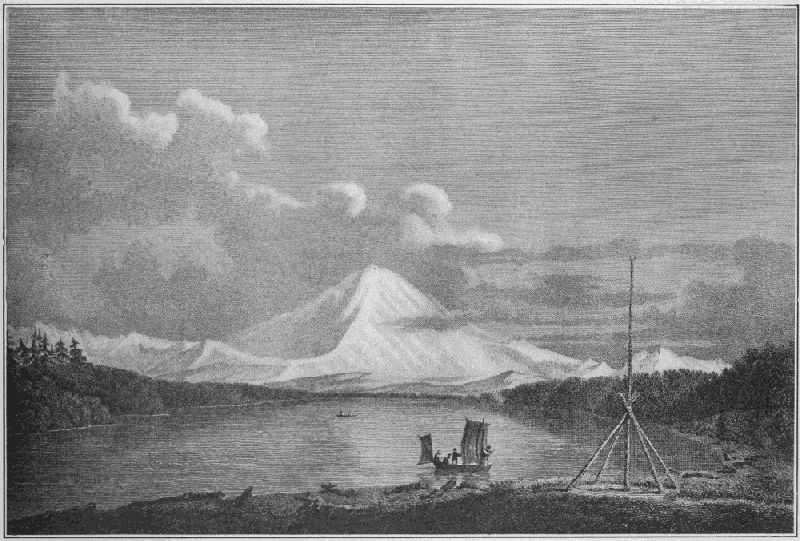 First Picture of Mount Rainer.