Who of us would not be glad to lift the veil behind which the future
lies hidden; to cast a glance at the next advances of our science
and at the secrets of its development during future centuries? What
particular goals will there be toward which the leading mathematical
spirits of coming generations will strive? What new methods and new
facts in the wide and rich field of mathematical thought will the new
centuries disclose?
History teaches the continuity of the development of science. We know
that every age has its own problems, which the following age either
solves or casts aside as profitless and replaces by new ones. If we
would obtain an idea of the probable development of mathematical
knowledge in the immediate future, we must let the unsettled questions
pass before our minds and look over the problems which the science
of to-day sets and whose solution we expect from the future. To such
a review of problems the present day, lying at the meeting of the
centuries, seems to me well adapted. For the close of a great epoch
not only invites us to look back into the past but also directs our
thoughts to the unknown future.
The deep significance of certain problems for the advance of
mathematical science in general and the important rôle which they play
in the work of the individual investigator are not to be denied. As
long as a branch of science offers an abundance of problems, so long is
it alive; a lack of problems foreshadows extinction or the cessation
of independent development. Just as every human undertaking pursues
certain objects, so also mathematical research requires its problems.
It is by the solution of problems that the investigator tests the
temper of his steel; he finds new methods and new outlooks, and gains a
wider and freer horizon.
It is difficult and often impossible to judge the value of a problem
correctly in advance; for the final award depends upon the gain
which science obtains from the problem. Nevertheless we can ask
whether there are general criteria which mark a good mathematical
problem. An old French mathematician said: "A mathematical theory is
not to be considered complete until you have made it so clear that
you can explain it to the first man whom you meet on the street."
This clearness and ease of comprehension, here insisted on for a
mathematical theory, I should still more demand for a mathematical
problem if it is to be perfect; for what is clear and easily
comprehended attracts, the complicated repels us.
Moreover a mathematical problem should be difficult in order to entice
us, yet not completely inaccessible, lest it mock at our efforts. It
should be to us a guide post on the mazy paths to hidden truths, and
ultimately a reminder of our pleasure in the successful solution.
The mathematicians of past centuries were accustomed to devote
themselves to the solution of difficult particular problems with
passionate zeal. They knew the value of difficult problems. I remind
you only of the "problem of the line of quickest descent," proposed by
John Bernoulli. Experience teaches, explains Bernoulli in the public
announcement of this problem, that lofty minds are led to strive for
the advance of science by nothing more than by laying before them
difficult and at the same time useful problems, and he therefore hopes
to earn the thanks of the mathematical world by following the example
of men like Mersenne, Pascal, Fermat, Viviani and others and laying
before the distinguished analysts of his time a problem by which, as a
touchstone, they may test the value of their methods and measure their
strength. The calculus of variations owes its origin to this problem of
Bernoulli and to similar problems.
Fermat had asserted, as is well known, that the diophantine equation
 (
 ) is unsolvable—except
in certain self-evident cases. The attempt to prove this impossibility
offers a striking example of the inspiring effect which such a very
special and apparently unimportant problem may have upon science.
For Kummer, incited by Fermat's problem, was led to the introduction
of ideal numbers and to the discovery of the law of the unique
decomposition of the numbers of a circular field into ideal prime
factors—a law which to-day, in its generalization to any algebraic
field by Dedekind and Kronecker, stands at the center of the modern
theory of numbers and whose significance extends far beyond the
boundaries of number theory into the realm of algebra and the theory of
functions.
To speak of a very different region of research, I remind you of the
problem of three bodies. The fruitful methods and the far-reaching
principles which Poincaré has brought into celestial mechanics and
which are to-day recognized and applied in practical astronomy are due
to the circumstance that he undertook to treat anew that difficult
problem and to approach nearer a solution.
The two last mentioned problems—that of Fermat and the problem of the
three bodies—seem to us almost like opposite poles—the former a free
invention of pure reason, belonging to the region of abstract number
theory, the latter forced upon us by astronomy and necessary to an
understanding of the simplest fundamental phenomena of nature.
But it often happens also that the same special problem finds
application in the most unlike branches of mathematical knowledge.
So, for example, the problem of the shortest line plays a chief and
historically important part in the foundations of geometry, in the
theory of curved lines and surfaces, in mechanics and in the calculus
of variations. And how convincingly has F. Klein, in his work on the
icosahedron, pictured the significance which attaches to the problem of
the regular polyhedra in elementary geometry, in group theory, in the
theory of equations and in that of linear differential equations.
In order to throw light on the importance of certain problems, I may
also refer to Weierstrass, who spoke of it as his happy fortune that he
found at the outset of his scientific career a problem so important as
Jacobi's problem of inversion on which to work.
Having now recalled to mind the general importance of problems in
mathematics, let us turn to the question from what sources this science
derives its problems. Surely the first and oldest problems in every
branch of mathematics spring from experience and are suggested by
the world of external phenomena. Even the rules of calculation with
integers must have been discovered in this fashion in a lower stage of
human civilization, just as the child of to-day learns the application
of these laws by empirical methods. The same is true of the first
problems of geometry, the problems bequeathed us by antiquity, such
as the duplication of the cube, the squaring of the circle; also the
oldest problems in the theory of the solution of numerical equations,
in the theory of curves and the differential and integral calculus, in
the calculus of variations, the theory of Fourier series and the theory
of potential—to say nothing of the further abundance of problems
properly belonging to mechanics, astronomy and physics.
But, in the further development of a branch of mathematics, the human
mind, encouraged by the success of its solutions, becomes conscious
of its independence. It evolves from itself alone, often without
appreciable influence from without, by means of logical combination,
generalization, specialization, by separating and collecting ideas in
fortunate ways, new and fruitful problems, and appears then itself as
the real questioner. Thus arose the problem of prime numbers and the
other problems of number theory, Galois's theory of equations, the
theory of algebraic invariants, the theory of abelian and automorphic
functions; indeed almost all the nicer questions of modern arithmetic
and function theory arise in this way.
In the meantime, while the creative power of pure reason is at work,
the outer world again comes into play, forces upon us new questions
from actual experience, opens up new branches of mathematics, and while
we seek to conquer these new fields of knowledge for the realm of pure
thought, we often find the answers to old unsolved problems and thus at
the same time advance most successfully the old theories. And it seems
to me that the numerous and surprising analogies and that apparently
prearranged harmony which the mathematician so often perceives in the
questions, methods and ideas of the various branches of his science,
have their origin in this ever-recurring interplay between thought and
experience.
It remains to discuss briefly what general requirements may be justly
laid down for the solution of a mathematical problem. I should
say first of all, this: that it shall be possible to establish the
correctness of the solution by means of a finite number of steps
based upon a finite number of hypotheses which are implied in the
statement of the problem and which must always be exactly formulated.
This requirement of logical deduction by means of a finite number
of processes is simply the requirement of rigor in reasoning.
Indeed the requirement of rigor, which has become proverbial in
mathematics, corresponds to a universal philosophical necessity of
our understanding; and, on the other hand, only by satisfying this
requirement do the thought content and the suggestiveness of the
problem attain their full effect. A new problem, especially when
it comes from the world of outer experience, is like a young twig,
which thrives and bears fruit only when it is grafted carefully and
in accordance with strict horticultural rules upon the old stem, the
established achievements of our mathematical science.
Besides it is an error to believe that rigor in the proof is the
enemy of simplicity. On the contrary we find it confirmed by numerous
examples that the rigorous method is at the same time the simpler
and the more easily comprehended. The very effort for rigor forces
us to find out simpler methods of proof. It also frequently leads
the way to methods which are more capable of development than the
old methods of less rigor. Thus the theory of algebraic curves
experienced a considerable simplification and attained greater unity
by means of the more rigorous function-theoretical methods and the
consistent introduction of transcendental devices. Further, the
proof that the power series permits the application of the four
elementary arithmetical operations as well as the term by term
differentiation and integration, and the recognition of the utility
of the power series depending upon this proof contributed materially
to the simplification of all analysis, particularly of the theory of
elimination and the theory of differential equations, and also of the
existence proofs demanded in those theories. But the most striking
example for my statement is the calculus of variations. The treatment
of the first and second variations of definite integrals required in
part extremely complicated calculations, and the processes applied
by the old mathematicians had not the needful rigor. Weierstrass
showed us the way to a new and sure foundation of the calculus of
variations. By the examples of the simple and double integral I will
show briefly, at the close of my lecture, how this way leads at once
to a surprising simplification of the calculus of variations. For in
the demonstration of the necessary and sufficient criteria for the
occurrence of a maximum and minimum, the calculation of the second
variation and in part, indeed, the wearisome reasoning connected with
the first variation may be completely dispensed with—to say nothing
of the advance which is involved in the removal of the restriction to
variations for which the differential coefficients of the function vary
but slightly.
While insisting on rigor in the proof as a requirement for a perfect
solution of a problem, I should like, on the other hand, to oppose the
opinion that only the concepts of analysis, or even those of arithmetic
alone, are susceptible of a fully rigorous treatment. This opinion,
occasionally advocated by eminent men, I consider entirely erroneous.
Such a one-sided interpretation of the requirement of rigor would soon
lead to the ignoring of all concepts arising from geometry, mechanics
and physics, to a stoppage of the flow of new material from the outside
world, and finally, indeed, as a last consequence, to the rejection
of the ideas of the continuum and of the irrational number. But what
an important nerve, vital to mathematical science, would be cut by
the extirpation of geometry and mathematical physics! On the contrary
I think that wherever, from the side of the theory of knowledge or
in geometry, or from the theories of natural or physical science,
mathematical ideas come up, the problem arises for mathematical
science to investigate the principles underlying these ideas and so to
establish them upon a simple and complete system of axioms, that the
exactness of the new ideas and their applicability to deduction shall
be in no respect inferior to those of the old arithmetical concepts.
To new concepts correspond, necessarily, new signs. These we choose
in such a way that they remind us of the phenomena which were the
occasion for the formation of the new concepts. So the geometrical
figures are signs or mnemonic symbols of space intuition and are used
as such by all mathematicians. Who does not always use along with the
double inequality  the picture of three points
following one another on a straight line as the geometrical picture of
the idea "between"? Who does not make use of drawings of segments and
rectangles enclosed in one another, when it is required to prove with
perfect rigor a difficult theorem on the continuity of functions or the
existence of points of condensation? Who could dispense with the figure
of the triangle, the circle with its center, or with the cross of three
perpendicular axes? Or who would give up the representation of the
vector field, or the picture of a family of carves or surfaces with its
envelope which plays so important a part in differential geometry, in
the theory of differential equations, in the foundation of the calculus
of variations and in other purely mathematical sciences?
The arithmetical symbols are written diagrams and the geometrical
figures are graphic formulas; and no mathematician could spare these
graphic formulas, any more than in calculation the insertion and
removal of parentheses or the use of other analytical signs.
The use of geometrical signs as a means of strict proof presupposes the
exact knowledge and complete mastery of the axioms which underlie those
figures; and in order that these geometrical figures maybe incorporated
in the general treasure of mathematical signs, there is necessary a
rigorous axiomatic investigation of their conceptual content. Just as
in adding two numbers, one must place the digits under each other in
the right order, so that only the rules of calculation, i. e.,
the axioms of arithmetic, determine the correct use of the digits, so
the use of geometrical signs is determined by the axioms of geometrical
concepts and their combinations.
The agreement between geometrical and arithmetical thought is shown
also in that we do not habitually follow the chain of reasoning back to
the axioms in arithmetical, any more than in geometrical discussions.
On the contrary we apply, especially in first attacking a problem,
a rapid, unconscious, not absolutely sure combination, trusting to
a certain arithmetical feeling for the behavior of the arithmetical
symbols, which we could dispense with as little in arithmetic as
with the geometrical imagination in geometry. As an example of an
arithmetical theory operating rigorously with geometrical ideas and
signs, I may mention Minkowski's work, Die Geometrie der Zahlen.[2]
Some remarks upon the difficulties which mathematical problems may
offer, and the means of surmounting them, may be in place here.
If we do not succeed in solving a mathematical problem, the reason
frequently consists in our failure to recognize the more general
standpoint from which the problem before us appears only as a single
link in a chain of related problems. After finding this standpoint, not
only is this problem frequently more accessible to our investigation,
but at the same time we come into possession of a method which is
applicable also to related problems. The introduction of complex paths
of integration by Cauchy and of the notion of the IDEALS in
number theory by Kummer may serve as examples. This way for finding
general methods is certainly the most practicable and the most certain;
for he who seeks for methods without having a definite problem in mind
seeks for the most part in vain.
In dealing with mathematical problems, specialization plays, as I
believe, a still more important part than generalization. Perhaps in
most cases where we seek in vain the answer to a question, the cause
of the failure lies in the fact that problems simpler and easier than
the one in hand have been either not at all or incompletely solved. All
depends, then, on finding out these easier problems, and on solving
them by means of devices as perfect as possible and of concepts capable
of generalization. This rule is one of the most important levers for
overcoming mathematical difficulties and it seems to me that it is
used almost always, though perhaps unconsciously.
Occasionally it happens that we seek the solution under insufficient
hypotheses or in an incorrect sense, and for this reason do not
succeed. The problem then arises: to show the impossibility of the
solution under the given hypotheses, or in the sense contemplated.
Such proofs of impossibility were effected by the ancients, for
instance when they showed that the ratio of the hypotenuse to the side
of an isosceles right triangle is irrational. In later mathematics,
the question as to the impossibility of certain solutions plays a
preeminent part, and we perceive in this way that old and difficult
problems, such as the proof of the axiom of parallels, the squaring
of the circle, or the solution of equations of the fifth degree by
radicals have finally found fully satisfactory and rigorous solutions,
although in another sense than that originally intended. It is probably
this important fact along with other philosophical reasons that gives
rise to the conviction (which every mathematician shares, but which no
one has as yet supported by a proof) that every definite mathematical
problem must necessarily be susceptible of an exact settlement, either
in the form of an actual answer to the question asked, or by the proof
of the impossibility of its solution and therewith the necessary
failure of all attempts. Take any definite unsolved problem, such as
the question as to the irrationality of the Euler-Mascheroni constant
 , or the existence of an infinite number of prime numbers of the
form
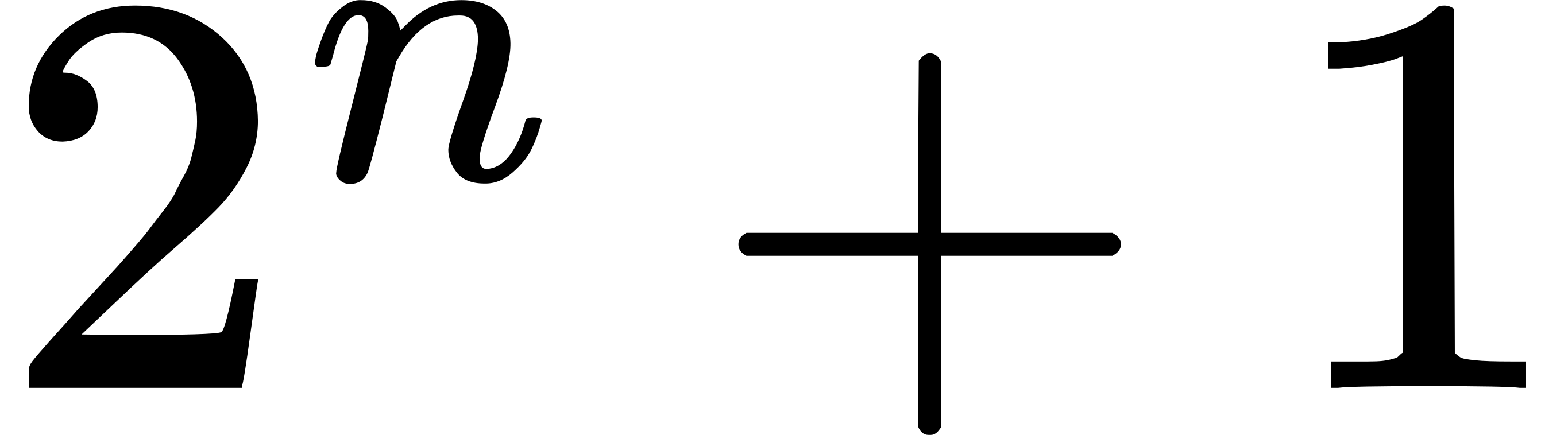 . However unapproachable these problems may seem to us
and however helpless we stand before them, we have, nevertheless, the
firm conviction that their solution must follow by a finite number of
purely logical processes.
Is this axiom of the solvability of every problem a peculiarity
characteristic of mathematical thought alone, or is it possibly a
general law inherent in the nature of the mind, that all questions
which it asks must be answerable? For in other sciences also one meets
old problems which have been settled in a manner most satisfactory
and most useful to science by the proof of their impossibility. I
instance the problem of perpetual motion. After seeking in vain for
the construction of a perpetual motion machine, the relations were
investigated which must subsist between the forces of nature if such
a machine is to be impossible;[3] and this inverted question led to
the discovery of the law of the conservation of energy, which, again,
explained the impossibility of perpetual motion in the sense originally
intended.
This conviction of the solvability of every mathematical problem is
a powerful incentive to the worker. We hear within us the perpetual
call: There is the problem. Seek its solution. You can find it by pure
reason, for in mathematics there is no ignorabimus.
The supply of problems in mathematics is inexhaustible, and as soon as
one problem is solved numerous others come forth in its place. Permit
me in the following, tentatively as it were, to mention particular
definite problems, drawn from various branches of mathematics, from the
discussion of which an advancement of science may be expected.
Let us look at the principles of analysis and geometry. The most
suggestive and notable achievements of the last century in this field
are, as it seems to me, the arithmetical formulation of the concept
of the continuum in the works of Cauchy, Bolzano and Cantor, and the
discovery of non-euclidean geometry by Gauss, Bolyai, and Lobachevsky.
I therefore first direct your attention to some problems belonging to
these fields.
23. FURTHER DEVELOPMENT OF THE METHODS OF THE CALCULUS OF VARIATIONS.
So far, I have generally mentioned problems as definite and special
as possible, in the opinion that it is just such definite and special
problems that attract us the most and from which the most lasting
influence is often exerted upon science. Nevertheless, I should like to
close with a general problem, namely with the indication of a branch of
mathematics repeatedly mentioned in this lecture—which, in spite of
the considerable advancement lately given it by Weierstrass, does not
receive the general appreciation which, in my opinion, is its due—I
mean the calculus of variations.[51]
The lack of interest in this is perhaps due in part to the need of
reliable modern text books. So much the more praiseworthy is it that A.
Kneser in a very recently published work has treated the calculus of
variations from the modern points of view and with regard to the modern
demand for rigor.[52]
The calculus of variations is, in the widest sense, the theory of the
variation of functions, and as such appears as a necessary extension
of the differential and integral calculus. In this sense, Poincaré's
investigations on the problem of three bodies, for example, form a
chapter in the calculus of variations, in so far as Poincaré derives
from known orbits by the principle of variation new orbits of similar
character.
I add here a short justification of the general remarks upon the
calculus of variations made at the beginning of my lecture.
The simplest problem in the calculus of variations proper is known to
consist in finding a function 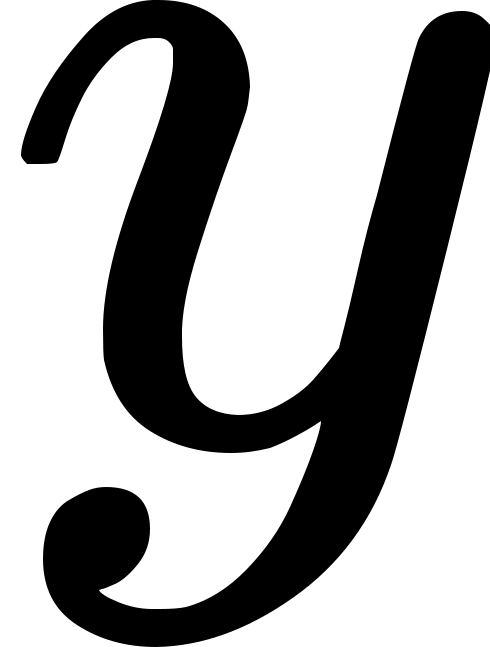 of a variable
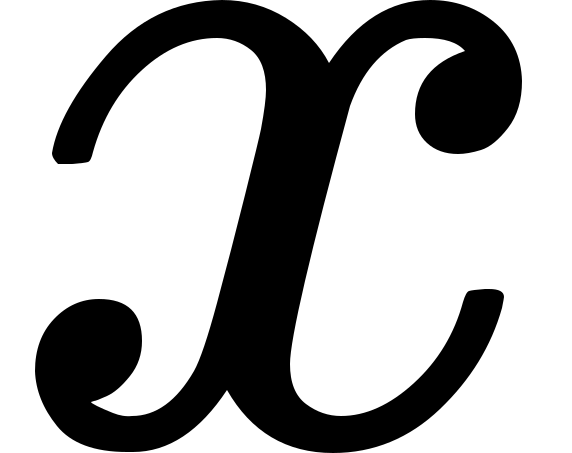 such that the
definite integral
 assumes a minimum value as compared with the values it takes when
is replaced by other functions of with the same initial and final
values.
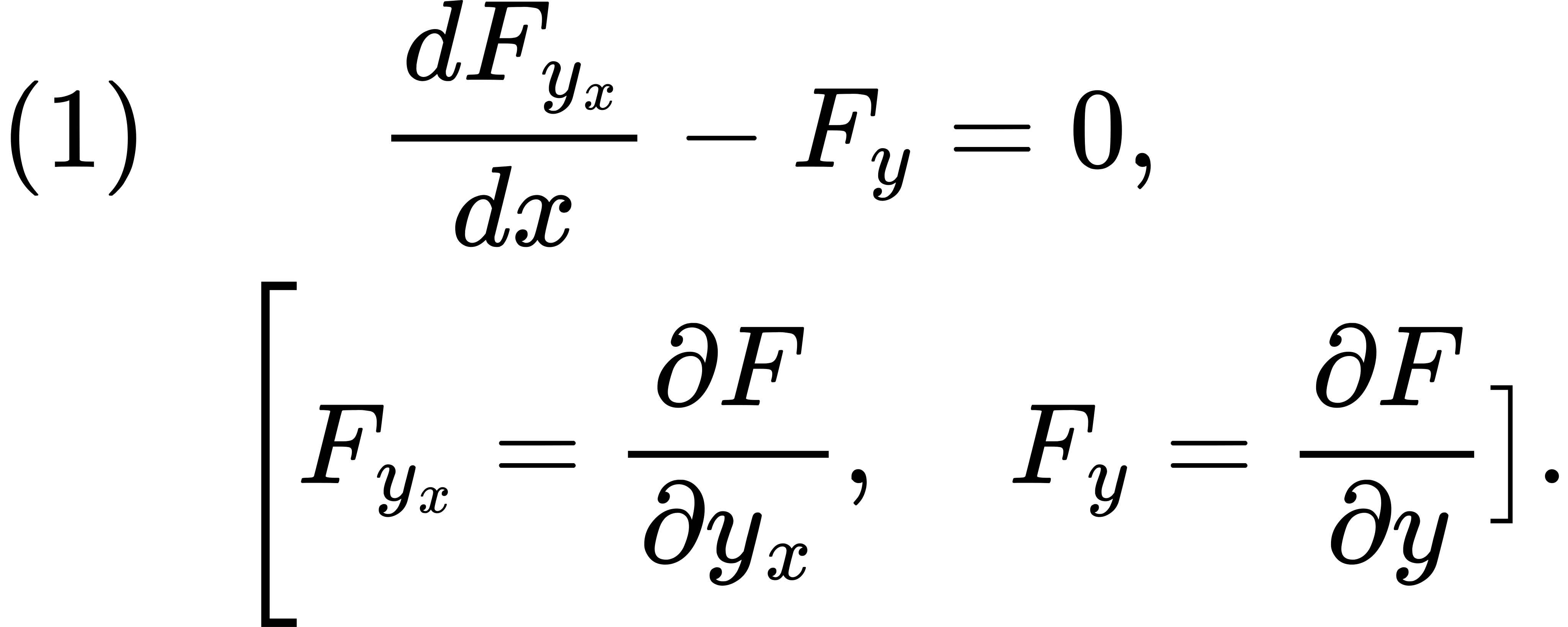
The vanishing of the first variation in the usual sense
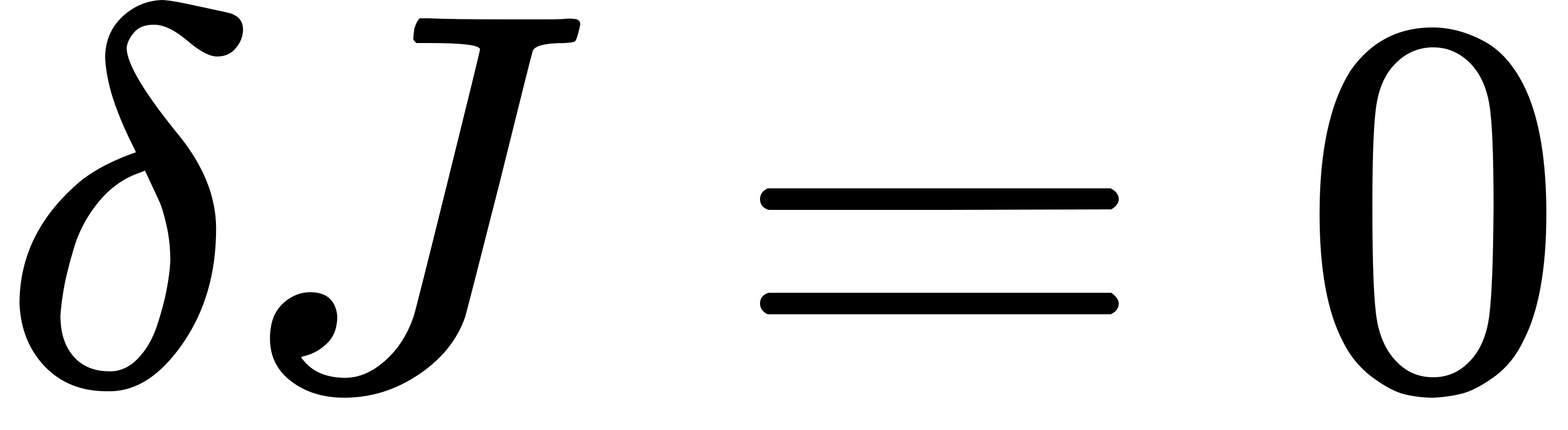 gives for the desired function the well-known differential
equation
In order to investigate more closely the necessary and sufficient
criteria for the occurrence of the required minimum, we consider the
integral


Now we inquire how 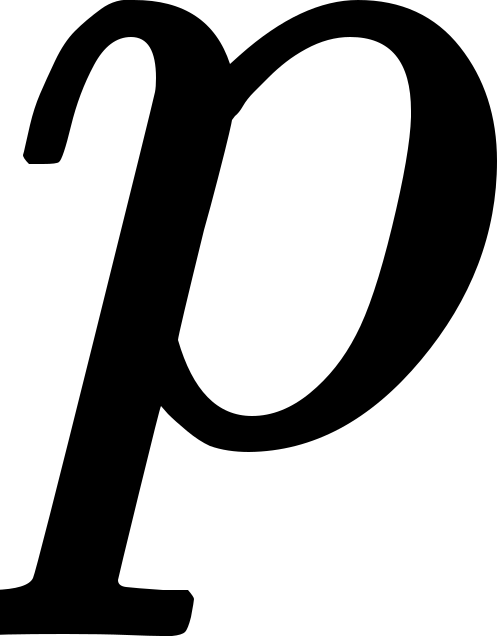 is to be chosen at function of ,
in order that the value of this integral
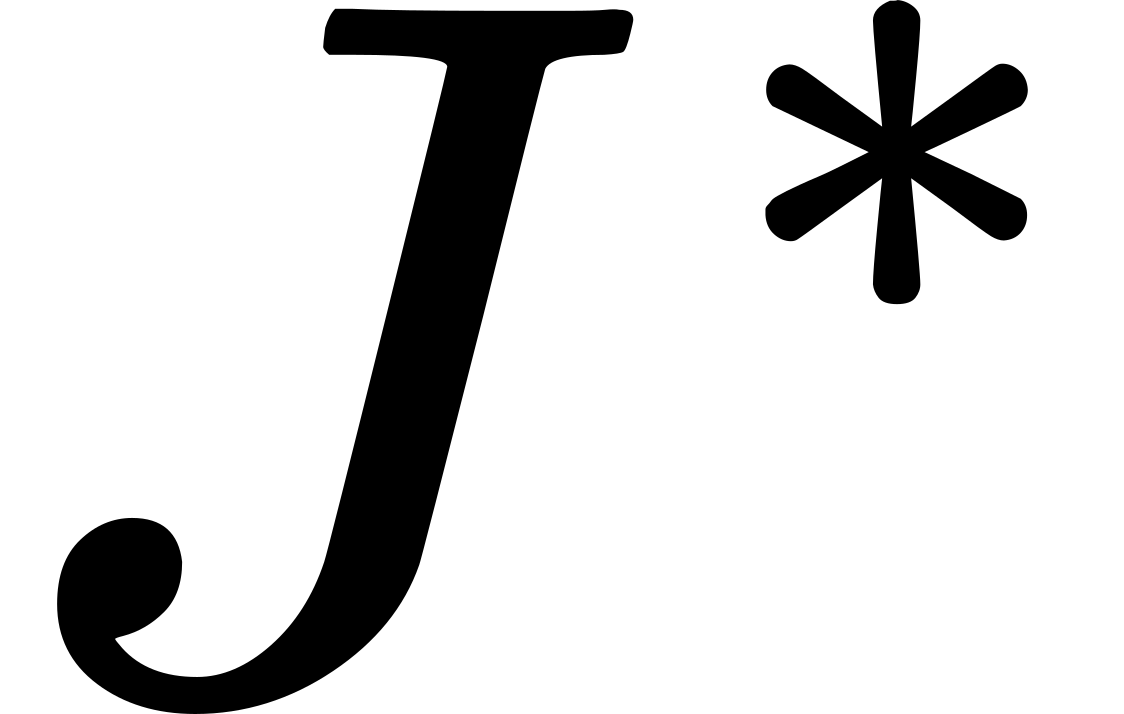 shall
be independent of the path of integration, i. e., of the choice
of the function of the variable . The integral
has the form
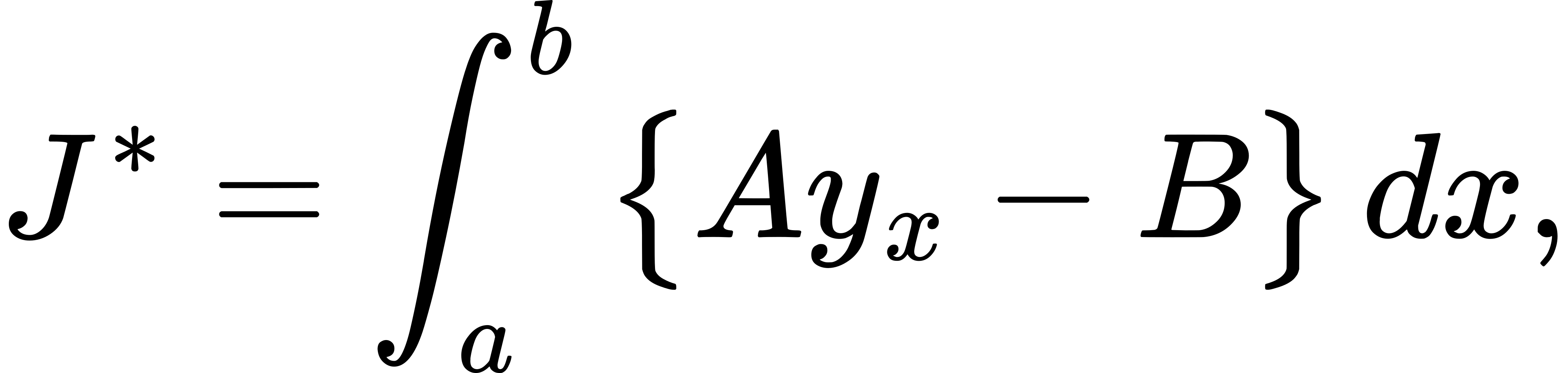 where
 and
 do not contain
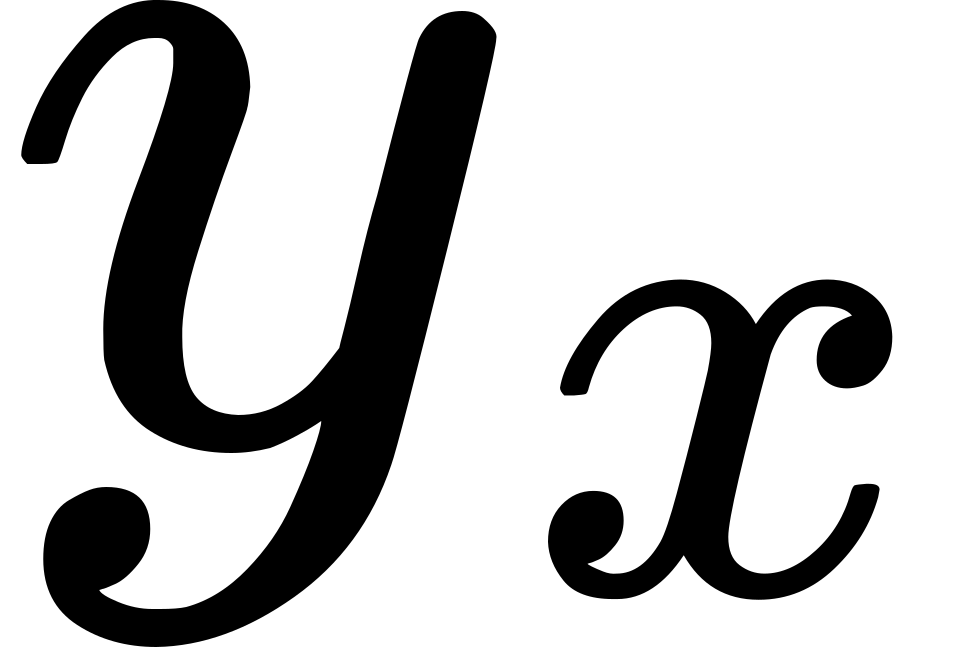 and the vanishing of the
first variation
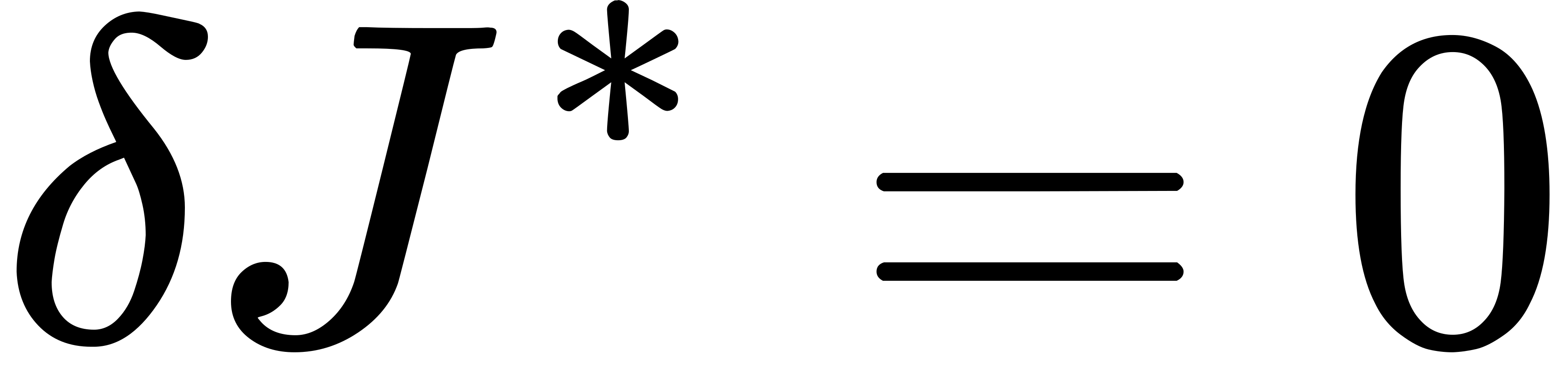 in the sense which the new question requires gives the equation
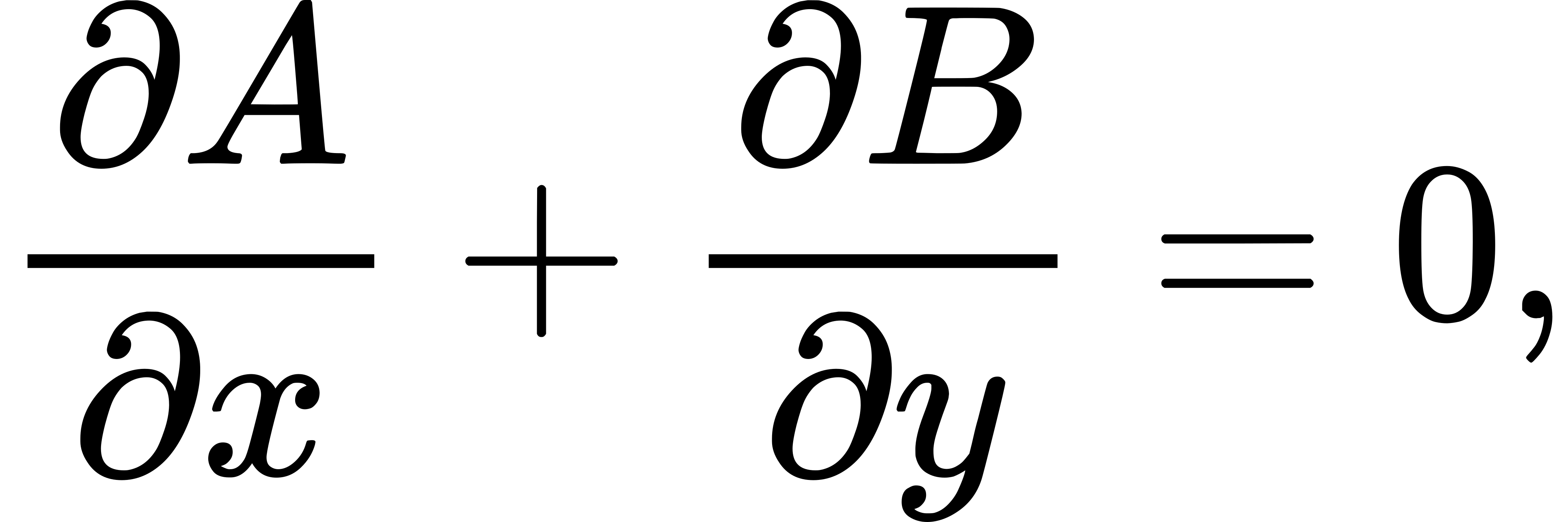 i.e. we obtain for the function of the two variables
, the partial differential equation of the first order

The ordinary differential equation of the second order (1) and the
partial differential equation (1*) stand in the closest relation to
each other. This relation becomes immediately clear to us by the
following simple transformation
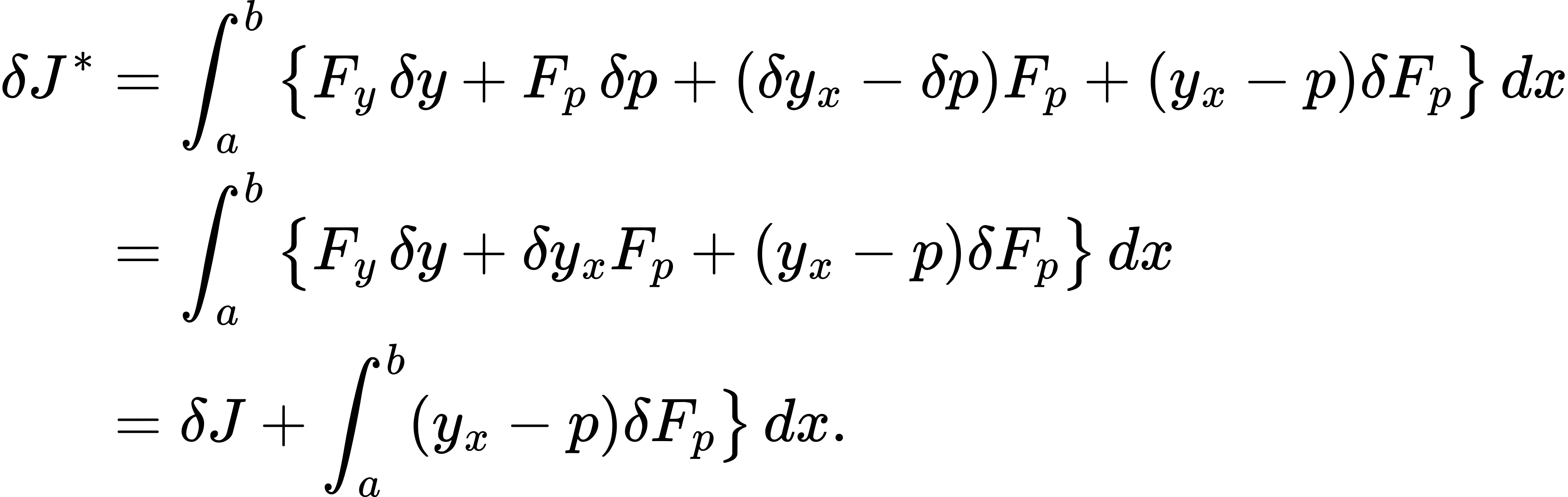
We derive from this, namely, the following facts: If we construct any
simple family of integral curves of the ordinary differential
equation (1) of the second order and then form an ordinary differential
equation of the first order
 which also admits these integral curves as solutions, then the function
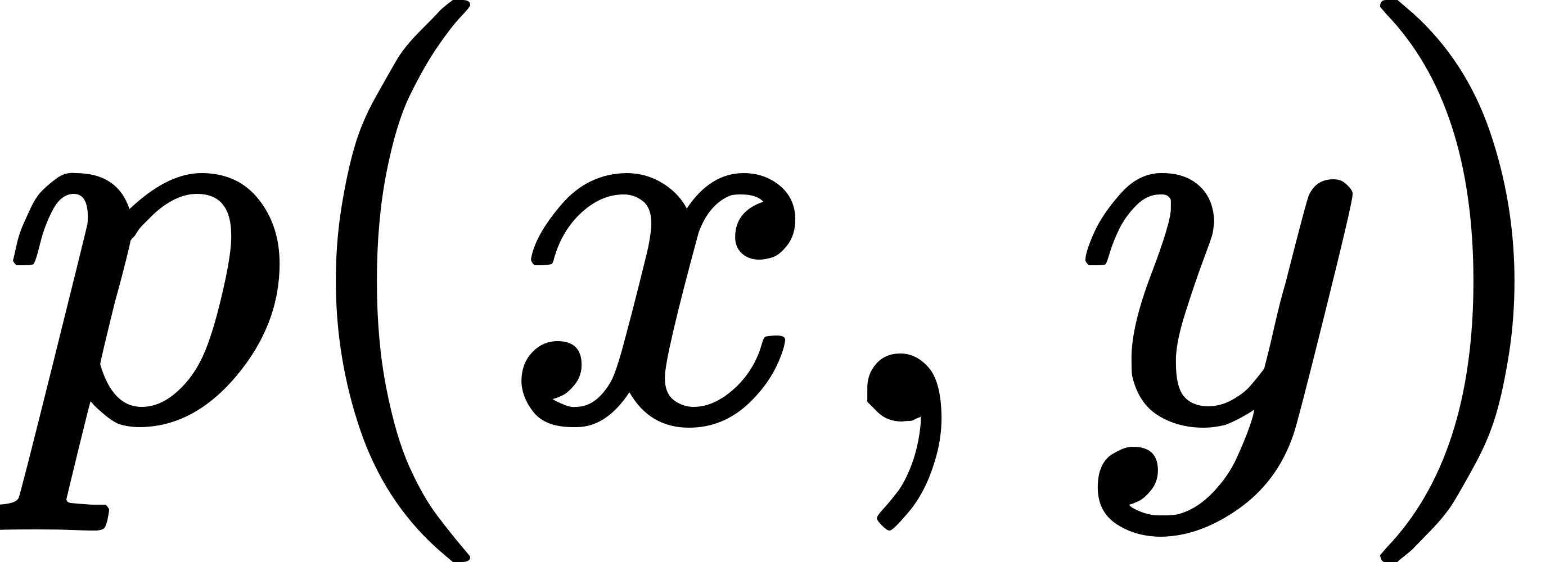 is always an integral of the partial differential equation
(1*) of the first order; and conversely, if
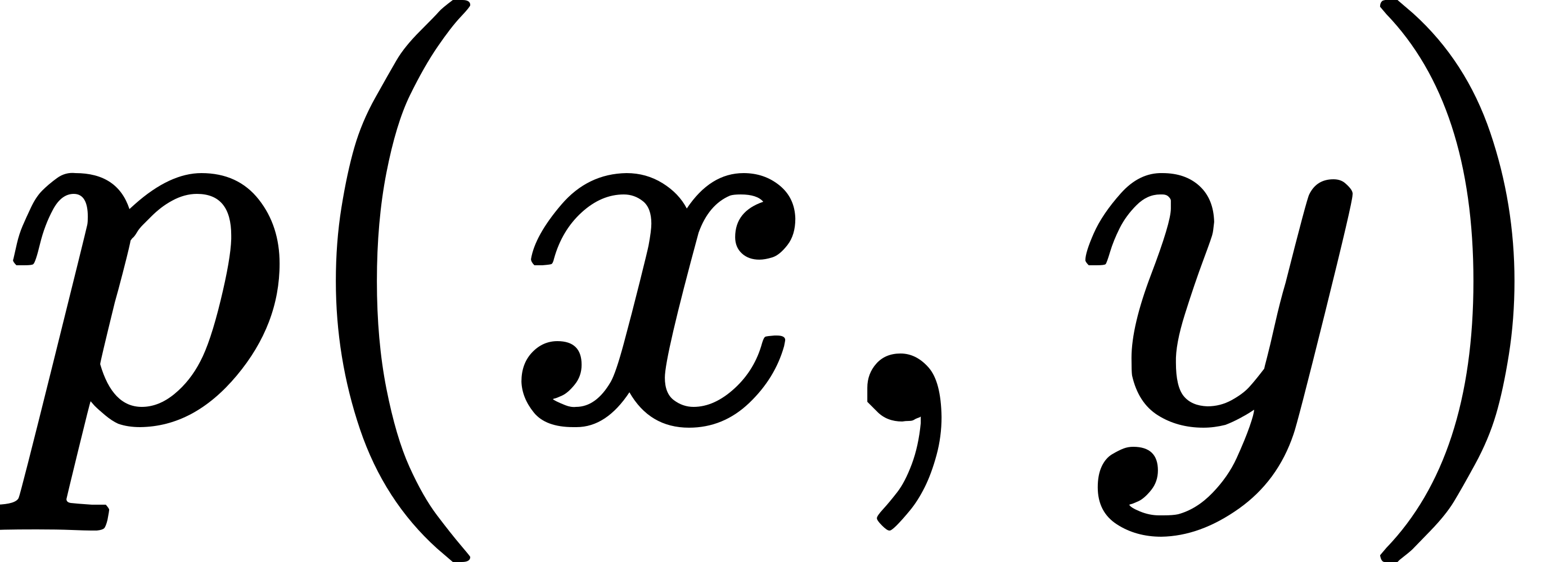 denotes any
solution of the partial differential equation (1*) of the first
order, all the non-singular integrals of the ordinary differential
equation (2) of the first order are at the same time integrals of
the differential equation (1) of the second order, or in short if
 is an integral equation of the first order of the
differential equation (1) of the second order, represents
an integral of the partial differential equation (1*) and conversely;
the integral carves of the ordinary differential equation of the second
order are therefore, at the same time, the characteristics of the
partial differential equation (1*) of the first order.
In the present case we may find the same result by means of a simple
calculation; for this gives us the differential equations (1) and (1*)
in question in the form
 where the lower indices indicate the partial derivatives with respect
to
 . The correctness of the affirmed relation
is clear from this.
The close relation derived before and just proved between the ordinary
differential equation (1) of the second order and the partial
differential equation (1*) of the first order, is, as it seems to me,
of fundamental significance for the calculus of variations. For, from
the fact that the integral is independent of the path of
integration it follows that
 if we think of the left hand integral as taken along any path and
the right hand integral along an integral curve
 of
the differential equation

With the help of equation (3) we arrive at Weierstrass's formula
 where
 designates Weierstrass's expression, depending upon
 ,

Since, therefore, the solution depends only on finding an integral
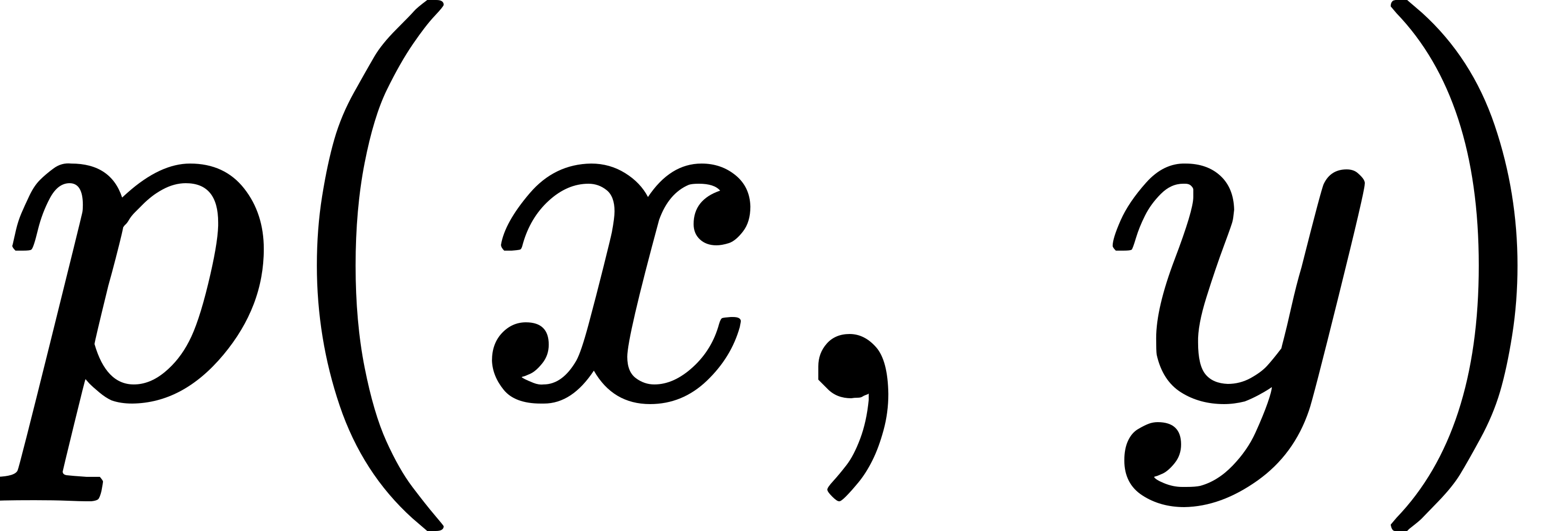 which is single valued and continuous in a certain
neighborhood of the integral curve , which we are
considering, the developments just indicated lead immediately—without
the introduction of the second variation, but only by the application
of the polar process to the differential equation (1)—to the
expression of Jacobi's condition and to the answer to the question:
How far this condition of Jacobi's in conjunction with Weierstrass's
condition
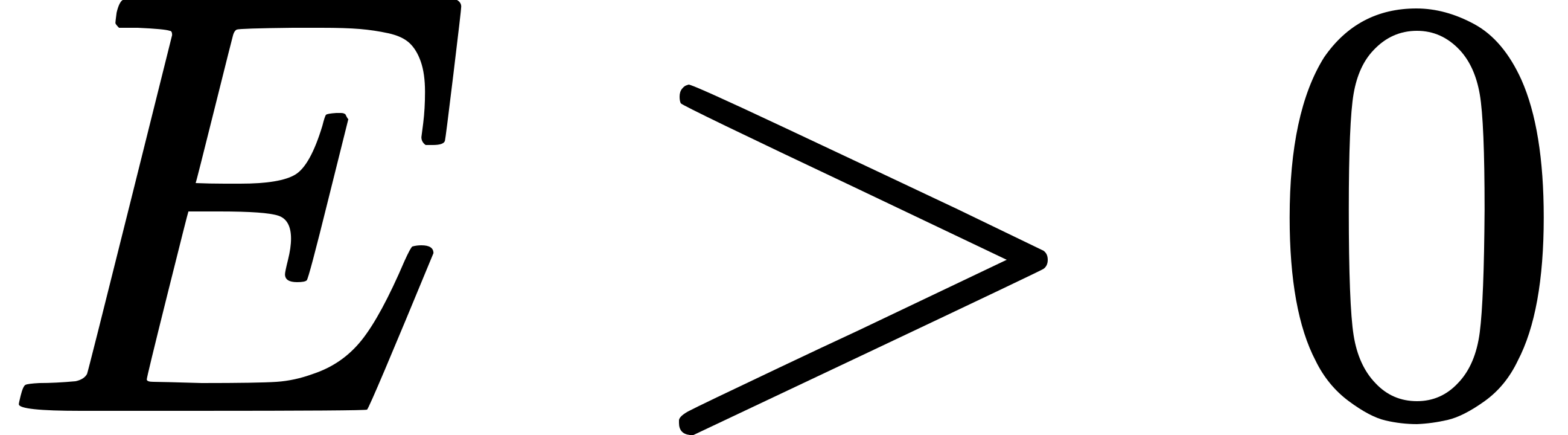 is necessary and sufficient for the occurrence of a
minimum.
The developments indicated may be transferred without necessitating
further calculation to the case of two or more required functions, and
also to the case of a double or a multiple integral. So, for example,
in the case of a double integral
 to be extended over a given region
 , the vanishing of the
first variation (to be understood in the usual sense)
gives the well-known differential equation of the second order
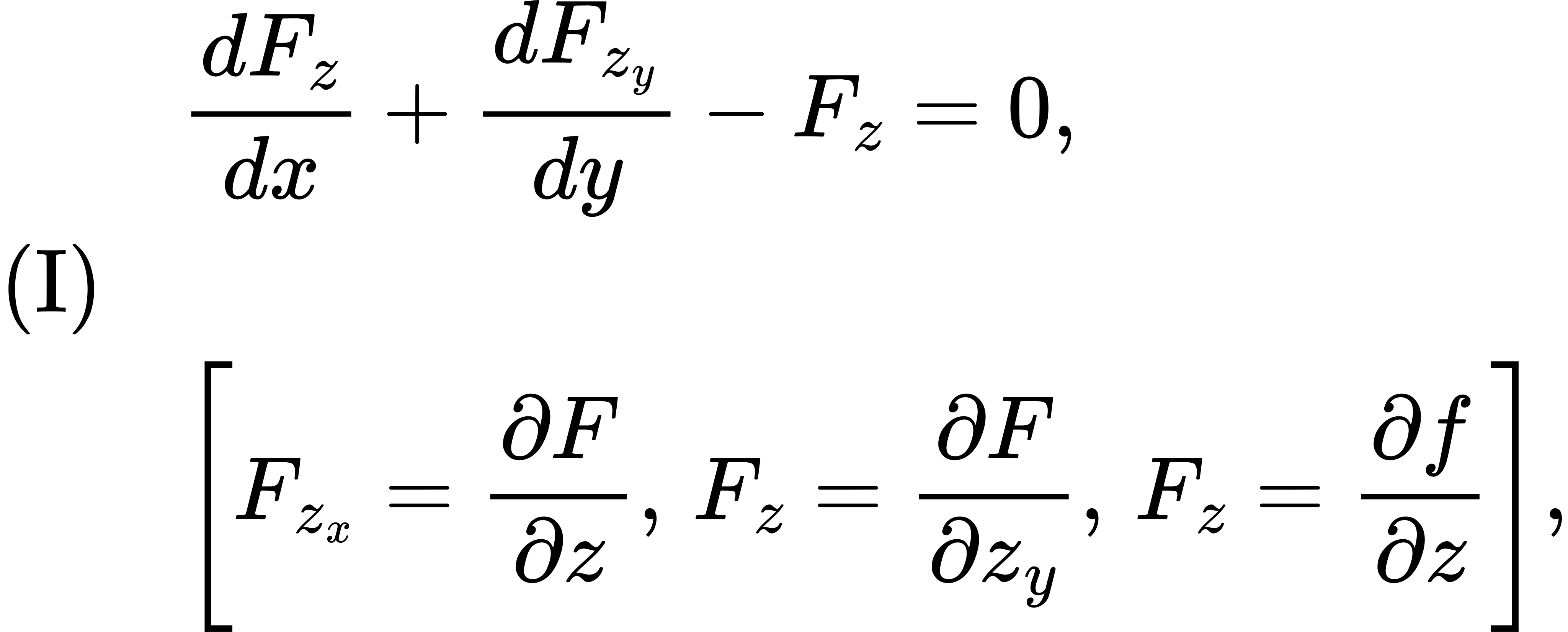 for the required function
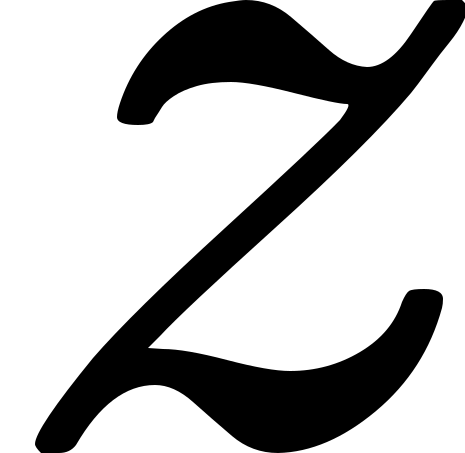 of and .
On the other hand we consider the integral

 and inquire, how and
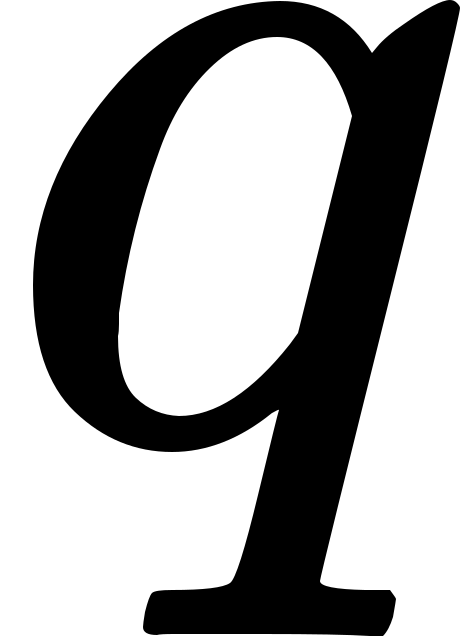 are to be taken as
functions of , and in order that the
value of this integral may be independent of the choice of the surface
passing through the given closed twisted curve, i. e., of the choice of
the function of the variables and .
The integral has the form
 and the vanishing of the first variation
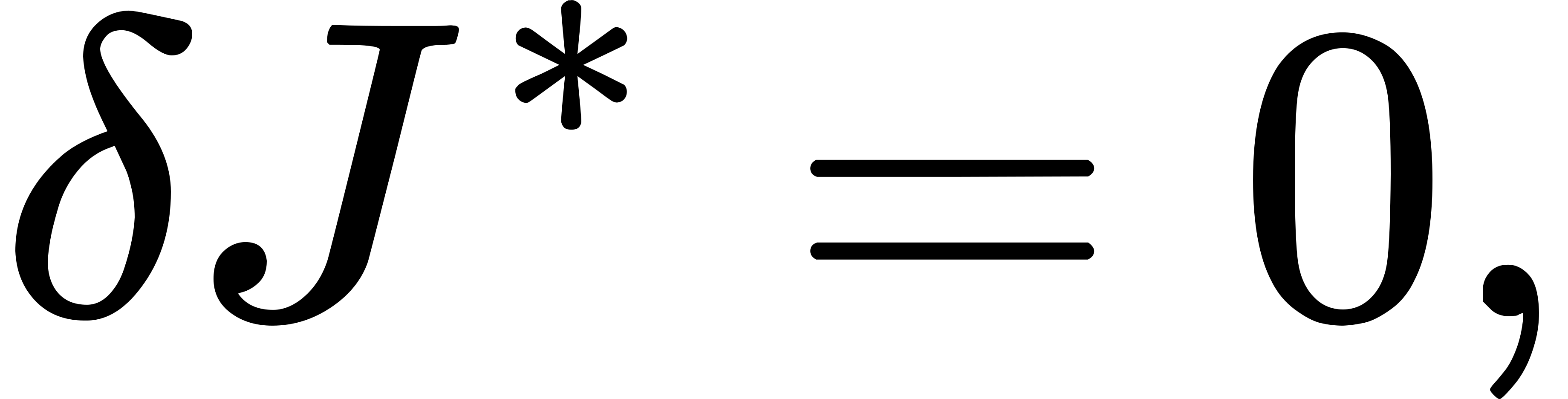 in the sense which the new formulation of the question demands, gives
the equation
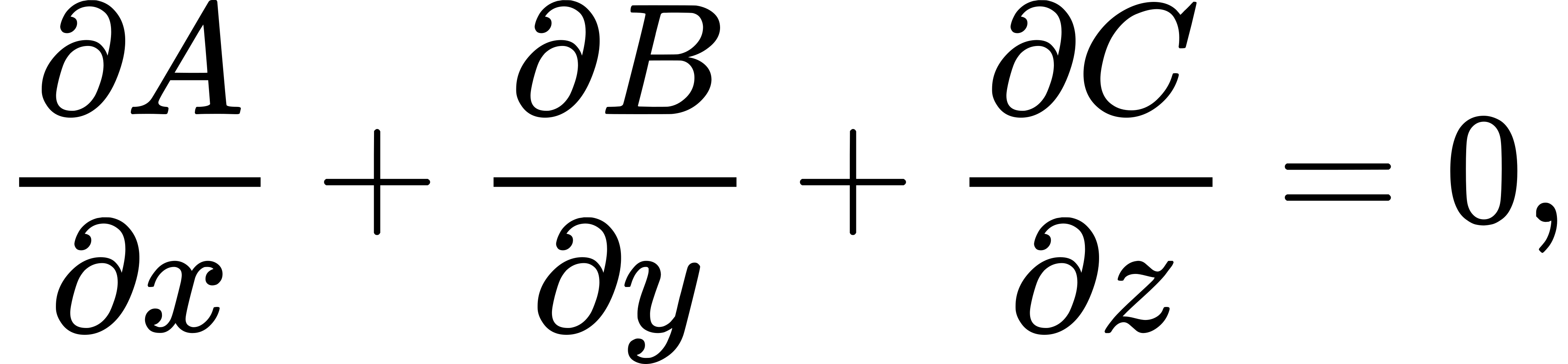 i. e., we find for the functions and of the three
variables , and the differential equation of the first
order

If we add to this differential equation the partial differential
equation
 resulting from the equations
 the partial differential equation (I) for the function of the
two variables and and the simultaneous system of the two
partial differential equations of the first order (I*) for the two
functions and of the three variables , , and
stand toward one another in a relation exactly analogous to that
in which the differential equations (1) and (1*) stood in the case of
the simple integral.
It follows from the fact that the integral is independent
of the choice of the surface of integration that
 if we think of the right hand integral as taken over an integral
surface
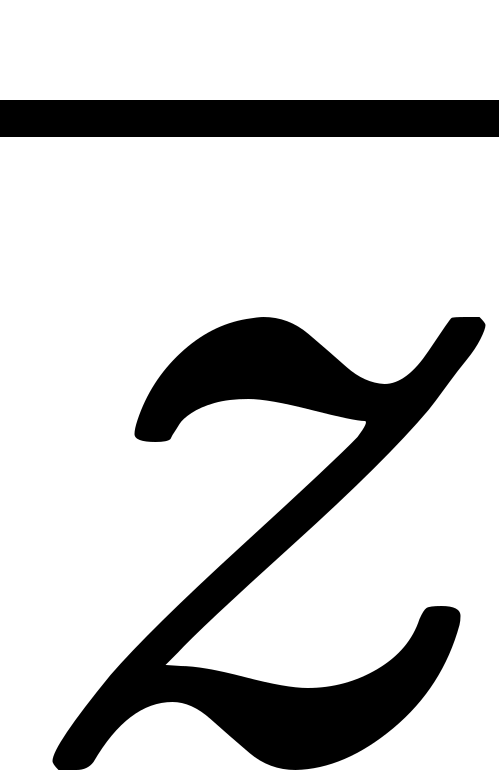 of the partial differential equations
 and with the help of this formula we arrive at once at the formula

 which plays the same rôle for the variation of double integrals as the
previously given formula (4) for simple integrals. With the help of
this formula we can now answer the question how far Jacobi's condition
in conjunction with Weierstrass's condition
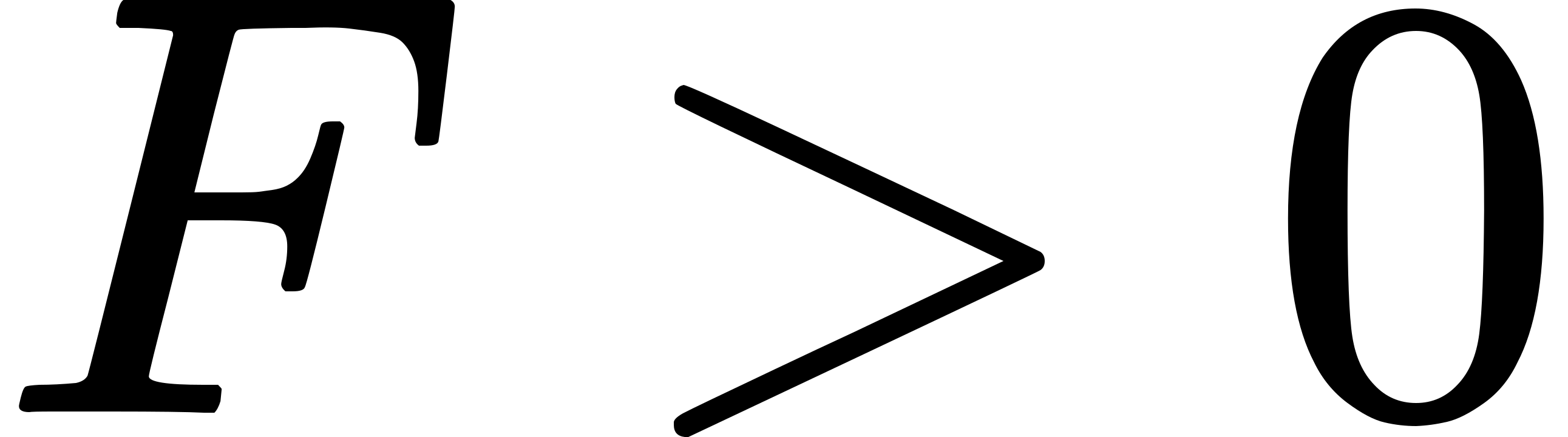 is necessary and
sufficient for the occurrence of a minimum.
Connected with these developments is the modified form in which
A. Kneser,[53] beginning from other points of view, has presented
Weierstrass's theory. While Weierstrass employed to derive sufficient
conditions for the extreme values integral curves of equation (1)
which pass through a fixed point, Kneser on the other hand makes use
of any simple family of such curves and constructs for every such
family a solution, characteristic for that family, of that partial
differential equation which is to be considered as a generalization of
the Jacobi-Hamilton equation.
The problems mentioned are merely samples of problems, yet they
will suffice to show how rich, how manifold and how extensive the
mathematical science of to-day is, and the question is urged upon us
whether mathematics is doomed to the fate of those other sciences that
have split up into separate branches, whose representatives scarcely
understand one another and whose connection becomes ever more loose. I
do not believe this nor wish it. Mathematical science is in my opinion
an indivisible whole, an organism whose vitality is conditioned upon
the connection of its parts. For with all the variety of mathematical
knowledge, we are still clearly conscious of the similarity of the
logical devices, the relationship of the ideas in mathematics as a
whole and the numerous analogies in its different departments. We
also notice that, the farther a mathematical theory is developed, the
more harmoniously and uniformly does its construction proceed, and
unsuspected relations are disclosed between hitherto separate branches
of the science. So it happens that, with the extension of mathematics,
its organic character is not lost but only manifests itself the more
clearly.
But, we ask, with the extension of mathematical knowledge will it
not finally become impossible for the single investigator to embrace
all departments of this knowledge? In answer let me point out how
thoroughly it is ingrained in mathematical science that every real
advance goes hand in hand with the invention of sharper tools and
simpler methods which at the same time assist in understanding earlier
theories and cast aside older more complicated developments. It is
therefore possible for the individual investigator, when he makes these
sharper tools and simpler methods his own, to find his way more easily
in the various branches of mathematics than is possible in any other
science.
The organic unity of mathematics is inherent in the nature of this
science, for mathematics is the foundation of all exact knowledge of
natural phenomena. That it may completely fulfil this high mission,
may the new century bring it gifted masters and many zealous and
enthusiastic disciples.
TRANSCRIBER'S NOTES
Obvious typographical errors have been silently changed.
A table of contents has been added for the reader’s convenience.
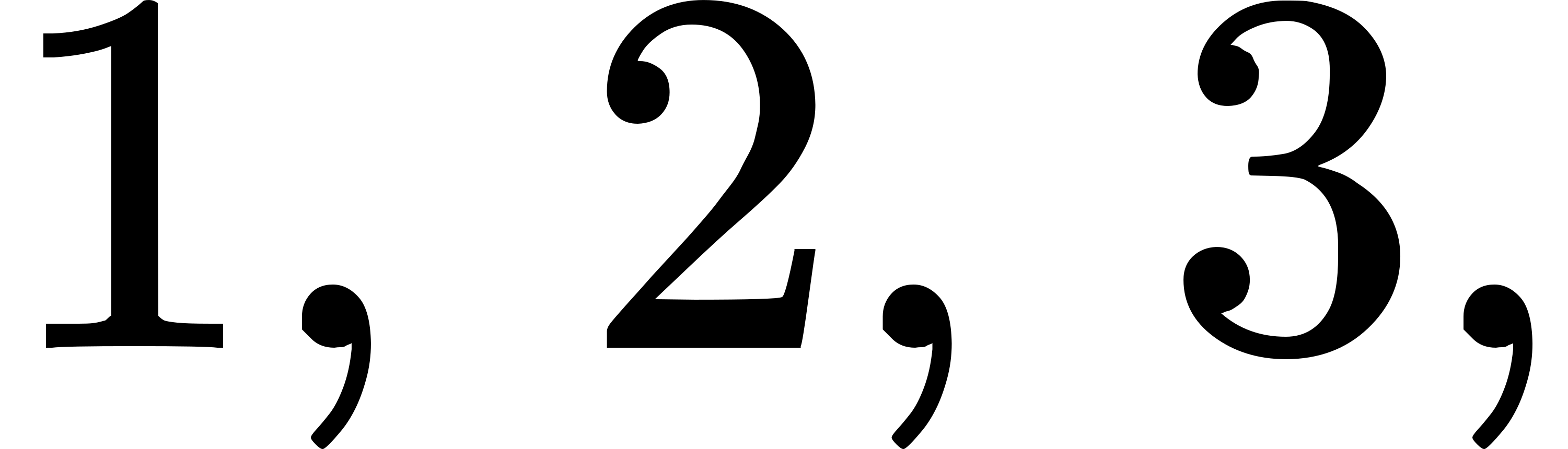 .
 is before
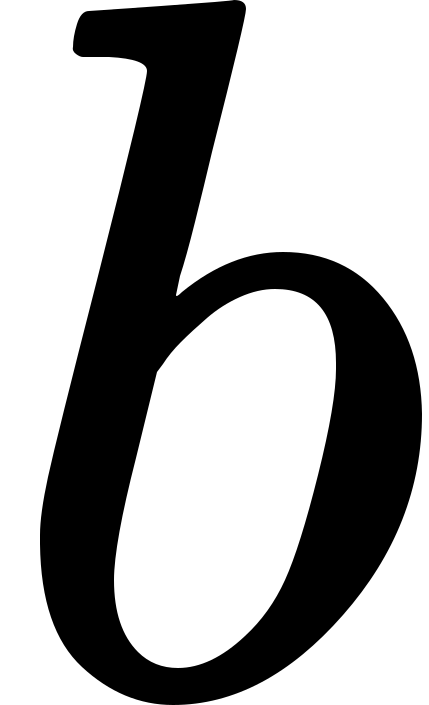 and
 ,
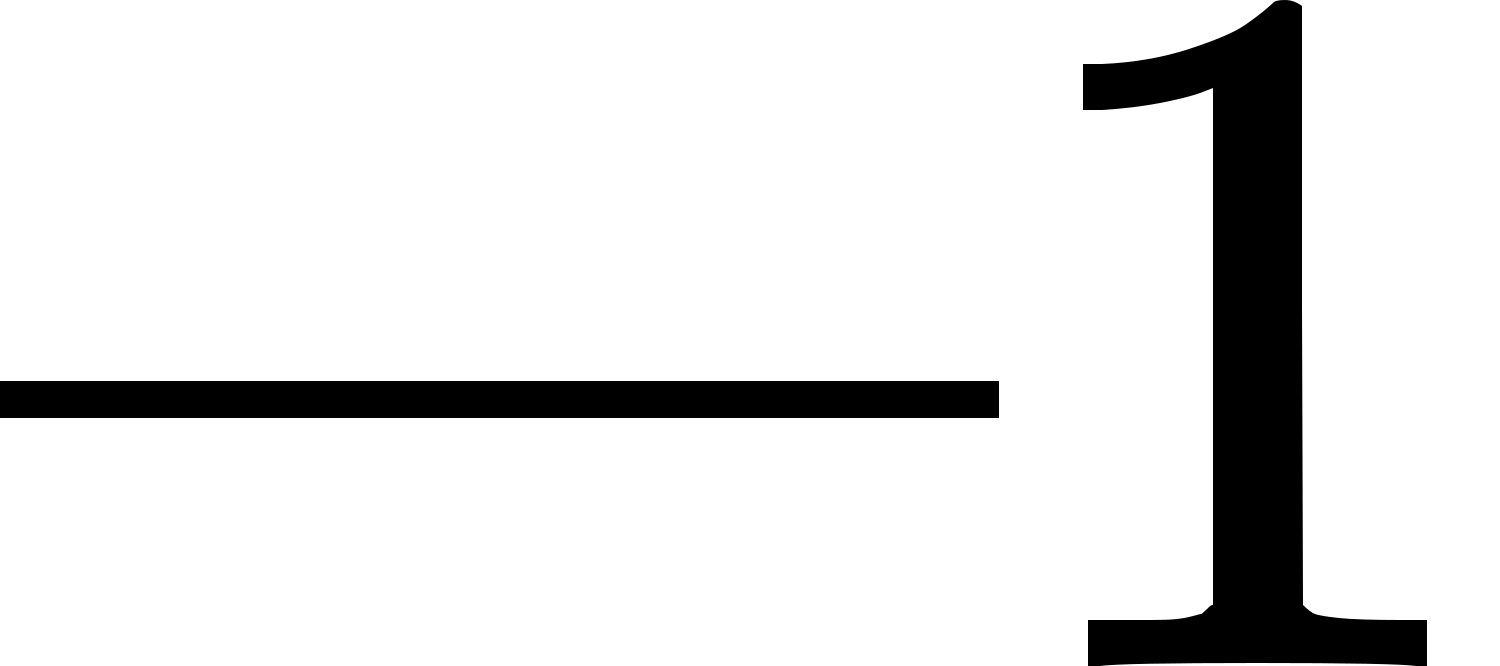 does
not exist mathematically. But if it can be proved that the attributes
assigned to the concept can never lead to a contradiction by the
application of a finite number of logical processes, I say that the
mathematical existence of the concept (for example, of a number or a
function which satisfies certain conditions) is thereby proved. In the
case before us, where we are concerned with the axioms of real numbers
in arithmetic, the proof of the compatibility of the axioms is at the
same time the proof of the mathematical existence of the complete
system of real numbers or of the continuum. Indeed, when the proof
for the compatibility of the axioms shall be fully accomplished, the
doubts which have been expressed occasionally as to the existence of
the complete system of real numbers will become totally groundless.
The totality of real numbers, i. e., the continuum according to
the point of view just indicated, is not the totality of all possible
series in decimal fractions, or of all possible laws according to which
the elements of a fundamental sequence may proceed. It is rather a
system of things whose mutual relations are governed by the axioms set
up and for which all propositions, and only those, are true which can
be derived from the axioms by a finite number of logical processes. In
my opinion, the concept of the continuum is strictly logically tenable
in this sense only. It seems to me, indeed, that this corresponds best
also to what experience and intuition tell us. The concept of the
continuum or even that of the system of all functions exists, then, in
exactly the same sense as the system of integral, rational numbers, for
example, or as Cantor's higher classes of numbers and cardinal numbers.
For I am convinced that the existence of the latter, just as that of
the continuum, can be proved in the sense I have described; unlike the
system of all cardinal numbers or of all Cantor's alephs, for
which, as may be shown, a system of axioms, compatible in my sense,
cannot be set up. Either of these systems is, therefore, according to
my terminology, mathematically non-existent.
 lie
on a convex closed surface of the ordinary euclidean space with



 are certain functions of
 and
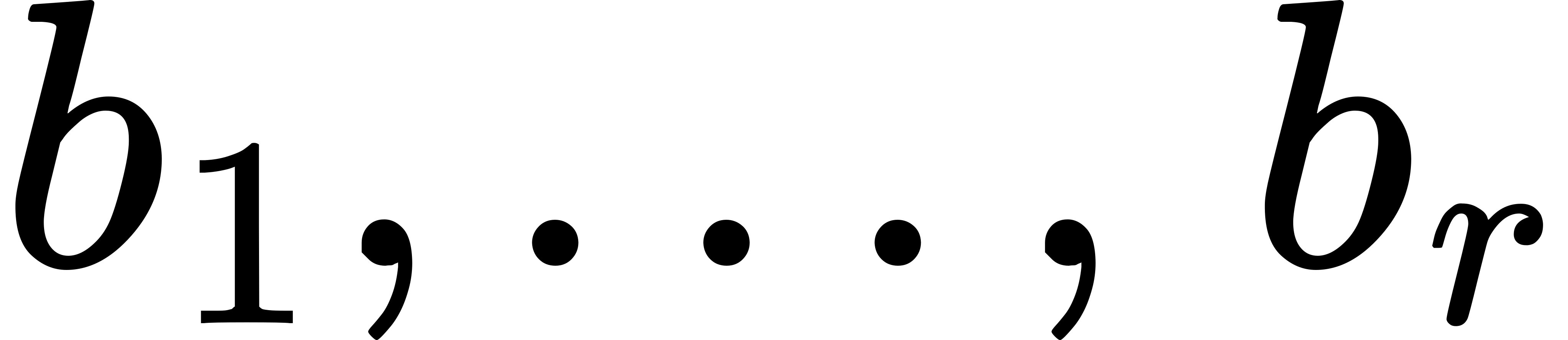 .
 .

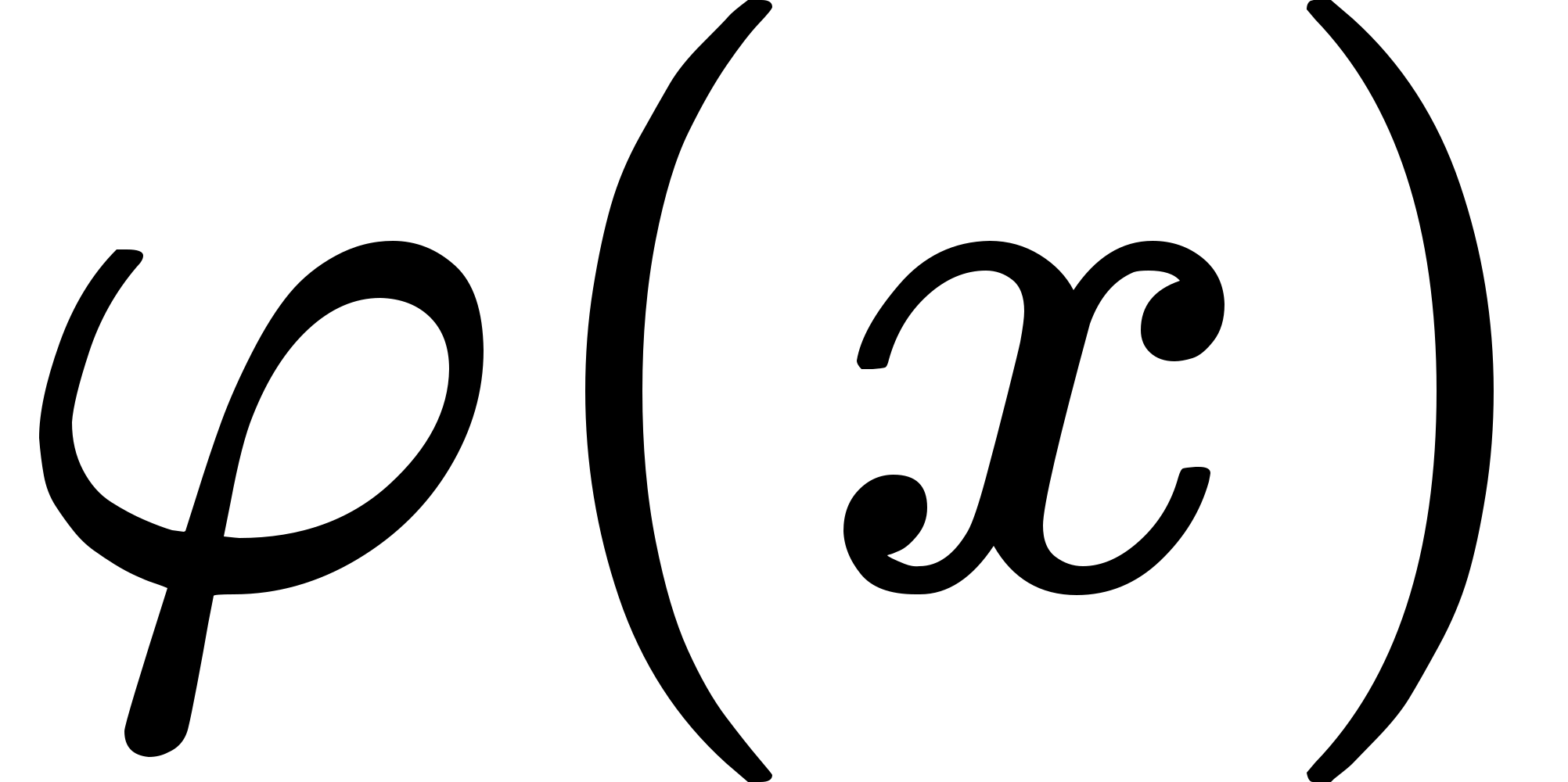 can be constructed which
represents the only solution of the two functional equations

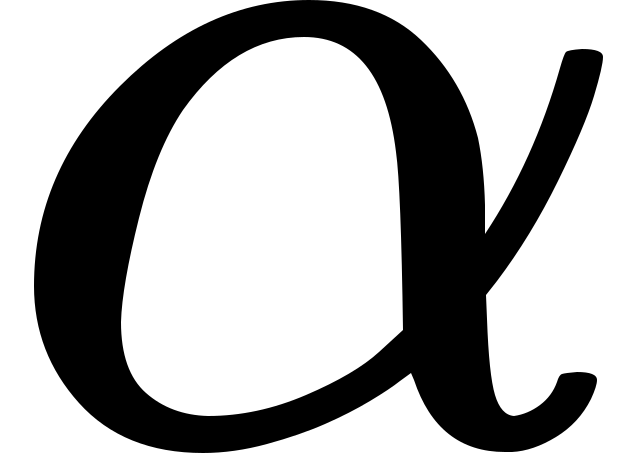 and
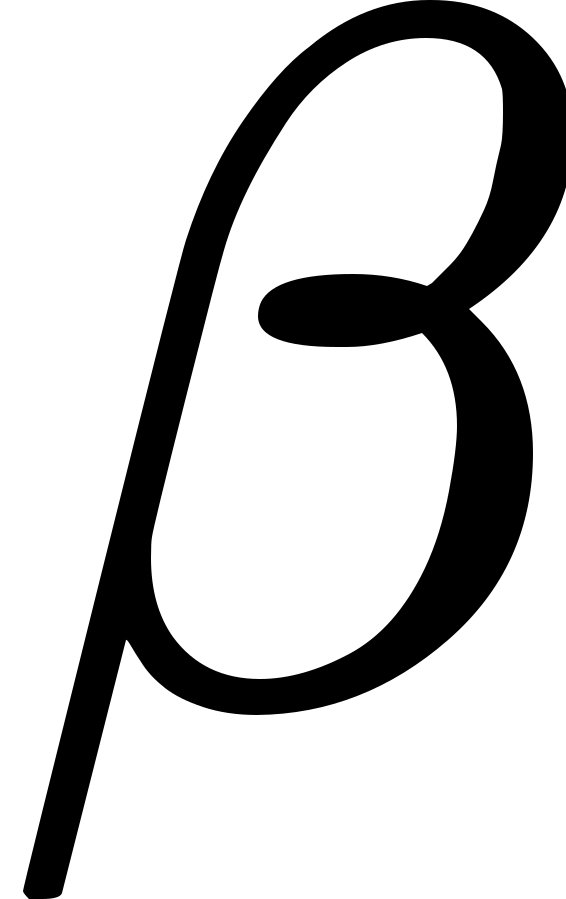 are two real numbers, and
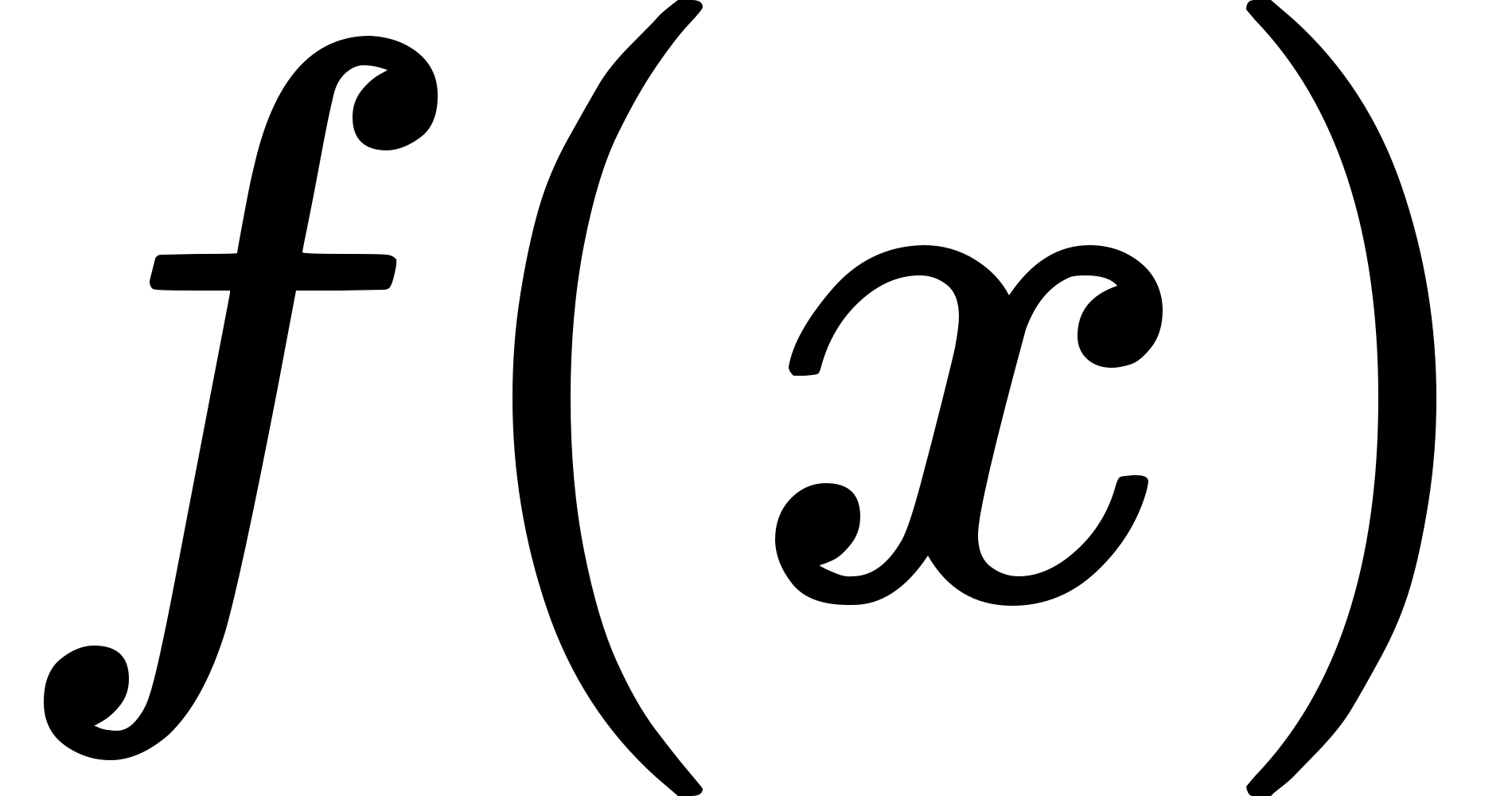 denotes, for all the real values of
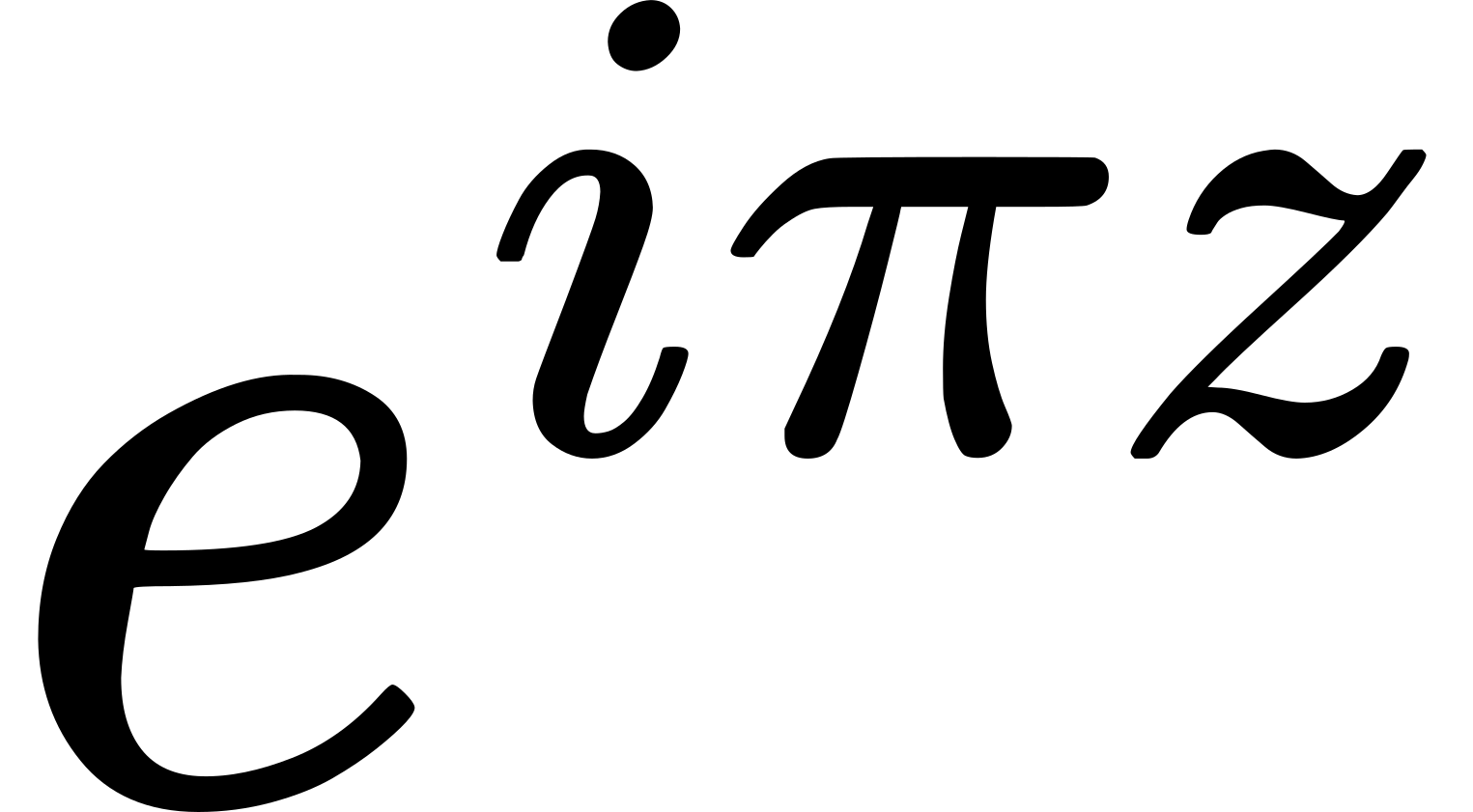 ,
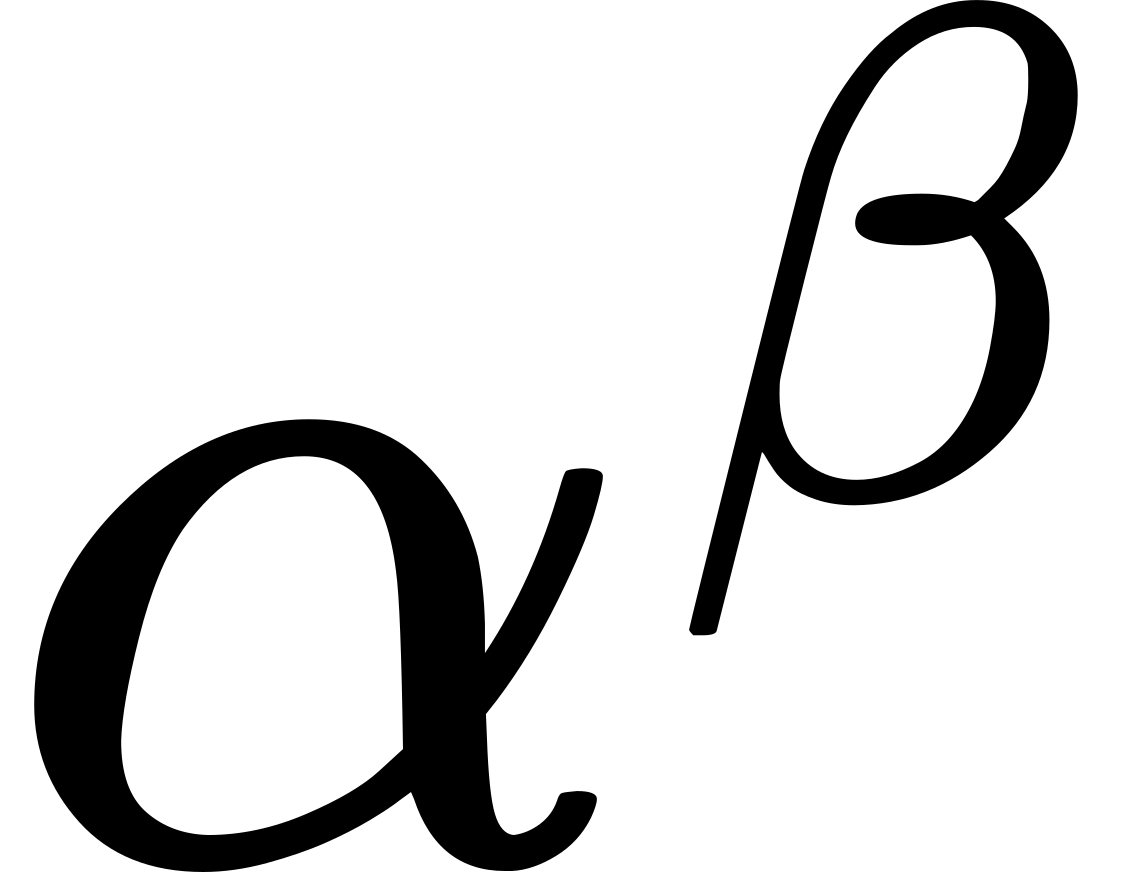 ,
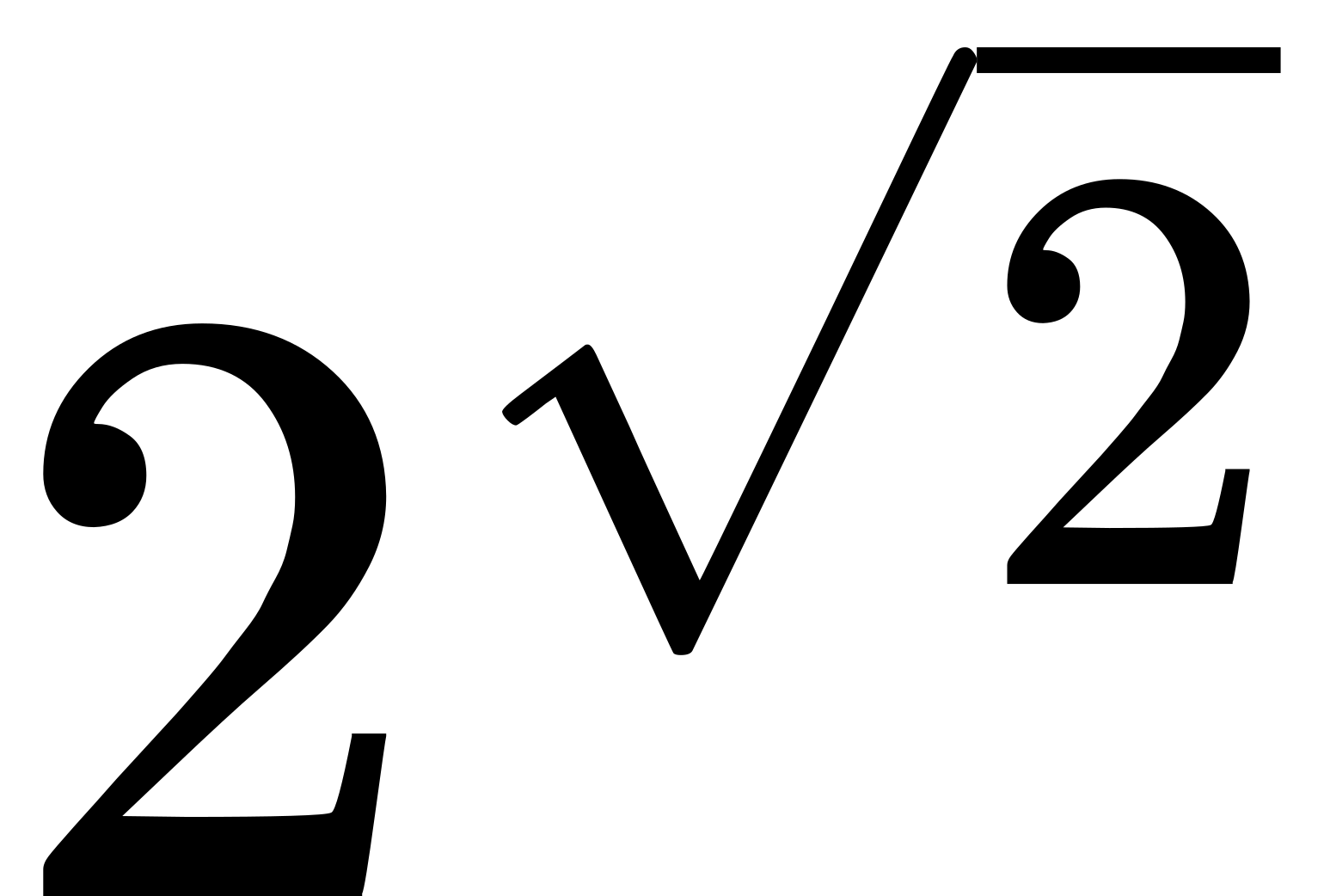 or
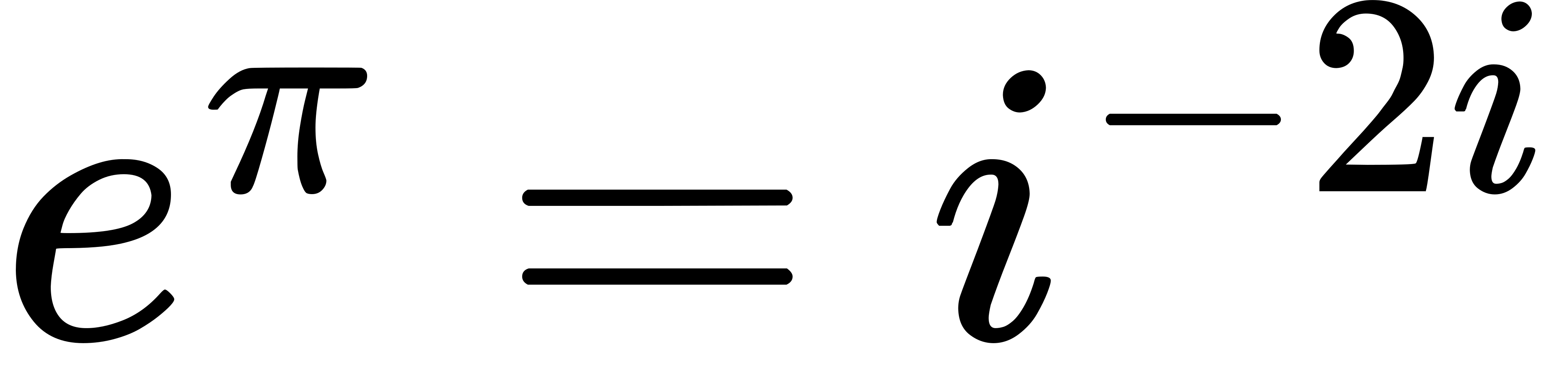 ,
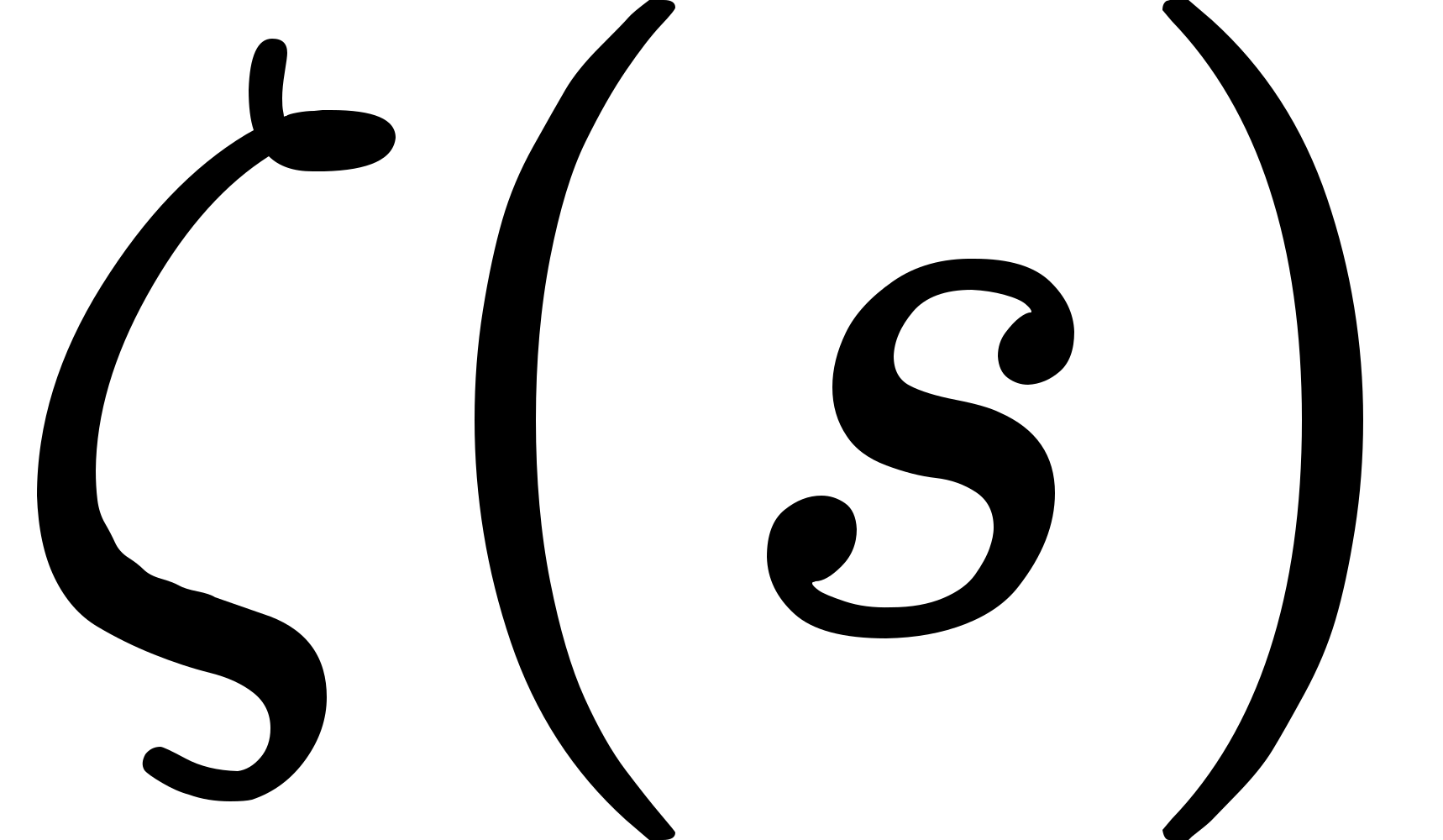 defined by the series

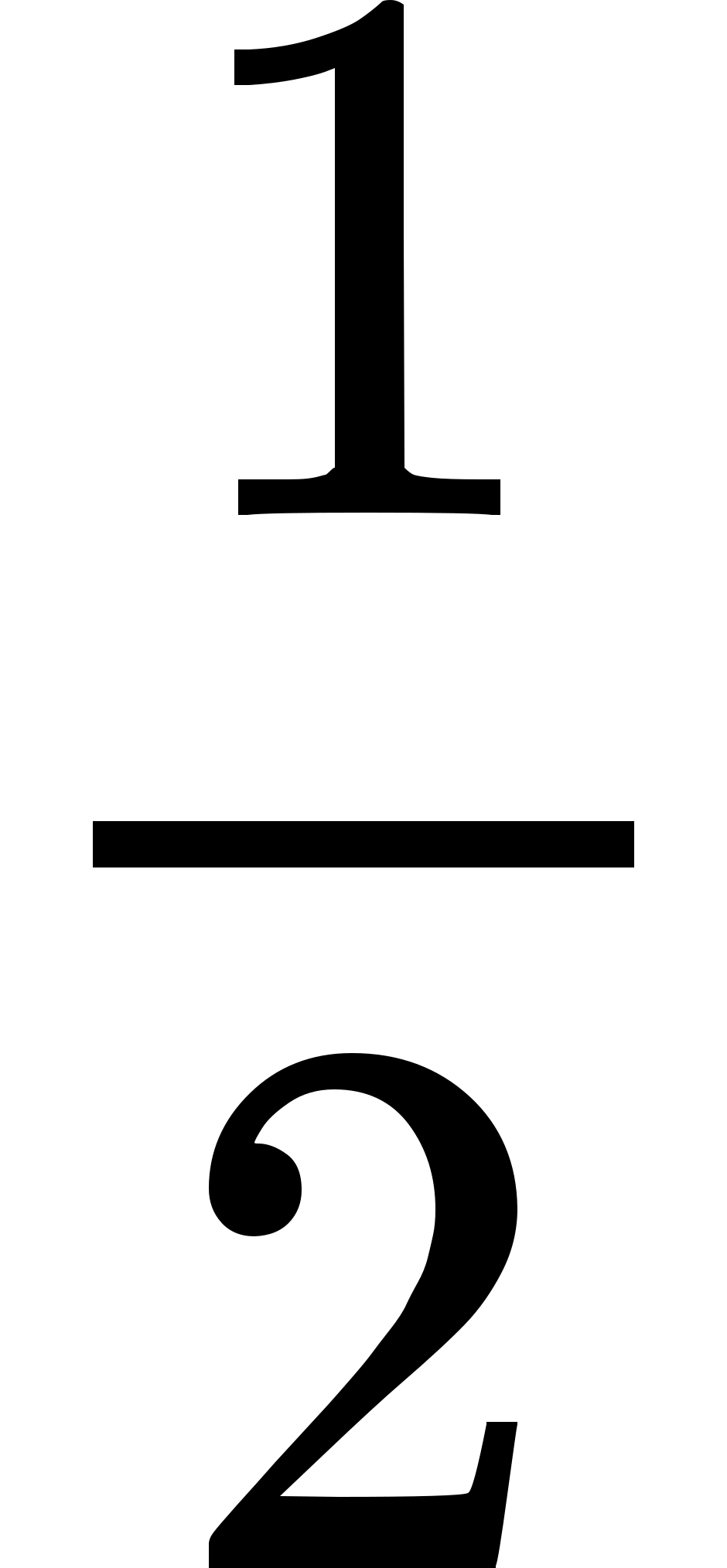 ,
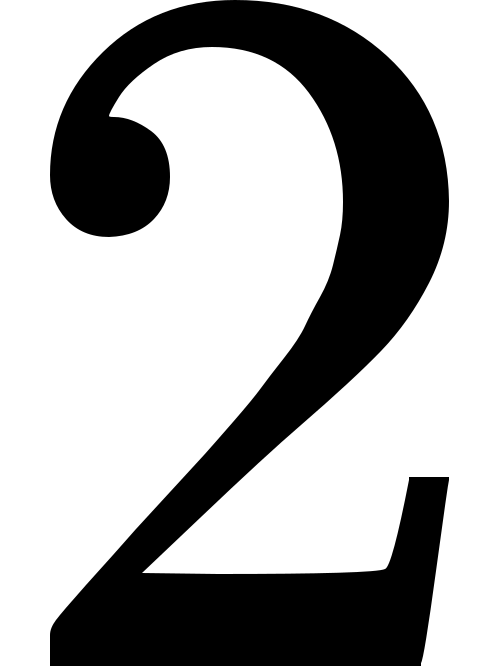 ,

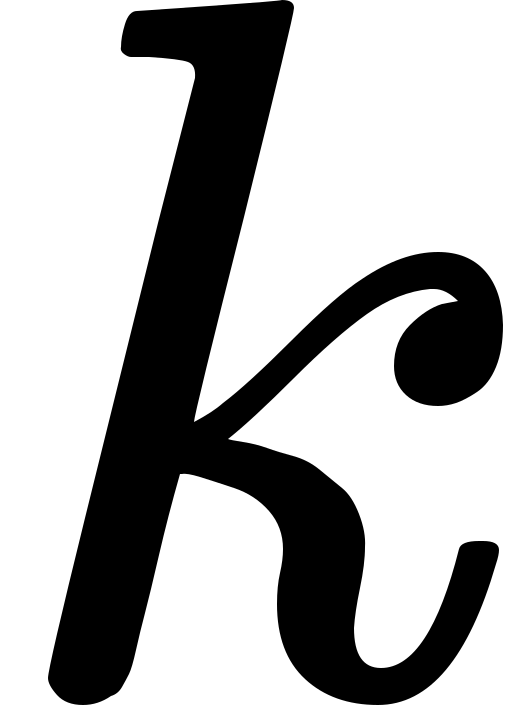 —a problem
which looks toward the study of the function
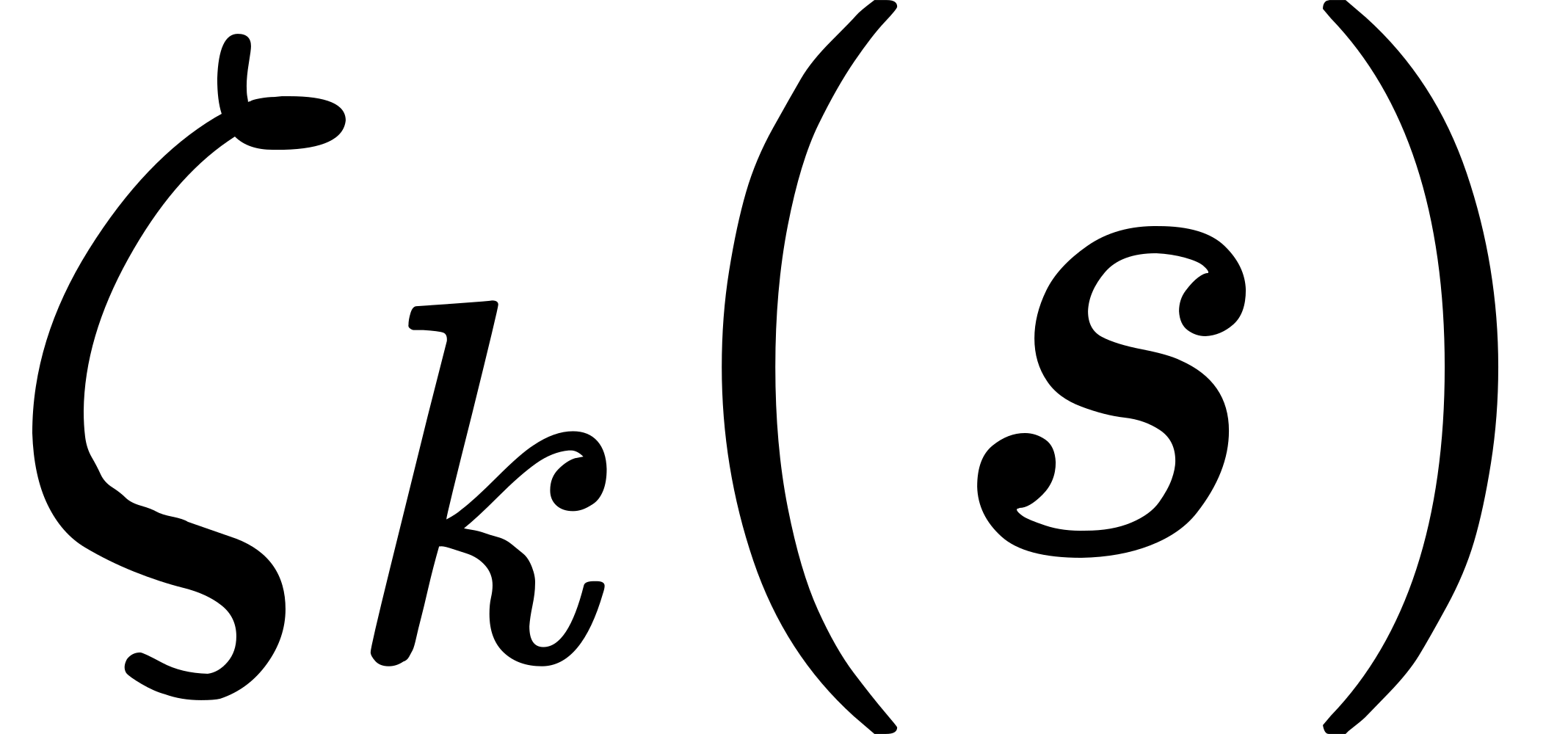 belonging
to the field and defined by the series
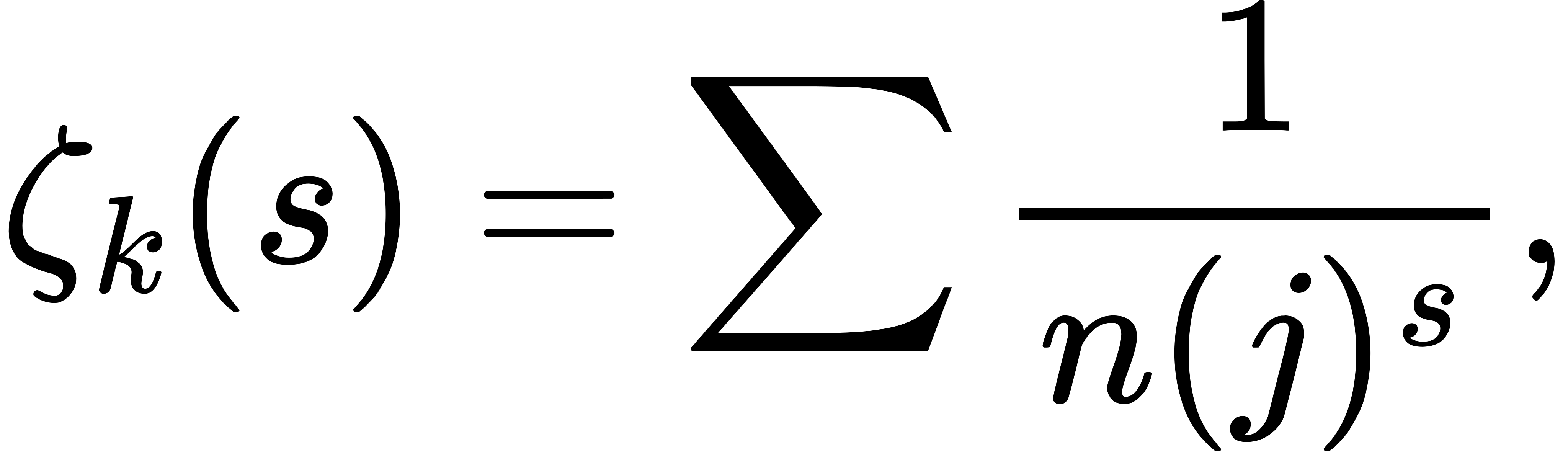
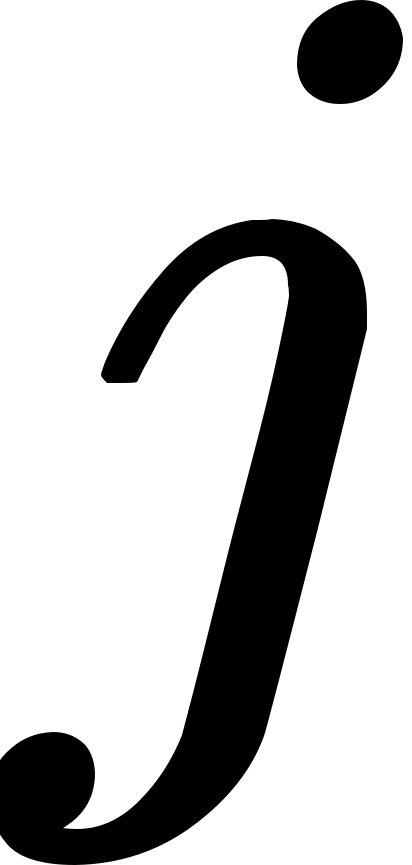 of the given realm
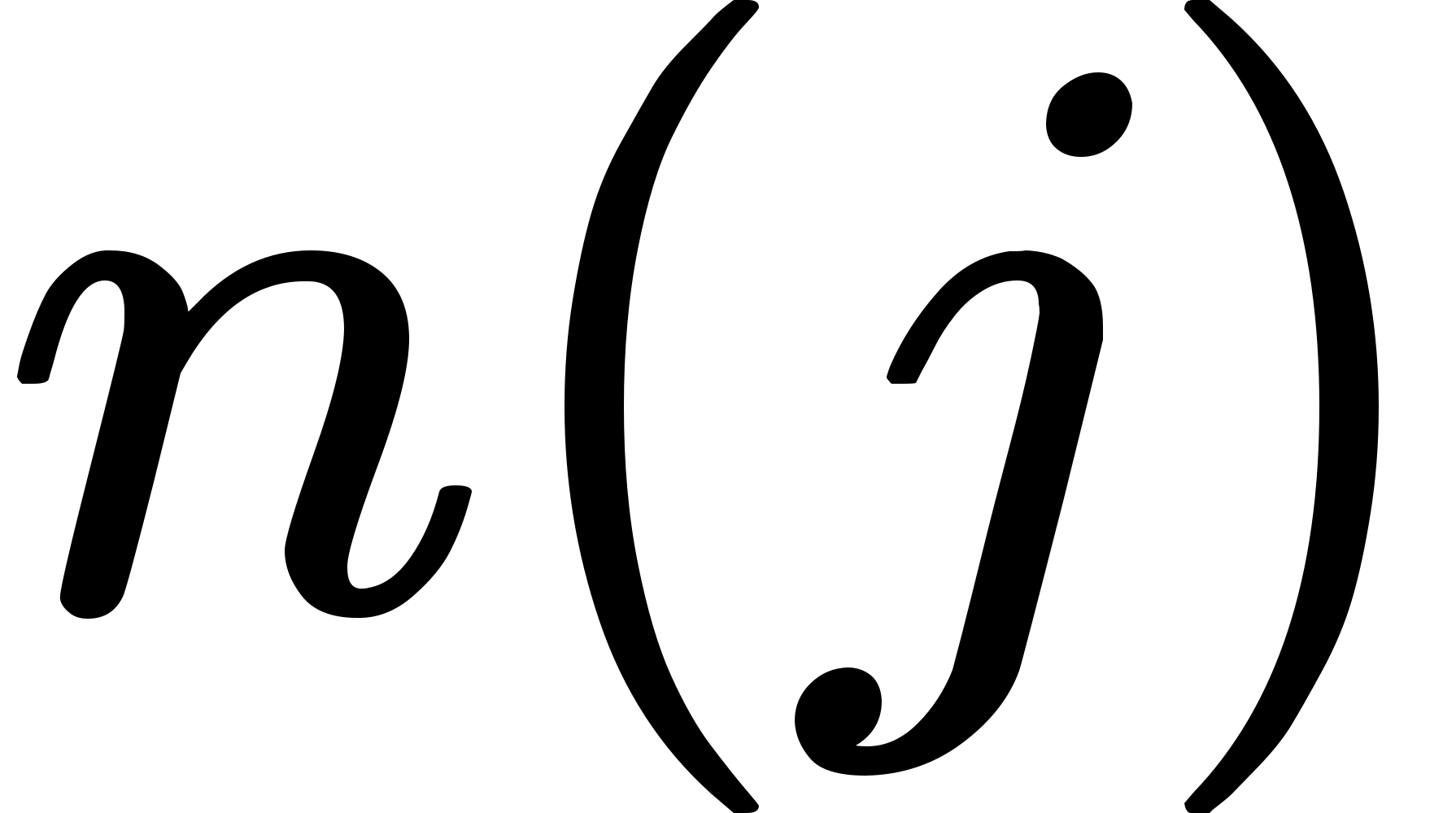 denotes the norm of the ideal
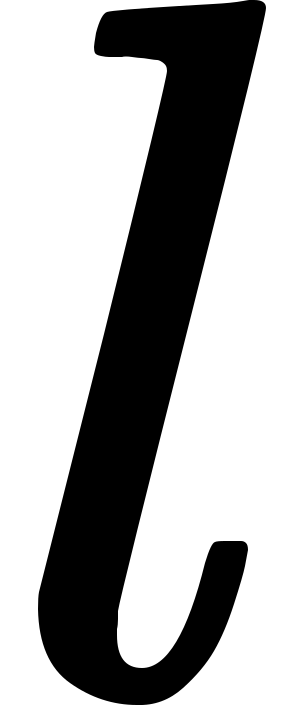 th power, when
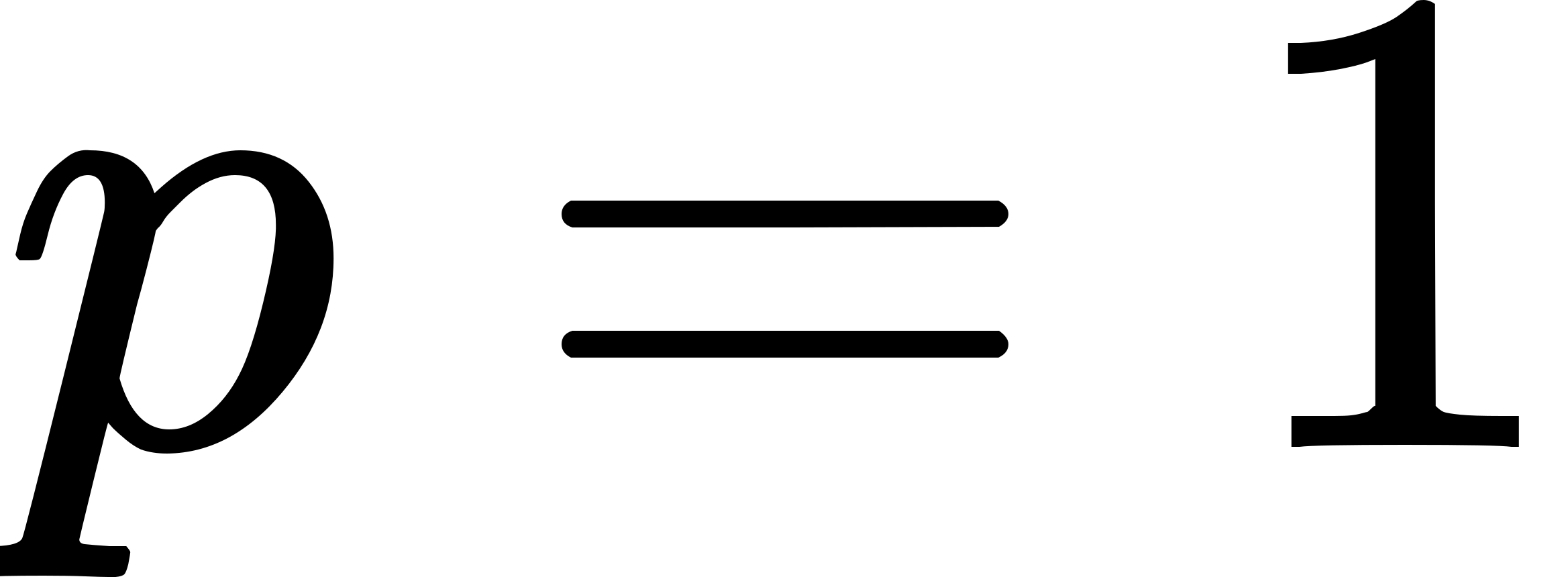 (to touch on the simplest case
only) and on the other hand a number field of class
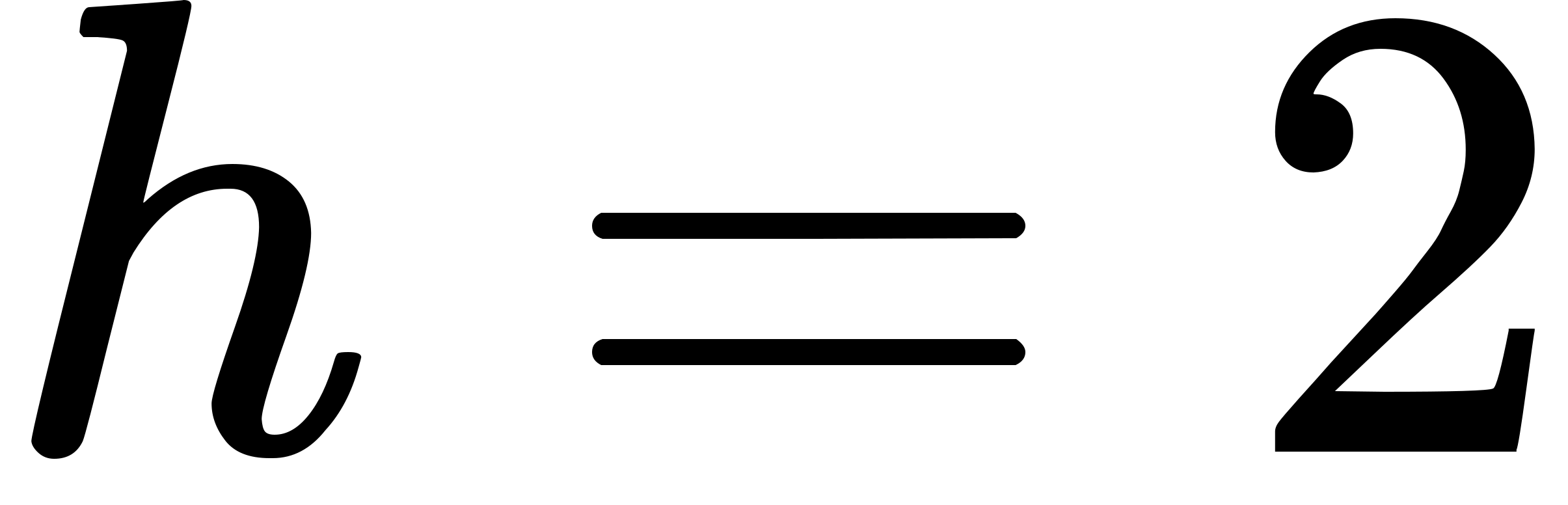 .
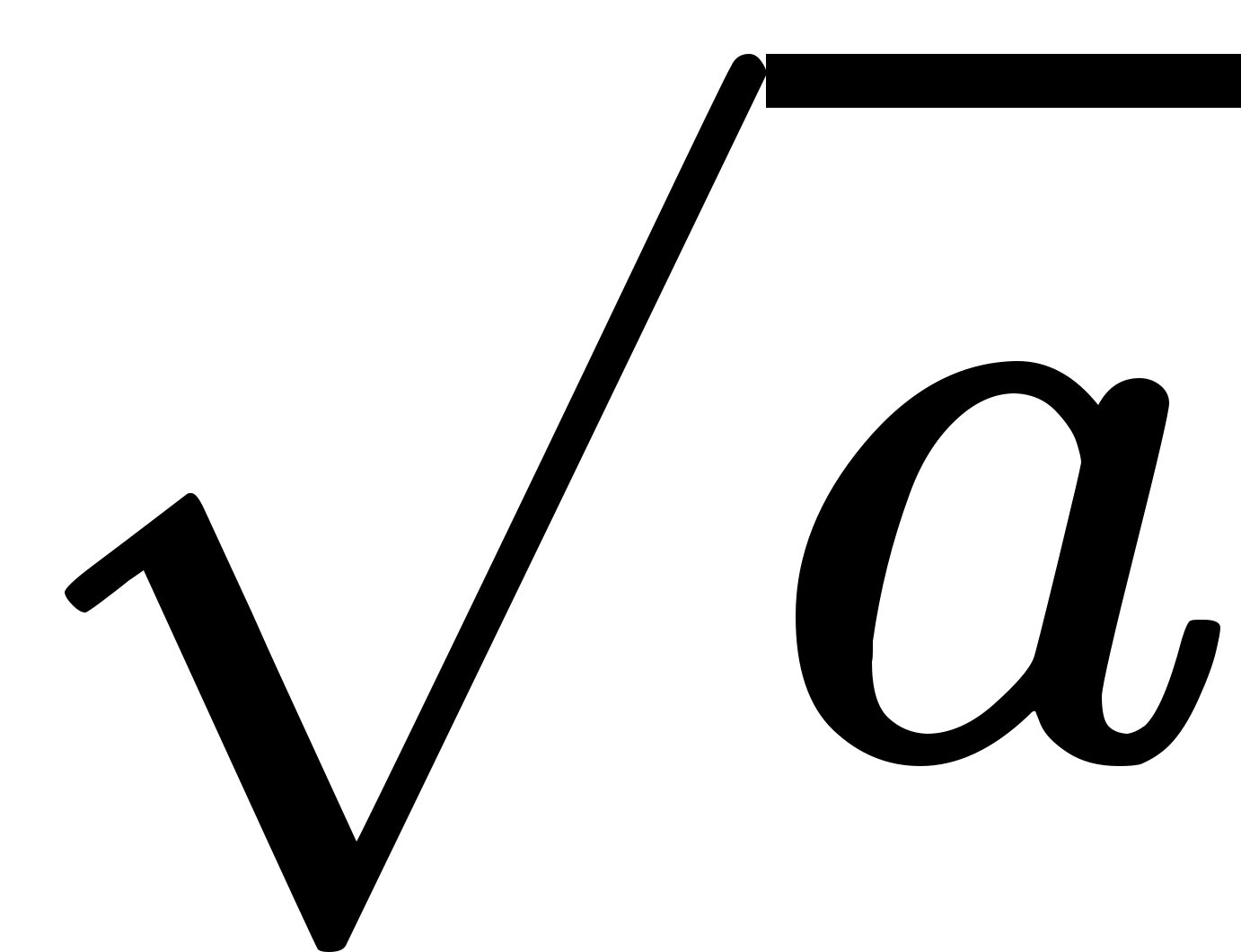 represents a
quadratic field, relatively unbranched with respect to the fundamental
field. In the theory of algebraic functions, the method of boundary
values (Randwerthaufgabe) serves, as is well known, for the
proof of Riemann's existence theorem. In the theory of number fields
also, the proof of the existence of just this number
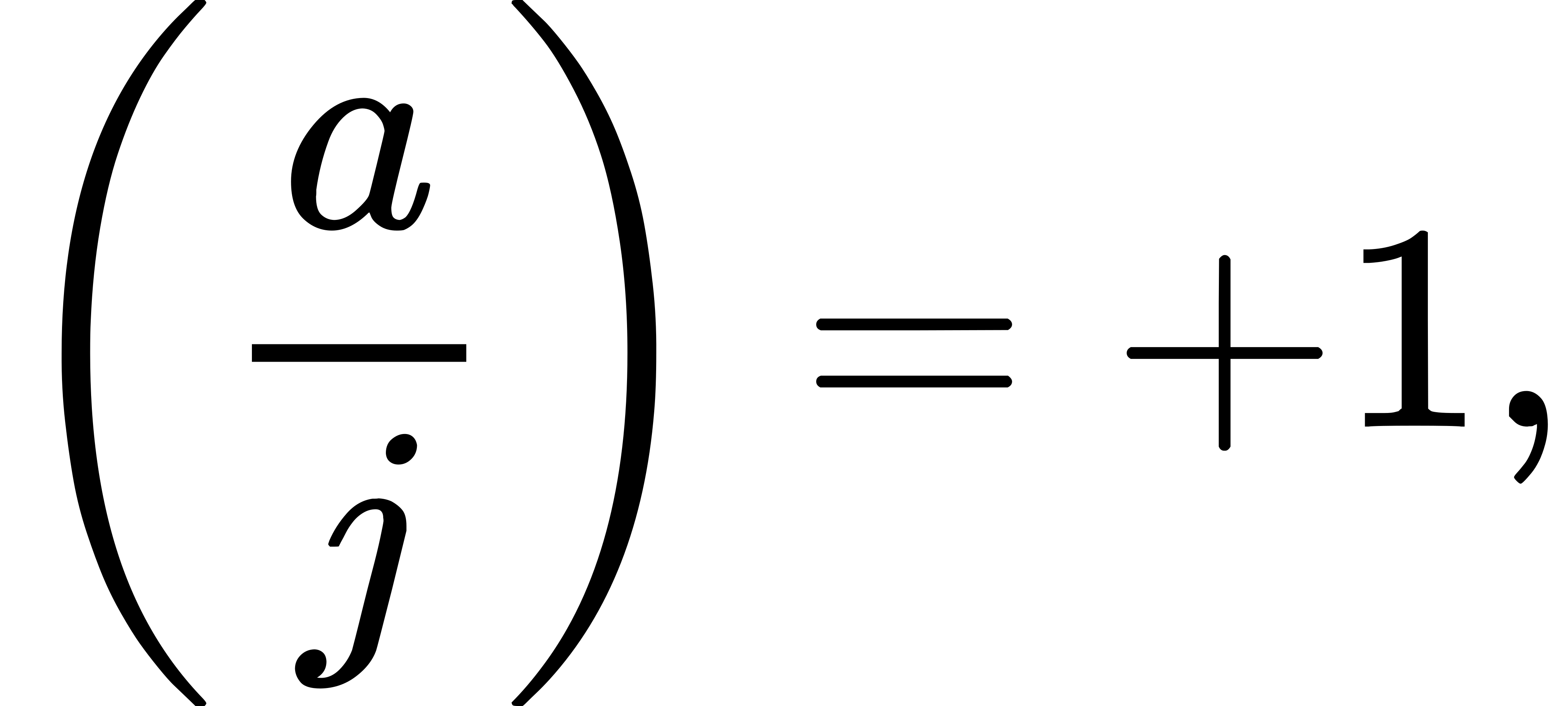
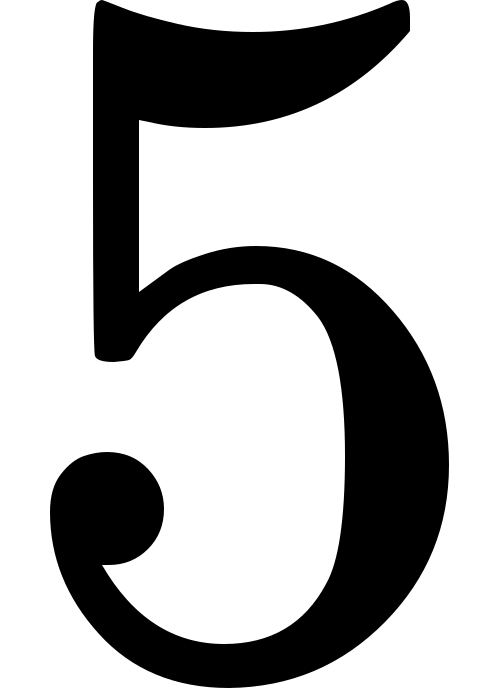 th and
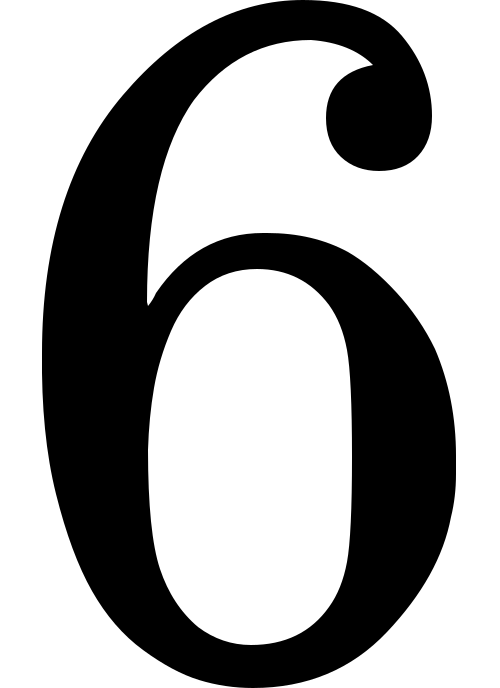 th degrees are solvable by suitable
nomographic tables; for, by means of Tschirnhausen transformations,
which require only extraction of roots, they can be reduced to a form
where the coefficients depend upon two parameters only.
 is not solvable with the help of any
continuous functions of only two arguments. I may be allowed to add
that I have satisfied myself by a rigorous process that there exist
analytical functions of three arguments
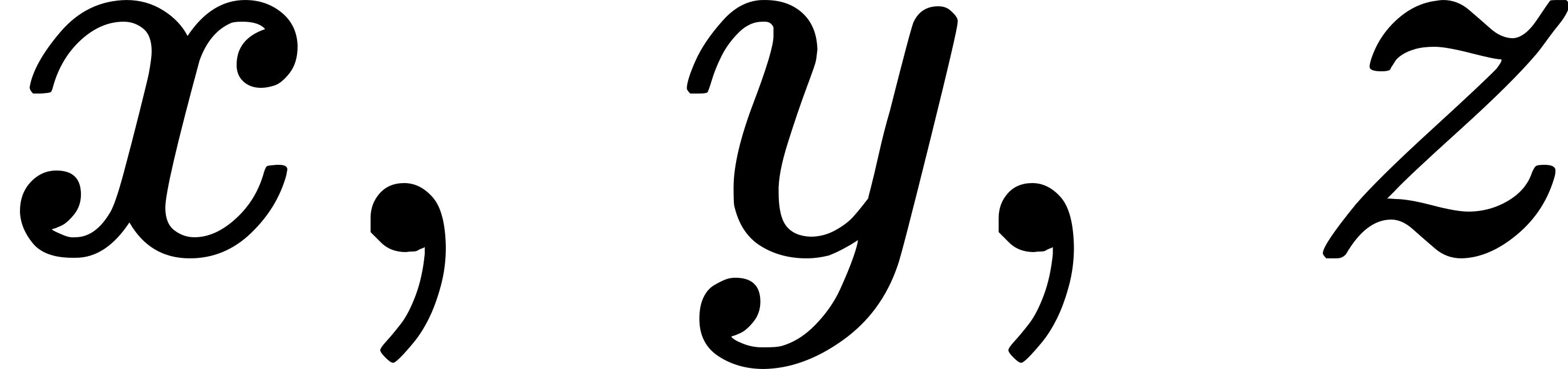 which cannot be
obtained by a finite chain of functions of only two arguments.
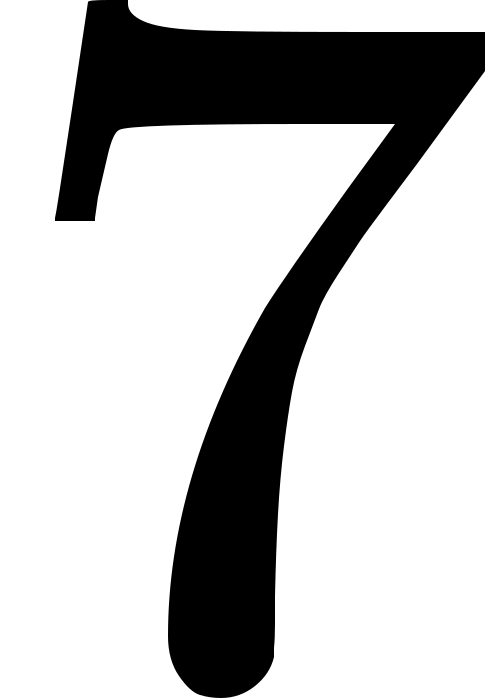 th degree.
 of integral rational functions
 of the
 variables
 be given,
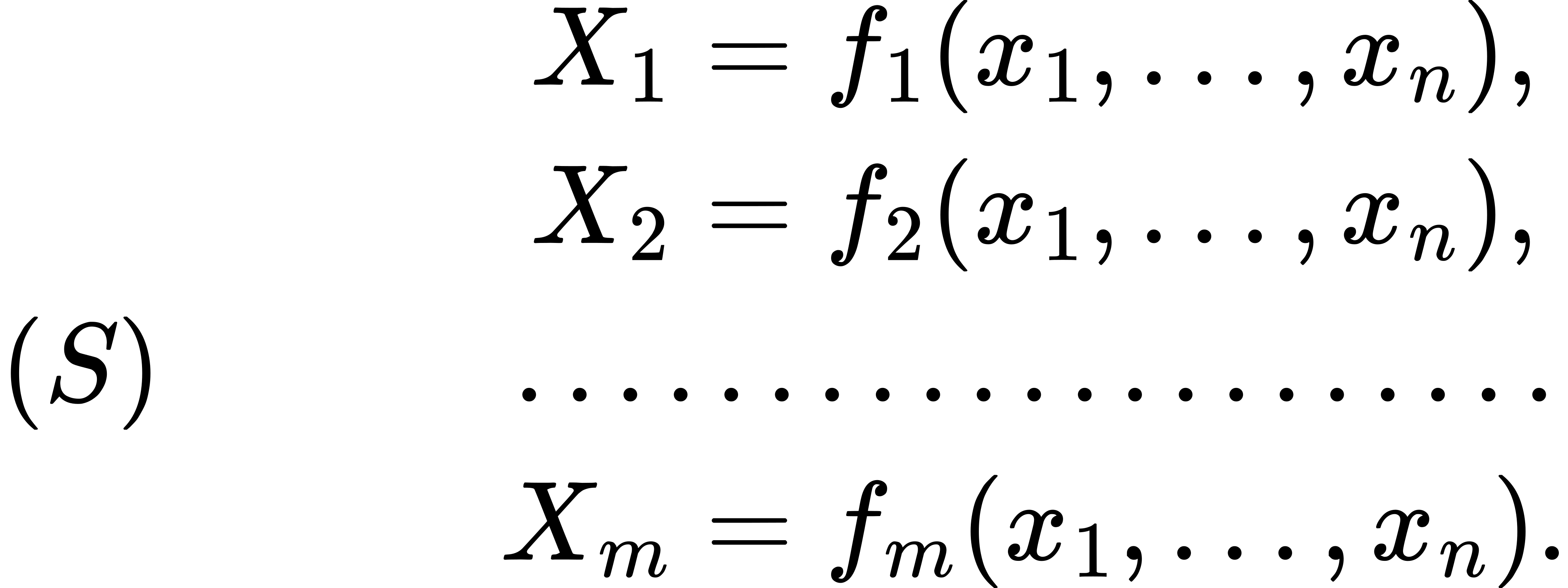
 must
evidently always become, after substitution of the above expressions,
a rational integral function of
 .
 which, by the operation of the substitution
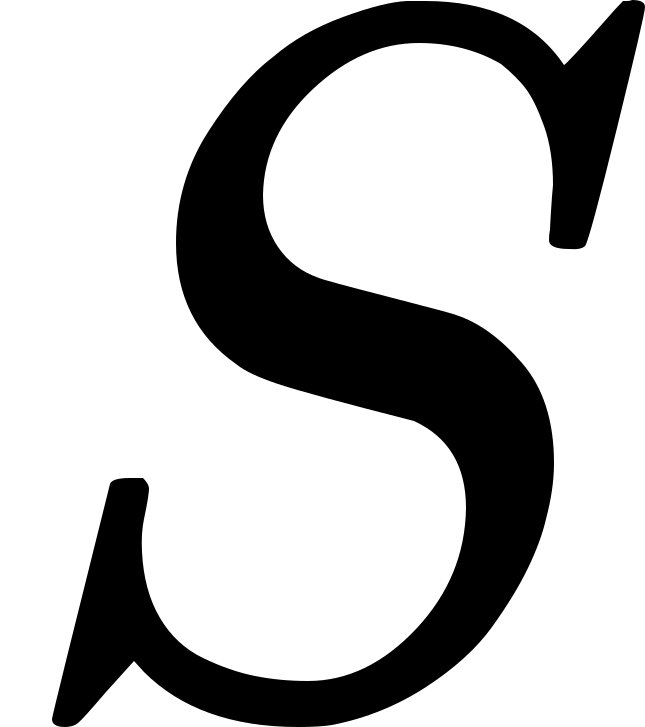 ,
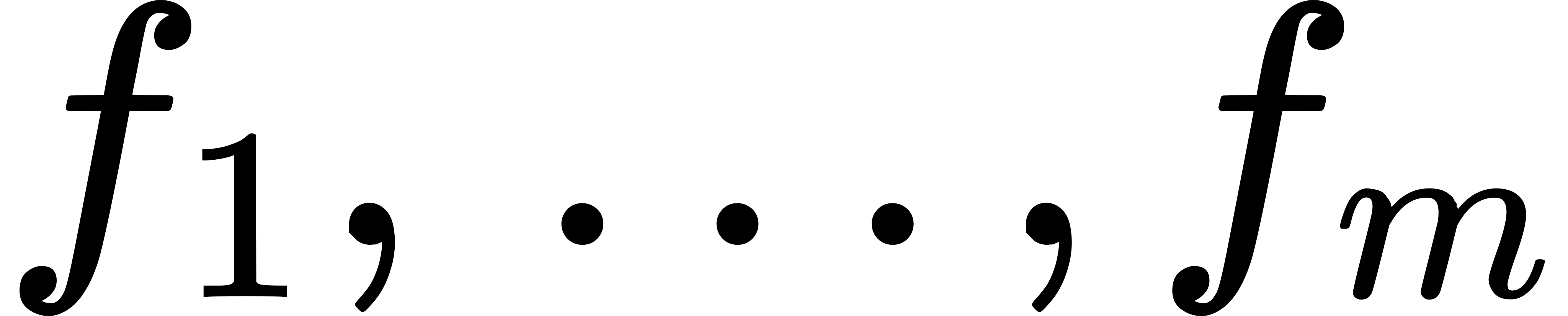 to be integers and including among
the relatively integral functions of
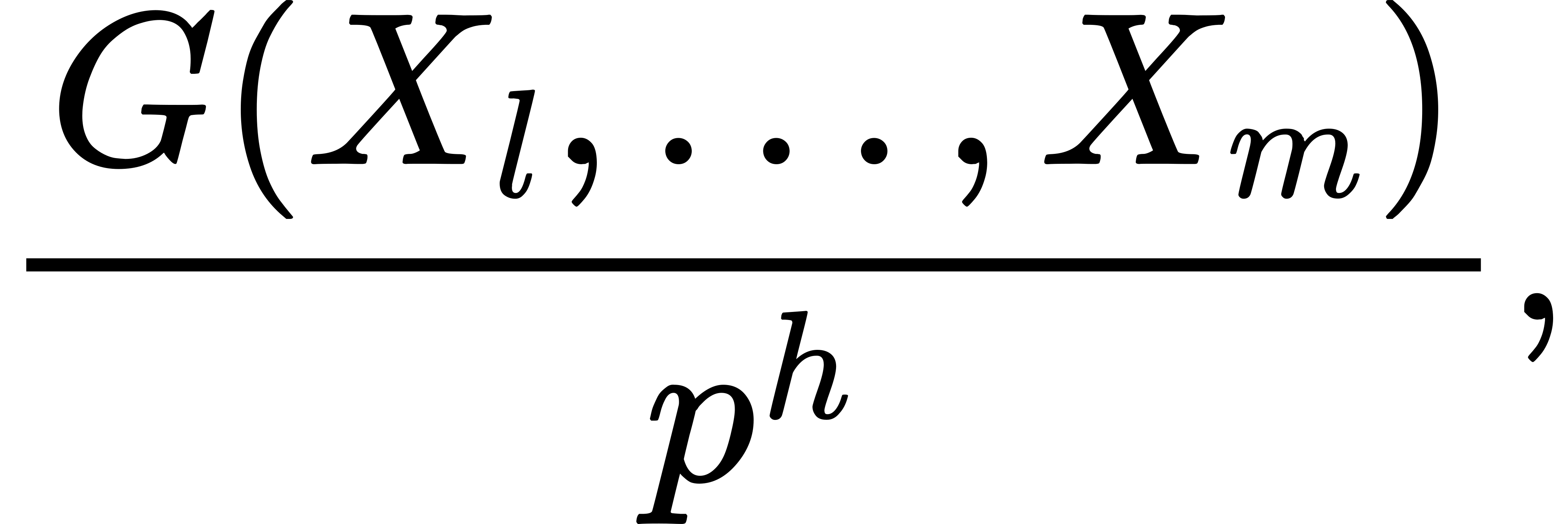
 is a rational integral function of the arguments
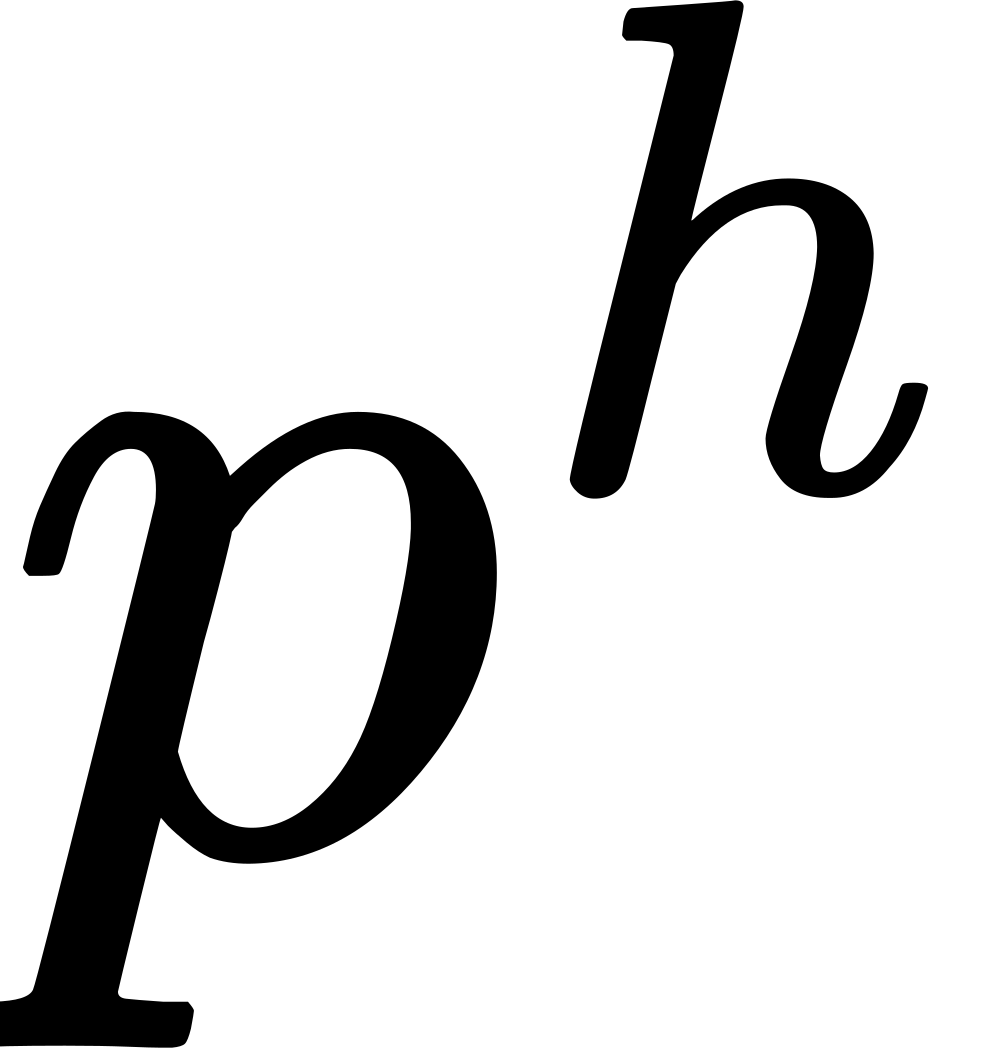 is any power of the prime
number
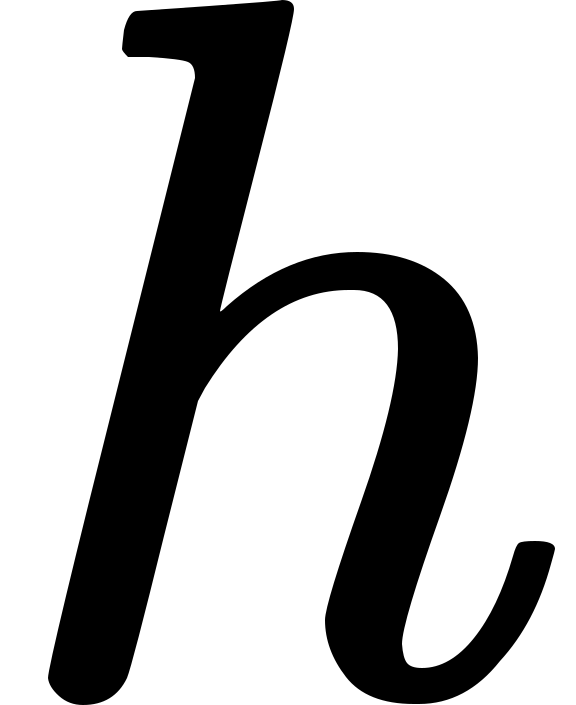 form a finite
domain of integrality. But the question here is whether the same is
true for all exponents
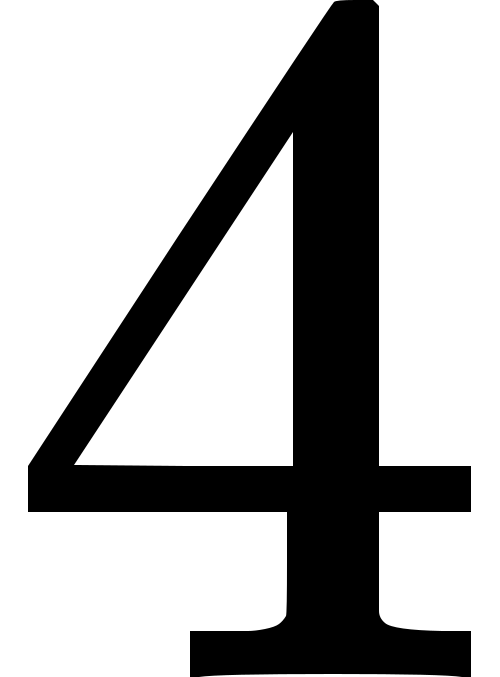 th order
in three dimensional space can really have.
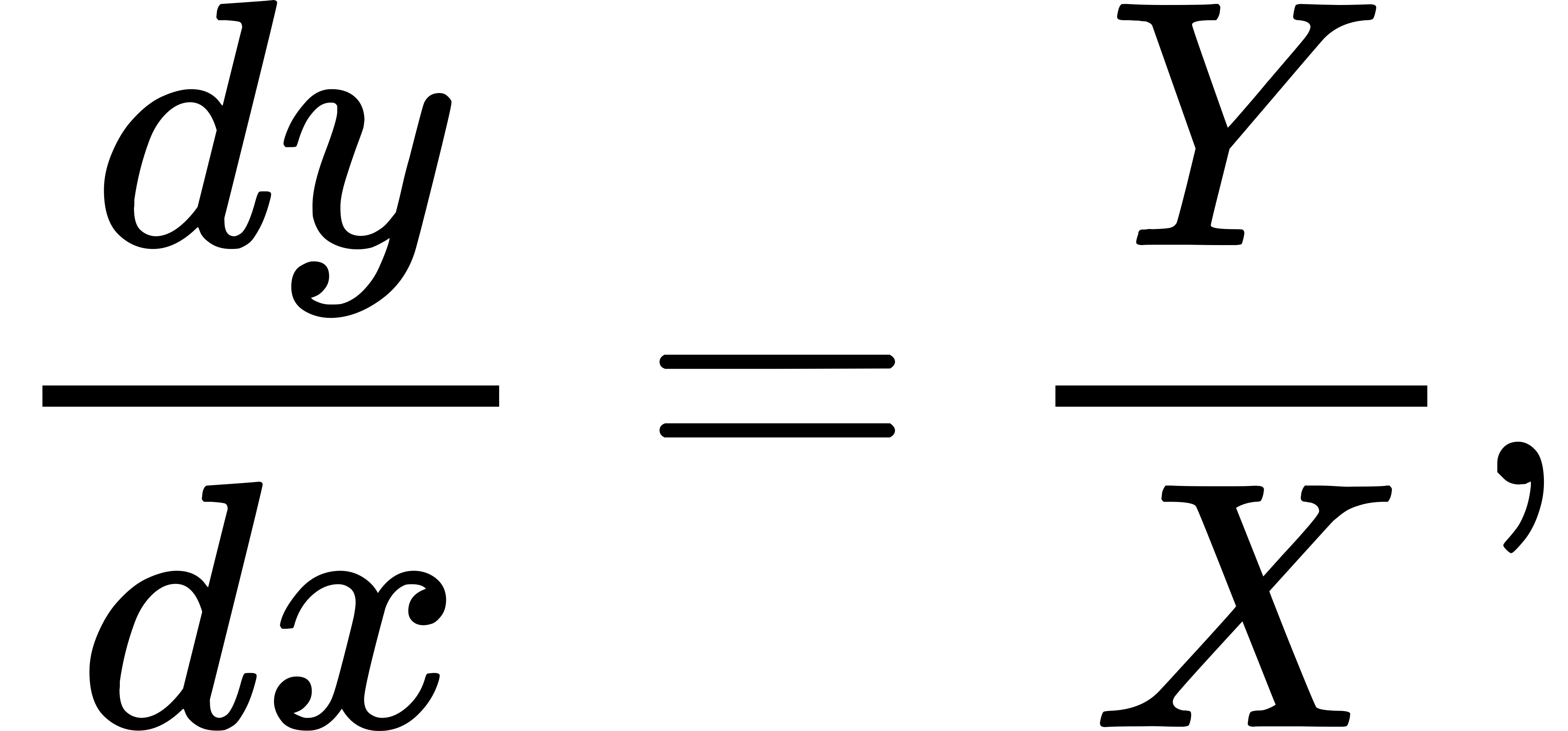
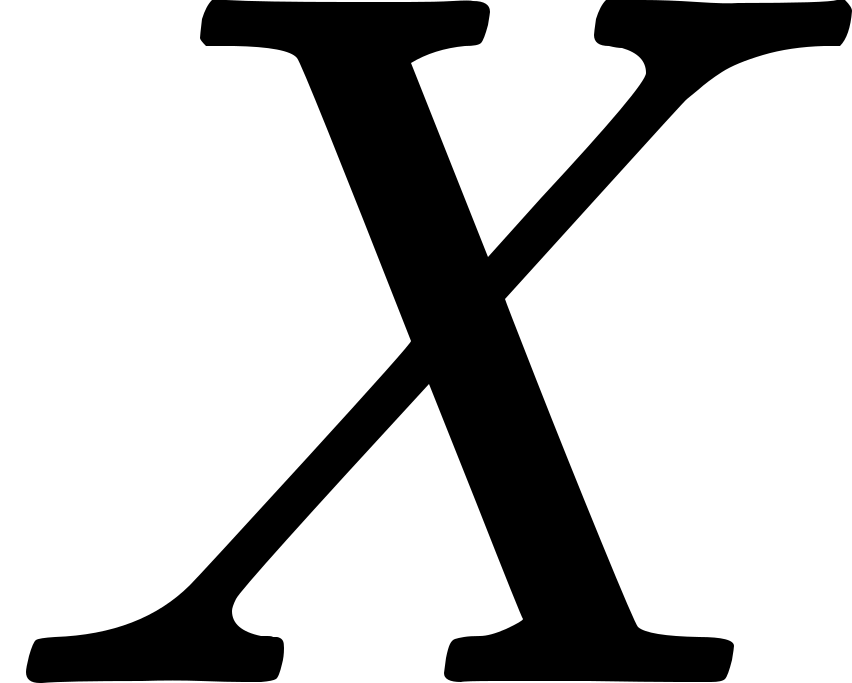 and
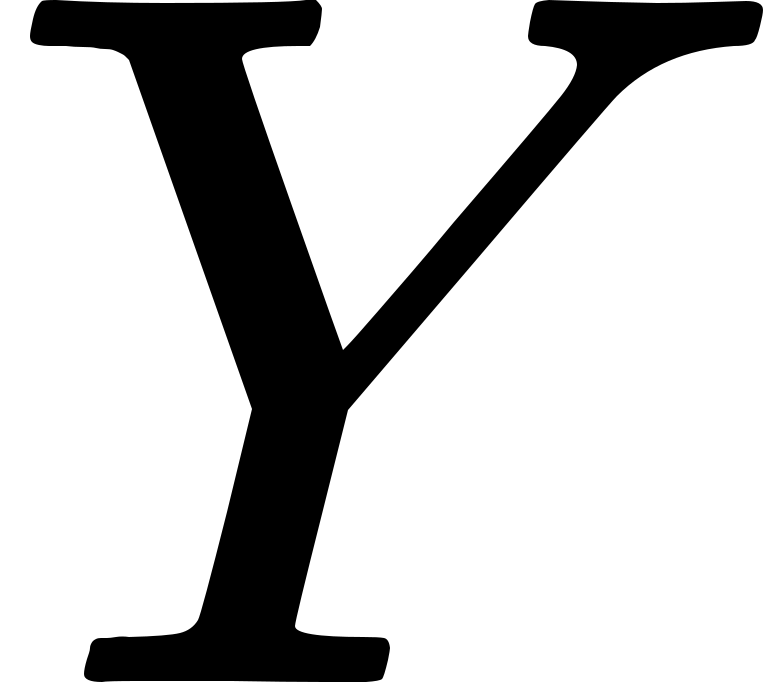 are rational integral functions of the

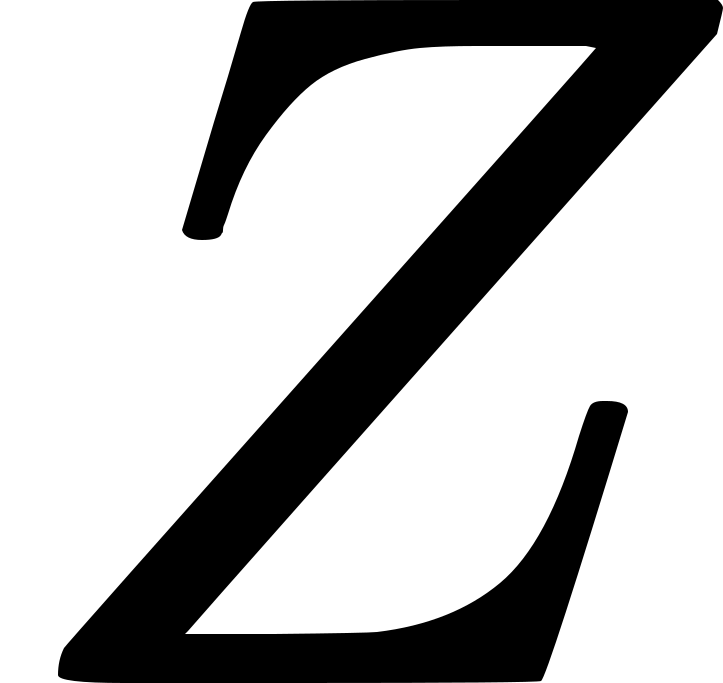 are rational integral homogeneous functions
of the
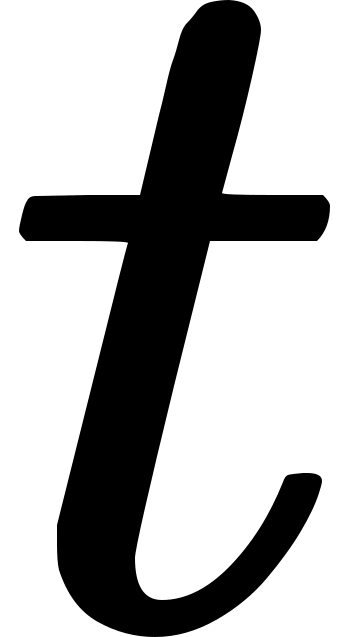 .
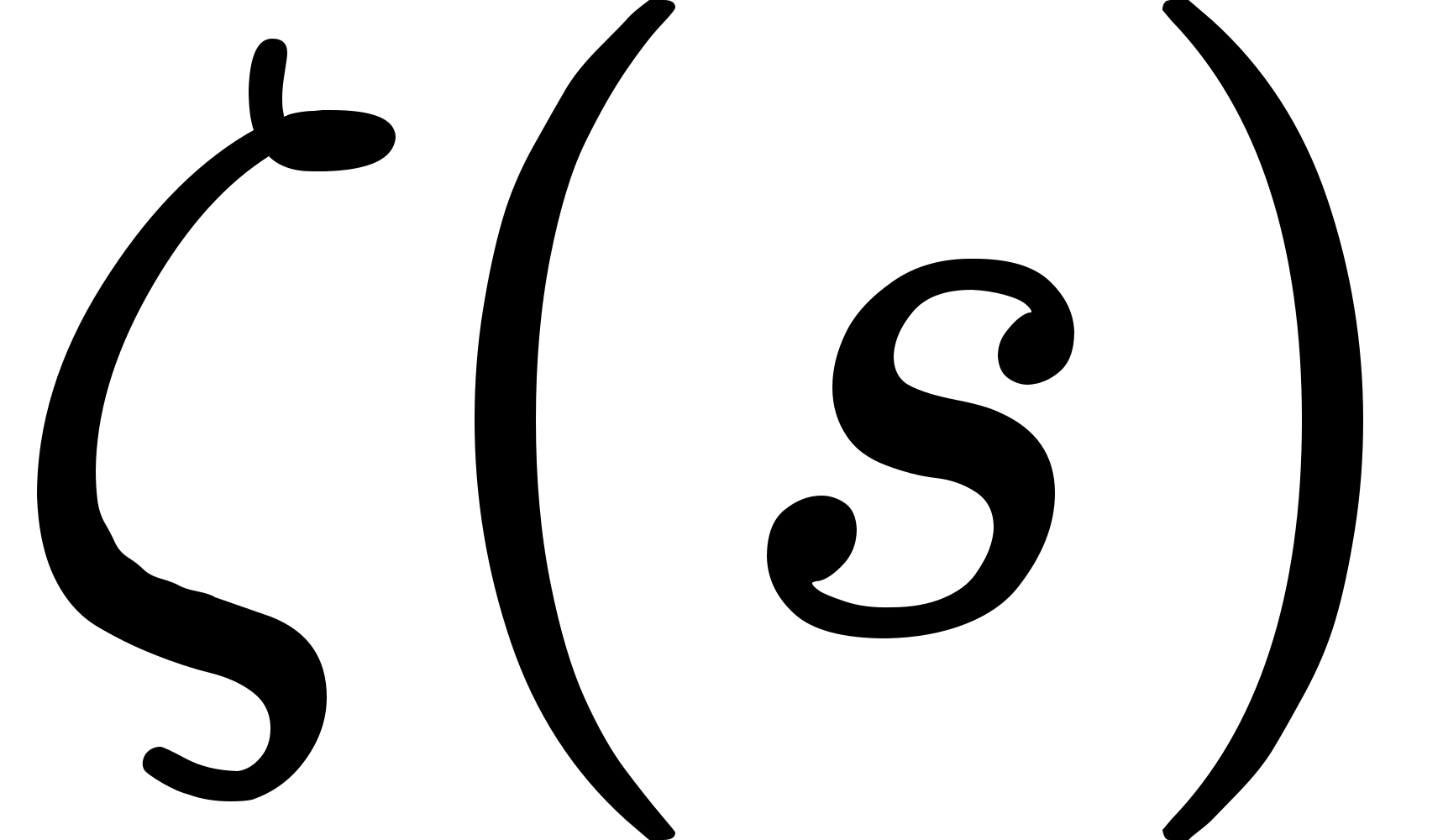 satisfies no
algebraic differential equation, as is easily seen with the help of the
well-known relation between
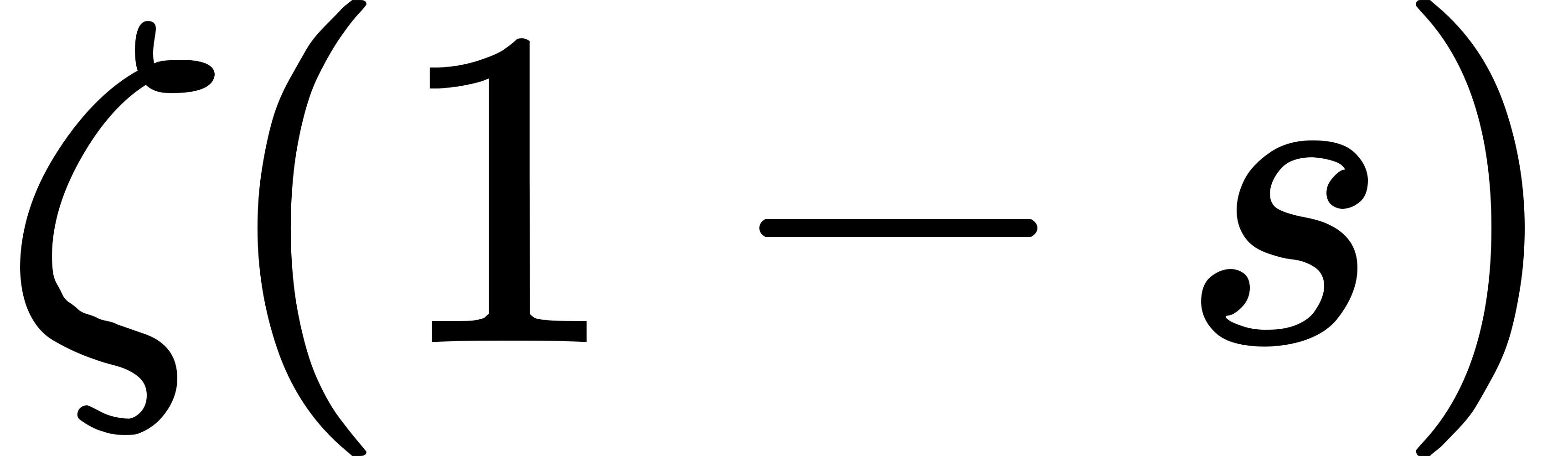 ,
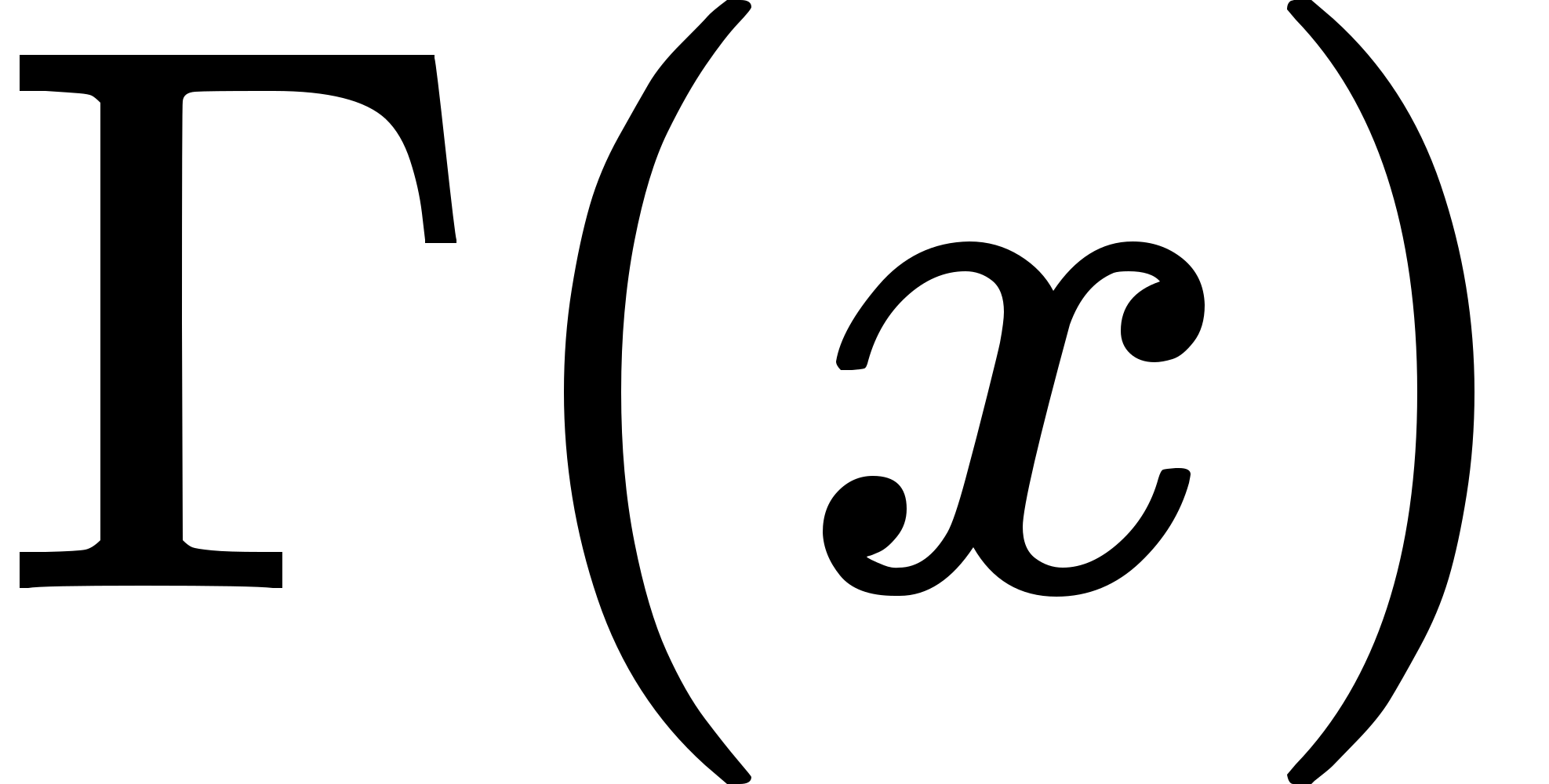 satisfies no algebraic differential equation. Again, the function
of the two variables
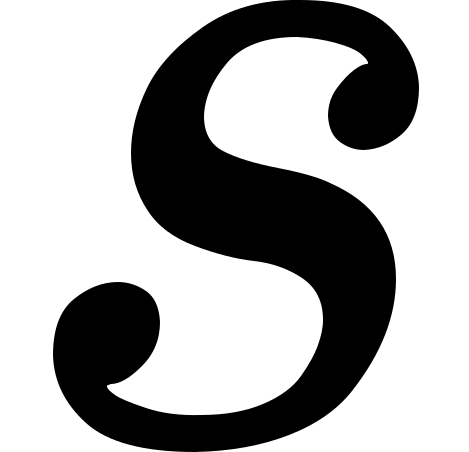 and

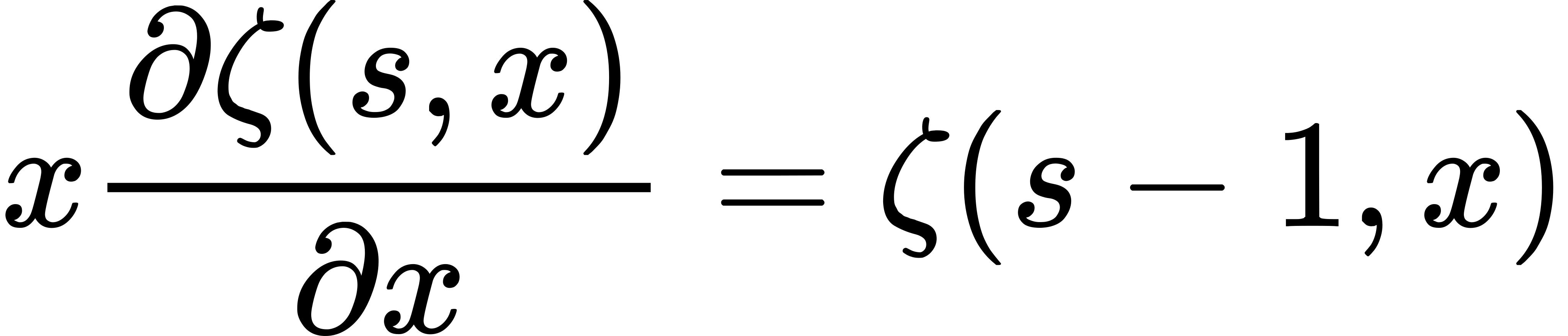
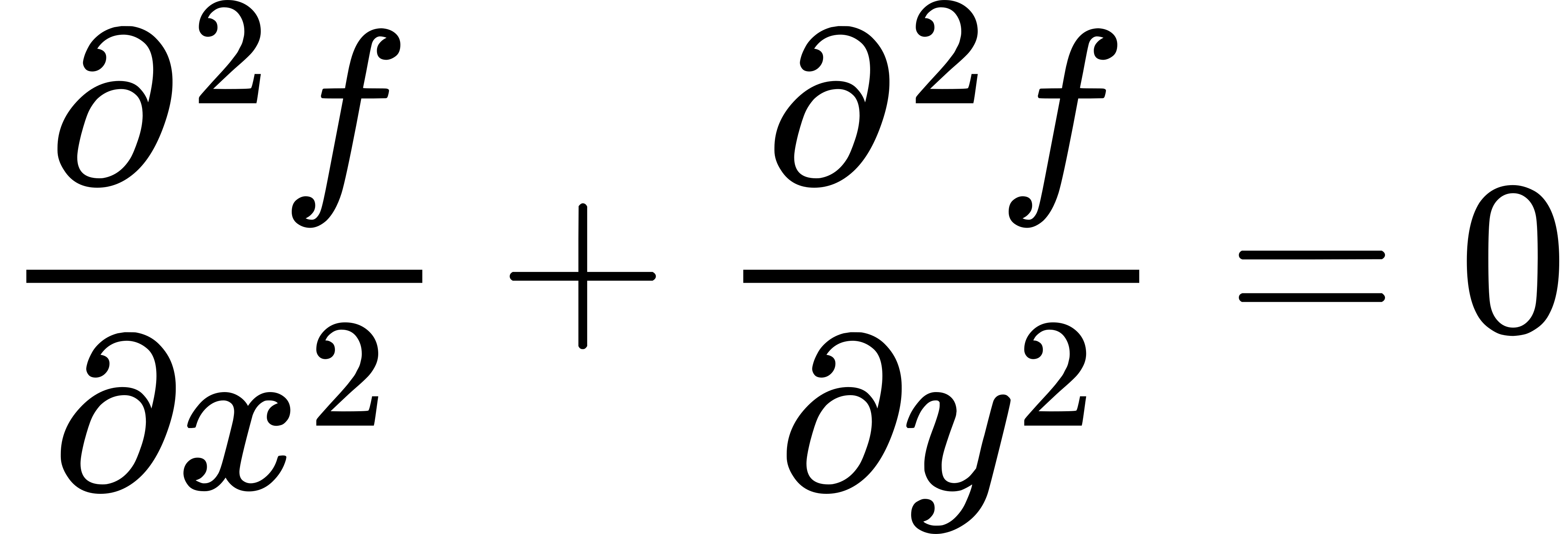
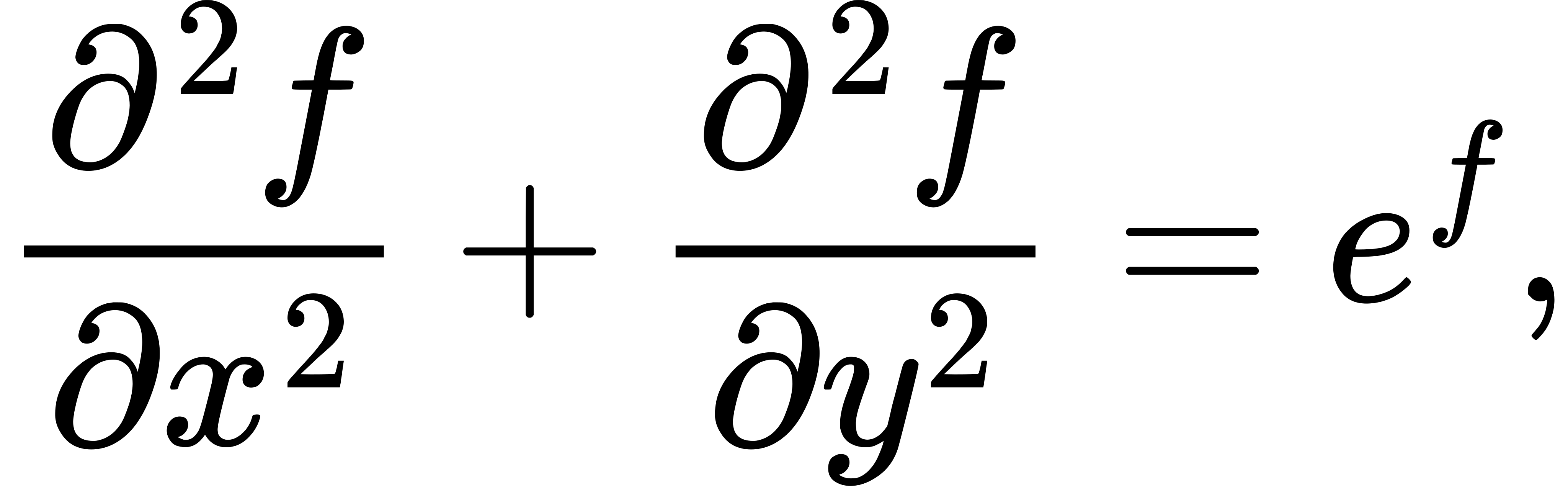

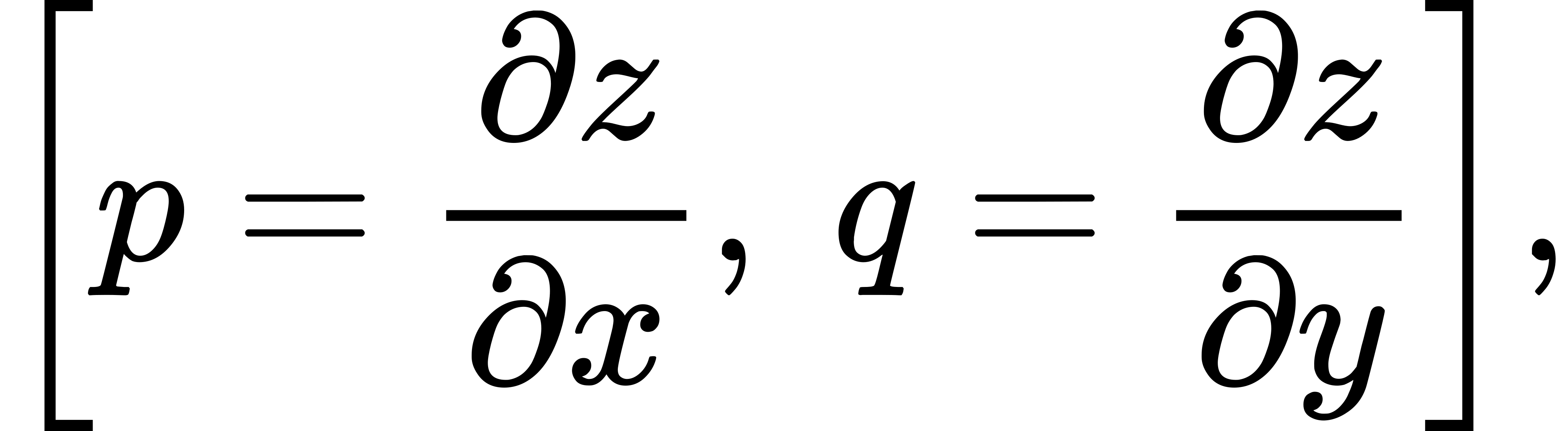
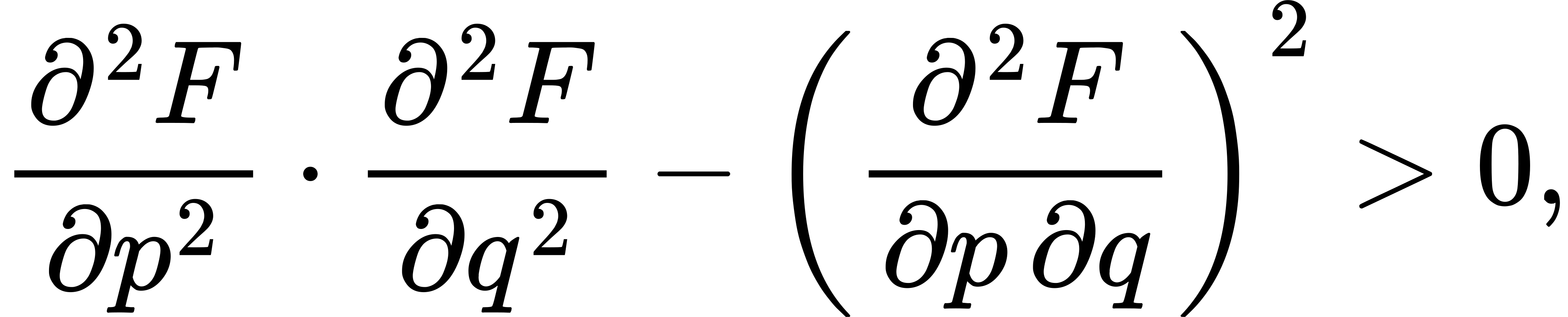
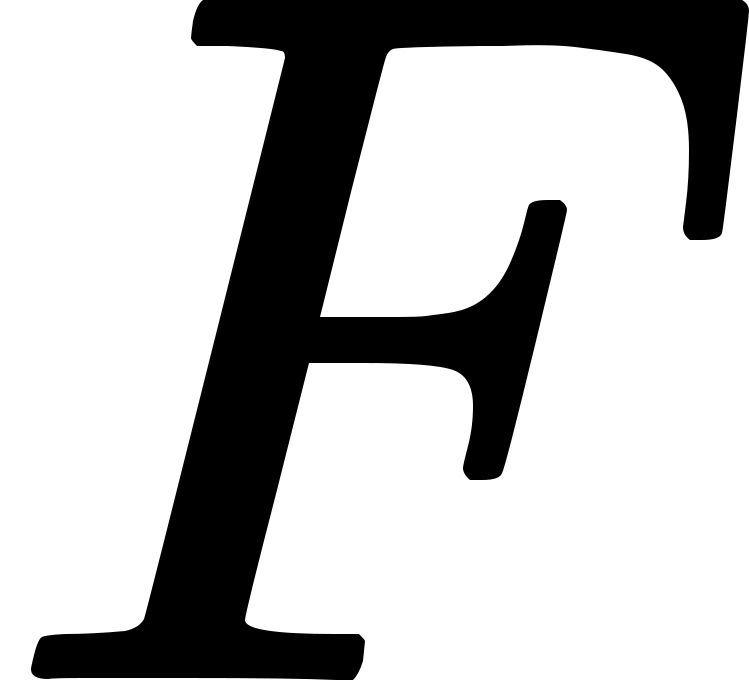 itself being an analytic function. We shall call this sort of
problem a regular variation problem. It is chiefly the regular
variation problems that play a rôle in geometry, in mechanics, and
in mathematical physics; and the question naturally arises, whether
all solutions of regular variation problems must necessarily be
analytic functions. In other words, does every lagrangian partial
differential equation of a regular variation problem have the property
of admitting analytic integrals exclusively? And is this the case
even when the function is constrained to assume, as, e. g., in
Dirichlet's problem on the potential function, boundary values which
are continuous, but not analytic?
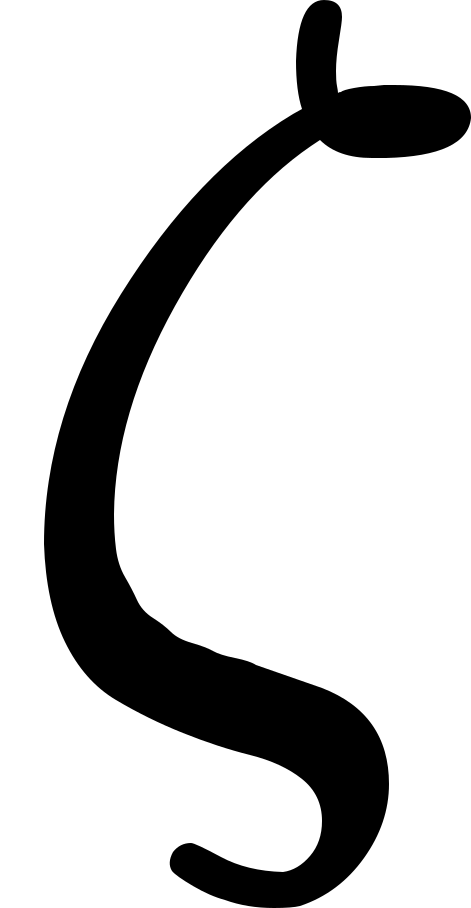 -functions. The theory of linear differential
equations would evidently have a more finished appearance if the
problem here sketched could be disposed of by some perfectly general
method.