When a new school Reader comes to the hands of the primary
teacher, she naturally asks: “Will this book give to my class of
boys and girls a healthy stimulus of thought and pleasure? Will
they receive through it valuable instruction and assistance in the
mechanics of reading? Is the book sufficiently literary in style and
artistic in form to command the respect and love of the children?
Is it suggestive, dramatic, and ethically healthful? In a word, is it
worth the precious time of the schoolroom?”
To the inquiring teacher who may examine this little book, which
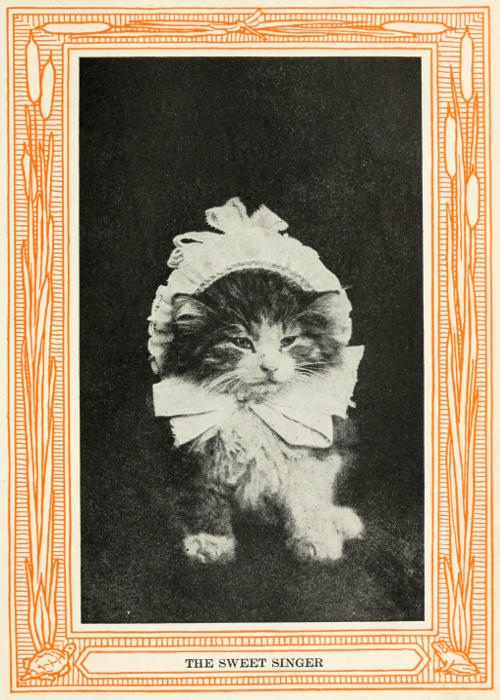
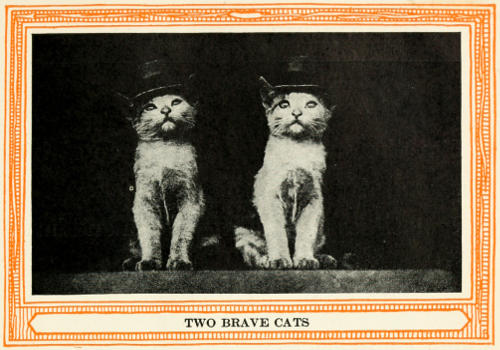
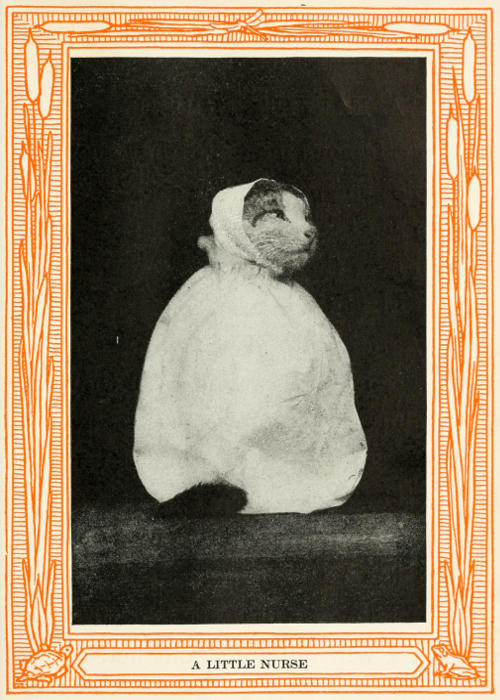
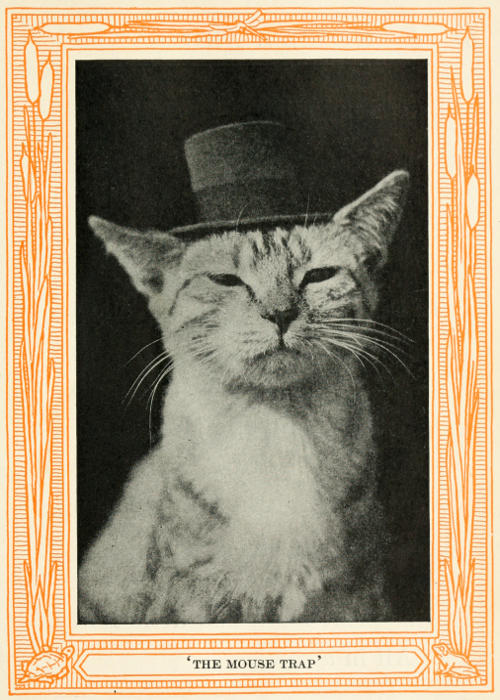
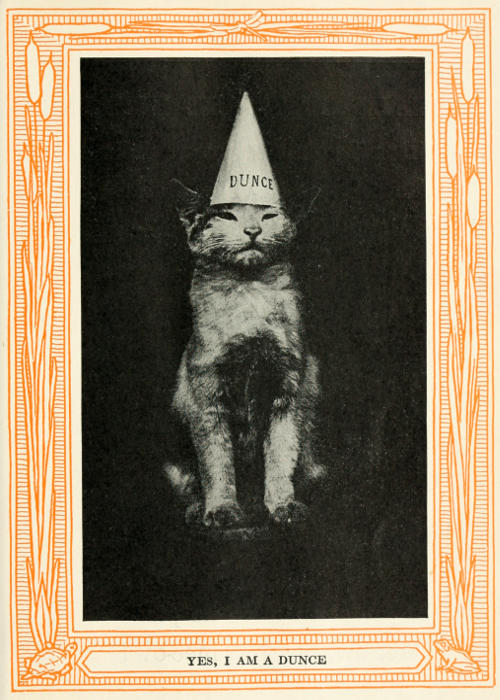
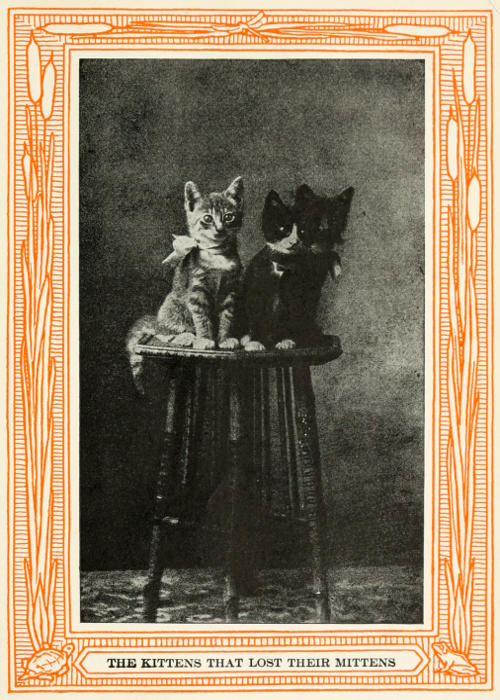
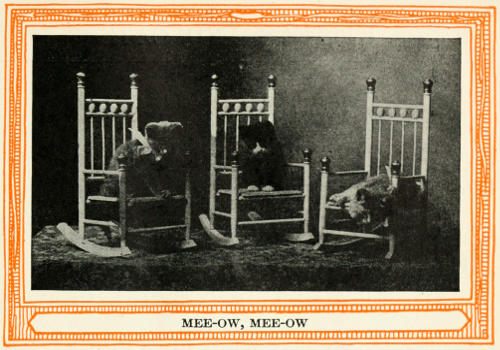
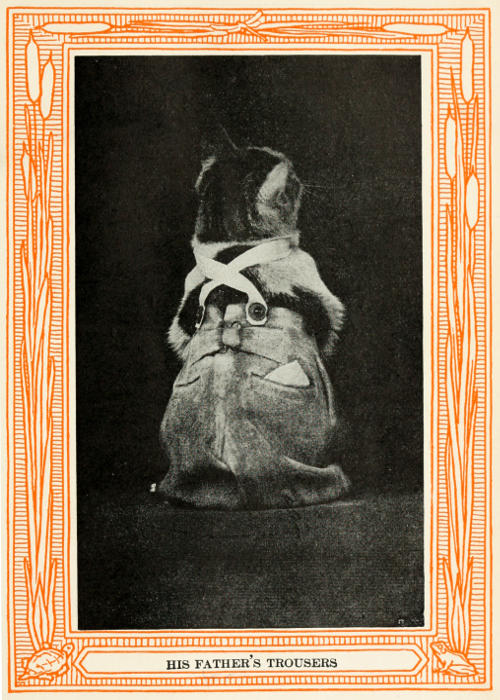
is devoted entirely to the frolics and fancies of kittens and cats, the
following remarks may reveal a definite educational purpose and
value in it.
Following the example of Mother Goose, the wise and classic
rhymester of the nursery, we have taken a subject dear to the heart
of childhood and have given it life and personality in the simple and
unsophisticated manner of the child.
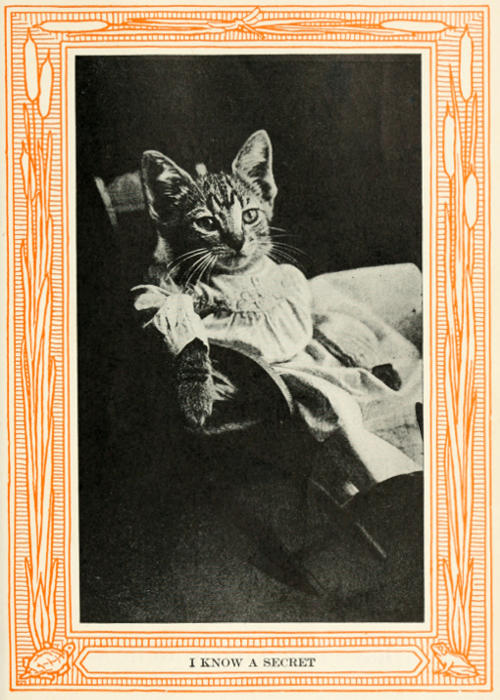
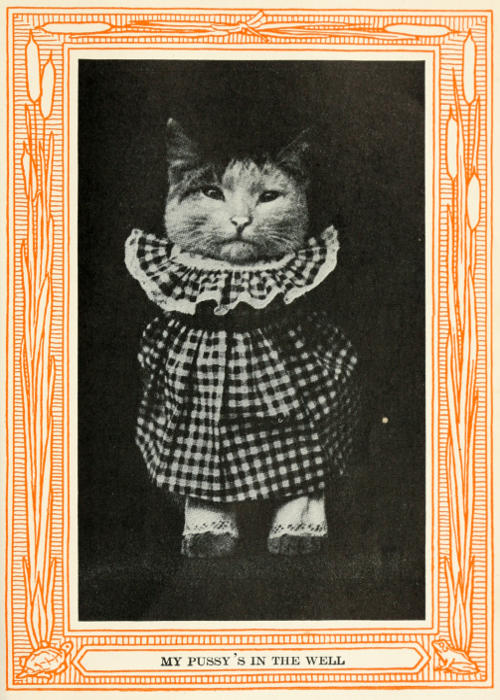
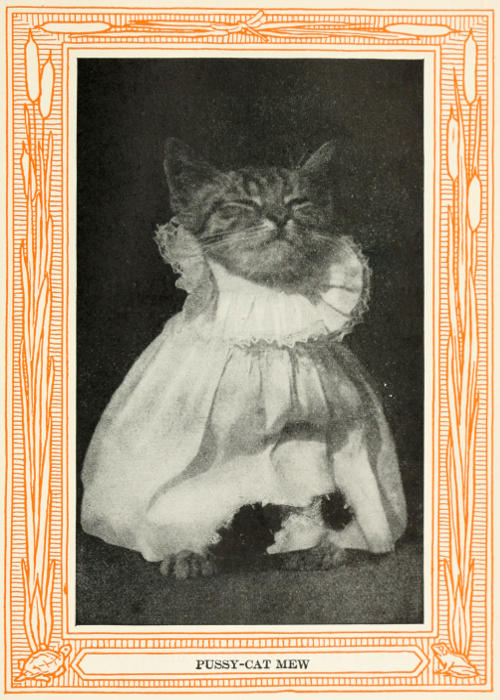
Many of the happiest playtime experiences of children are associated
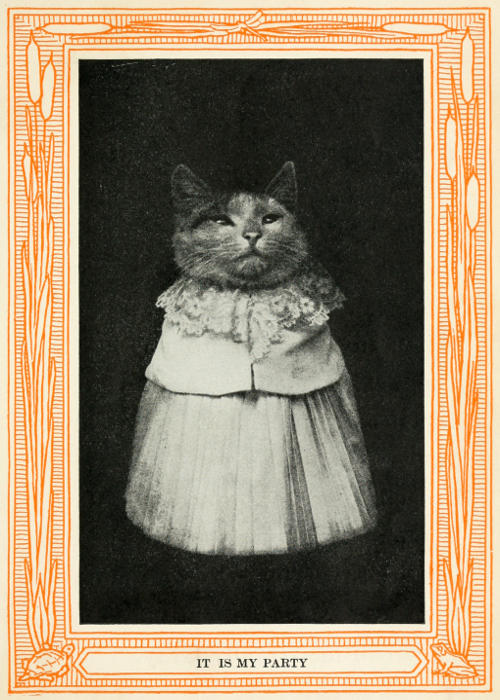
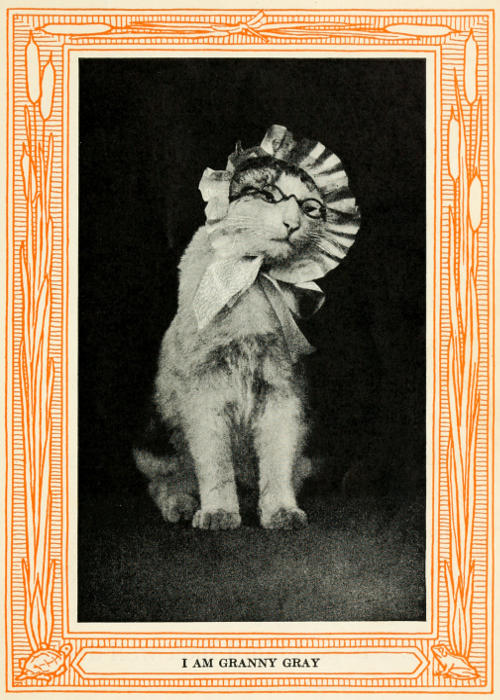
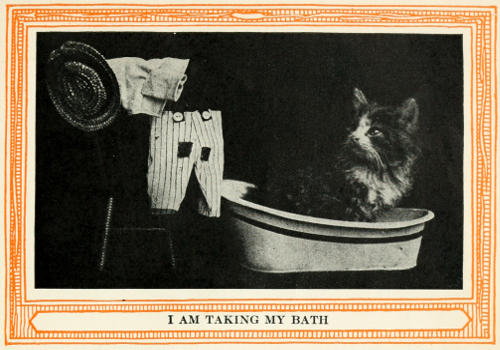
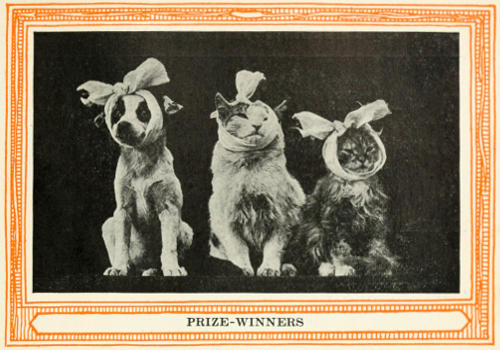
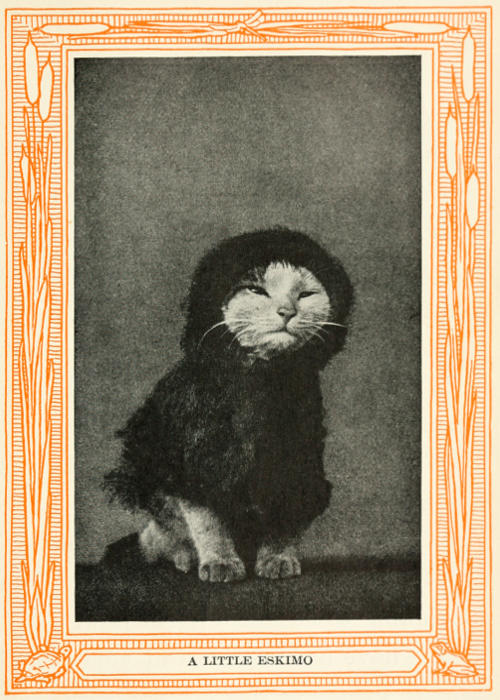
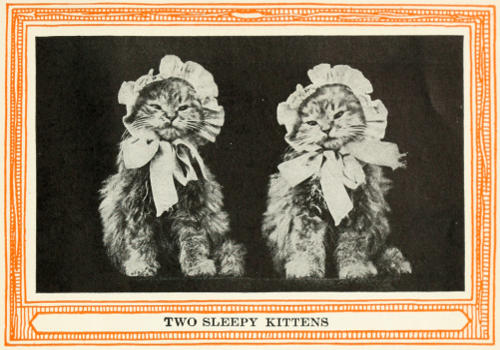
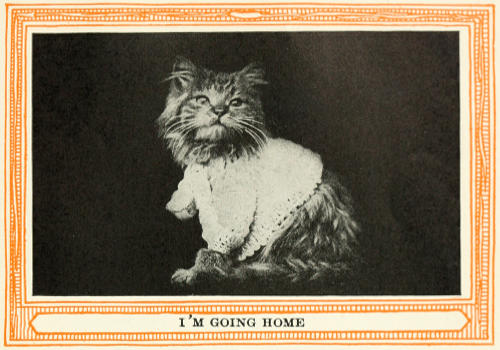
with their kittens. They delight to dress the frolicsome yet
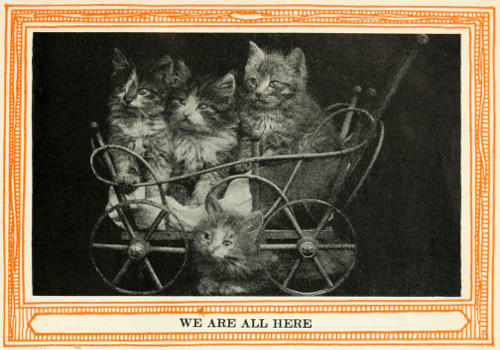
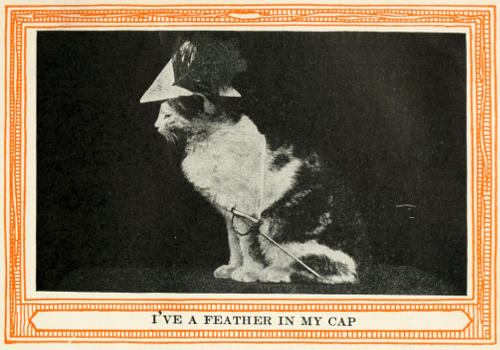
docile little creatures in doll gowns and jackets, and give them long
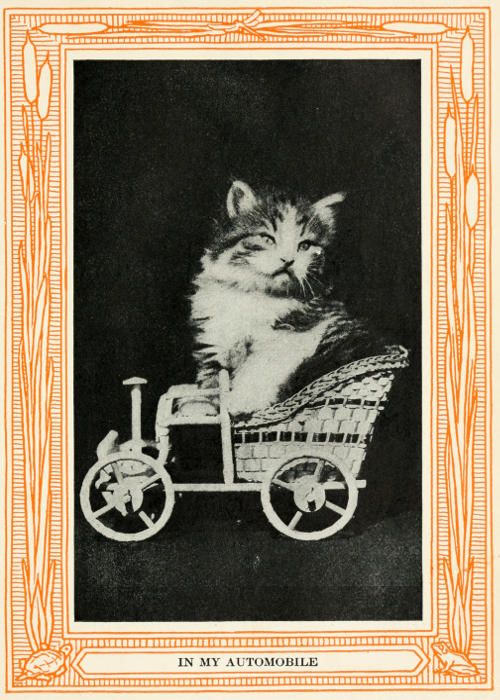
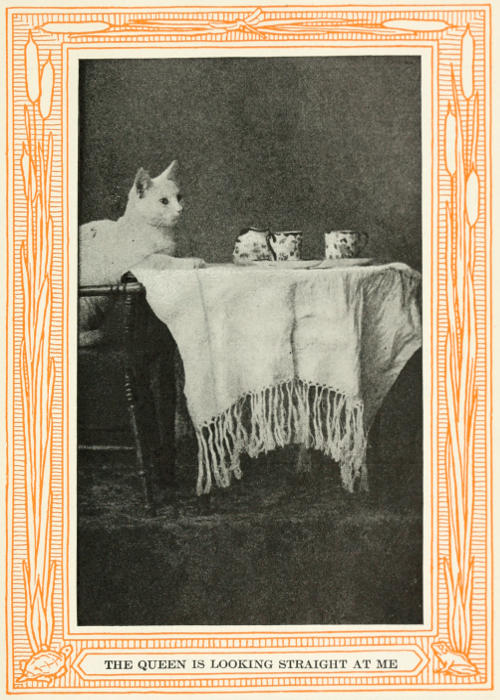
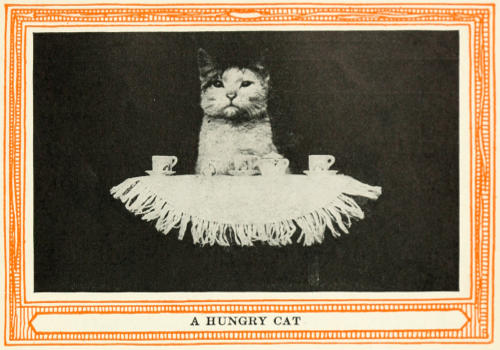
rides in doll carriages, and make them sit at tiny tables and share in
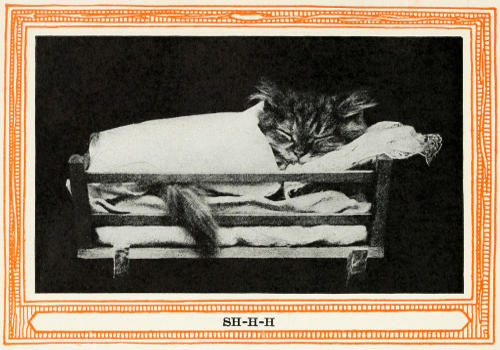
tea parties, then put them to bed and perhaps give them water medicine
for an imaginary ill. Can there be a more normal and healthy
pastime for a little child than this?
In one respect kittens take precedence over dolls. They are alive.
They must be treated kindly. They will not bear the abuse and neglect
given to many beautiful dolls. They demand attention and
companionship, and they return a real devotion for kindness and
care. Therefore we love them, and especially do our children love
them and delight in stories or pictures of them.
Those of us who have had glimpses of the child heart and mind
know that stories of kittens and queens and parties yield much the
same delight to the little reader of juvenile fiction, as do adventure
and romance to the grown-up reader.
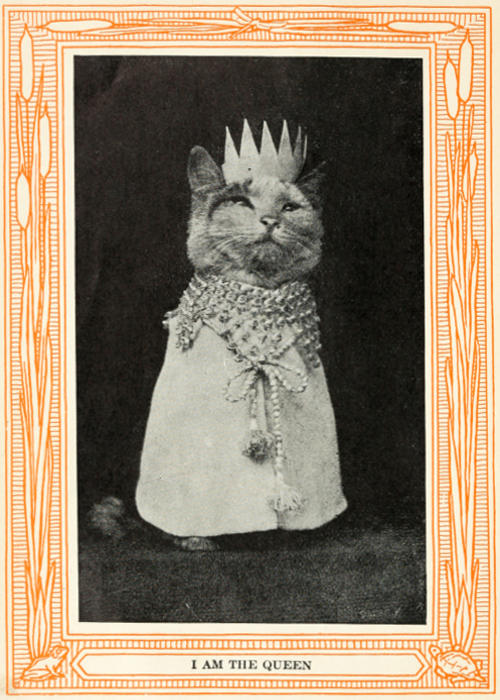
This simple story about the Queen of the Kitten Country and the
party which she gives in her palace, ought, therefore, to meet one of
the most important requirements for a higher first grade school
Reader, that of a strong appeal to the child in subject matter and
illustration. With the interest keenly aroused the difficulties in
learning to read are mastered quickly and with pleasure. However,
the following brief suggestions are given to assist any teacher who
may need them in making use of the book to the greatest advantage
for her class.
Before the reading of the book is begun there might well be one
or two story-telling periods. Each child should be encouraged to tell
a story, from his own experience if possible, about a kitten, or a
party, or to give his idea of a queen.
The children should be assisted in recalling and in learning Mother
Goose rhymes and other verses about cats. Give them several blackboard
drawing lessons showing cats in different positions and costumes.
A frieze of kittens may be started at the top of the blackboard,
adding each new kitten character to the row as the story
progresses. This frieze will furnish material for several varieties of
“busy work.”
A valuable exercise to stimulate thought and facility of expression
is to assign a short page for a child to read silently, which he later
gives aloud in his own words before the teacher and class.
Interesting and profitable reviews may be frequently had by assigning
a cat character to each child, having them read in order the
text devoted to their special character. The first review of this kind
may well occur at the end of page twenty, where the preparations
for the party are completed. When the party is over a final review
may be given in dramatic form. The children should impersonate
the different cats and tell their tales to amuse the Queen, who sits
on her throne. This final dramatic review would naturally begin
with the call of the Commanding Officer on page twenty-two. Each
child should memorize his part and give it with spontaneous expression
and action. Slight costuming may be prepared if desired, or the
blackboard frieze may furnish the cat pictures, while the children
give life and action to them.
Other special and valuable reviews may be developed from the
large amount of verse in the book, each child choosing a favorite
verse to read or recite or to illustrate on the blackboard. The children
should be encouraged to make rhyming sentences and word
lists of their own, using the fundamental thought or words in the
day’s lesson as a basis. From such rhymes and lists of rhyming
words, phonic work may be developed as the teacher chooses.
There are about six hundred words in the vocabulary of “Kittens
and Cats,” and though it has not been mechanically graded, it should
be within easy grasp of upper first grade pupils, after the usual
Primer work is done. Each page of the book is a complete brief
story well suited to the daily lesson period. These short stories are
so related, however, as to make one continuous long story, thus keeping
the interest of the children keen throughout the book. Books of
this nature have proved a great stimulus to thoughtful and fluent
reading, which, after all, is the high aim in primary work.