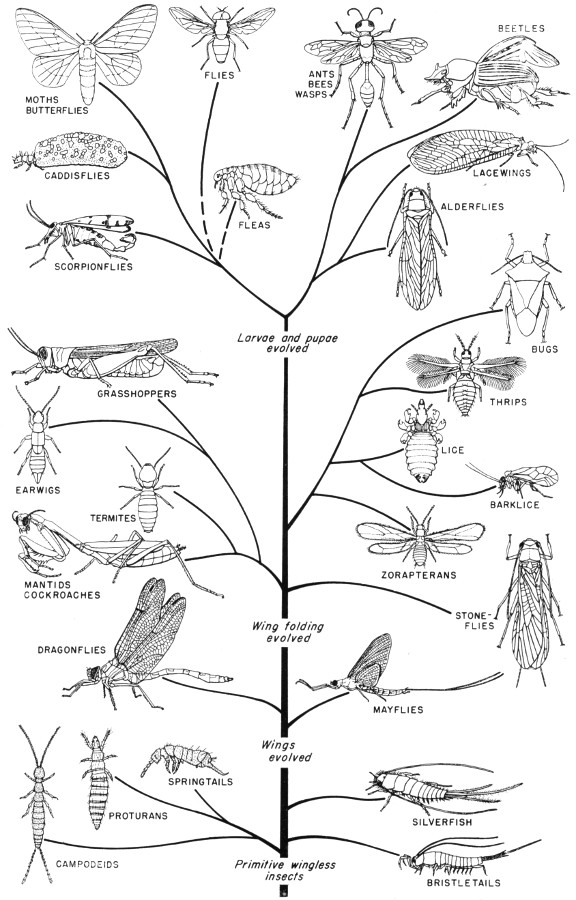
Of the 28 orders of insects recognized in North America, 26 have
been collected in Illinois. The two orders not found here are the Embioptera
or webspinners, a tropical and subtropical order, and the
Raphidiodea or snakeflies, which occur in the western mountainous
region of the continent.
The Illinois fauna thus contains a remarkable variety of insects,
including forms such as the bristletails, mayflies, and cockroaches,
which are practically “living fossils” of insects that lived hundreds
of millions of years ago.
Only five orders of primitive wingless insects are known; species
of each order occur in Illinois. These orders represent the stages in
insect evolution before wings had appeared.
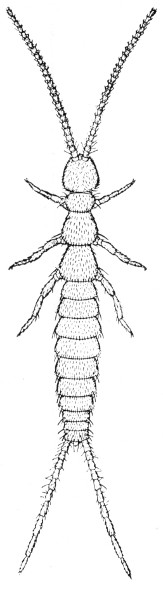
Fig. 21.—Diplura. A
campodeid belonging to the
genus Campodea, found under
stones in moist places. Actual
length of adult about 0.1 inch.
(Drawing from E. O. Essig.)
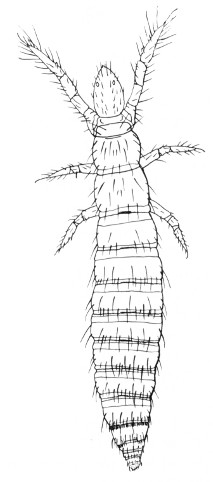
Fig. 22.—Protura.
Acerentulus barberi, a proturan
found on sticks and
leaves in the leaf mold of forests.
Actual length of adult
about 0.02 inch. (Drawing
from H. E. Ewing.)
36
Small, wingless, fragile, blind, whitish insects that
run fairly rapidly. They have long antennae and
either two fairly long tails or a pair of forceps-like
structures at the end of the abdomen. They
are terrestrial and are found chiefly under stones in humid and shady
situations. Fig. 21 shows a common campodeid, a species of Campodea,
occurring commonly in Illinois.
The Diplura feed on fungi and other soil microorganisms.
Although they are found most frequently under stones, they live also
in the soil and in matted leaves or duff on the floor of woods. About a
dozen species of Diplura occur in Illinois.
Minute, wingless, blind insects that never grow to
more than 0.05 inch long. They have no antennae
and use the front legs to some extent for feeling.
They are terrestrial and are found inhabiting dead twigs and leaves
on the forest floor. Fig. 22 shows Acerentulus barberi Ewing, a member
of a genus which occurs in many localities in Illinois. Only a few species
of proturans have been taken in the state.
Small, wingless insects that jump and crawl when
disturbed. They have short antennae and usually
a springing structure on the under side near the
posterior end of the body. They live in moist places and are abundant
under leaf mold and similar material. Illustrated in fig. 23 is Achorutes
armatus Nicolet, which often becomes a major pest in mushroom cellars
and greenhouses.
About a hundred different species of Collembola occur in Illinois;
they include some of our smallest insects. A few never grow longer
than 0.007 inch; the largest approach half an inch in length. These
hardy animals are active all year and are surprisingly resistant to
cold. Certain species occur on snow in winter. In Illinois a small,
bluish gray species, Podura aquatica Linnaeus, is found on the surface
of still water at the margins of ponds and small streams.
Wingless, somewhat cylindrical insects that run
and jump with extreme rapidity. They have long
antennae and three long tails. The under side of
the abdomen bears several pairs of short projections called styli, which
are vestiges of abdominal legs. Bristletails live in rocky places or in
ground cover. A type occurring in some parts of Illinois is shown in
fig. 24. It often occurs on rocky exposures, where it resembles the
lichens and is difficult to detect.
37
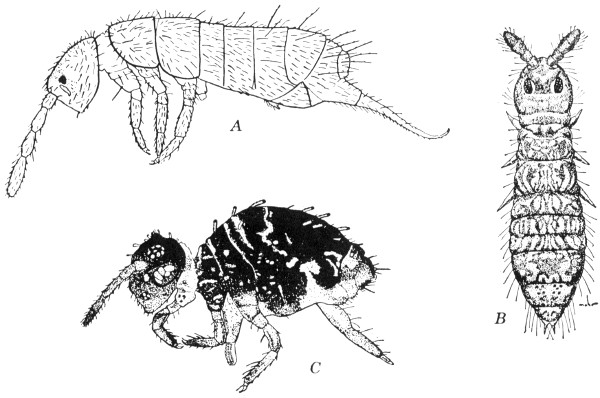
Fig. 23.—Collembola. A, Isotoma andrei; B, Achorutes armatus; C, Neosminthurus
clavatus. A and C are found in woodland leaf molds; B is frequently abundant
in commercial mushroom cellars. Actual length of adults ranges from 0.03
to 0.05 inch. (Drawings A and C after Harlow B. Mills.)
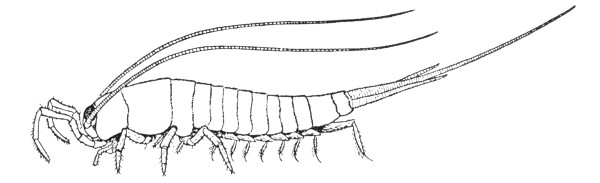
Fig. 24.—Microcoryphia. A bristletail belonging to the genus Machilis, often
found on lichen-covered, shaded rocks. Actual length including tail is sometimes
0.5 inch. (Drawing after R. E. Snodgrass.)
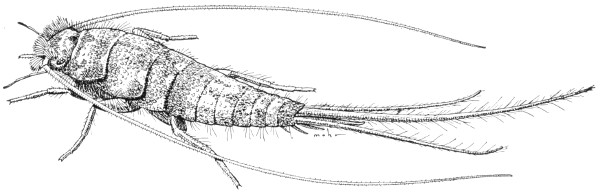
Fig. 25.—Thysanura. Thermobia domestica, a common Silverfish. Actual length
about 0.3 inch.
38
Wingless, flat insects that run rapidly. They have
long antennae and three long tails. They are terrestrial
and are commonly found in dwellings.
Fig. 25 shows one of the common Silverfish, Thermobia domestica
(Packard); it frequently eats book bindings and other starchy materials.
Some out-of-door rare forms live in the soil and are seldom
collected.
The primitive winged insects cannot fold their wings, which in
repose are held erect over the body or straight out from the sides,
as illustrated in figs. 26 and 29. Although many types of these insects
lived in bygone ages, only two orders have survived to the
present. Both occur abundantly in Illinois.
A group of insects in which the nymphs or young
live in streams and lakes; the adults are found
along the edges of the streams or lakes from
which they have emerged. Mayflies are unique in that the full-grown
nymphs molt into winged insects that are not quite mature and that
molt again, usually the next day, when they emerge as fully mature
adults. The nymphs are varied in shape and have short antennae, long
legs, which are often flattened, and three tails at the end of the body.
The adult flies have very long front legs, short antennae, practically
no mouthparts, usually two pairs of wings, and two or three long
tails. When a mayfly is at rest, the wings are held together above
the body. Hexagenia limbata (Serville), figs. 26 and 27, is one of the
very common Illinois mayflies and is an important factor in the food
economy of many fish.
Mayflies, formerly called Plectoptera, together with stoneflies,
caddisflies, and midges, constitute a very large portion of the life of
our lakes and streams; all four groups are important as fish food.
Another order in which the nymphs develop in
streams, lakes, or ponds, and in which the adults
are aerial. The nymphs have short antennae, long
legs, and either a stout body with no tail, as in
Anax junius (Drury), fig. 28 (dragonfly nymph), or a slender body
with three large leaflike gills projecting from the end of the body
(damselfly nymph). A most distinctive feature of this order is an
extensile, highly modified lower lip that fits like a mask over the face
of a nymph. The lower lip is hinged to extend forward and seize the
small animals upon which the nymph lives. The adults are large, often
beautifully colored, as is the Tramea lacerata Hagen, fig. 29. They
have chewing mouthparts and two pairs of large wings, very finely
and intricately netted with veins.
39
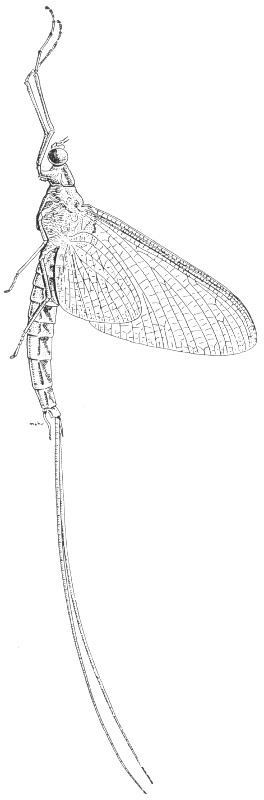
Fig. 26.—Ephemeroptera.
Hexagenia limbata, the adult
form; this mayfly is also
called shadfly or willowfly.
Mayflies sometimes emerge
in great swarms and congregate
in piles around bridge
or city lights. Actual length
about 1.0 inch.
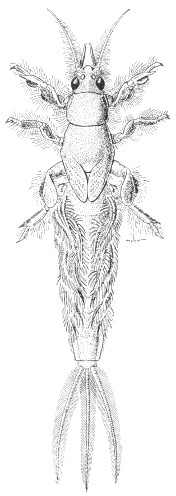
Fig. 27.—Ephemeroptera.
Hexagenia limbata, the
nymphal form of the mayfly
in fig. 26; in this stage the
mayfly lives in water, emerging
when full grown. Actual
length about 1.0 inch.
40
The order is divided into two types; the adult flies are told apart
as follows:
| Body stout, wings broad at base, the front and hind wings different in shape. Strong fliers. Dragonflies | Suborder Anisoptera |
| Body slender, wings narrowed at base, the front and hind wings similar in shape. Weaker fliers than dragonflies but nonetheless elusive. Damselflies | Suborder Zygoptera |
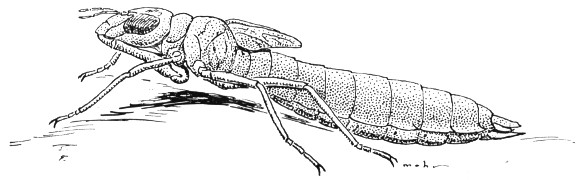
Fig. 28.—Odonata. Nymph of Anax junius, a dragonfly widely distributed in
Illinois. Actual length of full-grown nymph about 2.3 inches. (Drawing courtesy
of C. O. Mohr.)
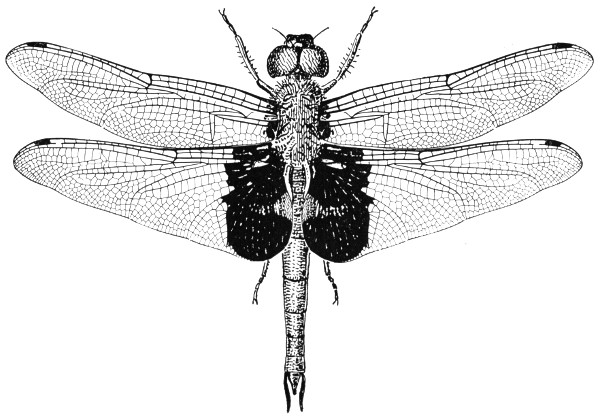
Fig. 29.—Odonata. Tramea
lacerata, a dragonfly commonly
found near ponds and
drainage ditches in Illinois.
Wingspread about 3.2 inches.
(Drawing courtesy of C. O.
Mohr.)
Almost all insects in this category can fold their wings in repose
back over their bodies, as illustrated in fig. 31. A few kinds, notably
some of the moths and butterflies, have lost this wing action and in
41
repose hold their wings erect. In some of these kinds, the male is
winged and the female is wingless; in others, certain generations
may be wingless and others winged; and, in still others, the species
may be wingless in all stages. No members of the orders of folding-wing
insects molt after becoming winged or sexually mature.
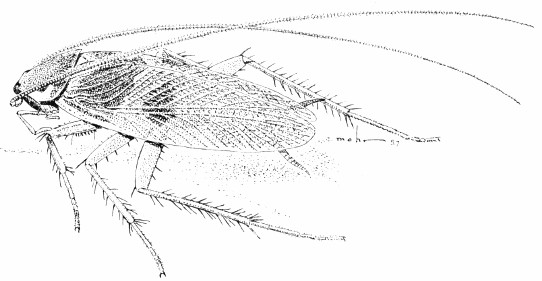
Fig. 30.—Cursoria. Supella supellectilium, the brown-banded cockroach. Actual
length about 0.6 inch. (Drawing courtesy of C. O. Mohr.)
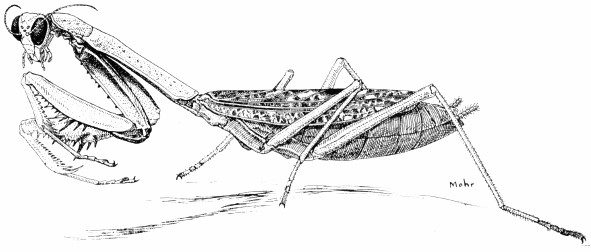
Fig. 31.—Cursoria. Stagmomantis carolina, a praying mantis. Common in
southern and central Illinois. Actual length of adult about 1.5 to 2.0 inches.
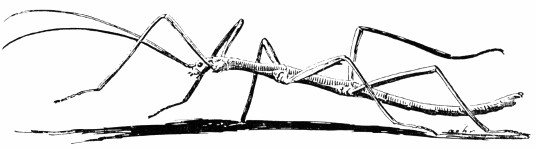
Fig. 32.—Cursoria. Diapheromera femorata, a walkingstick insect. This insect
lacks wings. Actual length about 3.0 inches. (Drawing courtesy of C. O.
Mohr.)
42
An order that includes three groups of terrestrial
insects, each group markedly different in appearance
from the others: (1) rapidly running insects
usually having two pairs of wings, each with
a dense network of fine veins, the front pair of
wings thick and leathery, fig. 30 (cockroaches); (2) winged insects
having long, grasping front legs, fig. 31 (praying mantids); and long,
wingless insects resembling sticks, fig. 32 (walkingsticks). The
mouthparts are fitted for chewing. The young look and act like the
adults except that they do not have wings. The cockroaches are omnivorous,
feeding chiefly on organic foods rich in carbohydrates, or on
fungus growth. Cockroaches are among our most persistent indoor
pests, eating a wide variety of domestic foods. The praying mantids
feed on other insects, which they capture in their enlarged front legs.
The walkingsticks eat leaves. The cockroaches and mantids lay eggs
that are glued together and form pods or capsules, each containing
30 or more eggs. The walkingsticks lay their eggs singly.
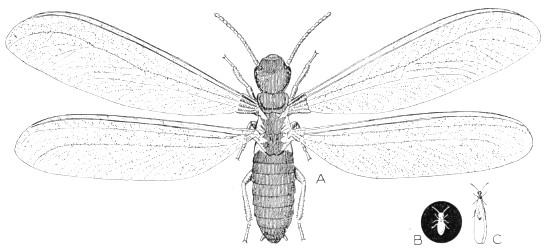
Fig. 33.—Isoptera. Reticulitermes flavipes, the commonest kind of termite
found in Illinois: A, first form queen with wings spread, many times natural size
(this is the form that lays eggs); B, worker nymph, natural size; C, first form
queen, approximately natural size, with wings placed in their natural resting
position. (Drawing courtesy of C. O. Mohr.)
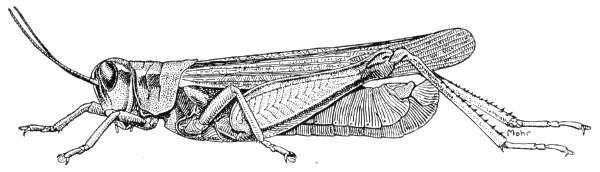
Fig. 34.—Orthoptera. Melanoplus bilituratus, the migratory locust, a common
Illinois grasshopper. Actual length about 1.0 inch.
43
Fragile or soft insects with chewing mouthparts.
The mating forms are dark brown and have two
similar pairs of wings; both pairs are delicate and
have a fine network of veins. The workers are white and soft bodied.
Termites, which live in colonies in wood, are also called “white ants,”
although they are not true ants. The common native species in Illinois
is Reticulitermes flavipes (Kollar), fig. 33, which lives in rotten logs
and is destructive to buildings of wooden construction throughout
Illinois; it is most destructive in the southern part of the state.
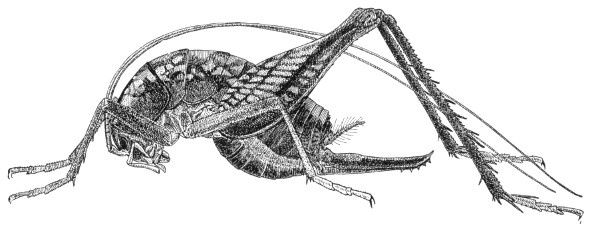
Fig. 35.—Orthoptera. Ceuthophilus maculatus,
a wingless cave cricket. Crickets of this kind
are found in caves, under rocks, and in basements. Actual
length about 1.0 inch.
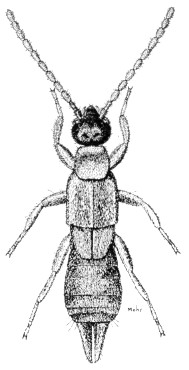
Fig. 36.—Dermaptera. Labia minor, an earwig
frequently abundant in Illinois. Actual length of
adult about 0.2 inch.
Terrestrial insects usually with two pairs of
wings, each wing with a very fine, dense network
of veins, the front pair thick and leathery, the
hind pair delicate and fanlike. The mouthparts,
fitted for chewing, have stout mandibles. The young look and act like
the adults but do not have wings. This order includes all the grasshoppers,
44
crickets, and katydids. Fig. 34 shows the migratory locust or
grasshopper, Melanoplus bilituratus (Walker). Adults of several of
the groups of Orthoptera never develop wings. These include such odd
forms as the cave crickets, exemplified by Ceuthophilus maculatus
(Harris), fig. 35.
Insects with two pairs of wings, the front pair
forming short, hard covers, the second pair large,
membranous, many-veined, and in repose folded
intricately beneath the front pair. The abdomen ends in a pair of
pincer-like structures. A common Illinois form is Labia minor (Linnaeus),
shown in fig. 36. Of the half-dozen species known from Illinois,
all but one were originally from Europe or Asia. Earwig females
lay eggs in chambers in the ground and guard them.
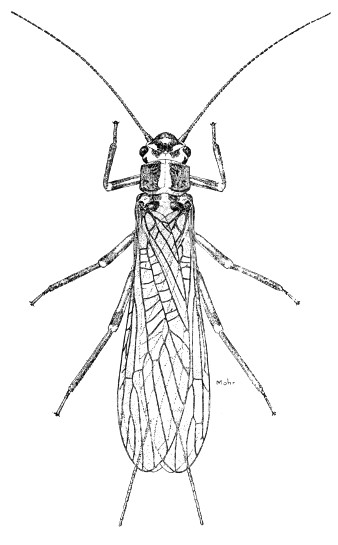
Fig. 37.—Plecoptera. Isoperla confusa, one
of the typical stoneflies found in Illinois; adult
form. Actual length about 0.8 inch. Illinois
stoneflies range in length from 0.25 inch to 1.5
inches.
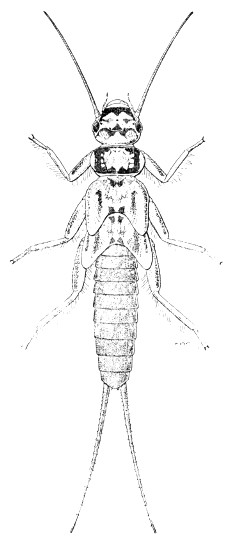
Fig. 38.—Plecoptera. Isoperla
confusa; the nymph of the species
shown in fig. 37. The nymph
lives in streams. Actual length
about 0.6 inch.
45
Insects that pass the young or nymphal stage in
streams. They have slender, soft bodies and long
tails; they move about rapidly. The adults are
terrestrial in habit and occur along streams. In most species, the
adults have two pairs of wings that are folded flat over the back; the
number of crossveins varies from many to few. The antennae are
long; the mouthparts are of the chewing type but greatly reduced. Of
exceptional interest are stonefly adults that emerge in winter and are
active from November through March. The winter forms can often
be collected on bridges. Figs. 37 and 38 illustrate a spring species,
Isoperla confusa Frison.
Small, whitish insects, about a twelfth of an inch
long, that run rapidly. They live in small colonies
in rotting sawdust, in rotten logs, and under the
bark of stumps. They have fairly long antennae, chewing mouthparts,
and a pair of short, inconspicuous tails. Most members of a colony
are wingless, but occasionally there occurs a darker specimen having
two pairs of wings. These wings have only a few veins. In Illinois
only a single rare species has been found; it is called Zorotypus hubbardi
Caudell, fig. 39.
Small, rounded or flattened insects, rarely a quarter-inch
long, usually about 0.13 inch. In many
species, adults have two pairs of wings, which
have only a few zigzagging veins. Winged forms,
such as Psocus striatus Walker, fig. 40, are found in crevices of bark
and on dead leaves. Common species found in houses and on stored
grain are usually wingless and louselike, similar in general appearance
to fig. 41. Corrodentia eat fungus growth on bark, dead leaves, moldy
grain, damp books, and similar materials. Some of the outdoor species
become very abundant on drying corn leaves during autumn and may
breed in immense numbers. They do little harm, feeding chiefly on
fungus strands.
Wingless, blind, flattened insects with short antennae,
short legs, inconspicuous mouthparts, and
no tails on the posterior end of body. They are
found exclusively on the bodies of birds and other
warm-blooded animals. The young have the same general shape and
habits as the adults and are found with them. Illinois species of lice
belong to two distinct suborders, which may be differentiated through
use of the following key:
46
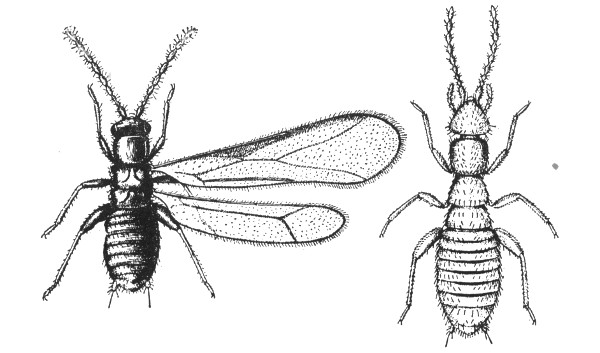
Fig. 39.—Zoraptera. Zorotypus hubbardi, the only zorapteron recorded from
Illinois. The specimen on the left is a winged adult female; the specimen on the
right is a wingless adult female. Actual length of adults about 0.08 inch.
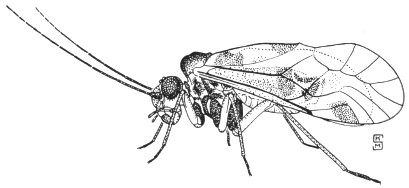
Fig. 40.—Corrodentia. Psocus striatus,
a common bark louse found on many
trees. Actual length 0.2 inch.

Fig. 41.—Phthiraptera.
Suborder Mallophaga.
Cuclotogaster heterographus,
a chewing louse found on the
heads of poultry. Actual
length about 0.1 inch.
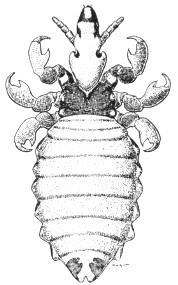
Fig. 42.—Phthiraptera.
Suborder Anoplura.
Haematopinus asini, the
blood-sucking horse louse.
Actual length 0.1 inch.
47
| Legs fitted for running, as in fig. 41, without large pincers at their ends; mouthparts situated near the middle of under side of the head and fitted for chewing. Occurring on birds and mammals. The chewing lice | Suborder Mallophaga |
| Legs fitted for clinging to hairs, each leg ending in a large pincer, as in fig. 42; mouthparts retracted within head, consisting of a set of thin, needle-like parts fitted for sucking blood. Normally occurring only on mammals. The sucking lice | Suborder Anoplura |
Individuals of many species of chewing
lice move about with considerable rapidity. Many of them are very
prettily banded and colored, as is the chicken head louse, Cuclotogaster
heterographus (Nitzsch), fig. 41. Anyone who has worked with domestic
fowls or animals has seen members of this order scurrying
among the feathers or hair. These insects feed on what they can chew
from the surface of the skin and in some cases are known to injure
their hosts.
The sucking lice are sluggish insects that
usually cling to hairs. Human lice are often found clinging to clothing.
Various species occur on native and domestic species of mammals
in Illinois. Fig. 42 shows the horse louse, Haematopinus asini (Linnaeus).
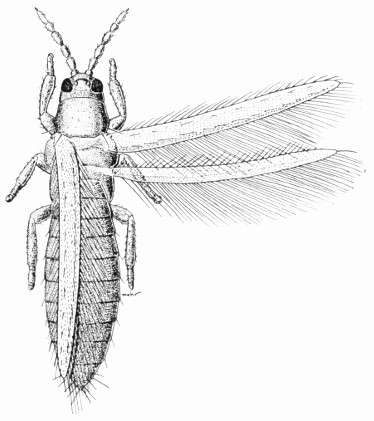
Fig. 43.—Thysanoptera. Thrips tabaci,
onion thrips. Actual length less
than 0.1 inch.
Small, active insects, usually about 0.1 inch long,
rarely a quarter-inch long, very slender, usually
each with two pairs of narrow wings and with
the under side of the head forming a sharp, conelike sucking structure.
Each wing has a long fringe on the hind margin; each front wing
may have one or two veins running the length of the wing. The young
of these insects are somewhat similar to the adults but are softer
48
bodied. Fig. 43 shows an adult of Thrips tabaci Lindeman, the onion
thrips. Thrips suck the juice from plants. Because of their minute
size, they are seldom noticed, but they can be collected in large numbers
from blossoms of almost any plant. A few species of thrips,
such as the onion thrips and the privet thrips, attack agricultural or
horticultural plants and inflict considerable damage. A few species
occasionally bite human beings.
Insects usually with two pairs of wings and with
the mouthparts formed for sucking. The order
contains two distinct suborders, the Heteroptera
and the Homoptera. All species of Hemiptera in
North America fall readily into one suborder or the other, but certain
species in other parts of the world are intermediate between the two
suborders.
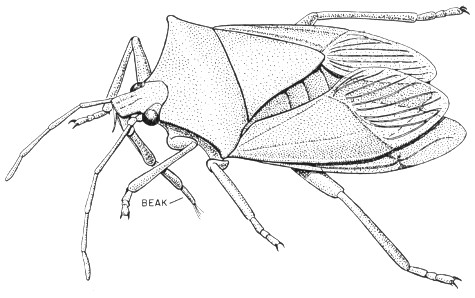
Fig. 44.—Hemiptera. A typical stink bug of the family Pentatomidae, showing
attachment of beak and arrangement of wings. Actual length about 0.4 inch.
In the suborder Heteroptera, containing the stink bugs, the chinch
bugs, and their allies, the beak is attached to the under side of the
front part of the head; the base of the front pair of wings is hardened,
and only the apical portion is membranous or delicate; the entire
hind pair is delicate. In repose, the wings are folded over and flat
against the body, the hind pair underneath. These characters are
shown in fig. 44, which pictures a stink bug belonging to the family
Pentatomidae. The young have the same general appearance and
habits as the adults, but they lack wings. This suborder includes many
common kinds, such as the water bugs, the water striders (these
seldom develop wings even in the adult stage), the ambush bugs, and
the lace bugs, as well as the stink bugs and the chinch bugs. The chief
49
pest of this group is the chinch bug, Blissus leucopterus (Say), fig. 45.
Other pests include many kinds of plant bugs, of which Lygus
lineolaris (Beauvois) is shown in fig. 46. The bed bugs, another group
never developing functional wings, also belong in this suborder.
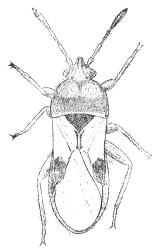
Fig. 45.—Hemiptera.
Blissus leucopterus, the
chinch bug. Actual length
about 0.1 inch.

Fig. 46.—Hemiptera.
Lygus lineolaris, the
tarnished plant bug. Actual
length about 0.2 inch.
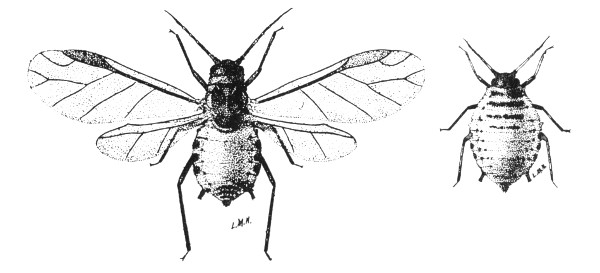
Fig. 47.—Hemiptera. Anuraphis maidiradicis, the corn root aphid. The form
at the left is the winged form; that at the right is the wingless form. All of the
plant lice have these two forms. This species, as well as other kinds of plant lice,
is frequently attended by ants, which feed on the honeydew produced by the aphids.
Actual length less than 0.1 inch.
Members of one family, the Reduviidae or assassin bugs, prey
on other insects. A few species called kissing bugs, some of them an
inch long, occasionally attack people, inflicting an extremely painful
bite and causing considerable bleeding.
50
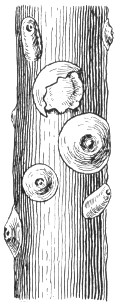
Fig. 48.—Hemiptera. Aspidiotus
perniciosus, the destructive San
Jose scale. The scale is cut away on
upper specimen to show insect proper
beneath. Diameter less than 0.1 inch.
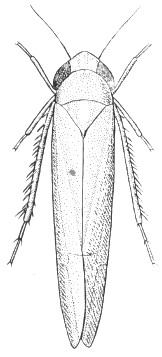
Fig. 49.—Hemiptera. Empoasca
fabae, the potato leafhopper.
This species is pale green. Some
species are distinguished by bright red
or yellow markings. Actual length
about 0.1 inch.
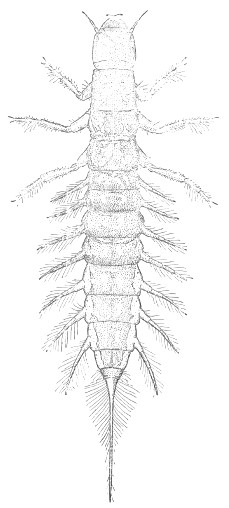
Fig. 50.—Megaloptera. The larva of
a species of Sialis, an alderfly. This
form is aquatic. Actual length 0.7 inch.
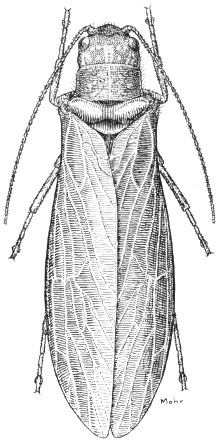
Fig. 51.—Megaloptera. The adult of
Sialis mohri, an alderfly. Other members
of this order reach a length of 1
or 2 inches. They are mostly black,
black and white, or mottled gray in
color. Actual length 0.5 inch.
51
The suborder Homoptera contains the cicadas, aphids, and their
allies. All these insects have sucking mouthparts, but in each the
beak is attached at the back of the head instead of the front of the
head as in the suborder Heteroptera. In many species of the Homoptera,
each individual has two pairs of wings, both of which are membranous.
Probably as many species are without wings, however, as
with them. The nymphs are in most respects similar to the adults.
Sexual characters, and in some forms wings, gradually develop as
the insects approach the adult stage, when development is complete.
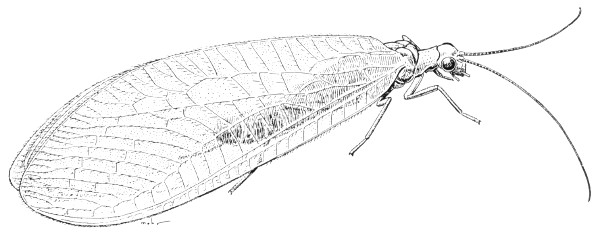
Fig. 52.—Neuroptera. Chrysopa
nigricornis, a green lacewing. When handled,
members of this genus give out a very penetrating
and disagreeable odor. Actual length
0.6 inch.
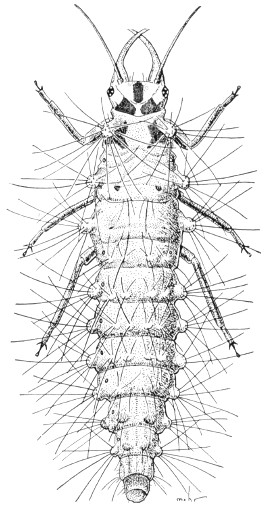
Fig. 53.—Neuroptera. A larva of
the genus Chrysopa. This form uses the long
jaws to impale aphids and suck their body
juices. Actual length 0.5 inch.
This suborder contains a large number of economic pests, including
scale insects and leafhoppers, as well as many aphids. In many
species of aphids each insect has a pair of tubular structures near
the end of the body; these are called cornicles and can be seen in fig. 47,
52
showing the corn root aphid, Anuraphis maidiradicis (Forbes). In
most species of scale insects each individual produces a tough scale,
which covers and protects its delicate body, as in fig. 48, showing the
destructive San Jose scale, Aspidiotus perniciosus Comstock. Leafhoppers
of many kinds, such as Empoasca fabae (Harris), fig. 49, are
among the destructive pests of beans, potatoes, grapes, apples, and
other plants. The treehoppers, spittlebugs, and lanternflies also belong
to this suborder.
In this and in the following orders of insects, the
life history includes four distinct stages, the egg,
the larva, the pupa, and the adult. In the Megaloptera,
which include alderflies and dobsonflies, the
larvae are caterpillar-like or grublike, and the pupae represent a
transformation stage in which the tissues of the larvae are converted
to those of the adults. The larvae never have external wing pads; in
winged species, these pads first appear externally in the pupae. The
adults have long antennae, two similar pairs of net-veined wings,
and chewing mouthparts. They are moderately strong fliers. The larvae,
fig. 50, live in streams and lakes; when fully grown they migrate
to dry land and pupate in the ground or under the bark of rotten logs.
Typical of the appearance of Illinois alderflies is the adult of
Sialis mohri Ross, shown in fig. 51. Well known to the fisherman is
the hellgrammite, the tough, ferocious, leathery larva found under
rocks in streams and prized for bait. This larva matures into the large
dobsonfly, Corydalis cornuta (Linnaeus), which often attains a wingspread
of 4 inches.
Insects with two pairs of wings, both pairs about
the same size and shape and intricately netted
with veins; antennae long and slender, mouthparts
fitted for chewing, posterior end of body
without tails. The green lacewings, including Chrysopa nigricornis
Burmeister, fig. 52, are our commonest members of this order. The
young or larvae of this order are entirely unlike the adults and are
somewhat grublike in form. The aphid lion, the interesting larva of
Chrysopa, fig. 53, is frequently collected by the sweeping method. Another
interesting larva of this order is the doodlebug or ant lion, of
Huckleberry Finn fame. The adult insects that mature from these ant
lion larvae are very similar in appearance to the chrysopids or lacewings.
The larva of each of these insects sinks its long, sharp, curved
mandibles into the body of its prey and sucks out the body juices.
The female Chrysopa has the curious habit of forming a long, slender
53
stalk under each egg; the bottom of the stalk is fastened to the upper
side of a leaf. The stalks are thought to have the effect of keeping the
first larvae of a hatch from devouring the eggs placed nearby.
When the larva is mature, it spins a globular, silken cocoon or
cell around itself and in this changes into the pupal, or quiescent,
stage. While the pupa itself does not appear active, within it the larval
tissues are reorganized into the structures of the adult, and the final
growth of the wings and reproductive organs occurs. When this
change is completed, the adult insect emerges from the cocoon.
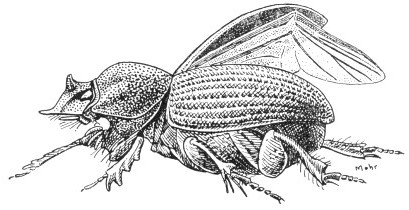
Fig. 54.—Coleoptera.
Copris minutus, one of
the scarab beetles. The
drawing shows one of
the elytra upraised and
illustrates the method
of folding the hind pair
of wings under the elytra.
Actual length 0.4
inch.
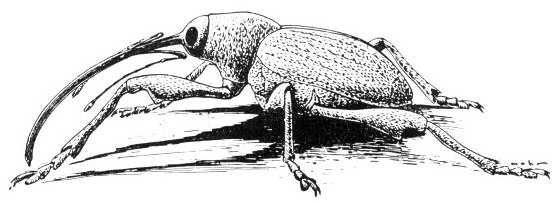
Fig. 55.—Coleoptera. A weevil belonging to the genus Curculio, which feeds
on nuts and acorns. In this genus the beak is exceptionally long. In most of the
Illinois weevils the beak is shorter and stouter. Actual length 0.4 inch.
Insects with two pairs of wings, the second pair
delicate and folded under the first pair, which are
hard and thickened and folded back against the
body, touching each other along the midline to
form a hard shell, as shown in Copris minutus (Drury), fig. 54. The
upper wings are not used for locomotion, but form part of the body
armor and are called elytra. In most beetles they cover the entire
posterior part of the body; in many others they are abbreviated and
cover only part of the abdomen. The immature stages of the beetles
54
are wormlike or grublike and have a great variety of food habits.
Some of them defoliate plants, others attack roots, and still others feed
on other insects.
A great many of the serious insect pests, including kinds that attack
field crops, stored products, and household goods, are beetles.
Beetles of one group having the front of the head produced into a
snoutlike structure, as in the genus Curculio, fig. 55, are called weevils
or snout beetles. This group has maggot-like larvae and contains many
of our worst pests, such as the plum curculio, cotton boll weevil, alfalfa
weevil, and clover weevil. Bizarre and striking forms occur in many
beetle groups, notably among the scarab and long-horn beetles. The
largest in Illinois is the rhinoceros beetle, Dynastes tityus (Linnaeus);
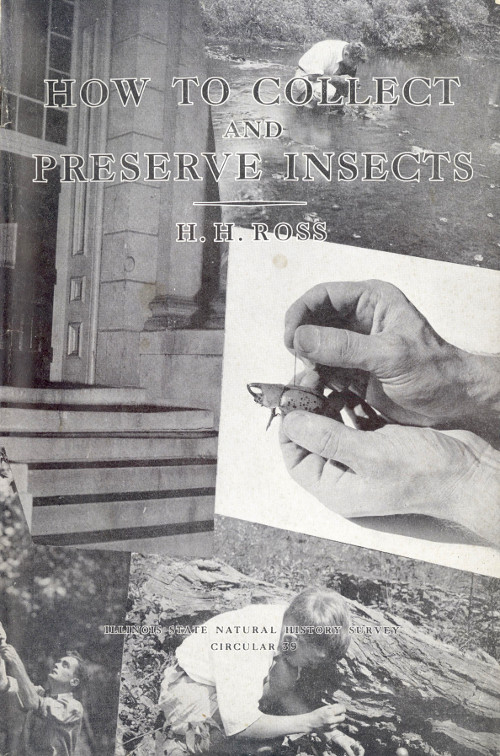
the males (one shown on the cover of this circular) have long projections
on both head and thorax; the larvae live in rotten wood.
Tree-boring beetle larvae are destructive to many orchard, ornamental,
and native trees. These include chiefly the round-headed borers,
adults of which are long-horn beetles; flat-headed borers, adults of
which are metallic wood borers; and engraver or shot-hole types, adults
of which are small and bullet shaped and are called bark beetles.
In a few families of beetles, both the adults and larvae are fitted
for aquatic life. Well known among these are the shining whirligig
beetles.
Insects typically with two pairs of wings; antennae
of various lengths; chewing mouthparts;
without tails. A typical member of this group is
the wasp Vespula maculata (Linnaeus), fig. 56.
Many adult members of the group are atypical in
that they lack wings; these include all the true
ants, fig. 57, which are without wings except for the sexual forms
produced at the time of the nuptial flights. Forms of one species,
Lasius interjectus Mayr, are shown in fig. 58. The wings, when developed,
are without scales; the venation is much less extensive than
in the Neuroptera; and the hind wings differ in shape and size from
the front wings. The young stages of the Hymenoptera are caterpillar-like
or grublike, entirely different from the adults.
This very large order includes such well-known forms as the
bees, as well as the wasps and the ants, mentioned above. In addition,
it includes the sawflies, whose caterpillar-like larvae are extensive
defoliators of a large number of native and cultivated plants and
shrubs; the large and varied groups of parasitic wasps that exert
great influence in the natural control of a tremendous number of other
insects; and a large number of gall-making wasps, whose galls are
55
especially conspicuous on oak trees. A parasitic wasp of the genus
Opius is shown in fig. 59. The parasitic wasps are extremely diverse
in size, shape, and habits. They range in size between 0.02 and 2.0
inches.
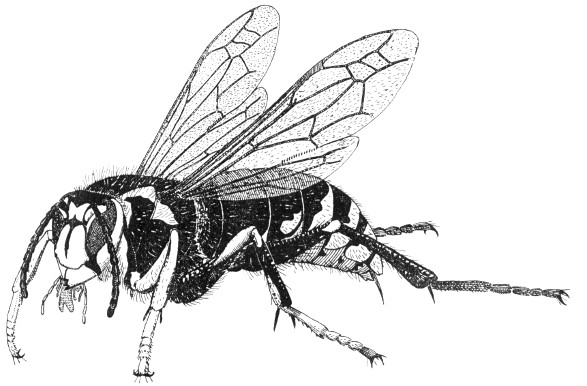
Fig. 56.—Hymenoptera. Vespula maculata, the common bald-faced hornet.
Actual length 0.8 inch.
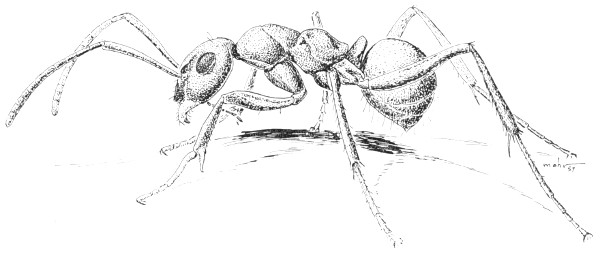
Fig. 57.—Hymenoptera. A worker ant belonging to the genus Formica. This
form lacks wings. Actual length 0.3 inch.
Insects typically with two similar pairs of delicate
wings, each wing with a network of veins. In repose
the wings are laid either tentlike over the
back or almost flat. The mouthparts are fitted for chewing and usually
are lengthened into a beaklike structure, as in Panorpa chelata Carpenter,
fig. 60. The larvae, seldom found, live in damp woods. The
adults of most winged species occurring in Illinois are about 0.5 inch
long. They are active in early summer in shady woods, flying through
the undergrowth. Adults of the genus Boreus are smaller and they
have very short, veinless wings. They emerge in the winter and early
spring; these little metallic black insects often hop around on late
winter snow. In certain genera, the adult male genitalia form a bulb-like
structure at the end of the body, as in fig. 60. This structure is
harmless but, because it resembles a scorpion’s sting, insects of these
genera are given the name scorpionflies.
56
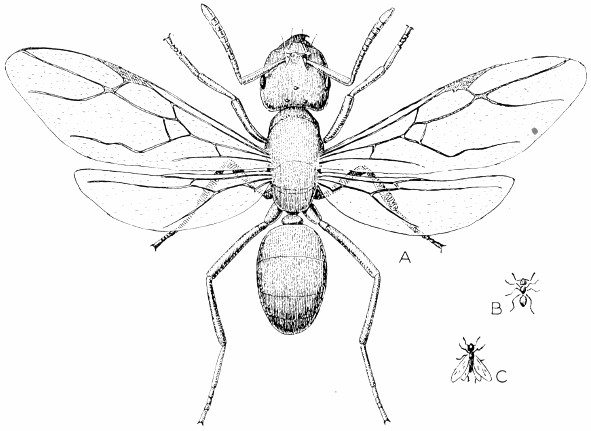
Fig. 58.—Hymenoptera. Lasius interjectus, a harmless winged ant, the yellow
ant, with which the winged termite is often confused: A, queen with wings spread,
many times natural size; B, worker ant, natural size; C, queen, approximately
natural size, with wings partially closed and as usually seen. Ant has a narrower
waist and shorter wings than termite. Actual length of queen about 0.3 inch.
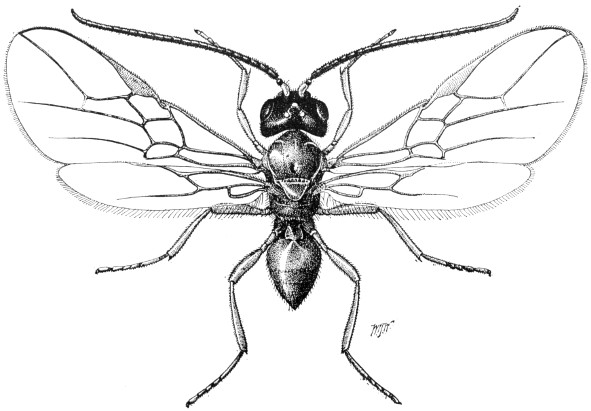
Fig. 59.—Hymenoptera. A parasitic wasp, Opius, sp. Actual length 0.1 inch.
(Drawing from U. S. D. A.)
57
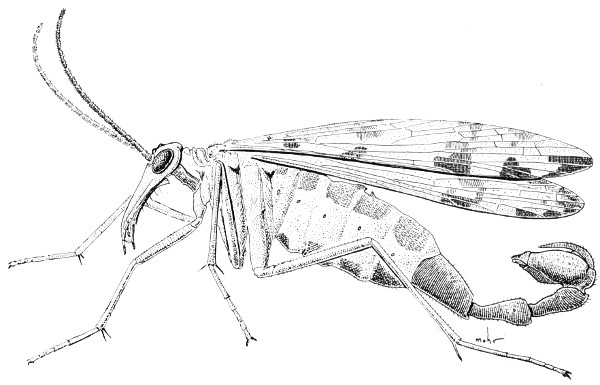
Fig. 60.—Mecoptera. Panorpa chelata, one of about 15 Illinois species of scorpionflies.
Only the male has the “scorpion” tail. Actual length of insect about
0.5 inch.
Insects with two pairs of wings, poorly developed
mouthparts of the chewing type, and long antennae;
without tails on the posterior end of the body.
In repose, the wings are held rooflike over the body and have only a
moderate number of longitudinal veins, which are not connected by
crossveins into any resemblance of a network. Neither body nor wings
are covered with scales. The larvae are wormlike and they live in
streams, ponds, and lakes. Many of them build cases of sticks, stones,
or sand and move about with only the front end of the body protruding
from the case. When disturbed, the larvae withdraw completely into
the cases and are then very difficult to see. The adult fly and larva of
Rhyacophila fenestra Ross illustrate this order, figs. 61 and 62. In
58
many aquatic situations, caddisflies are the predominant small animal
life and are an important factor in fish food economy. Also, they are
stream pollution indicators.

Fig. 61.—Trichoptera. Rhyacophila
fenestra; the adult form of this caddisfly
is shown here. Actual length about
0.4 inch.
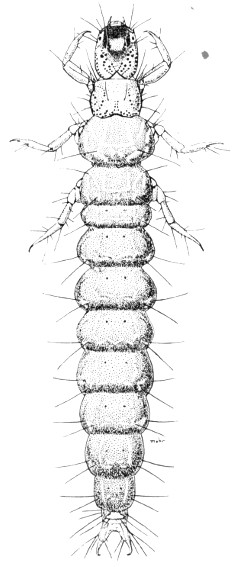
Fig. 62.—Trichoptera. Rhyacophila
fenestra; the larva, shown here, is
aquatic and builds no case. The larvae
of some other kinds of caddisflies live in
cases made of sticks and stones.
Insects typically with two pairs of wings, with
long antennae, and with mouthparts forming a
long sucking tube. The body and wings are covered
with a dense mass of scales, which are characteristic
of this order, fig. 63. The young are known as caterpillars
or grubs. The larval stage in this order is well exemplified by the
fairly smooth, cylindrical caterpillar of the fall armyworm, Laphygma
frugiperda (Smith), fig. 64. Some other larvae are hairy; still others
are sluglike.
59
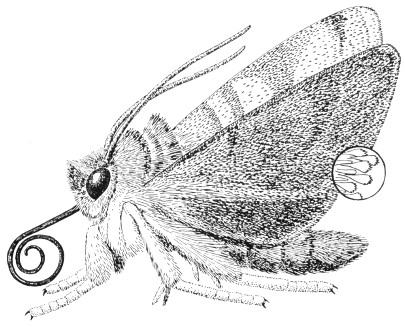
Fig. 63.—Lepidoptera. A
typical moth, showing
scales on wings and body,
and sucking tube, which is
coiled up under the head
when not in use. Species
of this order occurring in
Illinois include specimens
that vary in size from 0.1
inch to several inches. The
largest of these insects
have a wingspread of over
5 inches.
To this order belong not only a very large number of species, but
also a very large number that are especially injurious to agriculture.
These include such species as the codling moth, cabbage moth, butterflies,
the entire cutworm group, and a host of others. In addition, the
various clothes moths, which are a constant source of loss to householders,
and various species of meal moths, which cause tremendous
damage to stored grain every year, are members of this order.
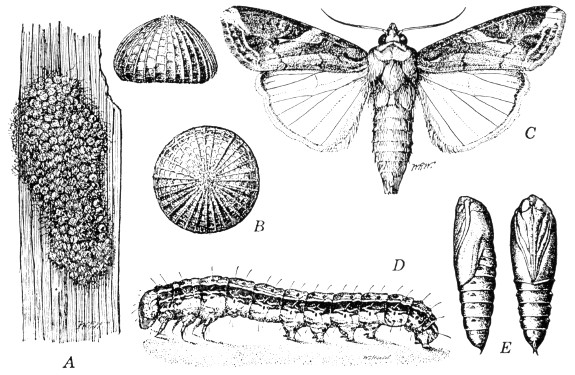
Fig. 64.—Lepidoptera. Laphygma frugiperda, the fall armyworm: A, egg mass
on leaf; B, top and side view of individual eggs; C, adult; D, larva; E, pupae. Wing
span of adult about 1.5 inches. (Drawing from U. S. D. A.)
60
In one group of moths, there are clear “windows” on the wings,
but these are always surrounded by areas or lines of scales. A few
species of the Lepidoptera are very odd in having wingless females.
Examples are the bagworms and some of the cankerworms. In these
species, however, the body of the female is densely clothed with scales,
which will serve to identify her as one of the Lepidoptera.
The habits of Lepidoptera larvae are very diverse. Most of these
larvae are leaf eaters, but some bore into trunks of trees and stems
of herbaceous plants. Some of the small ones mine within leaf tissue,
others live in the ground, where they eat roots, and a few are aquatic,
living in clear, rapidly flowing streams.
Insects with only one pair of wings, each wing
with a limited number of veins. Other characters
of the order, including antennae and mouthparts,
are extremely varied. Most immature stages are
wormlike or maggot-like. They live in protected
situations, such as within the tissues of a plant, in
water, in leaf mold, or in the tissues of animals. A typical life cycle
is that shown for the house fly, Musca domestica Linnaeus, fig. 65.
The ubiquitous house fly is undoubtedly the best known representative
of this order. It is also one of the most persistent and dangerous
insect pests, being a possible carrier of many diseases.
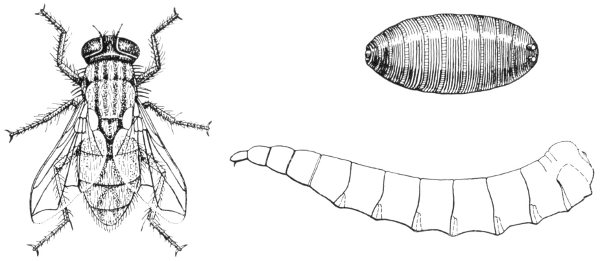
Fig. 65.—Diptera. Musca domestica, the house fly. The fly has only a single
pair of wings; the pale, maggot-like larva is without legs; the darker, egg-shaped
puparium contains the pupal or quiescent stage. Length of adult 0.2 inch. (Drawing
by Alice Ann Prickett.)
Mosquitoes, punkies, black flies, and horse flies are likewise well
known members of this order. In addition to economic forms, the order
Diptera includes midges, crane flies, bee flies, robber flies, bluebottle
flies, and a great assortment of other kinds of insects. Interesting
are the bee flies, which mimic other insects such as honey bees, bumble
61
bees, and wasps to an extent that wins them immunity from the
attention of many beginning collectors.
Wingless insects that evolved from folding-wing
insects; conspicuously flattened from side to side;
with stout spiny legs, and with numerous spines
over the body; without conspicuous antennae or tails or a forked
posterior appendage like that of the springtails; usually hard; ranging
in color from yellowish brown to almost black.
The human flea, Pulex irritants Linnaeus, and a widespread Illinois
rat flea, Nosopsyllus fasciatus (Bosc), are shown in fig. 66.
All the fleas, which feed on the blood of birds and other animals,
have sucking mouthparts. They are powerful jumpers. The young
stages are slender, white larvae, fig. 67, which live in the nests of
various animals; these larvae are seldom collected. The fleas are found
on the animals themselves or around their nests. Several species of
fleas, including the cat and dog flea, the human flea, and the rat fleas,
attack man. One of the rat fleas, Xenopsylla cheopis (Rothschild) is
the common transmitter of the organism causing bubonic plague.
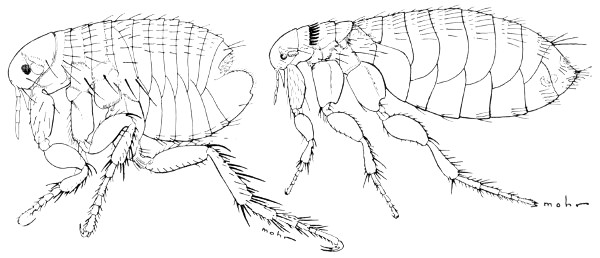
Fig. 66.—Siphonaptera. Pulex irritans, human flea (left), and Nosopsyllus
fasciatus, one of the rat fleas. Actual length of body about 0.1 inch.
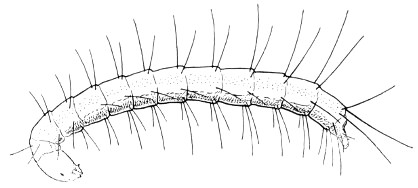
Fig. 67.—Siphonaptera. Larva of flea found in mouse nest. Length about
0.12 inch.
62
RELATIVES OF INSECTS — Isopoda Sowbugs, Pillbugs — Amphipoda Small Water Shrimps — Scorpionida Scorpions — Pseudoscorpionida Pseudoscorpions — Phalangida Daddy Longlegs, Harvestmen — Araneida Spiders — Acarina Ticks, Mites — Diplopoda Millipedes — Chilopoda Centipedes
There are many small animals that belong to the same general
group as insects and that are frequently collected with them. Spiders,
centipedes, and amphipods are a few of many examples of such animals.
Together with insects, they form the animal phylum called
Arthropoda, characterized by having segmented bodies and jointed
legs. A brief description is included here of the common groups of
these insect relatives found in Illinois.
Convex, many-legged animals having conspicuous
antennae; several of the posterior segments short
and joined rather closely to form an abdomen. Of
the Illinois forms, about one-half are aquatic, living
in streams and ponds. The others live in terrestrial situations
that are humid and dark. They are frequently found under boards
and in soil in greenhouses. One species of this group is Armadillidium
vulgare (Latreille), fig. 68, which possesses the ability to curl up in
a hard shell-like ball when disturbed. The isopods, relatives of crabs,
shrimps, and crayfish, belong to the general group known as crustaceans.
The crustacean groups are abundant in the ocean. In past
geologic ages, the early ancestors of such predominantly terrestrial
groups as insects and spiders resembled ancestors of the present
crustacean marine forms.
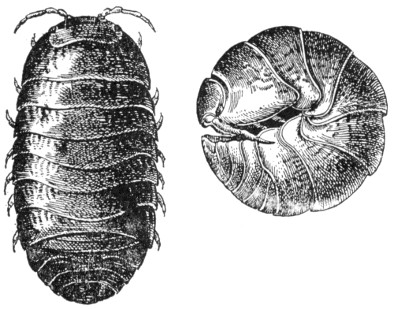
Fig. 68.—Isopoda. Armadillidium vulgare, a
common pillbug or sowbug (two views). Actual
length 0.3 inch. (Drawings from U.S.D.A.)
Humpbacked, many-legged crustaceans, fig. 69,
that are, unlike the isopods, flattened from side
to side like the fleas. They are all aquatic but are
seldom found swimming in open water; they prefer
to live in tangled masses of vegetation, under stones or logs, and
among debris in the very shallow water where it touches the bank.
63
These little shrimps are never more than about one-half inch long
and are frequently collected in large numbers along with aquatic
beetles. As is the case with the aquatic sowbugs, certain species of
amphipod shrimps occur in subterranean water sources and frequently
are found in wells. Most of these species are blind.
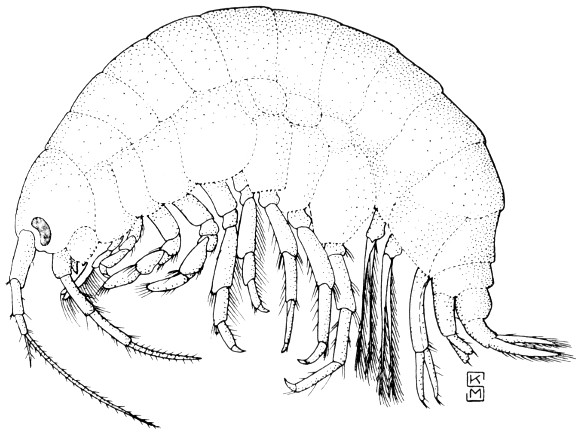
Fig. 69.—Amphipoda. Gammarus sp., a common small water shrimp. Actual
length 0.4 inch.
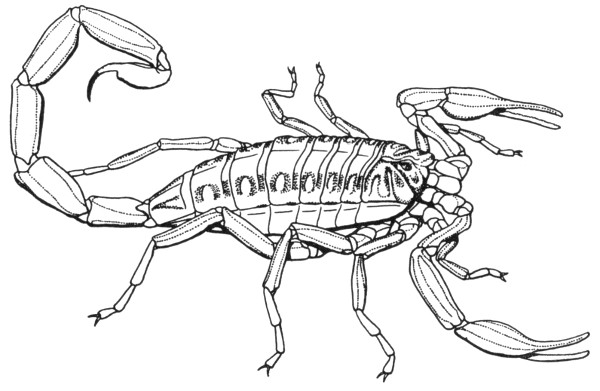
Fig. 70.—Scorpionida. Centruroides vittatus, the only scorpion known to occur
in Illinois. Actual length 2.0 inches. (Drawing by Alice Ann Prickett.)
64
Animals belonging to the spider group; characterized
by a pair of stout pincers at the end of each
front leg and a long tail-like extension of the abdomen
ending in a sharp sting, as in Centruroides vittatus (Say), fig. 70.
They have fairly long bodies and five pairs of legs each, including the
chelate pair. During the day they live under stones and bark, moving
about at night in search of insects and other small organisms on which
they prey. Many species occur in the Southwest; the range of one of
these extends as far northeastward as southwestern Illinois.
Animals belonging to the spider group; characterized
by a pair of stout pincers at the end of
the front legs, as in Larca granulata (Banks),
fig. 71. They have short, stout bodies, each with five pairs of legs
including the chelate front pair, but unlike the true scorpions they
have no tails or stings. The pseudoscorpions are sometimes found indoors
in old books, looking for their prey of small insects. They occur
in greater numbers in wooded areas.
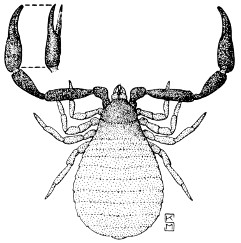
Fig. 71.—Pseudoscorpionida.
Larca granulata, a native Illinois
pseudoscorpion. Actual length
0.1 inch.
Spider-like forms, each animal with a short, round
body and four pairs of walking legs that in most
species are very long, fig. 72. They occur chiefly
in woods and may be found in numbers walking
over foliage and logs; they are often found on bluffs and in shady
places. They feed on decaying humus. A few Illinois forms that occur
chiefly on bark have considerably shorter legs than the species that
range more widely.
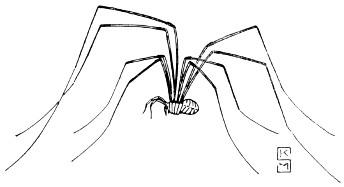
Fig. 72.—Phalangida. A common harvestman
or daddy longlegs. Actual length of body
0.3 inch.
65
Varied and well-known animals, each with four
pairs of walking legs and a body divided into a
cephalothorax (which combines the head and
thorax) and abdomen. The spiders present a tremendous variety of
shapes, some being round and fat, like the black widow, Latrodectus
mactans (Fabricius), fig. 73, others being long and slender, mimicking
ants. Others are crablike in shape; some that are long and slender
are extremely rapid in their movements. Spiders appear practically
everywhere. Certain species are domestic and are found only in houses.
In Illinois the only poisonous species of any importance are the black
widow spider, which is found in a variety of situations, and the recluse
spider, Loxosceles reclusa Gertsch & Mulaik, which has been found in
house basements in southern Illinois.
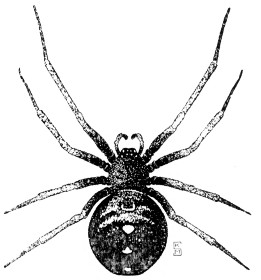
Fig. 73.—Araneida. Latrodectus mactans,
the black widow spider. Actual length of
body 0.4 inch.
Animals somewhat like the spiders but having no
marked division between the cephalothorax and
the abdomen. Each adult has four pairs of walking
legs, although an individual of the very young
stages has only three pairs. The mites are generally very minute and
seldom are seen by the beginning collector. They vary greatly in
general appearance. Many species are extremely destructive to stored
produce, to live domestic animals, and to many groups of plants.
Adults of the harvest mite and early stages of the chigger mite attack
man persistently.
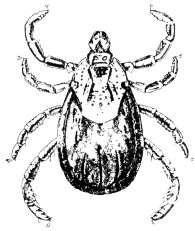
Fig. 74.—Acarina. Dermacentor
variabilis, the common dog
tick of Illinois and vector of
Rocky Mountain spotted fever.
When engorged, the tick looks like
a red berry. Actual length 0.2
inch. (Drawing from U. S. D. A.)
Ticks are larger than mites. All the species feed on warm-blooded
animals, including birds and mammals. The commonest Illinois tick
is Dermacentor variabilis (Say), fig. 74, which transmits the organism
66
causing the often fatal disease called Rocky Mountain spotted fever.
Although this disease occurs only infrequently in Illinois, hikers and
others exposed to ticks on excursions into the out-of-doors should
carefully examine their clothing and bodies and promptly remove
any ticks they find.
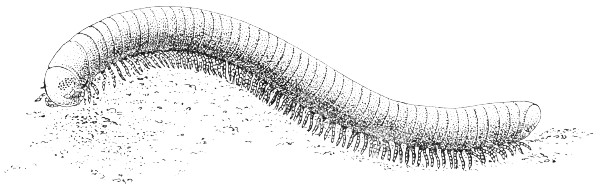
Fig. 75.—Diplopoda. Parajulus impressus, a common Illinois millipede. Actual
length 1.5 inches.
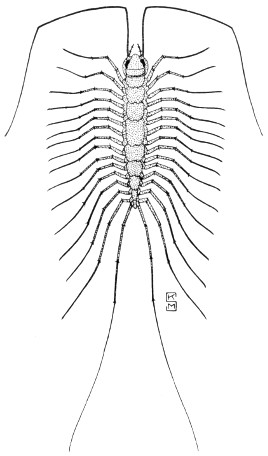
Fig. 76.—Chilopoda. Scutigera
forceps, the house centipede, commonly
found in dark basements. Actual length
of body 1.0 inch.
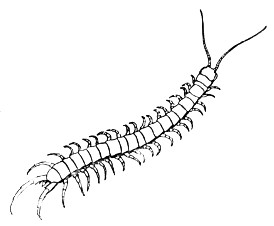
Fig. 77.—Chilopoda. A common
type of woodland centipede found
in leaf mold and rotten logs. Actual
length 1.0 inch. (Drawing from R. E.
Snodgrass.)
Elongate animals each having a distinct head
and a long, many-segmented body with two pairs
of legs on every segment. The commonest Illinois
representative is the large Parajulus impressus (Say), fig. 75, a
67
robust, cylindrical, reddish species commonly found in rotten logs or
moist leaf mold. Most species feed on decaying vegetable matter. A
few occasionally do considerable damage in greenhouses.
Elongate animals, similar in general appearance
to the millipedes but with only one pair of legs
on each body segment. Many species are predacious,
feeding on insects and other small animals in rotten logs
and humus. Most familiar to the city dweller is the house centipede,
Scutigera forceps Rafinesque, fig. 76; this is a common inhabitant of
dark places in houses, where it runs about with incredible speed in
search of the small insects upon which it feeds. Other species may
be encountered under boards and stones in gardens, fig. 77. Some
Illinois centipedes found in woody or rocky situations are 2 inches
or more long. No chilopod group in this state is dangerous to human
beings, but to the south occur centipedes nearly a foot long that may
inflict serious bites.