The cottage where Orrin Pierce was
born stood by the side of a clear bright
stream not far from the sea-shore. This
cottage had a thatched roof, and was
surrounded by a plain fence.
Orrin's mother was very fond of flowers,
and the little yard in front of the
cottage was filled with many beautiful
plants and shrubs; some of them were
trained up about the upper window and
around the door. A marten's house
stood on a post one side of the cottage,
where three twittering birds built their
nests in safety.
Everybody that passed Mrs. Pierce's
house, looked at it with pleasure, and
some even stopped to admire its neatness
and comfortable appearance.
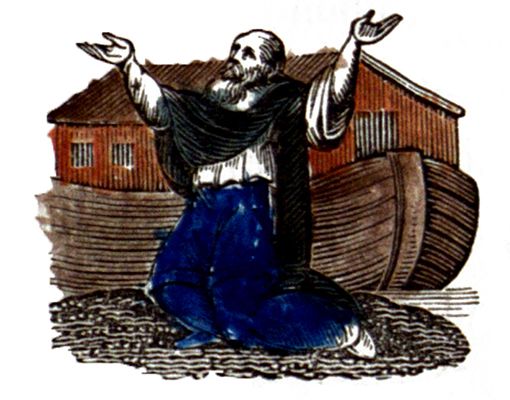
Noah.
Mrs. Pierce was an excellent woman;
she feared God and instructed her little
son out of the Scriptures. Before he
was old enough to read, she used to read
to him about the creation of the world;
and before he was four years old, he
could tell a great deal of Scripture history.
He knew about the temptation
and fall of man; the story of Noah; the
deluge; the history of Joseph; the account
of the Israelites in Egypt; the
plagues sent upon Pharaoh; the departure
of the children of Israel out of
Egypt; their journey through the wilderness,
and their entrance into the promised
land. He also could relate the
story of Daniel; of Israel, and many
other accounts from the Bible.
Those who do not read the Bible are
ignorant of some of the most interesting
and important parts of the world's
history.
Sometimes Mrs. Pierce would walk
out with little Orrin, and she always
used to talk with him, so as to improve
his mind. She would make him observe
the works of God, and tell him
of the wonders of Creation. Orrin was
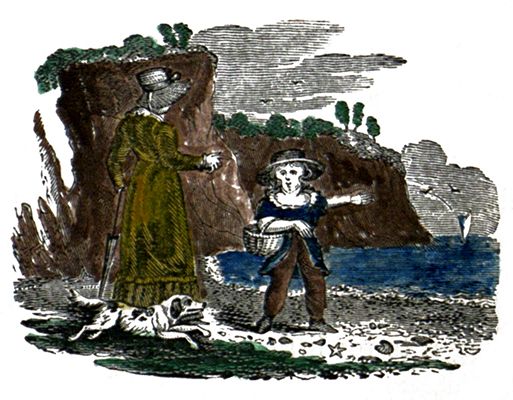
very fond of going to the sea-shore,
and when he had been a good boy his
mother would go there with him. He
always took with him a basket to put
his shells in, for there were many shells
on the beach. His little dog, Dash,
always went with him, and when Orrin
threw a stick into the water, Dash
would plunge in, and swim after it, and
bring it to his little master.
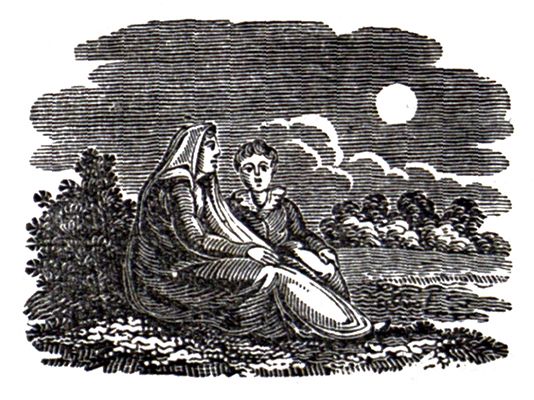
Often during the summer, when the
evenings were mild and pleasant, she
would walk in the fields with Orrin,
and they would sit down to enjoy the
beauty of the scene. The calm, full
moon, shining above them, shed a
soft light on all around. Sometimes
a cloud would pass over it and hide
for a moment its brightness, and
they would watch for it as the cloud
moved on, and it would suddenly burst
upon their sight; on such occasions,
Orrin used to repeat some passages
of Scripture to his mother, giving thanks
to God, who made the moon and stars
to shine by night.

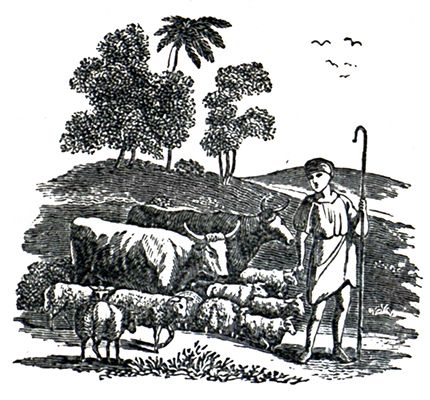
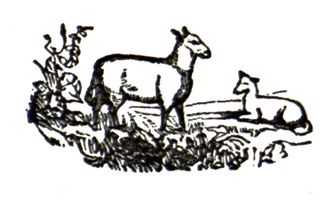
Orrin loved very much to see the
different animals, that are for the use
of man. He liked horses and cows and
dogs very much, but best of all he
liked the sheep and lambs. There
was a field not far from his mother's
cottage where a flock of sheep were
often kept. He used to watch the
shepherd taking care of the sheep, and
when he noticed how readily they followed
him, he thought of the words of
Christ, "My sheep hear my voice, and
I know them, and they follow me." He
also remembered that this harmless
animal was employed as a type of
Christ, who is called "the Lamb of
God, who taketh away the sin of the
world."
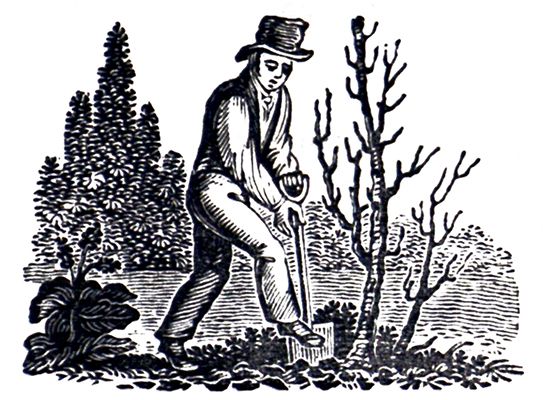
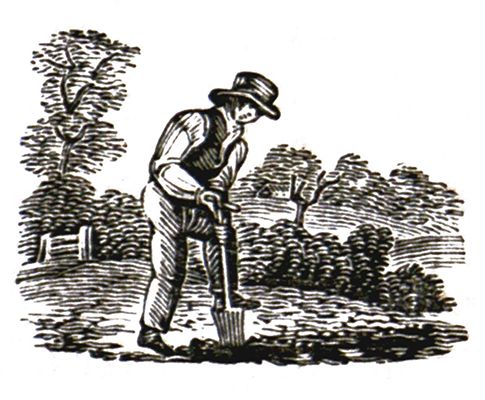
Mrs. Pierce gave her little son a place
for a garden, which the gardener used to
dig up for him. She gave him different
seeds of plants and flowers. She
bought him a shovel, a rake and a hoe,
of a suitable size for a little boy. Here
he used to amuse himself for hours.
He had one tree in his garden which
would not thrive, though he had bestowed
much labour upon it, but finally
he determined to remove it. Indeed
the branches were many of them dead.
He told his mother he was reminded
of the passage in Luke xiii. 6, 9, for he
had waited long for fruit, but found
none, and he was going to remove the
worthless tree.
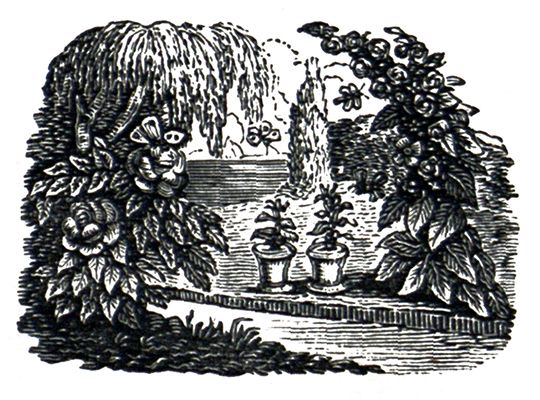
On a pleasant afternoon, it was very
delightful to walk in Mrs. Pierce's
garden. Orrin's garden spot was as
neat and in quite as good order as his
mother's. The roses were so fragrant,
and the various colours of the
numerous flowers so pleasing to the
eye, that all admired who beheld them.
The butterflies roamed from flower to
flower undisturbed: the humming-birds
and bees took their portion of the
sweets, and pretty singing birds fluttered
among the branches. Mrs. Pierce
used often to point to the beautiful lilies,
and say to Orrin, "Consider the lilies,
how they grow, and remember the instruction
they give."
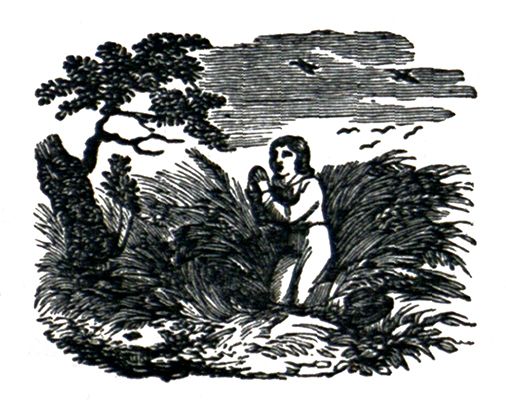
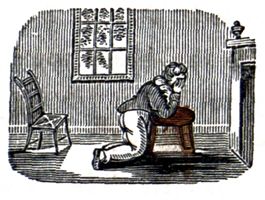
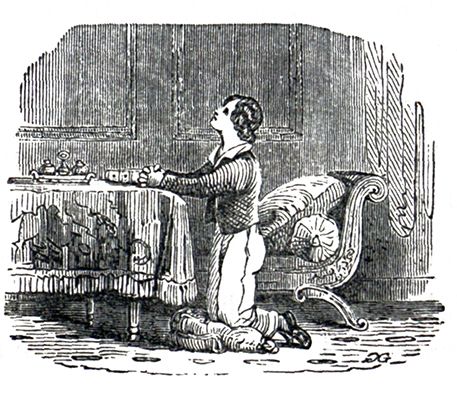
You may be sure Orrin was early
taught to pray; and that he was careful
never to forget or neglect this duty.
He did not wait till after he was in bed,
either, but kneeled down before he became
sleepy, so that he might pray with
the understanding. He used to pray for
a new heart, so that he might love holiness
and hate sin. He also prayed for
the forgiveness of his sins. Sometimes
he prayed when he was in the field or
on his way to school, when he thought
he should not be observed. He thanked
God for all his mercies, but more than
all for the gift of the Saviour; and
when quite young, he could repeat many
very pleasing verses about the love of
Christ for this sinful world.
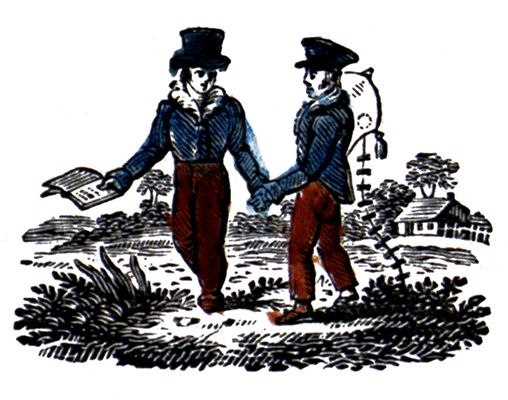
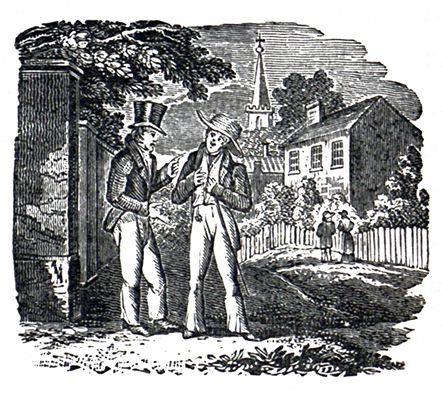
One day when Orrin was on his way
to the Sabbath-school, he met a boy going
across a field with a kite in his hand.
He did not know the boy, but he knew
he was about to commit sin, so he asked
him if he would not leave his kite and
go to the Sabbath-school. He opened his
book and showed him where the lesson
was, and told him that he would be much
happier in learning to keep God's commandments,
than all his kite-flying could
make him. The boy thought so too,
and was willing to take advice, so he
hid his kite behind the fence, and went
with Orrin. We should try to do good
to all as we have opportunity.
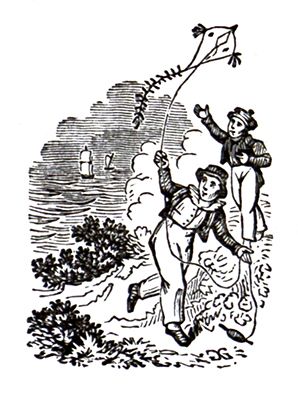
The next day he met the same boy
flying his kite. He stopped as Orrin
approached him, and said, "I thought
yesterday when you asked me to go to
the Sabbath-school that it was a pity to
give up flying my kite, because there
was such a good wind, but to-day the
wind is just as good, and I have had
a fine time with my kite." So he lost
no pleasure, but gained much good.
Orrin stayed a while and played with
this boy, and told him he hoped to
see him again at Sunday-school; and
so he did, for he continued to attend
regularly from that time.
Orrin's mother was almost sorry
when he was too old to be kept at
home under her instruction. She felt
afraid that when he began to be more
from her watchful care he might become
more like those boys whose company
she had always directed him to avoid.
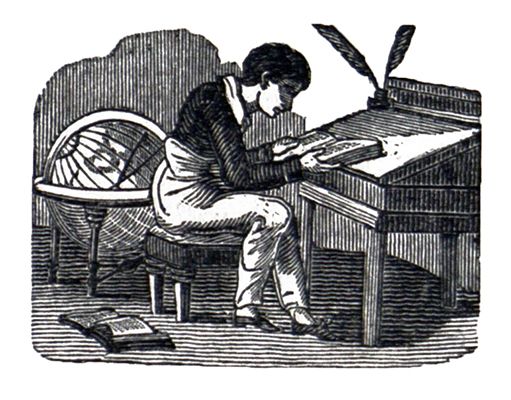
He was very fond of study; and his
teacher soon noticed him as a boy who
would be an example to the school.
He was always in his place when the
bell rang for nine o'clock, and his lessons
were well learned. His mother
was much pleased with the accounts
she received from his teacher, of his
good conduct.

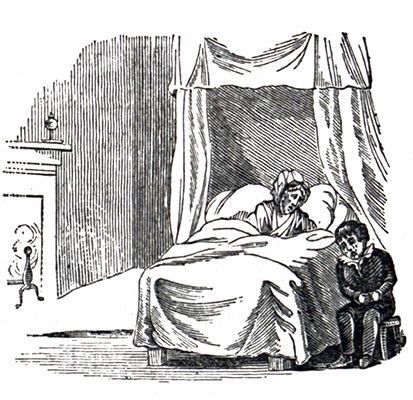
When Orrin was about fourteen
years old, he met with the greatest
affliction that could have been sent
upon him. This was the death of his
excellent mother. She was sick for a
long time, and had a very good physician,
but God did not see fit to restore
her to health, and she was quite
ready to submit to His will. Her
only anxiety was for her son, and
even this care she was able to commit
to the Lord, who has promised to
be a father to the fatherless. She
talked much to Orrin, and told him
that she had trained him up thus far,
in the way he should go, and charged
him not to depart from it.
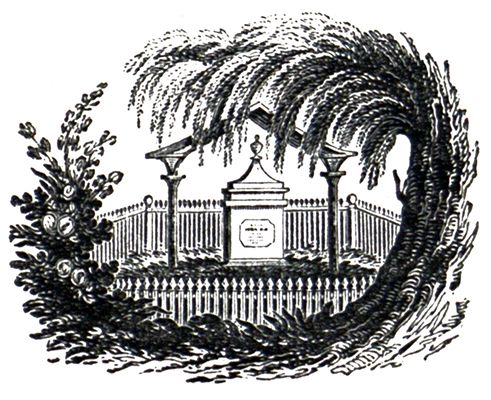
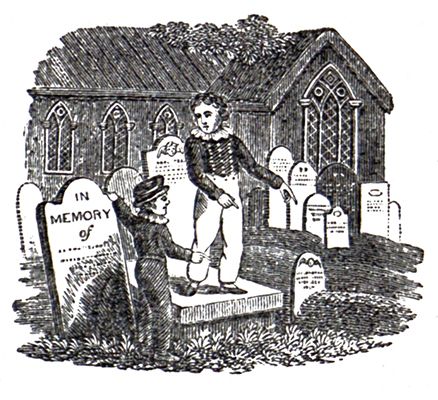
A great number of friends and neighbours
followed Mrs. Pierce to the
grave. She was greatly beloved by
all who knew her, but none could
mourn for her as her poor afflicted boy
did. When he saw his mother laid in
the grave, he felt as if he had not a
friend on the earth. True, he had
neither sister nor brother. His father
died when he was an infant, and now
his precious mother was taken away.
But God could supply to him all that
he had lost, and be to him more than
all earthly friends, even one who would
never leave him nor forsake him.
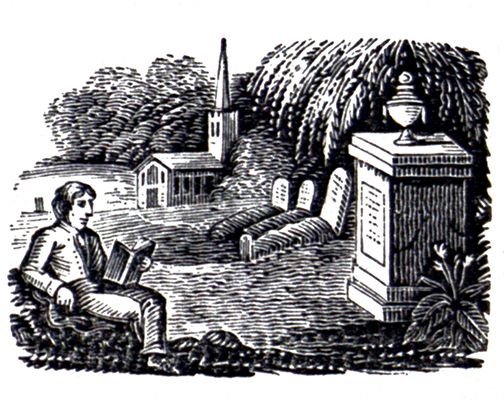
Day after day, Orrin went to the graveyard,
to visit the tomb of his beloved
parent. He used to take with him the
Bible, which they had so often read together,
and read those passages which
she delighted in. He was much comforted
by these words of the Lord Jesus Christ,
"I am the resurrection and the life. He
that believeth in me, though he were dead
yet shall he live, and whosoever liveth
and believeth in me shall never die.
The hour is coming in the which all
that are in their graves shall hear the
voice of the Son of Man, and shall come
forth; the followers of Christ to enter
into heaven, and his enemies to be cast
into hell."

After his mother's death, Orrin went
to live with a kind uncle, a brother
of Mrs. Pierce, who lived a great distance
off, so that Orrin went there in a
ship. Then God raised up a friend
for this orphan-boy. His uncle had
a little daughter much younger than
Orrin, whose name was Jane. As he
never had a sister, it was very pleasant
to have such a little companion as Jane.
His aunt was very kind and affectionate
to him, but no one was like his
mother. Though he was very sad for
a long time, he tried to overcome such
feelings, and, by dutiful conduct, to
show his kind uncle and aunt that he
was grateful to them.
Jane had not received as much instruction
as Orrin had, and he was
very happy to tell her some of the
things he had heard from his mother.
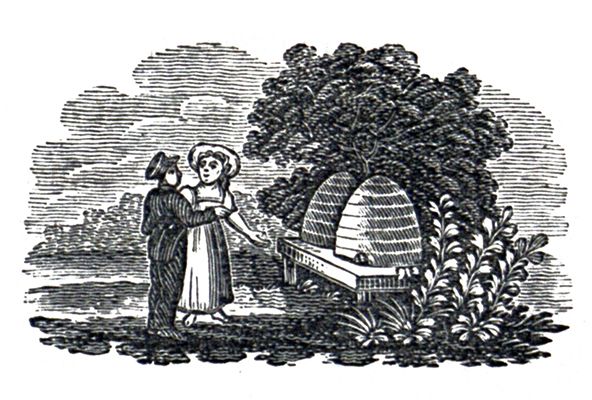
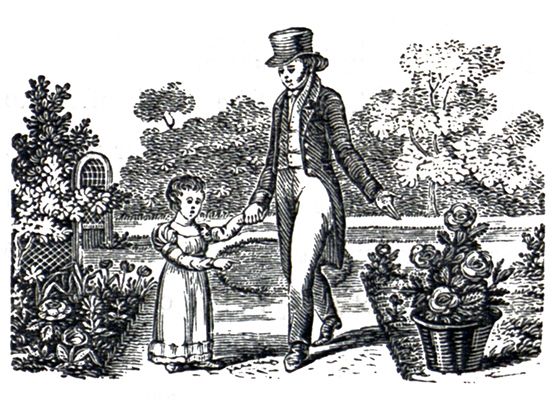
One day, he and Jane were walking
in the garden, and they stopped by
the bee-hives to watch the bees go
out to gather their stores, and return
laden with sweets.
Orrin told Jane many curious facts
about bees, which instructed her very
much. He told her that they were
always busy, and would not allow an
idler to live in the hive. Orrin and Jane
also attended Sunday-school together.
Jane used to walk and play in her
father's garden, but she did not have one
of her own. Her father used to tell
her she might look at the flowers, but
that she must not pick them, as she
would injure them. But when Orrin
came he gave Jane a garden by herself
in which her cousin worked, and they
both kept it in order, and it was a great
pleasure to her to pick flowers whenever
she liked. She used often to
gather a pretty nosegay for her mother.
Orrin used to say when he looked at
her flowers, why even Solomon in all his
glory was not arrayed like one of these.
Many boys who have been taught
by pious mothers to pray to God
in childhood, when they become older
forsake the law of their mother. They
begin to think it is well enough for
children, but not needful for men; but
this was not the case with Orrin. He
remembered what Solomon says of a
mother's counsel: "When thou goest
it shall lead thee; when thou sleepest
it shall keep thee; and when thou
wakest it shall talk to thee." Orrin
read his Bible daily, and continued to
pray to the God of his mother, and
he kept in mind her instructions and
always tried to act as he supposed his
mother would wish.
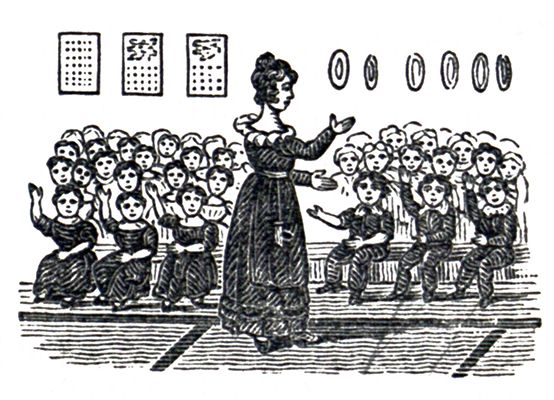
From the time he was old enough to
behave properly, Orrin went to Sunday-school.
He was in a room where only
the little scholars attended, and they were
taught by a very kind lady. She taught
them from Scripture-cards, and they
could say and sing many beautiful little
hymns. He could also answer all the
questions in a simple catechism. When
he could read well, he went into the
larger school, and was put into a class
with some boys larger than himself.
Some of them did not behave as well
as Orrin did.
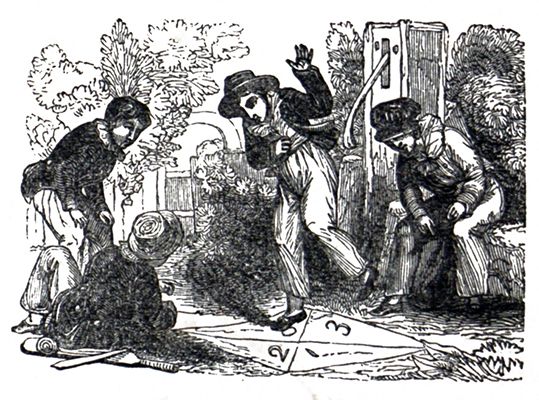
Orrin's mother loved to see her little
boy play at proper times. She did not
always require him to be studying, or
reading books. When he went to
play she was careful that his mates
should be good boys who did not take
the name of God in vain, or use coarse
and vulgar language, or quarrel and
fight. She told him always to treat his
mates kindly, to be just and fair in
his sports, and at all times to "do unto
others as he would wish others to do
unto him." She reminded him that
"even a child is known by his ways,"
and that "cheating play never prospers."
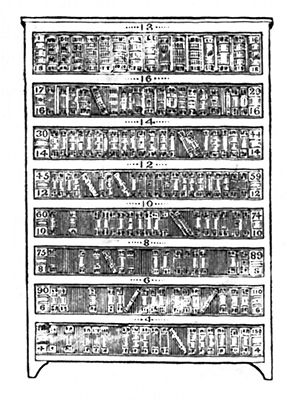
Wherever there is a library of useful
books, a young person can gain a store
of knowledge. Orrin was very fond
of reading, and his uncle gave him the
liberty of reading in his study, whenever
he wished to do so. There Orrin
spent many hours, gaining useful knowledge;
and as he had a very good memory,
he found, many years after, much
use for the instruction he received in this
way. Solomon says, "Get wisdom,
get understanding, take fast hold of
instruction, let her not go, keep her,
for she is thy life."
Those who have read the history
of this good boy, will like to hear something
of him as a man. He became
not only a respectable, but a useful
and pious man. He was a kind friend;
he warned and reproved those he found
doing wrong. When a man, he was as
fearless in reproving sin as he was
when a boy. If he saw a young man
profaning the Sabbath day, he kindly
warned him of his evil way and would
invite him to go with him to the house
of God. His example was, also, a silent
teacher of all.
You will not be surprised to hear
that Orrin became a Sunday-school
teacher, nor that he knew how to teach
in a way to profit his scholars. They
all loved him very much, and never
were absent from school unless they
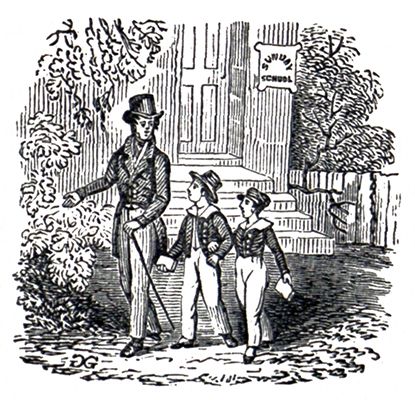
were sick. Here he is, just returning
from Sunday-school. Two of his scholars
are with him; they have their
library-books in their hands. How
orderly they walk by his side, talking
with him about the lesson. It is a great
blessing to have such a teacher.
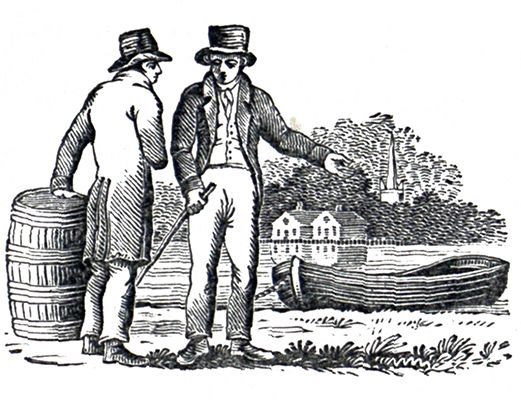
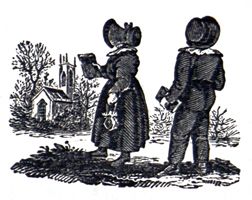
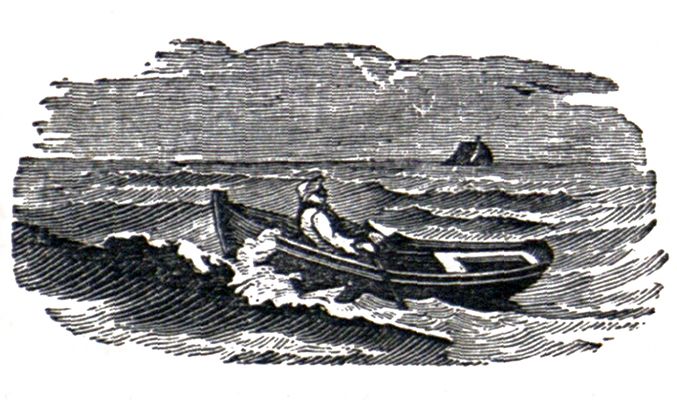
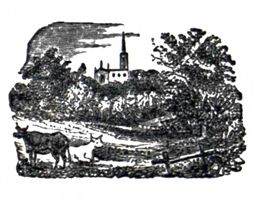
This picture may remind us of Orrin,
for we may think of him as walking
by the water-side with a friend. Perhaps
he is speaking of the occupation
of Christ's disciples, when he called
them to preach the gospel. They left
their ships and followed him. He is
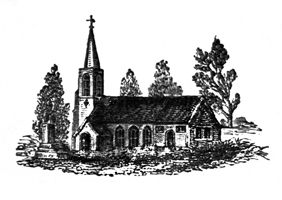
pointing to the church amid the trees,
and says "I too would preach the gospel."
No doubt he would make a useful
minister of the gospel, for from his
youth he has known the Scriptures,
which are able to make him wise unto
salvation. He may be thinking of
Christ's words, Go ye unto all the
world, and preach the gospel to every
creature.
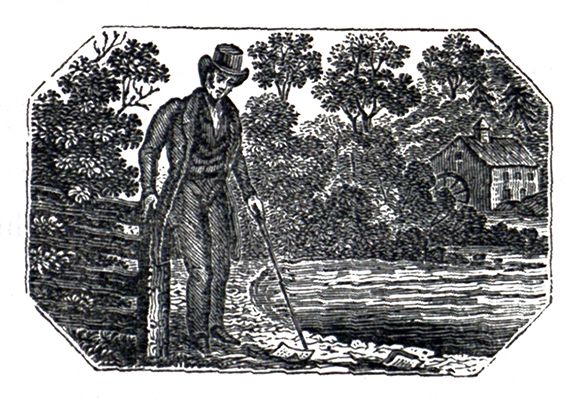
After much thought upon the subject,
and having taken the advice of friends,
Orrin determined to be a missionary.
He went to bid farewell to the scenes
of his childhood. He visited the cottage
where he was born. He stood
by the sea-side, where he had gathered
shells, and listened to his mother's instructions;
he walked in the fields where
he had seen the lambs. And as he
stood thinking over his days of childhood
tears fell from his eyes, but they
were tears of gratitude to God, for
having given him a mother who taught
him to love the service of God.

He at length goes to make known
the way of salvation to those who never
heard of a Saviour; to poor ignorant
pagans, who worship idols, the work
of their own hands. Many, like him,
have gone to tell the perishing heathen
of Jesus, who is the way, the truth, and
the life. May all such reap a rich reward,
and turn many to righteousness.
May God incline the heathen to cast
away their senseless idols, which have
eyes that see not, and ears that hear
not, and enter upon the service of Him
who is worthy of all their love.