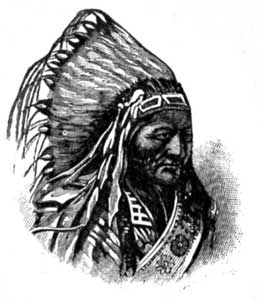
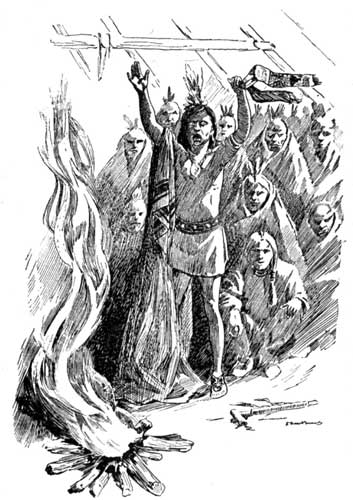
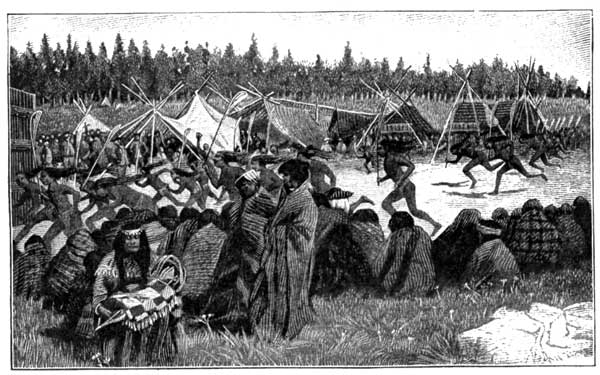
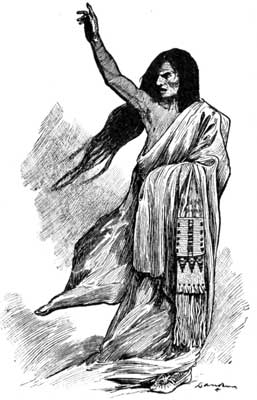
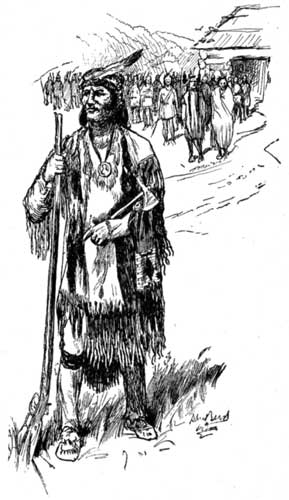
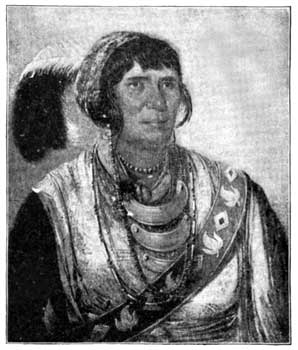
Tenskwatawa met with strong opposition from some of the Indians. The
small chiefs especially were displeased with the idea that the tribes
should unite to form one people, as that would take away their own
power. They, therefore, heard the Prophet with anger, and carried away
an evil report of him.
Still, many believed all that he said, and wished to gain the good will
of the Great Spirit by doing his bidding. They were willing to leave
their tribes to follow the Prophet. So it happened that in 1806
Tenskwatawa and Tecumseh with their followers established a town at
Greenville, Ohio. There all lived in accordance with the Prophet's
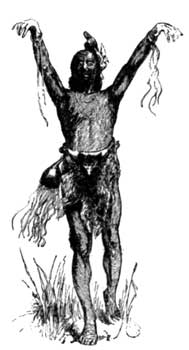
teachings. They strengthened their bodies by running and swimming and
wrestling. They lived at peace without drunkenness. They minded their
own affairs. Now, all this was just what President Jefferson, the
Indians' friend, had often advised the red men to do.
Yet the white neighbors were greatly disturbed and wished to break up
the Prophet's town. In the first place the town was on land that had
been ceded to the United States, or the Seventeen Fires (as the Indians
picturesquely named the new nation), by the treaty of Greenville. Then,
the visiting Indians who came from all parts of the country to hear the
words of the Prophet were a constant source of alarm to the border
settlers. And, although he professed to preach peace, the Prophet was
believed by many to be preparing secretly for war.
Besides, innocent as most of his teachings appeared, those regarding
property rights were hostile to the white race and decidedly annoying to
the men who coveted the hunting grounds of the savages. The United
States government in acquiring land from the Indians had usually
proceeded as if it were the property of the tribe that camped or hunted
upon it. The Indian Commissioners had had little difficulty in gaining
rich tracts of land from weak tribes, at comparatively little expense,
by this method. When it came to a question of land, even Jefferson had
little sympathy for the Indians. He had not scrupled to advise his agent
to encourage chiefs to get into debt at the trading posts, so that when
hard pressed for money they might be persuaded to part with the lands of
their tribes.
Now Tecumseh had seen that the whole struggle between the red men and
the white was a question of land. If the white men were kind to the
Indians and came among them with fair promises and goodly presents,
their object was to get land. If they came with threats and the sword,
their object was, still, to get land. They needed the land. They could
not grow and prosper without it. But if the white men needed land in
order to live how much more did the Indians need it! Where a few acres
of farm land would give a white family comfortable support, many acres
were needed to support an Indian family by the chase. Tecumseh argued in
this way: The Seventeen Fires unite to get our lands from us. Let us
follow their example. Let us unite to hold our lands. Let us keep at
peace with them and do them no harm. Let us give them no reason to fight
with us and take our land in battle. When they offer to buy we will
refuse to sell. If they try to force us to part with our lands we will
stand together and resist them like men.
He heartily agreed with his brother's teachings concerning property
rights, and possibly suggested many ideas that Tenskwatawa fancied he
received from the Great Spirit. Certain it is that Tecumseh had long
held similar views and had done his best to spread them. Although
Tenskwatawa was more conspicuous than Tecumseh, the latter had the
stronger character. For a time he kept in the background and let his
brother do the talking, but his personal influence had much to do with
giving weight to the Prophet's words.
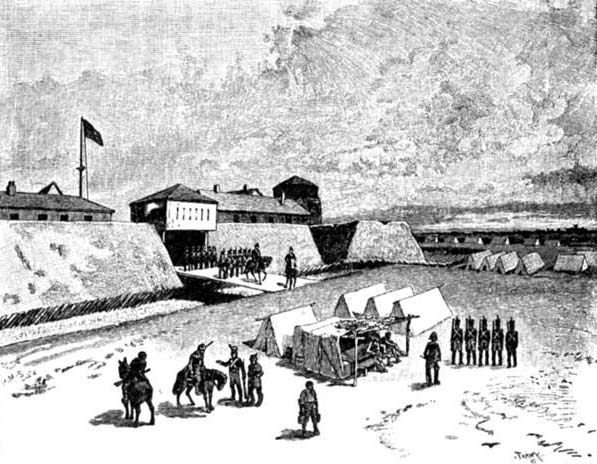
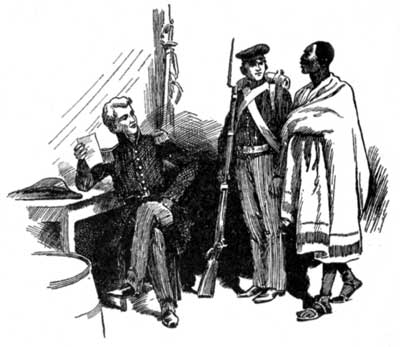
The brothers had not been at Greenville long before they were summoned
to Fort Wayne by the commandant there to hear a letter from their
"father," the President of the Seventeen Fires. Tecumseh refused to go.
He demanded that the letter be brought to him. This put the officer in a
trying position, but there was nothing left for him to do but send the
letter to Greenville. It proved to be a request that the Prophet move
his town beyond the boundaries of the territory owned by the United
States. The letter was courteous, and offered the Indians assistance to
move and build new homes.
To the President's request Tecumseh sent a decided refusal. He said:
"These lands are ours; we were the first owners; no one has the right to
move us. The Great Spirit appointed this place for us to light our fires
and here we will stay."
The settlement continued to be a source of annoyance to the government.
Indians kept coming from distant regions to visit the Prophet. Rumor
said that the brothers were working under the direction of British
agents, who were trying to rouse the Indians to make war on the United
States.
To counteract the British influence the Governor of Ohio sent a message
to Greenville. At a council called to consider the Governor's letter,
the chief, Blue Jacket, and the Prophet made speeches in which they
declared their wish to remain at peace with the British and the Long
Knives, as they called the settlers.
Tecumseh accompanied the commissioners on their return and held a
conference with the Governor of Ohio. He spoke plainly, saying the
Indians had little cause for friendliness to either the British or the
people of the United States, both of whom had robbed them of their lands
by making unjust treaties. But he assured the governor that for their
own sake the Indians wished to remain at peace with both nations.
The Governor, like all who heard Tecumseh speak, was impressed with his
sense and honesty, and believed that the Indians were not planning war.
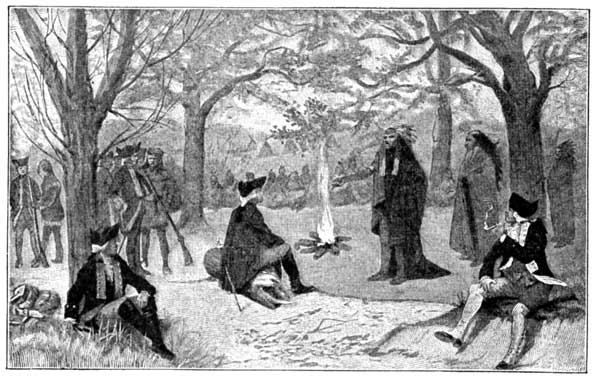
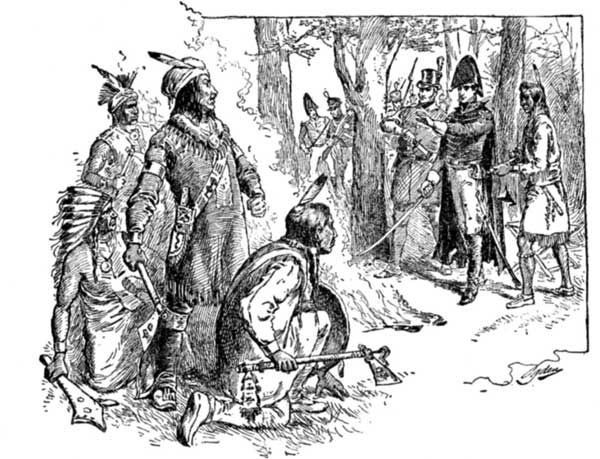
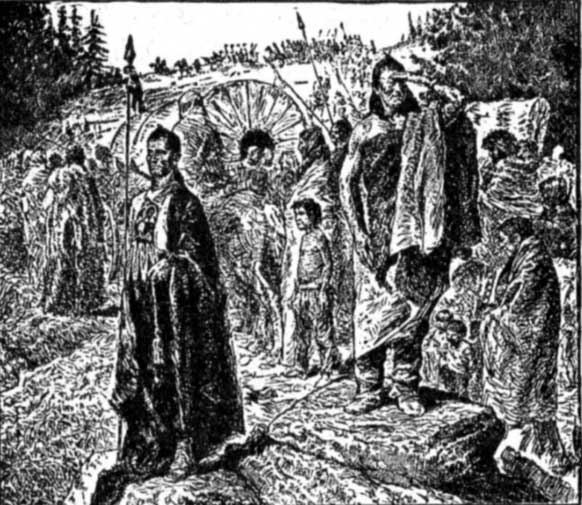
A little later Tecumseh was again called to Springfield to attend a
large council of Indians and white men. The council was held to
determine who was responsible for the murder of a white man, who had
been found dead not far from Springfield. On this occasion Tecumseh
attracted much attention. In the first place he refused to give up his
arms, and entered the council with the dignity of manner and the arms of
a warrior.
He made a speech of such passion and eloquence that the interpreter was
unable to keep up with him or translate his ideas. The white men were
left to guess his meaning by watching his wrathful face and the
excitement of his hearers. The Indians, however, understood him
perfectly, and when the council was over and they went to their homes
all repeated what they could remember of the wonderful speech.
The influence of Tenskwatawa and Tecumseh increased. The excitement
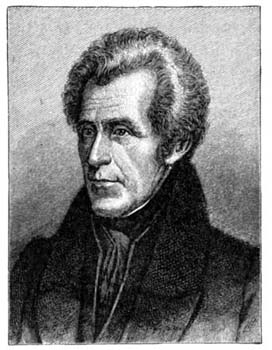
among the Indians became more general. Governor Harrison again wrote to
the Shawnee tribes. He began by reminding them of the treaties between
the Indians and the people of the United States:
"My children, listen to me. I speak in the name of your father, the
great chief of the Seventeen Fires.
"My children, it is now twelve years since the tomahawk, which you had
raised by the advice of your father, the King of Great Britain, was
buried at Greenville, in the presence of that great warrior, General
Wayne.
"My children, you then promised, and the Great Spirit heard it, that you
would in future live in peace and friendship with your brothers, the
Americans. You made a treaty with your father, and one that contained a
number of good things, equally beneficial to all the tribes of red
people who were parties to it.
"My children, you promised in that treaty to acknowledge no other father
than the chief of the Seventeen Fires, and never to listen to the
proposition of any foreign nation. You promised never to lift up the
tomahawk against any of your father's children, and to give notice of
any other tribe that intended it. Your father also promised to do
something for you, particularly to deliver to you every year a certain
quantity of goods, to prevent any white man from settling on your lands
without your consent, or from doing you any personal injury. He promised
to run a line between your land and his, so that you might know your
own; and you were to be permitted to live and hunt upon your father's
land as long as you behaved yourselves well. My children, which of these
articles has your father broken? You know that he has observed them all
with the utmost good faith. But, my children, have you done so? Have you
not always had your ears open to receive bad advice from the white
people beyond the lakes?"
Although Governor Harrison writes in this letter as if he thought the
white men had kept their part of the treaty, he had written quite
differently to President Jefferson, telling him how the settlers were
continually violating the treaty by hunting on Indian territory and
reporting that it was impossible for the Indians to get justice when
their kinsmen were murdered by white men; for even if a murderer was
brought to trial no jury of white men would pronounce the murderer of an
Indian guilty. "All these injuries the Indians have hitherto borne with
astonishing patience." Thus Mr. Harrison had written to the President,
but it was evidently his policy to try to make the Indians think they
had no cause for complaint. In his letter to the Shawnees he went on to
say:
"My children, I have heard bad news. The sacred spot where the great
council fire was kindled, around which the Seventeen Fires and ten
tribes of their children smoked the pipe of peace—that very spot where
the Great Spirit saw his red and white children encircle themselves with
the chain of friendship—that place has been selected for dark and
bloody councils.
"My children, this business must be stopped. You have called in a number
of men from the most distant tribes to listen to a fool, who speaks not
the words of the Great Spirit, but those of the devil and of the British
agents. My children, your conduct has much alarmed the white settlers
near you. They desire that you will send away those people, and if they
wish to have the impostor with them they can carry him. Let him go to
the lakes; he can hear the British more distinctly."
To this letter the Prophet sent a dignified answer, denying the charges
the Governor had made. He spoke with regret rather than anger, and said
that "his father (the Governor) had been listening to evil birds."