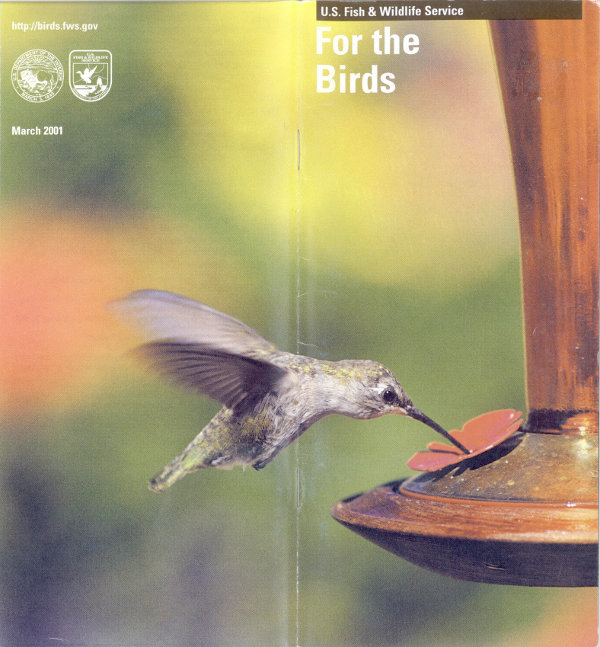
For the Birds
★★★★★No ratings yet
Language: English
Sign in to rate this book.
Sign in to shelve this book.
About this eBook
- Credits
- Produced by Stephen Hutcheson and the Online Distributed Proofreading Team at www.pgdp.net
- Language
- English
- LoC Class
- QL: Science: Zoology
- Subject
- Bird feeders
- Category
- Text
- Project Gutenberg
- eBook-No. 61796
- Release Date
- April 10, 2020
- Copyright
- Public domain in the USA.
Contents
- 1.For the Birds
- 2.Getting Started — Backyard Bird Feeding — Feeder Selection
- 3.Placement
- 4.Durability
- 5.Food Capacity — How Many Birds — Birds Attracted by Various Feeders and Foods — Uninvited Guests at the Birdfeeder — Questions about Feeding Wild Birds — When is the best time to start? — When’s the best time to stop? — Is it best to stop feeding hummingbirds after Labor Day? — How long does it take for birds to find a feeder? — My feeder is full of seeds. I haven’t seen a bird in months. Am I doing something wrong? — Will birds’ feet stick to metal feeders and perches in the wet winter weather? — Do wild birds need grit? — Can birds choke on peanut butter? — Won’t suet go bad in the summer? — What is hummingbird nectar? Do hummers need nectar fortified with vitamins and minerals? — How can I avoid bees at my hummingbird feeder? — How close to my window can I put a feeder? — Is cracked corn coated with a red dye safe to use? — I bought a bag of sunflower seeds early in the spring. Over the summer I first noticed worms, then moths. What can I do to keep the bugs out? — Homes for Birds — Birds You Can Attract to Nest Boxes — Bluebirds — American Robins — Chickadees, Nuthatches and Titmice — Brown Creepers and Prothonotary Warblers — Wrens — Tree and Violet-green Swallows — Barn Swallows and Phoebes — Purple Martins — Flycatchers — Woodpeckers — Owls — Selecting a House — Materials — Design — Nest Box Dimensions
- 6.Ventilation
- 7.Drainage
- 8.Entrance Hole
- 9.Accessibility
- 10.Limiting Predator Access — Bird House Placement — Protection from Predators — Cats — Dogs — Squirrels — Raccoons and Opossums — Snakes — House Sparrows and Starlings — House Wrens — Insects — Attracting Birds — Landscaping for Birds — Benefits of Landscaping for Birds — Increased Wildlife Populations — Energy Conservation — Soil Conservation — Natural Beauty — Wildlife Photography — Birdwatching — Natural Insect Control — Food Production — Property Value — Habitat for Kids — Basics of Landscaping for Birds — Food — Water — Shelter — Diversity — Four Seasons — Arrangement — Protection — Hardiness Zones — Soils and Topography — Plants for Wild Birds — Conifers — Grasses and Legumes — Nectar-producing Plants — Summer-fruiting Plants — Fall-fruiting Plants — Winter-fruiting Plants — Nut and Acorn Plants — How to Get Started — Set Your Priorities — Use Native Plants When Possible — Draw a Map of Your Property — Get Your Soil Tested — Review the Seven Plant Habitat Components — Talk to Resource Experts — Develop Your Planting Plan — Implement Your Plan — Maintain Your Plan — And Finally ... — Protecting Bird Habitat — Additional Resources — Books — Web Sites — Disclaimer
- 11.Transcriber’s Notes
Community reviews
Sign in to write a review.
No reviews yet.