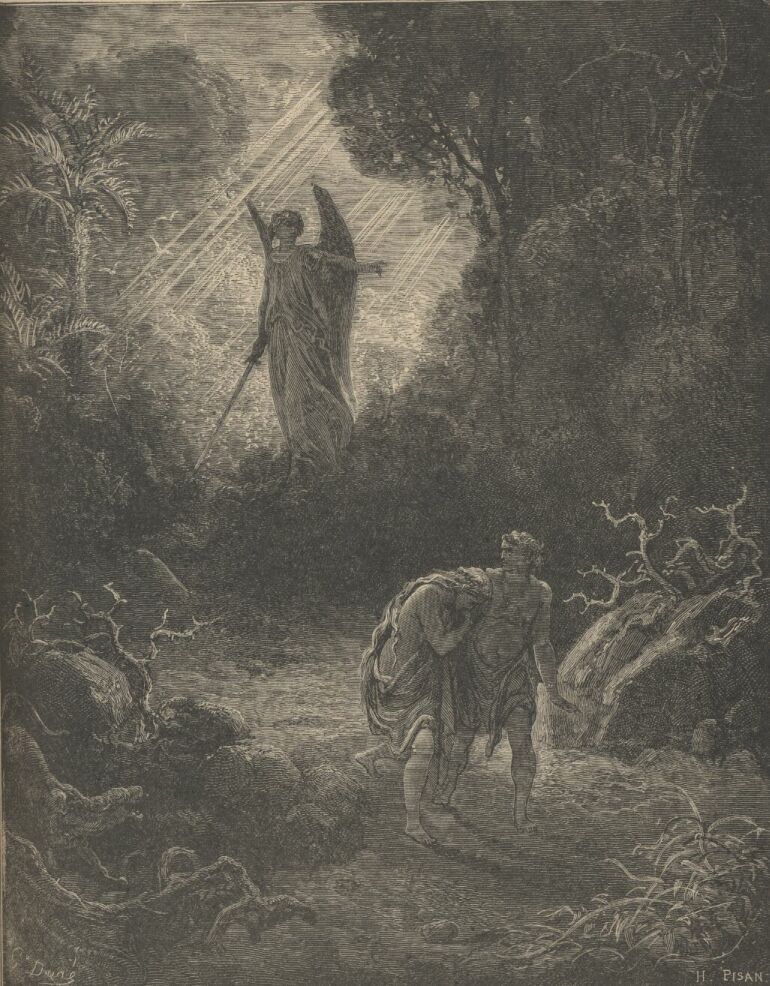
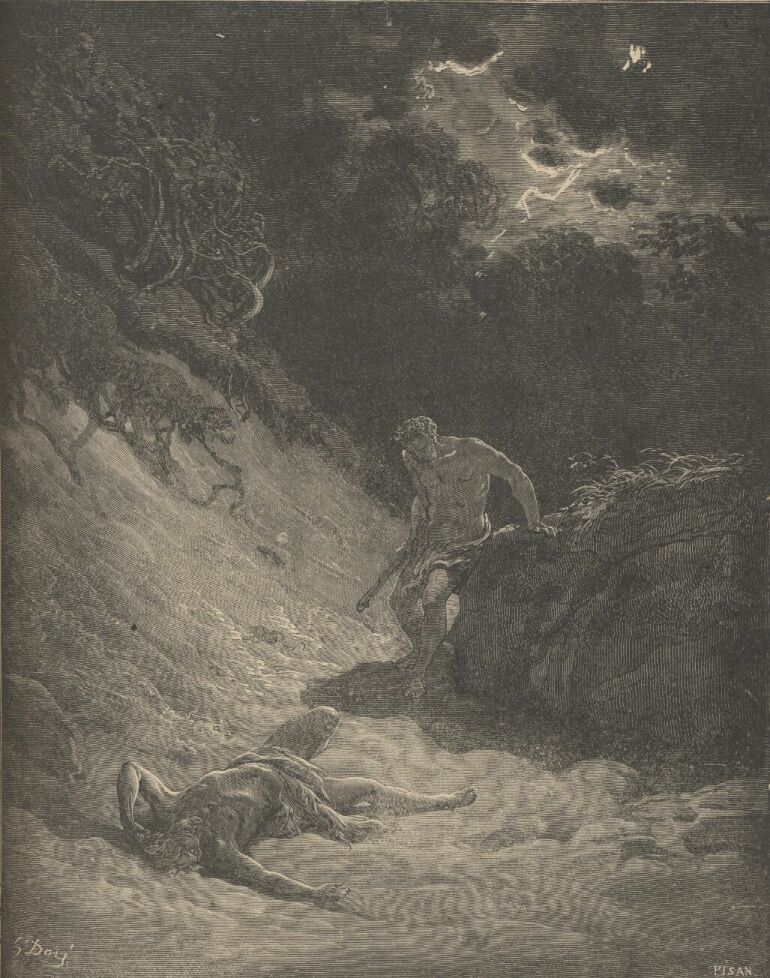
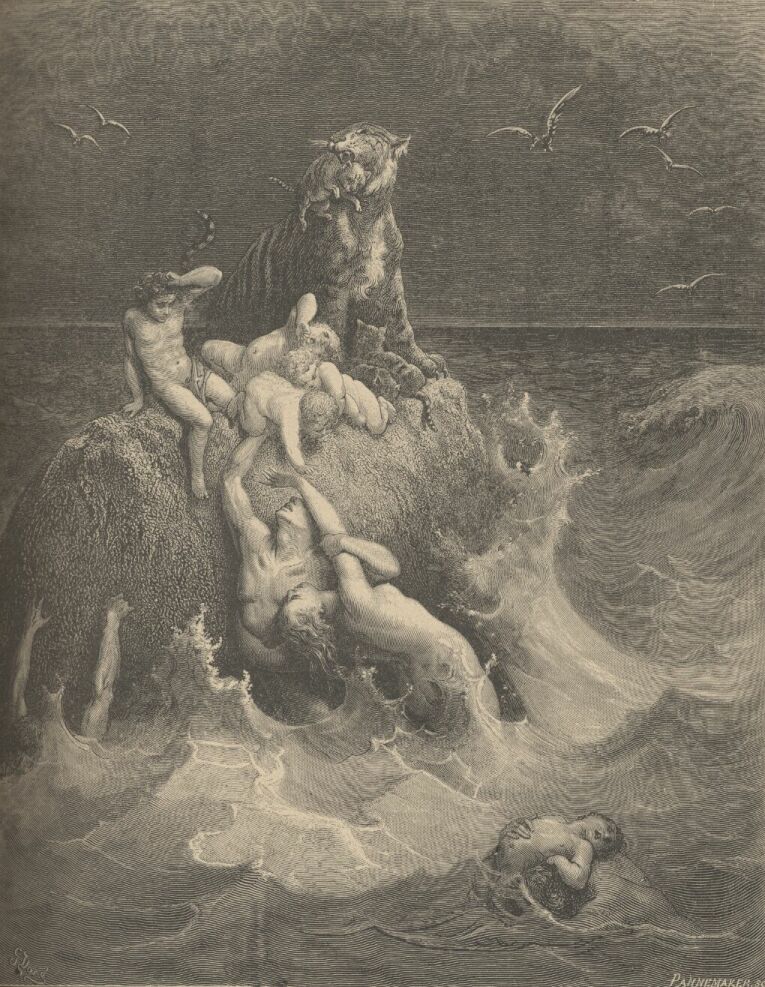
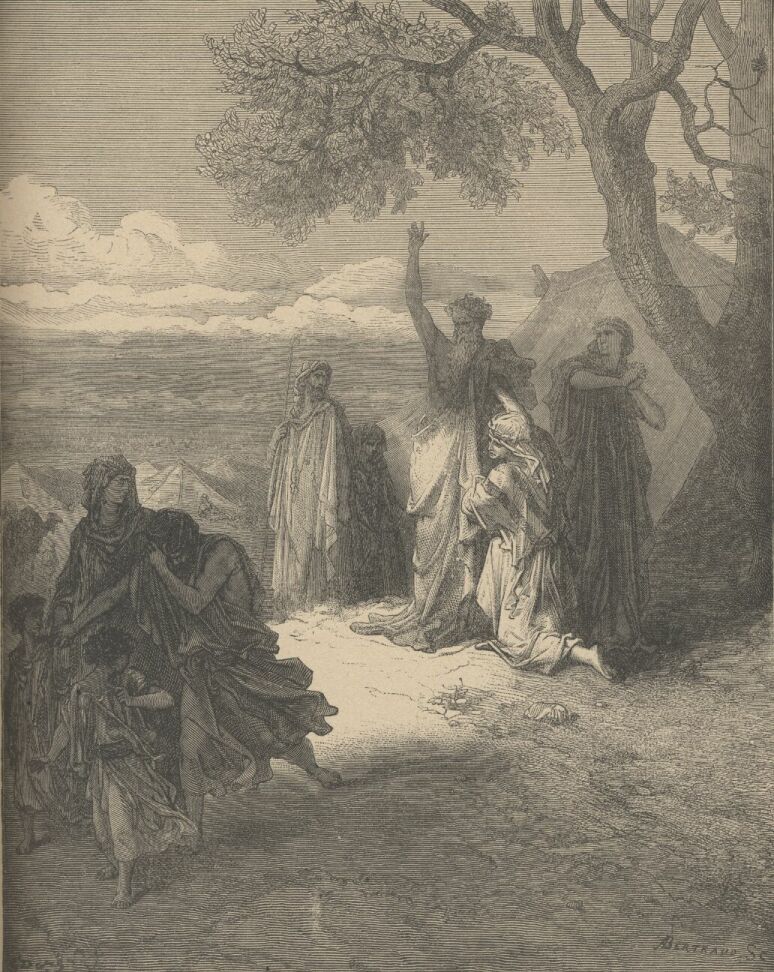
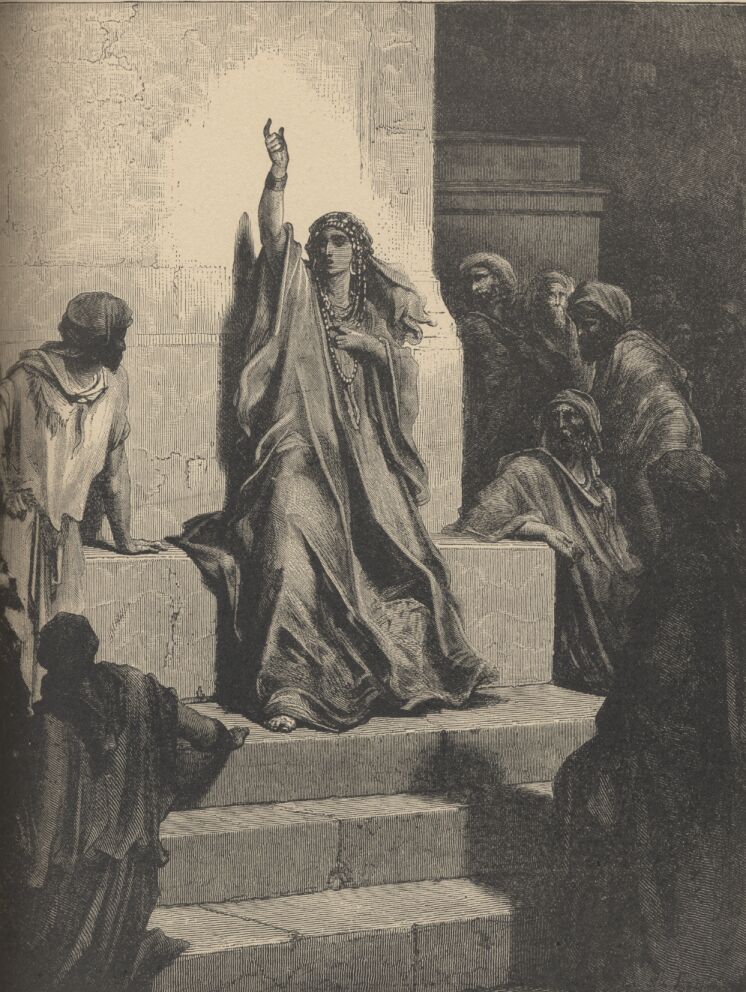
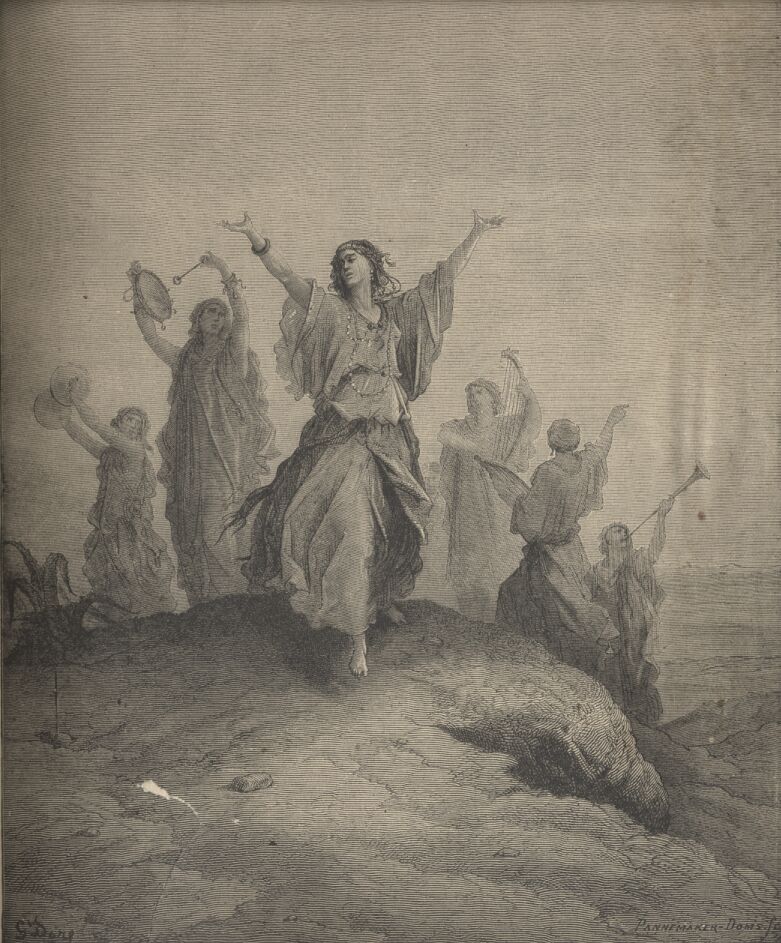
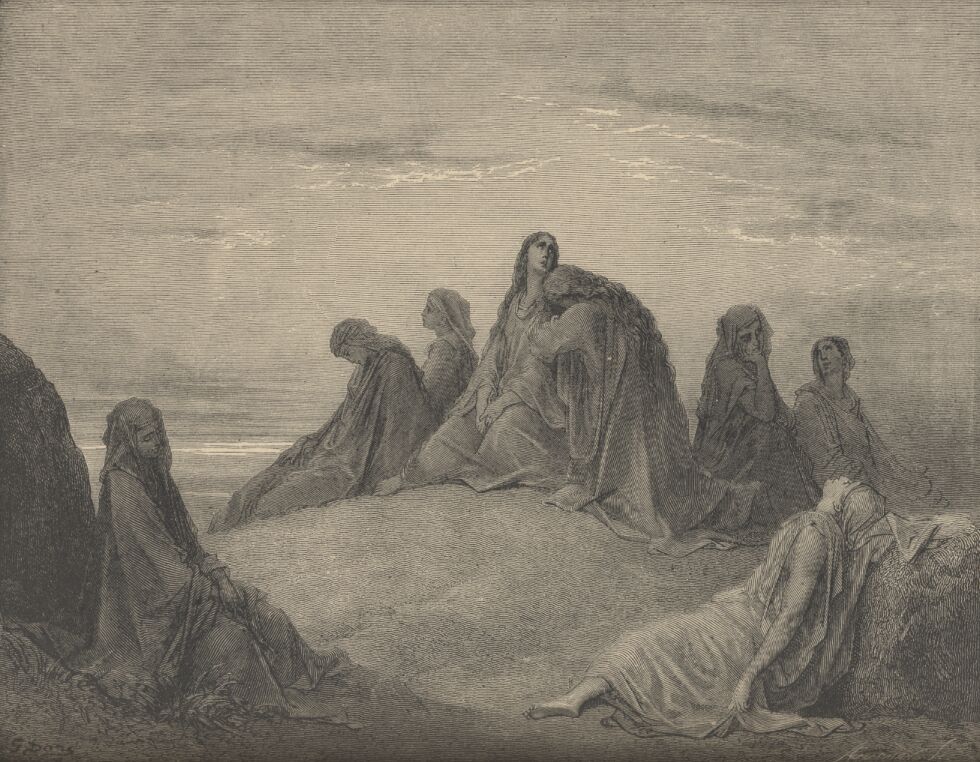
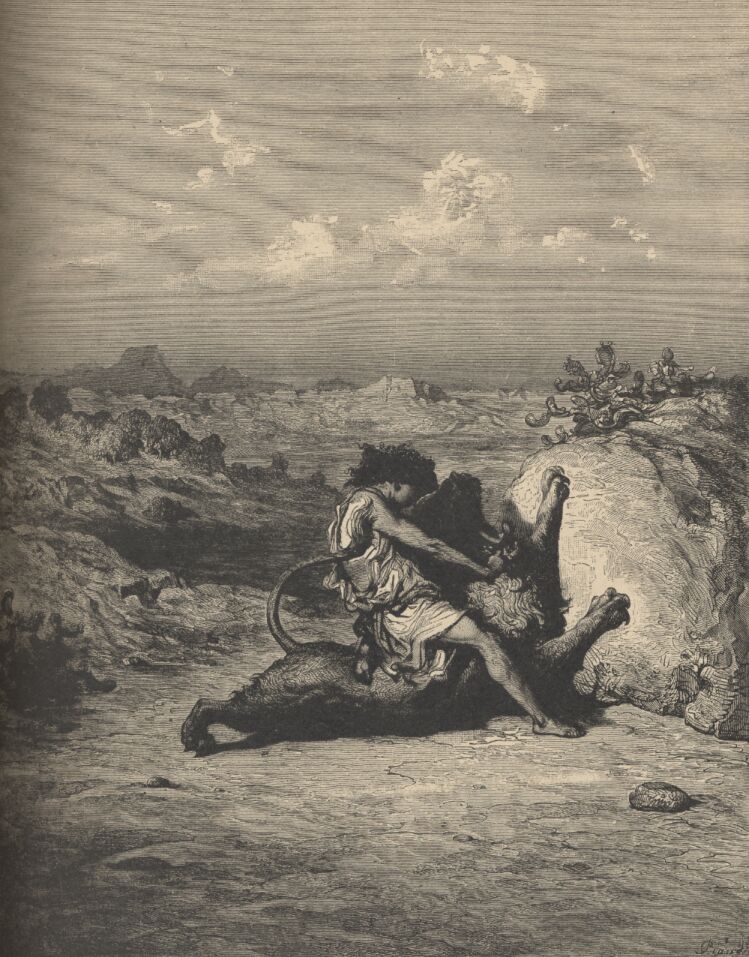
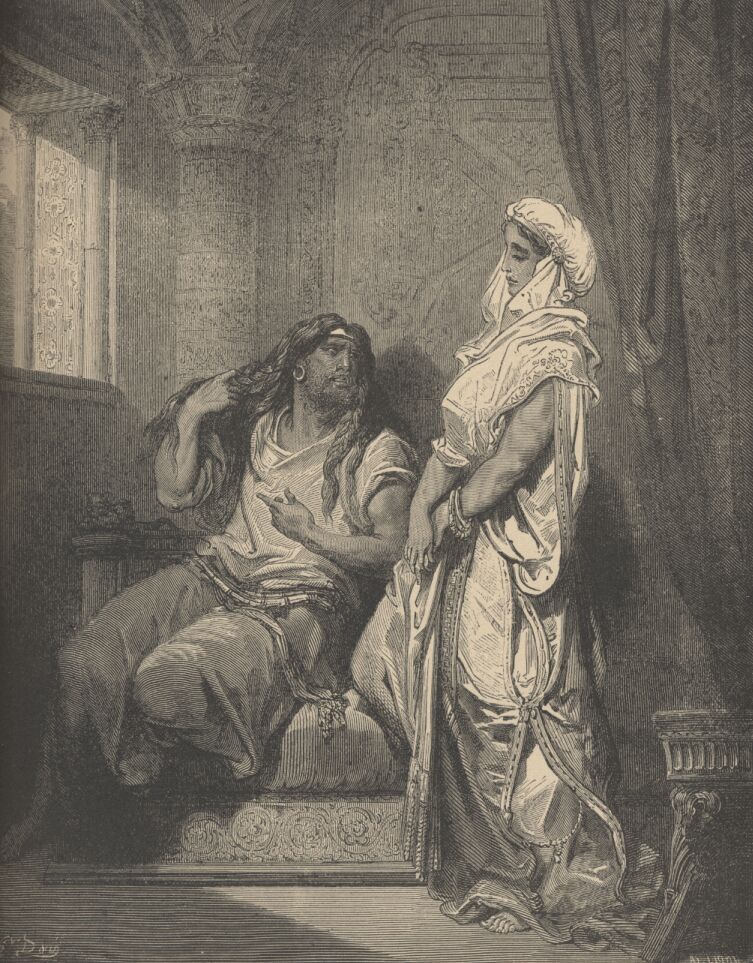
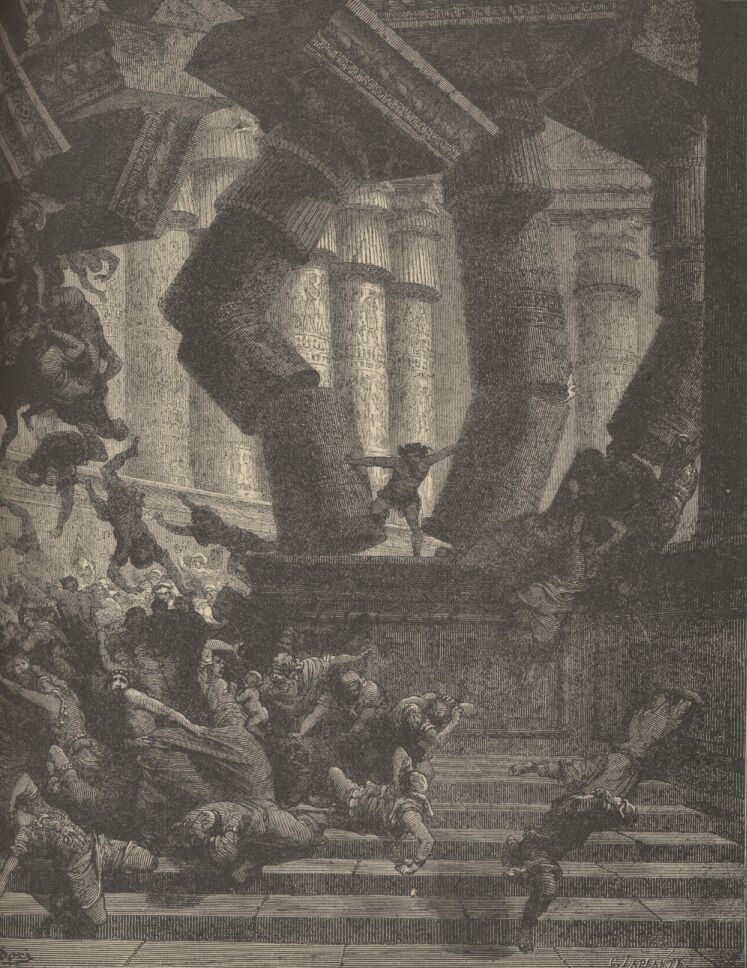
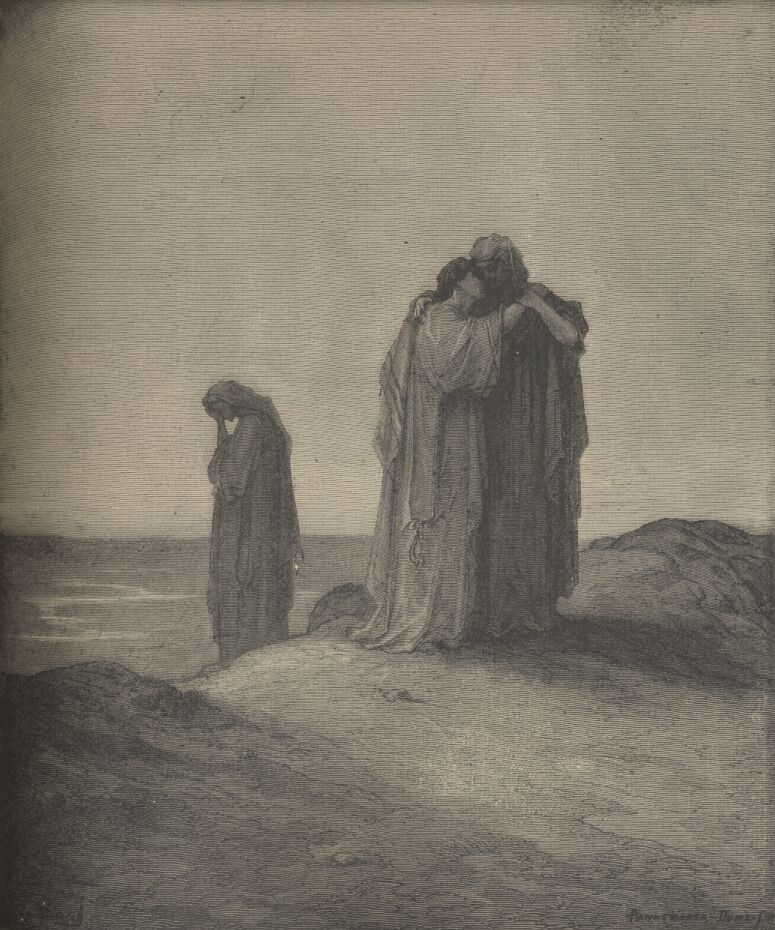
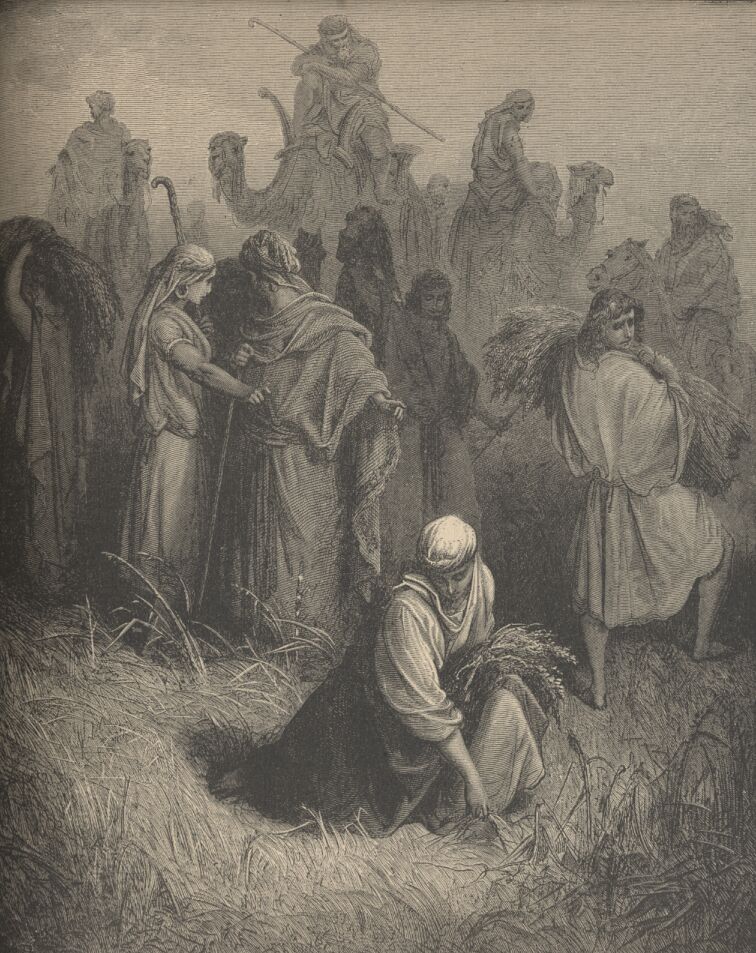
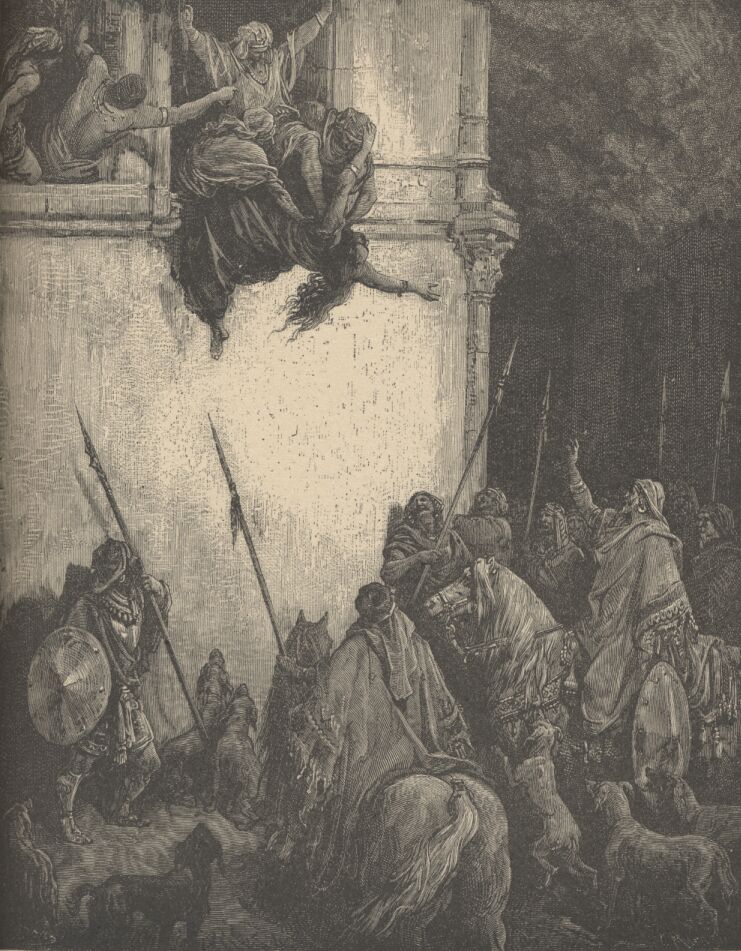
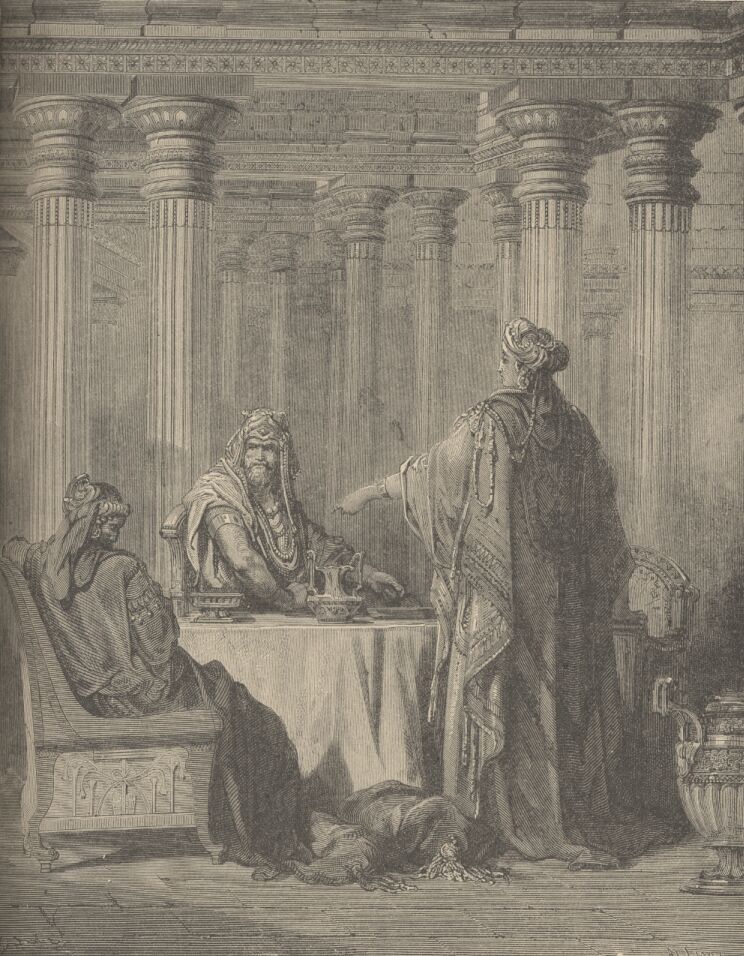
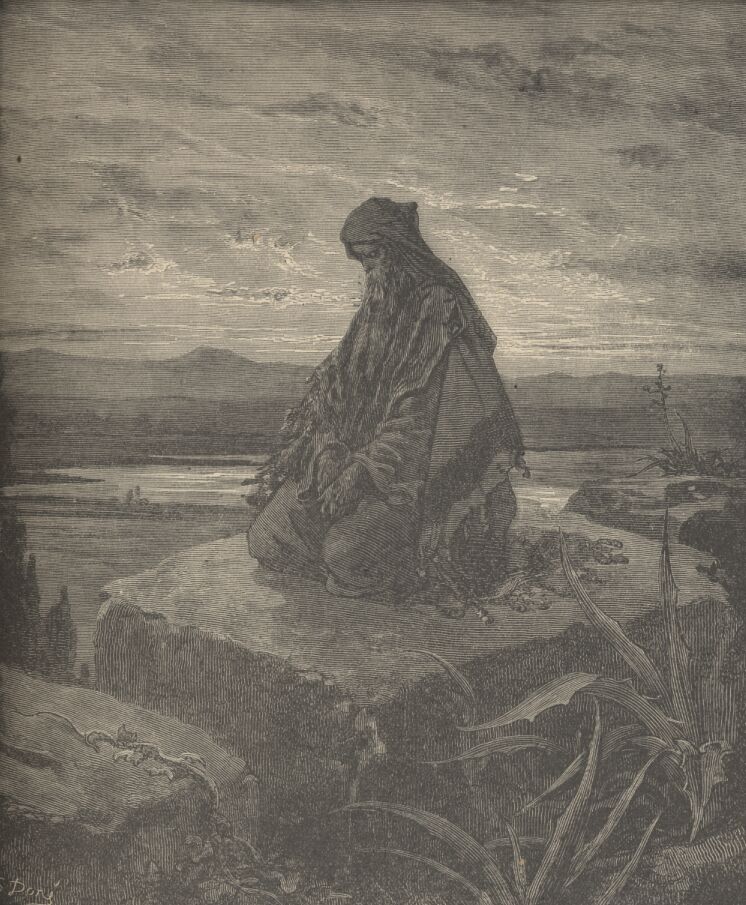
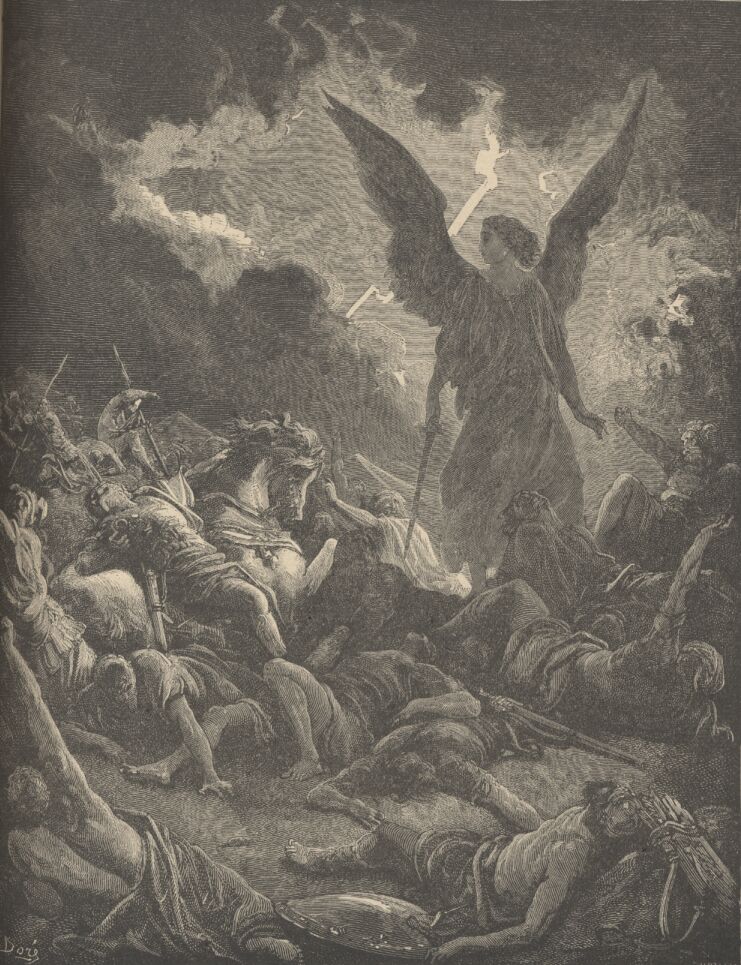
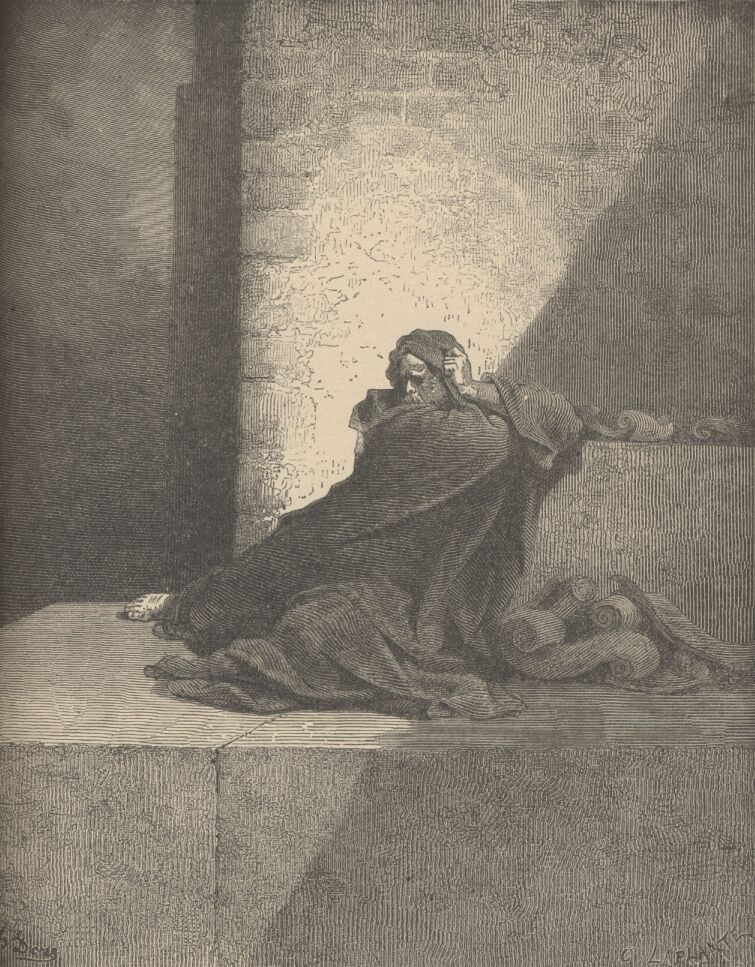
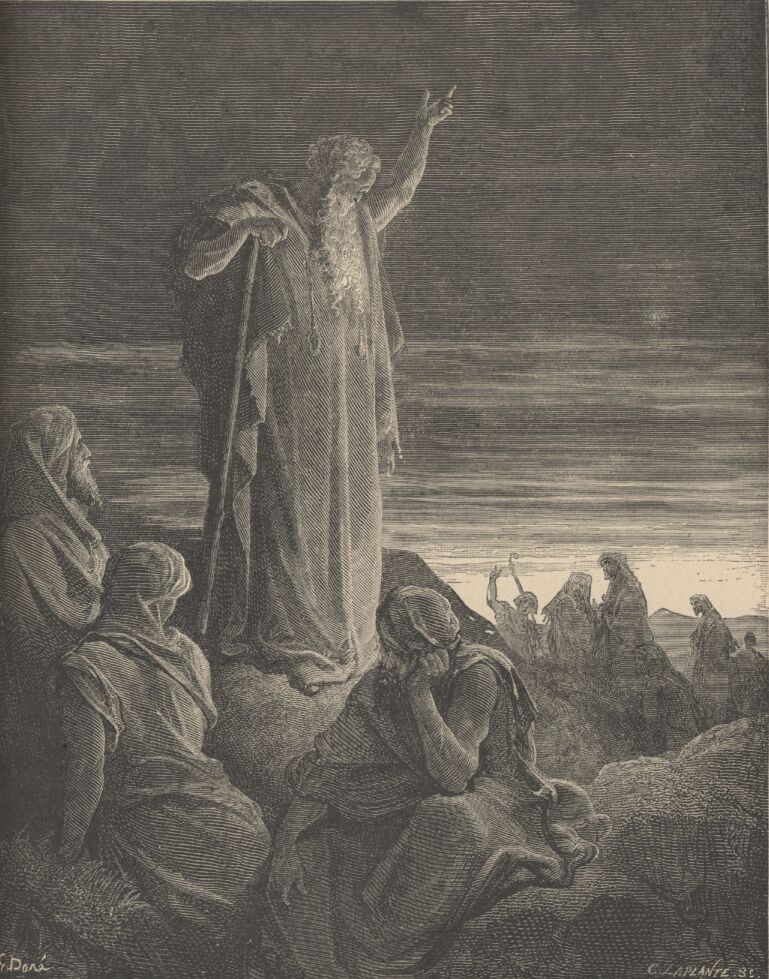
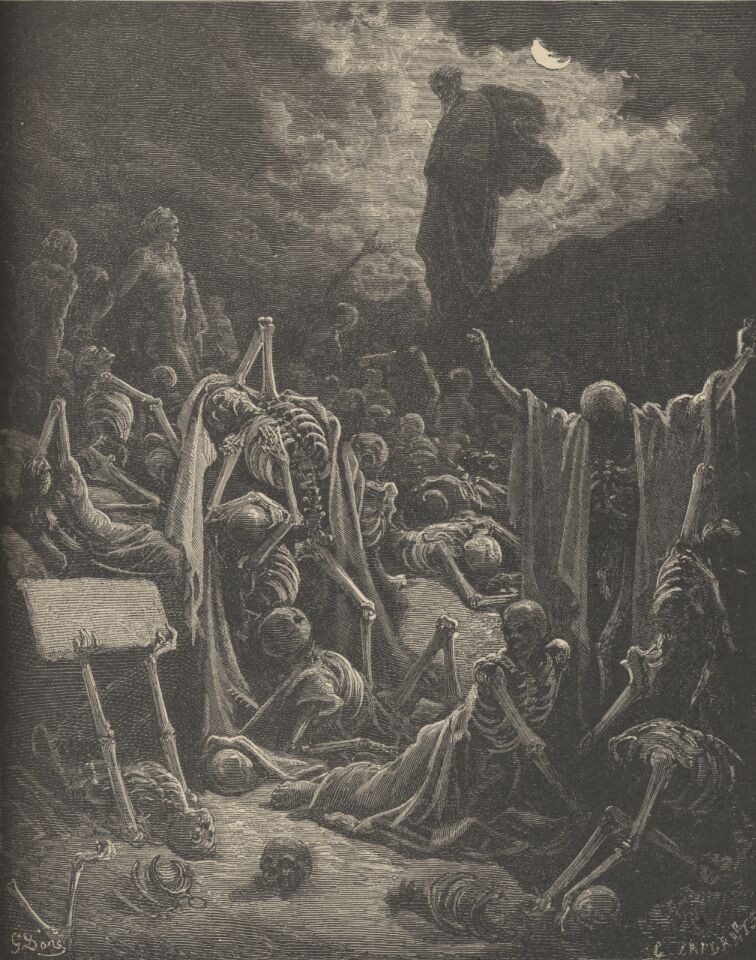
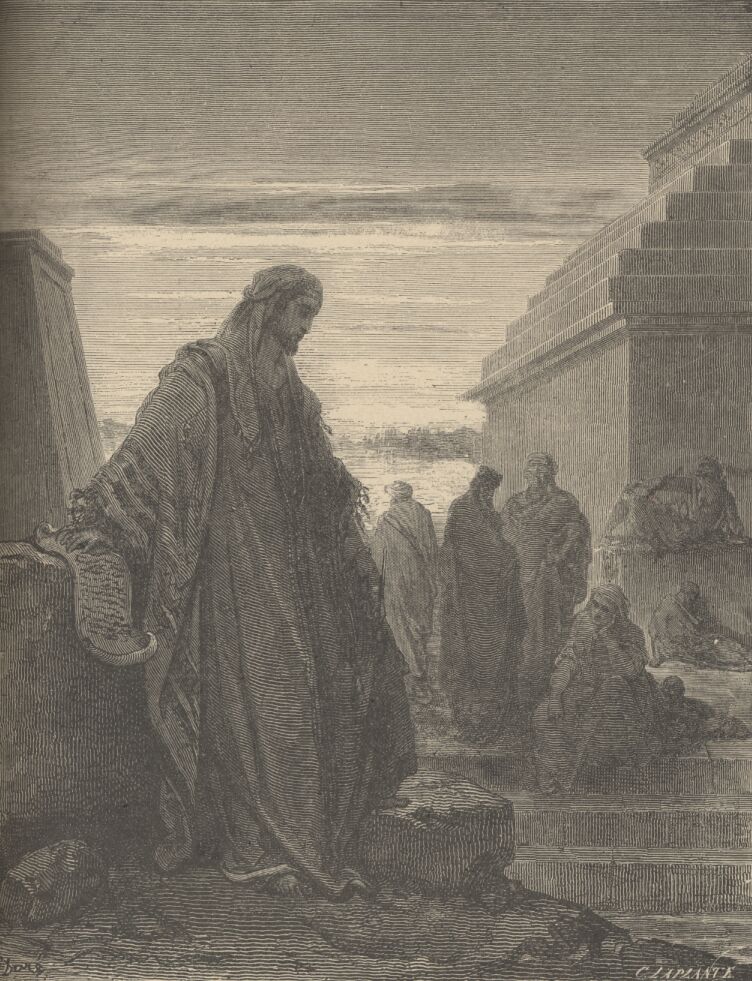
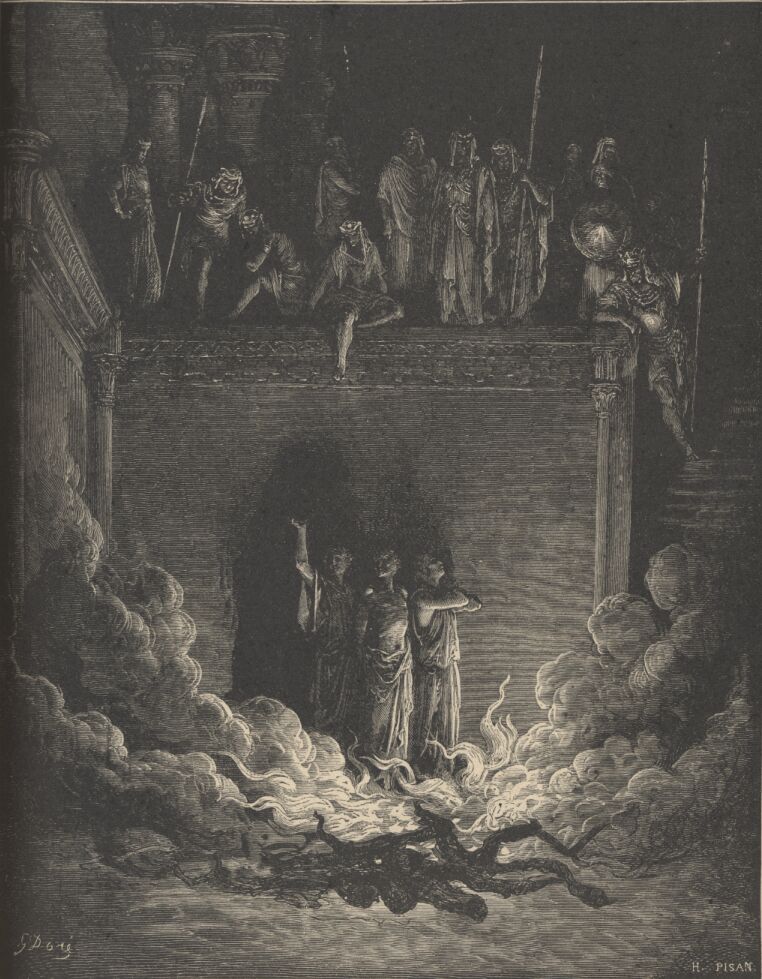
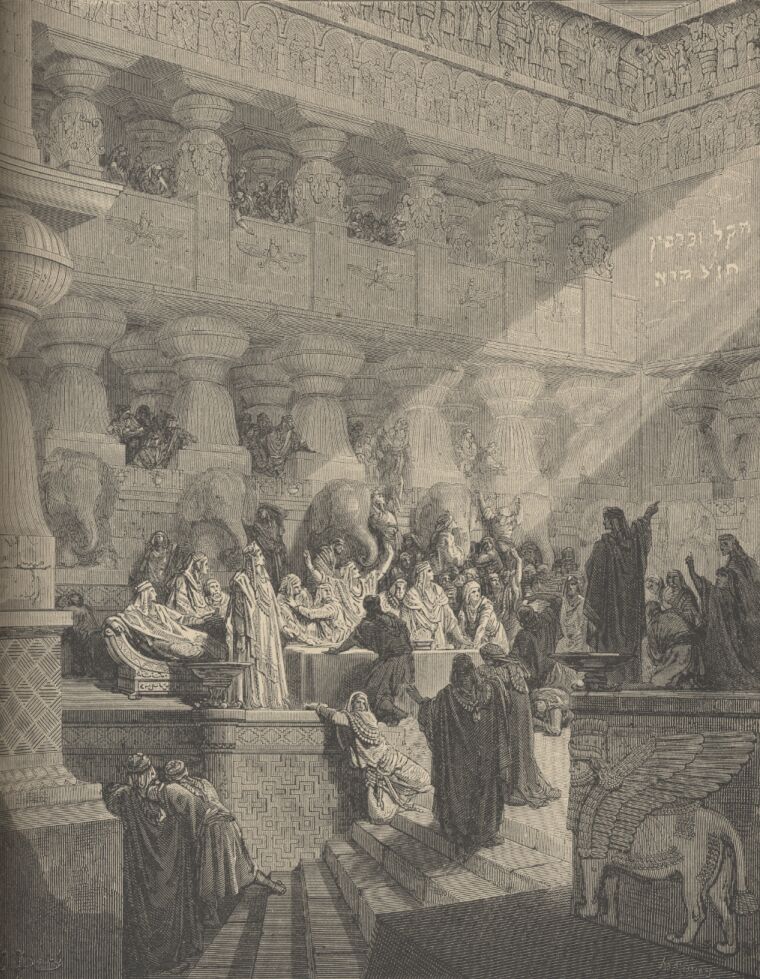
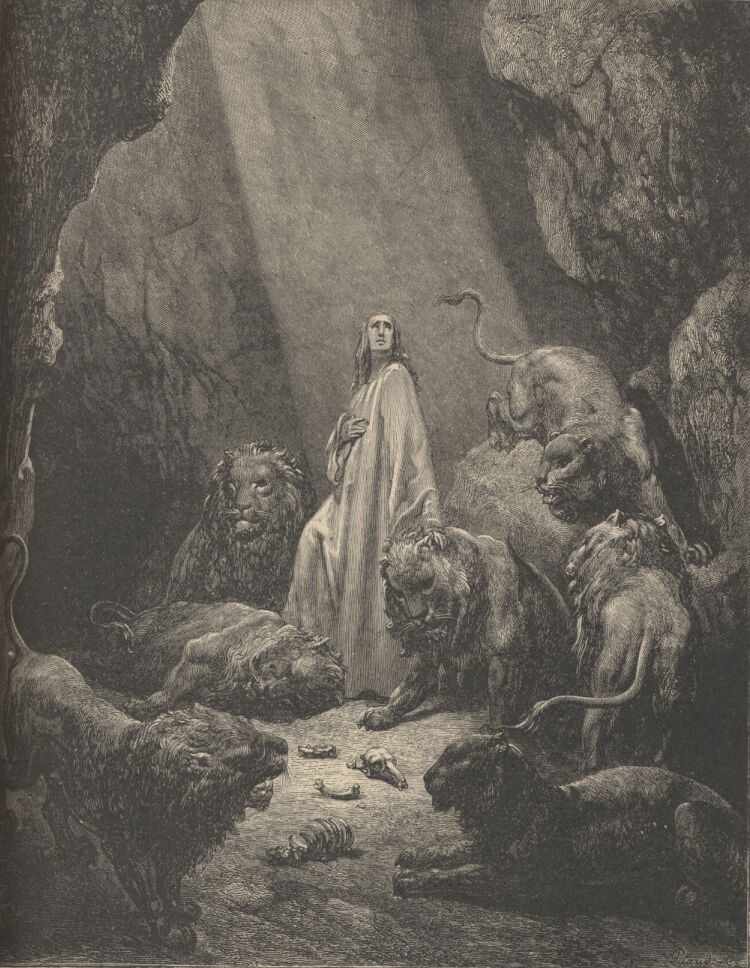
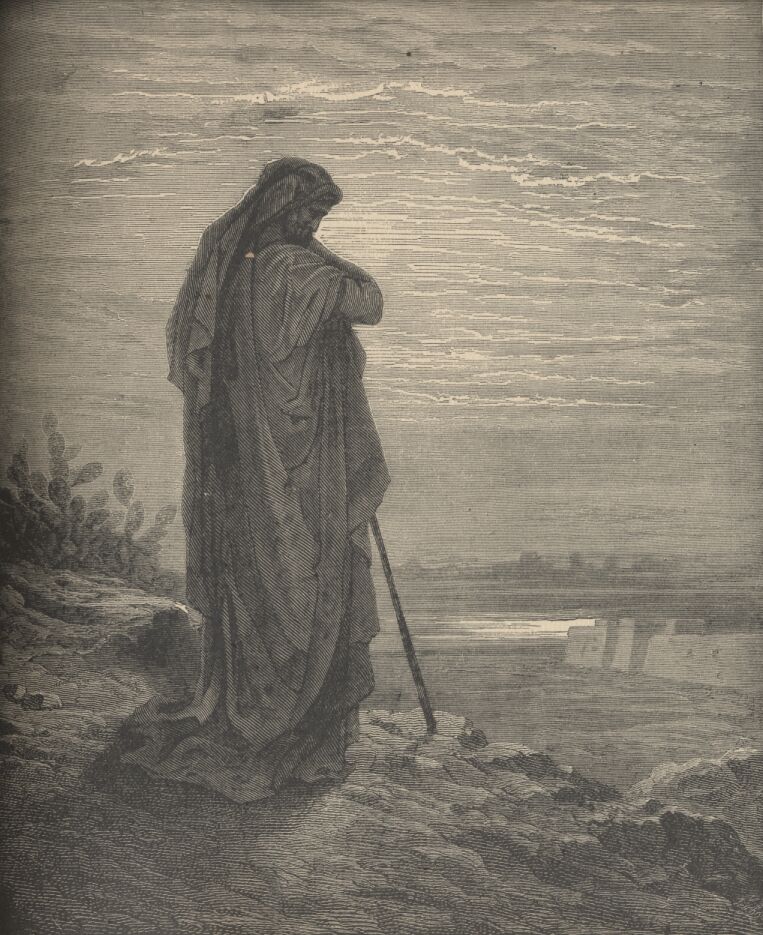
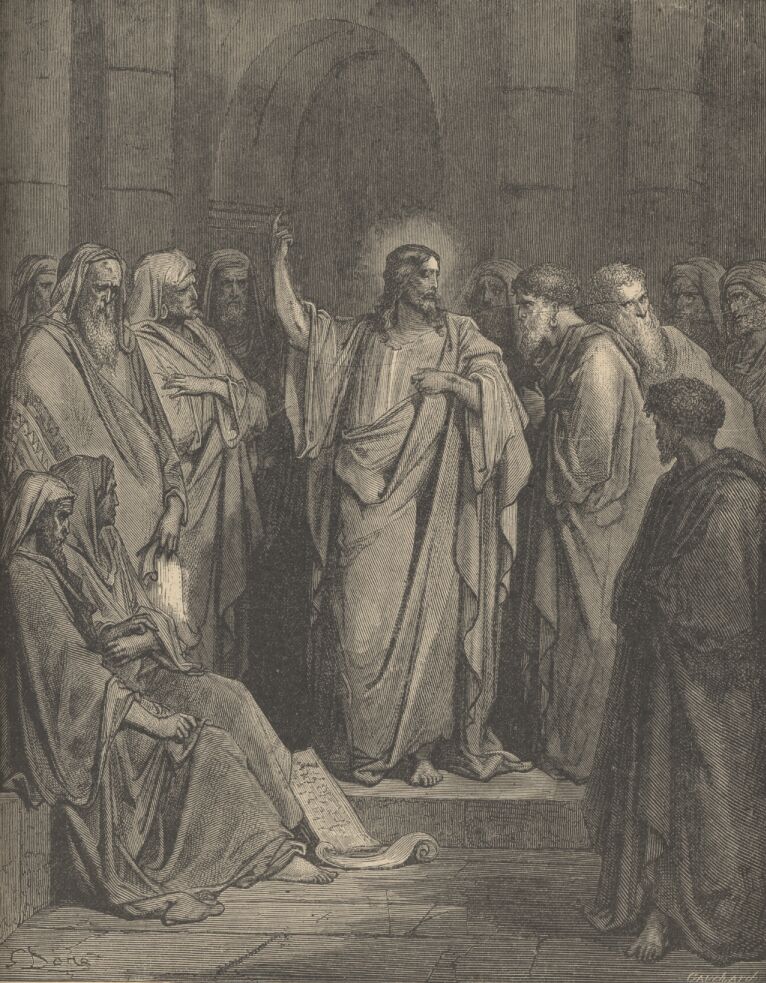
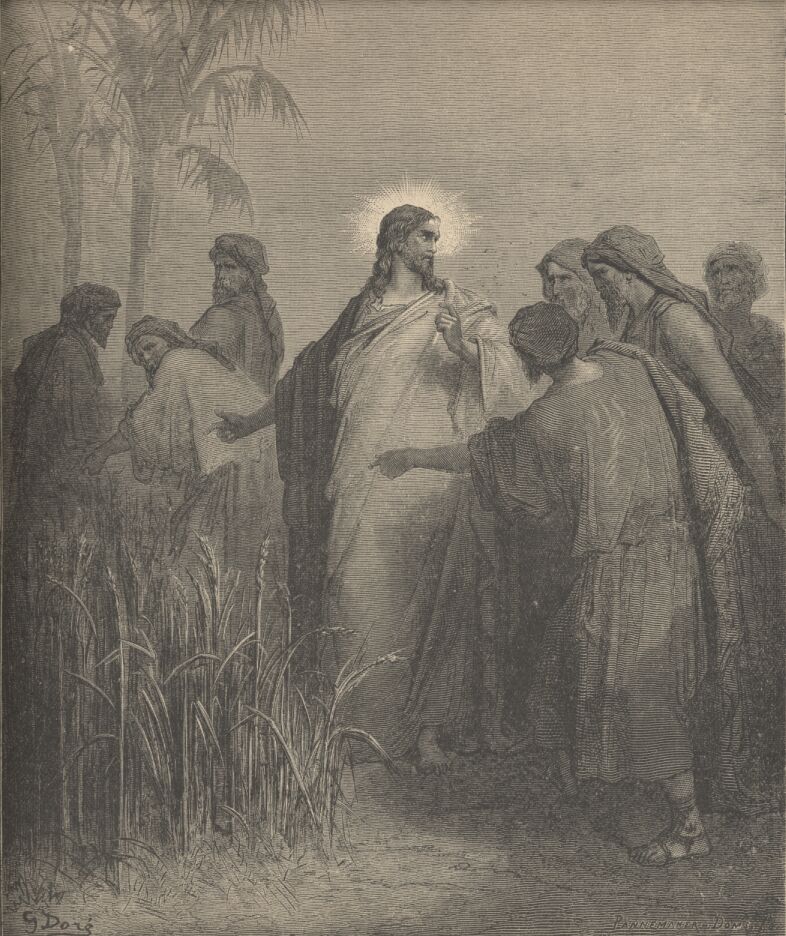
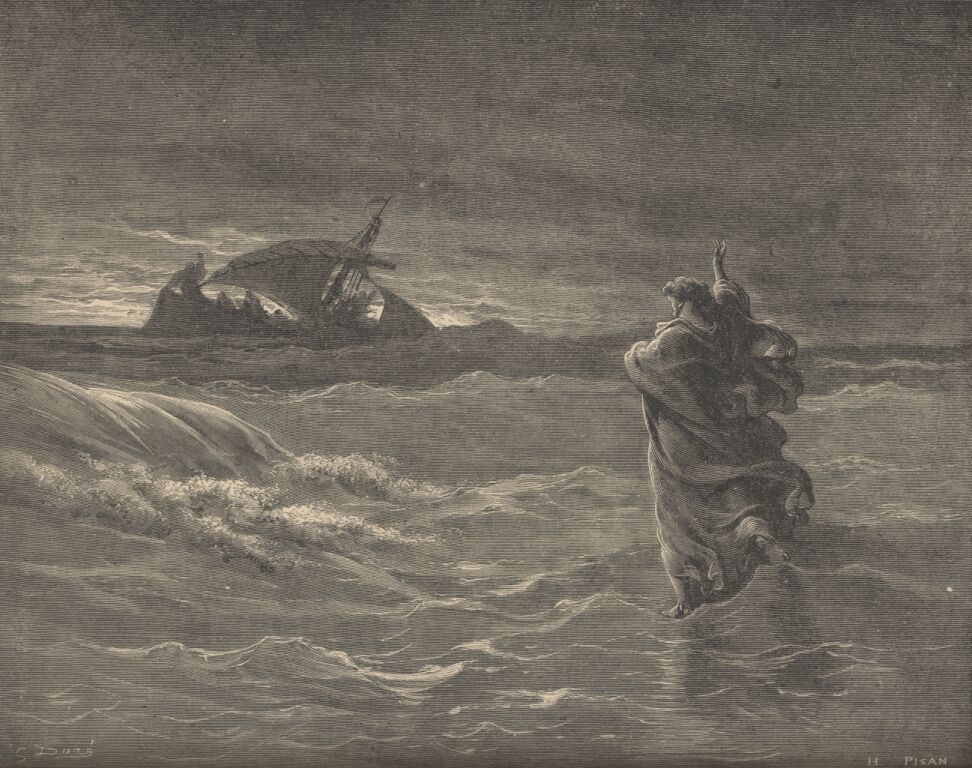
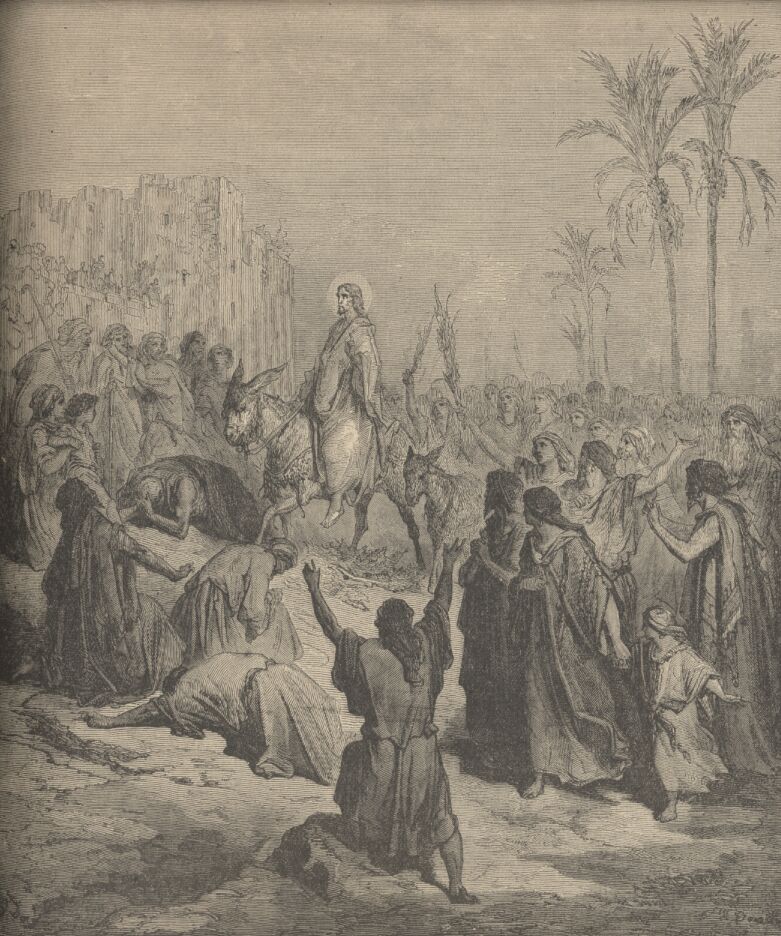
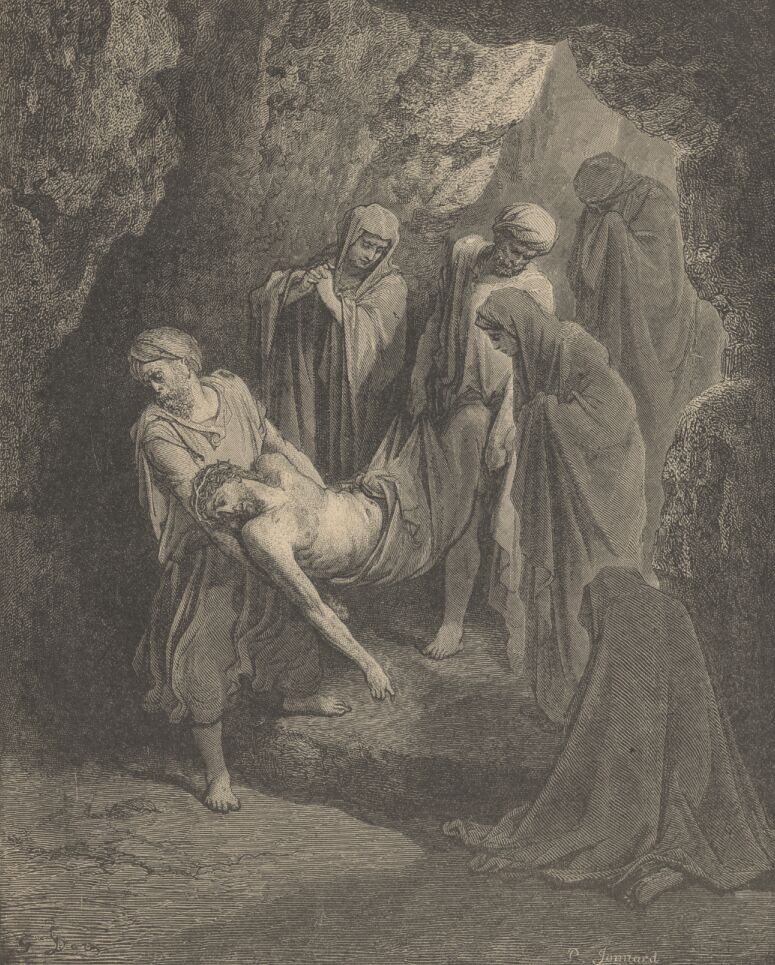
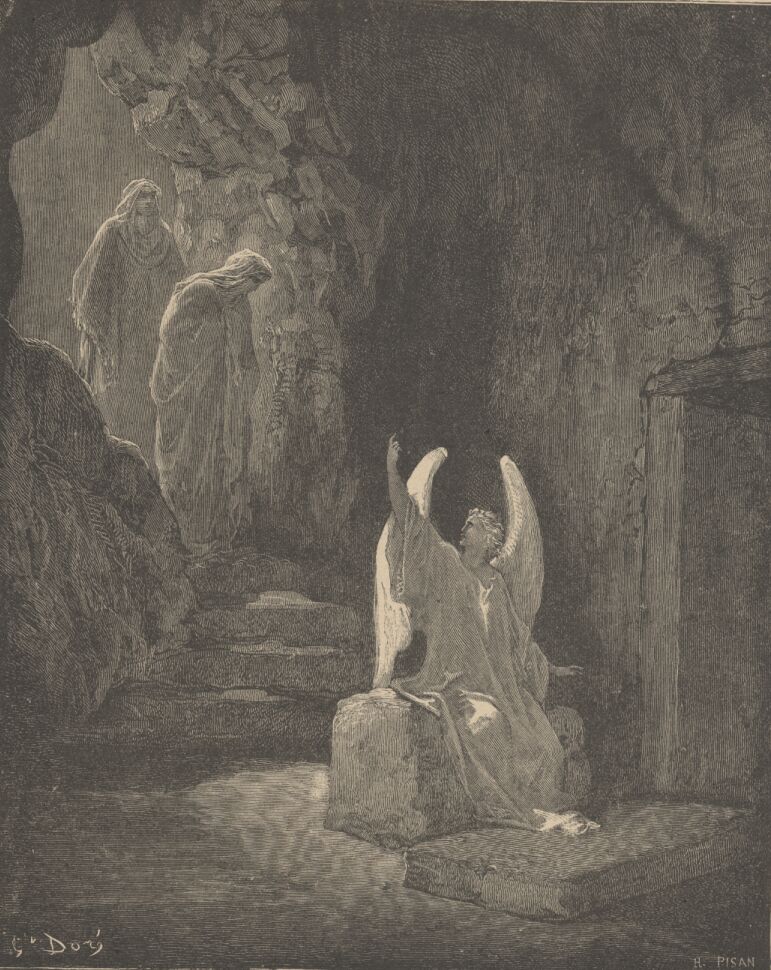
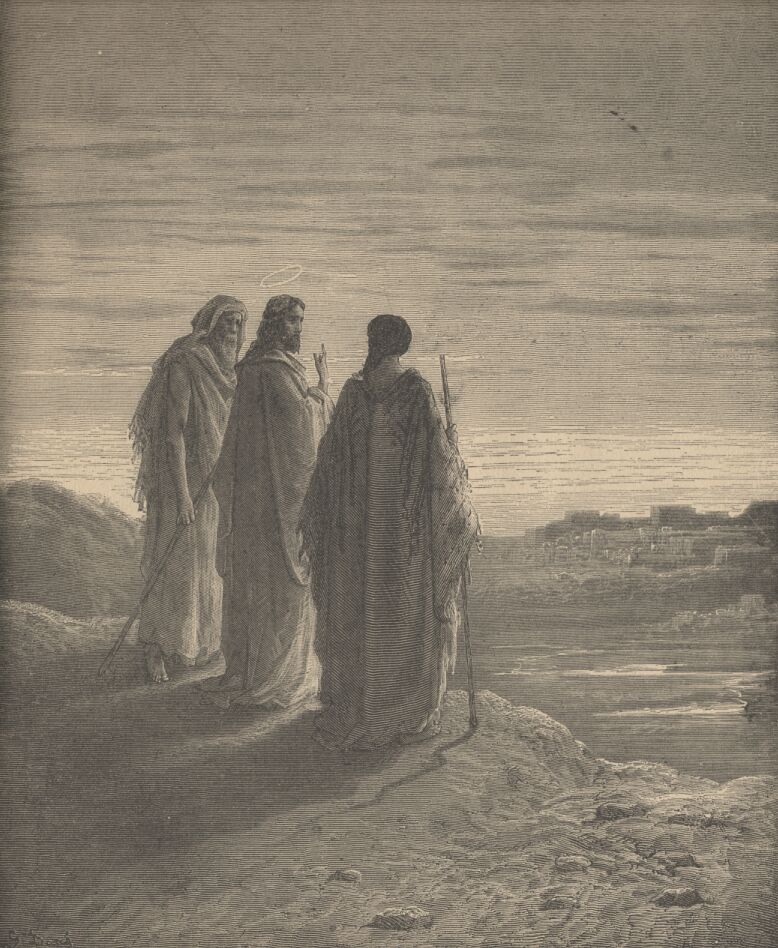
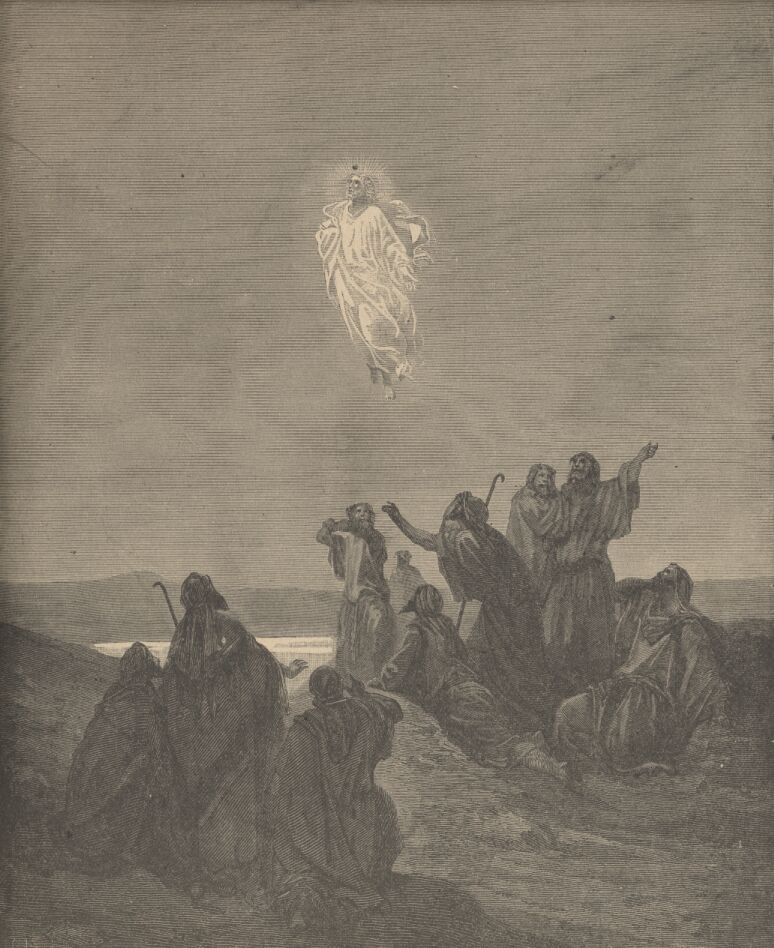
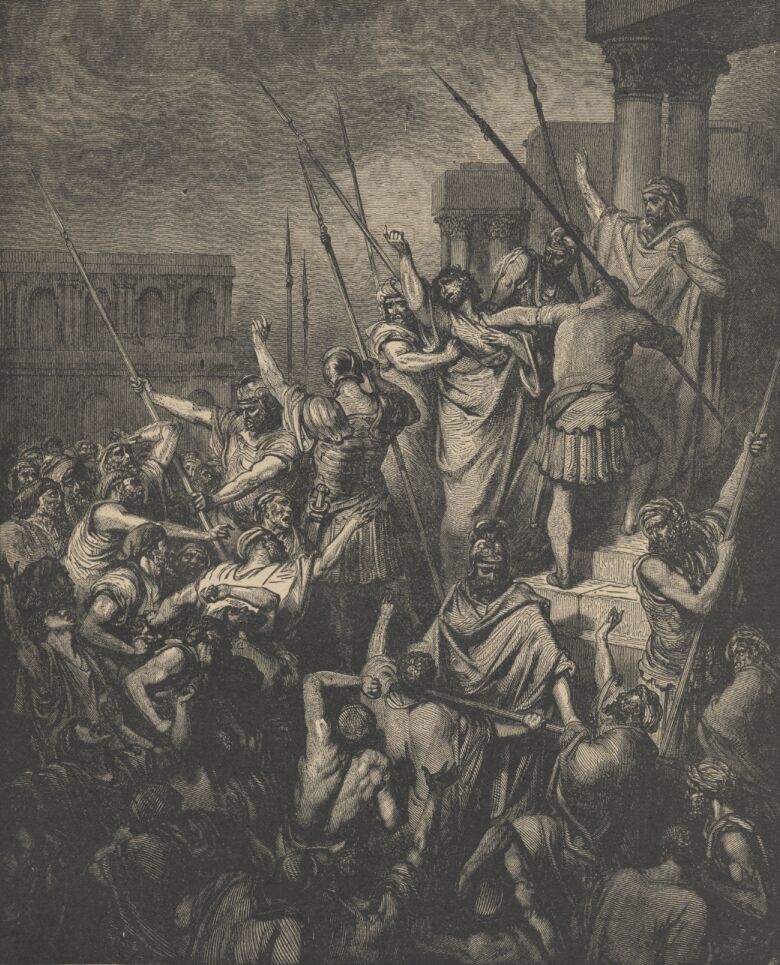
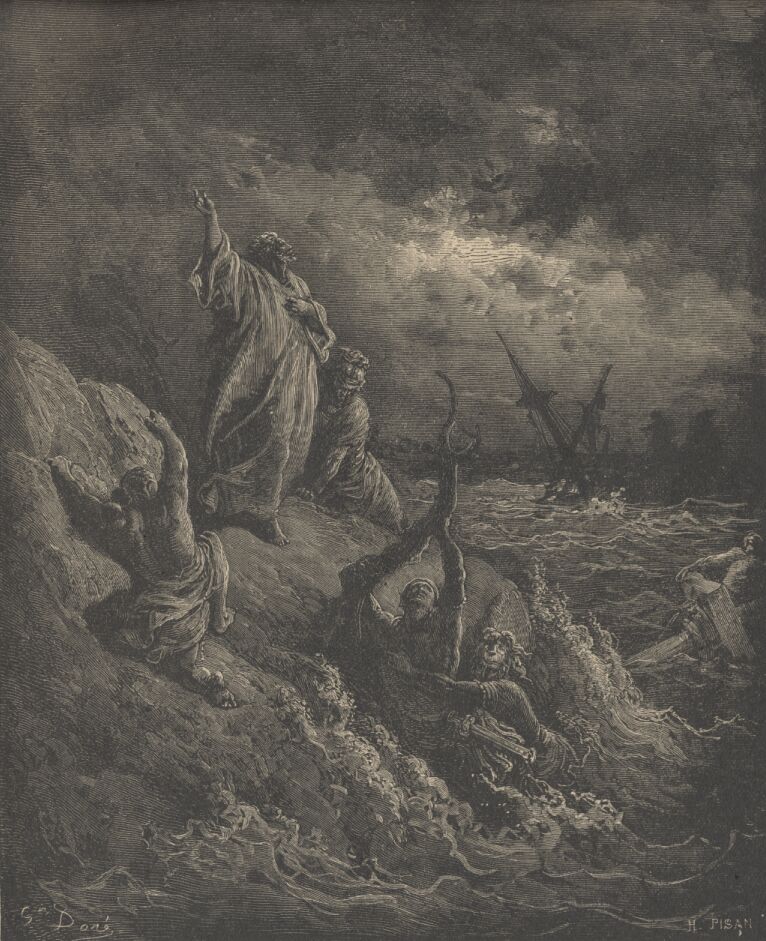
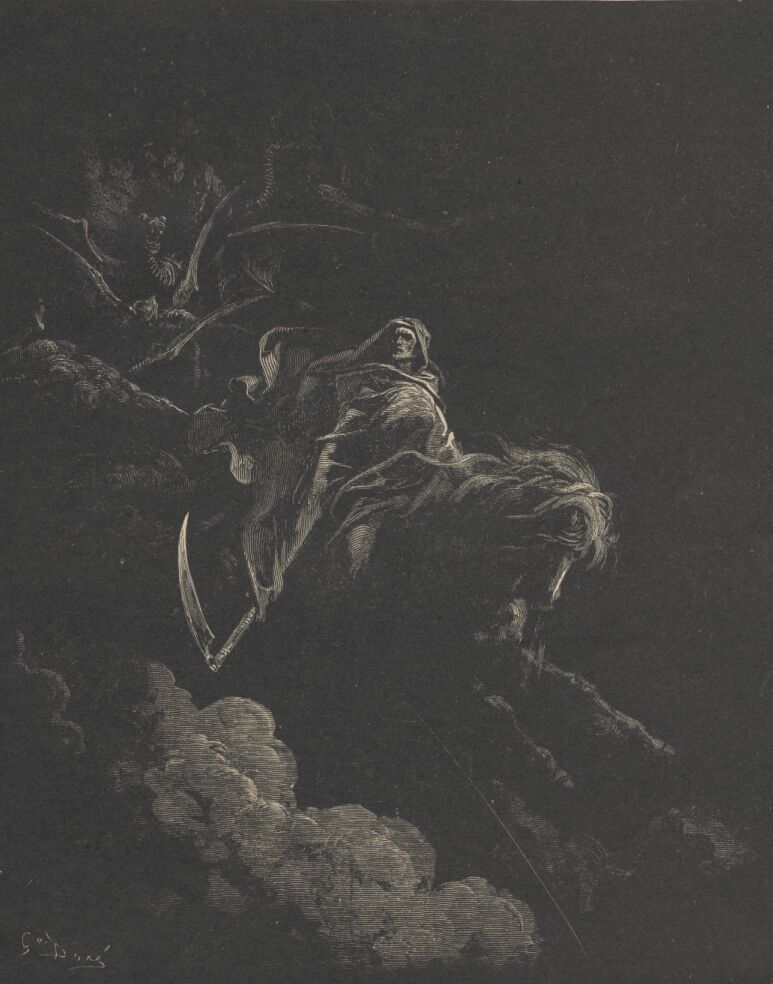
The subject of this sketch is, perhaps, the most original and variously
gifted designer the world has ever known. At an age when most men have
scarcely passed their novitiate in art, and are still under the direction
and discipline of their masters and the schools, he had won a brilliant
reputation, and readers and scholars everywhere were gazing on his work
with ever-increasing wonder and delight at his fine fancy and multifarious
gifts. He has raised illustrative art to a dignity and importance before
unknown, and has developed capacities for the pencil before unsuspected.
He has laid all subjects tribute to his genius, explored and embellished
fields hitherto lying waste, and opened new and shining paths and vistas
where none before had trod. To the works of the great he has added the
lustre of his genius, bringing their beauties into clearer view and
warming them to a fuller life.
His delineations of character, in the different phases of life, from the
horrible to the grotesque, the grand to the comic, attest the versatility
of his powers; and, whatever faults may be found by critics, the public
will heartily render their quota of admiration to his magic touch, his
rich and facile rendering of almost every thought that stirs, or lies yet
dormant, in the human heart. It is useless to attempt a sketch of his
various beauties; those who would know them best must seek them in the
treasure—house that his genius is constantly augmenting with fresh
gems and wealth. To one, however, of his most prominent traits we will
refer—his wonderful rendering of the powers of Nature.
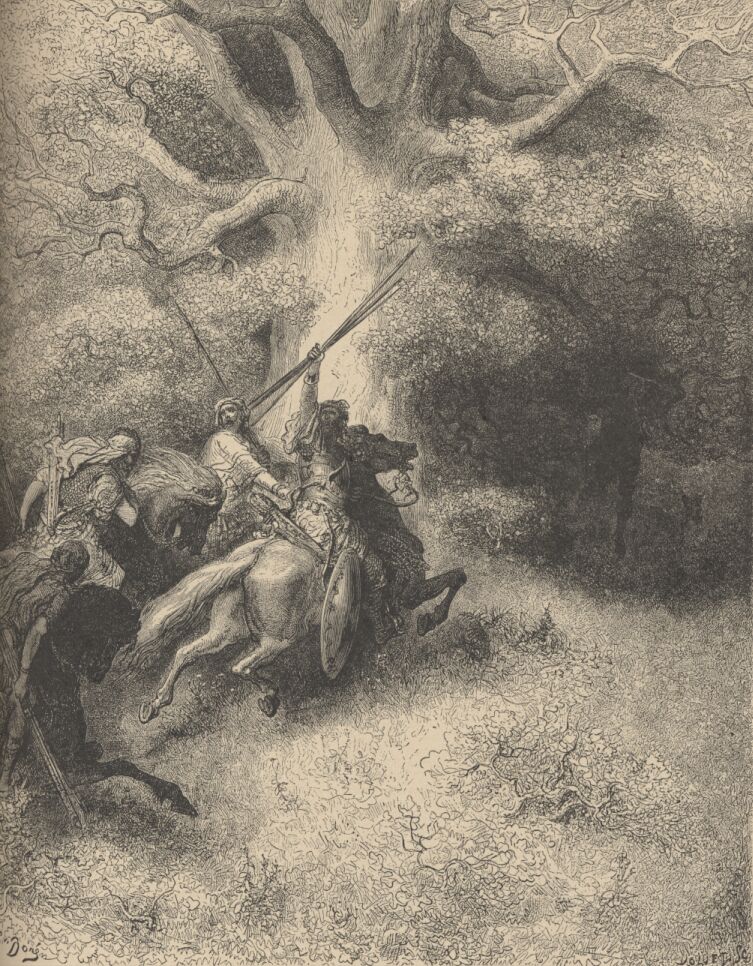
His early wanderings in the wild and romantic passes of the Vosges
doubtless developed this inherent tendency of his mind. There he wandered,
and there, mayhap, imbibed that deep delight of wood and valley, mountain—pass
and rich ravine, whose variety of form and detail seems endless to the
enchanted eye. He has caught the very spell of the wilderness; she has
laid her hand upon him, and he has gone forth with her blessing. So bold
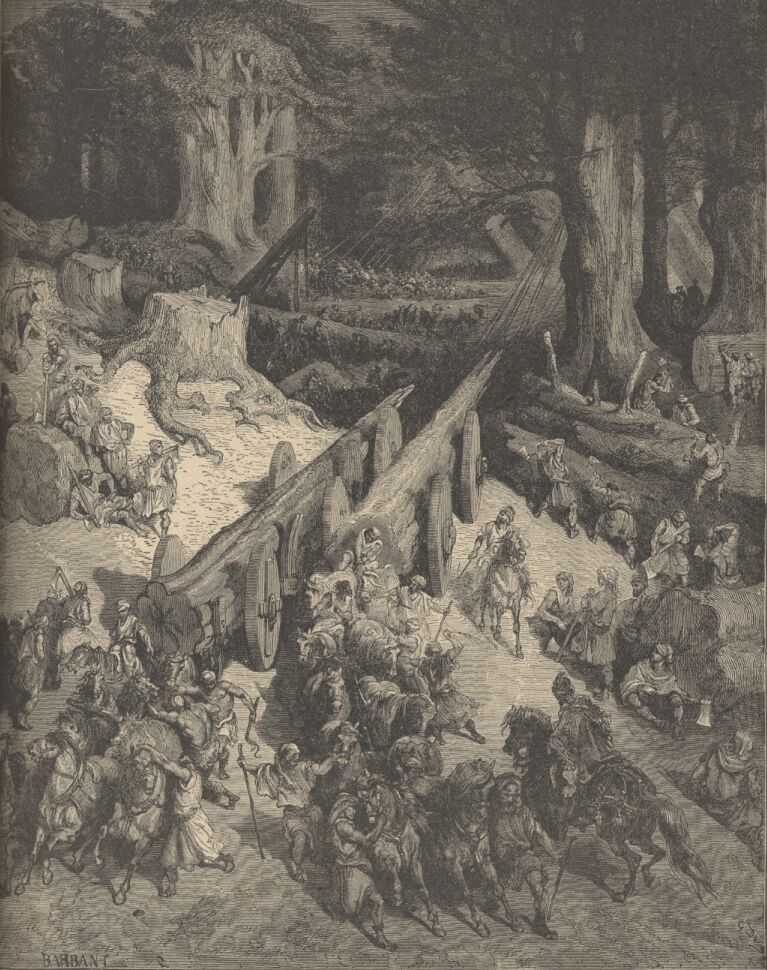
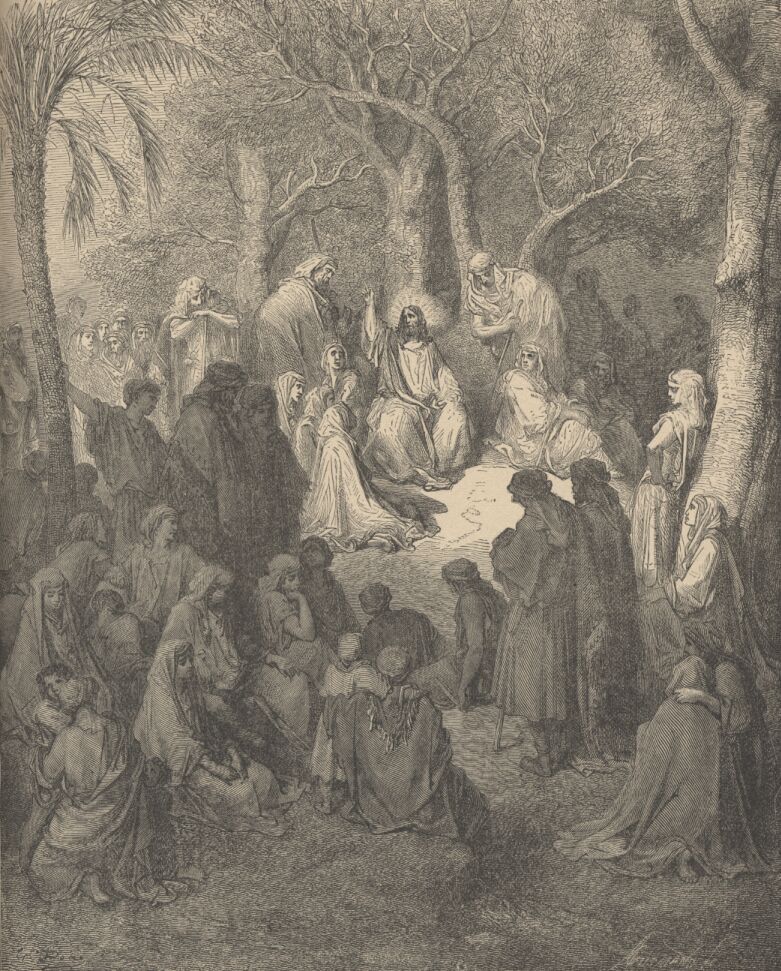
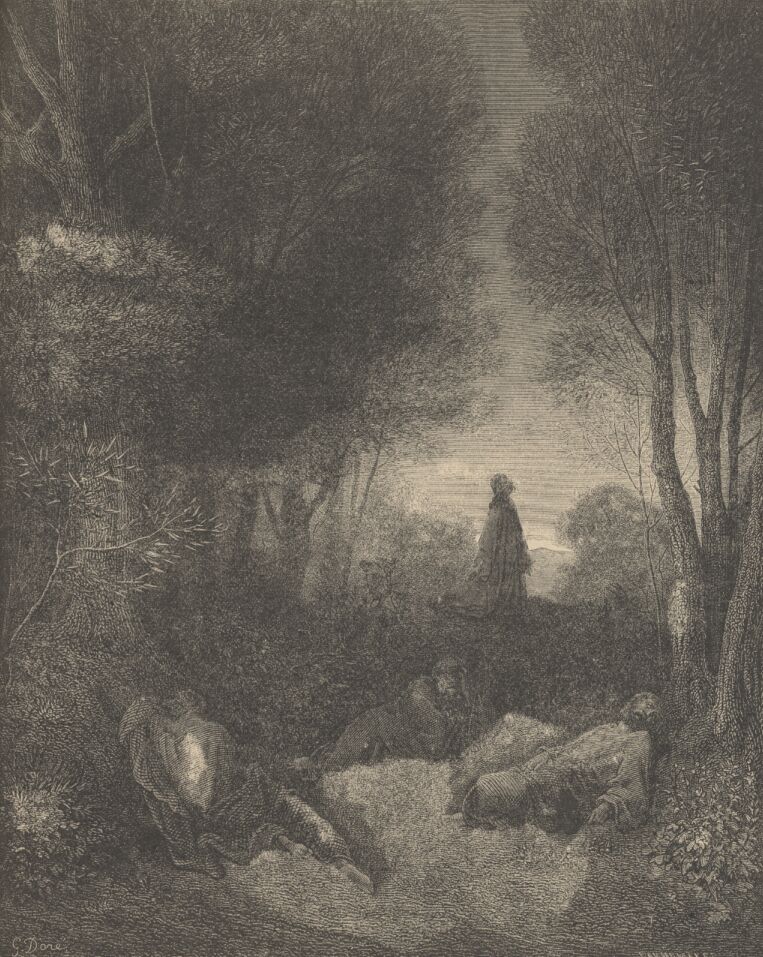
and truthful and minute are his countless representations of forest
scenery; so delicate the tracery of branch and stem; so patriarchal the
giant boles of his woodland monarchs, that the' gazer is at once satisfied
and entranced. His vistas lie slumbering with repose either in shadowy
glade or fell ravine, either with glint of lake or the glad, long course
of some rejoicing stream, and above all, supreme in a beauty all its own,
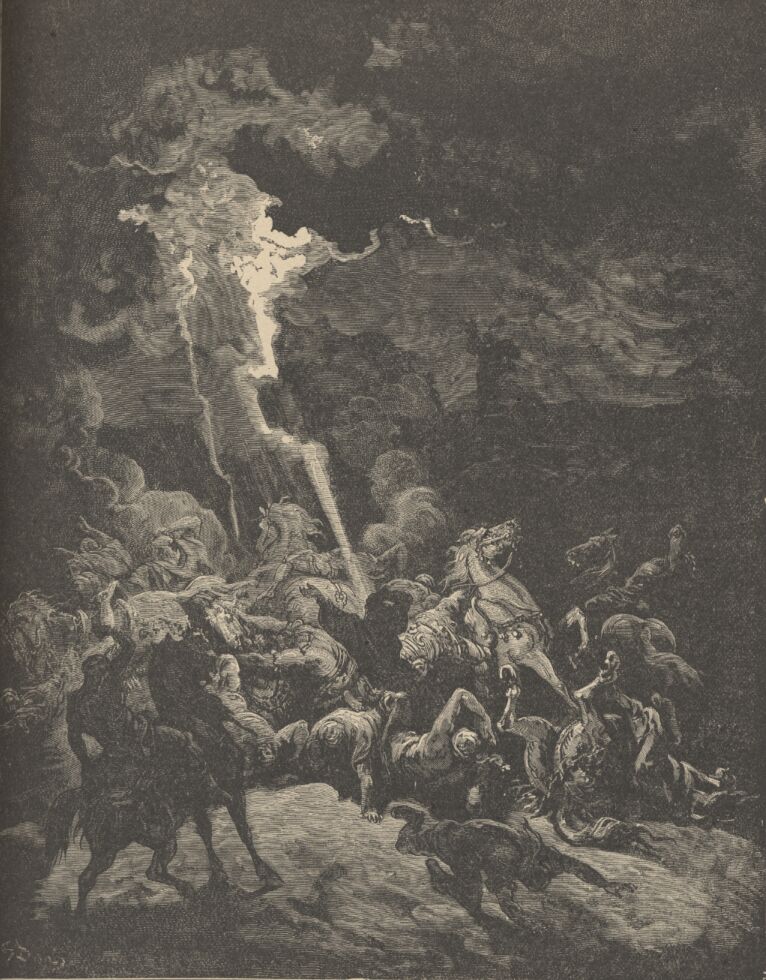
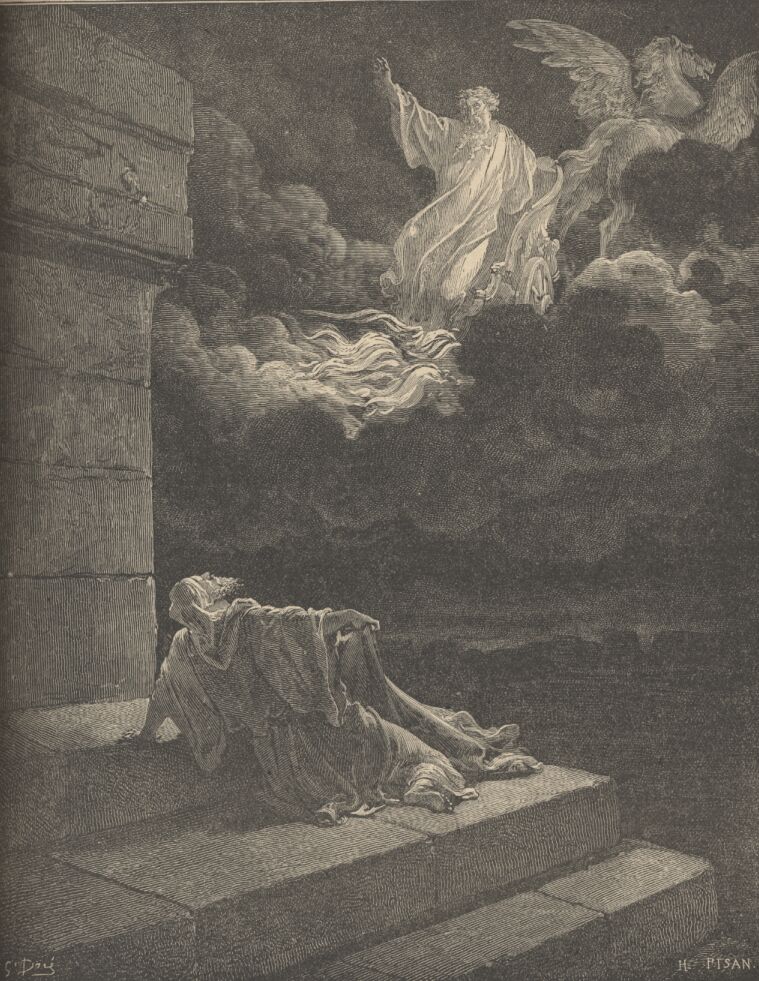
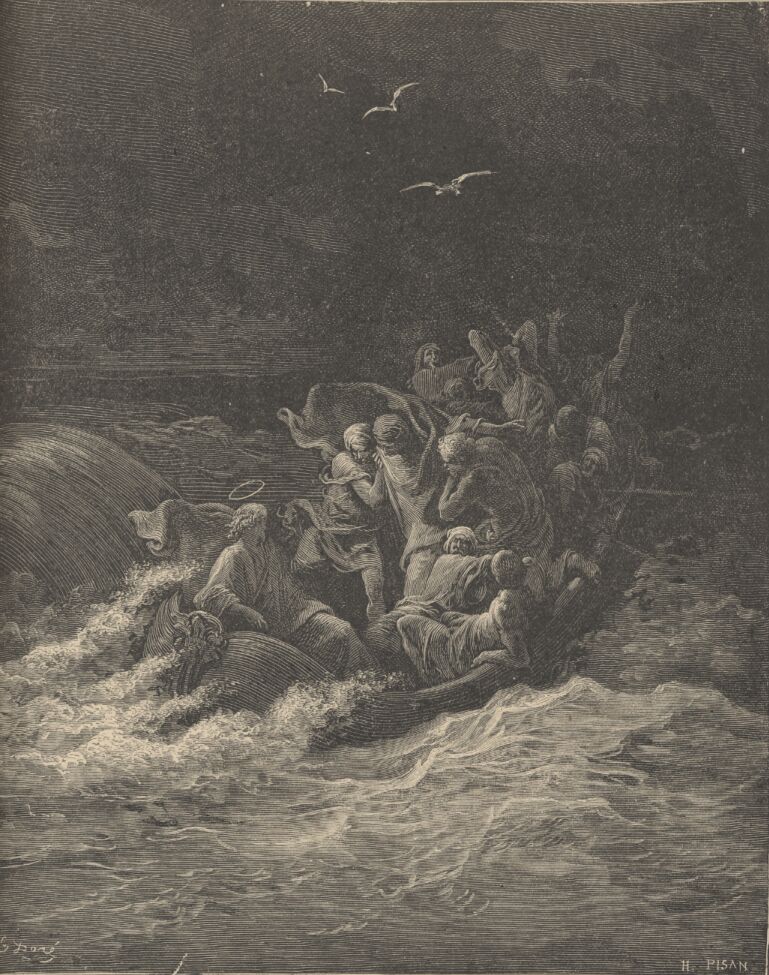
he spreads a canopy of peerless sky, or a wilderness, perhaps, of angry
storm, or peaceful stretches of soft, fleecy cloud, or heavens serene and
fair—another kingdom to his teeming art, after the earth has
rendered all her gifts.
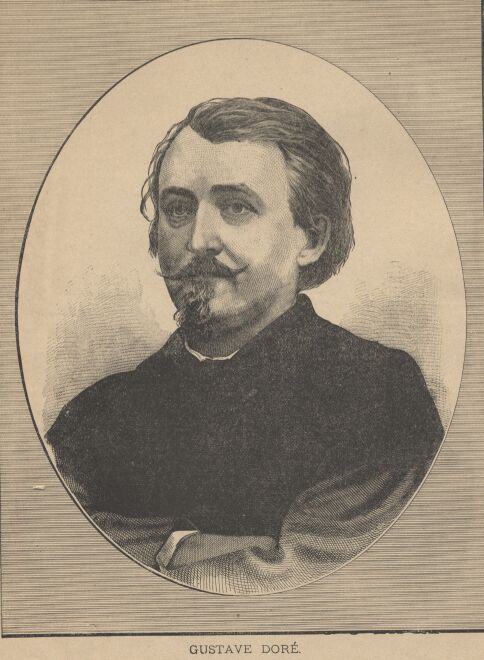
Paul Gustave Dore was born in the city of Strasburg, January 10, 1833. Of
his boyhood we have no very particular account. At eleven years of age,
however, he essayed his first artistic creation—a set' of
lithographs, published in his native city. The following year found him in
Paris, entered as a 7. student at the Charlemagne Lyceum. His first actual
work began in 1848, when his fine series of sketches, the "Labors of
Hercules," was given to the public through the medium of an illustrated,
journal with which he was for a long time connected as designer. In 1856
were published the illustrations for Balzac's "Contes Drolatiques" and
those for "The Wandering Jew "—the first humorous and grotesque in
the highest degree—indeed, showing a perfect abandonment to fancy;
the other weird and supernatural, with fierce battles, shipwrecks,
turbulent mobs, and nature in her most forbidding and terrible aspects.
Every incident or suggestion that could possibly make the story more
effective, or add to the horror of the scenes was seized upon and
portrayed with wonderful power. These at once gave the young designer a
great reputation, which was still more enhanced by his subsequent works.
With all his love for nature and his power of interpreting her in her
varying moods, Dore was a dreamer, and many of his finest achievements
were in the realm of the imagination. But he was at home in the actual
world also, as witness his designs for "Atala," "London—a
Pilgrimage," and many of the scenes in "Don Quixote."
When account is taken of the variety of his designs, and the fact
considered that in almost every task he attempted none had ventured before
him, the amount of work he accomplished is fairly incredible. To enumerate
the immense tasks he undertook—some single volumes alone containing
hundreds of illustrations—will give some faint idea of his industry.
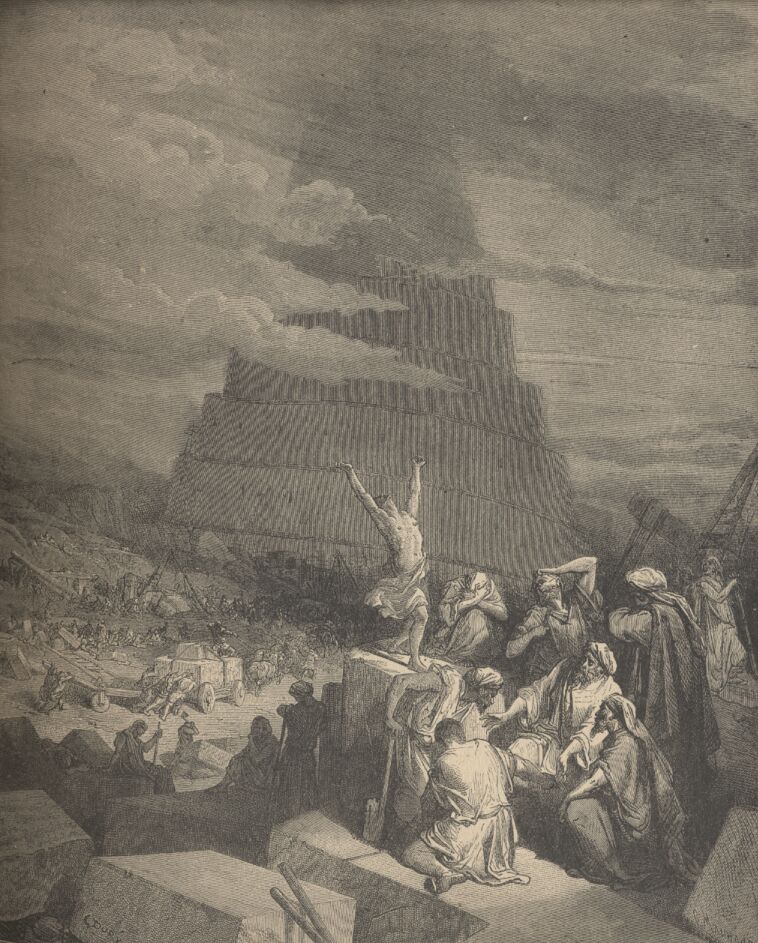
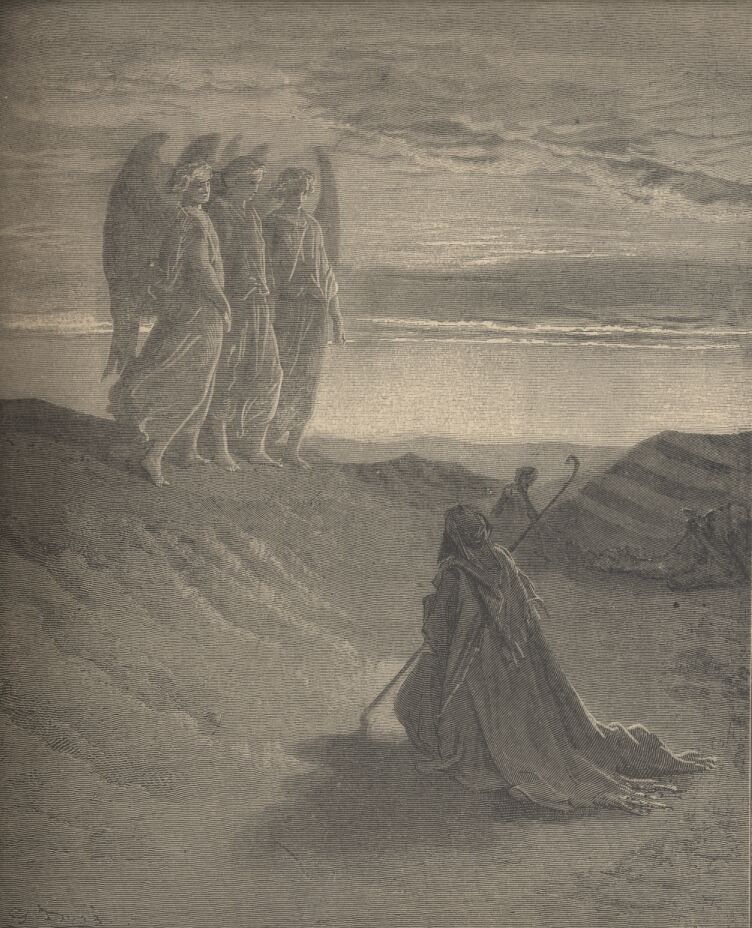
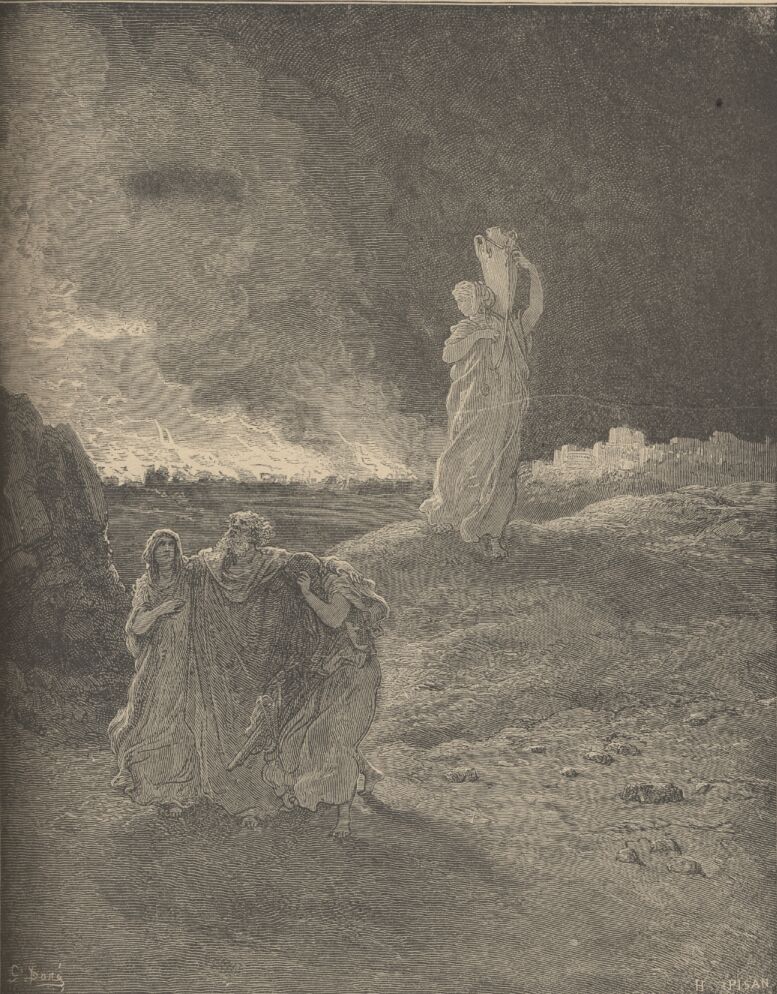
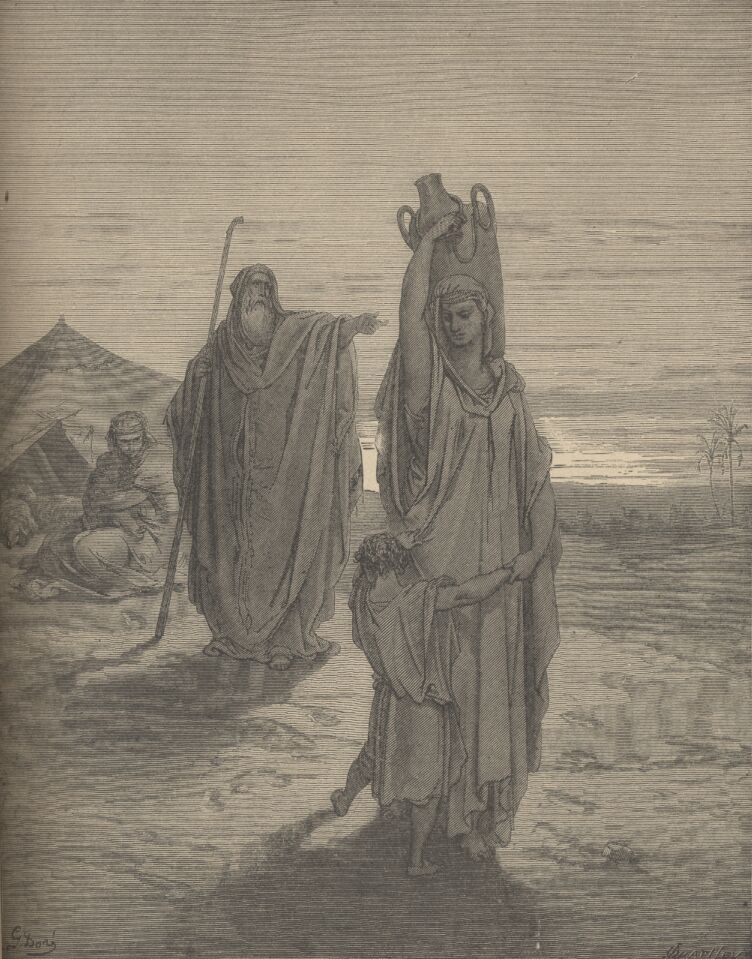
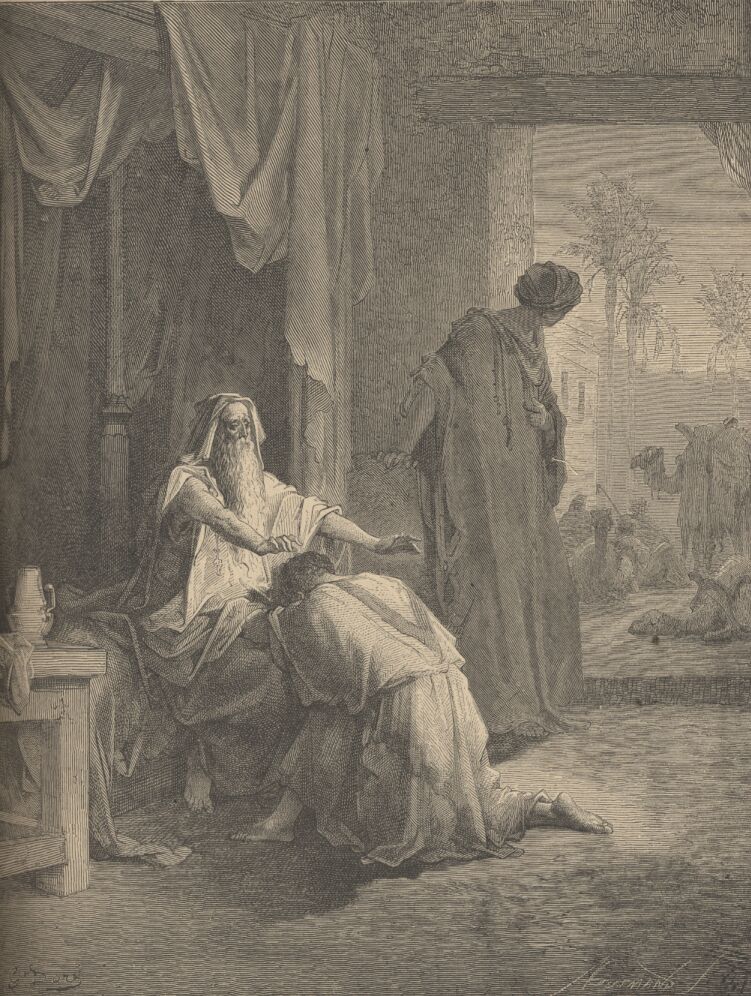
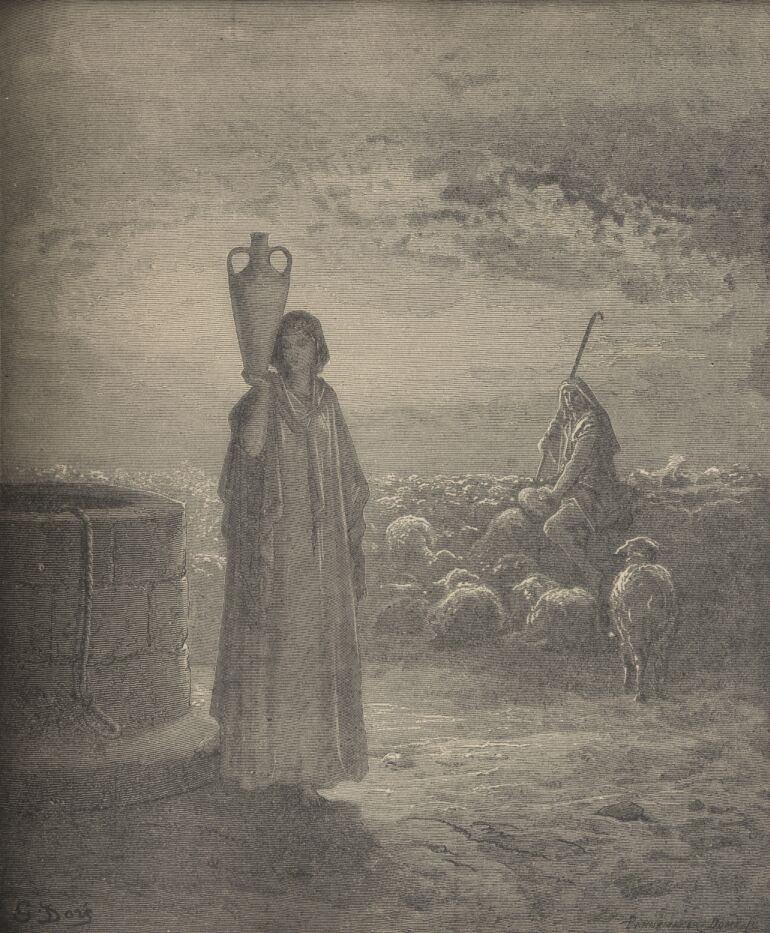
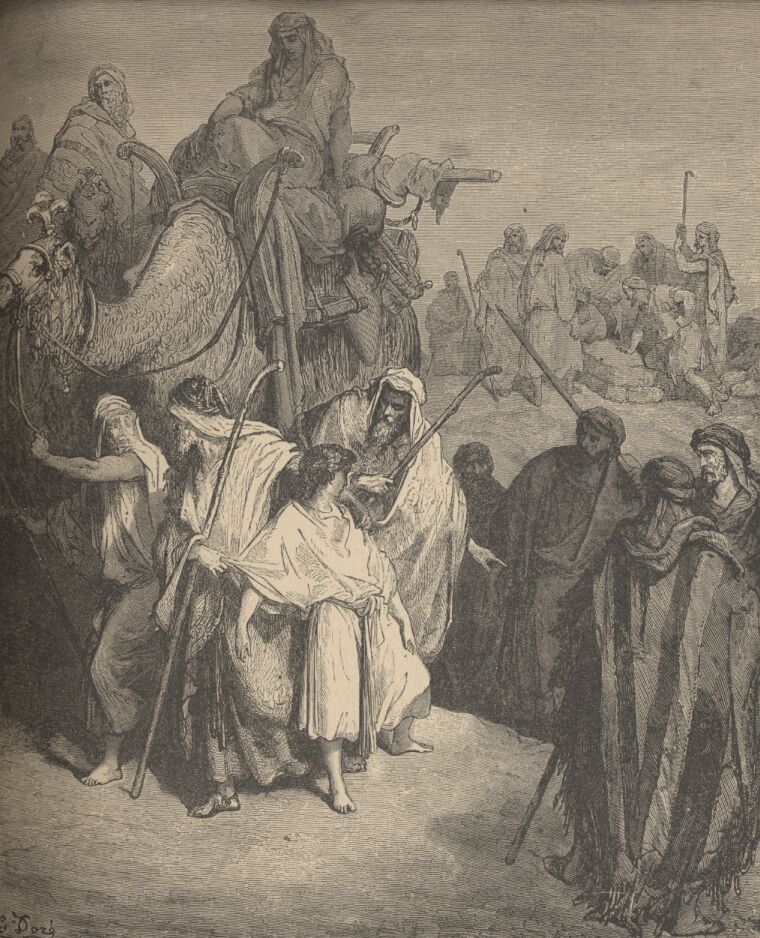
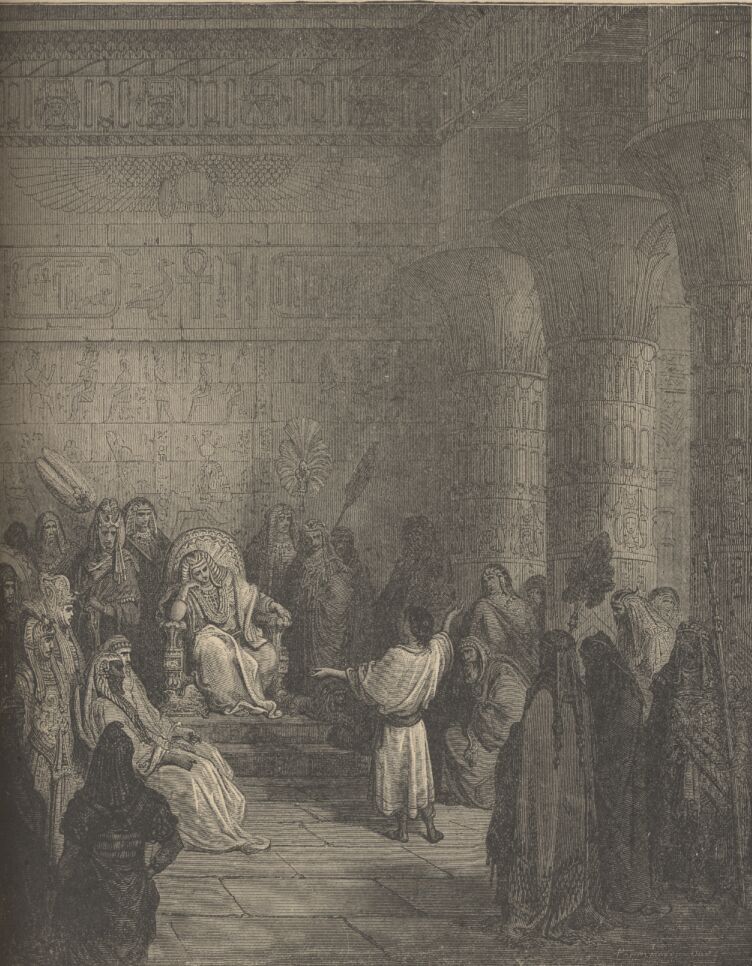
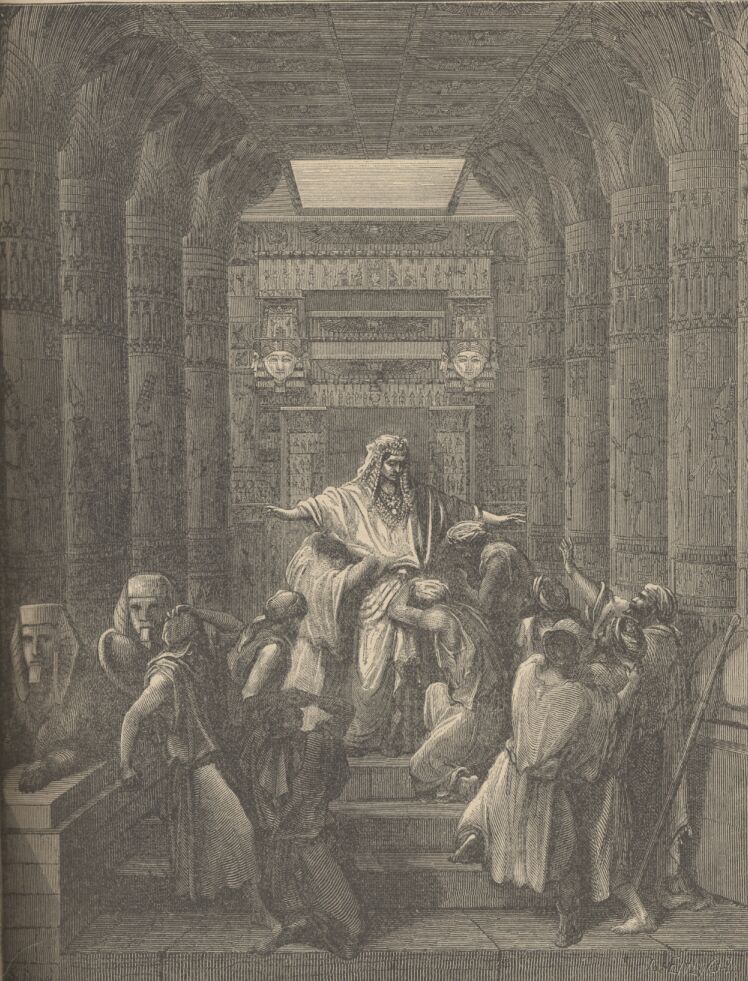
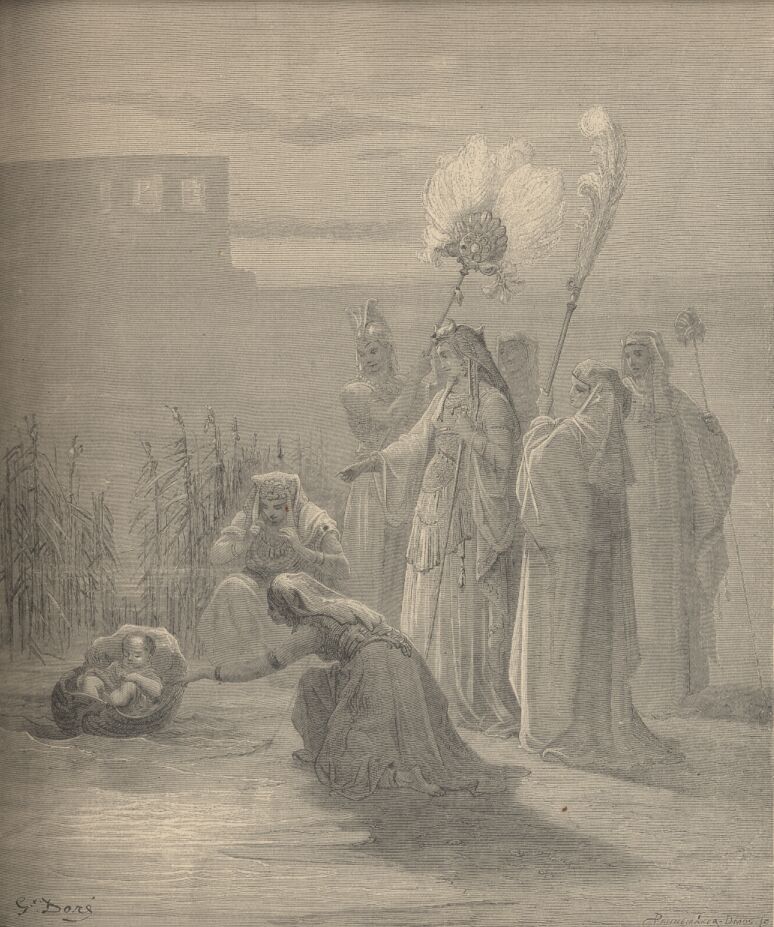
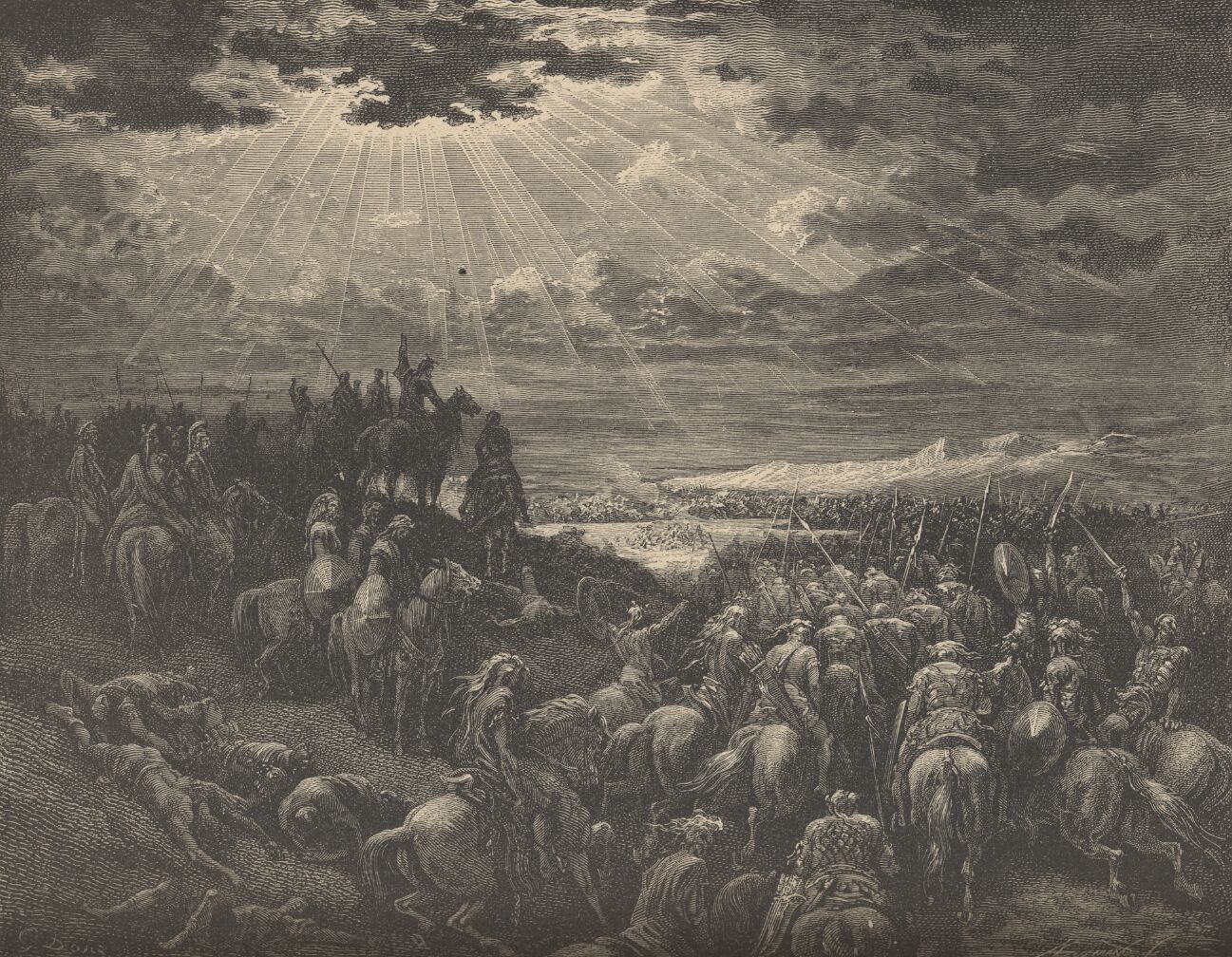
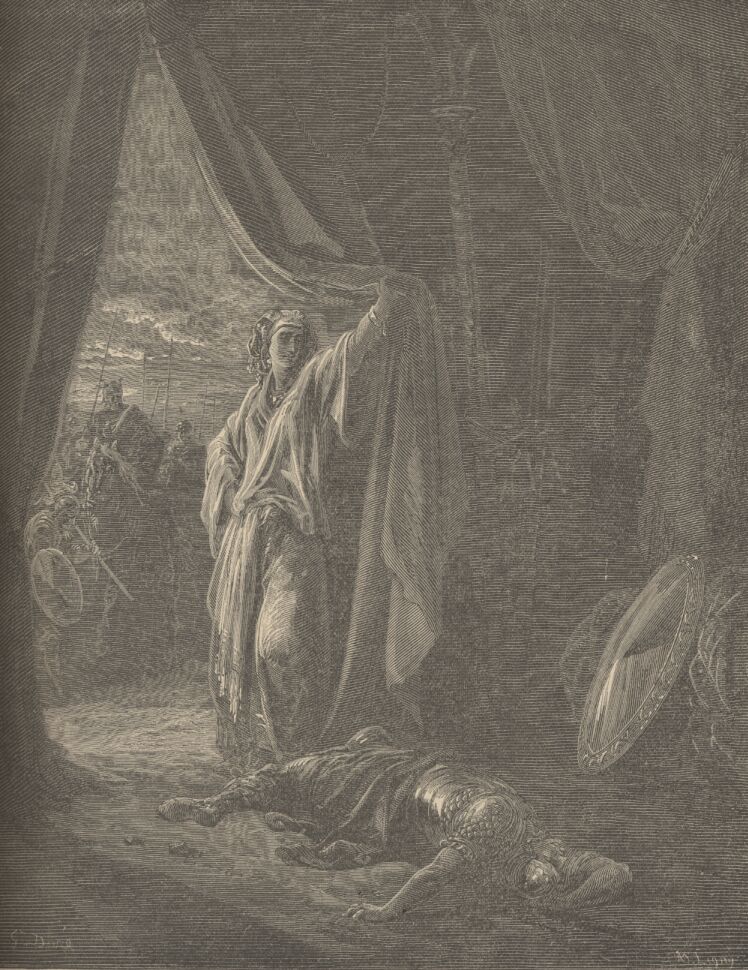
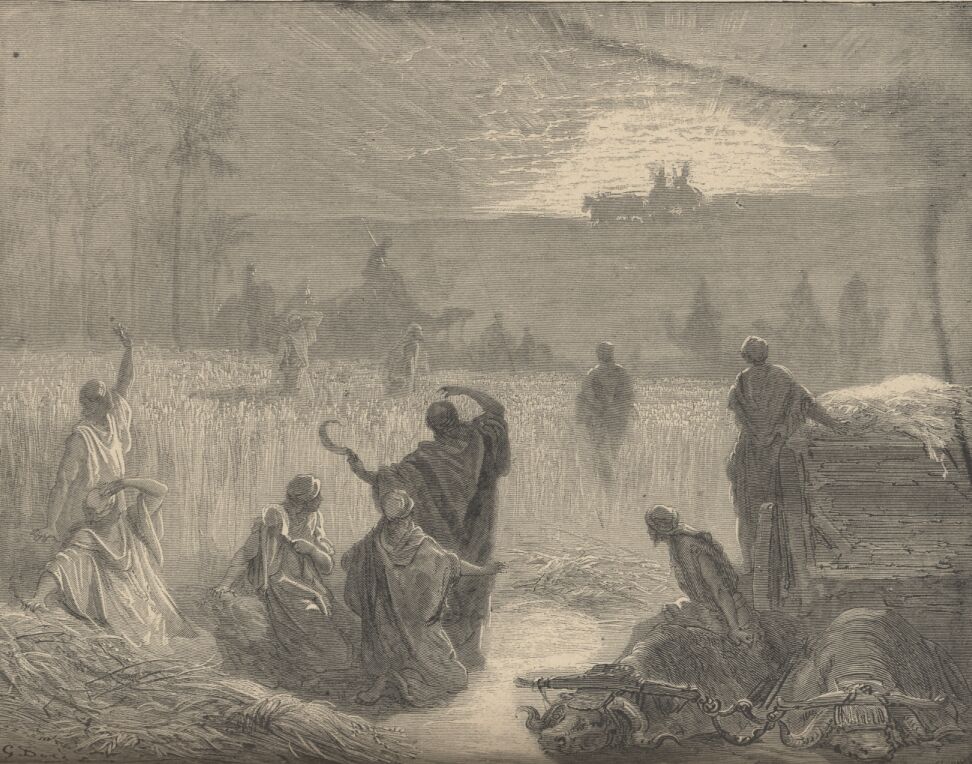
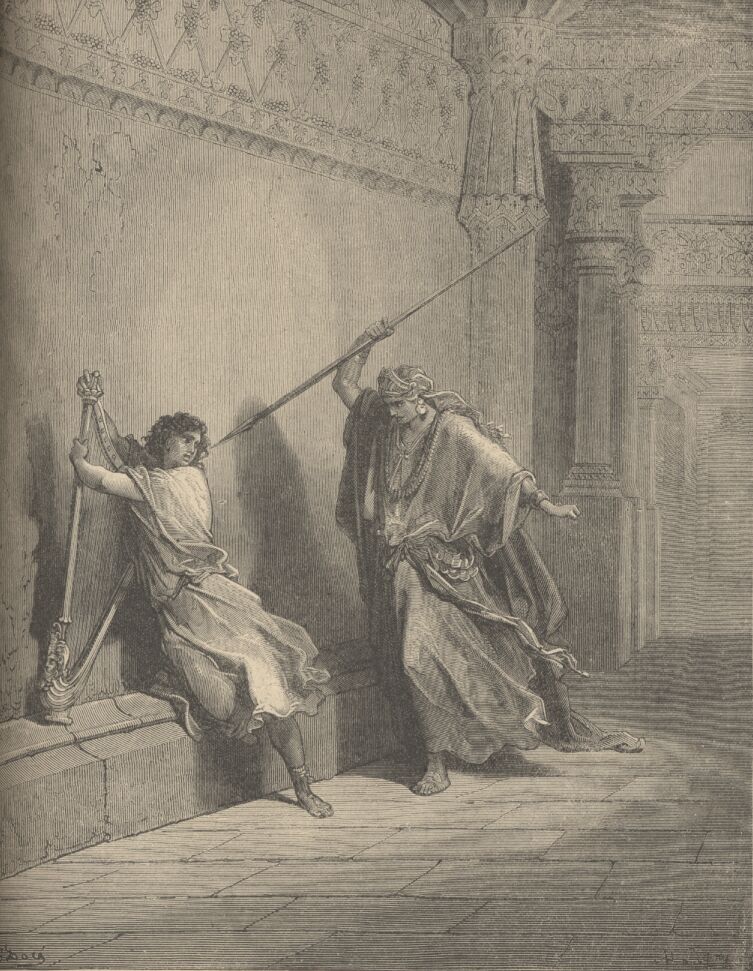
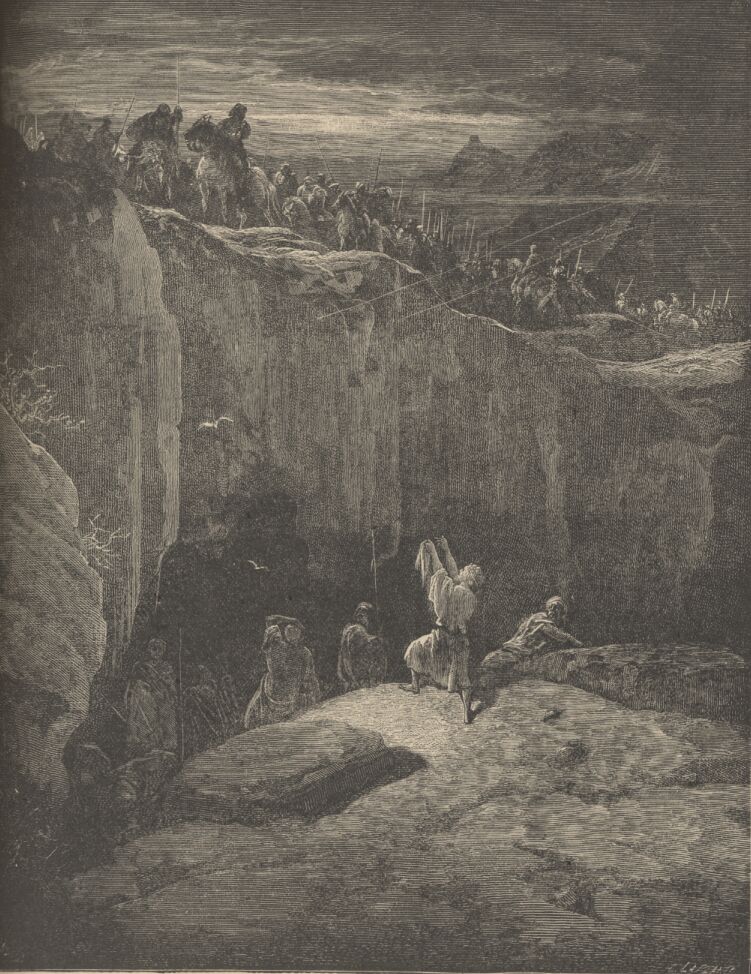
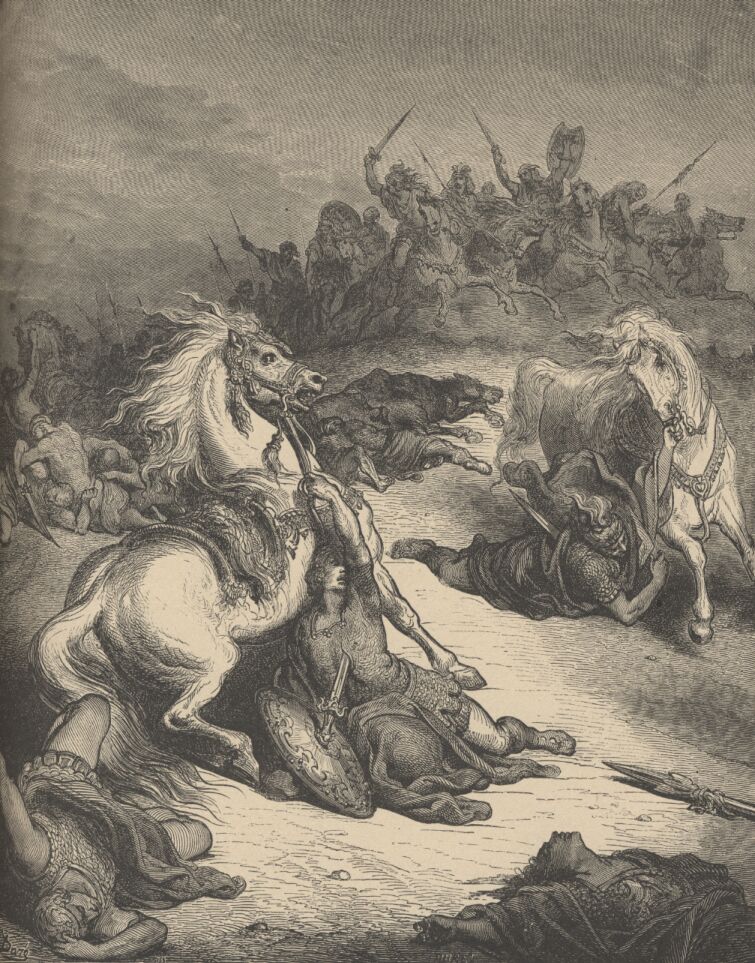
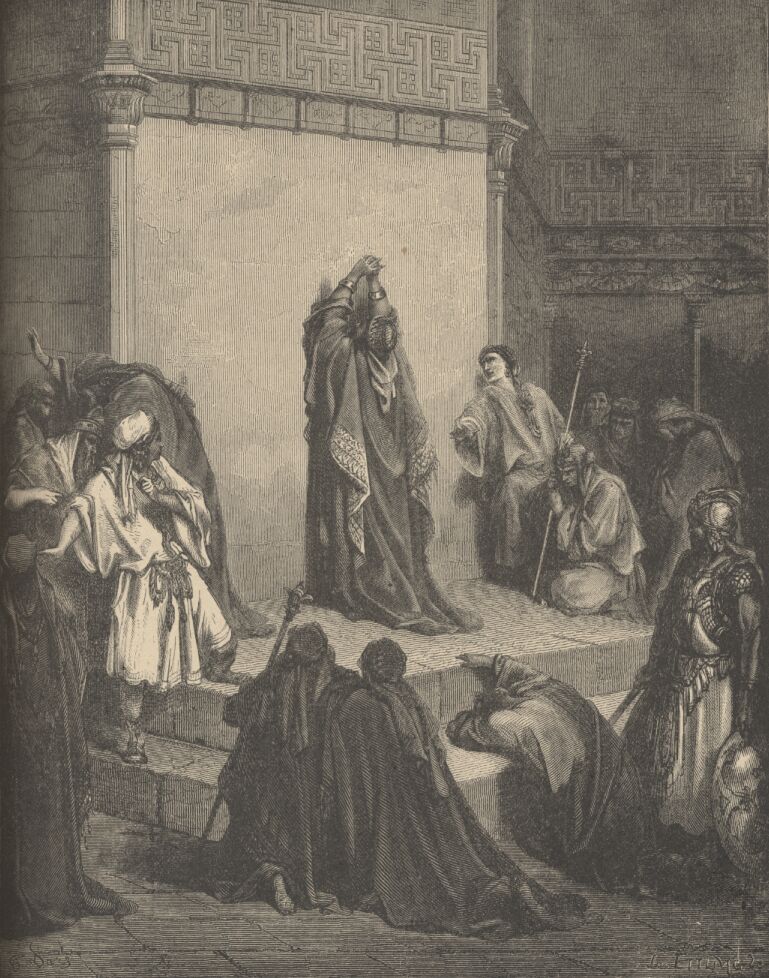
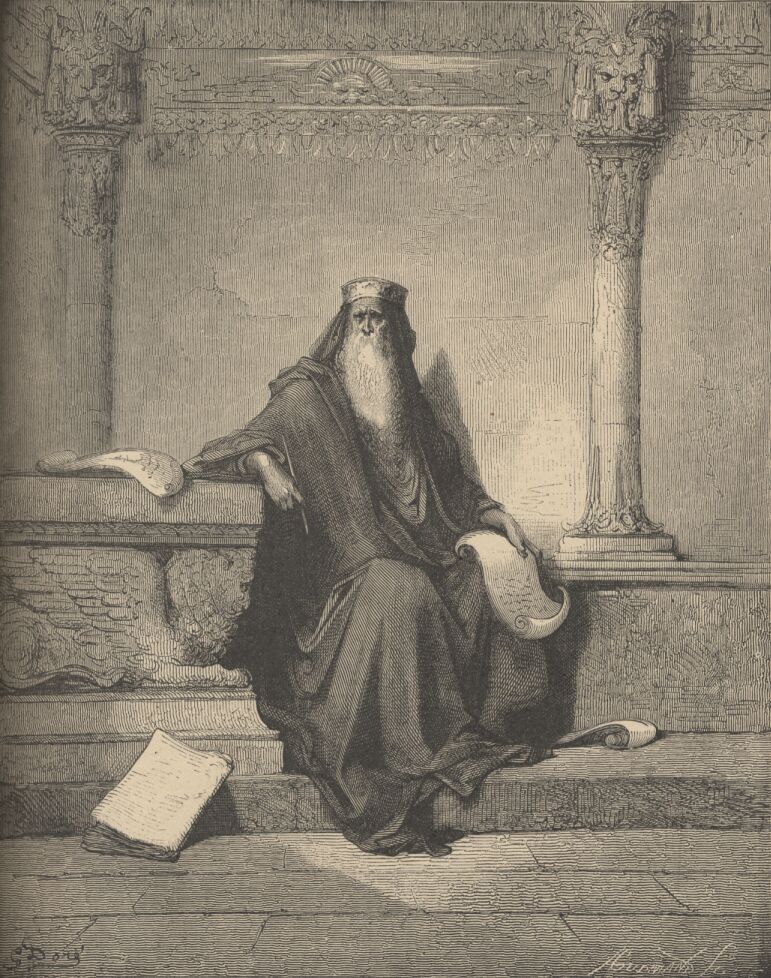
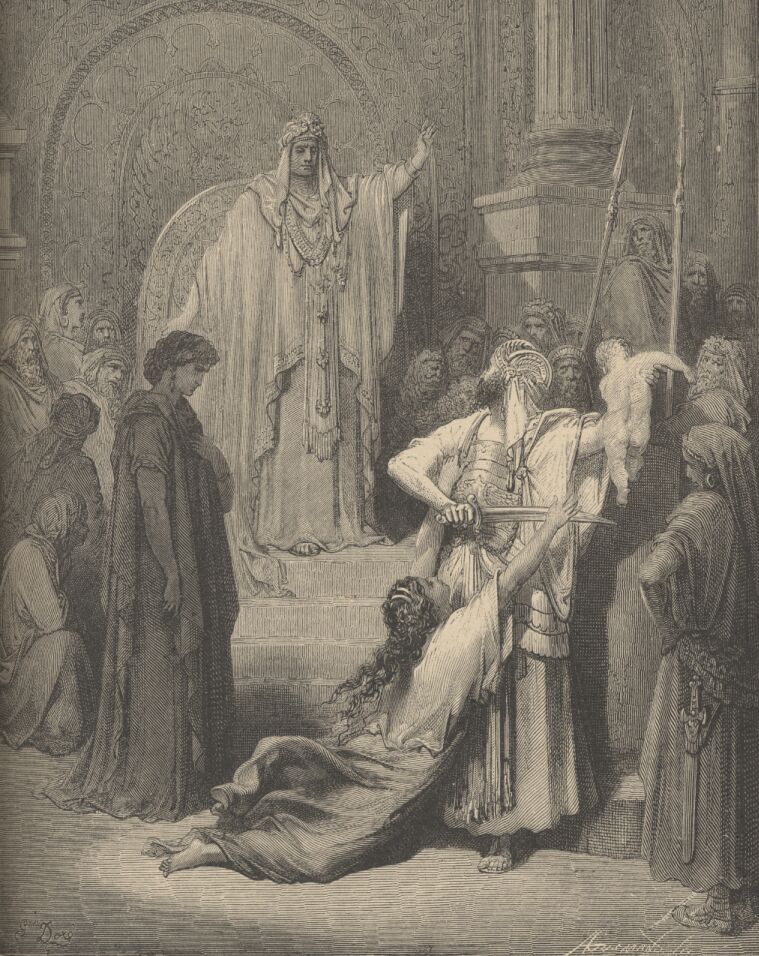
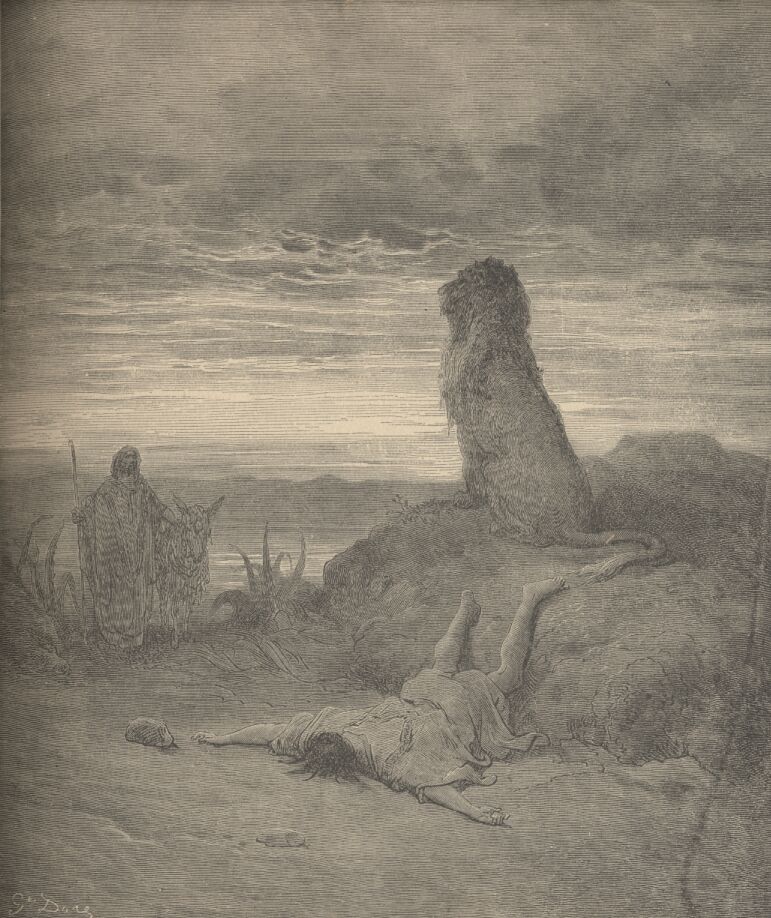
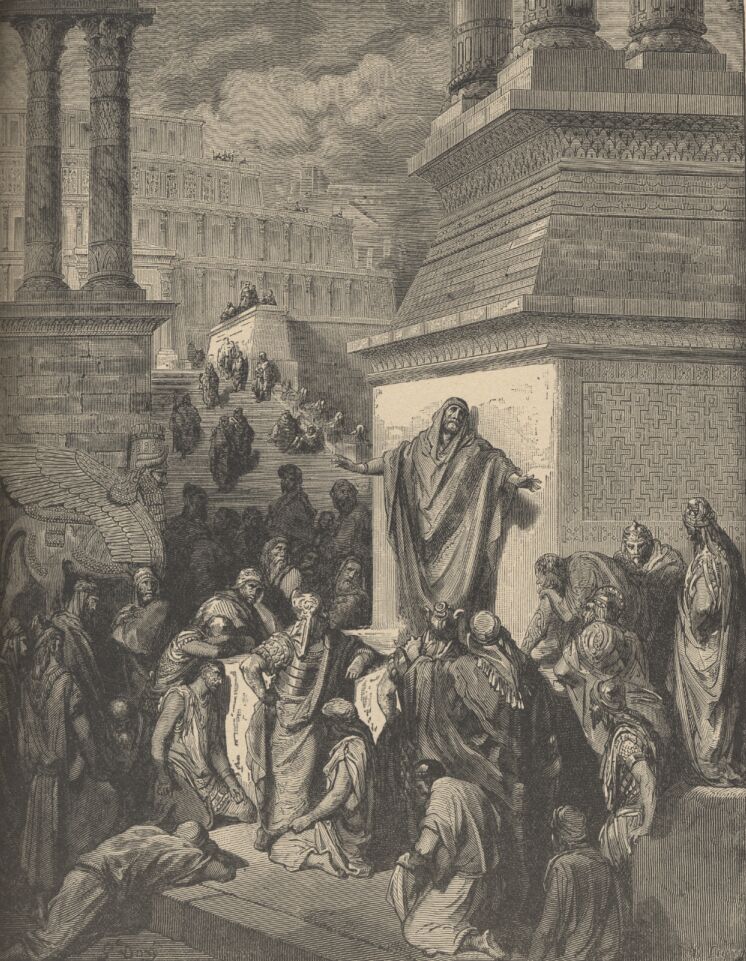
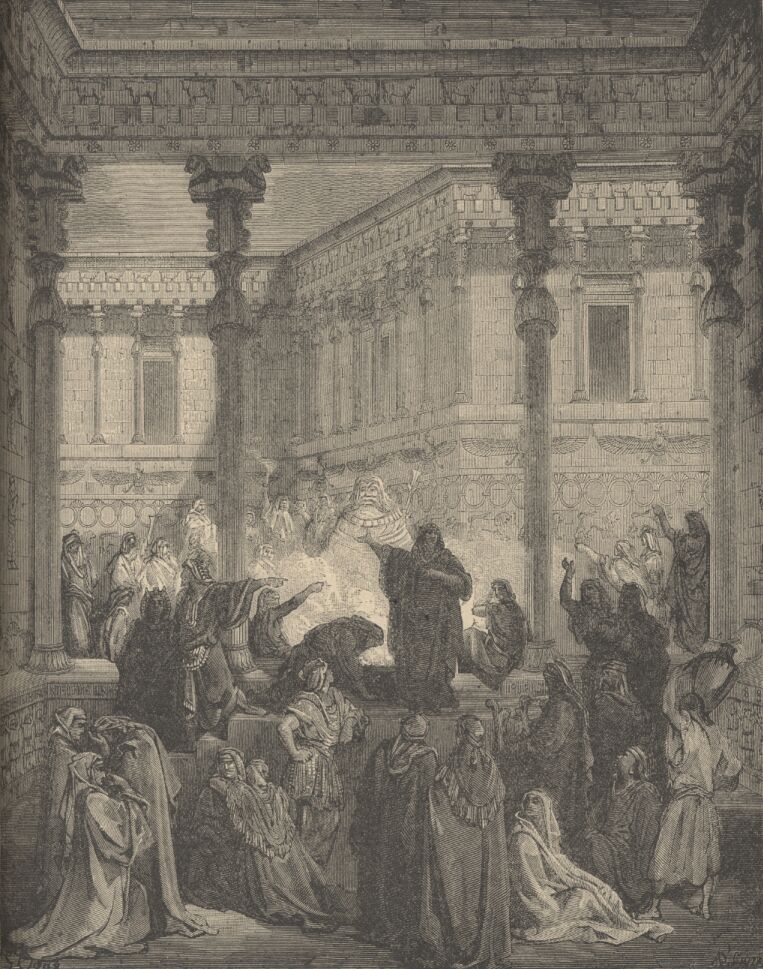
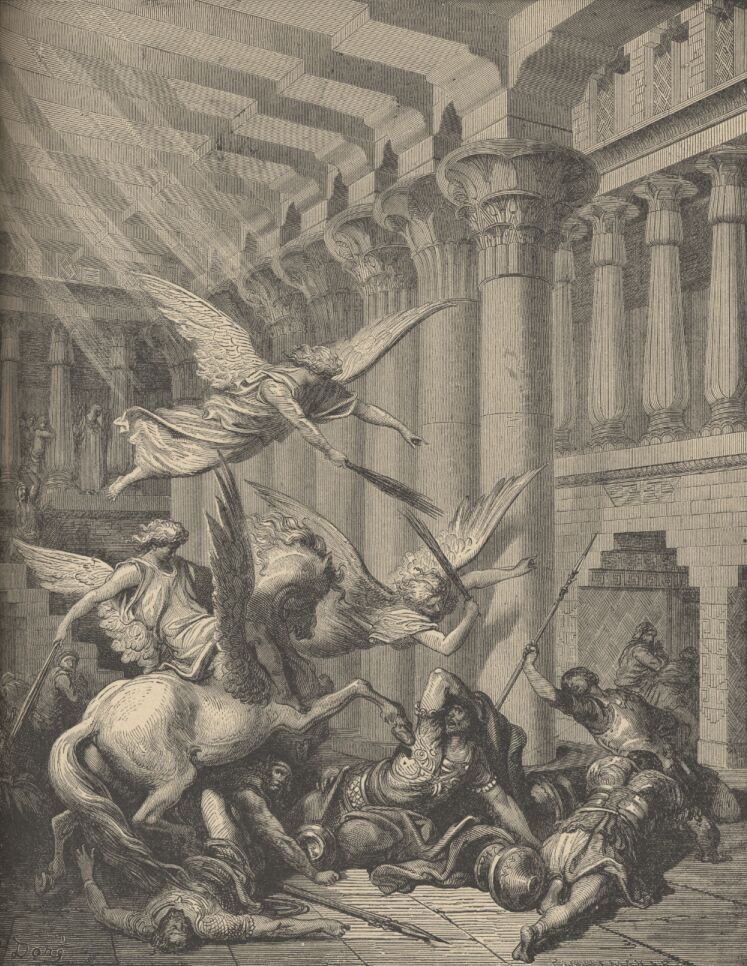
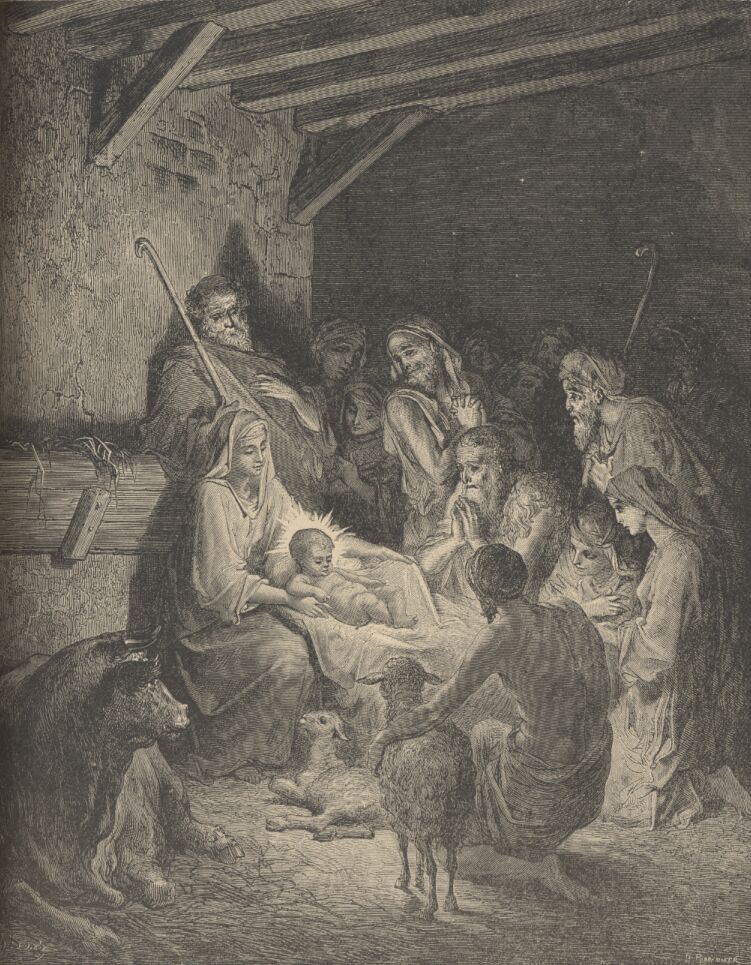
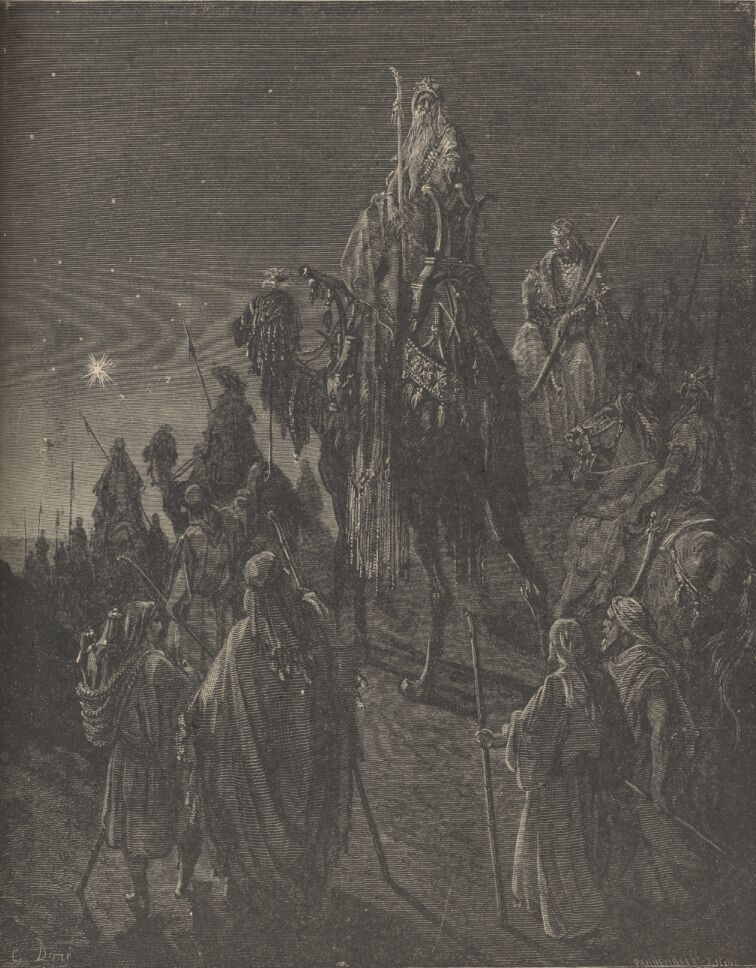
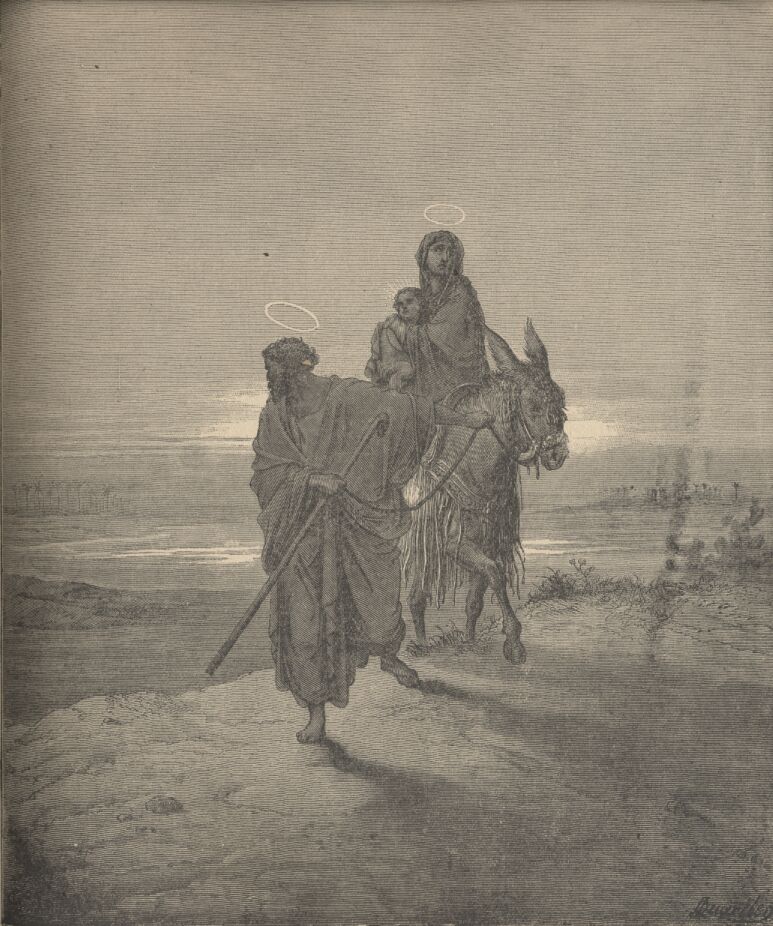
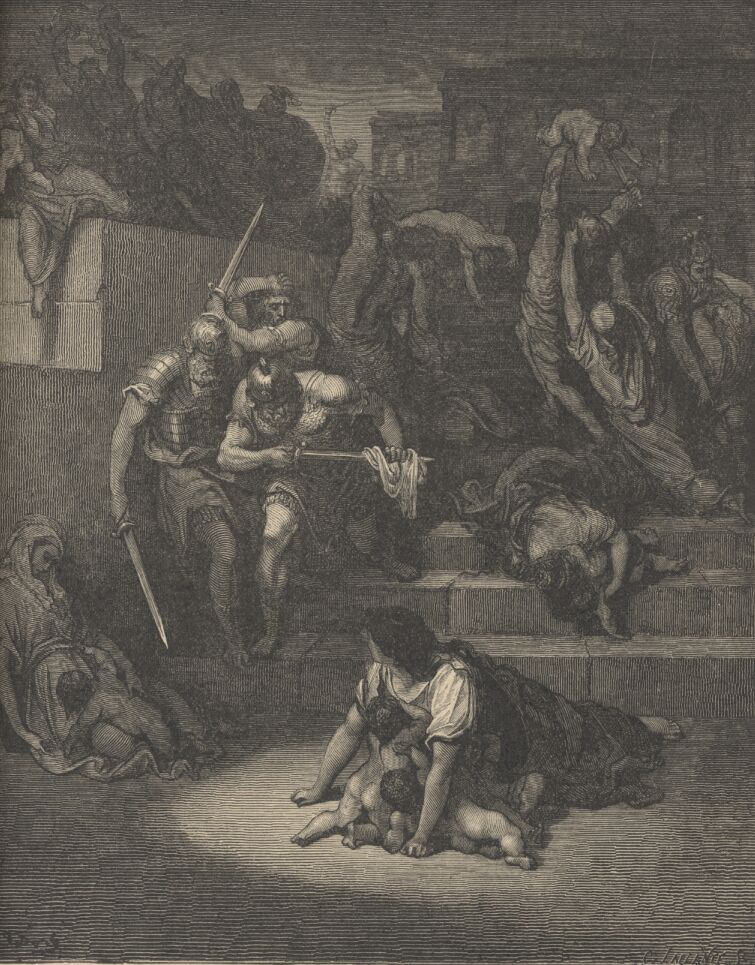
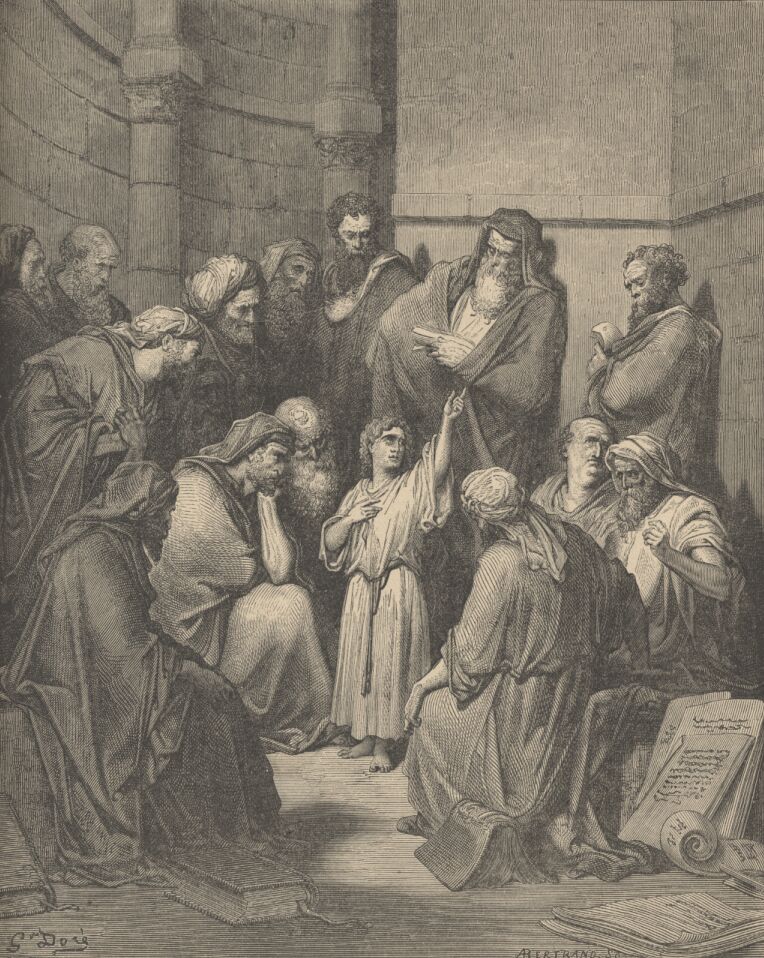
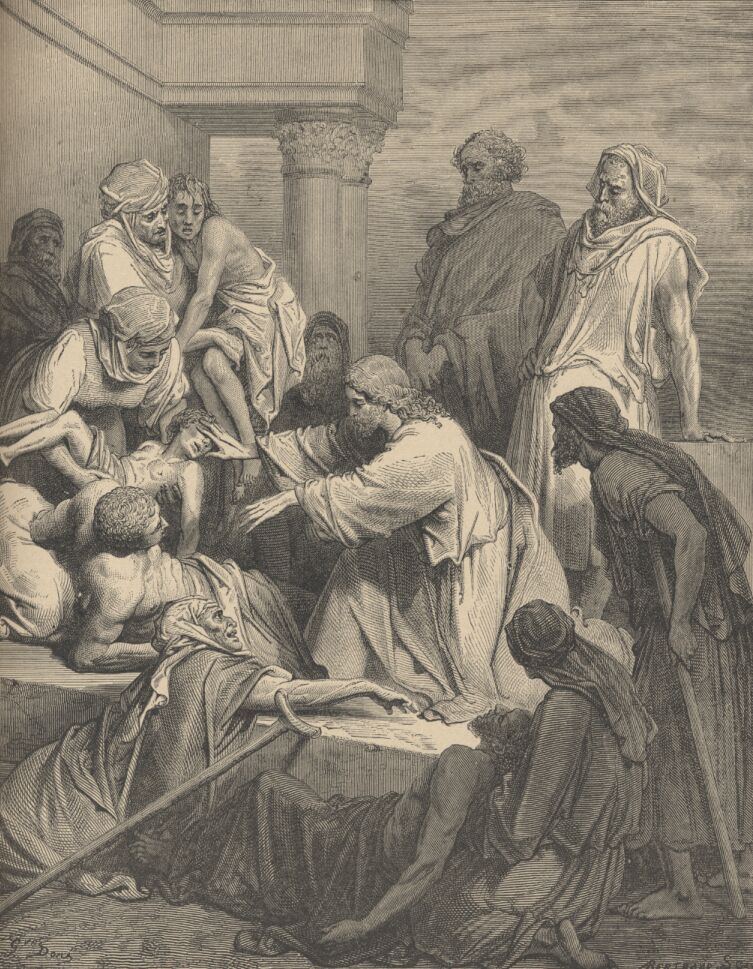
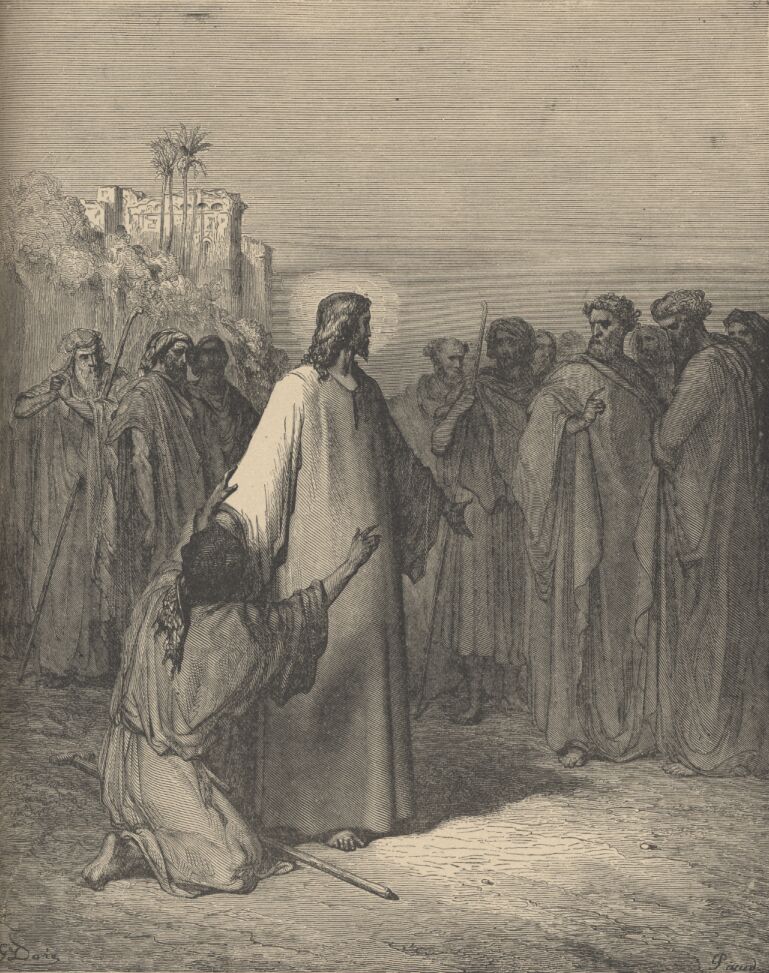
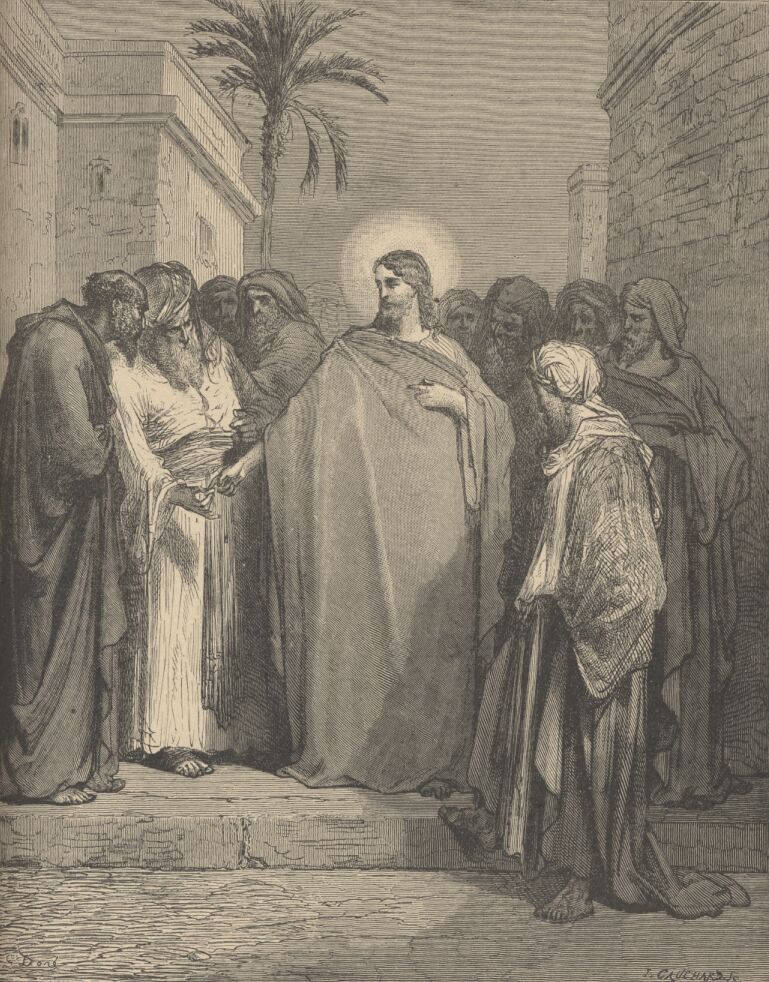
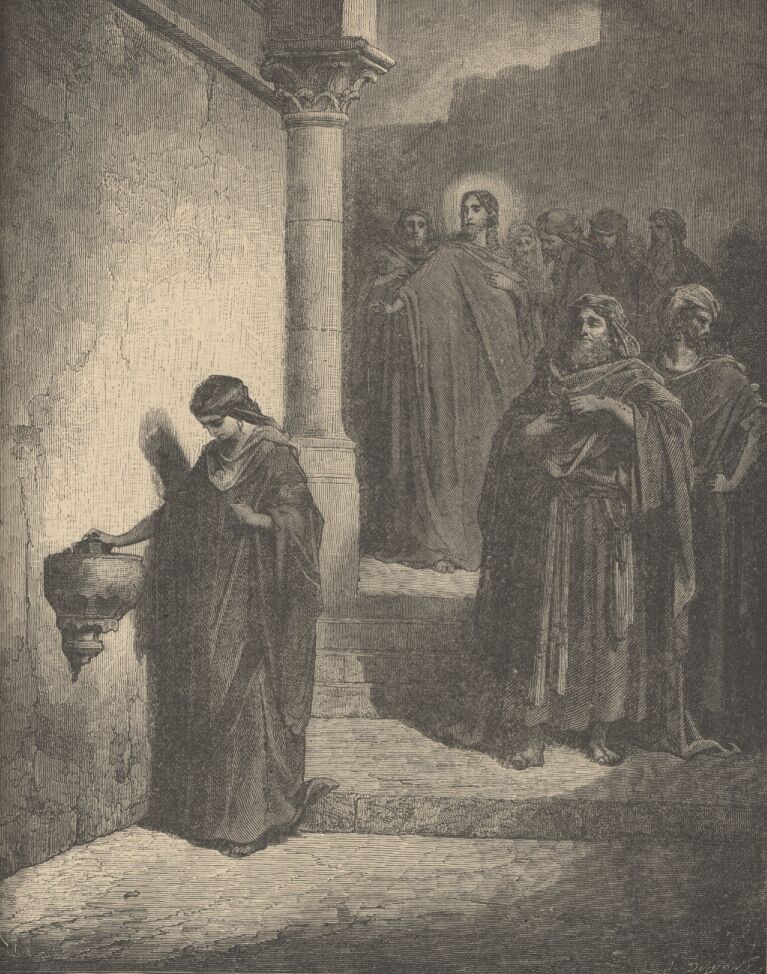
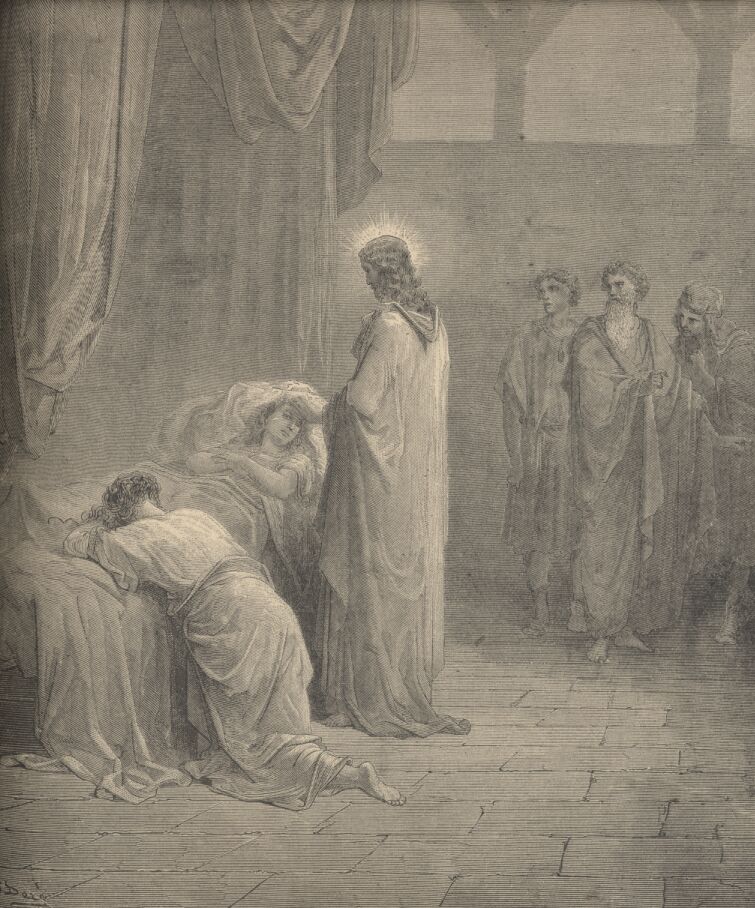
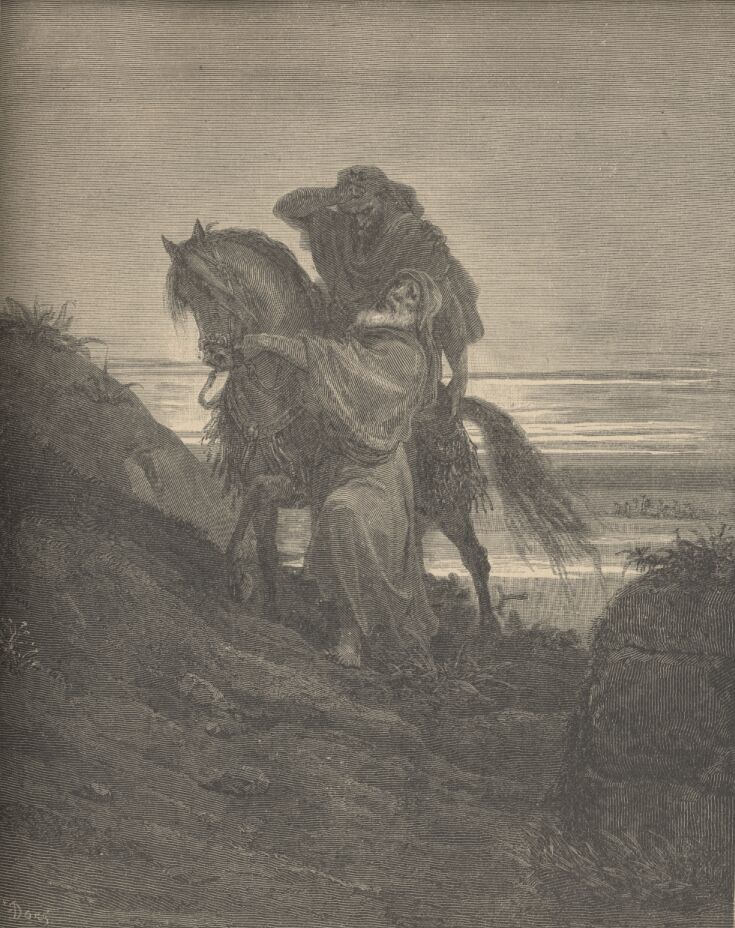
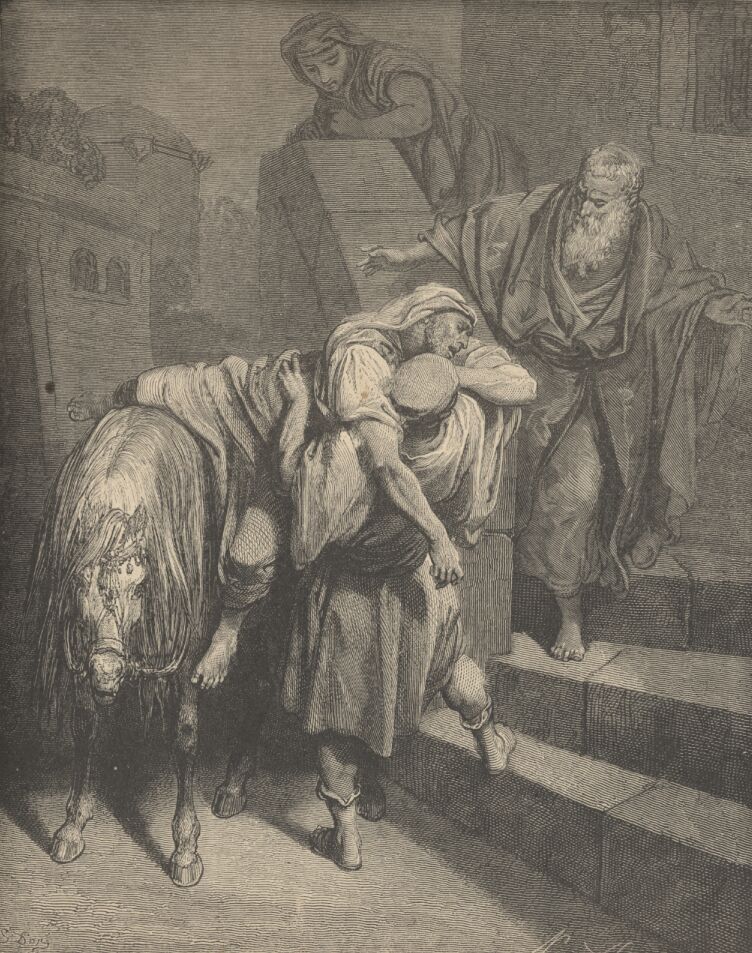
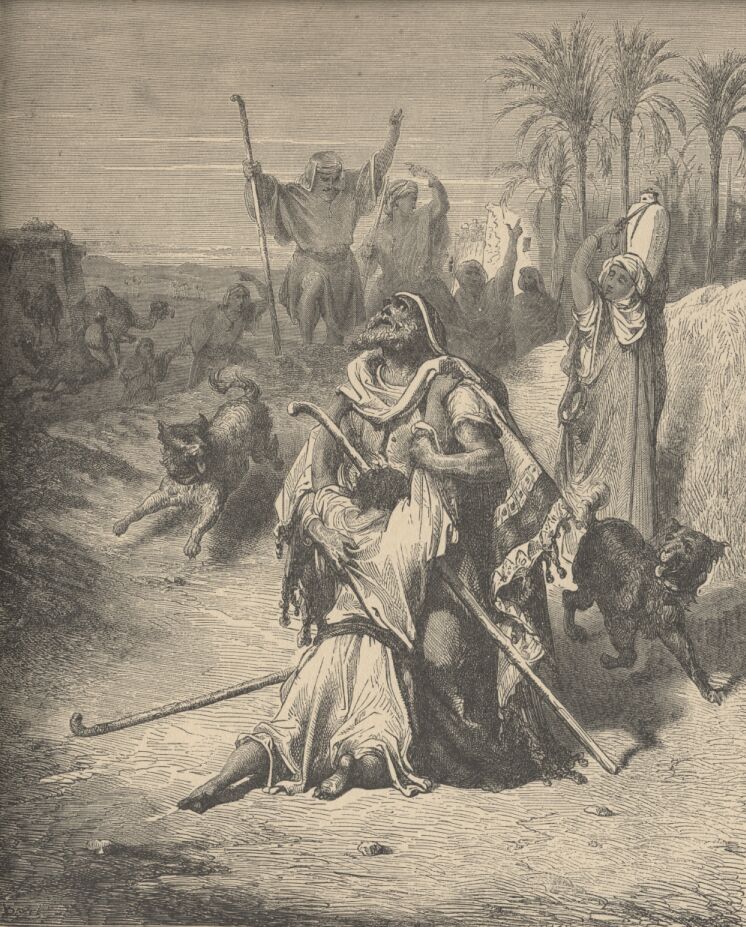
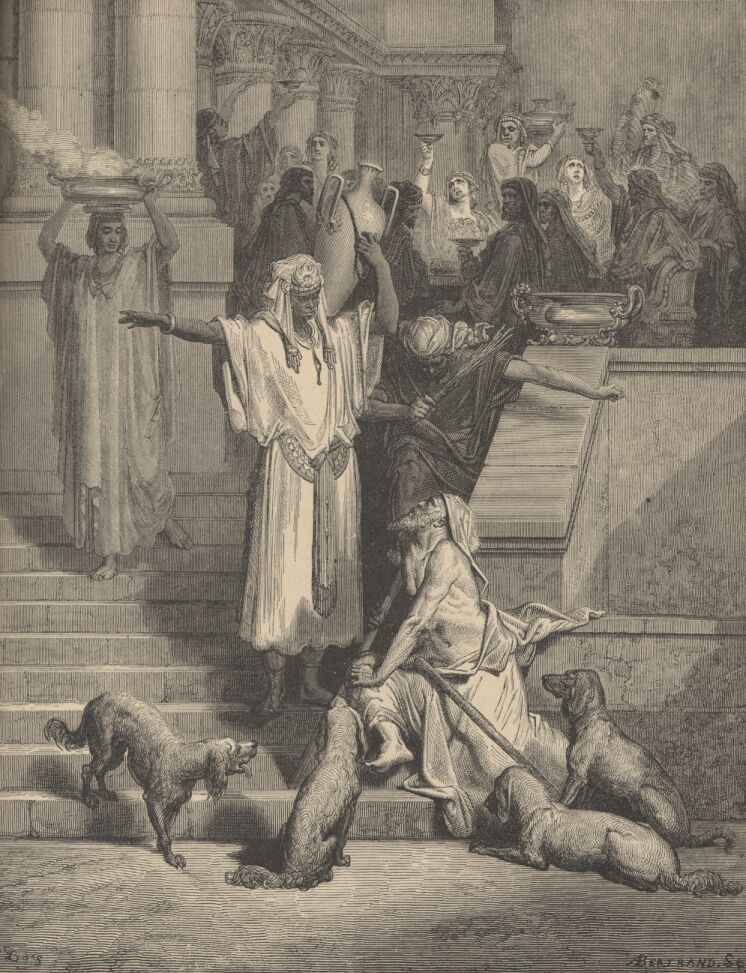
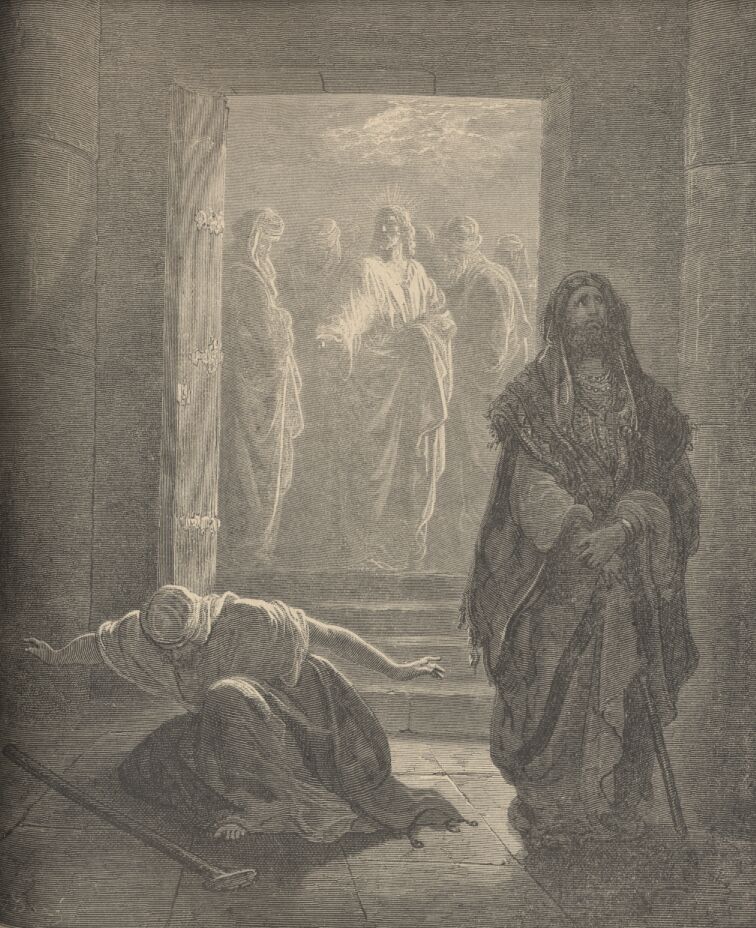
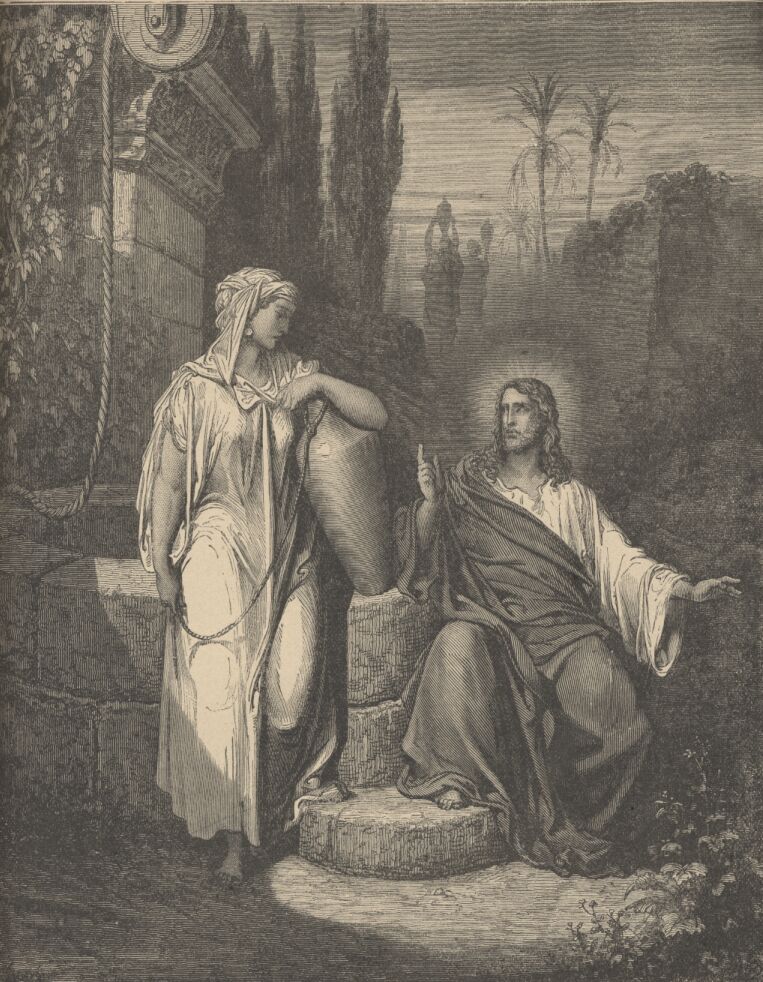
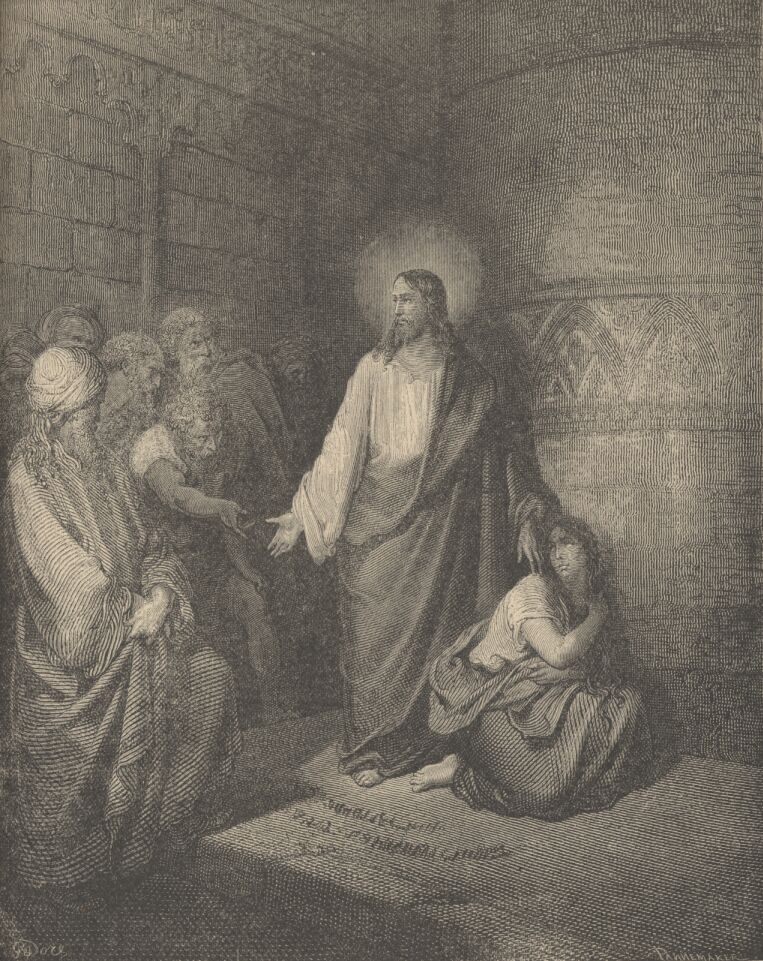
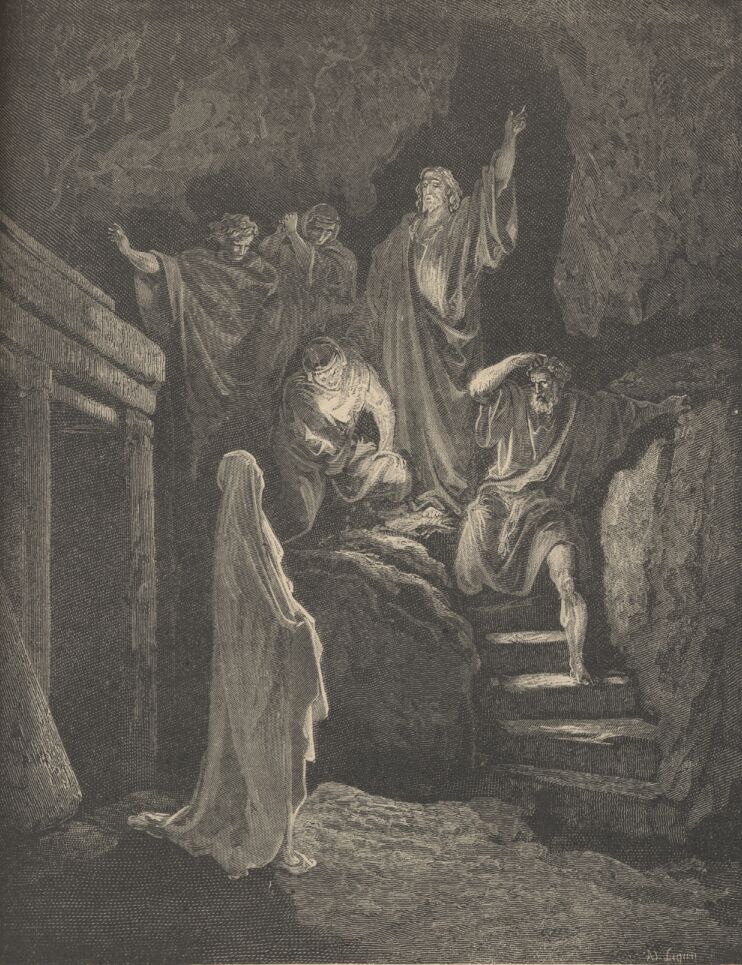
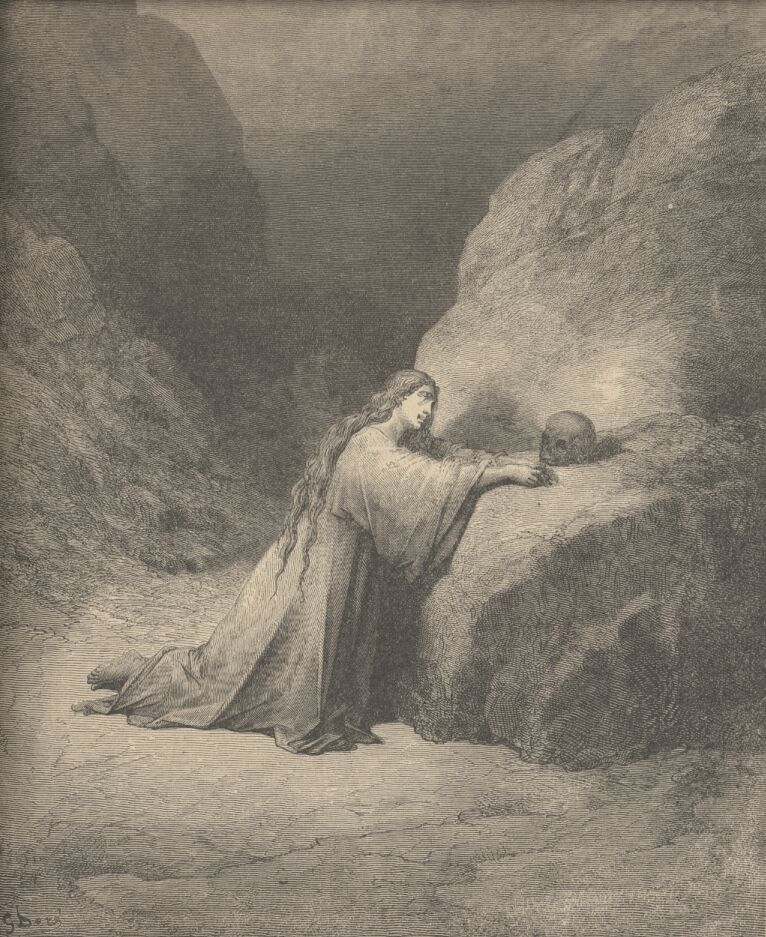
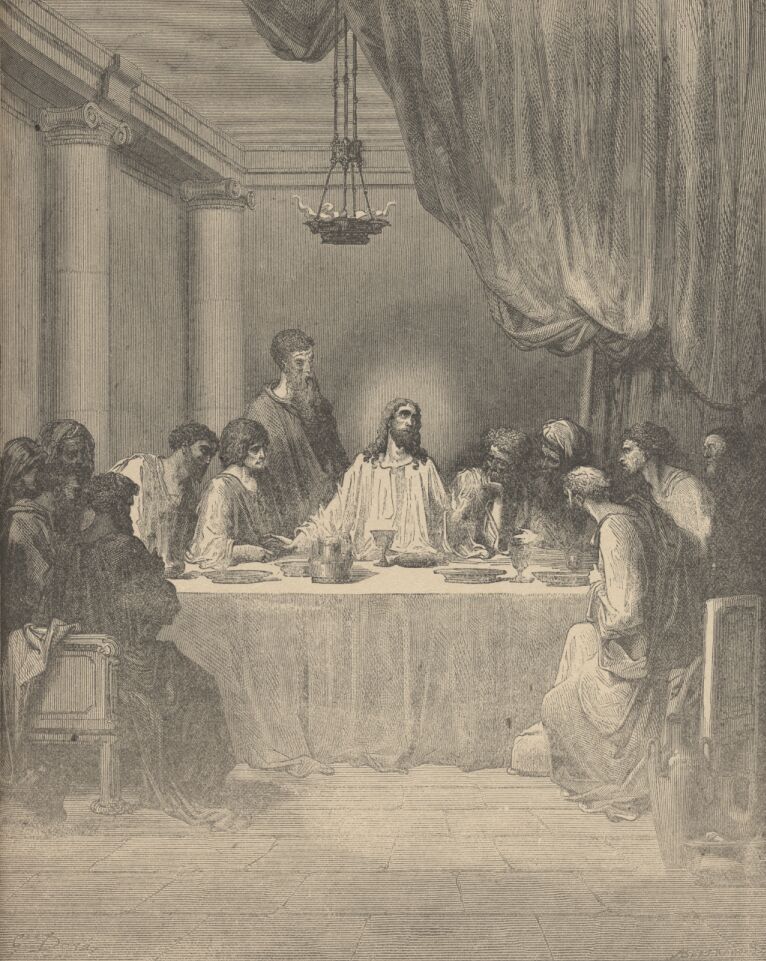
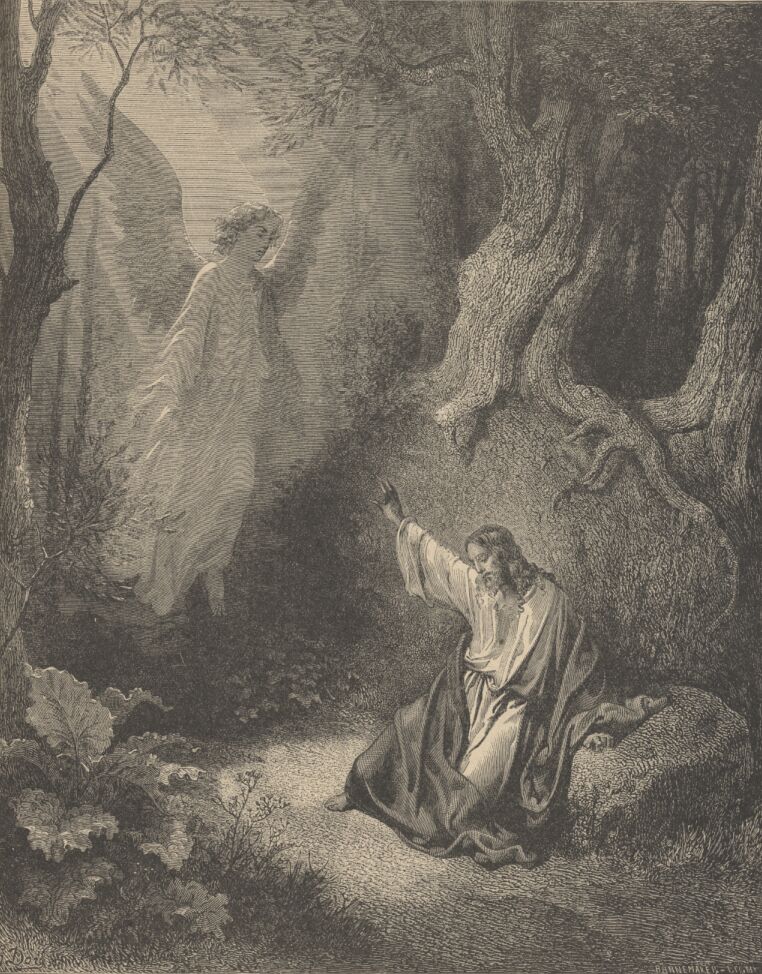
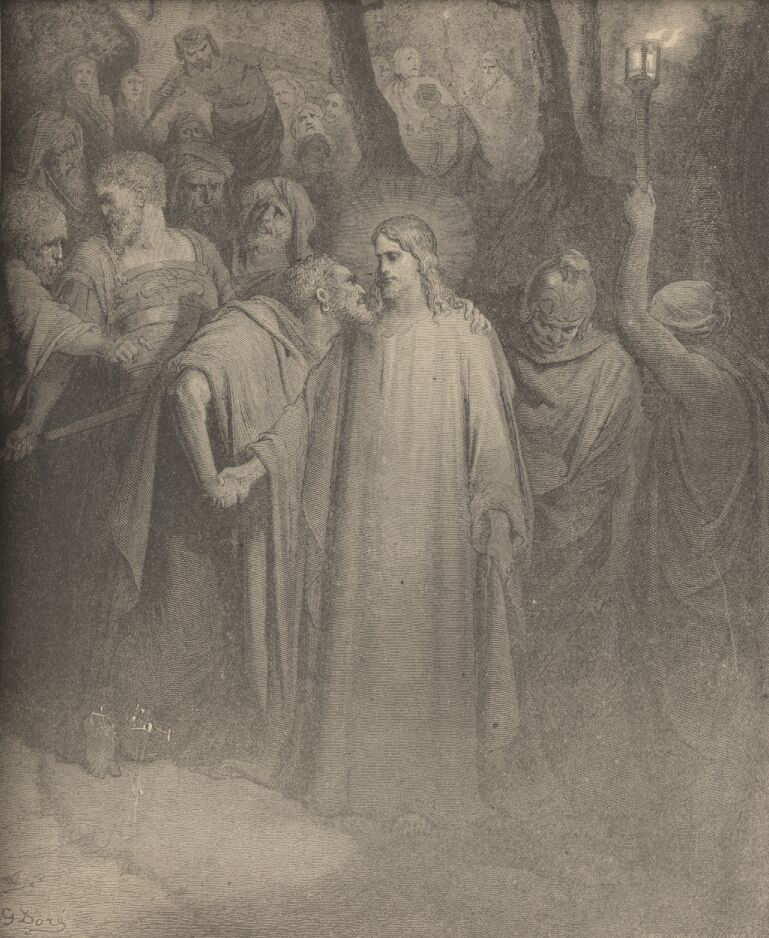
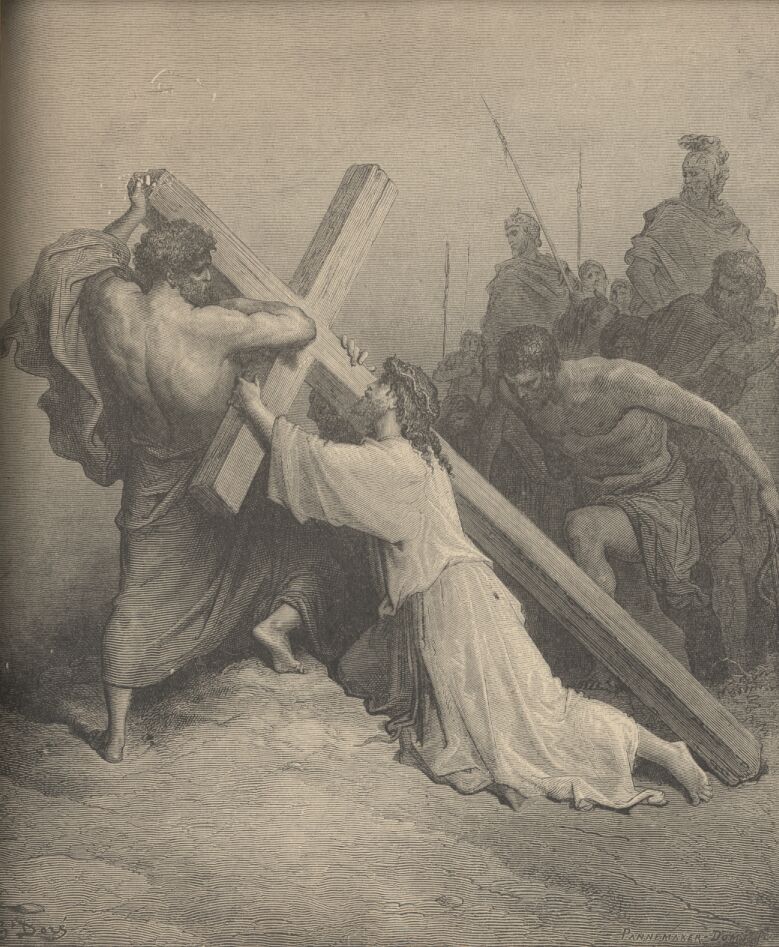
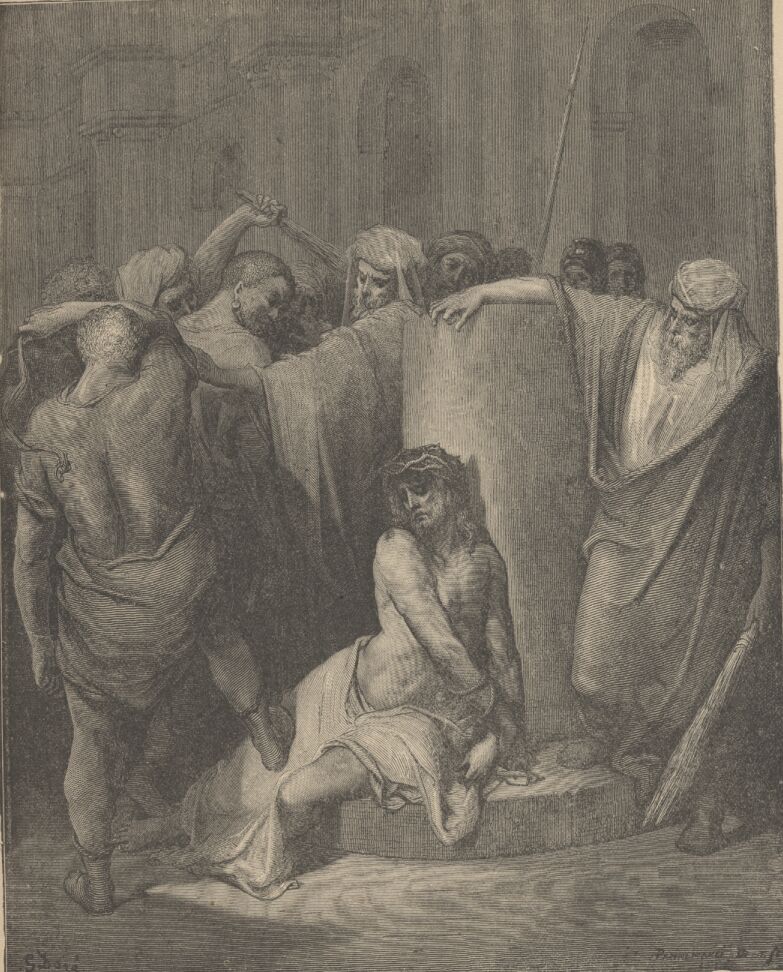
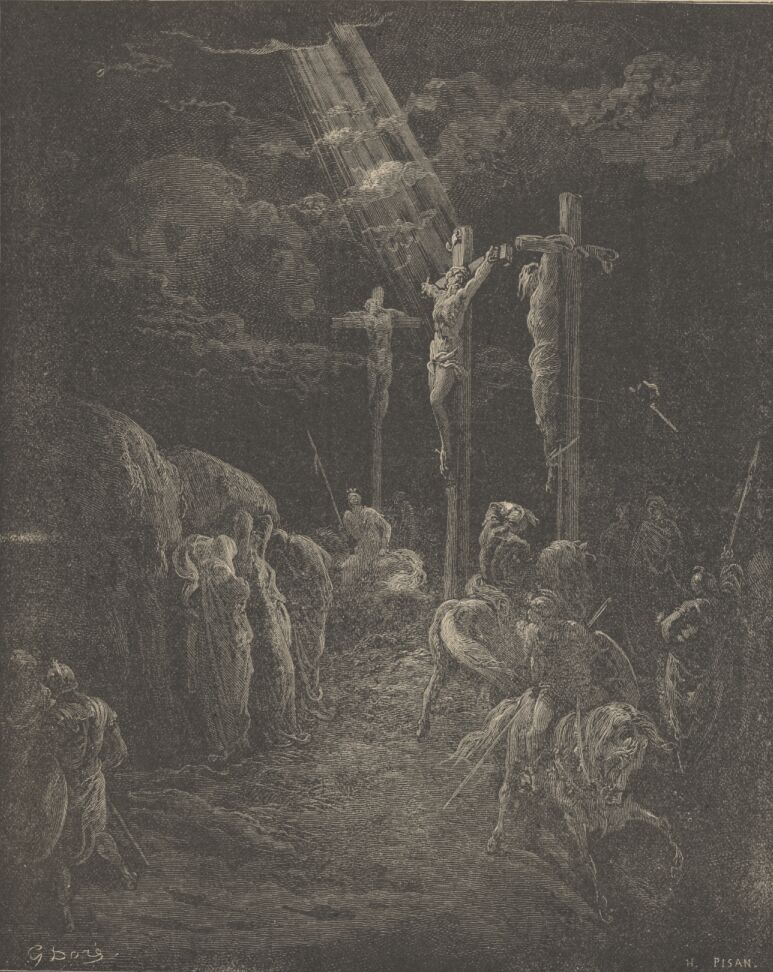
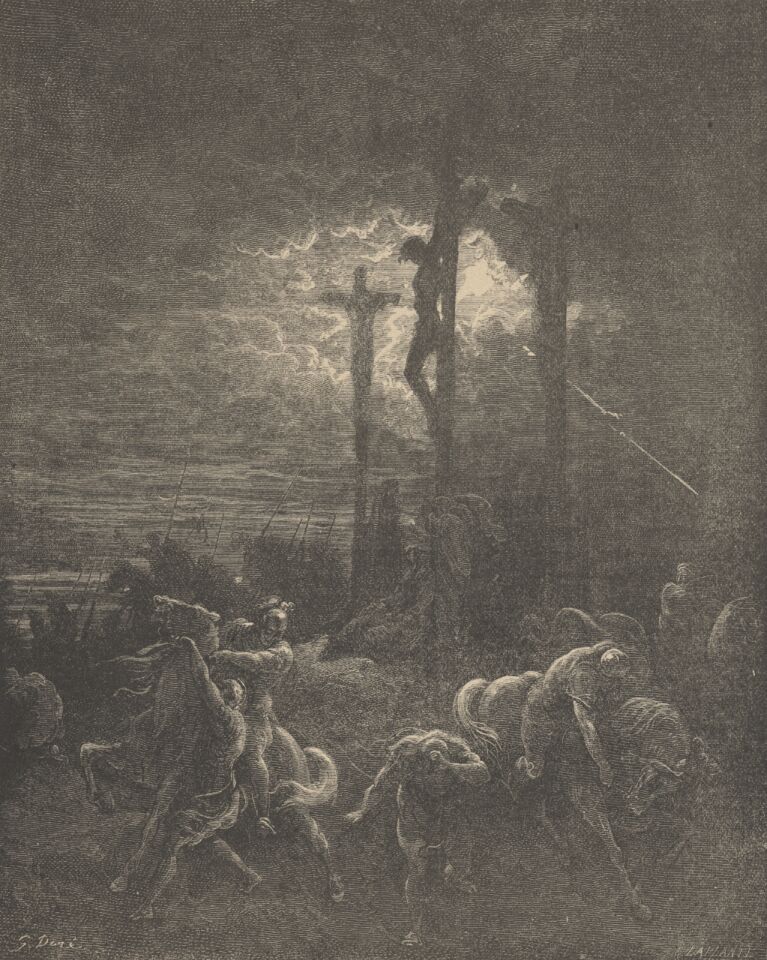
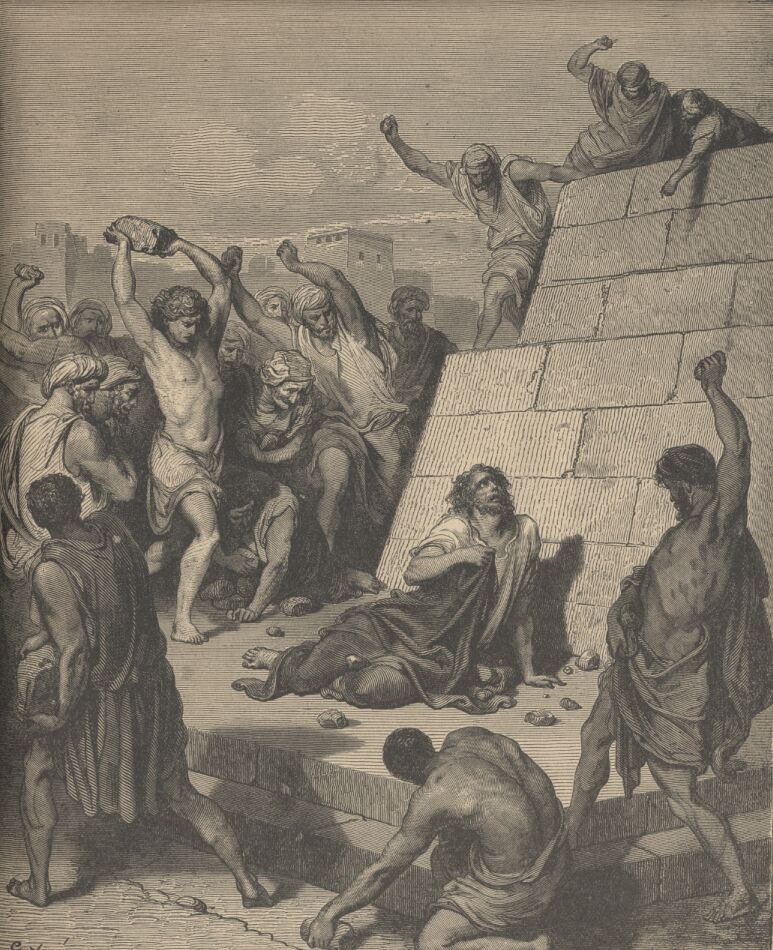
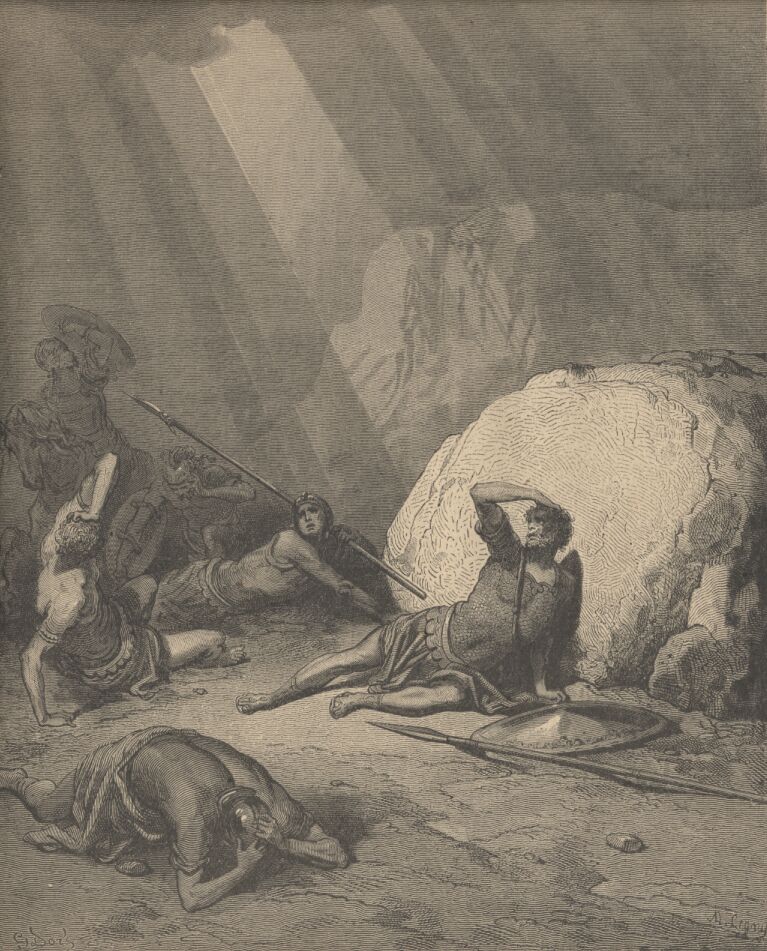
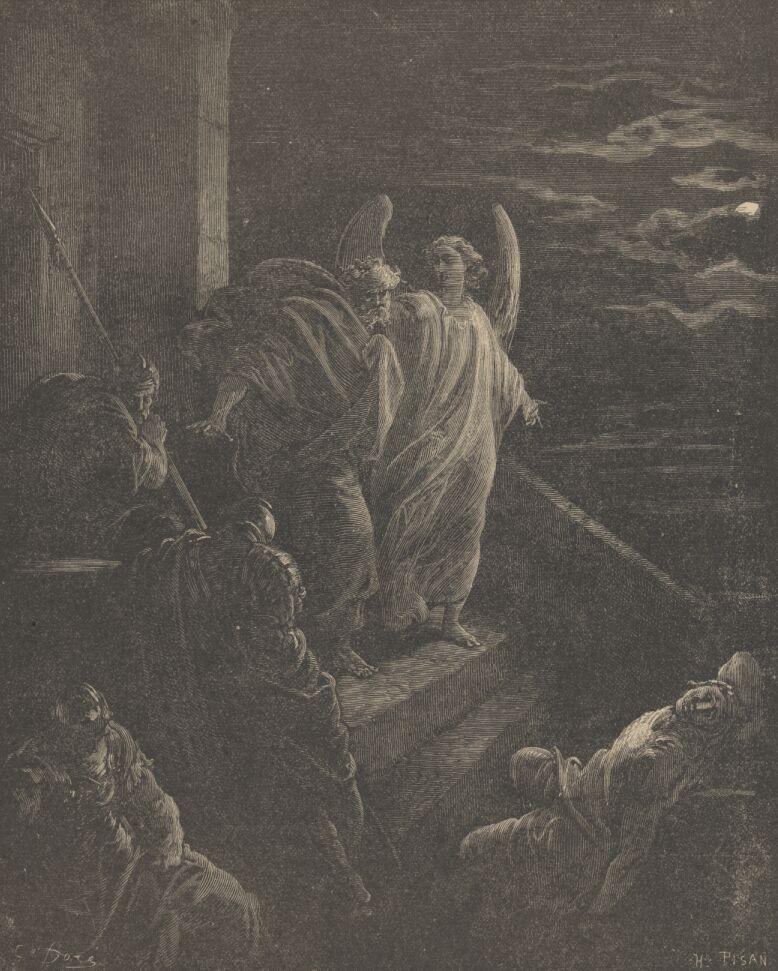
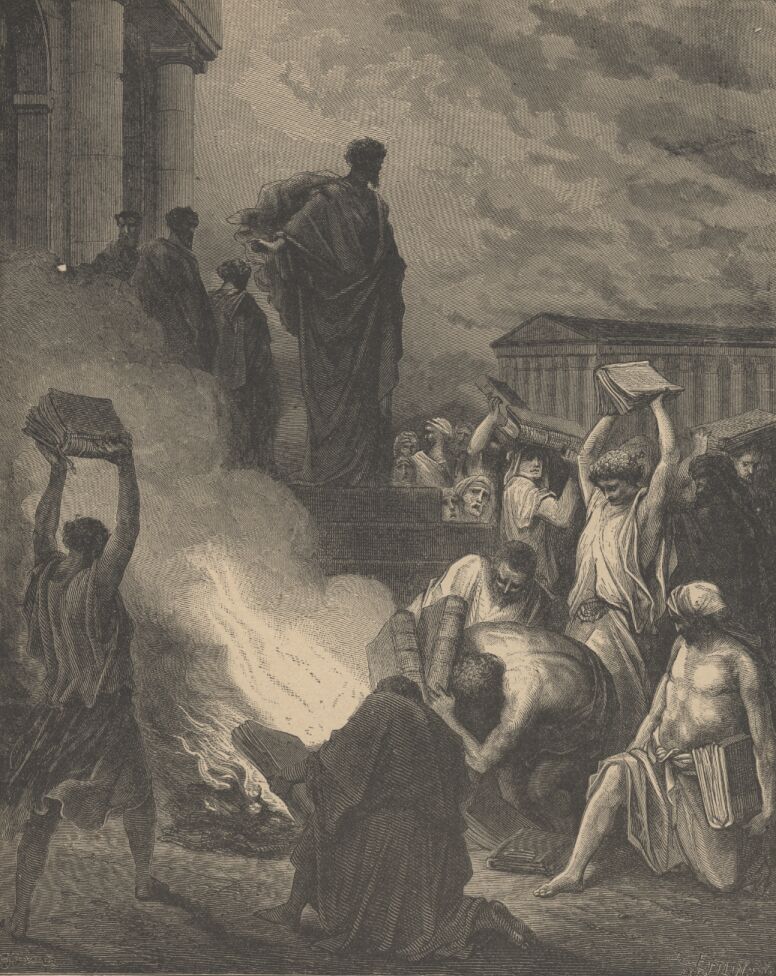
Besides those already mentioned are Montaigne, Dante, the Bible, Milton,
Rabelais, Tennyson's "Idyls of the King," "The Ancient Mariner,"
Shakespeare, "Legende de Croquemitaine," La Fontaine's "Fables," and
others still.
Take one of these works—the Dante, La Fontaine, or "Don Quixote"—and
glance at the pictures. The mere hand labor involved in their production
is surprising; but when the quality of the work is properly estimated,
what he accomplished seems prodigious. No particular mention need be made
of him as painter or sculptor, for his reputation rests solely upon his
work as an illustrator.
Dore's nature was exuberant and buoyant, and he was youthful in
appearance. He had a passion for music, possessed rare skill as a
violinist, and it is assumed that, had he failed to succeed with his
pencil, he could have won a brilliant reputation as a musician.
He was a bachelor, and lived a quiet, retired life with his mother—married,
as he expressed it, to her and his art. His death occurred on January 23,
1883.