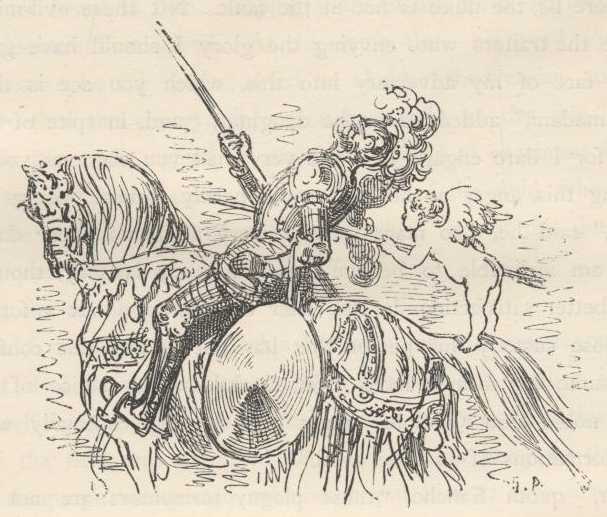
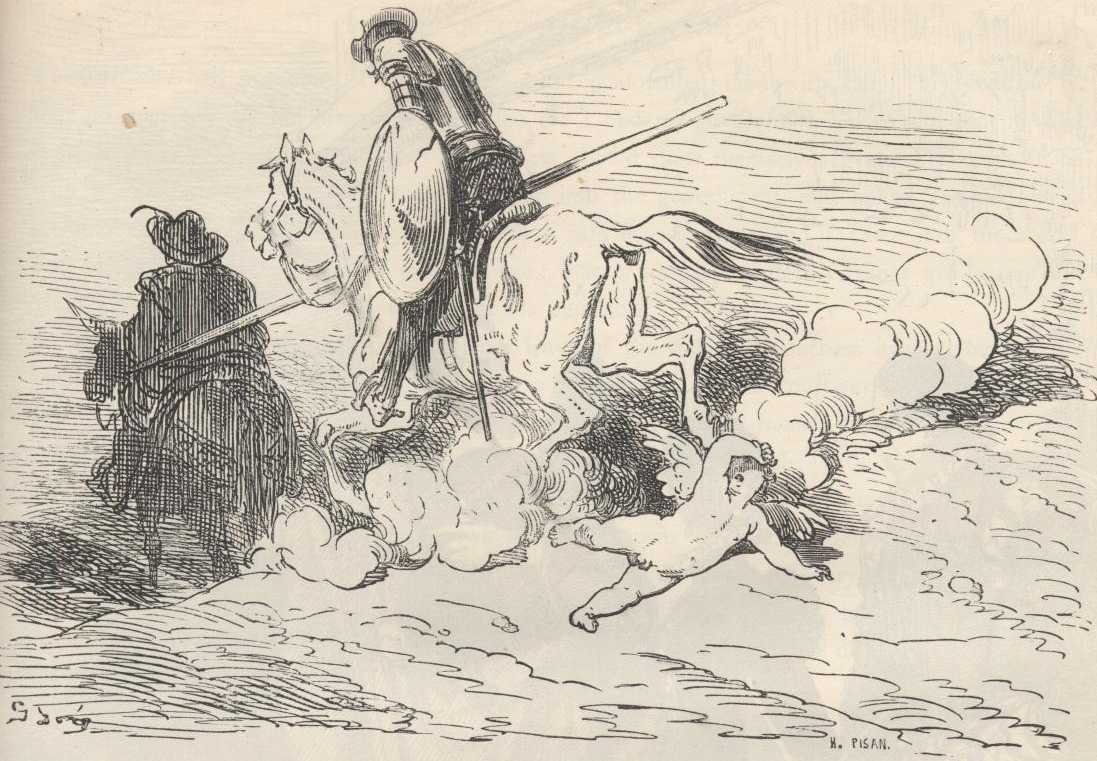
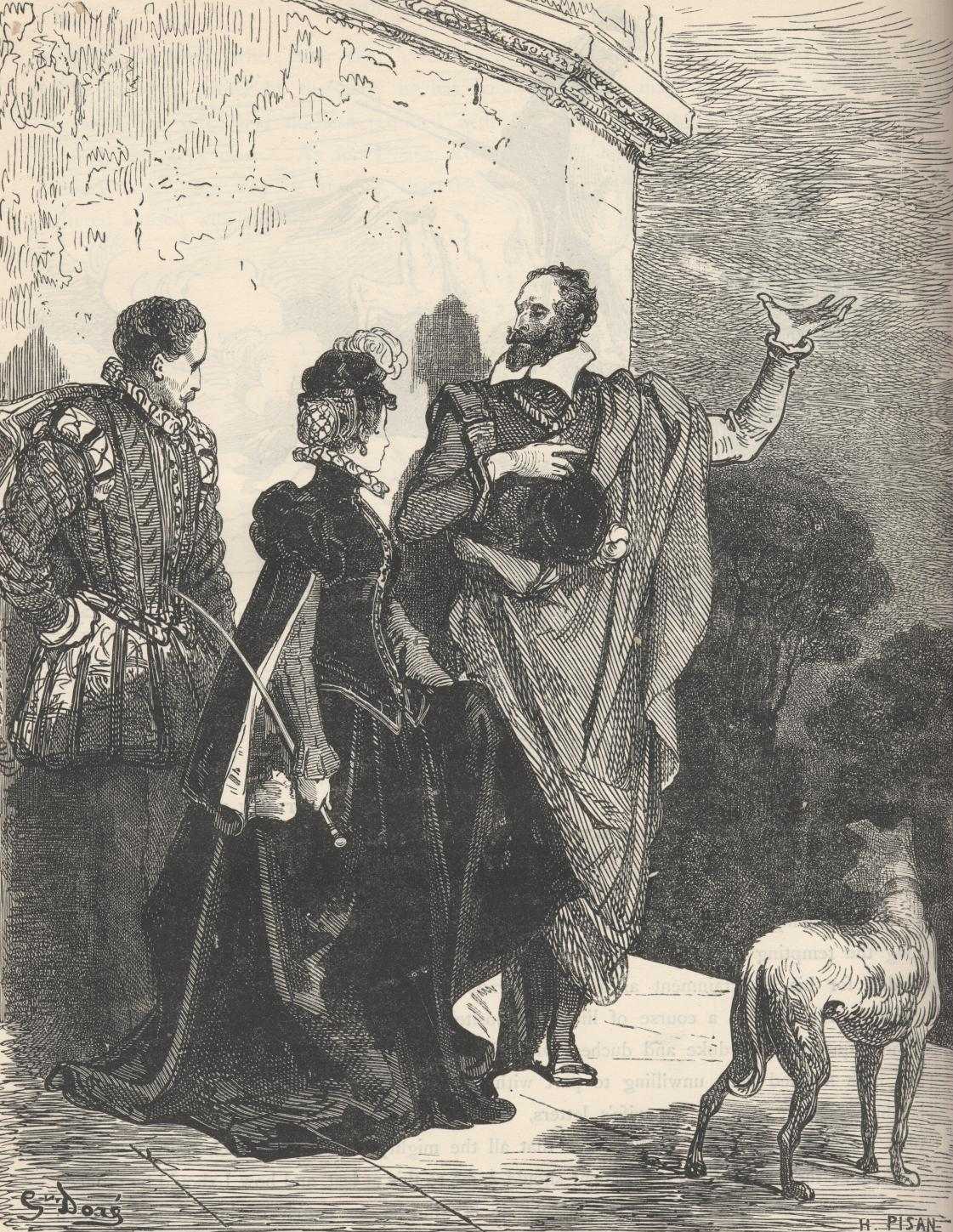
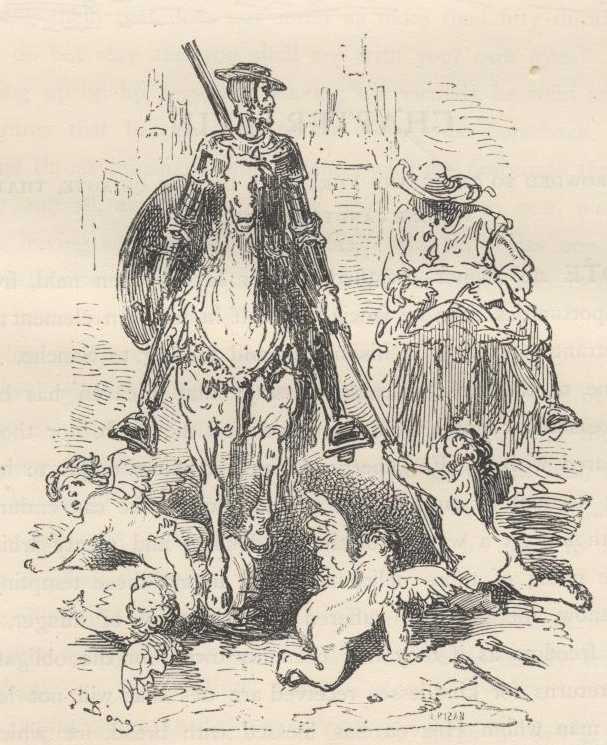
Four generations had laughed over “Don Quixote” before it occurred to
anyone to ask, who and what manner of man was this Miguel de Cervantes
Saavedra whose name is on the title-page; and it was too late for a
satisfactory answer to the question when it was proposed to add a life of
the author to the London edition published at Lord Carteret’s instance in
1738. All traces of the personality of Cervantes had by that time
disappeared. Any floating traditions that may once have existed,
transmitted from men who had known him, had long since died out, and of
other record there was none; for the sixteenth and seventeenth centuries
were incurious as to “the men of the time,” a reproach against which the
nineteenth has, at any rate, secured itself, if it has produced no
Shakespeare or Cervantes. All that Mayans y Siscar, to whom the task was
entrusted, or any of those who followed him, Rios, Pellicer, or Navarrete,
could do was to eke out the few allusions Cervantes makes to himself in
his various prefaces with such pieces of documentary evidence bearing upon
his life as they could find.
This, however, has been done by the last-named biographer to such good
purpose that he has superseded all predecessors. Thoroughness is the chief
characteristic of Navarrete’s work. Besides sifting, testing, and
methodising with rare patience and judgment what had been previously
brought to light, he left, as the saying is, no stone unturned under which
anything to illustrate his subject might possibly be found. Navarrete has
done all that industry and acumen could do, and it is no fault of his if
he has not given us what we want. What Hallam says of Shakespeare may be
applied to the almost parallel case of Cervantes: “It is not the register
of his baptism, or the draft of his will, or the orthography of his name
that we seek; no letter of his writing, no record of his conversation, no
character of him drawn ... by a contemporary has been produced.”
It is only natural, therefore, that the biographers of Cervantes, forced
to make brick without straw, should have recourse largely to conjecture,
and that conjecture should in some instances come by degrees to take the
place of established fact. All that I propose to do here is to separate
what is matter of fact from what is matter of conjecture, and leave it to
the reader’s judgment to decide whether the data justify the inference or
not.
The men whose names by common consent stand in the front rank of Spanish
literature, Cervantes, Lope de Vega, Quevedo, Calderon, Garcilaso de la
Vega, the Mendozas, Gongora, were all men of ancient families, and,
curiously, all, except the last, of families that traced their origin to
the same mountain district in the North of Spain. The family of Cervantes
is commonly said to have been of Galician origin, and unquestionably it
was in possession of lands in Galicia at a very early date; but I think
the balance of the evidence tends to show that the “solar,” the original
site of the family, was at Cervatos in the north-west corner of Old
Castile, close to the junction of Castile, Leon, and the Asturias. As it
happens, there is a complete history of the Cervantes family from the
tenth century down to the seventeenth extant under the title of
“Illustrious Ancestry, Glorious Deeds, and Noble Posterity of the Famous
Nuno Alfonso, Alcaide of Toledo,” written in 1648 by the industrious
genealogist Rodrigo Mendez Silva, who availed himself of a manuscript
genealogy by Juan de Mena, the poet laureate and historiographer of John
II.
The origin of the name Cervantes is curious. Nuno Alfonso was almost as
distinguished in the struggle against the Moors in the reign of Alfonso
VII as the Cid had been half a century before in that of Alfonso VI, and
was rewarded by divers grants of land in the neighbourhood of Toledo. On
one of his acquisitions, about two leagues from the city, he built himself
a castle which he called Cervatos, because “he was lord of the solar of
Cervatos in the Montana,” as the mountain region extending from the Basque
Provinces to Leon was always called. At his death in battle in 1143, the
castle passed by his will to his son Alfonso Munio, who, as territorial or
local surnames were then coming into vogue in place of the simple
patronymic, took the additional name of Cervatos. His eldest son Pedro
succeeded him in the possession of the castle, and followed his example in
adopting the name, an assumption at which the younger son, Gonzalo, seems
to have taken umbrage.
Everyone who has paid even a flying visit to Toledo will remember the
ruined castle that crowns the hill above the spot where the bridge of
Alcántara spans the gorge of the Tagus, and with its broken outline and
crumbling walls makes such an admirable pendant to the square solid
Alcazar towering over the city roofs on the opposite side. It was built,
or as some say restored, by Alfonso VI shortly after his occupation of
Toledo in 1085, and called by him San Servando after a Spanish martyr, a
name subsequently modified into San Servan (in which form it appears in
the “Poem of the Cid”), San Servantes, and San Cervantes: with regard to
which last the “Handbook for Spain” warns its readers against the
supposition that it has anything to do with the author of “Don Quixote.”
Ford, as all know who have taken him for a companion and counsellor on the
roads of Spain, is seldom wrong in matters of literature or history. In
this instance, however, he is in error. It has everything to do with the
author of “Don Quixote,” for it is in fact these old walls that have given
to Spain the name she is proudest of to-day. Gonzalo, above mentioned, it
may be readily conceived, did not relish the appropriation by his brother
of a name to which he himself had an equal right, for though nominally
taken from the castle, it was in reality derived from the ancient
territorial possession of the family, and as a set-off, and to distinguish
himself (diferenciarse) from his brother, he took as a surname the name of
the castle on the bank of the Tagus, in the building of which, according
to a family tradition, his great-grandfather had a share.
Both brothers founded families. The Cervantes branch had more tenacity; it
sent offshoots in various directions, Andalusia, Estremadura, Galicia, and
Portugal, and produced a goodly line of men distinguished in the service
of Church and State. Gonzalo himself, and apparently a son of his,
followed Ferdinand III in the great campaign of 1236-48 that gave Cordova
and Seville to Christian Spain and penned up the Moors in the kingdom of
Granada, and his descendants intermarried with some of the noblest
families of the Peninsula and numbered among them soldiers, magistrates,
and Church dignitaries, including at least two cardinal-archbishops.
Of the line that settled in Andalusia, Deigo de Cervantes, Commander of
the Order of Santiago, married Juana Avellaneda, daughter of Juan Arias de
Saavedra, and had several sons, of whom one was Gonzalo Gomez, Corregidor
of Jerez and ancestor of the Mexican and Columbian branches of the family;
and another, Juan, whose son Rodrigo married Doña Leonor de Cortinas, and
by her had four children, Rodrigo, Andrea, Luisa, and Miguel, our author.
The pedigree of Cervantes is not without its bearing on “Don Quixote.” A
man who could look back upon an ancestry of genuine knights-errant
extending from well-nigh the time of Pelayo to the siege of Granada was
likely to have a strong feeling on the subject of the sham chivalry of the
romances. It gives a point, too, to what he says in more than one place
about families that have once been great and have tapered away until they
have come to nothing, like a pyramid. It was the case of his own.
He was born at Alcalá de Henares and baptised in the church of Santa Maria
Mayor on the 9th of October, 1547. Of his boyhood and youth we know
nothing, unless it be from the glimpse he gives us in the preface to his
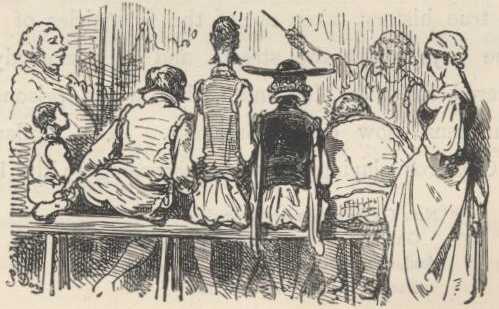
“Comedies” of himself as a boy looking on with delight while Lope de Rueda
and his company set up their rude plank stage in the plaza and acted the
rustic farces which he himself afterwards took as the model of his
interludes. This first glimpse, however, is a significant one, for it
shows the early development of that love of the drama which exercised such
an influence on his life and seems to have grown stronger as he grew
older, and of which this very preface, written only a few months before
his death, is such a striking proof. He gives us to understand, too, that
he was a great reader in his youth; but of this no assurance was needed,
for the First Part of “Don Quixote” alone proves a vast amount of
miscellaneous reading, romances of chivalry, ballads, popular poetry,
chronicles, for which he had no time or opportunity except in the first
twenty years of his life; and his misquotations and mistakes in matters of
detail are always, it may be noticed, those of a man recalling the reading
of his boyhood.
Other things besides the drama were in their infancy when Cervantes was a
boy. The period of his boyhood was in every way a transition period for
Spain. The old chivalrous Spain had passed away. The new Spain was the
mightiest power the world had seen since the Roman Empire and it had not
yet been called upon to pay the price of its greatness. By the policy of
Ferdinand and Ximenez the sovereign had been made absolute, and the Church
and Inquisition adroitly adjusted to keep him so. The nobles, who had
always resisted absolutism as strenuously as they had fought the Moors,
had been divested of all political power, a like fate had befallen the
cities, the free constitutions of Castile and Aragon had been swept away,
and the only function that remained to the Cortés was that of granting
money at the King’s dictation.
The transition extended to literature. Men who, like Garcilaso de la Vega
and Diego Hurtado de Mendoza, followed the Italian wars, had brought back
from Italy the products of the post-Renaissance literature, which took
root and flourished and even threatened to extinguish the native growths.
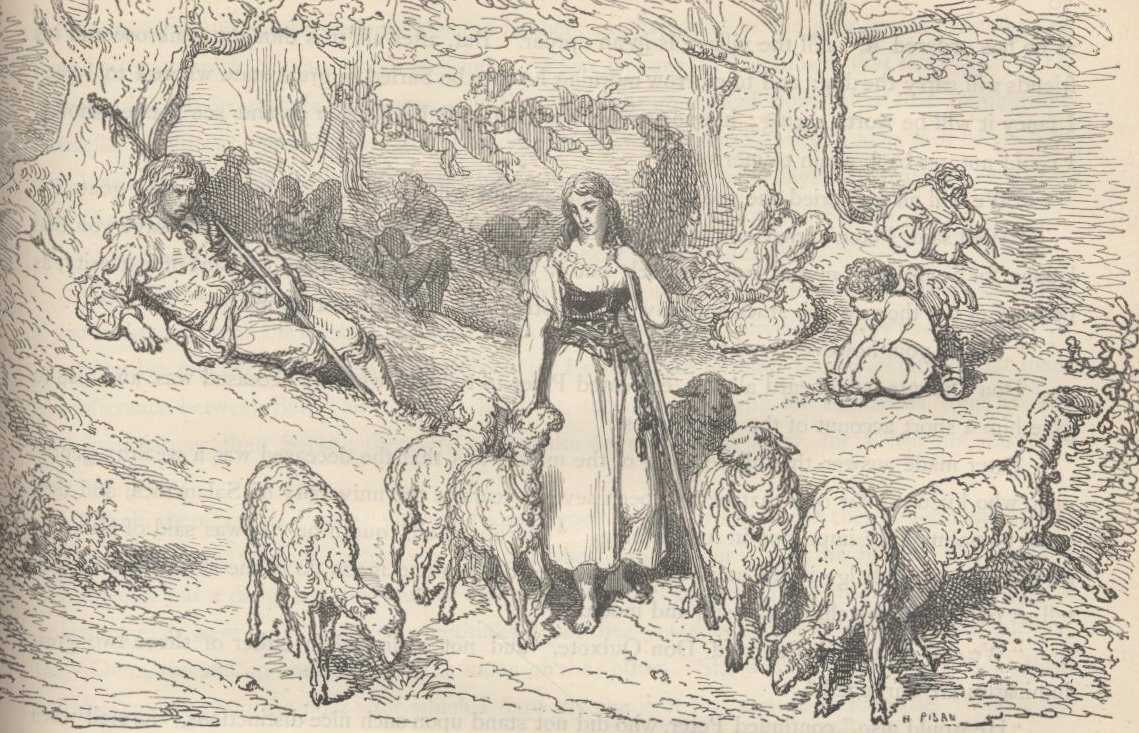
Damon and Thyrsis, Phyllis and Chloe had been fairly naturalised in Spain,
together with all the devices of pastoral poetry for investing with an air
of novelty the idea of a dispairing shepherd and inflexible shepherdess.
As a set-off against this, the old historical and traditional ballads, and
the true pastorals, the songs and ballads of peasant life, were being
collected assiduously and printed in the cancioneros that succeeded one
another with increasing rapidity. But the most notable consequence,
perhaps, of the spread of printing was the flood of romances of chivalry
that had continued to pour from the press ever since Garci Ordoñez de
Montalvo had resuscitated “Amadis of Gaul” at the beginning of the
century.
For a youth fond of reading, solid or light, there could have been no
better spot in Spain than Alcalá de Henares in the middle of the sixteenth
century. It was then a busy, populous university town, something more than
the enterprising rival of Salamanca, and altogether a very different place
from the melancholy, silent, deserted Alcalá the traveller sees now as he
goes from Madrid to Saragossa. Theology and medicine may have been the
strong points of the university, but the town itself seems to have
inclined rather to the humanities and light literature, and as a producer
of books Alcalá was already beginning to compete with the older presses of
Toledo, Burgos, Salamanca and Seville.
A pendant to the picture Cervantes has given us of his first playgoings
might, no doubt, have been often seen in the streets of Alcalá at that
time; a bright, eager, tawny-haired boy peering into a book-shop where the
latest volumes lay open to tempt the public, wondering, it may be, what
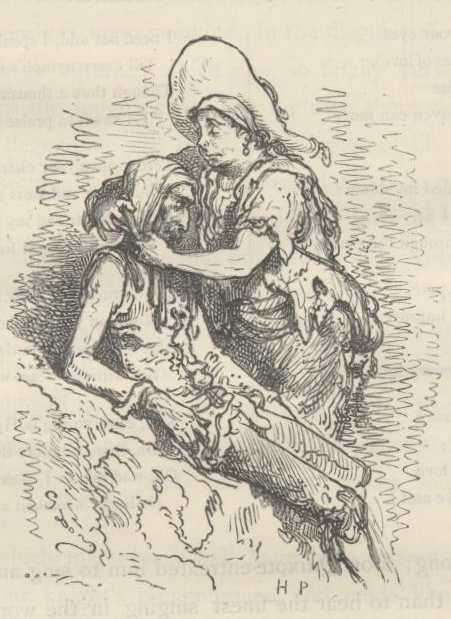
that little book with the woodcut of the blind beggar and his boy, that
called itself “Vida de Lazarillo de Tormes, segunda impresion,” could be
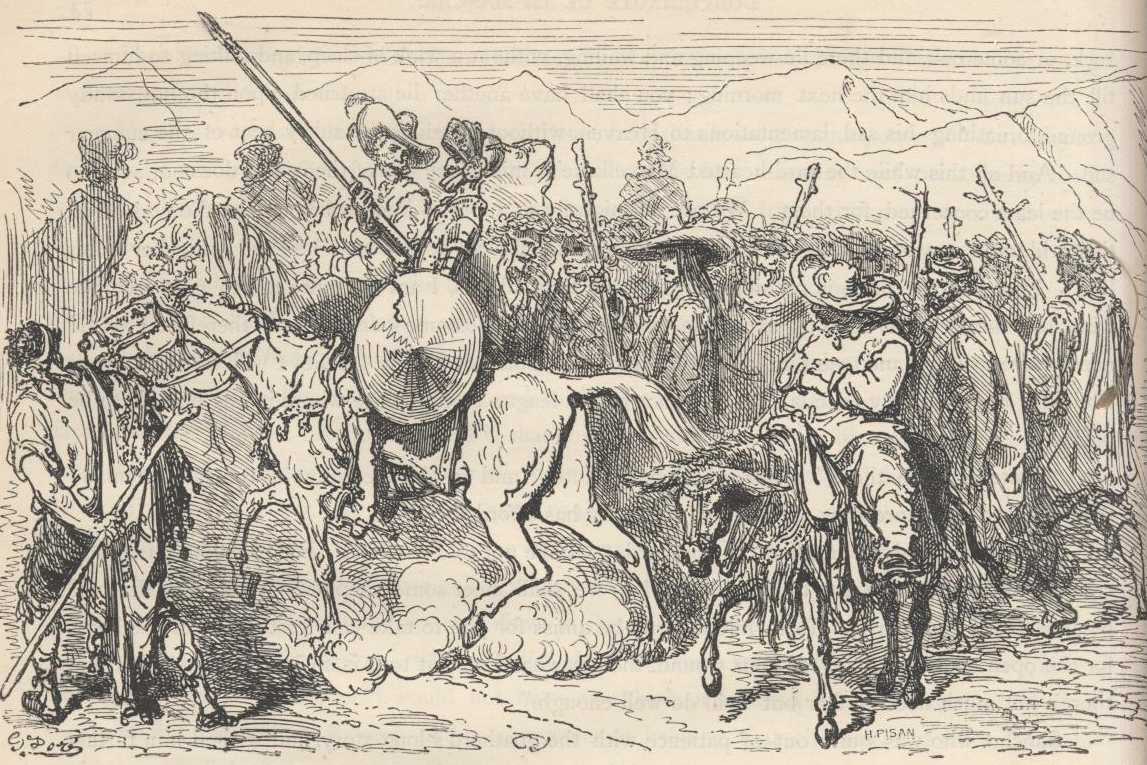
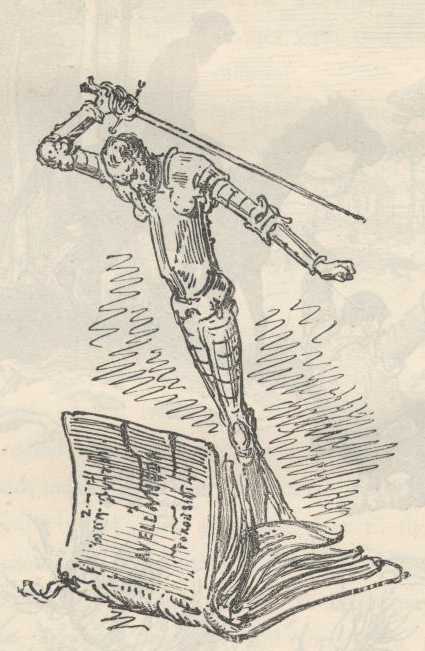
about; or with eyes brimming over with merriment gazing at one of those
preposterous portraits of a knight-errant in outrageous panoply and plumes
with which the publishers of chivalry romances loved to embellish the
title-pages of their folios. If the boy was the father of the man, the
sense of the incongruous that was strong at fifty was lively at ten, and
some such reflections as these may have been the true genesis of “Don
Quixote.”
For his more solid education, we are told, he went to Salamanca. But why
Rodrigo de Cervantes, who was very poor, should have sent his son to a
university a hundred and fifty miles away when he had one at his own door,
would be a puzzle, if we had any reason for supposing that he did so. The
only evidence is a vague statement by Professor Tomas Gonzalez, that he
once saw an old entry of the matriculation of a Miguel de Cervantes. This
does not appear to have been ever seen again; but even if it had, and if
the date corresponded, it would prove nothing, as there were at least two
other Miguels born about the middle of the century; one of them, moreover,
a Cervantes Saavedra, a cousin, no doubt, who was a source of great
embarrassment to the biographers.
That he was a student neither at Salamanca nor at Alcalá is best proved by
his own works. No man drew more largely upon experience than he did, and
he has nowhere left a single reminiscence of student life—for the
“Tia Fingida,” if it be his, is not one—nothing, not even “a college
joke,” to show that he remembered days that most men remember best. All
that we know positively about his education is that Juan Lopez de Hoyos, a
professor of humanities and belles-lettres of some eminence, calls him his
“dear and beloved pupil.” This was in a little collection of verses by
different hands on the death of Isabel de Valois, second queen of Philip
II., published by the professor in 1569, to which Cervantes contributed
four pieces, including an elegy, and an epitaph in the form of a sonnet.
It is only by a rare chance that a “Lycidas” finds its way into a volume
of this sort, and Cervantes was no Milton. His verses are no worse than
such things usually are; so much, at least, may be said for them.
By the time the book appeared he had left Spain, and, as fate ordered it, for
twelve years, the most eventful ones of his life. Giulio, afterwards Cardinal,
Acquaviva had been sent at the end of 1568 to Philip II. by the Pope on a
mission, partly of condolence, partly political, and on his return to Rome,
which was somewhat brusquely expedited by the King, he took Cervantes with him
as his camarero (chamberlain), the office he himself held in the Pope’s
household. The post would no doubt have led to advancement at the Papal Court
had Cervantes retained it, but in the summer of 1570 he resigned it and
enlisted as a private soldier in Captain Diego Urbina’s company,
belonging to Don Miguel de Moncada’s regiment, but at that time forming a
part of the command of Marc Antony Colonna. What impelled him to this step we
know not, whether it was distaste for the career before him, or purely military
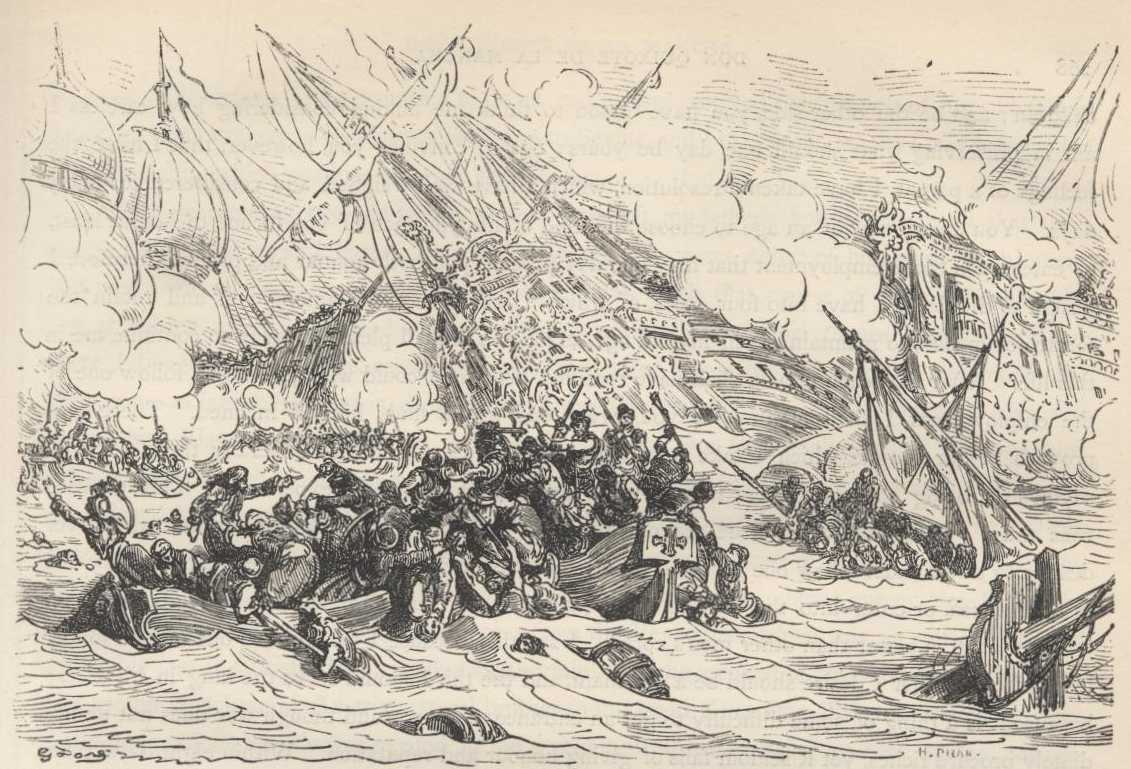
enthusiasm. It may well have been the latter, for it was a stirring time; the
events, however, which led to the alliance between Spain, Venice, and the Pope,
against the common enemy, the Porte, and to the victory of the combined fleets
at Lepanto, belong rather to the history of Europe than to the life of
Cervantes. He was one of those that sailed from Messina, in September 1571,
under the command of Don John of Austria; but on the morning of the 7th of
October, when the Turkish fleet was sighted, he was lying below ill with fever.
At the news that the enemy was in sight he rose, and, in spite of the
remonstrances of his comrades and superiors, insisted on taking his post,
saying he preferred death in the service of God and the King to health. His
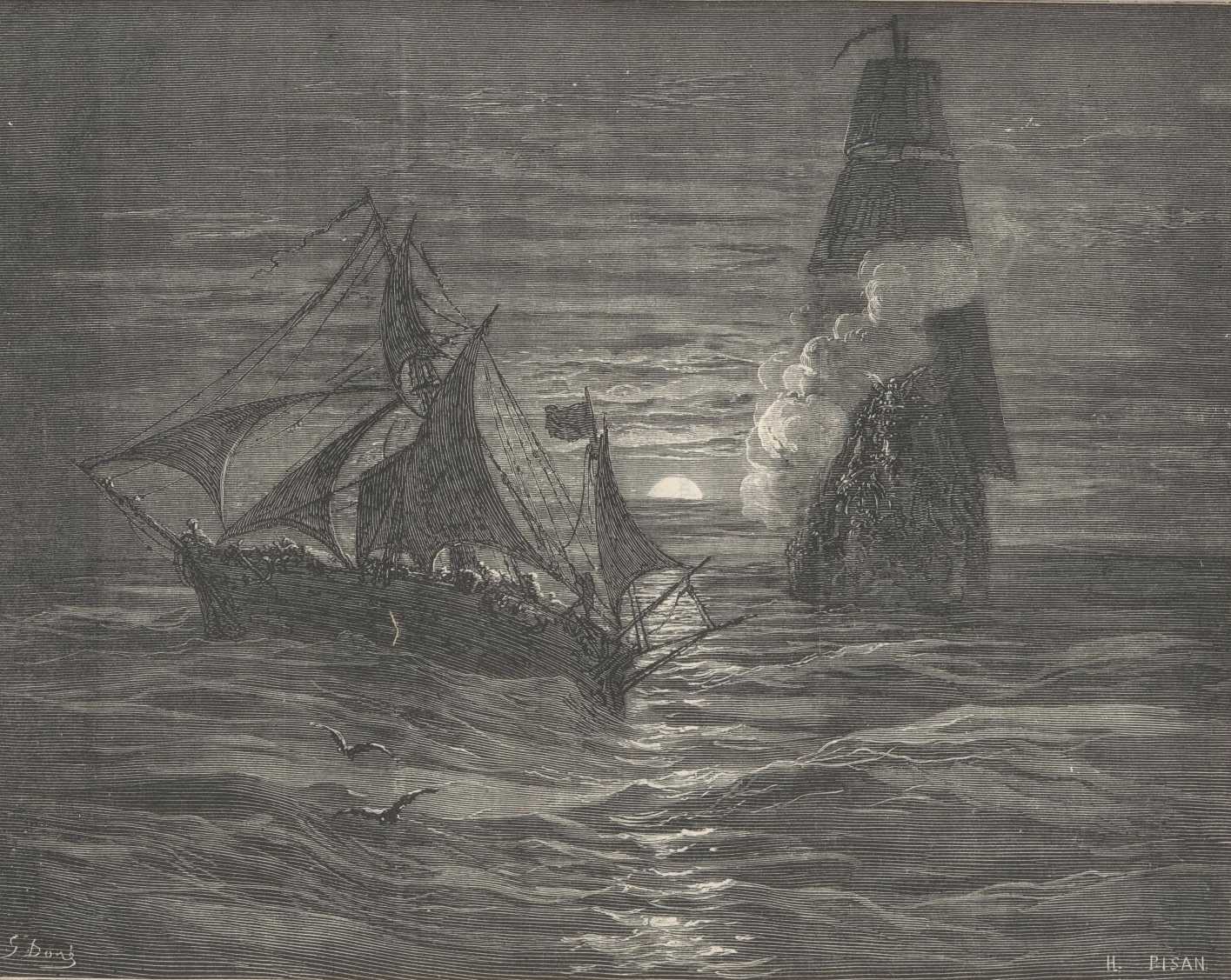
galley, the Marquesa, was in the thick of the fight, and before it was
over he had received three gunshot wounds, two in the breast and one in the
left hand or arm. On the morning after the battle, according to Navarrete, he
had an interview with the commander-in-chief, Don John, who was making a
personal inspection of the wounded, one result of which was an addition of
three crowns to his pay, and another, apparently, the friendship of his general.
How severely Cervantes was wounded may be inferred from the fact, that with
youth, a vigorous frame, and as cheerful and buoyant a temperament as ever
invalid had, he was seven months in hospital at Messina before he was
discharged. He came out with his left hand permanently disabled; he had lost
the use of it, as Mercury told him in the “Viaje del Parnaso” for
the greater glory of the right. This, however, did not absolutely unfit him for
service, and in April 1572 he joined Manuel Ponce de Leon’s company of
Lope de Figueroa’s regiment, in which, it seems probable, his brother
Rodrigo was serving, and shared in the operations of the next three years,
including the capture of the Goletta and Tunis. Taking advantage of the lull
which followed the recapture of these places by the Turks, he obtained leave to
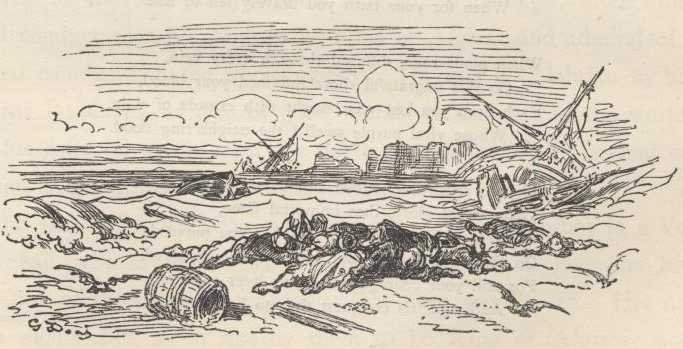
return to Spain, and sailed from Naples in September 1575 on board the
Sun galley, in company with his brother Rodrigo, Pedro Carrillo de
Quesada, late Governor of the Goletta, and some others, and furnished with
letters from Don John of Austria and the Duke of Sesa, the Viceroy of Sicily,
recommending him to the King for the command of a company, on account of his
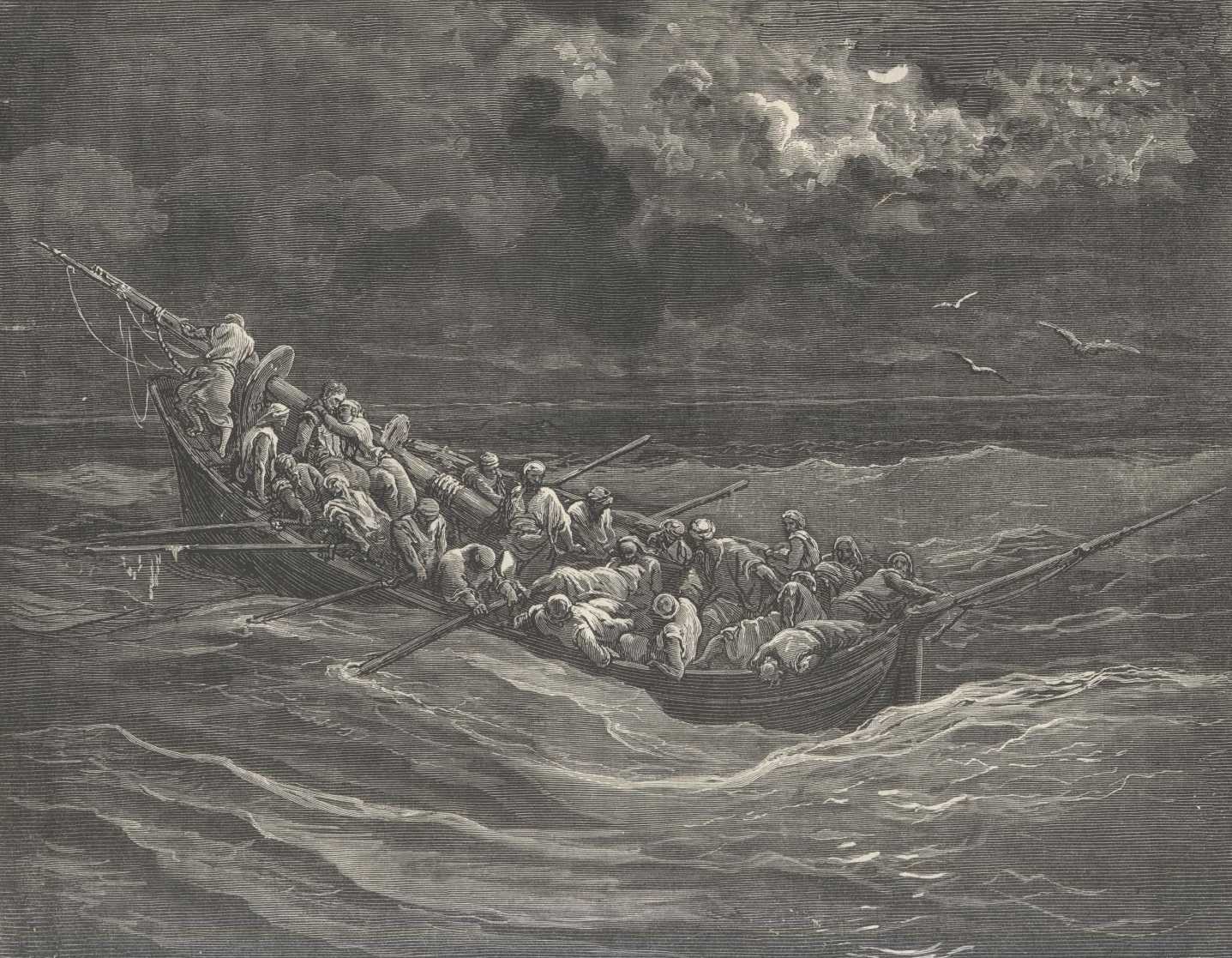
services; a dono infelice as events proved. On the 26th they fell in
with a squadron of Algerine galleys, and after a stout resistance were
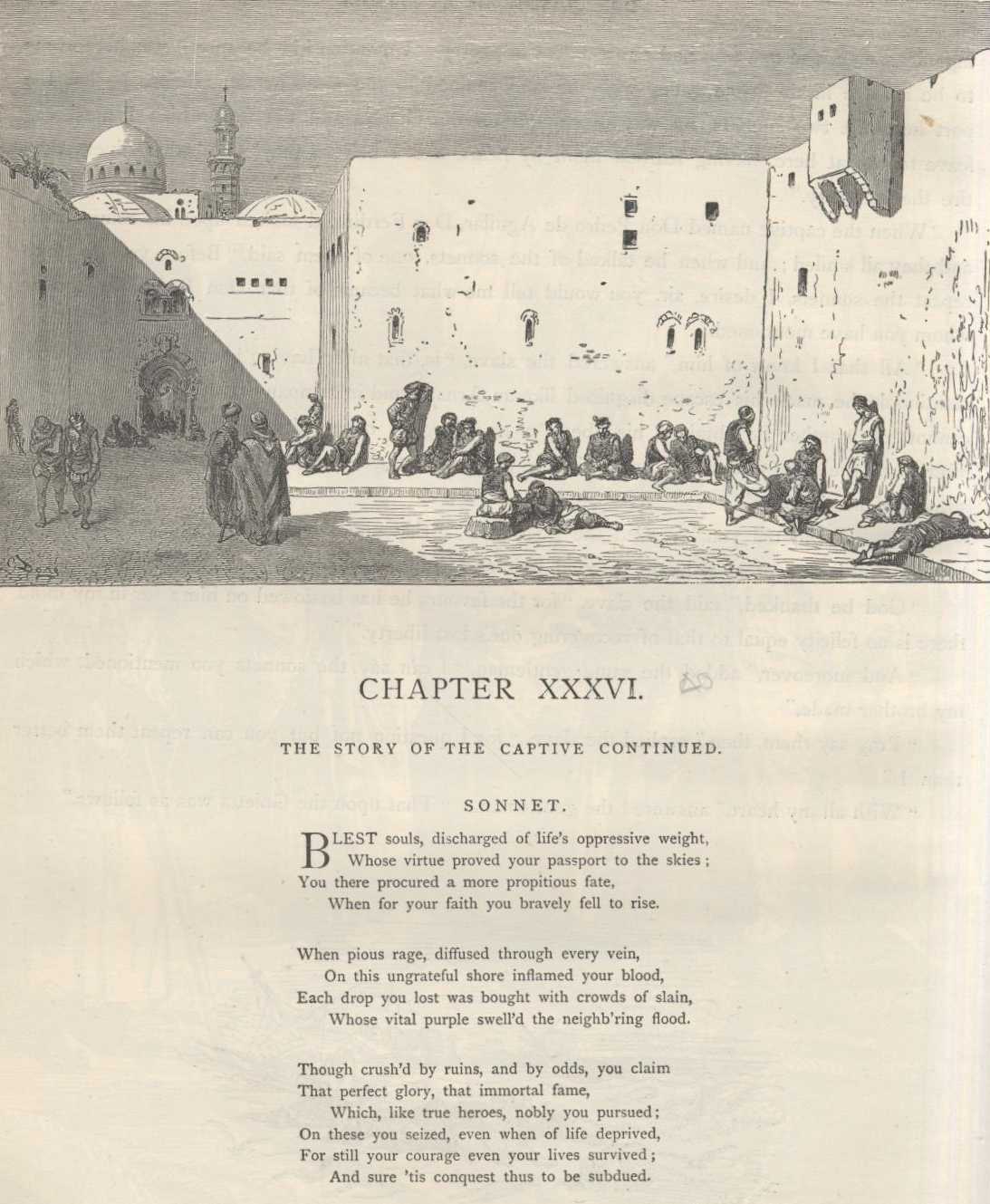
overpowered and carried into Algiers.
By means of a ransomed fellow-captive the brothers contrived to inform
their family of their condition, and the poor people at Alcalá at once
strove to raise the ransom money, the father disposing of all he
possessed, and the two sisters giving up their marriage portions. But Dali
Mami had found on Cervantes the letters addressed to the King by Don John
and the Duke of Sesa, and, concluding that his prize must be a person of
great consequence, when the money came he refused it scornfully as being
altogether insufficient. The owner of Rodrigo, however, was more easily
satisfied; ransom was accepted in his case, and it was arranged between
the brothers that he should return to Spain and procure a vessel in which
he was to come back to Algiers and take off Miguel and as many of their
comrades as possible. This was not the first attempt to escape that
Cervantes had made. Soon after the commencement of his captivity he
induced several of his companions to join him in trying to reach Oran,
then a Spanish post, on foot; but after the first day’s journey, the Moor
who had agreed to act as their guide deserted them, and they had no choice
but to return. The second attempt was more disastrous. In a garden outside
the city on the sea-shore, he constructed, with the help of the gardener,
a Spaniard, a hiding-place, to which he brought, one by one, fourteen of
his fellow-captives, keeping them there in secrecy for several months, and
supplying them with food through a renegade known as El Dorador, “the
Gilder.” How he, a captive himself, contrived to do all this, is one of
the mysteries of the story. Wild as the project may appear, it was very
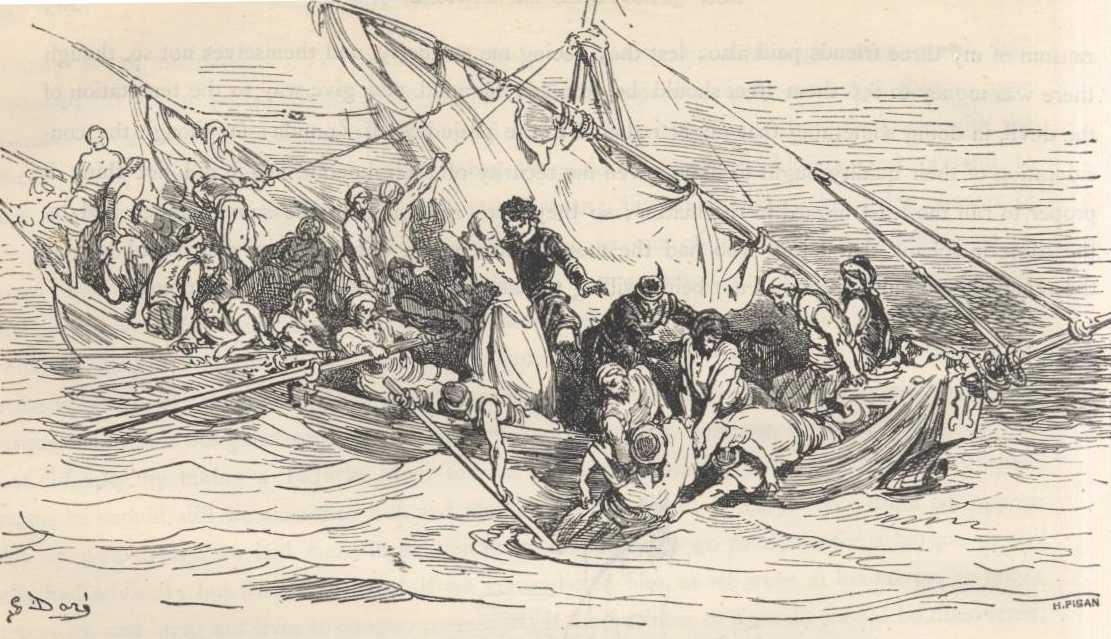
nearly successful. The vessel procured by Rodrigo made its appearance off
the coast, and under cover of night was proceeding to take off the
refugees, when the crew were alarmed by a passing fishing boat, and beat a
hasty retreat. On renewing the attempt shortly afterwards, they, or a
portion of them at least, were taken prisoners, and just as the poor
fellows in the garden were exulting in the thought that in a few moments
more freedom would be within their grasp, they found themselves surrounded
by Turkish troops, horse and foot. The Dorador had revealed the whole
scheme to the Dey Hassan.
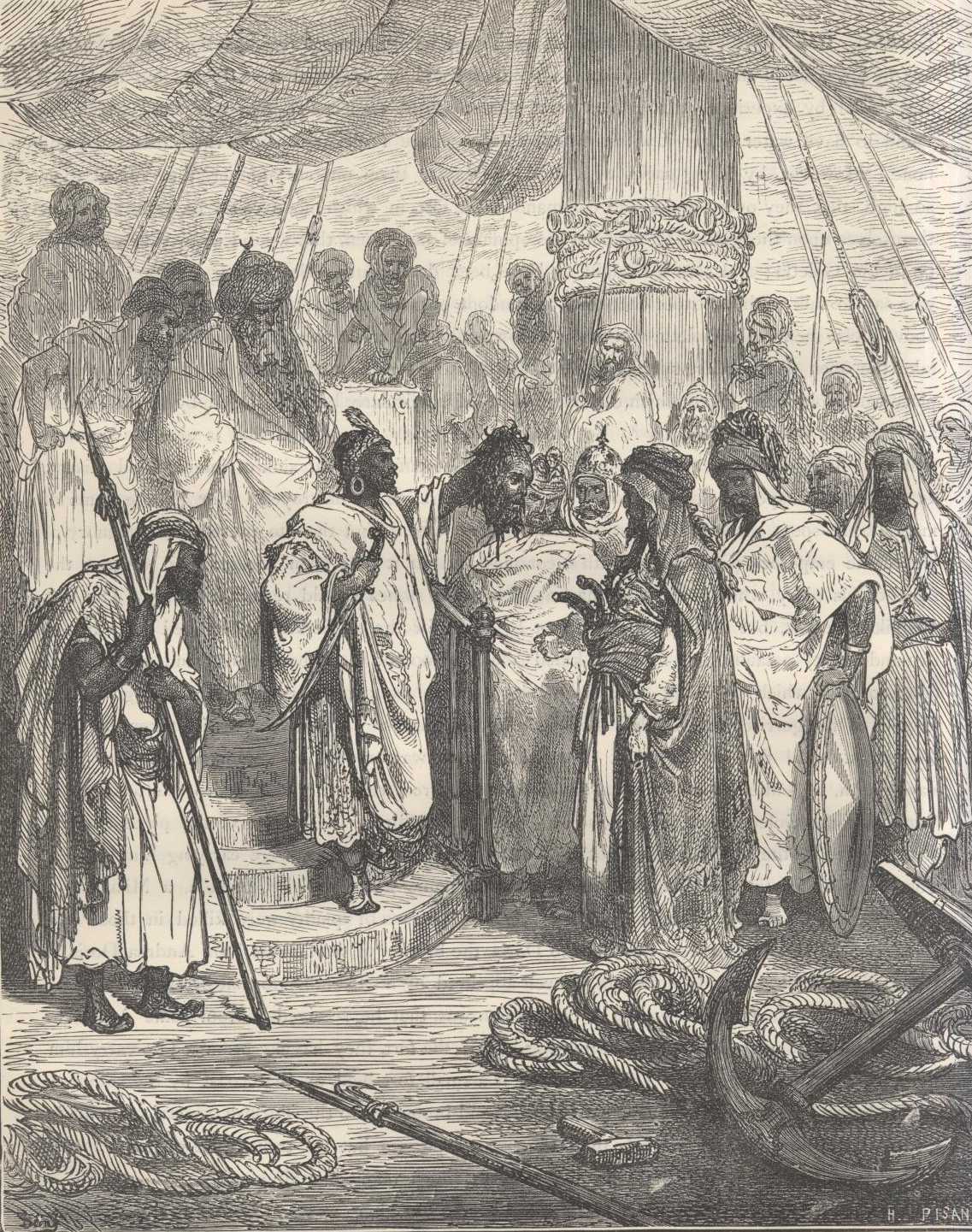
When Cervantes saw what had befallen them, he charged his companions to
lay all the blame upon him, and as they were being bound he declared aloud
that the whole plot was of his contriving, and that nobody else had any
share in it. Brought before the Dey, he said the same. He was threatened
with impalement and with torture; and as cutting off ears and noses were
playful freaks with the Algerines, it may be conceived what their tortures
were like; but nothing could make him swerve from his original statement
that he and he alone was responsible. The upshot was that the unhappy
gardener was hanged by his master, and the prisoners taken possession of
by the Dey, who, however, afterwards restored most of them to their
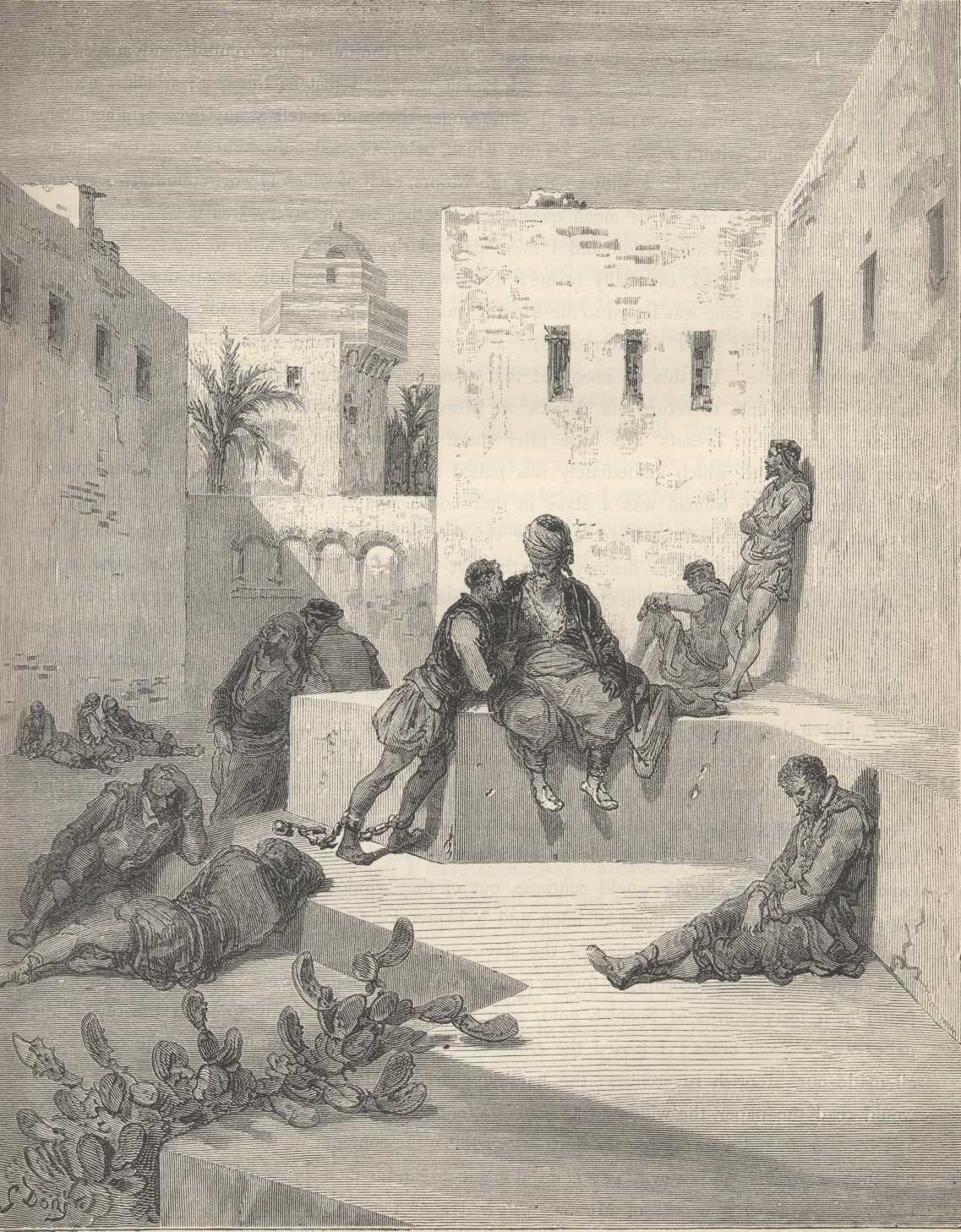
masters, but kept Cervantes, paying Dali Mami 500 crowns for him. He felt,
no doubt, that a man of such resource, energy, and daring, was too
dangerous a piece of property to be left in private hands; and he had him
heavily ironed and lodged in his own prison. If he thought that by these
means he could break the spirit or shake the resolution of his prisoner,
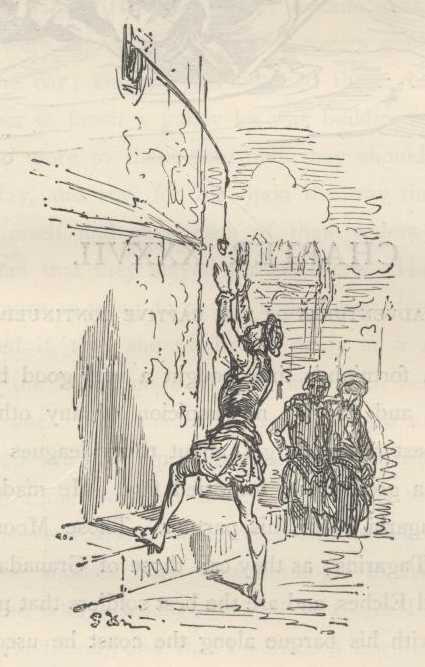
he was soon undeceived, for Cervantes contrived before long to despatch a
letter to the Governor of Oran, entreating him to send him someone that
could be trusted, to enable him and three other gentlemen, fellow-captives
of his, to make their escape; intending evidently to renew his first
attempt with a more trustworthy guide. Unfortunately the Moor who carried
the letter was stopped just outside Oran, and the letter being found upon
him, he was sent back to Algiers, where by the order of the Dey he was
promptly impaled as a warning to others, while Cervantes was condemned to
receive two thousand blows of the stick, a number which most likely would
have deprived the world of “Don Quixote,” had not some persons, who they
were we know not, interceded on his behalf.
After this he seems to have been kept in still closer confinement than
before, for nearly two years passed before he made another attempt. This
time his plan was to purchase, by the aid of a Spanish renegade and two
Valencian merchants resident in Algiers, an armed vessel in which he and
about sixty of the leading captives were to make their escape; but just as
they were about to put it into execution one Doctor Juan Blanco de Paz, an
ecclesiastic and a compatriot, informed the Dey of the plot. Cervantes by
force of character, by his self-devotion, by his untiring energy and his
exertions to lighten the lot of his companions in misery, had endeared
himself to all, and become the leading spirit in the captive colony, and,
incredible as it may seem, jealousy of his influence and the esteem in
which he was held, moved this man to compass his destruction by a cruel
death. The merchants finding that the Dey knew all, and fearing that
Cervantes under torture might make disclosures that would imperil their
own lives, tried to persuade him to slip away on board a vessel that was
on the point of sailing for Spain; but he told them they had nothing to
fear, for no tortures would make him compromise anybody, and he went at
once and gave himself up to the Dey.
As before, the Dey tried to force him to name his accomplices. Everything
was made ready for his immediate execution; the halter was put round his
neck and his hands tied behind him, but all that could be got from him was
that he himself, with the help of four gentlemen who had since left
Algiers, had arranged the whole, and that the sixty who were to accompany
him were not to know anything of it until the last moment. Finding he
could make nothing of him, the Dey sent him back to prison more heavily
ironed than before.
The poverty-stricken Cervantes family had been all this time trying once
more to raise the ransom money, and at last a sum of three hundred ducats
was got together and entrusted to the Redemptorist Father Juan Gil, who
was about to sail for Algiers. The Dey, however, demanded more than double
the sum offered, and as his term of office had expired and he was about to
sail for Constantinople, taking all his slaves with him, the case of
Cervantes was critical. He was already on board heavily ironed, when the
Dey at length agreed to reduce his demand by one-half, and Father Gil by
borrowing was able to make up the amount, and on September 19, 1580, after
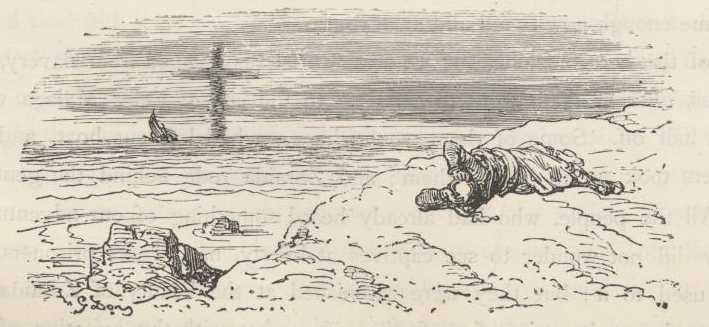
a captivity of five years all but a week, Cervantes was at last set free.
Before long he discovered that Blanco de Paz, who claimed to be an officer
of the Inquisition, was now concocting on false evidence a charge of
misconduct to be brought against him on his return to Spain. To checkmate
him Cervantes drew up a series of twenty-five questions, covering the
whole period of his captivity, upon which he requested Father Gil to take
the depositions of credible witnesses before a notary. Eleven witnesses
taken from among the principal captives in Algiers deposed to all the
facts above stated and to a great deal more besides. There is something
touching in the admiration, love, and gratitude we see struggling to find
expression in the formal language of the notary, as they testify one after
another to the good deeds of Cervantes, how he comforted and helped the
weak-hearted, how he kept up their drooping courage, how he shared his
poor purse with this deponent, and how “in him this deponent found father
and mother.”
On his return to Spain he found his old regiment about to march for
Portugal to support Philip’s claim to the crown, and utterly penniless
now, had no choice but to rejoin it. He was in the expeditions to the
Azores in 1582 and the following year, and on the conclusion of the war
returned to Spain in the autumn of 1583, bringing with him the manuscript
of his pastoral romance, the “Galatea,” and probably also, to judge by
internal evidence, that of the first portion of “Persiles and Sigismunda.”
He also brought back with him, his biographers assert, an infant daughter,
the offspring of an amour, as some of them with great circumstantiality
inform us, with a Lisbon lady of noble birth, whose name, however, as well
as that of the street she lived in, they omit to mention. The sole
foundation for all this is that in 1605 there certainly was living in the
family of Cervantes a Doña Isabel de Saavedra, who is described in an
official document as his natural daughter, and then twenty years of age.
With his crippled left hand promotion in the army was hopeless, now that
Don John was dead and he had no one to press his claims and services, and
for a man drawing on to forty life in the ranks was a dismal prospect; he
had already a certain reputation as a poet; he made up his mind,
therefore, to cast his lot with literature, and for a first venture
committed his “Galatea” to the press. It was published, as Salva y Mallen
shows conclusively, at Alcalá, his own birth-place, in 1585 and no doubt
helped to make his name more widely known, but certainly did not do him
much good in any other way.
While it was going through the press, he married Doña Catalina de Palacios
Salazar y Vozmediano, a lady of Esquivias near Madrid, and apparently a
friend of the family, who brought him a fortune which may possibly have
served to keep the wolf from the door, but if so, that was all. The drama
had by this time outgrown market-place stages and strolling companies, and
with his old love for it he naturally turned to it for a congenial
employment. In about three years he wrote twenty or thirty plays, which he
tells us were performed without any throwing of cucumbers or other
missiles, and ran their course without any hisses, outcries, or
disturbance. In other words, his plays were not bad enough to be hissed
off the stage, but not good enough to hold their own upon it. Only two of
them have been preserved, but as they happen to be two of the seven or
eight he mentions with complacency, we may assume they are favourable
specimens, and no one who reads the “Numancia” and the “Trato de Argel”
will feel any surprise that they failed as acting dramas. Whatever merits
they may have, whatever occasional they may show, they are, as regards
construction, incurably clumsy. How completely they failed is manifest
from the fact that with all his sanguine temperament and indomitable
perseverance he was unable to maintain the struggle to gain a livelihood
as a dramatist for more than three years; nor was the rising popularity of
Lope the cause, as is often said, notwithstanding his own words to the
contrary. When Lope began to write for the stage is uncertain, but it was
certainly after Cervantes went to Seville.
Among the “Nuevos Documentos” printed by Señor Asensio y Toledo is one
dated 1592, and curiously characteristic of Cervantes. It is an agreement
with one Rodrigo Osorio, a manager, who was to accept six comedies at
fifty ducats (about 6l.) apiece, not to be paid in any case unless it
appeared on representation that the said comedy was one of the best that
had ever been represented in Spain. The test does not seem to have been
ever applied; perhaps it was sufficiently apparent to Rodrigo Osorio that
the comedies were not among the best that had ever been represented. Among
the correspondence of Cervantes there might have been found, no doubt,
more than one letter like that we see in the “Rake’s Progress,” “Sir, I
have read your play, and it will not doo.”
He was more successful in a literary contest at Saragossa in 1595 in
honour of the canonisation of St. Jacinto, when his composition won the
first prize, three silver spoons. The year before this he had been
appointed a collector of revenues for the kingdom of Granada. In order to
remit the money he had collected more conveniently to the treasury, he
entrusted it to a merchant, who failed and absconded; and as the
bankrupt’s assets were insufficient to cover the whole, he was sent to
prison at Seville in September 1597. The balance against him, however, was
a small one, about 26l., and on giving security for it he was released at
the end of the year.
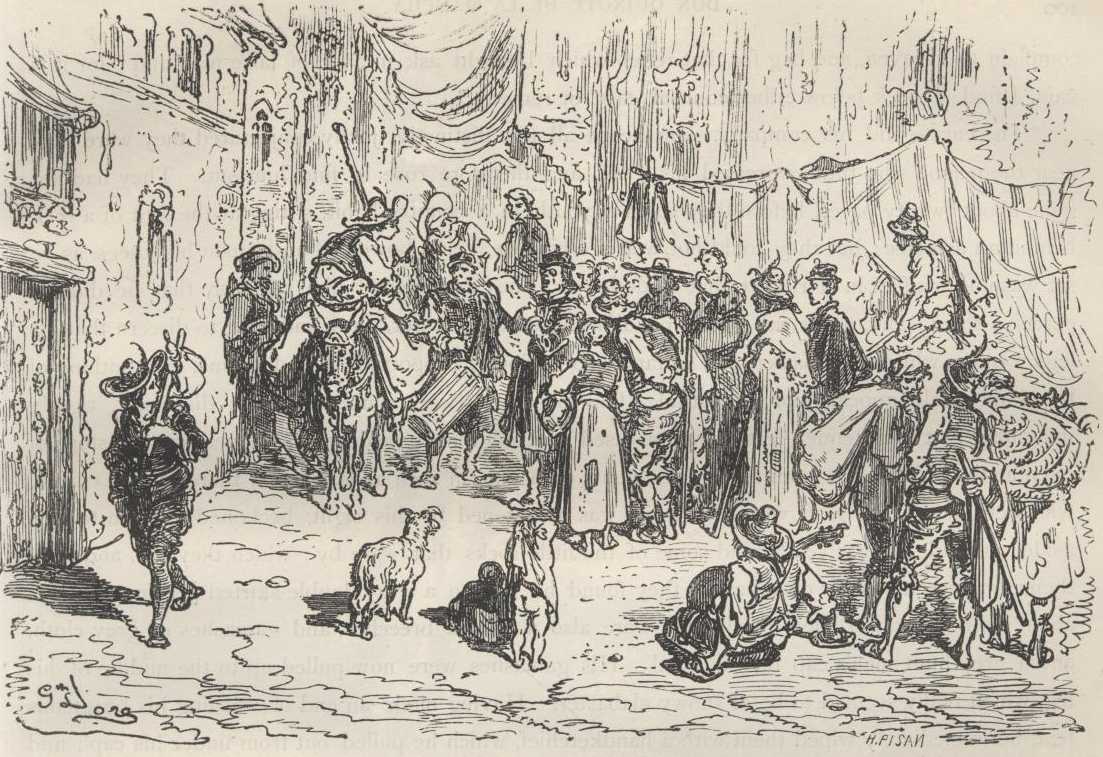
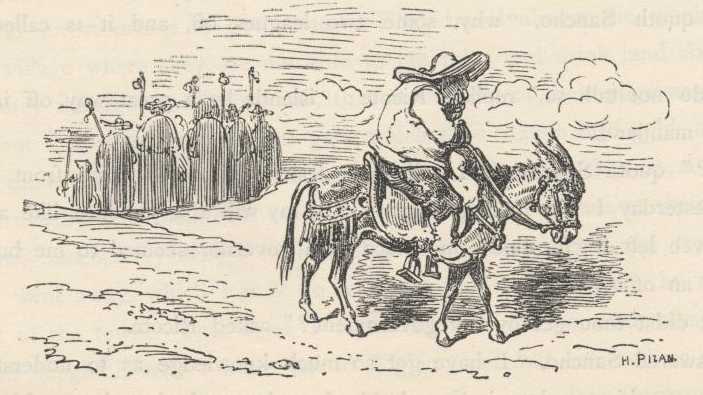
It was as he journeyed from town to town collecting the king’s taxes, that
he noted down those bits of inn and wayside life and character that abound
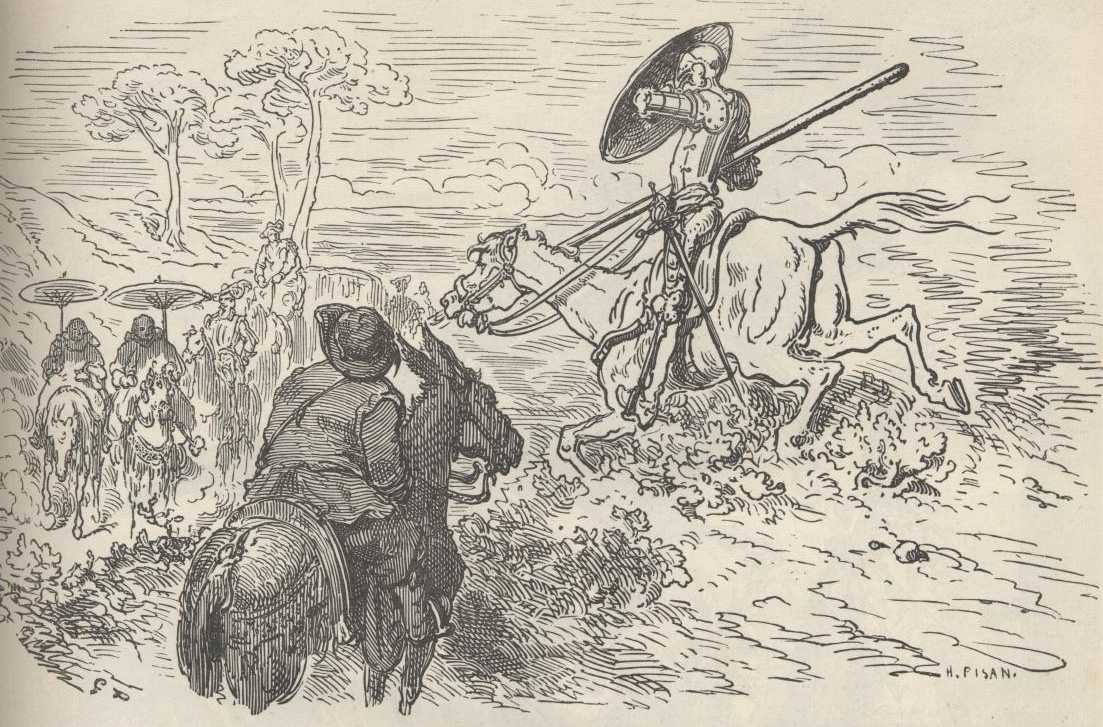
in the pages of “Don Quixote:” the Benedictine monks with spectacles and
sunshades, mounted on their tall mules; the strollers in costume bound for
the next village; the barber with his basin on his head, on his way to
bleed a patient; the recruit with his breeches in his bundle, tramping
along the road singing; the reapers gathered in the venta gateway
listening to “Felixmarte of Hircania” read out to them; and those little
Hogarthian touches that he so well knew how to bring in, the ox-tail
hanging up with the landlord’s comb stuck in it, the wine-skins at the
bed-head, and those notable examples of hostelry art, Helen going off in
high spirits on Paris’s arm, and Dido on the tower dropping tears as big
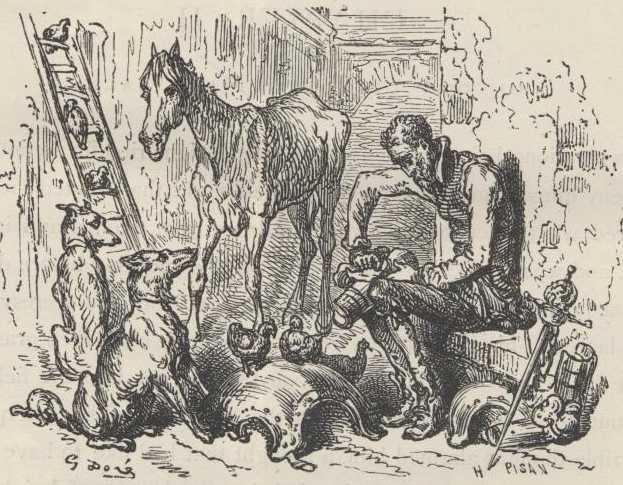
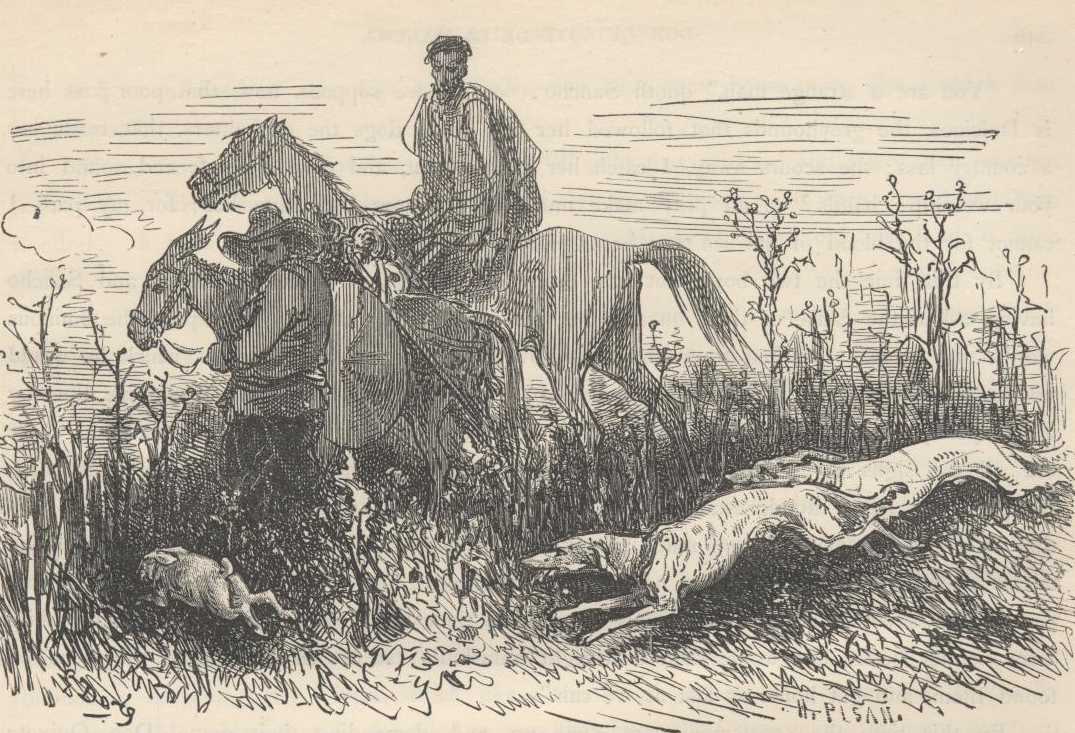
as walnuts. Nay, it may well be that on those journeys into remote regions
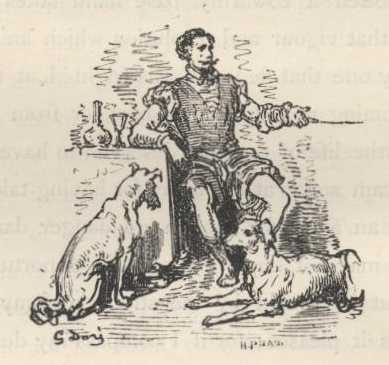
he came across now and then a specimen of the pauper gentleman, with his
lean hack and his greyhound and his books of chivalry, dreaming away his
life in happy ignorance that the world had changed since his
great-grandfather’s old helmet was new. But it was in Seville that he
found out his true vocation, though he himself would not by any means have
admitted it to be so. It was there, in Triana, that he was first tempted
to try his hand at drawing from life, and first brought his humour into
play in the exquisite little sketch of “Rinconete y Cortadillo,” the germ,
in more ways than one, of “Don Quixote.”
Where and when that was written, we cannot tell. After his imprisonment
all trace of Cervantes in his official capacity disappears, from which it
may be inferred that he was not reinstated. That he was still in Seville
in November 1598 appears from a satirical sonnet of his on the elaborate
catafalque erected to testify the grief of the city at the death of Philip
II, but from this up to 1603 we have no clue to his movements. The words
in the preface to the First Part of “Don Quixote” are generally held to be
conclusive that he conceived the idea of the book, and wrote the beginning
of it at least, in a prison, and that he may have done so is extremely
likely.
There is a tradition that Cervantes read some portions of his work to a
select audience at the Duke of Bejar’s, which may have helped to make the
book known; but the obvious conclusion is that the First Part of “Don
Quixote” lay on his hands some time before he could find a publisher bold
enough to undertake a venture of so novel a character; and so little faith
in it had Francisco Robles of Madrid, to whom at last he sold it, that he
did not care to incur the expense of securing the copyright for Aragon or
Portugal, contenting himself with that for Castile. The printing was
finished in December, and the book came out with the new year, 1605. It is
often said that “Don Quixote” was at first received coldly. The facts show
just the contrary. No sooner was it in the hands of the public than
preparations were made to issue pirated editions at Lisbon and Valencia,
and to bring out a second edition with the additional copyrights for
Aragon and Portugal, which he secured in February.
No doubt it was received with something more than coldness by certain
sections of the community. Men of wit, taste, and discrimination among the
aristocracy gave it a hearty welcome, but the aristocracy in general were
not likely to relish a book that turned their favourite reading into
ridicule and laughed at so many of their favourite ideas. The dramatists
who gathered round Lope as their leader regarded Cervantes as their common
enemy, and it is plain that he was equally obnoxious to the other clique,
the culto poets who had Gongora for their chief. Navarrete, who knew
nothing of the letter above mentioned, tries hard to show that the
relations between Cervantes and Lope were of a very friendly sort, as
indeed they were until “Don Quixote” was written. Cervantes, indeed, to
the last generously and manfully declared his admiration of Lope’s powers,
his unfailing invention, and his marvellous fertility; but in the preface
of the First Part of “Don Quixote” and in the verses of “Urganda the
Unknown,” and one or two other places, there are, if we read between the
lines, sly hits at Lope’s vanities and affectations that argue no personal
good-will; and Lope openly sneers at “Don Quixote” and Cervantes, and
fourteen years after his death gives him only a few lines of cold
commonplace in the “Laurel de Apolo,” that seem all the colder for the
eulogies of a host of nonentities whose names are found nowhere else.
In 1601 Valladolid was made the seat of the Court, and at the beginning of
1603 Cervantes had been summoned thither in connection with the balance
due by him to the Treasury, which was still outstanding. He remained at
Valladolid, apparently supporting himself by agencies and scrivener’s work
of some sort; probably drafting petitions and drawing up statements of
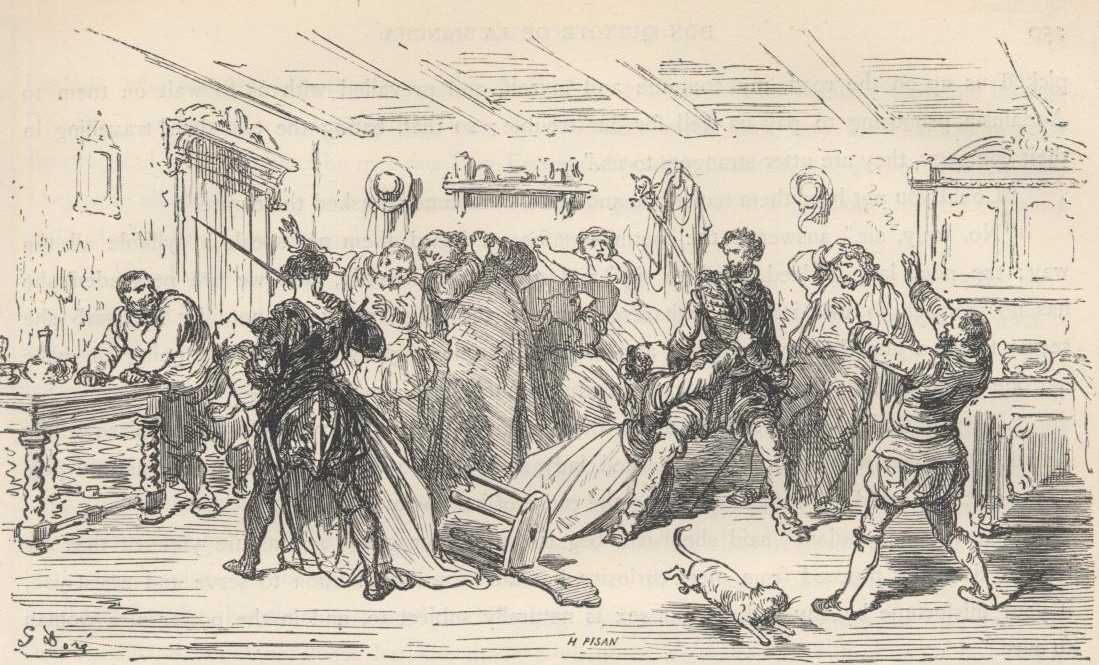
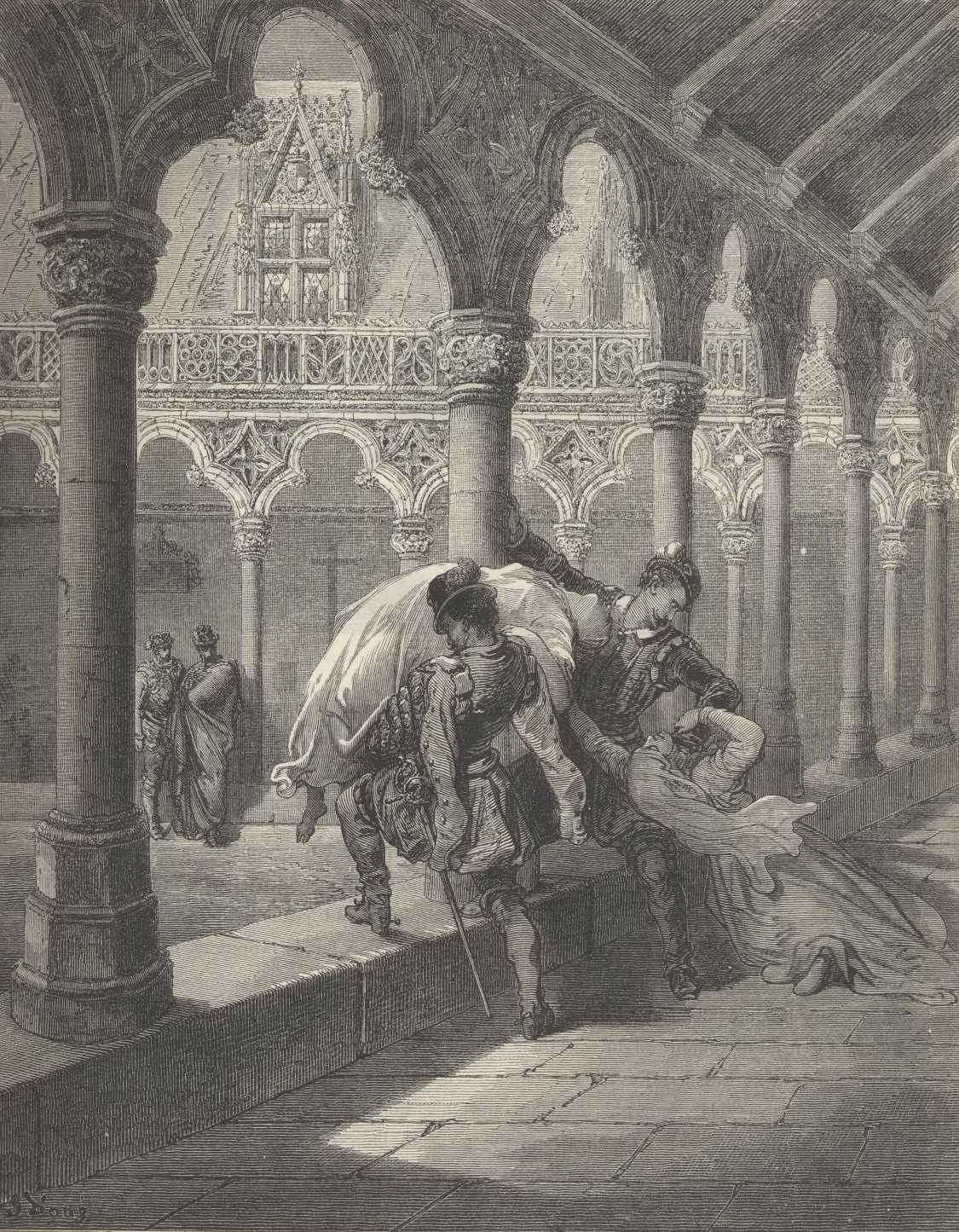
claims to be presented to the Council, and the like. So, at least, we
gather from the depositions taken on the occasion of the death of a
gentleman, the victim of a street brawl, who had been carried into the
house in which he lived. In these he himself is described as a man who
wrote and transacted business, and it appears that his household then
consisted of his wife, the natural daughter Isabel de Saavedra already
mentioned, his sister Andrea, now a widow, her daughter Constanza, a
mysterious Magdalena de Sotomayor calling herself his sister, for whom his
biographers cannot account, and a servant-maid.
Meanwhile “Don Quixote” had been growing in favour, and its author’s name
was now known beyond the Pyrenees. In 1607 an edition was printed at
Brussels. Robles, the Madrid publisher, found it necessary to meet the
demand by a third edition, the seventh in all, in 1608. The popularity of
the book in Italy was such that a Milan bookseller was led to bring out an
edition in 1610; and another was called for in Brussels in 1611. It might
naturally have been expected that, with such proofs before him that he had
hit the taste of the public, Cervantes would have at once set about
redeeming his rather vague promise of a second volume.
But, to all appearance, nothing was farther from his thoughts. He had
still by him one or two short tales of the same vintage as those he had
inserted in “Don Quixote” and instead of continuing the adventures of Don
Quixote, he set to work to write more of these “Novelas Exemplares” as he
afterwards called them, with a view to making a book of them.
The novels were published in the summer of 1613, with a dedication to the
Conde de Lemos, the Maecenas of the day, and with one of those chatty
confidential prefaces Cervantes was so fond of. In this, eight years and a
half after the First Part of “Don Quixote” had appeared, we get the first
hint of a forthcoming Second Part. “You shall see shortly,” he says, “the
further exploits of Don Quixote and humours of Sancho Panza.” His idea of
“shortly” was a somewhat elastic one, for, as we know by the date to
Sancho’s letter, he had barely one-half of the book completed that time
twelvemonth.
But more than poems, or pastorals, or novels, it was his dramatic ambition
that engrossed his thoughts. The same indomitable spirit that kept him
from despair in the bagnios of Algiers, and prompted him to attempt the
escape of himself and his comrades again and again, made him persevere in
spite of failure and discouragement in his efforts to win the ear of the
public as a dramatist. The temperament of Cervantes was essentially
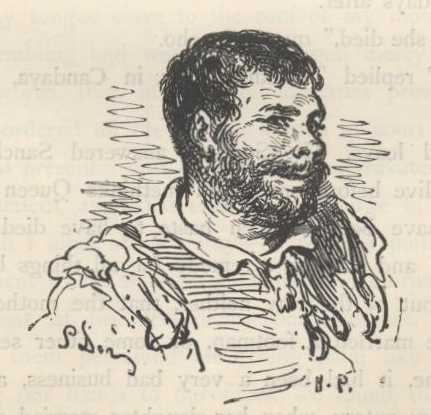
sanguine. The portrait he draws in the preface to the novels, with the
aquiline features, chestnut hair, smooth untroubled forehead, and bright
cheerful eyes, is the very portrait of a sanguine man. Nothing that the
managers might say could persuade him that the merits of his plays would
not be recognised at last if they were only given a fair chance. The old
soldier of the Spanish Salamis was bent on being the Aeschylus of Spain.
He was to found a great national drama, based on the true principles of
art, that was to be the envy of all nations; he was to drive from the
stage the silly, childish plays, the “mirrors of nonsense and models of
folly” that were in vogue through the cupidity of the managers and
shortsightedness of the authors; he was to correct and educate the public
taste until it was ripe for tragedies on the model of the Greek drama—like
the “Numancia” for instance—and comedies that would not only amuse
but improve and instruct. All this he was to do, could he once get a
hearing: there was the initial difficulty.
He shows plainly enough, too, that “Don Quixote” and the demolition of the
chivalry romances was not the work that lay next his heart. He was,
indeed, as he says himself in his preface, more a stepfather than a father
to “Don Quixote.” Never was great work so neglected by its author. That it
was written carelessly, hastily, and by fits and starts, was not always
his fault, but it seems clear he never read what he sent to the press. He
knew how the printers had blundered, but he never took the trouble to
correct them when the third edition was in progress, as a man who really
cared for the child of his brain would have done. He appears to have
regarded the book as little more than a mere libro de entretenimiento, an
amusing book, a thing, as he says in the “Viaje,” “to divert the
melancholy moody heart at any time or season.” No doubt he had an
affection for his hero, and was very proud of Sancho Panza. It would have
been strange indeed if he had not been proud of the most humorous creation
in all fiction. He was proud, too, of the popularity and success of the
book, and beyond measure delightful is the naivete with which he shows his
pride in a dozen passages in the Second Part. But it was not the success
he coveted. In all probability he would have given all the success of “Don
Quixote,” nay, would have seen every copy of “Don Quixote” burned in the
Plaza Mayor, for one such success as Lope de Vega was enjoying on an
average once a week.
And so he went on, dawdling over “Don Quixote,” adding a chapter now and
again, and putting it aside to turn to “Persiles and Sigismunda”—which,
as we know, was to be the most entertaining book in the language, and the
rival of “Theagenes and Chariclea”—or finishing off one of his
darling comedies; and if Robles asked when “Don Quixote” would be ready,
the answer no doubt was: En breve—shortly, there was time enough for
that. At sixty-eight he was as full of life and hope and plans for the
future as a boy of eighteen.
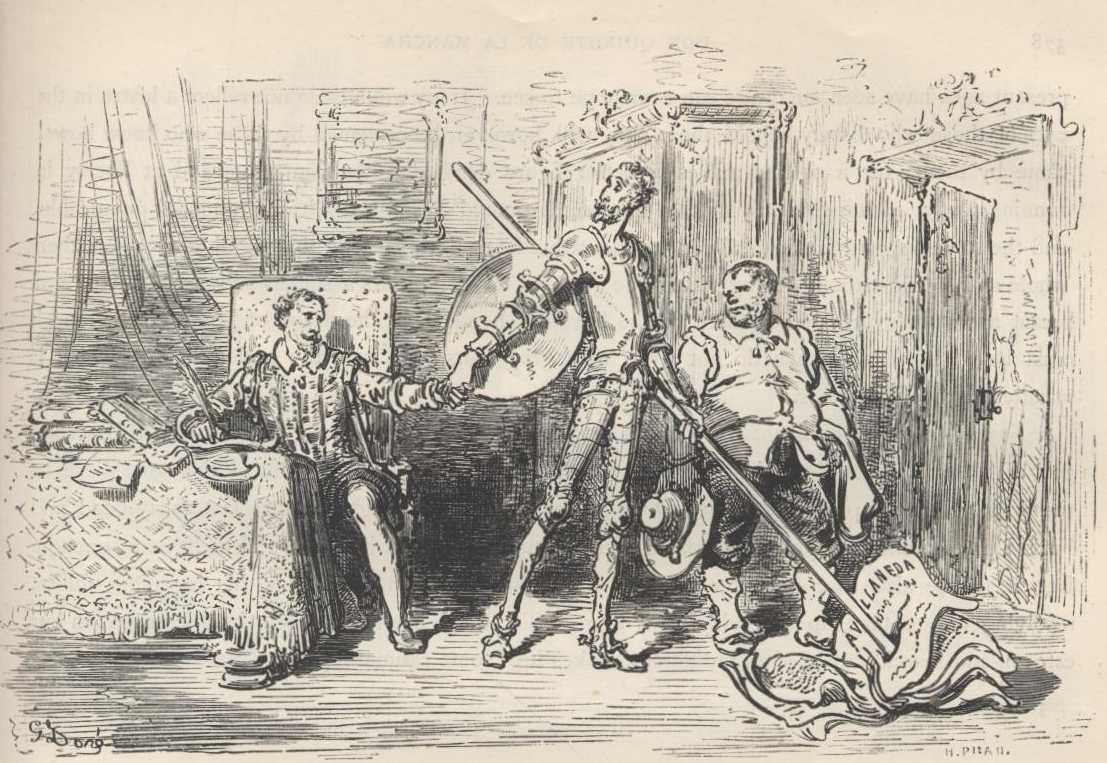
Nemesis was coming, however. He had got as far as Chapter LIX, which at
his leisurely pace he could hardly have reached before October or November
1614, when there was put into his hand a small octave lately printed at
Tarragona, and calling itself “Second Volume of the Ingenious Gentleman
Don Quixote of La Mancha: by the Licentiate Alonso Fernandez de Avellaneda
of Tordesillas.” The last half of Chapter LIX and most of the following
chapters of the Second Part give us some idea of the effect produced upon
him, and his irritation was not likely to be lessened by the reflection
that he had no one to blame but himself. Had Avellaneda, in fact, been
content with merely bringing out a continuation to “Don Quixote,”
Cervantes would have had no reasonable grievance. His own intentions were
expressed in the very vaguest language at the end of the book; nay, in his
last words, “forse altro cantera con miglior plettro,” he seems actually
to invite someone else to continue the work, and he made no sign until
eight years and a half had gone by; by which time Avellaneda’s volume was
no doubt written.
In fact Cervantes had no case, or a very bad one, as far as the mere
continuation was concerned. But Avellaneda chose to write a preface to it,
full of such coarse personal abuse as only an ill-conditioned man could
pour out. He taunts Cervantes with being old, with having lost his hand,
with having been in prison, with being poor, with being friendless,
accuses him of envy of Lope’s success, of petulance and querulousness, and
so on; and it was in this that the sting lay. Avellaneda’s reason for this
personal attack is obvious enough. Whoever he may have been, it is clear
that he was one of the dramatists of Lope’s school, for he has the
impudence to charge Cervantes with attacking him as well as Lope in his
criticism on the drama. His identification has exercised the best critics
and baffled all the ingenuity and research that has been brought to bear
on it. Navarrete and Ticknor both incline to the belief that Cervantes
knew who he was; but I must say I think the anger he shows suggests an
invisible assailant; it is like the irritation of a man stung by a
mosquito in the dark. Cervantes from certain solecisms of language
pronounces him to be an Aragonese, and Pellicer, an Aragonese himself,
supports this view and believes him, moreover, to have been an
ecclesiastic, a Dominican probably.
Any merit Avellaneda has is reflected from Cervantes, and he is too dull
to reflect much. “Dull and dirty” will always be, I imagine, the verdict
of the vast majority of unprejudiced readers. He is, at best, a poor
plagiarist; all he can do is to follow slavishly the lead given him by
Cervantes; his only humour lies in making Don Quixote take inns for
castles and fancy himself some legendary or historical personage, and
Sancho mistake words, invert proverbs, and display his gluttony; all
through he shows a proclivity to coarseness and dirt, and he has contrived
to introduce two tales filthier than anything by the sixteenth century
novellieri and without their sprightliness.
But whatever Avellaneda and his book may be, we must not forget the debt
we owe them. But for them, there can be no doubt, “Don Quixote” would have
come to us a mere torso instead of a complete work. Even if Cervantes had
finished the volume he had in hand, most assuredly he would have left off
with a promise of a Third Part, giving the further adventures of Don
Quixote and humours of Sancho Panza as shepherds. It is plain that he had
at one time an intention of dealing with the pastoral romances as he had
dealt with the books of chivalry, and but for Avellaneda he would have
tried to carry it out. But it is more likely that, with his plans, and
projects, and hopefulness, the volume would have remained unfinished till
his death, and that we should have never made the acquaintance of the Duke
and Duchess, or gone with Sancho to Barataria.
From the moment the book came into his hands he seems to have been haunted
by the fear that there might be more Avellanedas in the field, and putting
everything else aside, he set himself to finish off his task and protect
Don Quixote in the only way he could, by killing him. The conclusion is no
doubt a hasty and in some places clumsy piece of work and the frequent
repetition of the scolding administered to Avellaneda becomes in the end
rather wearisome; but it is, at any rate, a conclusion and for that we
must thank Avellaneda.
The new volume was ready for the press in February, but was not printed
till the very end of 1615, and during the interval Cervantes put together
the comedies and interludes he had written within the last few years, and,
as he adds plaintively, found no demand for among the managers, and
published them with a preface, worth the book it introduces tenfold, in
which he gives an account of the early Spanish stage, and of his own
attempts as a dramatist. It is needless to say they were put forward by
Cervantes in all good faith and full confidence in their merits. The
reader, however, was not to suppose they were his last word or final
effort in the drama, for he had in hand a comedy called “Engano a los
ojos,” about which, if he mistook not, there would be no question.
Of this dramatic masterpiece the world has no opportunity of judging; his
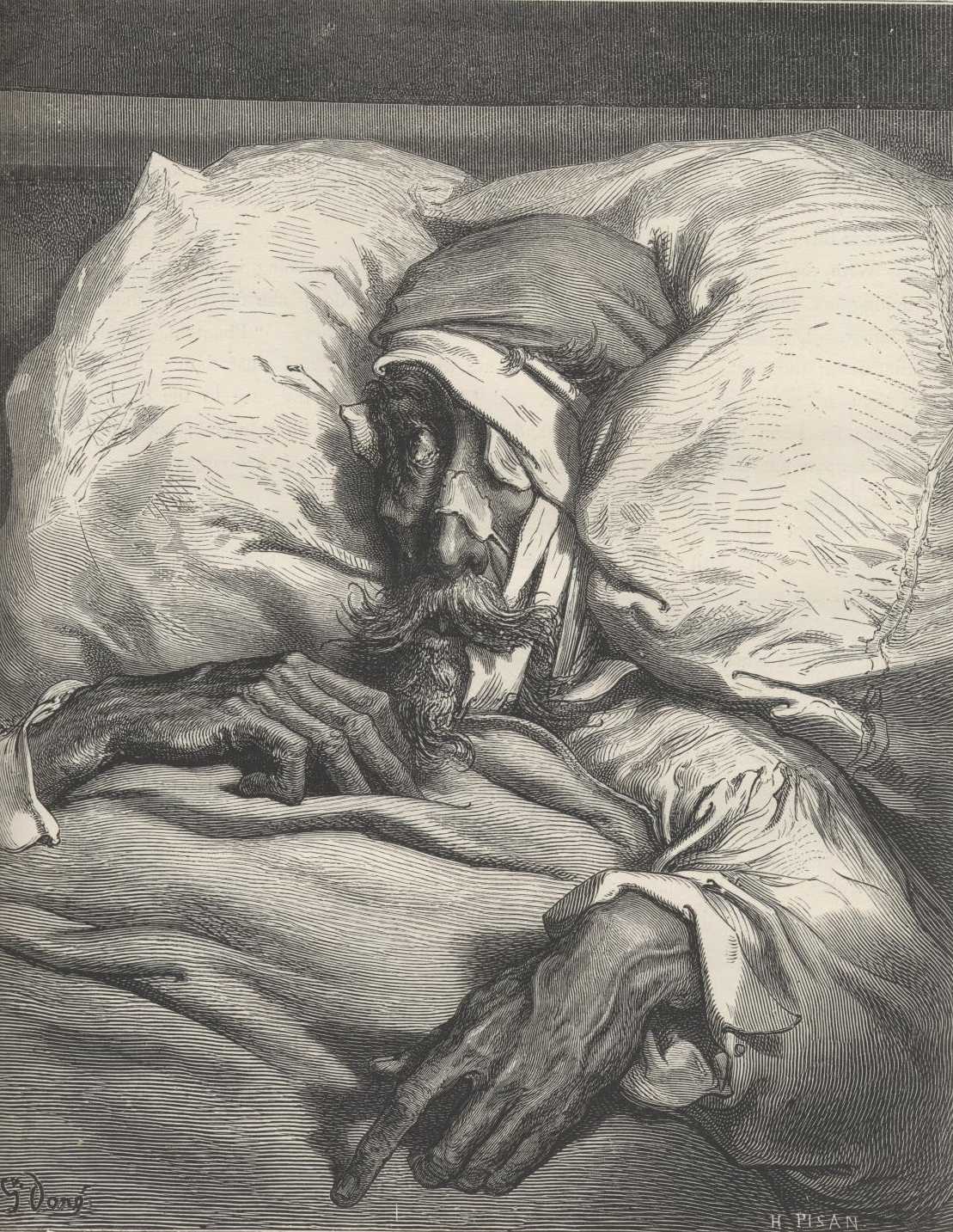
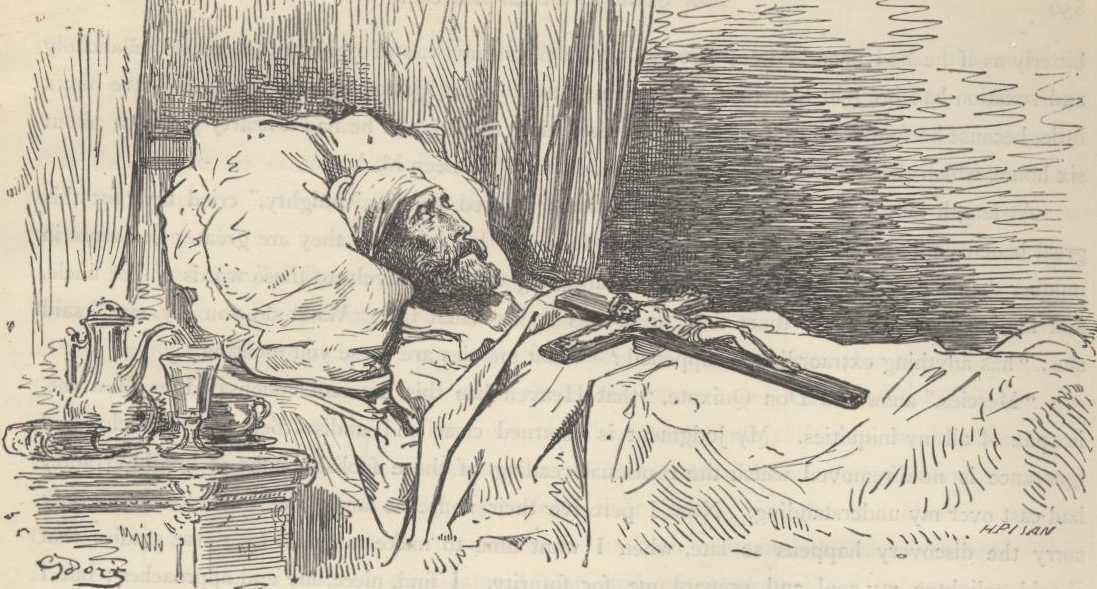
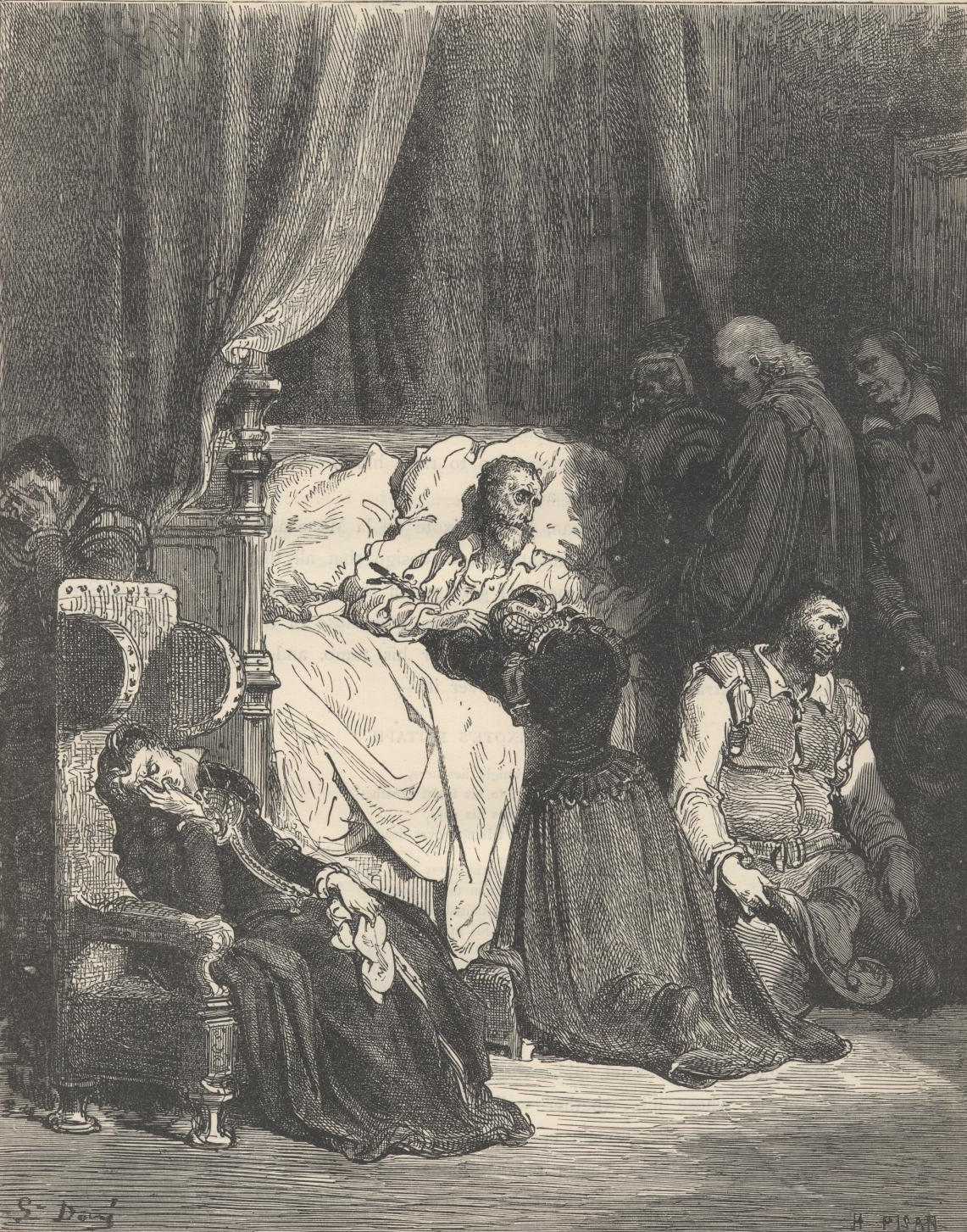
health had been failing for some time, and he died, apparently of dropsy,
on the 23rd of April, 1616, the day on which England lost Shakespeare,
nominally at least, for the English calendar had not yet been reformed. He
died as he had lived, accepting his lot bravely and cheerfully.
Was it an unhappy life, that of Cervantes? His biographers all tell us
that it was; but I must say I doubt it. It was a hard life, a life of
poverty, of incessant struggle, of toil ill paid, of disappointment, but
Cervantes carried within himself the antidote to all these evils. His was
not one of those light natures that rise above adversity merely by virtue
of their own buoyancy; it was in the fortitude of a high spirit that he
was proof against it. It is impossible to conceive Cervantes giving way to
despondency or prostrated by dejection. As for poverty, it was with him a
thing to be laughed over, and the only sigh he ever allows to escape him
is when he says, “Happy he to whom Heaven has given a piece of bread for
which he is not bound to give thanks to any but Heaven itself.” Add to all
this his vital energy and mental activity, his restless invention and his
sanguine temperament, and there will be reason enough to doubt whether his
could have been a very unhappy life. He who could take Cervantes’
distresses together with his apparatus for enduring them would not make so
bad a bargain, perhaps, as far as happiness in life is concerned.
Of his burial-place nothing is known except that he was buried, in
accordance with his will, in the neighbouring convent of Trinitarian nuns,
of which it is supposed his daughter, Isabel de Saavedra, was an inmate,
and that a few years afterwards the nuns removed to another convent,
carrying their dead with them. But whether the remains of Cervantes were
included in the removal or not no one knows, and the clue to their
resting-place is now lost beyond all hope. This furnishes perhaps the
least defensible of the items in the charge of neglect brought against his
contemporaries. In some of the others there is a good deal of
exaggeration. To listen to most of his biographers one would suppose that
all Spain was in league not only against the man but against his memory,
or at least that it was insensible to his merits, and left him to live in
misery and die of want. To talk of his hard life and unworthy employments
in Andalusia is absurd. What had he done to distinguish him from thousands
of other struggling men earning a precarious livelihood? True, he was a
gallant soldier, who had been wounded and had undergone captivity and
suffering in his country’s cause, but there were hundreds of others in the
same case. He had written a mediocre specimen of an insipid class of
romance, and some plays which manifestly did not comply with the primary
condition of pleasing: were the playgoers to patronise plays that did not
amuse them, because the author was to produce “Don Quixote” twenty years
afterwards?
The scramble for copies which, as we have seen, followed immediately on
the appearance of the book, does not look like general insensibility to
its merits. No doubt it was received coldly by some, but if a man writes a
book in ridicule of periwigs he must make his account with being coldly
received by the periwig wearers and hated by the whole tribe of wigmakers.
If Cervantes had the chivalry-romance readers, the sentimentalists, the
dramatists, and the poets of the period all against him, it was because
“Don Quixote” was what it was; and if the general public did not come
forward to make him comfortable for the rest of his days, it is no more to
be charged with neglect and ingratitude than the English-speaking public
that did not pay off Scott’s liabilities. It did the best it could; it
read his book and liked it and bought it, and encouraged the bookseller to
pay him well for others.
It has been also made a reproach to Spain that she has erected no monument
to the man she is proudest of; no monument, that is to say, of him; for
the bronze statue in the little garden of the Plaza de las Cortés, a fair
work of art no doubt, and unexceptionable had it been set up to the local
poet in the market-place of some provincial town, is not worthy of
Cervantes or of Madrid. But what need has Cervantes of “such weak witness
of his name;” or what could a monument do in his case except testify to
the self-glorification of those who had put it up? Si monumentum quoeris,
circumspice. The nearest bookseller’s shop will show what bathos there
would be in a monument to the author of “Don Quixote.”