CRITICAL EDITOR
CHARLES C. PERKINS Corresponding Member of the French Institute
WITH MORE THAN TWO THOUSAND ILLUSTRATIONS
VOLUME II
NEW YORK
CHARLES SCRIBNER’S SONS MCMXIII
Copyright, 1885, 1886, 1887, by Charles Scribner’s Sons
LIST OF ILLUSTRATIONS
v
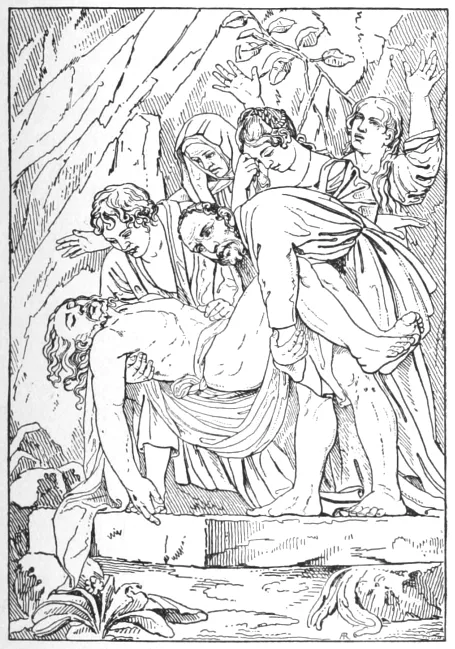
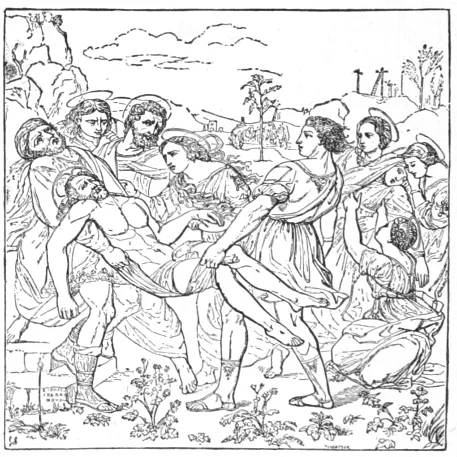
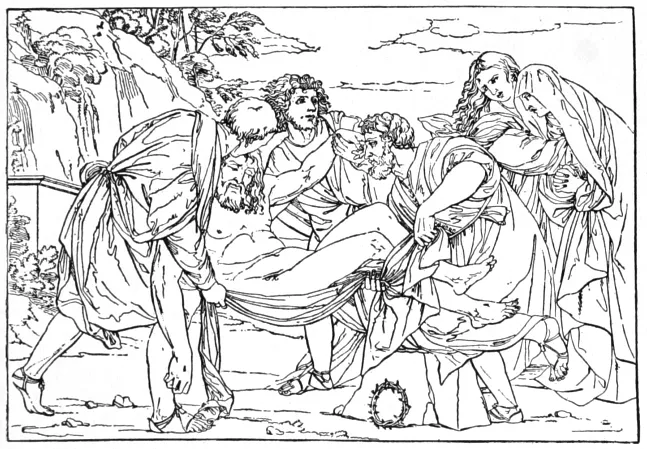
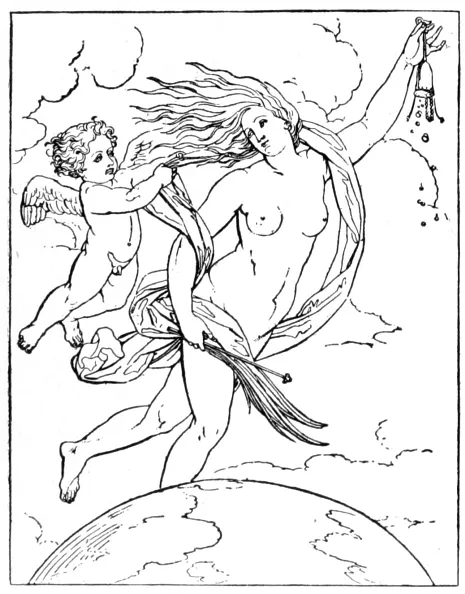
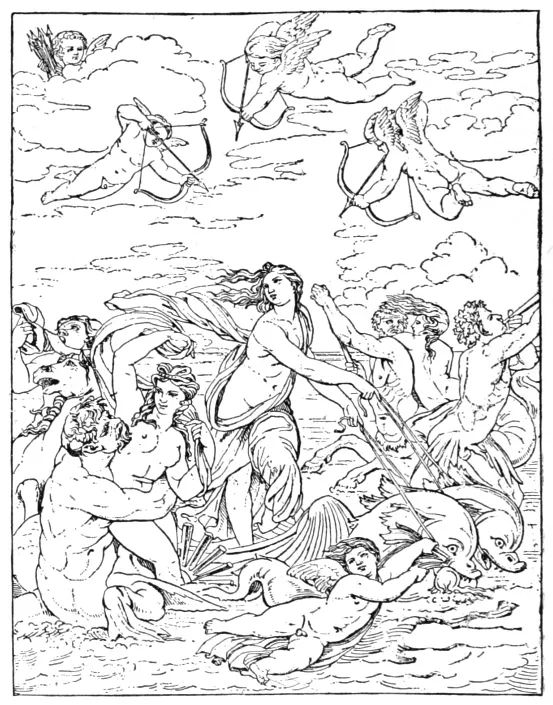
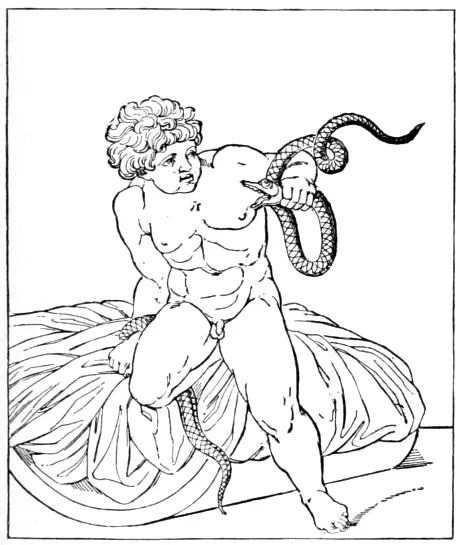
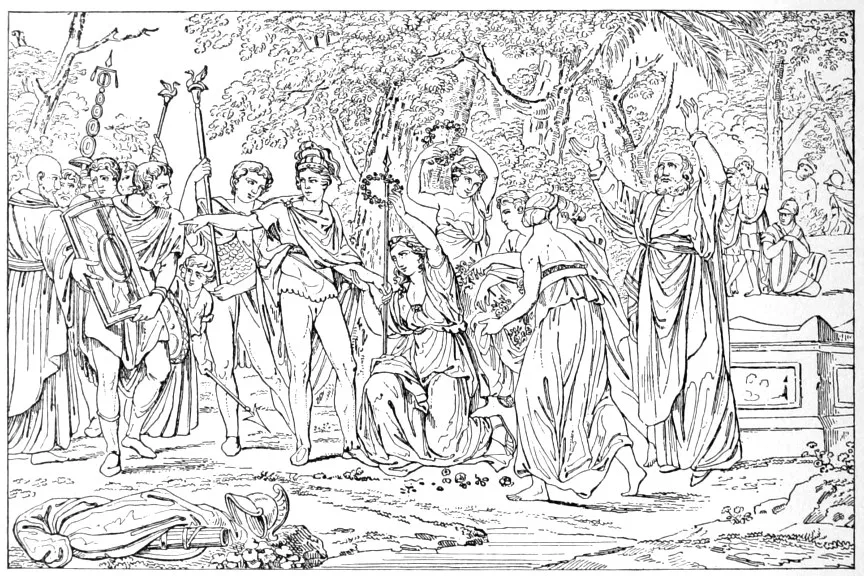
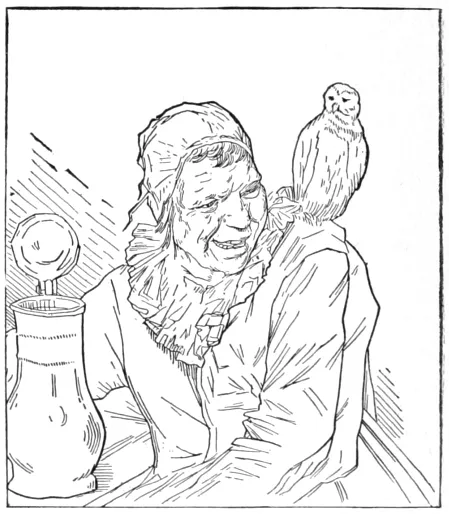
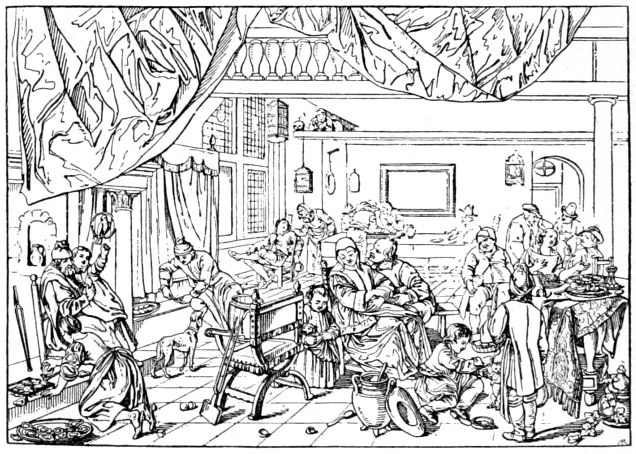
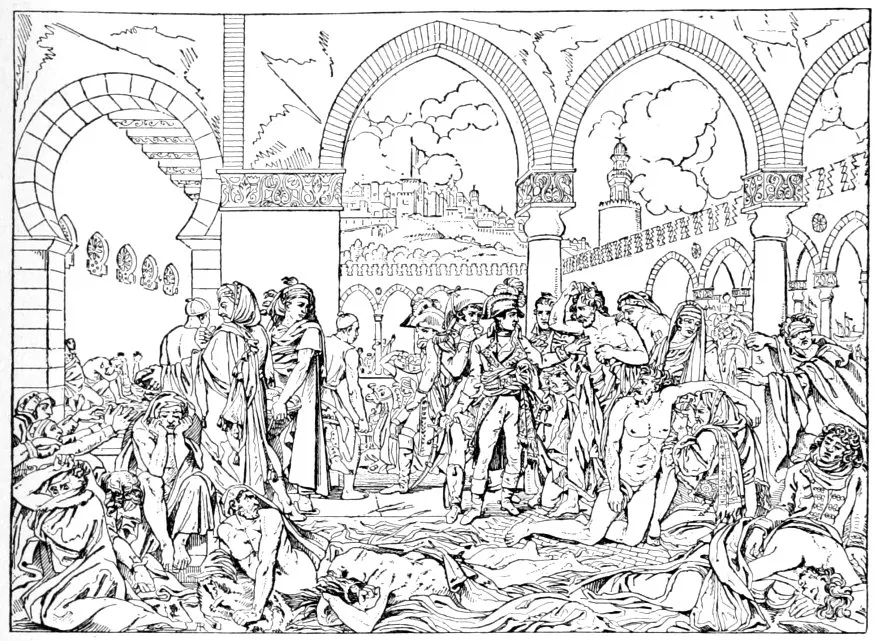
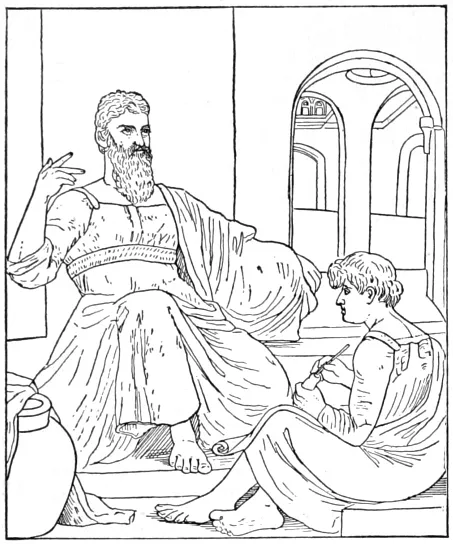
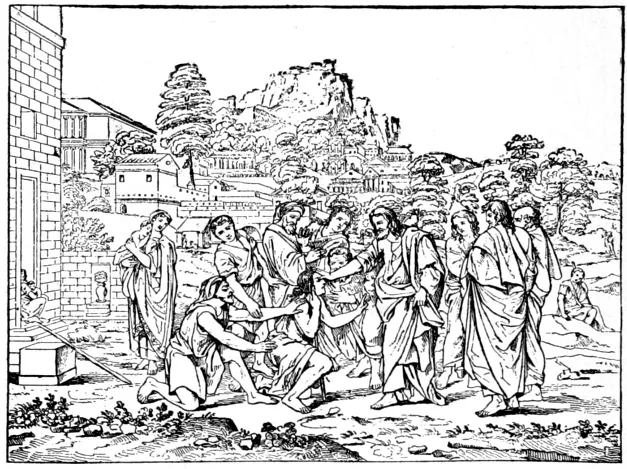
OUTLINES OF PAINTINGS.
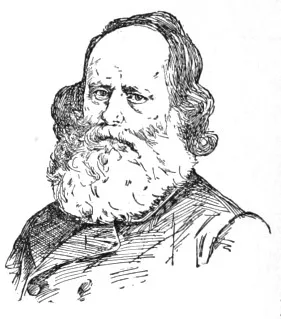
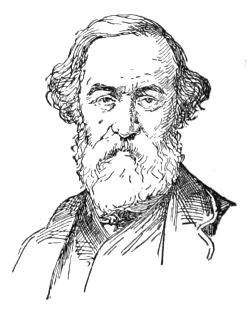
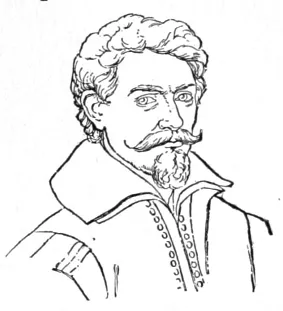
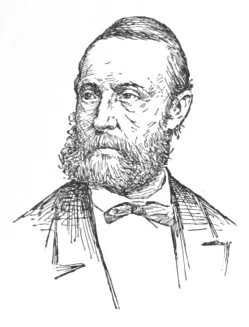
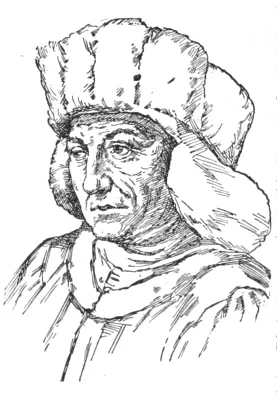
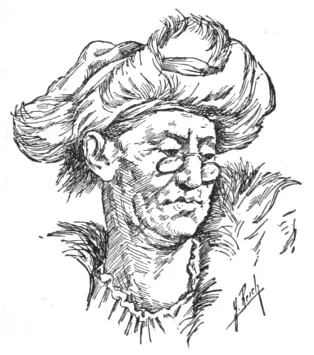
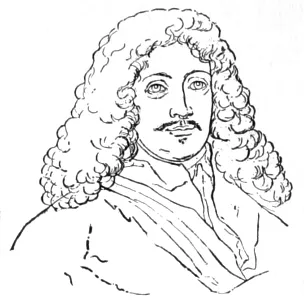
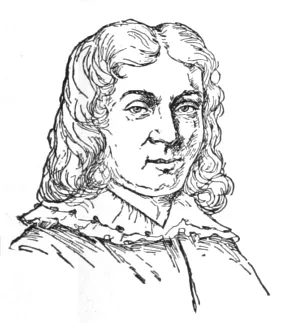
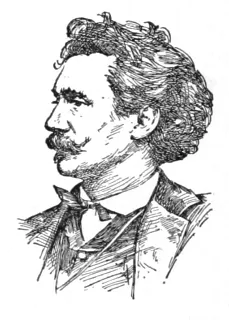
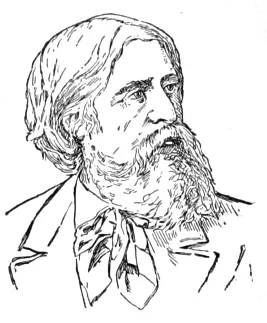
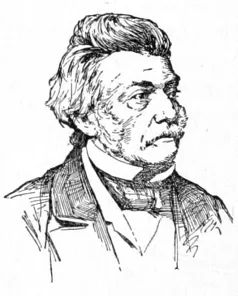
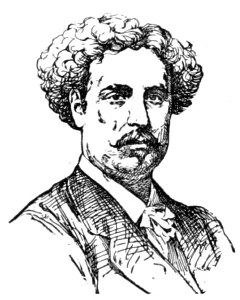
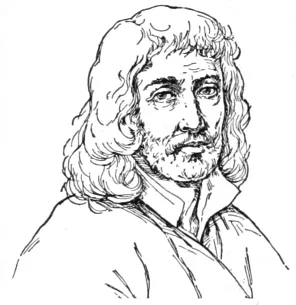
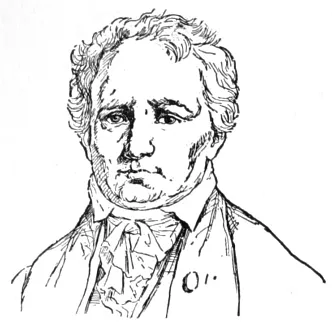
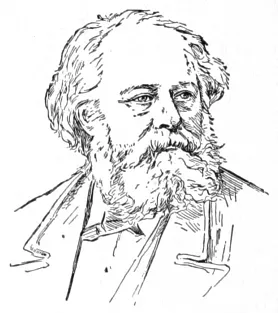
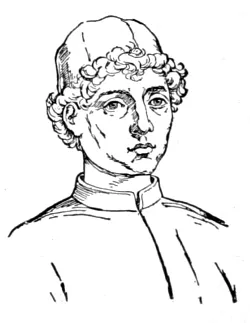
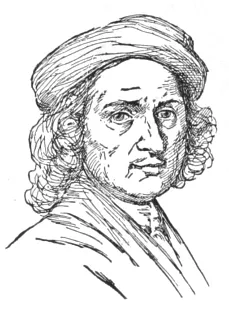
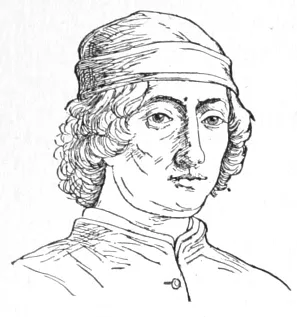
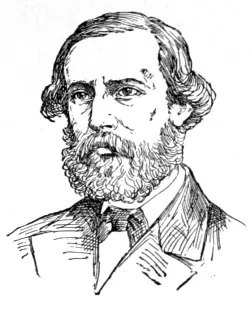
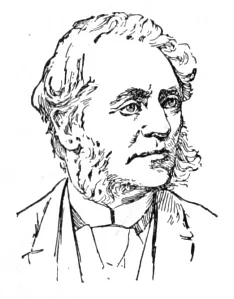
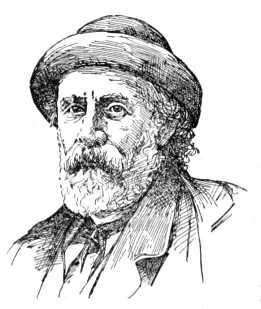
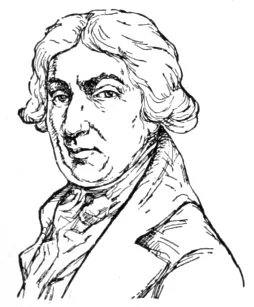
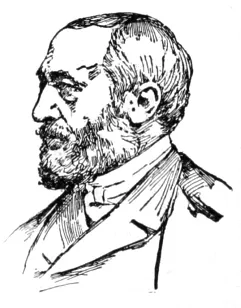
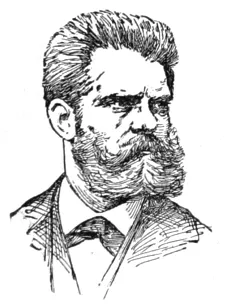
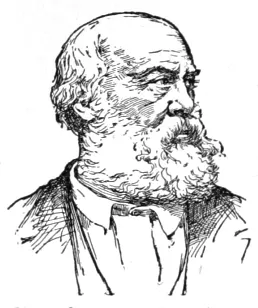
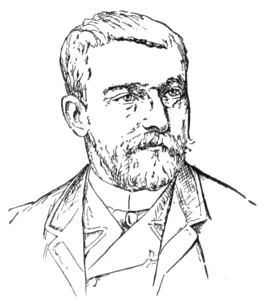
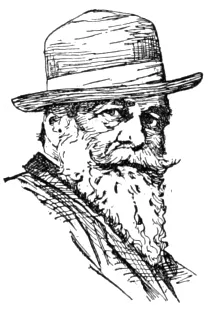
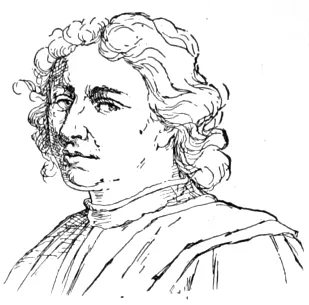
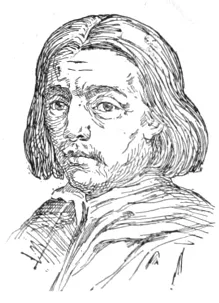
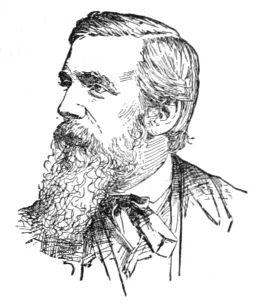
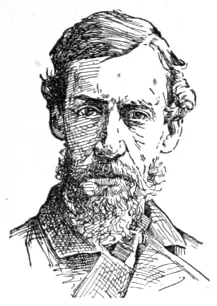
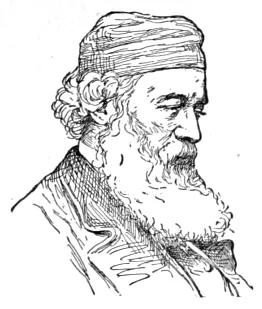
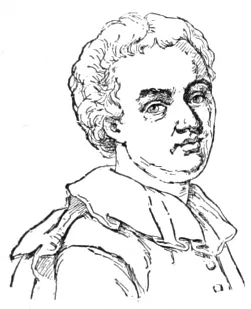
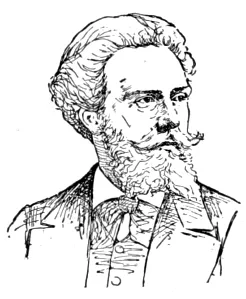
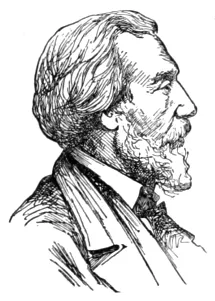
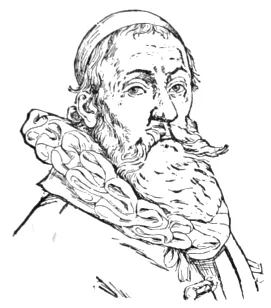
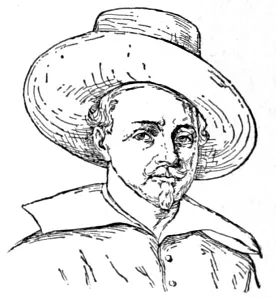
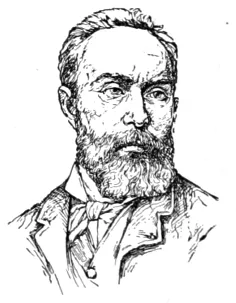
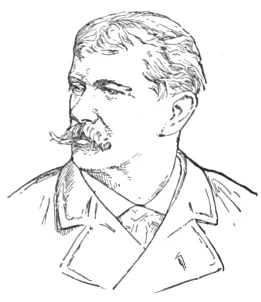
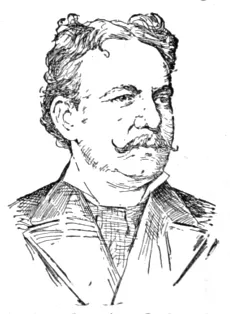
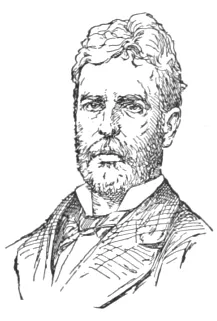
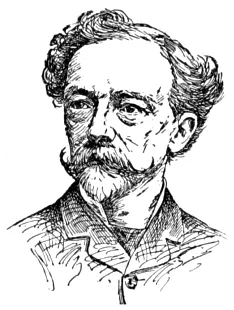
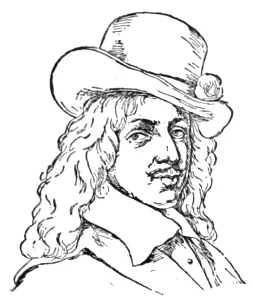
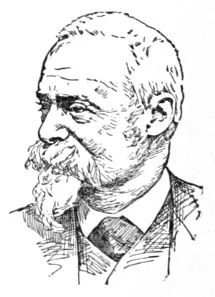
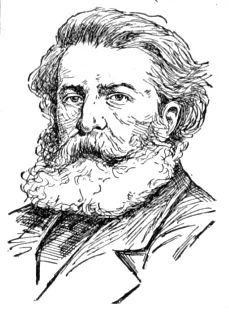
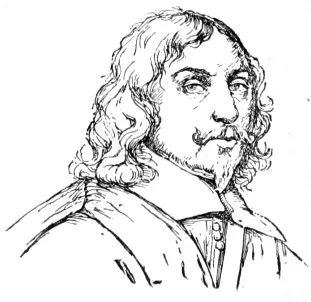
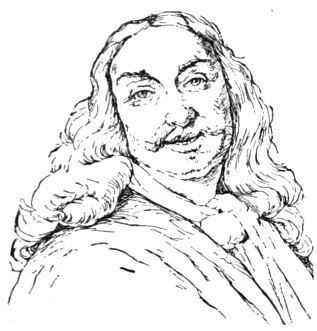
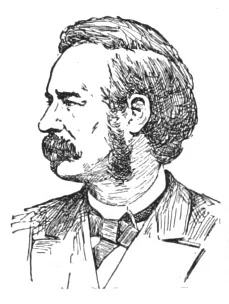
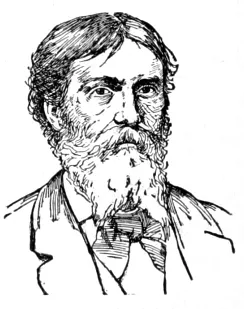
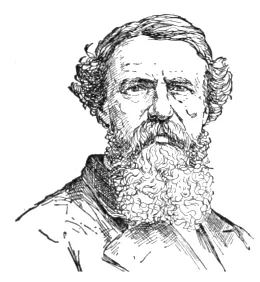
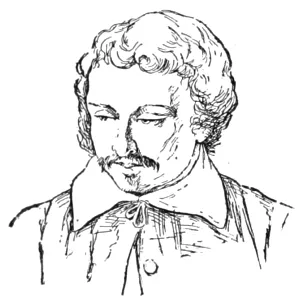
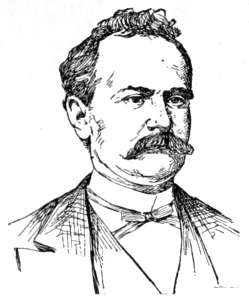
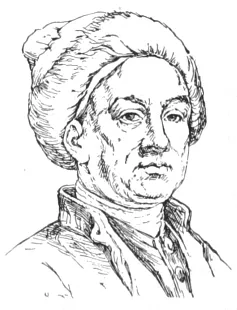
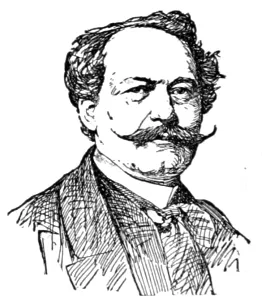
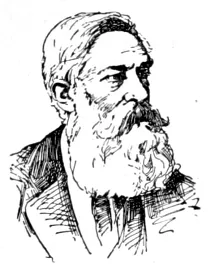
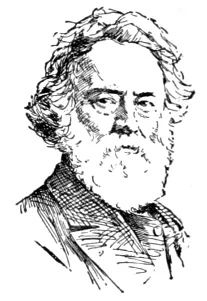
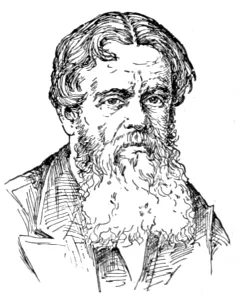
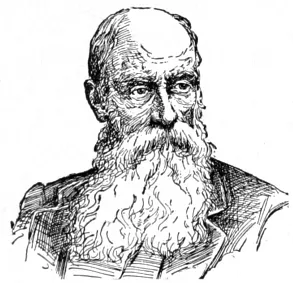
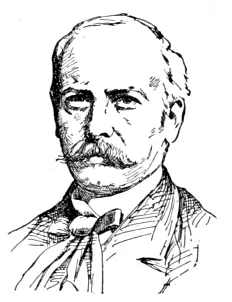
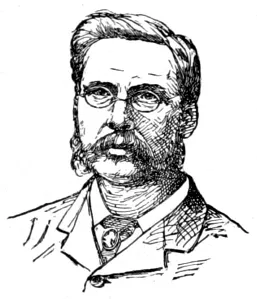
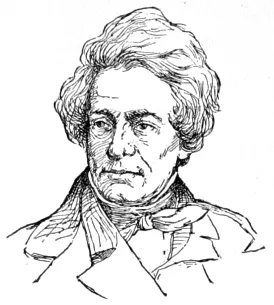
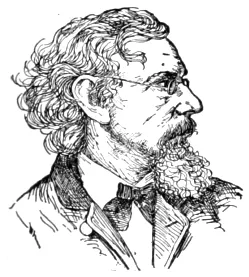
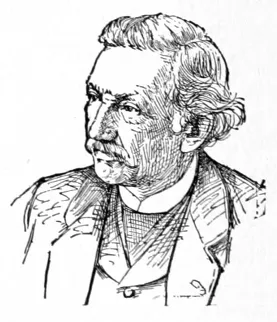
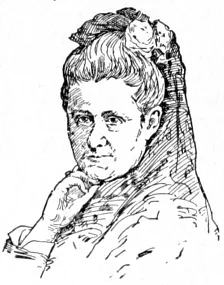
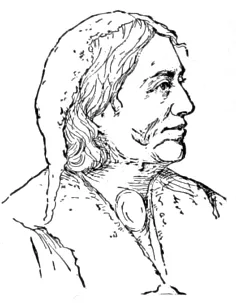
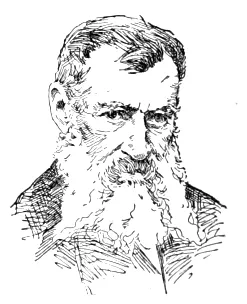
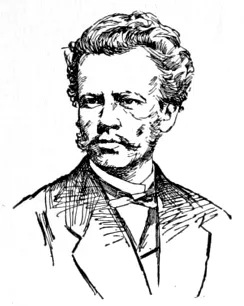
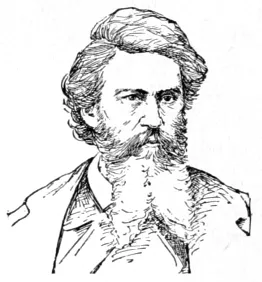
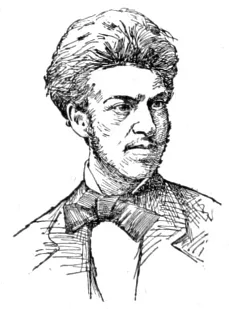
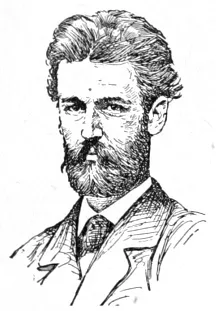
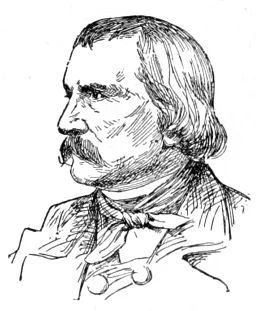
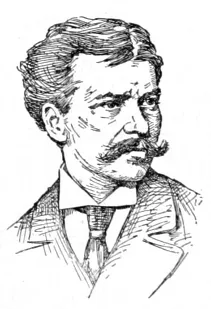
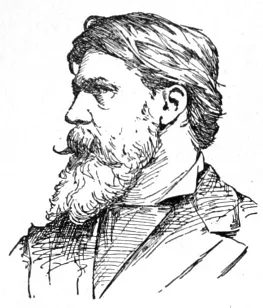
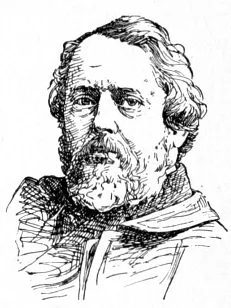
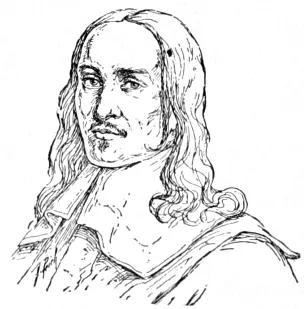
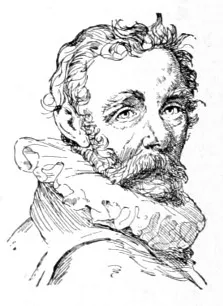
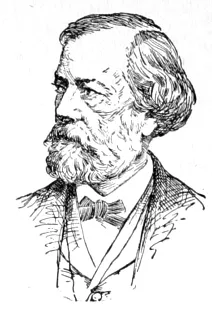
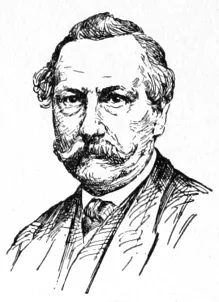
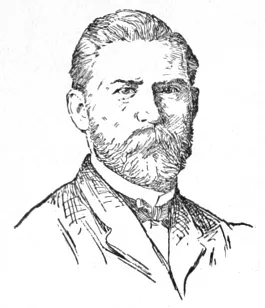
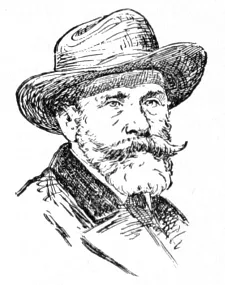
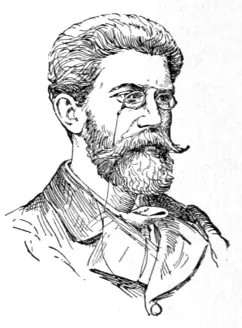
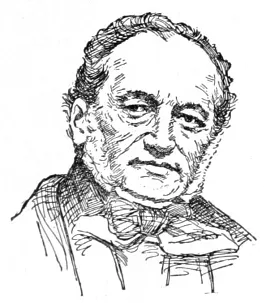
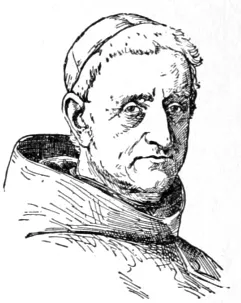
PORTRAITS OF PAINTERS.
viii
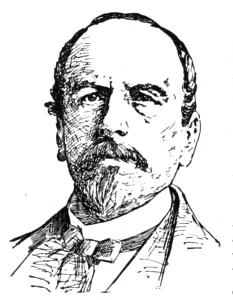
(DRAWN BY JACQUES REICH.)
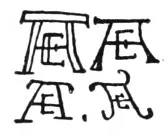
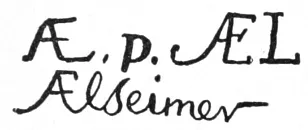
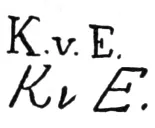
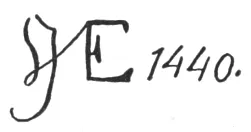
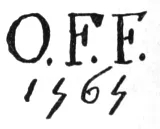
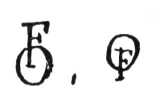
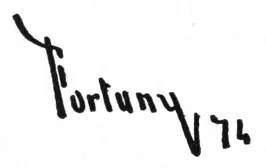
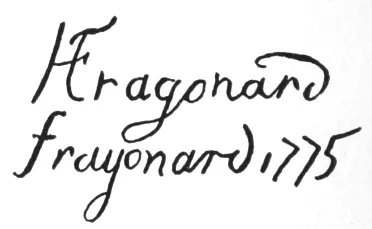
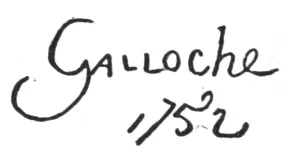
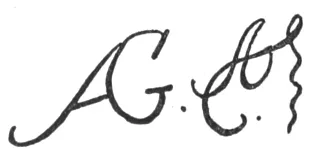
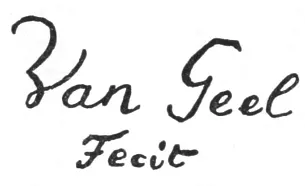
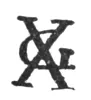
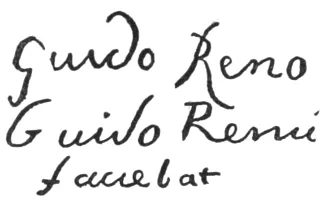
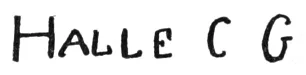
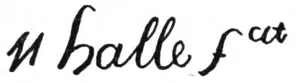
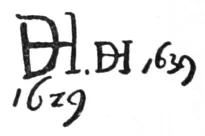
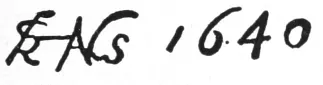
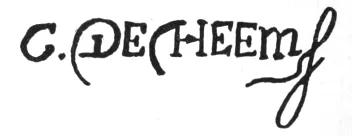
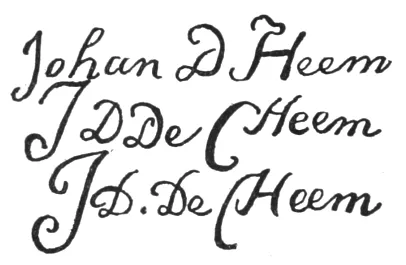
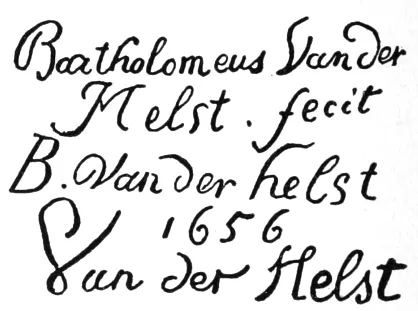
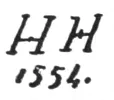
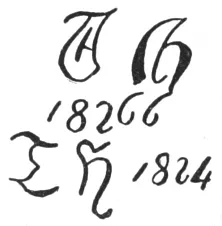
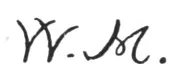
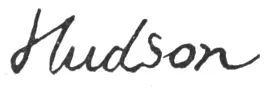
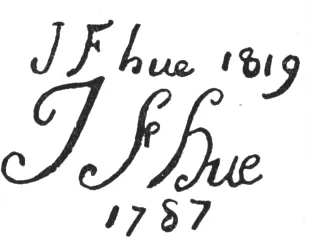
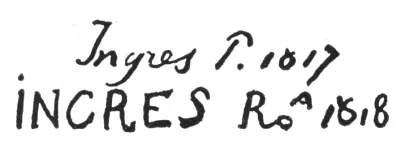
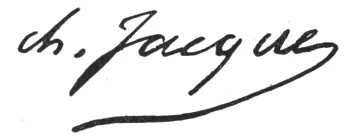
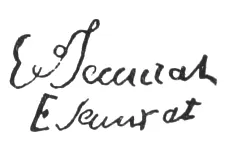
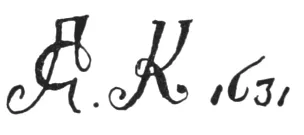
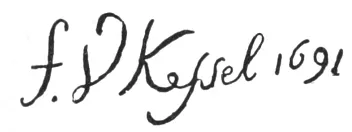
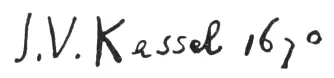
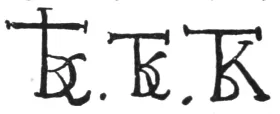
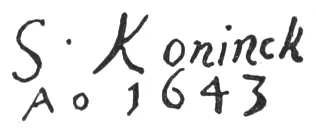
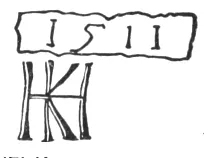
MONOGRAMS AND SIGNATURES.
TABLE OF ABBREVIATIONS.
xv
Acad., Academy.
A.N.A., Associate of the National Academy.
A.R.A., Associate of the Royal Academy.
A.R.H.A., Associate of the Royal Hibernian Academy.
A.R.S.A., Associate of the Royal Scottish Academy.
C. & C., Crowe and Cavalcaselle.
Cat., Catalogue.
Ch., Church.
Col., Collection.
Gal., Gallery.
H., Height.
ib., ibidem.
id., idem.
Inst., Institute.
L. of Honour, Legion of Honour.
Mus., Museum.
N.A., National Academy or Academician.
Nat. Gal., National Gallery.
Pal., Palace, Palais, Palazzo.
R., Royal.
R.A., Royal Academy or Academician.
R.H.A., Royal Hibernian Academy or Academician.
R.S.A., Royal Scottish Academy or Academician.
S., San, Santa.
SS., Santi, Sante.
S. M., Santa Maria.
St., Saint.
W. & W., Woltmann and Woermann.
∵ Words in italics indicate the alphabetical place of articles on the subjects specified.
CYCLOPEDIA OF Painters and Paintings.
1
EAKINS, THOMAS, born in Philadelphia,
Pa., in 1844. Portrait and
genre painter; pupil of Pennsylvania
Academy of Fine Arts, of J. L. Gérôme, Léon
Bonnat, and of A. A. Dumont, sculptor. At
present professor of painting at Pennsylvania
Academy. Studio in Philadelphia.
Works in oil: William Rush carving his
Allegorical Representation of the Schuylkill;
Surgical Clinic of Professor Gross in Jefferson
College, Jefferson Collection; Portraits
of Dr. Brinton and Professor Rand; Chess-Players
(1878), Metropolitan Museum, New
York; Professional at Rehearsal, T. B.
Clarke, New York; Pair-Oared Shell (1879);
May Morning in the Park (1881), Fairman
Rogers, Philadelphia; Mending the Net,
Shad Fishing at Gloucester—on the Delaware
(1882); Singing Girl (1883). Water-colours:
Whistling for Plover, Base-Ball
(1876).
EARL, RALPH, born at Lebanon, Conn.,
about 1751, died at Bolton, Conn., in 1801.
History and portrait painter, self-taught.
Was at first an itinerant portrait painter;
went with the Governor’s Guard to Lexington
and Cambridge, and painted from
sketches made at the time four scenes of
the battle of Lexington, engraved by Amos
Doolittle, which are believed to be the first
historical compositions by an American artist.
Went to London after the war and
studied under Benjamin West, but returned
to America in 1786. Among his works are
a large picture of the Falls of Niagara, and
portraits of George III., Roger Sherman,
Judge Ellsworth, Colonel George Willis,
Dr. Dwight of Yale College, and Governor
Strong. His son, Augustus Earle, history
and marine painter, fellow-student at Royal
Academy in 1813 with C. R. Leslie and S.
F. B. Morse, was known from his roving
disposition as the “wandering artist.” James
Earle, portrait painter (died in Charleston,
S. C., in 1796), was perhaps a brother of
Ralph.—Bryan (Graves), 451; French, Art
in Connecticut (Boston, 1879), 32.
EASTLAKE, Sir CHARLES LOCK, born
at Plymouth, Eng.,
Nov. 17, 1793, died in
Pisa, Italy, Dec. 24,
1865. History painter,
pupil in London
of Haydon and of
Royal Academy; exhibited
at British Institute,
in 1813, Christ
raising the Daughter
of the Ruler of the
Synagogue. Went
to Paris in following year to copy pictures
in Louvre, but the escape of Napoleon from
2Elba obliged him to return to Plymouth,
where he saw the deposed Emperor on the
Bellerophon, and from memory and some
hasty sketches painted him surrounded by
his officers, a picture, now belonging to
Lord Lansdowne, which brought him into
notice. In 1817 he went to Italy, and in
1819 to Greece, returning to Rome, where,
and at Ferrara chiefly, he spent in all fourteen
years. He sent, in 1823, to the Royal
Academy three views of Rome, but his first
work which won special praise was The
Spartan Isidas (1827), now the property of
the Duke of Devonshire. He became an
A.R.A. in 1828 and R.A. in 1830; was appointed,
in 1841, secretary to the royal commission
for decorating the Houses of Parliament,
in 1842 librarian of the Royal Academy,
in 1843 keeper of the National Gallery, and
in 1850 was elected president of the Royal
Academy and knighted. From that time
until his death he was chiefly engaged in
selecting pictures to be bought by the government
for the National Gallery. He published
“Materials for a History of Painting”
(1847), and “The Schools of Painting in
Italy,” translated from Kugler (1851); and
edited “Kugler’s Handbook of Painting”
(1855). Works: Christ lamenting over Jerusalem
(replica; original, 1841), Haidee
(1831), Escape of the Carrara Family (replica,
1850; original, 1834), Lord Byron’s
Dream (1827), National Gallery, London;
Una delivering the Red Cross Knight (1830);
Greek Fugitives (1833); Arab selling Captives
(1837); Gaston de Foix before Battle
of Ravenna (1838); Christ blessing Little
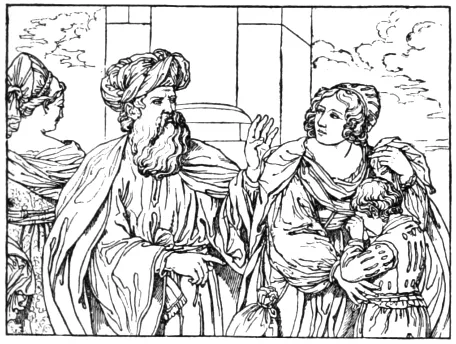
Children (1840); Hagar and Ishmael (1843).—Redgrave;
Art Journal (1855), 277; Cat.
Nat. Gal.; Life by Lady Eastlake (London);
Quarterly Rev., April, 1870; Sandby, ii. 280;
Kunst-Chronik, i. 3; Zeitschr. f. b. K., iv. 93.
EATON, CHARLES HARRY, born at
Akron, O., Dec. 13, 1850. Landscape painter,
self-taught. Studio in New York. Works:
At Elyria—Ohio (1881); Near Avon—New
York, Apples (1882); Autumn Study of
Beech Trees (1883); Marsh Lands, Meadow
Brook, Morning at Lakeside (1884); Indian
Summer, Autumn Days (1885).
EATON, JOSEPH O., born in 1829, died
at Yonkers, N. Y., in 1875. Genre and portrait
painter. An Associate of the National Academy
in New York, where his professional life
was spent; visited Europe in 1873. Ideal
works: Landscape—View on the Hudson
(1868); Moral Instruction (1869); Last Chapter,
Dawning Maternity (1871); Greek Water-Carrier
(1872); Lady Godiva (1874); Tender
Thoughts, John Hoey, New York. Portraits:
R. S. Gifford (1869); E. J. Kuntze (belonging
to National Academy, New York); Rev. G. H.
Hepworth (1870). The painter’s own portrait
(belonging to the National Academy), and
Looking through the Kaleidoscope, were
exhibited after his death. Water-colours:
Vision of the Cross (1869); Little Nell and
her Grandfather (1871); Two Pets (1874).
EATON, WYATT, born at Philipsburg,
Canada, May 6, 1849. Portrait and figure
painter; pupil of the National Academy and
of J. O. Eaton in New York, later of Gérôme
in Paris. In 1872 he studied and
sketched in England and France. Studio
in New York. Works: Farmer’s Boy (1870);
Reverie (1875); Harvesters at Rest (1876);
Boy Whittling, G. A. Drummond, Baltimore;
Portrait of William Cullen Bryant (1878);
do. of Miss Ella M. M. (1879); Grandmother
and Child (1880); Portrait (Salon, 1884).—Sheldon,
169; Mag. of Art (1884), 496.
EBEL, FRITZ, born at Lauterbach, Hesse,
in 1835. Landscape painter; was a chemist,
but took up painting in Darmstadt in 1856,
and in Düsseldorf under Schirmer in 1857–61.
Studied nature in Germany, Italy, and
France, and settled in Düsseldorf. Works:
Mountainous Country (1862); View in Rhön
Mountains; Hessian Summer Landscape
(1864); View in Southern Tyrol; Ilse Valley
in the Hartz; Autumn Landscape in Teutoburg
Forest; Uklei Lake in Holstein (1880).—Müller,
151.
EBERHARD, KONRAD, born at Hindelang,
Algäu, Nov. 25, 1768, died in Munich,
March 12, 1859. History and portrait
3painter and sculptor, first instructed by his
father, then studied in Munich and Rome.
Works: Altarpiece with Historic Development,
Propagation, and Triumph of Christianity;
Procession of Corpus Christi; portraits
of Dante, Goethe, Cornelius, and
Plattner.—Regnet, i. 87.
EBERHARD THE WEEPER (Larmoyeur),
Ary Scheffer, Louvre, Paris; canvas,
H. 5 ft. × 5 ft. 4 in.; signed. Ulrich, son of
Count Eberhard, of Würtemberg, on recovering
from wounds received in the battle of
Reutlingen, which he had lost, sought his
father at Stuttgart. The old knight received
him coldly, and when his son took
his seat opposite him at table, seized a knife
and cut the table-cloth between them. Ulrich,
stung by the insult, made extraordinary
efforts in the next battle, Doffingen, which
he won at the cost of his life. The picture
represents the father alone in his tent,
weeping over his son’s dead body, as described
in Schiller’s ballad. Salon, 1834;
Collection of Louis Philippe; from Luxembourg.
Replicas in Corcoran Gallery, Washington,
Boston Art Museum, and Rotterdam
Museum. A second picture (Salon, 1851),
called Le Coupeur de Nappe, represents the
father cutting the table-cloth.—Art Treasures
of America, i. 5.
EBERLE, ADAM, born at Aix-la-Chapelle
in 1805, died in Rome in 1830. History
painter, student of the Academy at
Düsseldorf. After Cornelius was appointed
director, Eberle became his devoted pupil,
painted two remarkable pictures under his
influence, and accompanied him to Munich
in 1825, where he painted a large fresco on
the ceiling of the Odeon, and another in the
arcade of the Hofgarten. In 1829 he went
to Rome. Works: Entombment, St. Helena
and Angels; Apollo with the Shepherds
(fresco, Odeon Hall, Munich); Investiture
of Maximilian I. of Bavaria (fresco,
Arcade of the Hofgarten).—Allgem.
d. Biogr., v. 573; Brockhaus,
v. 708; Förster, Denkmale, iii. 29;
do. Gesch., v. 13, 67, 78.
EBERLE, ADOLF, born in Munich, Jan.
11, 1843. Genre painter, son of Robert E.,
pupil of Munich Academy, and from 1856
of Piloty. Painted his first picture in 1861.
Medal at Vienna, 1868. Works: Seizure of
the Last Cow (1861); Fruitless Effort; Outpost
Scene; Camp School from Thirty
Years’ War; Quartering of Pandours; Love
Declaration; Unsuccessful Music Rehearsal;
Wedding Day; Subhastation (1869), Kunsthalle,
Hamburg; After Baptism; Zither
Lesson; Old Innsbruck Woman with Granddaughter;
Bridal Dance; Saying Grace;
The First Deer (1879); Visit to Bello
Family (1883); Hunter’s Lodge (1884).—Zeitschr.
f. b. K., ix. (Mittheilungen, ii. 25);
Illustr. Zeitg. (1884), i. 401, 412; N. illustr.
Zeitg. (1878), ii. 510.
EBERLE, ROBERT, born at Meersburg,
on Lake Constance, July 22, 1815, died at
Eberfing, near Munich, Sept. 19, 1862.
Animal painter, pupil in Constance of J. J.
Bidermann. Went to Munich in 1830 and
formed himself by studying nature, Ruysdael,
and Du Jardin; spent three months in
America (1848), and then settled in Munich,
where he died from an accidental pistol shot.
Works: Shepherd with Herd returning
Home (1846); Grain Harvest (1848);
Morning at Weinheim, Leaving the Alp
(1849); Frightened Sheep, Cattle returning
Home, Sheep Resting (1850); Return from
the Fields (1851); Alp on Benedicten Wall,
Goats starting for Pasture, Sheep resting at
Noon, Evening in Pasture, Sheep resting
and Shepherd Boy (1852); Sheep during
Storm, Early Snow (1853); Shepherd and
Sheep (1854); Shepherd’s Dinner (1855);
Sheep driven by Dog (1856); Village in the
Morning, Peasant and Shepherd (1857);
Sheep driven over Precipice by an Eagle
(1858), Carlsruhe Gallery; Village Scene
(1859); Suabian Shepherd with Herd (1860),
New Pinakothek, Munich; Cows returning
from Pasture (1861).—Allgem. d. Biogr., v.
574; Andresen, iv. 238; Brockhaus, v. 708.
EBERS, EMIL, born in Breslau, Dec. 14,
1807. Genre painter, pupil of Düsseldorf
4Academy in 1831 and 1837. Visited Holland
and Normandy with Ritter and Jordan,
whose style he followed. Lives in Breslau,
whither he returned in 1844. Works:
Smugglers about to Land (1830), National
Gallery, Berlin; Fisher-Hut with Mother
and Daughter (1831); Smugglers Surprised
(1832); Smugglers in Tavern (1833); War
Scene in small Town; Rescued Women
among Fishermen (1841); Dutch Smugglers
on Coast of Normandy (1842); Prussian Hussars
quartered in France (1843); Life-Boat
(1844); Pilot-Boat (1845); Storm on Inland
Sea (1845); Mutiny on Brig (1848).—Andresen,
iv. 217; Brockhaus, v. 709;
Düsseldf. K., 230.
EBERT, KARL, born in Stuttgart, Oct.
13, 1821, died in Munich, March 1, 1885.
Landscape painter, pupil of Stuttgart Art-School
under Steinkopf. Settled at Munich
in 1846. Member of Amsterdam Academy.
Works: Starnberg Lake, Suabian Alp near
the Hohenstaufen, Bathing Children in the
Woods (1867), Stuttgart Gallery; Landscape
near Rotterdam; Storm in the Woods;
The Seasons; Beech Wood with Sheep
(1871); Evening Landscape (1873); Wood
of Tall Trees, Wood
Interior (1874);
Chestnut Wood in
Tyrol; Forge in the
Woods; Vranduk in Bosnia (1880); Storm
(1882).—Brockhaus, v. 712; Illustr. Zeitg.
(1881), ii. 441; (1883), i. 466; Kunst-Chronik,
xx. 445.
ECCE ANCILLA DOMINI (Behold the
Handmaid of the Lord), Dante Gabriel
Rossetti, National Gallery, London; canvas,
H. 2 ft. 4 in. × 1 ft. 5 in. The Annunciation.
Head of Virgin painted from Christina
Rossetti; W. M. Rossetti sat for the
angel, but it was finished from another
sitter. Royal Academy, 1850; sold in 1853
to Mr. MacCracken, Belfast, for £52 10s.;
Graham sale (1886) bought for National
Gallery (1886), £850.—Art Journal (1884),
150; Athen. (1883), i. 23.
ECCE HOMO (Behold the Man), the
presentation of Christ to the people, after
scourging, by Pilate (John xix. 5).
By Annibale Carracci, Dresden Gallery;
canvas, H. 3 ft. × 3 ft. 6 in. Christ, half-length,
crowned with thorns, with an angel
on each side. From Modena Collection.
Engraved by M. Keyl.—Gal. Roy. de
Dresde, i. Pl. 18.
By Correggio, National Gallery, London;
wood, H. 3 ft. 2 in. × 2 ft. 7½ in. Christ,
half-length, with hands bound and crowned
with thorns; in front, the Virgin sinks fainting
into arms of Mary Magdalen; behind,
Pilate looking out of a window, and on
other side the head of a soldier. Painted
about 1519–21; bought of the Colonna
family, Rome, by Sir Simon Clarke, who
sold it to Murat, King of Naples; from his
widow, the ex-Queen, it passed to the Marquis
of Londonderry, who sold it in 1834,
together with the Education of Cupid, to
National Gallery for £11,500. Placed by
Meyer among the doubtful works of Correggio.
At the end of the 16th century there
were two Ecce Homos claimed to be by
Correggio: One belonging to Count Prati
(engraved by Agostino Carracci, 1587), the
other to Lorenzo Salviati, Florence. This
latter, which passed to the Colonna family,
is the National Gallery picture. The other
has disappeared. Engraved by Bettelini;
Doo; Asioli; Rosaspina.—Meyer, Correggio,
357, 487; do. Künst. Lex., i. 434;
Waagen, Treasures, i. 326; Kugler (Eastlake),
ii. 505; Richter, 62.
By Guido Reni, Dresden Gallery; wood,
oval, H. 1 ft. 9 in. × 1 ft. 3 in. Head of
Christ, crowned with thorns, with eyes
turned upward. One of Guido’s most celebrated
pictures, known through many copies.
Presented by Innocent XII. to Augustus
II., King of Poland and Elector of Saxony.
Restored by Palm. Engraved by Ant. Krüger.—Gal.
Roy. de Dresde, iii. Pl. 26.
By Guido Reni, Dresden Gallery; copper,
H. 2 ft. 8 in. × 2 ft. 1 in. Christ, crowned
with thorns and holding a reed in his bound
hand; around his shoulders a red mantle.
5Formerly in the Imperial Gallery at Prague,
whence bought in 1748. Engraved by C.
G. Schultze.—Gal. Roy. de Dresde, iii. Pl. 4.
By Guido Reni, Louvre; canvas, H. 2 ft.
× 1 ft. 6 in. Head of Christ, crowned with
thorns, and surrounded with an aureole; at
right, before his shoulder, a reed. Given
to Louis XIV. in 1696 by the Commander
de Hautefeuille.—Filhol, i. Pl. 53; Villot,
Cat. Louvre.
By Guido Reni, National Gallery, London;
wood, oval, H. 1 ft. 9½ in. × 1 ft. 4 in.
Head of Christ, crowned with thorns. Formerly
in Collection of Benjamin West, P.R.A.
Bequeathed to National Gallery by Samuel
Rogers in 1855. Engraved by William
Sharp.
By Murillo, Lord Ashburton, London;
canvas, H. 2 ft. 7 in. × 2 ft. Christ, crowned
with thorns, wearing a brown robe, looking
up, half-length. Purchased in 1815 from
General Sebastiani.—Stirling, iii. 1430;
Waagen, ii. 102; Curtis, 199.
By Murillo, Cadiz Museum; canvas, H. 2
ft. 8 in. × 2 ft. 2 in. Christ, crowned with
thorns, and wrists bound, standing front,
half-length; upper part of body naked,
lower part draped with red; right hand
holds a reed. Presented to Capuchin Convent,
Cadiz, in 1730, by Doña Catalina Rodriguez;
deposited in Museum in 1852. Repetitions,
with changes: Mrs. Thomas Birchall,
Preston, Lancashire; Robert Baillie-Hamilton,
Langton House, Dunse, Berwickshire,
Scotland; William C. Cartwright, Aynhoe,
Northamptonshire.—Ponz, Viage, xvii. 339;
C. Bermudez, ii. 62; Curtis, 197.
By Murillo, Madrid Museum; canvas, H.
1 ft. 9 in. × 1 ft. 4 in. Bust, three quarters
right, looking down; heavy dark hair and
beard, crowned with thorns, purple robe.
Companion to Mater Dolorosa, Madrid Museum.
From Isabel Farnese Collection.—Curtis,
198; Madrazo, 487.
By Murillo; called The Veronica, original
lost? On a napkin, suspended by two upper
corners, which are formed into rosettes, is
the face of Christ, crowned with thorns, the
eyes downcast, the beard short, and the hair
falling below the chin. Called La Santa Faz
(The Holy Face); formerly in Capuchin Convent,
Seville, whence disappeared, in what
way is unknown.—Repetitions: Lord Overstone,
London; A. J. Beresford-Hope, London.—Curtis,
198.
By Il Sodoma, Palazzo Pitti, Florence;
wood, H. 2 ft. × 1 ft. 6 in. Christ, half-length,
crowned with thorns, and hands
bound with a rope; behind, three executioners.
Engraved by I. Bonajuti.—Gal. du
Pal. Pitti, ii. Pl. 80.
By Il Sodoma, Siena Academy; fresco, H.
3 ft. 3 in. × 4 ft. 4 in. Christ, crowned with
thorns and bound to the column. Formerly
in cloister of Convent of S. Francesco; cut
from wall in 1841.
By Lo Spagna, National Gallery, London;
wood, H. 1 ft. 3 in. × 1 ft. Christ crowned
with thorns, presented by Pilate to the people.—Nat.
Gal. Cat.
By Tintoretto, Munich Gallery; copper,
H. 1 ft. 3 in. × 1 ft. Christ sitting, crowned
with thorns, holding in his bound hands the
reed sceptre, aided by an officer; in background,
Pilate.
By Tintoretto, Scuola di S. Rocco, Venice;
canvas. Christ lies fainting on the ground,
with a soldier standing beside him; on the
other side, Pilate withdraws the robe from
the scourged body and points it out to the
Jews. In treatment, resembles Titian more
than Tintoretto.—Ruskin, Stones of Venice,
iii. 352.
By Titian, Madrid Museum; slate, H. 2
ft. 3 in. × 1 ft. 9½ in.; signed. Figure, half-length,
turned to the right; arms bound in
front of body; head bent, and blood drops
from punctures of the crown of thorns.
Painted in 1547 for Charles V., and carried
by Titian to Augsburg; at Yuste at time of
Emperor’s death. A copy, given by Titian
to Aretino, is perhaps the one of the Averoldi
collection, Brescia, now in gallery of Duc
d’Aumale; exhibited at Leeds in 1868 and
in Paris in 1874.—C. & C., Titian, ii. 160.
By Titian, Scuola di S. Rocco, Venice;
6canvas. Christ, with face inclined and arms
folded, sorrowing. Painted before 1500.—C.
& C., Titian, i. 58.
Ecce Homo, Titian, Vienna Museum.
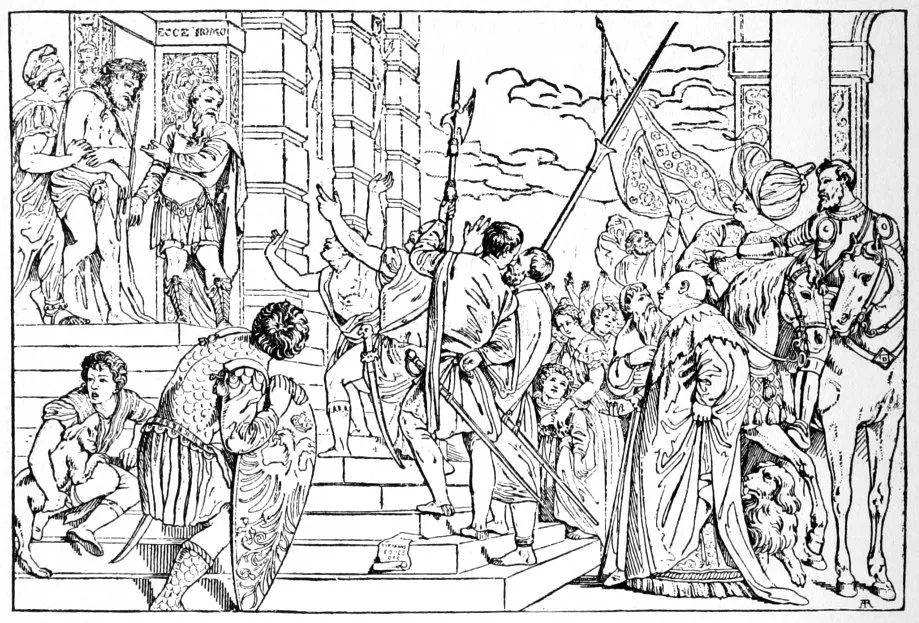
By Titian, Vienna Museum; canvas, H.
12 ft. × 8 ft.; signed and dated 1543. Christ
presented to the people from the top of a
flight of steps leading from the palace into
the square below; the gaoler below looks
on while Pilate (portrait of Aretino) points
to the Captive; the turbaned Turk in the
crowd below is Sultan Soliman, and the
knight is said by tradition to be Charles V.,
but the features are those of Alfonso d’Este.
Painted in Venice for Giovanni d’Anna, who
placed it in his palace, now the Palazzo Martinengo;
sold in 1620 to Sir Henry Wotton,
English envoy at Venice, for Duke of Buckingham,
who a few years afterward refused
£7,000 for it; sold by his son for about £700
to Canon Hillewerve of Antwerp, who sold it
to the Archduke Leopold, for his brother,
the Emperor Ferdinand III.; removed from
Prague to Vienna in 1688 by Emperor
Charles VI. Copy in sacristy of S. Gaetano,
Padua, dated 1574.—Vasari, ed. Mil.,
vii. 429; C. & C., Titian, ii. 92.
Subject treated also by Hans Holbein,
elder, Donauschingen Gallery; Lodovico
Carracci, Pal. Doria, Rome; Bartolommeo
Montagna, Louvre; Fra Bartolommeo, Pal.
Pitti, Florence; Lodovico Cardi da Cigoli,
ib.; Mabuse, Antwerp Museum.
ECHENA, JOSÉ, born in Spain, contemporary.
Paints chiefly oriental subjects. His
picture, The Arrival at Calvary, painted for
the high altar of the Cathedral, Madrid, was
exhibited in London in 1884. Another
work, Snake Charmers, was painted in 1882.
ECHTER, MICHAEL, born in Munich,
March 5, 1812, died there, Feb. 4, 1879. History
painter, pupil of Munich Academy under
Heinrich Hess, Clemens Zimmermann,
and Julius Schnorr, then of Olivier; assisted
Schnorr in the decoration of the Royal Palace
in Munich, and in 1846 Kaulbach, by
whom he was much influenced, in that of
the Berlin Museum. After his return to
Munich, he became member of the Academy
7in 1862, and professor at the Art School of
Industry in 1868. Order of St. Michael,
Belgian Order of Leopold, Bavarian Medal
for Art and Science. Works: St. George,
Peter delivered from Prison; Walk to Emmaus;
Battle in Lech Valley in 955 (1860),
Treaty of Pavia (both in Maximilianeum);
Barbarossa’s Wedding (1865), Burial of Walther
von der Vogelweide (both in National
Museum, Munich); Four Elements (1865);
Telegraphy and Railroad Travelling (1862),
Central Railway Station, Munich; thirty
Scenes from Wagner’s Operas (Royal Palace,
Munich); Fancy and Poetry (1873); Aurora;
Twelve Months represented by Children’s
Figures.—Brockhaus, v. 722; Kunst-Chronik,
xiv. 369; Regnet, i. 104.
ECHTLER, ADOLF, born at Goritz,
Austria; contemporary. Genre and portrait
painter, pupil of Venice Academy under
Karl Blaas, of Vienna Academy under
Führich, and of Munich Academy. Lives
in Paris. Gold Medal, Berlin, 1875. Works:
Difficult Problem; Peaceful Company;
Honi soit qui mal y pense (1877); Souvenir
of Italy, “Thou whom I have always
Loved ...” (1879); The Kiss (1880); Neapolitans
in Normandy, In the Morning
(1881); Repentant Sinner (1882); Ruin of
a Family, All is Vain (1883); Souvenir of
Venice (1884); Five Orphans (1885).
ECKARDT, CHRISTEN (FREDERIK
EMIL), born at Copenhagen, July 2, 1832.
Marine painter, pupil of Copenhagen Academy,
but really self-taught; visited Germany
and Italy in 1853–56, and England,
France, and Italy in 1873. Works: View
of Venice; Fishermen fleeing from Storm
(1862); Fishermen boarding Yacht (1866).—Weilbach,
139.
ECKENBRECHER, (KARL PAUL) THEMISTOCLES
VON, born in Athens, Nov.
17, 1842. Landscape and marine painter,
pupil in Potsdam of Wegener, then in 1861–63
in Düsseldorf of Oswald Achenbach;
travelled in Germany and Switzerland, took
part in the campaign of 1870–71, then, after
visiting many parts of Europe, settled in
Düsseldorf, where, since 1880, has painted
panoramic views on a large scale. Works:
Thingvalla Lake, Almanadjao, six Icelandic
views, Square near Mosque in Stambool,
Chan Street in Stambool (1873); Vöring Fos
in Norway, North Cape, Evening on Bosporus
(1875); Brusa (1876); View on
Norwegian Coast (1877); Battle of Gravelotte
(1880); Battle of Nieuwpoort (1881),
Entry of Mecca Caravan into Cairo.—Brockhaus,
v. 726; Müller, 153.
ECKERMANN, KARL, born in Weimar in
1834. Landscape painter, pupil from 1849
of Preller, then spent 1855 in Brussels, and
in 1856 went to Carlsruhe to study under
Schirmer. Travelled afterwards through
Germany, Belgium, and Holland. Works:
Rhine Valley and Vosges; View on Isle of
Rügen; Landscape in Holstein; View on
Inn River; Lüneburg Heath; View on
Rhine; Landscape in Storm; series of Still-Life
(Castle Ettersburg, near Weimar).—Müller,
153.
ECKERSBERG, CHRISTOFFER VILHELM,
born at Varnaes, Jutland, Jan. 2,
1783, died in Copenhagen, July 22, 1853.
History and portrait painter, pupil of Copenhagen
Academy under Abildgaard; won
great gold medal in 1809, went in 1810 to
Paris, where he studied under David, and
after his return went to Rome in 1813; became
in 1817 member of, 1818 professor in,
and in 1827 director of the Copenhagen
Academy. Commander of Order of Dannebrog.
Works: Jacob’s Death (1809); Loke
and Sygin (1810); Women at the Holy Sepulchre
(1812); Balder’s Death (1817); Axel
and Walburg, Eight Scenes from History of
Oldenburg (1818–28); Christ at Gethsemane
(1824); Crossing the Red Sea (1815),
Russian Man-of-War (1828), Danish Ship
under Sail (1835), Sailing Vessels in Sunset,
Ships off Copenhagen Roadstead (1848),
four others, Copenhagen Gallery; Death of
Balder, Academy, ib.; Calm Sea (1832);
Swedish Fisherman’s Boat (1833); Sermon
on Mount (1834); Meeting at Sea; Pirate
Schooner; Kronborg; Portraits of Oehlenschläger,
8Thorwaldsen, and of royal family.—Brockhaus,
v. 728; Weilbach, 140.
ECKERSBERG, JOHAN FREDERIK,
born at Drammen, Norway, in 1822, died at
Sandwik, July 13, 1870. Landscape painter,
pupil of Düsseldorf Academy under Schirmer.
At the age of eighteen he had been
placed in a mercantile office in Christiania,
but during a previous sojourn of several
years in Holland having imbibed a taste for
art, relinquished his post and entered the
technical drawing school, where he obtained
a government stipend in 1824, and went to
Düsseldorf. Returned to Christiania in
1848, lived and sketched in Madeira in
1852–54, and founded the Academy of
Painting at Christiania in 1859. Works:
View in Saeter Valley, Christiania Gallery;
High Plain in Middle Norway; Peak of
Romsdalshorn; View in Sigdal; Series of
Views in Madeira.
EDDELIEN, MATTHIAS (HEINRICH
ELIAS), born at Greifswalde, Pomerania,
Jan. 22, 1803, died Dec. 24, 1852. History
painter, pupil of Copenhagen Academy, and
studied in Rome in 1839–44. Executed
paintings for Christiansborg Castle in 1831–32,
and after his return from Rome began
to decorate the Chapel of Christian IV. in
Roskilde Cathedral, but was paralyzed in
1852. Medals, 1827, 1831, 1833, 1837.
Member of Copenhagen Academy in 1845.
Works: David playing the Harp before
Saul (1837); Christ blessing the Children
(1840 and 1844); Staerkadder awaiting Angantyr
for Combat; Young Faun (1830),
Copenhagen Gallery.—Weilbach, 149.
EDELFELT, ALBERT, born at Helsingfors,
Finland; contemporary. Genre painter,
pupil of Gérôme. Lives in Paris. Medals:
3d class, 1880; 2d class, 1882. Works:
Blanche de Namur and Prince Hacquin
(1877); Duke Charles IX. of Sweden insulting
the Dead Body of his Enemy Fleming
(1878); Episode in Revolt of Finland
Peasants, 1596, The Cherries (1879); Child’s
Funeral in Finland (1880); At the Artist’s
(1881); Divine Service on Sea-shore (1882);
Old Finland Peasant Woman (1883); At Sea
(1884); The Little Ship (1885); Under the
Beeches, Charity (Seney Sale, New York, 1885).
EDEMA, GERARD, born in Friesland in
1652, died at Richmond, England, in 1700.
Dutch School. Landscape painter, pupil
of Allart van Everdingen, whom he imitated,
and like whom painted chiefly views
in Norway; went to England in 1670, and
thence visited Norway and Newfoundland.
The figures in his landscapes were generally
supplied by Thomas Wyck. Works: River
Scene, Landscape, Hampton Court Gallery.
EDEN, EXPULSION FROM (Genesis,
iii. 24), Giuseppe Cesari, Louvre; copper,
H. 1 ft. 6 in. × 1 ft. 2 in. Adam and Eve,
nude, fleeing to right; at left, the angel
with a sword. Collections of Prince de
Carignan, of Prince de Conti, and of Louis
XVI. Engraved by Levasseur in Musée
français; Villerey in Filhol.—Landon, vii.
10; Filhol, ii. 134; Réveil, vi. 385.
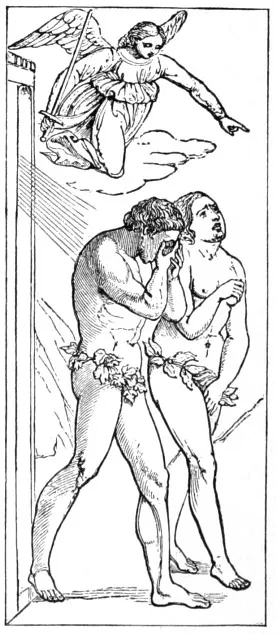
Expulsion from Eden, Masaccio, Brancacci
Chapel, Carmine, Florence.
By Masaccio,
Brancacci Chapel,
Carmine,
Florence; fresco
on left wall.
Adam and Eve,
their loins covered
with fig leaves,
are fleeing
before the Angel
with a sword, who
appears above.—Kugler
(Eastlake),
i. 222.
By Tintoretto,
Venice Academy;
canvas. Adam
and Eve driven
from Paradise.
Companion piece
to Death of Abel;
both formerly in
Scuola di SS.
Trinità.—Zanotto,
ii. Pl. 69.
EDICT OF WILLIAM THE TESTY,
9George H. Boughton, Corcoran Gallery,
Washington; canvas, H. 3 ft. 6 in. × 5 ft. 6
in. Scene from Irving’s “Knickerbocker’s
History of New York,” Chapter VII. William
the Testy, Governor of New Netherlands,
having issued an edict prohibiting
the smoking of tobacco, a multitude of citizens,
armed with pipes and an immense
supply of ammunition, sat themselves down
in front of his house and fell to smoking
with all their might. The Governor, with
cane uplifted, is threatening the rioters,
conspicuous among whom is Antony van
Corlaer, the Trumpeter, and Brinkerhoff,
hero of the clam-and-onion war against
the Yankees. Painted in 1877. Original
study, Charles S. Smith, New York.
EDMONDS, FRANCIS W., born in Hudson,
N. Y., Nov. 22, 1806, died in 1863.
Genre painter, self-taught. For many
years connected with the American Bank-Note
Company, on whose notes several of
his pictures were engraved. Exhibited
first in 1836, elected an A.N.A. in 1838, and
N.A. shortly after; he was trustee and at
one time recording secretary of the National
Academy. Visited Italy in 1840. Works:
Penny Paper (1839); Sparking (1840, engraved
by the Art Union); Boy Stealing
Milk (1843), Jonathan Sturges, New York;
Florence, Vesuvius (1844); Sleepy Student
(1846); Trial of Patience (1848); Speculator
(1852); Taking the Census (1854); Thirsty
Drover (1856); Bargaining (1858), Image
Pedler, Wind-Mill, R. L. Stuart, New York;
Gil Blas and the Archbishop, John Taylor
Johnston, ib.; Dame in the Kitchen.—Tuckerman,
414.
ÉDOUARD, ALBERT, born at Caen (Calvados),
April 22, 1845. Historical, genre,
figure, and portrait painter, pupil of Cornu,
Gérôme, Cogniet, and J. E. Delaunay. Medal,
3d class, 1882; 2d class, 1885. Works: Don
Juan cast Ashore (1870); Meditation (1874);
Apollo and Daphne (1875); Odalisque, Indiscreet
(1876); St. Leonard and the Prisoner,
The Toilet (1877); St. James led to
Execution (1878); Dante and Virgil on the
Frozen Lake (1879); Thetis (1880); Caligula
and the Cobbler (1882); On the Norman
Coast in August (1883); Khiomara (1884);
Briseis and her Companions weeping over
the Body of Patroclus (1885).
EDRIDGE, HENRY, born at Paddington,
Aug., 1769, died in London, April 23, 1821.
Miniature, landscape, and architecture painter
in water-colours; apprenticed to W. Pether,
engraver and landscape painter; student at
Royal Academy in 1784; elected an A.R.A.
in 1820. Was a successful painter of miniatures,
among his sitters being the royal family,
William Pitt, Lord Macartney, the Spencer
family, Southey, Wordsworth, and Benjamin
West. In 1810 he began painting
landscapes, and in 1819 architectural subjects,
the first being the Cathedrals of Beauvais
and Rouen. Several of his landscapes
are in South Kensington Museum.—Sandby,
ii. 65; Portfolio (1880), 196.
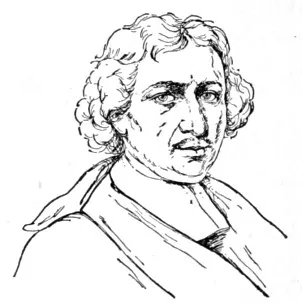
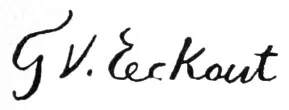
EECKHOUT, GERBRAND VAN DEN,
born in Amsterdam,
Aug.
19, 1621, died
there, Oct. 22,
1674. Dutch
school; portrait
and history
painter.
Son of a goldsmith
and
after 1635 pupil
of Rembrandt, whose manner he adopted.
Works: Christ blessing Little Children, National
Gallery, London (bought as a Rembrandt
from Suermondt Collection); Christ
and the Woman taken in Adultery, Adoration
of Magi, Warrior in Repose, National
Museum, Amsterdam; Dedication of Samuel,
Louvre; Male portrait (1640, Copy of
Rembrandt’s Doreur), Solomon sacrificing
to the Idols (1654), Mother and Child (1659),
Sophonisbe receiving the poisoned Cup
(1664), Tobias healing his Father, Female
portrait, Brunswick Museum; Music Lesson
(1655), Copenhagen Gallery; Circumcision,
Jacob’s Dream (1669), Cassel Gallery;
10Christ and the Doctors (1662), Abraham
casting off Hagar, Isaac blessing Jacob, Old
Pinakothek, Munich; David and Abigail,
Schleissheim Gallery; Presentation in the
Temple, Mercury killing Argus (1666), Raising
of Jairus’ Daughter, Berlin Museum;
Triumph of Mordeçai, Guard House, Lord
Bute, London; Portrait of the Historian
Dapper (1669),
Städel Institute,
Frankfort.—Ch.
Blanc, École
hollandaise; Allgem. d. Biogr., v. 653; Immerzeel,
i. 216; Kramm, ii. 415; Riegel,
Beiträge, ii. 273.
EECKHOUT, JACOB JOSEPH VAN
DEN, born in Antwerp, Feb. 6, 1793, died
in Paris in 1861. History, genre, and portrait
painter, pupil of Antwerp Academy;
then practised sculpture, in which he obtained
a prize in 1821; took up painting
without a master, and in 1823 obtained the
first prize in Ghent, and soon after a medal
at Douai. In 1831 settled at The Hague,
where in 1839 he became director of the
Academy; moved to Mechlin in 1844, then
to Brussels, and in 1859 to Paris. Member
of Amsterdam, Antwerp, Brussels, and Rotterdam
Academies. Works: St. Nicholas
Festival, Checkmate (1823); Peasant ploughing
in a Storm (1829); Battle of Bautersum,
Conquest of Tirlemont (1831); Doctor’s
Visit, Savoyard with Dog and Monkey,
Nuptials of Jacqueline of Bavaria with Duke
Jan of Brabant (1839), National Museum,
Amsterdam; Abdication of Jacqueline of
Bavaria, Peter the Great at Zaandam (1840);
Death of William the Silent, Death of Van
Spuyk (together with Wappers), Hambroek
on Isle of Formosa (1841); Orphans coming
from Church, Departure of Scheveningen
Recruits, Domestic Scene at Scheveningen,
Paternal Admonition, Old Woman reading
aloud, The Poor Blind, Rabbit on the Wall,
Pay-Day, Return from the Chase, Return
from Fishing; Collection of portraits of modern
artists born in the Netherlands (1822).—Immerzeel,
i. 217; Kramm, ii. 414.
EERTVELT. See Artvelt.
EFFIE DEANS, Sir John Everett Millais,
Robert Loder, Esq., M.P.; canvas, H.
4 ft. 9 in. × 3 ft. 6 in. Scene from Sir
Walter Scott’s “Heart of Midlothian;” one
of the clandestine meetings between Effie
Deans and Geordie Staunton or Robertson.
The outlaw, in a slate-coloured coat with
the deep cuffs of the period and wearing a
Lowland broad bonnet, is on the further
side of a wall in a wood; Effie, on the side
toward the spectator, attired in a loose pink
costume and holding her blue snood in her
hand, turns her eyes upward with a hopeless
expression as she listens to her betrayer’s
words; at her feet sits a faithful collie,
looking wistfully up into her face. Painted
in 1877; Arbuthnot sale (1882), £892.
EGG, AUGUSTUS LEOPOLD, born in
London, May 2, 1816, died in Algiers,
March 25, 1863. History and genre painter,
pupil in drawing of Henry Sass, and student
at Royal Academy in 1836; became an A.R.A.
in 1848, and R.A. in 1860. Won a well-deserved
reputation as a painter of social history
subjects. Works: Spanish Girl (1838);
Laugh when you Can (1839); Scene from
Henry IV. (1840); Scene from Le Diable
Boiteux (1844), National Gallery; Buckingham
Rebuffed (1846); Wooing of Katherine,
Lucentio and Bianca (1847); Peter the Great
and Catherine (1850); Pepys’s Introduction
to Nell Gwynne (1851); Life of Buckingham,
Death of Buckingham (1855); Knighting
of Esmond (1857); Night before Naseby,
Madame de Maintenon and Scarron (1859);
Katherine and Petruchio (1860), his last
picture.—Cat. Nat. Gal.; Ch. Blanc, École
anglaise; Redgrave; Sandby, ii. 310.
EGGERS, JOHANN KARL, born at Neustrelitz,
Mecklenburg, in 1790, died there in
1863. History and portrait painter, pupil
in Dresden of Matthäi. At Rome he aided
in the revival of fresco painting, and at Berlin
assisted Cornelius in decorating the portico
of the new Museum with frescos. Works:
Mater Dolorosa, Sleeping Venus (1819); Cupid
(1823), Bellevue Castle near Berlin;
11Christ with Mary and Martha; Washing
the Lord’s Feet; Choir in Naumburg Cathedral.
Fresco: Rome Personified (Vatican).
EGLOFFSTEIN, JULIE VON, Countess,
born at Hildesheim, Sept., 1792, died Jan.
16, 1869. History, genre, and portrait
painter, pupil of Düsseldorf Academy under
Sohn; a beautiful and gifted woman at Court
of Weimar, mentioned by Goethe in his
poems. Became canoness of Hildesheim.
Works: Shepherds in the Campagna (1835);
Girl braiding her Hair; Hagar in the Desert;
Exposure of Moses; portraits of Queen
Teresa of Bavaria and of Grand Duchess of
Saxe-Weimar.—Allgem. d. Biogr., v. 683.
EGMOND, JUSTUS (VERUS) VAN,
born in Leyden, Sept. 22, 1661, died
in Antwerp, Jan. 8, 1674. Flemish school;
history and portrait painter, pupil of Gaspar
van den Hoeck in 1615, and then of
Rubens, whom he assisted especially in the
execution of the Marie de Medici pictures
at the Louvre. Later was in the service of
Louis XIII. and Louis XIV., and was
among the original members of the French
Academy, founded in 1648. He worked
also conjointly with Vouet, and returned to
Antwerp before Nov. 11, 1660. Works:
Portrait of Archduke Leopold William, two
portraits of Philip IV. of Spain, Vienna Museum;
Maria de’ Medici, Schleissheim Gallery.—Allgem.
d. Biogr., v. 687; Biog. nat.
de Belgique, vi. 512; Jal, 528; Rooses
(Reber), 318; Van den Branden, 766.
EGMONT AND HORN, OBSEQUIES
OF, Louis Gallait, Tournay Museum; canvas.
The Duke of Alva, who under the
forms of justice had executed his noble
Dutch predecessors, Count Lamoral of Egmont
and Philip of Montmorency, Count
Horn, visits their bodies when arranged
for burial and contemplates them with
savage satisfaction. Painted in 1851; purchased
by city of Tournay. Replica (1859),
water-colour (14 × 19 in.), W. T. Walters,
Baltimore.—Art Treasures of America, i. 88.
EGOGNI, AMBROGIO. See Borgognone,
Ambrogio.
EGUSQUIZA, ROGELIO DE, born at
Santander, Spain; contemporary. Works:
Don Quixote and the Parson; Bright Lookout;
Boudoir Scene, A. J. Drexel, Philadelphia;
She laughs at his Folly, W. B.
Bement, Philadelphia; Disappointed; Return
from Walk, C. P. Huntington, New
York; Reading Girl, Borie Collection, Philadelphia;
Michelangelo beside the Body of
Vittoria Colonna; Charles V. at San Yuste
(1868); After a Brawl (1869); Infant Don
Carlos and Infanta Doña Juana swear to defend
the Catholic Faith (1870); The Betrothed
(1883).
EGYPTIAN FEAST, Edwin Long, Fine
Art Society, London; canvas, H. 6 ft. 2 in.
× 12 ft. 4 in. A feast spread in a vast decorated
hall of Egyptian architecture, with
massive columns in background; in the centre
slaves are dragging a mummy upon a
bier, to remind the numerous revellers that
they are mortal; in foreground, musicians.
Engraved by E. Girardet.
EHNINGER, JOHN WHETTON, born
in New York, July 22, 1827. Landscape
and figure painter; after graduating at Columbia
College he went to Paris (1847),
where he studied two years under Couture,
and then at Düsseldorf. He was at one
time employed by a London illustrated
journal to furnish designs for wood-cuts.
Elected N.A. in 1860. Studio at Saratoga
Springs. Works: Peter Stuyvesant (1850);
Eight illustrations of Miles Standish (1858);
Autumnal Landscape (1867); Monk (1871);
Vintage in the Valtellina—Italy (1877); Twilight
from the Bridge of Pau—Basses-Pyrenées
(1878); Subject for Thanksgiving (1879);
Lady of the Manor (1882); The Old, Old
Story (1884).—Tuckerman, 461.
EHRENBERG, WILLEM VAN (Wilhelm
Schubert von Ehrenberg), born at Antwerp,
baptized May 12, 1630 (according to Van
den Branden in Germany in 1637), died
there in 1675 or 1676. Flemish school;
architecture painter, master of the guild in
121662. Excellent in perspective. Works:
Interior of Palace (1666, figures by H. van
Minderhout), Antwerp Museum; Architecture
in Biset’s William Tell, Brussels Museum;
do. of Art Gallery (1671), Hague
Museum; do. (1666), Old Pinakothek, Munich;
Church Interior (1664), Vienna Museum.—Biog.
nat. de Belgique, vi. 515;
Cat. du Musée d’Anvers (1874), 464; Van
den Branden, 875.
EHRHARDT, (KARL LUDWIG)
ADOLF, born in Berlin, Nov. 21, 1813.
History painter, pupil in the Düsseldorf
Academy under Schadow (1832); after 1838
assisted Bendemann in decorating the Royal
Palace at Dresden with frescos and became
professor at the Academy in 1846. Works:
Jephthah’s Daughter (1836); Christ with
Mary and Martha (1837); Death of the
Troubadour Rudello; Rinaldo and Armida;
Dante’s Dream; Charles V. in the Monastery;
Louis the Bavarian with Frederic the
Fair; Luther as Squire
George in Jena (1864),
Leipsic Museum; Resurrection;
Portrait of Ludwig
Richter.—Müller,
155; Wiegmann, 152.
EHRMANN, FRANÇOIS ÉMILE, born in
Strasburg, Sept. 5, 1833. History painter,
pupil of Gleyre and of the École des B.
Arts, studied two years in Italy, and returned
to Paris in 1865. Medals: 1865
and 1868; 3d class, 1874; L. of Honour,
1879. Works: Siren Fishing (1865, burned
in Strasburg, 1870); A Conqueror (Luxembourg
Museum, copied at the Gobelins);
Ariadne abandoned by Theseus (1873),
water-colour, Luxembourg Museum; Greece,
Rome, The Barbarians, The Middle Ages
(1874), M. Girard, Paris; Venus passing before
the Sun (1875); The Muses (1877); Republican
France leading the Nations to
Peace and Industry (1879); The Fates; The
Fountain of Youth; Wisdom uniting Art
and Industry (1884); The Manuscript (1885).—L’Art
(1876), iii. 297; Meyer, Conv. Lex.,
xviii. 259.
EIBNER, FRIEDRICH, born at Hilpotstein,
Palatinate, Feb. 25, 1825, died in
Munich, Nov. 18, 1877. Architecture and
landscape painter, self-taught, principally by
copying after H. Schoenfeld; travelled
through Bavaria (1847), Germany and
France (1852), North Italy (1853–56),
and Spain (1860–61), whither he accompanied
Prince Metschersky, in whose possession
is a valuable series of sixty-five great
water-colour views from Spain. Among his
best works are: Cathedrals of Burgos, Seville,
and Segovia; Palace of Inquisition at
Cordova; Ponte del Paradiso in Venice;
St. Anastasia in Verona; Church of Our
Lady at Esslingen.—Kunst-Chronik, xiii.
178.
EICHHORN, ALBERT, born at Freienwalde
on the Oder, July 7, 1811, died at
Potsdam, Oct. 19, 1851. Architecture and
landscape painter, pupil, in Berlin, of Tempeltei
and Biermann, travelled through Italy
and Greece, settled in Potsdam, and was
much employed by King Frederick William
IV. Works: Views in and about Rome
(1842); Taygetus, Temple of Phigalia (1842);
St. Peter’s in Rome; Temple of Corinth;
Temple of Zeus, Road of Patras; City Views
from Italy; The Campagna.—Allgem. d.
Biogr., v. 728; Kunstblatt (1853), 2570.
EICHLER, HERMANN, born in Vienna
in 1842. History painter, pupil of Christian
Ruben, whose studio he entered in 1864.
Works: Charles I. meeting Cromwell after
the Sentence; Peter Hele the Inventor of
Watches; Rudolph II.; Count von Helfenstein
in the Peasants’ War; Oberon; In the
Shade of the Bormio; Picnic (1879).—Müller,
156; N. illustr. Zeitg. (1881), i. 339.
EIGHTEEN HUNDRED AND SEVEN,
Jean Louis Ernest Meissonier, Mrs. A. T.
Stewart, New York; canvas, H. 4 ft. 6 in. ×
8 ft. At first called Friedland, but finally
named after the date of the battle. Scene—a
ceremonial review of the exhausted victorious
troops after the nine hours’ fighting
which made Napoleon dictator of Europe.
The Twelfth Cuirassiers galloping
13through the trampled grain are rising in
their stirrups, waving their swords, and
shouting in a frenzy of enthusiasm as the
Emperor, on a white horse at left, surrounded
by his État-major and Marshals
Bessières, Duroc, and Berthier, salutes them
by raising his cocked hat. Behind, at Napoleon’s
left, troops are waiting to fall into
line, and further on are seen the bearskin
caps of the Old Guard. In the foreground,
at Napoleon’s right, in yellow breeches and
red dolmans, are the four troopers composing
the avant-garde of the imperial escort.
Meissonier’s masterpiece. Finished in 1876
after fifteen years’ labour. The costumes
and trappings were made by tailors, bootmakers,
and saddlers; the horses were
modelled in wax. Vienna Exposition, 1878.
Mr. Stewart paid $60,000 for it.—L’Art
(1876), i. 14; Art Treasures of America, i.
27.
EILERSEN, RASMUSSEN, born at Osterby,
Fünen, March 1, 1827. Landscape
painter, pupil of Copenhagen Academy;
took part in the Schleswig-Holstein campaign
of 1848–50, and afterwards studied
under J. P. Moller; visited France, Switzerland,
and the Pyrenees in 1858–60, London
in 1862, Holland and Belgium in 1871, Vienna
and Salzburg in 1873, and Italy in
1876. Many of his pictures bought in Germany
and England. Member of Copenhagen
Academy, 1871; Order of Danebrog,
1876. Works: Mill near Heden; Landscape
in Southern Fünen (1855); View of
Himmelbjaerget (1857); Gloomy Weather
in the Landes, Two Views in the Pyrenees
(1861); Morning at Sorrento, October Afternoon
at Amalfi (1881); View in Frysenborg
Deer-Park (1864), Copenhagen Gallery.—Sigurd
Müller, 87; Weilbach, 152.
EINSLE, ANTON, born in Vienna in
1801, died there March 10, 1871. Portrait
painter, pupil of Vienna Academy; appointed
court-painter in 1867, and decorated
with the Order of Franz Josef. Works:
Count Zichy, The Letter (1842); Sculptor
Klieber (1844); Negro Slave (1846); Count
Chotek, Countess Wickenburg (1846); Emperor
Francis Joseph, Empress Elizabeth,
Field-Marshal Count Radetzky.—Wurzbach,
iv. 15.
EISENMENGER, AUGUST, born in Vienna,
Feb. 11, 1830. Decorative painter,
pupil of Leopold Schultz, of the Vienna
Academy, in 1842–48, and in 1856 of Rahl,
whose indispensable assistant he soon became.
Professor at Vienna Academy since
1872. Works: Apollo and the Muses (1869),
Musikverein, Vienna; Ceiling Paintings,
Grand Hotel, ib.; Twelve Months, Palais
Guttmann, ib.; The Graces and Peace,
Tietz Mansion, ib.; Scenes from Lives of
Emperor Maximilian I. and Duke Leopold,
Castle Hörnstein; Fresco Paintings in the
Museum of Art and Industry.—Graph. K.,
vi. 77; Müller, 156.
EISMANN, JOHANN ANTON, born at
Salzburg in 1634, died in Venice in 1698.
German school; landscape, marine, and
battle painter, self-taught; went to Venice,
where he studied after the old masters, and
soon attained considerable success. His landscapes
and seaports embellished with architecture
were especially esteemed. Works:
Landscapes with Ruins (2), Dresden Gallery;
Landscape with Cavalry Skirmish, Vienna
Museum.
EISMANN-BRISEGHELLA, CARLO,
born in Venice in 1679. Landscape, marine,
and battle painter, adopted son and pupil
of preceding, who at Venice had formed a
friendship with his father, Mattia Briseghella.
After Eismann’s death he seems to
have settled at Ferrara. Works: Skirmish
under the Walls of a Fortress, Cavalry Skirmishes
(2), A Battlefield, Dresden Gallery.
EKELS, JAN, the younger, born at Amsterdam
in 1759, died there June 4, 1793.
Dutch school; genre painter, son and pupil
of Jan E. the elder (1724–81); went to
Paris, and in 1783 up the Rhine to Düsseldorf
to visit the gallery. Imitated the old
masters, especially J. Molenaer. Works:
Young Man Drawing, Peasant lighting his
14Pipe, Städel Gallery, Frankfort.—Immerzeel,
i. 220.
EKWALL, KNUT, born at Säby, Småland,
April 3, 1843. Genre painter and
illustrator, pupil of Stockholm Academy;
devoted himself to illustration in 1870, and
was engaged in it at Munich and Leipsic
until 1875, when he studied genre painting
under Knaus in Berlin, and settled there.
Works: Ten Minutes for Refreshments;
Family Scene in Dalecarlia; After Midnight;
Sailor’s Return; After the Bath;
Berlin Fire Department; Sub Rosa (1880);
Honeymoon (1882); He is Coming (1883);
Morning after Wedding, Jolly Morning
Hour (1884).
ELAINE, Toby Rosenthal, Mrs. R. C. Johnson,
San Francisco. Illustration of Tennyson’s
“Lancelot and Elaine,” where the “lily
maid of Astolat,” stretched upon her bier on
the funeral galley, “Oar’d by the dumb, went
upward with the flood.” Painted in 1874.
ELASIPPUS, Greek painter, date unknown.
One of many reputed inventors of
encaustic painting.—Pliny, xxxv. 39 [122].
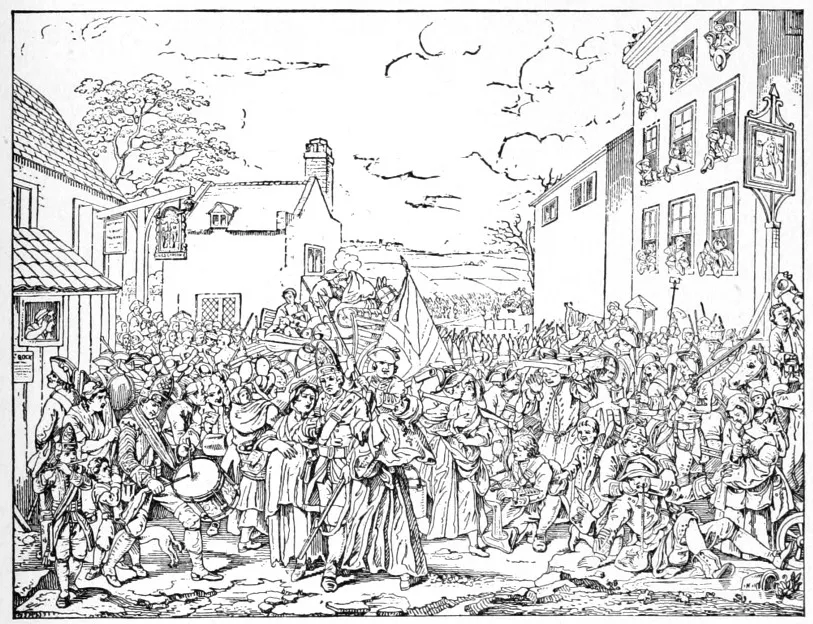
ELECTION, Hogarth, Soane Museum,
London; four pictures, canvas, H. 3 ft. 4
in. × 4 ft. 4 in. 1. The Election Entertainment;
2. Canvassing for Votes; 3. Polling
at the Hustings; 4. The Chairing of the
Successful Candidate. These pictures formerly
belonged to Garrick; bought of his
widow in 1823 for £1,732 10s.—Jameson’s
Handbook, ii. 572.
Elevation of Cross, Rubens, Antwerp Cathedral.
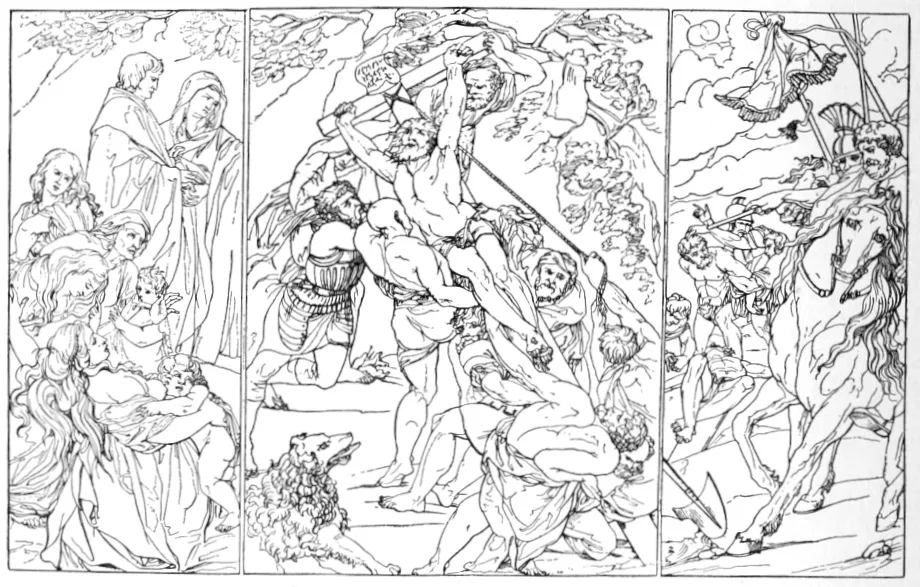
ELEVATION OF CROSS, Rubens, Antwerp
Cathedral; H. 14 ft. × 15 ft. In three
parts: centre, the Saviour on the Cross,
which nine powerful men are elevating;
left wing, the Virgin, the Holy Women, and
St. John, the latter standing by the Virgin;
right wing, mounted Roman soldiers superintending
the crucifixion of the two thieves.
The groups on the wings are painted on the
inside of the covers of the middle part. On
the exterior of the covers are: St. Catherine
on one side, and St. Eloi on the other.
Painted in 1610 for S. Walburge, Antwerp;
retouched in 1627 by Rubens, who then
introduced the Newfoundland dog in the
corner. Carried to Paris in 1796; returned
15in 1815. Engraved by C. L. Masquelier;
in three parts by Witdouc. St. Catherine
engraved by Bolswert, Mariette.—Smith, ii.
1; Jameson, Hist. Our Lord, ii. 135; Réveil,
x. 687; Landon, Musée, x. 33.
By Anton van Dyck, Notre Dame, Courtray,
Belgium; canvas. The Saviour on
the Cross, which four men are raising into
position; at left, an assistant, with a spade
in his hand, and two mounted soldiers, one
of whom is giving orders; in foreground,
right, a basket with implements, and a
spaniel dog. Painted by order of Canon
Roger Braye in 1632; carried to Paris, returned
in 1815. Etched by A. Boulard.
Sketch in Collection of M. de Reuck, at
Wareghem; engraved by Bolswert, J. Audran.—Guiffrey,
136; Smith, iii. 11.
ELIJAH, Washington Allston, Museum
of Fine Arts, Boston, Mass.; canvas. Elijah
in the desert fed by ravens. Begun in England,
finished in Boston; bought by Hon.
Mr. Labouchere, afterwards Lord Taunton,
and taken to England; purchased (1870)
after his death by Mrs. Samuel Hooper, of
Boston, and presented to Museum.—Memorial
Hist. Boston, iv. 395.
ELIZABETH, DEATH OF QUEEN, Paul
Delaroche, Louvre, Paris; canvas, H. 13 ft.
9 in. × 11 ft. 2 in.; signed, dated 1828. The
Queen, lying upon cushions, assisted by her
women, is surrounded by the grand dignitaries
of her court. Cecil, Secretary of
State, is kneeling beside her. Salon, 1827,
although dated as above. Formerly in
Luxembourg. Engraved by Jazet.—Annales
des B. Arts, Salon de 1827, Pl. 66.
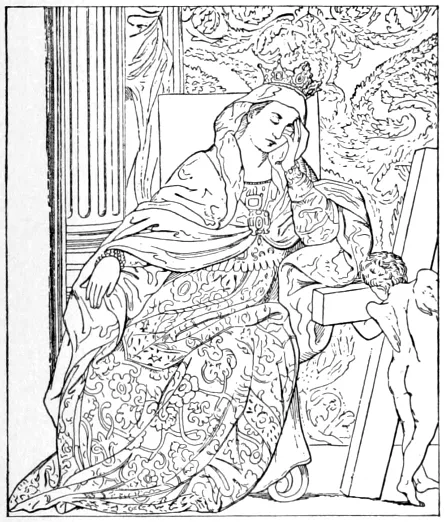
St. Elizabeth of Hungary, Murillo, Academia S. Fernando, Madrid.
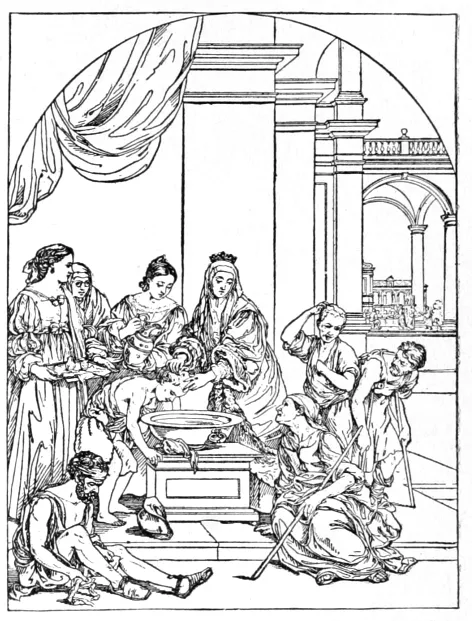
ELIZABETH OF HUNGARY, ST., or
EL TIÑOSO (The Scald-Head), Murillo,
Academia S. Fernando, Madrid; canvas,
H. 13 ft. 9 in. × 10 ft. 6 in. The Saint,
dressed as a nun, with a small coronet on
her head, stands in a portico washing the
scald-head of a beggar boy, who bends over
a silver basin on a pedestal; two ladies and
a duenna supply lotions; on left, a second
boy, a cripple on crutches, and an old
woman seated; in foreground, a half-naked
beggar seated; in background, the Saint
and her ladies are serving poor persons
seated at a table in a gallery. Companion
to San Juan de Dios. Painted in 1674, one
of eight large pictures, for Hospital de la
Caridad, Seville; carried to Paris by Marshal
Soult, who gave it to Louis XVIII. at the Restoration;
placed in Louvre, but returned to
Spain in 1815. Original study, with changes,
John L. O’Sullivan, New York. Engraved
by P. Boutrois, D. Martinez; lithographed
by Flor. de Craene, Lafosse, F. Chevalier,
Ch. Vogt, Defrondat, M. Lavigne, Charpentier,
H. Jannin.—Curtis, 229; Ch. Blanc,
École espagnole; Viardot, Illust. Hist. Painters
(London, 1877); Becker, Kunst und
Künstler; Harper’s Mag. (1885), lxxi. 938.
ELLENRIEDER, MARIE, born at Constance,
March 20, 1791, died there, June 5,
1863. History and portrait painter, pupil
of the miniature painter Einsle, then from
1813 of Langer in the Munich Academy.
Worked in 1816–20 in Constance, in 1822–24
in Rome, where she became a follower
16of Overbeck. Appointed court-painter at
Baden in 1829 and revisited Rome in 1838–40.
Works: St. Cecilia (1814); Praying
Girl, Madonna (1824); Holy Virgin reading,
Madonna in Glory, St. Nicholas, Resurrection
(1825); St. Anatolica (1826); Martyrdom
of St. Stephen (1827), Catholic
Church, Carlsruhe; St. Cecilia (1829); Madonna
in the Rose-Hedge (1834), Carlsruhe
Gallery; Magnificat (1835); St. Charles of
Borromeo (1838); St. Felicitas with her
Sons, Jesus and the Children, St. Anthony,
Angel bearing Prayers to Heaven
(1840); Simeon in the Temple;
Raising of Lazarus; Baptism of
Livia; St. Jerome; Gratitude.—Allgem. d.
Biogr., vi. 49; Andresen, iv. 30.
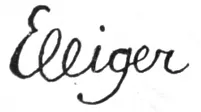
ELLIGER (Elger), OTTMAR (Ottomar),
the elder, born at Gothenburg, Sept. 18, 1633,
died in Berlin in 1679. Flemish school;
fruit and flower painter, pupil in Antwerp
of Daniel Seghers, called to Berlin as court-painter,
by the Great Elector, in 1670.
Works: Tulip with Roses and Berries on
a Table (1674), Bouquet on a Table with
Grapes and Apricots, Dresden Gallery;
others in Brunswick, Frankfort, and Stockholm
Galleries.—Kramm, ii. 422; Michiels,
viii. 303.
ELLIGER, OTTMAR, the younger, born
in Hamburg in 1666, died at Amsterdam in
1732. Dutch school; history painter, son
and pupil of Ottmar Elliger the elder; then
pupil in Amsterdam of Michiel van Musschert
and of Gerard de Lairesse; painted,
in the style of the latter, wall and easel
pictures in which he loved to introduce
grand architecture. Works: Death of Alexander
the Great (1716), Marriage of Peleus
and Thetis (1717), for Elector of Mentz;
Banquet of Cleopatra, Herodias dancing before
Herod and his
Guests, Cassel Gallery;
Woman with
Goblet and Fruits
(1714), Vienna Museum; Allegory, Bordeaux
Museum; others in Brunswick Museum.—Immerzeel,
i. 221; Kramm, ii. 422.
ELLIOTT, CHARLES LORING, born at
Scipio, N. Y., Dec., 1812, died in Albany,
Aug. 25, 1868.
Portrait painter,
pupil of Trumbull
and of Quidor
in New York,
where he spent
the greater part
of his professional
life. Elected
an A.N.A. in 1845
and N.A. in 1846.
His pictures are
to be found in the State Library, Albany,
the Mercantile Library, Baltimore, and in
the New York City Hall. Among his portraits
are those of: Matthew Vassar (Vassar
College); Fletcher Harper; Fenimore
Cooper; Fitz-Greene Halleck; Governors
Hunt and Seymour; Erastus Corning,
A. B. Durand, N.A., Corcoran Gallery,
Washington; his own portrait, M. O. Roberts’
Collection, New York. Ideal works:
Falstaff (Vassar); Don Quixote; Andrew
van Corlaer the Trumpeter, W. T. Wales,
Baltimore; Head of Skaneateles Lake, F.
N. D. Horton; Falstaff, Leonard Jerome,
New York.
ELMORE, ALFRED, born at Clonakilty,
Ireland, June 18,
1815, died in
London, Jan. 24,
1881. Student
in London in
1832 of Royal
Academy, where
he exhibited in
1834 his Subject
from an Old Play.
Made an extended
art tour to
Paris, Munich, Venice, Bologna, Florence,
and Rome, where he remained two years.
Returned to England in 1844; became an
A.R.A. in 1845, and R.A. in 1856. Works:
Martyrdom of Thomas à Becket (1840), St.
Andrew’s Church, Dublin; The Novice
17(1843); Rienzi in the Forum (1844); Invention
of Stocking Loom (1847); Death of Robert,
King of Naples (1848); Griselda (1850);
Charles V. at Yuste (1856), Lee sale, 1883,
£1,412; Incident in Life of Dante (1858);
Tuileries in 1792 (1860); Marie Antoinette
in the Temple (1861); Lucrezia Borgia (1863);
Louis XIII. and Louis XIV. (1870); Across
the Fields (1872); After the Expulsion (1873);
Mistress Hettie Lambert (1874); Ophelia
(1875); Mary Queen of Scots and Darnley
(1877); Pompeii, Judith and Holofernes,
Columbus at Porto Santo, John Alden and
Priscilla (1878); Sabina, Greek Ode (1879);
After the Ruin, Lenore.—Art Journal (1857),
113; (1881), 95; Sandby, ii. 302; Meyer,
Conv. Lex., xviii. 281.
ELSASSER, FRIEDRICH AUGUST,
born in Berlin, July 24, 1810, died in
Rome, Sept. 1, 1845. Landscape and architecture
painter, pupil of Berlin Academy
under Blechen; went to Rome in 1831, and
was much influenced by Franz Catel; member
of Berlin Academy in 1841. Works:
Outlook from Volsker Mountains towards
the Sea, From the Woods of Calabria; Theatre
of Taormina; Church Interior of Palermo;
Convent Yard in Palermo; Interior
of St. Peter’s in Rome; View of Roman Ruins;
Campo Santo in Pisa by Moonlight;
Siren Group in Tivoli; Cloister in Cefalù;
View of Tivoli; Views of Peacock Isle near
Potsdam. His brother Julius (born in Berlin
in 1815, died in Rome, Dec. 25, 1859),
also made a reputation as a landscape painter.—Allgem.
d. Biogr., vi. 61; Brockhaus,
vi. 81.
ELSHOLTZ, LUDWIG, born in Berlin,
June 2, 1805, died there, Feb. 3, 1850.
Genre and battle painter, pupil of Berlin
Academy and of Franz Krüger. Works:
Battle of Leipsic (1833); Battle of Dennewitz;
Farewell on Battlefield; Scene from
Battle of Bautzen; Noon-Day Rest during
Harvest; Entry of Allies into Paris; Civic
Guard; Beginning of Skirmish (1834), National
Gallery, Berlin.—Allgem. d. Biogr.,
vi. 67; Brockhaus, vi. 82.
ELSHEIMER (Elzheimer), ADAM,
born in Frankfort, baptized March 18, 1578,
died in Rome in
1620. German
school; landscape
painter, pupil of
Philip Uffenbach;
called Adam of
Frankfort at
Rome, where he
fixed his residence
at an early
age. Had numerous
pupils, such as Lastman, Jan Pinas,
and Goudt, and founded a new school
which treated biblical subjects in the natural,
anti-classic style afterwards developed
by Rembrandt, of whom he is regarded as
one of the precursors. His biblical and
mythological scenes are represented in landscapes
suggested by Italian motives, and
the figures are no lay figures, but human in
dress and sentiment. Each one of his pupils
brought back to Holland something of
his master, whose influence was communicated
to Rembrandt through Lastman.
Works: Sacrifice at Lystra, Bacchus among
the Nymphs at Nysa, Städel Gallery, Frankfort;
Landscape with Mountain Prospect,
Aurora, Brunswick Museum; St. Lawrence,
Carlsruhe Gallery; replica, Montpellier Museum;
Landscape with St. Jerome, Kunsthalle,
Hamburg; Walk to Emmaus, Aschaffenburg
Gallery; Martyrdom of St. Lawrence,
Contento, an Allegory, Flight into
Egypt, Burning of Troy, Woodland Valley,
St. John Preaching (?), Old Pinakothek,
Munich; Six Scenes from Life of Mary,
Syrinx and Pan, St. Martin and the Beggar,
Arcadian Wood Landscape, Berlin Museum;
Flight into Egypt, Joseph put into a Pit by
his Brethren, Jupiter and Mercury visiting
Philemon and Baucis, Judith (?), Dresden
Gallery; Repose in Egypt, Museum, Vienna;
Realm of Venus, Academy, ib.; Birth of
Christ, Czernin Gallery, ib.; Flight into
Egypt, Liechtenstein Gallery, ib.; do., Ferdinandeum,
Innsbruck; Peter denying Christ,
18Scourging of Christ, Venice Academy; Artist’s
Portrait, Shepherd playing the Shalm,
Aglaia’s Daughters led to Temple by Mercury,
Hagar consoled by Angel, Uffizi,
Florence; Six Landscapes with Story of
Icarus, Naples Museum; Scoffing of Ceres,
Madrid Museum; Flight into Egypt, Good
Samaritan, Louvre, Paris; Martyrdom of
St. Lawrence (copy?), National Gallery,
London; Meeting of Elias and Obadiah,
Marquis of Bute, ib.; Repose in Egypt,
Duke of Devonshire, Chatsworth; Eight
small Landscapes with Saints, Earl of Leconfield,
Petworth; Liberation
of St.
Peter, Lord
Elgin, Broom
Hall, near Edinburgh.—Allgem. d. Biogr., vi.
66; Ch. Blanc, École allemande; Bode,
Studien, 231; Jahrb. der Köngl. preuss.
Kunstsammlg., i. 51, 245.
ELST, PIETER VAN. See Verelst.
EMANCIPATION PROCLAMATION,
Francis B. Carpenter, staircase of House of
Representatives, Capitol, Washington. President
Lincoln signing the proclamation of
emancipation of slaves in the United States,
January 1, 1863. Painted in 1864; purchased
for $25,000 in 1877 by Miss Mary
Elizabeth Thompson, and presented to the
Government.
EMBDE, AUGUST VON DER, born in
Cassel, Dec. 2, 1780, died there, Aug. 10,
1862. Genre and portrait painter, pupil of
Cassel Academy; studied the old masters at
Dresden, Düsseldorf, Munich, and Vienna,
painted portraits in Cassel until 1830, and
then began to treat child and peasant life
with much success. Works: Hessian Peasant
Girl with Letter; Children playing on
Ruins of their Burned Home; Girls at the
Well; Cinderella; Children playing at the
Brook.
EMELÉ, WILHELM, born at Buchen, in
the Odenwald, in 1830. Battle painter, pupil
in Munich of Feodor Dietz, studied
afterwards in Antwerp and Paris. His pictures
are good in colour and show thorough
knowledge of military details. Since 1861
he has resided in Vienna. Works: Battle
of Stockach, Assault on Heidelberg Bridge
(1857); Skirmish near Aldenhoven (1859);
Episode in Battle of Aspern (1860); Taking
of Camp near Farmars, Park Scene with
Horses, Attack of French Cuirassiers at
Waterloo, Battle of Würzburg (1867); Battle
of Neerwinden (1872); Attack of Division
Bonnemain at Elsasshausen; Battle of
Dijon; Meeting of Patrols; Headquarters
of XIV. Army Corps in Battle of Belfort;
Episode from Battle of Wörth; Victory of
George II. at Dettingen (1879); Cavalry
Flight near Langenbruck.—Kunst-Chronik,
ii. 162; Meyer, Conv. Lex., xvii. 292.
ÉMINENCE GRISE, Jean Léon Gérôme,
J. H. Stebbins, New York. His Gray Eminence,
the Father Joseph of Bulwer’s “Richelieu,”
is descending a broad flight of stairs;
absorbed in his breviary, he is apparently as
unconscious of the servile bows and genuflections
of the courtiers before him as of
the defiant and contemptuous glances of
those who have passed him.
EMMET, ROSINA, born in the United
States, contemporary. Figure painter, pupil
of William Chase. Exhibits at the National
Academy, New York, and is well
known as an illustrator and designer. Studio
at East Rockaway, L. I. Works: Portrait
of Boy (1881), Alexander Stevens; Apple
Blossoms, Haymaking, Waiting to see the
Doctor (1882); Red Rose Land, Elder
Flowers, La Mescicana (1883).
EMPOLI, JACOPO CHIMENTI DA,
born at Empoli in 1554, died in Florence,
Sept. 30, 1640. Florentine school; pupil
of Tommaso da San Friano, but formed his
style chiefly by studying the works of Andrea
del Sarto,
whose pictures he
copied very cleverly.
He painted
many pictures,
the best of which is Christ in the Garden of
Olives, Madrid Museum. Other works are:
19Madonna and Saints (1579), Louvre; Creation
of Adam, St. Yves (1616), Drunkenness
of Noah, Sacrifice of Abraham, Uffizi, Florence;
Susanna at the Bath (1600), Vienna
Museum.—Ch. Blanc, École florentine; Vasari,
ed. Le Mon., vii. 163; viii. 261.
ENDER, EDUARD, born in Vienna in
1824. History and genre painter, son and
pupil of Johann E., and student in the Vienna
Academy. Works: Wallenstein and
Seni (1844); Corbeille de Mariage (1850);
Tasso at Court of Ferrara (1852); Francis
I. in Cellini’s Studio (1854); Emperor Rudolph
II. and Tycho de Brahe (1855);
Philip IV. Painting Order on Portrait of
Velasquez (1856); Shakespeare reading
Macbeth at Court of Elizabeth; Emperor
Joseph II. meeting Mozart; Schiller at
Court of Weimar; Rembrandt in his Studio;
Elizabeth and Van Dyck; Rudolf IV. on
Site of St. Stephen’s in Vienna; Pouting
Corner; Secret Communication; Drinking
and Brawl; Game of Chess (1857); Puritans
on Guard; Humboldt and Bonpland on
the Orinoco; Marie Antoinette’s Farewell
of Maria Theresa.—Brockhaus, vi. 124;
Land und Meer (1872), Nos. 4, 21; Wurzbach,
iv. 38.
ENDER, JOHANN, born in Vienna, Nov.
3, 1793, died there, March 16, 1854. History
and portrait painter, pupil of Maurer,
Caucig, Füger, and Lampi in the Vienna
Academy, where he obtained four prizes
and the great gold medal. Visited Italy,
Malta, Corfu, Greece, and Constantinople in
1818–19. Studied and copied the old masters
at Rome in 1820–26, then went to
Paris and Vienna, where he painted chiefly
portraits in the style of Isabey. In 1829–50
was professor at the Academy. Works:
Marcus Aurelius on his Deathbed (1814),
National Gallery, Pesth; Orestes pursued
by the Furies (1815); Minerva showing
Ithaca to Ulysses (1816); Assumption,
Sleeping at Christ’s Sepulchre (1817);
Judith; Bacchus finding Ariadne; Portraits
of Duchess of Coburg, of Princesses Eszterhazy,
Hohenzollern, Auersperg, Liechtenstein,
and Taxis, and of Emperor Francis;
Madonna in Landscape, Vienna Museum;
Crucifixion (fresco, 1850–52), Liechtenstein
Chapel, St. Stephen’s, Vienna.—Allgem. d.
Biogr., vi. 105; Brockhaus, vi. 124; Wurzbach,
iv. 38.
ENDER, THOMAS, born in Vienna, Nov.
4, 1793, died there, Sept. 28, 1875. Landscape
painter, twin brother of Johann, pupil
of the Vienna Academy under Mössmer
and Steinfeld. Won the grand prize in
1816. Went in 1817 to the Brazils, and in
1819 accompanied Prince Metternich to
Italy, where he remained four years; in
1826 he visited Paris, in 1836 became corrector,
and later was professor at the Vienna
Academy until 1849. Works: View of Grossglockner,
High Göll with Berchtesgaden Valley,
Castle Tyrol, Nons Valley with Castle
Cles, Coast of Sorrento, all in Vienna Museum;
View of Rio Janeiro, Vienna Academy;
Chapel in the Woods, National Gallery,
Berlin; Ruin of the Habsburg, Prospect
from the Habsburg (1866).—Allgem. d.
Biogr., vi. 106; Brockhaus, vi. 124; Kunst-Chronik,
i. 53; xi. 304; Wurzbach, iv. 41.
ENDYMION, SLEEP OF, Girodet de
Roussy, Louvre; canvas, H. 6 ft. 6 in. × 8
ft. 6 in. Endymion, nude, lies asleep, on
his mantle and a tiger-skin, under a tree;
beside him are his bow and his spear, and
at his feet, left, his dog lies sleeping; in
background, Cupid, in the form of Zephyr,
draws aside the branches that the moon-beams
may fall upon him. Painted in
Rome in 1792; acquired, in 1818, with the
Deluge and the Burial of Atala, for 50,000
francs. Engraved by Chatillon (1810).—Réveil,
ii. 137.
By Guercino, Uffizi, Florence; canvas, H.
2 ft. 9 in. × 3 ft. 2 in. Endymion, nude,
seated, leaning his head upon his arm;
background, a night landscape, with the
crescent moon. Acquired by gallery in
1795. Engraved by J. B. Massard père.—Molini,
Gal. di Firenze, i. 19; Soc. Ed. and
Paris, Gal. di Firenze, Pl. 133; Wicar, i.
Part 7.
20
ENFANT À L’EPÉE, Édouard Manet,
Erwin Davis, New York; Canvas, H. 4 ft.
3 in. × 3 ft.; dated 1861. A child walking
to left, dragging a large sword after him.
Hôtel Drouot Sale (Paris, 1881).
ENGELBRECHTSEN, CORNELIS, born
in Leyden in 1468, died there in 1533.
Dutch school; son of the wood-engraver
Engelbert, and himself the earliest known
painter at Leyden. Two altarpieces in the
Town Hall there are attributed to him by
Van Mander. The stiff and formal figures,
painted dryly in a prevailing brown
tone, are treated without any attempt at
aerial perspective. Many of Engelbrechtsen’s
works were destroyed by the Iconoclasts
during the Reformation. Authentic
Works: Altarpiece with Crucifixion, do.
with Pietà, Town Hall, Leyden. Doubtful
works: St. Leonard, Antwerp Museum;
Crucifixion, Old Pinakothek, Munich; Deposition,
Moritz Chapel,
Nuremberg; Madonna
and Child, National Gallery,
London; 2 pictures,
Hermitage, St. Petersburg;
Crucifixion, Venice
Academy.—Allgem. d. Biogr., vi. 136;
Dohme, 1i.; Michiels, iv. 339; W. & W.,
ii. 530.
ENGELHARDT, GEORG, born at Mühlhausen,
Thuringia, in 1823. Landscape painter,
pupil in Berlin of Eduard Biermann;
travelled repeatedly in the Alpine countries,
whence he draws most of his subjects.
Works: Meiring Valley, View in Ötz Valley,
Tyrol; View in South Tyrol; Forest
with tall Trees (1867); Charcoal-Burner on
the Brocken; The Jungfrau; Autumn Landscape
(1872); Mills in Ötz Valley.—Müller,
160.
ENGERTH, EDUARD VON, Ritter, born
at Pless, Silesia, May 13, 1818. History
and portrait painter, pupil of Vienna Academy,
where in 1845 he obtained the gold
medal; went in 1847 to Rome, and then
travelled until 1853 in Italy, France, England,
and the East. After his return in 1854
he became director of the Prague Academy,
and there painted chiefly portraits, and in
1865 professor at
the Vienna Academy;
was made director
of the Belvedere
Gallery in 1871,
and rector of the
Academy in 1874.
Commander Order
of Francis Joseph
in 1867. Works:
Haman and Esther,
Ladislaus and
Akus (1844); Coronation of Rudolf I.; Joseph
explaining the Dream (1845); Seizure
of King Manfred’s Family (1853), Vienna
Museum; Victory of Prince Eugene at
Zenta (1865); Marriage of Figaro, Fable of
Orpheus (1868); Coronation of Francis Joseph
as King of Hungary (1870); Death of
Eurydice (1877); Group of Prague Ladies;
Portraits of Emperor and Empress of Austria.—Brockhaus,
vi. 141; Kunst-Chronik,
i. 84; iv. 174; v. 172; Wurzbach, iv. 49;
xiv. 440; Zeitschr. f. b. K., iii. 5.
ENHUBER, KARL VON, born at Hof,
Bavaria, Dec. 16, 1811,
died in Munich, July
6, 1867. Genre and
animal painter, pupil
of Munich Academy
in 1832. His pictures
of Suabian life are
characteristic, humourous,
and both
well drawn and coloured.
Honorary
member of Munich Academy in 1858. Order
of St. Michael. Works: Poachers sought
by Forester (1835); Tyrolese in Mountain
Pass, Dying Constable (1836); Shoemaker
studying, Watercure (1837); Image Carver
(1839); Smoking Boy (1841); Peering into
Cooking Pot (1843); Shoemaker’s Apprentice,
Civic Guardsman (1844), National Gallery,
Berlin; Village Painter’s Apprentice
(1852); Interrupted Game of Cards (1858);
21Stage Coach at the Inn (1859); Court-Day
in Bavaria (1860), Darmstadt Gallery; Rainy
Day in the Mountains (1861); Grandfather’s
Delight, Wood-Carver in his Shop, New
Pinakothek, Munich; Thirteen
Illustrations to Melchior
Meyr’s Novels.—Allgem. d.
Biogr., vi. 145; Brockhaus,
vi. 184; Regnet, i. 118;
Zeitschr. f. b. K., i. 253; iii. 53.
ENNEKING, JOHN J., born at Minster,
O., 1841. Figure and landscape painter;
studied art in Cincinnati and Boston, where
he lives, and was a pupil in Paris of Bonnat
and of Daubigny. He travelled in Europe
in 1872. Works: Moonlight on the Giudecca—Venice
(1876); Freshly Picked, Drove
of Cattle on a November Day (1878); The
Obersee; Farm-Yard Scene in France; November
Twilight (1881); Cloudy Day, T. B.
Clarke, New York; November (1884).—Benjamin,
196.
Entombment, Michelangelo da Caravaggio, Vatican, Rome.
ENTOMBMENT, Michelangelo da Caravaggio,
Vatican, Rome; canvas, H. 9 ft. 11
in. × 6 ft. 7 in. The body of Christ is borne
by Nicodemus and St. John, behind whom
are the Virgin, the Magdalen, and Salome.
Renowned picture of the master. Formerly
in S. M. Nuova, Rome. Copy in mosaic in
chapel of Holy Sacrament, St. Peter’s. Copy
by Rubens in Liechtenstein Gallery, Vienna.
Engraved by Snyderhoef; Soutman; T. Piroli;
P. Audouin; E. Bovinet; P. Fontana;
G. Craffonara; G. Bonajuti; J. J. Freidhoff,
and others.—Meyer, Künst. Lex., i.
620; Musée français.
By Annibale Carracci, Louvre; copper,
H. 1 ft. 5 in. × 1 ft. The body of Christ,
at the entrance of the sepulchre, is sustained
by the Virgin and Mary Magdalen; behind,
Joseph of Arimathea and Mary Salome;
further back, to right, St. John. Collection
of Louis XIV. Engraved by J. Gaudefroy.—Villot,
Cat. Louvre; Filhol, v. Pl. 337.
By Garofalo, Palazzo Borghese, Rome; canvas.
A masterpiece; most celebrated of his
large compositions. Painted in 1520 for
S. Francesco d’Argenta. Another, of similar
arrangement, but with more repose and
intensity, in Naples Museum.—Kugler (Eastlake),
ii. 487; Museo Borbonico, ix. Pl. 31.
Entombment, Raphael, Palazzo Borghese, Rome.
By Raphael, Palazzo Borghese, Rome;
wood, about 6 ft. sq.; signed, dated 1507.
22Christ borne to the tomb by two young men;
near the body, behind, John, Joseph of Arimathea,
and Mary Magdalen; at right, the
Virgin swooning, supported by three women;
background, rocky landscape with Calvary
in distance. Painted in Perugia by order of
Atalanta Baglioni, for her chapel in S. Francesco,
where it remained until 1608, when
it was removed to the Palazzo Borghese,
a copy made by the Cavaliere di Arpino
being put into its place. Carried in 1797
to Paris; returned to Vatican in 1815; afterward
removed to Palazzo Borghese. Disfigured
by splits and patches. Copies by F.
Penni (1518), Turin Gallery; by Orazio Alfani,
Perugia Gallery; by Sassoferrato, S.
Pietro, Perugia; and others. Three round
monochromes, Faith, Hope, and Charity,
once the predella of the Entombment, are in
the Vatican. The lunette representing God
the Father surrounded by ten cherubs’
heads is in the Perugia Gallery; designed,
but not painted, by Raphael. Studies for Entombment
in Louvre, Uffizi, Palazzo Borghese,
etc. Engraved by Scalberg, Collin,
Piroli, Volpato, Amsler, Scheich, and Masquelier.
Predella, engraved by Desnoyers
(1811), Landon, Koch.—C. & C., Raphael,
i. 315; Passavant, i. 95, ii. 57; Rumohr,
Italienische Forschungen, ii. 69; Vasari,
ed. Mil., iv. 327; Kugler (Eastlake), ii. 422;
Müntz, 233, 247; Perkins, Essay, 75.
By Il Rosso, Louvre; canvas, H. 4 ft. 1
in. × 5 ft. 3 in. The body of Christ, on a
cushion at the entrance of the tomb, is sustained
by Nicodemus; at left, the Magdalen
holds his feet; the Virgin, on her knees, with
arms extended, swoons in the arms of one
of the holy women. Probably the picture
which, according to Vasari, was painted for
Signor di Piombino, or that executed for
the Constable.—Vasari, ed. Mil., v. 158, 171;
Villot, Cat. Louvre; Landon, xii. Pl. 61.
By Tintoretto, Parma
Gallery. Christ borne to
the tomb in a desert place,
with a melancholy sky,
against which the three
crosses are seen in the distance,
together with the
ruins of the cattle-shed of
the nativity. In this picture
sublimity of conception
and grandeur of colour
are seen in the highest
perfection.—Ruskin, Mod.
Painters, ii. 168; iii. 324.
By Tintoretto, S. Francesco
della Vigna, Venice;
canvas, arched at the top.
In foreground, the Virgin
swooning, attended by two women; in middleground,
Christ borne to the tomb by the
disciples, above them an angel with a wreath;
in background, to right, the three crosses
on a hill, with Roman soldiers. Engraved
by L. Kilian.—Ch. Blanc, École vénitienne.
Entombment, Titian, Louvre.
By Titian, Louvre; canvas, H. 4 ft. 10
in. × 6 ft. 8 in. The body of Christ suspended
in a cloth, borne by Nicodemus and
Joseph of Arimathea, the latter with one
knee on a stone; St. John Evangelist, behind,
holds up one arm; the Virgin and
Magdalen at left. Painted in Mantua in
1523 for Duke Federigo Gonzaga; in inventory
of the Mantuan Palace in 1627; passed
thence to collection of Charles I., after
whose death it was sold for £120 to Jabach,
23who disposed of it to Louis XIV. One of
the great pictures of the world, in which
the grandest drawing, composition, and expression
are combined with the most effective
chiaroscuro, the most splendid colour,
and the deepest sentiment. An inferior
copy, probably by a disciple of Titian’s, was
sold lately from the Palazzo Manfrini, Venice.
Original study in the Venice Academy. Engraved
by G. Rousselet; Chaperon; Masson;
Joh. de Marc.—C. & C., Titian, i. 283;
Vasari, ed. Mil., vii. 458; Filhol, ix. Pl. 619;
Mündler, 208; Landon, Musée, vii. Pl. 57;
Van der Doort’s Cat.; Scharf’s Old London,
330.
By Titian, Madrid Museum; canvas, H. 4
ft. 6 in. × 5 ft. 9 in.; signed. Theme somewhat
different from the Louvre example,
and less rich in tints and less engaging in
form. Painted in 1559 for Philip II. and
sent to Madrid, with the Diana and Actæon
and the Diana and Callisto, to take the place
of one despatched in 1557, but lost on the
way. Placed in Royal Chapel at Aranjuez,
and after Philip’s death in the Escorial.
Original sketch at Oxford University. Copies,
with variations, of picture in Madrid Museum,
the Escorial, Ambrosiana in Milan,
Torrigiani Collection, Florence, and Vienna
Museum.—C. & C., Titian, ii. 289.
EPAMINONDAS, ancient pictures. See
Aristolaus, Euphranor.
EPHORUS, painter, of Ephesus, about
345 B.C. First master of Apelles.—Suid. v.
EPIPHANY. See Magi, Adoration of.
EPP, RUDOLF, born at Eberbach, Baden,
July, 1834. Genre and portrait painter,
pupil of Carlsruhe Art School under Descoudres.
Since 1865 settled at Munich.
Works: Hide and Seek (1864); Mother and
sleeping Child; Christmas Eve; Black Forest
Idyl; Hop Harvest; Mother and Child;
Juggler performing before Peasants; Unwelcome
Guest; Cat’s Breakfast.—Müller, 161.
ERDMANN, LUDWIG, born at Bödecke,
near Paderborn, in 1820. Genre painter,
pupil of Düsseldorf Academy. His pictures
show inventive power, humour, and technical
skill. Works: Satisfied Artist; Shoemaker
teaching a Bird to whistle; Three
Drunken Men returning from Fair; Village
Painter admiring his Work; Dismayed
Lover of Flowers; Morning after Masquerade
Ball (1854).—Müller, 161.
ERDMANN, MORITZ, born at Arneburg
near Stendal, April 15, 1845. Landscape
painter, pupil of Berlin Academy and of
Hermann Eschke; travelled through Germany,
Holland, Sweden, and, for one year,
visited Italy. Works: Heath on the Regenstein
in Hartz Mountains; Morsum Cliffs on
Isle of Sylt; Moonlight in Gallmars Fjord;
Green Grotto in Capri; Villa of Hadrian at
Tivoli; Aqua Claudia of Campo Santo, Naples;
Roman Campagna.—Müller, 161.
ERDMANN, OTTO, born in Leipsic in
1834. Genre painter,
pupil of Leipsic Academy,
studied in Dresden
and Munich, and
in 1858 settled in Düsseldorf.
Works: Talented
Children; Successful
Wooing; Blind
Man’s Buff (1863),
Leipsic Museum; Expectation;
Reception of
Bridegroom; Visit
from the Country; Secret Message; He loves
me, he loves me not; Accepted Suitor; Rejected
Suitor; Couple in the Woods; Fortune-Teller;
Interrupted Piano Lesson; Conversations;
Flattering Recommendation;
Journey to the Fiancée; Betrothal Ring
(1880); Chambermaid in Rococo-time,
Found for Life (1884). Paints also excellent
portraits.—Müller, 161; Illustr. Zeitg.
(1884), i. 284.
ERHARDT, GEORG FRIEDRICH, born
at Winterbach, Würtemberg, in 1825, died
in Stuttgart, Sept. 20, 1881. Portrait
painter, studied first in Berlin, then in
Stuttgart under Gegenbauer, whom he assisted
in the palace frescos; frequented the
24Munich Academy in 1848–49, and then settled
in Stuttgart, where he received the
great gold medal, and in 1876 became
court-painter. Works: Portraits of King
Charles of Würtemberg, Queen Pauline,
King William, Queen Olga, King Frederic
as Prussian Colonel; numerous portraits
and family groups of Stuttgart aristocracy.—Kunst-Chronik,
xvii. 42.
ERIGONUS, of Sicyon, about 230 B.C.,
colour-grinder to Nealces, and afterwards his
pupil. Erigonus was the master of Pasias.—Pliny,
xxxv. 40 [145].
ERILLUS, Herillus, or Phrylus, painter,
about 420 B.C. Mentioned by Pliny (xxxv.
60) as an artist of note.
ERMELS, JOHANN FRANZ, born near
Cologne in 1621 or 1641, died in Nuremberg,
Dec. 3, 1699. German school; history
and landscape painter, pupil in Cologne
of Johann Hulsman. At Utrecht he
studied the landscapes of Jan Both, and at
Nuremberg associated himself with Willem
van Bemmel in 1660, and painted the figures
in his landscapes. Works: Christ and
Samaritan Woman; Resurrection, Ascension
(1663), St. Sebaldus, Nuremberg; Landscape
with approaching Storm, Landscape
in Evening Light, both in Städel Institute,
Frankfort; Landscape with Animals, Mannheim
Gallery; Landscape with ruined Monument,
Vienna Museum; Waterfall, Cologne
Museum; Rocky Landscape, Kunsthalle,
Hamburg; Landscape in Storm, Oldenburg
Gallery.—Allgem. d. Biogr., vi. 231; Merlo,
Nachrichten, 110.
ES (Essen), JACOB VAN, born in Antwerp,
Oct. 15, 1606, died there, buried
March 11, 1666. Flemish school; painter
of animal and still life, especially fish and
other marine animals; pupil of Omer van
Ommen; admitted to guild of St. Luke in
1646. Works: Fruitpiece, Lille Museum;
Crabs and Fruit, Oysters and Fish, Nancy
Museum; Fruit with Dead Game and Vessels,
Antwerp Museum; Fish Market (2),
with figures by Jordaens, Museum, Vienna;
Breakfast Table, Fruitpiece (1640), Liechtenstein
Gallery, ib.; 3 pictures in Madrid
Museum; others in Turin, Nancy, Lille,
Ghent, Frankfort,
and Stockholm
Museums.—Allgem. d.
Biogr., vi. 336; Biog. nat. de Belgique, vi.
695; Kramm, ii. 442; Michiels, x. 420; Van
den Branden, 1108.
ESBRATT, NOEL RAYMOND, born in
Paris in 1809, died there in 1856. Landscape
painter, pupil of Wattelet and Lethière.
Medals: 3d class, 1844; 2d class, 1847.
Works: Lake of Brienz (1844); Banks of
the Seine near Caudebec (1847), Ministry
of the Interior; Fountain near Bourbonne
(1842); View in the Park of Eu (1845); Valley
of the Nièvre (1848); A Watering Place
for Horses (1852); Visit of Napoleon III. to
Sologne (1853), ordered by State; Pasture,
Mouth of the Somme.—Larousse.
ESCALANTE, JUAN ANTONIO, born
at Cordova in 1630, died in Madrid in 1670.
Spanish school; pupil of Francisco Rizi, but
imitated Tintoretto. Painted historical and
religious compositions. Works: Holy Family,
Child Jesus and St. John, Abigail, Triumph
of Faith over the Senses, Madrid Museum;
St. Joseph
and Infant Christ,
Hermitage, St. Petersburg;
Fortune-Teller,
Hague Museum.—Stirling,
iii. 1026; Viardot, 289;
Madrazo, 395.
ESCALIER, NICOLAS (FELIX), born in
Paris; contemporary. Architecture, figure,
and portrait painter, pupil of André and Delaunay.
Medal, 2d class, 1884. Works:
Interior of St. Mark’s, Venice, do. of San
Miniato, Florence (1873); The first Model
(1875); Doge Dandolo the Elder (1876);
Decorative Panel (1878); A Surprise for the
Inhabitants of the Rialto, Venice (1881); A
happy Occurrence (1884); Andante (1885).
Frescos in Palazzo Lubia, Venice (1873).
ESCALLIER, Mme. ELÉONORE, born
at Poligny (Jura); contemporary. Still-life
25painter, pupil of Ziegler. Medal, 1868.
Works: The Pond, The Garden (1861);
Young Girl with Fish (1865); Garden Corner
(1867); Flowers and Birds (1868); Chrysanthemums
(1869), Luxembourg Museum;
Autumn Flowers (1870); Spring Flowers
(1872); Peaches and Grapes (1872), Dijon
Museum; Decorative Panels for the Palais
de la Légion d’honneur (1875).—Bellier-Auvray,
i. 520.
ESCH, MATHILDE, born at Klattau,
Bohemia, Jan. 18, 1828. Genre, landscape,
and still-life painter, pupil in Vienna of
Waldmüller, and in Munich of Moritz Müller;
studied also in Düsseldorf and Paris, and settled
in Vienna in 1855. Works: Farm House
in Moravia, Market Scene in Moravia, Munich
Girls in the Cemetery, Girl with Dog
(1856); Unexpected Return (1857); Gate and
Sarkander Pulpit in Brünn Cathedral; The
Five Senses; Tancred baptizing Clorinda;
Farewell of the Bride.—Wurzbach, iv. 78.
ESCHKE, (WILHELM BENJAMIN)
HERMANN, born in Berlin, May 6, 1823.
Landscape and marine painter, pupil of Wilhelm
Krause, then in Paris of Le Poittevin;
travelled through Europe before completing
his studies in 1850, and then revisited the
coast of the Mediterranean and the Pyrenees.
Gold medal in 1879. Professor at
the Berlin Academy since 1881. Works:
Montorgueil from the Sea, St. Aubin’s Castle
(1860); Light-House near L’Etacq; Western
Coast of Helgoland (1861); Elizabeth
Castle on Jersey, Isle of Neuwerk (1863);
Pond in Twilight; Dutch Landscape; Storm
in open Sea; Blue Grotto at Capri; Isle of
Amrum at Ebb Tide; Bergen on Rügen;
St. Catherine on Isle of Jersey (1868); Baltic
Sea in Winter, Life-Boat to Rescue of
Schooner (1872); Steinbach Valley in the
Hartz; Storm on Coast of Capri; Promontory
of Arkona on Rügen; Whatcombe Bay
on Isle of Wight; Light-House on Isle of
Neuwerk; Eastern Pier at Swinemünde
(1879); Light-House on the Cliff (1879),
National Gallery, Berlin.—Brockhaus, vi.
350; Rosenberg, Berl. Malersch., 340.
ESCOSURA. See Leon y Escosura.
ESCRIBANO, EL. See Primo, El.
ESKILSSON, PETER, born at Billeberga,
Schonen, in 1820, died at Bremö, near
Sigtuna, Jan. 29, 1872. Genre painter;
sub-officer in a Gotha artillery regiment,
and bookseller at Göthenberg, before he
became the pupil of Tidemand (1853) in
Düsseldorf. In 1859 he settled in Stockholm,
and became member of the Academy
in 1866. Works: Mollberg’s Bowling Party
at Faggens (1868), Stockholm Museum.
ESOP, Velasquez, Madrid Museum; canvas,
H. 5 ft. 10 in. × 3 ft. An old man, full
length, standing, with a parchment folio in
his right hand, his left thrust into the
bosom of his grey dress. Probably painted,
with its companion Menippus, for royal
palace, by command of Philip IV. Copy
by Prévost in École des Beaux Arts, Paris.
Engraved by Esquivel; etched by Goya, C.
Alabern; Galvan, and others.—Ford, Handbook,
ii. 689; L’Art (1878); Curtis, 18;
Madrazo, 633.
ESPALTER Y RULL, JOAQUIN, born
in Barcelona; contemporary. History painter,
pupil of Barcelona Art School, then
studied in Rome and in Germany. Works:
Tobias; Death of Moses; Dante’s Purgatory;
Discovery of America; The Moor’s
Sigh; Melancholia; Portrait of Don Buenaventura
C. Aribau, Barcelona Museum;
frescos in University and other Buildings
at Madrid.—La Ilustracion, 1877.
ESPINAI, JUAN DE, born at Seville,
died there in 1783. Spanish school; history
painter, son and pupil of Gregoria E.,
then pupil of Domingo Martinez, whose
daughter he married; was made director of
the School of Design at Seville. Works:
Scenes from Life of St. Jerome, Seville Museum;
Frescos in Collegiate Church, San
Salvador.
ESPINOS, DON BENITO, born at Valencia,
died about 1817. Spanish school;
flower painter, son of the history painter
and engraver Josef Espinos (1721–1784);
was appointed director of the Valencia Academy
26in 1787. Works: Nine Flower pieces,
Madrid Museum; others in the Escorial
and in Valencia Museum.
ESPINOSA, JACINTO JERÓNIMO DE,
born at Concentaina, Valencia, July 20, 1600,
died in Valencia in 1680. Spanish school;
history painter, son and pupil of Rodriguez
de Espinosa (1562–1630), a mediocre painter;
probably studied afterward under Francisco
Ribalta, and later in Italy. Painted chiefly
religious compositions, and excelled in portraits.
Warm colour, resembles the best
Bolognese masters in style. Works: Mary
Magdalen, Christ at the Column, St. John
Baptist, Madrid Museum; St. Francis of
Assisi, Christ bearing the Cross, Dresden
Gallery; Communion of Mary Magdalen,
St. Louis Bertrand, Christ appearing to St.
Ignatius Loyola, Valencia Museum. Others
in churches of Valencia. He was aided in
many of his works by his son Miguel Jerónimo,
who imitated his style with moderate
success.—Stirling, ii. 763; Ch. Blanc, École
espagnole; Viardot, 150; Madrazo, 398.
ESSELENS, JACOB, flourished at Amsterdam,
17th century. Dutch school; landscape
and figure painter, supposed pupil of
Rembrandt; painted villages on the banks
of rivers, buildings with fountains, stag-hunts,
and shipping-pieces. Works: Figures
by a River, Rotterdam Museum; Fishing
Piece, Copenhagen Gallery; Rendezvous
of a Hunting Party, Corporation Galleries,
Glasgow.—Immerzeel, i. 224; Kramm, ii.
443.
ESTE, ALFONSO D’, Duke of Ferrara,
portrait, Titian, Madrid Museum; wood, H.
4 ft. 1 in. × 3 ft. 3 in. Painted about 1518;
acquired in 1533, by Emperor Charles V.
Replica, lately in Kaunitz Collection, by
some later painter. Second portrait of Alfonso,
painted by Titian in 1536, lost.—C. &
C., Titian, i. 189, 363, 410.
ESTE GONZAGA, ISABELLA D’, Marchioness
of Mantua, portrait, Titian, Vienna
Museum; canvas, H. 3 ft. 2 in. × 2 ft.
Painted in 1534, from an older portrait by
some unknown painter. Bought by Archduke
Leopold Wilhelm for his gallery in
Brussels, and thence passed to Vienna. Engraved
by Vorsterman from copy by Rubens;
also engraved by Van der Steen,
Krepp, and others. Replica, with variations,
at Hermitage, attributed to Paris Bordone;
others at Verona and Padua.—C. &
C., Titian, i. 385.
ESTENSE, BALDASSARE, Lombard
school, last half of 15th century. Probably
of Reggio, as he is sometimes called Baldassare
da Reggio. Supposed illegitimate
scion of House of Este, as he received unusual
promotion from the Dukes of Ferrara.
Painted a likeness of Borso I. in 1469, and
was sent to Milan to present it in person to
the Duke. His frescos in the Rufini Chapel,
S. Domenico, Ferrara, have perished, but
his portrait of Tito Strozzi, a tempera on
canvas, of good outline and finish, dated
1483, is in the Costabili Collection, Ferrara.
He seems to have followed in the footsteps
of Tura and of
Cossa. Baldassare’s
will was
made in 1500.—C.
& C., N. Italy, i. 525; Vasari, ed. Le
Mon., iv. 173.
ESTHER AND AHASUERUS, Julius
Schrader, National Gallery, Berlin; canvas,
H. 6 ft. 5 in. × 8 ft. 3 in.; signed, dated
1856. Illustration of Esther, Ch. V. Ahasuerus,
at left, lowering his sceptre graciously,
greets Queen Esther, who swoons in the
arms of her two attendants; behind him
the anxious Haman; at right, at entrance of
palace, two soldiers. Figures life size, seen
to knees.
By Tintoretto, Hampton Court Palace,
England; canvas, H. 6 ft. 9 in. × 8 ft. 9 in.
Esther fainting, held up by a woman and a
man; the King anxiously descending the
steps of the throne; other figures crowding
27round. In collection of Charles I.; sold in
1650 for £120; returned to royal collection
at Restoration. Original sketch at Madrid.
Engraved in reverse by S. Gribelin. Waagen
says “this is one of the most admirable
specimens I know of this unequal master.”—Law,
Hist. Cat. Hampton Court, 24;
Waagen, Treasures, ii. 359.
By Paolo Veronese, Louvre; canvas, H. 6
ft. 6 in. × 10 ft. 2 in. Ahasuerus on a throne
at right, with his councillors around him,
looks angrily at Queen Esther, who faints in
the arms of two of her women; above, two
figures in a balcony; in the middle, a statue
in a niche. Formerly in Casa Bonaldi, Venice;
bought by Jabach, who sold it to
Louis XIV.—Landon, œuvres, xxi. Pl. 3;
Musée, xix. Pl. 30; Villot, Cat. Louvre.
ETEX, ANTOINE, born in Paris, March
20, 1808. Painter, sculptor, architect, engraver,
and writer on art subjects. Studied
sculpture under Dupaty and Pradier, painting
under Ingres, and architecture under
Duban. Has worked chiefly as a sculptor.
Medal, 1st class, 1833; L. of Honour, 1841.
Works: Woman Bathing (1828); St. Sebastian,
Joseph explaining his Dream to his
Brethren (1844); Deliverance (1845); Woman
of the Roman Campagna, Eurydice (1853),
Luxembourg Museum; Asia, Danaë, Isaac
blessing Jacob (1857); Christ on Lake Genezareth,
The Seasons, Europe, Africa (1859);
Education of the Medici (1861); Jacob
going to meet Joseph in Egypt, Jacob’s Funeral
(1863); The Sons of Joseph blessed by
Jacob (1865); Ancient Slave, Modern Slave
(1866); Death of the Child Adeodatus (1875);
Portrait of himself (1877); Christ, Glory of
the United States (1885).
ETEX, LOUIS JULES, born in Paris,
Sept. 20, 1810. History, genre, and portrait
painter, brother of Antoine E., pupil
of Lethière and Ingres. Medals: 2d class,
1833, 1838. Works: Adam and Eve (1838);
Woman carrying Fruit (1840); Madonna,
Lost the Way (1846); Woman from Frontier
of Naples (1849); Christ raising the
Widow’s Son (1851); Stage-Coach during
Storm (1852); Vestal re-entering Temple
swoons at seeing the Sacred Fire extinguished
(1868); Souvenir de La Varenne,
Vestal dragged out of the Temple (1869);
St. Geneviève, Evening (1870); St. Philibert,
Notre-Dame de Lorette, Paris; Portraits of
Henri I., Duc de Montmorency, and of
Marquis de Sillery, Versailles Museum.—Bellier-Auvray,
i. 524.
ETTY, WILLIAM, born in York, March
10, 1787, died
there, Nov. 13,
1849. History
painter, son of a
miller; apprenticed
for seven
years with Peck,
a letter-press
printer at Hull;
went to London
in 1806, in 1807
became a student at the Royal Academy,
and in 1808 of Sir Thomas Lawrence. He
was long unsuccessful, but by persevering
drudgery at last won his reward; in 1811
his Telemachus rescuing Antiope was hung
in the Royal Academy, and in 1820 his Coral
Finders, and in 1821 his Cleopatra on the
Cydnus, brought him fame. In 1822 he
visited Italy and became an honorary member
of the Venetian Academy; and in 1824
he was elected an A.R.A., and in 1828 R.A.
Etty delighted in painting the nude, especially
the female form, and as a colourist
had few equals in the English school.
Works: Sappho (1811); The Deluge (1815),
Cupid sheltering Psyche (1823), Head of a
Cardinal (1844), South Kensington Museum;
Imprudence of Candaules (1830), Window
in Venice during a Festa (1831), Youth on
the Prow and Pleasure at the Helm (1832),
Lute-Player (1833), Dangerous Playmate
(1833), Christ appearing to Magdalen (1834),
Il Duetto (1838), Female Bathers surprised
by a Swan (1841), Magdalen (1842), Bather
(1844), National Gallery, London; Deliverance
of Bethulia by Judith (3 pictures, 1827–31),
Benaiah (1829), The Combat (1825),
28National Gallery, Edinburgh; Ulysses and
the Sirens (1837), Manchester Gallery; Origin
of Marriage, Bevy of Fair Women (1828),
Stafford House, London; Venus and Cupid,
Henry Bicknell, Cavendish House, Clapham
Common; Rape of Proserpine (1839), Venus
Anadyomene, Three Graces, J. Gillott
Collection; Judgment of Paris; Venus and
her Satellites (1835); Wise and Foolish Virgins;
Hylas and Nymphs; Prodigal Son;
Prodigal’s Return; Destruction of Temple
of Vice; Adam and Eve; Pandora; Parting
of Hero and Leander; Death of do.; Diana
and Endymion; Amoret freed by Britomart;
Zephyr and Aurora; Robinson Crusoe returning
Thanks for Deliverance; Joan of
Arc (3 pictures, 1847).—Gilchrist, Life (London,
1855); Redgrave; Art Jour. (1849), 13;
(1858), 233; Sandby, ii. 49; Ch. Blanc, École
anglaise; Portfolio (1875), 88, 107, 142, 149,
172, 180; Gaz. des B. Arts (1862), xiii. 208.
EUCHEIR, of Athens, mythic painter,
spoken of as the discoverer of painting in
Greece, and as related to Dædalus.—Pliny,
vii. 57 [205].
EUDORUS, scene-painter and statuary,
place and date unknown.—Pliny, xxxv. 40
[141].
EUMARUS, monochrome painter, of Athens,
latter part of 6th century B.C. Said to
have been the first to distinguish men from
women in his pictures by colour, by which
is meant, probably, that he painted the flesh
of the former of a reddish brown and that
of the latter white. Also said to have first
marked the differences in age between the
persons whom he painted. Painting in
Greece, up to his time on a level with that
in Assyria and Egypt, took with him the
first steps in the path of progress.—Pliny,
xxxv. 34 [55].
EUMELUS, painter, of Caria, probably
about A.D. 190. His picture of Helen was
in the Roman Forum.—Philost. Vita Sophist.,
ii. 5.
EUPHRANOR, one of the greatest of
Greek artists, of Corinth, Theban-Attic
school, pupil of Aristides of Thebes or of
his son and pupil Ariston, about 370–336
B.C. Master of all arts—painter, sculptor,
chaser of metals, and writer on symmetry
and colour (Pliny, xxxiv. 19; Quin., xii. 10,
6). He united the traditions of his Theban
master with those of the Sicyonic school,
and painted many famous works, both at
Corinth and at Athens. Upon one wall in
the Stoa Basilæus at Athens he painted
Theseus with personifications of Democracy
and the Demos, and upon the opposite one
the twelve great gods. There also he represented
a fight between the Athenian and
Bœotian cavalry at the battle of Mantinæa,
with portraits of Epaminondas and of Gryllus,
son of Xenophon (Paus. i. 3. 2, 3).
With reference to the first-named picture
Euphranor remarked that the Theseus of
Parrhasius had been fed on roses, but his
own on beef (Pliny, xxxv. 40). Some famous
pictures of his at Ephesus are also
mentioned: Ulysses in his feigned Madness,
yoking together an Ox and a Horse; and a
Warrior sheathing his Sword.
EUPOMPUS, a noted Greek painter, of
Sicyon, founder of the Sicyonic school, contemporary
and rival of Parrhasius and Timanthes,
about 400 B.C. (Pliny, xxv. 36 [61,
64, 75]). Before his time only two schools
of painting were recognized in Greece, the
Ionic (Asiatic) and the Attic (Hellenic).
We know the subject of but one of his
works, a winner in the Olympic games carrying
a palm of victory in his hand. This
picture was so marked in its individuality
that the painter was conceded to have founded
a third school, the Sicyonic, at the head of
which stands his scholar Pamphilus, the master
of Apelles.
EURIPIDES, painter and poet (485–406
B.C.). The great tragic poet was a painter
in his youth, and several of his works were
preserved in Megara.—Suidas, v. and Vita
Eurip. in Vitæ scriptores Græci minores (ed.
Westerm. 134, 15).
EUROPA, RAPE OF, Claude Lorrain,
Buckingham Palace; canvas, H. 4 ft. × 4 ft.
296 in.; signed, dated Rome, 1667. A sea-coast
view in early morning light; Europa
and the bull in foreground, and group of
trees in middle distance; in background,
left, hills. Replica of picture painted for
Pope Alexander VII. in 1655. Bought by
George IV. at Lord Gwydyr sale (1829) for
£2,000. Engraved by Radclyffe, and by
Claude himself. Liber Veritatis, No. 136.
Another Europa, Liber Veritatis, 144, was
in collection of Sir Philip Miles, Leigh
Court.—Waagen, Treasures, ii. 23; Pattison,
Claude Lorrain, 71, 227.
By Titian, Cobham Hall, England; canvas,
H. 5 ft. 10 in. × 6 ft. 8 in.; signed.
Jupiter, in the form of a bull, with Europa
on his back, rushes through the brine, while
Eros, with expanded wings, clings to a dolphin
following, and two Cupids fly overhead;
in the distance Europa’s companions
on the shore bewail her loss. Painted in
1562 for Philip II. of Spain; given by Philip
V. in 1704 to Marquis de Grammont, through
whose hands it passed to the Orleans Collection;
sold in 1798 to Lord Berwick for £700
Copy by Rubens in Madrid Museum; another,
probably by Del Mazo, is in collection
of Sir Richard Wallace; poor copy in Dulwich
Gallery.—C. & C., Titian, ii. 319; Waagen,
Treasures, iii. 19.
Rape of Europa, Paolo Veronese, Palazzo Ducale, Venice.
By Paolo Veronese, Palazzo Ducale, Venice;
canvas. Jupiter, in the form of a bull,
lying down under trees to receive Europa,
who, aided by attendants, is seating herself
on his back; above, two Cupids bring wreaths
of flowers, and a third holds the bull by a
cord attached to a wreath around his horns;
at right, the bull is seen entering the water
with Europa on his back, with attendants,
and Cupid bearing a torch; in distance, the
bull swimming, with attendants on shore
taking leave of Europa. Left to the Republic
by Bertucci Contarini in 1715. Taken
to Paris in 1798; returned in 1817. Ruskin
says: One of the very few pictures which
both possess and deserve a high reputation.
30Replica in Capitol Gallery, Rome; another,
small, with changes, National Gallery, London.
Engraved by Rainaldi; Lefebvre.—Ruskin,
Stones of Venice, iii. 297; Klas. der
Malerei, Pl. 76; Landon, Musée, xv. Pl. 29;
Righetti, Campidoglio, ii. Pl. 206; Rosini,
v. 274; Réveil, xii. 823.
EUSEBIO DI SAN GIORGIO. See San
Giorgio.
EUTHYMIDES, third-rate painter, place
and date unknown (Pliny, xxxv. 40 [146]).
Perhaps identical with Euthymides of Hadria,
son of Polius, vase-painter, whose name
is on a vase found at Vulci.
EUTYCHIDES, painter, place and date
unknown. His picture of a two-horse chariot
is mentioned by Pliny (xxxv. 40 [141]).
Perhaps identical with the sculptor of the
same name from Sicyon, mentioned by Pausanias
(vi. 2. 6) and Pliny (xxxiv. 78).
EUXINIDAS, painter, master of Aristides
of Thebes, about 400–380 B.C. Works unknown.—Pliny,
xxxv. 36 [74].
EVANS, DE SCOTT, born in Boston,
Ind., in 1847. Portrait and genre painter,
pupil of Bouguereau in Paris, 1877–78.
Studio in Cleveland, where he is professor
in the Academy of Fine Arts. Exhibits at
the National Academy, New York. Ideal
works: Mother’s Treasure, T. D. Crocker,
Cleveland; In the Studio; Old Tapestry,
The Answer (1881); Old Clock, Taxidermist
(1882); Old Spring House, Morning (1883);
Birthday Card (1884).
EVANTHES, painter, of Egypt, 4th century
B.C. Painted an Andromeda and a
Prometheus for the Temple of Zeus Kasius
at Pelusium.—Achilles Tatius, iii. 6 (edition
Jacobs).
Creation of Eve, Michelangelo, Sistine Chapel, Rome.
EVE, CREATION OF, Michelangelo, Sistine
Chapel, Rome; fresco on ceiling. Illustration
of Genesis ii. 21–23.
EVENOR, painter, of Ephesus, father and
master of Parrhasius, lived about 420 B.C.—Pliny,
xxxv. 36 [60]; Paus. 1, 28, 2;
Athen. xii. p. 543.
EVERDINGEN, ALLART (Aldert) VAN,
born at Alkmaar
in 1621 (?), died
in Amsterdam,
Nov., 1675.
Dutch school;
landscape painter,
pupil at Utrecht
of Roelandt
Savery, and the
master of Backhuysen
and Ruysdael.
From
1645 to 1651 lived at Haarlem, and from
1654 to 1675 in Amsterdam. Everdingen’s
landscapes are poetic and spirited. His
treatment of rocks and waterfalls, forests and
sea-views, is truthful and vigourous, both
in his pictures and his numerous etchings.
Many of his studies from nature were made
in Norway, which he visited in 1640–44.
Works: Norwegian Landscapes (2), National
Museum, Amsterdam; Two Waterfalls, Rotterdam
Museum; Rocky Landscape, Vienna
Museum; Landscapes (2), Louvre; River
Landscape (1648), Norwegian Waterfall, Norwegian
Landscapes (2), Wooded Slope, Castle
by River, Berlin Museum; Waterfall with
Alpine Hut, Norwegian Landscape (1647),
Brunswick Museum; Ravine with Torrent,
Cologne Museum; Landscape with Waterfall
(1650), Storm at Sea, 2 Landscapes, Old Pinakothek,
Munich; Stag-Hunt (1643), 4 Landscapes,
Dresden Gallery; Mountain Torrent
in Norway, Breslau Museum; Stormy Sea,
Landscape with Mill, Norwegian Landscape,
31Städel Gallery, Frankfort; High Tide among
Cliffs (1647), Mountain Landscape (1648),
three others, Copenhagen Gallery. Others
in Cassel, Darmstadt, Gotha, Oldenburg,
Hamburg, and
St. Petersburg
Galleries.—Allgem.
d. Biogr., vi. 435; Ch. Blanc, École
hollandaise; Förster, iii. 207, 241; Immerzeel,
i. 225; Kramm, ii. 445; Quellenschriften,
xiv. 201; Van der Willigen, 127.
EVERDINGEN, CESAR VAN, born at
Alkmaar in 1606, died there in 1679. Dutch
school, history, genre, and portrait painter;
brother of Allart van E.; pupil of Jan van
Bronkhorst, entered the Alkmaar guild in
1632; went in 1648 to Haarlem, where he
entered the guild in 1651, but returned to
Alkmaar, where most of his pictures are to
be found in St. Lawrence’s Church and in
the Town Hall. He painted with vivid conception
and powerful colouring. Works:
Diogenes in Search of a Man (1652, figures
portraits of the Steijn family), National Museum,
Amsterdam; Flora, Pomona, Bacchus,
and Cupid, Dresden
Gallery. His younger
brother, Jan (1625–1656),
painted still life.—Immerzeel, i. 225;
Kramm, ii. 445; Quellenschriften, xiv. 200;
Van der Willigen, 126.
EVERS, ANTON CLEMENS, born on
the Moritzberg, near Hildesheim, in 1802.
Genre and portrait painter, pupil of the
Dresden Academy until 1829, after which he
painted portraits in his native town. In
1832 he went to Munich, where he established
himself as a painter of Bavarian life
and sports. Works: Peter Vischer in Nuremberg
working on Sebaldus’ Monument;
Guttenberg showing first Trials of Printing;
Luther as Squire George at the Wartburg;
Hans Sachs composing Poetry in a Bower.
EWALD, ERNST (DEODAT PAUL FERDINAND),
born in Berlin, March 17, 1836.
History painter, pupil in Berlin in 1855 of
Steffeck, then studied in Paris in 1856–63,
including one year under Couture. After
visiting Italy, in 1863–64, he returned to
Berlin, and there decorated the new city
hall, and a hall in the National Gallery, with
wall paintings. In 1868 he became instructor,
and in 1874 director, of the German
Industrial School, in 1880 also of the
Royal Art School, at Berlin. Works: The
Seven Deadly Sins (1863), Scenes from Niebelungen
Saga (1869), National Gallery,
Berlin.—Brockhaus, vi. 463; Rosenberg,
Berl. Malersch., 230.
EWARD, CHARLES, born at Nantes
about 1608, died in Rome May 25, 1689.
French school; history and architecture
painter and engraver. Formed himself in
Italy, where he was member of the Academy
of St. Luke, 1635, and after his return
to France decorated churches and palaces
with second-rate pictures of sacred and profane
history. He was one of the founders
and first director of the French Academy at
Paris and (1665) at Rome.—Ch. Blanc, École
française.
EXECUTION IN GRANADA, Henri
Regnault, formerly in Luxembourg Museum;
canvas, H. 9 ft. 10 in. × 4 ft. 10 in. A marble
stairway with two or three steps leads
to a Moorish court in the style of the Alhambra;
in foreground, two figures, the
executioner and his victim, the former
standing wiping his cimeter on his tunic,
the latter a mangled trunk, the head lying
in a pool of blood on the marble pavement.
Salon, 1870.—Benjamin, 102.
EXILES OF TIBERIUS, Félix Joseph
Barrias, Luxembourg Museum; canvas, H.
8 ft. 3 in. × 13 ft. The Emperor Tiberius,
having retired to Caprea (Capri) to pursue
his pleasures, punished all who stood in his
way, including even the wives and children
of the accused, by banishing them to islands
where they could get neither fire nor water
(Suetonius). The picture represents a boat
32filled with prisoners going to the island, the
hills of which are seen in the background;
at right, a galley from which prisoners are
being transferred to another boat. Salon,
1859.
EXNER, JOHANN JULIUS, born in Copenhagen,
Nov. 30,
1825. Genre and
portrait painter, pupil
of the Copenhagen
Academy under
Lund and Eckersberg.
He painted
portraits and scenes
from Danish history,
before devoting
himself entirely to
the representation of
country life in Denmark. Member of Copenhagen
(1864), and Stockholm (1866),
Academies. Professor at Copenhagen Academy
in 1876. Order of Danebrog, 1869.
Works: Old Woman (1852); Sunday Visit
at Grandfather’s (1853), Feast at Peasant’s
on Amager (1854), Grandmother’s Greeting,
Game of Black Peter (1863), Little Convalescent
(1867), all in Copenhagen Gallery;
Peasants’ Dance in Hedebo (1855); End of
a Bout (1860); Blind Man’s Buff (1866);
Peasant Wedding (1867); Visiting the Sick
(1876); Wooing (1877); Interrupted Nap
(1881); A Discovery (1882).—Sigurd Müller,
95; Weilbach, 155.
EYBE, KARL GOTTFRIED, born in
Hamburg, Dec. 17, 1813. History and portrait
painter, pupil of the Düsseldorf Academy
in 1839–47, under Karl Sohn and
Schadow. Lived in Düsseldorf from 1851
to 1853, and afterwards settled in Hamburg.
Works: Hagar and Ishmael (1845); Susanna
at the Bath (1853), Kiel Gallery; Charity
(1847), Children Bathing (1858), Hamburg
Gallery.
EYBEL, ADOLF, born in Berlin, Feb.
24, 1808, died there Oct. 12, 1882. History,
genre, and portrait painter, pupil of
the Berlin Academy and of Kolbe; studied
then in Paris (1834–39) under Delaroche,
became afterwards member of, and in 1849
professor at, the Berlin Academy. Works:
Gleaner (1836); Battle of Fehrbellin (1846),
Royal Palace, Berlin; Twelve Reformers,
Royal Chapel, ib.; Scene from Scott’s Woodstock;
Richard Cœur de Lion listening to
Blondel’s Singing; Scene from Faust.—Brockhaus,
vi. 493; Kunst-Chronik, xviii. 24.
EYBL, FRANZ, born in Vienna, April 1,
1806, died there April 29, 1880. Portrait
and genre painter, pupil of the Vienna
Academy; member in 1843. Works: Smithy
at Gosau (1835); Strawberry Seller, Return
of Husbandman (1844); Dressing the Bride
(1845); Old Woman asleep in Arm Chair;
Old Woman leaving Church; Old Woman
Praying (1846); Austrian Peasant Woman
(1847), Old Beggar (1856), Vienna Museum.—Wurzbach,
iv. 119.
EYCK, HUBERT or HUYBRECHT
VAN, born at
Maaseyck after
1366, died in
Ghent Sept. 18,
1426. Flemish
school. There are
no authentic records
of his life
until 1424, when
he was living in
high repute as a
painter in Ghent.
The honour of
perfecting oil
painting, long known but hitherto undeveloped,
belongs to Hubert and his brother
Jan. They invented a colourless varnish
which could be applied with safety to oil
colours, and thus obviated the only impediment
to their use, namely, their excessive
slowness in drying, which had been before
met by the use of a varnish which darkened
many colours and was therefore objectionable.
Their new method was that of painting
with wet upon wet colour. The tints
were mixed with the drying medium upon
the palette, and then applied. Hubert’s
one certainly authentic work is that part of
33the great altarpiece in the Church of St.
Bavon (now St. John), Ghent—the Adoration
of the Lamb, which he painted for Jodocus
Vydt, a rich patrician of Ghent. The following
portions, as differing in drawing,
colouring, cast of drapery, and treatment
from the style of Jan, as recognized in his
other works, may be safely assigned to Hubert,
namely: the Almighty, the Virgin, St.
John the Baptist, from the upper inner
series, and the great picture of the Adoration
of the Lamb, being the central portion
of the lower series, in the Church of St. Bavon,
Ghent; St. Cecilia and Angels playing
on musical instruments, Berlin Museum;
both the upper outside wings, with Adam
and Eve, Brussels Museum. The side of
the centre picture with the Apostles and
Saints, and the wings with the hermits and
pilgrims, with the exception of the landscapes,
are also attributed to Hubert Van
Eyck. The altarpiece in its entirety is one
of the most wonderful works of art in the
world.—Biog. nat. de Belgique, vi. 775;
Carton, Les trois Frères Van Eyck (Brussels,
1848); Eastlake, Materials; Eisenman, The
Brothers Van Eyck, 209; Dohme, 1i.; Ch.
Blanc, École flamande; C. & C., Flemish
Painters, 34; Allgem. d. Biogr., vi. 778;
Förster, Denkmale, iii. 15; vi. 17; do.,
Gesch., ii. 64; Immerzeel, i. 226; Kramm,
ii. 448; Michiels, ii. 83; Schnaase, viii. 103;
W. & W., ii. 8.
EYCK, JAN VAN, born at Maaseyck
about 1381,
died in Bruges
July 9,
1440. Flemish
school.
Jan and his
elder brother
Hubert are
supposed to
have been
court-painters
to Philip
de Charolois,
afterwards Philip the Good, Duke of Burgundy,
who, with his wife, Michelle de
France, resided at Ghent between 1418 and
1421. In October, 1422, Jan entered the
service of Duke John of Bavaria as “painter
and varlet,” at The Hague, and after his
death (May 19, 1425) re-entered that of
Duke Philip in the same capacities. During
the next three years he lived at Lille,
whence he was sent by the Duke, Oct. 19,
1428, to Portugal, to paint the portrait of
his affianced bride, the Princess Isabel. At
Christmas, 1429, Jan returned to Flanders
with the Princess, and settled at Ghent to
complete the great altarpiece of the Adoration
of the Lamb, left unfinished by his
brother Hubert. Having accomplished this
work in 1432, he established himself at Bruges,
where, in consideration of his great
merit, the Duke exempted him from taxes,
and in 1434 honoured him by becoming
godfather to his daughter Lyennie. Authorities
differ as to what part of the great
altarpiece in the Cathedral of St. Bavon at
Ghent was painted by Jan after his brother’s
death. The question is the more difficult to
decide, as it is Hubert’s one authentic work.
Many pictures by Jan exist, and these when
compared with the altarpiece have led Woltmann
to conclude that only the paintings
on the outer shutters, Berlin Gallery, are
by him. They consist of the Annunciation
and the Prophets and Sibyls who foretold
the event, and of four figures in niches, two
of which in monochrome represent Gothic
statues of SS. John the Baptist and the
Evangelist, and two in colour, the kneeling
donors, Jodocus Vydt and his wife, Frau
Lisbet Barlut. To these as Jan’s work are
added in Kugler’s Handbook (Crowe) the
wing picture with the singing angels of the
upper series on the inner side, the side of
the centre picture of the Adoration of the
Lamb containing the Patriarchs and Prophets,
etc., and the entire landscape, the wing
with the soldiers of Christ and the Righteous
Judges, and the landscapes to the wing with
the hermits and pilgrims. Other works by
Jan are the Consecration of Thomas à Becket
34(dated Oct. 30, 1421), Chatsworth, England;
Seated Madonna (1432), Ince Hall, near
Liverpool, England; Burghley House Madonna,
Marquis of Exeter; Portraits of
John Arnolfini of Lucca and his wife (1434),
and two half-length male portraits (1432–33),
National Gallery, London; Virgin and
Donor, Louvre; Madonna with Donor,
Rothschild Collection, Paris; Cardinal della
Croce (1430), Canon Jan van der Leeuw
(1436), Vienna Museum; Paele Madonna
(1436), portrait of Jan’s wife (1439), and
Head of Christ (1420), Bruges Academy;
Lucca Madonna, Städel Institute, Frankfort;
Triptych with Christ blessing, Cassel
Gallery; Head of Christ (1438), Man with
the Pinks, Berlin Museum; Altarpiece,
Dresden Gallery; S. Barbara (1437), and a
Madonna (1439), Antwerp Museum; Annunciation,
Hermitage, St. Petersburg; Triumph
of the Church, Madrid Museum; The Fount
of Salvation? Museum
of the Santa
Trinidad, Madrid.—C.
&. C., Flemish
Painters, 30; Carton,
Les trois Frères Van Eyck; Weale,
Notes sur Jean van Eyck (Brussels, 1861);
Schopenhauer, Johann van Eyck und seine
Nachfolger (Frankfort, 1823); Ch. Blanc,
École flamande; Allgem. d. Biogr., vi. 778;
Förster, Denkmale, iii. 15; vi. 15; do.,
Gesch., ii. 64; Immerzeel, i. 226; Kramm,
ii. 448; Michiels, ii. 83; v. 447; Riegel,
Beiträge, i. 3; Schnaase, viii. 103; W. & W.,
ii. 9, 17; Zeitschr. f. b. K., viii. (Mittheilungen,
i. 6).
EYCK, KASPAR VAN, born at Antwerp,
baptized Feb. 6, 1613, died at Brussels in
1673. Flemish school; marine painter, pupil
of Andries van Artvelt; master of the
guild at Antwerp in 1633. Works: Vessels
by Fortified Castle, Naval Battle between
Christians and Turks, Men-of-War with
Rocks in View, Madrid Museum.—Van den
Branden, 1044.
EYCK, LAMBERT VAN, 15th century.
Flemish school. Brother of Hubert and Jan
van Eyck; existence only lately established.
Only work attributed to him, an altarpiece,
consisting of a centre and two wings (1445),
in the Van der Schrick Collection, Louvain.—C.
&. C., Flemish Painters, 133; Kramm,
ii. 465.
EYCK, MARGARET VAN, born (?), died
not later than 1430. Flemish school; sister
of Hubert, Jan, and Lambert Van Eyck. She
is said to have been a skilful painter, but
none of the works assigned to her are certainly
authentic. She died before Jan, and
was buried, like Hubert, in the Cathedral
at Ghent. A Madonna, National Gallery,
London, is attributed to her. Biog. nat. de
Belgique, vi. 800; C. & C., Flemish Painters,
129; Kramm, ii. 464.
EYCK, NICOLAAS VAN, born at Antwerp,
baptized Feb. 9, 1617, died there in
1679. Flemish school; military, genre, and
battle painter, brother of Kaspar van Eyck,
pupil of Theodor Rombouts. Probably
several of his works, which were greatly esteemed
in the 18th century, are attributed to
other masters. Works: Review of Militia
by Mayor of Antwerp (1673), City Hall, Antwerp;
Two Episodes in Taking of Mechlin
in 1580 (about 1650), Mechlin Museum;
Equestrian Portrait, Lille Museum; Halt of
Soldiers in a Village, Vienna Museum; Soldiers
wading through River, Turin Gallery.—Van
den Branden, 1013.
EYCKEN, JEAN BAPTISTE VAN, born
in Brussels, Sept. 16, 1809, died at Schaerbeck-les-Bruxelles
Dec. 19, 1853. History
and genre painter, pupil at the Brussels
Academy of Navez; obtained the great prize
in 1835, visited France and Italy in 1837–39,
and soon after his return took rank with the
foremost artists of his native country. His
works in the chapel of Notre Dame in Brussels
were the first examples of monumental
decoration on a grand scale painted in Belgium.
Professor at Brussels Academy in
1839, member in 1848. Gold medals: Brussels,
1839; Paris, 1840; Order of Leopold,
1847. Works: Holy Women at Christ’s
Tomb (1835); Young Mother with her Dead
35Child (1837), Lisieux Museum; Entombment
(1837), Liège Museum; Divine Mercy
(1839); Ransom of Captive Christians (1840),
St. Boniface imploring the Virgin (1841),
Église de la Chapelle, Brussels; Descent
from the Cross (1841), Église de Thourout,
ib.; Entombment, St. Andrew’s, ib.; Christ bewailing
Jerusalem (1844), Vatican, Rome;
Prisoner’s Wife, St. Cecilia’s last Song, Abundance,
Revery (1848); Falling Leaves (1849);
Studio Scene, National Museum, Amsterdam;
Fourteen Scenes in Christ’s Passion
(1851), Église de la Chapelle, Brussels.—Biog.
nat. de Belgique, vi. 804; Immerzeel,
i. 230; Kramm, ii. 466.
EYLAU, BATTLEFIELD OF, Antoine
Jean Gros, Louvre, Paris; canvas, H. 17 ft.
6 in. × 26 ft. 4 in.; signed, dated 1808. Napoleon
visiting the battlefield of Eylau (Feb.
9, 1807), before reviewing his troops. Near
the centre, the Emperor, in a pelisse of gray
satin bordered with fur, raises his hand with
a gesture indicating grief at the sight of the
dead and wounded around him. Among his
staff are, at right, Soult, Davoust, and Murat;
at left, Berthier, Bessières, and Caulaincourt.
Kneeling Lithuanians implore
his pity. In background, Eylau in flames,
lines of French troops with prisoners defiling
before them, and the dead on the battlefield
partly hidden by snow. Salon, 1808.
Gros received 16,000 fr. Engraved by Vallot,
Oortman.—Villot, Cat. Louvre.
EZDORF (Etzdorf), CHRISTIAN (JOHANN
CHRISTIAN MICHAEL), born at
Pösneck, Meiningen, Feb. 28, 1801, died
in Munich Dec. 18, 1851. Landscape
painter, pupil of Munich Academy. Travelled
extensively, both on the Continent and
in England. Studied Ruysdael and Everdingen,
and loved to paint Nature in her
more sombre aspects. He was appointed
court-painter to the Duke of Saxe-Meiningen,
and member of Stockholm Academy.
Works: Waterfall with Mill (1836); Landscape
with Castle in Park (1837); Iron
Works by Waterfall (1840), New Pinakothek,
Munich; Storm (1841); Huntsman by
Beech Trees (1842); Karlssteg in Ziller Valley
(1850); Fisherman’s Hut on Lake, Landscape
with Bathing Girls.—Andresen, iv.
249; Brockhaus, vi. 407; Nagler, Mon., i.
1033.
EZEKIEL, Michelangelo, Sistine Chapel,
Rome; fresco on ceiling.
Vision of Ezekiel, Raphael, Palazzo Pitti, Florence.
EZEKIEL, VISION OF, Raphael, Palazzo
Pitti, Florence; wood, H. 1 ft, 4 in. × 1 ft.
Jehovah, in a glory of light and of seraphim,
seated like Olympian Jove upon an eagle,
the symbol of St. John, with a winged lion
and bull, symbols of SS. Mark and Luke,
beneath him, and the angel, symbolic of St.
Matthew, beside him, extends his arms, upheld
by two angels, to bless the world, seen
at an immeasurable depth below; through
the clouds a ray of light falls on Ezekiel and
his steed in the distance. Painted about
1517 for Count Vincenzo Ercolani of Bologna.
Carried to Paris in 1799; returned
in 1815. Copy formerly in De Launay, then
in Orleans Collection, sold to Lord Berwick
for £800; now at Stratton, seat of Sir Thomas
36Baring. Engraved by Marri, Longhi, Calamatta,
Larmessin, Poilly.—Vasari, ed. Mil.,
iv. 350; Müntz, 519; Passavant, ii. 151;
Gal. du Pal. Pitti, ii. Pl. 93; Filhol, iii. Pl.
187; Cab. Crozat, i. Pl. 28; Musée français,
I.; Landon, Musée, ii. Pl. 21; Malvasia, i.
44; Perkins, 174.
By Tintoretto, Scuola di S. Rocco, Venice;
oval, on ceiling of upper room. Heavy and
dead in colour, but in some measure worthy
of the master, in the wild and horrible energy
with which the skeletons are leaping
up about the prophet.—Ruskin, Stones of
Venice, iii. 347.
EZQUERRA, Don JERONIMO ANTONIO
DE, flourished at beginning of 18th
century. Spanish school; landscape and
history painter, pupil of Antonio Palomino.
Works: Neptune with Tritons and Nereids,
Museum, Madrid; Series of Saints, San Felipe
Neri, ib.
FABARIUS, WILHELM, born at Mühlheim,
on the Ruhr, Jan. 25, 1815.
Landscape and marine painter, pupil
at Düsseldorf of A. von Wille, and studied
after the works of Andreas Achenbach, then
in Holland and Belgium from nature and
after the old Dutch masters. Works: Dutch
Herring Fishers; Stranded Three-Master
on Dutch Coast; Launching of Life-Boat;
Fisherman’s Bark wrecked on Norwegian
Coast; Storm in the Shears on Swedish
Coast.—Müller, 165.
FABER, JOHANN, born in Hamburg,
April 12, 1778, died there Aug. 2, 1846.
Landscape painter; after treating biblical
subjects went to Italy, and, under the influence
of Koch and Reinhart, turned to landscape
painting. Works: Suffer Little Children
to come unto Me, St. Catharine’s,
Hamburg; Capuchin Monastery near Naples
(1830), National Gallery, Berlin.—Cat.
Berlin Nat. Gal.
FABER DU FAUR, OTTO VON, born at
Ludwigsburg, near Stuttgart, June 3, 1828.
Battle painter, pupil in Munich of Kotzebue,
in Paris of Yvon, and studied also Vernet’s
battlepieces at Versailles; served in
the army until 1867. Studio in Munich.
Works: Lützow’s Riflemen; Napoleon’s Retreat
from Russia; Hungarian Horse Pasture;
Battle of Champigny; Delivery of
French Cavalry Horses after Sedan (1872);
Death of Ophelia, Departure of Frederic of
the Palatinate from Prague (1874); Attack
of Chasseurs d’Afrique; Equestrian Portrait
of German Crown Prince (1879); Camping
Arabs; Joseph sold by his Brethren; Würtemberg
Regiment, “Queen Olga,” at Champigny
(1883); Ambulance by a Barricade
(1884); Fantasia à la Rencontre de deux
Tribus (1885).—Müller, 165.
FABIUS, CAIUS PICTOR, of the noble
Roman house of the Fabii, lived about
300 B.C. One of the few Roman painters
known to us. He decorated the Temple of
Salus (dedicated 302 B.C.) with a mural
painting representing a battle won by the
Dictator C. Junius Brutus Bubulcus over
the Samnites (Valer. Maximus, viii. 14, 6).
This is the earliest recorded Roman painting.
Fabius’s style was marked by simplicity
and absence of mannerism. An excellent
draughtsman, he combined in his work
the clear outlines of the Old Attic with the
rich colouring of the Theban Attic school.
On account of his eminence in his art his
surname, Pictor (Painter), was given to a
family of the Fabia gens, and borne by his
descendants.—Pliny, xxxv. 19.
FABRE, FRANÇOIS XAVIER, Baron,
born at Montpellier, April 1, 1766, died
there March 16, 1837. History painter,
pupil of J. Coustou and of David, won grand
prix de Rome in 1787; was at Rome in 1793,
and afterwards in Naples and Florence, where
he became a professor in the Academy and
is said to have secretly married the Countess
of Albany, after the death of Alfieri.
He returned in 1826 to Montpellier, and
founded there the École des Beaux Arts,
of which he became director. Medal, 1808;
L. of Honour, 1827; officer, 1829; created
baron, 1830. At his death he bequeathed
37to the city the collection called
after him, the Musée Fabre. Works: Neoptolemus
and Ulysses taking from Philoctetes
the Arrows of Hercules, Louvre; Death
of Abel, Holy Family, Death of Narcissus,
Musée Fabre, Montpellier; Portrait of Alfieri,
do. of Countess of Albany, Uffizi, Florence;
Judgment of Paris; Death of Milo;
Family of Kings of Etruria (1804), Madrid
Museum.—Villot, Cat. Louvre.
FABRIANO, GENTILE DA, born at Fabriano
in 1370 (?), died in Rome in 1450 (?).
Umbrian school. Real name Gentile di Niccolò
di Giovanni Massi. Pupil probably of
Allegretto Nuzi, who died when Gentile was
fifteen years old; has been called both master
and pupil of Fra Angelico, but rather on account
of a certain superficial resemblance
between them than from any real affinity.
He left Fabriano some time before 1521 to
become court-painter to Pandolfo Malatesta,
for whom he decorated a chapel at Brescia.
Thence Gentile probably went to Venice to
paint a fresco of the battle between Doge
Ziani and Otho, son of Barbarossa, in the
Hall of the Grand Council, Palazzo Ducale,
destroyed by fire in 1574. Jacopo Bellini
was his pupil there and accompanied him in
1422 to Florence, where Gentile painted,
the next year, his most famous picture, the
Adoration of the Magi, now in the Academy,
a work which entitles him to be called the
Umbrian Fra Angelico. Like him, Gentile
paints in the spirit of the old school, with
the gay colouring of the early Umbrian
masters, the profuse use of gilt relief ornament,
and the somewhat formal system of
composition peculiar to the Florentines before
Masaccio; but pleasing and poetical as
the result is, Gentile shows in it none of the
deep mystical fervour of Angelico, and in
this more nearly resembles Benozzo Gozzoli
than his master. Among his other works
Gentile painted a charming fresco of the
Madonna at Orvieto (1426), being on his
way to Rome. He remained in the latter
city until his death, and executed many masterpieces
for Popes Martin V. and Eugenius
IV., which have all perished. Among his
other works are: Coronation of the Virgin
with Saints, and a predella with five subjects,
Brera, Milan; Virgin adoring the Infant
Jesus, hall of the Pia Casa, and Adoration
of the Magi, S. Domenico, Pisa; Virgin
enthroned with Saints and a Donor, Berlin
Museum.—C. & C., Italy, iii. 95, N. Italy, i.
106; Vasari, ed. Mil., iii. 5, 15; Bernasconi,
Studii, 51; Burckhardt, 555, 588; Ch. Blanc,
École ombrienne; Siret, 358; Cibo, Niccolò
Alunno e la Scuola Umbra (Roma, 1872), 20,
53; Lübke, Gesch. ital. Mal., i. 213.
FABRITIUS, BERNART, born about
1620, died after 1669. Dutch school; history
and portrait painter, pupil of Rembrandt,
whom in his portraits he imitated
successfully; received into guild at Leyden
in 1658. Works: Portrait of Young Man
(1650), Birth of John Baptist (1669), Städel
Gallery, Frankfort; Goliath (1657), Camberlyn
Collection, Brussels; St. Peter in House
of Cornelius (1653), Brunswick Museum;
Presentation in the Temple (1668), Copenhagen
Gallery; Herodias receiving the Head
of John the Baptist, Amsterdam Museum
(under Drost); Bust of Shepherd, Vienna
Academy; Adoration of Shepherds, Birth of
John Baptist, Cassel Gallery; Portrait of
Young Man (1650), (?) Old Pinakothek,
Munich; Family Repast (1650), Alchymist
in his Laboratory, Stockholm Museum.—Riegel,
Beiträge, ii. 284; Burger, Musées,
ii. 166, 170; Zeitschr. f. b. K., iii. 290; xvi.
404; Gaz. des B. Arts (1860), viii. 186;
(1864), xvi. 77; (1865), xviii. 80; (1874), x.
408; Havard, A. & A. Holl., iv. 53; Jour.
des B. Arts (1868), 13, 27.
FABRITIUS, KAREL, born in 1624,
killed Oct. 12, 1654, by the explosion of a
powder magazine at Delft, while painting
the portrait of Simon Decker, sacristan of
the old church. Dutch school; pupil of
Rembrandt and painter of the first order,
especially in portraits. Works: Male Portrait,
Rotterdam Museum; do., Berlin Museum;
do. (attributed), Cologne Museum;
The Gold Finch (1654), Aremberg Gallery,
38Brussels; Portrait (ascribed to Velasquez),
Nantes Museum; Portrait of Young Man,
Writing Master (?),
Old Pinakothek,
Munich.—Gaz. des
B. Arts (1864), xvi.
77; xvii. 103;
(1865), xviii. 80; (1866), xxi. 308; (1874),
ix. 441; (1877), xvi. 281; Havard, A. & A.
holl., iv. 43; Vosmaer (1868), 166.
FABRITIUS, KILIAN, flourished about
1633–80. German school; landscape painter,
employed at the court of the Elector John
George II. of Saxony in 1633–80. Works:
Expulsion of Hagar (1650), Stockholm Museum;
Landscape, Darmstadt Museum; do.,
Vienna Museum; Ruins of Burg Weissenfels—Saxony,
Wiesbaden Gallery.
FABULLUS (Famulus, Famulis, Amulius),
Roman painter, about 60 A.D. Employed
to decorate the Golden House of
Nero; also painted a picture of Minerva.
His style was simple and severe. It was his
custom to paint but few hours in the day
and always to wear his toga when at work,
out of respect for the dignity of his profession.—Pliny,
xxxv. 37 [120].
FACCINI, PIETRO, born at Bologna in
1562, died in 1602.
Bolognese school;
history painter, pupil
of Annibale Carracci;
founded a
school in opposition
to that of the
Carracci, which was
successful only a
short time. Works:
Patron Saints of Bologna,
Madonna, Bologna Gallery; Virgin
appearing to St. Francis, S. Domenico;
Martyrdom of St. Lawrence, S. Giovanni in
Monte; Adoration of the Magi, S. Mattia;
Madonna and Saints, Marriage of St. Catherine,
Dresden Gallery.—Lanzi (Roscoe),
iii. 124; Nagler, iv. 214.
FACTOR, PEDRO NICOLAS, El Beato
Fray, born in Valencia, June 29, 1520, died
there Dec. 23, 1583. Spanish school. Son
of a tailor from Sicily; became a Franciscan
monk in 1538, and spent his life in religious
duties and in painting frescos in the cloister
of S. Maria at Valencia. Chief work a Madonna
there, selected for prize engraving
by Academy of S. Carlos at Valencia. Canonized
as a beato or saint of the second order
by Pius VI. (1786). None of his works
known to exist.—Stirling, i. 368; Cean Bermudez.
FADENO, IL. See Aleni, Tommaso.
FAED, JOHN, born at Burley Mill, Kirkcudbrightshire,
Scotland, in 1820. History
and genre painter; first painted miniatures
with success, removed to Edinburgh in 1841,
where he turned his attention to genre and
portrait painting. Member of R.S.A. in
1851. Works: Boyhood (1850); Cruel
Sisters (1851); Cotter’s Saturday Night
(1854); Philosopher (1855); Household
Gods in Danger (1856); Job and his Friends
(1858); Ruth and Boaz (1860); Fine Old
English Gentleman (1862); Catherine Seyton
(1864); Old Age, Stirrup Cup (1867);
John Anderson my Jo (1869); Old Mare
Maggie (1870); After the Victory (1873);
Morning before Flodden (1874); Blenheim
(1875); In Memoriam (1876); Goldsmith
in his Study (1877); Leisure Hour, Old
Basket Maker (1878); Poet’s Dream (1882).
FAED, THOMAS, born at Burley Mill,
Scotland, in 1826.
Genre painter, brother
and pupil of John
Faed, and student of
Edinburgh School of
Design. Became an
A.R.S.A. in 1849;
went to London in
1852; was elected an
A.R.A. in 1861, and
R.A. in 1864. Ranks
high as a delineator of Scottish life, in the
school of Wilkie; many of his pictures have
been engraved. Works: Rustic Toilet, Mrs.
O. Roberts, New York; Shakespeare and
his Contemporaries, Corcoran Gallery, Washington;
39Sir Walter Scott and his Friends
(1849); Burns and Highland Mary (1852);
Mitherless Bairn (1855); My Ain Fireside
(1859); From Dawn to Sunset (1861); New
Wars to an Old Soldier (1862); Last of the
Clan (1865); Flower o’ Dunblane, Jeannie
Deans and the Duke of Argyll (1868); Highland
Mother (1870); God’s Acre (1872);
Violets and Primroses (1874); She never
told her Love (1876); Runaway Horse
(1878); Free from Care (1879); School
Board in the North (1881); The Wakefu’
Heart (1883); Keeper’s Daughter, Seeing
them off, Of what is the wee Lassie thinking?
(1884).—Sandby, ii. 348.
FAES, PETER VAN DER. See Lely.
FAGERLIN, FERDINAND (JULIUS),
born in Stockholm, Feb. 5, 1825. Genre
and portrait painter, pupil of Stockholm
Academy, then in Düsseldorf of Karl Sohn,
and in Paris of Couture; visited Holland,
and settled in Düsseldorf. Member of
Stockholm Academy and court-painter to
the King of Sweden in 1865. Medal, Paris,
3d class, 1867. Works: Young Smokers,
Jealousy, Stockholm Museum; Fisherman’s
Family (1862); Love Declaration; Wooing;
Bachelor’s Perplexities, Christiania Gallery;
Sick-Room; Rejected Suitor; Without Comfort;
Old Couple; One too Many (1879);
A Deserter (1882); Honeymoon (1884).—Müller,
166; Meyer, Conv. Lex., xviii. 305;
Kunst-Chronik, xix. 549.
FAHLKRANTZ, KARL JOHANN, born
in diocese of Stora Tuna, Dalecarlia, Nov.
29, 1774, died Jan. 9, 1861. Landscape
painter, pupil of P. Ljung. Fond of northern
subjects. Professor in 1825. Knight of
the Order of Gustavus Vasa. Works:
Scenes from Frithiof Saga; Views of Stockholm;
Christiania; Sparreholm and Bohus;
Hills of Smedjebakken; Framnäs Promontory;
Balestrand; Donare Waterfall.—Brockhaus,
vi. 522.
FAHRBACH, KARL LUDWIG, born at
Heidelberg, Dec. 10, 1835. Landscape
painter, pupil of Düsseldorf Academy under
Schirmer; continued his studies, 1853, in
Munich, and afterwards settled in Düsseldorf.
Works: View in Heidelberg Stadtwald
(1873); Landscape in the Odenwald;
View near Carlsruhe; Beech-wood in Autumn;
Evening on Trout Brook near Heidelberg;
Moonrise over Castle Seefeld, Bavaria.—Müller,
166.
FAIRMAN, JAMES, born in Glasgow,
Scotland, in 1826. Landscape painter;
settled in the United States in early youth,
and entered the National Academy, New
York. In 1871 visited Europe, and studied
ten years in the art schools of Düsseldorf,
Paris, and London. Studio in Chicago.
Works: Sunset in the Androscoggin Valley—Maine
(1867); Pleasant River Valley;
Stratford on Avon; Caernarvon Castle—North
Wales; Adieu to the Land (1881).
FAISTENBERGER (Feistenberger), ANTON,
born at Innsbruck in 1678, died at
Vienna in 1722. German school; landscape
painter, pupil of Bouritzsch, an obscure artist
at Salzburg; painted in the style of Gaspard
Poussin, whose works he studied in
Rome. Invited to Vienna by the Emperor,
who employed him several years. Hans
Graf and A. Van Bredael assisted him in
painting his figures. Works: Landscape
with many figures, Travellers attacked by
Robbers, Dresden Gallery; others in Vienna
and Weimar Museums, Liechtenstein
and Vienna Galleries.—Wurzbach, iv.
164.
FAISTENBERGER, JOSEF, born at
Innsbrück in 1684, died at Vienna in 1735.
German school; landscape painter, brother
and pupil of Anton F., whom he assisted in
some of his works. Was a skilful imitator
of Salvator Rosa. Works: Ravine (under
Rosa), Berlin Museum; Landscape with
Animals (by Tamm), Weimar Museum;
Mountainous Landscape with Sheep, Landscape
with Shepherds and Herds, Museum,
Vienna; others in Liechtenstein Gallery,
ib.
FAITH, Moretto, Hermitage, St. Petersburg;
H. 3 ft. 4 in. × 2 ft. 6 in. A symbolic
female figure, half-length, in red tunic and
40yellow mantle, with a transparent veil on
her head, holds a chalice surmounted by the
wafer in her right hand and embraces a
cross with her left; bunch of roses and
jessamine in lower part of picture, and a
scroll. Formerly attributed to Palma Vecchio.—C.
& C., N. Italy, ii. 404; Cat. Hermitage,
46.
FAIVRE, TONY, born at Besançon, May
24, 1830. Genre, portrait, and decorative
painter, pupil of Picot; visited Italy and
(1860–62) Russia. Medal, 1864. Works:
Battledore and Shuttlecock (1857); Blind-man’s
Buff (1864); Idyl (1867); First Hours
of the Day (1869); Repose of Venus, Family
Reunion in a Park (1870); The Missive,
Reader (1873); On a Visit, Teazing, At the
Bath (1874); In the Green-house (1875);
The Secret (1877); Good Remedy (1878);
En Famille (1880); Autumn (1884); Summer
(1885).—Bellier de la Chavignerie, i.
530.
FAIVRE-DUFFER, LOUIS STANISLAS,
born at Nancy, April 17, 1818. Genre
painter, pupil of Orsel; chiefly known by
his decorative works. He restored Philibert
Delorme’s Diana of Poitiers, a ceiling
in the Castle of Anet. Studio in Paris.
Medals: 3d class, 1851 and 1861. Works:
Scenes from lives of Henri II., of Duc de
Vendôme, and of Diana of Poitiers (Castle
of Anet); Venus Reposing; Pomona; Flora;
Cupids; Isabelle and the Vase, Weakness
Survives where Strength Succumbs (1879);
Mater Dolorosa, A Study (1881); Jacques
(1885).
FALCO, JUAN CONCHILLOS, born at
Valencia in 1641, died there May 14, 1711.
Spanish school; history painter, pupil of
Estéban March, after whose death he studied
in Madrid. On his return to his native
city he maintained a school of design in his
own house, and executed many altarpieces
for churches in Valencia and Murcia. In
his later years he was paralyzed and blind.
Works: Two Pictures of Life of St. Eloy,
S. Salvador, Madrid; Two Pictures of Miraculous
Image of Christ of Beyrout, S. Salvador,
Valencia; Conception, Franciscan
Nuns, Valencia; Two Altarpieces of Life of
St. Benedict, Cistercian Monastery, Valdigna;
Pictures of Life of San Louis Beltram,
Dominicans, Murcia.—Stirling, 1071.
FALCONE, ANIELLO, called l’Oracolo
delle Bataglie, born in Naples in 1600, died
there in 1665. Neapolitan school, pupil of
Spagnoletto; became famous as a painter
of battle scenes, whose subjects were taken
from sacred and profane history, and from
the poets. During the insurrection of Masaniello,
he, with his pupils and partisans,
formed the Compagnia della Morte (Band
of Death), and massacred many Spaniards
in revenge for the death of a relative and
scholar killed by their soldiery. On the
death of Masaniello, Falcone fled to France
and painted in Paris until about 1656, when
he was permitted to return to Italy. In the
Naples Museum are interesting pictures by
him relating to the revolt of Masaniello, and
to the plague of 1656. Other works in the
Madrid Museum, and a Fight between Turks
and Cavalry, in the Louvre. Falcone was
the master of Salvator Rosa.—Lanzi, ii. 50;
Ch. Blanc, École napolitaine.
FALCONER, ALGERIAN. See Algerian
Falconer.
FALCONNETTO, GIOVANNI MARIA,
born in Verona in 1458, died in Padua in
1534. Neapolitan school. He was more
noted in his time as an architect than as a
painter, and it has been said of him that he
was overrated as an architect and underrated
as a painter. The figures in some of
his early frescos are correct neither in action
nor in outline, and without style in
draperies; but his later pictures, especially
the religious allegories executed in 1509–16
for S. Pietro Martire, Verona, are less deformed
41by mannerism, and show affinity
with Liberale and Pisano. The last of his
life was devoted to architecture, chiefly at
Pavia.—C. & C., N. Italy, i. 469; Burckhardt,
606.
FALENS, KAREL VAN, born in Antwerp,
baptized Nov. 24, 1683, died in Paris,
May 26, 1733. Flemish school; painter of
hunts and landscapes, pupil of Constantyn
Francken; imitated Wouwermans with
great success. Went in 1703 to Paris; made
member of the Academy in 1726. Works:
Rendezvous of Huntsmen, Halt of Hunters,
Louvre; Departure of Falconers, Dresden
Gallery; Landscape with Horsemen, Stockholm
Museum; Winter Landscapes (2),
Darmstadt Museum.—Biog.
nat. de Belgique,
vi. 862;
Michiels, ix.
346; Van den Branden, 1209; Ch. Blanc,
École flamande; Jal, 561.
FALGUIÈRE, JEAN ALEXANDRE
JOSEPH, born in Toulouse, Sept. 7, 1831.
Genre painter, pupil of Jouffroy; began as
a sculptor, won the grand prix de Rome in
1859 as such, and modelled many fine
works. Medal, 2d class, 1875; Mem. of Institute,
1882. Works: The Wrestlers (1874);
Cain carrying away Abel’s Body (1876);
Susanna (1879); Slaughter of a Bull (1881);
Fan and Poignard (1882), Luxembourg Museum;
The Sphinx (1883); Hylas, Offering
to Diana (1884); Acis and Galatea
(1885).
FALIERO, MARINO, DEATH OF, Eugène
Delacroix, Sir Richard Wallace, London;
canvas, H. 4 ft. 9 in. × 3 ft. 9 in. The
body of the Doge Marino Faliero, condemned
to death for having conspired against the
Republic of Venice, lies decapitated at the
foot of the Staircase of the Giants, in the
Palazzo Ducale, Venice; beside it stands
the executioner and others, and at the top
of the staircase are many spectators. Painted
in 1826; Salon of 1827; Exposition Universelle,
1855. Sold originally for 1,800 francs;
bought for £4,000 at Pereire sale. Etched
by Flameng.—Gaz. des B. Arts (1864), xvi.
198; L’œuvre de Delacroix (Paris, 1885),
48.
FALL OF BABEL, Wilhelm von Kaulbach,
New Museum, Berlin; mural painting,
staircase hall. The dispersal of the nations
at the fall of Babel. Nimrod, seated on a
golden throne in front of the Tower of Babel,
which is falling in ruins, with his wife and
children and overthrown idols at his feet,
defies Jehovah, who is seen above in clouds,
surrounded by angels, hurling thunderbolts;
at right, his servants and priests deride the
Almighty; below, the children of Shem,
Ham, and Japhet dispersing.
FALL OF THE DAMNED, Rubens, Munich
Gallery; wood, H. 8 ft. 11 in. × 6 ft. 11
in. St. Michael, armed with lightning, accompanied
by angels, hurling the damned
into the bottomless abyss. Engraved by
Snyderhoef, 1642.—Smith, ii. 65; Eastlake,
Notes, 183.
FALL OF MAN, Tintoretto, Scuola di S.
Rocco, Venice; oval, on ceiling of upper
room. The vegetation is rich, but faces
coarse, and composition uninteresting.—Ruskin,
Stones of Venice, iii. 348; Ridolfi,
Marav., ii. 197.
FALLEN ANGELS, Tintoretto, Dresden
Gallery; canvas, H. 10 ft. 5 in. × 7 ft. 3 in.
Sometimes called Overthrow of Babel. Restored
and relined in 1838.
FAME, Guido Reni, Turin Gallery; wood,
H. 1 ft. 2 in. × 1 ft. A winged female figure,
draped, standing on one foot on the globe of
the world, blowing a trumpet. Engraved
by Lasinio.—Gal. di Torino, i. Pl. 15.
FANTIN-LATOUR, HENRI, born at
Grenoble, Jan. 14, 1836. Genre and portrait
painter, pupil of Lecoq de Boisbaudran;
famous for his portraits. Medal, 1870; 2d
class, 1875; L. of Honour, 1879. Works:
Three Studies from Nature (1861); Reading,
Fairy (1863); Delacroix and his Friends
(1864); The Toast (1865); Dead Nature
(1866); The Levée (1869); A Studio (1870);
42One End of a Table (1872); Flowers and
other objects (1874); Flowers, Birthday of
Berlioz (1876); Reading (1877); Last Scene
of Rheingold (1880); Woman Embroidering
(1881); Spring Night, The Study (1884);
Around the Piano (1885).
FARINATI, BATTISTA, born at Verona
in 1532, died in 1592. Venetian school;
history painter, nephew and probably pupil
of Paolo; was the fellow-student and friend
of Paolo Veronese, whom he assisted in his
works in the Palazzo della Soranza at Castelfranco,
and in public buildings in Venice.
Works: Conversion of St. Paul, Miraculous
Draught of Fishes, Vicenza Cathedral; The
Virtues, The Studies, Palazzo Ducale, Venice;
Frescos in Villa Obizzo at Catajo;
Holy Family, Lochis-Carrara Gallery, Bergamo.
FARINATI, PAOLO, born in Verona in
1524, died in 1606. Venetian school. He
belonged to a famous Florentine family, the
Farinati degli Uberti, who in the 13th century
were at the head of the Ghibellines of
Florence. Dispersed by the Guelphs, a
branch of the family settled in Verona,
where Paolo became its most distinguished
member. His first master was Niccolò Giolfino,
on leaving whom he is said to have gone
to Venice to study Giorgione and Titian;
but his style resembles rather that of Giulio
Romano than that of either of those masters,
and it is certain that he spent some time in
Mantua, where he painted a St. Martin for
the chapel of the Sacrament in the Duomo.
Ten of his pictures are in the Museum at
Verona. In S. Maria in Organo are four,
of which the Massacre of the Innocents is
dated 1566, and in S. Anastasia two, one of
which, a Christ between SS. Peter and Paul,
is dated 1589. In S. Giorgio Maggiore is
the Multiplication of the Loaves, painted in
1603, when Paolo was seventy-nine years
old. Other examples of his work are in the
Duomo, in S. Giovanni in Fonte, in S. Pietro
in Monasterio, in S. Tommaso, in S.
Nazzaro e Celso, and in the Palazzi Carlotti,
Serego, and Murari. Farinati painted much
in fresco. His son and pupil, Orazio, was
also a history painter; works in S. Paolo, S.
M. del Paradiso,
and S. Stefano,
Verona.—Vasari,
ed. Le
Mon., xi. 135, 139, 249; xiii. 109; Bernasconi,
Studij, 347; Burckhardt, 192, 746;
Siret, 308; Ch. Blanc, École vénitienne.
FARNESE, ALESSANDRO, Cardinal,
portrait, Titian, Naples Museum; canvas,
figure to knees, life-size. Painted in 1543.
Bust of same, attributed to Titian, in Palazzo
Corsini, Rome.—C. & C., Titian, ii. 89; Vasari,
ed. Mil., vii. 446.
FARNESE, PIER’ LUIGI, portrait, Titian,
Palazzo Reale and Museum, Naples;
wood, figure to knees, life-size. In silk
doublet and velvet cap. Painted in 1543,
when Pier’ Luigi was Duke of Castro. A
second portrait in the Museum, painted in
1546, when he was Duke of Parma, represents
him in armour, bareheaded, near a
helmeted soldier, who bears the standard of
Parma.—C. & C., Titian, ii. 88, 130.
FARNY, HENRY F., born at Ribeauville,
Alsace, 1847. Figure and genre painter;
went to America in his seventh year. Pupil
of Munkacsy in Düsseldorf and of Professor
Diez in Munich. Sketched and painted in
different parts of Europe in 1867–70. Studio
in Cincinnati. Works: Silent Guest;
Idyl.—Am. Art Rev. (1881), 1.
FARRER, HENRY, born in London,
March 23, 1843. Landscape and marine
painter; self-taught. Went to America in
1861. Paints in oil and water-colour, but
is best known by his etchings. Has exhibited
in London, Paris, and New York.
Studio in New York. Works in oil: Quiet
Pool (1878); Sunset—Gowanus Bay; Road
to the Landing (1881); Winter, Autumn
(1882); Now came Still Evening on (1883);
Sweet Restful Eve (1884). Water-Colours:
Sunset, When the Silver Habit of Clouds
comes down upon the Autumn Sun (1884).—Am.
Art Rev. (1880), 55.
FARRER, THOMAS C., born in London;
43contemporary. Landscape and architecture
painter, younger brother of Henry Farrer;
lived several years in New York, where he
was one of the early members of the American
Society of Painters in Water-Colours.
Studio now in London. Works: Twilight
on the Hudson (1867); Beach at Hastings,
English Farm (1871); Caernarvon Castle,
Interior of St. Mark’s—Venice, Rochester
Castle (1872); Early Spring (1874); Sunset
(1875); The Brook (1877); Yorkshire Trout
Stream, Coming through the Lock (1878);
Autumn Evening (1879); Evening Mists
(1880); October Evening, Full Moon (1881);
Land of Windmills, Evening in Holland
(1882); Il Traghetto—Venice, Venetian
Fishing Boats waiting for Wind, Solitude
(1883); Towers amid the Moonlight, Music
and Moonlight—Venice (1884); “Soon as
the Evening Shades prevail the Moon takes
up the wondrous Tale,” Morning on the
Northern Coast (1885).
FARUFFINI, FEDERICO, born at Sesto
San Giovanni in 1833, died in Milan in
1870. History painter. Works: Architects
presenting to Cardinal Sforza a Model
of the Duomo of Pavia; Dante in Youth;
Evening on the Ticino; Titian and his
Daughters in a Gondola; Sala del Cambio;
Macchiavelli and Cæsar Borgia (1866, gold
medal, Paris), which he also engraved.
FASOLO, GIANANTONIO, born at Vicenza
in 1528, died in 1572. Venetian
school; history painter, pupil of B. Zelotti
and of Paolo Veronese, whose manner he
followed. Works: Pool of Bethesda, S. Rocco,
Vicenza; Mutius Scævola before Porsenna,
Horatius defending the Bridge, Marcus
Curtius leaping into the Gulf, Prefect’s Residence,
Vicenza.—Nagler, iv. 251.
FASOLO, LORENZO, called Lorenzo da
Pavia and Fasolo da Pavia, born at Pavia (?),
died at Genoa before 1520. Lombard
school, master unknown; employed by Lodovico
Sforza in 1490 in the decoration of
the Porta Giovia Palace at Milan. Works:
Deposition from Cross (1508), Church of S.
Chiara, Chiavari; Family of the Virgin (1513),
Louvre. By his son and pupil, Bernardino
Fasolo, also called Fasola da Pavia, are pictures
in the
Berlin and
Dresden Galleries
and in
the Louvre.
FASSETT, C. ADÈLE, born at Owasco,
N. Y., in 1831. Portrait painter, pupil of
J. B. Wandesforde, English painter in New
York, and of Castiglione, La Tour, and
Matthieu in Paris. Studied in Paris and
Rome two years, has since lived and painted
in Chicago and Washington. Member of
the Chicago Academy, and of the Washington
Art Club. She has painted the portraits
of many distinguished people. Among
them are: Chief Justice Waite; the sculptor
Vela, Corcoran Gallery, Washington;
Mrs. Lamb (1878); and Clara Barton the
Philanthropist. Her historical painting of
The Electoral Commission in Open Session
contains two hundred portraits.
FATA MORGANA, George Frederick
Watts, London. Subject from Boiardo’s
“Orlando Inamorato.” Nude female figure,
representing Opportunity, flitting through
the woodland, preceded by the figure of a
boy, is caught by her floating hair by a helmeted
and gauntleted knight, seen in background.
Royal Academy, 1870.—Art Journal
(1884), 2.
FATTORE, IL, born in Florence 1488 (?),
died in Naples
1528 (?). Umbrian
school.
Real name
Giovanni
Francesco
Penni, but
commonly
called as above
because he
was Raphael’s
journeyman
(fattore). Next to Giulio Romano he was
Raphael’s favourite pupil, and they were
joint heirs and executors of his art property.
44Penni assisted his master in the Vatican and
in the Farnesina frescos, and he painted the
greater part of the celebrated Cartoons from
Raphael’s designs. He made copies of Raphael’s
Transfiguration and Entombment, the
former of which is in the Sciarra Colonna
Gallery, Rome. Raphael’s Visitation,
Madrid Museum, and Madonna del Passeggio,
Bridgewater Gallery, are attributed to
Penni, after Raphael’s designs. His St.
George and the Dragon and St. Michael are
in the Dresden Museum. After Raphael’s
death Penni and Giulio Romano worked together
for a while, but they finally separated
and the former settled at Naples.—Vasari,
ed. Le Mon., viii. 241; ed. Mil., iv. 643;
Burckhardt, 660, 671, 678, 683; Siret, 690;
Ch. Blanc, École ombrienne; Lübke, Gesch.
ital. Mal., ii. 360.
FATTORI, GIOVANNI, Cavaliere, born
at Leghorn, Sept. 28, 1828. Landscape,
animal, and battle painter, pupil of Florence
Academy, where he is now a professor.
Medals at Vienna and Philadelphia. Works:
Brunelleschi’s Plan for Construction of Cupola
on Florence Cathedral, Battle of Magenta
(1859), Florence Academy; Gleaners
(1866); Wounding of Prince Amadeo at
Custozza, Brera, Milan; Battle near La Madonna
delle Scoperte, Leghorn Town-Hall;
Horse Market in Piazza Montanara, Rome.—Müller,
168.
FAURE, EUGÈNE, born at Seyssinet,
near Grenoble, in 1822, died in Paris, Feb.,
1879. Genre and portrait painter, pupil in
Paris of David d’Angers and of Rude; went
to Italy in 1849 and studied in Rome, Florence,
and Venice; settled in Paris in 1851.
Medal in 1864; second class, 1872. Works:
Landscape (1847), First Steps in Love
(1861), Grenoble Museum; Dreams of
Youth (1857); Education of Cupid, Tenfold
(1859); Confidence (1863); Eve (1864),
Duc de Morny, Paris; The Source (1878);
Venus plucking her Pigeons; Chloë with
Kid; Daphnis and Chloë leading their
Herds; Male and Female Portrait (1878).—Kunst-Chronik,
xiv. 525; Meyer, Gesch., 602.
FAUST WITH THE CUP, Ary Scheffer,
Count Kucheleff; canvas, H. 5 ft. 3 in. ×
3 ft. 4 in. Faust, hearing the sound of the
church bells, sets upon the table the cup of
poison which he was about to swallow; in
background, the shadow of Mephistopheles
dimly seen in the smoke of the lamp. Salon,
1858.
FAUST AND MARGUERITE IN THE
GARDEN, Ary Scheffer, Samuel Ashton,
England. The couple, young and handsome,
stand in a natural attitude, expressive
of their newly awakened love.—Salon,
1846.
FAUST AND MEPHISTOPHELES, Alfred
Louis Jacomin, James H. Stebbins, New
York, canvas. Faust seated behind a table
in his study; Mephistopheles, standing, at
left, a study of the singer Faure as he appeared
in Gounod’s Faust at the Grand Opera,
Paris. Painted in 1869.—Art Treas. of
Amer., i. 101.
FAUST IN HIS STUDY, Ary Scheffer,
Rothschild Collection, Paris; canvas, H. 3
ft. 8 in. × 2 ft. 10 in. Instead of the old alchemist
of Goethe, the artist has painted a
young and handsome man seated in his
study before a volume at which he looks
with a melancholy air; behind him, Mephistopheles,
smiling sardonically at the torments
of his pupil. Salon, 1831.
Ary Scheffer painted a series of subjects
illustrating the Faust legend. For others,
see Marguerite. Subject also treated by
Eugène Delacroix, Hans Makart, Gabriel
Max, Alexander Liezen-Mayer, and others.
FAUST, HEINRICH, born at Reinsdorf,
Oct. 6, 1843. Genre and portrait painter,
pupil of George Koch, of Professor Müller,
and of the Cassel Academy. Studied under
van Lerius in Antwerp; visited Italy, where
he was especially attracted by the old Venetian
masters, and then settled in Cassel.
Paints in the style of Makart. Works: Portrait
of a Lady (1868); German Legends;
Children’s Figures; The Flowers’ Revenge;
Egyptian Princess; Titania; Mediæval German
Lady.—Müller, 169.
FAUSTNER, LEONHARD, born in Munich,
Feb. 16, 1815, died there, April 1,
1884. Architecture and landscape painter,
pupil of Munich Academy, and of the animal
painter Moritz Losche; then studied
glass painting under Ainmiller, who employed
him in the royal manufactory of
stained glass, and after whose death he was
made its director. His highly esteemed oil
paintings are mostly in private collections.
His son Luitpold, born in Munich, July 10,
1845, is a good landscape painter, pupil of
Munich Academy under Piloty.—Kunst-Chronik,
xix. 484.
FAUVELET, JEAN, born at Bordeaux,
June 19, 1819. Genre and flower painter,
pupil of Lacour the younger. Has not exhibited
in Salon since 1869. Medal, 2d class,
1848. Works: Young Man Reading (1845);
Concert, Two Roses (1847); Indifference
(1848); Sculptor (1850), Luxembourg Museum;
Drawing Teacher (1852); Garden (1853);
Young Mothers, Two Female Musicians
(1855), Luxembourg Museum; Amateur,
Fireside (1857); Van Loo, Agreeable Doctor
(1859); Three Ages, Seamstress, Guitar-Player
(1861); Smoker, Family Meal (1863);
Book of Ruth, Pleaders (1864); Karel Dujardin,
Flowers (1865); Prodigal Son (1869).
FAY, JOSEF, born in Cologne, Aug. 10,
1813, died in Düsseldorf, July 27, 1875.
History and genre painter, pupil of the Düsseldorf
Academy in 1833–41, then studied
three years in Munich, and two years in
Paris under Paul Delaroche. After his return
to Düsseldorf he painted Italian subjects
exclusively, though he did not visit
Italy until the latter part of his life. Works:
St. Gangolf’s Well (1837); Genovefa (1838);
Samson and Delilah (1839), Cologne Museum;
Cleopatra (1841); Scene from Faust;
Romeo and Juliet (1846); Christmas, Kunsthalle,
Hamburg.—Allgem. d. Biogr., vi. 500;
Blanckarts, 90; Kunst-Chronik, x. 697; W.
Müller, Düsseldf. K., 71; Wiegmann, 300.
FEARNLEY, THOMAS, born at Frederickshall,
Norway, Dec. 27, 1802 (Feb.
1804?), died in Munich, Jan. 16, 1842.
Landscape painter, trained in the art-school
at Christiania (1821), at the Copenhagen
Academy, and under Dahl at Dresden.
Travelled in Italy, England, and Northern
Europe, before settling at Munich in 1841.
Works: View of Copenhagen (1823); The
Marumelf, Justeldas Glacier, Duck-Shooting
on the Königsee (1828–30); Romsdalhorn,
Babrofall near Kongsberg, Grindelwald
Glacier (1836–38); Waterfall near
Sawmill, View near Vindhellen, Gudvangen,
Sorrento, View of Babrofall (1839); Madumsfall,
Castellamare, Moonlight (1840);
Gravens Fjord (1839), Norwegian Landscape
(1840), Kunsthalle, Hamburg; Labrofos
Waterfall, Christiania Gallery.—Allgem.
d. Biogr., vi. 592.
Feast in House of Levi (Luke v. 29), Paolo Veronese, Venice Academy.
FEAST IN HOUSE OF LEVI (Luke v.
29), Paolo Veronese, Venice Academy; canvas,
H. 19 ft. 8 in. × 46 ft. dated 1573.
Table spread in a portico pierced by three
arcades; Christ, seated in middle, facing
the spectator, talks with SS. Peter and John
beside him; nearly opposite him sits Simon
the Pharisee, master of the house, and at
the ends of the table, seen through the side
arcades, are the other guests; servants wait
at the table and pass up and down stairs
at each end. Painted for Convent of SS.
Giovanni e Paolo, Venice, to replace a Last
Supper by Titian, which had been burned;
carried to Paris in 1797; returned in 1815
and placed in Academy.—Felibien, i. 723;
Filhol, iv. Pl. 247; Landon, Musée, xvii. Pl.
25; Ridolfi, Marav., ii. 28; Zanotto, 535.
FEAST IN HOUSE OF THE PHARISEE
(Luke vii. 36), Moretto, S. M. della Pietà,
Venice; canvas, life-size; signed, dated 1544.
A palace with lofty halls and colonnades
Christ, at table in middle of a vaulted room,
points to the Magdalen prostrate at his feet;
a bare-armed servant looks on with surprise,
while another peeps over Christ’s shoulder;
Simon at left in turban and fur pelisse; in foreground,
a dwarf buffoon with an ape on his
shoulder, and near him a servant with cup
and flask; at right, two women. Painted
for refectory of Convent of S. Fermo, Monselice;
Moretto’s most important work and
the prototype of the style elaborated by Paolo
Veronese.—Ridolfi, Maraviglie, i. 348;
C. & C., N. Italy, ii. 408.
By Paolo Veronese, Brera, Milan; canvas,
H. 9 ft. × 23 ft. The guests seated at two
L-shaped tables on each side of a grand
hall, with an arch in distance leading into a
garden with a landscape beyond; Christ
seated at left, with Mary Magdalen wiping
his feet, the broken pot of ointment beside
her. Painted in 1570 for S. Sebastiano,
Venice.—Ridolfi, Marav., ii. 28.
By Paolo Veronese, Louvre; canvas, H.
14 ft. 11 in. × 32 ft. Christ, seated at the
corner of a table, points out to Simon, seated
opposite to him, Mary Magdalen, who, kneeling,
is wiping his feet with her hair, after
having anointed them; Judas, at another
table, is rising and speaking to Christ; the
two tables, spread in a circular portico
adorned with columns, are filled with the
disciples and others; spectators in balconies;
above, two angels in the air, bearing
a scroll. Painted about 1570–75 for refectory
of Convent of the Servites, Venice; presented
by Republic of Venice in 1665 to
Louis XIV. It was the first
picture allowed by the government
to go out of Venetian
territory. Engraved
by V. Lefebvre.—Felibien,
i. 723, 730; Ridolfi, Marav.,
ii. 29; Landon, Musée,
2d Col., iii. Pl. 59; Burckhardt,
748.
Feast in House of the Pharisee, Paolo Veronese, Turin Gallery.
By Paolo Veronese, Turin
Gallery; canvas, H. 10 ft.
4 in. × 14 ft. 9 in. The
table spread in the portico
of a house of classic architecture,
from the balcony
of which above three women
and a man look down; at
the right end of the table
sits Christ, partly in shadow,
conversing with a female
standing beside him,
while Mary Magdalen anoints his feet; the
disciples and other guests are grouped
around the table, Judas occupying a central
place in front next to a column. Painted
about 1566; carried to Paris in 1797, but
returned in 1815. Formerly in Palazzo
Durazzo, Genoa; sold for 100,000 francs by
the Marquis Durazzo to King Charles Albert,
who placed it in the gallery in 1838. Sketch
at Stourhead House, England. Engraved
by Mitelli.—Reale Gall. di Torino, iv. Pl.
121; Felibien, i. 723; Ridolfi, Marav., ii. 28.
Feast of Rose-Garlands, Albrecht Dürer, Prague Gallery.
FEAST OF ROSE-GARLANDS, Albrecht
Dürer, Prague Gallery; signed, dated 1506.
In centre of a landscape, in front of a dark-green
curtain, the Virgin, enthroned with
the Child, is about to be crowned by two
angels; on her right, Pope Julius II., with
priests, kneeling; on her left, Emperor Maximilian
I., with knights; various members
of the German Company are also kneeling,
and all are being crowned with garlands
of roses by the Virgin, the Child, St.
Dominic—who stands behind the Virgin—and
by angels. In background, at right,
are Dürer and his friend Pirckheimer,
standing, the former holding an inscribed
tablet. Painted by order of the Guild of
German Merchants in Venice; purchased
by the Emperor Rudolph II. for his gallery
at Prague; sold in 1782 by Emperor Joseph
II.; acquired in 1793 by the Premonstratensian
Abbey of Strahow at Prague, whence
removed in 1885 to Prague Gallery. It is
injured and much over-painted. Copy,
with changes, Lyons Museum; do., Ambras
Collection, Vienna.—Kugler (Crowe), i. 159;
Kunstblatt (1854), 200; Thausing (Eaton), i.
344; Gaz. des B. Arts (1881), xxiv. 97.
FEDDERSEN, HANS PETER, born at
Wester-Schnatebüll, Schleswig-Holstein,
May 29, 1848. Landscape and animal
painter, pupil of Düsseldorf Academy and
of Oswald Achenbach, then of the Weimar
art-school; visited Poland, Russia, and a
great portion of Germany, Austria, and Italy.
Works: Russian Horse-Herds in the Steppe;
Roman Ghettos; View in Roman Campagna;
Horse-Herd, Breslau Museum; In a Roman
Park (1883), Munich Ex.—Müller, 170.
La Fede, Titian, Palazzo Ducale, Venice.
FEDE, LA (Faith), Titian, Palazzo Ducale,
Venice; canvas, figures life-size. Doge
Grimani, attended by a page and soldiers,
kneeling before Faith, who stands on a
cloud within a glory of angels, supporting
the cross with one hand, and bearing a
chalice in the other; to left, St. Mark; beneath
the cloud in distance the Venetian
fleet at anchor and the Ducal Palace and
Campanile. Begun in 1555, but did not
leave the studio until Titian’s death, when
it was finished by his pupils. Deserves to
rank amongst the most magnificent and effective
decorative pieces of Titian’s later
years (C. & C.).—C. & C., Titian, ii. 244;
Ridolfi, Maraviglie, i. 269; Vasari, ed. Mil.,
vii. 457; Landon, Musée, xi. Pl. 29.
FEI, ALESSANDRO DI VICENZIO,
called Alessandro del Barbiere, born at
Florence in 1543, died there in 1592. Florentine
school; history painter, pupil of
Ghirlandajo, of Piero Francia, and of Maso
da San Frediano. He had a bold and fertile
genius, adapted to the large historical
frescos he executed, and in which he introduced
fine architecture and grotesque figures.
One of his best works is the Flagellation
in Santa Croce, Florence.
FEID, JOSEF, born in Vienna in 1807, died at Weidling, near Vienna, in 1870.
Landscape painter, studied in Vienna, and
from nature in the Austrian Alps. Works:
Nymphs Bathing (1828), View near the
Schneeberg, Wood Landscape (1841), Approaching
Storm (1847),
Vienna Museum; Wood
Landscape (1853); Forest
Mill (1855); Atter Lake
(1856); Lake of Hallstadt,
Gosau Valley, Grinding
Mill, Wood Landscape
(1857).—Allgem. d. Biogr.,
vi. 599; Wurzbach, iv. 159.
FEKE, ROBERT, died
in Bermuda, latter half of
18th century, aged about
forty-four. Probably born
on Long Island; said to
have learned to paint in
Spain, whither he was
taken as a prisoner. Worked in Newport,
New York, and Philadelphia (1746). His
portraits are in Bowdoin Collection, Brunswick,
Me., and in the Rhode Island Historical
Society, Providence. One of the best is
the portrait of Lady Wanton, in the Redwood
Library, Newport, R. I.
FELIX OF CANTILICIO, ST., Murillo,
Seville, canvas, H. 9 ft. 8 in. × 6 ft. 4 in.
The Saint kneeling, with infant Jesus in his
arms, beholds a vision of the Virgin, who,
on clouds, accompanied by three cherubs,
stretches out her arms to receive her Son.
Painted about 1676 for Capuchin Convent,
Seville.—Curtis, 230.
FELIX, EUGEN, born in Vienna, April
27, 1836. Portrait and genre painter, pupil
of Waldmüller, then in Paris of Cogniet;
travelled extensively, and settled in Vienna
in 1868. Works: The First Friend, Vienna
Museum; Painter’s Studio; Little
Congratulators; Falconer; Pan with Bacchantes;
Portraits of Professor Rokitansky,
of Anton Rubinstein, and of Duke Philip of
Würtemberg.—Meyer, Conv. Lex., xviii. 310;
Zeitschr. f. b. K., viii. (Mittheilungen, i. 43).
FELTRE. See Morto da Feltre.
FELU, CHARLES, born in Belgium in
1820. Born without arms, but learned to
draw with his right foot, and having made a
fine sketch in pen and ink, was admitted in
1859 to the Antwerp Academy, where he
learned to paint. Chiefly copies other masters,
but also paints good portraits, among
which that of the actress Victoria Lafontaine
is notable. Works: Widow Wadman and
Uncle Toby, William Warner, Philadelphia.
FEMME COUCHÉE, Jules Joseph Lefebvre,
William Astor, New York; canvas,
H. 5 ft. × 10 ft. Female figure, full-length,
nude, lying, with back to the spectator,
upon crimson cushions, the head resting
upon the left hand; only the profile of the
face is seen, as she glances towards a perfume-burner
near her feet.—Art Treasures
of America, ii. 70.
By Jules Joseph Lefebvre, Alexandre Dumas,
Paris; canvas. Female figure, full-length,
nude, lying, on right side, front to
spectator, on cushions covered with drapery,
the right hand doubled up under the chin,
the left extended along the back of the
lounge. Painted in 1865. Study in colour
(12 in. × 18 in.), John Wolfe, New York.—Art
Treasures of America, ii. 54, 56.
FENDI, PETER, born in Vienna, Sept.
4, 1796, died there, Aug. 28, 1842. History,
genre, and portrait painter, pupil of the Vienna
Academy under Fischer, Haubert,
Maurer, and Lampi; visited Venice in 1821,
and received the gold medal for his view of
the Grotto of Corgnole near Trieste. Works:
Archduke Ferdinand and Philippine Welser;
Eginhard and Emma; Girl in front of Lottery
Shop (1829), Vienna Museum; Officer’s
Widow; Seizures; Cloister with Worshippers;
Girl at Post-Office; Inundation Scene;
Emperor Francis and the Sentry; Poor
Fiddler; Christmas Eve; Milkmaid; Morning
Prayer; Portrait Group of Imperial
Family (1834).—Allgem. d. Biogr., vi. 618.
FERABOSCO (Forabosco), GIROLAMO,
born at Padua, flourished in Venice about
1630–60. Venetian school; history and
portrait painter, considered one of the best
Venetian artists of his time. Especially excelled
in portraits. Works: Young Woman
seized by the Hand of Death, Dresden
Gallery; David, Liechtenstein Gallery, Vienna.—Lanzi
(Roscoe), ii. 252.
FERG, FRANZ DE PAULA, born in Vienna,
May 2, 1689, died in London in 1740.
German school; genre and landscape painter,
pupil of Joseph Orient and Hans Graf. Went
to Dresden in 1718 and to London in 1724.
Works: Two Italian Market Scenes, Vienna
Museum; Towerlike Buildings with Bridge,
Ruins with Bridge and Figures, Buildings
on Lake with Figures, Landscape with
Bridge, Landscape with Figures, all in
Dresden Gallery; Marine, Cassel Gallery;
Four Seasons, Market Scene, Rural Feast,
Brunswick Museum; Landscapes with Ruins
and Figures (2), Market Scenes (2), Kunsthalle,
Hamburg.—Allgem. d. Biogr., vi.
711; Ch. Blanc, École allemande; Wurzbach,
iv. 184.
FERGUSON, HENRY A., born at Glens
Falls, N. Y., Jan. 14, 1842. Landscape and
architecture painter, studied in Paris and
Rome (1876–78), having previously spent
three years in Chili (1870–73), where he
painted local scenery with success. Went
from Venice to Egypt in 1878, returned to
New York in 1879, visited Mexico in 1881,
and Europe again in 1884. Elected A.N.A.
in 1885. Studio in New York. Works:
Baths of Caucanies (1873), replica, Lake
Aculeo, View on Doule River—Ecuador;
Morning in Peruvian Andes (1874); Street
of Bab-el-Nasr—Cairo, Chimborazo, Entrance
to Rug Bazaar—Cairo (1880); Dogana
and Ducal Palace—Venice (1882), Mrs. T. A.
Walker; Peaks of Illoniza (1882); River and
Peak of Orizaba—Mexico, Franconia Valley
(1884); Interior of St. Mark’s—Venice,
Mosque of Mohammed Ali—Cairo (1885).
FERNANDEZ, VASCO, commonly known
as Gran or Grao Vasco (Vasco the Great),
born at Vizeu, Portugal, in 1552. History
painter, son of Francisco F.; flourished during
the reign of Dom Sebastian, and, according
to Portuguese testimony, was one
of the greatest painters that ever lived.
Said to have followed the school of Perugino,
but seems rather to have formed himself
under the influence of Albrecht Dürer.
He has been variously cited as Ferdinand
de Vizeu, Fernandez Vasco do Cazal, Gran
Vasco de Vizeu, and Vasco Pereira. Works:
Calvary, Pentecost, St. Peter, Baptism of
Christ, Martyrdom of St. Sebastian, Thirteen
Half-figures of Saints, Vizeu Cathedral.—The
Christ on the Cross in the Misericordia
at Oporto, attributed to Holbein, is also
probably by him.—Raczynski, Les Arts en
Portugal, 117–190, 297–308, 365–374, 399,
487, 505.
FERNANDO, DON, brother of Philip
IV., portrait, Velasquez, Madrid Museum;
canvas, H. 6 ft. 3 in. × 3 ft. 6 in. About
nineteen years old, full-length, standing, in
hunting costume, holding a gun with both
hands; a dog seated before him; landscape
background. Painted about 1635; second
manner. Etched by F. Goya; B. Maura;
J. J. Martinez; C. Alabern; Guérard; J.
Burnet.—Ch. Blanc, École espagnole; Gal.
Esp.; Curtis, 60; Madrazo, 615.
FERNANDO, SAN, Murillo, Madrid Museum;
canvas, H. 1 ft. 11 in. × 1 ft. 3 in.
About thirty-five years old; three quarters
left, wearing armour and an ermine mantle,
kneels with hands joined in prayer; above,
two cherubs draw aside a red curtain; a
crown and sceptre on a red cushion beside
him. Probably painted about the time of
the canonization of King Ferdinand in 1671.
Engraved by M. S. Carmona, L. F. Noseret;
lithographed by A. G. Vilamil.—Curtis,
232; Madrazo, 480.
FERNBACH, FRANZ XAVER, born at
Waldkirch, near Freiburg, Breisgau, in
1793, died in Munich in 1851. History
painter, pupil of the Munich Academy; inventor
of a process of encaustic painting,
used by Julius Schnorr, in decorating the
great hall of the royal palace at Munich.—Allgem.
d. Biogr., vi. 713; Meyer, Conv.
Lex., vi. 703.
FÉRON, FIRMIN ELOI, born in Paris,
Dec. 1, 1802, died at Conflans-Sainte-Honorine
(Seine-et-Oise) in 1876. History
painter, pupil of Gros and of École des
Beaux Arts, where in 1823 he obtained the
second and in 1825 the grand prix de Rome;
returned to Paris in 1833. Medal, 1st class,
1835; L. of Honour, 1841. Works: Damon
and Pythias (1825); Hannibal crossing the
Alps (1833), Marseilles Museum; The King’s
Promenade at Pierrefonds (1833); Raising
of Lazarus (1835); Entry of Charles VIII.
into Naples in 1495, Skirmish near Güntersdorf,
1805 (1837), Battle at Fornoue in
1495 (1838), Conquest of Rhodes in 1310
(1840), Battle of Arsur in 1191 (1844), Battle
of Putaha, 1159, Battle of Hanau, 1813,
Portraits of Bertrand du Guesclin (1835),
of Marshals Raiz, Lohéac, Praslin, Noailles,
of Counts Montgomery and d’Olivarez, of
Henri de Lorraine II., Duc de Guise, Versailles
Museum; Funeral of General Kleber
(1843), Strassburg Museum; Victorious
Gladiator dying in the Arena, Soldier of
Pompey, Arras Museum.—Bellier de la
Chavignerie, i. 544.
FERRAMOLA, FLORIANO (Fioravante),
born latter half 15th century, died in Brescia,
July 3, 1528. Venetian school. While
Brescia was being sacked by Gaston de
Foix (1512) he worked on regardless of the
assault until he was surprised by the plunderers
at his easel. Gaston compensated
him for his losses and ordered a portrait of
himself. Among Ferramola’s few extant
pictures, frescos, dated 1514, and parts of
an organ screen (1518) in S. M. di Lovere,
frescos in Casa Borgondio, Brescia, and a
Christ carrying his Cross in the Tosi Collection,
Brescia, are characteristic specimens.
They show that he was educated under the
influence of Foppa, Costa, and Francia, and
hardly suggest that he was a contemporary
of Titian and Pordenone.—C. & C., N. Italy,
ii. 362; Vasari, xi. 263, N. 2.; Lübke, Gesch.
ital. Mal., ii. 607.
FERRARI, DEFENDENTE DE, flourished
at Chivasso first half 16th century.
Lombard school; history painter, perhaps
pupil of Macrino d’Alba. Works: Altarpieces
(1519–21), Cathedral of Ivrea; Christ
in the Temple (1526), Stuttgart Gallery;
Altarpiece (1530), Marriage of St. Catherine,
Altarpiece in several compartments, Turin
Gallery; Nativity with Saints (1531), Church
of Ranverso; Pietà, Cathedral of Chivasso;
Adoration of Shepherds, Bergamo Gallery;
St. Catherine, Princess Charles of Darmstadt.—Morelli
(Richter), 413; Turin Gal.
Cat.; Lübke, Gesch. ital. Mal., i. 505.
FERRARI, FRANCESCO BIANCHI,
called Il Frari, born at Modena (?) in 1447,
died there, Feb. 8, 1510. Modenese school;
history painter, enjoyed great reputation in
Modena, where some excellent works of his
are still to be found. Supposed to have
been Correggio’s first master. Works:
Madonna enthroned with Angels and Saints,
Louvre; Annunciation (1510, finished by
Scaccieri in 1512), Modena Gallery.—Ch.
Blanc, École lombarde; C. & C., N. Italy,
i. 373; Lanzi (Roscoe), ii. 346.
FERRARI, GAUDENZIO, born at Valduggia
in 1481, died in Milan in 1546 or
1547. Lombard-Milanese school. Called
by Vasari Gaudenzio Milanese; asserted
pupil of Stefano Scotto, Girolamo Giovenone,
and Perugino, whose influence is unmistakable
in Gaudenzio’s fine altarpiece
(1514–15) in S. Gaudenzio, Novara. Affected
also by Raphael, whose fellow-student
he had been, and by Leonardo da Vinci, his
later style acquired life and energy. He
had considerable power of expression, and
used colour harmoniously, especially in his
frescos, but he was at times capricious
and extravagant, and his compositions are
often overcrowded and wanting in beauty
of arrangement. He painted many works
at Varallo, in 1504, 1513, 1524, and 1531,
the earliest of which are in S. M. di Loreto,
and S. Marco, the best in S. M. delle Grazie,
where he decorated the choir with scenes
from the Passion, and painted the Presentation
in the Temple, Christ among the
Doctors, and other subjects in chapels at
the Sacro Monte. In 1516 he went to Rome
and is said to have worked in the Farnesina
with Raphael, after whose death he was associated
with Giulio Romano and Perino del
Vaga. Other frescos by Ferrari may be seen
in the Brera, Milan, and in the Pilgrims’
Church at Saronno, where he painted in
1534, as also a Flagellation in S. M. delle
Grazie, Milan. His last fresco (1542) is in
S. Giuliano, on an island in the Lago d’Orta.
Among his pictures are the Baptism of Christ,
S. Celso, Milan; Martyrdom of S. Catherine,
Brera, Milan; Christ bearing the Cross, Canobbio;
Last Supper (1543, unfinished), S.
M. della Passione, Milan; S. Peter and Donor,
Entombment, Turin Gallery, Madonna,
Oldenburg Gallery; St. George, and St.
Anthony of Padua, Historical Society, New
York.—Vasari, ed. Mil., iv. 652; vi. 518;
ed. Le Mon., vi. 58; viii. 248; xi. 275;
Burckhardt, 705; Lanzi, i. 399; ii. 496;
Ch. Blanc, École milanaise; Lübke, Gesch.
ital. Mal., ii. 461.
FERRARI, GIOVANNI ANDREA DE’,
born in Genoa in 1598, died there in 1669.
Genoese school; pupil of Bernardo Castello
and of Bernardo Strozzi. Won reputation
as an historical and portrait painter; many
works in the churches and palaces of Genoa.
Became an ecclesiastic in old age. Was an
able teacher and the master of Benedetto
Castiglione, Valerio Castello, and Carbone.—Lanzi,
iii. 267; Ch. Blanc, École génoise;
Burckhardt, 779.
FERRARI, GIULIO CESARE, born at
Bologna in 1818. History and portrait
painter, professor at Bologna Academy, won
several medals. Works: Tasso reading his
Poem to Leonora; Daughter of Jephtha;
The brazen Serpent.
FERRARI, GREGORIO DE’, born at
Porto Maurizio in 1644, died at Genoa in
1726. Genoese school; history painter,
pupil of Il Sarzana; studied in Parma
works of Correggio, whom he imitated successfully;
was much employed in Genoa,
Turin, and Marseilles. Works: Apollo and
the Muses, Plato and Aristotle with their
Scholars, Genoa University; St. Michael, in
Madonna delle Vigne, Genoa; others in Palazzo
Balbi, Genoa. His son, Lorenzo (1680–1744),
was a still better imitator of Correggio,
and excelled in fresco; works in Palazzo
Doria, Palazzo Carega, and in churches,
Genoa.—Ch. Blanc, École génoise; Lanzi
(Roscoe), iii. 258, 281; Nagler, iv. 291.
FERRARI, LUCA, called Luca da Reggio,
born at
Reggio, in
1603, died at
Padua in 1652.
Venetian
school; history
painter,
pupil of Guido
Reni; lived and
taught in Padua,
among his
pupils being Minorello and Cirello. Works:
Pietà, S. Antonio, Padua; The Plague (1630),
The Dominicans, Padua; Magdalen, Death
of Cleopatra, Tomyris with the Head of Cyrus,
Estense Gallery, Modena; Painting
crowned by Fame, Bordeaux Museum.—Lanzi
(Roscoe), ii. 267, 363.
FERRETTI, GIOVANNI DOMENICO,
called da Imola, born at Florence in 1692.
Florentine school; history painter, pupil of
Giovanni Gioseffo del Sole; painted mostly for
the churches and palaces of Florence, Pisa,
Leghorn, Siena, Pistoja, and Imola. Among
his best works are a Martyrdom of St. Bartholomew
in S. Bartolommeo, Pisa, and the
cupola painting in S. Filippo Neri, Pistoja.
FERRI, CIRO, born in Rome in 1634,
died there, Sept. 13, 1689. Roman school; history
painter,
pupil of Pietro
da Cortona,
whose style he
imitated so
closely that it
is difficult to
distinguish
his work from
that of his master.
He finished
Cortona’s frescos in the Palazzo
Pitti, Florence, and other uncompleted
works in Rome. His best original works
are the ceiling of the Annunziata, baroque
style, and the cupola of S. Agnese in the
Piazza Navona, Rome, which he left unfinished
at his death. Works: Repose in
Egypt, Madonna with St. Martina, Old Pinakothek,
Munich; Christ appearing to Magdalen,
Vienna Museum; Marriage of the
Virgin, Amsterdam Museum; Rape of Helen,
Darmstadt Museum; St. Theresa, Oldenburg
Gallery; David and Saul, Copenhagen Gallery;
Christ on the Cross, Alexander reading
Homer, Artist’s portrait, Uffizi, Florence;
Coriolanus and his Family, Roman Warrior,
Estense Gallery, Modena; Vision of St.
Catherine of Siena, Hermitage, St. Petersburg;
Triumph of Bacchus, Hampton Court.—Lanzi,
i. 498; Ch. Blanc, École ombrienne;
Burckhardt, 149, 768.
FERRIER, (JOSEPH MARIE AUGUSTIN)
GABRIEL, born at Nîmes, Sept. 29,
1847. French school; history and portrait
painter, pupil of Lecoq de Boisbaudran;
won grand prix de Rome in 1872. Medals:
2d class, 1876; 1st class, 1878; L. of Honour,
1884. Works: Greek Improviser, B.C.
30 (1872); Abduction of Ganymede (1875);
David Conqueror of Goliath, Nîmes Museum;
David and Bathsheba (1876), Martyrdom of
St. Agnes (1878), Judith, Rouen Museum;
Inquisition in Spain (1879); Salammbô
(1880); Springtime (1881); “Hail King of
the Jews” (1882); Guardian Angel (1885).—Müller,
172.
FESELEN, MELCHIOR, born at Passau,
died in Ingolstadt, April 10, 1538. German
school; history painter, evidently influenced
in his later pictures by Albrecht Altdorfer,
his contemporary. Works: Crucifixion,
Darmstadt Museum; Porsenna besieging
Rome (1529), Cæsar besieging Alesia (1533),
Old Pinakothek, Munich; Adoration of the
Magi (1531), Nuremberg Museum; Mary of
Egypt (1523), Historical Society, Ratisbon;
Crucifixion, Beheading
of St. Barbara,
Church of
Our Lady, Ingolstadt.—Allgem.
d.
Biogr., vi. 723; W. & W., ii. 418.
FETI, DOMENICO, born in Rome in
1589, died in
Venice in 1624.
Roman school;
pupil of Cigoli
in Florence;
afterwards went
to Mantua, studied
works of
Giulio Romano,
and was made
court-painter
there by Duke
Ferdinando Gonzaga, whence sometimes
called Il Mantovano. Painted many small
pictures, chiefly Bible subjects, vigorous in
colour and good in execution. Works:
David with Head of Goliath, Martyrdom of
St. Agnes, Return of the Prodigal, Good
Samaritan, and 7 others, Dresden Gallery;
Ecce Homo, Old Pinakothek, Munich;
Market-Place, Flight into Egypt, Leander,
Moses and the Burning Bush, Marriage of
St. Catherine, Triumph of Galatea, St. Margaret,
Vienna Museum; David and Goliath,
Dædalus and Icarus, Adoration of Shepherds,
Tobias healing his Father, Conception, Hermitage,
St. Petersburg; Visitation, Flight
into Egypt, Städel Gallery, Frankfort; Expulsion
of Hagar, Return of Prodigal, Brunswick
Museum; Elijah in Wilderness, Berlin
Museum; Magdalen Penitent, Oldenburg
Gallery; Sleeping Girl, Buda-Pesth Gallery;
Meditation, Venice Academy; Artemisia,
Uffizi, Florence; Lost Coin, Labourers
in the Vineyard, Palazzo Pitti, ib.; Christ in
Garden, Christ and Pilate, Crowning with
Thorns, Entombment, Palazzo Corsini, ib.;
Nero, Rural Life, Melancholy, Guardian Angel,
Louvre, Paris; Beheading of John Baptist,
National
Gallery, Edinburgh;
David
with Head of
Goliath, Hampton
Court.—Ch. Blanc, École ombrienne;
Burckhardt, 793, 800; Seguier, 68.
FEUERBACH, ANSELM, born at Speyer,
Sept. 12, 1829, died
in Venice, Jan. 4,
1880. History
painter, pupil of
Düsseldorf Academy
under Schadow, then
in Munich under
Rahl and Genelli;
having frequented
the Antwerp Academy
in 1850, he
studied in Paris
under Couture in 1851–52, went to Carlsruhe
in 1853, to Venice in 1854, and to
Rome in 1856; was appointed professor at
the Vienna Academy in 1873; decorated the
ceiling of the Museum of Casts with a fresco
of the Titans. Works: Death of Pietro Aretino
(1853); Silenus with Young Bacchus
and two Satyrs, Poetry (1854), Dante with
the Ladies of Ravenna (1857), Carlsruhe
Gallery; Iphigenia (1861); Francesca da
Rimini and Paolo (1861), Pietà (1862), Ariosto
with Ladies in Ferrara (1863), Petrarch
seeing Laura in Church (1864), Singing Boy
and Girl overheard by Nymph, Madonna
with Angels, Group of Bathing Children
54(1865), Hafiz at the Fountain, Idyl from
Tivoli, Roman Family Scene, Portrait of
Nanna, Schack Gallery, Munich; Medea
preparing for Flight (1870), New Pinakothek,
ib.; Medea brooding over Infanticide
(1871); Boys and Dryad (1865), Medea
mourning over the Urn (1873); Banquet of
Plato (1867); Orpheus and Eurydice (1870);
Iphigenia (1871), Stuttgart Gallery; Gypsies
dancing in the Woods, Judgment of
Paris (1870), Kunsthalle, Hamburg; Battle
of Amazons (1872); Romeo and Juliet; Melancholy;
Prometheus; Banquet of Plato
(1873); Concert of Venetian Girls (1879).—Brockhaus,
vi. 751; Graph. K., iii. 1;
Kunst-Chronik, xv. 238; xvii. 393, 429,
459; Illustr. Zeitg. (1880), i. 88; ii. 564;
N. illustr. Zeitg. (1880), i. 250; Schack,
Meine Gemäldesammlung, 95; Zeitschr. f.
b. K., viii. 161.
FEYEN, EUGÈNE, born at Bey-sur-Seille
(Meurthe), Nov. 13, 1815. Genre
painter, pupil of P. Delaroche; paints fishermen
in a very attractive way. Medals:
1866; 2d class, 1880; L. of Honour, 1881.
Works: Street Musicians, Promenade in
the Park (1866); Souvenirs, Idyl on a Wall
(1868); Gleaners of the Sea (1872), Luxembourg
Museum; Oyster-Fishing at Cancale,
Bull-Head Fish, On the Shore (1874); Rescued
Child, Fisherman’s Return (1879); Cancale
Fishwives returning in a Boat, Nurse
Asleep (1880); Fishing on Foot for Oysters,
Fishermen’s Departure (1881); Harvesters
Resting, Low Tide (1882); Fishing, Repairing
the Nets (1883); Departure for Fishing,
Fisherman’s Wife (1884); Before the Storm,
Bay of Cancale (1885).
FEYEN-PERRIN, (FRANÇOIS NICOLAS)
AUGUSTIN, born at Bey-sur-Seille in
1829. Genre and portrait painter, pupil of
L. Cogniet and Yvon. Medals: 1865; 1867;
3d class, 1874; L. of Honour, 1878. Works:
Return to the Cottage (1855); Charon’s Boat
(1857), Nancy Museum; Dante’s Circle of
the Voluptuous (1859); Venetian Festival
(1861); The Muse of Béranger (1863), Dr.
Velpeau’s Lesson in Anatomy, On the Beach
(1864); The Elegy, Finding the Body of
Charles the Bold after the Battle of Nancy
(1865); Women
of Batz Island
waiting for the
Ferry (1866);
Woman winnowing
Grain (1867);
Wreck of the
Evening Star
(1868); Circle of
the Stars (1869);
Melancholy
(1870); Spring-Time
(1872); Cancale Women at the Spring,
Return from Market (1873), Return of the
Oyster-Fishers (1874), Luxembourg Museum;
Cancale Women (1876); Parisian
Woman at Cancale (1877); Death of Orpheus
(1878); Women knitting by the Sea
(1879); Return from Fishing at Low Tide
(1880); Astarte, Fishing on Foot (1881);
Drunkenness, The Corniche Road (1882);
Spring-Time, Dancing by Twilight (1883);
Armorica, The Bath (1884); Remorse, The
Bath (1885).—Meyer, Conv. Lex., xviii. 318.
FIACCO (Flacco), ORLANDO, born in
Verona, flourished about 1560. Venetian
school; history and portrait painter, pupil
of Francesco Torbido, according
to others, of Badile;
praised by Vasari especially
for his portraits. Works:
Ecce Homo, Crucifixion, S.
Nazario, Verona.—Lanzi (Roscoe), ii. 208;
Nagler, iv. 310.
FIALETTI, ODOARDO, born in Bologna
in 1573, died in Venice in 1638. Venetian
school; history painter, pupil of Gio. Battista
Cremonini at Bologna and of Tintoretto
in Venice, where most of his paintings
are to be found. Works: Crucifixion, S.
Croce, Venice; others in S.
Marco, Venice, and S. Andrea,
Murano; Senators of
Venice in Senate House,
Hampton Court Palace.—Lanzi (Roscoe),
ii. 195; Nagler, iv. 310.
FIALKA, OLGA VON, born in Austria;
contemporary. Genre painter and illustrator,
pupil of Matejko and of Eisenmenger.
Illustrated the works of Lessing. Girl Gardener
(1880).
FIASELLA, DOMENICO. See Sarzana.
FICHEL, (BENJAMIN) EUGÈNE, born
in Paris, Aug. 30, 1826. French school;
genre painter, pupil of P. Delaroche; paints
small pictures, carefully and skilfully executed,
somewhat in style of Meissonier.
Medals: 3d class, 1857, 1861, 1869; L. of
Honour, 1870. Works: Holy Family (1849);
Harvey proving the Circulation of the Blood
(1851), Paris Medical School; Dressing,
Levée (1853); Morning Intimacy (1855);
Dramatic Matinée, Game of Chess (1857);
Provincial Restaurant, A Smoker (1859);
Camacho’s Wedding, Baptism of Mlle. Clairon
(1861); Library Corner, Lively Party,
Arrival at the Inn (1863), bought by State;
Party of Smokers, Audience at the Minister’s
(1864); Napoleon I. planning Manœuvres,
General Bonaparte returning his Father’s
Sword to Eugéne Beauharnais (1865); Diderot
and Rameau’s Nephew (1866); Amateur
at a Painter’s, Open in the King’s
Name; Cabinet of Medals in the Royal Library
(1867); Chess Player, Body Guard
(1868); Night of August 24, 1572, Fool selling
Wisdom (1869); Party of Four (1870);
Founding of the French Academy in 1635
(1872); Buffon in his Study, Grand Reception
(1873); Lacepède writing his History
of Fishes, Daubenton in his Laboratory
(1873), Vienna Exposition; Louis XVI.’s
Forge (1874); Departure of the Coach
(1875); A Foreign Festival (1876); Tavern
of Ramponneau (1877); Soldiers and Grisettes
(1878); Curate’s Nephew, Master’s
Last Acquisition (1879); Restaurant, Signing
the Contract (1880); At the Tailor’s,
The Bill to Pay (1881); End of the Dinner,
Last Throw of Dice (1882); Jaurat in the
Tavern, Card Players (1883); Before the
Receipt, After the Receipt (1884); A Game
of Cards (1885).
FICHERELLI, FELICE, born at San
Gemignano in 1605, died in 1660. Florentine
school; history painter, pupil of Jacopo
da Empoli; called Felice Riposo from his
indolence, but his few pictures are remarkable
for elegance of design and harmony of
colour. His copies of Perugino, Andrea del
Sarto, and others have been mistaken for
originals. Works: St. Anthony, S. Maria
Nuova; Adam and Eve driven from Paradise,
Palazzo Rinuccini, Florence; Tarquin
and Lucretia, Dresden Gallery.—Lanzi (Roscoe),
i. 219; Nagler, iv. 316.
FIEDLER, BERNHARD, born in Berlin,
Nov. 23, 1816. Landscape and architecture
painter, pupil of Berlin Academy, then of
Gerst and of Krause. In 1855 he accompanied
the present King of the Belgians to
Italy, Greece, and Asia Minor, and revisited
Egypt in 1865–66. Member of Venice
Academy. Lives in Trieste. Works: Amphitheatre
in Pola (1846), National Gallery,
Berlin; Cairo (1864), Vienna Museum;
Tower of Rhodes, Entrance to Mosque in
Cairo, Granite Quarries near Siena, Cologne
Museum; Ruins of Baalbec (1872); Jerusalem
(1879).—Brockhaus, vi. 795; Müller, 174.
FIEDLER, JOHANN CHRISTIAN, born
at Pirna, Saxony, in 1697, died at Darmstadt
in 1768. French school; history and
portrait painter, pupil in Paris of Rigaud
and Largillière; became court-painter at
Darmstadt. Works: Burial of Christ, The
Seasons, Artist’s portrait, and others, Darmstadt
Museum.
FIESOLE, FRA ANGELICO DA. See
Angelico.
FIGINO, AMBROGIO, born in Milan
about 1548, died after 1595. Lombard
school, pupil of Giovanni Paolo Lomazzo;
became an excellent historical and portrait
painter, and was a tolerably successful imitator
of Michelangelo’s designs. Works:
Madonna with Saints and Satan, and portrait
of the Maréchal Foppa, Brera, Milan;
St. Matthew, St. Paul, S. Rafaello, ib.; Virgin
crushing Head of Serpent, S. Antonio
Abate, ib.—Lanzi, ii. 503; Ch. Blanc, École
milanaise; Burckhardt, 709.
FIKENTSCHER, OTTO, born at Aix-la-Chapelle,
Feb. 28, 1831, died in Düsseldorf,
Nov. 12, 1880. Battle painter and illustrator,
pupil of Düsseldorf Academy under
Theodor Hildebrand; spent several years in
Stuttgart and Munich, then settled in Düsseldorf.
Works: Blücher saved by his
Adjutant at Quatrebras; Attack of Cuirassiers
at Mars-la-Tour; French Dragoons
Repulsed.—Kunst-Chronik, xvi. 122.
FILDES, (SAMUEL) LUKE, born in
Liverpool, Oct. 14,
1844. Genre painter,
pupil of South Kensington
schools and
of Royal Academy.
Made many drawings
on wood for the London
Graphic, Cornhill
Magazine, and
other periodicals, and
illustrated the last
works of Dickens (Edwin Drood) and of
Lever. Exhibited his drawing called Nightfall
at Royal Academy in 1868, and his first
oil picture, Fair Quiet and Sweet Rest, in
1872. This was followed by Simpletons
(1873); Applicants for Admission to a Casual
Ward (1874); Betty (1875); The Widower
(1876); Marianina, Playmates (1877);
Return of a Penitent (1879); Doubts, Dolly,
Venetian Girl (1881); Nina (1882); Village
Wedding (1883); Venetian Life, Venetian
Flower Girl (1884); Venetians (1885). Mr.
Fildes was elected an A.R.A. in 1879. Mrs.
Fildes is also a genre painter. Among her
works are: Cottage Door (1877); Peeling
Potatoes (1878).—Meynell, 103; Portfolio
(1878), 65; Century, Feb., 1884; Meyer,
Conv. Lex., xviii. 319.
FILIPEPI, SANDRO. See Botticelli.
FILIPPI, SEBASTIANO, called Bastianino,
born in Ferrara in 1532, died there,
Aug. 16, 1602. Lombard school. Called
also Gratella (Gridiron), from his custom of
covering large pictures with crossed lines to
reduce them to a small scale. Son and pupil
of Camillo Filippi, a painter of some
reputation in Ferrara; went when eighteen
years old to Rome, and became a favourite
disciple of Michelangelo, of whom he was a
weak imitator. His best work is the fresco
of the Last Judgment in the Cathedral of
Ferrara, now greatly damaged by restoration.
Works: Raising of the Cross, Certosa;
Madonna with Saints and Annunciation,
Ferrara Gallery.—Lanzi, iii. 205; Ch.
Blanc, École ferraraise; Burckhardt, 761.
FILIPPINO. See Lippi, Filippino.
FILIPPO, FRA. See Lippi, Filippo.
FILIPPO NAPOLITANO. See Angeli,
Filippo d’.
March to Finchley, William Hogarth, Foundling Hospital, London.
FINCHLEY, MARCH TO, William Hogarth,
Foundling Hospital, London. The
march of the Guards to Scotland in 1745.
While the straggling vanguard are winding
away to the horizon, the foreground is filled
with the confusion incident to departure.
The most prominent figure is a young and
handsome Guardsman hopelessly embarrassed
by the rival adieux of two ladies; a
drummer is drowning his grief by a vigorous
attack on his drum; an officer kisses a
milkmaid, while a soldier pours her milk
into his hat, and another steals the pieman’s
wares while directing his attention to the
episode. Painted in 1750; engraved by L.
Sullivan. The picture was dedicated to the
King of Prussia, who made a handsome
acknowledgment of the honour.—Dobson,
Hogarth, 70.
FINISTÈRE, EVENING AT, Jules Breton,
John A. Mitchell, Milwaukee, Wisconsin;
canvas, H. about 3 ft. × 4 ft. A
party of white-hooded Brittany women near
a hamlet at sunset. Painted in 1882; Seney
sale, New York, 1885.
FINSONIUS (Finson), LOUIS, born in
Bruges about 1580, drowned in the Rhône
near Arles in 1632. Flemish school, history
and portrait painter; passed his youth
in Italy and followed the school of Caravaggio.
Went to Naples in 1612, returned to
Aix in 1613, and settled at Arles in 1614.
Good colourist, style vehement, scrupulous
observer of material effects. Works: Resurrection
57(1610), St. John’s Church; Incredulity
of Thomas (1613), Church of the Saviour,
Aix; Female portrait (1624), Museum, ib.;
Martyrdom of St. Stephen (1614), Arles Museum;
Magdalen, Marseilles Museum; Annunciation
(1612), Naples Museum.—Biog.
nat. de Belgique, vii. 70; Kramm, ii. 487.
FIORE, COLANTONIO DEL. See Colantonio
del Fiore.
FIORE (Flore), JACOBELLO DEL,
flourished 1400–1439. Venetian school.
Son of Francesco del Fiore, president in
1376 of the guild of painters in Venice, a
position held also by Jacobello 1415–36.
Painted in the method of the earlier Venetians;
work marked by incorrectness of
drawing, harshness of colour, and tawdriness
of ornament and of drapery. His Lion
of St. Mark (1415) in the Ducal Palace,
Venice, his Madonna (1436) in the Venice
Academy, and a large picture in the Sacristy
of the Duomo at Ceneda, are fair specimens
of his manner.—C. & C., N. Italy, i. 2;
Burckhardt, 588; Lermolieff, 395.
FIORENZO DI LORENZO, born at Perugia
about 1440–50, died after 1521. Umbrian
school, probably a pupil of Benedetto
Bonfigli. In 1472 he contracted to paint an
Assumption of the Virgin, the principal
parts of which are now in the Perugia
Academy. Though the figures are of common
type and the action is broken and exaggerated,
the drawing is good and the execution
careful. The influence of Perugino
upon Fiorenzo shows itself in a fresco (1475)
of the Eternal in a circular glory between
Saints, in S. Francesco of Diruta, one of the
most important wall-paintings recovered in
our day. There are other pictures by him
in the Perugia Academy; a Madonna on a
gold ground, dated 1481, Berlin Museum;
Madonna, S. Giacomo, Assisi; Altarpiece
(1485), S. Francesco, Terni; Head of Christ
and Saints, Madrid Museum.—C. & C., Italy,
iii. 151; Vasari, ed. Le Mon., vi. 30, 56;
Ch. Blanc, École ombrienne; Cibo, Niccolò
Alunno e La Scuola Umbra, 113; Lübke,
Gesch. ital. Mal., i. 424.
FIORI DA URBINO. See Barocci, Federigo.
FIORINI, GIAMBATTISTA. See Aretusi,
Cesare.
FISCHBACH, JOHANN, born in Castle
Grafenegg, Nether Austria, April 5, 1797,
died in Munich, June 15, 1871. Landscape
and genre painter, pupil of Vienna Academy
under Potter and Krafft. Extensively known
by his charcoal drawings. In 1840 he
moved from Vienna to Salzburg, lived there
until 1851, then in the country, and from
1860 in Munich; was made member of the
Vienna Academy in 1843. Works: Poachers,
Rosenlauig Glacier in Switzerland
(1838); Peasant Boy quarrelling with Girl
about a Bird (1830), Widow in Graveyard
(1838), Museum, Vienna; Ideal Landscape
(1830), Huntsmen Resting (1845), Liechtenstein
Gallery, ib.; Anxious Expectation
(1844), Children Found (1845), View near
Salzburg (1858), New Pinakothek, Munich;
Salzach Valley and Watzmann (1851).—Allgem.
d. Biogr., vii. 47; Andresen, v. 78;
Wurzbach, iv. 236.
FISCHER, GOTTLOB, born in Stuttgart,
June 27, 1829. History and portrait
painter, studied sculpture in Holland, and
painting (1853–55) in Paris under Ary
Scheffer; returned to Holland, and in 1857
settled in Stuttgart. Works: Bacchante
(1856); Protestant Service in a Barn (1859); Rembrandt in his Studio (1865);
Spinoza and the Spiders (1866); King Lear
and Cordelia (1873); Tasso in Prison (1876);
Portraits of King and Queen of Würtemberg
(1875), of Prince Frederic, Baron von
Thumb, Baron von Cotta, Count Taube.—Müller,
175.
FISCHER, (JOHANN CHRISTIAN)
RICHARD, born in Dantzic in 1826. Landscape
painter, pupil of Düsseldorf Academy
under Karl Sohn, Theodor Hildebrandt, and
Schirmer. From 1854 to 1862 he lived
alternately in Berlin and Dantzic, and then
settled in the latter place. Works: Sultry
Noontide, Early Morning, Noon in the Valley,
Dantzic Museum; Evening in the
Woods, Under the Oak Trees, Solitude in
Eifel Mountains, Vienna Museum; Wood-border
in Tyrol, Hamburg Gallery; Hessian
Landscape, Darmstadt Gallery; On the
Heights in Eifel Mountains; Heath at Sunset
(1866); Evening on Baltic Sea.—Müller,
175.
FISCHER, JOHANN GEORG, born at
Augsburg in 1580, died in Munich in 1643.
German school; history painter, studied in
Prague and Italy, imitated Albrecht Dürer.
Works: Taking of Christ, Old Pinakothek,
Munich; Twelve Apostles, 11 Battle Scenes,
Schleissheim Gallery; Ecce Homo, Moritz
Chapel, Nuremberg; Trinity (after Dürer),
Pommersfelden Gallery.—Nagler, iv. 354.
FISCHER, JOSEF, born in Vienna, Jan.
30, 1769, died there, Sept. 5, 1822. German
school; landscape painter, pupil of the
Vienna Academy, of which he became a member
in 1815. In 1802 he was made director
of the Eszterhazy Gallery, Vienna. Works:
View of Vienna and the Danube, Vienna Museum;
Landscape, Vienna Academy; Storm
Landscape, Prague Gallery; others in National
Gallery, Pesth.—Allgem. d. Biogr.,
vii. 76; Wurzbach, iv. 240.
FISCHER, JOSEF ANTON, born at
Obersdorf, Allgäu, Feb. 28, 1814, died in
Munich, March 20, 1859. History painter,
pupil of the Munich Academy under Schlotthauer.
Visited Italy with Förster and Schraudolph
in 1832, and studied under Heinrich
Hess in 1834–40. In 1843 he revisited Italy,
studied Fra Angelico, and was influenced by
Overbeck. Works: Flight to Egypt (1841),
Adoration of the Magi (1844), Visitation
(1845), Entombment (1848), New Pinakothek,
Munich; Assumption; Descent from
the Cross; Nativity; Birth of Mary; Adoration
of the Magi.—Allgem. d. Biogr., vii. 77;
Regnet, 133.
FISCHER, THEODOR, born in Schwerin
in 1816, died there, March 30, 1873. History
and portrait painter, pupil in Schwerin
of Schumacher, then in Dresden of Bendemann
and Richter. Pictures in Schwerin
Gallery and Grand Ducal Palace, in Rostock
59University, and in many churches and
chapels of Mecklenburg.—Kunst-Chronik,
viii. 431.
FISCHER, VINCENZ, born at Schmidham,
Bavaria, April 2, 1729, died in Vienna,
Oct. 26, 1810. History, architecture, and
landscape painter, first apprenticed with an
obscure painter at Passau, then pupil of Vienna
Academy; went to Italy in 1753 to
study under Tiepolo and Cignaroli, and after
his return in 1760 became member of the
Vienna Academy, and professor in 1764, as
which he enjoyed considerable reputation.
Works: Moses and Pharaoh’s Crown (1760),
Academy, Vienna; Roman Colonnade with
Procession (1762), Similar Subject (1769),
Museum, ib.; in fresco: Agamemnon shooting
Diana’s Sacred Doe, Castle Laxenburg,
near Vienna; others in Royal Palace at Buda-Pesth,
Royal Chapel at Pressburg.—Allgem.
d. Biogr., vii. 82; Wurzbach, iv. 247.
FISEN, ENGELBERT, born at Liège in
1655, died there, April 15, 1733. Flemish
school; history and portrait painter, pupil
of Flemael, then in Rome (from 1671) of
Carlo Maratti, whose style he followed closely;
returned to Liège in 1679. Of the 653
pictures and portraits he painted, only a few
have survived. Works: Martyrdom of St.
Bartholomew, Christ on the Cross, St. Bartholomew’s,
Liège; Descent from the Cross,
Chapelle des Femmes incurables, ib.—Biog.
nat. de Belgique, vii. 78; Michiels, x. 171.
FISH-GIRL, Murillo, Lady Cranstoun,
London; canvas, H. 3 ft. 4 in. × 2 ft. 8 in.
Peasant girl, seated, full-length, looking
front, holding up with left hand the end of
the scarf which covers her neck; right hand
on handle of basket of fruit, beside which,
on ground, is a dish of fish; background,
landscape. Probably Aguado sale (1843),
6,900 fr.; bought about 1864 from Mr. Burley.
Engraved by Blanchard, in Gallery
Aguado.—Curtis, 283; Ch. Blanc, École
espagnole; Art Union, 1846; Art Journal,
Sept., 1864; Scott, Murillo.
Kitty Fisher, Sir Joshua Reynolds, Lord Crewe.
FISHER, KITTY, portrait, Sir Joshua
Reynolds, Lord Crewe. Kitty Fisher, the
Phryne of her day, daughter of a German
staymaker. She married in 1766 Mr. Norris,
son of the M.P. for Rye, and died in
1771. Half-length, sitting, with a white
dove in her lap and another fluttering from
the back of the sofa to join its mate.
Painted in 1759; repetitions in Munro Collection,
London, and in Lenox Gallery, New
York. Another portrait, at Petworth House,
represents her half-length, full face, sitting
behind a table on which she rests her arms,
with an open letter before her; a third depicts
her as Cleopatra dissolving the pearl
(engraved by Fisher); a fourth, Lord Lansdowne,
in profile, with a parrot on her finger;
a fifth, Lord Carysfort, an unfinished
head in powder, and a fly-cap, perhaps the
loveliest of all. One sold by Chrystie (1874),
114 gs.—Leslie & Taylor, Life, i. 163; Pulling,
22.
FISHER, WILLIAM MARK, born in Massachusetts,
contemporary. Landscape painter,
pupil of George Inness, and afterwards
60studied in Europe. Opened a studio in
Boston, but, meeting with little success, removed
to London. Lived in 1884 at Steyning,
Sussex. Works: Noon (1872); Early
Summer (1875); Scotch Hillside, On the
Cam (1876); The Meadows (1877); Pastorals
(1878); Pevensey Castle, Spring,
Weaned Calves, Spring Labour (1879);
Coast Pastures, Last of Autumn, Normandy
Orchard (1880); Milking Time (1881); Sunlight
and Shade, Melancholy Days, Marguerites
(1882); Timber Wagon, Early
Summer (1883); Sussex Pasture, Homewards
(1884); Low Tide, A Sketch in Ireland, A
Kerry Pastoral (1885).
FISHERS OF THE ADRIATIC, Leopold
Robert, Neuchâtel Museum; canvas, dated
1834. Paturle sale (Paris, 1872), £3,320.
FITCH, JOHN L., born in Hartford,
Conn., in 1836. Landscape painter, pupil
in Hartford of George F. Wright; went to
Europe in 1855 and studied under Albert,
Max, and Richard Zimmerman in Munich
and Milan. Exhibits at the National Academy,
of which he is an Associate. Studio
in New York since 1866. Works: Mountain
Brook (1870); Outlet (1871); In the Cañon—Granville
(1873); Stray Sunbeam (1875); In
the Woods, Autumn (1876); Twilight on
Gill’s Brook (1878); Study on Long Island
(1879); On Spruce Creek (1880); Study of
Beeches (1881); Path near Blue Mountain
Lake (1882); Study on the Croton, Pastoral
(1883); Study on the Raymondskill, Neglected
Road (1884).
FITGER, ARTHUR, born at Delmenhorst,
Oldenburg, Oct. 4, 1840. History
painter, pupil of Munich Academy, where
he was much influenced by Cornelius and
Genelli. In Antwerp he studied Rubens,
and in Italy (1863–65) the old Venetian masters.
Settled in Bremen in 1870. Works:
Fisher-Boat attacked by Mermaids; German
Saga on Giant’s Grave; Erlking’s Daughters;
Procession of Witches; Waking of Barbarossa;
Night and Dreams; Prodigal Son,
Good Samaritan, Remberti Church, Bremen;
Development of German Civilization, Rutenhof,
Bremen; Brema with her Children,
Feast of Bacchus, Four Praisers of Wine,
Roland and Rose, Rathskeller, Bremen;
Five Continents, Four Winds, Bremen’s Sea-Trade
(1880), Exchange, Bremen.—Müller,
175; Kunst-Chronik, x. 291, 312; xiii. 489;
xiv. 569.
FLAGELLATION (Fr., Christ à la
Colonne; Ital., Nostro Signore flagellato
alla Colonna; Sp., Cristo á la columna; Ger.,
Geisselung Christi), the scourging of Christ
previous to crucifixion (Matt. xxvii. 26;
Mark xv. 15; Luke xviii. 16; John xix. 1).
Sometimes called Christ at the Column.
By Murillo, Duke of Wellington, London;
canvas, H. 1 ft. 4 in. × 10 in. An executioner
scourges the Saviour while another
prepares the crown of thorns; in background,
a wall and a grated window. Three
figures, full-length. Companion to Pietà,
also in possession of Duke of Wellington.
Subject treated also by Sodoma, Siena
Gallery; Antonello da Messina, Venice
Academy; Paolo Morando, Verona Gallery;
Murillo, Louvre; Gaudenzio Ferrari, S. M.
delle Grazie, Milan; Sebastian del Piombo,
S. Pietro in Montorio, Rome; Lodovico
Carracci, Bologna Gallery; Alonso Cano,
Madrid Museum; Zurbaran, Berlin Museum;
David Teniers, younger, Madrid
Museum; Pelegrino Tibaldi, ib.; Th. van
Tulden, Brussels Museum; Fr. Vanni,
Vienna Museum; Ambrogio Borgognone,
Brera, Milan; Pedro Ruiz, Dresden Gallery;
Joseph Heinz, ib.; Karl Lehmann, Church
of St. Nicholas, Boulogne-sur-Mer; Hans
Holbein, elder, Munich Gallery; Hans Holbein,
younger, Basle Museum.
FLAGG, GEORGE WHITING, born at
New Haven, Conn., June 26, 1816. Subject
painter, pupil of his uncle, Washington Allston;
later studied three years in Europe.
Painted six years in London before settling
finally in New York; elected N.A. in 1851.
Works: Jacob and Rachel at the Well; Portrait
of Mme. Pico as Cenerentola; Good
Samaritan; Landing of the Atlantic Cable;
61Murder of the Princes in the Tower; Young
Greek; Landing of the Pilgrims; Washington
receiving his Mother’s Blessing (often
engraved); Mouse Boy; Match Girl; Haidee;
Scarlet Letter; Columbus and the Egg (1867);
Tennyson’s Maud (1881); Hester Prynne,
Portrait of Dr. Eben M. Flagg (1883); Portrait
of a Lady in Fancy Dress, Mrs. S. P.
Cleveland, Boston.—Tuckerman, 407.
FLAGG, JARED BRADLEY, born at
New Haven, Conn., June 16, 1820. Genre
and portrait painter, pupil of his brother,
George W. Flagg, and a short time of Washington
Allston. Elected N.A. in 1849, on
exhibiting Angelo and Isabella. Mr. Flagg,
who was instrumental in organizing the
Yale College Art Gallery, became a clergyman
of the Episcopal Church in 1854, since
which time he has rarely exhibited, though
he still paints. Ideal works: Measure for
Measure (1849); Paul before Felix (1850);
Grandfather’s Pet; Poet’s Captive (1877);
Intercepted Letter; Holy Thoughts. Portraits:
Of his Father (1836); Commodore
Vanderbilt (1876); Bishop Littlejohn (1880);
Reverdy Johnson; Henry Stanbery; Judge
Peckham; Chief-Justice Church (1884).
His sons, Montague and Charles Noel, both
pupils of the École des Beaux Arts, are
genre painters in New York.—Tuckerman,
408.
FLAHAUT, LÉON, born in Paris, Dec.
6, 1831. Landscape painter, pupil of L.
Fleury and of Corot. Medal in 1869; 2d
class, 1878; L. of Honour, 1881. Works:
Canal of Briare; Sheepfold at Salles, The
River Loing; Beach of Berneval; Landscape;
Evening; Under the Wood, Souvenir
of the Normandy Coast (1869); Farm at
Sunset, The Loing (1874); High Sea at
Puys, Environs of Montbouy (1878); Evening
(1879); Bridge at Mortuaille, The
Croisic (1880); Returning to the Farm
(1881); Solitude (1882); The River Loing
(1883); Ferme de la Brosse (1884); October
Morning, On Shore of a Pond (1885).
FLAMENG, FRANÇOIS, born in Paris
in 1859. History painter, son of the engraver
Leopold Flameng; pupil of Cabanel,
Edmond Hédouin, and Jean Paul Laurens.
Medal, 2d class,
1879; prix du
Salon, 1879.
Works: Reading
Desk (1875);
Portrait of a Bishop,
Barbarossa
visiting Charlemagne’s
Tomb
(1876); Portrait
of his Father
(1877); The Girondins
Summoned (1879); Capo di Monte
Road at Naples, Conquerors of the Bastile
(1881); In the Woods, Camille Desmoulins
(1882); A Duel (1883); Massacre of Machecoul,
Rehearsal in 18th Century (1884);
Bowlers, Marie Antoinette going to Execution
(1885).—Larousse.
FLAMENG, MARIE AUGUSTE, born at
Metz (Lorraine), July 17, 1843. Landscape
and marine painter, pupil of Palianti, E. Verrier,
Dubufe, Mazerolle, E. Delaunay, and
Puvis de Chavannes. Medal, 3d class, 1881.
Works: Village in Lorraine (1870); Valley
of Vancotte, Normandy (1872); Low Tide at
Cancale (1874); Fishing Boat at Cancale
(1875); Oyster Women in the Bay of Mont
Saint Michel (1876); Fishermen at Cancale
(1878); Banks of the Seine at Ivry, Yport
(1879); A Corner of the Sea at Saint-Vaast-la-Hougue,
Sea-weed at Low Tide in La
Manche (1880); Fishing Boat at Dieppe
(1881), Luxembourg Museum; Three-Master
leaving Havre, Schooner at Wharf (1882);
Bassin Vauban at Havre (1883); Fishing
Bark (1884); Cale de messageries maritimes
at Bordeaux (1885).
FLAMM, ALBERT, born in Cologne in
1823. Landscape painter, pupil in Düsseldorf
of Andreas Achenbach; later much influenced
by Oswald Achenbach (1840–41),
with whom he travelled through Italy.
Works: Wood Landscape in Sunset (1845);
Morning Landscape (1846); View in North
Italy (1850); Approaching Storm in the
62Campagna (1862); Castel Gandolfo (1867);
Pilatus on Lake Luzerne; Grave-Ruins near
Rome; Outlook on Bay of Naples; View
near Nerma in Volsker Mountains; Via Appia
near Rome, Kunsthalle, Hamburg; View
of Cumæ, National Gallery, Berlin; Siebengebirge
(1880); Coast of Sorrento (1884).—Müller,
177; Wiegmann, 381.
FLANDIN, EUGÈNE NAPOLEON, born
in Naples, Aug. 15, 1809, died in 1876.
Landscape and marine painter, studied in
Italy, accompanied the French expedition to
Constantine in 1836, visited Persia in 1840–41,
and Assyria in 1844; published, with the
architect Pascal Coste, “Voyage en Perse,”
(Paris, 1843–54), which made him famous,
followed by several other publications on
his travels, notably “L’Orient” (1856–64).
Medal, 2d class, 1837; L. of Honour, 1842.
Works: View of Venice, Bridge of Sighs
(1836); View of Hôtel de Ville in Algiers
(1837); Storming of Constantine (1838);
View of Golden Horn and of Stamboul, Great
Mosque of Ispahan, View of Constantinople,
Entrance of the Bosporus (1855); Interior
of St. Mark’s, Venice, View of Tripolis (1857);
Corner of Doge’s Palace, Venice (1866).—Larousse,
viii. 431.
FLANDRIN, (JEAN) HIPPOLYTE, born
in Lyons, March 23,
1809, died in Rome,
March 21, 1864. History
and portrait
painter, son of a poor
miniature painter;
studied under the
sculptor Legendre
and under Revoil in
the Lyons Academy;
then, with his younger
brother, Paul, a pupil
of Ingres in Paris. Won in 1832 the grand
prix de Rome with his Theseus recognizing
his Father, and after living in Rome six
years returned to Paris (1838) and executed
many decorative works, especially in St.
Germain des Prés (1842–61), St. Paul,
Nîmes (1847–49), St. Vincent de Paul, Paris
(1850–54), Conservatoire des Arts et Métiers
(1854), and Church of Ainay, near Lyons
(1855). L. of Honour, 1841; Officer, 1853;
Member of Academy, 1853; professor of
painting, 1857. Works: St. Clair healing the
Blind (1836), Nantes Cathedral; Reverie,
Nantes Museum; Euripides (1835), Dante
and Virgil in Purgatory (1836), Lyons Museum;
Christ blessing Little Children (1837),
Lisieux Museum; Savonarola preaching in
Florence (1840); Mater Dolorosa (1844);
Study of Figure (1855), portrait of Young
Girl (1863), Louvre, Paris; Tower of Babel
(1861), Lille Museum; portraits of Cherubini
after Ingres, Marie Anne de Bourbon,
Marie Françoise de Noailles, Cardinal de
Tournon, Diana of Poitiers, Versailles Museum;
and portraits of Napoleon III., Jérome
Napoleon, Comte Duchâtel, Comtesse
Duchâtel, Comte Walewski, and M. Say.—Delaborde,
Lettres et Pensées (Paris, 1865);
Christian Painter of 19th Century (London,
1875); Ch. Blanc, Artistes de mon Temps,
263; Gaz. des B. Arts (1864), xvii. 105,
243; (1865), xviii. 66, 187; (1868), xxiv. 20.
FLANDRIN, JEAN PAUL, born in Lyons,
May 8, 1811. Landscape painter, brother
of Hippolyte, pupil of Ingres. Medals: 2d
class, 1839; 1st class, 1847; 2d class, 1848;
L. of Honour, 1852. Works: Exile’s Farewell
(1839); Shepherds’ Brawl, Lioness Hunting
(1847); Penitents of the Roman Campagna
(1840); Solitude, Sabine Mountains
(1852), Luxembourg Museum; Nymph’s
Grotto, Gorge of Atlas, The Archers (1855);
Jesus and the Canaanite Woman, The Rhône,
(1857); Environs of Marseilles (1859), Angers
Museum; Flight into Egypt, Ministry of State;
Park of Vaux-le-Peng (1861); Valley of Montmorency
(1863); Souvenir of Yères, Souvenir
of Southern France (1865); View in Languedoc,
Souvenir of Bugey (1866); Solitude
(1867); By the Water, Abandoned Race-Course
(1868); Idyl, During the Harvest
(1869); Grove of Green Oaks, Palace of the
Popes at Avignon (1870); Souvenir of Provence
(1873); Souvenir of Provence, Idyl,
Meadow near Nantua (1874); Souvenir of
63Bas-Breau, Border of a Pine Wood at Pornic
(1875); Landscape, In the Woods (1876);
Garden near Nîmes (1877); View near Étretat
(1878); View in Provence, View at Bugey
(1879); River Alberine, Road of Étroits near
Lyons (1880); Souvenir of Bugey, Provence
(1881); Road near Montmorency, View from
the Heights above Sèvres (1882); Landscape,
Autumn near Montmorency (1883); In Autumn,
Diggers at Work (1884); Autumn
Reminiscence, Shades (1885). Pictures in
the Museums of Nîmes, Lyons, and Langres.
His elder brother, Auguste René (1804–43),
pupil of Ingres, was director of Lyons Academy.—Bellier
de la Chavignerie, i. 556.
FLATZ, GEBHARD, born at Wolffurt,
Vorarlberg, June 11, 1800. History painter,
pupil of Vienna Academy; then studied at
Munich, and went to Rome, where, excepting
a short stay at Innsbrück, he has since
lived, forming himself after the works of
Fra Angelico and Raphael, allied in close
friendship with Overbeck, and, like him,
among the foremost modern painters of religious
subjects. Most of his works have
been bought for England and America.
Works: Paris challenged by Hector (1827),
Ferdinandeum, Innsbrück; Allegory on Incarnation
of Christ (1842); Madonna (1843);
Transfiguration of St. Francis (1845); Abraham
and the Angels; Madonna adoring the
Infant; Fiesole after a Vision painting the
Madonna; Mary with Martha, John and
Lazarus listening to the Lord; Christ bestowing
upon Souls in Purgatory the Boon
of his Sacrifice (1854); Bishop of Lodi,
the Founder of Figlie del sagro Cuvre at
Trent; Mary and Joseph adoring the newborn
Saviour, Imperial Chapel, Vienna; St.
Francis Xavier on his Death-bed; Cycle of
Five Scenes in Life of Christ (1858). In
fresco: Cycle representing the Teaching of
Christ.—Wurzbach, iv. 264; xxvi. 379.
FLEMAEL (Flémalle), BARTHOLET,
born at Liège, May 23, 1614, died there,
July 10, 1675. Flemish school; history
and portrait painter, son of Renier Flemael,
glass-painter; pupil of Gerard Doufet
and of Jordaens; went to Italy in 1638,
stayed principally at Rome and Florence,
and on his way homeward painted with
great repute in the Carmelite and Augustin
churches in Paris, where, on a second
visit in 1670, he was made member and professor
of the Academy. Returned to Liège
in 1647, and two years later took up his
abode temporarily at Brussels. Shows the
influence of Nicolas Poussin. Works: Chastisement
of Heliodorus, Brussels Museum;
Flight of Æneas from Troy, Dresden Gallery;
Alexander leaving for Asia, Death of
Lucretia, Cassel Gallery; Raising of the
Cross, Crucifixion, Liège Museum; Nativity,
Caën Museum; Mysteries of the Old
and New Testaments,
Louvre.—Biog.
nat. de Belgique,
vii. 96; Helbig,
Hist. de la peinture à Liège; Fétis, Les
Artistes belges à l’étranger, ii. 374.
FLERS, CAMILLE, born in Paris, Feb.
15, 1802, died at Annet (Seine-et-Marne),
June 27, 1868. Landscape painter, pupil
of Paris. Bred in the old school of landscape
painting, but became a leader of the
new in 1831. His best works were painted
before 1855. Medals: 3d class, 1840; 2d
class, 1847; L. of Honour, 1849. Works:
Cascade of Pissevache (1831); Mill on the
Marne; View of the Meilleraye; Road in
Normandy, Environs of Dunkirk; Animals
in a Pasture, Castle of Arques; Environs of
Compiègne; Mill of Toucque, Island of Samoïs
(1838); Banks of the Marne (1848);
Four Seasons (1855); eight views and interiors
(1857); Willows on the Beuvronne;
Mill of Coillour (1859); Hazel Trees on
Banks of the Bresle; Orchard at Aumale;
Henriette Island at Annet; Tuileries du Perrey
at Havre; Water-Mill near Quillebœuf;
Washing-Places on the Bresle; Mill at Annet
(1861); The Allier at Vichy after an Inundation;
Mill at Aunay (1863).—Bellier de
la Chavignerie, i. 557.
FLEURY, FRANÇOIS ANTOINE LÉON,
born in Paris, Dec. 18, 1804, died Oct. 19,
641858. Landscape and history painter, son
and pupil of Claude Antoine F., history and
portrait painter of beginning of 19th century;
later pupil of Hersent and Bertin.
Subjects usually taken from central France.
Medals: 3d class, 1841; 2d class, 1837; 1st
class, 1845; L. of Honour, 1851. Works:
Baptism of Christ, St. Marguérite, Paris;
Saint Geneviève, St. Etienne du Mont, ib.;
Ischia (1833); Environs of Maubeuge, View
of Clermont, Hell’s Hole, The Bridge of
Arche (1840); Village of Cagnes (1845), formerly
in Luxembourg Museum; Monte Calvo,
near Nice, Mill of Coutivert (1847); The
Grove, Pasture in Normandy, Environs of
Trouville (1852), bought by the Emperor;
View on Coast of Genoa, Orléans Museum;
Landscape, Nantes Museum.—Gaz. des B.
Arts (1859), i. 302.
FLICKEL, PAUL, born in Berlin, April
8, 1852. Landscape painter, pupil of Weimar
Art School under Theodor Hagen, went
in 1874 to Düsseldorf, and settled in 1876 in
Berlin; travelled in Germany and Austria,
and in 1877 in Italy. Works: Garden near
Naples; Villa d’Este; View of Naples from
Capo di Monte.—Müller, 178.
FLIGHT INTO EGYPT (Fr., Fuite en
Egypte; It., Fuga in Egitto; Sp., Huida á
Egipto; Ger., Flucht nach Egypten). The
flight of Jesus, Mary, and Joseph into
Egypt to escape the pursuit of Herod.
By Claude Lorrain, Dresden Museum;
canvas, H. 3 ft. 3 in. × 4 ft. 4 in. The Virgin,
with Jesus in her arms, is mounted upon an
ass, which is preceded by an angel; behind,
Joseph, leaning on his staff. The landscape,
one of the most beautiful by the painter, has
a cascade in the middleground, which forms
a rivulet crossed by a bridge; in background,
a city and mountains. Other figures, besides
the Holy Family, are two travellers in antique
costume, and a shepherd and shepherdess.
From the Mazarin Collection. Another
Flight into Egypt by Claude, engraved
by Morel, is in the Ashburton Collection,
London.
By Alexandre Decamps, private gallery,
Paris; canvas, H. 9 in. × 1 ft. 1 in. The
Holy Family about to cross a torrent at
evening; an angel leads by the bridle the
ass upon which the Virgin and Child are
sitting. Salon, 1850; Pereire sale (1872),
15,150 francs.
By Edwin Long, London; canvas, H. 8
ft. × 16 ft. Called by the painter Anno
Domini. The Holy Family in foreground,
the Virgin and Child seated upon an ass,
beside which walks Joseph; beyond, issuing
from the gate of an Egyptian temple in
background, at the left of which the Pyramids
are seen, marches a procession—minstrels
followed by bearers of the golden image
of Isis, by priests, by a Roman officer
in a chariot, and by the sacred bull Apis.
In the foreground, near the Holy Family,
are a young lover fastening an amulet around
the neck of his betrothed, a negro carrying
for sale a tray of Egyptian gods, and a
mother holding in her arms a sick child,
before whose unconscious face three girls
and a negro girl-slave hold up images of
the gods.
By Holman Hunt. See Triumph of the
Innocents.
Flight into Egypt, Murillo, Duchesse de Galliera.
By Murillo, Duchesse de Galliera, Paris;
canvas, H. 7 ft. × 5 ft. 6 in. The Virgin,
mounted on an ass walking to right, tenderly
regards the Child, who lies with his
head on her right arm; St. Joseph, in broad-brimmed
hat and mantle, walks leading the
animal: night scene—landscape of arid
country with tree on left. First manner.
Painted about 1648 for convent of La Merced
Calzada, now the Seville Museum; carried
off by Soult; sold at his sale for 51,500
fr.—C. Bermudez, ii. 59, Carta, 55; Ponz,
Viage, ix. 107; Curtis, 167.
By Rubens, Louvre; wood, H. 2 ft. 6 in.
× 3 ft. 3 in. Night scene, the stars and the
moon reflected in the water of a river which
the Holy Family are about to cross. Mary,
holding Jesus in her arms, is seated upon
an ass led by an angel, while a second angel
flies at her right; Joseph, walking with his
staff, turns and looks with anxiety at two
65horsemen galloping to right on the river-bank;
in background, left, under a rock
shaded by trees, shepherds and their flocks
around a fire. Collection of Louis XIV.
Engraved by I. C. Marinus; C. Galle; R.
Lowry. Same composition with changes,
Cassel Gallery, to which it was returned in
1815 from Paris.
By Tintoretto, Scuola di S. Rocco, Venice;
canvas. A lovely landscape, with the Madonna
and St. Joseph pacing along a shady
path on the banks of a river. The Virgin’s
head is very beautiful; the head of the ass
is wonderfully painted.—Ruskin, Stones of
Venice, iii. 328.
By Adrian van der Werff, Hague Museum;
wood, H. 1 ft. 6 in. × 1 ft. 3 in.; signed, dated
1710. The Virgin, with Jesus in her arms,
is seated upon an ass led by Joseph beside
a stream, near which are trees and the ruins
of a portico. Painted by the artist for his
daughter, who sold it for 4,000 florins to
J. van Schuylenburg, at The Hague, from
whom it passed through several other hands
to the Hague Museum. Carried to Paris
under the empire; returned in 1815. Engraved
by Avril in Musée français.—Filhol.
Subject treated also by Guido, Brussels
and Naples Museums; Carlo Maratti, Vienna
Museum; Il Scarsellino, Dresden Museum;
Alessandro Turchi, Madrid Museum;
Luca Cambiaso, Palazzo Barberini, Rome;
Gaudenzio Ferrari, Church of Minorites,
Varallo; Lodovico Cardi, Louvre; L. Bassano,
Madrid Museum; Murillo, Hermitage,
St. Petersburg; id., Pesth Gallery;
id., Mrs. Culling Hanbury, Bedwell Park,
Herts; Adam Elsheimer, Munich and Dresden
Galleries, Louvre, and Liechtenstein
Gallery, Vienna; Domenico Feti, Vienna
Museum; Filippo Lauri, ib.; Herri de Bles,
ib.; Joachim de Patinir, Munich and Madrid
Museums and London Gallery; Velvet Brueghel,
Besançon Museum; Frans Francken,
elder, Dresden Museum; Frans Francken,
younger, Uffizi, Florence; François Boucher,
Hermitage, St. Petersburg; Eugène Devéria
(Salon, 1838); P. A. Jeanron (Exposition
Universelle, 1855); Joseph Beaume (ib.); J.
J. Bellel (ib.); Paul Flandrin (Salon, 1861).
FLINCK, GOVAERT, born at Cleves,
Jan. 25, 1615,
died in Amsterdam,
Feb. 2, 1660.
Dutch school;
history and portrait
painter, pupil
of Lambert
Jacobzen at Leeuwarden,
then of
Rembrandt, under
whom his
talent developed
so rapidly that after one year his pictures
could scarcely be distinguished from those
of the master. He left Rembrandt in 1638,
and took the freedom of Amsterdam in 1652.
After Eeckhout, he was the scholar who approached
nearest to Rembrandt. His best
pictures are of the period 1640–50; later,
having studied the old Italian masters, he
aimed at precision of form rather than at
66chiaroscuro effects, and lost ground. He
enjoyed the favour of the Elector William
of Brandenburg, and of Prince Maurice of
Nassau, for whom he executed many pictures.
Works: Annunciation to the Shepherd,
Portrait of a Young Girl (1641),
Louvre; Female portrait (1640), Brussels
Museum; Loving Couple (attributed), Antwerp
Museum; Isaac blessing Jacob (1638),
Fête of the Civic Guard (1648), National
Museum, Amsterdam; Marcus Curius Dentatus,
Solomon praying for Wisdom, Royal
Palace, ib.; The Archers (1642), City Hall,
ib.; Portrait of a Man and his Sister (1646),
Rotterdam Museum; Solomon and Queen
of Sheba (with Dirk van Delen), Lille Museum;
Female portrait (1636), Brunswick
Museum; do., Städel Gallery, Frankfort;
Woman and Child, Darmstadt Museum;
Guard Room, Old Pinakothek Munich; 3
male portraits (two dated 1639, 1643), David
and Uriah, Dresden Gallery; Female portrait
(1641), Expulsion of Hagar, Berlin Museum;
2 portraits, Copenhagen Gallery; 3
portraits (one dated 1637), Hermitage, St.
Petersburg; Portrait of Old Man (1651),
Vienna Museum; Portrait of a Lady
(1648), Marquis of Bute, London; Bathsheba’s
Appeal to David, National Gallery,
Dublin.—Allgem. d. Biogr., vii. 122; Ch.
Blanc, École hollandaise; Havard, A. & A.
hol., ii. 73; Repertorium f. K., iv. 108;
Riegel, Beiträge, ii. 269; Zeitschr. f. b. K.,
x. 224, 381.
FLORA. See Columbine.
Flora, Titian, Uffizi, Florence.
FLORA, Titian, Uffizi, Florence; canvas,
life-size figure, seen to hip. A woman,
lightly clad, her hair looped with a silken
cord and falling in waves to the bosom,
strives with one hand to hold the muslin
falling from her shoulders while presenting
roses, jessamines, and violets with the other
to some unseen person. Painted about
1520. Once owned by Don Alfonzo Lopez,
who also owned the Ariosto of Cobham
Hall; first exhibited in Florence in 1793,
when taken from the Duke’s Guardaroba.—C.
& C., Titian, i. 270; Lavice, 53.
FLORA, TRIUMPH OF, Nicolas Poussin,
Louvre, Paris; canvas, H. 5 ft. 5 in. × 7 ft.
11 in. At right, Flora, seated upon a chariot,
drawn by two loves or zephyrs, and preceded
by women and men singing and dancing,
is accompanied by nymphs, youths, and
loves bearing flowers; two loves, flying, are
about to crown her; a warrior, standing,
offers flowers in a buckler. Painted about
1630 for Cardinal Omodei, whence passed to
collection of Louis XIV. Engraved by E.
Fessard (1770), Audran, Marie Horthemels.—Filhol,
iii. Pl. 199; Villot, Cat. Louvre.
FLORENTINE POET, Alexandre Cabanel,
J. H. Warren, Hoosic Falls, N. Y. A
young poet reading one of his compositions
to youthful listeners, seated on a marble
bench in a garden. Salon, 1861. Engraved by
A. Huot. Replica, Israel Corse, New York.
FLORIGERIO, SEBASTIANO, of Udine,
born about beginning of 16th century, died
after 1543. Venetian school; pupil and
son-in-law of Pellegrino. In 1525 he painted
an altarpiece for S. M. di Villanuova near
San Daniele, and later the Conception, now
in Venice Academy. The St. George and
the Dragon in S. Giorgio of Udine was
ordered in 1529. He afterwards painted in
Padua until 1533. In 1539 he killed a man
in a quarrel at Udine and fled to Cividale,
where he remained until 1543, when he returned
to Udine.—C. & C., N. Italy, ii. 300;
Vasari, ix. 30; Lübke, Gesch. ital. Mal., ii.
603.
FLORIS, FRANS (Frans de Vriendt),
born in Antwerp
about
1517–18, died
there, Oct. 1,
1570. Flemish
school;
history and
portrait painter,
son and
pupil of Cornelis
de V., a
stone-cutter,
then at Liège pupil of Lambert Lombard;
also studied in Italy under influence of
Michelangelo. In 1540 admitted into the
guild at Antwerp, where he opened a school,
frequented by many scholars, among whom
were several afterwards great masters. Led
a very wild life, which prevented his attaining
the fame and fortune that his great talent
and the patronage of his friends offered
him. His sons, Jean Baptiste and Frans,
were both painters. Works: Fall of the
Angels (1554), Adoration of the Shepherds,
St. Luke painting the Virgin, Antwerp Museum;
Nine Muses, Christ and Little Children,
Water-Wedding at Middelburg, Amsterdam
Museum; Last Judgment (1566),
Adoration of the Magi (finished 1571 by
Hieronymus Francken), Brussels Museum;
Falcon Hunter (1558), Mars and Venus
surprised by Vulcan, Venus and Cupid,
Brunswick Museum; Taking of Christ, Cassel
Gallery; Cain and Abel, Copenhagen
Gallery; Venus and Mars (1547), Lot and
his Daughters, Berlin Museum; Figure of
a Woman, Old Pinakothek, Munich; Adam
and Eve under the Tree, Adam and Eve
driven from Paradise, Holy Family, Vienna
Museum; Deluge, portraits (2), Madrid Museum.—Ch.
Blanc, École flamande; Biog.
nat. de Belgique, vii. 120; Cat. du Musée
d’Anvers (1874), 139; Dohme, 1ii.; Fétis,
Cat. du Mus. royal, 317; Michiels, v. 292;
Riegel, Beiträge, ii. 17; Rooses (Reber), 93;
Van den Branden, 173.
FLORIZEL AND PERDITA, Charles R.
Leslie, South Kensington Museum; canvas,
H. 1 ft. 9 in. × 2 ft. 5 in. Scene from Winter’s
Tale, Act IV., Scene 3. Perdita, standing,
presenting flowers to Polyxenes and
Camillo, seated at right in shepherd’s cottage;
behind her is Florizel, and at her side,
at left, Dorcas, a true shepherdess. Royal
Academy, 1837. Engraved by L. Stocks.—Art
Journal (1867), 4.
FLOWER GIRL, Murillo, Dulwich Gallery;
canvas, H. 3 ft. 11 in. × 3 ft. 2 in.; has
been enlarged, original size 3 ft. 5⅝ × 2 ft.
9⅝. In white turban, yellow robe, white
sleeves, seated on a stone bench, holding
with both hands the end of a brown embroidered
scarf which falls from her left
shoulder, and smilingly offering to the spectator
the four roses it contains; on left a pilaster;
at right a landscape with cloudy sky.
Countess de Verrue sale, 1737; Blondel de
Gagny sale, Paris (1776), 12,000 liv.; Calonne
sale, London (1795), £672, to Mr.
Desenfans, whose heir, Sir Francis Bourgeois,
bequeathed it to Dulwich College.
Old copy in Akademie der Bildenden Kunst,
68Vienna. Engraved by J. H. Robinson, P.
Lightfoot, S. C. Hall, R. Graves, A. H.
Payne, R. Cockburn, C. Cousen.—Curtis,
281; Art Journal, 1877; Art Union, 1841;
Scott, Murillo; Waagen, ii. 346; Ch. Blanc,
Murillo, 16; Jameson, Public Galleries, 483;
Richter, Dulwich Cat., 99.
FLOWER MARKET, Firmin Girard, T.
R. Butler, New York. Scene on the quay
where the flower-market of Paris is held,
with groups buying and selling; in background,
the Seine and architecture. Salon,
1876. Etched by Gustave Greux.—L’Art
(1876), ii. 300; iii. 240.
FLÜGGEN, GISBERT, born in Cologne,
Feb. 9, 1811, died in Munich, Sept. 3, 1859.
Genre painter, pupil of Düsseldorf Academy.
In 1835 he settled in Munich. Has
been called the German Wilkie on account
of the similarity in subject and character of
his works to those of the Scotch master.
Works: Servants Surprised (1839), Hermitage,
St. Petersburg; Chess Players, Interrupted
Marriage Contract (1840); Unlucky
Player (1841), Mentz Museum; Deciding
the Lawsuit (1847); Betrothal, Tasting Wine,
Morning Kiss, Opening of Will, Money
Changers (1850); Seizure for Debt at Young
Musician’s (1854); Disappointed Legacy
Hunters (1848), Hanover Gallery; Speculators;
Last Moments of King Frederic Augustus
of Saxony; Anteroom of a Prince
(1859), New Pinakothek, Munich.—Allgem.
d. Biogr., vii. 140; Brockhaus, iv. 982.
FLÜGGEN, JOSEF, born in Munich,
April 3, 1842. History and portrait painter,
son of Gisbert, pupil of Munich Academy
and of Piloty, went in 1866 to Paris, London,
Brussels, and Antwerp, where he was
influenced by Leys. Now professor in Munich
Academy. Works: Elizabeth of Thuringia
(1867); The Hostess’ Daughter (1869);
Family Happiness; On Coast of Genoa;
Pouting Love-Couple; Milton dictating
Paradise Lost; Landgravine Margaret taking
Leave of her Children; Regina Imhof
(1877); Baptism of Emperor Maximilian I.
(1879); First Booty (1881); Last Jewel
(1884); King Karl’s Sea-trip (1885), Royal
Palace, Bucharest.—Brockhaus, vi. 929;
Illustr. Zeitg. (1882), i. 9; N. illustr. Zeitg.
(1880), ii. 503; Land und Meer (1870), i.
212; Zeitschr. f. b. K., xix. 135.
FOGOLINO, MARCELLO, of Vicenza,
first half of 16th century. Venetian school;
a native of the district of Friuli, he was apprenticed
at Vicenza, and spent some of his
later years in San Vito; painted also in Pordenone
and in Trent. His early work is in
the manner of Verlas and Speranza, but his
later pictures show the influence of Raphaelesque
models. Among the latter are the
Virgin crowned by Angels in the Santissima
Trinità, Trent, and the Madonna and Saints
in the church of Bovo, near Trent.—C. &
C., N. Italy, i. 443.
FOHR, DANIEL, born at Heidelberg,
May 13, 1801, died at Baden-Baden, June
25, 1862. Landscape painter, brother of
Karl Ph. F., self-taught, came in 1829 to
Munich, where he rapidly gained reputation.
Works: Wood Landscape with Mazeppa,
View of Königsee (1836); The Steinberg
near Berchtesgarten (1837), Four Seasons
or Four Epochs of German History, Carlsruhe
Gallery.
FOHR, KARL PHILIPP, born at Heidelberg,
Nov. 26, 1795, died in Rome, June 29,
1818. Landscape painter, pupil of Munich
Academy. Influenced by Josef Anton Koch
at Rome, where he was drowned while bathing
in the Tiber. Works: In Carlsruhe
and Darmstadt Museums, and Städel Gallery,
Frankfort.—Allgem. d. Biogr., vii.
147; Dieffenbach, Leben des Malers K. F.
(Darmstadt, 1823).
FOLTZ, PHILIPP, born at Bingen, May
11, 1805, died in Munich, August 5, 1877.
History and genre painter, pupil of Düsseldorf
and Munich Academies under Cornelius,
whom he assisted in the decoration of
the Glyptothek. After painting some frescos
in the new Royal Palace, he went to
Rome in 1835, and on his return became
professor at the Munich Academy in 1839,
and director of the Central Gallery in 1855.
69Works: Suliote Woman keeping Watch for
her Father, Huntsman on Rocky Cliff, Fishermaiden
on Strand, Fisherman’s Family
expecting Father, Fisherwoman on Achen
Lake, Two Chamois Hunters, Hunter and
Shepherdess, Knight and his Sweetheart,
Greek Women on Battlefield all in (1826–35);
Two Madonnas, Holy Family, The
Diver, The Princess, Count of Hapsburg
(1835–38); Minstrel’s Curse (1838), Cologne
Museum; Scene on the Isar near Munich,
Darmstadt Museum; Madonna (1839); Emperor
Sigismund, Römersaal, Frankfort;
Frederic Barbarossa kneeling before Henry
the Lion (1852); Age of Pericles, Maximilianeum,
Munich; Italian Mother with Children
by the Sea, Pilgrimage in the Mountains,
Peasant Woman and Child; Scene
from Defence of Tyrol, Brera Gallery, Milan;
two great Hunting Scenes; Rhine Legends,
Schönborn Palace, Munich; Götz
von Berlichingen and the Monk, Vienna
Museum; King Louis I. and Family looking
at Painting, Madonna, Frauenlob. Frescos:
Foundation of Academy of Science,
and four Allegorical Figures, Arcades, royal
garden, Munich; twenty-three scenes from
Schiller’s and nineteen from Bürger’s Ballads,
Royal Palace, Munich; Times of Day,
Gods of Greece instructing Man, Schönborn
Palace, Munich.—Allgem. d. Biogr., vii.
150; Brockhaus, vi. 943; Kunst-Chronik,
xii. 771; Illustr. Zeitg. (1881), i. 333.
FONTAINE, EDMÉ ADOLPHE, born at
Noisy-le-Grand (Seine-et-Oise), May 8, 1814.
Portrait, genre, and landscape painter, pupil
of Léon Cogniet. Medal, 3d class, 1852.
Works: Ibrahim Pasha at the Military School
of Saint Cyr (1847–85); Supreme Court at
Versailles (1850–55); Visit of Napoleon III.
to School of Saint-Cyr (1853); The Letter
(1857); Attack of Selinghinsk Earthwork,
February 23, 1855 (1859); Mass at
Pont l’Abbé, Studio Interior (1861); Cæsar
and his Fortune (1863); Bay of Audierne,
Finistère, Villa of Quintilian on the Via Appia
(1875); Studio Interior (1878).—Bellier
de la Chavignerie, i. 561.
FONTAINEBLEAU, FOREST OF, Narciso
Diaz de la Peña, T. W. Walters, Baltimore;
canvas, H. 2 ft. 6 in. × 2 ft. 1 in.;
dated 1871. Autumn scene. Diaz painted
many views of the Forest of Fontainebleau,
some of which are in the following collections:
W. H. Vanderbilt, New York; Samuel
Hawk, ib.; M. Graham, ib.; J. W. Drexel,
ib.; J. T. Martin, Brooklyn; R. C. Taft,
Providence; H. P. Kidder, Boston; Mrs.
W. P. Wilstach, Philadelphia.
By Theodore Rousseau, Louvre; canvas,
H. 4 ft. 7 in. × 6 ft. 5 in.; signed. Sunset
scene on the border of the forest. Salon of
1855; formerly in Luxembourg. Rousseau
spent many years in the Forest of Fontainebleau,
which supplied him with numerous
subjects.
FONTANA, LAVINIA, born in Bologna,
Aug. 26, 1552,
died in Rome
in 1614. Bolognese
school;
daughter and
pupil of Prospero
Fontana;
married Paolo
Zappi, son of a
rich merchant
of Imola, who
aspired to be a
painter, but without success. Lavinia went
to Rome about 1592, and won considerable
reputation as a portrait painter. She also
executed several altarpieces like her father’s
in colour, but inferior in design and execution.
Works at Bologna: Virgin and Saints,
S. Giacomo Maggiore; do., La Madonna del
Baracano; Miracle of Loaves and Fishes,
Chiesa dei Mendicanti; Crucifixion, S. Lucia;
70Birth of Virgin, S. Trinità; Madonna,
Ascension, Pieve di Cento.—Malvasia, i. 173;
Lanzi, iii. 42; Ch. Blanc, École bolonaise;
Gualandi, Guida, 138, 140, 166.
FONTANA, PROSPERO, born in Bologna
in 1512, died in Rome in 1597. Bolognese
school, pupil of Innocenzo da Imola;
went to France to aid Primaticcio at
Fontainebleau, but was taken ill and had to
return. Painted chiefly in Bologna and in
Rome. He was devoted to pleasure, and
his many (chiefly historical) works are executed
with little care. His best pictures are
his portraits. Among his works are: Decorations
in Vigna di Papa Giulio near
Rome; Altarpiece, S. Salvatore, Bologna;
Entombment, Bologna Gallery; Charity of
S. Alexis, S. Giacomo Maggiore, Bologna;
Holy Family, Dresden Gallery; Annunciation,
Brera, Milan; Visitation, Estense Gallery,
Modena.—Malvasia, i. 173; Lanzi, iii.
42; Ch. Blanc, École bolonaise; Vasari, ed.
Le Mon., ix. 95; xii. 111; xiii. 5, 183.
FONTANA, ROBERTO, born in Milan in
1844. Genre painter, pupil of Milan Academy.
Medal, Milan, 1876. Works: Scene
in Robert le Diable; Wooing; Æsop relating
his Fables (1876).
FONTENAY, ALEXIS DALIGÉ DE,
born in Paris, April 29, 1813. Landscape
painter, pupil of Watelet and Hersent. Has
won a good reputation as a faithful delineator
of nature. Medals: 3d class, 1841;
2d class, 1844, 1861, and 1863. Works:
View on the Grimsel Road (1841); View on
Road to the Maladetta, Pyrenees (1843),
Marseilles Museum; Environs of Luz (1844);
Great Sulphur Mine (1845); Fort Royal
(1847); Bernese Oberland (1848); Road
from Bastia to Ajaccio (1852); Isle of Elba
(1852), Montauban Museum; Farm and
Castle (1855), Nantes Museum; Valley of
Lauterbrunnen (1857), Montpellier Museum;
Gulf of Ajaccio (1859), Strassburg Museum;
Wetterhorn and Grindelwald (1861); Castle
of Unspunnen (1863), Saint-Quentin Museum;
View in Bernese Oberland, Gallery at
Monaye (1863); View near Unterseen, Castle
of Gaillard (1864), Lisieux Museum;
Seine near Ruins of the Castle of Tancarville,
Top of the Sulphur Mine in Guadaloupe
(1865); Village of Unterseen, Church
of St. Bernard de Comminges (1866); Village
of Vezillon, High Tide between Havre
and Honfleur (1868), Laval Museum; Seine
between Rouen and Havre (1869); View in
Valley of the Touque (1870); Road from
Meyringen to Goutan (1872); Farm near
Rouen (1874); Seine at Les Andelys (1875);
Ruins of Castle in Valley of Lauterbrunnen
(1876); Farm on Heights of Avranches (1877);
Villiers (1878); Farm near Pontorson, Pic
du Midi near Pau (1879); Coast of Honfleur,
Farm in Normandy (1880); Farm in Picardy,
View near Villiers-sur-Mer (1882);
Squall on the Coast of Normandy, Cliffs at
Puy (1883); Cliffs near Château of Dieppe
(1884); Last Judgment, Entrance to Dieppe
(1885).
FONVILLE, HORACE, born at Lyons in
1832. Landscape painter, pupil of his
father and of Appian. Works: Château de
la Pape near Lyons (1833); View of Lyons
(1840); Landscape in the Haut-Bugey (1864);
At Rossillon, Ain (1870); Road in Mountains
of Haut-Bugey (1874), Luxembourg
Museum; Ain River at Neuville (1876);
Souvenir of Virieux-le-Grand (1877); Landscape
in Bugey (1879).
FOPPA, VINCENZO, the elder, born at
Foppa, province of Pavia, died in Brescia in
1492. Lombard school; a disciple probably
of Squarcione, but nothing known of him
before his engagement in Milan in 1456,
when he called himself a citizen of Brescia.
In 1461 he was in Pavia, where he painted
in 1462 frescos in the Carmine, and in 1465
a chapel in the Certosa. At a later date he
worked in Savona and in Brescia. His
earlier pictures show the prominent characteristics
of the Paduan school, but in the
course of years he shook off Mantegnesque
peculiarities and gained the mastery which
comes from long practice. Among his best
extant works are the St. Sebastian, Brera,
Milan, and the altarpiece in six panels in S.
71M. di Castello, Savona, dated 1489. Other
examples are: Adoration of the Magi, National
Gallery, London, ascribed to Bartolommeo
Suardi, and frescos in the Carmine,
Brescia, also St. Jerome, Crucifixion, Bergamo
Gallery.—C. & C., N. Italy, ii. 2; Vasari,
ed. Le Mon., iii. 285; vi. 84; Siret,
323; Calvi, Notizie, etc., 55; Ch. Blanc,
École milanaise; Burckhardt, 607; Lübke,
Gesch. ital. Mal., i. 487.
FOPPA, VINCENZO, the younger, of
Brescia, 16th century. Lombard school;
probably son and pupil of above, in his frescos
in S. Giulia, S. Salvatore, and S. M.
in Solario, Brescia. In his later works, in
S. M. delle Grazie and S. Nazzaro e Celso,
Brescia, he shows himself a follower of Moretto
and Romanino.—C. & C., N. Italy, ii.
432; Burckhardt, 610.
FORBES, EDWIN, born in New York in
1839. Landscape and genre painter, pupil
of A. F. Tait in 1859. During the American
civil war he acted as special artist for Frank
Leslie’s illustrated paper, and subsequently
painted his Lull in the Fight. His Life
Studies of the Great Army, etchings on copper,
were presented to the United States
Government by General Sherman, and are
preserved in the War Office at Washington.
In 1877 he was elected an honorary member
of the London Etching Club. Studio in
Brooklyn. Works: Early Morning in an
Orange County Pasture (1879); On the Skirmish
Line, Stormy March, Roughing, On
the Meadows (1880); Evening in the Sheep
Pasture (1881).
FORBIN, LOUIS NICOLAS PHILIPPE
AUGUSTE, Comte de, born at Château de
la Roque d’Anthéron (Bouches-du-Rhône),
Aug. 19, 1777, died in Paris, Feb. 23, 1841.
Landscape and interior painter, pupil in
Lyons of Boissieu and in Paris of David;
took part in the several campaigns between
1795 and 1809, when he resigned, and in
Rome devoted himself to art; returned to
Paris in 1814, and after the restoration was
made member of the Institute and director
of the royal museums. He reorganized the
Louvre, and founded the Luxembourg Museum.
In 1817–18 he visited Syria, Greece,
and Egypt, and in 1819 published a splendid
work, “Voyage dans le Levant.” The figures
in his pictures were supplied by Granet.
Chamberlain; L. of Honour, 1809; Officer,
1817; Commander, 1822; Order of St. Michael;
member of many Academies. Works:
Interior of Ancient Monument (1800); Death
of Pliny at Eruption of Vesuvius (1806);
Nun in Prison of Inquisition (1817); Death
of King Andrew of Hungary, Inez de Castro
(1819); Interior of Monastery (1824); Procession
of the League (1831); Vestibule of
Monastery (1830), Chapel in Coliseum (1834),
with Granet, Louvre; Moor accused of aiding
Flight of a Nun.—Larousse, viii. 586;
Villot, Cat. Louvre; Meyer, Gesch., 148.
FOREST, JEAN BAPTISTE, born in
Paris in 1636,
died there,
March 17, 1712.
French school;
landscape painter,
son and pupil
of Pierre Forest,
then in Rome
pupil of Pietro
Francesco Mola;
having also
formed himself after Titian and Giorgione,
he returned from Italy after a sojourn of
seven years, and was received into the Academy
in 1674. Visited Italy a second time,
commissioned by M. de Seignelay, Minister
of State, to buy pictures by old masters, of
which he was a great connoisseur. Some of
his works are in the Museum at Tours, but
most of his pictures have become blackened
from his use of perishable pigments.—Ch.
Blanc, École française, i.; D’Argenville, v.
185.
FORESTIER, HENRI JOSEPH, born in
Santo Domingo in 1787, died in Paris, Dec.
23, 1874. History and genre painter, pupil of
Vincent and David, then of École des Beaux
Arts; won grand prix de Rome in 1813 and
72went to Rome; after his return also painted
genre scenes. L. of Honour, 1832. Works:
Anacreon and Cupid; Ecce Homo (1819);
Christ healing a Young Man Possessed (1827),
Louvre; Calling of St. Fronto (1831), Ministry
of Public Works; Good Samaritan
(1835), Préfecture de la Seine; Funeral of
William the Conqueror (1855).—Larousse.
FORMANN, HELENA, Rubens, Blenheim
Palace; canvas, H. 6 ft. 6 in. × 4 ft.
6 in. Rubens’ second wife, full-length, in
a black silk dress, with white satin sleeves
adorned with pearls, and a black velvet cap,
walking in the open air, followed by a page
with his hat in his hand. Engraved by
Earlom. Other portraits of her by Rubens
at Windsor Castle, and in Dresden, Munich,
Berlin (St. Cecilia), Vienna, The Hague,
Louvre, and Hermitage Galleries.—Waagen,
Art Treasures, iii. 126; Smith, ii. 242.
FORNARINA, LA, Sebastian del Piombo,
Blenheim, England; wood, life-size. A beautiful
woman sitting, turned to left, her head
almost facing the spectator; her hair, bound
in a mass at the back of the neck, set off by
a striped cloth tied over the crown of the
head; low white dress showing neck; right
hand supporting the fur collar of a red velvet
mantle, the left holding a basket of fruit
and flowers. Called also Dorothea. Attributed
to Raphael; engraved as a Raphael by
Bernardi, T. Chambers, and others. Inferior
replica in Casa Persico Cittadella, Verona.—C.
& C., N. Italy, ii. 320; Waagen,
Treasures, iii. 125.
La Fornarina, Sebastian del Piombo, Uffizi, Florence.
By Sebastian del Piombo (attributed to
Raphael), Uffizi, Florence; canvas, H. 2 ft.
2 in. × 1 ft. 10 in.; dated 1512. The bust
of a young and beautiful lady of rank, nearly
full face, with a wreath of gold leaves on
her head; dress, a blue velvet bodice with
muslin chemisette, and a green velvet mantle
with panther-skin collar. The gold chain
on her neck is by some restorer. In possession
of the Medici, Florence, since 1589.
Kugler thinks it a portrait of Vittoria Colonna;
others, of the Improvisatrice Beatrice
da Ferrara. Copy attributed to Giulio Romano
in Palazzo Corsini, Rome. Engraved
73as a Raphael by R. Morghen and others.—Vasari,
ed. Mil., iv. 357; v. 567; C. & C., N.
Italy, ii. 319; Passavant; Kugler (Eastlake),
ii. 465; Rosini, iv. 241; Burckhardt, 660,
722.
La Fornarina, Raphael, Palazzo Barberini, Rome.
By Raphael, Palazzo Barberini, Rome;
figure to the knees. A half-nude woman,
seated in a myrtle and laurel wood, with a
striped yellow cloth about her head and her
hair bound with a circlet of gold with leaves
and flowers, garnished with precious stones;
her right hand holds light gauze against her
breast, her left lies carelessly on the red garment
over her knees. On a bracelet on her
left arm is inscribed Raphael Urbinas. Commonly
called Raphael’s Mistress; name Fornarina
(bakeress), given about middle of last
century. Many copies. Painted about 1509;
in 1595 was in the Casa Santa Fiora, Rome;
acquired about 1642 by Barberini family.
Engraved by Cunego, Desnoyers, Godefroy,
Aubert.—Vasari, ed. Mil., iv. 355; Rumohr,
Ital. Forsch., iii. 113; Passavant, ii. 99;
Müntz, 387, 606; Gruyer, Portraits de la
Fornarina; Archivio della Societa Romana
di Storia Patria, ii. (1878) 46; iii. (1879)
234; Kugler (Eastlake), ii. 465; Springer,
251, 509.
FORNASO, IL. See Civerchio.
FÖRSTER, ERNST JOACHIM, born at
Münchengosserstadt,
near Altenburg, April
8, 1800, died in Munich,
April 29, 1885.
History and portrait
painter and art writer,
pupil in Berlin
of K. Zimmermann
and W. Schadow,
studied then in Dresden,
and from 1832
in Munich under Cornelius. In 1824–25
he painted frescos in the Hall of Bonn
University. He twice visited Italy, and in
1837–40 discovered and restored Altichieri’s
wall paintings in the Chapel of St. George
in S. Antonio, Padua. Lives in Munich.
Works: Hellas Liberated; Giotto and Cimabue;
Portraits of Duke and Duchess of
Altenburg and Children. Frescos: Theology
(1824–25), Aula, Bonn University;
Liberation of German Army
through Otto von Wittelsbach,
near Verona, Arcades, Royal
Garden, Munich; Scenes from
Goethe’s Poems and Scenes from
Wieland’s Musarion and Grazien
(1833), Royal Palace, Munich.—Kunst-Chronik,
xx. 603; Meyer, Conv. Lex., vi. 948.
FÖRSTERLING, OTTO, born in Berlin,
June 18, 1843. Genre and landscape painter,
pupil of Berlin Academy and of Julius
Schrader, settled in 1867 at Klein Zschachwitz,
near Dresden, whence he visited Germany,
Austria, and Italy. Works: Morning
Dew; Nymph of the Spring; Woodland
Tale; Snow-Drop; Water-Sprite in Grotto;
Fight between Centaurs and Tigers; Judas
in the Storm during the Crucifixion (1885).—Müller,
180.
FORT, JEAN ANTOINE SIMÉON, also
called Siméon-Fort, born at Valence (Drôme),
Aug. 28, 1793, died in Paris, Dec. 24, 1861.
Landscape painter in water-colour, pupil of
C. Brune. Was employed with Morel and
Puissant to continue Bagetti’s water-colours
in Versailles. Medals: 2d class, 1831; 1st
class, 1836; L. of Honour, 1842. Works:
Study near Marly; Falls of the Doubs; Mill
of Dugny; Convent of the Virgin del Sasso;
Town and Palace of St. Cloud (Comte Pozzo
di Borgo); Wolf’s Gorge; Bottoms of Rochat;
Slopes of Bellevue; Banks of the
Meuse; Manufactory in Dauphiné; Banks
of Lake Maggiore; Chateau d’Eu; views in
Africa; Oaks of the Doubs; Simplon Road;
Maritime Alps; Hollow Road, Valley of the
Meudon; Smugglers; Young Woman of
Nivernois, Portrait of a Child (1824 to 1853).—Larousse.
FORTIN, CHARLES, born in Paris, June
12, 1815, died there, Oct. 19, 1865. Landscape
and genre painter, pupil of Beaume
and Camille Roqueplan; painted chiefly
subjects of peasant life in Brittany. Medals:
1st class, 1849, 1857, 1859, and 1861; L.
74of Honour, 1861. Works: Sailors making
Merry, Rag-Dealer, Return to the Cottage,
Cobbler’s Shop, Corner of the Hearth, Village
Barber (1835 to 1847); Cottage in
Morbihan, Butcher’s Shop, At the Castle of
Baz (1849); The Country Tailor (1850);
Chouans (1853), Lille Museum; The Blessing
(1855), Luxembourg Museum; During
Vespers (1855), Grenoble Museum; Hut in
Morbihan, Music Lesson, Smoker (1855);
Grandfather’s Festival, Whip-Lash, Cancans,
Country Interior (1859); Storm, Country
Tailor, Old Story, Interior, Pap (1861); Between
two Dilemmas (1864).—Larousse.
Fortune, Guido Reni, Accademia di S. Luca, Rome.
FORTUNE, Guido Reni, Accademia di S.
Luca, Rome; canvas, H. 4 ft. 11 in. × 4 ft. 3
in. Fortune personified by a female figure,
nude, with light drapery floating from her
shoulders; she holds in her left hand a kind
of purse from which gold pieces drop, and
in her right a sceptre and palms. Under
her feet is the world, and from behind a
winged boy grasps her hair, which floats in
the wind. In some copies Fortune bears
instead of a purse a crown. Carried to
Paris in 1796; returned in 1815, and in Vatican
until 1826.—Filhol, vi. Pl. 397, Musée
français, i.; Landon, viii. Pl. 32.
FORTUNE CHASE (Jagd nach dem
Glück), Rudolf Friedrich Henneberg, National
Gallery, Berlin; canvas, H. 6 ft. 3 in.
× 12 ft. 6 in. A youth, in the costume of
a German nobleman of the 16th century,
chases on horseback the phantom of Fortune,
who flees before him strewing gold in
the path and holding up a crown; the Devil,
who accompanies him, changes into Death,
and with a scornful grin unfolds his flag;
at a bridge leading over a ravine lies the
youth’s guardian angel, over whom he has
ridden, hiding her face on the ground; in
background, beyond the ravine, the battlements
of a mediæval town.
FORTUNE-TELLER, Michelangelo da
Caravaggio, Capitol Gallery, Rome. One
of his earliest works.—Meyer, Künst. Lex.,
i. 614.
By Michelangelo da Caravaggio, Louvre;
canvas, H. 3 ft. 3 in. × 4 ft. 3 in. A gypsy
holding the right hand of a young man elegantly
clad, who appears to listen attentively.
Bellori says that Caravaggio painted
this picture to prove that one can be a good
painter without having studied the antique
and Raphael, his theory being that the exact
imitation of nature should be the sole
aim of art. Collection of Louis XIV. Engraved
by E. Audran.—Villot, Cat. Louvre;
Filhol, viii. Pl. 537; Cab. Crozat, ii. Pl. 93.
By Sir Joshua Reynolds, Duke of Marlborough,
Blenheim; canvas. Lady Charlotte
Spencer, as a little gypsy girl, telling
the fortune of her brother, Lord Henry
Spencer.
By Sir Joshua Reynolds, Earl Amherst,
Knowle Park, near Sevenoaks, Kent. Young
girl seated, with her right hand held out,
by a young man with a red cap, to a gypsy,
who is telling her fortune; background,
landscape. Painted in 1776; sold to Duke
of Dorset for 300 guineas. Engraved by
Sherwin. Copy by J. R. Powell at Somerby,
seat of Earl of Normanton, mistaken by
75Waagen for an original.—Waagen, Art Treasures,
iv. 340, 370; Athenæum (1863), 539.
FORTUNE, WHEEL OF, Burne-Jones,
Arthur Balfour, Esq., M.P., London; large
upright picture. The goddess Fortune, a
tall, sad figure, clad in grayish-blue, stands
at left, turning round in a listless way the
terrible wheel, on which are bound three
nude figures, the laurel-crowned poet, the
sceptred king, and the slave, alike cowed
and wretched, the victims of a cruel and all-powerful
chance. Grosvenor Gallery, 1883.
FORTUNY Y CARBÓ, MARIANO, born
at Rëus in Catalonia,
June 11, 1838, died
in Rome, Nov. 21,
1874. Genre painter,
pupil of Palau, of
Claudio Lorenzalez,
and of the Barcelona
Academy, where he
won the prix de Rome
in 1856. At Rome,
which became thenceforth
his principal residence, he studied
Raphael and made sketches of Roman life.
In 1859 he was sent to Morocco by the government
to paint the incidents of General
Prim’s campaign, and during this and a
second visit painted a large picture of the
Battle of Tetuan, besides making many
sketches of Moorish life. In 1866 he went
to Paris, where through Zamacoïs he entered
into business relations with Goupil; and
then to Madrid, where (1867) he married the
daughter of Madrazo, director of the Madrid
Museum, and studied the works of Velasquez,
Ribera, and Goya. With the exception
of a year in Paris (1869–70) and three
years in Spain, he spent the rest of his life
in Rome. His vigorous and original style,
correct drawing, and fine colour gained him
a great reputation, and the auction sale of
the contents of his studio after his death
brought 800,000 fr. ($160,000). Works: A
Glory (1854), original destroyed, sketch belongs
to Mr. Galceran, Barcelona; Virgin of
Pity (1855), Mr. Soberano, Rëus; St. Paul
before the Areopagus (1855), Charles of Anjou
on the Shore of Naples, Beranger III.
nailing the Arms of Barcelona to the Castle
of Foix (1857, won the prix de Rome),
Odalisque, The Little Count, 17 faces from
Nature, Studies in Morocco (1862), Battle
of Tetuan, Barcelona Museum; View of the
Tiber, Nereids on a Lake (1858); St. Mariano,
Church of Rëus; Bacchantes (1859);
studies in Morocco (oil and water-colour,
1860); Arabs Dancing, Mr. Chartrand,
Cuba; Head of a Negro (1861), the Collector
of Engravings (1863), The Masks,
Roman Countrywoman, Old Roman Peasant,
Fruit Shop in Granada, Study of Chickens,
Academicians of St. Luke choosing a Model,
Street in Morocco, Arab Reclining (1869),
Stairs of Casa de Pilatos in Seville, The
Drunkard, Arquebusier, Tribunal of the Alhambra,
Returning to the Convent, Café des
Hirondelles (1866), Arab Fantasia, The Antiquaries,
Mr. W. Stewart, Paris; Arab Sentinel,
Mr. d’Arthez, Tarragona; Three Odalisques,
Arab shoeing a Donkey, Mr. Sanz,
Madrid; Pond near Tangiers (1865), Man
with Helmet, Mr. Goupil, Paris; Collectors
of Engravings, Woman in a Garden, Roman
Peasant Woman, Departure of the Procession,
The Library, Carpet Merchant (1870),
Arab on a Rug, Mr. Murrieta, London; The
Masks, The Butterfly (1867), Arab Seated,
A Concert, Mr. de Goyena, Seville; Standard
Bearer, Mr. Hazeltine, Rome; Faust
and Marguerite, Persian, Idyl, Old Man,
Arab on Horseback, Mr. Ramon Errazu,
Paris; An Arab, Mr. Cusino, Peru; Departure
of the Procession, Arabs feeding a
Vulture, A Fan, The Butterfly (1868), Mr.
Gargollo, Madrid; Bull Ring at Seville,
Bull-Fighter’s Salute, the Butterfly, Door of
the Church of San Gines, Mr. F. De Madrazo,
Madrid; The Carnival, Mr. Ayala;
Spanish Marriage (1869), Mme. de Cassin,
Paris; Snake Charmers, Mr. Ed. André,
Paris; Bull-Fighter, Mr. Le Roy, Paris;
Arquebusier, Mr. d’Épinay, Rome; Court
of the House of Chapiz in Granada (1871);
Arab Praying (1872), Mr. Oppenheim, Paris;
76Via Giulia in Rome (1873); Recitation in a
Garden, Mr. Hoeren, Paris; Shore of Portici,
Two Children in a Japanese Room,
The Butcher, water-colour portraits of Mme.
Fortuny and of Mme. Agrasot (1874). Works
in United States: Camels at Rest, Miss C.
F. Wolfe, New York; portrait of Mme. Garcia,
Pifferari, J. H. Stebbins, New York;
Santa Lucia—Naples, Seney sale, New York,
(1885); Dead Donkey, A. J. Antelo, Philadelphia;
Mandolin Player, C. S. Smith,
New York; Tête-à-Tête, Court of the Myrtles,
Horsemen of Morocco, Arab and Dogs,
R. L. Cutting, ib.; Arab Fantasia at Tangiers,
Court Fool, W. H. Vanderbilt Collection,
ib.; Snake Charmers, Mrs. A. T. Stewart,
ib.; Breakfast in Garden of Alhambra,
Arabs hunting Frogs, La Manola, Seraglio
Sentinel, Borie Collection, Philadelphia;
Council House in Granada, H. C. Gibson,
ib.; An Ecclesiastic,
Don Quixote
(1869), The
Mendicant, W.
T. Walters, Baltimore.—Davillier,
Fortuny, Vie et Œuvres (Paris, 1875);
Gaz. des B. Arts (1875), xii. 267, 351;
L’Art (1875), i. 361, 385; Kunst-Chronik,
x. 120, 219; Zeitschr. f. b. K., ix. 341; Old
and New, xi. 357.
FOSCARI, TWO, Eugéne Delacroix, Duc
d’Aumale, Chantilly; canvas, H. 3 ft. × 4
ft. 3 in.; signed, dated 1855. The Doge
Foscari, obliged to be present at the execution
of the sentence of torture and banishment
of his son, Jacopo Foscari, falsely convicted
of treason to the Republic, is seated
on his throne at left, clad in his splendid
robes of office, while the executioners do
their duty at the right, before many spectators.
Jacopo, writhing with torture, holds
up his wounded hands for the kisses of his
wife. Salon, 1855; Faure sale (1873), 79,500
fr.; Oppenheim sale (1877), 70,500 fr.
Engraved by Charles Courtry.—L’Œuvre de
Delacroix (Paris, 1885), 340; Gaz. des B.
Arts (1881), xxiv. 324, 331.
FOSSANO. See Borgognone.
FOSTER, BIRKET, born at North
Shields, Feb. 4, 1825. Landscape and genre
painter, pupil of E. Landells, engraver,
from whom he learned to draw on wood;
after illustrating many books, began about
1859 to draw in water-colours. He was
elected an associate of the Water Colour Society
in 1860, and a member in 1861. Later
has painted somewhat in oil-colours. Many
works engraved and lithographed. Water-colours:
Holmwood Common, Race down
Hill, Feeding the Ducks, Arundel Mill, The
Beach—Hastings, Weald of Surrey, Primrose
Gatherers, Race up Hill, Castle of Rheinfels,
Sailing the Boat. Works in oil: Thames
near Eton, Bass Rock, A Brook (1877).—Art
Journal (1871), 157; Meyer, Conv. Lex., xvii.
335.
FOUBERT, ÉMILE LOUIS, born in
Paris; contemporary. History painter, pupil
of the École municipale at Bayonne, then
of Bonnat, Busson, and H. Lévy. Medals:
3d class, 1880; 2d class, 1885. Works:
St. John in the Desert (1875); Chastisement
of Caiphas (1876); Hesiod and the
Muse (1877); Christ at the Pillar (1878);
Nymphs and Faun (1879); Satyr teased by
Nymphs (1880); The Spring (1881); Satyr
and Traveller (1882); Eclogue (1883); Start
for the Chase (1884); Temptation (1885).
FOUCQUET, JEHAN, born at Tours
about 1415–20, died about 1477 or 1480.
French school. At Rome, about 1443, he
painted the portrait of Pope Eugenius IV.,
and in 1461 in Paris he painted a life-size
portrait of the deceased Charles VII. He
was afterwards in the service of Louis XI.
Payments were made to him for large paintings
as well as miniatures as late as 1475.
Foucquet stands at the head of the Italo-Flemish
school of miniature painting in
France. Works: Madonna, Antwerp Museum;
St. Stephen (the other half of the
Antwerp altarpiece), Forty Miniatures in
Prayer-Book (1641), Brentano Collection,
Frankfort; male bust portrait, Liechtenstein
Gallery, Vienna; portraits of Charles VII.
77and Chancellor Guillaume Juvenal, Louvre;
miniatures in Josephus’ History of the Jews,
Bibliothèque nationale, Paris; miniatures
in Boccaccio, Court Library, Munich.—Pattison,
Renaissance of Art in France, i.
254; Schnaase, viii. 300; W. & W., ii. 77;
Revue de Paris, Aug. and Nov. (1857); Gaz.
des B. Arts (1867), xxiii. 97; (1868), xxiv.
187.
FOULONGNE, CHARLES ALFRED,
born at Rouen, March 26, 1821. History,
genre, landscape, and portrait painter, pupil
of Delaroche and of Gleyre. Medal, 1869.
Works: Sermon on the Mount (1855); Burial
at La Trappe (1857); Victims sacrificed
by the Druids in Gaul (1859); Violet Seller
(1863); Harvest Evening (1866); Last Message
(1867); At a Spring (1869); Erigone
(1870); Naïads (1872); Daphnis and Chloë
(1874); Mowers, The Toilet (1875); Morning
in the Meadows (1876); Souvenir du
Trieux (1878).—Bellier de la Chavignerie, i.
572.
FOUQUIÈRES (Foequier), JACQUES,
born in Antwerp
about
1600, died in
Paris in 1659.
Flemish
school; landscape
painter,
pupil of Joost
de Momper
and of Velvet
Brueghel, and
perhaps also of Rubens, for whom he painted
backgrounds; master of the guild at Antwerp
in 1614. Invited by the Elector Palatine
Frederick V., he went about 1616 or
1618 to Heidelberg to decorate the castle,
and in 1621 to Paris, where his art found
much favour in the eyes of Louis XIII., who
employed him to paint views of the chief
French cities. Jealous of the favour shown
to this painter, Poussin left France. Afterwards
Fouquières fell into disgrace, and died
in great misery. He was the master of Philippe
de Champaigne. Works: Stag Hunt,
Berlin Museum; Wood Landscape with
Horseman, Kunsthalle, Hamburg; A Hunt,
Copenhagen Gallery; Landscape (1620),
Valenciennes Museum; do. in Bordeaux,
Grenoble, Nantes, Darmstadt Museums, and
Historical Society, New York.—Ch. Blanc,
École flamande; Biog. nat. de Belgique, vii.
210; Fétis, Les Artistes belges à l’étranger,
i. 335; Michiels, viii. 198.
FOURMOIS, THÉODORE, born at Presles,
Hainaut, Oct. 14, 1814, died in Brussels,
Oct. 16, 1871. Landscape painter and illustrator,
self-taught; took his subjects chiefly from
environs of Brussels and the Ardennes. Order
of Leopold, 1851; Officer, 1863. Works:
Hut in the Campine; Old Mill; View in
Baden (1848); Pool, Road across Heath
(1860), Brussels Museum; Views in Park of
Count d’Outremont (1862).—Brockhaus, vii.
47; Larousse, viii. 680.
FOURNIER, EDOUARD, born in Paris;
contemporary. Genre painter, pupil of Cabanel;
now at the French Academy in
Rome. Medal, 3d class, 1885. Works:
Djanileh, Son of the Gaul (1885).
FOWLER, FRANK, born in New York;
contemporary. Portrait and figure painter,
pupil of E. White in Florence and of Carolus
Duran in Paris; in 1878 he assisted the
latter in painting the fresco of the Apotheosis
of Marie de Médicis in the Luxembourg
Museum. Studio in New York. Exhibited
Young Bacchus in 1878; portraits in 1878,
1883, 1884; Fatima (1885).
FRAGONARD, ALEXANDRE EVARISTE,
born at Grasse, Provence, Oct.,
1780, died in Paris, Nov. 10, 1850. French
school; history painter, son of Jean Honoré,
pupil of David, and for a long time one
of the most distinguished adherents of the
classical school. Also a sculptor. Medals:
4; L. of Honour, 1819. Works: Citizens
of Calais before Edward; Entry of Maid of
Orléans (1822), Orléans Museum; Maria
Theresa showing her Son to the Hungarians
(1822), formerly in Luxembourg Museum;
Queen Blanche liberating the Prisoners of
Châtenay (1824), Blois Museum; Francis I.
78knighted by Bayard (1819), Francis I. and
his Sister looking at Pictures brought by
Primaticcio, Fine Arts crowned by Genius
(1827), ceilings in Louvre; Battle at Marignano.
Wall paintings in the Luxembourg,
and at Versailles and Orléans.—Larousse,
viii. 700; Gaz. des B. Arts (1881).
FRAGONARD, JEAN HONORÉ, born
at Grasse,
Provence,
April 5,
1732, died in
Paris, Aug.
22, 1806.
Genre and
decorative
painter and
engraver,
pupil of
Chardin and
Boucher. In 1752 obtained the grand prix
de Rome for his Jeroboam, now in the École
des Beaux Arts. In Italy studied especially
Tiepolo; after his return, received into the
Academy in 1765. He treated the same class
of subjects as his master, Boucher, with surprising
fidelity and unbridled license. His
step-sister, Marguerite Gérard (born 1751),
assisted him in many works. Works: The
High-Priest Coresus sacrificing himself to
save Callirrhoë (1765), Landscape, Music
Lesson, Nymphs at their Bath, The Shepherd’s
Hour, Storm, Bacchante Asleep,
Young Woman and Cupid, Guitar Player
(1769), Study, Inspiration, Fancy Figure of
Young Man, Woman and Child, Louvre,
Paris; Portrait of a Boy, Nantes Museum;
Plutarch’s Dream, Rouen Museum; Portrait
of Bayard, Versailles Museum; Adoration
of Shepherds, Lille Museum; The Dinner
on the Grass, Amiens Museum; Young Girl
at Fountain, Grenoble Museum; Young
Boy, Nancy Museum; The Woes of Love,
Orléans Museum; City of Marseilles protected
by Mercury, Marseilles Museum; The
Swing, Fountain of Pleasure, Garden of
Fontainebleau, Hertford House, London;
Farmer’s Children, Hermitage, St. Petersburg;
Sacrifice of Callirrhoë, Academia S.
Fernando, Madrid; The Kiss, Lazienski
Gallery, Warsaw; family portraits, Duc
d’Aumale; Oath of Love, Narischkine sale
(1883), 42,000 fr.; Return to Lodgings, do.,
17,000 fr.—Gaz. des B. Arts (1865), xviii.
32, 132; (1885), xxxii. 481; Portfolio (1873),
iv. 2; Ch. Blanc, École français; Dohme,
3; Goncourt, L’art du xviii. Siècle, ii. 311;
Houssaye, Hist. de l’Art français, 325; Jal.,
605; Wurzbach, Fr. Maler des xviii. Jahrh.,
36.
FRANÇAIS, FRANÇOIS LOUIS, born at
Plombières (Vosges),
Nov. 17,
1814. Landscape
painter, pupil of
Gigoux and Corot.
Paints
French and Italian
scenes. Medals:
3d class,
1841; 1st class,
1848, 1855, 1867;
medal of honour, 1878; L. of Honour,
1853; Officer, 1867. Works: Song under
the Willows (1837); Old Garden (1841),
View near Paris (1844), Plombières Museum;
Under the Willows (1852), Tours Museum;
End of Winter (1853), Orpheus (1863),
Daphnis and Chloë (1872), Setting Sun, Luxembourg
Museum; Ravine of Nepi, View
near Rome (1853); Path through the Wheat
(1855); Brook of Neuf-Pré (1857); River
Gapeau, Beech Trees on Coast of Gráce
(1859), Bordeaux Museum; View at Lower
Meudon, Prince Napoleon; Evening (1861),
Epinal Museum; By the Water (1861),
Nantes Museum; Sacred Woods, Italian
79Villa (1864); New Ruins of Pompeii (1865);
Environs of Rome, Environs of Paris (1866);
Country-House (1867); Harvest, Valley of
Munster (1868); Mt. Blanc from St. Cergues
(1869); View at Vaux de Cernay (1872);
Souvenir of Nice (1873); Spring, Terrace at
Nice (1874); Ravine of Puits-Noir (1875);
Mirror of Scey (1876); Mont Cervin, Lake
Nemi (1878); Valley of Rossillon, Morning
(1879); Highway at Combs-la-Ville, Evening
(1880); Castle of Gandolfo on Lake of
Albano, Washing-Place near Pierrefonds
(1881); Villafelipa, Villefranche (1882);
Beach at Capri, Part of a Villa at Nice
(1883); Morning at Clisson, Last Days of
Autumn (1884); Lake of Nemi, Shady River
(1885).
FRANCES Y PASCUAL, Don PLÁCIDO,
born at Valencia; contemporary.
Genre painter, pupil of Valencia art school.
Medals: 1st class, Saragossa; 3d class, Madrid.
Works: The King’s Order, What is
she thinking of? (1879); Proclamation of
Boabdil (1884).—La Ilustracion (1879), ii.
59; (1884), i. 362.
FRANCESCA DA RIMINI, Alexandre
Cabanel. See Paolo and Francesca.
By Dominique Ingres, Angers Museum;
canvas. Illustration of the mediæval story
of Francesca da Rimini, as related by Dante
and Boccaccio. Francesca, the wife of Giovanni
Malatesta, called from his lameness
from birth Gianciotto (commonly made into
Lancelotto), fell in love with her handsome
brother-in-law, Paolo Malatesta, a liaison
which ended in the death of the two at the
hands of the enraged Gianciotto. In the
picture the couple are represented as just
having finished reading the story of Lancelot
and Guinevere. The book has fallen from
Francesca’s hands; Paolo, bending forward,
gives her the fatal kiss, and Lanciotto, lifting
the drapery, advances with drawn sword to
take his revenge. Painted in Rome in 1819;
bought by M. Turpin de Crissée, who bequeathed
it to Angers Museum. Original
sketch, Mme. Montett-Gilibert. Lithographed
by A. Lecomte, 1834. Replica
painted by Ingres for Prince Salerno, Naples.—Larousse,
xiii. 1218.
By Ary Scheffer, Sir Richard Wallace,
Manchester House; canvas (Dante, Inferno).
Salon of 1835, under title: Dante and Virgil
encountering in Hell the Spirits of Francesca
da Rimini and Paolo. Francesca, her
eyes closed, her hair dishevelled, hangs tenderly
on the neck of Paolo as they float
through the air, while the two poets contemplate
the touching scene in silence.
Painted for Duc d’Orléans; bought in 1853
by Prince Demidoff for 43,000 fr.; Demidoff
sale (1870) to Lord Hertford for 100,000 fr.
Engraved by Calamatta; etched by Veyrasset.
Replica, painted 1855, exhibited
1859, owned by Mme. Marjolin, the artist’s
daughter.—Larousse, xiii. 1218.
By George Frederick Watts, London;
canvas, H. 5 ft. × 4 ft. 1 in. Francesca and
Paolo, phantoms pale and death-like, clasped
in a loving embrace, are swept onward before
the wind against a background of clouds
and fiery rain. Painted in 1879. Exhibited
in New York in 1884.
FRANCESCA, PIERO DELLA, born at
Borgo San Sepolcro
in 1416 (?), died
there, Oct. 12, 1492.
Umbrian school.
Real name Pietro di
Benedetto degli
Franceschi; first
master unknown. In
1439 he assisted Domenico
Veneziano
in painting the frescos
in S. M. Nuova,
Florence, where he was brought into contact
with many eminent painters, and laid
the foundation of his great scientific knowledge
of linear and aerial perspective. In
the projection of shadows, the perfecting of
mediums for oil painting, the delineation
of architecture in backgrounds, and the
correct balance of light and shade, he had
few rivals. So perfect was his rendering
of nature, that had he been guided by a
80principle of selection in form, he would
have ranked with the greatest Italian painters.
Between 1447 and 1452 Piero worked
at Loreto, and at Rimini for Sigismond Pandolfo
Malatesta, for whom he painted, in the
Chapel of the Relics, S. Francesco kneeling
before his patron saint, with two couchant
greyhounds at his heels. The fresco, dated
1451, is an admirable piece of quattrocento
work. We next find Piero at Arezzo painting
the Legend of the Cross around the
choir of S. Francesco, between 1453 and
1454, and then at Borgo San Sepolcro, employed
upon an altarpiece on panel for the
Confraternity of the Misericordia, which
still exists in the Church of the Hospital,
formerly occupied by the Brothers. Other
works by this painter in his native town are
a fresco of the Resurrection, in the Monte
Pio, and another of St. Louis (1460), in the
Municipal Palace. His Baptism of Christ,
National Gallery, London, is pure in outline,
and, like all his works, most carefully elaborated
in every detail. In same gallery are
a Nativity, portrait of Isotta da Rimini, and
portrait of a Lady. In 1469 Piero went to
Urbino, where he painted a Flagellation,
now in the Cathedral, and an Apotheosis,
with portraits of the Duke and his wife,
Battista Sforza. The well-known profile
portraits of this same ducal pair, in the
Uffizi Gallery, are masterpieces of their
kind, painted about 1472. Piero was the
author of a highly esteemed Treatise on
Perspective, the MS. of which belongs to the
Saibanti Library, Verona.—Vasari, ed. Mil.,
ii. 487; C. & C., Italy, ii. 526; Burckhardt,
557; Cibo, Scuola Umbra, 26, 56; Ch. Blanc,
École ombrienne; Lübke, Gesch. ital. Mal.,
i. 392.
FRANCESCHI, PAOLO (Paul Franchoys,
Francesco Paolo de’ Freschi, Paolo Fiammingo),
born at Antwerp in 1540, died in
Venice in 1596. Flemish-Venetian school;
landscape, animal, history, and portrait
painter, pupil and assistant of Tintoretto in
Venice, whither he went when very young,
and where he acquired reputation as one
of the best landscape painters of the time.
By order of the Venetian Senate he painted
the large picture in the Ducal Palace, and
for the Emperor Rudolph II. two Allegories.
Works: Pope Alexander III. blessing
the Doge Ziani, Ducal Palace, Venice;
Descent from the Cross, St. John preaching,
Adam and Eve, Cain and Abel, S. Maria dei
Frari, ib.; Landscape with Prodigal Son,
Academy, ib.; Pietà, Old Pinakothek, Munich.—Fétis,
Les Artistes belges à l’étranger,
i. 377.
FRANCESCHINI, MARCANTONIO, Cavaliere,
born at Bologna
in 1648, died there
in 1729. Bolognese
school; history painter,
pupil of Gio. Maria
Galli, and of Cignani,
whose assistant he became.
Called to Genoa,
in 1702, to decorate
the Hall of Public
Counsel with pictures
on the history of the
Republic (destroyed by fire in 1777); invited
to Rome by Pope Clement XI., in 1711, to
Genoa in 1714, and to Crema in 1716, to
execute fresco paintings. He was the head
of a school in Northern Italy similar to that
of Cortona in Lower Italy; adhered at first
to manner of Cignani, but later developed a
remarkable style of his own. Works: Magdalen,
Birth of Adonis, Dresden Gallery;
Charity, Magdalen, St. Borromeo during the
Plague in Milan, Museum, Vienna; Venus
and Cupid, Czernin Gallery, ib.; Jacob and
Rachel, and others, Liechtenstein Gallery,
ib.; Joseph and Potiphar’s Wife, Brunswick
Museum; Diana at the Chase, Copenhagen
Gallery; S. Tommaso da Villanova dispensing
Alms, Agostiniani of Rimini; Pietà,
Agostiniani of Imola; BB. Fondatori, Serviti
of Bologna. Frescos: Recess in Palazzo
Ranuzzi, Cupola and Ceiling in Church of
Corpus Domini, Tribune of S. Bartolommeo,
Bologna; Corbels of Cupola, Piacenza Cathedral.—Brockhaus,
vii. 61; Lanzi (Roscoe),
81iii. 157; Larousse, viii. 752; Burckhardt,
773, 785; Seguier, 70.
FRANCESCO DA COTIGNOLA. See
Zaganelli, Francesco.
FRANCESCO DA SANTA CROCE
(Francesco Rizo), born about 1480, at
Santa Croce, near Bergamo, flourished there
and in Venice in 1504–1541. Venetian
school; history painter, pupil of Giovanni
Bellini; developed probably under the influence
of Carpaccio and Bellini’s followers.
Works: Adoration of Magi, Berlin Museum;
replica, Hermitage, St. Petersburg; Madonna
with Saints, Count Paul Stroganoff,
ib.; Annunciation (1504), Madonna and
Saints, Bergamo Gallery; Adoration of the
Magi, Museo Civico, Verona; Madonna with
Saints (1507), S. Pietro Martire, Murano;
Christ appearing to Magdalen (1513), Venice
Academy.—Lübke, Gesch. ital. Mal., ii.
623.
FRANCHOYS (François), LUCAS, the
elder, born at Mechlin, Jan. 23, 1574, died
there, Sept. 16, 1643. Flemish school; history
and portrait painter, master of the guild
in 1599, and elected dean six times; went
to Paris and Madrid, in both of which places
he was made painter to the king, and returned
to Mechlin in 1605. Works: Descent
of the Holy Ghost, St. John’s, Mechlin;
Male Portrait (1619), Museum, ib.;
Dead Christ on his Mother’s Lap, St. Bavon’s,
Ghent.—Biog. nat. de Belgique, vii.
235; Michiels, viii. 223.
FRANCHOYS, LUCAS, the younger,
born at Mechlin, June 28, 1616, died there,
April 3, 1681. Flemish school; history and
portrait painter, son and pupil of Lucas
Franchoys, the elder; then pupil of Rubens
at Antwerp, where he remained some
years after his master’s death; spent several
years in France, in favour at court, before
returning to Mechlin, where he became
master of the guild in 1655, and dean in
1663. Works: Pope Honorius sanctioning
the Rule of the Carmelites, St. Onophrius
fed by Angels in the Desert, Prophet Elijah,
St. Paul the Hermit, St. Andrew healing
the Blind, The Virgin followed by
Carmelites, Christ in his Mother’s Lap,
Museum, Mechlin; St. Roch healing the
Plague stricken, St. John’s, ib.; Martyrdom
of St. Lawrence and of St. John, Holy Family,
St. Catharine’s, ib.; Decapitation of
St. John (1650), St. Quentin’s, Tournay;
Resurrection (1657), Cathedral, ib.; Education
of the Virgin, The Virgin appearing to
St. Simon Stock (both attributed to Lucas
the elder), Antwerp Museum.—Biog. nat.
de Belgique, vii. 236; Kramm, ii. 510; Michiels,
viii. 227; ix. 239; Neefs, Hist. de la
peint. à Malines, i. 347; Van den Branden,
809.
FRANCHOYS, PEETER, born at Mechlin,
Oct. 20, 1606, died there, Aug. 11,
1654. Flemish school; portrait painter,
son and pupil of Lucas the elder, and student
at Antwerp of Geeraard Zegers; returned
to Mechlin in 1635, then painted at
the court of France, spending four years in
Paris, and was in great favour with Archduke
Leopold at Brussels; settled at Mechlin
in 1646, where he became master of the
guild in 1649. His works on a small scale
were compared to those of Gonzales Coques,
and his large portraits valued equally highly.
Works: Portrait of a Prior, Tongerloo Abbey;
do. of Luc Fay d’herbe, Mechlin Museum;
do. of Gilbert Mutsaerts (1645), Lille
Museum; Male Portrait (1650), Cologne
Museum; Man with Pistol, Dresden Museum.—Biog.
nat. de Belgique, vii. 238; Immerzeel,
i. 252; Kramm, ii. 511; Michiels,
viii. 226.
FRANCIA, or FRANCIABIGIO. See
Bigio.
FRANCIA, ALEXANDRE, born in 1813,
died in Brussels, Aug. 24, 1884. Marine
painter; took his subjects from Holland,
Ireland, and Italy. Gold medal, Brussels,
1855; Orders of Leopold, Christ, Mauritius,
Lazarus, Oak Crown, and Medjidie. Works:
On the Meuse; Strand of Scheveningen;
Riva dei Schiavoni; Lake of Killarney;
Harbour of Calais; Wreck of the Amphitrite.
FRANCIA, FRANCESCO, born in Bologna
in 1450, died there, Jan. 5, 1517.
Bolognese
school. Real
name Francesco
di Marco di
Giacomo Raibolini;
son of
poor parents,
apprenticed to a
goldsmith, matriculated
in
1482, became
steward of the
guild in 1483, and afterwards Master of the
Mint under Bentivoglio. He was painter, engraver,
and medallist, as well as goldsmith.
His master was Lorenzo Costa, but he may
have studied under Marco Zoppo. His
Madonna, Berlin Museum, and his St.
Stephen, Palazzo Borghese, Rome, are examples
of his pre-Peruginesque manner,
which show the hand of the goldsmith
trained to careful finish and precision. In
1490 Francia had become the ablest draughtsman
and master of composition in North
Italy. An Umbrian character, derived from
the study of Perugino’s works, shows itself
from this time; as in his fine Madonna
with Saints, Nativity (1499), Madonna of St.
George, Annunciation (1500), Bologna Gallery;
Madonna with Angels and Saints (1499),
S. Jacopo Maggiore, Bologna; Madonna
with St. Joseph, Dudley Gallery, London;
The Deposition, Parma Gallery; Madonna
with Angels (doubtful), Madonna in Adoration,
Old Pinakothek, Munich; Madonna
with Saints (1502), Holy Family, Berlin Museum;
Madonna, do. with Saints and Angels,
Hermitage, St. Petersburg. Francia’s
third manner, uniting Umbrian softness
with Florentine energy and power, was influenced
by Raphael, whom he may have
seen in 1505 or 1506 at Bologna, with whom
he corresponded, and for whom he had
a deep admiration. His portraits show a
gradual change from the style of Perugino
to that of Raphael, and the frescos by Francia
(1509) in S. Cecilia, Bologna, are Raphaelesque.
Other works are: Coronation
of the Virgin, Duomo, Ferrara; Annunciation,
Brera, Milan; do., Gallery Estense,
Modena; Assumption, S. Frediano, Lucca;
Pietà, Virgin enthroned with Saints, and
Madonna with Saints, National Gallery, London;
Baptism of
Christ (1509), Dresden
Gallery.—Vasari,
ed. Mil., iii.
533, 551; C. & C.,
N. Italy, i. 556;
Burckhardt, 112, 387, 583; Baldinucci, i.
598; Ch. Blanc, École bolonaise; Lübke,
Gesch. ital. Mal., i. 447.
FRANCIA, GIACOMO DI FRANCESCO,
born before 1486, died in 1557. Bolognese
school. Was the most noted, as a painter,
of Francesco Francia’s sons. In the fresco
of the Baptism of St. Valerian, Oratory of
S. Cecilia, Bologna, by Giacomo, the figures
are lifeless, coarse in outline, and of short
proportions. His Martyrdom of St. Cecilia,
ib., was probably painted after his father’s
design. Other works by Giacomo are:
Christ on the Cross adored by Saints, Madonna
with Saints (1526), Saints and the
Painter, Bologna Gallery; Angels, S. Petronius,
Bologna;
Virgin
Enthroned,
Florence Academy; Virgin and Saints (1544),
Brera, Milan.—C. & C., N. Italy, i. 574; Vasari,
ed. Mil., iii. 558; Lavice, 12, 150.
FRANCIA, GIOVAMBATTISTA, born
June 13, 1533, died May 13, 1575. Bolognese
school. Son of Giulio and grandson of
Francesco Francia; a poor painter, though
a rich man, none of whose works can be
authenticated. Many inferior pictures which
pass under the name of his grandfather,
Francesco Francia, may safely be attributed
to him.—C. & C., N. Italy, i. 574; Vasari,
ed. Mil., iii. 558.
FRANCIA, GIULIO DI FRANCESCO,
born in Bologna (?), Aug. 20, 1487, died (?)
83Bolognese school, son of Francesco Francia.
The St. Margaret and the Dragon, signed
and dated July 10, 1518, in the church of
the Almo Collegio di Spagna, Bologna, is a
joint work of Giulio and Giacomo. The
only picture by Giulio alone is a Descent of
the Holy Ghost, Bologna Gallery.—C. & C.,
N. Italy, i. 574; Vasari, ed. Mil., iii. 558;
Gualandi, 64.
FRANCIS I., portrait, Titian, Louvre;
canvas, H. 3 ft. 6½ in. × 2 ft. 11 in. Painted
in 1533 from a medal, for Titian probably
never saw the king. Original in Palazzo
Giustiniani, Padua. Titian painted a third,
which Vasari saw in the palace of Urbino.
Engraved by G. E. Petit; J. B. Massard;
M. Leroux.—Vasari, ed. Mil., vii. 437; C.
& C., Titian, i. 383; Ridolfi, Maraviglio, i.
262; Cab. Crozat, ii. Pl. 142; Filhol, vi. Pl.
431; Musée français, ii; Mündler, 209; Ch.
Blanc, École vénitienne.
FRANCIS OF ASSISI, ST., Murillo, Seville
Museum; canvas, H. 9 ft. × 6 ft. The
Saint, standing with his right foot on a
globe, embraces the crucified Saviour, who
has released his right hand from the cross
to place it on the shoulders of the Saint;
at right, two cherubs in clouds hold an
open folio. In his vaporoso (vaporous) or
last manner. Painted about 1676 for Capuchin
Convent, Seville. Engraved by M.
Gutierrez, Mme. Soyer (outline); lithographed
by Jacott; etched by L. Flameng.
Repetition, George Salting, London; sketch,
Henry G. Bohn, Twickenham, Middlesex.—Curtis,
234.
FRANCIS OF ASSISI, ST., or LA PORCIÚNCULA,
Murillo, Madrid Museum; canvas,
H. 6 ft. 9 in. × 4 ft. 9 in.; figures a little
less than life-size. The Saint, kneeling on
right before an altar placed on left, looks up
to the Saviour who is seated on clouds, one
hand in benediction, the other supporting a
cross; the Virgin is seated on the right, with
the left hand extended; above, heads and
cherubs; beneath the Saviour, three cherubs;
all showering roses on St. Francis.
In the painter’s second or calido (warm)
manner. Appraised in 1834 at 70,000 reals.—Curtis,
234; Madrazo, 471.
By Murillo, Heirs of the Infant Don Sebastian,
Pau, France; canvas, H. 14 ft. 1
in. × 9 ft. 8 in. The Saint, kneeling at left
at an altar placed in centre, with outstretched
arms, looks up to the Saviour,
seated on clouds above the altar, who supports
with his left hand a cross and extends
his right in benediction; on the left, the
Virgin, kneeling on clouds, intercedes with
her Son for the grace of Jubilee of the Porciúncula,
whence called also La Porciúncula;
above the altar, a group of cherubs scatter
on the Saint roses which have sprung from
the thorns he has used as a scourge; a lay brother
faintly seen on the left of the altar;
above, many angels and cherubs. Painted
about 1676 for Capuchin Convent, Seville.
Given to D. Joaquin Bejarano for restoring
church and its pictures after French occupation;
sold for 18,000 reals to D. José de
Madrazo, from whom Infant Don Sebastian
bought it for 90,000 reals. Lithographed by
V. Camaron.—Palomino, iii. 422; G. de Leon,
ii. 260; Ford, Handbook, 708; Curtis, 233.
FRANCIS BORGIA, ST., Velasquez, Stafford
House, London; about 5 ft. 10 in. × 4
ft. 2 in.; eight figures, life-size. St. Francis,
in white dress, with plumed hat in hand,
presents himself to St. Ignatius Loyola, who,
in black dress, advances to receive him; behind
former, two attendants and head of a
black horse; behind latter, three priests in
a doorway. Captured in Spain by Soult,
who sold it (1835), with Murillo’s Abraham
and Angels and Prodigal Son, to Duke of
Sutherland for 500,000 francs. Copy in
Chapel of S. Francisco Borgia, Church of
Logroño.—Stirling, ii. 678; Curtis, 11.
FRANCIS DE PAUL, ST., Murillo,
George Perkins, Chipstead Place, Kent,
England; a large picture. The Saint, kneeling
in prayer, looks up at the word Caritas
in the sky above; cherubs hover over him.
Perhaps picture sold at Ashburnham sale
(1850) for £1,050. Repetition, without the
cherubs, Madrid Museum.—Curtis, 239.
FRANCIS XAVIER, ST., Murillo, John
S. W. Erle-Drax, Olantigh Towers, Kent,
England; canvas, figures full-length, life-size.
The Saint kneeling with eyes upraised;
a stream of light falls on his breast, from
which issues a flame; in background, group
of Indians in a landscape. Belonged to D.
Francisco Artier, from whom purchased
about 1809 by Mr. Campbell, Buchanan’s
agent in Spain; passed to Mrs. Grant, who
sold it to C. O’Neil, whence purchased by
Mr. Drax.—Palomino, iii. 421; Davies, Murillo,
lxiii.; Passavant, Tour in England, ii.
20; Curtis, 241.
St. Francis Xavier, Rubens, Vienna Museum.
By Rubens, Vienna Museum; canvas, H.
17 ft. × 12 ft. 6 in. St. Francis Xavier,
standing upon a high pedestal, habited in
the black robes of his Order, is healing the
sick and the dying, who are grouped in various
positions around; behind the multitude
rises a splendid temple with idols, one
of which is falling upon its affrighted worshippers;
above, in clouds, the Virgin with
a chalice, surrounded by angels bearing a
cross, in a stream of celestial light. Painted
for Jesuits’ Church, Antwerp; bought in
1774 by Empress Maria Theresa for 18,000
florins. Original sketch also in Vienna Museum.
Engraved by Marinus; J.
Blaschke.—Smith, ii. 18; Gal. de
Vienne, iii. Pl. 136.
FRANCISCA, daughter of Velasquez
(?), Velasquez, Madrid Museum;
canvas, H. 1 ft. 11 in. × 1 ft.
6 in. About seven years old, half-length,
standing, in grayish dress
with slashed sleeves and bow of
red-and-white ribbon on breast;
holds a bunch of flowers on a white
cloth, her hands touching each
other. Etched by B. Maura. Another
portrait, resembling this,
except that the hands do not touch
and bow of ribbon is red, also in
Madrid Museum.—Curtis, 103;
Madrazo, 622.
FRANCISQUE. See Millet.
FRANCK, FRANZ FRIEDRICH,
born at Augsburg in 1627,
died there in 1687. German
school; history painter, son and
pupil of Hans Ulrich F. (1603–80).
Works: Jacob and Esau, St. Ann’s,
Augsburg; Job and the Orphans,
Esther, David (all of 1674), Orphan
Asylum, ib.; St. Francis Dying,
Obermünster Stift, Ratisbon;
Arrival of Jacob at Joseph’s in Egypt, St.
Ann’s, ib.; Table with Musical Instruments
(2), Gotha Museum; Portraits of Man and
Wife (1674), Nuremberg Museum; Male
85Portrait, Vienna Museum.—Allgem. d.
Biogr., vii. 211.
FRANCKEN (Franck), AMBROSIUS, the
elder, born at Hérenthals in 1544, died in
Antwerp, Oct. 16, 1618. Flemish school;
history and portrait painter. Son of Nicolas
(died 1596), a mediocre painter; pupil
of Frans Floris; when twenty-five years old
went to Fontainebleau to study the great
frescos of Il Rosso and of Primaticcio. In
1573 free master of St. Luke’s Guild at Antwerp,
and in 1581–82 its dean. Works:
Madonna with Angels (wreath of flowers by
Jeronimus van Kessel), Dresden Gallery;
Martyrdom of St. Crispinus, Miracle of the
Loaves (1598), Last Supper, Martyrdom of
St. George, four episodes from life of St.
Sebastian, twelve others, Antwerp Museum;
Christ and the Adulteress, Raising of Jairus’s
Daughter, Christ on Mount of Olives (1600,
masterpieces), The Trinity (1608), several
Portraits, St. Jacob’s Church, Antwerp; Exit
from the Ark, Valenciennes Museum. Ambrosius,
the younger (died 1632), who was
a master in the Antwerp guild
in 1624, was son and pupil of
Frans the elder.—Biog. nat.
de Belgique, vii. 243; Cat. du Musée d’Anvers
(1874), 159; Michiels, vi. 318; Rooses
(Reber), 110; Van den Branden, 351.
FRANCKEN, CONSTANTYN, born at
Antwerp, baptized April 5, 1661, died there,
Jan. 12, 1717. Battle painter, grandson of
Frans Francken, the younger; went to
France at an early age, worked for years in
Paris and Versailles, and after his return to
Antwerp entered the guild in 1695. Works:
Battle of Eekeren, Retreat of General Marten
van Rossum, City Hall, Antwerp.—Van
den Branden, 978.
FRANCKEN, FRANS, the elder, born at
Hérenthals about 1540, died in Antwerp,
Oct. 6, 1616. Flemish school; history painter,
brother of Ambrosius the elder; pupil of
Frans Floris; obtained the citizenship of
Antwerp in 1567, and in the same year was
admitted as free master to the guild of St.
Luke, of which in 1588–89 he was the dean.
Works: Eteocles and Polynices, Museum,
Antwerp; Triptych, with Jesus among Doctors
(1587), Cathedral, ib.; Burial of Christ,
Jesus appearing to Mary Magdalen, St. Jacob’s
Church, ib.; Destruction of Pharaoh’s
Army, Blenheim, England; History of Esther,
Louvre; Flight into Egypt, Christ led
to Golgotha (1597), An Allegory, Creation
of Eve, Creation of Animals (landscape of
last two by J. Brueghel), Dresden Gallery;
Banquet with Music, Old Pinakothek, Munich;
Curiosity Shop, Assembly of Ladies
and Gentlemen, Ecce Homo, Vienna Museum.—Biog.
nat. de Belgique, vii. 242;
Cat. du Mus. d’Anvers (1874), 166; Michiels,
vi. 315; Riegel, Beiträge, ii. 74; Van
den Branden, 342.
FRANCKEN, FRANS, the younger, called
Don Francisco,
born in Antwerp,
May 6,
1581, died
there, May 6,
1642. Flemish
school; history,
landscape, and
interior painter,
son and pupil of
Frans Francken,
the elder; went at an early age to Italy, and
studied after the old masters in Venice, where
he is said to have acquired his surname.
Master of the guild at Antwerp in 1605, dean
in 1615. Painted the foreground figures in
pictures of Velvet Brueghel, Neefs the elder,
and Josse de Momper. His various modes
of signature have caused the greatest difficulties
in attributing certain works to him
or to his father, but it seems now sufficiently
certain that in his father’s lifetime he signed
“den jon. F. F.,” after the death of the elder
Frans (1616) signed his name without addition,
occasionally prefixed “Do., Ds.” (Don,
Dominus?), but also still “Den jon.,” and
after 1630, “D., Do.,” or “D’ouden” (the
elder), as then his son, Frans III., may have
begun to work independently. He is the
most famous of this numerous family of artists;
86his works are distinguished for graceful
treatment, remarkable harmony, spirited
touch, and capital drawing. Works: Christ
Sentenced, St. John Preaching, Ecce Homo,
Taking of Christ, Neptune and Amphitrite,
Interior of Church in Flanders, Madrid Museum;
Passion of Christ, Prodigal Son,
Prince visiting Treasury of a Church, Louvre,
Paris; Christ bearing the Cross, Lille
Museum; Magdalen washing Christ’s Feet
(1628), Notre Dame, Bruges; Crœsus and
Solon, Brussels Museum; Martyrdom of the
Crowned (1624), Works of Mercy (1608),
Miracle of St. Bruno’s Grave, Interior of Art
Cabinet, Antwerp Museum; Ball at Court of
Albert and Isabella (1611), Parable of Prodigal
Son, Adoration of Christ and Virgin
(1616), National Museum, Amsterdam; Musical
Company in a great Hall, Rotterdam
Museum; Galatea, Adoration of the Magi,
Joseph’s Coffin and Destruction of the Egyptians
(2), King Midas, The Royal Banquet,
Brunswick Museum; Homage to Flora, Cassel
Gallery; Destruction of the Egyptians
(1621), Kunsthalle, Hamburg; do., Mannheim
Gallery; do., and Parable of Prodigal
Son, Carlsruhe Gallery; the World doing
Homage to Apollo (1629), Oldenburg Gallery;
Apelles painting Campaspe, The Five
Senses, Copenhagen Gallery; Rape of Helen,
Stockholm Museum; Feeding of the
Five Thousand (1634), Dessau Gallery;
Neptune and Amphitrite, Belshazzar’s
Feast, Triumph of David, Solomon and the
Queen of Sheba, Solomon showing his
Treasures to the Prophet, Martyrdom of St.
Andrew, Solomon seduced to Idolatry,
Sword of Damocles, Gotha Museum; Christ
on Mount of Olives, Washing of Feet, Solon
and Crœsus, Temptation of St. Anthony (?),
Berlin Museum; Christ bearing the Cross
(1597), Christ and the Woman taken in
Adultery (1606), Dresden Gallery; Martyrdom
of St. Lawrence, Aschaffenburg Gallery;
Seven Works of Mercy (1630), Cavalry
Skirmish (1631), An Allegory, Old
Pinakothek, Munich; Christ and Nicodemus,
Crucifixion (1606), Witches’ Sabbath,
do. (1607), Crœsus and Solon (attributed to
Frans the elder), Vienna Museum; Witches’
Sabbath, St. Elizabeth nursing the Sick,
Berne Museum; Executions in the Netherlands
by order of Duke of Alva, Musée
Rath, Geneva; Seven Works of Mercy, Hermitage,
St. Petersburg; Dives, The Rich
Man of the Gospel, Museum, New York;
Passage of the Red Sea, Crucifixion (both
attributed to Frans the elder), Historical
Society, ib.; Artist’s portrait, and three
others (?), Uffizi, Florence; others in Palazzo
Pitti, ib., Augsburg, and Schleissheim
Galleries, in Liechtenstein Gallery, Vienna,
and Borghese
Gallery,
Rome.—Biog.
nat.
de Belgique,
vii. 249; Ch.
Blanc, École
flamande; Cat. du Musée d’Anvers (1874),
167; Meyer, Gemälde d. Köngl. Mus., 167;
Riegel, Beiträge, ii. 74; Rooses (Reber), 153;
Van den Branden, 615.
FRANCKEN, FRANS III., called de Rubensche
Francken, born in Antwerp in 1607,
died there, Aug. 21, 1667. Figure painter,
son and pupil of Frans Francken, the
younger, with whom he worked conjointly
probably until 1639, when he became master
of the guild; afterwards greatly influenced
by Rubens, whence his surname.
Works: St. John Baptist preaching, Liechtenstein
Gallery, Vienna; Figures in Church
Interior by Neefs the elder (1654), National
Museum, Amsterdam; do. (1652), Schwerin
Gallery; St. John’s Head given to Herodias,
Mr. Theodoor van Lerius, Antwerp; Scourging
of Christ, Miss Verschuylen, ib.; Continence
of Scipio, Mr. Dufraisne, Cambrai.—Michiels,
viii. 265; Van den Branden, 618.
FRANCKEN, HANS, or JAN (Jan Baptist?),
born at Antwerp in 1581, died there,
Dec. 24, 1624. Flemish school; history
painter, nephew and pupil of Ambrosius
Francken, the elder, then studied in Paris,
and returned to Antwerp in 1608; formed
87himself after Rubens and Van Dyck; master
of the guild in 1611. His portrait by
Van Dyck is in the Amsterdam Museum.
Works: Christ among the Doctors, Descent
of the Holy Ghost, Bruges Museum. Copies
after Rubens: Visitation of Mary, Assumption,
Adoration of the Shepherds, ib.; Decapitation
of St. John, Brussels Museum;
Christ and Magdalen (in Landscape by Velvet
Brueghel), Rotterdam Museum; Heads
of Seven Apostles (attributed), Dresden Museum.—Van
den Branden, 339, 622; Kramm,
ii. 508; Fétis, Cat. du Mus. Royal, 322.
FRANCKEN, HIERONYMUS (Jeroom),
the elder, born at
Hérenthals in 1542,
died in Paris (?),
May 1, 1610. Flemish
school; history
and portrait painter,
brother of Frans and
Ambrosius the elder;
pupil of Frans Floris,
went to France, became
portrait painter
to Henry III., and, continuing in favour
at court under Henry IV. and Louis XIII.,
was called the painter of kings. Visited
Italy either before or after having first settled
in Paris. In 1590 he retired to Antwerp,
where he attracted all the pupils of
his old master, Floris, lately deceased, but
soon returned to Paris. Works: Abdication
of Charles V., National Museum, Amsterdam;
Charles V. taking Orders, Lille Museum;
Decapitation of St. John the Baptist
(1600), Dresden Gallery; Assembly of
the Sea-Gods, Stockholm Museum.—Biog.
nat. de Belgique, vii. 244; Jal., 612; Michiels,
v. 317; vi. 312; Van den Branden,
340.
FRANCKEN, HIERONYMUS, the
younger, born in Antwerp, baptized Sept.
12, 1578, died there, March 17, 1623. Flemish
school, son of Frans the elder; historical
figure painter, pupil of Ambrosius
Francken; master of the guild in 1607.
Works: Horatius Cocles at the Sublician
Bridge (1620), Antwerp Museum; Esther
before Ahasuerus.
FRANCKEN, JOHANNES, born in Antwerp
about 1500 (?). Flemish school; history
and landscape painter, supposed pupil
of Jacob van Utrecht; seems to have left
Antwerp at an early period, and in 1550 settled
in Naples, where he was called Franco,
and where Wenceslaus Cobergher lived with
him, and married his daughter. Work:
Adoration of the Magi (1556), Franciscan
Church, Naples.—Biog. nat. de Belgique,
vii. 253; Immerzeel, i. 247.
FRANCKEN, P. H. (H. P.?), flourished
about the middle of 17th century. Flemish
school; history painter, recalling in his works
the school of Rubens. Works: St. Francis
of Assisi, The Poisoned Cup, St. Louis as a
Crusader, St. Anthony of Padua (1652), Antwerp
Museum.—Cat. du Musée d’Anvers
(1874), 171.
FRANCKEN, SEBASTIAAN. See
Vrancx.
FRANCO, BOLOGNESE, end of 13th
and early part of 14th century. Bolognese
school; mentioned by Dante as a miniaturist
in connection with Oderisio (Purgatory,
cxi. 79). Malvasia says that he founded in
Bologna the school out of which arose Vitale,
Lorenzo, Simone, Jacopo, and Cristofano,
but there are no authentic records of
him. Perhaps a pupil of Oderigi d’Agobbio,
when that painter was working at Bologna
in 1268. A Madonna Enthroned, in
the collection of Prince Ercolani, Bologna,
bears his name and the date 1312. It has
been repainted, but it seems a picture of
the 14th century with some of the affected
grace of movement peculiar to the artists of
Gubbio and Fabriano.—C. & C., Italy, ii.
206; Siret, 333; Cibo, Scuola Umbra, 12;
Malvasia, Felsina Pittrice, i. 25.
FRANCO, GIOVANNI BATTISTA, born
at Udine in 1510, died in Venice in 1580.
Umbrian school; family name Semolei, according
to Zanetti. Went early to Rome
and studied works of Michelangelo; became
a very able designer, but was less successful
88as a colourist. He executed frescos in
Rome, Urbino, Venice (1556), and other
places, and made many designs for architectural
decorations. Was also an engraver,
and Bartsch enumerates ninety-three of his
etchings. Works: Battle of Montemurlo,
Palazzo Pitti, Florence; Baptism of Christ,
S. Francesco della Vigna, Venice, Madonna,
S. Giobbo, ib.—Ch. Blanc, École ombrienne;
Vasari, ed. Le Mon., xi. 317; Bartsch,
xvi. 111.
FRANÇOIS, PIERRE JOSEPH CÉLESTIN,
born at Namur, March 19, 1759, died
in 1851. Flemish school; history painter,
pupil of Andreas Lens; visited Italy in
1778–81 and 1789–92, and France and Germany
repeatedly. Among his pupils were
Navez, Decaisne, and Madou. Order of Leopold
in 1845. Works: St. Germain blessing
St. Geneviève (Church du Sablon), and
Four Evangelists (Church des Minimes),
Brussels; Marius amid the Ruins of Carthage,
National Gallery, ib.; Sylla Tiburius,
Portrait of Mme. Du Barry, Arenberg Gallery,
ib.; Assumption, Ghent Academy;
Physician consulted by two old Women,
Haarlem Museum.—Immerzeel, i. 251;
Kramm, ii. 511.
FRANK, JULIUS, born in Munich in
1826. History painter, son of the glass
painter, Michael Sigismund Frank (died
1847), pupil of Schraudolph. Works: St.
George, Dünkelsbühl; The Good Shepherd,
The Guardian Angel, Saalfelden; Mater
Dolorosa, St. Sebastian, Cycle of wall paintings
from sacred and profane history of Bavaria,
National Museum, Munich; do. from
New Testament, Philippine Congregation
in Gostyn, Posen. Many easel pictures,
chiefly Madonnas.—Müller, 182.
FRANQUE, JEAN PIERRE and JOSEPH,
twin brothers, born at Buis (Drôme)
in 1774. French school; history painters,
pupils of David, enjoyed reputation under
the empire, and often worked conjointly.
Pierre painted pictures of large dimensions
in the style of his master, and was employed
at the Louvre and in making copies and
restorations in Versailles Museum. Medal,
2d class, 1812; L. of Honour, 1836. Joseph
went to Naples in 1813, where he became
professor at the Academy. Works by Pierre:
Battle of Zürich (1812, with Joseph, gold
medal); Josabeth saving Joash from Fury
of Athaliah (1817), Nîmes Museum; Conversion
of St. Paul (1819), Dijon Museum;
Angelica and Medor (1822), Besançon Museum;
Jupiter and Juno on Mount Ida
(1822), Montauban Museum; Crossing the
Rhine (1835); Siege of Lille (1836), Battle
of Lens (1841, with Alaux), Versailles Museum.
Works by Joseph: France in Anarchy
appearing to Bonaparte on Banks of
Nile (formerly in Luxembourg Museum).—Larousse,
viii. 787.
FRANQUELIN, JEAN AUGUSTIN, born
in Paris, Sept. 1, 1798, died there, Jan. 4,
1839. French school; history and genre
painter, pupil of Regnault. Medal, 2d class,
1827. Works: Christ leaving the Temple
(1819), Tours Cathedral; Death of Malvina
(1819), Fontainebleau Palace; Daughter of
Jairus (1822), Amiens Museum; Baptism of
Christ (1824), Préfecture de la Seine, Paris;
Conquest of Brisach, 1703, Versailles Museum;
Young Woman with her Child and a
Dog, Grenoble Museum; Mother at Cradle
of sick Child, Kunsthalle, Hamburg; Bragella,
the Sailor’s Wife (after Byron), Italian
Woman with Sick Child praying before
Madonna, Leipsic Museum.—Bellier de la
Chavignerie, ii. 586.
FRARI, IL. See Bianchi, Francesco.
FRASER, ALEXANDER, born in Edinburgh,
April 7, 1786, died at Hornsey, Feb.
15, 1865. Genre painter, studied at Trustees’
Academy, Edinburgh; went in 1813 to
London, where he became assistant to Wilkie,
and painted the details and still-life in
his pictures for twenty years. His own
works, mostly relating to Scottish life, show
89Wilkie’s influence. Some of his pictures
have been engraved. Works: Deoch-an-dornis
(1830); Village Sign-Painter (1837);
Sir Walter Scott dining with a Blue-Gown
Beggar (1844);
The Glass of Ale;
Robinson Crusoe
reading the Bible
to Friday; Last
Moments of Mary Queen of Scotts.—Redgrave;
Art Journal (1865), 125.
FRASER, ALEXANDER, born in
Linlithgowshire, Scotland; contemporary.
Landscape painter, member of R.S.A. Studio
in Edinburgh. Paints Scottish scenery
attractively. Works: At Barncleuth, National
Gallery, Edinburgh; Glen Arnan,
Trout Stream in Highlands, Springtime at
Dingleton (1878).
FRASER, CHARLES, born in Charleston,
S. C., in 1782, died there in 1860.
After practising law several years, devoted
himself in 1818 to art, and became a successful
painter, especially of miniatures,
though he also painted historical and genre
pictures and landscapes. In 1857 a collection
of his works was exhibited in Charleston,
including 313 miniatures and 139 other
pieces. He numbered among his sitters
many prominent people.
FRAUSTADT, F. A., born at Lauchstädt,
near Halle, April 9, 1821. History painter,
pupil in Dresden of Bendemann, Rietschel,
and Schnorr; has lived since 1857 in Antwerp.
His large compositions glorify the
Nibelung Saga and form a kind of cycle.
Formerly painted many portraits. Works:
Krimhilde’s Dream; How Siegfried was betrayed;
Siegfried’s Farewell; How Hagen
did not rise before Krimhilde; Tetzel’s Indulgence
Sermon; Rope Dancers; Interior
in Time of the Merovingians; Goths in
Rome; Portrait of Composer Grétry (1880).
FREDERICK BARBAROSSA, DEAD,
Karl Wilhelm Kolbe, National Gallery, Berlin;
canvas, H. 7 ft. 4 in. × 10 ft. 5 in.
Upon a high bier, formed of lances and carried
by four knights, the dead king lies in
state, crown on head and sword in hand,
surrounded by banners and escorted by
Crusaders mounted and on foot; preceding
him a bishop with crosier, accompanied by
monks and ministrants with censers; in
background, the battle has begun around
the city of Antioch, from which smoke is
rising. Bought in 1869 from the artist’s
bequest.
FREDI, BARTOLO DI. See Bartolommeo
di Manfredi.
FREEMAN, JAMES EDWARD, born in
Nova Scotia in 1808, died in Rome, Nov. 21,
1884. Figure painter, pupil in New York of
the National Academy; studied and painted
many years in Rome, where he resided.
Elected N.A. in 1833. Works: Mother and
Child (1868); Beggars; Young Italy; Flower
Girl; Savoyard Boy in London; Girl and
Parrot, H. P. Kidder, Boston; Study of a
head for Judith, Lucchese Peasants on the
Sands of the Serchio (1883).
FREER, FREDERICK W., born in Chicago,
Ill., in 1849. Genre painter, pupil of
the Munich Academy. Member of Society
of American Artists. Exhibits at the National
Academy. Studio in New York.
Works in oil: Choosing a Study, T. B. Clark,
New York; Souvenir of Gainsborough
(1881); Waiting (1882); In Ambush (1883);
Adagio, Jeanette—Portrait Study, Behind
the Fan (1884). Water-colours: Arranging
the Bouquet, Veiled Head (1884); Dream-Life,
The Mirror (1885).
FREESE, HERMANN, born in Pomerania,
May 14, 1819, died at Hasenfelde, July 25,
1871. Animal painter, pupil in Berlin of
Brücke and of Steffeck. Works: Stags
Fighting (1857), Stags attacked by Wolves;
Stags Pursued, Boar Hunt, National Gallery,
Berlin; In the Pasture.—Rosenberg, Berl.
Malersch., 292.
FREGEVIZE, FRIEDRICH, born in Geneva
in 1777, died there, Oct. 9, 1849.
Landscape painter, lived for many years in
Berlin, where he was made member of the
Academy in 1820; returned to Geneva in
1829, and went to Dessau in 1839. Works:
90Rhône Valley near Geneva, Lake of Geneva,
National Gallery, Berlin.
FRÉMINET (Fréminel), MARTIN, born
in Paris, Sept.
24, 1567, died
there, June 18,
1619. French
school; first
instructed by
his father, a
mediocre
painter, then
by Jean Cousin.
Went to
Rome (1591), was influenced by the Cavaliere
d’Arpino, and studied the works of Parmigianino
and Michelangelo. After spending
sixteen years in Italy he returned to
France, by way of Savoy, where he executed
several large paintings for the duke’s palace,
and in 1602 became court-painter to Henry
IV., who intrusted him with the decoration
of the chapel at Fontainebleau, which he had
nearly completed at the time of his death.
Was surnamed the French Michelangelo.
Works: Several paintings in the Royal Palace,
Turin; Mercury
commanding Æneas
to abandon Dido,
Louvre; SS. Matthew,
Mark, Luke,
John,
Augustine,
Jerome,
Gregory, and Ambrose, Orleans Museum.—Bellier
de la Chavignerie, i. 589;
Ch. Blanc, École française; Jal., 615; Lejeune,
i. 121; iii, 302; Villot, Cat. Louvre.
FRÈRE, CHARLES (EDOUARD), born
in Paris, July 10, 1837. Genre, landscape,
and portrait painter, son and pupil of Edouard
Frère, and pupil of Couture. Medal,
2d class, 1848; medal, 1865. Works: Muleteer
in the Alps (1865); Chariot Race (1867);
Stable Interior (1868); Basket-Sellers, Studio
Interior (1870); Horses unlading Trees
(1872); Before the Rain (1875); Snow (1876);
A Corner of Paris (1877); Gramigna Lavatory
at Naples (1879); Donkey Tavern at
Tréport, Wood-cutting at Ecouen (1880);
Hôtel de Heaume in Paris, Chestnut-Trees
at Blémur (1881); Truck at Ecouen, Studio
(1882); Plaster Quarry at St. Brice, Isle of
St. Denis (1883); Surgical Operation (1884);
Press-house at Châtel-Guyon, Farriery in
Paris (1885).
FRÈRE, (CHARLES) THÉODORE, born
in Paris, June 24, 1815. Genre and landscape
painter, pupil of J. Cogniet and Roqueplan.
Exhibited first picture in 1834. In
1836 he took part in the Algerian Expedition,
and afterwards spent some time in
Egypt. Chiefly paints Eastern scenes.
Medals: 2d class, 1848 and 1865. Works:
Stable of Loiret (1835); Street of the Jews
in Constantine (1842); Caravan at a Ford
(1844); Market of Constantine (1848); Arabs
Halting (1850), Ministry of the Interior;
Mosque at Beyrout, Bazaar in Damascus
(1855); Bazaar in Beyrout, Halt at Ghizeh
(1857); Harem in Cairo, Donkeys and Donkey-Drivers
in Cairo, Café Mohammed
(1859); Evening Halt at Minieh, Arab drinking
at a Fountain in Cairo, Arabian Restaurant
at the Gates of Choubrah, Festival at
Ulema’s in Constantinople (1861); Ruins of
Karnac at Thebes, Bazaar in Girgeh, Potter
at Esné (1863); Okale in the Morning
(1864); Café of Galata, Island of Philæ
(1865); Arab Wedding in Cairo, The Evening
Prayer (1866); Caravan of Mecca, Ruins
of Palmyra (1868); Simoom, Theatre of
Karaguez (1869); Evening Halt on Banks
of Nile (1870), Caravan for Mecca, Twilight
in Cairo (1875); Tomb of the Caliphs in
Cairo (1876); Evening in Upper Egypt
(1877); The Nile, Evening, Desert at Noonday
(1878); Beni Souef, In Cairo (1879);
Copt Street in Cairo (1880); Jerusalem from
the Valley of Jehoshaphat (1881); Simoom
near the Sphinx, Morning near Cairo (1882);
Cairo from the North (1883); The Nile at
Nagadi (1884); The Pyramids and Plain of
Gizeh, Street in Cairo (1885); View of Karnac,
Ruins of Luxor, Laval Museum; Arabs
resting in Caravansary, Nancy Museum;
91Well near Nehemy, Stettin Museum; Departure
from Jerusalem for Jaffa, New York
Museum.—Bellier de la Chavignerie, i. 589;
Larousse, viii. 817.
FRÈRE, (PIERRE) ÉDOUARD, born in
Paris, Jan. 10, 1819.
Genre painter,
brother of Théodore,
pupil of Paul
Delaroche and of
École des Beaux
Arts. He gained
his first success in
1843, and has since
steadily improved,
his best works being
some of the
least laboured. Medals: 3d class, 1850 and
1855; 2d class, 1852; L. of Honour, 1855.
Works: Preparing for Church (1835), Corcoran
Gallery, Washington; Little Glutton
(1843); Little Mountebank, Hen with the
Golden Eggs (1848); Studio (1849); Cook,
Laundress (1850), Chartres Museum; Going
to School, Helping Herself (1853), W. T.
Walters, Baltimore; Little Purveyor, Good
Friday, Dinner, Reading Lesson, Young
Woman Combing (1855); Sunday Toilet,
Sweeper (1857); Little Housekeeper (1857),
Little Dressmaker, Cold Day (1858), W. T.
Walters, Baltimore; Lesson on Flute, Little
Shiverers (1859); Little School, Dieppe
(1861); Return from Woods, Effect of Snow,
Grandmother (1863); Women Spinning,
Girl Sewing (1864); Palm Sunday, Workshop
at Écouen (1866); First Steps, Prayer,
Blessing, Library, Little Woodcutters, Interior
at Royat, Stove (1867); Women Sewing
(1868); Preparing Dinner (1868), Devotion,
Prayer, W. T. Walters, Baltimore;
Girls leaving School, Boys leaving School,
Porch of Church of Saint Paul at Antwerp;
Exercise (1880), J. J. Astor, New York;
Jerusalem
from the Valley
of Jehoshaphat
(1881); Blessed Water (1882);
Poor Man’s Cider, Before Going In (1883);
Pull Up, Storm in a Tub (1884); A Bivouac,
Bakehouse (1885).—Bellier de la Chavignerie,
i. 590; Larousse; Hamerton, French
Painters.
FREUDENBERGER, SIGMUND, born
in Berne, June 16, 1745, died there, Aug.
15, 1801. French school; genre painter,
pupil of Emmanuel Handmann, but went
to Paris at twenty, and there was assisted in
his studies by Wille, Boucher, Greuze, and
Röslin. Painted portraits and genre pieces
in Watteau’s style, after his return home, as
well as Scripture scenes. Works: Horoscope
Realized, Fifteen Scenes from Popular
Life in Canton Berne, Berne Museum; Portrait
of Haller, City Library, Berne; Lover’s
Present (1770), Historical Society, New
York.—Allgem. d. Biogr., vii. 355; Dohme,
3; Wurzbach, Fr. Maler des xviii. Jahrh., 39.
FREY, JOHANNES (JACOB), born at
Basle in 1813, died at Frascati, near Rome,
in 1865. Landscape painter, studied principally
in Italy; in 1842 he accompanied
Professor Lepsius to Egypt, whence, on his
return in 1843, he brought many excellent
sketches. Works: The Caudine Forks,
View near Granada, do. near Rome, do.
near Monreal—Sicily, Caravan surprised by
Samum, Wood Landscape in Roman Mountains
(last work), Basle Museum; The Statues
of Memnon near Thebes, the Samum
in the Desert, New Pinakothek, Munich;
Chamsyn in the Desert (1845), Emperor of
Germany; Statues of Memnon, Sphinx Colossus
near Memphis (1858), Leipsic Museum.
FREYBERG, Baroness ELEKTRINE
VON, born in Strasburg, March 24, 1797,
died in Munich, Jan. 1, 1847. History and
portrait painter, daughter and pupil of Johann
Stuntz, landscape painter. Studied in
Munich, and in 1821–22 in Rome, where she
was influenced by Overbeck, and was made
member of the Academy of St. Luke. Works:
Madonna, Zachariah naming St. John, Boy
Flute-Player, New Pinakothek, Munich;
Holy Family, Birth of St. John (1829);
Three Holy Women at the Grave, Madonna,
92Leuchtenberg Gallery, St. Petersburg;
Charity, life-size Portrait of Artist.—Allgem.
d. Biogr., vii. 364; Nagler, Mon., ii.
593.
FREYBERG, KONRAD, born in Stettin,
March 14, 1842. Horse and military genre
painter, pupil in Berlin of Steffeck, especially
successful in equestrian portraits on a small
scale. Works: Prince Charles of Prussia
and Suite (1872); Ride of Prince Charles to
a Stag-Hunt (1876); Prince Hohenlohe at
Clamart, Arrival of Prince Frederic Charles
on Battlefield of Vionville, Surrender of
Metz (1877); Group of Officers of Garde du
Corps (1878); Encounter at Ferme St. Hubert,
life-size Male Portrait (1879).—Rosenberg,
Berl. Malersch., 293.
FRIANT, ÉMILE, born at Dieuze (Alsace-Lorraine).
Genre painter, pupil of Cabanel.
Medals: 3d class, 1884; 2d class, 1885.
Works: Studio Interior, Prodigal Son
(1882); A little Rest (1883); Favourite
Corner (1884); The Sketch, Portrait (1885).
FRICH, J., born in Christiania in 1810.
Landscape painter, pupil of Copenhagen
Academy, then studied in Dresden and Munich.
Generally paints Norwegian subjects.
Member of Stockholm Academy. Works:
Six Norwegian Landscapes (1852), Oscarshall,
near Christiania; View in Hallingdal,
Wood Landscape from Thalemarken, Christiania
Gallery.—Müller, 185.
FRIED, HEINRICH JAKOB, born at
Queichheim, near Landau, March 11, 1802,
died in Munich, Nov. 2, 1870. History,
genre, portrait, and landscape painter, pupil
of Stuttgart and Augsburg art schools,
then from 1822 of Munich Academy under
Langer and Cornelius. From 1834–37 lived
in Rome and Naples, came to Munich in
1842, and was appointed Conservator of the
Art Union in 1845. Works: Margaret at
Spinning Wheel, Knight Toggenburg, Hunting
Party by Castle Trifels, Blue Grotto of
Capri, New Pinakothek, Munich; View of
Hohenschwangau; Wounded Knight; Italian
Pifferari; Cloister of S. Scolastica; Vintage
Assembly; Views in Sabine Mountains;
Tivoli; Views in the Palatinate.—Allgem.
d. Biogr., vii. 387.
FRIEDLÄNDER, FRIEDRICH, born at
Kohljanowitz, Bohemia, Jan. 10, 1825. History
and genre painter, pupil of Vienna
Academy, and of Waldmüller; visited Italy
in 1850, Düsseldorf and Paris in 1852.
Member of Vienna Academy since 1866.
Works: Death of Tasso (1852); False Players;
Kirmess at Mariabrunn; At the Jeweller’s;
Interrupted Division; After the Lottery;
Adoption of Child; Shop Politicians
(1863); Seizure of Incendiary (1864); Hour
of Rest (1865); Pawn Shop, Coburg Gallery;
House of Invalides, Tasting Wine (1866);
Return Home (1868); The New Comrade
(1868), Vienna Academy; Service of Friendship;
Strawberry Sellers (1872), The Invalides
(1875), Vienna Museum; News, The
Examination (1883); Distribution of Wine
(1884).—Müller, 186; N. illustr. Zeitg.
(1883), i. 346; Wurzbach, iv. 358; Zeitschr.
f. b. K., viii. (Mittheilungen, i. 21).
FRIEDRICH, KASPAR DAVID, born at
Greifswalde, Sept. 5, 1774, died in Dresden,
May 7, 1840. Landscape painter, pupil of
Copenhagen Academy, then from 1798 in
Dresden. Became professor at Dresden
Academy in 1817, and member of Berlin
Academy in 1840. Works: Abbey in Oakwood,
Wanderer on Seashore, Royal Palace,
Berlin; Harz Landscape, Moonrise by the
Sea, National Gallery, ib.; Moonlight Scene
(1819), Giant’s Grave, Rest during Harvest
(1835), Dresden Gallery; Woman on Seashore
beaconing to Ship, Gotha Museum;
Crucifix on Hill after Sunset; Thirty-six
views of Rügen.—Brockhaus, vii. 353.
FRIEDRICHSEN, ERNESTINE, born in
Dantzic, June 29, 1824. Genre painter,
pupil in Düsseldorf of Marie Wiegmann,
then of Jordan and Wilhelm Sohn. Works:
Convent-School; Polish Country Mail;
School-Children crossing Lake; Polish Insurgents
in Cellar; Loving Couple in Boat;
Old Church in Mazovia; Children in Rome
during Carnival; Friday Evening in Jewish
Quarter at Amsterdam; Polish Rag-Pickers
93(1880); Polish Raftsmen (1881); Carpet Embroiderers
in Amsterdam (1882).—Müller,
186; Illustr. Zeitg. (1881), ii. 523; (1882),
ii. 359; (1883), i. 463.
FRIES, BERNHARD, born at Heidelberg,
May 16, 1820, died in Munich, May
21, 1879. Landscape painter, studied first
in Heidelberg, then in Carlsruhe under
Koopman, and in 1835–37 at Munich Academy.
Lived in Rome in 1838–45, and settled
at Munich in 1846. Works: Glaciers
of Mont Blanc; Lake of Geneva; Lake of
Como; Ravine near Nemi; Neckar Valley;
Landscape in Storm; View in Heidelberg
Garden; Morning and Evening in Woods
of Heidelberg; Cycle of forty Italian Landscapes;
Mountain Landscape, Carlsruhe
Gallery; View in Sabine Mountains, Oreto
Valley near Palermo, Schack Gallery, Munich;
On Lake Constance, Zürich Gallery.—Kunst-Chronik,
xiv. 638; W. Müller, Düsseldf.
K., 332.
FRIES, ERNST, born at Heidelberg,
June 22, 1801, died in Carlsruhe, Oct. 11,
1833. Landscape painter, pupil in Heidelberg
of Rottmann and in Carlsruhe of Karl
Kuntz. Spent four years in Italy (1823–27),
then lived in Munich and moved to Carlsruhe
(1831), where he was appointed court-painter.
Works: View of Tivoli; Sorrento
with Tasso’s House; Pozzuoli with Bay of
Baiæ; Cape Misenum; Landscape
in style of Roman Mountains, Castello
near Amalfi, Carlsruhe Gallery;
Waterfall near Isola di Sora, New
Pinakothek, Munich; Castle at Massa; View
of Heidelberg, do. of Heidelberg Castle
(1829), Valmontane (1833), National Gallery,
Berlin; View in Sabine Mountains,
Leipsic Museum.—Allgem. d. Biogr., viii.
72; Jordan (1885), ii. 66.
FRIES, HANS, born at Freiburg, Switzerland,
in Jan., 1465, died about 1520. German
school; worked in Basle in 1487–88,
made city painter in Freiburg (1501), where
he painted the Last Judgment in the City
Hall and decorated the Episcopal Palace.
About 1518 he settled at Berne. His works
show affinity to the schools of Augsburg
and Colmar, though generally hard in tone
and inharmonious in colour. His contemporaries
ranked him with the greatest German
and Italian masters of his time. Works:
Six Scenes from Life of Virgin (1512), Two
Scenes from Life of St. John the Baptist,
Martyrdom of St. John the Evangelist
(1514), Basle Museum; Four pictures of
Saints, Freiburg Museum; Legend of St.
Anthony (1506), Franciscan Monastery,
Freiburg; Madonna (1501), St. Ann, Stigmatization
of St. Francis, Martyrdom of St.
Sebastian, Virgin going to the Temple,
Marriage of the Virgin (1512), Nuremberg
Museum.—Allgem. d. Biogr., viii. 73; His,
Jahrb. f. K., ii. 51; W. & W., ii. 483.
FRIES, KARL FRIEDRICH, born at
Winnweiler, Palatinate, Nov. 20, 1831, died
at St. Gallen, Dec. 23, 1871. History
painter, pupil of Munich Academy, then of
Berdellé, and in Vienna of Rahl. Lived
many years in Italy. Works: Wine, Woman,
and Song (1862); Hercules and Omphale
(1864); Auro Doceo in the Abruzzi;
excellent copies after Titian and Palma Vecchio.—Kunst-Chronik,
vii. 203.
FRIIS, HANS GABRIEL, born at Skovgaard,
near Hobro, Jutland, Sept. 7, 1839.
Landscape painter, pupil of Lund and Kittendorf,
afterwards of Skovgaard; visited
Dresden and Berlin in 1870, Switzerland
and Italy in 1871–72. Works: Summer
Day in Jutland (1868), Copenhagen Gallery.—Sigurd
Müller, 106; Weilbach, 184.
FRIQUET DE VAUROZE (Vaux-Rose),
JACQUES, born at Troyes (Aube), in 1648,
died in Paris, June 25, 1716. French
school; history painter, pupil of S. Bourdon,
after whose designs he painted, about
1663, in the gallery of the Hôtel of M. de
Bretonvilliers. Professor and member of
the Academy in 1670. Works: Peace of
Aix-la-Chapelle (1670), Louvre, Paris; Moses
brought to Pharaoh’s Daughter (1673);
Daughters of Jethro, Martha and Magdalen
at Christ’s Feet (1699); Triumph of
Thetis, Madonna (1704).—Jal., 620.
FRISCH, JOHANN CHRISTOPH, born
in Berlin in 1730, died there in 1815. History
painter, pupil of B. Rode, afterwards
studied in Rome, became court-painter and
director of Berlin Academy. Works: Mythological
subjects and scenes from life of
Frederic the Great in Royal Palaces of Berlin,
Potsdam, and Sans-souci.
FRITEL, PIERRE, born in Paris; contemporary.
History and portrait painter,
pupil of Aimé Millet and of Cabanel. Medal,
2d class, 1879. Works: St. John Baptist
(1876); Despair of Œdipus (1877); Electra
(1878); Mater Dolorosa (1878), Préfecture
de la Seine, Paris; A Martyr (1879); Fifer
(1881); Remorse, The Widow (1882); Solum
Patriæ (1885).
FRITH, WILLIAM POWELL, born at
Studley, near Ripon,
in 1819. Genre
painter, pupil of
Royal Academy,
London, where he
exhibited his Malvolio
and Countess
Olivia in 1840.
Elected an A.R.A.
in 1845, and R.A. in
1853; member of
Royal Academies of Vienna (1869), Belgium
(1871), Sweden (1873), and Antwerp. Medal,
Paris, 2d class, 1855; L. of Honour, 1878.
Works: Othello and Desdemona (1840);
Leicester and Amy Robsart (1841); Duel
from Twelfth Night (1843); Knox and Queen
Mary (1844); Nora Creina (1846); Coming
of Age (1849); Pope and Mary Montagu
(1852); A Dream of the Future (1856);
Derby Day (1858); Claude Duval (1860);
Railway Station (1862); Marriage of Prince
of Wales (1865); Before Dinner at Boswell’s
(1868); Henry VIII. (1872); Pamela (1875);
Road to Ruin (1878); The Private View—1881,
Kate Kearney, Honeymooning in
Switzerland, La Belle Marquise (1883);
Beatrice overhears that Benedick loves her,
Dr. Johnson and Mrs. Siddons, Cruel Necessity,
London Flower-Girl (1884); John
Knox at Holyrood (1885).—Art Journal
(1856), 237; Sandby, ii. 297; Gaz. des B.
Arts (1862), xiii. 215.
FRITSCH, MELCHIOR, born in Vienna,
Jan. 2, 1825. Landscape painter, pupil of
Vienna Academy, where he studied drawing
under Mössmer. Although self-taught in
painting, he obtained the Imperial prize in
1845. Works: Burning Village after Storm;
Pass near Günsling in Tyrol; Landscape in
Storm with returning Villagers (1874);
View on Langbath Lake (1875); Burning
Village (1877).—Müller, 187; Wurzbach, iv.
372.
FRITZ, ANDREAS, born at Parsonage of
Mou, near Aalborg, Jutland, Nov. 2, 1828.
Landscape painter, pupil of Copenhagen
Academy under Kobke, Gertner, and Marstrand;
visited Paris in 1855 and 1878; went
abroad again in 1871. Medals, 1854, 1855.
Works: Jutland Gleaner Girl (1856); Views
in Jutland (1870–80).—Sigurd Müller, 111;
Weilbach, 186.
FRITZE, MARGARETE (AUGUSTE),
born at Dreileben, near Magdeburg, Oct. 28,
1845. Genre painter, first instructed in
Bremen, then pupil in Munich of Grützner
and Liezen-Mayer, also much influenced by
Kotzebue and Alexander Wagner. Moved
to Stuttgart in 1880. Works: In Foreign
Lands; Portraits.—Müller, 188.
FRÖLICH, LORENS, born in Copenhagen,
Oct. 25, 1820.
History and genre
painter, and illustrator,
pupil of
Rörbye, then of
Hetsch and Eckersberg.
Went
in 1840 to Munich,
and in 1842 to
Dresden, where
he studied under
Bendemann, then (1846–51) in Rome, and
1851–54 under Couture in Paris, where
he went again in 1857, then settled in Copenhagen
in 1873. Has illustrated many
works of Danish authors. Danebrog Order
95in 1857; member of Copenhagen Academy
in 1877. Works: Ingeborg and Fritjof
(1837); Peasant pursued by Wolves (1838);
Deer in Forest-Valley; Palnatoke shooting
King Harold Blaatand (Blue-tooth), King
Svavelame forcing the Dwarfs Dyrin and
Dvalin to forge the Sword Tyrving (1840);
Cupid and the Watersprite (1845), Leipsic
Museum; Return from Harvest Field (1852);
Waldemar Sejr as Founder of Jutland Law,
Frederic IV. receiving Homage of Schleswig
(1854–57), Court of Appeals, Flensburg;
Family of a Wood-God, Copenhagen Gallery.—Sigurd
Müller, 116; Weilbach, 190.
FRÖHLICHER (Frölicher), OTTO, born
at Soleure, Switzerland, in 1840. Landscape
painter, pupil in Munich of J. G. Steffan, then
(1864–65) of Düsseldorf Academy; studied
especially the hills of Bavaria and the Swiss
Alps. Works: Group of Trees in Jura
Mountains (1866); View in Bernese Alps
(1869); Mountain-Brook in Uri, View in Inn
Valley (1868); Landscape in Upper Bavaria,
View in Bernese Oberland, Berne Museum;
Village in Nether Bavaria, Saint Gall Museum;
Woodland in Upper Bavaria, Zürich
Gallery; Moonlight Scene (1884).—Müller,
188.
FROMENT (Froment-Delormel),
JACQUES VICTOR EUGÈNE, born in
Paris, June 17, 1820. History, genre, and
landscape painter, pupil of Jollivet, Lecomte,
and Amaury-Duval. L. of Honour, 1863.
Works: Indians surprising Camp of Hostile
Tribe (1849); Pawnee Children on the
Platte River (1853); Love Disarmed, Egg
Dance (1859); The Graces (1867); Love
Captive (1870); The Dance, The Seasons,
Spring (1875).—Bellier de la Chavignerie, i.
594.
FROMENT, NICOLAS, born at Avignon,
flourished 1461–76. French school. This
master, whose name has only recently been
found in the archives of Marseilles, flourished
at the court of King René of Anjou.
In the Flemish character of his works he
approaches the style of Rogier van der Weyden.
Works: Triptych, with Burning Bush
and Madonna in centre, Saints on the Wings,
Aix Cathedral; Triptych with Raising of
Lazarus (1461), Uffizi, Florence.—W. & W.,
ii. 76; Burckhardt, 619.
FROMENTIN, EUGÈNE, born at La
Rochelle (Charante-Inférieure),
Oct. 24,
1820, died at
St. Maurice,
near La Rochelle,
Aug.
27, 1876. Genre
painter, pupil
of Rémond
and Cabat;
visited Algiers in 1846–48 and in 1852–53,
and brought home many sketches, from
which he painted his characteristic pictures
of Oriental life. He was the author of a
successful romance, “Dominique” (1863),
and of admirable works on art and travel.
Medals: 2d class, 1849, 1857; 1st class,
1859; L. of Honour, 1859; Officer, 1869.
Works: Farm near La Rochelle, Mosque
near Algiers, View in Gorges of the Chiffa
(1847); five Algerine Pictures (1849); 11
Pictures on Voyage to Biskra (1850); Moorish
Burial (1853); Arab Falconers, Halt of
Merchants before Aghouat, and five others
(1857); Negro Jugglers, Street in Aghouat,
Border of Oasis during Sirocco, Souvenir of
Algiers, Audience with a Chalif (1859);
Couriers of Ouled-Nayls (1861); Squall in
Plains of Alfa (1864); Heron Chase (1865);
Nomad Tribe on Journey (1866); Women of
Ouled-Nayls (1867); Centaurs (1868); Fantasia
(1869); Canal Grande and Molo in
Venice (1872); Algerian Falconer, or The
Quarry (1873), Arab Encampment (last
work, unfinished), Luxembourg Museum;
Ravine (1874); The Nile, Souvenir of Esneh
(1876). Works in United States: Algerian
Falconer (1863), Albert Spencer, New
York; Arabs crossing a Ford, Miss C. L.
Wolfe, ib.; Halt, A. Belmont, ib.; Arab
Falconer, J. H. Warren, Hoosic Falls, N.
Y.; Arab Falconer, B. Wall, Providence;
96Arab Horses going to Water, H. P. Kidder,
Boston; Street Scene in Algiers, H. Probasco,
Cincinnati; Arab Horsemen nearing
a City, Mrs. W. P. Wilstach, Philadelphia;
Cavalcade, A. J. Antelo, Philadelphia; On
the Nile, J. C. Runkle, New York; Arabs
Marching, J. T. Martin, Brooklyn; Chase,
C. P. Huntington, New York; Donkey at a
Ford, R. L. Cutting, New York; Street in
Cairo, Halt in Desert, Returning from the
Expedition, Wm. Astor, New York; Crossing
the Ford, Arabs watering Horses, W. H.
Vanderbilt, New York; Halt in the Desert,
H. C. Gibson, Philadelphia; The Halt, Borie
Collection, Philadelphia; The Halt (1872),
At the Well (1875), Encampment in Atlas
Mountains, W.
T. Walters,
Baltimore.—Gonse,
Eug.
Fromentin (Paris, 1881); L’Art (1877), viii.
11, 25; Galaxy (1866), ii. 533; Gaz. des B.
Arts (1878), xvii. 401; xviii. 84; (1879), xix.
240; xx. 281; (1880), xxi. 50, 464; xxii.
139, 216, 319, 404; Meyer, Gesch., 708;
Nation (1881), xxxii. 462.
FROMMEL, KARL LUDWIG, born at
Birkenfeld, Oldenburg, April 29, 1789, died
at Ispringen, near Pforzheim, Feb. 6, 1863.
Landscape painter, pupil of Philipp Jakob
Becker (1763–1829, Baden court-painter,
and director of Carlsruhe Gallery). Studied
Claude Lorrain and Poussin in Paris in 1810–12,
then went to Rome and Naples, and in
1817 became professor at the Carlsruhe art-school.
He founded the Art and Industry
Union of Baden; visited England in 1824,
and was made director of the Carlsruhe
Gallery in 1829. Works: Sorrento; Outbreak
of Vesuvius; Blue Grotto of Capri;
Scylla in Calabria; Cemetery of Salzburg;
Castle Hohenstaufen; Castle Tyrol; View
of Rome; St. Goarshausen; Monastery near
Sorrento (1840), Castle Heiligenberg on
Lake Constance (4, 1853–54), Fürstenberg
Gallery, Doanueschingen; Etna, and Taormina;
View of Tivoli; Bellaggio on Lake
Como; Tasso’s House at Sorrento; Villa
Serbelloni on Lake Como; Waterfall near
Tryberg (2), View of Heidelberg, Rocky
Landscape in Murg Valley, Castle Alt-Eberstein,
Carlsruhe Gallery; Landscape,
Stettin Museum.—Allgem. d. Biogr., viii.
144; Brockhaus, vii. 374; Zeitschr. f. b. K.,
viii. 11.
FRONTIER, JEAN CHARLES, born in
Paris in 1701, died at Lyons, Sept. 2, 1753.
French school; history and portrait painter,
pupil of Claude Hallé; won the first prize
at the Academy in 1728; received as member
in 1744; went to Lyons, where he became
director of the art-school. Works:
Vulcan attaching Prometheus to the Rock
(1744), Louvre, Paris; Moses raising the
Brazen Serpent (1743), Sainte Croix, Lyons;
Nativity (1745), Museum, ib.—Bellier de la
Chavignerie, i. 595; Jal., 623.
FRÖSCHL, KARL, born in Vienna in
1848. Genre and portrait painter, pupil of
Vienna Academy, then in Munich of Wilhelm
Diez. Spent several years in Italy.
Works: Italian genre scenes, Portrait of his
Wife.—Müller, 189; Zeitschr. f. b. K., xv.
92.
FROST, WILLIAM EDWARD, born at
Wandsworth, Sept.,
1810, died in London,
June 4, 1877. Subject
painter, pupil of
Sass’s Art Academy
and of the Royal
Academy, where he
won the gold medal
in 1839 for his Prometheus
Bound; began
as a portrait
painter, but finally
devoted himself to painting ideal figures,
especially the female nude. Elected an
A.R.A. in 1846, and R.A. in 1871. Works:
Bacchanalian Dance (1844); Sabrina (1845);
Diana and Actæon (1846); Una (1847); Euphrosyne
(1848); Naiad, Syrens (1849);
Chastity (1854); Sea-Nymph (1855); Narcissus
(1857); Zephyr and Aurora (1858);
Daughters of Hesperus (1860); Graces and
97Loves, Sea-Nymphs (1863); Death of Adonis
(1865); Hylas and Nymphs (1867); Puck
(1869); Haunt of Diana, Cupid Disarmed
(1870); Musidora (1871); Nymph and Cupid
(1872); Bacchante (1874).—Art Journal
(1849), 184; (1857), 5; (1877), 280; Sandby,
ii. 219; Meyer, Conv. Lex., xvii. 362;
Kunst-Chronik, xii. 658.
FRUWIRTH, KARL, born in Vienna in
1809, died there, Jan. 17, 1878. Still-life
and genre painter, studied in Vienna; was
also a skilful restorer of old paintings.
Works: Venetian Fishermen in approaching
Storm (1846); Little Nell in the Curiosity
Shop (1847); Still Life (1850), Vienna
Museum; Wine, Woman, and Song (1850);
Dinner on Fishing Bark (1853); Armoury
(1857).—Wurzbach, iv. 388.
FUECHSELL, HERMANN, born at
Brunswick, Germany, Aug. 8, 1833. Landscape
painter, pupil of Lessing in Düsseldorf
in 1855. Prize for life-drawing, Brunswick
College, 1852. Studio in New York since
1858. Works: Scene on Staten Island
(1869); On the Saco—North Conway, N.H.
(1879); On the Hills near Bolton—Lake
George (1880); View from Crow’s-Nest—North
River (1881); Break-Neck Hills on
the Hudson (1882); Camping Scene—Adirondacks,
View on Lake George (1884).
FUES, CHRISTIAN FRIEDRICH, born
in Tübingen in 1772, died in Nuremberg,
Sept., 1836. German school; history, genre,
and portrait painter, pupil of the Stuttgart
art-school, under Hetsch and Harper; lived
for some time in Brunswick, then in Nuremberg,
where he became professor at the art-school.
Works: Minnesinger (1821); Family
of Old Knight (1827); Politicians at Coffee-House,
Girl Resting, Würtemberg Costumes
(1830); Village Fair (1827); Kirmess
(1833); Laughing Peasant, Suabian Girl
braiding her Hair (1834); Summer and Winter
(1835); nine portraits of distinguished
Nurembergers, City Hall, Nuremberg.—Andresen,
iv. 280.
FUESSLI, WILHELM, born at Zürich
in 1830. Portrait painter, pupil of Städel
Institute, Frankfort, then in Munich of Berdellé
and in Paris of Couture; also studied
in Rome. Copied several pictures by old
masters for the Schack Gallery in Munich,
where he lives. Gold medal, Munich, 1869.—Müller,
189.
FÜGER, FRIEDRICH HEINRICH, born
in Heilbronn, Würtemberg, Dec. 8, 1751, died
in Vienna, Nov. 5, 1818. German school;
history and portrait painter, pupil in Stuttgart
of Guibal and in Leipsic of Oeser. In
1774 he went to Vienna and in 1776 to Rome,
where he studied the Carracci and Domenichino,
as well as Raphael Mengs and Battoni.
In 1782 he was patronized by Count Lamberg,
the Austrian ambassador at Naples, and
executed paintings for the King. The next
year he was appointed vice-director of the
Vienna Academy, and in 1795 director,
which post he held until 1806, when he became
director of the Belvedere Gallery.
Works: Death of Cæsar; Farewell of Coriolanus,
Czernin Gallery, Vienna; Death of
Germanicus (1789), Vienna Academy; Prometheus,
Count Zinzendorf, Vienna; Ariadne
at Naxos, Joseph II. as Ally of Catherine
of Russia, Field-Marshal Laudon as
Conqueror of Belgrade, Mrs. de Witt in
Greek Costume, Philip at Bed of Alexander,
Erasistratus at Bed of Antiochus (1788–90);
portraits of Joseph II. (1787), of Artist’s
Father (1788), of Elector of Mentz, of
Marchese Gallo, Princess of France (six
times); Socrates before the Judges; Orpheus
in Hades; Judgment of Brutus; Dido
on the Funeral Pyre; Adam and Eve mourning
Abel’s Death (1799), John the Baptist
(1811), Magdalen (1816), Allegory on Peace
of Vienna, Vienna Museum; Semiramis
hearing of Revolt of Babylon, Death of
Virginia (1801); St. John in the Desert
(1804); Christ Crucified (1813); Bathsheba,
National Gallery, Pesth; Magdalen,
Graces and Cupid, Schleissheim Gallery;
Alcestis consecrating herself to the Gods,
Minerva and Saturn defending Art and
Science, Mentz Museum; Zeus appearing
to Phidias, Achilles by the Body of Patroclus,
98Hercules and Omphale; St. Magdalen,
New Pinakothek, Munich; Venus
Anadyomene; Portrait of Count Ludolff,
Brunswick Museum; do. of Nelson (1800),
National Portrait Gallery, London.—Allgem.
d. Biogr., viii. 177; Andresen, ii. 89; Brockhaus,
vii. 398; Wurzbach, v. 1.
FUGITIVES, Léon Glaize; private gallery.
People are escaping from Athens
during a siege by being let down from the
walls at night by means of ropes. Several
groups are represented suspended in mid-air,
with a shadowy abyss below, and the
city walls, lighted by the moon-beams, behind
them. Salon, 1877.
FÜHRICH, JOSEF, Ritter VON, born
at Kratzau, Bohemia,
Feb. 9, 1800, died in
Vienna, March 13, 1876.
German school; history
painter, pupil of Prague
Academy under Bergler,
went in 1826 to
Rome, where he joined
the German Pre-Raphaelites,
and assisted
Overbeck in painting
the frescos in the Villa Massimi. Called to
Vienna in 1834 as custodian of the Academy
Gallery, he was appointed professor at the
Academy in 1841. In 1854–61 he was occupied
in painting frescos in the Altlerchenfeld
Church, a monumental work, for which
he was knighted and decorated with the order
of the Iron Crown. Gold medal in 1841,
member of Munich and Berlin Academies;
Commander of Order of Francis Joseph in
1872. Works: Death of Otto von Wittelsbach
(1817); St. Ivan found by Duke Borivoj
(1817); Christ on his Way to Mount of
Olives; Joshua before Jericho; The Jews
Mourning; St. Adelheid and Francis of Assisi;
Incarnation; Boaz and Ruth; St. Gudule;
St. Filomena; Mary and Joseph on
Journey to Bethlehem; Christ in Glory;
Christ asleep in the Ship during Storm;
Moses receiving Commandments from God,
Apparition of Fighting Horsemen frightening
Inhabitants of Jerusalem (1844), Mary’s
Walk over the Mountains (1841), Vienna
Museum; Triumph of Christ, Raczynski
Gallery, Berlin; St. Ann (1844); Disciples
on Way to Emmaus; Joseph’s Dream;
Pietà; Shepherds on Way to Manger;
Peter’s Draught of Fish (1850); Judgment
of Solomon; First Baptism in Samaria;
The Body of St. John of Nepomuk found in
the Moldau, Triumph of Christianity in Germany,
Schack Gallery, Munich; Beheading
of St. James, Leipsic Museum; Christ on
Mount of Olives; Jacob and Rachel; Madonna;
Rudolf von Hapsburg and the Priest
(1870). Frescos: Three Scenes from Tasso’s
Jerusalem (1827–29), Villa Massimi, Rome;
Fourteen Stations on Christ’s Walk to Golgotha,
St. Nepomuk, Vienna; Raising of Lazarus,
Last Judgment, Fall of the Condemned,
Altlerchenfeld Church, Vienna.—Allgem. d.
Biogr., viii. 185; Brockhaus, vii. 401; Illustr.
Zeitg. (1874), ii. 451; (1875), i. 487; Schack,
Meine Gemäldesammlung (1885), 79; Wurzbach,
v. 5; Zeitschr. f. b. K., iii. 189, 209;
vi. 198; xvii. 33; Zimmermann, Studien
und Kritiken, ii. 340.
FULLER, GEORGE, born at Deerfield,
Mass., in 1822,
died in Boston,
March 21, 1884.
Figure and portrait
painter,
studied in Boston,
New York,
London, and on
the Continent
of Europe.
Painted portraits
at first,
for many years. Elected an A.N.A. in 1857;
member of Society of American Artists.
Memorial exhibition of his works at Museum
of Fine Arts, Boston, 1884. Works:
Cupid (1854), Miss I. M. Ames, New York;
Negro Nurse with Child (1861), Waldo Higginson,
Boston; At the Bars, Farmyard
(1865), Mrs. M. Y. Wynne, Boston; Shearing
the Donkey (1877–79), C. R. Grant,
99Boston; Romany Girl (1877–79), J. T. Williams,
New York; original study for do., T.
B. Clark, New York; Hannah (1880), F. H.
Lovell, Brooklyn; The Quadroon (1880), S.
D. Warren, Boston; Maidenhood (1881), W.
F. Matchett, Boston; Winifred Dysart (1881),
J. M. Sears, Boston; Psyche (1882), W. A.
Tower, Boston; Nydia, Berry-Pickers, Driving
Home the Calf (1882); Turkey Pasture
(1882), W. H. Abercrombie, Brookline; Priscilla
(1882), F. L. Ames, Boston; Puritan
Boy (1883), C. G. Weld, Boston; Pasture
with Geese, Fagot Gatherers, Twilight on
Prairie, Arethusa, Girl and Calf (1883); November
(1882–84); Fedalma (1883–84), C.
E. Lauriat, Boston.—Harper’s Mag., Sept.,
1884.
FUNGAI, BERNARDINO, born about
1460, died in 1516. Sienese school; pupil
of Benvenuto di Giovanni or of Matteo da
Siena; was associated with Giacomo Pacchiarotti
and influenced by Pinturicchio.
He was one of the last representatives of
the old school. In his Coronation of the
Virgin (1500?) in S. M. de’ Servi, the figures
are rigid, awkward in movement, and
stiffly draped. His Madonna and Saints
(1512) in the Carmine, Siena, is better proportioned,
though less characteristic than
the Coronation in Church of the Madonna
di Fontegiusta, Siena, and the Assumption
in the Siena Academy. His best and perhaps
his latest work is a Christ between SS.
Francis and Jerome in the same gallery, a
weak, rosy-coloured picture, carefully and
flatly treated.—C. & C., Italy, iii. 372; Vasari,
ed. Le Mon., xi. 173; Burckhardt, 685;
Rio, i. 144.
FUNK, HEINRICH, born at Herford,
Westphalia, Dec. 12, 1807, died in Stuttgart,
Nov. 22, 1877. Landscape painter,
pupil of his father and, from 1829, of Düsseldorf
Academy; moved in 1836 to Frankfort,
and was from 1854–76 professor at the
Stuttgart art-school. Gold medal in Rouen.
Order of Frederic in 1870, order of the Crown
in 1873. Works: Ruin of Castle (1834),
National Gallery, Berlin; Lower Inn Valley,
Ruin on Lake, Städel Gallery, Frankfort;
Landscape in Storm (1869), Cologne Museum;
View in the Eifel, Stuttgart Gallery;
Summer Day on the Rhine; Autumn Landscape
after Storm; Urach Waterfall; Wood
Landscape in Brühl Valley; Outlook on
Chiem Lake; Chestnut Wood near Meran;
Chillon Castle in Approaching Storm.—Allgem.
d. Biogr., viii. 202; Kunst-Chronik,
xiii. 194; xiv. 294; W. Müller, Düsseldf.
K., 353; Wiegmann, 362.
FURINI, FRANCESCO, born in Florence
about 1600, died there in 1649. Florentine
school; pupil of his father, Filippo Furini,
and successively of Passignano, Bilevelt,
and Matteo Rosselli. Afterwards studied
works of Guido in Rome. On return to
Florence won considerable reputation for
painting the nude, generally choosing subjects
in which he could introduce the forms
of women and children. His flesh tints are
very mellow and tender. Among his works
are, Magdalen in the Desert, Siena Academy;
do. (2), Vienna Museum; Daughters of Lot,
Madrid Museum; Venus
and Adonis, Buda-Pesth
Gallery; Creation
of Eve, Palazzo
Pitti, Florence; Birth
of Cyrus, New York Museum.—Ch. Blanc,
École florentine; Burckhardt, 140, 383,
392, 395.
FÜRSTENBERG, SIEGFRIED, born in
Berlin in 1810. Genre and portrait painter,
pupil of Wach in 1829–32, and then of the
Düsseldorf Academy. In 1846 he was appointed
teacher of drawing in the Realschule
at Treves. His genre pieces and portraits
are remarkable for truth to nature and finish.
Works: Fortune-Teller; Return from the
Kirmess; Father’s Friend; The Widow.
FURTMEYR, PERCHTOLD, flourished
in Ratisbon, 1470–1501, died about 1502.
German school; miniature painter, famous
for his illuminations of a chronicle, a bible
(1470–72), and a missal (1481, for Archbishop
Bernhard of Salzburg), Court Library,
Munich.—Förster, Denkmale, iii. 1; do.,
100Gesch., ii. 254; Schnaase, viii. 468; Sighardt,
Gesch., 649.
FUSELI (Fuessli), HENRY (Heinrich),
born in Zürich,
Feb. 7,
1741, died in
London, April
16, 1825. History
painter
and writer on
art, son of Johann
Caspar
Fuessli (1707–81),
portrait
and landscape
painter of Zürich; took holy orders after
graduating from Zürich University (1761),
left on account of some theological dispute
in 1763, and after wandering through Germany,
where he supported himself by making
translations, went to England in 1765,
and in 1767 adopted painting as his profession,
by the advice of Sir Joshua Reynolds.
Three years later he went to Italy, and resided
there from 1770 to 1779, studying
Michelangelo especially, and forming a fantastic
style which also betrays the influence
of Goltzius and Spranger. After his return
to London he attracted attention by a picture
called The Nightmare (1782). From
the year 1774 to 1825 he exhibited sixty-nine
pictures and drawings at the Royal
Academy. In 1788 he was elected an A.R.A.
and in 1790 R.A.; was made professor in
1799, and keeper in 1805. A fantastic and
prolific designer rather than a painter, he
had neither the judgment to control, nor
the technical knowledge to adequately represent,
the fancies of his powerful but ill-regulated
imagination. His literary abilities
were of no mean order, and the lectures
which he delivered at the Royal Academy
give evidence of thought, study, and critical
acumen, and are remarkable as specimens
of English writing by a foreigner. Works:
Ugolino and his Sons; Celadon and Amelia;
Romeo and Juliet; Lady Macbeth; Francesca
and Paolo; An Incantation; Hercules
and Theseus.—Redgrave; Sandby, i. 205;
Ch. Blanc, École anglaise; Allgem. d. Biogr.,
viii. 260; Art Journal (1861), 325; Portfolio
(1873), 50; Meyer, Conv. Lex., vii.
204; Wornum, Epochs, 526; J. Knowles,
Life and Lectures of Fuseli.
FÜTERER, ULRICH, flourished at Landshut
about 1480. German school; history
painter and poet. He painted, conjointly
with Gabriel Maechselkirchner, from 1467
for Kloster Tegernsee, and Duke Albrecht
IV. of Bavaria. Work: Crucifixion, Schleissheim
Gallery.—Allgem. d. Biogr., viii. 271;
Schnaase, viii. 464.
FUX, JOSEF, born at Steinhof, Nether
Austria, in 1842. Genre and portrait painter,
pupil of Ruben; talented colourist. Works:
Scene in a Deer Park; On a Perilous Road;
The Roman Dove-Seller; Children’s portraits;
Lute-Player; Cardinal Praying; Savoyard
with Monkeys.—Müller, 189; N.
illustr. Zeitg. (1883), i. 167.
FYOLL, KONRAD, flourished in Frankfort
in 1466–98. German school; son
and probably pupil of Sebald Fyoll, whose
name appears in Frankfort documents in
1439–62 as having executed wall-paintings.
The pictures in the Städel Gallery
under the name of Konrad are not authenticated.—Schnaase,
viii. 377; W. & W., ii.
98.
FYT, JAN, born at Antwerp, baptized
March 15, 1611, died there, Sept. 11, 1661.
Flemish school; animal and still-life painter,
pupil of Jan van den Berch and of Frans
Snyders, next to whom he was the greatest
animal painter of the Flemish school; master
of the guild in 1629, visited France
(1633–34 in Paris) and Italy, and often
worked conjointly with Jordaens and Van
Dyck. Works: Dead Birds, National Gallery,
London; Dogs with Dead Game,
Hawk striking a Duck, Grosvenor Gallery,
ib.; Poultry Yard, Cock Fight, Fancy Birds
(1661), nine others, Madrid Museum; Dead
Game (3), Dog devouring Game (1651),
Louvre, Paris; Hare pursued by Dogs,
Boar Hunts (2), Nantes Museum; Cart
101with Game drawn by Dogs, Flowers and
Fruits in a Landscape, Brussels Museum;
Eagle’s Repast, Two Greyhounds, Antwerp
Museum; Dead Game watched by Dog,
Städel Gallery, Frankfort; do. (4), Cassel
Gallery; do. (1), Augsburg Gallery; do.
(4), Schleissheim Gallery; Deer pursued by
Dogs, Bear Hunt, Dead Game (1650), Boar
Hunt, Dogs Fighting, Old Pinakothek, Munich;
Dead Game watched by Dogs (1649),
Dead Birds, Diana by her Booty (figures by
Quellinus, the younger), Deer Hunt, Berlin
Museum; White Dog with Boy and Dwarf
(1652, figures by Bosschaert), Still Life (5),
Dresden Museum; Diana and Nymphs after
the Chase (1650), Still Life and Dog (1652),
Dead Game (2), Room in Hunting Lodge,
Museum, Vienna; Deer Hunt (1655), Birds
and Hare (1658), Cock Fight, Fox Hunt,
Dogs attacking Bear, four others, Liechtenstein
Gallery, ib.; others in Geneva, Lyons,
Lille (2), Valenciennes (2), Dunkirk (2),
Darmstadt (2), Brunswick (1), and Stockholm
(5) Museums, Hermitage, St. Petersburg (2),
Uffizi, Florence, Museum and
Historical Society, New York,
and Pennsylvania Academy,
Philadelphia.—Biog. nat. de Belgique, vii.
394; Ch. Blanc, École flamande; Gaz. des
B. Arts (1863), xv. 530; Michiels, ix. 191;
Rooses (Reber), 423; Van den Branden, 1085.
GABBIANI, ANTONIO DOMENICO,
born at Florence in 1652, died there
in 1726. Florentine school; history
and portrait painter, pupil of Justus Sustermans
and Vincenzo Dandini, then, through
the patronage of Grand Duke Cosmo III.,
for three years in Rome, of Ciro Ferri. Visited
Venice, where he improved his colouring;
was invited to the court of Vienna,
and painted there the portrait of the Emperor
and some historical subjects for the
Imperial Gallery. On his return to Florence
he executed
several altarpieces,
notably a
St. Philip, in the
Church of the
Padri dell’ Oratorio.
He was
killed by a fall
from a scaffold.
Works: Rape of
Ganymede, Madonna,
portrait of
himself (1686), Uffizi, Florence; Christ at
the House of Simon, Dresden Gallery; St.
Francis of Assisi receiving the Stigmata,
St. Peter of Alcántara, formerly in Old Pinakothek,
Munich.—Lanzi (Roscoe), i. 249.
GABINIUS, ANTIOCHUS, Roman painter,
middle of 1st century B.C. Pupil of Sopolis.—Cic.
ad Attic., iv. 16; R.-Rochette,
Schorn, 315.
GABL, ALOIS, born at Wies, Tyrol, in
1845. Genre painter, pupil of Munich
Academy under Schraudolph and Ramberg,
then under Piloty; followed Defregger in
the choice of his subjects. Was professor
at Munich Academy from 1878 to 1882.
Gold medal in 1884. Works: Haspinger
preaching Revolt (1872); Recruiting in Tyrol
(1873), New York Museum; Blessing the
Bridal Chamber (1875); Forbidden Dance-Music,
His Reverence as Umpire (1877);
Trial of Sewing-Machine (1878); Spinning-Lesson
(1879); Brewery Inn at Munich,
Three Magi and their Star (1883); Vaccination
Room (1885).—Müller, 189; Brockhaus,
vii. 442; Zeitschr. f. b. K., x. (Mittheilungen,
iii. 70), xix. 131, 208.
GABRIELLO, ONOFRIO, born at Messina
in 1617, died in 1706. Neapolitan
school; portrait painter, pupil of Antonio
Rücci; afterward, in Rome, of Pietro da
Cortona, and for nine years in Venice of
Maroli; returned to Messina, where he remained
till the revolution in 1674 compelled
him to leave Sicily, when he went to Padua.
102His best works are in the Church of San
Francesco di Paola, Messina, and in the Palazzo
Borromeo, Padua.
GABRON, GUILIAM (Willem), born at
Antwerp, Oct. 28, 1619, died there, Aug.
2, 1678. Flemish school; still-life painter,
instructed probably by his father; master
of the guild in 1641; visited Italy, spending
several years in Rome, whence he returned
before 1660. Works: Table with Turkish
Cover, Parrot, etc. (1652), Brunswick Museum;
Table spread (?, attributed by Bode
to Heda), Old Pinakothek, Munich; Similar
subjects in Darmstadt Museum (2) and
Aschaffenburg Gallery.—Bode, Studien, 616;
Rooses (Reber), 427; Van den Branden,
1116.
GADDI, AGNOLO, died in Florence,
Oct., 1396. Florentine school; son and
pupil of Taddeo Gaddi, and like him a follower
of Giotto. His early labours were in
the church of S. Jacopo tra’ Fossi, Florence,
where the Raising of Lazarus was treated,
according to Vasari, in an exceedingly realistic
manner; but he must have changed his
style, as there are no traces of such realism
in his later frescos. Those in the parish
church of Prato (1365), a double series, at
the ends of a central aisle, representing the
legends of the Virgin and the sacred girdle,
are the best and probably the earliest of his
works. In them he was evidently guided
by Giotto’s maxims in regard to the composition,
and they are more perfect in balance
and therefore more pleasing than any of
Taddeo’s. The figures also have more repose
and dignity, and more nature and individuality.
The drawing is free and bold,
though not always correct, and the colouring
bright, clear, light, and transparent in its
tones. But, though superior to Taddeo,
Agnolo was inferior to Orcagna, and art in
his hands had somewhat degenerated and
become decorative. Other examples of Agnolo’s
work are eight frescos of the legend
of the Cross, in the choir of S. Croce, Florence;
and a Madonna, Angels, and Saints,
Florence Academy; Annunciation, Uffizi,
Florence; do., Louvre.—C. & C., Italy, i.
463; Lübke, Gesch. ital. Mal., i. 148; Vasari,
ed. Le Mon., ii. 150; Seguier, 79; Baldinucci,
i. 225; W. & W., i. 455.
GADDI, GADDO, born in 1239, died in
1312. Florentine school. An intimate friend
of Cimabue, whom he survived twelve years.
He laid the foundation of a fortune which
raised his family to the highest social distinction.
According to Vasari, he executed
mosaics in the Baptistery, and in S. Maria
del Fiore, Florence. In 1308 he was invited
by Clement V. to Rome, and certain
mosaics in S. Maria Maggiore are assigned
to him. They are more modern in style
than Rusutti’s mosaic in the same church,
and mark the transition between Cimabue
and Giotto. Vasari says that he painted
many easel pictures, and he probably took
part in the decoration of the upper church
of Assisi.—C. & C., Italy, i. 229; Vasari,
ed. Mil., i. 345; Baldinucci, i. 89.
GADDI, TADDEO, born about 1300,
died after 1366. Florentine
school; son and
pupil of Gaddo Gaddi,
and godson and disciple
of Giotto, with
whom he worked
twenty-four years.
After the death of his
master he was considered
the first in his
art, which, however,
but dimly reflected that of Giotto. His
artistic career began when Giotto went to
Naples, at which time (1352–56) he painted
the frescos of the legend of the Virgin
assigned to him in the Baroncelli chapel in
S. Croce, Florence. These show that he had
little fancy, and that his execution was rapid,
decorative, and conventional. Remains of
other frescos by him are in S. Francesco,
Pisa. A Madonna with Donors and Saints,
103Berlin Museum, is signed and dated 1334;
and a Virgin Enthroned with six Angels,
Siena Gallery, is dated 1355. Two small
panels, Berlin Museum, part of a series of
which twelve more are in the Florence
Academy, though ascribed to Giotto and designed
by him, are evidently painted by
Taddeo. The Baptism of Christ, and Sixteen
Saints, National Gallery, London, belong
to this painter’s school, and the predella
of an altarpiece, three subjects, Louvre, is
attributable to him. Taddeo was also an
architect, and designed the Ponte Vecchio
and the Ponte
a S. Trinità.—C.& C.,
Italy, i. 354;
Lübke, Gesch. ital. Mal., i. 140; Vasari, ed.
Mil., i. 571; Baldinucci, i. 217; W. & W., i.
452.
GAEL, BAREND, born in Haarlem about
1645. Dutch school; painted hunts, landscapes,
kirmesses, and horse markets; pupil
of Philip Wouwerman. His pictures are
finely coloured and correct in drawing.
Works: Peasant Woman baking Cakes,
Horseman Dismounting, Rotterdam Museum;
Horsemen playing at Cards, Brunswick
Museum; Swine Market, Augsburg Gallery;
two in Liechtenstein Gallery,
Vienna; Fish-Seller in a Landscape,
Halt of Travellers before
Inn, Hermitage, St. Petersburg;
Poultry Market, Hog
Market, New York Museum.—Immerzeel,
i. 257; Riegel, Beiträge, ii.
337.
GAELEN, ALEXANDER VAN, born at
Amsterdam in 1670, died in 1728. Dutch
school; painter of battles and hunts, pupil
of J. van Huchtenburgh, whom he assisted,
and with whose pictures his own are often
confounded. Lived long in Düsseldorf at
the court of the Elector of Cologne, for whom
he painted battles, hunts, and animals. Went
afterwards to London. Works: Queen Anne
driving to Parliament; Royalist Battles;
Battle of the Boyne.—Immerzeel, i. 259.
GAESBEECK, ADRIAAN VAN, born at
Leyden, died there in January or February,
1650. Dutch school; genre and portrait
painter in the manner of Gerard Dou; master
of the guild at Leyden in 1649. His
works are very rare. Works: Portrait of
Young Man, Amsterdam Museum; The
Seamstress, Berlin Museum.
GAGLIARDINI, JULIEN GUSTAVE,
born at Mühlhausen, Alsace. Genre and
portrait painter, pupil of Léon Cogniet and
of Soulary. Medal, 3d class, 1884. Works:
Archiepiscopal Palace at Salzburg (1877);
Sea-shore at Grandchamp (1878); Shrimp-Fishers
at Grandchamp (1879); After Damage
at Sea (1882); Women picking Stranded
Goods (1883); Père Bustel’s Farm, La Toussaint
(1884); Fish Market, Farm Yard
(1885).
GAGNEREAUX, BÉNIGNE, born at
Bourg-Près-Dijon (Côte d’Or), Sept. 24,
1756, died at Florence, Aug. 18, 1795. History
and battle painter, pupil of Devosges,
then studied in Rome; was awarded the
first prize for his Soranus and Servilia, four
years after his death. Court-painter to King
of Sweden in 1789. Works: Soranus and
Servilia, Dijon Museum; Cavalry Attack,
Landscape, Montpellier Museum; Genius of
Peace checking the Horses of Mars, Musée
Rath, Geneva; Interview of Gustavus III.
of Sweden with Pope Pius VI., Royal Palace,
Stockholm.
GAIL, WILHELM, born in Munich,
March 7, 1804. Landscape and architecture
painter, pupil of Munich Academy
under Peter Hess, visited Italy in 1825,
France in 1830, and Spain in 1832. Works:
Corridor in Palazzo Ducale, Venice (1831);
Lion’s Court in Alhambra, Balcony of Lindaraja,
Sanctuary of Mosque in Cordova,
Ruin of Convent in Toledo; Convent Crossway,
Interior of Convent Courtyard, Carlsruhe
Gallery; Church Interior at Cordova,
104Interior of Hall in Palazzo Ducale, S. Lazzaro
in Venice, New Pinakothek, Munich;
Convent S. Martino in Piedmont (1857),
National Gallery, Berlin; Devotees before
Shrine on Spanish Coast (1837), Kunsthalle,
Hamburg.—Brockhaus, vii. 453; Faber, iv.
246; Müller, 190.
GAILLOT, BERNARD, born at Versailles,
Feb. 17, 1780, died in Paris, June 17, 1847.
History painter, pupil of David. Medal, 2d
class, 1817. Works: Cornelia, Mother of
the Gracchi (1817); Conversion of St. Augustine
(1819), Vision of St. Monica (1822),
Préfecture de la Seine, Paris; St. Louis
with the Crown of Thorns (1824), Sens Cathedral;
others in Versailles Museum.
GAINSBOROUGH, THOMAS, born at
Sudbury, Suffolk,
baptised May 14,
1727, died in London,
Aug. 2, 1788,
British school;
went to London in
1741, and became
a pupil of Gravelot,
the French engraver;
then of Francis
Hayman, with
whom he studied drawing. After an unsuccessful
struggle as a portrait and landscape
painter in London, he returned home
in 1744 or 1745, and in 1760 settled in
Bath, where he devoted himself chiefly to
portraiture; in 1774 he went again to London,
and won such a reputation that he was
considered the rival of Reynolds in portrait,
and of Wilson in landscape, painting. In
1766 he became a member of the Society of
Artists, and he was one of the foundation
members (1768) of the Royal Academy. Sir
Joshua Reynolds observes of him: “Whether
he most excelled in portraits, landscapes, or
fancy pictures, it is difficult to determine,”
and Ruskin calls him “the purest colourist
of the English school.” His pictures command
high prices. Works: Market Cart,
Watering Place (2), Musidora, Rustic Children,
The Brook, and portraits of Mrs. Siddons,
Ralph Schomberg, Edward Orpin the Parish
Clerk, Sir Henry Bate Dudley, Bart., National
Gallery, London; Lord Amherst, G.
Coleman, Marquis Cornwallis, National Portrait
Gallery; Blue Boy (1779), Cottage
Door, Peasant’s Family, Fisherman’s Family,
Grosvenor House; Mrs. Sheridan and
Mrs. Tickell, Mr. Linley and his Grandsons
Samuel and Thomas, J. P. Loutherbourg,
R.A., Mrs. Moody and her Children, Dulwich
Gallery; Hon. Mrs. Graham, National
Gallery, Edinburgh; Miss Haverfield, Portrait
of a Lady, Hertford House; portrait
of himself, Royal Academy; Daughters of
George III., sketch for Blue Boy, South
Kensington Museum; portrait of his wife,
W. Sharpe; portrait of himself, of Lady
Mary Bowlby, and Gainsborough Dupont,
George Richmond, R.A.; Cows in Meadow,
Bridgewater House; Young Girl, Stafford
House; Family of Country People, Wynn
Ellis Collection; Landscape, Baring Collection;
Johann Christian Fischer the composer,
Col. St. Leger, and others, Hampton
Court; Miss McGill, Cobham Hall;
two portraits, Arundel Castle; Landscape,
Petworth; Duke of Argyll (1779); Harvest
Wagon, Lord Tweedmouth; John Duke
of Bedford, Blenheim; Cattle in Landscape,
Bowood; Peasants going to Market,
Stourhead House; Duke and Duchess of
Montague, Duckwith Palace; Landscapes
with Cattle (2), Belvoir Castle; Lady Chatham,
Orwell Park; Duchess of Devonshire
(1775), Earl Spencer, Althorp; Landscape,
Historical Society, New York. Other of
the 220 portraits by him, are: George
III. (8), Pitt (7), Garrick (5), Lord Chancellor
Camden, Sir William Blackstone,
Johnson, Sterne, Richardson, Clive, Burke,
Sheridan, Windham, Franklin, Canning,
Lady Mary Wortley Montagu, Lady Vernon,
Lady Maynard, and the Bishops of
Worcester and Ferns. A collection of 216
of Gainsborough’s works were exhibited at
the Grosvenor Gallery, London, in 1885.—Pratt,
Life (London, 1788); Thicknesse, Life
(London, 1788); Fulcher, Life (London,
1051856); Brock-Arnold, Biog. Great Artists;
Redgrave; Cunningham; Ch. Blanc, École
anglaise; Waagen, Art Treasures; Blackwood’s
Mag., Nov., 1867; Eng. Painters of
Georgian Era (London, 1876); London
Acad., Aug. 4, 1883, 86; July 21, 1883, 51;
Portfolio (1872), 169, 178.
GAISSER, JAKOB EMANUEL, born in
Augsburg, Nov. 21, 1825. Genre painter,
pupil in Augsburg of Johann Geyer, then of
Munich Academy under Clemens
Zimmermann, but studied chiefly
after the old masters in the Pinakothek.
Having held a position as
Instructor at Augsburg in 1853–63,
he settled in Munich. Received a
medal in London. Works: Family
Concert (1867); Münchhausen
among the Ladies; The Tough
Goose; The Last Lesson; Soldiers
Quartered; Secret Love Message;
Game of Chess; Hans Fugger in
Family Circle; Cœur à Tout; Contented
People; Lupus in Fabula;
Brother Cellarer; The Improvisatore;
Letter of Introduction.—Allgem.
Kunst-Chronik, ix. 698.
GALASSI, GALASSO, born in
first half of 15th century, dead in
1473. Lombard school; son of a
tailor and master-painter of Ferrara.
Name appears in 1450–53 in
account books of house of Este,
where he is called Maestro Galasso
de Matheo Calegaro, in connection
with the decoration of the palace of
Belriguardo. In 1455 he composed
the Assumption and finished a portrait of
Cardinal Bessarion in Santa Maria in Monte,
Bologna. Vasari says he went to Venice and
acquired there the use of oils, but it is doubtful
if he ever used them. Much more has
been made of him than he deserves. His
pictures show bad drawing, affected or spasmodic
action, and skinny flesh. Examples:
Trinity, Ferrara Museum; Entombment, and
Virgin with Saint and Donor, Costabili Collection,
Ferrara.—C. & C., N. Italy, i. 514;
Vasari, ed. Le Mon., iv. 213; Cittadella, Notizie
di Ferrara, 26, 558 et seq.; Ch. Blanc,
École ferraraise.
Triumph of Galatea, Raphael, Palazzo Farnesina, Rome.
GALATEA, TRIUMPH OF, Raphael, Palazzo
Farnesina, Rome; fresco, figures life-size.
Galatea, half nude, standing in a shell,
attended by tritons and sea-nymphs, is drawn
over the waves by two dolphins, which she
guides by reins, aided by a Cupid; above,
three Cupids are discharging arrows, and a
fourth, half hidden in clouds, is preparing
his darts. Painted in 1514 for Agostino
Chigi, owner of the Palazzo Chigi (now Farnesina).
Subject probably from Philostratus
(Imagines, ii. xviii.) or Politian (Giostra, i.
118). Engraved by Marc Antonio; Marco
Dente; H. Goltzius; Richomme; B. Desnoyers.
Copy by Giulio Romano, Accademia
di S. Luca, Rome.—Vasari, ed. Mil.,
iv. 340; Passavant, ii. 143; Müntz, 489;
Förster, Farnesina Studien; Gruyer, Raphael
106et l’Antiquité, i. 279; Springer, 260;
Perkins, Essay, 160.
Subject treated also by Francesco Albani,
Dresden Gallery; Nicolas Poussin, Hermitage,
St. Petersburg; Agostino Carracci, Palazzo
Farnese, Rome; Luca Giordano, Hermitage,
St. Petersburg; Domenico Feti,
Vienna Museum; School of Botticelli, Dresden
Museum.
GALATON of Alexandria, time of Ptolemy
Philopater (222–205 B.C.). Ælian (Var.
hist. xiii. 24) says he painted a picture intended
to cast ridicule on the epic poets of
Alexandria.
GALBRUND, ALPHONSE LOUIS, born
in Paris, June 30, 1810, died at Neuilly-sur-Seine
in June, 1885. Genre and portrait
painter, pupil of Richomme and Regnault.
Medal, 1865. Works: St. Medardus
(1850); Chambermaid (1855); Girl
Scholar (1865); Young Housewife (1870);
Consolation (1875); Reverie (1878), Pau
Museum; The King’s Cake (1880); Woman
Darning (1882); Gypsy Girl (1885).
GALE, WILLIAM, born in London in
1832. History and genre painter, pupil of
Royal Academy; first exhibited in 1845
Young Celadon and his Amelia. Spent
several years in Italy and travelled in Syria,
Palestine, and Algeria. Works: Weeping
Place of the Jews in Jerusalem (1863); Entrance
into Jerusalem (1867); Return of the
Prodigal (1869); Cupid’s Ambassador (1871);
Abraham and Isaac going to Sacrifice (1872);
Eyes to the Blind (1873); Spring-Time in
the East (1874); The Competitive Examination
(1875); Chess-Players, Love-Tale (1876);
Spoils of War (1877); Algerian Interior
(1868); Song of Miriam (1881); Helweh
(1883).—Meyer, Conv. Lex., xviii. 378.
GALILEO BEFORE BARBERINI,
Charles Louis Müller, Charles S. Smith,
New York; canvas. The astronomer received
by his friend Cardinal Barberini,
who afterwards became Pope Urban VIII.
GALILEO IN PRISON, Karl von Piloty,
Cologne Museum; canvas, H. 10 ft. × 7 ft.
3 in. The astronomer in pensive attitude
looking at some mathematical lines he has
drawn upon the floor, upon which falls a ray
of sunlight. In the background a grated
window through which two monks are observing
him.
GALIMARD, NICOLAS AUGUSTE, born
in Paris, March 25, 1813, died at Montigny-le-Cormeilles
(Seine-et-Oise), Jan. 17, 1880.
Genre painter, fellow pupil with Ingres
under A. Hesse. Medals: 3d class, 1835;
2d class, 1846. Works: Lady of the Castle
in the 16th century; Holy Women at
the Tomb of Christ (1835); Liberty leaning
on Christ (1836); Nausicaä (1841); Angel
(1845); Ode (1846), Luxembourg Museum;
Virgin at Prayer; Jealous Juno; Christ
Blessing (1848), Cathedral of Périgueux;
Virgin in Tears (1849), Church of Jonzac;
Leda (1857); The Papacy (1868); Portrait
of Hesse (1870); Pré-des-Lions in June
(1875); St. Louis, King of France, Henri
Jules de Bourbon, Versailles Museum.—Bellier
de la Chavignerie, i. 601; Chronique
des Arts, January 24, 1880; Am. Art. Rev.,
March, 1880; Kunst-Chronik, xv. 386; Vapereau
(1880), 763.
GALLAIT, LOUIS, born at Tournay,
March 10, 1810.
History, genre, and
portrait painter, pupil
of Tournay Academy
under Hennequin.
Having
obtained the first
prize at Ghent in
1831, he studied at
the Antwerp Academy,
and in 1834
went to Paris, where his portraits and historical
paintings were soon highly esteemed.
His Abdication of Charles V., painted at
Brussels in 1841, placed him at once at the
head of Belgian historical painters, and won
for him the Belgian Order of Leopold, and
the French Legion of Honour. The city of
Brussels struck a medal in his honour,
Member of Brussels, Antwerp, Paris, Berlin,
and Munich Academies. Prussian Order of
107Merit; Order of Oaken Crown of Holland.
Works: Render unto Cæsar the things that
are Cæsar’s (1831), Ghent Museum; Christ
healing the Blind (1833), Tournay Cathedral;
Duke of Alva in the Netherlands,
Travelling Musicians (1834); The Beggars
(1834), Liège Museum; Job and his
Friends (1835), formerly in Luxembourg
Museum; Death of Palestrina; Montaigne
visiting Tasso in Prison (1836), King of
Belgium; The Penitent (1836); Battle of
Mont Cassel (1837), Conquest of Antioch
by Godfrey de Bouillon (1840), Count Baldwin
crowned at Constantinople in 1204,
Duc de Biron (1835), Versailles Museum;
Abdication of Charles V. (1841), Brussels
Museum; replica (1849), Städel Gallery,
Frankfort; Temptation of St. Anthony
(1848), King of Belgium; Triumph of Genius,
Broken Violin-Bow (1850); Obsequies
of Egmont and Horn (1851), Tournay Museum;
Slavic Musicians (1852), Ravené Gallery,
Berlin; Gypsy with Children (1852);
Song of Prisoners (1855); Francis I. in Leonardo
da Vinci’s Studio (1857); Egmont’s
Last Hour (1858), Capuchin Monk, National
Gallery, Berlin; Joanna la Folle (1859),
Brussels Museum; Oath of Vargas, San
Donato Gallery; Alva contemplating the
beheaded Counts Egmont and Horn, Art
and Liberty (1859), Power of Music (1860),
Peace, War (1872), W. T. Walters, Baltimore;
Alva signing Death-Warrants (1863);
Monk feeding the Poor, New Pinakothek,
Munich; The Prisoner, W. H. Vanderbilt,
New York; Italian Revenge; Samson and
Delilah; Fisherman’s Widow; Murillo finding
Model for his Madonna; Prayer after
Vintage; Plague in Tournay (1882), Brussels
Museum; Portraits of Pius IX. (1861),
and of Cardinal Antonelli (1862); Fifteen
historical portraits of Warriors, Legislators,
and Patrons of Art and Letters, Senate
Chamber, Brussels.—Art Journal (1866),
101; Brockhaus, vii. 476; Immerzeel, i.
259; Kramm, ii. 526; Springer, Gesch.,
198; Zeitschr. f. b. K., xvii. 370; Riegel,
Wandmalerei in Belgien, 36, 44.
GALLEGOS, FERNANDO, born at Salamanca
about 1475, died there in 1550.
Spanish school; pupil of Pedro Berruguete,
but painted in the manner of Roger van der
Weyden. One of his best works, a Madonna
with SS. Andrew and Christopher, was executed
for the chapel of S. Clementi in the
Cathedral of Salamanca. Works: Altarpiece
in Cathedral at Zamora; Two Bishops
and Two Saints, Academy, Valladolid; Visitation,
Life of St. John the Baptist (5),
Madrid Museum.—Stirling, i. 120.
GALLERANI, CECILIA, portrait, Leonardo
da Vinci, lost(?). Painted in Milan
about 1485–89, for Lodovico Sforza (Il
Moro), Duke of Milan, whose mistress she
was. She afterwards married Count Lodovico
Pergamino. In last century this picture
was in possession of Marquis Bonesana,
Milan. A replica, or copy, belonging to
Professor Franchi, Milan, passed for a St.
Cecilia. Another portrait of her by Leonardo
belonged to the Pallavicini family of
San Calocero. He also painted her as a
Madonna, called the M. della Rosa. In this
picture, which Amoretti saw in Milan, the
Virgin is urging Jesus to bless a rose.—Vasari,
ed. Mil., iv. 87; Rigollot, Hist. des
Arts, etc., i. 299; Amoretti, Mem. storic. di
L. da Vinci, 38, 80, 165; Heaton, 279, 280.
GALLI. See Bibiena.
GALLOCHE, LOUIS, born in Paris,
Aug. 24, 1670, died July 21, 1761. French
school; pupil of Louis de Boullongne; obtained
the first prize in 1695, spent two
years in Rome, and after his return to France
opened a school. Was received into the
Academy in 1711, made professor in 1720,
rector in 1746, and chancellor in 1754. He
had a pension from the king, and was lodged
at the Louvre.
Works: Alcestis
restored to
Admetus (1711),
Louvre; St.
Peter in Captivity,
Rennes Museum; St. Ambrose reviving
a Child, Nancy Museum; Angelica and
108Medora, Caen Museum; Coriolanus entreated
by his Family to assume the Command
of the Roman Army, Orléans Museum.—Ch.
Blanc, École française; Lejeune, Guide,
i. 357, iii. 104, 302; Villot, Cat. Louvre.
GAMBA, ENRICO, born in Turin, Jan.
3, 1831, died there in Nov., 1883. History,
genre, and landscape painter, studied in
Turin, at the Städel Institute, Frankfort,
and in Rome. Works: Victor Amadeus
protecting the Poor, End of Vacation, Souvenir
of the Upper Rhine; Frescos in S.
Gioachino, Turin, and in Alessandria and
Chiari Cathedrals.—Kunst-Chronik, xix. 56.
GAMBARA, LATTANZIO, of Brescia,
born 1541, died 1574. Lombard school;
studied under Antonio Campi of Cremona,
but afterwards became the disciple of Romanino,
whose daughter he married. Vasari,
however, calls him the son-in-law of Moretto
da Brescia. His style is a combination of
Campi’s and Romanino’s. Among his most
spirited compositions are the damaged frescos
in the Castello of Brescia. Another important
work is an altarpiece of the Nativity
in S. Faustino, Brescia. The twelve large
frescos illustrative of the history of Christ,
in the cathedral at Parma, were executed by
him, with the aid of Sojaro, between 1568
and 1572.—C. & C., N. Italy, ii. 437; Vasari,
ed. Le Mon., xi. 250, 264; Burckhardt,
192, 738.
Gamesters, Michelangelo da Caravaggio, Dresden Gallery.
GAMESTERS, Michelangelo da Caravaggio,
Dresden Gallery; canvas, H. 3 ft. × 4
ft. 4 in. A young soldier with two comrades,
playing cards. A good picture. From
Prague Gallery, 1748. Engraved by P.
Tanjé; J. C. Loedel. Replica in Palazzo
Sciarra, Rome, painted for Cardinal del
Monte; formerly in Palazzo Barberini. Engraved
by J. Volpato; T. Verkruys; P. P.
Montagnani.—Gal. Roy. de Dresde, ii. Pl.
28; Meyer, Künst. Lex., i. 614, 620; Rosini,
vi. Pl. 133.
GANYMEDE, RAPE OF, Correggio, Vienna
Museum; canvas, H. 5 ft. 2 in. × 2 ft.
3 in. Jupiter, struck with the charms of
Ganymede, son of Tros, King of Troy, and
one of the most beautiful of mortals, took
the form of an eagle and bore him off to
heaven, where he served as cupbearer to the
gods (Ovid, Metamorphoses). In the picture,
Ganymede is borne by the eagle in the
air; below, the plains of Lycia, where Ganymede
had tended his flocks; in foreground,
his dog, howling at the loss of his master.
Painted about 1530 (?). In possession of Antonio
Perez, favourite of Philip II.; sold in
1603 to Rodolph II., and sent from Spain to
Prague with the Leda, but probably taken
early to Vienna. Assigned in Spain to Parmigiano.
Ancient copy in Madrid Museum.
Another Ganymede, with changes, a fresco
109transferred to canvas, in Modena Gallery.
Engraved by Fr. Van der Steen; Jos. Eissner.—Meyer,
Correggio, 341, 492; Künst.
Lex., i. 438; Gal. de Vienne, i. Pl. 18.
Ganymede, Rape of, Eustache Lesueur, Louvre.
By Eustache Lesueur, Louvre, Paris; canvas,
H. 4 ft. 2 in. × 3 ft. 7 in. The eagle
bears aloft the young prince, whose attention
is directed earnestly to the earth, seen
below. Painted for the hôtel of President
Lambert. Collection of Louis XVI. Engraved
by Beauvais.—Landon, Musée, vi. 17;
Filhol.
By Rembrandt, Dresden Gallery; canvas,
H. 5 ft. 9 in. × 4 ft. 2 in.; signed, dated
1635. Ganymede borne to Olympus by an
eagle. Acquired in 1751. Engraved by C.
G. Schultze; Cardon.—Vosmaer, 442.
GARBO, RAFFAELLINO DEL, born in
Florence in 1466,
died there in
1524. Florentine
school. Real
name Capponi,
but commonly
called del Garbo
(the Graceful).
Pupil of Filippino
Lippi, with
whom he remained
until about 1490. He was a weak
follower of his master’s style. He appears
to best advantage in his Madonna with Angels;
Madonna with Saints and Angels; and
Madonna with Angels, Cherubs, and Saints,
Berlin Museum. The first-named group is
almost Raphaelesque in its conception.
Among other examples worthy of note are:
Madonna with Saints, Dresden Gallery;
Coronation of the Virgin, Louvre; Resurrection,
Florence Academy.—C. & C., Italy, iii.
415; Ch. Blanc, École florentine; Lübke,
Gesch. ital. Mal., i. 375; Vasari, ed. Le Mon.,
vii. 190; ed. Mil., iv. 233.
GARCIA HISPALETO, Don MANUEL,
born in Seville; contemporary. History and
genre painter, pupil of Seville Academy;
studied later in Rome. Works: Burial of
St. Chrysostom (1864); Apparition of St.
Agnes (1867); Starting for the Bull-Fight
(1871).
GARCIA Y MARTINEZ, Don JUAN,
born at Calatayud, Saragossa; contemporary.
History painter, pupil of Madrid
Academy. Works: Raising of Lazarus
(1856), Museum de la Trinidad, Madrid;
The Lovers of Teruel (1859); Death of King
Don Sancho; Death of Poet Macias; Liberation
of Francis I.; Charles II. as a Sorcerer
(1876); Procession of Our Lady (1881);
Penitent (1884).
GARDNER, ELIZABETH JANE, born
at Exeter, N. H.; contemporary. Figure
painter, pupil of H. Merle, Lefebvre, and
Bouguereau in Paris. Exhibits at National
Academy, New York, and Paris Salon.
Honourable mention, Paris Salon, 1879.
Studio in Paris. Works: Cinderella, C.
Crocker, San Francisco; Cornelia and her
Jewels (1872); Corinne (1874); Sorceress
(1875); Fortune-Teller (1876); Ruth and
Naomi (T. Wigglesworth, Boston), Moses in
the Bulrushes (1878); Maud Muller (1879);
Priscilla, Water’s Edge (1881); Daphnis
and Chloë (1882); Captive (1883); Portraits,
J. H. Stebbins, New York; Improvised Cup
(1884), Corner of the Farm (1885), Knoedler
& Co., New York.—Portfolio (1879),
36.
GAREIS, ANTON, born in Prague in
1837. Genre and portrait painter, pupil of
his father and of Prague Academy under
Engerth; visited Dresden, Vienna, and Hungary.
Works: Twelfth Night (1862); Kirmess
(1863); Tavern Scene (1864); Hungarian
Gypsies Playing, Sunday Music in
Croatia (1868); Child’s Play, Four Cartoons
to “As you Like It.”—Müller, 192.
GARNERAY, AMBROISE LOUIS, born
in Paris, Feb. 19, 1783, died there, Sept. 11,
1857. French school; marine painter, pupil
of his father, Jean François (1755–1837),
portrait and genre painter, and scholar of
David. Love of adventure led him in 1796
to India, where he took part in several sea-fights,
and was taken prisoner in 1806 by
the English, who retained him in captivity
110at Portsmouth until 1814. He exhibited
his first marine in 1816, became painter to
the Duke of Angoulême in 1817, and in
1833 director of the Museum of Rouen.
Medals in 1819 and 1855; L. of Honour,
1852. Works: Tower of London, Three-decker
cast on the Rocks, A Storm, Roadstead
with Vessels (1819); View of the
Scheldt (1833), Douai Museum; Battle of
Augusta, 1676 (1836), Battle of Navarino,
Napoleon’s Return from Elba, Versailles
Museum; View of Sidon at Sunset, Boulogne
Museum; Capture of the Kent by the
Corsair Confiance (1836), La Rochelle Museum;
Cod-Fishing on Banks of Newfoundland
(1839), Rouen Museum; Frigate Virginie
attacking English Squadron, Rochefort
Museum; Incident in Battle of Navarino
(1853), Nantes Museum; Porpoise-Fishing,
Cherbourg Museum; View of the Furnes
Canal (1855), Marseilles Museum.—Bellier
de la Chavignerie, i. 607; Larousse; Lejeune,
Guide, iii. 105; Art Journal (1858),
24.
GARNIER, ÉTIENNE BARTHÉLEMY,
born in Paris, Aug. 24, 1759, died Nov. 16,
1849. French school; history and portrait
painter, pupil of Durameau, Doyen, and
Vien, studied afterwards in Rome; painted
scenes from Greek and Roman history and
mythology, in the shallow theatrical pathos
of his time, but with skill and effective colouring.
Member of Institute in 1816; L. of
Honour, 1828. Works: Nebuchadnezzar
causing the Children of Zedekiah to be
Killed (1787), Mans Museum; Desolation
of Priam’s Family (1800), ordered by the
Directory; Roman Charity, Diana appearing
to Hercules (1801); Napoleon (1808);
Burial of Dagobert (1814), Sacristy of St.
Denis; Eponina and Sabinus (1814), Angers
Museum; Procession of St. Charles Borromeo
during the Plague at Milan (1827),
Church of St. Germain; St. Louis arbitrating
between the King of England and his
Barons (1827); Reception of the Duke of
Angoulême at Chartres on his Return from
Spain (1831); Entry of Duke and Duchess
of Angoulême into Chartres, 1823 (1827),
Chartres Museum; Portrait of Cardinal
Maury (1838), Avignon Museum; Marriage
Ceremony of Napoleon and Marie Louise
(1846), Versailles Museum.—Bellier de la
Chavignerie, i. 610; Larousse; Lejeune,
Guide, iii. 105.
GARNIER, JULES ARSÈNE, born in
Paris, Jan. 22, 1847. Genre painter, studied
first in Toulouse, then pupil of Gérôme
in Paris; travelled in Holland, Spain, and
Morocco, paints mediæval subjects with extreme
archæological accuracy. Works: The
Bather, Mlle. de Sombreuil drinking a Glass
of Blood (1869); Adam’s Dream, Jus Primæ
Noctis (1872); Vassals’ Taxes Débris (1873);
Le Roi s’amuse (1874); Execution in 16th
Century, Nude Female Figure (1875); Punishment
of Adultery in Middle Ages (1876);
Stranded Goods, The Favourite (1877); Liberator
of the Territory (1878); Village Festival,
Temptation (1879); Rabelais, the Parson
of Meudon (1880); Distribution of
Standards, July 14, 1880 (1881); Reveil
(1882); Truth (1883); Jolly Drinkers (after
Rabelais’s Gargantua, 1884).—Müller, 193;
Meyer, Conv. Lex., xviii. 381.
GAROFALO, IL, born in Ferrara in 1481,
died there, Sept. 6, 1559. Lombard-Ferrarese
school. Real name Benvenuto di
Piero Tisi, but called Garofalo (Gilliflower)
from his use of that flower as a device.
Pupil of Domenico Panetti, of Niccolò Soriani,
and of Boccacini, from whose studio he
ran away to Rome (1499) and studied about
a year under Giovanni Barrini. In 1502 he
was in Mantua, where he must have remained
four years if, as Vasari says, he studied with
Lorenzo Costa, who entered the service of
the Gonzagas in 1506. In 1508 he went
again to Rome and became intimate with
Raphael. Later he worked at Ferrara for
Duke Alfonso, in whose palace (Scrofa Calcagnini)
he decorated a hall with mythological
subjects. Other pictures in Ferrara:
Old and New Testament, Adoration of the
Magi (1537), Christ in the Garden, Massacre
of the Innocents, Madonna del Pilastro, Madonna
111with Saints, Madonna del Riposo,
Raising of Lazarus, St. Peter Martyr, Discovery
of the Cross, Municipal Gallery; and
several in the Duomo. Works in other
cities: Tiburtine Sibyl, La Zingarella (?),
Holy Family, Palazzo Pitti, Florence; Annunciation,
Uffizi, ib.; Madonna with Saints
(1518), Venice Academy; Deposition from
Cross, Crucifixion, Brera, Milan; Madonna
with Saints, Modena Gallery; Entombment,
Deposition, Palazzo Borghese, Rome; Adoration
of Magi, Deposition, Naples Museum;
Triumph of Bacchus, Mars and
Venus, Neptune and Pallas, Madonna in
Adoration, Dresden Gallery; Holy Family,
Vatican, Rome. The pictures of Garofalo
are almost always pleasing. He was a good
draughtsman and colourist, though sometimes
a little too vivid in his reds and
greens for perfect harmony of effect. According
to Vasari he was totally blind during
the last
nine years
of his life.—Vasari,
ed. Mil., vi.
459; Burckhardt, 691; Seguier, 208; Cittadella,
Mem. di Ben. Tisi (Ferrara, 1872);
Ch. Blanc, École ferraraise; Lübke, Gesch.
ital. Mal., ii. 378; Zeitschr. f. b. K., x. 210.
GARRICK AS RICHARD III., William
Hogarth, Earl of Feversham. Painted in
1746. Hogarth was paid for it by Mr. Duncombe,
of Duncombe Park, Yorkshire, £200;
“more,” he says, “than any English artist
ever received for a single portrait.”—Dobson,
63.
GARRICK BETWEEN TRAGEDY AND
COMEDY, Sir Joshua Reynolds; canvas.
Garrick, seen to knees, standing, looks with
an appealing, half-ashamed expression at
Tragedy, while turning towards Comedy,
unable to resist her allurements. Painted
in 1761; sold to Lord Halifax for 300 guineas;
at his sale to Mr. Angerstein for 250
guineas. Engraved by E. Fisher.
GÄRTNER, EDUARD (JOHANN PHILIPP),
born in Berlin, June 2, 1801, died there,
Feb. 22, 1877. Architecture painter, pupil
in Cassel of Maler Müller; returned to Berlin
in 1813 and for six years was apprenticed
in the porcelain factory, made a tour to the
North Sea in 1821, studied in Paris in 1824–27,
and painted for the Czar in St. Petersburg
and Moscow in 1837–39. Member of
Berlin Academy in 1833. Works: The former
Reetzen Street in Berlin (1831), National
Gallery, Berlin; others in the Royal Palaces,
ib.—Jordan (1885), ii. 68.
GÄRTNER, FRIEDRICH, born in Munich,
Jan. 11, 1824. Architecture painter,
pupil of Munich Academy and of Simonsen,
studied then in Paris under Jacquand; travelled
extensively, and settled in Munich in
1857. Works: From the Alhambra; Interior
of House in Tetuan; Street in Algiers;
Mosque El Kebir in Algiers; Convent Yard
in Moonlight, Interior of Moorish Building,
New Pinakothek, Munich.—Müller, 193;
Brockhaus, vii. 564.
GÄRTNER, HEINRICH, born at Neu-Strelitz,
Mecklenburg, in 1828. Landscape
painter, pupil in Berlin of Schirmer, and in
Dresden of L. Richter. He was much influenced
by Genelli at Munich and by Cornelius
at Rome (1856). Works: Landscape
with Return of Prodigal Son (1859), Leipsic
Museum; Scenes from Life of Psyche
(1865–66), Villa Dürr, near Leipsic; Cycle
of landscapes (14) representing Development
of Sculpture (in fresco, 1878).—Müller,
194; Brockhaus, vii. 564; Zeitschr.
f. b. K., ii. 81.
GASCAR, HENRI, born in Paris in 1635,
died in Rome, Jan. 18, 1701. French
school; portrait painter. Long lived in
England, where he became Lely’s competitor,
and was patronized by the Duchess of
Portsmouth. Left England about 1680,
having made, it is said, £10,000 in a few
years. Member of the Academy in 1680.
Work: The Duchess of Portsmouth as
Flora, Hampton Court.—Redgrave, Jameson,
Hand-Book to Public Galleries, 592;
Taylor, The Fine Arts, ii. 366.
GASSEL, LUCAS, born at Helmont, Brabant,
about 1500, died at Brussels about
1550. Flemish school; practised landscape
painting in Brussels, where he was an intimate
friend of the painter-poet Lampsonius.
He painted in the fantastic manner of Patenier,
and enlivened his landscapes with Old
and New Testament subjects. His pictures
are rare, as he painted but little. Works:
St. George, Louvre, Paris; Landscape, Lille
Museum; Landscape with Judah and Tamar
(1548), Vienna Museum. The Landscape
in the Contest between Apollo
and Pan, by Goltzius, Dresden Gallery,
is ascribed to Gassel.—Allgem.
d. Biogr., viii. 369; Biog. nat. de Belgique,
vii. 497; Jour. des B. Arts (1864), 88; (1878),
118; Kramm, ii. 534.
GASSEN, GOTTLIEB, born in Coblentz
in 1805 or 1807. History painter, pupil
and follower of Cornelius, among the first
to paint in fresco at Munich for King Louis
I. Works: Storming of the Godesberg near
Bonn by Duke William V. of Bavaria, Arcades,
Royal Garden, Munich; eleven scenes
from Poems of Walther von der Vogelweide,
Royal Palace, Munich; ceiling paintings in
Loggia of Pinakothek; paintings in Trinity
Church, Weissenthurm, near Coblentz.
GASSIES, JEAN BRUNO, born in Bordeaux,
Oct. 25, 1786, died in Paris, Oct.
12, 1832. French school; history, genre,
and landscape painter, pupil of Vincent
and Lacour in Paris. Painted many biblical,
as well as French mediæval and modern
subjects. Works: Labourer holding
Skull and Rusty Sword (1810), Douai Museum;
Hagar and Ishmael (1811), Brussels
Museum; Virgil reading the Æneid to
Augustus (1814); Horace at Virgil’s Tomb
(1817); Portrait of Louis XVIII. (1819),
Bordeaux Museum; Christ and Peter walking
on the Sea, Homer reciting to the Shepherds
(1819); St. Louis visiting the Plague-Stricken
Soldiers, Fight of the Thirty (1822);
Clemency of Louis XII. (1824), Versailles
Museum; Shipwreck of a Fisherman and
his Child (1827); Bivouac of the National
Guard in Courtyard of Louvre (1831); Entrance
to Harbor of Boulogne; Needles at
Isle of Wight; Shakespeare Cliff; View of
Loch Lomond.—Bellier de la Chavignerie,
i. 614; Lejeune, Guide, iii. 105; Larousse.
GASTINEAU, HENRY, born in 1797,
died at Camberwell, Surrey, in 1876. Landscape
painter in water-colours, pupil of the
Royal Academy; commenced as an engraver,
then took up oil-painting, and in 1818 became
an associate and in 1824 a member of
the Water-Colour Society; was intimately
connected with Turner, David Cox, and
Copley Fielding. Works: Penrhyn Castle,
Netley Abbey, South Kensington Museum,
London; Klamme Pass in Styria (1855);
Glenarm—Antrim, Hospice and Pass of St.
Gothard (1862); Pass of Killiecrankie (1867).
GASTON DE FOIX (?), Girolamo Savoldo,
Louvre; canvas, H. 3 ft. × 4 ft.;
signed. A knight in armour, half recumbent,
in a gloomy chamber, his form reflected
in mirrors. Long called a portrait
of Gaston de Foix, by Giorgione; but probably
a picture painted to show that painting
is preferable to sculpture, because a given
form can be reproduced on canvas by the
judicious use of reflecting surfaces. Replica,
formerly belonging to Charles I., at
Hampton Court.—Villot, Cat. Louvre; C. &
C., N. Italy, ii. 419; Law, Hist. Cat. Hampton
Court, 43.
GATTA, Don BARTOLOMMEO DELLA,
born about 1408, died in Arezzo in 1491.
Florentine school. Learned miniature
painting in the Camaldolensian Convent of
the Angeli, Florence, where he was a friar;
became abbot of the Convent of S. Clemente,
Arezzo, and decorated its walls with frescos,
now destroyed. Some panels by him in the
public gallery, Arezzo, one dated 1479, show
careful and patient execution, but little sense
of colour. In 1479–86 he was in Rome,
where he worked in the Sistine, according
113to Vasari, with Signorelli and Perugino.
His later pictures, as, for instance, a Madonna
with Saints and Angels, in the Collegiate
church at Castiglione Fiorentino,
display little power, though they show that
he had learned to imitate Signorelli.—C. &
C., Italy, iii. 36; Vasari, ed. Le Mon., v. 44;
Marchesi, 2d ed., i. 203.
GATTI, BERNARDO (Bernardino), born
at Cremona about 1490 (?), died in 1575.
Lombard school; called Il Sojaro or Sogliaro
(the cooper) from his father’s trade.
Went early to Parma to study under Correggio,
and became his ablest pupil. He
left numerous works in Parma, Piacenza,
and Cremona. In S. M. di Campagna, Piacenza,
he painted a fresco, St. George and
the Dragon, in competition with Pordenone’s
St. Augustine, and on the death of that
painter was selected to finish his frescos of
the Life of the Madonna, in the tribune
of the church. Lanzi praises his Miracle of
the Loaves and Fishes, in the refectory
of the Padri Lateranensi, Cremona; it is
dated 1552. He afterwards (about 1560)
painted the cupola in the Madonna della
Steccata, Parma. His Assumption of the
Virgin, in the Cathedral of Cremona, his
last work, is said to have been painted
with his left hand, his right having been
paralyzed. An Ecce Homo, and a Crucifixion,
are in the Naples Museum.—Vasari,
ed. Mil., vi. 493; Lanzi, ii. 400; Ch. Blanc,
École lombarde; Vidoni, Pittura Cremonese;
Burckhardt, 701, 738; Lavice, 206;
Lanzi (Roscoe), ii. 400, 430.
GATTI, GERVASIO, Lombard school
(1578–1631). Nephew and pupil of Bernardo
Gatti, from whom he inherited his
surname of Il Sojaro. Studied also works
of Correggio, and painted some pictures
with much success; but he had a deplorable
facility of execution, and his works are very
unequal. Lanzi conjectures that Uriel Gatti,
also called Il Sojaro, was his brother.—Lanzi,
ii. 431; Ch. Blanc, École lombarde.
GAUCHEREL, LÉON, born in Paris,
May 20, 1816. Landscape and architecture
painter, more noted as an engraver and etcher;
pupil of Viollet-le-Duc, with whom he visited
Italy and Sicily. Medals: 3d class, 1853; 2d
class, 1855, 1859, 1861, 1863; L. of Honour,
1864. Works: Tintoretto’s House in
Venice (1874); View of Saintes; Evening at
Arromanches; Banks of the Adour at Sunset
(1875); St. Peter’s, Rome; Torcello, near
Venice (1876); Cliffs of Saint-Jouin (1877,
1879); The Little Mount at Port Navalo
(1879); Gorge of Arnochat (1871).—Bellier
de la Chavignerie, i. 618; Meyer, Conv.
Lex., xvii. 367; Müller, 195.
GAUDIN, Fray LUIS PASCUAL, born
at Villafranca, Catalonia, in 1566, died at
the Chartreuse of Scala Dei in 1621. Spanish
school. Became a Carthusian monk in
1595; adorned many chambers in his monastery,
also painted
for the Grand Chartreuse
in Lorraine,
for the Chartreuse
of Seville, and a Last Supper and other
works for that of Portacœli (Scala Dei),
near Valencia.—Stirling, i. 293.
GAUERMANN, FRIEDRICH, born at
Miesenbach, Nether Austria, Sept. 20, 1807,
died in Vienna, July 7, 1862. Animal
painter, son and pupil of Jakob G., but
formed himself chiefly by copying old masters
in the Vienna galleries and studying
nature during his travels in 1825–44. Member
of Munich Academy in 1836. He left
1,034 oil-paintings, 569 drawings, and 15
unfinished pictures. Works: Resting from
Labour in the Fields (1829); Husbandman
ploughing (1834), Vienna Museum; Wolves
and Bears, Rocky View with Bears (1831);
Vultures and Stag, Bears with their Prey
(1832); Chase, Rural Smithy, Boar attacked
by Wolves (1834); Stormy Lake, Wolves and
Stags (1835); Harvest Scene, Wild Boars
(1836); Dying Stag and Eagle (1837); Cattle
Market (1838); Wolves on High Rock,
Harvest Wagon in Storm, Embarking of the
Herd (1839); Hunting Scene, The Passeyer
114Pass near Meran (1840); Target Shooting in
Tyrol (1841); Smithy in the Ramsau (1842);
Zell am See (1843); Dachstein and Gosau
Lake, Hunting Scene, Mountain-Path near
Meran (1844); Evening, Chamois Hunt,
Poachers (1845); Four Seasons (1847); Alp,
Ein Schiffzug (1848); Chamois-Hunt, Peasant
Horses, Return from Stag-Hunt (1850);
Well in Tyrol (1852), Smithy in Salzburg
(1853), National Gallery, Berlin; Cows,
Sheep, and Horse in Shallow Water, Leipsic
Museum; Wolves and Dead Horse,
Städel Gallery, Frankfort; Evening in Tyrolese
Alps, Stettin Museum; Wolves and
Deer, Wild Boar and Wolf, South Kensington
Museum, London; On the Atter Lake,
Cows and Sheep (1858).—Allgem. d. Biogr.,
viii. 420; Andresen, iii. 1; Brockhaus, vii.
594; Kunst-Chronik, xix. 335, 517; Dioskuren
(1862), 242; Eitelberger, Kunsthist.
Schr., i. 92; Wurzbach, v. 104; ix. 414;
Zeitschr. f. b. K., xviii. 137, 177, 251, 282,
321; xix. 176.
GAUERMANN, JAKOB, born at Oeffinger,
Würtemberg, in 1773, died in Vienna, March
27, 1843. Landscape and genre painter,
pupil of Stuttgart Academy. After travelling
through Switzerland in the service of a
Heilbronn savant he went to Vienna in 1798,
became member of the Academy, and in 1818
painter to Archduke John, for whom he executed
many views in the Austrian Alps.
Works: Eighty views in Styria (1811–21),
Archduke John’s Collection; others in Albertina
Collection, Vienna Academy, and in
private galleries of England.—Allgem. d.
Biogr., viii. 422; Andresen, v. 268; Brockhaus,
vii. 594; Wurzbach, v. 107.
GAUFFIER, LOUIS, born at La Rochelle
in 1761, died in Florence, Oct. 20, 1801.
History painter, pupil of Hugues Taraval,
won the grand prix de Rome in 1784. He
married at Rome Pauline Chatillon, genre
painter, pupil of Drouais, several of whose
pictures were engraved by Bartolozzi.
Works: Abraham and the Angels, Alexander
and Hephæstion (1789); Cornelia Mother of
the Gracchi (1792), Three Young Men appearing
to Abraham (1793), Louvre; The
Shepherd Faustulus carrying Romulus and
Remus, Cherbourg Museum; Roman Ladies
offering their Jewels to their Country;
Achilles recognized by Ulysses; Jacob and
Rachel; Sacrifice to the Manes; Raising of
Lazarus, Perpignan Museum; Seven in Montpellier
Museum; others in Marseilles, Toulon,
and Narbonne Museums, and Uffizi,
Florence.—Villot, Cat. Louvre; Lejeune,
Guide, i. 395; iii. 302; Larousse.
GAUGENGIGL, IGNAZ (MARCEL
MICHAEL MARTIN JOSEPH), born in Passau,
Bavaria, in 1856. Genre painter, pupil
of the Munich Academy under Professor
Raab and Wilhelm Diez. Removed to America
in 1879, and settled in Boston. Works:
Le Refugée (1882), W. Weld, Boston; My
Studio (1883), Henry S. Shaw, ib.; Bellissima
(1883), Col. Jonas H. French, ib.; Difficult
Question (1884), Josiah M. Fiske, New York;
The Story (1885), H. W. Rice, Boston; After
the Storm (1885), John A. Lowell, ib.; On
the Promenade (1885), Willard White, ib.
GAUL, GILBERT, born in Jersey City,
N. J., in 1855. Genre painter, pupil of J. G.
Brown and of the National Academy. Exhibited
first at National Academy in 1872; elected
A.N.A. in 1880, N.A. in 1882. Works: Indian
Girl, Coquette (1880); Old Beau (1881);
Charging the Battery, Stragglers, News from
Home (1882); Silenced, Cold Comfort on
the Outpost (1883); On the Look-out, Guerillas
returning from a Raid (1885).
GAUL, GUSTAV, born in Vienna, Feb.
6, 1836. Portrait painter, pupil of Rahl;
visited Germany, Holland, France, and
Italy; studied especially Rubens and Rembrandt
and the old Venetian masters.
Works: Portraits of Sophie Schröder (1860)
115and other celebrities of the stage, of Louis
Spohr, Bogumil Goltz, Professors Skoda
and Hyrtl; Procession of Bacchus and
Scenes from Myths of Cupid, Psyche, and
Venus, Palais Todesco, Vienna; Scenes from
Legends of Austria, Villa Wanda, near
Gmunden; Francesca and Paolo, Cologne
Museum; Head of Spanish Woman, Female
Portrait, Male Portrait (1883).
GAULLI. See Bacciccio.
GAUTHEROT, CLAUDE, born in Paris
in 1769, died in 1825. History and portrait
painter, pupil of David; acquired great
perfection in the representation of pathetic
subjects. Works: Portrait of Marshal Davoust,
Tuileries, Paris; Napoleon on the
Bridge of Lech (1808), Versailles Museum;
Marius at Minturnæ (1796); Pyramus and
Thisbe (1799), Melun Museum; do. (1800);
Burial of Atala (1802); Napoleon wounded
at Ratisbon, Interview at Tilsit (1810).
GAUTIER, AMAND, born at Lille, June
19, 1825. Genre and portrait painter, pupil
of Souchon and of Cogniet. Medal, 3d
class, 1882. Works: Sisters of Charity
(1859); After Mass (1867); Councillor
Krespel, Sunday Morning (1868); Surprised
at the Bath (1874); Prisoner (1875); Refectory
(1878); The Republic (1879); Rehearsal
at the Convent (1880); Casting the
Net, Washing at the Convent (1881); Indolence
(1882); Portrait of the painter Diane,
Medical Lady Student (1885).
GAUTIER, ETIENNE, born at Marseilles;
contemporary. History, genre, and
portrait painter, pupil of Chantigny. Medals:
2d class, 1873; 1st class, 1878; L. of Honour,
1871. Works: Money-Changer, Study
(1867); St. Sebastian (1869); St. George
(1873); St. Cecilia (1878).
GAVAGNIN, LEONARDO, born in Venice
in 1809. History painter, pupil of Venice
Academy under Politi, formed himself after
the great Venetian masters, and became
professor at the Collegio Raffaele, Venice.
Works: The Lord appearing to Abraham,
Mechitarists, Venice; St. Anthony of Padua,
S. Giacomo, ib.; St. Sergius, Greek Church,
ib.; Queen of Cyprus, Girolamo Contarini,
Venice Academy; Fugitives of Pargha blessing
the Remains of their Fathers; Marco
Polo in Prison at Genoa; Ali Pasha of Janina.—Wurzbach,
v. 111.
GAVARNI, PIERRE, born in Paris; contemporary.
Genre and animal painter, pupil
of Fromentin and of Busson. Medal,
3d class, 1874. Works: Wedding at the
Madeleine (1874); Repose (1875); Wedding
in Paris, Diplomatic Dinner (1876); Andromeda,
Stand in a Riding School (1879);
Steeple-chase (1881); Promenade (1882);
Corner on the Beach (1883); Steeple-chase
at Saint-Ouen (1885).
GAY, EDWARD, born in Ireland in 1837.
Landscape painter, pupil of James Hart in
Albany, N. Y., in 1862–67; studied in Germany,
under Schirmer in Carlsruhe, and
Lessing in Düsseldorf. Elected an A.N.A.
in 1870. Studio at Mt. Vernon, N. Y.
Works in oil: Alt Wasser, D. J. Lathrop,
Albany; Suburbs; Twin Lakes; Mohawk
Valley Home; Late Afternoon near Albany
(1876); Last Load—Harvest Time (1878);
Gathering the Leaves (1880); Old Estate
(1881); Banks of the Thames (1882); On
the Sogne Fjord—Norway, Golden Grain
(1883); Norwegian Scene (1884). Water-colours:
Foggy Morning by the Lake
(1876); Spring Morning (1877); Waving
Grain, Riverside, Haymaking (1884); Rye
Fields in early June, Hill-side, Oyster Beds
in Pelham Bay, Salt Marshes (1885).
GAY, WALTER, born in Massachusetts;
contemporary. Genre painter, nephew of
William Allan Gay, pupil of Bonnat in Paris
in 1876. Has exhibited in Boston, Philadelphia,
and Paris. Honourable mention,
Paris Salon, 1885. Works: Fall Flowers
(1876); Landscape, Fast Asleep, Unsuccessful
Musician (1878); Conspiracy under
Louis XVI., Armourer (1883); The Apprentice,
The Cabbages (1884); Spinners, November,
The Tailor (1885).
GAY, WILLIAM ALLAN, born in Massachusetts
in 1821. Landscape painter,
pupil of R. W. Weir at West Point and of
116Troyon in Paris, where and in Italy he spent
several years. Has travelled much in Europe
and the East. Works: Mackerel Fleet
off Beverly Coast, Harbour Bar at Cape Ann
(1869); Palazzo Ducale at Venice (1875);
Windmills at Delfthaven (1876); Forest Sanctuary
(1878); Minieh on the Nile (1879).
GEBAUER, CHRISTIAN DAVID, born
at Neusalz, Silesia, Oct. 15, 1777, died at
Aarhus, Jutland, Sept. 15, 1831. Animal
painter, pupil of Copenhagen Academy and
of Lorentzen; went to Dresden in 1813,
where he painted military scenes, and especially
illustrated Cossack life. Visited Germany
in 1827, and afterwards established a
school of drawing at Aarhus. Works: The
Stud (1807); Horse Fair (1810); Stags fighting
(1823), Landscape with Cattle (1824),
Bull and Cow, Sleighing near Munich
(1828), Copenhagen Gallery.—Weilbach.
GEBHARDT, EDUARD VON, born at
St. Johannis, Esthland,
June 1 (13),
1838. History painter,
pupil of St. Petersburg
Academy under
Lessing, and of Carlsruhe
Art School, then
in Düsseldorf under
Wilhelm Sohn; travelled
through Europe,
and settled at Düsseldorf,
where he became
professor at the Academy in 1873. Member
of Munich and Berlin Academies. Gold
medal, Berlin, 1872; Medal, Vienna, 1873.
Works: Christ’s Entry into Jerusalem (1863);
Raising of Jairus’ Daughter (1864); Dives
and Lazarus (1865); Christ on the Cross
(1866), Cathedral, Reval; Religious Conversation
(1866); Vibrations of the Pendulum;
The Brothers van Eyck; Last Supper (1870),
National Gallery, Berlin; Descent from the
Cross (1872); Ecce Homo, Crucifixion (1873),
Kunsthalle, Hamburg; Disciples at Emmaus
(1876); Reformer at Work (1877), Leipsic
Museum; Old German Housewife (1879);
Ascension, Christ walking on the Sea (1881);
The Convent Scholars (1882); Pietà, Crucifixion
(1884).—Brockhaus, vii. 613; Müller,
196; Kunst-Chronik, vii. 465; xix. 35, 128;
Zeitschr. f. b. K., vii. 361; Westermann’s
Monatshefte, li. 279.
GEBHARDT, LUDWIG, born in Munich,
July 20, 1830. Landscape painter, pupil of
Munich Academy, then studied from nature
in the Bavarian Alps and in North Italy.
Works: Ammerland on Lake Starnberg, St.
Bartholomew on the Königsee, View on Lake
Constance, Leutstetten with Lake Starnberg,
Upper Isar Valley, Mountains by Moonlight,
View in Ziller Valley.—Müller, 197.
GEBLER, FRIEDRICH OTTO, born in
Dresden, Sept. 18, 1838. Animal painter,
pupil of Dresden Academy, then in Munich
of Piloty. Rivals the old Dutch masters in
his finely-painted and humourous pictures.
Medals in Berlin (1874) and Munich (1883).
Works: Rest in the Wood at Noon, Obstinate
Sheep, Disturbed Domestic Peace
(1863); Spoiled Repast, Sheepfold (1870);
Poodle as Watchman in Sheepfold (1873);
Art-Critics in the Stable (1873), Sheep and
Spaniel (1878), National Gallery, Berlin;
Visit to the Stable (1876); Sheep returning
before Storm, Expectation, Two Poachers
(1880), Dresden Gallery; Reynard’s End
(1883), New Pinakothek, Munich.—Illustr.
Zeitg. (1884), i. 90; Müller, 197; Meyer,
Conv. Lex., xxi. 309.
GEDDES, ANDREW, born in Edinburgh
in 1789, died in London, May 5, 1844. Portrait
and subject painter; pupil in 1807 of
the Royal Academy, where he exhibited in
1810 his Draught-Players. Then spent four
years at Edinburgh painting portraits. Visited
Paris in 1815, Italy in 1828, and Holland
in 1839. Returned to England in 1831,
and was elected
an A.R.A.
in 1832. He
was a good
etcher, particularly
of
portraits. Works: Discovery of the Scottish
Regalia (1821); Christ and the Woman
117of Samaria (1832); Devotion; Dull Reading,
National Gallery, London.—Redgrave;
Sandby, ii. 210; Art Union Journal, Sept.,
1844; Cat. Nat. Gal.
GEEFS, FANNY (Isabelle Marie Françoise
Corr), born in Brussels in 1814. History,
genre, and portrait painter, pupil of
Navez; wife of the sculptor Willem Geefs.
Medals in Paris (3d class, 1843; 2d class,
1845), The Hague, Metz, Ghent, and Douai.
Works: Sailor’s Daughter (1835); Young
Girl accompanying her Sister to Church,
Madonna, Castellan of Crève-Cœur (1836);
St. Cecilia (1837); Hagar in the Desert
(1840); Christ appearing to Disciples, Virgin
consoling the Afflicted, St. John’s Hospital,
Brussels; Bianca on the Shore; Ophelia;
Young Mother; First Lesson; Return
Home.—Immerzeel, i. 265; Kramm, ii. 536;
Müller, 197.
GEEL, JOOST VAN, born in Rotterdam
in 1631, died in 1698. Dutch school; genre
and portrait painter in the style of Gabriel
Metzu, wherefore he is thought to be his
pupil. Travelled in France, Germany, and
England, where he was patronized by Cromwell.
Works:
Portrait of
himself,
Amsterdam
Museum; A
Concert, Hermitage,
St.
Petersburg; Rendez-vous of Smugglers, Historical
Society, New York.—Immerzeel, i.
269; Kramm, ii. 541.
GEERAERTS, MARTIN JOSEPH, born
in Antwerp, baptized April 7, 1707, died
there, Feb. 16, 1791. Flemish school. Destined
to be a merchant, but early showed
such talent that he was apprenticed to Abraham
Godyn, where he soon became an able
master. Excelled in grisaille, imitating
sculpture. In 1741 he became professor
and director of the Antwerp Academy.
Works: The Fine Arts (1760), Antwerp
Museum; Seven Biblical Subjects in Bas-relief,
Brussels Museum; Autumn, an allegory,
Hague Museum; Children with Goat,
Lille Museum; Cupid and Psyche with
Genii, Imitation of an allegorical Bas-relief
(1775), Museum, Vienna; Four Bas-reliefs
(two dated 1752, 1753), Liechtenstein Gallery,
ib.—Cat. du Musée d’Anvers (1874),
178; Kramm, ii. 542; Rooses (Reber), 441;
Van den Branden, 1215.
GEERARTS (Garrard, Gheeraerts, Gérard),
MARCUS, the elder, born in Bruges,
first half of 16th century, died in London
before 1604. Flemish school; history, portrait,
and landscape painter, pupil of Martin
de Vos; held some office in the guild of
Bruges in 1558, and was entered as master
of the guild of Antwerp in 1577; settled in
England and became court-painter to Queen
Elizabeth in 1571, but was in Antwerp in
1585–86. His paintings are greatly valued.
Works: Descent from the Cross, Notre
Dame, Bruges; Portraits of Mary Countess
of Pembroke, Lord Burghley, and William
Camden, National Portrait Gallery, London;
Portraits of Queen Elizabeth, Lord Burghley,
and Earl of Essex, Burghley House Collection;
Male and Female Portrait, Vienna
Museum; Procession of Queen Elizabeth to
Blackfriars in 1600.—Allgem. d. Biogr., viii.
491; Biog. nat. de Belgique, vii. 550; Immerzeel,
i. 270; Kramm, ii. 542.
GEERARTS, MARCUS, the younger,
born in Bruges in 1561, died in London in
1635. Flemish school; history and portrait
painter, son of Marcus the elder, whom
he followed to England after 1580, and became
court-painter to Elizabeth and afterwards
to Queen Anne. Works: Procession
of Queen and Knights of the Garter (1584);
Portrait of Elizabeth, Lord Darnley’s Collection;
do., and portraits of Lords Burleigh
and Essex, Marquis of Exeter’s Collection.—Allgem.
d. Biogr., viii. 492; Kugler
(Crowe), i. 255; Kramm, ii. 545.
GEERTGEN VAN (or tot), SINT-JANS
(Gerrit van Haarlem), second half of 15th
century (1460–88?), died at Haarlem (?),
aged 28. Dutch school; history painter,
supposed pupil of Albert van Ouwater.
118Lived with the knights of St. John at Haarlem,
and hence was called Geertgen tot Sint
Jans, although not of their order and probably
a native of Leyden. He painted for
the church of the order an altarpiece, two
wings of which are preserved in the Vienna
Museum, one a Pietà, the other representing
the Legend of the bones of St. John the
Baptist. Other works attributed to him are:
Scene from the Legend of St. Lucy, in the
Lippmann Collection at Vienna; View of
Haarlem Cathedral, in that edifice; Crucifixion,
in the Galleria Estense at Modena. Dr.
Bode is inclined to assign to this master also
an Adoration of the Magi in the Prague Gallery,
the Expiatory Offering in the Amsterdam
Museum, and Christ in the Tomb surrounded
by the Instruments of the Passion
in the Archiepiscopal Museum at Utrecht.—Allgem.
d. Biogr., x. 261; Bode, Studien,
6; C. & C., Flemish Painters, 248; Dohme,
1i.; Kramm, ii. 546; Kugler (Crowe), i. 91;
Riegel, Beiträge, i. 59.
GEERTZ, JULIUS, born in Hamburg,
April 21, 1837. Genre
painter, pupil in Hamburg
of the brothers
Gensler, then in 1856–60
of the Carlsruhe Art
School under Des Coudres,
and, after a short
stay in Munich, of Rudolph
Jordan in Düsseldorf;
studied in 1864 in
Paris, visited Brittany
and Holland, and settled in Düsseldorf.
Works: Sour and Sweet, Maternal Joy, The
Student (1867); Disturbing Return Home,
Consequences of School-Arrest, Shut In,
Watch on the Rhine (1870); Prisoners of
War, At the Menagerie, Criminal after Sentence
(1873); Organ Grinder, Last Ornament
(1874); Catching Flies, Girl with
Bird’s Nest, Capitulation (1876); Beggar’s
Penny (1877).—Illustr. Zeitg. (1874), i. 79;
(1875), i. 187; Kunst-Chronik, ix. 342;
Zeitschr. f. b. K., vi. 149.
GEFFROY, EDMOND AIMÉ FLORENTIN,
born at Maignelay (Oise), July 29,
1804. Genre painter, pupil of Amaury-Duval.
Educated a lawyer, but married an
actress and went on the stage. Though he
had considerable success as a painter, he is
best known as an actor. Medals: 3d class,
1840; 2d class, 1841 and 1857. Works:
Virgin and Child; Pierre Corneille; The
Actor Mirécourt (1840); The Members of
the Comédie Française (1841), Comédie
Française; Ariadne and Theseus (1844);
Molière and his Characters (1857); Sganarelle
in the School for Husbands (1863);
Members of the Comédie Française (1864);
Hylas (1868).—Larousse.
GEGENBAUR, JOSEF ANTON VON,
born at Wangen, Würtemberg, March 6,
1800, died in Rome, Jan. 31, 1876. History
painter, pupil of Munich Academy under
Robert von Langer. Studied in Rome, especially
after Raphael, in 1823–26, and after his
return was appointed court-painter to the
King of Würtemberg, for whom (1836–54)
he decorated the royal palace in Stuttgart
with frescos from Würtemberg history.
Works: St. Sebastian (1820); Two Shepherds,
First Parents after Loss of Paradise,
Moses striking the Rock (1823–26), Royal
Palace, Stuttgart; Hercules and Omphale,
Stuttgart Gallery; Cupid and Psyche, Assumption,
Madonna, Aphrodite, Crucifixion
(1829–35); Sleeping Venus and two Satyrs,
Leda, several Aphrodites and Madonnas,
Portraits (1836–56); Apollo and Muses,
Bacchus and Ariadne, Venus and Cupid,
Ceres and Jason, Æolus and Æola, Pluto
and Proserpine, Neptune and Thetis, Genii
and Amorettes (all 1860), Royal Palace,
Stuttgart. Frescos: Hercules and Omphale
(1826), Thorwaldsen Museum, Copenhagen;
Jupiter giving Immortality to Psyche, Marriage
of Cupid and Psyche, Four scenes
from Life of Psyche, Four Seasons, Aurora
(all in 1826–29), Villa Rosenstein; Sixteen
scenes from History of Würtemberg (1836–54),
Royal Palace, Stuttgart.—Allgem. d.
Biogr., viii. 495; Brockhaus, vii. 652;
Kunst-Chronik, xi. 349; Reber-Pecht, ii. 229.
GEGERFELT, WILHELM VON, born in
Gothenburg, Sweden; contemporary. Landscape
painter, member of Stockholm Academy;
studio in Paris. Works: Wood in
Winter; Snow Landscape in Sweden; By
the Sea; Return of Fishermen; Swedish
Village; Landscape in Holland (1877); View
on Coast of Normandy (1878); Winter
Evening in Sweden, Sunset in Waxholm—Sweden,
Dutch Marine View (1883); Village
in Dalecarlia (1884); Winter Night near
Siljan (1885).
GEIGER, KARL, born in Vienna, Dec.
14, 1822. History painter, pupil of Vienna
Academy under Führich, attracted attention
by his talent for composition when only
thirteen, was afterwards much influenced by
Kaulbach. Works: Altarpieces in St. Stephen’s,
Vienna; Allegorical Paintings in Palaces
of Duke of Coburg and Prince Kinsky,
and Hôtel Imperial, ib.—Brockhaus, vii.
682; Wurzbach, v. 122.
GEIGER, PETER JOHANN NEPOMUK,
born in Vienna, Jan. 11, 1805, died there,
Oct. 29, 1880. History painter, pupil of
Vienna Academy, but formed himself chiefly
by studying the old masters. In 1850 he
accompanied the Archduke Ferdinand Max
to the East. Was professor at the Vienna
Academy from 1853 to 1871. Although little
known to the public at large, he ranks
among the most excellent artists of Austria.
Works: Storming of Malborghetto, Battle
of Lützen, Battle on the Iselberg, Entry of
Archduke Leopold into Brussels, collection
of Emperor of Austria; Slave Market in
Smyrna, Banquet at a Pasha’s, A Ferry,
Castle Miramar, near Trieste.—Brockhaus,
vii. 682; Kunst-Chronik, xvi. 182; Wurzbach,
v. 123.
GEIRNAERT, JOZEF, born at Eecloo,
East Flanders, Aug. 27, 1790, died in Ghent,
March 20, 1859. Flemish school; history,
genre, and portrait painter, pupil of Ghent
Academy and in Antwerp of Herreyns, and
then in Ghent of Paelinck; obtained the
first prize in 1818, and a gold medal in
Paris in 1835. Works: Warrior bringing
to his Family the Saver of his Life (1818);
Harp Lesson (1820), Seizure for Debt
(1835), Ghent Museum; Consultation at the
Doctor’s, Brussels Museum; The Schoolmaster,
Mechlin Museum; Doctor’s Visit,
Haarlem Museum; Proposal; Card-Players;
Painter’s Studio; Peasant Women Resting;
Little Fruit-Thieves; Return from Kirmess;
Children blowing Soap-Bubbles; Bride and
Bridegroom; Return of Fisherman; Capture
of Count Egmont (1823); Dürer visiting
Grave of Hubert van Eyck; Jan Steen and
van Goyen; Maria Theresa visiting a Poor
Woman (1837).—Biog. nat. de Belgique,
vii. 557; Immerzeel, i. 272; Kramm, ii.
554.
GEIST, AUGUST CHRISTIAN, born in
Würzburg, Oct. 15, 1835, died in Munich,
Dec. 15, 1868. Landscape painter, pupil of
his father, Andreas (died 1860), and in Munich
of Fritz Bamberger. On his return
from Italy, in May, 1867, he settled at Munich.
Works: Ideal Landscape (1856);
View near Polling (1857); View in Rhön
Mountains, View near Miltenberg (1857–58),
Munich Art Union; Rhön Landscape
(1860); Idyl (1861), Wiesbaden Gallery;
Rainy Day (1861), Sunday Morning on
Kochel Lake (1863), Cologne Art Union;
View in Tyrol Mountains (1862); Evening
on the Main (1863); Lonely Mountain-Lake,
View in Franconian Switzerland (1864);
View in the Campagna (1866), Ruins of
Theatre in Tusculum, Ravine near Tivoli
(1867), Ruins of Aqueduct in Campagna
(1868), Munich Art Union; Italian Landscape
(1867), Wurzbach Art Union.—Allgem.
d. Biogr., viii. 528; Andresen, iii. 207; Kunst-Chronik,
iv. 142; Regnet, i. 148; Zeitschr.
f. b. K., vii. 197.
GELDER, ARENT or AART DE, born
at Dordrecht in 1645, died there, or in Amsterdam,
in 1727. Dutch school; history
and portrait painter, pupils of Samuel van
Hoogstraten, then for two years (1665–67)
of Rembrandt, whose manner he closely
followed. He was a fine colourist, fond of
picturesque effects, and had a broad and
120masterly touch. Works: Portrait of Peter
the Great, Judah and Thamar, National Museum,
Amsterdam; An Eastern Prince (1685),
Copenhagen Gallery; Simeon in the Temple,
Darmstadt Gallery; Portrait of Old Woman
(1685), Städel Gallery, Frankfort; Jewish
Bride, Study for Portrait of Old Man, Old
Pinakothek, Munich; Ecce Homo (1671),
Dresden Gallery; Judah and Thamar, Vienna
Academy; Male Portrait, Liechtenstein Gallery,
Vienna; Portrait of a Dutch Admiral,
New York Museum; Twenty-two Scenes
from Christ’s Passion.—Immerzeel, i. 273;
Kramm, ii. 555; De Stuers, 333; Vosmaer,
318.
GELDORP (Gualdorp), GORTZIUS, born
at Louvain in 1553, died in Cologne in
1616 or 1618. Flemish school; history and
portrait painter, pupil in Antwerp of Frans
Francken the elder, afterwards of Frans
Pourbus the elder. Entered the service of
the Duke of Terra Nova, with whom he
went to Cologne in 1579. His portraits are
lively in conception, expressive, and finely
coloured; pictures mostly painted on wood.
Works: Portrait of Jansenius, Aremberg
Gallery, Brussels; Christ on the Cross,
Penitent Magdalen, Madonna(?), Portraits
of Husband and Wife (1572), Male Portrait
(1610), eight others, Cologne Museum;
Male Portrait (1611), Weimar Museum; do.
(1628), and Female Portrait, Schwerin Gallery;
Lucretia, Male Portrait, Hermitage,
St. Petersburg; Portraits in Augsburg Gallery,
Brera, Milan, Darmstadt (2), Gotha (4),
and Vienna Museums. His son, Melchior
Geldorp (flourished 1620–40), also painted
history and portraits.—Allgem. d. Biogr.,
viii. 531; Biog. nat. de Belgique, vii. 563;
Kramm, ii. 558; Merlo, 128.
GÉLIBERT, JULES BERTRAND, born
at Bagnères-de-Bigorre (Hautes-Pyrénées),
Nov. 26, 1834. Animal painter, pupil of
his father and of Toulouse Academy under
Griffoul-Dorval. Medal, 1869; 2d class,
1883. Works: Wolf attacked by Dogs,
Rallye-Sivry! (1869); Exit from Kennel
(1872); After the Hunt in Fontainebleau
Forest (1873); Swamp near Belle Croix
(1874); Young Hounds in the Thicket;
Hunting Episode in Scotland, New Acquaintances
(1875); Sweet Repose (1878);
Stag beating the Water, The Victors (1880);
Rendez-vous, A First Experience (1881);
Taken, In a Mass (1882); Wounded, Alert
(1883); Limehounds, Ready to Start (1884);
Capture of a Young Wolf, Hearing the Dogs
Attack (1885).—Bellier de la Chavignerie,
i. 629.
GELLÉE. See Claude Lorrain.
GEMMEL, HERMANN, born at Barten,
East Prussia, in 1814, died in Königsberg,
March 22, 1868. Architecture painter, pupil
of Biermann and of W. Schirmer, became
professor at the Königsberg Academy
in 1845, and visited Italy in 1850 and 1855.
Works: Family Hall in Mediæval Castle
(1855); Chapel of Cardinal Zeno in St.
Mark’s; Baptistery in St. Mark’s, Venice.—Allgem.
d. Biogr., viii. 556; Dioskuren,
1868, 127; Brockhaus, vii. 741.
GENDRON, AUGUSTE, born in Paris,
March 17, 1817, died there, July 23, 1881.
History and genre painter, pupil of Delaroche,
studied for several years in Italy
after the old masters, to the detriment of
his originality, and returned to Paris about
1847. Decorated St. Gervais, the Louvre,
Palais de Justice, Hôtel Pereire. Medals:
3d class, 1846, 1855; 2d class, 1849; L. of
Honour, 1855. Works: The Willis and
Sylphids (1844); Boccaccio commenting
upon Dante (1845); The Horæ and Nereids
(1846); St. Catherine buried by Angels,
After Death (1847); Isle of Cythera, Aulic
Scene (1848); Young Christian Girl converting
her Lover (1849); Human Sacrifice
by the Druids (1850), Nîmes Museum; Venetian
Fantasy (1850); Tiberius on Isle of
Capri (1852), Marseilles Museum; Autumn
Evening (1853); Florentine Sunday in 15th
Century (1855), formerly in Luxembourg
Museum; Burial of Young Venetian Lady
(1859); St. Catherine of Alexandria (1863);
Nymphs at the Grave of Adonis (1864); Tiberius
at Capri, Marseilles Museum; Man
121between two Ages, and his Two Mistresses,
The Foolish Virgins (1873); Landscape in
Tuscany, Sacrifice to Æsculapius (1875);
Tribute of Athens to Minotaur (1876); M.
Purgon arrive mal-à-propos (1877).—Larousse,
viii. 1130; Meyer, Gesch., 605; Müller,
199; Revue des B. Arts (1859), ii.
GENELLI, BONAVENTURA, born in
Berlin, Sept. 28,
1798, died in Weimar,
Nov. 13, 1868.
History painter,
pupil of Berlin
Academy under the
influence of his
uncle, the architect
Hans Christian Genelli.
Lived from
1822 to 1832 in
Rome, and was much influenced by Carstens,
Koch, and Thorwaldsen. In 1836 he
removed from Leipsic to Munich, and in
1859 to Weimar by invitation of the Grand
Duke. One of the most ingenious designers
of modern times. Weimar Order of Falcon,
1862. Member of Vienna Academy, 1868.
Works: Triumph of Bacchus and Ariadne
(water-colour), Leipsic Museum; Hercules
playing the Lyre; Eliezar and Rebekah;
Jason and Medea robbing the Golden Fleece;
Life of a Libertine (18); Illustrations to Homer
(49); Life of a Witch (10); Illustrations to
Dante (36); Life of an Artist; Æsop telling
his Fables (water-colour), Leipsic Museum;
do., and Homer reciting his Songs, Sappho
reciting her Poems, Apollo among the Shepherds,
Baron Sina, Vienna; Sisyphus led
away by the Youth with the Torch, Academy,
ib.; Colossal Head of Don Quixote;
Lot in Zoar; Samson and Delilah; Rebekah
at the Well; Joseph and Potiphar’s Wife;
Vision of Ezekiel (1859), Rape of Europa
(1860, cartoon to it (1857) in National Gallery,
Berlin). Hercules and Omphale, Triumph
of Bacchus and Ariadne, Abraham and
the Angels (1862), Battle of Lycurgus (1863,
cartoons to last two in Leipsic Museum),
Drop Curtain with Allegories, Bacchus
among the Muses (1868), Schack Gallery,
Munich; Abraham and the Angels (water-colour),
Leipsic Museum; Centaur Family
(1862); Jupiter and Eros on the Wings of
Night (1864), Bacchus among the Pirates
(1868, cartoon, last work), Weimar Museum.
His son, Camillo (1840–67), was a designer
and painter of great promise.—Allgem. d.
Biogr., viii. 562; Brockhaus, vii. 750; Förster,
Denkmale, XII. iii. 29; Graph. K., iv. 1;
Illustr. Zeitg. (1868), 415; Kunst-Chronik,
iii. 141; iv. 17; Pecht, ii. 271; Regnet, i.
159; Riegel, Kunststudien, 291; Schack,
Meine Gemäldegallerie (1884), 1; Land und
Meer (1869), i. 351; Zeitschr. f. b. K., v. 1;
xi. 11; xii. 25, 90, 122, 217; xiii. 115, 184,
221, 250, 316, 355; xviii. 257.
GENEVIÈVE, SAINT, Puvis de Chavannes,
Church of St. Geneviève (Pantheon),
Paris. St. Geneviève of Paris, who in childhood
tended sheep, went with others to
meet St. Germain when he came to spend a
night at Nanterre. When the bishop saw
her he was made aware by inspiration of the
sanctity of her character, and hanging round
her neck a medal marked with the cross, he
blessed her as one consecrated to God’s
service.
GENGA, GIROLAMO, born at Urbino in
1476, died there, July 11, 1551. Umbrian
school; pupil of Luca Signorelli, whom he
aided in his frescos in the Duomo of Orvieto.
Genga afterwards was Perugino’s
assistant for three years, and in his school
became acquainted with Raphael. Painted,
in the Palazzo Petrucci, Siena, and then
with Timoteo Vite at Urbino. Afterwards
worked in Rome, Pesaro, and Florence,
both as painter and architect. Works: Resurrection
(1510), Siena Duomo; Madonna,
Brera; Resurrection, S. Caterina da Siena,
Rome; Holy Family, Palazzo Pitti, Florence.
His son, Bartolommeo Genga (born 1518,
died 1558), was better known as an architect
than as a painter.—Ch. Blanc, École
ombrienne; Vasari, ed. Le Mon., xi. 86;
ed. Mil., vi. 315; Siret, 356; Baldinucci,
ii. 93.
GÉNISSON, VICTOR JULES born at
St. Omer (Pas-de-Calais) in 1805, died in
1860. Architecture painter. Works: View
in Dominican Monastery at Antwerp (1843);
Church Interior (1845), Kunsthalle, Hamburg;
Burial Chapel at Dreux (1850); Interior
of Collegiate Church at St. Lierre
near Antwerp (1852), Ravené Gallery,
Berlin; St. Lawrence’s at Nuremberg, Stettin
Museum.
GENNERICH, OTTO, born in Berlin in
1823. History painter, pupil of Berlin
Academy. Continued his studies in Italy
(1841–42) with Lengerich. After his return
he taught and wrote on perspective. Works:
Götz von Berlichingen at Heilbronn (1848);
Last Will of Great Elector (1852); Visit of
Electoral Family of Brandenburg to Remains
of Gustavus Adolphus at Wolgast
(1869).—Müller, 200.
GENOD, MICHEL PHILIBERT, born
in Lyons, Sept. 20, 1796, died there, July
25, 1862. Genre painter, pupil of Révoil,
and one of the best painters born at Lyons.
His pictures are agreeable, true to nature,
and carefully executed. Medal, 2d class,
1819; L. of Honour, 1855. Many of his
works have been engraved. Works: Mother
with a Sick Child (1819); Father’s Blessing,
Hospital Sister (1822); Soldier’s Farewell
(1824), Lyons Museum; Young Mother
mourning for her Son (1824); Cupid and
Psyche; Prisoners of State under Louis XIII.
(1835); Monk in the Pyrenees; The Golden
Wedding (1855); The Prisoner (1857); The
King Drinks! A Painter’s Apprentice (1861).—Larousse.
GENOELS, ABRAHAM, called Archimedes,
born in Antwerp, May 25, 1640,
died there, May 10, 1723. Flemish school;
landscape painter, pupil of Jacob Backerell,
and at Bois-le-Duc of Fierlants; went to
France in 1659, where he was employed by
Lebrun to paint the backgrounds in his Battles
of Alexander the Great, and in 1664 was
made member of the Academy. In 1672
he entered the guild of Antwerp, whither he
returned after having spent the period from
1674 to 1682 in Rome, where his knowledge
of mathematics acquired him the surname
of Archimedes.
Works:
Minerva and the
Muses, Antwerp
Museum; Landscape,
Brunswick
Museum.—Allgem.
d.
Biogr., viii. 569;
Ch. Blanc, École
flamande; Cat.
du Musée d’Anvers (1874), Fétis, Les Artistes
belges à l’étranger, i. 215;
Rooses (Reber), 414; Riegel,
Beiträge, 130; Van den Branden,
1074.
GENSCHOW, GEORG, born at Rostock
in 1829. Landscape painter, pupil of Düsseldorf
Academy under Andreas Achenbach,
and afterwards studied nature in the Bavarian
Highlands, Switzerland, and the Carpathian
Mountains; Lives at Düsseldorf.
Works: Mountain Lake (1853), View in the
Hartz, Mill in the Mountains (1859), Sea-shore
at Sunset (1861), Schwerin Gallery;
Waterfall in Carpathian Mountains (1862),
Kiel Gallery; Wood Brook (1864), Fall in
Tatra Mountains (1866), Evening Landscape
(1867), Mill on River Erft (1868).—Müller,
200.
GENSLER, GÜNTHER, born in Hamburg,
Feb. 28, 1803. Portrait painter and
writer on art, studied in Dresden, the Netherlands,
and Italy. Works: Two Groups of
Artists (1849 and 1860), Old Art Amateur
(1867), Kunsthalle, Hamburg; Assembly of
Hamburg Artists (1859), Cologne Museum;
Hour of Rest in the Studio (1854), Leipsic
Museum.—Müller, 200.
GENSLER, JAKOB, born in Hamburg,
Jan. 22, 1808, died there, Jan. 26, 1845.
Genre painter, pupil of Rachau and Gerdt
Hardorff, the elder, then in Eutin of Wilhelm
Tischbein; went in 1827 to Dresden, and
thence to Munich, where he frequented the
Academy. Visited the Tyrol, then continued
123his studies in 1830 at the Vienna Academy,
and returned to Hamburg in 1831. Works:
Hessian Cartmen (1826); Tavern in Hartz
Mountains (1830); Cartmen before Inn,
Tyrolese Smugglers, Tyrolese Village (1831);
Klosterneuburg on the Danube; Fishing
Expedition; Spinning Women of Blankenese;
Coast on Baltic Sea; Cemetery of Elstorf
(1837), Kunsthalle, Hamburg; Blankenese
Women at the Well; Sunday Morning;
Hay-Harvest; Boys going to Rifle-match;
Winter Scene on the Elbe; Fishermen on
Baltic Sea; Dutch Coast by Moonlight;
Arrival of Fishermen at Zandvoort; Fruit-Harvest.—Andresen,
iii. 42.
GENSLER, MARTIN, born in Hamburg,
May 9, 1811, died there, Dec. 15, 1881.
Genre and architecture painter, pupil of Rachau
and of his brother Günther, studied in
1835–36 in Munich. Works: Hall in St.
John’s Convent, Hamburg, Players of
Draughts in Tavern (1830); Silver Foundry
(1831); Sacristy (1835), Wanderer asking
for Shelter (1851), Kunsthalle, Hamburg;
Mediæval Scholar (1841), Cassel Gallery;
Praying Knight (1845); Hospitable Hearth
(1847); Well in Hospital (1849); Castle
Yard (1850); Refugees in Castle (1852);
Hospitallers at the Well (1854); Repose in
Egypt (1855); Fisherman’s Dwelling in
Autumn (1856); Feeding the Poor at a Convent
(1861); Tinker (1862); Fisherman’s
Hut on the Elbe (1866); Castle Sentinel,
Christiania Gallery.—Andresen, iii. 2; Kunst-Chronik,
xvii. 287.
GENTILESCHI, ARTEMISIA, born in
Rome in 1590, died in London in 1642.
Florentine school; daughter and pupil of
Orazio Gentileschi; also studied at Bologna
under Guido Reni. Lived in Naples in
1630–37; as famous for her amours as for
her painting. Finally joined her father in
England, where she was well received and
painted many of the royal family and nobility.
Walpole says she was not inferior to
her father in historical painting, and excelled
him in portraits. Among her works are:
Mary Magdalen, Judith, and Judith and
Holofernes, in the Palazzo Pitti, Florence;
Birth of St. John Baptist, Woman caressing
Pigeons, Madrid Museum; Her Portrait,
Hampton Court; Christ among the Doctors,
Historical Society, New York.—Lanzi, i. 232;
Ch. Blanc, École florentine; Walpole, Anecdotes,
186; Wessely, 17.
GENTILESCHI, ORAZIO, born in Pisa,
July 9, 1562, died in
London in 1647.
Florentine school.
Real name Lomi,
brother and pupil of
Aurelio Lomi, but
took name of Gentileschi
from an uncle.
Having mastered the
elements of his art
under his brother
Aurelio and his uncle Baccio, he went to
Rome, where he formed his style by study
of the great masters, and was employed
upon important works for Clement VIII.,
Paul V., and Cardinals Borghese and Aldobrandini.
In 1621 went to Genoa, then for
two years to France, and in 1626 to England,
where he remained till his death, much
esteemed and employed by Charles I., who
gave him a yearly salary. Van Dyck painted
his portrait. Among his works are: Repose
of Holy Family (painted for Charles I.), and
a young man’s portrait, Louvre; Joseph and
Potiphar’s Wife, Sibyl, Hampton Court;
Madonna and Saints, Moses saved from the
Waters, Madrid Museum; Adoration of the
Magi, Annunciation, Turin Gallery; Magdalen
in a Grotto, Flight into Egypt, Vienna
Museum.—Lanzi, i. 232; Ch. Blanc, École
florentine.
GENTZ, WILHELM, born at Neu-Ruppin,
Dec. 9, 1822. History and genre painter,
pupil in Berlin of Klöber, then in 1845
of the Antwerp Academy, and in 1846–52 in
Paris under Gleyre and Couture; travelled
in the East and throughout Europe. Member
of and professor at Berlin Academy.
Great gold medal in Berlin (1876), medals
in Vienna (1873) and Munich (1876).
Works: Christ and Magdalen at Simeon’s,
Prodigal Son, Christ among the Pharisees
and Publicans, Chemnitz Museum; Transportation
of Slaves through the Desert, Halt
of Caravan, Stettin Museum; Camp of Mecca
Caravan, Bedouin Camp, Giving Alms in
Cairo, Prayer of Mecca Caravan, Meeting of
Two Caravans (1860–70); Nile Landscape,
Story-Teller at Cairo, Funeral near Cairo
(Dresden Gallery), Village School in Upper
Egypt, Snake Charmer, Coffee-House in
Cairo, Fellah-Houses in Cairo (1870–72);
Entry of German Crown Prince into Jerusalem
in 1869 (1876), National Gallery,
Berlin; Grave of Rabbi in Algiers, Leipsic
Museum; Idyl in Thebaid (1883); Evening
on the Nile (1884).—Brockhaus, vii. 785;
Illustr. Zeitg., Mar. 16, 1861; (1873), ii.
123; (1877), i. 221; Rosenberg, Berl. Malersch.,
219.
GEOFFROY, JEAN, born at Marennes
(Charente-Inférieure); contemporary. Genre
and portrait painter, pupil of Levasseur,
Adan, and Bin. Medal, 3d class, 1883.
Works: First Lessons (1878); Abandoned,
Unwarranted Resemblance (1879); Resigned
Victim, A Future Scholar, Stirrup-Cup, Great
Culprit (1880); Little Class, Quarter of an
Hour of Rabelais (1881); Afternoon Luncheon,
In Quarantine (1882); Hour of Return,
The Unfortunate (1883); Basket-Maker,
Sewing Lesson (1884); Review of Scholar
Battalions, Washstand (1885).
GEORGE-MAYER, AUGUST, born
March 28, 1834. Portrait painter, pupil of
Vienna Academy under Rahl, studied then
for some years in Hungary; one of the best
portrait painters of Vienna. Medal in 1873.
Works: Effect of Wine (1853); Richard III.
(1857); portraits of the actors Wild, Staudigl,
Löwe, Beckmann, Findeisen, Damböck,
of the painter Angeli, of Professor Rokitansky,
of Count Hoyos, Minister Lasser,
Archduke Louis Victor.—Müller, 201.
GEORGE, ST., AND THE DRAGON.
St. George of Cappadocia, the patron saint
of England, was, according to the legend, a
tribune in the army in the time of Diocletian.
When on the way to join his legion,
he overcame a terrible dragon, near Selene,
in Libya (or Berytus, Syria, according to
another account), and rescued the king’s
daughter, Cleodolinda, who was about to
be sacrificed to appease the beast. St.
George suffered martyrdom in the persecution
of Diocletian. The combat with the
dragon has been illustrated by nearly all
the great painters.
By Marco Basaiti, S. Pietro di Castello,
Venice; canvas, figures half life-size; signed,
dated 1520. St. George on horseback, fighting
dragon; Princess Cleodolinda in background
holding on to a tree. Close imitation
of Carpaccio. Painted by order of
Patriarch Antonio II., Contarini (1508–24).—Zanotto,
Pinac. Ven., Pl. 17; C. & C., N.
Italy, i. 270.
By Andrea Mantegna, Venice Academy;
wood, tempera, H. 2 ft. × 1 ft. St. George,
in armour, holding the stump of his lance,
with the dragon at his feet. Painted about
1464. Formerly in Palazzo Manfrini.—C.
& C., N. Italy, i. 387; Burckhardt, 578.
By G. A. Pordenone, Quirinal, Rome;
wood, arched, H. 9 ft. × 6 ft. 2 in.; signed.
The saint, on horseback, tilts at dragon with
his lance; background, a landscape with
Cleodolinda kneeling. Formerly in church
at Noale, near Treviso.—C. & C., N. Italy,
ii. 287.
St. George and the Dragon, Raphael, Hermitage, St. Petersburg.
By Raphael, Hermitage, St. Petersburg;
wood, transferred to canvas, H. 10¾ × 8⅜ in.
St. George in armour, on a white horse,
charges out of the foreground and transfixes
the dragon with his lance; background,
a wilderness with a cave to the right, and
Cleodolinda kneeling in prayer; behind her
125a landscape with two towers in distance.
Painted in Florence in 1506; presented by
Guidobaldo I., Duke of Urbino, to Henry
VII. of England, in return for the insignia
of the Garter; registered in inventories of
Henry VIII. and Charles I., after whose
death sold for £150; afterwards in Paris in
possession of Marquis de Sourdis, and of
M. de la Noue, who paid 500 pistoles for it.
In Musée Napoléon in 1802. Engraved by
L. Vorsterman; Des Granges; N. de Larmessin.
Tapestry made at Mortlake in time
of Charles I. and at Irnham, Lincolnshire.
Sketch in the Uffizi, Florence; engraved by
Vorsterman from a copy.—C. & C., Raphael,
i. 278; Archæologia, 298; Felibien, Entretiens,
i. 228; Landon, Musée, iii. Pl. 15.
St. George, and the Dragon, Raphael, Louvre.
By Raphael, Louvre; wood, H. 12 in. × 10
in. St. George in armour, on a gray horse,
gallops into the foreground, and having
broken his lance upon the dragon, is about
to despatch him with his sword; in the distance,
Cleodolinda starts in flight, with
arms extended; background, a beautiful
landscape of trees and rocks. Painted in
Perugia in 1504. Belonged to Cardinal
Mazarin; bought of his heirs for Louis XIV.
(C. & C.); but Villot says it was in the collection
of Francis I., and thinks it the picture
cited by Lomazzo (i. 48), as painted for
the Duke of Urbino in 1506. Study in the
Uffizi. Engraved by N. Larmessin; Vorsterman;
J. L. Petit.—C. & C., Raphael, i.
206; Passavant, ii. 22; Müntz, 110; Cab.
Crozat, i. Pl. 16; Musée royal, i.; Landon,
Musée, iv. Pl. 62; Villot, Cat. Louvre; Filhol,
i. Pl. 19.
By Tintoretto, National Gallery, London;
canvas, H. 5 ft. 2 in. × 3 ft. 3 in. Princess
Cleodolinda kneels in foreground; in middle
distance a dead body, and beyond on
the hillside St. George on horseback driving
the dragon into the sea; in background a
castle, and a golden sky with glory of angels.
Splendid colour and masterly treatment;
painted with the inspired freedom of
an improvisation. Bequeathed in 1831 by
Rev. W. H. Carr.—Richter, Italian Art in
Nat. Gal., 86.
By Tintoretto, Hermitage, St. Petersburg.
The saint, armed and on horseback, attacks
the dragon, near which lies the body of a
126man killed by the monster; to right, in
background, St. Alexander, and beyond a
building. Presented to Emperor Alexander
I. by M. Narischkine.—Cat. Hermitage, 54.
By Tintoretto, Palazzo Ducale, Venice;
canvas, about H. 6 ft. × 8 ft. The princess
sits astride on the dragon’s neck, holding
him by a silken bridle; St. George, in
armour, stands behind, holding his hands
over her head; on the right a monk, standing,
looking gravely on. Study in Palazzo
Manfrini. A similar picture at Hampton
Court.—Ruskin, Stones of Venice, iii. 296;
Law, Hist. Cat. Hampton Court, 54.
By Bartolommeo Vivarini, Berlin Museum;
wood, H. 4 ft. 2 in. × 2 ft. 2 in.; signed,
dated 1485. Saint on horseback engaged
with dragon; Cleodolinda in distance.—C.
& C., N. Italy, i. 47.
Martyrdom of St. George, Paolo Veronese, S. Giorgio Maggiore, Verona.
GEORGE, ST., MARTYRDOM OF, Paolo
Veronese, S. Giorgio Maggiore, Verona;
canvas. St. George, kneeling, with eyes
raised to heaven, is insensible to the exhortations
of the priest of Apollo, who points to
the image of the god; behind, an executioner
with his sword; in front, another
trying to place the saint in a position
to be decapitated; two mounted
men and other soldiers look on;
above, the Virgin and Child, with SS.
Peter and Paul, and Faith, Hope, and
Charity, surrounded by angels and
cherubim, one of whom bears the
palm of martyrdom and the crown
to St. George. Painted about 1568
for S. Giorgio, Verona; carried to
Paris in 1799; returned in 1815.
It was probably finished by Veronese’s
pupils.—Landon, Musée, xii.
Pl. 9; Ridolfi, Marav., ii. 35.
GEORGES-SAUVAGE, AUGUSTE
ALBERT, born at Caen (Calvados);
contemporary. Genre and
portrait painter, pupil of Gérôme
and Lecomte du Nouy. Medal, 3d
class, 1879. Works: Greek Courtesan
(1874); Lyrical Début (1875);
Beheading of St. John (1876); Gaul
Sentinels (1877); Cradle of a Spartan
(1878); St. Jerome in the Desert
(1880); Death of Gaudri, Bishop
of Laon (1882); Fishermen at the
Inn (1883); The Victors of Yesterday
(1884); Mending Nets (1885).
GÉRARD, FRANÇOIS PASCAL, Baron,
born in Rome.
March 14, 1770,
died in Paris,
Jan. 11, 1837,
French school;
history and portrait
painter, pupil
of the sculptor
Pajou, of
Brenet, and of
David; won the
2d prix de Rome in 1789 with his Joseph
127discovering Himself to his Brethren, now in
the Angers Museum. In 1792, after a short
stay in Rome, he settled in Paris, and was
assigned a studio in the Louvre, but his reputation
was not established until 1800, when
Napoleon appointed him his official portrait
painter. He executed many important works
under the Empire, and was patronized by
Louis XVIII., Charles X., and Louis Philippe.
Member of the Institute, 1812; L. of Honour,
Order of St. Michael; first painter to
the king, 1817; and in 1819 was created a
baron. Works: Belisarius; Entry of Henri
IV. into Paris (replica), Psyche and Cupid
(1798), Daphnis and Chloë (1824), Victory
and Fame, History and Poetry, portrait of
Isabey (1796), do. of Canova, do. of Charles
X., Louvre, Paris; The Three Ages (1808);
Battle of Austerlitz (1810), Entry of Henri
IV. into Paris (1817), Philippe V. of France
called to the Throne of Spain (1824), Coronation
of Charles X. (1827), Proclamation at
the Hôtel de Ville in Paris (1836), Signing
the Concordat, portraits of Joachim Murat,
Madame Bonaparte, Empress Josephine,
Empress Marie Louise and the King of
Rome, Charles X., Duc de Berri, Duchesse
de Berri and Children, Versailles Museum;
The Three Ages (1806), Naples Museum;
Sappho (1810), Städel Gallery, Frankfort;
Corinne at Cape Misenum (1819), Lyons
Museum; Napoleon in Coronation Robes,
Dresden Museum; Plague at Marseilles,
Sanitary Department of Marseilles; portrait
of La Reveillère Lepeaux, Angers Museum;
do. of Louis XVIII., Toulouse, Marseilles,
and Ajaccio Museums; do., Hatfield House,
London; Christ descending upon Earth and
scattering Darkness (1837, last work), Orléans
Museum; portraits of Napoleon (1808),
Josephine, Queen of Naples (1810), King of
Two Sicilies, Duke of Montebello (1812),
Empress Marie Louise (1814), King of Rome
(1814), Comte d’Artois, Duc d’Orléans (1819),
Duchesse d’Orléans (1819), Duc de Chartres
(1822), Duchesse de Berri (1824), Duc
de Bordeaux (1824), Duc de Dalmatie
(1826), Madame Pasta (1826).—Bellier de
la Chavignerie, i. 636; Ch. Blanc, École
française; Meyer, Gesch., 96; Villot, Cat.
Louvre; Lejeune, Guide, i. 397; Zeitschr.
f. b. K., xx. 256.
GERHARDT, EDUARD, born at Erfurt,
April 29, 1813. Landscape and architecture
painter, studied from 1837 in Munich, where
he settled in 1851 after ten years spent in
Italy, Spain, and England. Works: Views
of Cologne Cathedral (1838); Views in Venice;
Views in the Alhambra; San Ildefonso;
Gardens of Generalife; Carmo Church in
Lisbon; Cintra; S. Marco and S. Maria
della Salute in Venice; North View of Alhambra;
Moonlight in Spanish Town; Palace
of Inquisition at Cordova (1863), Lion’s
Court of Alhambra, Interior of St. Mark’s
in Venice, New Pinakothek, Munich; Lion
Court in the Alhambra, Palazzo Moro, and
Palazzo Vendramin, at Venice, The Generalife
at Granada, Comares Tower of the Alhambra,
Schack Gallery, ib.—Brockhaus, vii.
829; Müller, 201.
GÉRICAULT, JEAN LOUIS ANDRÉ
THÉODORE,
born at Rouen,
Sept. 26, 1791,
died in Paris,
Jan. 18, 1824.
History and animal
painter, pupil
of Carle Vernet
and of Guérin.
In 1817,
after serving in
the army three
years, he went to Italy and studied in Rome
and Florence. His Raft of the Medusa
(1819, Louvre) was loudly denounced by
the critics on account of its bold realism;
but its exhibition in London brought the
painter 20,000 francs and on his return to
Paris a gold medal. He executed afterwards
many studies in crayon and water-colour,
128colour, and many lithographs; also modelled
for sculpture. Works: Raft of the
Medusa (1819), Officer of the Imperial Guard
Charging (1812), Wounded Cuirassier Retreating
(1814), The Derby at Epsom (1821),
A Carbineer, The Plaster Kiln, Turkish Horse
in a Stable, Spanish Horse in a Stable, Five
Horses in a Stable, Louvre; Portrait of Lord
Byron, Two Horses in a Stable, Montpellier
Museum; Others in Grenoble, Rouen, Nantes,
Chalon-sur-Saone, Aix, and Avignon Museums;
Wreck of the Medusa, Historical
Society, New York; Village Smithy, Child
feeding a Horse (exhibited in 1824, after
his death); Cavalry Charge, Still Life, B.
Wall, Providence.—Ch. Blanc, École française,
iii.; Villot, Cat. Louvre; Lejeune,
Guide, i. 324; Chesneau, Peinture française
(Paris, 1883); Gaz. des B. Arts (1874),
ix. 72.
GERINI, LORENZO, Florentine school,
beginning of 15th century. Son of Niccolò
Gerini and equally mediocre. A fair painter
among the third-rates, and of considerable
practice. His most important work is the
Coronation of the Virgin, an altarpiece with
predella, painted in 1440, in S. Domenico,
Cortona.—C. & C., Italy, ii. 23.
GERINI, NICCOLÒ DI PIETRO, Florentine
school, 14th century, died after 1401.
He was a careful and diligent painter, but
in colour wanting force and fusion. In his
frescos he continued the school of Taddeo
Gaddi, but, as compared with Agnolo Gaddi
and Spinello, his painting is lifeless and
third-rate. His earliest and most important
work is a series of frescos in the Convent of
S. Francesco, Pisa, dated 1392.—C. & C.,
Italy, ii. 19; Lübke, Gesch. ital. Mal., i.
151; Vasari, ed. Le Mon., ii. 197, N. 1.
GERINO DA PISTOJA, Umbrian school
(1502–29). Vasari says he was a friend of
Pinturicchio, a diligent colourist, and a follower
of Perugino. His Virgin of Succour
(1502) in S. Agostino, Borgo S. Sepolcro,
shows that he was a fair copyist of his master
when he painted it. His Madonna and
Saints (1509), S. Pietro Maggiore, Pistoja,
is a mixture of Perugino, Pinturicchio, and
Raphael. He grew feeble later; his Madonna
and Saints (1529), Uffizi, Florence,
is gray and dull, with none of his early richness
of tint.—C. & C., Italy, iii. 349; Ch.
Blanc, École ombrienne; Vasari, ed. Le
Mon., v. 276.
GERMANICUS, TRIUMPH OF, Karl
von Piloty, Munich Gallery; canvas, H. 17
ft. 8 in. × 24 ft. 6 in. Triumphal entry into
Rome accorded by Tiberius to Germanicus,
A.D. 17, after his victory over the Germans
on the Elbe, in which he recovered the
eagles lost by Varus (Tac. An., ii. 41).
Thusnelda, wife of Arminius, leading by
the hand her little boy Thumelicus, walks
in the procession, while Segestes, her father,
through whose treachery she had fallen into
the hands of the Romans, sits near Germanicus
as an ally. Painted in 1873; sold
for 35,000 florins. Replica, Mrs. A. T.
Stewart, New York.—Art Treas. of Amer.,
i. 26.
GÉRÔME, JEAN LÉON, born in Vesoul,
May 11, 1824. History
and genre
painter, pupil of
Paul Delaroche,
whom he accompanied
to Rome, and
of Gleyre after his
return from Italy.
Failed to obtain the
prix de Rome, but
obtained a 3d class
medal for his Cock Fight in 1847, and increased
his reputation by his Anacreon in
the following year. Then visited Russia,
where he painted a successful picture of
Russian Musicians, and Egypt, whence he
brought back valuable material afterwards
treated (1857). Since this period he has
129painted a variety of subjects ancient and
modern, which have gained him a place as
one of the best-known modern French
painters. Gérôme has also exhibited several
sculptured groups, and has executed
mural paintings for the city of Paris, among
them the Plague at Marseilles in St. Séverin.
Medals: 3d class, 1847; 2d class, 1848,
1855; of honour, 1867, 1874, 1878; for
sculpture, 1878; L. of Honour, 1855; Officer,
1867; Commander, 1878; Member of
Institute, 1865. Professor in École des
Beaux Arts, 1863. Works: Cock Fight
(1847), Luxembourg Museum; Madonna
and St. John (1848); Anacreon with Bacchus
and Cupid (1848), Toulouse Museum;
Bacchus and Cupid Intoxicated (1850), Bordeaux
Museum; Greek Interior, Souvenir
of Italy (1851); View of Pæstum (1852); An
Idyl (1853); Russian Concert, Age of Augustus
(1855), Amiens Museum; Egyptian
Recruits crossing the Desert, Memnon and
Sesostris, Camels at Watering-Place (1857);
Gladiators saluting Cæsar, King Candaules
(1859); Phryne before the Tribunal, Alcibiades
in House of Aspasia, Rembrandt Etching
(1861); Prisoner (1863), Nantes Museum;
Reception of Siamese Ambassadors at
Fontainebleau, Prayer (1865); Cleopatra and
Cæsar, Door of Mosque of El Hacamyn
(1866); Slave Market, Clothing Merchant,
Death of Cæsar (1867); Seventh of December,
1815 (1868); Jerusalem, Cairo Pedlar,
Promenade of the Harem (1869); Rex Tibicen,
Santon at the Door of a Mosque, Women
at the Bath (1876); St. Jerome, Turkish
Bath, Bashi-Bazouks Dancing, Return
from the Chase (1878); Slave Market in
Rome, Night in the Desert, Danse du Baton
(1884); Great Bath at Brusa (1885). Works
in United States: Female Figure, T. A.
Havemeyer, New York; Abyssinian Chief,
Sheik at Devotions—Ancient Mosque in
Cairo, Miss C. L. Wolfe, ib.; Slave Market,
A. Belmont, ib.; Eminence Grise (1874),
Molière Breakfasting with Louis XIV., J. H.
Stebbins, ib.; Arabs in Desert, W. Rockefeller,
ib.; Death of Cæsar (1867), J. J. Astor,
ib.; After the Bath, William Astor, ib.;
Prayer in the Desert, I. Corse, ib.; Bull-Fighter,
Guard of Louis XIV., T. R. Butler,
ib.; Snake-Charmer, Albert Spencer, ib.;
Arab Seated, Mrs. Paran Stevens, ib.; Crucifixion,
Frank Work, New York; Bonaparte
in Egypt, Call to Prayer, R. L. Kennedy, ib.;
Pifferari in London, J. C. Runkle, ib.; Muezzin’s
Call to Prayer, J. W. Drexel, ib.; Dante
at Ravenna, M. K. Jesup, ib.; Runners of
the Pasha, R. L. Stuart, ib.; Cleopatra before
Cæsar (1866), Diogenes, D. O. Mills, ib.;
Woman of Syria, C. P. Huntington, ib.;
Street Scene in Cairo, Playing Chess, C. S.
Smith, ib.; Turkish Butcher-Boy (1863),
Dance of the Almeh (1864), J. Hoey, ib.;
Louis XIV. and the Grand Condé, Asking
Alms in a Mosque, Sword Dance, Bashi-Bazouk,
W. H. Vanderbilt, ib.; Une Collaboration,
Circus Maximus, Gladiators, Mrs. A. T.
Stewart, ib.; Syrian Shepherd, H. Probasco,
Cincinnati; Circassian Girl, H. V. Newcomb,
New York; Oriental Woman, Leland
Stanford, San Francisco; Sword Dance in
the Café, C. Crocker, ib.; Arnaut Soldier,
Mrs. W. P. Wilstach, Philadelphia; Almehs
playing Checkers, Mrs. T. A. Scott, ib.;
Old Clothes Dealer in Cairo, H. C. Gibson,
Philadelphia; On the Desert, Diogenes
(1860), Christian Martyrs (1883), Duel after
the Masquerade (1857), W. T. Walters, Baltimore;
Cæsar Dead, Corcoran Gallery,
Washington.—Claretie,
Peintres (1884), ii. 57;
Meyer, Gesch., 676; Montrosier, Artistes
modernes; Gaz. des B. Arts (1868), xxiv.
147; (1876), xiv. 218, 334; Portfolio (1875),
82; Hamerton, French Painters.
GERRY, SAMUEL L., born in Boston in
1813. Landscape and genre painter, self-taught;
has travelled and studied nature in
Europe, especially in France, Switzerland,
and Italy; studio in Boston. One of
foundation members and early president
of the Boston Art Club. Works: Land of
Beulah; Over the River; Bridal Tour of
130John and Priscilla Alden; Artist’s Dream;
American Tourists; Pasture Gate.
GERTNER, JOHAN VILHELM, born at
Nyboder, Copenhagen, May 10, 1818, died
in Copenhagen, March 29, 1871. Genre
and portrait painter, pupil of Copenhagen
Academy, painted at first also landscapes
and interiors. Member of Copenhagen
Academy in 1850; professor. Medal in
1843. Works: Thorvaldsen’s Studio at
Charlottenborg (1836), Shepherd driving his
Flock (1838), Portrait of his Mother (1846),
Copenhagen Gallery; Portraits of Thorvaldsen
(1840), Provost Trydes (1843), Dahl,
Eckersberg (1850), Count Moltke, Banker
Gedalia (1859), King Frederik VII. (1861),
Count Frys von Frysenberg; The Two
Friends.—Weilbach, 200.
GERUNG, MATTHIAS, born at Nördlingen,
Bavaria, flourished in Neuburg, Lauingen,
and Augsburg about middle of 16th
century. German school; history painter,
perhaps pupil of Hans Burgkmair the
younger. Works: Camp of Charles V. near
Lauingen (1551), Town Hall, Lauingen;
Story of Paris, Destruction of Troy (1540);
St. Lawrence, St. Cyriacus, Städel Gallery,
Frankfort; Justicia dormit (1543), Carlsruhe
Gallery; Series of Scenes from the Apocalypse
(1544).—Allgem. d. Biogr., ix. 75;
Kunstblatt (1841), 430; (1851), 431; Nagler,
Mon., iv. 569, 573; Zeitschr. f. b. K.,
iv. 359.
GERVEX, HENRI, born in Paris in
1848. History and
genre painter, pupil
of Cabanel,
Brisset, and Fromentin.
Medals:
2d class, 1874,
1876. Works:
Satyr playing with
a Bacchante
(1874), Luxembourg
Museum;
Diana and Endymion (1875); Autopsy in
the Hospital, In the Woods (1876); Communion
at Church of Trinity, My Friend
Brispot (1877); Return from the Ball (1879);
Souvenir of the 4th of December (1880);
Civil Marriage (1881), Mayor’s Office of 19th
District, Paris; Reservoir of La Villette
(1882); The Department of Charities (1883);
First Communion (1884); Meeting of the
Jury on Painting (1885).
GESELSCHAP, EDUARD, born in Amsterdam,
March 22,
1814, died in Düsseldorf,
Jan. 5, 1878. Genre
painter, pupil in Wesel
of Welsch, then in 1834–41
of Düsseldorf Academy
under Schadow.
First painted romantic
genre and history, afterwards
scenes of domestic
life, with great
poetic charm, and soon ranked among the
foremost artists of Düsseldorf. Member of
Amsterdam Academy. Works: Faust in
his Study (1839); Fiancée at Grave of her
Lover (1840); Götz von Berlichingen before
Council of Heilbronn (1842); Death of Valentine
(1844); Romeo and Juliet (1845);
Entombment (1846); Herodias with Head
of St. John (1847); Adoration of Magi,
Finding of Body of Gustavus Adolphus
(1848); Night Camp of Wallenstein’s Soldiers
in Old Church (1849); Christmas
Presents (1850); St. Nicholas’ Eve (1852);
Grandmother’s Bible, Children’s Bath on
Saturday, Old Woman at Spinning Wheel,
Grandfather rocking Grandson to Sleep;
St. Martin’s Eve (1862), Kunsthalle, Hamburg;
Singing School (1867), Musical Evening
Party (1867), Maternal Joy (1868), Cologne
Museum; Christmas Morn, Stockholm
Museum; Endangered Meal, Stettin Museum;
Mother’s Birthday; Evening Service.—Allgem.
d. Biogr., ix. 86; Kunst-Chronik,
xiii. 258; Wolfg. Müller, Düsseldorfer Kstl.,
272; Wiegmann, 304.
GESSI, FRANCESCO, born in Bologna,
Jan. 20, 1588, died in 1649. Bolognese
school; pupil of Calvaert and of Cremonini;
afterwards of Guido, whose assistant he was,
131together with Sementi, in his great works
in Ravenna, Naples, and Mantua. Some of
his earlier pictures nearly approach the excellence
of his master, but his facility of
execution led him to abuse his talents, and
his later works show the coldness of a mannerist.
He had a well-attended school at
Bologna. Many of his pictures are in Bologna,
e.g., St. Francis receiving the Stigmata,
Madonna, Christ praying to the East,
Holy Family and Angels, St. Bonaventura,
Madonna with Angels, in the Pinacoteca;
Martyrdom of St. Catharine, in S. Caterina;
Madonna and Saints, in S. M. della Carità;
St. Francis at the Nunziata. Other works:
St. Francis, Estense Gallery, Modena; Cupid,
Madrid Museum; Madonna with Saints,
Brera, Milan; Morpheus appearing to Halcyon,
Vienna Museum; Magdalen, Dresden
Museum; Diana and Actæon, Stuttgart Gallery;
Infant Christ, Christ crowned with
Thorns, Stockholm Museum.—Ch. Blanc,
École bolonaise; Burckhardt, 764; Gualandi,
Guida, 117, 135; Malvasia, ii. 243;
Lanzi, iii. 97.
GESSNER, SALOMON, born in Zürich,
April 1, 1730, died there, March 2, 1788.
German school. Well-known Swiss poet.
Landscape painter, self-taught; began to
paint in Berlin, where he was sent in 1749
to learn the book trade. Later in Hamburg,
and on his return home, he devoted himself
alternately to poetry and painting, and to
the latter art exclusively after 1765. Works:
Well in the Woods, Dreamer, Arcadian Well,
Fisherman, Zürich Gallery. His son, Konrad,
painted with some reputation in England
and Scotland. Works: Cavalry Skirmish
(2), View in Park (2), Driving up Hill,
Horses Grazing, Zürich Gallery.—Allgem.
d. Biogr., ix. 122; Kugler (Crowe), ii. 566.
GETTYSBURG, BATTLE OF, Peter F.
Rothermel, Memorial Hall, Fairmount Park,
Philadelphia; canvas, H. 19 ft. × 33 ft.
Painted in 1871 for State of Pennsylvania;
$25,000.—Art Journal (1872), 20.
GEYER, ALEXIUS, born in Berlin in
1826, died there, July 16, 1883. Landscape
painter, pupil of Berlin, Munich, and Dresden
Academies; studied then several years
in Rome and Paris, and travelled for ten
years through Italy, Greece, the East, and
the greater part of Germany, Switzerland,
Belgium, and Holland. Works: Ten pictures
for King Frederick William IV.; Series
for Archæological Museum in Rome; Cyclorama
of the Bosphorus; do. of the Nile;
Termini; Civita Lavigna; View in Volsker
Mountains; Palermo; Arabian Landscape.—Brockhaus,
viii. 7; Müller, 203.
GEYER, JOHANN, born at Augsburg,
Jan. 1, 1807, died there, Nov. 26, 1875.
Genre painter, pupil of Augsburg art-school
and of Munich Academy under Clemens
Zimmermann; visited France and Belgium,
and was from 1833 until 1865 professor at
the Polytechnic School in Augsburg. Treated
rococo genre scenes with exquisite humour,
and represented stuffs, especially satin, with
great skill. Works: Consilium Medicum,
End of Masked Ball, Physician feeling Lady’s
Pulse, New Pinakothek, Munich; Concert
Rehearsal; Christening Feast, Menagerie
(1835), Leipsic Museum; Frightened Watchman;
Quarrelling Ministrants; Capuchin’s
Sermon in Wallenstein’s Camp; Council of
Augsburg receiving Louis the Bavarian
(1844), Town Hall, Augsburg; Painter and
Doorkeeper (1846); Fornarina in Raphael’s
Studio; Reception of a Prince in Small
Town, Hanover Gallery; Charles V. in Titian’s
Studio (1850); Betrothal (1852);
Anteroom of a Prince (1856); Opening of
Will (1857), Seizure of a Patrician (1863),
Bremen Gallery; Götz von Berlichingen
(1859), Erfurt Gallery; Duke of Alva at
Castle Rudolstadt, Prague Gallery.—Brockhaus,
viii. 7; Kunst-Chronik, xi. 193.
GEYLING, RUDOLF, born in Vienna in
1840. Genre painter, pupil of Vienna Academy
under Ruben and Wurzinger; spent
some time in Italy, and settled in Vienna.
Works: Homeward Journey with Siegfried’s
Body (1868); Playing Amorettes; Florentine
Girl; Interior of Peasant’s Yard; Interior
of Convent; Sacrilegists, Vienna
132Academy; Peasant Woman in Studio; Labor
in Vain; View in Siena.—Müller, 204;
Zeitschr., xiii. 375.
GHERINGH, ANTON, died at Antwerp
in 1668. Flemish school; architecture
painter, master of the guild at Antwerp in
1662. Works: Church Interior (1664),
Dresden Museum; Interior of Jesuit Church
at Antwerp (1663), Old Pinakothek, Munich;
do. (1665), Vienna Museum; do., Madrid
Museum.—Rooses (Reber), 435; Van den
Branden, 1035.
GHIRLANDAJO, BENEDETTO BIGORDI
called, born in Florence in 1458,
died there, July 17, 1497. Florentine
school. Brother of Domenico Ghirlandajo,
for whom he chiefly worked during the great
painter’s lifetime. To this mediocre painter,
who lived several years in France, and
was richly recompensed by the king, are
ascribed a Resurrection, Berlin Museum;
St. Lucy, in S. M. Novella, Florence; and a
Christ on the way to Golgotha, Louvre.—C.
& C., Italy, iii. 518; Vasari, ed. Le Mon.,
xi. 284.
GHIRLANDAJO, DAVID BIGORDI
called, born in Florence, March 14, 1452,
died there in 1525. Florentine school.
Brother of Domenico and Benedetto; master
in guild of Florence when Domenico
died. He was a mere mechanical workman,
with little talent, but superior to Benedetto.
Employed himself chiefly with mosaics.
David assisted his nephew Ridolfo
in painting the Madonna della Misericordia,
S. Felice, Florence.—C. & C., Italy, iii. 520;
Burckhardt, 639.
GHIRLANDAJO, DOMENICO, born in
Florence in 1449, died there, Jan. 11, 1494.
Florentine school. Real name Domenico di
Tommaso Curradi di Dosso Bigordi; took his
surname from his father, a goldsmith, who
was called Ghirlandajo (garland-maker) from
the wreaths of gold and silver, worn as head-ornaments,
which he made. Domenico’s
earliest recorded works were painted about
1480, before
which he had
perhaps received
instruction
from
Alesso Baldovinetti,
and
had learned
much by
studying the
masterpieces
of Masaccio at the Carmine. He began his
career by decorating the Vespucci chapel
in the Ogni Santi, Florence, with a series
of frescos, now destroyed, of whose quality
a St. Jerome in the church and a Last
Supper in the refectory give no very high
idea. In those representing the Apotheosis
of St. Zanobius, the Madonna, and several
Roman heroes afterwards executed in
1481 in the Sala dell’ Orologio, Palazzo Vecchio,
the style is still unformed, though advance
in technic is manifest. Called to Rome
by Sixtus IV. in 1482, Ghirlandajo painted
the Calling of Peter and Andrew upon the
walls of the Sistine Chapel (finished before
1484), in which he showed himself a follower
of Masaccio in composition. The dignity
of the Saviour, the somewhat formal
though varied grouping of the attendant
figures, and the vast landscape which fills
the background combine to form an impressive
and effective picture. In his next work,
the frescos in the Chapel of S. Fina, San
Gemignano (before 1485), Ghirlandajo manifested
a hitherto unrevealed grace and tenderness,
especially in that which represents
the body of the Saint lying on a bier. After
painting a Last Supper in the Convent of S.
Marco, Florence, which is little varied from
his first in the Ogni Santi, Ghirlandajo executed
the frescos of the Life of St. Francis
(1485) in the Sassetti Chapel, S. Trinità,
Florence, in which he gave the whole measure
of his admirable powers. Here landscape
and architectural backgrounds with
133local features are used to set off groups of
figures conceived in a spirit of noble realism;
the compositions are formed in the
spirit of Masaccio; the heads, many of them
portraits, are drawn with the accurate and
faithful pencil of a Holbein. In the portraits
of the donors, Francesco Sassetti and
his wife Nava, Ghirlandajo equalled the great
German master in truth, in character, and
in modelling. The altarpiece of this chapel,
an Adoration of the Shepherds (1485), is now
in the Florence Academy. Even more important
than the frescos at S. Trinità are
those of the Life of the Virgin (1490) in the
choir of S. M. Novella. Among them, the
Birth of the Virgin is a typical example of
Ghirlandajo’s style. Of the former altarpiece
of this chapel, the Munich Gallery possesses
the Madonna appearing to St. Dominic
and other Saints, together with side panels
of Saints Catherine and Laurence;
and the Berlin Museum the Resurrection of
Christ and Saints. Other works by Ghirlandajo
are, a Madonna with Saints, and a
predella, sacristy of S. Martino, Lucca; Madonna
with Saints and Adoration of the Magi
(1487), Adoration of Shepherds (1485, Uffizi),
Florence; Madonna with Saints, Academy,
ib.; Adoration of the Magi (1488), Chapel of
the Hospital of the Innocenti, ib.; Christ in
Glory, Palazzo Publico, Volterra; Visitation
(1491), Louvre; St. Anthony, New York
Museum.—C. & C., Italy, ii. 459; Vasari,
ed. Mil., iii. 253, 279; Dohme, 2i.
GHIRLANDAJO, RIDOLFO BIGORDI
called, born in Florence,
Feb. 14, 1483,
died there in 1561.
Florentine school; son
of Domenico; brought
up under guardianship
of his uncle, David.
Vasari says he studied
under Fra Bartolommeo,
but he was probably
most indebted for
guidance in art to Granacci, Piero di Cosimo,
and perhaps Rosselli. His Procession
of Christ and the Marys to Calvary, in Palazzo
Antinori a S. Gaetano, Florence, and
his Coronation of the Virgin (1504), Louvre,
are among his earliest works. Later works
show the influence of Fra Bartolommeo and
of Raphael, as the Nativity, Berlin Museum;
Nativity, Eszterhazy Collection, Vienna; and
a predella in the Oratory of Bigallo, Florence.
Raphael had great esteem for his
talent, and vainly tried to persuade him to
join him in Rome in 1508, as Ridolfo was
satisfied with his success in Florence. His
skill reached its highest point in his richly-coloured,
well-composed, and expressive St.
Zanobius raising a Dead Child, and the Burial
of St. Zanobius, Uffizi, Florence. His
Madonna dropping her Girdle to St. Thomas
is in the church at Prato, and M. della
Misericordia in S. Felice, Florence. Ridolfo
became the most noted painter of his time
in Florence, where he executed many commissions
for the Medici.—C. & C., Italy, iii.
518; Vasari, ed. Le Mon., xi. 284; Marchesi,
ii. 141; Ch. Blanc, École florentine.
GHISOLFI (Grisolfi), GIOVANNI, born
in Milan in 1632, died there in 1683. Roman
school; architecture, landscape, and
history painter, pupil in Rome of Salvator
Rosa; esteemed as a painter of architecture,
he devoted himself after his return to Milan
to large histories and altarpieces, and executed
frescos for the Certosa of Pavia and
the Santuario of Varese. Works: Ruins of
Carthage, Ruins of Splendid Buildings,
Ships in a Seaport, Dresden Museum;
Ruins (2), National Gallery, Edinburgh.
GIACOMELLI, HECTOR, born in Paris
of foreign parents; contemporary. Bird
and flower painter in water-colours. L. of
Honour, 1878. Works: Birds and Flowers
(1878, 1879); Wounded (1879); Perch in a
Cage, Farniente (1883).
GIACOMOTTI, FÉLIX HENRI, born at
Quingey (Doubs), Nov. 18, 1828. French
school; genre and portrait painter, pupil of
Picot and the École des Beaux Arts; won
the grand prix de Rome in 1854. In 1859
he sent to the Salon his portraits of Edmond
134About and of Jules David. His pictures
have a certain elegance of style and are
agreeable in colour. Medals in 1864, 1865,
and 1866; L. of Honour, 1867. Works:
Martyrdom of St. Hippolytus, Nymph and
Satyr (1861), Besançon Museum; Love
quenching his Thirst (1863); Agrippina
leaving the Camp (1864), Lille Museum;
Abduction of Amymone (1865), Luxembourg
Museum; Christ blessing Little Children
(1867); Carmela’s Last Pin (1868); Pentecost
(1870); Cupid and Venus (1873);
Calvary, The Cemetery (1875); Sonnino
(1876); Night (1877); Christ among the
Doctors, Christ blessing the Children, Descent
of the Holy Ghost, St. Étienne du
Mont, Paris; Portraits of Generals Marulaz
and Morand, Hôtel de Ville, Besançon;
Portrait of Chancellor d’Aguesseau, Palais
de Justice, Paris; La Giottina (1879); Centaur
and Nymph (1880); Innocence (1884).—Bellier
de la Chavignerie, i. 643; Larousse.
GIAMBONO, MICHELE, Venetian
school, middle of 15th century. A humble
follower in the path of Jacobello del Fiore,
but showing an improvement in technical
handling, due to the study of Gentile da
Fabriano and of Pisanello. Giambono
treated mosaic with more skill than painting.—C.
& C., N. Italy, i. 13; Lermolieff, 395.
GIANNICOLA BITTI. See Manni.
GIANNUZZI, GIULIO PIPPI DE’. See
Giulio Romano.
GIBERT, JEAN BAPTISTE ADOLPHE,
born at Pointe à Pitre, Guadeloupe, January
24, 1803. Landscape painter, pupil in Paris
of Guillon-Lethière and of the École des
Beaux Arts; obtained in 1829 the grand
prix de Rome, in which city he settled.
Works: Forest of Nettuno; Battle of Eckmühl,
Versailles Museum; Calydonian Boar-Hunt;
Banks of the Teverone (1850); Acropolis
of Athens (1853); View in Pontine
Swamps (1855), Avignon Museum; View of
Ardea (1859); View of Abu Mandur in Egypt
(1863); View from Terrace of French Academy
in Rome (1872); Views in Sicily.
GIBRALTAR, SIEGE OF, John Singleton
Copley, Guildhall, London; canvas.
Scene: the repulse of the Spanish floating
batteries; the firing has partly ceased, and
the English officers are endeavouring to rescue
the sufferers from the burning vessels.
Painted in 1789–90 for Court of Common
Council of City of London. Study (4 ft. 4
in. × 6 ft. 2 in.) in National Gallery; engraved
by William Sharp.—Cat. Nat. Gal.
GIDE, THÉOPHILE, born in Paris,
March 15, 1822. History and genre painter,
pupil of Delaroche and Cogniet. Usually
paints scenes from life in Italian monasteries.
Medals: 3d class, 1861; Medal,
1865, 1866; L. of Honour, 1866. Works:
Condemnation of Cinq Mars (1855); Raising
of Youth at Nain (1857); Sully leaving the
Court of Louis XIII. (1863), Angers Museum;
Farewell to the Convent (1864), Amiens
Museum; Neapolitan Singer (1864);
Studious Monks (1865), Alençon Museum;
Pius IX. visiting a Convent; Practising a
Musical Mass (1866), Roubaix Museum;
School; Letter of Recommendation, Coligny
visited by Charles IX., Two Bad Acquaintances,
Cooper’s Shop (1874); Indiscreet
Confidence, Another Glass! (1875);
Charles IX. forced to sign the Order for the
Massacre of the Huguenots (1876); Interior
of St. Mark’s in Venice, Louis XI. surprised
by his Fool when at Prayer (1877); Young
Invalid (1878); Othello narrating his Adventures,
Father Fiorista (1879); Marie Antoinette
in the Conciergerie (1880); Cavalier
and Maid-Servant, Interior of a Monastery
in Nice (1881); Mazarin receiving a Messenger
(1882); The Importunate Person,
Visitors to the Palace of Fontainebleau
(1883); Take Care! Checkmate (1884); No
Jesting with edged Tools (1885).—Bellier
de la Chavignerie, i. 645.
GIERYMSKI, MAX, born at Warsaw,
Oct. 15, 1846, died at Reichenhall, Bavaria,
Sept. 16, 1874. Landscape and genre painter,
pupil of Munich Academy under Alexander
Wagner, then of Franz Adam, and
later led to landscape by Eduard Schleich.
135A visit to Posen in 1872, to Meran in 1873,
and to Rome in the winter of 1873–4, failed
to restore his health, broken by privations
undergone in Poland during the insurrection,
in which he took part in 1863, with
the rank of officer. Honorary member of
the Berlin Academy. Works: Return without
the Master, Attack of Cossacks, Funeral
in Polish Town (1868); Alarm-Shot, Reconnoitring,
Spinning-Room in Poland, Duel
on Horseback, The Train is Coming, Light-Horse
Marching (1869); Return from the
Chase, Spring Promenade (1870); Meeting
before the Chase, On the Vistula, After the
first Ball, Starting for the Chase, Hunting
Scene (1871); Night Scene, Country Road
in Poland, Ride through Beech-Grove, Polish
Village Street, In front of Polish Inn
(1872); Morning in Polish Camp, Moonlight
Scene, Advance Guard Alarmed, Cossacks
on the March (1873); Stag-Hunt in Eighteenth
Century (1874), National Gallery,
Berlin.—Allgem. d. Biogr., ix. 150; Allgem.
Zeitg., Aug. 27, 1872, Beilage, 240; Dioskuren
(1874), 357; Kunst-Chronik, vi. 7;
x. 440.
GIESSMANN, FRIEDRICH, born in
Leipsic, Dec. 31, 1810, died in Munich,
Sept. 27, 1847. History painter, pupil of
Dresden and Munich Academies, in the latter
under Julius Schnorr, from whose cartoons
he painted five great compositions in
the new Royal Palace. Works: Scenes from
Life of Charlemagne, Rudolph von Hapsburg,
and Frederick Barbarossa, and 4 other
pictures, Royal Palace, Munich; Prodigal
Son.—Allgem. d. Biogr., ix. 166.
GIFFORD, FANNIE ELLIOT, born in
New Bedford, Mass., in 1844. Landscape
and bird painter; wife of Robert Swain
Gifford; studied at the Cooper Institute
schools, New York, and under Samuel Gerry
of Boston. Studio in New York.
GIFFORD, ROBERT SWAIN, born on
the Island of Naushon, Gosnold, Mass., Dec.
23, 1840. Landscape painter and etcher;
studied in New Bedford under Albert van
Beest, marine painter, in 1864, and settled
in New York in 1866; made sketching
tours in California and Oregon in 1869, and
in Europe and
North Africa in
1870–71, and again
in 1874–75. Began
to paint in water-colours
in 1865,
and soon became
a prominent member
of the Water
Colour Society.
Elected an A.N.A.
in 1870, and N.A. in 1878. Works in oil:
Scene at Manchester (1867); Mount Hood—Oregon
(1870); Entrance to Moorish
House—Tangier, View of the Golden Horn
(1873); Halting for Water, Passenger Boats
on Nile (1874); Booth in Algeria, Rossetti
Garden—Cairo (1875); Freight Boat on
Nile, Egyptian Caravan (1876); Border of
the Desert (1877); Dartmouth Moors (1878);
Salters Beach (1879); Coast of New England
(1880); Hillside, Old Fields (1881); Nonquitt
Cliff (1882); Near Zaandam—Holland,
Salt Marshes (1883); Point Road, Zuyder-Zee
(1884); On the Paskamansett, Shores
of Buzzard’s Bay, Salt Mills at Dartmouth
(1885). Water-colours: Deserted Whaler
(1867); Autumn on the Sea-shore (1868);
Return from Philæ—Egypt (1871); Low
Tide, Old Fort (1874); Venetian Companion,
Guérande (1876); Evening in the Sahara,
Scene on the Campagna, Oasis of Filiarch—Algeria
(1877); On the Lagoon—Venice
(1878).—Am. Art Rev. (1880), 417.
GIFFORD, SANDFORD ROBINSON,
born at Greenfield, N.Y., July 10, 1823,
died in New York, Aug. 29, 1880. Landscape
painter, graduate of Brown University
in 1842; in 1844 went to New York, and
became pupil of J. R. Smith and of the
National Academy. Elected an A.N.A. in
1851, and N.A. in 1854. In 1855–57 studied
in Paris and Rome, and sketched in different
parts of Europe; in 1868–69 sketched in
Italy, Greece, Syria, and Egypt, and in 1870
in the Rocky Mountains. Works: Kauterskill
136Clove, Twilight (1859); Bivouac of the
7th Regiment at Arlington Heights (1861);
Shrewsbury River
(1868); San Giorgio
(1869); Fishing-Boats
on the Adriatic, Charles
Stewart Smith, New
York; Pallanza, Tivoli
(1870); S. M. di Salute—Venice,
R. C. Taft,
Providence; Lago
Maggiore, R. L. Stewart,
New York; Monte
Ferro (1871); Golden Horn (1872); Venetian
Sails (1874), J. J. Astor, New York; Pallanza—Lago
Maggiore, T. B. Clarke, ib.; Castle
of Chillon, Samuel Hawk Collection, ib.;
October in the Catskills, J. P. Morgan, ib.;
Lake, Mountains of Vermont, M. K. Jesup,
ib.; Autumnal Scene, Marine and City, J. C.
Coale, Baltimore; View in Venice, H. B.
Hurlbut Collection, Cleveland; Mansfield
Mountain—Vermont, Mrs. Joseph Harrison,
Philadelphia; At Beni-Hassan, Near Palermo
(1876); Leander’s Tower, Sunset on the
Hudson, Fire Island Beach (1877); Sunset—Bay
of New York (1878); Villa Malta—Rome,
Claversack Creek, Sea-shore, looking
Eastward at Sunset (1879); Ruins of the
Parthenon (1880), Corcoran Gallery, Washington;
Sunrise on the Matterhorn (1880).—Am.
Art. Rev. (1880), 851; Kunst-Chronik,
xvi. 25.
GIGNOUX, RÉGIS, born in Lyons in
1816, died in 1882. Landscape painter,
first instructed at Freiburg, Breisgau, then
pupil of Lyons Academy, and in Paris of the
École des Beaux Arts and of Delaroche;
went to America in 1844, became member of
the National Academy in New York in 1851,
and returned to France in 1870. Works:
Bernese Alps by Sunrise, Indian Summer in
Virginia, Niagara in Winter; Four Seasons
in America, Baron Rothschild, Paris; Dismal
Swamp; Mount Washington, Mrs. A.
T. Stewart, New York; Niagara by Moonlight,
August Belmont, ib.; Mammoth Cave,
Historical Society, ib.; Winter Scene, Corcoran
Gallery, Washington; Moonlight on
the Saguenay (Johnston Sale, New York,
1876); Spring.—Müller, 205; Tuckerman.
GIGOUX, JEAN FRANÇOIS, born in
Besançon, Jan. 8, 1806. History and genre
painter, pupil of the École des Beaux Arts.
A skilful painter, and a good lithographer.
Medals: 2d class, 1833; 1st class, 1835
and 1848; L. of Honour, 1842; officer,
1880. Works: Henry IV. writing Verses in
the Missal of Gabrielle d’Estrées (1833);
Mme. Dubarry Dressing; A Good Adventure;
Count Comminges recognized by his
Mistress; Death of Leonardo da Vinci
(1835), Besançon Museum; Anthony and
Cleopatra after the Battle of Actium; Héloïse
receiving the Remains of Abélard;
Magdalen, bought by State; St. Geneviève;
St. Philip healing a Sick Man; Baptism of
Clovis (1844), ordered by State; Nativity
(do.); Death of Manon Lescaut; Death of
Cleopatra (1850), Good Samaritan (1857),
Portrait of Fourier, Luxembourg Museum;
Charlotte Corday (1848); Galatea (1852);
The Vintage (1853); The Eve of Austerlitz
(1857), Besançon Museum; An Arrest during
the Terror (1859); Head of Sarassin
(1861); Poetry of Southern France (1866);
First Meditation (1867); Magdalen (1870);
The Fisherman and the Little Fish (1872);
Father Lacour (1875); A Boy (1876); Youth
of De Ruyter (1877); Fountain of Youth,
Magdalen in the Desert (1878); Beauty
Asleep in the Woods (1879); In the Desert,
Martha (1880); A Luxurious Man (1883);
Capture of Ghent, Portrait of Charles VIII.,
Versailles Museum. He has also executed
the decorations of a chapel in Saint Gervais,
Paris, and religious pictures for St. Germain
l’Auxerrois, St. Merri, and St. Protais.—Bellier
de la Chavignerie, i. 646; Gaz. des
B. Arts (1864), xvi. 168; Meyer, Gesch.,
286; Müller, 205.
GILBERT, Sir JOHN, born at Blackheath,
Kent, in 1817. History and portrait
painter, self-taught, excepting a few lessons
from George Lance; began as an illustrator
for newspapers and books; exhibited first
137oil painting at Royal Academy in 1836. Afterwards
turned his attention to water-colour
painting; elected
an associate of the
Water Colour Society
in 1852, a
member in 1853,
and president in
1872, when he was
knighted; became
also an A.R.A. in
1872, and R.A. in
1876. Medal, Paris,
3d class, 1878; L. of Honour, 1878.
Works: Don Quixote giving Advice to Sancho
(1841); King Henry IV. (1845); Desdemona,
Charlemagne visiting the Schools,
Death of Cardinal Beaufort (1846); Murder
of Thomas à Becket (1849); Touchstone and
the Shepherd (1850); Destruction of Job’s
Flock (1851); Royalist Cavalry at Edgehill
(1857); Cardinal Wolsey and the Duke of
Buckingham (1862); Army on the March
(1863); Rembrandt (1867); Convocation of
Clergy (1871); Charles I. leaving Westminster
Hall after Sentence (1872); Naseby,
First Prince of Wales (1873); Field of the
Cloth of Gold (1874); Wolsey at Leicester Abbey,
Doge and Senators of Venice in Council
(1877); May Dew, Ready (1878); Return of
the Victors (1879); Fair St. George (1881);
Youth and Age, Fight for the Standard,
Winchelsea in Sussex (1882); Don Quixote
and Sancho, Trumpeter, Thomas à Becket,
The Baron’s Raid (1883); Morning of Agincourt
(1884); A Standard Bearer (1885);
Rubens in his Studio, W. H. Vanderbilt,
New York.—Meynell, 17; Art Journal
(1857), 241; Portfolio (1871), 49; Ill. London
News, 1869.
GILBERT, VICTOR GABRIEL, born in
Paris; contemporary. Genre and portrait
painter, pupil of Adam, Levasseur, and Busson.
Medal, 2d class, 1880. Works: Preparations
for Dinner (1873); Vender of
Household Utensils, Poultry Vender (1878);
Corner in Fish-Hall (1880); Pavilion de la
Marée-Halles centrales, Soup Vender (1881);
Departure for Night-fishing, Return from
Fishing (1882); Stall in Pavilion de la Marée
(1883); Viand Carriers (1884); Sunday
Afternoon in a Parisian Market, Bather
(1885).
GILDER. See Doreur.
GILDER, HELENA DE KAY, born in
New York; contemporary. Figure and
still-life painter. Visited Europe in 1879.
One of founders of Society of American
Artists. In 1877 she contributed The Last
Arrow to its first exhibition. Sent to the
National Academy in 1878, Young Mother;
in 1881, Flowers; in 1883, Portrait and
Water Lily. Studio in New York.
GILLEMANS, JAN PAUWEL, the elder,
born at Antwerp in 1618, died there after
Aug. 12, 1675. Flemish school; still-life
and portrait painter, master of the guild in
1648. Works: Silver Plate with Grapes,
etc., Table with Ham, Beer-mug, etc., Th.
van Lerius, Antwerp; Fruit-piece, Rotterdam
Museum; do., Lille Museum; Table
spread, with Fruit, Oysters, etc., Liechtenstein
Gallery, Vienna; Garland around Madonna,
Bamberg Gallery; Fruit-piece, Table
spread, with Flowers, Fruit, costly
Vessel, and Lute, Schwerin Gallery.—Van
den Branden, 1113.
GILLEMANS, JAN PAUWEL, the younger,
born at Antwerp, baptized Sept. 3, 1651,
died there after March 31, 1702. Flemish
school; still-life painter, son of Jan Pauwel
G., the elder, pupil of Joris van Son; master
of the guild in 1674. Works: Offering to
Mercury, Jos. de Bom, Antwerp; Garden
Fruits, Breakfast Table, Schwerin Gallery;
Still Life, Schönborn Gallery, Vienna.—Rooses
(Reber), 433; Van den Branden, 1115.
GILLIG, JACOB, born at Utrecht about
1636, died there in 1688 (?). Dutch school;
still-life painter, especially of fish, which he
represented with great skill; afterwards
also painted portraits, and, it is said, landscapes.
Works: Dead Fish (1668), Berlin
Museum; do. (1678), Carlsruhe Gallery;
Burning of Troy (?), Cassel Gallery.—Kramm,
574.
GILLISEN, KARL, born at Aachen,
April 23, 1842. Military genre painter,
pupil of Antwerp Academy under Nicaise de
Keyser, and in Düsseldorf of Hünten; joined
in 1864 the Belgian Corps for Mexico as a
volunteer, returned in 1866, and took part
in the campaign of 1870 in France. Works:
Guerillas are Coming! (1870); Morning
after Battle, Volunteer Nurses on Battlefield;
Temporary Dressing; Outposts near
Paris; Indians before Invasion of Mexican
Estate; Prairie Hunters in Flight.—Müller,
207.
GILLOT, CLAUDE, born at Langres,
Haute-Marne, in
1673, died in Paris,
May 4, 1722. French
school; genre painter
and engraver,
first instructed by
his father, then pupil
of J. B. Corneille
in Paris. He was
one of the first artists
in France to
paint conversation pieces, tragic and comic
actors, satyrs and fauns, charlatans, masquerades
and balls. These paintings, cleverly
conceived, and executed with spirit and
taste, were for a long time the object of
universal admiration, and led to his admission
into the
Academy in
1715. Works:
Feast of Pan;
do. of Bacchus,
Raczynski
Gallery,
Berlin; do. of Diana disturbed by Satyrs;
the Milkmaid.—Ch. Blanc, École française.
GILMAN, Mrs. C. R, born at Steubenville,
O.; contemporary. Flower painter,
pupil of the Pennsylvania Academy of Fine
Arts, later of Carolus Duran. Studied abroad
from 1878 to 1882. Studio in Philadelphia.
Work, Roses, T. B. Clarke, New York.
GILPIN, SAWREY, born at Carlisle,
England, Nov. 11, 1733, died at Brompton,
March 8, 1807. Pupil of Samuel Scott,
marine painter, London, but devoted himself
to painting of animals, especially horses.
Exhibited in 1763–64 at the Society of Artists,
of which he was for a time president,
portraits of horses; in 1770, Darius obtaining
the Persian Empire by the Neighing of
his Horse; and in 1771, Gulliver taking
leave of the Houyhnhnms. In 1795 he
became an A.R.A., and in 1797 R.A. His
brother, Rev. William Gilpin (1724–1804),
was an amateur landscape painter and a
writer on art; and his son, William Sawrey
Gilpin, was a water-colour painter, and first
president (1804) of the Water Colour Society.—Redgrave;
F. de Conches, 344; Ch.
Blanc, École anglaise; Sandby, i. 310.
GIMIGNANI (Gemignani, Giminiani,
Geminiani), GIACINTO, born at Pistoja in
1611, died in 1681. History painter, Roman
school; pupil at Rome of Nicolas Poussin,
whom he followed in composition and
design, and later in the school of Pietro da
Cortona, whose style of colouring he adopted.
He painted in fresco in the Baptistery
of S. Giovanni in Laterano, Rome, subjects
from the life of Constantine. Works: Leander,
Ariadne, Uffizi, Florence; Rebekah
at the Well, Palazzo Pitti, ib.; two pictures
from life of St. John, S. Giovanni, Pistoja;
St. Roch, Duomo, ib. His son, Lodovico
(1644–97), excelled in fresco; also painted
altarpieces.
GINAIN, EUGÈNE LOUIS, born in
Paris, July 28, 1818. Military and horse
painter, pupil of Charlet and of Abel de
Pujol. In 1840 he followed the campaign in
Algeria, and in 1846 one in Spain. Medals:
3d class, 1857, 1861; 2d class, 1863; L.
of Honour, 1878. Works: Duc d’Orleans
during the Campaign of Teniah (1841); Review
in Champ de Mars (1849), Versailles
Museum; Colonel Daumas receiving the
139Submission of Mahi-ed-Din in 1835, Algiers
Museum; Bull Ring at Seville (1853), Duc
de Montpensier; Towing the Daumont
(1855); Death of General Desaix at Marengo
(1857), Versailles Museum; Zouaves in the
Battle of Afroun, Camp of Chalons (1857);
Military Exercises (1859); Return of the
Army of Italy to Paris in 1859 (1861), Versailles
Museum; Journey of the Emperor
to Algiers (1863); Fantasia (1864); Tow-Horses,
Arab Horseman (1865); The Grand
Sherif Adi-Ali-Ben-Brahim (1866); El Halib
(1868); Column returning from a Raid
(1869); Horse of Gaada (1870); Algerian
Campaign of 1840 (1872); Review of June
29, 1871 (1873), bought by State; Assembly
of a Goum by the Caid (1874); On the Road,
Entrance to the Stable, A Hurdle (1875);
The Sherif, The Retreat (1876); Artillery
on the March (1878); The Horse Follette
(1879).—Müller, 207.
GINGELEN, JACQUES VAN, born at
Borgenhout, near Antwerp, July 24, 1810.
Landscape painter, pupil of Moerenhout,
then in Paris of Le Poittevin. Works: View
of Antwerp (1838); View of Boulogne
(1839); View in Normandy (1840); De Verwachting;
Return of Fishermen.—Immerzeel,
i. 279.
GIOCONDO, MADONNA LISA DEL.
See Monna Lisa.
GIOLFINO, NICCOLÒ, born at Verona
about 1465, died after 1518. Venetian
school; history painter. Works: Portraits
of the Giusti Family (2), National Gallery,
London; Madonna and Saints, Berlin Museum;
do. (2), Museo Civico, Verona; Frescos
in Santa Maria in Organo, ib.
GIORDANO, LUCA, called Fa-Presto,
born in Naples in 1632, died there, Jan. 12,
1705. Neapolitan school; son of Antonio
Giordano, a poor painter, who taught him
design; studied nine years with Spagnoletto,
then went to Rome and became pupil and
assistant of Pietro da Cortona for three
years. Visited Bologna, Parma, Venice, and
other cities, making many copies of the pictures
of the great masters, which his father
sold. He acquired at this time the surname
of Fa-Presto, because he painted with such
extreme rapidity.
In 1679 Luca was
called to Florence
by the Grand Duke,
who gave him large
commissions,
through which he
acquired a great
reputation. In
1692 he was invited
to Spain by Charles
II., who gave him titles, honour, and wealth.
Giordano painted many frescos in the Escorial,
in the palace of Buen Retiro, the Cathedral
of Toledo, and other churches, and
numerous portraits. He returned to Italy
in 1702, was splendidly received by Clement
XI., and settled in his native city. Giordano
was the last of the great Italian painters.
Some of his works show marks of genius,
and with more conscientious labour he
might have equalled the greatest masters,
but owing to his fatal facility of execution
he violated all the rules of good taste.
Works: Christ driving out the Money-Changers,
S. Filippo, Naples; Ceiling frescos,
S. Martino, ib.; Judgment of Paris,
Berlin Museum; St. Francis Xavier baptizing,
Madonna del Rosario, Naples Museum;
ceiling fresco, Palazzo Riccardi, Florence;
Galatea, Portrait of himself, Uffizi, ib.;
Rape of the Sabines, Palazzo Adorno, Genoa;
Clorinda, Palazzo Brignole Sale, ib.; Perseus,
Palazzo Reale, ib.; Madonna with
Saints, Brera, Milan; Descent from the
Cross, Venice Academy; Fall of the Angels
(1666), twelve others, Vienna Museum; Lucretia
and Tarquin, Perseus and Phineus,
Hercules and Omphale, Rape of the Sabines,
Lot and his Daughters, Susanna, Jacob and
Rachel, Ariadne, and others, Dresden Gallery;
Massacre of the Innocents, Artist’s
Portrait, five others, Old Pinakothek, Munich;
Judgment of Paris, three others, Copenhagen
Gallery; Glorification of St. Catharine,
An Astronomer, Portrait of a Priest,
140Cologne Museum; Mars and Venus, Louvre;
Pietà, Sleeping Bacchus, Diana and
Callisto, and others, Hermitage, St. Petersburg;
68 pictures in Madrid Museum.—Kugler
(Eastlake), ii. 508; Burckhardt, 768,
etc.; Lavice, 41, etc.
GIORGIONE, IL, born at Castelfranco
about 1477, died at
Venice in 1511. Venetian
school. Real
name Giorgio Barbarelli;
pupil of Giovanni
Bellini and fellow-pupil
of Titian, who
afterwards became his
(Giorgione’s) pupil.
Of his life nothing is
known, save that it
was passed at Venice and Castelfranco, in
which latter place the house where he was
born, now called Casa Pellizzari, contains
remains of his decorative frescos. Giorgione
decorated the exterior of many houses
and palaces at Venice with frescos now effaced;
his oil paintings, owing to the shortness
of his life, are comparatively few. He
treated subjects of the class introduced by
Bellini, such as allegories, legendary episodes,
and bacchanals, in which figures are
set off by landscape with the happiest effect,
and painted many splendid portraits. His
works are conspicuous for rich and brilliant
colour, for breadth and nobility of style, and
for a poetical, sensuous charm which fascinates
and delights the beholder. Works:
Ordeal of Moses, Judgment of Solomon,
Uffizi, Florence; Concert, Palazzo Pitti, ib.;
Family of Giorgione, Prince Giovanelli, ib.;
Madonna with Saints (before 1504), Parish
Church, Castelfranco; Christ bearing Cross,
Casa Loschi, Vicenza; Judgment of Solomon,
Kingston-Lacy, near Wimborn, England;
Adoration of Magi, Leigh Court, near
Bristol, England; Nativity, Beaumont Collection,
London; Knight in Armour, Story of
Myrrha (Hamilton Palace sale, £1,350), National
Gallery, ib.; Chaldean Sages, Vienna
Museum. Among works ascribed to him
are: Rustic Concert, Holy Family, Louvre;
Assumption, Madrid Museum; Entombment,
Monte di Pietà, Treviso; Knight of
Malta, Uffizi, Florence; Nymph and Satyr,
Finding of Moses, St. John Baptist, Portrait
of a Lady, Palazzo Pitti, ib.; Youth attacked
by a Soldier, Vienna Museum; Jacob and
Rachel, Adoration of Shepherds, Horoscope,
Dresden Gallery; Finding of Moses, Brera,
Milan; Apollo and Daphne, Archiepiscopal
Seminary, Venice; Repose in Egypt, Prince
of Palermo, Historical Society, New York.—C.
& C., N. Italy, ii. 119; Lübke, Gesch.
ital. Mal., ii. 485; Vasari, ed. Mil., iv. 91;
Lermolieff, 193; W. & W., ii. 721; Meyer,
141Künst. Lex., ii. 692; Dohme, 2iii.; Ch. Blanc,
École vénitienne.
Family of Giorgione, Giorgione, Palazzo Giovanelli, Florence.
GIORGIONE, FAMILY OF, Giorgione,
Palazzo Giovanelli, Florence; canvas, H. 2
ft. 9 in. × 2 ft. 5 in. A man in tights and
slashed doublet, said to be Giorgione, standing
leaning on a staff to the left; a mother
seated on the bank, giving the breast to her
child, to the right; background, a beautiful
landscape. Formerly in
Palazzo Manfrini, Venice.—C.
& C., N. Italy, ii. 136;
Zeitschr. f. b. K. (1866),
No. 11.
Il Giorno, Correggio, Parma Gallery.
GIORNO, IL (The Day),
or Madonna of St. Jerome,
Correggio, Parma Gallery;
wood, H. 6 ft. 6 in. × 4 ft.
8 in. The Virgin, with Jesus
on her arm, sitting;
Jesus is playing with the
hair of the Magdalen, who
is half kneeling beside him;
behind her is a boy with a
vase of ointment; on the
other side, St. Jerome, with
the lion behind him, is
standing, carrying a book
which an angel aids him
in supporting. Called Il
Giorno because represented
in full daylight, and to
distinguish it from La
Notte. Ordered in 1523 by
Donna Briseide Colla Bergonzi,
of Parma, and placed
in 1528 in S. Antonio Abbate.
Carried to Paris, but returned in
1816, though the French government is said
to have offered 1,000,000 francs for it. Many
copies: one in Bridgewater House, supposed
by Lodovico Carracci; another in Palazzo
Pitti, Florence, by Barocci. Engraved by Aug.
Carracci; Villamena; Cort; Giovanni; Desbois;
Strange; Devilliers; Bovinet.—Meyer,
Correggio, 313, 477; Landon, Œuvres, viii.
Pl. 27; Musée, i. Pl. 37; Musée royal, ii. Pt. 1;
Filhol, ii. Pl. 79; Klas. der Malerei, i. Pl. 49.
GIOTTINO, born (?), died after 1369.
Florentine school. Probably identical with
Giotto di Maestro Stefano, whose name appears
in the register of Florentine painters
in 1368. Vasari calls him Tommaso di Stefano,
and says he was born in 1324, thus
confounding him with Maso di Banco (died
after 1351), whom Ghiberti makes the pupil
of Giotto, and who was admitted to the guild
of Speziali in 1343, and to the Company
of St. Luke in 1350. To Maso, Ghiberti ascribes
the series of frescos in the chapel of
S. Silvestro in S. Croce, Florence, representing
the legend of Constantine, while Vasari,
who made one painter out of two, gives them
to Giottino. The fresco of the Last Judgment
in the Bardi Chapel, S. Croce, belonging
to the monument of Ubertino de’ Bardi,
is probably by the artist who painted two
frescos, the Birth and Crucifixion of Christ,
142in the mortuary chapel of the Strozzi, Florence,
and in a panel in the Uffizi, the Bewailing
of Christ. The last is given in the
catalogue to Giottino, but whether it and
other works mentioned belong to him or to
Maso remains to be proved.—C. & C., Italy,
i. 410; Lübke, Gesch. ital. Mal., i. 153; Baldinucci,
i. 253; Vasari, ed. Mil., i. 622; W.
& W., i. 453.
GIOTTO, born at Colle in the district of
Vespignano in 1266;
died in Florence,
Jan. 8, 1337. Florentine
school. Son
of a shepherd named
Bondone; found
drawing sheep upon
flat stones, by Cimabue,
who, struck
with his talent, took
him to Florence and
taught him to paint. Dante tells in the
Divina Commedia (Purgatorio, xi. 93) how
the master was outdone by the pupil, who
is called the reviver of painting, because he
broke loose from Byzantinism and took nature
for his guide. In simple and unaffected,
although necessarily imperfect, language, he
represented scenes from holy writ, legends
and allegories, according to the dogmas of
the Church; and, though living at a time
when art was wholly in her service, worked
in a comparatively independent spirit. In
his pictures there is no striving after ideal
beauty, no attempt at deceptive imitation of
natural objects, no difference of handling in
the treatment of flesh, drapery, or architecture,
and but a scant supply of that technical
knowledge which in later times enabled
men of infinitely less genius to surpass them
in execution, in chiaroscuro, perspective,
drawing, and colour. In all these things
the apprentices of the next century were
Giotto’s superiors; though in earnestness,
in the power of telling a story with dramatic
effect, and in truth of expression, but few of
their masters equalled, and still fewer surpassed,
him. He worked in many parts of
Italy: in Assisi before 1296; in Rome from
1298 to 1300; in Florence from 1300 to 1304;
in Padua from 1304 to 1306; later in Rimini,
and in Naples, where he painted the Miracle
of the Loaves and Fishes in the old convent
church of S. Chiara (but not the Incoronata
frescos), from 1330 to 1333. In the following
year he was appointed master of the
works at the Duomo, Florence, for which he
designed the façade, commenced but afterwards
destroyed, and built its exquisite campanile.
Giotto’s twenty-eight frescos representing
scenes from the lives of the Saviour
and of St. Francis, in the aisle of the upper
church of S. Francesco, Assisi, were probably
painted before the ceilings of the lower
church (1296), in which he allegorized the virtues
of the Franciscans, Poverty, the spouse
chosen by St. Francis, Obedience and Chastity,
the rules of his Order. In Rome Giotto
next decorated the tribune of the church of
S. Giorgio in Velabro with frescos, designed
the so-called Navicella represented by a mosaic
in the portico of St. Peter’s, and painted
the three panels of a predella now in the
sacristy of the canons of St. Peter, representing
the Redeemer and Angels, the donor
Cardinal Stefaneschi, and the Martyrdoms
of St. Peter and St. Paul. The same Apostles,
with the Madonna and Saints, appear
upon other predella panels in the sacristy.
In the Lateran Basilica is a fragment of a
fresco by Giotto representing Pope Boniface
VIII. proclaiming the opening of the
Jubilee in 1300, when Giotto and Dante
were in Rome. The frescos of the Palazzo
del Podesta or Bargello, Florence, portions
of which have been recovered, were painted
about 1302 or 1303. As containing the
well-known portraits of Dante, and some of
his contemporaries, that which represents an
incident in the feud of the Bianchi and the
Neri factions has a peculiar interest. About
1305, Giotto went to Padua to paint the thirty-eight
frescos of the Cappella dell’Arena of Enrico
degli Scrovegni. They represent scenes
from the lives of Christ and the Virgin, the
Last Judgment, and the Virtues and Vices,
143and are the most important works of the
master. Several Crucifixes by Giotto exist;
one is in the Sanctuary of this chapel, others
in S. Marco, S. Felicità, and the Gondi Doni
chapel of the Ogni Santi, Florence. Other
mural paintings by the master are: Incidents
from the lives of SS. Anthony and Francis, in
the chapter house of S. Antonio, Padua; a
ceiling with the four Doctors of the Church
and the four Evangelists, in S. Giovanni
Evangelista, Ravenna; the frescos of the
Peruzzi, Giugni, and Bardi chapels, S. Croce,
Florence; and the remnants of frescos in
the Carmine. Among the works of Giotto
in public galleries are: a Madonna with
Angels, and many small panels of incidents
in the lives of Christ and St. Francis, Florence
Academy; two of the same series in
the Berlin Museum, and two at Munich;
Madonna, Brera, Milan; St. Francis receiving
the Stigmata, Louvre, Paris; Two Apostles,
National Gallery, London.—W. & W.,
i. 435; C. & C., Italy, i. 234; Lübke, Gesch.
ital. Mal., i. 113; Vasari, ed. Mil., i. 369;
Burckhardt, 492; Dohme, 2i.; Ch. Blanc,
École florentine.
GIOVANNI D’ASCIANO, of Siena, born
in Asciano, flourished latter part of 14th
century. Sienese school; pupil of Barna,
and a weak imitator of his style. He finished
the frescos in the church at S. Gimignano,
begun by his master. Vasari says he
executed paintings in the hospital of Siena,
and in the ancient palace of the Medici,
Florence, which gave him reputation, but
they are all lost.—C. & C., Italy, ii. 110;
iii. 62; Vasari, ed. Le Mon., ii. 163.
GIOVANNI DI MARTINI DA UDINE,
born latter half 15th century, died at Udine,
Aug. 30, 1535. Venetian school. Son of
Martino da Tolmezzo, a carver of Udine, and
called Martini to distinguish him from his
cousin, Giovanni Mione. Pupil of Luigi
Vivarini, but how long he was in Venice
is not known. Had returned to Udine in
1497, where he resided until his decease,
his later days being principally devoted to
carving. As a painter he imitated Luigi
Vivarini’s early style, and in many respects
he recalls Jacopo da Valentia. Works: Madonna
(1498), Museo Civico, Venice; St.
Mark Enthroned (1501), Cathedral, Udine;
others in the Spilimberg Cathedral, and in
the Brera, Milan.—C. & C., N. Italy, ii. 182;
Lübke, Gesch. ital. Mal., ii. 582.
GIOVANNI DA MILANO, born in Milan
in 14th century. Florentine school. Real
name Giovanni Jacobi; long an assistant to
Taddeo Gaddi; settled at Florence in 1366.
He made no advancement in composition
beyond Taddeo, but he was less conventional
than his master, and more finished and
elaborate in execution. His earliest extant
picture, a Bewailing of Christ, in the Florence
Academy, dated 1365, shows excessive
conscientiousness, but lacks elevation. A
larger and more important picture is the
Virgin Enthroned, Municipal Gallery, Prato.
An altarpiece in five compartments, in the
Uffizi, Florence, and the frescos of scenes
from the story of the Virgin and Mary Magdalen,
in the Rinuccini Chapel, S. Croce,
are also by this painter.—C. & C., Italy, i.
402; Lübke, Gesch. ital. Mal., i. 143; Vasari,
ed. Le Mon., ii. 115, 179; ed. Mil., i.
572; W. & W., i. 455.
GIOVANNI DA MURANO. See Antonio
da Murano.
GIOVANNI DI PAOLO, died about 1481.
Sienese school. Commonly called del Poggio.
On the roll of Sienese artists in 1428;
in the service of Sano di Pietro in 1447.
According to Ricci, he attended the school
of Gentile da Fabriano. His strange fancy
in composition and awkwardness in representing
action are shown in a Last Judgment
144(1453) in the Siena Academy, and in seven
panels, Ramboux Collection, Cologne.—C.
& C., Italy, iii. 80; Vasari, ed Le Mon., iv.
168; vi. 186.
GIOVANNI DI PIETRO. See Spagna.
GIOVANNI DA SAN GIOVANNI. See
Mannozzi.
GIOVANNI DA UDINE, born in Udine,
Oct. 15, 1487, died
in Rome in 1564.
Umbrian school.
Real name Giovanni
de’ Recamatori,
son of Francesco
de’ Recamatori (of
the Embroiderers).
Pupil of Giorgione,
but afterwards of
Raphael, under
whom he superintended the ornamental
decorations in the Vatican Loggie, such as
animals, birds, fruit, flowers, and grotesques.
His arabesques have ever since been considered
models of their type. In 1527, when
Rome was sacked by the Constable de Bourbon,
he went to Florence and painted for
the Medici; worked also in Udine, Venice,
and in other cities, but finally returned to
Rome about 1550. Most of his works are
mural decorations. Among the easel pictures
attributed to him are: Christ among
the Doctors, Holy Family, Venice Academy;
Madonna and Saints, Palazzo Manfrini, Venice;
do., Museo Civico, ib. The only authenticated
work of this kind is a Madonna
Enthroned (1517), belonging to Signor
Frizzoni, Bergamo.—Ch. Blanc, École ombrienne;
Vasari, ed. Mil., vi. 549; ed. Le
Mon., xii. 300; Burckhardt, 178; Lübke,
Gesch. ital. Mal., ii. 374.
GIOVANNI DELLE VITE. See Miel.
GIRARD, ALBERT, born in Paris, Dec.
13, 1839. Genre and landscape painter,
pupil of his father, of Flandrin, and of
Bellel. Medal, 3d class, 1882. Works:
Moorish Festival at Algiers (1873); Negro
Dance at Algiers, Moorish Interior (1875);
Women Bathing (1877); Nymphs (1879);
Coast of Villerville, The Sea at Trouville;
Le Vieux Deauville, Norman Pasture (1882);
Arab Hunters in Mountains of Blidah,
Strand at Villerville (1883); Oat-field in
Picardy, Marsh of Condé-Folie, ib. (1884);
Charity Office of the Twentieth Arrondissement,
On Way to Work (1885).
GIRARD, FIRMIN, born at Poncin (Ain),
May 31, 1838. Genre painter, pupil of
Gleyre; paints fresh and brightly coloured
pictures of trivial subjects. Medals: 3d
class, 1863; 2d class, 1874. Works: Flower-Girl
(1872); Japanese Toilet (1873); Revery,
Fishing, Betrothed (1874); Godmother’s
Garden, First Caress (1875); Bear-Trainer
at Aurillac (1877); Wedding in the 18th
Century (1878); Caught in the Rain (1879);
Close of Autumn, Going to Market (1881);
Visiting the Farm (1882); Christening in
the 18th Century (1883); Sunday at Bas-Meudon
(1884); A Happy Meeting, An Alley
of Roses (1885). Works in the United
States: Toilet, A. Belmont, New York; Fishing,
G. I. Seney sale (1884), ib.; Street in St.
Rambert—Loire, R. Hoe, New York; Wedding
in the Last Century, R. G. Dun, ib.;
Paris Flower-Market (1876), Study for do.,
T. R. Butler, ib.; Book of Hours, Fishing,
Betrothal, E. D. Morgan Collection, ib.;
Coming Shower, C. S. Smith, ib.; Spring-Time,
William Astor, ib.; Scene in Japan,
H. C. Gibson, Philadelphia; Pensive, Tête-à-tête,
Borie Collection, ib.—Müller, 208.
GIRARDET, ÉDOUARD HENRI, born
at Neufchâtel, July 21, 1819, died at Versailles,
Jan. 5, 1880. Genre painter, son
and pupil of Charles Samuel Girardet, the
engraver. Medals: 3d class, 1842; 2d class,
1847, 1859, 1867; L. of Honour, 1866; 1st
class, for engravings, 1861 and 1863. Works:
The Common Bath (1839); Wounded Goat
(1840); Fortune-teller, Barber-shop in Brittany,
Snowball Fight, After the Battle, Basle
Museum; Grandmother’s Story (1842); Father’s
Blessing (1843); Interrupted Meal
145(1844); Mother’s Love (1846); Revelations
(1849); Departure of the Landsturm in
1798, Neuchatel Museum; Blind Beggar in
Cairo (1845); Peasants and Bears, Difficult
Letter, Little Apple Thieves (1846); Wooing
in Bernese Oberland, Alms, Going to School
(1848), Berne Museum; Sick Child, Zürich
Gallery; Nest of Blackbirds (1849); Bad
Weather on the Mountains (1850); A Land-Slide;
Village Wedding (1859). Was also an
engraver.—Bellier de la Chavignerie, i. 655;
Vapereau (1880), 809.
GIRARDET, JULES, born in Paris; contemporary.
Genre and landscape painter,
pupil of Cabanel. Medal, 3d class, 1881.
Works: Little Fadette (1877); Return from
Market at Tanjier (1878); Skaters (1879);
Environs of Biskra (1880), Episode in Siege
of Saragossa (1881); Defeated Army of General
Lescure passing the Loire (1882); Rout
at Chalet, October, 1793 (1883); The Girondin
Louvet and his Friend Lodoiska, An
Arrest during the Reign of Terror (1884); A
Failure (1885).
GIRARDET, KARL, born at Locle,
Switzerland, May 13, 1810, died in Paris,
April 24, 1871. Genre and landscape painter,
brother of Édouard Henri, pupil of Léon
Cogniet. Travelled much in Europe and
the Levant, and accompanied the Duc de
Montpensier to Spain. Medals: 3d class,
1837; 2d class, 1842; Grand Medal of
Prussia, 1843; Member of Academy of Amsterdam,
1853; honourable mention, 1855.
Works: Hedge-School, Rabbits’ Breakfast
(1836); The Righi, Starting for the Market
over Brientz Lake (1837); Protestants surprised
at Worship (1842), Neuchatel Museum;
Views of Sorrento, Capri (1842), and
Vesuvius (1843); The Nile; Mosque in
Cairo, Duc de Montpensier; The Bey’s Tent
at Isly, Ioways dancing in the Tuileries
(1846), Versailles Museum; Egyptian Labourers
(1847); Restaurant on the Nile
(1849); Odalisque, Soldier’s Return (1850);
Old Franciscan Convent at Alexandria, Lady
Claypole reproaching her Father Cromwell
with the Death of Charles I. (1853); Ceremony
of Hand-Kissing in Hall of Ambassadors
at Madrid, Lake of Brienz, View in
Val-de-Travers, Village and Lake of Brienz,
Neuchatel Museum; Episode in Battle of
Morat (1856), Berne Museum; Meadow on
the Aar, View on the Eure, Solitude (1859);
five views of Valais, Drinking-Place on the
Moors of Gascony (1861); View near Sion,
Fishermen of Albengo (1863); Mouth of the
Toccia, Moors of Gascony (1864); Sunrise
on Lago Maggiore (1866); Storm in the
Valais, Lake of Wallenstädt (1870). Made
designs for illustrations of the Orlando Furioso,
Thiers’s Consulate and Empire, and
other works.—Bellier de la Chavignerie, i.
655; Vapereau (1865), 748.
GIRAUD, (PIERRE FRANÇOIS) EUGÈNE,
born in Paris, Aug. 9, 1806, died in
Paris, Dec. 29, 1881. Genre painter, pupil
of Theodore Richomme, of Hersent, and of
the École des Beaux Arts, where he won the
grand prix de Rome for engraving in 1826.
After his return from Italy he travelled with
Alexander Dumas in Spain, and later in Algeria
and the Levant. Medals: 3d class,
1833; 2d class, 1863; L. of Honour, 1851; Officer,
1866. Works: Volunteer Enlistments
(1835); Marcel saving the Dauphin Charles
(1836); Armies of Condé and of Coligny
crossing the Loire (1839); The Promenade,
The Guide’s Children (1840); Wasps (1843);
Ill of a Fever in the Roman Campagna
(1846); Dance in a Posada, The Gust of
Wind, Fire in Constantinople (1853); Algerian
Women, Flower-Girl (1859); Henri IV.
in the Tower of St. Germain-des-Prés, Gypsy
Woman of Seville (1861); Overflow of the
Nile, Moucharaby in Cairo (1863); Dancing
Girl in Cairo (1866), formerly in Luxembourg
Museum; Night in Paris (1866); Coming
from Vespers, Fatima (1868); La Devisa,
or Incident of a Bull-Fight (1869), formerly
in Luxembourg Museum; Confession before
the Battle, Hunting for Herbs (1870); Message,
Defended Gate (1872); Condé going
to the Army, Disenchanted (1873); Rest,
Jeweller in the Seraglio (1874); Secondhand
Booksellers (1875); Flower-Market
146under the Directory (1876); Criminal Court,
Return from the Tavern (1877); Terrace
near the Nile, Agreeable Meeting (1878);
Hungarian Csarda (1880).—Bellier de la
Chavignerie, i. 658; Meyer, Gesch., 706;
Vapereau (1880), 814.
GIRAUD, SÉBASTIEN CHARLES, born
in Paris, Jan. 18, 1819. Genre painter,
brother and pupil of Eugène, and pupil of
the École des Beaux Arts. Has accompanied
as artist various expeditions, such as
that under Prince Napoleon to Northern
Europe, and has visited America. L. of
Honour, 1847. Works: Studio, Scene in
Hayti (1853); End of the Haytian War,
Princess Mathilde’s Dining-Room, M. de
Nieuwerkerke’s Library (1859); Fifteenth
Century Interior, View of Tinyvalla in Iceland
(1861); Hunter Returning (1863), Besançon
Museum; Fifteenth Century Interior
(1863); Interior of a Conservatory,
Breton Tavern (1865); Napoleon III., Gallery
of the Louvre, Interior of a Parlour
(1866); Room in the Musée Cluny (1867),
Luxembourg Gallery; Torture Room in
Castle of Pierrefonds (1868); Bowling at
Pont-Aven (1869); Return from Fishing
(1870); Women Spinning (1873); Landing-Place
at Brienz (1874); The Farewell (1875);
Flemish Interior (1876); Gathering Apples
(1877); A Sunday in Brittany (1878); Fifteenth
Century Interior (1883).—Bellier de
la Chavignerie, i. 659.
GIRAUD, VICTOR, born in Paris, Jan.
12, 1840, died there, Feb. 21, 1871. Genre
painter, son and pupil of Eugène, and pupil
of Picot. Works: Slave Merchant (1867),
formerly in Luxembourg Museum; The
Husband’s Return (1868), Montpellier Museum;
The Charmer (1870).
GIRODET DE ROUSSY, ANNE LOUIS,
called Girodet Trioson, born at Montargis
(Loiret), Jan. 5, 1766, died in Paris, Dec. 9,
1824. French school; history and portrait
painter, pupil of Luquin and of David; won
2d prix de Rome in 1788, and grand prix in
1789. After five years in Rome he returned
to Paris, won the ten-years prize for history
(1810), and entered upon a successful career.
He painted few pictures, but made many
studies and designs,
and illustrated
numerous
books. Member
of Institute, 1815;
L. of Honour, 1816.
Louis XVIII. ordered
the cross of
an officer of the L.
of Honour to be
placed on Girodet’s
coffin. Works: Death of Tatius (1788),
Angers Museum; Joseph discovering himself
to his Brethren (1789); Hippocrates refusing
the Presents of Artaxerxes (1792),
École de Médecine, Paris; Antiochus and
Stratonice (1793); Danaë (1798), M. Chatillon;
Landscapes representing the Four
Parts of the Day (1798); The Seasons (4
pictures, 1799, for King of Spain, copied in
1817 for Palace of Compiègne); Ossian and
his Warriors (1802), Leuchtenberg Collection,
St. Petersburg; Deluge (1810), Sleep
of Endymion (1792); Burial of Atala (1808),
Louvre; Napoleon receiving Keys of Vienna
(1808), Revolt of Cairo (1810), Versailles
Museum; Minerva, Apollo, Mercury, Nymphs,
and Bacchus (6 pictures), Hymen and Fecundity
(1817), Gods and Nymphs (1818),
Titon and Aurora, Dance of Greeks, Dance
of Nymphs, Justice and Valour, etc. (4 pictures,
1822), Departure and Return of the
Warrior, all at Compiègne; Napoleon’s
Father (1805); Portrait of Napoleon I.,
Châteauroux Museum; Male portrait, Cherbourg
Museum; Young Woman’s Head,
Lyons Museum; Burial of Atala, Amiens
Museum; Gorgon Head, Perpignan Museum;
Anacreon, Dante and Virgil, Old Man, and
others, Montpellier Museum; Aurora
(1806), Leipsic Museum; Pygmalion
and Galatea, Count Sommariva
sale, 1839, 14,000 francs;
Head of the Virgin (1812), Count
Perregaux sale, 1841, 3,155 francs; Fair
Elizabeth (his favourite model), M. —— sale,
1471857, 3,100 francs.—Bellier de la Chavignerie,
i. 661; Ch. Blanc, École française;
Villot, Cat. Louvre; Gaz. des B. Arts (1874),
x. 464; Gautier, Guide au Louvre, 13;
Meyer, Gesch., 91.
GIROLAMO DI BENVENUTO, born in
1470, died in 1524. Sienese school; son
and pupil of Benvenuto del Guasta. Painted
in 1508 a Virgin of the Snow, in S. Domenico,
Siena, which, though resembling his
father’s productions, is more pleasing.
There are several pictures by him in the
Siena Academy, and a S. Chiara with a
kneeling Pilgrim in the Osservanza outside
Siena.—C. & C., Italy, iii. 73.
GIROLAMO BRESCIANO. See Savoldo.
GIROLAMO DA CARPI, born at Ferrara
about 1501, died about 1561. Lombardo-Ferrarese
school. Real name de’ Sellari or
de’ Livizzani, but called da Carpi because
his father, Tommaso, was born there. Pupil
of Benvenuto Garofalo; afterwards
painted at Bologna, and later studied works
of Correggio and Parmigianino in Modena
and Parma. Though he imitated them, he
was not a servile copyist, but had a style of
his own. Painted in fresco and in oil, and
was very successful in portraits; was also an
architect. Among his works are: Adoration
of the Magi, and Madonna, Bologna
Academy; Christ in the House of Martha
and Mary, Uffizi, Florence; Entombment,
Palazzo Pitti, ib.; Portrait of Archbishop
Salimbeni, ib.; Christ on the Mount of Olives,
ib.; Venus and Cupid, Dresden Gallery.—Vasari,
ed. Mil., vi. 469; Lanzi, iii.
204; Ch. Blanc, École ferraraise; Cittadella,
Memorie di ... Garofalo (Ferrara, 1872);
Lavice, 63.
GIROLAMO DA COTIGNOLA, born in
Cotignola about 1481, died in 1550. Bolognese
school. Real name Girolamo Marchesi,
son of Antonio M.; pupil of Zaganelli(?)
and of Francesco Francia, but in his
later days an imitator of Raphael and Michelangelo.
A Nativity of 1513, in his early
style, is in Lord Ashburton’s Collection.
Examples of his later manner, dated 1516
and 1526, are in the Berlin Museum; Madonna
and Saints, dated 1518, L’Annunziata,
Parma; Marriage of the Virgin, and
the Annunciation, Nativity, and Flight into
Egypt, in a predella, Bologna Pinac. Vasari
says he was chiefly known as a portrait
painter.—C. & C., N. Italy, i. 601; Vasari,
ed. Mil., v. 182; Ch. Blanc, École bolonaise.
GIROLAMO DAI LIBRI, born in Verona
in 1474, died July 22, 1555. Venetian
school. Son of Francesco dai Libri, a miniaturist
(or illuminator of books, whence he
got his name), of whom no vestige has been
preserved, and grandson of Stefano da Zevio.
His first picture, Christ deposed from the
Cross, in the Church of Malsesine, painted
when sixteen years old, is an illustration of
his education in the school of a miniaturist,
but in his later works, inspired by a deep
study of the Mantegnesques, he exhibits the
form and the spirit of a greater art. His
Madonna and Saints, lately in Hamilton
Palace, near Glasgow, is a good example of
this style. Later he shows the influence of
Francesco Morone, as in the Madonna and
Saints, Berlin Museum. Still later he acquires
a more modern treatment in every
branch of practice, as seen in the Conception,
in S. Paolo, Verona. The culminating
point in his career is reached in the Virgin
in Glory and the Madonna and Saints
(1530), Verona Museum; and in the Madonna
and St. Anne, National Gallery, London.
Beginning as a miniaturist, he rose to
a high place amongst the painters of North
Italy, being neither a plagiarist nor a servile
copyist. His son, Francesco (born 1500),
was a miniature and oil painter.—C. & C.,
N. Italy, i. 493; Burckhardt, 606; Lübke,
Gesch. d. ital. Mal., ii. 578.
GIROLAMO DA SANTA CROCE, born
at Santa Croce (?), near Bergamo, flourished
at Venice in 1520–49. Venetian school;
history and landscape painter, perhaps pupil
and assistant of Francesco da Santa
Croce, of whom he may and may not have
been a relative; further developed under
influence of Giovanni Bellini and the great
148Venetian masters. Works: Nativity, Martyrdom
of St. Sebastian, Coronation of the
Virgin, Crucifixion, Berlin Museum; Nativity,
Martyrdom of St. Lawrence, Dresden
Gallery; St. Thomas Aquinas Enthroned
(1520), S. Silvestro, Venice; Adoration of
the Magi, Manfrini Gallery, ib.; Resurrection
(early work), Last Supper (1549), S.
Martino, ib.; Head of Christ, A Bishop,
Academy, ib.; Crucifixion, Adoration of the
Shepherds, Museo Civico, Verona; Coronation
of the Virgin, God Father and Holy
Family, Museo Civico, Padua; several in
Bergamo Gallery; Nativity, Resurrection,
Basle Museum.—Lübke, Gesch. ital. Mal., ii.
624.
GIROLAMO DA SERMONETA, born at
Sermoneta about 1510 (?), died in Rome
about 1580. Umbrian school. Real name
Girolamo Siciolante; pupil of Perino del
Vaga, whom he assisted in his frescos in
Castello S. Angelo and in other works.
Employed by Gregory XIII. in the decorations
of the Sala Regia in the Vatican; also
executed works in many churches in Rome.
His best work is the Madonna and Saints,
in S. Bartolommeo, Ancona. Said to have
been a good portrait painter. His style is
antiquated, more like that of the Peruginesques
than of any of his contemporaries.—Vasari,
ed. Le Mon., x. 170, 185; ed. Mil.,
vii. 571; Ch. Blanc, École ombrienne.
GIROLAMO DA TREVISO, the elder, of
Padua, latter half of 15th century. Venetian
school. Probable pupil of Squarcione,
but painted chiefly at Treviso, where he is
said to have finished an altarpiece and frescos
in S. Niccolò in 1470. His oldest known
picture is the Death of the Virgin, at Lonigo,
painted in 1478. Better than this is
the Christ at the Column, in Casa Rinaldi,
Treviso, in which there is an echo of Antonello
da Messina. Virgin with Saints, Duomo,
Treviso (1487).—C. & C., N. Italy, i.
355; Kugler (Eastlake), i. 294.
GIROLAMO DA TREVISO, the younger.
See Pennacchi, Girolamo di Pier’ Maria.
GIRON, CHARLES, born at Geneva;
contemporary. Genre and portrait painter,
pupil of Cabanel. Medals: 3d class, 1879;
2d class, 1883. Works: Education of Bacchus,
Musée Rath, Geneva; The Two Sisters,
Mary (1883); Portraits.
GIRONDISTS, LAST OF THE, Karl von
Piloty, George A. Drummond, Montreal;
canvas. Scene: the Place de la Revolution,
now called Place de la Concorde, with
the guillotine in background, left; in front,
the Girondists dragged to execution in carts,
amid the jeers of the fishwives, who sit, knitting
in hand, on platforms under umbrellas.
In the rear cart is the dead body of Valazé,
who stabbed himself with a concealed dagger
on the passing of the sentence. Photogravure
in Art Treasures of America, ii. 66.
GIROUX, ANDRÉ, born in Paris, April
30, 1801. Genre and landscape painter, son
and pupil of the animal painter, Achille G.,
of Thibault, and of the École des Beaux
Arts; won grand prix de Rome in 1825.
Medals: 2d class, 1822; 1st class, 1831; L.
of Honour, 1837. Works: Preparing the
Market (1819); The Basement, Stable, Market
by the Sea-shore (1822); Fish-Market,
Orpheus and Eurydice (1824); View of
Capri (1827); View in the Sabine Country,
Shepherd of Casaprota, Sixtus V. and the
Gypsy Women (1831); View at Larco Oscuro
near Rome (1831), Douai Museum;
Plain of Grésivaudan near Grenoble (1834),
Luxembourg Museum; French Alps (1837),
Ministry of Interior, Paris; Ruins of Resti,
Châlets (1837); Knife-Grinder’s Shop (1857);
Ravine of Golling in Austria (1863); Valley
of Grésivaudan near Grenoble (1866); Valley
of the Dranse in Savoy (1868); Valley
of Maglan in Savoy, Mill at Vichy, View at
Willegen, Switzerland (1874); Landscape,
Ravené Gallery, Berlin.—Bellier de la Chavignerie,
i. 663; Meyer, Gesch., 772.
GIRSCHER, BERNHARD, born at Rothenburg,
Silesia, in 1822, died in 1870.
Landscape painter, pupil in Breslau of Resch,
went to Munich in 1849, studied four years
there and from nature in the Bavarian Highlands
and the Tyrol; lived some time at
149Liegnitz, and in 1854 went to Berlin.
Works: Mill in Silesia; Windmill; Moonlight
Night in Tyrolese Alps; Tauern Mountain.
GIRTIN, THOMAS, born at Southwark,
Surrey, in 1775, died in London in 1802.
Landscape painter, one of the founders of
the English school of painting in water-colours,
and next in importance to Turner,
with whom he was intimate; exhibited at
the Royal Academy in 1794–1801. Works:
View of Bridgenorth, Great Hall in Conway
Castle, Ethel Castle, Melrose Abbey, View
of Ripon, York Cathedral, Interior of Canterbury
Cathedral, and others, British Museum,
London; Rievaulx Abbey (1798), View
on the Thames, Warkworth Hermitage,
three others, South Kensington Museum, ib.;
View of St. Asaph, Jedburgh Abbey, National
Gallery, Dublin.
Miller, Turner and Girtin’s Picturesque
Views (London, 1854).
GISBERT, ANTONIO, born at Alcoy,
Valencia; contemporary. History and genre
painter, pupil of Madrid Academy. Director
of S. Fernando Museum, Madrid. Medals:
Paris, 1865, 1867; Officer L. of Honour,
1870. Works: Landing of Puritans
in North America; Execution of Padilla;
Death of Don Carlos; Francis I. meeting
his Betrothed; Columbus embarking at
Palos; Paolo and Francesca; Guitar Player,
Grandfather’s Birthday, Flute Player, In
the Garden, Students’ Household; Modern
Paris and Three Graces (1882); Prestidigitator,
William Astor, New York.—Müller,
209.
GISLER, ÉDOUARD; contemporary.
History painter, pupil of Navez. Works:
Jeremiah on Ruins of Jerusalem (1836), St.
Gudule’s, Brussels; The Virgin (1841).—Immerzeel,
i. 280.
GIULIANO, BARTOLOMMEO, born at
Susa, North Italy, in 1825. Genre and landscape
painter, professor at Milan Academy.
Works: Faust and Marguerite; Parisina;
Difficult Passage; In Thoughts; Drinking
Girl (1866).—Müller, 209.
GIULIO ROMANO, born in Rome in
1492, died in Mantua, Nov. 1, 1546. Real
name Giulio Pippi de’ Giannuzzi,
but called Romano
from his birthplace. Umbrian
school; became the
assistant of Raphael when
quite young, and with Il
Fattore and Pellegrino da
Modena aided him in the
decoration of the Vatican.
He was Raphael’s favourite
pupil and was, with Il
Fattore, his heir and art executor. He
painted frescos in Rome in the Villa Lanti,
in the Villa Madama, which he built, and
in Trinità de’ Monti. Having fulfilled his
duties towards Raphael by finishing his
incomplete works in the Vatican, and in
painting, with Il Fattore, the Assumption
which Raphael had promised to the Convent
of Monteluce, now in the Vatican, he went
(1524) to Mantua and entered the service of
Duke Federigo Gonzaga. There he directed
works in architecture as well as in painting,
having under him many scholars and assistants.
While under Raphael’s care he was a
close imitator of his style; but when left to
himself his taste soon became depraved, and
he was largely responsible for the decay of
Italian art. Among his works in Mantua
are frescos in the Palazzo del Tè, which he
built. They represent the Defeat of the
Giants, and the History of Cupid and Psyche,
the latter with a licentious freedom of treatment
which ill accords with the traditions of
the school in which he was bred. He also
painted other frescos in the Uffizio della
Scaccheria and in several churches in Mantua.
In 1546 he was chosen architect of St.
Peter’s, Rome, as successor to Sansovino, and
was about to set out for that city when he
died. Among the best of his few easel pictures
are: Madonna del Bacino, Pan and the
young Olympus, Dresden Gal.; Martyrdom
of St. Stephen, S. Stefano, Genoa; Madonna,
Sacristy of St. Peter’s, Rome; Julius II.
(copy of Raphael), Fornarina (copy of the
150Barberini picture), Venus, Borghese, Rome;
Galatea (copy of Raphael’s fresco), Accad.
S. Luca, Rome; Madonna, Uffizi, Florence;
Dance of Muses, Pal. Pitti, ib.; Madonna
della Gatta, Naples Mus.; Nativity, Triumph
of Titus and Vespasian, Venus and Vulcan,
Madonna and St. John, Repose of Holy
Family, and portrait of himself, Louvre;
Madonna and Child, do. with St. John,
and several others, Hermitage, St. Petersburg;
Infancy of Jupiter, Vision of the
Magdalen (fresco), Capture of Carthage,
Continence of Scipio, Abduction of the Sabine
Women, Nat. Gal., London; Juno and
Hercules, Bridgewater House, London; Madonna
with Saints, S. Francesco, Brescia;
Madonna with Saints, S. M. dell’Anima,
Rome.—Vasari, ed. Le. Mon., x. 87; ed.
Mil., v. 523, 563; Burckhardt, 8, 128, 179,
180; Ch. Blanc, École ombrienne; Dohme,
2iii.
GIUNTA PISANO, of Pisa, first half of
13th century. First mentioned as master
in 1210, and still living at Pisa in 1255.
Frescos by him or by artists of his school
are in S. Pietro in Grado, near Pisa. He
is said to have painted in 1236, in the
upper church of S. Francesco Assisi, a Crucifixion
with Father Elias. Other pictures
in the Academy, and in the Campo Santo at
Pisa, are ascribed both to him and to Cimabue.—C.
& C., Italy, i. 166; Lübke, Gesch.
ital. Mal., i. 86; Vasari, ed. Le Mon., i. 221,
307; Morrona, Pisa Illustrata (Leghorn,
1812), ii. 116.
GIUSEPPINO. See Cesare, Giuseppe.
GIUSTO D’ANDREA DI GIUSTO, Florentine
school, flourished second half of 15th
century. Son of Andrea di Giusto, Masaccio’s
assistant; worked under Neri di Bicci
in 1458–59, with Fra Filippo in 1460, and
assisted Benozzo Gozzoli in the Campo
Santo, Pisa. His style is a mixture of that
of Fra Filippo and of Gozzoli, but inferior
to both. By him are, perhaps, a Madonna
and Saints in S. Gimignano Gallery (attributed
to Gozzoli); do. in S. Girolamo, Volterra;
do. in Gallery Comunale, Prato; do.
in Florence Academy.—C. & C., Italy, ii.
516; Vasari, ed. Le Mon., ii. 258; iv. 191.
GIUSTO DI GIOVANNI. See Menaboi.
GLADIATORS (Combat de Gladiateurs),
Jean Léon Gérôme, Mrs. A. T. Stewart, New
York; canvas. Scene in the Coliseum, Rome.
The victor in a gladiatorial combat stands
over his prostrate foe and turns to the spectators
for the signal of life or death, given by
turning the thumbs, whence the picture is
sometimes called Pollice Verso.
GLAESER, GEORG, born at Altorf, near
Nuremberg, in 1719, died at Baireuth in
1748. Portrait and history painter; became
court-painter to Margrave Frederic of Baireuth,
who sent him to Vienna and then to
Italy, where he remained seven years.
Works: Death of Lucretia, Death of Cleopatra,
Germanic Museum, Nuremberg; Alexander’s
Entry into India, Baptism of Christ,
Portrait of a Rabbi (1735), Landauer Brüderhaus,
ib.
GLAIZE, AUGUSTE (BARTHÉLEMY),
born at Montpellier, Dec. 15, 1813. Genre
painter, pupil of the brothers Devéria; belongs
to the realistic school; is more successful
with mythological than with Christian
subjects. Medals: 3d class, 1842; 2d
class, 1844, 1848, and 1855; 1st class, 1845;
L. of Honour, 1855. Works: Flight into
Egypt, Luca Signorelli lamenting his Son
killed in a Duel (1836); After the War
(1838); Faust and Marguerite, Angels coming
for the Body of the Magdalen (1839);
Vision of Saint Theresa (1841); Flight into
Egypt, Interior with Holy Family, Psyche
(1842); Women Bathing, Humility of Saint
Elizabeth (1843); Susannah at the Bath, St.
Elizabeth begging her Bread (1844); Acis
and Galatea (1845); Blood of Venus (1846),
Montpellier Museum; Dante writing under
the Inspiration of Beatrice and Virgil (1847);
Death of the Precursor (1848), Toulouse
Museum; Women of Gaul (1852), Autun
Museum; The Pillory (1855); What One sees
at the Age of Twenty (1855), Montpellier
Museum; Cupids at Auction (1857), Béziers
Museum; Before the Shop of a Money-Changer
151(1857); Address of the Emperor
on the Distribution of Eagles (ordered by
State in 1855); Around the Bowl (1861),
Anvers Museum; Misery (1861); Dangerous
Reefs (1864), Luxembourg Museum; Slavery
(1865), Narbonne Museum; St. Geneviève
stopping Attila, St. Geneviève saving
Lives of Prisoners, Devotion to St. Geneviève
(1865, frescos), St. Gervais, Paris;
Monna Belcolore (1866); Posterity addressing
Joan of Arc (1867); Blood of a Martyr
(1868); Caligula’s Jest (1869); Insulting
Christ (1869), Ministry of Fine Arts, Paris;
Jesus the Saviour, Psyche Abandoned (1870);
Spectacle of Human Folly (1872); Path in
Rosebois (1874); Two Neighbors (1879);
Psyche (1880); First Steps (1881); Foolish
Virgins, Subject from Musæus (1882); Vote
of Gaspard Duchâtel (1883); Around the
Truth, Hours of Life (1884).—Bellier de la
Chavignerie, i. 665; Claretie, Peintres, etc.
(1874), 199; Larousse; Meyer, Gesch., 403;
Müller, 209.
GLAIZE, (PIERRE PAUL) LÉON, born
in Paris, Feb. 3,
1842. History and
genre painter, son
and pupil of Auguste,
and pupil of
Gérôme; received
honourable mention
in 1859 for his
Treason of Delilah.
Medals: 1864, 1866,
and 1868; 1st class,
1878; L. of Honour, 1877. Works: Faun
and Nymphs (1861), Montauban Museum;
Samson taken by the Philistines (1861);
Æsop at House of Xanthus (1863), Dijon
Museum; Samson breaking his Bonds
(1864), Mulhouse Museum; Christ and
the Ten Lepers (1866), Church of White
Friars, Paris; Penelope’s Nights (1866),
Brussels Museum; Minerva’s Shield (1867),
Montauban Museum; Young Girl facing
Death (1869); The First Duel (1870), Arles
Museum; Death of Saint Louis (1872),
Church of St. Louis d’Antin; Lucia, Bielle
the Bouquet-Seller (1874); Conspiracy in
Early Rome (1875), Luxembourg Museum;
Orpheus (1876); Fugitives (1877); portrait
of J. L. Gérôme (1879); The Awakening
(1881); Feast in Honour of Theseus (1885).—Bellier
de la Chavignerie, i. 665; Müller,
209.
GLANTSCHNIGG, ULRICH, born at
Hall, Tyrol, in 1661, died at Bozen in 1722.
German school; history painter, pupil of
Deutenhofer, then in Venice of Heinrich
Frisch and Carlotto; travelled in Italy,
Switzerland, visited Munich, and settled in
Bozen in 1686. Painted also attractive
genre pieces, with figures in Tyrolese costume,
found in many private collections.
Works: Legend of St. Francis of Assisi
(1712), Franciscan Church, Bozen; The
Three Magi, St. Catharine, Parish Church,
ib.; Christ feeding the Five Thousand, City
Hall, ib. His son and pupil, Josef Anton
(1695–1750), was also an able and versatile
artist, who worked for many years at Würzburg.—Wurzbach,
v. 205.
GLASS, JAMES W., born about 1825,
died in 1857. Historical genre painter, pupil
of Huntington in New York in 1845.
Lived and painted in London from 1847 to
1856. His Last Return from Duty, an
equestrian portrait of the Duke of Wellington,
painted in England, was bought by
Lord Ellesmere, and repeated for the Queen.
Works: Free Companion; Puritan and
Cavalier; Edge Hill; Battle of Naseby,
Wright Collection; Royal Standard.—Tuckerman,
421.
GLAUBER, JAN, called Polydor, born at
Utrecht in 1646, died at Amsterdam or
Schoonhoven in 1726. Dutch school; landscape
painter, pupil of Berchem. After
spending a year (1671) in Paris with the
flower-painter, Picard, and two years in
Lyons with Arij van der Kabel, he went to
Rome, in company with his brother, Jan
Godlieb, and his sister, Diana, also a skilful
artist, and was received under the name of
Polydor into the society of Dutch and German
artists there, called the Schilderbent.
152Having spent two years in Rome, one year
in Padua, and two years in Venice, he went
in 1680 to Hamburg, and resided there and
in Copenhagen until 1685, when he settled
in Amsterdam, in the house of Gerard de Lairesse,
who painted figures in his landscapes.
His pictures show a conception kindred to
Poussin, combining elevated composition
with excellent drawing. In colouring, chiaroscuro,
and individuality, he often surpassed
his model. Works: Landscapes in
the Louvre, Amsterdam, Rotterdam, Brunswick,
Cologne, Berlin, Vienna, and Madrid
Museums, and Augsburg, Munich, Dresden,
Copenhagen, Oldenburg, and Christiania
Galleries, and Historical Society, New York.—Ch.
Blanc, École hollandaise; Immerzeel,
i. 280; Kramm, ii. 575; Riegel, Beiträge,
ii. 412.
GLAUBER, JAN GODLIEB, called Myrtil,
born at Utrecht in 1656, died at Breslau
in 1703. Dutch school; landscape painter,
brother and pupil of Jan, whom he afterward
accompanied to Italy, where his charming
pastorals earned him the nickname
Myrtil. After his return he sojourned in
Vienna, Prague, and Breslau. His pictures,
in the style of his brother Jan, are of poetic
composition, warm in colouring, and careful
in execution. Works: Landscapes,
Augsburg Gallery, and Vienna Academy;
Snake in the Grass, Glasgow Gallery.—Immerzeel,
i. 280; Kramm, ii. 575.
GLAUCION, painter of Corinth, date unknown.
Master of Athenion.—Pliny, xxxv.
40 [134].
GLEANER, Jules Breton, Luxembourg
Museum; canvas, H. 7 ft. 6 in. × 4 ft. 1 in.
Full-length, with bare head, arms, and feet,
standing with her left arm akimbo, her
right holding a sheaf upon her left shoulder;
in background, other gleaners. Salon,
1877.
GLEANERS, Jean François Millet, Bisschoffsheim
Collection, Paris. Three women
gleaning in the foreground of a wheatfield;
in background, two great stacks of
grain, on one of which men are packing
sheaves which another man is pitching up
from a wagon drawn by oxen. Salon, 1857;
Exposition universelle, 1867.
GLEANERS, RECALL OF THE (Rappel
des Glaneuses), Jules Breton, Luxembourg
Museum; canvas, H. 3 ft. × 5 ft. 9 in. The
gleaners, a dozen or more women and girls,
at work in a field on a sultry evening, are
called from their labours by a “garde champêtre,”
who, leaning against a post at left,
with his dog beside him, is shouting with
both hands up to his mouth. Painted in
1859.—Gaz. des B. Arts (1859), ii. 288.
GLEICHAUF, RUDOLF, born at Hüfingen,
Baden, July 29, 1826. History painter,
pupil of Munich Academy under Julius
Schnorr, whom he followed to Dresden,
where he copied in the Gallery, then studied
in the Städel Institute in Frankfort, and
devoted himself especially to monumental
painting. Works: Decorations in New
Theatre at Carlsruhe; Frieze in Castle Heiligenberg
on Lake Constance; Frieze in
Trinkhalle at Baden-Baden; Scenes from
Scheffel’s Aventiure; several altarpieces;
allegories in fresco in building of United
Col. at Carlsruhe.—Müller, 210.
GLEICHEN-RUSSWURM, HEINRICH
LUDWIG VON, Baron, born at Greifenstein-ob-Bonnland,
Bavaria, Oct. 25, 1836.
Landscape painter, grandson of Schiller,
pupil of Weimar Art School under Max
Schmidt and Theodor Hagen. Works: On
the Harbour-Pier at Bregenz; Summer
Afternoon; Beech Wood in Autumn; In
Harvest-Time.—Müller, 211.
GLEYRE, CHARLES GABRIEL, born
at Chevilly, Switzerland, May 2, 1806, died
in Paris, May 5, 1874. Genre painter, pupil
in Paris of Hersent for a short time, then
worked by himself until he went to Egypt,
where he spent several years; visited Italy
on his way home, in 1833, and in 1840 exhibited
at the Salon his St. John, which attracted
much attention. In 1849 he had a
quarrel with the administration, and thenceforth
sent his pictures to Swiss exhibitions.
He had many pupils. Medals in 1843, 1845.
153Works: Young Nubian Woman, Diana in
the Bath (1838); Vision of St. John (1840);
Lost Illusions (1843),
W. T. Walters, Baltimore;
Departure of
the Apostles (1845);
Nymph Echo; Dance
of the Bacchantes
(1849); Venus on a
Ram (1855); Death of
Major Duval, Battle of
Lake Leman (1858),
Portraits of General
Jomini and of M. W. Haldimand, Lausanne
Museum; Diana Hunting, Nausicaä, Daphnis
and Chloë, Virgin with Christ and St.
John, Joan of Arc in the Forest, Ruth and
Boaz, Deluge, Return of Prodigal Son (all
before 1863); Hercules and Omphale (1863);
Minerva and the Graces, Sappho; Pentheus
pursued by the Mainades, The Charmers,
Basle Museum; Young Roman’s Bath (1868),
C. S. Smith, New York.—Gaz. des B. Arts
(1875), xi. 233, 404; Larousse, viii. 1301;
Meyer, Gesch., 393; Clément, Life (1858).
GLIEMANN, PHILIPP ALBERT, born
at Wolfenbüttel, Brunswick, Dec. 26, 1822,
died in Dresden, April 25, 1872. Portrait
painter, pupil of the Dresden Academy
under Julius Hübner. Was for many
years the favourite portrait painter in Dresden.
Works: Jew’s Head, Dresden Gallery;
Portrait of King John of Saxony,
Leipsic University.—Allgem. d. Biogr., ix.
236.
GLINK, FRANZ XAVIER, born at Burgau,
Bavaria, in 1795, died in Munich, Feb.
22, 1873. History painter, pupil of the
Munich Academy under Peter von Langer;
went in 1824 to Rome, and after his return
painted altarpieces and subjects from German
epics and from Tasso; then
turned again entirely to religious
art. Works: Flight into Egypt;
Mary’s Visit to Elizabeth; Madonna;
Christ as a Gardener; St. Cecilia;
Christ in Glory; Sermon on the Mount;
Cycle from Wilkina Saga and the Niebelungen;
Scenes from Tasso; Story of Antharis.—Allgem.
d. Biogr., ix. 237.
GLINZER, KARL, born at Breitenau,
near Cassel, in 1802, died at Cassel in 1878.
History and landscape painter, pupil of
Munich Academy, and, in 1825, of Düsseldorf
Academy under Schadow, then of Gros
in Paris; visited Rome and Naples in 1833.
Works: Susanna at the Bath (1837), Kunsthalle,
Hamburg; Joseph’s Bloody Coat
(1838); Good Samaritan; Slave Dealer
(1840); Pan and Syrinx (1852).
GLORIA, LA, Titian, Madrid Museum;
canvas, H. 11 ft. 4 in. × 7 ft. 10 in.; signed.
High in the heavens, in a halo of light, the
Father and the Son are seated, with crystal
orbs and sceptres in their hands; around
them countless cherubim and seraphim fading
away in a brilliant mist; lower down in
the clouds the Virgin stands interceding for
sinners, at whose head Charles V., to the
right, with the crown at his feet, is kneeling;
behind him is the Empress; lower
down Mary of Hungary, Philip and his sister,
all in winding-sheets, praying; still
lower are Job (portrait of Vargas), Moses,
Noah, and the Magdalen, and to the left in
ascending lines the Evangelists and Prophets.
Painted in 1554 for Charles V., who
ordered it as a record of his intention to
quit the throne. On his abdication (1555),
he took it, with other pictures, to the Monastery
of Yuste, where it was hung at the foot
of his bed. Charles ordered the picture,
which he called the Last Judgment, to be
placed after his death on the high altar of
the Monastery, but Philip removed it to the
Escorial, from which it passed to the Museum.
Sometimes called also the Trinity.
Engraved by Cort; in reverse by Hondius.—Vasari,
ed. Mil., vii. 451; C. & C., Titian,
ii. 232; Gachard, Retraite et Mort de Charles
V. (Brussels, 1855), ii. 90; Revue Universelle
des Arts, iii. 227.
GLOVACKI, JOHANN NEPOMUK, born
at Cracow in 1802, died there, July 28, 1847.
Landscape and portrait painter, pupil of
Cracow Academy, then studied in Prague
154and under Steinfeld at the Vienna Academy,
and after his return to Cracow became professor
at the university. Visited Munich,
and having spent two years in Rome, returned
in 1835. His landscapes, views in
the Carpathian mountains and in Galicia,
were in great demand, and are mostly in
private collections at Cracow.—Wurzbach,
v. 220.
GOBAUT, GASPARD, born in Paris,
December 27, 1814. Landscape and battle
painter, pupil of his father and of Siméon
Fort. Medal, 3d class, 1847; L. of Honour,
1871. Works: Eleven water-colour
views in Algiers, nine views near Paris
(1847); Siege of Rome in 1849 (1852); Battles
and Skirmishes in Italian Campaign of
1859 (10, 1861); Views in Jura Mountains,
Pyrenees, etc. (1864–70); Battles of Magenta
and Solferino (1870); Arm of the Seine,
Skirmish at Villersexel in 1871 (1877).—Bellier
de la Chavignerie, i. 667.
GOBBO, ANDREA DEL. See Solario,
Andrea.
GOBBO DA MILANO. See Solario, Andrea.
GÖBEL, KARL, born in Vienna in 1824.
Portrait, genre, and landscape painter in
water-colours, son of Karl Peter, pupil of
Vienna Academy; travelled extensively in
France, Spain, Italy, Hungary, and Russia.
Works: Fisherman’s Family returning
Home; Camp of Army-Train; Gibraltar;
Cathedral of Valencia; Escorial; Painters
in Gypsy Camp; Pilgrimage to Mariazell;
Coal Sledge; Pifferari.—Müller, 92; Wurzbach,
v. 234.
GÖBEL, KARL PETER, born at Würzburg
in 1791, died in Vienna in 1823.
Portrait and history painter, pupil of
Vienna Academy, where he won several
prizes. Works: Jacob blessing Sons of
Joseph (1820), Vienna Museum; Moses
(1821); Death of Dido (1822).—Wurzbach,
v. 234.
GOD THE FATHER, WITH SAINTS,
Fra Bartolommeo, Lucca Gallery; wood,
figures under life-size; dated 1509. The
Eternal, enthroned on the clouds, attended
by cherubim and seraphim, with right hand
raised in benediction; below, St. Catherine
of Siena on the left, and Mary Magdalen on
right, both kneeling in ecstacy and raised
from the ground by a band of cherubim.
Painted for Convent of S. Pietro Martire,
Murano; but it remained in the hands of
Fra Bartolommeo, who is supposed to have
presented it to the Prior Santi Pagnini, of
the Convent of S. Romano, Lucca; removed
lately to the gallery.—Vasari, ed. Mil., iv.
192; Marchese, ii. 52, 246, 363; C. & C.,
Italy, iii. 448.
GOD APPEARING TO NOAH, Raphael,
Stanza d’Eliodoro, Vatican; fresco on ceiling.
God the Father, accompanied by two
angels, descending from heaven, and about
to address Noah, who kneels in adoration;
one of Noah’s sons is near him, the two
others with their mother, who, holding one
in her arms, looks out from the door of her
house. Vasari calls this the Covenant with
Abraham. Painted in 1513–14. Engraved
by Fr. Aquila; Michel Corneille; S. Rouillemont.—Vasari,
ed. Mil., iv. 346; Müntz,
370: Passavant, ii. 128.
GODDESS OF DISCORD, Joseph M.
W. Turner, National Gallery, London; canvas,
H. 4 ft. 11 in. × 7 ft. The Goddess of
Discord choosing the apple of contention in
the Garden of the Hesperides. The three
daughters of Hesperus, Ægle, Hespere, and
Erytheïs, dwelt in the garden, where they
had charge of the tree of the golden apples,
the gift of Earth to Juno on her wedding day.
The Hesperides and the garden were
guarded by the dragon Ladon, destroyed by
Hercules in his eleventh labour. The Goddess
of Discord, not having been invited to
the marriage feast of Peleus and Thetis,
procured one of these apples, and writing
upon it, “For the most beautiful,” threw it
among the guests at the feast. It was
claimed by Juno, Minerva, and Venus.
Jupiter, to end the strife, ordered that the
dispute should be settled by Paris, the
shepherd of Mt. Ida. The Judgment of
155Paris, who awarded it to Venus, that goddess
having promised him Helen of Sparta
for his wife, led to the Trojan war. In
Turner’s picture, a glorious mountain landscape,
with the River Lethon and nymphs
in foreground, the Goddess of Discord is
seen receiving the apple from the Hesperides;
in the background, the fiery dragon is
lying at length along the summit of a lofty
crag. British Institution, 1806. Engraved
by T. A. Prior in Turner Gallery.
GODS AND THEIR MAKERS, Edwin
Long, Thomas Taylor, London; canvas, H.
4 ft. 9 in. × 7 ft. 9 in. Interior of an Egyptian
studio, with grotesque images against
the wall; at right a sculptor modelling a cat
after a living model, held by a negress; at
left, young girls seated on floor painting
images. Royal Academy, 1878; sold at
Thomas Taylor’s sale (1883), for £2,725.
GOES, HUGO VAN DER, born in Ghent
about 1430, died in the Rooden Cloister,
near Brussels, in 1482. Flemish school;
history and portrait painter. In 1465 he
was a member, and in 1473–75 dean, of the
painters’ guild at Ghent, where, in 1468, he
assisted in preparing decorations for the
marriage of Charles the Bold and Margaret
of York. About 1475 he took refuge in the
Rooden Cloister, of the Augustine Choir-Masters,
whence, in 1479–80, he was called
to Louvain, as one of the greatest painters
in the country, to value an unfinished picture
by Dierick Bouts. About 1481 he became
insane. The one authentic picture by
Hugo van der Goes is the altarpiece in the
Hospital of S. Maria Nuova, Florence, which
was ordered at Bruges by Tommaso Portinari,
and painted about 1470–75. The middle
picture represents the Adoration of the
Shepherds; on the wings are the portraits
of Tommaso Portinari and his two sons,
presented by SS. Matthew and Anthony,
and of Folco Portinari, with his wife and
daughter and their patron saints, Margaret
and Mary Magdalen. Heads earnest and
severe, draperies broken into stiff folds,
colour wanting in harmony, cold, though
clear in tone. Attributed to him is also an
Annunciation in the Old Pinakothek at Munich.—Allgem.
d. Biogr., ix. 322; Ch. Blanc,
École flamande; Ed. De Busscher, Recherches
sur les peintres Gantois, 65, 105, 113,
117, 205; C. & C., Flemish Painters, 155;
Förster, Denkmale, XI. iii. 1; Immerzeel,
ii. 62; Kramm, iii. 764; Wauters, Hugues
van der Goes, etc. (Brussels, 1872); W. &
W., ii. 27.
GOETZLOF, KARL WILHELM, born in
Dresden in 1803, died at Naples in 1866.
Landscape painter, went to Italy in 1823;
member of Dresden Academy in 1835.
Sorrento, Capo di Monte, Naples, with
dancing Italians (1830), Kunsthalle, Hamburg;
Two Scenes from Taking of Catania,
Berne Museum.
GOLDEN CALF, Claude Lorrain, Grosvenor
House, London; canvas, H. 4 ft. 7 in.
× 8 ft. 1 in.; dated 1653. Companion to
Sermon on the Mount. The golden calf
upon a high pedestal in a rocky valley, with
Israelites worshipping it. Liber Veritatis,
No. 129. Engraved by Jazet, Paris, by
Lerpinière (1781), and in Grosvenor Gallery.
Study in bistre, British Museum;
sketch in Louvre.—Pattison, Claude Lorrain,
73, 218, 234; Waagen, Treasures, ii.
171.
GOLDEN CALF, Tintoretto. See Moses
on the Mount.
GOLDEN HORN, Sandford R. Gifford,
private gallery, New York; canvas, H. 2 ft.
3 in. × 4 ft. The harbour of Constantinople,
so named in ancient times from the wealth
of its commerce. The picture shows an expanse
of rippled water, to which the noon-day
sun gives a golden glow; on each side
rows of shipping extend back until almost
lost in the golden haze through which the
roofs and spires of the city are just visible.
GOLDMANN, OTTO, born in Berlin,
April 8, 1844. Genre painter, for a short
time pupil of Berlin Academy; since 1878
has followed the realistic manner of Karl
Gussow. Works: Not Alone? Check and
Mate? In Great Expectation; Disturbed
156Rest; Quod erat demonstrandum.—Illustr.
Zeitg. (1882), ii. 435; Leixner, D. mod. K.,
ii. 67; Rundschau, xviii. 306.
GOLTZIUS, HENDRIK, born at Mühlbrecht,
Duchy of
Jülich, in Feb.,
1558, died in Haarlem,
Dec. 29,
1616, or Jan. 1,
1617. Dutch
school; history,
portrait, and landscape
painter, although
his great
reputation rests
upon his skill as an engraver, which was exceptional.
He did not begin to paint until
he was forty-two years old. Unhappily
married to a rich widow much older than
himself, he lost his health, and by the advice
of his physicians travelled through
Germany (1590), then went to Rome and
(1592) to Naples. After his return to Haarlem
he suffered from the harsh climate and
gradually declined. He was a versatile,
skilful, and extravagant mannerist, who, like
Spranger, delighted in forced attitudes and
unnaturally-developed muscles, and caricatured
the style of Michelangelo, whom he
endeavoured to emulate. Works: Female
portrait, Brussels Museum; Adoration of
the Magi, St. Maurice Chapel, Nuremberg;
Adoration of the Shepherds, Stuttgart Gallery;
Ecce Homo, Gotha Gallery; The Deluge
(1592), Oldenburg Gallery; Titius attacked
by the Vulture (1613), Haarlem
Museum; Mercury presenting the Eyes of
Argus to Juno (1615), Rotterdam Museum;
Adam and Eve, Wiesbaden Gallery; Circumcision,
Baptism of Christ, Adam and Eve,
Hermitage, St. Petersburg;
Family Group,
Historical Society,
New York.—Allgem.
d. Biogr., ix. 361;
Ch. Blanc, École hollandaise;
Immerzeel, i. 287; Kramm, ii.
584; Van der Willigen, 133, 348.
GOMEZ, JACINTO, born at San Ildefonso
in 1746, died in 1812. Spanish school.
History painter, pupil of Francisco Bayeu;
chamber painter to Charles IV. Works:
The Angelic Hierarchy adoring the Holy
Spirit, Madrid Museum.
GOMEZ, SEBASTIAN, called El Mulato
de Murillo, born about 1646 (?), died in Seville
in 1682 (?) or 1690 (?). Spanish school,
the mulatto slave of Murillo; learned his
art by watching his master at work. According
to the story, he once ventured to finish
a Virgin’s head which had been sketched
by Murillo, who thereupon encouraged and
aided him. His pictures, mostly religious
subjects, are defective in drawing and in
composition, but are much like Murillo’s
in colouring. Works: Holy Family, Seville
Cathedral; Conception, Seville Museum;
St. Francis of Assisi, Hermitage, St. Petersburg.—Stirling,
ii. 928; Viardot, 226; Curtis,
340.
GONNE, (CHRISTIAN) FRIEDRICH,
born in Dresden, May 30, 1813. Genre,
history, and portrait painter, pupil of Dresden
and Antwerp Academies; lived then in
Berlin, Munich, and Rome, visited France,
England, and Sweden, and became professor
at the Dresden Academy in 1857. Honorary
member of the Dresden Academy in
1854, and of Antwerp Academy in 1859.
Works: Card-Players; Antiquary; Robber’s
Repentance; Ballad-Singer; Conventional
Marriage; Kiss of Judas; Burning Memories
(1869), Kunsthalle, Hamburg; Lady
Macbeth (1872); Banquet in 16th Century
(1874); Portrait of King John of Saxony,
City Hall, Leipsic; Clown in State of Dejection,
Pennsylvania Academy, Philadelphia.—Brockhaus,
viii. 190; Müller, 212.
GONZAGA, FEDERIGO, Marquis of
Mantua, portrait, Raphael, lost (?). Begun
in 1513, but left unfinished. Represents a
young man of great beauty, dressed in black,
with a white shirt, and a red cap on his
head. Waagen and Passavant think it the
portrait at Charlecote Park, near Warwick,
England, which was formerly in collection
157of Charles I., and then in possession of Mr.
Edward Gray, London; but Campori is of
opinion that it perished in the sack of Mantua
in 1630.—Müntz, 389; Waagen, Treasures,
ii. 476; Passavant, ii. 96; Campori,
Gaz. des B. Arts (1872), ii. 357.
GONZAGA, ISABELLA. See Este Gonzaga;
Belle Ferronièrre.
GONZALES, BARTOLOMÉ, born in Valladolid
in 1564, died in Madrid in 1627.
Spanish school; pupil of Patricio Caxes in
Madrid; employed by Philip III. at the
Pardo in 1608, and afterwards in various
works in Burgos, Valladolid, Lerma, and
the Escorial; succeeded Fabricio Castello
as royal painter in 1617. Painted many
portraits of the queen and the infantas, and
devotional subjects for convents. Works:
Portraits of Queen Margaret of Austria, and
of the Infanta Clara Eugenia, Madrid Museum;
Interior with Young Scholar and
Wife, Family Group in Painter’s Sitting
Room, Cassel Gallery; Portrait of Infanta
Margareta Francesca, Germanic Museum,
Nuremberg.—Stirling, i. 431; Madrazo.
GONZALES, JUAN ANTONIO, born at
Chiclana, Spain; contemporary. Genre
painter, pupil of Pils and of Rodriguez.
Medal, Paris, 3d class, 1876. Works:
Sancho Panza relating the Adventures of
Don Quixote (1869); Gallery of Armour—Museum
of Cluny, Before the Evening Party
(1870); After the Ball (1872); Coquetry,
Young Woman and Cat (1873); Persuasion
(1874); Music Lesson, Grandpapa’s Portrait
(1875); Return from Baptism (1876); Wedding
Presents (1877); At the Impresario’s
(1879); Romance (1880); Grandparents’
Visit (1882).—La Ilustracion (1877), ii. 241;
(1883), ii. 179.
GONZALES, PEDRO RUIZ, born in
Madrid in 1633, died there in 1709. Spanish
school; pupil of Escalante and of Carreño;
painted chiefly religious compositions,
but also watercolour and crayon pieces.—Stirling,
iii. 1028.
GONZALVO Y PEREZ, PABLO; contemporary.
Architecture painter, in Saragossa;
has acquired reputation especially
since the Philadelphia Exhibition of 1876.
Medal, Paris, 3d class, 1867. Works: Cathedral
de lo Seo in Saragossa, Chapels and
Mausoleum of Ferdinand and Isabella in
Granada Cathedral, Chapel in Avila Cathedral,
Sacristy in do. (1876); View of Canal
Grande, Interior of S. Marco, Venice.—Müller,
212.
GOOD, THOMAS SWORD, born at Berwick-on-Tweed,
Dec. 4, 1789, died there,
April 15, 1872. Genre painter. Bred a
house-painter, then studied Wilkie’s style,
and in 1820 sent his picture, A Scotch Shepherd,
to the Royal Academy, where he exhibited
for fourteen years. Went to London
to reside in 1822, but in 1833 inherited
a fortune and gave up painting. Works:
Scotch Shepherd (1820); Music, Two Old
Soldiers, Northumbrian Piper, Rummaging
an Old Wardrobe; Practice (1823); Idlers
(1829); The Truant (1830); Medicine (1831);
Industrious Mother; Merry Cottagers;
Smugglers Resting; Fishermen (1832), No
News, The Newspaper, Study of a Boy, National
Gallery, London.—Redgrave; Cat.
Nat. Gal.
GOODALL, FREDERICK, born in London,
Sept. 17, 1822.
Genre painter in oil
and watercolour, son
and pupil of Edward
Goodall, engraver;
won silver medal of
Society of Arts for his
first oil picture, Finding
of Dead Body of
a Miner by Torchlight;
first work exhibited
at Royal Academy, French Soldiers playing
Cards (1839); elected an A.R.A. in 1852, and
R.A. in 1863. Has sketched in Ireland,
France, Italy, and Egypt. Works: Tired
Soldier (1842), Village Holiday (1847), National
Gallery, London; Hunt the Slipper
(1849); Woodman’s House (1850); Raising
the Maypole (1851); Last Load (1852); Cranmer
at the Traitor’s Gate (1856); Summer
158Song, Song of the Nubian Slave (1864);
Rising of the Nile (1865); Bedouin Mother
and Child (1872); Arab Improvisatore, Subsiding
of the Nile (1873); Time of Roses,
Egyptian Water-Carriers (1877); Palm Sunday,
Daughter of Laban (1878); Water for
the Camp (1879); Road to Mecca, Return
from Mecca, Artist and Model, Rebecca
(1881); Memphis (1882); Café at Cairo,
Crossing the Desert (1883); Gordon’s Last
Messenger (1885). His son, Frederick
Trevelyan Goodall (died April 11, 1871),
was a painter of much promise.—Art Journal
(1850), 213; (1855), 108; Sandby, ii.
331; Cat. Nat. Gal.
GOODWIN, ALBERT; contemporary.
Water-colour landscape and genre painter.
Exhibits at Royal Academy and Grosvenor
Gallery. Works: Venice, from S. Giorgio,
Venetian Butterflies (1875); Sixth Voyage
of Sindbad the Sailor, An Arabian Night
(1879); Low Tide in the Harbour (1880); A
Summer Sea, St. Michael’s Mount—Cornwall
(1881); Voyage of Sindbad the Sailor,
Fisherman and Genius (1882); Enchanted
Lake, Scene from Tempest (1883); Passing,
Unveiling of the Enchanted Palace
(1884).
GOOL, JAN VAN, born at The Hague in
1690 or 1691, died there in 1765. Dutch
school; landscape and animal painter, pupil
of Mattheus Terwesten and of Simon van der
Does. Imitated Paul Potter. He published
“De nieuwe Schonburg der Nederlantsche
Kunst-schilders,” biographies of the artists
of the Netherlands, which work may be
considered as a continuation of that by Arnold
Houbraken. Twice visited England.
His works show the decadence of the
Dutch school in colouring, effect, and style.
Works: Landscape with Cattle, Amsterdam
Museum; Girl milking a Cow, Rotterdam
Museum; Landscape with Satyrs, Lille Museum;
Wood Landscape with Figures and
Herd (1719), Schwerin Gallery.—Immerzeel,
i. 288; Kramm, ii. 589.
GOOSE GIRL (Gardeuse d’Oies), Jean
François Millet, private gallery, New York.
A little peasant girl watching a flock of
geese. Sold by Pillet in Paris (1881), for
35,000 francs.
GORDON, Sir JOHN WATSON, born in
Edinburgh in 1790, died there, June 1,
1864. Son of Captain Watson, R.N., and
nephew of George Watson, portrait painter;
assumed name of Gordon in 1826. Having
first tried historical painting with little success,
he turned his attention to portraiture,
and became the leading portrait painter in
Edinburgh, after the death of Raeburn.
Elected in 1841 an A.R.A., and in 1851
R.A.; succeeded, in 1850, Sir William Allan
as President of the Scotch Academy, being
appointed at same time limner to the Queen
in Scotland, and knighted. Works: Sir
David Brewster, National Gallery, London;
Marquis of Dalhousie, De Quincey, Professor
J. Wilson, National Portrait Gallery, ib.;
Lord Murray, Lord Cockburn, Sir Walter
Scott, Grandfather’s Lesson, six other male
portraits, National Gallery, Edinburgh; Earl
of Hopetoun, Earl of Dalhousie, Archers’
Hall, ib.; Sir James Hall, Royal Society, ib.—Redgrave;
F. de Conches, 416; Sandby,
i. 287.
GORGASUS, painter and modeller in
clay. Decorated, in company with Damophilus,
the Temple of Ceres, Liber, and
Libera, at Rome (dedicated 494 B.C.).—Pliny,
xxxv. 45 [154]; Brunn, i. 530; ii. 57.
GOSSART (Gossaert), JAN. See Mabuse.
GOSSE, NICOLAS LOUIS FRANÇOIS,
born in Paris, Oct. 2, 1787, died at Soncourt
(Haute-Marne), Feb. 9, 1878. History and
portrait painter, pupil of Vincent; painted
in a hall of the Louvre scenes from Greek
and Roman mythology. Medals: 3d class,
1819; 2d class, 1824; L. of Honour, 1828;
Officer, 1870. Works: Crossing the Styx
(1819); Adoration of the Magi (1827); The
159Wounded of the July Revolution (1833);
St. Vincent de Paul (1824), formerly in
Luxembourg Museum; Death of St. Vincent
Ferrer (1845), Vannes Cathedral; Bishop
of Lisieux protecting Protestants on St.
Bartholomew’s Night (1835), Lisieux Museum;
Napoleon receiving Queen of Prussia
at Tilsit, Meeting between Napoleon and
Alexander at Erfurt, Arrival of Charles X.
at Notre-Dame, Louis Philippe refusing
Crown of Belgium offered to Duc de Nemours,
Portrait of Marshal Contades, Versailles
Museum.—Bellier de la Chavignerie,
i. 676; Vapereau (1880), 834.
GOSSELIN, CHARLES, born in Paris,
Jan. 26, 1834. Landscape painter, pupil of
Gleyre and Busson. A distinguished painter
of the realistic school. Medals: 1865, 1870;
2d class, 1874; L. of Honour, 1878. Works:
Woods in Autumn (1863); Autumn Evening
(1864); Road (1865); Environs of Bougival
(1866); In the Woods (1867); Drinking-Place,
Twilight in Woods (1868); Hollow
Road, Environs of Foncine-le-Bas (1869);
Road in the Woods (1870); Summer Evening
(1872); Environs of Crotoy, Farm of
Hédouville (1873); Woodsmen (1874); Low
Tide, Borders of the Woods (1875); Pasture
on the Downs (1876); Forest of Isle Adam
(1877); Mouth of the Somme (1878); December
Landscape (1879); Ford of St.
Martin l’Église (1880); Moor of Varengeville
(1881); Horses in a Meadow (1882);
Castle of Arques (1883); Between Dieppe
and Tourville (1884).
GOTTLAND, PETER. See Roddelstedt.
GÖTZENBERGER, JAKOB, born at
Heidelberg in 1800, died in Darmstadt, Oct.
6, 1866. History painter, pupil of Cornelius
from 1820 in Düsseldorf, and from 1824
in Munich; went in 1828 to Rome, and in
1832, with Förster and Hermann, painted the
frescos representing the Faculties, in the
aula of the university of Bonn. Was made
court-painter and director of the Mannheim
Gallery, visited Paris and London with Cornelius,
and being dismissed for some misdemeanour,
went in 1847 to England, where
he executed several decorative fresco paintings
for English lords, as well as portraits.
In 1863–65 he was in Lucerne. Works:
Jurisprudence, Medicine, Philosophy (1832),
Bonn University (cartoons in Carlsruhe Gallery);
Cycle in fresco, Chapel at Nierstein,
Hesse; Series with Fairy-Tales from Black
Forest (1844), Trinkhalle, Baden-Baden;
Decorative Cycle in fresco, Bridgewater
House, England.—Allgem. d. Biogr., ix. 515;
Förster, v. 11; Kunst-Chronik, ii. 7.
GOUBAU (Goubou, Goebouw), ANTOINE,
born at Antwerp, May 27, 1616,
died there, March 11, 1698. Flemish school;
landscape and genre painter, pupil of Jan
de Facius (Farius?); master of the guild in
1636, then spent several years in Italy.
Works: Study of Arts in Rome (1662), Piazza
Navona, ib. (1680), Museum, Antwerp;
Last Supper, St. James’, ib.; Italian Market
(1651), Baron de Pret, ib.; do., Lille Museum;
Landscape, Hague Museum; Landscape
with Roman Ruins, Brunswick Museum;
Adoration of the Magi (1670), Amalienstift,
Dessau; do., and Soldiers at Cards, Schwerin
Gallery; Rocky Landscape with Ruins and
Figures, Augsburg Gallery; Vestal in a
Landscape, Old Man playing Guitar, Uffizi,
Florence.—Cat. du Musée d’Anvers (1874),
190; Kramm, ii. 579; Messager des sciences
historiques (1868), 346; Riegel, ii. 119;
Rooses (Reber), 95, 408; Van den Branden,
1010; Zeitschr. f. b. K., xiv. 344.
GOUBAU, FRANS, born at Antwerp, Sept.
27, 1622, died there, Oct. 20, 1678. Flemish
school; history and portrait painter, probably
pupil of Geeraard Zegers; master of
the guild in 1649. Works: Adoration of
the Holy Sacrament (1650), Museum, Antwerp;
The Dead Christ (1655), Portrait of
Pastor Frans van den Bossche (1657), St.
James’, ib.—Cat. du Musée d’Anvers (1874),
190; Van den Branden, 931.
GOUBIE, JEAN RICHARD, born in
Paris, Jan. 12, 1842. Genre and animal
painter, pupil of Gérôme. His animals are
well drawn, but rather carelessly painted.
Style spirited and subjects interesting.
160Medal, 3d class, 1874. Works: “So Fond
of those Animals,” An Academy in the 18th
Century (1874); Return from Hunting Sea-Birds
(1875); Wedding Journey (1876);
Flight across the River, Horse and Donkey
(1877); Buying Mares, Amorous Lion, Education
of Fillette, Theft of the Crow (1878);
Lunch in the Ruins of Hunaudaye (1879);
Chasseurs walking their Horses, Morning
Meeting (1880); The Ladies’ Carriage, Visiting
the Mothers (1881); Sunday Afternoon
in the Zoölogical Garden in Paris,
Catching a Crab (1882); On the Way to the
Fair (1883); Chamant’s Equipage at Belcroix
(1884); A Bowl of Milk, Spring (1885).
GOULD, WALTER, born in Philadelphia
in 1829. Portrait and subject painter, pupil
of J. R. Smith in Philadelphia, and a
student in Paris. Has lived and painted in
Florence, Italy, since 1849, making sketching
tours in the East. Works: Portrait of
Kossuth, Governor of Hungary (1851,
painted in Asia Minor); Grand Vizier, Reschid
Pasha, Sir Stratford Canning (painted
in Constantinople); An Eastern Story Teller,
Matthew Baird, Philadelphia.
GOUPIL, JULES ADOLPHE, born in
Paris, May 7, 1839, died at Neuilly, April
30, 1883. Genre and portrait painter, pupil
of Ary Scheffer. His genre pieces are
carefully drawn and bright in colour, but of
no great depth. Medals: 3d class, 1873,
1874; 1st class, 1875; 2d class, 1878; L.
of Honour, 1881. Works: Trying on the
Dress (1864); Calling on a Young Mother
(1865); Charity (1866); News, For the
Poor (1867); Sister’s Festival (1869); News
in the Provinces (1872); Young Citizen of
the Year V. (1873); The Betrothal (1874);
In 1795, Interior of a Studio (1875); Visit
of Condolence (1877); A Village Woman,
Not at the
Place of
Meeting
(1878); The
Agreeable
Friend, Rest (1879); Mme. Roland’s Last
Day in Prison (1880), Luxembourg Museum;
A Dining-Room (with David de Noter),
New York Museum.
GOURLIER, PAUL DOMINIQUE, born
in Paris, June 13, 1813, died there, March
7, 1869. Landscape painter, pupil and imitator
of Corot. Medals: 3d class, 1841;
honourable mention, 1855. Works: Cimabue
and Giotto, Island of Capri (1841); Infancy
of Bacchus (1844), Chartres Museum;
Baptism of Christ (1846); Autumn Evening,
Seine at Meudon, Grottos of Cervara (1848);
Sunset (1850), Rodez Museum; Street in
Rome (1852); Village of Saint Georges
(1853); Springtime, Autumn (1855); Autumn
Day (1857), Nancy Museum; Banks
of the Seine (1863); Banks of the Tiber
(1867); Baptism of Christ (1868).
GOVAERTS (Goyvaerts), ABRAHAM,
born at Antwerp, baptized Aug. 30, 1589,
died there, Sept. 13, 1626. Flemish school;
landscape painter in the manner of Jan
Brueghel, and possibly his pupil; master
of the guild in 1607, its dean in 1623.
Works: Oak Wood (1612), Hague Museum;
Allegory of Autumn (attrib. to Jan Brueghel),
Brussels Museum; Repose of Diana (1614),
Bordeaux Museum; Landscape with Abraham’s
Sacrifice (1615), Brera, Milan; The
Four Elements (1624), Brunswick Museum;
Wood Landscape with Huntsmen, Göttingen
University; do. Schwerin Gallery; Two
Landscapes, Augsburg Gallery.—Gaz. des
B. Arts (1868), i. 119; Michiels, v. 374; Riegel,
Beiträge, ii. 95; Van den Branden, 461;
Zeitschr. f. b. K., xvi. 59; xx. 217.
GOW, ANDREW C., born in London in
1848. Genre painter,
pupil of his father and
student at Heatherly’s
School of Art. First
exhibited picture at
Royal Academy, A Suspicious
Guest (1870).
Member of Institute of
Painters in Water Colours
in 1868; elected
an A.R.A. in 1881.
Works: Relief of Leyden (1876); Tumult
161in House of Commons (1877); War Dispatch
at Hôtel de Ville, News from the Front
(1878); No Surrender, Musical Story by
Chopin (1879); Last Days of Edward VI.
(1880); Montrose at Kilsyth (1881); Jacobite
Proclamation (1882); Consuelo, Trophies of
Victory (1883).—Art Journal (1881), 95.
GOYA Y LUCIENTES, FRANCISCO
JOSÉ DE, born at
Fuendetodos, Aragon,
March 30,
1746, died at Bordeaux,
April 15,
1828. Spanish
school; history,
genre, and portrait
painter, pupil for
five years of Lujan
Martinez at Saragossa;
spent several years in Rome, painting
little, but making a careful study of the
great pictures there. In 1772 he took the
second prize at the Academy of Parma, and
three years later returned to Madrid and
painted many genre pictures which soon
made him popular. In 1780 he became a
member of the Academy of San Fernando,
in 1795 director of the same, and painter in
ordinary to Charles IV., an honour continued
under Ferdinand VII. Goya painted also
religious compositions and portraits, but he
is best known as a satirist and caricaturist
of very remarkable, though eccentric, genius,
as his many etchings and sketches abundantly
show. He has been called the Hogarth
of Spain. Works: Equestrian Portrait of
Charles IV., do. of Queen Maria Luisa,
Charles IV. on foot, Queen Maria Luisa do.,
Charles IV. and his Family, Episode in
French Invasion of 1808, Scenes of May 3,
1808, thirteen others, Madrid Museum;
Equestrian Portrait of Ferdinand VII., do.
of Prince of the Peace (Godoy), Madhouse,
Bull-Fight, Gallant Dressed, Gallant Nude,
and others, Academia San Fernando; Crucifixion,
Museo de Fomento; St. Francis
Preaching, S. Francisco el Grande, Madrid;
Treason of Judas, Toledo Cathedral; Sts.
Justina and Rufina, Seville Cathedral; St.
Francis de Borja’s Farewell to his Family,
Valencia Cathedral; Portraits (2), Valencia
Museum; do. (2), Louvre; Frescos in Ermita
de San Antonio de Florida, Madrid,
and Madonna del Pilar, Saragossa.—Stirling,
iii. 1260; Viardot, 305; Ch. Blanc,
École espagnole; Gaz. des B. Arts (1867),
xxii. 198; (1868), xxiv. 169, 385; (1875),
xii. 506; (1876), xiii. 336; (1876), xiv. 500;
La Ilustracion (1882), i. 371; Madrazo, 404;
Portfolio (1879), 38, 67, 99; L’Art (1877),
ix. 25; Zeitschr. f. b. K., x. 193; xx. 254.
GOYEN, JAN VAN, born at Leyden, Jan.
13, 1596, died
at The Hague
in 1656. Dutch
school; became
pupil of Esaias
van de Velde in
Haarlem about
1616, after having
studied
under various
artists of no
great repute, and made a tour through
France. In 1618 settled in Leyden and
married; in 1631 removed to The Hague,
where in 1640 he was president of the guild.
The date 1657, on a picture which he left
unfinished at the time of his death, was
added by his son-in-law, Jan Steen, who
painted in the figures. Works: View of
Nymwegen, Grosvenor Gallery, London;
River Views (2), Marine, Winter Scene, two
others, Fitzwilliam Museum, Cambridge;
River Scene (1644), Marine View, Canal in
Holland (1647), River in Holland (1653),
Banks of Canal (1656), Louvre, Paris; Landscapes
(8), Rothan Collection, ib.; River
Scene, Lille Museum; View of Dordrecht
(1644), Brussels Museum; River Scene
(1645), The Valkenhof at Nymwegen, View
on the Meuse, Amsterdam Museum; River
in Holland, Rotterdam Museum; Halt of
Travellers (Sal. Ruisdael?), Darmstadt Museum;
Landscapes (4), Cassel Gallery; do.
(7), Augsburg Gallery; do. (3, 1629, 1640,
1621643), Old Pinakothek, Munich; do. (3,
1633, 1643), Dresden Gallery; View on
Canal (1653), Leipsic Museum; Village
Scene (1623), Pasture (1635), Brunswick
Museum; Flat Country with Halt of Travellers
(1628), do. with Peasants Conversing
(1631), View of Nymwegen (1642), Fort Lillo
on the Scheldt (1643), Gotha Museum;
Canal with Boats, Städel Gallery, Frankfort;
do. (2), Musée Rath, Geneva; Landscape
(1645), Amalienstift, Dessau; View of Fortified
Town, Marine (?), Kunsthalle, Hamburg;
Winter (1621), Summer, View in the Downs
(1629), View of Arnheim (1646), do. of Nymwegen
(1649), Winter Landscape (1650),
River-Bank, Berlin Museum; Flat Country,
Museum, Vienna; Marine View, Academy,
ib.; Dutch City (1645), Copenhagen Gallery;
Village on Canal, View of Vliessingen (1643),
Downs near Scheveningen, Landscape with
Skaters (1645), View of the Meuse (1645),
Canals with Buildings (2), Hermitage, St.
Petersburg; Moordyke, Metropolitan Museum,
New York; Castle and Seaport, Historical
Society, ib.; Moonlight, River Scene,
Pennsylvania Academy, Philadelphia.—Allgem.
d. Biogr., ix. 522; Ch. Blanc, École
hollandaise; Dohme, 1ii.; Gaz. des B. Arts
(1875), xii. 138, 298; (1878), xvii. 134; Immerzeel,
i. 290; Kramm, ii. 596; Kunst-Chronik,
xix. 28, 602; Riegel, Beiträge, ii.
352; Zeitschr. f. b. K., ix. 12.
GOYET, EUGÈNE, born at Châlon-sur-Saône,
Feb. 7, 1798, died in Paris, May 17,
1857. History and genre painter, pupil of
Gros. Son of Jean Baptiste Goyet, genre
painter (1779–1854). Medals: 2d class,
1831; 1st class, 1839. Works: Cimabue
or the Renaissance of Painting (1831);
Chancellor Voysin and Louis XIV. (1833);
Christ (1839), Châlon Museum; Foulques
de Villaret (1841), Versailles Museum; St.
Luke healing a Sick Child (1841), St. Luke’s,
Paris; Four Evangelists (1842), Church
of St. Médard, ib.; Simon the Just,
St. Cecilia (1842); St. Germain, Bishop of
Auxerre (1843), Montpellier Cathedral; Apparition
of Christ to St. James (1844); Jesus
in the Garden of Olives (1845); Portrait of
Pius IX. (1848); Massacre of the Innocents
(unfinished, 1857), Montpellier Museum.—Bellier
de la Chavignerie, i. 684.
GOZZOLI, BENOZZO, born in Florence
in 1424, died
there in 1498.
Florentine
school. Real
name Benozzo di
Lese di Sandro;
pupil of Fra Angelico,
whom he
followed to
Rome, and his
assistant at Orvieto
in 1447. He parted from him in
1449, and established himself at Montefalco,
near Foligno, where he remained until 1456
and executed many important works in the
manner of his master, though they are far
from approaching him in spiritual power.
Those in S. Fortunato consist of a Madonna
with Saints and Angels, an Apotheosis of
the titular Saint, an Annunciation, and St.
Thomas receiving the Girdle, now in the
Museum of St. John Lateran, Rome. In S.
Francesco, Benozzo filled the choir with a
triple course of episodes from the life of St.
Francis, and painted a Madonna and Saints
and other frescos in the Chapel of St. Jerome
in the same church. In 1456, after painting
in Perugia the Madonna and Saints,
now in the Academy, Benozzo returned to
Florence, and was employed by Piero de’
Medici to paint a series of frescos representing
the Journey of the Magi to Bethlehem,
in the Chapel of the Palazzo Riccardi. In
these, like the realists, he made Scripture
incidents a vehicle for the treatment of rich
costume, animal life, and landscape. In
1463–67 he painted in S. Agostino, San
163Gimignano, a series of scenes from the life
of St. Augustine, and other subjects in the
Pieve. Between 1469 and 1485 he painted,
in the Campo Santo, Pisa, a series of frescos
representing 24 subjects from the Old Testament,
the most pleasing of which is Noah
and his Family, which contains the charming
episode of the vintage and a rich architectural
and landscape background. Among
his extant easel pictures are the Triumph of
St. Thomas Aquinas, Louvre; Conception,
Pisa Academy; Miracles of St. Hyacinth,
Vatican, Rome; Madonna with Saints, Vienna
Museum; Miracles of S. Jacinto, Vatican;
Madonna with Saints, Rape of Helen,
National Gallery,
London; History of
Lucretia, National
Gallery, Dublin.—C.
& C., Italy, ii.
498; Vasari, ed Le
Mon., iv. 184; Baldinucci,
i. 490; Ch.
Blanc, École florentine; Burckhardt, 538;
L’Art (1881), xxvii. 125; Lübke, Gesch.
d. ital. Mal., i. 318; Gautier, Guide au
Louvre, 91.
GRAAT, BAREND, born in Amsterdam
in 1628, died there in 1709. Dutch school;
landscape, genre, and history painter, pupil
of his uncle, an animal and landscape
painter; studied much from nature, and
took Pieter van Laar for his model. He
established a school of design at his house,
where the best artists of his time congregated
to draw from life. Works: Home
Scene, Buckingham Palace, London; Hunt,
Coursing (both with Reinier de Vries), New
York Museum.—Immerzeel, i. 290; Kramm,
ii. 598.
GRAAUW, HENDRIK, born at Hoorn,
North Holland, in 1627, died at Alkmaar in
1682. Dutch school; history and portrait
painter, pupil of Pieter de Grebber and of
the architect Jacob van Campen; was then
employed by Prince Maurice of Nassau to
paint frescos in the cupola of the Palace in
the Wood, which established his reputation;
went in 1648 to Rome, where he was intimate
with Poussin; returned after three
years, and lived successively at Amsterdam
and Utrecht until 1672, when he removed to
Hoorn. For the family of Bronckhorst he
painted a series of historical and fabulous
subjects, which were much admired.—Immerzeel,
i. 291.
GRACES, THREE, Palma Vecchio, Dressden
Gallery; wood, H. 3 ft. 1 in. × 4 ft. 4 in.
Three young women, half-length, grouped
in a landscape. Sometimes called Palma’s
daughters, but it is doubtful whether they
were painted from three models or from
one. In 1525 in collection of Taddeo Contarini,
then in Giustiniani and Cornari
families; bought from the Procuratessa
Cornaro della Casa Grande for 600 ducats.—C.
& C., N. Italy, ii. 480; Bottari, Raccolta,
vii. 374.
Three Graces, Raphael, Duc d’Aumale, Chantilly.
By Raphael, Duc d’Aumale, Chantilly;
wood, H. 6¾ in. × 4¾ in. Three Graces,
nude, grouped in the classical form, each
holding one of the apples of the Hesperides.
Probably suggested by the antique marble
group in the Opera del Duomo, Siena.
Painted in Perugia in 1504–5? Passed from
the Borghese Collection to M. Reboul,
164then through the hands of the Woodburns
to Sir Thomas Lawrence; thence to Lord
Ward, afterwards Earl Dudley; sold (1885)
to Duc d’Aumale for £25,000. Sketch of
two Graces in Venice Academy. Engraved
by F. Foster; J. K. Sherwin.—C. & C.,
Raphael, i. 207; Gruyer, Raphael et l’Antiquité,
i. 229; Müntz, 90, 220; Passavant, ii.
50; Perkins, 63; Lübke, Raphael, 19, 135.
GRACHT, JACOB VAN DER, born at
The Hague in 1593, died in 1647. Flemish
school; pupil of Raphael van Coxcyen.
Principally known through a meritorious
work on anatomy for artists, published at
The Hague in 1634, but must also have been
a good painter, to judge from an excellent
portrait by him in the Weimar Museum.
Spent most of his life in Italy.—Kramm, ii.
598.
GRAEB, KARL (GEORG ANTON), born
in Berlin, March 18, 1816, died there, April
8, 1884. Architecture and landscape painter,
pupil of Gerst and of Berlin Academy;
visited Switzerland, Southern France, and
Paris, and in 1843 Italy and Sicily. Was
made court-painter in 1851, professor in
1855, and member of the Berlin Academy
in 1860. Great gold medal in 1854; member
of Amsterdam and Vienna Academies.
Works: View of Palermo (1848); Cross-Way
in Ratisbon Cathedral (1850); Interior
of Halberstadt Cathedral (1854), Italian
Landscape (1855), Cross-Way in a Monastery,
Fontana Medina in Naples, Ravené
Gallery, Berlin; Strand of Amalfi, Mausoleum
of Charlottenburg (1855); City, Castle,
and Park of Muskau, Stolzenfels; Graves of
Mansfeld Family in Eisleben (1860), View
in Halberstadt Cathedral (1860), Thuringian
Mill, National Gallery, Berlin; Old
City Hall in Berlin (1867); Choir of St.
George’s in Tübingen (1869); Interior of
Synagogue in Prague; two views of ancient
Athens and of Olympia, Berlin Museum.—Allgem.
Kunst-Chronik, ix. 114; Brockhaus,
viii. 254; Rosenberg, Berliner Malerschule,
348; Kunst-Chronik, xix. 445, 462;
xx. 181.
GRAEB, PAUL, born in Berlin in 1842.
Architecture painter, son and pupil of Karl
Graeb; travelled in Germany, Switzerland,
and North Italy. Works: Vestibule of St.
George’s, Tübingen (1869), Raczynski Gallery,
Berlin; S. Fosca at Torcello near Venice.—Müller,
215.
GRAEF, GUSTAV, born at Königsberg,
Dec. 14, 1821. History and portrait painter,
pupil of Düsseldorf Academy under Th.
Hildebrandt and W. Schadow; was in Italy
in 1846–50, acquired a simpler and grander
style, and settled in Berlin in 1852; visited
Munich and Paris in 1853, Vienna and North
Italy in 1872, London and Scotland in 1873,
and Italy in 1874–75. Since 1862 has devoted
himself more especially to portrait
painting. Member of and professor at Berlin
Academy. Works: The Niebelungen
Lay (1846); Jephthah and his Daughter;
Charlemagne and Wittekind; four scenes
from Myth of Hercules and Theseus; Departure
of Prussian Landwehr (1860);
Voluntary gifts in 1813 (1861), National
Gallery, Berlin; Farewell of Lithuanian
Landwehrman, Solon, Phidias and Demosthenes
(1868–70), Königsberg University.—Illustr.
Zeitg. (1880), ii. 345; Müller, 215;
Rosenberg, Berliner Malerschule, 137; Leixner,
Mod. K., i. 23; ii. 44; D. Rundschau,
ix. 470; Zeitsch., xv. 47.
GRAFF, ANTON, born at Winterthur,
Switzerland, Dec. 20,
1736, died in Dresden,
June 22, 1813.
German school; portrait
painter, pupil of
Johann Ulrich Schellenberg;
went about
1756 to Augsburg,
whence, being hampered
by the guild in
the free exercise of his art, he proceeded
to Ansbach, where he aided the court-painter
Schneider in his portraits of famous
personages, and studied industriously
after Rigaud and Kupeczky. In 1759 he
returned to Augsburg, and soon acquired
165great reputation; in 1766 was called to
Dresden as court-painter and professor at
the Academy. There he developed an extraordinary
activity, painted temporarily
also in Berlin and Leipsic, besides making
excursions into Southern Germany and
Switzerland. According to his own statement,
he painted, in 1766–73, 943 portraits
and family groups, besides copying old masters
for the Russian court and for his own
improvement. Works: Portrait of Frederic
Augustus of Saxony, do. (3) of himself, of
Gellert, and six others, Dresden Gallery;
do. of the Actor Eckhoff (1774), Gotha Museum;
do. of the Painter Zingg, Saint Gall
Museum; seven portraits, Leipsic Museum;
six do., Weimar Museum; two do., Zürich
Gallery; two do., National Gallery, Berlin;
two do., Kunsthalle, Hamburg; Prince
Friedrich Albrecht of Anhalt, Brunswick
Museum; portraits of himself in Old Pinakothek,
Munich, and Christiania Museum;
do. of Lessing, Herder, Schiller, Moses
Mendelssohn, Weisse, Ramler, Sulzer (Berne
Museum), Hagedorn, Tiedge, Gluck, Chodowiecky,
King Frederic William II. His
son, Karl Anton (born in Dresden, March
10, 1774, died there, March 9, 1832), was an
able landscape painter, pupil of Zingg in
Dresden.—Allgem. d. Biogr., ix. 565; Brockhaus,
viii. 269; Muther, Ant. Graff, sein
Leben, etc. (Leipsic, 1881).
GRÄFLE, ALBERT, born at Freiburg,
Baden, May 2, 1809. History and portrait
painter, pupil of Munich Academy under
Cornelius and Schnorr; and in Paris in 1840
under Winterhalter; returned to Munich,
went in 1848 to Alsace, where he painted
portraits, then to England, again to Paris,
and settled in Munich in 1852. Medal,
Paris, 3d class, 1846. Works: Madonna,
Triumphal Procession of Arminius, Carlsruhe
Gallery; altarpieces in Lahr and Dundenheim,
Baden; Four Seasons, Royal Palace,
Carlsruhe; Procession in Dachau;
Intimate Friends at Beethoven’s; Dance of
Elves; Woman with a Rose, Provinzial Museum,
Hanover; portraits of Queen Victoria
and Family, Princess of Wales, Crown Prince
and Crown Princess of Prussia, Grand Duchess
Louise of Baden, Emperor Maximilian
and Empress of Mexico.—Müller, 216.
GRAHAM, JOHN, born in Scotland in
1754, died at Edinburgh in 1817. History
painter, first apprenticed to a coach painter
in Edinburgh, then in London pupil at the
Royal Academy, where he exhibited from
1780 to 1797. Appointed in 1798 master
of Trustees’ Academy in Edinburgh, where
he had among his pupils Wilkie, Allan,
Burnett, and Gordon. Works: Daniel in
Lions’ Den (1780); Una (1783); Ceres in
Search of Proserpine (1786); Escape of Mary
Stuart from Lochleven (1788), Portrait of an
Alderman, Stationers’ Hall, London; Mary
Stuart before Execution (1792); David instructing
Solomon (1797); The Disobedient
Prophet, National Gallery, Edinburgh.
GRAHAM, MARY, portrait, Thomas
Gainsborough, National Gallery, Edinburgh;
canvas. The Honourable Mrs. Graham, wife
of Thomas Graham, of Balgowan, afterwards
Lord Lynedoch; full length, standing.
Painted in 1778; after death of Lord Lynedoch
(1843), came into possession of Robert
Graham of Redgorton, who bequeathed it
in 1859 to National Gallery. Study for the
head in same Gallery. Etched by Waltner;
C. O. Murray in Portfolio.—Brock-Arnold,
Biog. Great Artists, 50; Portfolio (1880),
2; Athenæum, Aug., 1869, 250.
GRAHAM, PETER, born in Edinburgh
in 1836. Landscape
painter, pupil of
School of Design,
Edinburgh; removed
to London in 1866;
elected an A.R.S.A.
in 1860, but resigned
in 1877, when he was
made an honourable
member; A.R.A. in
1877, R.A. in 1882.
Paints chiefly Highland scenes with cattle,
and rocky shores. Works: Spate in the
Highlands (1866), Hermon sale, 1882, £787;
166Crossing the Moor (1875); Glint of Sunshine,
Gently Heaving Tide (1877); Wandering
Shadows (1878); Cloudland and
Moor, Sea-Birds, Resting Place (1879);
Mountain Road, Scotch Cattle (1881); After
Rain (1882); Quiet Noon, Lonely Shore
(1883); Dawn, Sea Mist (1884).—Portfolio
(1870), 148.
GRAHAM, THOMAS, born in Scotland;
contemporary. Figure painter, educated
in Edinburgh; studio in London. Works:
Monks playing Bowls (1867); The Dominie
(1868); Laird’s Pew, Billet-Doux (1869);
Wayfarers (1870); Imogen in the Cave
(1874); The Tire-Woman (1877); Mudlark,
Philosopher’s Breakfast (1878); Clang of
Wooden Shoon (1879); Pleasant Pasture,
Spring-Time (1881); Eyes to the Blind
(1883); Stobhall—Perthshire (1884).
GRAHAM-GILBERT, JOHN, born at
Glasgow in 1794, died there, June 5, 1866.
Portrait and genre painter, pupil at Royal
Academy, London, where he won the gold
medal in 1821, then studied for two years
in Italy, especially the Venetian masters;
returned to London, and in 1827 went to
Edinburgh, where he was made member of
the Academy in 1830; soon after settled at
Glasgow, where his collection of paintings
forms a valuable feature of the Corporation
Galleries. Works: Women at a Fountain
(1846); Roman Girl (1864); Portrait of
Walter Scott, National Portrait Gallery,
London; do. of Watson Gordon, John Gibson,
sculptor, Italian Nobleman, Bandit’s
Bride, National Gallery, Edinburgh.—Bryan—Graves,
592.
GRAN, DANIEL, born at Vienna or in
Moravia in 1694, died at St. Pölten, Nether
Austria, April 14, 1757. German school;
history painter, said to have studied in Vienna
under Ferg and Wernle, and afterwards
in Venice under Ricci and in Naples under
Solimena, though this is doubtful. After
his return from Italy he became the first
German fresco painter of his time, and executed
frescos and oil paintings for churches
and palaces in Vienna and Moravia. Became
court-painter between 1720 and 1726.
Works: Ceiling frescos, Court Library
(1730) and Schwarzenberg Palace, Vienna;
do., Summer Palaces at Hetzendorf (1742)
and Schönbrunn; do., Schwarzspanier
Kirche, Vienna; Holy Family, Vienna Museum;
St. Elizabeth, Karlskirche, Vienna.—Allgem.
d. Biogr., ix. 578; Brockhaus, viii.
280; Wurzbach, v. 307.
GRANACCI, FRANCESCO, born in
Florence, July 23, 1477, died there, Nov.
30, 1543. Florentine school; pupil of Domenico
and David Ghirlandajo at same time
with Michelangelo, with whom he formed an
intimate friendship. His early tendency
was to imitate the Michelangelesque, at the
same time endeavouring to acquire the technical
improvements of Mariotto Albertinelli
and of Fra Bartolommeo. He was one of
those whom Michelangelo invited to Rome
in 1508 to aid in the frescos of the Sistine
Chapel, but he did not satisfy him, and this
led to their estrangement. After that Granacci
came under Raphael’s influence. On
his return to Florence he became Ridolfo
Ghirlandajo’s partner, and devoted himself
chiefly to the painting of banners and stage
scenery. Among his best pictures are Virgin
in Glory, Uffizi, Florence; Holy Family,
Palazzo Pitti, ib.; Virgin and Saints,
Academy, ib.; Madonna and Saints, The
Trinity, Berlin Museum; The Virgin adoring
the Child, Four Saints, Old Pinakothek,
Munich; Nativity, Hermitage, St. Petersburg.—C.
& C., Italy, iii. 534; Vasari, ed.
Le Mon., ix. 217; Ch. Blanc, École florentine;
Baldinucci, ii. 89; Lübke, Gesch. d.
ital. Mal., ii. 181.
GRANDI, ERCOLE DI GIULIO, born in
Ferrara about 1462, died there, July, 1531.
Lombard school. Called also Ercole da
Ferrara. Son of Giulio Cesare Grandi;
was in the service of the Duke of Ferrara in
1492–99. He was a disciple of Costa, or
rather of Francia as represented by Costa,
in his later period. Among his typical
works may be cited the Martyrdom of St.
Sebastian in S. Paolo, Ferrara, and the St.
George and the Dragon in the Corsini Gallery,
Rome;
Conversion of
St. Paul, National
Gallery,
London.—C. &
C., N. Italy, i.
531, 550; Cittadella,
Notizie di Ferrara, 422; Vasari, ed.
Mil., iii. 141; ed. Le Mon., iv. 247; Burckhardt,
582.
GRANDI, ERCOLE DI ROBERTO, died
in Ferrara before 1513. Lombard school.
Called also Ercole da Ferrara or Ferrarese.
Son of Roberto Grandi, and partner of his
brother as a painter and gold-beater in Ferrara
in 1479. Salaried by the Duke of Ferrara,
by whom he was frequently employed;
finished a view of Naples in 1490–93;
and painted in 1494 the likeness of Hercules
I. for Isabella of Mantua. Vasari, who confounds
him with Ercole the disciple of Costa,
ascribes to him the frescos in the Garganelli
Chapel of S. Pietro, now destroyed. His
Capture and Procession to Golgotha in the
Dresden Museum (the centre-piece, belonging
to these, a Pietà, is in the Royal Institution
at Liverpool) show that he was a
close follower of Mantegna rather than of
Costa. In similar style are: Christ on the
Mount, Ravenna Gallery; Crucified Saviour,
Museo Civico, Venice; and the Lucretia,
Modena Gallery.—C. & C., N. Italy, i. 530;
Vasari, ed. Le Mon., iv. 247; ed. Mil., iii.
141; Cittadella, Notizie di Ferrara, 583;
Burckhardt, 582.
GRANDSIRE, EUGÈNE, born at Orléans,
March 18, 1825. Landscape painter,
pupil of J. Noël and Jules Dupré. Teacher
of drawing in the École des Arts et Métiers,
Paris. L. of Honour, 1874. Works: Pont
du Moulin (1865), Orléans Museum; The
Brook (1866), Nantes Museum; River
Meurthe (1874); Mill of Simoneau, Road to
Fountain of St. Guinolé (1877); View near
Gratain, Pasture in Sologne (1878); Valley
of Plainfaing (1879); Valley of Bains, River
Meurthe (1880); Port of Dieppe, Canal at
Tréport (1881), Luxembourg Museum; Valley
of the Bagnerot in November (1882);
The Campine at Antwerp, Dieppe (1883);
Kattendyk at Antwerp, Canal at Antwerp
(1884); Sunrise, Sunset—Antwerp (1885).—Bellier
de la Chavignerie, i. 687.
GRANET, FRANÇOIS-MARIUS, born
in Aix, Provence,
Dec. 17, 1775,
died there, Nov.
21, 1849. Architecture
painter,
first instructed
by an unknown
Italian, then by
the landscape
painter Constantin,
and afterwards
by David in Paris. In 1802 he went
to Rome, where he spent the greater part of
his life and painted most of his pictures.
They were chiefly interiors of churches,
monasteries, etc., with historical scenes.
Returned to Paris in 1819, made custodian
of the paintings of the Louvre in 1826, and
member of the Institute in 1830. After
the revolution of 1848 he retired to Aix, and
bequeathed to his native city his fortune
and all his pictures to found a museum.
Medal, 1808; L. of Honour, 1819; Officer,
1833; Order of St. Michael, 1826. Works:
Interior of the Coliseum (1806), The Painter
Sodoma carried to the Hospital (1815), Interior
of the Basilica of St. Francis of Assisi
(1823), Ransom of Prisoners in Algiers
(1831), Portrait of Himself, Louvre, Paris;
Funeral Honours to the Victims of Fieschi’s
Infernal Machine (1839), Invalides, ib.;
168Godfrey of Bouillon hanging up the Trophies
from Ascalon in the Church of the Holy
Sepulchre, Versailles Museum; Choir in
Capuchin Monastery near the Piazza Barbarini
at Rome (1819, was repeated fifteen
or more times); replica in Buckingham
Palace; St. Louis delivering French Prisoners
at Damietta (1827), Amiens Museum;
Captivity of Vert-Vert (1834), Reception of
a Cardinal by Carthusian Monks in Rome
(1836), Hermits building a Chapel (1843),
Eudorus the Martyr visiting the Catacombs,
Michel Nostradamus, Christians drawing a
Martyr’s Corpse from the Sewers of Rome,
A Quarter of an Hour before Service, Celebration
of Mass in Reign of Terror (1847),
Capuchins Writing (1849), Burial in a Crypt,
and several others, Aix Museum; Choir of
St. Scolastica at Subiaco, Reception of
Jacques de Molay into the Order of Templars
(1843), Avignon Museum; Choir of
Capuchin Monks of Piazza Barbarini, Examination
of Savonarola (1846), Lyons Museum;
Ruins of the Coliseum, Dijon Museum;
Alchymist’s Laboratory, Stafford House,
London; Savonarola in his Cell, New Pinakothek,
Munich; Jacques Stella in Prison
painting the Madonna (1810), Leuchtenberg
Gallery, St. Petersburg; Franciscan Monks
at Early Mass (1818), Hermitage, ib.; Choir
of Church at Assisi,
Academy, ib.; Benedictines
in the Oratory,
New York Museum.—Bellier
de la Chavignerie, i. 688;
Ch. Blanc, École française, iii.; Larousse,
viii. 1453; Meyer, Gesch., 145.
GRANGER, JEAN PÉRIN, born in Paris,
May 10, 1779, died there, Dec. 1, 1840.
History painter, pupil of David, and a skilful
imitator of his style. Won the grand
prix de Rome in 1801. Painted chiefly
Greek and Roman mythology and history.
Medals, 1812, 1817, and 1820. Works:
Ganymede (1812), Bordeaux Museum;
Apollo and Cyparissus (1816), Leipsic Museum;
St. Charles Borromeo (1819), Church
of St. Sulpice; Homer and Glaucus the
Shepherd (1819), Dijon Museum; Titus receiving
the Homage of the Campanians
(1822), Amiens Museum; Jesus healing the
Sick (1839), Notre Dame, Paris; Marshal
Boucicault forcing Bajazet to raise the Siege
of Constantinople (1840), Versailles Museum;
Mercury carrying Bacchus into Olympus,
Besançon Museum; Wounded Soldier,
Nancy Museum.—Bellier de la Chavignerie,
i. 689.
Passage of the Granicus, Charles Lebrun, Louvre, Paris.
GRANICUS, PASSAGE OF THE, Charles
Lebrun, Louvre, Paris; canvas, H. 15 ft. 5
in. × 33 ft. 9 in. Alexander, contrary to the
advice of his generals, crosses the rapid
stream at the head of his cavalry, under a
shower of missiles from the Persians, who
occupy the opposite bank. He is attacked
by Rœsaces and Spithridates, two Persian
captains, but, aided by Clytus, overthrows
them; and the Macedonian phalanx crossing
at the ford, the Persians are put to
rout (Plutarch, Alex., xvi.). Series of History
of Alexander. Engraved by G. Audran
(1672).—Landon, Musée, iii. Pl. 45; Filhol,
i. Pl. 5.
GRANT, Sir FRANCIS, born at Kilgaston,
Perthshire,
Scotland, in 1804,
died in London,
Oct. 5, 1878.
Portrait painter,
relinquished the
law for art, and
first became
known in 1835–40
as a painter of
sporting pictures
containing portraits of noted huntsmen and
horses, such as Meet of the Queen’s Stag-Hounds
(1837), and The Melton Hunt (1839),
well known through engravings. Later he
turned his attention to portrait painting;
in 1841 exhibited an equestrian portrait of
the Queen, and was elected an A.R.A.; in
1851 became R.A., and in 1866 succeeded Sir
Charles Eastlake as P.R.A., and was knighted.
His portraits were noted for striking resemblance,
elegance, and simplicity. Among his
169many distinguished sitters were the Duke
and Duchess of Beaufort; Dukes of Cambridge,
Roxborough, Rutland, and Buckingham;
Duchess of Sutherland; Earls of Derby,
Fife, and Elgin; Lords Palmerston, Herbert,
and Stanley; Sir Colin Campbell, General
J. Sir Hope Grant (his brother), Disraeli,
Landseer, Macaulay, and Lockhart.—Ottley;
Art Journal (1878), 232.
GRANVELLA, NICHOLAS, portrait, Titian,
Besançon Museum; canvas, figure to
hips, large as life. The Chancellor, in state
dress, with white beard falling to his chest;
the chain of the Golden Fleece round his
neck. Painted in Augsburg in 1548.—C. &
C., Titian, ii. 183.
GRASHOF, OTTO, born at Prenzlau,
Brandenburg, in 1812, died in Cologne,
April 23, 1876. German school; history,
genre, portrait, and animal painter, pupil of
Düsseldorf Academy under Schadow; spent
several years in Russia, visited Mexico, and
the La Plata States in South America, and
settled in 1845 at Cologne. He became
blind in 1861. Works: Recha’s Salvation
(1834); The Cid (1835); Guardian Angel
(1845); Christ and Samaritan Woman (1846);
Presenting the Sword, Wolves by Dead Horse
(1847); Battle of Shumla, Vanguard of Lesgians
(1848); Russian Bear Hunt; St. Wassily;
Russian Pilgrims; Odalisque; Horses
in Flight; Russian Invalid; Halt of Georgians;
Till Eulenspiegel; Fight between
Circassian and Russian; St. William; Scene
from Nathan the Wise; Portrait of Franz
Liszt. Many dog and horse portraits.—Kunst-Chronik,
xi. 514.
GRASS, KARL GOTTHARD, born at
Serben, Livonia, Oct. 8 (19), 1767, died in
Rome, Aug. 4, 1814. Landscape painter,
pupil in Zürich of Ludwig Hess, visited
Paris in 1801 and with Rehfues went to Italy
in 1803, where he spent considerable
time in Sicily. Works: Spring Morning
in Valley San Angelo di Brolo; Concordia
Temple near Girgenti; Falls of Carcacci
under Mt. Etna; Idyl after Theocritus;
Two views of Mt. Etna (1811).—Brockhaus,
viii. 303; Tielemann, Karl Grass (Riga,
1818).
GRASSHOPPER AND ANT (Cigale et
la Fourmi), Jehan Georges Vibert, Comte
de Camondo, Paris. Illustration of La Fontaine,
Fables, i. 1. Salon, 1875.
GRASSI, JOSEF, born in Vienna, April
22, 1757, died in Dresden, Jan. 7, 1838.
German school; portrait and history painter,
pupil of Vienna Academy; was in Warsaw
during the revolution of 1793, and
170underwent great perils, but escaped by the
aid of Kosciuszko. Went by invitation of
the Duke of Courland to Sagan, and thence
to Dresden, where in 1799 he became professor
at the Academy. In 1816–21 was in
Rome as director of the Saxon art pensionaries.
Distinguished and decorated by the
King of Saxony and the Duke of Gotha;
also member of several Academies. Works:
St. John Baptist, St. Peter, Dresden Gallery;
The Arcadians, Callisto asleep, St.
Ann instructing the Virgin, Female Figure
walking, Fairy on Chariot, Portrait of Duke
Frederic IV. of Saxe-Gotha, do. of Minister
von Lindenau (1814), and copies after Albani,
Correggio, and Raphael, Gotha Gallery.—Allgem.
d. Biogr., ix. 592; Wurzbach,
v. 314.
GRATELLA. See Filippi, Sebastiano.
GRAY, HENRY PETERS, born in New
York, June 23, 1819,
died there, Nov. 12,
1877. Portrait and
genre painter, pupil
of Huntington. Visited
Europe in 1840,
studied in Rome and
Venice; went abroad
again in 1846, and to
Florence in 1871, remaining
four years.
Elected N.A. in 1842, President of National
Academy from 1869 to 1871. Works: Pride
of the Village, R. M. Olyphant; Wages of
War, Metropolitan Museum, New York;
Portrait of William Cullen Bryant, Historical
Society, ib.; Cupid begging his Arrow,
Pennsylvania Academy, Philadelphia; Judgment
of Paris, Corcoran Gallery, Washington;
Twilight Musings; Blessed are the
Pure in Heart; Truth; Ophelia; Normandy
Girl; Jessica or the Pride of the Rialto;
Model from Cadore; Immortality of the
Soul, Edwin Hoyt; Birth of our Flag (1875);
Flower of Fiesole, Just Fifteen (1875), M.
O. Roberts, New York; Apple of Discord
(1876).—Tuckerman, 442.
GRAYSON, CLIFFORD PREVOST, born
in Philadelphia in 1857. Genre painter,
pupil of Pennsylvania Academy and in Paris
of Gérôme. Works: Breton Idyl (1881);
Going to Market (1882); Un fichu temps
(1883); Ohe, le canot! (1884); Fisher-chilren
at Concarneau (1885).—Art Journal
(1884), 222.
GRAZIANI, ERCOLE, born at Bologna
in 1688, died in 1765. Bolognese school.
History painter, pupil of Donato Creti
(1671–1749, a coronation of Charles V., by
whom is in the Bologna Gallery), whom he
surpassed in both design and colouring;
painted a great number of pictures for public
buildings at Bologna and Piacenza, and
especially for the churches of Bologna.
Works: St. Peter consecrating St. Apollinaris
amidst an Assembly of Early Christians,
Bologna; Marriage of St. Catherine, St.
Ann teaching the Virgin to read, S. Bartolommeo
di Reno, ib.; Ascension, Chiesa
della Purità, ib.; Annunciation, Madonna
delle Rondini, ib.; replica of first-named, and
Baptism of Christ, Sant’Apollinare, Rome.
GREATOREX, ELIZA, born at Manor-Hamilton,
Ireland, Dec. 25, 1820. Landscape
painter; settled in New York in 1839.
Pupil of Émile Lambinet in Paris, in 1861;
earlier helped by the criticisms of Cafferty,
W. W. Wotherspoon, and James M. Hart.
Has visited Europe repeatedly. Elected an
A.N.A. in 1868. Studio in New York.
Works: Road Scene in Connecticut; Old
House in Bloomingdale; Joy Bridge—Peltigor,
Ireland; Amsterdam; Fort Hamilton—Long
Island; Bay Ridge; Normandy
Cottage (1881); Fontainebleau Forest, Cressonières-Veules
en Caux (1882); Laurel Run—Virginia;
Louis Philippe House in 1868—Bloomingdale,
M. de Mendonça; Somerendyke
Lake—Bloomingdale (1884). Kate
and Eleanor, daughters of Mrs. Greatorex,
also paint and exhibit at the National Academy;
they have studied abroad and under
their mother, whose studio they share.
Miss Kate Greatorex has exhibited: Last
Bit of Autumn (1875); Goethe’s Fountain—Frankfort
(1876); Thistles (1877); Algerian
171Messenger Boy (1882); Hollyhocks
(1883). From Yuba’s Kitchen—Ober Ammergau,
was exhibited by Miss E. Greatorex
in 1876, and The Bath in 1884.—Am.
Art Rev. (1881), 12.
GREBBER, FRANS PIETERSZ DE,
born at Haarlem in 1570 or 1579 (?), died
there in 1649. Dutch school; history and
portrait painter, pupil of Jacques Savery.
Dean of the guild at Haarlem in 1627.
Works: Four Banquets of City Guard Officers
(1600, 1610, 1619), Haarlem Museum;
Lot and his Daughters (?), Schwerin Gallery.—Allgem.
d. Biogr., ix. 618; Schlie, 220;
Van der Willigen, 135.
GREBBER, PIETER DE, born at Haarlem
in 1600, died after 1665. Dutch school;
history and portrait painter, son and pupil
of Frans Pietersz and scholar of H. Goltzius.
His pictures recall Rubens and Lastmann.
Works: The Shepherds (1628), Works of
Charity (1628), Barbarossa and the Patriarch
of Haarlem (1630), Hippocrates refusing
the Presents of Artaxerxes (1637), Haarlem
Museum; The Apostles giving Alms to
the Poor, Oudemannenhuys, Haarlem; Jacob
receiving from his Sons the Bloody
Garment of Joseph, City Hall, Haarlem;
Portraits (3), Moses in the Bulrushes
(1634), Dresden
Museum;
Heraclitus
and
Democritus,
Oldenburg
Gallery.—Allgem.
d. Biogr., ix. 618; Van der Willigen, 137;
Rembrandt, ses Précurseurs, etc., 76.
GRECHETTO, IL. See Castiglione, Giovanni
Benedetto.
GRECO, EL, born in Greece (or in Venice
of Greek parents?) about 1548, died in
Toledo in 1625. Spanish school; Real
name Domenico Theotocopuli (Teoscopoli);
surnamed in Venice, where he studied under
Titian, Il Greco (The Greek). Settled at Toledo
about 1577, and became known by an
altarpiece, Parting of Christ’s Raiment, in
the sacristy of the cathedral, quite in Titian’s
style. Called
to Madrid to paint
at the Escorial by
Philip II. His
best work is the
Burial of the
Count of Orgaz,
S. Tomé, Toledo.
Later he adopted
a grayish style of
colouring, and
greatly deteriorated. He left some good
portraits. Works: Dead Christ in the Arms
of God the Father, St. Paul, Crucifixion, Annunciation,
Holy Family, Baptism of Christ,
Male Portraits (8), Madrid Museum.—Stirling,
i. 276; Viardot, 107; Ch. Blanc, École
espagnole.
Greengrocer, Gerard Dou, Louvre, Paris.
GREENGROCER, Gerard Dou, Louvre,
Paris; wood, H. 1 ft. 3 in. × 9 in.; signed,
dated 1647. At right, a woman, the greengrocer,
standing behind a table holding balances
in her hand; on other side of table,
172an old woman counting money; a young
servant with a wooden pail, and a boy carrying
a vase. The whole is seen through a
window, on the sill of which are vegetables
and a jug. Beunengen sale, Amsterdam
(1716), 1,200 florins; Backer sale, Leyden
(1766), 7,150 florins; Randon de Boisset
sale (1777), 15,500 livres; Comte de Vaudreuil
sale (1784), 16,901 livres; Duc de
Praslin sale (1793), 34,850 livres. Engraved
by Dambrun.—Filhol, v. Pl. 356.
GREENHILL, JOHN, born at Salisbury
in 1649, died in London, May 19, 1676.
Pupil of Sir Peter Lely, whose style he imitated
both in oil and crayons. Left a few
fine portraits, but dissolute habits injured
his reputation. Died suddenly by an accidental
fall in Long Acre. Works: Bishop Seth
Ward, Town Hall, Salisbury; Charles II.,
Earl of Shaftesbury, National Portrait Gallery,
London.—Redgrave; F. de Conches, 60.
GREFE, KONRAD, born in Vienna,
Sept. 7, 1823. Landscape painter, pupil of
Schindler, then of Vienna Academy under
Mössmer and Gsellhofer, but studied chiefly
from nature; devoted himself for several
years to etching, and since 1855 has painted
in water-colours the mediæval churches of
Austria. Works: Woodland in Fog, Sunset
(1852); Ruin in Park of Schönbrunn,
View near the Schneeberg (1853); Ruins
near Hainburg, Evening Landscape (1855);
Old Jewish Cemetery at Prague (1856);
Deserted Mill (1858); Storm Landscape
(1859).—Wurzbach, v. 321.
GREGORY, EDWARD JOHN, born at
Southampton in 1850.
Portrait and landscape
painter, pupil of
Southampton and
South Kensington Art
Schools. Elected
member of Institute
of Painters in Water
Colours, where he exhibited
his St. George
in 1876. First exhibited
at Royal Academy in 1875; elected an
A.R.A. in 1883. Visited Italy in 1882.
Works: Portrait of Duncan McLaren, M.P.
(1877); Portrait of Rev. Thomas Stevens
(1879); The Signal, A Rehearsal (1882);
Piccadilly—Drawing-Room Day, Grand
Canal—Venice, Boat-Builder’s Yard—Venice,
Gates of Arsenal—Venice, Cà d’Oro—Venice
(1883); Startled, Fishing in Marlow
Backwater (1884).—Art Journal (1883), 95;
Portfolio (1878), 161; Mag. of Art (1884),
353.
GREGORY PROMULGATING THE
DECRETALS, Raphael, Camera della Segnatura,
Vatican; fresco, right of window.
Pope Gregory IX. (portrait of Julius II.)
seated, blessing the Decretals, which he
hands to a kneeling jurist of the Consistory;
among the prelates around him are Giovanni
de’ Medici (Leo X.), Alessandro Farnese
(Paul III.), and Antonio del Monte. Illustrates
the consecration of Canon Law; companion
piece to Justinian promulgating the
Pandects. Painted in 1511. Engraved by
Fr. Aquila; Giangiacomo.—Passavant, ii.
87; Müntz, 345; Vasari, ed. Mil., iv. 337.
Miracle of St. Gregory, Andrea Sacchi, Vatican.
GREGORY, ST., MIRACLE OF, Andrea
Sacchi, Vatican; figures life-size. Some
ambassadors desiring to carry certain relics
into their country were given by Gregory
the Great a vase containing cloths which had
touched the bodies of saints. They having
expressed dissatisfaction at the gift, Gregory
took one of the cloths, and, piercing it,
showed them, to their astonishment, drops
of blood falling from it. Carried to Paris
in 1799; returned in 1815.—Landon, Musée,
2d Col., ii. Pl. 41.
GREGORY, ST., SUPPER OF, Giorgio
Vasari, Bologna Gallery; wood, H. 12 ft. 2
in. × 8 ft. 4 in.; signed, dated 1540. Pope
Gregory I. (the Great) always had twelve
poor men to sup with him; but one night
he saw thirteen at the table, though his
steward could count but twelve, and he believed
the odd one to be Christ himself.
The picture represents this scene. Formerly
in refectory of monastery of S. Michele
in Bosco. Engraved by G. Tomba.—Pinac.
173di Bologna, Pl. 19; Vasari, ed. Mil.,
vii. 664.
GREIL, ALOIS, born at Linz, Upper
Austria, in 1841. Genre painter and illustrator,
pupil of Vienna Academy under
Christian Ruben; lived alternately in Southern
Germany and Upper Austria, and in
1873 settled in Vienna. His water-colours
fetch high prices, and are to be found in
many private galleries. Works: Imperial
Huszars marching through Suabian Country
Town (1880); School Examination
(1882); Knight Drama (1883).—Neue
illustr. Zeitg. (1881), i. 27; (1882), i. 8, 14;
(1883), i. 3.
GRENIER DE SAINT MARTIN, FRANÇOIS
(Francisque Martin Grenier), born in
Paris, July 22, 1793, died there, Dec. 21,
1867. History and genre painter, pupil of
Pierre Guérin, of David, and of the École
des Beaux Arts. He was a skilful genre
painter, and several of his works have been
engraved. Medals: 2d class, 1810: 1st
class, 1834; L. of Honour, 1841. Works:
Atala Dying (1810); St. Geneviève allaying
a Storm (1822, 1827); Sentinel by a Gabion
(1822), Montpellier Museum; Battle of Campillo
de Arenas (1823); Surrender of Ulm
(1831); Little Peasants surprised by a Wolf
(1833), Nantes Museum; Little Thieves arrested
by a Gamekeeper, Old Vagabond
(1834); Marriage Proposals (1836); Battle
of Muga (1838), Incident in Battle of Austerlitz
(1840), Versailles Museum; Stolen
Child (1841), Rodez Museum; Napoleon’s
Farewell to his Son (1844); Smuggler
(1848); Poacher asleep in his Hiding-Place
(1855); Rabbit Hunt (1857), Marseilles Museum;
Country Doctor (1859); A Discovery
(1863); Young Mother (1864); The Brook
(1865). His sons, Henri Gustave and Théophile
Yves René, were also painters.—Bellier
de la Chavignerie, i. 693; Meyer, Gesch.,
158.
GRETCHEN. See Marguerite.
GREUZE, JEAN BAPTISTE, born at
Tournus (Saône-et-Loire),
Aug.
21, 1725, died
in Paris, March
21, 1805. French
school; genre
and portrait
painter, pupil in
Lyons of Grandon,
and in Paris
of the Academy
in 1755. His picture of the Father reading
the Bible to his Children was exhibited and
greatly admired in the same year, at the
close of which he was taken to Italy by the
Abbé Goujenot. After his return he exhibited
at the Salons of 1757, 1759, and
1761, at which latter his Accordée du Village
(Louvre) excited the greatest enthusiasm.
Angry at being received into the
Academy (1767) as a genre and not as a
history painter, Greuze retired for a time to
Anjou, whence he returned to exhibit pictures
in his studio which attracted all Paris.
He amassed a large fortune, but lost it at
the Revolution. Neglected by the public,
which admired only the new school of David,
174Greuze passed his last years in misery and
regret. His wife, Mlle. Babuty, whose
charming face appears in so many of his
pictures, was an extravagant and worthless
woman, from whom he was separated long
before his death. Works: Septimius Severus
reproaching Caracalla (1769), Village
Bride (1761), Broken Pitcher, Father’s Curse,
Punished Son, Portrait of Greuze (1761),
Portrait of the Painter Jeaurat (1769), two
studies of Young Girls, Head of Young
Girl, do. of Young Man, Danaë, Artist’s and
two other portraits, Louvre, Paris; Pelotonneuse,
Inconsolable Widow, Female Portrait,
two Children’s Heads, Duc de Morny,
ib.; Return from Tavern, Little Lazy One,
Madeleine, and others, Baron Rothschild,
ib.; Triumph of Galatea, Study of a Child,
Aix Museum; Lady with Spaniel, Angers
Museum; Boy’s Portrait, Girl’s Head, Besançon
Museum; Male Portrait, Cherbourg
Museum; Psyche crowning Love, Lille Museum;
Artist’s Portrait, Lyons Museum;
Male Portrait, Marseilles Museum; Danaë,
Bacchante, Boy’s Bust, Male Portrait, Metz
Museum; Morning Prayer, Twelfth Cake
(1774), Little Mathematician, The Paralytic,
Idle Child (1755), six studies of Girls,
Montpellier Museum; Portraits of M. de St.
Maurice and Son, Nantes Museum; Girl’s
Head, Narbonne Museum; Old Woman’s
Head, Nîmes Museum; Male Portrait (1776),
Troyes Museum; Napoleon as Consul, Portrait
of Fontenelle (1793), Versailles Museum;
Old Woman with Crutch, Madrid Museum;
Girl with Apple, two studies of
Girls, National Gallery, London; La Trompette,
two studies of Girls, Buckingham
Palace, ib.; Innocence, Portrait of Artist’s
Mother, South Kensington Museum, ib.;
Innocence, Girl with Doves, Reflections, Sir
R. Wallace, ib.; Throwing a Kiss, Young
Girl with Watch, The Letter, Baron Alfred
de Rothschild, ib.; Portraits of Madame de
Pompadour and of Louis XVI., Hampton
Court Palace; Beggar Boy, Fitzwilliam Museum,
Cambridge; Interior of Peasant Cottage,
Girl with Dead Canary, Boy with
Lesson Book, two studies of Girls, National
Gallery, Edinburgh; Child’s Head, Sulky
Boy, Glasgow Gallery; Young Woman and
Child, Rotterdam Museum; Portrait of
Louis XVI., Carlsruhe Gallery; Emperor
Caracalla, Gotha Museum; Young Girl, Old
Pinakothek, Munich; do. (1787), Berlin
Museum; do., Leipsic Museum; Father
reading the Bible to his Children (1755),
Dresden Museum; Paralytic with his Children,
Young Girl, Boy with School-book,
Male Portrait, Hermitage, St. Petersburg;
Girl with Doll, Academy, ib.; nine pictures
in Leuchtenberg Gallery, ib.; Five Studies
of Heads, Academy, Vienna; Others in
Liechtenstein Gallery, ib.; Contemplation,
Accademia San Luca, Rome; Study for Head
in Father’s Curse, Museum, New York;
Nymph of Diana, Portrait of Louis XVII.,
do. of Duc de Choiseul, Replica of L’Aveugle
trompé, Virginie, two Female Heads,
Historical Society, ib. Nearly all of his
works have been engraved.—Bellier de la
Chavignerie, i. 695; Ch. Blanc, École française;
Dohme; Gautier, Guide au Louvre,
184; Gaz. des B. Arts (1860), vii. 349; viii.
195, 236; (1862), xiii. 401, 512; (1870), iv.
277; (1874), x. 193; (1877), xvi. 201; Goncourt,
L’art du XVIII. Siècle, i. 291; Houssaye,
Gal. du XVIII. Siècle, iv. 161; Jal, 658;
Meyer, Gesch., 7; Renouvier, Hist. de l’art
pendant la Revol., etc. (Paris, 1863); Wurzbach,
Fr. Maler des XVIII. Jahrh., 35; Zeitschr.
f. b. K., xx. 251.
GRÉVEDON, (PIERRE LOUIS) called
HENRI, born in Paris, Oct. 17, 1776, died
there, June 1, 1860. Portrait painter and
lithographer, pupil of Regnault. After exhibiting
(1804) a picture of Achilles landing
175on the Shores of Troy, for which he received
a first-class medal, he spent several years in
St. Petersburg, where he painted many flattered
portraits, and was made
Member of the Academy.
In 1812 he went to Stockholm,
then painted portraits
in England, and after his return
to France in 1816 became
popular as a lithographer. Medals: 2d
class, 1824; 1st class, 1831; L. of Honour,
1832.—Bellier de la Chavignerie, i. 697.
GREVEN, ANTON, born in Cologne in
1810, died there in 1838. Portrait and
genre painter, studied in Düsseldorf and
Munich. Works: Drinking Monks; Coffee-Drinkers;
Knight and his Sweetheart;
Count Eberhard the Rauschebart, The Toper
(1834).
GREY, LADY JANE, EXECUTION OF,
Paul Delaroche, H. W. Eaton, M. P., London;
canvas. Beheading of Lady Jane Grey in
the Tower of London, February 12, 1554.
She is kneeling upon the scaffold beside
the block, her eyes bandaged, her hands extended,
while a priest encircles her form
with his arm and whispers consolation; at
right, the executioner, standing, holding his
axe; at left, two women overwhelmed with
grief. Painted in 1834. Bought at San Donato
sale (1868), 110,000 francs. Engraved
by P. Mercury.—L’Illustration (1870), i. 100.
GRIEPENKERL, CHRISTIAN, born at
Oldenburg, March 17, 1839. History and
portrait painter, pupil in Vienna of Rahl; a
masterly colourist, with a predominant fancy
for allegories; executed decorations in the
Vienna Opera House with Bitterlich after
Rahl’s compositions, then in 1878 in the
Augusteum at Oldenburg, afterwards in the
Academy of Science at Athens, and in the
new Houses of Parliament in Vienna. Professor
at Vienna Academy since 1875.
Works: Œdipus led by Antigone, Scenes
from Anacreon, Baron Todesco, Vienna;
Myth of Orpheus, Opera House, ib.; Coronation
of Esther, Sentence of Haman, Palais
Ephrussi, ib.; Poseidon’s Wedding Procession,
Demons of Storm, Guardian Spirits of
the Sea, Baron Sina, Venice; Wedding of
Aphrodite and Adonis, Villa Simon, Hietzing,
near Vienna; Venus Urania, Genii of
Truth and Fancy, Myth of Prometheus, Allegorical
Figures of Plastic Art (1878),
Augusteum, Oldenburg; Myth of Prometheus,
Academy of Science, Athens; thirteen
pictures from Antique Mythology and History,
House of Lords, Vienna.—Brockhaus,
viii. 417; Illustr. Zeitg. (1865); Kunst-Chronik,
i.-iv.; xx. 755; Müller, 217.
GRIFFIER, JAN, born in Amsterdam in
1656, died in London in 1718. Dutch
school; landscape painter, pupil of Roeland
Rogman, in whose atelier he became acquainted
with Rembrandt, Ruysdael, Adriaan
van de Velde, and Lingelbach. In 1667 he
went to London, where he painted Italian
landscapes with ruins, and views of the
Thames. As the latter found great favour,
he bought a vessel in 1695 and sailed about
between Windsor and Gravesend in order
to study coast scenery. In 1695 he sailed
for Rotterdam, but was wrecked and lost all
his property. Nevertheless, he bought a
new vessel and again cruised from place to
place to paint. In 1787 he returned to
England, where his pictures were greatly
valued. Works: Ruins, View of Windsor
Castle, Hampton Court Palace; Landscape,
Fitzwilliam Museum, Cambridge; View on
the Rhine (2), Louvre, Paris; do. Bordeaux
Museum; River View, Amsterdam Museum;
Landscapes (2), Stuttgart Gallery; do. (2),
Augsburg Gallery; do. (2), Brunswick Museum;
Winter Landscape near Leyden, with
Skaters, Gotha Museum; do. (15), Dresden
176Gallery; Soldiers crossing a River, Stockholm
Museum; Rhine Views (2), Vienna
Museum; Landscape, Hermitage, St. Petersburg.
His younger son, Jan (died about
1750), was noted as a copyist of Claude Lorrain.—Ch.
Blanc, École hollandaise; Immerzeel,
i. 285; Kramm, ii. 604; Quellenschriften,
xiv. 425.
GRIFFIER, ROBERT, born in London,
Oct. 7, 1688, died there or in Amsterdam in
1750. Dutch school; son and pupil of Jan
Griffier, whom he often surpassed in painting
Rhine views, marines, and battle pieces. He
had an extraordinary talent for imitation, and
deceived even connoisseurs with his clever
copies after
Wouwerman,
Van
de Velde,
and Saft Leven.
Works:
Landscape, Amsterdam Museum; do.,
Darmstadt Museum; do., Schwerin Gallery;
do., Hermitage, St. Petersburg.—Immerzeel,
i. 296.
GRIGOLETTI, MICHEL ANGIOLO,
born at Rorai-grande di Pordenone, Aug.
29, 1801, died in Venice, Feb. 10, 1870.
History painter, pupil of Venice Academy.
Visited Florence and Rome, and settled in
Venice, where in 1839 he became professor
at the Academy. His works, distinguished
for their fine colouring, recall the old Venetian
masters. Works: Jupiter caressing
Love (1825); Last Interview of the two
Foscari, Museum, Vienna; St. James and
St. Joseph, Liechtenstein Gallery, ib.; Francesca
da Rimini; Odalisques at the Bath;
Jacob receiving Joseph; St. Paul preaching
at Ephesus; Prodigal Son; Madonna, St.
Anthony’s, Trieste; Christ on Sea of Galilee,
Brescia Cathedral; Altarpieces for Cathedrals
of Erlau and Arad, and Assumption
(1846) for Cathedral of Gran, Hungary.—Wurzbach,
v. 336.
GRIMALDI, GIOVANNI FRANCESCO,
born at Bologna in 1606, died in Rome in
1680. Bolognese school. Called sometimes
Il Bolognese. Pupil of the Carracci; became
one of the leading landscape painters
of his day. Employed many years in Rome
by different popes, and in Paris by Cardinal
Mazarin and Louis XIV. Works: Scenes
from Old Testament, Quirinal, Rome; Series
of Landscapes, Palazzo Borghese, ib.; Landscapes
with Figures (2), Washerwomen,
Louvre, Paris; Landscapes, Bibliothèque
nationale, ib.; do., National Gallery, Edinburgh;
Baptism of Christ, Darmstadt Museum.—Lanzi,
iii. 132; Ch. Blanc, École bolonaise;
Burckhardt, 764, 808.
GRIMANI, ANTONIO, Doge, portrait,
Titian, Palazzo Giustiniani, Padua; canvas,
H. 3 ft. 10 in. × 3 ft. 3 in. Painted in 1521;
in Titian’s house till his death; sold in 1581
by Pomponio Vecelli to Cristoforo Barberigo,
and inherited by Count Giustiniani.
Another, painted same time, in possession
of Mr. De Rosenberg, Vienna; and a third,
also same date, in Morosini-Gattersburg
Collection, Vienna.—C. & C., Titian, i. 243.
GRIMER, ABEL, born at Antwerp about
1575, died there before 1619. Flemish
school; history and landscape painter, son
and pupil of Jacob Grimer; master of the
guild in 1592. Works: Christ bearing the
Cross (1593); Skaters under the Bridge of
Sint Jorispoort—Antwerp (1604), Th. van
Lerius, Antwerp; Christ with Martha and
Mary (1614), Brussels Museum.—Van den
Branden, 300.
GRIMER, JACOB, born at Antwerp about
1526, died there before May, 1590. Flemish
school; landscape painter, pupil of Gabriel
Bouwens, Matthys Cock, and Christiaan
van den Queeckborne; master of the guild
in 1547. One of the best landscape painters
of his time. Works: View of the Kiel at
Antwerp (1575), City Hall, Antwerp; Village
Kirmess (1586), Th. van Lerius, ib.; Legend
of St. Eustace, Brussels Museum; Christ
and the Adulteress, Ghent Museum.—Rooses
(Reber), 116; Van den Branden, 297.
GRIMM, LUDWIG EMIL, born at Hanau,
May 14, 1790, died at Cassel, April 4,
1863. History, genre, and portrait painter,
pupil in Munich of Karl Hess; took part in
the campaign of 1814 against France, returned
to Cassel, and in 1815 spent some
time in Munich. Visited Italy in 1816, and
then settled in Cassel, where he became
professor at the Academy in 1833. Works:
Madonna (1818); Holy Family; Baptism of
the Moors; Death of St. Elizabeth; Hessian
Peasant Girl in Sunday Attire; Young Peasant
Girl going to Church; Peasant Woman
at a Grave; Portraits of Artist, of Ludwig
Hassenpflug, Baron von Dörnberg, Clemens
Brentano.—Allgem. d. Biogr., ix. 689; Andresen,
v. 117.
GRIMMER, HANS, German school, 16th
century. Portrait painter, pupil at Mentz
of Matthias Grünewald. Works: Altar wings,
Städel Gallery, Frankfort; Portraits (1570),
Vienna Museum;
do., Ratisbon
Gallery;
Male and Female
Portrait,
Germanic Museum, Nuremberg.—Kugler
(Crowe), i. 188; W. & W., ii. 440.
GRIMOU (Grimoux, or Grimoud),
ALEXIS (Jean?), born at Romont, Switzerland,
about 1680, died in Paris about 1740.
French school. Trained himself by copying
works of Van Dyck and Rembrandt;
painted mostly female half figures, represented
as singing or playing, or as pilgrims.
Received into the Academy in 1705, but
struck off the list in 1709 on account of his
habitual drunkenness and disorderly life.
Works: Portrait of Himself (1724), Man
Drinking (1724), Young Officer (2), Female
Pilgrim (1729), Louvre; Mme. Lebaïf, Versailles
Museum; Portrait of Little Girl,
Nîmes Museum; Young Woman, David
and Goliath, Besançon Museum; Female
Portraits (3), Avignon Museum; Capuchin,
Young Pilgrim, Female Musician, Bordeaux
Museum; Head of a Young Man, Grenoble
Museum; Portrait of an Architect, Nantes
Museum; do. of an Actor, Orléans Museum;
Artist’s portrait, Perpignan Museum; Girl
as Page, Basle Museum; Female Portraits
(2, 1731), Carlsruhe Gallery; Portrait of
Young Man, Städel Gallery, Frankfort; Boy
playing a Flute, Dresden Museum; Portrait
of a Woman, Dulwich Gallery; copy of
Murillo’s Good Shepherd, Lord Ellesmere;
Woman holding a Mask, M. Furtado; Head
of a Young Woman, M. Adolphe Fould.—Bellier
de la Chavignerie, i. 699; Ch. Blanc,
École française; Lejeune, Guide, i. 422;
Mariette, Abecedario, 2.
GRISWOLD, C. C., born in Ohio in
1834. Landscape painter, formerly had a
studio in New York; has lived several years
in Rome. Elected an A.N.A. in 1866, and
N.A. in 1867. Works: Autumnal Scene,
December, Last of the Ice (1864); Winter
Morning (1865); August Day—Newport
(1866); Early Spring (1869); Purgatory
Point, Newport, Seaside Landscape (1870);
Lago de Nemi (1874); Ponte Nolle across
the Tiber (1878), E. B. Haskell; View on
the Hudson, J. J. Astor, New York.
GRITTI, ANDREA, Doge, portrait, Titian,
Palazzo Giustiniani, Padua; canvas, H.
3 ft. 11½ in. × 3 ft. 3 in. Painted in 1524; in
Titian’s house until his death; sold in 1581
by Pomponio Vecelli to Cristoforo Barberigo;
thence passed by inheritance to Count
Giustiniani. Many replicas by Titian; copies
by Pordenone in Czernin Collection, Vienna,
by Tintoretto in Hermitage, St. Petersburg,
and by Rubens, exhibited in Royal
Academy, London, 1870.—C. & C., Titian,
i. 299; Ridolfi, Maraviglie, i. 262; Vasari,
ed. Mil., vii. 438.
GROB, KONRAD, born at Andelfingen,
Switzerland, in 1828. Genre painter, pupil
of Munich Academy under Ramberg, after
he had studied (1842–45) the elements of
art in Winterthur, and spent many years in
Italy. Works: Captured Mouse (1870);
Italian Beggar Children; Painting a Peasant
Girl; Painter on Study Trip, Zürich Gallery;
Visit on the Ladder; Sunday Afternoon in
Switzerland; Father Pestalozzi (1879), Basle
178Museum. Müller, 218; Kunst-Chronik, xi.;
Zeitschr., xii. (Mittheilungen, v. 10).
GRÖGER, FRIEDRICH KARL, born at
Ploen, Holstein, Oct. 14, 1766, died in Hamburg,
Nov. 9, 1838. Portrait painter, self-taught.
In 1789 he went with Aldenrath
to Berlin, frequented the Academy for some
time, then went to Hamburg, and in 1798
studied in Dresden. Painted for several
years in Kiel and Copenhagen, and finally
settled in Hamburg. Works: Portrait of
the Artist, Dresden Gallery; Portraits of
Man and Wife (1829), Portrait of Pastor
Klefeker, do. of Aldenrath, do. of himself,
his adopted daughter, and Aldenrath (conjointly
with the latter), Kunsthalle, Hamburg;
others in Lübeck, Kiel, Copenhagen
Galleries.—Allgem. d. Biogr., ix. 708; Weilbach,
213.
GRÖNLAND, THEUDE, born at Altona,
Aug. 31, 1817, died in Berlin, April 16,
1876. Landscape and still-life painter, pupil
of Copenhagen Academy; lived then for
three years in Italy, as long in England, and
twenty-five years in Paris. Settled in 1868
in Berlin, where he had many pupils. Member
of Copenhagen Academy. Medals:
Paris, 1st class, 1848; 2d class, 1855.
Work, Fruit-piece, National Gallery, Berlin.
His son, René, born in Paris, Oct. 3,
1849, painted similar subjects.—Weilbach,
213; Jordan, 108; Rosenberg, Berl. Malersch.,
352.
GRÖNVOLD, MARCUS, born at Bergen,
Norway, July 5, 1845. Portrait and genre
painter, pupil of Copenhagen and of Munich
Academies, and studied from 1870 to 1878
under Wilhelm Diez, Otto Seitz, and Piloty;
won several medals, visited Italy in 1874,
Berlin and Düsseldorf in 1876, and Paris in
1878; member of jury at Düsseldorf Exhibition
in 1880. Works: The Burgomaster;
Consolation; Uninvited Guests; Poachers;
Sunday Morning; Scene from Saga of
Wieland the Smith, Cologne Museum; Portrait
of Knut Baade.—Illustr. Zeitg. (1881),
i. 41; Müller, 218; Leixner, D. mod. K., ii.
79.
GROS, ANTOINE JEAN, Baron, born in
Paris, March 16, 1771, died there, June 27,
1835. History and
portrait painter,
son of Jean Antoine,
miniature painter,
and pupil of David;
competed unsuccessfully
for the prix
de Rome in 1792,
supported himself by
painting portraits,
and in 1793 went to
Italy. In 1796 he was presented to General
Bonaparte at Milan, and obtained his
favour by painting him on the bridge at
Arcole. The General had the picture engraved
by Longhi, gave the plate to Gros,
appointed him review inspector, and put
him on the commission charged to select
works of art to be sent to France. In 1799
he escaped from Genoa on an English ship,
arrived half dead at Antibes, and in 1801
gained at Paris a competition prize for
a sketch of Battle of Nazareth, an historical
picture never executed. Up to 1812, he
painted battles of the Empire and portraits,
then was commissioned to paint the cupola
of St. Geneviève, which he finished in 1824,
when he was ennobled. In 1815 directed
the school of David during that painter’s
exile; in 1816 named member of the Institute,
counsellor of Royal Museum, professor
of École des Beaux Arts; 1819, Order of
San Michel; 1828, L. of Honour. His portrait
of Charles X. (1827), some ceilings at
the Louvre, and a Hercules exhibited in
1835, were so severely criticised that Gros
fell into a state of melancholy and drowned
himself. Between 1816 and 1835 he had
formed more than four hundred pupils.
Works: Girl Bathing (1791), Female Portrait,
Besançon Museum; Female Portrait
(1798), Marseilles Museum; Battle of Nazareth
(1801, sketch), Nantes Museum;
Plague of Jaffa (1804), Battlefield of Eylau
(1808), Francis I. and Charles V. visiting the
Tombs in St. Denis (1812), Louvre, Paris;
179Battle of Aboukir (1806), Capitulation of
Madrid, Battle of the Pyramids (1810), Interview
between Napoleon and Emperor of
Austria (1812), Louis XVIII. quitting the
Tuileries in 1815 (1817), Charles X. at the
Camp of Reims (1827), portraits of Masséna
and Duc de Bellune, Eugène Beauharnais,
King Jerome (1808), Marshal Duroc, Count
Daru, General Count Fournier-Sarlovèse
(1812), of himself, Versailles Museum; Embarcation
of Duchesse d’Angoulême (1819),
Bordeaux Museum; Venus and Cupid (1832),
Hercules and Diomedes (1835), Portraits of
himself and Madame Gros, Toulouse Museum;
eleven miniatures, Montpellier Museum;
Portrait of Marshal Duroc, Nancy
Museum; Portraits of Napoleon, King of
Westphalia, King of Naples, Louis XVIII.,
Charles X., and many contemporary persons
of note.—Delestre, Gros, Vie et Œuvres;
Bellier de la Chavignerie, i. 702; Ch. Blanc,
École française; Villot, Cat. Louvre; Clusman;
Chesneau, Chefs d’École (Paris, 1883);
Meyer, Gesch., 109; Kunstblatt (1835), No.
71–73.
GROS, LUCIEN ALPHONSE, born at
Wesserling (Alsace); contemporary. Genre
painter, pupil of Meissonier; his pictures
are well-drawn and characteristic. Medals:
1867; 2d class, 1876. Works: The Miseries
of War (1873); The Arquebusier, Fishing
with a Line, Cloister of St. Barthelemy
at Nice (1874); Conspirators against Cardinal
Mazarin, A Smoker, House of a Peasant
near Nice (1875); Sitting for a Portrait
(1876); Lying-in-Wait, The Critic (1878);
The Blow with the Spur (1879); Pergolese
in Vernet’s Studio (1880); Two Philosophers,
A Gentleman (1881); Maurice of Nassau
(1884).
GROSCLAUDE, LOUIS, born at Locle,
Switzerland, Sept. 26, 1788, died in Paris,
Dec. 11, 1869. Genre painter, pupil of
Regnault; widely known through his agreeably-composed
and well-coloured pictures.
Associate member of the Berlin Academy,
1827. Medals: 3d class, 1835; 2d class,
1838; 1st class, 1845; 1st class at Geneva
and Brussels. Works: The Drinkers (1827);
Soap Bubbles (1833); Toast to the Vintage
of 1834 (1835); Military Salute (1837); The
Little Breakfast (1838); Fortune-Teller
(1839); Three Gossips (1841); Marino Faliero
(1842), Drinker (1846), Neuchâtel Museum;
Magdalen (1845), Collection of Duke
of Treviso; Norma (1845); Saint Cecilia
(1848); Reading the News of the Capture
of the Malakoff, Two Little Friends (1859);
Interior of a Stable near Geneva (1864);
Departure of the Enrolled (1869), Musée
Rath, Geneva.—Bellier de la Chavignerie, i.
703.
GROSS, RICHARD, born in Munich in
1848. Portrait and figure painter; taken
to America in childhood; pupil of the National
Academy schools, New York, and
studied in Munich. Bronze medal, Royal
Academy, Bavaria. Studio in Munich (1882).
Works: Savant; Old Nuremberg; Lady of
Shalott; Portrait of William Chambers,
Lady of the 17th century (1879); Initial
Painter (1882).
GROSSE, FRANZ THEODOR, born in
Dresden, April 23,
1829. History and
portrait painter,
pupil of Dresden
Academy under
Bendemann, whom
he assisted in the
decoration of the
Royal Palace, and
then executed
paintings in the Dresden Museum; went in
1858 to Florence, and in 1859 to Rome,
where he studied Raphael. After his return
he decorated (1864–71) the Loggia of the
Leipsic Museum; became professor at the
Dresden Academy in 1867. Works: Leda
with the Swan (1852), Sketch for Curtain to
180Royal Theatre, Dante and Virgil (1879), Allegories
in Cupola and Venetian Room
(fresco, 1854), Dresden Museum; Scenes
from History of House of Solms (1856–58),
Castle Wildenfels; Abraham and the Angels
(1862); Reign of Creative Power (1865–71,
fresco), Leipsic Museum; Myth of Bacchus,
cycle in fresco (1877), Foyer, New
Theatre, Dresden; Science, Plato and Aristotle
with their Disciples, Cicero (1885).
Frescos: Aula, St. Afra’s School, Meissen;
Apollo and Marsyas (1885).—Brockhaus,
viii. 535; Illustr. Zeitg. (1872), i. 387;
(1873), i. 124; Kunst-Chronik, xx. 700;
xxi. 81.
GROTTGER, ARTHUR, born at Ottynowice,
Galicia, Nov. 11, 1837, died at Amélie-les-Bains,
Pyrenees, Dec. 13, 1867. History,
genre, and portrait painter, pupil in
Vienna of Karl Blaas; painted many excellent
portraits, and, taking up political genre,
attained renown through his able and original
treatment of patriotic subjects. Works:
Meeting of John Sobieski with Leopold I.
(1859); Warsaw in seven scenes (1861);
Poland in nine, and Lithuania in six pictures
(1863); In the Valley of Tears—thirteen
scenes (1865).—Allgem. d. Biogr., ix.
784; F. M. Aren, Arth. Grottger; Brockhaus,
viii. 546; Illustr. Zeitg. (1866)—(1867)—;
Wurzbach, xi. 420.
GROUX, CHARLES CORNEILLE AUGUSTE
DE, born at Comines, West Flanders,
in 1825, died March 30, 1870. History
and genre painter, pupil of Brussels
Academy under Navez. Medal, 1857; Order
of Leopold, 1860. Works: The Idler;
Ash Wednesday; Tavern-Brawl; Last Farewell;
Sick Child; The Walk (1855); Saying
Grace, Brussels Museum; Protestant Sermon;
Death of Charles V.; Citizens of Calais
before Edward III.; Pilgrimage; Alms;
Doctor’s Visit; Decorations in Market Hall
at Ypres.
GRUBER, FRANZ XAVER, born in Vienna,
Sept. 28, 1801, died there, April 12,
1862. Flower painter, pupil of Vienna
Academy, where he obtained four prizes,
and of which he became professor in 1835.
In 1839 he was made member of the Milan
Academy. Works in the Museum, the
Academy, and Imperial Library, Vienna.
His brother, Karl Franz (1803–45), and his
sister, Katharina (1807–59), were also able
flower painters.—Allgem. d. Biogr., ix. 791;
Wurzbach, v. 379.
GRUND, JOHANN, born in Vienna in
1808. History and genre painter, pupil of
Vienna Academy, where he obtained two
first prizes; went then to Munich, Düsseldorf,
and Paris, lived for some time in Rome,
settled in Carlsruhe, and afterwards in
Baden-Baden. Works: Child and Guardian
Angel (1835); Hungarian Tinker (1838);
Bathing Girl (1840); Flight into Egypt,
Italian Robber Asleep, Italian Woman and
Child, Deborah, Carlsruhe Gallery; Roman
Peasant Woman playing with her Child
(1843), Vienna Museum; Invalid; Playing
Sisters; Girl going to Nunnery; Country
Parson’s Birthday; Group of three Young
Girls (1853), Medea (1855), Last Rose (1865),
Fürstenberg Gallery, Donaueschingen;
Young Smokers; Margaret in Prison; Deborah;
Judith; Hagar and Ishmael; Diana;
Esther; Magdalen; Rebekah at the Well
(1879); Ganymede (1885).—Müller, 220;
Wurzbach, v. 398.
GRUND, NORBERT, born in Prague in
1714, died there in 1767. Genre painter,
pupil in Vienna of Ferg; travelled in Germany
and Upper Italy, and returned in 1741
to Prague, where he soon became the favourite
and the most prolific painter of his time.
His numerous excellent pictures, consisting
of battle scenes, kirmesses, pastorals, and
children’s play scenes, landscapes, and marines,
are in private collections in Prague
and in the castles of the Bohemian nobility.
A Rural Dance, and A Banquet in a Garden,
attributed to him, in the Dresden Gallery.—Allgem.
d. Biogr., x. 34; Wurzbach, v.
397.
GRUNDMANN, OTTO, born in Dresden
in 1848. Portrait and genre painter, studied
under Professor Hübner and Van Lerius,
181and in Dresden, Antwerp, Düsseldorf, and
Paris. In 1876 became one of the directors
of the Boston Art Museum drawing and
painting schools. Medal at Dresden. Paints
chiefly interiors with figures, especially fishermen.
Works: The Lorelei; Scene from
Schiller’s Kabale und Liebe; Portrait of
Rev. Dr. Waterston and of Franklin.
GRÜNENWALD, ALEXANDER, born
in the Rosenau, near Coburg, March 22,
1849. Genre painter, pupil of Munich
Academy under Strähuber, Anschütz, and
Diez; studied especially the Dutch masters
of genre; visited England in 1875. Works:
Meeting after Boar-Hunt (1875); End of
Card Game (1876); Lansquenets at Dice
(1877); Retainer (1878).—Müller, 221.
GRÜNENWALD, JAKOB, born at Bünzwangen,
Würtemberg, Sept. 30, 1821. History
and genre painter, pupil of Stuttgart
Art School under Dietrich and Neher; continued
his studies in Munich, and became
professor at the art-school of Stuttgart in
1875. Works: Christ healing the Sick;
Bridal Couple at Grandmother’s; Shepherd’s
Return; Hail-Storm (1865), Stuttgart Gallery;
Interrupted Wedding Procession
(1868); Return Home; German Family of
16th Century (1879); Surprised Gypsies;
Battle of Sendling (fresco, 1863), National
Museum, Munich.—Brockhaus, viii. 572;
Kunst-Chronik, xiv. 78; Müller, 221.
GRÜNEWALD, MATTHIAS, born at
Aschaffenburg, died there after 1520. German
school; history painter, one of the
great masters, styled by Sandrart the German
Correggio, with whose works his show
a striking affinity; lived in his native town
and in Mentz the greater part of his life,
but called by contemporaries Matthes von
Aschaffenburg. Works: Altar of Isenheim,
Colmar Museum; St. Lawrence, St.
Cyriac, Frankfort Museum; Conversion of
St. Maurice, Old Pinakothek, Munich;
Resurrection, Basle Museum (lately contested);
St. Anthony, Cologne Museum;
Crucifixion, Schleissheim Gallery; Last
Judgment, Germanic Museum, Nuremberg;
several (recently verified), Vienna Museum.—Allgem.
d. Biogr., x. 52; Ch. Blanc, École
allemande; Dohme, 1i.; Förster, Denkmale,
VIII. iii. 11; Kunstblatt (1841), 104; (1846),
32, 48; Kunst-Chronik, xv. 633; xvi. 721;
Repertorium f. K., i. 411; vii. 133, 245;
Woltmann, D. Kunst i. Elsass, 247; W. &
W., ii. 436; Zeitschr. f. b. K., i. 257; vi.
138; viii. 321.
GRUSS, ANTON, born at Schaab, Bohemia,
in 1804, died in Vienna in 1872. History
painter, pupil of Prague Academy
under Kadlik; became director of the Harrach
Gallery in Vienna. Works: St. Aloysius
(1839); St. Peter and St. Paul; Madonna;
St. Wenceslaus; Last Judgment; Faith,
Hope, and Love.—Allgem. d. Biogr., x. 66.
GRUSS, JOHANN, born at Schaab, Bohemia,
Nov. 22, 1790, died in Leitmeritz,
Aug. 8, 1855. History painter, pupil of
Prague Academy; perfected himself by
copying in the Prague and Dresden Galleries.
Works: Great Altarpiece, Stadtkirche,
Reichstadt; St. Philomena; St. Cecilia.—Allgem.
d. Biogr., x. 67.
GRÜTZNER, EDUARD, born at Gross
Carlowitz, Silesia,
May 26,
1846. Genre
painter, pupil of
Munich Academy
and of Piloty;
devoted
himself to humourous
genre,
and at once attained
great success
with his scenes from Shakespeare. Afterwards
the amusing sides of monastic and
hunting life became his principal themes.
Professor at the Munich Academy. Gold
medal, Berlin, 1872. Honorary Member
of Munich Academy, 1885. Works: The
Seven Arts; In the Convent Cellar; Tasting
Wine; Sleepless Night; Falstaff at the Inn
(1869); Tippling Scene from Ivanhoe; Falstaff
reviewing his Recruits; Falstaff and
Companions in Woods (1870); Scene from
182As You Like It; Scene in the Wardrobe,
Scene from Merry Wives, Mephistopheles
behind the Scene, Unmistakable Defeat
(1873); Capuchin mending his Cowl; Difficult
Choice; Ekkehard and the Cellarer;
Hunter’s Cant (1874); Convent Brewery;
Once and Now (1877); Humourous Reading
in Convent Library (1879); Art Amateur in
Curiosity Shop, Sunday Hunter (1880);
Siesta in the Monastery, Bright as Gold
(1881); Peasant Theatre (1882); Tavern
Scene (1883); Monastic Hospitality, Silesian
Tippler and the Devil (1884); The
Convent Pike, In the Liquor Shop, Game
of Tarock, Faust in Auerbach’s Cellar (1885);
Abbe’s Weakness, Testing Wines, John D.
Lankenau, Philadelphia.—Brockhaus, viii.
578; Illustr. Zeitg. (1874), i. 371; ii. 190;
(1878), i. 7, 13; ii. 285; (1881), ii. 368;
(1882), ii. 9, 608; (1884), i. 479; Deutsche
illustr. Zeitg. (1885), i. 98; Die Kunst für
Alle, i. 75; Kunst-Chronik, v. 122; ix. 240;
x. 475; xix. 486; xx. 744; Müller, 222;
Zeitschr. f. b. K., viii. 121; x. 31.
GRYEFF (Grief, Grijff), ADRIAAN DE,
born at Antwerp (?) in 1670 (?), died at Brussels
(?) in 1715. Flemish school; landscape,
animal, and still-life painter in the manner
of Jan Fyt. There is no evidence of his
birth at Antwerp, where he appears first in
1689, when married; seems to have lived at
Brussels until 1692, then settled at Antwerp,
where he entered the guild in 1699.
Said to have afterwards returned to Brussels.
Works: Landscape with Dead Game,
Huntsman and Dogs, Louvre, Paris; Dead
Birds, Fruits and Vegetables, Lille Museum;
Poultry, Dead Game, Cherbourg Museum;
Dead Game (2), Rouen Museum;
Hares and Partridges, Dijon Museum; Dogs
and Dead Game (3), Basle Museum; Landscapes
with Dead
Game and Dogs (2),
Poultry Yards (2),
Hermitage, St.
Petersburg; Allegory
on War and Peace, New York Museum;
Dogs and Game, Historical Society, New
York; Rabbits and Fowl, Mrs. Joseph Harrison,
Philadelphia.—Van den Branden,
1106.
GSELLHOFER, KARL, born in Vienna,
Oct. 28, 1779, died there, May 17, 1858.
History, portrait, landscape, and miniature
painter, pupil of Vienna Academy under
Füger; became professor there in 1819. Many
of his landscapes are in the collections of
the Imperial family.—Wurzbach, v. 403.
GUARDI, FRANCESCO, born in Venice
in 1712, died in 1793. Venetian school;
architecture and landscape painter, pupil
and imitator of Canaletto; painted many
views of Venice, which, though less precise
in perspective and architectural detail than
those of his master, are charming in style
and execution. Works: View of Venice, S.
M. de la Salute, Fête of Corpus Domini,
Fête of Jeudi Gras, Procession of Doge to
S. Zaccaria, Grand Hall in Palazzo Ducale,
Louvre, Paris; Isle of S. Giorgio, Museo
Civico, Venice; Views (2) in Venice, Verona
Museum; Views in Venice (3), Bergamo
Gallery; Grand Canal, Fondaco dei Tedeschi,
Modena Museum; Interior of S. Marco,
Brussels Museum; Views (2) in Venice,
Nantes Museum; do. (4), Berlin Museum;
View in Venice, Church and Piazza of S.
Marco, National Gallery, London; View on
the Grand Canal, Seven Views of Venice,
Bridgewater Gallery, ib.; Church on Grand
Canal, South Kensington Museum, ib.;
Views in Venice, Fitzwilliam Museum, Cambridge;
Church of San Giorgio, Piazetta of
San Marco, Glasgow Gallery; The Doge’s
State Barge, National
Gallery,
Dublin; The Rialto,
Santa Maria
della Salute—Venice,
New York Museum.—Seguier; Wurzbach,
vi. 7.
GUARIENTO DA PADUA, 14th century
(1316–75). Venetian school. He painted
frescos in the Eremitani, Padua, which,
though much repainted, show that he inherited
the Byzantine manner of the predecessors
183of Cimabue and Giotto. He was the
first to adorn the Sala del Gran Consiglio,
Venice, in 1365, with a Paradise, afterward
replaced by Tintoretto. A Crucifixion by
him is in the Pinacoteca, Bassano, and frescos
in the choir of the Eremitani, Padua.—C.
& C., Italy, ii. 252; Vasari, ed. Le Mon.,
vi. 86; xi. 333, N. 3; Ridolfi, Le Maraviglie
dell’Arte (Venice, 1648), 27; Burckhardt, 521.
GUASTA, BENVENUTO DI GIOVANNI
DI MEO DEL, died in 1517 (?). Sienese
school. Described in a record of 1455
as employed in the baptistery of S. Giovanni,
Siena, but his first extant picture
(1466) is the Annunciation in S. Girolamo,
Volterra. Its counterpart is in the sacristy
of SS. Piero e Paulo at Buonconvento.
Other of his pictures are in the Siena Academy,
and in churches there. His hard and
precise style somewhat resembles that of Il
Vecchietta.—C. &. C., Italy, iii. 70; Vasari,
ed. Le Mon., iv. 163; xi. 173; xii. 85; Lübke,
Gesch. ital. Mal., i. 385.
GUASTO, MARQUIS DEL. See Avalos.
GUAY, GABRIEL, born in Paris; contemporary.
Genre painter, pupil of Gérôme
and of Lequien. Medal, 3d class, 1878.
Works: Ulysses suspended over Charybdis
(1873); Slumber, After the Ball (1874); In
Carnival, Incorruptible (1876); In the absence
of the Master, Latona and the Peasants
(1877); The Levite of Ephraim (1878);
The Tallianum during the Persecution
(1880); Mater Amabilis, Souvenir de Veules
(1881); La Source, Cosette (1882); Father
Rabu, Mother Race (1884); The Wounded
Dove (1885); Birth of Spring, Mrs. D. D.
Colton, San Francisco.
GUDE, HANS FREDRIK, born in Christiania,
March 13, 1825. Landscape and marine
painter, pupil of Andreas Achenbach,
and of Düsseldorf Academy under Schirmer;
visited Norway in 1843–46, lived in
Christiania in 1848–50, became professor at
the Düsseldorf Academy in 1854; went to
England in 1862, and to Carlsruhe in 1864
as professor at the art-school. Since 1880,
professor at Berlin Academy. Member of Amsterdam,
Rotterdam, Stockholm, Berlin, and
Vienna Academies. Great gold medal in
Berlin (1852 and
1860) and Weimar
(1861). Medal, Paris,
2d class, 1855, 1861,
1867. Numerous Orders.
Works: High
Plain with Reindeer
(1847); Bridal Procession
on Hardanger
Fjord (1848);
Birch Wood (1848), Christiania Gallery;
Four landscapes from Sogne (1849–50), Oscarshall,
near Christiania; Night-Fishing in
Norway (1851); Mountainous Landscape
with Pine Wood (1852); Funeral in Sogne
Fjord, Lledr Valley in Wales, Stockholm
Museum; Norwegian Mountains; Mountain
Shepherdesses with Herd; Fishermen in
Evening Landscape; Summer Evening on
Norwegian Lake (1851, figures by Tidemand),
Norwegian Coast (1870), National
Gallery, Berlin; Christiania Fjord (1857),
Kunsthalle, Hamburg; Norwegian Harbour
of Refuge (1873), Bremen Gallery; do.,
Carlsruhe Gallery; Calm-Sea, Cologne Museum;
do., Stuttgart Gallery; Chiem Lake,
Vienna Academy; Harbour of Christiania;
Pilot-House on Norwegian Coast; View on
Nether Rhine; Scotch Landscape (1878).—Illustr.
Zeitg. (1882), i. 387; Kunst-Chronik,
v. 124; W. Müller, Düsseldf. K., 311, 343;
Wiegmann, 388; Zeitschr., vi. 176; xvi. 151;
xxi. 40.
GUDIN, (JEAN ANTOINE) THÉODORE,
born in Paris,
Aug. 15, 1802, died at
Boulogne-sur-Seine,
April 11, 1880. Marine
painter, pupil of Girodet-Trioson,
but soon abandoned
his style. His
early and best pictures,
landscapes, and marines,
are fine in colour and
bold in execution, but the
later are tame and conventional in style.
184He was marine painter to the court under
Louis Philippe and Napoleon III. Medals:
2d class, 1824; 1st class, 1848, 1855; L. of
Honour, 1828; Officer, 1841; Commander,
1855. Works: Return of the Fishermen,
Burning of the Kent (1827); Rescue of the
Passengers of the Colomb, Frigate Siren in
a Gale, Explosion of the Emperor’s Fort at
Algiers, View of Constantinople looking toward
Pera, View of Salenelles at the Mouth
of the Orne, Schooner Hazard captured by
Boarding (1830 to 1840); On the Shore of
the Channel, Evening on the Shore of the
North Sea (1879), Sunrise on the Ile de
Bourbon, Sun rising over Vesuvius (1880);
Sixty Marines (1838–55), Versailles Museum;
View of Havre, Avignon Museum; Devotion
of Captain Desse, Bordeaux Museum;
Others in Nantes, Perpignan, and Rodez
Museums; Coast Scene, Brussels Museum;
Fishermen on the Beach, Kunsthalle, Hamburg;
View on French Coast (1826),
Schwerin Gallery; Coast of Brittany (1844),
Smugglers on Coast of Biscay (1845), National
Gallery, Berlin; Coast Scene (1839),
Storm at Sea (1843), Ravené Gallery, ib.;
Shipwreck on Coast of Genoa (1837), Agitated
Sea (1839), Leipsic Museum; Naval
Battle in Time of Louis XIV. (1852), Dresden
Gallery; Agitated Sea with Vessels,
Basle Museum.—Art Journal (1880), 300;
Bellier de la Chavignerie, i. 706; Kunst-Chronik,
xv. 450; Illustr. Zeitg. (1880), i. 37.
GUELDRY, JOSEPH FERDINAND,
Genre and portrait painter, pupil of Gérôme;
member of Inst. Medal, 3d class, 1885. Works:
Regatta at Joinville (1881); Arrival from
Cruise (1882); Ferry-man at Bry-sur-Marne
(1883); On the Bluff (1884); Foundry (1885).
GUERCINO, IL, born at Cento, Feb. 8,
1591, died in Bologna, Dec. 22, 1666. Bolognese
school. Real name Giovanni Francesco
Barbieri, but called Guercino because
he squinted. Son of a peasant and mostly
self-taught, but studied the works of the
Carracci; afterward studied under Benedetto
Gennari and later in Venice and Bologna.
Went to Rome in 1621, returned
to Cento in 1623, and in 1642 established
himself in Bologna. His house in Cento,
Casa di Guercino,
contains many of his
works; others are
in the Church del
Rosario. His statue
by Galletti is in the
Piazza. Guercino
painted at first in
the manner of the
Carracci, but afterward
inclined to imitate Caravaggio, and a
few of his latest works approach the manner
of Guido; but he is very unequal, and
some of his pictures are crude and marked
by an insipid mannerism. His masterpiece
is St. Petronilla raised from the Tomb, Capitoline
Gallery, Rome. Works: Investiture
of St. Guglielmo (1620), St. John Evangelist,
Death of St. Peter Martyr, Vision of St.
Bruno in the Desert, Bologna Gallery; St.
Sebastian (2), Madonna della Rondinella,
Apollo and Marsyas, St. Peter raising Tabitha,
Moses, St. Peter, Susanna at the
Bath, Palazzo Pitti, Florence; Samian Sibyl
(1651), Endymion, Uffizi, ib.; Dying Cleopatra,
Death of Cato, Holy Family, Palazzo
Brignoli-Sale, Genoa; Mutius Scævola, Palazzo
Palavicini, ib.; Andromeda, Death
of Cleopatra, Palazzo Balbi, ib.; Dismissal
of Hagar, Brera, Milan; Magdalen, Marriage
of St. Catherine, Deposition, Naples
Museum; Mater Dolorosa, Return of the
Prodigal, Palazzo Borghese, Rome; Persian
Sibyl, St. Petronilla, Cleopatra and Octavius,
John Baptist, Capitol Gallery, ib.; Aurora,
Fame with Force and Virtue, Palazzo
Ludovisi, ib.; Christ at the Well, Ecce
Homo, St. Jerome, Palazzo Corsini, ib.;
Death of Dido, Palazzo Spada, ib.; Incredulity
of St. Thomas, St. Margaret of Cortona,
Magdalen, Vatican, ib.; Martyrdom
of St. Peter, Mars, Venus and Cupid, Modena
Gallery; Ecce Homo, St. Francis of
Assisi, St. Jerome, St. Elizabeth Queen of
Hungary, St. James, St. Frances, Return of
Prodigal, and others, Turin Gallery; Madonna
185and Saints, Brussels Museum; Venus
and Adonis (2), Birth of Adonis, Cephalus
and Procris, Diana, Semiramis, Dorinda
Wounded, Lot and his Daughters, Holy
Family, and others, Dresden Museum;
Christ crowned with Thorns, Madonna, Old
Pinakothek, Munich; Prodigal Son, Return
of Prodigal, St. John in the Desert, Soldier
counting Money, Museum, Vienna;
Saint and Angel, Liechtenstein Gallery, ib.;
Lot and his Daughters, Madonna, Raising
of Lazarus, Salome receiving Head of John
Baptist, Vision of St. Jerome, SS. Benedict
and Francis of Assisi, Madonna with Patron
Saints of Modena, Hersilia separating Romulus
and Tatius, Circe, St. Cecilia, John
Baptist, Portrait of Guercino, Louvre, Paris;
St. Peter in Prison, Susanna at the Bath, St.
Augustin, Magdalen, Allegory on Painting,
Diana, Disinterested Love, Madrid Museum;
Angels weeping over Dead Christ, National
Gallery, London; Beatrice Cenci, Bridgewater
House, ib.; St. Cecilia, Dulwich Gallery;
Assumption,
Martyrdom
of St. Catherine,
St. Jerome, Hermitage,
St. Petersburg.—Calvi,
Life (Bologna, 1808); Malvasia, ii. 255;
Lanzi, iii. 108; Ch. Blanc, École bolonaise;
Dohme, 2iii.; Meyer, Künst. Lex., iii. 1.
GUÉRIN, (JEAN BAPTISTE) PAULIN,
born in Toulon, March 25, 1783, died in
Paris, Jan. 19, 1855. French school; history
and portrait painter, pupil of Vincent.
His pictures are heavy in style, though good
in colour. Medal in 1817; L. of Honour,
1822; professor, same year. Works: Cain
after Murder of Abel (1812); Christ Dead
(1817), Catholic Church in Baltimore; Christ
on the Virgin’s Knees (1819); Anchises and
Venus (1822); Ulysses resisting the Attacks
of Poseidon (1824), Rennes Museum; Adam
and Eve expelled from Paradise (1827); Holy
Family (1829), Toulon Cathedral; Death of
Christ, Church of Noailles; Chevalier Rose
during the Plague at Marseilles (1834); St.
Catherine (1838), St. Roch, Paris; Revery,
Conversion of St. Augustine (1844); Ann of
Austria, Regent, Portraits of Marshals Rochefort,
Roquelaure, and Duke de Châtillon,
Versailles Museum.—Bellier de la Chavignerie,
i. 714.
GUÉRIN, JEAN MICHEL PROSPER,
born in Paris, March 23, 1838. History
and portrait painter, pupil of H. Flandrin,
Dumas, and Cornu. Medal, 1867. Works:
Before the Feast of Bacchus (1865); Hagar,
The Refuge (1867); Pietà (1868); St. Cecilia
dying hears a Celestial Concert (1869); The
Danaides (1876); The Golden Age (1877);
St. Mary of Egypt (1878); Souvenir of Carnival
(1879); Love of Thetis and Peleus
(1880); Ugolino and his Children (1882);
St. Agnes (1885).
GUÉRIN, PIERRE NARCISSE, Baron,
born in Paris, May
13, 1774, died in
Rome, July 16,
1833. French
school; genre
painter, pupil of
Regnault; became
one of the most
successful painters
of his day,
and had among
his pupils Géricault, Sigalon, Delacroix, and
Ary Scheffer. His pictures, though masterly
in technique, and correct in drawing, are
treated in a somewhat cold and stiff style.
Guérin won the grand prix de Rome in
1797. L. of Honour, 1803; Order of St.
Michael, 1819; was made Member of Institute
same year; appointed director of the
French Academy in Rome, 1822; Baron,
1829; Officer of the L. of Honour, 1832.
Works: Offering to Æsculapius (1795),
Louvre, Paris; Murder of Geta, Coriolanus
and the Body of Brutus (1796); Death of
Cato (1797); Return of Marcus Sextus (1799),
Louvre; Orpheus weeping over the Grave
of Eurydice (1801); Phædra and Hippolytus
(1802), Louvre; Replica in Bordeaux
Museum; Napoleon pardoning the Rebels
186in Cairo (1806), Versailles Museum; Andromache
and Pyrrhus (1810), Louvre, Replica
in Bordeaux Museum; Cephalus and Aurora
(1810); Dido listening to Story of
Æneas (1817), Louvre; Clytemnestra urged
by Egisthus to murder Agamemnon (1817),
Louvre; Murder of Priam, St. Louis rendering
Justice, Angers Museum; Death of
Marshal Lannes in Battle of Essling, Valenciennes
Museum; Portrait of Henri de la
Rochejacquelin (1817).—Bellier de la Chavignerie,
i. 714; Ch. Blanc, École française;
Larousse; Lenormant, B. Arts et Voyages,
i. 142; Meyer, Gesch., 125.
GUESNET, LOUIS FÉLIX, born at
Fitz-James (Oise), April 27, 1843. Genre
painter, pupil of Lamothe. Medals: 2d
class, 1872; 1st class, 1873. Works: Mazeppa
(1872); Roland at Roncevalles (1873);
Barbarians in a Roman Villa (1875); Hunting
(1882).
GUET, CHARLEMAGNE OSCAR, born
in Meaux (Seine-et-Marne), Jan. 24, 1801,
died in Paris, Nov. 29, 1871. Genre painter,
pupil of Hersent and of Horace Vernet. He
gathered his subjects from many countries,
and exhibited regularly from 1819 to 1850.
Medals: 2d class, 1822 and 1831; 1st class,
1839; L. of Honour, 1846. Works: Cuirassiers
of the Guard (1822); Little Organ-Player;
Soldier’s Return; Military Stable;
Oyster-Bed at Grandville; Fishermen of
Grandville and Cancale; A Barbarism;
Trout-Fishing; Pluck the Rose in the
Morning of Life; The Panniers, Marino
Faliero and Helena; Norman and Breton
Sailors; Sick Child; Phœbus and Mme.
Gondelaurier; Phœbus and Esmeralda with
Falourdel; Return from the Fields; Return
from Market; The Fountain; Mother’s
Caresses; Preparing for the Ball; Magnolia;
Woman Bathing; Revery, Coming
from the Bath.—Bellier de la Chavignerie,
i. 717.
GUEVARA, JUAN NIÑO DE, born at
Madrid in 1632, died at Malaga in 1698.
History painter, pupil of Miguel Manrique
and of Alonso Cano. His works in Malaga,
Granada, and Cordova have been compared
to those of Van Dyck.
GUFFENS, GODFROID, born at Hasselt,
Limburg, July 23, 1823. History painter,
pupil of Antwerp Academy under Nicaise de
Keyser, then with his fellow-student Jan
Swerts visited Paris in 1847, the art centres
of Germany in 1850, and Italy in 1850–52.
After their return they worked conjointly until
1874, when Swerts became director of the
Prague Academy. In 1858 they were sent
by the government to Munich, to report on
the first great German Art exhibition, which
caused the exhibition in Brussels in 1859 of
cartoons by Cornelius, Kaulbach, Schwind,
etc., greatly influencing Belgian art. Honorary
member of Munich, Dresden (1859),
and Amsterdam (1861) Academies, of German
Art Union (1859); corresponding member
of Institut de France (1873); member
of Brussels (1876) and Antwerp (1880)
Academies. Gold medals, Brussels, 1848,
1851; Order of Leopold, 1855; Officer,
1869; Baden Order of Zähringer Lion,
1860; Order of Oaken Crown, 1861; Weimar
Order of White Falcon, 1865; Papal
Order of Gregory, 1871; Order of Francis
Joseph, 1875. Removed from Antwerp to
Brussels in 1871. Works: Galileo in Prison;
Coronation of Virgin; Count van Looz
granting Community of Hasselt the Privilege
of City; Scene from Destruction of
Pompeii; Prayer of the Three Sisters; Imprisoned
Blanca von Felsenstein in Prayer;
Christ allaying the Storm; Hymnus Mysticus;
Lucretia and her Women; Pausias
and Glycera; Rouget de Lisle singing the
Marseillaise for the First Time, Pennsylvania
Academy, Philadelphia; Julia and her Mother;
Return from Holy Sepulchre, Altarpiece
with Madonna and Saints; Portraits. Frescos:
Seven Sorrows of the Virgin (1855–70),
Notre Dame at St. Nicolas, near Antwerp;
Scenes from Life of Christ (1859–71), St.
187George’s, Antwerp; Episodes in History of
Flanders (1861–69), Town Hall, Ypern;
Christ and Two Angels (1870), Ince Blundell
Hall, near Liverpool; Scenes from
Local History (1873–75), Town Hall, Courtray;
Fall of Man, Redemption, Baptism of
Christ (1879), St. Quentin’s, Hasselt; Sacrifice
of Melchisedek, Last Supper, Entry
with the Ark of the Covenant into Jerusalem,
Procession of Corpus Christi (1881),
St. Joseph’s, Louvain.—Müller, 223; Riegel,
Wandmalerei in Belgien, 19, 39, 42, 46–62,
86, 105, 247; Gaz. des B. Arts (1864),
xvii. 465; (1868), xxv. 74; Förster, Denkmale,
VIII. iii. 23; Illustr. Zeitg. (1872), i.
227.
GUGEL, KARL, born at Bergzabern,
Rhenish Palatinate, April 12, 1820, died in
Munich, June 26, 1885. Genre and portrait
painter; painted at first in imitation of
Murillo’s style, which he abandoned for the
representation of ideal female heads and
figures in the manner of Giorgione. Has
lived in Munich since 1852. Works: Lute-Player;
Gypsy Girl; After the Bath; Girl
Writing; Girl Reading; Gardener-Maid;
Mother and Child; Reading Aloud; Witches’
Ride to the Blocksberg; Lady of 17th
Century, New Pinakothek, Munich.—Müller,
224; Kunst-Chronik, xx. 669.
GUIAUD, JACQUES, born at Chambéry
(Savoy), May 15, 1811, died in 1876. Landscape
and architecture painter, pupil of
Watelet and of Cogniet. Medals: 3d class,
1843; 2d class, 1846. Works: Landscapes
and City views in Italy, Tyrol, and Germany
(1831–42); do. in Italy, Spain, and France
(1847–76); Castles Gieberg and St. Ulrich
at Ribeauville—Haut-Rhin, View of Procida
(1843); Castle of Henry IV. at Pau, View of
Steinach-Tyrol (1846); View of Antwerp
Cathedral, Amiens Museum; Château de
Madrid and Bois de Boulogne, Château and
Park at Monceaux (1866), Galerie des Cerfs,
Fontainebleau.—Bellier de la Chavignerie,
i. 719.
GUIBAL, NICOLAS, born at Luneville,
Nov. 29, 1725, died in Stuttgart, Nov. 3,
1784. French school; history painter, son
of the sculptor Barthélemi G., pupil of Claude
Charles in Nancy, and of Natoire in Paris.
Called in 1749 to Stuttgart by Duke Charles
Eugene of Würtemberg, who sent him in
1752 to Rome, where he studied under
Mengs. On his return in 1755 he was appointed
first painter to the Duke, as well
as professor and director of the gallery
of paintings. Works: Ceiling of Bath
House, Schwetzingen; Ceilings in Library,
ib.; also at Hohenheim, Monrepos, and
chapel at Ludwigsburg; Paintings in
churches at Zwiefalten, Gmünd, and Solothurn.—Allgem.
deutsche Biogr., x. 102;
Dussieux, Les artistes français à l’étranger,
239; Haakh, Beiträge, 5; Zeitschr. f.b. K.,
xii. 151.
GUIDI, TOMMASO DI GIOVANNI.
See Masaccio.
GUIDO (Guido Reni), born in Bologna,
Nov. 4, 1575,
died there, Aug.
18, 1642. Bolognese
school.
Son of Daniele
Reni, a musician;
pupil of Denis
Calvart, afterward
of the Carracci.
For a time he was
the favourite pupil
of Lodovico, but he soon aroused so
much jealousy that he was dismissed from
the academy. After painting several years
in Bologna, where his pictures excited much
admiration, he went to Rome about 1608,
with his fellow-pupil Francesco Albani, and
notwithstanding the opposition of Caravaggio
and of Annibale Carracci, then at work
in the Palazzo Farnese, he soon won an
honourable position. Caravaggio was then
the fashion in Rome, and when Cardinal
Borghese gave Guido an order for the Crucifixion
188of St. Peter, he coupled it with the
command that it should be in the manner
of that painter. Guido obeyed, but he gave
his composition a grandeur and dignity beyond
the powers of Caravaggio. Paul V.
employed him to decorate the private chapel
in the Palace of Monte Cavallo, a work which
gained him great reputation and made him
many enemies, even his friend Albani becoming
inimical when he found that Guido’s
fame was likely to exceed his own. After
an absence in Rome of twenty years, Guido
returned to Bologna, where he painted the
Massacre of the Innocents for S. Domenico,
now in the Bologna Gallery, and St. Paul
reproving St. Peter, for the Palazzo Zampieri,
now in the Brera, Milan. Paul V.
soon induced him to return to Rome, where
he executed works in S. M. Maggiore and
other public buildings, his most famous one
being the fresco Aurora, in the pavilion of
the Palazzo Rospigliosi. Guido’s productions
vary much in manner according to the
time of their execution, and may be assigned
to three different periods: The first, marked
by strong contrasts of light and shade; the
second or transition period, stronger and
more natural; the third, pale-gray tones
and insipid sentiment. Works: Massacre
of Innocents, Madonna della Pietà, Christ on
the Cross, Samson Victorious, St. Sebastian,
Madonna of the Rosary, Coronation of Virgin,
Ecce Homo, Bologna Gallery; Bacchus
and Ariadne, Fortune, Cupid, Accademia di
S. Luca, Rome; portrait of Beatrice Cenci (?),
Palazzo Barberini, ib.; Concert of Angels,
Cappella di S. Silvia, near S. Gregorio, ib.;
St. Andrew adoring Cross, S. Andrea, ib.;
Head of Joseph, Palazzo Borghese, ib.; St.
Sebastian, Capitol Gallery, ib.; Salome,
study for Crucifixion of St. Peter, Ecce
Homo, Mater Dolorosa, St. John, Contemplation,
Palazzo Corsini, ib.; Madonna, Palazzo
Doria, ib.; Aurora, Palazzo Rospigliosi,
ib.; Rape of Helen, portrait of Cardinal
Spada, Palazzo Spada, ib.; Madonna in
Glory and Saints, Crucifixion of St. Peter,
Vatican, ib.; Bacchus, St. Peter, Rebecca at
the Well, Death of Cleopatra, Charity, St.
Elizabeth, Palazzo Pitti, Florence; Cumean
Sibyl, Bradamante and Fiordaspina, portrait
of Guido, Madonna with St. John, Virgin,
Uffizi, ib.; Christ on the Cross and Saints,
Lucca Gallery; SS. Peter and Paul, Apostle
Reading, Brera, Milan; Christ on the Cross,
Modena Gallery; Atalanta’s Race, Four
Seasons, Infant Christ, Nausicaä, Vanity
and Modesty, Museum, Naples; Nativity, S.
Martino, ib.; John Baptist, Madonna, Fame,
St. Francis of Assisi, St. Catherine, Apollo
and Marsyas, Group of Cherubs, Lucretia,
Turin Gallery; David and Goliath, Annunciation,
Purification of Virgin, Madonna,
Madonna and St. John, Christ and Samaritan
Woman, Christ giving Keys to Peter,
Christ in the Garden, Ecce Homo, Magdalen
(?), St. Sebastian, Union of Design and
Colour, Hercules and the Hydra, Hercules
and Achelous, Rape of Dejanira, Death of
Hercules, Rape of Helen, Sleep of Jesus (attributed),
Louvre, Paris; Lucretia, Cleopatra,
Madonna de la Silla, St. Sebastian, St.
James, Assumption, St. Jerome in the
Desert, Martyrdom of St. Apollonia, Magdalen,
and others, Madrid Museum; St.
Jerome, Magdalen, Youthful Christ and St.
John, Lot and his Daughters, Susannah and
the Elders, Coronation of the Virgin, Ecce
Homo, National Gallery, London; St. John
in the Wilderness, St. Sebastian, Dulwich
Gallery; Venus and Graces, Ecce Homo,
National Gallery, Edinburgh; Venus and
Cupid, Ninus and Semiramis, Ecce Homo
(2), Christ crowned with Thorns (2), Christ
appearing to Virgin, Madonna in Adoration,
Madonna with Saints, Bacchus, Dresden
Gallery; Madonna and Saints, Berlin Museum;
Cleopatra, Cassel Gallery; St. Jerome,
Apollo and Marsyas, Assumption, Munich
Gallery; Magdalen, Presentation in
Temple, Baptism of Christ, Vienna Museum;
Adoration of Shepherds, Jupiter and Antiope,
Descent from Cross, Liechtenstein Gallery,
Vienna; David and Goliath, Adoration
of Magi, St. Joseph and Infant Christ, Madonna
and St. Francis, St. Peter, Dispute of
189the Fathers, Youthful Virgin with Maidens,
Hermitage, St. Petersburg.—Ch. Blanc,
École bolonaise;
Descamps,
iv.
258; Kugler
(Eastlake), ii.
579; Burckhardt,
764,
770, 773; Lanzi (Roscoe), iii. 93; Malvasia,
ii. 5; Rosini, vi. 55.
GUIDO, portrait, by himself, Uffizi, Florence.
Upper part of head broad and fine,
chin wants character. Eyes lively and intelligent.
Engraved by L. F. Mariage.—Wicar,
ii. Part 22; Lavice, 46.
GUIDO DI PIETRO. See Angelico, Fra.
GUIDO RENI DI NAPOLI. See Stanzioni,
Massimo.
GUIDO DA SIENA, Sienese school, latter
half of 13th century. The Madonna in
S. Domenico, Siena, falsely dated 1221, was
painted probably in 1281; and Guido is
probably identical with Guido Graziani, who
appears in documents of 1278. The inscription
has been often retouched, and the
heads of the Virgin and Child have evidently
been entirely repainted. This is important,
as upon it rests the question
whether Florence or Siena was the cradle of
the revival of painting in the 13th century.
By the rectification of the date, the priority
of the Florentine Cimabue to the Sienese
Guido is established, and the honour remains
to Florence. The Madonna in the Academy
at Siena, also ascribed to Guido, is much inferior
to the one at S. Domenico. A Madonna
with Saints, attributed to him, is in
the Gallery of the Historical Society of New
York.—C. & C., Italy, i. 180; Vasari, ed. Le
Mon., i. 233 and N. 1; Milanesi, Della vera
età di Guido Pittore Sienese (Florence,
1859).
GUIDOLINO DI PIETRO. See Angelico.
GUIGNARD, GASTON, born at Bordeaux;
contemporary. Landscape painter,
pupil of Ferry. Medal, 3d class, 1884.
Works: Foraging, After the Storm (1874);
Scouts in Flight (1875); Behind the Tavern
(1876); Halt of Nomads (1877); Farm
Yard (1878); Winter (1879); Marsh of
Montferrand (1880); Morning Dawn in Autumn
(1881); Requisitions in Beauce in
1870–71, Return to the Park (1882); Lagunes
of Guyan-Mestras—Gironde, Convoy
in Marshes of Quiberon (1883); In the Orchard
(1884); Open Pasture (1885).
GUIGNET, ADRIEN, born at Annecy,
Savoy, Jan. 21, 1816, died in Paris, May 19,
1854. History painter, brother and pupil
of Jean Baptiste G., and pupil of Blondel;
took Salvator Rosa and Decamps for his
models. Medals: 3d class, 1844; 2d class,
1848. Works: Moses exposed on Nile,
Lost Travellers attacked by Bear, Joseph relating
his Dream, Hagar in the Desert
(1840); Salvator Rosa among the Robbers
(1844); Defeat of Attila by Ætius; Feast
of Belshazzar; Gardens of Armida.—Nouvelle
Biogr. générale.
GUILLAUMET, GUSTAVE, born in
Paris, March 26, 1840.
Genre and landscape
painter, pupil of Picot,
Barrias, and of
the École des Beaux
Arts. Won the 2d
prix de Rome in 1863,
and then made the
first of many visits to
Algeria. In 1865 he
painted the portrait
of the late Sultan Abdul Aziz. Medals:
1865 and 1867; 2d class, 1872; 3d class,
1878; L. of Honour, 1878. Works: Evening
Prayer in the Sahara (1863), Luxembourg
Museum; Arab Market in Plain of
Tocria (1865), Lille Museum; Flute-Players
at the Bivouac (1866); Aïn Kerma or Source
of the Figuier, The Douar (1867); Douar
Women at the River (1872), Dijon Museum;
Algerian Interior (1874); Bivouac of Camel-Drivers
(1875); Arab Market (1877); Peace
in the Evening (1878); Laghouat or Souvenir
of the Sahara (1879), Luxembourg
190Museum; The Palanquins (1880); Dwelling
on the Sahara (1882); La Seguice—Algiers,
Wool Spinners at Bou-Sâada (1885).—Bellier
de la Chavignerie, i. 725.
GUILLEMET, JEAN BAPTISTE ANTOINE,
born at
Chantilly (Oise);
contemporary. Studio
in Paris. Landscape
painter, pupil
of Corot and of
Oudinot. Medals:
2d class, 1874 and
1876; L. of Honour,
1880. Works:
Low Tide at Villerville
(1872), Grenoble Museum; Bercy in
December (1874), Luxembourg Museum;
Beach at Villiers (1878); Chaos at Villiers
(1879); Old Quay at Bercy (1880); Old
Villerville, Beach at St. Vaast-la-Hougue
(1881); Morsalines (1882); Saint-Suliac
(1883); Villerville, Meudon (1884); View
of Paris (1885).
GUILLEMIN, ALEXANDRE MARIE,
born in Paris, Oct. 15, 1817, died at Bois le
Roi (Seine-et-Marne), Oct., 1880. Genre
painter, pupil of Gros, painted scenes from
daily life of the middle classes, then subjects
from Brittany and the Pyrenees; also
hunting pieces. Medals: 3d class, 1841;
2d class, 1845, 1859; L. of Honour, 1861.
Works: First Artistic Attempt (1840); Victim
of Interesting News, Happy Family,
Souvenir of Glory (1841); Holy Family,
After Emigration, Picture Seller, Love in
the City (1845); Collector of Treasures
(1855); The Gallant Béarnese, The Blue
Boys passing Brittany in 1793 (1859);
Women winnowing in the Pyrenees, Distribution
of Consecrated Bread in Church of
Fontainebleau (1861); Joy at the Hearth,
Orden del Senor Alcalde (1865); La Trilla,
Sculptor’s Studio (1869); Los Pordioseros,
La Mariposa (1877); Notre Dame d’Aragon
(1879); Pictures in Toulon Museum.—Bellier
de la Chavignerie, i. 728; Meyer, Gesch.,
694.
GUILLON, ADOLPHE IRÉNÉE, born
in Paris, March 29, 1829. Landscape
painter, pupil of Noël and Gleyre. Travelled
much in Southern France, and then
settled at Vézelay (Yonne). Medal in 1867;
2d class, 1880. Works: Winter Morning
at Cannes, Moonlight at Cannes (1867);
River Cure in Burgundy, Beggar, Summer’s
Day (1874); Vézelay (1880); August (1882);
Walnut Trees of Cordelle (1883); Vézelay (1885).
GUILLOU, ALFRED, born at Concarneau
(Finistère); contemporary. Landscape
painter, pupil of Cabanel and Bouguereau.
Medals: 3d class, 1877; 2d class,
1881. Works: Low Tide at Concarneau
(1874); Shrimp Fishing (1875); The Pilot
of Concarneau (1879); Lobster Fishing at
Benodet (1880); The Last Seaman of the
Vengeur, Fishing with a Line (1881); Departure
of the Fishermen, Return of Shrimp-Catchers
(1882); The Fishing Lesson, Return
of the Tide (1883); Chasse en Mer
(1884); Grandfather’s Canoe, Marianne
(1885).
GUISE, DUC DE, ASSASSINATION
OF, Paul Delaroche, Duc d’Aumale, Château
de Chantilly; canvas. The body of Henri
de Guise lies near the foot of a bed, at right,
in a richly-furnished apartment; at left,
the murderers, eight in number, with naked
swords; one of them speaks to the king,
Henri III., who enters at a door and casts a
timid and curious glance at his enemy.
M. Geffroy, of the Comédie-française, is
said to have posed for the king. Salon,
1835; painted for Duc d’Orleans, 10,000
francs; engraved by T. V. Desclaux (1852).—Larousse,
i. 768; Ch. Blanc, École française iii.
GULLIVER AND THE LILLIPUTIANS,
Georges Jean Vibert, W. T. Walters,
Baltimore; canvas, H. 2 ft. × 4 ft.; dated
1870. Gulliver fastened to the ground and
surrounded by the Lilliputians.
GUNKEL, FRIEDRICH, born in Cassel
in 1820, died by suicide in Rome, Feb. 24,
1876. History painter, pupil of Cassel and
191Berlin Academies and of Cornelius; went to
Rome in 1847. Works: Resurrection; Battle
of Arminius, Maximilianeum, Munich;
Drusus induced to Return; Battle on the
Granicus.
GÜNTHER, OTTO, born at Halle, Sept.
30, 1838, died at Weimar, April 20, 1884.
Genre painter, pupil in 1858–61 of Düsseldorf
Academy, and in 1863–66 of Weimar
Art School under Preller and Ramberg.
Professor at Königsberg Academy in 1877–80,
then returned to Weimar. Gold medal,
Berlin, 1876. Works: Wedding Procession
in Thuringia; The Widower (1874), In
Prison (1878), National Gallery, Berlin;
Last Farewell of Emigrant Woman; Disputing
Theologians (1876), Cologne Museum;
Friendly Neighbours, Home Again;
The Criminal (1877); Virgin, Lucifer, and
Death (1878); Last Visit (1879); Village
Revolt (1880); Allegorical Figures in Central
Hall, Leipsic.—Illustr. Zeitg. (1875), i.
293; Kunst-Chronik, xix. 484; xx. 184;
Leixner, D. mod. K., i. 93; ii. 102; D.
Rundschau, xvii. 301.
GURK, EDUARD, born in Vienna in
1802, died in Jerusalem, March 31, 1841.
Architecture painter, pupil of the Vienna
Academy. Early favoured with orders by
the Emperor, and made court-painter, he
went with the Archduke Frederic on the
expedition to Syria, to paint the most interesting
monuments of Palestine for the
court. Works: St. Thomas’s Church in
Brünn; Interior of Mariazell; Cathedral of
Königgrätz; Imperial Burg in Prague; Coronation
of Emperor Ferdinand in Prague.—Allgem.
d. Biogr., x. 182; Wurzbach, vi.
37.
GURLITT, LUDWIG, born at Altona, Holstein,
March 8, 1812. Landscape painter, pupil
in Hamburg of Bendixen; then studied
in Munich in 1832–35, and at Copenhagen
Academy in 1835–38; visited Norway, Sweden,
and in 1839 Upper Italy, Tyrol, and
Munich; after his return became member
of the Copenhagen Academy. In 1843 he
went to Düsseldorf, and soon after to Rome,
Naples, and Sicily; lived in 1846–48 in Berlin,
then at Castle Nischwitz in Saxony, and
in 1851–59 in Vienna, whence he visited
Dalmatia (1855), Italy (1856), and Greece
(1858). From 1859 he lived partly at
Gotha, partly at Castle Siebleben, which
Duke Ernest had placed at his disposal,
visited Spain and Portugal in 1867–68, settled
in Dresden in 1873, and lives now in a
villa at Plauen. Member of Copenhagen
and Madrid Academies; professor. Works:
North Shore of Lake Garda (1839), Castell
Gandolfo (1845), View in Sicily, Leipsic
Museum; Crissean Plain in Greece; Plain
near Thebes; Roman Campagna (1846);
Landscape in Albanian Mountains (1850),
National Gallery, Berlin; Valley near Sorrento
(1854), Kunsthalle, Hamburg; Lake
of Nemi; Landscape from Sabine Mountains;
Keller Lake in Holstein (1865); Gibraltar
(1877); Evening in Busaco Monastery
(1878), Dresden Gallery; Beech Wood on
Plön Lake; View in Jutland; The Acropolis
at Athens, Gotha Museum; View near
Berchtesgaden, New Pinakothek, Munich.—Brockhaus,
vii. 633; Illustr. Zeitg. (1878),
ii. 143; Müller, 226; Zeitschr. f. b. K., x.
(Mittheilungen, iii. 26); Weilbach, 216;
Wurzbach, vi. 38.
GUSSOW, KARL, born at Havelberg,
Brandenburg, in
1843. Genre and
portrait painter, pupil
of Weimar Art School
under Ramberg and
Pauwels; went in
1867 to Munich, and
after a visit to Italy
returned to Weimar.
In 1871 he became
professor at the Art
School, in 1874 at the Carlsruhe Art School,
and in 1875 at the Berlin Academy. Gold
medal, 1875. Member of Berlin Academy
in 1883. Works: Diana Hunting (1870);
Faun and Nymph; Woman going to Church;
Blind Man’s Buff; Sweetheart’s Portrait
(1872); Sewing Girl, Morning Hour (1873);
192Little Cat, Lover of Flowers, Lost Happiness,
Peasant’s Family (1876); Washing
Statue of Venus; Welcome (1878); Still
Life, Studio, Fruit-Seller, Portrait of Old
Lady (1878); Two Old People (1880); Artilleryman’s
Story of the Battle, Ghent
Museum.—Illustr. Zeitg. (1873), ii. 473;
Müller, 227; Rosenberg, Berliner Malerschule,
308; Leixner, D. mod. K., i. 42; D.
Rundschau, ix. 319; xiii. 328; Zeitschr., xv.
45; xvi. 145.
GÜTERBOCK, LEOPOLD, born in Berlin,
died March 21, 1881. Genre painter,
chiefly of historical and Oriental scenes,
which he executed with humour and fine
colouring. Works: Scene from Götz von
Berlichingen; Severe Lecture; Drug-Store
in 11th Century; Old Toper; Recruiting
in Thirty Years’ War; Columbus at La Rabida;
At City Hall of a German Town at
the End of Thirty Years’ War; Forbidden
Reading, Stettin Museum.—Müller, 227.
GUTHERS, KARL, born in Switzerland
in 1844. Portrait and genre painter, went
to America with his parents in 1851, and
painted portraits at Memphis, Tenn.; went
in 1868 to Paris, where he studied under
Cabasson, Pils, and at the École des Beaux
Arts; studied in Brussels and Antwerp in
1870, and in 1871 went to Rome; returned
to Memphis in 1873, and moved to St. Louis
in 1874. Works: Awakening of Spring
(1871); Ecce Homo; Evening on the Nile;
Sappho; American Women. Many excellent
portraits.—Müller, 227.
GUY, SEYMOUR JOSEPH, born in
Greenwich, England, Jan. 16, 1824. Genre
painter, pupil of Buttersworth and of Ambrose
Jerome, English painters. Settled in
New York in 1854; elected an A.N.A. in
1861, and N.A. in 1865. Studio in New
York. Works: The Spring (1865); Sorrows
of Little Red Riding Hood; Orange Girl;
Fair Venice; Supplication; Knot in the
Skein; The Gamut; Children catching the
Bird; Little Sweeper, C. P. Huntington,
New York; Bedtime Story, T. B. Clarke,
ib.; Cash in Hand, First Up, T. M. Scott,
San Francisco; Making a Train, G. Whitney,
Philadelphia; Spirit of ’76 (1880);
Waiting (1882); See-Saw Margery Daw
(1884).—Sheldon, 65.
GYÁRFÁS, EUGEN, born in Hungary;
contemporary. Genre painter. Works:
The First Tooth; Judgment at the Bier
(1883); Joys of Winter (1884).—La Illustracion
(1884), i. 395; Kunst-Chronik, xix.
351; Zeitschr. f. b. K., xix. 230.
GYNECEUM (Le Gynécée), Gustave Boulanger,
Paris. The female apartments in a
Pompeiian house. In a Corinthian atrium
the mistress of the house, seated under an
awning, watches her children at play, while
her husband comes in at the background
and is greeted by the dog, which runs to
meet him; around their mistress, maid-servants
drive away flies and water flowers.
Salon, 1875.
GYSELS (Geysels, Gijzens, Gysen), PEETER,
born in Antwerp, baptized Dec. 3,
1621, died there in 1690 or 1691. Flemish
school; pupil of Jan Boots, perhaps also of
Jan Brueghel the younger, but formed himself
after Jan the elder; painted flowers,
fruit, and still life, also small landscapes.
Master of the guild at Antwerp in 1650.
His works are distinguished for good composition
and graceful treatment. Works:
Dead and Living Animals, Mr. Hope, London;
Dead Game, Marquis of Bute, ib.;
do., Brussels Museum; Still Life (last work),
Antwerp Museum; Game with Hunting Implements,
Hague Museum; do., Darmstadt
Museum; A Town, Amsterdam Museum;
ten pictures (landscapes and still life), Dresden
Gallery; Dutch Village, Landscape, Berlin
Museum; Windmill in level Country,
Old Pinakothek, Munich; do., Schleissheim
Gallery; Breakfast Table, Schwerin Gallery;
Fruit-piece, Hermitage, St. Petersburg.—Immerzeel,
i. 300; Kramm, ii. 615; Michiels,
v. 378; Rooses (Reber), 416; Van den
Branden, 416.
GYSIS, NIKOLAUS, born in Isle of Tinos,
Greek Archipelago, March 1, 1842. History
and genre painter, pupil of Munich Academy
193and of Piloty. In 1872 he went to
Athens and travelled through Asia Minor.
Since 1874 has resided
in Munich, where he
has painted several
Oriental subjects and
recently some large allegorical
pictures.
Medal, Paris, 3d class,
1878. Works: Joseph
interpreting the Dream;
Dog-Visitation (1870);
The Orphans; News
of Sedan (1871); The
Chicken Thief (1873); Betrothal of Children
in Greece; Pilgrimage of Painters in the
East; Child’s Confession (1878), Darmstadt
Museum; Art and its Genii (1879); Charity,
New York Museum.—Brockhaus, viii. 670;
Kunst-Chronik, vi. 6; Müller, 228.
HAACH, LUDWIG, born in Dresden
in 1813, died in Rome, March 24,
1842. History painter, pupil of the
Drawing School at Meissen, and in 1830 of
Dresden Academy, then, in 1837, under
Hildebrandt, of Düsseldorf Academy; in
1841 went to Rome, where he undermined
his health by overwork. In 1836 he decorated
a hall in the house of the bookseller
Barth at Leipsic with convivial scenes.
Works: Christ in the Storm (1838); Isaac
and Rebekah (1840); The Three Kings before
Herod (1842, unfinished).—Andresen,
i. 44; W. Müller, Düsseldf. K., 42.
HAAG, KARL, born at Erlangen, Würtemberg,
April 20, 1820. Genre painter,
pupil of Nuremberg Art School, continued
his studies in Munich and Rome; went in
1847 to England, where he took up painting
in water-colours exclusively; visited Italy,
and, in 1858, the Libyan Desert, dwelt
for months among the Bedouins, and has
since made repeated visits to Egypt and
other parts of the East. Since 1867 has
lived at Hampstead, London. His pictures
are distinguished by ethnographic interest
as well as characteristic conception and
masterly chiaroscuro. Court-painter to
Duke of Coburg-Gotha; member of Royal
Society of Painters in Water Colours since
1850; honorary member of Société Belge
des Aquarellistes; L. of Honour, 1878.
Works: Ancient Vestibule beneath Temple
Area in Jerusalem; Golden Gateway; Holy
Rock in Mosque of Omar; Aghile Agha receiving
Prince of Wales; Tribe of Anazeh
Bedouins leaving Palmyra; Bivouac in the
Desert; Arrival at Well in Desert; Preparing
Evening Meal; Desert Hospitality; On
the Alert; Ready for Defence; Terror of
the Desert; Danger in the Desert; Sabine
Woman; Bedouin’s Devotion; Ruins of
Baalbek; Panorama of Palmyra; Sphinx of
Ghizeh; Pyramid of Cheops (1880); View
in Bavarian Alps; High-Priest at Nablus;
A Dragoman; Acropolis at Athens; Young
Nubian Woman; Nargileh; Evening at Balmoral;
Royal Family ascending Loch-na-Garaidh;
Stags brought Home; Queen and
Prince Consort fording Pool Tarff.—Art
Journal (1883), 71; Brockhaus, viii. 672;
Müller, 228; Men of the Time (1884), 508;
Portfolio (1878), 81.
HAANEN, GEORG GILLIS VAN, born
at Utrecht, Aug. 23, 1807. Genre and landscape
painter, son and pupil of Casparis van
Haanen (1778–1849); studied from nature on
his travels (about 1842) through Germany
to Vienna, whence he made study-trips to
Hungary, visited Antwerp, and since 1854
seems to have settled at Cologne. His pictures
are distinguished for exquisite light
effects and fine execution. Member of Amsterdam
Academy in 1835. Works: Evening
School; Peasant Inn; Quiet Evening,
Vienna Museum; Dutch Vestibule (1841),
Leipsic Museum; Oak Wood in Hungary,
Meadow in the Woods after Rain, Lady
with Artist’s Sketch-book (1847); Dutch
School by Candlelight (1851); Market at
Night, View in Bakony Forest—Hungary
(1852); Paternal Instruction, Halt before
Dutch Inn, Old Dutch Church in Evening
Light (1853); Dutch Interior in Sunlight
194(1857). His sister and pupil, Elisabeth
Alida (born in 1809, died in 1845), married
to the genre painter, Petrus Kiers,
was an artist whose able work was cut short
by an untimely death; honorary member
of Amsterdam Academy in 1838.—Immerzeel,
ii. 2; Kramm, ii. 619; Wurzbach, vi.
100.
HAANEN, REMY (Remigius Adrianus),
VAN, born at Oosterhoudt, North Brabant,
Jan. 5, 1812. Landscape painter, brother
of Georges Gillis, pupil in Hilversum of
Ravenszwaay; since 1834 has visited the
greater part of Europe, with long sojourns
in Frankfort, London, and St. Petersburg,
and in 1842 settled in Vienna. Member of
Amsterdam, Milan, Venice, and St. Petersburg
Academies. Has etched many of his
own works. Works: Landscape on Theiss
River; Winter Landscape (1835), National
Gallery, Berlin; do. (1846), Ravené Gallery,
ib.; Oak Wood in Winter (1864);
View in Gelderland; Wood-Interior; Storm
after Sunset; Wood Landscape in manner of
Hobbema (1877); Wood Landscape (1884);
do. (3, 1885). His son Cecil is also an able
landscape painter.—Brockhaus, viii. 673;
Immerzeel, ii. 3; Kramm, ii. 619; Dioskuren,
1865–67; Müller, 229; Wurzbach,
vi. 101.
HAAS, JOHANNES HUBERTUS
LEONARDUS DE, born at Hedel, North
Brabant, March 25, 1832, died in Brussels,
Aug. 16, 1880. Animal painter, pupil in
Haarlem of Van Oos, went in 1857 to Brussels,
and within a few years achieved a brilliant
success. Gold medal, Munich, 1869.
Works: After the Flood (1861); Horses in
Rainy Weather; Young Bull at the Ferry;
Landscape with Cattle; Bull with Cow;
Donkey in the Downs (1869); Trio of Donkeys,
Lisbon Gallery; Cattle on the Rhine;
Three Comrades; Cows at Pasture, National
Gallery, Berlin; Pasture on Banks of the
Yssel, Brussels Museum; Cattle-piece, Kunsthalle,
Hamburg; Milking Woman; Common
Pasture; Labourer’s Cow; Approach of
Storm; Noonday Rest on North Sea; Cattle
on River-bank in Holland.—Meyer, Conv.
Lex., xvii. 427.
HAAS, MAURITZ FREDERICK HENDRICK
DE, born in
Rotterdam, Dec. 12,
1832. Marine painter,
pupil of Spoel and
Bosboom, and later of
Louis Meyer at The
Hague. Sketched
along the coasts of
Holland and England;
in 1851 studied
water-colour in London;
settled in 1858 in New York, where
he still resides. Elected an A.N.A. in 1863,
and N.A. in 1867. Works: Admiral Farragut’s
Fleet passing New Orleans (1867);
Coast of France (1868); Sunset at Sea
(1871); Beach at West Hampton (1875);
Beach at Granville—Coast of France, Fishing
Smacks in the English Channel (1878);
Sunset at Pigeon Cove, H. P. Kidder, Boston;
Moonlight at Sea, H. B. Hurlbut Collection,
Cleveland; Gros-Nez Castle—Isle
of Jersey, Leland Stanford, San Francisco;
Sunrise in a Fog near Newport, E. D. Morgan
Collection, New York; Wreck on the
Isle of Jersey, Tropical Sunset at Sea, R. L.
Stuart, ib.; Shipwreck, August Belmont, ib.;
Sunset on Connecticut Coast, C. S. Smith,
ib.; Sunset at Sea, Mrs. Joseph Harrison,
Philadelphia; Sea View, C. H. Clarke, ib.;
After the Collision—Moonrise (1879); Menhaden
Boats off Long Island Beach (1880);
Herring Boats off Scheveningen (1881);
Breezy Day—Mouth of the Tyne (1882);
At Sea, Moonlight—New England Coast
(1883); Off Marblehead—Mass., Waiting for
the Mackerel, Fresh Breeze (1884).
HAAS, WILLIAM FREDERICK DE,
born in Rotterdam, June 15, 1830, died in
Fayal, July 16, 1880. Marine painter,
brother of preceding; pupil of the Rotterdam
195Royal Academy and of Jan Bosboom
at The Hague. In 1854 went to New
York, where he passed his professional life.
Works: Sunrise on the Susquehanna (1867);
Fishing-Boats off Mt. Desert, Boon Island—Coast
of Maine (1874); Midsummer Noon,
Biddeford Beach—Maine (1875); Lower
Harbour of Halifax, Evening at Halifax
(1876); Narragansett Pier (1877); Near St.
John’s—Newfoundland (1878); Near South-West
Harbour—Mt. Desert, Morning on the
Coast, Near Grace Harbour—Newfoundland
(1879).—Am. Art Rev. (1880), 551.
HABENSCHADEN, SEBASTIAN, born
in Munich, March 29, 1813, died there,
May 7, 1868. Landscape and animal painter,
pupil of Adler, and in 1829 of the Munich
Academy; studied nature in the environs
of Munich and in the Bavarian and Tyrolese
Alps; visited Italy in 1840. Modelled animals
in clay and wax with much skill, and
was an engraver of merit. Works: Cows
at Pasture (1838); Alp with Herds-women
before a Cottage (1844); Alpine Cow-keeper
crossing Foot-bridge (1847); Hay Harvest
(1850); Peasants in the Field, Morning in
the Country, Herd of Cattle (1851); Forester
and Shepherd, Morning in the Mountains
(1854); Starting for the Alp (1854); Snipe
Hunting, Ravine at Sunset, Railroad through
the Woods (1864).—Allgem. d. Biogr., x.
266; Andresen, iii. 193.
HÄBERLIN, KARL, born at Oberesslingen,
Würtemberg, Dec. 16, 1832. History
painter, pupil of Stuttgart Art School,
from 1852 of Düsseldorf Academy under
Schadow, and from 1858 in Munich, of Piloty;
visited France and England, and in
1864 Italy, and settled in 1866 in Stuttgart,
where he became professor at the Art School
in 1868. Resigned the latter position in
1883. Works: Death of Sickingen (1854);
Storming of Convent (1856); Jew Süss;
Dissolution of Alpirsbach Monastery (1862),
Stuttgart Museum; Battle of Belgrade,
Royal Gallery, ib.; Women of Schorndorf
in 1688; Tetzel’s Journey through Saxony;
Scene in Court Room; Capture of Robber-Gang;
Savonarola; Siege of Stralsund; Jacobea
of Bavaria (fresco, 1864), National
Museum, Munich.—Brockhaus, viii. 683;
Müller, 229.
HABRON, painter, country and date unknown.
Pliny mentions (xxxv. 40 [141])
among his works a Friendship and Peace
and several images of the gods.
HACKAERT (Hakkert), JAN, born in
Amsterdam about 1636, died there in 1699
or 1708. Dutch school; landscape painter,
pupil of Jan Wynants. In 1660–75 studied
from nature on a journey through Germany
and Switzerland; to judge from his pictures
must have visited Italy. Lingelbach, Adriaan
van de Velde, Wouwerman, and Berchem
frequently supplied the figures in his pictures.
Works: Stag-Hunt, National Gallery,
London; Landscape, Stafford House, ib.;
Avenue of Ash Trees, Landscape, Amsterdam
Museum; Mountainous Landscape, Rotterdam
Museum; do., and Landscape with
Cattle, Copenhagen Gallery; Hunting Scene,
Old Pinakothek, Munich; Italian Landscape
with Herds, Berlin Museum; High-Road with
Figures, Dresden Gallery; Grove with Stag-Hunt,
Hermitage, St. Petersburg; Italian
Landscape, Historical Society, New York;
others in
Städel Gallery,
Frankfort,
and Liechtenstein Gallery, Vienna.—Immerzeel,
ii. 5; Kugler (Crowe), ii. 483;
Kramm, ii. 622.
HACKER, HORST, born in Leipsic in
1842. Landscape painter, pupil in Munich of
Richard Zimmermann, visited Italy, Switzerland,
and the Austrian Alps. Works: The
Wetterhorn; Obersee near Berchtesgaden;.
New Axen Road near Flüelen; Smithy in
Winter; Moonlight Night; Lake of Vierwaldstädt;
View in Rosenlaui Valley.—Müller,
230.
HACKERT, JACOB PHILIPP, born at
Prenzlau, Brandenburg, Sept. 15, 1737,
died at Careggi, near Florence, April 28,
1807. German school; landscape painter,
pupil of his father, Philipp, and in Berlin
196Academy of Le Sueur. After visiting Stralsund
(1762), the Isle of Rügen, and Stockholm,
he went to Paris in 1765, painted in
Normandy, and rapidly acquired a name and
wealth; with his brother, Johann Gottlieb,
he went to Rome in 1768, and there established
his fame by six pictures representing
the Naval Battle at Tschesme and the Burning
of the Turkish Fleet, painted by order
of Catharine II. In 1772 he visited London,
returned to Italy, and in 1786 became court-painter
to the King of Naples, and enjoyed
much distinction, until the revolution caused
him to leave for Florence in 1799. He bought
a villa at Careggi in 1803. Although one of
the most noteworthy landscape painters of
the 18th century, he was a clever mannerist,
who by his many pictures attained to greater
reputation than he deserved. Works: Italian
Landscape, Cassel Gallery; He-Goat at
a Brook (1776), Weimar Museum; Ideal
Landscapes (2, 1782), Gotha Museum; Coast
View with Kunsthalle, Hamburg; Italian
Landscape (1794), Oldenburg Gallery. He
had four brothers, all painters: Karl Ludwig
(1740–1800), Johann Gottlieb (1744–73),
Wilhelm (1748–80), and Georg Abraham
(1755–1805). They followed their brother
to Italy, where they often worked conjointly,
and for many Englishmen, the Pope, the
Emperor Joseph II., Catherine II., and the
court of Naples.—Allgem. d. Biogr., x. 295;
Brockhaus, viii. 688; Goethe, Phil. Hackert.
HADAMARD, AUGUSTE, born at Metz,
Dec. 1, 1823, died in 1886. Genre painter,
pupil of Delaroche. Works: Jewish Passover
Feast (1847); Interior of Studio; Baking-Room;
Forbidden Fruit (1869); Temptation;
Reprimand (1870); Between Cat
and Dog, The Absent (1872); Franc-Tireur
Watching; The Women and the Secret
(1874); Fée-aux-Mouettes, Fantasia (1883);
Good Little Corner, A Bad Character (1884);
Road to Switzerland, Evening Song (1885).
He illustrated Ch. Blanc’s “Histoire des
peintres de toutes les écoles.”
HADES, DESCENT INTO, Tintoretto, S.
Cassiano, Venice. “A somewhat haggard
Adam, a graceful Eve, two or three Venetians
in court dress, and a Satan represented
as a handsome youth, recognizable only by
the claws on his feet. Much injured and
little to be regretted.” Painted in 1568.
Probably mostly scholars’ work.—Ruskin,
Stones of Venice, iii. 290; Zanotto, 383.
HADRIAN, Roman Emperor (117–138
A.D.), amateur painter and sculptor. The
fulsome panegyrics of his admirers are no
evidence of his artistic ability.—Aurel. Vict.,
Epit. de Cæs., 14, 2; Dion Cas., lxix. 4.
HAECHT, TOBIAS VAN. See Verhaegt.
HAEFTEN, NICOLAAS VAN, sometimes
called Walraven, born at Gorcum (?), flourished
in 1677–1709. Dutch school; genre
and portrait painter, chiefly of scenes in low
life. Works: Scissors-Grinders at Cards,
Company in Tavern amused by Smoking
Monkey, Basle Museum; Fishseller (1704),
Suermondt Museum, Aix-la-Chapelle.
HAENSBERGEN (Haansberge), JOHANNES
VAN, born in Utrecht in 1642, died at
The Hague in 1705. Dutch school; landscape
and portrait painter, pupil of Poelenburg,
whom he imitated successfully. Works:
Diana and Callisto, Stuttgart Gallery; The
Man with the Skull, Augsburg Gallery; Portrait,
Berlin Museum; Annunciation to the
Shepherds, Adoration of the Shepherds,
Adoration of Magi, Assumption, Landscape,
Dresden Museum; Italian Landscapes (6),
St. John Preaching, Portrait of a Lady
(1686), Schwerin Gallery.—Immerzeel, ii.
4; Kramm, ii. 620.
HAERT, HENRICUS VAN DER, born
at Louvain about 1796, died in Ghent, Oct.
5, 1846. History and genre painter, pupil
of Ghent Academy, then of Jacquin and
David; in 1841 became professor and director
of Ghent Academy, which he thoroughly
reorganized. Works: Three Children
mourning their Mother’s Death; Expulsion
of Hagar, Ghent Museum.—Immerzeel, ii.
7; Kramm, ii. 628.
HAFFTEN, KARL VON, born at Wismar,
Mecklenburg, Jan. 29, 1834. Landscape
painter, pupil of Munich Academy
197after having visited, from 1849 to 1856,
England and Scotland, North America, Brazil,
and Australia. After three years in Munich
he spent one year in Italy, attracted
especially by the ruins at Pola, Istria; took
part in the campaigns of 1866 and 1870,
exhibited his works in Dresden for the benefit
of the Albert Union in 1873, and settled
in Berlin in 1874. Works: Moonlight on
the Coast (1858), Schwerin Gallery; several
in Collection of Emperor of Germany.—Schlie,
28.
Dismissal of Hagar, Guercino, Brera, Milan.
HAGAR, DISMISSAL OF, Guercino,
Brera, Milan; canvas, H. 3 ft. 8 in. × 5 ft.
Abraham sending away Hagar. This picture
was much admired by Lord Byron. Hagar,
her face red with weeping, holds her son by
the hand and turns her eyes to the patriarch.
Sarah, in purple, is seen further back. Half-figures.
Acquired in 1811 from Galleria
Sampieri, Bologna. Engraved by R. Strange.
HAGBORG, AUGUST, born at Gothenburg,
Sweden; contemporary. Genre and
landscape painter, pupil of Stockholm Academy
and in Paris of Palmaroli. Medal,
Paris, 3d class, 1879. Works: Spring Tide
in La Manche (1879), Luxembourg Museum;
In the Cemetery of Tourville (1883); An
Alarm (1884); Preparation for Fishing,
Fisherman’s Daughter (1885); Fisherwoman,
Charles Crocker, San Francisco; First Quarrel,
J. A. Scudder, St. Louis.
HAGEMANS, MAURICE; contemporary.
Landscape painter in Brussels. Works:
March Sun near Chimay; Pond of Forge-Gérard;
Meadow with Birch Trees.
HAGEN, BLANCA VON, born in Breslau,
Nov. 4, 1842. Portrait and genre
painter, studied in Berlin and Dresden,
then pupil in Munich of Benczur, and in
Berlin of Gussow; visited Italy and Paris,
and settled in Berlin. Works: Wallachian
Girl; After Mass; On an Art Tour; Hagar
and Ishmael; At the Sick-bed.—Müller,
230.
HAGEN, JORIS VAN DER (Verhagen),
died at The Hague, buried May 23, 1669.
Dutch school; landscape painter, strongly
influenced by Ruysdael. Settled at The
Hague in 1642, and was one of the founders
there, of the new painters’ guild, Pictura,
in 1656. His pictures are truthful
in details, but the colouring is dark and
heavy. Works: Two Landscapes, Louvre;
View near Arnheim (1649), View in Gueldres,
Hague Museum; View over Canals,
Museum, Amsterdam; Hilly Landscape with
Felled Tree, Town Hall, ib.; Dutch Landscape
with Cattle, Berlin Museum; Evening
Landscape, River Shore, Carlsruhe Gallery;
Landscape with Stag-hunt
(figures by Lingelbach),
Kunsthalle, Hamburg; Landscapes
(2) with Figures (by
J. le Duc), two others, Copenhagen
Gallery.—Allgem. d. Biogr., x. 339;
Burger, i. 151, 267; De Stuers, 40.
HAGEN, THEODOR, born at Düsseldorf,
May 24, 1842.
Landscape painter,
pupil of Düsseldorf
Academy under Andreas
and Karl Müller,
then of Oswald
Achenbach; travelled
in Switzerland
and the Tyrol, became,
in 1871, professor
at, and in 1877
director of, the Weimar Art School; resigned
his professorship in 1881. Works:
198Westphalian Landscape; Approaching
Storm; Guffern Alp; St. Gothard Road;
Kanderthal in Switzerland; View at Scheveningen;
Rhenish City in Evening Light
(1879), Dresden Gallery; Storm Landscape,
Breslau Museum.—Müller, 230.
HAGHE, LOUIS, born at Tournay,
March 17, 1806, died
at Stockwell, England,
March 9, 1885.
History and genre
painter, pupil of
Chevalier de la Barrière,
a French emigrant,
whom he
afterwards assisted
in the publication
of views in Belgium;
went to London in 1823, where he participated
in the publication of several lithographic
works, and afterwards took up
painting in water-colours; in 1835 became
member of the Institute of Painters in Water
Colours, and afterwards its president. Member
of Antwerp Academy; Order of Leopold;
Medals: 1834, 1855. Painted with
his left hand. Works: War Council at
Courtray (1839), National Gallery, London;
Scene at Convent Gate of S. Geronimo
(1840); Oath of Vargas (1841); Cromwell
with the Letter of Charles I., The Town
Hall of Courtray (1843); Last Moments of
Zurbaran (1844); Ferdinand with Rubens
(1845); Rubens painting the Chapeau de
Paille, Interior of Brewers’ Corporation
Room at Antwerp, Staircase in the House
of that Corporation (1846); Meeting Room
(1847); Capuchin Monks at Matins, Chaffoir
in Town Hall of Mons, Michelangelo
attending his Sick Servant Urbino (1848);
Vespers in Church of St. Anne, Bruges
(1849); Miseries of War, Guard-Room
(1850); Interior of St. Gomer, Sierre (1851);
Audience Chamber of Magistrates of Bruges—Visit
of Marguerite of Parma (1852);
Happy Trio, Salle d’Armes in Castle of Salzburg
(1853); Corps de Garde (1854); Holy
Water Vase in St. Peter’s, Rome, Post-Office
at Albano, Convivial Meeting of Brewers’
Corporation at Antwerp, Fair Reckoner,
Comfortable Quarters, The Report, Work
first and Play afterwards (1855); Choir of
Santa Maria Novella, Florence (1856, first
picture in oil); Antechamber in Tribunal of
Inquisition, Venice, View of Ducal Palace,
ib., Town Hall of Oudenarde (1856); Sunny
Hours (1857, in oil); Incident in Life of
Cornelis Vroom, Public Letter-Writer in
Rome, Remains of Portico of Octavia, Rome
(1857); The Spy, Peter Boel arranging his
Model, Drinking Song, Transept of St.
Mark’s, Venice (1858).—Art Journal (1854),
256; (1859), 13; Athen. (1885), i. 352;
Kramm, ii. 630; Müller, 231.
HAGN, LUDWIG (KARL HEINRICH)
VON, born in Munich,
Nov. 23, 1820. Genre
painter, pupil in Berlin
of Krause, then of
Munich and Antwerp
Academies, at the latter
under Wappers,
and in 1847–50 at
Brussels of Eugène de
Block; lived then successively
in Brussels,
Berlin (1850–53), where by the pictures of
Menzel and those in the palaces at Potsdam
and Sans Souci he was led to the cultivation
of rococo subjects, and Paris (1853–55), and
settled in Munich, whence he visited Rome
and Florence (1863–65). Member of Munich
Academy since 1867. Works: Unwelcome
Wooing (1851), Schwerin Gallery; The
Sweet Tooth, Musical Entertainment (1861);
Alchemist (1862); Promissory Note; Walk
in Versailles; Conversation in the Park
(1860), New Pinakothek, Munich; Italian
Garden Scenes (2), Schack Gallery, ib.; Sunday
Walk (1863); Fish Market in Rome
(1865); Goldoni (1866); Bowling Alley
(1867); Roman Library (1868); Munich
Beer Cellar (1869); Duel in 17th Century;
Hall in Versailles; Faring Minstrels; Garden
Scene in 18th Century; Walk in the Woods;
Contrasts; Audience with Pope Leo XIII.
199(1880); Tintoretto in the Scuola di San
Rocco (1881); Procession of Corpus Christi
in Munich in last Century (1884), City Hall,
Munich.—Brockhaus, viii. 706; Müller, 231;
Graph. K., v. 43; Kunst-Chronik, xix. 352;
Leixner, D. mod. K., ii. 93.
HAILER, MAX, born in Munich in 1818.
History painter, pupil of Munich Academy
under Schlotthauer, painted for four years
under Cornelius in the Ludwigskirche.
Works: Baptism of Duke Theodore and his
Son, Ratisbon Cathedral; Emperor Charles
VII., Kaisersaal, Frankfort.
HAL, JACOB VAN, born at Antwerp,
Aug. 27, 1672, died there, April 20, 1750.
Flemish school; history painter, pupil of
one Marcus Lommelin; dean of the guild
in 1705. Works: Fall of Manna, Adoration
of the Holy Sacrament, St. James’s, Antwerp;
Nativity, Jesuit College, ib.—Van den
Branden, 1168.
HALAUSKA, LUDWIG, born at Waidhofen,
Nether Austria, in 1827, died in Vienna,
April 29, 1882. Landscape painter,
pupil of Steinfeld, but studied mostly from
nature, travelling through the mountainous
districts of Tyrol, Styria, and Bavaria, and
on the Rhine. Member of Vienna Academy
since 1870. Works: Calm Lake (1864);
Morning in the Mountains (1865); Church
Ruin in Evening Light (1866); Old Earthwork
near Landeck (1867), Austrian Art
Union; Mountain-Brook in Storm (1868),
Vienna Academy; Summer Landscape from
Main Country; Burgau on Atter Lake;
Village on the Main, Vienna Museum;
View near St. Andrä; View near Salzburg;
Ferry on the Main.—Müller, 232; Wurzbach,
vii. 230; Zeitsch., x. (Mittheilungen,
iii. 74).
HALBREITER, ULRICH, born at Freising,
July 11, 1812, died in Munich, Nov.
26, 1877. History painter, pupil of the
Munich Academy under Schlotthauer, whom
he accompanied to Upper Italy (1834).
After he had assisted Heinrich Hess in the
Basilica, and Cornelius in the fresco of the
St. Louis Church in Munich, he spent three
years in Athens, painting historical scenes
in the Royal Palace, and at the end of 1843
went to Constantinople, Egypt, and through
the desert via Jaffa to Jerusalem, of which
city he painted a panorama (18 ft. × 100 ft.,
Lateran, Rome). Works: Battle at Karbonissi,
Devastation of the Morea under
Ibrahim Pasha; Defence of Missolonghi,
Royal Palace, Athens; Adoration of the
Shepherds (1846); Assumption (1851).—Allgem.
d. Biogr., x. 403; Allgem. Zeitg.,
Dec. 19, 1877, Beilage, 353.
HALE, E. MATTHEW, born in England;
contemporary. Genre painter. Exhibits
chiefly in Grosvenor Gallery. Works:
Psyche’s Toil in Venus’ Garden (1879);
Three Princesses (1881); Psyche before
Venus, Irish Flower Garden (1883); Going
to the Play, Criticism (1884); In the Days
of Phidias (1885).
HALE, WILLIAM MATTHEW, born in
England; contemporary. Landscape and
marine painter; associate of Society of
Painters in Water Colours since 1871.
Works: Glen Logan, Loch Maree (1873);
On the Coast of Somerset, Great Rock of
Coigach (1878); Twilight in a Coombe
(1881).
HALEN, ARNOUD (Arend) VAN, died
in Amsterdam in 1732. Dutch school;
portrait painter, signed his name often
Aquila; started, under the title Pan Poëticon
Batavum, a collection of portraits of
Dutch poets, of which he painted two hundred.
Other works: Portraits of Jan van
Huysum, Isaak Moucheron, Gerard de Lairesse;
Woman with Book.—Immerzeel, ii. 9;
Kramm, i. 25; ii. 631.
HALEN, PEETER VAN, born at Antwerp,
baptised Jan. 12, 1612, died there,
buried May 22, 1687. Flemish school;
landscape painter; master of the guild in
1641, dean in 1650. Supplied his landscapes
with many highly finished small figures.
Work, The Deluge, Cassel Gallery.
Van den Branden, 915.
HALL, GEORGE HENRY, born in Boston
in 1825. Subject and figure painter;
200studied in Düsseldorf in 1849, and painted
in Paris in 1850–52; sketched in Spain in
1860 and 1866; elected N.A. in 1868. Visited
Italy in 1872, Egypt and Cairo in 1875.
Professional life passed chiefly in New York.
Studio in Rome (1884). Works: Group of
Spanish Children (1868); Young Lady of
Seville and her Duenna (1870); Seasons, 4
pictures (1871), Richard Butler, New York;
Pomegranates (1874); April Showers (1876),
Graziella, Governor Fairbanks; Spice Bazaar—Cairo
(1879); Studies of Grapes,
J. J. Astor, New York; Turner’s Shop—Catskill
(1880); Bric-à-Brac of Damascus,
Rome, and Seville (1881); Catskill Mountain
Laurels, Peaches (1882); Window in Venice,
Strawberries (1883).—Tuckerman,
483.
HALL, SYDNEY P., born at Newmarket
in 1842. Genre and portrait painter,
pupil of Royal Academy and of Arthur
Hughes; special artist of London Graphic.
Accompanied Prince of Wales to India
in 1876 as staff artist. Works: Review
in Windsor Park—July 10, 1877, Queen
visiting Camp at Ascot Heath—1877 (1878);
Chapter of Order of Star of India—Calcutta,
January 1, 1876 (1880), painted for
Lord Northbrook; Their First Voyage
(1882); Duke and Duchess of Teck receiving
Officers of Indian Contingent (1883);
Descent on Italy, portraits of Princesses
Louise, Victoria, and Maud of Wales (1884);
A Lord Chamberlain, Portrait of Major-General
Earle (1885).
HALLATZ, EMIL, born in Frankfort-on-the-Oder
in 1837. Animal painter,
pupil of Berlin Academy and of Steffeck;
went in 1862 to Paris to study the works
of Troyon and Rosa Bonheur, and visited
Italy in 1863. Works: Percheron Horses;
Crossing Jutland Frontier; Importation
of Grain into Normandy (1868); Herd in
Approaching Storm; Stag Hunt (1872);
Village Scene; Coast Scene near Dieppe;
Journey of the three Magi; Life-boat; Festive
Riding at Harvest (1875); Snow-storm
in the Puszta; The Old Hypochondriacs
in the Stable (1876); Horses on Towing-Path
(1877).
HALLÉ, C. E.; contemporary. Figure
and portrait painter. Son of the eminent
musician Charles Hallé. Exhibits chiefly in
the Grosvenor Gallery. Works: Little Blue-Stocking,
Friends, the Gareloch, Arrochar,
Nuremberg (1877); Rain Cloud (1878); To
God and My Love’s Right Arm (1879); Cup
of Tea, St. George and Dragon, Premi!
(1880); Dance of Shepherdesses, Wild Boar
Hunt (1881); Nora Creena, Judith, Preparations
(1882); Youth and Age, Hebe,
Phyllis (1883); Feeding the Pigeons, An
Unfrequented Path, portrait of Mary Anderson
(1884); The Mirror, Pets, Fortune-Teller,
two portraits (1885).
HALLÉ, CLAUDE GUY, born in Paris,
Jan. 17, 1652, died there, Nov. 5, 1736.
French school; history painter, son and pupil
of Daniel H. (history painter, 1631–75);
won first prize of the Academy in 1675.
Painted many well-composed, but not always
well-drawn, pictures for French churches
and palaces. Member of Academy, 1682;
professor, 1702; rector, 1736. Works: St.
Paul preventing his Jailer from killing Himself,
Louvre; Christ driving out Money-Changers
(1686); Annunciation, Notre Dame;
Submission of the Doge of Genoa to Louis
XIV., Versailles Museum; St. Nicholas giving
Alms, Grenoble Museum; Io changed
into a Cow;
Jesus at Emmaus;
Holy
Family; Sacrifice to Cupid.—Bellier de la
Chavignerie, i. 737; Jal, 670; Lejeune,
Guide, iii. 121.
HALLÉ, NOEL, born in Paris, Sept. 2,
1711, died there, June 5, 1781. French
school; history painter, son and pupil of
Claude Guy Hallé; won 2d grand prix in
1734, and grand prix de Rome in 1736.
Though a good draughtsman, he was weak
in composition and colour. He became
Member of Academy, 1748; professor in
1755, assistant rector and treasurer in 1777,
and rector in 1781; superintendent of Gobelins
201in 1771; director of the School of Art
in Rome in 1775–77; Member of Order of
St. Michael, 1777. Works: Delilah cutting
Samson’s Hair (1734); Passage of the Red
Sea (1736); Dispute between Minerva and
Neptune (1748), Fontainebleau; Flight into
Egypt (1759), Archbishop Flavian interceding
for Inhabitants of Antioch (1762), Orléans
Museum; St. Vincent de Paul Preaching
(1761), Church of St. Louis, Versailles;
Ceiling of Baptistery, St. Sulpice, Paris;
Autumn, Geniuses of Poetry, History, Physics,
and Astronomy (1761), Simon the Athenian
(1777);
Cornelia,
Mother of the
Gracchi (1779).—Bellier de la Chavignerie,
i. 737; Jal, 670; Larousse; Lejeune, Guide,
i. 238.
HALLEZ, G. J., born at Frameries, near
Mons, July 18, 1769, died in Brussels, May
18, 1840. Genre and portrait painter, pupil
of Mons Academy, where he won all the
prizes; in 1787 travelled through France,
and after his return was called to Brussels
to paint portraits of the Emperor of Austria
and other high personages; in 1796 was
made professor at the central school of the
Department Jemappes, and afterwards director
of Mons Academy; settled in Brussels
in 1839. Member of Antwerp Academy
in 1817. Works: Marshal Beaulieu and
Count van Zoon (1811); Young Mother and
Child in Grotto; Jupiter’s Awakening; Return
(1813); Inundation Scene (1833);
many portraits.—Immerzeel, ii. 10.
HALLMANN, ANTON, born at Hanover
in 1812, died at Leghorn, Aug. 29, 1845.
Architecture painter, and renowned architect,
pupil in Hanover of Hellner, then of
Munich Academy; in 1833 walked to Rome,
and in 1834 to Naples; returned to Munich
in 1839, then went to St. Petersburg, and
thence to London and Paris; in 1841 returned
to Rome, and in 1842 visited Dresden.
Works: Convent Garden near Fossa
Nova (1841); Five pictures illustrating Song
of Mignon (1842); Day in Cyprus (1843);
Decayed Villa in Evening Light (1845).—Brockhaus,
viii. 738; Cotta’s Kunstbl., 1846;
Faber, vi. 356.
HALS, DIRK, born in Haarlem before
1600, died there, buried May 17, 1656.
Dutch school; genre painter, brother and
pupil of Frans the elder. His works, usually
representing soldiers, cavaliers, and
women, eating, drinking, dancing, or listening
to music, were painted between 1620
and 1653. His style has some analogy with
that of Peter de Hooch; the predominant
tone is a cool gray, lending great harmony
to the light colours; only in his later works
a warmer brownish tone is apparent. He
painted figures in Dirk van Deelen’s pictures.
Works: Merry Party, National Gallery, London;
Assembly in a Park (about 1616),
Louvre, Paris; Lady at the Piano, Museum,
Amsterdam; Five Senses (1624), D.
Franken, ib.; Ball-Scene (1628, interior by
Van Deelen), N. J. W. Smallenburg, The
Hague; The Topers (1627), Berlin Museum;
Conversation-pieces (two 1636, one 1653),
Figure of Rommelpotspeeler, Amalienstift,
Dessau; Merry Party, Stuttgart Museum;
Two Cavaliers and a Lady, Kunsthalle, Hamburg;
Assembly (1622), Gallery, Copenhagen;
Game at Draughts (1635), Count
Moltke, ib.; Assembly of Ladies and Gentlemen,
Musical Party (attributed to A. Palamedesz),
Gotha Museum; Loving Couple,
Flute Lesson (1646), Hausmann Collection,
Hanover; Conversation-piece (1626), Peter
von Semenoff, St. Petersburg; do. (1628),
Violoncello Player (attributed to J. le Ducq),
Academy, Vienna; Loving Couple on a Walk
(1624), Game of Tric-trac, Assembly, Liechtenstein
Gallery, ib.; Assembly in a Park
(about 1620), Josef von Lippmann, ib.; Lute
Player (1626), formerly Gsell Collection, ib.;
Reading a Letter, Bergamo
Gallery; Festival,
Metropolitan Museum,
New York.—Bode, Studien,
121, 613; Burger,
Musées, ii. 121; Gaz. des. B. Arts (1868),
xxv. 390; Zahn, Jahrbücher, 1871.
HALS, FRANS, the elder, born in Antwerp
in 1584, died in Haarlem, Aug. 26,
1666. Dutch school;
portrait and genre
painter of great renown;
pupil of
Karel Van Mander.
A most influential
teacher and founder
of a national style,
and a portrait painter
to be ranked with
the greatest masters.
Addicted to drunkenness, according
to Houbraken, he was never prosperous,
despite his long and active life and his unusual
talent, which excited Van Dyck’s admiration.
In 1664, reduced to sheer want,
he was supported by the municipality and
pensioned. Flesh-colouring unequalled;
handling broad, masterly, and vigourous.
Pictures unequal in merit; his immense
facility sometimes led him to be careless
and sketchy. Works: Joh. Bogardus (1614);
Banquet of Officers (1616), do. (1627), do.
(1627), Assembly of Officers (1633), Officers
of St. George’s Guild (1639), Regents of St.
Elizabeth’s Hospital (1641), Regents of Old
Men’s Hospital (1664), do. (1664), Haarlem
Museum; portrait of himself and his second
wife (1624), The Fool (1625), Jolly
Toper (1630), Old Lady (1639), Museum,
Amsterdam; Archery-piece (1637), City
Hall, ib.; Portrait of John Barclay (before
1610), Athenæum, ib.; Male Portrait (1655),
Six Collection, ib.; do., Rotterdam Museum;
Portraits of Dutch Nobleman and
Wife (1625), Hague Museum; Male Portrait,
do. (1645), Museum, Brussels; Singing
Boys, Merry Tippler, Arenberg Gallery,
ib.; De Strandlooper van Haarlem (1640),
Male Portrait (1635), do. (1640), Antwerp
Museum; Laughing Girl (1630), Portrait of
a Lady, Portraits (3) of Beresteyn Family
(1629, 1630), Louvre, Paris; Topers, Male
and Female Portrait, Rothan Gallery, ib.;
Male Portrait (1626), Old Lady, Young Lady
(1634), Buffoon, Laughing Girl (1635), Rommelpotspeeler,
Man and Wife (1638), do.
(1643), Count Mniszech, ib.; Laughing Girl
(1645), Lille Museum; Male Portrait (1632),
Bordeaux Museum; Singing Boy (1625),
Male Portraits (1625, 1627, 1656, 1660), Man
and Wife (1627), Child with Nurse, Toper
(1630), Hille Bobbe van Haarlem (about
1650), Berlin Museum; Nobleman and
Wife (1620), Two Boys making Music
(1625), Toper (1640), Male Portraits (3,
1655, 1660), Laughing Girl, Cassel Gallery;
Male Portraits (2, 1630), Dresden Gallery;
do. (1635, 1655), Gotha Museum; Young
Man (1624), Man and Wife (1638), Städel
Gallery, Frankfort; Boy playing the Flute
(1625), Königsberg Museum; do., and Boy
Drinking, Male Portrait (1630), Schwerin
Gallery; Man and Wife (1643), Stettin Museum;
Male Portrait (1650), Museum, Vienna;
do. (2, 1630, 1644), Liechtenstein
Gallery, ib.; do. (1655), Old Lady (1638),
Baron Rothschild, ib.; Male Portrait (1650),
National Gallery, Pesth; do. (4, 1635, 1650,
1660), Hermitage, St. Petersburg; Old
Woman’s Head (1645), National Gallery,
London; do. (1640), Bridgewater Gallery,
ib.; Male Portrait (1630), Buckingham Palace,
ib.; do. (1624), Manchester House, ib.;
do. (1635), Marquis of Bute, ib.; Artist’s
Portrait (1622), Devonshire House, ib.;
Herring Seller (1616), Lord Northbrook, ib.;
Male Portrait (1628), Hampton Court Palace;
Hille Bobbe (?, probably by Frans, the
younger), Meeting of Trained Bands to celebrate
Peace of Münster (with Dirk Hals),
Metropolitan Museum, New York; Portrait (?),
Historical Society, ib.; other pictures
attributed to him in the galleries of
Munich, Stuttgart, Brunswick, Weimar, Oldenburg,
etc., are not by him. Of his seven
sons five were painters: Herman (1611–69),
painted conversation pieces;
Johannes (died in 1650), figures
and genre scenes; Frans
(see following article); Regnier
(1627–89), genre scenes;
Nicolaas (born in 1628), genre and landscape.—Allgem.
d. Biogr., x. 451; Ch.
203Blanc, École flamande; Bode, Fr. Hals und
seine Schule (Leipsic, 1871); do., Studien,
35, 612; Gaz. des B. Arts (1864), xvi. 299;
(1865), xviii. 103; (1868), xxiv. 219, 431;
(1869), i. 162; (1885), xxxi. 349; Van der
Willigen, 139, 348; Zeitschr. f. b. K., viii.
193; xviii. 347.
HALS, FRANS, the younger, born in
Haarlem between 1617 and 1623, died there
after 1669. Dutch school; genre and still-life
painter, son and pupil of Frans, the
elder, many of whose pictures he copied.
Works: Two Children Singing, Arenberg
Gallery, Brussels; Heads of Laughing Boys
(2), Royal Palace, ib.; Piper and Violin-Player,
Schwerin Gallery; Still Life (1638),
Königsberg Museum; do. (1640), Berlin
Museum; Hille Bobbe as Fish-wife, Dresden
Gallery; Interior of Peasant Cottage
(2, 1637,
1638), Carlsruhe
Gallery.—Bode,
Studien, 103, 219, 616; Gaz.
des B. Arts (1868), xxv. 398; (1869), i. 165;
Van der Willigen, 150; Zeitschr. f. b. K., v.
79; ix. 299.
HALSWELLE, KEELEY, born at Richmond,
Surrey, in 1832. Landscape, marine,
and figure painter; studied drawing and
engraving, and drew much on wood for
Illustrated London News; went about 1855
to Edinburgh, and studied in schools of
Royal Scottish Academy, exhibiting his first
picture, In Vino Veritas, in 1857, and his
Bridge of Sighs in 1858. In 1866 he became
an A.R.S.A. In 1868 he went to
Rome, and painted there his Roba di Roma
(1869). Other works: Street Scene in
Rome (1870); Contadini in St. Peter’s
(1871, sold in 1883, £1,732); Elevation of
the Host (1872); Il Madonajo (1873); Roman
Fruit Girl (1874); Marriage Procession
(1875); Rome from the Sistine, Non
Angli sed Angeli (1877); Play Scene in
Hamlet (1878); Tug and Timber Barge
(1880); Wittenham Clumps (1881); Shooter’s
Hill—Pangbourne (1882), Royal Windsor—Morning,
Evening Mists (1883); Gleam
of the Setting Sun, Rokeby, Bed of Water-Lilies
(1884); Kilchurn Castle, Flying
Scuds (1885).—Art Journal (1879), 49.
HAMAN, PUNISHMENT OF, Michelangelo,
Sistine Chapel, Rome; fresco on ceiling.
HAMEL, JULIUS, born at Dillenburg,
Nassau, in 1834. History and portrait
painter, pupil of Städel Institute, Frankfort,
under Jacob Becker, Steinle, and Passavant;
visited Dresden (1860), Munich (1861), Belgium
and Holland (1866), and Italy (1869–70),
and settled in Frankfort. Works:
Christ washing Peter’s Feet (1857); Entombment
(1858), Frankfort Art Union;
Loreley (1859); Tetzel’s Indulgence Traffic
(1864); Eginhard and Emma (1867); William
of Orange taking Farewell of Egmont
(1871); Seasons and Harvest-Joys (1874);
Taking of Egmont (1876); Countess Helpenstein
begging for her Husband’s Life
(1879); Portraits of Professor Becker, Justinus
Kerner, Arthur Schopenhauer.—Müller,
234.
HAMILTON, CHARLES WILLIAM DE,
born at Brussels in 1668 or 1670, died at
Augsburg in 1754. Animal and still-life
painter, son and pupil of James Hamilton
(1640–1720, an able still-life painter, who
under Cromwell left Scotland and settled at
Brussels); also pupil of his brothers, John
George and Philip Ferdinand; entered the
service of Bishop Alexander Sigismund of
Augsburg, for whom he painted a great
number of pictures, several of which are now
in the royal galleries of Bavaria. Works:
Plants and Fruits, etc., Lyons Museum;
Weeds and Reptiles in the Woods, Carlsruhe
Gallery; Still Life with Plants and Insects
(2), Darmstadt Museum; do. (3), Stuttgart
Museum; do. (1), Schleissheim Gallery;
Reed-Birds, Quail, Saint Gall Museum;
Dead Fox and Game-Birds (1739), Schwerin
Gallery; two do. and two others, Mannheim
Gallery.—Wurzbach, vii. 264.
HAMILTON (Hammilton), FRANS DE,
flourished second half of 17th century.
Animal and still-life painter, either brother
204or eldest son of James; entered the service
of the Elector of Brandenburg at Cleves in
1661, but seems to have immediately removed
to Potsdam, whence, having resigned
his position, he went to Vienna in 1670,
then entered the Bavarian service in 1683.
Works: Dead Game, Animal Life in the
Woods (2), Schwerin Gallery; similar subjects
(4), Aschaffenburg Gallery; do. (4),
Schleissheim Gallery.—Schlie, 235.
HAMILTON, GAVIN, born at Lanark,
Scotland, in 1730, died in Rome in 1797.
History painter, master unknown; went early
to Italy, and resided in Rome most of his days.
More noted for promotion of the fine arts
than as a painter, but left some good pictures,
especially illustrations of the Iliad.
Works: Achilles with the Dead Body of Patroclus;
Achilles parting with Briseis; Achilles
dragging the body of Hector behind his
Chariot; Andromache weeping over Hector;
Apollo. About 1794 he decorated an apartment
in the Villa Borghese, Rome, with the
story of Paris.—Redgrave.
HAMILTON, HAMILTON, born in Middlesex
Co., England, April 1, 1847. Genre
painter, self-taught. His family removed to
America when he was an infant, and settled at
Cowlesville, Wyoming County, N. Y. In 1872
he opened a studio in Buffalo and painted
portraits; in 1875 visited the Rocky Mountains
and painted the Laramie Peaks (Centennial
Exhibition, 1876), now in the Buffalo
Fine Arts Academy; spent 1878–79 in
Europe, chiefly at Pont Aven, Brittany; returned
thence to Buffalo, and removed to
New York in 1881. Member of American
Water-Colour Society, and New York Etching
Club; elected A.N.A. in 1886. Works:
The Peddler’s Visit, The Sisters (1882); The
Silver Line, Jump—Sir! Little Sunbeam,
The Dreamer (1884); Interior at New Windsor—N. Y.,
Farewell, Veiled Head (1885);
Solitude, The Messenger (1886).—Hitchcock,
American Etchings (New York, 1885).
HAMILTON. JAMES, born in Ireland in
1819, died in 1878. Marine painter, taken
to America as a child, studied first in Philadelphia;
spent 1854–55 in London, and
after his return to Philadelphia furnished
illustrations for Dr. Kane’s Arctic Explorations
and other works. Professional life
passed in Philadelphia. Works: Egyptian
Sunset; Morning off Atlantic City, Mrs. C.
S. Longstreet, New York; Moonlight Scene
near Venice; Wrecked Hopes; Old Ironsides;
Escape of Smugglers, Capture of the
Serapis, Mrs. D. D. Colton, San Francisco;
Death of Steerforth, W. H. Fosdick, Louisville;
Wreck off the Coast, C. H. Wolff,
Philadelphia; Off Delaware Capes, J. W.
Drexel, New York; Vision of Columbus,
Mrs. Joseph Harrison, Philadelphia.
HAMILTON, JEAN GEORGE DE, born
at Brussels in 1666 or 1672, died in Vienna
in 1740 (?). Animal and still-life painter,
son and pupil of James (Scotch painter of
fruit and still life); painted many years
in Brussels, then joined his brother Philip
in Vienna; later lived at the court of Berlin,
but returned to Vienna after the death
of Friedrich I. of Prussia, and became court-painter.
He painted flowers, fruits, and insects,
but especially horses with great skill.
Works: Horses and Foals in Pasture (2), Imperial
Stud at Lipicza (1727, with 72 horses
painted from nature), Stag and two Roes
in a Landscape, Boar-Head and Hunting
Implements (1718), Vienna Museum; several
in Summer Palace at Schönbrunn, and in
Gallery of Stift Kremsmünster; Dead Hare
and Birds, Old Pinakothek, Munich; Dead
Birds Suspended (2), Schleissheim Gallery;
White Horse Jumping (1703), Thoroughbred
(1704), White Horse led by Negro, Sorrel
led by Groom (1709), Dresden Gallery;
Dogs by Dead Game (3), Dead Bird and
Insects (2), Bear-Hunt, Stuttgart Museum;
White Grouse in the Mountains, Zürich Gallery.
His son and pupil, Anton Ignatz (born
in Vienna in 1696, died at Hubertsburg,
Saxony, in 1770), who painted the same subjects,
entered the service of the Duke of
Saxe-Weimar, and then became court-painter
to Augustus III., King of Poland
and Elector of Saxony.—Kramm, ii. 635.
HAMILTON, JOHN McLURE, born in
Philadelphia in 1853. Genre painter;
studied at the Royal Academy, Antwerp,
under Van Lerius, and at the École des
Beaux Arts, Paris, under Gérôme. Exhibited
at National Academy in 1877, Le Rire,
and at Pennsylvania Academy in 1885, The
Old Pioneer and Swiftwater. Studio in
Philadelphia.
HAMILTON, PHILIP FERDINAND
DE, born at Brussels in 1664, died in Vienna
in 1750. Animal and still-life painter,
son and pupil of James; was called to the
court of Vienna by Charles VI., who employed
him extensively. His pictures are
frequently to be met with at the country-seats
and in the castles of the Austrian
nobility, and in the public galleries of Vienna,
Prague, Pesth, Munich, Weimar, Dessau,
Carlsruhe, Frankfort, and Oldenburg.—Kramm,
ii. 636; Wurzbach, vii. 263.
HAMLET, PLAY SCENE IN, Daniel
Maclise, National Gallery, London; canvas,
H. 5 ft. × 9 ft. The play scene in centre,
background; in foreground, right, the king
and queen and Polonius, with attendants and
soldiers; left, Ophelia with Horatio leaning
on her chair, and behind, attendants and
soldiers; centre, Hamlet lying at feet of
Ophelia, gazing on the king’s face. Royal
Academy, 1842. Engraved by C. Rolls.—Art
Journal (1854), 214.
HAMLET WITH YORICK’S SKULL,
Sir Thomas Lawrence, National Portrait
Gallery, London; canvas, H. 10 ft. × 6 ft. 6
in. Portrait of John Philip Kemble, as
Hamlet, apostrophizing the skull of Yorick,
the king’s jester, which he holds in his hand.
Painted in 1801; presented in 1836 by King
William IV. Transferred from National Gallery
in 1884. Engraved by S. W. Reynolds
and others. Sketch sold at Sir T. Baring
sale, 1848, for 50 guineas.—Gower, 48; Waagen,
Treasures, i. 380.
HAMMAN, (ÉDOUARD JEAN) CONRAD,
born at Ostend, Sept. 24, 1819. Historical
genre painter, pupil of Antwerp
Academy and of De Keyser; settled in 1846
in Paris. Gold medal in Brussels, 1848;
medals in Paris: 3d class, 1853; 2d class,
1859, 1863, 1864; Order of Leopold, 1854;
L. of Honour, 1864. Works: Preparations
for Serenade, Rabelais at the Court of France,
Hamlet, Charles IX. and his Surgeon Ambroise
Paré, Louis XIII. and Maria de’ Medici
surprised by Richelieu, Doge Mocenigo
and Titian visiting Paul Veronese, Daughter
of the Criminal (1847–53); Christopher Columbus;
Adrian Willaert playing Organ in
Monastery at Bruges, Brussels Museum;
Workshop of Stradivarius (1869); The Anatomist
Vesalius in Padua; Dante at Ravenna
(1859); Entry of Duke Albrecht VII.
and Isabella into Ostend; The Heptaméron
of Margaret of Angoulême; Childhood of
Francis I.; Charles V. instructed by Erasmus
(1863), Luxembourg Museum; Women
of Siena during the Siege (1864); Festival
of Bucentaur in Venice (1867); Masaniello
and the Viceroy of Naples; Murillo in his
Studio; Huguenot Family in Flight (1870);
The Secrets of Madame and of the Soubrette
(1873); Father’s Memories (1878);
Grassy Corner in Normandy (1881); Meadows
of Surdif (1882); Farm Yard in Normandy
(1883); The Breakers (1884).—Jour.
des B. Arts (1860), 138; Kramm, ii. 636;
Müller, 167.
HAMMER, (EDMUND) GUIDO, born in
Dresden, Feb. 4, 1821.
Animal painter and illustrator,
pupil of Dresden
Academy and of
Julius Hübner. In 1847
visited Trieste and
North Italy on foot, and
returned home by Munich
and Nuremberg;
has made frequent excursions
into the forests
of Saxony, Bohemia, and Silesia, and the
Tyrol; went to Constantinople in 1866.
Works: Mort, Saxon Art Union; Two Stags
Fighting; Greyhound (1852), Sow with
Grice stopped by Dog (1860), Dresden Gallery.—Müller,
235.
HAMMER, HANS JÖRGEN, born in
Copenhagen, Dec. 29, 1815. Genre and
landscape painter, pupil of Copenhagen
Academy under Eckersberg; entered the
army in 1848, took part in the campaign of
that year, and took his leave as captain in
1860; visited Italy in 1856–58. Order of
Dannebrog, 1861; Member of Copenhagen
Academy in 1874. Works: Last Load of
Hay (1845); Peasants’ Amusement on Sunday
(1847); View of Rome (1863); Market-Place
at Ariccia (1863); Market-Day at
Fredericia (1871); Long-Expected Letter
(1877), Copenhagen Gallery.
HAMMER, JOHN J., born in Westhofen,
Germany, Jan. 1, 1842. Genre and portrait
painter, pupil in Munich from 1876 of Professors
Loefftz and Alexander Wagner. Removed
to New York in 1884. Works: In
the Shade (1881), In the Sun (1882), Kunstverein,
Munich; Gleaners (1883), William
Baumgarten, New York; Scenes from Pompeii—water-colours
(1883); Goose Girl
(1883), Munich Exhibition; Little Barefoot
(1884); Dreams of Childhood—water-colours
(1885); Portrait of Mrs. Margaret Carnegie
(1886), Andrew Carnegie, New York.
HAMON, JEAN LOUIS, born at St. Loup,
near Plouha
(Côtes-du-Nord),
May 8, 1821, died
at St. Raphaël
(Var), May 29,
1874. Genre
painter, pupil of
Delaroche and of
Gleyre; exhibited
in 1848 with
little success.
Gleyre then obtained him employment at
Sèvres, where he designed and painted a
number of vases, among them one for Queen
Victoria (1851), and another for the Empress.
Lived in Capri after 1865. Many of his
highly poetical and delicately painted pictures
have been engraved. Despite great
professional success, his life was embittered
and shortened by sickness and pecuniary
embarrassment. Medals: 3d class, 1853;
2d class, 1855; L. of Honour, 1855. Works:
Tomb of Christ, Frieze of a Door (1848);
Equality in the Seraglio, Parrot playing with
two Girls, a Roman Notice (1849); Human
Comedy (1852), Luxembourg Museum; My
Sister isn’t There (1853); Cupid and his Followers,
The Orphans, Nurse with Children, It
is not I (1855); Tomb of Christ (1865), Marseilles
Museum; Chained Butterfly, Enslaved
Fly, The Cheap Shop, The Tamer, Love, Women
Winding (1857); Cupid Visiting (1859);
Aviary, Smuggler, Guardianship, Virgins of
Lesbos (1861); Elder Sister, Mountebank
(1861), Nantes Museum; Imitator, Day of Betrothal,
Aurora (1864); Muses at Pompeii
(1866); Promenade (1867); Ophelia on the
Bank of the Dark River (1873); Among the
Flowers, Museum, New York; Spring Flowers,
W. H. Vanderbilt,
ib.—Gaz.
des B. Arts (1875),
xi. 119; Athenæum (1874), i. 835; Hamerton,
French Painters; Larousse; Meyer,
Gesch., 628; Illustr. Zeitg. (1879), i. 315,
321; Claretie, Peintres (1882), i. 49.
HAMPE, KARL FRIEDRICH, born in
Berlin, July 13, 1772, died there, Dec. 29,
1848. Genre and architecture painter, pupil
of Berlin Academy under Niedlich and
Frisch. Member of the Berlin Academy in
1816, professor in 1823, and inspector and
librarian from 1829. Works: Castle in
Moonlight (1817), Fountain in Gothic Hall
(1819), Luther’s Room in Wittenberg (1821),
National Gallery, Berlin.
HÄNDLER, PAUL, born at Altenweddingen,
near Magdeburg, March 16, 1833.
History painter, pupil of Berlin and Düsseldorf
Academies, then in Dresden of Julius
Schnorr; visited Italy in 1859, and afterwards
Paris; lived in Dresden in 1861–67,
and then settled in Berlin, where he is professor
at the Royal Art School. Works: Crucifixion
(1861); Disciples at Emmaus (1862);
Battle at Möckern (1864); Christ bearing the
Cross (1865); Wall Paintings for Church
in Hillersleben (1867); Doubting Thomas
207(1868); Crucifixion (1871); Ecce Homo
(1872); Resurrection (1872); do. (1873);
Christ Crucified (1873); Disciples at Emmaus
(1875); Christ and Peter on the Sea (1876).
In fresco: St. Paul at Athens, Burning of Papal
Bull at Wittenberg (1881–83), Gymnasium,
Magdeburg; Cartoons for Stained Glass
Windows in Prince Albert Mausoleum at
Windsor Castle (1866).—Brockhaus, viii. 808;
Müller, 235; Rosenberg, Berl. Malersh., 248.
HANNIBAL CROSSING THE ALPS,
Joseph M. W. Turner, National Gallery,
London; canvas, H. 4 ft. 9 in. × 7 ft. 9 in.
A lurid sun seen through a storm of snow,
which threatens to overwhelm the Carthaginians,
toiling through the passes, who are
also attacked by the savage mountaineers.
Royal Academy, 1812. Engraved by J.
Cousen in Turner Gallery.—Cat. Nat. Gal.
HANNEMAN, ADRIAEN, born at The
Hague in 1601, died there in 1668 or 1669.
Portrait painter, pupil of Ravesteyn; went
to England early in Charles I.’s reign,
painted for 16 years under Daniel Mytens,
the elder, and adopted much of Van Dyck’s
manner. He returned afterwards to The
Hague (probably before 1640), became master
of the guild in 1640, court-painter to
Princess Mary of Orange, and in 1656 was
one of the founders of the new painters’
guild, Pictura, and its first dean. His portraits
are well drawn, full of expression, and
of fine colouring. Works: Portrait of Constantyn
Huygens and Children (1640), Hague
Museum; Portrait of Jan de Wit (1652),
Rotterdam Museum; Family Group engaged
in Music, Female Portrait, do. (1661), Brunswick
Museum; Portrait of Prince William
Frederick of Orange (1661), Weimar Museum;
do. of Great Elector (1659), Wörlitz
Gallery; do. of Charles I., and of Van Dyck,
Vienna Museum.—Allgem. d. Biogr., x. 522;
Burger, Musées, ii. 227; Immerzeel, ii. 13;
Kramm, ii. 637; Riegel, Beiträge, ii. 219.
HANNL, MAX, born in Prague in 1696,
died in Vienna in 1758. German school;
portrait painter, said to have been a pupil
of Kupeczky. His portraits show broad
treatment, powerful colouring, and fine impasto.
Works in Vienna Museum.
HANOTEAU, HECTOR, born in Decize
(Nièvre), May 25,
1823. Landscape
painter, pupil of
Gigoux. A painstaking
and skilful
realist. Medals:
1864, 1868, and
1869; L. of Honour,
1870. Works:
Arab Encampment
(1855); Meadows
of Charency, Pond in Nivernais (1857);
Morning on the Cauna (1859); Morning’s
Fishing (1860); Springs at Charency (1861);
Horses at Liberty (1863); Paradise of Geese,
Marseilles Museum; Abandoned Hut (1864);
Corner of a Park (1865); Evening on the
Farm, After Fishing (1866); Larder of the
Fox-Cubs (1868); Reeds (1869); Passage of
Great Game (1869); The Summons (1870);
Village Pond (1870), Luxembourg Museum;
Cottage (1872); Honeysuckle (1873); The
Aumance, View on the Allier, Benevolent
Public (1874); Frogs (1875), Luxembourg
Museum; Laughing Water, Kids (1876);
Mill, Chief Place by the Fire (1877); Miller’s
Excursion (1878); Victim of the Supper
(1879); Sleeping Water (1880); Wooded
Pond, My Garden (1881); Autumn, Hoeing
(1882); The Middle Row (1883); September,
April (1884); Peaks of the Grove, Useful
Man (1885).—Gaz. des B. Arts, xvii. 16,
162, 368; Larousse.
HANSCH, ANTON, born in Vienna,
March 24, 1813, died in Salzburg, Dec. 8,
1876. Landscape painter, pupil of Vienna
Academy under Moessmer. Studied the
old masters, and made frequent journeys to
the Austrian Alps, to Switzerland, Upper
Italy, and Belgium. Gold medal, 1839.
Prizes, 1839, 1859, 1860. In 1848 he was
made member, and in 1871 senator, of the
Vienna Academy. Settled at Salzburg in
1873. He was one of the leading landscape
208painters of the Vienna school. Works:
View near Hiefflau, Styria (1836); Neuwald
near the Schneeberg (1836); Lake of Constance,
Fir Wood in the Salzkammergut;
View at Gollinger Falls; After the Storm;
From the Wilderness of Styria; At Bernina
Pass; View on the Königsee (1849), Glacier
of the Jungfrau (1853), Under the Lindens
(1858), Museum, Vienna; View in the Salzkammergut,
Academy, ib.; Alpine Forest
(1866); Gossau Lake (1869), Oetzthal Glacier,
View on Chiem Lake, The Wetterhorn.—Allgem.
d. Biogr., x. 525; Kunst-Chronik,
xii. 239; Meyer, Conv. Lex., xvii. 435;
Wurzbach, vii. 325.
HANSELAERE, PIETER VAN, born in
Ghent, July 13, 1786, died there, March 10,
1862. History and portrait painter, pupil
of Ghent Academy under Van Huffel, obtained
the first prize, and in 1809 went to
Paris, where he studied under David, won
the grand prize at Ghent in 1814, and went
to Italy in 1816; became court-painter to
King of Naples and member of Rome and
Naples Academies, and, after his return in
1829, professor at Ghent Academy. Works:
Sacrifice of Abel (1814); Martyrdom of St.
Stephen, Ghent Museum; Philip van Artevelde
inciting Rebellion in Ghent; Susanna
at the Bath, Artist’s Portrait, National Museum,
Amsterdam; Roman Woman Praying,
Weimar Museum.—Immerzeel, ii. 14;
Kramm, ii. 619.
HANSEN, HANS NIKOLAI, born in
Copenhagen, May 5, 1853. Genre painter,
pupil of Copenhagen Academy, where he
took several prizes. Works: Outside the
Gate (1868); From a Churchyard (1880);
After Breakfast, Children on the Heath,
(1881); Troubadours (1882).—Sigurd Müller,
138.
HANSEN, HEINRICH, born at Hadersleben,
Nov. 23, 1821. Architecture painter,
pupil of Copenhagen Academy. In 1847
travelled through Germany, and in 1850–52
visited Western Europe and Spain. Member
of, and professor at, Copenhagen Academy.
Works: Interior of St. Sablon’s in
Brussels (1853), Chamber of Christian IV.
at Rosenborg Castle (1855), Room in Town
Hall of Bruges (1858), Copenhagen Gallery;
San Marco; Oratory of Christian IV.; Council
Chamber in Palazzo Ducale, Venice; Interior
of 16th Century in Lübeck (1878).—Sigurd
Müller, 143; Weilbach, 242.
HANSEN, KONSTANTIN, born in Rome,
Nov. 3, 1804, died
March 27, 1880.
Genre and history
painter, son of the
portrait painter Hans
H. (1769–1828), pupil
of Christopher V.
Eckersberg; was in
Italy in 1835–41,
and painted many
scenes from popular
life; after his return executed mythological
scenes in fresco in the University of Copenhagen.
Member of Copenhagen Academy
in 1864, professor, and since 1873 vice-director.
Works: Ægir’s Banquet, Copenhagen
Gallery; Reading from Ariosto (1839);
The Housewife (1859); Interior of Mill near
Hellebek; Assembly of the States at Christiansborg.—Sigurd
Müller, 127; Weilbach,
229.
HANSEN BALLING, OLE PETER,
born in Christiania, April 23, 1823. Genre
and portrait painter, pupil of Berlin and
Copenhagen Academies, entered the army
in 1848, went to America in 1856, took part
in the Civil War as commander of a regiment
of volunteers, and afterwards returned
to Christiania, where he portrayed especially
officers of the Norwegian navy. Works:
Cavalry Skirmish near Rendsburg; Portraits
of General Grant and several other American
generals.—Weilbach, 246.
HANSONN, CHRISTIAN HEINRICH,
born at Altona in 1791, died there, May 1,
1863. History and portrait painter, first
instructed in Hamburg; tried portrait
painting successfully, went to Stralsund,
and afterwards to Vienna, whence, with the
Danish painter Bravo, went to Rome, where
209he improved through intercourse with Reinhardt,
Koch, and Cornelius; after a short
visit home, he passed six years in Italy, and
then resided in Munich in 1830–45. In
1845 he painted four large altarpieces in
Austria, before going again to Italy, whence
he returned to his native town in 1850.
Works: Youth at Nain; Magdalen; The
Fisherman—after Goethe (1833); Madonna;
Christ on Mount of Olives; Bathing Girls;
Portraits of Baron von Aretin, of the painter
Morgenstern, and many others; Scenes from
Mediæval Life in German Castles; four
great Altarpieces (1845); St. Geneviève in
Prison; Genius with a Child; Mother and
Child; Group of Italian Women.—Allgem.
d. Biogr., x. 543; Cotta’s Kunstbl. (1835),
58; Hamb. K. Lex.; Söltl.
HANTZSCH, JOHANN GOTTLIEB,
born at Neudorf, near Dresden, March 19,
1794, died in Dresden, April 3, 1848. Genre
painter, pupil of Dresden Academy and of
Rössler. He satirized the philistinism of
small towns and set forth the humourous
aspects of the school-room in his pictures.
Works: Saxon Peasant’s Room; Village
School; Youth hath no Virtue; Sunday
Morning (1830), Leipsic Museum; At the
Dentist’s (1839), National Gallery, Berlin.—Jordan
(1885), ii. 84.
HAPPEL, FRIEDRICH, born at Arnsberg,
Westphalia, May 23, 1825, died in
Düsseldorf, July 5, 1854. Animal painter,
brother of Peter Friedrich, pupil of the
Düsseldorf Academy in 1838–41. Works:
Foxes fighting about Dying Buck (1844);
Hounds, Foxes hunting Hares, Fighting
Stags (1851–52); Fox Family, Young Foxes
Playing, Young Foxes waiting for their
Parents (1853); Stag Calling (1854); Foxes
attacking Wounded Buck (1855).—Allgem.
d. Biogr., x. 552; Andresen, v. 197.
HAPPEL, PETER FRIEDRICH, born
at Arnsberg, Westphalia, March 26, 1813,
died in Düsseldorf, May 23, 1854. Landscape
painter, pupil from 1829 of the Düsseldorf
Academy under Schirmer. Opened
a studio in 1842 at Düsseldorf, which he left
only at intervals for study at Munich and in
the country. He has been called the painter
of German summer. Was secretary of the
Düsseldorf Artists’ Association. Works:
View in Sauerland (1837); Mountain Landscape
in Rain (1839); View in Isar Valley
(1840); Maleiche (1842); Way to Village
(1847); Moorland (1848); Harvest Scene,
Mill (1850); View in the Eifel, Harvest,
with Procession, View in the Odenwald.—Allgem.
d. Biogr., x. 552.
HAPPY AS A KING, William Collins, J.
Clough, Liverpool; canvas, H. 2 ft. 3 in. × 2
ft. 11 in. Children swinging on a gate in
a wood. Painted in 1836; sold to Messrs.
Finden, 275 guineas. Repetition (1836) in
National Gallery, from Vernon Collection,
1847. Engraved by E. Finden, C. Cousen.—Wilkie
Collins, Memoirs, ii. 66, 349.
HAQUETTE, GEORGES, born in Paris;
contemporary. Genre and portrait painter,
pupil of Adolphe Millet and of Cabanel.
Medal, 3d class, 1880. Works: Wandering
Musicians (1876); At the Guardian’s (1877);
Scene at Pollet near Dieppe (1878); Francine’s
Muff, Interior at Pollet (1879); Wandering
Musicians in Norman Tavern; Fish-seller at
Dieppe (1880); Interior at Mother Panotte’s,
Father Mazure (1881); Departure for Newfoundland,
At the Pier (1882); Right of Passage,
Expectation (1883); Salute at Calvary,
A Baptism (1884); The Signal (1884), Mrs.
M. J. Morgan, New York; Landing of Fishermen,
Blast of Wind (1885).—Bellier, i. 741.
HARBURGER, EDMUND, born at Eichstädt,
Bavaria, April 4, 1846. Genre painter,
pupil of Munich Academy under Lindenschmitt;
subjects mostly humourous. Works:
Beer-Drinker, Village Barber (1872); Contrasts
(1873); Senator (1874), Art Union,
Munich; Old and Young (1875); Education
of Bacchus (1876); Young Venetian Woman;
At the Silent Hearth (1883); Seamstress
(1884); Head Study, Saint Gall Museum.—Illustr.
Zeitg. (1873), ii. 246; Kunst-Chronik,
xx. 743.
HARDING, CHESTER, born at Conway,
Mass., Sept. 1, 1792, died in Boston, April
2101, 1866. Portrait painter, self-taught. Originally
a turner, then a soldier in the war
of 1812, and a house-painter in Pittsburgh,
he developed a talent for portrait painting,
and going to London in 1832 met with
much success. After his return he exercised
his profession in St. Louis, Philadelphia,
and Boston. Works: Portraits of
Dukes of Norfolk, Hamilton, and Sussex;
Sir Archibald Alison; Samuel Rogers;
Lord Aberdeen; Daniel Webster, Bar Association,
New York; Washington Allston, S.
Batchelder; John Randolph, Corcoran Gallery,
Washington; Daniel Boone; General
Sherman; Henry Clay; John C. Calhoun;
Chief Justice Marshall; Charles Carroll;
William Wirt; Presidents Madison, Monroe,
and J. Q. Adams.
HARDING, JAMES DUFFIELD, born
at Deptford, England, in 1798, died at
Barnes, Dec. 4, 1863. Landscape painter,
awarded in 1818 a medal by the Society of
Arts, elected in 1821 an associate, and in
1822 a member of the Water-Colour Society,
which he left in 1847 to become a candidate
for the R. A., but failing returned to it in
1857. Visited Italy in 1830; promoted
lithography, and wrote several works on art.
For his lithographic drawings, exhibited at
the Louvre, he received two gold medals
from the Academie des Beaux Arts. Works:
The Alps from Secco to Como; The Jungfrau;
Angers on the Loire; View of Freiburg;
Falls of Schaffhausen; On the Moselle,
Sir Richard Wallace, London; Pollards
in Windsor Meadows, Tintern Abbey, Landscape
with Hovels, South Kensington Museum.—Art
Journal (1850), 181; (1856),
270; (1864), 39, 89.
HARDORFF, GERDT, born in Hamburg
Territory (Altenland), May 11, 1769, died in
Hamburg in 1864. History painter, pupil
in Hamburg of Anton Tischbein, and from
1788 in Dresden of Casanova; returned in
1796 to Hamburg, where he became professor
at the Johanneum. Works: Cain
after the Fratricide (1794); Last Supper,
Crucifixion (1796), Magdalen; Director
Gurlitt at the Desk, Kunsthalle, Hamburg.—Allgem.
d. Biogr., x. 595; Nagler, Mon.,
ii. 1064.
HARDORFF, RUDOLF, born in Hamburg,
March 8, 1816. Marine painter, son
and pupil of Gerdt; has visited Holland,
England, and Scotland, and paints marines
effectively with interesting accessories.
Works: Sunrise on Coast (1848), Explosion
of Danish Man-of-War Christian VIII. near
Eckernförde (1850), Mouth of the Thames
near Ramsgate (1853), Moonlight on Coast,
Shipwreck, Kunsthalle, Hamburg; Naval
Victory of Germans over the Danes (1858);
Roadstead at Isle of Wight; The Log-House
in Hamburg Harbour; Cladda Rock by
Moonlight; Scotch Coast; Men-of-War in
North Sea.—Müller, 237.
HARDY, FREDERICK DANIEL, born
at Windsor, February, 1826. Genre painter,
relinquished music for painting; began to
exhibit in Royal Academy in 1851 views of
domestic interiors, which have made him
popular. Exhibits chiefly at Royal Academy.
Works: The Sweep (1862); Playing
at Doctor (1863); The Pedlar (1864); Leaky
Roof (1865); Threatened Deluge (1866);
Broken Window (1869); Reading the Will
(1870); Housekeepers Alarmed (1871);
Looking for Father (1873); Stirring News
(1875); A Misdeal (1877); Prayer for
Those at Sea, Music Party (1879); Evening
with Mozart (1881); Reading the Spectator
in 1711 (1882); In Memoriam (1883); Vespers
(1884).
HARDY, HEYWOOD, born in England;
contemporary. Genre painter. Exhibits at
Royal Academy and Grosvenor Gallery.
Works: Christmas Eve (1877); Meg Merrilies
and the Laird of Ellangowan (1879);
Sidi Ahmed ben Avuda and the Holy Lion,
Life’s Chequered Ways, Lovers’ Meeting,
Sleeping Beauty, Little Sisters (1881);
King’s Daughter, Slain Enemy (1882); Lion
in Love, New Arrival, General Assembly
(1883); Rear Guard, Sale of Cavalry Horses,
Wanderers (1884); Roused, Trespassers
(1885).
HAREUX, ERNEST VICTOR, born in
Paris, Feb. 18, 1847. Landscape painter,
pupil of Charles Busson, Bin, Trottin, Pelouse,
and Levasseur. Medals: 3d class,
1880; 2d class, 1885. Works: End of September
Day (1868); Before the Rain (1870);
Banks of the Seine (1875); Day after Fête
(1878); Return from Market, Summer in
Normandy (1879); Vegetable Garden,
Trench of Digue-Blanche (1880); Moonrise
after Rain (1881); Banks of the Creuze
(1882); Storm, Moonrise in November
(1883); Twilight in July, November Morning
(1884); Banks of the Creuze, Autumn
Night (1885).—Bellier, i. 742.
HARLAMOFF, ALEXIS, born at Saratoff,
Russia, in 1849. Genre and portrait
painter, pupil of St. Petersburg Academy
under Markoff; won in 1870 first prix de
Rome, continued his studies in Paris under
Bonnat, and spent two years in Holland and
Germany, and one year in Belgium. Member
of St. Petersburg Academy. Medal, 2d
class, Paris, 1878. Works: Music Lesson;
Children and Flowers; Maiden of Mordva;
Portraits of Turgeneff, M. and Madame Viardot,
Emperor Alexander II., Prince Kotschubei,
Madame Tretiakoff.
HARLOW, GEORGE HENRY, born in
London, June 10, 1787,
died there, Feb. 4,
1819. Portrait painter,
pupil of De Cort,
Drummond, and Sir
Thomas Lawrence;
first exhibited at Royal
Academy in 1805. In
1818 he visited Rome;
was introduced to the
Pope by Canova, and
through him made a member of the Academy
of St. Luke. Best known work, Trial
of Queen Catherine, with Kemble portraits.—Redgrave;
F. de Conches, 411.
HARMS, JOHANN OSWALD, born in
Hamburg in 1642, died at Brunswick in
1708. German school; landscape and architecture
painter, pupil of Ellerbrock in Hamburg;
studied in Rome under Salvator Rosa,
whom he imitated successfully. After his
return he lived long in Dresden, where he
painted decorations for the theatre. Works:
Winter Landscape (1675), Schwerin Gallery;
others in Brunswick Museum. His son,
August Friedrich (died at Cassel in 1745),
also painted landscape and architecture,
but with especial skill dead game, of which
excellent specimens are in the galleries of
Brunswick (2) and Copenhagen. In the
cathedral at Brunswick is an Ascension by
him, dated 1728. He also wrote on art.—Allgem.
d. Biogr., x. 611.
HARNETT, WILLIAM M., born in Philadelphia,
Pa., in 1851. Still-life painter,
pupil of the National Academy, New York.
Studied in Frankfort and Munich, 1880–84.
Studio in Munich. Works: Social Club
(1879); Still Life (1882), T. B. Clarke, New
York; Fruit, Still Life (1883).
HARPER, ADOLF FRIEDRICH, born in
Berlin, Oct. 17, 1725, died there, June 23,
1806. Landscape painter, son and pupil of
Johann H. (born in Stockholm in 1688, died,
court-painter in Berlin, in 1746), travelled
then for eight years in France and Italy, and
studied especially in Rome under Richard
Wilson. In 1756 he entered the Duke of
Würtemberg’s service, became court-painter
in 1759, professor at the newlyfounded
Academy in 1761, and afterwards at the
Karlschule. He was rector of the former
in 1771–72, and of the latter in 1785–94,
and from 1784 director of the galleries.
Work: The Garden Theatre at the Villa
Madama, Rome (1760); many others in the
Castles of Würtemberg.—Allgem. d. Biogr.,
x. 617; Goethe, Schweizer Reise, i. J. 1797;
Haakh, Beiträge, 4.
HARPIGNIES, HENRI, born at Valenciennes,
July 28, 1819. Landscape painter,
pupil of Achard. Both in oil and water-colour
this artist stands in the first rank of
living French painters. His water-colours
have the strength and breadth of the English
school. Has exhibited regularly since
1852. Medals: 1866, 1868, and 1869; 2d
212class, 1878; L. of Honour, 1875; Officer,
1883. Works: A Deep Road (1852); View
of Capri (1855); The
Hedge School, A
Panic, Hunting
Craw-Fish (1857);
The Return, A Storm
(1859); Edge of the
Woods, Evening on
the Loire, The Loire
(1861); The Rooks
(1863); The Promenade
(1864); Rome
from the Palatine Hill (1865); View at
Sorrento (1865), Douai Museum; Vesuvius
(1866); Evening on the Campagna
(1866), Luxembourg Museum; Solitude
(1867); Souvenir of the River Meurthe
(1868), Lille Museum; Rocky Road (1869);
View of Montréal (1870); Valley of Egeria
(1870), Opera House; Ruins of the Castle
of Hérisson (1872); The Wolf’s Jump
(1873), Orléans Museum; do., Luxembourg;
River Aumance, A Benevolent Public (1874);
Oaks of Château-Rénard, Valley of Aumance
(1875), Luxembourg; Meadow in
Bourbonnais (1876); Village of Chasteloy
(1877); Old Walnut Tree (1878); Pavilion
of Flora from the Pont Neuf, Turkeys (1879);
Return from Hunting in the Evening (1880);
Victim of Winter, the Loing at St. Privé
(1881); The Loing, The Loire (1882);
Woods of Trémellerie, An Afternoon at St.
Privé (1883); Loing at Trémellerie, Moonrise
(1884); The Loire at Briare, Farm of
Cour-Chaillot (1885).—L’Art (1879), xvi.
269, 281; Larousse; Meyer, Conv. Lex.,
xxi. 406.
HARRACH, FERDINAND VON, Count,
born at Rosnochau, Silesia, in 1832. Landscape
and historical genre painter, pupil
of Weimar Art School under Kalckreuth,
Ramberg, and Pauwels; took part in the
campaigns of 1866 and 1870, and spent one
year in Italy. Lives in Berlin; member of
Berlin Academy since
1873. Works: Chamois
Hunters; Henry
the Fowler; Emperor
Max on the Martin Wall;
Scotch Fisherman’s
Family; Chamois Hunt;
Seizure of Luther on
his Return from Worms
(1870), Breslau Museum;
Arran Island; Spring’s Beginning;
Nocturnal Attack; Opened Garden Door;
In the Vineyards of Wörth, Outpost on
Mont Valérien, Napoleon’s Letter to King
William (1872); Skating in Thiergarten,
Moltke before Paris (1876); Death of the
Sea-King; Abraham’s Sacrifice (1877); Annunciation
to the Shepherds (1878); Peter’s
Denial, Breslau Museum; Alpine Landscape,
Female Portraits (2, 1884).—Müller, 238;
Rosenberg, Berl. Malersch., 231.
HARRER, HUGO, born at Hirschberg,
Silesia, in 1836, died in Rome, Dec. 8, 1876.
Genre and architecture painter, self-taught.
Painted his first pictures in Nuremberg,
then went to Munich, where he was much
influenced by Piloty, and in 1862 to Rome,
where he allied himself closely with Passini.
Returned there after a two years’ sojourn in
Düsseldorf. In sunlight effects took Oswald
Achenbach for his model; was strong in
perspective. View in Olevano (1876), Berne
Museum.—Allgem. d. Biogr., x. 640; Kunst-Chronik,
xii. 287, 478.
HARRIET, FULGIRON JEAN, born in
Paris(?), died in Rome in 1805. History
painter, pupil of David; won the grand prix
de Rome in 1793, and first prize in 1800
and 1802. In 1803 he went to Rome, and
died there, leaving his Horatius Codes unfinished.
Works: Battle of the Horatii and
Curiatii (1800); Androclus and the Lion
(1802); Brutus dying on the Battle-Field
(1803); Horatius Cocles on the Sublician
Bridge (1805).—Seubert, ii. 175.
HARRISON, LOWELL BIRGE, born in
213Philadelphia, Nov. 28, 1854. Genre painter,
pupil in Paris of Carolus Duran, and of the
École des Beaux Arts under Cabanel. Exhibited
first in Salon of 1881. Returned to
America in 1882, painted in New Mexico in
1883. Studio in Paris. Works: Waif from
the Sea (1881); Return from First Communion
(1882); November (purchased by French
Government); Little Goose-Herd,
Motherless, Summer Idyl, Calling Home the
Cows, Milkmaid, Modern Pompeiian, Friends
or Foes (1884).
HARRISON, THOMAS ALEXANDER,
born in Philadelphia, Jan. 17, 1853. Genre
and landscape painter, brother of Lowell
Birge; pupil of École des Beaux Arts under
Gérôme. Exhibited first in Salon of 1881;
Honourable Mention, 1885. Gold medal,
S. Francisco, 1878. Studio in Paris. Works:
Au Bords de la Mer, Shipwrecked, Coast of
Brittany (1881); Châteaux en Espagne
(1882); The Amateurs, Little Slave (1883);
Harbour of Concarneau, Pebbly Beach,
Breton Garden, Twilight, The Shipwrecked
of Glenans (1884); Sea-shore, The Wave
(1885). Butler Harrison, a younger brother,
has studied in Paris since 1881, with Boulanger
and Lefebvre. Work, Little Grandmother
(1884), Philadelphia Academy Exhibition.
HART, JAMES McDOUGAL, born in
Kilmarnock, Scotland,
May 10, 1828. Landscape
painter; taken to
America in 1831; pupil
of his brother, William
Hart, and in 1851 of
Schirmer in Düsseldorf.
Elected an A.N.A. in
1857, and N.A. in 1859.
Studio in New York.
Works: On the Croton,
Launt Thompson; Landscape and Cattle,
J. H. Sherwood, New York; Morning in the
Adirondacks, M. O. Roberts Collection, ib.;
Summer on the Boquet River, Stewart Gallery,
ib.; Summer Memory of Berkshire, E.
D. Morgan Collection, ib.; Autumn Woods,
Rush C. Hawkins, ib.; Glimpse of Cayuga
Lake, J. W. Pinchot, ib.; Adirondacks
(1859), W. T. Walters, Baltimore; Drove at
the Ford (1874), Corcoran Gallery, Washington;
Threatening Weather, In the Pasture
(1877); Midsummer’s Day (1878);
Through Dust-Clouds (1879); Farmington
River, At the Brookside (1880); Loitering
at Noonday, In our Village (1881); Princess
Lily (1882); In the Old Orchard, Oaks in
Autumn (1883); So Near and Yet so Far,
Boughs for Christmas (1884); At the Watering
Trough (1885).—Art Journal (1877),
314.
HART, SOLOMON ALEXANDER, born
in Plymouth, April, 1806, died in London,
June 11, 1881. History and portrait painter,
apprenticed in London to Samuel Warren,
engraver; became student in Royal
Academy in 1823, A.R.A. in 1835, and R.A.
in 1840; was professor of painting there in
1854–63, and librarian in 1865–81. First
won notice by his Isaac of York in the Castle
of Front de Bœuf. Other works: Interior
of a Jewish Synagogue, National Gallery;
Henry I. receiving News of the Shipwreck
and Death of his Son (1840); Execution of
Lady Jane Grey, Plymouth Gallery; Columbus
and the Child; Wolsey and Buckingham;
Dante; The Hoarder (1881).—Cat.
Nat. Gal.; Art Journal (1881), 223;
Sandby, ii. 166; Meyer, Conv. Lex., xix.
457.
HART, WILLIAM, born in Paisley, Scotland,
March 31, 1823. Landscape and animal
painter, self-taught; brother of James
McDougal; taken to America in early youth.
In 1849 visited Scotland, where he studied
and painted three years. Elected an A.N.A.
in 1857, and N.A. in 1858. Studio in New
York. Works: Near Keene, Mt. Desert, S.
V. Wright; After the Shower, S. J. Harriot;
Peace and Plenty (1855); Close of Day—Mt.
Desert (1856); Lake in the Hills (1858);
White Mountain, E. B. Warren, Philadelphia;
Joy of Autumn (1865); Golden Hour
(1872); Morning in the Mountains (1874);
Keene Valley (1875); Jersey Cattle (1879);
214Hillside Pasture (1880); Last Gleam, Cattle
in the Lane, Family Group (1881); Landscape
and Cattle (1882); Path by the River
(1883); Passing Shower, Napanock Meadows,
Group of Cattle (1884).
HARTMANN, CHRISTIAN FERDINAND,
born in Stuttgart, July 14, 1774,
died in Dresden, Jan. 6, 1842. History
painter, pupil at the Karlschule under
Hetsch; went in 1794 to Rome, which he
visited again in 1820–23 and 1828; worked
in Stuttgart and Dessau, and lived from
1803 in Dresden, where he became professor
of the Academy in 1810, and director in
1823. Works: Hector’s Farewell (1812);
Theseus and Œdipus (1816); The Erl-King,
Death snatching from a Mother her Children,
Stuttgart Gallery; Rape of Hylas,
Leipsic Museum; Hector and the Trojan
Women; Portraits of Matthison, Quandt
(1820), and of himself, the last in the Dresden
Gallery.—Allgem. d. Biogr., x. 682;
Haakh, Beiträge, 15; Kügelgen, Jugend-Erinnerungen,
114, etc.; Riegel, 98.
HARTMANN, JOHANN JACOB, born
at Kuttenberg, Bohemia, in 1680, died in
Prague about 1730 (?). Landscape painter,
a very clever imitator of Jan Brueghel,
Ant. Myron, a follower of Brueghel, being
his immediate model; seems to have settled
in Prague in 1702. Work, The Four
Elements, Vienna Museum. His son
and pupil, Franz (died in 1730), painted
in the same style, and found ready purchasers
for his pictures abroad.—Dlabacz, i.
568.
HARTMANN, LUDWIG, born in Munich,
Oct. 15, 1835. Landscape and animal
painter, pupil of Munich Academy
(1857), and of Wagner-Deines. Works:
Shipping Expedition on the Inn, Horse-Dealer
coming from Market (1863); Peasants
working in Field (1866); Potato Harvest
(1867); Span (1870); Rest in the Field
(1872); Camp of Cartmen; Relay-Horses by
a Hill (1873); Halt before Tavern (1874);
In the Shade.—Müller, 240.
HARVENG, KARL FRIEDRICH, born
in Frankfort in 1832. Genre and landscape
painter, pupil of Städel Institute under
Steinle and Jakob Becker, and from 1854
in Carlsruhe of Schirmer; went regularly
to the Black Forest for ten years to make
studies, and afterwards visited Tyrol, Switzerland,
and Southern France. In 1862–66
spent his winters in Düsseldorf; lives now
in Frankfort. Works: Heather in Black
Forest; School Children in Approaching
Storm; St. Peter near Meran, Tyrol; Pictures
in Art Unions of Hamburg, Carlsruhe,
Berlin, and Dresden.—Müller, 240.
HARVEST WAGON, Thomas Gainsborough,
Lord Tweedmouth; canvas, H. 4 ft.
× 4 ft. 9 in. Scene in neighbourhood of
Bath; a harvest wagon passing along a
sequestered spot at evening, the driver stopping
his team for a girl to mount; another
girl seated in wagon; portraits of two of
Gainsborough’s daughters. Painted about
1768 for Mr. Wiltshire; sold at sale of collection
of his grandson, J. Wiltshire (1867),
to Mr. Davis of Bond Street for £3,097
10s. Sketch, Sir George Beaumont, Bart.—Fulcher,
70, 198.
HARVEY, Sir GEORGE, born at St.
Ninians, near Stirling,
Feb., 1806,
died in Edinburgh,
Jan. 22, 1876. Subject
and landscape
painter; entered
Trustees’ Academy,
Edinburgh, in 1823,
was one of original
associates of
the Royal Scottish
Academy in 1826, a member in 1829, and its
president in 1867, when he was knighted.
His subjects were largely drawn from the
wild scenery and stirring history of Scotland,
where he was very popular. In his
later years he devoted much time to landscape
painting. Many of his works have
been engraved. Works: Covenanters
Preaching (1830); Covenanter’s Baptism
(1831); Battle of Drumclog (1836); Shakespeare
215before Sir T. Lucy (1837); Covenanter’s
Communion (1840); Highland Funeral
(1844); Incident in Life of Napoleon (1843);
Bunyan in Bedford Gaol (1838); Mountain
Pool (1867); Glen Falloch (1869); Dismissing
School (1871); Morning on Loch Awe,
The Curlers (1873).—Redgrave; Wilmot-Buxton,
158; Art Journal (1850), 341;
(1858), 73.
HASELTINE, WILLIAM STANLEY,
born in Philadelphia; contemporary. Landscape
painter, pupil of Weber in Philadelphia;
also studied in Düsseldorf. Lived
and painted for many years in Venice and
Rome. Elected N.A. in New York in 1861,
but rarely exhibits. Works: Castle Rock—Nahant,
Calm Sea, Indian Rock—Nahant,
John Taylor Johnston Collection, New York;
Ostia, J. P. Morgan, ib.; Coast of Capri, M.
K. Jesup, ib.; Sicily, Natural Arch at Capri,
Ruins of Roman Theatre (1876); Coast near
Amalfi, Fairman Rogers, Philadelphia.
HASENCLEVER, JOHANN PETER,
born at Remscheid,
near Solingen,
May 18,
1810, died in
Düsseldorf, Dec.
16, 1853. Genre
and portrait
painter, pupil of
the Düsseldorf
Academy under
Schadow; went
in 1838 to Munich,
and thence, with Preyer, in 1840, to
Italy; returned to Düsseldorf in 1842, and
became famous through his humourous
genre scenes from German burgher life. He
was a member of the Berlin (1843), Düsseldorf,
and Amsterdam Academies, and received
a gold medal at Brussels. Works:
Hieronymus Jobs returning as Student
(1837); do. at the Examination (1842),
A Family Quarrel, New Pinakothek, Munich;
Tasting Wine, Reading Room (1843),
National Gallery, Berlin; Jobs as Schoolmaster,
Portrait of Painter Preyer (1846),
Tasting Wine (1847), Portrait of Painter
Hilgers (1850), do. of himself, Jobs at the
Examination (1851), do. as Night Watchman
(1852), Ravené Gallery, ib.; Gaming Table
(1844); Labourer and Alderman (1849);
Division of the Prize (1850); First Visit to
School (1852); Tasting Wine (1853), Düsseldorf
Gallery.—Allgem. d. Biogr., x. 732;
Kunstblatt (1854), 2; Faber, vi. 483; Illust.
Zeitg. (1883), i. 330; W. Müller, Düsseldorf
K., 276.
HASENPFLUG, KARL GEORG
ADOLF, born in Berlin, Sept. 23, 1802,
died at Halberstadt, April 13, 1858. Architecture
painter, pupil of Karl Gropius and
of Berlin Academy. His first large painting,
exhibited in Berlin and Dresden in
1823, excited much admiration. He returned
to Halberstadt in 1826, and after
1837 painted chiefly views of ruined convents
and castles half buried in snow.
Works: Cathedral in 15th Century (1823);
St. Severin’s Church in Erfurt; Convent
Church in 12th Century, Gothic Cathedral,
Mediæval Castle (1826–30); Interior of Cologne
Cathedral (1832); Exterior of Same
(1833); Erfurt Cathedral (1827), Halberstadt
Cathedral, Views in do. (1828, 1836),
National Gallery, Berlin; Kloster Halle at
Sunset (1840), Fürstenberg Gallery, Donaueschingen;
Cloister in Winter (1840), Kunsthalle,
Hamburg; Old Castle Yard (1852),
Schwerin Gallery; Ruined Chapel, Stettin
Museum; Convents of Wallenried and
Heisterbach.—Allgem. d. Biogr., x. 740;
Kunstblatt (1856), 20; Raczynski, iii. 221.
HASSELHORST, HEINRICH, born in
Frankfort, April 4, 1825. Genre and portrait
painter, pupil of Städel Institute; in
1851 and in 1852–57 visited Italy, where he
painted many copies after old masters, and
scenes from Roman life. In 1860 he became
professor at the Städel Institute, and
later joined an expedition to the North Pole,
which gave him subjects for many original
paintings from Arctic life. Works: The
First Child, Portia after Scene in Court
(1851); Roman Barber in Theatre of Marcellus,
216Roman Wine-Cellar.—Kaulen, 112;
Müller, 241.
HASSLWANDER, JOSEF, born in Vienna,
Aug. 7, 1812, died at Scheibbs, Nether
Austria, Aug. 3, 1878. History painter,
pupil of the Vienna Academy and one of
the most eminent of modern Austrian artists.
Works: Genealogical Picture of
House of Austria; Maria Theresa and the
Hungarians in the Reichstag in 1741; The
2d of September, 1686; Allegorical Ship
with Francis Joseph I. at the Helm surrounded
by all the Nationalities of the Empire;
The Lord’s Prayer in seven water-colours.—Allgem.
d. Biogr., xi. 22; Kunst-Chronik,
xvi. 686; Nagler, Mon., iii. 166.
HAUBER, JOSEF, born at Geratsried,
Bavaria, in 1766, died in Munich in 1834.
History and portrait painter, pupil of Vienna
Academy, then studied in Munich
where he had great success with copies after
Don, Mieris, Rubens and Van Dyck, and
became professor at the Academy in 1800.
There are by him more than fifty altar-pieces
in Munich and Upper Bavaria. Works: Joseph’s
Dream, Christ as Gardener, Church of
the Holy Ghost, Munich; Christ on the Cross,
Vision of Ezechiel; Portrait of Abbot Vagler
(1808), Darmstadt Museum.—Nagler, vi. 3.
HAUDEBOURT-LESCOT, Mme. HORTENSE
VICTOIRE, born in Paris, Dec.
14, 1784, died there, Jan. 2, 1845. Genre
painter and lithographer, pupil of Lethière.
Her pictures for the most part represent
popular life and manners in Italy. Works:
Preaching in Church of St. Laurent in Rome
(1810); Game of Warm Hand, Beggar at a
Convent (1812); Kissing the Foot of the
Statue of St. Peter (1812); do. (1814), Montpellier
Museum; Incident of the Fair at
Grotta Ferrata, Pifferari before a Madonna,
Confirmation in Church of St. Agnes (1814);
Fortune Teller (1817), Montpellier Museum;
A Smuggler, Vow to the Madonna during a
Storm, A Scribe in Rome (1817); Shipwreck
of Virginia, Nuns at Prayer (ordered by
State), Interior of the Cloisters of St. Étienne
du Mont, Dealer in Herbs (1819), Miller
with Donkey (1819), Neapolitan Woman
kneeling before Cross, Italian Family Scene,
Montpellier Museum; Temple of Vesta at
Tivoli, Francis I. and Diana of Poitiers
(1819); Old Man and his Children (1819),
Dijon Museum; Puppet-Shows in Rome,
Dealer in Relics, Sick Mother, Woman selling
Cloth, Prayer at the Stations, The Account
with the Host, The Scolded Maid-Servant
(1822); Scene from Gil Blas, Jew reading
the Bible, Old Clothes Dealer, Village Concert,
Artists sketching Cascades, Blessing
the Halls, Il Saltarello, The Egg Market
(1824); Portrait of Herself (1825), Louvre;
Inundation, Little Grape-Stealer, Country
Doctor, Little Smoker (1826); Inundation
Scene, Two Scenes from Gil Blas (1827);
Rural Fête near Rome (1831); Poet and his
Librarian (1835); Duchess of Angoulême
and Marguerite of Valois receiving News of
Battle of Pavia, Death of Marie de Clèves,
wife of Henri I. of Condé (1839); Pope
Eugene III. receiving Ambassadors of King
of Jerusalem in 1145 (1840); Pictures in
Museums at Versailles, Besançon, Cherbourg,
and Aix.—Ch. Blanc, École française;
Lejeune, Guide, i. 438; iii. 151;
Meyer, Gesch., 160; Bellier, i. 743.
HAUSCHILD, MAX, born in Dresden,
Aug. 23, 1809. Architecture painter, has
lived for many years in Rome. Works:
Reception of Expelled Monks at a Monastery
(1848), Dresden Gallery; Interior of
St. Mark’s, Venice, St. Gall Museum; Nocturnal
Hours; Interior of Orvieto Cathedral,
Erfurt Cathedral, Grandduke of Oldenburg;
Interior of Siena Cathedral; Church
Interior, Assisi.—Müller, 242.
HAUSCHILD, WILHELM, born at Schlegel,
Silesia, Nov. 16, 1827. History painter,
pupil of Munich Academy under Phil.
Foltz; visited Dresden, Berlin, and Paris,
and settled in Munich. Works: Crucifixion,
Maximilianeum, Munich; Pictures in Greek
217Chapel at Baden-Baden. In fresco: Charles
XII. of Sweden, Elector Max Emanuel of
Bavaria before Belgrade; Battle of Pultusk,
National Museum, Munich.—Müller, 242.
HAUSHOFER, MAX, born at Nymphenburg,
near Munich, Sept. 20, 1811, died at
Starnberg, Aug. 24, 1866. Landscape
painter, studied from nature; in 1835 lived
for some time in Rome and Naples, and visited
Sicily; in 1844 became professor at the
Prague Academy. He was the first artist to
introduce Bohemian forest-views, though he
preferred to paint the Bavarian and Tyrolese
Alps, and especially the Chiem Lake.
Works: Lake of Agnano (1835), Cassel
Gallery; The Königsee near Berchtesgaden,
Provinzial Museum, Hanover; Sunday Morning
on Chiem Lake (1839); Nun at the
Lake, Sunday Stillness (1842); Blöckenstein
Lake (1845); Outlook from the Arbor, View
of Walhalla (1850); Eibsee (1855); Walchensee
(1856), New Pinakothek, Munich;
Klönthal Lake (1858); Lake Luzerne (1859),
Vienna Museum.—Allgem. d. Biogr., xi. 92;
Illustr. Zeitg., July 18, 1863; Kunst-Chronik,
i. 125; Raczynski, ii. 336; Regnet, i.
174; Wurzbach, viii. 87.
HAUSMANN, FRIEDRICH KARL,
born in Hanau in 1825, died at Hanau,
March 10, 1886. Genre painter, pupil of
Hanau Academy under Pelissier; studied
in 1848–51 in Antwerp, and copied old masters
there and in the museums of Holland;
went in 1851 to Paris to study under Delaroche,
and afterwards visited Rome. Since
1864 director of Hanau Academy. Works:
Gypsy Girl Resting; Gypsy Boys; Priest
absconding with Gretchen’s Jewels (1849),
Paris Gamins (1852), Galileo before the
Inquisition (1861), Kunsthalle, Hamburg;
Praying Canons; Pilgrimage in the Campagna;
Cinderella’s Sufferings.
HAUSSY, ARSÈNE DÉSIRÉ D’, born in
Paris, Oct. 17, 1830. Animal painter of remarkable
merit, pupil of Lazerges. Works:
Lost Sheep (1864); Black Cows (1866);
Normandy Steer (1867); Dog Watching
(1868); Pasture near Trouville, Bull-Terrier
(1869); White-Frost in Valley of Tourcques,
Breton Cows (1870).
HAVRANEK, FRIEDRICH, born in
Prague, Jan. 4, 1821. Landscape painter,
pupil of Prague Academy under Anton
Manes, and Christian Ruben; travelled in
Poland, Saxony, Tyrol, Styria, Bavaria, and
France. His works, mostly on a small
scale, are remarkable for elaborate detail,
which has obtained for him the surname of
the landscape Denner. Works: Peasant’s
Farm in Moravia; Forest Path; Forest
Spring; Village Street in Bohemia.
HAY HARVEST (Les foins), Bastien-Lepage,
Luxembourg Museum; canvas, H.
5 ft. 11 in. × 6 ft. 4 in. Illustration of a
poem by André Theuriet. Mid-day in a
hay-field; in foreground, a woman seated
on the hay, her hands in her lap, looking
with dreamy eyes into the future; behind
her, a man lying full length on his back,
with his hat over his eyes. Salon, 1878.—Gaz.
des B. Arts (1878), xviii. 69.
HAYDON, BENJAMIN ROBERT, born
at Plymouth, Jan.
26, 1786, died in
London, June 22,
1846. History
painter, pupil of
Royal Academy
in 1805; exhibited
in 1809 his
Dentatus murdered
by his own
Soldiers, but dissatisfied
with the
position assigned it refused to contribute
any more. After painting portraits in Plymouth,
he won a considerable reputation in
1814 by his Judgment of Solomon, which
sold for 700 guineas. In 1820 he produced
Christ’s Entry into Jerusalem, the exhibition
of which in London brought him 3,000 guineas;
but it procured him no commissions, and
was finally sold for £240 and sent to America.
It is now in Philadelphia. Though in
great pecuniary difficulties and several times
the inmate of a debtor’s prison, he still clung
218to the belief that he was the great historical
painter of the age, and that his efforts would
in time be appreciated. His Raising of Lazarus
(14 x 20 ft.), now in the National Gallery,
was exhibited with some success in 1823,
and a few years afterwards his Venus appearing
to Anchises, Alexander taming Bucephalus,
and Euclus. By teaching and lecturing
he maintained his family for a time, but
falling into new troubles and overwhelmed
by disappointment at the cold reception
given in 1846 to his Banishment of Aristides,
and Nero watching the Burning of Rome,
he committed suicide. Haydon’s Lectures
on Painting were published in 1844–46, and
his Life from his autobiography and journals,
edited and compiled by Tom Taylor,
in 1853. Works: Portrait of Himself,
Leigh Hunt, Anti-Slavery Convention, National
Portrait Gallery; Punch or May-Day,
Raising of Lazarus, National Gallery; Cassandra,
Stafford House.-Correspondence,
etc., by his son (London, 1876); Stoddard,
Life, Letters, etc. (New York, 1876); Redgrave;
F. de Conches, 419; Ch. Blanc,
École anglaise; Art Journal (1856), 181.
HAYE, REYNIER DE LA, born at The
Hague (?), where mentioned as member of
the guild in 1662. Genre, portrait, and
still-life painter, in the manner of Terborch
and Metsu; removed from The Hague to
Utrecht, where he was received into the
guild in 1669; then appears as master of
the guild at Antwerp in 1672. Works:
Lady playing the Lute, Gotha Museum;
Flowers and Fruits, Festoon of Flowers
with Insects, Schwerin Gallery.
HAYEZ, FRANCESCO, born in Venice,
Feb. 10, 1791, died in Milan, Feb. 11, 1882.
History, genre, and portrait painter, pupil
of Maggiotto and of Venice Academy under
Cicognara; studied also in Farsetti Gallery,
then at Milan Academy, where in 1809 he
obtained the prize for Rome, there studied
under Palagi, and then went to Florence
and Venice; painted afterwards frescos in
the Vatican, Rome, and in Venice Academy;
went to Milan in 1820, and there became
professor at the Academy and the head of
the romantic school. One of the most
prominent among modern Italian painters,
especially noted as a colourist. Works:
Compassion of Ezekiel; Laocoön (1812);
Pietro Rossi taking Farewell of his Family
(1820), Brera, Milan; Sicilian Vespers;
Count Carmagnola hearing his Death Sentence;
Mary Stuart on her way to the Scaffold;
Filippo Maria Visconti and the Queens
of Aragon and Navarra (1829); Imelda de’
Lambertazzi; Peter the Hermit; Fugitives
of Parga; Maria Theresa at Hungarian Diet;
The Two Foscari, Vienna Museum; Foscarini
refusing the Hand of Valenza Gradenigo
(1833); Last Moments of Marino Faliero;
Vittore Pisani called from Prison
to take Command of the Army; Thirst of
the Crusaders; Bath of the Nymphs; Rape
of Ida; Leda; Greek Pirates; The Kiss;
Battle of Magenta, Portrait of Cavour (1867);
Flight of Bianca Capello, National Gallery,
Berlin.—L’Illustrazione italiana, 1875;
Brockhaus, viii. 932; Nagler, vi. 18; Orloff,
ii. 262.
HAYLS, JOHN, died at Bloomsbury in
1679. Portrait painter, the contemporary
and in some degree the rival of Lely; was
an excellent copyist of Van Dyck. Works:
Portrait of Samuel Pepys, National Portrait
Gallery; Portraits of Bedford Family, Woburn
Collection.—Redgrave; Pepys’ Diary,
Feb. 15, March 17, 30, April 11, June 14,
1666; see also do., Mynor Bright’s edition
(1876) under April 13, 1666.
HAYMAN, FRANCIS, born at Exeter in
1708, died in London, Feb. 2, 1776. History
painter, pupil of Robert Brown, a portrait
and decorative painter (died 1753);
employed as scene painter at Drury Lane
and as an illustrator of books. Painted a
series of designs for Vauxhall Gardens,
which won him fame; became president of
the Society of Artists, and one of the foundation
members of the Royal Academy, of
which he was the first librarian in 1770.
Works: Finding of Moses, Foundling Hospital;
Portrait of himself with Sir R. Walpole,
219National Portrait Gallery, London.—Redgrave;
F. de Conches, 85; Sandby, i. 94.
HAYON, LÉON ALBERT, born in Paris,
Nov. 16, 1840. Genre and portrait painter,
pupil of Léon Benonville, Picot, and Pils.
Medal, 3d class, 1883. Works: After the
Harvest, La Cigale (1876); Corner in Faubourg,
St. Honoré (1877); The Gleaners
(1879); Dindonnette (1880); Fowl-Plucker
(1881); The Day is Done (1882); Return
from Market (1883); Mother Madeleine,
Old Age’s Staff (1884); Birthday (1885).—Bellier,
i. 747.
HAYS, WILLIAM JACOB, born in New
York, Aug. 8, 1830, died there in 1875.
Animal painter, pupil in drawing of J. R.
Smith, New York; went in 1860 to the headwaters
of the Missouri to paint the fauna of
that region; afterwards visited Nova Scotia
and the northern parts of the United States
to study wild animals in their homes.
Works: Herd of Bisons (1861); The Stampede,
Prairie-Dog Village (1862); Bison Bull
at Bay (1865); Bull Moose of Nova Scotia
(1867); Prairie on Fire (1869); Bouquet of
Orchids (1871); Herd of Caribou (1871);
Mule Deer (1872).
HAYTER, Sir GEORGE, born in London,
Dec. 17, 1792, died there, Jan. 18,
1871. History and portrait painter, son
and pupil of Charles Hayter, portrait painter;
also student of Royal Academy; won at
British Institution in 1815 a prize of £200
for his prophet Ezra. Went soon after to
Rome, where he studied till 1819, when he
returned to London; visited Italy again in
1826, returned in 1831 via Paris, where he
painted portraits of many prominent persons.
In 1816 he was appointed miniature
painter to Princess Charlotte, in 1837 portrait
painter to Queen Victoria, in 1841 historical
painter to Her Majesty, and in 1842
was knighted. Member of Academies of
Rome, Florence, Bologna, Parma, and Venice.
Works: Venus complaining to Mars
(1820); Trial of Lord William Russell
(1825), Woburn Abbey; Trial of Queen
Caroline; Meeting of First Reformed Parliament,
National Portrait Gallery; Coronation
of Queen Victoria; Christening of
Prince of Wales, The Queen; Angels ministering
to Christ (1849), South Kensington
Museum; Joseph interpreting the Chief
Baker’s Dream; Three Daughters of Edward
Earl of Derby, Knowsley Hall.
HEADE, MARTIN J., born in Bucks
County, Pa.; contemporary. Landscape
painter; studied two years in Italy, and
sketched in South America. During a visit
to Brazil he received the decoration of Chevalier
of the Order of the Rose from the Emperor.
His Brazilian sketches, originally
intended for a book on South American
Humming-Birds, are now owned by Sir
Morton Peto, London. Has lived and painted
in the Western States and in Boston.
Studio in New York. Works: Point Judith;
Off the California Coast (1876); South
American Scene, High Tide on the Marshes,
Apple-Blossoms, Hurlbut Collection, Cleveland;
Nicaragua, Fairman Rogers, Philadelphia;
Sunset—Passamaquoddy Bay (1884).
HEALY, GEORGE PETER ALEXANDER,
born in Boston, Mass., July 15, 1808.
Portrait and history painter, studied in Paris
from 1836; went to Chicago about 1858,
and painted portraits; revisited Europe in
1869 and resided long in Rome. Exhibits
at Paris Salon and at National Academy,
New York, of which he is an honorary member.
Studio in Paris, France (1885). Medals:
Paris, 3d class, 1840; 2d class, 1855.
Ideal works: Franklin urging the Claims
of the American Colonies before Louis XVI.
(1855); Webster’s Reply to Hayne, Faneuil
Hall, Boston. Portraits: Marshal Soult;
M. Guizot; Pius IX. (1871); Lord Lyons,
Thiers, E. B. Washburne, Princess of Roumania
(1876); General Grant (1878); Webster;
Clay; Calhoun; Guyot, Smithsonian
Institute, Washington; Guizot (1841), Presidents
John Tyler (2), John Quincy Adams,
Jackson, Van Buren, Taylor, Fillmore, Polk,
Pierce, Buchanan, Lincoln, Corcoran Gallery,
Washington; William H. Seward,
State Library, Albany; Cardinal McCloskey,
220Governor Morgan, Dr. C. R. Agnew (1883);
Dr. Wyman, Miss Horsford, and others
(1885).—Tuckerman, 339.
HEAPHY, THOMAS, born in London,
Dec. 29, 1775, died Nov. 19, 1835. Was
originally a dyer, then an engraver, and
finally devoted himself to water-colour painting;
in 1800 he exhibited two portraits at
the Royal Academy, and became a student
in the Academy schools. In 1804 his first
subject picture, The Portland Fish-Girl, was
well received, and in 1809 his Hastings Fish
Market brought him reputation. He was
one of the earliest members of the old Water
Colour Society, but left it in 1812; and was
one of the founders and the first president
in 1824 of the Society of British Artists, but
withdrew from it in 1829. Visited Italy in
1831, and on his return engaged in the formation
of the new Water Colour Society, of
which he was one of the first members. He
painted miniatures of many distinguished people,
and was portrait painter to the Princess
of Wales. His eldest daughter, Miss Heaphy,
exhibited miniatures at the Royal Academy
from 1822 to 1845; and another daughter,
Elizabeth Heaphy, from 1838 to 1844.
HEAPHY, THOMAS FRANK, born in
1813, died Aug. 7, 1873. History and portrait
painter, son and pupil of Thomas
Heaphy; began as a portrait painter, first
exhibiting at Royal Academy in 1831, but
after 1858 painted chiefly historical pieces.
Member of Society of British Artists. Works:
Mary Magdalen going to the Sepulchre (1846);
Infant Pan educated by Wood Nymphs (1850);
Parting of Catherine and Bianca (1853);
Kepler in Poverty taken for a Fortune-Teller
(1863); Palissy the Potter taken for a
Coiner (1864); Unexpected Inheritance
(1865); Mary Stuart at Tutbury Castle
(1872).
HEARTS ARE TRUMPS, John Everett
Millais, J. H. Secker, London; canvas, H.
5 ft. 4 in. × 7 ft. 5 in. Three English
ladies (Misses Armstrong) seated at a card
table, playing whist with a dummy. Royal
Academy, 1872; painted for Walter Armstrong;
at his sale (1876) 1,300 guineas;
Exposition Universelle, Paris, 1878.
HÉBERT, (ANTOINE AUGUSTE) ERNEST,
born at Grenoble,
Nov. 3, 1817.
Genre painter, pupil
of David d’Angers
and Paul Delaroche.
Abandoned the law
for painting on account
of the success
of a picture sent to
the Salon, which was
bought by the government.
Won the grand prix de Rome in
1839. Made repeated visits to Italy. His
style is poetical, but often too sentimental.
Medals: 1st class, 1851 and 1855; 2d class,
1867; L. of Honour, 1853; Officer, 1867;
Commander, 1874; Member of Institute,
1874; director of the French School of Art
in Rome from 1866 to 1873, and again in
1885. Works: Tasso in Prison, Cup found
in Benjamin’s Sack (1839); Two Odalisques,
Copy of the Sibyl Delphica (1840–41);
Oriental Revery, The Siesta, Almeh, Italian
Priest, Morning in the Woods, Peasant of
Guérande making Butter (1847 and 1848);
La Malaria (1850), Kiss of Judas (1853),
Luxembourg; Crescenza, Fiénaroles, Girls
of Alvito (1855), Rosa Nera at the Fountain;
Girls of Cervaro (1859), Female Portrait,
Luxembourg; Portrait of Princess Marie
Clotilde, Street in Cervaro (1861); Young
Girl at the Well (1863), Empress Eugénie;
Pasqua Maria (1863), Baroness James de
Rothschild; Black Pearl, Type of Italian
Woman (1866); Adam and Eve driven from
Paradise (1867); Pastorella, Lavandaia
(1869); Morning and Evening of Life (1870);
Popular Italian Muse (1872); Madonna de
Délivrance, Church at Grenoble; do., Study,
Mrs. Mary J. Morgan’s Collection, New
York; Madonna
Addolorata; Woman
Knitting
(1873); Muse of the Woods (1877); The
Sultana (1879); Saint Agnes (1881); Little
221Violinist (1883); Muse (1884); Slave breaking
his Chains, Artist’s Portrait, Grenoble
Museum; Going to the Well, At the Well,
Returning from the Well, W. T. Walters,
Baltimore.—Bellier, i. 747; Larousse; Portfolio
(1875), 50; Journal des B. Arts (1860),
167; Meyer, Gesch., 541.
HECK, ROBERT, born in Stuttgart in
1831. Genre and portrait painter, pupil of
Stuttgart Art School under Rustige; won
first prize in 1855, visited Southern France
and Italy. Works: Itinerant Preacher,
Stuttgart Museum; Reception of the New
Parson; Peasants in a City Church; Return
of the Landwehrman; Iphigenia on the
Shore; Antigone seeking Polynices on the
Battlefield (1879); Campo Vaccino; Forum
of Nerva; Neapolitans Praying; Italian
Woman.—Müller, 245.
HECKE, JAN VAN DEN, born at Quaremonde,
East Flanders, in 1620, died at
Antwerp, Aug. 22, 1684. Flemish school;
genre, still-life, and animal painter, pupil in
Antwerp of Abraham Hack; master of the
guild in 1642, went to Italy, where he
painted for the Duke of Bracciano, and returned
to Antwerp in 1644. Said to be one
of the best artists of his time. Work: Dead
Game and Hunting Implements watched by
Dogs (1658), Schleissheim Gallery.—Van
den Branden, 1015.
HECKE, NICOLAAS VAN DER, flourished
about 1631 in Alkmaar. Dutch
school; history and landscape painter, pupil
of Jan Nagel. A descendant of Martin
Heemskerk. His composition is grand, the
colouring fine, and the chiaroscuro excellent.
Works: Death Sentence against the Bailiff
of Zuyt—Holland; Judgment of Cambyses,
Solomon’s Judgment, Town Hall, Alkmaar;
Tavern Interior (2), Surprisal of Hostile
Camp (?), Dresden Gallery.—Immerzeel, ii.
21; Kramm, iii. 651.
HECKEL, AUGUST VON, born at Landshut,
Bavaria, in 1824. History and genre
painter, pupil of Augsburg Art School, then
of Munich Academy under Schorn and Philipp
Foltz; visited Paris, Belgium, and Italy,
where he remained three years. Works:
Chactas and Atala; Mignon; Margaret at
the Spinning-Wheel; Emigrants; After the
Hail-Storm; Child Found; Mother at the
Cradle; Judith with Head of Holofernes;
Entry of Louis the Bavarian into Rome;
Entry of Max Emanuel into Brussels;
Founding of Bath Kreuth, National Museum,
Munich; Lear casting off Cordelia;
Daughter of Herodias; Cæsar Octavianus
and Cleopatra; Morning on Piazza Navona;
Evening in the Forum; Cobbler; Villa
Mondragone; Maiden of Albano.—Müller,
245.
HEDA, WILLEM CLAASZ, born at Haarlem
in 1594, died after 1678. Dutch school;
still-life painter of eminence; dean of the
guild at Haarlem in 1631 and 1651; painted
occasionally also historical subjects. Works:
Dessert (1637), Louvre, Paris; Breakfast
(1638), Still Life, Kunsthalle, Hamburg;
Fruits and Vessels, Provinzial Museum,
Hanover; Breakfast (1634), do. (1635), Old
Pinakothek, Munich; do., Schleissheim Gallery;
do., Germanic Museum, Nuremberg;
do., Darmstadt Museum; do. (2), Carlsruhe
Gallery; do. (3, two dated 1646, 1649),
Schwerin Gallery; do. (1678), Gotha Museum.—Bode,
Studien, 223, 230; Burger,
Musées, ii. 320; Immerzeel, ii. 22; Kramm,
iii. 651; Nagler, Mon., ii. 135; Van der
Willigen, 156.
HÉDOUIN, EDMOND, born at Boulogne-sur-Mer,
July 16, 1820. Genre and
landscape painter, pupil of Paul Delaroche
and Célestin Nanteuil. Attracted attention
by his first picture in the Salon (1844), and
followed up his success with many ably
treated scenes of French and Spanish peasant
life. His later years have been more
especially devoted to engraving. Medals:
2d class, 1848; 3d class, 1855, 1857; L. of
Honour, 1872. Medal for engraving, 1868;
1st class, 1872. Works: Woodsmen of the
Pyrenees (1844); The Halt (1846); Souvenirs
of Spain (1847); Arab Mill at Constantine,
The Negro Restaurant (1848); Women
of Ossan at a Fountain (1850); Evening
222among the Arabs (1852); House in Chambaudoin;
The Pit-Sawyer (1855); Hunting,
Fishing, The Gleaners (1857), Luxembourg
Museum; A Sower at Chambaudoin, A
Swineherd (1859); Spanish Porters (1861);
The Sheep-Market at St.-Jean-de-Luz (1863),
Valenciennes Museum; Sardine Women of
Fontarabia, Allée des Tuileries (1865);
Hunting, Fishing (1866); Restaurant in
Constantine (1868); Door of a Mosque in
Constantine, Street of Fontarabia (1870);
Woman of St.-Jean-de-Luz going to a Funeral
(1872); Spring-Time, Corner of a
Park in the Month of May (1873); Interior
of a Courtyard in Constantine (1874); Swine
Market at St.-Jean-de-Luz (1875); Country
Woman (1876); Arabs in a Tent (1879).
Decorative paintings in Galerie des fêtes,
Palais royal (1861), and Theatre français.—Bellier,
i. 749; Du Camp, B. Arts,
170; Meyer, Gesch., 636; Vapereau (1880),
920.
HEEM, CORNELIS DE, born at Leyden
(baptized ?), April 8, 1631, died in Antwerp,
buried May 17, 1695. Dutch school; still-life
painter, son and pupil of Jan Davidsz de
Heem, whom he followed to Antwerp about
1635, and there became master of the guild
in 1660; worked also at The Hague, where
he is mentioned in documents in 1676 and
1678. There is little doubt that many of
his works pass under the name of his famous
progenitor. Works: Fruit-piece (1671),
Brussels Museum; do., Th. van Lerius,
Antwerp; do., Hague Museum; do., Rotterdam
Museum; Grapes (1659), Bouquet,
Carlsruhe Gallery; Fruits with Vessels,
Musical Instruments and Globe, Cassel Gallery;
Cupboard, Gotha Museum; Fruit-piece,
Oldenburg Gallery; do., Cassel Gallery;
do., Berlin Museum; do., Schleissheim
Gallery; do., Leipsic Museum; do., Weimar
Museum; do. (2), Old Pinakothek, Munich;
Flowers around Bumper, Fruits and Oyster,
do. and Glass, Fruits and Lobster, Dresden
Gallery; Fruits and Oysters on Silver Tray,
Museum, Vienna; others in Liechtenstein
and Czernin Galleries, ib.; Fruit-piece,
Fruits and Flowers (2), Schwerin Gallery;
Flower-pieces (2), Stockholm Museum.—Kramm,
iii. 651; Rooses (Reber), 432; Van
den Branden, 870; Van Lerius, 249.
HEEM, DAVID DE, the elder, born at
Utrecht in 1570 (?), died at Antwerp (?) in
1632 (?). Dutch school; still-life painter of
distinction, of whose life nothing is known,
and some of whose works are possibly attributed
in public galleries to his famous son,
Jan. As, however, there were besides him
three other painters called David de Heem,
namely, his son, David the younger, master
of the guild at Utrecht in 1668, and to
whom is ascribed a Fruit-piece in the Amsterdam
Museum; David III. (born in 1628),
son of Jan Davidsz; and David IV. (1663–1718),
son of Cornelis, it is difficult to determine
to which of these the following
works should be assigned: Fruits with
Oysters and Wineglass (David the elder?),
Brunswick Museum; Fruits on Table, small
picture with cavern, Flower-piece, Uffizi,
Florence.—Kramm, iii. 652; Riegel, Beiträge,
ii. 439; Van Lerius, i. 213, 217.
HEEM, JAN DAVIDSZ DE, born at
Utrecht, probably
in 1600,
died in Antwerp,
between
Oct. 14, 1683,
and April 26,
1684. Dutch
school; fruit
and flower
painter, son
and pupil of
David the elder. He first developed the
art of fruit painting; works distinguished
for admirable taste of arrangement, excellent
drawing, fine feeling for nature, and a
depth and richness of colouring sometimes
approaching Rembrandt. Works: Fruit-pieces
223(2), Madrid Museum; do., Louvre;
Fruit and Flowers with Insects, Amsterdam
Museum; Still Life, Rotterdam Museum;
Table with Fruits, etc., Festoon of
Fruits and Flowers, Hague Museum; Fruit-piece
(1653), Haarlem Museum; Garland
around Allegory by Lambrechts (1668),
Bouquet, Vanitas, Brussels Museum; Flowers
and Insects, Antwerp Museum; Festoon
of Fruits, Berne Museum; do. of Fruits
and Flowers, Breakfast, Fruit-pieces (3),
Carlsruhe Gallery; Still Life Fruit-pieces
(2), Cassel Gallery; Festoon of Flowers with
Insects, Darmstadt Museum; Fruit-pieces
(2), Bumper on Covered Table, Lemons on
Plate, Watch (1628), Gotha Museum; Fruit-piece,
Kunsthalle, Hamburg; do., Oldenburg
Gallery; do., Copenhagen Gallery;
do., Wiesbaden Gallery; Fruit-pieces (5),
Flower-pieces (5), Dresden Gallery; Fruit- and
Flower-pieces (4, two dated 1650, 1651),
Berlin Museum; Fruit-piece (1653), do. (2),
Bouquet by Crucifix, Skull, etc., Old Pinakothek,
Munich; The Host with Symbolical
Fruits (1648), two others, Museum, Vienna;
Six in Liechtenstein Gallery, ib.; Flower-piece,
Fruit-piece, Innsbruck Museum; Dessert
(?), Breakfast Table (2), Festoon of
Fruits and Flowers, Schwerin Gallery; Still
Life, Cologne Museum; do., Stockholm
Museum; Fruits and Vegetables (1655),
Breakfast (1660), Flower-piece, Hermitage,
St. Petersburg; Breakfast, Winter Palace,
ib.; Fruit-piece, Leuchtenberg Gallery, ib.—Allgem.
d. Biogr., xi. 232; Ch. Blanc,
École hollandaise, i.; Bode, Studien, 229;
Immerzeel, ii. 23; Kramm, iii. 653; Kugler
(Crowe), ii. 515; Riegel, Beiträge, ii. 439;
Rooses (Reber), 431; Van den Branden,
866; Van Lerius, i. 213, 219.
HEEMSKERCK (Heemskeerck), B., flourished
about 1730. Flemish school; animal
and landscape painter, in the manner of
Simon van Dow and Peeter van Bloemen.
Works: Herd and Herdsman, do. and
Woman (1730), Landscapes with Cattle (2),
Schwerin Gallery.—Schlie, 246.
HEEMSKERK, EGBERT VAN, the
elder, born in Haarlem in 1610, died in
1680. Dutch school; genre painter, chiefly
of tavern interiors, with boors regaling or
quarrelling, in the manner of Teniers and
Brouwer. Works: Tavern Interior (2),
Louvre, Paris; do. (1), Hermitage, St.
Petersburg; do., Carlsruhe Gallery; do.
(2), Peasant and Broker, Schleissheim Gallery;
Old Man, Old Woman, Uffizi, Florence.—Immerzeel,
ii. 24.
HEEMSKERK, EGBERT VAN, the
younger, born in Haarlem in 1645, died in
London in 1704. Dutch school; genre
painter, son of Egbert the elder, pupil of
Pieter de Grebber, but adopted the style of
his father; settled early in London, where
his works were greatly valued; painted nocturnal
gatherings of witches, devils, and
ghosts, also rustic amusements, in which he
often introduced his own portrait. Works:
Interior, Louvre; Peasants Dancing, do.
Singing, Basle Museum; Temptation of St.
Anthony, Cassel Gallery; Interior of Dutch
Kitchen, Darmstadt Museum; Capuchins
Praying and Singing, Oldenburg Gallery;
Riding School, Dance in a Tavern, Copenhagen
Gallery; Beggars’ Meal, Don Quixote
and Sancho Panza, Städel Gallery, Frankfort;
Card-Players, Men Smoking and Playing
Violin, Uffizi, Florence; Interior, do. of
Dutch Tavern, Historical Society, New
York.—Immerzeel, ii. 24; Kramm, iii. 655.
HEEMSKERK, MARTEN VAN, born at
Heemskerk in 1498, died in Haarlem, Oct.
1, 1574. Dutch school. Real name Marten
van Veen. History painter, pupil at Haarlem
of Cornelis Willemsz and at Delft of
Jan Lucasz, then at Haarlem of Jan Schoreel,
224in whose manner he painted there until
1534, when he went to Italy and became an
imitator of Michelangelo.
His drawing is
bold and energetic, but
his compositions are often
bizarre. Works:
St. Luke painting the
Virgin (1532), Nativity,
Brazen Serpent, Holy
Family (1551), Ecce
Homo (1559), Belshazzar’s
Feast (1568), Christ
crowned with Thorns, Haarlem Museum;
Adoration of the Shepherds, Adoration of
the Magi (1546), Hague Museum; Entombment
(1559), Brussels Museum; Momus
with Minerva, Vulcan and Neptune (1561),
Portrait of Young Girl, Berlin Museum; Baptism
of Christ (1563), Brunswick Museum;
do., and Rebekah at the Well, Cassel Gallery;
Resurrection, Copenhagen Gallery; The Virgin
in Grief, Dresden Gallery; Venus, Cupid
and the Cyclops (1536), Nostitz Gallery,
Prague; St. John preaching in the Desert,
Triumph of Silenus, Bacchanal, Vienna
Museum; Triptych with Crucifixion, Hermitage,
St. Petersburg; St. Paul at Athens,
Historical Society, New York.—Allgem. d.
Biogr., xi. 235; Ch. Blanc, École hollandaise;
Immerzeel, ii. 23; Jahrb. d. köngl. preuss.
Kunstsammlung, v. 327; Kramm, iii. 655;
Michiels, v. 185; Riegel, ii. 150; Van der
Willigen, 157, 349.
HEERE, LUCAS DE, born in Ghent
about 1534, died in 1584. Flemish school;
history and portrait painter, son and pupil
of the sculptor and architect Jan de Heere,
and the miniature painter Anna Smyters;
one of the best scholars of Frans Floris,
whom he assisted much in his glass-paintings
and drawings for tapestry. Resided for
some time in France as designer of tapestries;
later painted portraits and Scripture pieces.
Was a poet and an antiquary. Works: Solomon
and the Queen of Sheba, View of St.
Bavon’s Abbey and City of Ghent, St. Bavon’s
Church, Ghent; Portrait of Lord Darnley,
Allegorical Portrait of Queen Elizabeth,
Hampton Court; Wise and Foolish Virgins
(1570), Copenhagen Gallery; Landscape,
Brunswick Gallery; Portrait of Queen Mary,
Stoke Park; Portrait of Eleanor Brandon,
Wentworth Castle.—Schnaase, viii. 107;
Waagen, ii. 361, 421; iii. 342; Immerzeel,
ii. 25; Kramm, iii. 659; Michiels, vi. 51.
HEERSCHOP, HENDRIK, born at Haarlem
in 1627, died after 1672. Genre painter
in the manner of Dou, pupil of Willem Claasz
Heda, then (1643 or 1644) of Rembrandt;
master of the guild at Haarlem in 1648.
Works: Portrait of a Moor (1659), Berlin
Museum; Soldier and Woman at Cards,
Cassel Gallery; Architecture Painter’s Studio
(1672), Schwerin Gallery.
HEGER, HEINRICH, born at Hadersleben,
Schleswig, in 1832. Architecture
painter, pupil of Copenhagen Academy; travelled
in Germany, and made architectural
studies especially in Nuremberg and Maulbronn;
lived in Munich until 1863, in Copenhagen
till 1865, then in Kiel until 1875,
when he settled in Munich. In 1869 he
visited the Netherlands, in 1872 the German
cities, and in 1874 Venice. Works:
Oratory in Castle Gottorp, Kiel Gallery;
View in Sebaldus Church, Nuremberg; Interior
of Ulm Cathedral; Hall in Burgomaster’s
House, Lübeck Gallery; Sacristy
of San Marco, Dantzic Gallery; Council-Chamber
in Dantzic; do. in Lüneburg,
Bruges, and Lübeck; Emperors’ Hall in
Goslar, Senate-Chamber in Venice.—Müller,
246.
HEIDECK, KARL WILHELM VON,
Baron, called Heidegger, born at Saaralben,
Lorraine, Dec. 6, 1788, died in Munich, Feb.
21, 1861. Military genre and landscape
225painter, engraver, and lithographer. Studied
at the Zürich Art School under Meyer,
Huber, and Konrad Gessner, then from
1799 in Zweibrücken, and in 1801 in Munich
under Quaglio and Hauenstein. In
1805 he entered the Bavarian army and
fought against Napoleon in Spain, Germany,
and France; in 1816–25 he painted in Salzburg
and Munich; in 1828 was commander
in Nauplia, Greece, and military governor
of Argos; in 1829–33 painted in Munich,
and in latter year went again to Greece and
reorganized the army. On his return he
was made baron, lieutenant-general, and
chief of a department in the ministry of
war. His pictures of wars in Spain and
Greece are historically interesting, and together
with his landscapes and genre pieces
artistically meritorious. Works: Bavarian
Tree-Fellers (1823), Pallicares near Corinth
(1829), National Gallery, Berlin; Camp of
the Philhellenes before Athens, Carlsruhe
Gallery; Donkey Drivers in Italian Osteria
(1830), Kunsthalle, Hamburg; Scene in
Spanish Guerilla War in 1809 (1824), Leipsic
Museum; Views in Greece and Spain
(6), New Pinakothek, Munich; Angora Gate
at Athens (1838), Königsberg Museum; others
in Schleissheim and Stuttgart Galleries;
and many in the possession of the royal
family of Bavaria.—Allgem. d. Biogr., xi.
295; Cotta’s Kunstbl. (1835), 15; Nagler,
Mon., ii. 303; Raczynski, ii. 387.
HEIDELOFF, VICTOR PETER, born in
Stuttgart in 1757, died there in 1816. German
school; history and genre painter, pupil
of Stuttgart Academy under Guibal,
Harper, and Scotti; became court-painter
in 1780, visited Italy in 1782–86, and was
professor at the Stuttgart Academy in 1790–93.
Works: Four Seasons, Exit from Theatre,
Royal Palace, Stuttgart; Two Ceiling
Paintings, Stuttgart Academy; Altarpiece,
Rottweil. His son and pupil, Karl Alexander
(born in Stuttgart, Feb. 2, 1788, died
at Hassfurt, Sept. 28, 1865), more noted as
an architect, painted Emperor Maximilian
at the Grave of Duke Eberhard, in the
Royal Palace at Stuttgart; and Knight
Toggenburg, in the collection of Count
Fries, ib.—Wagner, Gesch. d. Karlsschule,
i. 462.
HEIDENREICH, GUSTAV, born in Berlin
in 1819, died there in 1855. History
painter, pupil in Breslau of A. F. König
and in Berlin of Wach. Works: Hertha
and Odin, The Nornæ, Play of the Nixies,
Combat of Giants, New Museum, Berlin;
Material and Mental Development of Greece,
Old Museum, ib.—Kunstbl. (1856), 3.
HEIGEL, FRANZ NAPOLEON, born in
Paris, May 15, 1813. Portrait and genre
painter, son of Josef, pupil of Munich Academy,
then studied in Paris; visited Italy
repeatedly in 1839–46, also Belgium and
France, and became court-painter in Munich.
Bavarian medal for Art and Science;
Member of Société belge des Aquarellistes.
Works: Portraits of Royal Family of Bavaria;
National Costume Pictures; Genre
Scenes.—Müller, 246.
HEIL, DANIEL VAN, born at Brussels
in 1604, died in 1662. Flemish school;
landscape painter, master unknown; after
having acquired considerable reputation, he
abandoned his former subjects for conflagrations,
which he represented with unusual
effect. Works: Conflagration, Lille Museum;
Winter Landscape, Hermitage, St. Petersburg.
Leonard van Heil, his brother (born
in Brussels in 1605), painted architecture,
flowers, and insects; and Jan Baptist van
Heil, a younger brother (born in Brussels
in 1609), was a history and portrait painter.
He was living in 1661.
HEILBUTH, FERDINAND, born in
Hamburg, naturalized in France; contemporary.
Genre painter. At first merely a
skilful painter of costumes, he developed at
Rome his peculiar talent for treating life
and manners with that fine sense of humour
and insight into character which
has won him a wide reputation. Medals:
2d class, 1857, 1859, and 1861; L. of
226Honour, 1861; Officer, 1881. Works:
Titian the Younger with his Lady Love
(1857), Ravené Gallery, Berlin; Luca Signorelli
by the Dead Body of his Son (1859),
Orphans, Watteau and his Sweetheart, Male
Portrait, Kunsthalle, Hamburg; Absolution
in St. Peter’s; The Mont-de-Piété (1861),
Luxembourg Museum; On Monte Pincio,
Corcoran Gallery, Washington; In His
Eminence’s Waiting Room; Cardinal entering
his Carriage; Spring-time; On the
River-side, In the Fields, William Astor,
New York; The Seine; Fine Weather
(1881); Idlers in Anteroom of the Vatican
(1882); Promenade (1884); Lawn-tennis,
Presentation (1885).—Meyer, Conv. Lex.,
xvii. 443; Quarterly Rev., i. 253.
HEILMAYER, KARL, born in Munich,
March 5, 1829. Landscape painter, son of
the portrait and landscape painter Emil H.,
pupil of Munich Academy; travelled extensively
in Germany, Italy, and France. Works:
Foggy Morning on Lake Starnberg; Moonlight
Night in Normandy; The Lido in
Venice; View on Via Appia near Rome;
Smugglers crossing Mountain, New Pinakothek,
Munich.—Müller, 246.
HEIM, FRANÇOIS JOSEPH, born at
Belfort, Jan. 15, 1787, died in Paris, Oct.
20, 1865. History painter, pupil of Vincent,
won grand prix in 1807, and lived in
Rome about six years. With the rise of
the romantic school he lost his popularity,
and was called by the critics the fossil of
the Academy, but his merits were again
recognized at the Salon of 1855. Medals:
1st class, 1812; Member of Institute, 1829;
Professor, 1831; L. of Honour, 1825; Officer,
1855; grand medal of honour, 1855.
Works: Arrival of Jacob in Mesopotamia
(1812), Bordeaux Museum; Ptolemæus
Philopator (1817), Amiens Museum; Joseph’s
Coat brought to Jacob (1817), Lyons Museum;
Raising of Lazarus, Titus pardoning
Conspirators; Martyrdom of St. Cyr and
of St. Juliet (1819), St. Gervais, Paris;
Martyrdom of St. Hippolytus, Notre Dame,
Paris; Rescue of King of Spain; Capture
of Temple of Jerusalem (1822); St. Hyacinth
reviving a Drowned Person (1827),
Notre Dame, Paris; Charles X. distributing
Rewards to Artists at Exhibition of 1824
(1827), Louvre; Andrieux reading in the
Lobby of the Comédie-française (1847); Defence
of Burgos, Louis Philippe receiving
the Deputies come to offer him the Crown
(1834), do. receiving the Chamber of Peers,
Champ de Mai of 1815, Battle of Rocroy,
Portraits of Marquis de Chamilly, Duc de
la Fertè, Comte d’Estrades, Marquis de
Bournonville, Versailles Museum; Vesuvius
receiving Heavenly Fire from Jupiter, The
Revival of the Arts, ceilings in Louvre;
Charlemagne causing his Capitularies to be
read, Louis the Fat freeing the Towns, St.
Louis causing the Publication of his Ordinances,
Louis XII. organizing the Chamber
of Accounts, Defeat of the Cimbri and Teutons
(1853), Palais Bourbon; Victory of Judas
Maccabæus (1855); Subject from History
of the Jews (1824).—Bellier, i. 751;
Larousse; Gaz. des. B. Arts (1867), xxii.
40; Meyer, Gesch., 167.
HEIMERDINGER, FRIEDRICH, born
in Altona, Jan. 10, 1817, died in Hamburg,
Oct., 1883. Animal and still-life painter,
pupil of Düsseldorf Academy under Theodor
Hildebrandt; continued his studies in Munich,
whence he visited Switzerland. He
afterwards founded a preparatory school for
artists in Hamburg. Works: Foxes contesting
Booty (1848), Kunsthalle, Hamburg;
Scene from Elf Life (1860); Lurking Fox
(1861); Nut-Cracker (1871); Plover (1875);
Rabbit and Frog; Fen-Duck; Fruit-Seller.—Kunst-Chronik,
xviii. 9; Müller, 247.
HEINE, WILHELM, born in Düsseldorf,
April 18, 1813, died June 29, 1839. Genre
painter, pupil of Düsseldorf Academy, and
an artist of great promise at the time of his
premature death. Works: Poachers, Smuggler
(1834); Tramp (1835); Peasant Cottage
(1836); Criminals at Church (1837),
Leipsic Museum; replica (1838), National
Gallery, Berlin.—W. Müller, Düsseldorf K.,
289.
HEINEFETTER, JOHANN, born in
Mentz in 1815. Battle and landscape
painter, pupil in Munich of D. Monten;
travelled in France, Italy, Switzerland, and
the Tyrol. Works: Tavern Scenes and
Skirmishes; Frescos in Trinkhalle, Baden-Baden;
Pictures in the Kursaal, Cemetery
Chapel, and several Villas, ib.
HEINEL, JOHANN PHILIPP, born at
Baireuth, Oct. 21, 1800, died in Munich,
July 29, 1843. Genre and landscape painter,
pupil of the Munich Academy in 1820–26
under Robert von Langer; painted at first
historical subjects, then portraits, and finally
genre scenes in the Bavarian Alps and landscapes.
Works: Achilles (1823); Ossian
and Malvina (1826); Group of Bavarian
Peasant Girls (1829); Landscape after Storm
(1830); Tyrolese Landscape (1832); Priest’s
Visit, On Lake Starnberg, The Watzmann,
Scene on a Tyrolese Alp, Poacher watching
for his Persecutors, Height with Chamois
(1834); Tyrolese Family, Young Tyrolese
with his Sweetheart, The Bride, Family
Scene, Girl playing Zither, Rocky Landscape,
Bavarian Mountain Lake, Glacier
(1835); Bagpiper (1836); Mountain Landscape
with Lake, Tyrolese playing to a Girl,
Two Bavarian Peasant Girls (1837); Adoration
of the Shepherds (1838); Shepherdess
(1840).—Allgem. d. Biogr., xi. 366; Andresen,
i. 164; Cotta’s Kunstbl. (1836), 87.
HEINLEIN, HEINRICH, born at Weilburg,
Nassau, Dec. 3, 1803, died in Munich,
Dec. 8, 1885. Landscape painter, first instructed
by his mother, a painter in pastel,
studied architecture at Munich and drawing
at Mannheim Academy; visited Switzerland
and Italy, and settled in Munich in
1829, and in 1830 had obtained reputation
as one of the best German landscape painters.
Honorary member of the Munich
(1846) and Vienna Academies; Order of St.
Michael, 1852. Works: Ravine; Poachers
attacked in their Camp (1823); Mountain
Lake in a Storm; Alpine Valley with a Funeral
(1825); Waldesstille; Klösterl am
Wachensee; Upper Gosau Lake; Windauthal;
Wilderness in Salvaretta Mountains;
Engadine Valley; Ruins of Juvarium; View
in South Tyrol, New Pinakothek, Munich;
Landscape with Castle Tyrol, Carlsruhe
Gallery; View in Grisons (1839), Leipsic
Museum; others in Stuttgart, Hanover,
Brunswick, Mentz, and Prague Galleries.—Dioskuren
(1860), 193, 204; Kunst-Chronik,
xxi. 219; Die Kunst für Alle, i. 100; Müller,
247; Raczynski, ii. 338, 402.
HEINRICH OF DUDERSTADT, monk,
German school, early part of 15th century.
His large altarpiece (1424), now in the library
at Göttingen, representing the Twelve
Apostles, the Crucifixion, and eighteen small
Passion-Scenes, show that he was influenced
by the school of Cologne.—Kugler, Gesch.
d. Malerei, i. 257; Schnaase, vi. 479.
HEINTSCH, JOHANN GEORG, born in
Silesia about middle of 17th century, died
in Prague in 1713. German school; Lived
in Prague from 1678, married in 1704, and
took the freedom of the city. Quirin Jahn,
his contemporary, says that he belonged to
a monastic fraternity. In his later works
he was influenced by Carl Screta, who died
(1674) a few years before Heintsch’s arrival
in Prague. Works in Prague: Altarpiece,
Jesuit Church; Madonna (1696), Karlshofer
Stiftskirche; Altarpiece, St. Henry’s; Side
Altarpieces, St. Catherine’s; Holy Family,
Minorites Church; Transportation of St.
Wenceslaus’ Body to Prague in 940 (1692),
Teinkirche; several pictures in chapels and
cloister of the Kreuzherren-Stift; Christ in
the Temple, St. Joseph, St. Clemens adoring
the Virgin, St. Ignatius and Trinity, Martyrdom
of St. Vitus, St. Francis Xavier baptizing
Moorish Prince, Four Elements, Bust
Portrait of Praying Woman, St. Norbert,
St. Aloysius, Flight to Egypt.—Allgem. d.
Biogr., xi. 660; Kugler (Crowe), 528.
HEINZ, JOSEPH, the elder, born in
Berne in 1565, died in Prague, Oct. 15,
1609. German school; history painter,
called by Van Mander a pupil of Johann van
Achen, which seems doubtful, as the latter
went to Venice in 1574. Heinz went to
228Prague, studied at the Academy, and in
1590–94 was employed by Rudolph II., who
made him court-painter
and sent
him to Italy. There
he remained four
years, studying especially
Paul Veronese,
but after his
return was strongly
influenced by
Johann van Achen,
Spranger, and Velvet
Brueghel, his contemporaries at the imperial
court. Works: Rape of Proserpine,
Dresden Gallery; Leda, Artemisia with the
Ashes of Mausolus, Augsburg Gallery; Satyrs
and Nymphs (1599), Schleissheim Gallery;
Herodias, Venus
Asleep, Venus and Adonis,
do. and Nymphs (1609),
Crucifixion (2), Diana and
Actæon, Portrait of Rudolph
II. (1594), Vienna
Museum; Portrait of Himself,
his Brother and Sister
(1596),
Berne Museum;
Crucifixion(?),
Schwerin Gallery.—Allgem.
d. Biogr., xi. 663;
Füessli, i. 61; Kugler
(Crowe), i. 271.
HEINZ, JOSEPH, the
younger, born about 1590,
died in 1655. German
school; son and pupil of
Joseph the elder; afterwards
studied with his stepfather Gondelach
in Augsburg. Fond of painting sorcerers
and witches. Went to Italy, and
lived mostly in Venice, where he painted
altarpieces. Urban VIII. made him knight
of the Golden Spur. Works: Two Marys
at Christ’s Grave (1655), All Saints’ Chapel,
Venice; Diana Bathing, Venice Academy.—Allgem.
d. Biogr., xi. 664.
HEISS, JOHANN, born at Memmingen,
Bavaria, in 1640, died at Augsburg in 1704.
History and landscape painter, pupil of
Heinrich Schönfeld and of Sichelbein. There
are many altarpieces by him in the churches
of Augsburg, Ratisbon, and Neustadt.
Works: Scipio granting Liberty to Allucius
(1679), Death of Dido, Neptune and Venus,
Hall with Antiques, Hall with Female
Models, Brunswick Museum; The Seasons
personified, Wiesbaden Gallery; Exodus of
the Israelites (1677), Dresden Museum.
HELEN, RAPE OF, Benozzo Gozzoli,
National Gallery, London; wood, octagon,
tempera, H. 1 ft. 7 in. × 2 ft. The wife of
Menelaus carried off to a ship by Paris and
his companions. Panel probably formed
the cover of a cassettone or box for wedding
gifts.—Nat. Gal. Cat.
Rape of Helen, Guido Reni, Louvre.
By Guido Reni, Louvre; canvas, H. 8 ft.
3 in. × 8 ft. 7 in. Paris, preceded by Cupid
and giving his hand to Helen, leads her to
the ship in which his companions are about
to embark; three women follow Helen,
bearing jewels and a dog; in front, a little
229negro with an ape and a dog. This picture,
celebrated in its time in verse and prose, was
painted for the King of Spain; but he finding
the price too high, Guido sold it to M. de
La Forcade for Maria de’ Médici; the queen
being obliged to leave Paris, M. Forcade
sold it to Louis Phélipeaux, Seigneur de La
Villière, from whom it passed through several
other hands to the Musée Napoléon.
Engraved by Desplaces.—Landon, Musée,
xi. Pl. 50.
HELENA, painter, daughter of Timon of
Egypt, 4th century B.C. The mosaic of the
Battle of Issus, at Naples, is perhaps a reproduction
of her only recorded work.—Ptolem.
Hephaest. in Phot. Bibl., p. 482
(ed. Hoeschel).
HELENA, ST., VISION OF, Paolo Veronese,
National Gallery, London; canvas, H.
6 ft. 5 in. × 3 ft. 9 in. The Saint, in sleep
or revery, reclines on a marble window-seat,
resting her head upon her right hand;
through the open window are seen two
cherubim bearing a cross. The design appears
to be after an engraving by Marc Antonio,
supposed to be after a drawing by
Raphael. Etched by E. W. Sherborn in
Art Journal (1884), 257.—Nat. Gal. Cat.;
Bartsch, xiv. 443; Richter, 74.
Vision of St. Helena, Paolo Veronese, Vatican, Rome.
By Paolo Veronese, Vatican, Rome. Seated,
asleep, wearing the imperial crown, and
clad in a rich brocaded Venetian costume,
her head resting upon her left hand; at
right, a little angel standing holds a Greek
cross. Acquired from Galleria Sacchetti by
Benedict XIV., who placed it in the Capitol
Museum, whence removed to Vatican. Engraved
by Gius. Craffonara.—Larousse, ix.
19; Vaticano descritto, vi. Pl. 76.
HELFFT, JULIUS, born in Berlin, April
6, 1818. Landscape and architecture painter,
pupil of Berlin Academy and of W. Schirmer;
went in 1843 to Italy, painted there
a series of views around Florence for King
Frederick William IV., then visited Rome,
Naples, and Sicily, and returned in 1847,
when he was appointed professor in Berlin
Academy. Works: Sicilian Cloister Yard
(1847), Doge’s Palace—Venice (1856), National
Gallery, Berlin; Canal Grande in Venice;
San Miniato near Florence.—Müller,
247.
HELIODORUS, painter, of Athens, date
unknown. Perhaps identical with sculptor
of same name mentioned by Pliny (xxxvi. 4
[91]), some of whose statues were in the
Temple of Jupiter in the Portico of Octavia,
Rome.—Pausan., 1, 37, 1.
Expulsion of Heliodorus, Raphael, Stanza d’Eliodoro, Vatican.
HELIODORUS, EXPULSION OF, Raphael,
Stanza d’Eliodoro, Vatican; fresco. Heliodorus,
treasurer of the Syrian king, attempting
to plunder the Temple at Jerusalem,
is driven out by two avenging angels
(2 Maccabees, ii. 25). In background the
High Priest Onias praying before the tabernacle;
in foreground, right, the answer to
the prayer—Heliodorus overthrown, and his
soldiers put to flight by two angels with
scourges and a celestial horseman; at left,
the assembled people and Julius II. in his
chair of state. The bearer in front is Marc
Antonio Raimondi, and another farther back
is supposed to be Giulio Romano. Typical
of the victory of the Papacy over its enemies,
especially Louis XII. of France. Painted in
2301512. Engraved by A. Meldolla; Mocbetti;
Volpato; Friquet; Anderloni; Baillu; C.
Maratti.—Vasari, ed. Mil., iv. 345; Müntz,
360; Passavant, ii. 130; Springer, 201;
Kugler (Eastlake), ii. 433; Perkins, 135.
HELLEMANS, PETRUS JOANNES,
born at Brussels in 1787, died there in 1845.
Landscape painter, pupil of Jean Baptiste
de Roy; good colourist, painted trees with
great care. Works: Bois de Soignies, Mechlin
Museum; do., and Mill, Brussels Museum;
Landscapes in Guelders (2, with figures
by Eugene Verboeckhoven), Kunsthalle,
Hamburg; Wood Landscape (1829), Leipsic
Museum. His wife, Jean Marie Josephine
(1796–1837), painted fruit and flowers.—Immerzeel,
ii. 26; Kramm, iii. 665.
HELLEMONT (Helmont), MATTHEUS
VAN, born at Antwerp, baptized July 24,
1623, died at Brussels. Flemish school;
genre painter, pupil of Teniers the younger;
visited Italy, and in Paris painted some of
his best pictures for Louis XIV. Master of
the guild at Antwerp in 1646, then at Brussels,
having left Antwerp in 1674. His colouring
is warm and transparent, treatment
broad, figures well drawn and full of expression.
Works: Kirmess, Aremberg Gallery,
Brussels; Alchemist in his Laboratory, Rotterdam
Museum; do., Copenhagen Gallery;
Interior, Farrier at Work, Lille Museum;
Drinker, Dunkirk Museum; Kirmess, Douai
Museum; Shoemaker’s Shop, Family Group,
Brunswick Museum; Peasants Drinking,
Betrothal Feast, Peasant Weddings (2),
Stockholm Museum; Temptation of St. Anthony,
Musical Party, Historical Society,
New York.—Immerzeel, ii. 28; Riegel, Beiträge,
ii. 127; Van den Branden, 1022.
HELLEMONT, ZEGER JACOB VAN,
born at Antwerp, April 17, 1683, died at
Brussels, Aug. 21, 1726. History and genre
painter, son and pupil of the portrait painter
231Jan van Hellemont (1650–1719?); went early
to Brussels, and there painted many pictures
for churches, in which the decline of
the school of Antwerp after Rubens is apparent.
Works: Martyrdom of St. Barbara,
St. Mary Magdalen’s, Brussels; Triumph
of David, St. Michael’s, ib.; Elijah
sacrificing before the Priests of Baal, Carmelites,
ib.; Christ on the Cross, Ghent
Museum; Peasants at Cards, Male Portrait
(1724), Darmstadt Museum; Dentist in his
Office, Augsburg Gallery; Priest distributing
Bread and Wine, Modena Gallery.—Descamps,
iii. 188; Michiels, x. 403; Rooses
(Reber), 440; Van den Branden, 1171.
HELLEN, KARL VON DER, born in
Bremen, May 10, 1843. Landscape painter,
pupil in Düsseldorf of Oswald Achenbach,
then studied in Munich, and in 1864–68
in Carlsruhe under Gude, 1869 in Paris,
1870 in Rome, and in 1871 settled in Düsseldorf.
Works: Wood Interior; Landscape
in Black Forest; North German
Landscape; Evening in Italy.—Müller,
247.
HELLQVIST, KARL GUSTAF, born in
Kungsör in 1851. History painter, pupil
of Stockholm Academy and of M. T. Lefebvre
in Paris; received a medal for one
of his first pictures; lives now in Munich.
Honourable mention, Paris. Instructor at
Berlin Academy, January, 1886. Works:
Ebba Brahe writing on the Window-Pane;
Gustavus Vasa accusing Bishop Sonnanväder
of High Treason; Opprobrious Entry of Peder
Sonnanväder and Master Knut into Stockholm
(1870), New York Museum; Louis XI.
and Tristan at Plessis-les-Tours; Death of
Sten Stures; The Last Friend (1876); Ransom
of Town of Visby by King Waldemar
of Denmark in 1361 (1883); Snow Effect in
Tyrolese Mountains, On a Bench in the
Woods, Portrait of Professor Thiersch
(1884); Idyl, Swedish Peasant, At the Harbor
of Wolgast, June 15, 1633 (1885).—Müller,
248; Illustr. Zeitg. (1883), ii. 11;
D. illustr. Zeitg., iii. 527; Zeitsch., xviii.
274; xx. 116.
HELLRATH, EMIL, born at Rees, Westphalia,
in 1839. Landscape painter, pupil
in Düsseldorf Academy of Oswald Achenbach,
then visited Munich and Dresden;
lived for some time in Amsterdam, and in
1863 settled in Munich. Works: Landscape
in Rain; On Lake Chiem; Convent
Pond; Landscape at Early Morning; View
in Quarries near Polling; Road to Convent,
Johnston sale, New York, 1876, $1,275.—Müller,
248.
HELLWEGER, FRANZ, born at St. Lorenz,
Tyrol, Sept. 7, 1812, died in Innsbruck,
Feb. 15, 1880. History painter, pupil of
Munich Academy under Clemens Zimmermann
and Heinrich Hess. In 1843 passed
eight months in Rome, then returned to
Munich, where he assisted Cornelius in the
frescos in St. Louis’ Church, and afterwards
Steinle in the Cathedral of Cologne, and
Schraudolph in the Cathedral of Speyer.
In 1856 he settled in Innsbruck. Works:
Death of Mary, and three other altarpieces,
Brunneck, Tyrol; Madonna, St. Ann, Parish
Church, Innsbruck; Baptism of Christ, Scapulary
Festival, Flight into Egypt, Male Portraits
(2), Innsbruck Museum; St. Catherine,
Fathers of the Church, Ischl, Upper
Austria.—Allgem. d. Biogr., xi. 699; Kunst-Chronik,
xv. 371; Wurzbach, viii. 237.
HELLWIG, THEODOR, born at Halberstadt
in 1815. Genre and portrait painter,
pupil in Berlin of Menzel, Franz Krüger,
and Magnus; paints scenes from time of
Louis XIV. and XV. in the manner of Watteau,
and from peasant life of his native
country. Works: Rendezvous; Children
at a Fountain; Serenade under the Doorway.—Müller,
248.
HELMBREKER, THEODORUS, born in
Haarlem in 1624, died in Rome in 1694.
Dutch school; history and genre painter,
pupil of Pieter de Grebber, went to Venice,
afterwards to Rome, where he was employed
by Cardinal de Medici. Works: Temptation
of Christ; Christ bearing the Cross;
Christ before Pilate; Christ Crucified; Franciscan
Monks distributing Food; Pilgrim
232with Italian Shepherds, Copenhagen Gallery.—Immerzeel,
ii. 27; Kramm, iii. 665.
HELMSDORF, FRIEDRICH, born at
Magdeburg in 1784, died at Carlsruhe in
1852. Landscape painter, in 1809 settled
in Strassburg, where he had many pupils;
visited Italy twice, and lived there in 1816–20.
Works: Tasso’s Oak; Lake of Nemi.
HELST, BARTHOLOMEUS VAN DER,
born at Haarlem
(or Dordrecht)
in
1613 (?), died
in Amsterdam,
buried
Dec. 16, 1670.
Dutch school;
portrait
painter,
either studied
under
Frans Hals or took him as his model, and
became one of the greatest portrait painters
of his time. Lived chiefly at Amsterdam,
where in 1654 he and Nicolaas van Helt-Stokade
founded the guild of St. Luke.
His earliest picture is dated 1639. Sometimes
painted sacred and mythological subjects.
Works: Banquet of the Civic Guard
(1648), Syndics of the Arquebusiers (1657),
Portraits of Vice-Admiral Kortenaar, Andries
Bicker, Gerard Bicker, Mary Henrietta
Stuart, Lieutenant-Admiral Van Nes and
Madame Van Nes (1668), Female Portrait
(1646), Male do. (1650), Amsterdam Museum;
The Archers (2, 1639 and 1656),
Hôtel de Ville, Amsterdam; Portrait of Paul
Potter (1654), Hague Museum; Portrait of
a Preacher (1638), two others (1646), Portrait
of Lady and Gentleman (1654), do. of
Daniel Bernard (1669), Rotterdam Museum;
Man with emptied Glass (1649), Oldenburg
Gallery; Aristocratic Young Couple (1661),
Carlsruhe Gallery; Male and Female Portrait,
Man with a Ring (1655), Gotha Museum;
Female Portrait (1655), Weimar Museum;
Male do. (1663), Schwerin Gallery;
do. (2, one dated 1651), Copenhagen Gallery;
Portraits (3, 1642 and 1643), Cassel
Gallery; do. (2), Brunswick Museum; do.
(3, one dated 1654), Dresden Gallery; Portrait
of Admiral Tromp, do. of Prince de
Chabanais, Male (1649) and Female Portrait,
Old Pinakothek, Munich; Dutch Family
at Dinner, Innsbruck Museum; Syndics
of the Arquebusiers (1653, study for
Amsterdam picture), Portrait (1655), do.,
Louvre; Presentation of the Betrothed
(1647), Family Group (1652), New Market
in Amsterdam (1666), Portrait of Govaert
Flinck, Male Portrait (1670), three other
portraits, Hermitage, St. Petersburg; Portraits
of himself and Wife (1664), Brussels
Museum; German Baron and his Family,
Portrait of a Lady, Historical Society, New
York. Others in Antwerp, Berlin, Geneva,
Stockholm, Vienna, and London Galleries.
By his son and pupil, Lodewyk, is a Portrait
of Admiral Stellingwerf (1670), in the Amsterdam
Museum.—Allgem. d. Biogr., xi.
709; Ch. Blanc, École hollandaise; Bode,
Studien, 112; Burger, ii. 218; Gower, Figure
Painters, 31; Riegel, Beiträge, i. 129;
Scheltema, Amstel’s oudheid, i. 159.
HELSTED, AXEL THEOFILUS, born
in Copenhagen, April 11, 1847. Genre
painter, son and pupil of Frederik Ferdinand
Helsted (1809–75), then pupil of Copenhagen
Academy, where he took a medal
in 1864; went in 1869 to Paris, where he
studied under Bonnat, and thence to Italy.
Works: Portrait of Professor Stephens
(1869); do. of the painter Küchler (1878);
From the Villa Borghese (1876); After the
233Lesson, Lesson with the Parson (1877);
Father with his Children praying to Madonna
(1878); Country Physician (1879);
Clymene and her Sisters at Phaëton’s Grave
(1880); Father and Son (1882); Two Sons
at their Mother’s Deathbed (1883).—Sigurd
Müller, 151.
HELT-STOKADE, NICOLAAS VAN,
born at Nymwegen about 1614, died in
1669. Dutch school; history and portrait
painter, pupil of David Rykaert the elder;
for a time court-painter in France, but lived
mostly in Rome and Venice, though at Amsterdam
in 1654. Many European princes
ordered pictures of him, as he was an excellent
colourist. He supplied the landscapes
of Wynants, Hackaert, and De Heusch with
figures. Works: Grain Market under Joseph
in Egypt, Town Hall, Amsterdam; Figures
in Border of a Forest (by Wynants,
1659), Hague Museum; Susanna at the
Bath, Leipsic Museum; Male Portrait, Old
Pinakothek, Munich.—Immerzeel, iii. 115;
Kramm, v. 1575; De Stuers, 186; Van den
Branden, 871.
HÉMICYCLE, Paul Delaroche, Palais des
Beaux-Arts, Paris; encaustic painting, H.
15 ft. × about 50 ft. Scene—the portico of
an Ionic temple; in centre sits Apelles enthroned,
with Ictinus on his right and
Phidias on his left. Near them are five allegorical
figures: in front, Fame, nude, kneeling,
casting out wreaths from a heap at her
side; back of her, at left, seated, are Greek
Art and Gothic Art, the latter (with the
model of a cathedral) a portrait of Delaroche’s
wife, daughter of Horace Vernet;
at right, Roman Art and Renaissance Art.
On each side of this ideal group extend the
wings of the picture, in which are grouped
the great artists of the world, standing or
sitting in their habits as they moved of old.
The work contains 75 colossal figures. The
original, called the Hémicycle because it
occupies the semicircular frieze of the amphitheatre
of the Beaux-Arts, was painted
in 1837–41. Delaroche received for it 80,000
francs, the price set for a canvas of fifteen
figures, the work originally contemplated.
It was injured by fire in 1855, but the damage
was repaired by the artist himself, aided
by Mercier and Fleury. The engraving by
Henriquel Dupont cost eight years’ labour.
Delaroche made for Dupont’s use a copy of
the work, in small (1853), now owned by
W. T. Walters, Baltimore. There is a photogravure
of it in Art Treasures of America,
together with a key to the figures. The
original sketch for the large work is in the
Nantes Museum.—Art Treas. of Amer., i.
82; Mrs. Jameson; Gaz. des B. Arts (1860),
viii. 354.
HEMISSEN (Hemishem, Hemsen), JAN
VAN, born at Hemishem (Hemixem), near
Antwerp, about 1500, died at Haarlem between
1555 and 1566. Flemish school.
Real name Jan Sanders. History and portrait
painter, pupil at Antwerp of Hendrik
van Cleve in 1519, master of the guild before
1524, its dean in 1548; removed to
Haarlem in 1551. Although, in his time,
the influence of the Italian school asserted
itself strongly, he adhered to the old traditions,
and took Quinten Massys for his
model. Works: Calling of St. Matthew,
Museum, Antwerp; do., Theodor van Lerius,
ib.; do., Ghent Museum; Prodigal
Son (1556), Brussels Museum; Tobias restoring
his Father’s Sight (1555), Louvre,
Paris; Christ driving out the Money-Changers
(1556), Nancy Museum; Madonna, Village
Physician, Madrid Museum; Abraham’s
Sacrifice, Germanic Museum, Nuremberg;
Calling of St. Matthew (1536), Isaac blessing
Jacob, Holy Family (1541), Old Pinakothek,
Munich; Mocking of Christ (1544), Schleissheim
Gallery; Calling of St. Matthew, do.
(1537), do. (1548), St. Jerome, St. William,
Portrait of Mabuse, Vienna Museum; St.
Ursula, Adoration of the Magi, Prince Albert
Collection, London. His
daughter and pupil, Catharina,
was an artist of merit; went
with her husband, a musician,
to Spain, where both entered the service of
the Queen of Hungary. A Male Portrait by
234her, dated 1552, is in the National Gallery,
London.—Allgem. d. Biogr., xi. 720; Ch.
Blanc, École flamande; Cat. du Musée
d’Anvers (1874), 472; Kramm, iii. 674;
Rooses (Reber), 68; Van den Branden, 98.
HEMLING. See Memling.
HEMPEL, JOSEF VON, Ritter, born in
Vienna, Feb. 9, 1800. History painter, pupil
of Vienna Academy under Redl; went
to Italy in 1821, studied in Florence and in
Rome, where he was influenced by Overbeck,
returned to Vienna in 1825, moved to
Klagenfurt in 1848, where he founded the
school of design at the Lyceum, lived four
years in Tyrol, then in Gratz, and in 1859
settled on an estate in Croatia. Works:
Christ and the Woman of Samaria (1822);
Entombment; Jacob’s Dream; Flight into
Egypt; Raising of Lazarus; Trinity, and
many other altarpieces for churches in Vienna
and the Austrian provinces.—Wurzbach,
viii. 465.
HEMY, CHARLES NAPIER, born at
Newcastle-on-Tyne, May 25, 1841. Marine
painter, pupil of School of Art at Newcastle;
entered Dominican monastery at Newcastle,
whence he was sent to a branch at Lyons,
France, but left when twenty-two years old
and became a painter. In 1863 he became a
student at Antwerp of Henri Leys, on whose
death he returned to London. Works: The
Shrine, London River, Limehouse, Barge
Builders, Blackwall, and Cheyne Walk (all
exhibited in Royal Academy, 1872); Vespers
(1879); Cavalry (1879); Saved (1880);
Lobster Boat, Oporto, Rocky Shore, Mill in
the Gloaming (1881); Oporto from Sandeman
Wine Lodges, Cinderella and her Sisters
(1882); Oyster Dredgers, Ferryman,
Old Putney Bridge in 1882, Bargaining for
the Catch, Cool of the Morning (1883);
Tipping a Shrimp Trawl, The Trammel Net
Catch (1884).—Art Journal (1881), 225.
HENDERSON, JOSEPH, born in Perthshire,
Scotland, in 1832. Marine and genre
painter, pupil of Royal Scottish Academy at
Edinburgh. Has resided since 1852 in
Glasgow, where he became in 1863 a member
of the Institute of Fine Arts; in 1877
elected a member of the Scottish Water
Colour Society. Began with portraits and
genre pictures, but finally devoted himself
with success to marine painting. Works:
Where Breakers Roar (1874); A Lively
Haul (1875); Weeding the Garden, Under
the Sand-Hills (1878); From the Cliffs of
Ailsa, Haymaking in the Highlands (1879);
Travelling Cobbler (1883).
HENDRIKS, WYBRAND, born at Amsterdam,
June 24, 1747, died at Haarlem,
Jan. 28, 1831. Portrait, landscape, and
still-life painter, pupil of Amsterdam Academy,
where he won three prizes; visited
England, and having lived for several years
at Eden in Gelderland, settled at Haarlem
in 1786. Was very versatile, and made fine
drawings after famous masters. Works:
Female Portrait (1791), Male do. (1811),
Hunting Party of Henry IV., view in Haarlem,
Haarlem Museum.—Immerzeel, ii. 30;
Kramm, iii. 677.
HENDSCHEL, ALBERT, born in Frankfort,
July 9, 1834,
died there, Oct. 22,
1883. Genre painter,
pupil of Städel
Institute under
Steinle and Passavant,
then under
Jacob Becker; visited
the principal
galleries of Germany,
and in 1869–70 Italy.
Works: Hostess’s Daughter; Fiddler of
Gemünd; Cinderella; Broken Pitcher;
Scenes from Götz von Berlichingen; Sketch-Book
(1872–74); Coffee-Party; Wreath-Maker;
Judgment of Paris.—Zeitschr. f. b.
K., viii. 81; Illustr. Zeitg. (1874), ii. 309;
(1883), ii. 408; Land und Meer (1884), i.
127.
HENGSBACH, FRANZ, born at Werl,
Westphalia, in 1814, died in Düsseldorf, Feb.
25, 1883. German school; landscape painter,
pupil of Düsseldorf Academy under Schirmer;
235chose his subjects principally from the high
mountains of the Alpine countries. Works:
Rainy Weather in the Odenwald (1840),
Schwerin Gallery; View of Salzburg (1841);
The Staufen near Salzburg (1842); Mill in
Tyrol (1846); Mountainous Landscape (1847),
Leipsic Museum; Hallstadt Lake (1848);
Gosau Waterfall (1850); Hohentwiel and
Lake Constance; Alp near Lago Maggiore;
Huts on Seelisberg on Lake Luzerne; Lauterbrunnenthal;
Limburg on the Lenne by
Moonlight; Lausanne and Lake of Geneva.—Kunst-Chronik,
xviii. 418; Müller,
249.
HENNEBERG, RUDOLF (FRIEDRICH),
born at Brunswick, Sept. 13, 1825,
died there, Sept. 14, 1876. History and
genre painter, pupil in 1850–53 at Antwerp
Academy, then for three years in Paris of
Couture; visited Italy in 1861–63, lived
then in Munich until 1865, in Berlin in
1866–73, and in Rome in 1873–75. Member
of Berlin Academy in 1869; gold medal,
Berlin, 1856, 1868; Vienna, 1873. Works:
Bathing Students (1853); Gypsy and his
Love (1854), Brunswick Gallery; Wild Hunter
(1856), National Gallery, Berlin; two
replicas of do. (1871); Regenstein, Hare-Hunt
(1857); Wild Huntsman (1856, replica
in Schack Gallery, Munich), Criminal from
Lost Honour (1860), Fortune Chase (1868),
National Gallery, Berlin; Fairy Princess,
Declaration of Love, Objectionable People,
Germania Liberata (1869–71); Cycle of Wall-paintings
with Scenes from War of 1870–71
(1872), Villa Warschauer, Charlottenburg;
Scenes from the Campagna (1873–75).—Allgem.
d. Biogr., xi. 768; Graph. K., v. 41;
Illustr. Zeitg. (1883), i. 245; Kunst-Chronik,
iii. 94; xii. 473; Schack, Meine Gemäldesammlung
(1885), 179; Rosenberg, Berl.
Malersch., 203.
HENNEBICQ, ANDRÉ, born at Tournay,
Belgium; contemporary. Portrait and
history painter, pupil of Portaels. Medals
at Brussels (1872), Amsterdam (1874), Paris,
2d class (1874); Order of Leopold. Studio
in Brussels. Works: Jeremiah’s Lament;
Messalina insulted by the People; Doge
Foscari; Labourers in the Campagna; Sale
of Objects of Art (1883).
HENNEQUIN, PHILIPPE AUGUSTE,
born in Lyons in 1763, died at Leuze near
Tournay, May 12, 1833. History and genre
painter, studied under Taraval, Gois, and
Brenet, and became one of David’s best pupils.
Won the grand prix de Rome in 1788.
Obliged to leave Italy on account of his liberal
opinions, he returned to France, where
he several times narrowly escaped death
during the Revolution. In 1814 he retired
to Liège, and finally to Tournay, where he
became director of the Academy in the following
year. Works: Confederation of July
4, 1790 (1794); Remorse of Orestes (1798),
Louvre; Triumph of the French People
(1799), Rouen Museum; Self-sacrifice of
300 Citizens of Franchimont (1814); Socrates
and his Disciples; Catherine de Lalain;
Battle of Aboukir, Napoleon in the
Camp at Boulogne (1806), Allegory on Napoleon
I., Portrait of Marquis de Pérignon,
Versailles Museum; Saul and Witch of Endor,
Lyons Museum; Battle of Quiberon
(1804), Toulouse Museum; Crime pursued
by Remorse, Time, Fright, Young Man, Angers
Museum; others in Museums of Orléans,
Mans, and Caen.—Bellier, i. 755;
Immerzeel, ii. 31; Larousse; Lejeune,
Guide, iii. 125.
HENNER, JEAN JACQUES, born in
Bernwiller (Alsace), March 5, 1829. Genre
painter, pupil of Drolling and of Picot; won
the grand prix de Rome in 1858. His colouring,
at first weak and thin, has improved
from year to year. Usually paints nude
figures. Medals: 3d class, 1863, 1865, and
1866; 1st class, 1878; L. of Honour, 1873;
Officer, 1878. Works: Bathing Girl Asleep
(1863), Colmar Museum; Chaste Susanna
236(1865), Idyl (1872), Naiad, Good Samaritan
(1874), Luxembourg Museum; Girl (1866);
Biblis (1867), Dijon
Museum; Woman
Dressing, Woman
Reclining (1869),
Mulhouse Museum;
Little Writer
(1869); Alsatian
Woman (1870);
Magdalen in the
Desert (1874);
Dead Christ (1876);
John the Baptist, Evening (1877); Christ at
the Tomb, Eclogue (1879); The Fountain,
Sleep (1880); The Spring, St. Jerome (1881);
Bara (1882); Woman Reading, Nun (1883);
Christ Entombed, Weeping Nymph (1884);
Madeleine (1885);
Sleeping Nymph, Repose,
La Source
(1881), Fabiola (1885), Mrs. M. J. Morgan
Collection, New York; Nymph, W. T. Walters,
Baltimore; Andromeda, Mme. Raffalovitch,
Paris.—Gaz. des B. Arts (1869), i. 495;
Larousse; Claretie, Peintres (1884), ii. 81.
HENNESSEY, WILLIAM J., born in
Thomastown, Ireland, in 1839. Landscape
and genre painter; went to New York in
1849, pupil in 1856 of National Academy;
became an A.N.A. in 1862, and N.A. in 1863;
removed in 1870 to London, but resides the
greater part of the year in Normandy. Works:
In Memoriam; Wanderers; On the Sands;
New England Hills; Summer Sea; Les
Bons Amis; Gypsy Flower-Girl; New England
Barberry Pickers; Indian Summer;
Notre Dame des Flôts (1877); Fête-Day in
Cider Orchard in Normandy (1878); Waiting
for the Boats, Gloire de Dijon, Normandy
Pippin, Aftermath, Sunbeam (1879);
Visit to the Peacock, Evening at Calvados,
Spring Fantasy, In a Normandy Cider Orchard
(1880); Straw Harvest in Calvados,
Jocund Spring, An Impressionist at Work
(1881); Spring in Calvados, Winter in Calvados,
En Fête—Calvados (1882); Pastoral,
With the Birds (1883); ’Twixt Day and
Night (1884); Return from School, The
Flowers of May (1885).
HENNIG, GUSTAV ADOLF, born in
Dresden in 1798, died in Leipsic, Jan. 15,
1869. History painter, pupil of Leipsic
Academy, then studied in Rome; after his
return became professor, later director, of
Leipsic Academy, and in 1840 professor at
Dresden Academy. Works: Christ driving
out the Money-Changers; Finding of
Moses (1848), Dresden Museum; Annunciation,
Saltarello Dance, Leipsic Museum.—Kunstbl.
(1853), 49; Christl. Kunstbl.
(1870), 12.
HENNING, ADOLF, born in Berlin in
1809. History and portrait painter, pupil
of Berlin Academy and of Wach; in 1833
went to Italy for several years. Member of
and professor at Berlin Academy. Works:
Portrait of Himself (1826); Girl of Frascati
(1838), National Gallery, Berlin; Funeral
in the Campagna; Portrait Group of Count
Raczynski’s Family; Portrait of Sculptor
Rauch; St. Luke and St. John, Chapel of
Royal Palace, Berlin; Colossal Figures of
Eight Prussian Provinces, Royal Palace, Berlin;
Thetis and Achilles; Ulysses and Leucothea;
Diana and Iphigenia; Æneas and Anchises;
Ajax Enraged; Romulus Ploughing.—Müller,
250; Kugler, Kleine Schriften,
iii. 175; Rosenberg, Berl. Malersch., 33.
HENNINGS, FRIEDRICH, born in Bremen
in 1838. Landscape painter, pupil in
Düsseldorf of Oswald Achenbach; perfected
himself by repeated journeys to Italy.
Among his German and North Italian landscapes,
those by moonlight are the most
successful. Has recently exhibited garden
scenes with figures mostly in rococo-costume.
Works: Landscape with Gypsies (1864);
Malsen on Lake Garda (1865); Evening in
Garden of Villa San Lissandro; Nuremberg
at Moonrise; Salzburg by Moonlight (1869);
View of Passau; Venice; Avenue near
Nymphenburg; Avenue at Wilhelmshöhe;
Park with rococo-figures.—Müller, 250.
HENNINGSEN, ERIK, born in Copenhagen,
Aug. 29, 1855. Genre painter, pupil
237of Copenhagen Academy; visited Paris
in 1880, and travelled for two years in Germany.
Works: Dilettante on the Violoncello
(1879); Cake-Woman, Old Bachelor
Shopping (1880); Morning in Address-Agency’s
Yard (1881); Confirmation (1882);
Dirty Apprentice, Guard mounting at Amalienborg
(1883).—Sigurd Müller, 156.
HENNINGSEN, FRANTS, born in Copenhagen,
June 22, 1850. Genre and portrait
painter, brother of preceding, pupil of
Copenhagen Academy, and in Paris of
Bonnat; visited Spain,
where, especially in Madrid
in 1878, he studied popular
types. Works: On a
Pedestrian Trip (1877);
Pond in Zealand (1878);
Ploughing in October
(1880); Hay Harvest,
Huntsman with Horse and
Dog, On the Highway
(1881); The Old Story
(1882); Burial, In Front of
a Smithy (1883).—Sigurd
Müller, 160.
HENRI IV., ENTRY OF,
François Gérard, Versailles
Museum; canvas, H. 16 ft.
9 in. × 31 ft. 5 in.; signed.
In centre, Luillier, provost
of the merchants of Paris, advances at the
head of a group of municipal officers to present
the keys of the city to the king, near
whom are, on left, Crillon, De Retz, Montmorency,
and Brissac, and on right, Biron,
Sully bearing the king’s casque, and Bellegarde,
all on horseback; farther to right,
Maréchal de Matignon, sword in hand; in
a balcony, Gabrielle d’Estrées. Collection
of Charles X., Salon, 1817. Repetition, reduced,
in Louvre. Engraved by Toschi.—Larousse,
ix. 186.
By Rubens, Uffizi, Florence; canvas, figures
more than life-size. The king, crowned
with laurel, and mounted on a Roman chariot,
is making a triumphal entry into Paris
after the Battle of Ivry. In this picture
Rubens has availed himself of several parts
of Mantegna’s Triumph of Cæsar at Hampton
Court. Brought from Palazzo Pitti in
1773. Sketch in Earl Darnley’s Collection,
Cobham Hall.—Waagen, Treasures, iii. 23;
Cat. Louvre, Rubens, 231.
HENRI IV. AT IVRY, Rubens, Uffizi,
Florence; canvas, figures more than life-size.
The king, mounted, in the centre of
the composition, followed by many knights,
who are engaged with the enemy. This
and the preceding picture were painted
about 1630 by order of Maria de’ Medici, as
part of a series illustrative of the history of
Henri IV., for her palace of the Luxembourg.
Transported from Palazzo Pitti in 1773.—Cat.
Louvre, Rubens, 231.
Henry IV. and the Spanish Ambassador, Dominiue Ingres, Baron Alphonse de Rothschild, Paris.
HENRI IV. AND THE SPANISH AMBASSADOR,
Richard Parkes Bonington, Sir
Richard Wallace, Hertford House, London;
canvas, H. 1 ft. 4 in. × 1 ft. 7 in. The
King, on all fours, romping with his three
children, one of whom is astride his back,
turns his head to greet the Spanish ambassador,
who enters at right through a door
from which the portière is drawn back by a
page; in background, the Queen, seated.
San Donato sale (1870), £3,320.
By Dominique Ingres, Baron Alphonse
238de Rothschild, Paris; canvas, H. 1 ft. 3 in.
× 1 ft. 7 in. The King and his children
at right, the Spanish ambassador at left
near an open door; in background, the
Queen, seated; at right, a maid, standing.
Painted in 1817, for Duc de Blacas; Salon,
1824. According to Ch. Blanc, Ingres
painted this subject again in 1828.—Larousse,
ix. 187; Landon, Musée, Salon of
(1824,) i. 34.
HENRIET, FRÉDÉRIC, born in Château-Thierry,
Sept. 6, 1826. Landscape painter;
was educated a lawyer, and took up painting
after being secretary to Count Nieuwerkerke,
inspector of the Louvre. Author of
“Le Paysagiste aux Champs” (Paris, 1866;
2d edition, 1876); “Daubigny and his Engravings”
(Paris, 1875); “Chintreuil, sa Vie
et son Œuvre” (Paris, 1874). Knight of the
Spanish Order of Isabella. Works: Hamlet
of Montgoin (1867), Château-Thierry
Museum; The Marne at Tancrou (1868),
Vire Museum; Islands of Mary-sur-Marne
(1869), Laon Museum; Shore Road at
Mézy (1879); Evening at Révin (1880); The
Meuse (1881); The Way to School (1882);
Gothic Doorway at Armentières, Tower of
Guinette (1883); View at Mézy (1884);
Ruins of Mill in the Ardennes (1885).—Bellier,
i. 176.
HENRIETTA MARIA, QUEEN, portrait,
Anton van Dyck, Windsor Castle. The Queen
seated, with infant Duke of York in her
arms, Prince Charles standing by her side,
and three small dogs at her feet; in background,
a curtain, and in distance, Westminster
Hall. Engraved by R. Strange.
Other portraits of the Queen at Windsor
Castle, in collections of Earl of Clarendon,
Marquis of Lansdowne, Earl of Portarlington,
Earl of Radnor, in Ambrosian Library
at Milan, and elsewhere.—Head, 64; Klass.
der Malerci, Pl. 16.
HENRY, EDWARD L., born in Charleston,
S. C., Jan. 12, 1841. Genre painter,
pupil of the Philadelphia Academy, and of
Gleyre in Paris. In 1860–63 lived in Paris,
Rome, and Florence; sketched on the James
River during the Civil War; revisited Europe
in 1871, 1875, and 1882, when he
sketched in France and England. Elected
N.A. in 1869. Studio in New York. Works:
Old Clock on the Stairs (1868); City Point—Grant’s
Headquarters (1869), Union League
Club, New York; Battle of Germantown,
Wm. Astor, ib.; Declaration of Independence,
Cloister, J. W. Drexel, ib.; Off for the
Races (1878), Fairman Rogers, Philadelphia;
Reception to Lafayette, Samuel Chew, Germantown;
Waiting for the Bathers (1879);
Mountain Stage (1880); Lovers of Ceramic
Art, Railway Station (1881); In Sight of
Home (1882); Uninvited Guests (1883);
Waiting for the Answer (1884).
HENSEL, WILHELM, born at Trebbin,
Brandenburg, July 6, 1794, died in Berlin,
Nov. 26, 1861. History and portrait painter,
pupil of Berlin Academy; in 1813 joined the
army as volunteer, and during the war went
twice to Paris, where he studied the art treasures;
in 1825 went to Rome, returned in
1828, became court-painter, and in 1831
member of and professor at Berlin Academy.
Works: Christ on Mount of Olives
(1812); Christ and Woman of Samaria (1825);
Farewell of Vittoria Caldoni; Christ before
Pilate, Garnisonskirche, Berlin; Good Samaritan,
Royal Palace, ib.; Christ in the
Desert; Miriam preceding Israel (1839),
Queen of England; Christ meditating on
his Mission, Bridgewater Gallery, London;
Emperor Wenceslaus; Italian Peasants at
an Antique Well; Duke of Brunswick at
the Ball in Brussels in 1815; Portraits of
Frederic William IV., Mendelssohn, Prince
of Wales, and of nearly 1,000 famous contemporaries.—Art
Journal (1862), 25; Rosenberg,
Berl. Malersch., 78.
HER, THEODOR, born at Roth near
Leutkirch, Würtemberg, July 30, 1838.
Landscape painter, pupil of Stuttgart Art
School under Neher; in 1868 went to Paris,
where he studied after Titian, Palma Vecchio,
Paolo Veronese, and Delacroix; in
1869 pupil of Ramberg in Munich. Works:
Spring Day (1872); Evening; Landscape
239with Figures; Moonlight on Via Appia,
Morning on Lake Avernus (1884).—Illustr.
Zeitg. (1873), i. 275.
HERBELIN, Mme. JEANNE MATHILDE
(née Habert), born in Brunoy
(Seine-et-Oise), Aug. 24, 1820. Miniature
painter, pupil of her uncle, Belloc. Began
by painting in oils. Painted the only miniature
ever admitted to the Luxembourg.
Has visited Italy. Medals: 3d class, 1843;
2d class, 1844; 1st class, 1847, 1848, 1855.
Works: Margaret of Spain (after Velasquez);
Rembrandt’s Virgin; Peasant Woman, Burgundian
Shepherdess; The Prayer; A Souvenir;
Child holding a Rose; Girl playing
with a Fan (1855).
HERBERT, JOHN ROGERS, born at
Maldon, Essex, Jan. 23, 1810. History and
portrait painter, pupil in London of Royal
Academy; began by painting portraits and
drawing book-illustrations; first subject
picture exhibited, The Appointed Hour.
After visiting Italy, exhibited Brides of Venice
(1839). His conversion to Roman Catholicism
(1840) has had a marked influence
on his art. Elected an A.R.A. in 1841, and
R.A. in 1846, when he was commissioned to
paint frescos in the Houses of Parliament.
Corresponding Member of Institute of
France. Works: Introduction of Christianity
into Britain (1842); Sir Thomas
More and his Daughter (1844), National
Gallery; St. Gregory teaching his Chant
(1845); St. John reproving Herod (1848);
Mary Magdalen (1859); Virgin Mary (1860);
To Labour is to Pray (1862); Valley of
Moses (1868); Adoration of Magi (1874);
David while a Shepherd, Our Lord after
Resurrection (1878); Youth of St. John the
Baptist (1879); Christmas Eve at Bethlehem
(1880); Joseph warned that Archelaus Reigns,
Flight from the Sword of Herod (1881); Justice
not always Slow, Happy Valley, Appointed
Hour, Esther with Handmaidens (1882);
Madonna, Captive Musician (1883); Treasures
of the Home, Ruth with the Reapers
at Meal-time, Evening near Windsor, Bend
on the Thames (1884). His son and pupil
Cyril Wiseman, born in France in 1848, died
in London in 1882, was an artist of the
brightest promise.—Sandby, ii. 179.
HERBST (Herbster), HANS, born in
Strasburg about 1468. German school;
master in 1492 of the guild of Basle, where
Hans Holbein, the younger, painted his portrait
in 1516. In 1500 painted an altarpiece
for the convent of St. Dominick. Gave up
painting after the Reformation, having scruples
about ministering to picture-worship.—Cotta’s
Kunstbl. (1846), 46; W. & W., ii.
483.
HERBSTHOFFER, KARL, born at Pressburg,
Hungary, April 17, 1821, died in Paris
in 1876. Genre painter, pupil of Vienna
Academy under Amerling; went afterwards
to Paris, where he became naturalized, and
adopted Isabey’s style. Works: Arpád
elected Duke of the Magyárs (1842); Maskerade
at Worms in 16th Century, Tasso
reading to Duchess of Ferrara (1843); Hungarian
Robbers in Ambush (1843), Schwerin
Gallery; Episode during the Inquisition in
Holland (1846), owned by State; Iconoclasts
(1846), Avery Sale, New York, 1870; Studio
of Van Ostade (1849); Daniel in Lions’ Den,
Lady Macbeth, Episode in Thirty Years’ War
(1850); Temptation (1852); Raising of Lazarus
(1855), owned by State; Studio of Rubens
(1857); Partie Carrée, Scene in St. Bartholomew’s
Night, Duel on Banks of the
Seine (1859); Gunsmith, Antechamber in
Time of Louis XIII. (1863), both bought by
State; Last Resource (1865); Religious Instruction
in Jewish Family (1868); Arrest
(1871); Convulsionnaires in the Cemetery,
After the Pillage (1876).—Bellier, i. 760;
Kunst-Chronik, v. 189; Wurzbach, viii. 362;
Zeitschr. f. b. K., vi. 215.
HERCULANEUM, Hector Leroux, John
G. Johnson, Philadelphia; canvas, H. 3 ft.
× 4 ft. Destruction of Herculaneum, A.D.
79, by the eruption of Vesuvius, which is
seen in background; in foreground, a group
of fugitives, mostly women, gazing on the
spectacle.—Salon, 1881.
HERCULES, ancient pictures. See
240Apelles, Artemon, Nearchus, Panœnus, Parrhasius,
Zeuxis.
HERCULES AND ACHELOUS, Domenichino,
Louvre; canvas, H. 4 ft. × 5 ft. Hercules
overcomes the river-god Achelous
transformed into a bull, while his father-in-law,
Œneus, king of Calydon, with one of
his followers, are spectators of the combat;
meanwhile, two shepherds watch their flocks
on the banks of the river. Belonged to Cardinal
Ludovisi, nephew of Gregory XIV.;
bought from him by Louis XIV. Engraved
by Duthenofer.—Villot, Cat. Louvre; Musée
français, iii. Part 1; Filhol, ii. Pl. 94; Landon,
Vies, Pl. 114.
By Guido Reni, Louvre; canvas, H. 8 ft.
7 in. × 6 ft. 6 in. Hercules, covered with
the lion’s skin, struggles with Achelous and
forces him to bend his body to the ground.
Painted for Duke of Mantua; bought by
Charles I. of England; on his death sold to
Jabach, who transferred it to Louis XIV.
Engraved by G. Rousselet.—Landon, Musée,
ii. Pl. 15; Villot, Cat. Louvre; Felsina Pittrice,
ii. 23.
HERCULES, APOTHEOSIS OF, François
Lemoyne, Toulouse Museum. Same
subject by Charles Coypel, engraved by Surugue.
Arrival of Hercules at Olympus,
fresco by P. Cornelius, Glyptothek, Munich.
HERCULES AND CACUS, Domenichino,
Louvre; canvas, H. 4 ft. × 5 ft. Hercules,
leaning on his club, drags the body of Cacus
out of his den; near him, a man points
to Evander and Faunus, hastening to his
aid; in the background, the cattle of Hercules
graze on the banks of a stream; to
the right, on a wooded hill, are ruined monuments.
Engraved by Pillement.—Villot,
Cat. Louvre; Musée français; iii. Part 1;
Filhol, ii. Pl. 118; Landon, Vies, Pl. 113.
Death of Hercules, Guido Reni, Louvre.
HERCULES, DEATH OF, Guido Reni,
Louvre; canvas, H. 8 ft. 7 in. × 6 ft. 6 in.
Hercules, unable to bear the anguish caused
by the poisoned tunic of Nessus, stretches
himself upon the funeral pyre which he has
himself prepared, and expires with eyes and
hands raised toward heaven. Same history
as Hercules and Achelous of Guido. Engraved
by G. Rousselet.—Landon, Musée, i.
Pl. 41; Villot, Cat. Louvre.
HERCULES WRESTLING WITH
DEATH, Sir Frederick Leighton, Bernhard
Samuelson, M.P., London; canvas, H. 5 ft.
6 in. × 8 ft. Subject from the “Alcestis” of
Euripides. Admetus, the friend of Apollo,
married Alcestis; when his time came for
death, the Fates consented to prolong his
life if another person would die in his stead;
Alcestis offered herself, but when Death came
to take his due, Hercules struggled with
and overcame him. Alcestis, pale and statue-like,
lies on a bier beneath a canopy hung
from trees near the sea-shore, which, with
a vast plain under a lowering sky, is seen
behind. In the foreground, at right, Hercules
struggles with the King of Terrors;
at left, a group of attendants; in front, the
grave. Behind the bier Admetus, old and
hoary, sustains a damsel who is overcome
with terror. Royal Academy, 1871.—Athen.
(1870), i. 203; Art Journal (1871), 153.
HERCULES AND THE HYDRA, Guido
Reni, Louvre; canvas, H. 8 ft. 7 in × 6 ft. 6
in. Hercules, armed with the club, strikes
the Lernean Hydra, which raises its head
near a rock. Same history as Hercules and
Achelous of Guido. Engraved by G. Rousselet.—Landon,
Musée, ii. Pl. 30; Larousse,
ix. 214.
Infant Hercules, Agostino Carracci (?), Louvre.
HERCULES, INFANT, attributed to Annibale,
but probably by Agostino Carracci,
Louvre; canvas, H. 6½ in. × 5½ in. The
young Hercules strangles a serpent with his
left hand while holding down a second one,
which has twined about his right arm, with
his knee upon his cradle. Formerly in Orleans
Gallery, but not sold in England with
the other pictures; bought in Rome for
Musée Napoleon. Engraved by Ern. Marace;
Count Bizemont-Prunélé.—Villot, Cat. Louvre;
Musée français, i.; Filhol, i. Pl. 63;
Landon, Musée, vi. Pl. 14.
HERCULES AND OMPHALE, Luca
Giordano, Dresden Gallery; canvas, H. 7
ft. 6 in. × 9 ft. 2 in.; signed, dated 1690.
Hercules, submissive to the charms of Omphale,
has dropped his club and taken up
the distaff; the two, who sit side by side,
are surrounded by her companions. Painted
for Don Andrea d’Avalos, Prince of Montesarchio.
In catalogue of 1722. Engraved
by C. Duflos.—Gal. Roy. de Dresden, i. Pl. 40.
By Alessandro Turchi, Munich Gallery;
canvas, H. 5 ft. 1 in. × 7 ft. 3 in. The god,
nude, seated in an antique chair, spinning;
before him, Omphale, nearly nude, her back
covered with the lion’s skin, leans one arm
on the hero’s club, and glances at her companions,
three other young women, who
mock Hercules, while Cupid looks on with
a pitying expression. Formerly attributed
to Domenichino.
HERCULES STRANGLING THE SERPENTS,
Sir Joshua Reynolds, Hermitage,
St. Petersburg; canvas. In the centre Hercules
grasps the serpents by the throat,
while Iphicles cowers in terror beside him;
on one side rushes in Alcmena, with attendants,
half clad, as if aroused from sleep; on
the other, Amphitryon, sword in hand, followed
by servants with torches; Tiresias the
blind seer (head of Samuel Johnson) stands
by with uplifted hands; above, Juno looks
down from black clouds at the baffling of
her vengeance. Painted in 1788 for Catherine
II. of Russia, who paid for it 1,500
guineas, and sent Sir Joshua in addition a
gold snuff-box, on which was her portrait
with cypher in diamonds. Engraved by J.
Hodges, J. Walker; original sketch in possession
of Lord Arran. Lord Fitzwilliam
owns a repetition of the figure of the Hercules.—Leslie
Taylor, ii. 482, 500, 516, 538;
Pulling, 83; Northcote, ii. 214; Beechey,
i. 244; Art Journal (1860), 358; Notes and
Queries, 4th S., ix. 333; Atkinson, Art Tour,
248.
HERCULES, TEMPLE OF, Francia Bigio,
Uffizi, Florence; wood. The statue of
Hercules, on a pedestal, under the portico
of a temple, with soldiers, philosophers, and
others grouped around it. Of his late period.
Probably part of a cassone or chest.—C.
& C., Italy, iii. 512; Ch. Blanc. École
florentine; Molini, Gal. di Firenze, ii. 61;
Lasinio, i. Pl. 63.
HERCULES BETWEEN VICE AND
VIRTUE, Annibale Carracci, Naples Museum.
Scene from allegory by Prodicus, preserved
by Xenophon in the Memorabilia.
Hercules, seated between two women, appears
irresolute; Virtue, chastely clad, presents
a sword and points heavenward; Vice,
reclining upon a couch strewn with flowers,
displays her charms and invites him to
pleasure. Engraved by N. Mignard.—Larousse,
ix. 214.
By Rubens, Uffizi, Florence. Hercules,
seated in a landscape, with Venus on his
right and Cupid embracing his knees; on
his left, Minerva, who takes him by the hand
and points to arms; above, Time, bearing
emblems of life; the god, while turning his
eyes toward the goddess of pleasure, appears
ready to follow Minerva.—Larousse, ix. 214.
HERCULES LED BY WISDOM, Paolo
Veronese, Hope Collection, London; canvas.
Hercules, emblematical of strength, is led
by Wisdom, and gazes tranquilly on worldly
Love, who is at his feet. From Orleans
Gallery; sold in 1793 for £300.—Cab. Crozat,
ii. Pl. 24; Waagen, Treasures, ii. 113,
498.
HERDTLE, HERMANN, born in Stuttgart,
Sept. 20, 1819. Landscape and architecture
painter, pupil of Steinkopf; studied
from nature in Germany, France, Belgium,
Italy, and Switzerland, and with Pieter
Francis Peters founded a permanent art-exhibition
in Stuttgart. Works: Palace
Interior in Florence, Court-Yard in Verona,
Lake Lugano, all in Villa Rosenstein, near
Stuttgart; View of Lake Constance; View
of Bregenz, Castle Friedrichshafen; Wassen
on St. Gothard; Misocco Valley; Bellinzona;
Canal Grande with Rialto Bridge;
View in Villa Borghese.—Müller, 252.
HÉREAU, JULES, born in Paris, Aug.
29, 1830 (1831 ?), died June 26, 1879. Landscape
painter, especially skilful in painting
animals, but his landscapes and city views
are of great merit. Medals: 1865, 1868.
Works: Shepherd and the Sea (1864), Montpellier
Museum; Impending Storm (1865),
Amiens Museum; Shepherd’s Song (1866),
Rouen Museum; Gathering Seaweed in
Brittany, Snow-Storm in Paris (1868); The
Thames near London Bridge, The Thames
at Gravesend (1873); The Meuse at Rotterdam
(1874); Mouth of the Seine, the Meuse
(1879); Returning (1880).—L’Art (1879),
xviii. 24; Bellier, i. 761.
HERING, GEORGE EDWARDS, born
in London in 1806, died there, Dec. 18,
1879. Landscape painter, studied in Munich
(1829) and in Italy, settled in London
(1841), and exhibited often at Royal Academy.
Works: Morning on Lake Lugano
(1860); Amalfi (1865); Head of the Glen
(1868); Old Red Sandstone Cliffs (1869);
Sunset after a Storm (1872); Outskirts of a
Wood (1873); Kildonan (1875); Woodland
Waters (1876); Tormore (1877); Loch Etive
(1878); By the Lonely Tarn (1879); Loch
Etive near Taynuilt (1880).—Amer. Art Review
(1880), 180; Art Journal (1861), 73;
(1880), 83.
HERKOMER, HUBERT, born at Waal,
Bavaria, May 26,
1849. Genre, landscape,
and portrait
painter; came to
America in 1851 with
his father, a wood-carver,
but returned
in 1857 to Europe,
and settled at Southampton,
where he
entered the school
of art; in 1865 visited Munich, and in 1866
entered the South Kensington Schools under
Frederick Walker. Member of Institute of
Water Colours in 1871, A.R.A. in 1879.
Settled in 1873 at Bushey, Hertfordshire,
where, in 1881, he established an art-school.
Revisited America in 1882, painted
many portraits in New York and Boston,
and lectured in both cities. Visited America
again in 1883 and 1885, when he opened a
studio in Boston. Elected Slade professor
of art at Oxford, as successor of John Ruskin,
243and member of Berlin Academy, 1885. Medal
of Honour, Paris, 1878. Paints in both oil
and water-colours, and is one of the best
living etchers. Many of his drawings have
appeared in the Graphic. Works in oil:
After the Toil of the Day (1873); Last Muster—Chelsea
Hospital (1875); At Death’s
Door (1876); Der Bittgang, Who Comes
Here? Souvenir of Rembrandt (1877); Eventide
(1878); Life, Light, and Melody (1879);
Wind-Swept, God’s Shrine (1880); Missing
(1881); Gloom of Idwal, Homeward (1882);
Natural Enemies (1883); Pressing to the
West—Scene in Castle Garden, N. Y. (1884);
Found, Grave-Digger’s Firewood, First
Warmth of Spring, Bavarian Forester, Old
Peasant Woman (1885). Water-colours: Im
Walde (1874); Wood-Cutter’s Rest; Poacher’s
Fate; At the Well. Portraits: Richard
Wagner (1878); Alfred Tennyson (1879);
Lord Stratford de Radclyffe, Odell the
Actor (1880); John Ruskin (1881); Richard
Oakes, Lorenz Herkomer, Archibald Forbes
(1882); Viscount Eversley; Dr. A. B. Garrod;
Hans Richter (1883); Canon Ellison,
Canon Bradley, Canon Furse,
Lord Brabourne (1884); Owen
Grant, C. Villiers Stanford,
William Sandbach (1885).—Art
Journal (1878), 141; (1880), 109; (1882),
238; Portfolio (1882), 81.
HERLEN (Herlin, Herlein, Hörlin),
FRIEDRICH, born at Rothenburg or Nördlingen,
Bavaria, died at Nördlingen, Oct.
12, 1491. German school; probably son
of the painter Hans Herlen, of Nördlingen,
about 1442–76. He lived in Ulm in
1449–54, then went to Flanders, where
Roger van der Weyden, whom he closely
imitated, was probably his master, and after
his return was employed in Nördlingen,
perhaps as early as 1459, but certainly in
1462–63, then in Rothenburg and Dinkelsbühl
in 1466–67, then settled in Nördlingen.
A noteworthy master, though limited in his
range and in no sense original. Works:
Madonna, Circumcision (1459), National
Museum, Munich; Adoration of the Magi,
St. Ottilia (1459), sixteen Panels with Life
of the Virgin (8), Legend of St. George (3),
Story of Magdalen (2), Ladies of Donor’s
Family and Saints (2) (1462), Madonna enthroned
and Saints (1488), Town Hall, Nördlingen;
Panels on Shrine with Passion of
Christ (4) and Last Judgment (4) (1462), St.
George’s, ib.; Altarpiece with Life of the
Virgin (1466), St. James’s, Rothenburg;
Nativity, Adoration of the Magi (1472), St.
Blasius’, Bopfingen; Marriage of St. Catherine,
Germanic Museum, Nuremberg.—Allgem.
d. Biogr., xii. 115; Förster, Gesch.,
ii. 18, 187; do., Denkmale, XII. ii. 2; iii.
3; Grüneisen & Mauch, 37; Kugler (Crowe),
i. 138; D. Kunstblatt (1854), 187; Schnaase,
viii. 407; Waagen, K. u. K. in D., i. 324,
347; W. & W., ii. 112; Zeitschr. f. b. K.,
iii. 37.
HERLIN, AUGUSTE, born at Lille, Aug.
18, 1835. Genre painter, pupil of Souchon;
paints subjects from every-day life with
spirit and humour. Works: The Wafer,
Beating Colza, The Alloir (1861); Washerwoman,
The Pleasure-Trip (1863); Visiting
One’s Colleague, Burial of a Pauper (1866);
The Lotion (1867); Amusing their Little
Brother, A Pond (1868); Time for the Interview,
Returning from the Fields (1869);
The Interview, The Parade (1870); Going
to Harvest, Lake Evian, Souvenir of Dinard
(1874); A Vision, Woman of Lille, Hour
for Walking (1875); Stella Maris, Affair of
Honour (1876).—Müller, 253.
HERMANN, KARL HEINRICH, born in
Dresden, Jan. 6, 1802, died in Berlin, April
30, 1880. History painter, pupil of the
Dresden Academy under Hartmann, then
from 1822 in Düsseldorf under Cornelius,
who entrusted him with important fresco
works in Munich and (1840) Berlin, where
in 1844 he became professor at the Academy.
Works: Theology, Bonn University;
Scenes from Parcival (1834), Königsbau,
Munich; Victory of Louis the Bavarian at
Ampfing, Arcades, Royal Garden, ib.; Ascension
(1835), Protestant Church, Munich;
Patriarchs, Prophets, Evangelists, Apostles
244Peter and Paul (1840–44), 14 frescos, Klosterkirche,
Berlin; Easter Morn, St. Matthew’s,
ib.; Sermon on the Mount, Fifteen
Pictures from German History (1844–54).—Allgem.
d. Biogr., xii. 185; Allgem. Zeitg.,
May 20, 1880, Beilage, 141; Brockhaus, ix.
145; Cotta’s Kunstbl. (1831), 103; (1835),
42; D. Kunstbl. (1853), 40; (1854), 31;
Kunst-Chronik, xv. 560; Förster, v. 72;
Raczynski, i. 55, 65, 270; ii. 230.
HERMANN-LÉON, CHARLES, born at
Havre, July 22, 1838. Animal and genre
painter, pupil of Philippe Rousseau and of
Fromentin. Medals: 3d class, 1873; 2d
class, 1879. Works: Ill-gotten Gains do no
Good to the Getter, Contempt (1868); Valet
coupling Dogs, Intermission (1870); Hunting
Relay (1872); Peasants fleeing from Invasion,
Who-hoop to the Boar (1873); Legend
of St. Hubert, Fino a Fox-Terrier (1874);
Galendor and Castillo (1875); Mass of St.
Hubert, Shepherd and the Sea (1876);
Huntsman (1877); Death of Actæon (1878);
Who-hoop (1879), bought by State; Relay of
Dogs (1880); Maternity, Wolf-Hunt (1881);
Eve of Lent (1882); Coming from the Watering-Trough,
Shepherd Dog (1883); In the
Heath, Tip, A Pug-Dog (1884); Welfare
(1885).—Bellier, i. 762.
Hermann and Thusnelda, Angelica Kauffmann, Vienna Museum.
HERMANN AND THUSNELDA, Angelica
Kauffmann, Vienna Museum; canvas,
H. 5 ft. 4 in. × 7 ft. 3 in. Scene from one
of Klopstock’s dramas on Hermann (Arminius).
Hermann, having triumphed over the
legions of Varus, returns, bearing the spoils
of victory, to sacrifice on the altars of his
fathers; Thusnelda presents him the wreath
of sacred leaves, while her companions strew
flowers and a priest gives thanks to Woden.
Engraved by J. B. Durer; G. Kotterba.—Réveil,
x. 712.
HERMANS, CHARLES, born in Brussels,
Aug. 17, 1839. Genre painter, pupil
of Brussels Academy, and in Paris of École
des Beaux Arts and of Gleyre; lived in
1862–66 in Italy, mostly at Rome. First
attracted attention in Brussels in 1875 by
his Morning Dawn in a Large City, for
which he received the Order of Leopold.
Works: On the Strand; On the Terrace;
At Dawn of Day; Monks playing Nine-Pins;
Job and his Friends (1872); Child’s Hospital
245(1873); Masked Ball (1880), Pennsylvania
Academy, Philadelphia.—Müller, 253.
HERMELIN, OLOF, born at Gripenberg,
Småland, Feb. 8, 1820. Landscape painter,
pupil of Stockholm Academy under Billings;
visited in 1870 Copenhagen, Düsseldorf,
Paris, Belgium, and Holland, and in 1873
went to London. Member of the Stockholm
Academy since 1870. Works: Evening in
Autumn; King’s Hut in Orebro; Shower
in Bohuslän; Cloudy Evening; Spring
Landscape; End of Winter; Autumn Landscape;
Fish-Market in
Honfleur; On Hunting-Ground.—Müller,
253.
Herminia at the Shepherd’s House, Domenichino, Louvre.
HERMINIA AT THE
SHEPHERD’S HOUSE,
Domenichino, Louvre; canvas,
H. 4 ft. × 5 ft. 10 in.
Herminia, in Clorinda’s
armour, addresses the old
shepherd, whose children
play the flute and the pipe,
and whose sheep are seen
in the fold (Tasso, Jerusalem
Delivered, Canto vii.).
Collection of Louis XIV.
Formerly attributed to Annibale
Carracci.—Villot,
Cat. Louvre; Réveil, v. 308.
HERMOGENES, painter and philosopher,
of Carthage (?), second half of 2d
century, A.D. After his conversion to Christianity
he incurred the anger of Tertullian,
whose work “Adversus Hermogenem” alone
has preserved the painter’s name from
oblivion.
HERNANDEZ, Don GERMAN, born in
Spain; contemporary. History painter, pupil
of San Fernando Academy. Works: Socrates
and Alcibiades in the House of Lais;
Journey of the Virgin and St. John to Ephesus;
Entombment; Romeo and Juliet; The
Virgin in the Desert; Return from Ponte
Molle—Rome, Luisa Miller (1883).—La Ilustracion
(1883), i. 242, 291.
HERP, GUILLIAM (Willem) VAN, born
at Antwerp in 1614, died there, buried June
23, 1677. Flemish school; history and
genre painter, pupil of Damiaan Wortelmans,
and formed himself further under the
influence of Rubens; master of the guild in
1637. Works: A Festival, Bridgewater Gallery,
London; Men and Women regaling
Themselves, Repast, Marquis of Bute, ib.;
Pharaoh’s Dream, Christ bearing the Cross,
Hampton Court Palace; Figures with Sheep
at a Well, Dulwich Gallery; Peasant Family,
Arenberg Gallery, Brussels; Calling of
St. Matthew, Comte Dubus de Ghisignies,
ib.; Conversion of St. Augustine, Baptism
of do., St. Augustine’s, Antwerp; Abraham
and the Angels, Darmstadt Museum; do.,
Cassel Gallery; Peasant at Domestic Work,
Bamberg Gallery; Satyr at Repast of Peasant
Family, Berlin Museum; Soldiers in
Peasant’s Cottage (1664), Harrach Gallery,
Vienna; Christ with Martha and Mary,
Schwerin Gallery; Christ’s Entry into Jerusalem,
Stockholm Museum; Christ before
Caiaphas, do.
bearing the
Cross, do.
crowned with Thorns, Historical Society,
New York.—Kramm, iii. 680; Michiels, viii.
248; Van den Branden, 916.
HERP, HENDRIK VAN, born at Antwerp,
baptized May 20, 1619, died there in
2461667. Flemish school; history painter, son
of and first instructed by Nicolaas van Herp
(pupil of Hendrik van Balen in 1602, and
master of the guild in 1606); then (1627)
pupil of Adam van Noort; master of the
guild in 1637. Works: St. Roch adoring
the Virgin, The Plague-Stricken invoking
St. Roch, Godshuizen, Antwerp.—Van den
Branden, 922.
HERPFER, KARL, born at Dinkelsbühl,
Bavaria, Nov. 30, 1836. Genre painter, pupil
of Munich Academy under Ramberg;
paints mostly rococo scenes, better in drawing
and colour than in composition. Works:
The Coquette; Good News; Disagreeable
News; The Nurse; Gentle Waking; Interrupted
Festival; Scene from Molière’s “Narcisse”;
Disturbed Betrothal (1872), Kunsthalle,
Hamburg.—Müller, 253.
HERPIN, LÉON, born at Granville, Normandy,
Oct. 12, 1841, died Oct. 27, 1880.
Landscape and porcelain painter, pupil of
Daubigny, J. André, and Busson. Medals:
3d class, 1875; 2d class, 1876. Works:
Seine at Sèvres (1868); Environs of Dinan
(1869); Views of Bas-Meudon (1870); Island
of Chansey (1872); The Oise, River in the
Woods (1874); The Marne at Chennevières,
The Knoll of Moulineaux (1875); Bridge of
Sèvres, The Little Bridge of San Jacut
(1876); Environs of Cherbourg, Salt Marshes
of the Pouliquen (1877); Paris at Evening
from the Bridge of Saints Pères (1878),
Paris from the Pont Neuf (1878), Luxembourg
Museum; do. in 1878 (1879), bought
by the city; Castle of Gaillard (1880); Old
Mill at Bonneuil, Gate of La Villette
(1881).—Amer. Art Rev. (1881), 88; L’Art
(1880), xxiii. 168; Meyer, Conv. Lex., xix.
461.
HERR, MICHAEL, born at Metzingen,
Würtemberg, in 1591, died at Nuremberg
in 1661. German school; history and portrait
painter; seems to have gone to Nuremberg
early in life, and returned in 1620 after
a visit to Italy. Works: The Seven Liberal
Arts with Mars and Justice (1622); Nuremberg
during the Siege in Thirty Years’ War,
Male Portrait (1639), Germanic Museum,
Nuremberg.
HERREGOUTS, HENDRIK, born at
Mechlin, April 1, 1633, died at Antwerp
before March 3, 1704. Flemish school;
history painter, son and pupil of David
Herregouts (born at Mechlin in 1600), spent
several years at Rome studying after the best
masters, was at Cologne about 1661, came
to Antwerp, and entered the guild there in
1664, but soon removed to Mechlin, where
he became master of the guild in 1666; went
afterwards again to Germany and Italy,
whence he returned to Antwerp in 1679.
Painted altarpieces for churches in all the
principal cities of Belgium. Works: Martyrdom
of St. Matthew, Antwerp Cathedral;
Last Judgment, St. Ann’s, Bruges; Martyrdom
of St. Basil, St. Basil’s, ib.; St. Augustine
in Ecstasy, St. John’s Hospital, ib.;
St. Dominic in Prayer, Notre Dame, ib.;
Assumption, St. Magdalen’s, ib.; Apotheosis
of Christ, St. Peter and Paul’s, Mechlin;
Trinity, Cologne Museum.—Descamps, iii.
105; Kramm, iii. 681; Merlo, 175; Van den
Branden, 947.
HERREGOUTS, JAN BAPTIST, born in
Gelders about 1640, died at Bruges in 1721.
Flemish school; history and portrait painter,
brother of preceding, like whom he visited
Italy, then entered the guild at Antwerp in
1673; removed to Bruges in 1682, and there
became master of the guild in 1684. Works:
Circumcision, Assumption, St. Ann’s, Bruges;
Presentation in the Temple, The Virgin and
Saints kneeling before Christ, Church of the
Carmelites, ib.; two portraits (1699, 1709),
St. John’s Hospital, ib.; portrait of himself,
do. of his Father, Academy, ib.; The Cardinal
Virtues (3), Town Hall, Ostend.—Van
den Branden, 948.
HERRENBURG, JOHANN ANDREAS,
born in Berlin, Feb. 6, 1824. Architecture
and landscape painter, pupil of Biermann;
travelled in Germany, France, and Italy, and
in 1845 went to Athens, whence by order of
King Otto he travelled through the Morea
in search of ancient monuments. In 1846
247he accompanied the Turkish expedition to
Asia Minor, Palestine, and Persia, was made
a Bey by the Sultan; visited Egypt, Nubia,
and Abyssinia in 1847, and returned to Berlin
in 1848 via Italy, France, Spain, and England.
In 1855 he moved to Dresden. Works:
Street in Cairo; Plain of Thebes; Street in
Bagdad; View of Sidon; View on White
Nile; View on Red Sea; Colossus of Memnon;
Coast of Paphos in Cyprus; View on
Lake Como; Canal in Venice; Acropolis at
Athens; Temple of Isis on Isle of Philæ;
Theatre of Taormina; Forum at Rome;
Temple of Vesta; Tivoli from Neptune’s
Grotto; Posilippo.—Müller, 254.
HERRERA, ALONZO DE, living at Segovia
in 1579, intimate friend of El Mudo.
Spanish school. In 1590 he painted, for
the high altar of the Church of Villa-Castin,
six pictures illustrating the life of Christ,
which were ruined in 1734 by a bungling
restorer.—Cean Bermudez; Stirling, i. 290.
HERRERA, FRANCISCO DE, el Viejo
(the elder), born
in Seville about
1576, died in
Madrid in 1656.
Spanish school;
pupil of Luis
Fernandez, but
disdaining to
imitate him,
adopted a free
bold style, and
became one of the most original and famous
artists of his time in Spain. He painted
many religious compositions, and attracted
numerous students, among whom was Velasquez,
but his temper was so violent that
he was abandoned by even his children.
Accused of coining false money, he took
refuge in the Jesuits’ College, Seville, where
he painted a noble altarpiece, St. Hermengild
in Glory, now in the Seville Museum.
Philip IV. on seeing this picture granted
him a free pardon. In 1650 he settled in
Madrid. Other works: Last Judgment, S.
Bernardo, Seville; St. Peter, Cathedral, ib.;
St. Basil, Museum, ib.; Israelites gathering
Manna, Moses smiting the Rock, Marriage
at Cana, Miracle of Loaves and Fishes, Archbishop’s
Palace, ib.; St. Augustine and
Church Fathers, St. Jerome and do., Montpensier
Collection, ib.; St. Basil Dictating,
Louvre; St. Matthew, Dresden Museum.
He also executed many frescos, of which but
few remain. His eldest son, called El Rubis,
was an artist of merit, but died young.—Ch.
Blanc, École espagnole; Stirling, i.
454; Viardot, 191.
HERRERA, FRANCISCO DE, el Mozo
(the younger), born in Seville in 1622, died
in Madrid in 1685. Spanish school; son
and pupil of Francisco de Herrera, el Viejo,
from whom he ran away and went to Rome,
where he learned to paint still-life, especially
fish, so well that he was called Il
Spagnuolo degli Pesci. Returning to Seville
on the death of his father, he painted
several large altarpieces for churches. In
1660 he aided in founding the Academy at
Seville, of which Murillo was chosen president
and Herrera second or vice-president;
but, displeased at this inferior position, he
went in 1661 to Madrid, where he became
painter to Philip IV. and superintendent of
the royal works (1671). Named royal
painter to Charles II. Though possessed
of considerable mechanical facility, Herrera
did not inherit much of his father’s genius;
he coloured
with some
brilliancy,
but his drawing
and his composition are alike affected.
Works: Triumph of St. Hermengild, Madrid
Museum; two landscapes, Montpensier
Gallery, Seville; Saints appearing to St.
Dominick, Hermitage, St. Petersburg.—Ch.
Blanc, École espagnole; Madrazo, 411;
Stirling, ii. 936; Viardot, 191.
HERRERA BARNUEVO, SEBASTIANO
DE. born in Madrid in 1619, died there in
1671. Spanish school; history painter, pupil
of A. Cano, worked especially for the
Escorial. Works: St. Barnabas, St. Jerome
248in the Desert, St. John in Patmos, St. John
Baptist in the Desert, Escorial; Two Wandering
Musicians, Louvre.
HERREYNS, WILLEM JACOBUS, born
in Antwerp, baptized June 10, 1743, died
there Aug. 10, 1827. Flemish school; history
and portrait painter, son and pupil of
Jacob Herreyns the younger, a decorative
painter, and of the Academy, where he won
prizes in 1762 and 1764; professor in
1765. After travelling in 1767, he settled
in 1771 at Mechlin, where he founded an
academy. In 1780 he was visited by Gustavus
III. of Sweden, who made him his
court-painter, and in 1781 by Joseph II. of
Austria. On the change of the Antwerp
Academy into a special school for painting,
sculpture, and architecture, in 1800, he
was again appointed professor; exercised
a favourable influence upon modern art
in Belgium. Works: Last Sigh of Christ,
four portraits (1793, 1809), Museum, Antwerp;
Christ and the Disciples at Emmaus
(1808), Cathedral, ib.; Adoration of the Magi,
Museum, Brussels; Last Supper, St. Nicholas’,
ib.; Scenes in Life of St. Rumoldus (3),
Cathedral, Mechlin; Disciples at Emmaus,
St. Francis of Assisi, St. John in the Desert,
God Father, St. John’s, ib.; Christ on the
Cross, Seminary, ib.; Portrait of Emperor
Joseph II., do. of a Canon, Museum, ib.—Ch.
Blanc, École flamande; Immerzeel, ii.
35; Michiels, x. 498; Rooses (Reber), 447;
Van den Branden, 1255.
HERRING, JOHN FREDERICK, born
in Surrey in 1795,
died at Tunbridge,
Kent,
Sept. 23, 1865.
Painter of horses
and farm-yard
scenes, pupil of
A. Cooper. He
was animal-painter
to the Duchess
of Kent. Many
of his coaching and racing pictures have
been engraved and lithographed. Among
his best works are: The Baron’s Charger,
Members of the Temperance Society, Returning
from Epsom, Derby Day, Market
Day, and Horse Fair; Frugal Meal (1847),
National Gallery; Group of Ducks, Deer-Stalker,
Glasgow Gallery; Horse at the
Trough, National Gallery, Dublin; Mare
and Foal (1853), W. T. Walters, Baltimore.
His son, John Frederick, paints similar
subjects.—Cat. Nat. Gal.; Art Journal
(1865), 328, 381.
HERRLEIN, JOHANN ANDREAS, born
in Würzburg in 1720, died at Fulda in 1796.
German school; landscape and genre painter,
especially of hunts, peasant frolics, and bathing
nymphs, in the style of the Dutch masters;
was court-painter to the Prince-Bishop
of Fulda. Works: Wood Landscapes with
Huntsmen and Peasants (2), Basle Museum;
Charlatan pulling Tooth, Darmstadt Museum;
Singing Toper, Zither-Player, Fruit-pieces
(2), Boy with Basket, Cassel Gallery;
Hunters’ Camp in the Woods—Night scene,
Germanic Museum, Nuremberg; others in
Städel Institute, Frankfort.
HERRLICH, PHILIPP, born at Solms-Laubach,
Hesse, in 1818. Genre and portrait
painter, pupil of Städel Institute,
Frankfort, under Rustige; painted at first
portraits, mostly in water-colours, and afterwards
genre scenes of life and customs in
Upper Hesse. Works: Convalescent Child;
Hansel and Gretel; Playing Children; The
Stork brought It; Before Confirmation;
Preparation for School; Grandfather.
HERSENT, LOUIS, born in Paris, March
10, 1777, died there, Oct. 2, 1860. Genre,
history, and portrait painter, pupil of Regnault.
Took his first subjects from Greek
mythology, like David and Girodet, but
later also treated historical genre. After
1824 confined himself to portrait painting.
Won the 2d grand prize in 1797; L. of
Honour, 1819; Member of Institute, 1823;
professor, 1825. Works: Narcissus changed
into a Flower (1802), Cambrai Museum;
Achilles delivering Briseïs to Agamemnon’s
Heralds (1804); Atala poisoning herself in
249the Arms of Chactas (1806); Fénelon taking
back a Cow to some Peasants (1810); Passage
of the Bridge of Landshut by Count
Lobau (1810), Versailles Museum; Las Casas
taken care of by Savages when Sick
(1814); Death of Dr. Bichat (1817); Louis
XVI. helping the Poor in the Winter of
1788 (1817), Duke of Bordeaux in his Cradle,
Versailles Museum; Daphnis and Chloe
(1817); The Abdication of Gustavus Vasa
(1819, destroyed in 1848); Ruth and Boaz
(1822); Monks of St. Gothard helping Families
robbed by Brigands (1824); Henry IV.
of France (1827), Grand Trianon, Versailles.—Bellier,
i. 763; Ch. Blanc, École française;
Gaz. des B. Arts (1860), viii. 128; Larousse;
Meyer, Gesch., 174.
HERSILIA SEPARATING ROMULUS
AND TATIUS, Guercino, Louvre; canvas,
H. 8 ft. 3 in. × 8 ft. 9 in. Hersilia, holding
the arm of Romulus, looks entreatingly at
her father, whose hand, armed with a sword,
is arrested by a Sabine; in background
Romans and Sabines fighting. Painted in
1645 for the Marquis de La Vaillière.—Villot,
Cat. Louvre.
HERST, AUGUSTE CLÉMENT
JACQUES, born at Rocroy (Ardennes), Aug.
28, 1825. Landscape painter; chiefly known
by his water-colours. L. of Honour, 1874.
Works: Storm on the Coast of Africa, Sunrise
at Rotterdam, Old Bridge in Holland
(1874); Valley of Sallanches, Forest Border
(1875); Low Tide, Spring (1876); View
near Dordrecht, La Barre—Africa (1877);
Interior of Farm-Yard, Chartres Museum.—Bellier,
i. 764.
HERTEL, ALBERT, born in Berlin,
April 19, 1843. Landscape painter, pupil
of Berlin Academy, and one of the foremost
Prussian colourists. Professor at Berlin
Academy in 1875. Works: Capri; Via
Flaminia near Rome; View of Cape Portofino;
After Storm on Coast of Genoa (1878),
Northern Coast Scene (1883), National Gallery,
Berlin; Repose in Egypt, Breslau Museum;
Ulysses and the Sirens; Heights of
Antemna; Olive Harvest in Capri; Summer
Evening by Brandenburg Gate; Genovese
Still Life (1879).—Müller, 254; Rosenberg,
Berl. Malersch., 344; Zeitschr. f. b. K., xix.
64.
HERTEL, KARL, born in Breslau, Oct.
17, 1837. Genre painter, pupil of Düsseldorf
Academy under Wilhelm Sohn; visited
the art centres of Germany, and after settling
in Düsseldorf made annual trips to
Belgium and Holland. His well-coloured
pictures show genuine feeling. Works:
Boys at Play; Departure of Landwehr; The
Two Friends; Young Germany (1874), National
Gallery, Berlin; replica, and Young
Wounded Soldier playing on Violin (1872),
Leipsic Museum; Dutch Coast Scene
(1883).
HERTERICH, HANS, born at Ansbach,
Bavaria, in 1843. Historical genre painter,
pupil of Munich Academy under Philipp
Foltz, and of Piloty; afterwards studied in
Rome, where he painted scenes from renaissance
and rococo time. Works: Ingeborg
at the Sea; Frederic with the Bitten Cheek;
Not at Home (1876).—Illustr. Zeitg. (1874),
ii. 522; (1877), ii. 465.
HERZOG, HERMANN, born in Bremen,
Nov. 15, 1832. Landscape painter, pupil of
Düsseldorf Academy under Schirmer; visited
repeatedly Norway, Switzerland, Italy,
and the Pyrenees, of which countries he has
painted numerous mountain landscapes excellent
in drawing and pleasing in colouring.
In 1869 he came to America, and settled
in Philadelphia. Works: Festival at
Unspunnen, Switzerland (1862); Norwegian
Fjord; The Wetterhorn; Twilight in the
Alps; Lauterbrunn Valley; Norwegian
Waterfall; Views in Yosemite Valley; Norwegian
Landscape, Gotha Museum.—Müller,
255.
HESS, EUGEN, born in Munich, June
25, 1824, died there, Nov. 21, 1862. Genre
painter, son and pupil of Peter Hess, and
student in Munich Academy. Travelled
with his father (1839) in Northern Germany,
Poland, and Russia. Early gained
repute by his works, and in 1849–50
250profited by studying the old masters in
Brussels and Paris. Works: Family in
Forester’s House, Game Poulterer (1846);
Hunter’s Good Morning (1848); First Instruction
in Hunting (1850); Bavarian Rifleman
on Outpost (1853); Marshal Wrangel
overtaken by General von Werth (1855);
Message from Battlefield (1857); Looking
for Pheasants (1862); Shakespeare as a
Poacher before his Landlord; Visit at the
Monastery, The Swedish General Wrangel
escaping capture by the Bavarians in 1647
while hunting, New Pinakothek, Munich.—Andresen,
iii. 203.
HESS, HEINRICH MARIA VON, born
in Düsseldorf, April 19,
1798, died in Munich,
March 29, 1863. History
and portrait painter,
son and pupil of the
engraver Karl Ernst
Christoph Hess, then
from 1813 at the Munich
Academy under P. von
Langer. Having attracted
attention by his
paintings when only eighteen, he went in
1821 to Rome, and remained four years.
In 1827–47 he was professor at the Munich
Academy, and in 1849 became director of
all the galleries. His frescos in the Chapel
of All Saints (1827–37), and especially those
in the Basilica (1837–46), are among the most
remarkable modern works of their kind. He
was a member of the Vienna, Milan, Stockholm,
and Antwerp Academies. Works:
Entombment, St. Luke (1815); Holy Family,
Faith, Love, and Hope (1817); Charity,
Christmas Eve, St. Cecilia, Entombment,
Descent from the Cross, several portraits
(1817–21); Portrait of Thorwaldsen, Countess
Florenzi, Parnassus (1821–26); 67 Scenes
from Old and New Testament, and 11 from
Church History (1827–37), Life of St. Boniface
(1840–45), Church of All Saints, Munich;
Last Supper (1846), Refectory, Benedictine
Monastery, Munich; Madonna Enthroned,
Last Supper (1863, unfinished), Peasants on
Pilgrimage to Rome, Portrait of Thorwaldsen,
do. of Florentine Lady, New Pinakothek,
ib.; Portrait of Thorwaldsen, Schack Gallery,
ib.—Allgem. d. Biogr., xii. 278; Brockhaus,
ix. 181; Art Journal (1865), 97; Reber-Pecht,
ii. 97.
HESS, HIERONYMUS, born in Basle in
1788, died there in 1850. History painter,
pupil in Rome of Koch. Works: Murder
of Emperor Albrecht by Hans von Schwaben;
Battle of the Swiss against the French near
St. Jacob, Basle Museum.—Cotta’s Kunstbl.,
1830, 25; N. Necrol. d. D. 1850; Waagen,
D., ii. 283, 290.
HESS, JOHANN MICHAEL, born at
Erlau, Hungary, Sept. 18, 1768, died about
1830. History painter, pupil of Vienna
Academy under Maurer, won the first prize
in 1794, and afterwards became professor of
drawing at the Engineer Academy. Works:
St. Stephen, Assumption, John the Baptist
and John of Nepomuk, Seminary Church,
Erlau; Baptism of St. Stephen, Gran Cathedral.—Wurzbach,
viii. 424.
HESS, KARL, born in Düsseldorf in
1801, died at Reichenhall, Nov. 16, 1874.
Genre and animal painter, youngest brother
of Peter, whom, with Wagenbauer, he took
for his model. Educated in Munich. Pictures
full of truth, character, and poetry. Also
an engraver. Works: Thierstück (1835);
Starting for the Alp, Alp near
Kochel (1848); On Stahremberg
Lake; Alp near Schliersee; Munich
Buck-Cellar; Pasturage; Tyrolese
Landscape, National Gallery,
Berlin.—Allgem. d. Biogr.,
xii. 298; Deutsche Warte (1875), 768;
Kunst-Chronik, x. 137.
HESS, KARL ADOLF, born in Dresden
in 1769, died at Wilhelmsdorf, near Vienna,
July 3, 1849. Battle and horse painter,
pupil of Klass; settled about 1809 in Vienna,
where he afterwards became professor
at the Academy. His many journeys to
Hungary, Russia, and Turkey, and in 1829
to England, enabled him to acquire a thorough
knowledge of the various breeds of
251horses, which he painted with great skill.
Works: Attack of Saxon Dragoons (1796);
March of Cossacks through Bohemia
(1799); Twelve Pictures—The Riding School
(1800–1807); Horses’ Heads (1825).—Allgem.
d. Biogr., vii. 296; Wurzbach, viii.
425.
HESS, LUDWIG, born in Zürich, Oct.
16, 1760, died there, April 13, 1800. Landscape
painter, studied entirely from nature;
visited Florence and Rome in 1794. Much
influenced by Salomon Gessner. Works:
Mont Blanc; Morning in the Alps; Evening
on Lago Maggiore; Grütli, Tell’s Chapel;
collection of his best paintings (37) in Zürich
Gallery.—Allgem. d. Biogr., xii. 298; Joh.
Heinr. Meyer, Ludwig Hess (Zürich, 1800).
HESS, MAX, born in Munich, Oct. 15,
1825, died at Lippspringe, Westphalia, July
19, 1868. History painter, youngest son
and pupil of Peter; also studied in Paris
and Düsseldorf. Works: Puritans on Guard;
Italian Noblemen on a Veranda; Pillage of
a Monastery; Torchlight Procession at
Düsseldorf, 1857, painted for the Princes
of Hohenzollern; Portrait of the Opera-Singer
Kindermann.—Allgem. d. Biogr., xii.
299; Blanckarts, 30; Kunst-Chronik, iii.
171.
HESS, PETER VON, born in Düsseldorf,
July 29, 1792, died in Munich, April 4, 1871.
Genre and battle painter, son and pupil of
Karl Ernst Christoph Hess, and from 1806
at the Munich Academy; served in the
campaigns of 1813–15, visited Vienna, Switzerland,
and Italy (1818), accompanied King
Otho to Greece in 1833, and visited Russia
(1839) to make studies for a series of battle-pieces
ordered by the Czar Nicolas. One
of the foremost modern painters of war life.
Founded with Quaglio the Art Union at
Munich. Bavarian court-painter and member
of the Berlin, Vienna, Munich, and St.
Petersburg Academies. Works: Battle of
Arcis-sur-Aube, Return of Bavarian Officers
(1813); Horsemen seeking Shelter, Cossack
Scenes (1814); Battle of Arcis-sur-Aube
(1817); Abruzzi Peasants before an Inn,
Marino—a Robber—defending Himself,
Cossacks crossing the Rhine (1819); Defence
of a Bridge near Hanau (1820); Skirmish
between French and Austrian Cavalry, Austrian
Camp (1822); Plundering Cossacks
(1820), Sutler Scene, Feast of St. Leonhard
in Bavaria (1825), French Train-Wagon surprised
by Austrian Uhlans, Pallicares near
Athens (1829), National Gallery, Berlin;
Encounter at Wörgel in 1809, Skirmish near
Pass Strub in 1805, Battle of Arcis-sur-Aube
(1828); Wallachian Horses, Entry of King
Otho into Nauplia (1835), do. into Athens,
The Robber Barbone and Family defending
themselves against Gendarmes, View of San
Marino, Rest before Inn, Train of Greek
Peasants on Sea-Coast, Chamois Hunter,
Italian Family at Tivoli, Battle of Austerlitz,
Scenes from Greek War of Independence
(40 oil sketches for frescos in Arcades
of Royal Garden), New Pinakothek, Munich;
Duck-Shooting on the Moor, Leipsic Museum;
Laying of Corner-Stone of Column of
Constitution; Landing of Greek Troops at
Nauplia; Battles of Smolensk, Poloczk, Wiasma,
Valutina Gora, Krasnoi, Klasigy, and
Borodino, Crossing of the Beresina (1839–55);
Battle of Leipsic (1854); Battle of Austerlitz
(1856).—Allgem. d. Biogr., xii. 300;
Brockhaus, ix. 180; Kunst-Chronik, vi. 116.
HESSE, ALEXANDRE (JEAN BAPTISTE),
born in Paris, Sept. 30, 1806,
died there, Aug. 7, 1879. History painter,
nephew and pupil of Auguste Hesse, and
pupil of Gros; studied the works of Paolo
Veronese at Venice, and formed his style
after that master. His pictures are much
admired for their skilful composition and
careful finish. Medals: 1st class, 1833; 2d
class, 1848; L. of Honour, 1842; Officer,
1868; Member of Institute, 1867. Works:
Titian’s Funeral (1833); Leonardo da Vinci
letting loose some Birds (1836); Mower Girl
(1837), Girl carrying Fruit (1838), Venetian
Concert, Nantes Museum; Death of Brisson
(1840); Adoption of Godfrey de Bouillon
by Emperor Alexis Comnenus (1842), Versailles
Museum; Catalan Fishermen, Young
252Woman of Arles (1844); Pisani’s Triumph
(1847), Luxembourg Museum; The Republic
(1848); Charity (1861); Mural paintings
illustrative of the Life of St. Francis, in
chapel of St. Francis de Sales, St. Sulpice,
Paris.—Bellier, i. 766; Kunst-Chronik, xv.
29; Meyer, Gesch., 283.
HESSE, (NICOLAS) AUGUSTE, born in
Paris, Aug. 28, 1795, died there, June 14,
1869. History painter, uncle of Alexandre
Hesse, pupil of Gros; won the grand prix
de Rome in 1818. Decorated the churches
of Notre Dame de Lorette, St. Elizabeth,
Bonne Nouvelle, St. Eustache, St. Séverin,
and St. Sulpice, Paris. Painted on glass
and made designs for other glass painters.
Seldom exhibited in the Salon. Medal, 1st
class, 1838; L. of Honour, 1840; Member
of Institute, 1863. Works: Philemon and
Baucis (1818); Foundation of Collège de
Sorbonne (1827), Church of the Sorbonne,
Paris; Mirabeau in the States-General of
1789 (1838), Amiens Museum; Christ at the
Sepulchre (1838), Cathedral of Périgueux;
St. Mary fainting at the Tomb of Christ
(1845), formerly Luxembourg Museum;
Adoration of Shepherds, Conversion and
Martyrdom of St. Hippolytus, Notre Dame
de Lorette, Paris; Jacob and the Angel
(1851), Avranches Cathedral; Clytia Dying
(1853), Amiens Museum; Portrait of Girardon
(1856). In the Hotel de Ville, he
painted, among other pictures, the Promulgation
of the Concordat.—Bellier, i. 765;
Kunst-Chronik, iv. 195.
HETSCH, PHILIPP FRIEDRICH VON,
born in Stuttgart, Sept. 10, 1758, died there,
Dec. 31, 1839. History painter, pupil, from
1773 at the Karlsschule, of Guibal and Harper;
made court-painter in 1780, and sent
to Paris, where he continued his studies for
two years under Vien, Vernet, and David;
was in Rome in 1785–87, and again in 1795.
In 1787 he was appointed professor at the
Karlsschule, in 1798 director of the Ducal
Gallery, and in 1801 member of the Berlin
Academy. In 1809 he again visited Paris,
and in 1816 Leipsic, Dresden, and Berlin.
His pictures, which show the influence of
David’s school, are mostly in the Würtemberg
galleries. Works: Anger of Achilles;
Blind Œdipus; Cupid and Psyche; Farewell
of Regulus; Brutus and Portia; Papirius
and the Gauls; Marius at Carthage;
Daniel in the Lions’ Den; Joseph in Prison;
Ascension; St. Cecilia; Mary with Wife of
Pilate; Odin’s Descent into Hell; Cornelia
with her Children; Albonack’s Daughters
before King Alfred, Stuttgart Museum;
King Frederic and Suite before Castle Monrepos;
Brutus seeing the Ghost of Cæsar,
Darmstadt Museum.—Allgem. d. Biogr., xii.
320; Goethe, Schweizer Reise, i. J. 1797;
Haakh, Beiträge, 8; Riegel, 175; Wagner,
Gesch. der Karlsschule, i. 463.
HEUBNER, HERMANN LUDWIG, born
in Leipsic in 1843. Landscape, genre, and
portrait painter, pupil of Weimar Art School
under Pauwels; was in 1869–73 director of
the Aarland Institute, Leipsic. Works:
Lying-in Room; Going to Church; Nobody
at Home; Goats in Entrance Hall; View in
Rhön Mountains.—Müller, 255.
HEULLANT, FÉLIX ARMAND, born in
Paris, April 23, 1834. Genre painter, pupil
of Picot and E. Giraud. Paints attractive
pictures of life and manners. Works: The
Truant; The Spring; Hiding; Apple-Gathering
in Japan; Greek Washerwomen; Sacrifice
to Venus; Sleeping Endymion; Lover
of the Olden Time; Soap-Bubbles, Cleopatra
(1879); Heliogabalus raining Roses,
The Nest (1880); Origin of Design, Summer
(1881); Japanese Concert, Japanese Marriage
Car (1882); A Harem, A Meeting (1883);
Finding of Moses, Bouquet de Nice (1884);
Iris (1885).
HEUR, CORNELIS JOZEF D’, born at
Antwerp, March 27, 1707, died March 12,
1762. Flemish school; history and interior
painter, pupil of Kasper Jacob van Opstal,
253of Jan Jozef Horemans, the elder, and of
Peeter Snyers; went in 1730 to Paris, where
he won several medals (1730, 1731, 1732);
painted chiefly grisailles. Works: Coat of
Arms of Abbey Saint-Michel, do. of Abbot
Jacques Thomas, Prudence, Justice, Force,
Instruction in Perspective (1761), Antwerp
Museum.—Cat. du Musée d’Anvers (1874),
149; Van den Branden, 1214.
HEUSCH, GUILLIAM (Willem) DE,
born at Utrecht in 16—?, died in 1699
(1712?). Dutch school; landscape painter,
said to have studied in Italy under Jan
Both, whom he imitated. Dean of guild in
Utrecht in 1649. Works: Road with Shepherd
and Herd (1629), Dresden Gallery;
Landscape with Cattle and Shepherds (1696),
Louvre; Italian View with Waterfall, Rotterdam
Museum; Italian Landscape (3), Amsterdam
Museum; do. (2), Hague Museum;
Mountainous Landscape, Cassel Gallery;
do., Kunsthalle, Hamburg; do., Hermitage,
St. Petersburg; Evening Landscape with
Ruin, Vienna Museum; others in Brunswick,
Frankfort, Copenhagen, and Stockholm Galleries.—Ch.
Blanc, École hollandaise; Immerzeel,
ii. 36; Kramm, iii. 686; De Stuers,
47; Riegel, Beiträge, ii. 371.
HEUSCH, JACOB DE, born at Utrecht
in 1657, died in Amsterdam in 1701. Dutch
school; landscape painter, nephew and pupil
of Guilliam de Heusch, whom he imitated;
went to Italy, where he studied from nature
and the works of Salvator Rosa. His pictures
so clearly resembled those of his uncle
that the members of the Schilderbent in
Rome called him Affdruck (copyist). Landscape
pleasing, colour good, composition
well distributed, enlivened with figures and
animals. Works: Ponte Rotto in Rome
(1696), Brunswick Museum; Landscapes
(2, 1699), Landing-Place on a Lake (1699),
Vienna Museum; Mountainous Landscapes
(2), Hermitage, St. Petersburg.—Immerzeel,
ii. 37; Quellenschriften, xiv. 429; Riegel,
Beiträge, ii. 416.
HEUSS, EDUARD VAN, born at Oggersheim,
Rhenish Palatinate, in 1808, died in
1880. History and portrait painter; studied
in Munich and Rome, where he joined the
artistic circle of Cornelius and companions,
and was on intimate terms with Thorwaldsen.
On his travels afterwards through
Holland, Paris, and London he was much
influenced by Rubens and Rembrandt.
Painted more than eighty portraits, many
life-size, of reigning princes, dignitaries, and
representatives of science and art, among
them Thorwaldsen and Overbeck. Works:
Rape of Europa (1832), Darmstadt Museum;
Annunciation, Mater Amabilis, Mater Gloriosa,
Mater Dolorosa, Mater Salvatoris, New
Pinakothek, Munich.—Kunst-Chronik, xviii.
648.
HEYDEN, AUGUST (JACOB THEODOR)
VON, born in
Breslau, June 13, 1827.
History painter, pupil
in Berlin of Steffeck,
and in Paris of Gleyre
and Couture; won the
gold medal, and afterwards
repeatedly visited
Italy to study the monumental
painting of the
Renaissance. Works:
St. Barbara as Patron Saint of Miners (1864);
Luther and Frundsberg before the Imperial
Diet, Germanic Museum, Nuremberg; Luther
in Wittenberg; Arion on Waves of the
Sea (1868), Berlin Opera-House; Wooing of
French Ambassador for Princess Clemence
(1869); The Siesta, The Fairy-Tale (1870);
Festive Morning (1870), National Gallery,
Berlin; Happy Times, The Anglers, Ride of
the Walkyries (1872); Leucothea, Martyr
at the Stake, Œdipus and the Sphinx, Olof’s
Wedding Ride (1878); Fresco paintings in
254City Hall and National Gallery, Berlin.—Illustr.
Zeitg. (1876), ii. 493; Meyer, Conv.
Lex., xix. 565; Rosenberg, Berl. Malersch.,
211; D. Rundschau, xiii. 334; xvii. 299;
xx. 103.
HEYDEN, JAN VAN DER, born at Gorinchem
(Gorkum),
in 1637, died in
Amsterdam, Sept.
28, 1712. Dutch
school; architecture
and landscape
painter; views of
buildings show a
feeling for the picturesque,
warm and
transparent tone,
accurate perspective, and fine touch. Ranks
first among those who represented exteriors
of buildings. Adriaan van de Velde, Eglon
van der Neer, and Lingelbach painted figures
in his pictures. Said to have visited
London. Works: Street in Cologne, Landscape,
Street in Town, Architectural Scene,
National Gallery, London; Cologne Cathedral,
Two Church Views, Sir Richard Wallace,
London; Dutch House on a Canal,
Buckingham Palace; do., Bridgewater Gallery;
Market-Place in Dutch Town, Lord
Ashburton, London; Stone Bridge, Draw-Bridge,
Canal View, View of Amersfoort,
Amsterdam Museum; Interior of Dutch
Town (1667), Hague Museum; Amsterdam
Town Hall (1668), Market-Place and Church
in Dutch Town, Village on a River, Landscape
with Ruins, Louvre; Quay of Amsterdam,
Aremberg Gallery, Brussels; The Vyvergracht
at the Hague, Public Square at
Veere—Zealand, Carlsruhe Gallery; Palace
with Dutch Garden, Landscape, Cassel Gallery;
Landscape with Castle, Brunswick
Museum; Mordecai’s Ride, Landscapes (2),
Schwerin Gallery; Square in a City, Palace
of Duke of Brabant at Brussels, Old Pinakothek,
Munich; Gothic Church (1678),
Views of Monasteries (3), Dresden Gallery;
Old Castle, Museum, Vienna; Interior of a
Town, Academy, ib.; Dutch Street on Canal,
Landscape with Town, Canal with Vessels,
Church, Mountainous Landscape, Three
Churches and Castle, Perspective View of
Street, Italian Castle, Hermitage, St. Petersburg;
others in Copenhagen and Frankfort
Galleries; Old City on the Rhine, Château
and Park, Historical Society, New York.—Ch.
Blanc, École hollandaise; Immerzeel,
ii. 37; Kramm, iii. 687; Kugler (Crowe),
ii. 506; Riegel, Beiträge, ii. 407.
HEYDEN, KARL, born in Cologne in
1845. Portrait and genre painter, pupil of
Düsseldorf Academy and of Wilhelm Sohn;
travelled in Germany, Belgium, and France.
Works: Convalescent; Women at Grave of
Fallen Soldier; Spring Flower; Apple
Woman; Among Favourites.
HEYDEN, Dr. OTTO, born at Ducherow,
Pomerania, July 8, 1820. History and portrait
painter, pupil of Berlin Academy under
Klöber and Woch, and in Paris (1847–48)
of Cogniet; lived in Italy, especially in
Rome and Sicily, in 1850–54, and then settled
in Berlin. In 1866 he took part in the
campaign in Bohemia, in the suite of the
Crown Prince, visited the East in 1869, and
accompanied the army to France in 1870.
Court-painter and professor at Berlin Academy.
Works: Job derided by his Wife
(1855), Stettin Museum; Italian Mower,
Founding of Greifswalde University (1856);
Boguslaw X. attacked by Pirates, Girl of
Sorrento, Stettin Museum; Field-Marshal
Schwerin in Battle of Prague, Royal Palace,
Berlin; Ride of Emperor William over
Battlefield at Sadowa (1868), National Gallery,
Berlin; Meeting of Crown Prince and
Prince Frederic Charles; Emperor William
decorating the Crown Prince; Bazaar in
Cairo; Street Life in Cairo; Emperor William
255visiting the Wounded at Versailles;
Portraits of German Emperor, of Bismarck,
Moltke, and General Steinmetz.—Müller,
256; Rosenberg, Berl. Malersch., 188.
HEYERDAHL, HANS, born in Sweden;
contemporary. Genre painter, pupil of
Munich Academy and in Paris of Bonnat;
now in Florence. Medal, Paris, 3d class,
1878. Works: Nymph talking to Magpie
(1880); Flower-Seller, “How Much?”
(1881); Dead Child, The Visit (1882);
Sleeping Nymph and Satyr, Girl lighting
Fire (1883); Bather (1884); Norwegian
Landscape, Young Girl (1885).
HEYMANS, ADRIEN JOSEPH, born in
Antwerp, June 11, 1839. Landscape painter,
pupil of Antwerp Academy at the age of fifteen,
but formed himself chiefly through
study of nature and of the works of Corot,
Millet, and Daubigny in Paris. In 1880 he
exhibited about sixty of his pictures in
Brussels, with great success. Works: Sunset
on Heath (1875), Ghent Museum; Return
of the Herd; Moonrise; Morning Mist
by the Sea; Three Marines; Sunrise; Snow
Landscape with Birch Trees; Cows at Pasture;
Evening on the Scheldt; Old Avenue
of Bloemeschot; Spring Morning in the
Campine, Ghent Museum; Swamp, Evening
Landscape; Snow-Storm.—Müller, 257.
HEYN, AUGUST, born at Sophienau,
Meiningen, Aug. 10, 1837. Genre painter,
pupil of Munich Academy, and of Raupp
and Defregger; copied in the Munich and
Dresden Galleries, visited Italy, South Tyrol,
Hesse, the Black Forest, and England.
Works: Scenes from Children’s World and
Peasant Life; To Her! To Him!; Little
Barber (1880).—Müller, 257.
HICKEL, ANTON, born at Böhmisch-Leipa,
Bohemia, in 1745, died in Hamburg,
Oct. 30, 1798. German school; portrait
painter, pupil of his brother Josef and of
Vienna Academy; went about 1777 to France,
where he painted Marie Antoinette, then to
London, where he made a name by his picture
of the House of Commons, containing
ninety-six life-size portraits (1793–95), now
in National Gallery, London (presented by
Emperor Francis Joseph of Austria, 1885);
Turk with Slave making Music, Schleissheim
Gallery; Portrait of Burgomaster Debary,
Basle Museum. One of his best works is
the portrait of the poet Klopstock.—Allgem.
Kunst-Chronik, ix. 567; Wurzbach, ix. 2.
HICKEL, JOSEF, born at Böhmisch-Leipa
in 1736, died in Vienna, March 28,
1807. Portrait painter, first instructed by
his father, then pupil of Vienna Academy
under Martin van Meytens; went to Italy
in 1768, painted the portraits of many notabilities
in Milan, Parma, and Florence for
the Empress Maria Theresa, and was made
member of the Florence and, after his return,
of the Vienna Academy (1776), and
court-painter. More than three thousand
of his works are known. Works: Portrait
of Joseph II., City Hall, Vienna; Empress
Maria Theresa, King Ferdinand of Naples
and Queen; Duke Albert of Teschen and
Archduchess Christine; Emperor Leopold
II.; Emperor Francis; Pope Pius VI.;
Prince Kaunitz; General Baron Lascy;
Prince Kinsky; Elector Charles Theodore,
Painter Winck, Augsburg Gallery.—Allgem.
d. Biogr., xii. 385; Wurzbach, ix. 3.
HICKS, GEORGE EDGAR, born at
Lymington, England, in 1824. Genre and
portrait painter, pupil of Bloomsbury School
of Art in 1843, and of Royal Academy in
1844. Works: Lark at Heaven’s Gate
(1855); Dividend Day at the Bank (1859);
Post-Office (1860); Before the Magistrates
(1866); Reflected Smiles (1867); Utilizing
Church Metal (1869); Black Monday (1871);
Ruth the Moabitess (1874); Return from
Gleaning (1876); Fisherman’s Wife, Woodman’s
Daughter (1877); Forget Me Not
(1878); Cinderella (1883); Portraits (1884).
HICKS, THOMAS, born at Newtown,
Penn., Oct. 18, 1823. Portrait painter,
studied in Philadelphia and at the National
Academy, later a pupil of Couture in Paris.
256In 1845 visited Europe, where he remained
four years. First picture exhibited in 1841.
Elected N.A. in 1851. Studios in New
York and Trenton Falls, N. J. Works:
Edwin Booth as Iago; Henry Ward Beecher;
Longfellow; Halleck; Dr. Kane; William
M. Evarts; Dr. Cogswell; Bayard Taylor;
Hamilton Fish; Luther Bradish (1857),
Elisha Kent Kane (1859), Henry Abbott
(1863), Historical Society, New York; Parke
Godwin (1879), Mrs. F. N. Goddard, New
York; Portrait, Indian Summer (1881);
Mrs. B. F. Romaine (1882); Mrs. S. F. Billings
(1883); Dr. James R. Wood (1884),
New York Academy of Medicine; Birches
at Thornwood—Trenton Falls (1879); In
Brittany (1884); End of a Winter Day
(1885), Dr. Robert Band, New York.—Tuckerman,
465; Benjamin, 49, 86.
HIDDEMANN, FRIEDRICH PETER,
born at Düsseldorf, Oct. 4, 1829. Genre
painter, pupil of Düsseldorf Academy under
Theodor Hildebrandt and Wilhelm Schadow;
travelled in Germany, France, Belgium, and
Holland, painted at first historical and romantic
subjects, then humourous genre
scenes. Medals in Vienna (1873), Philadelphia
(1876). Works: Wedding and Baptism;
The Monster; Concert; Surprise;
Severe Lecture; Pocket-Revision; Philosophy
of the Ball (1858), W. T. Walters, Baltimore;
From Bygone Days (1861); School-Arrest;
Beginning of Kirmess (1862); Amateur
Quartette (1863), Königsberg Museum;
Bottle of Champagne; Reunion (1866); Recruiting
in Time of Frederic the Great
(1870), National Gallery, Berlin; Return from
Afar (1871); Unbidden Neighbours (1872),
Wiesbaden Museum; Picnic in the Woods,
In Compartment of First Class (1874);
Winter Pleasure (1875); Funeral in Westphalia,
Carlsruhe Gallery; Love Letter
(1875), Düsseldorf Gallery; Desire for Revenge
(1876); Physician’s Anteroom (1877).—Illustr.
Zeitg. (1873), i. 32; ii. 307;
(1878), ii. 347; Müller, 258; Neue freie
Presse, Aug. 18, 1871.
HIEN, DANIEL, born at Strassburg in
1725, died at Zweibrücken, Bavaria, in
1773. Landscape, animal, and still-life
painter, pupil of Konrad Mannlich, then in
Milan (1749) of Crivelli, and in Paris of
Oudry; painted especially hunting pieces
with great skill. Works: Landscape with
Herd and Figures, Germanic Museum, Nuremberg;
Animal pieces (2) (1765), Schleissheim
Gallery; others in Augsburg Gallery.
HIGHLANDERS HOME, Sir David
Wilkie, Earl of Essex; canvas. Interior,
with the father of the family sitting at right,
and the mother standing, holding her baby for
him to kiss; at their feet, two dogs; in background,
a girl going out of the door. Painted
in 1825. Engraved by W. Finden.—Heaton,
Works of Sir D. W.; Painters of Georgian Era.
HIGHMORE, JOSEPH, born in London
in 1692, died at Canterbury in 1780. History
and portrait painter, pupil of the Academy
under Sir Godfrey Kneller; painted
portraits of several Knights of the Bath on
the revival of that order in 1725, particularly
a fine picture of the Duke of Richmond
and his esquires, and afterwards, by
order of George I., a portrait of the Duke of
Cumberland; visited the Continent in 1732,
chiefly to see the Düsseldorf Gallery, and at
Antwerp to study the works of Rubens.
Works: Hagar and Ishmael; Good Samaritan;
Finding of Moses; The Graces unveiling
Nature; Portraits of Samuel Richardson
and Dr. Stebbing, National Gallery,
London.—Bryan (Graves), 654.
Las Hilanderas (The Tapestry Weavers), Velasquez, Madrid Museum.
HILANDERAS, LAS (The Tapestry
Weavers), Velasquez, Madrid Museum; canvas,
H. 7 ft. 3 in. × 9 ft. 6 in. Scene in royal
tapestry manufactory of S. Isabel, Madrid.
An old woman, at spinning-wheel, turns to
speak to a girl behind her, who is drawing
back a red curtain; girl in centre, carding
wool, looks at a cat asleep by her side; another,
on right, winds yarn from a reel; behind
her, one entering room with a basket; in
background, three ladies examining tapestry.
A masterpiece; painted about 1656; formerly
in palace of Buen Retiro. Copy by Collier
in École des Beaux Arts, Paris. Etched
257by Milius; Gaujean; Galvan; Maura.—Ch.
Blanc, École espagnole; Gaz. des B. Arts
(1880), xxi. 527; Curtis, 15; Madrazo, 603.
HILARIUS, painter, of Bithynia; removed
in reign of Valens (A.D. 364–379) to Athens,
where he became noted as a teacher. Slain,
with all his family, near Corinth, in 379,
during an invasion of Goths.—Eunap, Vitæ
Philos. et Soph. (ed. Boissonade), 67.
HILDEBRAND,
ERNST, born at Falkenberg,
Lusatia, in 1833.
Genre painter, pupil in
Berlin of Steffeck; spent
one year in Paris, and in
1875 became professor at
the Carlsruhe Art School,
afterwards at the Berlin
Academy, which position
he resigned in 1885; first
practised decorative painting,
then turned to portrait,
and finally to genre,
painting, which he treats in
a realistic manner. Medal
in Vienna, 1873. Works:
Mother and Child, Marguerita,
Spoletina (1866); Let
Little Children come unto Me; Praying
Peasants; Sick Child; Kitchen in Hartz
Mountains; Fervent Entreaty; Repentance;
Rococo Interior in Bruchsal; Wedding Procession
in Banqueting Hall of Passage in
Berlin; Anxious Hour (1885); Child’s Portrait,
Ravené Gallery, Berlin.—Müller, 258;
Leixner, Mod. K., i. 74.
HILDEBRANDT, EDUARD, born in
Dantzic, Sept. 9, 1817,
died in Berlin, Oct. 25,
1868. Landscape and
marine painter, pupil
in Berlin of Krause, and
in 1841–43, in Paris, of
Isabey. Visited in 1840
Denmark, Norway, and
Great Britain, in 1843–44
Brazil, in 1847–49
England, Scotland, Spain, and the Canary
Islands, in 1851 Italy, Egypt, Palestine, Turkey,
Greece, and the Sahara, in 1853 Switzerland,
Tyrol, and Upper Italy, and in 1856
the Arctic Ocean. Went around the world
in 1862–64, and brought home 400 water
colours, which, when exhibited in London in
1866, attracted much attention. A selection
from them, in a portfolio, was published in
1869. In 1853 he was made professor and
in 1855 member of the Berlin Academy.
Works: Am Bollwerk (1838); Agitated Sea
with Vessels, Fishing Boats leaving the Harbour,
Fishermen and Boat (1840); Agitated
Sea with Boats, Fishermen’s Children (1842);
Two Views of Helgoland, Boy with Dog,
Winter Genre Scene (1843); Tropical Rain,
Tropical City on the Water (1845); St. Domingo
Square in Mexico (1846); Street in
Lyons (1843), Street in Rouen, Fisher-maiden
on Shore, Hour of Rest, Santa Gloria, Evening
in Bay of Rio Janeiro, Children on Shore,
Winter Landscapes (2, 1847), Irish Peasant
Cottage (1850), Ravené Gallery, Berlin;
Panorama of Madeira (1848); View of Lisbon,
Fort Belem, Cape Vincent, Coast of
Madeira (1849); Coast by Moonlight, Moonlight
on Scotch Coast, Irish Genre Scene,
View of Rio Janeiro (1850); Two Views on
Scotch Coast, Rio Janeiro, Near Palermo,
258Madeira, Evening in Madeira, Fort St. Elmo,
Horse-Love, Moonlight on Scotch Coast
(1851); Naples with Vesuvius, View near
Cairo, Bay of Madeira, Coast of Madeira
(1852); Sea of Marmora, Castle and Park,
Children with Sleigh (1853); Flood-Tide,
Strand, On Gosau Lake, Alpenglühen, San
Giorgio by Moonlight (1854); Moonlight on
Scotch Coast, Winter Landscape, On Brienz
Lake, View of Bethlehem, View of Jerusalem,
Children Playing (1855); Pool of Bethesda,
Nazareth, Stormy Sea, On the Fish-Pond,
Under the Willows (1856); Moonlight,
Sunset, Tropical Landscape, North Cape
(1857); Village Scene, Coast with Lighthouse
(1860); Cave at Staffa (1865); Benares
on the Ganges, Evening in Siam (1866);
Holy Lake in Burmah, Moonlight near Macao,
Chinese Fishermen (1867); Sunlight in
Jersey, Evening in Siam (1868); Surge on
Baltic Sea, Dover Castle, Marine with Fort
Rouge, Winter Landscape, Stettin Museum;
Coast of Normandy, Winter Landscape (1846),
Sea-Shore in Evening Light (1855), Castle
Kronborg near Elsinore (1857), National
Gallery, Berlin; Moonrise in Madeira, Corcoran
Gallery, Washington.—Allgem. d.
Biogr., xii. 402; Illustr. Zeitg. (1868), 372;
Bruno Meyer, Studien, 376; Rosenberg,
Berl. Malersch., 335; Land und Meer (1869),
i. 223; Zeitschr. f. b. K., i. 25; iv. 261, 336.
HILDEBRANDT, THEODOR, born in
Stettin, July 2, 1804,
died in Düsseldorf,
Sept. 29, 1874. History,
genre, and portrait
painter, pupil
from 1820 of the
Berlin Academy, and
from 1823 under
Schadow, whom, in
1826, he accompanied
to Düsseldorf,
where he soon became celebrated, and was
made in 1832 assistant, and in 1836 professor,
at the Academy. In 1829 with Schadow,
and later, he repeatedly visited the
Netherlands, where he was influenced by
the realistic school of Wappers; went in
1830 to Italy, where, as later in Paris, he
studied the old masters, especially of the
Dutch school. Member of the Berlin and
Vienna Academies. Works: Faust and
Mephistopheles (1824); Faust and Gretchen
(1825); Lear and Cordelia (1826); Romeo
and Juliet (1827); Tancred and Clorinda
(1828); Caution against the Water-Sprite
(1830); Judith and Holofernes (1830); The
Robber (1829), Warrior and Child (1832),
National Gallery, Berlin; Story-teller (1832);
Sick Senator (1833); Choir Boys in Gothic
Church (1834); Assassination of Sons of
Edward IV. (1836), Raczynski Gallery, Berlin;
Christmas Eve (1840); Reception of
Cardinal Wolsey in the Monastery (1842);
Doge and Daughter (1843), Stettin Museum;
Judith (1844); Italian Woman (1845);
Othello (1847); Lear awakening from Insanity
(1851); Juliet taking the Poison
(1853); Arthur and De Burgh (1855); Cordelia
reading the Letter to Kent (1859),
Christiania Museum; Copy of St. Francis
by Rubens (1850), Düsseldorf Academy;
Portrait of Artist’s Father, Cologne Museum;
Cordelia and King Lear, Mrs. A. T.
Stewart, New York; Portraits of Princes
Frederic, Georg, and
Albrecht of Prussia, of
Count Stolberg, of
Schadow; do. of Wappers
(1849), Düsseldorf
Gallery.—Allgem. d.
Biogr., xii. 405;
Blanckarts, 75; W.
Müller, Düsseldorf K., 180; Illustr. Zeitg.
(1874), ii. 359; Kunst-Chronik, x. 39.
HILGERS, KARL, born in Düsseldorf in
1818. Landscape painter, pupil of Düsseldorf
Academy; spent some time in Berlin
and studied the Dutch and French masters;
represents nature, especially in her winter
aspects, often with architectural accessories,
with much skill. Works: Dutch Cottages
in Winter (1839); View near Amsterdam
(1840 and 1841); Winter Landscape, Chapel
in the Snow (1845); Casemate on the Danube;
259Evening Landscape in Hartz Mountains;
Dornburg Citadel; Drifting of Ice
in the Rhine; Winter Landscape (1847),
do. (1848), do. (1850), Storm in the Mountains
(1849), Fisherman’s Hut (1850),
Huntsmen with Dogs, Fisherman on Shore,
Ravené Gallery, Berlin; Convent Yard in
Winter by Moonlight (1867), Schwerin Gallery.—Müller,
258; W. Müller, Düsseldorf
K., 349.
HILL, DAVID OCTAVIUS, born in
Perth, Scotland, in 1802, died in Edinburgh,
May 17, 1870. Landscape painter,
pupil of Andrew Wilson; was in 1830
one of the foundation members of the
Royal Scottish Academy, of which he was
secretary until October, 1869. At first
painted pictures illustrative of Scottish
peasant life, and in 1843 he finished a
large work containing 470 portraits—The
Establishment of the Free Kirk, which
now hangs in the Presbytery Hall of the
Free Church, Edinburgh, but later devoted
himself to landscape. Works: Edinburgh
from Mons Meg (1852); Ruins of
Dunfermline Palace (1854); Windsor Castle;
Castle of Dunure on Ayrshire Coast
(1861); River Tay at Evening (1862); Vale
of the Forth (1868); Leith Pier, National
Gallery, Edinburgh.—Redgrave; Art Journal
(1869).
HILL, THOMAS, born at Birmingham,
England, in 1829.
Landscape painter,
went to America in
1841; pupil in Paris
of Paul Meyerheim,
but mostly self-taught.
Professional
life has been
passed in Philadelphia,
Boston, and
San Francisco. Works: Home of the Eagle,
J. A. Faull; Donner Lake (1876), Leland
Stanford; White Mountain Notch, E. Hamlin,
Boston; Great Cañon of the Sierras,
Yosemite Valley, Charles Crocker, San Francisco;
Early Morning—Yosemite, I. M. Scott,
ib.; What is It? (1884); Who are You?
(1885).
Hille Bobbe, Frans Hals, Berlin Museum.
HILLE BOBBE, Frans Hals, Berlin Museum;
canvas, H. 2 ft. 6 in. × 2 ft. 1 in.
The witch of Haarlem, half-length, in a
white cap, sitting by a table, looking at an
owl perched on her left shoulder; in her
right hand an open beer-mug. Painted
about 1650; from Suermondt Collection in
1874. Etched by Leo. Flameng. Same
subject (30 in. × 24½ in.), Metropolitan
Museum, New York, from Collection of
Lord Palmerston; (probably by Frans, the
younger) engraved by Jules Jacquemart.
Another, engraved by L. B. Coclers, has two
hands crossed holding a string attached to
the owl. Still another, in Van Reede Collection,
Utrecht, formerly in Cremer Collection,
ib., is a free repetition by F. Hals, the
younger. A Laughing Woman by Hals,
(about 1645) in Lille Museum, is erroneously
called Hille Bobbe.—Zeitschr., v. 78;
Gaz. des B. Arts (1869), i. 162; (1872), vi.
476; Bode, Studien, 103.
HILLEGAERT (Hilligaard), PAUWELS
VAN, died in Amsterdam in Feb., 1658.
Dutch school; battle painter, shows in the
landscape part of his pictures the influence
260of Jan van Goyen. Works: Disbanding of
Mercenaries at Utrecht in 1618 (1627), Amsterdam
Museum; A Surprisal, Brunswick
Museum.—Kramm, iii. 692; Riegel, Beiträge,
ii. 424.
HILLEMACHER, EUGÈNE ERNEST,
born in Paris, Oct. 13, 1818. History
painter, pupil of Cogniet. Fond of painting
episodes in the lives of famous men.
Medals: 2d class, 1848, 1857; 1st class,
1861, 1863; L. of Honour, 1865. Works:
Death of St. Sebastian (1842); Magdalen at
the Sepulchre (1845); Old Woman and
Children (1847); Neapolitan Fishermen,
Confessional (1848); Chess Players under
Louis XIII. (1849), Rouen Museum; Satyr
(1850); Siege of Rouen in 1418 (1852);
Journey of Vert-Vert (1853), bought by
Empress; Rubens painting his Wife’s Portrait,
Confessional at St. Peter’s (1855),
Luxembourg Museum; Two Scholars of
Salamanca, Whist Party (1857); Jupiter in
Infancy, Molière consulting his Maid, Boileau
and his Gardener (1859); Offering a
Taper to the Virgin in St. Laurent in Paris,
Cinq-Mars presenting Poussin to Louis XIII.
(1861), Society of Arts, Lyons; Gutenberg
and Faust, James Watt, Post-Office in its
Infancy, Soap-Bubbles (1861); Napoleon I.
with Goethe and Wieland (1863); Death of
Mark Antony (1863), Grenoble Museum;
The Two Corneilles (1863); Philip IV. and
Velasquez, Don Juan (1864); Psyche in the
Lower World, The Bibliomaniac (1865);
Margaret of Anjou and the Robber, Indecision
(1866); Little John de Saintré and
Lady with the Fair Cousins (1868); Aristides
and the Peasant (1869); Brother Philip’s
Geese (1870); Latona, Three Friends
(1872); The Burgher Gentleman and his
Professors (1873); Turenne Asleep on a
Gun-Carriage, The Marriage-Box (1874);
Beauty Asleep in the Woods (1875); Entry
of the Turks into Church of St. Sophia in
1453 (1876); Archimedes, Phidias (1877);
Giuliano de’ Medici (1878); Astolfo and
Jocunda consulting Fiammetta, Piccolo
Moneta (1879); Tarpeia (1880); The Brothers
de Witt (1881); Edward Jenner experimenting,
Lisabetta of Messina (1884); Æneas
and Dido (1885).—Bellier, i. 769; Meyer,
Gesch., 661.
HILLIARD, NICHOLAS, born at Exeter
in 1547, died in London, Jan. 6, 1619. Was
goldsmith, carver, and portrait painter to
Queen Elizabeth and to James I., who gave
him for twelve years the exclusive privilege
“to mint, make, grave, and imprint any
pictures of our image or our royal family.”
He painted portraits of Elizabeth, of Mary
Queen of Scots, and of other notable personages,
and was the first English native
artist of importance whose contemporary
reputation has been maintained. Hilliard
was especially noted for his miniatures, of
which that of Jane Seymour in the Royal
Library at Windsor is one of the best. The
influence of Holbein is traceable in his works.
His son, Lawrence Hilliard, who was living
in 1634, was also a miniature painter, and
enjoyed the exclusive patent granted to his
father till its term expired. Work, Portrait
of Queen Elizabeth, National Portrait Gallery.—Wilmot-Buxton,
22; Redgrave; Walpole,
Anecdotes.
HILLIARD, WILLIAM HENRY, born
at Auburn, N. Y., in 1836. Landscape
painter, pupil of Lambinet in Paris, sketched
in England and Scotland. Painted in the
West before studying in Europe; has since
lived in New York and Boston. Studio in
Paris, 1880–84. Works: Battle-Field of
Lookout Mountain; Alatoona Pass—Georgia;
Castle Rock; Campton Meadows;
Wind against Tide (1878); View near Sark—Maine
(1879); In the Forest, Cernay-la-Ville
near Paris, Canal Boats near Montcourt—France
(1880); Twilight (1882); At
Pont Aven, Cottage at Pau—France, Un
Marais dans les Landes (1883); Windmill
near Giesen—Holland (1884).
HILLINGFORD, ROBERT ALEXANDER,
born in England in 1828. Genre
painter, pupil in 1841–45 of the Düsseldorf
Academy; studied in Munich, Rome, and
Florence, and returned to England in 1864.
261Honorary member of St. Petersburg Academy.
Works: Petruchio (1866); Before
the Tournament (1868); The Armourer and
the Glee Maiden (1872); Munchausen (1873);
Wanderings of Charles Edward Stuart (1874);
Manager’s Troubles (1875); Incident in
Early Life of Louis XIV. (1877); Summons
from the Invisible Judges (1879); Ich Dien
(1881); Last Days of Sir Philip Sidney
(1882); The Duke’s Musicians (1883); In
Presence (1884).
HILLS, ROBERT, born at Islington,
June 26, 1769, died in London, May 14,
1844. Animal and landscape painter, pupil
of Gresse; first exhibited at the Royal Academy
in 1791, and was one of the founders
of the Society of Painters in Water Colours
in 1804, subsequently its secretary; sometimes
worked conjointly with Robson and
Barret. Works: Deer in a Landscape,
Broken Plough (1804), Landscape with
Cattle (1807), Ox Team (1810), Wild Boars
in a Wood (1826), Stags in Knole Park
(1827), Cows and Sheep, South Kensington
Museum.—Redgrave, 211.
HILTENSPERGER, JOHANN GEORG,
born at Haldenwang, Bavaria, Feb. 22, 1806.
History painter, pupil of Munich Academy
under Peter von Langer, then of Düsseldorf
Academy under Cornelius, with whom, in
1825, he returned to Munich. King Louis
soon after sent him to Naples and Pompeii,
to study antique painting, and after his return
he executed a large number of decorative
works in the Königsbau. In 1846–50
he painted a cycle of pictures in the St. Petersburg
Museum, became professor at the
Munich Academy in 1851, and afterwards
received extensive orders for the decoration
of the Maximilianeum. Works: Duke Albrecht
refusing Crown of Bohemia, Arcade
of Royal Garden, Munich; twenty-seven
Scenes from Comedies of Aristophanes,
Scenes from Hesiod’s Poems, Illustrations
to Homer’s Hymns, Cycle from Ulysses,
Königsbau, Munich; Pegasus and the Hours,
Apollo and the Muses, Royal Theatre, Munich;
eighty-six Scenes from History of
Greek Painting (1846–50), St. Petersburg
Museum; Herodotus at the Olympian
Games, Emperor Augustus as Protector of
Arts, Maximilianeum, Munich.—Nagler,
Mon., ii. 1057; Reber-Pecht, ii. 57.
HILTON, WILLIAM, born at Lincoln,
June 3, 1786, died in London, Dec. 30,
1839. Son and pupil of William Hilton,
portrait painter (died 1822); also studied
with Raphael Smith, mezzotint engraver,
and in 1806 in school of Royal Academy.
Became an exhibitor in 1803, A.R.A. in 1813,
R.A. in 1819, and keeper in 1827. He won
distinction as a subject painter, his works
being marked by refined taste in design,
and by rich and harmonious colouring,
though they have much depreciated, owing
to the excessive use of asphaltum. Though
his skill was recognized by the profession,
his art was not popular, and want of encouragement
weighed heavily upon him.
Works: Serena rescued by Sir Calepine
(Faerie Queen, vi. 8; 1831), Edith discovering
the Dead Body of Harold (1834), Cupid
Disarmed (1828), Meeting of Abraham’s
Servant with Rebecca (1833), National Gallery,
London; Rape of Ganymede (1818),
Christ crowned with Thorns (1825), Royal
Academy, ib.; Venus seeking Cupid at the
Bath of Diana, Sir Richard Wallace; Rape
of Europa (1818), Earl of Egremont; Crucifixion
(1827), Liverpool Institution; Triumphal
Entry of Duke of Wellington into
Madrid; Portrait of Keats, National Portrait
Gallery, London.—Redgrave; F. de
Conches, 436; Ch. Blanc, École anglaise;
Sandby, i. 362.
HILVERDINK, JOHANNES, born at
Gröningen, Jan. 28, 1813. Landscape and
marine painter, pupil of Daiwaille, and of
Amsterdam Academy under Pieneman, visited
Belgium, Germany, and the coasts of
the Mediterranean, won several medals with
his marines, and became member of Amsterdam
Academy in 1852. Works: Coast of
England, Pavilion, Haarlem; Calm Sea,
Museum Fedor, Amsterdam; After the
Storm; The Y near Zeeburg. His son and
262pupil, Eduard Alexander (born at Amsterdam,
May 12, 1846), paints landscapes and
city views.—Immerzeel, ii. 40; Müller, 259.
HINCKLEY, THOMAS HEWES, born in
Milton, Mass., in 1813. Animal painter,
pupil during one winter of an evening school
in Philadelphia, where he was taught perspective
by Mason. Painted portraits and
landscapes in Boston until 1843, when he
turned his attention to animal painting.
Visited Europe in 1851 to study Landseer
in England, and the Flemish painters. His
pictures are in many private collections in
the United States; he rarely exhibits.
HIPPOCENTAUR, picture. See Zeuxis.
HIPPYS (Hippeus), painter, date unknown.
Pliny (xxxv. 40 [138]) mentions
his picture of Neptune and Victory, and
Athenæus (xi. p. 474 D.) that of the Wedding
of Peirithoüs.
HIRE (Hyre), LAURENT DE LA, born
in Paris, Feb.
27, 1606, died
there, Dec. 29,
1656. French
school; history
painter, son and
pupil of Etienne
de la H., then
of Lallemand
at Fontainebleau,
where he
studied also the works of that school.
Painted many finely-executed pictures, some
of which have been copied in tapestry or engraved.
One of the twelve founders of the
French Academy of Painting (1648), and
professor in 1648–51. Works: Laban looking
for his Idols (1647), Madonna (1642),
Jesus appearing to Three Marys, St. Peter
healing the Sick with his Shadow (1635), A
Sketch of the preceding, Pope Nicholas V.
opening Tomb of St. Francis of Assisi (1630),
Landscapes (3), Louvre, Paris; Assumption
(in Vienna); Descent from Cross, Nativity,
Adoration of Shepherds, Education of the
Virgin, Portrait of a Nun, Rouen Museum;
Mercury and Herse, Épinal Museum; The
Trinity, Lyons Museum; Repose of Holy
Family (2), Palm Sunday, Nantes Museum;
Disciples at Emmaus, Portico with Figures,
Rennes Museum; Christ appearing to Magdalen,
The Breaking of Bread, Grenoble
Museum; Judgment of Paris, Dijon Museum;
Vision of St. Francis, Strasburg Museum;
Ruins of a Temple, Valenciennes Museum;
Finding of Moses, Landscape,
Montpellier Museum; Rebecca and Laban,
Lord Forester’s Collection; Repose in
Egypt, Galton Collection; Conversion of St.
Paul (1637); Theseus seizing the Arms of
his Father Ægeus, Perseus rescuing Andromeda,
Palais Royal; Madonna, Carlsruhe
Gallery; Infancy of Bacchus, Abraham starting
for the Promised Land, Hermitage, St.
Petersburg.—Bellier, i. 881; Ch. Blanc,
École française; Lejeune, Guide, i. 161;
Larousse; Mémoires inédits, i. 104.
HIRSCHELY, KASPAR, born in Prague
about 1701, died there in 1745. German
school; landscape, animal, and still-life
painter, pupil of Angermayer; endowed
with an unusual talent for imitation, he often
finished and sold pictures, painted after his
master’s sketches. Works: Flower-pieces
(2) (1741), Thistles with Birds (2), Schleissheim
Gallery; others in private collections
in Prague.—Wurzbach, ix. 53.
HIRT, WILHELM FRIEDRICH, born
in Frankfort in 1721, died there in 1772.
German school; landscape and animal
painter, son and pupil of Friedrich Christoph
Hirt (1685–1763, landscape and portrait
painter), whom he surpassed in colouring;
in 1757 became court-painter to the Duke
of Saxe-Meiningen, after whose death he
sketched extensively from nature on a tour
through Switzerland; painted cattle especially
well, and often supplied them in the
pictures of Christian Georg Schütz. Works:
Wood Landscapes (2) (1750), Landscapes
with Herds and Figures (2) (1768), Städel
Gallery, Frankfort; Landscape with Fishermen
(1754), Gotha Museum; Landscape
with Herd, Kunsthalle, Hamburg; do. (2),
Cassel Gallery; do., Mannheim Gallery.
HJALTALIN, DORSTEIN ILLIA, born
in Iceland in 1771, died at Brunswick in
1817. German school; landscape painter,
pupil at Salzdahlum, Brunswick, of Johann
Friedrich Weitsch, whom he even surpassed
in the treatment of trees. He was the sixteenth
son of his parents, was shipwrecked in
Denmark, and wandered under great privations
to Poland, and thence to Brunswick.
Studied diligently the famous works in the
Salzdahlum Gallery, and in 1802 visited
Dresden, where he painted two landscapes
in the manner of Ruisdael that excited the
admiration of connoisseurs.—Allgem. d.
Biogr., xii. 383.
HLAVÁCEK, ANTON, born in Vienna in
1842. Landscape painter, pupil of Vienna
Academy under Steinfeld and Albert Zimmermann;
made a study trip to the Bavarian
Alps in 1863, then went to Worms,
whence he visited the banks of the Rhine
and the Odenwald. Works: From Environs
of Vienna (1859); View near Gastein (1860);
Mountain Landscape (1861); View near
Salzburg (1862); Morning on Hintersee
(1863); View of Worms from Meerstädt
Height; Lindenfels in the Odenwald; Departure
of Burgrave of Rodenstein from
Burg Schnellerts; Morning in Rhenish Palatinate,
Vienna Museum; Königsee (1869);
The Imperial City on the Danube (1884).—Allgem.
K. Ch., ix. 147; Kunst-Chronik,
xx. 269, 495.
HOBBEMA, MEYNDERT (Minderhout),
born at Koeverden or at Amsterdam (?) in
1638, died at Amsterdam, buried Dec. 14,
1709. Dutch school; landscape painter,
formed himself under the influence of
Jacob van Ruisdael. Much neglected in
his life-time, and little esteemed, this painter
now takes rank as one of the greatest
masters of landscape art, thanks to the initiative
of England, where nine-tenths of his
works are to be found. With less inventive
genius and less poetic feeling than Ruisdael,
Hobbema surpassed him in truth to atmospheric
effect, in tone, and in brilliancy of
colour. These qualities give a magical
beauty to the generally prosaic scenes which
he habitually treated. Some of his landscapes
are enlivened with figures by Pieter
Bouts, Adrian van der Velde, Berghem, Lingelbach,
Storck, Helt-Stokade, B. Gael, and
Helmbreker. Works: Showery Weather,
Avenue at Middelharnis, Ruins of Brederode
Castle (1667), Village with Water-Mills,
Forest Scene, Woody Landscape, Castle in
Rocky Landscape, National Gallery, London;
landscapes in Buckingham Palace (3),
Bridgewater (3), Dulwich (2), and Grosvenor
(2) Galleries, Hertford House, Baring,
Dudley, Wynn Ellis, Holford, Lord Overstone’s
Collections, ib.; Glasgow Gallery
(5); National Gallery, Edinburgh (2); Louvre,
Paris; Museums of Bordeaux, Antwerp,
Brussels (1663), Amsterdam (3), Rotterdam
(2), Berlin, Darmstadt (1649), Dresden (2),
Gotha, Königsberg, Leipsic (?), Stuttgart
(2), Vienna, New York; Städel Gallery,
Frankfort (2); Kunsthalle, Hamburg; Old
Pinakothek, Munich; Hermitage, St. Petersburg
(1663); Historical Society, New York
(2).—Allgem. d. Biogr., xii. 516; Dohme,
1ii; Gaz. des B. Arts (1859), iv. 28; (1864),
xvi. 214; Immerzeel, ii. 41; Kramm, iii.
693; vii. 77; Kugler (Crowe), ii. 475;
Richter, 76.
HODGSON, JOHN EVAN, born in London,
March 1, 1831. Subject painter, student
in 1855 of the Royal Academy, where
he first exhibited in 1856. Painted at first
domestic subjects, then historical pictures
from 1861 to 1865; and, after a visit to
North Africa, subjects of Moorish life, to
which he has since mostly confined his efforts.
Became an A.R.A. in 1873 and R.A.
264in 1879. Works: Arrest of a Poacher
(1857); Canvassing for a Vote (1858); Patriot
Wife (1859);
Sir Thomas More’s
Daughter in Holbein’s
Studio (1861);
Return of Sir Francis
Drake from Cadiz
(1862); First Sight
of the Armada
(1863); Queen Elizabeth
at Purfleet
(1864); Taking
Home the Bride (1865); Jewess accused of
Witchcraft (1866); Even Song (1867); Roman
Trireme at Sea (1868); Arab Story-Teller
(1869); Pasha’s Black Guards (1870);
Snake Charmer (1872); Barbers Shop in
Tunis (1875); Relatives in Bond (1877); The
Pasha (1878); Bound for the Black Sea—1854
(1881); Painter and Critic (1882);
Egypt (1882); The Water Dance (1883);
Flat Perjury, There Nelson Fell, The Drowsy
East, Gate of the Sea, Church Afloat (1884);
Don Quixote and the Galley Slaves (1885).—Portfolio
(1871), 18.
HOECGEEST, C. (Cornelis?), born at
The Hague, flourished about 1610–51.
Dutch school; architecture painter, perhaps
son of the portrait painter Joachim H., at
The Hague, who entered the guild there in
1610; painted chiefly interiors of churches
with a masterly brush. Works: Interior of
New Church in Delft, Interior of Protestant
Church, Antwerp Museum; Interior of New
Church in Delft (1650), Monument of William
of Orange in same Church (1651),
Hague Museum; Choir in Delft Cathedral
(1655), Interior of Flemish Church, Copenhagen
Gallery; Interior of Basilica, Oldenburg
Gallery; Church Interior, Hermitage,
St. Petersburg.—Immerzeel, ii. 43; Kramm,
iii. 699.
HOECHLE, JOHANN BAPTIST, born
at Klingenau, Switzerland, Oct. 19, 1754,
died in Vienna, Jan. 1, 1832. History,
genre, and portrait painter, pupil at St.
Blasien of Morat, and in Augsburg of Hartmann;
settled in Munich in 1780, acquired
reputation through historical paintings, and
was made court-painter to the Elector
Charles Theodor, after whose death in 1800
he settled at Vienna, where also he became
court-painter in 1802. Works: Meeting of
Charles Theodor and Emperor Francis in
Munich (1793); Coronation of Emperor
Francis, Banquet in the Römer at Frankfort
(1801), Wedding of Emperor Francis, Wedding
Banquet, Laxenburg Palace; Suit of
Prince Berthier for the Hand of Marie Louise,
Marriage of Marie Louise, Harrach Gallery,
Vienna; Old Peasant, Old Woman,
Vienna Museum.—Allgem. d. Biogr., xii.
522; Wurzbach, ix. 89.
HOECHLE (Hechle), JOHANN NEPOMUK,
born in Munich in 1790, died in Vienna,
Dec. 12, 1835. History painter, pupil
of Munich Academy under Kobell, and of
Vienna Academy under Füger and Dies.
In 1815 went to Paris with the Austrian
Emperor, and in 1819 to Rome and Naples.
In 1833 he succeeded his father, Johann
Baptist, as court-painter at Vienna. Works:
Battle at Aspern, The Allied Armies crossing
the Vosges, Vienna Museum; Rudolf
von Hapsburg and the Priest; Battle-Pieces,
Liechtenstein Gallery, Vienna.—Allgem. d.
Biogr., xii. 523; Wurzbach, ix. 90.
HOECKE, JAN VAN DEN, born in Antwerp,
baptized Aug. 4, 1611, died there in
1651. Flemish school; history and portrait
painter, son and pupil of Kasper van den
Hoecke (master of Antwerp guild, 1603),
then pupil of Rubens. He visited Italy, and
on his return executed many works for the
court at Vienna. Settled in Antwerp as
court-painter to Archduke Leopold William
in 1647. Good draughtsman and pleasing
colourist. Works: St. Francis adoring the
Child, Museum, Antwerp; Holy Family, St.
Willebrordus Church, ib.; Christ bearing
the Cross, Entombment, Notre-Dame, Mechlin;
Entombment, St. John’s, ib.; do., St.
Quentin’s, Louvain; Christ on the Cross, St.
Salvator’s, Bruges; do., Dunkirk Museum;
Martyrdom of St. Mary of Cordova, Dijon
265Museum; Resurrection, Schleissheim Gallery;
Madonna and Angels, Allegory on
Transitoriness, January and February, July
and August, September and October, Day
and Night, Archduke Leopold William in
Prayer, do. on Horseback, Museum, Vienna;
Samson and Delilah, Massacre of the Innocents,
Cimon and Pera, Liechtenstein Gallery,
ib.—Allgem.
d.
Biogr., xii.
549; Ch.
Blanc, École
flamande; Cat. du Musée d’Anvers (1874),
429; Immerzeel, ii. 42; Kramm, iii. 699;
Michiels, viii. 97; Rooses (Reber), 317;
Van den Branden, 794.
HOECKE, ROBRECHT VAN DEN, born
in Antwerp, Nov. 30, 1622, died after 1695.
Flemish school; genre, landscape, and battle
painter, son and pupil of Kasper, and
half-brother of Jan; master of the guild in
1645. His style was evidently influenced
by Teniers the younger, and his pictures
are admired for great delicacy of tone,
splendid colouring, and richness of composition.
While controller of the fortifications
of Flanders he painted many military camps
and scenes, executing the figures on a small
scale and with great minuteness. Works:
Skating in Town-moat at Brussels (1649),
View of Ostend, Military Camps (3), March
of Troops, Halt of Travellers by an Inn,
Flemish Store-room (1695), Nocturnal Conflagration,
Vienna Museum; Military Camp
(1665), Dunkirk Museum.—Allgem. d.
Biogr., xii. 549; Immerzeel, ii. 43; Kramm,
iii. 700; Van den Branden, 797.
HOECKERT, JOHANN FREDRIK, born
at Jönköping, Aug. 26, 1826, died in Göteburg,
Sept. 16, 1866. Genre and portrait painter,
pupil of Stockholm Academy under Boklund,
with whom he went to Munich in 1846.
After his return (1849) he visited Lapland,
went in 1853 to Paris, where he allied himself
with Max Hess, travelled in 1857 through
Holland, Belgium, and England, in 1858;
made studies in Dalecarlia, and in 1861 visited
Spain, Italy, and North Africa. Medals
in 1857, 1866; Orders of Wasa and North
Star. Works: Bandits (1846); Queen Christina
ordering Execution of Monaldeschi
(1853); Divine Service in Lapland Chapel
(1855); Return from Chase in Lapland;
Interior of Lapland Hut (1857), Lapland
Wedding (1858), Stockholm Museum; Rescue
of Gustavus Vasa (1858); Peasant Woman
at the Hearth (1862); Portraits of Bey
of Tunis (1861), and Charles XV.; Burning
of Palace in Stockholm in 1697; Bellman
in Sergell’s Studio; Dead Body of Charles
XI.—Taflor.
HOEFEL, JOHANN NEPOMUK, born
in Pesth in 1786, died in Vienna in Feb.,
1864. History and portrait painter, pupil
of Krafft and of Vienna Academy, where he
won the great prize in 1811; visited Italy
in 1818, and after his return painted many
altarpieces for churches in Austria and Hungary.
Works: Ægeus recognizing Theseus
by his Sword (1811); Sons of Diagoras as
Victors at Olympia (1820); Series of Twenty-Four
Figures for Imperial Palace; Portrait
of Ladislaus Pyrker.—Wurzbach, ix. 97;
Hormayr, Archiv., 623.
HOEFNAGEL, JORIS, born at Antwerp
in 1545, died in Vienna after 1618. Flemish
school; genre, landscape, portrait, and
miniature painter, mostly self-taught, but
for a time pupil at Mechlin of Jan Bol, after
having travelled through France and Spain
in 1563–65, where he made many drawings
of notable objects. Returned to Antwerp,
and uniting with his art the business of a
jewel dealer, he and his father were pillaged
of everything on the invasion by the Spaniards
in 1576, and went to Augsburg, thence
to Munich, where, after a visit to Italy, he
spent eight years, patronized by the elector;
visited England about 1582; worked temporarily
for the Archduke Ferdinand at
Innsbruck, then entered the service of Emperor
Rudolph at Prague, for whom he illustrated
four books on natural history, and
finally settled at Vienna. Works: Miniature
View of Seville (1573, masterpiece).
266Burgundian Library, Brussels; Roman
Missal (1582–90), Imperial Library, Vienna.
His son Jacobus, born at Frankfort in 1575,
became court-painter to the Emperor Rudolph
in 1607. In the museum at Valencia
there is a fine water-colour drawing by him:
Samson slaying the Philistines (1600).—Fétis,
Les artistes belges à l’étranger, i. 85;
Michiels, vi. 239; Nagler, Mon., iii. 564.
HOEGG, JOSEF, born in Coblentz in
1826. Genre painter, pupil of Düsseldorf
Academy, paints chiefly mournful subjects.
Works: Farewell of Emigrant Wine-Growers
(1846); At Mother’s Coffin (1847); Boy
reading Letter (1848); Blind Grandmother,
Return from Cemetery (1849); Grandfather
and Grandchildren (1850); Blind Man
(1852).—Wiegmann, 327.
HOERBERG, PEHR, born at Oefra-Oe,
Småland, Jan. 31, 1746, died at Oelstorp,
East Gothland, Jan. 24, 1816. History
painter, self-taught peasant. While serving
as a shepherd (1783) he frequented the Stockholm
Academy, and obtained two prizes.
Made member of the Academy and court-painter
in 1797, and received a pension
from Charles XIV. in 1812. Over six hundred
paintings by him are known, among
which are eighty-seven altarpieces. His
best fresco paintings are the Combats of
Titans at Castle Finspång. He was an accomplished
musician, and invented a new
kind of violin; his musical compositions are
original and full of sentiment.—Pehr Hoerberg’s
Lebens beschreibung (Greifswald,
1819).
HOERTER, AUGUST, born in Germany;
contemporary. Landscape painter in Carlsruhe,
pupil of Lessing; draws his subjects
mostly from the high mountains of Germany
and Switzerland. Works: Courtyard of
Magdeburg; View of Reichenbach Falls;
Landscape about the Hohentviel; Oak Landscape;
Wood Brook; Approaching Storm
with Mediæval Horsemen; Rosegg Glacier;
Landscape in the Höhgau (1868).—Müller,
267.
HOET (Hoedt), GERARD, born at Bommel,
Aug. 22, 1648, died at The Hague,
Dec. 2, 1733. Dutch school; history painter,
son and pupil of the glass painter Moses
Hoet, then pupil of Warnard van Rysen and
of Poelenburg; went to The Hague in 1672,
travelled in Holland and France, and settled
in Utrecht, where, with H. Schook, he founded
a school of painting; returned to The
Hague when sixty, and there painted in a
hall the Seven Christian Virtues. Works:
Landscapes with Figures (2), Marriage of
Alexander and Roxana, Homage to Alexander,
Family Scene, Amsterdam Museum;
Pyramus and Thisbe, Rotterdam Museum;
Queen of Sheba before Solomon, Pyramus
and Thisbe, Cassel Gallery; Death of Dido,
Alcestis at Death-bed of Admetus, Copenhagen
Gallery; Woman and Children by
Ruined Wall (1667), Dresden Museum;
Samson and Delilah, Solomon’s Idolatry,
Leipsic Museum; Æneas and Dido, Antony
and Cleopatra, Ulysses recognizing
Achilles, The Wooers Feasting, Male Portrait,
Schleissheim Gallery; Moses striking
the Rock, Vienna
Museum;
Callisto’s Guilt,
Glasgow Gallery; Adoration of the Magi,
Hermitage, St. Petersburg.—Immerzeel, ii.
44; Kramm, iii. 705.
HOFF, JAKOB, born in Frankfort in
1838. Genre painter, pupil at Frankfort of
the sculptor Zwerger, then at the Städel Institute
of Jakob Becker, spent two years in
Belgium and Holland, and subsequently
visited Hungary and North Italy. Works:
Kirmess Dance (1861); Under the Linden;
Repose at the Chase.—Müller, 261.
HOFF, KARL, born in Mannheim, Sept.
8, 1838. Genre and landscape painter, pupil
of Carlsruhe Art School under Schirmer
and Des Coudres, and of Düsseldorf Academy
under Vautier; visited Paris in 1862,
settled in Düsseldorf, whence he made journeys
through Germany, France, Italy, and
Greece, and in 1878 went to Carlsruhe as
professor at the art-school. Medals in Berlin
(1872), Vienna (1873); honorary member
267of Rotterdam Academy. Since 1865
he has painted all the figures in his genre
scenes in the costume
of the times
of Louis XIV. and
XV. Works: Gypsies
before Bailiff
(1861); Last Rendezvous;
The Pettifogger;
Noblesse
Oblige; On the Old
Field of Battle; Visit
of the Bride (1865);
Repose during Flight in Time of Louis
XIV. (1866); First Criticism (1868); Return
Home (1870); Tartuffe and Elmire (1872);
Draught on Horseback (1873); Baptism
of Posthumous Son (1875), National Gallery,
Berlin; Son’s Last Greeting (1878);
Before Departure (1880); Young Lady at
Balustrade of Garden-Stairs in Moonlight,
Schwerin Gallery.—Müller, 262; Leixner,
Mod. K., i. 93; ii. 70; Zeitsch., xii. (Mittheilungen,
v. 6); D. Rundschau, ix. 326; xvii. 312.
HOFF, KONRAD, born in Schwerin,
Nov. 19, 1816, died in Munich, Feb. 18,
1883. Architecture painter, pupil of Dresden
and Munich Academies; travelled extensively
in Germany and later in North
Italy. His architectural views and interiors
are distinguished for poetic conception and
brilliant colouring. Works: Rococo Chamber,
View in Church of Our Lady—Munich,
Renaissance Chamber with Lady Writing
(1860); Sacristy (1861); Interior of Old
House in Neuburg; Staircase in Castle
Schleissheim (1862); Hall of Country Mansion,
Room of a Cardinal (1863), Schwerin
Gallery; Morning after Banquet; Interior
of St. Zeno’s—Verona, Santa Maria dei
Miracoli in Venice (1864); Basilica on Isle
of Torcello (1865); Scuola di San Rocco in
Venice, Santa Maria della Salute in Venice,
Bedroom of Charles VII. in Schleissheim
(1867); Ancestral Hall in Schleissheim; Last
Meeting; Canal Grande; Riva degli Schiavoni;
Doge’s Palace.—Kunst-Chronik, xviii.
368; Müller, 262.
HOFFMANN, JOSEF, born in Cologne,
Oct. 28, 1764, died there, March 6, 1812.
German school; history painter, son of and
first instructed by Valentin Hoffmann (a
painter of Mentz, who had settled at Cologne
before 1764), then pupil of Düsseldorf Academy
under Krahe and Langer; won the
first prize for decorative painting, then
twice (1800–1801) the Goethe prize in Weimar,
and another in 1805; visited Paris in
1797. Works: Ulysses and Diomed surprising
Camp of the Trojans (1800); Achilles
at Court of Lycomedes (1801); Hercules
cleaning Stables of Augeas (1805); Diana
with Hunting Suite, Ceiling in Audience
Chamber, Weimar (sketch of this in Cologne
Museum); Ceiling in Choir of St. Martin’s,
Düsseldorf (1793–94).—Mercure du Départment
de la Roër (1812), 151–60; Merlo,
182.
HOFFMANN, JOSEF, born in Vienna,
July 22, 1831. Landscape painter, pupil
of Rahl; went in 1856 to Venice and in
1857 to Greece. From 1858 to 1864 he
lived in Rome, perfecting himself by study
and intercourse with masters of the German
school. Member of Vienna Academy since
1867. Works: Remains of Sanctuary of
Venus; Anacreon’s Grave (1865); Athens
in Time of Pericles; Athens from Gardens
of the Queen; Sabine Mountains near Olevano;
Eight Landscapes, Palace Epstein,
Vienna; Drama; Idyl and Tragedy; Five
Views of Ancient Athens (1876), Palace
Sina, Vienna; Decorations to Magic Flute,
Freischütz, and Romeo and Juliet (1866),
Vienna Opera House; Four Joys of Life,
Kursalon, Vienna; Burning of Ringtheatre
in Vienna (1881); The Hour of Death on
Golgotha (1882); Cycle of Landscapes illustrating
the Geological Epochs (1884), Museum
of Natural History, Vienna; View of
Helgoland (1885).—Allgem. K. Ch., ix. 434;
Kunst-Chronik, xvii. 259, 467; xx. 636;
Müller, 262; Wurzbach, ix. 174; Zeitschr.
f. b. K., ix. (Mittheilungen, ii. 47).
HOFFMANN-FALLERSLEBEN,
FRANZ, born in Weimar, May 19, 1855.
268Landscape painter, pupil of Düsseldorf
Academy and of Weimar Art School under
Theodor Hagen; visited the Baltic coast,
Westphalia, Hanover, and Thuringia, and
settled in Düsseldorf. Works: Giant’s
Grave, By a Woodland Cemetery (1877);
Solitude, After Storm-Tide (1878); Twilight,
Enchanted Castle (1879); Ancient German
Offering Grove, At the Forest-Border (1880).—Müller,
263.
HOFMANN, HEINRICH, born in Darmstadt,
March 19, 1824. History and portrait
painter, pupil of Düsseldorf Academy
under Theodor Hildebrandt and Schadow,
then of Antwerp Academy (1845); visited
Holland and Paris, and returned to his
native city, where he painted portraits; was
in Munich in 1847, in Darmstadt and Frankfort
in 1848–51, and in Dresden in 1851–53.
Went in 1854 to Italy, where he spent four
years, mostly at Rome, and was much influenced
by Cornelius. Removed to Dresden
in 1862, became honorary member of
the Academy in 1868, and professor in 1870.
Works: Scene from History of Longobards
(1844), Würtemberg Art Union; Entombment
(1846), Rhenish Art Union; Scene
from Romeo and Juliet (1847), Cologne Art
Union; King Enzio in Prison (1851), Freiburg
Gallery; Taking of Christ (1858),
Darmstadt Museum; Othello and Desdemona;
Shylock and Jessica; St. Cecilia;
Venus and Cupid; Christ and the Adulteress,
Christ in the Temple, Dresden Gallery;
Christ’s Sermon on the Lake, National Gallery,
Berlin; Apotheosis of Ancient Heroes,
Court Theatre, Dresden; Betrothal of Albrecht
the Brave with Princess Sidonie
(fresco), Albrechtsburg, Meissen; Dornröschen,
Leda.—Brockhaus, ix. 305; Müller,
263.
HOFMANN, RUDOLF, born in Darmstadt
in 1820, died there in 1882. Genre
and history painter, pupil in Darmstadt of
Lucas, then of Düsseldorf and Munich Academies;
studied for three years in Rome, and
became professor in Darmstadt and inspector
of the Museum there. Works: Scene
from Peasants’ War, Darmstadt Museum;
twenty-three scenes from History of the
House of Ysenburg-Büdingen (1852). Frescos:
Minstrels’ War, Scenes from Niebelungen
Lied, Parsifal, Tristan and Isolde, all at
Wartburg near Eisenach.—Müller, 264.
HOFMANN, SAMUEL, born in Zürich in
1592, died in Frankfort in 1648. Portrait
painter, pupil in Zürich of Gotthard Ringli,
then in Antwerp of Rubens; worked at Amsterdam,
Zürich, and Frankfort after 1638.
Works: Equestrian Portrait of Peter König
(1631), Freiburg Museum; Duke Bernhard
of Weimar (1639), Entry of Gustavus
Adolphus into Frankfort, Birth of Erichthonius,
Female Portrait, Städel Gallery,
Frankfort; The Zinsgroschen, Still Life,
Portraits, Zürich City Library and Art
Union; Portrait of a Lady, Städel Gallery,
Frankfort.—Allgem. d. Biogr., xii. 637;
Füessli, i. 155.
HOFMANN-ZEITZ, LUDWIG, born in
Zeitz, Nov. 11, 1832. Genre painter, pupil
in Munich of Schwind. Works: Blue Floweret;
Ruined and Dead; Francesca da Rimini
and Paolo; Surprise.—Müller, 264.
HOGARTH, SCOTTISH. See Allan,
David.
HOGARTH, WILLIAM, born in London,
Dec. 10, 1697, died
there, Oct. 26, 1764.
Son of Richard Hogarth,
schoolmaster;
apprenticed to Ellis
Gamble, silversmith,
to learn to engrave
arms and cyphers on
plate; when his time
had expired (1718),
became a student in
St. Martin’s Lane Academy, where he
learned to draw. About 1720 he set up in
business as a silversmith, and began to engrave
book-plates, the first of his prints to
attract notice being a series of illustrations
for Butler’s Hudibras (1726). In 1730 he
clandestinely married the daughter of Sir
James Thornhill, serjeant-painter to the
269king, whose studio he had frequented. As
his book-plates were not profitable, he set
up as a portrait painter and met with considerable
success. In 1733 he completed
his series of six pictures entitled the Harlot’s
Progress (5 burned at Fonthill, 1755;
1, the sixth picture, Earl of Wemys, Gosford
House), which was followed by the
Rake’s Progress (8 pictures), and Marriage à
la Mode (6), in which he reached the height
of his art, his more ambitious works, such
as the Good Samaritan (1736), Paul before
Felix (1748), Moses brought to Pharaoh’s
Daughter (1752), and others, being less successful.
Among his other pictures painted
especially for engraving are: Southwark
Fair (1733), Duke of Newcastle; Midnight
Modern Conversation (1734); Distressed
Poet (1735); The Four Times of the Day
(1738); Strolling Actresses Dressing in a
Barn (1738, burned at Littleton House,
near Staines, 1874); The Enraged Musician
(1741); Calais Gate (1749); March to Finchley
(1750); The Election (1755), Soane Museum,
London. In 1753 he published a
work entitled “The Analysis of Beauty”;
in 1757 he was appointed serjeant-painter
to the king. Hogarth painted several portraits
of himself; the best of them, in which
he is represented with his dog Trump (1745),
is in the National Gallery, London. Other
pictures in the National Gallery are: Marriage
à la Mode (6), Portrait of his sister,
Mary Hogarth (1746), Sigismonda (1763),
Family Group, Polly Peachum, Shrimp Girl;
Garrick as Richard III., Earl of Feversham.—Dobson,
Biogr. Great Artists;
Boydell, Works, etc.
(London, 1792, new ed.
1849); Home, Works (London, 1866); L’Artiste
(1882), ii. 365, 463; Portfolio (1872),
146; Athenæum, Dec., 1874, 888; G. A.
Sala, Hogarth (London, 1866); Redgrave,
Century, i. 44; Trusler, Works (London,
1821); Zeitschr., vii. 1, 44.
HÖGER, JOSEF, born in Vienna, Nov.
2, 1801, died there, May 13, 1877. Landscape
painter, pupil of the Vienna Academy
under Mössmer, and then much influenced
by Rebell, and later by his brother-in-law,
Fritz Gauermann. Studied nature in Styria,
Tyrol, and Upper Austria. In 1843 he became
member of the Vienna Academy, and
took an active part in its reorganization in
1865. He was in great demand as a teacher
in the highest circles of Vienna, and gave
the empress lessons in water-colour painting.
Works: Chapel in the Ramsau (1835),
Count Beroldingen, Vienna; View near Lundenburg;
Wood with Stags (1847); Landscape
in Styria (1850), Austrian Art Union;
View near Berchtesgaden (1852); Entrance
to Woods (1853), View in Patschkau—Moravia
(1857), Views near Patschkau (3, 1858),
Landscape with Storm Atmosphere, View
near Lundenburg, Count Saint Genois, Vienna;
Wood Landscape in the Mountains
(1856), Museum, ib.—Kunst-Chronik, xii.
721; Wurzbach, ix. 110.
HOGUET, CHARLES, born in Berlin,
Nov. 21, 1821, died
there, Aug. 4, 1870.
Landscape, genre,
and marine painter,
pupil of Krause, and
in Paris of Ciceri;
went in 1841 to
England, and in
1842 studied again
in Paris under Isabey.
Gold medal
in Paris (1848) and Berlin. Member of
Berlin Academy in 1869. Works: The
Cook; Rue Pirouette in Paris; Coast near
Yport; From Normandy; Gust of Wind;
Last Windmill on Montmartre (temporarily
in Stettin Museum), Still Life (1852), The
Wreck (1864), National Gallery, Berlin;
Rocky Landscape, Woodland (1854), Landscape
with Water, Ravené Gallery, ib.; Market
Scene at Rouen, Marine, Lighthouse
near Boulogne, Mill on Montmartre, Store-room,
Windmill, Winter Landscape, Saardam,
Stettin Museum.—Dioskuren (1870),
293; Jordan (1885), ii. 102; Rosenberg,
Berl. Malersch., 343.
HOLBEIN, AMBROSIUS, born in Augsburg
about 1494 (?), died after 1518. German
school; history painter, son and pupil
of Hans Holbein the elder, whom he probably
assisted in his works, and with his
brother, Hans the younger, went to Basle
before or in 1515, to which year their first
activity there can be traced, and where both
were engaged chiefly in designing title-pages.
Ambrosius was admitted into the guild “Zum
Himmel” in 1517, and acquired the citizenship
in 1518, but all trace of him is lost in
1519. Works: Christ as Mediator, Two
Bust-portraits of Boys, Two Skulls in Grated
Window, Portrait of Jörg Schweiger (?),
Basle Museum; Portrait of Young Lady,
Ambras Collection, Vienna; do. of Young
Man (1518), Hermitage, St. Petersburg.—Allgem.
d. Biogr., xii. 724; Woltmann, Holbein
u. s. Zeit, i. 101, 110, 133, 202–212; ii.
31, 45, 48, 79, 92, 205; W. & W., ii. 461;
Repertorium f. K., i. 251; Zahn’s Jahrbücher,
v. 197.
HOLBEIN, EDUARD, born in Berlin in
1807, died there, Feb. 19, 1875. History and
genre painter, pupil of Karl Begas, with
whose works his first picture in 1836 was
ranked. He took his great namesake, Hans
Holbein the younger, for his model; became
professor at Berlin Academy, where his most
famous pupil was Gustav Richter. Works:
Aged Pilgrim dying in Sight of Jerusalem
(1836); Madonna (1838); Twelve Patriarchs,
Royal Chapel, Berlin.—Rosenberg,
Berl. Malersch., 69.
HOLBEIN (Holbain), HANS, the elder,
born in Augsburg
about 1460, died
there in 1524. German
school; history
painter, influenced
by Martin Schongauer,
if not his
pupil at Colmar,
and the chief representative
of realistic
tendency in
the school of Suabia; in his later works
under the influence of Italian renaissance.
Works: Four Altar-panels (1493), Augsburg
Cathedral; Madonna Enthroned, do. (1499),
Germanic Museum, Nuremberg; Death of
the Virgin (1490), Basle Museum; Basilica,
S. M. Maggiore (1499), Coronation of the
Virgin and Scenes from Passion (1500),
Transfiguration (1502), Basilica of St. Paul
(1504), four Altar-panels (1512), Augsburg
Gallery; Seven Scenes from Passion (1501),
Städel Gallery, Frankfort; six others, Museum,
ib.; Last Supper, St. Leonard’s, ib.;
twelve scenes from Passion (1502?), Donaueschingen
Gallery; sixteen panels with
Episodes in Life of Mary and Scenes from
Passion (1502), Altar of St. Sebastian (1516,
masterpiece), Old Pinakothek, Munich; Visitation
of the Virgin, National Museum, ib.;
Two Altarwings with Saints, Prague Gallery;
Christ bearing the Cross (1515), Carlsruhe
Gallery; Entombment (attributed to Sigismund
H.), Portrait of Young Man (1515,
attributed to Hans the younger), Darmstadt
Museum; two portraits (1512), Hampton
Court Gallery. His brother, Sigismund,
who appears in the rate-books of Augsburg,
first in 1504, and who moved in 1519 to
Berne, where he died in 1540, probably
worked conjointly with him on several
works.—Allgem. d. Biogr., xii. 713; Cundall,
H. Holbein; Förster, ii. 213; Kugler
(Crowe), i. 140; Nagler, Mon., iii. 157; Woltmann,
Holbein und sein Zeit, i. 41–100; ii. 7,
61; W. & W., ii. 116, 456; Graph. K., i. 110.
HOLBEIN, HANS, the younger, born in
Augsburg in 1497,
died in London between
Oct. 7 and
Nov. 29, 1543. German
school; history
and portrait painter,
son and pupil of
Hans Holbein the
elder. After completing
his apprenticeship
he went to
Basle with his brother, Ambrose, in 1515,
served as journeyman under Herbster, Koch,
271or Dig, matriculated in 1519, when he joined
the painters’ guild. Two years before, he
decorated the house of Jacob von Hartenstein
at Lucerne with frescos no longer extant
(copies in Lucerne Library). His frescos
in the City Hall at Basle were painted
in 1521–22, and The Passion, in the Basle
Museum, about the same time. It is possible
that Holbein made a short visit to
Northern Italy before 1523, when he painted
the fine portrait of Erasmus at Longford
Castle, which the great humanist sent to Sir
Thomas More in 1525 as a specimen of the
painter’s ability and as a recommendation
to his patronage. Probably in September,
1526, Holbein visited Antwerp to see Quinten
Massys, and spent some time there, after
which he went to England, where Sir Thomas
More lodged him in his own house near London.
There he painted the Chancellor and
his family (original lost, sketch in Basle
Museum), and many fine portraits. From
August, 1528, Holbein lived at Basle until
1532, when he returned to England, where,
despite the earnest invitations of the magistrates
of Basle, he remained, with the exception
of a visit in 1538, during the rest
of his life. At what time Holbein became
painter to Henry VIII. is not known (1536?),
but probably not until after the death of
Anne Boleyn, whose successor, Lady Jane
Seymour, he represented in the family picture
of the two Henrys, which was burned
at Whitehall in 1698. (Copy at Hampton
Court.) In March, 1538, when Holbein is
first mentioned as the recipient of a quarterly
salary from the king, he was sent to
Brussels, and then revisited Basle. In August,
1539, Henry again sent him to Flanders
to paint Anne of Cleves (Louvre). The
wonderful series of 89 portraits in red chalk
and India ink by Holbein in the royal collection
at Windsor are in themselves sufficient
to stamp him as one of the greatest
of all masters in portraiture. As a designer
he shines most brightly in the wood cuts of
the Dance of Death, executed by Hans
Lützelburger, and published at Lyons in
1538 and 1547. Works: Head of the Virgin
(1514), do. of a Saint, Christ on Mount
of Olives, Taking of Christ, Pilate washing
his Hands, Last Supper, Flagellation, Writing
Lesson, A School, Portrait of Burgomaster
Jacob Meyer and Wife (1516), Basle
Museum; Portrait of H. Herbster (1516),
Baring Collection, London; Hartenstein
House Frescos (1519), Lucerne; Frescos,
Town Hall, Basle (1521–30); Designs for
glass windows, Adam and Eve (1517), Last
Supper, 8 Scenes from Passion, Dead Christ
(1521), Christ crowned with Thorns, Mater
Dolorosa, Fragments (7) of Frescos in Town
Hall, Basle Museum; Birth of Christ and
Adoration of Magi, Cathedral, Freiburg in
Breisgau; SS. George and Ursula, Altar wings
(1522), Carlsruhe Gallery; Madonna
and Saints (1522), Solothurn Gallery; Madonna
of Burgomaster Meyer (1526), Princess
Charles of Hesse, Darmstadt; do., copy
with changes, Dresden Gallery; Male Portrait
(1515?), Darmstadt Museum; Portrait
of B. Amerbach (1519), Basle Museum; do.
of Domherr Angerer (1519), and three others,
Ferdinandeum, Innsbruck; Portraits of
Erasmus, Longford Castle, England (1523),
Louvre and (2) Basle Museums, Parma Gallery;
Portraits of Man and Wife (1525),
Vienna Museum; Lais Corinthiaca (1526),
do. as Venus with Cupid, Holbein’s Wife
with two Children, Male Portraits (4), Basle
Museum; Archbishop Warham (1527), Lambeth
House; duplicate, Louvre; Male Portrait,
do. (1527), Thomas Godsalve and his
Son John (1528), Dresden Gallery; Sir H.
Guilford, Windsor Castle; Nicholas Kratzer,
and Sir Henry Wyatt, Louvre; Sir Bryan
Tuke, Grosvenor House, London; do., Old
Pinakothek, Munich; Hans of Antwerp,
Goldsmith (1532), Windsor Castle; George
Gisze (1532), two others (1533, 1541), Berlin
Museum; Artist’s Family, Portrait of a
Lady, Male Portraits (3), Cassel Gallery;
The Ambassadors (1533), Lord Radnor,
Longford Castle; Derick Born (1530), Old
Pinakothek, Munich; do. (1533), Windsor;
Deryck Tybis (1533), Vienna Museum; Robert
272Cheseman (1533), Hague Museum; Melanchthon,
Edward, Prince of Wales (1538),
Hanover Gallery; Henry VIII., miniature,
Althorp House; Ambrose of the Steelyard
(1533), Brunswick Museum; English Lady
and Gentleman (1534), Ambras Collection,
Vienna; Lady Vaux (1539), Prague; replica,
Hampton Court; Southwell (1538),
Uffizi; The Goldsmith Hubert Morrett
(1538), Dresden Gallery; Anne of Cleves
(1539), Louvre; Duke of Norfolk (1539),
Windsor; Male Portraits (1541), Vienna
Museum; do. (1542), and Female Portrait,
Hague Museum; Portrait of Holbein (1542),
Uffizi, Florence; do. of Hieronymus Sulczer
(1542), Butts, Pole Carew Collection; Lady
Jane Seymour, John Chambers, Female Portrait,
Vienna Museum; Family of Count
Valkeniers at Prayers, Portrait of a Professor,
Historical Society, New York; Male
Portraits, Gotha, Königsberg, Madrid, and
Weimar Museums, Kunsthalle, Hamburg.—Allgem.
d.
Biogr., xii.
715; Cundall,
Hans
Holbein
(London,
1879); Dohme,
11, xiv.
47; Förster,
Denkmale, i. 11; v. 13; vii. 17; do., Gesch.,
ii. 224; Grimm, Holbein’s Geburtsjahr (Berlin,
1867); Kugler (Crowe), i. 198; Mantz,
H. Holbein (Paris, 1879); Nagler, Mon., iii.;
Schaefer, iii. 779; Woltmann, Holbein und
seine Zeit (Leipsic, 1874–76); W. & W., ii.
462; Wornum, Life and Works (London,
1867); Christl. Kunstbl. (1870), 97; (1871),
177; Cornhill Mag., March, 1860; Edinburgh
Review, April, 1867; Gaz. des B. Arts
(1860), ix. 60, 270; (1869), i. 15, 366, 425;
(1870), iv. 481, 516; (1879), xix. 86; xx.
13; (1880), xxi. 323; xxii. 525; Kunst-Chronik,
vii. 206, 271; Zahn’s Jahrbücher
(1870), 147; Zeitschr. f. b. K., i. 198; ii.
63; iii. 12; vi. 349; vii. 28, 55; ix. 201; x.
315; xiv. 254; xvi. 99.
HOLFELD, DOMINIQUE HIPPOLYTE,
born in Paris, Nov. 22, 1804, died
there, Jan. 13, 1872. History painter, pupil
of Abel de Pujol and of Hersent. His
pictures, though graceful, are uninteresting.
Medals: 3d class, 1841; 2d class, 1842.
Works: Infant Jesus adored by Angels
(1841); Rembrandt as a Child (1842); Parable
of the Mustard Seed, Religious and
Moral Education (1844); Virgin with Sleeping
Infant (1846); Family Prayer (1852);
Bread of Heaven (1855); Christ appearing
to Disciples at Emmaus (1859); Happy Mother,
First Principles of Education (1861);
Choristers (1863); In the Name of the Father
(1868).—Bellier de la Chavignerie, i. 773;
Larousse.
HOLIDAY, HENRY, born in England;
contemporary. Genre painter and sculptor.
Works: Quiet Family Meal, Yellow Tulips,
Breeze in St. George’s Channel (1881); Dante
and Beatrice (1883). Mr. Holiday’s pictures
have been chiefly exhibited at the Grosvenor
Gallery. To the Royal Academy he contributed
in 1881 a recumbent statue entitled
Sleep; a bas-relief—Nymph and Cupid—in
1882; and in 1884, Jacob’s Ladder.
HOLL, FRANK, born in London, July
4, 1845. Genre and
portrait painter, son
and pupil of F. Holl,
engraver, and student
of Royal Academy,
where in 1863 he won
the gold medal for the
best historical painting,
The Sacrifice of
Abraham. In 1869,
for his picture entitled
The Lord Gave and the Lord hath Taken
Away, he was awarded the two years travelling
studentship, and went to Italy. His
No Tidings from the Sea (1871) was painted
for the Queen. Elected an A.R.A. in 1878,
and R.A. in 1883. Works: Village Funeral
(1872); Seat in a Railway Station (1873);
Deserted (1874); Her First-Born (1876);
Gone, Going Home (1877); Newgate—Committed
273for Trial (1878); Gifts of Fairies,
Daughter of the House, Absconded (1879);
Home Again (1881); Did you ever kill Anybody,
Father? (1884); and many portraits.—Meynell,
167; Art Journal (1876), 9;
Meyer, Conv. Lex., xviii. 498.
HOLLAND, JAMES, born at Burslem,
England, in 1800, died in London in 1870.
Landscape and flower painter; went to London
in 1819, and devoted himself to flower
painting, but after a visit to Paris in 1831
took up landscape painting. He made many
sketching tours on the Continent, and exhibited
at the Royal Academy, the Society
of Painters in Water Colours, and the Society
of British Artists, of the last two of
which he was a member. Works: Nymwegen,
Near Blackheath, and several in water
colours, South Kensington Museum; Port
of Genoa, Liverpool Gallery; Interior of
Milan Cathedral, Tomb of the Scaligers at
Verona, St. Mary’s Chapel at Warwick,
Views in Venice (6), Gresham College;
Greenwich Hospital, Bridgewater Gallery.
HOLLAND, Sir NATHANIEL DANCE,
Bart, born in London in 1734, died at
Carnborough House, near Winchester, Oct.
15, 1811. Real name Nathaniel Dance, son
of George Dance, architect; took name of
Holland on his marriage with a wealthy
widow in 1790, was an M. P. for many
years, and created a baronet in 1800. Pupil
in art of Frank Hayman; spent eight or
nine years in Italy, and on his return won
success as a painter of portraits and of historical
subjects. In 1768 he was one of the
foundation members of the Royal Academy.
Works: Portraits of Earl Camden, Lord
Clive, Arthur Murphy, Lord North, National
Portrait Gallery, London.—Redgrave; F.
de Conches, 311.
HOLLINS, JOHN, born in Birmingham,
June 1, 1798, died in London, March 7, 1855.
Subject and portrait painter; went in 1822
to London, where, with the exception of two
years spent in Italy (1825–27), he was a constant
exhibitor. Elected an A.R.A. in 1842.
Work: Lord Tenterden, National Portrait
Gallery, London.—Cat. Nat. Port. Gal.
HOLM, PER DANIEL, born at Malingsbo,
Dalecarlia, Sept. 11, 1835. Landscape
painter, pupil of Nils Anderson and of
Stockholm Academy, where in 1862 he received
a medal; visited the north of Scandinavia
in 1864, and later, Düsseldorf, Munich,
Carlsruhe, where he studied under
Gude, and Paris. Works: View of Qvickjock
in Lapland; Saggatsen in Lapland;
From the Mountains of Westmanland (1869),
Stockholm Museum.—Müller, 264.
HOLMBERG, AUGUST, born in Munich,
Aug. 1, 1851. Genre painter, pupil of the
Munich Academy under Wilhelm Diez, visited
subsequently Berlin, Dresden, and Vienna,
in 1875 Italy, and in 1878 Paris. His
genre pieces are well composed and coloured.
Works: Huntsman’s Still Life; Windmill
in a Storm; Difference of Opinion (1873);
Choir in a Church at Florence, Tobacco
College of Frederick William I. (1879); The
Recovered Monogram (1880).—Müller, 264;
Zeitschr. f. b. K., xviii. 403.
HOLSTEYN, CORNELIS, born at Haarlem
about 1620. Dutch school; history
painter, son and pupil of Pieter (glass
painter and engraver, born in Schleswig
about 1580, died in Haarlem in 1662); flourished
in Amsterdam about 1651, and was
dean of the guild at Delft in 1661–62.
Works: Triumph of Bacchus; Lycurgus
making his Nephew his Heir, Orphan Asylum,
Amsterdam; Pyramus and Thisbe,
Parable of the Vineyard (1647), Haarlem
Museum; Bath-room, Cassel Gallery; Angel
commanding St. Philip to baptize Queen
Candace’s Chamberlain, Schleissheim Gallery.—Immerzeel,
ii. 46; Kramm, iii. 714;
Van der Willigen, 179.
HOLY CONVERSATION. See Santa
Conversazione.
HOLY FAMILY, Mariotto Albertinelli,
Palazzo Pitti, Florence; wood, round, 2 ft.
9 in. diameter. The Virgin kneeling in
adoration; Jesus lying on ground, receiving
a cross from a kneeling angel; in background,
274to right, St. Joseph leading the ass
from a stable; above, three angels singing
from a scroll. Painted about 1503–6. Engraved
by S. Martelli.—Gal. du Pal. Pitti, i.
Pl. 1.; C. & C., Italy, iii. 486; Meyer, Künst.
Lex., 219.
Holy Family, Federigo Baroccio, National Gallery, London.
By Federigo Baroccio, National Gallery,
London; canvas, H. 3 ft. 9 in. × 3 ft. The
Virgin, seated in an apartment, with Jesus
in her lap, clasps with her right arm St.
John, who holds up a bird in his hand to
protect it from a cat, watching it from left-hand
corner; behind, at right, St. Joseph.
Sometimes called Madonna del Gatto (of the
Cat). Painted for Count Antonio Brancaleoni;
belonged to Cesarei family of Perugia,
and later (1805) to Buchanan and to
Rev. W. H. Carr, who bequeathed it in 1831
to the National Gallery. Several old copies.
Engraved by C. Cort (1577); A. Cardon;
J. F. Leybold.
By Fra Bartolommeo, Palazzo Corsini,
Rome; wood, H. 4 ft. 6 in. × 2 ft. 2 in.;
signed, dated 1516. The Virgin, seated in
a flowery meadow, holds Jesus, who struggles
to cast his arms round the little Baptist’s
neck; St. Joseph looks on, smiling.
A likeness between the Virgin and Raphael’s
portrait of Maddalena Doni in the Pitti
warrants the assumption that this is the
picture which Vasari says was painted for
Agnolo Doni. Copy in Musée Fabre, Montpellier.—Vasari,
ed. Mil., iv. 183; C. & C.,
Italy, iii. 468.
Holy Family, Fra Bartolommeo, Panshanger House, England.
By Fra Bartolommeo, Panshanger House,
England; wood, H. 3 ft. 5 in. × 4 ft. 3 in.
The Virgin seated, holding Jesus, who is
taking the reed cross from the infant St.
John standing at right; at left, St. Joseph
seated, smiling; background, a beautiful
landscape with a bright horizon and a palm tree.
Painted about 1509, probably for
Filippo Salviati. “The colouring,” says
Waagen, who considers this the finest picture
of the artist, “is of extraordinary warmth
and depth.”—C. & C., Italy, iv. 449; Waagen,
Treasures, iii. 10.
By Fra Bartolommeo, Palazzo Pitti, Florence;
wood, H. 3 ft. 2 in. × 3 ft. The Virgin,
seated, holds Jesus, who embraces the
infant Baptist kneeling; behind, SS. Elizabeth
and Joseph; background, a green curtain.
An inverted replica, with changes, of
the Holy Family of the Palazzo Corsini.
275Engraved by G. Rossi.—Gal. du Pal. Pitti,
i. Pl. 29; C. & C., Italy, iii. 470.
By Sebastien Bourdon, Louvre; canvas,
H. 1 ft. × 10 in. The Virgin, seated, her
left arm on a broken column, holds on her
knees Jesus, to whom the infant, St. John,
kneeling, offers a dove; above, an angel
with a crown of flowers. Engraved by
Avril père in Musée français.—Larousse,
viii. 78.
By Correggio. See Madonna della Cesta.
By Domenichino, Louvre; canvas, H. 1 ft.
2 in. × 1 ft. 7 in. The Virgin, seated on the
ground near a spring, at right, catches the
water in a shell, while Jesus, whom she
holds in her arms, takes fruit from the infant
St. John; behind them Joseph unloads
the ass. Called also Madonna of the Shell
(Vierge à la Coquille). Collection of Louis
XVI. Engraved by Müller.—Musée royal,
i.; Filhol, ii. Pl. 82; Landon, Vies, Pl. 104.
By Garofalo, Vatican, Rome. The Virgin,
with Jesus standing in her lap, is seated
in front of ruins; at right, St. Joseph,
standing; at left, St. Catherine, kneeling,
with palm-branch in hand; in background,
a city. Engraved by Gius. Morghen.—Vaticano
descritto, vi. Pl. 80.
By Giulio Romano, Louvre; wood, H. 4
ft. 10 in. × 3 ft. 6 in. The Virgin, seated
under a tree in a garden, with Jesus on one
knee; he has one foot in his cradle, and
turns to his mother as if to ask the meaning
of the words Ecce Agnus Dei, which are on
a scroll held by the infant St. John beside
him; behind, at right, St. Joseph leans in
meditation on the fragment of an ancient
altar. Painted for Cardinal Gonzaga.—Filhol,
x. Pl. 662; Ch. Blanc, École romaine.
By Ludwig Knaus, Miss Catherine L.
Wolfe, New York; canvas, H. 4 ft. 6 in. × 3
ft. The Virgin, sitting, withdraws the veil
from Jesus lying on her knees, while a little
angel clasps his hands in adoration beside
her; above, cherubs descending from clouds
lighted by the moon, and in background,
St. Joseph, leading the ass, gazing upward
at them. Painted in 1876. Photogravure
in Art Treasures of America, i. 120.
By Bernardino Luini, Louvre; wood, H.
1 ft. 8 in. × 1 ft. 6 in. The Virgin, half-length,
sustains Jesus, who, standing on a
pedestal, has his arm around her neck; behind
her, to right, is St. Joseph, leaning on
a staff. Carefully modelled and delicately
coloured.—Villot, Cat. Louvre.
Holy Family, Michelangelo, Tribune of the Uffizi, Florence.
By Michelangelo, Tribune of the Uffizi,
Florence; round, painted in tempera. The
Virgin, kneeling, raises Jesus over her right
shoulder and presents him to St. Joseph
behind her. In background, various nude
figures, upright, recumbent, and seated.
Painted in 1502–4 for Agnolo Doni. The
only easel picture by Michelangelo the authenticity
of which has never been doubted.—Vasari,
ed. Mil., vii. 158; Lasinio, i. Pl.
43; Larousse, viii. 77.
By Murillo, Hermitage, St. Petersburg;
canvas, H. 9 in. × 7 in. St. Joseph standing
with Jesus in his arms; the Child stretches
his arms toward the Virgin, who, seated on
left near a basket, extends her arms to receive
him; in background, arches and carpenter’s
tools; in foreground, a basket of
tools. Duc de Tallard sale (1776), to M.
de Thiers, 802 livres. Engraved by J. B.
Tilliard.—Curtis, 172; Hermitage Cat.
Holy Family, Murillo, Louvre.
By Murillo, Louvre; canvas, H. 7 ft. 11
in. × 6 ft. 3 in. The Virgin, seated on a
hillock, holds Jesus standing in her lap; he
receives a reed cross from St. John, who
stands beside them, supported by St. Elizabeth,
kneeling; above, the Father and the
Dove, surrounded by cherubs; in foreground,
a lamb. Sometimes called Vierge
de Seville. Painted about 1670; in Collection
of Louis XVI.; valued, inventory of
1816, 60,000 fr. Engraved by Boilly, Allais;
lithographed by Weber, A. Demoine, A.
Bry, A. Maurin, and others.—Ch. Blanc,
École espagnole; Curtis, 180.
By Murillo, Metropolitan Museum, New
York; canvas, 6 ft. 8 in. × 5 ft. 1 in. The
Virgin, seated, on right, extends her hands
to receive the Child, whom St. Joseph,
standing, holds towards her; at left of Virgin,
a white dog lying on floor beside a
basket of linen; at left, a curtain. Bought
about 1835 by Joshua Coit from Convent of
Buena Muerte, Peru; sold in 1843 to Henry
Brevoort, New York, for $1,200; presented
to Museum in 1874 by John Jacob Astor
Bristed.—Curtis, 174.
By Murillo, formerly at Leigh Court,
Somerset; canvas, H. 3 ft. 6 in. × 3 ft. 2 in.
The Virgin sitting, with Jesus asleep on her
lap; on right, St. Joseph standing under a
tree; both look at the Child. Calonne sale
(1795), £535 10s.; Henry Hope sale (1816),
£320 5s.; Leigh Court sale (1884), to Messrs.
Agnew, London, for £3,150. Engraved by
J. Heath.—Curtis, 174; British Gallery of
Engraving (London, 1807); Waagen, Treasures,
iii. 184.
By Murillo, National Gallery, London;
canvas, H. 9 ft. 6 in. × 6 ft. 10 in. Infant
Jesus, standing on a ruined column in centre,
gives one hand to Virgin, seated on his
right, the other to St. Joseph, who kneels on
his left, holding lilies; above, the Father
and the Dove, with three cherubs on each
side. Formerly belonged to Marqués del
Pedroso; taken to England about 1810;
bought for National Gallery, in 1837, from
T. B. H. Owen, with Brazen Serpent of Rubens,
for £7,356. Engraved by Bridoux;
C. McRae, the Father omitted.—Palomino,
iii. 422; C. Bermudez, iv. 278; Buchanan,
Memoirs, ii. 202; Edin. Review (No. 173),
208; Curtis, 170.
By Murillo, Duke of Rutland, Belvoir
Castle, Leicestershire; canvas, figures life-size.
The Virgin, seated, holding Jesus,
who is embraced by infant St. John standing
before them; behind, St. Joseph standing;
on right, a lamb; background, landscape.
Carried to England about 1729 by
Colonel William Stanhope (Lord Harrington),
on returning from his embassy to
Spain. Considered by Waagen “one of
the finest by the master in all England.”—Waagen,
Treasures, iii. 402; Curtis,
178.
By Parmigianino, Louvre; wood, H. 1 ft.
4 in. × 1 ft. 1 in. The Virgin, seated in a
rocky landscape, with Jesus on her knees;
the latter embraces the infant St. John, who
is standing on a cradle; behind, to right,
277SS. Joseph and Elizabeth. Collection of
Louis XIV. Engraved by Blomaert.—Villot,
Cat. Louvre; Filhol, ii. Pl. 121; Landon,
Musée, i. Pl. 43.
By Sebastian del Piombo, Baring Collection,
London; wood, H. 3 ft. 2 in. × 3 ft. 6
in. A donor kneels before the Virgin, who
rests one hand on his shoulder, while with
the other she holds on her lap Jesus, who
points to John Baptist with his cross, to the
left; to the right, St. Joseph asleep. Painted
about 1512. Formerly in the Stratton Collection.—C.
& C., N. Italy, ii. 324; Waagen,
Treasures, ii. 172.
Holy Family (La petite Sainte Famille), Raphael, Louvre.
By Raphael, Louvre; wood, H. 1 ft. 3 in.
× 11 in. (La petite Sainte Famille). Jesus,
standing in his cradle, leans across the Virgin’s
knees, and caresses the cheeks of St.
John, whom St. Elizabeth, kneeling, presents
to him; background, landscape with ruins.
Painted in Rome about 1517–18; given by
Raphael to Adrian Gouffier, Cardinal de
Boissy, papal legate in France in 1519;
passed to Duc de Rouanez, and bought
finally by Louis XIV. Engraved by Fr.
Poilly; P. Drevet; W. de Gutwein; J. B.
L. Massard; S. Simonneau; A B. Desnoyers;
and others. Probably painted by Giulio
Romano, after Raphael’s design.—Passavant,
ii. 2, 63; Felibien, ii. 335; Gruyer,
Vierges de Raphael, iii. 362; Cab. Crozat,
i. Pl. 17; Landon, Musée, ii. Pl. 5; Villot,
Louvre; Filhol, i. Pl. 56.
By Rembrandt, Hermitage, St. Petersburg;
canvas, H. 2 ft. 2¾ in. × 3 ft. 4½ in.;
signed, dated 1645. The Virgin, seated in
a rustic apartment, dressed in a red robe
and dark-coloured skirt, holding a large
open book on her knees, is raising the coverlet
of a cradle in which Jesus lies asleep;
a fire, over which is a pot, burns on a hearth
near her; in background, St. Joseph chopping
wood; above, a group of angels hovering.—Smith,
vii. 29.
By Sir Joshua Reynolds, National Gallery,
London; canvas, H. 6 ft. 5 in. × 4 ft. 9 in.
The Virgin, holding the infant Christ, and
Joseph seated at base of a stone pedestal
under a tree; at left, infant St. John with
standard of the lamb; background, a landscape.
Painted for Mr. Macklin, who sold
it to Lord Gwydyr; purchased at his sale
(1828) and presented to National Gallery;
copy by J. R. Powell at Somerley, seat of
Earl of Normanton, which Waagen mistook
for a genuine Sir Joshua. Engraved by W.
Sharp (1792); G. Presbury in Jones’s National
Gallery.—Cat. Nat. Gal.; Eng. Painters
of Georgian Era, 4; Art Journal (1860),
359.
By Rubens, Blenheim Palace. See Return
from Egypt.
By Rubens, Hermitage, St. Petersburg;
wood, H. 9½ in. × 13½ in. The Virgin seated
on the ground, holding Jesus, who is caressing
a lamb, across the neck of which St.
John is standing; behind, St. Elizabeth,
standing. Engraved by Earlom. Formerly
in Houghton Gallery.—Smith, ii. 156.
By Rubens, Hertford House, London;
wood, H. 4 ft. 2 in. × 3 ft. 1 in. Virgin and
Child, with SS. Joseph, John, and Elizabeth.
Formerly one of chief ornaments of the Belvedere
Gallery, Vienna; presented in 1784
278by Emperor Joseph to M. Burtin, of Brussels;
afterward in Lapeyrière Collection,
whence sold for 2,500 guineas; bought by
Lord Hertford for 3,000 guineas.—Waagen,
Treasures, ii. 157.
Holy Family, Rubens, Palazzo Pitti, Florence.
By Rubens, Palazzo Pitti, Florence; wood,
H. 2 ft. 7 in. × 3 ft. 10 in. Jesus, lying in a
cradle, caresses St. John, who stands behind
it; the Virgin, in scarlet vest and blue mantle,
is seated near, with her hand on the cover
of the cradle; at her left, St. Elizabeth; behind
her, St. Joseph. Taken to Paris by
French; returned in 1815. Engraved by Vosterman;
Langlois; Paradisi; C. Mogalli.—Musée
français; Smith, ii. 143; Filhol, ii.
Pl. 140; Gal. du Pal. Pitti, iv. Pl. 87.
By Rubens, Vienna Museum; wood, H. 7
ft. 4 in. × 11 ft. The Virgin, in a scarlet
vest and blue mantle, is seated at the foot of
a tree, with Jesus in her arms; before them,
St. John held by his mother Elizabeth, at
whose left stands Zachariah offering the
Saviour a branch of fruit. Painted on covers
of altarpiece of St. Ildefonso. Engraved
by Deroy.—Smith, ii. 92.
By Rubens, Windsor Castle; canvas, H. 8
ft. × 8 ft. The Virgin, seated at left, supports
Infant Jesus standing in her lap; Infant
St. John stretches out his arms towards
the Saviour, before whom St. John of Assisi
bows in adoration; behind the Saviour St.
Elizabeth, and at left Joseph. Replica (H.
5 ft. 8 in. × 6 ft. 7 in.), Leigh Court; at sale
(1884), bought in at 5,000 guineas.—Waagen,
Treasures, ii. 435; iii. 182; Smith, ii.
251.
By Andrea del Sarto, Hermitage, St. Petersburg.
Autotype by Ad. Braun & Co.,
Paris.
Holy Family, Andrea del Sarto, Louvre.
By Andrea del Sarto, Louvre; wood, H.
4 ft. 7 in. × 3 ft. 5 in. The Virgin, seated
on the ground, holds Jesus, who turns his
head toward St. Elizabeth; the latter supports
the infant St. John, who stands with
his right hand raised towards heaven; behind
the Virgin, two angels. From collection
of Francis I. Old copy in Vienna Museum.—Landon,
Musée, vi. Pl. 67; Villot,
Cat. Louvre.
Holy Family, Andrea del Sarto, National Gallery, London.
By Andrea del Sarto, National Gallery,
279London; wood, H. 3 ft. 6 in. × 2 ft. 8 in.
The Virgin seated, with the Child on her
knees; Elizabeth with infant St. John seated
at her right hand. Formerly in Palazzo Aldobrandino,
Rome; taken to England in
1806, and passed through hands of Mr.
Irvine and Mr. Buchanan to Rev. W. H.
Carr, who bequeathed it in 1831 to the National
Gallery.—Réveil, iv. 254.
By Andrea del Sarto, Palazzo Pitti, Florence;
wood, H. 4 ft. 1 in. × 3 ft. 3 in. The
Virgin, kneeling, looks at Jesus, who smiles
as he lies before her; behind him infant St.
John standing. St. Joseph, to left, leans
his head on his hand. Landscape background.
Painted about 1521 for Zanobi
Bracci. Engraved by Paradisi.—C. & C.,
Italy, iii. 576; Vasari, ed. Mil., v. 35; Gal.
du Pal. Pitti, ii. Pl. 117.
By Andrea del Sarto, Palazzo Pitti, Florence;
wood, H. 4 ft. 6 in. × 3 ft. 3 in. Jesus,
astride on the knee of the Virgin, who sits
on the ground, turns to infant Baptist, supported
by St. Elizabeth; in foreground a reed
cross. “Perfectly handled in Andrea’s fused
transparent manner” (C. & C.). Painted
about 1529 for Ottaviano de’ Medici. Ancient
copy in Dulwich Gallery, St. Joseph being
added. This figure, different in style, recalls
the manner of Vasari, Andrea’s scholar. Engraved
by Guzzi.—C. & C., Italy, iii. 576;
Vasari, ed. Mil., v. 51; Gal. du Pal. Pitti,
iv. Pl. 114; Richter, Cat. Dulwich Gal.,
151.
By Girolamo Savoldo, Turin Gallery; canvas,
H. 3 ft. × 4 ft. 6 in.; signed, dated 1527.
The Virgin, with hands joined, behind a
cradle or cushion on which Jesus is lying;
at left a donor—a man in a furred cloak—lifting
a cloth from the waking Child; at
right, St. Francis, in prayer. Replica, long
attributed to Pordenone, at Hampton Court,
in which a second donor, a woman, is substituted
for St. Francis.—C. & C., N. Italy,
ii. 427; Law, Hist. Cat. Hampton Court, 43.
By Andrea Solario, Casa Poldi, Milan;
wood, figures one-fifth life-size; signed,
dated 1515. The Virgin, sitting, holding
Jesus, to whom Joseph is presenting fruit;
in background, the ass in a glade.—C. & C.,
N. Italy, ii. 59.
By Titian, Louvre; canvas, H. 2 ft. 8 in. ×
3 ft. 6 in. The Virgin, seated under a tree
to the left, holds Jesus on her lap; St. John
coming forward with his lamb and St. Joseph
looking on; in distance a servant leads the
ox and ass, and two angels in the air carry
the cross; landscape background. Painted
in 1530; belonged to Cardinal Mazarin,
bought of his heirs for Louis XIV. Replica
of Titian’s time in Escorial; another
from Orleans Gallery, now in Holford Gallery,
London; engraved by Teniers, considered
by Waagen and Mündler superior to
that in Louvre; others in Royal Institution,
Liverpool, and Modena Gallery; later adaptations
in Stockholm and Berlin Galleries.—C.
& C., Titian, i. 341; Vasari, ed. Mil.,
vii. 429; Waagen, Treasures, ii. 194; Mündler,
Essai, 207; Ch. Blanc, École vénitienne.
By Paolo Veronese, Uffizi, Florence; canvas,
figures life-size, half-length. The Virgin
seated, with Jesus asleep in her lap; at
280right, infant St. John kissing the foot of the
child; behind him, Joseph restraining him
with one hand; at left, St. Catherine, making
a gesture as if of silence. Bought in
1654 by Cardinal Leopoldo de’ Medici, from
collection of Paolo del Sera, Venice; placed
in Uffizi in 1798.—Lasinio, Gal. de Florence,
i. Pl. 71; Ridolfi, Marav., i. 325; Molini,
Gal. di Firenze, ii. 85; Soc. Ed. and Paris,
Gal. di Firenze, Pl. 83.
Attributed to Leonardo da Vinci, Hermitage,
St. Petersburg; wood, H. 1 ft. 8 in. × 1
ft. 3 in. Composition similar to the Madonna
of the Bas-relief, but infant St. John
is omitted, and a young woman reading
takes the place of Zacharias. This young
woman is commonly called St. Catherine;
it is probably a portrait of the sister-in-law
of Leo X., who became the wife of Giulio
de’ Medici in 1518. Painted after 1490;
belonged to Dukes of Mantua, and was lost
when their palace was pillaged by the Germans.
About 1770–77 it came into possession
of Abbé Salvadori, secretary of Count
Firmian, then Governor of Mantua. He
concealed it, lest he should have to return
it to the palace, and after his death it was
sold by his heirs to agents of Catherine II.—Heaton,
232; Rigollot, Hist. des Arts, etc.,
i. 272; Kugler, ii. 283; Gal. de l’Hermitage;
Vasari, ed. Mil., iv. 63.
Holy Family, Del Bacino, Giulio, Romano, Dresden Gallery
HOLY FAMILY—DEL BACINO, or
DELLA CATINA (of the Basin), Giulio
Romano, Dresden Gallery; wood, H. 5 ft. 4
in. × 4 ft. The Virgin, three-quarters length,
standing, holding Jesus, who stands in a
basin, into which the infant St. John is
pouring water from a vase; at left, St. Elizabeth
with a towel; at right, in background,
head of St. Joseph. Painted for Duke Federigo
of Mantua, who gave it to his mistress,
Isabella Buschetta; purchased from Modena
by Augustus III. Engraved by M. Ferry;
G. G. Hipart.—Vasari, ed. Mil., v. 545;
Hübner, Dresden Gallery, i. 2; Morelli,
212; W. & W., ii. 677.
HOLY FAMILY WITH THE BEARDLESS
JOSEPH (Joseph imberbe), Raphael,
Hermitage, St. Petersburg; wood, transferred
to canvas, H. 2 ft. 3 in. × 1 ft. 9¾ in.
Figures half-length. The Virgin seated in
a marble hall, with Jesus on her knee; St.
Joseph standing near, resting both hands
upon a staff; on the right, a landscape
through an arched window. Painted in
1506 probably for Guidobaldo da Montefeltro,
though C. & C. think it cannot be
the picture of the Urbino inventory, but
may be the second one painted for Taddeo
Taddei, said to have belonged in 17th century
to Duc d’Angoulême in Paris; sold to
one Barroy, and finally came into the Crozat
Collection; bought of Crozat by Empress
Catherine. Engraved by J. Chereau; C. W.
Ketterlinus; A. Pistchalkine.—Vasari, ed.
Mil., iv. 322; Passavant, ii. 44; C. & C.,
Raphael, i. 284; Gaz. des B. Arts, xvii.
(1864), 317; xix. (1879), 187; Cab. Crozat,
i. Pl. 30; Gruyer, Vierges de Raphael, iii.
272; Descr. de l’Ermitage, Pl. 1; Réveil, xi.
769.
Canigiani Holy Family, Raphael, Munich Gallery.
HOLY FAMILY, CANIGIANI (della Casa
Canigiani), Raphael, Munich Gallery; wood,
281H. 4 ft. × 3 ft. 3 in.; signed. The Virgin,
seated in a meadow at right, with a book in
her left hand, supports Jesus with the other;
he, resting upon her knee, with one foot on
the ground, reaches toward the infant St.
John, who is sustained at left by St. Elizabeth,
kneeling; behind, St. Joseph, standing,
leaning on his staff, completes the pyramidal
group; background, a landscape. Painted
about 1506 for Domenico Canigiani, of Florence;
passed into hands of the Medici, and
given by Cosmo III. to his daughter, Anna
Maria Luisa, on her marriage in 1690 with Johann
Wilhelm, Elector Palatine; transferred
to Munich from Düsseldorf Gallery, whence
sometimes called Düsseldorf Madonna.
Much repainted; the angels in the sky were
so much injured by a restorer named Colin,
that Krahe, director, caused them to be
painted out. Sketches in Albertina Collection,
Vienna, and in Duc d’Aumale’s Collection,
Chantilly. Copy in Corsini Gallery,
Florence, formerly in Casa Rinuccini, Florence;
probably by a disciple of Raphael,
though landscape looks like the work of a
Fleming. Another copy in sacristy of S.
Frediano, Florence. Engraved by Bonasone,
René Boirin, Calendi, Prestel, Cossé,
K. Russ, Carl Hess (1804), S. Amsler (1836).—Vasari,
ed. Mil., iv. 326; Passavant, ii.
53; Müntz, 191; C. & C., Raphael, i. 294;
Gruyer, Vierges de Raphael, iii. 282; Kugler
(Eastlake), ii. 420.
HOLY FAMILY—DEL CORDERO (of
the Lamb), Raphael, Madrid Museum; wood,
H. 11½ in. × 8 in.; signed, dated 1507. The
Virgin, half kneeling, holds Jesus on a lamb;
St. Joseph, standing and leaning on his
staff, looks on; background, landscape with
castle on a hill and church on low ground,
with flight into Egypt, very small figures.
Painted in Florence; long unnoticed in
Oratorio of the Escorial until one day Don
Sebastian, the Infante, examining it, was
surprised to find Raphael’s signature. A
fine copy of Raphael’s time sold in 1840 by
Signor Baldeschi, of Rome, for 12,000 scudi,
to Count Castelbarco, of Milan, who sold his
collection in Paris in 1870. Many other
copies. Engraved by R. Morghen; Sadeler.—C.
& C., Raphael, i. 337; Passavant,
ii. 55; Müntz, 188; Gruyer, Vierges de
Raphael, iii. 296; Madrazo, 184.
HOLY FAMILY—DEL DIVINO
AMORE (of Divine Love), attributed to
Raphael, but probably by Giulio Romano,
Naples Museum; wood, H. 1 ft. 11 in. × 1
ft. 7 in. The Virgin sitting with clasped
hands; Jesus on her lap, with right hand
raised as if blessing St. John, who kneels,
holding a cross; behind is St. Elizabeth
seated, and in the background Joseph.
Painted about 1513 for Leonello Pio da
Carpi; in possession of Cardinal Ridolfo
Pio da Carpi in 1558; thence passed to
Farnese family and was taken to Parma,
whence carried to Naples by King Ferdinand
I.; in 1805, on the approach of the
French, Queen Caroline took it with her
to Palermo, Vienna, and Constantinople,
and finally brought it back to Naples. Original
sketch in Naples Museum. Engraved
by Marc Antonio, with variations, from an
original sketch. Passavant mentions many
282copies, one in St. Petersburg attributed by
Waagen to Raffaello dal Colle, though others
believe it to be the original; but Kugler
thinks the Naples picture a genuine
Raphael.—Vasari, ed. Mil., iv. 348; Passavant,
ii. 121; Gruyer, Vierges de Raphael,
iii. 323; Kugler (Eastlake), ii. 375.
HOLY FAMILY OF FRANCIS I., Raphael,
Louvre; wood, transferred to canvas,
H. 6 ft. 6 in. × 4 ft. 7 in.; signed, dated
1518. The Virgin, bending forward, is
raising Jesus from the cradle; at left, SS.
Elizabeth and John kneeling; on right, behind
the Virgin, Joseph in contemplation;
on left, two angels, one with crossed arms,
the other scattering flowers. Painted in
Rome for Lorenzo de’ Medici, who presented
it, with the large St. Michael of the
Louvre, to Francis I. of France, in hope of
gaining his support in his pretensions to
the Duchy of Urbino. Much of it painted
by Giulio Romano. Many copies. Engraved
by G. Edelinck; Virg. Solis; Richomme;
G. Rousselet; P. Drevet; J. Chereau;
Poilly.—Vasari, ed. Mil., iv. 389; v.
525; Gruyer, Vierges de Raphael, iii. 393;
Passavant, ii. 257; Filhol, x. Pl. 709; Landon,
Musée, i. Pl. 31; Klas. der Malerei, i.
Pl. 34; Musée royal, ii.; Cab. Crozat, i.
Pl. 5.
Holy Family—del Lagarto, Raphael (?), Madrid Museum.
HOLY FAMILY—DEL LAGARTO,
Raphael (?), Madrid Museum; wood, H. 4
ft. 9 in. × 3 ft. 8 in. The Virgin seated
under an oak, with one arm resting on an
antique altar decorated with bas-reliefs, sustains
Jesus on her knees with the other; he
looks up into her face and bends forward to
put his arm round St. John, who stands near
offering him a scroll inscribed “Ecce Agnus
Dei;” each child rests one foot on a cradle;
on right, St. Joseph, leaning upon the altar.
Probably painted about 1517 by Fr. Penni
after a design by Raphael. In Royal Alcazar,
Madrid, time Charles II.; removed by
Philip V. to Palace of S. Ildefonso, thence by
Charles III. to new Palace. Taken to Paris;
283returned to Madrid in 1822. Many copies:
one by Giulio Romano in Palazzo Pitti,
Florence, has a lizard in foreground, whence
called Madonna della Lucertola; another,
attributed to same, at Hampton Court, without
lizard, called M. della Quercia (of the
Oak), a name applied sometimes also to the
Madrid example. Engraved by G. Bonasone,
Diana Mantovana, Ag. Carracci (etching),
Carattoli, and others.—Gruyer, Vierges
de Raphael, iii. 382; Passavant, ii. 249;
Madrazo, 194.
HOLY FAMILY OF LORETO, Raphael,
original lost; figure to knees, life-size.
Virgin, standing behind couch of Jesus,
lifts the veil which covers him; St. Joseph,
leaning on a staff, behind in contemplation.
Painted in Rome about 1512–13 by order
of Cardinal Riario for S. M. del Popolo;
supposed to have been given in 1717 to the
shrine of Loreto, whence its present name.
It disappeared at the close of the last century,
and is only known now through its
many copies. Discovery of original often
announced, but without good evidence.
Poor copy in Louvre; better example lately
placed in South Kensington Museum by
Dr. Axell Lamm, of Stockholm. This is
probably the copy mentioned by Passavant
as “peu remarquable,” in the possession of
the sculptor Bystroem at Stockholm. Engraved
by Michele Lucchese (1553); Paulus
Caronni.—Vasari, ed. Mil., iv. 339; Passavant,
ii. 100; Müntz, 375; Gruyer, Vierges
de Raphael, iii. 310; Springer (Dohme 2ii.),
191; Filhol, iv. Pl. 230.
HOLY FAMILY—DEL PAJARITO (of
the Bird), Murillo, Madrid Museum; canvas,
H. 4 ft. 9 in. × 6 ft. 2 in. St. Joseph,
seated in a room, supports Jesus, who stands
at his right holding a goldfinch, with which
he amuses a dog sitting before him; on
left, the Virgin looking on while winding
yarn from a reel. Called also Sacra Familia
del Perrito (of the Dog). From Palace
of S. Ildefonso; carried by the French
to Paris, where injured by cleaning and repairing.
Engraved by J. A. S. Carmona; B.
Gallart; etched by B. Maura; lithographed
by L. Zoellner; A. Lemoine; J. Vallejo.—Curtis,
172; Madrazo, 466.
HOLY FAMILY OF THE PALM (Vierge
au Palmier), Raphael, Bridgewater House,
London; wood, transferred to canvas; round,
3 ft. 4 in. diameter. The Virgin, seated
under a palm, holds Jesus astride of her
knee by means of her veil, one end of which
is swathed around his body; St. Joseph, on
one knee, offers flowers to the child, who
stretches out both hands to receive them.
Probably the second of two painted in Florence
in 1506 for Taddeo Taddei. Belonged
before 1680 to Countess de Chiverni in
Paris, then to Marquise d’Aumont, who sold
it for 5,000 livres to M. de la Noue; from
his collection passed to President Tambonneau,
and thence to the Orleans collection,
at the sale of which (1798) bought by Earl
of Bridgewater for £1,200. Two vertical
splits in the panel have necessitated repainting.
Drawing in the Louvre. Copied
by Philippe de Champagne for the Abbey of
Port Royal. Engraved by E. Rousselet
(1656), Jean Reymond, Felix Massard, and
Achille Martinet (1844).—Vasari, ed. Mil.,
iv. 321; Passavant, ii. 38; Müntz, 188; C.
284& C., Raphael, i. 285; Gower, Hist. Gal. of
England (London, 1881); Felibien, Entretiens,
i. 228; Gruyer, Vierges de Raphael,
iii. 259; Waagen, Treasures, ii. 26; Cab.
Crozat, i. Pl. 23.
Holy Family—La Perla, Raphael, Madrid Museum.
HOLY FAMILY—LA PERLA (The
Pearl), Raphael, Madrid Museum; wood,
transferred to canvas, H. 4 ft. 9 in. × 3 ft. 10
in. The Virgin, sitting near a cradle, holding
Jesus on her knees; he has one foot on
the cradle, and is reaching for fruits which
St. John, dressed in a sheep skin, presents
him; on right, St. Elizabeth kneeling; in
background, St. Joseph among ruins. Painted
about 1517 for Federigo II., Gonzaga,
Duke of Mantua, according to Passavant,
but probably identical with the Nativity
described by Vasari as painted for Bishop
Lodovico da Canossa; passed from Canossa
family, Verona, to Duke of Mantua, and sold
in 1628 to Charles I. of England; bought
after Charles’s death, for £2,000, by Don
Alonzo de Cardeñas, Spanish Ambassador,
for Philip IV. of Spain, who is said to have
exclaimed when he saw it: “This is the
pearl among my pictures!” Carried in 1813
to Paris, where transferred to canvas; returned
to Madrid in 1822. Many copies.
Engraved by Gio. Baptista Franco, L. Vorsterman,
and others. The M. della Gatta, by
Giulio Romano, Naples Museum, is a repetition
of the Perla, with a change of accessories;
derives its name from the cat (gatta)
crouching at St. Elizabeth’s feet. Engraved
by G. B. Franco; L. Vorsterman. Giulio
Romano had perhaps some hand in painting
the Perla.—Gruyer, Vierges de Raphael, iii.
348; Passavant, ii. 250; Kugler (Eastlake),
ii. 375; Vasari, ed. Mil., iv. 351; Müntz,
513; Springer, 351; Gaz. des B. Arts, xviii.
(1878), 211; Madrazo, 192.
HOLY FAMILY WITH SAINTS, Bagnacavallo,
Bologna Gallery; wood, H. 6 ft. 2
in. × 4 ft. 5 in. The Virgin, seated; Jesus,
standing in his cradle, leans across her lap
to reach flowers offered by St. Joseph; behind,
standing, SS. Benedict, Mary Magdalen,
and Paul; in background, the nativity.
Formerly in S. M. Maddalena, Bologna.
Engraved by G. Asioli.—Pinac. di Bologna,
Pl. 16.
HOLY FAMILY WITH ST. ZACHARIAS.
See Madonna with Cherries.
HOLZER, JOHANN EVANGELIST, born
at Burgeis, Tyrol, in 1709, died at Clemenswerth,
Hanover, July 21, 1740. German
school; history and portrait painter, pupil at
Meran of Nicholaas Auer; went afterwards to
Augsburg, where he worked conjointly with
Johann Geo. Bergmüller, and later independently
in oil and fresco. Works: Finding
of the Cross, Sketch to Mythological Fresco
Painting in Augsburg, Faith, Hope and
Love, Emperor Heraclius divesting himself
of the Purple, Artist’s Portrait, Ferdinandeum,
Innsbruck; Ecce Homo; Peasant
Wedding; Two Altarpieces, Dominican
Church, Augsburg; Fall of Angels, Jesuit
Church, ib.; Portrait of Elector Clemens of
Cologne (1740).—Allgem. d. Biogr., xiii. 27;
Wurzbach, ix. 248.
HOLZER, JOSEF, born in Vienna, March
20, 1824, died there, Jan. 17, 1876. Landscape
painter, pupil of the Vienna Academy,
285first under Klieber, then under Thomas
Ender and Franz Steinfeld; travelled (1846)
in Germany, Switzerland, and Belgium, and
went in 1856 for three years to Munich.
His landscapes show deep feeling for nature
and poetical sentiment, delicate treatment
and good drawing, but somewhat dull and
hard colouring. Member of the Vienna and
Venice Academies. Works: Quiet Wood-Nook,
Emperor of Austria; Stag-Hunt; In
the Wiener Wald; View in the Ramsau;
In the Beech-Grove; View in Carpathian
Mountains (2) (1854); Wood Landscape
(1859); Landscape with Oaks, Vienna Museum.—Kunst-Chronik,
xi. 833; Wurzbach,
ix. 250.
HOLZHAB, ADOLF, born in Zürich in
1835. Architecture and landscape painter,
pupil of Düsseldorf Academy under Gude
and Pulian; travelled through the Rhine
countries, Southern Germany, Belgium,
Holland, France, and Italy. Works: View
near Tangermünde, Säg Alp on Reichenbach,
Mediæval Town on North Sea, Zürich Gallery;
Costumes in Switzerland; Ruin of
Convent in Black Forest; Town of Leuk
and the Gemmi; The Wetterhorn.—Müller,
265.
HOMER, APOTHEOSIS OF, Dominique
Ingres, Louvre, Paris; canvas, H. 12 ft. 8
in. × 16 ft. 10 in.; signed, dated 1827. Homer,
seated, with figures representing the
Iliad and the Odyssey at his feet, is crowned
by Fame, and receives the homage of all the
great men of Greece, of Rome, and of modern
times. Painted for a ceiling of the Musée
Charles X., Louvre, but replaced now
by a copy. Paris Exposition, 1855; afterwards
in Luxembourg. Engraved by A.
Martinet. Original sketch also in Louvre.—Villot,
Cat. Louvre; Ch. Blanc, Life, 91;
Larousse, i. 497.
HOMER AND THE GREEKS, Wilhelm
von Kaulbach, New Museum, Berlin; mural
painting, staircase hall. Homer, in a boat
steered by the Cumæan Sibyl, approaches
the shores of Greece while Thetis and the
Nereids rise from the sea to listen to his
song; on the shore are gathered the great
men of Greece—Orpheus in the centre,
then Hesiod, Æschylus, Sophocles, Euripides,
Aristophanes, and Pindar; Phidias,
and other sculptors and painters; the
prophet Bacis, and Solon, Pericles, and Alcibiades,
while from forest and field the
people approach to partake of the new culture.
HOMER AND HIS GUIDE, Adolphe
Bouguereau, Mrs. A. T. Stewart, New
York; canvas. The blind bard, led by
a boyish guide, is attacked by dogs set
on by rude Ionian shepherds; in the
background, the curs rush on in full
cry, but one, in the foreground, which
has reached the poet, has come under his
influence, and fawns upon him in submission.
Salon, 1874.—Art Treas. of Amer.,
i. 44.
HOMER, WINSLOW, born in Boston,
Mass., Feb. 24, 1836.
Genre painter, pupil
of the National Academy
and of F. Rondel.
During the civil war
sketched for Harper’s
and other periodicals,
and also painted works
in oil and water-colours.
Elected an A.N.A.
in 1864, and N.A. in 1865. Member of Society
of Painters in Water Colours. Has visited
Europe, and in 1884–5 made a sketching
tour in the West Indies. Studio in New
York. Works in oil: Prisoners from the
Front; Cotton Pickers; Home, Sweet Home;
Zouaves Pitching Quoits; Bright Side; As
You Like It; Milking-Time; In the Field;
Snap the Whip (1876); Rab and the Girls,
Breezing Up, Charles Stewart Smith, New
York; Sundown, Upland Cotton (1879);
Visit from the Old Mistress, Sunday Morning
(1880); Coming Away of the Gale
(1883); Uncle Ned’s Happy Family, Life-Line
(1884). Water-colours: Fly-Fishing;
Gardener’s Daughter; After the Bath; In
the Garden; Manchester Coast; Launching
286of a Boat, Wrecking of a Vessel (1884).—Sheldon,
25.
HOMME AU GANT (Man with a
Glove), Titian, Louvre; canvas, H. 3 ft. 4
in. × 2 ft. 11 in.; signed. A young man,
dressed in black, holding a glove in left
hand. A noble portrait of Titian’s middle
period. Copy in Brunswick Gallery. Belonged
to Louis XIV.—C. & C., Titian, ii.
421.
HONDECOETER, GILLIS D’, born at
Antwerp, died at Amsterdam (?) after 1637.
Flemish school; landscape and bird painter,
pupil at Utrecht of Roelant Savery, and
at Amsterdam of David Vinckeboons; a
descendant of the Brabantine Marquises of
Westerloo. At first painted portraits; removed
to Amsterdam, where he lived already
in 1615, and contracted a second
marriage in 1628. Works: Mountainous
Landscape, Berlin Museum; do. (1609),
Schleissheim Gallery; Bird Concert, Cassel
Gallery; do. (1620), Fürstenberg Gallery,
Donaueschingen; Dead Birds (1655?
attributed), Rotterdam Museum.—Allgem.
d. Biogr., xiii. 67; Kramm, iii. 717; Meyer,
Gem. köngl. Mus., 209.
HONDECOETER, MELCHIOR D’, born
in Utrecht in 1636,
died in Amsterdam,
April 3, 1695.
Dutch school; animal
painter, son
and pupil of Gysbert
H., and of his
uncle, Jan Baptista
Weenix. Painted
birds with singular
truthfulness, and
had a poetic feeling for their varied habits.
In 1659–63 member of Hague guild; in
1688 took the freedom of Amsterdam.
Works: Birds in a Park, White Turkey,
Peacock and Turkey, Louvre; Crow stripped
of Borrowed Feathers (1671), Menagerie
of Prince William III. at Loo, two others,
Hague Museum; Floating Feather, Hen
defending Chickens, Parrots and Other
Birds, Dead Birds, Birds and Hare, four
others, Amsterdam Museum; Peacock and
Poultry in a Park (1672), Cock Crowing,
Still Life, Brussels Museum; Foreign Water-Fowl,
Berlin Museum; Noah’s Ark, Vessel
with Fish (1661), Brunswick Museum; Poultry
Yard (1668), Cock-Fight, do. (1686),
Carlsruhe Gallery; White Peacock and other
Fancy Birds, Cock-Fights (2), Cassel Gallery;
Chickens, do. and Cock defying Bird
of Prey, Bird Concert, Dead Game-Birds by
a Gun, Dresden Museum; Domestic Poultry,
Städel Gallery, Frankfort; do., Cologne,
Gotha (3), Hanover, Leipsic, Stuttgart (3),
Vienna (2) Museums, Palazzo Pitti, Florence,
Venice Academy, Copenhagen and
Oldenburg Galleries, National Gallery, London
(2), Liverpool Institution, Leuchtenberg
Gallery, St. Petersburg; Cock-Fight, Cock
and Hen defending Chickens against Turkey,
Barn Yard, Old Pinakothek, Munich; Water-Fowls
(2), Dead Game and Hunting Implements
(2), Bird Park, Schleissheim Gallery;
Cock-Fight (1668), Hen Family, Turkish
Ducks, Dead Poultry (1678), Poultry Yard
(1681), Schwerin Gallery; Poultry Yard,
Pelican, Cassowary, etc., Dead Game, Hermitage,
St. Petersburg.—Allgem. d. Biogr.,
xiii. 67; Burger, i. 161, 280; Immerzeel, ii.
47; Kramm, iii. 717; Kugler (Crowe), ii.
457; De Stuers, 50.
HONDIUS, ABRAHAM, born in Rotterdam
in 1638, died in London in 1695.
Dutch school; animal and genre painter;
went early to London, where he painted
bear and boar hunts, conflagrations, and
nocturnal gatherings by torchlight. The
truthfulness, boldness, and vigour of this
master would give him a high place were
287his drawing correct and his colouring more
harmonious. Works: Sow defending her
Young, Rotterdam Museum; Christ as
Gardener (1662), Oldenburg Gallery; Nocturnal
Carnival Scene in Rome (1660), Dogs
starting Swan (1670), do. chasing Water-Fowl
(2), Bear-hunts (2), Schwerin Gallery;
Boar-hunt (1661), Dresden Museum;
Wounded Heron pursued by Dogs, Avignon
Museum; Starting for the Chase, Uffizi,
Florence; Wild Boar attacked by Dogs,
Bear do., Rotterdam Museum; Swan attacked
by Dogs, Glasgow Gallery; Party
of Ladies and Officers (1668), Guard-House,
Bear-Hunt, Stag-Hunt,
Hermitage,
St. Petersburg;
Boar-Hunt, New
York Museum.—Allgem. d. Biogr., xiii. 69;
Kugler (Crowe), ii. 455; Burger, ii. 313;
Immerzeel, ii. 48.
HÖNINGHAUS, ADOLF, born at Crefeld,
Rhenish Prussia, in 1811. Landscape
painter, pupil of Düsseldorf Academy under
Schirmer; went in 1843 to Italy, where he
studied from nature four years; removed to
Dresden in 1853. Works: View of Terracina
(1851), Düsseldorf Gallery; St. Peter’s
and the Vatican (1852), Cologne Museum.—Müller,
265.
HONORIUS, Jean Paul Laurens, D. O.
Mills, New York; canvas, H. 6 ft. × 4 ft.
The Emperor Honorius, son of Theodosius
the Great, who became Emperor of the West
on the death of his father, A.D. 395. Represented
crowned, in a purple robe, seated
upon a throne, with the sword of state in
his right hand, and his left hand resting on
the globe crested with Victory. Salon, 1880.—Art
Treas. of Amer., ii. 110.
HONTHORST, GERARD VAN, born at
Utrecht, Nov. 4, 1590, died there, April 27,
1656. Dutch school; history, genre, and
portrait painter, pupil of Abraham Bloemart,
but spent several years in Rome,
where he studied the pictures of Caravaggio,
and found a patron in the Marchese Giustiniani.
As he painted many night scenes
lighted by torches or candles, he was surnamed
Gherardo dalle Notti. After his return
he worked
(1619–20) at the
court of King
Frederic in
Prague, later for
Charles I. in
England, where
in 1628 he executed
portraits
and historical
paintings for the
Banqueting Hall, Whitehall. He was free
of the Utrecht guild in 1623, and at The
Hague in 1637. In 1645–50 he worked
chiefly for the princes of Orange, but also
painted a series of pictures from Danish
history for the King of Denmark, and in
his later years a number of portraits for
Frederick William, Elector of Brandenburg.
His early pictures are preferable to those
painted after his journey to Italy (1612–15),
where he imitated Caravaggio and
Correggio in his night pieces, Rubens in
his historical paintings, and Mierevelt in
his portraits. He worked very rapidly. His
numerous works are markedly realistic, show
skilful arrangement, good drawing, and powerful
chiaroscuro, but they are deficient in
elevation. Works: Lute-Player (1614), Concert
(1624), Pilate washing his Hands, Young
Shepherd, Triumph of Silenus, Man tuning
Mandoline, two portraits, Louvre; St. Mary
Magdalen, Bordeaux Museum; Soldier sleeping
on a Drum, Aremberg Gallery, Brussels;
Portrait of Stadhouder Willem II., Portraits
of two young Princesses (1653), do. of Frederic
William I. Elector of Brandenburg and
Louise Henriette of Nassau, do. of Prince
Frederik Hendrik and Wife, Nude Child
plucking Pears, Hague Museum; Merry
Musician, Portrait of Princess Amalia van
Solms (1650), do. of Prince Frederik Hendrik,
do. of Prince Willem II (2), Museum,
Amsterdam; Maria de’ Medici (1638), New
Town Hall, ib.; Tête-à-tête, Soldier—Male
Portrait (1647), Rotterdam Museum; Singer,
288Haarlem Museum; Flea-hunt by Candlelight,
Basle Museum; Liberation of Peter,
Esau selling his Birthright, Backgammon
(1624), Berlin Museum; Boy with Flute,
Musical Party, four others, Brunswick Museum;
Man with Wine-Glass, Carlsruhe Gallery;
Old Woman weighing Money, St. Cecilia
at the Organ with Angels Accompanying,
Satyr and Old Woman, Magdalen Penitent,
Musical Entertainment, Cassel Gallery; Nativity,
Cologne Museum; Queen Margaret
and King Albrecht (1690), Family Concert,
Rich Old Man with his Son, Diana adorned
by her Nymphs (1650), Female Portrait,
Copenhagen Gallery; Christ with Nicodemus
at Night, Portrait of Princess Sophie
of the Palatinate, Lute-Player Singing, Male
Portrait, Female do. (1641), Darmstadt Museum;
Dentist (1622), Old Woman with
Coin, do. with Candle, Female Portrait (?),
Dresden Museum; Peter’s Denial, Peter
Penitent, Woman Undressing, Burial of St.
Sebastian (?), Gotha Museum; Deliverance
of St. Peter, Cimon and Pera, Prodigal Son,
do. (1623), Christ in the Temple (?), Ceres
seeking her Daughter Proserpine, Old Pinakothek,
Munich; Dutch Tavern Scene, Oldenburg
Gallery; Flute-Player, Schwerin
Gallery; Portrait of a Princess (1652), Weimar
Museum; Christ before Caiaphas, Peter’s
Denial, Woman Spinning, The Concert,
Old Woman in Prayer, Man with Wine-Glass,
Guitar-Player, Girl adorning Herself, Palatine
Charles Louis, Prince Rupert of the
Palatinate, Hermitage, St. Petersburg; Old
Man Reading, National Gallery, Pesth;
Christ before Pilate, St. Jerome, Boy with
Dog, Vienna Museum; Supper Party (2),
Fortune-Teller, Holy Family, Adoration of
Shepherds, Artist’s Portrait, Uffizi, Florence;
Lot and his Daughters, Borghese Palace,
Rome; Incredulity of St. Thomas, Madrid
Museum; Christ before Pilate, Stafford
House, London; Duke of Buckingham and
Family, Hampton Court Palace; Elector-Palatine
Frederick as King of Bohemia, His
Queen, Charles I., Prince Rupert, Artist’s
Portrait, Combe Abbey (Earl of Craven);
Countess of Bedford, Woburn Abbey; Music
Lesson, Sealing the Letter, Historical
Society, New York; Conflagration, Pennsylvania
Academy, Philadelphia; Ceres transforming
a Boy into a Lizard, Munich
Gallery; Dentist, Dresden
Gallery.—Allgem. d. Biogr., xiii.
94; Gower, Figure Painters, 5,
81; Burger, Musées, i. 63; ii. 200; Kugler
(Crowe), ii. 347; Immerzeel, ii. 50; Kramm,
iii. 723; Riegel, Beiträge, ii. 172; Sandrart,
ii. 303.
HONTHORST, GUILLIAM (Willem),
born at Utrecht in 1604, died there in 1666.
Dutch school; history and portrait painter,
brother of Gerard H., pupil of Bloemart;
accompanied the Princess Louisa Henrietta
of Orange, wife of the Great Elector, to
Berlin in 1650, and returned to Holland in
1664. The portraits by him, mostly preserved
in the Prussian royal residences, resemble
those of his brother, but are smoother
and colder in tone. Works: Portrait of
William II. of Orange (1647) and his Wife,
and of Amalie von Solms, Berlin Museum;
Portraits of two Countesses of Nassau, Gotha
Museum; Prince Frederik Hendrik of Orange
(1647), William II., Three little Sisters,
Schwerin Gallery; Portrait of Mary of Orange,
Rotterdam Museum; Portraits of William
II. (2), Amsterdam Museum.—Kramm,
iii. 728; Schlie, 280.
HOOCH (Hooghe), PIETER DE, born in
Rotterdam, baptized probably Dec. 12, 1632,
died in Haarlem (?) in 1681. Dutch school
genre painter, formed himself under the influence
of Karel Fabritius and Rembrandt;
worked at Delft, where he entered the guild
in 1655, perhaps also at Haarlem. One of
the most original artists of the Dutch school;
painted domestic scenes, especially in the
289open air, and is considered the best painter
of clear sunlight. His prevailing local colour
is red, repeated
with great delicacy in
various planes of distance.
Works: Court
of Dutch House
(1658), Courtyard of
do. (1665), Interior of
do., National Gallery,
London; A Courtyard,
Card-Players
(1658), Buckingham
Palace; Woman and Child, Lord Ashburton;
Door of Ale-House, Lord Overstone,
London; Lady and Gentleman at Cards,
Dutch Interior (2), Louvre; Artist’s Portrait
(1651), The Cellar, Couple engaged in
Music, The Letter (1670), Woman combing
Girl’s Hair, Married Couple before Country
House, Mother and Child, Amsterdam Museum;
Dutch Interior, Rotterdam Museum;
do., Lille, Berlin, Darmstadt, Nuremberg
Museums, Carlsruhe, Cassel, and Schleissheim
Galleries, Städel Gallery, Frankfort,
Kunsthalle, Hamburg, Old Pinakothek, Munich;
Minuet, Family Concert, Domestic
Scene, Copenhagen Gallery; Lace-Maker,
Lady and Cook-Maid, Lady and Cavalier
Singing and Playing, Hermitage, St. Petersburg;
The Letter, Leuchtenberg Gallery,
ib.; Consultation, formerly Narischkine Collection,
ib.; Painter
in his Studio,
Czernin Gallery,
Vienna.—Burger,
Musées, i. 98; ii.
56; Dohme, 1ii.;
Gower, Figure
Painters, 69; Havard, A. & A. holl., iii. 61;
Immerzeel, ii. 51; Kramm, iii. 732; Kugler
(Crowe), ii. 385.
HOOGSTRATEN, JAN VAN, born at
Dordrecht about 1625, died in Vienna in
1654. Dutch school; history and genre
painter, brother and pupil of Samuel, with
whom he travelled and worked at the imperial
court in Vienna. Work, Two Women
with Pipe and Pitcher, Vienna Museum.—Immerzeel,
ii. 53.
HOOGSTRATEN, SAMUEL VAN, born
at Dordrecht in 1627
(?), died there, Oct. 19,
1678. Dutch school;
son and pupil of Dirk
H., and in 1640 entered
school of Rembrandt.
Painted at first chiefly
portraits at The
Hague and Dordrecht,
later painted landscapes,
marines, animals,
and still-life. Resembled Pieter de
Hooch in the light and cool tone of his pictures.
In 1651 he went to Vienna, Rome,
and London, finding admirers everywhere.
He also wrote a book, called “Introduction
to the High Art School.” Works: Portrait
of Matheus van den Broucke, Sick Girl,
Amsterdam Museum; Lady
walking in Court-Yard, Hague
Museum; Male Portrait (1651),
Berlin Museum; Old Jew (1653),
Inner Court of Imperial Castle
(1652), Vienna Museum.—Allgem.
d. Biogr., xiii. 99; Burger,
Musées, i. 222; ii. 51; Kugler (Crowe), ii.;
Immerzeel, ii. 53; Kramm, iii. 739; Stuers,
54; Kunst-Chronik (1865), 60.
HOOK, JAMES CLARKE, born in London,
Nov. 21, 1819.
History, marine, and
genre painter, pupil
of Royal Academy in
1836; exhibited first
picture, The Hard
Task, in 1839; won
in 1845 gold medal
for best historical
picture, Finding of
the Body of Harold,
and in 1846 the travelling studentship by
his Rizpah, and went to Italy. Painted at
first principally Italian subjects, but in 1854
began his series of “English pastorals”
which have brought him fame. Elected an
290A.R.A. in 1850, and R.A. in 1860. He has
since visited Brittany, Norway, and Holland
in search of subjects. Works: Rest by the
Wayside (1854); Birthplace of the Streamlet
(1855); Passing Cloud, Welcome Bonny
Boat (1856); Widow’s Son going to Sea,
Signal on the Horizon (1857); Gathering
Eggs (1858); Luff Boy! (1859); Whose
Bread is on the Waters, Oh! Well for the
Sailor Lad, Stand Clear (1860); Sea Urchins
(1861); Breton Fishermen’s Wives, Mackerel
Take (1865); Mother Carey’s Chickens
(1867); Morning after a Gale (1868); Fish
from the Doggerbank (1870); Market Girls
at a Fjord (1871); Jolly as a Sand-Boy
(1872); Jetsam and Flotsam, Kelp Burners—Shetland
(1874); Hearts of Oak (1875);
Seaside Ducks, Crabbers (1876); Word
from the Missing (1877); Coral Fisher
(1878); Tanning Nets, Mushroom Gatherers
(1879); Diamond Merchants (1881);
Devon Harvest Cart, Caller Herrin’ (1882);
Catching a Mermaid, Surrey Stream, Wily
Angler (1883); Wild Harbourage, Mirror of
the Sea-Mew, Catching Sand-Launce (1884).
His son, Bryan Hook, was awarded the Turner
gold medal and scholarship at the Royal
Academy in 1882.—Meynell, 160; Art
Journal (1856), 41; Portfolio (1871), 181.
HOPFGARTEN, AUGUST, born in Berlin,
March 17, 1807. History painter, pupil
of Ruscheweyh, then of Berlin Academy
under Dähling, Niedlich, and Wach; won
a prize in 1825, studied in Rome (1827–32),
then decorated two ducal chapels in Wiesbaden,
and in 1835 returned to Berlin,
where in 1854 he became professor and
member of the Academy. Works: Raphael
finding Model for Madonna della Sedia;
Dressing the Bride; Girls feeding Swans;
Finding of Moses; Boaz and Ruth; Saracen
Robbers; Tasso and Leonora of Este
(1839), Female Head, National Gallery, Berlin;
Roses of St. Elizabeth, Thorwaldsen
Museum, Copenhagen; Youth of Bacchus
(1865), Königsberg Museum. Fresco: Coming
of the Holy Ghost, Chapel of Royal
Palace, Berlin.—Cotta’s Kunstbl. (1834),
170; Kunstbl. (1854), 401; Müller, 266;
Rosenberg, Berl. Malersch., 31.
HOP GARDENS OF ENGLAND, Cecil
Lawson, private gallery, England; canvas,
H. 5 ft. × 7 ft. Scene in neighbourhood of
Wrotham, Kent, in September, when the
hops are ripe and ready for picking. The
small circular buildings at left are the oasts,
or kilns, for drying the hops over heated
flues. The machine in the foreground is
an instrument for clearing the weeds between
the rows. Painted in 1874; rejected
by Royal Academy, 1875; Grosvenor Gallery,
1879. Engraved by J. Sadeler; etched
by Hubert Herkomer.—Art Journal (1880),
4; Gosse, Cecil Lawson, 24.
HOPPNER, JOHN, born at Whitechapel,
London, April 4, 1758, died there, Jan. 23,
1810. When young was a chorister in the
Royal Chapel, but in 1775 became a pupil
of Royal Academy, and, by the patronage
of the Prince of Wales, became a fashionable
portrait painter, finding a rival only
in Lawrence. The Prince, the Duke and
Duchess of York, and many other notable
personages were among his sitters. Became
in 1793 an A.R.A, and in 1795 R.A. Published,
in 1803, “A Select Series of Portraits
of Ladies of Rank and Fashion,” painted by
him. Works: William Pitt, “Gentleman”
Smith the Actor, Countess of Oxford, National
Gallery; others in National Portrait
Gallery, and at Hampton Court.—Redgrave;
F. de Conches, 359, 370; Ch. Blanc, École
anglaise; Sandby, i. 308; Bygone Beauties,
eng. by Wilner after Hoppner (London,
1883); Art Journal (1886), 54.
Oath of the Horatii, Louis David, Louvre, Paris.
HORATII, OATH OF THE, Louis David,
Louvre, Paris; canvas, H. 10 ft. 10 in. × 14
ft.; signed, dated Rome, 1784. The three
brothers, their hands extended towards
their father, receive from him the arms
with which they are to contend with the
three Curiatii (Livy, i. 24–5). Camilla, the
betrothed of one of the Curiatii, overcome
with grief, leans her head upon the shoulder
of Sabina, wife of the eldest of the Horatii,
while the mother of the Horatii embraces
291her two grandchildren in the background.
Salon, 1785. Sketch, with changes, in
Louvre. Engraved by Morel.—Landon,
Musée, vii. Pl. 61.
HORCICKA, FRANZ, born in Prague,
June 29, 1776, died there, April 5, 1856.
History and portrait painter, pupil from
1786 of Ludwig Kohl, and from 1800 of
Bergler in the Academy. At Prague he
was the first portrait painter of the day until
Jacob Ginzel supplanted him in 1822.
Invented a valuable way of restoring pictures,
and in 1811 started the first public art
exhibition in Prague.
Works: St. Wenceslaus destroying
the Idol Swantovit;
St. Albert blessing
the Country, St. George
and the Dragon; Holy
Trinity; Portraits of Ignatius
Cornova, of the
Mathematician Gerstner,
of Abbé Dobrowsky, of the
Philosopher Bolzano, the
Historian Pelzel, the Physiologist
Purkyne.—Allgem.
deutsche Biogr., xiii.
125.
HOREBOUT (Hoorenbout,
Horebault, Hornebold),
GERARD, born in
Ghent(?) about 1480, died
in London in 1540. Flemish
school; history painter, supposed pupil
of Memling, and one of the great masters
of the old Flemish school, excelling especially
as a painter of miniatures, of which
the famous breviary of Charles V. may be
taken as an example. He was in Ghent in
1510–11, worked for the Princess Margaret
of Austria in 1516–21, and Albrecht Dürer
knew him in the latter year at Antwerp.
Having afterwards gone to England, he was
appointed painter to Henry VIII. Works:
Double Diptych (attributed to Memling),
Antwerp Museum; Madonna Enthroned(?),
Darmstadt Museum; Madonna, Christ taking
Leave of his Mother, Prayer Book with
Miniatures, National Museum, Munich;
Hortulus Animæ, and several Codices, Imperial
Library, Vienna; Psalter and Officium
in three Folio Volumes, Vatican, Rome.—Immerzeel,
ii. 55; Kramm, iii. 747; Michiels,
vi., 406; Nagler, Mon., ii. 37.
HOREMANS, JAN JOZEF, the elder,
born at Antwerp, baptized Nov. 16, 1682,
died there, Aug. 7, 1759. Flemish school;
genre painter, first instructed by the sculptor
Michiel van der Voort, then pupil of
Jan van Pee; master of the guild in 1706.
His pictures were skilfully composed, but
heavy and untruthful in colouring. Works:
Admission of an Abbot into Fencing Company,
Antwerp Museum; Musical Company
(1715), Brunswick Museum; Company
around Table, Lady making Dog Dance,
Dutch Peasant Room, Company of Peasants,
Interior of Gardener’s Dwelling, Cassel Gallery;
Peasants’ Frolic in a Tavern, Brawl in
a Tavern, Darmstadt Museum; Tavern
Scenes (2), Copy after Hogarth’s Harlot’s;
Progress, Historical Society, New York;
Shoemaker in his Shop, Mother by a Cradle
Sewing, Dresden Museum; Peasant Family
at Table (2), Hanover Gallery; Village
School, Shoemaker’s Shop (1712), Vienna
292Museum; Shoemaker’s Family, Tea Seller,
Card Players, Saying Grace, Uffizi, Florence;
Tavern Scenes (2), Historical Society, New
York; Country School, Pennsylvania Academy,
Philadelphia.—Kramm, iii. 748;
Rooses (Reber), 449; Van den Branden,
1189.
HOREMANS, JAN JOZEF, the younger,
born at Antwerp, Jan. 15, 1714, died after
1790. Flemish school; genre painter, son
and pupil of Jan Jozef the elder; entered
the guild in 1767. Subjects similar to those
of his father, but drawn from a higher
grade of society. Works: Antwerp Family
at Table (1758), Cavalier and two Ladies in a
Landscape, Theodor van Lerius, Antwerp;
Signing the Marriage Contract (1767), Werbrouck
Family (1785), P. J. Taeymans, ib.;
Reading the Marriage Contract (1768),
Flemish Kirmess, A. Verachtert, ib.; Fish
Market, Spring, Summer, Autumn, Winter,
Landlord and his Tenant, Horse Pond, Returning
from the Hunt, New York Museum.—Kramm,
iii. 749; Van den Branden,
1191.
HOREMANS, PEETER JACOB, born at
Antwerp, baptized Oct. 26, 1700, died in
Munich in 1776. Flemish school; genre
and portrait painter, brother and pupil of
Jan Jozef the elder; went in 1725 to Munich,
where two years later he was made
court painter to Elector Charles Albrecht
(Emperor Charles VII.). Works: Fruit-piece
(1768), Augsburg Gallery; Woman
and two Children, Brunswick Museum;
Violin Player, Provinzial Museum, Hanover;
Fruit-pieces (2) (1766), Male Portrait, Female
do. (2), Germanic Museum, Nuremberg;
Artist’s Portrait, Sculptor Grooft
(1766), Male Portraits (2) (1774), Emperor
Charles VII., Duchess Maria Anna, Duchess
Theresa Benedicta, Duke Clemens August
(1743), Duke Johann Theodor (1743), Duchess
Maria Anna Caroline (1738), Duke Ferdinand
Maria Innocenz (1735), Duke Maximilian
Franz de Paula (1738), Electress
Therese Kunigunde, Electress Maria Anna,
Elector Max Emanuel, Empress Marie
Amalie, Duchess Marie Antonie (1742),
Schleissheim Gallery; Peasant Kitchen,
Children’s School, Bowlers, Game at
Draughts, Tavern Scenes (2), Uffizi, Florence.—Kramm,
iii. 749; Repertorium f. K.,
ii. 425; Riegel, Beiträge, ii. 141; Van den
Branden, 1192.
HORNEMANN, FRIEDRICH ADOLF,
born at Hanover, May 19, 1813. Genre
painter, pupil of Munich Academy under
Cornelius, whom he assisted in the fresco
paintings in the Ludwigskirche; lived then
for several years in Paris and Hamburg;
visited Southern Russia in 1855, became
honorary member of St. Petersburg Academy,
and in 1867 settled in Düsseldorf.
Works: Père David (1856), Children teasing
Magpie (1857), A Cardinal (1858),
Russian Officers in Circassian Captivity
(1859), Kunsthalle, Hamburg; Wedding
Banquet; Wandering Musicians; Morning
Greeting; Vaccination in the Country (1868);
Return of Landwehrman; Grandmother’s
Birthday; Forgive my Sin (1875); Thou
my Love, A Monk, Rural Dance (1880).—Müller,
266.
HORNUNG, JOSEF, born in Geneva in
1792, died there, Feb. 3, 1870. History
painter, instructed by a painter of the classical
French school; tried first landscape
painting, but, by advice of Toepffer the
elder, turned to genre, and soon made a
name, especially in France, with his scenes
from Savoyard life; finally took up historical
subjects, which he treated with a profound
knowledge of the spirit and conditions
of the 16th century. Works: Feasting
Savoyards; Merry Shoemaker; Little Chimney
293Sweep; Last Moments of Calvin (1835),
Catherine de’ Medici receiving Coligny’s
Head, Prisoner, Study for Head of Coligny,
Musée Rath, Geneva; Savoyard (1843),
Kunsthalle, Hamburg; Last Visit of Farel
to Calvin; Calvin working on Fortifications
of Geneva; Servetus led to Execution;
Fromment’s Sermon on the Molard; Beza
reading Bible before Joanna d’Albret; Morning
after St. Bartholomew’s Night; Luther
at Worms.—Illust. Zeitg., March 18, 1865.
HORNY, FRANZ, born in Weimar in
1797, died in Olevano in 1819. Pupil of
Johann Heinrich Meyer in Weimar, and
Joseph Anton Koch at Rome in 1816. Commissioned
to paint fruit and flower decorations
in fresco about the Dante frescos of
Cornelius at the Villa Massimi. He was an
artist of great promise, whose career was
cut short by an early death.—Riegel, 337;
Seubert, ii. 254.
HOROSCOPE, Giorgione (?), Dresden
Gallery; wood, H. 4 ft. 5 in. × 3 ft. An old
man in Oriental costume, with a disc and
compass in his hand, sits at a marble table
in front of a ruined building; to the left, a
woman lying on the ground, playing with a
naked child, while a man in armour stands
by; background, a landscape, with warriors
reposing under a tree. Looks as if it might
have been painted by Girolamo Pennacchi.
Formerly in Palazzo Manfrini, Venice.—C.
& C., N. Italy, ii. 153.
HOROWITZ, LEOPOLD, born at Rozgony,
Hungary, in 1839. Portrait and
genre painter, pupil of Vienna Academy
under Meyer, Wurzinger, and Geiger; won
first prize and went in 1860 to Paris, where
he remained eight years, acquiring considerable
reputation; moved in 1868 to Warsaw
to study Polish and Jewish life, which
he has since treated in a number of successful
pictures. Works: Mourning of the
Jews over Jerusalem; Polish Tutor; Harmless
War; The First-Born (1885).—Allgem.
K. C., ix. 664; Müller, 266.
HORSCHELT, THEODOR, born in Munich,
March 16, 1829, died there, April 3,
1871. Battle painter, pupil of Munich Academy
under Anschütz, and of Albrecht Adam;
painted first hunting
scenes and horses, visited
Spain and Algiers
in 1853, and in 1858
went to the Caucasus
and took part in the
Russian expedition. In
1863 returned to Munich
via Moscow and
St. Petersburg, and
painted many military
scenes in oils and water-colours. In 1870
he made sketches during the siege of Strasburg.
Member of St. Petersburg Academy
in 1860, of the Vienna Academy in 1868,
honorary member of the Munich Academy
in 1865; first prize in Paris in 1867, gold
medal in Munich in 1869; military decorations
in 1858–59, for his campaigns in the
Caucasus. Works: Poacher (1850); Halt
before Algiers (1854); Caravan in the Desert;
Seizure of Shamyl; Taking of Earthwork on
Mount Gunib; Cossacks returning from a
Razzia; Russian Artillery in the Tschetschina;
Flight of Lesghian Horsemen;
Street in Tiflis; Attack of Circassians.—Allgem.
d. Biogr., xiii. 160; Allgem. Zeitg.,
April 18, 1871; Beilage, 108; Kunst-Chronik,
vi. 115; Münchner Propyläen (1869),
798; Regnet, M. K., i. 195; Theod. Horschelt,
Life and Works (Munich, 1876).
HORSE FAIR (Marché aux Chevaux),
A. T. Stewart Collection, New York; canvas,
H. 8 ft. × 15 ft. 7½ in. A drove of horses, of
various colours and sizes, some with riders,
and some led by men, trotting to right; in
background, left, the dome of the Invalides
in distance; at right, an avenue of trees
with spectators. A masterpiece; cost eighteen
months’ labor. Salon, 1853; sold to
Gambart & Co., London, for 40,000 francs,
and exhibited in London and in Manchester
in 1856; purchased in 1857 for about $6,000
by Wm. P. Wright, Weehawken, New Jersey,
and exhibited in New York in October
of that year; thence passed to Mr. Stewart.
294Engraved, when in Gambart’s possession,
by Thomas Landseer, for whose use the
artist painted a reduced copy (H. 3 ft. 11 in.
× 8 ft. 2½ in.), with some changes in details.
This copy passed to Jacob Bell, who bequeathed
it in 1859 to the National Gallery,
London. Mlle. Bonheur, preferring to be
represented by a better work, painted a
third Horse Fair, which she offered to the
National Gallery in place of the hastily executed
sketch bequeathed by Mr. Bell, but
the trustees deciding that they had no power
to make the exchange, she contented herself
with retouching the Bell picture. The
third picture was sold lately in London. A
fourth replica in small (water-colour), with
changes, is owned by C. F. H. Bolckow,
Middleborough, England.—Harper’s Weekly
(1857), 645; London Times, April 27,
1865, 12.
HORSLEY, JOHN CALLCOTT, born at
Brompton, Jan.
29, 1817. Genre
painter, pupil of
Royal Academy;
first exhibited
work, Rent Day
at Haddon Hall
(1837). He received
prizes in
the Westminster
Hall Competition
in 1843, and painted the Spirit of
Prayer, in the House of Lords, and Satan
touched by Ithuriel’s Spear, in the Poets’
Hall of the Palace of Westminster. Elected
an A.R.A. in 1855, and R.A. in 1866. Works:
Pride of the Village (1839), in National Gallery;
Malvolio i’ the Sun (1849); Hospitality
(1850); Madrigal (1852); Lady Jane Grey
and Roger Ascham (1853); Morning of St.
Valentine (1863); Waiting for an Answer, A
Pleasant Corner (1866); Gaoler’s Daughter
(1869); Old Folk and Young Folk (1870);
Stolen Glances (1873); Page in Waiting,
Waiting Maid (1875); Under Lock and Key
(1876); Fashions Change (1877); Salute,
Cupboard Love (1878); A Trespasser (1879);
Leading Strings, Le Jour des Morts (1880);
Château Gardens at Fontainebleau (1881);
A Merry Chase (1882); Wedding Rings
(1883); Hide and Seek (1884).—Art Journal
(1857), 181; Sandby, ii. 335.
HORST, G., flourished about 1640–50.
Dutch school; history painter, follower,
perhaps pupil, of Rembrandt in his zenith.
Works: Isaac blessing Jacob, Continence
of Scipio, Berlin Museum.—Meyer, Gemälde
der köngl. Mus., 214.
HORST, NICOLAAS VAN DER, born at
Antwerp about 1598, died at Brussels in
1646. Flemish school; history and portrait
painter, pupil of Rubens, travelled extensively
in Germany, France, and Italy,
and settled at Brussels, where he became
engraver to Archduke Albrecht, and the
Infanta Clara Eugenia. The only known
painting by him is Jephtha’s Daughter in
the Berlin Museum, but it is not exhibited
at present.—Rooses (Reber), 325; Van den
Branden, 800.
HOSEMANN, THEODOR, born at Brandenburg,
Sept. 24,
1807, died in Berlin,
Oct. 15, 1875.
Genre painter and
illustrator, pupil of
the Düsseldorf
Academy; employed
at an early age in
the lithographic institute
of Amz &
Winckelmann, with
whom he went to Berlin, where he acquired
great fame as an illustrator of books. His
little genre pieces in oil and water-colour
are equally excellent, though few in number.
In 1857 became professor in the Berlin
Academy. Works: Shoemaker’s Apprentices;
School-Girls; Sub-Officers; Milkmaid;
Sand-Carters; Labourer Politicians;
Boy playing Violin, Peasant Girls and Lads,
Ravené Gallery, Berlin; Horse-Dealers, Hour
of Rest, Rural Scene, Host and Guests,
Stettin Museum.—Allgem. d. Biogr., xiii.
180; Dioskuren (1860), 397; Kunst-Chronik,
295xi. 90; Illustr. Zeitg. (1875), ii. 483;
Rosenberg, Berl. Malersch., 171.
HOSKINS, JOHN, died in London in
February, 1664. Painted first in oil, but
afterwards devoted himself to miniature, in
which he excelled. Painted Charles I., his
queen, and many of the nobility. His
nephews, Alexander and Samuel Cooper,
were his pupils. His Prince Rupert, painted
on card (3 in. × 2¼ in.) is in the National
Portrait Gallery, London.—Redgrave.
HOSTEIN, ÉDOUARD JEAN MARIE,
born in Pléhédel (Côtes-du-Nord), Sept.
30, 1804. Landscape painter. A once admired
but now forgotten painter of views
from the northwestern coast of France, the
Rhine, Switzerland, and Italy. Medals:
3d class, 1835; 2d class, 1837; 1st class,
1841; L. of Honour, 1845. Works: Fishing
Vessels at Grandville, Valley of Ile-Adam
(1835); The Meuse, Abbey of Val-Dieu
(1837); Forest of Saverne (1838),
Lyons Museum; View on Lake of Geneva
(1840), Amiens Museum; Fir-Trees of the
Black Forest, Ruins at Baden-Baden, Lake
Nemi, Cottage at Touque (1840); Valley
of the Saône (1844), Avignon Museum;
Forest of Compiègne, Valley of Pierrefonds,
Camp of St. Maur, Plain of Ariccia, Girls
bathing in a River (1834 to 1853); The
Seine (1855); Toulon, Pine Woods (1857);
Versailles (1859); Entry of Charles VII. into
Acquapendente, 1494, Versailles Museum.—Bellier,
i. 776.
HOUASSE, MICHEL ANGE, called Hovas,
born in Paris in 1680, died at Arpajon
(Seine-et-Oise), Sept. 30, 1730. French
school; history and landscape painter, son
and pupil of Réné Antoine H. Called to
Spain by Philip V., he painted many historical
pictures, landscapes, and portraits.
Member of Paris Academy, 1707. Works:
Two Bacchanals, Holy Family, View of Monastery
of San Lorenzo, two portraits, Madrid
Museum.—Bellier, i. 777.
HOUASSE, RÉNÉ ANTOINE, born in
Paris in 1645, died there, May 27, 1710.
French school; genre and history painter,
pupil and imitator of Lebrun. Member of
Academy, 1673; professor, 1680; director
of French school of art in Rome from 1698
to 1704; then rector and treasurer of the
Academy in Paris. Called to Spain by
Charles II., he executed important works
there, and returned in 1692. Works: The
Virgin’s Journey; ceilings in Versailles Museum;
Artist’s Portrait (1687), Grenoble
Museum; Female Portrait, Madrid Museum.—Bellier,
i. 777; Jal, 687; Gaz. des
B. Arts (1860), vii. 174; (1864), xvi. 465.
HOUBRAKEN, ARNOLD, born in Dordrecht
in 1660,
died in Amsterdam
in 1719.
Dutch school;
pupil of Samuel
von Hoogstraten,
and perhaps of
Jacques le Vecq;
fellow-scholar of
the first under
Rembrandt,
about whom he published many absurd
stories. Works: Female Model Posing,
Amsterdam Museum; Ecce Homo, Copenhagen
Gallery; Virginia’s Body brought to
Rome, Schleissheim Gallery;
Male Portrait, Städel Gallery,
Frankfort.—Allgem. d. Biogr.,
xiii. 209; Burger, Musées, i. 53; Immerzeel,
ii. 56; Kramm, iii. 753.
HOUEL, JEAN, born at Rouen in 1735,
died in Paris, Nov. 13, 1813. Landscape
painter and engraver, pupil of Descamps,
Lemire, and Casanova. Is best known as
an engraver of Italian subjects. Works:
Coast of St. Catherine from Pré-aux-Loups;
View of a Cave at Dieppedalle; Gargantua’s
Seat near Duclair; Hill of St. Catherine,
View of the Old Porte Cauchoise in Paris,
since demolished, Rouen Museum; Landscape
296with Figures, Angers Museum.—Bellier,
i. 779; Larousse.
HOUZÉ, FLORENTIN, born at Tournay
in 1812. History and genre painter, pupil
at Liège of Hennequin, and of Antwerp
Academy under Nicaise de Keyser, then
studied in Paris, and returned to Tournay
in 1844; received a medal in 1842; lives in
Brussels. He paints also good portraits.
Works: Last Moments of Lord Percy (1839);
Entering the Convent (1846); St. Vincent
de Paula and the Inundated; St. Charles
Borromeo with People infected by the
Plague, St. Augustine healing a Sick Man;
Cardinal’s Visit to Hospital, Tournay Museum;
Crucifixion; Return from Masked
Ball; Italian Beggars.—Journal des B. Arts
(1860), 143; Müller, 267.
HOVE, BARTHOLOMEUS JOHANNES
VAN, born at The Hague, Oct. 28, 1790,
died in 1880. Painter of city views and
church interiors, pupil of Breckenheimer;
medal, 1842. Member of Amsterdam Academy
and several others; won great reputation
and several medals from art associations,
and received costly presents from
several potentates. Subsequently was theatre
painter at The Hague. Professor at
Hague Academy. Order of Oaken Crown,
1847. Works: View of Musée Royal at The
Hague, City Views (2), Amsterdam Museum;
Dutch City by Moonlight, Ghent Museum;
do., Rotterdam Museum; City on a River,
Kunsthalle, Hamburg.—Immerzeel, ii. 59;
Kramm, iii. 760; vii. 86.
HOVE, HUBERTUS VAN, born at The
Hague in 1814, died at Antwerp in 1865.
Architecture and landscape painter, son and
pupil of preceding, and pupil of Hendrik van
de Sande Backhuyzen; settled at Antwerp.
Gold medal, 1852; Order of Leopold, 1857.
Painted afterwards also good kitchen-pieces.
Works: View on Sea-Shore, Rotterdam Museum;
Fishing Expedition, Museum Fodor,
Amsterdam; Interior, Kunsthalle, Hamburg;
Chamber in City Hall at Amsterdam
(1837), Leipsic Museum; Vestibule, New
Pinakothek, Munich; Kitchen Interior, Historical
Society, New York.—Immerzeel, ii.
60; Kramm, iii. 760.
HOVE, VICTOR VAN, born at Renaix,
East Flanders, in 1825. Genre painter, was
at first a sculptor. His affecting scenes
from popular life are painted in a pleasing
manner. Order of Leopold, medals in
Paris (1863) and Vienna (1873). Works:
Orphans going to Church (1863); Protestant
Girl’s Sunday (1864); On Way to School
(1865); Fisherman’s Return on Coast of
Flanders; The Present; Sunday Morning
in Holland (1869).—Jour. des B. Arts (1860),
158; Müller, 268.
HÖVEMEYER, AUGUST, born at Bückeburg,
Oldenburg, Sept. 23, 1824, died in
Munich, Jan. 13, 1878. History painter,
pupil of the Munich Academy under Kaulbach
and Schwind, but formed himself
chiefly after the works of Genelli, and was
one of the last representatives of the school
of Cornelius. In 1856–58 he was employed
upon extensive fresco paintings in Würzburg,
Berne, and Leipsic. In 1864–65 visited
Italy, where he copied Raphael’s School
of Athens, and Titian’s Venus; worked in
1867–69 in Stuttgart and Munich, and executed
in 1872–74 ten large compositions in
oil and fresco for the Railroad Directors’
building in Ludwigshafen. Works: Allegorical
Figures (1851), Royal Villa, Berchtesgaden;
Expulsion from Paradise (1854);
Christmas Night, Start for the Alp (1855).
Frescos: Allegories in the Railway Station
at Würzburg (1856); in the Federal Palace,
Berne (1856–57); Eight compositions from
Cupid and Psyche (1858), Leipsic Museum;
The Flood, 1860 (cartoon); Three historical
pictures (1863), National Museum, Munich;
Prometheus (1866), in America; six ceiling
paintings in oil, and four Allegories in
fresco (1872–74), Ludwigshafen.—Allgem.
d. Biogr., xiii. 215; Jour. des B. Arts, Jan.
15, 1863; Kunst-Chronik, xiii. 302; Meyer,
Conv. Lex., xvii. 454.
HOVENDEN, THOMAS, born at Dunmanway,
Ireland, in 1840. Genre painter,
pupil of the School of Design, Cork, and of
297the National Academy, New York, in 1863.
Visited Paris in 1874, and studied six years
under Cabanel, and at the École des Beaux
Arts. Elected N.A. in 1882. Studio in
Plymouth Meeting, Pa. Works: Two Lilies
(1874); Brittany Woman Spinning, Pleasant
News, Image-Seller (1876); Thinking of
Somebody, News from the Conscript (1877);
Loyalist Peasant Soldier of La Vendée—1793
(1878); Breton Interior—1793 (1878),
G. A. Drummond, Baltimore; Challenge
(1879); Dat ’Possum smell pow’ful Good
(1881), Chloe and Sam (1882), T. B. Clarke,
New York; Elaine (1882); In from the
Meadows, Village Blacksmith (1883); Who
shall eat the Fruit thereof? John Brown
(1884); Taking his Ease (1885).—Sheldon,
189.
HOWARD, GEORGE, born in England;
contemporary. Landscape and portrait
painter. Exhibits chiefly at Grosvenor Gallery.
Works: Pine Wood near Pisa, San
Gimignano, Near the Torre dei Riccardi
(1877); Rest in the Perjola, Path among
Olives, Olive-Gathering on the Riviera
(1878); Crab-Fishers, Venetian Archway
(1879); Banks of Irthing—Cumberland,
Walled Garden—Naworth (1880); Curlew’s
Pool, Autumn Twilight, By the Beck, Start
Point—South Devon (1881); Path under the
Olives—Bordighera (1882); Vale of Mentone,
Autumn in the Old Garden (1883); Walls of
Rome from Villa Medici, Rookery in Spring
(1884); The Gatehouse—Naworth (1885).
HOWARD, HENRY, born in London,
Jan. 31, 1769, died at
Oxford, Oct. 5, 1847.
History and portrait
painter, pupil of Philip
Reinagle and of the
Royal Academy (1788),
where in 1790 he won
the two first medals of
the year. Studied in
1791–94 in Italy, and
afterwards contributed
many subject pictures and portraits to the
Academy; became an A.R.A. in 1801, R.A.
in 1808, secretary in 1811, and professor of
painting in 1833. Though distinguished by
Academy honours, the promise of his youth
was not fulfilled; his works are graceful
and pretty, but his style is feeble. His
Flower Girl, a portrait of his own daughter,
is in the National Gallery, London.—Redgrave;
F. de Conches, 435; Frank Howard,
Memoir (1848); Sandby, i. 329.
HOWLAND, ALFRED C., born in Walpole,
N. H., Feb. 12, 1838. Genre and
landscape painter, pupil of Schultz and of
Eppindale in Boston; in 1860 visited Europe,
and studied five years, in Düsseldorf
under Professor Flann, and in Paris under
Lambinet. Elected an A.N.A. in 1874, and
N.A. in 1882. Studio in New York. Works:
Sunlit Path (1871); Old Mill on the Bushkill
(1874); Ford’s Glen (1878); Monday
Morning (1879); The Gossips (1880); Driving
a Bargain (1882); Horse-Trade (1883);
Rendezvous of the Veterans, A Pot-Boiler
(1884); The Coming Circus (1885).
HOYE (Hoey), NICOLAAS VAN, born
at Antwerp in 1626, died in Vienna in 1710.
Flemish school; history, battle, and portrait
painter, pupil of Matheus Matheusz;
went to Vienna, where he became court-painter.
Works: Battle-pieces (2), Vienna
Museum; Physician making Examination,
Fürstenberg Gallery, Donaueschingen.—Kramm,
iii. 707.
HUBBARD, RICHARD WILLIAM, born
at Middletown, Ct., in 1817. Landscape
painter, pupil of Professor Morse and Daniel
Huntington. Studied and painted in
France in 1840. Elected N.A. in 1858.
Studio in New York. Works: Meadows
near Utica (1869); High Peak—North Conway
(1871); Vermont Hills (1874); Along
the Sound (1877); Autumn—Lake George,
C. P. Huntington, New York; Coming
Storm, Early Autumn, Judge Benedict;
Glimpse of the Adirondacks (1876), R. M.
Olyphant; Hilltop (1878); Connecticut Pastoral
(1880); Distant View of Hartford
(1882); Lake in the Adirondacks (1883);
Cat Mountain—Lake George, Afternoon in
298Summer (1884); Watering Place, Down in
the Meadows (1885).
HUBER, JOHANN KASPAR, born at
Glattfelden, Canton Zürich, in 1752, died
at Zürich, April 17, 1825. Landscape and
marine painter, pupil of Johann Heinrich
Wüst; studied four years in Frankfort,
then in the Düsseldorf Gallery, where he
devoted himself to marine painting, and
after two years in Amsterdam, returned to
Düsseldorf in 1784, and to Switzerland in
1789. Member of Düsseldorf Academy.
Works: Surge, Landscape with Castle,
Storm at Sea, Zürich Gallery.—Nagler, vi.
336.
HUBER, JOHANN RUDOLF, born in
Basle in 1668, died
there, Feb., 1748.
Portrait painter, pupil
in Basle of Kaspar
Meyer, then in Berne
of Jos. Werner; went
to Italy when nineteen,
and for six years
studied Giulio Romano
at Mantua, and
Titian at Venice, where
he painted figures in the landscapes of Pieter
de Molyn (Tempesta); in Rome he profited
much by the advice of Maratti, then
visited France, and returned to Basle in
1693. In 1696 he became court-painter to
the Duke of Würtemberg, but resigned
after four years. With his growing reputation
he could scarcely satisfy the demands
made upon him by princes and persons of
the highest standing. He is said to have
painted 5,000 portraits. Works: Dr. Thomas
Platter, portrait of himself, Basle Museum;
Family of Margrave Frederic Magnus of
Baden-Durlach (1693); Envoys to the Peace
Congress in Baden (1713); Joseph I., and
many other Sovereigns.—Allgem. d. Biogr.,
xiii. 231; Füessli, ii. 257.
HUBER, RUDOLF, born at Schleinz,
Nether Austria, about 1844. Animal and
portrait painter, pupil of Vienna and Düsseldorf
Academies; took part in the Italian
campaign of 1866 as an officer, visited
Egypt repeatedly after 1870, and brought
back numerous studies of Abyssinian types.
Professor at Vienna Academy. Works:
Cows in Pasture; Caravan; Maternal Joys,
Cows Fighting, Equestrian Portraits of
Duke Charles of Lorraine and of Count
Stahremberg (1883); Washington on Horseback
(1884).—Müller, 268; Kunst-Chronik,
xviii. 372.
HUBERT, ALFRED, born in Brussels
(or Liège?); contemporary. Genre and
animal painter; at first made his mark with
pen-and-ink drawings of military life, but
began to paint in water-colours in 1854. Is
especially skilful in painting horses. Works:
Horses and Cattle in Stable; Peasant Women
in Town; Dog-Team; Camp-Scene; New
Year’s Presents; Coachmen; Umbrellas;
Militaria; Railroads; Masked Ball; Horses
in Gypsy Camp (1870); Artillery Resting
(1872); Marine (1873); Evening after Battle
(1874); Mounted Artillery (1875).—Gaz.
des B. Arts (1876), xiii. 453; Müller, 269.
HUBERTI, ÉDOUARD, born in Brussels
in 1818, died there in 1880. Landscape
painter in the manner of Corot; his pictures
commanded high prices in Belgium and
England. Member of Société belge des
Aquarellistes. Works: Heath in the Campine,
King of Belgium; Harvest; On Border
of Forest; Pond of Ramée; Spring; Gloomy
Weather at Wilryk; Valley of Jehoshaphat
in Morning Light; Autumn; Snow Landscape
on the Scheldt.—Meyer, Conv. Lex.,
xix. 473.
HÜBNER, EDUARD, born in Dresden,
May 27, 1842. Genre painter, son of Julius,
pupil of Schurig, then of Dresden Academy,
and in 1860–67 of Düsseldorf Academy under
Bendemann; repeatedly visited Italy,
spent three winters at Rome, and (1869–70)
299in Paris. Professor at Berlin Academy.
Works: Marguerite Le Riche consoling her
Fellow-Prisoners; Graziella; Toilet in Capri;
Two Girls on a Roof; First Age of the
World; Iphigenia; Girl Asleep (1881);
Curtain for Royal Theatre at Dresden (1882).—Kunst-Chronik,
xvii. 659; Müller, 269.
HÜBNER, KARL (WILHELM), born in
Königsberg, June 17,
1814, died in Düsseldorf,
Dec. 5, 1879.
Genre painter, pupil in
Königsberg of I. Wolf,
and from 1839–41 at
the Düsseldorf Academy
under Karl Sohn
and Schadow. Established
his reputation by
painting subjects relating to the social problems
of the day, but after 1848 he treated
subjects of more general interest, which met
with great success, particularly in Holland
and America, and caused his being made an
honorary member of the Amsterdam and
Philadelphia Academies. On a visit to
America in 1874–75 he was warmly received
by American artists in the principal cities of
the Union. He was one of the most active
founders, in 1844, of the Düsseldorf Union
of Artists for mutual aid, and in 1848 of
the Malkasten, to which he gave its name.
Works: Angry Old Man, Sick Child (1839);
New Apprentice, Barred Well (1843); The
Silesian Weavers (1844); Help in Need,
Sleeping Wood-Thief, Charity in the Cottage
of the Poor (1845); Shooting-License
(1846), Ravené Gallery, Berlin; The Emigrants
(1846), Christiania Museum; The
Forsaken (1846); Little Wood-Thieves
(1847); The Pouters (1847), Carlsruhe Gallery;
Birthday; Seizure for Debt (1848),
Königsberg Museum; Midday Rest of Peasants
during Harvest (1849), Kunsthalle,
Hamburg; Orphans at Parents’ Grave, Rescue
from Fire (1853); Old Warrior telling
of his Deeds (1854), Labourer rescuing
Child from burning House, Provinzial Museum,
Hanover; Surprised Lovers; The
Orphans; The Outcast (1867), National
Gallery, Berlin; The Twins, Sailor’s Return,
Sinner at the Church Door, Comfort in
Prayer, The Widow, Düsseldorf Gallery;
Shelter from the Storm (1874); Consolation
in Prayer (1875), Düsseldorf Gallery; Quartering
in the Vineland (1876); Depressed
Mood (1877); An Artist on the Dutch Coast,
Happy Union (1878); The Recovery, Pennsylvania
Academy, Philadelphia. His son
and pupil Julius (born at Düsseldorf in
1842, died there, Dec. 30, 1874) was a promising
genre painter of humorous subjects.
Works: The Great Bootjack; The New
Barometer; Scrubbing Day; Bad Memory.—Allgem.
d. Biogr., xiii. 270; Illustr.
Zeitg. (1880), i. 36; Kunst-Chronik; Wolfg.
Müller, Düsseldf. K., 292; Wiegmann, 329;
Blanckarts, 81.
HÜBNER, (RUDOLF) JULIUS (BENNO),
born at Oels, Silesia,
Jan. 27, 1806,
died at Loschwitz,
Nov. 7, 1882. History
painter, pupil of Berlin
Academy under
Schadow, whom he followed
to Düsseldorf
in 1826; having returned
to Berlin, he
married Bendemann’s
sister in 1829, and going in the same year
to Italy was in Rome with Schadow in 1830,
in Berlin in 1831, and in Düsseldorf in 1833.
In 1839 he followed Bendemann to Dresden,
where he became professor at the Academy
in 1841, and director of the Royal Gallery
in 1871. Member of Dresden, Berlin, and
Philadelphia Academies. Great gold medal
in Brussels (1851). Numerous Orders.
Works: Boaz and Ruth (1825); The Fisherman
(1827); Roland liberating Princess Isabella
(1828); Ruth and Naomi (1830),
Guardian Angels (1836), Infant Christ
(1837), Golden Age (1849), National Gallery,
Berlin; Samson breaking the Columns
(1832); Holy Family (1833), Leipsic Museum;
Christ and Evangelists (1834); Ecce
300Homo (1836), St. Andrew’s, Düsseldorf;
Job and his Friends (1838), Städel Gallery,
Frankfort; Consider the Lilies (1839); Melusina,
Raczynski Gallery, Berlin; Felicitas
and Sleep (1841), Breslau Museum; Emperor
Frederic III. (1842), Emperor’s Hall,
Frankfort; St. George, Christ Enthroned
(1843); Resurrection (1844); Annunciation
(1845); Christ with Chalice and Bread
(1846); Jew’s Head (1834), Golden Age
(1848), Lansquenet (1848), Portrait of Actor
Porth (1853), Dispute between Luther and
Eck (1863–66), Dresden Gallery; Memorial
to Gontard, Samuel and Eli, Magdalen
(1849); The Angel of the Lord showing the
Evangelist Babylon’s great Whore (1850);
Stephanus before the Council; Charles V.
at St. Yuste; Frederic the Great at Sans-Souci;
Cupid in Winter; Magdalen beside
Body of Christ (1864); Christ in the Temple;
Hagar and Ishmael; Portraits of Princess
Margaret of Saxony, of Dr. Carus,
Count and Countess Kanitz, Prince Hatzfeld,
Gottfried Schadow; J. von Keller (1860),
Düsseldorf Gallery.—Brockhaus, ix. 427;
Illustr. Zeitg. (1882), ii. 474; Kunst-Chronik,
xviii. 242, 415; Müller, 269; Wolfg.
Müller, Düsseldf. K., 22; Reber-Pecht, ii.
114; Wiegmann, 112.
HUDSON, THOMAS, born in Devonshire
in 1701, died at Twickenham, Jan. 26, 1779.
Pupil of Jonathan Richardson; succeeded
Jervas as the fashionable portrait painter of
the day, though he was soon eclipsed by his
pupil, Reynolds. He generally painted only
the head, leaving the accessories to his assistant,
Van Haaken, of Antwerp. Works:
Portraits of Handel, Lord Chief Justice
Willes, National
Portrait Gallery;
Charles Duke of
Marlborough, Blenheim; Mary Coke, Bute
Collection.—Redgrave; F. de Conches, 85,
194.
HUDSON RIVER, DISCOVERY OF,
Albert Bierstadt, House of Representatives,
Capitol, Washington; in panel near south
doors. Companion-piece to Settlement of
California. The artist received $20,000 for
these two pictures.
HUE, JEAN FRANÇOIS, born at Saint-Arnould-en-Yvelines
(Seine-et-Oise), Dec. 1,
1751, died in Paris, Dec. 24, 1823. Landscape
and marine painter, pupil of Joseph
Vernet. A famous painter in his day. Employed
by the government to paint the seven
French seaports wanting to complete the
series of fifteen begun by Vernet. Member
of Academy, 1782. Works: Taking of Isle
of Granada in 1779 (1787), Naval Battle near
Isle of Granada (1788), Napoleon visiting
Camp of Boulogne (1806), Versailles Museum;
French Seaports (7); Port d’Orient at
Sunset (1801), Cherbourg Museum; Combat
of the Ship Le Formidable (1808), Angers
Museum; Cascade under Rocks, Nantes
Museum; Port of Genoa (1810); Shipwreck
of the Virginia (1812); Echo bewailing
Narcissus (1814); Port and Tower of Terracina,
View in
Bois de Satory
at Versailles
(1819);
Landscape
with Belisarius
and his
Guide (1822);
Coast with
Agitated Sea, Hermitage, St. Petersburg.—Bellier,
i. 785.
HUET, JEAN BAPTISTE, born in Paris,
Oct. 15, 1745,
died there, Aug.
27, 1811. Landscape
and animal
painter, pupil of
Dagommier,
Boucher, and
Leprince. His
paintings of animals
are of great
merit. Member
of the Academy in 1769. Works: Dog Attacking
Geese, Caravan, Fox in Chicken-Yard
(1769); Wolf pierced with Lance,
301Farmer’s Wife (1771); Europe, Asia, Fidelity
tearing the Bonds of Love, Morning,
Noon, Afternoon, Evening (1773); Shepherd
with his Dog (1775), Orléans Museum;
Holy Family with Shepherds, Return from
Market (1775); Pastoral Trophy, Farmer’s
Wife feeding Chickens (1777); Hercules
and Omphale (1779); View of Ronce Pond
at Sèvres, View of Walls and Fortress of
Molle, Annunciation to the Shepherds (1787);
Washing on Banks of a Pond, View of Oven
at Bougival, Herdsman watching his Herd
(1800); Bulls in a Stable, Donkey with
Chickens (1801); Lion and Lioness with
their Young (1802); Landscape with Birds,
Rouen Museum; Dog pointing at Partridges,
Animals Grazing, Horses and Sheep at Pasture,
Nantes Museum; Ram and Two Ewes,
Two Dogs killing a Lamb and Chickens,
Robillard Collection, Rheims. His son and
pupil, Nicolas (born in Paris, 1770, still living
in 1827), was commissioned by the government
to paint for the Museum of Natural
History one hundred and twenty water-colours,
to continue the collection begun in
1650 by
the Duke
of Orléans.—L’Art
(1876), vii. 124; Bellier, i. 787; Ch. Blanc,
École française; Lejeune, Guide, i. 236;
iii. 130.
HUET, PAUL, born in Paris, Oct. 5, 1804,
died there, Jan. 9, 1869. Landscape painter,
pupil of Paul Guérin, of Gros, and of
the École des Beaux Arts. In 1831 he became
the founder of a new school of romantic
landscape painting, in which he was the
precursor of Theodore Rousseau and of Jules
Dupré. Frequently visited Italy and Holland.
Had many pupils. Medals: 2d class,
1833; 1st class, 1848, 1855, 1867; L. of Honour,
1841. Works: View of La Fère (1827);
Storm at Close of Day, Interior of a Park
(1831); Entrance of Forest of Compiègne,
Guard-House (1833); Views of Eu and of
Honfleur (1834); Morning Calm in Forest
(1835), Luxembourg Museum; Autumn Evening
(1836); Gust of Wind (1838), Avignon
Museum; Château of Arques (1840), Orléans
Museum; Torrent of Etolie (1841); Castle
of Avignon (1843), Avignon Museum; Val
d’Enfer, Mare and Foxes (1848); Col de
Tende (1849); Private Park of St. Cloud,
Children in the Wood, Enchanted Shores
(1850); Calm in the Woods (1852); Breakers
of Granville (1853), Marshes of Picardy,
Inundation of St. Cloud (1855), Louvre;
Ford, Thatched Cottage, Betwixt Rain and
Sunlight, Pastures (1859); Sunset near Trouville,
Equinoctial High Tide near Honfleur
(1861); Cliffs of Houlgatt, Bordeaux Museum;
do., Lower Meudon (1863); Torrent in
the Alps, The Uriage Road (1864); Creek on
the Pyrenees Frontier (1865), Montpellier
Museum; Park of The Hague at Sunset
(1866), Orléans Museum; Fontainebleau,
Ruins of Castle of Pierrefonds (1868); Fishermen
drawing a Seine on the Shore at Houlgatt
(1869); View near Naples, Caen Museum;
Toucque Valley, Luxembourg Museum.—L’Art
(1878), ii. 15; Bellier, i. 788; Burty,
Maitres, 179; Gaz. des B. Arts (1869), i. 297;
Larousse; Meyer, Gesch., 741.
HUFFEL, PEETER VAN, born at Grammont,
East Flanders, baptized April 17, 1769,
died at Ghent, Aug. 12, 1844. History and
portrait painter, pupil of Ghent Academy,
where he won several prizes; then studied
seven years at Mechlin under Herreyns, and
in Paris; after his return to Ghent was
appointed director of the Academy and
conservator of the Museum. Gold medal,
Ghent, 1817. Court-painter to Queen Anna
Pavlovna of Holland. Works: Holy Virgin
in the Temple (1817), Abbey of Dooreseele;
Miracle of St. Landvald, St. Bavon’s, Ghent;
SS Peter and Paul, St. James’s, ib.; Resurrection,
Museum, ib.; Portrait of Napoleon
as Consul, Antwerp Museum; do. of John
Quincy Adams (1814).—Cat. du Mus. d’Anvers
(1874), 474; Immerzeel, ii. 61; Kramm,
iii. 763; vii. 87.
HUGARD DE LATOUR, CLAUDE
SÉBASTIEN, born at Cluses (Haute-Savoie),
302in April, 1818. Landscape painter, pupil
of Diday. Medals: 3d class, 1844; 2d
class, 1846. Works: Morning in the Alps
(1844); Sunrise, Cool Valley (1846); View of
Montblanc (1853), School of Mines, Paris;
replica reduced in Museum at Bagnères-de-Bigorre;
Ascent of Mer de Glace by Emperor
and Empress in 1860 (1861); Entry
to Forest of Bellem, After the Rain (1870);
View in Forest of Compiègne, do. near Trouville
(1874); Cirque de Cavarni, Lake of
Thünn, Bagnères-de-Bigorre Museum;
Spring-banks of Seine (1884); Sunset in
Valley of Faucigny (1885), Prince de Lucinge-Faucigny.—Bellier,
i. 789.
HUGHES, ARTHUR, born in London in
1832. Genre and portrait painter, student
of Royal Academy, where he exhibited his
April Love in 1854. Belongs to the Pre-Raphaelite
school. Works: Eve of St. Agnes,
Music Party, Sunbeam in Church (1864);
Home from Work, The Mower, Silver and
Gold (1865); Good Night (1866); Sir Galahad,
Endymion (1870); Lady of Shalott,
Convent Boat (1873); Woodman’s Return;
King’s Garden; Burial of the Good Knight;
Vanity, Uncertainty (1878); The Old Neighbour
gone Before (1879); The Sailing Signal
Gun, Mittagsschläfchen (1881); Summer is
a-coming In, Skipper and his Crew (1882);
Memories, Home Quartette (1883); Ripe
Corn, Corner of the Common (1884); Sunday
Morning, Autumn, Rest by the Way
(1885).—Portfolio (1870), 113.
HUGHTENBURGH (Huchtenburg), JACOBUS
VAN, born at Haarlem in 1639(?),
died in Rome about 1670(?). Dutch school;
landscape painter, brother of Jan van Hughtenburgh,
pupil of Nicolaas Berchem. Travelled
in Italy and lived long in Rome. Landscapes
with Cattle (2, 1670), Copenhagen
Gallery; Roman Landscape, do. (1670),
Schwerin Gallery.—Immerzeel, ii. 62;
Kramm, iii. 765.
HUGHTENBURGH (Huchtenburg), JAN
VAN, born in Haarlem in 1646, died in
Amsterdam in 1733. Dutch school; battle
painter, pupil of Thomas Wyck, in Rome of
his brother Jacob, and in Paris (1667) of
Van der Meulen. Before 1670 he returned
to Haarlem and began to deal in pictures.
The fame of his collection of battle-pieces,
hunts, etc, led in 1708 to commissions from
Prince Eugène, for whom he painted battle-pieces.
First manner best; afterwards became
melodramatic and empty. Works:
Battle, National Gallery, London; Cavalry
Charge, Siege of Fortified Town, Louvre,
Paris; Prince Eugène on Horseback (1692),
Two Skirmishes, Hague Museum; Skirmish,
Portrait of Prince Willem III., Amsterdam
Museum; Horse Market, Skirmish and Landscape,
Rotterdam Museum; Cavalry Charge,
Episode of a Battle, Brussels Museum; Boar-hunt
(1674), Aschaffenburg Gallery; Attack
of Robbers, Basle Museum; Plundering of
a Village, Stag-Hunt (1674), Berlin Museum;
Skirmish on a Bridge, Attack of Robbers,
Brunswick Museum; Piazza Colonna in
Rome, Siege of Namur, Cassel Gallery; Street
Life in Italian Town (1707), Market Square,
Cavalry Skirmish on Hill, do. about Battery,
Review, Frolic at Sutler’s Tent, Cavalry
Fight, Copenhagen Gallery; Cavalry Fights
(6, two dated 1718, 1720), Dresden Museum;
Storming of a Fortress, Festive Drive of
Louis XIV. over the Pontneuf (1674), Gotha
Museum; Cavalry Skirmish, Königsberg
Museum; Cavalry Skirmish, Attack upon
Convoy, Old Pinakothek, Munich; Hunting
Party Resting, Germanic Museum, Nuremberg;
Battle-pieces (2), Schleissheim Gallery;
Camp-Scenes (2), Attack of Robbers,
Visitors in Military Camp (1694), Battle
(1695), Cavalry Fight, Schwerin Gallery;
Surprisal of Wagon by Horsemen, Siege
of Namur, Vienna Museum; Skirmish by
Ruins, Czernin Gallery, ib.; The Riverside,
Historical Society, New York.—Immerzeel,
ii. 63; Kugler (Crowe), ii. 434; Kramm,
303iii. 765; Riegel, Beiträge, ii. 426; Van der
Willigen, 184.
HUGUENOT, Sir John Everett Millais,
Mrs. Miller, Preston, England; canvas, H.
3 ft. 2 in. × 2 ft. 1 in. Incident founded on
the order of the Duc de Guise, that every
Catholic should bind a strip of white linen
round his arm on the morning of St. Bartholomew’s
Day (Aug. 15, 1572), when the
bell of the Palais de Justice should give the
signal for the massacre. The Huguenot of
the picture gravely refuses to permit his
Roman Catholic mistress to bind a white
scarf around his arm, as he takes a last embrace;
at the same time the rose in her
bosom falls to the ground, shedding its
leaves. Royal Academy, 1852; painted for
David T. White, a dealer, for £150, to which
£50 was added after the engraving by T. O.
Barlow had proved remunerative. This picture
brought Mr. Millais to the height of
his reputation. The Huguenot was painted
from Mr. Arthur, now General Lempriere,
and the Catholic from Miss Ryan, who sat
also for the Puritan Maiden in the Proscribed
Royalist. Sketch in water-colours, Mr. C.
Langton, Liverpool.
HUGUET, VICTOR PIERRE, born in
Lude (Sarthe); contemporary. Genre and
landscape painter, pupil of Émile Loubon;
paints pleasing though sketchy Eastern landscapes
and scenes. Medals: 3d class, 1873;
2d class, 1882. Works: Caravans; Wells
in Algiers; Camels Grazing, Ruins of Roman
Aqueduct in Algeria (1868); Hunting
with the Falcon in Algeria (1874); River
Cheliff in Algeria (1879); Wandering Tribe
in Algeria (1882); Evening in the Douars
near Biskra (1884).
HULLE, ANSELMUS VAN, born at
Ghent in 1594, died about 1668. Flemish
school. Real name Anselmus Hebbelynck.
History and portrait painter, master of the
guild at Ghent in 1620, subdean in 1632;
settled early in Holland, where his talent
was much appreciated. Prince Frederik
Hendrik sent him to Münster in 1648 to
paint the portraits of the envoys to the Congress
there at the close of the Seven Years’
War, and after Prince Frederik’s death he
was appointed court-painter to the Emperor
Ferdinand III. Works: Pietà (2), Ghent
Museum.—Immerzeel, ii. 64; Kramm, iii.
766.
HULSMAN, JOHANN, flourished in Cologne
about middle of 17th century. German
school; history and portrait painter,
pupil of Augustin Braun; possessed of
great inventive power, and an able colourist,
worthy to be ranked with the best masters
of Rubens’ school. Works: View of Castle
and City of Heidelberg (1630), Carlsruhe
Gallery; Legend of St. Nicholas (1643), St.
Ursula Church, Cologne; Assumption, Apostle
Church, ib.; Portrait of General Johann
von Werth, St. Veronica, Museum, ib.; Elegant
Assembly at Meal Out-of-Doors (1644),
Germanic Museum, Nuremberg.—Allgem.
d. Biogr., xiii. 335; Nagler, Mon., iii. 981.
HULST, FRANS DE, died in Haarlem,
Dec. 29, 1661. Dutch school; landscape
painter, master of the guild at Haarlem in
1631. Resembles in his early manner Salomon
van Ruysdael, in his later, Roelof de
Vries. Works: Dutch City on a Canal,
Berlin Museum; Village on Downs of
Scheveningen (1644), Gotha Museum; View
of Eastern Gate at Hoorn, View of Nymwegen,
Rotterdam Museum.—Meyer, Gemälde
d. köngl. Mus., 218.
HULST, JAN BAPTIST VAN DER, born
at Louvain, March 2, 1790, died at Brussels
in June, 1862. History and portrait painter,
pupil of Louvain Academy under J. G.
Geedts; went in 1819 to Paris, and in 1826
to Rome, whence he visited Naples, Florence,
and Venice; was made court-painter
to the King of Holland in 1830, and subsequently
member of Amsterdam Academy.
Works: Miracle of the Holy Sacrament, St.
James’s, Louvain; Series of Family Portraits,
Duke of Arenberg, Brussels.—Immerzeel,
ii. 65; Kramm, vii. 87.
HULST, PEETER VAN, died in Antwerp
in 1628. Flemish school; landscape painter,
pupil of Ghielis Vinbons in 1583; his
304pictures, enlivened with figures, are vividly
conceived and powerful in tone. Not to
be confounded with Peeter Verhulst, alias
Floris, of Mechlin, who became master of
the guild at Antwerp in 1589, and took Jan
Wildens as a pupil in 1596, nor with Pieter
van der Hulst, called Zonnebloem, landscape
and still-life painter (born at Dordrecht,
Feb. 25, 1651, died in 1708), by whom there
is a Village View (1652) in the Städel Gallery
at Frankfort. Work, Flemish Kirmess
(1628), Brunswick Museum.—Riegel, Beiträge,
ii. 88.
HULSWIT, JAN, born at Amsterdam,
April 11, 1766, died there, Aug. 8, 1822.
Landscape painter, pupil of Pieter Barbiers,
the younger (born in 1749); member of
Royal Institute of the Netherlands and of
Amsterdam Academy. Works: Landscapes
(2, 1807, 1813), City Gate (1807), Amsterdam
Museum; Landscape, Städel Gallery, Frankfort.—Immerzeel,
ii. 66.
HUMBERT, FERDINAND, born in
Paris, Oct. 8, 1842.
Genre and portrait
painter, pupil of
Picot, Cabanel, and
Eugène Fromentin.
A skilful realist, and
vigorous colourist.
Medals: 1866, 1867,
1869; 3d class, 1878;
L. of Honour, 1878.
Works: Flight of
Nero (1865); Œdipus and Antigone Finding
the Bodies of Eteocles and Polynices
(1866), Aurillac Museum; Ambroise Paré
and the Duke de Nemours (1868); Dr. Nélaton;
Massaouda (1869); John Baptist and
the Fortune-Teller (1872); Delilah (1873);
Madonna and St. John (1874), Luxembourg
Museum; Christ at the Column (1875), Orleans
Museum; Woman taken in Adultery
(1877); Rape of Dejanira (1878); Salome
(1880); Child’s Portrait (1884); The End of
the Day (1885).—Bellier, i. 794; Larousse,
Supplement.
HUMBERT, JEAN CHARLES FERDINAND,
born at Dardagny, near Geneva, in
1813, died at Geneva, March 20, 1881. Animal
and landscape painter, pupil in Paris
of Ingres and of Diday, but studied chiefly
from nature. Medal, 3d class, Paris, 1842;
honorary member of St. Petersburg Academy,
1860; Russian Order of Stanislaus,
1860; Italian Order of St. Maurice and
Lazarus, 1863. Works: Cattle Drinking,
Basle Museum; Herd Crossing River (1846),
Berne Museum; The Ford, Musée Rath,
Geneva.
HUMMEL, KARL, born in Weimar in
1821. Landscape painter, pupil of Preller,
with whom he visited Holland, Norway,
Rügen, and Tyrol; lived in Italy in 1842–46,
and painted many landscapes in the ideal
style of Claude Lorrain. Professor at the
Weimar Art School since 1859. Works:
Mountainous Landscape (1854); Gardens
of Armida, View of Brienz Lake (1858),
View in Lauterbrunn Valley (1859), German
Landscape (1860), Leipsic Museum;
Rape of Hylas; Seneca’s Tower in Corsica;
Flight to Egypt; Garden of Belriguardo;
Tyrolese Landscape; View of Mühlberg;
Views of Bohemian Forest; Monte Rotondo
in Corsica; Ajaccio seen from Campo dell’Oro;
Capo di Sorrento; Civita Castellana;
Monte-Soracte.—Müller, 269; Nagler, Mon.,
iii. 271.
HUMPHREY, OZIAS, born at Honiton,
Devonshire, Sept. 8, 1742, died in London,
March 9, 1810. Studied drawing in the
school of William Shipley, London, and
miniature painting under Samuel Collins,
at Bath. In 1764 he settled in London, and
gained much reputation as a miniature
painter. In 1773 he accompanied Romney
to Italy, and in 1785 went to India, where
he painted many illustrious natives. His
crayon portraits were much esteemed. He
became A.R.A. in 1779, and R.A. in 1791.—Redgrave;
Cat. Nat. Port. Gal.; Cat. S.
Kensington Mus.; Nat. Port. Exhib. (1867);
Sandby, ii. 214.
HUNDERTPFUND, LIBERAT, born in
Bregenz, Nov. 11, 1806, died there, March
30528, 1878. History and portrait painter,
pupil of Vienna Academy. Returned in
1828 to his native town, painted altarpieces,
and in 1832 went to Munich, where he soon
acquired reputation as a portrait painter.
After 1835, when he had moved to Augsburg,
he devoted himself exclusively to
religious subjects, and executed many altarpieces;
after 1839, decorated several churches
in fresco; returned to Bregenz in 1876.
Works: Portrait of Dillis (1832), New Pinakothek,
Munich; Portrait of Eigner (1835),
Augsburg Gallery; Portrait of Bishop Albert
Rieg; Christ on Mount of Olives; St.
Peter on the Waters.—Kunst-Chronik, xiii.
576.
HUNIN, (PIERRE PAUL) ALOUIS, born
at Mechlin, Dec. 7, 1808, died there, Feb.
27, 1855. Genre painter, son of, and first
instructed by, the engraver Mathieu Hunin,
then pupil of Braekeleer, and in Paris of
Ingres and Cogniet. Medals: Brussels,
1839, 1845; The Hague, 1841; Order of
Leopold. Works: Girl praying for her
Mother (1834); Young Draughtsman (1836);
Paternal Lesson, Marriage Ceremony (1839);
Mother’s Anxiety (1840); Return of Wounded
Soldier (1841); Return from Baptism
(1842); Father’s Last Advice (1843); Opening
of the Will (1845), Berlin Museum;
Maria Theresa visiting Poor Family; Distribution
of Alms.—Immerzeel, ii. 67;
Kramm, iii. 771.
HUNS, BATTLE OF THE, Wilhelm von
Kaulbach, New Museum, Berlin; mural
painting, staircase hall. In the background,
Rome; before it a field strewn with dead
bodies gradually awakening, rising, and rallying;
among them wailing women. At the
heads of the two ghostly hosts are Attila,
carried on a shield by the Huns, and wielding
a scourge, and Theodoric with his two
sons, behind whom is raised the banner of
the Cross.
HUNT, ALFRED WILLIAM, born in
Liverpool in 1831. Landscape painter, pupil
of his father, a drawing teacher of Liverpool;
is a graduate and a fellow of Corpus
Christi College, Oxford. First picture to
bring him into notice was Stream from Llyn
Idwal, Caernarvonshire, exhibited at Royal
Academy in 1856. Paints in both oil and
water-colours. Among the former are: Debatable
Ground (1862); Morning Mist on
Loch Maree (1870); Goring Lock on the
Thames (1871); From Moor to Mount
(1874); Summer Days for Me! (1876); On
the Coast of Yorkshire (1877); Norwegian
Midnight, Leafy June (1879); Safe in the
Mud, Golden Night (1881); Sonning—Mid-day
(1882); North Country Stream (1883).
HUNT, WILLIAM HENRY, born in
London, March 28, 1790, died there, Feb.
10, 1864. Landscape, still-life, and genre
painter in water-colours; pupil of John
Varley and of the Royal Academy, where he
exhibited, in 1807, Scene near Hounslow,
and View near Reading; became, in 1827,
a member of the Society of Painters in
Water Colours. Among his best works are:
The Laboratory, The Attack, The Defeat,
The Orphans, The Itinerant, Mulatto Girl,
Ballad-Singer, Study of Gold—A Smoked
Pilchard, Study of Rose Grey—A Mushroom
(1860); Dead Humming-Bird (1864); Still
Life, W. T. Walters, Baltimore.—Ottley;
Ruskin, Notes on S. Prout and Wm. Hunt
(London, 1879).
HUNT, WILLIAM HOLMAN, born in
London, April, 1827.
Pupil of John Varley,
and in 1845 of the
Royal Academy,
where he exhibited
his first picture, Hark!
in 1846. In 1849 he
took his stand with
Millais and others of
the so-called Pre-Raphaelites,
and has
since been one of the most earnest apostles
of that school of painting. In 1854–55 he
visited Egypt and Syria, and has since spent
much time in the East, especially in Jerusalem,
where several of his pictures were
painted. Works: Little Nell and her Grandfather,
306Dr. Rochcliffe performing Divine
Service in Cottage of Jocelyn Joliffe (1847);
Flight of Madelaine and Porphyro (1848);
Rienzi vowing to avenge his Brother’s Death
(1849); Converted British Family sheltering
a Christian Missionary from Druids (1850);
Valentine rescuing Sylvia (1851); Hireling
Shepherd (1852); Claudio and Isabella, Our
English Coasts (1853); Awakened Conscience,
Light of the World (1854); Scapegoat, Finding
of the Saviour in the Temple (1860);
King of Hearts (1863); Afterglow in Egypt
(1865); London Bridge on the Entry of
Princess Alexandra, Isabella and the Pot of
Basil (1868); Shadow of Death (1873), Manchester
Art Gallery; Flight into Egypt, Italian
Child, Plains of Esdraelon, Street Scene
near Cairo (1877); The Ship (1878); Miss
Flamborough (1882); Portrait of Dante
Gabriel Rossetti (1884); Bride of Bethlehem,
Triumph of the Innocents (1885).—Portfolio
(1871), 34; Art Journal (1860),
158, 182; Rossetti, Fine Art, 233.
HUNT, WILLIAM MORRIS, born in
Brattleborough,
Vt., March 31,
1824, died at the
Isles of Shoals,
Sept. 8, 1879.
Portrait, landscape,
and figure
painter; studied
at the Royal
Academy, Düsseldorf,
in 1846, with the intention of becoming
a sculptor. Nine months later became
the pupil for a short time of Couture
in Paris, after which he went to Barbizon to
study with Millet, who influenced his work
through life. In 1855 returned to the
United States, opened a studio in Newport,
and a little later settled permanently in
Boston, where he had many scholars. Visited
Paris in 1867. Works: Head of a
Jewess; Priscilla, Thomas Wigglesworth,
Boston; Farmer’s Return (1849); Sheep
Shearing at Barbizon; Fortune-Teller;
Prodigal Son; Girl with a Kitten; Girl
Reading; Girl Spinning; Violet Girl; Marguerite;
Hurdy-Gurdy Boy; Drummer-Boy
(1861); Bugle-Call (1864); Gloucester Harbour;
Newton Lower Falls; Coast Scene at
Magnolia—Mass.; Dead in the Snow; The
Lambs, Mrs. G. W. Long. Portraits: Chief
Justice Shaw, Essex County Bar; Allan
Wardner; Horace Gray (1865), Chief Justice
Gray; Mrs. S. G. Ward (1867); of the
Artist (1879), Peter C. Brooks, Jr.; of his
Wife; Mrs. Charles Francis Adams; Mrs.
G. W. Long; Wm. H. Gardiner; Hon. W.
M. Evarts, Miss Mason. The Flight of
Night, and the Discoverer, mural decorations
in the Capitol at Albany (1878).—Am. Art
Rev. (1880), 49, 93; Tuckerman, 447; Talks
on Art, by W.M.H., edited by Helen M.
Knowlton, two series (Boston, 1875, 1882).
HÜNTEN, EMIL JOHANNES, born in
Paris, Jan. 19, 1827.
Battle painter, pupil
of Flandrin and of
École des Beaux Arts
under Vernet, then
in Antwerp under
Wappers and Dyckmans;
settled (1851)
in Düsseldorf, and
became a pupil of
Camphausen. In 1864
he accompanied the army during part of the
winter campaign in Schleswig, and the
Army of the Main in 1866; in 1870–71 he
visited many of the battle-fields in France.
Medals in Berlin (1872), Vienna (1873).
Member of Berlin Academy since 1878.
Works: Prussian Cuirassiers dashing over
a Bridge (1852–53); Skirmish near Hennersdorf
(1855); Skirmish at Reichenbach
(1856), Provinzial Museum, Hanover; Battle
of Zorndorf (1858); Patrol of Cuirassiers,
General von Nostitz at Oeversee, Austrian
Officer with Flag of Truce, Storming Düppel
Earthworks (1865); Reconnoitring at
Sadowa (1866); Episode from Battle of
Crefeld, Blücher, Kiel Gallery; From the
Time of Frederic the Great, Stettin Museum;
Skirmish of Patrol near Thorstedt;
307Prussian Hussars against Danish Dragoons;
Cavalry Fight near Elsasshausen (1877),
National Gallery, Berlin; Guard-Dragoons
at Mars-la-Tour; Engagement near St.
Privat; Chasseurs d’Afrique at Sedan; Episode
from Fall Manœuvres on the Rhine
(1879); Battle near Loigny, 1870 (1882),
Bremen Gallery.—Müller, 272.
HÜNTEN, FRANZ, born in Hamburg in
1822. Marine painter, pupil of Düsseldorf
Academy under Schirmer, and studied from
nature on the coasts of Holland, Belgium,
France, Great Britain, Ireland, Norway,
Italy, and the Levant. Works: Shipwreck
on Coast of Scotland (1870), Kunsthalle,
Hamburg; Surge on Norwegian Coast,
Schwerin Gallery.
HUNTER, COLIN, born in Glasgow in
1842. Marine
painter, self-taught;
worked for several
years in Glasgow,
but now resides in
London. Exhibits
chiefly at Royal
Academy and Royal
Scottish Academy.
Elected an A.R.A.
in 1883. He is one
of the best living painters of water in motion.
Visited America in 1884 to study
Niagara Falls. Works: Herring Trawling
(1872), Mr. Arthur Lewis, Moray Lodge;
Trawlers waiting for Darkness (1873), Philadelphia
Exposition, 1876, Paris, 1878,
Alexander Stevenson, Tynemouth; Salmon
Stake-Nets (1874), Sidney Gallery, Australia;
Stitch in Time, Daily Bread (1877); Stores
for the Cabin (1878); Lee Shore, Village of
Aroch (1879); Their Only Harvest (1879),
purchased by Royal Academy; The Silver
of the Sea (1880), Sir Donald Currie; In
the Gloaming (1881); Mussel Gatherers, G.
C. Schwabe, Henley-on-Thames; The Island
Harvest, Waiting for the Homeward-Bound
(1882); Lobster Fishers (1883); A Pebbled
Shore (1883), Wm. Pearce, Glasgow; Summer
Twilight, As they roar on the Shore,
The First Arrivals, Herring Market at Sea
(1884); Rapids of Niagara (1885).
HUNTINGTON, DANIEL, born in New
York, Oct. 14, 1816.
Portrait and genre
painter, pupil of Professor
Morse in 1835,
later of Inman. Visited
Europe in 1839,
and again in 1844,
painting some of his
most important
works in Florence
and Rome. Elected
an A.N.A. in 1839 and N.A. in 1840. President
of the National Academy in 1862,
1869, and 1877, and still holds the office.
Studio in New York. Works: Florentine
Girl, Early Christian Prisoners (1839);
Shepherd Boy (1840); Black Penitents,
Sacred Lesson (1844); Woodland Scene,
Coast near Newport, Swiss Lake, Christiana
and her Children, Mercy’s Dream (1850),
Corcoran Gallery, Washington; replica,
Pennsylvania Academy, Philadelphia; Piety
and Folly, Henry VIII. and Catherine Parr
(1850); Chocorua (1860), Mrs. R. L. Stuart,
New York; Venice, J. P. Morgan, ib.;
Study in the Woods, C. P. Huntington, ib.;
St. Jerome, T. B. Clarke, ib.; The Sibyl,
Historical Society, ib.; Juliet on the Balcony
(1870); Titian, Clement VII. and Charles
V. at Bologna (1874); Republican Court
(1876), A. T. Stewart Collection, New York;
Philosophy and Christian Art (1878); Goldsmith’s
Daughter, Lady in White and Red
(1884). Portraits: Presidents Lincoln
(Union League Club, New York) and Van
Buren (State Library, Albany); Governor E.
D. Morgan; Wm. E. Dodge; Chancellor
Ferris, New York University; Mr. and Mrs.
Tayloe, Corcoran Gallery, Washington;
James Lenox; John Taylor Johnston; Bishop
Whipple; Rev. Morgan Dix; Bishop
Potter; Commodore Stringham; Judge
Blatchford (1879), U. S. District Court;
Sir Charles Eastlake, Earl of Carlisle, General
John A. Dix (1880), Historical Society,
308New York; Hon. John Sherman (1881),
Chamber of Commerce, ib.; Rev. Dr. Adams
(1883), Union Theological Seminary; Hon.
R. C. Winthrop, U. S. Congress; Julius
Hallgarten, founder of the Hallgarten Prizes
(1884), National Academy, New York; Professor
Edward North (1885).—Am. Art Rev.
(1881), 223; Tuckerman, 321.
HUNTSMAN, SLEEPING (Chasseur endormi),
Gabriel Metsu, Sir Richard Wallace,
Hertford House, London; wood, H. 1 ft. 3
in. × 1 ft. 1 in. A tired and sleeping huntsman
in front of an inn, the host of which is
disencumbering him of part of his game; a
woman bringing a jug of beer. Formerly
in Fesch Gallery. Bought by Lord Hertford
for £3,000.—Waagen, Treasures, ii.
159.
HURLSTONE, FREDERICK YEATES,
born in London in 1800, died there, June
10, 1869. Portrait and subject painter, pupil
of Sir William Beechey, of Sir T. Lawrence,
and of Haydon, and in 1820 student
of the Royal Academy, where he won the
gold medal in 1823 for the best historical
picture. In 1835 he visited Italy, in 1841,
1851, and 1852 Spain, and in 1854 Morocco,
and the themes of his pictures were
largely drawn from those countries. During
the thirty-four years preceding his decease
he was president of the Society of
British Artists. Works: Prisoner of Chillon
(1837); Scene in St. Peter’s; Enchanted
Garden of Armida; Constance and Arthur;
Venetian Page; Italian Boy with Mandolin;
Boabdil el Chico; Game of Mora; Columbus
asking Alms; Haidee roused from her
Trance by Music.—Art Journal (1869), 271.
HUSS BEFORE THE COUNCIL OF
CONSTANCE, Karl Friedrich Lessing, Städel
Gallery, Frankfort; canvas. Huss is
standing, speaking, with his left hand upon
a large book resting on a stand; at his left
sits the Pope’s legate, leaning over whose
shoulder is Gerson, supposed author of Imitatio
Christi; and grouped on each side are
the Cardinal of Cambria, the Archbishop of
Prague, the Bishop of Lodi, and other ecclesiastics.
Painted in 1842. Replica, in
small, J. Longworth Collection, Cincinnati.—Art
Treasures of America, iii. 71, 73.
HUSS, MARTYRDOM OF, Karl Friedrich
Lessing, Berlin Museum; canvas, H. 11
ft. 9 in. × 18 ft. 1 in.; signed, dated 1850.
Huss, kneeling on a hill in centre, having
refused to abjure, is about to have the yellow
cap, painted with devils and inscribed
“heresiarch,” placed upon his head by a
man-at-arms; near by Ziska, grasping a
staff, and the Reformer’s converts—John of
Duba and John of Chlum—watch the scene
with painful sympathy; in foreground, right,
Palatine Louis of Bavaria on horseback,
accompanied by a standard-bearer, looking
back at two Italian prelates, also mounted;
at left, crowd of spectators; in background,
left, the stake and executioners with ropes
and torches. Replica, in small, J. Longworth
Collection, Cincinnati.—Art Treas. of
Amer., iii. 71, 73.
HUTIN, CHARLES, born in Paris, July
4, 1715, died in Dresden in 1776. French
school; genre painter, pupil of François Le
Moine. Won the grand prix de Rome in
1735 with his Rebekah receiving Abraham’s
Presents, and at Rome studied sculpture for
seven years under Slodz. Member of the
Academy in 1747. In 1748 went to Dresden,
where he designed most of the decorations
of the Gallery, and became director of
the Academy in 1768, and court-painter.
Works: Girl holding a
Letter (1769), Dresden
Museum; Woman lighting
a Fire, Man carrying
Wine in a Cart, Madrid Museum.—Bellier, i.
798; Larousse; Lejeune, Guide, i. 373.
HUYS, PEETER, second half of 16th
century. Flemish school; genre painter in
the realistic style of Quinten Massys; master
in 1545 of the guild at Antwerp, where
he was still living in 1571. Works: Bagpiper
robbed by Old Woman (1571), Berlin
Museum (temporarily in Stettin Museum);
Grotesque Fantasy on Torments of Hell,
Madrid Museum.
HUYSMANS, CORNELIS, called Huysmans
of Mechlin, born in Antwerp, April
2, 1648, died
in Mechlin,
June 1, 1727.
Flemish
school; landscape
painter,
pupil of Kasper
de Witte in
Antwerp, and
of Jacques d’Arthois
in Brussels,
whence he went to Mechlin. Van der
Meulen, on a visit to Brussels, tried in vain
to attract him to the court of Louis XIV.,
but persuaded him to paint backgrounds
for his Environs of Luxembourg and Dinant,
now in the Louvre. Works: Woodland
with Château, National Gallery, London;
Landscapes in National Gallery, Edinburgh;
Louvre, Paris (5); Museums at
Berlin (3), Brunswick (2), Brussels, Cologne
(3), Dresden (2), Hanover, Nantes, New York
(3), Rouen, Stockholm, Stuttgart (4), Vienna
(2); Galleries at Augsburg, Carlsruhe (2),
Cassel (2), Copenhagen, Hamburg, Oldenburg,
Schleissheim (5), Schwerin; Old Pinakothek,
Munich (2); Historical Society,
New York (2); Hermitage, St. Petersburg
(2).—Ch. Blanc, École flamande; Gaz. des
B. Arts (1870), iii. 361; Immerzeel, ii. 69;
Kramm, iii. 777; Michiels, ix. 142; Neefs,
i. 508; Riegel, Beiträge, ii. 133; Rooses
(Reber), 414; Van den Branden, 1077.
HUYSMANS, JACOB, born in Antwerp
in 1656, died in London in 1696. Flemish
school; portrait and history painter, pupil
of Gilles Backereel, and completed his artistic
education in England, reign of Charles
II. Painted the most distinguished ladies
of the court. Works: Portrait of Queen
Katharina of Portugal, Buckingham Palace;
Portrait of Izaak Walton, National Gallery,
London; Lady Byron, Hampton Court;
Catharine of Braganza, Colonel W. Legg,
National Portrait Gallery, London; Altarpiece,
German chapel, St. James’s.—Immerzeel,
ii. 69; Kramm, iii. 778; Redgrave,
223; Scharf, 420.
HUYSMANS, JAN BAPTIST, born in
Antwerp, baptized Oct. 7, 1654, died there,
July 14, 1716. Flemish school; landscape
painter, brother and pupil of Cornelis; master
of the Antwerp guild in 1676. His pictures
show even more elevated feeling for
nature than those of his brother, and were
often sold for Ruysdaels. Works: Great
Landscape (1697), Brussels Museum; Others,
Dijon Museum; Ruins of Corinthian
Temple (1695), Old Pinakothek, Munich.—Gaz.
des B. Arts (1870), 363, 366; Kunst-Chronik,
x. 683; Michiels, ix. 146, 150;
Rooses (Reber), 414; Van den Branden,
1078.
HUYSUM, JAN VAN, born in Amsterdam,
April 15,
1682, died
there, Feb. 8,
1749. Dutch
school; flower
and fruit painter,
son and pupil
of Justus
van Huysum,
whom he assisted
in executing
various subjects, but his great talent for
flower and fruit painting caused him to devote
himself exclusively to this branch of
art, in which he formed himself after De Heem
and Mignon. Brilliant effects of light,
masterly drawing, high finish of detail.
Works: Vase with Flowers (1736–37), do.,
National Gallery, London; Bunches of
Flowers, Bridgewater Gallery; Rich Flower-Piece,
Fruit-Piece, Lord Ashburton; Bouquet,
Fruit-Piece, Mr. Hope’s Collection;
Two, Dulwich Gallery; Landscape (1717),
do. (3), Flower and Fruit-pieces (6), Louvre,
Paris; Landscape, The Offering, Flowers
(1723), do., Fruit-pieces (2), Amsterdam
Museum; Landscapes and Flower-pieces in
Museums at The Hague (3), Berlin (4, one
dated 1722), Berne, Boston, Brunswick (4,
one dated 1724), Dresden (3), Hanover (2),
310Nuremberg, Stockholm, Stuttgart, Vienna
(2), Weimar; Galleries at Carlsruhe (3, one
dated 1714), Copenhagen, Hamburg (2, one
dated 1706), Munich (3, one dated 1735),
Oldenburg, Schwerin (5, three dated 1728,
1742, 1743), Hermitage, St. Petersburg (4,
two dated 1722, 1723).—Ch. Blanc, École
hollandaise; Gool, ii. 13; Immerzeel, ii.
70; Kramm, iii. 780; Kugler (Crowe), ii.
546.
HUYSUM, JUSTUS VAN, born in Amsterdam,
June 8, 1659, died there in April,
1716. Dutch school; landscape and genre
painter, pupil of Berchem. Besides landscapes
with animals after the manner of
Berchem, he painted portraits, hunts, cavalry
skirmishes, and coast-views with great
technical skill. Pictures sketchy but effective.
He was only inferior to his son Jan
as a flower and fruit painter. Works: Bouquet,
Antwerp Museum; Landscapes with
Animals, Hague Museum; Battle with Cavalry
Skirmish in foreground, Brunswick Museum;
Flower and Fruit-pieces (5), Landscape,
Schwerin Gallery.—Immerzeel, ii. 70;
Nagler, Mon., iv. 179; Riegel, Beiträge, ii.
428; Schlie, 292.
HYACINTH, ST., VISION OF, Lodovico
Carracci, Louvre; canvas, H. 12 ft. 2 in. × 7
ft. 3 in. St. Hyacinth at prayer before a
marble tablet sustained by an angel, in a
temple adorned with columns; above, the
Virgin and Child upon clouds, accompanied
by a choir of angels and cherubim. Painted
in 1594 for chapel of Turrini family in S.
Domenico, Bologna. Lodovico modelled
the composition in clay, and the casts from
it long served as studies in the schools of
Bologna. Engraved by Agostino Carracci.—Villot,
Cat. Louvre; Landon, Musée, ii. Pl.
39.
IAIA (Laia, or Lala), portrait painter,
from Cyzicus on the Propontis, lived
in Rome about beginning of 1st century,
B.C. Her female portraits, painted
both with the pencil and with the cestrum
on ivory, commanded higher prices than
those of Sopolis and Dionysius, the most
renowned portrait painters of the time.
She painted her own portrait by the aid of
a mirror.—Pliny, xxxv. 40 [147].
IBBETSON, JULIUS CÆSAR, born at
Masham, Yorkshire, Dec. 29, 1759, died
there, Oct. 13, 1817. Landscape, marine,
animal, and figure painter, mostly self-taught;
went to London about 1778, first
exhibited at the Royal Academy in 1785,
and after having accompanied, as a draftsman,
Colonel Cathcart’s embassy to China
in 1788, was for many years a large contributor
to its exhibitions; returned to his
native place in 1801. Benjamin West called
him the Berchem of England. Works:
Tigers in a Jungle, Jack in his Glory, Landscape
with Rustic Bridge, The Mermaid’s
Haunt, Sailor’s Return Home, View in Isle
of Wight, South Kensington Museum, London.—Redgrave,
232.
IDYL, Jean Jacques Henner, Luxembourg
Museum, Paris; canvas, H. 2 ft. 5
in. × 2 ft. Nude figures. A young girl,
seated beside a fountain shaded by trees,
playing a reed pipe, and a second one standing,
intently listening. Salon, 1872.
Miracles of St. Ignatius, Rubens, Vienna Museum.
IGNATIUS, ST., MIRACLES OF, Rubens,
Vienna Museum; canvas, H. 17 ft. ×
12 ft. 6 in. St. Ignatius Loyola, standing
on the steps of the altar in a magnificent
temple, healing the sick and the possessed,
who are grouped around him; above, angels
hovering, and in background, demons
escaping. Painted for Jesuits’ Church, Antwerp;
bought in 1774 by Empress Maria
311Theresa for 18,000 florins. Original sketch
also in Vienna Museum. Engraved by
Marinas; Langer.—Smith, ii. 19; Gal. de
Vienne, iii. Pl. 317.
IHLÉE, EDUARD, born in Cassel in
1813, died there, Feb. 16, 1885. German
school; history painter, pupil of Friedrich
Müller, then of Düsseldorf Academy under
Schadow, and of Städel Institute, Frankfort,
under Veit, whose daughter he married.
Visited Italy, where he studied the old
masters and painted from nature.
Professor at Cassel Academy.
Works: St. Louis founding
Hospital at Compiègne (1845),
Mentz Gallery; Judith, Emperor
Henry IV., Römer, Frankfort;
Finding of Moses, Stuttgart Museum;
Altarpiece for Warmbrunn,
Silesia; Two Evangelists; Christ
blessing Little Children; Christ at
Simon’s House; Monk; Roman
Woman in Gala Dress; Convent
Garden with Monks; Copies after
Italian Masters, Cassel Gallery.—Kunst-Chronik,
xx. 365; Müller,
273.
ILDEFONSO, ST., Murillo,
Madrid Museum; canvas, H. 10 ft.
2 in. × 8 ft. 3 in. The Virgin,
seated in an arm-chair on a platform
beneath a canopy, attended
by four angels, delivers a chasuble
to the kneeling Saint, behind whom
kneels an old woman in white cap
and red mantle; above, cherubs
and heads in a glory. Last manner.
Collection of Philip V. Engraved by
F. Selma; etched by C. Alabern.—Curtis,
242; Madrazo, 476.
By Rubens, Vienna Museum; wood, three
parts, each 11 ft. high; centre 7 ft. 6 in.
wide; sides, each 3 ft. 6 in. Centre panel:
The Virgin, seated on a golden throne, with
two female saints standing on each side, invests
St. Ildefonso, Archbishop of Toledo,
with the chasuble of his Order; above, three
angels, with wreaths and flowers, hovering
in celestial light. Left panel: Archduke
Albert, then Governor-General of the Netherlands,
on his knees in prayer, in presence
of his patron, St. Albert. Right panel: His
wife, Archduchess Clara Isabella Eugénia,
on her knees in prayer, in presence of her
patron, St. Clara. Painted for the Chapel
of the Order of St. Ildefonso, in the Church
of St. Jacques de Candenbergh, near Brussels.—Smith,
ii. 91; Gal. de Vienne, iii. Pl.
133.
ILLE, EDUARD, born in Munich, May
17, 1823. History painter, pupil of Munich
Academy under Schnorr and Schwind; at
first painted altarpieces, then took up painting
in water-colours and drawing on a large
scale, and made numerous illustrations for
periodicals and poetical works. Professor
since 1868. Works: Lohengrin; Tannhäuser;
Parsifal; History of Hans Sachs;
Cycle of Twenty-two from Niebelungen Saga;
Scenes from Thirty Years’ War (1868);
312Prince Eugène; Watch on the Rhine.—Müller,
274.
ILLUSIONS, LOST (Illusions perdues),
Charles Gabriel Gleyre, lately in Luxembourg,
Paris; canvas, H. 4 ft. 6 in. × 7 ft. 11
in. A man, seated in the twilight on a deserted
shore, sees pass before him on the
river a boat filled with young men and
maidens crowned with flowers—lost illusions
which the current is hurrying into the
night. Salon, 1843; conceived, according
to the painter’s diary, on the Nile, opposite
Abydos, in 1835. Replica (2 ft. 10 in. × 4
ft. 11 in.), W. T. Walters, Baltimore.—Sir
Arthur Helps, Friends in Council; Art
Treas. of America, i. 89.
IMER, ÉDOUARD, born in Avignon,
Dec. 25, 1820, died in Haarlem, June 13,
1881. Landscape painter, self-taught.
Painted truthful landscapes, usually taken
from central France; travelled in the East,
especially in Egypt and Algeria. Medals:
1865; 2d class, 1873. Works: Road in
Provence (1850); Rhone Plain in Provence,
Landscape near Marseilles (1853); Ponds
of Soumabre, The Rhone (1855); Pond of
Soumabre (1857), Neuchatel Museum; Sycamores
on the Road to the Pyramids,
Island of Philæ, Woods of Doums, Sycamores
at Ghizeh, Environs of Cairo (1857);
Hills of St. Marguerite, Mas de Barême,
The Rhone (1859); Pond of Soumabre, The
Pont du Gard, Edge of the Woods of Montespin
(1861); Island of Lerins, Gulf of
Juan, Masdes Aubes (1863); Sycamores at
Ghizeh, View in Berry (1864); Pond of
Fourdines (1865); Ruins of Crozant (1865),
Neuchatel Museum; Island of St. Honorat,
The Creuze (1866); Valley of Venasque,
Ramparts of Aigues-Mortes (1867); Circus
of Frejus, Road of Crozant (1868); Environs
of San Raphaël, Bridge of San Raphaël
(1869); Sluice of the Pond of Sault, View
in Berry (1870); The Creuze, Quay of Zattere
in Venice (1872); Oak-Tree of Voulliers,
Sea View (1873); Pond of Hiot, Piedimonte,
Shore of St. Jean d’Orbeiter (1874);
The Creuze, Plain of Cayeux, Marshes of
the Bay of the Somme (1875); Oaks of
Dauphiny, Bay of the Somme (1876); Bridge
of Saint-Benezet, Avignon Museum; Evening
on Lagunes of Venice, Rocks near Cassis—Provence,
Neuchatel Museum.—Bellier, i.
802; Meyer, Conv. Lex., xx. 505.
IMOLA, INNOCENZO DA, born at Imola
in 1494, died at Bologna about 1550. Bolognese
school. Real name Innocenzo di
Pietro Francucci; pupil in Bologna of Francesco
Francia, and in Florence of Mariotto
Albertinelli, in whose style he painted
(1517) the Madonna with Angels and Saints,
Bologna Gallery. Later he became an imitator
of Raphael. On his return from Florence,
executed many works at Imola and
Bologna. Among the latter the most important
are frescos of the Death and Assumption
of the Virgin (1519), in S. Michele in
Bosco; Madonna in Glory with Saints and
Angels, Gallery; Annunciation, Servi; Crucifix
(1549), S. Salvatore; Madonna with
Saints, S. Matteo; Madonna with Kneeling
Donors, Gallery; Marriage of St. Catharine
(1536), S. Giacomo Maggiore. There is an
altarpiece (1526) by Imola in the Duomo,
Faenza; another in the Berlin Museum; a
third in the Munich Gallery; and a Madonna
in the Carlsruhe Gallery.—Vasari, ed. Mil.,
v. 185; Lermolieff, 65, 282; Gualandi,
Guida di Bologna; Lanzi, iii. 36; Ch. Blanc,
École bolonaise; Lübke, Gesch. der. ital.
Mal., ii. 377.
IMPICCATI, ANDREA DEGLI. See
Castagno.
Incendio del Borgo, Raphael, Stanza
dell’Incendio, Vatican.
INCENDIO DEL BORGO, Raphael,
Stanza dell’Incendio, Vatican; fresco, arched
top. The district of St. Peter called the
Borgo Vecchio in flames (A.D. 847), the fire
even threatening the Church of St. Peter,
the old façade of which is seen in background;
all efforts to stay the conflagration
are vain until Leo IV. appears in the Loggia
of the Vatican (now destroyed) and
makes the sign of the cross, when, according
313to the church tradition, it miraculously
ceased. A typical conflagration, suggestive
of the burning of Troy, with Æneas, Anchises,
Crëusa, and Ascanius in the group at
left. Painted in 1515; almost entirely by
Raphael. Studies in Uffizi, Florence, and
Albertina Collection, Vienna. Engraved by
P. Thomassin; P. Anderloni; Volpato.—Vasari,
ed. Mil., iv. 359; Passavant, ii. 158;
Müntz, 425; Kugler (Eastlake), ii. 436;
Perkins, 175.
INDUNO, DOMENICO, born in Milan,
March 15, 1815, died there, Nov. 5, 1878.
Genre painter, pupil of Milan Academy
under Luigi Sabatelli and of Hayez; won
the great prize in 1837, and went to Rome.
After painting classical and romantic subjects,
finally devoted himself entirely to the
representation of Milanese popular life.
Implicated in the revolution in 1848, he fled
to Switzerland, then went to Tuscany, and
returned to Milan in 1859. Works: Alexander;
Oath at Pontida; Samuel anointing
David (1840), Vienna Museum; The
Smugglers; Bread and Tears; The Beggars;
Soldier’s Grief; Conflagration; Dispatch;
The Rosary; Pawnbroker’s Shop; Victor
Emmanuel laying Corner-Stone of Milan
Gallery (1878).—L’Illustrazione ital. (1878),
No. 45; Larousse, ix. 669; Vapereau (1880),
974; Wurzbach, x. 204.
INDUNO, GIROLAMO, Cavaliere, born
in Milan in 1827. Genre painter, pupil of
Milan Academy; first exhibited in Paris in
1855, pictures of military life and humorous
scenes of the Rococo period which have
gained him a prominent place among modern
Italian artists. Works: Garibaldi’s Soldiers,
Sutler (1855); Letter from Camp;
Tale of the Garibaldian; Salutes between
Gianduia and Meneghino, Garibaldian Sentinel,
Farewell of the Conscript (1868); Museo
Civico, Turin; Battle of Magenta; Gallant
Friend of the Family; Lady Artists
Overheard; Expectation; Return of Garibaldian;
Bridal Pairs; Eleonore d’Este
grieving about Tasso (1870); Bivouac near
Capua; First Snow; Battle of Palestro;
314Battle of Cernaia; Entry of King of Italy
into Venice; Dancing Lesson in Last Century;
Domestic Scene; Amateur of Antiquities
(1873); Savoyard Woman (1878);
Emigrants, Italy in 1866 (1878); Visit of
Garibaldi to Victor Emanuel at Rome in
1875, Dear Remembrance, Il marito gentil
queto sorride (Parini), Souvenir of Rome,
Brera, Milan; Sentinel, Fondazione Poldi-Pezzoli,
ib.—L’lllustrazione ital. (1876); Gaz.
des B. Arts (1867), xxiii. 224; Wurzbach, x.
205; Zeitschr. f. b. K., iii. 125; x. 288.
INFIDELITY, Paolo Veronese, Cobham
Hall, England; canvas, 5 ft. 10 in. sq. A
woman, nude, seated between two men, to
one of whom she gives her hand while putting
a letter into the hand of the other; below,
two cupids. From collection of Queen
Christina of Sweden to Orleans Gallery;
valued at sale in 1793 at £150, sold for 46
guineas. Engraved by S. Vallée.—Waagen,
Treasures, ii. 499; iii. 20; Cab. Crozat, ii.
Pl. 28; Ch. Blanc, École vénitienne.
INGANNI, ANGELO, born at Brescia in
1807. Architecture painter, member of Milan
Academy; lives at Brescia, and enjoys
reputation in North Italy. Works: View
of Cathedral and Square at Milan (1839),
Vienna Museum; Harbor of Como (1846);
Piazza Fontana, Piazza Borromeo (1847);
Arco della Costa in Verona (1851); Façade
of Milan Cathedral (1852); Municipal Palace
at Brescia (1857); Blessing the Weather
(1858).—Wurzbach, x. 206.
INGEGNO, L’, born in Assisi, flourished
end of 15th and early part of 16th century.
Umbrian school. Real name Andrea Luigi,
Alovigi, or Lovigi, but called L’Ingegno (the
Cunning), on account of his pictorial ability
and his versatility. Vasari’s account of him
is full of errors. He was more probably the
pupil of Niccolò Alunno, who opened a school
at Foligno in 1460, than of Perugino, whose
school at Perugia did not begin until about
1499, and is first heard of in 1484, painting
coats-of-arms in the Council Hall and on the
city gates of Perugia. He was proctor in
1505, justice in 1507, assistant in 1510, and
Papal cashier in 1511, under Pope Julius II.
His name is attached to several pictures in
European galleries, evidently painted by a
master who was at the school of Fiorenzo di
Lorenzo, and a companion of Pinturicchio.—C.
& C., Italy, iii. 161; Vasari, ed. Mil.,
iii. 595, 617; Burckhardt, 566; Rumohr,
Italienische Forschungen, ii. 324; iii. 29;
Kunstblatt (1821), No. 73; (1837), 94.
INGENMEY, FRANZ MARIA, born at
Bonn in 1830, died in Düsseldorf, June 3,
1878. Genre painter, pupil in Munich of
Correns, then studied in Düsseldorf. Works:
Blind Fiddler and his Child; After the Storm;
Bad Tobacco; Barred Way Home; Poaching;
Study in the Woods; Dream-King and
his Love; Surprise, Cinderella; Uninvited
Guests.—Kunst-Chronik, xiii. 598.
INGHAM, CHARLES CROMWELL,
born in Dublin, Ireland, in 1796, died in
New York in 1863. Figure and portrait
painter, pupil of Dublin Academy; went to
the United States in 1817, and soon acquired
reputation by his portraits of the reigning
beauties of New York, where he was one of
the founders of the National Academy of
Design, and for years its vice-president.
Works: Death of Cleopatra: Flower Girl;
Day Dream; The Black Plume, Portrait of
Lafayette (1825), do. of Gulian C. Verplanck
(1830), Historical Society, New York.
INGHIRAMI, TOMMASO (Phædra), portrait,
Raphael, Palazzo Pitti, Florence; wood,
H. 2 ft. 11 in. × 2 ft. Half-length, without
beard, in a cap and red dress, sitting, pen
in hand, behind a table, on which are an
inkstand, a book, and a casket. He was
Secretary to the Conclave; called Phædra,
because, having once taken part in the performance
of Seneca’s Hippolytus, he improvised
some Latin verses about Phædra to
avert a panic when the theatrical machinery
gave way. Painted in Rome about 1513;
carried to Paris in 1799; returned in 1815.
Replica in Casa Inghirami, Volterra. Engraved
by Theo. della Croce; T. Vercruys;
Ferrerii; Bardi.—Gal. du Pal. Pitti. i. Pl.
93; Müntz, 276; Passavant, ii. 137; Springer,
315252; Gruyer, Raphael Peintre de Portraits.
INGRES, JEAN AUGUSTE DOMINIQUE,
born at
Montauban (Tarn-et-Garonne),
Aug. 29,
1780, died in Paris,
Jan. 14, 1867. History
and portrait
painter, pupil of
Roques in Toulouse,
and of David in
Paris (1796); won
the second grand prix in 1800, and the
grand prix de Rome in 1801, but being unable
to go to Italy on account of the war he
spent the next five years in Paris studying
the pictures in the Louvre, supporting himself
meanwhile by making designs and book
illustrations. After living from 1806 to
1820 in Rome, where he studied the works
of Raphael with devotion, and from 1820 to
1824 in Florence, he returned to Paris to
take rank as one of the greatest artists of
his time, and to produce an immense number
of works, many of which are of great
excellence. As a colourist he is cold and
unsympathetic, but as a draughtsman he is
perhaps the first of French artists. Some
of his portraits, as, for instance, that of M.
Bertin, are masterpieces in character and in
drawing. He had many distinguished pupils,
such as Hippolyte Flandrin, and was
familiarly known in Paris as “Le père Ingres.”
Member of Institute, 1826; director
of the French Academy in Rome, 1834–41;
L. of Honour, 1824; Officer, 1826; Commander,
1845; Grand Officer; Medal of
Honour, 1855; Senator, 1862. Works:
Antiochus sending back Scipio’s Son (1800);
Arrival of Agamemnon’s Ambassadors in
Tent of Achilles (1801), École des Beaux
Arts; Philemon and Baucis (1802), Puy Museum;
portraits of his father, of himself, of
the sculptor Bartolini, of Bonaparte as First
Consul (1804), Liège Museum; Napoleon at
the Bridge of Kehl, Venus wounded by Diomed
(1804, both lost); Woman Bathing,
Copy of Raphael’s Farnesine Mercury, Marseilles
Museum; Copy of Raphael’s Adam
and Eve, Œdipus and the Sphinx, Napoleon
on his Throne (1806), Invalides; Portraits
of M. Philibert Rivière, do. of Mme. Rivière
(1806), Louvre; Portrait of Mme. de Vaucay,
Portrait of Granet Member of Institute
(1807), Woman Bathing (1808), Pius VII.
holding Chapel, Jupiter and Thetis (1811),
Aix Museum; Portrait of M. Bochet (1811),
Louvre; Portrait of a Lady (1812), Nantes
Museum; Odalisque, Romulus Conqueror
of Acron, Palace of St. John Lateran; Raphael
and the Fornarina (1813); Don Pedro
of Toledo kissing the Sword of Henry IV.,
Cardinal Bibiena betrothing his Niece to
Raphael, Odalisque, Portrait of Ingres’ first
Wife (1814); Virgil reading the Æneid
(1815); Francesca da Rimini (1818); Roger
rescuing Angelica (1819), Louvre; Death
of Leonardo da Vinci in the Arms of Francis
I., Henri IV. and the Spanish Ambassador,
Philip V. of Spain and Marshal Berwick,
Odalisque, Portrait of M. de Pressigny,
Bishop of St. Malo, Duke of Alva and Pius
V. (unfinished); Christ giving Keys to Peter
(1820), Louvre; Mercenary Soldiers (1821);
Charles V. reëntering Paris (1822); Vow of
Louis XIII. (1823), Cathedral of Montauban;
Portraits of Charles X., of Marquis de
Pastoret, of Cardinal de Latil, of M. Martin
(1825); Apotheosis of Homer, Apollo crowning
the Iliad and the Odyssey (1827), Louvre;
Martyrdom of St. Symphorien (1834),
Cathedral of Autun; Virgin with the Host
(1836), Hermitage, St. Petersburg; Odalisque
and her Slave, Stratonice (1839, variation
in 1859); Portrait of Cherubini (1842),
Louvre; Christ among the Doctors (1844,
unfinished, bequeathed to city of Montauban);
Aretino receiving a Gold Chain from
Charles V., Tintoretto and Aretino, Venus
Anadyomene, Golden Age (1848, unfinished),
Duc de Luynes; Portrait of Mme. de Rothschild
(1848); Jupiter and Antiope, Lesueur
among the Monks of Chartreuse, Molière in
the Morning, Racine in Court Dress, La
Fontaine out Walking (4 sketches, 1851);
316Portrait of the Princess de Broglie, Apotheosis
of Napoleon I. (1853); The Virgin (1854,
variation of Virgin with Host), Ministry of
State; Joan of Arc holding the Oriflamme
(1854), Louvre; Virgin of Consolation (1856);
La Source (1856), Louvre; Saint Germaine
de Pibrac (1857), Church of Sapiac; Virgin
of the Adoption (1857); Molière dining with
Louis XIV. (copy at Comédie-Française),
Birth of the Muses (water-colour), The
Spring (1858); portraits of his second wife
and of himself (1859), Uffizi, Florence; Interior
of a Harem (1864); Portrait of Mlle.
Flandrin (1866); Sketch of Stratonice (1867).—Merson,
Ingres, sa vie et son œuvre
(Paris, 1867); F. de la Genevais (de Mercey),
Peintres et sculpteurs modernes (Paris,
1846); Ch. Blanc, Ingres et son œuvre;
Delaborde, Ingres, sa vie et ses travaux
(Paris, 1870); Chesneau, Peinture française
au XIX. siècle (Paris, 1883); Perrier, Études,
15; Gaz. des B. Arts (1861), ix. 343; (1861),
x. 257; xi. 38; (1867), xxii. 105, 415; xxiii.
54, 193, 442; (1868), xxiv. 5, 340; xxv. 89,
228; (1870), iii. 112; iv. 495; Mirecourt,
Ingres (Paris, 1858); Silvestre, L’Apothéose
de M. Ingres (Paris, 1862); Rey, Biographie
d’Ingres (Paris, 1867); Montrond, Ingres
(Paris, 1869); Hamerton, French Painters;
Macmillan’s Mag., xxiv. 52; Contemporary
Review, v. 458; Once a Week, xvi. 221; Art
Journal (1867), 105, 151; L’Artiste (1867),
i. 102; Zeitschr. f. b. K., ii. 170.
INKERMAN, RETURN FROM, Mrs.
Elizabeth Butler, London; canvas. Scene—Soldiers
returning over the crest of the
hill after the battle of Inkerman. A straggling
column of weary, wounded, and dying
men, painfully marching along a rough hillside;
to the right, slightly in advance, rides
a young staff officer with a wounded bugler
clinging to his stirrup to help himself along.
Engraved by W. T. Davey.—Portfolio (1877),
100.
INMAN, HENRY, born in Utica, N. Y.,
Oct. 20, 1801,
died in New
York, Jan. 17,
1846. Portrait,
landscape, and
genre painter, pupil
of John W.
Jarvis, in New
York. In 1844
visited England,
where he painted
the portraits of Wordsworth, Dr. John Chalmers,
Lord Chancellor Cottenham, Macaulay,
and other noted men; among his American
portraits are Bishop White, Chief Justice
Marshall, Jacob Barker, and the two sons of
Bishop Doane. Works: Rydal Falls—England;
Newsboy; Rip Van Winkle; Boyhood
of Washington; Ruins of Brambletye
House (1876), Wm. E. Dodge, New York;
Student, L. L. Stuart, ib.; October Afternoon;
Portraits of Henry Rutgers and
Fitz Greene Halleck (1828), Historical Society,
New York. At the time of his death
Inman was engaged on a series of historical
pictures for the Capitol at Washington.
His son, J. O’Brien Inman, genre painter,
has lived in Rome since 1866; is an Associate
of the National Academy, but rarely
exhibits.
The Inn (L’Estaminet), Jan Steen, Hague Museum.
INN, THE (L’Estaminet), Jan Steen,
Hague Museum; canvas, H. 2 ft. 3 in. × 2
ft. 8 in. Twenty or more persons gathered
in the tap-room of an inn, eating oysters,
drinking, smoking, and playing trick-track.
The upper part is covered with a large violet
curtain, partly drawn up, beneath which
is seen a balcony, and under that an elevated
stage, on which a boy is lying down,
blowing soap-bubbles. Sometimes erroneously
called Picture of Human Life. Bout
sale, Hague (1733), 515 florins; Benjamin
d’Acosta sale, Hague (1764), 1,745 florins,
to William IV. Engraved by Oortman in
Musée français.—Reveil, x. 688.
INNESS, GEORGE, born at Newburgh,
N. Y., May 1, 1825. Landscape painter,
pupil for one month
of Regis Gignoux;
has visited Europe
three times for
study, the last time
in 1871–76. Elected
an A.N.A. in 1853
and N.A. in 1868.
Studio in New York.
Works: American
Sunset (1867); Joy after the Storm (1869);
Twilight (1870); View near Rome (1871);
Scene near Perugia (1874); Pontine Marshes,
H. P. Kidder, Boston; Mountain Stream,
the Homestead (1877); St. Peter’s—Rome,
View near Medfield—Mass., The Afterglow,
Morning Sun, Landscape (1878); Spring
(1881), Old Roadway, Long Island Historical
Society; Niagara Falls
(1883); Day in June, Sunset
(1885); Gray Lowery
Day—Pompton, N. J.,
Winter Morning—Environs
of Montclair, Sunburst—Greene
County,
Sunset—Montclair, N. J.,
Twilight—Medfield, Mass.
(1884), T. B. Clarke, New
York.
INNESS, GEORGE,
JR., born in New York,
July 5, 1854. Animal painter,
pupil of his father,
George Inness, and for a
few months of Bonnat in
Paris. Sketched in different
parts of Europe. Studio in Montclair,
N. J. Works: The Ford, Patience
(1877); The Brook, Pride of the Dairy
(1878); Coming Storm; Surf Horse; Pasture
at Watchung (1879), Roswell Smith;
Coming Storm (1880); Huntsman (1882);
Mother of the Herd (1883).—Sheldon, 203.
INNOCENT X., POPE, portrait, Velasquez,
Palazzo Doria, Rome; canvas, H. 4 ft.
7 in. × 3 ft. 11 in. Three-quarters length,
seated in a crimson chair, on the arms of
which his arms rest; dress, a white linen
robe, white sleeves trimmed with lace, white
linen collar, red velvet cap and cape; background,
a red curtain. Painted in Rome in
1649. Sir Joshua Reynolds pronounced this
the finest picture in Rome. Repetition:
Marquis of Bute, London. Etched by A.
Lalauze after copy by Ternante in Versailles
Museum.—Palomino, iii. 337; Curtis, 76.
INTEMPERANCE, Thomas Stothard,
staircase of Burghley House, seat of the Marquis
of Exeter, Northamptonshire, England.
Mark Antony and Cleopatra, with various allegorical
figures. The original sketch (canvas,
H. 1 ft. 8 in. × 2 ft.), which was engraved
by T. Chevalier, is in the National
Gallery, London. Stothard was occupied
four years in the decoration of this staircase
(1780–83), and received for it £1,293.—Mrs.
Bray, Life of T. S. (London, 1851).
IPHIGENIA, picture. See Timanthes,
Timomachus.
IPHIGENIA AND CYMON. See Cymon.
IPHION, painter of Corinth, date uncertain.
Mentioned by Simonides (ccxxi.,
Schneidew), but whether the elder (died
about 468 B.C.) or the younger (died about
431 B.C.) poet of that name is unknown.
IRENE (Eirene), painter, daughter and
pupil of Cratinus. Among her works were
a Calypso, an Aged Man, and Alcisthenes
the Dancer.—Pliny, xxxv. 40 [147]; Clem.
Alex., and Strom., iv. 124, 620, Pott.
IRIARTE, IGNACIO, born at Azcoitia,
Guipuzcoa, in 1620, died in Seville in 1685.
Spanish school; landscape painter, pupil of
Herrera el Viejo; frequently worked in conjunction
with Murillo, who painted the figures
while Iriarte executed the backgrounds.
Was an original member and first secretary
of the Academy of Seville. Works: Landscapes
(4), Madrid Museum; Landscape,
Hermitage, St. Petersburg.—Stirling, ii. 931;
Ch. Blanc, École espagnole; Madrazo; Curtis,
344; Washburn, 164.
IRMER, KARL, born at Babitz, Brandenburg,
Aug. 28, 1834. Landscape painter,
pupil in Dessau of August Becker, then of
Düsseldorf Academy under Gude; after travelling
through Germany, and visiting Vienna,
Paris, and Brussels, he settled in Düsseldorf.
Court-painter to the Duke of Anhalt. Medal
in Vienna (1873). Works: Moonrise; Landscape
with Cows; Dicksee in Holstein
(1876), National Gallery, Berlin; View in
Rügen (1876).—Müller, 275.
IRMINGER, VALDEMAR, born in Copenhagen,
Dec. 29, 1850. Animal and military
genre painter, pupil of Copenhagen
Academy, where he won a prize in 1879;
visited Paris in 1880, and Germany, Switzerland
and Italy in 1882. Works: Geese
Driven Home (1874); Brown Mare with Foal,
Proclamation in War Time (1879); Dragoons
returning from Reconnoitring, Dragoon
making Inquiry of Old Woman, Dragoon
Trumpeter (1880); Foot-Guards Resting in
the Woods (1881); Battery Changing Position
(1882); Infantry at Manœuvre, Puppies,
Wounded Lioness (1883).—Sigurd Müller,
164.
IRVING, J. BEAUFAIN, born in Charleston,
S.C., in 1826, died in 1877. Genre
painter; in 1851 studied with Leutze in
Düsseldorf, and after painting there several
years, lived in Charleston until he finally settled
in New York about 1865. Elected an
A.N.A. in 1869 and N.A. in 1872. Works:
Disclosure, L. W. Jerome, New York; The
Splinter (1867); Wine-Tasters (1869), August
Belmont, New York; Portrait of Mrs. August
Belmont (1871); End of the game
(1872), J. H. Sherwood; Book-Worm, Musketeer
of the Seventeenth Century (1874);
Connoisseurs; Cardinal Wolsey and his
Friends (1875); Off the Track (1876); After
the Siege, Banquet at Hampton Court
in the Sixteenth Century (1877), J. J. Astor,
New York; Waiting an Audience, R. L.
Stuart Collection, ib.
ISAAC, HISTORY OF, Raphael. See
Raphael’s Bible.
ISAAC BLESSING JACOB (Gen. xxvii.),
Murillo, Duke of Wellington, London; canvas,
H. 3 ft. 6 in. × 5 ft. Isaac, seated in
bed under a canopy, blesses Jacob, who
kneels; on left, Rebekah; near centre, a girl
carrying a basket of linen with pigeons
around her; background, a valley and ruined
castle.—Curtis, 118.
By Murillo, Hermitage, St. Petersburg;
canvas, H. 8 ft. × 11 ft. 9 in. Isaac, seated
in bed before an archway nearly filled by a
red curtain, blesses Jacob, who kneels and
is presented by Rebekah as Esau; beside
the bed, a table with bread, game, and a
bowl; opposite, a landscape and well; a
servant-maid enters with a water-jar; in
background, Esau is seen with a dog returning
from the chase. Companion to Jacob’s
Dream, in Hermitage; the two belonged
to Marqués de Santiago, Madrid; purchased
in Paris in 1811 for Hermitage.—Curtis, 118.
ISAAC AND REBEKAH, MARRIAGE
OF (Gen. xxiv.), Claude Lorrain, Palazzo
Doria, Rome; canvas, H. 4 ft. 1 in. × 6 ft.
6 in. In centre, a river with its waters arrested
by the dam of a mill situated at left,
whence the picture is commonly called Il
Molino (Le Moulin, The Mill). In foreground,
the marriage festival of Isaac and
Rebekah. Liber Veritatis, No. 113. Engraved
by Gmelin (1804), Vivarès (1766).
Sketch, dated 1647, Seymour Haden, London.
319Replica of picture in National Gallery,
London; sent to England by C. S. Evard
and sold to Angerstein, with Embarkation
of Queen of Sheba, for 200,000 francs; purchased
for National Gallery in 1824. Engraving
in Gallery Angerstein, in Cabinet
Gallery, in Mason’s National Gallery, and by
Goodall (1834).—Pattison, Claude Lorrain,
51, 227; Cat. Nat. Gal.; Waagen, Treasures,
i. 341.
ISAAC, SACRIFICE OF, Tintoretto, Scuola
di S. Rocco, Venice; oval, on ceiling of
upper room. “One of the least worthy of
the master in the room, the three figures
being thrown into violent attitudes, as inexpressive
as they are strained and artificial.”—Ruskin,
Stones of Venice, iii. 349; Ridolfi,
Marav., ii. 198.
ISAAC, SACRIFICE OF. See, also,
Abraham.
ISAACSZ (Izaaksz, Ysaacx), PIETER,
born at Helsingör, Denmark, in 1569, died
at Amsterdam probably in 1631. Dutch
school; history and portrait painter, pupil
at Amsterdam of Cornelis Ketel, afterwards
of Johann von Achen; after travelling in
Germany and Italy settled at Amsterdam,
and temporarily (1618–23) worked at Copenhagen
as court-painter to Christian IV.
Works: Portrait of Christian IV., Berlin
Museum; Allegory on Vanity (1600), Basle
Museum; Princely Banquet, Copenhagen
Gallery.—Archief v. nederl. K., ii. 135;
Kramm, iii. 786.
ISABEL OF BOURBON, QUEEN, first
wife of Philip IV., Velasquez, Mrs. Henry
Huth, Wykehurst, Surrey, England; canvas,
H. 6 ft. 7 in. × 3 ft. 8 in. Full-length, standing,
wearing a black head-dress with white
feather, white ruff, close-fitting under-sleeves,
and black hooped dress, with a border of
leaves of gold around the bottom and up
the front, and on the bodice and long open
sleeves; in left hand, a fan; right hand on
back of a chair; background, pink drapery.
Louis Philippe sale (1853), £300, to Mr.
Farrar, who sold it in 1863 to Mr. Huth.
Companion to Mrs. Huth’s Philip IV. Repetitions,
with variations: Hampton Court;
Francis Clare Ford, London.—Curtis, 92;
Athenæum (1862), 623.
By Velasquez, Madrid Museum; canvas,
H. 9 ft. 10 in. × 10 ft. 3 in. About twenty-five
years old, on a white horse, which walks
left; brown dress; landscape background.
Probably painted in 1644; companion to
Philip IV. of same size in Madrid Museum.
Etched by F. Goya.—Palomino, iii. 332;
Curtis, 91; Madrazo, 609.
ISABELLA, Sir John Everett Millais,
Royal Institution, Liverpool; canvas, H. 3
ft. 3 in. × 4 ft. 7½ in. Scene from Keats’s
poem—“Isabella, or the Pot of Basil”—founded
on Boccaccio’s story; descriptive
of the feelings of the two brothers on discovering
the mutual love of Isabella and
Lorenzo. This, the first Pre-Raphaelite
picture by Millais, represents two rows of
persons seated at table, nearly all seen in
profile, and most of them portraits of friends.
At right, Lorenzo (William Rossetti) holds a
plate, on which he offers half of a cut blood orange
to Isabella (Mrs. Henry Hodgkinson),
who is caressing a hound. At left, one of
the brothers (Mr. John Harris), enraged at
her reception of Lorenzo’s courtesy, viciously
kicks the hound, while the other (Dante Gabriel
Rossetti), looking over his glass, watches
the lovers with cruel eyes. A guest (the
artist’s father) wipes his lips with a napkin;
another (Mr. W. Hugh Fenn) pares an
apple; a serving-man (Mr. Wright), with a
white napkin over his arm, stands behind
Isabella and Lorenzo. Painted in 1848–9;
Royal Academy, 1849; bought by B. G.
Windus, of Tottenham; at his sale (1868),
£672 10s., to Thomas Woolner, R.A.; his
sale (1875), £892 10s., to Constantine A.
Ionides, London; sold at Christie’s (1883)
for £1,102 10s. Engraved in Art Journal
(1882) by H. Bourne.—Fraser’s Mag. (1849),
xl. 77; Art Journal (1882), 188.
ISABELLA, EMPRESS (wife of Charles
V.), portrait of, Titian, Madrid Museum;
320canvas, H. 3 ft. 10 in. × 3 ft. 3 in. The Empress,
seated in a chair near a window, holding
a book in her left hand. Painted in
1544, after her death, from a picture by a
supposed Flemish artist. Among the pictures
taken by Charles V. to Yuste. Engraved,
with alterations, by D. de Jode.—C.
& C., Titian, ii. 103.
Court of Isabella d’Este, Lorenzo Costa, Louvre.
ISABELLA D’ESTE, COURT OF, Lorenzo
Costa, Louvre; canvas, H. 5 ft. 2 in. ×
6 ft. 4 in.; signed. Isabella, Marchioness
of Mantua, crowned by Love, who stands on
the knees of a woman seated in a garden on
the banks of a river; around her, musicians
make music and poets compose verses; in
foreground, two women seated, one crowning
a bull, the other a lamb; on right, a
nymph with bow and arrow; on left, a
knight who has decapitated a hydra; in
background, a cavalry fight. Painted about
1510 for the Marquis of Mantua; passed at
sack of that city (1630) to Château Richelieu,
France.—C. & C., N. Italy, i. 548; Rosini,
iv. 157; Villot, Cat. Louvre, 102.
ISABELLA AND THE POT OF BASIL,
Holman Hunt, Mr. James Hall, Tynemouth,
England. Scene from Keats’s poem—“Isabella,
or the Pot of Basil.” Isabella, full-length,
standing, bending over the vase in
which she has buried the head of her lover,
slain by her brothers. Her tearless black
eyes have the light of madness in them, and
her luxuriant dark-brown hair is flung lovingly
over the relic, which is placed on her
prie-dieu, on a silken altar-cloth. Exhibited
in 1868; sold to Mr. Gambart; original
sketch sold at Christie’s, 1871, for 525
guineas. Replica, J. W. Garrett, Baltimore.
Engraved by A. Blanchard.—Art Journal
(1868), 97; Athenæum, Sept., 1873, 374.
ISABEY, EUGÈNE (LOUIS GABRIEL),
born in Paris, July 22, 1804, died in Paris,
April 26, 1886. Landscape and marine
painter, son and pupil of Jean Baptiste
Isabey. In 1830 he accompanied the expedition
to Algiers as royal
marine painter. Medals:
1st class, 1824, 1827, 1855;
L. of Honour, 1832;
Officer, 1852. Works:
Hurricane at Dieppe, Harbour
of Honfleur (1827);
Port of Dunkirk (1837);
The Old Barks (1836); Battle
of the Texel (1839),
Versailles Museum; View
of Dieppe (1842), Nancy
Museum; View of Boulogne
Harbour (1843),
Toulouse Museum; The
Alchemist (1845); Louis
Philippe receiving Queen
Victoria at Tréport (1846); Departure of
Queen of England (1846); Ceremony in the
Church of Delft (1847); Marriage of Henry
IV. (1848); Embarkation of De Ruyter and
De Witt (1850), Luxembourg Museum; Departure
of the Huntsmen under Louis XIII.
(1855); Church Interior with Worshippers
(1856), Ravené Gallery, Berlin; Burning of
the Steamer Austria (1859), Bordeaux Museum;
Wreck of the Ship Emily in 1823
(1865), Nantes Museum; The Alchemist
(1865); Temptation of St. Anthony (1869);
Bois de Varangeville, Ango Manor at Varangeville,
Roadstead of Saint-Malo, Luxembourg
Museum; Smugglers shipping Goods,
Douai Museum; Beach of Villerville, Laval
Museum; Village on the Cliffs, Marseilles
321Museum; View of a Creek, Perpignan Museum;
Marine (1825), Storm, Montpellier
Museum; Marine, Neuchatel Museum; Ships
at Anchor (1830), Königsberg Museum;
Entrance to Cathedral, Stettin Museum;
Laden Boat boarding Coaster, Coast of Entretat—Normandy
(1851), Kunsthalle, Hamburg;
French Hospitality, W. H. Vanderbilt,
New York; Marines (2, 1836, 1862),
After the Storm (1842), W. T. Walters, Baltimore.—Bellier,
i. 805; L’Art (1875), i. 39,
59; Larousse; Meyer, Gesch., 271.
ISABEY, JEAN BAPTISTE, born at
Nancy, April 11,
1767, died in Paris,
April 18, 1855.
Miniature painter,
pupil at Nancy
of Girardet and
Claudot, then in
Paris of Dumont
and David; painter
to the Empress
Josephine, 1805;
L. of Honour, 1817; Officer; Commander,
1853. Also painter to Charles X. Apart
from their intrinsic merit, his works are of
great value from their historical interest.
His portraits of Napoleon I. are among the
best in existence. Works: General Bonaparte
in Gardens at Malmaison, Napoleon
visiting Factory at Rouen (1804), do. at Jouy
(1806), Versailles Museum; Review before
First Consul in Courtyard of Tuileries
(1801), Staircase of the Musée du Louvre
(1817), Louvre, Paris; Congress of Vienna
(1815), Windsor Castle; Portrait of Napoleon
(in oil), do. of King of Rome, Nancy
Museum; do. of Grand-duke of Baden, Baden-Baden
Gallery; King Jerome, Dresden
Museum.—Bellier,
i. 804;
Biog. univ., xx.
382; Ch. Blanc, École française, iii.; Meyer,
Gesch., 104; Larousse, ix. 801; Lenormant,
B.A. et Voy., i. 218; Jal, 698.
ISAIAH, Michelangelo, Sistine Chapel,
Rome; fresco on ceiling.
ISENMANN, CASPAR, died in 1466.
German school. Became citizen of Colmar
in 1436. His pictures, influenced by the
Flemish school, are realistic in feeling, with
expressive heads and powerful though sober
colouring. In 1462 he contracted to paint
an altarpiece for the church of St. Martin at
Colmar. Works: Seven Scenes from Life
of Christ (1465), Colmar Museum.—Woltmann,
Deutsche Kunst im Elsass, 213.
ISIDORO, ST., Murillo, Seville Cathedral;
canvas, H. 6 ft. 2 in. × 5 ft. 6 in. Seated,
robed in white, with a mitre, with a crook
in right hand and an open folio in left; on
right, other books and a column; behind, a
curtain. Painted in 1655 for D. Juan Federigui,
Archdeacon of Carmona, who presented
it, with its companion, St. Leandro,
to the Cathedral.—Curtis, 243.
ISMENIAS, painter, of Chalcis, 5th century
B.C. Plutarch, in his life of the Athenian
orator Lycurgus (Vit. x., Orat. 37), says
Ismenias painted, for the Erechthæum, a
picture in which were represented the priests
of Poseidon of the family of Lycurgus.
ISRAELS, JOZEF, born at Gröningen in
1824. Genre painter,
pupil in Amsterdam
of Cornelis Kruseman,
then in Paris of Picot.
His genre scenes from
Dutch maritime life
are superior to his earlier
historical pieces.
At present resides at
The Hague. Medals:
Paris, 3d class, 1867;
1st class, 1878; L. of Honour, 1867; Officer,
1878; Order of Leopold. Works: William
of Orange defying Decrees of King of Spain
(1855); Village Scene; Preparation for the
Future (1855), Walk along Cemetery (1856),
Amsterdam Museum; Children of the Sea;
Peaceful House; Fishing Boats shipwrecked
off Scheveningen (1862); Sick Mother, Mother
in Health, Orphan Asylum at Katwyk,
Last Breath, True Support, Madonna in the
Hut, Age and Infancy (1872); First Sail,
322Poor of the Village (1873); Expectation,
Anxious Family (1874); Waiting for the
Herring Boats (1875); Returning from the
Field (1878); Alone in the World (1878),
Amsterdam Museum; Breakfast Time, Dinner
of Cobblers, Anniversary (1878); Frugal
Meal, W. H. Vanderbilt,
New York; Nothing
more! Sewing
School at Katwyk
(1881); Silent Interview (1882); Fair Weather,
Child Asleep (1883); Return (1884).
ISUMBRAS, SIR, AT THE FORD, Sir
John E. Millais, Bart., John Graham, Esq.,
London; canvas, H. 4 ft. 1 in. × 5 ft. 7 in.
An ancient knight, clad in golden armour,
who has attained all the glories of this life,
has laid aside his pride to help two wood-cutters’
children over a river ford upon the
saddle of his grand war-horse. The landscape,
a sunset in the forest along the river’s
bank, was painted on the Tay. The
verses in the Academy Catalogue, ascribed
to the “Metrical Romance of Syr Ysumbras,”
were written by Tom Taylor. Royal
Academy, 1857. Satirized in a caricature
of the time entitled “A Nightmare” (by
Frederick Sandys?), representing the artist
on an ass, carrying Dante G. Rossetti and
Holman Hunt, with Michelangelo, Raphael,
and Titian on the distant bank, in attitudes
expressive of horror of this last Pre-Raphaelite
attempt. The picture was purchased
originally by Charles Reade, the
novelist.
ITTENBACH, FRANZ, born at Königswinter,
near Cologne, April 18, 1813, died
in Düsseldorf, Dec. 1, 1879. History and
portrait painter, pupil of the Düsseldorf
Academy under Theodor Hildebrandt and
Schadow; with the latter and Karl Müller
he visited Italy in 1839–41, and resided for
a time in Munich before returning to Düsseldorf.
For several years he was occupied
with fresco paintings in St. Apollinaris
Church at Remagen, and in 1864 in St.
Quirinus Church at Neuss. Professor;
Member of Vienna Academy. Medals in
Cologne (1861), Berlin (1868), and Besançon.
Prussian Order of the Crown, Belgian
Order of Leopold. Works: Christ Crucified—with
Mary and St. John (1845), Roman
Catholic Church, Königsberg; Baptism
of Christ (1849), Garrison Church,
Düsseldorf; Christ Crucified (1850), Prague
Gallery; Altarpiece in five Panels (1851),
Liechtenstein Gallery, Vienna; Mary Mediatrix
(1852); Virgin Enthroned, Assumption
(1858–61), St. Remigius Church, Bonn;
Holy Family (1861), Prince Liechtenstein’s
chapel, Vienna; Holy Family (1862), Duke
of Hamilton’s chapel, Baden-Baden; Madonna
(1862); Madonna (1864); 4 Altarpieces
(1865–68), St. Michael’s Church, Breslau;
Holy Family in Egypt (1868), National
Gallery, Berlin; Portraits of Archbishop
Clemens August of Cologne, and of Queen
Stephanie of Portugal (1860).—Allgem. d.
Biogr., xiv. 644; Kunst-Chronik, xv. 178;
Art Journal (1865), 133; W. Müller, Düsseldorf
K., 48; Wiegmann, 172.
IVANOFF, ALEXANDER ANDREÉVICH,
born in St. Petersburg in 1806, died
there, July 18, 1858. History painter, son and
pupil of Andrei Ivanoff (1775–1846) and of St.
Petersburg Academy. During a twenty-seven
years’ residence in Rome he occupied himself
almost exclusively in painting a colossal
Christ appearing to the People. Work:
Christ and Magdalen (1832), Hermitage, St.
Petersburg.—Zeitschr. f. b. K., xvii. 160.
JABIN, CH. G. GEORG, born at Brunswick,
Aug. 18, 1828, died at Harzburg,
Jan. 14, 1864. Landscape
painter, pupil of Düsseldorf Academy under
Schirmer in 1850–55; visited Switzerland
in 1857, and Norway in 1863; painted
mostly Swiss scenes in style of Ruysdael.
Works: Waterfall in Lin Valley, Brunswick
Gallery; Murchsee Fall; Forest Mill in Westphalia;
The Brocken by Moonlight; Eckerfall,
Regenstein; Falkenstein; Oker Valley;
Ilse Valley.—Allgem. d. Biogr., xiii. 522;
Dioskuren (1864), 51.
JACCOBER, JACOB BER called, born
at Blieskastel, Bavaria, March 6, 1786, died
in Paris, July 17, 1863. Fruit and flower
painter, pupil of Gerard van Spaendonck;
became naturalized in France. Employed
at Sèvres from 1823 till 1825, and of high
repute in his branch of art. Medals: 2d
class, 1831 and 1834; 1st class, 1839; L. of
Honour, 1843. Works: Fruits and Flowers
(1839), Luxembourg Museum; do. in
Salons of 1822–55.—Bellier, i. 809; Nouvelle
biogr. générale, Paris, 1855.
JACK IN OFFICE, Sir Edwin Landseer,
South Kensington Museum; canvas, H. 1 ft.
8 in. × 2 ft. 2 in. An itinerant
dealer in dog-meat
has left his barrow in an
alley in charge of a satiated
mongrel, who, seated
upon the top, receives unmoved
the courtier-like attentions
of his hungry and
less fortunate fellow-creatures.
Somewhat similar
in treatment to Alexander
and Diogenes. Royal
Academy, 1833.—Blackburn,
Pictures at Kensington;
Stephens, 69.
JACKSON, JOHN, born
at Lastingham, Yorkshire,
May 31, 1778, died in London,
June 1, 1831. Son
of a tailor, but enabled by friends to study
in schools of Royal Academy; elected A.R.A.
in 1815, and R.A. in 1817. Became famous
as a portrait painter, both in water-colours
and in oils, and had many distinguished sitters.
In 1819 he visited Rome, where he
painted Canova, and was elected a member
of the Academy of St. Luke. One of his
best works is a portrait of Flaxman, painted
for and in possession of Lord Dover. Portraits
of Miss Stephens, Sir John Soane,
and Rev. William Holwell Carr, National
Gallery; portrait of himself, National Portrait
Gallery; do., at Dover House, Whitehall,
and at Castle Howard.—Redgrave;
Cat. Nat. Gal.; Ch. Blanc, École anglaise;
Sandby, i. 359.
JACOB, JULIUS, born at Berlin, April
25, 1811, died there, Oct. 20, 1882. History
and portrait painter, pupil in Berlin of Wach,
of Düsseldorf Academy, and in Paris of Delaroche.
Travelled in Europe, North Africa,
and Asia Minor; spent eleven years in England,
and in 1865 went to Vienna, where,
after painting twenty-six portraits of distinguished
persons within a year, he returned
to Berlin. Medals in Paris, Lyons,
Rouen; member of many artistic societies.
Works: Scenes from History of St. Louis;
Artist Life; Portraits of Princes Metternich,
Schwarzenberg, Liechtenstein, Kinsky, Windischgraetz,
Lobkowitz, Field-Marshal Hess,
Count Apponyi; Male Head (1845), National
Gallery, Berlin.—Müller, 277; Jordan
(1885), ii. 106; Kunst-Chronik, xviii. 41;
Leixner, Mod. K., i. 56; ii. 100, 119; Rosenberg,
Berl. Malersch., 54.
JACOB VAN AMSTERDAM. See Cornelisz,
Jacob.
JACOB AND THE ANGEL (Gen. xxxii.),
Eugene Delacroix, St. Sulpice, Paris; mural
painting in chapel of Saintes-Anges. The
struggle of Jacob with the angel. One of
Delacroix’s best works.—Larousse, ix. 862.
Blessing of Jacob, Rembrandt, Cassel Gallery.
JACOB, BLESSING OF (Gen. xlix.),
Rembrandt, Cassel Gallery; canvas, H. 5 ft.
6 in. × 6 ft. 8 in.; signed, dated 1656. Jacob,
on his death-bed, supported by his son
Joseph, extends his hands to bless his two
grandsons, who kneel on the further side of
the bed; beside them stands the mother,
with her hands united. One of the artist’s
best pictures. Carried to Paris in 1806–7,
and returned in 1814. Engraved by Claessens
and Oortman in Musée français; Unger;
Massaloff.—Filhol, vi. Pl. 374; Musée
français; Smith, vii. 6.
JACOB, DREAM OF (Gen. xxviii.), Murillo,
Hermitage, St. Petersburg; canvas, H.
8 ft. × 11 ft. 9 in. Jacob asleep, with his
head on a stone, his staff near him on a cruse;
at left, an angel pointing to the ladder, on
which two angels are ascending and three
descending. Same history as Isaac blessing
Jacob, of Hermitage, its companion.—Curtis,
118; Hermitage Cat., 127.
By Raphael, Stanza d’Eliodoro, Vatican;
fresco on ceiling. Jacob asleep on some flat
stones; in the clouds a ladder with five angels,
and above, God the Father in glory
with outstretched arms. Shows hand of
Giulio Romano. Painted in 1513–14. Engraved
by J. Bos (1560); Joh. Alessandri
(1718); Fr. Aquila.—Vasari, ed. Mil., iv.
346; Müntz, 370; Passavant, ii. 129.
Dream of Jacob, Spagnoletto, Madrid Museum.
By Spagnoletto, Madrid Museum; canvas,
H. 5 ft. 10 in. × 7 ft. 4 in. Jacob, in a long
dark robe, somewhat like a Capuchin’s, lies
asleep on the ground, at the foot of an overturned
tree; in the background, at right,
the mysterious ladder with angels ascending
and descending. From collection of Philip
IV. Lithographed by C. Rodriguez.—Réveil,
xiv. 980.
By Tintoretto, Scuola di S. Rocco, Venice;
oval, on ceiling of upper room. “The painter
has tried to overcome the awkwardness of
winged angels ascending
and descending steps by
throwing them into extravagant
attitudes, but he
has evidently not treated
the subject with delight.”—Ruskin,
Stones of Venice,
iii. 347.
JACOB, HISTORY OF.
Raphael. See Raphael’s
Bible.
JACOB WITH FLOCKS
OF LABAN (Gen. xxx.),
Murillo, Sir John Hardy,
Bart., Dunstall Hall, Staffordshire,
England; canvas,
H. 8 ft. × 11 ft. 9 in.
Jacob, on right, enters pool
and lays peeled rods before
the sheep on the left; behind him, his dog
asleep; on left, a sheepfold; on right, a
servant leading a mule is driving flocks
away; rock in centre divides the landscape.
Probably belonged to Marqués de Santiago,
Madrid; bought at Lord Northwick sale
(1859), £1,480.—Curtis, 119.
JACOB AND LABAN, MEETING OF
(Gen. xxxi.), Murillo, Grosvenor House, London;
canvas, H. 8 ft. × 10 ft. 1 in. In centre,
Jacob and Laban conversing; on left,
the family of the former in two tents; on
right, horses and men; background, landscape
of trees and mountains. Probably
belonged to Marqués de Santiago, Madrid;
325said to have been bought in Madrid in 1808
for Lord Overstone, and sold to Marquis of
Westminster for two Claudes, a Poussin,
and £1,200 in money.—Buchanan, Memoirs,
ii. 221; Curtis, 120.
Jacob and Rachel, Giordano, Dresden Gallery.
JACOB AND RACHEL (Gen. xxix.), Giordano,
Dresden Gallery; canvas, H. 6 ft. 8
in. × 7 ft. 6 in. Jacob, gone into Mesopotamia
to take a wife from the daughters of
Laban, meets Rachel with her flocks near a
well, and hastens to remove the stone from
the well’s mouth. Engraved by Joseph
Wagner.—Réveil, vii. 435.
JACOBS, JACOBUS (ALBERTUS MICHAEL),
born in Antwerp, May 19, 1812,
died there, Dec. 13, 1879. Marine painter,
pupil of Antwerp Academy under Van Bree
and Wappers; studied especially Claude
Lorrain, Joseph Vernet, and Willem van de
Velde; visited the Mediterranean Coast,
Greece, Egypt, Cyprus, Asia Minor, Russia,
and Scandinavia, and in 1843 became professor
at the Antwerp Academy. Order of
Leopold, 1849; Officer, 1864. Several medals.
Works: Outlook from Cape Colonna—Greece
(1846), Weimar Museum; Grecian
Archipelago (1848), National Gallery, Berlin;
Shipwreck of Floridian (1849), Sunrise
in the Archipelago (1852), Harbour of Constantinople,
New Pinakothek, Munich; Arabs
resting in the Desert (1849); Golden
Horn (1852); Waterfall of the Glommen in
Norway (1853), Brussels Museum; Ruins of
Karnak (1857); Sogne Fjord (1857), Caravan
in Flight, Ruins of Philæ, Breeze on
Finland Coast, Bay of Lepanto (1864); Cataracts
of the Nile, Canal Grande in Venice,
Entrance to Bergen Harbour (1867).—Immerzeel,
ii. 75; Kunst-Chronik, xv. 211.
JACOBS, PAUL EMIL, born in Gotha,
Aug. 18, 1802, died there, Jan. 6, 1866.
History painter, pupil from 1818 of the
Munich Academy under Langer, father and
son; visited Upper Italy in 1824, and in
1825–28 studied in Rome. Settled in Frankfort,
painted chiefly portraits, and in 1830
went to St. Petersburg, where he became
member of the Academy. Returned to
Gotha in 1834; he painted in Hanover for
the king in 1835–38, visited Greece and
Rome, and settled in Gotha in 1840; was
in Rome again in 1844–45, and in 1853–57.
Member of the Berlin Academy, and court-painter
and aulic counsellor to Duke of Coburg-Gotha.
Works: Mercury and Argus
(before 1825); Raising of Lazarus (1825);
Venus Asleep (1826), Heads of Roman Women
(2), Gotha Museum; Prometheus (1829);
Portrait of General Diebitsch-Sabalkanski,
Ascension, Last Supper (1830–34). Frescos:
Venus rising from Sea, Triumph of
Bacchus, Argonauts (1835–38), Royal Palace,
Hanover; Crucifixion (1840), St. Augustin’s,
Gotha; Scheherazade, Wilhelma, Stuttgart;
replicas in Manchester, Königsberg
Museum (1840), and Gotha; Presenting of
the Silk Cord (1844), Villa Rosenstein, near
Stuttgart; Samson and Delilah (1845); Judith
and Holofernes (1850); Oriental Slave
Market, Rape of Proserpine, Munich Gallery;
Luther at Worms, City Hall, Stralsund;
Christ, Madonna, Catholic Church,
Gotha; Ecce Homo (1853), Museum, ib.;
Descent from the Cross, Susanna (1856);
Germania Mourning, Germania Victorious,
Day and Night, War and Peace.—Allgem. d.
Biogr., xiii. 615; Kunst-Chronik, i. 3.
JACOBSEN, SOPHUS, born at Frederikshald,
Norway, Sept. 7, 1833. Landscape
painter, pupil of Düsseldorf Academy under
Gude; has travelled in Norway, Germany,
and Italy. His landscapes with rain, snow,
or moonlight effects are painted with great
truth to nature. Works: View in the Eifel
(1861); Moonlight on Norwegian Coast
(1867); Moonlight in Venice (1872); Winter
Landscape (1873); Autumn Landscape,
Christiania Museum; Laplanders on Reindeer
Hunt (with Tidemand); Rhenish Landscape,
Düsseldorf Gallery.—Müller, 277.
JACOBSZ (Jacobsen), JURIAEN, born
in Hamburg about 1610(?), died at Amsterdam
in 1664(?). Flemish school; history
and animal painter, pupil at Antwerp of
Frans Snyders; said to have travelled extensively,
especially in Switzerland; afterwards
lived at Amsterdam and at Leeuwarden,
Friesland. Works: Boar attacked by
Dogs (1660), Dresden Museum; do. (1677?),
Copenhagen Gallery.—Immerzeel, ii. 76;
Kramm, iii. 790; Schaefer, iii. 1141.
JACOBSZ, LUCAS. See Leyden.
JACOBY, VALERIAN, born in 1834.
History painter, pupil of St. Petersburg
Academy. Settled in Rome. Works: Death
of Robespierre; Seizure of Biron; Cardinal
de Guise receiving Coligny’s Head (1869);
Beggar’s Easter Day; Orange Seller.—Kunst-Chronik,
iv. 68; Müller, 278.
JACOMIN, ALFRED LOUIS, born in
Paris, Jan. 3, 1843. Genre painter; medal
at Philadelphia Exhibition, 1876. Works:
Faust and Mephistopheles (1869), James H.
Stebbins, New York; Bilboquet and his
Companion, Armourer of 17th Century
(1876); A Baptism (1877); Magic Mirror
(1878); Indisposed (1879); Old Clothes
Dealer (1880); Father Robin’s Forge (1881);
Blacksmith’s Shop, Bit of Jarnac (1882); Job
(1883); The King’s Ordinance (1885).
JACOMIN, MARIE FERDINAND, born
in Paris; contemporary. Landscape painter.
Medal, 3d class, Paris, 1883. Works: Bois
noirs in Forest of Marly (1878); Moonrise
in Forest of Fontainebleau (1879); End of
Winter Day (1880); Route of Chêne au Chat,
Hut in Saint Germain Forest (1881); Gruye
Valley in Forest of Marly (1882); Oak of
Vierge-Noire, Chestnut Grove (1883); View
at Montcheureuil, Père Gillot’s Cabin (1884);
Views in Forest of Saint Germain (2, 1885).
JACOMO, BARBERINO. See Barbari,
Jacopo de’.
JACOPO AVANZI. See Avanzi.
JACOPO DA CASENTINO, 14th century,
born in Prato Vecchio, died there,
aged eighty. Florentine school. Met Taddeo
Gaddi while the latter was decorating a
chapel in the church of Sasso della Vernia
in Casentino, and followed him to Florence.
He painted many frescos in that city, both
as a subordinate and as a master, and was
one of the founders, in 1349, of the Company
of St. Luke. About 1354 he went to
Arezzo, where he reconstructed the waterworks
of the Fonte Guinizelli, and executed
a great number of frescos. His work is
weakly Giottesque and feeble in execution.
Among the few extant examples of his style
are a St. John Evangelist with predella in
the National Gallery, London; a predella
in the Uffizi, Florence; and a Dead Christ
(fresco) in S. Bartolommeo, Arezzo.—C. &
C., Italy, ii. 2; Vasari, ed. Mil., 669; W. &
W., i. 454.
JACOPO DI SAN SEVERINO. See
Lorenzo di San Severino.
JACOPO DA VALENTIA or VALENTINA,
Venetian school, end of 15th and beginning
of 16th century. Pupil of Bartolommeo
and Luigi Vivarini, whose faces and
figures he frequently reproduced. He was
a second- or third-rate journeyman, devoid
of feeling as a colourist, who rivalled Palmezzano
and Filippo of Verona in dulness.
Earliest work, a half-length Madonna, dated
1485, at Belluno. He probably became a
master, beginning of the 16th century, in
Serravalle, where he received frequent commissions.
Two Madonnas by him (one
1508) are in the Cathedral of Ceneda, and
another (1509) is in the Venice Academy.—C.
& C., N. Italy, i. 73.
JACOPO DI VENETIA. See Bellini, Jacopo.
JACQUAND, CLAUDIUS, born in Lyons,
Dec. 6, 1805, died in Paris, May 3, 1878.
History painter, pupil of Fleury Richard.
First exhibited in 1824, and in 1838 settled
in Paris. His pictures, though well composed
and drawn, are somewhat monotonous
and dull in colour. Medals: 2d class, 1824;
1st class, 1836; Philadelphia Exposition,
1876; L. of Honour, 1839; Order of Leopold
of Belgium. Works: Prison Courtyard
(1824); Sir Thomas More (1827),
Lyons Museum; Death of Adelaïde de Comminges
(1831); Presentation of Louis Labbé
to Francis I. (1834); Cinq Mars and De
Thou (1835), Voltaire arrested at Frankfort
(1835), Neuchatel Museum; Comminges
recognizing Adelaïde (1836), Lyons Museum;
Four Ages of a Woman (1836); Jocelyn,
Laurence waiting for Jocelyn (1837);
Death of Young Gaston de Foix (1839),
Leipsic Museum; Charlemagne crowned
King of Italy (1838), Chapter of Order of
St. John at Rhodes (1839), Versailles Museum;
The Avowal (1840), Lyons Museum;
After Dinner (1841); Henry of Burgundy
invested with Portugal (1842), Versailles
Museum; At once Minister and Doctor
(1842); The Right of High and Low Jurisdiction
(1845); Autumn Rents, Capture of
Jerusalem (1846), Versailles Museum; Charles
V. in Convent of St. Just (1847); The Orphans,
The Blessing, Hamburg Museum;
Christ on Golgotha (1850); St. Bonaventura
refusing the Insignia of the Cardinalate
(1852), formerly in Luxembourg Museum;
Mayor of Boulogne refusing the Terms of
Henry VIII. (1852), Hotel de Ville, Boulogne-sur-Mer;
L’Amende Honorable (1853),
formerly in Luxembourg Museum; Sacrilege
(1853); Last Interview of Charles I.
with his Children (1855), formerly in Luxembourg;
Clemency of Peter the Great
(1855); German Troopers (1857), Sir Richard
Wallace; Perugino painting for Monks
(1859), Dijon Museum; William the Silent
selling his Jewels (1859), King of Holland;
Convalescent Priest, Crust of Pastry, Presentation
in Temple (1863), Ministry of Interior,
Paris; La Vierge du Travail (1863),
Cambrai Museum; Dante in Rome (1864);
Easter, Two Misers (1865); Galileo before
his Abjuration (1867), Amiens Museum;
Guido d’Arezzo and his Pupils (1868); Bonaparte
at Nice (1869); Christopher Columbus
on his Death-Bed showing his Chains to
his Son (1870); Death of St. Joseph (1872);
Ransom of Sicilian Family captured by a
Barbary Pirate (1873); Sacrilege, Chiefs of
German Mercenaries (1874); Death of the
Virgin, Monthly Collection (1875); Grief
and Compassion (1876); Stella in Rome in
1698 (1877); Maria de Medici visiting Studio
of Rubens, Cardinal visiting Ribera in his
Studio, Nantes Museum; Maid of Palaiseau,
Cambrai Museum; Rousseau taking Leave
of Marshal de Luxembourg’s Family, Neuchatel
Museum; Gypsy Gang in Court-room,
New Pinakothek, Munich; Frescos in St.
Philippe du Roule, St. Bernard, Paris, and
Chapelle de St. Ferdinand, Neuilly.—Bellier,
i. 811; Larousse; Meyer, Gesch., 155.
JACQUE, CHARLES ÉMILE, born in
Paris, May 23,
1813. Animal and
landscape painter,
engraver, and
etcher. Few
French artists
have a more widely
extended or
better deserved
reputation,
though more noted
as an etcher
than a painter, his colouring being somewhat
crude. He paints farmyard scenes in
perfection, and excels in accurate knowledge
of sheep and poultry, of which he is a fancier;
has also been called Le Raphael des
Porceaux, from his truthful pictures of pigs.
Medals: 3d class, 1861, 1863; Medal, 1864;
L. of Honour, 1867. Works: Herd of Oxen
driven to Watering Place (1849), Angers
Museum; Landscape with Cattle (1856),
328Châlon-sur-Saône Museum; Flock of Sheep
in a Landscape (1861), Luxembourg Museum;
Chicken Yard, Group of Sheep (1862);
Enclosure at Barbison (1863); Ploughing
(1864); Country Scene (1865); Landscape
(1866); In a Sheepfold, Border of Wood
with Animals (1870); Girl Knitting (1872);
Sheep, Chickens (2), The Village Poor, Pastoral
(3), W. T. Walters, Baltimore; Landscape
and Sheep, H. C. Gibson, Philadelphia;
Horses in Stable, Sheep and Chickens,
Ducks, A. E. Borie Collection, ib.; Sheep
Stable, W. H. Vanderbilt, New York; Sheep,
Hawk Collection, ib.; Fowls, T. A. Havemeyer,
ib.; Rock, Aug. Belmont, ib.; Coming
Storm, Young Shepherdess, Landscape with
Horses, do. with Sheep, and others, J. C.
Runkle, ib.; Poultry, Sheep in Stable, D. O.
Mills, ib.; Poultry, John Hoey, ib.; Sheep and
Shepherdess, R. L. Cutting, ib.—Claretie,
Peintres,
etc. (1884),
ii. 297;
Guiffrey,
Œuvres de
Ch. Jacque (Paris, 1867); Meyer, Gesch.,
760; Hamerton, French Painters; Sept.,
1875, Portfolio.
JACQUEMART, NÉLIE, born in Paris
in 1845. History and
portrait painter, pupil
of Cogniet. In 1864 she
decorated the church
at Suresne, near Paris,
but her high reputation
was gained by
such portraits as those
of Drury (1869), Dufaure
and Canrobert
(1870), Thiers (1871), which when exhibited
attracted much attention. Medals: 1868,
1869, 1870; 2d class, 1878. Works: Father
of the Orphans, Molière with the Barber
Geny at Pézénas (1863); Supper at Emmaus,
The Pine-Apple Tavern with Molière
reading “Les Femmes Savantes” to Corneille
and Boileau (1866); Portrait of General
Aurelle de Paladines (1877), Luxembourg
Museum; Landscape (1870), W. T.
Walters, Baltimore.—Bellier, i. 812; Zeitschr.
f. b. K., x. 367.
JACQUET, JEAN GUSTAVE, born in
Paris, May 25, 1846. Genre and portrait
painter, pupil of Bouguereau. His genre
pieces are original and fine in colour; his
portraits have strength, charm, and expression,
as well as delicacy of tone. Medals:
1868; 1st class, 1875; 3d class, 1878; L.
of Honour, 1879. Works: Modesty, Sadness
(1865); M. Guillemin in Dress of 16th
Century (1866); Call to Arms in the 16th
Century (1867); Departure of Army with
German Mercenaries (1868); Judith, Garden
in Lesmaès (1869); Girl holding a
Sword (1872); Festival in Touraine about
1565 (1873); The Mysterious Studio (1874);
Mercenaries Halting, Revery, Vidette (1875);
Country Woman (1876); Poor Girl (1877);
Joan of Arc praying for France (1878); The
First to Arrive (1879); Minuet (1880); Glorious
France (1882); La Pavane—Dance of
16th Century (1884); The Wag, Queen of
the Camp (1885).
JADIN, EMMANUEL CHARLES, born
in Paris; contemporary. Genre and animal
painter, son and pupil of Louis Godefroy
Jadin and of Cabanel. His late hunting
scenes are better painted than his early
genre pieces. Medals: Philadelphia Exposition,
1876; 3d class, Paris, 1881. Works:
Sheik Salah dead in his Tent (1876); Raising
of Lazarus (1877); Return from the
Cemetery in Venice (1878); Emigrants on
a Steamer (1879); Vision of St. Hubert
(1880); Deer in Forest of Fontainebleau,
Boar Hunt (1881); Group of Boars in Summer,
Greyhound (1882); Foal of an Ass
(1883); Monkey showing Magic Lantern
(1884); Too Late! (1885).
JADIN, LOUIS GODEFROY, born in
Paris, June 30, 1805, died there in June,
1882. Landscape painter, pupil of Abel de
Pujol and Hersent. Paints spirited hunting
scenes, eight of which in panels decorate
the dining-room of the Ministry of
State. Medals: 3d class, 1834; 2d class,
3291840; 1st class, 1848; 3d class, 1855; L.
of Honour, 1854. Works: Plain of Montfort-l’Amaury
(1834); Factory of Poussin
near Rome (1837); The Villa d’Este (1838);
Castle of St. Angelo (1839); Hunting at
Fontainebleau (1844); Deer Hunt (1848);
Stag at Bay (1852), Ministry of Interior,
Paris; Relay of Dogs at Château de Mailly
(1855), Arras Museum; The Seven Deadly
Sins (1857); View of Rome, Vision of
St. Hubert (1859); Victim of Despotism
(1861); Twelve Dogs of Virelade Breed
(1864); Women of Isle of Sein burning Seaweed
(1868); Aurora, ceiling in Salon d’Hercule,
Palais du Sénat, Paris; Eight Panels
with Hunting and Falconry Subjects, Ministry
of State, ib.—Bellier, i. 816; Chronique
des Arts (1882), 186; Larousse, ix. 875;
Meyer, Gesch., 762.
JADRAQUE SANCHEZ, Don MIGUEL,
born at Valladolid; contemporary. History
painter, pupil of Valladolid art-school,
where he won the first prize. Medals:
Madrid, 3d class, 1871, 1876; 2d class, 1878;
Vienna, 1873. Works: Charles V. at San
Yuste (1878), Madrid Museum; Interesting
Reading; Cisneros presented to Queen Isabella.—La
Ilustracion (1879), i. 43.
Plague of Jaffa, Antoine Jean Gros, Louvre, Paris.
JAFFA, PLAGUE OF, Antoine Jean
Gros, Louvre, Paris; canvas, H. 17 ft. 6 in.
× 23 ft. 7 in.; signed, dated Versailles, 1804.
General-in-Chief Bonaparte, in order to inspire
confidence in his army, visited, March
11, 1799, his plague-stricken soldiers in the
hospitals at Jaffa. Scene—The interior of
a mosque surrounded by a large court, converted
into a hospital; near the centre,
Bonaparte, followed by Berthier and Bessières,
and attended by physicians, touches
without fear the body of a plague-stricken
sailor; the dying, the sick, and the convalescent
on all sides. Salon of 1804. Gros
received 16,000 francs for the picture, which
was very successful. Engraved by Laugier,
and by Queverdot and Pigeot.—Landon,
Musée, xii. Pl. 1–2; Villot, Cat. Louvre;
330Gal. de Versailles, No. 655; Norvins, Hist.
de Napoleon, i. 486.
JÄGER, GUSTAV, born in Leipsic, July
12, 1808, died there, April 19, 1871. History
painter, studied at first in Leipsic and
at the Dresden Academy, and from 1830 in
Munich under Julius Schnorr, whom, after
visiting Rome in 1836–37, he assisted in
painting frescos in the new palace. In
1846–48 he decorated the Herder room at
the castle in Weimar with frescos, and in
1850 painted one of the frescos in the Niebelungen
Hall at Munich. He was made
director of the Leipsic Academy in 1847.
Works: Entombment, Burial of Moses,
Leipsic Museum (Cartoon in Weimar Museum);
Job (1833); Prayer of Moses during
the Battle (1835); Balaam with the Angel
(1836); Mystical Marriage of St. Catherine
(1855), Dresden Museum. Frescos: Charlemagne
driving the Longobards from Germany,
Conquest of Saragossa, Battle with
the Huns, Death of Charlemagne in Aachen,
Charlemagne taking Pavia, Council at Frankfort,
Coronation of Charlemagne in Rome,
Frederic Barbarossa proclaimed Emperor,
Barbarossa’s Entry into Milan, Peace Treaty
with Alexander III. in Venice, Death of Barbarossa
at Seleucia (1837–45), all in the
Königsbau, Munich; Allegories illustrating
Herder’s Works (1846–48), Herder room,
Weimar; Entombment, Leipsic Museum;
Dream of Sophronius, Magdalen at the Feet
of the Saviour (1859); Circumcision of St.
John.—Allgem. d. Biogr., xiii. 649; Allgem.
Zeitg., April 27, 1871, Beilage, 117; Cotta’s
Kunstbl. (1836), 54; D. Kunstbl. (1850),
328; (1851), 19; (1858), 291; Förster, v.
101; Kunst-Chronik, vi. 423.
JÄGER, KARL, born at Nuremberg in
1838. History painter, pupil of Reindel,
Kreling, and Munich Academy. Professor
at Nuremberg Art School. Works: Golden
Age of Nuremberg; Birth of Dürer; Fair
Rothtraut (1877); twelve portraits of German
Kings; Portrait of Director Essenwein,
Nuremberg Museum.—Müller, 279.
JAHN, JOHANN QUIRIN, born in
Prague, June 4, 1739, died there, July 20,
1802. History painter and writer on art;
son and pupil of Jacob Jahn (died in 1767),
and for several years assistant of Palko in
fresco and oil painting. Visited Holland,
France, and Germany, and was made associate
of the Academy at Vienna. After his
return to Prague in 1796 he painted altarpieces
for Bohemian and Schleswig churches.
Works: S. Felippo Neri (1772), Church of
St. Veit, Prague; St. Stephen (1775), St. Stephen’s,
ib.; masterly copy of Correggio’s La
Notte, Church at Liebesnitz.—Allgem. d.
Biogr., xiii. 686; Wurzbach, x. 47.
JAIRUS, DAUGHTER OF (Mark, ch. v.),
Gustav Richter, National Gallery, Berlin;
canvas, H. 11 ft. 10 in. × 9 ft. 5 in.; signed,
dated 1856. Christ, accompanied by three
apostles, stands beside the bed of the maiden,
who raises her head and looks up to him,
while the mother bends listening over her;
the father, standing behind the couch, has
laid his hand on his child’s pillow and looks
in mute astonishment at the miracle.—Jordan
(1885), i. 102.
JALABERT, CHARLES FRANÇOIS,
born at Nîmes, Jan. 1, 1819. Genre and
portrait painter, pupil of Paul Delaroche.
After competing for the prix de Rome three
times without success, he spent three years
in Italy, and returned with a picture which
was bought by the State. His figures are
well grouped, but not free from affectation.
This is especially applicable to his religious
pictures. Medals: 3d class, 1847; 2d class,
1851, 1867; 1st class, 1853, 1855; L.
of Honor, 1855; Officer, 1867. Works:
Virgil, Horace, and Varius at the House of
Mæcenas (1847), Luxembourg Museum;
St. Luke, Villanello (1852); Annunciation,
Nymphs listening to Orpheus (1853); Christ
on Mount of Olives (1855); Farewell of Romeo
and Juliet, Raphael at work on the Madonna
San Sisto (1857); A Widow (1861);
Christ walking on the Sea, Maria Abruzze
(1863); The Awakening (1872); Œdipus and
Antigone, Nîmes Museum; Christian Martyr,
Italian Girl, Orpheus (1853); The Morning
331(1863), W. T. Walters, Baltimore.—Bellier,
i. 818; Nouv. biog. générale; Ch.
Blanc, Artistes de Mon Temps, 474; Hamerton,
Painting in France; Meyer, Gesch.,
367.
JALEO, EL, Raimundo de Madrazo,
Henry C. Gibson, Philadelphia. A gypsy
girl, mounted on a table in the court of the
Casa de Pilatos, Seville, dancing the jaleo;
behind her are several torreros, one playing
a guitar, and in front, seated under the
banana trees, is a female companion, watching
the performance.—Art Treas. of Amer.,
i. 70.
JALEO, EL, John S. Sargent, T. Jefferson
Coolidge, Boston. El Jaleo, or Dance of
the Gitanos. In foreground, a gypsy girl
is executing a slow, measured, voluptuous
dance, the principal movement being with
the arms and body; in background, ranged
against a white wall, on which their shadows
are thrown by strong lamplight, are a row
of black-robed musicians. Original subject,
strongly rendered in manner of Velasquez.
Paris Salon (1882). Engraved by Hél. Dujardin.—Art
Journal (1882), 217.
JALYSUS, picture. See Protogenes.
JAMES OF COMPOSTELLA, ST., Titian,
S. Lio, Venice; canvas, arched, figure life-size;
signed. St. James receiving the ray
from heaven; in the distance, the Baptist
kneeling, and a knight to the left, sitting.
Painted about 1565. Injured by time and
repainting.—C. & C., Titian, ii. 355.
JAMES AND JOHN, CALLING OF (St.
Matt. iv. 21), Marco Basaiti, Venice Acad.;
wood, arched, H. 15 ft. × 8 ft. 6 in.; signed,
dated 1510. Christ, with Peter and Andrew
on a rocky shore (Sea of Galilee); James
kneeling to receive a blessing; John stepping
out of boat in which Zebedee is sitting.
Painted for S. Andrea della Certosa, on one
of the islands of Venice.—Zanotti, Pin. dell’Accad. Ven., Pl. 17; C. & C., N. Italy, i. 263.
JAMES, ST., Guido Reni, Madrid Museum;
canvas, H. 4 ft. 5 in. × 3 ft. Figure
half-length, life-size. Collection of Doña Isabel
Farnese.—Madrazo.
JAMESONE (Jamieson), GEORGE, born
at Aberdeen, Scotland, in 1586, died in Edinburgh
in 1644. History, portrait, and landscape
painter, student of Rubens at Antwerp,
where he was a fellow-pupil of Van Dyck;
returned to Aberdeen in 1620, but removed
to Edinburgh about 1630–35. Charles I.
sat to him in 1633 for a full-length. His
manner is so much like that of Van Dyck
that he is sometimes called the Scottish
Van Dyck. Many works in the houses of
Scottish nobility.—Redgrave; Taylor, 135;
Fine Arts in Great Britain and Ireland, ii.
326; F. de Conches, 21.
JANET-LANGE, ANGE LOUIS called,
born in Paris, Nov. 26, 1815, died there,
Nov. 25, 1872. History painter, pupil of
Colin, Ingres, and of Horace Vernet, who of
the three especially influenced his style. He
was a careful painter, of no great talent, and
often employed as a decorator and illustrator.
Medal, 3d class, 1859. Works: The
Stud (1836); Christ in the Garden (1839);
Isaac blessing Jacob (1843); Abdication at
Fontainebleau (1844), Tours Museum; Good
Shepherd (1845); Kiss Given and Returned
(1846); Pilgrims of Emmaus (1849); Nero
in the Chariot Race (1855); Napoleon III.
helping the Sufferers by the Inundation at
Lyons (1857); Incident of the Battle of
Koughil (1859); Napoleon III. and his Staff
at Solferino (1861); Battle of Altesco (1864);
Pheasant Shooting at Compiègne (1865); His
Last Friend, Going to the Ambulance (1866);
Incident of Siege of Puebla (1868); Crossing
the Gemmi (1870).—Athenæum (1872), ii.
738; Larousse.
JANK, CHRISTIAN, born in 1833. Architecture
painter, pupil in Munich of Emil
Kirchner. His architectural views in Germany,
Italy, France, and Spain are well
conceived, excellent in perspective, and
332bold in execution. Works: Castle Ellkofen;
Arena in Verona; Canal Grande with S. M.
della Salute in Venice; Amphitheatre in
Pola; Courtyard of Palazzo Cicogna in
Venice; Entrance to San Giovanni e Paolo
in Venice; Cathedrals of Bourges and
Rouen; Portals of Chartres Cathedral;
Synagogue in Prague; Study of Interior.—Müller,
280.
JANMOT, LOUIS, born in Lyons, May 2,
1814. History painter, pupil of Orsel in
Lyons and of Ingres in Paris. Medals: 3d
class, 1845; 2d class, 1859, 1861. Works:
Raising of the Widow’s Son (1840); Flower
of the Fields, Assumption (1845); Eucharist
(Hospital of Antequaille, Lyons); Christ in
the Garden (1849); Poem of the Soul
(1854, series of 18 cartoons); Virgin and
Jesus, Holy Women at the Tomb (1859);
Daniel, Isaiah, Jeremiah, Ezekiel (1861);
Christ between Virgin and Saints, Ophelia
(1863); Living Man bound to a Corpse
(1865); St. Stephen before the Sanhedrim,
Stoning of St. Stephen (1866); Madonna,
Holy Family (1868); St. Cecilia, Virgil
(1869); Head of John Baptist presented
to Salome (1872); Dante’s Dream (1875);
Shooting of Father Captier (1876); Portrait
of General Gémeau (1850), Lyons Museum.—Bellier,
i. 821; Gaz. des B. Arts (1864),
xvi. 258; Larousse; Müller, 280.
JANNECK, FRANZ CHRISTOPH, born
at Gratz, Styria, Oct. 4, 1703, died in Vienna
in 1761. German school; landscape,
history, and genre painter, pupil of Mathias
Vangus, an artist little known; worked for
some time at Frankfort, and afterwards
went to Vienna, where he became assessor
at the Academy. Works: Wooded Landscape
with Peasants, Forest with Huntsmen,
Museum, Vienna; Wedding, View in
Poland, Liechtenstein Gallery, ib.; Christ
and the Samaritan, Harrach Gallery, ib.;
Christ with God the Father in Paradise,
Trinity and Angels, Hilly Landscape with
Castle, Prague Gallery; Rocky Landscapes
with Shepherds (2), Bruckenthal Museum,
Hermannstadt; Assembly in a Garden, do.
making Music, Schleissheim Gallery; Landscapes
with Figures (2), Darmstadt Museum;
Interiors (2), Bordeaux Museum; Portrait
of a Scholar, Wiesbaden Gallery; Departure
of Prodigal Son, Prodigal Son in Riotous
Living, New York Museum. In fresco:
Appearing of the Holy Ghost, Ave Maria,
Holy Trinity, Baptism of Christ, Chapel of
the Holy Ghost, Generalcommando, Gratz.—Wurzbach,
x. 81.
JANSCHA, LORENZ, born at Rodein,
Carniola, in 1744, died in Vienna, April 1,
1812. Landscape painter and etcher, pupil
of the Vienna Academy under Weirotter
and Christian Brand; went to Rome in
1790, and was appointed in 1801 corrector,
and in 1806 professor at the Vienna Academy.
Works: Panorama of Vienna, Brigittenau
(1790), Imperial Library, Vienna;
Gathering in the Prater, City Library, Vienna;
Scene in the Prater about 1790;
Outlook towards the Landstrasse in Vienna.—Allgem.
d. Biogr., xiii. 709; Wurzbach,
x. 90.
JANSENIUS, portrait, Titian, Palazzo
Doria, Rome; canvas, figure to ankles, life-size.
Much retouched.—C. & C., Titian, ii.
419.
JANSON, JOHANNES, born at Amboyna,
East Indies, April 17, 1729, died at Leyden,
Aug. 1, 1784. Landscape and animal painter,
was brought to Holland when eight years of
age, became an engineer officer, but resigned
his career to take up painting. Works:
Castle of Heemstede (1766), Amsterdam
Museum. By his son and pupil, Johannes
Christiaan (born at Leyden in 1763, died at
The Hague, Oct. 17, 1823), there are in the
same museum: Woman cutting Bread, Good
Neighbours.—Immerzeel, ii. 77; Kramm,
iii. 793.
JANSSEN, PETER, born at Düsseldorf,
Dec. 12, 1844. History and portrait painter,
pupil of Düsseldorf Academy under Bendemann.
Having visited Munich, Dresden,
and Holland, he attracted attention by his
first painting in 1868. Has since executed
decorative pictures in public buildings at
333Crefeld, Bremen, Erfurt, and in the National
Gallery of Berlin. In 1877 he became professor,
and in 1880 director, of the Düsseldorf
Academy. Medals: Düsseldorf, 1880;
Vienna, 1882; Munich, 1883. Member of
Berlin Academy, 1885. Works: Peter’s
Denial (1868); Seven Scenes from History
of Arminius the Cheruskian (1869–73), City
Hall, Crefeld; Foundation of Riga (1872),
Exchange, Bremen; Prayer of the Swiss
before Battle of Sempach (1874); Portrait
of Fieldmarshal Herwarth von Bittenfeld
(1883), Twelve Scenes from Myth of Prometheus
(fresco), National Gallery, Berlin;
Battle at Fehrbellin (fresco), Arsenal, ib.;
Cycle from History of Erfurt, City Hall,
Erfurt; Cycle of Frieze Paintings (1885),
Aula, Düsseldorf Academy.—Jordan (1885),
ii. 108; Kunst-Chronik, vi. 159; vii. 206;
ix. 613; xii. 498; Müller, 280.
JANSSENS or JANSON, CORNELIS.
See Ceulen.
JANSSENS, H. (Hieronymus), born at
Antwerp, baptized Oct. 1, 1624, died there,
summer 1693. Flemish school; genre
painter, pupil of Christoffel Jacob van der
Lamen; master of the guild in 1644. The
pictures by this artist were formerly attributed
to Victor Honoré Janssens, who was
not born until 1664. The subjects are taken
from Flemish court life of the times, and
are treated in an original, truthful, refined
manner; drawing correct, colouring excellent.
Works: La Main Chaude, Louvre
(attributed to Victor Honoré); Ball at Court
(1658), Lille Museum; Trictrac (1659), La
Main Chaude (1660), M. Le Brun Dalbanne,
Paris; Prince of Orange (1663), Misses Giebens,
Antwerp; Ladies and Gentlemen escorting
Married Couple to Travelling Coach,
Theodor van Lerius, ib.; Women fighting
about a Pair of Trousers, Ghent Museum;
Assembly of Noblemen before a Palace
(1672), Dunkirk Museum.—Gaz. des B. Arts
(1865), xviii. 524; Rooses (Reber), 384; Van
den Branden, 1024.
JANSSENS, VICTOR HONORÉ, born in
Brussels in 1664, died there in 1739. Flemish
school; history painter, pupil of Lancelot
Volders, became master in 1689, then
spent four years at the court of the Duke of
Holstein, who sent him to Rome, where he
stayed eleven years, imitating Albani and
allied in friendship with Tempesta, in whose
landscapes he supplied the figures. Returned
to Brussels, and executed many altarpieces;
in 1718 went to Vienna as court-painter
to the Emperor Charles VI., and
thence to London in 1721. His small historical
pictures are superior to his large
works. Works: Apparition of the Virgin,
St. Charles Borromeo, Sacrifice of Æneas,
Dido building Carthage, Brussels Museum;
Assembly of the Gods, Allegory of Events of
1708, City Hall,
ib.; St. Roch curing
the Diseased,
St. Nicholas, ib.;
Venus and Adonis, Copenhagen Gallery.—Ch.
Blanc, École flamande; Immerzeel, ii. 79.
JANSSENS VAN NUYSSEN, ABRAHAM,
born in Antwerp in 1575, died there,
buried Jan. 25, 1632. Flemish school;
painter of religious subjects and allegories,
pupil of Jan Snellinck, and studied in Italy;
in 1601 admitted to the guild, its dean in
1606–7. After Rubens, he was one of the
most famous of the great Flemish painters
of the 17th century. According to recent
documentary discoveries the accounts of his
enmity against Rubens, and the misery into
which he fell, are devoid of truth. Works:
Madonna, Adoration of Magi, River God of
the Scheldt, Museum, Antwerp; Entombment,
Madonna and Saints, Carmelites, ib.;
The Four Fathers of the Church, Cathedral,
ib.; St. Luke painting the Virgin, St. Rombold’s,
Mechlin; Adoration of the Shepherds,
Bruges Cathedral; Descent from the
Cross, Ecce Homo, St. Bavon’s, Ghent;
Miraculous Draught of Fishes, St. Peter’s,
ib.; Allegory on Age, Brussels Museum;
Descent from Cross, St. Bavon’s Church,
Ghent; Meleager and Atalanta, Vertumnus
and Pomona, Berlin Museum; Venus and
Adonis, Vienna Museum; Tobias and the
334Angel, Brunswick Gallery; Diana, Cassel
Gallery; St. Cecilia, Christ as Saviour, The
Four Roman Fathers of the Church, Cologne
Museum.—Ch. Blanc, École flamande; Cat.
du Mus. d’Anvers (1874), 213; Immerzeel,
ii. 80; Kramm, iii. 796; Michiels, viii. 306;
Riegel, Beiträge, ii. 54; Rooses (Reber), 156;
Van den Branden, 478.
JANSSON, KARL EMANUEL, born at
Finnström, Åland, July 7, 1846, died there,
June 1, 1874. Genre painter, pupil at Åbo
of Ekman and in Stockholm of Boklund
(1862–68), then until 1870 at Düsseldorf of
Vautier. Medal, Vienna, 1873; member of
St. Petersburg Academy. Works: Courtship
in Åland; A Copper in the Contribution
Box; Ace of Clubs.—Taflor.
JAPY, LOUIS AIMÉ, born at Berne
(Doubs); contemporary. Landscape painter,
pupil of François. Medals: 1870; 3d
class, 1873. Works: Before the Storm;
Valley of Nantuis; Twilight; Spring Landscape
(1873), Corcoran Gallery, Washington;
Aurora, Spring-time in the Mountains,
A River (1874); Spring-time in the Valley
of the Somme, In the Woods in April (1878);
End of April, Valley of the Lomont (1879);
On the Plain at Villers Cotterets (1880);
Autumn Evening (1881); A Morning in
May, October Evening (1882); Moonrise,
The Shepherd and the Sea (1883); After
the Storm, Morning in May (1884); Pools
of Beauval, Summer Evening (1885).
JARDIN, KAREL DU, born in Amsterdam
about 1625,
died in Venice,
Nov. 20, 1678.
Dutch school;
landscape and animal
painter, pupil
of Berchem, and
perhaps of Paul
Potter, whose style
he adopted. Visited
Rome early,
and there conceived
a preference for Italian scenery. On his return
from Italy settled at The Hague, where
in 1656 he was one of the founders of the
new guild Pictura; removed to Amsterdam in
1659, whence, after 1670, he went to Rome,
and thence to Venice. He painted also domestic
scenes, portraits, and historical subjects.
His Italian landscapes are harmoniously
treated. His animals are true to
nature and well drawn. His large figures
are extremely weak. Works: Figures and
Animals Resting (1656), Fording the Stream
(1657), Landscape with Cattle, Sheep, and
Goats (1673), National Gallery, London;
Landscapes (4), Buckingham Palace; do.
(1), Bridgewater Gallery; do. (2), Lord
Ashburton; do. (2), Mr. Hope’s Collection,
London; Halt of Horsemen at Italian Inn,
Farrier’s Shop, National Gallery, Edinburgh;
Calvary (1661), Italian Charlatans (1657),
Landscapes and Cattle Pieces (6), Male Portrait,
Louvre; Italian Landscape (1673),
Woman Spinning, Hague Museum; Peasant
winnowing Corn (1655), Regent-piece
(1669), Artist’s Portrait (1660), Horseman
before Inn, Muleteers, Male Portrait, do.
(1670), Landscapes (2), Amsterdam Museum;
Italian Landscape, Rotterdam Museum;
Vanguard, Returning to Stable,
Brussels Museum; Stirrup Cup, Basle
Museum; Dog and Horse Studies (2),
Christ on the Cross, Musée Rath, Geneva;
Portrait of Young Man (1652), Tasting
Wine (1664), Morning, Evening, Berlin
Museum; David after slaying Goliath,
Brunswick Museum; Shepherdess Spinning,
Carlsruhe Gallery; Mountebank with Dogs,
Cassel Gallery; Allegory on Human Life
(1663), Copenhagen Gallery; Peasants and
Shepherds with Sheep and Goats(?), Darmstadt
Museum; Diogenes and Boy, Maid
milking Goat, Ox and Goats, Dresden Museum;
Shepherd Boy with Goats and Sheep,
Sick Goat attended by Girls, New Pinakothek,
Munich; Parody on Art Criticism
(1677), Animal Piece, Schwerin Gallery;
Landscapes with Animals and Figures (2),
Stuttgart Museum; Herd and Boy, Vienna
Museum; Landscapes with Cattle (7), Hermitage,
St. Petersburg; Portrait, Landscapes
335(2), Holy Night, Farm Yard (1667),
Historical Society, New York.—Ch. Blanc,
École hollandaise;
Burger,
Musées, i. 64,
264; ii. 140;
283; Immerzeel,
ii. 81;
Kramm, iii. 805; Kugler, ii. 449; Riegel,
Beiträge, ii. 385; Schaefer, ii. 375.
JARDINIÈRE, BELLE. See Madonna
Belle Jardinière.
JARENUS, second half of 15th century.
German school. This name was first suggested
by Passavant, who probably read as
Jarenus the fragment of the inscription Jesus
Nazarenus on a Pietà at Wilton House. The
Soest triptych at Berlin shows the growing
influence of the Flemish school. Works:
Triptych, with Scenes from the Passion,
Berlin Museum; The two wings of this are
now in the Provinzial Museum at Münster.—Kugler
(Crowe), i. 133; Meyer, Gemälde
d. köngl. Mus., 436; Passavant, Kunstreise,
141, 402; Rep. f. Kunstwissenschaft, ii. 422;
Waagen; Schnaase, viii. 370; W. & W., ii.
98.
JARVIS, JOHN WESLEY, born at South
Shields-on-the-Tyne, England, in 1780.
Brought to Philadelphia by his father in
1785. Portrait painter, chiefly self-taught;
one of the earliest of American painters to
attend to the study of anatomy. Painted
in New York and the chief Southern cities,
where his portraits were very popular.
Works: Governor Fillmore, Commodores
Perry, Swift, Hull, Bainbridge, McDonough,
General Brown, City Hall, New York;
Dr. Alexander Andrews, Museum, ib.; DeWitt
Clinton, C. D. Colden, Christopher
Colles, Rev. Dr. Stanford, Egbert Benson,
Robert Morris, John Randolph, and others,
Historical Society, New York; Halleck;
Bishop Moore; Hon. Stephen Van Rensselaer.
A head of Tom Paine, in plaster,
by Jarvis, is in the New York Historical Society.—Tuckerman,
58.
JEAN, AMAN EDMOND, born at Chevry-Cossigny
(Seine-et-Oise); contemporary.
Genre and portrait painter, pupil of Henri
Lehmann, Hébert, and Merson. Medal, 3d
class, 1883. Works: Portraits (1880); St.
Julian the Hospitaller (1883); Paris, Peace
(1885).
JEANNIN, GEORGES, born in Paris;
contemporary. Flower and fruit painter,
pupil of Vincelet. Medal, 3d class, 1878.
Works: Flower Store (1876); After the
Rain (1877); Wheelbarrow with Flowers,
Basket of Flowers (1878); Cart with Flowers,
Flower Stall (1879); Shipping of Flowers
(1880), Luxembourg Museum; Chrysanthemums
(1880); Green-house Interior
(1881); Jour de Fête (1882); Parisian Garden
(1883); Gardener Girl, Autumn Gathering
(1884); Summer Morning, Apple Study
(1885).
JEANNIOT, PIERRE ALEXANDRE,
born at Champlitte (Haute Saône), May 28,
1826. Landscape and portrait painter, pupil
at Geneva of Diday and of Calame; Director
of École des Beaux Arts at Dijon.
Works: View of Mont Blanc (1852); Views
in Savoy, Burgundy, Côte-d’Or, etc. (1857–67);
Return of the Herd (1868); Portraits
of Himself and Son (1872); Views of Dijon
Castle (3), Dijon Museum; Lake d’Annecy,
Nancy Museum.—Bellier, i. 826.
JEANNIOT, PIERRE GEORGES, born
at Geneva; contemporary. Landscape,
genre, and portrait painter, son and pupil
of Pierre Alexandre Jeanniot. Medal, 3d
class, 1884. Works: Hoar-frost in Park of
Dijon (1875); Stream in do., Banks of the
Seine near Troyes (1876); Summer near
Toul (1878); Passing the Bridge (1879);
Derniers Tambours (1881); Pupil Corporals,
Haulers (1883); Flankers (1884); Les
Pays (1885).
JEANRON, PHILIPPE AUGUSTE, born
at Boulogne-sur-Mer, May 10, 1810, died in
the Castle of Comborn in Corrèze, April 10,
1877. Genre and history painter, pupil of
Sigalon and Souchon. When appointed by
Ledru Rollin during the Revolution of 1848
336director-general of the national museums,
he opened new galleries and classified pictures
according to schools at the Louvre, and
reorganized many provincial museums. In
1863 he became director of the Marseilles
Museum. Medals: 2d class, 1833; L. of
Honour, 1855; Corresponding Member of
Institute, 1863. Works: Little Patriots
(1830), Caen Museum; Smugglers Halting,
Workmen on a Strike (1833); Peasants of
Limousin (1834); Blacksmiths of Corrèze
(1836); Criminals collecting Upas Poison
(1840); Gypsies (1846); Abandoned Harbour
of Ambleteuse (1850), Luxembourg
Museum; Flight into Egypt, Duc de Luynes;
Harbour of Andresselles, Establishing the
Telegraph at Cape Gris-Nez (1850); Fishermen
at the Ferry, Susanna (1852); View of
Cape Gris-Nez (1853), Boulogne Museum;
Dead Low Tide (1853), Douai Museum;
Camp of Equihem (1855), Chartres Museum;
Camp of Ambleteuse (1855), Aix Museum;
Tintoretto and his Daughter in the
Campagna, Fra Bartolommeo, Raphael and
the Fornarina, Sea-Birds, Long Absence
(1857); Phœnician and Slave (1859); Banks
of the Seine (1859); Arras Museum; Valley
of Posavera, Return of the Fishermen, Battle
of Solferino, Zouaves by the Sea (bought
by State), French Soldiers at Solferino,
French Soldiers near Genoa (1861); Old
Willows of Hyères, Baths of Bonnettes
(1863); Marseilles Lighthouse (1864), Notre
Dame de la Garde and the Castle of If
(1865); Pond of Belmont (1868); Cape Couronne
(1869); Stone Terrace at Comborn
(1870); Notre Dame des Anges, Cape Gris-Nez
(1874); Waiting, Stubble, River Durance
(1875); From Genoa to Marseilles
(1876); View in the Limousin, Lille Museum;
Portrait of Mirabeau, Versailles Museum.—L’Art
(1877), vi. 189; (1878), ix.
96; Bellier, i. 827; Gaz. des B. Arts (1865),
xix. 24, 535; Larousse.
JEAURAT, ÉTIENNE, born in Paris,
Feb. 8, 1699, died in Versailles, Dec. 14,
1789. French school. Genre painter, pupil
of Vleughels, whom he accompanied to
Rome when that painter was appointed director
of the French Academy in that city
(1724). On his return
to France,
he was elected a
member of the
Academy, and
produced pictures
of great merit.
Many of his works
have been engraved.
Member
Academy 1733;
professor, 1743;
rector, 1765; chancellor, 1781; custodian
of the Versailles Gallery. Works: Diana
and Actæon, Esau and Jacob (1737); Diana
Resting (1738); Departure of Achilles
(1738), Cambrai Museum; Boy Playing with
Syringe (1739); Daphnis and Chloë (1741);
Seamstress, Woman in Confinement, Afternoon,
Taking Harlots to the Hospital, Painter
Moving, Village Wedding, Painter’s Studio,
Diogenes breaking his Bowl (1747),
Louvre; Achilles going to avenge Patroclus,
Two Savoyards, Woman dressing Salad
(1753); An Arrest (1755); Lemon Trees of
Javotte (1763); Wine-Press in Burgundy,
Peasant Women keeping a Vigil (1769);
Cook returning from Market, Besançon Museum;
Christ giving the Keys to St. Peter,
Kitchen Interior, Vandyck
(attrib.), Male
Portrait (attrib.), Orleans
Museum; Familiar
Scene (1774), Hermitage,
St. Petersburg.—Bellier,
i. 828; Ch. Blanc, École française;
Wurzbach, Fr. Maler des xviii. Jahrh, 32;
Larousse.
JEBENS, ADOLPH, born at Elbing,
West-Prussia, March 19, 1819. Portrait
painter, pupil of Berlin Academy, and, 1836–39,
in Paris of Delaroche; afterward visited
Paris again and Italy. In 1845–63 he
painted in St. Petersburg large military
portraits for the Czars Nicholas and Alexander;
since 1863 in Berlin. Member of St.
337Petersburg Academy.—Leixner, D. mod. K.,
i. 23; Müller, 281.
JEHAN DE PARIS. See Perréal.
JEHANNET, MAITRE, See Clouet.
JELGERHUIS RIENKSZ, JOHANNES,
born at Leeuwarden, Sept. 24, 1770, died at
Amsterdam, Oct. 6, 1836. Landscape and
city views painter, son and pupil of Rienk
Jelgerhuis (1729–1806), and pupil of Pieter
Barbiers, the younger; became an actor in
1806. Works: Gate of Leyden at Amsterdam
(1813); Publisher’s Warehouse, ib.
(1820); View of Delft (1826); Little Fish-Market
at Amsterdam (1828), Amsterdam
Museum.—Immerzeel, ii. 84; Kramm, iii.
809.
JENA, BATTLE OF, Horace Vernet, Versailles
Museum. Battle fought Oct. 14,
1806. In centre, Napoleon, Berthier, Murat;
at right, the Imperial Guard. The Emperor,
observing that his wings were menaced
by cavalry, galloped forward to give
orders. Some of the Imperial Guard, impatient
of inaction, cried out, “En avant!”
Napoleon, hearing the words, rebuked them,
saying: “It must be some beardless young
man who thus seeks to prejudge my actions.
Let him wait until he has commanded in
thirty battles before he pretends to give me
advice.” Painted in 1836. Engraved by
Friley.—Gal. de Versailles, iv. No. 812.
JENKINS, JOSEPH JOHN, born in London
in 1811, died there in 1885. Genre
painter, son and pupil of the engraver D.
Jenkins; joined the new society of painters
in water colours in 1842, seceded from it
and became in 1850 an associate and in 1851
a member of the older society, of which he
was the secretary in 1854–64. Works: Going
with the Stream; Going against the
Stream; Both Sides of the Channel; Happy
Time; Sleeping Companions; Love, Royal
Collection, London; Shrimpers, South Kensington
Museum, ib.
JENOUDET, PAUL LOUIS, born at Lyons;
contemporary. History and portrait
painter, pupil of the École des Beaux Arts,
at Lyons, of Felix Clément, Gustave Boulanger,
and Jules Lefebvre. Medal, 3d class.
1883. Works; Portraits (1878–82); November
(1883); Cyane (1884); Judith meditating
Delivery of Bethulia (1885).
JENSEN, CHRISTIAN ALBRECHT, born
at Bredsted, Schleswig, June 26, 1792, died
at Copenhagen, July 13, 1870. Portrait
painter, pupil of Copenhagen Academy,
where he won a medal in 1814, studied at
Rome and Venice in 1818, and in the year
following copied at Dresden Raphael’s Madonna
and Titian’s Venus. Member of Copenhagen
Academy in 1824; Professor in
1835. Works; Portrait of Artist’s Mother;
Male Portrait, Gallery, Copenhagen; Portrait
of Painter Fritzsch, Thorvaldsen Museum,
ib.—Weilbach, 322.
JENSEN, JOHAN LAURENTS, born at
Gjentofte, Copenhagen, March 8, 1800, died
there, March 26, 1856. Flower and still-life
painter, pupil of Copenhagen Academy
under Fritzsch, where he won medals in
1817 and 1818, went in 1822 to Paris, and
thence to Sèvres, where he studied porcelain
painting; visited Rome and Naples. Member
of Copenhagen Academy in 1825. He
also painted kitchen-pieces. Works: Dead
Game (1847); Fruits and Flowers (2), Copenhagen
Gallery; Flowers and Blossoms,
Kunsthalle, Hamburg.—Weilbach, 326.
JENTZEN, FRIEDRICH, born in
Schwerin, June 13, 1815. Architecture
painter, pupil of Berlin Academy under
Gropius and Kraus; then studied architecture
for three years in Munich; taught
drawing at the court of Mecklenburg; visited
Italy in 1855. Works: Cloister in Monastery
of Steingaden (1846), View in Stiftskirche
at Quedlinburg (1847), Magdeburg
Cathedral, Interior of Schwerin Cathedral
(1878), Grand Ducal Palace at Schwerin
(1881), Schwerin Gallery; Interior of Church
in Schwerin Palace; Cloister by Torchlight;
do. by Moonlight; View near Gerolstein;
Beilstein on the Moselle; Courtyard of Heidelberg
Castle in Winter; Corridor of City
Hall in Lübeck.—Müller, 282.
Jeremiah, Washington Allston, Yale College Gallery.
JEREMIAH, Washington Allston, Yale
338College Gallery; canvas, H. 7 ft. × 6 ft.
Jeremiah, full-length, seated in the court of
the prison, dictating his prophecy of the fall of
Jerusalem to Baruch the Scribe, who sits at
his feet (Jer. i. 17, 18). Painted about 1820;
belonged to Miss Gibbs, of Newport, of
whom bought for $7,000 by Professor Morse
and presented to Yale College.
By Michelangelo, Sistine Chapel, Rome;
fresco on ceiling.
JEREMIAH AT THE FALL OF JERUSALEM,
Eduard Bendemann, National Gallery,
Berlin; canvas, H. 13 ft. 7 in. × 16 ft.
9 in. Signed and dated, Düsseldorf, 1872.
In the foreground the prophet in speechless
grief sitting among the ruins; at his side,
Baruch, kneeling in prayer; at right, a group
of despairing women and children from
whom a Babylonian warrior has snatched a
bag; in the middle, Nebuchadnezzar in royal
attire upon his chariot accompanied by female
satellites, preceded by the army laden
with booty; behind him, the blind king
Zedekiah, feeling his way with his staff, surrounded
by women and followed by priests
with the ark of the covenant; in the background,
left, the smoking ruins of the temple.—Jordan
(1885), i. 11.
JERICHAU, HARALD (ADOLF NIKOLAJ),
born in Copenhagen, Aug. 17, 1852,
died in Rome, March 6, 1878. Landscape
painter, son of the sculptor Jens Adolf and
of Elizabeth Jerichau; pupil of his mother,
then in Rome of Bénouville, but studied
chiefly from nature, travelling in Switzerland,
Greece, Turkey, and Asia Minor.
Works: Ponte Molle, View from Velletri
(1870); Coast of Sorrento; Caravan of Sardes,
Copenhagen Gallery; The Acropolis at
Athens, Greek Convent on Isle of Paros
(1874).—Illustr. Tidende (1878), No. 971;
Weilbach, 330; Sigurd Müller, 178.
JERICHAU-BAUMANN, ELISABETH,
born in Warsaw, Nov.
21, 1819, died in Copenhagen,
July 11,
1881. Genre painter,
pupil in Düsseldorf of
Karl Sohn and Stilke;
went in 1845 to Rome,
where she married
the Danish sculptor
Jerichau, whom she
accompanied to Copenhagen.
In 1852 she visited England,
France, and Russia, and afterwards Rome,
Greece, Constantinople, Asia Minor, and
Egypt. Member of Copenhagen Academy,
1861. Works: Young Bride going to Church
(1840), Polish Mother with Children leaving
their Destroyed Home (1844), Raczynski
Gallery, Berlin; Polish Peasant Family returning
to Ruins of Burnt House (1844),
Lord Lansdowne, London; Girls at the
Well in Ariccia (1845); Portrait of her Husband
(1846), Copenhagen Gallery; Peasant
Girl reading Bible, Girl playing with Sheep,
Carnival Scenes, Home Devotion, Allegory
of Denmark (1847); Stranded; Orphans;
Finis Poloniæ; Danish Fisherman; Icelandic
Girl (1852), Kunsthalle, Hamburg;
Wounded Soldier nursed by his Betrothed
(1866), Copenhagen Gallery; Portraits of
the Brothers Grimm; Hans Christian Andersen
339reading his Fairy Tales to a Child;
Shipwrecked on Coast of Jutland; Italian
Fishermen on Mediterranean; Harem in
Constantinople (1875); Christian Martyrs in
Catacombs at Rome.—Art Journal (1860),
168; (1871), 165; Illustr. Zeitg. (1881), ii.
103; Kunst-Chronik, xvii. 160; Sigurd Müller,
168; W. Müller, Düsseldf. K. 313; Weilbach,
334; Wiegmann, 268.
Blind Men of Jericho, Nicolas Poussin, Louvre.
JERICHO, BLIND MEN OF (Matt. xx.),
Nicolas Poussin, Louvre; canvas, H. 3 ft. 11
in. × 5 ft. 9 in. At right, Christ, coming out of
Jericho with Peter, James, and John, touches
the eyes of one of the blind
men kneeling before him;
at Jesus’s right, several
men looking on in astonishment,
and further on,
a woman with a child in
her arms; in back-ground,
fine buildings, behind
which rises a wooded mountain.
Painted in 1651;
Collection of Louis XIV.
Engraved by L. Audran;
G. Chasteau; E. Picart;
F. Garnier; Mécon.—Cat.
Louvre; Filhol, x. Pl. 655.
JERNBERG, AUGUST,
born in Stockholm, Sept.
16, 1826. Genre painter,
pupil of Stockholm Academy.
In 1851 studied and settled in Düsseldorf.
After painting scenes from Swedish
history, took up genre, especially village
scenes, which he represents in a very realistic
manner and with great humour. Paints
also excellent still-life pieces. Works: Domestic
Happiness, The Clarinettist, The
Broken Pipe, Stockholm Museum; Kitchen
Interior (1870); Preparations for the Festival
(1874); Persuasion; Letter-Writer;
First Walk to School; Bear at the Fair;
Grandfather as Nurse; Harvest in Westphalia;
Sunday Afternoon; Council Meeting,
Market-Day in Düsseldorf. His son
Olaf, a talented landscape painter, received
medals in London in 1878–79.—Müller, 283.
JERNDORFF, AUGUST ANDREAS,
born at Oldenburg, Jan. 24, 1846. History,
landscape, and portrait painter, son of Just
Ulrik Jerndorff (1806–47, landscape and
portrait painter, court-painter at Oldenburg),
pupil of his uncle Just Holm (born in 1815),
of Christian Hetsch, of Copenhagen Academy,
and of Skovgaard; visited Germany,
Tyrol, and Venice in 1875, then went to
Rome, and in 1878 to Paris. After his return
he was entrusted with the restoration
of Constantin Hansen’s frescos in the University
of Copenhagen. Medal, 1871. Honourable
mention, Paris, 1878. Works:
Street in Country Town (1866); Episode in
Exodus of Israelites (1871); Cain before
the Lord after the Death of Abel (1871),
Aarhus Museum; Christ and the Children
(1873); View of Roskilde Fjord, Shore of a
Creek (1874); The Deluge (1877); Sunset
in Venice (1879); Christ among the Roman
Soldiers (1880); Summer Landscape (1881);
Triptych with Christ before the High Priest
(1883).—Sigurd Müller, 180.
JEROME, ST., Lorenzo Lotto, Louvre;
wood, H. 1 ft. 11 in. × 1 ft. 4 in.; signed,
dated 1500. The Saint, kneeling in a rocky
landscape, strikes his breast with one hand
while holding a crucifix in the other; at
340left, a cavern, a hermit, and a lion; in distance,
a horseman at foot of a mountain.
Acquired in 1857 for 995 francs at Maret
sale.—Villot, Cat. Louvre.
By Tintoretto, Vienna Museum; canvas,
H. 4 ft. 6 in. × 3 ft. 2 in. St. Jerome, reading.
The Saint, seated in a cavern, reads a
book placed on his knee, and presses a crucifix
to his bosom. A lion crouches at his
feet; to left, glimpse of a landscape.
By Titian, Brera, Milan; wood, arched at
top, H. 7 ft. 4 in. × 4 ft. 4 in.; signed. St.
Jerome, bearded and bald, with the lion
on the right. Painted in 1563 for S. M.
Nuova, Venice. Replica, made for Philip
II., with lion on the left, in the Escorial.
Small copy of original, of 17th century,
in Accademia di S. Luca, Rome.—Ridolfi,
Maravigli, i. 267; C. & C., Titian, ii.
333.
By Titian, Louvre; canvas, H. 2 ft. 8 in.
× 3 ft. 4 in. The Saint, old and bearded,
kneeling before a crucifix fastened to the
trunk of a tree. Painted probably about
1531. Replica, painted for Marquis of Mantua
(1531), has disappeared. Many copies,
with changes. Collection of
Louis XIV.—Vasari, ed. Mil.,
vii. 440; C. & C., Titian, i. 348,
351; Landon, Musée, 2d Col.,
ii. Pl. 5.
By Leonardo da Vinci, Vatican,
Rome; wood, H. 3 ft. 4 in.
× 2 ft. 5 in. The Saint, kneeling
in a grotto, with the lion
by his side. Sketch in grisaille;
about 1480–83. Belonged to
Cardinal Fesch, who had only
the head of the Saint, which
had been cut out of the panel;
but he found the rest at a dealer’s
in Rome, and joined the
parts. Preparatory drawings
for this picture in Windsor Collection.—Richter,
Leonardo, 10;
Clement, 341; Burckhardt, 627.
Communion of St. Jerome, Agostino Carracci, Bologna Gallery.
JEROME, ST., COMMUNION
OF, Agostino Carracci,
Bologna Gallery; canvas, H. 10
ft. 9 in. × 6 ft. 5 in. The dying
St. Jerome, kneeling, under a
Corinthian portico, receives his
last communion in the presence
of several priests and other spectators.
Painted for Church of
the Certosini, Bologna; carried
to Paris in 1796; returned in 1815. Agostino’s
masterpiece, and one of the best pictures
in Bologna. Engraved by Fr. Paria;
G. Trabalesi; G. Guadagnini.—Lanzi, iii.
76; Landon, Musée, ii. Pl. 24; Pinac. di
Bologna, Pl. 58.
Communion of St. Jerome, Domenichino, Vatican, Rome.
By Domenichino, Vatican, Rome; signed,
dated 1614. The dying Saint, half nude,
sustained by three men, at the foot of an
altar, in a building adorned with Corinthian
341columns and pierced by an arcade opening
on a landscape, attempts to join his trembling
hands to receive the Host which St.
Ephraim of Syria extends to him on a golden
patine; the deacon, in a dalmatica, holds
the chalice, and in front, a young clerk
kneels with a closed book in his
hands; in background, St. Paulina,
kneeling, kisses the hand of
the Saint, while two other persons,
one wearing a turban, stand
behind; in foreground, left, the
lion, the Saint’s faithful companion,
lies with his head on his
paws; above, a group of four
angels. Painted for 50 Roman
crowns for a priest, who presented
it to the Church of S. Girolamo
della Carità. It excited
violent criticism, Guido, Lanfranco,
and the Chevalier d’Arpino
accusing Domenichino of
having copied the picture of
Agostino Carracci. Poussin declared
it one of the three best pictures
in Rome, ranking it with
Raphael’s Transfiguration and
Volterra’s Descent from the
Cross. Taken to Paris (1729);
returned in 1815. Engraved by
F. Perrier; Cesare Testa; J.
Frey (1729); B. Farjat (1702);
Alex. Tardieu; Chataigner, and
others.—Vaticano descritto, i.
Pl. 23; Larousse, iv. 755; Ch.
Blanc, École bolonaise; Landon,
Œuvres; Filhol, vii. Pl. 433.
JEROME, ST., VISION OF,
Guercino, Louvre; copper, H. 1
ft. 4 in. × 1 ft. 7 in. St. Jerome,
lying on a mat in a grotto,
awakes in terror on hearing the sound of
the last trump, which is blown by an angel.
Near him are two books and a skull. Belonged
to Comte de Brienne in 1662; bought
in 1685 for Louis XIV. Engraved by Nicolet;
F. Chauveau; Pasqualini.—Villot, Cat.
Louvre; Musée français; Filhol, x. Pl. 712.
By Parmigianino, National Gallery, London;
wood, H. 11 ft. 6 in. × 4 ft. 11 in.
The Virgin and Child in glory; below, St.
John Baptist pointing upwards, as announcing
Christ, and St. Jerome sleeping. Painted
at Rome in 1527, by order of Maria Bufolina,
for S. Salvatore del Lauro, in Città di
Castello. Probably the picture which so
engrossed the painter that he knew nothing
of the sack of Rome by the troops of the
Constable de Bourbon till some soldiers
burst into his room. It was sold after the
earthquake of 1790 to M. Durno; afterward
342to Mr. Hart Davis for £6,000, and finally
presented to National Gallery. Engraved
by G. Bonassone.—Waagen, Treasures, i.
330; Vasari, ed. Mil., v. 224; Richter, 64.
JERRIGH, E., born in Flanders, 16th
century. History and portrait painter,
studied in Antwerp, and spent the greater
part of his life in Cologne, where he stood
in high repute, and where Johann von Achen
was apprenticed to him in 1568. Work,
Annunciation (1601), Cologne Museum.—Merlo,
Nachrichten, 211; Van Mander, ii.
134.
JERSEY LILY, Sir John Everett Millais,
H. Martyn Kennard, Esq., England; canvas,
H. 3 ft. 6 in. × 2 ft. 9 in. Portrait of Mrs.
Langtry, three-quarters length, three-quarters
view to left, in a black silk dress. Royal
Academy, 1878. Engraved by T. O. Barlow.
JERUSALEM, DESTRUCTION OF,
Wilhelm von Kaulbach, New Museum, Berlin;
mural painting, staircase hall. Above
the burning Temple appear in the clouds
the prophets of the Old Testament, while
Titus enters the destroyed city; the High
Priest, standing among the flying multitude,
kills himself; at left, demons flogging
the Wandering Jew; at right, a congregation
of Christians peacefully leaving the
city.
JERVAS, CHARLES, born in Ireland
about 1675, died in London, Nov. 2, 1739.
Pupil of Sir Godfrey Kneller, and a pleasing
painter in the vigorous style of the school
to which he belonged. A Dr. Clark, for
whom he copied Raphael’s Cartoons in little,
sent him to France and Italy to study
art. After his return he married a rich
widow, frequented the society of Pope and
Addison, and filled the office of court-painter
to George I. and George II. He paid a second
visit to Italy the year before his death.
His portraits of Queen Caroline, Pope, and
Martha Blount, the Duchess of Queensbury,
and Dean Swift, are in the National Portrait
Gallery. There is a second portrait of Pope
by him at Lansdowne House, and one of
Newton at the Royal Society.—W. B. S.
Taylor, Fine Arts in Great Britain and Ireland;
Redgrave.
JESUS, HISTORY OF, Sistine Chapel,
Vatican; a series of frescoes on the right
wall, each having a typical reference to a
corresponding picture opposite, from the
life of Moses. 1. Baptism of Christ, by Pietro
Perugino. 2. The Temptation, or Christ
overcoming the Power of Satan, by Sandro
Botticelli. 3. Calling of the Apostles from
the Lake of Gennesareth, by Domenico Ghirlandajo.
4. Christ preaching on the Mount,
by Cosimo Rosselli. 5. Christ’s Charge to
Peter, by Pietro Perugino. 6. Last Supper,
by Cosimo Rosselli. 7. Resurrection,
by Domenico Ghirlandajo.—Kugler (Eastlake),
i. 230.
By Raphael. See Raphael’s Bible.
Sleep of Jesus, Annibale Carracci, Louvre.
JESUS, SLEEP OF, Annibale Carracci,
Louvre; canvas, H. 1 ft. 3 in. × 1 ft. 6 in.
The Virgin sustains Jesus, who is sleeping
upon a table covered with a cloth, and
makes a sign to St. John, who is about to
touch the Child, not to disturb him. Collection
of Louis XIV. Engraved by E. Picart
(1681); Poilly; Reindel; Richomme;
Hainzelmann.—Musée royal, i.; Filhol, iv.
Pl. 242; Landon, Musée, ii. Pl. 22.
By Bernardino Luini, Louvre; wood, H.
3 ft. 3 in. × 2 ft. 4 in. The Virgin, standing,
with Jesus asleep in her arms; at left,
an angel offering a cloth to cover him; behind,
two other angels, one holding a roll,
the other a cushion. Collection of Louis
XIV. Attributed formerly to Solario and
to school of Leonardo da Vinci.—Villot, Cat.
Louvre.
JETTEL, EUGEN, born at Johnsdorf,
Moravia, March 20, 1845. Landscape painter,
pupil in Vienna of Albert Zimmermann;
travelled in France, Italy, and Hungary, and
has for some years worked in Paris under
the influence of the modern French school.
Gold medal in Munich (1869). Works:
Wood Landscape in the Ramsau; Hintersee
(1869), Vienna Academy; Mountain Forest,
View near Dieppe (1870); Herd by the
343
Water, Views in Bavaria, At Dieppe, Road
in Holland (1875); Birch Trees in Holland,
Plateau de Belle-Croix (1877); Swamp in
North Holland, Bathers on River-Bank
(1878); Turf-Pit in Holland (1879); Marshes
in Holland (1881); Canal and River Views
(3, 1884).—Müller, 283; Zeitschr. f. b. K.,
viii. (Mittheilungen, i. 39).
JEWISH BRIDE (Fiancée Juive), Rembrandt,
Amsterdam Museum; canvas, H. 3
ft. 10 in. × 5 ft. 4 in.; signed. A man, in
yellow dress and mantle, and black hat,
stands with his left hand
on the shoulder of a woman
dressed in red, with jewels,
pearls, and lace on her
arms and neck. Nothing
to justify calling it Jewish;
surmised to be portraits
of Rembrandt and
his wife. Painted about
1660; in his last manner.
De Heer Vaillant Collection,
Amsterdam (1825),
5,000 florins.—Van der
Hoop Cat.; Mollett, Rembrandt,
73; Vosmaer, 300,
491; Smith, vii. 144.
JIMENEZ, LUIS, born
in Seville, Spain, June 21,
1845. Genre painter, pupil
of Eduardo Cano; removed
in 1875 to Paris.
Works: Drummers of the Republic (1877);
A Patio in Seville (1878); Music at the Inn
(1879); Anteroom of a Minister in 18th
Century (1880); Young Girls to Marry
(1881); Master’s Visit (1882); Expecting
the Cardinal (1882); Competition on the
Violin, At Tea (1883); Chorus Rehearsal
(1884); Old Bachelor (1885).—La Ilustracion
(1880), ii. 251; (1882), ii. 251; (1883),
ii. 130.
JIMENEZ Y ARANDA, JOSÉ, born in
Seville, Spain, in 1832. Genre painter,
brother of above, pupil of Seville fine arts
school; was in Rome from 1872 to 1875,
when he established himself in Seville.
Medal, 2d class, Munich, 1883. Works:
Boutique of Figaro (1875), W. T. Walters,
Baltimore; The Morning Rosary; Sermon
in Courtyard of Seville Cathedral (1879);
Emotions of a Cogida, Accident at Bullfight,
Book-Lovers (1880); Botanist, An Afternoon
at Seville (1881); Old Castilian;
Reading the Newspaper (1882); Consultation
at the Lawyer’s, Invalids of the First
Republic, Orchestra Rehearsal of an Anthem
(1884); News from Scene of War (1885).—La
Ilustracion (1880), ii. 83; (1881), i. 91,
267; (1882), i. 6, 371; (1884), ii. 98, 179,
299, 315; (1885), ii. 202; Zeitschr. f. b. K.,
xix. 317.
JIMENEZ Y HERNANDEZ, Don FEDERICO,
born in Spain; contemporary.
Animal painter, especially of poultry, which
he represents humourously. Works: Eagle
and Beetle, Poultry Yard, Will He Come
In? (1881); Attack and Defense (1882);
General Dispersion (1883); Judgment of
Paris, Mother and Children (1884).—La Ilustracion
(1881), ii. 82; (1882), ii. 66; (1883),
ii. 362; (1884), ii. 355.
JOAN OF ARC, Bastien-Lepage, Erwin
Davis, New York. The heroine, represented
344as a peasant girl, standing under the
trees, gazing upward with a rapt expression;
behind, in the clouds, are spectral figures
illustrating different phases of her career.
Never engraved.
By Sir John Everett Millais, Bart., W. C.
Quilter, Esq., M.P.; canvas, H. 2 ft. 7 in. ×
2 ft. Represented at the crisis of her fate,
clad in armour, and kneeling. Royal Academy,
1865.
JOAN OF ARC AT CORONATION OF
CHARLES VII., Pierre Charles Comte,
Reims Museum. As the king, crowned and
with his sceptre, descends the steps of the
altar, in the midst of the cardinals, bishops,
and dignitaries of the realm, Joan, wearing
a cuirass and a white mantle, and bearing
the Oriflamme, kneels to him. Salon, 1861;
Universal Exposition, 1867.—Larousse, vi.
114.
By Dominique Ingres, Versailles Museum.
Standing on the steps of the altar of the
Cathedral of Reims, in full armour, bearing
in one hand the Oriflamme and pointing
with the other toward the altar; behind her
stands Doloy, her esquire, Paquerel, her
confessor, and some pages. The coronation
scene is out of sight of the spectator.
Painted in 1854.—Larousse, vi. 114.
Joan of Arc in Prison, Paul Delaroche, Duke of Padua.
JOAN OF ARC IN PRISON, Paul Delaroche,
Duke of Padua; canvas, H. 8 ft. 7 in.
× 6 ft. 10 in. Joan, lying upon a pallet in
a prison cell, with chains on her wrists and
her hands clasped, is interrogated by the
Bishop of Winchester, seated in an arm-chair;
behind him a clerk, standing, records
her answers in a book. Salon, 1824. Engraved
by Reynolds.—Annales du Musée
(1824), i. Pl. 32; Larousse, vi. 114.
JOANES, VICENTE, born in Fuente de
la Higuera, Valencia, in 1523–24, died in
Bocairente, Dec. 21, 1579. History and
portrait painter; real name Vicente Juan
Macip; called also Juan de Juanes. Studied
in Rome, probably under the disciples of
Raphael, of whose style he was one of the
ablest imitators. Painted chiefly religious
compositions, but was famous for his portraits.
On his return from Italy he opened
a school at Valencia, where he spent most
of his life. Works: Life of St. Stephen (5
pictures), Last Supper, Visitation, Martyrdom
of St. Agnes, Coronation of the Virgin,
Ecce Homo, Saviour of the World, Melchisedec,
Aaron as High Priest, Christ bearing
his Cross, Christ with the Host, Descent
from the Cross, Christ in the Garden, portrait
of Don Luis de Castelvi, Madrid Museum;
Baptism of Christ, Conversion of St.
Paul, St. Thomas of Villanueva, Cathedral,
Valencia; Conception, Jesuits’ Church, ib.;
Assumption, Museum, ib.; Visitation of
Mary, Carlsruhe Gallery; Death of the Virgin,
Dresden Gallery; St. Anna, St. Dominic,
Hermitage, St. Petersburg.—Stirling, i.
354; Viardot, Peintres de l’Espagne, 83;
Washburn, 39; Ch. Blanc, École espagnole.
JOANNA OF ARAGON, portrait, Raphael,
Louvre; wood, transferred to canvas,
H. 4 ft. × 3 ft. 3 in. Daughter of Ferdinand
of Aragon, Duke of Montalto, and granddaughter
of Ferdinand I., King of Naples,
married to Ascanio Colonna, Prince of Tagliacozzo;
one of the most famous wits and
beauties of the sixteenth century. Seated
345in a magnificent saloon, in a red velvet
dress, with sleeves of yellow silk and under-sleeves
of gauze, with her long hair confined
by a red velvet cap ornamented with pearls
and precious stones; in background, at left,
a woman leans over a balustrade between
two columns; in distance, a garden. Painted
about 1518 for Cardinal da Bibbiena, who
presented it to Francis I. when papal legate
to France (1518–19). According to Vasari,
the head only is by Raphael, the remainder
by Giulio Romano. Copies in Warwick
Castle; Collection of Baron Speck, Lutschena,
near Leipsic; Berlin Museum, by Sassoferrato;
Palazzo Doria, Rome, by pupil of
L. da Vinci. Engraved by J. Chereau; R.
Morghen; M. Leroux.—Vasari, ed. Mil., v.
525; Cab. Crozat, i. Pl. 8; Cat. Louvre;
Passavant, ii. 265; Musée royal, ii.; Gerhard,
Johanna von Arragonien, Tüb. Kunstblatt
(1833), Nos. 15, 16; Müntz, 533;
Springer, 349; Ch. Blanc, École ombrienne;
Gaz. des B. Arts (1880), xxii. 465.
Job visited by his Friends (History of Job), Francesco da Volterra, Campo Santo, Pisa.
JOB, HISTORY OF, Francesco da Volterra,
Campo Santo, Pisa. A series of six
frescoes, painted in a double course at the
west end of the south wall. 1. Job feasting
with his friends. 2. Satan pleading before
God for permission to torment Job. 3.
Attack of the Sabeans and destruction of
Job’s house. 4. Unknown scene, now obliterated.
5. Job visited by his friends.
6. Job’s return to prosperity. Attributed
by Vasari to Giotto, but proved by the
records of the Campo Santo to have been
executed by Francesco da Volterra, who began
them in 1370.—Vasari, ed. Mil., i. 380;
C. & C., Italy, i. 392; Kugler (Eastlake), i.
154; Larousse, ix. 992.
JOBBÉ-DUVAL, (ARMAND MARIE)
FÉLIX, born at Carhaix (Finistère), July
16, 1821. Genre painter, pupil of Delaroche,
Gleyre, and of École des Beaux Arts;
belongs to a small school of painters, called
Neo Greeks, whose style is refined and
whose prevailing tone of colour is quiet.
Medals: 3d class, 1851, 1857; L. of Honour,
1861. Works: Rest, The Coffin (1843);
Marguerite in Martha’s Garden (1845);
Holy Family (1848); Virgin Fainting, Harvest
(1849), Mans Museum; Winter, Springtime,
Sick Girl (1850), bought by State;
Betrothal at Corinth (1852), Rennes Museum;
Theological Virtues, Plague at Milan,
Death, St. Borromeo’s Apology (1853), St.
Séverin, Paris; Bride Dressing (1855), Lyons
Museum; Oaristis (1855); Jews expelled
from Spain, Calvary, Dream (1857); Martha
and Mary Magdalen at Tomb of Christ
(1863); St. Francis converting the Protestants
at Thonon, St. Francis helping the
Poor, Church of St. Louis-en-l’Ile, Paris;
346Conscience sustaining Duty (1865); Gentleness,
Descent from Cross (1866); Bouquet
of Roses (1872); Mysteries of Bacchus
(1873); The Sea (1878); Electra (1883);
Office of Municipal Council of Paris (1885);
and many portraits and decorative works.—Bellier,
i. 830; Gaz. des B. Arts (1862),
xii. 202; (1866), xx. 366, 513; Larousse.
JOCONDE, LA. See Mona Lisa.
JODL, FERDINAND, born in Munich in
1805. Architecture painter, pupil of Domenico
Quaglio. Works: Interior of Frauenkirche
in Munich; Castle Hohenschwangau,
View of Maria Hilf Church, and two
other Views in Munich (1828), New Pinakothek,
Munich; Interior of Ulm Cathedral;
St. Sebaldus in Nuremberg.—Müller, 284.
JOEST, JAN, born probably at Calcar
about 1460, died at
Haarlem in 1519. History
painter, first instructed
at Calcar,
then formed himself
undoubtedly in the
school of Haarlem,
whence he seems to
have returned to Calcar
in 1505, and began
to paint the great altarpiece
in the parish church of St. Nicholas,
representing, in twenty panels, the Life,
Passion, and Triumph of Christ, containing
216 figures, which was completed in 1508.
This shows him to have been a skilful master,
trained in the old school of the Netherlands.
In all probability he then returned
to Haarlem, where he seems to have spent
the remainder of his life, and where he was
buried in the cathedral of St. Bavon. A
Holy Family, attributed to him, is in the
Brussels Museum.—Allgem. Zeitg. Oct. 28,
1874; Förster, ii. 156; Hotho, Gesch., ii. 188;
Kunst-Chronik, x. 74; Wolff, Die Nicolaipfarrkirche
zu Calcar (Calcar, 1880), 17, 58; W.
& W., ii. 492; Zeitschr. f. b. K., xi. 339, 374.
JOHANN VON KÖLN, German school,
15th century. History painter, joined the
brotherhood of Agnetenberg, near Zwoll, in
1440; was an artist of much inventive power.
Work, Adoration of Magi, Berlin Museum.—Allgem.
d. Biogr., xiv. 460; Merlo, Nachrichten,
219.
JOHANNOT, (CHARLES HENRI) ALFRED,
born at Offenbach on the Main,
March 21, 1800, died in Paris, Dec. 7,
1837. History painter, brother and pupil
of the engraver Charles Johannot (1788–1825).
First known as an engraver of the
works of Ary Scheffer and Vernet. His
pictures are distinguished for their good
colour and careful elaboration of detail.
Gold medal, 1831. Works: Arrest of Jean
de Crespierre (1831); Entry of Mlle. de
Montpensier into Orléans during the War of
the Fronde, Announcement of the Victory
of Hastenbeck (1833); Francis I. and Charles
V. (1834); Cromwell, Mme. d’Ancre (1834);
Henry II. and Catherine de Medicis with
their Children, The Courier Verner bled by
the King (1835); Mary Stuart leaving Scotland
(1836); St. Martin giving away Half
of his Cloak; Anne of Este arriving at Court
of Charles IX. (1837); The Battle of Brattelen,
1444 (1838), Battle of Rosebecque,
1382 (1839), Funeral of the Victims of July
28, 1835, Versailles Museum.—Bellier, i.
831; Ch. Blanc, École française, iii.; Lenormant,
Beaux Arts, i. 233; Meyer, Gesch.,
435; Nouv. biog. gen., xxvi. 785.
JOHANNOT, TONY, born at Offenbach
on the Main, Nov. 9, 1803, died in Paris,
Aug. 4, 1852. History painter, brother and
pupil of Alfred, whom he assisted in engraving
the illustrations to the works of Walter
Scott, Cooper, and Byron. Though somewhat
weak in drawing, his first Salon pictures
(1831) were attractive and solid in execution.
Works: Woman giving Soldier a
Drink (1831); Death of Duguesclin (1835);
Battle of Fontenay (1837), Battle of Rosebecque
(1839), Versailles Museum; Boyhood
of Duguesclin (1840); The Siesta, Halt,
Louis VII. forcing the Passage of the Meander
(1841), Versailles Museum; Louis
347Philippe giving two Gobelins Tapestries to
Queen Victoria (1846); Happy Mother, Unhappy
Mother, Little Poachers, Spanish
Smugglers, Little Fishermen, Death of St.
Paul, Fisherman’s Family, River Scamander
(1850); Scene of Pillage (1852).—Bellier, i.
832; Ch. Blanc, École française; Lenormant,
Beaux-Arts, i. 233; Meyer, Gesch.,
435; Nouv. biog. générale, xxvi. 786.
JOHN, ST., THE ALMSGIVER, Titian,
S. Giovanni Elemosinario, Venice; canvas,
figures life-size. St. John, bishop and patriarch
of Alexandria, seated on a raised podium,
gives alms to a beggar at the foot of
the steps. Painted in 1533 in rivalry with
Pordenone, according to Vasari. One of
the finest works of the master’s middle time
(C. & C.).—Vasari, ed. Mil., vii. 441; C. &
C., Titian, i. 379.
JOHN BAPTIST, ST., Guercino, Capitol
Gallery, Rome. Half-figure of the Saint, with
one hand resting on his breast and his eyes
raised to heaven. Fine head.—Lavice, 331.
By Murillo, Madrid Museum; canvas, H.
4 ft. × 3 ft. 3 in. St. John, about seven
years old, wearing a red tunic and sheepskin
robe, seated beside a large rock, looking
towards a ray of light descending from
heaven; his right hand is on his breast, his
left holding a cross and a scroll, inscribed
“Agnus Dei;” background, rocks and trees.
Collection of Marqués de la Ensenada.
Etched by B. Maura; lithographed by Camaron,
A. Lemoine, Lafosse, A. de Belvedere,
L. Maurin. Repetitions: Heytesbury
House, Wiltshire; Western Wood, North
Cray, Kent; G. Delahante, Paris.—Curtis,
245; Lübke; Madrazo, 473.
By Murillo, Seville Museum; canvas, H.
7 ft. 4 in. × 4 ft. 1 in. The Saint, about
thirty years old, partly clothed, standing
front, with joined hands, leaning against a
large rock; a cross rests on his left arm; a
lamb stands beside him on his left. Painted
about 1676 for high altar of church of Capuchin
Convent, Seville. Companion to St.
Joseph and Infant Jesus (Seville Museum).—Curtis,
249.
By Andrea del Sarto, Palazzo Pitti, Florence;
wood, H. 3 ft. × 2 ft. 2 in. Half-length,
nude, with a skin about the loins;
background, a rock; reed cross in foreground.
One of two mentioned by Vasari,
who says that Andrea painted a St. John for
Giovanni Maria Benintendi, who gave it to
Duke Cosimo, and also a St. John which he
intended to send as a propitiatory offering
to Francis I., but afterwards sold it to Ottaviano
de’ Medici.—Vasari, ed. Mil., v. 36.
St. John Baptist, Leonardo da Vinci, Louvre.
By Leonardo da Vinci, Louvre; wood, H.
2 ft. 3 in. × 1 ft. 10 in. Half-length, with
lamb-skin about the loins; holds a cross in
left hand and points to heaven with right.
In collection of Francis I.; presented by
Louis XIII. to Charles I. of England, who
sent him in return a portrait of Erasmus by
Holbein and a Holy Family by Titian;
bought, after death of Charles, for £140 by
banker Jabach, who sold it to Louis XIV.
Copy in the Ambrosiana, Milan, attributed
to Salai. Engraved by Boulanger.—Vasari,
ed. Mil., iv. 58; Villot, Cat. Louvre; Cab.
de l’Amateur, iii. 31; Rigollot, Hist. des
348Arts, etc., i. 248; Clement, 222, 376; Heaton,
248.
JOHN BAPTIST, ST., BIRTH OF, Lodovico
Carracci, Bologna Gallery; canvas, H.
12 ft. 11 in. × 8 ft. 1 in. Engraved by G.
Wagner; G. Tomba.—Pinac. di Bologna,
Pl. 44.
By Tintoretto, Hermitage, St. Petersburg;
canvas, H. 6 ft. 1 in. × 8 ft. 9 in. St. Anne
presents the child to a nurse; in background,
St. Elizabeth in bed is taken care
of by an attendant woman; to right, Zacharias,
who raises his eyes to heaven.
JOHN BAPTIST, ST., HEAD OF, Murillo,
Leigh Court Collection, Somerset, England;
canvas, H. 2 ft. × 2 ft. 5 in. The
bearded head in a charger, placed on a table
covered with drapery. Etched by J. Young
in Miles Gallery Catalogue.—Curtis, 250.
JOHN BAPTIST, ST., AND LAMB, Murillo,
Hospital de la Caridad, Seville; wood, H.
2 ft. 9 in. × 2 ft. The child St. John, standing
front, his left hand, holding a cross and
scroll, on the back, and his right hand on
the breast of a lamb which stands by his
side. Painted for Hospital about 1674.
Engraved by A. Boilly.—Curtis, 244.
By Murillo, National Gallery, London;
canvas, H. 5 ft. 5 in. × 3 ft. 7 in. About six
years old, in sheepskin garment, standing
front, embracing a lamb which stands on a
rock; his left hand on back of lamb, forefinger
pointing upward; on ground, a cross
and a scroll; background, a hilly landscape
with trees. Companion to Christ the Good
Shepherd (Baron Rothschild), which see for
history. Repetitions: Earl of Lovelace, East
Horsley Towers, Surrey; Dudley House, London.
Copy by Tobar in S. Isidoro, Seville;
contemporary copy in Hermitage. Engraved
by F. Bacon, L. Stocks, A. H. Payne, J. Rogers,
J. Stow, Casenave, and
others.—Curtis, 245; Notes
and Queries, S. 6, iv. 427;
Portfolio, 1876.
By Murillo, Vienna Museum;
canvas, H. 5 ft. × 3
ft, 6 in. The child, cross
in left hand, standing
front, with right hand on
lamb standing by his side.
Engraved by J. Blaschke
(2), P. Gleditsch; etched
by W. Unger, Prenner.—Curtis,
246; Gal. de Vienne;
Gemälde Gal. in Wien.
JOHN BAPTIST, ST.,
ON JORDAN, Lodovico
Carracci, Bologna Gallery;
canvas, H. 11 ft. 6 in. × 6
ft. 8 in. St. John, in a
wood, on the banks of the Jordan, preaching.
Formerly in church of the monastery
of the Certosa, Bologna. Engraved by G.
Wagner; F. Rosaspina.—Pinac. di Bologna,
Pl. 47; Lanzi, iii. 70.
St. John Baptist on Jordan, Nicolas Poussin, Louvre.
By Nicolas Poussin, Louvre; canvas, H. 3
ft. × 4 ft. St. John, standing on the bank
of the river, is baptising two men who kneel
before him; at one side, a woman, kneeling,
presents her infant; at the other, men removing
their garments; further back, three old
men and a young man on horseback looking
on; on the other side of the river, a bark;
in background, mountains. Painted in 1640
for Chevalier Cassiano del Pozzo, whence
349passed to Collection of André le Nôtre, and
finally to Louis XIV. Engraved by G. Audran.
Poussin painted this subject a second
time in 1648.—Landon, Musée, iii. 37; Reveil,
xi. 791.
JOHN BAPTIST, ST., SLEEPING, Carlo
Dolci, Palazzo Pitti, Florence; canvas, oval,
H. 1 ft. 4 in. × 1 ft. 10 in. The infant St.
John asleep, with the reed cross beside him;
behind him, St. Elizabeth in prayer, and St.
Zacharias reading; above, left, three winged
cherubs’ heads. Painted for the Grand
Duchess Vittoria della Rovere; carried to
Paris in 1799; returned in 1815. Many
copies. Engraved by L. Martelli; Langlois.—Gal.
du Pal. Pitti, ii. Pl. 43; Filhol,
iv. Pl. 266; Landon, Musée, xvi. Pl. 64.
JOHN BAPTIST, ST., IN WILDERNESS,
Guido Reni, Dulwich Gallery, England;
canvas, H. 7 ft. 3 in. × 5 ft. 2 in. Life-size
figure, nearly nude, sitting on a rock,
with gray-coloured drapery about the hips;
right arm raised, left hand holding a cross
of reeds. In distance a group of eight figures;
a wood in the background; cloudy
sky. Bought by M. Desenfans from Mr. A.
Wilson for 1,000 guineas. Engraved by R.
Morghen (?). One of three pictures by
Guido, mentioned by Malvasia, of the same
subject.—Malvasia, Felsina Pittrice, iv. 31,
90; Leslie, Constable’s Life and Letters, i.
107; Dulwich Cat., 129.
By Raphael, Louvre; canvas, H. 4 ft. 5 in.
× 4 ft. 7 in. A young man, nearly nude,
crowned with leaves, sitting astride of the
trunk of a tree, holding a scroll in one hand
and pointing with the other to the reed cross.
This picture, which had been long buried in
the Magasins du Louvre, and had suffered
greatly, was placed in the gallery under
Napoleon III. Engraved by S. Vallée.—Villot,
Cat. Louvre; Cab. Crozat, i. Pl. 14.
St. John Baptist in Wilderness, Raphael, Uffizi, Florence.
By Raphael, Uffizi, Florence; canvas, H.
5 ft. 9 in. × 5 ft. A youth, nude, with a
panther-skin about his loins, seated fronting
the spectator, pointing to a cross erected
near him; background, a desert landscape.
Painted for Cardinal Colonna, who gave it
to his physician Jacopo da Carpi; in Vasari’s
time it was in possession of Francesco
Benintendi; passed to Uffizi before 1589.
Original sketch in Uffizi. Copy, formerly
in Orleans Collection, sold to Lord Berwick
for £1,500, now at Tintern Abbey, near
Chepstow, England. Others in Bologna,
Darmstadt, and Berlin. Engraved by Bervic,
Biondi, Gutenberg, Leperier, and others.—Vasari,
Ed. Mil., iv. 370; Passavant,
i. 258; ii. 287; Molini, Gal. di Firenze, i.
1; Kugler (Eastlake), ii. 461; Cab. Crozat,
i. Pl. 19.
By Titian, Venice Academy; canvas, H. 6
ft. 6 in. × 4 ft. 4 in.; signed. St. John Baptist
alone at the foot of a rock, where the
lamb is asleep. Painted before 1557 for S.
M. Maggiore, Venice. Replica, with variation,
in sacristy of Escorial.—Vasari, ed.
Mil., vii. 437; C. & C., Titian, ii. 251; Gilbert,
Cadore, 36.
JOHN EVANGELIST, ST., Domenichino,
Leigh Court Collection, England; canvas,
H. 8 ft. 7 in. × 6 ft. 8 in. St. John in a
vision, supported by two angels. Formerly
in Giustiniani Collection; passed to Delahante
in Paris, thence to London, where
350bought by Mr. Miles for £1,000; bought in
at Leigh Court sale (1884), £735.—Waagen,
Treasures, iii. 182.
By Murillo, Leigh Court Collection, Somerset,
England; canvas, H. 5 ft. 9 in. × 3 ft.
11 in. The Saint, full-length, seated in a
reclining posture on a rock, with a pen in
right hand and a book in left, looks up as if
he heard a voice from heaven; on his right,
an eagle. Robit sale (1801); Bryan sale
(1801), £525, to Henry Hope; Hope sale
(1816), £115 10s. Etched by J. Young in
Miles Gallery Catalogue.—Curtis, 251; Buchanan,
Memoirs, ii. 51.
By Velasquez, Sir Bartle Frere Collection,
London; H. 4 ft. 6 in. × 3 ft. 4 in. Seated,
in white robe and violet drapery, writing the
Apocalypse; an eagle on his right; above,
the Virgin in a glory. Same history as Conception
by Velasquez.—Curtis, 12.
Vision of St. John Evangelist, Alonso Cano, Private Gallery, Paris.
JOHN EVANGELIST, ST., VISION OF,
Alonso Cano, private gallery, Paris; canvas,
H. 2 ft. 11 in. × 1 ft. 5 in. One of a series
of subjects from the Apocalypse. St. John
is represented in one of his visions, when
one of the seven angels, who were ordered
to pour out the vials of wrath, takes him to
a high mountain and shows him the heavenly
Jerusalem which “lieth foursquare” (Rev.
xxi. 9–16).
JOHN FREDERICK, Elector of Saxony,
portrait, Titian, Vienna Museum; canvas,
H. 3 ft. 7½ in. × 3 ft. 1 in. The Elector,
clad in black, seated in an arm-chair; has
the scar of the wound received at Mühlberg
on the left cheek. Painted for Charles V.
in Augsburg in 1548. Copy by Teniers at
Blenheim; engraved by L. Vorstermann in
Teniers Gallery. Another portrait of John
Frederick in armour, carried to Spain in
1556 by Mary of Hungary, burned in Palace
of Pardo in 1608.—C. & C., Titian, ii. 181;
Revue universelle des arts, iii. 140.
JOHNSON, DAVID, born in New York,
May 10, 1827. Landscape painter; studied
for a month with J. F. Cropsey, but otherwise
self-taught. Elected an A.N.A. in 1860,
and N.A in 1861. Studio in New York.
Works: Echo Lake (1867); View at Barrytown,
N. Y. (1871); Lake George, Mrs.
William H. King, New York; View at Dresden—Lake
George (1874), Courtlandt Palmer,
ib.; Scenery on the Housatonic, Brook
Study—Orange County (1876); Housatonic
River (1877), L. A. Lanthier, New York;
Sunset on the Walkill River (1879); On the
Unadilla at New Berlin (1881), F. W.
Thomas; Study of Oaks (1883); Summer
Afternoon, View on the Weinockie River,
Oak Grove (1884).
JOHNSON, EASTMAN, born in Lovell,
Me., July 29, 1824. Genre painter, studied
in Düsseldorf in 1849–51; later studied and
351painted in Italy, Paris, Holland, and four
years at The Hague. His most popular
works are those depicting
American life,
many of which have
been engraved and lithographed.
Elected
N.A. in 1860. Studio
in New York. Works:
Old Kentucky Home
(1867), R. L. Stuart,
New York; Chimneysweep,
T. R. Butler,
ib.; Old Stage-Coach (1871), George Whitney,
Boston; Woodland Bath (1873); Prisoner
of State (1874); Milton dictating to his
Daughter (1875); Husking-Bee (1876); Lullaby
(1877); Tender Passion (1859), Spanish
Woman (1862), W. T. Walters, Baltimore;
Cranberry Harvest—Island of Nantucket
(1880); Funding Bill—Portraits of
two Men (1881); New England Pedler, In
Kind Hands (1884). Portraits: Of a Gentleman
(1883), Sir Edward Archibald, England;
Dr. McCosh (Alexander Maitland),
Hon. C. J. Folger (1884); Hon. William M.
Evarts (1885).—Sheldon, 166; Tuckerman,
466.
JOHNSON, FROST, born in New York
in 1835. Genre painter, pupil of the National
Academy, New York, under Professor
Cummings, in 1859; studied at the Düsseldorf
Academy, in 1861, at the Antwerp
Academy, and in 1863 at the École des
Beaux Arts, Paris. Painted under Édouard
Frère, at Écouen in 1865–69, and lived for
some time in London. Studio in New York.
Works: First Whiff; Caught at It: Arithmetic
Lesson; Study of an Interior, Les
Pommes (1869); Roasted Chestnuts; La
Petite Flaneuse, Alvah Hall, New York;
Last and Best; The Bouquet—Portrait of
Lady Helena Blackwood, Gallery of Earl
Dufferin; Neglected Lesson; Love Me,
Love Me Not; A Thirsty Party, Good-Night
(1876); Young Ornithologist (1879);
After Rain (1880); Moorland Landscape
(1881).
JOHNSTON, ALEXANDER, born in
Edinburgh in 1816. History painter; pupil
of Trustees’ Academy, Edinburgh, and of
Royal Academy, London; first exhibited at
Royal Academy in 1838. Works: Gentle
Shepherd (1840); Covenanter’s Marriage
(1842); Highland Home (1843); Tillotson
administering Sacrament to Lord Russell
(1845), National Gallery; Burial of Charles
I. (1847); Trial of Laud (1849); Covenanter’s
Burial (1852); Tyndale translating Bible
(1854); Abdication of Mary Queen of Scots
(1855); Bunyan in Bedford Gaol (1861);
Press Gang Sixty Years Ago (1862); Billet-Doux
(1868); Il Penseroso, Juliet (1870);
Isaac Watts and his Mother (1871); Turning
Point (1873); Bonnie Lesley (1876); Waif
(1877); Preparing for Conquest (1878);
Reginald (1884).—Ottley; Art Journal
(1857), 57; Cat. Nat. Gal.
JOLIVARD, ANDRÉ, born at Le Mans,
Sept. 15, 1787, died in Paris, Dec. 8, 1851.
Landscape painter, pupil of Bertin. Studied
law at Paris, made the campaign of 1813,
admitted to the bar in 1816, and then gave
himself up to painting. Medal, 1827; L.
of Honour, 1835. Works: A Torrent (1819);
View of St. Leonard-les-Bois (1834); River
winding through a Forest, River Veyre
(1839); Torrent in Woods (1844); River
Sarthe (1845); View in Brittany (1846); Autumn
Evening (1847); Ubaldus and Dunois
stopped by Nymphs (1850); Works in Museums
at Bordeaux, Lisieux, and Mans.—Bellier,
i. 833; Larousse.
JOLLIVET, PIERRE JULES, born in
Paris, June 27, 1794, died there, Sept. 7,
1871. History and genre painter, pupil of
Gros and De Juinne. Medals: 2d class,
1833; 1st class, 1835; L. of Honour, 1851.
Works: Bull-Fight at Madrid, Interior of
an Alcalde’s House at Madrid (1831); Gitanos
halting in the Mountains of Ronda
(1833); Brigands of Valencia (1833), Valenciennes
Museum; Christopher Columbus
discovering America, Quentin Durward
(1833); Guerrilla Woman (1834); Trial of
Joan of Arc, Byron’s Lara (1835); Christ and
352the Samaritan Woman, Descent from the
Cross (1839); Byron’s Corsair, Crown of
Thorns (1840); Spaniards Threshing, Returning
from the Fields (1841); Spanish
Gypsy Women Bathing, Massacre of Innocents
(1845), Rouen Museum; Gypsies and
Spanish Smugglers, Tomb of Les Énerves at
Jumièges (1847); Perseus rescuing Andromeda
(1849); Pietà (1850); Establishing the
Magistracy (1855), bought by State; Virgin
with SS. Joseph and Simon, Greek Woman
Bathing (1863); Christ among the Doctors
(1865), Préfecture de la Seine, Paris; Cornelia’s
Jewels, Art in the Time of Pericles
(1869); Combat of Hooglide, 1794,
do. of Aicha, 1805 (1836); Louis XII.
in Battle of Agnadel, 1509, Taking of Château
de Foix (1837); Godfrey de Bouillon
holding the first Assizes in Jerusalem, 1110
(1839), Louis le Gros capturing the Oriflamme
at St. Denis, Battle of Seminara,
Battle of Tourcoing, Portraits of Philip III.
and Marshal Catinat, Versailles Museum;
Portraits of Queen Victoria, Prince Albert,
and others.—Bellier, i. 834; Larousse, ix.
1006; Nou. biog. gen., xxvi. 850.
JONAH, Michelangelo, Sistine Chapel,
Rome; fresco on ceiling.
By Tintoretto, Scuola di S. Rocco, Venice;
oval, on ceiling of upper room. The whale,
whose mouth is as large as a cavern, has
lifted Jonah out on his tongue, so that it
forms a kind of red cushion for him to kneel
on in his submission to the Deity.—Ruskin,
Stones of Venice, iii. 348; Ridolfi, Marav.,
ii. 198.
JONAS, RUDOLF, born at Goldapp,
East-Prussia, in 1822. Landscape painter,
pupil of Königsberg Academy under Behrendsen;
went in 1851 to Munich, whence
he visited the Bavarian Alps, Tyrol, Switzerland,
and North Italy; taught in Dantzic
from 1852 to 1854, when he moved to Munich.
In 1856 made a four months’ journey
through Corsica, and settled in Berlin in
1860. Works: View of Ajaccio; High
Plain on Bay of Ajaccio; Burial Hill in
Corsica; View near the Haff; Oliva Monastery
near Dantzic; Deserted Saw Mill; Inn
Valley in Southern Bavaria; Monastery
near Elbing; Mountain-Brook; Strait of
Bonifacio.—Müller, 285.
JONES, GEORGE, born in London, Jan.
6, 1786, died there, Sept. 19, 1869. Battle
painter, son of John Jones, engraver; student
of Royal Academy in 1801, and an exhibitor
in 1803; was an officer of militia in
Peninsular War, and was in Paris in 1815.
Painted battle and subject pieces on return
of peace, and became A.R.A. in 1822 and
R.A. in 1824; librarian in 1834–40, and
keeper in 1840–50. Works: Battle of Borodino
(1829), Town-hall at Utrecht (1829,
lent to Corporation of Oldham), The Fiery
Furnace (1832), Lady Godiva (1833), Relief
of Lucknow, Cawnpore—Passage of the
Ganges (1869, last three lent to Corporation
of Coventry), National Gallery, London;
View in Rotterdam, Grosvenor House, ib.;
Nelson boarding the San Josef at St. Vincent,
Greenwich Hospital; Battle of Waterloo,
Chelsea Hospital; do., National Gallery,
Edinburgh; Orléans, Woburn Abbey; Relief
of Lucknow, Cawnpore, Glasgow Gallery;
others in South Kensington Museum;
portrait of Sir Charles Napier, National
Portrait Gallery.—Redgrave; Cat. Nat. Gal.;
Sandby, ii. 36.
JONES, HUGH BOLTON, born in Baltimore,
Md., Oct. 20, 1848. Landscape
painter, studied in Baltimore. In 1877 visited
Europe, and studied there four years,
sketching in Spain and Brittany. Elected
an A.N.A. in 1881 and N.A. in 1883. Studio
in New York. Works: Ferry Inn, Summer
on the Blue Ridge (1874); Twilight on Bean
Creek, J. W. McCoy, Baltimore; Tangier,
W. T. Walters, ib.; Return of the Cows—Brittany,
Heath in Bloom—Brittany (1878);
French Landscape (1880); The Kasba from
Moorish Cemetery—Tangier (1881); October,
Early Spring (1882); Near Annisquam—Massachusetts
Coast, Landscape—South
Orange (1883); Near Plymouth Meeting—Pa.,
On Herring Run—Baltimore (1884).
Frank C. Jones, brother of the preceding,
353occupying the same studio, has exhibited:
Grandmother’s Tales (1881); Left in
Charge (1882); Cup of Cold Water (1883);
Lost (1884); Day in March, Afternoon
(1885).
JONGE (Jonghe), LUDOLF DE, born
at Overschie, South Holland, in 1616, died
at Hillegersberg in 1697. Dutch school;
portrait, genre, and landscape painter, pupil
of Saftleven, Stevens, and Bylert. Resided
seven years in France, where he met
with success, as he also did on his return,
at Rotterdam. Painted portraits and archery
pieces in style of Van der Helst, also
battles, hunts, pastures with cattle, pleasing
and warm in colour. Works: Female portrait
(1660), Haarlem Museum; Portraits
of Vice-Admiral van Nes (1666), and Wife
(1668), Amsterdam Museum; Portrait of
Lady (1653), Dresden Gallery; Mythological
Subject, Berlin Museum; Huntsmen in
Peasant’s Cottage, Leuchtenberg Gallery,
St. Petersburg.—Bode, Studien, 168; Burger,
Musées, i. 170; ii. 222; Immerzeel, ii.
87; Kramm, iii. 816.
JONGHE, GUSTAVE DE, born at Courtray,
Feb. 4, 1828. Genre painter, son of
Jan Baptist, pupil in Brussels of Navez.
Has successively painted portraits and sacred
history, historical genre, and family scenes.
Gold medals in Amsterdam (1862) and Paris
(1863). Works: Notre Dame de Bon Secours
(1854); Orphans and their Grandmother
(1862); Piety (1864); Convalescent
(1869); Birthday Congratulations; Lady
before Mirror; Declaration of Love (1884);
Giving Alms, Ghent Museum.—Art Journal
(1866), 301; Illus. London News, 1869.
JONGHE, JAN BAPTIST DE, born at
Courtray, Jan. 8, 1785, died in Brussels in
Oct., 1844. Landscape
painter, pupil of Ommeganck
and of Courtray
Academy; won
first prize in Ghent in
1812, gold medal at
Courtray, and silver
medals at Douay,
Brussels, and Bruges;
visited Holland,
France, and England,
and was professor at Courtray Academy (1826)
and at Antwerp Academy (1840). Works:
Travellers Resting; Farm in Flanders; Interior
of Farm; View of Château d’Auderme;
Market Day at Courtray (1828), Amsterdam
Museum; Environs of Tournay, Brussels Museum;
View near Courtray, Stream with Cattle,
Ghent Museum; Flock of Sheep, Tournay
Museum.—Biog. nat. de Belgique, v.
211; Cotta’s Kunstbl. (1844), 436; Immerzeel,
ii. 89; Larousse, ix. 1013; Sunaert,
107.
JONGKIND, JOHAN BARTHOLD, born
at Latrop, Holland, in 1822. Marine and
landscape painter, pupil in Paris of Isabey;
lives in Brussels. Medal, 3d class, Paris,
1852. Works: Harbour of Harfleur (1850);
Tréport (1852); Course of the Seine, Souvenir
of Havre (1853); Notre Dame from Pont
de la Tournelle, Quai d’Orsay, Moonrise in
Paris (1855); Dutch Landscape; Dutch Canal
near Rotterdam by Moonlight; The Maas
near Dordrecht by Moonlight.—Bellier, i.
837; Larousse, ix. 1013; Müller, 286.
JOPLING, JOSEPH MIDDLETON, born
in London in 1831. Figure, fruit, and flower
painter, self-taught; spent three winters in
Rome in studying old masters. Studio in
London. Works: Tea Rose; Joan of Arc
at her Trial; Fair Florist; In the Conservatory,
Artist and Model, Wallflowers (1877);
Raspberries, Strawberries, Chrysanthemums
(1878); Lady Hildred, Azalea (1879); Spring
(1880); Yellow Jessamine, Sweet Peas (1881);
Almond Blossoms (1882); Daughter of Eve,
354Interrupted (1883); Maréchal Niel Rose, York
and Lancaster Roses, Lost Chord (1884).
JOPLING, LOUISE, born in Manchester,
Nov., 1843. Born Louise Goode; married
Mr. Romer (died 1872), Secretary to
Baron Nathaniel de Rothschild, Paris, where
she studied art under Charles Chaplin in
1867–68; returned in 1868 to England and
married second in 1874 Mr. Joseph Middleton
Jopling. Exhibited her first picture at
Royal Academy, Bud and Bloom, in 1871.
Works: Five O’clock Tea (1874); Elaine,
Modern Cinderella (1875); Five Sisters of
York (1876); Weary Waiting, It might have
Been (1877); Pity Akin to Love (1878); Fair
Rosamond, Children in the Wood (1881);
Phyllis, Ellen Terry as Portia (1882); Daisy,
Phyllis, Summer Snow, Saturday Night
(1883); Christabel, From my Gondola, Fair
Venetian (1884); Little Bo-Peep (1885).
JORDAENS, HANS, the younger, surnamed
de lange Jordaens, born in Antwerp
about 1595, died there after July 14, 1643.
Flemish school; history painter, probably
son and pupil of Hans Jordaens, the elder,
who entered the guild at Antwerp in 1582,
and by whom there is a Banquet Scene in
the Dresden Gallery; master of the guild
in 1620. Not to be confounded with the
different Jordaens of Delft. Works: Crossing
the Red Sea, Antwerp Museum; do.,
Hague Museum; do., Oldenburg Gallery;
do. (2, one dated 1624), Berlin Museum;
do., Hermitage, St. Petersburg; do., Hampton
Court Gallery; do., Pinacoteca, Turin;
Art-Cabinet, Vienna Museum.—Meyer, Gemälde
d. Köngl. Mus., 223; Riegel, Beiträge,
ii. 293; Rooses (Reber), 352.
JORDAENS, JAKOB, born in Antwerp,
May 19, 1593, died there, Oct. 18, 1678.
Flemish school; history painter, scholar of
Adam van Noort, whose daughter he married;
received as master in the painters’
guild in 1615, and in the following year
married Katherine, his master’s daughter.
Instead of going to Italy, he studied the pictures
of the great Italian masters, especially
Titian, at home, and becoming intimate with
Rubens, assisted him in preparing cartoons
for the tapestries of the king of Spain. With
a fine feeling for
colour and chiaroscuro,
great facility
and skill in composition,
Jordaens
wants taste and elevation
of style, is
often but a vulgar
Rubens. In 1641
he built a fine
house at Antwerp,
where he spent the greater part of his
life. Works: Judgment of Solomon,
Marriage of St. Catherine, Christ and St
John, Meleager and Atalanta, Holocaust to
Pomona, Diana’s Bath, Family Scene in a
Garden, Wandering Musicians, Madrid Museum;
Christ driving out the Money Changers,
Last Judgment (1653), The Four Evangelists,
Infancy of Jupiter, Twelfth Night,
As the Old sing so the Young Twitter, Portrait
of Admiral Ruyter, Louvre, Paris;
Christ and the Pharisees, Distress of the
Prodigal, The Apostles, Twelfth Night, Susanna
and the Elders, Lille Museum; Visitation,
Nativity, Lyons Museum; Miraculous
Draught of Fishes, Marseilles Museum;
Christ and the Woman taken in Adultery,
Rennes Museum; Christ with Martha and
Mary, An Elder, Rouen Museum; Last Supper,
Sisters of Charity, Entombment, Adoration
of the Shepherds, Pegasus, Commerce
and Industry protecting the Arts, Human
Law based on Divine Law, Lady’s Portrait,
Museum, Antwerp; Martyrdom of St. Apollonia,
Augustine’s, ib.; St. Charles Borromeo
interceding for the Plague-stricken at Milan,
St. James’s, ib.; Christ on the Cross, St. Paul’s,
ib.; St. Martin expelling an Evil Spirit (1630),
Allegory on Fertility, Satyr and Peasant,
Triumph of Prince Frederik Hendrik of
Nassau, Allegory on Vanity, Eliezer and
Rebekah, Museum, Brussels; As the Old
Sing so the Young Twitter, Arenberg Gallery,
ib.; St. Ambrose, Reconciliation, Christ
and the Woman taken in Adultery, Ghent
355Museum; Calvary, Tournay Museum; Satyr
and Peasant, Amsterdam Museum; Faun
and Nymph, Venus in a Grotto (copy after
Rubens), Museum, Hague; Triumph of
Prince Frederik Hendrik of Nassau, Huis
in’t Bosch, ib.; Adoration of the Magi,
Christ bearing the Cross, Rotterdam Museum;
Convocation of the Four Fathers of
the Church, Basle Museum; Feast of the
Bean (sketch to painting in Munich Pinakothek),
Berne Museum; As the Old sing so
the Young Twitter, Berlin Museum; Adoration
of the Shepherds, Holy Family, Christ
at Emmaus, Feast of the Bean, Democritus
and Heraclitus, Male Head, Brunswick Museum;
Moses striking the Rock, Carlsruhe
Gallery; Pan and the Peasant (2), Artist’s
Family, Bacchus with Bacchantes, The Pap-Eater,
Education of Bacchus, Twelfth Night,
Merchant and Moor, Cassel Gallery; Prometheus,
Neptune, Cologne Museum; Naiads
changing the Horn of Achelous (1642
or 1649?), Christ and the Children, Susanna
at the Bath (1653), Copenhagen Gallery;
Allegory on Virtue, Solomon’s Judgment,
Darmstadt Museum; Ariadne, Silenus, Diogenes
seeking an Honest Man, Visit to the
Sepulchre, Presentation in the Temple, As
the Old sing so the Young Twitter, Satyr
and Young Girl, Male Portrait, Hercules
with Bacchantes and Satyrs (after Rubens),
Dresden Museum; Merry-Making, Düsseldorf
Gallery; Cupid assisting at Toilet of
Venus, Gotha Museum; Abraham and Isaac,
Kunsthalle, Hamburg; Nymphs and Satyrs
in the Woods, Provinzial Museum, Hanover;
Faun, Königsberg Museum; Christ among
the Doctors, Last Supper, Mentz Museum;
Satyr and Peasant, Feast of the Bean, Christ
among the Doctors, Old Pinakothek, Munich;
St. Jerome, Diana and Nymphs Bathing, Miracle
of St. Dominik, Oldenburg Gallery; St.
Jerome, Holy Family, Schleissheim Gallery;
Nocturnal Apparition, Schwerin Gallery;
Vertumnus and Pomona, Dædalus and Icarus,
Stuttgart Museum; Twelfth Night,
Vienna Museum; Meleager and Atalanta,
Wiesbaden Gallery; St. Paul and Barnabas
at Lystra, St. Peter, Madonna, Diana and
Nymphs disturbed by Satyrs, Mercury and
Argus, Satyr and Peasant, Artist’s Family,
Family Group in a Garden, Artist’s Portrait,
Portrait-Heads (4), Hermitage, St. Petersburg;
Ammon and Thamar, Incident in Life
of Paris, Academy, ib.; Venus in a Mirror,
Neptune, Uffizi, Florence; Abraham’s Sacrifice,
Milan Academy; Resurrection, Dutch
Burgomaster, Pinacoteca, Turin; Prince
Frederik Hendrik of Orange and Consort,
Devonshire House, London; Holy Family,
Theology, National Gallery, Dublin; Artist’s
Portrait, National Gallery, Edinburgh; Fruit
Seller, Glasgow Gallery; Triumph of Bacchus,
Visit of St. John to Infant Christ,
Sketch from Sacred History, New York Museum.—L’Art
(1882), iv. 241; (1883), i. 41; Ch.
Blanc, École flamande; Cat. du Musée d’Anvers
(1874), 217; Engerth, Belvedere Galerie,
ii. 217; Fétis, Cat. du Mus. Royal, 350; Génard,
Notice sur J. J. (Ghent, 1852); Immerzeel, ii.
91; Kramm, iii. 821; Kugler (Crowe), ii. 310;
Michiels, vii. 360; Riegel, Beiträge, ii. 100;
Rooses (Reber), 352; Schaefer, iii. 1165, 1170,
1183, 1196, 1204, 1206, 1248; Van den Branden,
814; Wauters, Peinture flamande, 245.
JORDAN, RUDOLF, born in Berlin, May
4, 1810. Genre painter,
studied first from
nature on the isle of
Rügen, then at the
Düsseldorf Academy
under Schadow and
Karl Sohn; has repeatedly
visited Holland,
Belgium, France,
and Italy. Member
of Berlin, Dresden,
Amsterdam, and Brussels Academies. Medals:
Berlin, 1866, 1878; Vienna, 1873; Philadelphia,
1876. Works: Fisherman’s Family
356(1832); Proposal of Marriage in Helgoland
(1834), Windlass in Normandy (1843),
Death of the Pilot (1856), Old Sailor’s Home
on Dutch Coast (1866), Widow’s Comfort
(1866), National Gallery, Berlin; Forgotten
Boots, Evening in Helgoland, Return of the
Pilots (1835); Pilot’s Alarm-Bell (1838–39);
Pilot’s Examination (1842); Scene on the
Downs after Storm (1844); Women calling
Men to the Rescue of Ship (1845); Saved
from Shipwreck (1848), Dresden Gallery;
First Lie (1849); Burial of Youngest Child,
Provinzial Museum, Hanover; Women praying
in the Storm (1852); Helgoland Pilot
Family burying Child (1857), Ravené Gallery,
Berlin; Return of the Fisherman;
Morning after Wedding (1861), Leipsic
Museum; Soup for the Sick (1862), Expectation,
Düsseldorf Gallery; Soup-Day in
French Convent (1868), Cologne Museum;
Coast-Watch, Frauenhuys in Amsterdam,
Burial of Old Sailor, Shipwrecked People
in Tavern on Coast (1872); Waiting-House
near Scheveningen; Happiness and Labour;
Missing Boat (1876); Tavern on Dutch Coast
(1884).—D. Kunstbl. (1858), 287; Dioskuren,
1866–69; Jordan (1885), ii. 109; Müller,
307; Wolfgang Müller, Düsseldf. K.,
215; Rosenberg, Berliner Malerschule, 45;
Wiegmann, 287.
JORIS, PIO, born in Rome in June, 1843.
Genre and landscape painter, pupil of Academy
of San Luca and of Fortuny; visited
Venice, Munich, and Paris in 1869, London
in 1870, and Spain in 1871–72. President
of Società d’acquerellisti in Rome, honorary
member of Société beige des aquarellistes,
member of several Art-Unions; Italian
Crown Order, Bavarian Order of St. Michael;
Gold medal, Munich, 1869; twelve
medals in 1878–81. Works: Roman Peasant
Girl and Shepherd
(1866); Greeting of the
Virgin Mary (1867); Wedding
in Palombara, Sabina,
Hasty Meal, Concert
in Genazzano (1868); Sunday
Morning before the
Porta del Popolo (1869);
Via Flaminia in the Rain
(1870); Saladad, Spanish
Dance (1872); Art Amateurs,
Beggar in Toledo
(1872), Reitlinger Gallery,
Paris; Return to Convent
(1873); Young Greek Woman,
Poet after Festival
in Villa d’Este (1874); Parson
as Antiquary (1875);
Return of Orphans, Baptism
in Roma Priora
(1876); After Vespers, Forio d’Ischia (1877);
Baptism in Ischia (1878): Replica, Neapolitan
Head (1879); Pastime in Last Century,
At the Antiquary’s (1880); Arch of Titus in
Rome, Woman of Sonnino, Woman of Jerusalem,
Cardinal going to Consistory (1881);
Odalisque (1882); Flight of Pope Eugenius
IV. (1883), National Gallery, Rome; Poor
Soldier as Ballad Singer (1883).—L’Illustr.
italiana (1875–77); Meyer, Conv. Lex., xviii.
531, 629; xix. 574; xxi. 549, 564.
JOSEPH AND HIS BRETHREN, Murillo,
Sir Richard Wallace, Bart., London; canvas,
H. about 5 ft. × 7 ft. In centre, four figures,
among them, Joseph, in a scanty white garment,
357borne by two of his brethren to the
mouth of the pit; on left, three other
brothers; at right, four others and a dog.
Bought from Capuchin Convent, Genoa, for
Mr. Buchanan in 1803–6; sold to John Cave,
£800; W. Cave sale (1854), £1,764, to Marquis
of Hertford, whence by bequest to Sir
R. Wallace.—Buchanan, Memoirs, ii. 144,
171; Curtis, 121.
Chastity of Joseph, Johan Bilevelt, Uffizi, Florence.
JOSEPH, CHASTITY OF (Gen. xxxix),
Johan Bilevelt, Uffizi, Florence; wood, figures
life-size. Potiphar’s wife, seated on
the edge of a bed, endeavours to detain Joseph,
who is struggling to free himself from
her grasp. Painted in 1624 by commission
from Cardinal Carlo and Lorenzo de’ Medici.—Rosini,
vi. 93; Molini, Gall, di Firenze,
v. 1.
By Carlo Cignani, Dresden Gallery; canvas,
octagonal, 3 ft. 6 in. diameter. Figures
half-length. Joseph flying from the importunities
of Potiphar’s wife. Painted for Contarini,
Procurator of S. Marco, Venice;
bought for 600 sequins in 1754 from Casa
Contarini, Venice. Restored by Palmaroli
and Renner in 1827. Engraved by Monaco;
P. Tanjé.—Gal. Roy. de Dresde, i. Pl. 46.
Chastity of Joseph, Lionello Spada, Lille Museum.
By Lionello Spada, Lille Museum; canvas,
H. 5 ft. 6 in. × 4 ft. 6 in. Potiphar’s wife,
sitting upon a couch, endeavours to detain
Joseph, who flees, leaving his mantle in her
hands. Formerly in Modena Gallery.—Landon,
Musée, viii. Pl. 47; Filhol, iii. Pl. 152.
JOSEPH, COAT OF, Velasquez, Escorial,
Spain; six figures, life-size. Jacob sits on
right in the shadow of his house; before
him stand five of his sons, two of them holding
Joseph’s coat, the white lining of which
is stained with blood; on left, another son
tearing his hair; at Jacob’s feet, a white
dog, barking. Painted by Velasquez on his
first journey to Rome (1629–31) and sent,
with the Forge of Vulcan, to the King.
Never engraved.—Curtis, 2.
JOSEPH, HISTORY OF, Raphael. See
Raphael’s Bible.
JOSEPH AND POTIPHAR’S WIFE,
Rembrandt, Berlin Museum; canvas, H. 3
ft. 8 in. × 2 ft. 10¾ in. Potiphar’s wife, in
a red-silk robe, sitting beside a bed in a
richly furnished apartment, with her husband
standing behind her chair, accuses Joseph,
who stands on the opposite side of the
bed with hands and eyes upraised. Formerly
in collection of Lord Willoughby;
passed about 1820 to Sir Thomas Lawrence,
after whose decease sold (1830) for 570
guineas to Joseph Neeld, M.P.; purchased in
1884 for Berlin Museum. Similar composition,
with changes (2 ft. × 1 ft. 9 in.; signed,
dated 1657, engraved by Exshaw), in Hermitage,
St. Petersburg.—Smith, vii. 8;
Athenæum, Nov. 8, 1884, 598; Vosmaer,
490.
JOSEPH, ST., AND INFANT CHRIST,
Guido Reni, Hermitage, St. Petersburg. St.
Joseph, dressed in a gray linen tunic and
yellow mantle, carries in his arms the Infant,
who holds a flower in his left hand; in background,
to right, the Virgin is seen riding
on an ass led by an angel. Bought for 7,900
florins from the gallery of William II, King
of the Netherlands.—Cat. Hermitage.
By Murillo, Hermitage, St. Petersburg;
canvas, H. 2 ft. 3 in. × 1 ft. 8 in. The Saint,
in dark robe and yellow mantle, with lily
branch in right hand, embraces with left the
Child, who stands, partly draped, before him,
looking front. Purchased about 1820, probably
in Paris. Engraved by J. G. Navia.—Curtis,
255; Cat. Hermitage.
By Murillo, Hermitage; canvas, H. 2 ft.
3 in. × 1 ft. 8 in. The Saint, with lily branch
in left hand, leads Jesus with right; above,
two angels; background, landscape. Presented
to Emperor by Mr. Coesvelt.—Curtis,
255; Cat. Hermitage.
By Murillo, Seville Museum; canvas, H.
7 ft. 5 in. × 4 ft. 1 in. St. Joseph, standing
on right, embraces Jesus, who stands, draped,
on a pedestal, with a lily branch in left hand;
both look front; background, landscape.
Painted about 1676 for high altar of Church
of Capuchin Convent, Seville. Companion
to St. John Baptist (Seville Museum). Engraved
by A. Lurat.—Curtis, 252.
By Murillo, Mrs. Lyne Stephens, Lynford
Hall, Brandon, Norfolk; canvas, H. 3
ft. 1 in. × 2 ft. 8 in. St. Joseph, seen to
knees, seated front, with Jesus, standing, on
his left; his right hand holds the Child’s
left, the two holding a lily branch, which
rests on Joseph’s right shoulder. Louis
Philippe sale (1853), £440. Engraved by
Lemoine; Cottin; lithographed by Geoffroy
(2), E. Lasalle (2), M. Lavigne, L. Maurin,
Llanta (3), and others. Repetitions: Sir
John Leslie, Bart., London; Francis Cook,
Richmond Hill; D. Roberto Kith y Somera,
Seville.—Curtis, 253.
By Murillo, Earl of Strafford, Wrotham
Park, Herts; canvas, H. 7 ft. 2 in. × 5 ft. 2
in. The Saint, in violet robe and brown
mantle, holding a lily branch, bends towards
the Child, whom he holds with right hand;
they walk to left looking at each other;
background, landscape. Repetitions: Pourtalès
sale (1865), 15,000 francs; D. Antonio
Zulueta, Cadiz.—Curtis, 253.
Joseph in Prison, Spagnoletto, Escorial, Spain.
JOSEPH IN PRISON (Gen., xl.), Spagnoletto,
Escorial, Spain. Joseph, when in
prison, interpreting the dreams of the chief
baker and the chief butler of Pharaoh’s
household. Engraved by Bannerman.—Réveil,
ii. 105.
Coronation of Josephine, Louis David, Versailles Museum.
JOSEPHINE, CORONATION OF, Louis
David, Versailles Museum; canvas, H. 20 ft.
2 in. × 33 ft. Ceremony in Notre Dame,
Paris, Dec. 6, 1804. Originally entitled the
Coronation, and though intended to recall
the crowning of Napoleon, the scene represented
is the coronation of Josephine by Napoleon
himself. The Emperor, descending
from the altar, holds aloft the crown which
he is about to place on the head of the Empress,
who is kneeling. Behind Napoleon is
the Pope, and near him several cardinals
and bishops; further back are the ambassadors,
and in front, at right, are Princes Lebrun,
Cambacérés, Berthier, and Talleyrand-Perigord.
Behind the Empress is Joachim
Murat, and near him Marshals Serrurier,
Moncey, Bessières, and General d’Harville;
to the left sits the Archbishop of Paris, and
near him General Junot, the Queens of Naples
and of Holland, and the Emperor’s
brothers; behind them are Marshals Lefebvre,
Kellerman, Perignon, and General
Duroc. In the lower gallery sits the Emperor’s
mother, with other ladies; in the
upper gallery stands David himself, sketching.
Salon, 1808. Engraved by Frilley.—Réveil,
viii. 557; Gal. de Versailles, iv. 743.
JOUETT, MATTHEW HARRIS, born in
Mercer County, Ky., April 22, 1788, died at
359Lexington, Ky., Aug. 10, 1827. Portrait
painter; educated a lawyer, served in war
of 1812–14, and at its close opened a studio
in Lexington; in 1816 studied four months
in Boston under Gilbert Stuart. He painted
during his short career more than 300 portraits,
including among his sitters many
distinguished persons. His full-length portrait
of Lafayette is in the capitol at Frankfort,
and a bust portrait of same is owned
by Mrs. Pauline Rodes, Richmond, Ky.
Other good examples of his work are in
possession of Landon Thomas, Frankfort;
John Mason Brown, Henry Pindell, W. C.
Humphrey, Henry Sanders, Blanton Duncan,
Shelby Todd, R. J. Menefee, Louisville;
Mrs. Margaret Preston, Mrs. Judge Woodward,
Mrs. Benjamin Gratz, Miss Mary
Bullock, Robert Peter, Mrs. Oliver Frazer,
Mrs. George W. Norton, Lexington; Robert
J. Breckenridge, Danville; A. J. Alexander.
Spring Station, Ky.
JOURDAIN, ROGER JOSEPH, born at
Louviers (Eure), in Dec., 1845. Genre and
landscape painter, pupil of Cabanel and Pils.
Medals: 3d class, 1879; 2d class, 1881.
Works: The Customer (1879); Towing
(1881); Departure of the Fishermen, Carpet
Bazaar in Cairo, Venice; Baby’s Sleep
(1884); Lime-Kiln, A Cloud (1885).
JOURDAN, ADOLPHE, born at Nîmes,
Aug. 4, 1825. Genre painter, pupil of Jalabert;
skilful in painting flesh. Medals:
1864, 1866, and 1869. Works: Leda (1864);
Cupid’s Secrets (1866); Venus and Cupid
(1869); Meditation, Young Italian Mother,
Pursuit (1874); Little Girl (1875); Parting,
Three Friends (1876); Breakfast at St. Honorat
(1877); On the Banks of the Gardon
(1878); Venus, Nurse (1879); Mother and
Child (1880); The First Step (1881); Girl
with a Shell (1882); Woman Charming a
Bird (1883); First Smiles, Study (1884);
Une Loge, Brindisi (1885); The Betrothed,
Wm. Astor, New York.—Bellier, i. 841.
JOURDAN, THÉODORE, born at Salon
(Bouches du Rhône), July 29, 1833. Genre
painter, pupil in Paris of Loubon; professor
of design in the Marseilles School of Art.
Works: Winding Cocoons near Arles,
360Melon Market in Cavaillon (1865); Little
Thieves (1866); Girl with a Frog (1868);
Brotherly Help (1869); Collecting Cocoons
in Salon (1870); Departure of a Herd to
the Mountains (1872); Returning to the
Farm (1873); Grandmother (1875); Walk
by the Sea in Provence (1876); Faithful
Guardian (1877); Infant and Lamb (1879);
Herd in Provence (1880); Sheep at the
Drinking Place (1882); Corner of the Fold,
Sheep on the Mountain (1883).
JOURDY, PAUL, born in Dijon, Dec. 15,
1805, died in Paris, Oct. 28, 1856. History
painter, pupil of Lethière and Ingres; won
grand prix de Rome in 1834, and became a
painter of merit. Medals: 2d class, 1842;
1st class, 1847; from 1851 till his death he
was president of the central committee of
artists in Paris. Works: Homer chanting
his Verses (1834); Eve Tempted (1836);
Girl fastening her Earring (1839), King of
Holland; Prometheus Chained (1842), Dijon
Museum; Christ with the Doctors (1843),
Public School, Bourges; Baptism of Christ
(1846), Church of the White Friars, Paris;
Good Samaritan (1847), bought by State;
Seven Sacraments (1850, fresco), Church of
St. Elizabeth, Paris; Woman Bathing (1852);
Joys of Peace (1857); Achilles and Scamander,
Theseus recognized by his Father,
Dijon Museum; Portrait of Nicolas Malebranche,
Versailles Museum.—Bellier, i. 841.
JOUVENET, JEAN, born at Rouen, April,
1644, died in Paris, April 5, 1717. French
school; history painter, son and pupil of
Laurent Jouvenet (1609–81), completed
his education in Paris, where he was sent
at seventeen, and took Poussin for his
model. His picture of Moses striking the
Rock won for him the favour and good offices
of Lebrun. He became a member of the
Academy in 1675, professor in 1681, director
in 1705, and rector in 1707. In his old
age, having lost the use of his right arm
by palsy, he painted the Magnificat, now in
Notre Dame, with his left hand. Many of
his works have been engraved. Works:
Christ healing a Paralytic (1673), Visitation
(called Magnificat), Notre Dame; Esther
swooning before Ahasuerus (1675), painted
for Academy; Christ with Mary and Martha,
Christ healing the Sick (1689), Miraculous
Draught of Fishes (1706), Raising of
Lazarus (1706), Christ driving out the
Money Changers (replicas in Lyons Museum
and Schwerin Gallery) (1706), Descent
from the Cross (1697), Ascension (1711),
Pilgrims of Emmaus, Feast in House of Simon,
Extreme Unction, View of High Altar
in Notre Dame at Paris, Portrait of Fagon—Physician
of Louis XIV., Louvre, Paris;
Pentecost, Versailles Chapel; Twelve Apostles,
Invalides; Isaac blessing Jacob (1692),
Presentation (1692), Vision of St. Theresa,
St. Cecilia, Death of St. Francis, Apotheosis
of St. Luke, Apotheosis of St. John, Annunciation
(1685), Ascension (1716), and others,
Rouen Museum; others in Grenoble, Nancy,
Toulouse, Caen, Nîmes, Mans, Lille, Reims,
Rennes, Orléans, and other provincial galleries;
St. Peter healing the Sick, Basle
Museum; Apollo appearing to Priestess,
The Virgin bending over the sleeping Infant
Christ, Darmstadt Museum; Portraits of
Priests (2), Old Pinakothek, Munich; St.
Ann and the Virgin, Uffizi, Florence; Visitation
of St. Isabel, Madrid Museum.—Bellier,
i. 843; Ch. Blanc, École française; Jal, 709;
Revue des Beaux Arts (1859), 357; Larousse;
Mémoires inédits, ii. 23.
JOUY, JOSEPH NICOLAS, born in
Paris, Sept. 11, 1809. History and battle
painter, pupil of Devéria, Lethière, and
Ingres. First painted portraits and then
several battle pieces for Versailles; has also
treated religious subjects. Medals: 3d
class, 1834; 2d class, 1835; 1st class, 1839.
Works: Portrait of a Young Greek (1833);
Combat of Heilsberg (1838), Versailles Museum;
361Grandier’s Apology (1839), Bordeaux
Museum; Adoration of the Magi (1843),
Préfecture de la Seine, Paris; Captain Tronçon
du Coudray, Battle of Rocroy, Siege of
Landau, Battle of Pozzolo, Skirmish of Tirlemont,
Capture of Furnes, Assault of Sierk,
Surrender of Dunkirk, Versailles Museum;
The Crib (1852); Holy Family (1859);
Beethoven with Peasants, Prayer (1865);
Inspiration (1868); Isaac and Rebekah
(1869); Holy Family (1870); Mozart in the
Sistine Chapel, Debrey Mill on Montmartre
(1879); Virgin and Child (1880).—Bellier, i.
845; Larousse.
JOVER, FRANCISCO; contemporary.
History painter, studied in Madrid and Rome;
devoted himself specially to fresco painting,
which he revived in Spain. Works: Columbus
as a Prisoner on board his Ship (1862);
Philip II. blessing his Children (1864); Cardinal
Ximenes delivering Christians in Oran
(1871); Treaty of Cambray; Papal Court
and Capuchin Saint.
JOYANT, JULES ROMAIN, born in
Paris, Aug. 16, 1803, died there, July 6,
1854. Landscape and architecture painter,
pupil of Bidauld, Lethière, and of the architect
Huyot. His pictures are well composed
and correctly drawn, and the colouring is
rich and agreeable. His masterly pen-and-ink
sketches are much sought after. Medals:
2d class, 1835; Brussels, 1845; L. of Honour,
1852. Works: Palace of the Doges in
Venice (1835); View of S. M. della Salute in
Venice (1835), Nantes Museum; Ponte Rialto
(1841), Amiens Museum; Campo Vaccino
in Rome (1843), Dijon Museum; Riva
dei Schiavoni (1844); Old Palace of the
Popes at Avignon (1845); Square of S.
Marco in Venice.—Bellier, i. 845; Larousse.
JUAN DE AUSTRIA, DON, Velasquez,
Madrid Museum; canvas, H. 6 ft. 7 in. × 4
ft. A buffoon, called Don Juan de Austria,
or the Artillerist, standing, looking front;
dress, black jacket, red stockings, and black
hat with red feather; ground strewn with
weapons and armour; through a doorway,
the sea and a burning ship. Latest manner.
Engraved by Fosseyeux; Allais; E. Lingée
(as portrait of F. Cortes). Etched by F.
Goya; B. Maura; Rajon.—Curtis, 32; Gaz.
des B. Arts (1880); xxi. 126; Madrazo, 628.
JUAN DE BARBALONGA. See Vermeyen.
JUAN DE DIOS, SAN, Murillo, Hospital
de la Caridad, Seville; canvas, H. 11 ft. 7 in.
× 8 ft. 10 in. The Saint, sinking to his knees
under the weight of a half-naked pauper
whom he bears on his back, beholds with
awe an angel who assists him to rise. Companion
to St. Elizabeth of Hungary. Painted
for La Caridad in 1674, and still in original
position. Copy by Dauzats in Louis Philippe
sale.—Curtis, 251; Stirling, ii. 855; Davies,
Murillo, 81, 94.
JUAN, SHIPWRECK OF DON (Naufrage
de Don Juan), Eugène Delacroix, Louvre,
Paris; canvas, H. 4 ft. 3 in. × 6 ft. 4 in.;
signed, dated 1840. Illustration of Byron’s
“Don Juan” (Ch. ii. 74–75). Don Juan and
his companions in an open boat at sea. Presented
to State in 1883 by Mme. Adolphe
Moreau, who was once offered 300,000 francs
for it. Salon, 1841; Exposition Universelle,
1855. Lithographed by Français; engraved
by Desmadryl in l’Artiste.—Robaut, Delacroix,
190.
JUDAS, KISS OF, Ernest Hébert, Luxembourg
Museum, Paris; canvas, H. 8 ft. 4
in. × 6 ft. 1 in. Christ, in the Garden of
Gethsemane, surrounded by soldiers, one of
whom is ready to seize him, whilst another
362holds up his lantern so that the light falls
directly on the face which the false disciple
is about to kiss, all the surroundings being
wrapped in mysterious shadows. Salon of
1853.
Payment of Judas, Fra Angelico, Florence Academy.
JUDAS, PAYMENT OF, Fra Angelico,
Florence Academy. One of the series of
eight panels, containing thirty-five subjects
from the life of Christ, formerly on the
presses in SS. Annunziata, Florence. Judas
receives the money from the high-priest in
foreground; in background, six other figures.
Kugler (Eastlake), i. 182; Réveil,
xiii. 901.
JUDITH, Cristofano Allori, Palazzo Pitti,
Florence; canvas, H. 4 ft. 7 in. × 3 ft. 8
in. Scene from apocryphal book of Judith.
Judith, with the head of Holofernes in one
hand and a sword in the other; behind her
a servant. Judith is said to represent La
Mazzafirra, a beautiful Florentine courtesan
who had deserted Allori for a richer lover,
the servant, her mother, and the severed
head the painter, who thus sought to revenge
himself. Allori’s masterpiece. Painted
for Cardinal Alessandro Orsino. Carried to
Paris in 1799; returned in 1815. Several
repetitions, best in the Hermitage, St. Petersburg;
another in Vienna Museum; study
for head of Judith in Rath Museum, Geneva.
Engraved by Tardieu; M. Gandolfi; Gio.
Cantini; L. A. Claessens; J. Carter; Jazet;
J. L. Leronge, and others.—Gal. du Pal.
Pitti, i. Pl. 3; Ch. Blanc, École florentine;
Filhol, v. Pl. 319; Lasinio, i. Pl. 56; Landon,
Musée, vi. Pl. 59; Meyer, Künst. Lex.,
i. 509; Larousse, ix. 1071.
Judith, Philip van Dyck, Hague Museum.
By Philip van Dyck, Hague Museum;
wood, H. 11 in. × 12 in.; signed, dated 1726.
Figures half-length. Judith, leaning with
her right hand on the sword with which she
has slain Holofernes, is about to put his
head, held in her left hand, into a sack presented
by her attendant, an old woman, at
left. Passed from Palace of Leeuwarden to
cabinet of William V.; carried to Paris by
the French. Engraved by C. Normand; H.
Guttenberg, in Musée Napoléon.—Landon,
Musée, viii. 14.
By Andrea Mantegna, Berlin Museum;
wood, H. 16 in. × 11 in.; tempera, dated
1488. Judith, standing, followed by her
servant bearing head of Holofernes in a
charger upon her head. Formerly in Giustiniani
363Gallery. Another Judith by Mantegna
in Collection of Earl of Pembroke.—Larousse,
ix. 1071.
By Palma Vecchio, Uffizi, Florence; canvas,
life-size, half-length. With a scimetar
in right hand and head of Holofernes in left.
Much injured by restoration.—C. & C., N.
Italy, ii. 476.
By Girolamo Romanino, Berlin Museum;
wood, H. 2 ft. 9 in. × 2 ft. 3 in. Judith,
half-length, with the head of Holofernes in
a charger; her maid looking on, and a soldier
in armour asleep. Painted about 1510(?).
From Solly Collection.—C. & C., N. Italy,
ii. 370.
By Paolo Veronese, Vienna Museum; canvas,
H. 3 ft. 6 in. × 3 ft. 1 in. Judith, figure
to knees, giving the head of Holofernes to
Abra, her black servant, who holds a bag to
receive it; in background, tent of Holofernes.
Engraved by Passini.—Gal. de Vienne, i. Pl.
42.
Judith and Holofernes, Artemesia Gentileschi, Palazzo Pitti.
JUDITH AND HOLOFERNES (apocryphal
book of Judith), Artemisia Gentileschi,
Palazzo Pitti, Florence; canvas, H. 3
ft. 3 in. × 2 ft. 7 in. Judith, aided by her
servant, is cutting off with a sword the head
of Holofernes, who lies upon a couch in his
tent.—Rosini, vi. 128.
By Michelangelo, Sistine Chapel, Rome;
fresco on ceiling.
By Henri Regnault, Marseilles Museum.
Judith, on the point of striking Holofernes,
who lies in a drunken sleep upon his bed,
the upper part of his body nude. Painted
in Rome in 1869. Salon, 1869.—Gaz. des B.
Arts (1881), xxiv. 94; Moniteur, Aug., 1869;
Chaumelin, Art contemporain, 347; Larousse,
ix. 1071.
By Tintoretto, Madrid Museum. Three
pictures: 1. Judith, sword in hand, raising
the covering of the bed on which Holofernes
is lying; behind her, the servant with a sack.
2. Judith handing the head to the servant.
3. Judith replacing the bed-cover while the
servant puts the head into the sack.—Madrazo;
Larousse, ix. 1071.
By Horace Vernet, Louvre, Paris; canvas,
H. 9 ft. 9 in. × 6 ft. 5 in.; signed, dated Rome,
1830. Judith, standing near the bed of
Holofernes, is about to strike off his head.
Salon, 1831. Collection of Louis Philippe.
Formerly in Luxembourg. Study for head
of Judith, J. H. Stebbins, New York.—Larousse,
ix. 1071.
JUEL, JENS, born at Gamborg, Fünen,
May 12, 1745, died in Copenhagen, Dec. 27,
1802. Portrait, landscape, and genre painter,
pupil in Hamburg of Gehrmann, then of
Copenhagen Academy; won first prize in
1771, went to Rome in 1772, to Paris in
1776, and to Geneva in 1777. Became
court-painter in 1783; member of Copenhagen
Academy in 1782, its director in
1795–98 and 1800–1. Works: Anointing
of David (1771), Portraits of the Engraver
Clemens (1776), of Artist and Wife (1791),
of the Dwarf Bajocco, of Admiral Risbrick,
of Abildgaard’s Mother, six other portraits,
Painter at Work, Fruits in a Niche, Approaching
Storm, Copenhagen Gallery;
Landscape, Young Seamstress, Schwerin
Gallery; Male Portrait, National Gallery,
Christiania; Portraits of Karl Bonet, King
364Christian VII. and his Queen, the Poet
Klopstock; The Daughters of Consul-General
Pingel (1792–94); Family of Raben-Levetzau
(1796).—Weilbach, 239.
JUGELET, (JEAN MARIE) AUGUSTE,
born at Brest, Aug. 25, 1805, died at Rouen,
Oct. 22, 1874. Marine painter, pupil of
Gudin; has made many voyages and gained
distinction by his marine views. Medals: 3d
class, 1836; L. of Honour, 1847. Works:
Sunrise at Sea, Bay of Dinan (1831); Environs
of Brest (1833); Port of Havre, Honfleur,
Mont St. Michel, Cliffs of Étretat
(1835); A Fog, Harbour of Conquet (1836);
Port of Toulon, Vera Cruz, Saint Jean
d’Ulloa (1840); Christ stilling the Tempest
(1845); View of Noli, Environs of Dieppe,
Dieppe Fishing-Boats (1847); A Storm,
Island of Grand Bé, Port of Genoa (1847),
bought by State; View of Cannes, Alassio
near Nice (1852); Lookout at Koatven, Jetty
at Dieppe, Entrance to Portsmouth (1859);
Sorceresses, Harvest Festival, Wreck of English
Brig Lord Gough at Dieppe, Wreck
of Sloop Goole (1861); Environs of Finale
(1863); Marine, Study of a Tree (1864);
Tidal Wave at Caudebec, Desert (1865);
Cannes, Storm on Channel Coast (1868);
Entrance to Brest, Environs of Plougastel
(1869); Fight of the Arethusa with the Belle
Poule, Versailles Museum; Port of Havre,
Sea View (1870).—Bellier, i. 846; Larousse.
JUGLARIS, TOMMASO, born at Moncalieri,
Piedmont, in 1845. Genre and portrait
painter; pupil of Turin Academy under
Morgari, then in Paris, whither he went
in 1871, of Couture; accepted, in 1879, the
position as artistic director offered him by
Prang & Co., in Boston, but resigned it after
six months to practise his art independently,
and in 1882 was made professor at
the Boston Academy. Works: Offering to
the Lares (1878); Promenade in Venice in
16th Century (1879); The Invasion—prehistoric
scene (1880).—Gazetta del Popolo
(1885), iii. 12.
JUILLERAT, CLOTILDE (née Gérard),
born in Lyons, Nov. 14, 1806. Genre and
portrait painter, pupil of P. Delaroche.
Has painted many highly successful portraits.
Medals: 3d class, 1834; 2d class,
1836; 1st class, 1841. Works: Beggar and
Sleeping Child (1836); St. Elizabeth of Hungary
picking up a Little Beggar (1841); Anne
of Austria dressing St. Theresa d’Avila, The
Widow Scarron, Child Dreaming (1846);
Portraits of Marquise de Castel-Bajac, Duc
de la Rochefoucald, and others.—Bellier, i.
847; Larousse.
JULIAN THE APOSTATE, Edward Armitage,
Liverpool Art Gallery; canvas. The
emperor, presiding at a conference of sectarians,
is seated at the end of a table, surrounded
by his pagan courtiers, listening
with an attentive and judicial air to the disputes
of the eager Christians before him.
Royal Academy, 1874; purchased for £1,500
by A. W. Bennett, who presented it to Art
Gallery.—Art Journal (1875), 250, 373.
Hospitality of St. Julian, Cristofano Allori, Palazzo Pitti, Florence.
JULIAN, ST., HOSPITALITY OF, Cristofano
Allori, Palazzo Pitti, Florence; canvas,
H. 8 ft. 6 in. × 6 ft. 6 in. St. Julian,
365who had built a hospital on the banks of a
dangerous river, in expiation of his involuntary
crime of slaying his parents, gives hospitality
to a leper, who is landed from a boat;
in background, his wife, at the door of the
hospital, gives bread to the poor. Scarcely
had Julian put the stranger into his own
bed when the sick man became radiant with
light, and, informing his benefactor that his
crime was forgiven, disappeared. Acquired
by Ferdinand II. in 1653; carried to Paris
in 1799; returned in 1815. Engraved by
L. Martelli Faentino; F. Gregori; G. R. Le
Villain; G. B. Gatti.—Gal. du Pal. Pitti, iv.
Pl. 5; Landon, Musée, xiii. Pl. 7; Etruria
Pittrice, ii. 72; Wicar, 4.
JULIEN, SIMON, born at Toulon, Oct.
28, 1735, died in Paris, Feb. 23, 1800.
Genre painter, pupil of Dandré-Bardon,
Carle Van Loo, and Natoire. When he
joined Natoire’s school the pupils of the
other masters called him Julien the Apostate.
He afterwards styled himself Julien
de Parme, after his patron the Duke of
Parma. His best works are: Jupiter sleeping
in Juno’s Arms, Aurora leaving Tithonus,
St. Anthony in Ecstasy, Triumph of Aurelian
(1783), and Portrait of Himself (1789),
Toulon Museum.—Bellier, i. 849; Gaz. des
B. Arts (1866), xxi. 397; Larousse.
JULIUS II., POPE, portrait, Raphael,
Palazzo Pitti, Florence; wood, H. 3 ft. 3 in.
× 2 ft. 8 in. Nearly full face, with full
white beard and moustaches, seated in an
arm-chair, with a handkerchief in his right
hand. Julius II. (1503–13), previously Cardinal
della Rovere, began present Church of
St. Peter, Rome. Painted in Rome about
1511 or 1512, formerly in S. M. del Popolo,
Rome; carried to Paris in 1799; returned
in 1815. Replica in National Gallery, London,
purchased in 1824 with Angerstein
Collection; another in the Uffizi, which
came with Victoria della Rovere, when she
married Ferdinand II. de’ Medici. Passavant
thinks the Pitti picture the original,
but now many connoisseurs pronounce in
favour of the one in the Uffizi. Cartoon in
Palazzo Corsini, Florence. Engraved by
Daverio; G. Ghisi.—Vasari, ed. Mil., iv.
338; Müntz, 386; Passavant, ii. 93; Gal.
du Pal. Pitti, i. Pl. 91; Filhol, i. Pl. 65;
Springer, 191.
JUNCKER, JUSTUS, born at Mentz in
1703, died at Frankfort in 1767. German
school; still-life, portrait, genre, and landscape
painter, pupil at Frankfort of Hugo
Schlegel; subsequently formed himself after
Thomas Wyck, De Heem, and Van Huysum;
worked some time in London, and settled
at Frankfort in 1726. Works: Breakfast
(2), Carlsruhe Gallery; Scholar in his Study,
Artist at his Easel, Old Man Reading,
Kitchen-pieces (3), Cassel Gallery; Fruit-pieces
(3), Darmstadt Museum; Scholar in
his Study (1754), Städel Gallery, Frankfort;
Calm Sea with Vessels and many Figures,
Stuttgart Gallery.
JUNDT, GUSTAVE, born at Strasburg,
June 21, 1830, died May 14, 1884. Genre
painter and caricaturist, pupil of Guérin,
Drolling, and Biennourry. A clever and
faithful delineator of Alsatian peasant life.
First exhibited in Salon of 1856. Medals:
1868; 3d class, 1873; L. of Honour, 1880.
Works: Village Festival (1856); Near a
Fountain; Alpine Strawberries; Mayflowers;
Marguerites; Church-Time (1868); Rainy
Weather in the Swiss Oberland, St. Anne’s
Money, Returning from the Pilgrimage
(1874); Cutting Hair at a Fair in Auvergne
(1876); Sunday Morning; Time for the
Wedding; Billets of Wood, Philosopher’s
Walk at Monaco (1879); Returning from
the Wedding, The Gleaner (1880); Returning,
Nice surprised by Snow (1881); Aurora,
Twilight (1882); The First Rays, In the
Woods (1883).—Ménard, L’Art en Alsace-Lorraine;
Meyer, Conv. Lex., xviii. 531;
Kunst-Chronik, xix. 551.
JUNGHEIM, KARL, born at Düsseldorf,
Feb. 6, 1830, died there, June 6, 1886.
Landscape painter, pupil of Schirmer and
Schadow; travelled in the Tyrolese and
366Swiss Alps and Italy. Medals in Paris, Vienna,
and Philadelphia. Works: Landscape
with Stag-Hunt; Waterfall in Tyrol;
Uri-Rotstock on Vierwaldstätter Lake;
Lauterbrunn Valley; Wallenstädter Lake;
Evening on Brienz Lake; The Wetterhorn;
Reichenbach Falls near Meiringen; Evening
Landscape in Salzburg; Gosau Lake;
Jacobi Garden near Düsseldorf; Sorrento
(1872), Kunsthalle, Hamburg; Capri, Königsee
and the Watzmann.—Müller, 288.
JUNKER, HERMANN, born in Frankfort
in 1838. Genre painter, pupil of Städel
Institute under Jacob Becker and Steinle,
then in 1860 of K. Hausmann, and in 1862–64
studied in Paris and Amsterdam. Works:
Auerbach Cellar in Leipsic; Artist’s Pilgrimage;
Old Maid; Committee of Examiners
(1865); Poetry and Prose (1867); Proclamation
of Peace of Versailles (1871); Cycle
of twelve Scenes from Goethe’s Life.—Müller,
289.
JUNO AND HERCULES, Giulio Romano,
Bridgewater House, London. Juno, awaking,
snatches the infant Hercules from her
breast; background, a landscape, with boys
and satyrs. Remarkably clear and warm in
colouring. Orleans Gallery; bought by
Duke of Bridgewater for £300.—Waagen,
Treasures, ii. 29.
JUNO NURSING HERCULES. See
Milky Way.
JUPITER, ancient picture. See Zeuxis.
JUPITER AND ANTIOPE, Anton van
Dyck, Munich Gallery. The nymph asleep
upon a bank beneath a drapery which Cupids
are suspending from trees; Jupiter, in form
of a satyr, bending on one knee, is raising
the covering from her bosom. Formerly in
Düsseldorf Gallery. Replica, Earl of Coventry.
Engraved by Van Kessel; Soutman;
Van der Steen; Val. Green; Ch. de Méchal.—Munich
Gal., Pl. 22; Smith, iii. 23; ix.
397; Guiffrey, 253.
By Titian, Louvre; canvas, H. 6 ft. 5 in.
× 12 ft. 7 in. Antiope, nearly nude, asleep
on a bed of skins under a tree; Jupiter, as
a satyr, lifts the drapery from her form,
while Cupid aims an arrow at him from a
branch above; at left, sylvan gods and goddesses
engaged in sport or conversation; in
the distance, a huntsman hastens with his
dogs toward a glade where a stag is brought
to bay. Painted about 1562 for Philip II.
of Spain; called in Spain the Venus del
Pardo, from the Palace of Pardo, near Madrid,
where it was injured in the fire of 1608;
given to Charles Stuart when in Spain;
bought by Jabach at sale of the King’s collection
in London (1650–51) for £600, and
sold to Cardinal Mazarin, from whose heirs
it passed to Louis XIV. Injured by cleaning
in the Louvre in 1661, afterwards restored by
Antoine Coypel; again restored and transferred
to new canvas in 1829. Engraved by
Baron and by Corneille.—C. & C., Titian, ii.
317; Cab. Crozat, ii. Pl. 143; Klas. der Malerei,
i. Pl. 61; Mündler, 208; Villot, Cat.
Louvre.
JUPITER AND CALLISTO, Rubens, Cassel
Gallery; canvas, H. 4 ft. × 5 ft. 10 in.;
signed. Jupiter, under the assumed form of
Diana, is bending on one knee beside the
nymph, who is seated on the ground, with
her right hand on a quiver.—Smith, ix.
324.
Jupiter destroying Crimes, Paolo Veronese, Louvre.
JUPITER DESTROYING CRIMES, Paolo
Veronese, Louvre; canvas, oval, H. 18 ft.
5 in. × 10 ft. 10 in. Rebellion, Treason,
Luxury, and Peculation, crimes punished by
the Council of Ten, falling overturned at the
sight of Jupiter, armed with thunderbolts,
descending from Olympus on his eagle; below
the god, a genius with outstretched
wings holds in one hand the book of laws
and in the other a whip with which he
scourges the Crimes. Painted for the ceiling
of the Hall of the Council of Ten, Palazzo
Ducale, Venice; carried to France in
1797; in Musée Napoléon until 1810, when
it was placed in the ceiling of the bed-chamber
of Louis XIV. at Versailles; removed in
1858 to Louvre. Engraved by Maccham
(1593).—Landon, Musée, xiii. Pl. 58; Cat.
Louvre; Ridolfi, Marav., ii. 23.
JUPITER, INFANCY OF, Giulio Romano,
National Gallery, London; wood, H.
3 ft. 5 in. × 5 ft. 9 in. Sleeping infant in a
cradle, attended by three women, on a small
verdant island, on the further side of which
are two groups of musicians (the Curetes).
Formerly in the Orleans Gallery, then in
that of Lord Northwick at Cheltenham,
whence purchased in 1859. The landscape
is possibly by Giambattista Dossi.—Cat. Nat.
Gal.
Jupiter and Io, Correggio, Vienna Museum.
JUPITER AND IO, Correggio, Vienna
Museum; canvas, H. 5 ft. 1 in. × 2 ft. 3 in.
Io, nude, sitting on a little hill, is embraced
by Jupiter in a cloud; in lower corner, a
hind’s head drinking from a stream. Painted
about 1530–32 (?) for Emperor Charles V.
(?). Passed from Spain to Milan, where it
belonged to the sculptor Leone Leoni,
whose son Pompeo sold it to Rodolph II.;
was taken to Vienna, and thus escaped the
fate of the Leda and the Danaë. Old copy
in the Berlin Museum; mutilated when in
the Orleans collection, like the Leda, by
Louis the Pious, and passed with it to Berlin.
Engraving of the Vienna original by
G. Duchange (1705), by Bartolozzi, Van der
Steen, Mayer, H. Cramer, Réveil, J. Johnson.
Berlin copy engraved by Desrochers.—Meyer,
Correggio, 344, 489; Künst. Lex.,
i. 439; Landon, Œuvres, viii. Pl. 62; Larousse,
ix. 777; Réveil, xii. 817.
By Andrea Schiavone, Hermitage, St. Petersburg.
JUPITER AND LEDA. See Leda.
JUSTA AND RUFINA, SS., Murillo,
Seville Museum; canvas, H. 6 ft. 9 in. × 5
ft. 11 in. Standing, looking front, holding
between them a model of the Giralda, as it
was before the Christian alterations; each
has a palm in left hand; in front, vases lying
on ground. Painted about 1676 for
high altar of Church of Capuchin Convent,
Seville. Companion to SS. Leandro and
368Bonaventura. Lithographed by Geoffroy.—Curtis,
258.
JUSTA, ST., Murillo, Stafford House,
London; H. 3 ft. × 2 ft. 2 in. Half-length,
in yellow robe and blue mantle, standing
three-quarters right, looking up. Companion
to St. Rufina (Stafford House). Probably
from Altamira sale (1827), £325 10s.,
though Lord Gower thinks the two belonged
to Marshal Soult. Engraved by Blanchard,
père.—Curtis, 257; Gower, Hist. Gal. of
England.
JUSTICE, Raphael, Camera della Segnatura,
Vatican; fresco, medallion on ceiling.
Female figure, crowned with diadem, holds
sword in right hand and scales in left.
Painted in 1512. Engraved by R. Morghen,
and others.—Müntz, 311, 316, 350.
JUSTICE AND VENGEANCE, Pierre
Paul Prud’hon, Louvre, Paris; canvas, H. 8
ft. × 9 ft. 6 in.; signed, dated 1808. At left,
in a rocky desert place, lighted by the moon,
a man, poniard in hand, flees from his victim,
a young man whose dead body, nude,
is stretched on the ground; above, flying,
are Vengeance, with a torch, ready to seize
the murderer, and Justice, with the sword
and scales. Painted for the Palais de Justice;
afterwards in Luxembourg; placed
in Louvre in 1826. Copy by Géricault in
Louvre. Engraved by Roger, Hocquart, A.
Gelée.—Villot, Cat. Louvre.
JUSTINA, ST., Moretto, Vienna Museum;
wood, H. 6 ft. 3 in. × 4 ft. 5 in. St. Justina
standing, palm in hand, with unicorn by her
side as emblem of chastity; at the right, a
knight kneeling; background, picturesque
landscape, a city and mountains. Painted
about 1535; long in Hofburg, Innspruck,
whence taken in 1662 to
Castle of Ambras and afterwards
to Vienna. Long attributed
to Pordenone.—C.
& C., N. Italy, ii. 404.
Martyrdom of St. Justina, Paolo Veronese, S. Guistina, Padua.
JUSTINA, ST., MARTYRDOM
OF, Paolo Veronese,
S. Giustina, Padua;
canvas. St. Justina of Padua,
accused of being a
Christian, is put to death
by order of the Emperor
Maximian. She is kneeling
with outstretched arms
while the executioner,
standing behind, thrusts his
sword into her bosom; two
other standing figures at
right and two at left. Painted
about 1568. Replica in
the Uffizi, Florence. Engraved
by Agos. Carracci
(1582); Lasinio.—Lasinio, Gal. de Florence, i.
Pl. 47; Bartsch, xviii. 78; Soc. Ed. & Paris,
Gal. di Firenze, Pl. 73; Ridolfi, Marav., ii. 32.
Justinian promulgating the Pandects, Raphael, Vatican.
JUSTINIAN PROMULGATING THE
PANDECTS, Raphael, Camera della Segnatura,
Vatican; fresco, left of window. The
emperor in a purple mantle, seated, giving
the books to Tribonianus, kneeling; behind
the throne, six jurists, two of whom, Theophilus
and Dorotheus, hold the books of the
new Institutions and the Constitutions. Illustrates
the consecration of Civil Law;
companion piece to Gregory promulgating
369the Decretals. Painted in 1511. Engraved
by Fr. Aquila, Fr. Giangiacomo.—Passavant,
ii. 87; Müntz,
311, 344; Vasari,
ed. Mil.,
iv. 337.
JUSTUS
or JODOCUS
OF
GHENT, latter
half of
15th century.
Flemish
school. Supposed
by
some to be
identical
with Justus
de Allamagna
or Giusto
d’Alemania,
who painted
an Annunciation
of the
Virgin in the
Convent of S.
M. di Castello,
Genoa, in
1451, but
there is little
if any evidence
of it.
Justus of Ghent, a contemporary of Van der
Goes and of Van der Meire, and perhaps
pupil of Hubert Van Eyck, was called to
Urbino by Duke Federigo di Montefeltro to
paint the portrait of his duchess, and to
decorate his library. In 1470–74 he painted
the Last Supper, an altarpiece for S. Agata,
Urbino, now in the Town Gallery. In the
Palazzo Barberini, Rome, and in the Louvre,
are a series of panels representing poets,
philosophers, etc., supposed to be the decorations
of the library at Urbino. If Justus
painted them, he tempered in his later work
the harshness of the Flemish style with
Italian breadth and freedom. Works attributed
to him: The Last Judgment, Church
of S. Maria, Dantzic; The Nativity, Benediction
of the Holy Sacrament, Antwerp
Museum.—Allgem. d. Biogr., viii. 574; C.
& C., Flemish Painters, 171; Dohme, 1i.;
Förster, Denkmale, xliii. 9; Kugler (Crowe),
i. 89; Wauters, Peinture flamande, 76.
JUTZ, KARL, born at Windschlag, Baden;
contemporary. Animal painter, studied in
Munich and Düsseldorf; paints small domestic
animals, fowls, and insects with microscopic
minuteness and much humour.
Lives in Düsseldorf. Works: Chickens
and Ducks; Chickens and Peacock; Chicken
Yard; June-Bug Hunt; At Place of Execution;
Much Ado about Nothing; Chickens
in Rainy Weather; Poultry in a Stable,
Weimar Museum.—Müller, 289.
JUVENEL (Jouvenel), PAUL, born in
Nuremberg in 1574, died at Pressburg,
Hungary, in 1643. German school; history
and portrait painter, son and pupil of Nicolaus
Juvenal (died at Nuremberg, 1597), then
of Adam Elsheimer in Frankfort. He excelled
in perspective; decorated the ceilings
of several houses in Nuremberg, and was a
tolerable copyist of Dürer’s works. In 1638
he went to Vienna, and afterwards settled at
Pressburg. His three sons and a daughter
were artists of repute. Works: Ceiling panels,
Portraits of Ferdinand II., Matthias,
Rudolph I. & II., Town Hall, Nuremberg;
Copy of Dürer’s Ascension of Virgin, Frankfort
Gallery.—Allgem. d. Biogr., xiv. 762;
Kugler (Crowe), ii. 524.
Transcriber’s Note:
KAAZ, KARL LUDWIG, born in Carlsruhe
or Pforzheim in 1776, died in
Dresden, July 14, 1810. Landscape
painter, pupil of Stuttgart Academy under
Johann Müller; went in 1796 to Dresden, and
studied in Italy in 1801–04. Works: Morning
Landscape; Two Horsemen riding toward
a Castle; Tivoli; View from Dresden;
Ideal Landscape (after Claude Lorrain),
Carlsruhe Gal.—Allgem. d. Biogr., xiv. 778.
KABEL (Cabel), ADRIAAN VAN DER,
born at Ryswick, near The Hague, in 1621,
370died at Lyons in 1695. Dutch school; landscape
and marine painter, pupil of Jan van
Goyen; is said to have changed his real
name, Touw (rope), into Kabel; studied in
Rome, and shows in his pictures the style
of the Carracci, Salvator Rosa, and other
Italian masters. Works: Treeless Country
with Horseman and Woman (1652), Old
Pinakothek, Munich; Landscape with Peasants
(?), Germanic Museum, Nuremberg;
others in Aix Museum.—Immerzeel, ii. 94.
KADLIK (Tkadlik), FRANZ, born in
Prague, Nov. 23, 1786, died there, Jan. 16,
1840. History painter, pupil of the Prague
Academy under Bergler, where, besides
several other prizes, he won the grand prize
in 1815; went in 1817 to Vienna, where he
was influenced by Franz Caucig, and in 1825
to Rome, after which he painted religious
subjects only. Returned to Vienna in
1832, and in 1836 became director of the
Prague Academy. Works: Hagar in the
Desert (1815); Infant Christ Praying; Return
of St. Adalbert to Bohemia, Prague
Gallery; Noah’s Sacrifice, Departure of
Tobias, Nativity, Enyo (1825), Harrach Gallery,
Vienna; St. Paul’s Farewell of Miletus,
St. Luke painting the Virgin, Vienna Museum;
Pietà; Death of St. Rosalia; Guardian
Angel; St. Ludmilla at Mass; Conversion
of Paul; Calling of Peter; St. John in the
Desert, Czernin Gallery, Vienna; Portrait of
Francis I.; of the Slavophile Dobrowsky,
Prague Museum.—Allgem. d. Biogr., xiv.
785; Cotta’s Kunstbl. (1829), 40.
KAEMMERER, FREDERIK HENDRIK,
born at Ghent;
contemporary. Landscape
and genre painter,
pupil in Paris of Gérôme.
Medal, 3d class, Paris Salon,
1874. Studio in
Paris. Works: Offering
to the Lares, Distraction
(1869); Incroyables
(1870), Wm. H. Vanderbilt
Collection, New York; Dispute (1872),
Wm. Rockefeller, ib.; The Quarrel (1873),
Frank Work, ib. (J. S. Jenkins Collection,
Baltimore, $2,675); Coast of Scheveningen
(1874), Corcoran Gallery, Washington; Winter-Day
in Holland (1875); Game of Croquet
(1877); Baptism under the Directory
(1878), J. J. Astor, New York; Wedding under
the Directory (1879), Jay Gould, ib.;
Portrait of the Marquise (1879); Ascension
Day in the Year VIII. (1880); Under the Arch
(1882); Charlatan (1883); The Swing (1884),
S. P. Avery, New York; Autumn Evening
(1885); Toast to the Bride (Morgan Sale,
1886), Charles Crocker, San Francisco;
Sleigh Ride (Seney Sale, 1885), Mr. Coe,
New York; Adam and Eve, H. M. Johnston,
Brooklyn; Mandolin Player, H. Nathan, New
York; Mating,
F. C. Lawrence,
ib. (J. Abner
Harper Sale, 1880, $1,300); Autumn on
Terrace of the Tuileries, David Jones
Collection, ib. (M. S. Latham Sale, 1878,
$1,125); Lover’s Telegraph, Frank P. Osborn,
ib.
KAGER, (JOHANN) MATTHIAS, born
in Munich in 1566, died in Augsburg in
1634. German school; history painter,
studied in Munich and in Rome. After
his return to Munich he became court-painter
to the Elector Maximilian of Bavaria,
but soon removed to Augsburg, where
he was afterwards elected burgomaster.
Painted in fresco, oil, and water-colour in
a stiff but expressive style; was also an
engraver and an architect. Works: Adoration
of Shepherds, Augsburg Cathedral;
Last Judgment, City Hall, Augsburg; Finding
of the Cross, Church of our Lady, Munich;
St. Andrew, St. Martin’s Church,
Landshut; St. John preaching in the Desert,
Germanic Museum, Nuremberg; David
and Abigail, Vienna Museum.—Allgem.
d. Biogr., xiv. 794; Andresen, D. Peintre-Graveur,
iv. 351.
KAISER, ERNST, born at Rain, Bavaria,
July 20, 1803, died in Munich, Dec. 26, 1865.
Landscape painter, pupil of his father, a still-life
painter, then from 1822 at the Munich
371Academy. Studied nature in the Tyrol and
the Bavarian Alps. Works: The Hintersee
near Berchtesgaden (1835–40), Königsberg
Museum; View in Bavarian Alps (1842),
New Pinakothek, Munich; Königsee; Hintersee
and Obersee near Berchtesgaden
(1858); At the Kochelsee, Darmstadt Museum;
View at the Untersberg, Schack Gallery,
Munich.—Allgem. d. Biogr., xv. 6;
Kunstbl. (1851), 80; (1857), 218; Kunst-Chronik,
i. 3; Vincenz Müller, Handbuch f.
München (1845), 144.
KAISER, FRIEDRICH, born at Lörrach,
Baden, Jan. 21, 1815. History and battle
painter, was first a lithographer; went to
Paris, where Horace Vernet’s battle-pieces
inspired him to take up the same line of
art; studied several years in Munich, in
1848 went to Carlsruhe, and in 1850 settled
in Berlin. Painted also biblical scenes of
elevated composition and fine colouring.
Works: Storming of Corfù; Surprise of
Conradin at Tagliacozzo (1863); Wounding
of Prince Frederic Charles at Wiesenthal;
Bivouac before Düppel (1864); Attack of
Prussian Hussars; Emperor William inspecting
Artillery-position before Paris
(1879); Christ and the Samaritan Woman;
Margrave Louis of Baden’s Victory over the
Turks at Szlankament in 1691, Carlsruhe
Gallery.—Dioskuren (1866); Christl. Kunstbl.
(1867); Meyer, Conv. Lex., xvii. 485; Müller,
289; Rosenberg, Berl. Malersch., 293.
KALCKREUTH, STANISLAUS VON,
Count, born at Kozmin,
Posen, Dec. 24, 1821.
Landscape painter, pupil
in Potsdam of Gustav
Wegener, then in Berlin
of Krause, and in 1846–47
of Düsseldorf Academy
under Schirmer, in
whose studio he worked
until the latter’s removal
to Carlsruhe in 1854.
His first pictures were so noteworthy that
the King of Prussia nominated him professor.
Was director of the newly founded
Art School at Weimar in 1860–76; visited
Styria, Tyrol, Switzerland, Savoy, Italy, and
the Pyrenees, and since 1876 has lived at
Kreuznach. Member of Berlin, Amsterdam
(1852), and Rotterdam Academies. Medals,
Berlin (2, 1868), Vienna (1873), and Bordeaux.
Works: Monastery of San Giovanni
on Lake Como, Obersee near Berchtesgaden,
Hintersee, View on the Aar, Morning Landscape
in Tyrol (1849–52); Lac de Gaube
(1858), Königsberg Museum; The Wetterhorn,
Stettin Museum; Canigai Valley
(1856), National Gallery, Berlin; Castle of
the Holy Grail, View of Pau (1863); View
near Turin; Lac d’Oo and Monastery Las
Casas; View near Bonn; Rhine Valley near
Ragatz; Lake of Wallenstädt; Rocky Landscape
(1869); Rosenlaui Glacier (1878), National
Gallery, Berlin; Views in Illier Valley;
Series of 25 Landscapes, Orangery
near Potsdam. His son Leopold is a clever
genre and landscape painter, and, since 1885,
professor at the Art School in Weimar.
Among his works are: Funeral at Dachau
(1883); Children at Tombstone of a Saint
(1884).—Jordan (1885), ii. 111; Kunstblatt
(1851), 126; (1855), 191; (1856), 408; (1858),
57; Kunst-Chronik, xviii. 545; Müller, 290.
KALF, WILLEM, born in Amsterdam
before 1630,
died there,
July 31, 1693.
Dutch school;
still-life painter,
pupil of
Hendrik Pot;
painted fruits,
flowers, and
vessels most
truthfully and
with fine colouring. Excellent arrangement
of subjects is pleasing; great success in rendering
the lustre of metal, crystal, and
mother-of-pearl. Occasionally painted genre
subjects, especially kitchen scenes. Works:
Hut Interior, Still Life, Louvre; Costly Vessels,
Amsterdam Museum; Interior with
Peasants, Rotterdam Museum; Still Life,
372Berlin Museum; do. (1643), Städel Institute,
Frankfort; do. (1644), Warwick Castle; do.
in Museums of Berlin, Darmstadt, Dresden
(1661), Gotha, Stuttgart, and Weimar (1680);
in Galleries of Copenhagen and Schwerin
(1658 and two of 1663); Barn Interior, Carlsruhe
Gallery; Still Life (1658), and Cottage
Interiors (2), Hermitage, St. Petersburg; Interior
of a Dutch School, Metropolitan Museum,
New York; Kitchen Utensils, Historical
Society, ib.—Ch. Blanc, École hollandaise;
Bode, Studien, 229, 616; Burger, ii. 270.
KALKAR, HANS VON, 16th century,
born at Kalkar, Westphalia,
about 1510, died
in Naples about 1546.
Venetian school. Real
name Johann Stephan,
or Stevens, called by Vasari,
Giovanni di Kalkar,
or Giovanni Fiamingo
(the Fleming). Went
early to Italy, studied in
Venice in 1536–37 under
Titian, and was one of his most successful
imitators. At a later period he imitated
Raphael with equal skill. Afterwards went
to Naples, where Vasari knew him in 1545.
The Nativity, which was owned by Rubens,
who carried it with him on all his travels,
and afterwards at Prague, is now in the Vienna
Museum. Works: Male Portrait (1540),
Louvre; do. (1533), Berlin Museum; Male
Portrait, Vienna Museum.—Allgem. d. Biogr.,
xiii. 692; Ch. Blanc, École vénitienne;
Brockhaus, iii. 830; C. & C., Flemish Painters,
317, 358; Kugler (Crowe), i. 266; Wolff,
Die Nikolai Pfarrkirche zu Calcar, 20; Zeitschr.
f. b. K., xi. 375.
KALRAAT, BAREND VAN, born at Dordrecht,
Aug. 28, 1650, died there in 1721 (?).
Landscape and figure painter, brother of,
and first instructed by, Abraham Kalraat
(figure and fruit painter, 1643–99), then
pupil of Aelbert Cuyp, whose style he followed
at first, but adopted afterwards that
of Herman Saft-Leven, and painted cabinet
pictures of Rhine views. A Cow Stable,
by him, is in the Schwerin Gallery, and a
Mountainous Landscape in the Liechtenstein
Gallery, Vienna.—Immerzeel, ii. 95;
Kramm, iii. 834.
KALTENMOSER, KASPAR, born at
Horb, Würtemberg, Dec. 25, 1806, died in
Munich, March 7, 1867. Genre painter
and lithographer, pupil of the Munich Academy
in 1830, but formed himself principally
through study of nature in the Bavarian and
Tyrolese Alps, Switzerland, and Istria (1843).
Many of his views in the Black Forest are
in America. Works: Landscape with Peasant’s
House (1831); Tyrolese Family by the
Wayside (1832); Zillerthal Peasants Dancing
(1833), Munich Art Union; Hunter’s
Family (1834); Gypsy Fortune-Teller (1835);
Love Declaration of a Peasant Boy (1835);
Scene in Suabian Cottage; Gypsies, Suabian
Peasant Woman with Child (1836); Suabian
Girl, Christmas Eve (1837); Marriage Contract
(1838), Taxis Gallery, Ratisbon; Return
from Pilgrimage (1839); Zither Players
in a Tavern (1840); Target Shooting in Upper
Bavaria (1841), Kunsthalle, Hamburg; Tavern
Life in Meran (1842); From a Tyrolese
Inn (1844); Peasant House in Black Forest
(1845), Munich Art Union; Three Domestic
Scenes from Black Forest (1846); Italian
Family Scene (1847); Fair in Black Forest
(1848); Bridal Couple at the Parson’s (1849);
Family in Istria (1850); Suabian Girls Spinning
(1851); Domestic Scene in Istria (1854);
Fruit Vender of Servola (1856); Despised
Love-Gift (1857); Embroideress from Appenzell (1858);
Suabian Family (1861); Painters
Kirner and Kaltenmoser among Peasants
(1861); Suabian Tavern Scene (1864); Domestic
Scene (1866); Trap Vender (1867).—Allgem.
d. Biogr., xv. 46; Cotta’s Kunstbl.
(1843), 367; (1818), 219; D. Kunstbl. (1856),
444; Kunst-Chronik, ii. 103; Förster, v. 196;
Raczynski, ii. 401.
KALTENMOSER, MAX, born in Munich,
Dec. 1, 1842. Genre painter, son of
Kaspar, pupil of Munich Academy under
373Philip Foltz and Ramberg; travelled in Suabia
and the Tyrol, and spent the winter of
1869–70 in Nice. Works: Grandmother’s
Admonition, The Foundling (1867); Birthday
(1868); Dice-Players (1873); Good-Morning,
Papa! (1874); Leisure Hour;
Noon-Day Rest; Country Life (1878); Improvised
Bowling-Alley, Preparations for
Procession.—Müller, 290.
KAMECKE, OTTO (WERNER HENNING)
VON, born at Stolp, Pomerania, in
1829. Landscape painter, studied first from
nature at Rome in 1860–62, then at the
Weimar Art School under Böcklin and Michaelis;
next under Kalckreuth, and afterwards
visited the Tyrol, Switzerland, and
North Italy. Lives in Berlin. Works: Valley
near Berchtesgaden; Königsee; Vierwaldstätter
Lake; The Wetterhorn; Italian
Landscape; Thuringian Landscape; Wengern-Scheideck;
Campagna; Glacier Landscape;
View in Lauterbrunn Valley; View
from Bernina Pass; Glacier des Bois; View
on Lake Garda; Rosegg Glacier; Gosau
Lake; St. Gotthard Road, National Gallery,
Berlin; View on St. Gotthard, Dresden Museum.—Meyer,
Conv. Lex., xvii. 487; Müller,
291.
KANDLER, WILHELM, born at Kratzau,
Bohemia, Feb. 28, 1816. History painter,
pupil of Prague Academy under Kadlik,
then under Ruben; went to Rome in 1843,
and returned in 1850. Works: Duke
Spitignew’s Judgment; Four Scenes from
Life of Christ (1840); St. George; Sermon
of Jonah; Discovery of Springs at Carlsbad
(1849); Jacques de Molay’s Defence of the
Knights Templars; Wall-Paintings in Castle
Chapel at Reichstadt; Frescos in Imperial
Chapel at Prague.—Cotta’s Kunstbl. (1846),
123; D. Kunstbl. (1850), 248; Müller, 291;
Wurzbach, x. 429.
KANNENGIESSER, GEORG, born at
Neustrelitz, Mecklenburg, in 1814. History
painter, pupil of Berlin Academy under
Ternite and Blechen, then in 1834–41 of
Düsseldorf Academy under Sohn; was in
1842 at Munich, and then travelled three
years in Italy, Sicily, and Greece. After his
return he was made professor in 1846, and
instructor of the Grand Duchess. Was in
Rome and Paris in 1854–55. Works:
Thisbe; Rinaldo and Armida; Death of
Cleopatra; Sleeping Bacchante; View of
Athens; Coliseum in Rome; View of Palermo;
Queen Louise of Prussia; Entombment;
Ecce Homo; Portraits of Grand Ducal
Family of Mecklenburg.—Christl.
Kunstbl. (1869); Müller, 291.
KANOLDT, EDMUND (FRIEDRICH),
born at Grossrudestedt, Saxe-Weimar, March
13, 1845. Landscape painter, pupil of Weimar
Art-School under Preller; went in 1869
to Rome, where he was influenced by Franz
Dreber; settled in Carlsruhe, where Ferdinand
Keller greatly influenced his further
development. Works: Giant’s Grave in
Rügen; Canossa; The Kyffhäuser; Ulysses
hunting Goats, Weimar Museum; Iphigenia
by the Sea; Eight Pictures from Myth
of Cupid and Psyche; Cassandra and Antigone;
Sabine Landscape (1873); Sappho
(1880); Iphigenia in Tauris (1881); Hero in
a Landscape (1884).—Müller, 292; Leixner,
Mod. K., ii. 116; Meyer, Conv. Lex., xxi.
490; Illustr. Zeitg. (1881), i. 130; ii. 549;
Zeitschr. f. b. K., xx. 76.
KAPELLER, JOSEF ANTON, born at
Imst, Tyrol, Feb. 22, 1761, died by suicide
at Gratz, Styria, in 1806. History and portrait
painter, son of a painter; pupil of Johann
Jacob Zeiler, at Reute, then of Vienna
Academy under Füger and Maurer, where
he won the first prize in 1786; lived at Warsaw
in 1787–94 as instructor in the family
of Prince Jablonowski, and after his return
successively at Imst, Innsbruck, Klagenfurt,
Vienna and Gratz. Painted also excellent
miniatures. Works: Sleeping Faun (1786);
Portrait of Kosciuszko (about 1790); do. of
Field-Marshal Laudon; Portrait of Wallenstein
(copy after Van Dyck), Ferdinandeum,
Innsbruck.—Nagler, vi. 529; Wurzbach,
x. 448.
KAPPES, ALFRED, born in New York
in 1850. Genre painter, self-taught. Exhibits
374at the National Academy. Studio in
New York. Works in oil: His Pipe and
His Paper (1879); Village Oracle (1880);
Preparing Dinner (1881); Is this Life worth
Living? (1882), T. B. Clarke, New York;
An Interior (1883). Water-colours: Closing
Hymn; My Aunt Sapphira (1884).
KAPPIS, ALBERT, born in Tübingen;
contemporary. Landscape and genre painter,
studied in Tübingen and in Munich; in
1880 was made professor at Art-School in
Stuttgart. Works: Suabian Village Scene
(1863); Harvest Scene, Summer, View in
Black Forest (1866); Vintage in Suabia;
Hemp Harvest in Suabia (1868); Bathing
Weather in Holland; Potato Harvest;
Harvest Afternoon; Idyl on Chiem Lake;
In Vintage Time; Threshing Machine in
Farm-Yard; Fish-Market (1877).—Kunst-Chronik,
xv. 611; Müller, 292.
KARGER, KARL, born in Vienna, Jan.
30, 1848. Genre
painter, pupil of
Vienna Academy;
won the gold medal
in 1867, then
studied under and
assisted Engerth in
the paintings for
the new opera
house; moved to
Munich in 1871
and visited Italy in 1873. Works: Post
Station (1873); Scene at Railway Station
(1875), Vienna Museum; Levying of Taxes,
Street Scene in Venice, Graben in Vienna
(1877), Emperor of Austria.—Meyer, Conv.
Lex., xxi. 491; Müller, 292; Zeitsch., xiii.
31.
KÄRGLING-PACHER, HENRIETTE,
born in Pesth about 1830. Portrait, genre,
and still life painter, daughter and pupil of
the portrait painter Johann Tobias Kärgling
(born at Augsburg, Feb. 9, 1780, died
at Pesth, April 11, 1845); studied afterwards
in the Imperial Galleries in Vienna,
where she settled after her marriage to the
pianist Pacher, having worked for many
years in Pesth. Her portraits were in great
demand. Works: Grandmother (1851);
Garland with Religious Emblems (1852);
Little Violet-Trader (1855); Grapes and
Melon, Flowers around Crucifix (1855).—Wurzbach,
x. 351.
KARSSEN, KASPARUS, born at Amsterdam,
April 2, 1810. Landscape and city
views painter, pupil of Pieter George Westenberg
(born 1791) and of Hendrik Gerrit
ten Cate (born 1803). Member of Amsterdam
Academy in 1836. Visited Westphalia
and the banks of the Rhine in 1837. Works:
Interior of Old Exchange at Amsterdam
(1837), Museum, Amsterdam; City Views
(2), Museum Fodor, ib.—Immerzeel, ii. 96.
KASELOWSKI, AUGUST (THEODOR),
born in Potsdam, April 26, 1810. History
painter, pupil of Berlin Academy under W.
Hensel; won first prize in 1836, went to
Paris and studied under Cogniet until 1840,
then to Rome, whence he visited Naples,
Palermo, Florence, and Venice; returned
to Berlin in 1850; during the years following
visited Spain, Greece, Turkey, and England,
and then became professor at the
Berlin Academy. Works: Contest of Two
Shepherds on the Flute (1836); Acquittal
of Susanna; Christ on Mount of Olives
(1854), St. Andrew’s, Berlin; Baptism of
Christ; Resurrection; Entombment (1860);
Christ and Disciples at Emmaus; Tobias
and the Angel Raphael; Cupid Listening;
Christ blessing the Children; Albanian Woman
at Prayer, Stettin Museum. Fresco:
Prophets Elijah and Ezekiel, Chapel of Royal
Palace, Berlin; Paintings in New Berlin
Museum.—Kunstbl. (1854), 203, 361; (1855),
270; (1856), 430; Müller, 292; Rosenberg,
Berliner Malerschule, 84.
KATE, HERMAN (FREDERIK CAREL)
TEN, born at The Hague, Feb. 16, 1822.
Genre painter, pupil in Amsterdam of Cornelis
Kruseman; won a medal at the Academy
there when nineteen, went to Paris for
one year, returned to Amsterdam, and settled
at The Hague. Honorary member of
Rotterdam Academy in 1856. Works: Calvinist
375Prisoners under Louis XIV.; Paternal
Blessing; Political Discussions; Rural Feast
(1855); Dutch Fishermen (1857); From Siege
of Alkmaar; The Right of the Stronger;
Levée of the Marquis; Court Scene; Guard
Room; Imprisoned Spies; Ostade and his
Models; Persecution of Jews; Tavern Scene;
Poacher; Trial of the Sword; Trial of the
Brush; Anteroom, Museum, Amsterdam;
In Church, Museum Fodor, ib.; Musical
Tea Party in Time of Louis XV. (1854),
Ravené Gallery, Berlin; Dutch Village Inn,
Carlsruhe Gallery; Soldiers at the Inn, Stettin
Museum.—Immerzeel, ii. 97; Kramm,
iii. 840; Müller, 293; Meyer, Conv. Lex.,
xxi. 493.
KATZENSTEIN, LOUIS, born in Cassel
in 1824. Genre and portrait painter, pupil
of Cassel Academy, and in Paris of Cogniet;
went to England to paint portraits, spent
one year in Italy, and then some time in
Portugal, where he was employed by the
king. Works: Van Dyck and Charles I.,
Municipal Gallery, Cassel; Rubens and
Brouwer; Grandfather and Grandson;
Ostade in a Tavern; The Widow; Letter-Writer;
Don Sebastian; Return from Masquerade
Ball; Girls’ School; Cinderella;
Declaration of Love; Fortune-Teller; Petitioner;
Favourable Moment; Interior of
Löwenburg near Cassel.—Illustr. Zeitg.
(1862), ii. 320; Müller, 293.
KAUFFMANN, (MARIA ANNA) ANGELICA,
born
at Coire, Switzerland,
Oct. 30,
1741, died in
Rome, Nov. 5,
1807. History
and portrait
painter, daughter
and pupil of
Joseph Kauffmann,
an inferior
portrait painter, who was, at that time,
employed by the Prince-Bishop of Coire.
From 1742 until 1757 the family lived in
North Italy, at Morbegno until 1752, at
Como until 1754, where Angelica, at the
age of eleven, attracted general attention
by her portrait of the Bishop of Como, and
finally at Milan, where she copied the masterworks
of the Lombard school, and painted
portraits. After her mother’s death, she
went with her father to Schwarzenberg,
Vorarlberg, his native place, and assisted
him in decorating the parish church. Soon
after completing this work, she returned to
Italy, and having visited Milan, Bologna,
and Parma, was in Florence in 1762, in
Rome in 1763–64, whence she visited Naples,
then in Bologna in 1765, and studied in Venice
Titian, Tintoretto, and Paolo Veronese.
In 1776 she accompanied Lady Wentworth
to England, where she met with the most
flattering reception. An unfortunate marriage
with an impostor who had passed himself
off for a Swedish Count Horn blighted
her life, although she soon obtained a divorce.
In 1769 she was elected one of the
original members of the Royal Academy, to
whose exhibitions she annually contributed
until 1781, when she married the Venetian
painter Antonio Zucchi, and went to Venice,
and in 1782 to Rome and Naples, where she
was in great favour with the royal family.
On her return to Rome, the Emperor Joseph
II. sought her acquaintance, and gave
her commissions for his gallery. Her numerous
compositions, although weak in
drawing and often monotonous through
repetition of the same subject, especially in
her female figures, show in their warm colouring
and graceful treatment the influence
of Mengs. She painted her own portrait
several times; her bust was placed in the
Pantheon in 1808. Works: Twelve Apostles
(fresco, 1757), Church at Schwarzenberg;
Female Figure allured by Music and
Painting (1760); Death of Leonardo da
Vinci (1781); Servius Tullius as a Child
(1784, for the Czar Paul); Hermann and
Thusnelda, Funeral of Pallas (both 1786,
for Joseph II.), Vienna Museum; Virgil
reading his Æneid to Empress Octavia,
Augustus reading Verses relating to Death
376of Marcellus, Achilles in Female Attire discovered
by Ulysses (for Catherine II.), Nathan
and David, St. Joachim, St. Ann and
Infant Christ (1785–88); Cupid, Holy Family,
Circe and Heros, Telemachus received
by Calypso, Adonis going to Hunt, Mother
of the Gracchi, Brutus condemning his Sons
to Death, Agrippina with the Ashes of Germanicus,
Venus and Euphrosyne, Cupid
leading Bacchus to Ariadne, Pyrrhus carried
by Nurse to Glaucias, Death of Alcestis,
Praxiteles giving to Phryne Statuette
of Cupid, Phryne tempting Xenocrates,
Egeria with Numa Pompilius, Nathan upbraiding
David, Venus advising the Bride
of Menelaus to love Paris, Ovid in Exile
writing his Elegies, First Meeting of Hero
and Leander, Nymph with White Veil, Abraham
casting off Hagar, Annunciation, Christ
and the Children (1788–98); Religion surrounded
by Virtues (1798), National Gallery,
London; Ariadne and Theseus, Dresden
Gallery; Scene from Ossian’s Songs;
Madonna, Aschaffenburg Gallery; do. in
Glory, Omnia Vanitas, Mary of Egypt
(1798–1800); Christ and the Woman of
Samaria (1799), New Pinakothek, Munich;
Coriolanus going into Exile (1802); Cleopatra
and Augustus; Birth of John the
Baptist, St. Magdalen (1803); Orpheus and
Eurydice; Messalina’s Sacrifice; Memory
of General Stanwick’s Daughter; Interview
between Edgar and Elfrida; Unna and
Abra, Samma at Benoni’s Grave; Cupid
drying Psyche’s Tears; Yorick and the
Monk of Calais, Yorick and Juliette (Sterne’s
“Sentimental Journey”), Adieux of Abelard
and Heloise, Hermitage, St. Petersburg;
Thetis bathing Achilles in Water from the
Styx, Rinaldo and Armida, Subject from
Ancient History, Academy, ib.; Holy Family,
Young Girl combing her Hair, Girl and
Old Man, Female Figure, Museo Civico,
Venice; Sibyls (2), Pinacoteca, Turin; Virtue
directed by Prudence to avoid the Solicitations
of Folly, Pennsylvania Academy,
Philadelphia. Portraits: Monsignore Nevroni,
Bishop of Como (1752); Christian III.
of Denmark (1767); Royal Family of Naples
(1782–84); Prince Poniatowski (1785); Raphael
Mengs (2); Goethe; Lady Hamilton;
Antonio Zucchi (2); Young Lady as Sibyl,
do. as Vestal, Dresden Gallery; Winkelmann,
Städel Gallery, Frankfort, and Zürich
Gallery; Louis I. of Bavaria as Crown Prince
(1805), New Pinakothek, Munich; do.,
Schleissheim Gallery; A Lady, Stuttgart
Museum; Duchess of Brunswick, Hampton
Court Palace; Architect Novosielski, National
Gallery, Edinburgh; Portrait of Herself,
National Portrait Gallery, London;
do., Berlin Museum; do. (1784), Old Pinakothek,
Munich; do. (3), Ferdinandeum,
Innsbruck; do., Pennsylvania Academy,
Philadelphia.—Allgem.
d.
Biogr., xv.
466; Ch. Blanc, École allemande; Dohme,
1ii.; Förster, iv. 35; Goethe, Winckelmann
u. sein Jahrh., ii. 135; Guhl, 163; Reber,
i. 86; Riegel, 47; Sternberg, Berühmte
deutsche Frauen, i.; Weinhart, Leben der
A. K.; Wurzbach, xi. 44; Rossi, Vita di A.
K. (Florence, 1810); Wessely, Kunstübende
Frauen, 73.
KAUFFMANN, HERMANN, born in
Hamburg, Nov. 7,
1808. Genre and
landscape painter,
pupil in Hamburg of
Gerdt Hardorff, then
of Munich Academy;
has visited the Bavarian
and Tyrolese
Alps, Norway, and
North Germany; lives
in Hamburg. Works:
On the Seashore (1842), Darmstadt Museum;
Bavarian Mountaineers resting on
Rocky Path (1841), Midday Rest during Harvest,
Freight Wagon before Smithy (1843), Return
from the Alp, Snow Landscape (1848),
Road through the Heath, Ferry in Tyrol,
Village View with Peasants, Wood-Carters
in the Snow, Kunsthalle, Hamburg; Postilion
377in Snowstorm, Hay Harvest, Provinzial
Museum, Hanover; Cemetery in Winter,
Königsberg Museum; Foraging Convoy in
the Snow, Stettin Museum; Interior of Post-Station;
Bear-Dance in a Village; Leaving
the Alps; North German Heath; Sleighing
on the Elbe; Hay Harvest (1869); Fishing
Scene on the Ice.—Müller, 293; Zeitschr. f.
b. K., ix. (Mittheilungen, ii. 26).
KAUFFMANN, HUGO, born in Hamburg,
Aug. 7, 1844.
Genre painter, son
of Hermann, pupil
of Städel Institute,
Frankfort, under
Jacob Becker and
Zwerger; studied
then for a short time
in Düsseldorf, lived
at Kronberg in the
Taunus in 1863–71,
during which period he spent a year and a
half in Paris, and then settled in Munich.
Works: Labourer Politicians (1868), Kunsthalle,
Hamburg; Start for the Chase, Waltz
for the Old People (1870); Tavern Scene;
Fortune-Teller; Horses at Watering-Tank;
Loading Wood; Master is Coming! Pig
Trade; Auction (1873); Sick Pointer; After
School; Return from Chase; In the Fox
Trap; Jealous Dragoon; Wandering Musicians
(1876); Juggler (1880); Poachers surprised
by Forester; Excited Minds (1883);
Good Beer! Bad Beer! (1884); Chicken
Robber Killed (1885).—Kunst-Chronik, v.
xii.; Müller, 293; Illustr. Zeitg. (1884), i.
105, 108.
KAUFMANN, THEODOR, born at Uelzen,
Hanover, in 1814. Genre painter, pupil
in Munich of Kaulbach; took part in the
revolution at Dresden in 1848, went to
America in 1855, and fought on the side of
the Union in the Civil War. In 1871 he
published the “American Painting-Book.”
Works: Admiral Farragut entering Harbour
through Torpedos; General Sherman
in Camp; Westward Course of the Union;
Indians attacking Train; Slaves seeking
Shelter under Flag of the Union; Farragut
in the Rigging; Portrait of Senator Revels.—Müller,
293; Br. Meyer, Stud. u. Krit.,
322.
KAULBACH, FRIEDRICH, born at
Arolsen, Waldeck,
July 8, 1822. Portrait
painter, nephew
and pupil in
Munich of Wilhelm
Kaulbach in 1839–45,
after which he
visited Italy; returned
to Munich,
and after some
years went as court-painter to Hanover.
Especially excels in female portraits. Member
of Berlin Academy. Gold medal in Berlin
(1872); medal in Vienna (1873); Munich,
2d class, 1883. Works: Abel found by
his Parents; Coronation of Charlemagne,
Maximilianeum, Munich; Portraits of Royal
Family of Hanover, Gallery, Hanover; Portrait
of Sculptor Gosser, Provinzial Museum,
ib.; Empress of Austria, Grand Duchess of
Mecklenburg, Princess Alexandrine, German
Crown Prince, Princess Wilhelmine of Hessen-Philippsthal,
Count and Countess Stolberg,
Count and Countess Knyphausen,
Sculptor Elizabeth Ney.—D. Kunstblatt
(1855), 132; (1856), 35, 397; (1857), 245;
Müller, 294.
KAULBACH, FRIEDRICH AUGUST,
born in Hanover, June
2, 1850. Genre and
portrait painter, son
and pupil of Friedrich
Kaulbach, then pupil
at Nuremberg of Kreling;
settled in Munich
in 1872. Strives
in his portraits to imitate
Holbein. Member
of Berlin Academy,
Gold medal, Berlin, 1884; Bavarian
Crown Order, 1885. Works: Mother’s Joy;
Lute-Player; Girl in the Woods; Revery;
The Walk; German Lady of 16th Century
378(1875); May-Day (1879), Dresden Gallery;
Portrait of Johanna Lahmeyer (1876); Female
Portrait (1877); Summer Pleasure;
Lute-Players, Vienna Museum.—Illustr.
Zeitg. (1876), ii. 4; Meyer, Conv. Lex., xvii.
492; Müller, 294; Leixner, Mod. K., i. 107;
Illustr. Zeitg. (1876), ii. 4, 561; (1883), i.
79; ii. 293; Zeitsch., xiv. 32; xx. 75.
KAULBACH, HERMANN, born in Munich,
July 26, 1846. Historical
genre painter,
son of Wilhelm Kaulbach,
pupil of Piloty,
then went to Italy. Medal
in Vienna (1873).
Honorary member of
Munich Academy, 1885.
Works: Monk Painting,
Germanic Museum, Nuremberg;
Louis XI.
and his Barber at Peronne (1869); Children’s
Confession (1871); Hansel and Gretel with
the Witch (1872); Mozart’s last Moments
(1873); From the Holy Land (1874); Sebastian
Bach at Frederic the Great’s (1875); Voltaire
at Paris (1876); With the Tower-Falcons
(1879); Messalina (1882).—Müller, 294;
Meyer, Conv. Lex., xviii. 538; Leixner, Mod.
K., ii. 19; Illustr. Zeitg. (1883), ii. 293.
KAULBACH, WILHELM VON, born at
Arolsen, Oct. 15,
1805, died in Munich,
April 7, 1874.
History painter,
pupil of Düsseldorf
Academy under
Cornelius, whom
he followed in 1825
to Munich and continued
his studies
in the Academy
there. Though occupied from 1826 with
several great decorative compositions in the
Palace, the Odéon, and the Hofgarten, Munich,
he did not really learn to paint until
he went to Rome in 1839. In 1847 he was
called to Berlin to decorate the Treppenhaus
(Staircase Hall) of the New Museum,
which occupied him many years; in 1849
appointed director of the Munich Academy.
He was an officer of the L. of Honour, Grand
Commander of St. Michael, Commander of
the Order of Francis Joseph, corresponding
member of the Institute of France, and member
of several academies. Kaulbach made
many designs for book illustrations, among
them those for Reynard the Fox (1846),
Goethe’s Faust, The Gospels, Dance of
Death, the works of Shakespeare and Schiller,
and Wagner’s operas. Despite his mannerisms,
he was one of the greatest modern
German painters, and with his master Cornelius
represents the new Munich school
during the reign of King Louis of Bavaria.
Works: Apollo and the Muses (1826), Odéon,
Munich; Symbolical figures of four
Bavarian Rivers, Bavaria, sixteen wall paintings
from Fable of Cupid and Psyche, Palace
of Duke Max, Munich; Insane Asylum, Battle
of the Saxons (1834, cartoon), Battle of
the Huns (1835–37, cartoon), Raczynski Gallery,
Berlin; Destruction of Jerusalem (1838,
cartoon) (1842–47, in oil), New Pinakothek,
Munich; Deliverance of Holy Sepulchre by
the Crusaders; Christ in Purgatory; Anacreon
and his Love, Villa Rosenstein, near
Stuttgart; Artist’s portrait from Masquerade
Festival in 1840, Germanic Museum, Nuremberg;
Life-size Group after Goethe’s
Elegies, National Museum, Pesth; Wall
paintings in Treppenhaus, Berlin Museum:
Fall of Babel, Homer and the Greeks, Destruction
of Jerusalem, The Crusaders, Battle
of the Huns, The Reformation, and connecting
figures (1847–65); Apotheosis of a
Good King (1851), Schleissheim Gallery;
The Saga (1852), Shepherd Boy in Rome,
Raczynski Gallery, Berlin; Oil Sketches (19)
for Frescos (executed on outside of Pinakothek
by Nilson and Barth) representing Development
of Modern Art in Munich, Portrait
of King Louis I. of Bavaria (Sketch,
1843), Portraits of the Painters Heinlein
and Monten (1840), New Pinakothek, Munich;
Battle of Salamis, Stuttgart Museum;
Portrait of Louis I. of Bavaria, Pennsylvania
379Academy, Philadelphia; Otto III. in the
Tomb of Charlemagne (fresco), Nuremberg
Museum; Meeting of Charlemagne and
Wittikind, Assassination of Cæsar (cartoon),
Battle of Salamis, Maximilianeum, Munich;
Nero persecuting the Christians; Peter Arbues—the
German Michael; Cupid and
Psyche, Mrs. A. T. Stewart, New York;
Charity, H. Probasco, Cincinnati.—Allgem.
d. Biogr, xv. 478; Art Journal (1865), 365;
Brockhaus, x. 202; Dioskuren, 1865; Illust.
Zeitg. (1872), i. 31; (1874), i. 9, 331; (1876),
i. 310; Kugler, kl. Schriften, iii. 278, 421,
549; Kunst-Chronik, vii. 356; viii. 544;
ix. 425; Mitterbacher, Kaulbach’s Nero;
Pecht, ii. 54; Perrier, Études, 266; Rosetti,
F. A, 123; Reber, ii. 60, 186; Regnet,
i. 212; Schasler, D. Wandgemälde W. v.
K’s.; Land und Meer (1874), i. 15; ii.
751; Woltmann, Aus vier Jahrhunderten,
288; Proceedings Amer. Acad., viii. 239;
Zeitschr. f. b. K., i. 37, 118; v. 129; xi. 257.
KEHREN, JOSEF, born at Hülchrath,
Duchy of Berg, May 30, 1817, died in Düsseldorf,
May 12, 1880. History painter, pupil
of the Düsseldorf Academy, where he was
Schadow’s assistant. In 1839 he produced
his first independent work, and afterwards
assisted artist friends in the execution of
frescos, viz.: Stilke at Burg Stolzenfels in
1846, Müller in St. Apollinaris Church, Remagen,
and Rethel in the cycle from the life
of Charlemagne in the City Hall at Aix-la-Chapelle,
which he completed (1862) after
Rethel became insane (1852). Works: St.
Agnes, Count Trips (1839); St. Hubert
(1841); Madonna (1842) Church at Wevelinghofen;
Christ and Peter (1844); Loreley
(1847); Joseph discovering himself to his
Brethren (1849), Miss Mason, New York;
Christ and Disciples at Emmaus (1852);
Good Shepherd, Christ Crucified, Mater
Dolorosa (1872); Saul beside Body of St.
Stephen (1873, cartoon).—Allgem. d. Biogr.,
xv. 528; Förster, v. 384; Kunstbl. (1854),
371; (1857), 43; (1858), 56; Kunst-Chronik,
xv. 624; Wolfgang Müller, Düsseldorfer
K., 55; Wiegmann, 175.
KEIRINCX (Kerrincx, Kierings), ALEXANDER,
born in Antwerp, Jan. 23, 1600,
died in Amsterdam after 1652. Flemish
school; landscape painter, Master of Antwerp
guild in 1619, bought freedom of Amsterdam,
January 30, 1652, probably lived
for some time at Utrecht, and is not, as
heretofore reported by Dutch writers, identical
with Jacob Keerincx who went to England
to paint for Charles I. castles and
landscapes in Scotland. Poelenburg often
supplied the figures in his pictures. Works:
Forest (1629), Hague Museum; do. (1630),
Rotterdam Museum; Landscape with Flight
into Egypt, Basle Museum; Temple Ruins,
Leipsic Museum; Temptation of Christ
(1636), Schleissheim Gallery; Landscapes
in galleries at Aschaffenburg, Augsburg (3),
Copenhagen (3, one dated 1630), Schwerin
(2), in museums at Boston, Brunswick (3,
two dated 1621, 1640), Cologne, Darmstadt,
Dresden (4, one dated 1620), and Stockholm;
in Old Pinakothek, Munich (1631),
Liechtenstein
Gallery, Vienna,
and Hermitage,
St. Petersburg
(2).—Allgem.
d. Biogr., xv. 539; Kramm, iii. 842;
Riegel, Beiträge, i. 89; ii. 162, 176; Van
den Branden, 1059.
KELLER, ALBERT, born at Gais, Switzerland,
April 27, 1844.
Genre painter, pupil of
Munich Academy under
Lenbach, then under
Ramberg, whose most
gifted scholar he was;
studied the old masters,
and visited Italy,
France, England, and
Holland. Medal, Vienna,
1873. Works:
The Tipplers (1869); Audience of Louis
XV. (1871); Chopin (1873); Sylvan Solitude,
Temptation (1876); Rendezvous;
Lady in Ball Toilet, Souvenir (1877); A Roman
Bath; Empress Faustina in the Temple
380of Juno at Praeneste; Rising of Tabea,
Judgment of Paris (1885).—D. illustr. Zeitg.
(1885), i. 151; Leixner, Mod. K., i. 106.
KELLER, FERDINAND, born in Carlsruhe,
Aug. 5, 1842.
Landscape, history,
portrait, and
genre painter, pupil
of Carlsruhe
Art School under
Schirmer, then of
Canon; visited, in
1866, and later,
France and Italy.
In 1858 he accompanied
his father and brother to Brazil,
whence he brought studies for his tropical
landscapes. His first historical painting,
the Death of Philip II., exhibited in Paris
in 1867, excited general admiration, and won
the first prize at Rio Janeiro. Professor
and, since 1880, director of Carlsruhe Art
School. Medal, Vienna, 1873. Works:
From the Primeval Forest; Bay of Rio de
Janeiro; Alchymist; Carrier-Pigeon; Nero
at Conflagration of Rome (1873); Lohengrin
and Telramund; Scene in Marriage of
Figaro; Humboldt on the Orinoco (1875);
Sketch for Curtain in Royal Theatre (1875),
Dresden Museum; Entombment; Victory
of Margrave Louis William of Baden at
Salankemen in 1691, Carlsruhe Gallery;
Hero and Leander (1880); Portrait of Grandduchess
of Oldenburg and little Daughter
(1884). Fresco, Annunciation (1870),
Jesuit Church, Heidelberg; Classic and
Romantic Art and Science (1885), cycle in
staircase of United Collections at Carlsruhe.—Kunst-Chronik,
x. 580; xx. 657; Kunst.
f. Alle, i. 163; Müller, 295; Illustr. Zeitg.
(1874), i. 207; (1875), i. 13, 47; (1881), ii.
368; Land und Meer (1878), i. 251.
KELLERHOVEN, MORITZ, born at Altenrath,
Duchy of Berg, in 1758, died in
Munich in 1830. Portrait painter, studied
in Düsseldorf under Krahe, and in Antwerp;
went to Vienna in 1779, and to Italy in
1782. Made court-painter in 1784 to the
Elector Charles Theodor in Munich, and
first professor at the reorganized Academy
there, in 1808. Works: Max I. of Bavaria,
Munich University; Gustavus Adolphus IV.
of Sweden, and his Queen; Archduke
Charles of Austria; Crown Prince Ludwig;
Augusta Amalia von Leuchtenberg; Bishop
von Streber; Archbishop von Gebsattel;
Last Abbot of Steingaden, New Pinakothek,
Munich; Portrait of a Singer, do. of a
Prelate, Schleissheim Gallery.—Allgem. d.
Biogr., xv. 584; Cotta’s Kunstblatt (1831),
173; Nagler, vi. 553.
KELS, FRANZ, born at Derendorf, Westphalia,
in 1828. Genre painter, pupil of
Düsseldorf Academy. Works: Girl with
Goat (1849); Peasant Woman with Child
before Madonna (1852); Westphalian Peasant
Wedding (1856); Domestic Happiness
(1857); Spring Offering (1860); Apple Harvest
(1862); Girls at the Brook.—D. Kunstbl.
(1856), 405; (1857), 18; Müller, 296.
KENSETT, JOHN FREDERICK, born
in Cheshire, Conn.,
March 22, 1818, died
in New York, Dec.
16, 1872. Landscape
painter; after studying
engraving under
Daggett, he spent
seven years abroad
(1840–47), painting
in England, Rome,
Naples, Switzerland,
on the Rhine, and among the Italian lakes.
First exhibited at Royal Academy, London,
in 1845. Elected N.A. in New York, in
1849. In 1859, appointed member of the
commission to superintend the decoration
of the Capitol at Washington. Professional
life spent in New York. Works: Mount
Washington from North Conway (1849);
Sketch of Mount Washington (1851), High
Bank on Genesee River (1857), October Afternoon
(1864), Corcoran Gallery, Washington;
Franconia Mountains (1853); Sunset
on the Coast (1858); Sunset in the Adirondacks
(1860); Twenty-four Landscapes and
381Sea Views, New York Museum; Noon on
the Seashore (engraved by S. V. Hunt);
Bashbish; Lake Conesus (Robert Hoe, New
York), Coast of Massachusetts (S. Gandy,
ib.), Glimpse of the White Mountains (1867);
New Hampshire Scenery, Century Club,
New York; Afternoon on the Connecticut
Shore, John Taylor Johnston sale, ib.,
1877; Lake George, Morris K. Jesup, ib.;
Narragansett; From the Meadows at Cold
Spring; Bass Rock—Newport; Italian
Lake, J. W. Drexel, New York; Landscape,
R. L. Kennedy, ib.; On the Thames, J. W.
McCoy, Baltimore; Sunset, C. C. Perkins,
Boston.
KENT, WILLIAM, born in Yorkshire in
1685, died in London, April 12, 1748. Portrait
and decoration painter; went about
1704 to London, and in 1710 to Rome,
where he gained a second-class medal.
After a second journey to Rome he settled
in London, under the patronage of Lord
Burlington. He decorated Wanstead House,
Rainham, and painted several ceilings for
Sir Robert Walpole at Hampton, but is best
known as the architect of Devonshire House,
Piccadilly; the Earl of Yarborough’s house,
Arlington Street; the Horse Guards, Whitehall,
and other buildings. He was a weak
man and was caricatured by Hogarth, but
had considerable influence on the taste of
his day and held the appointment of master
carpenter, architect, keeper of the pictures,
and principal painter to the Crown. In
Hampton Court Palace are pictures by him
of the Interview and Marriage of Henry V.
and Princess Catherine.—Redgrave; F. de
Conches, 90.
KERCKHOVE, JOSEPH VAN DEN,
born in Bruges, May 4, 1667, died there,
Aug. 8, 1724. Flemish school; history and
portrait painter, pupil at Bruges of Jan van
Meunincxhove, then at Antwerp of Jan Erasmus
Quellin. Perfected himself on a journey
through France, lived for some time in
Paris, and on his return founded with Duvenede
the Bruges Academy, of which he was
appointed the first professor. Painted for
churches and public buildings many historical
pictures, distinguished for good composition
and colouring and knowledge of architecture
and perspective. Works: Assembly
of the Gods, Town Hall, Bruges; St. Catherine
of Siena (1716), Academy, ib.—Immerzeel,
ii. 102; Nagler, vi. 559; Weale,
Cat., 90.
KERKHOVE, FRITZ VAN DE, born at
Bruges in Oct., 1862, died there, Aug. 12,
1873. Landscape painter. This phenomenal
child began to paint, at the age of
seven, landscapes on a diminutive scale, of
which about 350 were exhibited in the great
cities of Europe, calling forth a protracted
controversy among the art-critics as to their
authenticity.—Siret, L’enfant de Bruges
(Paris, 1876).
KERN, ANTON, born at Tetschen, Bohemia,
in 1710, died in Dresden, June 8,
1747. German school; history painter,
pupil in Dresden of Rossi, then for seven
years in Venice of Pittoni; returned to Dresden
a finished artist, went to Rome in 1738,
and was made court-painter to Augustus III.
in 1741. Works: St. John Nepomuk, St.
Joseph, St. Barbara, Trinity, St. John Evangelist,
all in churches near Tetschen; St.
Apollonia; St. Barbara; St. Augustin, Abbey
of Strahow, Prague; Adoration of the
Magi, Circumcision, Mary the Virgin at the
Cradle, St. Magdalen, Holy Family, Christ
in the Temple, Czernin Gallery; Trinity,
Prague Gallery; St. Hubert; Alexander
and Diogenes; Rachel and Jacob; Rebecca
and Eleazar; Fair Flower Girl; Four Seasons;
St. Sebastian Dying, Darmstadt Museum;
Massacre of Innocents, Dresden Gallery.—Allgem.
d. Biogr., xv. 630; Wurzbach,
xi. 184.
KERRICX, WILLEM IGNATIUS, born
in Antwerp, baptized April 22, 1682, died
there, buried Jan. 7, 1745. Flemish school;
history painter, son of the sculptor Willem
Kerricx, and pupil of Godefroid Maes, the
younger. He became master of the guild
in 1703, and painted several excellent altarpieces.
Was also a sculptor, architect, and
382play-writer. Works: St. Luke, Adoration
of the Lamb, Passover in Egypt, Antwerp
Museum.—Cat. du Musée d’Anvers (1874),
225; Kramm, iii. 850; Rooses (Reber), 439;
Van den Branden, 1169.
KESSEL, FERDINAND VAN, born at
Antwerp, April 7, 1648, died at Breda in
1696. Flemish school; landscape, animal,
and still-life painter, son and pupil of Jan
van Kessel, the elder, whose style he followed.
He also undertook to paint large
historical subjects, as the Battle of Choczim,
1673, for the parish church at Zolkiew,
Galicia, by order of King John Sobieski,
who took this artist into great favour and
for whose Cabinet he painted the Four Elements
and the Four Continents, and after
both perished in the flames, repeated them
on a grander scale. Left Antwerp before
1688, and settled at Breda, where he painted
for King William III. Works: Birds (miniature),
Duke of Devonshire, Chatsworth;
Group of Animals, Ghent Museum; Cats’
Barber-shop,
Monkeys
Smoking,
Vienna
Museum.—Engerth,
Belvedere Gal., ii. 220; Kramm,
iii. 851; Van den Branden, 1101.
KESSEL, JAN VAN, the elder, born in
Antwerp, April
5, 1626, died
there, April
17, 1679.
Flemish
school; flower,
fruit, and animal
painter,
son of Jeroom
van Kessel,
pupil of Simon
de Vos and of Jan Brueghel, the younger;
master of the guild in 1644. Works: Garland
around Holy Family, Louvre; Fruit-piece
(1653), Bordeaux Museum; Concert
of Birds, Antwerp Museum; do., and Fable
of Fox and Stork (1661), Baron de Pret-Thuret,
Antwerp; Landscape, Hague Museum;
Bacchanale in a Landscape, Brunswick
Museum; Garland with Insects, etc.
(1653); Rabbits by Vegetables, etc., Augsburg
Gallery; Fruitseller in his Booth, Copenhagen
Gallery; Fruits and Lobsters, etc.
(1654, by Jeroom ?), Dresden Museum; Madonna
in a Niche, Germanic Museum, Nuremberg;
America (1666), Europe (1664),
Africa, Asia, Schleissheim Gallery; Cats’
Barber-Shop, Monkeys playing at Draughts,
Schwerin Gallery; Birds and small Animals,
Weapons, Kettle-drum, etc., Stockholm Museum;
Landscapes (2), Stuttgart Museum;
Boar-Hunt, Bear and Snake, Landscape with
Birds, do. with Fox and Stork, Vienna Museum;
Garland around Infant Jesus and St.
John (figures by Van Thulden), Madrid Museum;
Fish, Fish and Fruits, do. with Three
Infants, Studio of a Naturalist (1660), Fruits
and Vegetables in Baskets, Uffizi, Florence;
Fruits and Flowers (2), Naples Museum.—Ch.
Blanc,
École flamande;
Cat. du Mus. d’Anvers (1874), 476; Engerth,
Belvedere Galerie, ii. 221; Immerzeel, ii.
103; Kramm, iii. 852; Riegel, Beiträge, ii.
124; Rooses (Reber), 426; Van den Branden,
1098.
KESSEL, JAN VAN, the younger, born
in Antwerp, Nov. 23, 1654, died in Madrid
in 1708. Flemish school; history and portrait
painter, son and pupil of Jan the elder;
went to Madrid in 1680; made court-painter
to Charles II., 1686. Works: Portrait of
Philip IV., Madrid Museum; History of
Psyche, Landscapes, Alcazar, Madrid; Two
Dwarfs with Dog, Raczynski Gallery, Berlin.—Allgem.
d. Biogr., xv. 654; Kramm,
iii. 852; Van den Branden, 1104.
KESSEL, JAN VAN, born in Amsterdam
in 1641 or 1642, died there, buried Dec. 24,
1690. Dutch school; landscape painter,
who in feeling and clearness of colouring
approaches Jacob Ruisdael, of whom some
call him a pupil. Particularly successful in
winter landscapes; painted also views of
383Amsterdam. Works: Northbrook Collection,
London; Forest, Torrent, Amsterdam
Museum; View near Haarlem, Sluice at
Haarlem, Rotterdam Museum; Landscapes
in Antwerp and Darmstadt Museums, Kunsthalle,
Hamburg, Old Pinakothek, Munich
(1661); View of Haarlem, Cassel Gallery;
Canal of Haarlem, New York Museum.—Kugler
(Crowe), ii. 480; Immerzeel, ii. 104;
Burger, Musées, ii. 290.
KESSEL, JAN THOMAS VAN, born at
Antwerp, Sept. 10, 1677, died there in 1741.
Flemish school; genre painter, nephew and
pupil of Ferdinand van Kessel, having first
been apprenticed with Peter Ykens; adopted
the style of David Teniers; went early to
Paris, where he acquired reputation by his
village festivals, but on succeeding to his
uncle’s property fell into dissipation, and
died in want. In 1704 he went to Antwerp
to buy his mastership. Works: Accessories
around “Soap-Bubbles” by Teniers,
Louvre, Paris; Guard Room, Sense of
Smelling, Lille Museum.—Van den Branden,
1103; Gaz. des B. Arts (1873), i. 316.
KESSEL, JEROOM VAN, born at Antwerp,
baptized Oct. 6, 1578, died after 1636.
Portrait, animal, and still-life painter, pupil
of Cornelis Floris; worked from about
1606 in different cities of Germany (Frankfort,
Augsburg, Strassburg), and was in
great favor with the Archduke Maximilian
of Austria, who employed him several years;
registered as master in Cologne in 1615,
and still worked there in 1620; master of
the guild at Antwerp in 1622. He supplied
birds and animals in the landscapes of Jan
(Velvet) Brueghel, and married his daughter.
Works: Male Portrait (1620), Merlo Collection,
Cologne; Fruits with Lobster, etc.
(1634 or 1654, attributed to Jan, the elder),
Dresden Museum; Family Group (1613),
Germanic Museum, Nuremberg; Male and
Female Portrait (1618), Schleissheim Gallery.—Allgem.
d. Biogr., xv. 653; Merlo,
Nachrichten, 237; Van den Branden, 1097.
KESSLER, AUGUST, born at Tilsit in
1826. Landscape painter, pupil of Düsseldorf
Academy; settled afterwards in Düsseldorf.
Works: Morning in the Woods
(1846); Evening in Rocky Valley (1847);
Evening Landscape in the Rain (1848);
Summer Landscape (1849); Approaching
Storm (1848); do. (1852); Morning in Bavarian
Alps (1860); View near Wallensee—Switzerland
(1861); Landscape in Bavarian
High Alps (1862); Approaching Storm
(1863); Wood Landscape (1865); On Brienz
Lake; View on the Upper Ruhr; Beech-Wood;
Ravine with Fir-Trees; View on
Gelmer Lake in Switzerland; View on Bernina
Glacier; Swiss Landscape (1874); Hintersee
in Thunder Storm (1879).—Müller,
297; Wolfg. Müller, Düsseldf. K, 330;
Zeitschr. f. b. K. (1869), (1873).
KESSLER, FRANZ, flourished in Cologne
about 1615–29. German school; portrait
painter, probably pupil of Geldorp; was
registered in the Cologne guild in 1615,
and travelled in 1620–24. Works: Portrait
of a Man with Embroidered Doublet (1621);
Female Portrait (1621), Cologne Museum;
Portrait of Ægidius Gelenius (1628); Male
Portrait, National Gallery, Pesth; Portrait
of a Man with Long Beard (1629), Merlo
Collection, Cologne.—Allgem. d. Biogr., xv.
655; Merlo, 237.
KETEL, CORNELIS, born at Gouda,
March 15, 1548, died
at Amsterdam, buried
Aug. 8, 1616. Dutch
school; portrait painter,
pupil of Anthonie
van Montfoort in Delft,
thence went to Paris
and Fontainebleau.
Having returned to
Gouda he went to London
in 1573, painted
Queen Elizabeth (1578), various personages
of her court, and an allegory. After his return
to Amsterdam in 1581, he executed
several archery pieces which were distinguished
for their tasteful arrangement, likeness
of the heads, and fine and powerful
colouring. Works: Portraits of Burgomaster
384Jacob Bas and Wife, Museum, Amsterdam;
Twelve Archers with their Captain
(1588), City Hall, ib.—Allgem. d. Biogr.,
xv. 664; Immerzeel, ii. 105; Kramm, iii.
856; Nagler, Mon., ii. 102.
KEULEN. See Ceulen.
KEY, ADRIAAN THOMASZ, flourished
in Antwerp in 1544–90. Flemish school;
history and portrait painter, nephew of Willem
Key, pupil of Jan Hack; master of Antwerp
guild in 1568. Works: Two altar-wings
with Last Supper, and portrait of Donors
(1575), Museum, Antwerp; Female
Portrait, Van Lerius Collection, ib.; Male
do. (1672), Vienna Museum.—Engerth, Belvedere
Gal., ii. 222; Immerzeel, ii. 106;
Kramm, iii. 859; Nagler, Mon., i. 357; Riegel,
Beiträge, i. 28; ii. 25; Rooses (Reber),
110; Van den Branden, 271.
KEY, WILLEM, born at Breda about
1520, died at Antwerp, June 5, 1568. Flemish
school; history and portrait painter,
pupil of Lambert Lombard at Liège; went
to Antwerp, where he became master of the
guild in 1542, and dean of the academy in
1552. He was the first portrait painter of
prominence at Antwerp after Quinten Massys
and Joos van Cleve, and was called to
Brussels to paint Cardinal Granvella and
the Duke of Alva; while painting the latter’s
portrait he accidentally overheard a conversation
regarding the death sentence of Count
Egmont, from which his nerves received
such a shock that he died on the day of
Egmont’s execution. Works: Entombment,
Six Collection, Amsterdam; Elderly Man’s
Portrait, A Knight of Malta, Portrait of Gillis
Mostaert, Vienna Museum; Male Portrait,
Hermitage, St. Petersburg.—Allgem.
d. Biogr., xv. 692; Engerth, Belvedere,
Gal., ii. 224; Van den Branden, 267.
KEYSER, NICAISE DE, born at Sandvliet,
near Antwerp, Aug. 26, 1813. History
and genre painter, pupil of Joseph Jacops
(born in 1803), and of Antwerp Academy
under M. J. van Bree; completed his
studies in travels through Italy, France, Germany,
and England; painted at first biblical
subjects, then acquired reputation with battle-pieces,
and finally took up historical
genre. Medals: Great
Gold Medal, Brussels,
1836; Paris, 2d class,
1840, and medals at almost
all exhibitions in
Belgium and Holland;
Order of Leopold, 1839;
Officer, 1855; Bavarian
Order of St. Michael,
1851; Order of Lion,
1844; Commander of
Order of Oaken Crown, 1857; Swedish Order
of the Polar Star; Würtemberg Crown
Order; L. of Honour, 1862. Member of
Brussels (1845) and several other academies.
Having settled at The Hague after
1845, he successfully represented the National
Dutch art-faction in opposition to
Baron Wappers, Director of the Antwerp
Academy, whom he succeeded in that position
in 1855. Works: Filial Love (1833);
Crucifixion (1834); St. Dominick receiving
the Rosary (1835); Battle of the Golden
Spurs in 1302 (1836), Courtray Museum;
The Holy Women at Christ’s Tomb (1836);
Battle of Woeringen in 1288 (1839), Brussels
Museum; Roman Pifferari at Siesta
(1840), Kunsthalle, Hamburg; Monk sitting
at Alms Box in a Cloister (1841), New Pinakothek,
Munich; Pietà, Return from Madonna
Festival near Naples, Hans Memling
in St. John’s Hospital at Bruges (1841); The
Antiquary (after Walter Scott); The Smith
of Naarden; Italian Robber in Prison preparing
for Death; Battle of Nieuport (1844),
Battle of Séneffe, King of Holland; Peter
of Amiens preaching the First Crusade in
1093 (1845); The Giaour, Death of Maria
de Medici (1845), National Gallery, Berlin;
Rubens painting the Chapeau de Paille
(1847), Margaret of Austria and Maria of
Burgundy visiting Memling at Bruges,
Royal Palace, ib.; Daughter of Jairus, East
and West, King of Würtemberg; Episode
in Massacre of the Innocents (1855), Ghent
Museum; Elizabeth of Hungary distributing
385Alms, The Giaour, Marino Falieri, Milton
dictating Paradise Lost, Dante at the Convent-gate,
Last Moments of Karl Maria von
Weber (last three, 1858), King of Belgium;
Francis I. visiting Benvenuto Cellini’s Workshop,
Museum Fodor, Amsterdam; Albert
and Isabella attending Lecture by Justus
Lipsius at Louvain, Baron van Heeckeren,
The Hague; Columbus with his Son leaving
Barcelona; Tasso in Prison; Dante in
the Studio of Giotto; Invention of Plastic
Arts; Charlemagne weeping at Sight of
Norman Ships; Entombment (1860); Caritas;
Charles V. after Taking of Tunis delivering
Christian Slaves, Lady’s Portrait
(1862), Antwerp Museum; Portraits of King
Leopold I. and Queen Louise, Senate Chamber,
Brussels; Fresco, Development of Art
in Brabant (1864–66), Vestibule, Antwerp
Museum.—Art Journal (1866), 5; Immerzeel,
ii. 108; Journal des B. Arts (1865),
119; (1872), 174, 191; Kramm, iii. 865;
vii. 94; Larousse, ix. 1198; Messager des
sciences, etc. (1837), i.; Riegel, Wandmalerei,
73; Soust, L’école d’Anvers en 1858,
28; Vlaamsche school (1855), 49, 58.
KEYSER, THOMAS DE, born in Amsterdam
in 1596 or 1597, died there, buried
Nov. 19, 1679. Dutch school, history,
genre, and portrait painter; his small pictures
are very characteristic, but the large
ones less original. His portraits, which are
truthful, and of warm clear colouring, appear
to have influenced Rembrandt when
the latter came to Amsterdam in 1631.
Works: Merchant and Clerk (1627), National
Gallery, London; Male Portrait (1631), Versailles
Museum; Female Portraits (2), Brussels
Museum; Family Group, Admiral Hein,
do. and Family, Pieter Schout (1666), Marten
Rey and Wife (1627), Museum, Amsterdam;
Anatomy Lesson (1619), Members of
Civic Guard (1633), Theseus and Ariadne,
City Hall, ib.; Portrait of Claes Fabricius
(1629), Haarlem Museum; Portrait of a
Magistrate (1631), Four Burgomasters of
Amsterdam (1638), Hague Museum; Family
Group, Old Man and Son, Old Lady and
Daughter (1628), Portrait of Cornelis de
Graef, do. of Catarina Hooft, Berlin Museum;
Portrait of Man and Wife, Copenhagen
Gallery; Male and Female Portrait (1647),
Darmstadt Museum; Two Cavaliers on
Horseback, Dresden Museum; Family
Group in a Landscape, Gotha Museum;
Young Man’s Portrait, Kunsthalle, Hamburg;
Clerk explaining Accounts to Lady
(1650), Old Pinakothek, Munich; Married
Couple in a Park, Schwerin Gallery; Male
Portrait, Oldenburg Gallery; do. (1632),
Hermitage, St.
Petersburg; do.,
Liechtenstein
Gallery, Vienna.—Allgem.
d. Biogr., xv. 694; L’Art (1877),
ii. 77; Burger, Musées, i. 231; Immerzeel,
ii. 107; Kramm, iii. 869; Kugler
(Crowe), ii. 357; Nagler, Mon., v. 125; Riegel,
Beiträge, i. 146, 152; Stuers, 61.
KICK, JAN, flourished about 1640–50.
Dutch school; genre painter, probably
formed under the influence of Dirk Hals and
Jacob Duck. Was perhaps the father of the
flower painter Cornelis Kick of Amsterdam
(1635–75). Works: Soldiers resting in a
Stable (1648), Berlin Museum; Similar Subject,
Wilhelm Gumprecht, Berlin; Soldiers
at Cards in a Barn (? attributed to Jan le
Ducq), National Gallery, Edinburgh; Young
Officer in a Landscape, Peter von Semenoff,
St. Petersburg; Return from Falcon Chase
(attributed to Van der Helst), Count Moltke,
Copenhagen; Travellers attacked by Bandits,
Mrs. Hope, London.—Bode, Studien
153.
KIEDERICH, PAUL JOSEF, born in
Cologne, Sept. 15, 1809, died in Düsseldorf,
April 4, 1850. History and portrait painter,
pupil at Cologne of Kuntz and De Noël, and
of the Düsseldorf Academy (1832). His
peculiar, chronicler-like style gives his works
no little interest. Works: Charles V. at San
Yuste (1835); Death of Jean de Lavalette
(1840), National Gallery, Berlin; Emperor
Frederick II. and Peter de Vincis (1844);
Portraits of Henry V. (Frankfort), Philip the
386Good, Charles the Bold, Emperor Maximilian,
and Charles V.—Allgem. d. Biogr., xv.
712; Merlo, 238; Wolfg., Müller, Düsseldf.
K., 149; Wiegmann, 217.
KIELMANN, ANDREAS, born at Wismar,
Mecklenburg, in 1825. Genre painter,
studied 1845–47 in Berlin, then in Paris,
Brussels, Antwerp, and other cities, and settled
in Schwerin in 1860. Works: Dinner
during Harvest (1861), Prussian Soldier
quartered in French Peasant’s Cottage
(1871), Schwerin Gallery.—Schlie, 37.
KIERS, PETRUS, born at Grœneveld,
Drenthe, Jan. 5, 1807. Genre painter, pupil
in Amsterdam of Douwe de Hoop. Member
of Amsterdam Academy in 1856. Works:
Washerwoman (1840); Lady coming from her
Room by Candlelight (1840); Reading of Bible;
Letter-Writer; Interior of Dutch
House (1855). His son, George Laurenz
(born Jan. 26, 1838), is a good marine painter.—Immerzeel,
ii. 110; Kramm, iii. 872.
KIESEL, KONRAD, born in Düsseldorf,
Nov. 29, 1846. Genre painter, pupil in Berlin
of Paulsen, then in Düsseldorf of Wilhelm
Sohn. Works: Mother and Child;
Italian Woman; Still Life; In the Library;
On the Balcony; Birthday Morning (1878);
Lady with Pigeons; Studio; Young Mother;
Welcome News; Visit at the Studio (1884).—Müller,
298; Meyer, Conv. Lex., xxi. 495;
Illustr. Zeitg. (1879), ii. 71, 391; (1882), i.
31, 36; (1883), i. 63; ii. 209, 495; La Ilustracion
(1880), i. 99; ii. 187; Zeitschr. f. b.
K., xx. 42.
KIESSLING, PAUL, born in Breslau,
Jan. 8, 1836. History and portrait painter,
pupil of Dresden Academy under Julius
Schnorr; won in 1856 the first prize, then
studied for three years in Italy and was influenced
by Passini; spent one year in Antwerp
and returned via Paris to Rome.
Works: Ulysses recognized by Eurycleia
(1855); Venus and Adonis; Rape of Hylas;
Rape of Europa; Maiden from Afar; Dithyrambus;
Triumph of Love; Böttger in his
Laboratory, Augustus the Strong visiting
Böttger, Albrechtsburg, Meissen; Three
Sisters (1875), Girl’s Head (1880), Dresden
Museum.—Müller, 298.
KIETZ, ERNST BENEDIKT, born in
Leipsic in 1815. Portrait painter, pupil in
Paris of Delaroche, whose portrait he painted;
in 1853 visited Malta, Constantinople,
Athens, and Rome, then lived in Paris until
1870, when he removed to Dresden.
Works: Portrait of Richard Wagner (1844),
Mignet, Isabey, Johanna Wagner, Madame
Viardot-Garcia, Heinrich Heine, Tiedge,
Oehlenschläger, Frederick Kücken.—Müller,
299.
KINDERMANN, DOMINIK, born at
Schluckenau, Bohemia, in 1746, died in
Schönlinde, June 9, 1817. History and
portrait painter, pupil of Vienna Academy;
went in 1769 to Rome, where he studied
for six years after Raphael and the Carracci,
under Mengs. In Naples he studied the art
treasures of Pompeii, returned to Vienna in
1777 to paint portraits and altarpieces for
churches, and in 1803 settled in Schönlinde.
Works: Magdalen; Christ and the Pharisees;
St. John of Nepomuk; Æneas and the
Sibyl crossing the Styx, Prague Gallery;
Martyrdom of St. Lawrence; Birth of
Christ; Death of St. Joseph; Decapitation
of St. James; Martyrdom of Apostles Simon
and Judas Thaddeus; Emperor Leopold II.
(1792), Strahow Abbey, Prague.—Allgem. d.
Biogr., xv. 756; Dlabacz, ii. 58; Wurzbach,
xi. 266.
KINDLER, ALBERT, born in Allensbach,
near Constance, in 1833, died in Meran, Tyrol,
April 4, 1876. Genre painter, pupil of
the Munich Academy, then from 1856 of
Rudolph Jordan in Düsseldorf. Acquired
well-deserved fame after 1859, when his first
large composition attracted much attention.
Works: Young Girl reading to her blind
Grandfather, Publication of New Decree,
Provinzial Museum, Hanover; Expectation,
Stettin Museum; Bridal Procession on the
Rhine (1859); Brautexamen; Meeting of
Common Council; Tourists; Poaching;
Village Theatre; Tourists and Guides;
387Opening of the Dance (1868). Unsuccessful
Water Excursion; Rafts on the Inn; Alpine
Hunter and his Sweetheart; Fandango; Ambush.—Allgem.
d. Biogr., xv. 768; Blanckarts,
106; Kunst-Chronik, xi. 498; Meyer,
Conv. Lex., xvii. 494.
KINDT, ADÈLE, born in Brussels in
1805. History and genre painter, pupil of
Sophie Frémiet, then of Navez; won the
first prize of the Ghent Academy when
scarcely twenty-two, then received medals in
Douai (1827, 1831), Cambray (1828, 1834,
1838), Ghent (1835), and Brussels (1836);
member of Brussels (1827), Ghent (1835),
and Lisbon Academies. Works: Last Moments
of Egmont, Ghent Museum; Melancthon
predicting Prince Willem’s Future,
Elizabeth sentencing Mary Stuart, Hague
Museum; Madonna; Obstinate Scholar;
Flower Girl; Happier than a King.—D.
Kunstbl. (1850), 263; Immerzeel, ii. 111;
Kramm, iii. 874; Müller, 299.
KINGS, ADORATION OF. See Magi.
KINSON (Kinsoen), FRANCISCUS JOSEPHUS,
born at Bruges in 1771, died there
in 1839. History and portrait painter, pupil
of Bruges Academy, where he won several
prizes and a gold medal; after painting
portraits at Bruges, Ghent, and Brussels,
went to Paris, where he acquired reputation,
was naturalized, and in 1809 appointed chief
painter to Jerome Bonaparte, King of Westphalia.
After the fall of the empire he returned
to Paris and in 1817 became painter
to the Duke of Angoulême. Medal, 1808;
L. of Honour. Works: Belisarius at the
Death of his Wife Antonina (1817), Bruges
Academy; Portrait of Duke of Angoulême
(1819), Bordeaux Museum; Portraits of
General Leclerc, of Bernadotte, King Jerome,
and Duke of Angoulême, Versailles
Museum.—Bellier, i. 854; Cotta’s Kunstbl.
(1839), 404; Immerzeel, ii. 113.
KIÖRBOE, CARL FREDRIK, born at
Kristiansfeld, Schleswig, in 1800, died at Dijon,
France, Jan., 1876. Animal painter.
Member of Stockholm Academy in 1858;
court-painter. Medals: Paris, 3d class, 1844;
2d class, 1846; L. of Honour, 1860; orders of
Wasa and Olaf. Works: Dogs from Tartary,
Foxes watching for Prey, Foxes devouring
their Booty (1870), Charles XV. on
Horseback, Stockholm Museum; Mutual
Surprise (1874); Inundation; Jumping Fox;
Pony and Dog in a Stable, Ravené Gallery,
Berlin.—Art Journal (1876), 106; Bellier,
i. 855; Taflor.
KIPRENSKY, OREST, born at Koporie,
Government of Petersburg, in 1783, died in
Rome in 1836. Portrait painter, real name
Schwalbe; pupil of St. Petersburg Academy,
then spent some time in France and Italy,
and revisited those countries in 1828. Is
called the Russian Van Dyck. Works: Portraits
of his Father, Adam Schwalbe, of
Thorwaldsen, of a Young Gardener, Hermitage,
St. Petersburg.—Cotta’s Kunstbl.
(1836), 436; Waagen, Eremitage, 315.
KIRBERG, OTTO, born at Elberfeld,
May 16, 1850. Genre painter, pupil of
Düsseldorf Academy in 1869, continued
after the war of 1870–71, from which he returned
wounded, under Wilhelm Sohn until
1879; visited Holland, and has since taken
his subjects from life of Dutch fishermen.
Gold medal, Berlin, 1879. Works: Victim
of the Sea (1879), National Gallery, Berlin;
Anxious Hours (1880); Dutch Kirmess
(1883); Dutch Lovers (1884).—Meyer,
Conv. Lex., xxi. 499; Kunst-Chronik, xviii.
402.
KIRCHNER, (ALBERT) EMIL, born in
Leipsic, May 12, 1813, died in Munich, June
4, 1885. Architecture and landscape painter,
pupil of Leipsic Academy, then in Dresden
of Dahl and Friedrich, and finally studied
in Munich, whither he returned in 1834
with Genelli. Works: Bear-Pit (1840),
Kunsthalle, Hamburg; Tomb of Counts of
Castelbanco in Verona (1845), View in Verona
(1851), Three Views in Heidelberg
Castle (1852–54), Courtyard of Palace in
Venice (1858), New Pinakothek, Munich;
View of Verona, Piazzetta in Venice, Schack
Gallery, ib.; Lichtenberg Castle in Adige
Valley, Pompeii (1860); Cathedral at Worms,
388Saint Gall Museum; View of Genoa, Stuttgart
Museum; Trent Cathedral (1861); Convent
Yard on the Rhine (1863); Fontana di
Ferro in San Giovanni, Verona (1869); View
in Benedictine Abbey; Choir in Worms Cathedral;
Entrance to Cloister Maulbronn;
San Lorenzo in Trieste; Montano and Arco
in South Tyrol (1873), Leipsic Museum;
View in Brescia.—Kunst-Chronik, xx. 616;
Müller, 299; Regnet, i. 260; Schack, Meine
Gemäldesammlung (1884), 230.
Kirmess, Rubens, Louvre, Paris.
KIRMESS (Village Fête), Rubens, Louvre,
Paris; canvas, H. 4 ft. 10 in. × 8 ft. 6 in.
At left, rustic houses and trees, and a table
with groups of drinkers and women taking
care of children; in centre, a musician playing
and a great round of dancers; at right, a
barrel and various utensils, ducks in a pond,
and a dog; in background, a landscape with
hills. Engraved by Fessard; Dupréel in
Musée français.—Réveil, vi. 429; Larousse,
ix. 1193.
KIRNER, JOHANN BAPTIST, born at
Furtwangen, Baden, June 24, 1806, died
there, Nov. 19, 1866. Genre painter, pupil
in Augsburg under Zimmermann and Rugendas
in 1822–24, then of Munich Academy.
Painted at first religious pictures.
Lived in Rome in 1832–37, and again in
1849, court-painter in Carlsruhe in 1842–44,
then at Munich until 1864, when he returned
to Furtwangen. Works: Nasenwirth; Raphael
and Michelangelo (1833); Improvisatore,
Workmen in Campo Vaccino; Schweizer
Gardist (1831), Italian Woman at Cradle
(1835), Carlsruhe Gallery; Improvisatore
(1836), Kunsthalle, Hamburg; Pilgrim Resting,
Old Italian with Dog, Mannheim Gallery;
Shepherds in Sabine Mountains, Ave
Maria, Suabian Watchman, Camaldulensian
Monks (1839); Hunting Scene; Sunday
Morning in Black Forest, Return from
Agricultural Feast (1841), Guardia Civica,
Cobbler with Child, Carlsruhe Gallery;
Maternal Joy, Country Physician, Fortune-Teller
(1847), Badenese Insurgents in Flight
(1849), New Pinakothek, Munich; Episode
from Hebel’s Poem: Statthalter von Schopfheim,
Fürstenberg Gallery, Donaueschingen;
Suabian Civic Guard in 1848 (1849),
Leipsic Museum.—Allgem. d. Biogr., xvi.
26; Dioskuren (1867), 48; D. Kunstbl.
(1858), 121; Kunst-Chronik, ii. 45; Regnet,
i. 266.
Throwing a Kiss, Jean Baptiste Greuze, Alfred de Rothschild,
London
KISS, THROWING A (Baiser Envoyé),
Jean Baptiste Greuze, Alfred de Rothschild
Collection, London. A lady, seen half-length,
at a window hung with curtains,
throwing a kiss with her right hand; her
left holds a paper lying on the window-sill.
One of the painter’s best works.—Art Journal
(1885), 217.
KLEIN, JOHANN ADAM, born in Nuremberg,
Nov. 24, 1792, died in Munich,
May 21, 1875. Genre, landscape, and animal
painter, studied first in Nuremberg
under J. Caspar van Bemmel and A. Gabler,
then from 1811 at the Vienna Academy;
after living in Frankfort, Vienna, Rome,
Naples, and Nuremberg, settled in Munich
in 1837. His compositions are full of life
and variety. Member of Munich Academy
in 1867. Works: On the Danube; Market
Scene; Berchtesgaden; Halt before an Inn;
Span of Oxen in Campagna (1821), Gotha
Museum; Hungarian Carters (1828), Wallachian
Freight-Wagon (1829), Animal-Tamers
before Tavern (1830), National Gallery,
Berlin; (1821), Gotha Museum; Field
Smithy, View on Bridge of Salara near Rome
(1821), Schleissheim Gallery; View on the
Tiber near Rome (1822), New Pinakothek,
Munich; Russian Freight-wagon and Cossacks,
Hunting Dog (1823), Wall Ruins,
Freight-wagon with Seven Horses (1856),
Germanic Museum, Nuremberg; Wallachian
Carters Resting on the Danube (1834–38),
Königsberg Museum;
Gypsy Camp (1856),
Kunsthalle, Hamburg.—Allgem.
d. Biogr., xvi.
95; Dioskuren (1862), 193; Illustr. Zeitg.
(1875), i. 471; Jordan (1885), ii. 117; Kunst-Chronik,
xi. 270; Regnet, i. 287.
KLEIN, JOHANN (EVANGELIST), born
in Vienna in 1823. Fresco painter, pupil
of Vienna Academy under Führich. Went
for a short time to Venice, and then studied
Byzantine and mediæval wall-paintings
in monasteries and churches in the Bukowina,
in Carinthia, Soest, Brunswick, Cracow,
and in and near Vienna. Member of,
and professor at, Vienna Academy. Works:
Wall-Paintings in Episcopal Chapel at Czernowitz
and in St. Mary’s on Capitol at Cologne;
Glass Paintings in St. Antonio’s,
Padua, in St. Stephen’s, Vienna, in Kempten
and Elten on the Rhine, in Münster,
Bochold and Lüdinghausen, Westphalia; in
Cathedral at Linz, in Nancy, in Hungary,
etc.—Müller, 299; Wurzbach, xii. 50.
KLEIN, WILHELM, born in Düsseldorf
in 1821. Landscape painter, pupil of Düsseldorf
Academy under Schirmer; perfected
himself on journeys through various parts
of Germany, in Tyrol, Switzerland, North
Italy, Belgium, and Holland. Works: Wood
Landscape (1844); Mountainous Landscape
(1845), Brunswick Art Union; Winter Landscape,
Provinzial Museum, Hanover; Rocky
Valley (1852), Düsseldorf Art Union; Forest
Brook (1853), Königsberg Art Union; King’s
Oak near Arnsberg, Inn Valley (1855); Road
to Village, Cologne Art Union; Carters’ Tavern
(1858), Berlin Art Union; Lake Garda
(1858); Inn Valley (1859); View in the Engadin
(1863); Sea-Coast, Liège Art Union;
Winter in Tyrol (1865), Bremen Art Union;
Weinburg (1868); Lake Hechtsee in Bavaria;
390Landscape after Rain.—Wolfg. Müller, Düsseldorfer
K., 359.
KLENGEL, JOHANN CHRISTIAN, born
at Kesselsdorf near Dresden, May 5, 1751,
died at Dresden, Dec. 19, 1824. Genre and
landscape painter, pupil of Dresden Academy
under Dietrich, then studied in Italy
(1790–92), and was for many years at the
head of the Dresden landscape painters;
especially successful in giving morning and
evening light-effects, and a close imitator of
nature. Member of and professor at Dresden
Academy. Works: Apollo tending
Herd of Admetus, Similar Subject, Dresden
Museum; Winter Landscape with Skaters,
Shepherdess and Herd at Sunset, Gotha
Museum; Landscape with Herd (copy after
Berghem), Leipsic Museum; Cows in Pasture
(1779), Schwerin Gallery; Animals
driven by Peasant Boy across Water, Shepherd
Family with Cattle Resting, Stuttgart
Museum.—Allgem. Zeitg. (1825), Beilage
No. 51; Nagler, vii. 51.
KLENZE, LEO VON, born near Hildesheim,
Feb. 29, 1784, died at Munich, Jan.
26, 1864. Architecture and landscape painter,
pupil in Paris of Bourgeois, but more
famous as an architect; visited England,
Italy, Greece, and seven times St. Petersburg,
where he built the Hermitage and St.
Isaac’s Cathedral. Works: View of Agrigentum;
Zanthe in the 8th Century; Ideal
View of Athens under Hadrian, New Pinakothek,
Munich; Interior of Saracen Palace
at Ravello, Schack Gallery, ib.; Pirano
in Istria, Thorvaldsen Museum, Copenhagen.—Brockhaus,
x. 336; Dioskuren (1864), 49;
Nagler, vii. 53; Regnet, i. 296; Schack,
Meine Gemäldesammlung (1884), 232.
KLEVER, JULIUS VON, born at Dorpat,
Jan. 19 (31), 1850. Landscape painter, pupil
of St. Petersburg Academy under Michael
Clodt and Warjabjoff, and studied from nature
in the Baltic provinces. Member of
St. Petersburg Academy in 1878, professor
in 1881. Many of his best pictures are in
the St. Petersburg Academy. Works: Esthonian
Fisherman’s Hut; Twenty Degrees
Réaumur; Russian Autumn; Twilight by
the Sea; Calm; Esthonian Mill; Isle of
Nargö near Revel; Deserted Park in Livonia;
Russian Forest in Winter; Still Life
in the Woods; Wilted Leaves.—Meyer,
Conv. Lex., xxi. 502.
KLEYN, LORENZ LUDWIG, born at
Demarara, British Guiana, in 1826. History
and portrait painter, pupil of Antwerp
Academy and student of the works of the
old masters in Amsterdam. Went in 1851
to Italy, spent many years at Rome and, after
a sojourn in Stuttgart, returned to Holland
in 1868. Works: Eliezer and Rebekah;
Samaritan Woman at the Well; Hagar and
Ishmael; Banquet of Belshazzar; Wedding
at Cana (1864); Portraits of Princess Alexandrine
of Prussia and Pope Pius IX.—Christl.
Kunstbl. (1864); Meyer, Conv. Lex.,
xvii. 501.
KLINKENBERG, JOHANNES CHRISTIAAN
KAREL, born at The Hague, Jan.
14, 1852. Painter of city views, pupil of
Christoffel Bisschop; studio at The Hague.
Works: Great Square at Nymwegen (1877),
Episode in Siege of Leyden, Amsterdam
Museum; Fish-Pond at The Hague, Rotterdam
Museum; Spanish Quay at Rotterdam,
View at The Hague (1880); Old Women’s
Hospital at The Hague (1881).
KLÖCKER VON EHRENSTRAHL,
DAVID, born in Hamburg
in 1620, died in
Stockholm in 1698.
German school; history
and portrait painter,
pupil in Amsterdam
of Georg Jacobs,
then in Italy of Pietro
da Cortona; became
Swedish court-painter
in 1661, was ennobled
by Charles XI. in 1674, and made court-intendant
in 1690. Works: Descent from the
Cross, Last Judgment (1694), St. Nicholas,
Stockholm; Coronation of Charles XI.,
Drottningholm; Portrait of Charles XI.—Faber,
iii. 378.
KLOEBER, AUGUST VON, born in Breslau,
Aug. 21, 1793, died in Berlin, Dec. 31,
1864. History painter, pupil of the Berlin
Academy; joined the volunteers in 1813;
after the peace studied in Paris, and then
lived four years in Vienna, where he painted
the best known portrait of Beethoven. In
1820 he went to Berlin, and in 1821 to Italy,
whence he returned, in 1828, a confirmed
imitator of Correggio. Member of the Academy
and professor in 1829. Works: Perseus
and Andromeda, Toilet of Venus (before
1828); Greek Flower Girl (1833); Bacchus
watering the Panther (1834); Sakuntala, Harvest,
Hüon among Herdsmen (1837); Jubal,
Inventor of Flute (1839), Horse-Pond, Cupid
and Psyche, Education of Bacchus (1860),
in National Gallery, Berlin; Psyche awakened
by Cupid (1854); Cupid whetting his
Arrows.—Allgem. d. Biogr., xvi. 200; Dioskuren
(1865), 8; Jordan (1885), ii. 118; Bruno
Meyer, Studien, 11; Bosenberg, Berliner
Malerschule, 88.
KLOMP, AELBERT, born at Amsterdam
in 1618, died there, Dec. 20, 1688. Dutch
school. Landscape and animal painter; precursor
of Albert Cuyp and Paul Potter, who
painted in his manner. He enlivened his
pictures with figures, animals, and splendid
fountains. Works: Landscapes with Cattle,
in Museums at Amsterdam (3), Bordeaux,
Brussels, Dresden, Gotha, Stockholm;
do. (1663), Copenhagen Gallery, Städel Gallery,
Frankfort; Oldenburg (1688), Schleissheim,
and Schwerin Galleries; Historical Society,
New York.—Dohme 1ii.; Immerzeel,
ii. 116; Kramm, iii. 878; Kugler (Crowe),
ii. 440; Schlie, 315; Westrheene, Paulus
Potter, 15.
KLOSE, WILHELM, born in Carlsruhe
in 1830. Landscape painter, pupil of Munich
Academy, influenced by Rottmann;
visited the Tyrolese and Swiss Alps, went in
1851 to Dalmatia, thence to Rome, where he
remained until 1855. After a short stay in
Carlsruhe, he visited Sicily and Greece (1867–69),
then in 1875 Egypt, Asia Minor, and
Athens. Works: Fourteen Views in Greece
and Italy; Four Landscapes in South Etruria,
Festhalle in Carlsruhe; Four Italian
Landscapes, Municipal Bath in Carlsruhe;
Five Italian Landscapes, Villa Klose at Thun,
Switzerland.—Müller, 300.
KLOSS, FREDERIK THEODOR, born
at Brunswick, Sept. 19, 1802, died at Copenhagen,
June 9, 1876. Landscape, marine,
and portrait painter, pupil in Berlin of Schumann,
then of Eckersberg in Copenhagen,
whither he returned in 1828, having visited
Prague, Breslau, and Dresden, in 1825–27;
made a sea voyage with the cadets’ ship in
1830, and became instructor of drawing;
went in the frigate Thetis to Italy in 1843,
and to the Färöe Islands in 1844. Member
of Copenhagen Academy in 1840. Order of
Dannebrog, 1847; Professor, 1853. His
principal works are in the royal collections.
Works: Battle of Lyngörshavn; Prince
Christian after skirmish near Själlandsodde;
Open Sea with Vessels.—Weilbach, 362.
KLOTZ, JOSEPH, born in Munich in
1795, died there in 1830. Landscape painter,
son and pupil of Matthias Klotz (portrait
painter, 1784–1821, and court-painter, first
in Mannheim, then in Munich); then studied
in Paris and Berlin, and succeeded his father
as court-painter in Munich. In 1814 his
picture representing the burning of Moscow
was very popular. Works: View of Munich
in 1817 (figures by Albrecht Adam),
View of Schwabinger Gate in Munich (1817),
New Pinakothek, Munich.—Lipowsky; Nagler,
vii. 68.
KNAB, FERDINAND, born in Würzburg,
June 12, 1834. Architecture and landscape
painter, pupil in Munich of Ramberg and
Piloty; visited Italy in 1868 and settled in
392Munich, where he painted for the Royal
Winter Garden, and Villa Linderhof. Court-painter.
Works: Court-Yard in Nuremberg;
Court-Yard in Florence; Ruins of
Roman Palace (1866); Castle Ruin of the
Renaissance; Tomb in Roman Campagna
(1866); Convent Yard with Well (1868); Roman
Landscape (1872); View in Neglected
Park (1874); Roman Hot Springs; Corinthian
Ruin in the Campagna; similar subject
(1885).—Dioskuren (1872), 211; Kunst-Chronik,
xx. 671; Leixner, D. mod. K., i.
114; Land und Meer (1883), ii. 839.
KNACKFUSS, HERMANN, born at Wissen.
History painter, pupil of Düsseldorf
Academy under Bendemann; took part in
the campaign of 1870–71, went to Rome in
1875, and became professor at the Cassel
Academy in 1880. Works: Attila’s Queen
receiving Presents from Byzantine Ambassadors
(1876); First Fruits (1877); Capture of
Frederick the Fair in Battle of Mühldorf,
1322 (1883); Painter’s Studio in 16th Century
(1884). Frescos: Ceiling in new Government
Building at Cassel; Two Episodes
in History of German Empire (1884), Vestibule
of Railway Station at Strassburg; Battle
of Turin (in progress), Arsenal, Berlin.—Kunst-Chronik,
xvii. 222; xviii. 435, 531;
Leixner, Mod. K., i. 98; Müller, 301.
KNAPP, JOHANN, born in Vienna, Sept.
5, 1778, died at Schönbrunn, near Vienna,
Feb. 18, 1833. Flower painter, pupil of Vienna
Academy under Drechsler; called to
arms in 1797, he returned, after the conclusion
of peace, to his profession, and in 1804
became painter to the Archduke Anton. His
most remarkable work is a bouquet (7 ft. ×
5 ft.), composed of flowers of all climes,
painted for Baron Jacquin in 1820–21. Other
works: Flower and Fruit-Pieces, Vienna
Museum; Styrian Alpine Plants (2), Joanneum,
Gratz; Roses, Hyacinths, Exotic
Flowers, Flora Alpina (300 water-colors),
for Archduke John; Flower-Piece (1816),
Weimar Museum; Alpine Plants Exotic
Plants, for the Grandduke of Weimar.—Hormayr’s
Archiv. (1821), 138; Wurzbach, xii. 137.
KNAUS, LUDWIG, born at Wiesbaden,
Oct. 10, 1829. Genre painter, pupil of Düsseldorf
Academy under
Sohn and Schadow
in 1846–52, studied
then in Paris until
1860; visited Italy in
1857–58; lived in Berlin
in 1861–66, and at
Düsseldorf from 1866
to 1874. Professor
at the Berlin Academy
from 1874 to 1884,
when he resigned. He is one of the leaders
of the younger Düsseldorf school, and the
foremost genre painter in Germany. Member
of the Vienna, Berlin, Munich, Amsterdam,
Antwerp, and Christiania Academies;
Medals: Paris, 2d class, 1853; 1st class,
1855, 1857, 1859; Medal of Honour, 1867;
L. of Honour, 1859; Officer, 1867; Knight
of Prussian Order of Merit, etc., and many
medals. Works: Peasant Dance (1850);
Cheaters at Cards (1851), Düsseldorf Gallery
and Leipsic Museum; Bee-Keeper, Age does
not protect against Folly (1851); Funeral in
the Woods (1852); Countess Helfenstein
begging for her Husband’s Life. Pickpocket
(1852); The Promenade (1855), Luxembourg
Museum; Woman playing with Cats (1856),
two others, Ravené Gallery, Berlin; The Toper,
Kunsthalle, Hamburg; Country-Town
People in a Village Inn, Wiesbaden Gallery;
Morning after Kirmess, Golden Wedding
(1858); After the Christening (1859); Wochenstube,
Tyrolese Brawlers before their
Parson (1864); Gypsies Resting (1865), Königsberg
Museum; Juggler; Table in the
Corner (1869); Children’s Festival (1869),
National Gallery, Berlin; Funeral in a Hessian
Village (1870); Beggar Boy (1871); His
Highness Travelling; Child with Doll; Old
Woman with Cats; Organ-Grinder; Council
of Peasants; In a thousand Fears, Die
Geschwister (1872); Holy Family (1875);
Tavern Scene (1876); The Refractory Model
(1877); Solomonic Wisdom (1878); Glimpse
behind the Scene (1880), Dresden Gallery;
393Little Pigs (1881); Portraits of Professors
Mommsen and Helmholtz (1881), National
Gallery, Berlin; Student’s Visit Home in
Vacation (1884). Works in United States:
Road to Ruin, Female Head, Rag Baby,
W. H. Vanderbilt, New York; Holy Family,
None but the Cats, Miss C. L. Wolfe, ib.;
Going to the Dance, August Belmont, ib.;
City Belle, M. Graham, ib.; Little Scholar,
Gretchen, Girl’s Head, W. Rockefeller, ib.;
Priest and Poacher, T. R. Butler, ib.; Rococo,
J. C. Runkle, ib.; Baby, D. O. Mills,
ib.; Little Gretchen, C. S. Smith, ib.; Study
of Head, J. T. Martin, Brooklyn; Butcher
Boy, Portrait, D. W. Powers, Rochester,
N. Y.; City Girl, G. Whitney, Philadelphia;
Blacksmith, J. D. Lankenau, ib.; Mud Pies
(1873), W. T. Walters, Baltimore; German
Subject, Leland Stanford, San Francisco;
Unwelcome Visitor, Charles Crocker, ib.;
Child, R. C. Taft, Providence; Female
Head, J. A. Brown, ib.; Old Age and Childhood,
Longworth Collection, Cincinnati;
Head of Madonna, Hurlbut Collection,
Cleveland; Wood-Chopper, S. A. Coale, St.
Louis.—Gartenlaube (1869), 12; Kunst-Chronik,
i. 137; v. 82, 143; vi. 141; xii. 19;
Illust. Zeitg. (1864), i. 115; (1881), ii. 368,
374; Müller, 301; Wolfgang Müller, Düsseldorf
K., 253; Leixner, D. mod. K., i. 67;
Nord und Süd, xiv. 117; Hecht, i. 124;
Riegel, Kunst-Studien, 408; Reber, 618;
Rosenberg, Berl. Malersch., 177; Vom Fels
zum Meer, i. 302; Wiegmann, 333; Zeitschr.
f. b. K., iv. 17; vi. 148; x. (Mittheilungen,
iii. 65); xii. 388.
KNELLER (Kniller), Sir GODFREY,
Bart., born in Lübeck, Aug. 8, 1646, died at
Twickenham, Nov. 7, 1723. Dutch school;
portrait painter, reputed to have studied
under Rembrandt and Ferdinand Bol at
Amsterdam, and in Rome (1672–74) under
Carlo Maratta and Bernini (?); went afterwards
to Venice, where he was well received
by the leading families, whose portraits he
painted. On his return from Italy, lived
for a time in Hamburg, but was induced to
go to England
in 1674, and received
such a
flattering reception
from
Charles II. that
he determined
to remain
there. After
the death of Sir
Peter Lely he
was made court-painter, and he received
equal favour from James II., William III.,
who knighted him (1692), Queen Anne, and
George I., who made him a baronet (1715).
His forty-three portraits of the members
of the Kit Kat Club, and his Beauties at
Hampton Court, are examples of his facile
and meretricious style and corrupt taste.
That he was the leading portrait painter of
his day shows the low state of art at the
time. “Where,” says Walpole, “he offered
one picture to fame, he sacrificed twenty to
lucre.” The National Portrait Gallery contains
fifteen portraits by him, including Addison,
Congreve, Watts, Wren, James II.
(1685), and Lady Russell. Portraits of Addison,
Pope, Dr. Wallis, and of himself,
hang in the Bodleian Library, Oxford.
Other works: Portrait of the Engraver John
Smith (1696), National Gallery, London;
William III. landing at Margate (1697),
Peter the Great, Queen Mary II., William
Duke of Gloucester, John Locke, Sir Isaac
Newton, The Hampton Court Beauties (8),
Child with Lamb, Hampton Court Palace;
James II., The Converted Chinese, Windsor
Castle; Portrait of Canon François de Cock,
Antwerp Museum; Male Portraits (3), Brunswick
Museum; Copernicus in his Study,
Königsberg Museum; Queen Henrietta
Maria, Old Pinakothek, Munich; John
Locke, Sculptor Gibbons, Hermitage, St.
Petersburg; Man in Coat of Mail, Standard-Bearer
(1648, copies after Rembrandt),
Schwerin Gallery; A Princess of Portugal,
394Princess de Barbensson, William Wake,
Archbishop of Canterbury (1716), Vienna
Museum. His elder brother, John Zachary
Kneller (1635–1702), who went to England
with him, painted architectural decorations
in fresco, and portraits and still life in oil.
A portrait of William III. of Orange by him
is in the Schwerin
Gallery.—Ackermann,
Porträtmaler
Sir G. K.; Ch. Blanc, École allemande;
Engerth, Belved. Gal., ii. 226; Kramm, iii.
878; Taylor, Fine Arts; Hamburg, Künst.
Lex. (1854); Walpole, Anecdotes; Cat. Nat.
Port. Gal.; Redgrave.
KNIGGE, OTTO, born in Berlin, Dec.
14, 1835, died there, March 5, 1883. History
and portrait painter, pupil of Weimar
Art School, then in Paris of Couture and in
Berlin of Oskar Begas; visited Italy in 1869.
Works: Altarpiece, St. Peter’s, Berlin;
Healing of Sick Woman, Elizabeth Hospital,
Berlin; Loreley, Breslau Gallery; Morning
Dew; Joseph of Arimathea bringing the
Crown of Thorns to the Virgin.—Dioskuren
(1866); Illust. Zeitg. (1867–68); Kunst-Chronik,
xviii. 395; Müller, 353.
KNIGHT, DANIEL RIDGWAY, born in
Philadelphia, Pa., contemporary. Genre
painter, pupil of the École des Beaux Arts,
Paris, in 1872, of Gleyre, and of Meissonier
in 1876. Exhibits at Paris Salon and at
the National Academy. Studio at Poissy,
France. Works: The Veteran (1870);
Othello in the House of Brabantio (1871);
Fugitives, Antiquary, Dividing the Profits,
Old Beau (1873); Strolling in the Garden
(1874); Washerwomen (1875); Market
Place at Poissy, Harvest Scene (1877); Pot
au Feu (1878); In Mourning (1882); Sans
Dot (1883); Noonday Rest (1884); Chatterboxes
(1885), Reichard & Co., New York.
KNIGHT, JOHN PRESCOTT, born at
Stafford in 1803, died in London, March 28,
1881. Portrait painter, pupil of H. Sass
and George Clint, and of Royal Academy in
1823; became an A.R.A. in 1836, and R.A.
in 1844. Was professor of perspective in
Royal Academy in 1839–60, and secretary in
1847–73.—Art Journal (1849), 209; (1881),
159; Sandby, ii. 174.
KNIGHT ERRANT, Sir John Everett
Millais, Bart., Charles H. Wilson, Esq., M.P.;
canvas, H. 6 ft. × 4 ft. 5 in. A woman, made
prisoner by brigands and stripped, is bound
nude to a tree in a wooded rocky landscape;
near her, one of the robbers lies on the
rocks dead, slain by a knight in armour,
who is cutting her bonds with his sword;
in the distance, shadowy figures flying in
fear. The only example by Millais of a full-length,
life-size, nude female figure. Painted
in 1870 in six weeks.
KNIGHT AND TWO WOMEN, Tintoretto,
Dresden Gallery; canvas, H. 4 ft. 11
in. × 8 ft. 2 in. A knight in a gondola,
which a helmsman steers, rescues two nude
women from a tower. From the reserved
pictures in 1861.
Knight’s Vision, Raphael, National Gallery, London.
KNIGHT’S VISION, Raphael, National
Gallery, London; wood, 7 in. sq. A youthful
knight asleep upon his shield at foot of
a laurel tree; a lovely girl stands near his
head, with a sword in one hand and a book
in the other, while a second watches at his
feet and presents a myrtle blossom; background,
a landscape with a village, and a
fortress on a hill. Painted in Perugia in
1504–5(?). Long in Borghese collection,
395whence passed to W. Young Ottley, who
sold it in 1801 to Sir Thomas Lawrence for
£470; next passed to Sir M. Sykes, whose
heir, Rev. Thomas Egerton, sold it in 1847
for £1,050 to National Gallery, which possesses
also the original sketch in pen and
ink. Engraved by L. Gruner.—C. & C.,
Raphael, i. 199; Müntz, 95; Passavant, ii.
16; Perkins, 60; Richter, 53.
KNILLE, OTTO, born at Osnabrück,
Sept. 10, 1832. History
painter, pupil of Düsseldorf
Academy under
Karl Sohn, Th. Hildebrandt,
and Schadow;
studied then in Paris
under Couture, lived
four years in Munich,
three years in Italy, and
settled in 1866 in Berlin,
where, in 1875, he
became professor at the Academy. Senator
in 1882. Gold medal, Berlin, 1881. Works:
Death of Totila (1855); Corpse of the Cid
frightening the Moors; Nun led to be immured,
Provinzial Museum, Hanover; Cycle
from Thuringian Legends; Fiesole in Monastery
of San Marco; Tannhäuser and Venus
(1873), National Gallery, Berlin; Emperor
Hadrian and Antïnous; Four Friezes representing
Antique, Scholastic, Humanistic,
and Modern Culture, Berlin University.—Müller,
302; Leixner, D. mod. K., ii. 87;
Rosenberg, Berliner Malerschule, 164; Wolfgang
Müller, Düsseldorfer K., 162; Zeitschr.
f. b. K., xvii. 55; xx. 94.
KNIP, HENRIETTE. See Ronner.
KNIP, JOSEPHUS AUGUSTUS, born at
Tilburg, Aug. 3, 1777, died at Berlicum,
near Bois-le-duc, Oct. 1, 1847. Landscape
painter, son and pupil of Nicolaas Frederik
Knip (flower painter, 1742–1809); went in
1801 to Paris, where he was befriended by
Gerard van Spaendonck; received a pension
in 1808, from Louis Napoleon, King of Holland,
and soon after went to Rome, whence
he visited Naples and Calabria, and returned
home with many sketches in 1813; lived at
Amsterdam until 1821, went to Paris in
1823, painted much for the royal family and
received a gold medal, returned to Amsterdam
in 1827, and became blind in 1832.
Member of Amsterdam Academy. Italian
Landscapes by him are in the Amsterdam
(1818) and Rotterdam Museums. His sister
Henriette Geertruida (born at Tilburg,
July 19, 1783, died at Haarlem, May 29,
1842), was a skilful flower painter, pupil in
Paris of Spaendonck and of Jan Frans Dael.
Medals, Paris, 1819; Amsterdam, 1822.—Immerzeel,
ii. 117; D. Kunstbl. (1852),
310.
KNOLLER, MARTIN, born at Steinach,
Tyrol, Nov. 8, 1725, died in Milan, July 24,
1804. History and portrait painter, first
instructed by an obscure artist in Innsbruck,
then pupil of Paul Troger, who accidentally
discovered his talent in passing through
Steinach on his return from Italy in 1745,
and took him to Vienna. Having obtained
the great prize at the Academy in 1753, returned
to Tyrol, and after two years went
to Rome, where he studied the old masters,
and freed himself from Troger’s mannerism.
He found an adviser in Raphael Mengs and
a warm friend in Winckelmann. In 1755
appointed professor at the Academy of Milan,
where he spent forty prosperous years.
In 1790–92 he was in Vienna, and painted
Leopold II. and Francis I. He excelled as
a portrait and fresco painter, and decorated
a number of churches in the villages of
Tyrol, Bavaria, and Lombardy, and many
palaces in Milan. Works: Young Tobias
healing his Father’s Eyes; Stoning of St.
Stephen (1754); Conception of Mary, Birth
of Mary, Marriage of Mary; Madonna, St.
Joseph Dying; Beheading of St. Catharine;
St. Sebastian, Pietà (1790), Holy Family
(1794), Kloster Ettal, Bavaria; St. Charles
Borromeo (1764); Raising of Lazarus; Scipio
at Carthage; Christ at Emmaus; Martyrdom
of St. Sebastian; do. of John the Baptist;
Eight Altarpieces in Stiftskirche at
Gries, near Botzen; Christ on the Cross
(1796), Holy Family, Joseph and Potiphar’s
396Wife, A Saint of the Servite Order, Portrait
of Raphael Mengs, do. of Himself (2), Count
Firmian and Suite in a Landscape, two
other Male Portraits, Ferdinandeum, Innsbruck;
Judgment of Paris (1786), Palais
Taxis, ib.; St. Benedict and St. Scholastica
presented to the Trinity by the Virgin (1770),
Schleissheim Gallery; Male Portrait (1791),
Vienna Museum; Assumption, St. Sebastian
restored by Irene, Portrait of Raphael
Mengs, do. of Himself (1803), three other
Male Portraits, Academy, Milan; over thirty
pictures in Royal Palace and Chapel, ib.;
others in Palazzo Groppi, Palazzo Melzi (4),
Mainoni Collection (5), ib.; Portraits of Emperors
Leopold II. and Francis II.; do. of
Himself, Castle Leopoldkron, near Salzburg,
and Sacristy of Stiftskirche at Gries. Frescos:
The Heavenly Glory (1760, a model
specimen of fresco painting), Kloster Ettal,
Bavaria; Five Ceilings, Royal Palace, Milan;
Apotheosis of Alberich the Great, Rinaldo
in Gardens of Armida, Wedding of Rüdiger
and Radamante, Palazzo Belgiojoso, ib.;
Rape of Ganymede, and two others, Palazzo
Groppi, ib.; Scenes in Life of St. Augustine,
Stiftskirche at Gries; Descent from the
Cross, Campo Santo, Rome.—Allgem. d.
Biogr., xvi. 321; Göthe, Winkelmann, 280;
Hormayr’s Archiv. (1826), xvii. 800; Kugler
(Crowe), ii. 557; D. Kunstbl. (1858), 99;
Kunst-Chronik, xx. 421; Wurzbach, xii.
161.
KNORR, GEORG, born at Löbau, West-Prussia,
in 1845. Genre painter, pupil of
Königsberg Academy under Rosenfelder,
studied then in Berlin and Düsseldorf, and
afterwards visited Italy. His subjects are
mostly humourous. Works: Invitation to
Tea (1867); In the Museum (1872); New
Inmates (1874); At Boarding School (1875);
Taken in the Act (1877).
KNORR, HUGO, born in Königsberg in
1834. Landscape painter, pupil of Königsberg
Academy; won first prize and completed
his studies under Behrendsen, travelled
in the Hartz Mountains in 1858, and
in Norway in 1861. Professor at the Polytechnic
School in Carlsruhe since 1873.
Works: Before the Storm; After the Storm;
View of Witches’ Dancing-Ground in the
Hartz; Norwegian Glacier; Norwegian
Waterfall; Fjord in High Plain; Hardanger
Fjord; Wreck on Norwegian Coast; Surf
on Norwegian Coast; Flying Dutchman
(1870).—Kaulen, 171; Müller, 303.
KNÜPFER, NICOLAUS, born at Leipsic
in 1603, died at Utrecht or at The Hague
in 1660 (?). Dutch school; history, genre,
and portrait painter, pupil of Abraham
Bloemaert at Utrecht, whither he came from
Magdeburg in 1630, and where he soon became
one of the best artists of the Dutch
school, enjoying the favour of distinguished
patrons, especially of the King of Denmark.
He was the first master of Jan Steen, and,
according to Kramm, removed afterwards
to The Hague. Works: Solomon sacrificing
to Strange Gods, Brunswick Museum;
The Seven Works of Mercy, Cassel Gallery;
Paul and Festus, Mercury and Psyche,
Copenhagen Gallery; Artist and his Wife
making Music, Dresden Museum; Venus
asleep and Cupid, Oldenburg Gallery; Esther
before Ahasuerus, Hermitage, St. Petersburg;
Allegory on Chase after Fortune
(1651), Joseph explaining the Dreams, The
Washing of Feet, Schwerin Gallery.—Allgem.
d. Biogr., xvi. 331; Descamps, i. 293;
Kramm, iii. 882; Riegel, Beiträge, ii. 188;
Schlie, 319.
KNYFF, ALFRED DE, born in Brussels
in 1819, died in Paris, March 22, 1885.
Landscape painter. Lived at Fontainebleau.
Medals: 3d class, 1857, 1859, 1861; L. of
Honour, 1861. Works: Souvenir of Chennevières;
Dike of Champigny; Storm in the
Campine; Old Willow; Oak at Fontainebleau;
Sunset in the Campine in Belgium
(1869); Moonlight; Scotch Heath; Evening;
Villiers sur Mer; Clairvaux Village (1873);
Mouth of the Meuse, Garden of Alfred
Stevens, Marsh in the Campine (1875);
Prairies of Lagrange, Forest of Stolen in
the Campine (1877); Old Willow, Meadow
(1880); Environs of Bruges (1883); Prairies
397of Mortefontaine, Isle of Césambre (1884).—Journal
des B. Arts (1860), 150; Müller,
304.
KNYFF, WOUTER, born at Wesel, of a
Haarlem family; living in 1679. Dutch
school. Painted city views and landscapes
in the style of Van Goyen; received into
Haarlem Guild in 1641. Pictures very rare.
Work: View of a City on a River, Ghent
Museum.—Kramm, iii. 882.
KÖBEL, GEORG, born at Worms in
1807. Landscape painter, pupil of Dresden
and Munich Academies; visited North Italy
several times, and Rome in 1836 and 1838,
and was greatly influenced by Markó; returned
to Munich in 1840. Works: Views
of Lake Garda; Views in the Ramsau; San
Gregorio in Sabine Mountains; Cloister
Andechs in Bavaria; Passenhofen; Ober-Ammergau;
Grotto of Egeria, Schack Gallery,
Munich; Königsee near Berchtesgaden;
Porta Nomentana; View of St. Peter’s, Rome,
Carlsruhe Gallery.—Müller, 304.
KOBELL, FERDINAND, born in Mannheim,
June 7, 1740, died in Munich, Feb. 1,
1799. Landscape painter, pupil in Mannheim
of Verschaffelt. Studied from 1768 in
Paris, and after his return became court-painter
and professor at the Mannheim
Academy. In 1793 he was made director
of the Munich galleries. His landscapes,
in the style of Berchem, are effective and
truthful studies from nature. Works: Views
in and near Aschaffenburg (6), Aschaffenburg
Gallery; Four Landscapes (one dated 1785),
Schleissheim Gallery; Six do., Carlsruhe
Gallery; Three do. (1784, 1791), Darmstadt
Museum; Five do., Stuttgart Museum; others
in Augsburg Gallery.—Allgem. d. Biogr.,
xvi. 350; Kugler, kl. Schriften, iii. 363;
Kunstblatt (1858), 280; Lipowsky, 155.
KOBELL, FRANZ, born at Mannheim,
Nov. 23, 1749, died in Munich, Jan. 14,
1822. Landscape painter, pupil of Mannheim
Academy, went in 1776 to Italy, where
he spent nine years, chiefly at Rome, and
on his return in 1785 settled in Munich,
and was made court-painter and honorary
member of the Academy; afterwards devoted
himself entirely to drawing, and is
said to have left over 10,000 productions of
his pencil. Works: Rocky Landscape with
Waterfalls, Bamberg Gallery; Morning
Landscape, Evening Landscape, do. (1778),
Cart-Horse and Figures, Boy feeding Horses,
Horse Stable (1780), Mountainous Landscape,
Weimar Museum.—Allgem. d. Biogr.,
xvi. 355; Goethe, Winkelmann, ii.; D.
Kunstbl. (1822), 181.
KOBELL, JAN, born at Delftshaven in
1779, died at Amsterdam, Sept. 23, 1814.
Animal and landscape painter, son of Hendrik
Kobell (landscape and marine painter,
1751–99, by whom there is a Storm at Sea
(1773) in the Gotha Museum); pupil at
Utrecht of Willem Rutgaart van der Wall,
and took Paul Potter for his model; went
in 1812 to Paris, where, in the same year,
he won a gold medal, and rapidly attained
popularity. His fellow-artists at Amsterdam
honoured him as their foremost animal
painter. In 1813–14 he lived in London
until shortly before his death. Works:
Landscape with Cattle, View in Gelders,
Oxen at Pasture (1806), Museum, Amsterdam;
Landscape with Cattle, Horse and
Goats by a Barn, Landscape with Peasants
Milking, Museum Fodor, ib.; Oxen and
Sheep in a Meadow, Rotterdam Museum.—Allgem.
d. Biogr., xvi. 354; Immerzeel, ii.
120; Kramm, iii. 885.
KOBELL, JAN, born at Rotterdam, April
13, 1800, died there, Nov. 8, 1838. Animal
and landscape painter, son of the engraver
Jan Kobell (1756–1833, a brother of Hendrik),
pupil of Rotterdam Academy; painted
at the age of seventeen a Cow Stable, which
was placed in the Hague Museum. His
principal work, a life-size Cattle-piece (1830),
was immediately sold in Paris. His sister,
Anna (1795–1847), was also an esteemed
artist, whose works are in private collections
in Holland.—Allgem. d. Biogr., xvi.
355.
KOBELL, WILHELM VON, born in
Mannheim, April 6, 1766, died in Munich,
398July 15, 1855. Landscape and battle painter,
son and pupil of Ferdinand Kobell, studied
afterwards in the Mannheim and Düsseldorf
Galleries, especially after Wouwerman;
went to Rome in 1778, became professor at
the Munich Academy in 1808, and visited
Vienna and Paris in 1809–10, to make studies
for his battle-pieces, which, containing
many portraits of famous contemporaries,
are of historical interest. Member of Berlin
(1791) and Vienna (1808) Academies;
Bavarian Civil Order of Merit in 1815; ennobled
in 1833. Works: Conquest of Ulm;
do. of Braunau; Skirmish near Günzburg;
Entry of French-Bavarian Troops into Munich
(1807); Third Day of Battle of Hanau
(1808), New Pinakothek, Munich; Skirmish
near Polozk (1812); Siege of Breslau; Surrender
of Brieg, Cavalry Skirmish at Arnhofen
(1809), Battles of Eckmühl and Wagram,
Banquet Hall, Königsbau, ib.; Siege
of Kosel (1806); Storming of Glatz, Attack
of the Russians near Poglawi (1807);
Battle at Bar sur Aube (1814); Cattle (1820),
National Gallery, Berlin; Start for the Chase,
Rocky Landscape, Bamberg Gallery; Cows
and Sheep on the Alp, Cattle in a River,
Return from the Chase, Carlsruhe Gallery;
Loaded Donkeys on a Height, Horseman
halting by Peasant Boy (1823), Darmstadt
Museum; Herd and Shepherd Boy, Städel
Gallery, Frankfort; Horse-pieces (2), Prehn
Collection, ib.; Landscape with Cattle, Ferdinandeum,
Innsbruck; Peasant Family returning
from Market, Leipsic Museum;
Mountain Road with Carter and Peasant
Woman (1822), Lady and Gentleman dismounted
on Lake-shore (1790), Two Horsemen
Galloping, Schleissheim Gallery; Hunting
Party (1822), Weimar Museum; Landscape
with Ploughing Team; do. with
Freight Wagon, Wiesbaden Gallery; Alpine
Shepherdess and Chamois Hunter Conversing,
Similar Subject (1827), Horsemen with
Horses and Dogs near a Lake (1832), Fürstenberg
Gallery, Donaueschingen; several
in Mannheim Gallery.—Allgem. d. Biogr.,
xvi. 357; Andresen, i. 114; Söltl.
KOBKE, CHRISTEN SCHJELLERUP,
born in Copenhagen, May 26, 1810, died
there, Feb. 7, 1848. Landscape, genre, and
portrait painter, pupil of Copenhagen Academy
under Lorentzen and Eckersberg, went
to Rome in 1838, and afterwards to Naples.
In 1845–46 he painted frescos in the Thorvaldsen
Museum, and, having painted his
reception piece for the Academy, died of
grief over its rejection. Works: Old Sailor
(1832), Summer Morning near Osterbro
(1836), From Dosseringen (1839), Coast
View in Capri (1844), Copenhagen Gallery;
Bay of Naples (1843), Leipsic Museum;
View in Aarhus Cathedral; Antique Hall at
Charlottenburg; Frederiksborg Castle at
Sunset.—Weilbach, 390.
KOCH, JOHANN KARL, born at Hamburg
in 1806. History painter, went in
1827 to Munich, and thence visited Rome
in 1836. Works: Madonna with St. John,
Kunsthalle, Hamburg; Miraculous Cure of
Sick Boy, Departure of St. Bernard from
Speyer, Speyer Cathedral. Frescos in
Church of All Saints, Munich; do.: Pope
Gregory II. consecrating Boniface Apostle
of the Germans, Consecration of Kloster
Fulda, Murder of St. Maximilian at Cilly,
Styria in 284, Baptism of St. Ottilia, Bishop
Wulfram in Friesland rescuing two Youths
from the Sea, Murder of St. Kilian at Würzburg,
St. Walpurga saving by her Prayers a
Sick Girl, Return of St. Willibald from Pilgrimage
to the Holy Land, Baptism of Wittikind
at Attigny, Charlemagne at the
Council in Frankfort, Basilica, ib.—Cotta’s
Kunstbl. (1836), 69.
KOCH, JOSEF, born in Munich in 1819,
died there, Feb. 17, 1872. Landscape and
animal painter, pupil of Albrecht Adam and
of Friedrich Voltz; tried also portraits
under Bernhardt, and studied in Antwerp;
after visits to Paris and Venice, returned
to Munich in 1846. Works: Ruin Kropfberg
in the Inn Valley (1849); View near
Antwerp (1851); Animals in the Woods
(1852); Grazing Cows (1853); Cattle Drinking
(1855); Frauenchiemsee by Moonlight
399(1859); View near Feldwies (1862); Frauen
Insel (1864); Morning in the Fields (1856),
Pasture near Antwerp (1858), Harvest (1861),
Munich Art Union.—Allgem. d. Biogr., xvi.
392; Allgem. Zeitg., March 10, 1872, Beilage,
70.
KOCH, JOSEF ANTON, born at Obergiebeln,
Tyrol, July 27,
1768, died in Rome, Jan.
12, 1839. Landscape
painter, pupil of the Karlschule,
Stuttgart; went
in 1791 to Strasburg, and
in 1793 to Basle; in 1795
travelled on foot to Naples,
where he studied
from nature, and in the
spring following went to
Rome, where he was closely allied with
Carstens and Wächter, who greatly influenced
his artistic development. In 1812–15
was in Vienna, where he painted his best
landscapes; in 1815 returned to Rome.
Aiming at the regeneration of historical
landscape painting, as cultivated by Poussin,
this master stands, together with Johann
Christian Reinhardt, midway between Carstens
and Cornelius. Works: Rape of Hylas,
Polyphemus, Nausicaä, Outlook on the Sea,
Acis and Galatea, Macbeth, Diana and Actæon,
Orestes pursued by Furies, Apollo
and Shepherds, Cadmus killing a Dragon,
Judgment of Paris, Abraham visited by Angels,
Building of the Ark, Deluge, Boaz and
Ruth, Hercules, Rinaldo and Armida, Antigone
and Polynices (1800–1812); Landscape
with St. George (1809), Augsburg Gallery;
Schmadri Falls in Lauterbrunn Valley (1811),
Noah’s Sacrifice (1813), Ideal Landscape with
Jacob’s Return (1816), Leipsic Museum;
Monastery of S. Francesco di Civitella (1814),
National Gallery, Berlin; Vigne de Belvedere
di Olevano (1815), After the Storm,
The Schmadri Brook Falls in Switzerland,
New Pinakothek, Munich; Italian Landscape,
Schack Gallery, ib.; Falls at Tivoli
(1818), Darmstadt Museum; Rape of Hylas,
Balaam’s Ass, Noah’s Sacrifice, Städel Gallery,
Frankfort; Landscape after Storm, do.
with River, Stuttgart Museum; Night Landscape
with Adoration of the Magi, View in
Bernese Oberland, Macbeth and the Witches,
Ruth and Boaz, Apollo among the Shepherds,
The Tyrolese Landsturm of 1809,
Scene from Dante’s Inferno, Ferdinandeum,
Innsbruck; Macbeth and the Witches (1829),
Views of and near Olevano (2), View on the
Tiber near Rome, Basle Museum; Four
Scenes from Dante’s Inferno (fresco, 1829),
Villa Massimi, Rome; Tivoli, Grotta Ferrata,
View near Olevano with Greek Figures,
Maria Maggiore, Rape of Hylas, Tyrolese
View (1829–33); Diana Bathing (1833);
Replicas of Macbeth, Apollo and Shepherds,
Noah’s Sacrifice (1834–36); Rape of Ganymede
(1838).—Allgem. d. Biogr., xvi. 388;
Allgem. Zeitg. (1839), Beilage, 51, 382;
Andresen, i. 9; Dohme, K. u. K. des XIX.
Jahrh., 2; Förster, iv. 59; Haakh, Beiträge,
11; Jordan (1885), ii. 122; D. Kunstblatt
(1855), 37; Kunst-Chronik, xix. 213; Raczynski,
iii. 300; Reber, i. 166; Riegel, i.
107; Schack, Meine Gemäldesammlung
(1884), —; Wurzbach, xii. 184; Zeitschr.
f. b. K., x. 65.
KÖCKERT, JULIUS, born in Leipsic,
June 5, 1827. History and genre painter,
pupil of Prague Academy under Rubens;
went in 1850 to Munich, where he painted
some of the frescos in the National Museum,
and the greater part of the Battle of Salamis,
after Kaulbach’s composition, in the
Maximilianeum; likewise of Kaulbach’s
Otto III. in the Germanic Museum at Nuremberg.
Many of his works are owned in
England and America. Medal at Teplitz,
1879. Works: Haroun al Raschid, Maximilianeum,
Munich; Solstice Festival in the
Alps; Hay-Harvest on Chiem Lake; Dance
of Elves; Hero and Leander.—Müller, 305.
KOEBERGER. See Cobergher.
KOECK, MICHAEL, born at Innsbruck,
Aug. 29, 1760, died in Rome in Nov., 1825.
History painter, pupil of Peter Denifle, then
in Milan (1777–86) of Martin Knoller, whence
he went as Imperial pensionary to Rome,
400where he became a member of the Academy
of S. Luca, and in 1814 inspector of the
Papal Cabinet of Mosaics. Works: History
of Achilles (in 14 pictures, after which was
executed the famous mosaic table presented
by Pope Leo XII. to the King of France),
St. Paul before King Agrippa, Ferdinandeum,
Innsbruck; Frescos in Municipal Hall
in Rome.—Hormayr’s Archiv. (1826), xvii.
206; Tyrol. K. Lex. (1830), 131; Wurzbach,
xii. 207.
KOEDYCK, NICOLAAS, born in Zaandam
in 1681. Dutch school; portrait and
genre painter, after the style of Pieter de
Hooch. He was the last good Dutch painter
of the old period, and the favourite of Peter
the Great in Zaandam (Sardam). Works:
Portrait of an Admiral, Amsterdam Museum;
Dutch Interior, Brussels Museum;
Man with Wineglass, in Background a Concert,
Hermitage, St. Petersburg.—Immerzeel,
ii. 122; Kramm, iii. 893.
KOEHLER, ROBERT, born in Hamburg
in 1850. Brought to America in 1854.
Genre painter, pupil of the National Academy
under Professor Wilmarth, and of the
Art Students’ League under Walter Shirlaw;
afterward studied in Munich under
Lœftz and Defregger. Exhibited first in
National Academy in 1878. Works: Her
only Support (1883); Socialist (1885).
KOEKKOEK, BAREND CORNELIS,
born at Middelburg, Zeeland, Oct. 11, 1803,
died at Cleves, April 5, 1862. Landscape
painter, son and pupil of Johannes Hermanus
Koekkoek (marine painter, 1778–1851,
by whom there is a Sea View, 1847,
in the New Pinakothek at Munich), and
student of Amsterdam Academy under
Schelfhout and Van Oos; travelled in Belgium,
in the Ardennes, on the Rhine, and
Moselle, visited Paris, afterwards settled at
Beck in Gelderland, and in 1841 founded
an Academy of Design at Cleves. Member
of Rotterdam and St. Petersburg Academies
in 1840. Orders of the Lion (1839) and
of Leopold (1842); L. of Honour; gold
medals in Amsterdam (1840), Paris (1840
and 1843), and The Hague. Works: Wood-Interior
(1840); do. (1843); Oak-Wood in
Damp Weather; Landscape on Nether
Rhine; Summer Landscape, Winter Landscape
(1843), National Gallery, Berlin;
Landscapes (2, one dated 1853), Ravené
Gallery, ib.; do. (1), Carlsruhe Gallery;
do. (2, 1851, 1852), Leipsic Museum; do.
(1838, 1848), Museum, Amsterdam; Landscape
with Cattle, City on a River, Four
others, Museum Fodor, ib.; Forest, View in
Guelders, Winter, Rotterdam Museum;
View near Cleves (1846), Antwerp Museum;
Marines (2), South Kensington Museum;
View on the Moselle, Historical Society,
New York; Dutch Landscape, W. H. Vanderbilt,
ib.; Landscape, J. W. Drexel, ib.;
Street in Antwerp, M. K. Jesup,
ib.; Landscape, Market,
Church, R. L. Stuart Collection,
ib.; Landscape, J. T.
Martin, Brooklyn.—Cotta’s
Kunstbl. (1836), 187; (1840), 361; D. Kunstbl.
(1856), 52, 407; Immerzeel, ii. 123;
Kramm, iii. 896; vii. 95; Larousse, ix. 1238.
KOEKKOEK, HERMANUS, born at Middelburg,
March 13, 1815, died at Haarlem,
Nov. 5, 1882. Landscape and marine
painter, son and pupil of Johannes Hermanus,
and brother of preceding. Member
of Amsterdam Academy in 1840. Works:
Calm Water with Fishing Smacks (2), River
View, View on Zuyder-Zee, three others,
Museum Fodor, Amsterdam; Agitated Sea,
Rotterdam Museum; Sea on Dutch Coast,
Kunsthalle, Hamburg.—Immerzeel, ii. 126.
KOELBL, ALOIS, born in Munich, Jan.
14, 1820, died there, March 28, 1871.
Genre painter, pupil of the Munich Academy
under Heinrich von Hess, then of Bernhard
in portrait painting; visited Italy in
Michael Echter’s company, and finally devoted
himself to small genre subjects.
Works: Clerks in a Sacristy (1852); Walk
(1859); Preparing for a Sunday Walk (1860);
Recruit in the Kitchen; Palatine Rudolph I.
and Duke Otto in the Battle of Göllheim
(large fresco), National Museum, Munich.—Allgem.
d. Biogr., xvi. 466; Allgem.
Zeitg., April 2, 1871, Beilage, 92.
KOETS, ROELOF, born at Zwolle in
1656, died there in 1725. Dutch school;
portrait painter, pupil of Gerard Terburg;
was much employed by Henry Casimir of
Nassau, Stadtholder of Friesland, and afterwards
by William III., and is said to have
painted five thousand portraits. Works:
Portrait of Henry Casimir of Nassau, Amsterdam
and Antwerp Museums; Female
Portrait, Lille Museum.—Immerzeel, ii. 127.
KOHL, LUDWIG, born in Prague, April
14, 1746, died there, June 18, 1821. History
painter, pupil of Vienna Academy, of
which he was made member in 1769, and in
1775 professor at the newly-erected Model
School in Prague. Honorary member of
Parma Academy, 1773. Works: Dido,
Cleopatra, St. Aretius (1767); Virginius
stabbing his Daughter (1769); Adoration of
the Cross (1770), Prague Gallery; Joseph’s
Dream, Martyrdom of St. Lawrence (1771);
Nativity (1773); Madonna (1775); St. James
(1776); St. Barbara (1779); Tarquin and
Lucretia (1780); Death of Lucretia, Solomon
in Idolatry (1785); Trinity (1786);
Hannibal’s Oath, Cupid and Psyche, Temple
of Hygeia, Three Graces, Socrates in Prison
(1801); Abstinence of Scipio, Gothic Church,
Rittersaal, Gothic Tomb, Schlosskirche in
Prague, Coronation Hall at Prague, Interior
of Schlosskirche (1803); St. Bartholomew
(1812); St. Cecilia, Magdalen, Catherine,
John Baptist, Susanna, Joseph in Egypt,
Queen Zenobia, Crucifixion, Entombment
(before 1818); Assembly of the Notables in
Coronation Hall at Prague.—Allgem. d.
Biogr., xvi. 428; Wurzbach, Biogr. Lex., xii.
292.
KÖHLER, CHRISTIAN, born at Werben,
Altmark, Oct. 13, 1809, died at Montpellier,
Jan., 1861. History and portrait painter,
pupil of the Düsseldorf Academy under
Schadow, of whose school he became one of
the foremost artists. Works: Rebekah at
the Well (1833); Song of Miriam (1837),
Cologne Museum; Poetry (1838); Semiramis
(1843); Hagar and Ishmael (1844),
Düsseldorf Gallery; Finding of Moses; Exposure
of Moses; Triumph of David; Susanna;
Romeo and Juliet; Gretchen at the
Spinning-Wheel; Mignon; Germania with
the Genius of Liberty (1849), New York
Historical Society; Semiramis (1852), National
Gallery, Berlin; Portrait of Ferd.
Hiller.—Allgem. d. Biogr., xvi. 438; Wolfg.
Müller, Düsseld. K., 34; Wiegmann, 139.
KÖHNHOLZ, JULIUS, born in Bremen,
March 7, 1839. Landscape painter, self-taught
in Munich and on travels in Italy,
Tyrol, and in the Austrian and Bavarian
Alps. Medal in London (1874). Works:
Storm on Lake Constance (1871); Sirocco
Storm on Coast of Genoa (1872); Evening
on Riviera di Ponente, Traun Lake (1873);
Storm on Italian Coast; Lake Garda near
Malcesine.—Müller, 305.
KOKEN, EDMUND, born at Hanover,
June 4, 1814, died there, Oct. 30, 1872.
Landscape painter, studied at the Polytechnic
School in Hanover and then in Munich
(1836–44), where he was especially allied
with Kreling and much influenced by Rottmann.
Works: Great Wood Landscape,
Cottage on a Pond, Landscape with Figures,
Evening Landscape, Street about
Christmas Time, Twelve Cartoons of Landscapes,
Provinzial Museum, Hanover; Several
in Royal Gallery, ib.—Allgem. d. Biogr.,
xvi. 455.
KOKEN, GUSTAV, born in Hanover,
Aug. 8, 1850. Landscape painter, pupil in
Hanover of his uncle, Edmund Koken and in
Weimar of Theodor Hagen. Works: Winter
Landscape (1877); Heath (1878); Evening
Landscape in Thuringia (1879); Wall
Paintings in Villa Hügel, Hanover.—Leixner,
D. mod. K., i. 58; ii. 117; Müller,
305.
KOKEN, PAUL, born in Hanover, Jan. 2,
1853. Landscape painter, son of, and first
instructed by, Edmund Koken, then studied
in Munich under the influence of Lier and
in Weimar under that of Theodor Hagen;
travelled on the Rhine, in South Germany,
and North Italy. Works: Evening in Autumn;
Wood Interior.—Müller, 305.
KOLBE, KARL WILHELM, the younger,
born in Berlin, March 7, 1781, died there,
April 8, 1853. History painter, pupil of Berlin
Academy under Chodowiecki, formed
himself chiefly after the works of Dutch
masters. Member of Berlin Academy in
1815, professor and senator in 1830. Works:
Duke Albrecht Achilles taking an Ensign;
Otto the Great in Battle; Doge and Dogaressa;
Battle at Fehrbellin; Last Moments
of Duke Wratislaw of Pomerania; Scenes
from Nibelungen Lied, Marble Palace, Potsdam;
Ascension, Schlosskirche, ib.; Mediæval
Street, Knights of Teutonic Order
(1824), Marienburg, Charles V. in Flight,
The Dead Frederick Barbarossa at Battle of
Antioch, National Gallery, Berlin (lent to
Stettin Museum).—Allgem. d. Biogr., xvi.
463; Kunstblatt (1850), 177; (1851), 110;
(1853), 142, 380; Rosenberg, Berl. Malersch.,
25.
KOLITZ, LOUIS, born in Tilsit, April 5,
1845. Military, genre, and battle painter,
pupil of Berlin Academy, then in Düsseldorf
of Oswald Achenbach; influenced by Karl
Sohn and Bendemann; took part in the
campaign of 1866 and 1870–71, and became
in 1880 director of Cassel Academy. Medal
in Vienna in 1873. Works: Decamping of
Lansquenets (1868); Siege of a City (1869);
Wood Border near Orléans, French Infantry
before Metz (1872); Taking of French Battery,
Prussians at Mars la Tour (1873); Battle
of Gravelotte, Uhlan-Vedette, Great Army
of Napoleon in Winter; Scene from Skirmish
at Vendôme, From Scene of Action
before Metz (1870), National Gallery, Berlin;
Funeral Procession (1884).—Kunst-Chronik,
xx. 749; Meyer, Conv. Lex., xviii.
558; Müller, 306; Leixner, Mod. K., i. 51;
ii. 88, 114.
KOLLE, CLAUS ANTON, born at Sandby,
Laaland, Nov. 25, 1827, died in Copenhagen,
Sept. 2, 1872. Landscape painter,
pupil of Copenhagen Academy; went in
1854 to Dresden and Munich as a scene
painter, then painted historical subjects and
portraits before devoting himself to landscape;
went in 1857 to Rome, where he
spent several years; was at Biarritz in 1867
and at Aix-la-Chapelle in 1869. Member
of Copenhagen Academy. Works: Christ
at Emmaus (1857); Wood Section on Himmelbjerget
(1860), Copenhagen Gallery;
View in the Colosseum, Temple of Vesta,
View on Lake Nemi (1862); Forest of Vinderöd
(1866); Rocky Precipices at Möen
(1867); Rain in Oat-Fields (1870); Spring
in the Woods; Coast View at Oen Moen
(1871), Copenhagen Gallery.—Sig. Müller,
212; Weilbach, 394.
KOLLER, RUDOLF, born in Zürich in
1828. Idyl and animal painter, pupil in
Zürich of Ulrich; studied then in Stuttgart,
and one year at the Düsseldorf Academy,
finally in Belgium and Paris after the old
masters. In 1850–51 he lived in Munich,
and in 1856 settled in Zürich. Medal, Paris,
2d class, 1878. Works: Farming in Switzerland
(1869); Watering Place, Storm in
the Mountains (1870); Cows in Cabbage
Field; Herd in the Alps, Musée Rath, Geneva;
Lake of Wallenstädt; Idyl from
Berner Oberland, Saint Gall Museum; Mid-day
Rest, Evening Landscapes (2), Alp in
Engelberg Valley, White Horse in Stable,
Zürich Gallery; Stag-Hunt; Cow and Calf
run astray in the Mountains (1856), Berne
Museum; Cows in Fog; Autumn Evening;
Cows with Maid; Meeting (1875); After Sunset;
Four Oxen Ploughing, Dresden Museum;
Siesta, Morning on the Alp (1885).—D.
Kunstbl. (1853), 411; (1857), 227; Kunst-Chronik;
Müller, 306; Zeitschr. f. b. K.,
xx. 115.
KOLLER, WILHELM, born in Vienna
in 1829, died in Germany in 1885. Historical
genre painter, pupil of Vienna and
Düsseldorf (1851–55) Academies; lived in
1856–59 in Antwerp, then settled in Brussels.
A few years ago he removed to
Paris, but became reduced in his circumstances
and went to Germany, where he is
said to have succumbed to privations.
Works: Place of Refuge; Emigrants;
Scenes from Peasants’ War; Marriage of
Archduke Ferdinand with Philippine Welser;
Tilly’s Retreat after Battle of Magdeburg;
Baptism of Luther; Faust and Gretchen in
the Garden; Sunday Morning; Dürer receiving
Message from Margaret of Parma; Wedding
Procession of Archduke Maximilian in
Ghent; Philippine Welser interceding for
her Husband; Charles V. at Fugger’s;
Emperor Maximilian at Dürer’s; Departure
for the War; Almsgiving; Hugo van der
Goes painting Portrait of the Infanta Marie
de Bourgogne, New York Museum.—Art
Journal (1867), 9; Journal des B. Arts
(1860), 144; Kunst-Chronik, xx. 605.
KOLLOCK, MARY, born in Norfolk, Va.,
in 1840. Landscape painter, studied at the
Pennsylvania Academy, Philadelphia, under
Robert Wylie, and in New York with J. B.
Bristol and A. H. Wyant. Studio in New
York; exhibits at the National Academy.
Works: Midsummer in the Mountains
(1876); On the Road to Mount Marcy
(1877); Evening Walk (1878); Coming
Home (1879); Two-hundred-and-twenty-year-old
House in East Hampton (1880);
Empty Chair (1881); On Rondout Creek,
Blind Fiddler (1882); Brook (1883); Gathering
Wild Flowers (1884).
KOMPE (Compe), JAN TEN, born at
Amsterdam, Feb. 14, 1713, died there in
1761. Dutch school; landscape and city
view painter, pupil of Dirk Dalens, the
younger (1688–1753), but took Jan van der
Heyden and Gerrit Berkheyde for his models.
Works: Market in Haarlem, Copenhagen
Gallery; Country House near Antwerp
(1755), Street in Dutch City, Gotha
Museum; Landscape with Sheep (1757),
Kunsthalle, Hamburg; View of Dutch
Gracht (1740), Moat of Dutch City, Schwerin
Gallery.—Immerzeel, i. 144; Kramm,
i. 258; Scheltema, Aemstels Oudh., v.
70.
KÖNIG, (FRANZ) NIKOLAUS, born in
Berne, April 5, 1760, died March 27, 1832.
Landscape painter, pupil of Freudenberger
at Berne. Lived at Interlaken in 1798–1800.
Works: The Staubbach (1804), Berne Museum;
Interlaken and Unterseen.—Allgem.
d. Biogr., xvi. 505; Cotta’s Kunstblatt (1822),
344; (1832), 212; Goethe, Ueber Kunst und
Alterthum, ii. 132.
KÖNIG, GUSTAV, born in Coburg, April
2, 1808, died in Erlangen, April 30, 1869.
History painter, pupil of the Nuremberg
Art School in 1830–32, then of the Munich
Academy under Schnorr. Painted seven
scenes from Saxon history for the Duke of
Coburg, and thenceforth took his subjects
principally from the Reformation period, as
he is also called Luther-König. Works:
Seven Scenes from Reformation in Saxony
(1837, seq.); Elector John Frederic at Chess;
Nathan’s Sermon before David (1861), New
Pinakothek, Munich; Luther and Zwingli
at Marburg (1862).—Allgem. d. Biogr., xvi.
512; Dioskuren (1870), 177; Förster, v.
104; Reber, ii. 53; Regnet, i. 343; Ebrard,
Gust. König, sein Leben u. s. Kunst (Erlangen,
1870).
KÖNIG, JOHANN, flourished at Augsburg
about 1600. German school, history
painter; executed for the town hall at Augsburg
a Last Judgment, the Story of Ananias
and Sapphira, and three Allegories on the
Manner of Ruling. He often painted on
agate, marble, and other stones, e.g., the
Last Judgment and the Passage of the Israelites
through the Red Sea, painted on
both sides of an agate, in the University
Library at Upsala. In the Vienna Museum
are four pictures of the Seasons, represented
by children playing, harvesting, etc. If
identical with the painter of a series of four
landscapes in the Sienna Academy, and with
Jacob König, by whom are four landscapes
with figures in the Gallery at Wiesbaden,
and several in the Städel Gallery at Frankfort,
he was in Rome in 1613, and there possibly
a pupil of Elsheimer, of whose well-known
picture Contento he made a copy in
1617, which is in the royal palace at Munich.
By his son, Niklaes, who flourished
at Nuremberg about 1600 (?), there is a
Rough Sea in the Dresden Gallery.—Bode,
Studien, 317; Nagler, vii. 117.
KÖNIGGRÄTZ, BATTLE OF, Georg
Bleibtreu, National Gallery, Berlin; canvas,
H. 4 ft. 11 in. × 9 ft. 11 in. On a small elevation
in centre King William on a black
horse with his suite, Bismarck, Moltke,
Roon, etc., watching the battle; in foreground,
a detachment of captured Austrians
coming towards the spectator; from the
right the body-guard galloping forward; in
the middle-ground a cavalry combat; on
the height to the left the forest of Dub, and
at the right the village of Problus on fire.—Jordan
(1885), i. 16.
KÖNIGSWIESER, HEINRICH, flourished
second half of 16th century. German
school; pupil of Cranach, the younger, in
Wittenberg, whither he was sent in 1552
by Duke Albert of Prussia. Work: Christ
on Mount of Olives, Königsberg Cathedral.—W.
& W., ii. 433.
KONINCK, DAVID DE. See Coninck.
KONINCK (Koning), PHILIP DE,
born at Amsterdam,
Nov. 5,
1619, died there,
buried Oct. 4,
1688. Dutch
school. Landscape,
history,
and portrait
painter, pupil of
Rembrandt.
Lingelbach and
Dirk van Bergen painted the figures in some
of his landscapes, which generally represent
extensive views with surprising truth to nature
and grand atmospheric effect. Works:
Landscapes (2), National Gallery, London;
Landscape (long attributed to Rembrandt),
Lord Overstone, ib.; Mouth of a Dutch
River, Hague Museum; Landscape (1676),
Entrance to a Forest, Amsterdam Museum;
Landscape (1664), Rotterdam Museum;
View near Scheveningen, Museum, Brussels;
Landscape, Arenberg Gallery, ib.; do.
(1664), Rotterdam Museum; Daughter of
Jairus, Surgical Operation (1650), Old Woman
with a Pot, Kunsthalle, Hamburg;
Merry Skippers at the Inn (1646), Schwerin
Gallery; Portrait of the Poet Joost van Vondel
(1656 and 1662).—Allgem. d. Biogr., xvi.
535; Ch. Blanc, École hollandaise; Burger,
Musées, i. 53; ii. 181; Immerzeel, ii. 128;
Kramm, iii. 901; Kugler (Crowe), ii. 387;
Stuers, 65.
KONINCK (Koning), SALOMON, born at
Amsterdam in 1609, died there after 1663.
Dutch school. History, genre, and portrait
painter, pupil of David Colyns and Nicolaas
Moyaert, and later a follower of Rembrandt.
Became member of the Painter’s Guild
at Amsterdam in 1630. Works: Young
Man Reading (1630), Bridgewater Gallery,
London; Joseph explaining Pharaoh’s
Dream (attributed to Rembrandt),
Lord Scarsdale, Keddleston Hall; The Goldweigher
(1654), Rotterdam Museum; St. Jerome,
Basle Museum; Portrait of a Rabbi,
Calling of St. Matthew (1646); Crœsus and
Solon, Berlin Museum; Old Philosopher
(1649), Brunswick Museum; Lady at Toilet,
Turkish Warrior, Copenhagen Gallery;
Hermit Reading (1643), Old Man with Turban,
Old Bearded Man with Telescope, Dresden
Museum; David playing before Saul,
Städel Gallery, Frankfort; Lady’s Portrait,
Gotha Museum; Christ in the Temple, Old
Pinakothek, Munich; Parable of the Vineyard,
Old Man, do. in Profile, Hermitage, St.
Petersburg; Male Portrait, Schleissheim
Gallery; Saul and David, Joseph explaining
Pharaoh’s Dreams (1655), Vision of Zachariah,
Old Man’s Portrait, Schwerin Gallery;
405Scholar in his Study, Stuttgart Museum;
Portraits, Madrid Museum.—Allgem. d.
Biogr., xvi. 535; Ch. Blanc, École hollandaise;
Burger, Musées, ii. 181; Kugler
(Crowe), ii. 393; Quellenschriften, xiv. 148;
Stuers, 91.
KONINGSLOO. See Conincxloo.
KONRAD VON SOEST, German school,
flourished early part of 15th century. The
most prominent master of the school of
Soest, which he raised to a standard equal
to that of Rhenish art. Works: Great Altarpiece
at Nieder-Wildungen (1402); Pictures
in Münster and Soest.—Allgem. d.
Biogr., xvi. 652.
KOOI, WILLEM BARTEL VAN DER,
born at Augustïnusga, Friesland, May 13,
1768, died at Leewarden, July 14, 1836.
Genre and portrait painter, pupil of Frans
Swart, Johannes Verrier (1721–97), and
Hermanus Wouter Beckkerk (1756–96), at
Leewarden; in 1804 studied at Düsseldorf.
Member of Amsterdam, Antwerp, and Ghent
Academies. Works: Portraits of himself
and Dirks Jacobs Ploegsma, The Love Letter
(1808), Portrait of Johannes Kobell
(1811), Piano-playing Interrupted, Portraits
(3, 1804, copies after Van Dyck), Amsterdam
Museum.—Immerzeel, ii. 131; Kramm, iii.
904.
KOPISCH, AUGUST, born in Breslau,
May 26, 1799, died in Berlin, Feb. 3, 1853.
Landscape painter, pupil of the Prague and
Vienna Academies; studied in Dresden in
1819–22, and after visiting Rome, Naples,
and Breslau, lived in Berlin in 1833–47,
when he moved to Potsdam. Works: Falls
at Terni; Blue Grotto at Capri; Pontine
Marshes at Sunset (1848), National Gallery,
Berlin.—Allgem. d. Biogr., xvi. 661; Kunstblatt
(1853), 70, 159; Rosenberg, Berliner
Malerschule, 339.
KÖRLE, PANGRAZ, born in Munich,
Oct. 21, 1823, died there, April 23, 1875.
Genre painter, pupil of the Munich Academy,
then of Bernhardt in portrait painting;
went in 1845 to Vienna, where, through
study in the galleries and under Waldmüller’s
influence, he was led to take up genre.
Returned in 1848 to Munich, where he soon
devoted himself successfully to subjects
from the Rococo period. Works: The Broken
Vase, Leipsic Museum; Waitress; Applause;
Consolation; In the Ancestral Hall;
Fettered; Angry Lovers; A Little Misfortune;
Ladies making Music; Cavalier and
Waitress.—Allgem. d. Biogr., xvi. 705; Allgem.
Zeitg., May 1, 1875; Kunst-Chronik,
x. 507.
KORNEK, ALBERT, born in Breslau,
Jan. 11, 1813. History, genre, and portrait
painter, pupil of Berlin Academy under
Kloeber, and of Düsseldorf Academy under
Karl Sohn; returned to Berlin in 1840.
Works: Faust and Gretchen; Jacob and
Rachel; Holy Family; St. Ann with her
Daughter Mary; St. Cecilia; Italian Woman
with Children before a Madonna; Latest
Despatch.—Müller, 307.
KÖRNER, ERNST, born at Stibbe,
West Prussia, Nov. 3, 1846. Landscape
and marine painter, pupil of Eschke, later
of Steffeck and Gottlieb Biermann; visited
the coasts of the North and Baltic Seas, the
Hartz Mountains, Northern France (1868),
Italy (1869), England and Scotland (1872),
then Egypt and the entire East (1873–74),
and Italy again in 1876. Medals in Vienna
(1873), and Philadelphia (1876). Works:
Douarenez in Brittany (1869); After the
Storm, Faraglioni in Capri (1872); Grotto
in Capri, Golden Horn (1873); Suez (1874),
Stettin Museum; Damascus (1874); Mahmudieh
Canal (1875); Baalbec on the Lebanon;
Sea near Alexandria; Colossus of
Memnon at Sunset; Sioot in Upper Egypt
in the Twilight.—Müller, 308; Leixner,
Mod. K., i. 93; ii. 119; Rosenberg, Berl.
Malersch, 341.
KOSAREK, ADOLF, born in Heraletz,
Bohemia, Jan. 6, 1830, died in Prague, Oct.
30, 1859. Landscape painter, pupil of
Prague Academy under Haushofer. Works:
View near Parduleitz, Summer Day, In the
Woods (1854); View in Middle Bohemia,
Ideal Landscape (1855); Wood Landscape
406(1856); Cemetery by the Sea, Winter Night
(1857); Solitude, From the Valleys of Kokorschin,
Ideal Landscape (1858).—Allgem.
d. Biogr., xvi, 737.
KOSKULL, ANDERS GUSTAF, Baron,
born in Stockholm, Nov. 27, 1831. Genre
painter, studied at first at home, then at the
Düsseldorf Academy under Karl Sohn and
Tidemand, and in Paris under Couture; returned
to Sweden in 1860, visited Germany
in 1862, studying especially in the Berlin
and Dresden Galleries. Member of Stockholm
Academy since 1868. Works: Beggar
Family; Prayer at Church; Peasants before
Church; Chimney Sweep is Coming! Sexton’s
Collection; Morning after the Ball;
Girls on the Ice; Oblation at Church; Savoyard
in Prison; Household Work, Stockholm
Museum.—Müller, 308.
KOSSAK, JULIUS, born in Lemberg,
Galicia, about 1830. Genre and animal
painter; attracted general attention at the
exhibitions in Lemberg when fifteen, studied
afterwards in Paris under Horace Vernet,
and became especially an admirable
painter of horses. Works: Horse-Market
at Prague; Cossacks on the March; Three
Pictures illustrating the Polish Epic Mohort
(1856); Poniatowski visiting Mohort’s Stud
in the Ukraine; Potocki receiving the Staff
Field-Marshal.—Wurzbach, Biog. Lex.,
xiii. 2.
KOTSCH, THEODOR, born in Hanover
in 1818, died at Munich, Nov. 27, 1885.
Landscape painter, studied in Hanover and
Munich, then from nature in the Hartz and
Solling Mountains, and about 1860 settled
in Carlsruhe, chiefly attracted there by
Schirmer. Works: Weser Landscape, Landscape
in the Hartz (1861); Under High
Trees (1863); Late Evening (1865); The
Regenstein in the Hartz (1866), Carlsruhe
Gallery; Road with Horseman, Provinzial
Museum, Hanover; Kloster Michelstein in
the Hartz, Trees by the Water at Sunset,
Hartz Landscape, View in Upper Bavaria
(1867); Oak Hill with Outlook on Ammensee,
German Wood Landscape, Saw-Mill,
Evening in June (1874); Woody Landscape
(1877).—Kunst-Chronik, xx. 252; xxi.
52; Müller, 308.
KOTZEBUE, ALEXANDER VON, born
in Königsberg, June 9,
1815. History and battle
painter, pupil of St.
Petersburg Academy
under Sauerweid; won
great gold medal in
1844, lived then in
Paris until 1848, visited
the Netherlands and
Italy, and settled in
Munich. Medal, Paris,
3d class, 1867. Works: Storming of Warsaw
(1844); Storming of Schlüsselburg;
Battle of Poltava; Storming of Narva;
Suvoroff crossing Panixer Pass; Episode
from Battle on the Trebbia; Skirmish at
the Devil’s Bridge; Crossing the Bothnic
Gulf; Foundation of St. Petersburg, Maximilianeum,
Munich; General Scheremetjeff
receiving for Peter the Great the Oath of
Allegiance of City of Riga.—D. Kunstbl.
(1856), 46; (1857), 62; (1858), 60; Müller,
309; Land und Meer (1870), i. 27.
KOWALSKI VON WIERUSZ, ALFRED,
born in Warsaw, Poland; contemporary.
History and genre painter, pupil of Warsaw,
Dresden, and Munich Academies, at the latter
under Alexander Wagner and Joseph
Brandt. Medal, 2d class, Munich, 1883.
Many of his paintings are owned in England
and America. Works: Battue in Poland;
Duel after the Ball; Genre Scenes from 18th
Century; Military Scenes among the Circassians;
Episodes from the Fights between
Russians and Mountaineers in Transcaucasia;
Travelling in Russia, Knoedler & Co.,
New York; Hunting Scene (Morgan sale,
New York, 1886, $2,225).—Müller, 309.
KOZAKIEWICZ, ANTON, born in Cracow
in 1844. Genre painter, pupil of Cracow
Art School and Vienna Academy under
Engerth; settled in Munich. Works: Last
Moments of a Leader (1869); A Recovery
(1870); Grandfather’s Teacher (1871);
407Child’s Delight (1872); Forsaken (1873);
Preparing for Battle (1875); Bag-Piper
(1876); Artist’s Studio; Soldier’s Lot;
Night-Scene in Poland; First Steps; Fortune
Teller (1884).—Müller, 309.
KRABBETJE. See Asselyn.
KRAFFT, JOHANN AUGUST, born at
Altona, April 27, 1798, died in Rome, Dec.
29, 1829. Genre painter, pupil of the Dresden
Academy under Hartmann, went in
1824 to Munich, and in 1825 to Vienna.
Finally settled in Rome. Works: Roman
Carnival (1828), Thorwaldsen Museum, Copenhagen;
Old Beggar, Gallery, ib.; Scenes
from German life.—Allgem. d. Biogr., xvii.
15; Andresen, ii. 345; Raczynski, iii. 318;
Weilbach, 374.
KRAFFT, PETER, born at Hanau, Sept.
17, 1780, died in Vienna, Oct. 28, 1856.
History painter, pupil of the Hanau Academy,
and in Vienna of Füger; went in 1802,
with Schnorr von Karolsfeld, to Paris, where
he became an adherent of David’s school.
In 1806 he returned to Vienna, visited Rome
in 1808, painted mostly portraits, but did
not succeed until 1813 in establishing his
fame by a subject from contemporary history.
Member of the Vienna Academy in
1813, of the Hanau Academy in 1815; corrector
and professor at the Vienna Academy
in 1823; director of the Belvedere Gallery
in 1828; honorary member of the Copenhagen
Academy in 1839. Works: Landwehrmann’s
Farewell (1813), Landwehrmann’s
Return (1820), Vienna Museum;
Archduke Charles at Aspern (1815); Victory
at Leipsic (1816), Furstenberg Gallery,
Donaueschingen; Coronation of Francis I.
(1822), Pesth Museum; Count Nicolaus
Zriny before Szigeth, Francis I. giving Audience
to a Widow (1837); Archduke Charles
and Suite (1838); Meeting of the Allies
after Battle of Leipsic (1839); Emperor
Francis rowing a Man on Laxenburg Pond,
Emperor Francis accompanying Poor Man’s
Hearse (1854); Belisarius as a Beggar;
Ossian and Malvina, Liechtenstein Gallery,
Vienna; Manfred; Hermann and Dorothea;
St. Cecilia; Rudolph von Hapsburg and the
Priest; Scenes from Tasso’s Jerusalem.—Allgem.
d. Biogr., xvii. 19; Eitelberger,
Kunsthist. Schr., i. 61; Kunstbl. (1857), 4;
Wurzbach, xiii. 106.
KRAHE, JOHANN LAMBERT, born in
Düsseldorf in 1712, died there in 1790.
History painter, went to Italy and painted
altarpieces for the Jesuits. Studied the
antique, Raphael, and the Carraccis, and
was made professor in the Academy of St.
Luke in Rome, and the Academy in Florence.
Recommended in 1755 to the Elector
of the Palatinate, he arranged the Düsseldorf
Gallery, later also the Munich Gallery;
took a very active part in the foundation of
the Düsseldorf Academy, and was its first
director. Works: Six Altarpieces, Jesuit
Church, Mannheim; The Virgin Sleeping,
Mannheim Gallery; Four Ceiling Paintings,
Castle Benrath, near Düsseldorf.—Allgem.
d. Biogr., xvii. 22.
KRAMOLIN, JOSEF, born at Nimburg,
Bohemia, in 1730, died in Carlsbad about
1800. History painter, studied in Prague,
became in 1758 a Jesuit lay brother; painted
numerous pictures for Jesuit churches
and colleges, and lived afterward in Carlsbad.
Works: Last Supper; Christ Crucified;
David; Abraham’s Sacrifice; Joseph in
Egypt; John Baptist; Magdalen; Lazarus;
St. Stephen; St. Jerome.—Allgem. d. Biogr.,
xvii. 31; Wurzbach, Biogr. Lex., xiii. 128.
KRANZBERGER, JOSEF, born at Ratisbon,
July 10, 1814, died in Athens, Nov. 26,
1844. History painter, pupil of the Munich
Academy under Cornelius, for whom he executed
the cartoons for the fresco-cycle in
St. Louis’ Church. In 1840 he went with
Halbreiter, Claudius Schraudolph, and others
to Athens to paint in the Royal Palace.
He died of the fever while working on a
large altarpiece for the Royal Chapel.
Works: Altarpiece, Ratisbon Cathedral;
Birth of Christ, Patriarchs, St. Louis
Church, Munich; Scenes from Greek War,
Royal Palace, Athens.—Allgem. d. Biogr.,
xvii. 47.
KRAUS, FRIEDRICH, born at Krottingen,
East-Prussia, May 27, 1826. Genre
and portrait painter,
pupil of Königsberg
Academy;
studied then in
Paris (1852–54)
and Rome (1855),
and settled in Berlin
in 1855. Works:
Farm Yard with
Children (1859),
Ravené Gallery,
Berlin; Children playing with Young Dogs,
Stettin Museum; New Dress; Game of Chess;
Reading Girl; City News; Sleeping Girl;
Burgomaster Six at Rembrandt’s; Potato
Harvest; Weekly Visit; Driving to Dinner;
Sebastiano del Piombo’s Visit to Titian; Titian
and his Sweetheart; Morning Call
(1872); Bacchante Awakening (1880).—Müller,
309; Rosenberg, Berliner Malerschule,
318.
KRAUS, GEORG MELCHIOR, born in
Frankfort, July 26, 1737, died in Weimar,
Nov. 5, 1806. Landscape painter and engraver,
pupil at Cassel of Johann Heinrich
Tischbein, and in 1761–67 at Paris of Greuze
and Boucher. Went to Weimar in 1775,
and in 1780 was made director of the Art
Academy. Member of Vienna Academy in
1768, afterward of Berlin Academy. Works:
Mother feeding her Child (1762), Leipsic
Museum; Male Portrait, Weimar Museum;
Portrait of Goethe (1776); Illustration of
Wieland’s Oberon; Swiss Peasant Houses.—Allgem.
d. Biogr., xvii. 72; Nagler, Mon.,
iii. 62; Goethe, Aus meinem Leben, Bk.
xx.
KRAUSE, WILHELM, born in Dessau,
Feb. 27, 1803, died in Berlin, Jan. 8, 1864.
Marine painter, studied in Dresden in 1821–24,
then in Berlin under Gropius and Wach;
made his first attempt at marine painting in
1828, though he had never seen the sea, and
then visited Rügen in 1830, Norway, 1831,
Holland 1834, Paris and Normandy in 1836,
and at last the Mediterranean. Member of
the Berlin Academy in 1832, and professor
in 1834. Works: Strand of Scheveningen;
Mouth of the Seine; View of Arcona; Return
of the Fisherman; Coast of Pomerania
(1828), Storm at Sea (1831), Scotch Coast in
a Storm (1858), National Gallery, Berlin;
Approaching Storm (1847), Ravené Gallery,
ib.—Allgem. d. Biogr., xvii. 81; Cotta’s
Kunstblatt (1840), 264; (1842), 103; D.
Kunstblatt (1852), 400; Jordan (1885), ii.
126; Rosenberg, Berliner Malerschule, 333.
KRAY, WILHELM, born in Berlin; contemporary.
Landscape and genre painter,
spent some time in Rome and Venice, and
then settled in Vienna. Works: Young
Italian Woman with her Child; Fisherman
and Mermaid; Ave Maria; Night in Bay of
Naples; Undine listening to Tale of a Playmate
(1879); Bathing Women; Psyche
(1884).—Müller, 310.
KRAYER. See Craeyer.
KRELING, AUGUST VON, born at Osnabrück,
May 23,
1819, died in Munich,
April 23, 1876.
History painter, pupil
in Munich of Cornelius;
visited Venice
in 1847 and became,
in 1853, director
of the Art School in
Nuremberg, which he
thoroughly reorganized and brought into
great repute. Works: First Harvest after
Thirty Years’ War; Erwin von Steinbach in
the Woods (1849), Provinzial Museum, Hanover;
Coronation of Louis the Bavarian, Maximilianeum,
Munich; Ceiling in the Theatre
at Hanover; Huguenots on Night of St. Bartholomew,
Nuremberg Museum; Visit to
Monastery; Monk as Painter; Monk as
Sculptor; Blind Man’s Buff; Education of
Wolfram von Eschenbach (1853), Kunsthalle,
Hamburg.—Allgem. d. Biogr., xvii.
115; Illust. Zeitg. (1873), i. 271; (1874), ii.
467; (1876), i. 468; Nagler, Mon., i. 350;
Land und Meer (1872), No. 5; (1876), ii.
735.
KRELL, HANS, flourished in Leipsic in
1533–73. Portrait painter, called by his
contemporaries the Painter of Princes.
Works: Portraits of the Elector Friedrich
I. and his Bride (1534), City Library, Leipsic.—W.
& W., ii. 434.
KREMER, PETRUS, born in Antwerp,
May 9, 1801. Historical genre painter, pupil
of Antwerp Academy under Herreyns
and Van Brée; won a medal first year and
afterwards all first prizes. Having formed
himself after Rubens and Van Dyck, he visited
Germany, Italy, and France, and studied
especially the Netherlandish old masters
in the Louvre. Member of Antwerp and
Amsterdam Academies. Works: Peter the
Great at Zaandam; Mary Stuart and Rizzio;
Paul Potter sketching from Nature;
Brouwer taking farewell of Craasbeek; Jan
Steen and Maria Herkulens; David Teniers
sketching a Village Festival; Reading by
Vondel; Count van Buren captive in Spain;
Duke of Alva and Bishop of Ypern; Van
Dyck’s Deathbed; Brouwer at Craasbeek’s;
Lumey, Count van der Marck swearing to
avenge the Death of Egmont and Horn,
Brussels Museum; Death of Jan van Marnix
in Battle of Astruweel; William I. at Admiral
de Coligny’s; Daniel Seghers in his
Studio; Don Carlos and the Great Inquisitor;
Jacques Clément preparing for Murder
of Henri III.; Visit of Rubens to Snyders;
Poacher and his Son; Fruit Market; Children
feeding Birds, Bruges Academy.—Cotta’s
Kunstbl. (1840), 361; D. Kunstbl.
(1855), 140; Immerzeel, ii. 136.
KRETZSCHMAR, JOHANN KARL
HEINRICH, born at Brunswick, Oct. 17,
1769, died in Berlin, March 2, 1847. History
and portrait painter, pupil of Johann
Friedrich Weitsch; went in 1789 to Berlin,
where he studied at the Academy under
Frisch and Meil; travelled through Germany,
France, and Italy, and after his return
became member of the Academy in
1806, professor in 1817, and senator in 1828.
Works: The Great Elector pardoning the
Prince of Homburg (1800); The Elector,
as Crown Prince, returned from the Netherlands
(1802); The Elector haranguing his
Troops; Portrait of Wach, Christ and the
Woman of Samaria, National Gallery, Berlin.—Allgem.
d. Biogr., xvii. 141; Cotta’s
Kunstb. (1847), 100; Rosenberg, Berliner
Malerschule, 24.
KRETZSCHMER, (JOHANN) HERMANN,
born at Anclam, Pomerania, in 1811.
History, genre, and portrait painter, pupil
from 1829, in Berlin, of Wach, and from
1831, in Düsseldorf, of Schadow; went to
Rome in 1838, visited Sicily, and in 1840–41
Greece, Egypt, and Constantinople, and
in 1854–60 France and England. Lives in
Berlin; professor since 1856. Joined the
campaigns of 1864–66, by order of King
William, to paint battle pieces. Works:
Red Riding Hood; Cinderella (1836); Castle
Yard; Repast in the Desert; Involuntary
Embarkation; Caravan surprised by
the Simoom (1844), Leipsic Museum; General
Seydlitz; Landing of the Great Elector—Prince
Waldemar (1850); First Pleasure
Drive of Seydlitz as Page with the Margrave
of Schwedt, Schwerin Gallery; The Black
Man; The First Breeches; The Cat’s Childbed;
Patience; Country Physician; Genre
Pictures from the Spreewald (1870–74),
Dantzig Museum; Wedding at Gretna
Green (1876); Portraits of Mehemet Ali,
Abbas Pasha, Abdul Medschid, Queen of
Greece, Prince Frederick Charles and Suite
(1864).—Müller, K. Lex. d. Gegenw., 310;
Cotta’s Kunstblatt (1841), 27; D. Kunstblatt
(1856), 15; Raczynski, i. 224; Reber,
483; Rosenberg, Berliner Malerschule,
48; Wolfgang Müller, Düsseldorfer K.,
315.
KREUL, JOHANN (FRIEDRICH
KARL), born at Ansbach in 1804. Portrait
and genre painter, studied in the Art School
at Nuremberg, and at the age of twenty-two
entered the Munich Academy. Had attained
reputation in 1830. Works: Baker examining
Coin (1841), New Pinakothek, Munich;
Baker-Girls; Peasant Women before a Hut;
Peasant Doctor; Girl selling Cherries.—Cotta’s
410Kunstbl. (1839), 84, 131; (1840),
400; (1847), 16; Kugler, Kl. Schriften.
KREUZER, FRANZ, born in Salgen,
near Mindelheim, Nov. 12, 1819, died in
Munich, Jan. 25, 1872. Landscape painter,
pupil of the Munich Academy under Zimmermann,
and from 1839 connected with
the Xylographic Institute. In 1849 he visited
America in company of Robert Eberle,
and returned to Munich in 1852. Works:
View near Oberandorf (1863); Berchtesgaden
(1865); Around Schönau (1866); Hechtsee
(1868); Hintersee (1871).—Allgem. d. Biogr.,
xvii. 144; Kunst-Chronik, vii. 236.
KREVEL, LUDWIG, born at Brunswick,
Sept. 19, 1801, died at Treves, May 14, 1876.
Portrait and genre painter, pupil of his
father, Johann Wunibald; studied in Paris
in 1824–30, and settled in Cologne, whence
he went to Treves in 1868. Works: Portrait
of Professor Eduard d’Alton (1834);
Portrait of Christian Rhaban Ruhl (1846);
Emmy, Mannheim Art Union; St. Sebastian,
St. Alban’s Church, Cologne; Girl and
Parrot; Venetian Fisherman.—Allgem. d.
Biogr., xvii. 149; Kunstbl. (1851), 126;
Merlo, 244.
KREYDER, ALEXIS, born at Andlau,
Alsace, in 1839. Fruit and flower painter,
pupil of Laville of Strasbourg. One of the
best living artists of his class. Decorated
the Demidoff Palace and other buildings.
Studio in Paris. Medal in 1867; 2d class,
1884. Works: Offering to Bacchus (1865),
Luxembourg Museum; A Spring (1869);
Appletree in Blossom (1872); Vineyard,
Roses (1873); By a Grain-Field (1874); On
the Banks of a Brook (1876); River in Alsace
(1880); Roses and Peaches, Cherries and
Flowers (1884); Park Corner, Branch of
Roses (1885).—Larousse.
KRIEBEL, ANTON MARIA LUDWIG,
born in Dresden, July 24, 1823. History
and portrait painter, pupil of Eduard Bendemann,
and his assistant in painting frescos
in the Palace. Visited Germany, Belgium,
and Holland, and spent some time at Munich,
Antwerp, and Paris. Since 1866 professor
at Dresden Academy. Works: Wall-Paintings
in Church at Gersdorff (1869).—Müller,
311; Nagler, Mon., iv. 376.
KRIEHUBER, JOSEF, born in Vienna,
Dec. 14, 1801, died there, May 30, 1876.
Portrait and landscape painter, pupil of the
Vienna Academy under Füger; went in 1818
with Prince Sangusko to Poland. After his
return to Vienna in 1822 he again frequented
the Academy, was a rival of Daffinger as a
miniature painter, and became famous for
his portraits in lithograph. His landscapes
in oil and water-colour are truthful in conception
and carefully studied. He painted
more than seven thousand portraits. Works:
Portraits of all the members of Imperial
Family of Austria, of most of the Austrian
statesmen, generals, church dignitaries,
scholars, poets, and artists from 1830 to
1860; Landscapes and Skirmish Scenes;
Storm in the Forest (1856), View on the
Danube, Vienna Museum.—Allgem. d.
Biogr., xvii. 166; Illust. Zeitg. (1876), i.
454; Kunst-Chronik, vi. 94; xii. 336; Land
und Meer (1872), ii. No. 28; Wurzbach,
xiii. 219.
KRIGAR, HEINRICH, born in Berlin,
May 7, 1806, died there, July 7, 1838.
Genre painter, pupil of Berlin Academy and
of Wach; visited Holland, Belgium, and
France, studied in Paris under Delaroche,
and returned to Berlin in 1837. Works:
Cinderella (1836); St. Cecilia; Astrologer;
Knight and Shield-Bearer (1836), National
Gallery, Berlin.—Cotta’s Kunstbl. (1835),
138; Raczynski, iii. 107; Rosenberg, Berliner
Malerschule, 36.
KROCKOW VON WICKERODE, OSCAR,
Count, born at Thine, Pomerania,
March 9, 1826, died in Berlin, Nov. 12,
1871. Animal and landscape painter, pupil
in Berlin of W. Krause and in Munich of Albert
Zimmermann; lived in Paris in 1856–59,
visited Tyrol, Switzerland, Italy, and
Russia, and settled in Berlin. Works:
Rocks in Lautesch Valley—Tyrol; Bison-Cow
defending her Calf against Wolves;
Bison-Hunt; Evening on Banks of Narewka;
411Wild Boars, National Gallery, Berlin.—Jordan,
183.
KRODEL, WOLFGANG, 16th century.
One of a family of artists that flourished in
Saxony through several generations. Probably
pupil of Cranach. Works: Last Judgment
(1528), Dessau Gallery; Judith and
Holofernes (1555), Darmstadt Museum. By
his nephew, Mathias Krodel, who died in
1605, there is a Male Portrait (1591) in the
Dresden Gallery.—W. & W., ii. 433; Nagler,
Mon., v. 361.
KROGK (Krock), HENDRIK, born at
Flensburg, July 21, 1671, died at Copenhagen,
Nov. 18, 1738. History and portrait
painter, first instructed by a portrait painter
at Husum, then studied in Copenhagen, and
in 1693 went with Count Gyldenlöve to Italy,
which he visited again in 1698 and 1704,
when he studied in Rome under Carlo Maratti;
was also repeatedly in France. After
his return he painted many pictures, especially
ceilings, for the royal palaces at Copenhagen,
Hirschholm, Fredensborg, and
Frederiksborg. Works: Meeting of Jacob
and Rachel, Gallery, Copenhagen; Last
Judgment, Palna Chapel, ib.; Portrait of
Frederik IV.—Weilbach, 381.
KRONBERG, JULIUS, born at Karlskrona,
Sweden, Dec. 11, 1850. History
and genre painter, pupil of Stockholm Academy;
won a prize in 1870, set out to travel
in 1873, and has since lived in Paris and Munich.
Works: Slumbering Wood-Nymph;
Spring; Queen of Sheba.—Müller, 311.
KRONBERGER, KARL, born at Freystadt,
Upper Austria, March 7, 1841. Genre
painter, pupil of Munich Academy under
Anschütz and Hiltensperger. Many of his
pictures are in America. Works: Law Proceedings
(1873); Raree-Show; Politicians
(1874); Last Will; In Great Distress; Another
Comet, Harmless Waylayers (1875);
At the Baptismal Feast, Aunt is Coming
(1876); Theft discovered Too Late (1880).—Müller,
311.
KRÖNER, (JOHANN) CHRISTIAN, born
at Rinteln, Hesse, Feb. 3, 1838. Animal
painter, studied chiefly from nature in the Bavarian
Alps, also in Munich and Düsseldorf.
Gold medals in Berlin, 1876, 1879. Works:
Deer-Hunt (1864); Deer-Troop (1865); Stag-Hunt
(1866); Red-Deer Hunt, After the
Fight (1867); In the Morning, Stags Fighting
(1868); Stags before the Fight, After
the Fight (1872); Deer in Beech-Wood,
Boar-Hunt (1874); Wood Landscape with
Stags (1875), Düsseldorf Gallery; Stag
breaking from the Woods, Provinzial Museum,
Hanover; Deer Grazing (1877); Autumn
Landscape with Deer, National Gallery,
Berlin; Winter Landscape with Boar-Herd;
Boar-Hunt, Winter (1878); Deer in
Wood; Scene during Pause in Hunting,
File of Wild Boars (1882); Stags in Morning
Fog on the Brocken (1885).—Jordan, ii.
128; Kunst-Chronik, xxi. 62; Müller, 311;
Zeitschr. f. b. K., x. 160; xii. (Mittheilungen,
v. 51); xxi. 52.
KRÖYER, PETER SEVERIN, born at
Stavanger, Norway,
June 24, 1851.
Genre and portrait
painter, pupil of Copenhagen
Academy,
and in Paris of Bonnat;
gold medal,
1873, for cartoon of
David before Saul
after slaying Goliath;
studied from nature
on his travels in Holland,
Belgium, Spain, and Italy, especially
in Southern Italy. Medals: Paris, 3d class,
1881; 2d class, 1884. Works: Daphnis
and Chloë (1879); Sardinière at Concarneau
(1880); Village Hatter (1881); Model Studio,
Italian Workmen digging in Fields (1882);
Portrait of Meldahl (1882); Portrait of the
Flower Painter Ottesen; Skagen Fishermen,
Artists’ Breakfast at Skagen (1884).—Sig.
Müller, 189; Weilbach, 386; Zeitschr. f. b.
K., xvi. 295; xvii. 275, 352.
KRUG, ÉDOUARD, born at Drubec
(Calvados); contemporary. History and
portrait painter, pupil of Cogniet. Medal,
4123d class, 1880. Works: Good Samaritan
(1863); Communion of Jeanne d’Arc in her
Prison (1864); Vender of Silhouettes (1865);
Portrait of Artist’s Mother (1869); Entombment
(1870); Colonel Langlois (1876), Caen
Museum; A Gamin (1877); Martyrdom of
St. Philomene (1878); Genius of Christianity
(1879); Death of Saint-Clair (1880);
Symphorosus and his Seven Sons condemned
to Death by the Emperor Hadrian
(1882); After the Storm (1883); Œdipus
and Antigone (1885).
KRÜGER, EUGEN, born at Altona, Dec.
26, 1832, died at Düsternbrook, near Kiel,
July 8, 1876. Landscape and animal painter,
pupil in Vienna of Gurlitt (1852), with whom
he visited Hungary; then went with Adolf
Schreyer to Düsseldorf, where he acquired
reputation as a painter of animals of the
chase. In 1859 he moved to Hamburg,
whence he visited Great Britain, France,
Switzerland, Italy, and Sicily, returning to
Hamburg in 1876. Received a gold medal
from the King of Prussia for his album,
called Wood and Game, 1860. Wood with
Brook in Morning Fog (last work), Kunsthalle,
Hamburg.—Allgem. d. Biogr., xvii.
227; Kunst-Chronik, ii. 62; vi. 9; xii. 449;
Meyer, Conv. Lex., xvii. 513.
KRÜGER, FRANZ, born at Radegast,
Dessau, Sept. 3,
1797, died in Berlin,
Jan. 21, 1857.
Portrait and horse
painter, self-taught;
often called Pferde
(Horse) Krüger,
for his skill as a
painter of horses.
Visited St. Petersburg
in 1844 and
1850. Member of Berlin Academy in 1825,
professor and court-painter. Works: Parade
of Regiment of Cuirassiers in Berlin, with
more than 100 portraits (1831, for the Czar);
Parade of the Guards before Frederick William
III. (1839), Homage to Frederick William
IV. in 1840, Royal Palace, Berlin; Czar
Nicholas and Suite on Horseback (1834);
Frederick William IV. with Suite (1842);
Start for Chase, Return, Horse-Stable, Dead
Rabbit, Sketch to Czar Nicholas and Suite
(1834), National Gallery, Berlin; Portrait of
King Frederick William IV., Stable Interior
(1855), Ravené Gallery, ib.; King Ernest
August of Hanover, Provinzial Museum,
Hanover; do., and other members of Royal
Families of Hanover and Hohenzollern,
Royal Gallery, ib.—Allgem. d. Biogr., xvii.
227; Jordan (1885), ii. 129; Kunstblatt
(1857), 43, 50, 209; Kunst-Chronik, xxi.
113; Rosenberg, Berliner Malerschule, 284;
Zeitschr. f. b. K., xvi. 337.
KRÜGER, KARL (MAXIMILIAN), born
at Lübbenau, July 18, 1834, died at Gohlis,
near Dresden, Jan. 30, 1880. Landscape
painter, pupil of Munich Academy under
Ott and Richard Zimmermann, then of Weimar
Art School under Michels; travelled in
Germany and North Italy, and lived in Dresden
since 1870. Called Spreewald-Krüger
from the scene of many of his landscapes.
Works: Spreewald (1866), National Gallery,
Berlin; Mill in Spreewald, Stettin Museum.—Jordan,
187; Kunst-Chronik, xv. 310.
KRUSEMAN, CORNELIS, born in Amsterdam,
Sept. 25, 1797, died at Lisse, North
Holland, Nov. 14, 1857. History, genre, and
portrait painter, pupil of Charles H. Hodges
(portrait painter, 1764–1837), Ravelli, and
of J. A. Daiwaille; then studied in Paris
and Rome, returned to Amsterdam, became
member of the Academy, and afterwards removed
to Lisse. Order of Lion in 1831;
Commander of Oak-Crown Order; gold
medal in Brussels in 1851. Called the
Italian Kruseman to distinguish him from
his cousin, Jan Adam. Works: Praying
Family; Sermon of John Baptist; Magdalen;
Belisarius as a Beggar; Entombment;
Ecce Homo; Scene from Dutch-Belgian
War of 1831; Prince of Orange wounded at
Bantersem; Old Woman Reading, Happy
Household (1817), Departure of Philip II.
from Scheveningen (1832), Devotion, Of the
same Opinion, Entombment (1830), Amsterdam
413Museum; Male Portrait (1826), Leyden
Museum.—D. Kunstbl. (1857), 424; Immerzeel,
ii. 138; Kramm, iii. 911; Larousse,
ix. 1272.
KRUSEMAN, JAN ADAM, born in Haarlem,
Feb. 12, 1804, died there, March 17,
1862. History and portrait painter, cousin
and pupil in Amsterdam of Cornelis, studied
then from nature and after the great masters
in Amsterdam Museum, and in Brussels
under David; returned to Amsterdam in
1825, was co-director of the Academy in
1831–35, and one of the founders of the Society
Arti et Amicitiæ. Works: Portrait of
Czar Alexander I. (1832); of Kings William
I. and William II., Count and Countess van
Styrum; Company of Dutch Poets, Portraits
of King William II. (1840) and of Adriaan
van der Hoop, Elijah and the Shunammite
Woman (1825), Young Girl Resting (1827),
Amsterdam Museum; Christ and Woman of
Samaria; Prodigal Son; Cain and Abel;
Noah’s Curse; Narcissus; Joseph and Benjamin;
Abraham and Isaac; Shunammite
Woman; Male Portraits (1822, 1848), Portrait
of Himself (1844), Haarlem Museum;
Landscapes (2) (1850), Leipsic Museum;
Midday Nap (1855).—Burger, Musées, ii.
160; Immerzeel, ii. 140; Kramm, iii. 914;
vii. 97.
KRUSEMAN VAN ELTEN, H. D., born
at Alkmaar, Nov. 14, 1829. Landscape
painter, pupil in Haarlem of Lieste, and
student of nature in Germany, Switzerland,
and Tyrol. Continued his studies in Brussels,
and settled in Amsterdam, whence he
moved to New York in 1865. Member of
Rotterdam and Amsterdam Academies, and
of Belgian Water Colour Society; A.N.A
in 1871, and N.A. in 1883. Medals: Amsterdam,
1860; Philadelphia, 1876. Studio
in New York. Works in oil: Early Morning
in Woods, Queen of Holland; Well on
the Heath (1860); Summer Morning—Esopus
Creek (1867); Morning in the Hartz
(1871); Passing Shower near Pittsfield
(1875); Windmills—Holland, Hurlbut Collection,
Cleveland; Corn-fields, Clearing Off—Adirondacks,
Grove in the Heath, Russell’s
Falls—Adirondacks (1876); Hillside (1879);
Grain Field—Connecticut, Summer in Shepaug
Valley (1880); Morning on River
Banks (1881); Near the River, After the
Rain (1882); Midday, Coming Storm (1883).
Water-colours: Sunday Morning in Holland
(1867); Meadows near Farmington (1871);
Evening on Long Island Sound (1875);
Scene in Holland, Autumn in the White
Mountains (1876); Morning near Gloucester—Mass.
(1878); Bright Day in August, Old
Settler, Summer Evening (1884).—Sheldon,
196; Müller, 312.
KÜCHLER, ALBERT, born in Copenhagen,
May 2, 1803.
History and genre
painter, pupil of Copenhagen
Academy
under Eckersberg;
received medals in
1822 and 1825, gold
medal in 1829; went
to Munich in 1830,
and then to Rome,
where he became a
follower of Overbeck. In 1844 he embraced
Catholicism, and under the name of Fra
Pietro became a Franciscan Monk (1851),
since which time he has painted altarpieces
only. Member of Copenhagen Academy
since 1877. Works: Young Fruit-Seller in
Artist’s Studio (1828), Copenhagen Gallery;
Christ healing the Sick (1829); Christ appearing
to the Disciples; Joseph relating
his Dream (1833), Bride dressed by her
Mother (1836), Copenhagen Gallery; Family
Scene on Lake of Nemi, Roman buying
Priest’s Hat for his Child, Little Abbé examined
by his Sister, Family of Colonel
Paulsen, Thorwaldsen Museum, Copenhagen.—Sigurd
Müller, 198; Weilbach, 386; Land
und Meer (1874), i. 366.
KÜGELGEN, GERHARD VON, born at
Bacharach on the Rhine, Jan. 6, 1772, murdered
near Loschwitz, Dresden, March 27,
1820. History and portrait painter, pupil
of Zick in Coblentz, and of Fesel in Würzburg;
414went to Rome in 1791, thence to
Munich, Riga (1795), and St. Petersburg
(1799), returning home in 1804; visited
Paris, and in 1805 settled in Dresden, where
he became professor at the Academy in
1814. Member of Berlin and St. Petersburg
Academies. Works: Andromeda (1810),
Ariadne in Naxos (1816), National Gallery,
Berlin; Christ and the two St. Johns;
Prodigal Son, Dresden Museum; Moses,
Christ, Mohammed, Leipsic Museum; Portraits
of Blücher, Gneisenau, Goethe, Schiller,
Wieland, and Herder. His son Wilhelm
(1802–67) studied at Dresden and Rome,
and was court-painter to the last Duke of
Anhalt-Bernburg.—Allgem. d. Biogr., xvii.
305; Hasse, Leben G. v. K.; Kaufmann,
Bilder aus dem Rheinland (Cologne, 1884),
3; Kügelgen, Jugenderinnerungen; N. Necrol.
d. D. (1832), 17; Riegel, 171.
KÜGELGEN, KARL FERDINAND,
born at Bacharach in 1772, died at Revel,
Russia, Jan. 9, 1832. Landscape painter,
twin brother of Gerhard, whom he followed
to Russia in 1796. He became court-painter
in St. Petersburg, visited the Crimea in
1803 and 1806, by imperial order, and Finland
in 1818. Settled in Revel in 1827.
Works: Views in Crimea and Finland (85),
Imperial Collection; Ten Ideal Landscapes.—Allgem.
d. Biogr., xvii. 307; Hasse, Leben
G. v. K.
KÜHLING, WILHELM, born in Berlin,
Sept. 2, 1823, died in Berlin, Jan. 25, 1886.
Landscape and animal painter, pupil of Berlin
Academy; visited Switzerland, France,
and Italy, painted at first portraits, and after
being employed at the Court of Schwerin in
1844–52 settled in Berlin. Works: At the
Brook; In Autumn; In the Meadow; At
the Ford; Pasture (1874), National Gallery,
Berlin.—Müller, 313; Rosenberg, Berl. Malersch.,
345.
KUHNEN, (PETER) LUDWIG, born at
Aix-la-Chapelle, Feb. 14, 1812. Landscape
painter, first instructed in his native city by
J. Bastine, a pupil of Louis David, but mostly
self-taught by study of nature; painted
at first portraits, and in 1836 settled at
Brussels. Medals: Brussels, 1841, 1845;
Paris, 3d class, 1846; Bruges, 1850; Oporto,
1865; Vienna, Order of Leopold, 1856.
Works: Pilgrim in Prayer by Gothic Ruin
(1831); Burning of Feudal Castle; Evening
Landscape (1841), do. (1846), King
of Belgium; Souvenir of Banks of the
Meuse (1842); Landscape (1845), Brussels
Museum; Wooded Landscape (1847), Ravené
Gallery, Berlin; Pictures in Aremberg
Gallery, Brussels, and other private collections.—Immerzeel,
ii. 142; Kramm, iii. 918;
D. Kunstbl. (1852), 389.
KULMBACH, HANS VON, born at Kulmbach,
Franconia, flourished in Nuremberg,
died there previous to Dec. 3, 1522. Real
name Hans Suess, formerly erroneously
given as Wagner, then as Fuess. German
school. History painter, pupil of Jacopo
dei Barbari, then of Albrecht Dürer between
1511 and 1513, and also in 1518,
and one of the representative masters of the
German school. Works: Adoration of Magi
(1511), Female Portrait, Berlin Museum;
Triptych with Saints, Carlsruhe Gallery;
Figures of Saints (6), Old Pinakothek, Munich;
Figures of Saints (5), Finding of the
Cross, Germanic Museum, Nuremberg;
Triptych with Coronation of the Virgin
(1513), St. Sebaldus, ib.; Male Portrait,
Oldenburg Gallery; The Trinity and Saints,
Nativity, Schleissheim Gallery; Two Portraits
(1513), Consul Weber, Hamburg;
Four Scenes in History of SS. Peter and
Paul (? attributed to Schäuffelin), Uffizi,
Florence; Series of Scenes from Legend of
St. Catherine, St. Mary’s
Church, Cracow. Others
in Gallery.—Allgem. d.
Biogr., xvii. 363; Förster, ii. 312;
Keane, Early Masters, 135; Kugler
(Crowe), i. 176; Quellenschriften, x. 134;
Rep. f. K., iii. 213; W. & W., ii. 403; Zeitschr.
f. bild. Kunst., vi. 329; ix. 156; xi.
352.
KUMMER, KARL ROBERT, born in
Dresden, May 30, 1810. Landscape painter,
415self-taught on travels through Tyrol and in
Italy, where he studied in 1831–37; during
that period he also visited Dalmatia, Slavonia,
and Croatia, and settled in Dresden in
1843; visited Scotland in 1851, Portugal
in 1859, Egypt in 1867, and frequented the
Alps. Honorary member of Dresden Academy
in 1847, professor in 1859. Bavarian
Order of Michael, Prussian Order of Red
Eagle. Works: Hungarian Steppe; Cattaro;
View from Montenegro into Albania;
Lake of Scutari; Castle Cintra; Lisbon;
Storm on Coast of Palermo; Views on
Scotch Coast; View near Arisaig, Scotland,
Dresden Gallery; Sunset in the Hebrides,
Swiss Landscape, Leipsic Museum.—Illustr.
Zeitg. (1869), ii. 391; Kaulen, 29; Müller,
313.
KUNST, CORNELIS CORNELISZEN,
born in Leyden in 1493, died in Bruges in
1544. Dutch school. History and portrait
painter, son and pupil of Cornelis Engelbrechtsen;
was one of the best artists of
his native city; moved afterwards to Bruges,
where his works are highly esteemed. Had
a brother Lucas, surnamed Kok (Cook), who,
also a pupil of his father, went to England.
Works: Christ bearing the Cross, Sorrow of
Mary, Descent from the Cross (all in Leyden).—Allgem.
d. Biogr., xvii. 388; Immerzeel,
ii. 143; Kramm, iii. 921; Van Mander,
1. 99.
KUNTZ, GUSTAV, born at Wildenfels,
Saxony, Feb. 17, 1843, died in Rome, April
2, 1879. Genre painter, pupil in Vienna of
Angeli, who in 1871 met him in Rome, where
Kuntz worked as a sculptor; lived in Weimar
in 1871–72, then visited England,
France, Holland, and Belgium; lived from
1873 in Vienna, and in 1877 settled in Rome.
Medal in Philadelphia in 1876. Works:
Nun in Contemplation (1876), Roman Pilgrim
(1878), do. Praying, Dresden Museum;
Document Thief; Denied Absolution; The
Widow’s Mite; Italian Pilgrims (1877), National
Gallery, Berlin.—Jordan (1885), ii.
132; Kunst-Chronik, xiv. 525; Leixner,
Mod. K., ii. 66.
KUNTZ, KARL, born in Mannheim, July
28, 1770, died in Carlsruhe, Sept. 8, 1830.
Landscape and animal painter, pupil of
Mannheim Academy under Rönger and
Quaglio; went in 1790 to Switzerland and
Milan, and in 1805 became court-painter,
and in 1829 director of the Gallery in Carlsruhe.
Works: Pasture (1824), National
Gallery, Berlin; Landscape, Cattle Pieces (2),
Cattle Market, Carlsruhe Gallery; Landscapes
with Cattle (3, 1802, 1815), Peasants
Embarking on Lake, New Pinakothek, Munich;
others in Mannheim Gallery, and in
Paris and St. Petersburg. His sons and
pupils, Rudolf (1798–1848, Baden court-painter
in 1830) and Ludwig (born in 1810),
were both able artists in the same line. By
Rudolf there are in the Carlsruhe Gallery:
View of Stutensee Hunting Lodge, Animal
Piece, Horses Watering, Horse Race near
Iffezheim.—Allgem. d. Biogr., xvii. 397;
Brockhaus, x. 674; Cotta’s Kunstbl. (1830),
340.
KUPELWIESER, LEOPOLD, born at
Piesting, Nether Austria, Oct. 17, 1796, died
in Vienna, Nov. 17, 1862. History painter,
pupil of the Vienna Academy; studied at
Dresden in 1816–18, and after having established
his reputation by a life-size portrait
of the Emperor Francis, visited Italy in 1824–25.
Especially attracted by the works of
Fra Angelico, he devoted himself entirely to
religious art, and after his return home executed
numerous altarpieces for churches in
Austria, Bohemia, and Hungary, besides
fresco paintings in Viennese churches and
official buildings. He co-operated with Führich
in promoting religious art tendencies.
From 1830 corrector, and from 1837 professor,
at the Academy; member of most of the
European Academies, and received many
decorations and honours. Works: Crucifixion;
Ascension; Austria surrounded by
Symbolical Figures; Assumption; Birth of
Mary; Moses praying for Victory (1836), Vienna
Museum; Prophecy to the Three
Youths Adalbero, Altmann, and Gebhard
(1856), New Pinakothek, Munich; Annunciation;
416frescos in Lerchenfeld Church, Vienna.—Allgem.
d. Biogr., xvii. 405; Dioskuren
(1862), 384; Kunstbl. (1854), 464; (1856),
174; (1857), 199; Wurzbach, xiii. 392;
Raczynski, ii. 553.
KUPETZKY (Kópecky), JOHANN, born
at Poesing, Upper Hungary, in 1667, died
in Nuremberg, June 4, 1740. German
school. History and portrait painter, pupil
of the Swiss painter Klaus in Vienna, whence
he went to Venice and Rome to study Correggio,
Guido, and Titian. After living in
Italy twenty-two years, he went upon invitation
of Prince Adam von Liechtenstein to
Vienna, where he won the favour of Joseph
I., Charles VI., and of Prince Eugene of
Savoy, and became popular as a portrait
painter. Later he went to Nuremberg. He
was a capital draughtsman, and a powerful
though often heavy colourist. Works: Portrait
of Peter the Great, Artist and his Son,
Himself at the Easel, King Augustus of Poland,
A Hungarian Magnate, Two Female
Portraits, Male Portrait, Two Head Studies,
Brunswick Museum; Portrait of Himself,
Darmstadt and Dresden Museums; do., and
Portrait of Rákoczy, Gotha Museum; Male
Portrait (of himself?), Kunsthalle, Hamburg;
Old Woman with Letter, Leipsic
Museum; Lady’s Portrait, Old Pinakothek,
Munich; Artist’s Portrait, Milan Academy;
do. (2), and Portrait of Rákoczy, A Boy, and
Male Portraits (4), Germanic Museum, Nuremberg;
Dutch Genre Pieces (2), Artist
and his Son, Artist’s Wife, Count Zinzendorf,
Man in Armour, Town-hall, ib.; Bishop
Baron von Hutten, Artist and his Son,
Schleissheim Gallery; St. Peter, Artist’s
Portrait, Schwerin Gallery; Portraits of
himself and of his wife, Stuttgart Museum;
A Lady with her Boy, Artist before Easel
(1706), Museum, Vienna; Mythological Subjects,
Saints, and Portraits, Liechtenstein
Gallery and
in other private
galleries,
ib.; Portraits (10–12), National Museum,
Pesth; Prince Eugene of Savoy, Versailles
Museum.—Allgem. d. Biogr., xvii. 408; Dlabacz,
ii. 160; Füssli, Leben des Geo. Phil.
Rugendas u. des Joh. Kupeczky (Zürich,
1758); Kugler (Crowe), ii. 552; Lipowsky,
i. 167, 193; Wurzbach, xiii. 396.
KUPPELMAYER, RUDOLF, born at
Kaufbeuren in 1843. Genre and portrait
painter, pupil of Munich Academy, where
he took Kaulbach for his model; studied
then for two years in Nuremberg under
Kreling, lived in Italy, especially at Venice,
in 1869–72, and settled in Munich. Medals
in Vienna (1873) and London (1874);
Order of Michael (1876). Works: Portrait
(1872); Italian Concert (1873); Drunken
Soldiers in Thirty Years’ War; After the
Bath (1876); Farewell of Duke Albrecht IV.
(1879).—Müller, 314.
KURELLA, LUDOVIK VON, born in
Warsaw, Aug. 13, 1836. History painter,
pupil of Warsaw Academy, studied then in
Dresden under Schnorr and in Munich under
Kaulbach; went to Rome and visited
Paris, Brussels, Antwerp, and Berlin, where
he was influenced by Cornelius; returned
to Munich, and studied at the Academy
under Ramberg. Most of his works are
bought in England. Works: Death of
Moses; Ferry in Poland; Goldfish; Switezianka;
Polish Market (1875).—Müller,
314.
KURTZ, KARL, born in Stuttgart in
1817. Portrait and genre painter, pupil of
Stuttgart Art School and of Vienna Academy
under Danhauser; visited Hungary,
Rome, Venice, Milan, and Florence (1842–44),
also France and Belgium; lived in
Munich in 1844–45, in Dresden and Berlin
in 1846, then visited England and Holland,
afterwards repeatedly France and Italy, and
in 1848 became professor at the Polytechnic
in Stuttgart. Gold medal, 1853; medal,
1859; Order of Frederic. Work: Portrait
of King William I. (1853).—Müller, 314.
KURZBAUER, EDUARD, born in Vienna,
May 2, 1840, died in Munich, Jan. 13,
1879. Genre painter, pupil of the Vienna
Academy in 1857–61, and in Munich of Piloty
417in 1868–70. His pictures show unusual
powers of invention and characterization,
with fine qualities of
colour. Works: The
Story-Teller (1867);
Fugitives Overtaken
(1868), Vienna Museum;
Rejected Suitor
(1871); Old Mother;
Rural Feast (1873),
New Pinakothek, Munich;
First Picture-Book,
Stuttgart Museum;
A Stormy Betrothal-Day, Tasting
Wine, Groundless Jealousy (1874); Sunday
Sportsman, Before Election, Christmas Tree,
Fortune-Teller (1875); The First Step (1877);
The Dispute (1877), W. T. Walters, Baltimore;
Spinning Room in Black Forest, Dresden
Gallery; Calumny (1878); Small Washing;
Wreath Binders; Before the Funeral,
Vienna Museum.—Allgem. d. Biogr., xvii.
431; Illustr. Zeitg. (1878), i. 156; N. ill.
Zeitg. (1881), i. 46, 110; Kunst-Chronik,
viii. 466; xiv. 302; Zeitschr. f. b. K., ix. 32;
ix. 556; (Mittheilungen, ii. 41); do., x.
(iii. 1).
KÜRZINGER, MARIANNE, born in Munich
in 1770, died in 1809. History and
genre painter, daughter and pupil of Franz
Kürzinger (history painter, 1730–90), then
studied under Jakob Dorner with such success
that she was called the Angelica Kauffman
of Bavaria. She married the actor and
singer, Johann Kunz, in Munich. Works:
Circassian Woman introduced to the Sultan;
Circassian Woman Dressing; Death
of French Grenadier Latour d’Auvergne;
Christ on Mount of Olives.—Lipowsky.
KUWASSEG, KARL, born in Trieste,
March 16, 1802, died in Paris, Jan., 1877.
Landscape painter, pupil of Gratz Academy
under Stark; painted in water-colours in Vienna,
and after travelling with Count Schomburg
in Southern Europe and in America
went to Paris, where he became a naturalized
Frenchman. About 1835 Louis Philippe
and Baron Rothschild bought some of
his pictures and opened the road to success.
Medals: 3d class, 1841, 1861, 1863; L. of
Honour. Works: Landscape (1835); View
of Rio de Janeiro (1837); Chamois-Hunting
(1840); View of Villeneuve Saint-George
(1841); View of Machemont (1842); River
Yères (1844); Views of Ermenonville (1845);
Souvenir of South America (1846); View of
Guayaquil (1847); View of Tréport (1848);
Environs of Grenoble (1852); View in Carinthia
(1857); Valley of Angus (1859);
Cliffs of Flamborough Head (1861); Cliffs of
Scotch Coast (1863); Return from Hunting
(1864); Moro Castle (1865); Cordilleras
near Santiago (1866); Cliffs on the Mediterranean
(1867); Souvenirs of Switzerland
(1868); The Estrelle after a Storm, View in
the Cordilleras (1869); Environs of Valauris
(1870); View in the Tyrol (1872); Hohenberg
(1873); Huts of South American Indians,
Sea View (1874); Rocks of Stocksfelsen-Tyrol,
Glacier of Friolay (1876); View
in the Canton of Grisons (1877). His son
and pupil, Charles Euphraise, born at Draveil
(Seine-et-Oise), pupil also of Durand-Brager,
paints landscapes, city views, and
sea-ports.—Bellier, i. 858; Gaz. des B. Arts
(1861), xi. 191; (1866), xxi. 52; Larousse;
Wurzbach, xiii. 436.
KUYCK, (JEAN) LOUIS VAN, born in
Antwerp in 1821, died there in 1875. Animal
painter, pupil of Antwerp Academy under
Van Bree and Wappers; painted at first
genre scenes. Gold medal in Brussels in
1866. Works: Flemish Inn Yard; Horse
Stable (1859), Kunsthalle, Hamburg; do.
(1852), New Pinakothek, Munich; Departure
for the Fields (1870), Antwerp Museum.—Art
Journal (1866), 335.
KUYP. See Cuyp.
KUYTENBROUWER, MARTINUS ANTONIUS,
born at Amersfoort, Holland, Nov.
21, 1821. Landscape and animal painter,
first instructed by his father, a skilful dilettante;
completed his studies during travels
in Belgium and France, and settled in Brussels.
Court-painter and member of Amsterdam
Academy. Officer of Order of Oak
418Crown. Works: Stags after Fight; Great
Wood-Landscape (1855); Stag-Hunt (1856),
Brussels Museum; Maternal Love, Little
Crab-Catchers (1862); Stags Fighting; St.
Bernard Dog and Badger Dog; The Dragonnades
under Louis XIV.; Sunset Landscape
with a Train of Cavaliers; Huguenots taking
Refuge in the Woods; View in Forest of
Fontainebleau, Rotterdam Museum; Cuirassiers
on their Way to Fontainebleau; Two
Hunting Pieces in Costumes of 16th Century;
Stag-Hunt in 16th Century; Chase in
Forest near Ghent (1856); Stag and Hind
in Moonlight (1870); Herd of Stags (1873);
Fox Terrier (1880).—Kramm, iii. 923; vii.
97; Müller, 314; Nagler, Mon., iv. 504.
KYHN, (PETER) VILHELM (KARL),
born in Copenhagen, March 30, 1819. Landscape
painter, pupil of Copenhagen Academy;
member in 1870; visited France and
Italy in 1850. Works: Coast on Isle of Bornholm
(1843), Aarhus
Museum; Coast at Sunset
after Rain, Ruins of
Hammershus Castle
(1844); Frederiksborg
Castle, Woods in the
Spring (1845); View
near Jaegerspris (1848),
Winter Evening in the
Woods (1853), Coast
View near Taarbeck
(1855), View near Horsens (1858), Summer
Evening (1863), Summer Day (1869), Late
Summer Evening in Jutland (1874), Copenhagen
Gallery; Winter Afternoon on the
Sound; Moonlight Landscape (1876).—Sigurd
Müller, 204; Weilbach, 389.
END OF VOLUME II.
Words may have multiple spelling variations or inconsistent
hyphenation in the text. These have been left
unchanged. Six misspelled words were corrected.
Illustrations were moved to precede the text to which they pertain.
The bust of Guffens, in the List of Portraits, was not included in
the original book. The bust of Kyhn is not included in the List of Portraits.
The monograms of Fialetti and Hobbema are not included in the List of Signatures.
Obvious printing errors,
such as backwards, reversed order, upside down, or partially printed
letters and punctuation, were corrected. Diacriticals were added or
removed, as appropriate. Final stops missing at the end of sentences
and abbreviations were added.