Bow-Wow and Mew-Mew is one of the few books
for beginners in reading that may be classed as literature.
Written in words of mostly one syllable, it has a story
to tell, which is related in so attractive a manner as to
immediately win the favor of young children. It teaches
English and English literature to the child in the natural
way: through a love for the reading matter. It is the
character of story that will, in the not distant future,
replace the ordinary primer or reader with detached
sentences, and which seldom possesses any relation to
literature.
The ultimate objects of any story can only be effected
through the love for a story. The prominent point in
this story is development of good character, which may
well be regarded as the highest purpose of education.
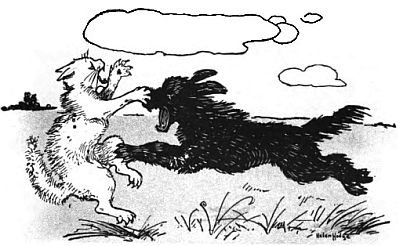
The transformation from bad to good traits in the dog
and cat cannot but have a desirable effect on every child
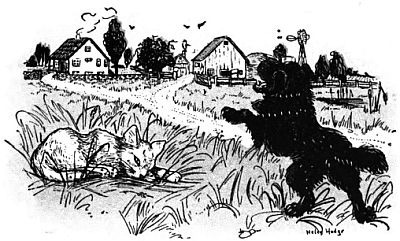
that reads the story. Bow-Wow and Mew-Mew become
dissatisfied with their home and their surroundings, and
ungrateful toward their benefactress. As the story tells,
"They did not find good in any thing." But after
running away and suffering hunger, neglect, and bad
treatment, their characters begin to change. They naturally
come to reflect their mistress's goodness. They
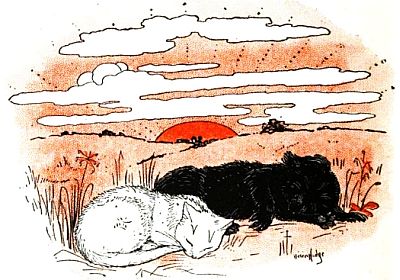
learn the value of companionship and friendship, and
the appreciation of a home. However, the ethical
thoughts in the story are presented without a moral.
The child really lives the scenes described. He has the
emotions of the characters and feels their convictions.
And this determines the worth of a story as an agent
in character development.
The narrative furnishes, further, the proper kind of
exercise for the imagination. It affords abundant opportunity
for the play of the dramatic instinct in the child,
and effects a happy union of the "home world" and
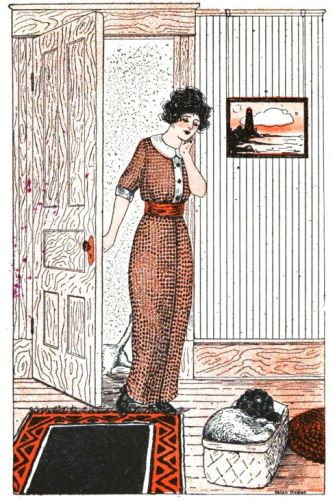
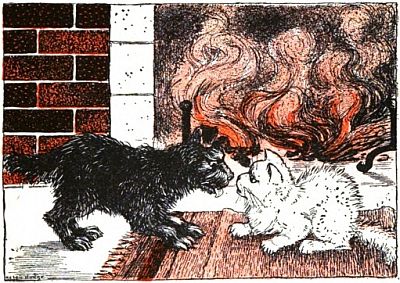
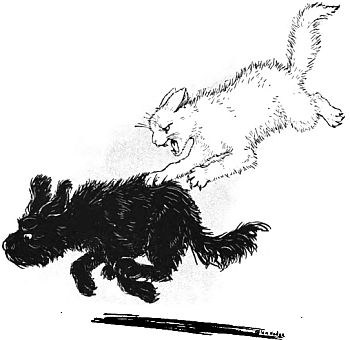
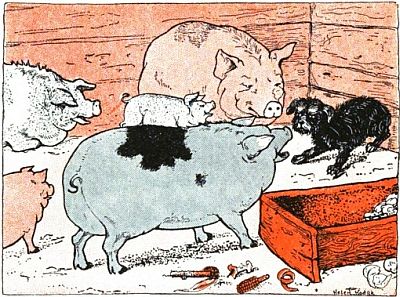
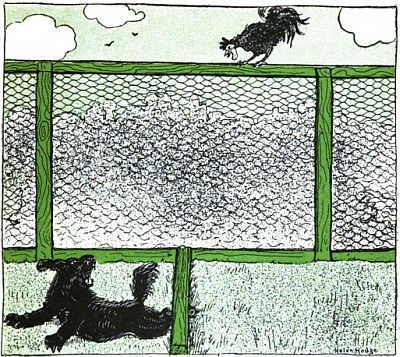
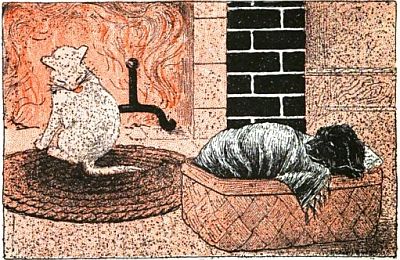
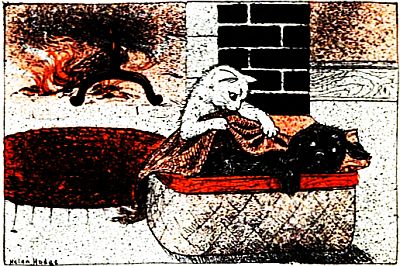
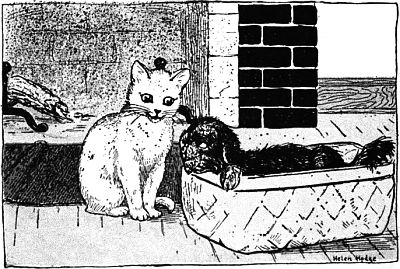
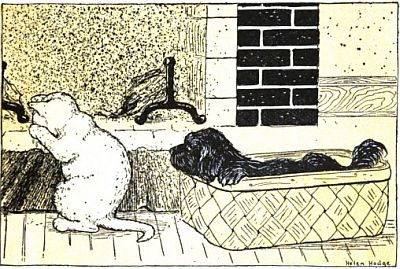
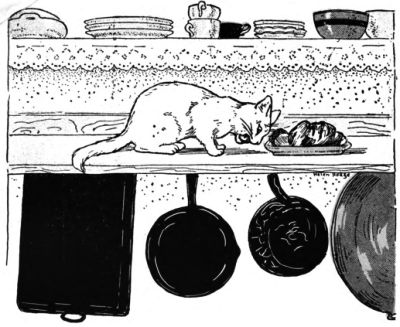
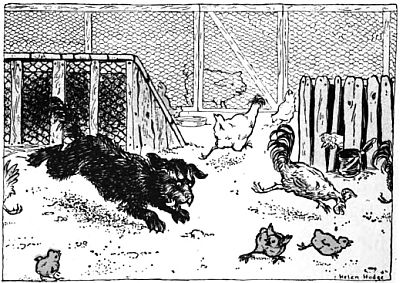
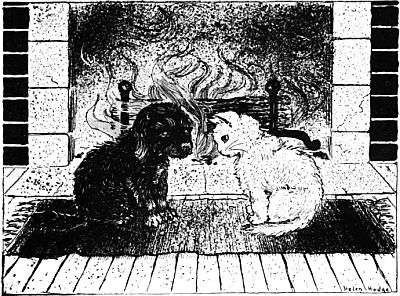
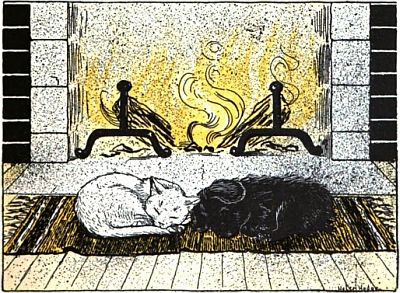
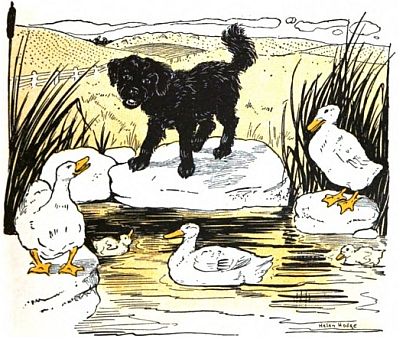
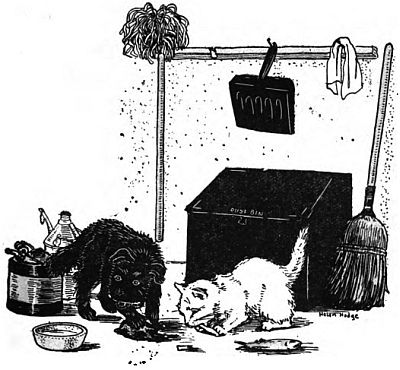
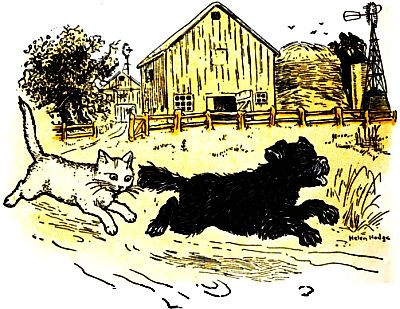
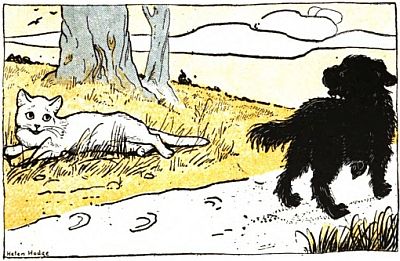
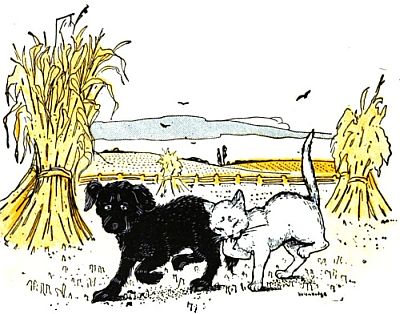
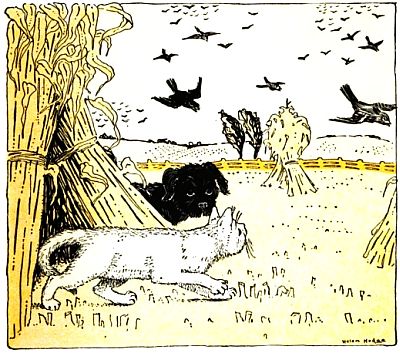
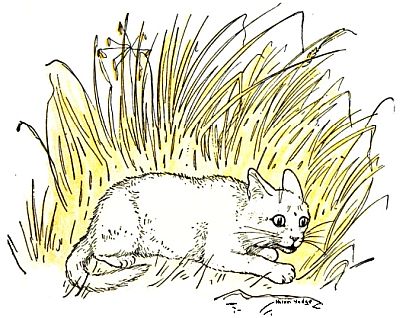
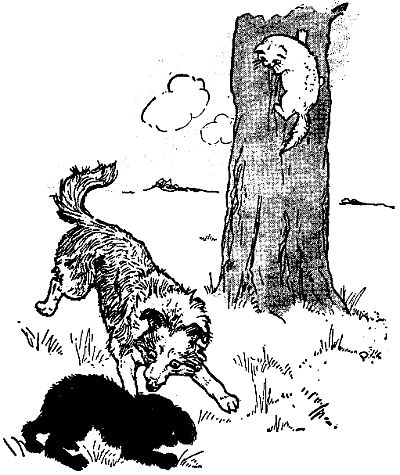
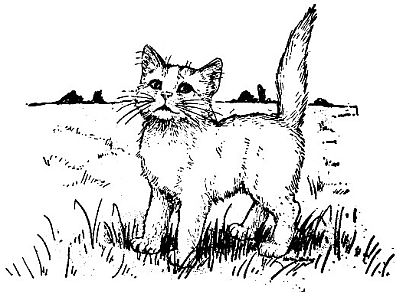
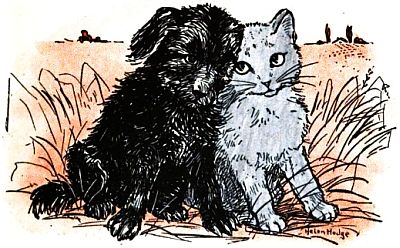
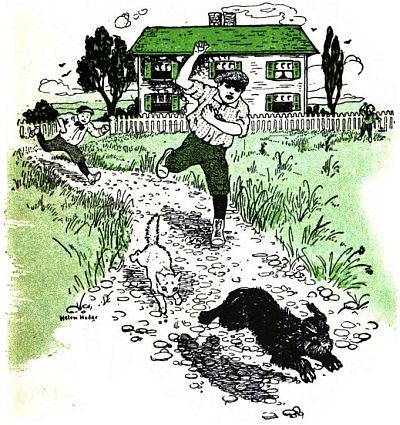
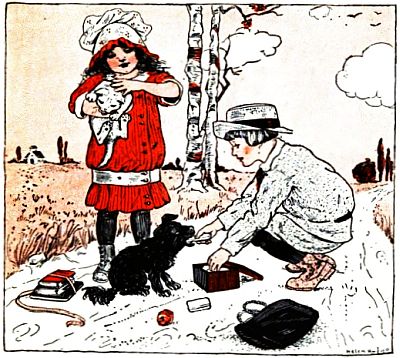
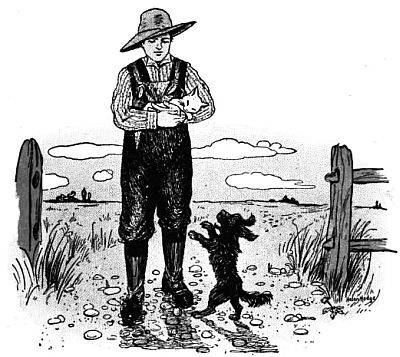
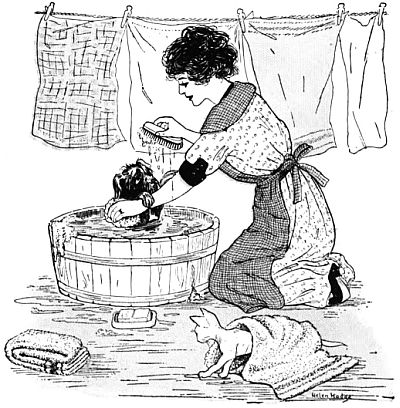
the "school world." The illustrations, drawn by Miss
Hodge, have been planned and executed with considerable
care.
J. C. S.
GOOD BOOKS FOR CHILDREN'S READING
For children from five to ten years
Nonsense Rhymes and Animal Stories. By Alhambra
G. Deming.
Charming little rhymes and stories, incidentally teaching
habits of good English to the little folks. 64 pages, with 35
illustrations in black and color. Cloth, 65 cents.
The Teenie Weenies. By William Donahey and Effie
E. Baker.
The adventures of these strange tiny folks are related in
a manner that is delightfully simple and realistic, and
which will be found to appeal to the child's sense of humor.
141 pages, with 72 illustrations in colors and decorated end
sheets. Cloth, 70 cents.
Two Indian Children of Long Ago. By Frances
Lillian Taylor.
A collection of beautiful Indian legends, giving an intimate
picture of Indian child life. 160 pages, with 40 illustrations
in black and color. Cloth, 70 cents.
Nixie Bunny in Manners-Land.. By Joseph C. Sindelar.
This is the first of the popular Nixie Bunny Books which
have been read wherever there are children. It is a rabbit
story of good manners. 144 pages, with 62 illustrations in
colors and decorated end sheets. Cloth, 70 cents.
The other books in the same series are:
Nixie Bunny in Workaday-Land
A rabbit story of the occupations and industry. 144 pages,
with 90 illustrations in colors and decorated end sheets.
Cloth, 70 cents.
Nixie Bunny in Holiday-Land
A rabbit story of the holidays. 159 pages, with 82 illustrations
in colors and decorated end sheets. Cloth, 70 cents.
Nixie Bunny in Faraway-Lands
A rabbit story of strange little folk. 160 pages, with 94
illustrations in colors and decorated end sheets. Cloth, 70
cents.
——————————————
BECKLEY-CARDY COMPANY Publishers CHICAGO