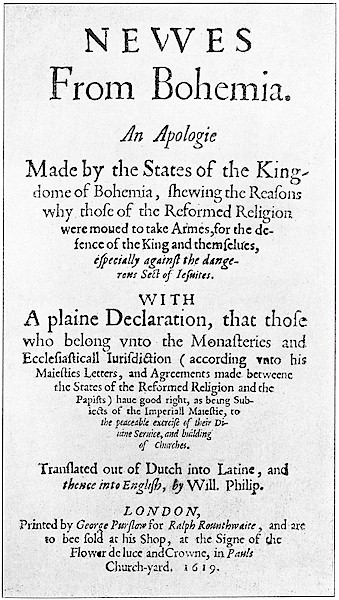
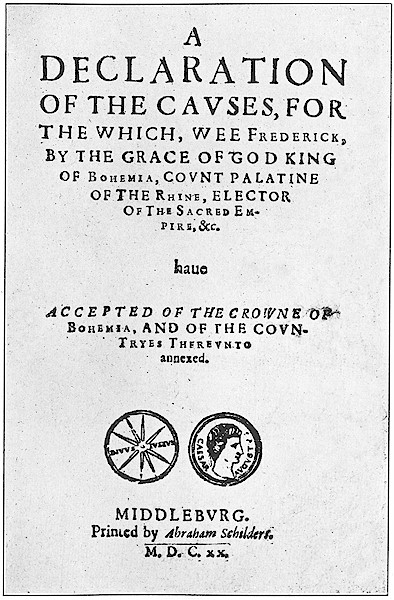
In the compilation of the material here given the
authors have consulted and drawn from the following
sources:
Close Rolls, preserved in the Public Record Office;
Calendar of the Patent Rolls; Calendar of entries in
the Papal Registers relating to Great Britain and Ireland;
Letters and Papers Foreign and Domestic of the
reign of Henry VIII., preserved in the Public Record
Office, the British Museum and elsewhere in England;
Calendar of State Papers, of the reign of successive
English Kings; Rolls of Parliament, comprising the
Petitions, Pleas and Proceedings of Parliament from
A.D. 1278 to A.D. 1503; Journal of the House of
Lords, compiled by the direction of the Lords Committee
for the Journal; Collection of the State Papers
of John Thurloe (Thurlow), Secretary first to the
Council of State, and afterwards to the two Protectors
Oliver and Richard Cromwell, being Authentic Memorials
of the English Affairs from the Year 1638 to
the Restoration of King Charles II.; Papers relating
to John Drury’s Mission to the Continent; Reports of
the British Historical Manuscripts Commission; Reports
of the Royal Commission on Historical Manuscripts.
From the mass of references to Bohemia which one
finds stored in the Calendar of State Papers, the authors
have practically noted only such as have some
bearing on the relationship between that country and
England.
England’s most genuine concern in Bohemia dates
to the first quarter of the seventeenth century, when
Elizabeth Stuart had been called to guide the state
affairs of the ancient Kingdom. “Elizabeth Stuart,
Queen of Bohemia” occupies a leading place in every
index to the Calendar of State Papers.
Certain school histories would make it appear that
it was Austria and Austria alone which combated the
Turkish invasion of southeastern Europe. A perusal
of the reports which English ambassadors sent home
from various posts on the continent, make it clear that
the Bohemian State contributed its full share, in men
and in treasure toward crushing the Turkish menace.
It is well worth recalling in this connection, that the
present Hapsburg monarchy really originated as a result
of a voluntary union entered into in 1526 between
Austria, Bohemia and Hungary. United we stand,
divided we fall before the Turkish peril, was the chief
argument used to effect the union of these three states.
1302, Nov. 10. Westminster. Safe-conduct, until
Easter, for Gotfried, chaplain and envoy of the King
of Bohemia and Poland, returning home. Patent Rolls,
v. 1301-1307, p. 72.
1302, Nov. 13. Westminster. To Wenceslaus king
of Bohemia and Poland. The king has received his letters
of credence presented by Godfrey, Wenceslaus’
chaplain, the bearer of the presents, and he understands
what the chaplain wished to say to him on Wenceslauses
behalf. He has caused the relics of St. Thomas, sometime
archbishop of Canterbury, which the chaplain prayed
on Wenceslauses behalf might be sent by the king, and
also other relics be sent by the chaplain to Wenceslaus
whom he prays to receive them and to have and keep in
fitting reverence. Close Rolls, v. 1296-1302, p. 611.
1339, Dec. 3. Antwerp. Whereas of late when the
king was passing with his army through France certain
enemies of the household of the king of Bohemia lying
in ambush attacked the king’s clerks, William de Dalton
and William de Hugate, parsons of the churches of
Southdalton and Northburton, took them and brought
them against their will to High Almain, where they detain
them in captivity, to the king’s distress, he requests
the provost of Beverley, his officers and ministers and
all others interested to be favorable and gracious to the
prisoners in those matters wherein they have to do with
them, not seeking occasion against them in respect of
their beneficies or the fruits thereof, and pardoning
William de Dalton if during the present impediment he
be not ordained to the orders which his benefice requires.
Same, v. 1338-40, p. 400.
1346, Sept. Rome. To John, King of Bohemia. Exhorting
him to assist certain nuncios in their mission,
and to interpose in the interests of peace between the
Kings of France and England. Calendar of Papal
Registers, v. 7, p. 28.
1354, Dec. 2. Westminster. Protection and Safe conduct,
until Michaelmas, for John le Hammer of Boemia,
who lately came to England on business affecting the
King, who is going back to his own parts with three
Knights and their grooms, and returning with thirty six
Knights and their grooms, horses, armour, goods and
things. Patent Rolls, v. 1354-58, p. 132.
1354. Enrolment of indenture made between the King
(of England) and Master John Hanner and Herman
de Reynesthorp of Boem, mynours (miners). The King
has committed to John and Herman his mines in Devonshire
and elsewhere in England, rendering to the King
the tenth part of their receipts and profits both of gold
and silver and of lead and copper extracted from those
mines. Same, v. 1354-60, p. 98.
1381, May 1. Westminster. Grant of life annuities
at the Exchequer to the following, whom the King has
retained to stay with him for life, they doing homage
therefor: Peter de Wartemberg, Knight, master of the
chamber of the King’s brother, the King of the Romans
and Bohemia, 250 marks. Same, v. 1381-85, p. 4.
1382, March 14. Westminster. Gives to Simon de
Burle, Kings Knight, certain grants for life, as recompense
of his labor and expense in journeying to Germany
and Bohemia to conduct the King’s consort to England.
Same, v. 1381-85, p. 107.
1385, May 21. Westminster. Grant to the King’s
esquire Roger Siglem of Bohemia, for his habitation,
of a tenement at the corner of a lane called Wyndgooslane.
Same, v. 1381-85, p. 107.
1388. Simon de Burley impeached for retaining
sundry Bohemians in the King’s household. Rolls of
Parliament, v. 3, 242a.
1388. Chancellor, etc., to warn such Bohemians as
are not retained in the Queen’s service, to void the Realm.
Same, v. 3, 247a.
1388. Duke of Norfolk banished the Realm, and
ordered to abide only in Almain, Hungary, and Bohemia.
Same, v. 3, 383b.
1398, Oct. 3. Westminster. Licence for the king’s
lieges Thomas Gray of Heton, knight, William Elmham,
knight, George Felbrigg, knight, Richard Craddock,
knight, Richard Burgh, John Lancastre, Thomas de
Brunham, Thomas Yokflete, clerk, and John Rome, clerk,
to be of the entire and continous council of Thomas,
duke of Norfolk, going to stay in Almain, Bohemia and
Hungary. Same, v. 1396-99, p. 422.
1418, Mar. Constance. To the Archbishops of Canterbury
and York, the Bishops of London, Rochester,
Chichester, Winchester, Exeter, Lincoln, Bath and
Wells, Salisbury, Worcester, Hereford, Coventry, Lichfield,
Norwich, Ely, St. Davids, St. Asoph, Llandoff,
Bangor, Durham, Carlisle and Candida Casa, and inquisitors
of heresy in the provinces of Canterbury and
York. Condemnation of the errors of John Wickleff of
England, John Huss of Bohemia and Jerome of Prague;
Form for examining heretics and suspected heretics, etc.
Calendar of Papal Registers, v. 7, p. 22.
1427, April. Rome. To Henry, Cardinal priest of
St. Eusebius’s, papal legate. The Pope has from time
to time sent divers nuncios and legates for the extirpation
of heresy in Bohemia and neighbouring parts, but
without result, nevertheless, he does not lose hope, and
daily prays that the sick flocks may be healed of their
leprosy or be cut off from the land of the living, lest
with their contagion they infect others. As the most
fitting leader of the attack on heresy and the defense
of the church, to convert or do battle with the heretics,
the pope has singled out the cardinal for many reasons,
his wisdom and prudence, as shown formerly (at Constance)
in the matter of the union of the church, his high
lineage, his experience of great affairs, the glory of the
realm and nation, which will make him the more to be
feared in war. The pope has therefore made him legate
a latere throughout all Germany and the realms of
Hungary and Bohemia, and urges him not to refuse to
undertake the burden. The enterprise will bring great
and lasting glory to the King of England; etc. Same,
v. 7, p. 30.
1427, July. Rome. To Henry, Cardinal of England,
legate of the Apostolic see. The Pope rejoiced to receive
his letters dated at Mechlin on the 15 of last month
containing that he had undertaken the office of legate
and is hastening against the Bohemians. Same, v. 7,
p. 34.
1427, Oct. Rome. To Henry, Cardinal of England,
legate of the apostolic see. The pope has with grief
heard, from the legates chancellor, Nicholas Bildeston,
of the disgraceful flight of the army of the faithful in
Bohemia Aug. 2, 1427, from the siege of Meis (Stříbro)
to Tachau (Tachov) where it was met by the legate,
and from Tachau to the frontier on Aug. 4. He commends
the cardinal for promptly betaking himself to
Bohemia, and for his efforts with the princes and the
army. The cardinal must persevere with his enterprise,
and is to strive in season and out of season with the
princes and prelates of Almain. The clergy and prelates
of Almain, the archbishops of Cologne and Mainz if they
had joined those in Bohemia as they ought, and as had
been arranged, the army would not have retreated with
such disgrace. Same, v. 7, p. 35.
1429. Kingdom of Bohemia destroyed through Infidelity.
Rolls of Parliament, v. 4, p. 335.
1518, Mar. 19. London. Ratification by Henry VIII.
with Charles King of Spain, as principal contrahent,
of the treaty of London, including his allies, Bohemia
among them. V. 3, p. 40.
1524, Jan. 20. Greenwich. Henry VIII. to Frederick,
John, and George, Dukes of Saxony. His
(Luthers) doctrine is like that of Wycliffe, which, he
doubts not, they abhor, as German Princes and their
progenitors endeavoured to exterminate it, and have confined
it to Bohemia. Feels sure they will prevent it
from flooding Saxony and the whole of Germany. V. 4,
part 1, p. 17.
1527, Jan. 12. Sir John Wallop to Wolsey. It is
thought the King of Bohemia is sending Salamanka to
ask the King of England for aid against the Turk.
Thinks he intends first to make himself King of Hungary.
V. 4, part 2, p. 1249.
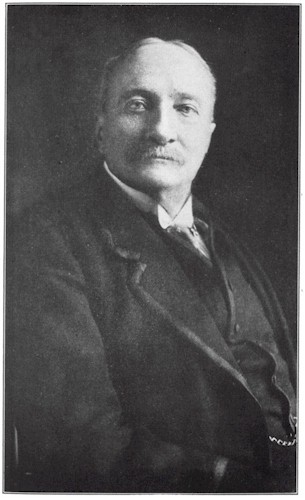
Count Francis Lützow
Pioneer worker in English Bohemica
1527, May 20. Pressell, in Silesia. Wallop to Wolsey.
I assure your Grace that I was not in all my journey
so well entreatid, as I was with Hym (King of Bohemia)
and his nobles. Howe be it, me thowght afore
I was as well entreatid as cowde be, but this chere was
so goode and with so goode hartes, that I cannott write
to moche thereof. And also presentes was geven to me,
not allone by the King Hym selfe, but also by his nobles.
Over all this tyll I came into the King of Beemes contrey,
I lay every nyght yn the Kinges castelles, or some of
his noble mennys, all waies well providid for. As
towching newes, I have none of any certainte, but that
the King of Beeme departithe frome hens the 21th day
of this moneth towarde Prage, there to tary 7 other
8 daies att the ferdest, and fro thens to departe to Vienne
where he entendith to putt Hym in a redynes to invade
the royalme of Hungarie. And the likelyhode is grete
as I before tyme in my laste letters have written to your
Grace, for the Beemes have promysed Hym 6000 fotemenn
and 1000 horsmenn; The Moraviens 3000 fotemenn
and 500 horsmenn; and the Slesiens 2000 fotemenn and
oone thowsond horsmenn, the space of half an yere.
V. 6, part 5, pp. 581-82.
1536, Feb. 8. Reginald Pole to Gasper Cardinal Contarini.
Writes to commend Peter Bechimius, of Bohemia.
Is pleased that he is looking for his writings.
Asks him to read like an enemy, not like a friend. Will
send immediately the portion about the authority of the
Pope, and will not cease to work at the rest. Hears
that Peter the Bohemian has delayed his journey, and
still has Pole’s letters to the Cardinal. V. 10, p. 101.
1544, Aug. 16. Antwerp. Stephen Van Hassenpergk,
a gentleman of Moravia, to whom Henry, with his accustomed
liberality has given something in his realm,
fears to be hindered in the enjoyment and receipt of it,
and asks her (Queen of Hungary) to write in his favour;
which both for his virtues and because he is her subject
as dowager of the Kingdom of Bohemia, she cannot
refuse, and therefore begs Henry to give orders to his
officers and subjects therein. V. 19, part 2, p. 37.
1554, April 6 and 12. Switzerland. Extracts of letters
from the French Ambassador ——. King Ferdinand
has sent to levy 4,000 horse in Bohemia and a number
more in Hungary (against the Turk).... Last Friday,
the Ambassadors of the Kings of Bohemia and the
Romans left England.... V. 18, p. 92.
1556, March 29. Bruxelles. Masone to Devonshire.
Foreign News. The King’s journey to England deferred
by reason of a visit from the King of Bohemia. V. 1547-80,
p. 77.
1559, Jan. 17. Gottorp. Adolf, Duke of Holstein, to
the Queen. Desires her licence for Joachim Bekeman,
Henry of Czevona, and John Militor to export from
England to Bohemia and Poland each of them 500 white
clothes of the sort called “Wilser et Westerlaken,” to be
purchased by them from the weavers at Blackwall hall.
V. 1559-60, p. 202.
1578, June 1. Grenwich. The Queen to the Princes
of the Empire, professing the Augsburg Confession. We
therefore earnestly pray You that certain delegates from
various regions in Scotland, France, some of the
provinces of Belgium, Poland, Bohemia, and elsewhere,
who invoke Jesus Christ, may be peaceably joined in a
common council, to consider of the common cause. V.
1583, p. 512.
1619, May 8. Lord Doncaster has set out for Bohemia,
his expenses will be £30,000. V. 10, p. 44.
1619, Oct. 2. Sir Horace Vere to Carleton. Great
longing for news of the King of Bohemia’s coronation.
Much suing for the command of the troops to go to
Bohemia, but his Majesty has not yet resolved to send
any. V. 10, p. 82.
1619, Oct. 5. Thos. Locke to Carleton. Greater difficulty
than ever in getting money. It is thought that
letters from Bohemia must be intercepted in the way,
they are so long in coming. V. 10, p. 83.
1619, Oct. 11. The general loans will not supply the
Bohemian wants. V. 10, p. 557.
1619, Nov. 21. A gentleman has arrived from the
King and Queen of Bohemia, to announce their arrival
at Prague; their coronation is fixed for the 25th and
the 26th. V. 10, p. 97.
1620, Jan. 18. Sir Fras. Nethersole to (Carleton).
To be zealous in the cause of Bohemia is thought a
fault in the eyes of those that govern. V. 10, p. 113.
1620, Feb. 20. Sir Fras. Nethersole to ——. The
King commanded Baron Dona to prepare an answer to
the Spanish minister’s information that the Crown of
Bohemia was only elective of heirs male, and that
Ferdinand’s deposition was unlawful. His answer to
the first part was conclusive and he is sent to prepare
one to the second. He was sanguine at first, from the
zeal of the Prince, Buckingham and others, as to obtaining
substantial aid, but the King, unwilling to call a
Parliament, sits still, seeing what will be done without
him; he even refused to second the King of Bohemia’s
request to the City of London for a loan of £100,000.
V. 10, p. 124.
1620, Feb. 26. Chamberlain to Carleton. Sir And.
Gray has made suit to be allowed to raise 2,000 volunteers
for Bohemia. V. 10, p. 125.
1620, Mar. 11. Chamberlain to Carleton. Drums beat
for recruits for the King of Bohemia. V. 10, p. 129.
1620, Mar. 21. Sir Fras. Nethersole to (Carleton).
The City of London would contribute freely to the Bohemian
cause, if they could have some warrant from the
King or Council that they would not afterwards be
blamed for it. V. 10, p. 132.
1620, April (10?). Sir Jas. Wolveridge to Lord
Zouch. Thanks for good tidings of the progress of the
war in Bohemia; trusts that party will avenge the death
of Jan Huss and Jerome of Prague, etc. V. 10, p. 138.
1620, Apr. 28. List of Dr. John Lambe of contributions
in Rothwell Deanery to the aid for the King of
Bohemia. V. 10, p. 140.
1620, May 15. Rich. Stockwell to (Dr. Lambe).
Sends up certain moneys, among which is £62 4s. collected
for the King of Bohemia. V. 10, p. 145.
1620, May 18. List of contributions from thirty two
parishers in Leicestershire, for the King of Bohemia.
V. 10, p. 146.
1620, June 1. Memo. by the Bp. of Peterborough,
of the receipt of acquittances for £100, as part of the
collection made in the diocese for Bohemia. V. 10, p.
149.
1620, June 14. Sir Richard Younge to Lord Zouch.
Embassies preparing to mediate a peace for the King
of Bohemia. V. 10, p. 152.
1620, June 15. Account of Rich. Lightfoot, Rector
of Stoke-Bruerne, co. Northampton, of contributions
from his parish for the Bohemian loan, with receipt of
£10. V. 10, p. 152.
1620, June 15. Account of Rich. Lightfoot, Rector
of Stoke-Bruerne, co. Northampton, of contributions
from his parish for the Bohemian loan, with receipt of
£10 16s., the amount thereof, by Dr. John Lambe.—Memorandum
by Wm. Jones, Parson of Syresham, of
his contribution of 20s., towards the benevolence for
Bohemia. Hopes to be excused more, not being rich.—List
of contributions to the collections for Bohemia, by
the clergy of different parishes, in the diocese of Peterborough,
with the names of many of the clergy; total
£77 14s.—Seven papers of memoranda relative to payments
for the Bohemian loan in the diocese of Peterborough.
V. 10, p. 152.
1620, June 28. Chamberlain to Carleton. The levies
for Bohemia continue, but the recruits come in slowly
and there are great jealousies about the appointment of
officers. V. 10, p. 15.
1620, July 29. Examination of Simon Weston. Said
in his Speech in the County Hall at Stafford, when
urging the benevolence of Bohemia that Henry III. and
Henry IV. of France were murdered by Jesuits. V. 10,
p. 169.
1620, Sept. 14. Baron Achatius de Dona, Bohemian
Ambassador, to Lord Zouch. Requests his aid toward
levying the contribution there for Bohemia. Incloses,
the same to the Mayors, etc., of the Cinque Ports. Their
Majesties of Bohemia requiring aid in maintaining their
just cause. V. 10, p. 177.
1620, Sept. 16. Chamberlain to Carleton. Baron Dona
is most arrogant in demeanour; he made a progress in
Buckinghamshire to Lady Darmers and Lady Tresham’s,
and founded a counter contribution to that of Bohemia.
V. 10, p. 178.
1620, Oct. 7. Mayor of Sandwich to Nicholas. Sends
£153 11s., collected for the Bohemian wars in the town.
V. 10, p. 183.
1620, Nov. 9. Chamberlain to Carleton. His Majesty
expects those who have already subscribed for Bohemia
to contribute again. V. 10, p. 191.
1620, Nov. 11. Examination of Hen. Foxwell, of
Baltonsborough, Co. Somerset. Meant, by the expression
in his letter to Mrs. Fitzjames, of Charlton, that
“the taking of Bohemia and Palatinate would be to the
good of the Church, the good of the Roman Catholic
Church.” V. 10, p. 191.
1620, Nov. 27. Submission of Jos. Maxwell, addressed
to the Council, acknowledging and retracting his
error in presuming to determine that the Kingdom of
Bohemia is not elective, and that therefore the recent
deposition of one king and the election of another is
unlawful. Will publish his retraction, if Baron Dona
wishes it. V. 10, p. 194.
1620, Dec. 13. Difficulty in collecting the contribution
for Bohemia. The City (London) would rather give
£5,000 from the common stock, than £5 from their
separate purses. V. 10, p. 199.
1621, Jan. 26. Jos. Maxwell to the Council. Repeats
his penitence and submission for his pamphlet on Bohemia.
V. 10, p. 216.
1621, Apr. 18. Chamberlain to (Carleton). News of
the loss of Bohemia, submission of Hungary, etc. V. 10,
p. 248.
1621, Aug. 12. Articles of misdemeanor charged
against Sir Robt. Bendloss, that he declared the King
was of no religion; dissuaded the benevolence for the
King of Bohemia as a dangerous precedent. V. 10, p.
283.
1621, Nov. 24. Chamberlain to Carleton. The Lord
Treasurer spoke (in Parliament) of the poverty of the
Exchequer, the King having himself spent £211,000 on
the Bohemian war, besides £34,000 given by the nobility
and £70,000 by the Commons. V. 1619-23, p. 312.
1622, July 23. Memo. of the payments by Art. Jarvis,
collector of the gifts of the laity, to the aid of the King
and Queen of Bohemia. V. 10, p. 429.
1622, Oct. 12. Bailiff and Jurats of Lydd to Lord
Zouch. Have collected such moneys as were freely given
toward the contribution for the King of Bohemia. V. 10,
p. 454.
1622, Oct. 29. Mayor of Sandwich to Lord Zouch.
Has received, since the last payments made £10 11s. 10d.
from Brightlingsea, co. Essex, towards the contribution
for Bohemia. V. 10, p. 458.
1624, Mar. 1. Observations on the proceedings with
Spain, since the commencement of the Bohemian war,
in reference to the Palatinate, etc. V. 11, p. 174.
1624, July (?). Prayer for the King and Queen of
Bohemia and their affairs to be used by the English
companies abroad, after the prayer for the King. V. 11,
p. 319.
1624, Dec. 10. Lord Cham. Pembroke to Carleton.
Though proceedings are slow, the King will prove to the
world his affection to the cause. Thinks the present
war had better be styled a war for the Kingdom of
Bohemia than for religion. Never saw the Kingdom so
affectionate for any business, etc. V. 11, p. 404.
1626, Feb. (?). News Letter from Flanders containing
interesting details respecting the Pope, Emperor and
King of Spain, the state of Bohemia, etc. Found among
the Conway Papers. V. 1625-49, p. 722. Add.
1630. Project for a trade to be made from England
to the lower parts of Germany, Hungary, Bohemia,
Slavonia, Croatia, Carinthia, Styria, Tyrol, Morlacca and
other countries. V. 1629-31, p. 449.
1633, Sept. 10. Bohemian divines to the divines of
Sion College, London. Give a history of the Bohemian
Church, and express their own desire for unity. Noted
in Laud’s handwriting, “Rece. Octob. 21. 1633. These
letters were delivered by some Bohemians to them of
Sion College about the peace between Lutherans and
Calvinists, etc.” Papers Relating to John Drury’s Mission
to the Continent. Rep. 4, p. 160, part 1.
1635, July 18. Certified particular of the names of
all such strangers born as dwell within such parts of
Middlesex as are adjacent to the city of London. Among
them is Jeremy Lefeaver, born in Bohemia, weaver. V.
1635, p. 283.
1635, Sept. 20. Return of all the strangers born at
present inhabiting within ward of Cripplegate Within:
the total number was 23. In the parish of St. Alban,
Wood Street, dwelt Christopher Mecenere, a jeweller,
born in Bohemia. V. 1635, p. 389.
1648-1649. Treatise relative to the position and claims
of the Elector Palatine and the King of Bohemia so far
as dependent upon the Emperor. It is divided into paragraphs
designated “considerations.” Under the 10th
“Consideration”: “To cover the cause of the (Thirty
Years) war made for religion, a desire for peace is
everywhere pretended, but that which is done proves
more than that which is deceitfully conceived to the grief
and terror of Germany. The Bohemish cause might
have been compounded by a friendly treaty or decided
by law, both which the Palatine always desired, and it
had been best for the Empire that it had been ended by
law. It might have been ended by arms in Bohemia,
where the war began, etc.” V. 1648-49, pp. 398-99.
1654, July. Leszna, Poland. Peter Figulus (Komenský’s
son-in-law), to Samuel Hartlib in London. I cannot
but bless the name of the Lord our God, whenever
I get something from you; for I see evidently, that God
hath chosen you long since to be an instrument in his
hand, as for many other his good works, so likewise
to work a Godly comfort and edification in our souls,
whereof all your letters are full. The public letters
which were sent to you, are subscribed by baron Sadowsky,
brother to him that is in England. They are written
in the name of all our exiled nation, and directed to the
lord protector, his highnes’s council, and the parliament.
The baron is a very good soldier, hath served long in
the Swedish wars, longs mightily for some help to the
church of God grievously distressed and afflicted in these
quarters by the Papal and Austrian adherents, being
willing and resolved to spend himself, and do all what
he can to that end.... But he and we all leave the
whole management of this affair to the wisdom of the
lord protector and his council. Perhaps they will thereby
be moved, or occasioned to take into a more serious
deliberation the case of our nation, and of us miserable
exiles.... The emperor seeks nothing but the suppression
of the Gospel, and a dilatation of the Austrian
power. There is a monk lately converted to our religion,
who tells, that the emperor with the pope are
resolved infallibly to make a war against the protestants.
All the cloisters have promised to such a war to contribute
each of them two soldiers and he tells, that they
reckon under the emperors dominions 96,000 cloisters
or monasteries. But now the exacerbation of minds increaseth
by the most grievous persecution in Bohemia,
Moravia, Silesia and Austria. There are thousands of
those, that wait and pray to God for some Zyska, that
would begin a religious war for the protestant cause:
yet none of the princes in Germany have the courage
to oppose themselves against the house of Austria. B.
Sadowsky is fully persuaded, that God would bless this
enterprise thus seconded, and purely directed to the
glory of God and the relief of the oppressed; especially
if in the meantime the triumphant arms of the Commonwealth
of England permit not the Spaniards to assist
the emperor.... My good Father Mons. Comenius is
once come again out of Hungary to us at Lesna; the
Lord’s name be praised for it. (Appended: Greeting in
Latin by Comenius.) Collection of the State Papers of
John Thurloe.
1657, Nov. 4. In Council. The Petition of the pastors
of several churches of the Reformed religion in Higher
Poland and Bohemia, now scattered abroad by persecution,
asking relief. V. 1657-58, p. 149.
1658, Mar. 25. Mr. Secretary reports his Highness’s
approval of the declaration for a collection for distressed
Protestant churches in Poland, with some additional
clauses concerning 20 Protestant families hitherto
seated in Bohemia. V. 1657-58, p. 343.
1658, May 12. In Council. The Treasurers for money
collected for the Piedmontese Protestants to advance
£500 for 20 Bohemian families, and dispose it as the
Committee for that affair shall direct. V. 1658-59, p. 21.
1658, June 24. In Council. Whereas on 15 June, for
better transmission of moneys collected for the distressed
Protestant churches in Poland, and 20 families in Bohemia,
it was agreed between Sam. Hartman and Paul
Cyrillus, agents for the churches, and Fredericus Krettechmarus
(Kretchmar), agent for the families that
£400 should be paid to the families, and £50 to their
agent and the whole remainder to the Poland exiles.
V. 1658-59, p. 76.
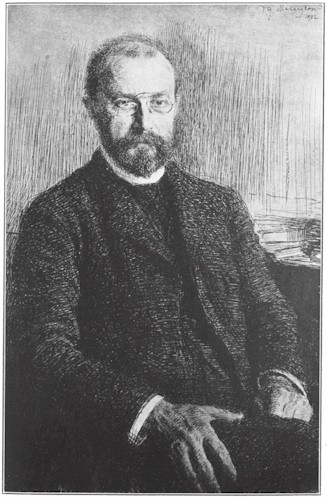
Thomas G. Masaryk
Portrait by Max Švabinský
1658, July 6. In Council. The papers of request
from Adam Samuel Hartman and Paulus Cyrillus, the
2 Bohemian and Polonian agents, for an order to issue
from the Committee on Piedmont and Poland, for £100
to be paid them from the money collected for the
Protestants exiled from Poland, to buy 3 of the Bibles
lately printed in the learned languages, etc. V. 1658-59,
p. 89.
1668, Jan. 8. Warrant to the Treasury Commissioners
to allow to Edw. Grey a moiety of such moneys raised
for the distressed inhabitants of Piedmont and Bohemia,
as shall be recivered by him. V. 1667-68, p. 161.
1669, Apr. 28. Petition of Wenceslaus Libanus[18] to
the King, for the living of St. Andrew’s, Walpole, co.
Norfolk, value £100 a year. Was born in Moravia, and
is a member of the poor persecuted Bohemian churches;
has been tossed up and down the world for 40 years,
and afterwards brought to England, where having attained
a knowledge of the English tongue, he put himself
in holy orders, and has been a constant preacher in co.
Herts for 5 years as a curate. Annexing, Certificate by
Dr. John Durel, that Wenceslaus Libanus, a priest of
the Church of England, is a learned and sober man, and
a very good preacher. V. 1668-69, p. 311.
Letter from Her Majesty, the Queen of Bohemia to
the Speaker of this House, expressing her regret at the
present Distractions of this Kingdom; 19 Car. I. VI.
15b. 17a. Another Letter from the Queen to the
Speaker of this House on the subject of Relief. 193b.
Thanks to both Houses from her. 17 Car. I. VI. 583a.
Letter from the Lord General concerning the making of
some Provision for the Queen of Bohemia. 20 Car. I.
VI. 583a. Chaplain to be recommended to her. Resolution
for charging £10,000 per annum upon the revenue
of the Crown, for the maintenance of the Queen; agreed
to and H. C. acquainted. 22 Car. I. VIII. 280a. Letter
of thanks from the Queen read. Journal of the
House of Lords.
1628, Oct. 22. Gray’s Inn. N. Bacon to his uncle
Sir Nathaniel Bacon. For Bohemia the newes is verrie
uncertaine as allsoe for Hungaria.
The King of Bohemia is comme back againe to the
Hage, being resolved to forgoe not a title that he hath
allreadie gotten. V. 11, p. 22, app. 4.
Various notes, chiefly out of Sir S. D’Ewes collections:
... story that the crown of Bohemia was offered
in Queen Elizabeth’s time to Humphrey Tindal, dean
and afterwards bishop of Ely, of whom the writer remarks
that, though he bore the arms of Bohemia, “how
Bohemian blood came into his veins I know not.” In
the margin is a pedigree, in the handwriting of Peter
Le Neve, showing the connextion of the Tindal family,
by their descent from Will Tindal, of Felbrigge who
married Ala, the daughter of Sir Simon Felbrigge, K. G.
and Margaret, daughter of the nephew of the then King
of Bohemia, who had come into England with her cousin
Anne, the wife of Richard II. V. 12, p. 156, app. 9.
A Declaration of the Commons House of Parleamente
made the 4th daye of June 1621. (to assist the King of
Bohemia) fo. 33. & another of the same, fo. 34. V. 1,
p. 5.
Original Letter of Rycharde Marlande, to the Lord
Cobham Deputie of Calais, Dat. from Frankefort 13
daye of Aprill, advertising him that Seignor Peter Captain
of the Albeneses, offereth to leave the Contede Buars,
and to save his Majestie with 200 Man well horsed and
armed. That the Emperor is departed from Nurenburg
where he determined to raise an Army for reinstating
his Brother in the Throne of Bohemia, from whence he
was driven by his own Subjects; and against the Duke
of Saxony & Landgrave of Hessen, who are assisted by
the French King. V. 1, p. 121.
The Entry of the King & Queen of Bohemia into the
City of Prague & their coronation there. A. D. 1562.
V. 1, p. 171.
The Consaile, touching the method to be taken in mentioning
certain matters to the Emperor; and requiring
... to keep a watchful eie upon the Romans & Maximilian
the King of Bohemia. V. 1, p. 335.
A shorte Note of the Charge committed to John Sheres,
sent of late to the King of Romans. To shew the Kings
will continue the ancient amity with the House of
Austria, & particularly to the King of the Romans &
Maximilian King of Bohemia. V. 1, p. 335.
Notes of the time when K. Charles I. & his Sister the
Queen of Bohemia were born. V. 2, p. 17.
A lamentable Petition exhibited in the Names of the
afflicted Christians in the East-parts (viz. of Bohemia,
Hungarie, Polonia, & Helvetia) to the Christian Kingdomes
in the West. V. 2, p. 132.
A Note of all such Moneys as have bin payd unto me
Sir Edward Barrett Kt. for the Affairs of the King of
Bohemia. A. D. 1620. V. 2, p. 135.
Original Letter of Mons. de Plessen, to Achatius
Bourgrave de Dona Ambassador of the King of Bohemia
at the Court of England, in French. Heidelberg. 19 Jan.,
1620. V. 2, p. 142.
Mandate of the Emperor Rudulph. II. against the
English Merchant Adventurers. Dat. at his Castle of
Prag. 5 Aug. anno Imp. 22. Translated out of Highe-Dutche,
into Englishe by W. Smythe. V. 2, p. 237.
Brief of Pope Martine V. to the Arch-Bishop of
Canterbury; against John Huss & Hierome of Prague;
after their martyrdome: translated into English. V. 3,
p. 16.
The D. of Buckingham’s Letter to General Cecyll,
about assisting the King of Bohemia, dated Whitehall
4th May, 1625. V. 3, p. 48.
News of the Wars in Bohemia. V. 3, p. 78.
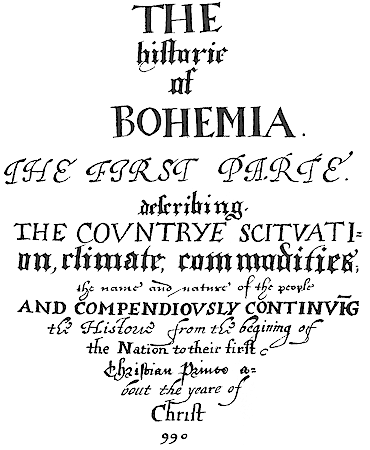
The Historie of Bohemia, the first parte describing
the Countrye, Scituation, Climate, Commodities, the
Name and Nature of the People and Compediovsly continving
the Historie from the beginning of the Nation
to their first Christian Prince about the yeare of Christ
990. In ten Chapters, with an Appendix containing a
Proclamation of the Estates of Bohemia, whereby the
whole order of the Jesuites is proscribed and banished
out of that Kingdome, as publick disturbers of the
Peace, and enemies of the State; with proviso yt they
shall never be admitted again. Whereunto is added a
breefe Narration, how the Jesuites are or have beene
by solemne Decree banished out of everye Kingdome and
Province in Europe, very few excepted, and where they
be they are held in great jealousie and suspition to be
publick perturbers of the Peace, and dangerous Enemies
of the State. V. 3, p. 111.
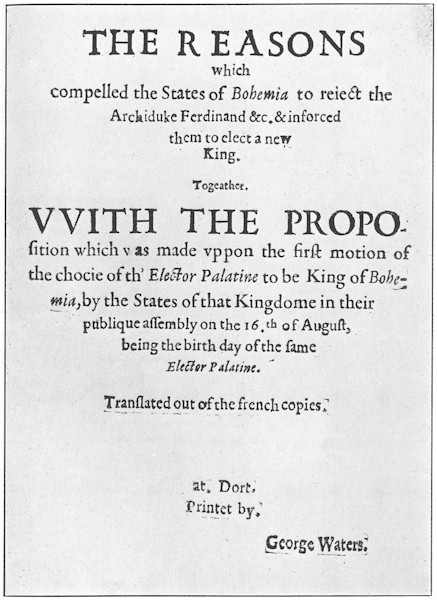
1619, Aug. 16. A Proposition made by the Estates of
Bohemia in thire assembly at Prague vpon the election
of a Kinge, the 16th of August 1619, being the birth-day
of ye Prince Elector Palatine. Rep. 7, part 1, p. 673.
The King of Bohemia, anciently in right of that Kingdome,
Butler to the Roman Empire, as the heyre male
of this family (House of Ormonde?) is by hereditary
right Butler of Ireland. Rep. 8, part 1, p. 588.
Passages and occurrences relating to the Crown of
Bohemia and the Palatinate. A folio of 80 pages, in
writing of the reign of James I. Rep. 8, part 3, p. 14.
1621, Nov. 2. Abstracts of such moneys as have been
issued for the affaires of the Palatinate, as well to the
Ambassadors as otherwise, out of the Receipts of His
Majesty’s Exchequer. Viscount Doncaster, Ambassador
to Bohemia, etc. £28,745. Rep. 4, part 1, p. 281.
1626, June 16. Stepney. Sir Ralph Hopton to the
Earl of Middlesex. The ill success at home frustrates
our successes abroad; for the Bohemian agent showed
him yesterday letters whereby he is confidently assured
that the Revolt in Upper Austria is much strengthened,
so as they can march 70,000 men; they have defeated
their Governor and do now beseige Lints. (2½ pp.)
Rep. 4, part 1, p. 290.
Letter from Edward, Lord Zouch, to the Mayor and
Jurats, Commonalty and inhabitants, of Sandwich, requiring
a subscription for the King and Queen of Bohemia;
date 1620. Rep. 5, part 1, p. 570.
A letter to the Mayor and burgesses of Totnes, dated
the 9th of January, 1612, and signed “W. Exon” (William
Cotton, Bishop of Exeter). It is the desire of his
Majesty and the Archbishop of Canterbury that collections
be made throughout the Kingdom for the Reformed
Churches, and the College, in the City of Prague,
Bohemia. Rep. 3, p. 349.
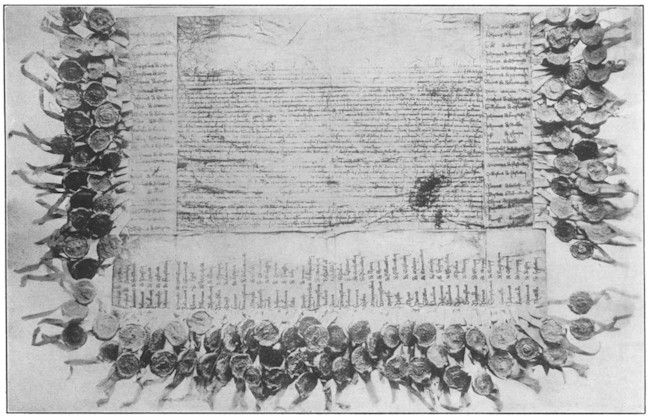
Protest by the nobles of Bohemia and Moravia, addressed
to the Council of Constance, on 2nd of September,
1415, in reference to the burning of John Huss
and Jerome of Prague. The document is written on a
sheet of parchment, authenticated by 100 signatures and
as many seals. It was bequeathed to the University in
1657, by Dr. William Guild, sometime principal of
King’s College, Aberdeen, an office from which he was
deposed by five colonels of General Monk’s army in
1651, but it is uncertain how it was acquired by Dr.
Guild. Statement by John Stuart. Rep. 1, p. 121.
A discourse concerning the Palsgrave’s accepting the
crown of Bohemia. Rep. 2, p. 43.
A true description of the late deceased Prince of Bohemia,
taken 1629 (11 pages), by an attendant. Rep. 3,
p. 215.
1554, Apr. 27. Letter from Queen of Bohemia to the
Queen, Rep. 4, p. 204.
1554, Apr. 27. Letter from King of Bohemia to the
Queen, Rep. 4, p. 204.
Manufacture of saltpetre by Lazarus Erkerne, chief
master of the Emperor’s mines in Bohemia.
The Arms of the King of Bohemia, viz. a red lion (?)
with 2 tails in a red field. Rep. 3, p. 188.
States of Bohemia to the Elector of Saxony. Rep. 3,
p. 214.
1619, Sept. 7. Bohemian States to Queen of Bohemia.
Rep. 3, p. 179.
1620, May 31. Baron Dona (Bohem. Amb.) to Salisbury.
Rep. 3, p. 179.
1620, Oct. 21. The Hague. The new King of Hungary
was in the field with 70,000 men. He had sent 20,000
men into Stiria (where they sacked and burned divers
places and ordered the States to join the Confederation),
and another 20,000 into Bohemia and Moravia. He
himself was going with 30,000 into Austria, having left
strong garrisons in Hungary. V.-, p. 395.
On the 28th ult. the King (Frederick) left Prague
accompanied by the Bohemian nobles, with two companies
of guards and a thousand Silesian horse, to go with the
new King of Hungary into Moravia. The army of the
Emperor had again entered Bohemia, and beseiged Wittinga,
but the Bohemian army, having heard of Bucquoy’s
designs from the prisoners, followed them and forced
them to retire. P. 395.
1620, Nov. 4. The Hague. From Prague, news comes
that the soldiers of Bavaria have surprised Brachaditz,
killing 1120 persons, including women and little children,
and sacking the town, in addition to what Bucquoy had
killed at Pisseck and Budian. V.-, p. 396.
1648. John Sictor, a Bohemian exile, to the House of
Commons. Petition, stating that it was nearly two years
since he had presented to them 250 copies of Chronometrae
(a specimen of which is probably among Lord
Braye’s papers) and other poems on the events of the
Civil War, and entreating a grant to enable him to return
to Prague, which had been—as was reported—occupied
by the Swedish army. In Latin, v. I, p. 507.
1704-08. Baron Postheld, of Ollersfeld, being a native
Bohemian and a Protestant, and as such unable to enjoy
his estate there, fled to Denmark and took shipping for
England aboard the Sorlings (Captain Cony, commander),
with letters of recommendation from the Danish
King to Prince George. But the ship was taken by
the French squadron under Monsieur St. Paul. Afterwards
he was sent to Holland with a French pass and
the French King’s allowance for a prisoner (which was
six livres only), whence he came to England and delivered
his letter to Prince George, who relieved his
necessities and recommended him to the King of Prussia,
where, meeting with the like ill fate, he returned to
England, in hopes to be employed in the forces ordered
on the descent, but they being gone he prays to be employed
in some of the regiments which are designed to
follow the said descent. V. 8, p. 364.
(Perhaps by “the descent” is meant the despatch of
troops with and following Lord Galway, in the summer
of 1704.)
1630, Novemb. David Ramsay in Hague to Marquis of
Hamilton. I am in a very good houp boeth from the
King of Boheme and the esteatis to procur sum assistance
for the advancement of your lordships affairs.
... My greatest deficulties with the King of Boheme
and the esteatis is that they cannot believe that the King
of Ingland intendis aneything realie for the advancement
of your busines, the wich your lordship must remowe
boeth by his letteris and your awine. V. 11, p. 70, app. 6.
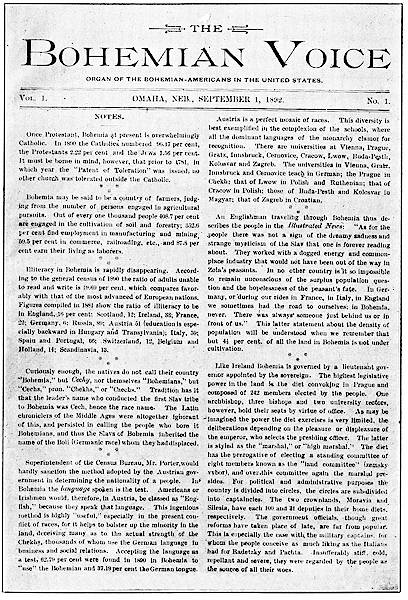
The Bohemian Voice
Forerunner of English language
publications for the Bohemians
[Click image to enlarge or click here for transcription.]
The Marquis of Hamilton to King Charles the First.
I woold say sumnhatt of the King of Boyem boot I
knoe nott whatt more then thatt he lives heir as ane
priuatt wolantir. He is contented with this way of lyf
bot I knoe not another thatt is much in loufe with itt
or ambitious long to karie thatt name. For my oune
part I feir my accommodatioun will be so euill during
the tyme thatt I ame of thatt number as I shall be constraned
to remain in sume toune till I be meaid happi
by your Majesties commands, the treu performens of
uhich shall euer be the chiffer kair of him who is borene
and obliged in the heayest degrie to dey your Majesties
most humbill thankfull obediantt saruant and loyall
subieck, Auxburg, May, 1632. V. 11, p. 81, app. 6.
Letters from various officers who served with Thirty
Years’ War. Banier is preparing to go into Bohemia,
and an endeavour will be made to carry the war into
the Emperors possessions. The death of Wallenstein
is reported, but the writer is not yet assured of it....
V. 11, p. 84, app. 6.
To the Marquis of Hamilton from “Robert Weir”
(perhaps of the family of Stonebyres) giving an account
of the movements of the army in Silesia.
To Aus(cha) fra thence to Littmirittz (Litoměřice)
quhair Don Baltassar was lying with 8000 horses and
fut; bot as son as thai saw that was war fully resolved
not to sport with them thai past the watter (Elbe) and
burnt the bridg not being abone 20 killed to thaim so
we played on thaim with canon bot thai marched Prag,
quhair the next morning we marched for Rautnitz bot
thai deffended the pass that we passed 2 myll higher
to Melnick quhair we gott 3 prams and so passed our
infantrie and small pices in a littill Iland quhair we could
waid to the vther mainland and so passed.
Four regements of horss wes past, and than past our
muskettiers which waidit, not being above the belt and
then past our collers and the rest of our horss and lay
wil the Duc of Saxon cam with his army which he past
lykwayis in twa dayis and marched for Prag quhair
the nixt morning about 8 of the clok we aryved at
Marie de la Victorie quhair the enemi had som groves
of horss standing bot thai stayed not long but were
beattin in to a schance and trenchis that thai had maid
on the end of the whyt berg amongst the wynzeards nixt
to the town wher we marched hard to them, quher we
sustained som loss with their canon both amongst our
horss and fut. Ther wes once a resollutionn takin to
storme thair trenchis bot it semes the Duc of Saxxon
wes not willing for it wald have trubilled vs; thai were
to the number of 15000 men as thai report, Collredo
and Don Baltasser. We continewed 3 dayis wher ther
wes grit hunger, for ther wes nether bred nor forrage,
nether is 4 myll fra Prag, for the diversiown that wes
in winter hes spoylled all about Prag, that for falt of
victuall we war forcit to draw back to Melneck quhair
the Duc of Saxxon past the watter and we marched
down the watter to Littmirritz and intrenched our self
against Littmirritz and maid som 8 redouts quhair we
could draw our battell up behind them, quhair we haue
lyne this fyne weikes. Signed “Robert Weir” Littmirritz
28 August 1634.
Another letter, also from Litoměřice from “David
Drummond,” probably Sir David Drummond narrates
in a more summary manner the events referred to in
the previous letter. V. 11, p. 90, app. 6.
A Brief Account of the Conspiracy to place the Duke
of York on the Throne. The general design of these
confederates is to reform, that is in their sense, to reduce
by the sword all other ways being found ineffectual
all people of his Majestys dominions to the Romish
religion and obedience, without giving any tolerance at
all, as they (Jesuits) have practiced in Bohemia and
other hereditary countries of the Emperor with desired
success to their enrichment. The collection contains a
valuable portrait of the Queen of Bohemia. V. 4, p. 182.
1636, May 19. Hague. Sir William Boswell to Lord
Fielding. An Ambassador from the King of Poland
(who was two years since in England or Scotland with
his Majesty Zavaisky) came lately hither and had audience
of the Queen of Bohemia. His business is about
the Princesse her daughter, which is to be treated as
occasion shall require in England. V.-, p. 28, part 5.
1636, Dec. 2. Ratisbon. John Taylor to Lord Fielding.
Bohemia and Silesia fear that Wrangle, a brave
commander of the Swedes, will fall into their countries,
he having already defeated some Saxon regiments, which
he pursued into Silesia. V.-, p. 42, part 5.
1642, May 17. Brussels. Hugh Bourke (Commissary
of the Irish Friars Minors in Germany and Belgium)
to Luke Wadding, Guardian of St. Isidores, Rome. I
am Killing myself with travel and travail, and yet cannot
accomplish any good result for lack of means;
wherefore I am minded to leave all and withdraw to
Bohemia for I can do no more.... V.-, p. 140.
1610, Feb. 26. Dusseldorp. Jo. Dickenson to Winwood.
Touching affairs and disputes in Germany, Bohemia
and the Netherlands. V. 1, p. 98.
1611, March 20. Dusseldorp. Same to same. Affairs
in Bohemia, Alsace, the Palatinate, Juliers, Germany,
Brussels, etc. V. 1, p. 98.
1613, Dec. 29. Mons. J. Luntius to Winwood. Affairs
of Germany, the Turks, Transylvania, Hungary, Bohemia.
V. 1, p. 148.
1614, Mar. 29. Mons. Dathenes to Winwood. Refers
to the affairs of France, Spain, Transylvania, the Bohemians,
Austrians, Hungarians, Germany and the Swiss
Cantons. V. 1, p. 157.
1617, Apr. 10. Cologne. Mons. Bilderbeck to Winwood.
Affairs of Italy, France, Germany, Bohemia,
Hungary, Poland, Spain. V. 1, p. 195.
1620, Dec. 13. Spittle. Sir Charles Montagu to Sir
Edward Montagu. To begin with the worst first, there
is news come now of more certain truth than heretofore
from Bohemya, which is that the King’s army hath had
a great overthrow, and Prage is lost, but the King and
Queen are at a strong place called Presslaw in Selecya,
and the King of Hungary and he have met and they
both intend to raise a far greater force to set on them
suddenly; God give them better success. V. 1, p. 255.
1621, Feb. 18th. London. The Archbishop of St.
Andrews to John, Lord Erskine: In Bohemia they
ar making to the feildis. Count Mansfeild layis in
Bohem with ane army of ten thowsand. The King is
yit in Silesia with another. It wold appear that His
Majesty expectis good and honest dealing at the Spanishe
hand, quharin I bessech God he be not deceavit. V.-,
p. 94.
1626, Mar. Intelligence from Germany. The Bohemians
have got a great defait. Count of Manflet, thair
generall, being courting his mistres in Pragg, and his
armie upon the fieldis with his Serjant-Major, Count
Bucquoy set upon them on a sudden, Kild 300 men and
defait the rest. V.-, p. 149.
1788, Aug. 4. The Marquis of Buckingham to W. W.
Grenville, in London. I have seen a great deal of a
very intelligent Irish Bohemian Count Taafe, who is
come to collect part of Butler’s property at Ballyragett,
to which he is heir, and his language is that of the most
sovereign contempt for the Imperial Joseph and his
army.... His accounts of the disaffection of Hungary
and Bohemia are very interesting.... V. 1, p. 349.
1620, Sept. A Letter worthy the overlooking from a
gentleman in Vienna attending on Sir Henry Wotton,
Lord Ambassador to the Emperor and sent to his
brother-in-law in London. Newsletter from Vienna:
“Now to return to the King of Bohemia. He hath
likewise several armies in the field, several friends ans
several generals. The first is the Prince of Anhalte,
the second the Earl of Mansfield, the third the Earl of
Tourne (Thurn); who have under them fifty thousand
men in several quarters, whereby they have so well demanded
themselves, and wherewith so well withstood
their enemies, that the Emperor hath no cause to boast
of his summers work, for his forces hitherto have done
nothing but received loss, and it is very likely that if
the Transilvanian Prince do join once with the King
of Bohemia, they will surely put the Emperor to a sore
plunge, for story doth not acquaint us with such a
formidable division again, and I believe it is a secret
locked up in the treasury of heaven to know or discover
what will be the issue of these terros and threatenings
of all sides.” V.-, pp. 97-104.
1624, Oct. 1. John Coke to the Lord Brooke. Out of
Germany a bruit flieth which I hope is not true that
Tilly hath either taken or besieged Basle and that the
Emperor hasteneth the Diet for a ratification of the
Electorate and a final exclusion of the person of the
King of Bohemia. V. 12, p. 172.
1633, May 16. Copy of accounts passed by Sir J.
Coke, of Sir Robert Anstruther, Ambassador Extraordinary
in Germany, etc. Allowance for blacks for him
and his family to condole the deaths of the Kings of
Sweden and Bohemia. £200. V. 12, p. 9, app. 2.
1641, July 12. London. Ed. Sidenham to Sir John
Coke. From Bohemia they write the 22nd of June 1641
that the 19th there was a battle fought betwixt the
Swedes and the Imperialists, wherein the Imperialists lost
four or five thousand and the Swedes 500 men. This was
fought at Walstadt in Bohemia. V. 12, p. 287, app. 3.
1611, July 10. Bruxcelles. W. Trumbull to Sir
Digbye. The Emperor and his brother Mathias are now
in treaty for a reconciliation; but what appearance is
there of an agreement, when ye younger will have all,
and leave the other nothing. Eight arbitrators are
chosen to accomodate their quarrells whereof De Balthazar
de Cunega, is ye Firste on ye Emperour’s parte,
although in ye deposing of him from ye crowne of
Bohemia, hee did wholly runne course with K. Mathias.
V. 10, p. 523, app. 1.
1611, Aug. 10. Venice. Sir Dudley Carleton to Sir
J. Digbye. The new King of Bohemia hathe lately
written his letters to this State and changed his language
from Latin (wherein he was ever wont to write) into
Highe-Duche. V. 10, p. 527.
Feb. 8. Venice. Sir D. Carleton to Sir J. Digbye.
This State apprehending ye King of Hungarie as a
Knowen ill-willer of theirs, runne on in projecting his
certaine election, and, ut est timor ingeniousus interpres,
thei frome out of general prognostiques a conclusion
unto themselves wh thei most feare. His being allready
possessed of Hungarie & Bohemia, thei doubte will
drawe on by a necessary consequence the thirde
Crowne.... V. 10, p. 561.
1617, July 29. Sir Ralph Winwood, Secretary of
State, to the Earl of Buckingham.... I have thought
yt necessary to acquaynt your Lordship with an advertissment
I lately receaved ... from hys Agent Mr.
Cottington, at Madrid that ... of a propownded marriage
between the sonne of Ferdinando of Gratz lately
elected Kyng of Bohemia and the Infanta Donna Maria
daughter of the King of Spayne. V. 10, p. 102.
1617, Aug. 15. The same to the same. May yt please
your Lordship. The resident of Venice lately hath been
with me advertising that from that Duc he had charge
to declare to Hys Majesty thease three poynts.
That the treaty between the new Kyng of Bohemia
and that Commonwealthe was resumed and upon the
poynt to be concluded, etc. V. 10, p. 103.
1619, Sept. 24. Heidelberg. The Elector Palatine to
Sir E. Herbert. Bohemia has become the scene of the
most bloody and horrible tragedies that have ever been
heard of among Christians. The Roman Catholic Princes
and Electors have collected a great number of soldiers.
Foreigners, mostly in the pay of Spain, have been allowed
to pass through the Empire into Bohemia contrary
to Imperial Constitutions. The Princes and States
united with me have armed in self-defence, considering
the trouble that might arise after the disbandement of
the troops in Bohemia.... You will have heard that
the States of Bohemia have unanimously elected me,
although I had not in any way inspired to that crown.
V. 10, p. 381.
1619, Dec. 24. The Hague. Viscount Doncaster to
Sir E. Herbert ... Ferdinand would give me no
answer because the Spanish Ambassador, Count d’Ogniate,
was not there.... Finding no disposition to peace
in either part, I pretended the necessity of making a
journey to the Spa for my health. Here I received the
news that the Prince Palatine was chosen King of Bohemia.
I was afterwards told to return to Frankfort
to congratulate the Emperor on his election, and to
protest that our King had neither hand nor Knowledge
of this action of the Bohemians.... V.-, p.
1621, Oct. 6. Copy of a letter written by a dutiful
servant “Nobody” sent from Bruxelles to his worthy
master “Nemo.” On Bohemian affairs, & Lord Digby’s
embassy to the Emperor. V. 10, p. 20, app. 4.
The Lord Digbie’s propositions to his Cesarean Matie,
for the restoration of the Count Palatine & on Bohemian
affairs. V. 10, p. 22, app. 4.
1621, Nov. 12. The King’s letter to the Emperour
as to the Count Palatine & on Bohemia affairs. V. 10,
p. 22, app. 4.
1622, June 2. A copy of a letter sent from Mannheim
on Bohemian affairs. V. 10, p. 23.
1631, Nov. 8. Sir Edmond Moundeford to Framlingham
Gawdy. The King of Sweden is stept to the
side of the Upper Palatinate; the King of Bohemia is going
to him. 24,000 men by our King and the States are
parlied of for him. V. 10, p. 136, app. 2.
1661-2, Feb. 13. T(homas) L(any) to Anne de Grey.
The Queen of Bohemia died last night. V. 10, p. 195.
1639, Aug. 27. London. Philip Burlamachi to Sir
Arthur Ingram. The Swedes armees are in Bohemia
keeping the Imperialist within Prague perplexed with
plague and famine; there may everi day some notable
incontre follow; a niew suply is come to the Swedes
from Sweden and Liffland which gives them courage to
march towards Slesia. V. 8, p. 52.
Trickings of the arms of the Emperors, Kings and
nobility of Germany, Hungary, Bohemia, etc. fo. 34.
A relation of the defeat of the King of Bohemia’s
army and of the subsequent misfortunes of himself and
his Queen. fo. 80.
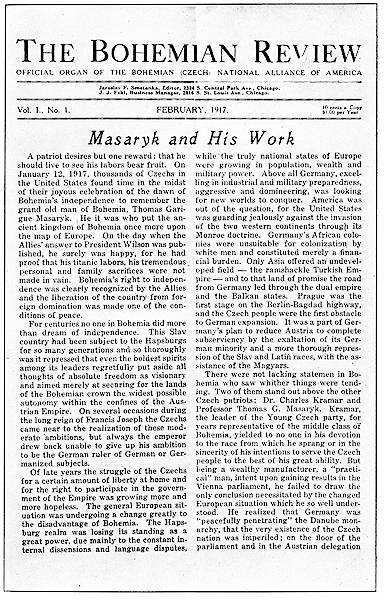
The Bohemian Review
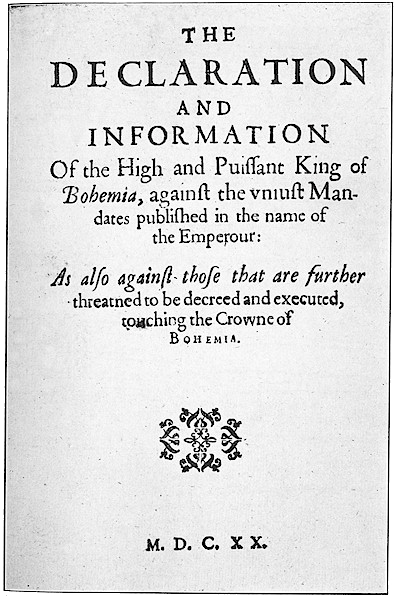
[Click image to enlarge or click here for transcription.]
Ad Serenissimam Regiam Majestatem Magnæ Britanniæ
Joh. Amos Comenius. Supplex vox Afflictorum pro
Christo ex Bohemia, Moravia, Polonia, et Hungaria. fo.
190b.
A proposition made by the Estates of Bohemia, in
theire Assembly at Prague, upon the election of a Kinge,
the 16th of August 1619, being the birthday of the Prince
Elector Pallatine. fo. 198.
Chronograms respecting the King of Bohemia, fo. 202.
Copy of the King of Bohemia’s answer to a letter of
King James I., thanking him for the education of his
eldest son at his Court, etc. Hague, 20-30 Decem. 1623.
fo. 335.
1619. A Proposition made by the States of Bohemia
in theyr Assembly at Prague uppon the Election of a
Kinge the 16th of August, beinge the birthday of the
Prince Elector Palatine. Albeit the nomination of a
Kinge of Bohemia requires a mature councell and deliberacion,
which ought to precede the nomination, it is
an affayre notwithstandinge of the lesse difficultye then
the iejectinge (sic) of a king which gave a beginninge to
this and stands in neede both of a good justification and
of a great power, where (as) the nomination hath of
those aydes but follows of itselfe after the rejection.
Now therefore, since the iejection (sic) as the things
importinge us is already done, the nomination wilbe
much the more easily provided that in the choyse we
stand not presisely upon such a perfection as the world
cannot yeild us. It behoves us also to set apart all
perticuler passions and to have regard only to those
reasons that are fundamentall, for there are requisite
points so necessary to be considered in the election of
a Kinge that (it) is not for a good patriot to give his
councell for receivinge of one in whome those points
required is not found, but one may with very good assurance
conclude for him in whome they doe dayly more
meete than in any other man.
As in the first place in such a subject it is necessary
that there be none of those thinges to be feard; for if
Kinge Ferdinand was rejected, that is to say, he ought
not eyther to prosecute or advance in the respect of
religion nor exceede in the dependance of his owne counsaylors
or of strangers, but to joine himselfe with the
States he ought not to be opiniative nor given to doe
thinges of his owne head, but to accomadate the customes
of his house and his to the ordinances and liberties of
thys crowne.
In the second place it is required that he affect the
States’ reputation.
Thirdly, that in time both of peace and warr he governe
his Kingdome by his owne presence worthyly and profitably.
Fourthly, that confederates receive no cause of feare
from eyther of danger or damage. Since then there are
few that are inferred into the treaty of eleccion, that is
to say, the Kinge of Denmarke, the Elector Palatine, the
Elector of Saxoni, the Duke of Savoy, and the Prince
of Transilvania, yt will therefore be to purpose to consider
that, although every one of these princes in his owne
perticuler deserveth prayse and commendation, neverthelesse
there is amongst them a certaine diversity which
everyone by himselfe may prudently waigh. And forasmuch
as it is not permitted us to judge liberally of
great princes in this place, it shall suffice without offence
of any breifely to deduce the reasons for which the
Elector Palatine ought to be esteemed very capable of
the crowne of Bohemia, and fitt to mainteyne the present
estate of the kingdome, for although his highnesse be
not above 23 yeeres of age, he is a prince of great judgement
bred up from his cradle in goodnesse and vertue,
one that hath persons of quality about him as well of
the feild as for the state who are used to curteisy, and
himselfe of very plentifull hopes, and besides at this age
he will better accomodate himselfe to the customes of
the kingdome then if he were more increased in yeares;
and God bestows not wisdome alwayes according to the
age of a man, but to him that calls to God for it in His
feare.
He is a prince moderate, virtuos and resolute in his
actions, quick and sharpe in his discourse, true, courteous
towards all men, very well languaged, holds a very
fayre court of earls, barrons and gentlemen, loves and
cherishes the nobility, imployes in his service even men
of meane condition when he finds meritt in them for it.
He letts no worthy service passe him without his acknowledgement,
he governs his subjects and country (in part
the frontives of this kingdome) with prudence, gives
estimation to men of honor, holds a well ordered councell,
frequents the councell table in his owne person,
takes an exact heed of the opinions and propositions of
his councellors, gives good cause of havinge his judgement
approv’d and commended of thinges of importance,
inclines his understandinge willingely to other mens information,
loves the common good and therein takes
paines with zeale and without feare, beares compassion
to the afflicted, shewes himselfe laborious and resolved,
is beloved of his subjects, beares himselfe peaceably with
his neighbors of what religion soever they be, and winnes
respect of those different beliefs for his owne religion.
He is well affected, yet those who are of another fayth
in his countries doe not find themselves disquieted in
their consciences nor in their exercise of their religion,
so as every man may live freely under him, videlicet,
his conversation be honest and vertous. There is none
can abuse or accuse him of precipitation or opinatives
(sic), a thing worthy remarkeable (sic).
He is in correspondence with those of the house of
Palatine and Bavoirs and, notwithstandinge so, that
cause forsakes nothinge of those rightes nor of the duties
belonginge to the generall estate of the country, and
howsoever that this prince be but younge and shewes
himselfe courteous and sweet towards his people, for
all that there is no lightnesse, dissollutions (sic) nor
voluptuousnesse seene in him nor any disorder nor excesse
in his diett nor any avarice and digality (sic) or
any other thinge whatsoever unbecominge or contrary to
the reputation of a prince. For the assistance the crowne
of Bohemia may expect from him, it may be understoode
of any man that not only he is not in debt, and that
of his revenue he can lay some things upp, but that also
the Kinge of Great Brittaine is his father-in-law, the
Kinge of Denmark is his neere kinsman, and likewise
the Elector of Brandenbourh, the Prince of Orenge his
uncle, the Duke of Bullion his ally, the States of the
United Provinces his confederates, and ancient alliances
with France, the Kinge of Sweden and the Hanse
Townes his friends, and for his correspondents the Duke
of Savoi, Venice and Switzerland. He is a good credit
with all the Princes Electors and other princes and
Estates of the Empire, more perticulerly with those of
the Union he hath confederacies, the Prince of Transsilvania
and High Hungary doe beare affection to him,
Saxonie and Bavoir are in good termes with him, Mentz
and the neighbouring countries looke uppon him with
honor and respect, insomuch as the crowne of Bohemia
by this only meanes may procure the amity of all those
which we doe now labour for with so much paine and
travell, and by the same meanes may be conserved and
fortified against our enimies, which cannot of any other
nominated in the election be eyther expected or hoped
for. And since it is a certainty that this prince would
not accept of the election for Ambition sake, but only
for the common good, we may therefore promise ourselves
that he will alwayes continue in the good affection
he hath already shewed to this crowne by the profitable
counsell and assistances which as well as his owne person
as other wayes according to the occasions he hath made
to appeare, where (as) there are some others that for
for theyr perticuler conservations have greatly prejudiced
not only the estates of the kingdome of Bohemia but the
countries also and provinces confederats.
Thirdly, the sayd confederated provinces are to consider
whoe are already in good understandinge with this
prince, that they cannot have the like confidence in others
who are to much tyed in the respect of the house of
Austria to succour the sayd provinces in theyr neede,
and in such a case the confederations would bring them
prejudice rather than benefitt, a point of great waight
touchinge this crowne as may be seene by experience.
Since then that all these qualities required doe meete
in the person of the Prince Elector, and that in those
of the others treated in the election (the Prince of
Transilvania excepted, who hath his eye upon another
marke) there are many imperfections to be found, as
may easily be shewed, it is therefore a matter to no
purpose longer to defer the election, and so much the
rather because the crowne of Bohemia with the countries
confederate will now after the rejection be more
disquieted than ever; and remayning without a head we
shall find none whoe will duly undertake our protection
or defence. V. 7, p. 269.
1619. The joyfull receivinge, triumphant entronce
and stately formall coronation of Fredericke, the Prince
Elector Palatine, and the Lady Elizabeth, Princesse
Electoresse, King and Queen of Bohemia, on Munday
and Thursday the 25th and 28th day of October ould
stile, 1619.
It is knowne unto all men for what weightie reasons
the States of the kingdome of Bohemia and of the incorporated
countries have with one joynte consent excluded
Kinge Ferdinand from the kingedome, and have
in his place, with an especially mutuall agreement, chosen
and named for theire kinge the right highe and mightie
Prince Fredricke by the grace of God Erle Palatine of
the Rhyne, Duke of both the Bavaries, Prince Elector
and Vicar of the Romane Empire, whome after a lawfull
callinge they have crowned on the 4th and 7th dayes
of November, newe stile, that is, the 25th and 28th of
October, ould stile, 1619.
Uppon the 21-31 of October, 1619, afternoone, came
his Majestie with the Queene his wife, the younger
prince theire eldest sonne, his Lord brother Duke Lodowicke,
the Duke of Wertemberge, the 2 Princes of
Anhalt, together with his whole retinue, consistinge of
five companies of curast horsemen, 500 harquebus horsemen,
and 3 auncients of footemen of 300 a peece, with
many coatches and a very greate number of wagons
laden with the carriages towards Prague, and beinge
come within 2 or 3 Englishe miles there of into a faire
pleasant place be a parke called the Starre, where the
Lords, the States of the kingdome of Bohemia and of
the incorporated countryes of Moravia, Silesia and both
of Lusatiæs, with the magistrates and chiefe men of
the 3 citties of Prague, attended his Majesties cominge,
accompanied with about a 1000 horse, very statelie and
well appointed; there the(y) alighted and received him
out of his coatche with greate state, honor and reverence,
unto whome the Baron of Tallenberge, Lord
Greate Chamberlaine, made a speech in the Bohemian
tongue, which the Barron of Ruppa interpreted in
Dutche; his Majestie gave thereunto so good an answere
as that the States much rejoyced thereat, which done,
they came one after another, kneeled downe and kissed
his Majesties hand. In like respect every way was the
Queene received, save that they kneeled not unto her.
Then his Majestie mounted on horsebacke, but yett
stayed a whyle, till the lords and gentry were also
mounted and that theire Coronell Kinski had orderly
marshall’d them, whose discipline his Majestie well liked.
Then the(y) marched on conductinge his Majestie towerds
Prague; when he came into the cittie, the citizens
of the 3 citties of Prague stoode in armes, very bravely
appointed, as well on horsebacke as on foote on both
sides of the street and open places, makeinge a lane or
courte or guarde frome the entringe in of the cittie unto
the castle; theire Majesties rid alonge, and that in this
manner.
They of the little cittie were one cornett of horse with
6 trumpetts and one kettledrumme, they of the newe
cittie one cornett of horse with 6 trumpetts and one
kettledrumme, they of the ould cittie one cornett of
horse with 6 trumpetts and one kettledrumme, as also
another companie of 200 horse voluntary well-willers,
and 7 companies of foote, all citizens, exceedingly well
mounted and furnished.
And when his Majestie came nere unto the newe forte
and bullwarke before the castle, whereon stood a companie
on foote with a displayed ancient, there were standinge
400 boures or husband and laboringe countrymen
representinge the communalty and 4th state or parte
of the land, all armed accordinge to the ould and auncient
custome and manner of their country, videlicet, they had
an ould weatherbeaten ancient wherein was painted the
name Ziseha (sic),[19] theire auncient captaine or generall
and deliverer, with a challice, and the hoste or signe of
a wafer, eache theire armes of the ould fashion, a hevy
brestplate, a massie headepeece to assault and scale
with all, wooden clubes set with iron spikes, iron flayles
of threshalle, crosbowes, great iron sheildes, with 2-handed
swords, and stood in battaile array as Lizeha
(sic) had in his time appointed them. When his
Majestie came unto them he stayed a while and was
by theire captaine entertained and welcommed with a
Lattine ovation, who did greatlie congratulate his Majesties
comeinge, and havinge concluded, the multitude
began to cry out, Vivat, vivat Rex Fredericus! and so
ran together to route on a heape one amongst another,
makinge such a greate noyse with theire armes as that
his Majestie tooke greate pleasure thereat and could not
forbeare laughter. Before his Majestie there marched
400 horsemen under theire Coronell Kinsby (sic), representinge
the knightehood and gentry of the land, who
had 8 silver trumpetts and 4 other trumpetts with 8
cettledrummes; theire cornett was of blew damaske
whereon were the Prince Elector Palatine’s armes richly
imbrodered; the Lords Derectors and States of the land
followed after bravelie mounted; after them rid the
Duke of Mansterberge (sic) of Silesia, haveinge on his
right hand the Duke of Wertemberge and on the left
hand the younge Prince of Anhalt. Then rid his Majestie’s
Lord brother Lodowicke with ould Prince Dhinstion
(Christian) of Anhalt, after whome imediatelie followed
his kinglie Majestie on a blacke greate horse
covered with a blacke footeclothe all over imbrodered
with silver. Then followed the Queene ridinge in a
exceeding rich coatch, like the whereof had never beene
seene afore in Prague, and by her sate the younge Prince
her sonne; after her Majestie came 2 other coatches
wherein were the wives and daughters of divers princes
and earles, after which followed sundry other coatches
with many gentlewoemen, maides of honor and others,
and after these came lastly the Prince Electors owne
coronell and harquebus horsemen and footemen in good
order, the horsemen well mounted, all statelie deckt with
brave attire, faire liveries and gallant scarfes of blewe,
the King’s colours.
This ridinge through the cittie lasted 3 houres longe,
and was beheld of many thousands of people to theire
greate admiracion; his Majestie tooke therein greate
pleasure and did oftentimes put off his hatt, and with
a chearefull countenance bowe himselfe towerds the
people, as did also the Queene both chearefully and with
greate majestie. When they were come within the castle
court there the(y) sawe a man sittinge above uppon
the churche with an auncient in his hand and waveing
it over his heade, and then another man sittinge uppon
the rounde ball on the steeple toppe, who played a
longe time uppon a kettledrumme.
In the castle court theire Majesties alighted nere unto
the longe hall and went towerds the greene chamber,
where there stoode a great number of Bohemian laydes
and gentlewoemen of good rancke richly attired, who
received her Majestie with greate reverence, and so
attended on her into her lodgings. All things were accomplished
with such state, honor, and good successe
as the like was never yett done unto any Romane Emperor;
all which shall shortlie be cutt in brasse, and
made publicke unto the viewe of the worlde.
Here followeth the King’s coronacion.
All the highe officers of the kingdome as of nobilitie
the Lord Chiefe Burgrave Lord Bhonstowe, Barron of
Bercha, the Lord Highe Steward of the Lands, Lord
Wilham Lobkowth or Belkowth Barron, Lord de (sic)
High Chamberlaine Lord John Barron of Tallonberge,
the Lord Chiefe Justice of the land, Lord Wentzeslawe,
William Barron of Ruppa, the Lord Highe Chancellour
Lord Paul Barron of Ritschan, the Lord Chiefe Justice
of the Feodaries, Lord Peter Barron of Schambergke,
the Lord Chiefe Burgrave of Charlestone, Lord Joachim,
Andrew Erle of Sclicke, Knights of the gentry, the
Chiefe Secretary of the land, Caspar Caepler, Undertreasurer
Procopius Dirarssetche, Underburgrave of
Charlestone Bohnslaire of Micholowth, and the Burgrave
of the knightlie province, or tract of Grotzer, Henry
Ottoe of Losse and many others, beinge summoned and
come the 22th of Octob. ould stile, 2 (sic) Novemb.
newe stile, to give their attendance, and doe their service
at the coronacion, the same was done on Munday the
4th of Novemb. newe stile, that is the 25 of October.
ould stile in the manner as followeth.
First after the lords, the States, had attended his
Majestie into the castle churche and brought him into
St. Wentzeslawes chappell, there they putt uppon his
Majestie the regall robe, which was a longe white sattine
or damaske gowne all over imbroidered with goulde;
before went 40 preists, singeinge men and querresters
in white surplices, then behinde them 7 other more
principall preists in blewishe or violett cloakes with rich
taffitie hatts of the same collor; after them followed the
officers of the kingedome carryinge the jewells and ensignes
belongeing to the coronation, as namely, the
hereditary Archbutler of the kingedome of Bohemia with
a gilded silver tunne, the hereditarie Archcupberer with
a silver potte, and 2 others followinge them, bearinge
2 gilded bowles; the(n) followed the Lord High Steward
of the land with the scepter, the Lord Chiefe Justice
of the kingedome with the regall ball, the Archburkgrave
with the crowne, bearinge it in bothe his hands;
after went the Heralde of the kingedome Bohemia in
his coate of armes with a white staffe in his hand, then
the hereditarie Lord High Marshall of the crowne of
Bohemia with the regall electorall sworde in a red velvett
sheathe, after whome immediatelie followed his
Majestie bareheaded, havinge on the right hand the Lord
Administrator of the Bohemian Protestant Colledge and
on his left side another Bohemian preacher (who afterwards
made the sermon), both of them attyred in blacke
velvett gownes. These 2 brought his Majestie unto the
alter, where they kneeled downe with him and prayed
a while, and then goeinge backe from the alter, they sett
his Majestie in a faire chaire of hayre-colored vellvett,
who returneinge to the alter, the Lord Administrator
began to act and reade aloude certaine statutes of Lattine,
which done, the trumpetts sounded a greate noise;
after was begun to be sunge in Lattine Veni Sancte
Spiritus, and thereuppon in the Bohemian tongue God
the Father dwell us by was also sunge, a collect reade,
and the preacher putt on his white surplice, went up into
the pulpitt to preach in the Bohemian speech. After he
had propounded the matter he was to treate of, and
prayed, he stayed there till the people had sunge the
20th Psalme also in the Bohemian language; then he went
on with his sermon, and yet in the meanewhile, betweene
the partes thereof, were 3 severall times Bohemian hymnes
sunge; the sermon beinge ended the foresaid Lord Administrator
went againe to the alter and did there in
Lattine singe the Letany, which done, the trumpetts and
musicke made a marveilous sweete melodie, which done,
a chapter out of the Apostle Paule to Timothy was
reade before the altar, and 2 Bohemian himnes sunge;
this ended, the Lord Administrator, with the preacher,
the Lord Chief Burgrave, the Lord High Steward and
Lord Greate Chamberlaine of the land, attended his
Majestie to the alter, where they all kneeled downe and
prayed againe. Then they stoode up and, haveinge
spoken unto his Majestie concerninge the accustomed
oathe he was to take, the Lord Chiefe Burgrave spake
thrice alone unto the people to this effect: “Seeing we
are nowe aboute to crowne his Majestie, it is thought
meete againe to admonishe you joyntlie to tell us freelie,
whether it be your wills that we shall proceede on forwards
and crowne his Majestie?” Whereupon the people
with a full and jointe consent cryed out amaine and
said everie time, “We will.” Then the Lord Cheife
Burgrave held a booke unto his Majestie, whereon his
Majestie haveing laide his 2 fingers, the Lord Cheife
Burgrave reade the accustomed oathe unto him in the
Bohemian tongue, which his Majestie performed unto
the Lords the States repeatinge every word of it after
the Lord Chief Burgrave. Then his Majestie kneeled
downe before the altar, where the Lord Administrator
stoode before him, holdinge on the booke a gilded box,
wherein was oyle, of which he tooke a little with one
finger and anointed therewith his Majestie’s foreheade,
strekeinge it in forme of a crosse. This beinge done,
the Lord High Marshall delivered the sword into the
hands of the Lord Administrator, who took it and
presentlie gave it to his Majestie, sayinge these wordes:
Per Dominum nostrum Jesum Christum Amen.
After this he delivered unto him, first the scepter, then
the regall ball, put a red velvett cap upon his heade, and
the lord Administrator takeinge up the crowne in his
hands, whereon the Lord Chiefe Burgrave, the Lord
Highe Steward of the land, the Lord Great Chamberlaine
of the land, and the other preist or minister tooke
holde, and so joyntly sett the crowne uppon his Majesties
head in the name of the Holy and Blessed Indivisible
Trinitie, and then (he) was by them all lifted up, attended
to his chaire and sett therein with the crowne
upon his heade and the ball and scepter in his hands.
Now when all this was done the Lord Cheife Burgrave
said unto the Lords the States: “My Lords, seeinge
our gracious Kinge is already crowned, so are we nowe
accordinge unto our custome to sweare allegeance unto
him and to the crowne and acknowledge him for our
gracious Kinge and lord.” Hereupon the Lord Cheife
Burgrave kissed the regall ball, his Majestie’s right hand,
touched the crowne with his 2 fingers, bowed himself
before his Majestie, and so went aside, giveinge way.
About an 100 persons did all the like. After this did the
Lord Administratour with a loude voyce singe Te Deum
laudamus. This followed the whole musicke, cornetts,
saggebutts, trumpetts, kettledrummes; the bells in all
three citties of Prague did ringe, 28 peeces of great
ordinance made readie for the purpose were discharged,
and the citizens and souldiers of the cittie, beinge 13
companies of foote and sundry cornetts of horse, discharged
all theire ouer (sic).
After that his Majestie had (sittinge in his coronation
chaire) knighted 5 lords and 3 gentlemen, he rose
and went thence attended with all the lords others to
the records of the land, where also accordinge to auncient
use and custome he sware to preserve and mainetaine
them and subscribed unto all he was to subscribe
unto. Where as his Majestie went and returned there
were divers sorts of coynes of gould and silver throwne
amongst the people, one of which had on the one side
this inscription, God and theire (sic) cuntryes have given
unto me this crowne, and on the other side were five
hands houldinge on a crowne, signifying the kingedome
of Bohemia and the 4 incorporated cuntries. All alonge
the streetes, and within the castle whereupon his
Majestie rid and went to the records of the land, there
was broade clothe spreade on the ground, which at his
comeing backe was all given for larges and made prizd
unto the people. At his comeinge backe into the castle
dinner was made ready, where was one table of state
prepared, whereat his Majestie sate in his regall robes
with the crowne on his heade, and the Queene with him.
There were other tables besides furnished as whereat
sate the above said greate officers and the rest of the
Lords the States, and the(n) 14 other free tables for
strangers: within the castle court there were goodlie
fountaines made, which untill night ran plentifullie with
wine red and white free for all to take of that would.
About the midst of dinner his Majestie, the crowne to
be taken off, stoode up and dranke into the health of all
the 3 states and Bohemia, and caused it to be drunke
round aboute hall. In the interim betweene his Majestie’s
coronacion and the Queene’s, his Majestie first
confirmed all the officers and governours of the kingedome
in theire offices and governmentes, commanndinge
justice and government to goe on in the ordinarie due
course as was meete and requisite. Then next perceivinge
that the stewes and brothelhouses were there still
in use and tollerated, and had theire house within the
bulwarke round aboute the cittie, and withall a world
of poore and needy people as well of able bodyes as
aged, sicke and impotent, lyinge and standinge in the
streets to the great dishonor of God and of religion,
his Majestie both put downe the stewes presentlie and
commannded an hospitall and house of correccion to be
forthwith builded; that so theis aged, sicke and impotent
might be sufficientlie relived and mainetained and
the idle bodie to be put into gives and forced to worke
and labour for theire liveinge, that so both the cittie and
the state might be eased and clensed of all such, as is
his owne cuntry.
The Queene’s coronacion was on Thursday the 28th
of October ould stile in all respects like the Kinge’s
saye that the sermon was in High Dutche and no coynes
cast about thereat. V. 7, p. 23.
NOTES
[1] The race name of the Slavic inhabitants of Bohemia in the
native language is Čech (singular), Čechové (plural). The
country is called Čechy. Čech is pronounced nearly like Chech
(the last ch as in the Scottish loch). The use of the form
Czech should be discouraged, inasmuch as it wholly fails to
bring out the proper sound. The Cambridge Modern History,
a distinguished work, adheres consistently to the spelling
Č-e-c-h.
[2] Agnes Strickland: Lives of the Queens of England, v. 1,
p. 592.
[3] See in History: Wratislaw’s Adventures; Šašek’s Diary of
an Embassy. The Embassy which Šašek describes was led by
Leo z Rožmitálu (Leo von Rosmital), a highly distinguished
personage. The Embassy, or mission, consisted of forty persons
with fifty-two horses and a Kamer-wagon and set out from
Prague November 26, 1465. Šašek (Shassek) relates how, when
the mission reached London (p. 430) “crowds assembled in the
streets to stare at these Bohemian Samsons and Absolons.”
In London they remained for forty days, being feasted by the
King and the nobility. At Dunkirk they (the Bohemians) caught
the first view of the sea—Shakespeare’s description of Bohemia
in the Winter’s Tale as “desert country near the sea” to the
contrary notwithstanding.
[4] John Hill Burton: The History of Scotland, v. 3, p. 114.
The lords of Kravař were an ancient Bohemian family, who
took a prominent part in the affairs of their nation already in
the thirteenth century. Certain branches of the family were
strong Hussite partisans.
[5] Andrew Lang: History of Scotland, from the Roman Occupation,
v. 1, pp. 310-11.
[6] John Thurloe: Collection of State Papers, v. 2, p. 441.
[7] Charles Harding Firth: The Last Years of the Protectorate,
1656-1658. Also Vaughn: Protectorate of Cromwell, v. II,
p. 447.
[8] See article Moravští Bratři v Americe by Thomas Čapek,
Osvěta, Prague. 19:565-72. 1889.
[9] Magnalia Christi Americana; or, The Ecclesiastical History
of New England. Book IX., p. 128.
[10] The 1910 U. S. census has found in the country 539,392
people of Bohemian stock, of whom 228,738 were foreign born,
310,654 native born.
[11] For Augustine Herrman’s life see Památky Českých Emigrantů
v Americe (Data on Bohemian Immigration to America),
by Thomas Čapek, Omaha, 1907. J. V. Nigrin described Herrman’s
map in the Chicago Svornost, August 2-9, 1914.
[12] The Discoveries of John Lederer, in three several marches
from Virginia to the west of Carolina, and other parts of the
Continent: Begun in March, 1669, and ended in September, 1670.
Together with a General Map of the whole territory which he
traversed. Collected and translated out of Latine from his Discourse
and Writings by Sir William Talbot, Baronet. London.
Printed by J. C. for Samuel Heyrick, at Grays Inne-Gate in
Holborn. 1672.
[13] Most, if not all, the seventeenth century publications here
listed are found in the British Museum.
[14] “It is possible,” says Wickliffe in his work called The Threefold
Bond of Love, “that our noble queen of England, sister
of the Cæsar, may have the gospel written in three languages,—Bohemian,
German and Latin; now, to heredicate her on that
account, would be Luciferian folly.” Agnes Strickland’s Lives
of the Queens of England, v. 1, p. 599.
[15] On p. 447 of his Písemnictví České (Bohemian Literature),
Dr. Flajšhans asserts that Komenský wrote in 1660 a Latin
treatise on the Unity of the Brethren, entitled De Bono Unitatis,
etc., which he dedicated to Charles II. Obviously the treatise
referred to by Flajšhans and the Exhortation of the Churches
of Bohemia to the Church of England is one and the same.
[16] On pp. 78-9, v. 2, part 1, is a poem by James Montgomery,
reprinted from his Greenland, edit. 1850, pp. 73-4, which pictures
Komenský leading out the remnant of the United Brethren from
the land of their sires.
[17] Josef Pastor published a monthly journal devoted to the
interests of emigrants, in Hamburg, 1884. Lessons in elementary
English were printed in every issue. The publication
was called České Osady v Americe. (Bohemian Settlements in
America.)
The Orgán Bratrstva Č. S. P. S., Chicago, official organ of
the Bohemian Slavonic Benevolent Societies in the United States
of America and Canada, has an English section.
The Bratrský Věstník Z. Č. B. J., Omaha, official monthly of
the Western Bohemian Fraternal Association, maintains an English
section.
[18] This Libanus is no other than Waclaw Libanus, whom
Komenský ordained as an acolyte of the Unity at the Synod
held at Leszno (Poland) Oct. 14, 1638. Libanus lived for some
time in exile in Hungary. Korrespondence Jana Amose Komenského.
V. 2, pp. 182, 194.
[19] John Žižka, the Hussite.
[20] Bohemia in British State Papers and Manuscripts not indexed.