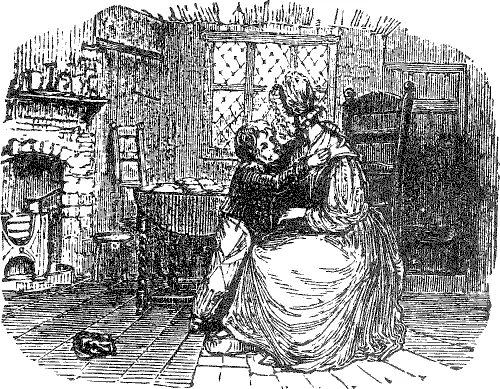
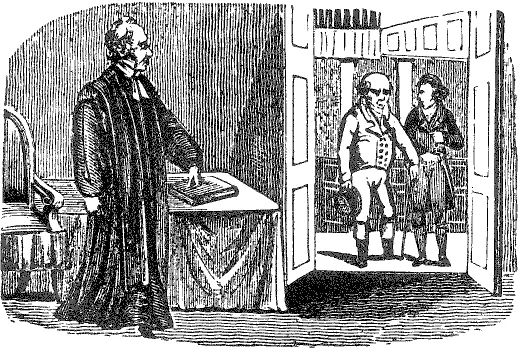
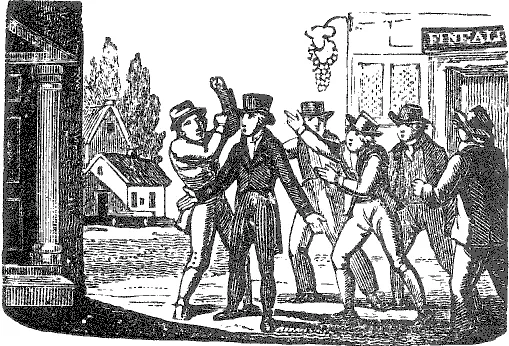
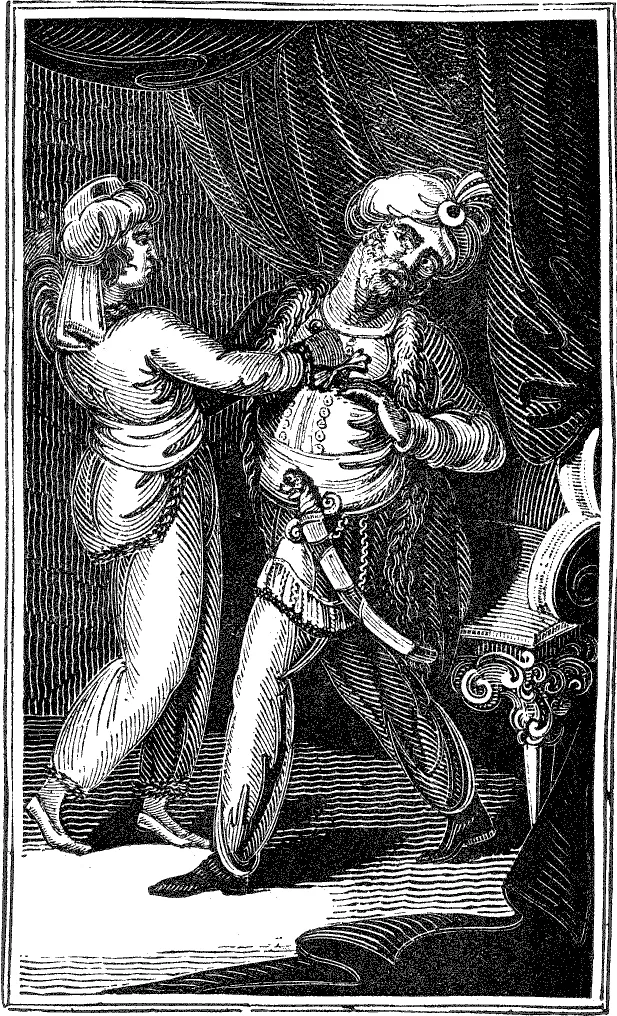
By T. & J. BEWICK, BLAKE, CRUIKSHANK, CRAIG,
LEE,
AUSTIN, AND OTHERS.
Illustrating Favourite Nursery Classics, with their Antiquarian,
Historical,
Literary and Artistic Associations:
FAITHFULLY GLEANED FROM THE ORIGINAL WORKS IN THE
BODLEIAN LIBRARY, OXFORD, THE BRITISH AND
SOUTH KENSINGTON MUSEUMS, &c.
With very much that is Interesting and Valuable appertaining to the
early
Typography and Topography of Children’s Books relating
to Great Britain and America.
including
Jack the Giant Killer, Cock Robin, Tom Thumb,
Whittington, Goody Two Shoes, Philip Quarll, Tommy
Trip, York and Banbury Cries, Children in the Wood,
Dame Trot, Horn Books, Battledores, Primers, etc.
By EDWIN PEARSON.
LONDON:
Arthur Reader, 1, Orange Street, Bloomsbury,
W.C. 1890.
Only 50 copies Large Paper,
500 „ Small.
 anbury Cakes,”
and “Banbury Cross,” with its favourite juvenile
associations, with the Lady with bells on her toes, having music
wherever she goes, are indissolubly connected with the early years not
only of ourselves but many prior generations. In fact, the Ancient Cross
has been rebuilt since the days, when in Drunken Barnaby’s
Journal, we are made familiar with the puritan “who hanged his cat
on a Monday for killing of a mouse on a Sunday.” The quaint old
town and its people are rapidly modernizing; but they cling to the old
traditions. Both in pictorial and legendary lore we have some Banburies
of another kind altogether, viz., Banbury Blocks, or in plain English,
Engraved Woodcut Blocks, associated with the Local Chap Books, Toy
Books, and other Histories, for which this quaint old Oxfordshire town
is celebrated. The faithful description of the Blocks illustrating this
volume has led to numerous descriptive digressions, apparently
irrelevant to the subject; it was found however that in tracing out the
former history and use of some of the “Bewick” and other
cuts contained in this volume, that the Literary, Artistic, Historical,
Topographical, Typographical, and Antiquarian Reminiscences connected
with the early Printing and Engraving of Banbury involved that of many
other important towns and counties of Great Britain, and also America. A
provincial publisher about the beginning of the present century would
reflect more or less the modus operandi of each of his contemporaries in
abridging or reproducing verbatim the immortal little chap books issued
from the press of John Newbury’s “Toy Book
Manufactory,” at the Bible and Sun (a sign lately restored),
65, Saint Paul’s Church Yard, near the Bar.
This again leads to the subject as to who wrote these clever little
tomes. In my “Angler’s Garland,” printed at the Dryden
Press, 1870 and 1871, I fully announced my intention of issuing a
reprint of the first edition of “Goody Two Shoes,” but the
intended volume was published by the firm at the corner,
“Griffith, Farren, Okenden, and Welsh,” now in the direct
line of business descent from worthy and industrious John Newbery:
Carman, Harris, Grant and Griffith. Mr. Charles Welsh of the present
firm has taken a warm interest in the Antiquarian and Historical
Associations of the Newbery firm. The premises have been lately rebuilt,
the Sign and Emblems adopted by Newbery restored, and C. Welsh has
reprinted “Goody Two Shoes” in facsimile, since which there
has been added to it a Standard edition of Goldsmith’s Works,
edited by Mr. Gibbs. I had the pleasure of making many researches
respecting the old London publisher (Goldsmith’s friend), John
Newbery, respecting his Lilliputian Classics, and I have been enabled to
introduce several of the Quarto early editions to the firm, and have had
great pleasure in writing and placing on record numerous facts and data,
since utilized in the very interesting “Life of John Newbery, a
last century bookseller.” The connection of Oliver
Goldsmith’s name is indissolubly associated with the juvenile
classics industriously issued by Newbery. Dr. Johnson himself edited and
prefaced several children’s books which I have seen in the Jupp
and Hugo Collections. The weary hours of adversity, through which
“Goldie” passed at Green Arbour Court, top of Break Neck
Steps and Turn Again Lane—I remember them all well, and the Fleet
prison walls too, when I was a boy—and in refuge at Canonbury
Tower, near the village of Islington, these are the places where
Goldsmith wrote for children. Sir Joshua Reynolds tells how, when he
called on the poet at Green Arbour Court, he found the
couplet:—
“By sports like these are all their cares beguiled,
The sports of children satisfy the child.”
see “The Traveller.” He was surrounded by children in this
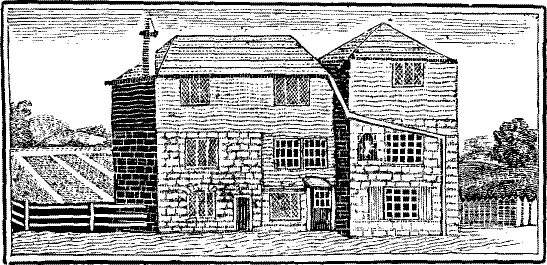
unsavoury neighbourhood, where he had his humble domicile: a woodcut in
Lumburd’s Mirror depicts it very correctly. Bishop Percy, author
of the “Reliques,” called on him, and during the interview
the oft repeated incident occurred of a little child of an adjacent
neighbour, “Would Mr. Goldsmith oblige her mother with a chamber
pot full of coals!” Truly these were hours of ill-at-ease. The
largest collection of the various relics of woodcuts used in the chap
book literature, “printed for the Company of Flying Stationers,
also Walking Stationers,”—for such is a portion of the
imprint to be found on several of the early Chap Books printed at
Banbury—is to be seen in the Library of the British Museum; but
the richest collection of these celebrated little rarities of
Toy Books is in the venerable Bodleian Library. Among the very
interesting block relics of the past are the pretty cuts to Mrs.
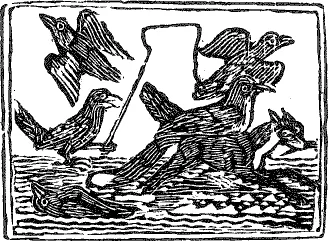
Trimmer’s “Fabulous Histories, or The Robins:” these
were designed by Thomas Bewick, and engraved by John Thompson, his
pupil, who enriched Whittingham’s celebrated Chiswick Press with
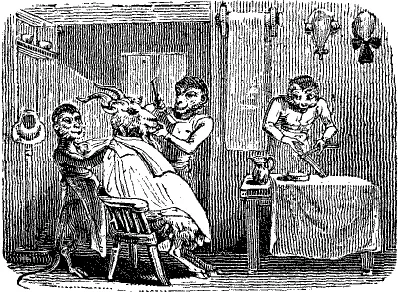
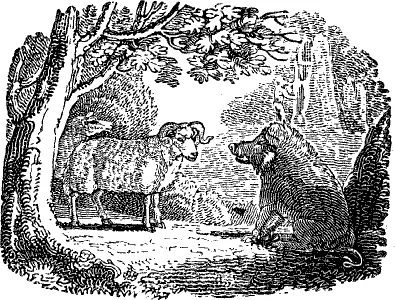
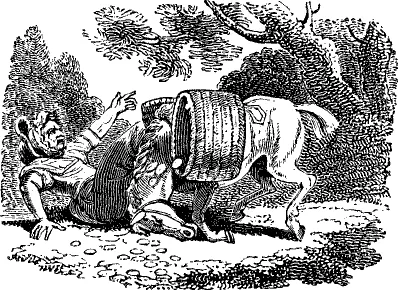
his fine and tasteful work. A numerous series of little fable cuts by
the same artist are to be found in this volume. One of the quaintest
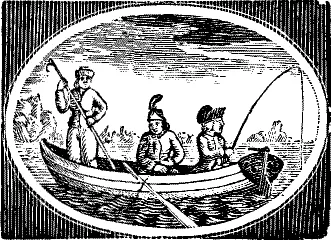
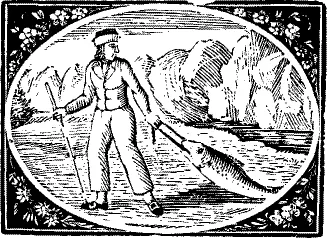
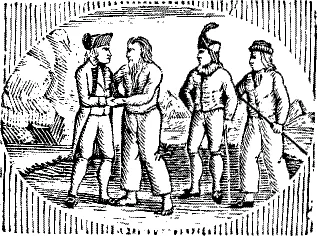
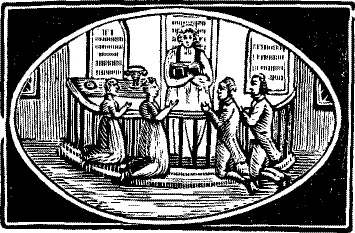
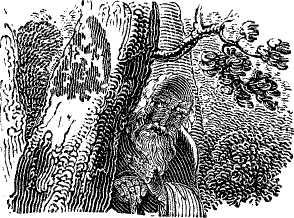
sets engraved at an early period by John Bewick (the Hogarth of
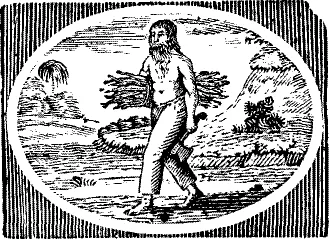
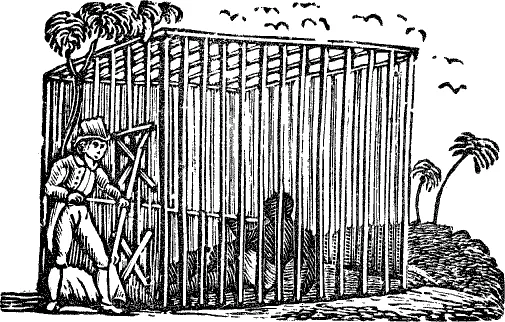
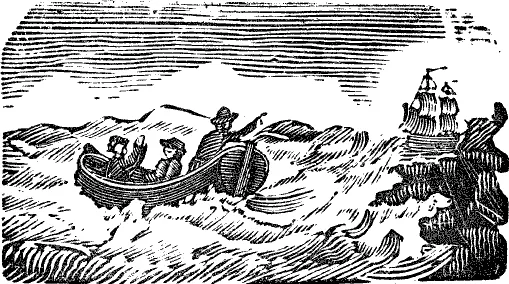
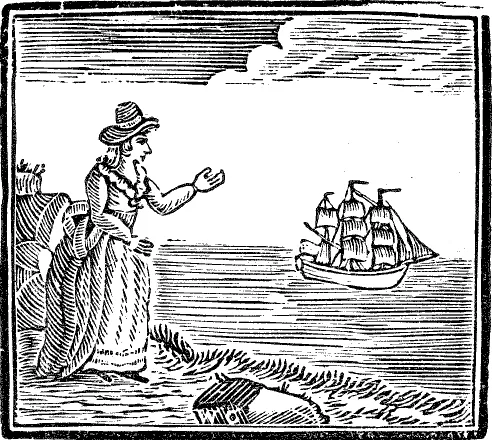
Newcastle), are to “The Hermit, or Adventures of Edward
Dorrington,” or “Philip Quarll,” as it was most
popularly known by that title a century ago. The earliest edition I have
seen of Philip Quarll is as follows: “The Hermit, or the
unparalleled sufferings and surprising adventures of Mr. Philip Quarll,
an Englishman who was lately discovered by Mr. Dorrington, a Bristol
merchant, upon an uninhabited island in the South Sea, where he lived
above fifty years without any human assistance, still continues to
reside, and will not come away,” etc. Westminster: Printed by J.
Cluer and A. Campbell, for T. Warner in Paternoster Row, and B. Creape
at The Bible in Jermyn Street, St. James’s, 1727. 8vo, xii pp.,
map and explanation, 2 pp., and 1 to 26 appendix, with full page copper
plate engravings. He was born in St. Giles’, left his master a
locksmith, went to sea, married a famous w——e, listed for a
soldier, married three wives, condemned at the Old Bailey, pardoned by
King Charles II., turned merchant, and was shipwrecked on a desolate
island on the coast of Mexico, etc. Other editions in the British Museum
are 1750; 1759 (third); 1780 (twelfth); 1786 (first American edition,
from the 6th English edition, Boston, U.S.A.); 1787 (in French);
1795 (seventeenth); 1807; and also in a “Storehouse of
Stories,” edited by Miss C. M. Yonge, 2 vols, 8vo (Macmillan,
1870-2), Philip Quarll (also Perambulations of a Mouse, Little Jack,
Goody Two Shoes, Blossoms of Morality, Puzzle for a curious Girl), and
others are given. The text is useful to refer to, as the originals are
rare: the woodcuts of several of them are in this volume. “Philip
Quarll,” Miss Yonge says, “comes to us with the reputation
of being by Daniel Defoe; but we have never found anything to warrant
the supposition. It must have been written during the period preceding
the first French Revolution.” There is also in the Museum an
edition printed in Dutch in 1805.
In 1869, Mr. Wm. Tegg reprinted the Surprising Adventures of Philip
Quarll, entirely re-edited and modernized, with only a frontispiece and
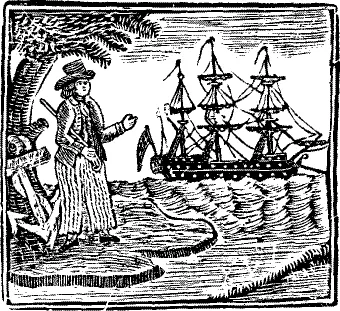
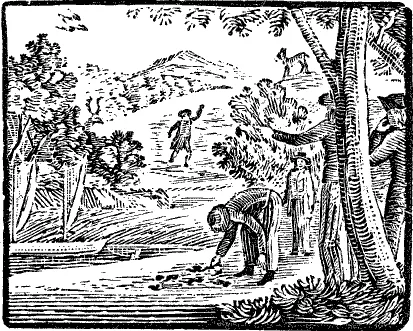
vignette on title as illustrations. The quaint old cuts on next page
probably illustrated an early Newcastle, then York, and finally Banbury,
edition of this oft published work.
Tegg’s edition of 356 pages, 12mo, is to be seen in the Reading
Room of the British Museum, and gives the full text and history of
these. This curious book would well bear representing with the original
Bewick cuts, after the manner of the present Newbery firm, who have
revived Butterfly’s Ball, Grasshopper’s Feast, Goody Two
Shoes, Looking Glass for the Mind, and contemplate others in the
immediate future. Tegg in his reprint
of the Book on Philip Quarll, states that he was born in St.
Giles’ Parish, London, 1647, voyaged to Brazil, Mexico, and other
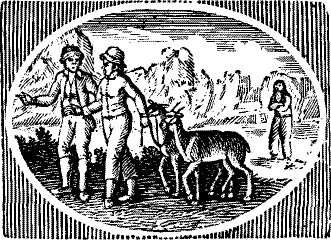
parts of America, was left on an island, nourished by a goat, and other
surprising adventures. Edward Dorrington communicates an account (see
p. 1 to 94 inclusive) of how the hermit Philip Quarll was
discovered, with his (E. D.’s) return to Bristol from Mexico,
Jan. 3, 1724-5; but is about returning to Peru and Mexico again
(p. 94). This is of both American and Bewick interest. Besides
these representatives of this Chap Book, we are enabled to give in this
collection impressions from the blocks of other editions fortunately
rescued from oblivion and destruction.
|
|
“Old Story Books! Old Story Books! we owe ye much old friends,
Bright coloured threads in memory’s wrap,
of which Death holds the ends,
Who can forget ye? Who can spurn the ministers of joy
That waited on the lisping girl and petticoated boy?
Talk of your vellum, gold emboss’d morocco, roan, and calf,
The blue and yellow wraps of old were prettier by half.”
—Eliza Cook’s Poems.
 n 1708 John White, a Citizen of
York, established himself as a printer in Newcastle-on-Tyne, bringing
with him a stock of quaint old cuts, formerly his father’s, at
York, where he was Sole Printer to King William, for the five Northern
Counties of England. He entered into partnership with Thomas Saint, who
on the death of John White, at their Printing Office in Pilgrim Street,
succeeded in 1796 to his extensive business as Printer, Bookseller, and
Publisher. In this stock of woodcuts were some of the veritable pieces
of wood engraved, or cut for Caxton, Wynken de Worde, Pynson, and others
down to Tommy Gent—the curious genius, historian, author, poet,
woodcuter and
engraver, binder and printer, of York. We give some early examples out
of this stock. Thomas Saint, about 1770, had the honour of introducing
to the public, the brothers Thomas and John Bewick’s first efforts
in wood-engravings, early and crude as they undoubtedly were. They are
to be found in Hutton “On Mensuration,” and also in various
children’s and juvenile works, such as Æsop’s and
Gay’s Fables. We give some of the earliest known of their work in
this very interesting collection of woodcuts.
Some years ago a collection was formed of Newbury and Marshall’s
Children’s Gift Toy Books, and early educational works, which were
placed in the South Kensington Museum, in several glass cases. These
attracted other collections of rare little volumes, adorned with similar
cuts, many of which are from the identical blocks here impressed,
notably the “Cries of York,” “Goody Two Shoes,”
etc. They are still on view, near the George Cruikshank collection, and
during the twenty years they have been exhibited, such literature has
steadily gone up to fancy prices.
Charles Knight in his Shadows of the Old Booksellers, says of Newbury,
(pp. 233), “This old bookseller is a very old friend of mine. He
wound himself round my heart some seventy years ago, when I became
possessed of an immortal volume, entitled the history of ‘Little
Goody Shoes.’ I felt myself personally honoured in the
dedication.” He then refers to Dr. Primrose, Thomas Trip, etc.,
and adds further on, “my father had a drawer full of them
[Newbury’s little books] very smartly bound in gilt paper.”
Priceless now would this collection be, mixed up with horn-books—a
single copy of which is one of the rarest relics of the olden time.
Chalmer’s
in his preface to “Idler,” regards Mr. Newbury as the
reputed author of many little chap books for masters and misses.
Mr. John Nichols brings forward other candidates for the honour of
projecting and writing the “Lilliputian histories, of Goody Two
Shoes, etc.;” and refers to Griffith Jones and Giles Jones, in
conjunction with Mr. John Newbury, as those to whom the public are
indebted for the origin of those numerous and popular little books for
the amusement and instruction of children, which have ever since been
received with universal approbation.
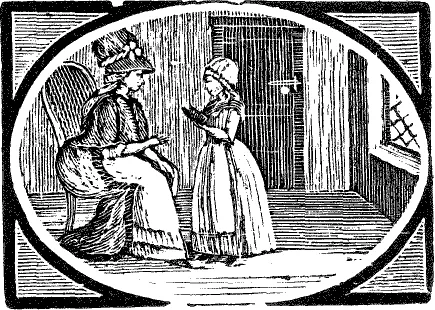
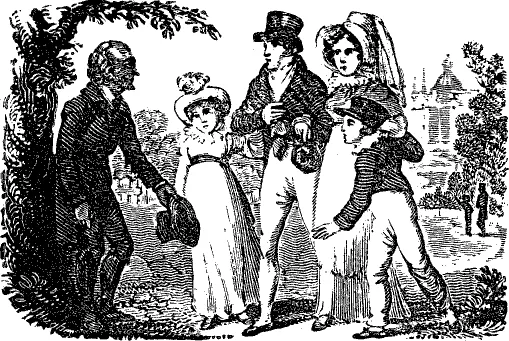
The following are two of the identical cuts engraved by John Bewick, and
used in the Newbury editions of Goody Two Shoes, London, 1769 to
1771.
It will be seen on contrasting these cuts with the other two, on the
following page, from early York editions, how wonderfully even in his
early years Bewick improved the
illustrated juvenile literature of his day. No wonder when Goldsmith the
poet had an interview with Bewick, that delighted with his cuts, he
confessed to writing Goody Two Shoes, Tommy Trip, etc. Bewick’s
daughter supplied this information.
|
|
|
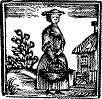
Early cuts to Goody Two Shoes.
|
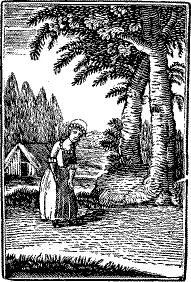
Bewick’s frontispiece to Goody Two Shoes.
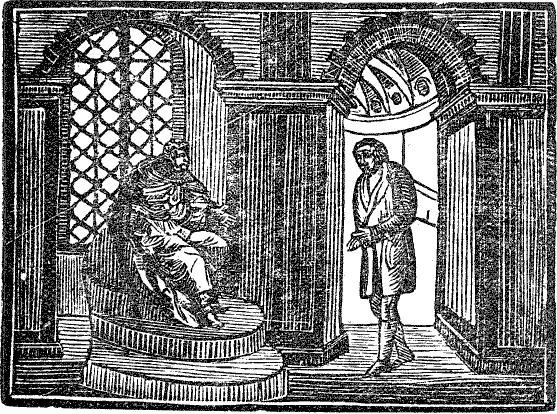
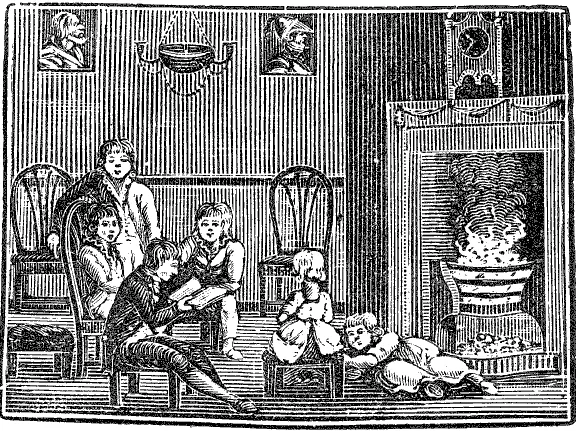
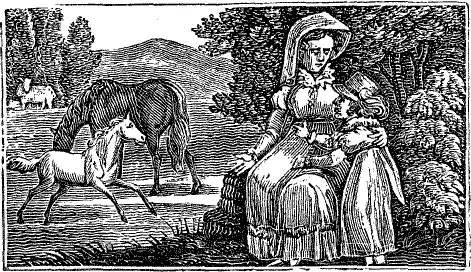
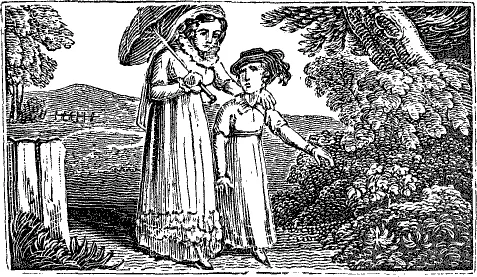
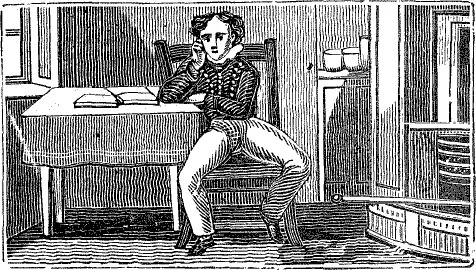
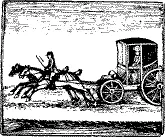
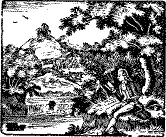
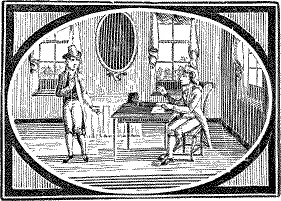
Here are two early examples of Thomas Bewick. They were used in a York
edition of “A Pretty Book of Pictures for little Masters and
Misses, or History of Beasts and Birds by Tommy
Trip,” etc.
|
|
|
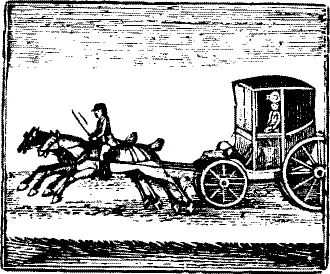
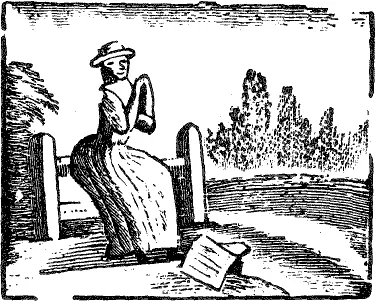
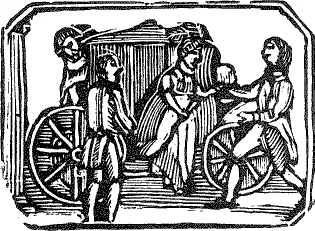
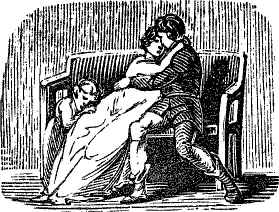
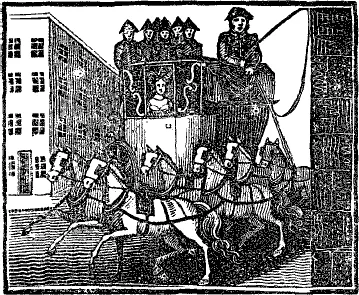
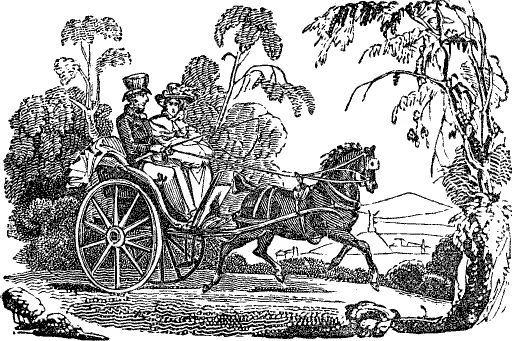
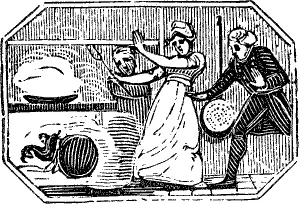
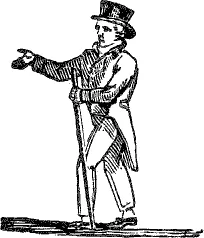
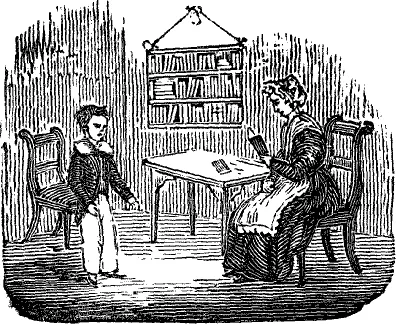
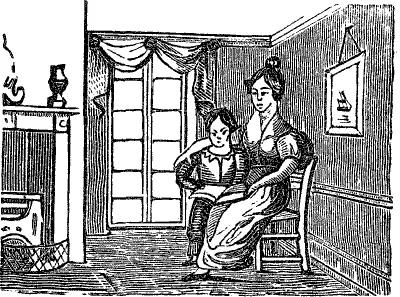
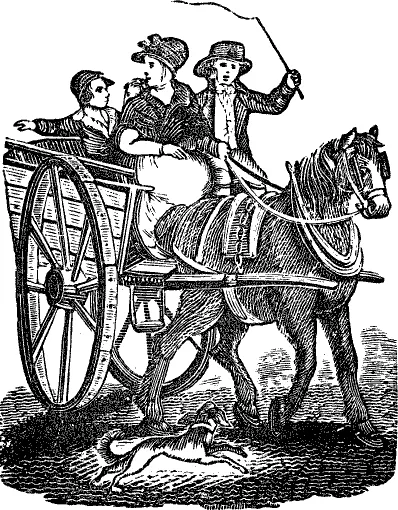
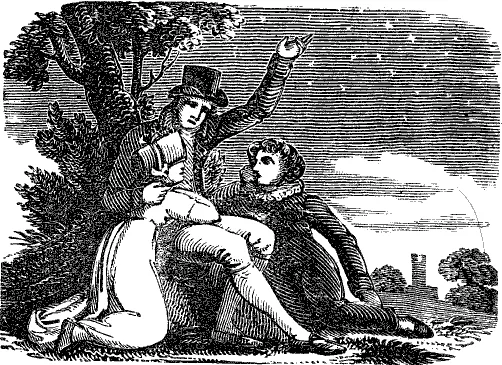
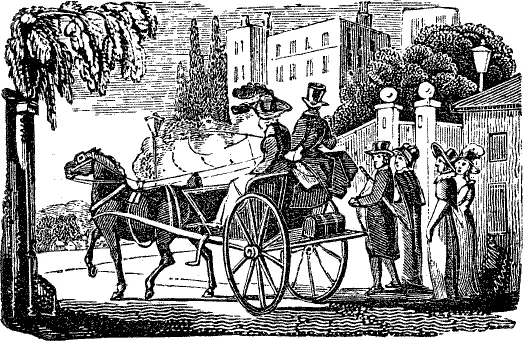
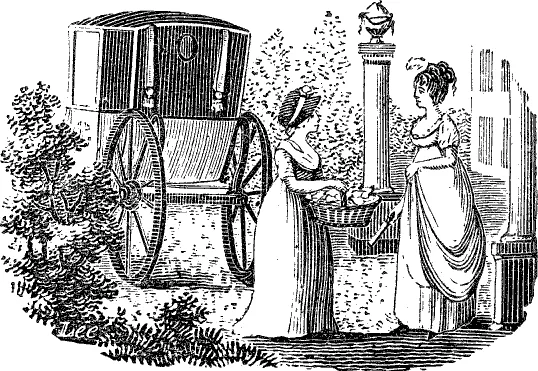
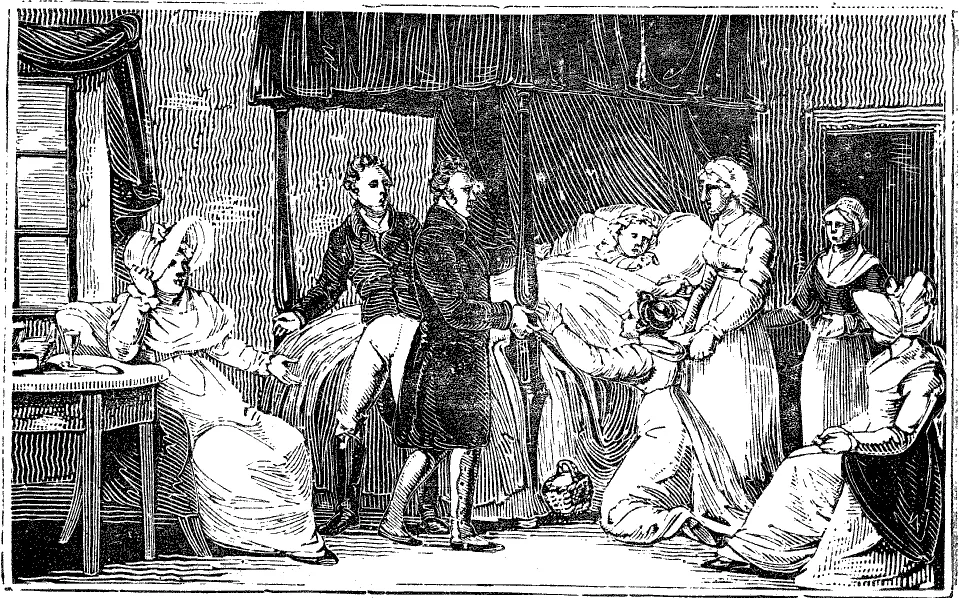
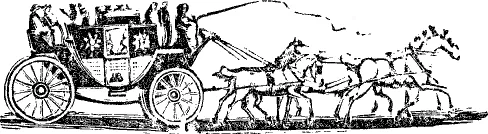
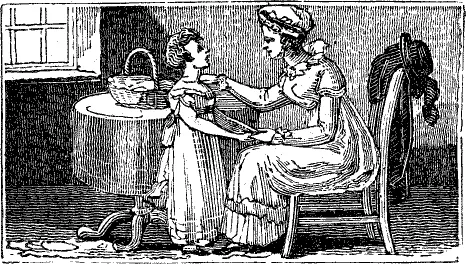
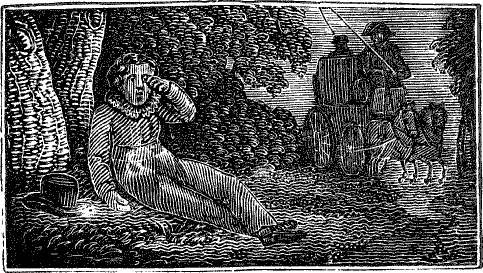
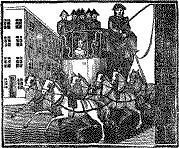
Miss Polly Riding in a Coach, from Tommy Trip.
|
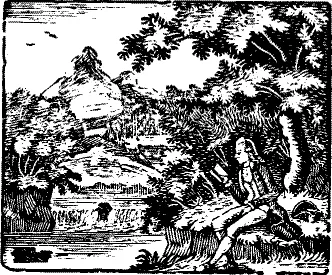
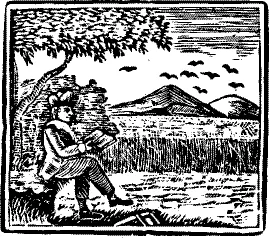
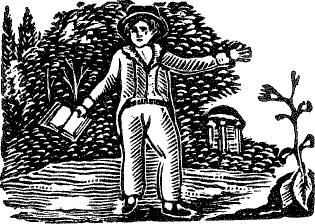
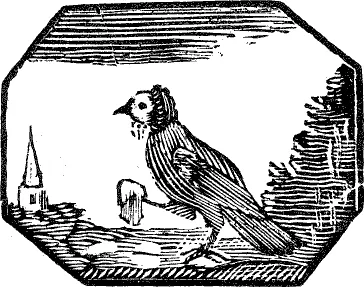
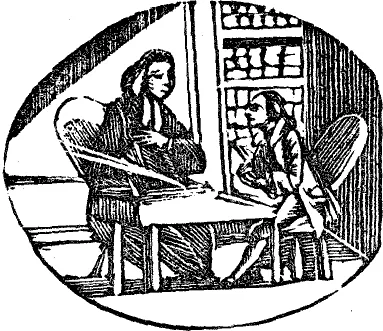
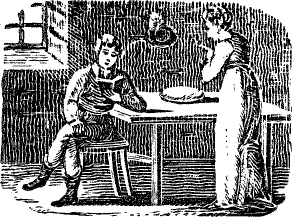
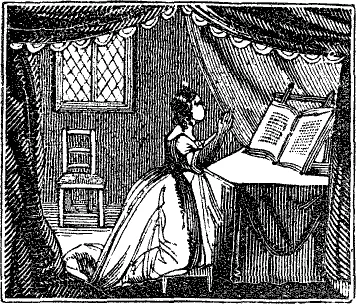
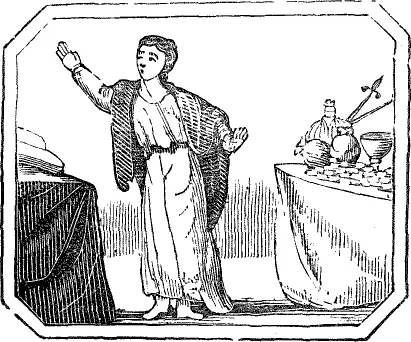
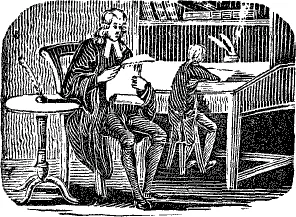
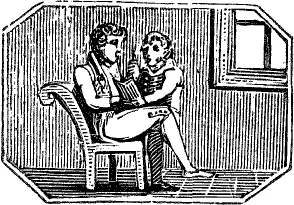
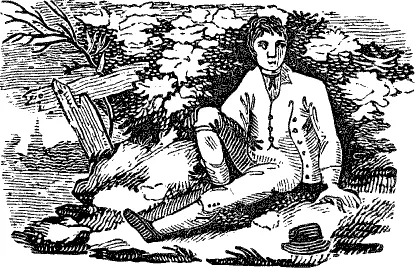
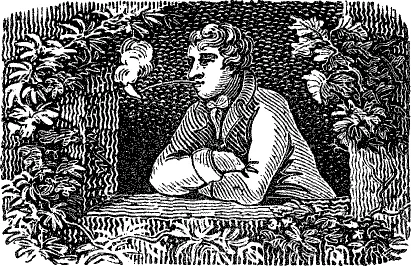
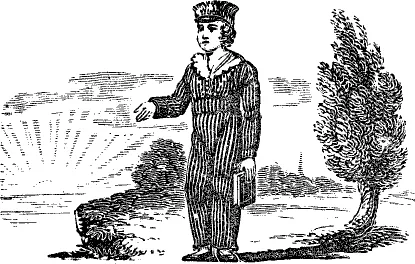
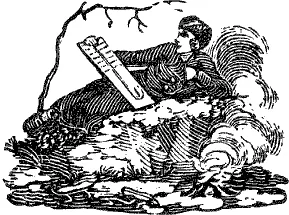
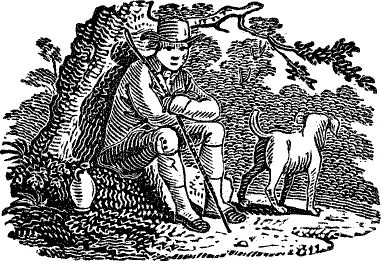
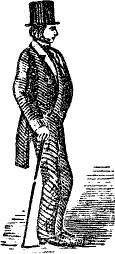
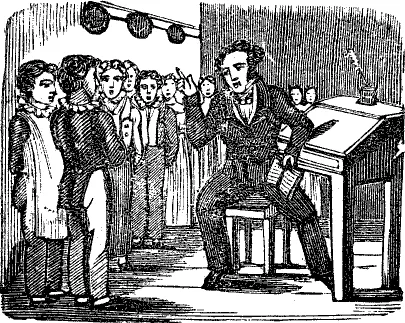
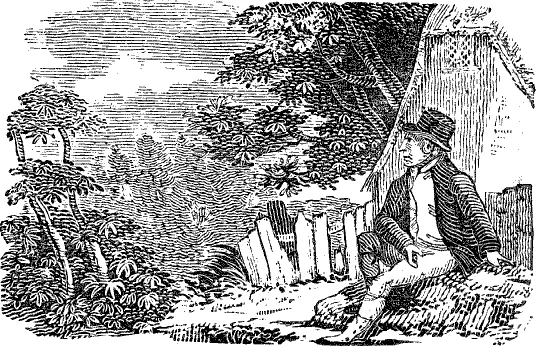
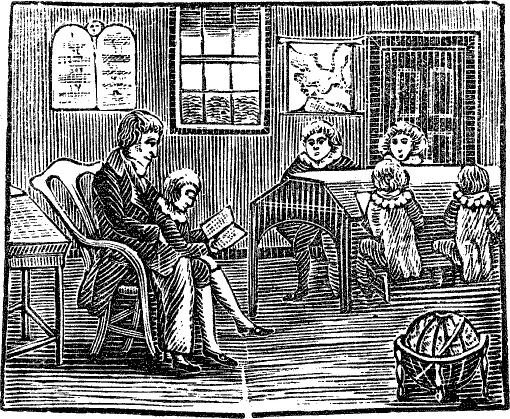
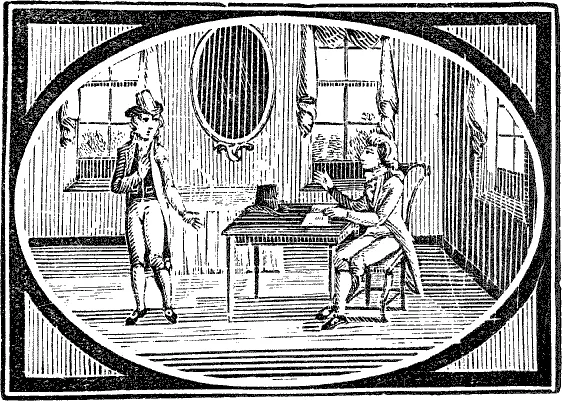
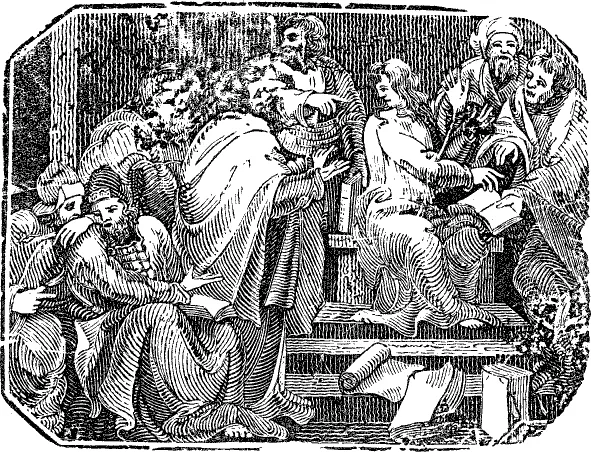
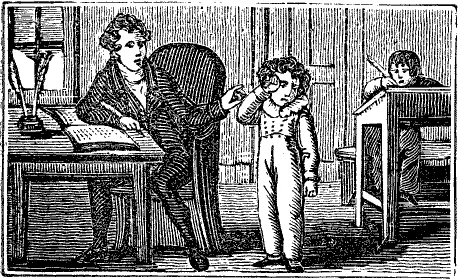
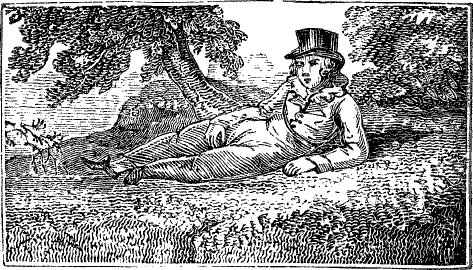
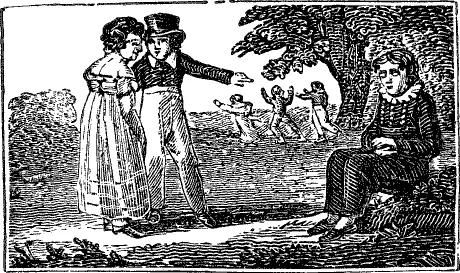
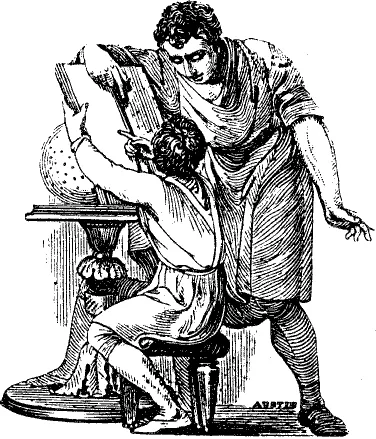
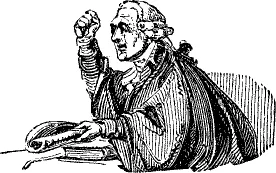
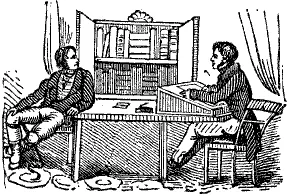
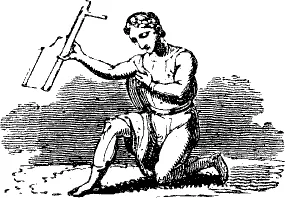
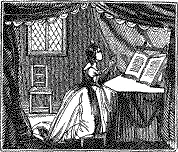
The Student, from Tommy Trip.
|
There was an American edition of Goody Two Shoes, and is very
interesting indeed, having a woodcut frontispiece engraved by Thomas
Bewick, and was printed at Worcester, Mass., U.S.A., by Isaiah Thomas,
and sold wholesale and retail at his book-store, 1787. A copy of this
little book sold in London for £1 16s.
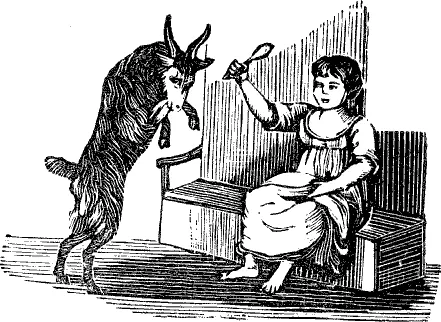
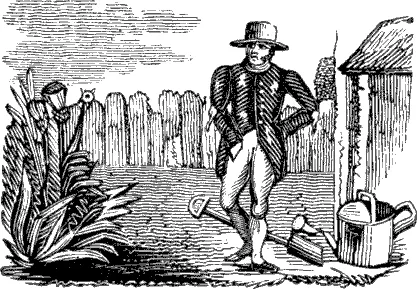
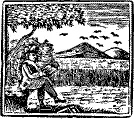
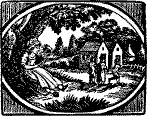
We also give two other specimens from the J. Newbery editions of
Tommy Trip and Goody Two Shoes, both engraved by John Bewick.
|
|
|
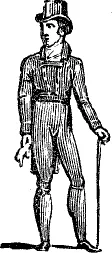
The Student, from Tommy Trip.
|
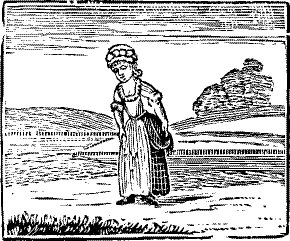
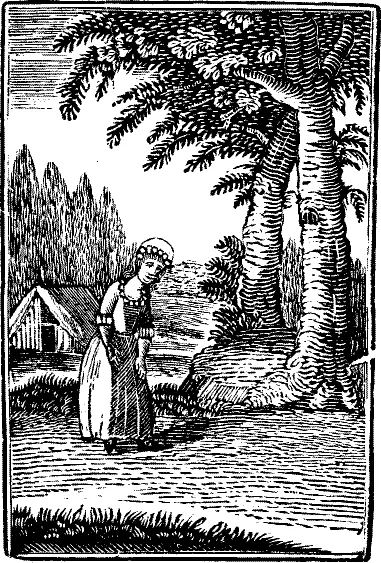
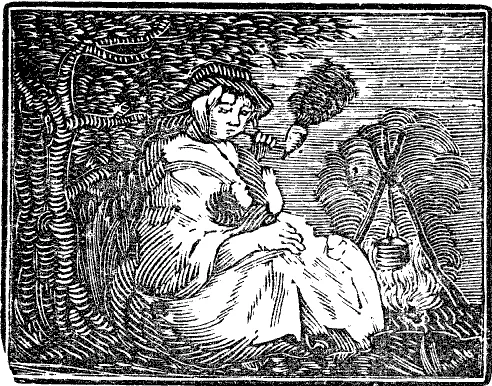
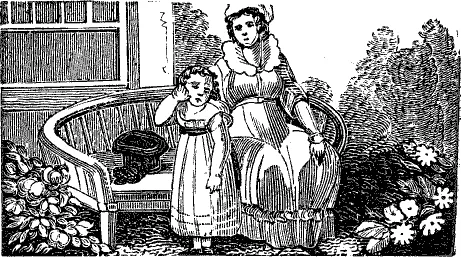
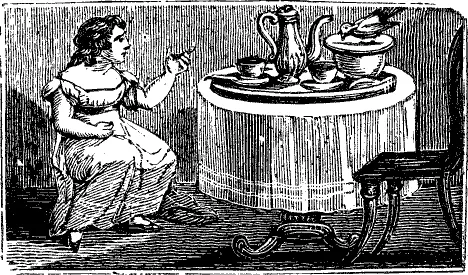
Margery, from Goody Two Shoes.
|
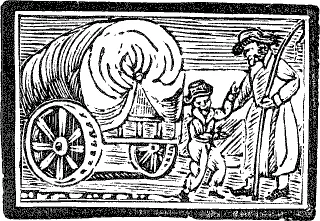
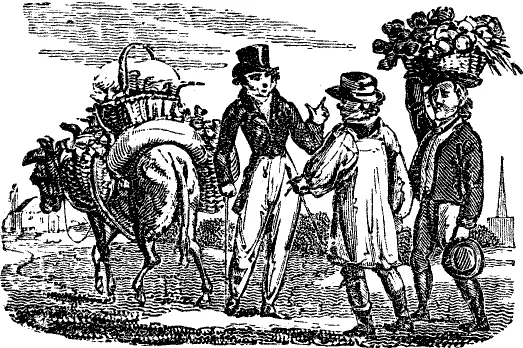
The packmen of the past [see frontispiece of a pack-horse in First
Edition only of Bewick’s Quadrupeds, 1790] carried in their packs
the ephemeral literature of the day, Calendars, Almanacks, and Chep-Books. The
Leicestershire pronunciation to this day at markets is “Buy
Chep” for Cheap,
hence the Chep-side, or Cheape-or
Cheapside; otherwise derivation of Chap Men, or Running, Flying, and
other mercurial stationers, peripatetic booksellers, pedlers, packmen,
and again chepmen, these visited the villages and small towns from the
large printers of the supply towns, as London, Banbury, Newcastle,
Edinburgh, Glasgow, etc. The “History of John Cheap, the
Chapman,” “Parley the Porter,” “Stephen of
Salisbury Plain,” and other favourite tracts, with John
Bewick’s and Lee’s square woodcuts were written by the
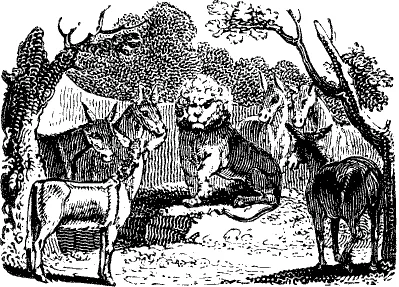
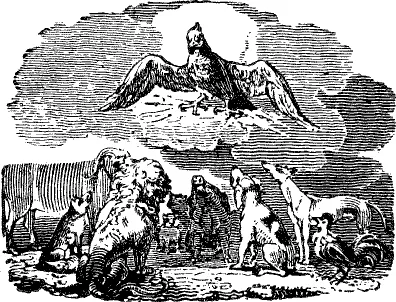
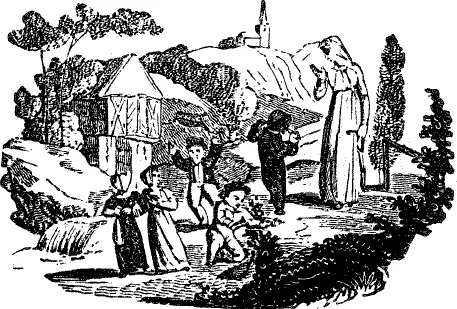
quaker lady, Hannah More, about 1777, and were first published in
broadsheet folio. Some were done by Hazzard, of Bath, others by
Marshall, of Bow Lane, Aldermary Church Yard. A most curious collection
of chap books did they print, reviving the quaint old “Blind
Beggar of Bethnal Green,” “Guy, Earl of Warwick,”
“Seven Champions,” “Mother Shipton’s Life and
Prophecies,” “Wise Men of Gothan,” “Adam Bell,”
“Robin Hood’s Garland,” “Jane Shore,”
“Joaks upon Joaks,” “Strapho, or Roger the
Clown,” “Whetstone for dull Wits,” “St. George
and the Dragon,” “Jack Horner:” and hundreds of ballads,
garlands, carols, broadsheets, songs, etc., were in the collection.
The “Great A and bouncing B Toy Book Factory,” was
somewhere near Little Britain, the proprietor being John Marshall, who
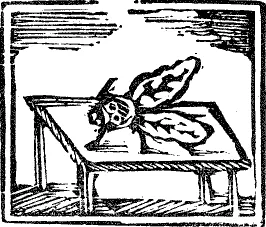
published the famous “Life of a Fly.”

Block by Thomas Bewick.
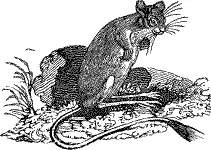
The “Memoirs of a Peg Top,” “Perambulations of a
Mouse,” 2 volumes with cuts by John Bewick, and a number of other
works, some by Mrs. Trimmer, under various pseudonyms, were published in
Bow Lane, also many quaint broadsheets, the cuts of which are in this
volume.
Hazzard, printer of Bath, who published many works for Dr. J. Trusler,
with woodcuts by John Bewick, Lee, and others, also published the cheap
repository tracts.
All the following little wood blocks were used in several toy books,
sometimes with Bewick’s name on the titles, and done from 1787 to
1814, in Dutch flowery and gingerbread gilt paper binding, just like
Newbery series.
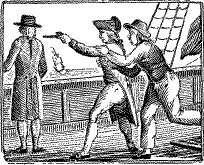
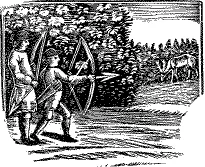
Early John Bewick Cuts.
|
|
|
Tommy Two Shoes.
|
Robin Hood and Little John, pub. Wilson and Spence, York.
|
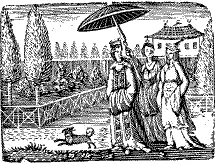
|
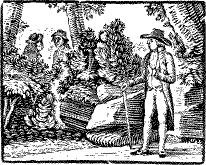
|
|
York Story Books, by Wilson and Spence, circa 1797.
|
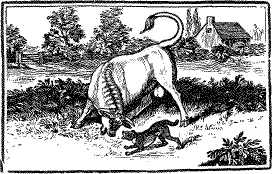
|
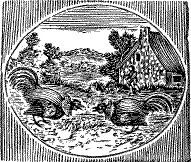
|
|
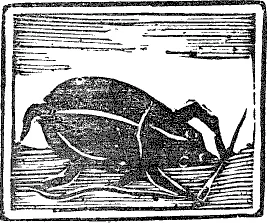
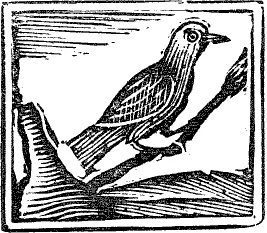
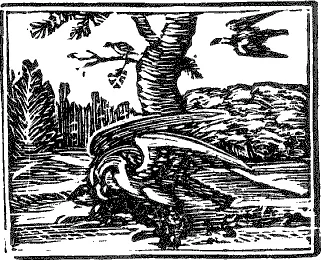
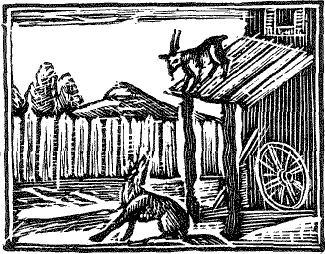
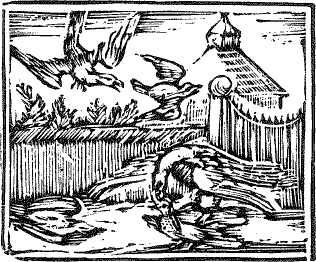
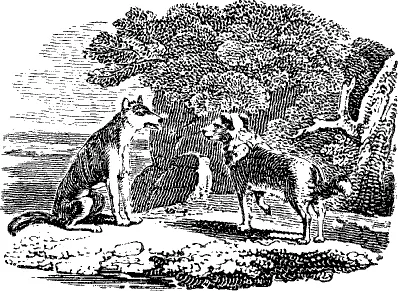
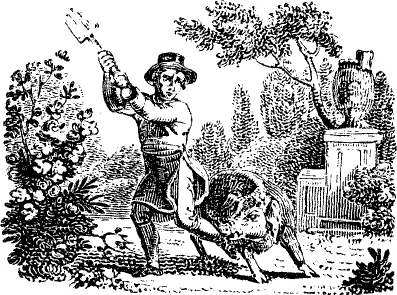
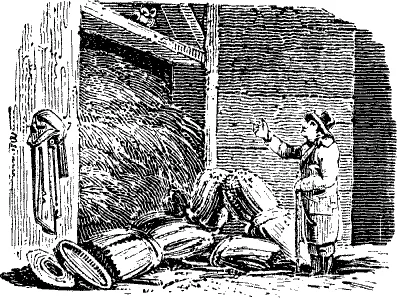
Used in the Fables.
|
Used in the Fables.
|
|
|
|
|
Cut by Lee, on the covers of Rusher’s Penny
“Banbury’s.”
|
Two Blocks from Valentine’s Gift. 1797.
|
|
|
|
Used by Wilson and Spence, York.
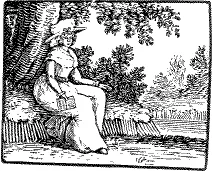
|
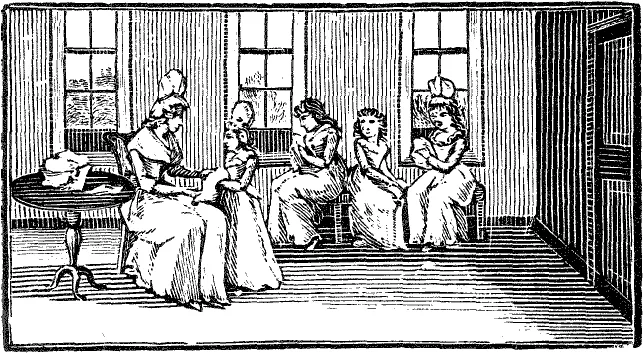
Patty Primrose.
|
|
|
|
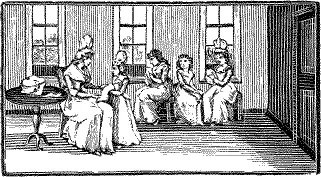
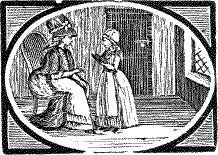
From Primrose Prettyface and her Scholars.
|
|
|
|
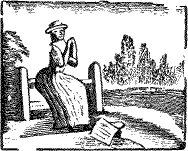
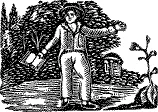
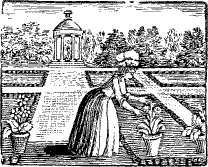
Two Ballad Cuts, by Green, of Knaresborough.
|
|
|
|
Mrs. Winlove’s Rise of Learning.
|
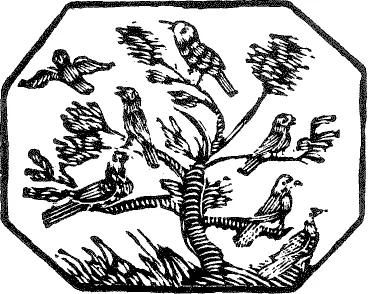
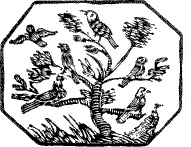
The Concert of Birds, from Tommy Tag.
|
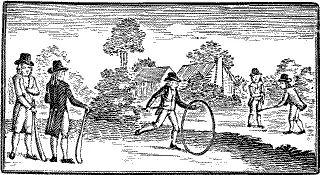
Frontispiece to Tommy Playlove and Joseph Lovebook.
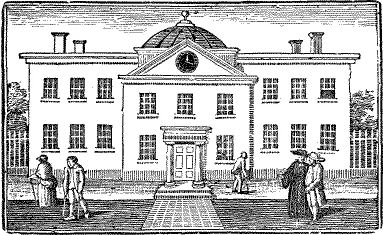
Whitfield’s Tabernacle, Moorfields, or Spa Fields Chapel. (?)
In Blade’s Life of Caxton, the reader will find interesting
examples of the earliest woodcut blocks illustrating the quaint and rare
tomes issued by the Almonry, Westminster, also at Oxford. The Robin Hood
Garland blocks (circa 1680 or earlier), is one of the earliest
provincial blocks with a distinct history. We can trace them in varied
collections used by early London and Provincial printers, and in the
London Bridge printed Chap Book Literature.
Sutton, printer of Nottingham, issued a curious quarto volume of old
woodcuts. He was descended from the celebrated T. Sutton, who founded
the Charterhouse. Some twenty-five years ago I went over the very quaint
collection with the proprietor, and suggested a volume being issued, but
the idea had already been matured by him.
Robert White, the poet and local historian of Newcastle upon
Tyne—by whose favour I reprinted Tommy Trip in 1867—has one
of the choicest, most comprehensive, and rarest libraries of local
stories, garlands, ballads, and chap books, and North country folk-lore
children’s books, almanacks, primers,
“A. B. C.,” horn books, battledores, etc., that
were ever gathered together. I am glad to place on record, that by his
will, his collection will remain intact. The special opportunities
afforded him at the time for collecting them have entirely passed
away.
I believe he was descended from John White, printer for the five
northern counties of England to King William. This is referred to by Mr.
Dodd in his preface to a quarto volume of woodcut impressions. William
Dodd fully appreciated the local interest, by producing a limited
impression of the quaint blocks in his possession.
The Rev. Mr. Hugo had a very large and important collection of blocks
and books, and at his death I arranged and catalogued them for Messrs.
Sotheby, according to the wish of his widow. The Rev. gentleman had
wished his collection to be purchased by the trustees of the British
Museum, but some little hitch occurred and this was not accomplished. In
his collection the Robin Hood block, perforated with worm holes,
realized quite a fancy price.
Among the relics of ancient woodcutting, are some so early and crude in
their execution—quaint as the period they illustrate—as to
really entitle them to the literal name and meaning of woodcuts,
rather than wood-engravings, which they really became in the hands of
the two Bewicks and their numerous school of pupils. Other provincial
publishers were not so favoured as those at Newcastle-on-Tyne, as to
have a Bewick trying his prentice hand on similar series, as used by J.
Bell and others.
The Cock Robin blocks in this collection are certainly the earliest
series I have seen among the thousands I have examined. The York Cries,
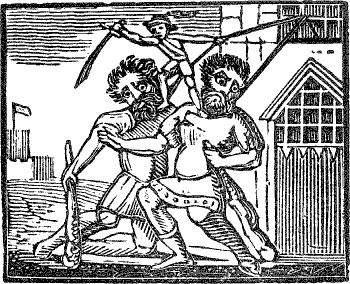
Tom Hickethrift, Jack the Giant Killer, and many kindred cuts, are
evidently from the collection of John White, the early printer, and are
as quaint, as funny and droll in crudity of execution, as any of Thomas
Gent’s, the unique York engraver and bookseller.
The rarity and interest of a collection like the present, with their
varied associations, may be fairly estimated when we consider that the
country printers in those days were not particular in making the same
woodcut do duty in most incongrous and inapplicable positions and
subjects.
We have met with a block in a child’s book, then the identical
woodcut on a ballad, catchpenny, or last dying speech and confession,
setting at defiance any suitability of illustration,
or adaptability to the text matter. Of course now, some of these
examples are exceedingly ludicrous, and do not fail to excite merriment,
and often add to the intrinsic value of the article, as may be judged by
numerous examples that have occurred in our literary auction marts
during the last half century.
Besides it must be taken fair notice of that a genuine wood-engraving,
or woodcut block may soon become a curiosity of the past, owing to the
improved methods of illustrating children’s books. Many of
Bewick’s blocks are veritable paintings on boxwood, and are as
much classical works of art as work by Josiah Wedgwood, and his able
coadjutor, J. Flaxman are in Fine Art. These early crude, quaint, droll
little pioneer wood blocks will ever remain of great and even historical
interest as showing the progress and influence on the illustrated
literature of the civilized world.
Many of our readers have heard of Banbury Cross and Banbury cakes, and
other famous juvenile associations, as the lady with bells on her toes,
but it was also connected with the production of books for juvenile
readers. A great portion of the blocks in this volume are Banbury blocks
used for illustrating the toy books, children’s histories, etc.,
for which this quaint old Oxfordshire town was famous. Many of them are
connected with the early printing and engraving carried on in this and
other towns of England. A quantity of the blocks were used in the books
printed by John White of York, who established himself, as before
mentioned, as a printer in Newcastle-on-Tyne, bringing with him a stock
of quaint old blocks formerly his father’s [at York], where he was
sole printer to King William, for the five northern counties of
England.
Boswell has recorded several conversations of Oliver Goldsmith with Dr.
Johnson, in which the warm-hearted poet expressed a wish, “to make
fishes, animals, birds, etc., talk, or appear so to do, for the
amusement and instruction of children.” In the National Collection
is “The Valentine’s Gift, or a Plan to enable children of
all sizes and denomination to behave with honour, integrity, and
humanity, very necessary to a trading nation: to which is added some
account of Old Zigzag, and of the Horn with which he used to understand
the language of birds, beasts, fishes and insects,” etc.,
“Printed for Francis Power, (grandson to the late Mr. J. Newbery)
and Co., No. 65, St. Paul’s Churchyard, 1790, price sixpence,
bound in gilt dutch paper binding, 105 and iii pages”.
Numerous books were sold by Francis Power, No. 65, near the Bar,
in St. Paul’s Churchyard, London; his list comprises “Giles
Gingerbread,” “Tom Thumb’s Folio,” “The
London Cries, taken from the Life,” “The Lilliputian
Auction,” by Charley Chatter, “Nurse Truelove’s
Christmas Box,” “New Year’s Gift,” “The
History of Little Goody Two Shoes,” new edition, “Adventures
of a Bee,” “The Little Lottery Book,” “A Pretty
Plaything for Children,” “The Lilliputian Magazine,”
“The Picture Exhibition,” “Lilliputian
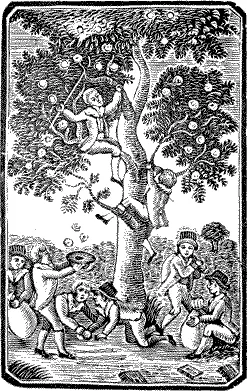
Masquerade,” “Juvenile Trials for Robbing Orchards and
Telling Fibs,” “Pretty Poems by Tommy Tagg, for children
three feet high,” “A Pretty Book of Pictures,
or Tommy Tripp’s History,” “The Drawing School by
Master Angelo,” “Poetical Flower Garden,” “Tommy
Trapwit’s Be Merry and Wise,” “Lecture upon
Toys,” 2 vols; “Pretty Poems for children six feet
high,” “The Museum,” “Polite Academy,”
“Poetical Flower Basket,” “Mother Goose’s Fairy
Tales,” “A Spelling Dictionary, Rhetoric; Logic; Arithmetic;
History; Chronology; Geography;” “Vicar of Wakefield.”
Most of the latter except “Vicar” formed a circle of the
sciences licensed by approval of the King, each dedicated to a youthful
nobleman, by “John Newbery.” The size was
“snuffbox,” or
waistcoat pocket (capacious in 1790, see “School for
Scandal,” etc., Costume, etc.) Documentary evidence and receipts
in Goldsmith’s handwriting, acknowledging various sums for writing
the “Rhetorick,” and others of the above exist. Goldsmith
also did numerous Abridgements of the Old and New Testaments, Robinson
Crusoe, Pamela, Clarissa Harlow, Sir Chas. Grandison, all in this
juvenile series for J. Newbery.
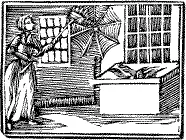
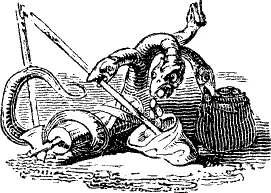
The Spider, from Bunyan’s Divine Emblems.
This was a most popular juvenile brochure, at end of eighteenth century.
The early editions of J. Bunyan’s Works, 2 vols, folio, had the
Divine Emblems at end of vol 2, with quaint old woodcuts. These were
industriously copied in reduced sizes, and published from 1d. to 6d., by
various London and Provincial “toy book” manufacturers. The
above is a solitary representative of the illustrations of one of these
rare editions of “Bunyan.”
|
|
|
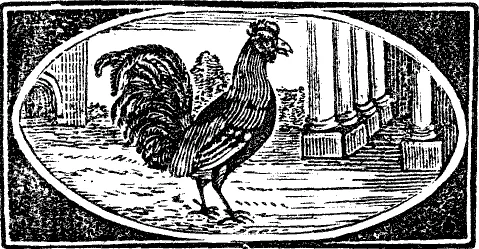
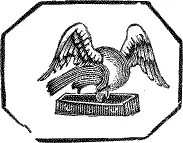
From Evans’s Cock Robin.
|
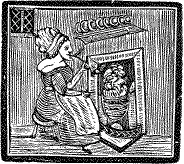
Frontispiece to Farthing Cinderella.
|
Tobacco Paper Cut and Tavern Sign.
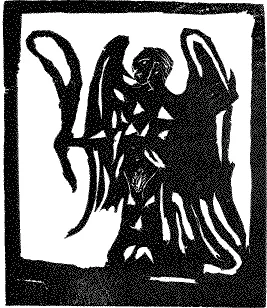
Very Early Ballad, D——l cut, etc.
John Evans, 42, Long Lane, West Smithfield, circa 1791, brought out some
singular little farthing children’s books, printed on coarse sugar
paper, also ballads, single-sheet songs, and “patters.” One,
“The tragical death of an Apple Pye, cut in pieces and eat, by
twenty-five gentlemen, with whom all little people ought to be very well
acquainted.”
J. Drewey, Irongate, Derby, brought out some entertaining fables, in
which the following woodcuts were used again.
John Evans issued “Cock Robin, a pretty gilded toy for either girl
or boy,” in which the early cut on page 12 was used. This rare
edition has the following comical variation from the orthodox
version:
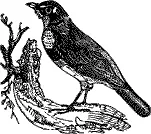
“Little Robin Redbreast sat upon a pole,
Wiggle-waggle went its tail, and p—p went its hole.”
That quaint divine Dean Swift of St. Patricks, Dublin, edited some
curious poetry for “A Royal Primer,” sqr. 32mo, published in
the Seven Dials, of Dublin (“Rainbow Court”).
“Ech, ech, my dear’y, and
Ach, ach, my love.
“There was a little man who had a little gun, and
“There was a little maid who was very much afraid
To get wed, wed, wed,” etc.
This is long and curious, and was greatly altered and abreviated in
early 19th Century Editions.
Providing ourselves with a variety of pens and ink, we select two of the
best and proceed to describe the Banbury Printer’s old stock of
cuts.
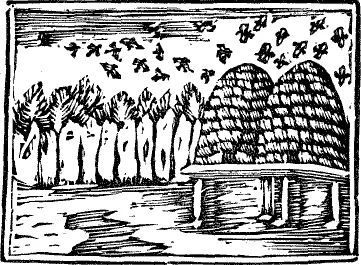
Banbury, Oxfordshire, was one of the chief provincial towns noted for
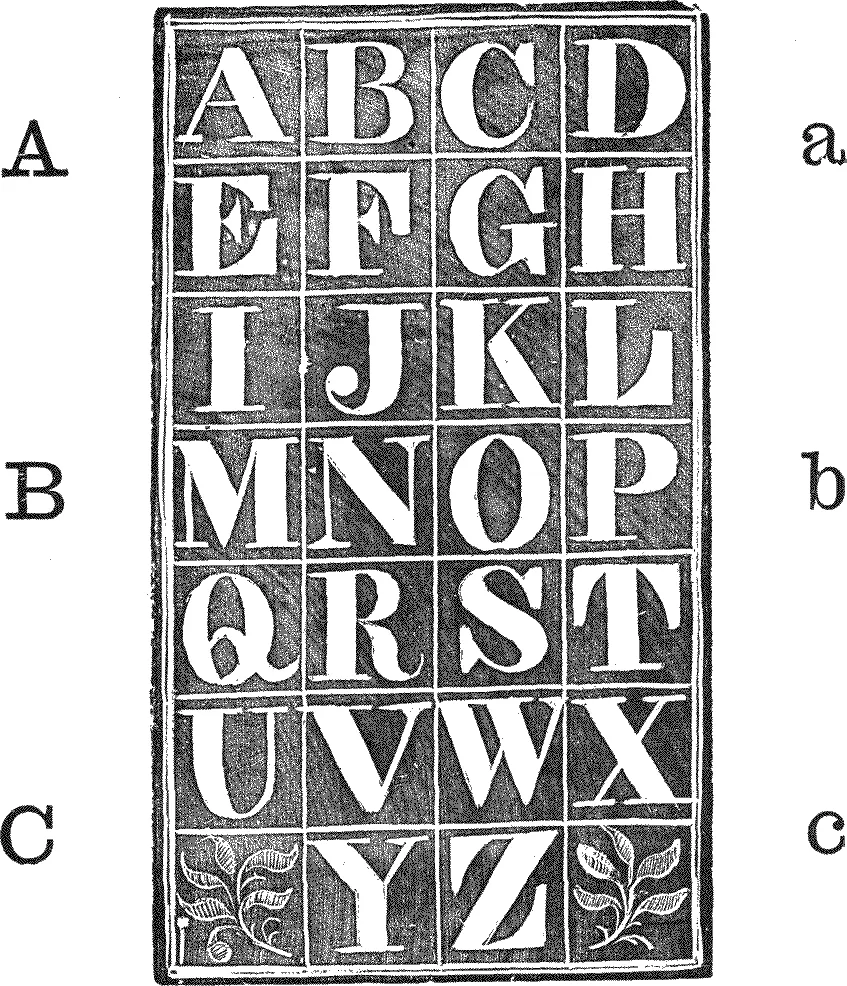
its Children’s Books, Chap Books, Battledoes, Reading Easies, etc., also for
locally printed works,
notably for two, viz., Dr. Johnson’s Rasselas, and White
and Beesley’s work on Bees,
thin 12mo volumes, boards, printed
in a curious phonetic character, called “Rusher’s
Types.” Rusher, printer of this town, had some ingenuity and
originality of his own, and was not such a plagiarist and imitator as
some of his contemporaries. Many of the tales he cleverly adapted to the
locality, which have become very valuable. His edition of the Rasselas
realized £5 5s. This book was written by Johnson in a week to defray his
mother’s funeral expenses.
We give several extracts from some of Rusher’s Penny Books which
will show how well he adapted them to his town.
[Early John Bewick,] Rusher’s Lilliputian Library, Banbury,
circa.
1810.
|
At Rusher’s fam’d Warehouse,
Books, Pictures and Toys
Are selling to please all
The good girls and boys.
For youth of all ages
There’s plenty in store,
Amusement, instruction,
For rich and the poor.
|
|
|
|
From the New House that Jack Built.
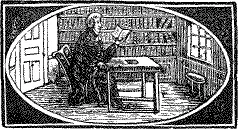
See Jack in his study,
Is writting a
book,
As pretty as this is
In which you may look;
The price is one penny,
For girls or for boys,
There’s more too at Rusher’s,
And Pictures and Toys.
|
Poetic Trifles.
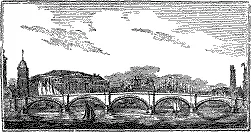
Sing see-saw, Jack thatching the ridge,
Which is the way to Banbury-bridge?
One foot up and t’other foot down,
And that’s the way to Banbury town.
|
|
As I was going to Banbury
Upon a summer’s day,
My dame had butter, eggs and fruit,
And I had corn and hay,
Joe drove the ox and Tom the swine,
Dick took the foal and mare:
I sold them all—then home to dine
From famous Banbury Fair.
Here’s something new
Dear child for you,
I will please you in a trice
A halfp’ny chuse,
Now don’t refuse,
A penny is the price.
Tho’ basely born
Pray do not scorn
A Tale no worse than many
For I’m afraid
More say in trade,
A halfp’ny’s made a penny.
Good things to engross,
Near Banbury cross
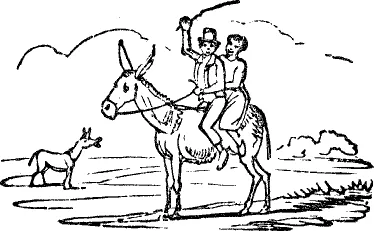
Where Tommy shall go on the nag,
He makes no mistake,
Buy a Banbury Cake,
Books, Pictures, and Banbury Shag.
|
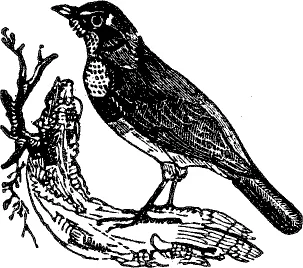
Little Robin Redbreast
Sat upon a tree
He sang merrily
As merrily could be.
He nodded with his head
And his tail waggled he
As little Robin Redbreast
Sat upon a tree.
Now each lad and each lass
Both sister and brother
May have books for each class
For Father or Mother.
And when with much pleasure
You’ve read them all o’er,
Then hasten to Rusher’s,
He’s printing some more.
Where each daughter and son
And each nephew and niece,
Each good child may have one,
For a penny a piece.
Black your shoes, your Honour?
Here’s Finiky Hawkes,
As busy as any,
Will well black your shoes,
And charge but a penny.
|
The following little “Banbury Cake” Book is so
excessively rare, we give the text verbatim.
OF A
AN ENTERTAINING BOOK FOR CHILDREN.
BANBURY:
Printed and Sold by J. G.
Rusher,
BRIDGE STREET.
PRICE ONE PENNY.
PREFACE.
It will be thought very odd, I doubt
not, by each little boy and girl into whose hands this book shall fall,
that a Banbury Cake should be able to write (as it were) its own
life; but as they advance in years, they will find that many strange
things happen every day—I shall therefore without more words to
the bargain proceed with my story.
HISTORY OF A BANBURY CAKE.
I was born or made (whichever you please, my little reader) at Banbury
in the county of Oxford, as you can plainly conceive by my title, where
great numbers of Cakes are brought into being daily; and from whence
they travel by coach, chaise, waggon, cart horse and foot into all parts
of this Kingdom: nay and beyond the seas, as I heard my maker declare
that he had, more then once sent some of them into France.
Soon after I was made, and while I was yet warm from the oven, I was
sold by my maker’s fair daughter to a person on horseback for
twopence.
With this person I took my first journey to Oxford; he rode a very fine
Black Horse. As soon as he came home, he gave me to his son a lovely
little boy, about seven years of age, and one as I found to my comfort
not only lovely in person but in temper also. His name was Tommy, and he
was praised and loved by all that knew him, and had often presents of
cakes, toys and little books, and other things that are proper for
children of his age; the books he kept with great care as things of
value and worthy of his notice, but other trinkets he seemed to
despise.
Tommy and his cousin were taken to see Mr. Polito’s collection of
wild beasts and birds, which were then exhibiting at Oxford, among which
were a large lion, an eagle, and many other natural curiosities, which
sight was very entertaining, as Tommy and his cousin had never seen such
before. They afterwards walked into the Colleges, round Christ Church
College Meadow, and indeed saw all the curiosities about Oxford.
(The Banbury Cake).
We give a Bibliographical List, as perfect as is possible to date, of
the “Halfpenny Series” of little History and Story Books
issued at Rusher’s Banbury Press, some even with the same titles
as the “Penny Series,” yet totally different in arrangement
and woodcuts, used, as comparison in the Bodleian Library will readily show:
Mother Hubbard and her Dog; Nursery Rymmes from the Royal Collections;
Poetic Trifles for young Gentlemen and Ladies; The Cries of Banbury,
London, and Celebrated Stories; Children in the Wood, Historical Ballad
(Norfolk?); Children in the Wood, Restored by Honestus; Hermit of the
Forest (Cumberland); Jack the Giant Killer, a Hero, celebrated by
Ancient Historians (Cornwall); Robinson Crusoe; Nursery Poems from the
Ancient and Modern Poets; Jack and Gill and Old Dame Gill; Read who
will, They’ll laugh their fill; Dick Whittington and his Cat; The
History of Tom Thumb (Middlesex); Death and Burial of Cock Robin;
Renowned History of Dame Trot and her Cat; London Jingles and Country
Tales for Young People; Tom, Tom, the Piper’ Son; Cinderella and her Glass
Slipper; Jack Spratt and his Wife Joan, etc. etc.
|
|
|
Bewick School, used in Rusher’s Banbury Toy Books.
|
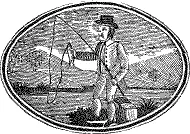
|
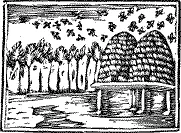
|
|
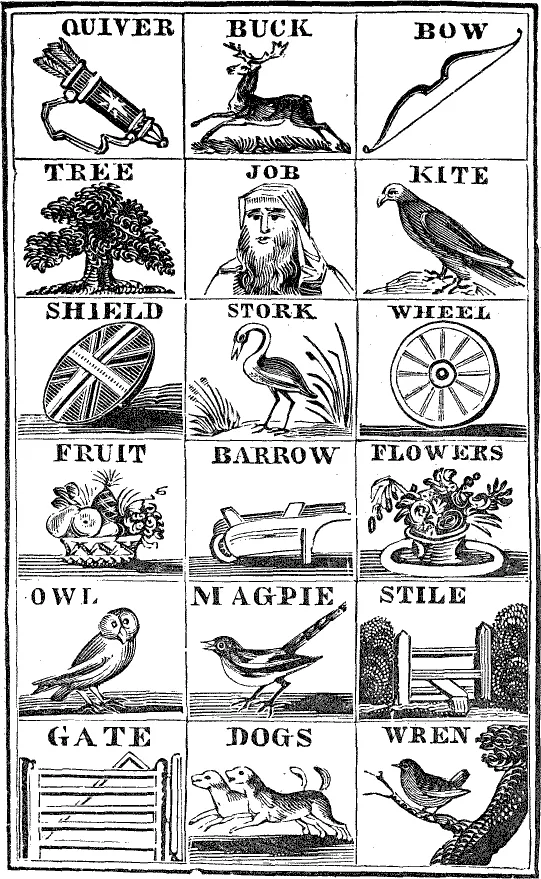
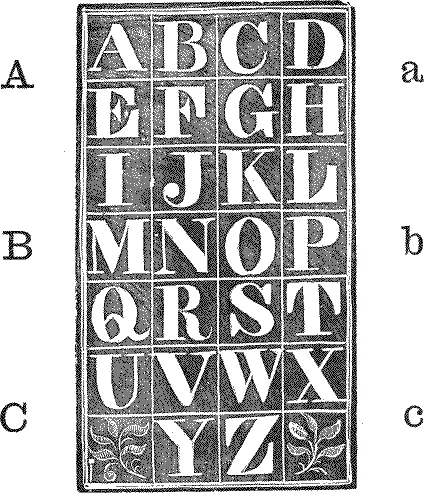
Used by Rusher in his Banbury Horn Books, Battledores, Galloping
Guide to A, B, C, Primers, Reading Made Easy, Spelling Books, etc.
|
|
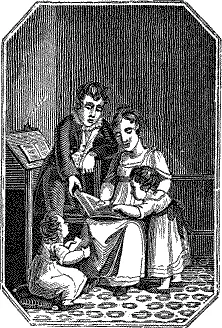
Rusher’s Banbury Battledore and Reading Made Easy
blocks, show the next improvement on the old Horn Books. Then
Rusher published a Galloping Guide to the A B C., for which see
next page.
|
|
|
|
|
|
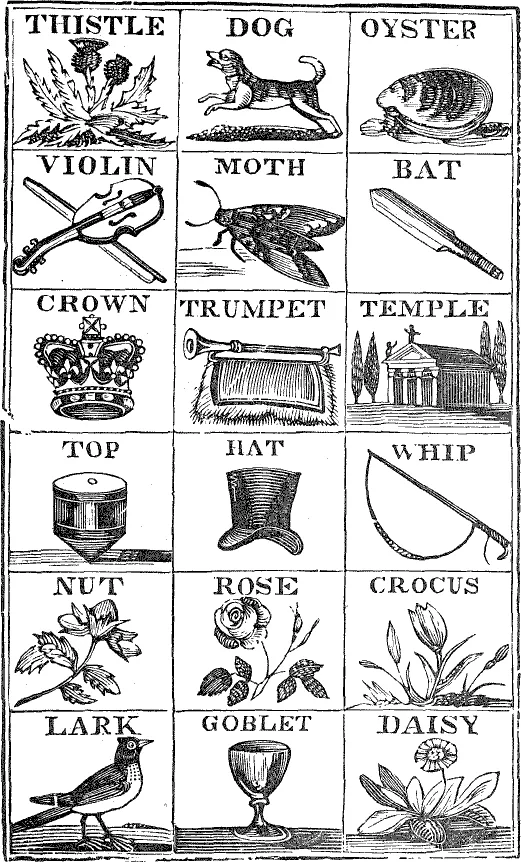
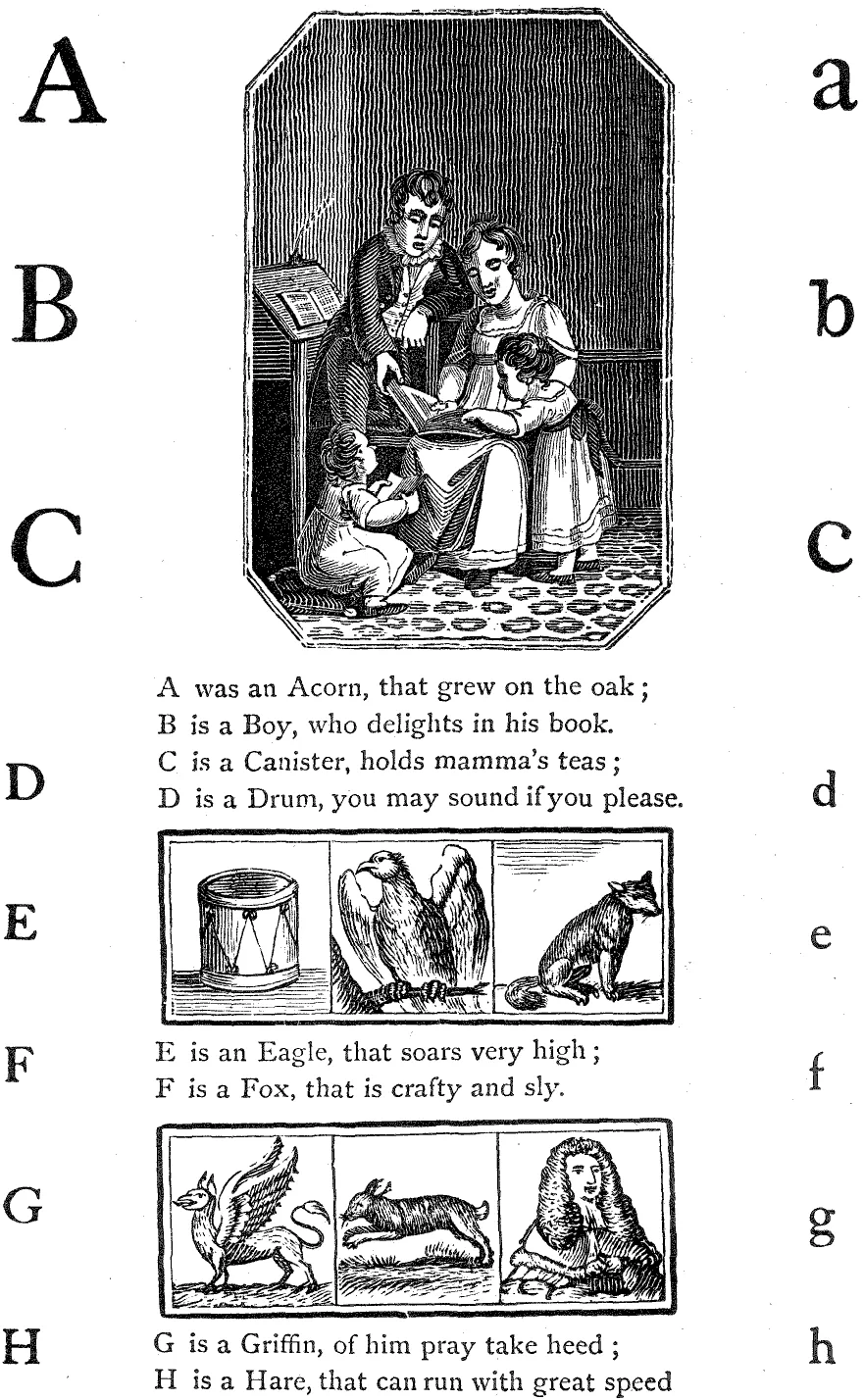
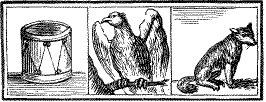
A was an Acorn, that grew on the oak;
B is a Boy, who delights in his book.
C is a Canister, holds mamma’s teas;
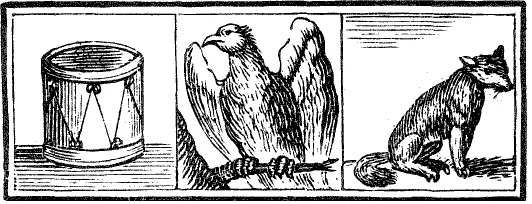
D is a Drum, you may sound if you please.
|
|
|
|
|
|
|
|
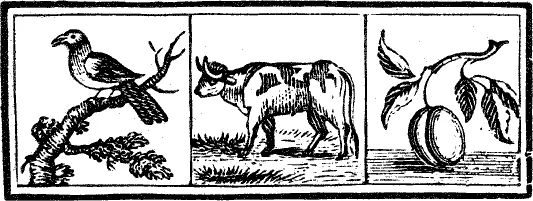
E is an Eagle, that soars very high;
F is a Fox, that is crafty and sly.
|
|
|
|
|
|
|
|
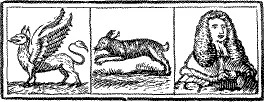
G is a Griffin, of him pray take heed;
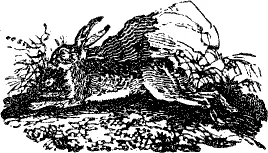
H is a Hare, that can run with great speed.
|
|
|
|
|
|
|
|
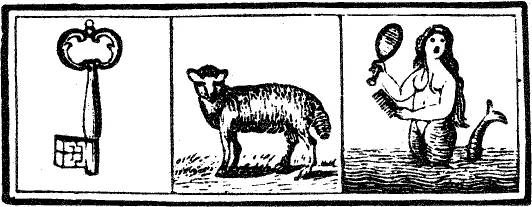
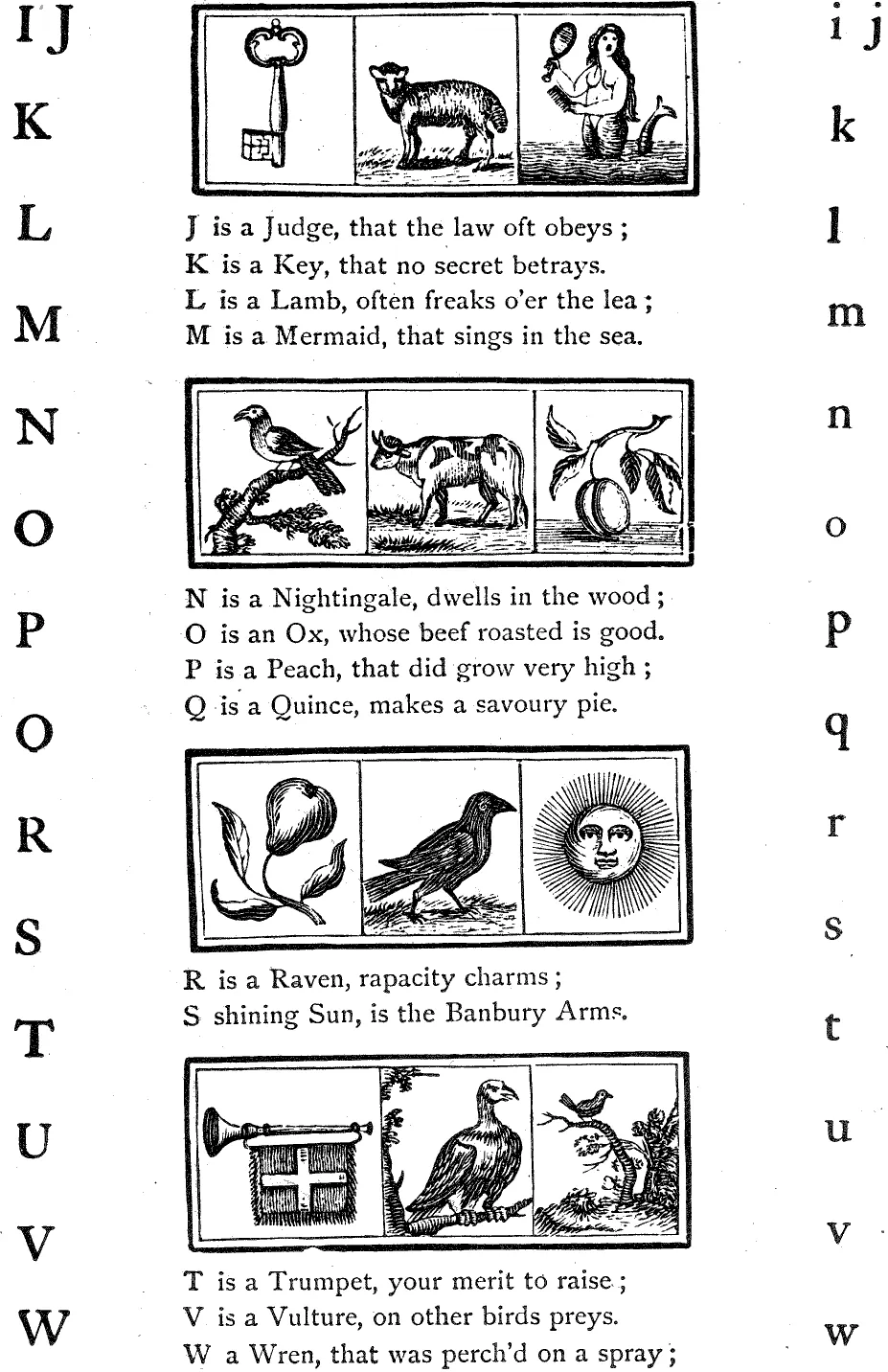
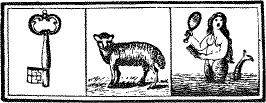
J is a Judge, that the law oft obeys;
K is a Key, that no secret betrays.
L is a Lamb, often freaks o’er the lea;
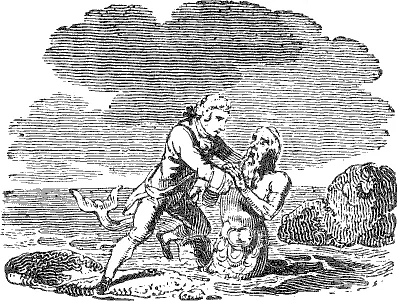
M is a Mermaid, that sings in the sea.
|
|
|
|
|
|
|
|
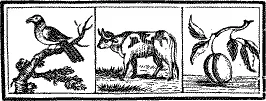
N is a Nightingale, dwells in the wood;
O is an Ox, whose beef roasted is good.
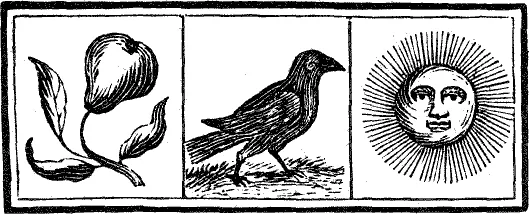
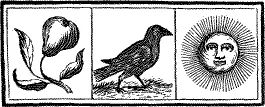
P is a Peach, that did grow very high;
Q is a Quince, makes a savoury pie.
|
|
|
|
|
|
|
|
R is a Raven, rapacity charms;
S shining Sun, is the Banbury Arms.
|
|
|
|
|
|
|
|
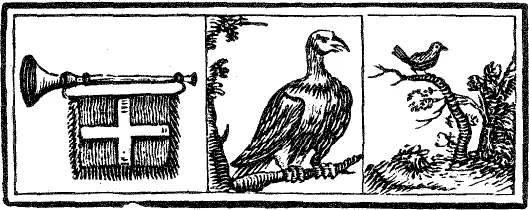
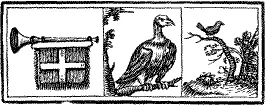
T is a Trumpet, your merit to raise;
V is a Vulture, on other birds preys.
W a Wren, that was perch’d on a spray;
|
|
|
|
|
|
|
|
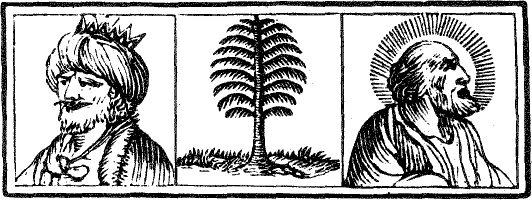
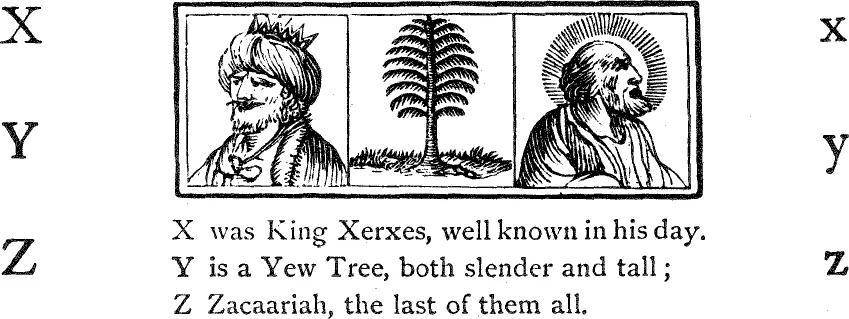
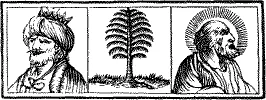
X was King Xerxes, well known in his day.
Y is a Yew Tree, both slender and tall;
Z Zacaariah, the last of them all.
|
|
|
|
|
Reading made Easie, copy of Bewick.
|
You are Old Father William, by Green.
|
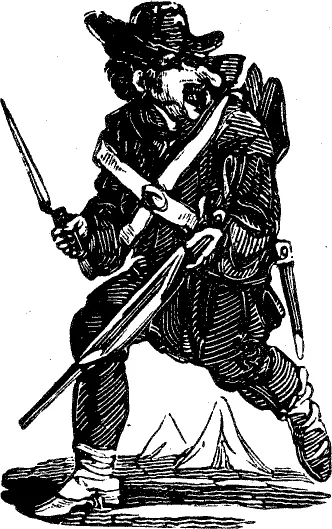
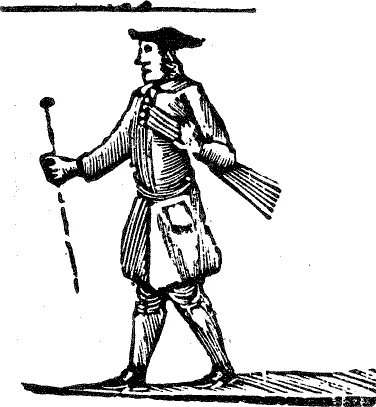
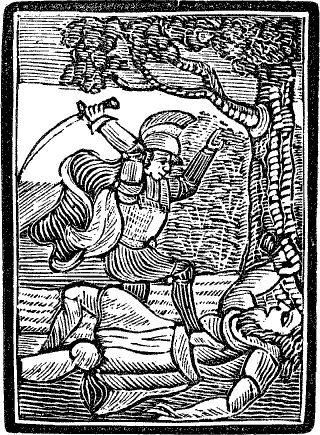
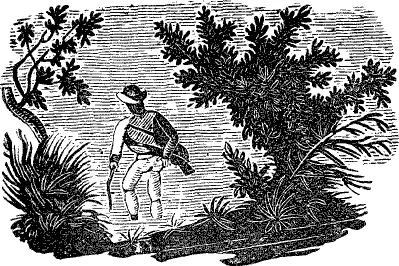
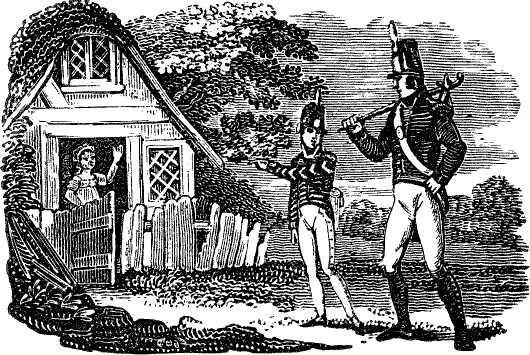
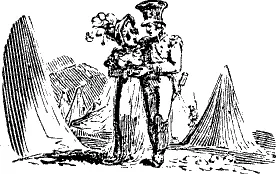
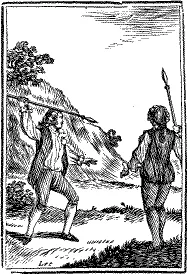
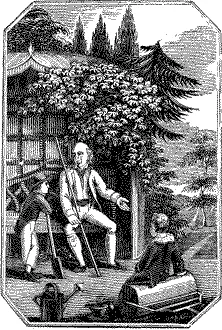
The above woodcut of a Fugitive Soldier (designed by Craig, and engraved
by Lee) was used on the back of the cover of this little book, as issued
by J. G. Rusher at Banbury.
|
|
|
|
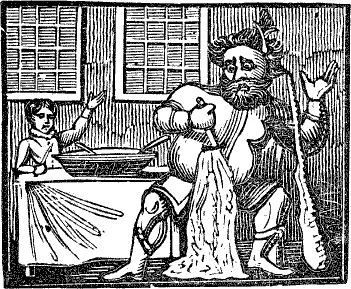
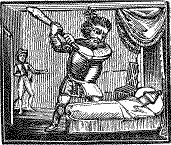
Jack’s Artfulness.
|
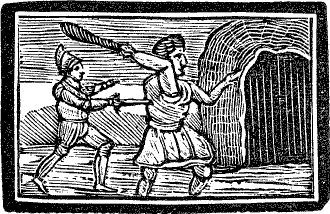
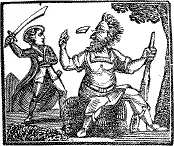
Jack shows the Giant a trick.
|
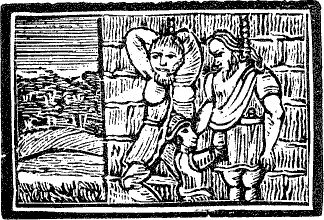
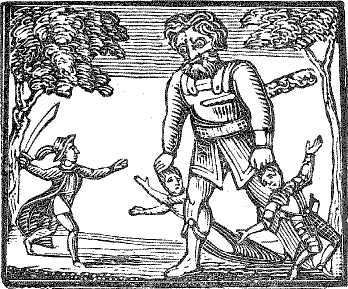
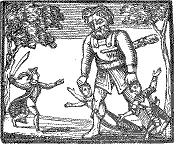
The Giant and his Prisoners.
|
|
|
|
|
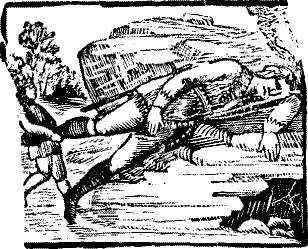
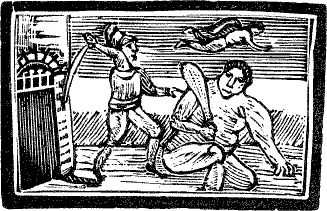
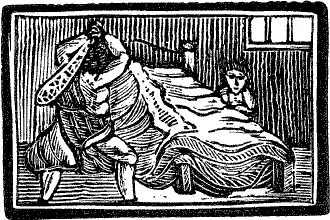
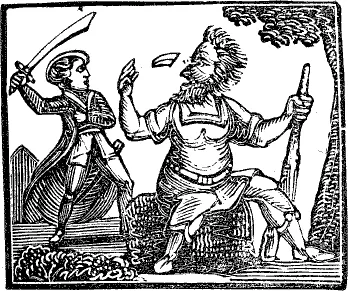
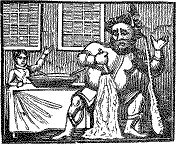
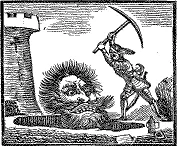
Jack slices off the Giant’s nose.
|
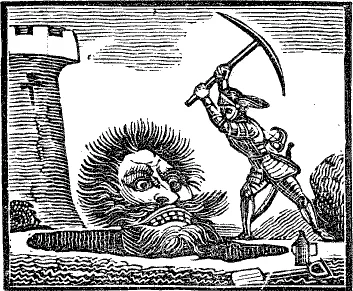
Jack kills Blunderbore.
|
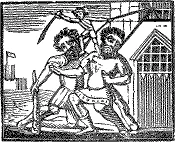
Jack strangles the Giants.
|
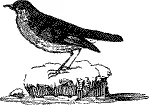
DEATH AND BURIAL OF COCK ROBIN.
|
|
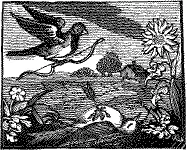
|
|
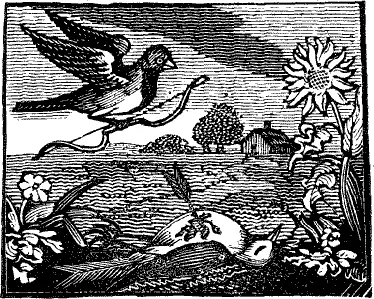
Who killed Cock Robin?
|
|
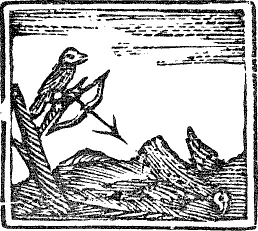
I, said the sparrow,
With my bow and arrow,
I killed Cock Robin!
|
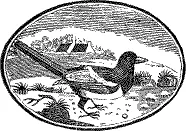
|
|
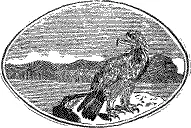
|
|
This is the pie
That saw him die.
|
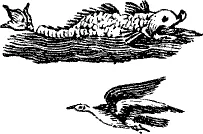
Who caught his blood?
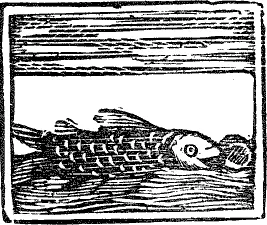
I said the fish,
With my little dish,
I caught his blood!
|
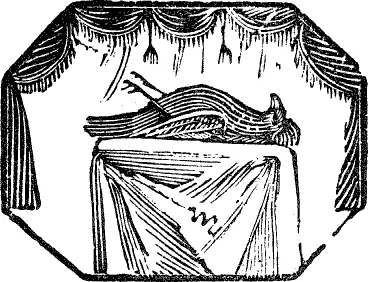
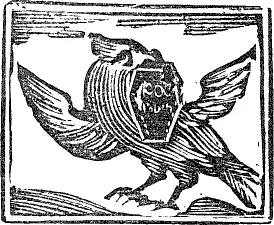
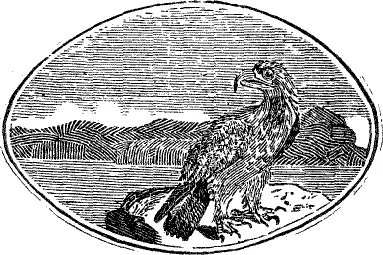
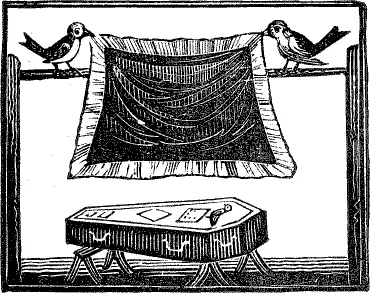
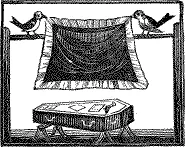
Who made his shroud?
I, said the Eagle,
With my thread and needle!
|
|

|
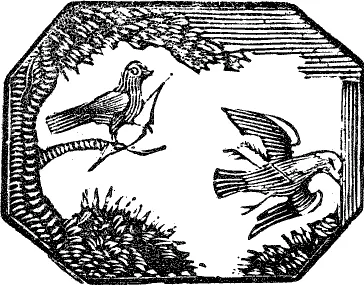
|
|
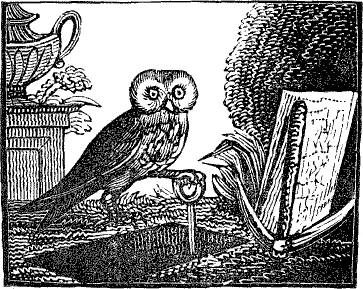
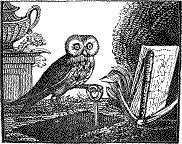
This is the Owl so brave
That dug Cock Robin’s grave.
|
|
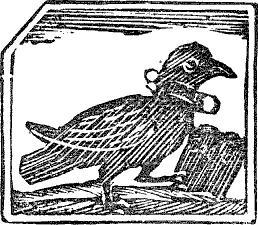
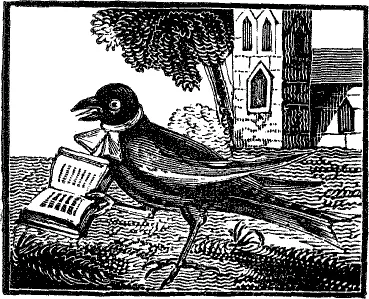
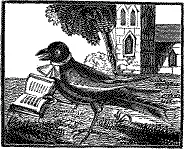
Who’ll be the parson?
I, said the Rook.
|
|
|
|
|
Who’ll be the clerk?
I, said the lark.
|
|
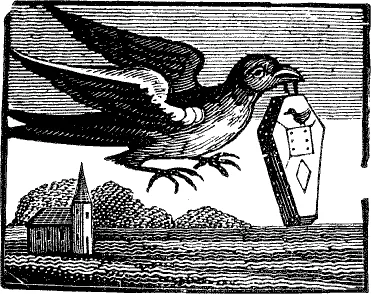
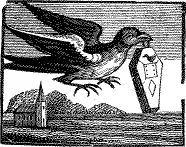
Who’ll carry him to his grave?
I, said the kite.
|
|
|
|
|
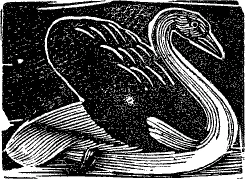
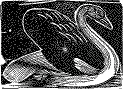
Who’ll be the chief mourner?
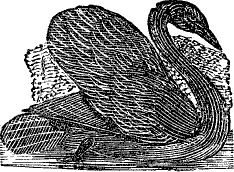
I, said the swan.
|
|
Who’ll bear his Pall?
We, said the wrens.
|
|
|
|
|
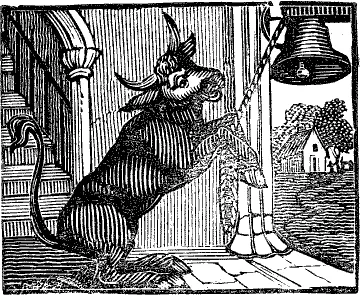
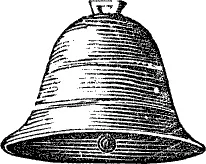
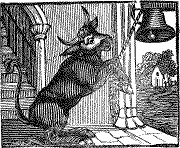
Who’ll toll the bell?
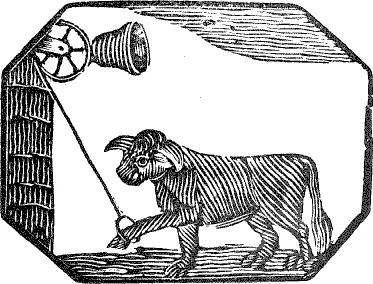
I, said the Bull.
|
|
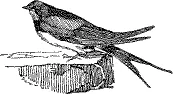
Who’ll lead the way?
I, said the martin.
|
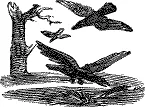
|
|
The birds of the air fell a sighing and sobbing,
When they heard the bell toll for poor Cock Robin.
|
|
|
THE
|
|
|
|
|
|
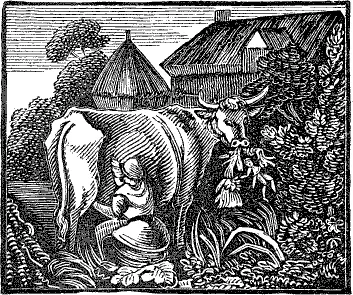
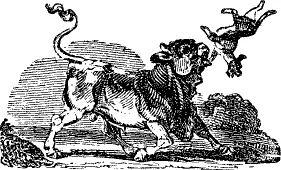
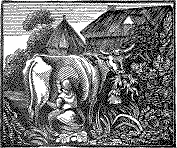
The cow took Tom Thumb
With a mouthful of grass.
|
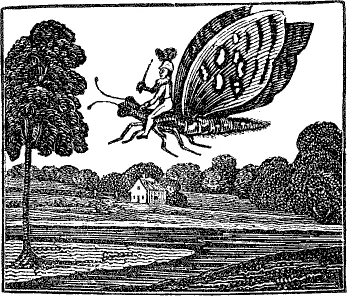
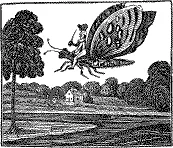
His butterfly mounted,
And rode o’er the stream.
|
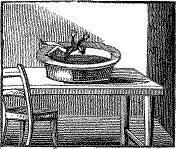
He climbed up the edge,
And fell in the bowl.
|
|
|
|
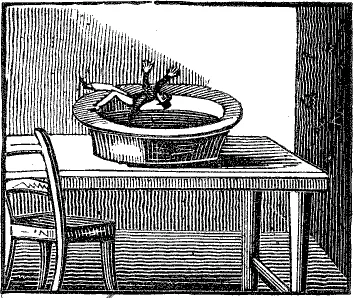
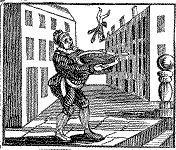
Tom soused in the firmity,
And had a great fall.
|
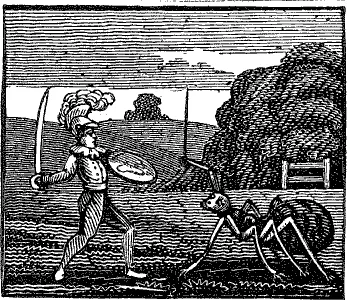
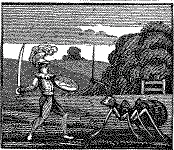
The breath of the spider
In the midst of the strife
Was too much for Sir Thomas,
And cost him his life.
|
|
|
|
|
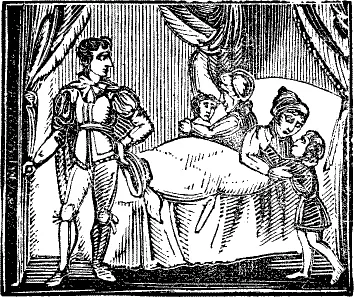
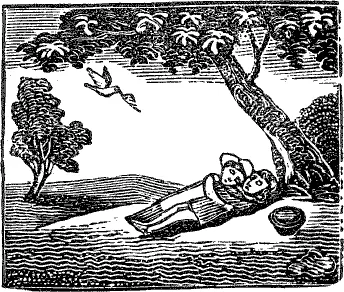
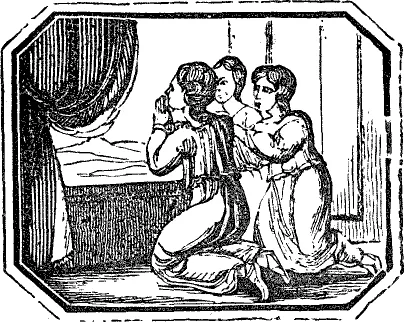
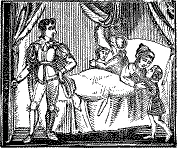
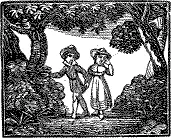
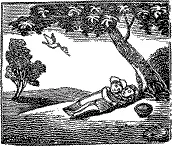
With clay-cold lips the babes they kissed.
|
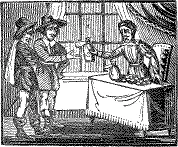
He bargained with two ruffians strong.
|
|
|
|
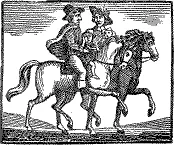
Away the little babes were sent.
|
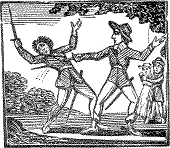
To fight they go right suddenly.
|
|
|
|
Then hand in hand they took their way.
|
Till death did end their grief.
|
|
Early Cruikshank School.
|
|
|
|
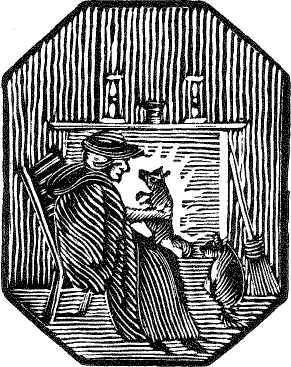
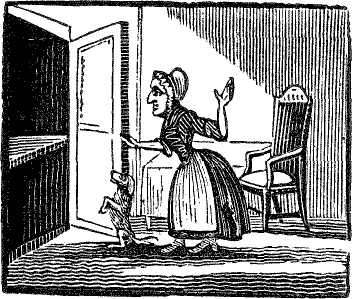
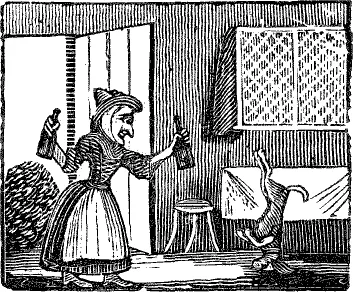
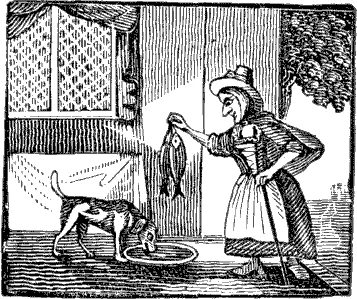
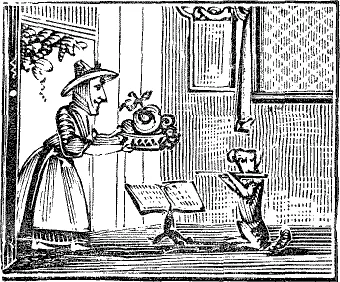
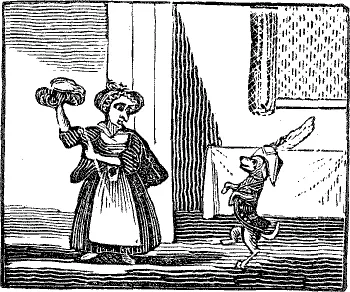
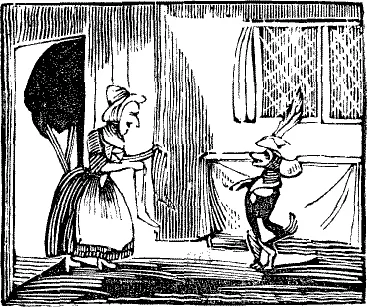
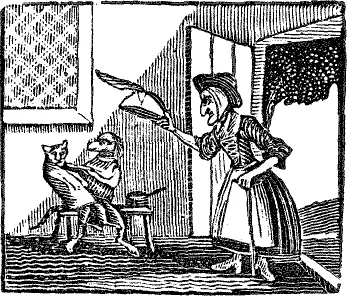
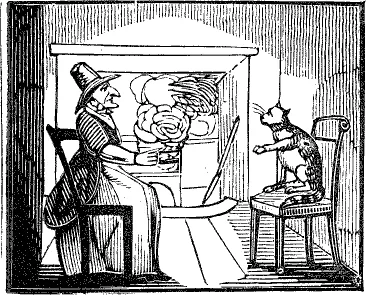
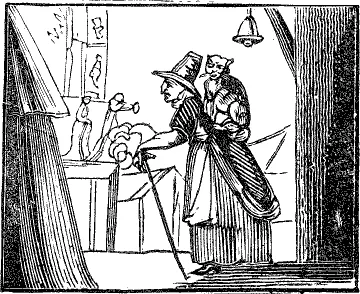
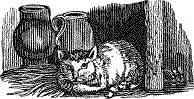
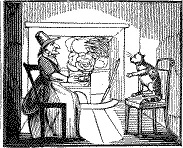
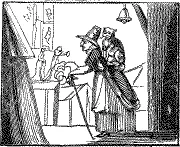
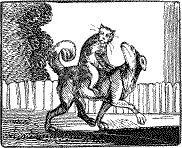
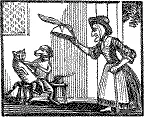
Dame Trot.
|
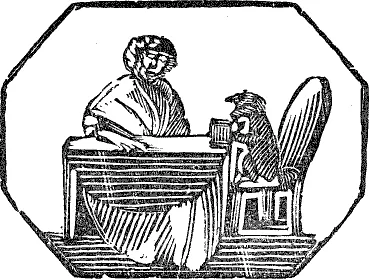
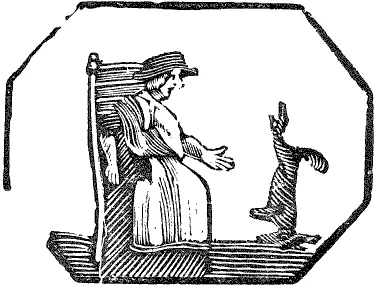
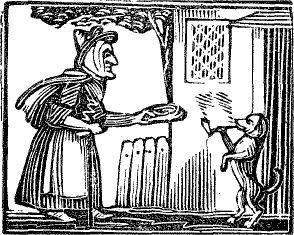
Dame Trot’s Cat.
|
|
|
|
|
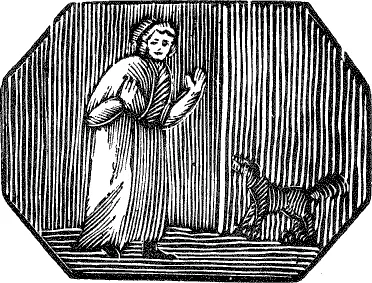
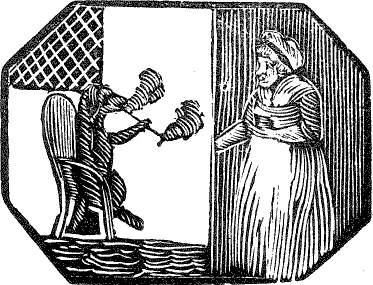
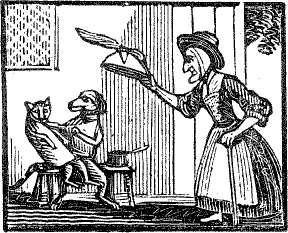
Dame teaches the Cat.
|
Dame takes her to market.
|
Riding.
|
|
|
|
|
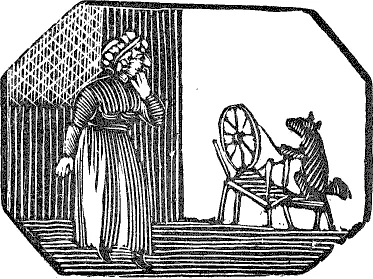
The Cat smells a Rat.
|
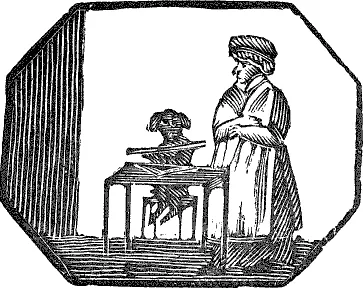
Dressing.
|
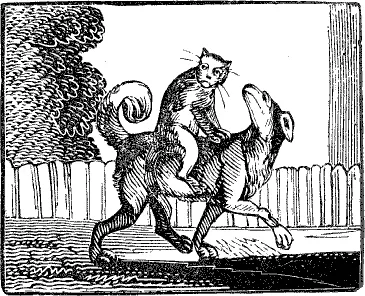
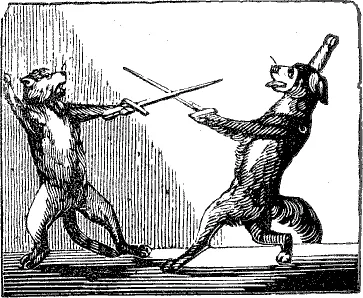
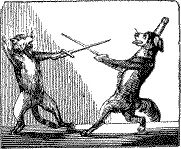
The Cat fights Dog Ball.
|
|
|
|
|
|
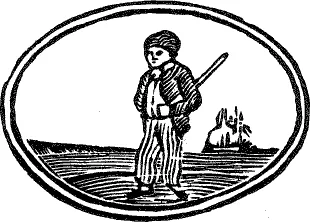
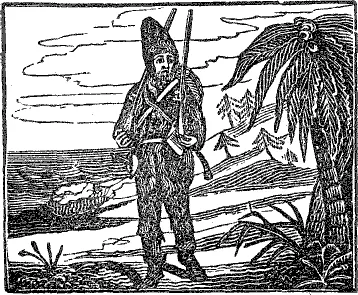
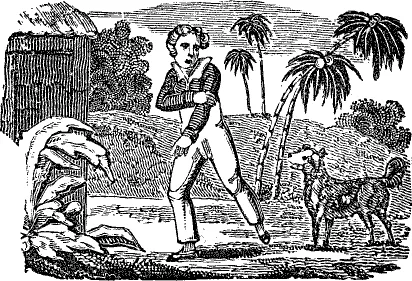
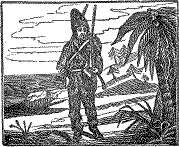
“Robinson Crusoe, he
Was determined to go to sea”
|
|
|
|
|
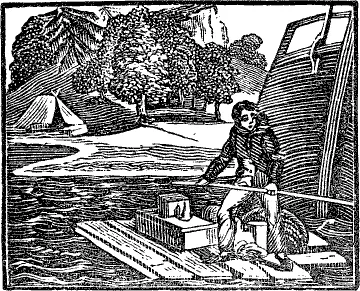
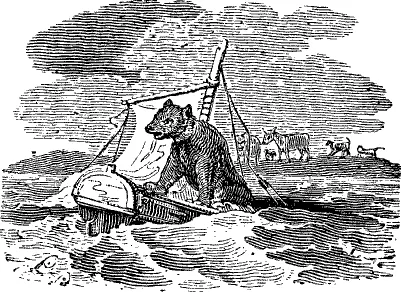
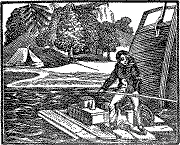
The Raft.
|
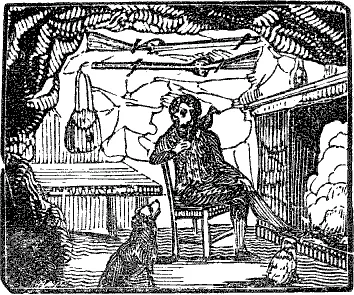
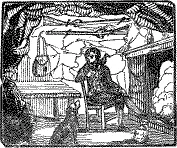
At Home.
|
|
|
|
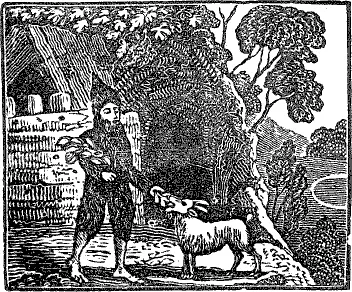
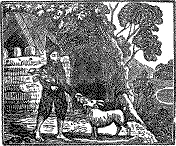
The Tame Goat.
|
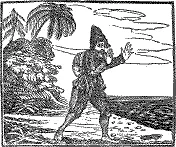
The Footprints.
|
|
|
|
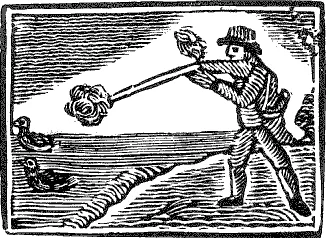
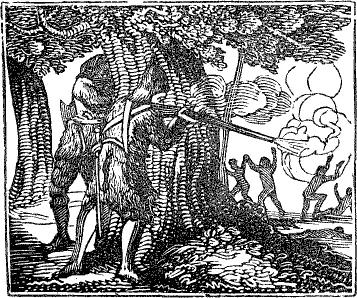
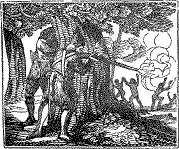
Shooting Savages.
|
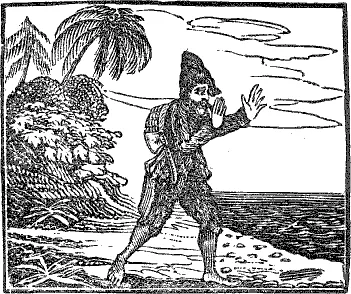
Traversing the Island.
|
Designed by Cruikshank, engraved by Dranston.
|
Cruikshank School.
|
|
|
|
|
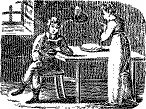
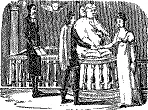
Jack and his Wife.
|
Jack Sprat goes courting.
|
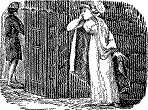
Joan goes for a walk.
|
|
|
|
|
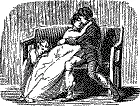
Jack’s Marriage.
|
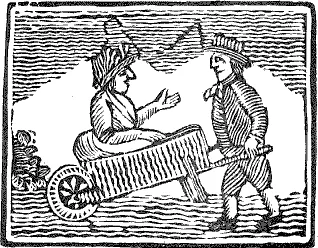
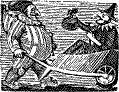
Jack wheeling his Wife.
|
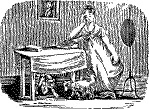
Joan sits in her chair.
|
|
|
|
|
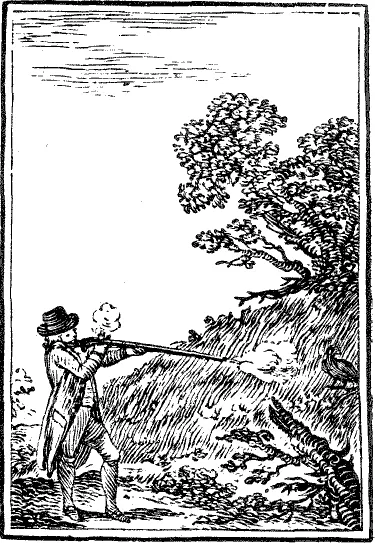
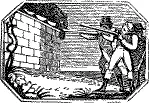
Jack takes his gun.
|
But the birds don’t care.
|
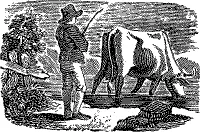
Jack buys a cow.
|
|
|
|
|
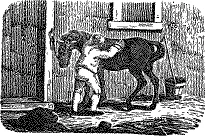
Jack buys a mare.
|
Jack rests.
|
And grows fat.
|
|
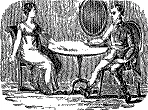
Published by Rusher, circa 1814. Designed by Cruikshank, and engraved
by Branstone. A copy is in the Bodleian Library.
|
|
|
|
Cinderella.
|
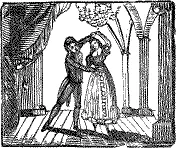
Cinderella dressing for the Ball.
|
|
|
|
Cinderella going to the Ball in a fine coach.
|
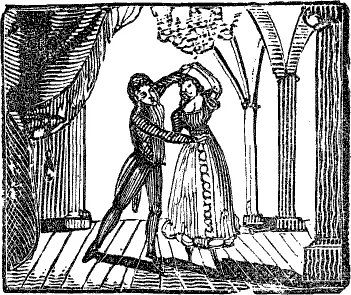
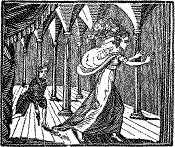
Cinderella dancing with the King’s Son.
|
|
|
|
|
Cinderella drops one of her glass slippers.
|
|
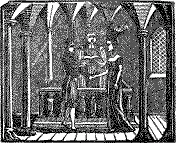
Cinderella marries the Prince.
|
|
|
|
|
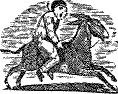
Jack and Jill
Went up the hill.
|
Then up Jack got,
And home did trot.
|
Then Jill came in,
And she did grin.
|
|
|
|
|
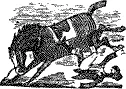
They rode dog Ball,
And Jill did fall.
|
Says Jill, I’ll tell
You how Jack fell.
|
I’ll try, says Jack,
Upon his back.
|
|
|

|
|
Now Jill did laugh,
And Jack did cry.
|
They first rode high,
And then rode low.
|
The very next thing
They made a swing.
|
|
|
|
|
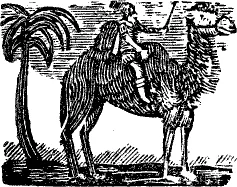
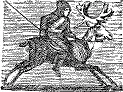
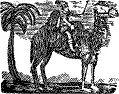
Camel came by.
Says Jack, I’ll try.
|
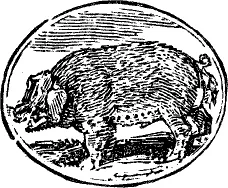
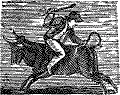
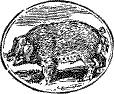
The pig he squalled,
While Jack he bawled.
|
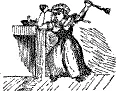
Hearing the rout,
The dame came out.
|
|
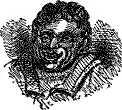
Read it who will,
|
|
They’ll laugh they fill.
|
|
Designed by Cruikshank, and engraved by Branstone; published by
Rusher about 1814. An original copy is in the Bodleian Library.
|
|
|
|
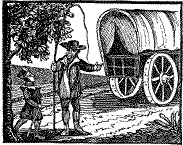
Dick goes on his travels.
|
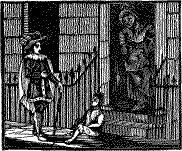
And meets with a kind Merchant.
|
|
|
|
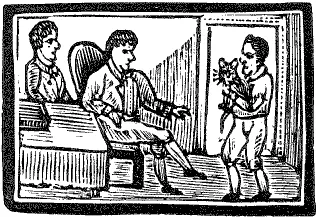
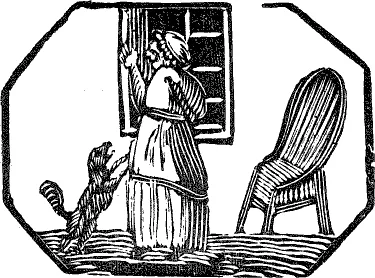
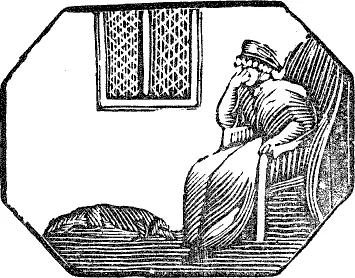
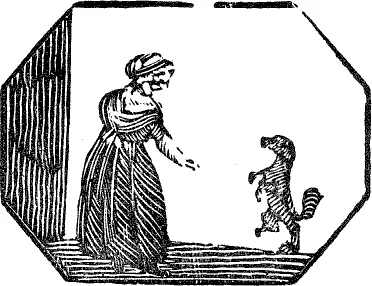
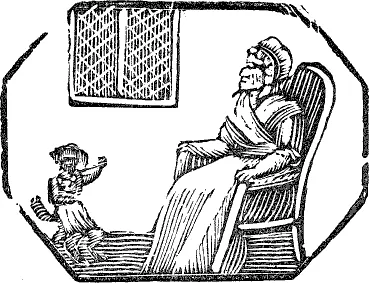
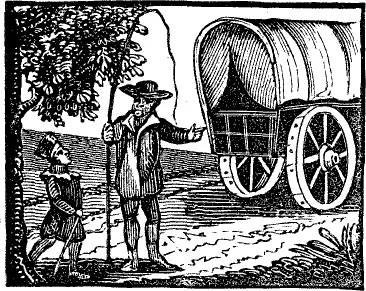
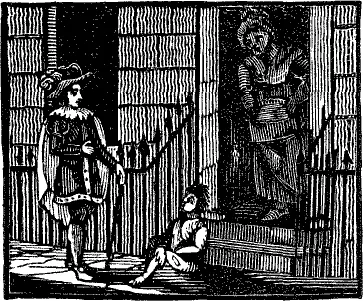
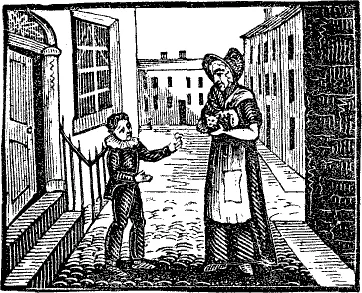
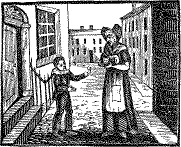
A penny for your cat, Dame!
|
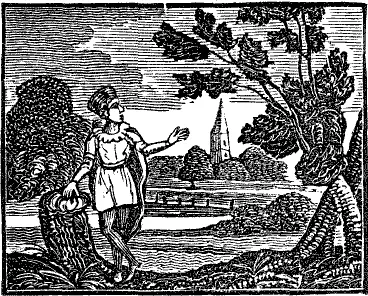
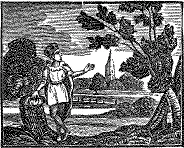
Bow Bells ringing “Turn again Whittington!”
|
|
|
|
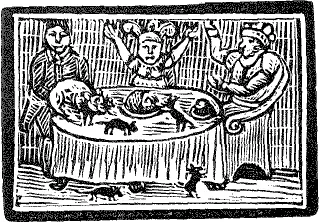
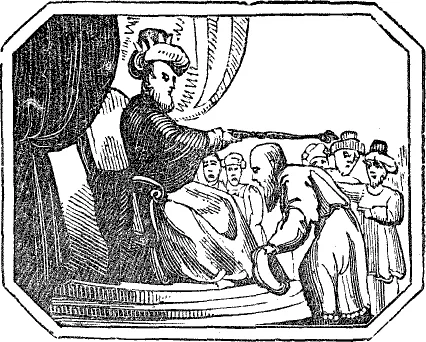
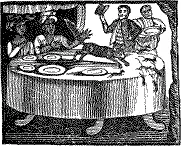
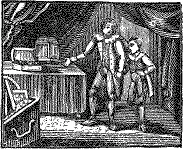
Pussy clears the King’s table,
|
And makes Whittington’s fortune.
|
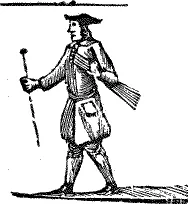
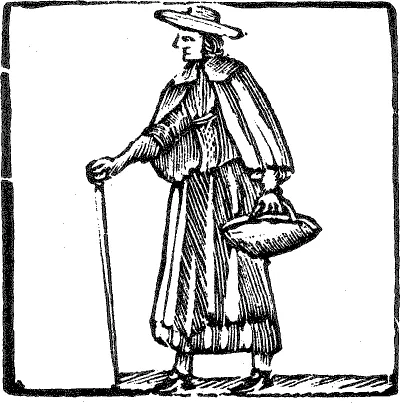
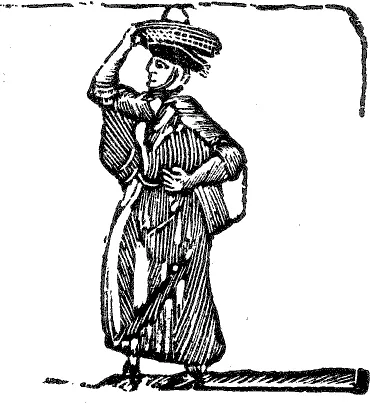
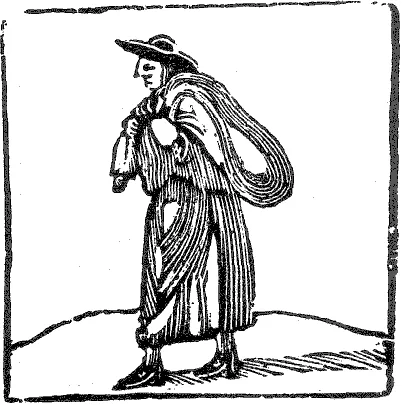
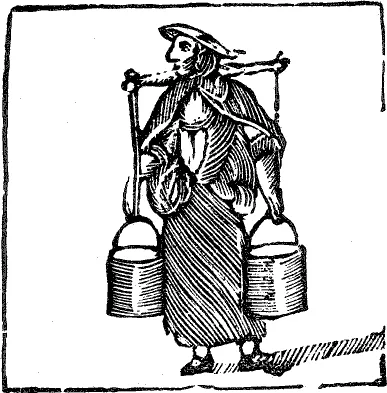
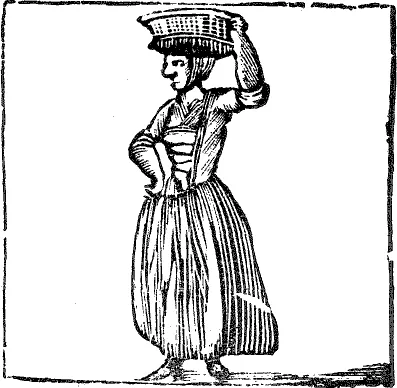
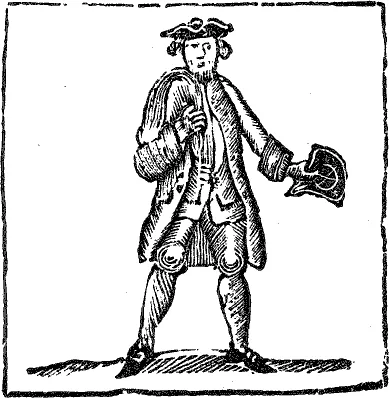
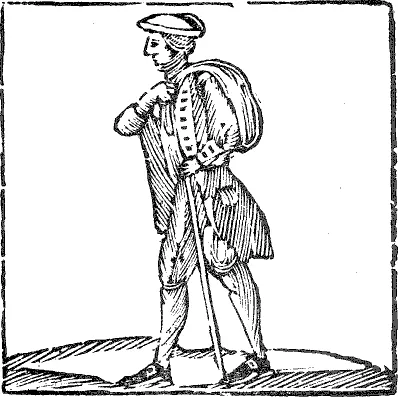
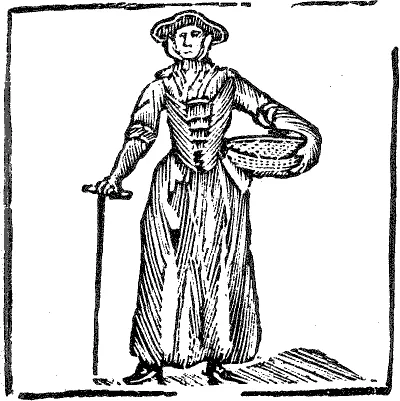
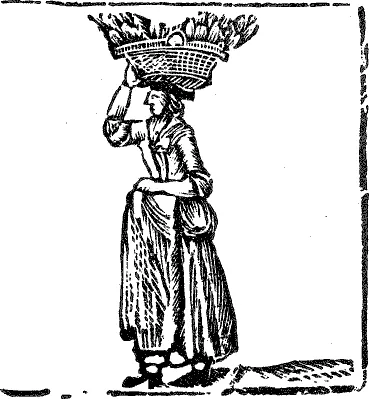
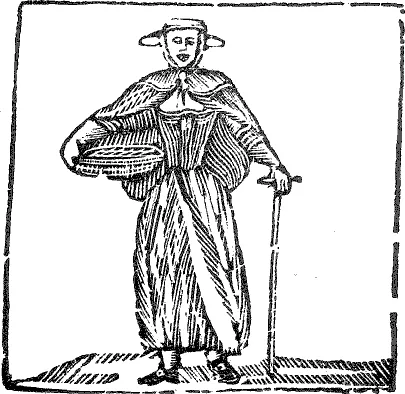
“The Cries of York, for the amusement of Young Children, decorated
with cuts printed by T. Kendrew, Collier Gate, York.” These York
Cries have not been mentioned by any writer on juvenile literature and
the same may be said of the Banbury Cries. T. Kendrew of York, brought
out many interesting penny and other children’s books. He
published “Giles Gingerbread, a little boy who lived upon
learning, by Tom Trip,” this was an abbreviation of Newberry’s Edition of
the “Silver Penny.”
The series was illustrated with
the early and prentice work of the Bewick School. One of the rarest is
“The Cries of York,” the cuts of which afterwards travelled
to Banbury and appeared in “Banbury Cries.” The series we
are enabled to give complete.
Appended are the words to many of the foregoing Cries.
|
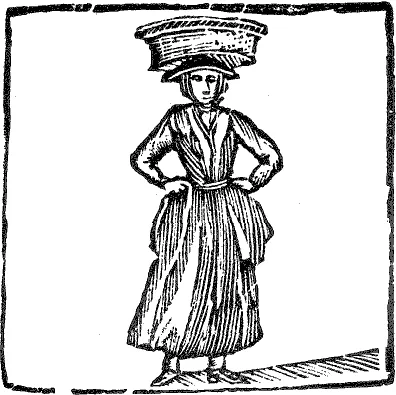
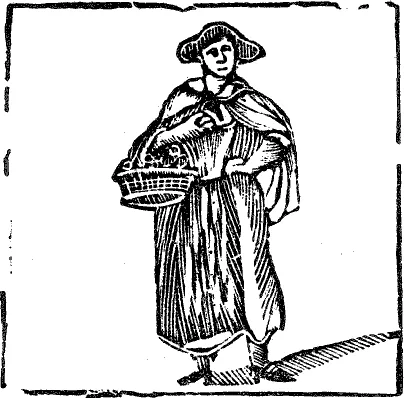
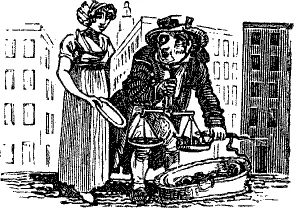
The Italian Basket Seller.
Ventured across the main behold,
“Buy Baskets,” solemn Face,
He sells for Lust of Naughty Gold,
Which is a Common Case.
Mend old Pans and Kettles, O!
(Peaseholme Green Postern)
Hark! who is this, the Tinker Bold,
To mend or spoil you Kettle,
Whose wife, I’m certain is a Scold,
Made up of base metal.
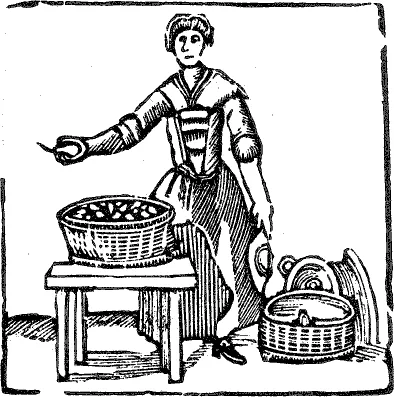
Buy my Clocks and Weather Glasses!
Buy Shirt Hand Buttons!
(Walmgate Bar)
“If I’d as much money as I could tell;
I never would cry young lambs to sell.”
(Thursday Market)
“Buy my Anchovies.
Buy my
nice Anchovies.”
|
Sweep Your Chimney Clean, O!
With drawling tone, Brush under arm,
And Bag slung o’er his shoulder,
Behold the Sweep, the Streets alarm,
With Stentor’s voice and louder.
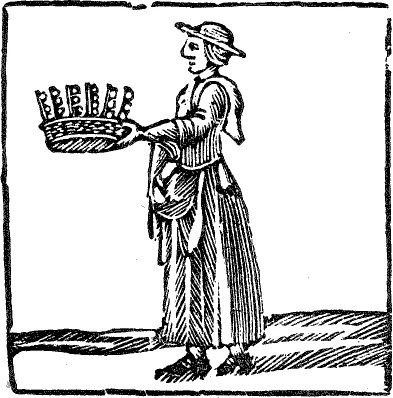
Come Buy My Nice Muffins.
Hot Muffins and Crumpets too,
For Breakfast and for Tea;
I’ve only a very few left,
In Basket as you may see.
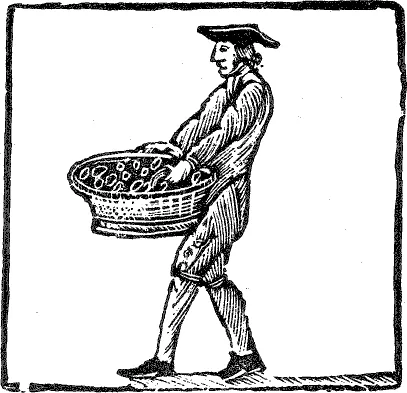
Buy Banbury Cakes! By fortune’s frown,
You see this needy man,
Along the street and up and down
Is selling all he can.
Cockles Alive, Alive, O!
Behold Poor James at York again,
His Cockles all alive, O!
Alive, Alive, he cries amain,
Come buy that he may thrive, O!
|
|
|
|
|
“Buy my fine Larks.”
(Catching Larks)
“Sixpence a Score Oysters.”
(Ouse Bridge)
“Come Buy my Roasting Spits.”
“Rabbits! Rabbits!”
“Buy my fine Writing Ink.”
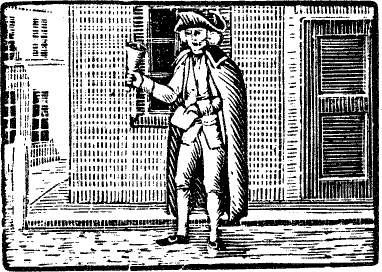
“The City Bellman.”
(Hay Weigh)
“Buy my Cranberries, fine Cranberries.”
“Sweet China Oranges.”
(Pavement)
|
“Buy my Capers.
Buy my
nice Capers, Capers.”
“Buy my nice Banbury Cakes.”
“Buy my Windmills, a halfpenny-a-piece.”
(Monk Bar)
“Fine Kidney Potatoes.”
“Threepence a Mart Ripe Gooseberries.”
“Come buy a true Calendar.”
(Castle Gates)
“Razors, Knives, and Scissors to grind.”
“Acomb Sand.”
“Race Lists.”
|
The Cries of York is distinctly different from The Cries of London
issued by Kendrew though the same set of Cuts are utilized.
London Street Cries have always had a fascination peculiarly their own.
Madame Vestris used to bring down the house with “Cherry
Ripe,” and where are happier efforts of the favourite home Artists
than “London Cries” by A. Morland, Wheatley, Stodhard, and
others, which are so eagerly sought after by connoiseurs? The pretty
plaintive Cries too, would we had the ‘music’ to them, so
familiar in the streets in those charming old English days.
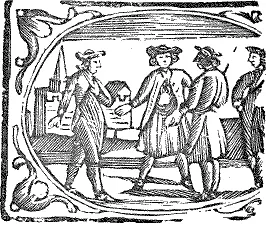
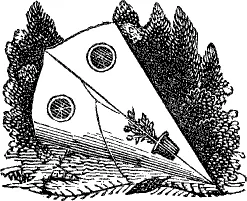
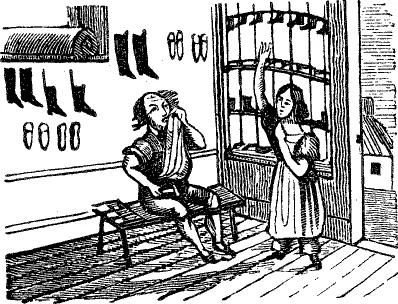
“Nothing like leather.”
A most interesting and quaint old relic is the one from which annexed
impression is
given, from Dyche’s Spelling Book: an exceedingly clean, choice
and crisp copy of this book, in the original sheep covers,—a
veritable “old shopkeeper,” which for nearly a century had
escaped its intended destiny in Rusher’s varied stores, at length
found a resting place in Sir Thomas Bodley’s venerable receptacle
for bibliographical treasures in the Bodelian, Oxford. The present
example—a portion of which was broken away many years
ago,—is probably the sole surviving one of the quaint series of
cuts, doubtless admired by our great-grand-parents over 100
years ago.
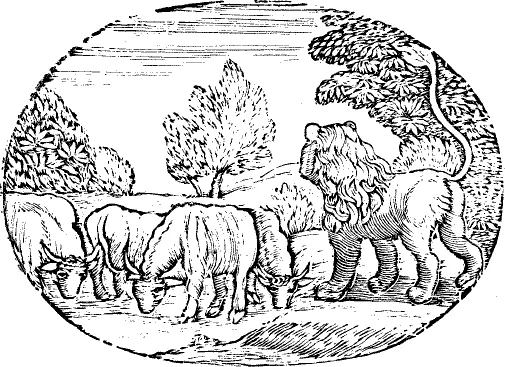
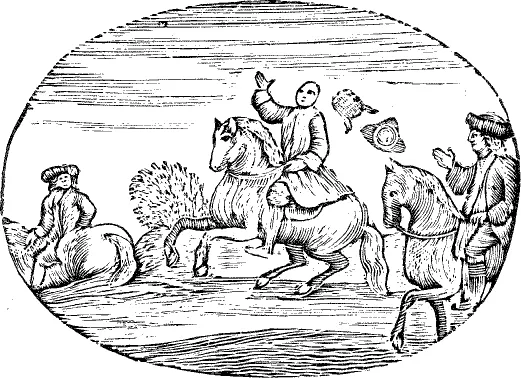
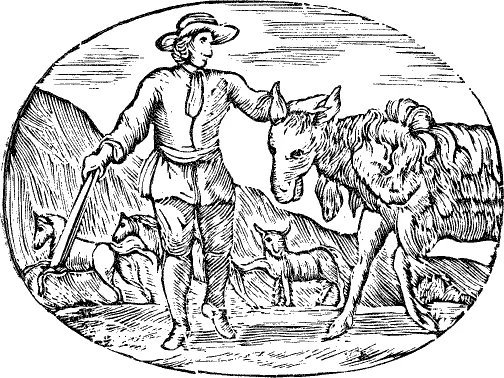
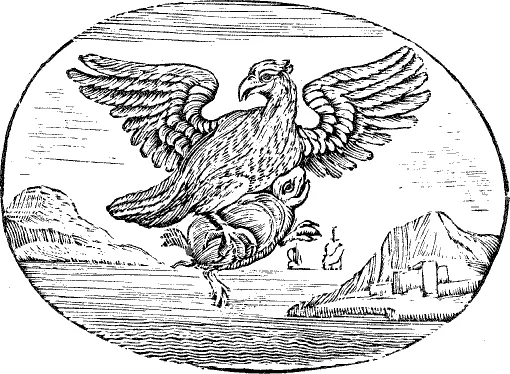
The following are curious examples of Fable Cuts, which were used in
Dilworth, Cocker, Fisher, and others.
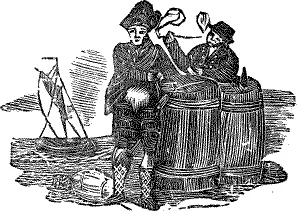
|
By Bewick’s Pupils, used in Children’s Books at Banbury
by Rusher.
|
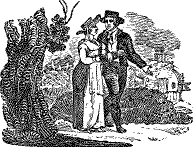
|
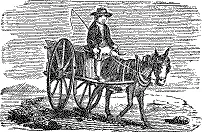
|
|
By Bewick and Pupils, from Ludlow, all used at Banbury.
|
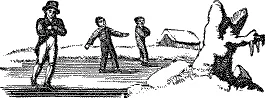
|
|
|
|
|
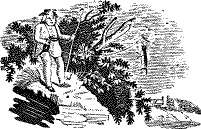
Close copy of Bewick, by a pupil.
|
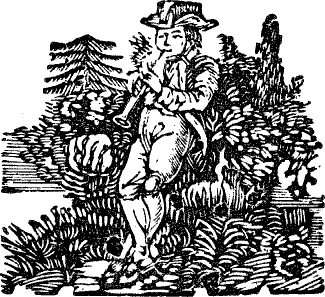
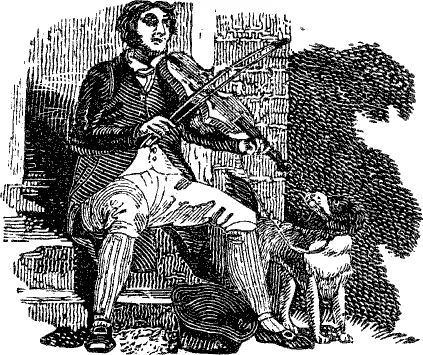
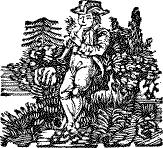
Bewick playing the Northumbrian Pipes, a very early J. Bewick.
|
|
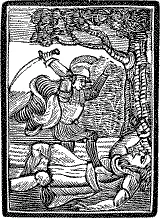
Drunken Barnaby.
To Banbury came I,
Prophane one,
Where I saw a Puritan
Hanging of his cat on Monday
For killing of a mouse on Sunday.
|
|
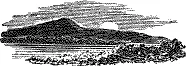
|
|
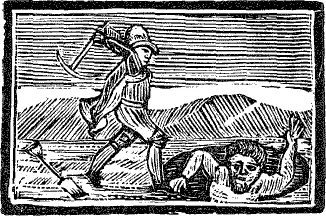
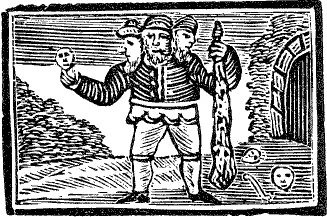
Jack and the Giants, from the early York edition.
|
|
|
|
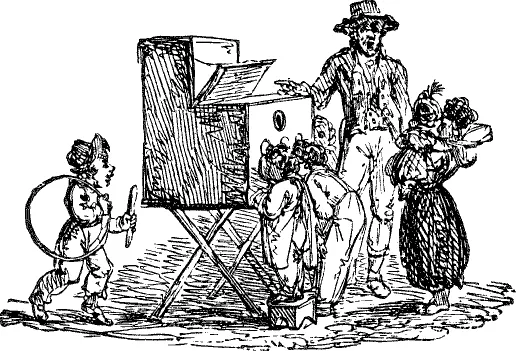
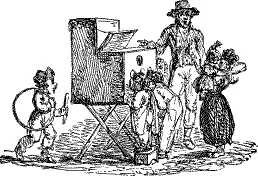
Raree, or Peep Show, R. Cruikshank’s design, engraved by
Sears.
|
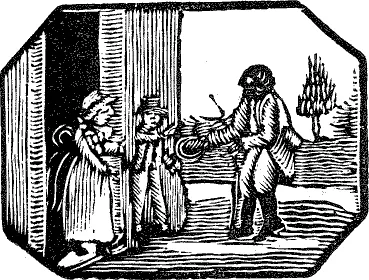
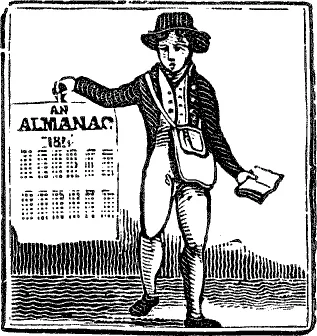
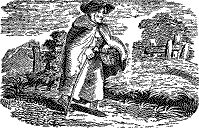
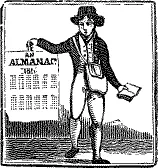
Chapman, or Running Stationer, designed by Cruikshank and engraved by
Branston.
(Used in York Cries).
|
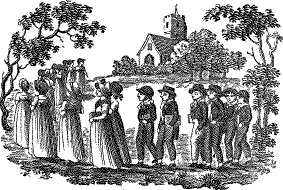
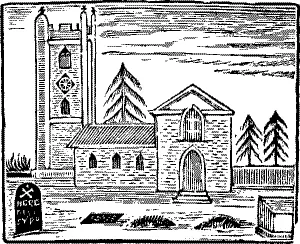
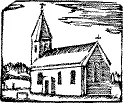
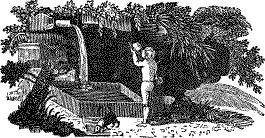
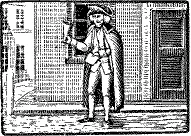
Banbury Old Church.
|
A Gentleman wrote to one of the newspapers some time ago, detailing a
curious incident that happened to himself, showing how these very
interesting prints and blocks are being scattered and destroyed. He says
“In the old days when Catnach was King of the ballad world, boys
used to steal the woodblocks of Mr. Bewick the wood-cutter, and sell
them to the great song singer. Yesterday, for a halfpenny, I picked up
in a bye street in London one of the prints of a very beautiful block of
this kind heading a song called ‘The Wealthy Farmer’s
Son.’ I wonder whether anybody has ever thought it worth while to
collect these pictures.” This interesting pursuit of collecting
and illustrating with extra cuts, pages of child book literature of the
17th, 18th, and early 19th century, would indeed be a charming
recreation. On this subject there appeared a long article in the
Graphic, where the writer says, under the initials
‘C. H.,’ “There are few more agreeable
occupations for anyone who has sufficient leisure at his disposal, than
that of embellishing a favourite book with illustrations appropriate to
the subject, and thereby endowing it with additional interest and value.
To those who cultivate this fascinating pursuit with taste and
intelligence,
there are two indispensible conditions of success. The task of
collecting the materials is a labour of love, and every fresh discovery
in some out-of-the-way corner, of a long-sought desideratum, a delight
which the patience and industrious enthusiast alone can
appreciate.” Then follows much genial advice on tasteful and
judicious collecting, and how to illustrate. In the present case the
interest and value could only be realized or conceived on the completion
of a choice collection of extra cuts, and cuttings of articles,
portraits, views, autograph letters, etc., carefully mounted on
cartridge paper, paged to correspond with the text, and then handed to a
judicious binder—this is a very important item—who would
carefully encase it, and make it form a select and an exceptionibly
valuable addition to the library.
|
|
|
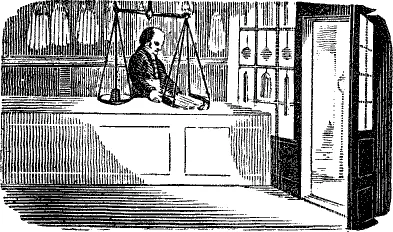
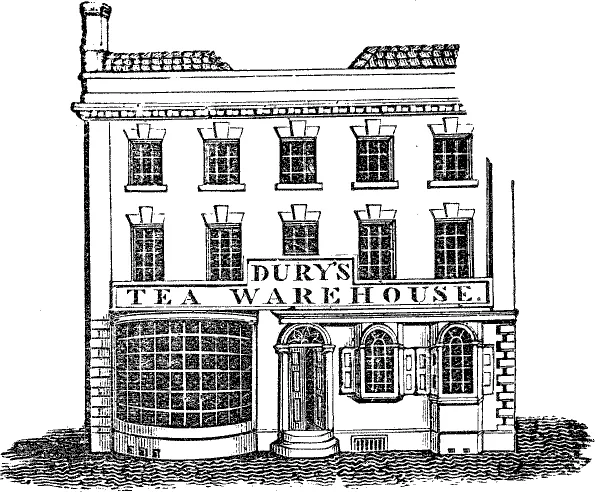
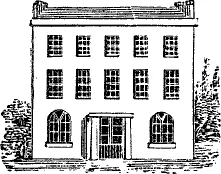
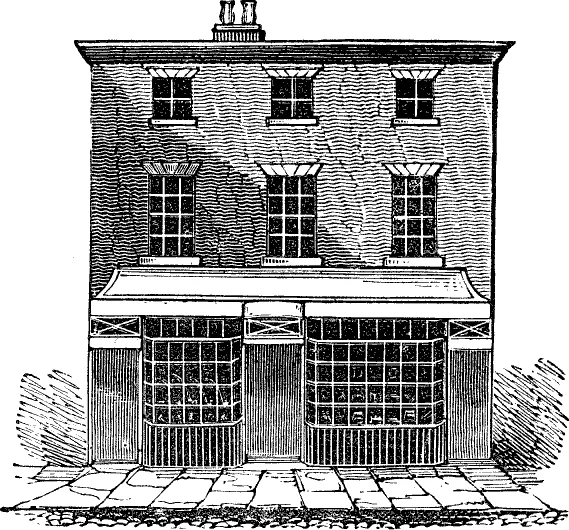
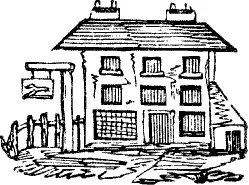
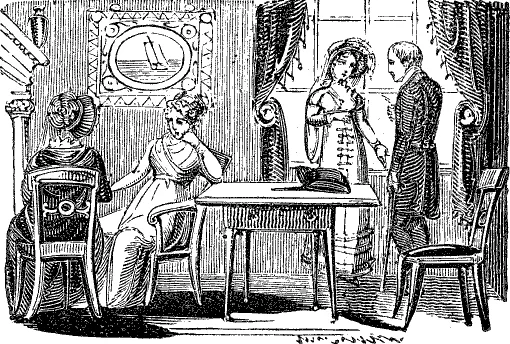
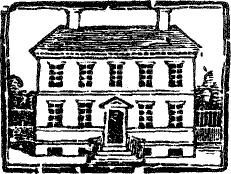
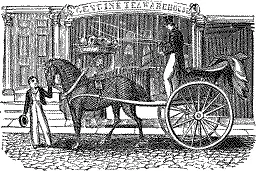
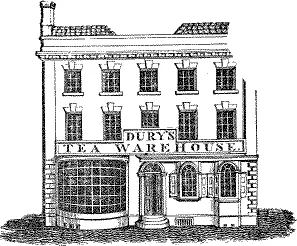
Tradesmen’ Shops in Banbury, used on their
bill-heads.
|
That this interesting idea may not be considered unworthy of
adoption—which by the way the few large paper
copies of this book are admirably adopted—we give a short
list of those who have collected and treasured with care these little
brochures. In the South Kensington Museum on exhibition, is a collection
of Horn Books and Battledores, exhibited by Kenneth, R. H.
Mackenzie, Esq., F.S.A., who read a paper on this subject before
the Society of Antiquaries. There is another collection which includes
many curious Horn Books or Battledores, from circa 1750, 1784, 1800 to
1810, including photo and facsimiles of one of the Middleton Horn Books
now in the Bateman Museum. There is also a curious poem on the Horn Book
by a Gent. suffering from the gout, printed at Dublin by T. Cowan, 1728,
small 4to, only a few leaves. Another very neat Horn Book with the Horn
in front, hence its name, is also on view. The scarcity of these quaint
early educational books may be understood from the fact that Mr. Hone,
author of the Every Day Book, etc., sought for an original Horn Book for
years without success. Mr. Coleridge had one or two cases on
exhibition, with numerous examples of Newbury and Marshall’s
little books, but we believe these are withdrawn. There is also a
selection of early educational books; but the largest collection formed
is still on exhibition. In conclusion, it may be said that the present
volume contains many precious relics of the Bewick, Newbury, Goldsmith,
Newcastle York, Banbury, Coventry, and Catnach presses, and a
representative collection of the stock of workable woodcuts of a
provincial printer in the latter part of the 18th century, and to those
who would like to inspect the rentable copies of those valuable and
interesting little books, and some of the original Horn Books, etc., let
them see the Coleridge, Kenneth Mackenzie, and Pearson collections in
the South Kensington Museum.
Since writing the above, there appeared in the catalogue of books
belonging to William Bell Scott, Esq., recently sold at Messrs. Sotheby,
a small 4to Album containing a collection of wood engravings by Bewick,
Clennell, and others, which with some newspaper cuttings made quite a
dainty extra illustrated volume.
If so eminent an artist could find pleasure and recreation in this
pursuit, others may certainly rely upon finding it equally attractive,
but he would have found his task much easier if he had had a large paper
copy of this work interleaved. This is recommended to any person
desiring to take up this charming recreation.
|
Bewick School, all used in Rusher’s Banbury Toy Books.
|
|
|
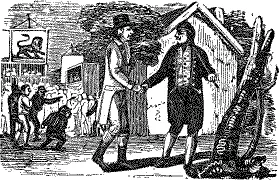
BANBURY FAIR.
About 1820, many curious Tracts were
issued by various Societies with the illustrations which follow. Some of
these Tracts relating to Social and Religious questions of that day had
been edited by Hannah More and her sister—at “Barley
Wood,” near Bath—also by Rowland Hill, the eccentric divine
of old Surrey Chapel, and others; these are now quite ephemeral literary
productions, notably some on the “Sunday Question.” Several
of the following cuts were used contemporary with Timothy Spagg’s
(Charles Dickens’s) Sunday Under Three Heads. One of these, an 8vo
pamphlet, has on the title, a large woodcut by Thomas Bewick,
commencing;—Here we have Bewick, I declare, etc. Many of
the original cuts to the Bristol series of Tracts issued from 1805 to
1820 are in this volume.
|
THE LILLIPUTIAN MAGAZINE.
|
|
|
|
From Catnach.
|
Norwood Gipsy.
|
|
|
|
Catnach Spelling Book Cuts.
|
|
|
Used by Rusher at Banbury.
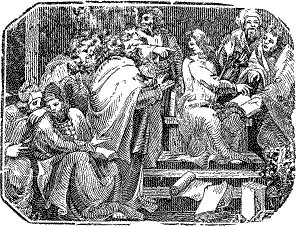
Bible Cut.
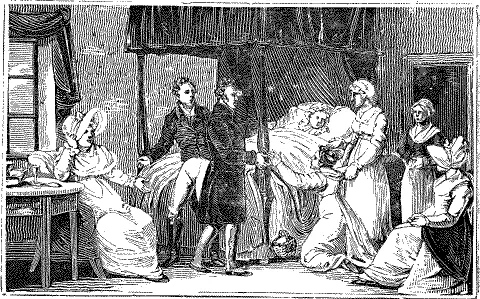
Frontispiece to Banbury Local Biography.
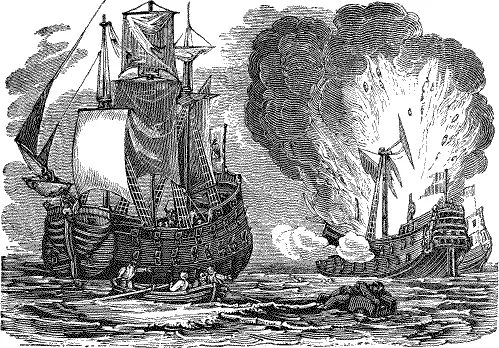
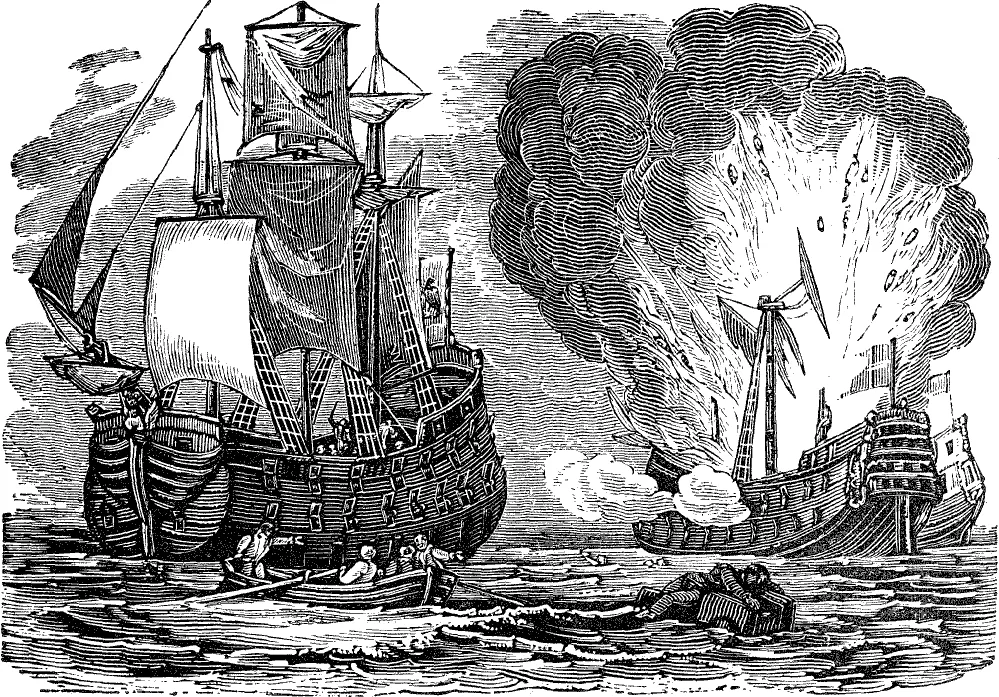
Battle of the Nile.
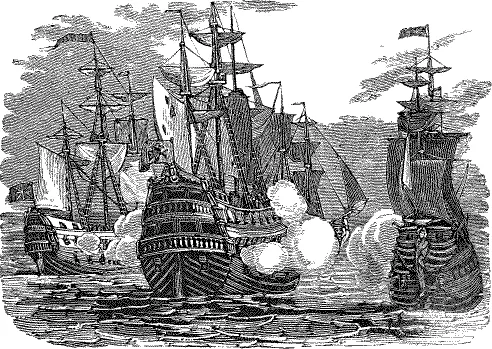
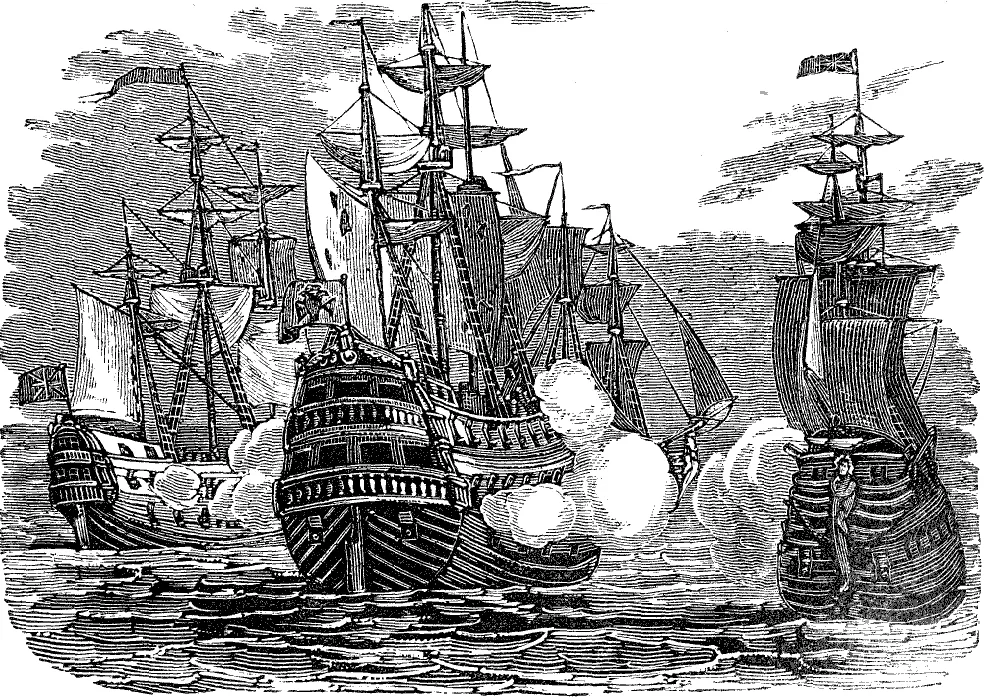
Battle of Trafalgar.
|
|
|
|
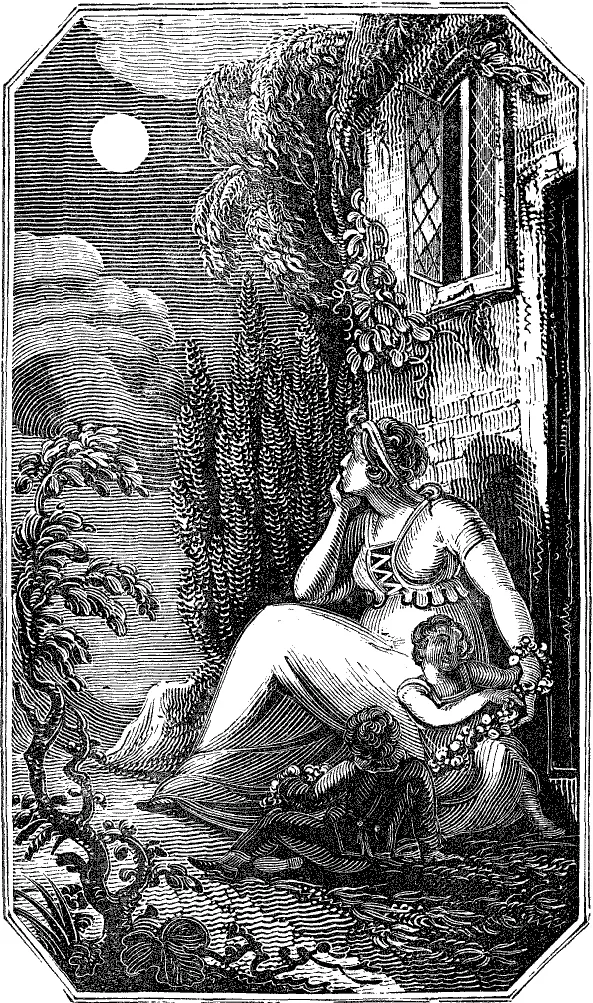
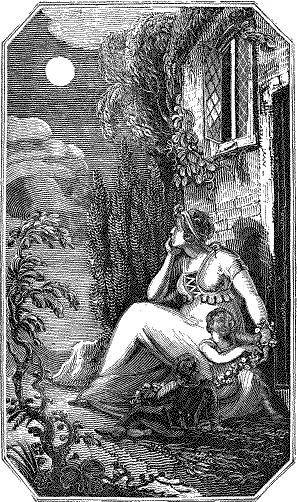
Lamenting the Great Fire, engraved by Austin.
|
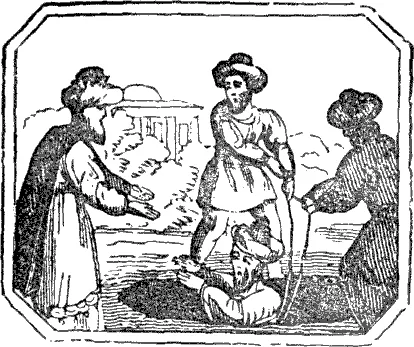
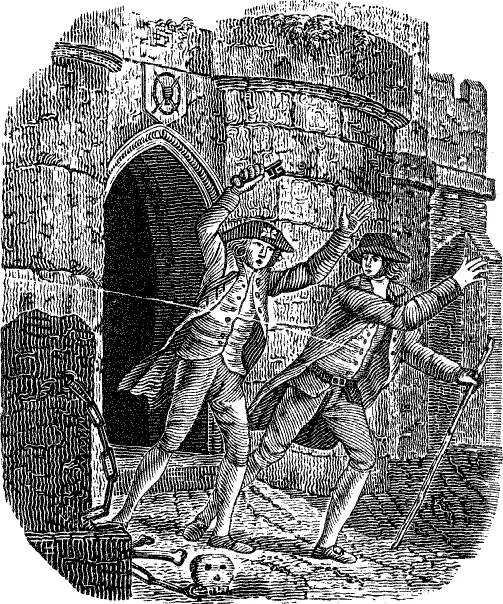
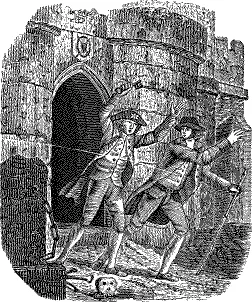
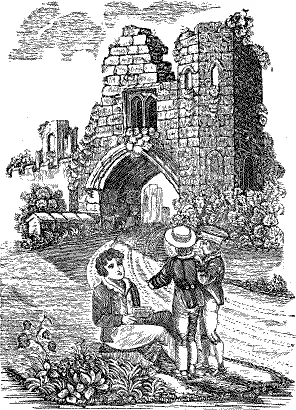
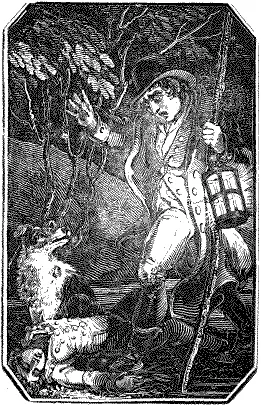
Christian and Hopeful escaping from Doubting Castle.
|
|
|
|
Vignette by Green, of Knaresborough.
|
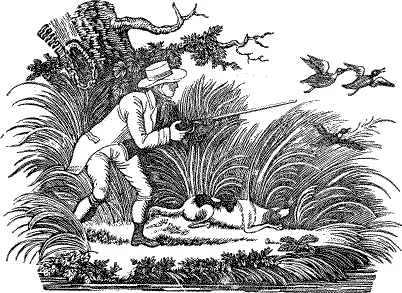
Knaresborough Tragedy, engraved by Lee.
|
|
|
EARLY TAVERN SIGNS AT BANBURY.
|
|
|
|
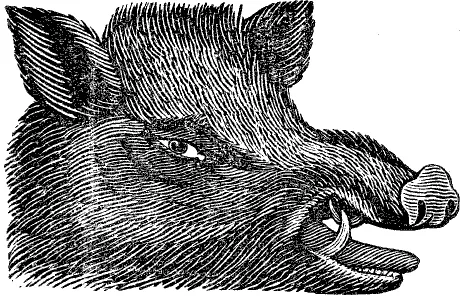
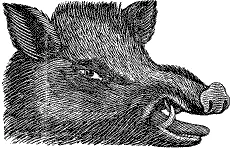
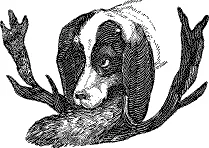
The Boar’s Head.
|
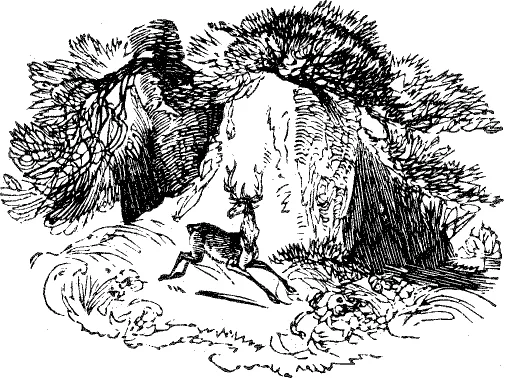
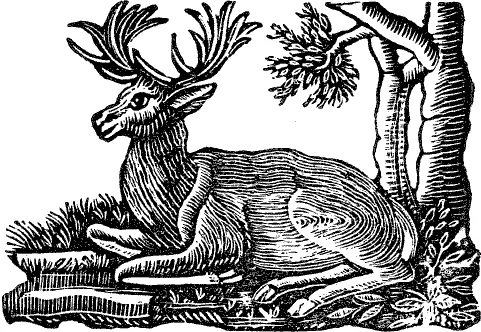
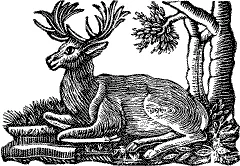
The White Hart.
|
|
|
|
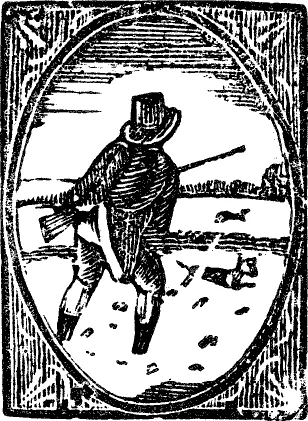
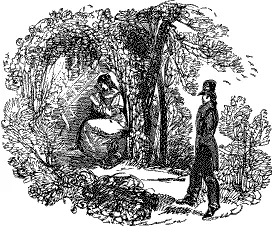
The Sportsman’s Arms.
|
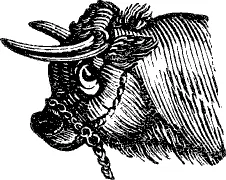
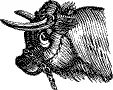
The Bull’s Head.
|
|
|
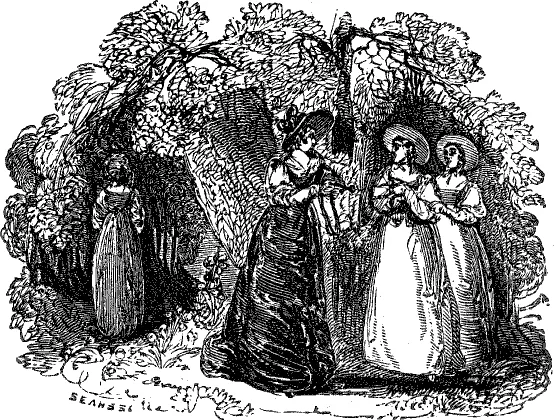
|
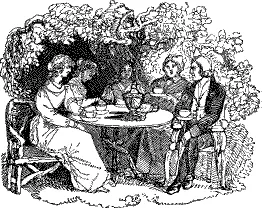
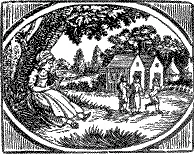
Vignettes to ‘Vicar of Wakefield,’ by Craig and
Sears.
|
|
|
|
|
|
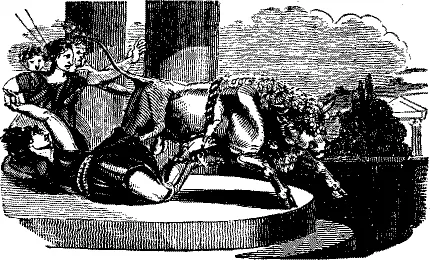
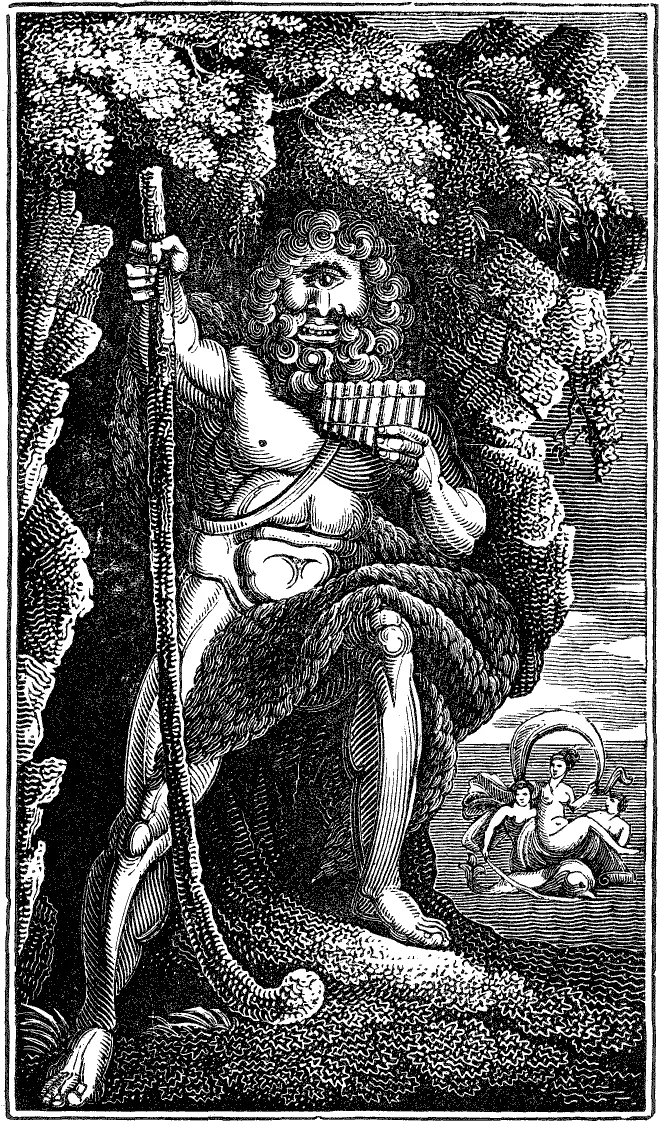
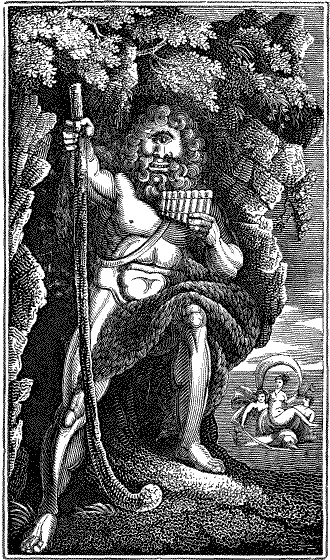
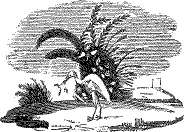
Cyclops, from ‘Thorton’s Virgil,’ circa 1810.
In the Preface it is stated, Wm. Blake designed, and Branstone
engraved the above.
|
|
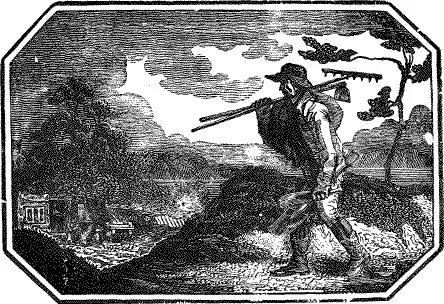
Bewick Tailpieces.
|
|
|
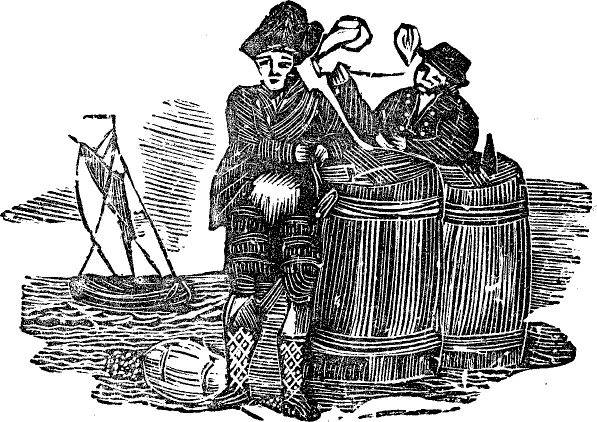
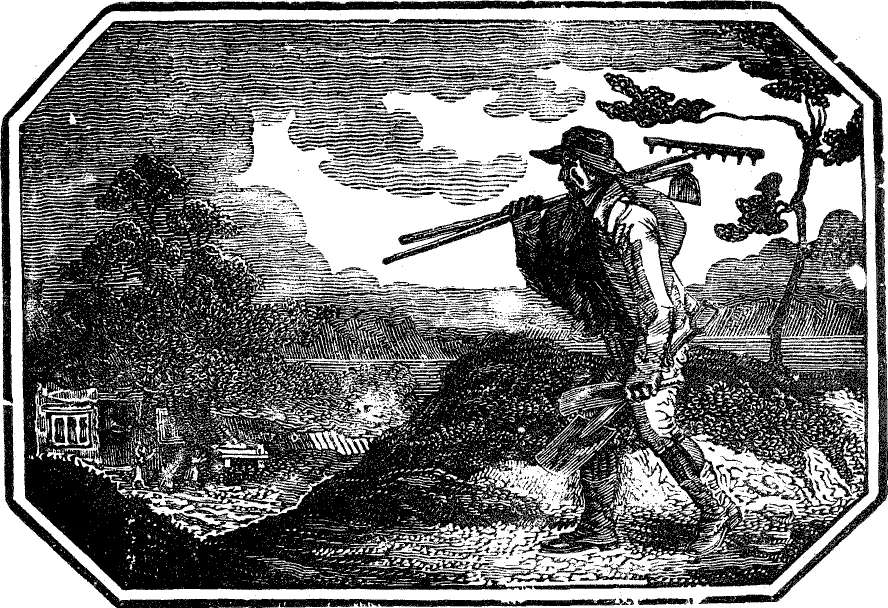
The Newcastle Collier on his “homeway way.”
|
|
|
|
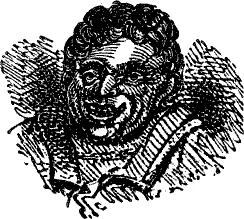
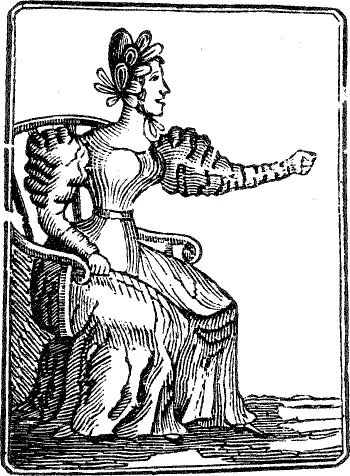
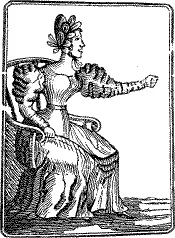
Portrait of a Shrew.
|
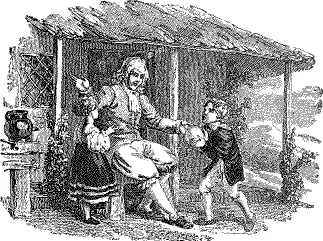
Engraving by Thomson.
|
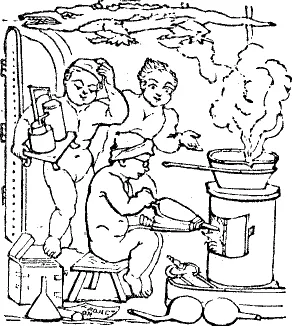
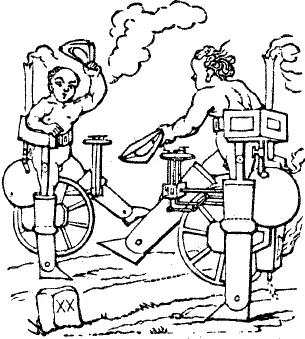
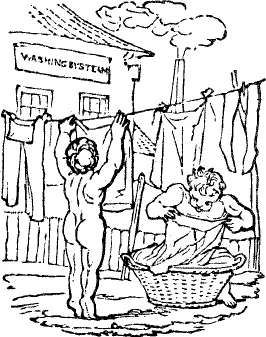
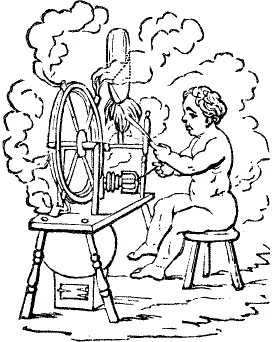
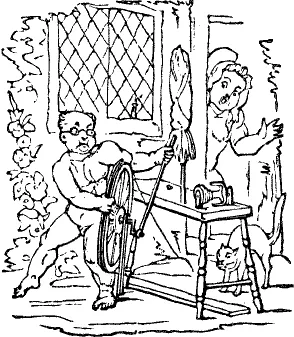
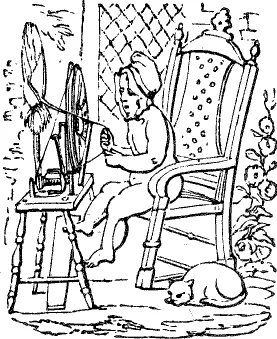
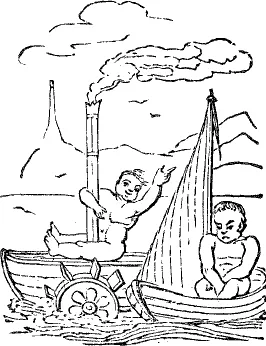
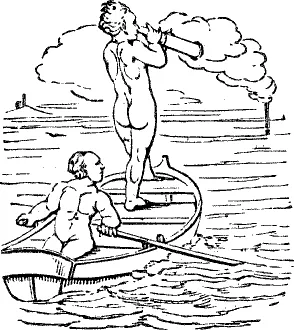
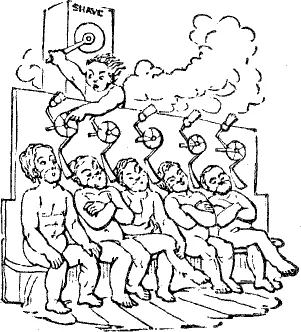
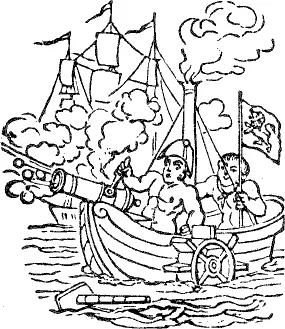
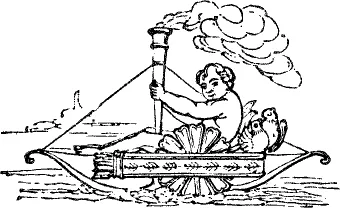
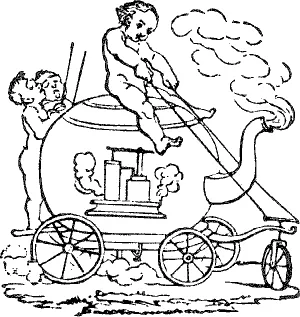
DROLLERIES OF THE STEAM ENGINE.
When Steam was first introduced it naturally called forth much
‘text’ and illustration. The above we
believe to be designed by ‘Cromek.’ Miss Bewick spoke highly
of him; he was one of the ‘Boys’ or pupils in Bewick’s
School. He executed some choice vignettes for ‘Burns’s
Poems,’ much in Luke Clennell’s style, Bewick’s
favourite pupil.
VIGNETTES AND TAILPIECES TO GAY’S FABLES.
FINIS.