The first duty of the R.F.C. comprised the securing
of a continuous inflow of recruits, both mechanics and
cadets, and while it was anticipated that difficulties
would be encountered, local conditions as set forth
below were such as to make the task unexpectedly
arduous. The state of affairs in Canada, so far as
concerns mechanics, was briefly as follows:—
(1) Recruiting for the C.E.F. was practically at a
standstill. The country had been “worked
out.”
(2) The R.F.C. was practically unknown in Canada.
(3) High wages were being paid to skilled workers.
(4) There was no organized recruiting system in
use, each Canadian unit doing its own.
(5) A very large percentage of skilled mechanics
were essential for the maintenance of aeroplanes
and engines, and these were in great
demand at very high wages on munitions.
(6) The fact that, in a large number of cases, men
had to be transported for over 1,000 miles
in order to be even interviewed, or medically
examined, made recruiting both expensive and
difficult.
The brightest point was the lively interest and very
hearty coöperation of every officer of the Department
of Militia and Defence, and of every officer of the
Canadian Forces throughout the Dominion. This coöperation
has been maintained throughout our work.
Without it no success could have been attained. The
spirit of good fellowship and help has been of inestimable
value to all our recruiting officers, and later the
same spirit, was encountered among the officials administering
the Military Service Act, to whose work
the operations of another force—engaged in recruiting
men otherwise than through the Military Service Act
organization, must have been a considerable trial.
Instead of objections, the Corps encountered nothing
but assistance.
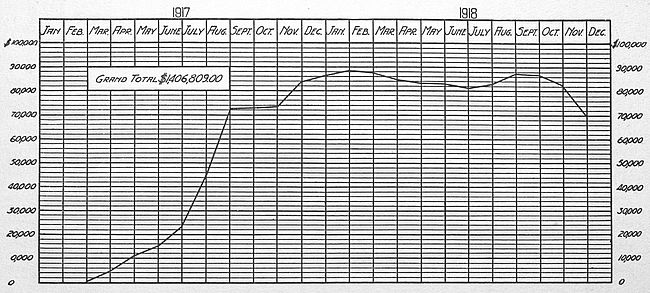
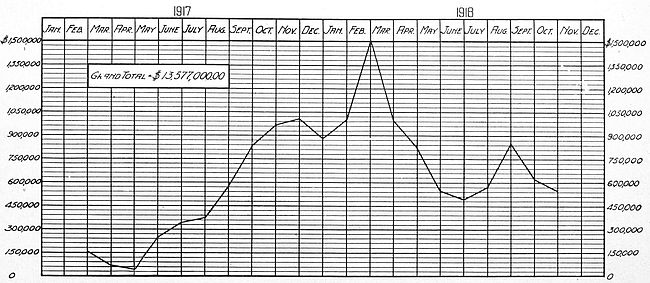
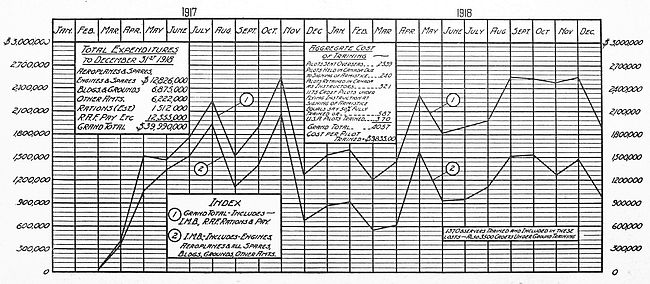
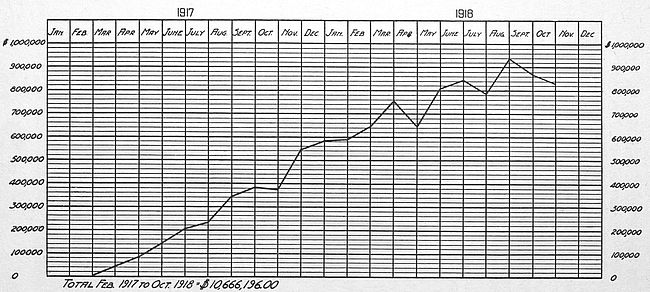
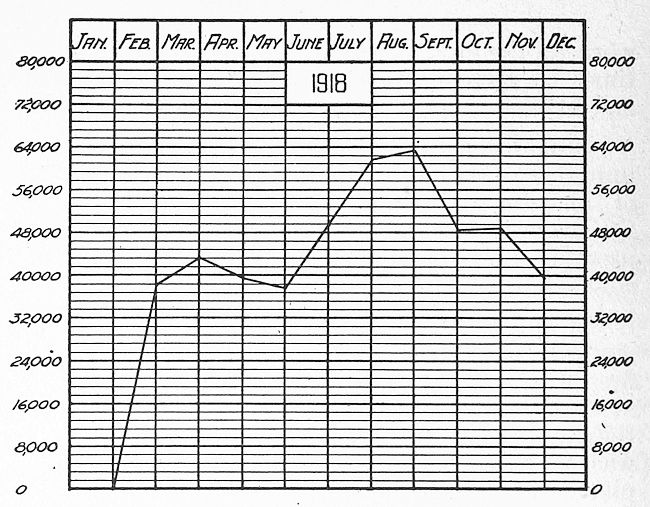
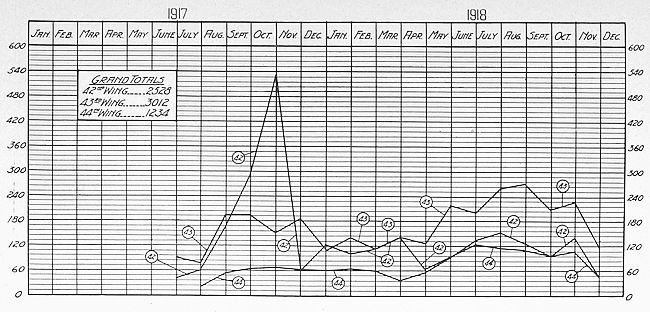
R.A.F. Can.—Estimated Value of Rations Drawn from C.A.S.C.
Grand Total $1,406,809.00
At the end of January, 1917, recruiting offices
were opened in Toronto and Hamilton, with a trade
test party in each place. The latter was shortly
withdrawn as being unproductive, and merged into a
central test station at Toronto. Simultaneously,
and owing to great distances to be travelled and to
difficulties encountered in obtaining suitable accommodation
and facilities for trade testing at other
centres, it was decided to establish merely recruiting
offices at outside stations; and offices were opened at
Montreal, Winnipeg and Vancouver, each in charge of
an experienced officer trained by ourselves, assisted
by a staff of non-commissioned officers and men from
England. Oral tests were conducted here, the practical
examination being given after arrival in Toronto.
The question of publicity presented a problem, to
solve which the following methods were employed:
(1) Display advertisements in newspapers (large
dailies).
(2) Written items of news and interesting articles.
(3) Classified advertisements for trades in the
various want advertising columns.
(4) Large posters of striking design used on bill-boards.
These posters were designed by an
advertising company.
This work was supplemented by addresses and recruiting
meetings.
The cost of (4) was too high to be maintained, and
the results of (1) and (2) were so discouraging in the
first month that another scheme was evolved. As a
result of a conference with the National Board, some
10,000 skilled workers who had volunteered for national
service were circularized with attractive literature.
From this form of publicity only 860 enlistments were
obtained, extending over a period of nearly six months.
On investigation, it was found that the first method
of publicity had been so long used by local Canadian
Forces that the effect lacked novelty, whereas information
conveyed in articles dealing with aviation
always brought results. Since display advertisements,
however, were a sure means of reaching the public,
they were continued, inasmuch as they served to
stimulate the interest of the newspaper, and thereby
helped in the placing of news items.
The entry of the United States into the war made
it possible to endeavour to recruit British subjects
across the line. Quarters were secured in New York,
and officers visited many of the larger towns, such as
Chicago, Boston, Kansas City, St. Louis, Minneapolis,
etc., where the British Recruiting Mission had offices,
and gave every possible assistance. Occasional visits
were paid to these points, except in the case of New
York, where an officer was permanently stationed, and
from New York came the bulk of the men enlisted in
the United States. Altogether about 627 British
subjects were thus enrolled.
Owing to the distances between centres and the
scattered population, practically all applications for
enlistment were dealt with by correspondence, whether
from headquarters or out-stations. Transportation had
then to be given to bring the applicant probably at
least 300 miles for a Medical Board, after which, if
successful in passing the oral tests, etc., he was
transported to Toronto. This journey, in the case
of a man enlisting in Vancouver, occupied four days
and covered 2,500 miles. Sleeping accommodation was
provided, also meals en route. None of these difficulties
were encountered in England.
The Medical Boards placed at our disposal by the
Department of Militia and Defence were accustomed
to pass for military service, that is category “A.”
For the purposes of the R.F.C., as it then was, men of
lower category than “A” were quite suitable, as no
pack had to be carried and there was little or no
route marching. The composition of the brigade is,
therefore, very largely of men not fit for active service,
and who have been rejected time and time again by the
C.E.F. At the outset, Boards absolutely refused to
pass for us applicants of a lower medical category than
“A,” this because the Board was held responsible for
any man returned as unfit on arrival in England and
charged with the cost of his transportation, etc.
Further, the British practice of classifying men into
“A,” “B,” “C,” “D,” and “E” categories was not
known. Each assistant director of medical service
required to be acquainted with our methods and
standards, causing, in consequence, considerable delay.
A further problem was that of pay. Whilst the
Corps rate was 15c. higher for skilled labour than the
Canadian forces for unskilled, a very high standard
could not be set for trade test. The first question of
each recruit was: “What is the pay?” “How much will
my wife get?” and such answers as the recruiting officer
could give were not very reassuring. In contrast
with the Canadian overseas man, the prospect was, in
truth, hardly attractive. The wife of the latter, owing
to the benefactions of the Canadian Patriotic Fund
(subscribed unofficially by Canadians) received $20.00
per month and $5.00 for each child, in addition to a
percentage of her husband’s pay. As against this the
brigade allowance looked meagre. The relief can be
realized, therefore, when, a little later, the authorities
of the Patriotic Fund, cognizant of the importance of
R.F.C. work, and that R.F.C. recruits were principally
married men, extended their generosity to the brigade
as regarding men of category “A,” who were eligible
for overseas service. Here, too, a tribute must be
paid to R.F.C. men outside this category and unable
to enjoy this special benefit. It speaks highly for the
patriotism of Canadians that these mechanics carried
cheerfully on, though under great personal and financial
disadvantages.
In the early part of 1918, a number of category
“A” men were liberated for the purpose of joining the
C.E.F. and proceeded overseas, thus causing considerable
shortage of labour in the Corps. Further recruiting
appearing impossible, female labour was
employed in the capacity of civilian subordinates. It
was at first thought that these subordinates would be
used only in unskilled trades and office routine, but it was
soon evident that they could be trained for simpler and
lighter mechanical work. A separate section being
formed to handle recruiting and administration, a large
number of patriotic women volunteered for duty with
the Air Force, of whom 1,200 were selected. Through
their work the brigade was tided over a serious shortage
of labour. Unaccustomed to aeroplane work, and
unacquainted with military routine, they have universally
performed sterling service.
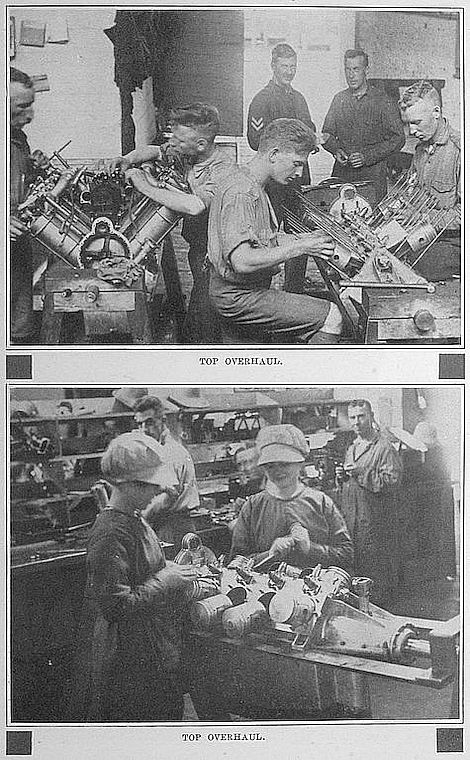
From the very first, civilian female subordinates
were employed at headquarters and other units in a
clerical capacity. In the autumn of 1918 they might
have been seen in any of the shops or camps, dressed in
dusters, caps and overalls, taking down engines, grinding
valves, stripping aeroplanes and doing all forms of
manual labour heretofore always performed by men.
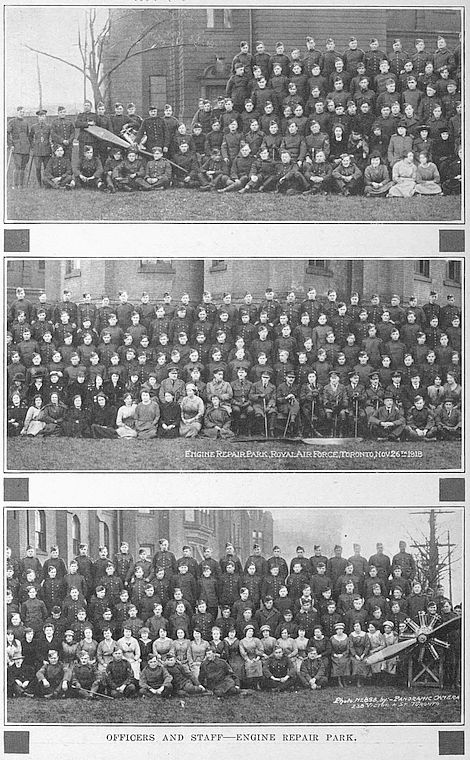
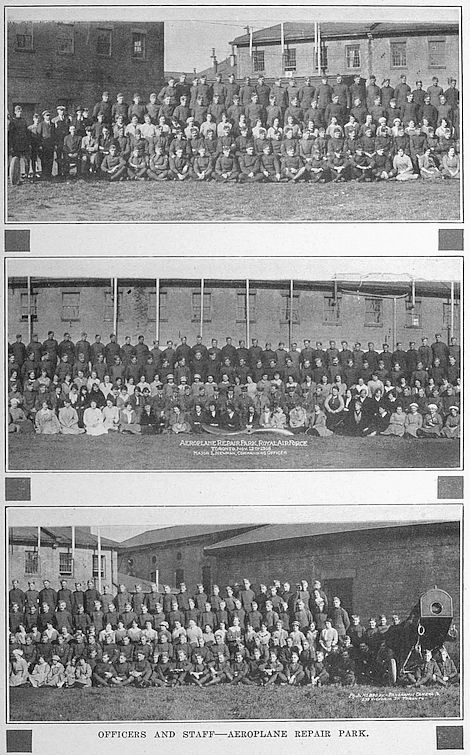
At the Repair Parks alone, 135 women were employed
at technical trades, while at the various camps nearly
600 were carrying on as mechanics. In the capacity of
motor drivers they rendered excellent service. A
large proportion of the cars throughout the brigade at
the present time are driven by them.
Too much praise cannot be given to the women who
have been employed in many varying capacities by the
R.A.F. throughout Canada. They have given the
greatest satisfaction, and done their work in the most
conscientious manner possible. Furthermore, in spite
of many predictions, they have caused no trouble whatsoever,
and submitted themselves apparently without
effort to the necessary discipline of the Force.
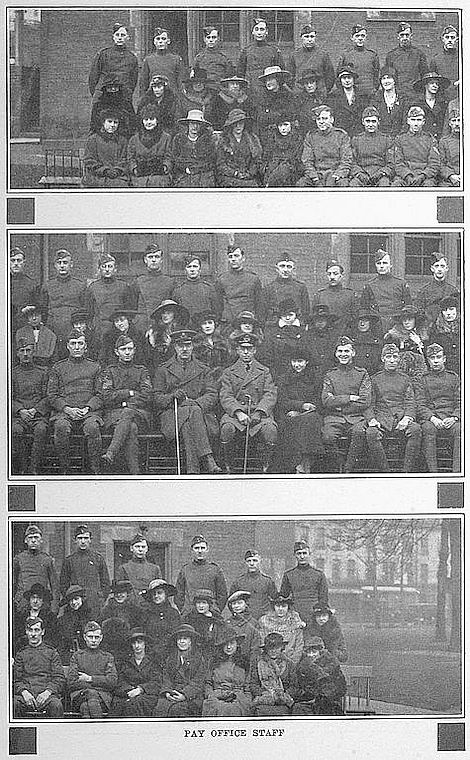
The following notes, re female subordinates, may be
of interest, showing their distribution:—
| In Headquarters Offices and in various cities | 115 |
| Paymaster Department, Victoria St., Toronto | 36 |
| Recruits Depot, Jesse Ketchum, Toronto | 18 |
| No. 4 S. of A. University | 90 |
| Cadet Wing, Long Branch | 9 |
| Armament School, Hamilton | 14 |
| Aeroplane Repair Park, Toronto | 134 |
| Engine Repair Park, Toronto | 65 |
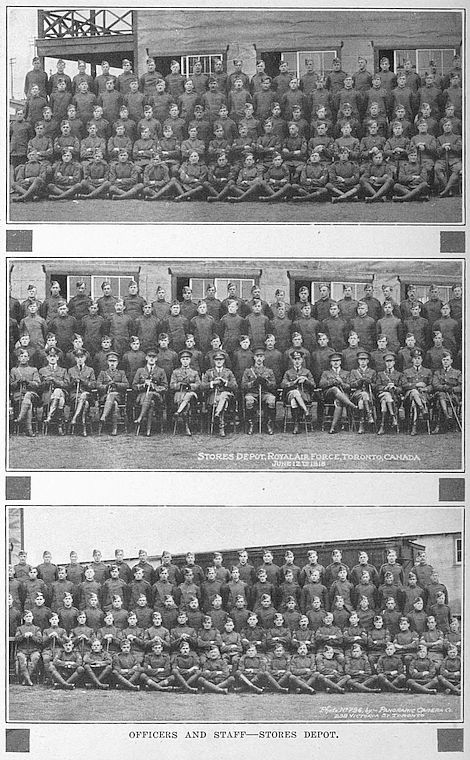
| Stores Depot, Toronto | 180 |
| Motor Transport Section, Toronto | 50 |
| Engineer Section, Toronto | 3 |
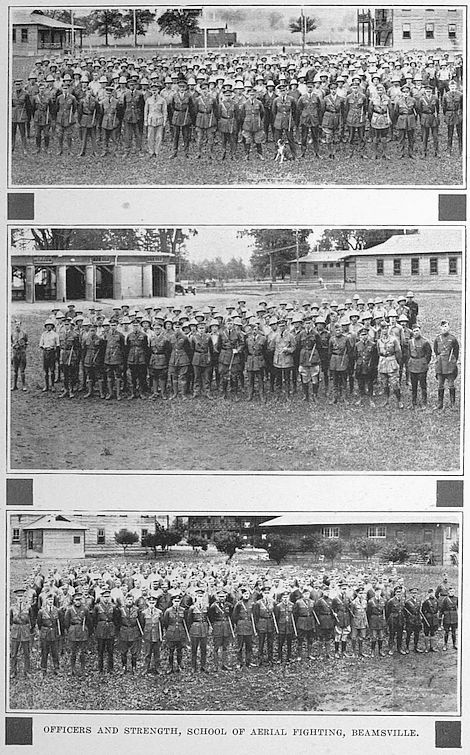
| School of Aerial Fighting, Beamsville | 91 |
| Forty-second Wing, Deseronto | 230 |
| Forty-third Wing, Leaside | 161 |
| ——– |
| 1,196 |
At the time of the signing of the armistice, over
7,000 men had been recruited for the mechanical
section of the Royal Air Force, Canada. Nearly
fifty per cent. of these were recruited by correspondence,
and as many as 15,000 applications were
handled through recruiting headquarters and the
various out-stations.
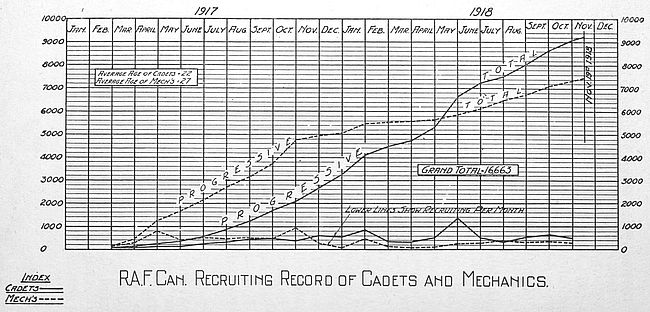
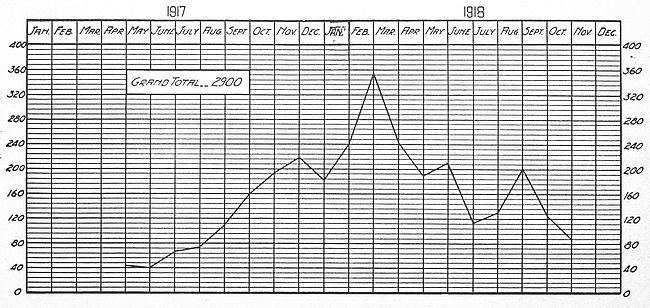
R.A.F. Can.—Recruiting Record of Cadets and Mechanics
Grand Total 16,663
[147]
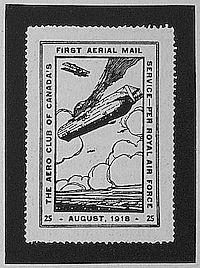
When on May 1st, 1917, the campaign was commenced,
the assistance of the Aero Club of Canada
was enlisted, and this society used its organization
as a recruiting agency.
At the same time, endeavours were made to approach
the students of public schools and universities by
extensive circularization. It was estimated that about
600 cadet recruits could be handled for training for the
balance of 1917, and about 1,500 in 1918, but although
thirty-odd schools and colleges were thus
approached, the scheme was unproductive of results.
It was decided, therefore, to try out more thoroughly
the idea of civilian recruiting committees, and bodies
composed of about three influential, public men were
organized in the following cities:—
Toronto, Ontario.
Montreal, Quebec.
Charlottetown, P. E. I.
Winnipeg, Manitoba.
Regina, Saskatchewan.
Calgary, Alberta.
Vancouver, British Columbia.
These committees, being furnished with our medical
standards, were empowered to interview applicants,
have them examined by the local Medical Board and
apply for transportation to Toronto for final test and
approval. It will be understood that the committees
were not active recruiting agents. They simply passed
opinion on the men sent to them by the wing, all
applications being made through headquarters. The
Royal Flying Corps was by this time becoming known
and talked about throughout Canada. Publicity was
better managed, and there were received on an average
twenty applications per day from the whole of Canada.
Uneasiness was felt about this time as to an adequate
supply of cadets being available. The demand
was continually increasing. Towards the summer of
1917 it reached 300 per month. A little later in the
fall it rose to 400 and 500 a month, requiring in two
months what in April, 1917, had been estimated as the
need for two-thirds of the whole year.
A new plan was therefore necessary. Statistical
research indicated that past efforts had not reached the
public except in large centres. It was, in consequence,
determined to enlarge the civilian committee plan, and
establish committees in every town of 10,000
inhabitants and over, throughout the whole of Canada.
In places of less than 10,000, the assistance of at least
one important man was sought to accomplish this,
and the Dominion was completely divided into five
recruiting districts with headquarters offices at
Vancouver, Winnipeg, Toronto, Montreal and Halifax.
Each district was supplied with an officer in charge,
and a second officer, whose duty it was to travel continually
from place to place establishing committees
and advise and assist those committees already
established. The scheme proved very successful.
About 350 civilian committees, with a total of over
1,000 members, were established throughout Canada,
and the travelling officers, by the mere fact of their
presence in the different towns, stimulated interest,
and through interviews with local papers obtained
publicity. Coincident with this, the matter of publicity
was tackled in a serious way by a campaign whereby
it was hoped to bring to the notice of every man in
Canada the work being done by, or at least the name
of, the Royal Air Force.
About this time the Military Service Act commenced
to operate and there seemed a danger of all
the available material being absorbed into C.E.F.
units. A reserve class “B” was therefore started, and
the surplus cadets were placed on this reserve.
From this time on, committees coöperating more
fully, the number of applicants steadily increased and
there has been no difficulty since then in supplying the
demand for cadets.
The difficulties encountered in cadet recruiting
were:—
(1) The task of informing the public that cadets
would be taken for training as pilots. Not only
had the fact to be known that men were wanted,
but it was also necessary to say exactly what a
pilot had to do. There still seems to be an
impression that it is very difficult to gain
admittance as a pilot.
(2) Before the Royal Flying Corps, Canada, was
formed, pilots were trained at a civilian school.
They paid about $400 for the course, and then
had to take a chance of being accepted in
England. The general public required to be acquainted
with the fact that training was free
at an Army School.
(3) It was absolutely impossible to interview all the
applicants at headquarters or at brigade
centres, or to deal with them by correspondence.
The committees formed were, therefore, given
this work, and as soon as they thoroughly
realized the requirements, they rendered the
very greatest service, and have been, as pointed
out, the backbone of cadet recruiting.
(4) The medical examination of cadets presented
almost similar difficulties to that of mechanics.
Brigade standards were entirely different from
those usually adopted by the local boards.
It was very difficult to secure an examination
which was anything more than superficial.
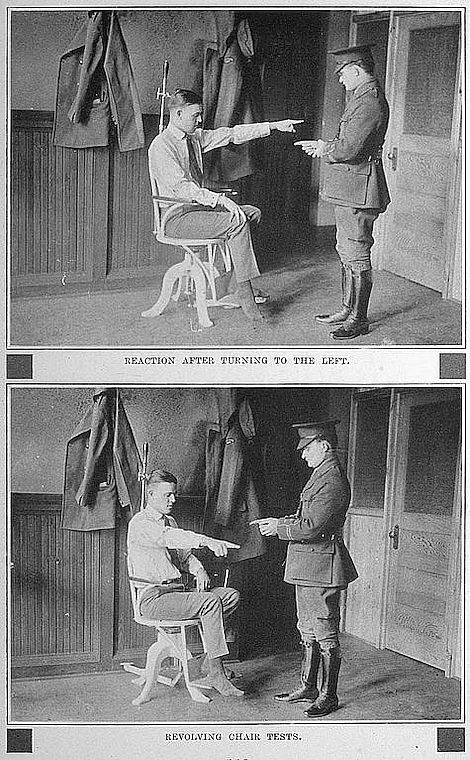
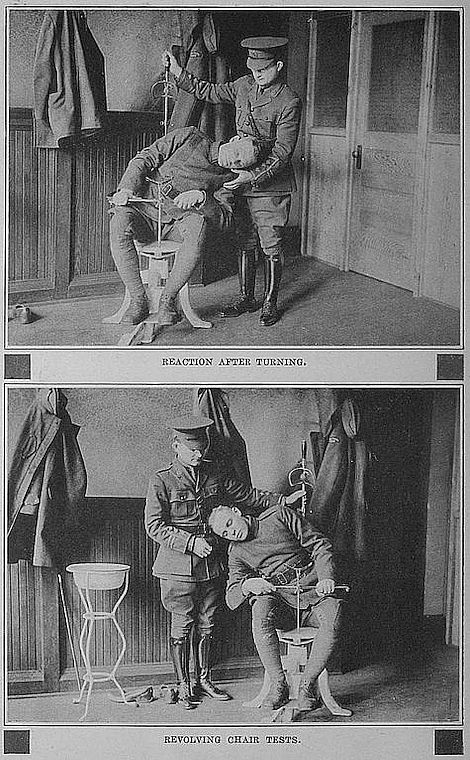
The Barany revolving chair is now employed, and
in doubtful cases trial flights involving specified
tests are given. In this way it has been possible
to accept some borderline cases, where
under the old system rejections would have
been inevitable.
(5) It should not be forgotten that in this, as well
as in the campaign for recruits, the same staff
was employed.
The brigade was handicapped from the commencement
by the absolutely inadequate staff provided. It
has only been by most strenuous efforts in training
officers and men in the work that it was carried on at
all.
At the time of the signing of the armistice, 9,200
cadets had been enlisted for service, while 35,000
applications had been handled by headquarters and
the various outstations.
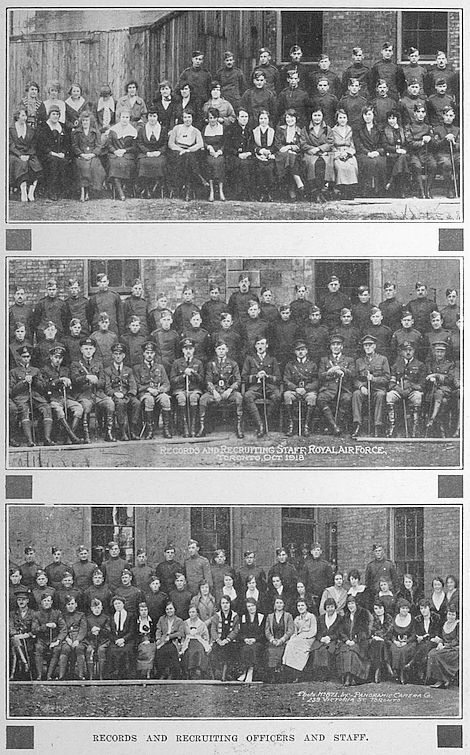
Unusually complete records of cadets and airmen
enlisted were kept from the very commencement of
work in Canada. Where documents were sent to
officer in charge Records and the War Office, duplicates
were always kept. For this reason no change in
organization or administration was necessary when
in September, 1917, the General Officer Commanding
was appointed officer in charge Records for Canada.
The continuous growth of the Air Force in Canada
has meant a corresponding growth in records. From
time to time demands outgrew systems, and it became
necessary to remodel, so as to conform to Imperial
administration and yet dovetail with existing regulations
and conditions in Canada.
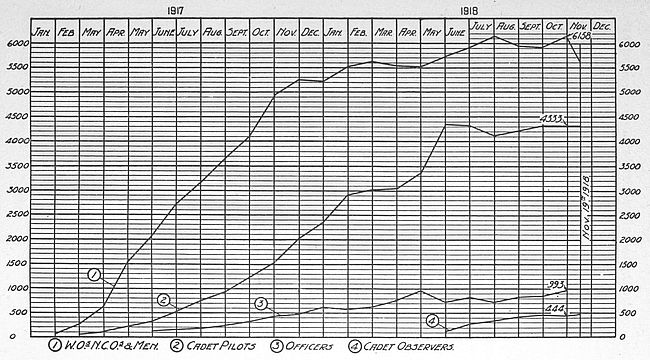
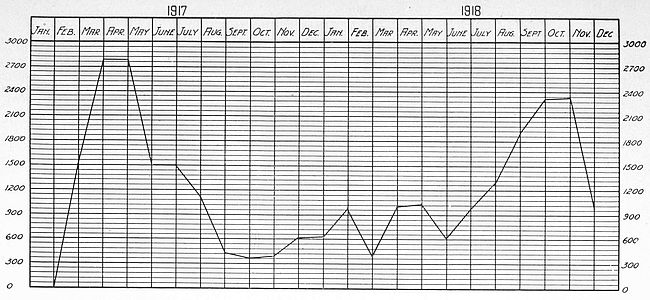
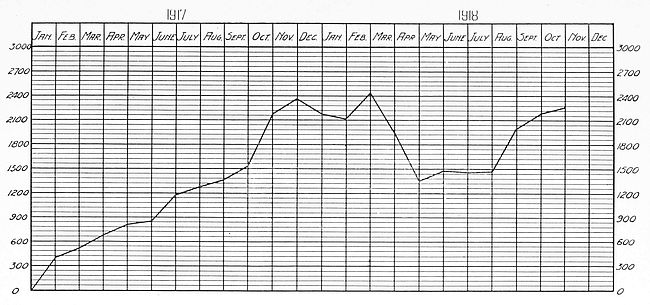
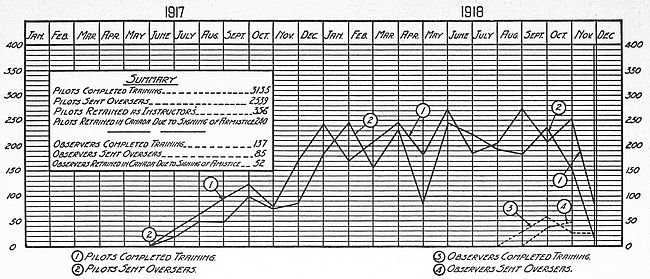
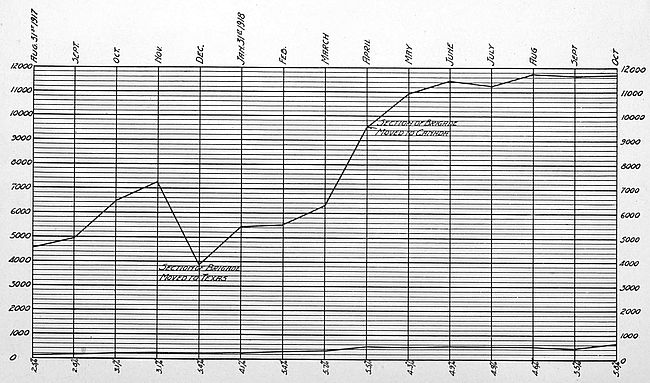
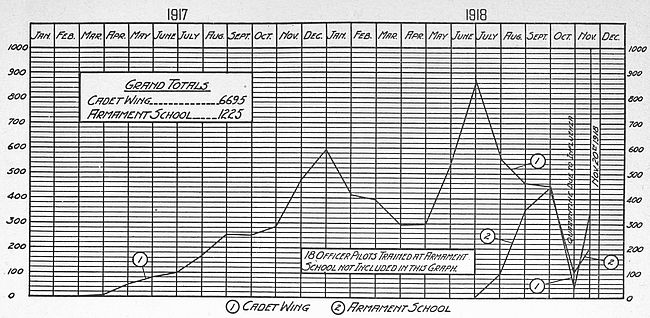
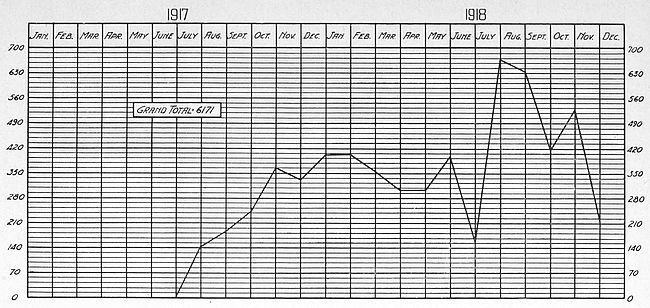
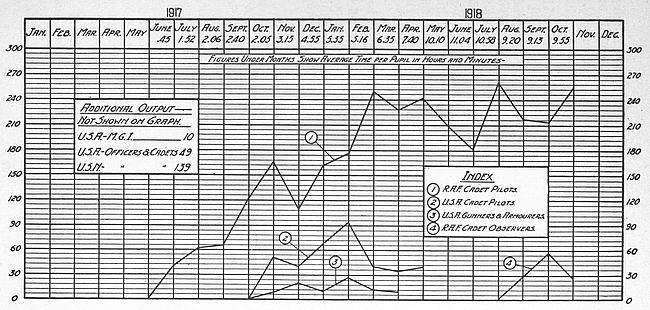
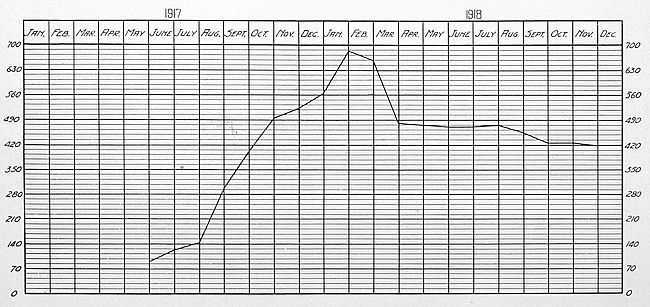
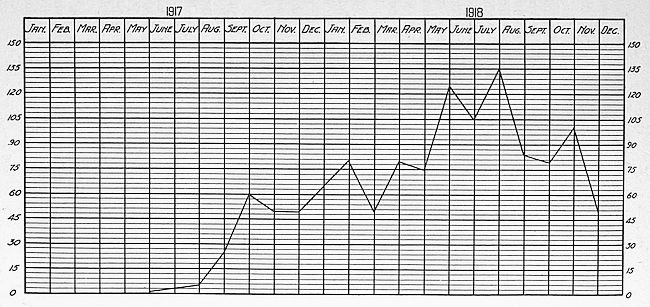
R.A.F. Can.—Monthly Strength of Officers, W.O.’s N.C.O.’s & Men, Cadet Pilots, Cadet Observers
All posting of mechanics and of cadets throughout
their training has been carried out by this unit. The
records of the training of mechanics, and their progressive
history from station to station, have been
maintained by the individual card system. A complete
history of each cadet from the time he first made application
until the time he proceeded overseas, through
every stage of training and every movement, has been
kept in minute detail.
New departments required organization to deal
with pensions and other subjects on which there was
very little information available; while the work of
handling other sections, such as, discharges, was continually
on the increase.
In many cases the forms called for by K. R. were
not available, new forms being printed locally, also
those used by the Medical Services, which, although
provided by the Canadian Militia, were often not
applicable to Imperial requirements.
It is found, however, on demobilization, that the
records are in excellent shape, and that the information
at the disposal of this office is complete.
Space does not permit of the printing of the
hundreds of individual names making up the personnel
of those committees in various towns to which the
Corps is so greatly indebted, but to each and all, the
General Officer Commanding tenders in the name of the
Royal Air Force, his most sincere and hearty thanks for
work, without which such progress as may be credited
to the brigade could not have been achieved.
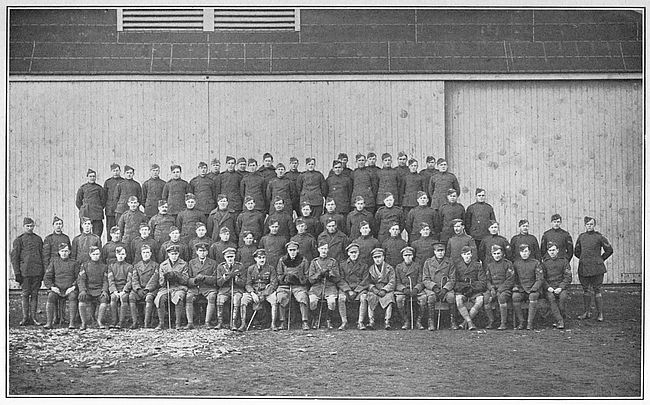
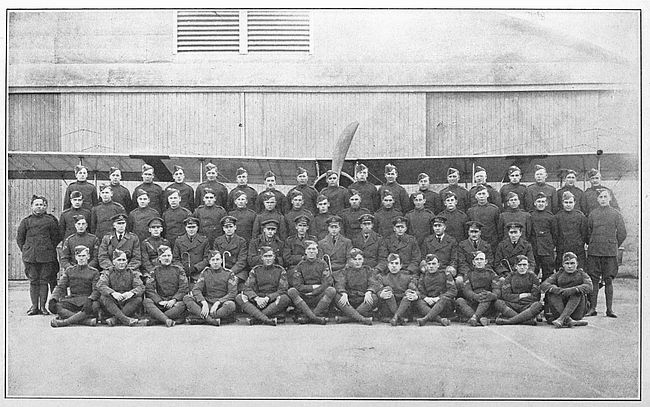
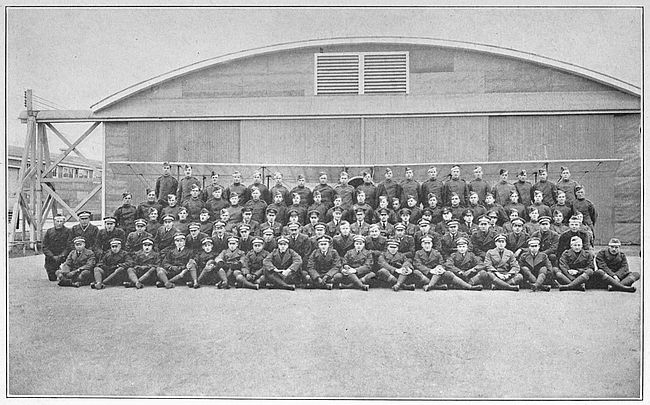
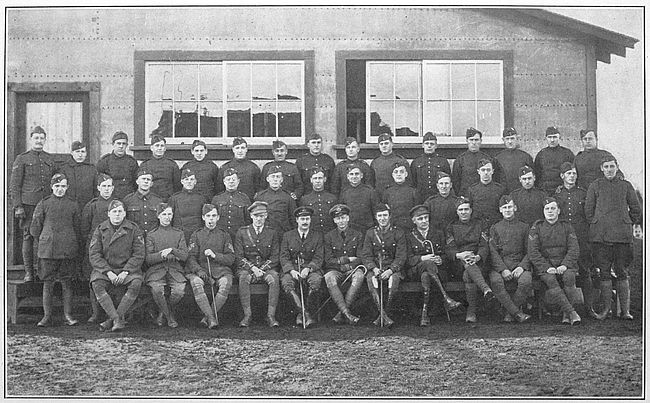
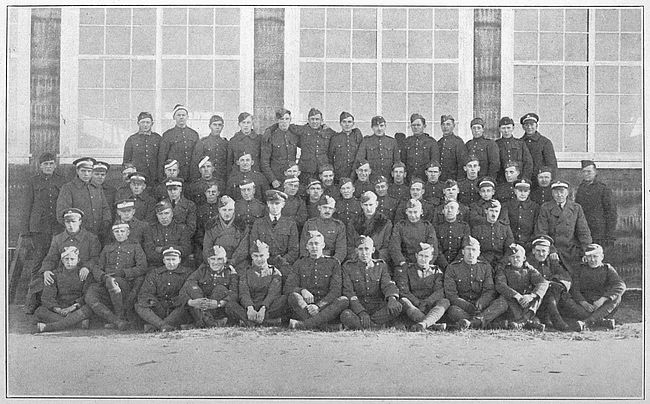
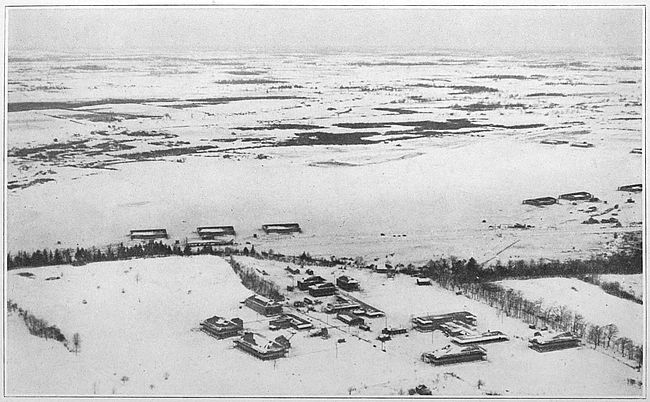
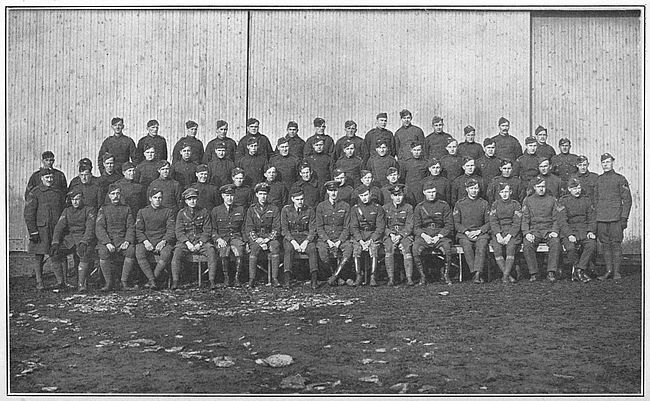
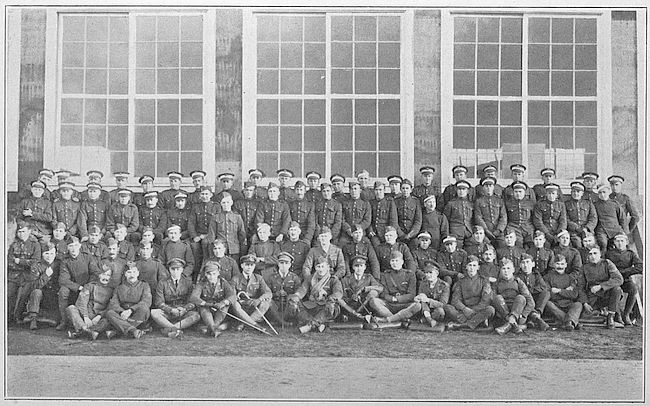
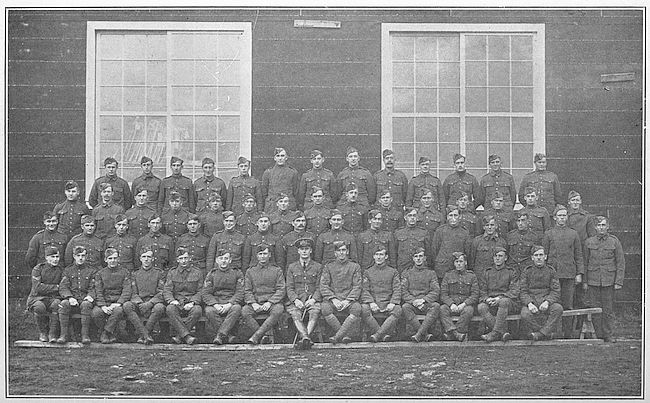
89TH SQUADRON—CAMP MOHAWK.
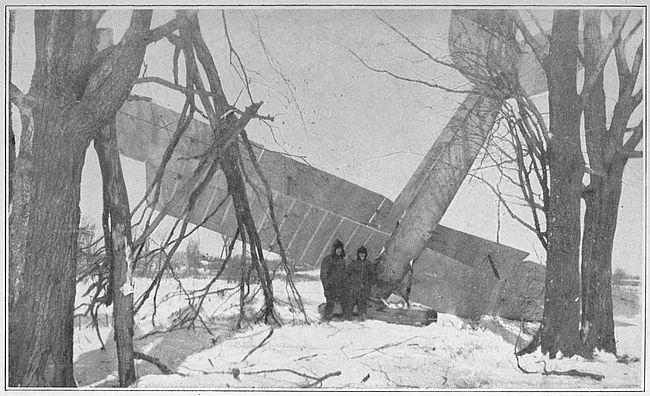
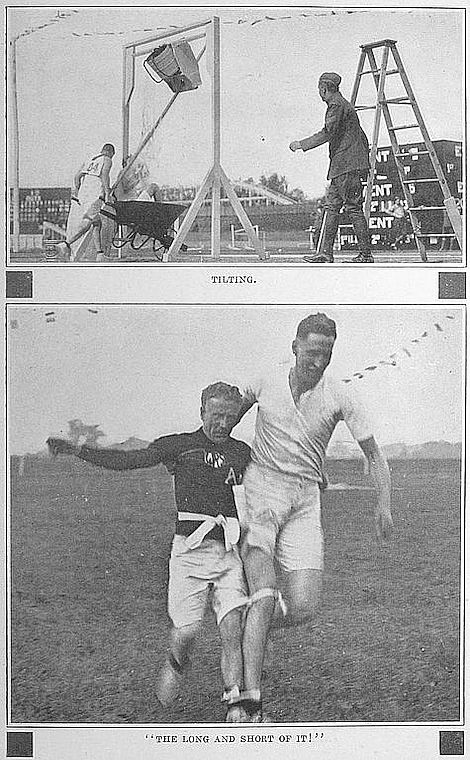
RIGHTING A MACHINE.