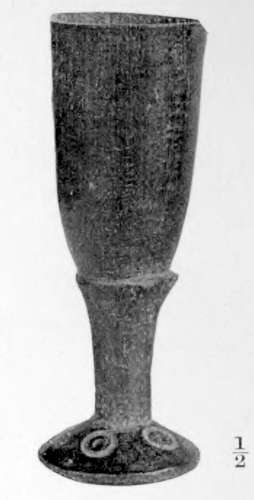
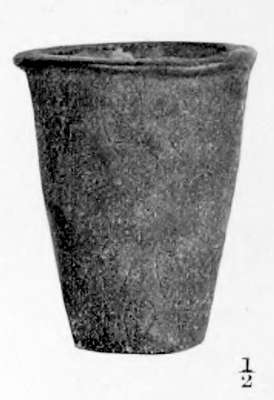
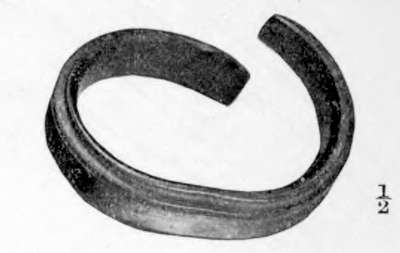
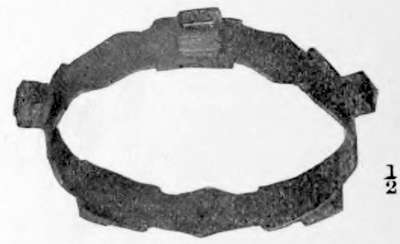
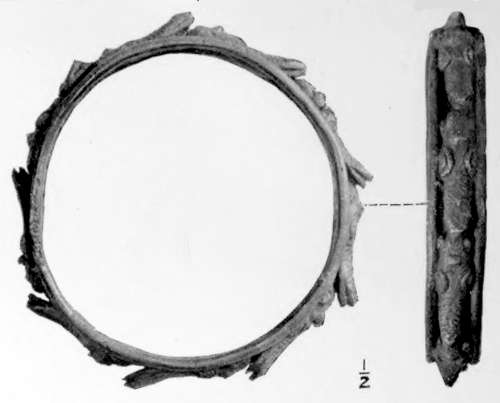
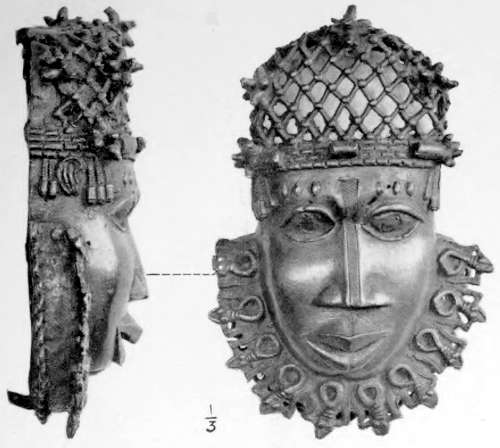
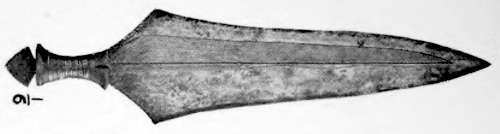
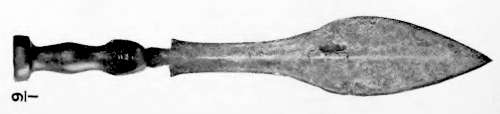
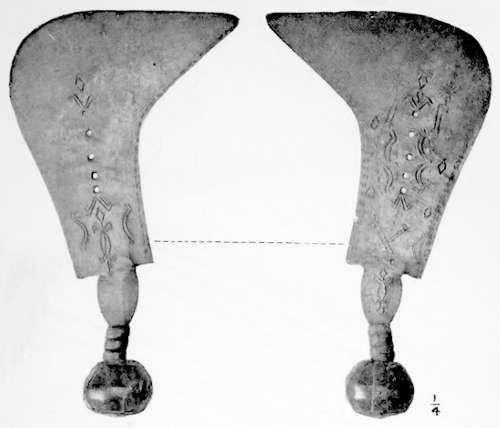
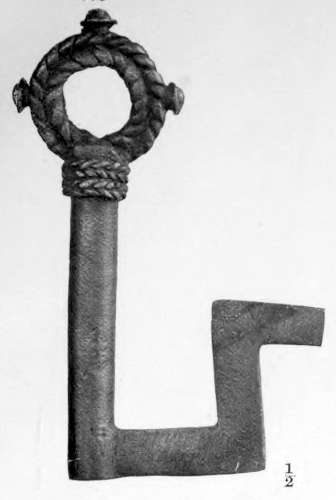
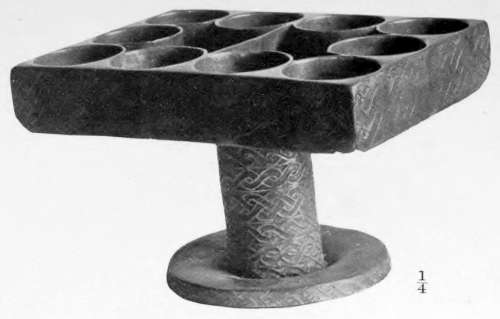
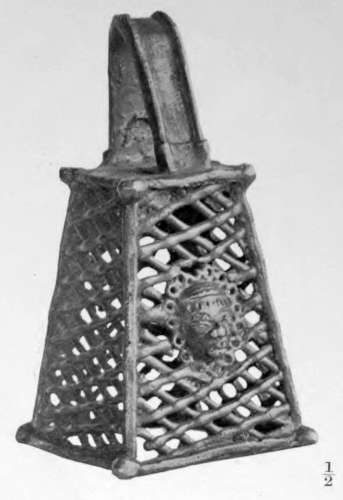
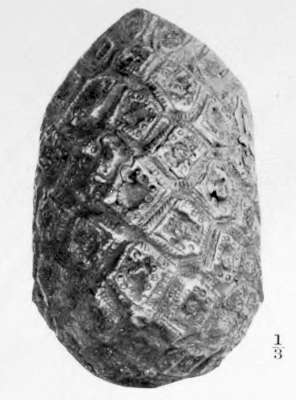
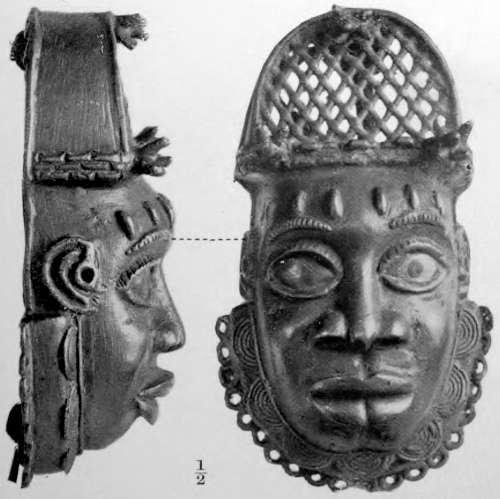
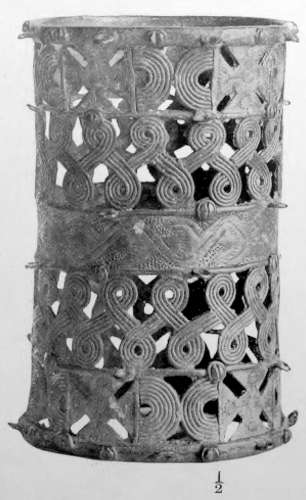
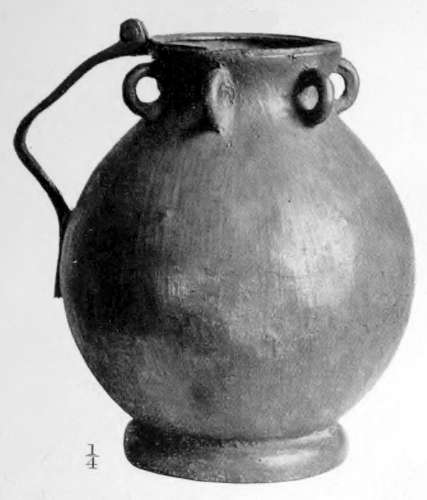
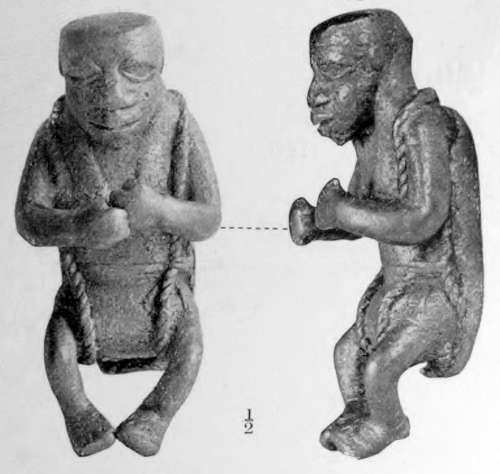
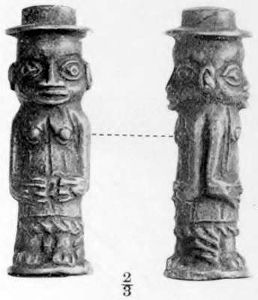
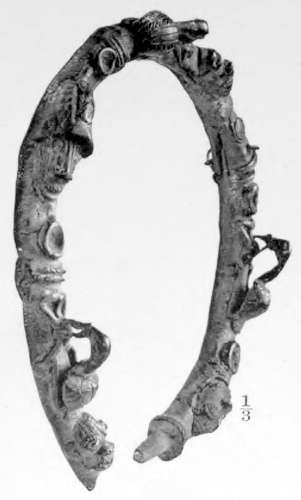
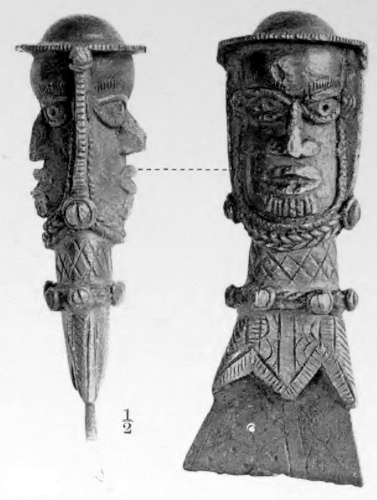
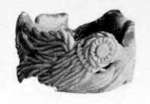
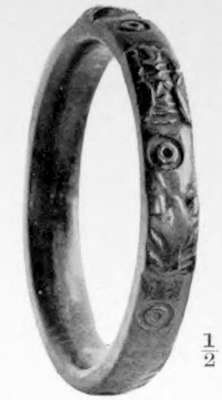
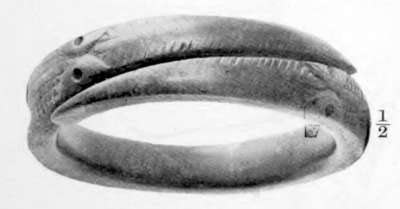
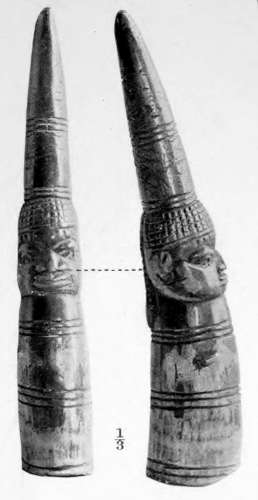
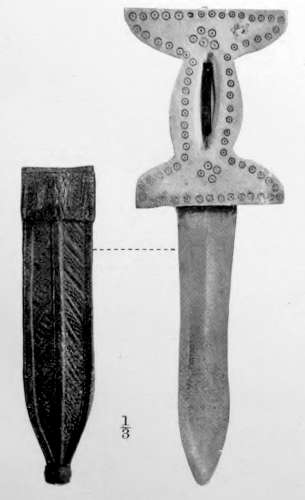
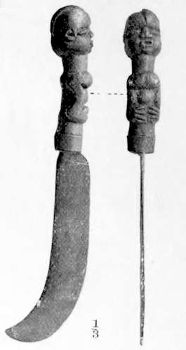
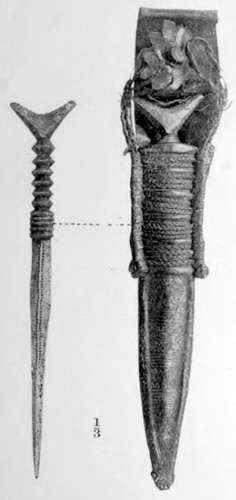
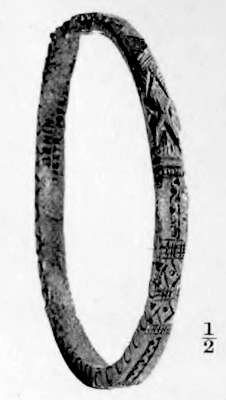
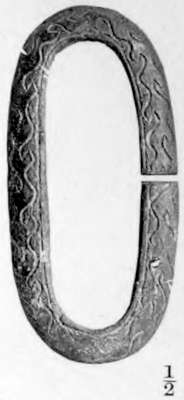
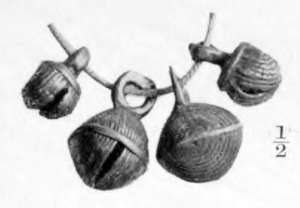
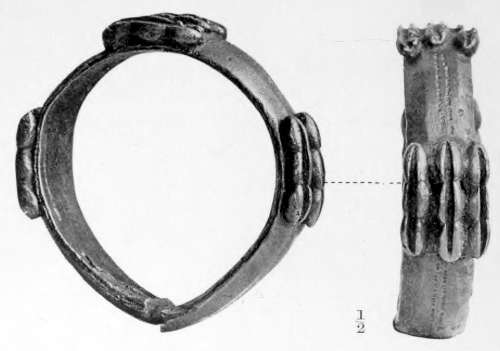
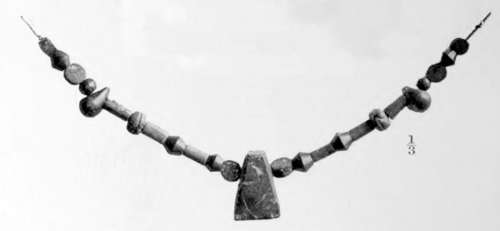
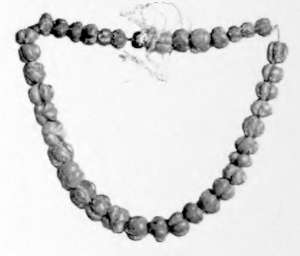
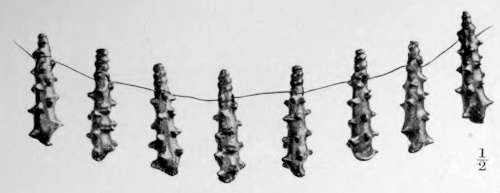
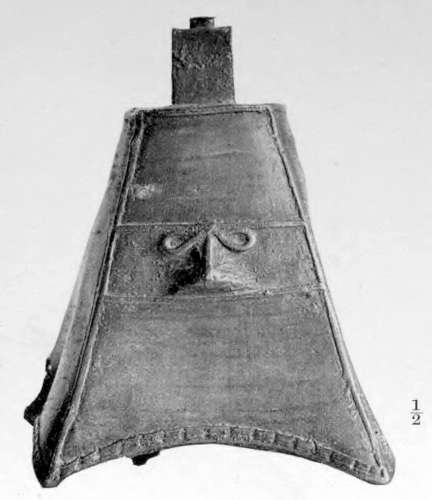
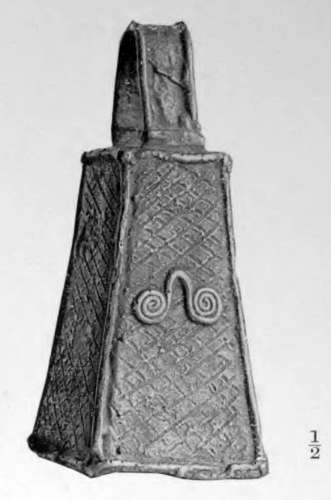
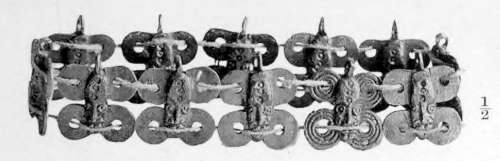
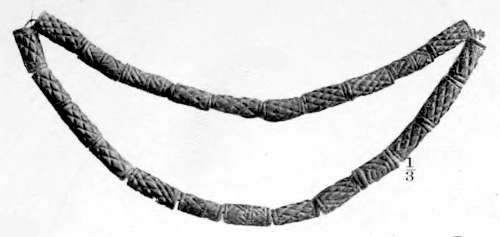
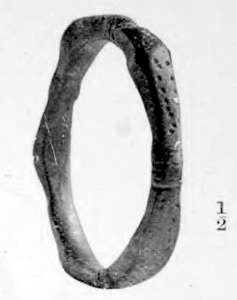
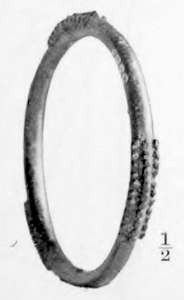
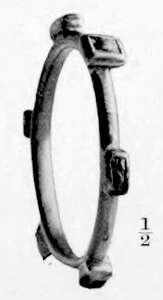
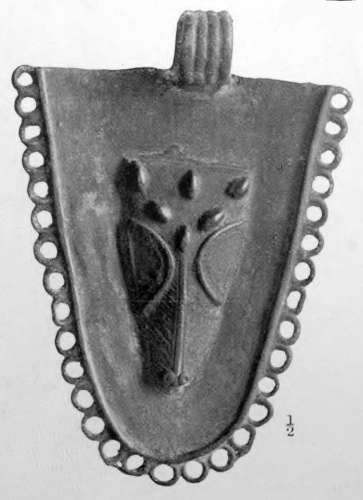
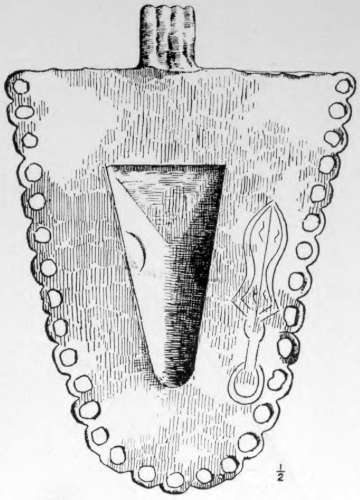
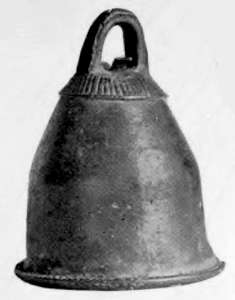
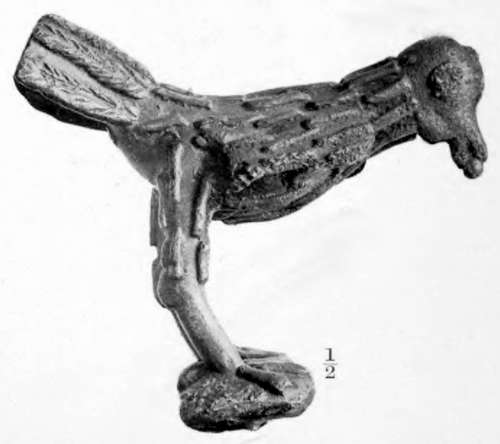
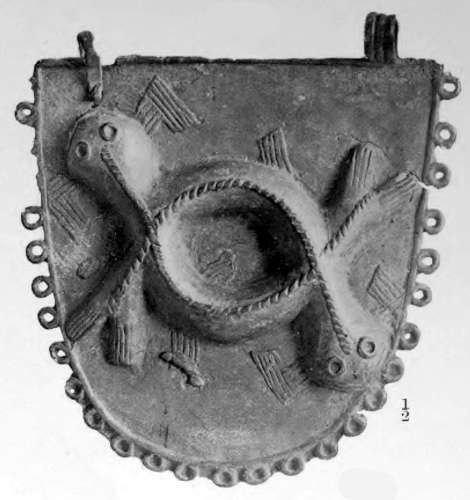
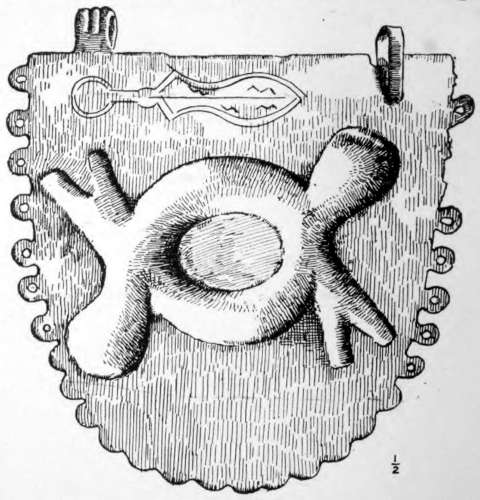
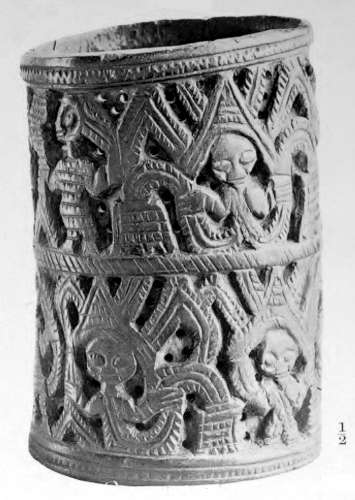
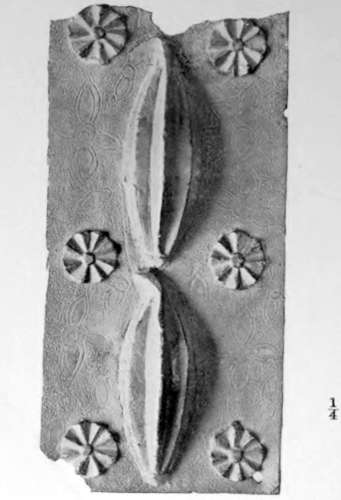
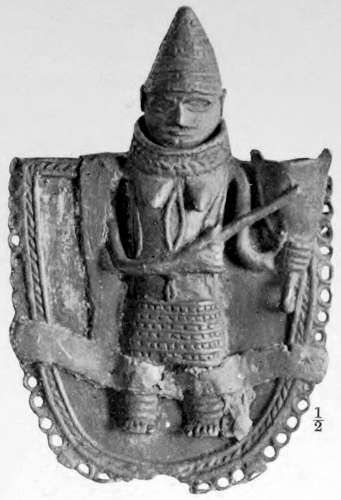
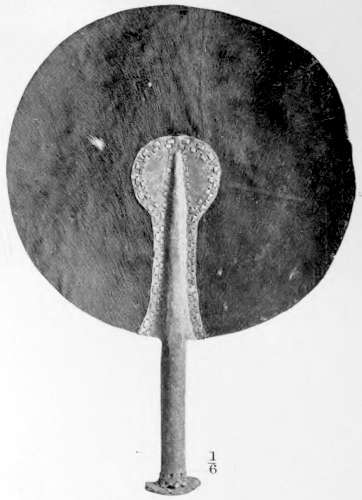
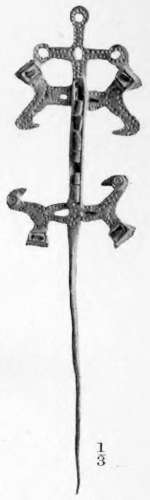
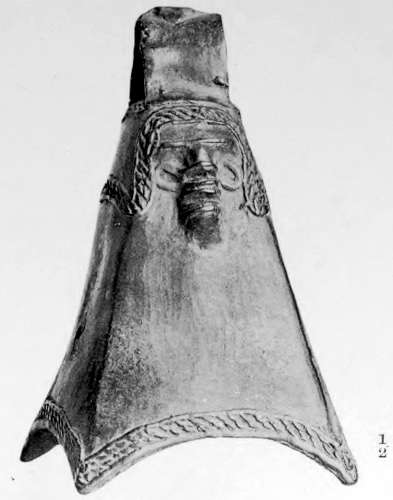
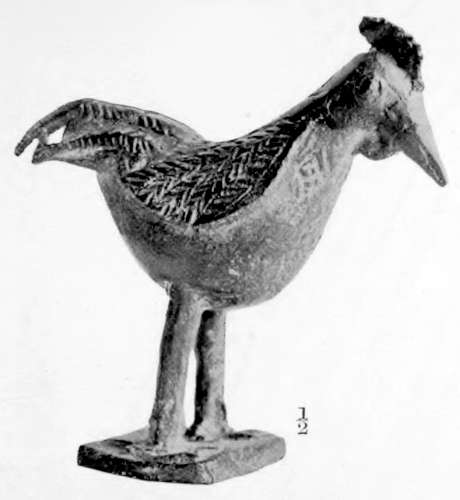
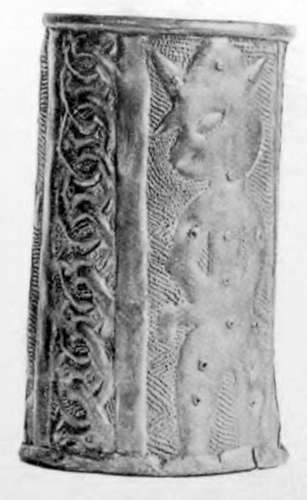
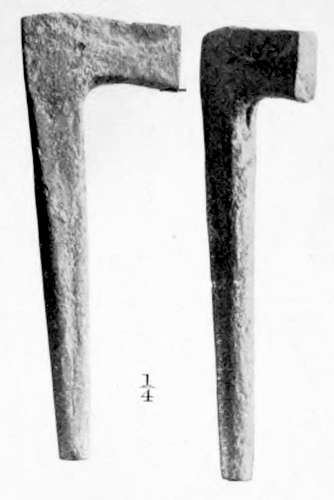
OBTAINED BY THE PUNITIVE EXPEDITION IN 1897, AND NOW
IN GENERAL PITT RIVERS’S MUSEUM AT FARNHAM, DORSET.
Benin is situated on the Guinea Coast, near the mouth of the Niger, in latitude 6·12
north, and longitude 5 to 6 east.
It was discovered by the Portuguese at the end of the fourteenth or commencement
of the fifteenth centuries. The Portuguese were followed by the Dutch and
Swedes, and in 1553 the first English expedition arrived on the coast, and established
a trade with the king, who received them willingly.
Benin at that time appears by a Dutch narrative to have been quite a large city,
surrounded by a high wall, and having a broad street through the centre. The
people were comparatively civilized. The king possessed a number of horses which
have long since disappeared and become unknown. Faulkner, in 1825, saw three
solitary horses belonging to the king, which he says no one was bold enough to ride.
In 1702 a Dutchman, named Nyendaeel, describes the city, and speaks of the
human sacrifices there. He says that the people were great makers of ornamental
brass work in his day, which they seem to have learnt from the Portuguese. It
was visited by Sir Richard Burton, who went there to try to put a stop to human
sacrifices, at the time he was consul at Fernando Po. In 1892 it was visited by
Captain H. L. Galloway, who speaks of the city as possessing only the ruins of its
former greatness; the abolition of the slave trade had put a stop to the prosperity
of the place, and the king had prohibited any intercourse with Europeans. The town
had been reduced to a collection of huts, and its trade had dwindled down to almost
nil. The houses have a sort of impluvium in the centre of the rooms, which has led
some to suppose that their style of architecture may have been derived from the
Roman colonies of North Africa.
In 1896 an expedition, consisting of some 250 men, with presents and merchandise,
left the British settlements on the coast, and endeavoured to advance towards
Benin city. The expedition was conducted with courage and perseverance, but with
the utmost rashness. Almost unarmed, neglecting all ordinary precautions, contrary to
the advice of the neighbouring chiefs, and with the express prohibition of the King
of Benin to advance, they marched straight into an ambuscade which had been
prepared for them in the forest on each side of the road, and as their revolvers were
locked up in their boxes at the time, they were massacred to a man with the
exception of two, Captain Boisragon and Mr. Locke, who, after suffering the utmost
hardships, escaped to the British settlements on the coast to tell the tale.
Within five weeks after the occurrence, a punitive expedition entered Benin, on
18th January, 1897, and took the town. The king fled, but was afterwards brought
back and made to humiliate himself before his conquerers, and his territory annexed
to the British crown.
The city was found in a terrible state of bloodshed and disorder, saturated with
the blood of human sacrifices offered up to their Juju, or religious rites and customs,
for which the place had long been recognised as the “city of blood.”
What may be hereafter the advantages to trade resulting from this expedition
it is difficult to say, but the point of chief interest in connection with the subject
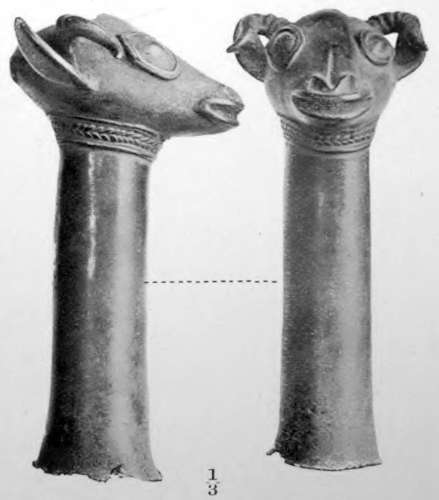
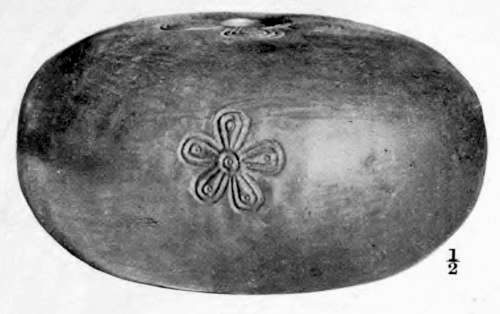
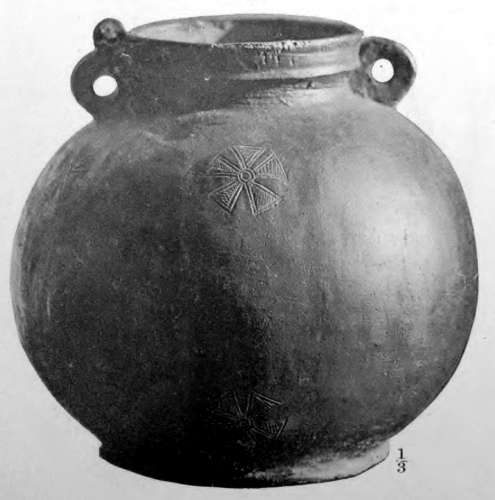
of this paper was the discovery, mostly in the king’s compound and the Juju houses,
of numerous works of art in brass, bronze, and ivory, which, as before stated, were
mentioned by the Dutchman, Van Nyendaeel, as having been constructed by the
people of Benin in 1700.
These antiquities were brought away by the members of the punitive expedition
and sold in London and elsewhere. Little or no account of them could be given by
the natives, and as the expedition was as usual unaccompanied by any scientific
explorer charged with the duty of making inquiries upon matters of historic and
antiquarian interest, no reliable information about them could be obtained. They
were found buried and covered with blood, some of them having been used amongst
the apparatus of their Juju sacrifices.
A good collection of these antiquities, through the agency of Mr. Charles Read,
F.S.A., has found its way into the British Museum; others no doubt have fallen into
the hands of persons whose chief interest in them has been as relics of a sensational
and bloody episode, but their real value consists in their representing a phase of art—and
rather an advanced stage—of which there is no actual record, although
no doubt we cannot be far wrong in attributing it to European influence, probably
that of the Portuguese some time in the sixteenth century.
A. P. R.
Rushmore, Salisbury,
April, 1900.