A PET READER
by
EDITH WILHELMINA LAWSON, A.B.
Primary Teacher, Rockford (Ill.) Public Schools
Author of Better Health for Little Americans
Illustrated by
Ludwig and Regina
and Leone Schwem
BECKLEY-CARDY COMPANY
CHICAGO
Whole book · 117 sections
by
EDITH WILHELMINA LAWSON, A.B.
Primary Teacher, Rockford (Ill.) Public Schools
Author of Better Health for Little Americans
Illustrated by
Ludwig and Regina
and Leone Schwem
BECKLEY-CARDY COMPANY
CHICAGO
Copyright, 1926
By Beckley-Cardy Company
All rights reserved
Printed in the United States of America
| Kindness to Animals | 7 |
| Our Pets | 9 |
| Dogs and Puppies | |
| A Little Dog | 12 |
| My Dog | 13 |
| Other Dogs | 14 |
| A True Dog Story | 15 |
| My Uncle’s Dog | 16 |
| A Little Doggy | 17 |
| Harriet and the Dog | 18 |
| Ben | 19 |
| Donald’s Pet Dog | 21 |
| A Brave Dog | 23 |
| Pal | 24 |
| “Doggy, You Must Promise” | 25 |
| A Queer Mother Dog | 26 |
| One Little Dog | 28 |
| Spot | 29 |
| A Loving Friend | 30 |
| The Dog and the Frog | 31 |
| The Story of a Dog and a Cat | 33 |
| The Dog’s Food | 35 |
| Kittens and Cats | |
| Willing to Help | 38 |
| How My Kitten Plays | 39 |
| Ding Dong! | 41 |
| What Kittens Do | 42 |
| The Pussy Cat | 44 |
| The Kitten’s Food | 45 |
| Two Friends | 47 |
| The Kitten at Play | 49 |
| The Kitten and the Falling Leaves | 50 |
| Keeping Clean | 51 |
| The Cat and the Rat | 52 |
| The Ways of a Cat | 53 |
| The Cat and the Dog | 54 |
| Hens and Chickens | |
| How to Get Breakfast | 56 |
| Our Chickens | 57 |
| The Clucking Hen | 59 |
| My Pet Hen | 60 |
| Cock-A-Doodle-Doo | 61 |
| Grandmother’s Chickens | 62 |
| A Queer Hen | 65 |
| Canary Birds | |
| Sing, Little Bird | 68 |
| Buttercup | 69 |
| How We Care for Our Canary | 71 |
| The Little Bird | 72 |
| The Bird’s Bath | 73 |
| Cleaning the Canary’s Cage | 74 |
| My Grandmother’s Canary | 76 |
| Wild Birds | |
| Bird Trades | 78 |
| Mother Robin | 79 |
| The Bird with a Broken Wing | 81 |
| The Sparrow | 83 |
| A Bird House | 84 |
| The Woodpecker’s Nest | 85 |
| The Building of the Nest | 87 |
| How We Help the Birds | 88 |
| Carrier Pigeons | 90 |
| The Pigeons | 91 |
| The Swallow | 92 |
| A Song | 92 |
| More Feathered Pets | |
| Why Some Birds Hop and Others Walk | 94 |
| Ducks on A Farm | 95 |
| Quack, Quack | 96 |
| Polly | 97 |
| Doves | 100 |
| The Turtle Doves’ Nest | 101 |
| Our Dove | 102 |
| A Turkey Story | 103 |
| The Turkey Gobbler | 104 |
| Horses and Ponies | |
| Dobbin | 106 |
| A Gentle Horse | 107 |
| Horses | 109 |
| My Pony | 111 |
| My Cousin’s Pony | 112 |
| Jean’s Riding Horse | 114 |
| “A Farmer Went Trotting” | 116 |
| Rabbits | |
| The Rabbits | 118 |
| Rabbits | 119 |
| Little Bunnies | 121 |
| My Soldier Rabbits | 122 |
| Squirrels | |
| The Squirrels and the Gun | 126 |
| Some Squirrels I Watched | 127 |
| Eating Nuts | 129 |
| The Lost Nut | 131 |
| The Squirrel’s Arithmetic | 133 |
| Whisky Frisky | 134 |
| Other Pets | |
| Come, My Children | 136 |
| A Pet Goat | 137 |
| The Sheep | 139 |
| Mary’s Lamb | 140 |
| The Cow | 142 |
| In the Meadow | 143 |
| My Father’s Fox | 144 |
| The Little Foxes | 145 |
| Our Monkey | 146 |
| The Monkey and the Hand-Organ Man | 147 |
| The Monkey Man | 149 |
| Our White Mice | 150 |
| A Little Mouse | 151 |
| My Uncle’s White Mice | 152 |
| The Mice | 153 |
| The Two Gold Fishes | 154 |
| Aunt Minnie’s Gold Fish | 156 |
| Where the Stream Runs Blue | 158 |
| Frogs at School | 159 |
| About the Book | 160 |
Eliza Lee Follen
Edith Ballinger Price
William Wordsworth
William Wordsworth
Lydia Maria Child
Christina G. Rossetti
Eliza Lee Follen
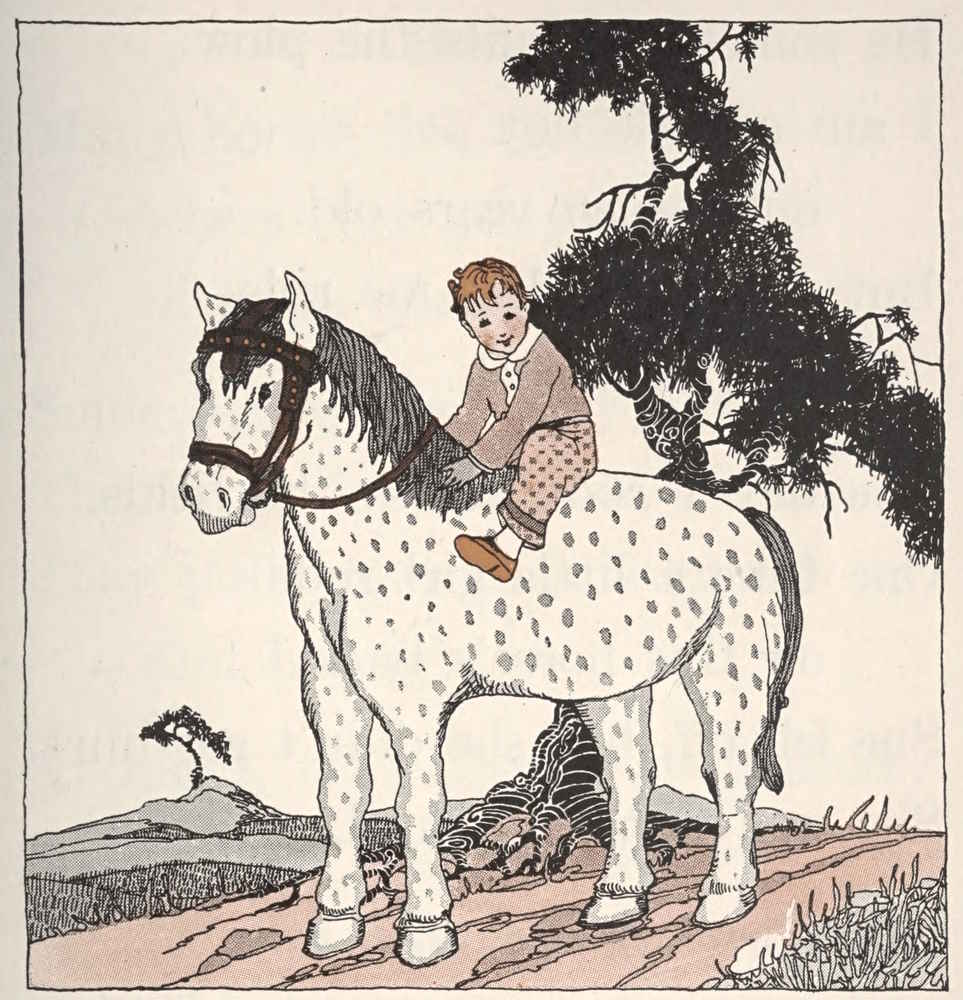
Alice C. D. Riley from Lilts and Lyrics
Used by permission of Clayton F. Summy Co.
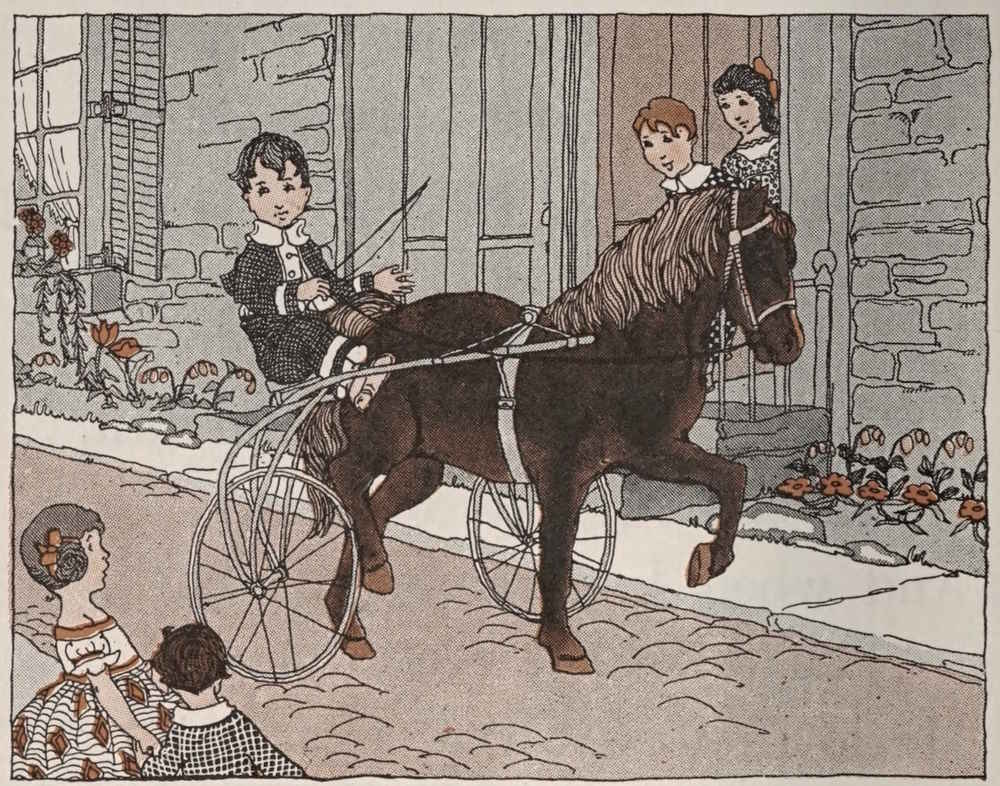
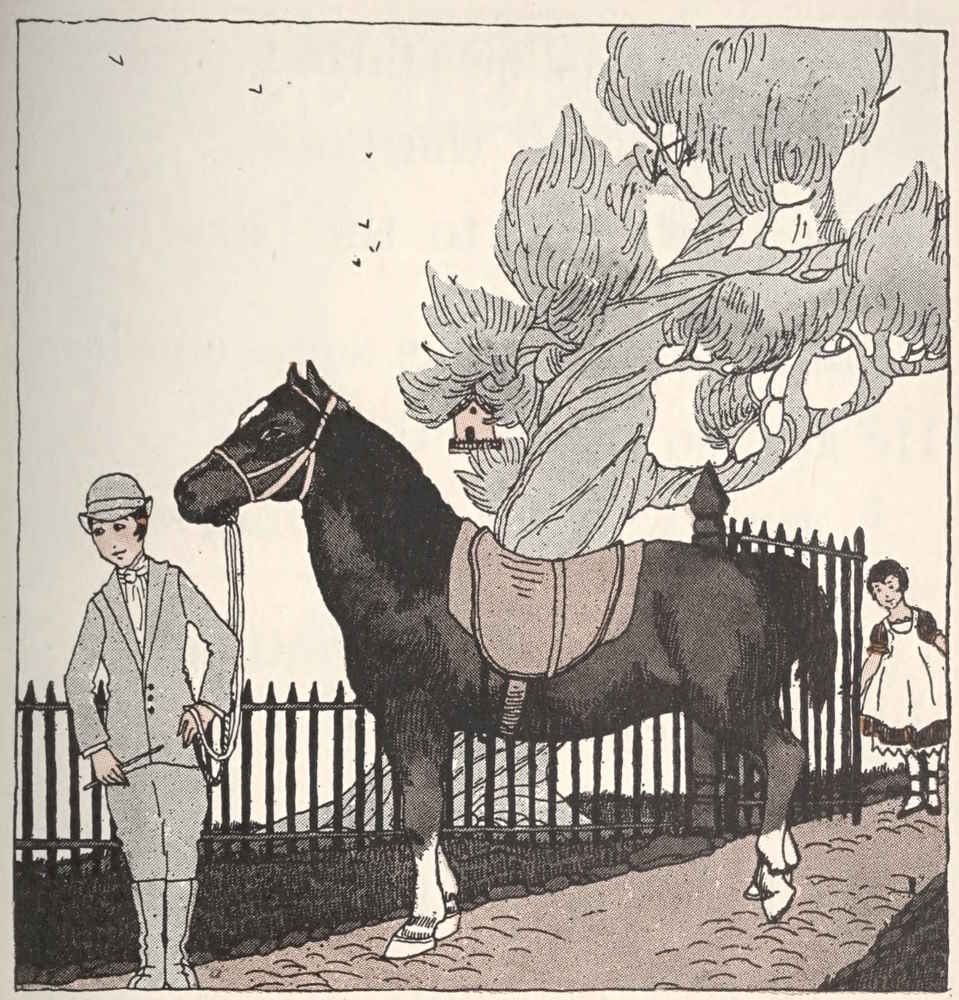
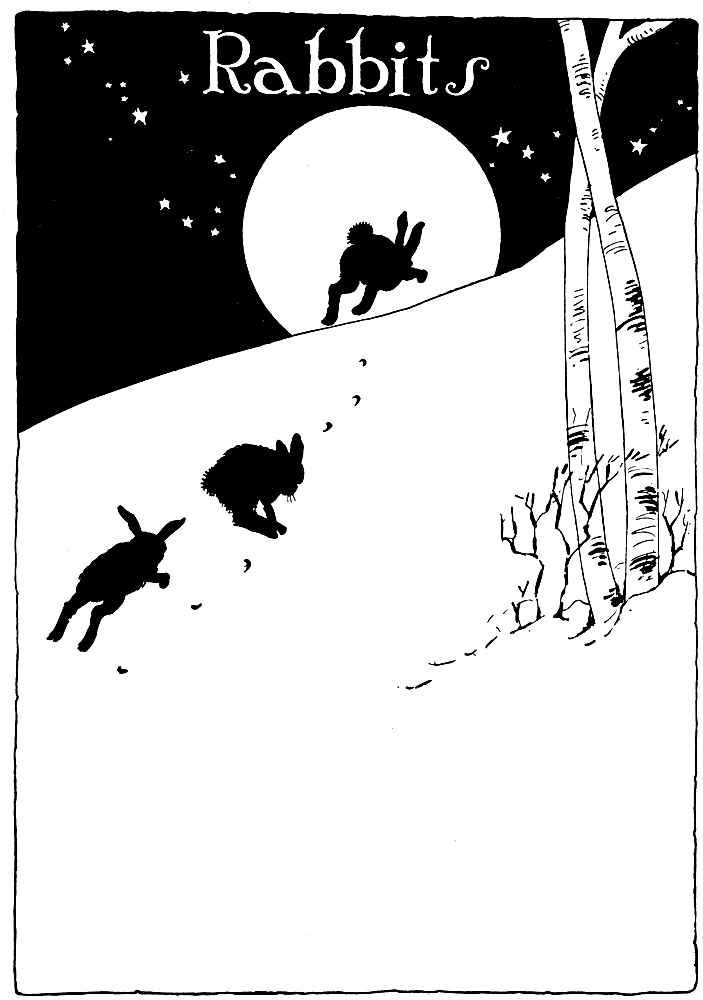
Joseph C. Sindelar
From Nixie Bunny in Workaday-Land
Annie Douglas Bell
Ann Taylor
Robert Louis Stevenson
Edmund Vance Cooke from Cheerful Children
Eliza Lee Follen
Olive A. Wadsworth
George Cooper
A Pet Reader is an outgrowth of group and individual oral composition work in a primary classroom. The stories, based upon suggestions from children and upon fact and observation, have been adapted to the child’s interests and mental capacity. The book will commend itself to teachers for several reasons.
1. As the vocabulary in large measure is already a part of the child’s oral expression, it will, with economy of time and effort, increase his reading equipment.
2. Because, with few exceptions, the sentences are comparatively short, this reader will have a tendency to increase fluency, and facilitate thought-getting.
3. The theme is one of universal interest to child life, therefore, A Pet Reader will entertain as well as instruct, primary children. A teacher sometimes has to inspire an interest in the subject. But the interest in pets does not have to be created—it is already present.
4. The reading material is fresh and attractive—a merit that will be appreciated, since so many books offer only repetition of folk and fairy tales. While commendable in themselves, these prove tiresome to the children because of sameness of content.
5. Little rhymes and bits of verse, supplementing the stories, increase the attractiveness of the reading matter. All rhymes are intended to be read by the teacher to and with the pupils.
It is hoped that the book may be a source of pleasure and profit to teachers and pupils everywhere.
Edith Wilhelmina Lawson