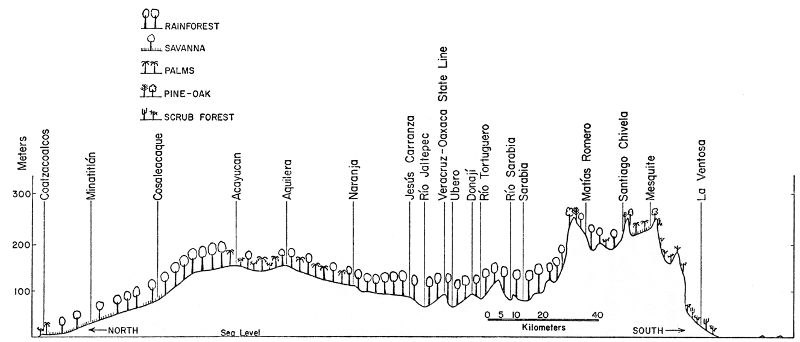
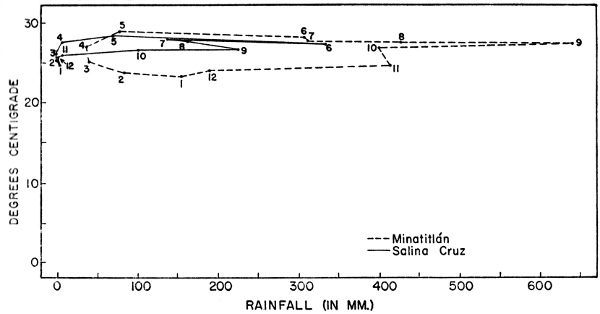
For each species of amphibian known to occur in the lowlands of the
Isthmus of Tehuantepec, localities where one or more specimens were
collected are listed, and variation, ecology, and life histories are
discussed. A total of 2833 specimens has been examined for the purposes
of this study. Individual specimens cited in the text are listed with
catalogue numbers and abbreviations of the name of the museum, as
follows:
AMNH American Museum of Natural History
KU University of Kansas Museum of Natural History
MCZ Museum of Comparative Zoology, Harvard College
UIMNH University of Illinois Museum of Natural History
UMMZ University of Michigan Museum of Zoology
USNM United States National Museum
Gymnopis mexicanus mexicanus Duméril and Bibron
Oaxaca: El Barrio (3); Matías Romero; Tehuantepec (2).
Veracruz: Cosamaloapan; Cuatotolapam (2).
The two specimens from Cuatotolapam were collected by Ruthven in an
area of mixed savanna and forest. The three specimens (USNM 30535-7)
listed above from El Barrio were collected by Sumichrast; possibly they
came from another locality. The city of Tehuantepec is divided into
seven districts called "barrios." The two specimens listed from
Tehuantepec (MCZ 1604) merely bear the data "Tehuantepec, Mexico." They
may have come from the town, the district, or from anywhere in the
isthmus. The specimen from Matías Romero has 109 primary and 67
secondary annuli, a length of 400 mm., and a diameter of 19 mm.; the
one from Cosamaloapan has 106 primary and 58 secondary annuli, a length
of 397 mm., and a diameter of 19 mm. Data on the other specimens were
recorded by Dunn (1942:475).
Bolitoglossa occidentalis Taylor
Oaxaca: Río Sarabia (2); Ubero. Veracruz: La Oaxaqueña;
14 km. E of Suchil.
The specimens from Oaxaca are only tentatively assigned to
occidentalis. All are immature and lack maxillary teeth. Taylor
(1941:147) stated that the maxillary teeth are absent in young
occidentalis. One from Río Sarabia is a male with a body-length of 29
mm. and a tail-length of 22 mm. The dorsum is reddish brown streaked
with dark gray; the venter is dark gray. Two small individuals (one
from Sarabia and one from Ubero) have body-lengths of 19 and 21 mm. and
tail-lengths of 10.5 and 11 mm. In life they were pale yellowish tan
above with a brown triangular mark on the occiput, but with no
middorsal stripe. Both were found in the axils of elephant ear plants
(Xanthosoma).
This species has been noted by Goodnight and Goodnight (1956:146) on
the Atlantic lowlands at Palenque, Chiapas, and by Shannon and Werler
(1955:362) at several localities in Los Tuxtlas, Veracruz. I have
collected it at Vista Hermosa on the eastern slopes of the Sierra Madre
Oriental above Tuxtepec in northern Oaxaca. Both B. occidentalis and
B. rufescens have been reported from Palenque, Chiapas (Taylor and
Smith, 1945:547). Reëxamination of specimens from northern Chiapas and
Tabasco is needed to verify the sympatric occurrence of these two
similar species.
Bolitoglossa platydactyla Tschudi
Oaxaca: La Oaxaqueña; Tolosita (2). Veracruz: Acayucan;
Cuatotolapam; 25 km. ESE of Jesús Carranza; 14 km. E of
Suchil; 2.7 km. N of Tula.
Known only from the Gulf lowlands in the isthmian region, this species
has been taken in a variety of habitats within the humid forest area:
under outer leaves of banana plants, under a rock along a stream, under
a log in a plowed field, and on a reed in a pond at night. Three adult
males have an average snout-vent length of 44 mm. and a tail-length of
41 mm. In life the color of the dorsum varied from orange-yellow to
orange-tan, usually being more orange on the tail. The iris was a
reddish orange.
Bolitoglossa veracrucis Taylor
Veracruz: 35 km. SE of Jesús Carranza (21).
This species is known only from the type series collected at night on a
limestone cliff by Walter W. Dalquest. If this salamander is restricted
to this type of habitat, it should be found in the region of extensive
limestone outcroppings in northern Chiapas and southern Tabasco.
Rhinophrynus dorsalis Duméril and Bibron
Oaxaca: Ixtepec; Limón; Salina Cruz (18); Tehuantepec
(57); Tuxtepec (3). Veracruz: Amatitlán (3); Cosamaloapan
(5); Novillero (2); San Lorenzo.
This species inhabits the scrub forests of the Pacific coastal plain
and the savannas in southern Veracruz; apparently it does not occur in
rainforest. Consequently, its distribution in the isthmus is
discontinuous.
PLATE 1
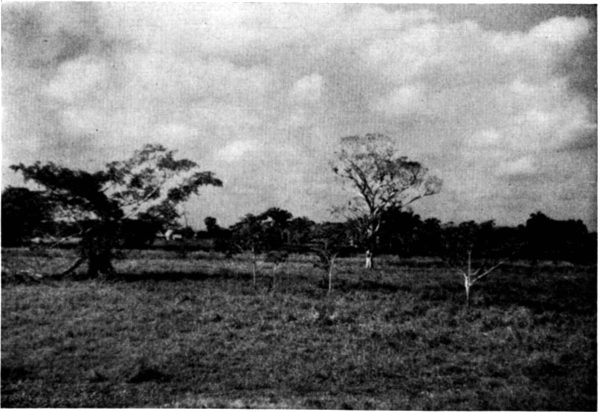 Fig. 1. Savanna about 75 kilometers east of
Coatzacoalcos, Veracruz. Photograph by L. C. Stuart.
Fig. 1. Savanna about 75 kilometers east of
Coatzacoalcos, Veracruz. Photograph by L. C. Stuart.
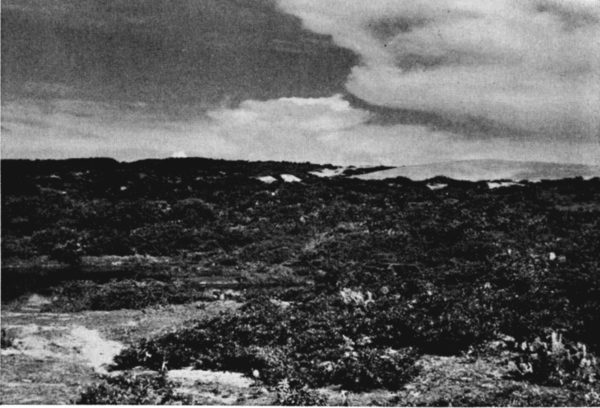 Fig. 2. Low scrub forest near Alvarado, Veracruz.
Photograph by L. C. Stuart.
Fig. 2. Low scrub forest near Alvarado, Veracruz.
Photograph by L. C. Stuart.
PLATE 2
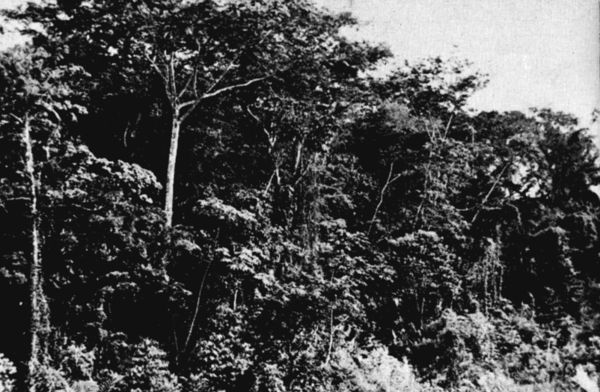 Fig. 1. Rainforest near Tolosita, Oaxaca. March, 1956.
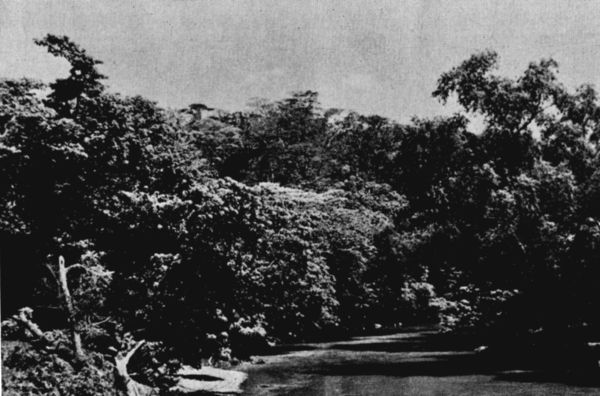 Fig. 2. Rainforest along the Río Sarabia, Oaxaca. March,
1956.
Fig. 2. Rainforest along the Río Sarabia, Oaxaca. March,
1956.
PLATE 3
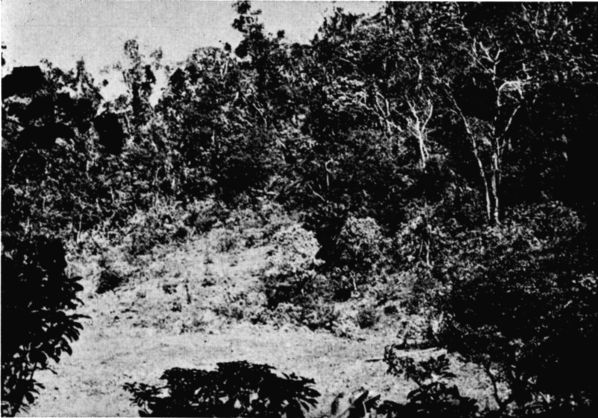 Fig. 1. Transition forest near La Princesa, Oaxaca.
March, 1956.
Fig. 1. Transition forest near La Princesa, Oaxaca.
March, 1956.
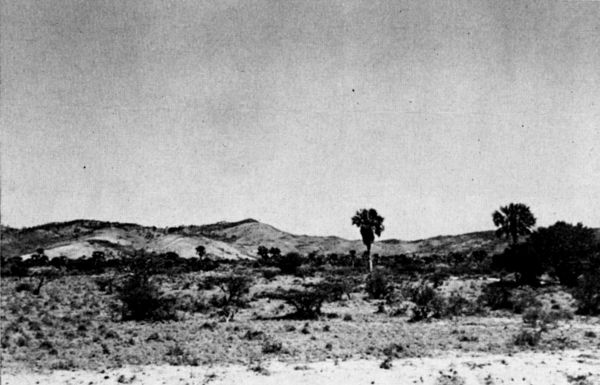 Fig. 2. Palm Savanna on the Plains of Chivela, Oaxaca.
March, 1956.
Fig. 2. Palm Savanna on the Plains of Chivela, Oaxaca.
March, 1956.
PLATE 4
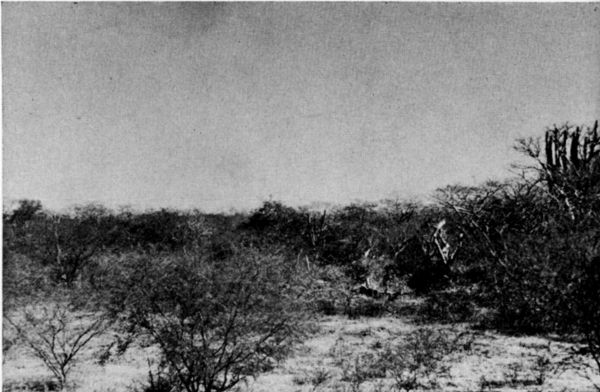 Fig. 1. Scrub forest on the Plains of Tehuantepec in dry
season. March, 1956.
Fig. 1. Scrub forest on the Plains of Tehuantepec in dry
season. March, 1956.
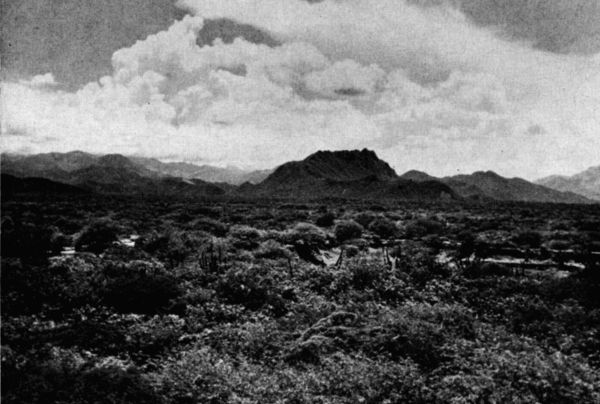 Fig. 2. Scrub forest on the Plains of Tehuantepec in
rainy season. View toward the north. In the distance is the Continental
Divide in the hills of the Isthmus. July, 1958.
Fig. 2. Scrub forest on the Plains of Tehuantepec in
rainy season. View toward the north. In the distance is the Continental
Divide in the hills of the Isthmus. July, 1958.
PLATE 5
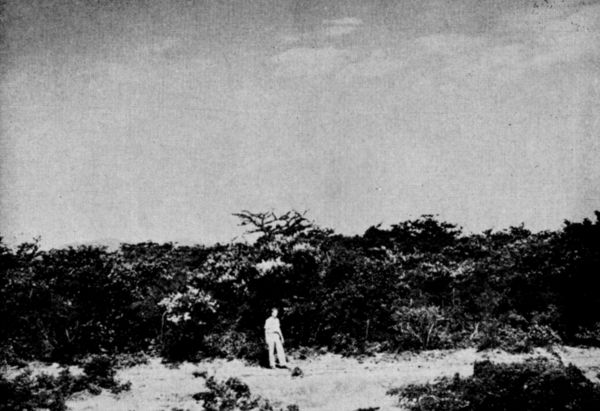 Fig. 1. Low, dense scrub forest near La Ventosa, Oaxaca.
July, 1958.
Fig. 1. Low, dense scrub forest near La Ventosa, Oaxaca.
July, 1958.
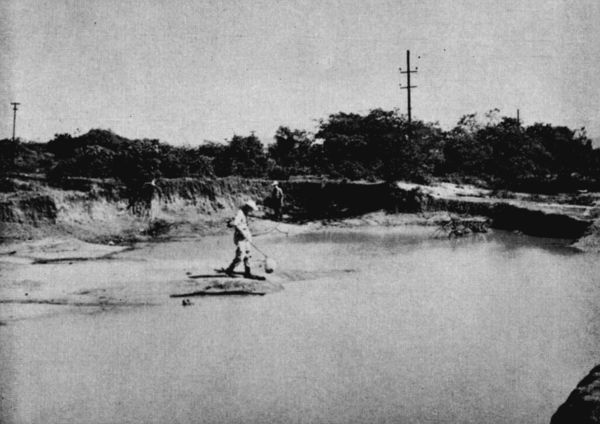 Fig. 2. Temporary pond in scrub forest north of Salina
Cruz, Oaxaca. July 7, 1958. Rhinophrynus dorsalis, Bufo marmoreus,
and Diaglena reticulata were breeding here the previous night.
Fig. 2. Temporary pond in scrub forest north of Salina
Cruz, Oaxaca. July 7, 1958. Rhinophrynus dorsalis, Bufo marmoreus,
and Diaglena reticulata were breeding here the previous night.
PLATE 6
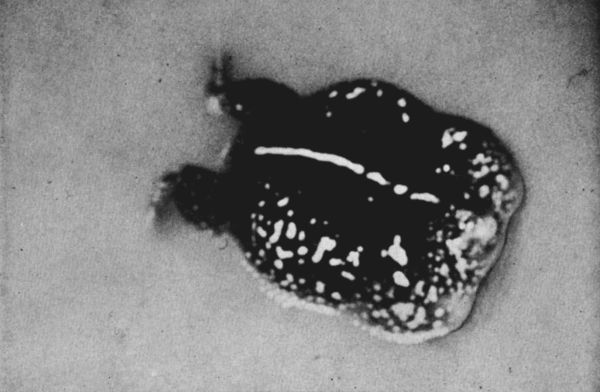 Fig. 1. Calling male of Rhinophrynus dorsalis,
photographed in a pond north of Santa Cruz, Oaxaca, on July 6, 1958. ×
2/3.
Fig. 1. Calling male of Rhinophrynus dorsalis,
photographed in a pond north of Santa Cruz, Oaxaca, on July 6, 1958. ×
2/3.
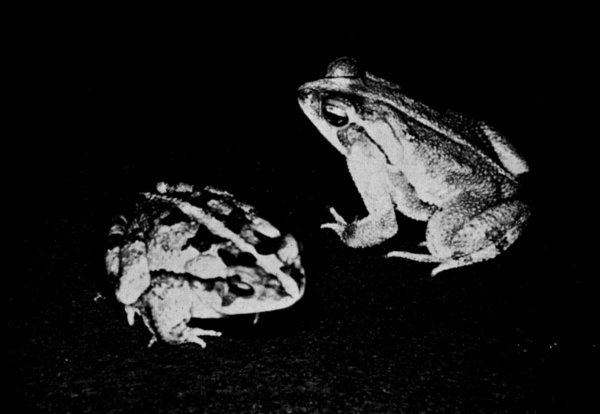 Fig. 2. Color pattern variation in two adults of Bufo
canaliferus from Juchitán, Oaxaca. × 2/3.
Fig. 2. Color pattern variation in two adults of Bufo
canaliferus from Juchitán, Oaxaca. × 2/3.
PLATE 7
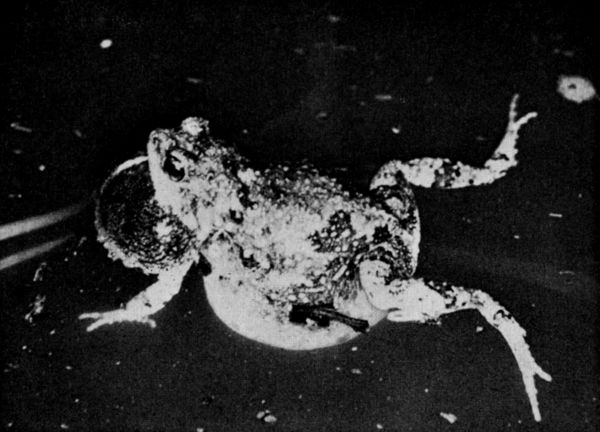 Fig. 1. Calling male of Engystomops pustulosus,
photographed in a pond west of Tehuantepec, Oaxaca, on July 5, 1956. ×
2.
Fig. 1. Calling male of Engystomops pustulosus,
photographed in a pond west of Tehuantepec, Oaxaca, on July 5, 1956. ×
2.
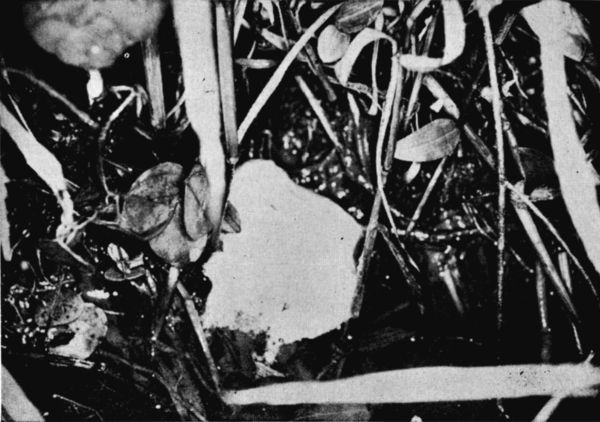 Fig. 2. Foamy egg mass of Engystomops pustulosus at
the edge of a pond west of Tehuantepec, Oaxaca. July 5, 1956. × 3/8.
Fig. 2. Foamy egg mass of Engystomops pustulosus at
the edge of a pond west of Tehuantepec, Oaxaca. July 5, 1956. × 3/8.
PLATE 8
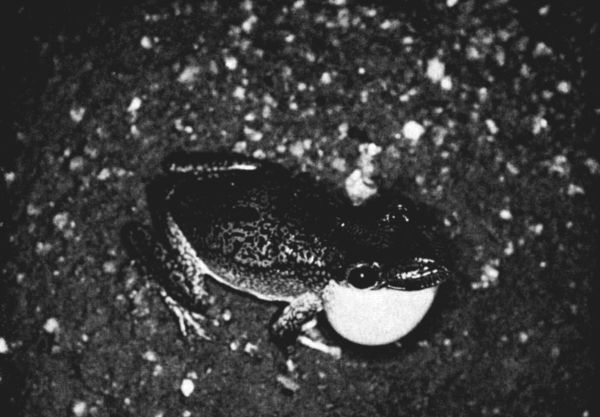 Fig. 1. Calling male of Diaglena reticulata,
photographed at a pond north of Salina Cruz, Oaxaca, on July 6, 1958. ×
1/2.
Fig. 1. Calling male of Diaglena reticulata,
photographed at a pond north of Salina Cruz, Oaxaca, on July 6, 1958. ×
1/2.
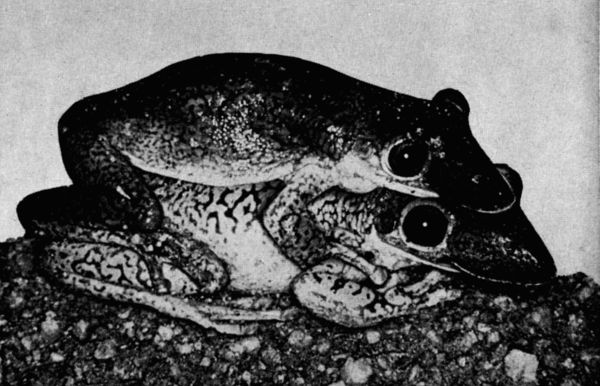 Fig. 2. Clasping pair of Diaglena reticulata at the
edge of a pond north of Salina Cruz, Oaxaca, on July 6, 1958. × 1.
Fig. 2. Clasping pair of Diaglena reticulata at the
edge of a pond north of Salina Cruz, Oaxaca, on July 6, 1958. × 1.
Breeding congregations were found after heavy rains at Tehuantepec on
July 5, 1956, at Cosamaloapan, Novillero, and Amatitlán on July 26,
1956, and at Salina Cruz on July 6, 1958. The call is a long "worrp"
made while the male is floating on the surface of the pond. The small
heads, small limbs, and greatly inflated bodies cause the calling males
to resemble miniature caricature balloons (Pl. 6, fig. 1). Amplexus is
inguinal. These toads are notably wary, even when calling. Often the
beam of a flashlight or the slightest disturbance of the water will
cause the males to stop calling. The body is deflated with one last
nauseous note, and the frog sinks beneath the surface of the water and
swims away with short slow kicks of the hind feet.
Bufo canaliferus Cope
Oaxaca: Chivela; Salina Cruz; Santa Efigenia; Tapanatepec
(6); Tehuantepec (10); Zanatepec (4).
This small toad apparently is restricted to the Pacific lowlands from
the Isthmus of Tehuantepec eastward to Guatemala. At Zanatepec on July
13, 1956, males were calling from a flooded field bordered by scrub
forest. The call is a rather loud nasal racket. Living individuals vary
greatly in coloration. Some have yellowish tan flanks and dorsum and an
orange middorsal stripe; others have a pale red dorsum, yellow flanks,
and a cream middorsal stripe (Pl. 6, fig. 2).
Bufo coccifer Cope
Oaxaca: Juchitán (5); Tehuantepec.
It is with some degree of hesitancy that these toads are referred to
the species coccifer. Although these and other specimens from
Guerrero and Michoacán display no striking differences from specimens
from Costa Rica, Nicaragua, and southeastern Guatemala, the ranges of
the populations are separated by a broad hiatus in Chiapas and
Guatemala. Possibly this species has utilized the sub-humid corridor
through northern Central America (Stuart, 1954) and subsequently
disappeared from the corridor in Guatemala and Chiapas. Specimens of a
coccifer-like toad collected by Stuart in the vicinity of
Jacaltenango, Departamento Huehuetenango, Guatemala, are much larger
than either the Central American or Mexican specimens of coccifer. A
final commitment on the systematic status must await a thorough study
of this group of toads.
Males of this species were calling from a grassy rain-pool in open
scrub forest at the edge of Juchitán on July 6, 1956. The call is a
low "whirrr." The calling males were sitting in the shallow water at
the edge of pond, where they were hidden by the grass. None was
observed in open water, as is characteristic of calling males of Bufo
canaliferus and marmoreus.
Bufo marinus Linnaeus
Oaxaca: Agua Caliente; Guichicovi (3); Mixtequilla;
Tolosita (6); Tehuantepec (37); Tuxtepec; Unión Hidalgo.
Veracruz: Ciudad Alemán (4); Cosamaloapan; Cuatotolapam
(19); 20 km. SE of Jesús Carranza (4); 38 km. SE of Jesús
Carranza (10); 20 km. NE of Jesús Carranza (4); Novillero.
This large toad is abundant throughout the lowlands of the isthmus. The
loud rattling call of males was heard on rainy nights throughout the
summer. In March, 1956, several adults were found in a small cave back
of a spring at Agua Caliente.
Bufo marmoreus Wiegmann
Oaxaca: Cerro San Pedro (2); Chivela (5); Escurano (3);
Juchitán; Salina Cruz (101); Santa Lucía (2); 12 km. S of
Santiago Chivela (11); Santo Domingo; Tapanatepec;
Tehuantepec (100); Tequisistlán. Veracruz: Alvarado;
Coatzacoalcos.
This toad is abundant on the Pacific lowlands, where it inhabits both
open and dense scrub forest. On the Gulf lowlands its distribution
seems to be limited to xeric coastal habitats. Aside from the specimens
from Alvarado and Coatzacoalcos, it is known in Veracruz only from Boca
del Río (Langebartel and Smith, 1959:27).
The similarity in size of Bufo marmoreus and valliceps and their
almost completely allopatric ranges suggest that the two species may be
in competition at any one locality. Nevertheless, both were calling
from a small rocky stream south of Santiago Chivela on July 6, 1956.
On the night of July 6, 1958, an estimated 400 toads of this species
made up a breeding congregation near Salina Cruz. The site was a
shallow muddy pond about 20 × 40 meters located in an area cleared of
scrub forest; the banks of the pond were devoid of vegetation (Pl. 5, fig. 2).
Breeding in the same pond were Rhinophrynus dorsalis and
Diaglena reticulata. The following morning no more than a dozen
Bufo were found in the pond, but several individuals were found
beneath debris and in small burrows near the pond. On July 7, 1958,
large numbers of tadpoles and recently metamorphosed young were in a
shallow grassy pool just east of Salina Cruz.
Taylor (1943b:347) referred certain specimens from Tehuantepec to Bufo
perplexus, a species closely related to Bufo marmoreus. Evidence to
be presented elsewhere shows that perplexus does not occur in the
isthmus.
Bufo valliceps valliceps Wiegmann
Oaxaca: Guichicovi (2); Matías Romero; 32 km. N of Matías
Romero (2); Nueva Raza; Río Sarabia (3); Santa María
Chimalapa (14); Santiago Chivela; 12 km. S of Santiago
Chivela (5); Santo Domingo (5); Tolosita (7). Veracruz:
Acayucan (3); Alvarado; Amatitlán; Ayentes; Cosamaloapan
(3); Cosoleacaque (6); Cuatotolapam (14); Hueyapan; 20 km.
ENE of Jesús Carranza (6); 20 km. S of Jesús Carranza; 25
km. SE of Jesús Carranza (23); 35 km. SE of Jesús Carranza;
60 km. SW of Jesús Carranza (5); La Oaxaqueña (4); Novillero
(4); San Lorenzo (5).
Individuals were found in both wet and dry seasons. In the dry season
they were most frequently found in rainforest, whereas in the rainy
season breeding congregations were found in savannas as well. This toad
occurs throughout the Gulf lowlands and on the Pacific slopes and in
the Grijalva Valley of Chiapas and Guatemala, but not on the Pacific
lowlands of the isthmus.
I have not been able to recognize individuals referrable to the race
macrocristatus. Firschein and Smith (1957:219) described
macrocristatus from the mountains of eastern Oaxaca and referred to
it specimens from the Gulf lowlands of northern Chiapas. None of the
present material shows the hypertrophied cranial crests supposedly
characteristic of macroaristatus, nor do specimens from the isthmus
resemble the population in the Grijalva Valley being described by L. C.
Stuart, who will discuss the variation in, and the validity of, the
named populations of valliceps.
Five specimens from San Lorenzo, Veracruz (USNM 123516-20), were
identified as Bufo cristatus by Smith (1947:408). Firschein (1950:83)
redefined the cristatus group of Bufo and assigned these specimens
to valliceps.
Eleutherodactylus alfredi Boulenger
Oaxaca: Tolosita (2). Veracruz: 35 km. SE of Jesús
Carranza (6).
These specimens were collected in rainforest. Shreve (1957:247) pointed
out the close resemblance between E. alfredi and E. conspicuus from
Piedras Negras, Guatemala, and treated them as subspecies. Examination
of the specimens from the isthmus, together with seven from central
Veracruz and one from Teapa, Tabasco, suggests an even closer
relationship. Eleutherodactylus conspicuus was diagnosed by Taylor
and Smith (1945:567) as differing from alfredi "in lacking a tarsal
fold, in having shorter hind legs with the tibiotarsal articulation
reaching only to the nostril instead of beyond the tip of the snout;
the vomerine teeth barely reach the posterior level of the choanae."
The specimen from Teapa has the vomerine teeth reaching to the
posterior edge of the choanae; in the eight specimens from the isthmus
the teeth reach the posterior edge of the choanae in two and to the
middle of the choanae in six; in seven specimens from central Veracruz
the teeth reach the posterior edge of the choanae in two and to the
middle in five. The tibiotarsal articulation extends beyond the tip of
the snout in the specimen from Teapa and in two from central Veracruz;
in three specimens from the isthmus and in one from central Veracruz it
extends only to the nostril; in the others it extends to the snout. The
tarsal fold is absent in the specimen from Teapa, in three from the
isthmus, and in all those from central Veracruz; it is weakly present
in the others.
In the light of this evidence there seems to be little justification in
recognizing two species or even two subspecies in this group.
Consequently, Eleutherodactylus conspicuus Taylor and Smith (1945) is
here placed in the synonymy of Eleutherodactylus alfredi Boulenger
(1898), a species with a range extending from Cuautlapan and Potrero
Viejo in central Veracruz southward and eastward in forested habitats
to western El Petén, Guatemala.
Eleutherodactylus natator Taylor
Veracruz: 35 km. SE of Jesús Carranza (3); 38 km. S of
Jesús Carranza; 55 km. SE of Jesús Carranza.
The snout-vent length is 42.0 mm. in a male and averages 59.5 mm. in
three adult females. The tarsal fold is low and extends about half the
length of the tarsus; the first and second fingers are subequal in
length; the tibiotarsal articulation extends beyond the tip of the
snout. The patches of vomerine teeth lie between the posterior margins
of the choanae. The throat and belly are immaculate, and the soles of
the feet are dark. In the isthmus this species can be distinguished
from Eleutherodactylus rugulosus by less rugose skin on the dorsum
and absence of dark ventral mottling.
The specimens reported here extend the known range of natator
eastward from Camotlán, Oaxaca; northward in Veracruz the species
inhabits foothills as far north as Huatusco.
Eleutherodactylus rhodopis Cope
Oaxaca: 30 km. N of Matías Romero; Río Sarabia (5);
Tapanatepec (87); Tolosita (6); between Zanatepec and
Tapanatepec. Veracruz: 25 km. SE of Jesús Carranza; 35 km.
SE of Jesús Carranza (2); 22 km. SSW of Jesús Carranza; 20
km. ENE of Jesús Carranza (7); Minatitlán; Tapalapan (5).
For the purposes of the present study I am not recognizing
Eleutherodactylus beati, E. dorsoconcolor, and E. venustus as
specifically, or even subspecifically distinct from the earlier named
E. rhodopis. Probably these are mere color varieties of a single
species.
In the dry season frogs of this species were in humid forests, where
they were most frequently found along small streams and in ravines. The
species is widespread in the Gulf lowlands, but does not occur on the
Plains of Tehuantepec. It does inhabit the Pacific slopes on the
foothills of the Sierra Madre de Chiapas, the western part of which
extends into eastern Oaxaca near Tapanatepec.
Eleutherodactylus rugulosus Cope
Oaxaca: La Princesa (30); Modelo; Santa Lucía (10);
Tapanatepec (26); Tehuantepec (6); Tres Cruces (8).
Veracruz: Tapalapan (5).
In addition to the specimens from the lowlands of the isthmus, for the
purposes of the following discussion, I have included data on two
specimens from the southern slopes of the Sierra del Sur in Oaxaca
(Mirador and Chacalapa) and on several specimens from Los Tuxtlas in
Veracruz (Los Chaneques, 67; Salto de Eyipantla, 35; and San Andrés
Tuxtla, 11).
Frogs of the Eleutherodactylus rugulosus complex occur from southern
Veracruz and Sinaloa southward through Central America. Taylor
(1940:401) described E. vocalis from Hacienda El Sabino, Michoacán;
Taylor and Smith (1945:580) described E. avocalis from Tres Cruces,
Oaxaca. These have been considered as species distinct from
rugulosus, which is known to occur in Veracruz, Guerrero, and Chiapas
southward into Central America. Although the large number of specimens
collected in the isthmus does not aid in defining the ranges of the
taxa involved, these specimens do give some idea of the variation in
certain characters in a given population.
In specimens from Los Tuxtlas the tarsal fold is well-developed and
extends two-thirds to three-fourths the length of the tarsus; the
tibiotarsal articulation reaches the nostril and sometimes slightly
beyond the tip of the snout. In males the tympanum is nearly equal to
the diameter of the eye; in females it is about one-half the diameter
of the eye. The posterior surfaces of the thighs are dark brown or
black with whitish or cream-colored spots, flecks, or irregular
mottling. The tarsal fold is dark; the throat is pale in some
individuals, but in most is mottled with dark brown or gray flecks.
Individuals from La Princesa near the continental divide in Oaxaca show
the same variation in body proportions and development of the tarsal
fold. The posterior surfaces of the thighs are dark brown indistinctly
mottled with lighter brown. The throat is dark brown. Specimens from
the Pacific slopes of Oaxaca, including the Plains of Tehuantepec, have
dark brown thighs mottled with dusty cream. The tibiotarsal
articulation extends slightly beyond the tip of the snout in all
specimens. In males the tympanum is equal to about two-thirds the
diameter of the eye. Duellman (1958b:6) discussed the variation in
these characters in populations in Colima, Jalisco, and Michoacán.
Until the extent of variation of these characters is known throughout
the range of rugulosus, the recognition of populations either as
species or subspecies seems superfluous. Consequently, I have used the
oldest name; this does not necessarily imply, however, that all
populations of rugulosus (sensu lato) are conspecific.
Of the 200 specimens examined, 15 have a middorsal stripe that is red
or yellow. The iris varies from a copper to a dark golden color and
shines bright red at night. Many of the specimens are juveniles; these
were collected in the dry season, at which time they were found beneath
rocks along streams, in road culverts where there was some water, and
in holes in banks and cliffs.
Microbatrachylus pygmaeus Taylor
Oaxaca: La Princesa (5); Matías Romero (9); Río Sarabia
(41); Tolosita (2). Veracruz: Jesús Carranza; 20 km. ENE
of Jesús Carranza.
The specimens listed above vary widely in color patterns; some of the
patterns are characteristic of certain named "species": albolabris,
imitator, lineatissimus, and minimus. The large series from the
Río Sarabia contains all of the color patterns; this series was
obtained in one small ravine in the rainforest. At least in the
isthmian region, this species does not inhabit the Pacific slopes and
lowlands.
Syrrhophus leprus Cope
Oaxaca: 33 km. N of Matías Romero; Santa Efigenia.
Veracruz: San Lorenzo.
Although the type locality is stated to be Santa Efigenia on the
Pacific slopes of the Sierra Madre de Chiapas in eastern Oaxaca, the
type specimen probably came from the northern slopes of the mountains.
All other known specimens are from the Gulf slopes and lowlands, and
from several localities in Los Tuxtlas. Details concerning specimens
from the isthmus and other parts of the range were given by Duellman
(1958c:8).
Smith (1947:408) reported a specimen of Syrrhophus verruculatus
Peters from San Lorenzo, Veracruz; he stated that this specimen (USNM
123530) could not be S. leprus, because it had a gray belly, nor S.
cystignathoides, because of the dark and light dorsal coloration.
Firschein (1954:57) in his review of the species of Syrrhophus in
eastern México referred the specimen to S. cystignathoides. The
specimen is in poor condition. Nevertheless, specific determination is
possible. Numerous specimens of S. leprus from Los Tuxtlas have gray
bellies; some have heavier pigmentation than the specimen from San
Lorenzo. In preservative the dorsum is dark brown with lighter
mottling. There is little doubt that the specimen from San Lorenzo is a
Syrrhophus leprus, an abundant and widespread species in the humid
Gulf lowlands of southern México, and not verruculatus, if this is a
valid species (see Firschein, op. cit.:58), and not
cystignathoides, a species known from San Luis Potosí southward to
central Veracruz.
Syrrhophus pipilans pipilans Taylor
Oaxaca: Cerro Arenal; Cerro San Pedro; 6 km. N of Chivela;
14 km. W of Tehuantepec (2).
In the isthmian region this frog is known only from the Pacific slopes
and the Plains of Tehuantepec. Males call from the ground and from
trees to heights of about four meters. The call is a single, high, long
"peep."
Engystomops pustulosus Cope
Oaxaca: Chivela; La Ventosa (3); Santo Domingo;
Tapanatepec (14); Tehuantepec (61); Unión Hidalgo (62).
Veracruz: Acayucan; Cuatotolapam (7); 10 km. SE of
Hueyapan (11).
Large congregations were breeding at Tehuantepec on July 5, at
Tapanatepec on July 13, and at Hueyapan on July 24, 1956. The frogs
were breeding in open ponds in scrub forest and savanna; none was found
in the rainforest. Males call while floating on the water (Pl. 7, fig. 1);
the call is a soft "do-ing, do-ing" with a rising tone on the last
note. Numerous individual egg masses were along the bank of a pond near
Tehuantepec; one large composite egg mass there had a surface area of
about one square meter (Pl. 7, fig. 2). The large series from Unión
Hidalgo was obtained by digging specimens out of a dry sandy river bank
in the dry season. Some of the individuals were buried to a depth of 25
centimeters.
In life individuals from the Pacific lowlands were dull brown and gray;
those from Acayucan were dark chocolate brown to black with pink or red
blotches, forearms, and dorsal stripe. Not all specimens from the
Atlantic lowlands are so colored; individuals from Cordoba and
Mirador, Veracruz, are like those from Tehuantepec.
Leptodactylus labialis Cope
Oaxaca: Agua Caliente; Chivela (2); Matías Romero (12); 33
km. N of Matías Romero (4); Mixtequilla; Santa Efigenia;
Tapanatepec; Tehuantepec (38); Tolosita (2); 33 km. W of
Zanatepec (49). Veracruz: Acayucan (3); Ciudad Alemán;
Cuatotolapam (10); Hueyapan; La Oaxaqueña (4); 38 km. SE of
Jesús Carranza; 20 km. ENE of Jesús Carranza; Novillero (3);
San Lorenzo (2).
Although Leptodactylus labialis does not appear to be so abundant as
Leptodactylus melanonotus, the former was found throughout the
lowlands of the isthmus. In the dry season individuals were found along
streams, and in the rainy season breeding congregations were found in
rain pools, marshes, ponds, and even small puddles. The call is a slow
"wort, wort, wort." Males call beneath the water and from beneath rocks
and from holes in the ground. The average snout-vent length of eight
adult males is 37.2 mm. A completely metamorphosed juvenile obtained at
Hueyapan on July 24, 1956, has a snout-vent length of 11 mm.
Leptodactylus melanonotus Hallowell
Oaxaca: Agua Caliente (25); Cerro Arenal (2); Cerro
Quiengola (3); Cerro San Pedro (3); Chivela (2); Coyol;
Juchitán; Matías Romero (11); Mixtequilla (2); Papaloapan
(2); Salazar (9); Salina Cruz; 11 km. S of Santiago Chivela;
Tapanatepec (17); Tehuantepec (176); Tolosita; Unión
Hidalgo; 27 km. W of Zanatepec (6). Veracruz: Acayucan;
Cuatotolapam (9); Cosoleacaque; 20 km. ENE of Jesús Carranza
(2); 20 km. SE of Minatitlán (2); Novillero; San Lorenzo
(6).
This frog is abundant throughout the lowlands of the isthmus, where in
the dry season individuals were found along streams and beneath rocks
at a spring seepage. In the rainy season males were calling from nearly
every bit of standing water. The call is a soft clicking sound
resembling that made by striking two small stones together. The average
snout-vent length of ten adult males is 41.8 mm. There is considerable
variation in the extent of the yellowish brown glandular areas on the
belly. Some have none, whereas others have a broad area on the chest, a
band along the flanks, and a thin band across the lower abdomen.
Individuals collected in the dry season vary in the same fashion as do
those collected in the rainy season, at which time they were breeding.
The glands are equally well-developed in adults of both sexes, and were
present in some juveniles with snout-vent lengths of less than 20 mm.
Apparently the development of the glands is not associated with
maturity, sex, or size.
Diaglena reticulata Taylor
Oaxaca: Cerro Arenal; Chivela; Salina Cruz (26); San
Antonio (3); Tehuantepec (2); 8.6 km. W of Tehuantepec (11);
Zarzamora.
Breeding congregations of this rare frog were found 8.6 kilometers west
of Tehuantepec on July 5, 1956, and at Salina Cruz on July 6, 1958.
Both choruses took place immediately after torrential rains. In both
instances the frogs were in and about open muddy pools in the scrub
forest (Pl. 5, fig. 2); males called from the bank near the water, and
clasping pairs were found only on land (Pl. 8, figs. 1-2). The call is
a loud, nasal "braaa," two to three seconds in duration. Amplexus is
axillary.
The dorsal ground color is light yellowish green tending towards olive
on the head and fading to yellow on the flanks. The ventral surfaces,
including the vocal sac, are white; the iris is golden and flecked with
black. The present series agrees well with the description of
reticulata (based on two specimens) given by Taylor (1942:60). A
detailed analysis of variation, comparison with related species, and
descriptions of tadpoles are reserved for a future report.
Hyla baudini Duméril and Bibron
Oaxaca: Bisilana; Cerro Quiengola (2); Cerro San Pedro;
Coyol; Matías Romero (12); Mixtequilla; Río Sarabia (7);
Salazar; San Antonio; 11 km. S of Santiago Chivela; Santo
Domingo (3); Tapanatepec (2); Tehuantepec (23); Tolosita.
Veracruz: Acayucan; Amatitlán; Ciudad Alemán (3);
Cosamaloapan (2); Cuatotolapam (15); 10 km. SE of Hueyapan;
20 km. S of Jesús Carranza; 38 km. S of Jesús Carranza (2);
20 km. ENE of Jesús Carranza (4); La Oaxaqueña (2);
Minatitlán (2); Naranja (3); Novillero (9); Río de las
Playas (2); San Lorenzo (5); Tapalapan (2).
Commonly found on both sides of the isthmus, this large tree frog
nearly always is associated with trees; it is not found in the
savannas, although it breeds in savannas adjacent to rainforest. It
appears to be somewhat more abundant in scrub forest than in
rainforest. In the daytime individuals were found under the outer
sheaths of banana plants, in the axils of leaves of elephant ears
(Xanthosoma), in cavities in trees, and on shaded limbs in the
forest. Recently metamorphosed individuals having snout-vent lengths
slightly more than 20 mm. were found in the latter part of July.
Hyla ebraccata Cope
Oaxaca: Donají (17); 43 km. N of Matías Romero (27);
Sarabia (6); Tolosita (3); Ubero (17). Veracruz: Aquilera.
This small species was found only in forested areas, where calling
males were on bushes and trees around rain pools. The call is a harsh
squawk repeated at intervals of 15 to 20 seconds, followed by a minute
or more of silence, and then repeated. Clasping pairs were found on
bushes and in the water.
The dorsum bears a dark chocolate brown hour glass-shaped mark, which
in some individuals is broken into a large mark posteriorly and a
smaller triangular one on the head and nape. The dorsal ground color
varies from pale cream or ivory to yellow or tan. The intensity of the
dorsal pigmentation is subject to rather rapid change. The flanks,
hands, and anterior part of the venter are lemon yellow; the feet,
thighs, and posterior part of the venter are golden yellow. The dorsal
surface of the shank is yellow to tan with chocolate brown bars or
spots; the heel is pale yellow. There is a dark brown bar in the loreal
region and a dark brown bar extending posteriorly from the eye to a
point above the insertion of the forelimb. The iris is a copper color.
The toes are completely webbed; the fingers, one-third webbed. There is
a small axillary web that is evident when the forelimbs are at right
angles to the body. Twenty males have an average snout-vent length of
28.1 mm.; three females, 35.3 mm. There are no nuptial tuberosities on
the pollex of breeding males.
This species has been collected at Coyame and Catemaco in Los Tuxtlas
and at various localities in Tabasco; it apparently ranges eastward
from southern Veracruz, México, in humid forests to El Petén,
Guatemala.
Hyla loquax Gaige and Stuart
Oaxaca: Donají (7); 43 km. N of Matías Romero (21).
Veracruz: 19 km. N of Acayucan (4); Aquilera (3); 8 km. SW
of Coatzacoalcos (36); Cuototolapam (11); Naranja (13); San
Lorenzo (8).
In the isthmus this species is known only from the humid forests of the
Gulf lowlands; it is also known from Boca del Río, Veracruz, and from
Teapa and Villa Hermosa, Tabasco.
Calling males were found on aquatic plants above the water in deep
ponds in the forest where it was necessary for the collector to wade
waist-deep in water to obtain them. The call is a loud "hah-onk."
Individuals, when active at night, are yellowish tan above with light
olive green spots. The flanks, belly, and vocal sac are yellow, and the
anterior and posterior surfaces of the thighs and webbing of the feet
are bright orange-red or tomato red. Individuals found during the day
are grayish brown with olive markings or reddish brown with black
markings. Sleeping individuals are ivory-gray with faint gray markings.
The iris is a bright copper color. Fifteen adult males have an average
snout-vent length of 41.7 mm.; they have no horny nuptial pads on the
pollex.
The relationships of this species are with Hyla rickardsi Taylor, a
species known only from the foothills of the Sierra Madre Oriental in
the states of Puebla and Veracruz. The distinguishing characteristics
of these species are given in Table 1. Living individuals may be
distinguished immediately by the flash colors on the thighs—red in
loquax and yellow in rickardsi. The calls of the two species are
distinctly different; that of rickardsi is a high-pitched, loud
rattle continued for several seconds, notably different from the
goose-like honk of loquax.
Table 1.—Comparison of Certain Characters in Hyla loquax and Hyla rickardsi
| Character | loquax | rickardsi |
|---|
| Toe webbing | Full | Three-fourths |
| Finger webbing | Three-fourths | One-half |
| Average snout-vent length (♂) | 41.7 mm. | 37.4 mm. |
| Tympanum/eye (♂) | 63.2% | 55.8% |
| Dorsal leg pattern | Barred | Unmarked |
| Tarsal fold | Tubercular | Absent |
| Tarsal stripe | Absent or indistinct | Broad, indistinct, or absent |
| Dorsolateral stripe | Absent | Present |
| Light line over anus | Broad | Narrow |
| Flash colors | Red | Yellow |
| Iris color | Copper | Bronze |
The three specimens from San Lorenzo, Veracruz (USNM 123513-5), were
identified as Hyla rickardsi by Smith (1947:409). The flash colors
have faded in preservative, and so are of no aid in identifying these
specimens. Two are adult females with snout-vent lengths of 35 and 39
mm. In possessing a relatively large tympanum and barred thighs, and in
lacking a dorsolateral stripe they are typical of loquax, but in the
amount of webbing on the hands and feet, broad tarsal stripe, and
narrow anal stripe they are like rickardsi. The third specimen, a
juvenile, has a snout-vent length of 25 mm. In coloration it resembles
the adults; it has more distinct bars on the limbs. On the basis of
geography these specimens should be loquax, for the closest known
record of rickardsi is more than 200 kilometers to the northwest,
whereas loquax is known from several localities around San Lorenzo.
Shannon and Werler (1955:383) described Hyla axillamembrana from the
lower southern slopes of Los Tuxtlas. The unique type is a small male
(27 mm. snout-vent). I have examined the type and find no great
differences between it and small specimens of loquax. It is not
possible to determine the color of the thighs, nor was this information
given in the description. Hyla axillamembrana is here considered to
be a synonym of Hyla loquax.
Hyla microcephala martini Smith
Oaxaca: Donají (15); 43 km. N of Matías Romero (19); Río
Sarabia (2); Sarabia (11); Tolosita. Veracruz: Acayucan
(17); Alvarado (41); Aquilera (21); 8 km. SW of
Coatzacoalcos (10); Cosoleacaque (26); 10 km. SE of
Hueyapan; Naranja (3); Novillero.
This frog is abundant in the Gulf lowlands of the isthmus, where large
breeding congregations were found in grassy ponds on the savannas and
in openings in the forest. Most frequently males were calling from
grasses and reeds in the ponds; many individuals were perched
precariously on thin blades as high as one meter above the water. The
call is a series of low squeaks.
Individuals found at night were pale yellow above with light brown
lines arranged in an irregular pattern on the back, but often forming a
cross or an X-shaped mark in the scapular region. There is a brown
stripe from the nostril to the eye and thence to the groin. Anteriorly
this stripe is bordered above by a thin white or cream-colored line.
Numerous small brown flecks are scattered on the back and dorsal
surface of the shank. In most specimens there are thin transverse brown
bars on the shank. The thighs and undersides of the limbs are golden
yellow; the belly and vocal sac are lemon yellow. The iris is yellowish
brown. During the day individuals assume a pale reddish tan ground
color with darker brown markings. Twenty-five adult males from Alvarado
have an average snout-vent length of 24.1 mm.
Hyla picta Günther
Oaxaca: Donají (8); Sarabia (11); Tolosita (15); Ubero
(6). Veracruz: 19 km. N of Acayucan (4); Alvarado (5);
Aquilera; 8 km. SW of Coatzacoalcos; 10 km. SE of Hueyapan
(7); Lerdo de Tejada; Tula (3).
Widespread in the forests, scrub, and savannas on the Gulf lowlands of
the isthmus, these frogs were found breeding at numerous localities.
Males call from grasses and bushes growing in and about ponds. The
call is a high-pitched insect-like trill. At night these frogs are pale
yellow above; they change to light grayish tan during the day. A dark
stripe extends from the nostril to the eye and thence posteriorly to a
point between the axilla and groin. Above this dark stripe is a broader
white stripe. Scattered on the dorsum are brown flecks or spots; the
shanks are marked with poorly-defined cross-bars. The thighs are deep
yellow below and paler above with scattered dark flecks. The belly is
white, and the vocal sac is yellow. The iris is golden. Twenty males
have an average snout-vent length of 21.5 mm.; three females, 24.0 mm.
Hyla robertmertensi Taylor
Oaxaca: Tapanatepec (28); 7.5 km. NW of Tapanatepec (38);
7.2 km. WNW of Zanatepec (77).
This species was found in the isthmian region only on the Pacific
lowlands at the southern base of the western part of the Sierra Madre
de Chiapas. On July 13, 1956, many large choruses were discovered. The
calling males were on reeds and thorn scrub in and at the edge of
temporary ponds; the call is a cricket-like "creak-creack," quickly
followed by a series of notes "creak-eek-eek-eek-eek."
At night the dorsal ground color is pale yellow; this changes to
pinkish buff during the day. There is a grayish or brown dark stripe
from the nostril to the eye; the stripe continues to the groin. This
dark stripe is bordered above by a narrow white stripe. The belly is
white, and the vocal sac is yellow. The iris is dull reddish brown.
Twenty-five males have an average snout-vent length of 24.7 mm.
Hyla staufferi Cope
Oaxaca: Chivela; Huilotepec (5); Juchitán (4); Matías
Romero (4); 25 km. N of Matías Romero; Mixtequilla (4); Río
Sarabia (11); 11 km. S of Santiago Chivela; Sarabia (3);
Tapanatepec (67); Tehuantepec (66); Tolosita (2); Ubero;
Unión Hidalgo; Zanatepec (6). Veracruz: Acayucan (7);
Alvarado (3); Amatitlán; Aquilera; Ciudad Alemán (3); 8 km.
SW of Coatzacoalcos (9); Cosamaloapan (4); Cosoleacaque (8);
10 km. SE of Hueyapan; Lerdo de Tejada; Novillero (6); Tula
(2).
This is the only species of small hylid that crosses the isthmus.
Calling males were found in and about ponds on the savannas in southern
Veracruz, in ponds in open forest in northern Oaxaca (not in forest
pools), and in temporary pools in the scrub forest on the Pacific
lowlands. Individuals usually called from bushes and reeds in or at the
edge of ponds. The call is a short "braaa." Dates of breeding choruses
indicate that by the time the other small species of hylids in the Gulf
lowlands reach the peak of their breeding season, that of H.
staufferi is essentially over; no large breeding congregations were
found in July. On July 8, 1956, two metamorphosing young were found
clinging to blades of grass in a pond; they had snout-vent lengths of 8
and 9 mm. and tail stumps less than 3 mm. in length. Others were found
on July 13 and 26. The juveniles are nearly unicolor olive green above
and white below.
In life the adults vary greatly in color pattern. The dorsal ground
color is yellowish tan to olive brown with olive brown or dark brown
spots, some of which in certain individuals are connected to form
longitudinal dark stripes. On the posterior surface of the thighs are
small white flecks. The belly is white, and the vocal sac is a rich
yellow. Twenty males have an average snout-vent length of 26.3 mm.;
they have no horny nuptial pads. No noticeable differences in either
color or body proportions were found between the populations on either
side of the isthmus.
Hylella sumichrasti Brocchi
Oaxaca: Cerro Arenal (5); Cerro San Pedro (2); Escurano;
La Concepción (41); Portillo Los Nanches (6); San Antonio
(16); 11 km. S of Santiago Chivela (18); Santa Lucía (7);
Tapanatepec (5); Tehuantepec (8); Tenango (49); Tres Cruces
(19).
With the exception of the series from 11 kilometers south of Santiago
Chivela, most of these specimens were found in small arboreal
bromeliads during the dry season. Males were found along a clear,
shallow, rocky stream south of Santiago Chivela on July 6, 1956. The
frogs were calling from bushes and rocks in and along the stream. When
disturbed, they jumped into the water and floated downstream until they
were able to hold onto a rock or other object. The call is a loud
"bra-a-ah." In breeding individuals the dorsum is pale yellow; the
belly is white, and the vocal sac is yellow. The iris is pale golden
yellow. Eighteen males have an average snout-vent length of 25.2 mm.
All have dark brown nuptial tuberosities on the pollex.
Certain diagnostic characters of this species as given by Taylor
(1943a:50) and Taylor and Smith (1945:598) are in need of revision.
Hylella sumichrasti has been characterized as having no vocal sac,
rarely having vomerine teeth, and as having a relatively smooth throat.
The vocal sac in breeding males is quite evident; it is single, median,
and when expanded, spherical. The openings into the vocal sac are
narrow slits along the inner posterior border of the jaw rami. Of 151
specimens studied, 74 have vomerine ridges between the choanae, and 36
of these have one to three teeth on each ridge. The belly and
undersurfaces of the thighs are granular; the throat is only somewhat
less so. The granular condition may be correlated with breeding, for
specimens obtained from bromeliads in the dry season had rather smooth
throats. It seems that the vocal sac atrophys in the non-breeding
season. These seasonal changes may account for the diagnoses given by
Taylor (op. cit.) and Taylor and Smith (op. cit.); likewise, since
many of the specimens obtained by Smith in the dry season were
juveniles and subadults, the development of the vomerine ridges could
not be diagnosed properly.
The range of this species encompasses the Pacific slopes of the Isthmus
of Tehuantepec eastward to the upper Cintalapa Valley and vicinity of
Tonalá in western Chiapas. Priscilla Starrett collected tadpoles of H.
sumichrasti from a stream 19 km. N of Arriaga, Chiapas. These limited
observations on the ecology of this frog suggest that it breeds in the
fast-moving streams of the Pacific slopes, and that it seeks shelter in
arboreal bromeliads during the dry season.
Phrynohyas modesta Taylor and Smith
Oaxaca: Tuxtepec. Veracruz: 20 km. S of Jesús Carranza;
20 km. ENE of Jesús Carranza (2); Minatitlán.
I have not collected this species in the isthmus. The locality records
indicate that the range is discontinuous (Duellman, 1956:27). The
species occurs on the humid Pacific slopes from south-central Chiapas
eastward to El Salvador and on the humid Gulf lowlands from southern
Veracruz eastward into Tabasco, but is unknown from the dry Pacific
slopes and plains in the isthmus.
The acquisition of several specimens of this species in southern
Veracruz, Tabasco, and Oaxaca, together with a knowledge of the
variation displayed by Phrynohyas spilomma, suggests that modesta
may be a color variety of spilomma.
Phrynohyas spilomma Cope
Oaxaca: Tapanatepec (3). Veracruz: Amatitlán (12);
Chacaltianguis (2); Ciudad Alemán (6); Cosamaloapan;
Novillero (3).
Like the preceding species, this frog is unknown from the arid Pacific
lowlands of the isthmus; its presence at Tapanatepec, a locality
situated in more mesic conditions than prevail on the Plains of
Tehuantepec, indicates that it may have a distribution on the Pacific
slopes much like that of P. modesta. Furthermore, this frog was not
detected in the rainforests of the Gulf lowlands; in that region it was
found only in scrub forest and savanna.
On July 26, 1956, numerous choruses of these frogs were heard between
Ciudad Alemán and Tlacotalpan, Veracruz. The call is a loud, nasal
"grawl" repeated continuously. The males call from the water. Several
clasping pairs were found in shallow grassy ponds amidst the scrub
forest. The ground color varies from reddish brown to tan with dark
brown dorsal markings. The iris is golden, and the vocal sacs are dark
olive brown. After a light shower during the dry season, six
individuals were found on the low branches of trees at night near
Ciudad Alemán.
Phyllomedusa callidryas taylori Funkhouser
Oaxaca: Donají (9); Sarabia (8); Tolosita (6); Ubero (27).
Veracruz: Alvarado (7); Aquilera; Berta; Coatzacoalcos
(9); 10 km. SE of Hueyapan (5); Naranja (17).
In life this frog presents a striking array of colors. The dorsum
varies from pale green to dark olive green; there may be scattered
whitish or cream-colored spots on the back. On the flanks are bright
yellow to deep cream-colored vertical bars separated by pale blue or
purple interspaces. The thighs and undersurfaces of the hind limbs are
golden orange; the belly is yellow, and the throat is cream-colored.
The iris is crimson; the transparent part of the lower eyelid has
golden reticulations. When the frog is resting, the forefeet are folded
beneath the throat, and the limbs are folded tightly against the body.
In this position and with the eyes closed and head flattened, this
gaudy frog assumes the appearance of a small elliptical green leaf.
Throughout the month of July, 1956, Phyllomedusa was breeding in
ponds in or adjacent to the rainforest in northern Oaxaca and in
southern Veracruz. Only at Alvarado was it found breeding in a grassy
pond. Males and females alike were found on bushes and trees in and
around the ponds. The call is a single "wank." Amplexing males continue
to call, but the call is softer and less nasal in quality. The eggs are
encased in pale green gelatin and attached to leaves on branches
overhanging the water. Three egg clutches contained 38, 41, and 46
eggs.
Phyllomedusa dacnicolor Cope
Oaxaca: Escurano; Tehuantepec.
Although it is abundant on the Pacific lowlands to the northwest in
Guerrero, Michoacán, and Colima, this species is known only from two
specimens from Tehuantepec. There is no apparent physical barrier to
their distribution in the isthmus; in the Balsas Basin the species
lives in a hotter, more arid environment than that at Tehuantepec.
Gastrophryne usta Cope
Oaxaca: Santa Efigenia; Tehuantepec (10); 24 km. W of
Tehuantepec; Tolosita (2). Veracruz: Ayentes (6); La
Oaxaqueña; Novillero (2); San Lorenzo.
Calling males were found in open scrub forest near Tehuantepec and in
savannas near Novillero. The specimens from Tolosita were found under
cover in a clearing in the forest (Fugler and Webb, 1957:106).
Specimens from the Pacific lowlands are typical of Gastrophryne usta
gadowi Boulenger in possessing a thin line on the posterior surface of
the thighs and a thin line from the snout to the vent. Of nine
specimens from the Gulf lowlands (Ayentes, Novillero, and San Lorenzo),
seven have a middorsal line; this is narrow in four and wide in three.
Five have the stripes on the thighs. Two specimens from the middle of
the isthmus (Tolosita) have no stripes on the thighs; one has a thin
middorsal line, and the other has a broad line. The adult males have a
black throat; females have a mottled one. The brown reticulations on
the bellies of specimens from the Gulf lowlands is bolder than on
specimens from the Pacific lowlands. The presence of certain characters
supposedly diagnostic of the subspecies gadowi (line on dorsum and
thighs) in the population of usta in southern Veracruz suggests that
a redefinition of the ranges of these subspecies will be in order when
sufficient material is available to delimit them accurately. For the
present I prefer to consider all specimens from the isthmus solely as
Gastrophryne usta without referring them to subspecies.
Rana palmipes Spix
Oaxaca: Matías Romero (11); 11 km. S of Santiago Chivela;
Santo Domingo; Sarabia. Veracruz: Coatzacoalcos;
Cuatotolapam; 25 km. SE of Jesús Carranza (4); Tlacotalpan
(2); Tula.
Adults were found along streams and in marshes in savannas and
rainforest. These frogs are wary and difficult to capture, even at
night. Rana palmipes is another species that has a discontinuous
distribution in the isthmus. The species does not occur on the Pacific
lowlands of the isthmus, but does occur on the more humid Pacific
slopes of Chiapas and Guatemala.
Tadpoles were found in a small sluggish tributary to the Río Sarabia.
Rana pipiens Schreber
Oaxaca: Agua Caliente; Cerro Quiengola; Escurano (14); Río
Sarabia (2); Tapanatepec (5); Tehuantepec (24). Veracruz:
Acayucan; Cuatotolapam (15); Jesús Carranza (2); 20 km. S of
Jesús Carranza (11); 25 km. SE of Jesús Carranza; 20 km. ENE
of Jesús Carranza (10); San Lorenzo (10).
As in most other places in México and northern Central America, this
species occurs wherever there is permanent water. Males were heard
calling from woodland ponds and from savanna ponds.